Athletic Archive Tape-Head Clog Detection Workflow Before Digitization
An athletic archive tape head clog detection workflow is a structured stop-and-inspect protocol that school staff follow when a VHS, Betamax, Hi8, or S-VHS deck suddenly produces video snow, horizontal picture bands, audio dropout, or complete picture loss during the digitization of historic game recordings—distinguishing a correctable deck problem from damaged tape content before irreplaceable footage is lost. Tape-head clogging is one of the most common and most misread problems in school athletic archive digitization projects. When video quality deteriorates mid-transfer, the instinct is to assume the tape is damaged and fast-forward past the problem—but in many cases, the tape is fine and the deck’s rotating playback heads have accumulated a deposit of magnetic oxide particles from aging tape binder. Continuing to play a clogged deck risks damaging both the heads and the tape. Stopping, inspecting, and following a structured escalation process is the correct response.
Read More
Athletic Archive Audio DC Offset Correction for Historic Game Recordings
Athletic archive audio DC offset correction is the process of detecting and removing a constant voltage bias in an audio waveform—a shift that pushes the entire signal above or below the zero line—before normalizing, encoding, or publishing historic game recordings to a touchscreen display or digital archive. DC offset is one of the most underdiagnosed problems in school athletic archive digitization projects. It is invisible on playback at low volumes, passes basic quality checks that only measure peak levels, and appears harmless until normalization is applied—at which point the offset consumes headroom that should belong to the actual audio, forces the loudest peaks into clipping, and produces an asymmetrical distortion that sounds harsh through the full-range speakers of a modern lobby display or interactive kiosk.
Read More
Athletic Archive Audio Noise-Reduction Workflow for Historic Game Recordings
An athletic archive audio noise reduction workflow is a structured sequence of steps for identifying, profiling, and reducing persistent background noise—tape hiss, electrical hum, room rumble, and PA bleed—from historic game recordings without erasing the crowd energy, commentary, and ceremony audio that give those recordings their historical value. Schools that apply the workflow correctly produce archive files that are audible, intelligible, and usable on modern touchscreen displays and digital hall-of-fame kiosks. Schools that skip it publish recordings that sound muffled through over-processing, or—just as damaging—publish unprocessed recordings where persistent hiss and hum compete with the voices and sounds the display was meant to celebrate.
Read MoreAthletic Archive Audio Clipping Detection: A Quality-Control Workflow for Historic Game Sound
Athletic archive audio clipping detection is the process of identifying recordings where audio signals exceeded the maximum level a recording device could capture—producing distorted, saturated sound that no amount of volume adjustment will fix at the playback stage. Historic game footage, VHS transfers, camcorder recordings, and dubbed broadcast tapes are all vulnerable to clipping artifacts. When clipped audio reaches a touchscreen hall of fame, a lobby display, or a digital archive, the distortion that was inaudible on a small television in 1994 becomes unmistakably harsh through modern display speakers, undermining the recognition experience the recording was meant to create.
Read MoreAthletic Archive Audio Channel Mapping Checklist for Historic Game Video
An athletic archive audio channel mapping checklist ensures that every audio track in a historic game video—commentary, crowd sound, interview feeds, and ceremony audio—is correctly identified, labeled, and routed before the file goes live on a touchscreen display or digital archive. Schools that skip this step publish videos where commentary plays out of both speakers at equal volume, crowd ambiance gets dropped entirely, or a post-game interview is routed to a channel the display system ignores. The checklist takes thirty minutes to complete and prevents problems that can take days to diagnose after a video is already in rotation.
Read More
Athletic Archive Audio Transcription Guidelines: Make Interviews and Broadcasts Searchable
Athletic archive audio transcription guidelines address a problem every school with decades of recorded history eventually faces: hours of coach interviews, game-day broadcasts, awards banquet speeches, and oral histories locked in audio formats that no search engine, touchscreen display, or future archivist can easily navigate. Converting those recordings to accurate, tagged text unlocks their value—making every memorable quote, every championship recap, and every coach’s post-game reflection findable within seconds.
Read More
Digital Time Capsule Ideas: How Schools Preserve Memories for Tomorrow's Alumni
Time capsule traditions at schools go back generations—a shoebox of newspaper clippings buried under the gym floor, a jar of class predictions sealed behind a cornerstone, a manila envelope locked in the principal’s drawer until the 20th reunion. The impulse behind every one of them is the same: to send something real from who we are today forward to whoever we’ll become. What’s changed is the technology available to do it well.
Read MoreFree Yearbooks Online: Where to Access School Yearbook Archives
Finding old school yearbooks has transformed from rummaging through dusty attic boxes to exploring vast digital archives accessible from anywhere with internet connection. Whether you’re searching for your own graduation photos, researching family history, verifying historical information, reconnecting with former classmates, or simply indulging nostalgia for school days past, accessing yearbooks online free has become increasingly possible through library digitization projects, school archive initiatives, and dedicated genealogy platforms.
Read MoreA Day in the Life: Showcasing Your School Through Photo Galleries, Timelines, and Profiles
When prospective families visit your school’s website or walk through your hallways, they’re not just looking at facilities and curriculum—they’re trying to imagine what daily life feels like for students, teachers, and the entire community. Static brochures and generic mission statements can’t capture the authentic energy, traditions, and personality that define your school’s unique culture.
Read MoreDigital Archives for Schools, Colleges & Universities: A Complete Implementation Guide for 2025
Digital archives for schools, colleges, and universities represent critical infrastructure for preserving institutional memory, supporting academic research, engaging alumni communities, and maintaining accessible records that tell the complete story of educational institutions across generations. As physical documents deteriorate, storage spaces overflow, and accessibility demands increase, educational institutions at all levels are implementing comprehensive digital archiving systems that protect irreplaceable historical materials while creating engaging platforms where students, alumni, researchers, and community members can explore institutional heritage from anywhere worldwide.
Read MoreHow to Digitize Old Yearbooks: A Step-by-Step Guide to Preserving School History in 2025
Digitizing old yearbooks represents one of the most valuable preservation projects schools, libraries, and alumni associations can undertake, transforming fragile printed materials gathering dust in storage rooms into accessible digital archives that entire communities can explore, share, and celebrate for generations. Whether your institution holds decades of yearbook history or you’re helping preserve a single collection, systematic digitization ensures these irreplaceable chronicles of school life remain available long after physical volumes deteriorate beyond recovery.
Read More
School Historical Timeline Displays: Complete Guide to Preserving and Celebrating Your Institution's Legacy in 2025
School historical timelines represent far more than dates and events arranged chronologically on hallway walls—they embody the living story of an educational institution’s journey from founding vision to present reality, connecting current students with generations who came before them while documenting the evolution of academic programs, athletic traditions, facilities, leadership, community involvement, and the countless achievements that define institutional character over decades or even centuries.
Read More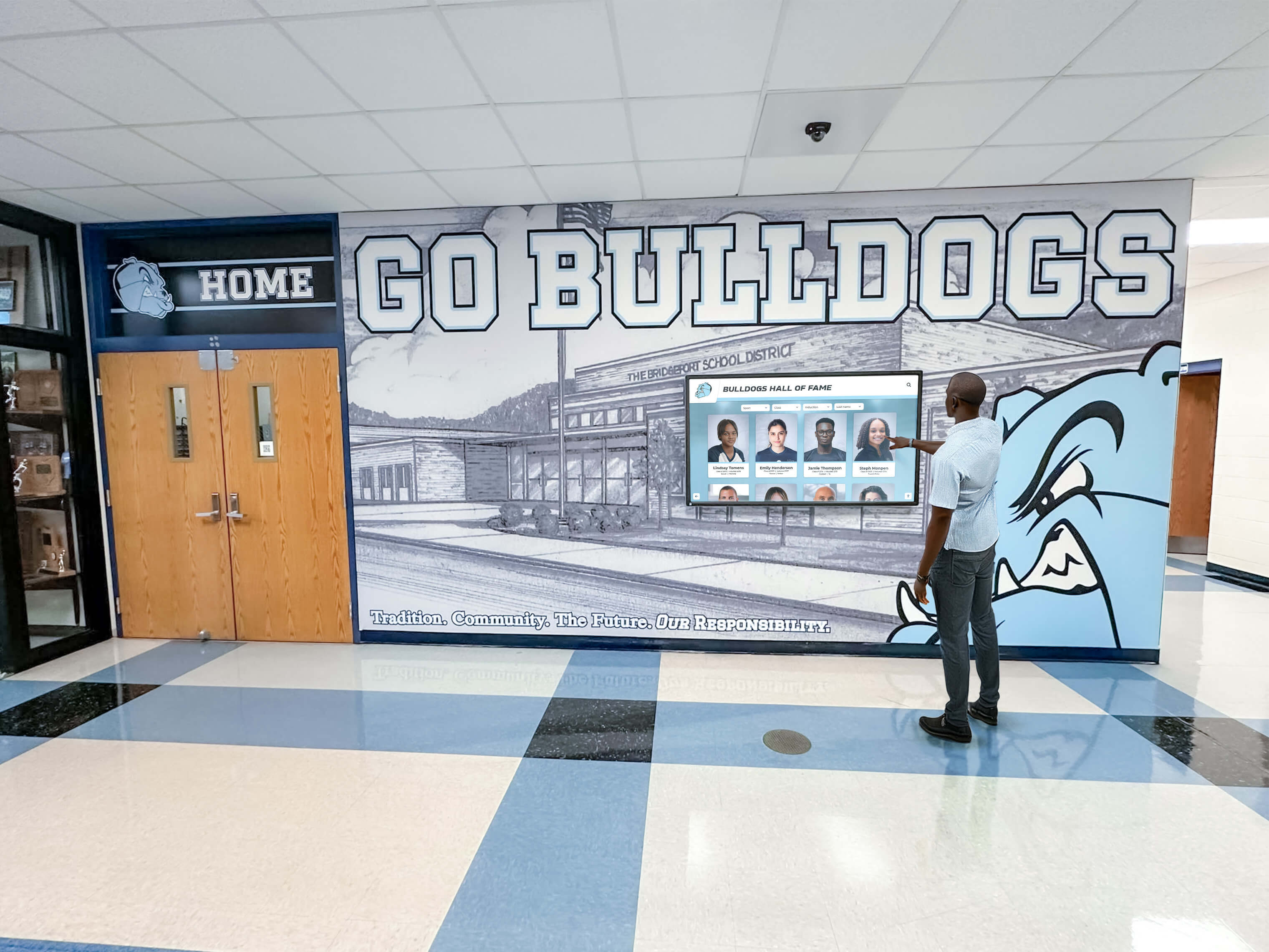
School History Touchscreen: Why You Need Full-Service Support Instead of DIY Implementation
School history touchscreens represent powerful tools for preserving institutional heritage, celebrating achievements, and engaging communities with interactive displays that transform how students, alumni, and visitors connect with your school’s story. Yet the journey from concept to successful implementation involves far more complexity than many administrators anticipate—technical challenges, content development demands, ongoing management requirements, and user experience considerations that determine whether your investment becomes a treasured institutional asset or an expensive disappointment gathering dust.
Read More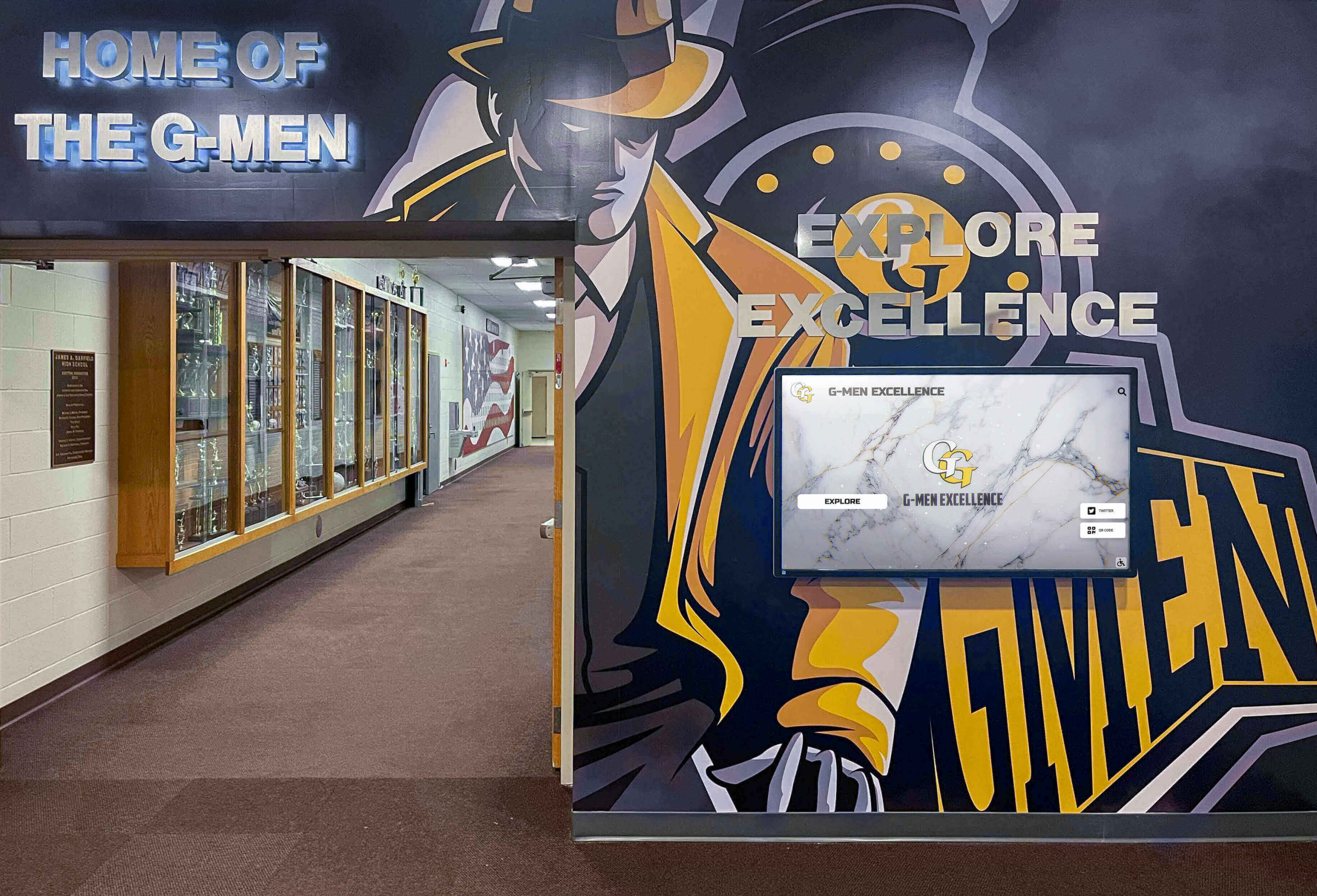
Thanksgiving Day Football Rivalry Games: Complete Guide to School History & Success Traditions in 2025
Thanksgiving Day football rivalry games represent one of America’s most cherished educational traditions—annual matchups that extend back generations, uniting schools, alumni, and entire communities in passionate displays of athletic competition and institutional pride. These Turkey Day classics transcend typical high school football games, becoming defining community events where decades of tradition, family legacy, and school spirit converge on football fields every November, creating memories that last lifetimes and connections spanning generations.
Read MoreHistorical Photos Archive: Complete Guide to Preserving and Showcasing Your School's Oldest Photos in 2025
Hidden in filing cabinets, deteriorating in basements, and scattered across countless personal collections, your school’s oldest photographs hold irreplaceable historical value—founding class portraits documenting the institution’s earliest students, vintage team photos capturing championship moments from decades past, facility construction images showing campus evolution, faculty photographs preserving the legacy of beloved educators, and countless other visual treasures that together comprise your school’s visual heritage.
Read MoreOld School Photos Digital Display: Complete Guide to Preserving and Showcasing Historical Class Photos in 2025
Tucked away in school basements, filing cabinets, and storage closets across the country sit thousands of priceless historical photographs—faded class pictures from decades past, vintage team photos capturing championship moments, weathered portraits of distinguished alumni, and countless other irreplaceable images documenting educational heritage spanning generations. These old school photos represent more than mere snapshots; they’re visual chronicles connecting current students with institutional legacy, preserving community history, and honoring individuals whose contributions shaped schools into what they are today.
Read MoreSchool Rivalry History Digital Timeline: Complete Guide to Interactive Recognition & Heritage Preservation in 2025
School rivalries represent some of the most cherished traditions in American education—decades or even centuries of athletic competition, academic excellence contests, and community pride that define institutional identity and unite generations through shared passion. Yet many schools struggle to document, preserve, and celebrate these rich rivalry histories in ways that honor the past while engaging current students, alumni, and communities who carry these traditions forward.
Read MoreOnline High School Digital Archives: Complete Guide to Building and Managing Educational Heritage Collections in 2025
Every high school possesses irreplaceable historical treasures—decades of yearbooks documenting student life, championship moments captured in fading photographs, athletic records scrawled in aging ledgers, distinguished alumni achievements scattered across storage rooms, and institutional memories residing solely in the recollections of retiring staff members. Yet most schools struggle to make these invaluable resources accessible to students, alumni, researchers, and communities who could benefit from engaging with educational heritage.
Read MoreDisplaying Your School's History: A Complete Guide to Showcasing Educational Heritage and Legacy
Every educational institution possesses a unique story—decades or even centuries of student achievement, inspiring educators, championship moments, evolving traditions, and community impact that define its character and shape its future. Yet many schools struggle to make this rich heritage visible, accessible, and engaging for current students, alumni, prospective families, and the broader community.
Read More