Athletic Archive Silver Mirroring Inspection for Historic Team Photographs
Athletic archive silver mirroring inspection is the process of examining historic team photographs—specifically gelatin silver prints—for the blue-metallic or iridescent sheen that signals silver ions have migrated to the surface of the emulsion. That sheen is not a lighting artifact and it will not disappear on its own. It is a visible indicator that the photograph has begun a form of deterioration that, left unchecked in poor storage conditions, can eventually obscure the underlying image. For schools preparing a digitization project—scanning old championship portraits, team composites, or individual athlete headshots to publish in a digital athletic archive or hall-of-fame display—identifying silver mirroring before scanning determines which photographs need urgent attention, which can be scanned as-is, and which require professional conservation review.
Read More
Athletic Archive Gate-Weave Stabilization for Historic Game Film
Athletic archive gate-weave stabilization is the process of removing the subtle frame-to-frame image shifting—horizontal drift, vertical bounce, and rotational wobble—that originates in the film gate of a projector or scanner when historic game film is played back or digitized. Schools that skip this step upload footage where the entire image trembles or drifts laterally throughout the clip, a motion that looks like camera shake but is actually a mechanical artifact of the film transport system. On an old projector or a consumer television, this movement was barely noticeable. On a 65-inch lobby touchscreen or a hall-of-fame interactive display, the same instability makes championship footage look damaged rather than historic.
Read More
Athletic Archive Wow and Flutter Correction Workflow for Historic Game Audio
Wow and flutter are pitch-instability artifacts introduced during recording or playback by a tape transport that does not move tape at a perfectly steady speed. Wow describes slow, cyclic pitch variations—typically at rates below six cycles per second—caused by gradual irregularities in the capstan motor or tape-hub tension. Flutter describes faster pitch variations in the range of six to approximately one hundred cycles per second, caused by mechanical vibration in the drive mechanism or uneven friction between the tape and the recording head. Both appear in digitized athletic archives as audio that sounds subtly unsteady—voices that drift in pitch, crowd noise that breathes unevenly, or recorded music that wobbles during ceremony introductions.
Read More
Athletic Archive Telecine Pulldown Removal for Historic Game Film
Telecine pulldown removal—also called inverse telecine (IVTC)—is the process of reversing the frame-rate conversion that happened when a school’s historic game film was originally transferred to video. When 16mm or 8mm athletic film was dubbed onto VHS or broadcast tape, the telecine machine used a repeating 3:2 pattern to bridge the gap between film’s 24 frames per second and video’s approximately 30 frames per second. That blending was invisible on an analog television, but when the tape is re-digitized today and played on a modern display, the duplicated and blended frames appear as horizontal combing lines in fast-action sequences, unsteady motion cadence, and a juddering quality that makes a championship recording look technically damaged rather than historically significant.
Read MoreAthletic Archive RAW-to-TIFF Conversion Workflow for Preservation Masters
Converting camera RAW files into TIFF preservation masters is the step that separates a durable athletic archive from a fragile collection of files that will degrade every time someone re-exports them. When your school’s athletic department digitizes old game photos, portrait sessions, or championship shoots—whether using a DSLR today or working from earlier digital captures—the RAW file is the closest thing to a digital negative. Saving it directly as a JPEG and calling it done is the archival equivalent of developing film in a kitchen sink: you get something usable, but you permanently discard information you will never recover.
Read MoreAthletic Archive Dust and Scratch Removal Workflow for Scanned Photos
That cardboard box in the equipment room often holds the entire visual history of a school’s athletic program—championship team photos from 1978, senior portrait cards from the mid-eighties, action shots from long-ago state tournaments, individual headshots clipped from yearbooks that no longer exist anywhere else. When those images finally get scanned for a digital recognition display, most arrive as high-resolution records of every scratch the original print ever collected: dust flecks, emulsion cracks, fading edges, and the kind of brown haze that settles on acetate after forty years in a file cabinet.
Read More
Touchscreen Recognition Display Screen Response-Time Test: Check Motion and Interaction Clarity
A touchscreen recognition display screen response-time test measures whether a display panel transitions between images quickly enough to show athlete highlight reels, scrolling recognition feeds, and portrait gallery animations without visible ghosting or blurring—and whether the touch layer registers visitor inputs within a timeframe that feels immediate. These are two distinct measurements that are often confused with each other, and both matter for a display serving a school hall of fame, athletic archive, or recognition program.
Read MoreTouchscreen Recognition Display Backlight Bleed Test: A School Acceptance Guide
A touchscreen recognition display backlight bleed test is a structured visual inspection that confirms whether a new display panel shows unacceptable light leakage before it is mounted in a school lobby, athletic corridor, or hall of fame wall. Run on a dark test image in a controlled environment, the test takes under 20 minutes and catches a defect that would otherwise go unnoticed until the display is installed—and then becomes visible to every parent, donor, and administrator who walks past during an evening event.
Read More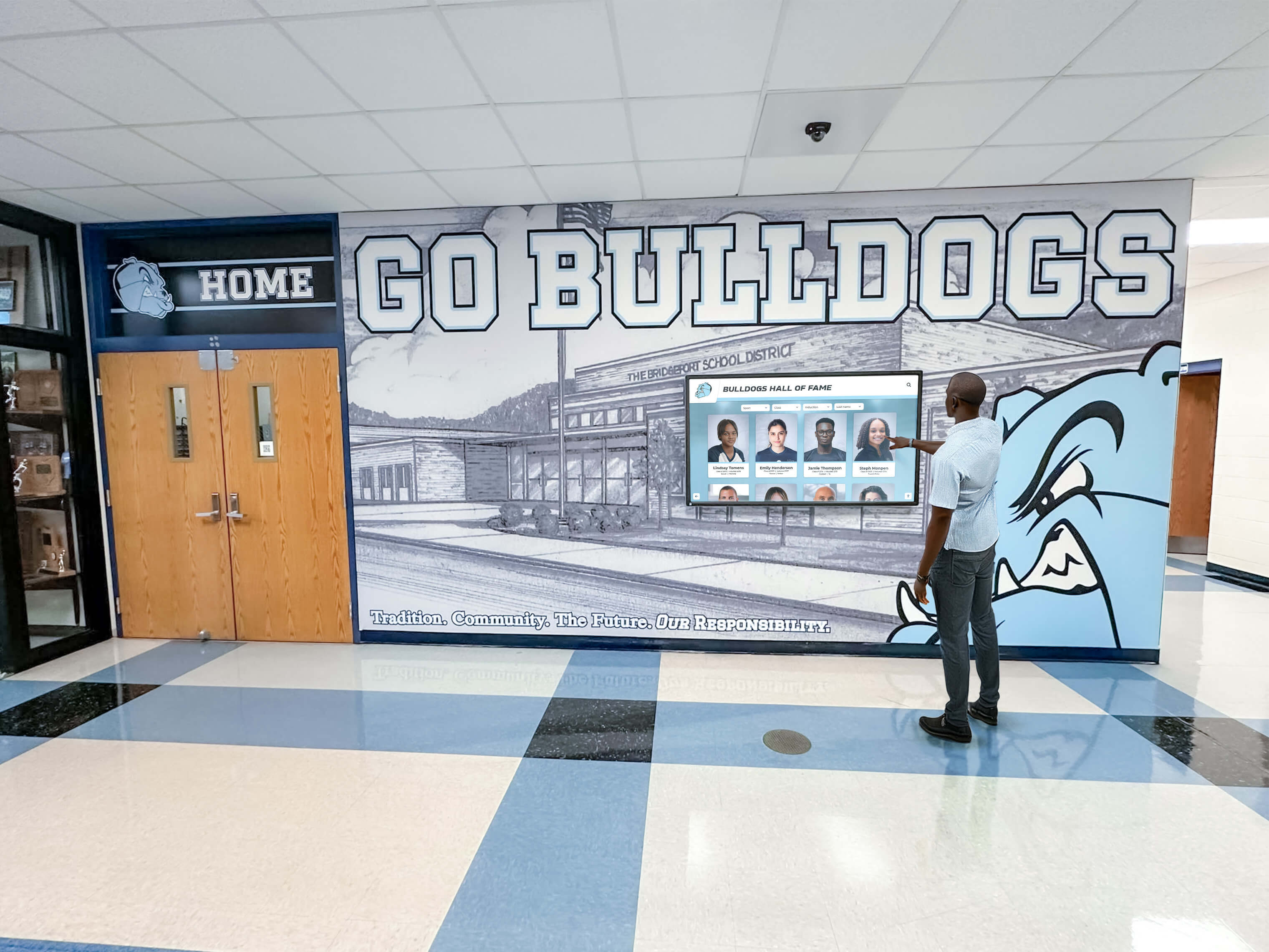
Touchscreen Recognition Display Speaker Audio Test Checklist: Isolate Source, Cable, and Speaker Faults
A touchscreen recognition display speaker audio test checklist addresses the problem that appears most often on game nights and induction ceremonies: the display looks perfect but no sound comes out—or the narration for an induction video is so distorted that families in the front row cannot understand a word. Audio failures on school recognition displays rarely stem from one cause. They trace back to a combination of source settings, cable routing, and speaker configuration that each passed an informal glance but were never tested together as a system.
Read MoreTouchscreen Recognition Display Backup Testing Checklist: Prove Recovery Before an Event
A touchscreen recognition display is only as valuable as its ability to perform on the moments that matter most—the Friday night home game, the annual athletic induction ceremony, the 20-year class reunion. When the display goes dark or loses content right before the gymnasium fills with proud families, there is no time to troubleshoot from scratch. A structured touchscreen recognition display backup testing checklist completed days before the event turns a stressful unknown into a verified guarantee.
Read More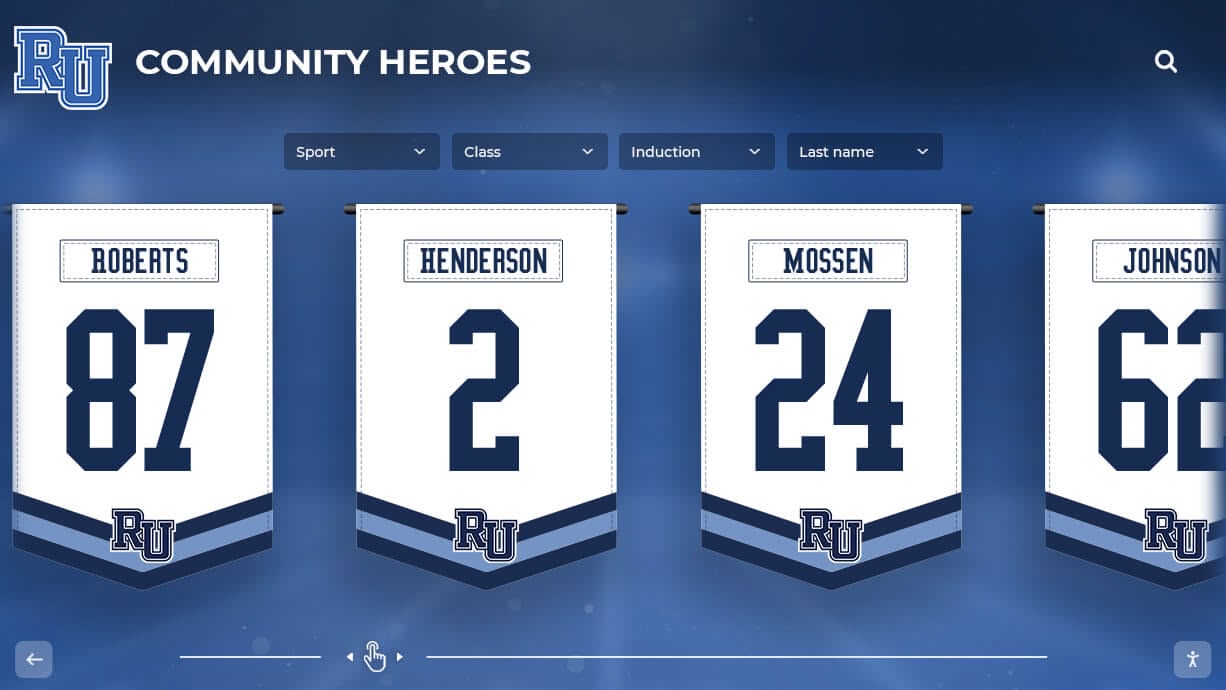
Championship Banner Inspection Checklist: Annual Safety and Recognition Review
A championship banner inspection checklist is the simplest tool an athletic department can use to ensure that the physical recognition hanging in its gymnasium still honors athletes accurately, hangs safely, and looks worthy of the achievement it represents. Most programs inspect banners only when something goes visibly wrong — a frayed grommet, a year that turns out to be incorrect, a banner listing a roster name spelled incorrectly. A formal annual review catches those problems before they become embarrassments or safety concerns, and creates the institutional record that supports accurate recognition across staff transitions.
Read MoreChampionship Banner Storage Guide: Preserve School Athletics History Between Displays
A championship banner storage guide is one of those institutional documents most athletic programs never think to create until something goes wrong — a banner pulled from a box before a renovation looks faded and creased beyond recognition, or a staff member discovers that three rolled banners in the storage room have no labels and no one alive in the department knows what they represent. Proper storage between display cycles, facility renovations, and gymnasium transitions is the step that determines whether a school’s physical championship record survives intact or deteriorates quietly in a climate-uncontrolled room.
Read More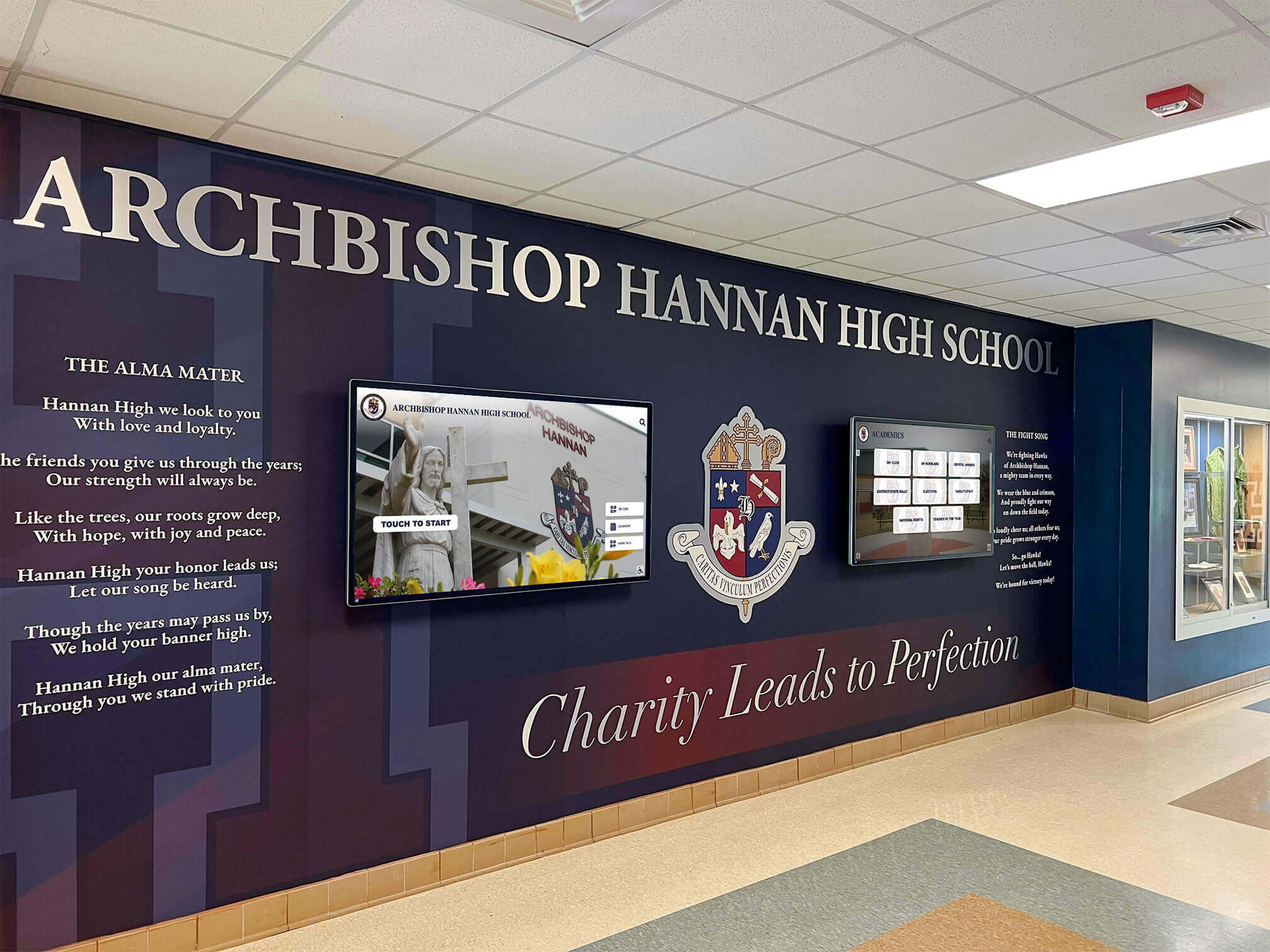
Sports Digital Signage for Schools: Announcements, Sponsors, Records, and Team Updates
Sports digital signage gives schools a single, flexible surface for the information athletic programs generate every week—game schedules, sponsor acknowledgments, season records, award recipients, and roster updates—without the delays and costs of printing new materials every time something changes. A screen outside the gymnasium that displayed last month’s volleyball bracket can show this week’s football schedule, the booster club sponsors, and the updated swimming record board, all before the next home game.
Read More
Media Day Pictures for School Athletics: Poses, Captions, and Display Uses
Media day pictures do far more than fill a school website gallery. When athletic departments collect the right poses, captions, and permissions on a single shoot day, those images become source material for season rosters, award ceremony slides, senior tribute videos, hall of fame entries, digital lobby displays, and reunion archives—sometimes for decades. The key is treating media day as a data-collection exercise, not just a photography session.
Read MoreTeam Roster Template With Pictures: How Schools Build Reusable Athlete Profiles
Every season, athletic departments and communications staff across the country face the same recurring challenge: collecting athlete photos and profile information from scratch, chasing down headshots in three different formats, discovering that last year’s template was saved on a coach’s personal laptop, and rushing to publish a presentable roster before the first game. The problem is not that schools lack the will to do this well—it is that most programs have never built a team roster template with pictures designed to be reused, updated, and connected to the school’s broader recognition archive.
Read MoreAthletic Timeline Wall: Building a Visual History of Your School's Sports Program
Walk into a well-designed athletic facility and there is usually a moment where the entire program’s history becomes visible at once. Championship years line up decade by decade. Coaching tenures bracket eras that felt distinct when they happened but now connect into a single arc. Faces of athletes who graduated 30 years apart appear side by side, sharing the same wall, the same school colors, the same identity. That moment—when the whole story of a sports program reveals itself in a single hallway walk—is what an athletic timeline wall makes possible.
Read More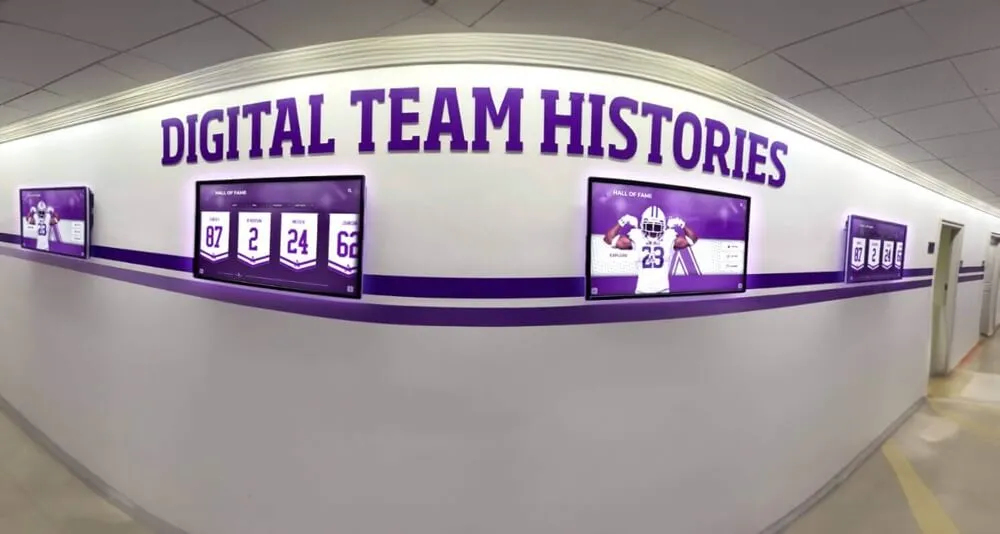
Athletic Timeline Wall: Building a Visual History of Your School's Sports Program
An athletic timeline wall tells the entire arc of a sports program in a single walk down a hallway. Championships stack on top of milestones, coaching eras blend into record-breaking seasons, and student-athletes who graduated decades apart suddenly share the same wall. When done right, a well-designed athletic timeline wall does something that individual trophies, plaques, and banners can’t accomplish on their own: it builds the narrative of what your program has always been and what it is still becoming. That continuity is what separates a school that has a collection of athletic memorabilia from a school that has a true sports legacy.
Read More
Athletic Record Board Ideas: Creative Ways to Showcase School Sports Achievements
Athletic directors and coaches face a persistent challenge: how to appropriately celebrate the remarkable achievements athletes work years to accomplish while working within limited budgets, physical space constraints, and maintenance realities. Traditional vinyl record boards quickly become outdated, wall space runs out as programs accumulate achievements, and countless deserving records never receive the recognition they merit simply because there’s nowhere left to display them.
Read More
What Is a Booster Club? A Complete Guide to Supporting School Athletics
Behind every successful high school athletic program stands a group of dedicated parents, alumni, and community members working tirelessly to bridge the gap between school budgets and what competitive teams truly need. These organizations—known as booster clubs—represent the volunteer infrastructure that transforms adequate athletic programs into exceptional ones, providing resources that enable student-athletes to compete, develop skills, and create memories lasting a lifetime.
Read MoreBooster Club Fundraisers: Ideas to Support Your Athletic Programs
Athletic booster clubs fuel the dreams of student-athletes across America—bridging the gap between what school budgets provide and what competitive programs truly need. Whether you’re funding new equipment, team travel, facility improvements, or scholarships, successful fundraising transforms athletic programs from adequate to exceptional, creating opportunities that shape young lives far beyond the playing field.
Read More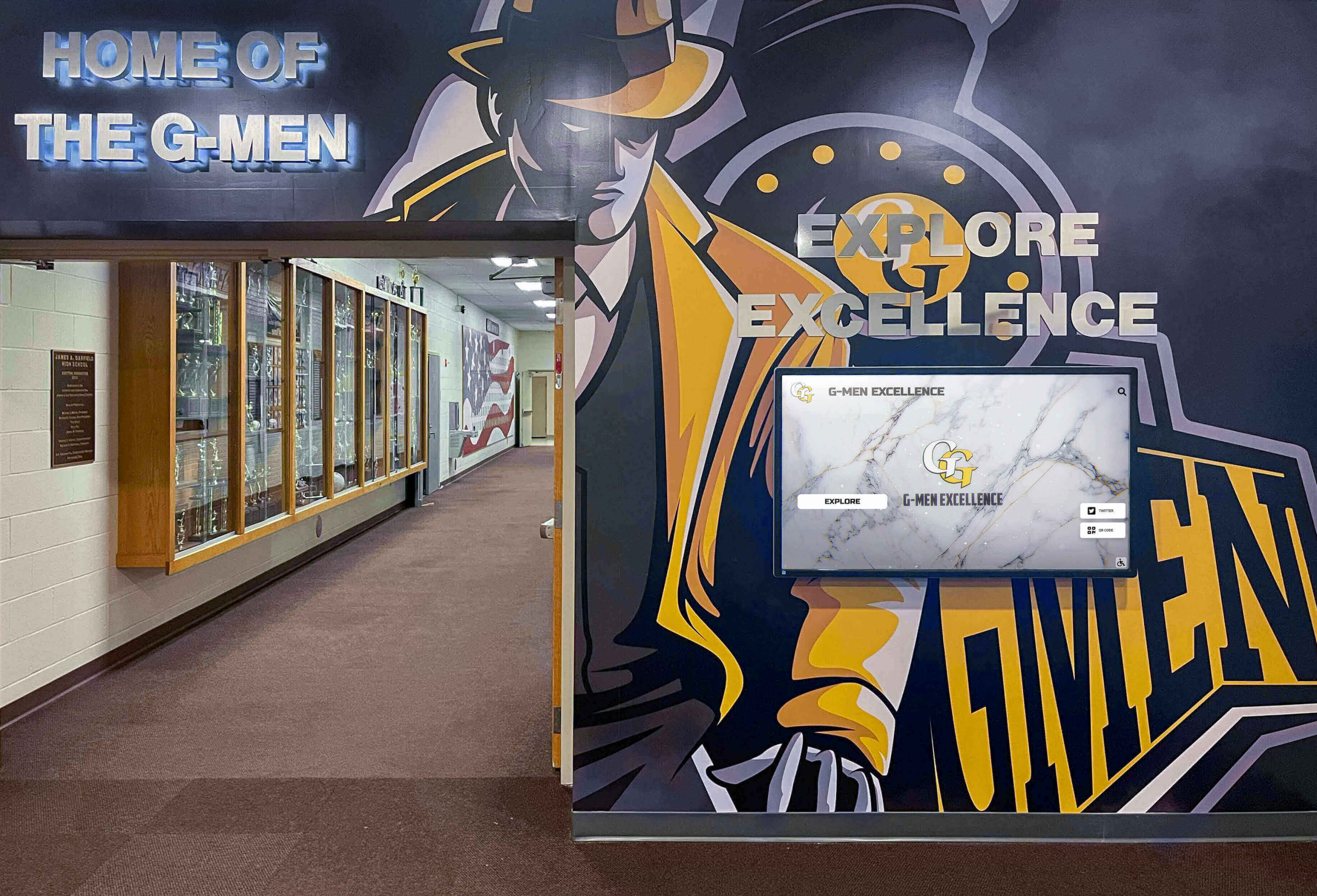
Replacing Expensive Gym Banners: Digital Trophy Case Video Walkthrough Guide
Intent: demonstrate | A comprehensive video guide demonstrating how digital trophy cases and interactive touchscreen displays replace expensive championship banners in school gymnasiums, featuring production specifications, shot sequences, and scene-by-scene walkthroughs that show athletic directors cost-effective banner alternatives.
Read More