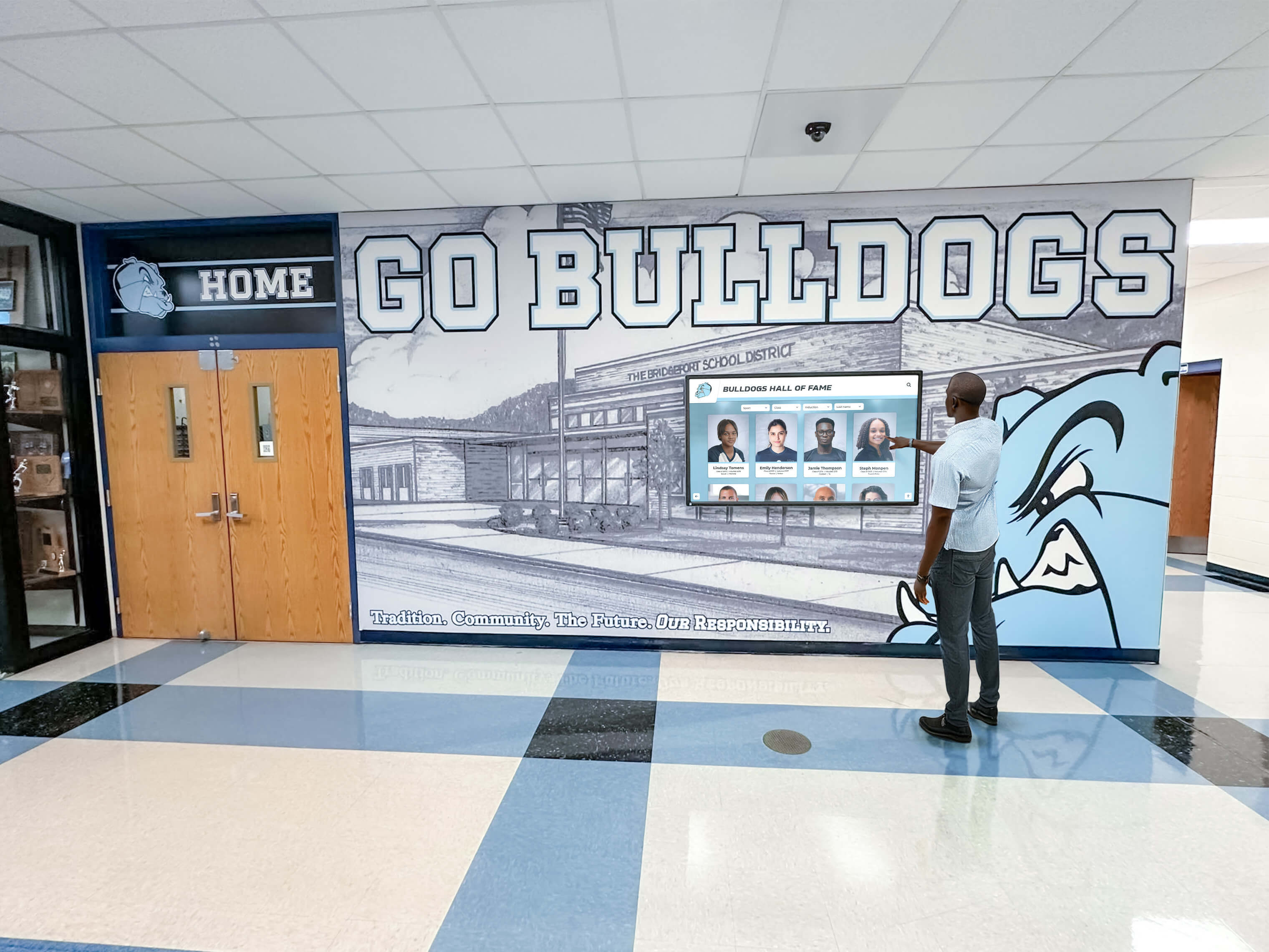
TCP Selective Acknowledgment Check for Athletic Recognition Video Displays
A school recognition display TCP selective acknowledgment check is a structured network procedure that confirms TCP SACK is negotiated end-to-end between the display and its cloud content platform—so when packet loss occurs on the school network, only the lost segments are retransmitted rather than the entire unsent queue, keeping large athlete video loads bounded, fast, and uninterrupted during hall-of-fame induction nights, championship celebrations, and routine corridor viewing. TCP selective acknowledgment, defined in RFC 2018, allows the receiving end of a TCP connection to tell the sender exactly which segments arrived and which were missing, rather than simply reporting the last contiguous byte received. Without SACK, any packet loss event triggers a go-back-N retransmission: the sender must re-send all data from the point of loss, even segments the receiver already has in its buffer. On a school network where even brief wireless interference or upstream congestion drops a single packet during an HLS video segment transfer, the difference between SACK-enabled and SACK-disabled recovery is the difference between retransmitting one lost segment and stalling the entire video buffer while all subsequent segments queue behind a full-window retransmit.
Read More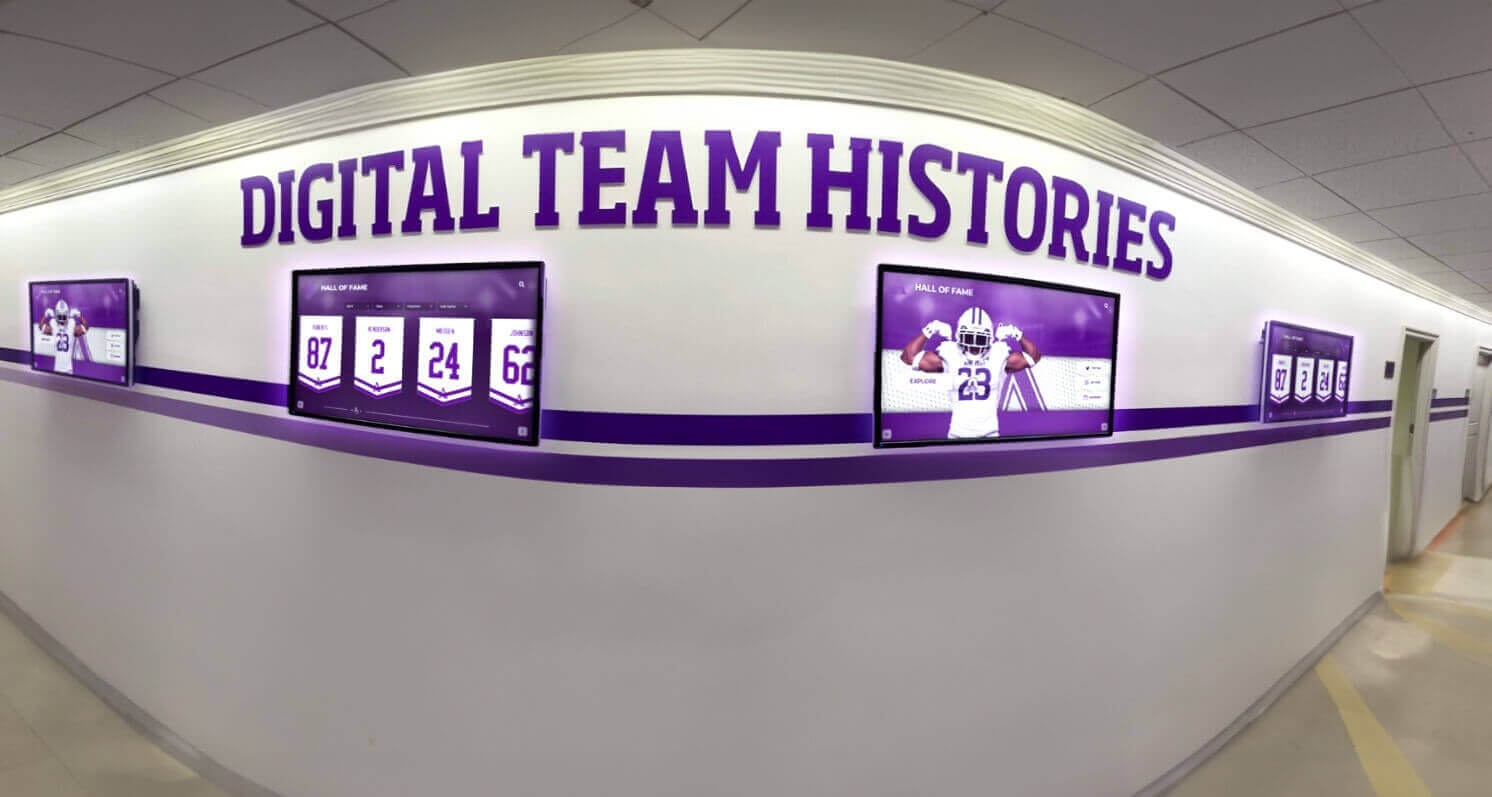
Recognition Display TCP Window Scaling Test for Large Athletic Media
A recognition display TCP window scaling test is a structured network procedure that confirms your school’s firewall, router, and WAN path allow TCP receive windows large enough to sustain athletic video throughput—so championship highlight reels, induction ceremony clips, and large athletic media assets stream without stalling on lobby kiosks, hall-of-fame touchscreens, and hallway recognition panels. TCP window scaling, defined in RFC 1323, extends the maximum TCP receive window beyond the 65,535-byte limit imposed by the original TCP specification. Without it, a TCP connection’s throughput is capped by the bandwidth-delay product of the network path: on a school WAN link with 40 ms round-trip time to a CDN edge node, an unscaled 65,535-byte window limits throughput to roughly 13 Mbps—often insufficient for multiple concurrent 1080p athletic video streams. When window scaling is blocked or stripped by a middlebox, athletic video content fails to buffer ahead of playback, producing the stalling and incomplete-load symptoms that disrupt recognition events.
Read More