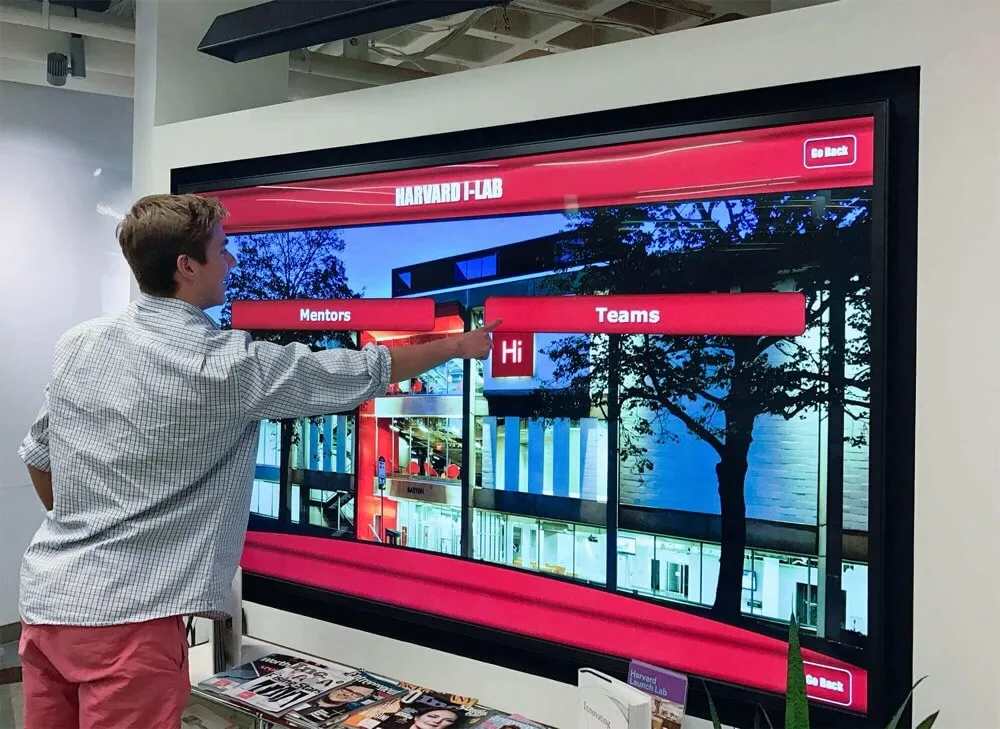
How to Build a School Virtual Tour: An Interactive Walkthrough for Touchscreen, Web, and Recruitment
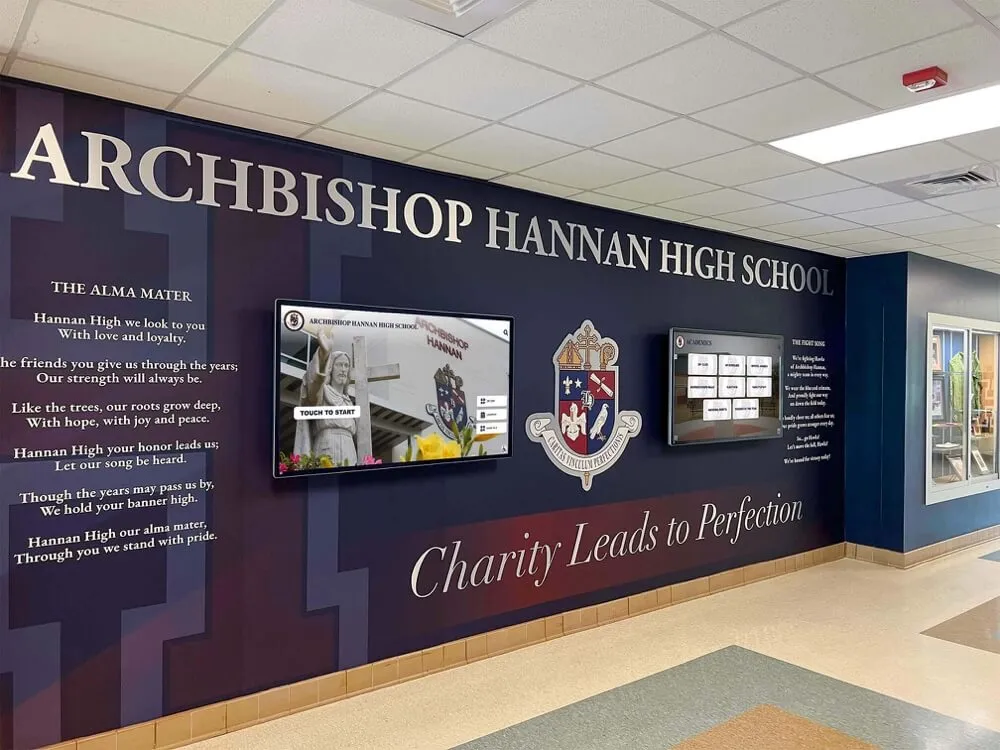
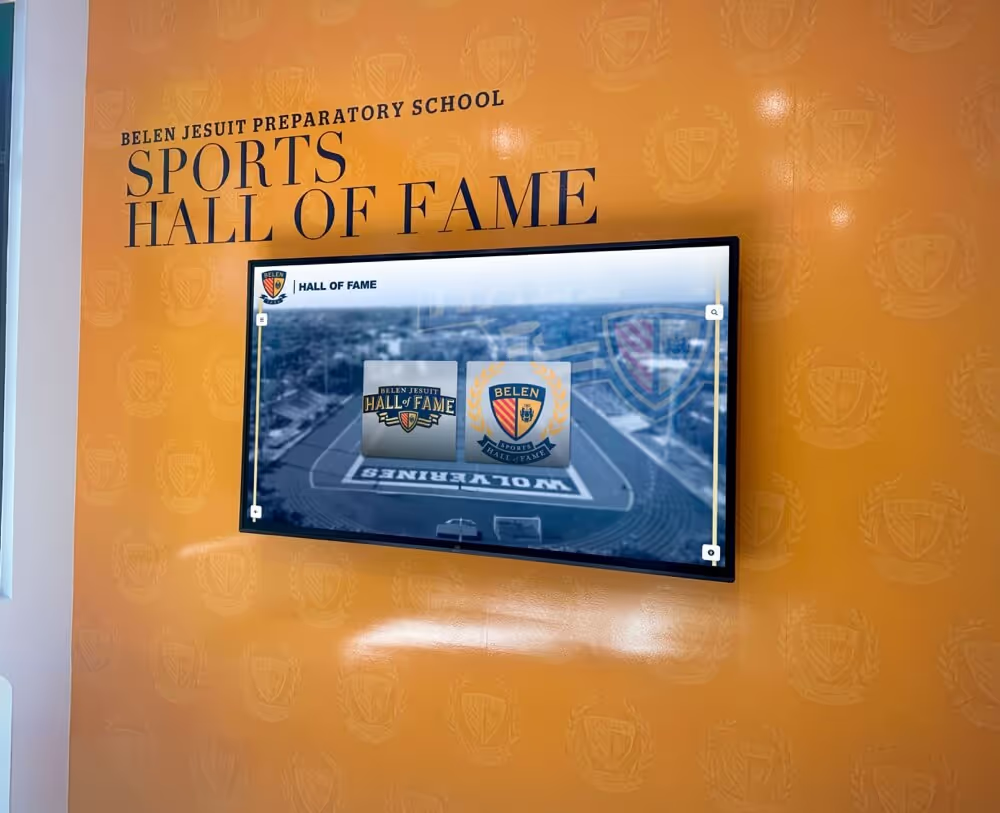
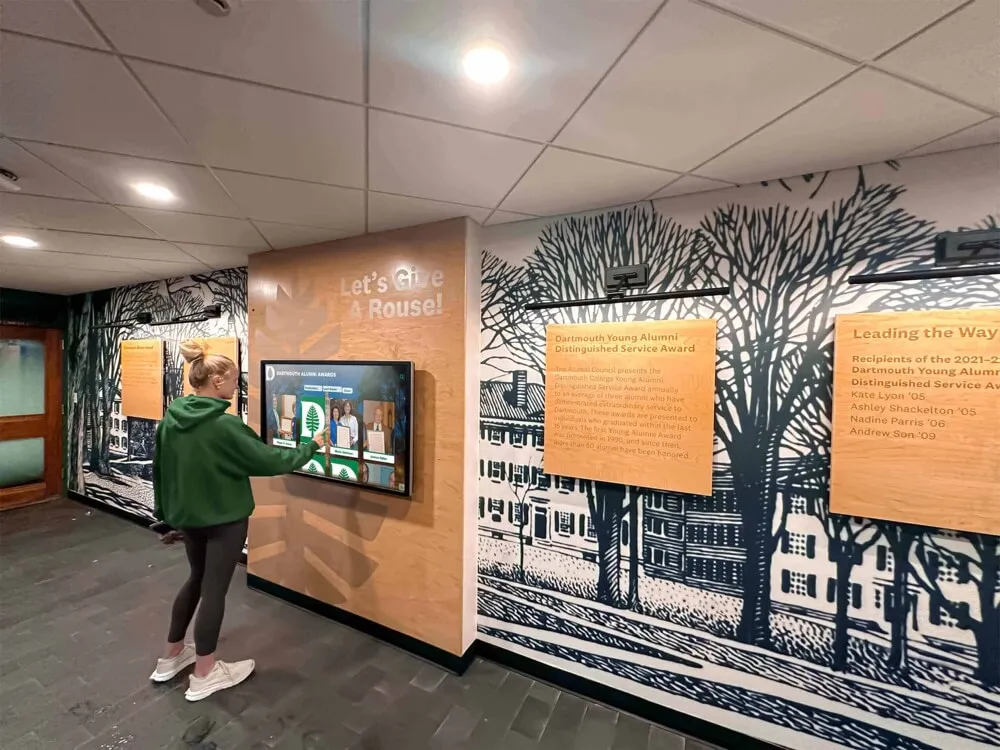
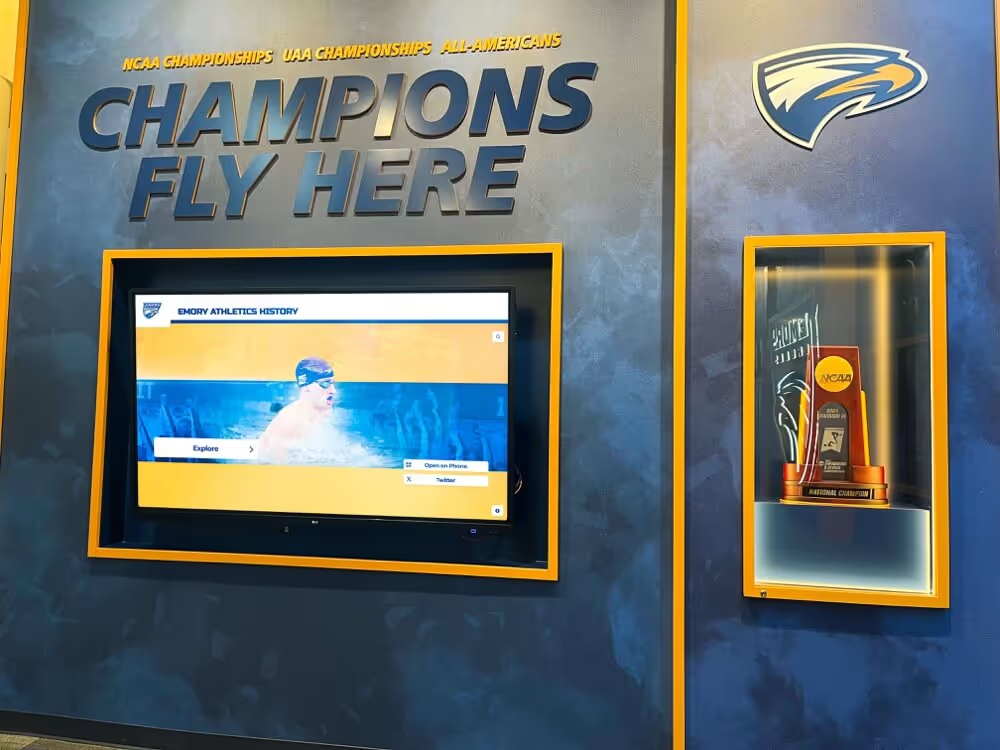
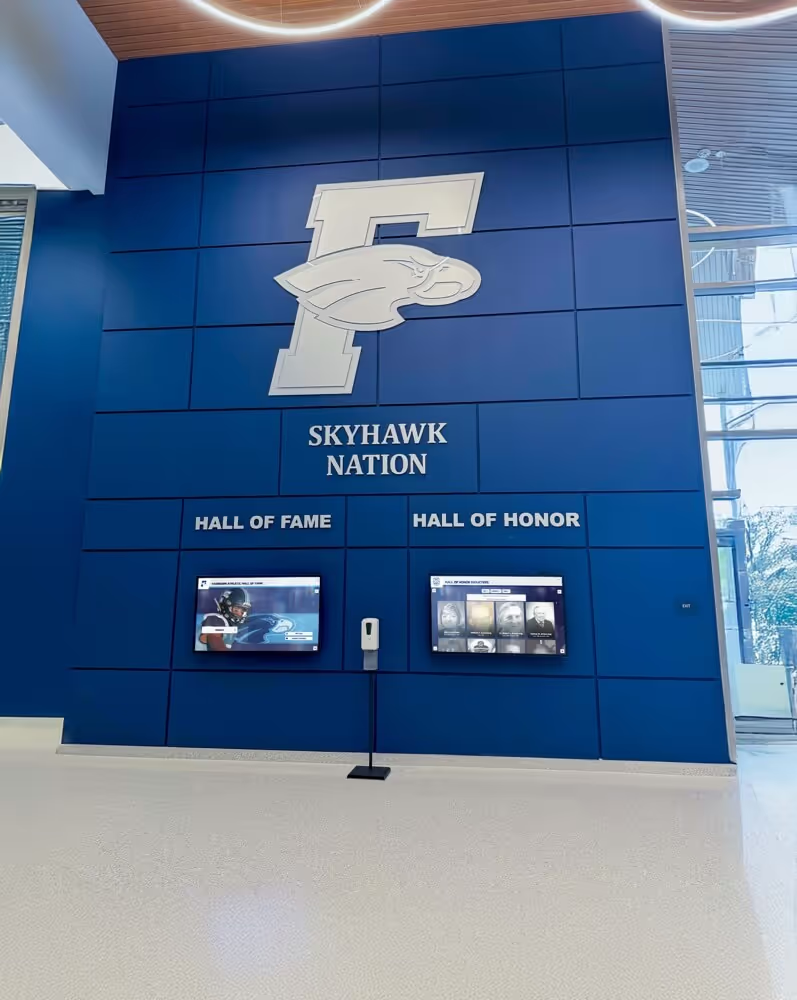
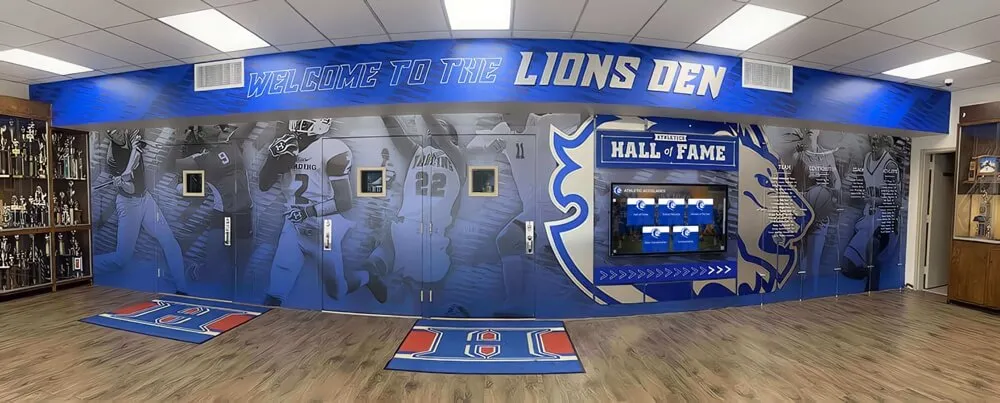
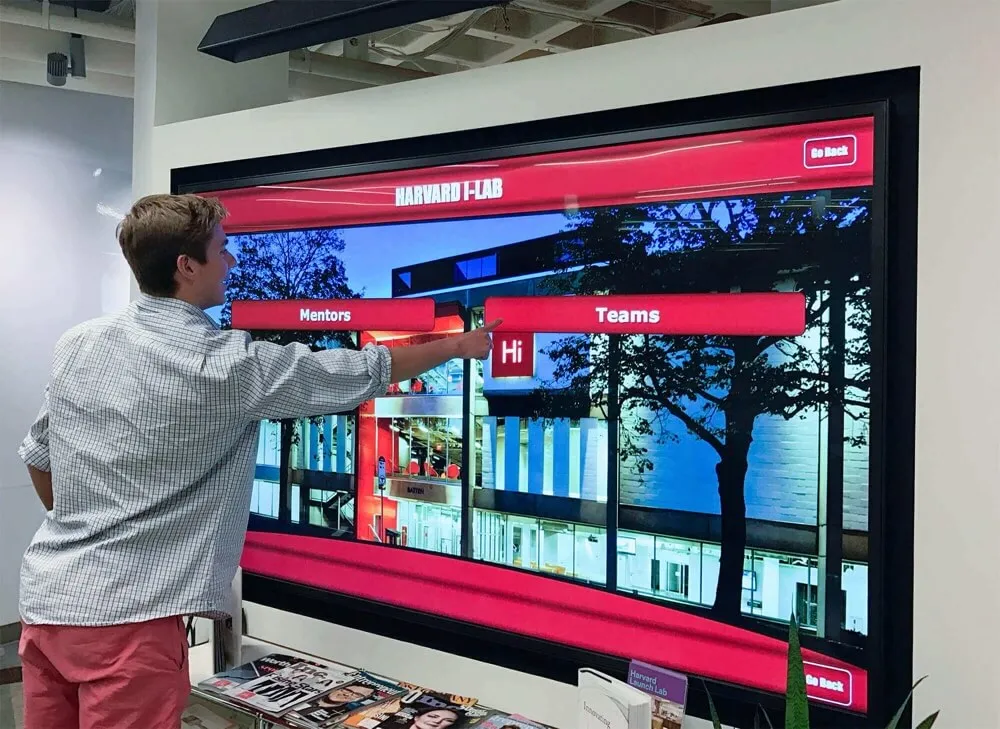
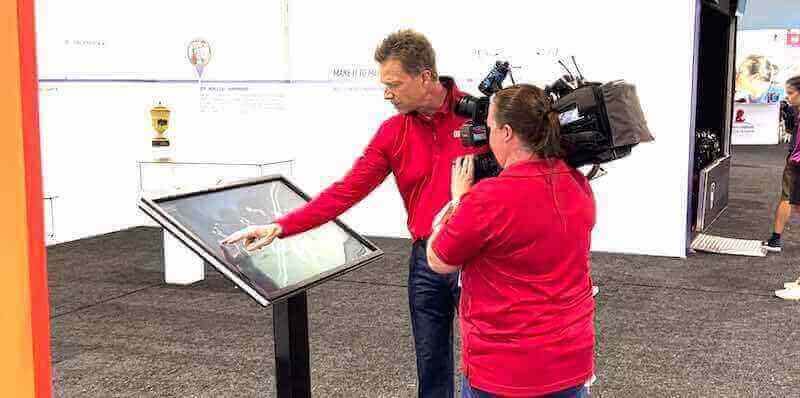
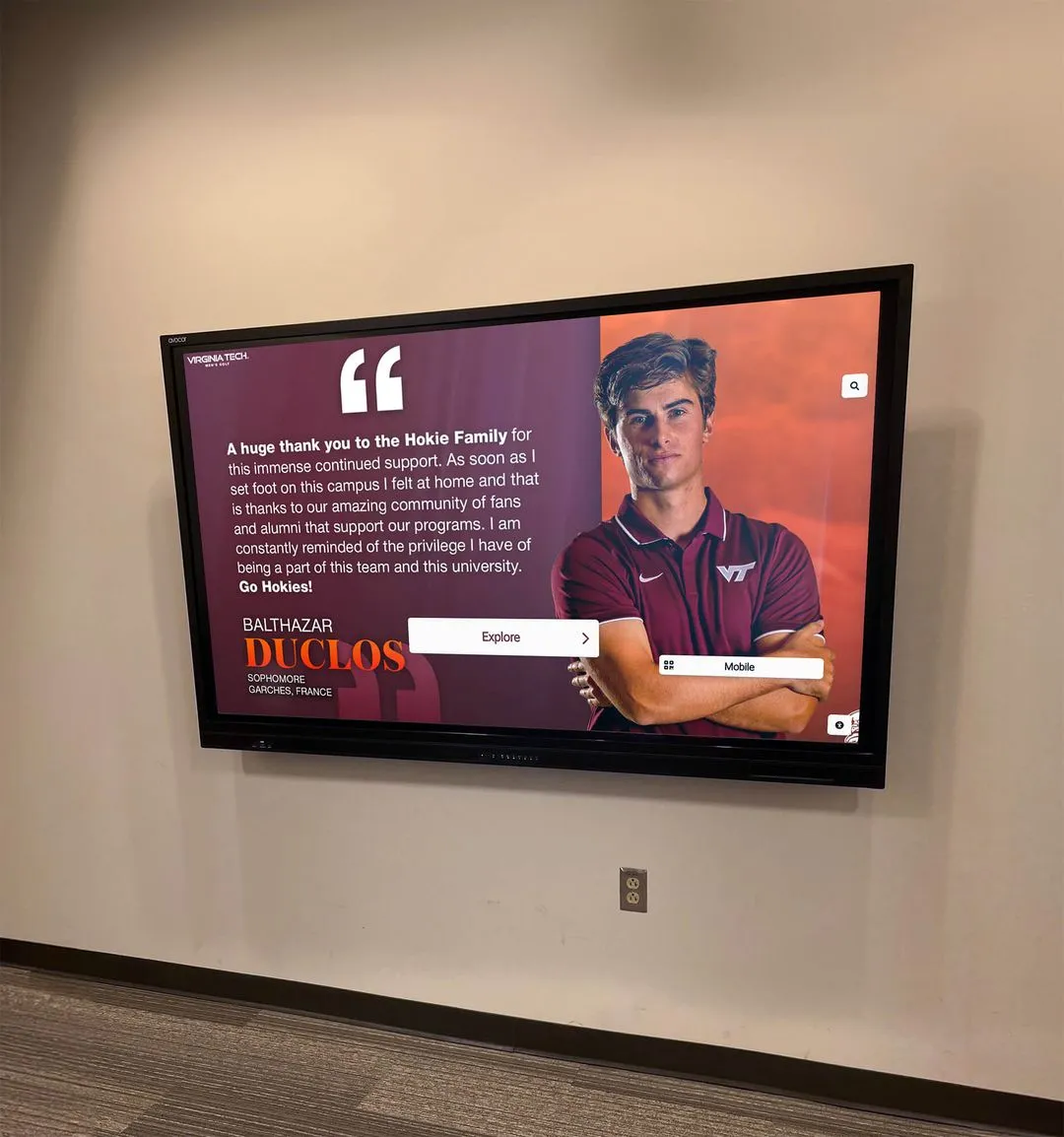
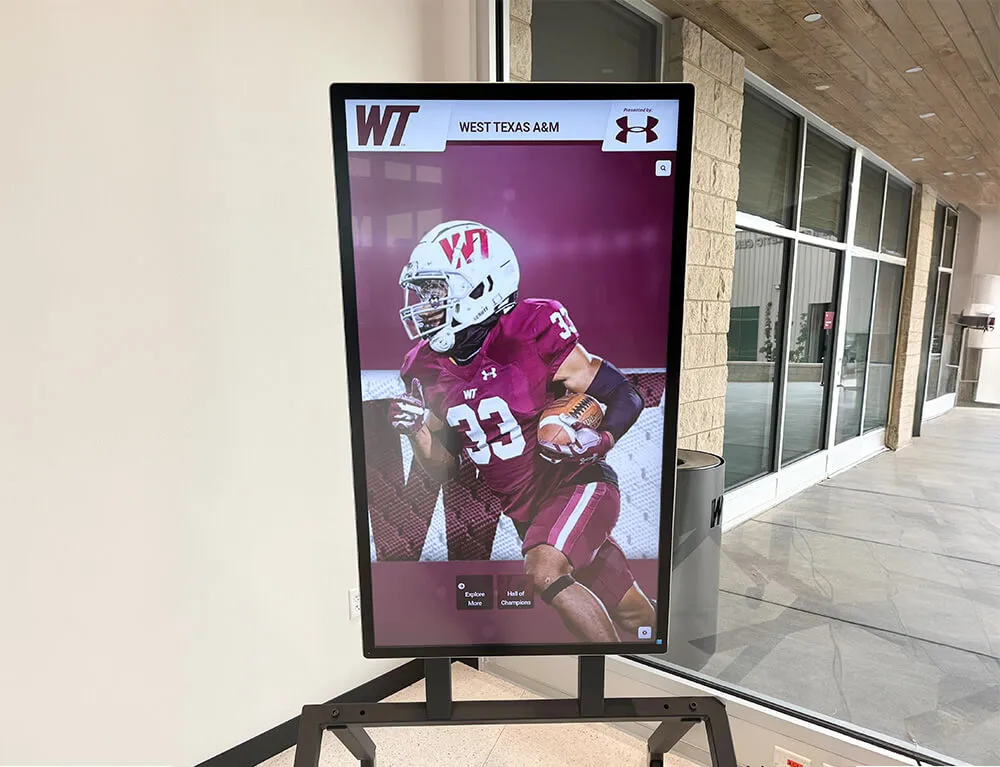
Walk into any high-performing admissions office and you’ll find the same question on the whiteboard: how do we show prospective families what our school is like when they can’t be here in person? The answer used to mean a stitched-together 360-degree scan, a YouTube walk-and-talk, or a printed viewbook nobody reads past page four. Today the answer is a school virtual tour built on interactive technology that works in three distinct contexts simultaneously—as a lobby touchscreen kiosk that greets every visitor, as a web embed that converts prospective families researching at midnight, and as a recruitment tool that puts your strongest stories in front of student-athletes, honors candidates, and transfer applicants before they ever set foot on campus.
Read More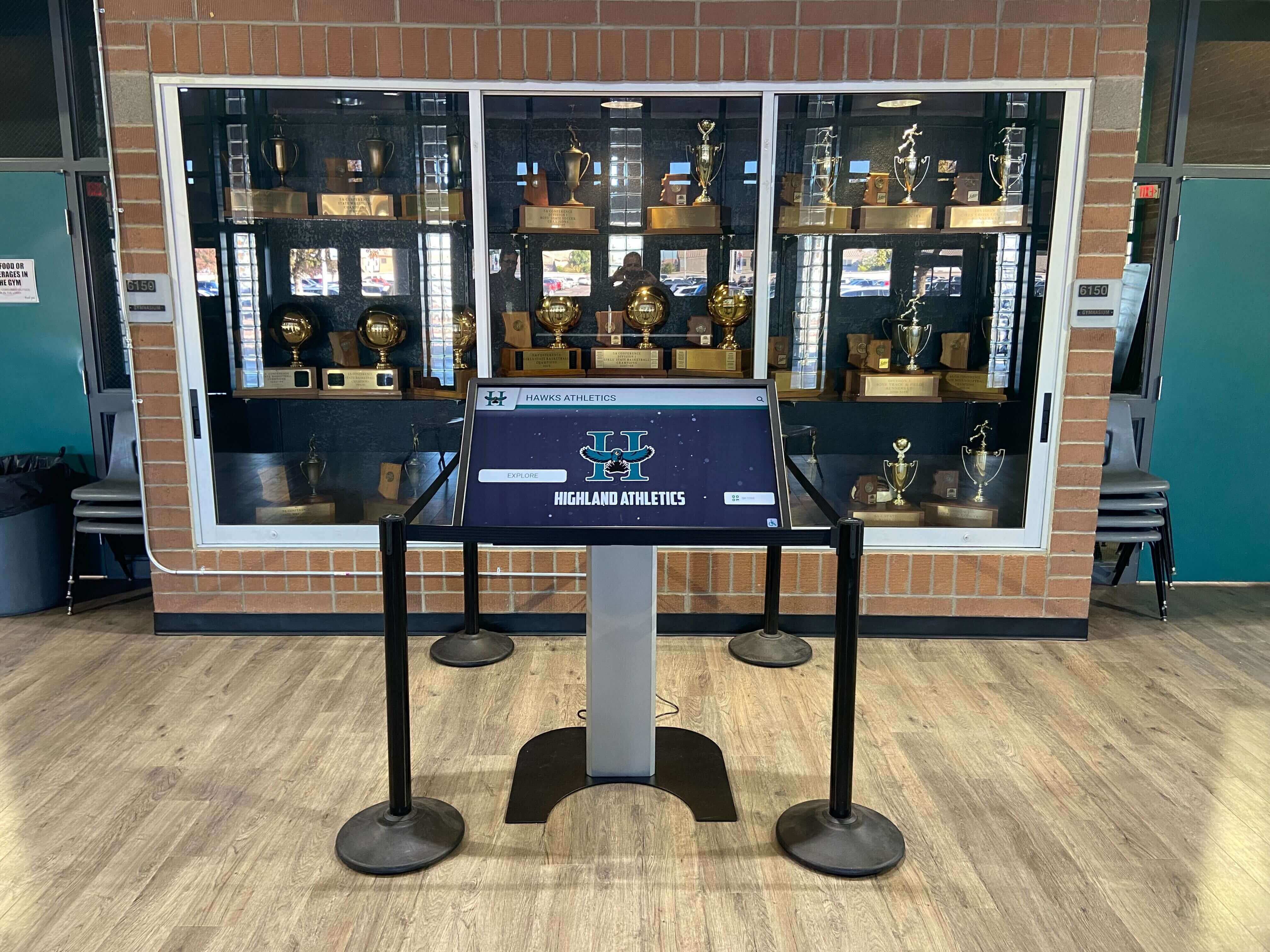
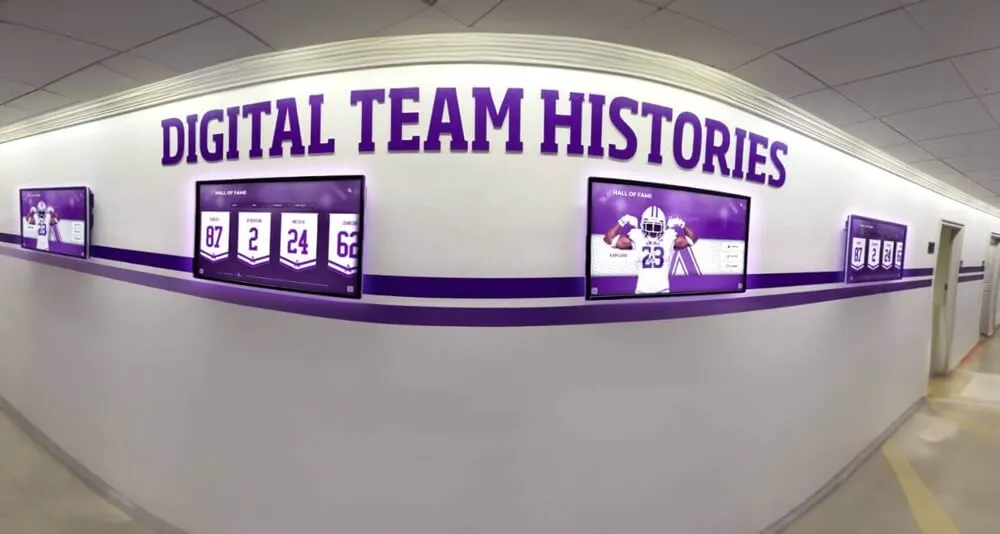
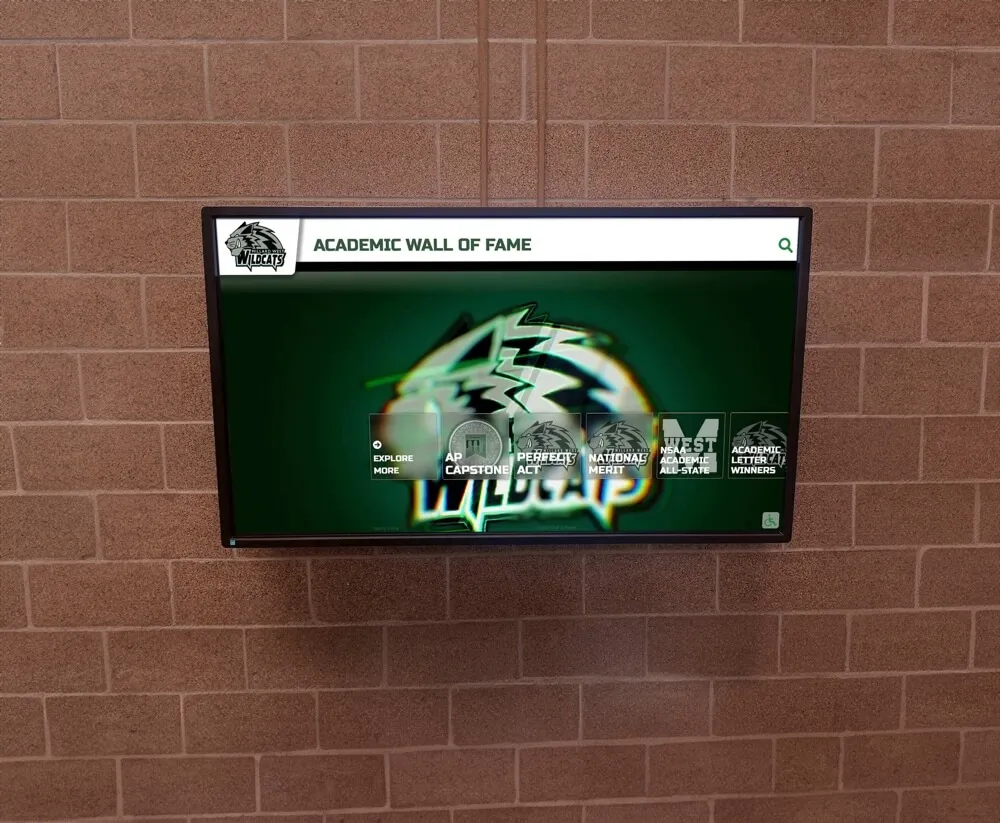
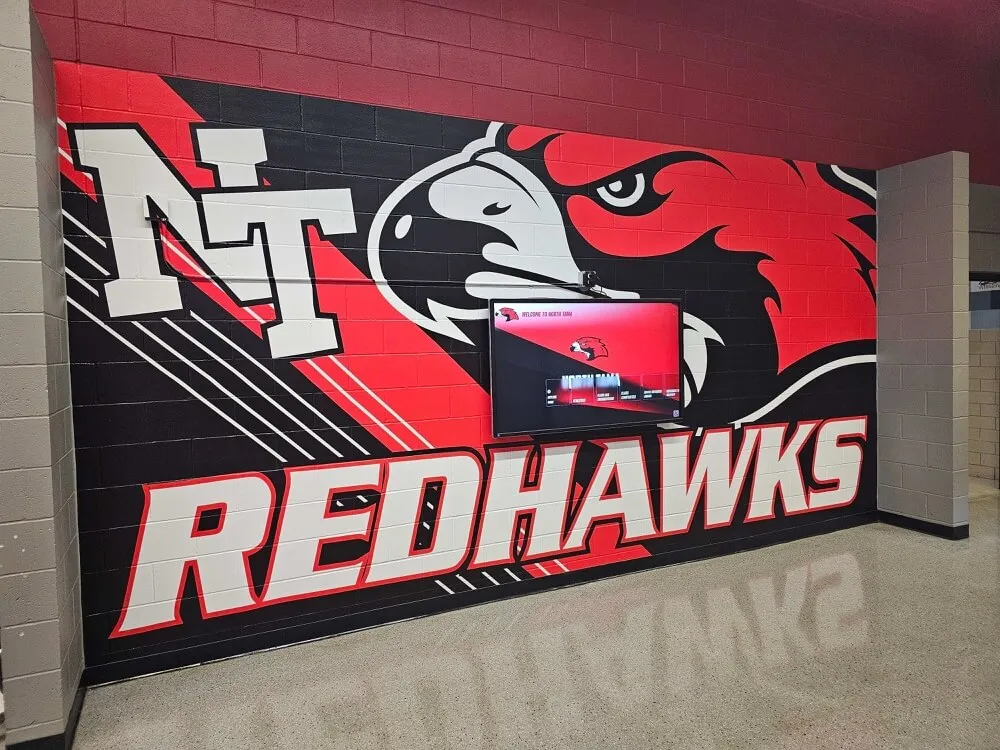
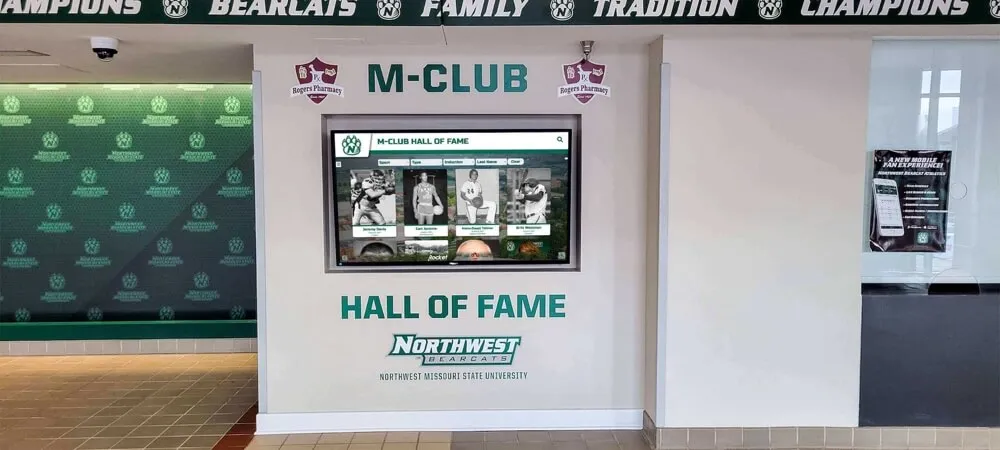
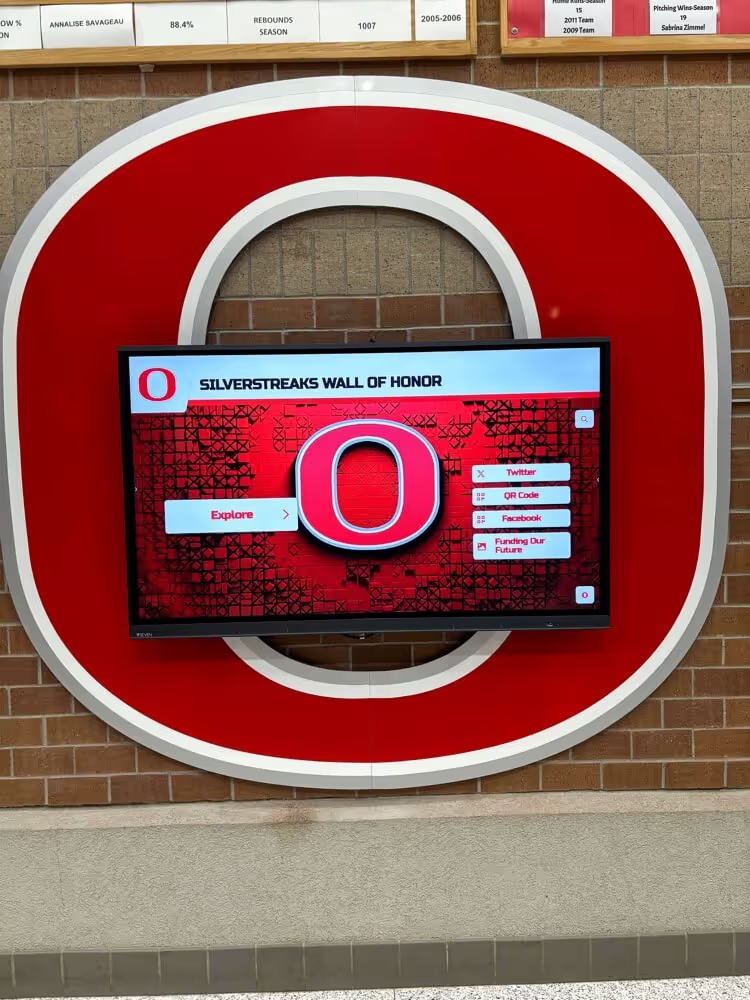
Touch Screen Kiosk Display: Choosing the Right Interactive Screen for School Lobbies and Hallways
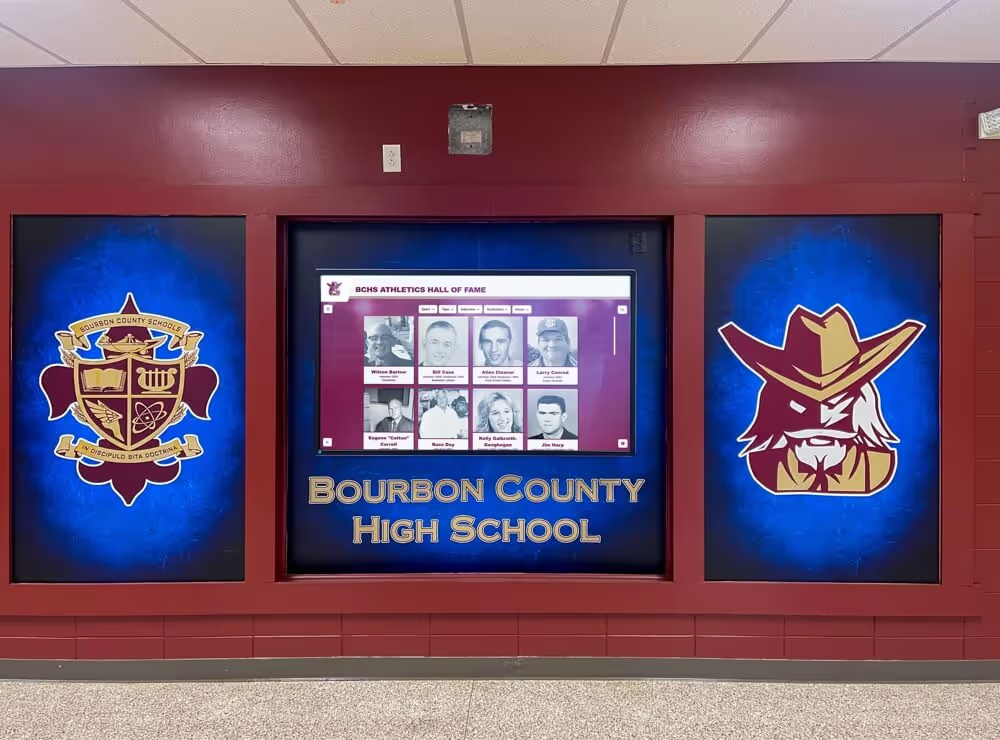
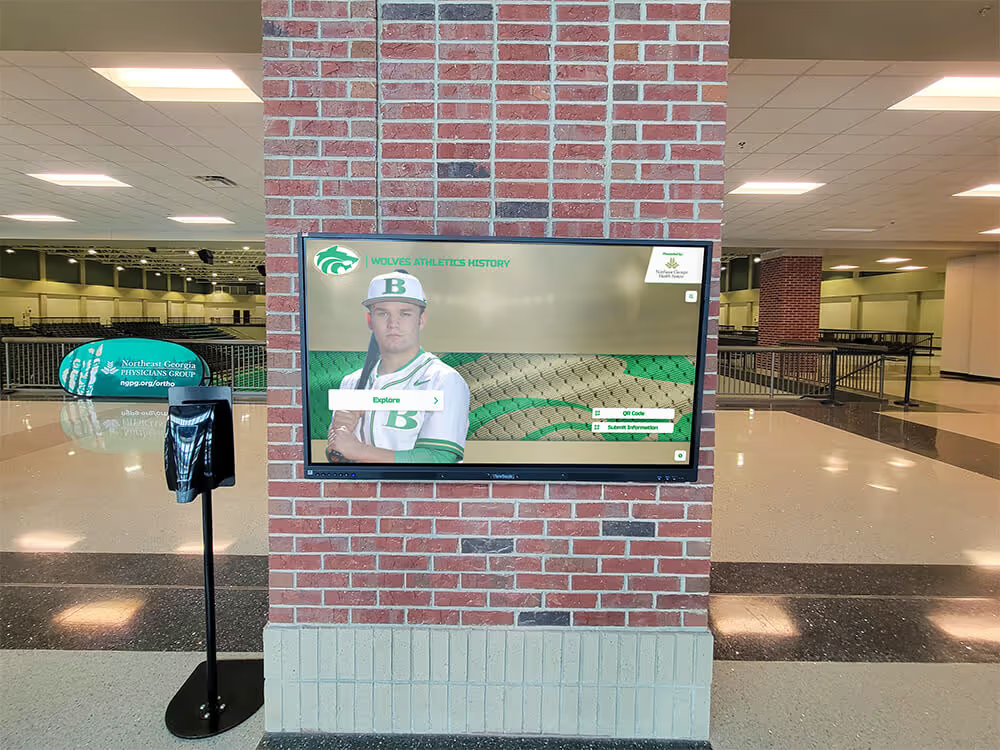
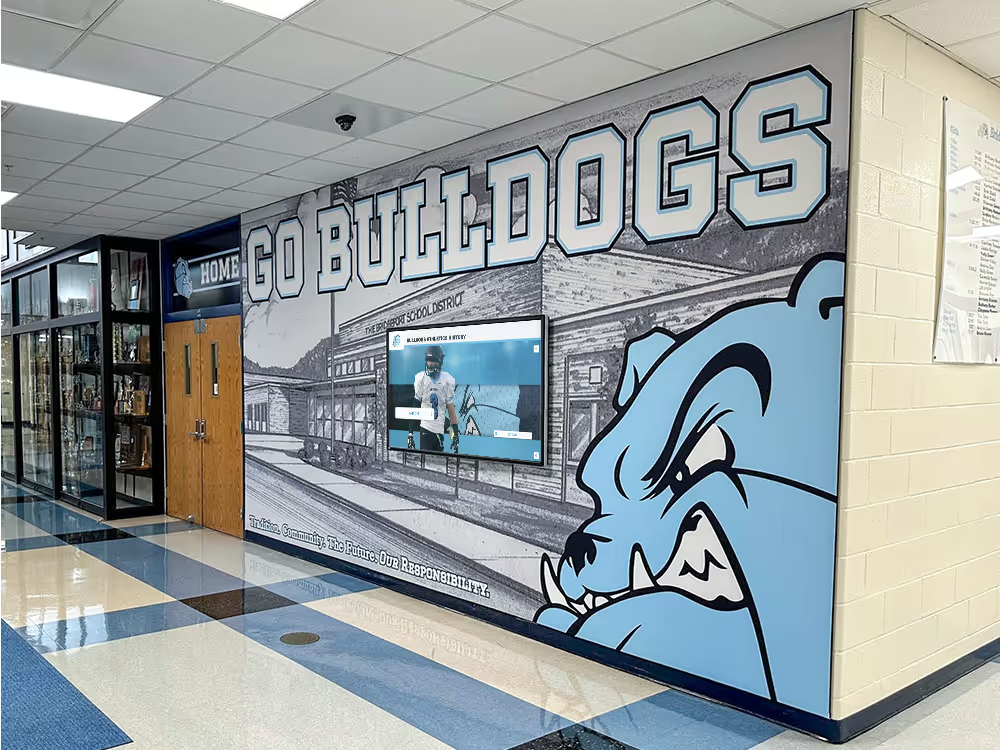
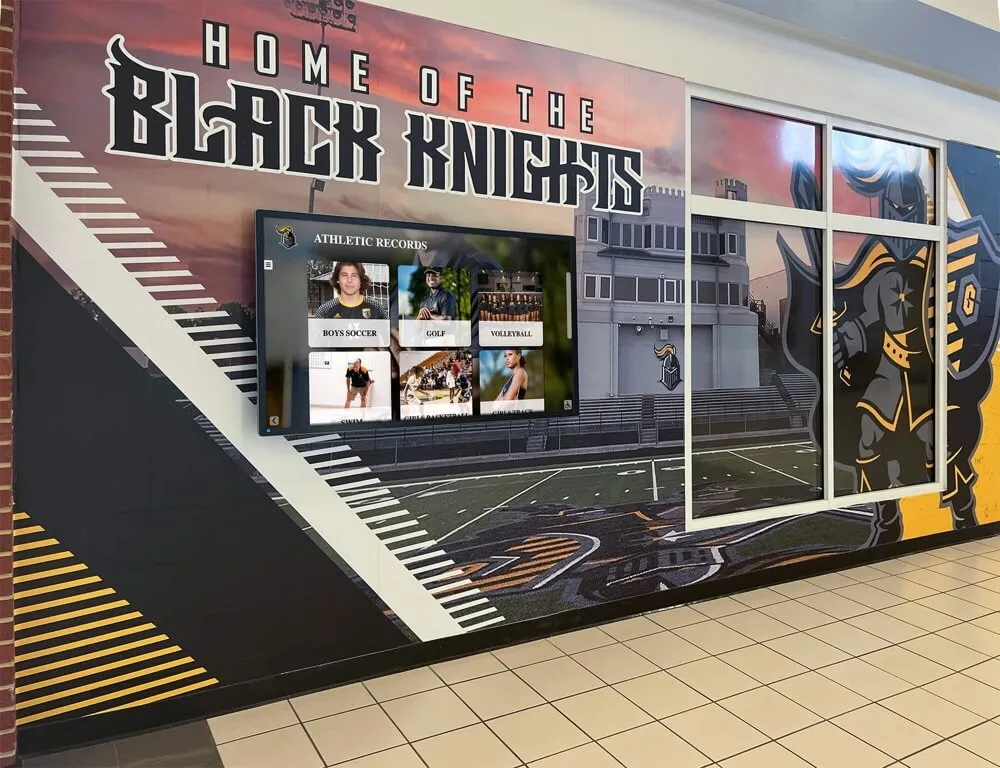
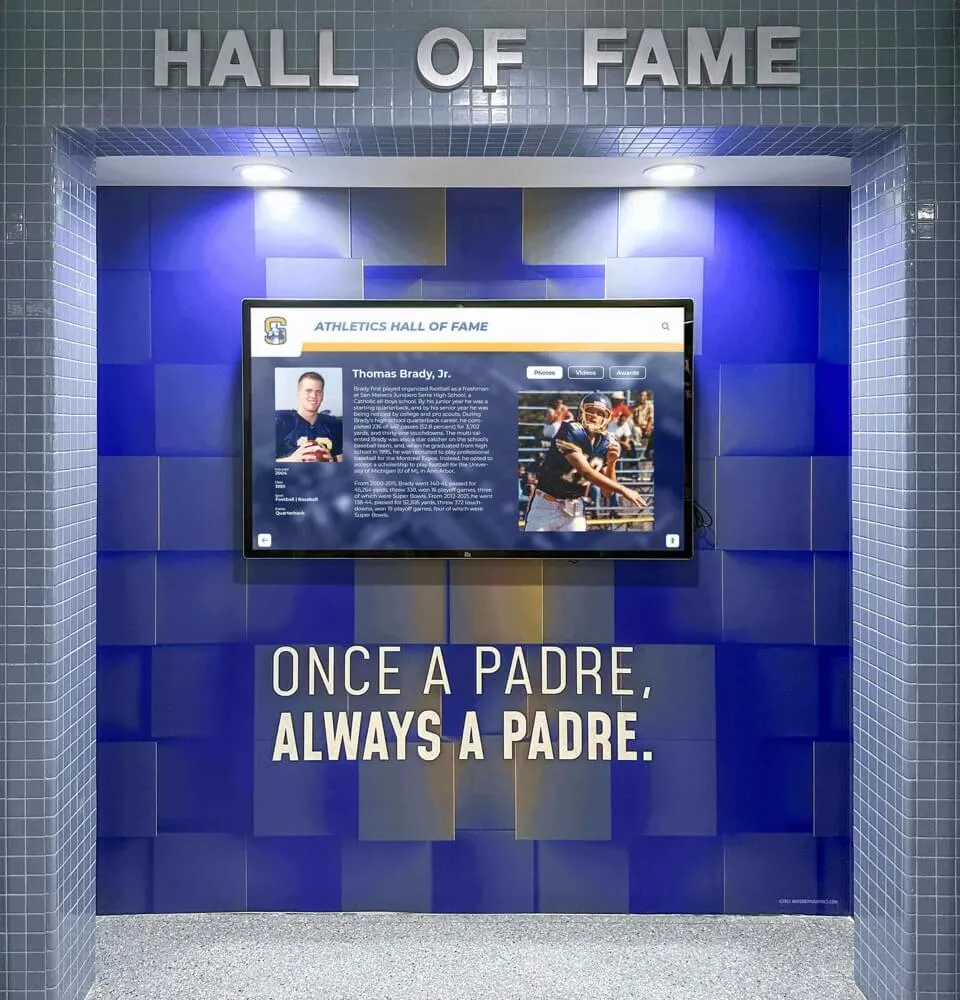
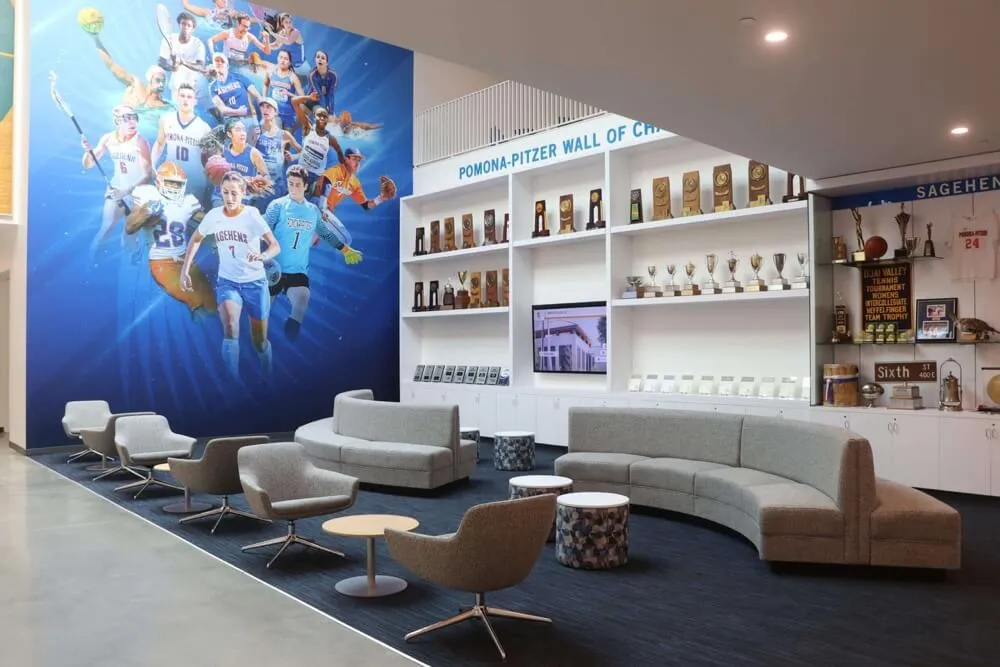
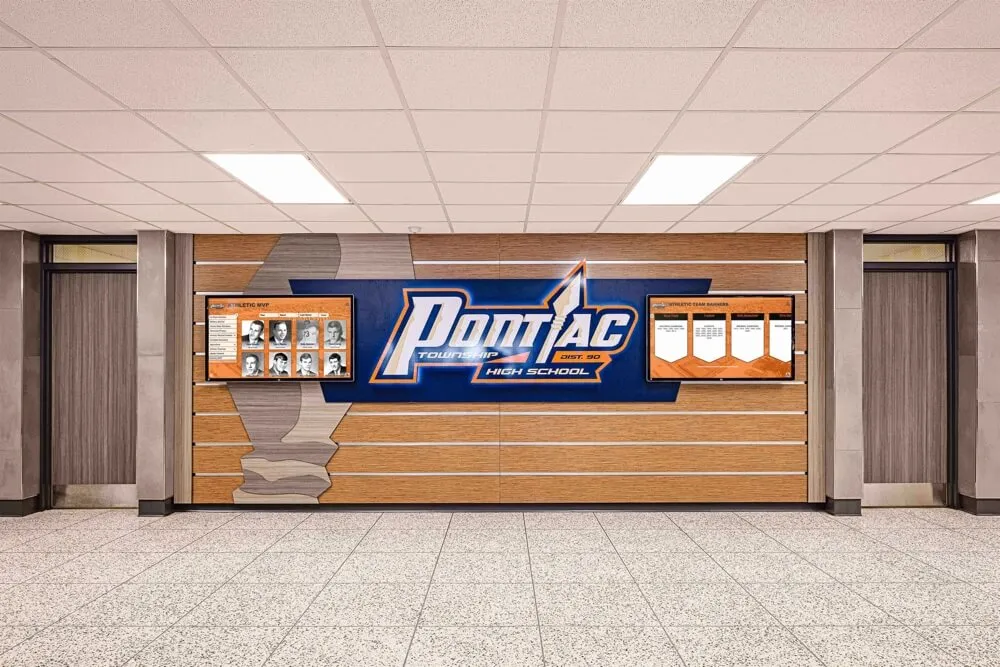
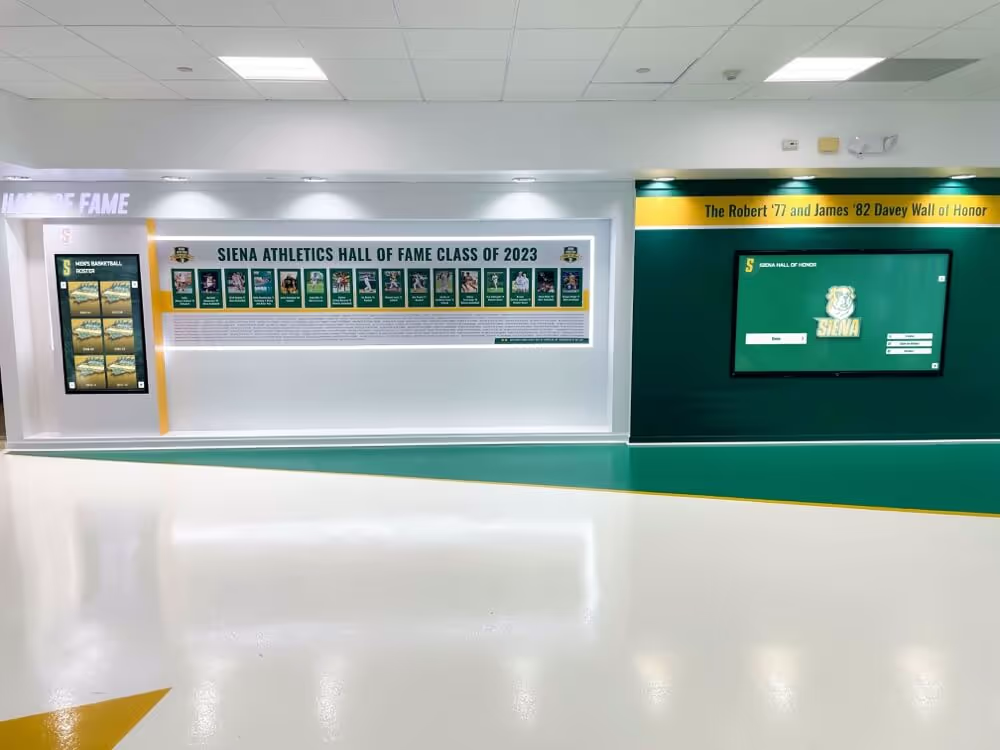
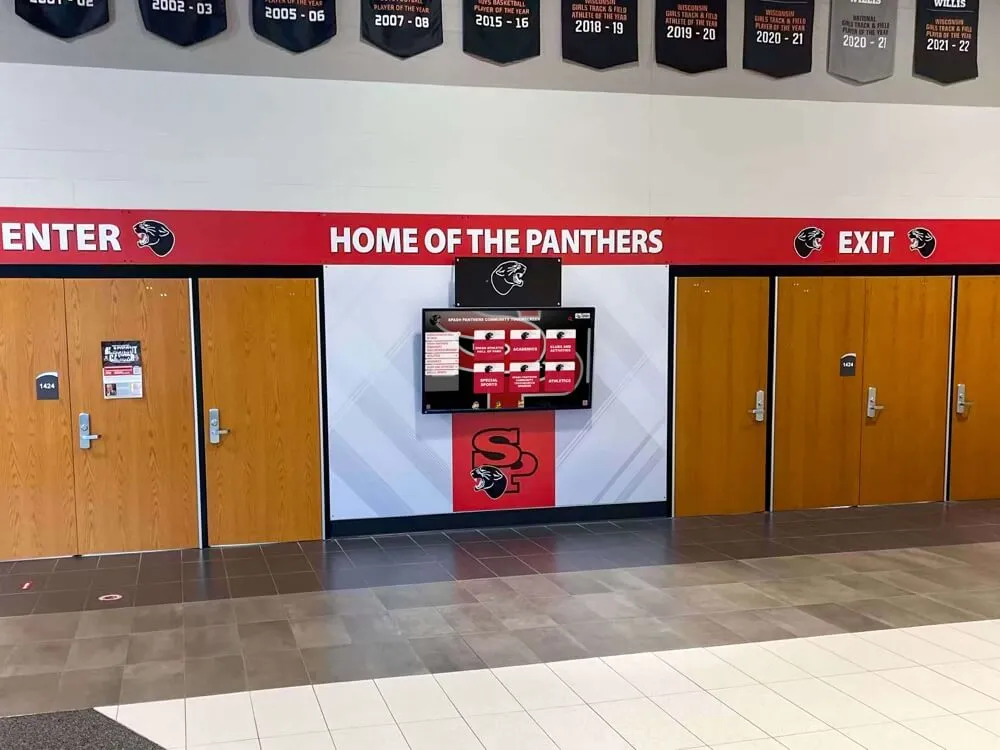
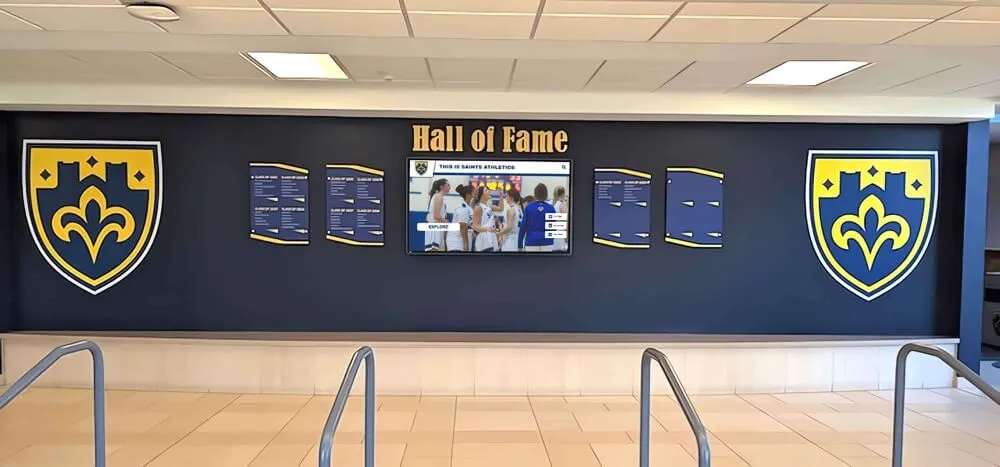
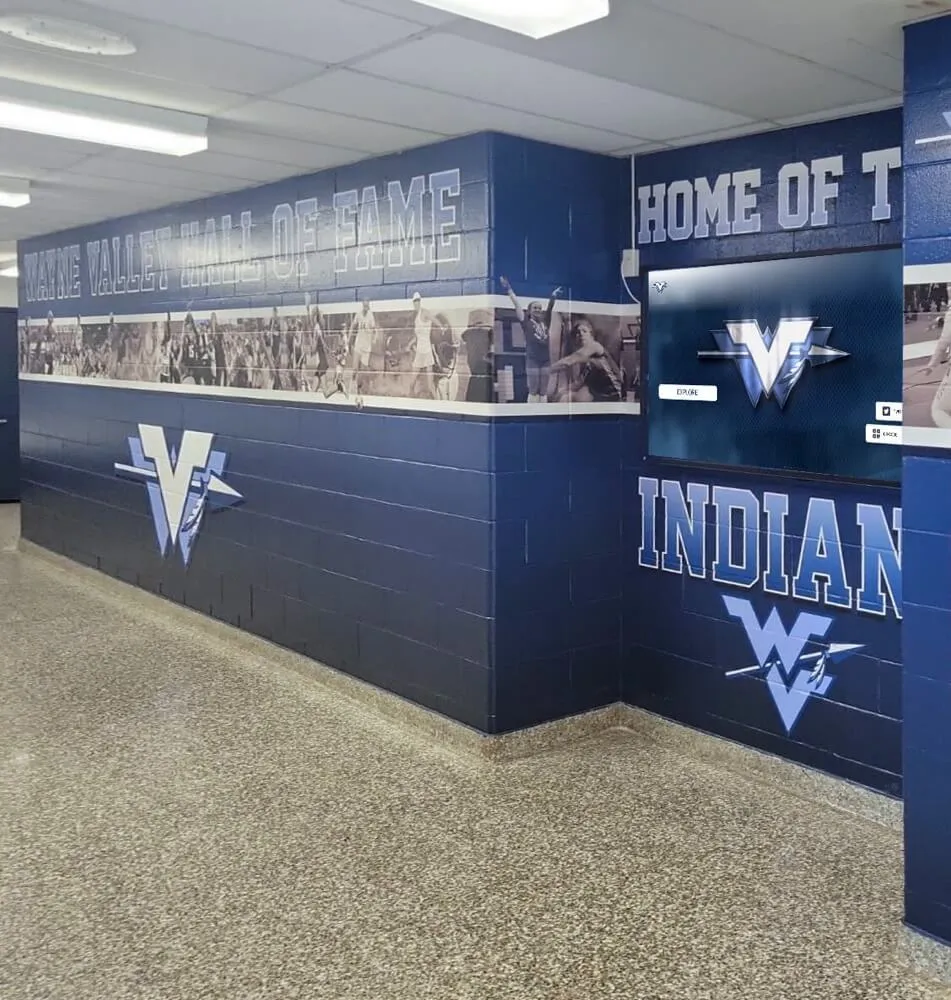
School lobbies and hallways make powerful first impressions — on students, parents, prospective families, and visiting officials. A well-placed touch screen kiosk display transforms those spaces from static corridors into dynamic, interactive environments where visitors can explore decades of student achievement, find their way across campus, and connect with the school’s culture in seconds. Choosing the right interactive screen, however, means wading through hardware specs, software ecosystems, installation requirements, and budget realities before a single touchpoint comes to life.
Read More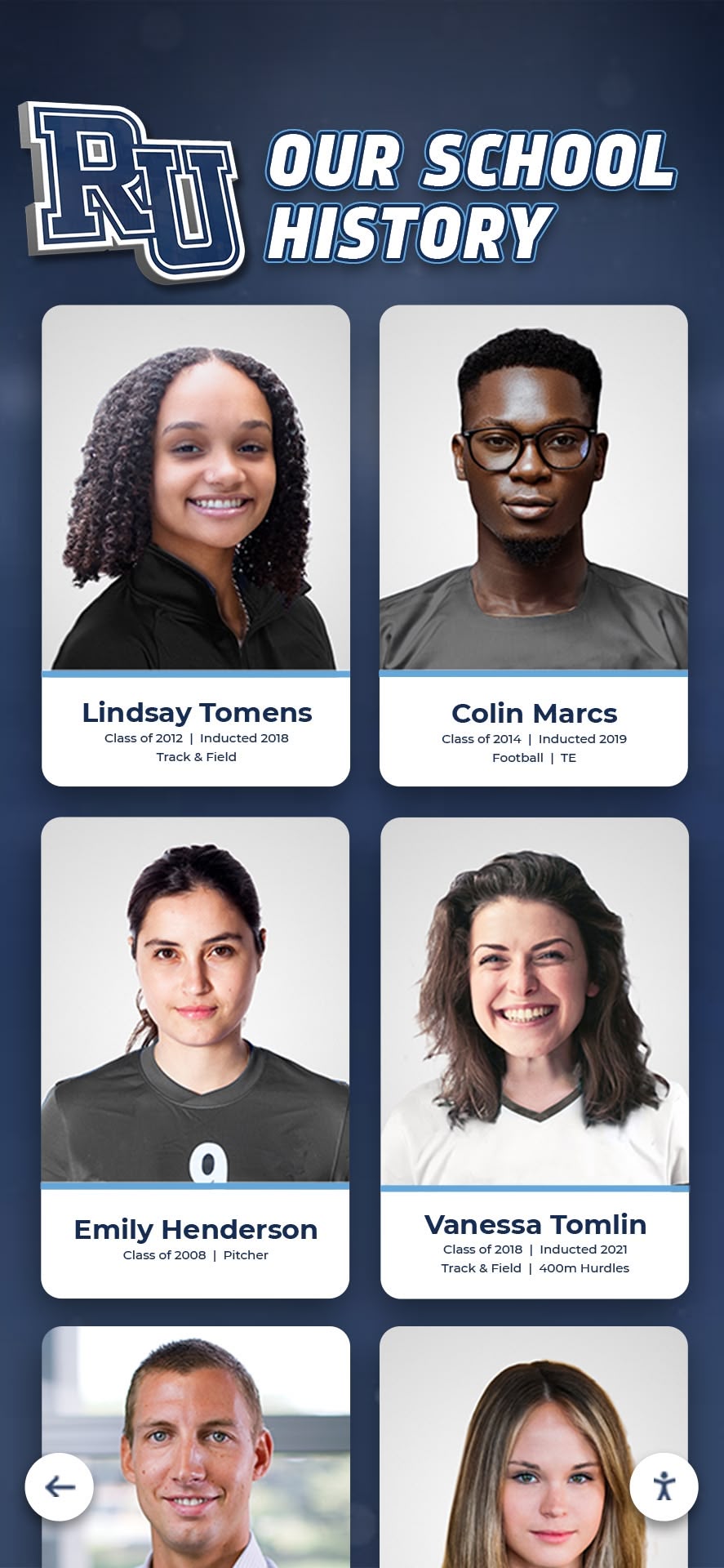
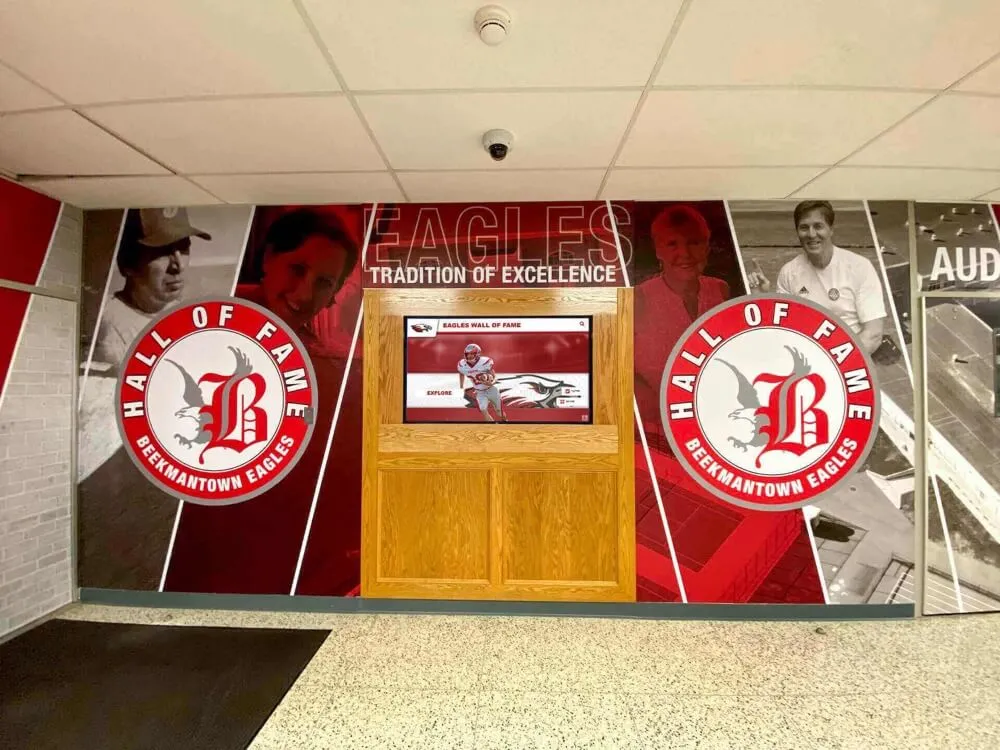
Interactive Digital Class Composites: Modern Solutions for Year-by-Year Student Recognition
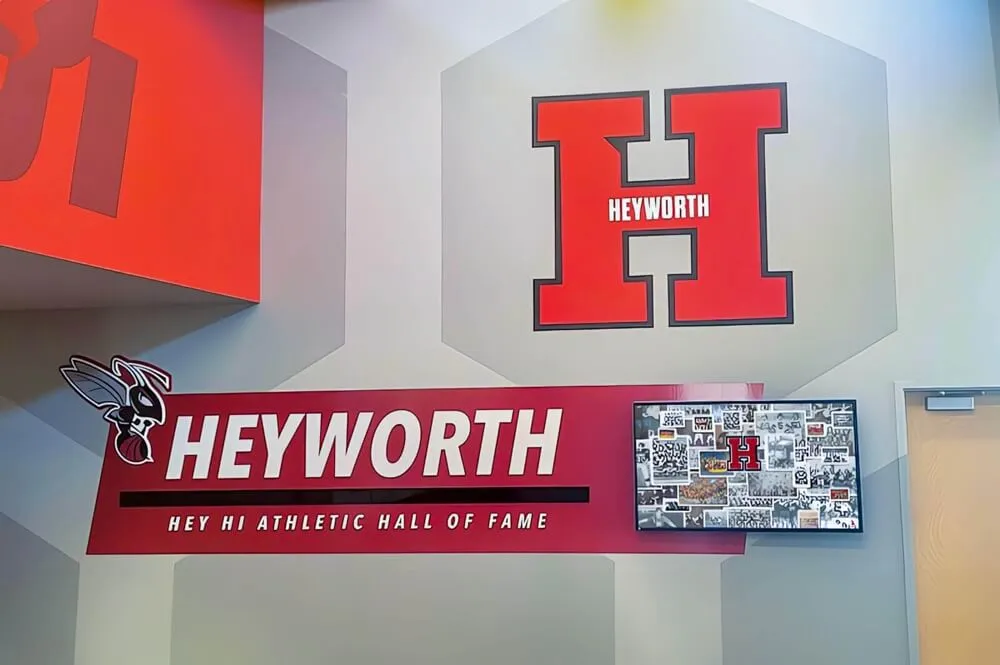
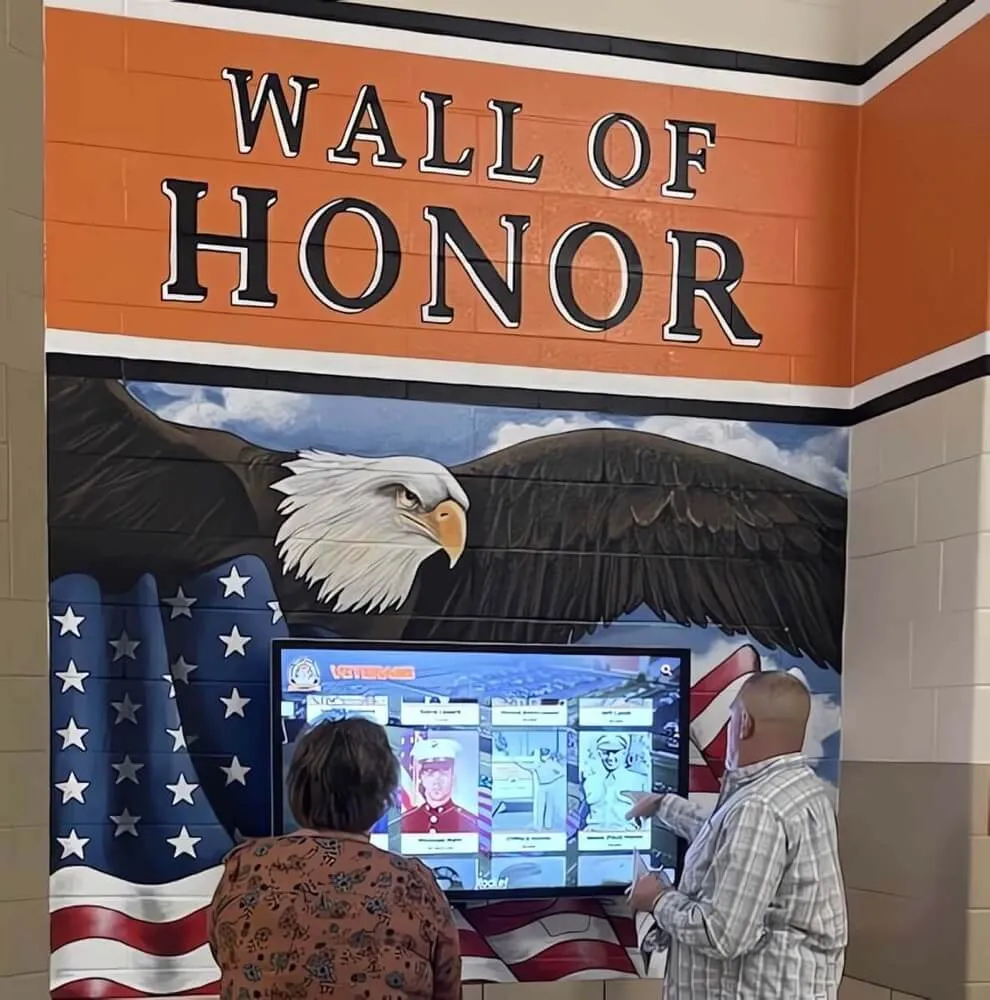
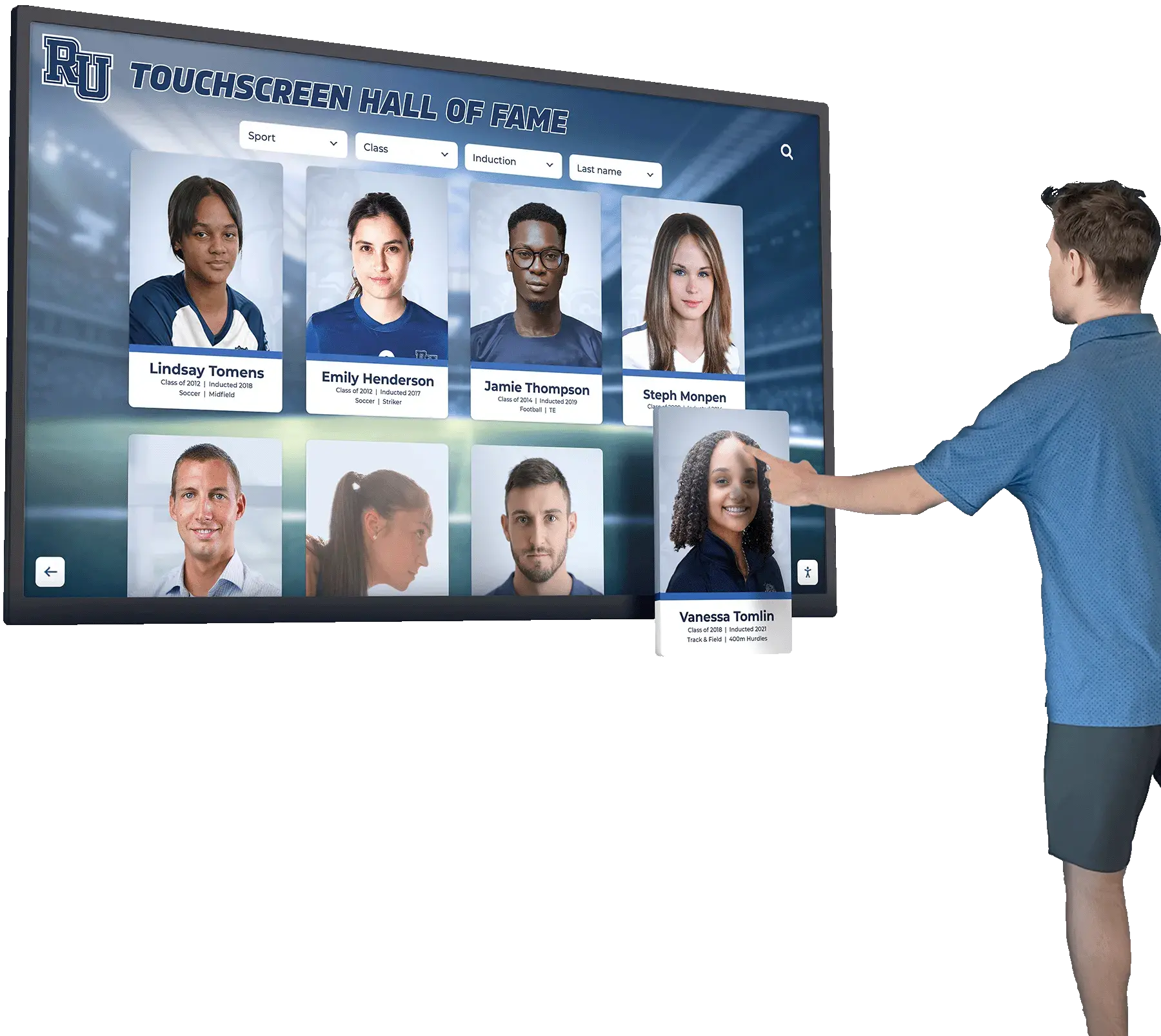
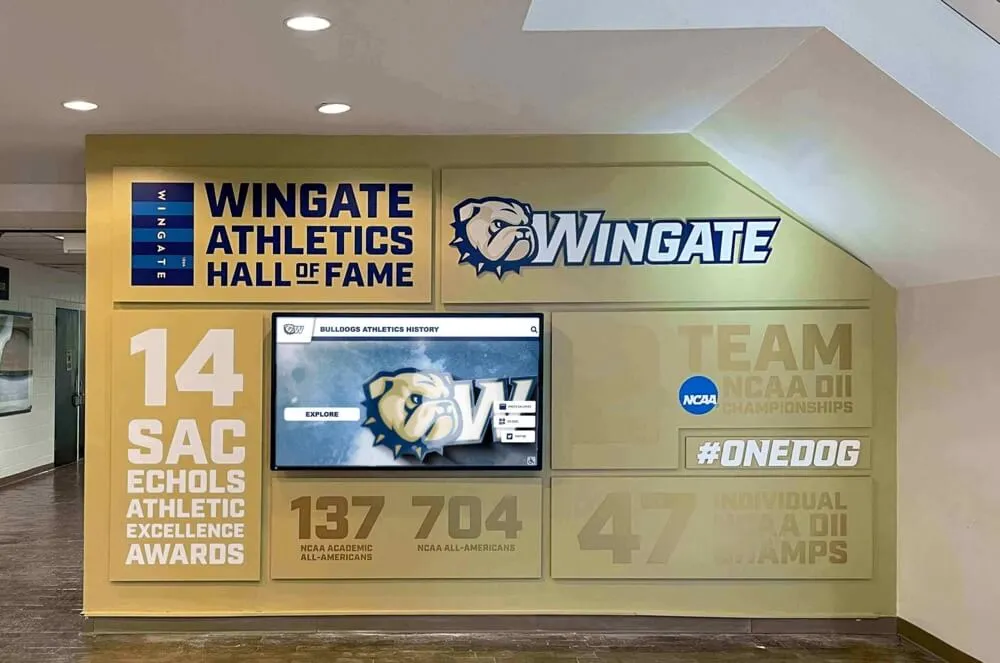
Traditional flip-through class composite displays have served schools for generations, preserving the faces and names of graduating seniors in physical photo albums or wall-mounted frames. These displays allow visitors to browse through decades of school history, discovering class photos organized year by year. Yet this traditional format faces limitations: physical composites deteriorate over time, occupy increasing wall space as decades accumulate, remain inaccessible to remote alumni, and lack the search capabilities that modern users expect.
Read More