Athletic Archive Audio Clipping Detection: A Quality-Control Workflow for Historic Game Sound
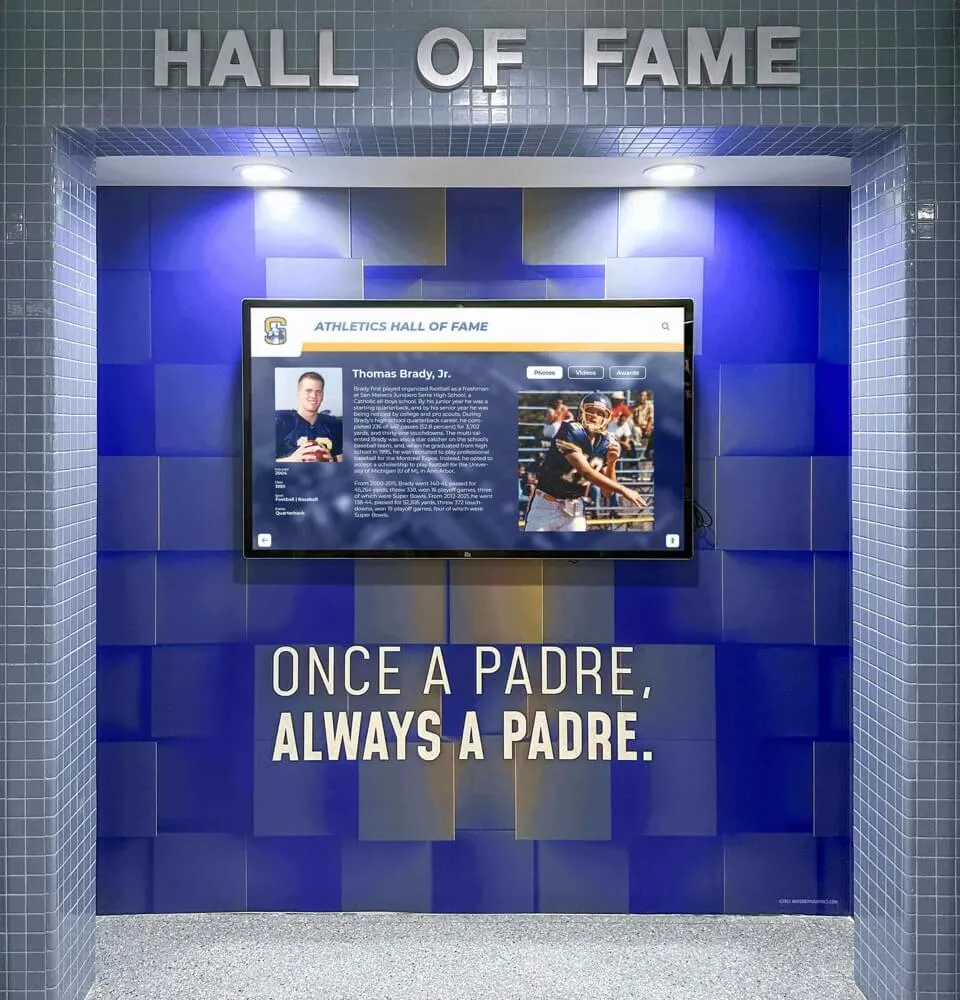
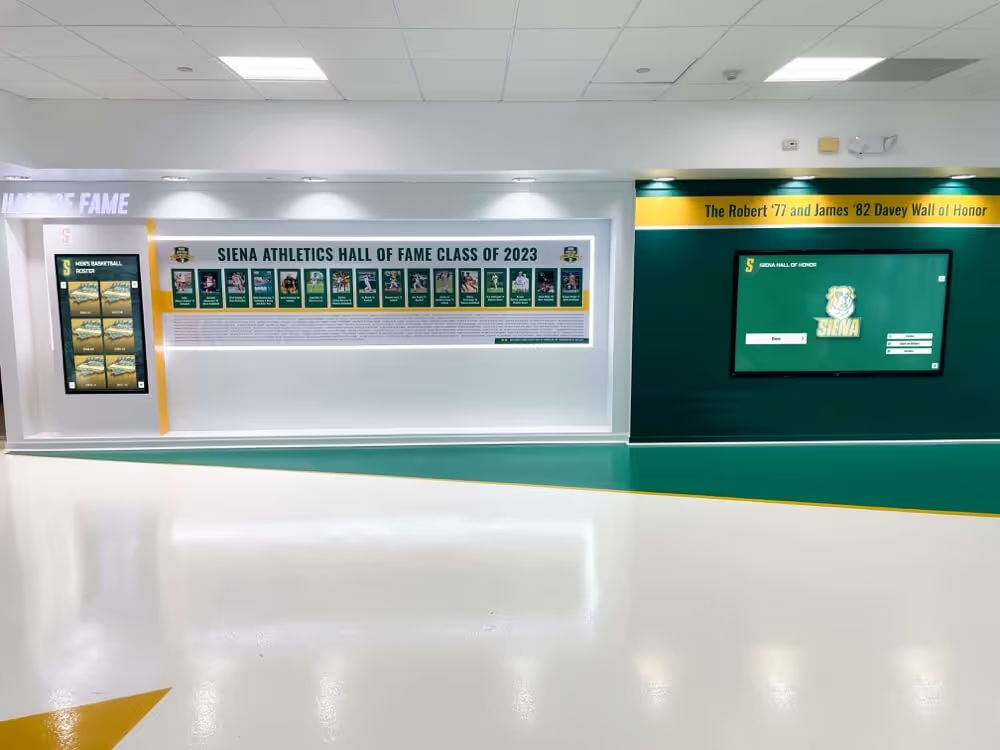
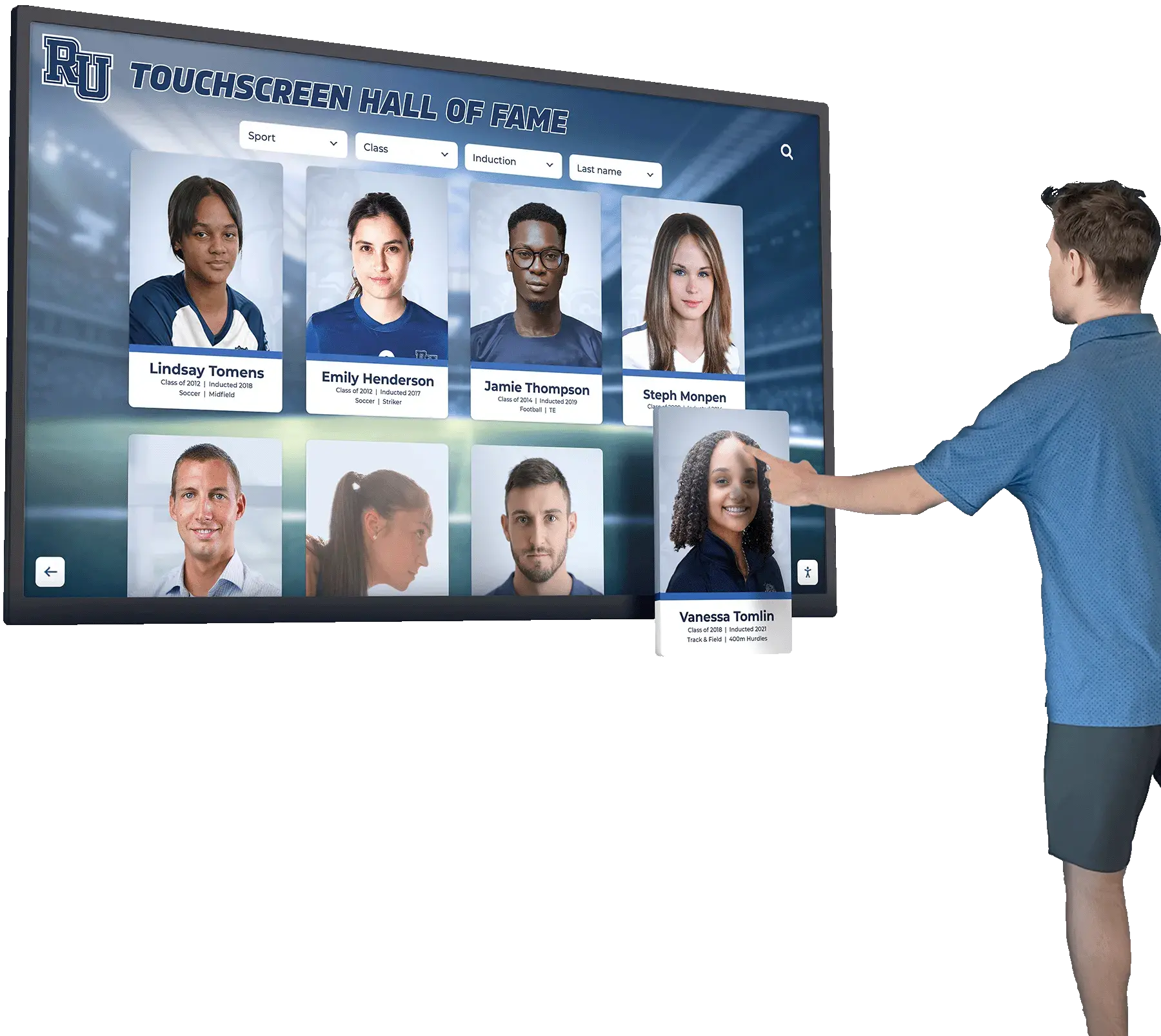
Athletic archive audio clipping detection is the process of identifying recordings where audio signals exceeded the maximum level a recording device could capture—producing distorted, saturated sound that no amount of volume adjustment will fix at the playback stage. Historic game footage, VHS transfers, camcorder recordings, and dubbed broadcast tapes are all vulnerable to clipping artifacts. When clipped audio reaches a touchscreen hall of fame, a lobby display, or a digital archive, the distortion that was inaudible on a small television in 1994 becomes unmistakably harsh through modern display speakers, undermining the recognition experience the recording was meant to create.
Read MoreAthletic Archive Audio Channel Mapping Checklist for Historic Game Video
An athletic archive audio channel mapping checklist ensures that every audio track in a historic game video—commentary, crowd sound, interview feeds, and ceremony audio—is correctly identified, labeled, and routed before the file goes live on a touchscreen display or digital archive. Schools that skip this step publish videos where commentary plays out of both speakers at equal volume, crowd ambiance gets dropped entirely, or a post-game interview is routed to a channel the display system ignores. The checklist takes thirty minutes to complete and prevents problems that can take days to diagnose after a video is already in rotation.
Read More