Athletic Archive Gate-Weave Stabilization for Historic Game Film
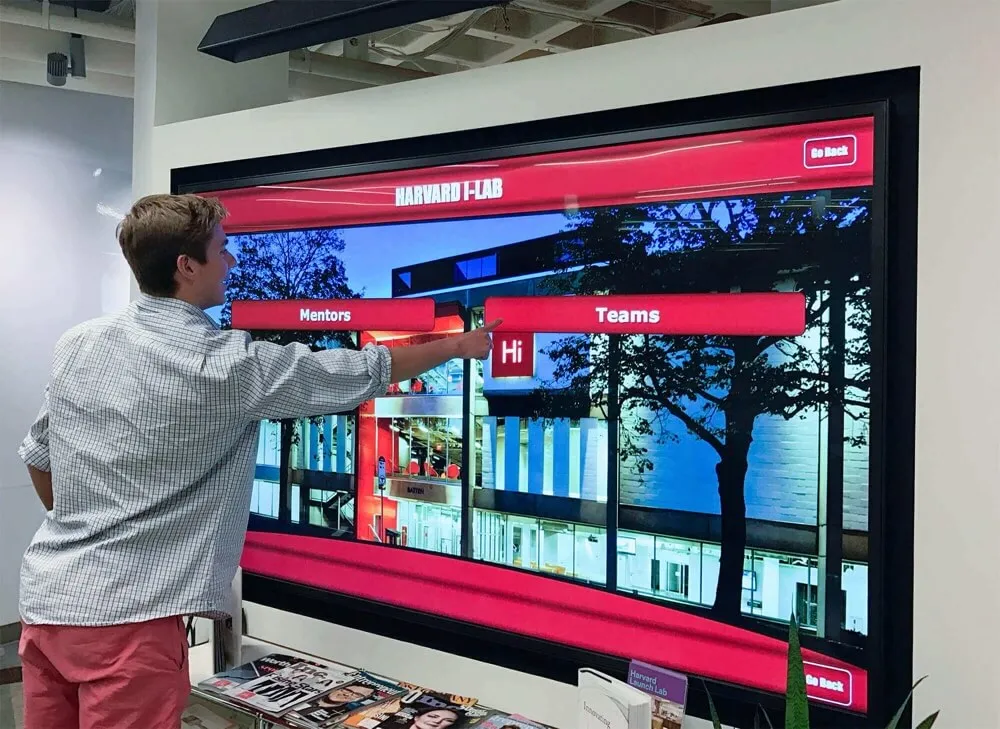
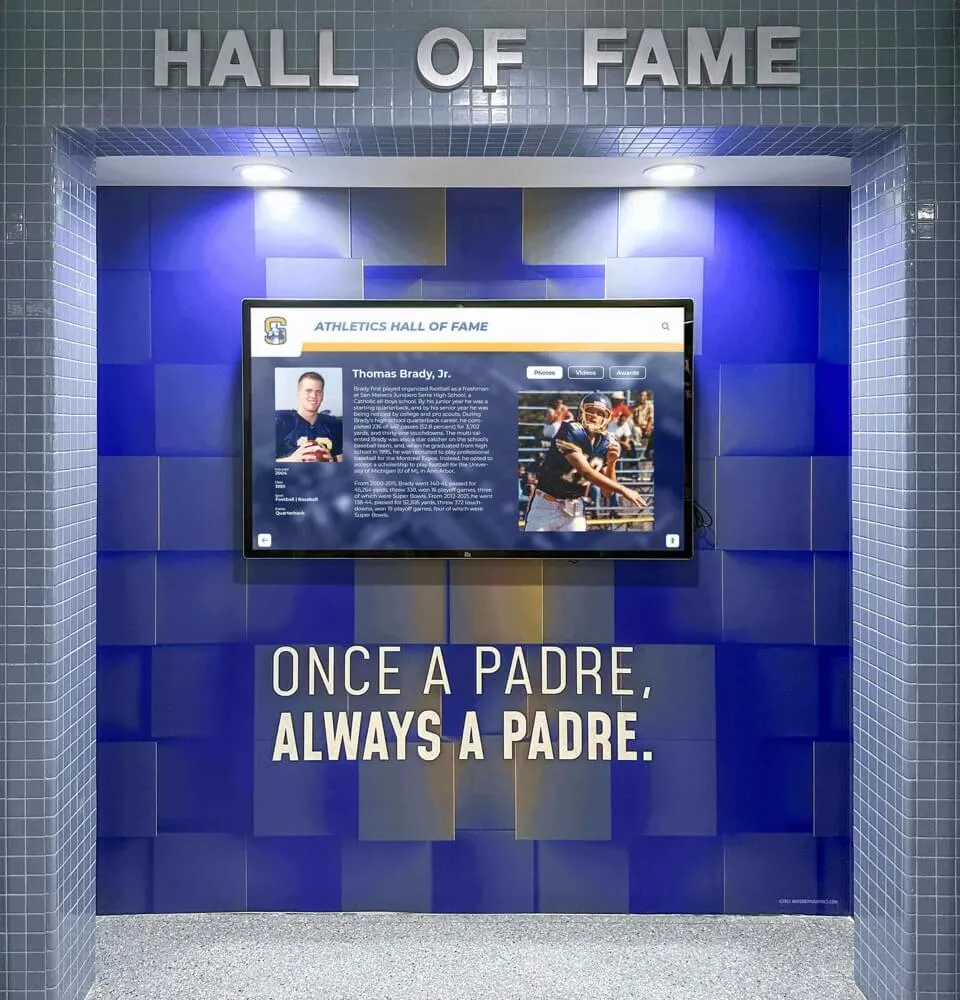
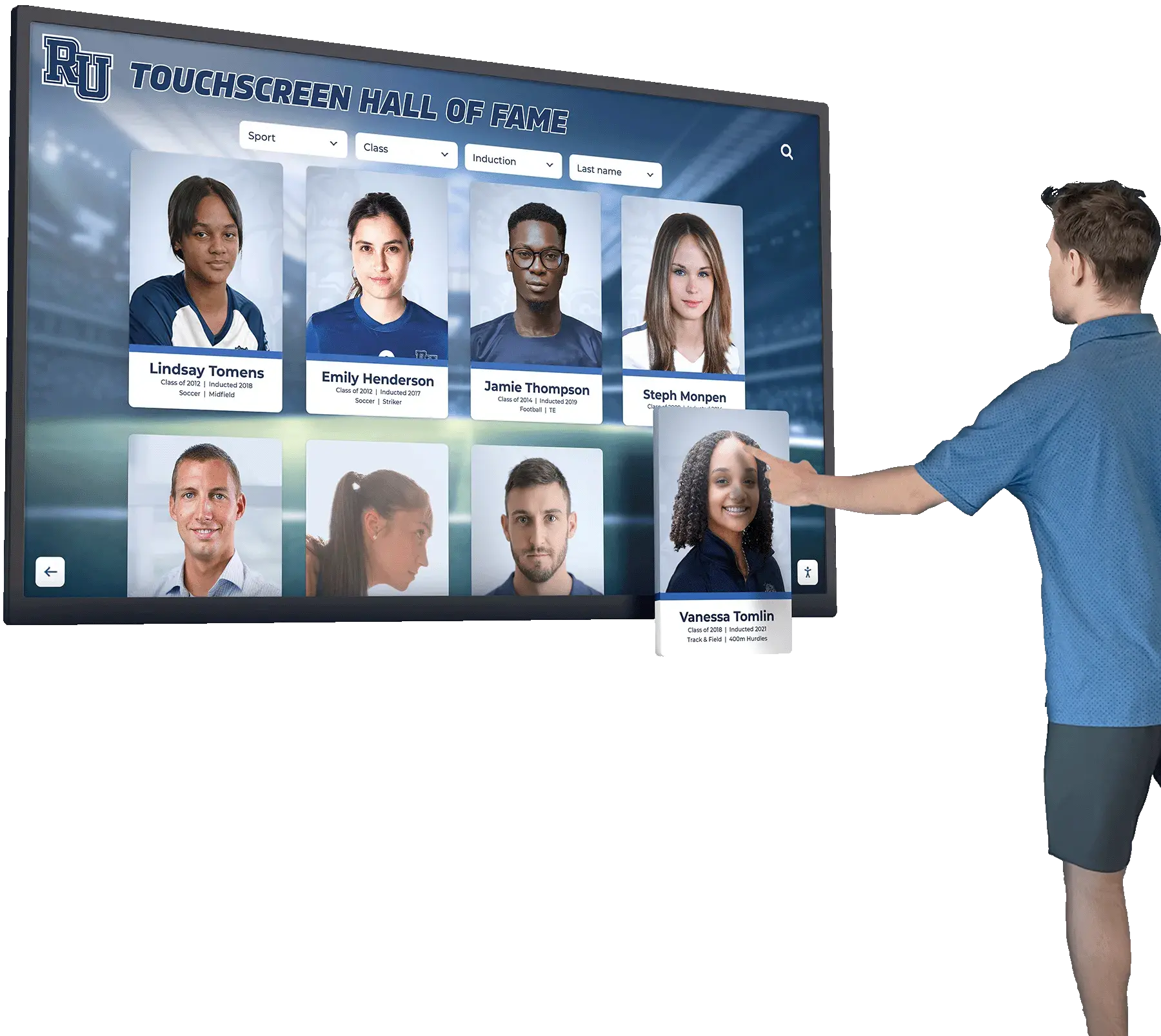
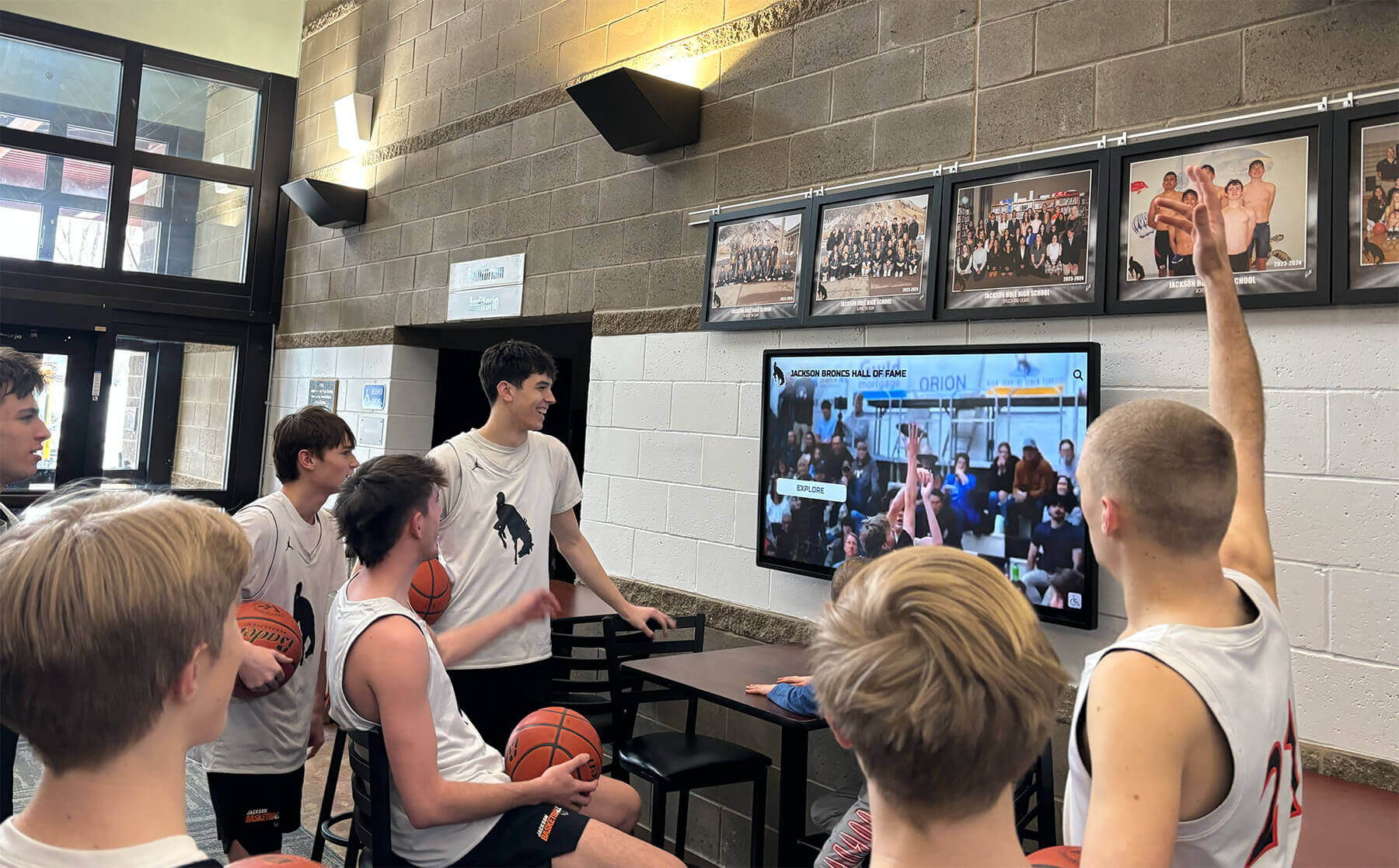
Athletic archive gate-weave stabilization is the process of removing the subtle frame-to-frame image shifting—horizontal drift, vertical bounce, and rotational wobble—that originates in the film gate of a projector or scanner when historic game film is played back or digitized. Schools that skip this step upload footage where the entire image trembles or drifts laterally throughout the clip, a motion that looks like camera shake but is actually a mechanical artifact of the film transport system. On an old projector or a consumer television, this movement was barely noticeable. On a 65-inch lobby touchscreen or a hall-of-fame interactive display, the same instability makes championship footage look damaged rather than historic.
Read More
Athletic Archive Telecine Pulldown Removal for Historic Game Film
Telecine pulldown removal—also called inverse telecine (IVTC)—is the process of reversing the frame-rate conversion that happened when a school’s historic game film was originally transferred to video. When 16mm or 8mm athletic film was dubbed onto VHS or broadcast tape, the telecine machine used a repeating 3:2 pattern to bridge the gap between film’s 24 frames per second and video’s approximately 30 frames per second. That blending was invisible on an analog television, but when the tape is re-digitized today and played on a modern display, the duplicated and blended frames appear as horizontal combing lines in fast-action sequences, unsteady motion cadence, and a juddering quality that makes a championship recording look technically damaged rather than historically significant.
Read More