Recognition Display Stream Compression Test: Verify High-Resolution Video Playback
A recognition display stream compression test verifies that Display Stream Compression (DSC) is correctly negotiated between your source device and the recognition panel, and that high-resolution athlete video, highlight reels, and animated award graphics play back without blocking artifacts, color banding, or edge halos. DSC is a VESA-standardized visually lossless compression codec built into DisplayPort 1.4+ and HDMI 2.1 interfaces—it enables 4K and higher-resolution content to travel over cable runs and signal paths whose raw bandwidth would otherwise require a lower resolution or a dropped frame rate. When DSC negotiation succeeds and the codec operates correctly, the compression is invisible. When it fails—through a firmware mismatch, a cable that cannot sustain the required bandwidth, or a receiver that partially implements the standard—the result is visible corruption on exactly the content that matters most: a championship video loop playing in the lobby during an induction ceremony.
Read More
Recognition Display IGMP Snooping Test for Multicast Media: A School IT Guide
A school recognition display IGMP snooping test verifies that your access switch is correctly tracking which display endpoints have joined each multicast group—so that scheduled media updates push only to screens that requested the stream, rather than flooding every port on the recognition display VLAN. When IGMP snooping is absent, misconfigured, or missing an active querier, a content update to four hall-of-fame screens can look identical to a multicast flood from the switch’s perspective: the switch forwards every frame to every port in the VLAN, consuming bandwidth whether or not the attached device wants the content. Running a structured test before a scheduled update—not after a failure—catches this class of misconfiguration before it disrupts a live event.
Read More
Recognition Display Multicast Storm Control: Protect School Networks During Media Updates
Recognition display multicast storm control is the switch-level rate-limiting mechanism that prevents a surge of multicast traffic—triggered by a scheduled media update to digital hall-of-fame screens, record boards, or lobby recognition kiosks—from flooding every port on a school network segment and degrading other services until the storm clears. The problem is specific to how recognition display systems deliver content: when a media server pushes updated video, championship records, or athlete-of-the-week images to multiple screens simultaneously, those updates often travel as multicast frames. Without storm control configured on the access layer switch, a single misconfigured or misbehaving device can generate multicast at line rate, saturating uplinks and disrupting adjacent traffic on the same VLAN—exactly when administrative staff are watching for the new content to appear.
Read More
Athletic Archive Silver Mirroring Inspection for Historic Team Photographs
Athletic archive silver mirroring inspection is the process of examining historic team photographs—specifically gelatin silver prints—for the blue-metallic or iridescent sheen that signals silver ions have migrated to the surface of the emulsion. That sheen is not a lighting artifact and it will not disappear on its own. It is a visible indicator that the photograph has begun a form of deterioration that, left unchecked in poor storage conditions, can eventually obscure the underlying image. For schools preparing a digitization project—scanning old championship portraits, team composites, or individual athlete headshots to publish in a digital athletic archive or hall-of-fame display—identifying silver mirroring before scanning determines which photographs need urgent attention, which can be scanned as-is, and which require professional conservation review.
Read MoreAthletic Archive Gate-Weave Stabilization for Historic Game Film
Athletic archive gate-weave stabilization is the process of removing the subtle frame-to-frame image shifting—horizontal drift, vertical bounce, and rotational wobble—that originates in the film gate of a projector or scanner when historic game film is played back or digitized. Schools that skip this step upload footage where the entire image trembles or drifts laterally throughout the clip, a motion that looks like camera shake but is actually a mechanical artifact of the film transport system. On an old projector or a consumer television, this movement was barely noticeable. On a 65-inch lobby touchscreen or a hall-of-fame interactive display, the same instability makes championship footage look damaged rather than historic.
Read More
Athletic Archive Wow and Flutter Correction Workflow for Historic Game Audio
Wow and flutter are pitch-instability artifacts introduced during recording or playback by a tape transport that does not move tape at a perfectly steady speed. Wow describes slow, cyclic pitch variations—typically at rates below six cycles per second—caused by gradual irregularities in the capstan motor or tape-hub tension. Flutter describes faster pitch variations in the range of six to approximately one hundred cycles per second, caused by mechanical vibration in the drive mechanism or uneven friction between the tape and the recording head. Both appear in digitized athletic archives as audio that sounds subtly unsteady—voices that drift in pitch, crowd noise that breathes unevenly, or recorded music that wobbles during ceremony introductions.
Read More
Athletic Archive Telecine Pulldown Removal for Historic Game Film
Telecine pulldown removal—also called inverse telecine (IVTC)—is the process of reversing the frame-rate conversion that happened when a school’s historic game film was originally transferred to video. When 16mm or 8mm athletic film was dubbed onto VHS or broadcast tape, the telecine machine used a repeating 3:2 pattern to bridge the gap between film’s 24 frames per second and video’s approximately 30 frames per second. That blending was invisible on an analog television, but when the tape is re-digitized today and played on a modern display, the duplicated and blended frames appear as horizontal combing lines in fast-action sequences, unsteady motion cadence, and a juddering quality that makes a championship recording look technically damaged rather than historically significant.
Read MoreAthletic Archive RAW-to-TIFF Conversion Workflow for Preservation Masters
Converting camera RAW files into TIFF preservation masters is the step that separates a durable athletic archive from a fragile collection of files that will degrade every time someone re-exports them. When your school’s athletic department digitizes old game photos, portrait sessions, or championship shoots—whether using a DSLR today or working from earlier digital captures—the RAW file is the closest thing to a digital negative. Saving it directly as a JPEG and calling it done is the archival equivalent of developing film in a kitchen sink: you get something usable, but you permanently discard information you will never recover.
Read MoreAthletic Archive Dust and Scratch Removal Workflow for Scanned Photos
That cardboard box in the equipment room often holds the entire visual history of a school’s athletic program—championship team photos from 1978, senior portrait cards from the mid-eighties, action shots from long-ago state tournaments, individual headshots clipped from yearbooks that no longer exist anywhere else. When those images finally get scanned for a digital recognition display, most arrive as high-resolution records of every scratch the original print ever collected: dust flecks, emulsion cracks, fading edges, and the kind of brown haze that settles on acetate after forty years in a file cabinet.
Read MoreRecognition Display Cooling Fan Noise: Diagnosis and Maintenance Log
Recognition display cooling fan noise becomes a maintenance concern when it shifts from inaudible background operation to a sound loud enough to be noticed by students, families, and alumni passing through a trophy hallway or lobby. The noise itself is not the primary problem—it is a symptom. A grinding tone indicates bearing wear. A rattling sound points to a loose component or foreign material inside the enclosure. A sudden increase in fan speed that does not settle back down within a few minutes indicates a thermal management failure: the display’s cooling system is running at maximum output because it cannot dissipate heat fast enough through normal operation. Each of those symptoms requires a different maintenance action, and none of them resolves by itself.
Read More
Digital Hall of Fame Audio Description Guide: Making Inductee Videos and Images Accessible to Everyone
Audio description transforms visual hall of fame stories into experiences anyone can access. When a school’s digital hall of fame showcases inductee tribute videos, archival photographs from championship seasons, and imagery of jerseys being retired, visitors who are blind or have low vision depend on audio description to understand what appears on screen. Without it, the most meaningful moments in a school’s recognition program—a coach’s tearful acceptance, a team photo from a state title run, a close-up of the hardware that defined a career—remain invisible to a portion of the audience that deserves to share in the celebration.
Read More
Touchscreen Recognition Display Screen Response-Time Test: Check Motion and Interaction Clarity
A touchscreen recognition display screen response-time test measures whether a display panel transitions between images quickly enough to show athlete highlight reels, scrolling recognition feeds, and portrait gallery animations without visible ghosting or blurring—and whether the touch layer registers visitor inputs within a timeframe that feels immediate. These are two distinct measurements that are often confused with each other, and both matter for a display serving a school hall of fame, athletic archive, or recognition program.
Read MoreTouchscreen Recognition Display Backlight Bleed Test: A School Acceptance Guide
A touchscreen recognition display backlight bleed test is a structured visual inspection that confirms whether a new display panel shows unacceptable light leakage before it is mounted in a school lobby, athletic corridor, or hall of fame wall. Run on a dark test image in a controlled environment, the test takes under 20 minutes and catches a defect that would otherwise go unnoticed until the display is installed—and then becomes visible to every parent, donor, and administrator who walks past during an evening event.
Read More
Touchscreen Recognition Display Speaker Audio Test Checklist: Isolate Source, Cable, and Speaker Faults
A touchscreen recognition display speaker audio test checklist addresses the problem that appears most often on game nights and induction ceremonies: the display looks perfect but no sound comes out—or the narration for an induction video is so distorted that families in the front row cannot understand a word. Audio failures on school recognition displays rarely stem from one cause. They trace back to a combination of source settings, cable routing, and speaker configuration that each passed an informal glance but were never tested together as a system.
Read More
Touchscreen Recognition Display Touch Calibration Verification Log
When a hall of fame recognition display starts registering touches in the wrong location—an athlete’s name tapped on the left side of the screen activates a record on the right—the visible symptom is obvious but the documentation trail is almost always missing. Recalibrating fixes the immediate problem. But without a touchscreen recognition display touch calibration verification log, the school has no record of when the offset began, how severe it was before correction, which calibration method was used, or whether the same display has needed recalibration three times in a single semester. That pattern—repeated offset on the same screen—is diagnostic information that points to a hardware fault, mounting vibration, or an OS configuration issue that recalibration alone will not resolve.
Read More
Touchscreen Recognition Display HDMI Cable Testing Checklist: Diagnose Black Screens and Signal Drops
A touchscreen recognition display that goes black in the middle of a hall of fame ceremony or shows a no-signal banner during homecoming is more than a technical inconvenience. It disrupts a public event, undermines confidence in the school’s recognition program, and leaves athletes, families, and alumni staring at a dark screen instead of the content that honors their achievements. In most cases, the failure traces back to the HDMI signal path—a cable past its reliable length, a port that lost contact during a cleaning shift, a resolution handshake the display cannot complete, or an extender that was never tested under full load.
Read More
Touchscreen Recognition Display Incident Response Playbook: Detect, Contain, Recover, and Document
A touchscreen recognition display in a school lobby or athletic corridor serves a purpose that most incident response frameworks never mention: it is the permanent, publicly visible record of what your student athletes achieved, what your donors gave, and who your community honored. When that kiosk goes blank before homecoming, shows corrupted content during a banquet, or behaves strangely on the network, the response cannot follow the same low-urgency queue as a printer outage. Recognition content has an audience, a calendar, and a reputational weight that makes timely, structured recovery matter.
Read MoreTouchscreen Recognition Display Network Segmentation Guide for School IT
A touchscreen recognition display installed in a school lobby, gymnasium corridor, or athletic wing is not a simple passive screen—it is a networked device that retrieves content from the cloud, accepts remote administrative updates, and in many cases supports public-facing touchscreen interaction. Connecting that device directly to the same network segment as student data systems, grading platforms, or administrative workstations introduces unnecessary risk. A properly segmented network keeps the display fully functional while isolating it from sensitive school infrastructure.
Read More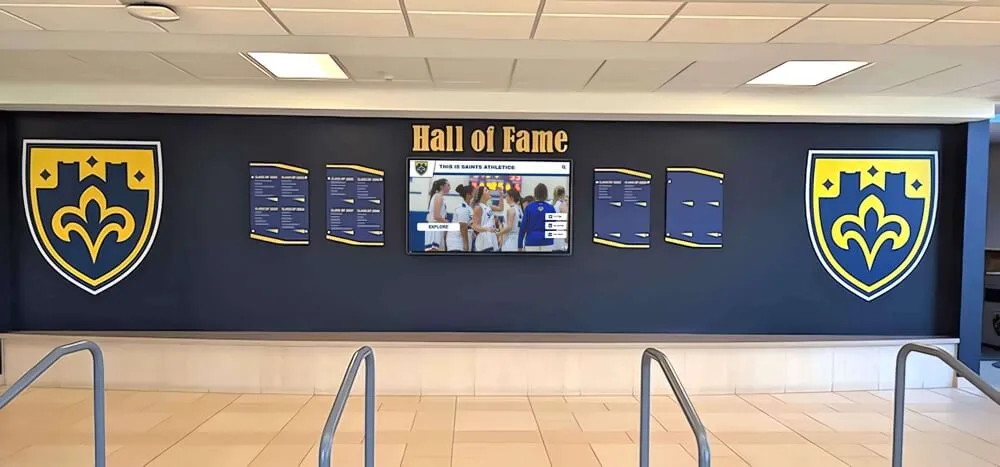
Hall of Fame Closed Captioning Guidelines for Inductee Videos
Hall of fame closed captioning guidelines give school administrators and recognition staff a repeatable standard for making inductee interview clips, ceremony highlights, and tribute videos usable across every viewing context—lobby touchscreen kiosks, noisy cafeteria screens, classroom presentations, and public websites. The short answer: captions on all public-facing hall of fame videos are both an accessibility requirement and a practical necessity, because many of those videos play in high-traffic hallways where audio is inaudible without speakers or headphones.
Read More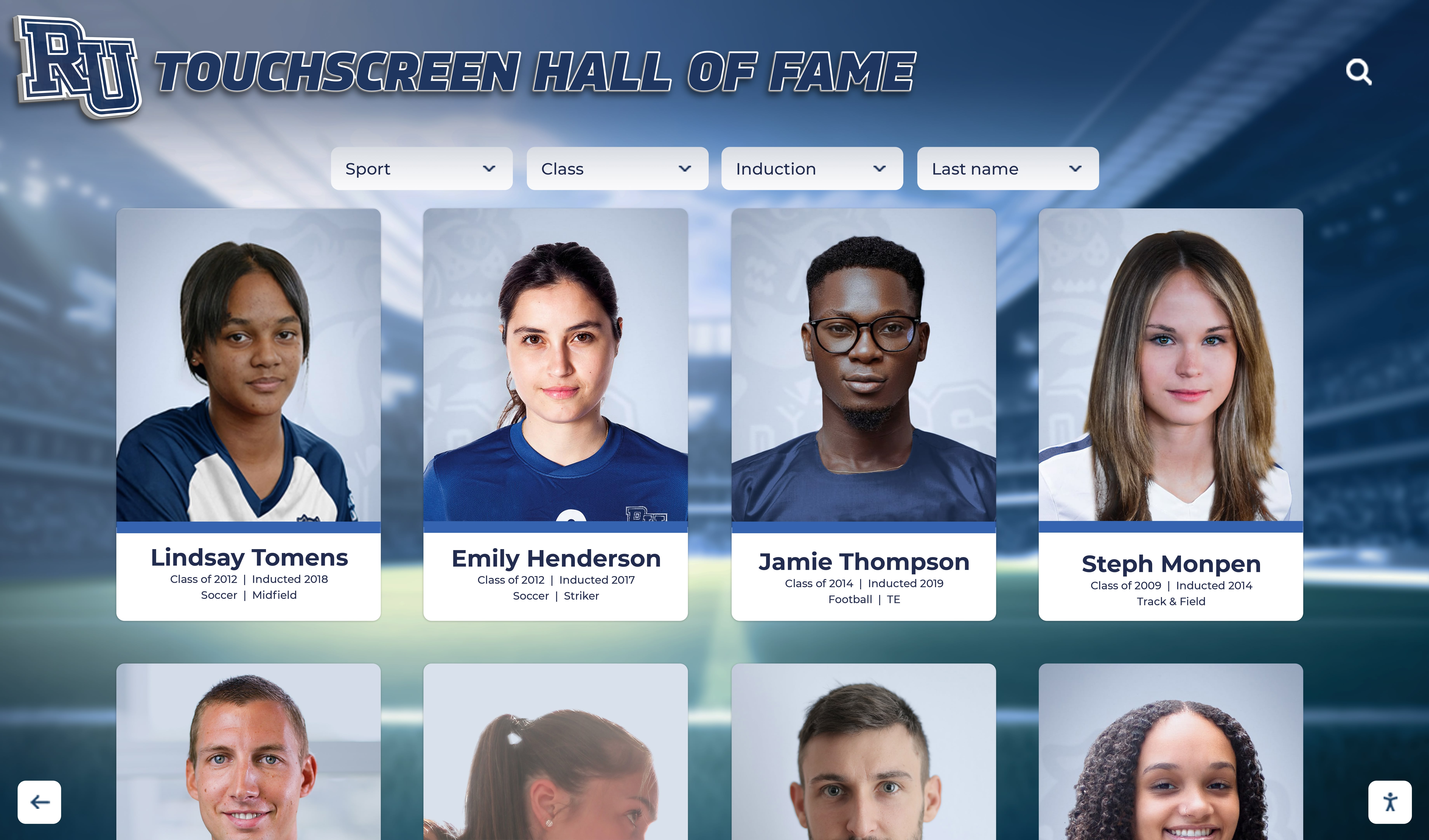
Media Day Pictures for School Athletics: Poses, Captions, and Display Uses
Media day pictures do far more than fill a school website gallery. When athletic departments collect the right poses, captions, and permissions on a single shoot day, those images become source material for season rosters, award ceremony slides, senior tribute videos, hall of fame entries, digital lobby displays, and reunion archives—sometimes for decades. The key is treating media day as a data-collection exercise, not just a photography session.
Read MoreTeam History Wall: A Planning Guide for School Athletics Displays
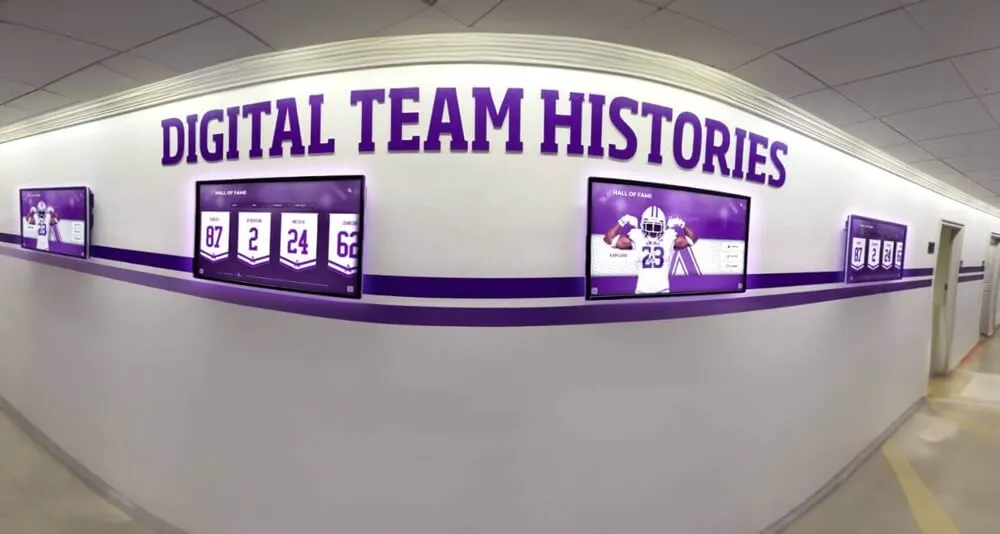
A team history wall is one of the most powerful recognition projects a school athletics program can undertake. Done well, it turns a hallway or lobby into a living archive—one that tells incoming freshmen where they are joining, reminds alumni what they accomplished, and gives coaches a tangible tool for building culture. Done poorly, it becomes a static board of faded photos that no one maintains and few people notice.
Read More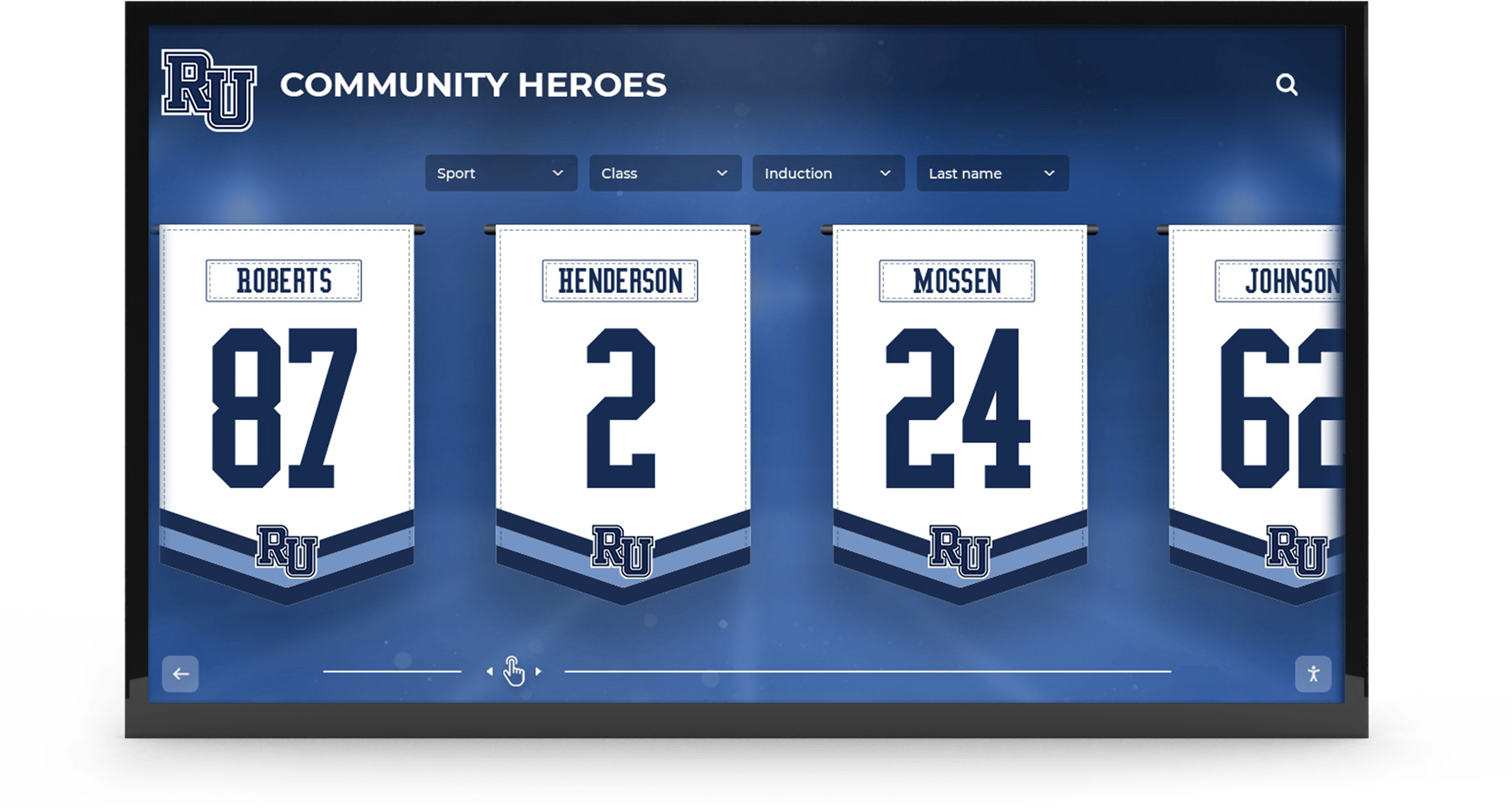
Retired Jersey Ceremony Ideas: How Schools Capture Speeches, Highlights, and Athlete Stories
Intent: demonstrate | A scene-by-scene production guide to video-capturing a school retired jersey ceremony—speeches, highlight reels, athlete interviews—and archiving that footage in a permanent digital recognition display.
Read MoreSports Media Day: How Schools Capture Photos, Player Info, and Recognition Content in One Workflow
Every August and September, athletic programs across the country stage their version of the same event: players arrive in uniform, photographers set up backdrops, coaches hand out clipboards, and the sports media day rush begins. When it works, the session produces a season’s worth of usable content—headshots, action shots, player bios, team rosters—all captured in a few hours before the season tips off. When it doesn’t, coordinators spend the next three months tracking down missing information, resizing inconsistent photos, and manually re-entering data that was already collected on paper.
Read MoreWhat Is a Drill Team? Tradition, Recognition & Hall of Fame Guide for High Schools
A drill team is a performance group found in thousands of high schools across the United States, blending precision, discipline, and teamwork into one of the most visually compelling extracurricular programs a school can offer. The term covers two distinct traditions that share a name but differ dramatically in style: military-style drill teams (typically affiliated with JROTC, ROTC, or CAP units) and dance-style drill teams (also called pom squads, precision dance teams, or flag corps). Both programs develop exceptional student leaders, rack up competitive titles, and generate decades of institutional pride—the kind of legacy that deserves permanent recognition.
Read MoreAthletic Alumni Day Event Ideas: Bringing Former Athletes Back to Celebrate the Program
An athletic alumni day done right transforms a date on the calendar into a moment that former athletes plan their schedules around for months. It is the day a former point guard walks the same hallway she ran through before every playoff game, the day a retired lineman stands next to the jersey number he wore for four years, now framed on the wall above the trophy cases. These are not sentimental extras—they are the most powerful alumni engagement events an athletic program can run, and the institutions that treat them seriously build loyalty that translates directly into mentorship, donations, and program culture for decades.
Read More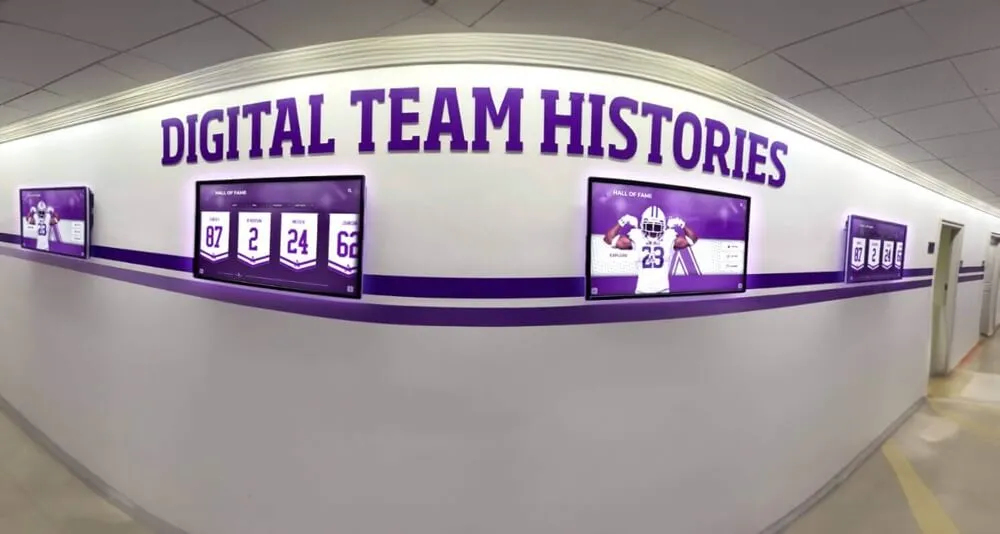
Athletic Timeline Wall: Building a Visual History of Your School's Sports Program
An athletic timeline wall tells the entire arc of a sports program in a single walk down a hallway. Championships stack on top of milestones, coaching eras blend into record-breaking seasons, and student-athletes who graduated decades apart suddenly share the same wall. When done right, a well-designed athletic timeline wall does something that individual trophies, plaques, and banners can’t accomplish on their own: it builds the narrative of what your program has always been and what it is still becoming. That continuity is what separates a school that has a collection of athletic memorabilia from a school that has a true sports legacy.
Read MoreThis Day in Sports History: How Schools and Organizations Create Engaging Historical Displays
Every championship banner, record-breaking performance, and legendary athlete contributes to the rich tapestry of athletic history. Schools and sports organizations that effectively celebrate “this day in sports history” create powerful connections between past achievements and current programs, inspiring today’s athletes while honoring yesterday’s champions. Yet many institutions struggle to showcase these historical moments in ways that engage modern audiences beyond static plaques and forgotten trophy cases.
Read More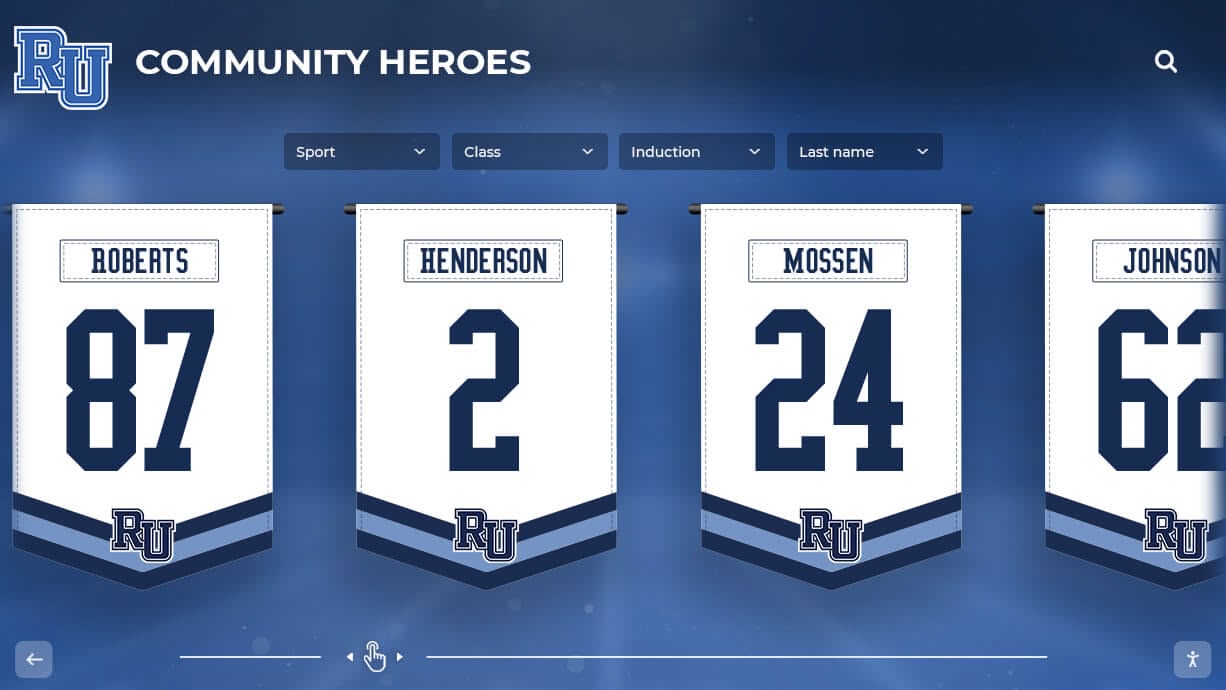
Jersey Retirement Ceremony: How to Honor Your School's Greatest Athletes
Retiring a jersey number represents one of the highest honors a school can bestow upon an athlete. This powerful tradition permanently commemorates extraordinary achievement, creates lasting inspiration for current students, and strengthens the connection between athletic programs and their storied histories.
Read More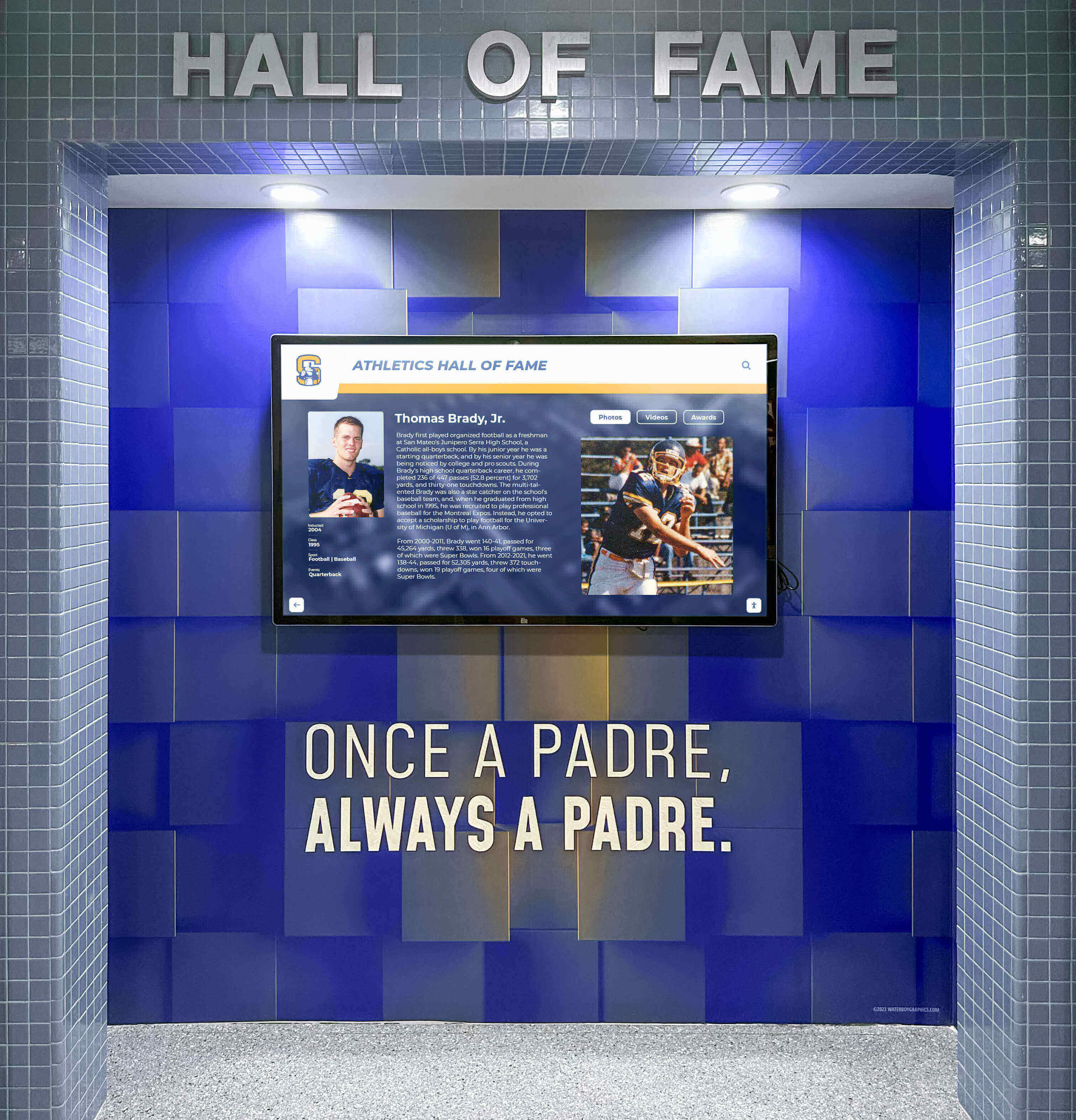
How Schools Decide Hall of Fame Inductions and Display Them Digitally in 2026
Schools face two fundamental challenges when creating hall of fame programs: determining who deserves induction and presenting those honorees in ways that truly celebrate their achievements. The first requires thoughtful criteria and fair processes that build community trust. The second demands recognition systems that preserve legacy while remaining accessible and inspiring to current students, alumni, and visitors.
Read More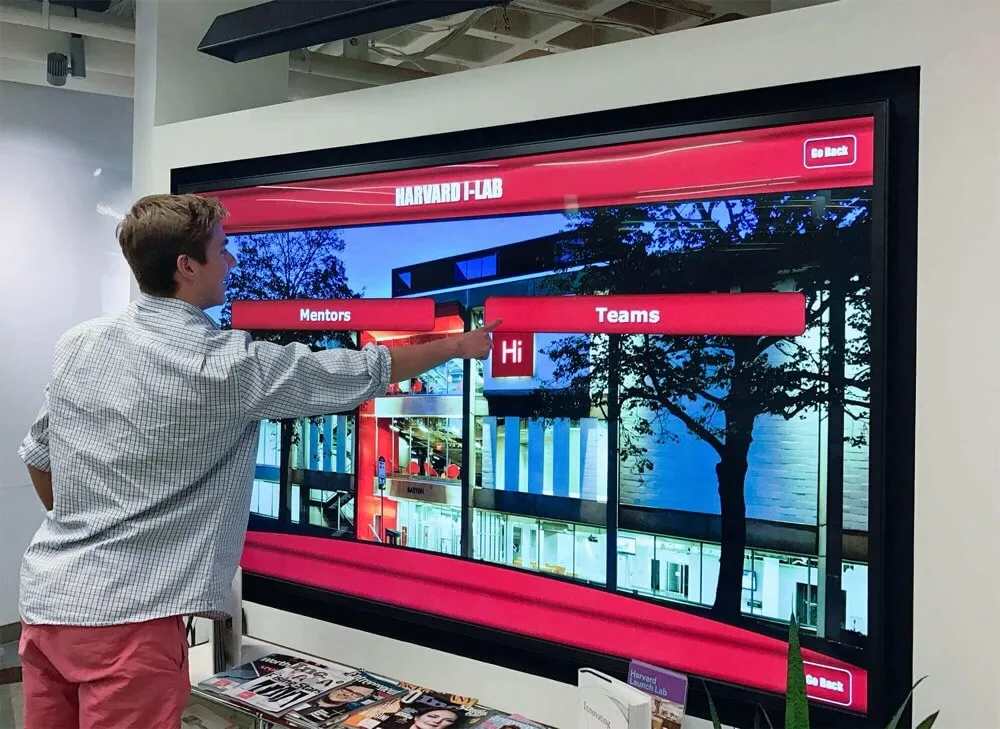
Who Installs Digital Hall of Fame Displays in Schools and Handles Mounting, Power, and Network Setup Near the Front Office?
Schools investing in digital hall of fame displays near their front offices face a practical question that goes beyond selecting the right technology: who actually handles the physical installation, mounting, electrical work, and network setup required to get these systems operational?
Read MoreSalón de la Fama de las Pantallas Táctiles: Guía Completa para Instituciones Educativas
Las instituciones educativas enfrentan un desafío creciente: cómo honrar décadas de logros estudiantiles, atléticos y académicos cuando el espacio físico es limitado y las placas tradicionales se vuelven obsoletas rápidamente. Los salones de la fama convencionales con trofeos, fotografías enmarcadas y placas de bronce requieren mantenimiento constante, ocupan espacio valioso y ofrecen información estática que no puede actualizarse fácilmente.
Read MoreOldtimers Wall: Complete Guide to Honoring Legacy Athletes & Veteran Players in 2025
Oldtimers Walls serve as powerful tributes celebrating veteran athletes, preserving institutional sports history, and honoring the legacy players whose dedication and achievements laid the foundation for current program success. These recognition displays bridge generations of athletes, creating visible connections between past excellence and present accomplishments while demonstrating that athletic contributions remain celebrated and remembered long after final games conclude.
Read More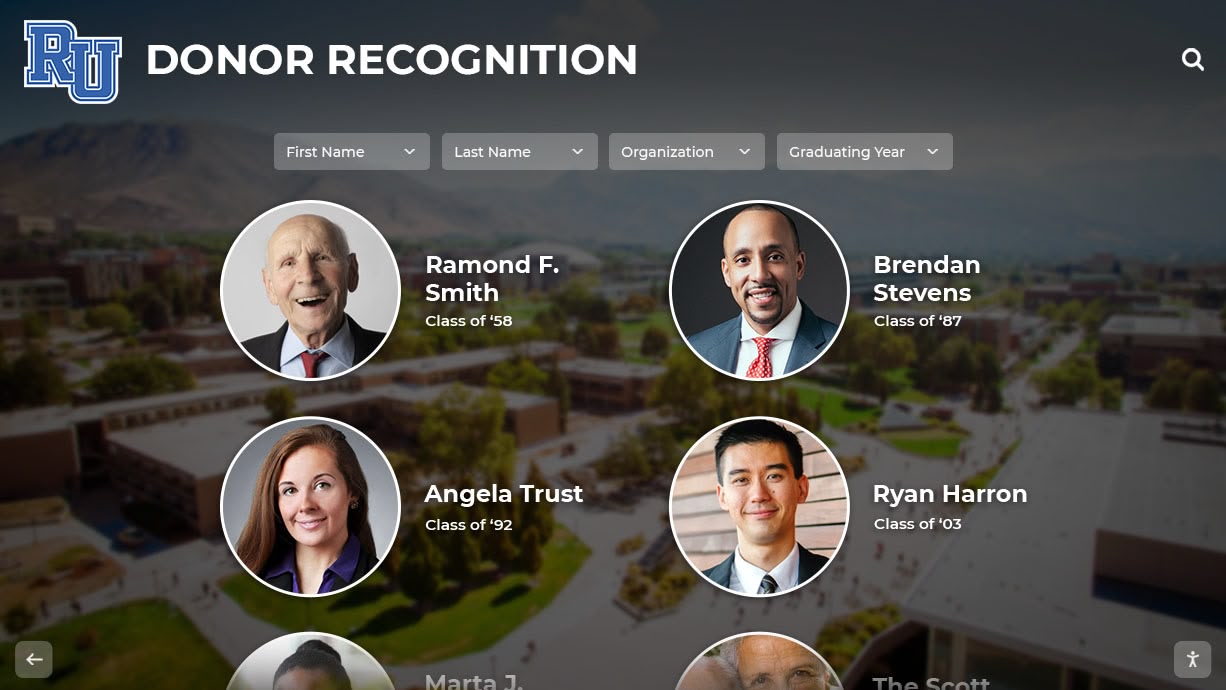
Naismith Hall of Fame Donor Recognition: Complete Guide to Celebrating Philanthropic Excellence in Sports Museums
The Naismith Memorial Basketball Hall of Fame stands as one of the world’s premier sports museums, celebrating basketball excellence through interactive exhibits, multimedia experiences, and comprehensive recognition displays. Yet behind every exhibit, every artifact preservation effort, and every educational program stands a network of generous donors whose philanthropy makes the Hall’s mission possible—from transformative capital campaign contributions funding major renovations to annual supporters enabling ongoing operations.
Read MoreHow to Design a Stunning Digital Hall of Fame Touchscreen Display Layout: Complete 2025 Strategy Guide
Digital hall of fame touchscreen displays have revolutionized how schools, universities, athletic programs, and community organizations celebrate achievement—but the difference between displays that captivate audiences and those that sit unused often comes down to a single critical factor: layout design. While sophisticated hardware and powerful software provide the foundation, strategic layout design determines whether visitors engage deeply with your recognition content or walk past without a second glance.
Read MoreE-Sports Hall of Fame: Complete Guide to Recognizing Competitive Gaming Excellence in 2025
E-sports has evolved from basement hobby to mainstream competitive phenomenon, with high schools adding varsity e-sports teams, colleges offering gaming scholarships, and professional organizations generating hundreds of millions in revenue. According to industry research, the global e-sports market reached $1.79 billion in revenue in 2025, representing a 16.2% increase from 2024, while e-sports audiences surpassed 640.8 million viewers worldwide. High school e-sports participation doubled since 2020, reaching over 200,000 registered players in 2024, with over 240 colleges in the United States now offering varsity e-sports programs.
Read MorePadel Hall of Fame: Complete Guide to Recognizing Tournament Champions and Building Club Legacy in 2025
Padel and pickleball are experiencing explosive growth across the United States, transforming from niche sports into mainstream phenomena embraced by clubs, recreation centers, and dedicated facilities nationwide. As these racquet sports gain popularity, local clubs are hosting increasingly competitive tournaments, league play, and championship events that create moments of excellence deserving proper recognition and celebration.
Read More