Recognition Display RADIUS Change-of-Authorization Test for School Networks
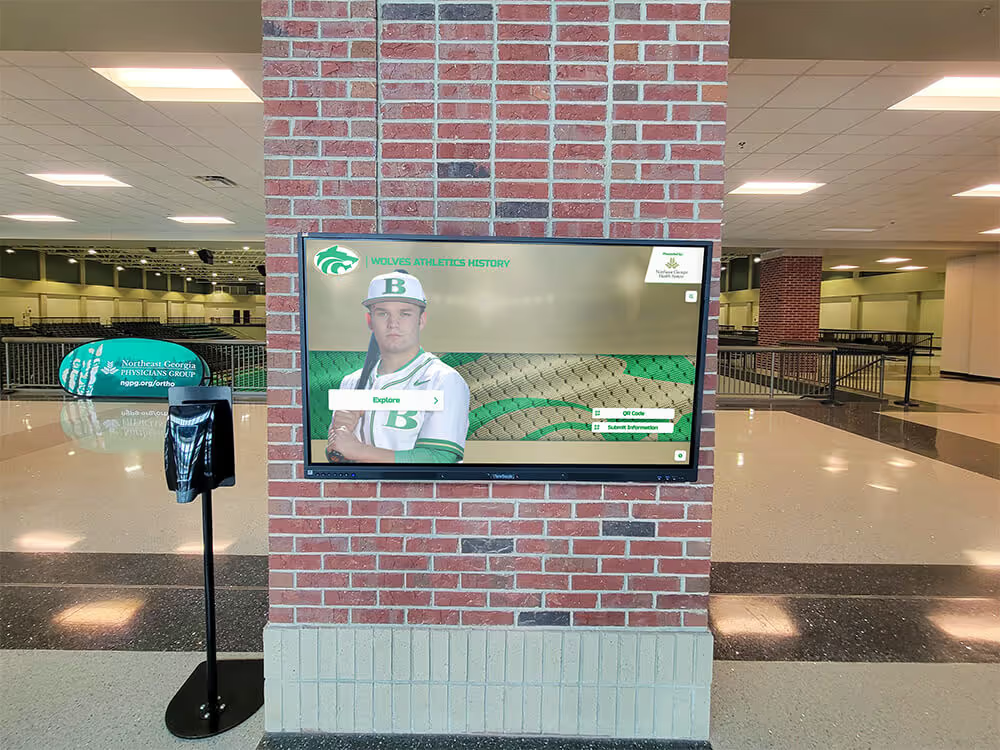
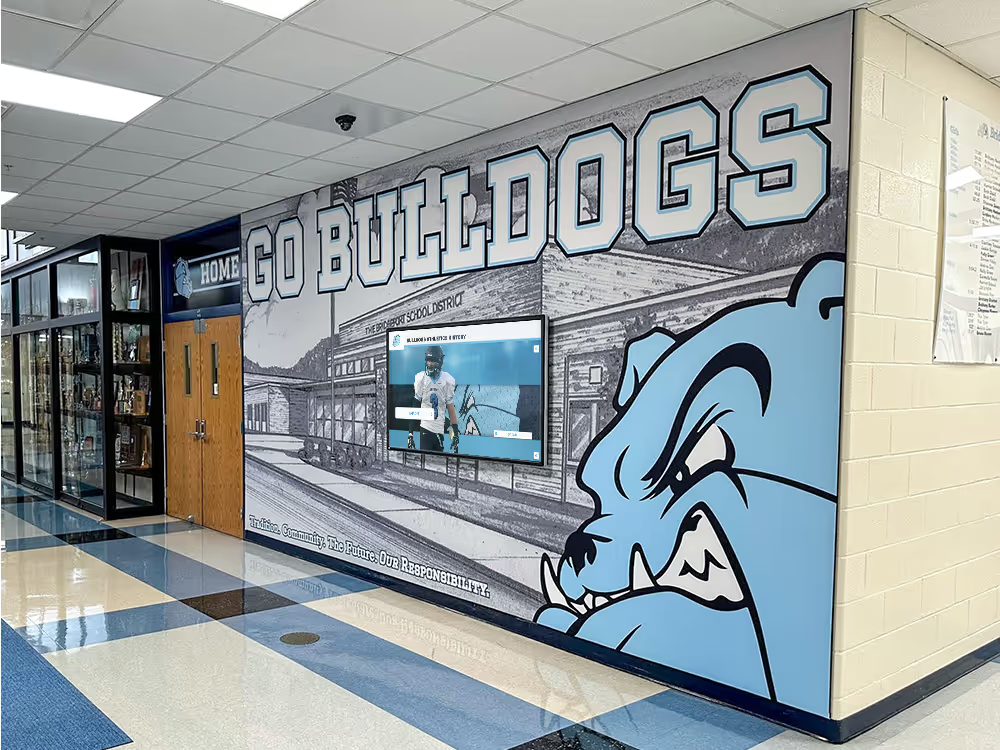
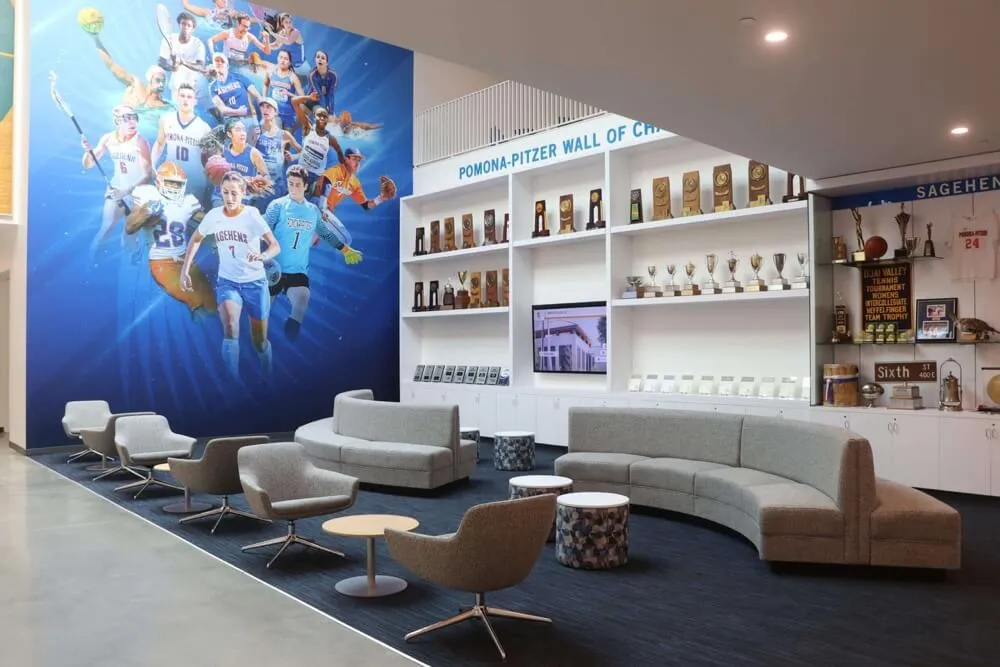
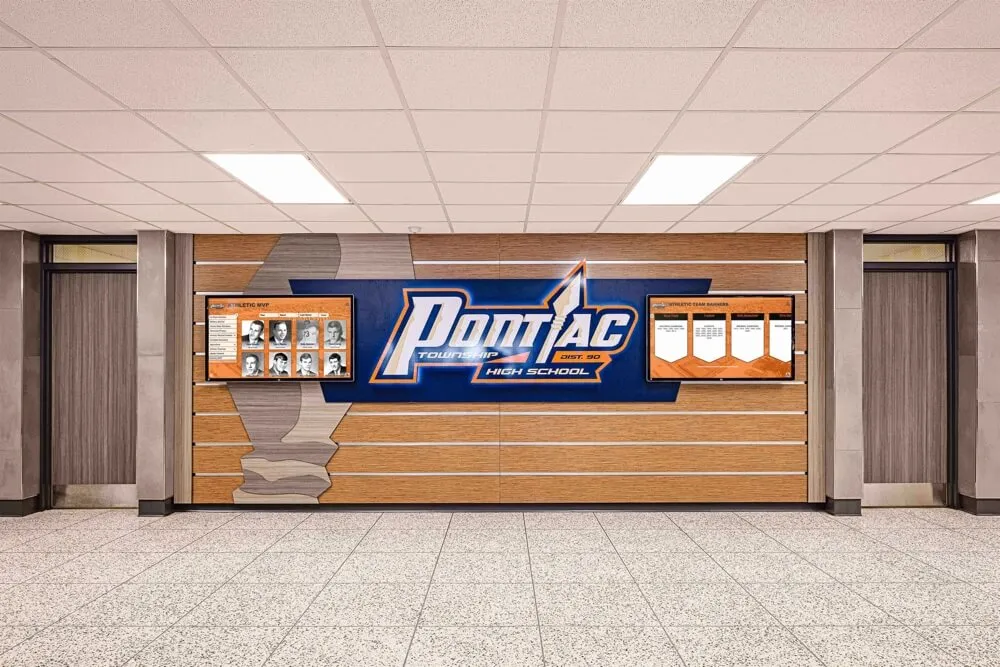
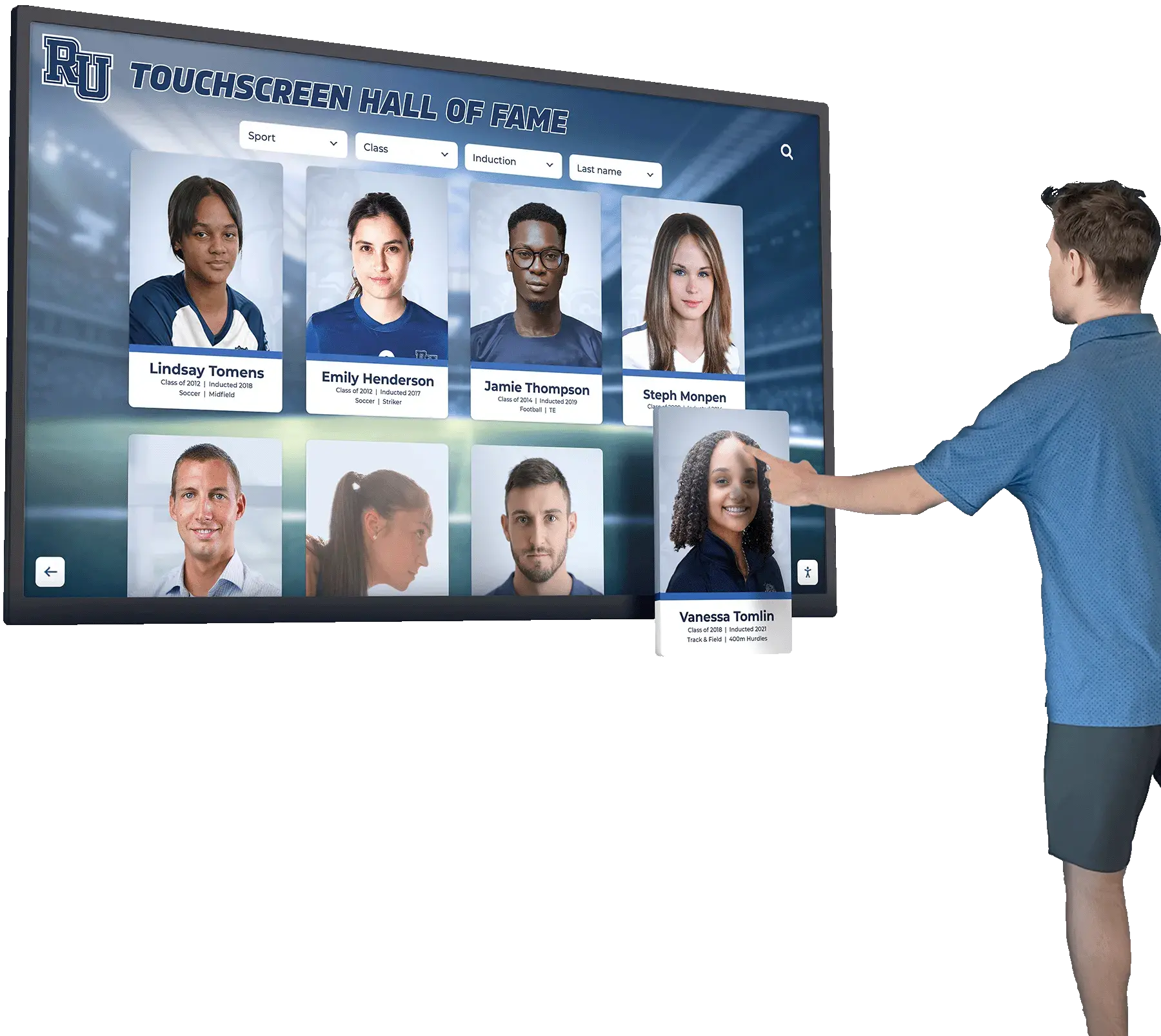
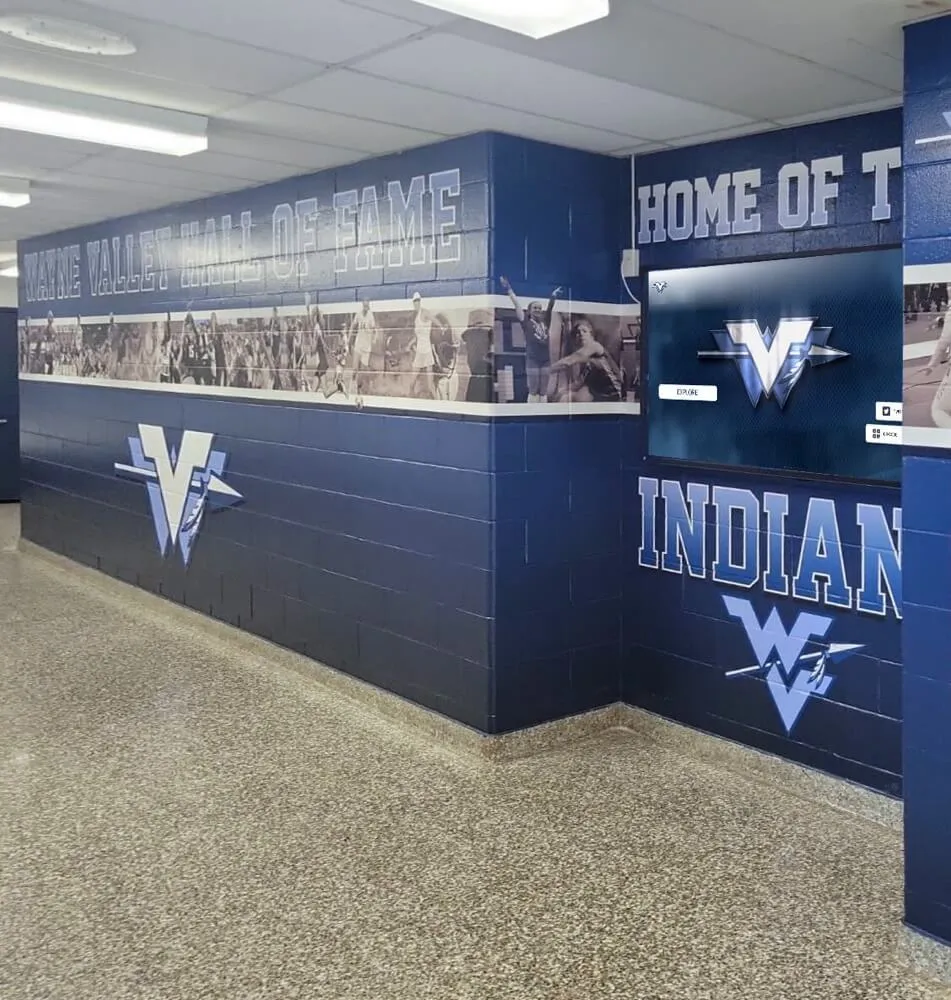
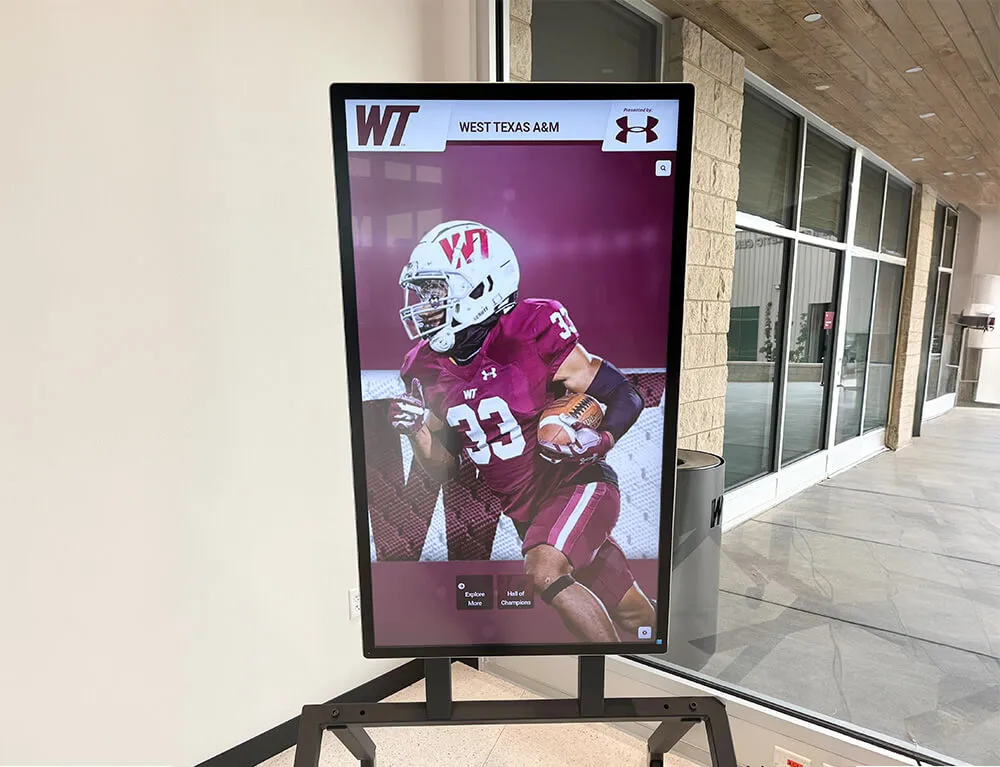
A school recognition display RADIUS change-of-authorization test is a structured network procedure that confirms a touchscreen hall of fame, digital trophy case, or lobby recognition kiosk will accept live RADIUS policy updates—such as a VLAN reassignment or session-timeout change—without requiring a manual reconnect or display reboot. RADIUS Change of Authorization (CoA), defined in RFC 5176, allows a RADIUS server to push new authorization attributes to a device’s active authenticated session while that session is already running. For a recognition display, this means an IT administrator can update the display’s network policy in real time from the RADIUS management console without unplugging the device or interrupting a ceremony in progress. Testing that path in advance is how IT teams confirm it will work when they actually need it.
Read More
Recognition Display RADIUS Failover Testing: A School IT Checklist
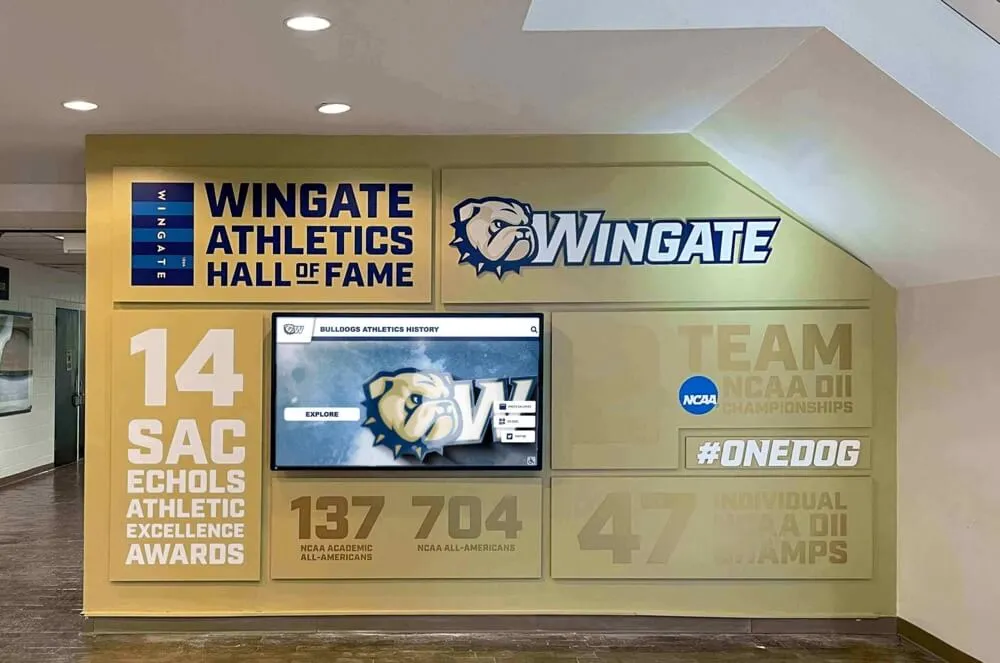
A recognition display RADIUS failover test is a structured network verification procedure that school IT teams run to confirm that touchscreen halls of fame, digital trophy cases, and lobby recognition kiosks will stay online—or recover quickly—when the primary RADIUS authentication server goes down. Networks that use 802.1X authentication require a functioning RADIUS server for every connected device, including wired and wireless recognition displays, to maintain or re-establish their network sessions. When the primary RADIUS server is unavailable and no failover has been tested, a digital hall of fame can go dark in the middle of an induction event, a championship celebration, or an ordinary school day. Testing failover before that happens is a thirty-to-sixty-minute procedure that protects an investment schools measure in years.
Read More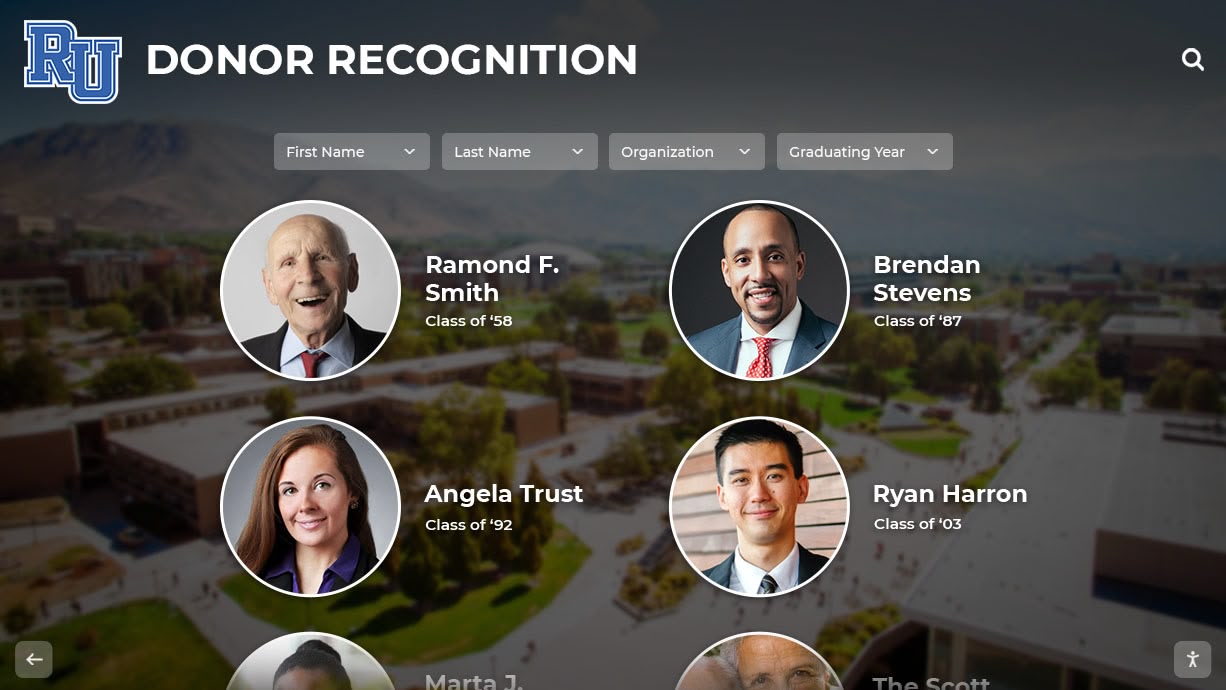
Nonprofit Donor Recognition Video Tour: Complete Visual Walkthrough of Digital Display Solutions That Inspire Giving
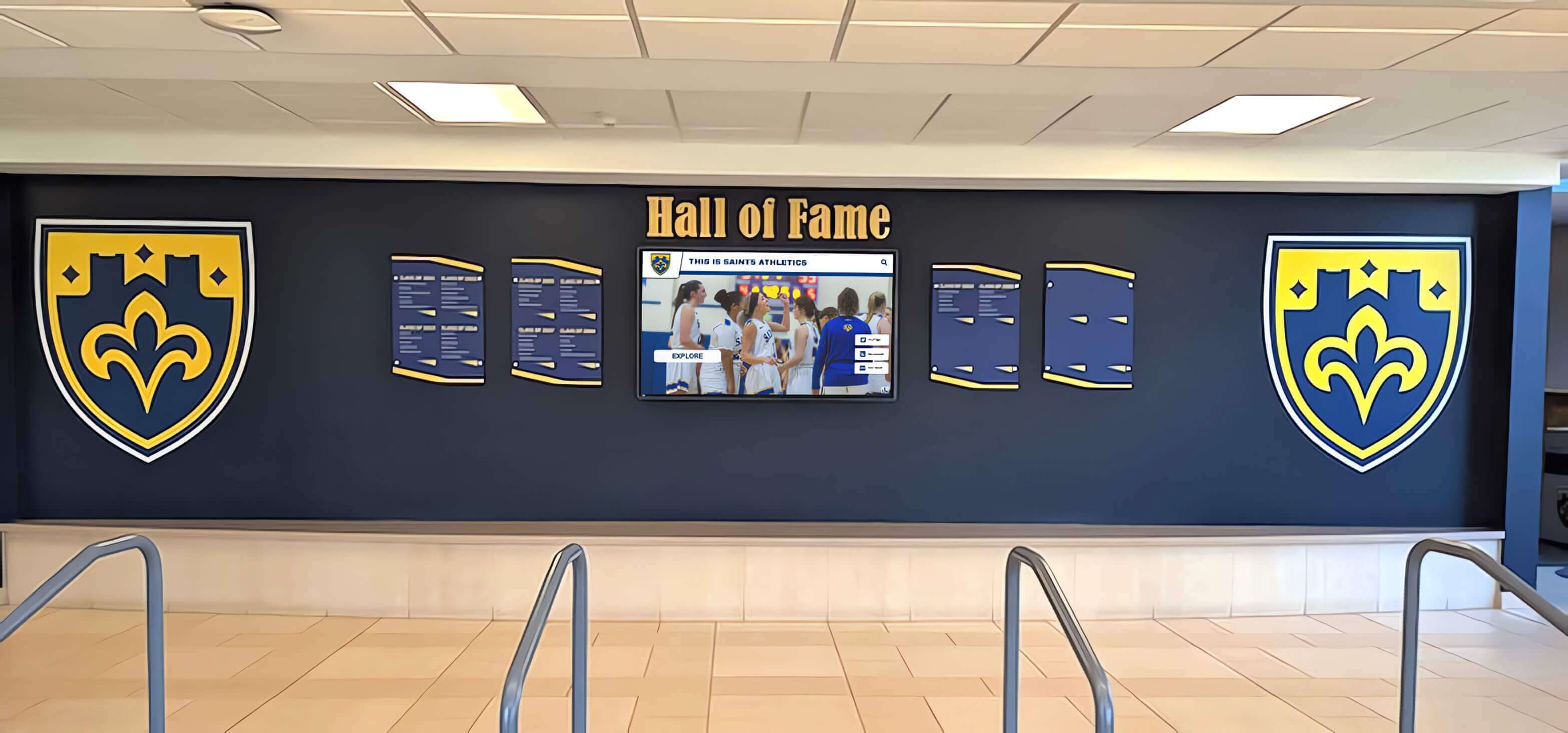
Intent: demonstrate Nonprofits seeking to modernize donor recognition face a challenge: how do you show supporters what state-of-the-art digital recognition looks like in action? Static photos and text descriptions fail to capture the interactive experience, smooth navigation, and emotional impact that touchscreen donor displays create. Prospective donors, board members, and development teams need to see recognition technology working in real nonprofit environments—demonstrating how digital walls honor generosity while inspiring continued support.
Read MoreDonor Recognition: Complete Guide to Modern Appreciation Strategies That Drive Retention and Inspire Generosity in 2025
Donor recognition represents one of the most critical yet frequently overlooked components of successful fundraising strategy. Research from the Association of Fundraising Professionals shows that donor retention rates in Q1 of 2025 hovered around just 18.1%, demonstrating that most organizations struggle to maintain lasting relationships with supporters. More concerning, studies consistently reveal that lack of proper recognition ranks among the top five reasons why donors discontinue giving—making appreciation not merely a courtesy but a strategic imperative for sustainable fundraising.
Read More