Athletic Archive Tape-Head Clog Detection Workflow Before Digitization
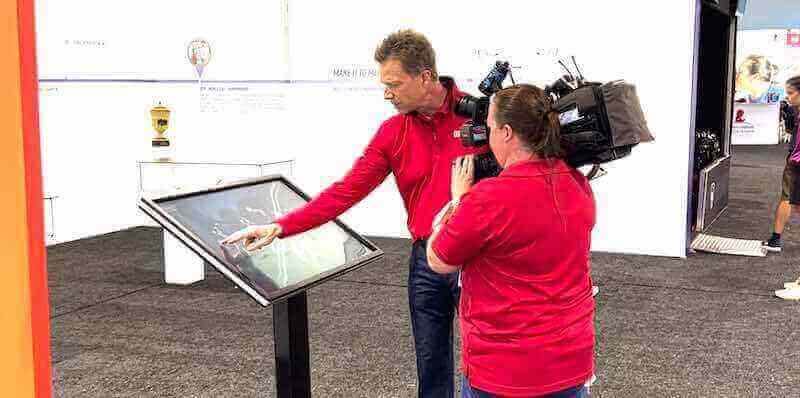
An athletic archive tape head clog detection workflow is a structured stop-and-inspect protocol that school staff follow when a VHS, Betamax, Hi8, or S-VHS deck suddenly produces video snow, horizontal picture bands, audio dropout, or complete picture loss during the digitization of historic game recordings—distinguishing a correctable deck problem from damaged tape content before irreplaceable footage is lost. Tape-head clogging is one of the most common and most misread problems in school athletic archive digitization projects. When video quality deteriorates mid-transfer, the instinct is to assume the tape is damaged and fast-forward past the problem—but in many cases, the tape is fine and the deck’s rotating playback heads have accumulated a deposit of magnetic oxide particles from aging tape binder. Continuing to play a clogged deck risks damaging both the heads and the tape. Stopping, inspecting, and following a structured escalation process is the correct response.
Read More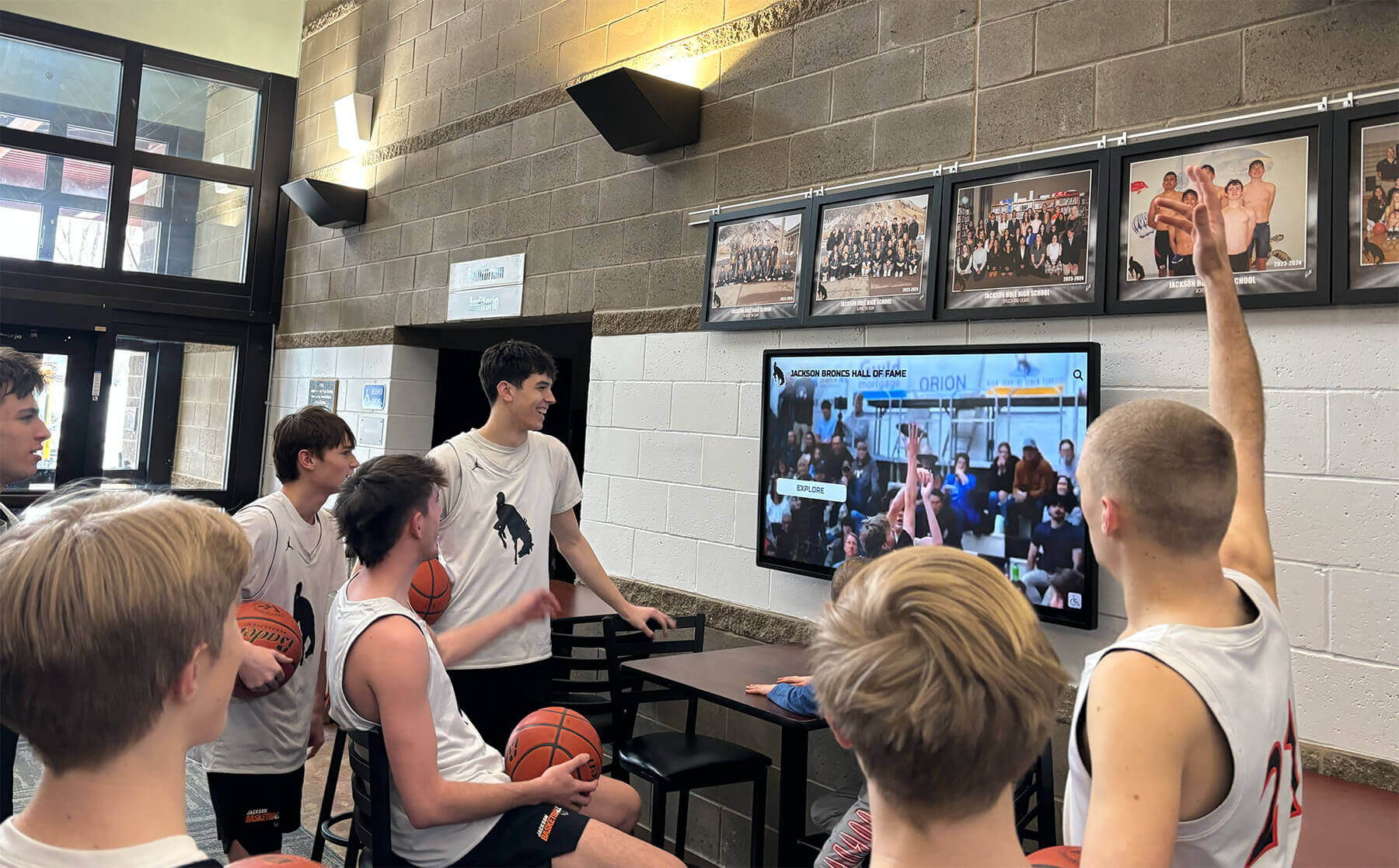
Athletic Archive Audio DC Offset Correction for Historic Game Recordings
Athletic archive audio DC offset correction is the process of detecting and removing a constant voltage bias in an audio waveform—a shift that pushes the entire signal above or below the zero line—before normalizing, encoding, or publishing historic game recordings to a touchscreen display or digital archive. DC offset is one of the most underdiagnosed problems in school athletic archive digitization projects. It is invisible on playback at low volumes, passes basic quality checks that only measure peak levels, and appears harmless until normalization is applied—at which point the offset consumes headroom that should belong to the actual audio, forces the loudest peaks into clipping, and produces an asymmetrical distortion that sounds harsh through the full-range speakers of a modern lobby display or interactive kiosk.
Read More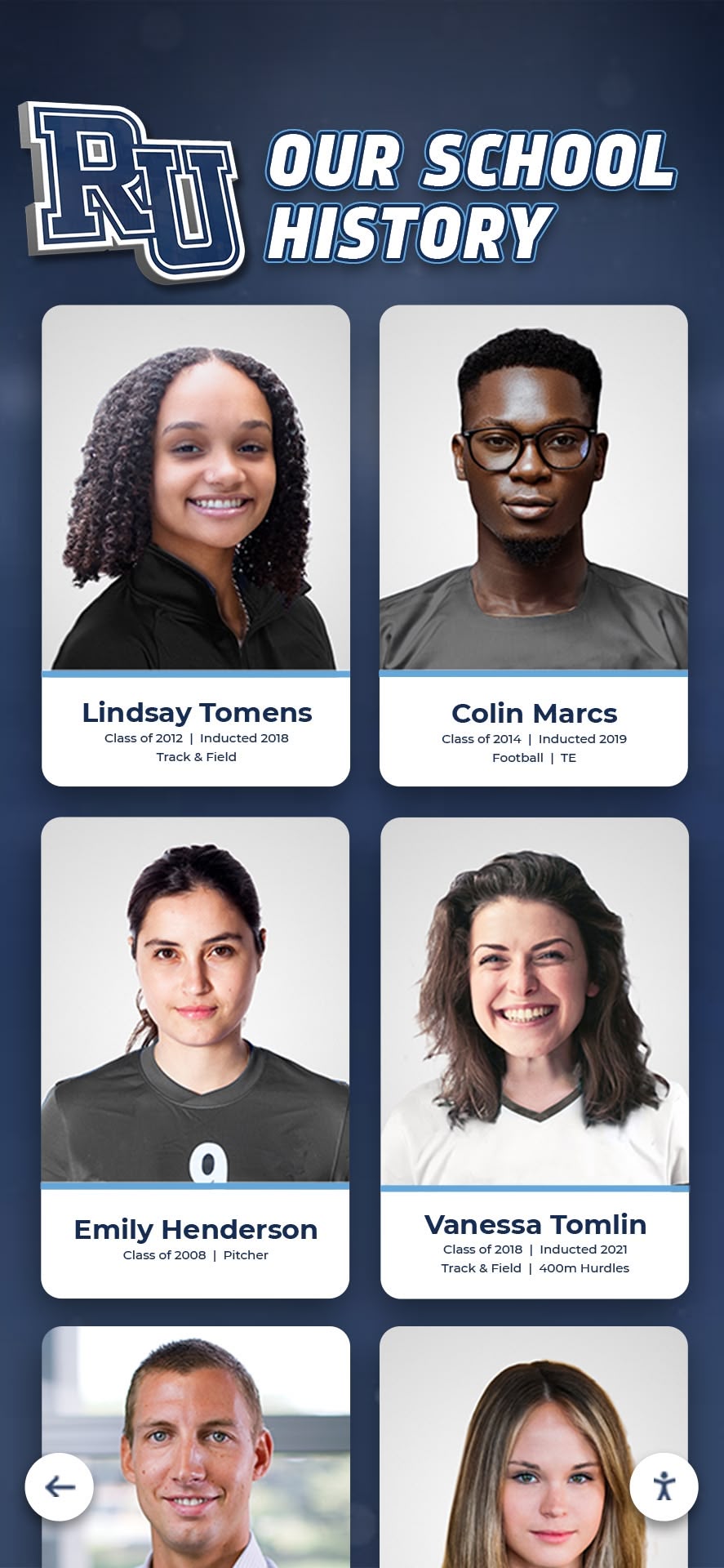
Athletic Archive Lens Distortion Correction for Historic Team Photos
Athletic archive lens distortion correction is the process of removing the bowing, pinching, or wavy warping that vintage lenses introduced into historic team photos—so that straight gymnasium walls, court lines, and bleacher rows appear straight on screen without altering the identity or authenticity of the people in the image. Schools that skip this step often find that decades-old team photos look noticeably warped on a 65-inch touchscreen display or a hall of fame recognition wall, undermining the dignity of the athletes being honored and creating a visual inconsistency that careful donors and athletic directors notice immediately.
Read More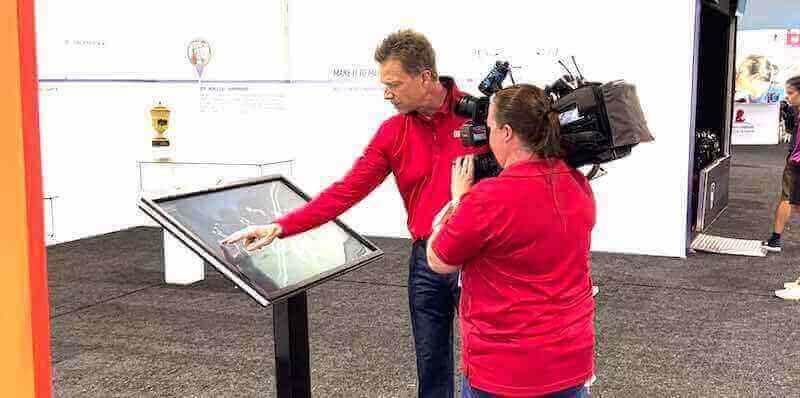
Athletic Archive Audio Noise-Reduction Workflow for Historic Game Recordings
An athletic archive audio noise reduction workflow is a structured sequence of steps for identifying, profiling, and reducing persistent background noise—tape hiss, electrical hum, room rumble, and PA bleed—from historic game recordings without erasing the crowd energy, commentary, and ceremony audio that give those recordings their historical value. Schools that apply the workflow correctly produce archive files that are audible, intelligible, and usable on modern touchscreen displays and digital hall-of-fame kiosks. Schools that skip it publish recordings that sound muffled through over-processing, or—just as damaging—publish unprocessed recordings where persistent hiss and hum compete with the voices and sounds the display was meant to celebrate.
Read MoreAthletic Archive Audio Clipping Detection: A Quality-Control Workflow for Historic Game Sound
Athletic archive audio clipping detection is the process of identifying recordings where audio signals exceeded the maximum level a recording device could capture—producing distorted, saturated sound that no amount of volume adjustment will fix at the playback stage. Historic game footage, VHS transfers, camcorder recordings, and dubbed broadcast tapes are all vulnerable to clipping artifacts. When clipped audio reaches a touchscreen hall of fame, a lobby display, or a digital archive, the distortion that was inaudible on a small television in 1994 becomes unmistakably harsh through modern display speakers, undermining the recognition experience the recording was meant to create.
Read MoreAthletic Archive Audio Channel Mapping Checklist for Historic Game Video
An athletic archive audio channel mapping checklist ensures that every audio track in a historic game video—commentary, crowd sound, interview feeds, and ceremony audio—is correctly identified, labeled, and routed before the file goes live on a touchscreen display or digital archive. Schools that skip this step publish videos where commentary plays out of both speakers at equal volume, crowd ambiance gets dropped entirely, or a post-game interview is routed to a channel the display system ignores. The checklist takes thirty minutes to complete and prevents problems that can take days to diagnose after a video is already in rotation.
Read More
Touchscreen Recognition Display Incident Response Playbook: Detect, Contain, Recover, and Document
A touchscreen recognition display in a school lobby or athletic corridor serves a purpose that most incident response frameworks never mention: it is the permanent, publicly visible record of what your student athletes achieved, what your donors gave, and who your community honored. When that kiosk goes blank before homecoming, shows corrupted content during a banquet, or behaves strangely on the network, the response cannot follow the same low-urgency queue as a printer outage. Recognition content has an audience, a calendar, and a reputational weight that makes timely, structured recovery matter.
Read More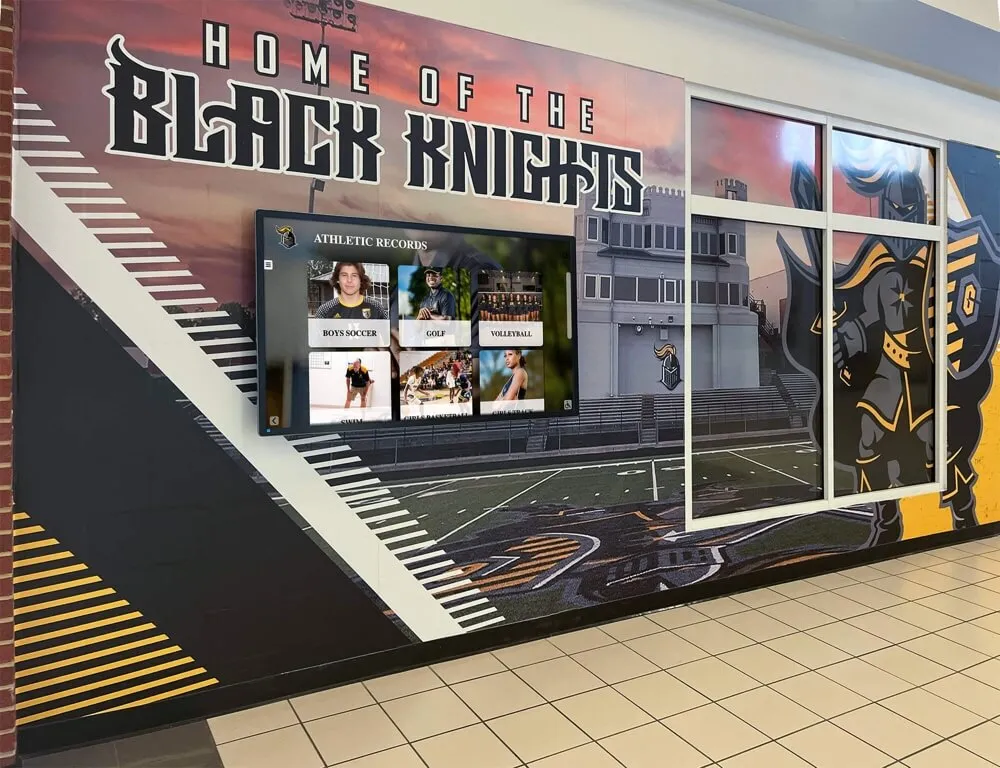
Athletic Archive Audio Transcription Guidelines: Make Interviews and Broadcasts Searchable
Athletic archive audio transcription guidelines address a problem every school with decades of recorded history eventually faces: hours of coach interviews, game-day broadcasts, awards banquet speeches, and oral histories locked in audio formats that no search engine, touchscreen display, or future archivist can easily navigate. Converting those recordings to accurate, tagged text unlocks their value—making every memorable quote, every championship recap, and every coach’s post-game reflection findable within seconds.
Read More