Technology
- Home /
- Categories /
- Technology
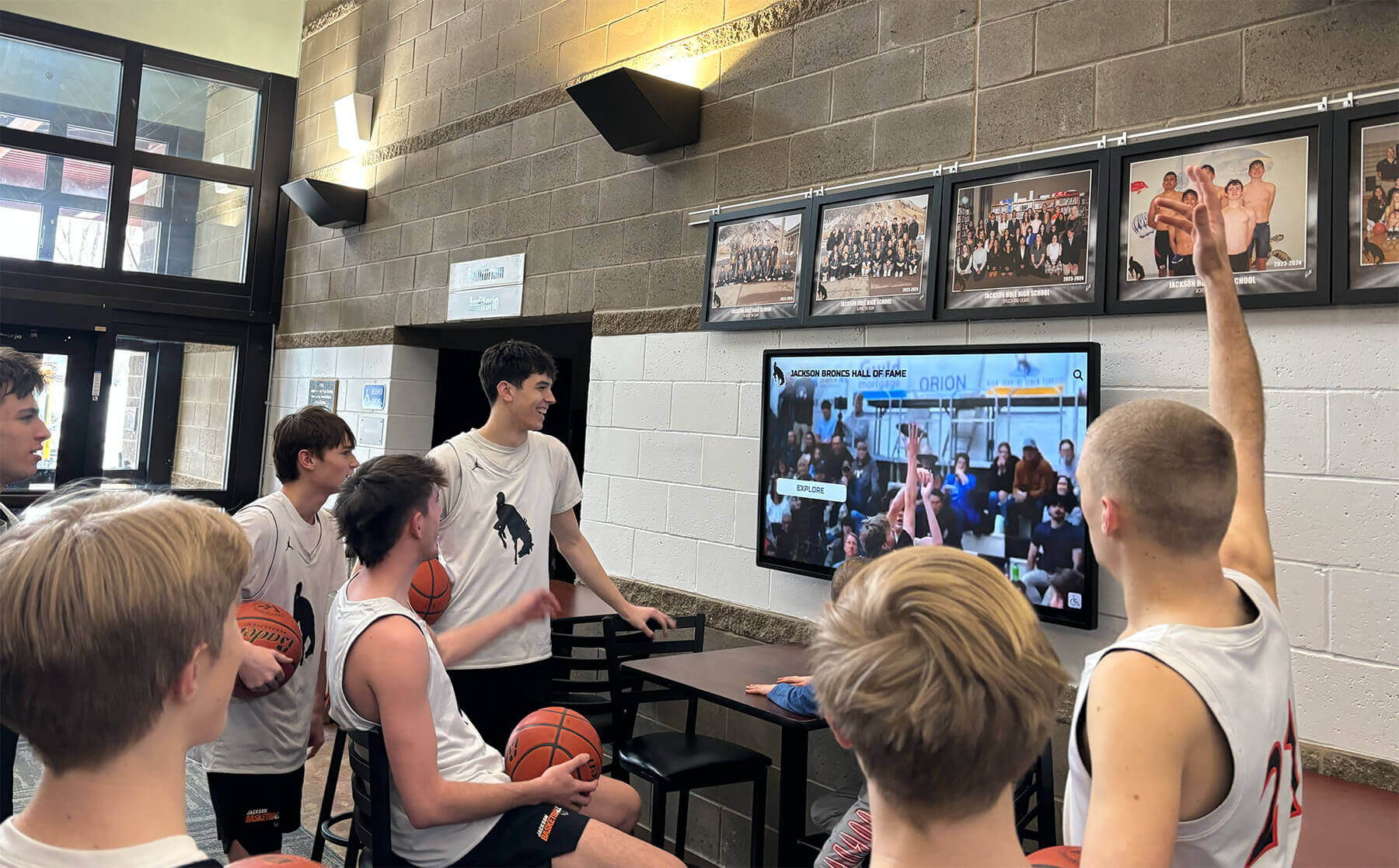
Recognition Display Stream Compression Test: Verify High-Resolution Video Playback
A recognition display stream compression test verifies that Display Stream Compression (DSC) is correctly negotiated between your source device and the recognition panel, and that high-resolution athlete video, highlight reels, and animated award graphics play back without blocking artifacts, color banding, or edge halos. DSC is a VESA-standardized visually lossless compression codec built into DisplayPort 1.4+ and HDMI 2.1 interfaces—it enables 4K and higher-resolution content to travel over cable runs and signal paths whose raw bandwidth would otherwise require a lower resolution or a dropped frame rate. When DSC negotiation succeeds and the codec operates correctly, the compression is invisible. When it fails—through a firmware mismatch, a cable that cannot sustain the required bandwidth, or a receiver that partially implements the standard—the result is visible corruption on exactly the content that matters most: a championship video loop playing in the lobby during an induction ceremony.
Read More
Recognition Display IGMP Snooping Test for Multicast Media: A School IT Guide
A school recognition display IGMP snooping test verifies that your access switch is correctly tracking which display endpoints have joined each multicast group—so that scheduled media updates push only to screens that requested the stream, rather than flooding every port on the recognition display VLAN. When IGMP snooping is absent, misconfigured, or missing an active querier, a content update to four hall-of-fame screens can look identical to a multicast flood from the switch’s perspective: the switch forwards every frame to every port in the VLAN, consuming bandwidth whether or not the attached device wants the content. Running a structured test before a scheduled update—not after a failure—catches this class of misconfiguration before it disrupts a live event.
Read More
Recognition Display Multicast Storm Control: Protect School Networks During Media Updates
Recognition display multicast storm control is the switch-level rate-limiting mechanism that prevents a surge of multicast traffic—triggered by a scheduled media update to digital hall-of-fame screens, record boards, or lobby recognition kiosks—from flooding every port on a school network segment and degrading other services until the storm clears. The problem is specific to how recognition display systems deliver content: when a media server pushes updated video, championship records, or athlete-of-the-week images to multiple screens simultaneously, those updates often travel as multicast frames. Without storm control configured on the access layer switch, a single misconfigured or misbehaving device can generate multicast at line rate, saturating uplinks and disrupting adjacent traffic on the same VLAN—exactly when administrative staff are watching for the new content to appear.
Read More