HowTo
- Home /
- Categories /
- HowTo

Touchscreen Recognition Display Screen Response-Time Test: Check Motion and Interaction Clarity
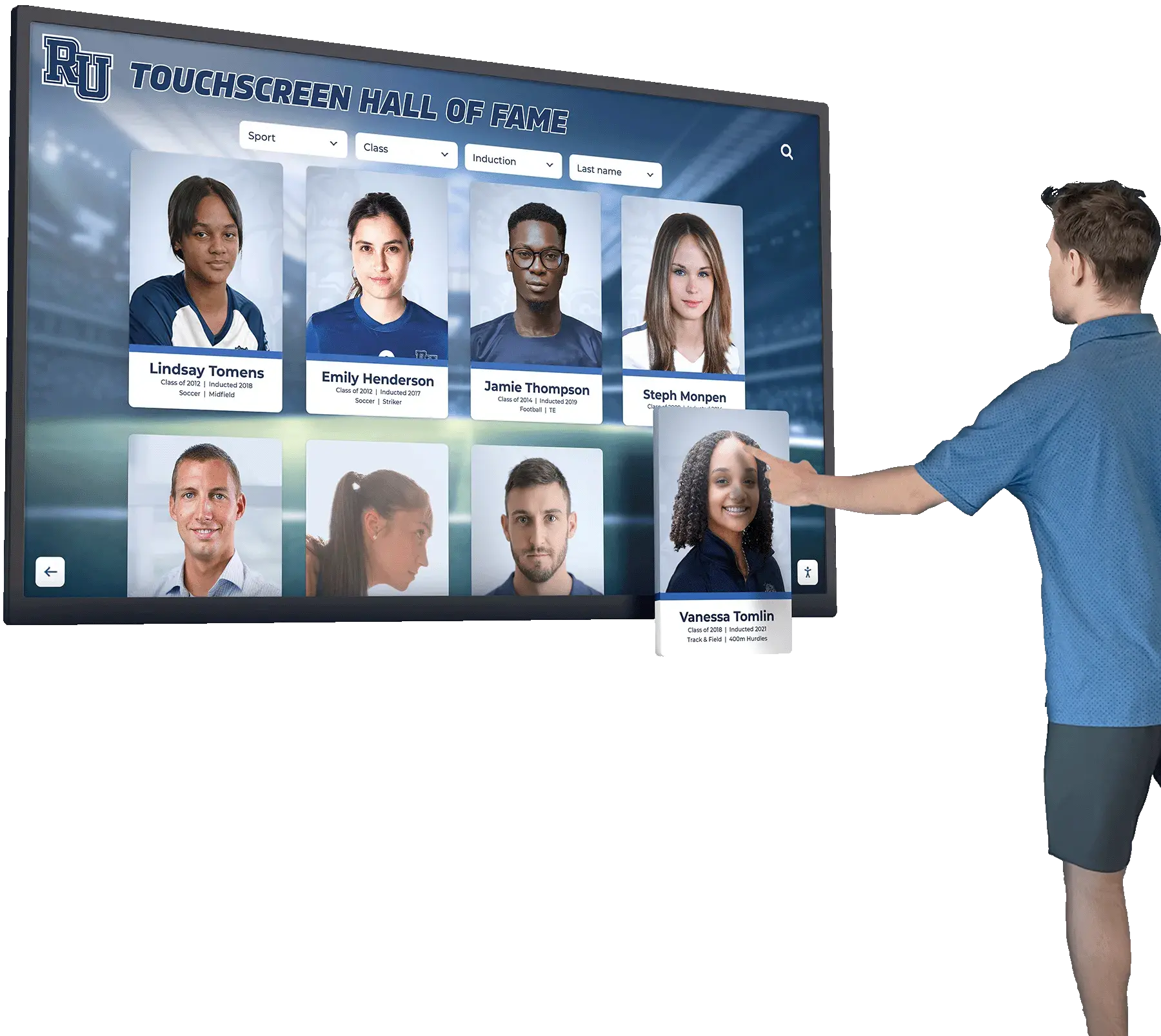
A touchscreen recognition display screen response-time test measures whether a display panel transitions between images quickly enough to show athlete highlight reels, scrolling recognition feeds, and portrait gallery animations without visible ghosting or blurring—and whether the touch layer registers visitor inputs within a timeframe that feels immediate. These are two distinct measurements that are often confused with each other, and both matter for a display serving a school hall of fame, athletic archive, or recognition program.
Read More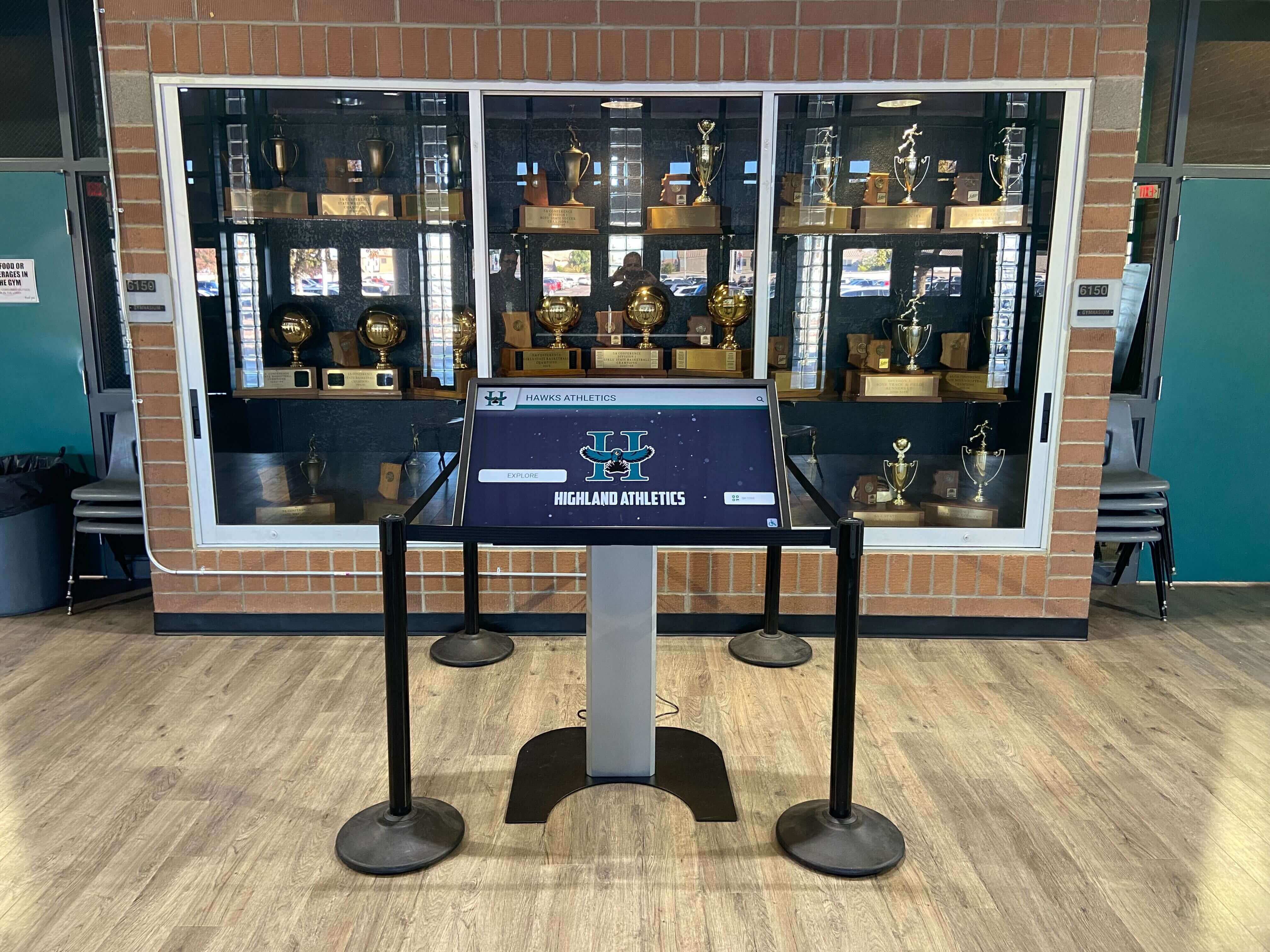
Touchscreen Recognition Display Backlight Bleed Test: A School Acceptance Guide
A touchscreen recognition display backlight bleed test is a structured visual inspection that confirms whether a new display panel shows unacceptable light leakage before it is mounted in a school lobby, athletic corridor, or hall of fame wall. Run on a dark test image in a controlled environment, the test takes under 20 minutes and catches a defect that would otherwise go unnoticed until the display is installed—and then becomes visible to every parent, donor, and administrator who walks past during an evening event.
Read More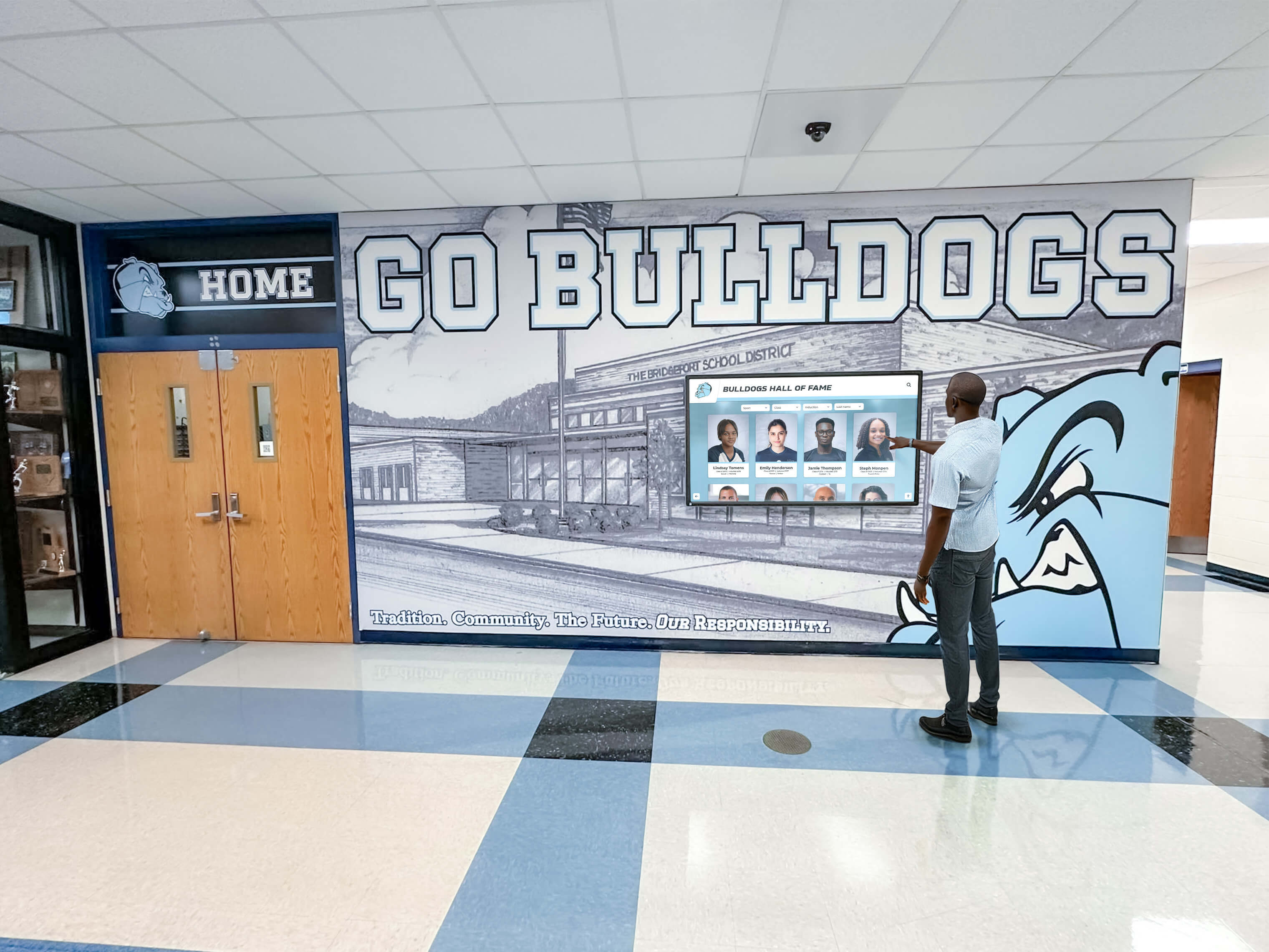
Touchscreen Recognition Display Speaker Audio Test Checklist: Isolate Source, Cable, and Speaker Faults
A touchscreen recognition display speaker audio test checklist addresses the problem that appears most often on game nights and induction ceremonies: the display looks perfect but no sound comes out—or the narration for an induction video is so distorted that families in the front row cannot understand a word. Audio failures on school recognition displays rarely stem from one cause. They trace back to a combination of source settings, cable routing, and speaker configuration that each passed an informal glance but were never tested together as a system.
Read MoreTouchscreen Recognition Display Backup Testing Checklist: Prove Recovery Before an Event
A touchscreen recognition display is only as valuable as its ability to perform on the moments that matter most—the Friday night home game, the annual athletic induction ceremony, the 20-year class reunion. When the display goes dark or loses content right before the gymnasium fills with proud families, there is no time to troubleshoot from scratch. A structured touchscreen recognition display backup testing checklist completed days before the event turns a stressful unknown into a verified guarantee.
Read More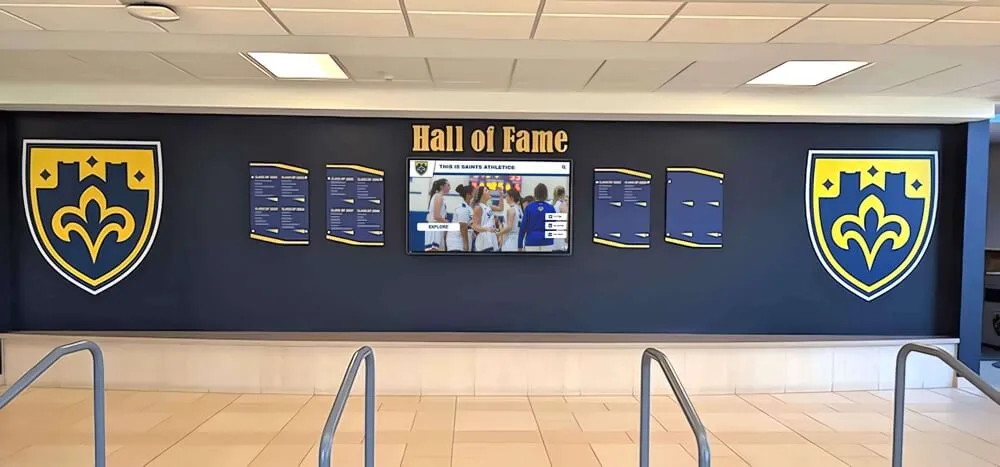
Hall of Fame Closed Captioning Guidelines for Inductee Videos
Hall of fame closed captioning guidelines give school administrators and recognition staff a repeatable standard for making inductee interview clips, ceremony highlights, and tribute videos usable across every viewing context—lobby touchscreen kiosks, noisy cafeteria screens, classroom presentations, and public websites. The short answer: captions on all public-facing hall of fame videos are both an accessibility requirement and a practical necessity, because many of those videos play in high-traffic hallways where audio is inaudible without speakers or headphones.
Read More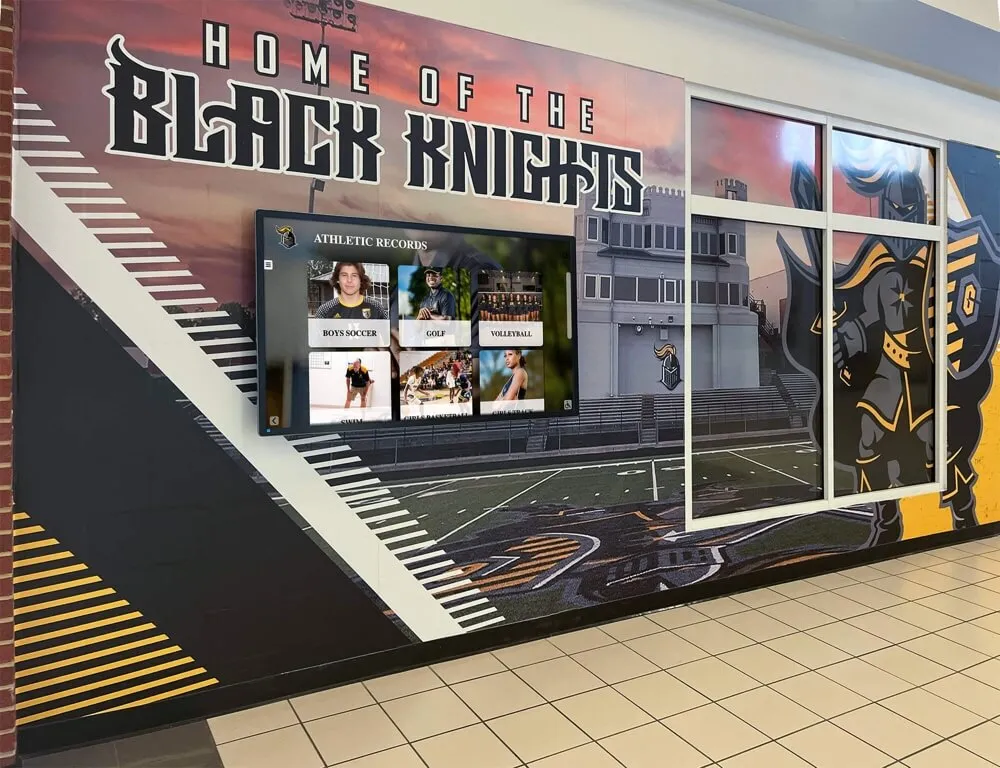
Athletic Archive Audio Transcription Guidelines: Make Interviews and Broadcasts Searchable
Athletic archive audio transcription guidelines address a problem every school with decades of recorded history eventually faces: hours of coach interviews, game-day broadcasts, awards banquet speeches, and oral histories locked in audio formats that no search engine, touchscreen display, or future archivist can easily navigate. Converting those recordings to accurate, tagged text unlocks their value—making every memorable quote, every championship recap, and every coach’s post-game reflection findable within seconds.
Read More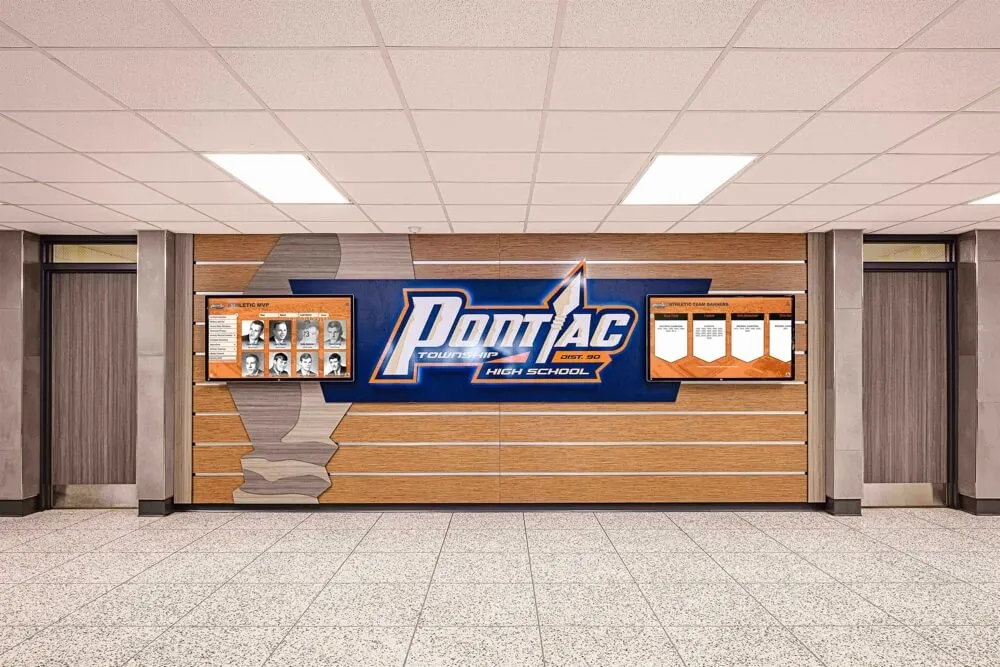
How to Make a Record Board: Manual Steps, Proof Collection, and Digital Upgrade Paths
A well-built record board does more than list numbers—it tells athletes exactly what your program values and what it takes to join its history. Walk into any competitive high school gym, aquatics center, or track complex and you’ll find a record board somewhere on the wall. The better ones are accurate, current, and visually sharp. The worse ones are faded, out-of-date, and full of names that nobody can read. The difference between the two isn’t talent or budget—it’s process.
Read More