Hall of Fame
- Home /
- Categories /
- Hall of Fame
Athletic Hall of Fame Video Playback Speed Audit: Reset Each Visitor to Normal Speed
An athletic hall of fame video playbackRate reset ensures that induction clips and athlete interview videos begin at normal speed for each new visitor, even after a previous visitor used slow-motion or fast-forward controls. The playbackRate property, documented at MDN Web Docs, is a live double on the HTMLMediaElement interface that reflects the current rate at which media is playing back; a value of 1 means normal speed, values below 1 produce slow motion, and values above 1 produce fast-forward. It is a runtime property that persists on the element until explicitly changed — it does not automatically return to 1 between visitor interactions or when a new athlete profile is displayed. The defaultPlaybackRate property is a separate value — also a double defaulting to 1 — that the browser applies to playbackRate when a new media resource is loaded. Because these two properties are independent and both must be audited, a speed reset triggered only by loading a new clip may not correct a defaultPlaybackRate that was itself changed during a previous session.
Read More
Athletic Recognition Video networkState Checks: Separate Missing Sources from Slow Loading
An athletic recognition video networkState check reads the browser’s HTMLMediaElement.networkState property to distinguish four distinct states—NETWORK_EMPTY (0), NETWORK_IDLE (1), NETWORK_LOADING (2), and NETWORK_NO_SOURCE (3)—so school IT staff can direct a stalled display to the correct fix rather than rebooting hardware or blaming the school network for a problem that may be a missing source URL. The networkState property, documented at MDN Web Docs, is a read-only unsigned short on the HTMLMediaElement interface that indicates the current state of the media element’s network activity. Paired with currentSrc, media.error, readyState, and event timestamps, it creates a narrow, precise snapshot of what the media element is doing at a given moment—which is the only basis for reliable diagnosis. A single networkState value alone cannot determine whether a kiosk is stalling because the school network is congested, because a source URL is wrong, or because the element was never given a source to begin with.
Read More
Athletic Hall of Fame Video Poster Images: Keep Faces and Titles Visible Before Playback
An athletic hall of fame video poster image audit confirms that the image shown before a recognition video plays displays the athlete’s face and inductee title legibly—at the correct aspect ratio, without cropping off the subject—in the kiosk’s installed orientation. The HTML <video> element’s poster attribute, documented by MDN Web Docs, accepts a URL pointing to an image that the browser displays while the video is loading and before playback begins. If no poster is set, the browser shows nothing until the first video frame is decoded and available—which can leave a black rectangle on the kiosk for several seconds, particularly on a slow network or with a large video file.
Read MoreAthletic Hall of Fame Video Media Session API: Kiosk Checks for School Recognition Displays
A Media Session API check for an athletic hall of fame video kiosk verifies that the browser’s navigator.mediaSession interface is present, that metadata describing the current athlete’s highlight reel is set correctly, and that OS-level media-key handlers—play, pause, stop, and seek—actually call the underlying <video> element methods rather than simply registering without effect. The Media Session API, documented at MDN Web Docs, lets a browser communicate with the operating system about the media currently playing, which matters on a school recognition kiosk where a facility manager might press a keyboard media key or where the OS media overlay could otherwise display stale information about a previous athlete’s video.
Read More
Digital Hall of Fame Audio Description Guide: Making Inductee Videos and Images Accessible to Everyone
Audio description transforms visual hall of fame stories into experiences anyone can access. When a school’s digital hall of fame showcases inductee tribute videos, archival photographs from championship seasons, and imagery of jerseys being retired, visitors who are blind or have low vision depend on audio description to understand what appears on screen. Without it, the most meaningful moments in a school’s recognition program—a coach’s tearful acceptance, a team photo from a state title run, a close-up of the hardware that defined a career—remain invisible to a portion of the audience that deserves to share in the celebration.
Read More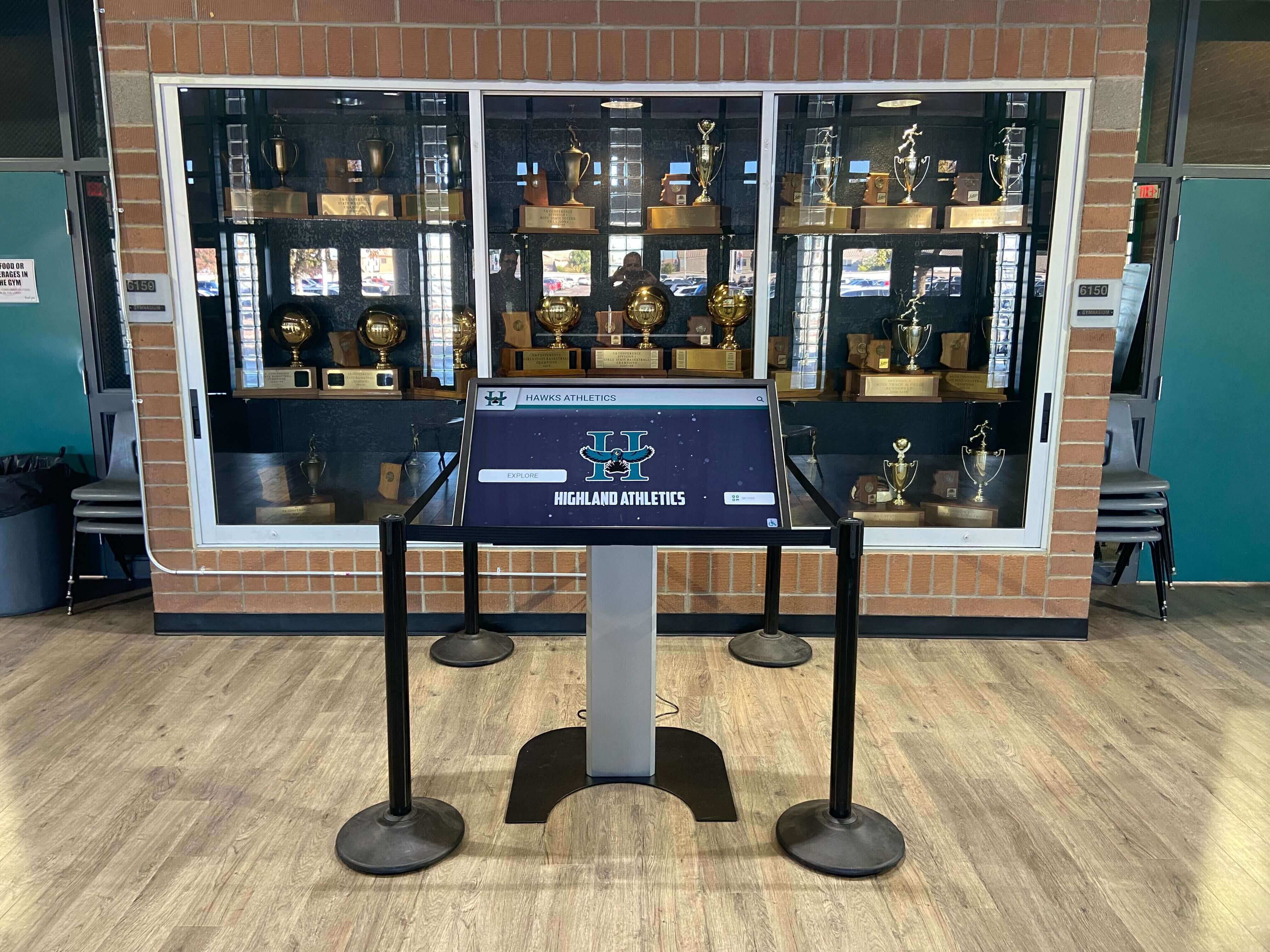
Helmet Display Case Setup for High School Football Programs and Athletic Hall of Fame
Football helmets carry extraordinary significance in high school athletic programs—they represent team identity, championship seasons, legendary players, and decades of program tradition. A properly designed helmet display case transforms these iconic pieces of equipment into powerful recognition displays that inspire current athletes, honor past excellence, and create focal points for school pride throughout your facility.
Read More
How to Digitize Old Yearbooks for Hall of Fame Displays Without Damaging the Books
Schools, universities, and alumni associations face a common challenge when building hall of fame recognition programs: valuable historical photographs exist locked inside decades-old yearbooks that can’t withstand repeated handling, yet these images represent the perfect source material for honoring distinguished alumni, athletes, and community members. The question isn’t whether to digitize these materials—it’s how to extract the content you need while keeping the physical books intact for future generations.
Read More