Digital Archives
- Home /
- Categories /
- Digital Archives
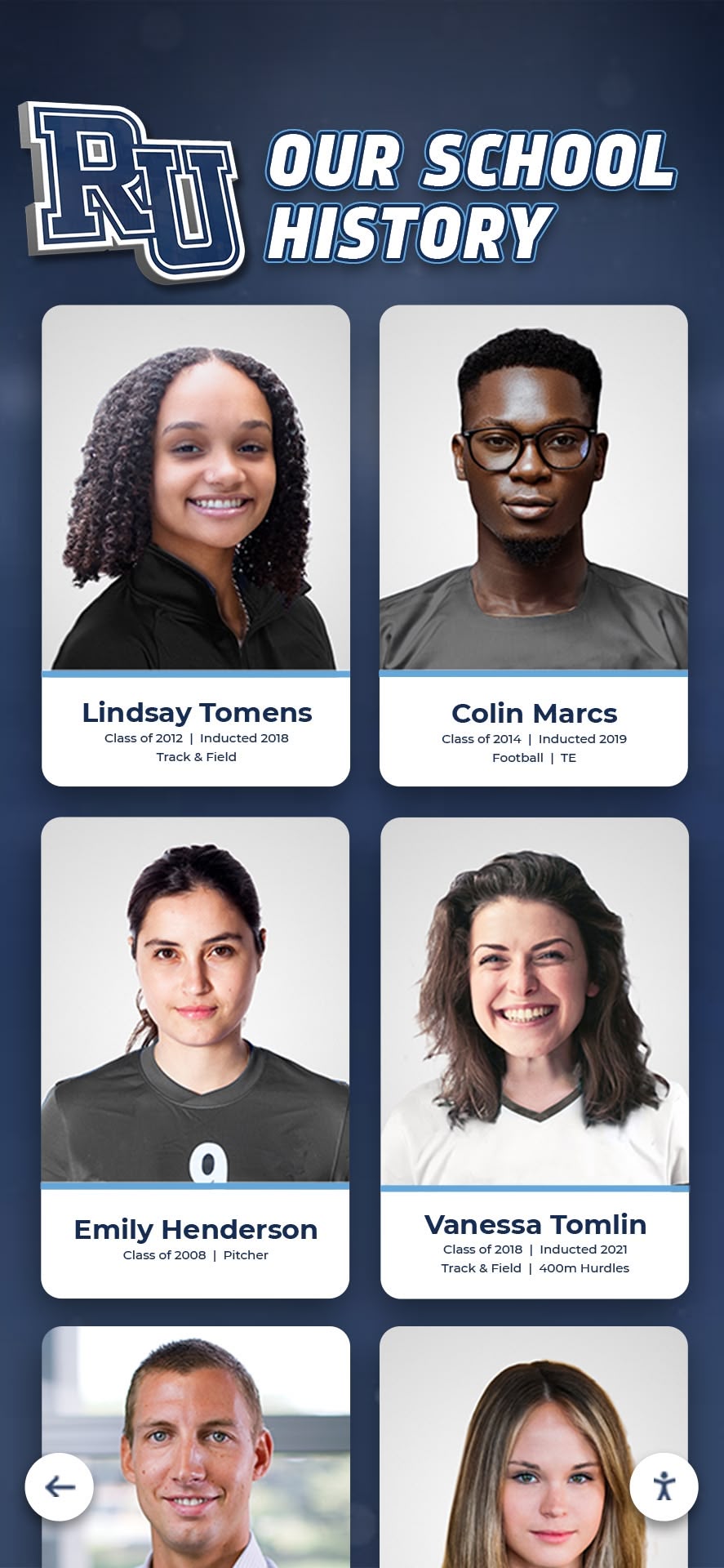
Athletic Archive Silver Mirroring Inspection for Historic Team Photographs
Athletic archive silver mirroring inspection is the process of examining historic team photographs—specifically gelatin silver prints—for the blue-metallic or iridescent sheen that signals silver ions have migrated to the surface of the emulsion. That sheen is not a lighting artifact and it will not disappear on its own. It is a visible indicator that the photograph has begun a form of deterioration that, left unchecked in poor storage conditions, can eventually obscure the underlying image. For schools preparing a digitization project—scanning old championship portraits, team composites, or individual athlete headshots to publish in a digital athletic archive or hall-of-fame display—identifying silver mirroring before scanning determines which photographs need urgent attention, which can be scanned as-is, and which require professional conservation review.
Read More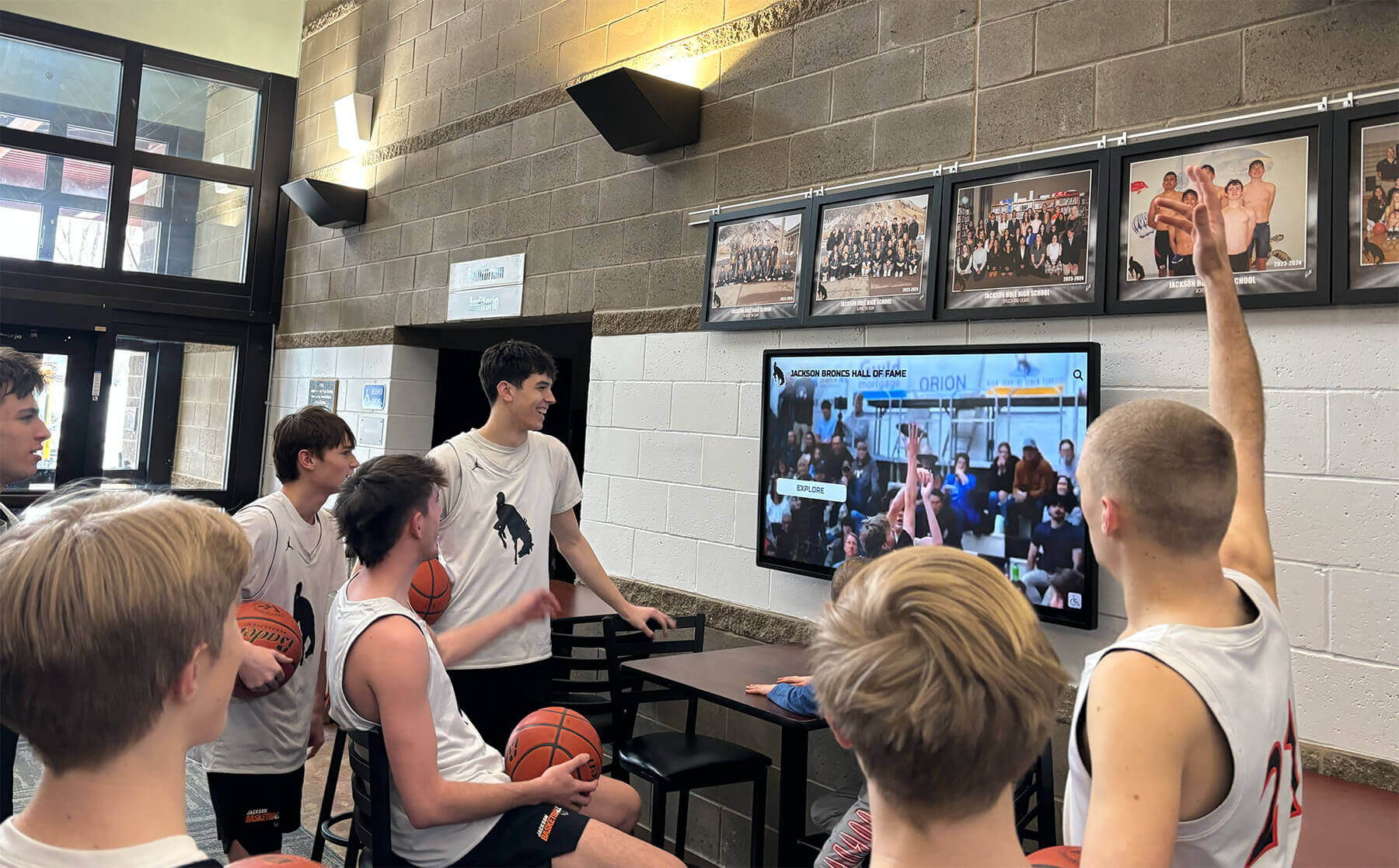
Athletic Archive Gate-Weave Stabilization for Historic Game Film
Athletic archive gate-weave stabilization is the process of removing the subtle frame-to-frame image shifting—horizontal drift, vertical bounce, and rotational wobble—that originates in the film gate of a projector or scanner when historic game film is played back or digitized. Schools that skip this step upload footage where the entire image trembles or drifts laterally throughout the clip, a motion that looks like camera shake but is actually a mechanical artifact of the film transport system. On an old projector or a consumer television, this movement was barely noticeable. On a 65-inch lobby touchscreen or a hall-of-fame interactive display, the same instability makes championship footage look damaged rather than historic.
Read More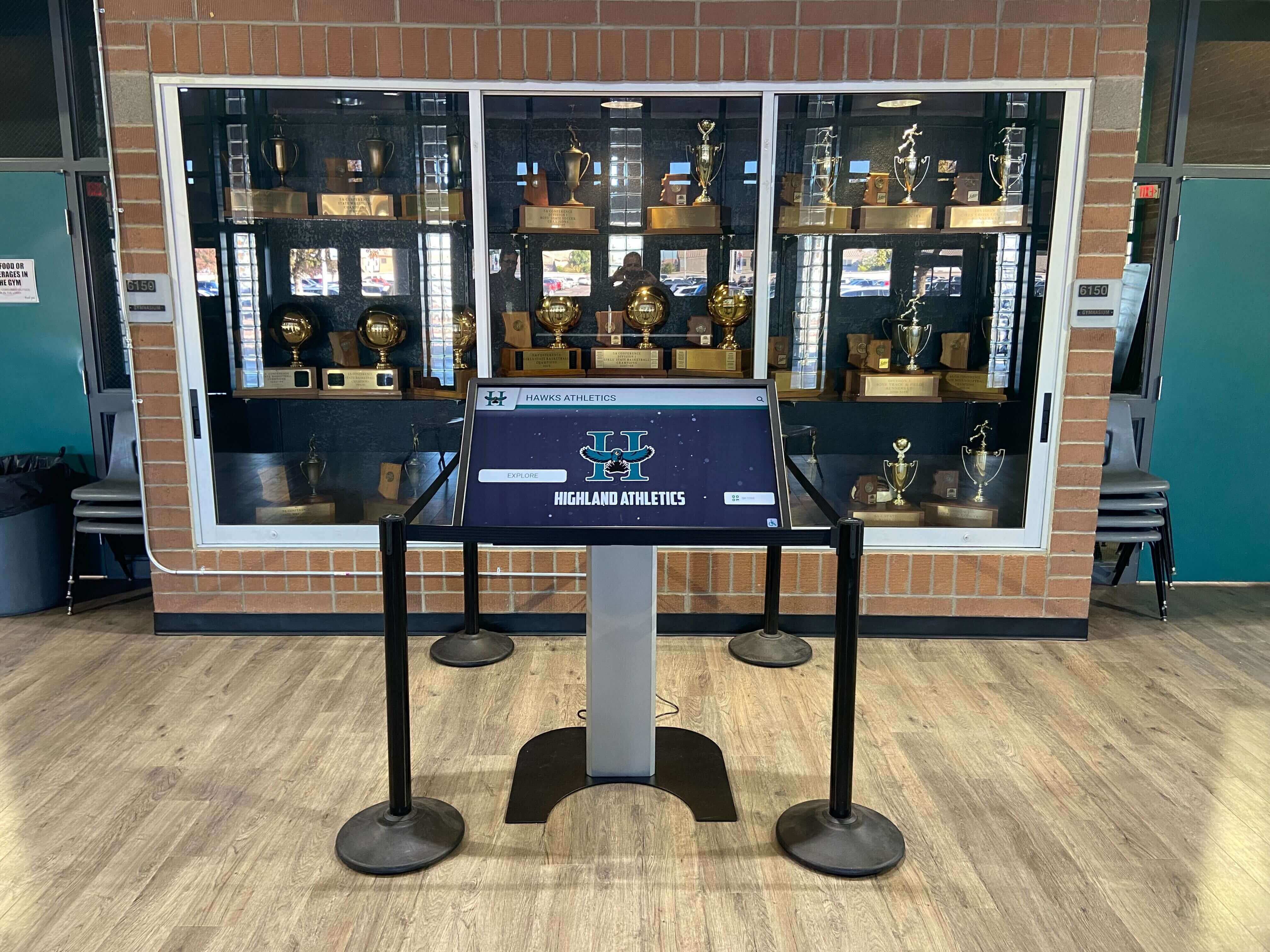
Athletic Archive Wow and Flutter Correction Workflow for Historic Game Audio
Wow and flutter are pitch-instability artifacts introduced during recording or playback by a tape transport that does not move tape at a perfectly steady speed. Wow describes slow, cyclic pitch variations—typically at rates below six cycles per second—caused by gradual irregularities in the capstan motor or tape-hub tension. Flutter describes faster pitch variations in the range of six to approximately one hundred cycles per second, caused by mechanical vibration in the drive mechanism or uneven friction between the tape and the recording head. Both appear in digitized athletic archives as audio that sounds subtly unsteady—voices that drift in pitch, crowd noise that breathes unevenly, or recorded music that wobbles during ceremony introductions.
Read More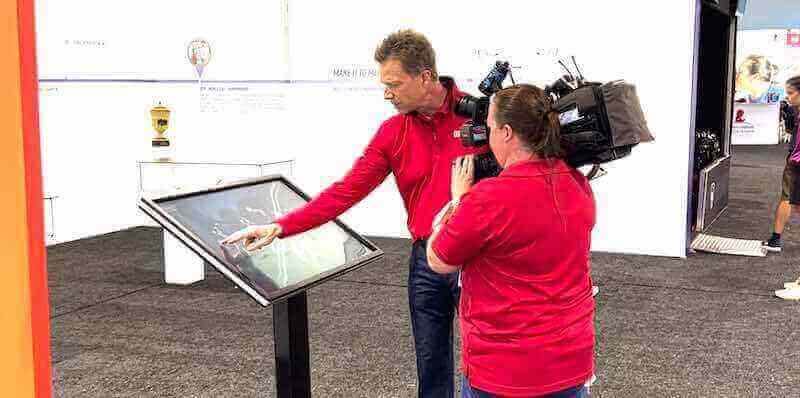
Athletic Archive Telecine Pulldown Removal for Historic Game Film
Telecine pulldown removal—also called inverse telecine (IVTC)—is the process of reversing the frame-rate conversion that happened when a school’s historic game film was originally transferred to video. When 16mm or 8mm athletic film was dubbed onto VHS or broadcast tape, the telecine machine used a repeating 3:2 pattern to bridge the gap between film’s 24 frames per second and video’s approximately 30 frames per second. That blending was invisible on an analog television, but when the tape is re-digitized today and played on a modern display, the duplicated and blended frames appear as horizontal combing lines in fast-action sequences, unsteady motion cadence, and a juddering quality that makes a championship recording look technically damaged rather than historically significant.
Read MoreAthletic Archive RAW-to-TIFF Conversion Workflow for Preservation Masters
Converting camera RAW files into TIFF preservation masters is the step that separates a durable athletic archive from a fragile collection of files that will degrade every time someone re-exports them. When your school’s athletic department digitizes old game photos, portrait sessions, or championship shoots—whether using a DSLR today or working from earlier digital captures—the RAW file is the closest thing to a digital negative. Saving it directly as a JPEG and calling it done is the archival equivalent of developing film in a kitchen sink: you get something usable, but you permanently discard information you will never recover.
Read MoreAthletic Archive Dust and Scratch Removal Workflow for Scanned Photos
That cardboard box in the equipment room often holds the entire visual history of a school’s athletic program—championship team photos from 1978, senior portrait cards from the mid-eighties, action shots from long-ago state tournaments, individual headshots clipped from yearbooks that no longer exist anywhere else. When those images finally get scanned for a digital recognition display, most arrive as high-resolution records of every scratch the original print ever collected: dust flecks, emulsion cracks, fading edges, and the kind of brown haze that settles on acetate after forty years in a file cabinet.
Read MoreFree Yearbooks Online: Where to Access School Yearbook Archives
Finding old school yearbooks has transformed from rummaging through dusty attic boxes to exploring vast digital archives accessible from anywhere with internet connection. Whether you’re searching for your own graduation photos, researching family history, verifying historical information, reconnecting with former classmates, or simply indulging nostalgia for school days past, accessing yearbooks online free has become increasingly possible through library digitization projects, school archive initiatives, and dedicated genealogy platforms.
Read More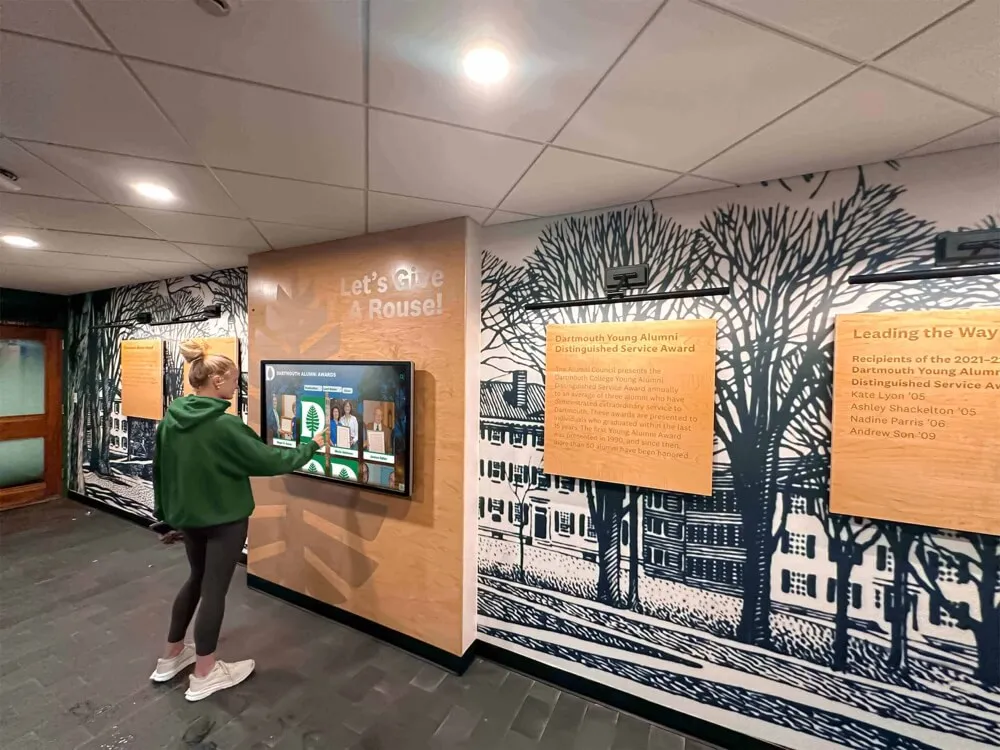
Public Library Digital Archive Collections: Complete Video Tour & Implementation Guide for 2025
Intent: demonstrate | Video walkthrough demonstrating how public library digital archive collections transform community engagement through interactive touchscreen displays showcasing local history, historical photographs, oral histories, and cultural heritage in formats accessible to modern audiences expecting dynamic visual experiences.
Read MorePreserving Fraternity and Sorority History: Complete Guide to Digital Archives & Recognition in 2025
Fraternity and sorority history represents irreplaceable documentation of generations of members, traditions, achievements, and shared experiences that define each chapter’s unique identity and lasting legacy. From fading composite photographs documenting membership across decades to scrapbooks chronicling social events and philanthropic accomplishments, these materials tell stories connecting current members to founding traditions while preserving the legacy brothers and sisters have built through decades of dedication.
Read MoreBest School History Software: Complete Guide to Digital Archive & Recognition Systems for Educational Institutions
School history software represents specialized digital platforms designed to help educational institutions capture, preserve, organize, and present their institutional legacy in ways that inspire current students, engage alumni, honor achievements, and ensure future generations can explore and learn from the past. Unlike general-purpose document management systems or basic cloud storage, these solutions understand the specific workflows, content types, and presentation needs unique to educational historical preservation.
Read MoreOnline High School Digital Archives: Complete Guide to Building and Managing Educational Heritage Collections in 2025
Every high school possesses irreplaceable historical treasures—decades of yearbooks documenting student life, championship moments captured in fading photographs, athletic records scrawled in aging ledgers, distinguished alumni achievements scattered across storage rooms, and institutional memories residing solely in the recollections of retiring staff members. Yet most schools struggle to make these invaluable resources accessible to students, alumni, researchers, and communities who could benefit from engaging with educational heritage.
Read More