Free Yearbooks Online: Where to Access School Yearbook Archives
- Home /
- Blog Posts /
- Free Yearbooks Online: Where to Access School Yearbook Archives
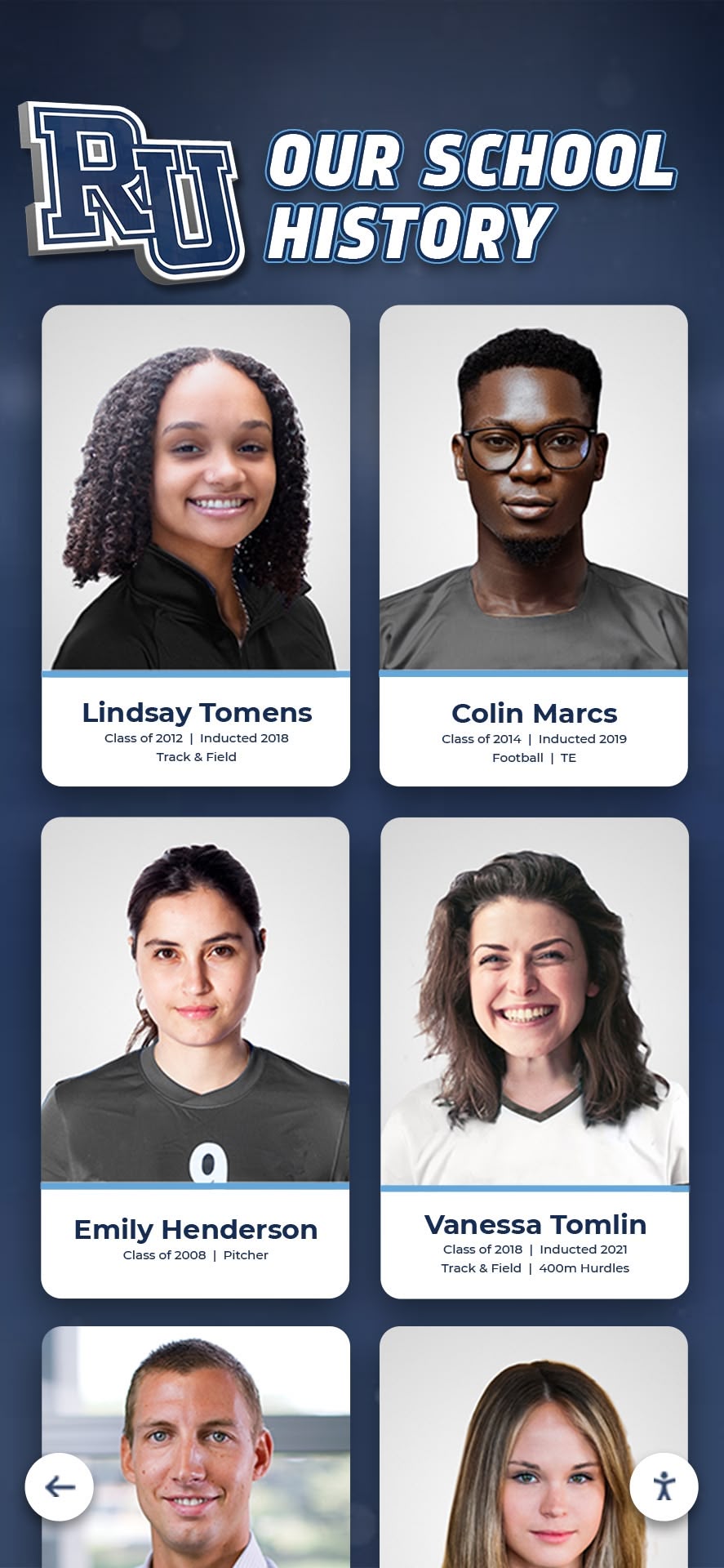
The Easiest Touchscreen Solution




Live Example: Rocket Alumni Solutions Touchscreen Display
Interact with a live example (16:9 scaled 1920x1080 display). All content is automatically responsive to all screen sizes and orientations.
Finding old school yearbooks has transformed from rummaging through dusty attic boxes to exploring vast digital archives accessible from anywhere with internet connection. Whether you’re searching for your own graduation photos, researching family history, verifying historical information, reconnecting with former classmates, or simply indulging nostalgia for school days past, accessing yearbooks online free has become increasingly possible through library digitization projects, school archive initiatives, and dedicated genealogy platforms.
The challenge lies not in scarcity of digitized yearbooks—thousands of schools have uploaded archives spanning decades—but rather in knowing where to look, which databases provide free access versus paid subscriptions, how to navigate different search interfaces, and what realistic expectations to maintain given that digitization remains incomplete across many institutions. Some schools offer comprehensive digital archives dating back to their founding, while others have only sporadic coverage or no online presence at all.
This comprehensive guide explores legitimate sources for accessing yearbooks online free, explains how different platforms organize their collections, provides search strategies for finding specific schools and graduation years, and examines both established archives and emerging digitization initiatives making school memories accessible to broader audiences without subscription fees or access barriers.
The democratization of yearbook access represents significant progress for researchers, genealogists, alumni, and history enthusiasts who previously faced limited options requiring physical library visits, expensive archive requests, or reliance on personal collections that might no longer exist. Digital availability transforms yearbooks from scarce artifacts into searchable resources preserving institutional memory across generations.

Digital archiving transforms historical yearbook records into accessible collections preserving school memories and institutional heritage for current and future generations
Understanding Yearbook Digitization and Online Access
Before exploring specific resources, understanding how yearbook digitization works and what determines free versus paid access helps set realistic expectations for search success.
The Current State of Yearbook Digitization
School yearbook digitization exists in fragmented stages across different institutions, regions, and time periods. Several factors determine whether specific yearbooks appear in free online archives:
Institutional Digitization Initiatives
Many schools, particularly universities and established high schools, have undertaken systematic digitization of their yearbook collections. These initiatives typically prioritize:
- Complete runs of yearbooks from founding to present for institutional completeness
- Milestone years and anniversary editions for historical significance
- Years with notable alumni or events for research value
- Recent decades where demand remains highest for alumni reconnection
- Early editions at risk of physical deterioration requiring preservation
Schools with robust archives departments or strong library partnerships tend to have more comprehensive digitization than smaller institutions lacking dedicated preservation resources or technical infrastructure.
Library and Archive Partnerships
Public libraries, university special collections, historical societies, and genealogy organizations have expanded yearbook digitization significantly over the past decade. The Internet Archive’s Open Library project alone provides free access to over 50,000 digitized yearbooks from schools across the United States, representing one of the largest freely accessible collections currently available.
These partnerships often focus on geographic regions—state libraries digitizing yearbooks from schools throughout their state, county historical societies preserving local educational heritage, or university libraries collecting yearbooks from feeder high schools in their enrollment regions. Understanding these regional collection patterns improves search efficiency when looking for specific schools.
Copyright and Privacy Considerations
Yearbook digitization faces unique copyright challenges affecting online availability. Schools typically hold copyright for yearbooks they published, but student photographs, contributed content, and commercial photography may involve additional rights. Many digitization projects apply conservative approaches:
- Older yearbooks (typically pre-1978 or out-of-copyright periods) receive priority for unrestricted digitization
- Recent yearbooks may require permissions or face access restrictions
- Some platforms provide limited previews rather than full downloads
- Privacy concerns around student images sometimes limit digital distribution
These legal considerations explain why finding yearbooks online free becomes more challenging for recent decades compared to historical archives from mid-20th century or earlier periods.
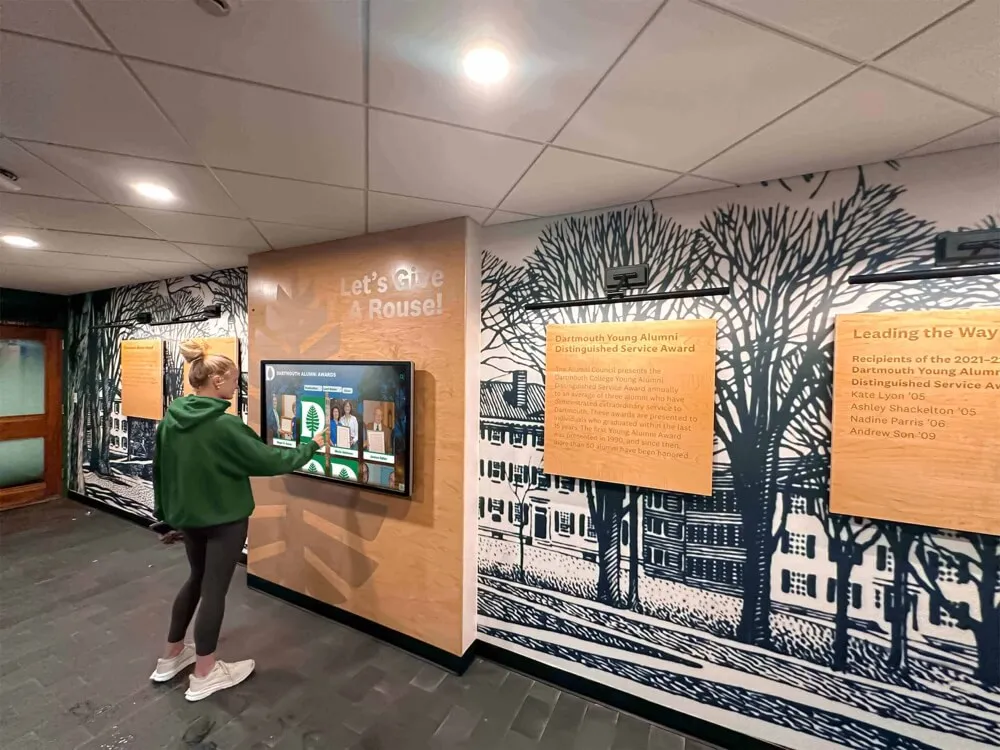
Modern institutions combine historical yearbook preservation with interactive digital displays creating engaging exploration experiences for alumni and visitors
Major Free Yearbook Archive Platforms
Several established platforms provide substantial yearbook collections with free access, each offering different search capabilities, coverage areas, and viewing options.
Internet Archive Open Library
The Internet Archive represents the single largest source for accessing yearbooks online free through their Open Library project at archive.org. This nonprofit digital library has partnered with libraries, schools, and private donors to digitize thousands of yearbook collections.
Search Strategies for Internet Archive Yearbooks
Finding yearbooks on Internet Archive requires understanding their search structure:
Navigate to archive.org and search using school name plus “yearbook” or the specific yearbook title if known (many schools use consistent names like “The Eagle” or “The Clarion” across decades). Filter results by “texts” to exclude non-book materials. Examine upload metadata carefully—yearbooks often appear under variant school names, including official names, common abbreviations, and historical names if schools merged or changed identity over time.
For example, searching “Lincoln High School yearbook” returns results from dozens of different Lincoln High Schools across multiple states. Refine searches by adding city, state, or graduation year to narrow results. Once you locate one yearbook from your target school, explore the uploader’s collection—many contributors upload complete runs of yearbooks from single institutions, making it easier to find additional years from the same school.
Download and Viewing Options
Internet Archive provides multiple viewing formats including browser-based page flipping, PDF downloads, and individual page image downloads. Full-text search capability exists for some yearbooks where optical character recognition (OCR) was applied, though accuracy varies based on original print quality and OCR processing. This search functionality proves particularly valuable when looking for specific names across multiple yearbook years without manually examining every page.
E-Yearbook.com Free Access
E-Yearbook.com operates a hybrid model offering both free yearbook browsing and paid full-access memberships. The free tier provides significant capability for casual searching:
Free Features Available
Without subscription, users can search for schools by name and state, browse available yearbook years from participating schools, view yearbook covers and limited preview pages, and search for classmate names to identify which yearbooks they appear in. This freemium approach helps users determine whether paid membership would provide value by confirming their desired yearbook exists in the database before committing to subscription costs.
The platform focuses primarily on high school yearbooks from 1880s through 2010s, with stronger coverage in certain states and regions where they’ve established school partnerships or conducted systematic digitization of regional collections.
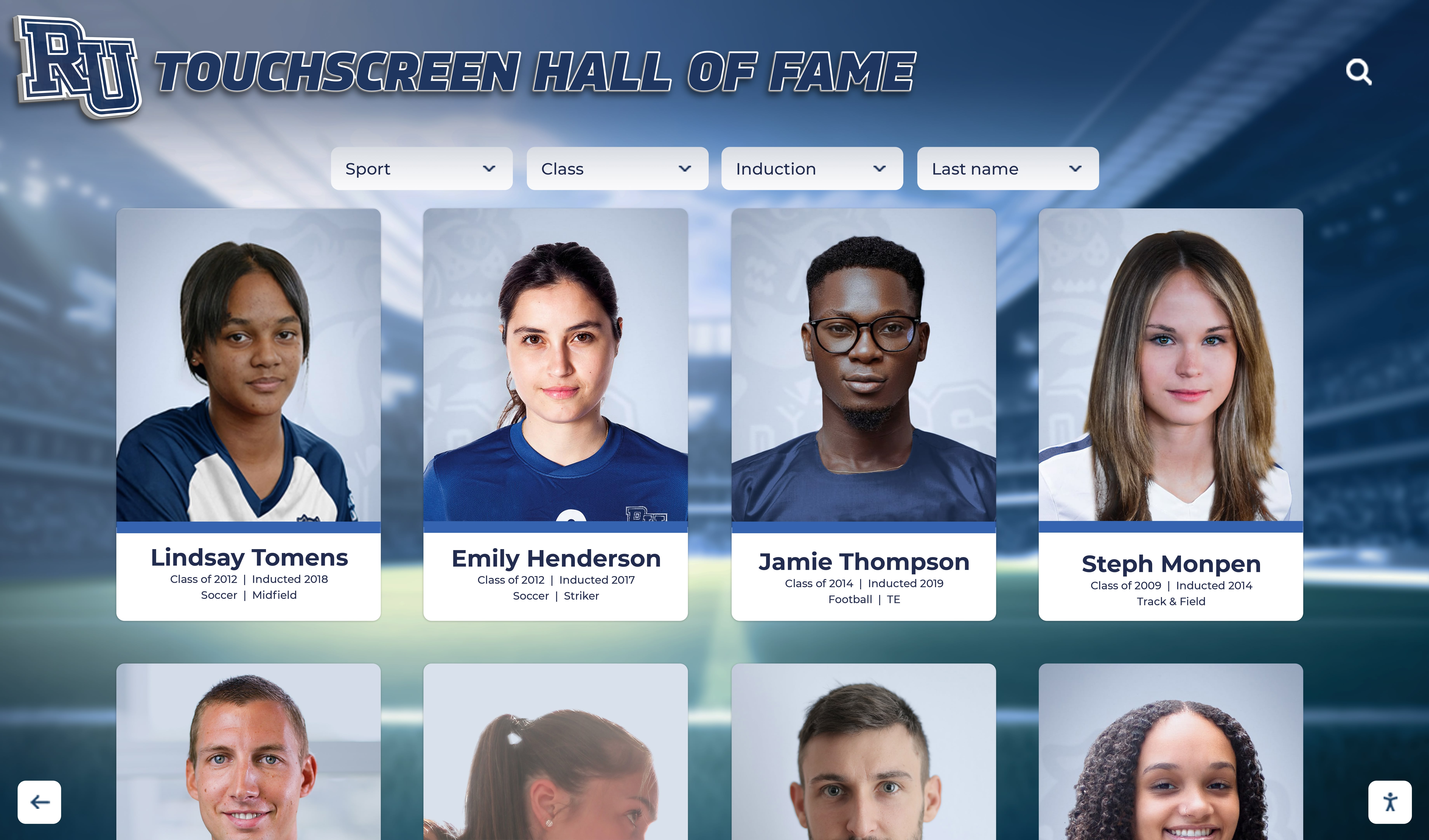
Digital displays transform static yearbook archives into searchable, interactive experiences accessible across campus and alumni spaces
State and Regional Library Digital Collections
Many state libraries, university systems, and regional consortia have created digital collections specifically preserving local educational history including yearbook archives. These publicly funded initiatives typically provide completely free access without registration requirements or subscription fees.
Notable State Yearbook Collections
Several states have invested significantly in yearbook digitization creating substantial free archives. The Portal to Texas History includes thousands of Texas school yearbooks dating back over a century, searchable by school name, location, and year. The Digital Library of Georgia provides access to yearbooks from schools throughout Georgia. The North Carolina Digital Heritage Center includes yearbook collections from high schools and universities across North Carolina. Florida’s public libraries have digitized numerous yearbook collections available through regional library websites.
Identifying your state’s digital library portal or historical society website often reveals yearbook collections not indexed by national platforms. Many states organize these resources under “education history,” “school archives,” or “local history” collections rather than maintaining dedicated yearbook databases.
Google Books Yearbook Collection
Google Books includes numerous school yearbooks scanned from partner libraries, particularly university yearbooks from major institutions. While Google Books is better known for published books rather than ephemera like yearbooks, their collection includes substantial coverage particularly for college and university annuals.
Searching Google Books for Yearbooks
Search Google Books using school name plus yearbook title (often “The [School Mascot]” or similar traditional naming). Advanced search options allow filtering by publication date to narrow results to specific graduation years of interest. Many yearbooks appear in “snippet view” or “full view” depending on copyright status, with older yearbooks generally offering complete access while recent publications may show limited previews only.
University yearbooks tend to have better representation than high school yearbooks in the Google Books collection, reflecting the focus of their library partners on academic institutional archives.
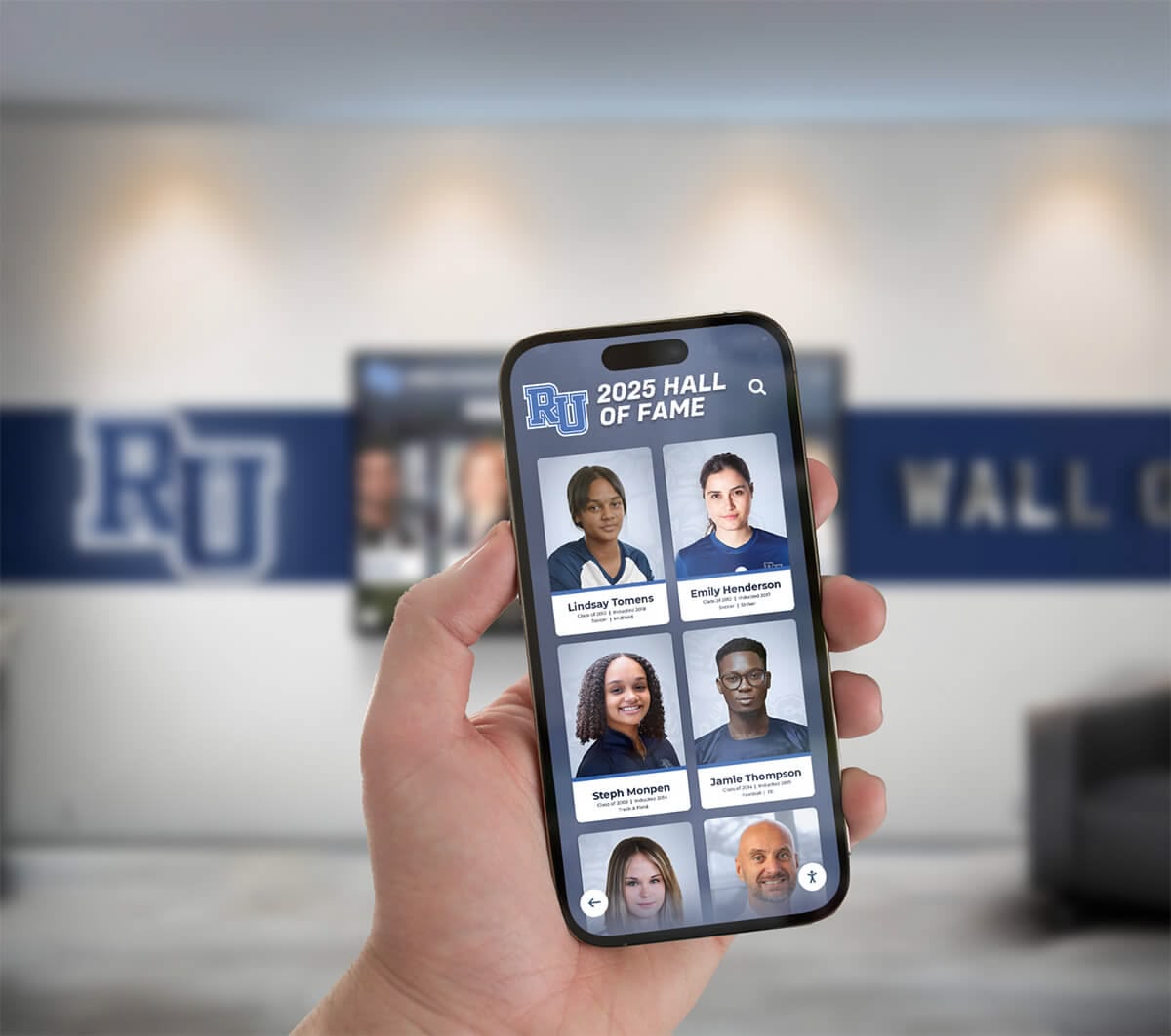
Mobile-accessible digital archives enable alumni to explore school history and yearbook collections from anywhere, extending engagement beyond campus visits
School and University Digital Archive Websites
Many educational institutions maintain their own digital archives providing direct access to yearbook collections. These institutional repositories often offer the most comprehensive collections for specific schools but require identifying each school’s digital archive presence individually.
Finding School-Specific Digital Archives
Colleges and universities frequently house yearbook digitization within their library special collections or university archives departments. Searching “[School Name] digital collections” or “[School Name] yearbook archive” typically surfaces these institutional repositories if they exist.
University Archive Examples
Major universities often maintain extensive digitized yearbook collections. University of Michigan’s Bentley Historical Library provides free access to decades of Michigan yearbooks. Penn State University Libraries digitized their La Vie yearbook collection spanning over a century. University of California system libraries offer digitized yearbook collections for multiple UC campuses accessible through their digital library platforms.
High schools less commonly maintain sophisticated digital archives compared to universities, but some larger districts, private preparatory schools, and historically significant high schools have created online yearbook access. These typically appear through school library websites or local historical society partnerships rather than through standalone platforms.
Alumni Association Resources
School alumni associations sometimes provide yearbook access as member benefit or freely accessible heritage resource. Alumni portals may include digitized yearbook sections, searchable graduate databases compiled from yearbook records, or photo galleries extracted from yearbooks organized by graduation year and class.
These resources serve dual purposes—preserving institutional memory while encouraging alumni engagement and maintaining community connections. Schools recognize that accessible historical records strengthen alumni relationships and create touchpoints for ongoing involvement and philanthropic support. Modern institutions are increasingly investing in digital yearbooks and interactive school memory preservation systems that extend beyond traditional printed formats.
Genealogy Platforms with Yearbook Collections
Family history researchers extensively use yearbooks for genealogical documentation, driving yearbook collection development across major genealogy platforms. While the largest genealogy sites operate on subscription models, several provide limited free access or free trial periods enabling yearbook searches.
Ancestry.com Yearbook Collection
Ancestry.com maintains one of the largest digitized yearbook collections—over 300,000 yearbooks spanning 1880s through 2010s from schools across the United States. Their “U.S., School Yearbooks, 1880-2012” collection provides extensive coverage particularly for mid-20th century yearbooks.
Free Access Options
Ancestry operates primarily through paid subscriptions, but several approaches provide limited free access to yearbook collections. Many public libraries offer free Ancestry Library Edition access to patrons visiting library branches, providing complete database access including yearbook collections without personal subscription costs. Ancestry periodically offers free trial periods allowing temporary full access. Free registered users can view limited record information and search results even without active subscriptions, though viewing full yearbook pages requires paid access or library edition.
FamilySearch Yearbook Records
FamilySearch.org, operated by FamilySearch International as a nonprofit genealogy organization, provides completely free access to extensive record collections including yearbook archives. Their yearbook collection grows through partnerships with libraries, archives, and schools contributing digitized materials to their public access mission.
Using FamilySearch for Yearbook Searches
FamilySearch organizes yearbooks within their “Historical Records” collections, searchable by location, time period, and record type. Browse the catalog by selecting United States, then the relevant state, then filtering for “yearbook” or “school records” categories. Many yearbooks appear as browseable image collections even when not fully indexed with individual name searches, requiring manual page-by-page examination but providing complete free viewing access.
The platform emphasizes community contribution—users can help index yearbook pages, add record information, and attach yearbooks to family tree profiles, continuously improving search capability and accessibility for future researchers.
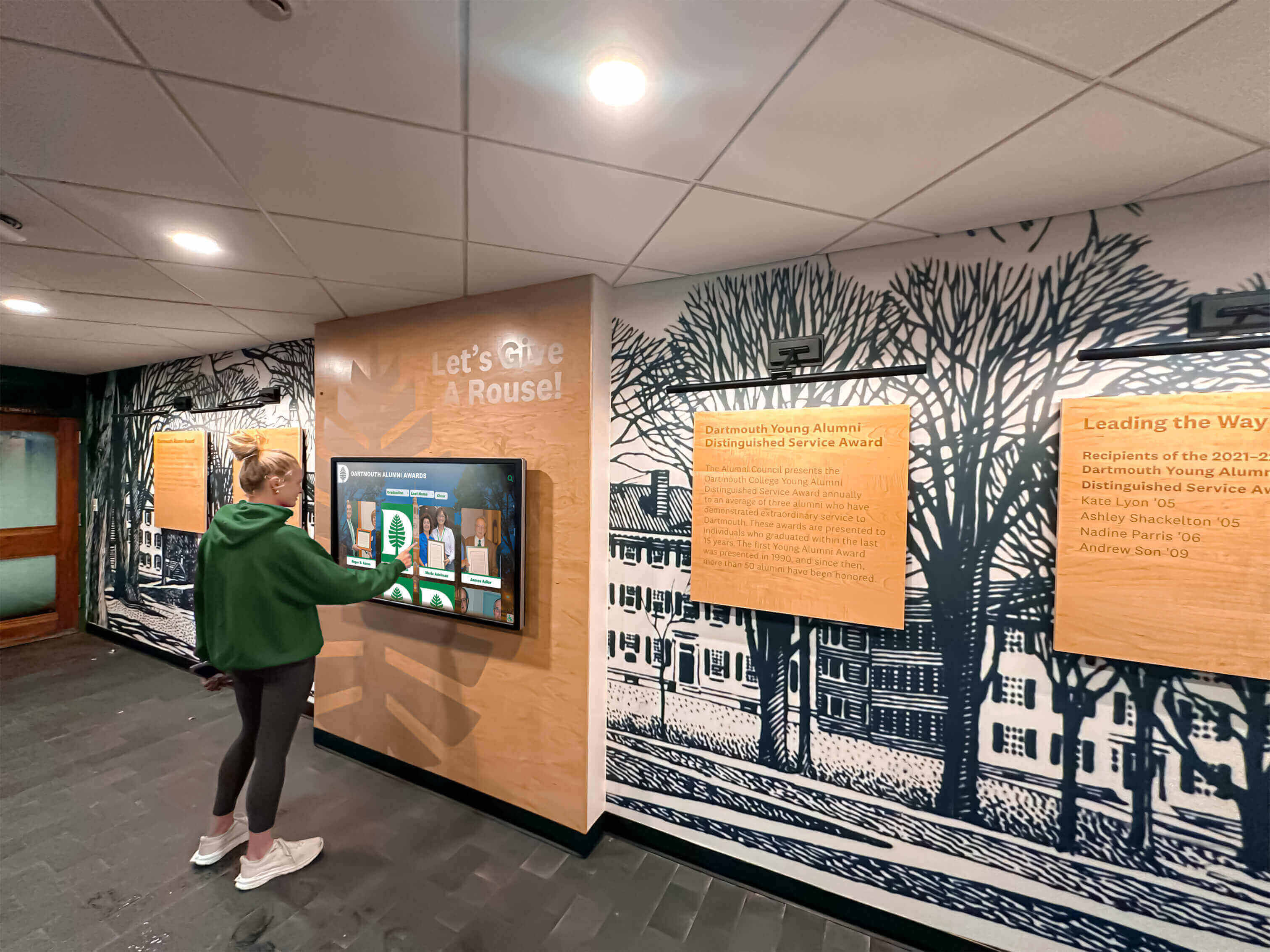
Current students benefit from accessible digital yearbook archives connecting them with institutional history and understanding their place in continuing school traditions
Advanced Search Strategies for Finding Yearbooks Online Free
Successfully locating specific yearbooks often requires strategic searching beyond simple school name queries. Understanding various search approaches increases success rates particularly for less common schools or older yearbook editions.
Identifying Alternative School Names
Schools change names over time through mergers, rebranding, or administrative reorganization. Yearbooks may appear under historical names rather than current official titles. Research former school names, previous district affiliations, and consolidated school histories when initial searches return no results.
For example, many schools transitioned from “[Town] High School” to “[Town] Senior High School” when junior high schools were established. Catholic and private schools particularly underwent name changes reflecting patron saints, benefactors, or religious order reorganizations. Searching multiple name variations improves discovery rates.
Using Yearbook Title Names
Schools often published yearbooks under consistent title names maintained across decades—“The Trojan,” “El Rodeo,” “The Purple and Gold”—that may prove more effective search terms than official school names. If you know a school’s yearbook title, searching that specific name plus the city or state often surfaces results missed by school name searches alone.
Older community members, school websites, or Wikipedia entries about schools frequently include yearbook title information. Once you discover one yearbook from a school, examine its cover and title page for the official yearbook name to refine subsequent searches.
Geographic and Regional Search Approaches
When seeking yearbooks from specific regions, exploring state library digital collections, regional historical societies, and local public library websites often proves more productive than starting with national platforms. Local institutions prioritize preserving their community’s educational history, creating focused collections with deeper coverage for their geographic area.
County historical societies particularly maintain yearbook collections donated by local residents, sometimes including schools whose yearbooks appear nowhere else online. These smaller repositories may have basic websites without sophisticated search capabilities, but contacting them directly often uncovers valuable collections not discoverable through automated searches.
Leveraging Social Media and Alumni Networks
Facebook groups dedicated to specific schools or graduation years frequently share yearbook resources. Alumni often scan and share yearbook pages within these communities, creating informal digital archives. While not systematic or permanent like institutional archives, these social networks sometimes provide access to yearbook materials not yet formally digitized, particularly for recent decades where copyright concerns limit official digitization.
Posting specific requests in school alumni groups often connects you with individuals possessing physical yearbooks willing to scan particular pages or provide information about known digital archive locations for that school’s yearbook collection.
Library Resources and Interlibrary Loan Options
Public libraries remain crucial resources for yearbook access even in digital age, offering both local collections and interlibrary loan services expanding access beyond immediately available materials.
Local Library Yearbook Collections
Many public libraries, particularly those in communities they serve, maintain collections of local school yearbooks dating back decades. These physical collections remain non-circulating reference materials available for in-library use. Beyond physical collections, libraries increasingly provide digital access to local history collections including yearbooks scanned from their holdings.
Library Digital Collection Search
Research your local public library’s digital collections portal—most mid-sized and larger libraries now maintain “local history” or “digital collections” sections on their websites. These may include yearbooks from all schools in the community, assembled through donation drives, systematic collection development, or digitization grant projects. Smaller libraries without digital infrastructure sometimes participate in regional consortia where multiple libraries pool digitized materials into shared platforms.
Interlibrary Loan for Physical Yearbooks
When digital access proves unavailable, interlibrary loan (ILL) services enable borrowing physical yearbooks from libraries across the country. Most public and academic libraries participate in ILL networks allowing patrons to request materials held by other institutions.
Using Interlibrary Loan Services
Request yearbooks through your local library’s interlibrary loan service, providing as much specific information as possible—school name, city, state, and year. The library searches the national catalog (WorldCat) identifying libraries holding the requested yearbook and facilitating loan if the owning library permits circulation. Some libraries restrict yearbook loans due to reference-only policies, but many allow temporary borrowing particularly for genealogical or research purposes.
ILL typically requires 1-3 weeks for materials to arrive, and borrowing periods usually allow 2-4 weeks access. While not as immediate as online access, interlibrary loan provides reliable method for accessing yearbooks not yet digitized, particularly when specific page references or complete examination proves necessary.
Effective academic history archiving and digital preservation strategies increasingly incorporate yearbook digitization as core component of institutional memory preservation, expanding free access as more schools prioritize making their historical records available to broader audiences.
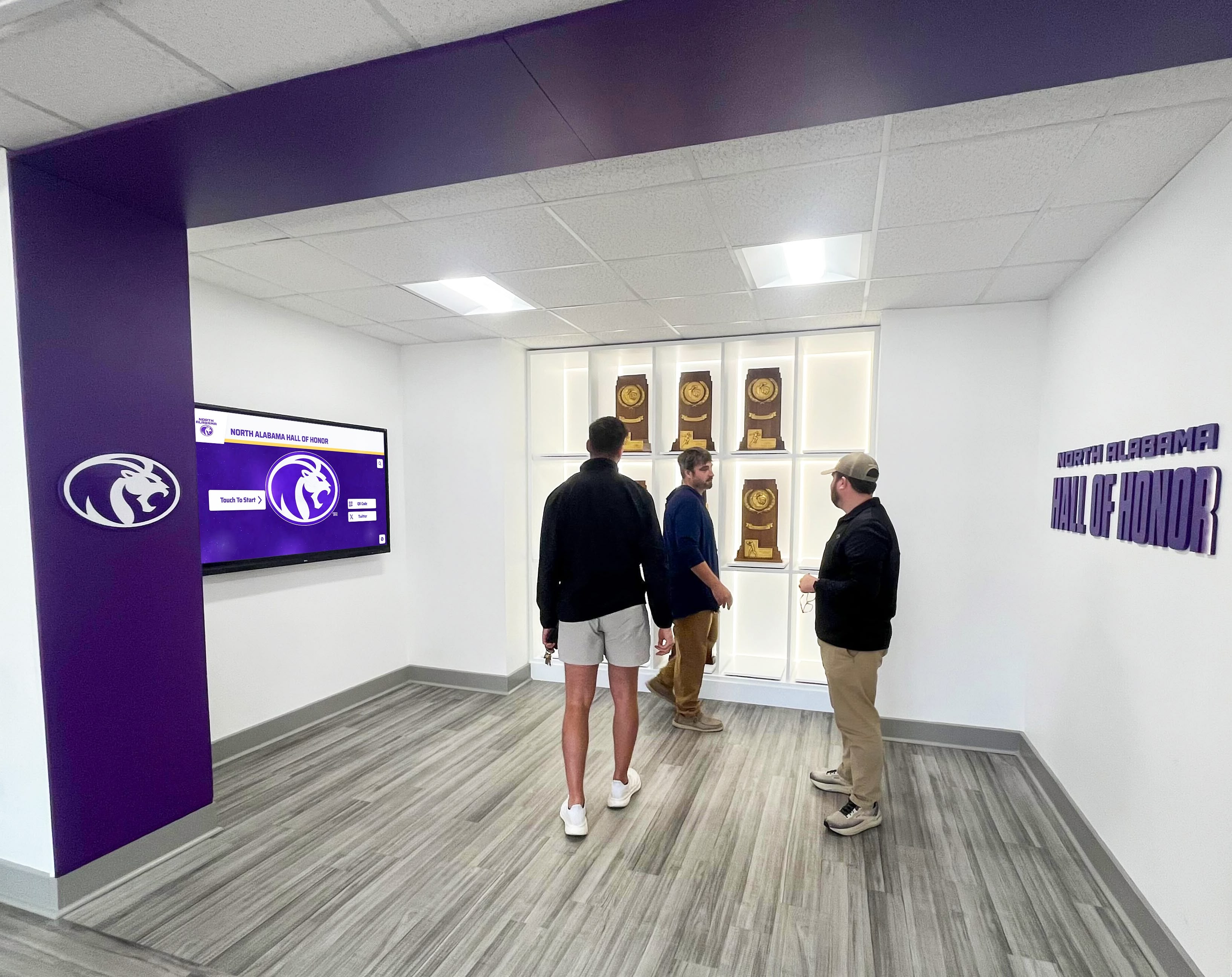
Accessible digital yearbook archives create natural gathering opportunities for alumni reconnecting with shared school history and celebrating institutional traditions
School Contact and Request Strategies
When online searches prove unsuccessful, direct contact with schools often provides yearbook access through archives departments, librarians, or administrative offices maintaining historical collections.
Contacting School Libraries and Archives
Email or call school libraries explaining your yearbook search—many schools willingly scan specific pages or provide copies for reasonable requests related to genealogy research, alumni verification, or personal records. University special collections departments particularly maintain systematic yearbook archives with established procedures for handling research requests.
Crafting Effective Yearbook Requests
Provide specific information simplifying the request—exact graduation year, full school name, reason for request, and specific pages or information needed if known. Schools respond more readily to focused requests requiring minimal staff time compared to open-ended requests for entire yearbook scans.
Explain legitimate research purposes—genealogy documentation, military service verification, historic preservation, or personal family history. Schools naturally hesitate releasing student information for undefined purposes but typically accommodate reasonable requests clearly explained.
Alumni Associations and School Foundations
School alumni associations frequently maintain yearbook collections as heritage resources supporting alumni engagement programming. Contact alumni relations offices at universities or high school alumni associations inquiring about yearbook access policies. Many organizations provide yearbook access to verified alumni or assist non-alumni researchers with legitimate inquiries.
Some institutions have established formal archive request processes through online forms, while others require direct communication. University websites typically include “archives,” “special collections,” or “alumni resources” sections explaining access procedures and request protocols for historical materials including yearbooks.
Understanding Digital Yearbook Platforms for Schools
As schools increasingly recognize yearbook importance for institutional memory and alumni engagement, many have adopted modern digital yearbook platforms replacing or supplementing traditional print-only approaches. Understanding these contemporary systems provides context for future yearbook accessibility and demonstrates how institutions are solving historical yearbook access challenges.
Modern Digital Yearbook Solutions
Schools implementing comprehensive digital preservation strategies often incorporate yearbook archiving within broader recognition and heritage display systems. These platforms combine historical yearbook digitization with current-year digital yearbook creation, creating continuous digital archives from inception forward.
Interactive Digital Archives
Contemporary approaches to yearbook preservation extend beyond simple scanned PDFs, incorporating searchable databases, interactive displays, and multimedia content that printed yearbooks cannot accommodate. Schools implementing digital hall of fame and recognition systems often include yearbook integration allowing visitors to explore historical student records, achievement documentation, and photographic archives through touchscreen interfaces in campus spaces or via web portals accessible remotely.
These systems address traditional yearbook limitations—limited physical copies, deterioration over time, space constraints for display, and accessibility barriers for alumni no longer in geographic proximity to campus. Digital platforms create permanent archives immune to physical degradation while enabling search capabilities making specific information discoverable across decades of records simultaneously.
QR Code and Mobile Access Integration
Progressive schools implementing yearbook digitization incorporate mobile access features allowing alumni and visitors to explore archives via smartphones. QR codes placed in campus spaces link directly to relevant yearbook pages, achievement records, or historical documentation related to displayed content.
This approach connects physical recognition spaces with comprehensive digital archives—a trophy case display might include QR codes linking to complete yearbook profiles of championship team members, or historical photographs in hallways could connect to full yearbook coverage from that era. The integration creates richer storytelling while making historical records accessible to current students, visiting alumni, and prospective families exploring campus.
Educational institutions increasingly recognize that engaging alumni event ideas often incorporate historical yearbook exploration and memory-sharing opportunities, driving investment in digital archives that facilitate these engagement activities.
Realistic Expectations and Alternative Approaches
While yearbook digitization has expanded dramatically, understanding current limitations helps researchers develop realistic expectations and consider alternative strategies when online searches prove unsuccessful.
Coverage Gaps and Limitations
Complete yearbook digitization remains aspirational rather than achieved reality. Significant gaps exist across most collections:
Common Coverage Limitations
Small schools, rural institutions, and schools that closed or merged often have minimal digital presence. Recent yearbooks (past 10-20 years) frequently remain undigitized due to copyright, privacy concerns, and assumption that recent graduates retain physical copies. Middle decades of 20th century sometimes have better coverage than very early yearbooks (pre-1920) or very recent publications. Technical schools, alternative education programs, and specialized institutions receive less digitization attention than traditional public and private schools.
Researchers seeking yearbooks from these gaps may need to pursue physical archives, personal collections, or direct school contact rather than expecting comprehensive online access.
Alternative Documentation Sources
When specific yearbooks prove inaccessible, related historical documentation sometimes provides similar information. Local newspaper archives often published graduation announcements, honor roll listings, and athletic team photographs drawn from yearbooks. City directories and census records document school enrollment and family educational backgrounds. School district administrative records may include student lists, graduation records, and achievement documentation not dependent on yearbook preservation.
Historical societies frequently maintain photograph collections, oral histories, and donated school memorabilia that complement or substitute for missing yearbook coverage. While not identical to yearbook access, these alternative sources often satisfy research objectives when yearbooks remain unavailable.
Contributing to Digitization Efforts
Individuals possessing physical yearbooks can contribute to expanding free online access by participating in digitization initiatives. The Internet Archive accepts yearbook donations for scanning, returning physical copies while adding digital versions to their public collection. Local libraries often welcome yearbook donations for reference collections or digitization projects. School archives departments typically gratefully accept donated yearbooks filling gaps in institutional collections.
Scanning personal yearbook collections and sharing them through appropriate channels—school alumni associations, local historical societies, or established digital archives—helps preserve these materials while making them accessible to broader audiences. Coordination with receiving institutions ensures proper metadata, copyright consideration, and long-term preservation exceeding what individual efforts typically achieve.
Privacy, Ethics, and Responsible Yearbook Use
Accessing historical yearbooks online requires ethical consideration of privacy, appropriate use, and respect for individuals documented in these records.
Privacy Considerations for Historical Records
Yearbooks contain personal information about individuals—photographs, names, addresses, activities—published in context where subjects anticipated limited, local distribution. Digital accessibility fundamentally changes this equation, making information searchable and available globally in perpetuity.
Responsible Access and Use
Use digitized yearbook information ethically and respectfully. Avoid republishing yearbook photographs or personal information in commercial contexts without permission. Consider that individuals featured in yearbooks may not have consented to digital distribution or global accessibility. Respect requests from individuals asking that specific information not be shared or republished. Use yearbook information for legitimate purposes—genealogical research, historical documentation, personal nostalgia—rather than exploitation or harassment.
These considerations particularly apply to recent yearbooks where featured individuals remain living and active, deserving privacy protection despite historical publication in limited-distribution school yearbooks.
Copyright Respect
While accessing yearbooks through legitimate archive platforms complies with applicable copyright provisions, downstream use requires consideration. Yearbooks typically carry copyright held by schools or yearbook publishers. Personal research, genealogical documentation, and fair use excerpting generally fall within acceptable use, but extensive reproduction, commercial application, or wide redistribution may exceed copyright permissions.
Consulting with institutions providing yearbook access regarding permitted uses clarifies appropriate application and respects intellectual property rights while enabling legitimate research and historical preservation objectives.
Organizations implementing comprehensive digital display and recognition systems increasingly incorporate privacy controls, opt-out mechanisms, and appropriate use policies balancing historical preservation with individual privacy rights—approaches applicable to institutional yearbook digitization programs.
Future of Yearbook Accessibility
Yearbook digitization continues accelerating as technology improves, costs decrease, and institutions recognize value in preserving and sharing educational heritage. Understanding emerging trends provides context for future accessibility improvements.
Expanding Institutional Digitization
Schools increasingly view yearbook digitization as standard archival practice rather than special project. University libraries particularly incorporate yearbook scanning into systematic special collections digitization programs, ensuring comprehensive coverage from founding through present day. High schools more slowly adopt similar approaches, but growing awareness of institutional memory value and relatively low digitization costs drive expanded initiatives.
Grant funding for historical preservation, partnerships between schools and local libraries or historical societies, and volunteer alumni scanning projects all contribute to steadily expanding coverage. Each year sees thousands of additional yearbooks becoming freely accessible through established platforms and new institutional repositories.
Improved Search and Discovery Tools
Artificial intelligence and optical character recognition technologies continue improving, enabling more sophisticated searching across digitized yearbook collections. Name recognition, facial recognition (where privacy concerns permit), and advanced indexing make finding specific individuals, activities, or content increasingly feasible without manually examining each page.
These technological improvements transform yearbooks from browseable artifacts into searchable databases—fundamentally changing research capabilities and accessibility for genealogists, historians, and alumni seeking specific information across decades of records.
Integration with Digital Recognition Systems
Forward-thinking schools recognize that yearbook archives integrate naturally with comprehensive digital recognition and heritage display systems. Rather than treating yearbook preservation as isolated initiative, these institutions incorporate yearbook content within broader platforms celebrating achievement, honoring distinguished alumni, and documenting institutional history.
This integration creates richer storytelling capabilities—linking current student achievements with historical precedents, showing multi-generational family connections to schools, and placing contemporary accomplishments within continuing institutional traditions. Alumni exploring digital hall of fame displays increasingly discover connections to historical yearbook content seamlessly integrated within interactive experiences.
Schools investing in these systems solve multiple challenges simultaneously—preserving historical records, creating engaging alumni experiences, documenting current achievement, and building institutional brand through comprehensive heritage celebration.
Regional and International Yearbook Resources
While this guide focuses primarily on United States yearbook archives, international and regional considerations merit mention for researchers seeking yearbooks from schools outside the U.S. or specific geographic areas.
Canadian Yearbook Archives
Canadian schools follow similar digitization patterns to U.S. institutions, with university libraries and provincial archives leading preservation initiatives. Provincial library systems—Library and Archives Canada, provincial archives in Ontario, British Columbia, and Quebec—maintain yearbook collections within their educational heritage resources. University special collections at major Canadian institutions provide digital access to yearbook archives similar to U.S. university programs.
United Kingdom and European School Archives
European educational systems use different documentation traditions, with less emphasis on comprehensive yearbooks compared to North American schools. British independent schools (private schools) more commonly published yearbooks, sometimes called “annals” or “magazines.” School archives, county record offices, and alumni associations represent primary access points rather than centralized national digitization programs.
Military Academy and Specialized Institution Yearbooks
Military academies, service academies, and specialized educational institutions often maintain particularly comprehensive yearbook archives reflecting strong institutional traditions and well-funded heritage programs. The U.S. Military Academy (West Point), Naval Academy, Air Force Academy, and merchant marine academies provide extensive digital access to historical yearbook collections. These institutions recognize yearbook importance for alumni networks, institutional history, and maintaining traditions across generations.
Specialized schools—preparatory academies, technical institutes, professional training programs—vary widely in yearbook practices and digitization initiatives, requiring individual research into specific institutional resources.
Practical Search Checklist for Finding Yearbooks Online Free
This systematic checklist provides step-by-step approach maximizing success when searching for specific yearbooks:
Step 1: Gather Complete Information
Compile all known details—exact school name (including historical names), city and state location, specific graduation year or date range, yearbook title if known, and school type (public high school, private academy, university, etc.). More complete information improves search efficiency and success rates.
Step 2: Start with Major Free Platforms
Begin searching Internet Archive Open Library (archive.org) using school name plus “yearbook” and filtering by texts. Check FamilySearch.org yearbook collections searching by state and time period. Explore E-Yearbook.com free search to identify available years before considering paid access. Search Google Books using school name plus yearbook title. Review state digital library collections for your target state.
Step 3: Explore Institutional Archives
Search “[School Name] digital collections” or “[School Name] archives” to find school-specific repositories. Check university library special collections websites if searching for college yearbooks. Explore school alumni association websites for heritage resources or yearbook access.
Step 4: Leverage Local Resources
Contact or visit local public library in the school’s community checking for physical yearbook collections or local history digital archives. Search county or regional historical society websites for school collections. Review local newspaper digital archives for graduation coverage and school photographs.
Step 5: Use Social Networks and Direct Contact
Search Facebook for school-specific or class-year-specific alumni groups where yearbook content might be shared. Post specific requests in alumni networks explaining what you’re seeking and why. Contact school library or archives department directly if online searches prove unsuccessful, providing specific details and research purpose.
Step 6: Consider Library Interlibrary Loan
If physical access suffices and digital versions prove unavailable, request yearbook through your local library’s interlibrary loan service providing complete bibliographic information.
This systematic approach progresses from most accessible free resources through increasingly targeted strategies, maximizing efficiency while exhausting available options before concluding that specific yearbooks remain inaccessible online.
Alumni and schools increasingly recognize the value of preserving institutional memory through comprehensive heritage documentation. Institutions implementing recognition programs and display systems often incorporate yearbook archiving as foundational element connecting historical achievement with contemporary celebration.
Conclusion: The Growing Accessibility of Yearbook Archives
Finding yearbooks online free has transitioned from nearly impossible to increasingly feasible through expanding digitization initiatives, institutional commitment to heritage preservation, and platform development making archives accessible to broader audiences. While comprehensive universal access remains aspirational, strategic searching across established archives, library collections, institutional repositories, and specialized platforms successfully locates many yearbooks—particularly those from major institutions, larger communities, and historical periods receiving digitization priority.
Researchers unable to find specific yearbooks online should consider physical library collections, interlibrary loan services, direct school contact, and alternative documentation sources providing similar historical information. Contributing personal yearbook collections to digitization initiatives helps expand access for future researchers while preserving these important institutional records.
As technology improves, costs decrease, and schools recognize yearbook value for alumni engagement and heritage preservation, digitization will continue expanding—making school memories and institutional history accessible to anyone with internet connection, transforming these formerly scarce artifacts into widely available historical resources documenting American educational heritage across generations.
Preserve Your School’s Heritage with Modern Digital Solutions
While searching for historical yearbooks online demonstrates the value of accessible archives, forward-thinking schools are implementing comprehensive digital systems ensuring today’s achievements are preserved and accessible for future generations—without depending on scattered physical yearbooks or hoping someone eventually digitizes your records.
Rocket Alumni Solutions provides touchscreen recognition walls and digital display platforms that preserve your school’s heritage while creating engaging interactive experiences for current students, alumni, and visitors. Our systems digitally archive yearbook content, achievement records, photographs, and institutional history in searchable platforms accessible on-campus through touchscreen displays and remotely via web portals—solving the access challenges that make finding historical yearbooks so difficult.
Discover how leading schools are preserving institutional memory while strengthening alumni engagement through modern recognition technology. Schedule a demo with Rocket Alumni Solutions and see how comprehensive digital heritage systems ensure your school’s story remains accessible across generations.
Live Example: Rocket Alumni Solutions Touchscreen Display
Interact with a live example (16:9 scaled 1920x1080 display). All content is automatically responsive to all screen sizes and orientations.