



When autumn leaves fall and temperatures drop, high school athletic programs shift into their winter sports season—a dynamic period when gymnasiums fill with the sound of bouncing basketballs, wrestling mats host intense competition, swimmers slice through pool lanes, and indoor tracks echo with the rhythm of racing feet. Winter sports occupy a unique position in the high school athletic calendar, offering students diverse opportunities for competition, growth, and achievement during the coldest months of the year.
For athletic directors, coaches, and school administrators, the winter season presents both opportunities and challenges. Multiple sports compete simultaneously for facility space, practice schedules interlock with holiday breaks, and recognition programs must celebrate achievements across diverse athletic disciplines—from team sports like basketball to highly individual competitions like swimming and wrestling.
Understanding the complete landscape of winter sports in high school helps schools maximize athlete development, create equitable recognition systems, manage complex scheduling demands, and leverage modern technology to celebrate winter athletic achievements in ways that inspire current competitors while preserving program legacies for future generations.
Winter sports season represents a critical component of comprehensive high school athletic programs, typically running from November through February or March depending on state athletic associations and playoff structures. This guide explores the major winter sports, seasonal timelines, recognition strategies, and how schools successfully celebrate winter athletic excellence through traditional and digital approaches.

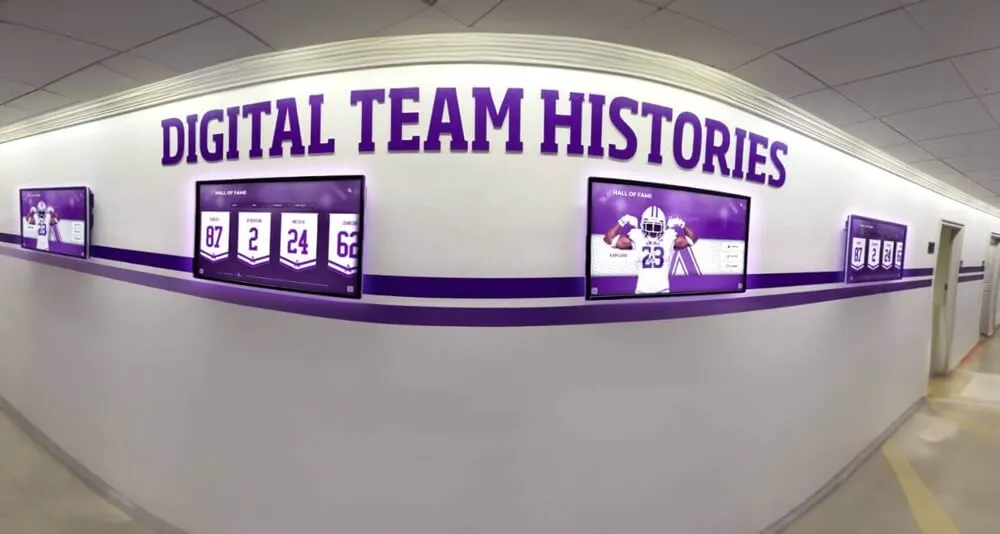
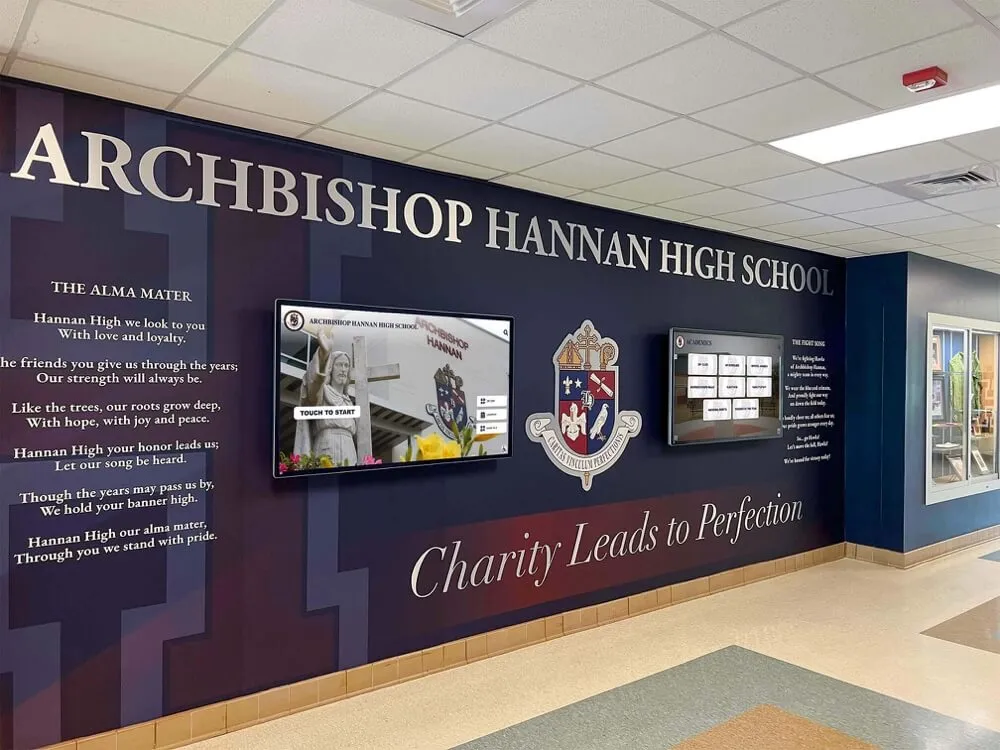
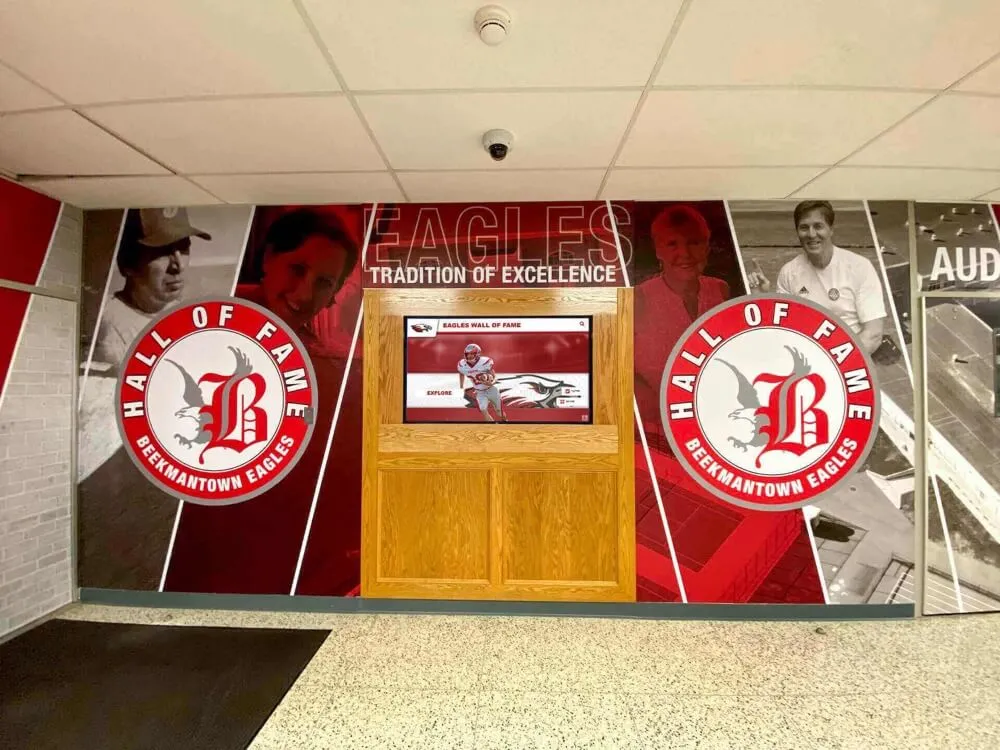
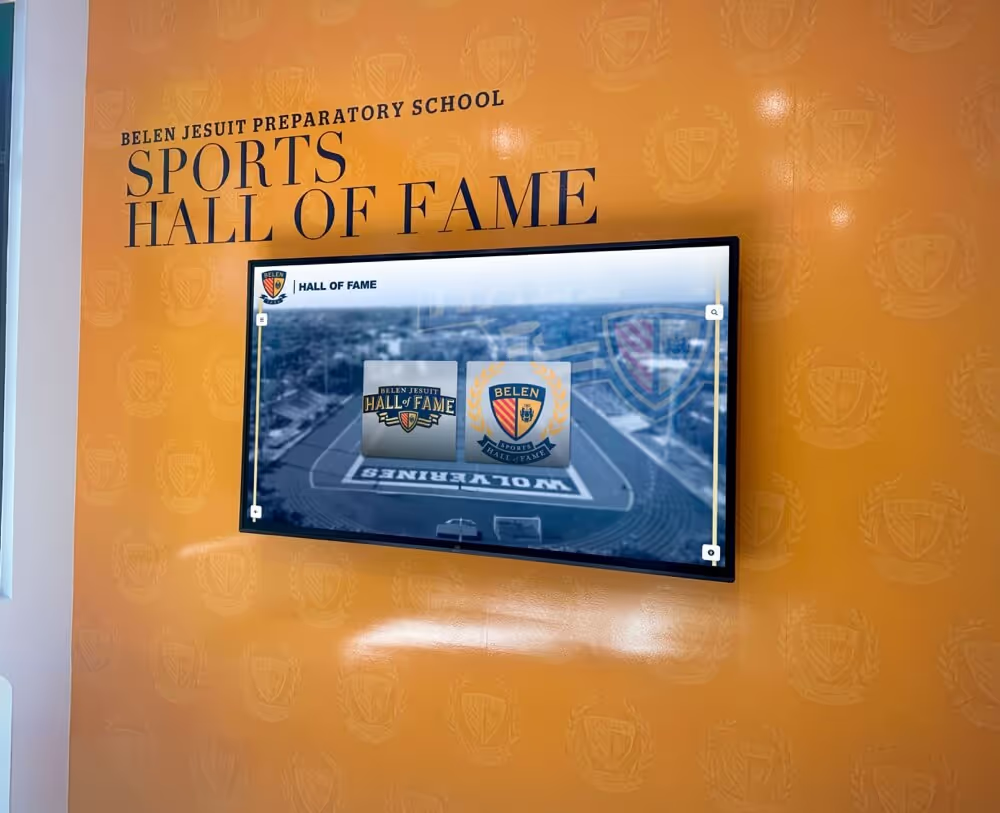
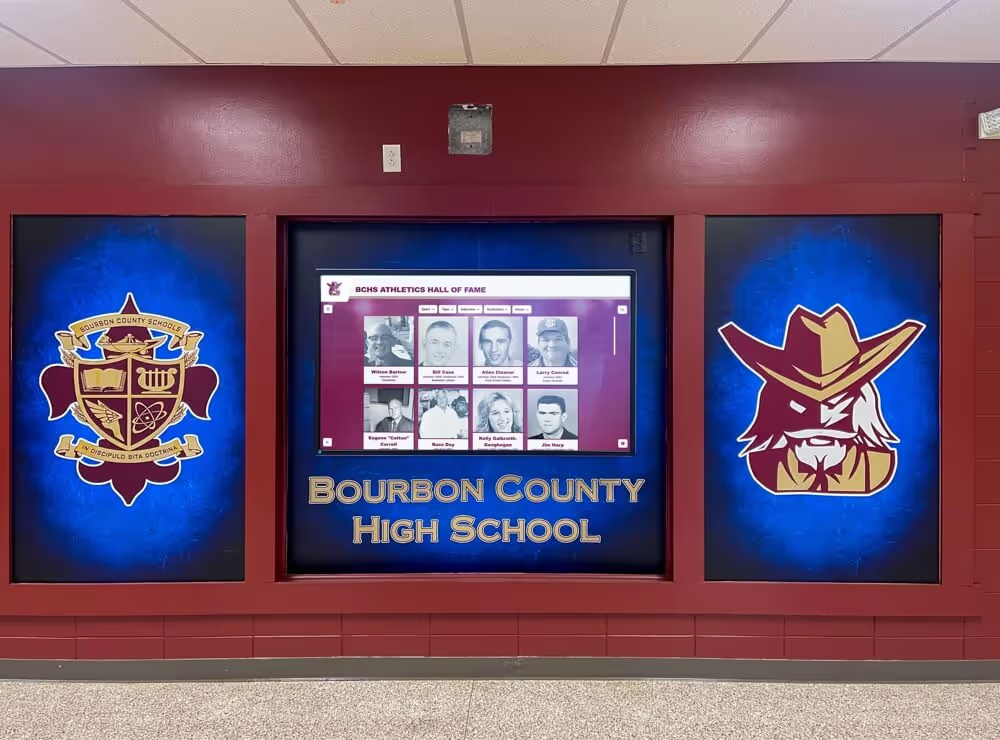
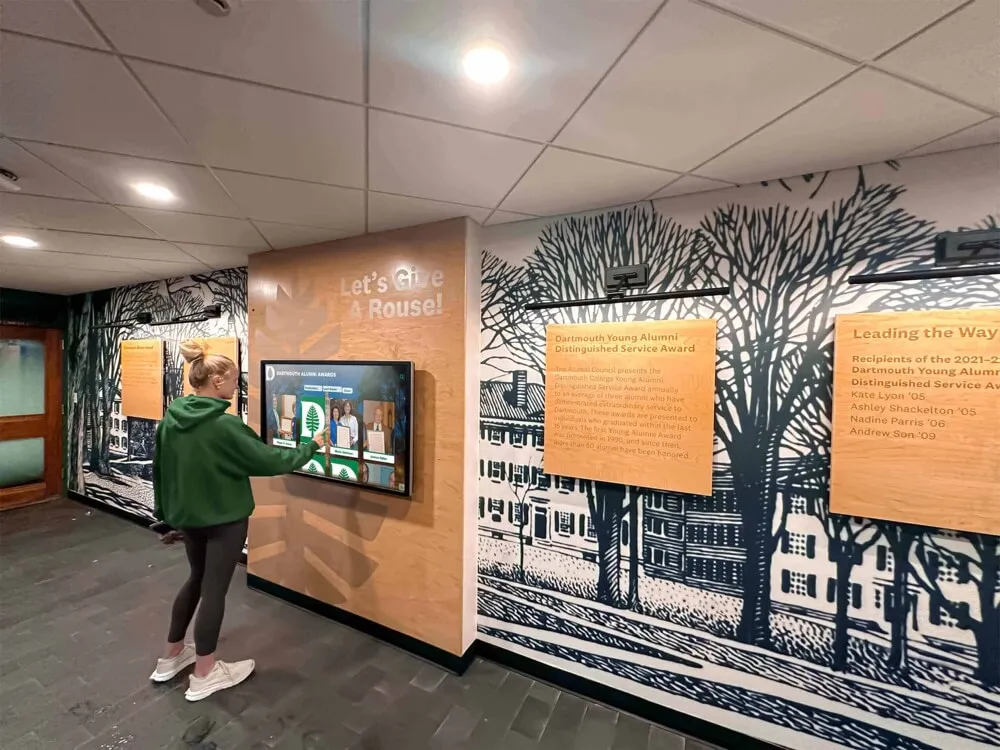
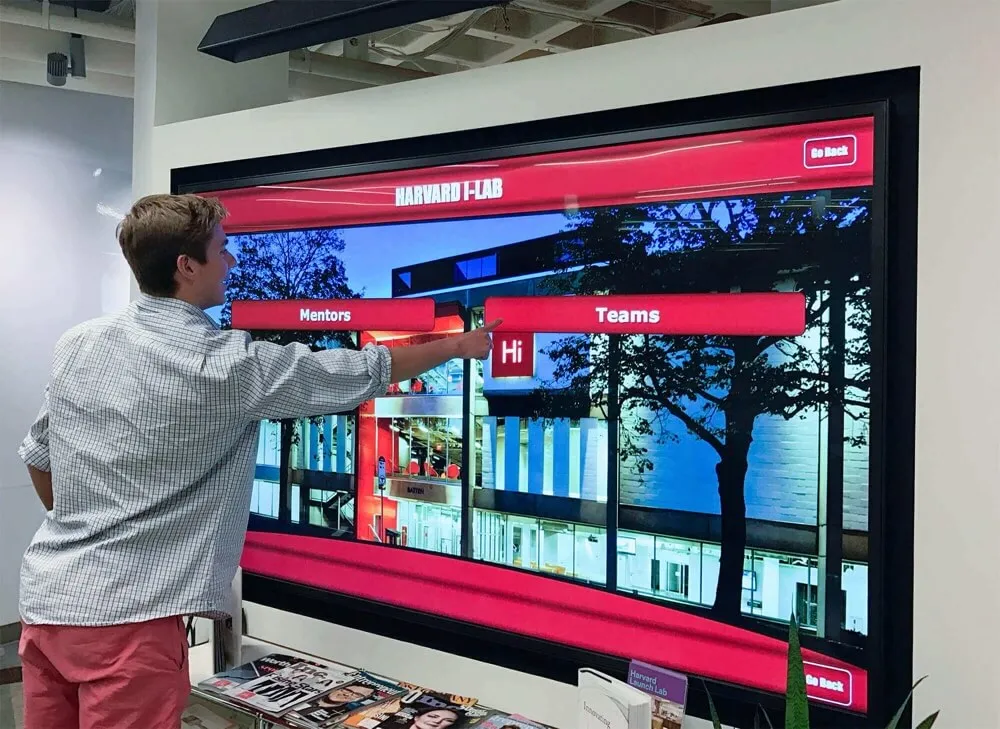
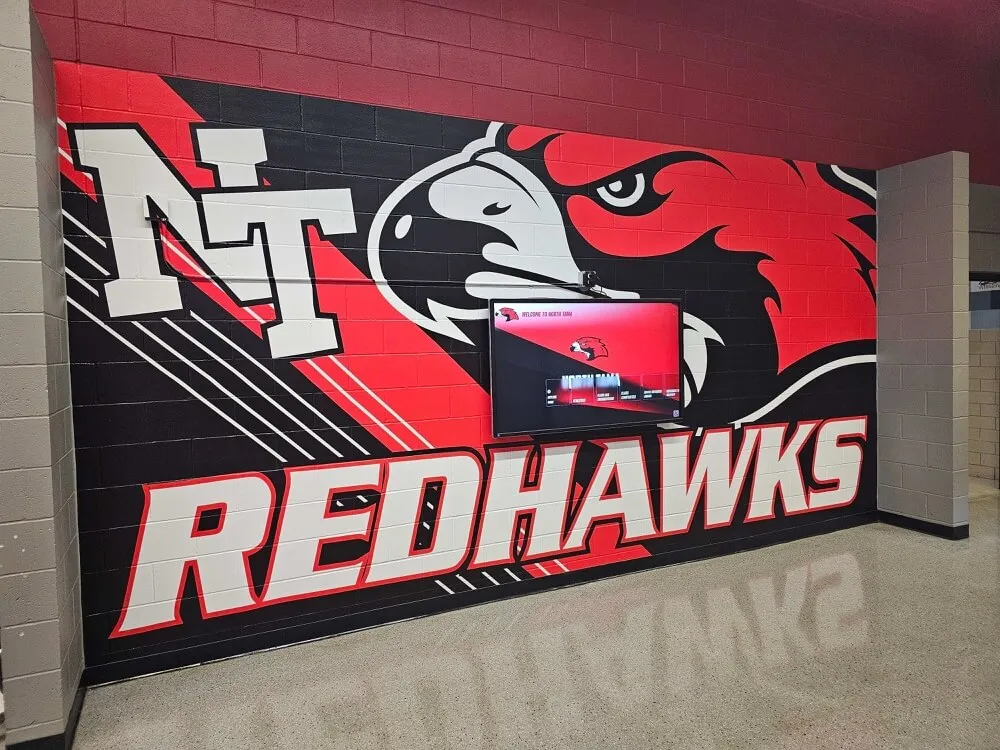
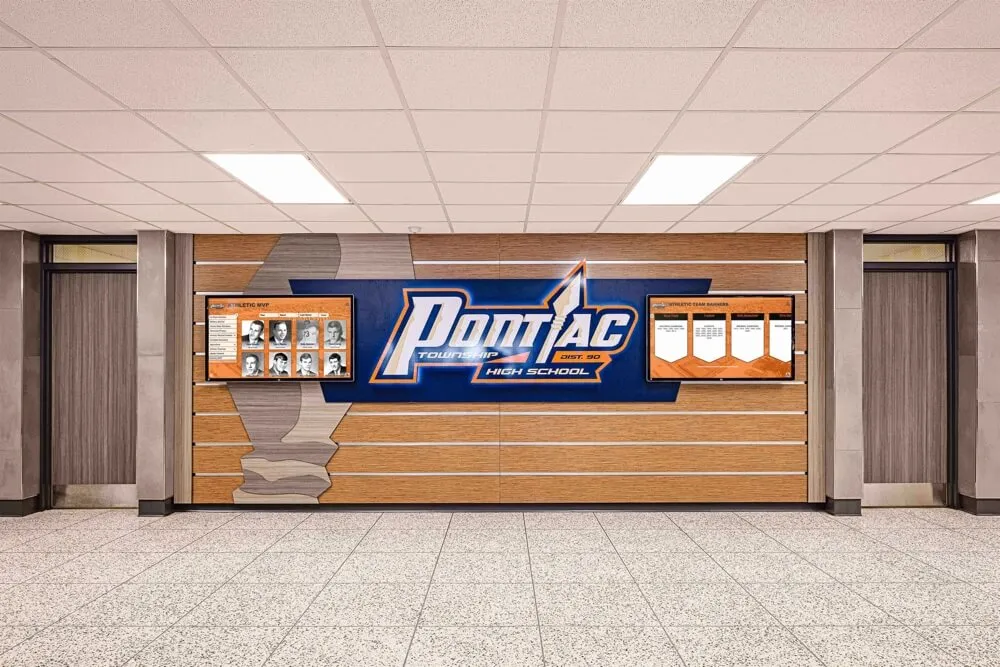
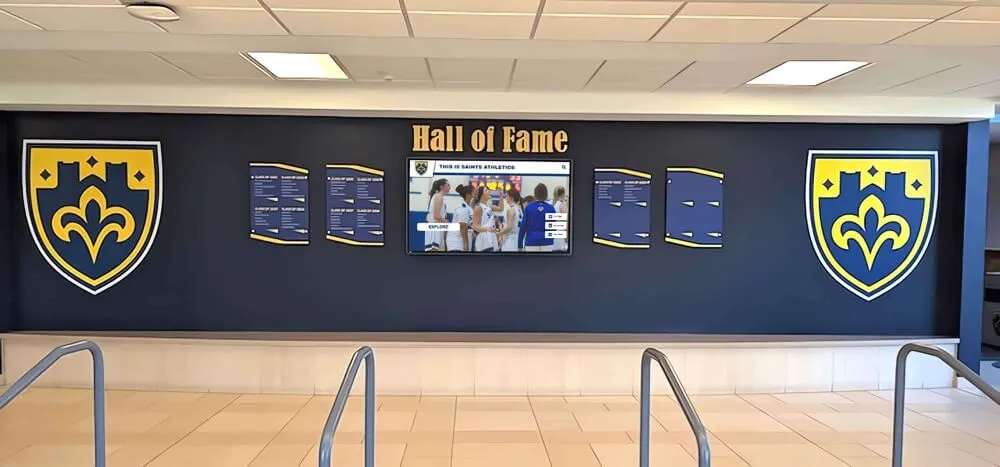
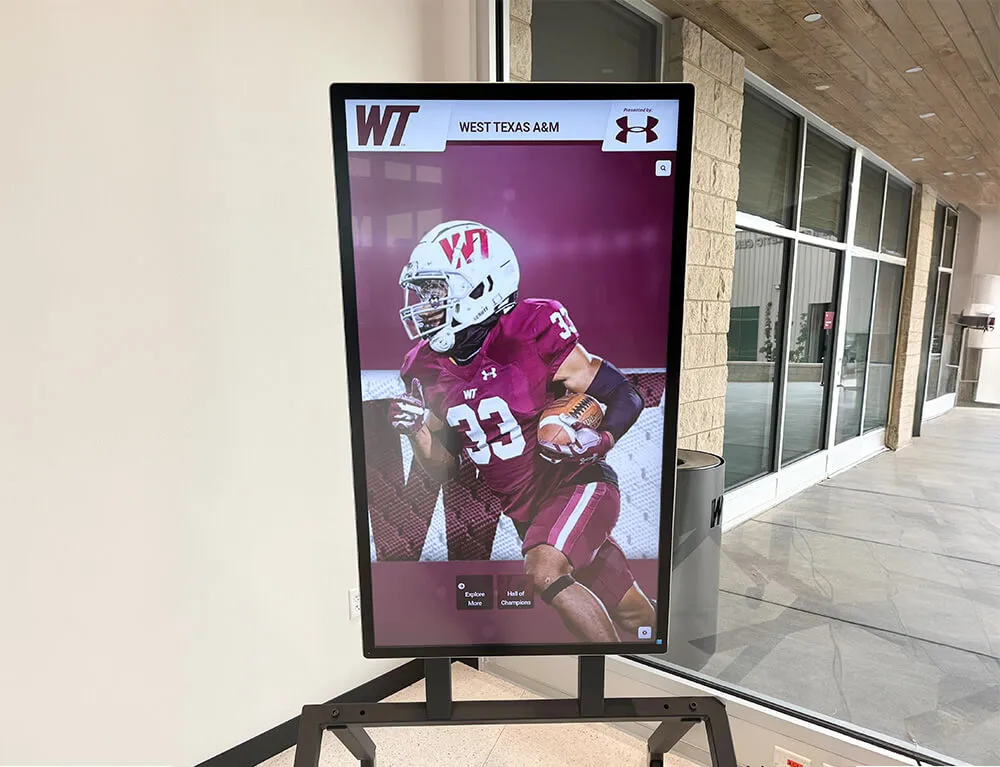
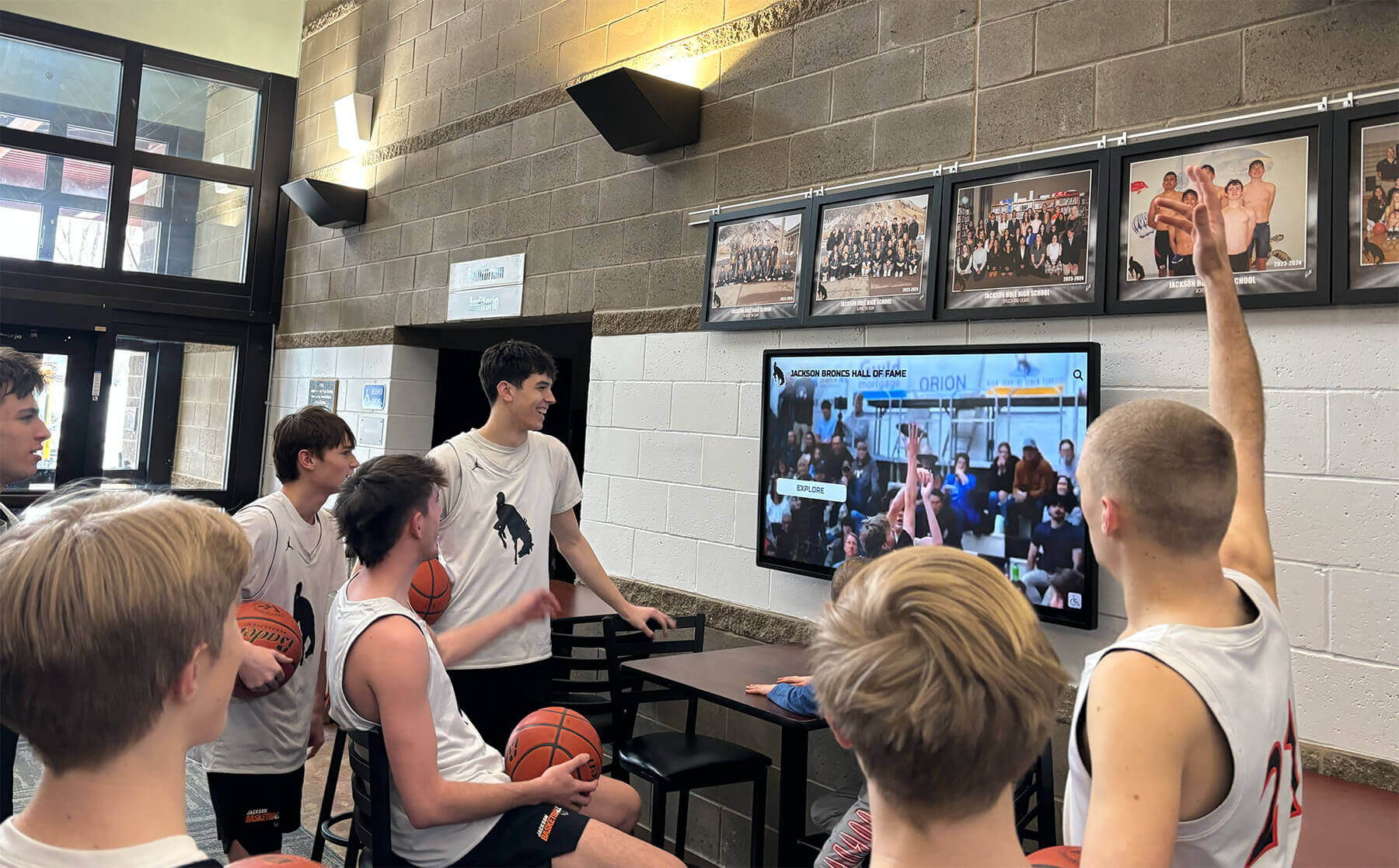
Modern digital displays enable schools to showcase winter sports highlights and achievements in high-traffic areas where students naturally gather
Understanding the Winter Sports Season Timeline
Before diving into specific sports, understanding the general winter season structure helps schools coordinate programs effectively across multiple athletic offerings.
Season Start and End Dates
Typical Winter Sports Calendar
Most state high school athletic associations structure winter sports seasons following similar patterns:
- Practice Start: Mid to late October (conditioning and skill development)
- Competition Start: Late November or early December (first regular season contests)
- Regular Season: December through early February (league and non-league competition)
- Conference Tournaments: Mid to late February (determining league champions)
- State Tournaments: Late February through early March (championship competition)
- Season Conclusion: March (final competitions and end-of-year recognition)
This approximately 4-5 month season aligns winter sports between fall sports completion (late October/early November) and spring sports startup (typically mid-March), creating year-round athletic programming serving diverse student interests and abilities across all three major athletic seasons.
Holiday Break Considerations
Navigating Winter Season Interruptions
Unlike fall and spring sports with relatively uninterrupted competition windows, winter sports must work around extended holiday breaks significantly impacting practice continuity and competitive momentum:
Thanksgiving Break Challenges
- Early season disruption just as competition begins
- Family travel limiting athlete availability
- Tournament hosting opportunities during extended weekends
- Conditioning maintenance concerns during practice gaps
Winter Holiday Break (December-January)
- 1-2 week facility closures interrupting mid-season rhythm
- Travel and family commitments affecting team cohesion
- Strategic competition scheduling around break periods
- Out-of-state tournament opportunities utilizing vacation time
Mid-Winter Break (February)
- Some districts schedule week-long February breaks
- Timing coincides with crucial conference/playoff preparation
- Opportunity for focused training camps or competition travel
- Facility maintenance scheduling during student absence
Successful winter sports programs build holiday breaks into season planning rather than treating them as unfortunate disruptions—using extended weekends for tournament participation, scheduling lighter competition immediately following breaks, and planning training programs maintaining conditioning despite practice interruptions.

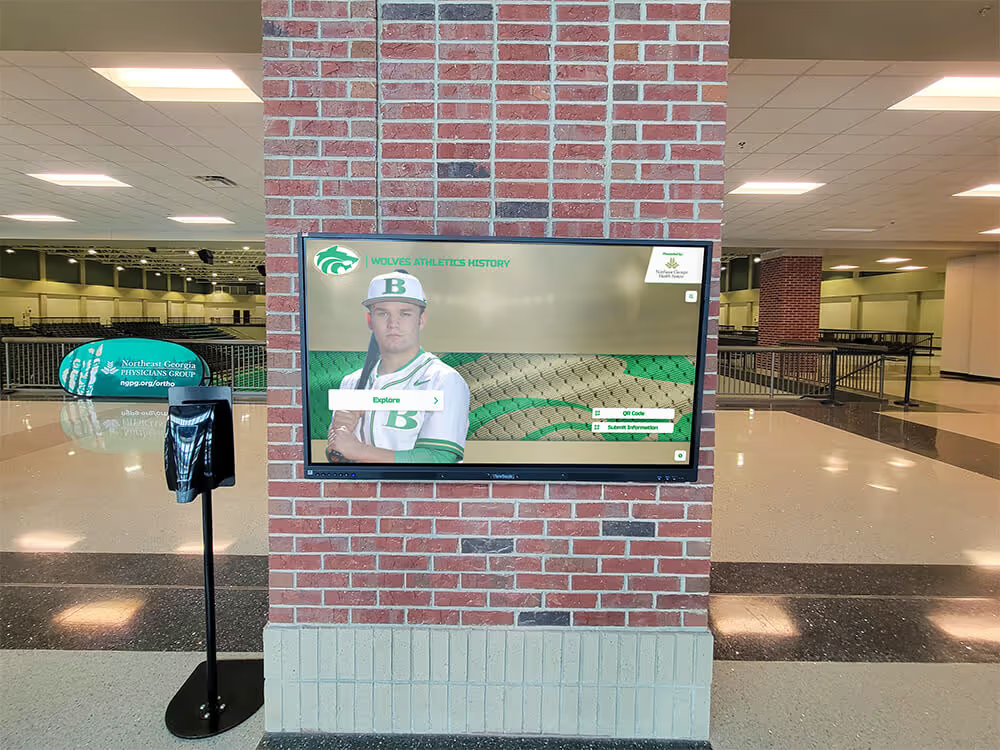
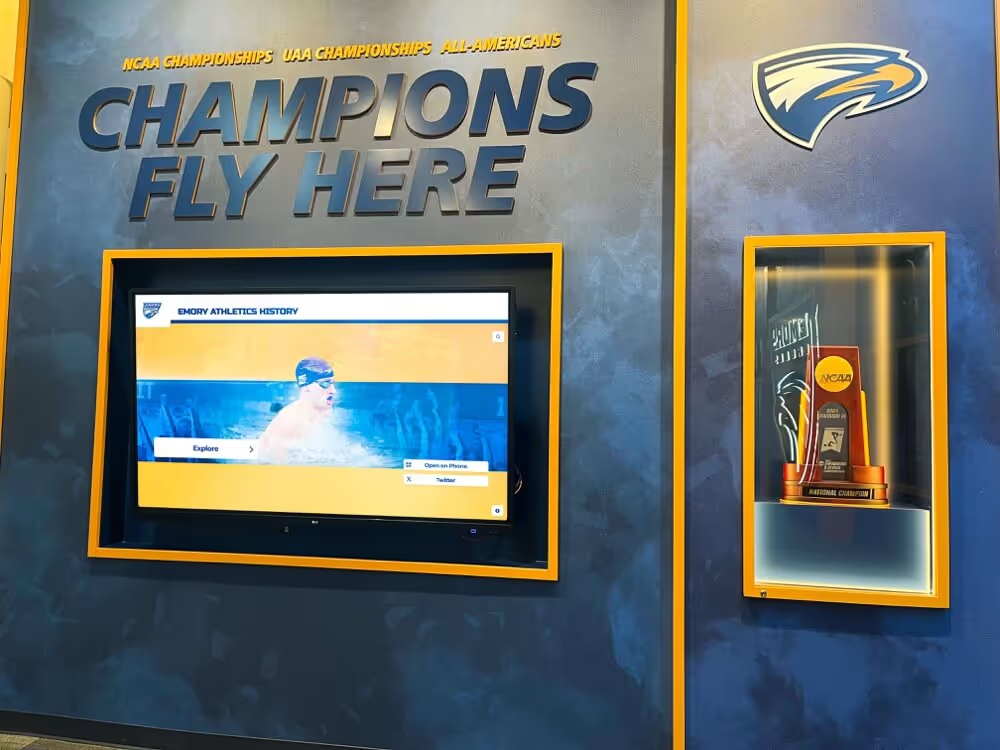
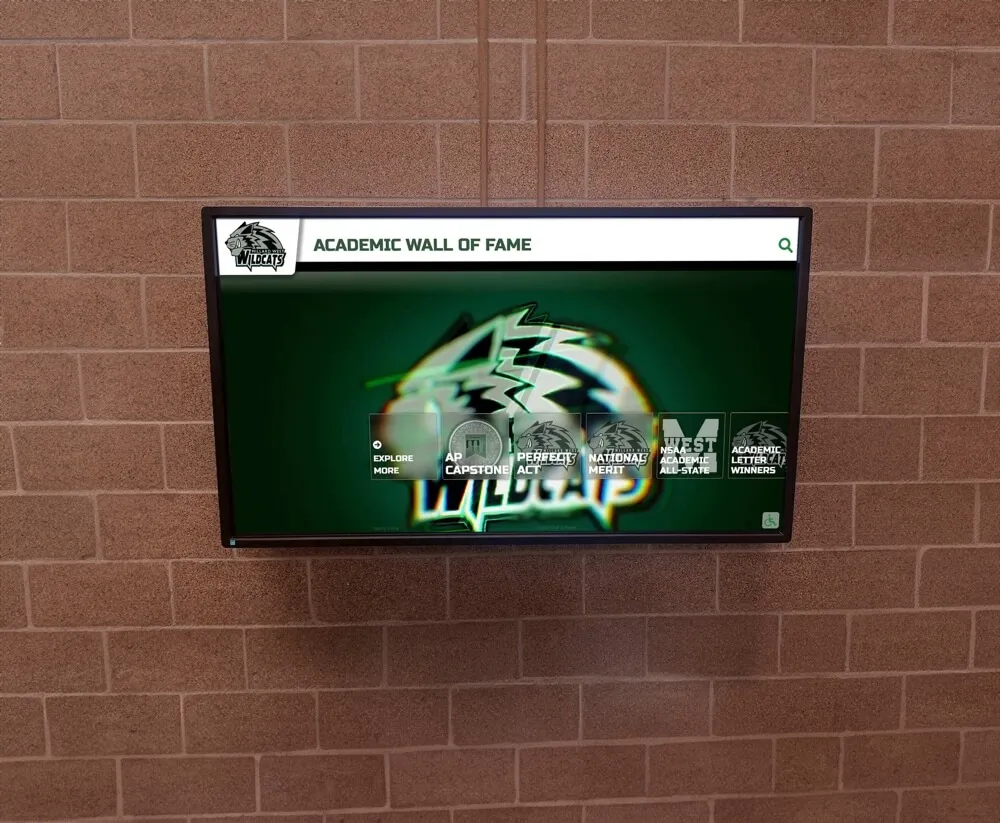
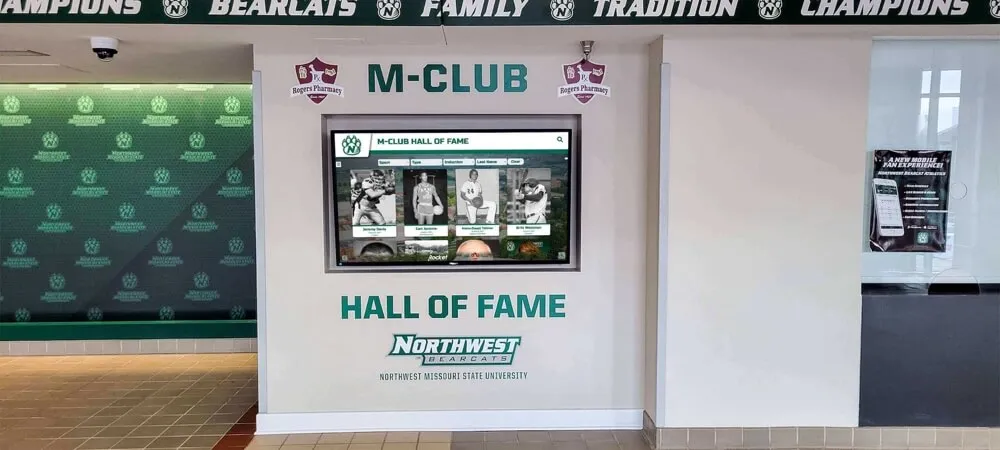
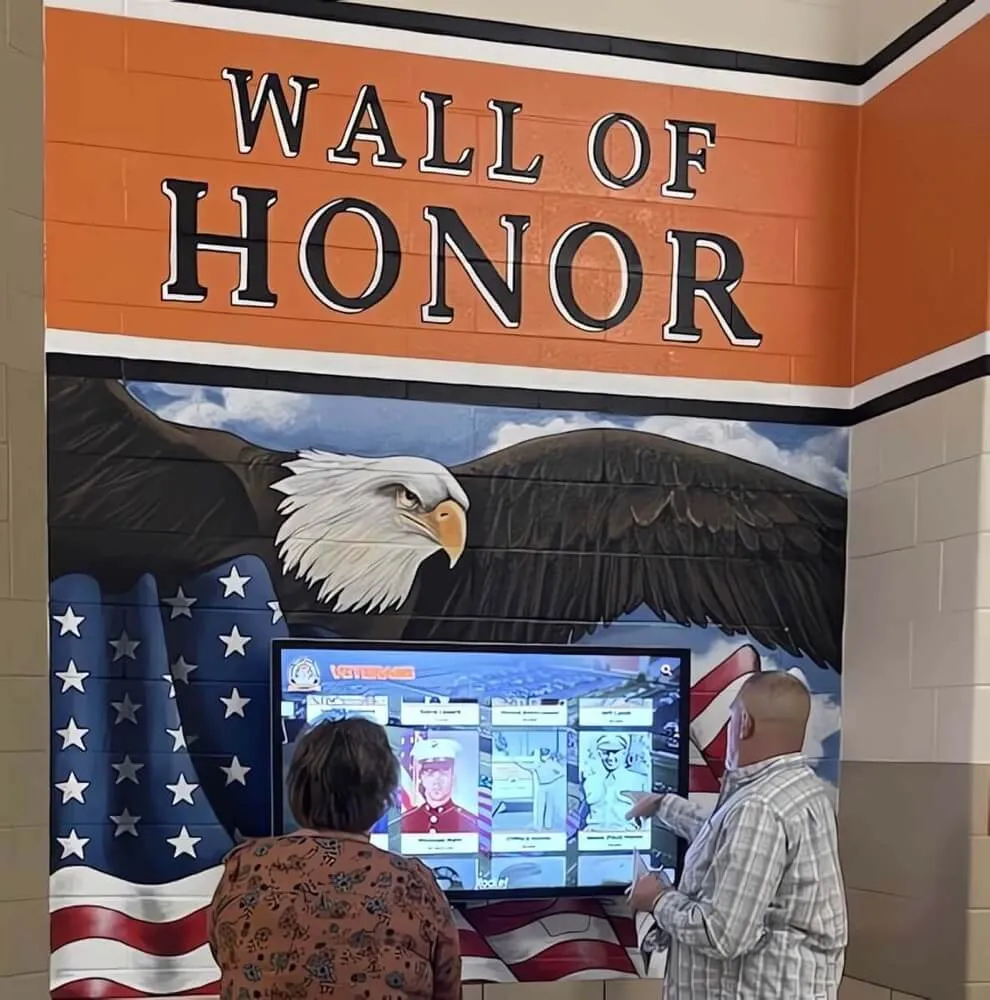
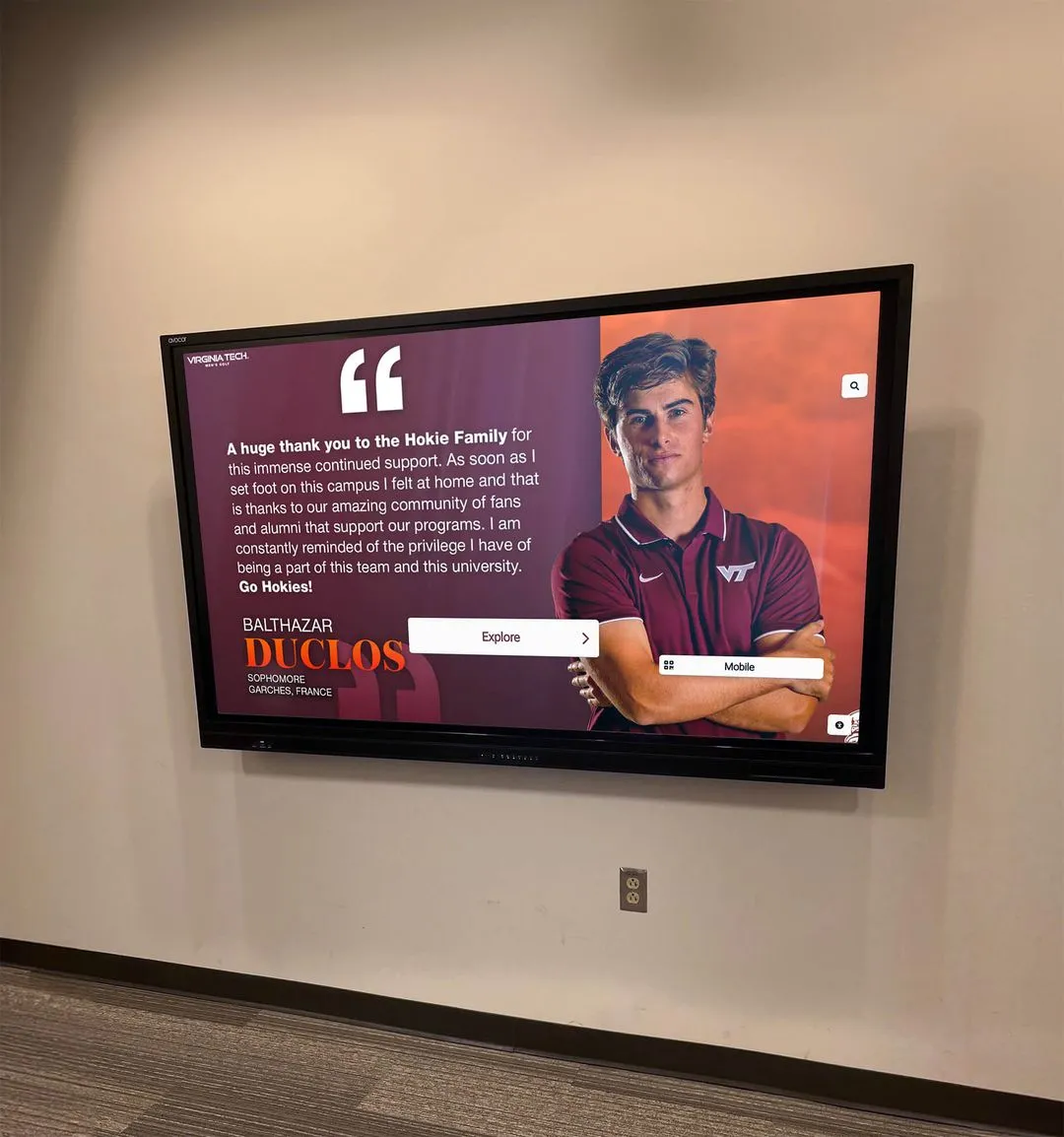
Year-round digital recognition displays celebrate winter sports achievements alongside fall and spring athletics, creating comprehensive athletic program visibility
Major High School Winter Sports Programs
Winter sports encompass diverse athletic disciplines requiring different facilities, competitive formats, and recognition approaches. Understanding each sport helps schools create equitable programs serving varied student interests.
Basketball: The Winter Sport Cornerstone
Program Overview and Participation
Basketball serves as the flagship winter sport in most American high schools, with both boys’ and girls’ programs drawing significant participation, spectator interest, and community engagement.
Typical Team Structure
- Varsity teams (typically 12-15 players) competing at highest level
- Junior varsity programs (12-15 players) developing younger athletes
- Freshman teams in larger schools providing entry-level competition
- Middle school feeders preparing future high school participants
Basketball’s prominence stems from multiple factors: accessible equipment and facility requirements, exciting spectator experience, strong professional and collegiate pipeline, and cultural significance making it America’s most popular indoor sport during winter months.
Season Structure and Competition Format
Basketball seasons typically include:
- Regular season: 18-25 games spanning December through February
- Conference play: League games determining tournament seeding
- Invitational tournaments: Weekend competitions against varied opponents
- Conference tournaments: Playoff structure crowning league champions
- State tournaments: Single-elimination playoffs determining state champions
Recognition Opportunities
Basketball generates numerous achievement categories schools celebrate through digital recognition displays and traditional awards:
- All-conference and all-state team selections
- Statistical leaders (points, rebounds, assists, steals, blocks)
- 1,000-point career scoring milestones
- Team records and championships
- Individual game performance achievements
- Academic all-conference recognition
- Sportsmanship and leadership awards
Discover comprehensive basketball recognition in 1000 point scorer basketball programs celebrating elite scoring achievement.
Wrestling: Individual Excellence in Team Format
Program Characteristics
Wrestling represents unique winter sports format combining individual competition within team scoring structure—wrestlers compete one-on-one in weight classes, but individual results contribute to overall team scores determining dual meet and tournament outcomes.
Weight Class Competition Structure
High school wrestling typically includes 14 weight classes ranging from 106 pounds to heavyweight (285 pounds), enabling participation across diverse body types and physical development stages. This structure creates multiple competitive opportunities where athletes compete primarily against opponents of similar size rather than being disadvantaged by physical maturation timing.
Competition Formats
- Dual meets: Team vs. team with one wrestler per weight class
- Triangular meets: Three teams competing in rotation
- Tournament competition: Individual tournaments with bracket advancement
- Conference championships: League tournaments determining conference placements
- Sectional/district/regional progressions: Qualifying tournaments for state competition
- State championships: Individual weight class state tournament competition
Wrestling Recognition Categories
Wrestling programs celebrate diverse achievements requiring specialized recognition approaches:
- State championship placements and titles
- All-state and all-conference selections
- Pin records and technical fall achievements
- Win milestone recognition (100+ career wins)
- Most Valuable Wrestler awards
- Outstanding freshman/newcomer recognition
- Sportsmanship and dedication honors
- Academic achievement alongside athletic excellence
Wrestling’s individual nature within team context creates unique recognition needs where personal achievement and team contribution both merit celebration, requiring systems accommodating both individual profiles and team accomplishment documentation.

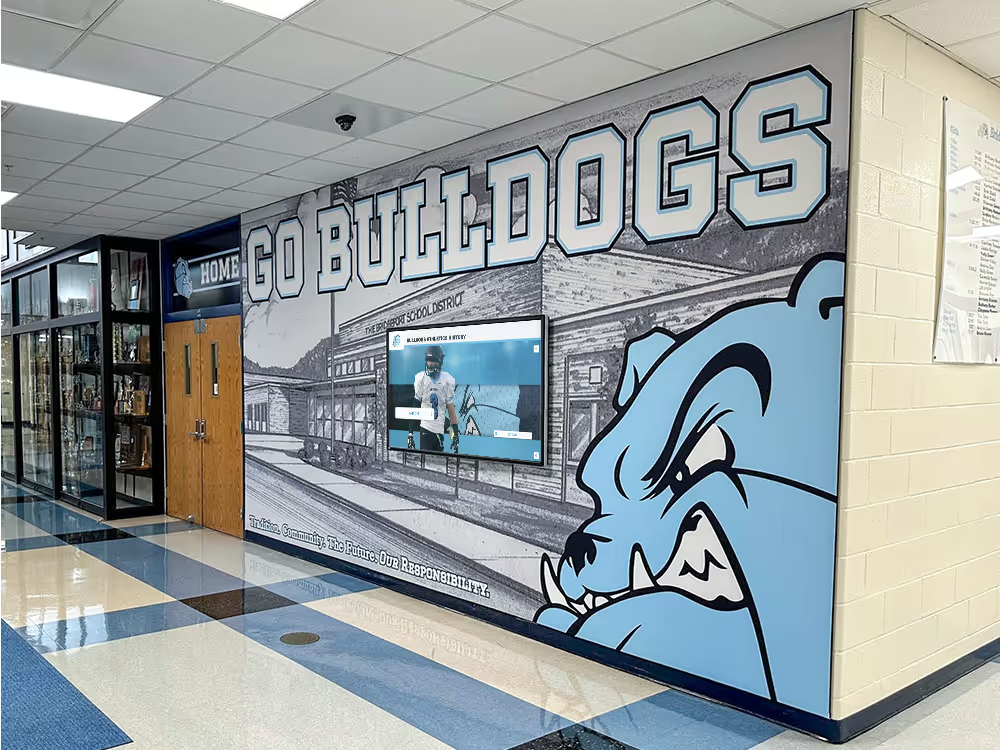
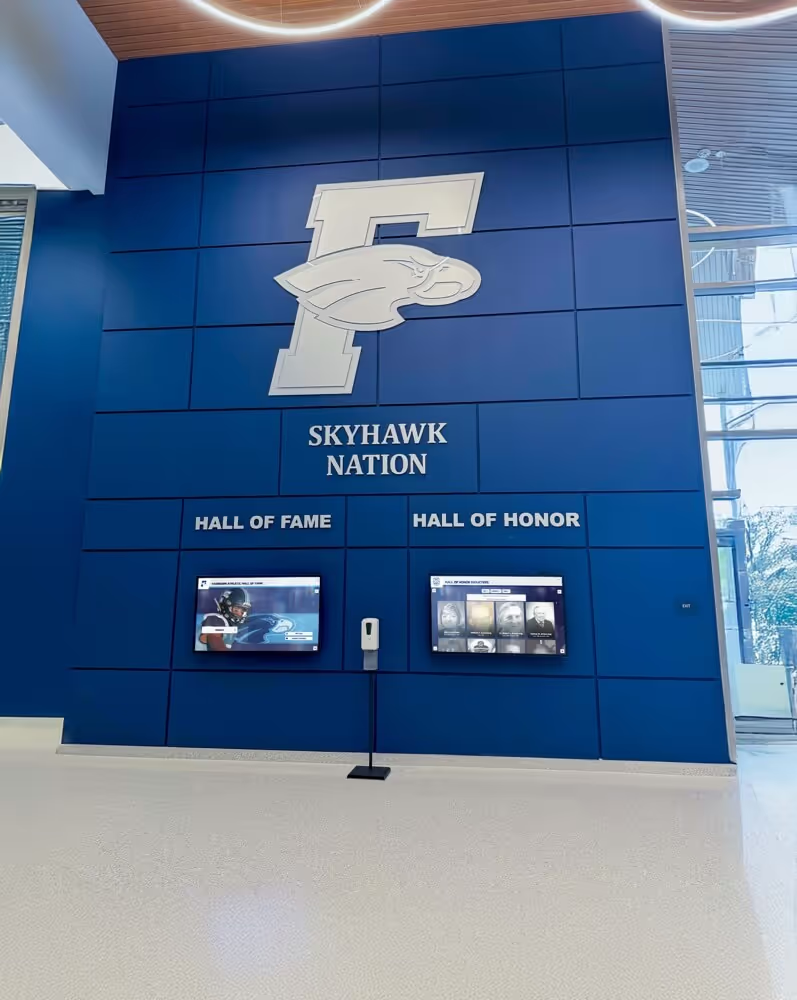
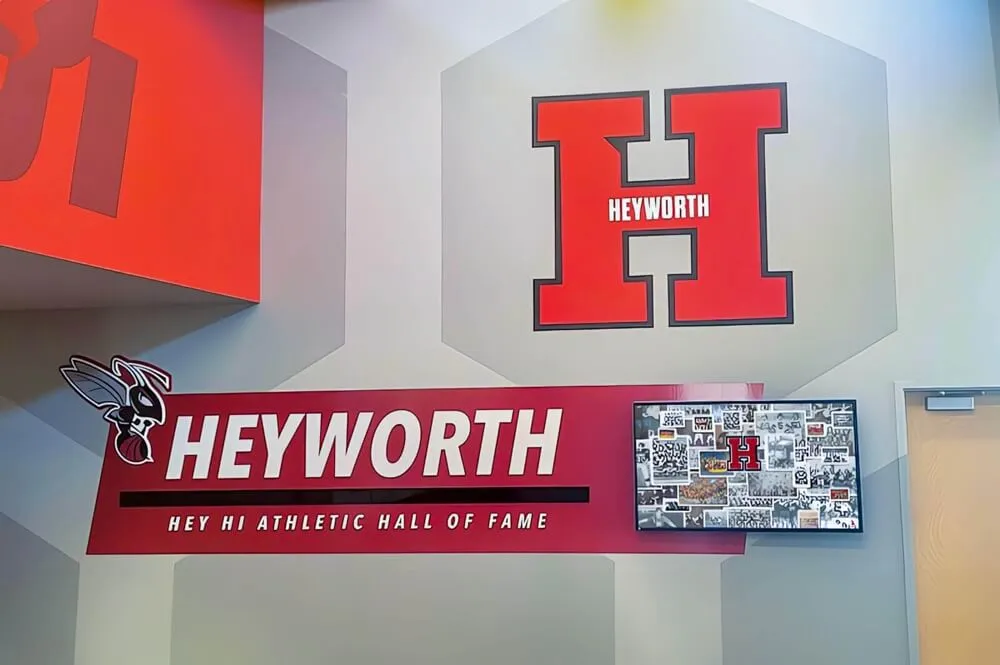
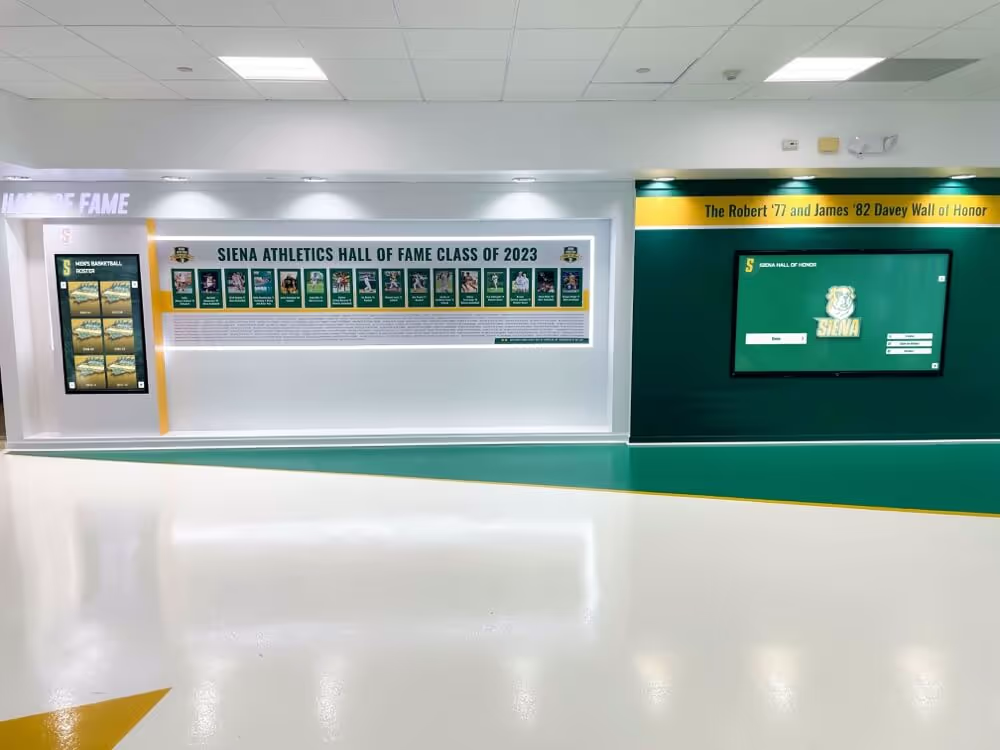
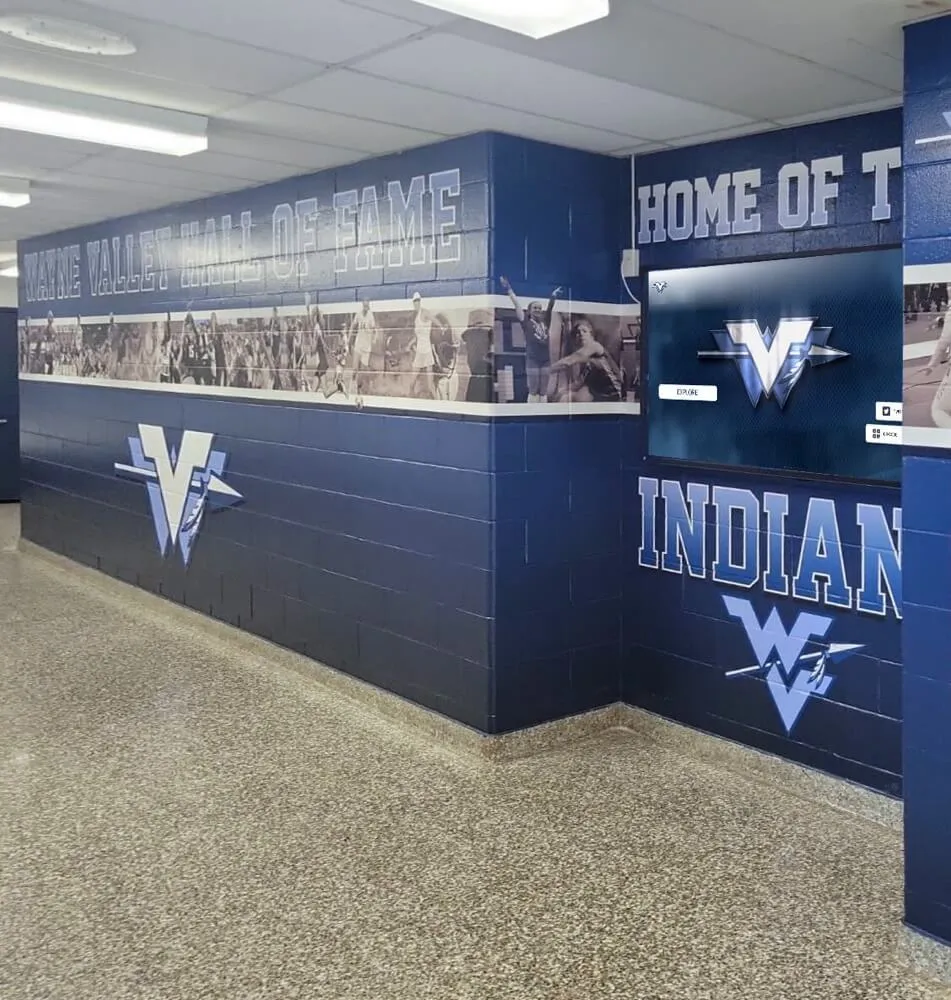
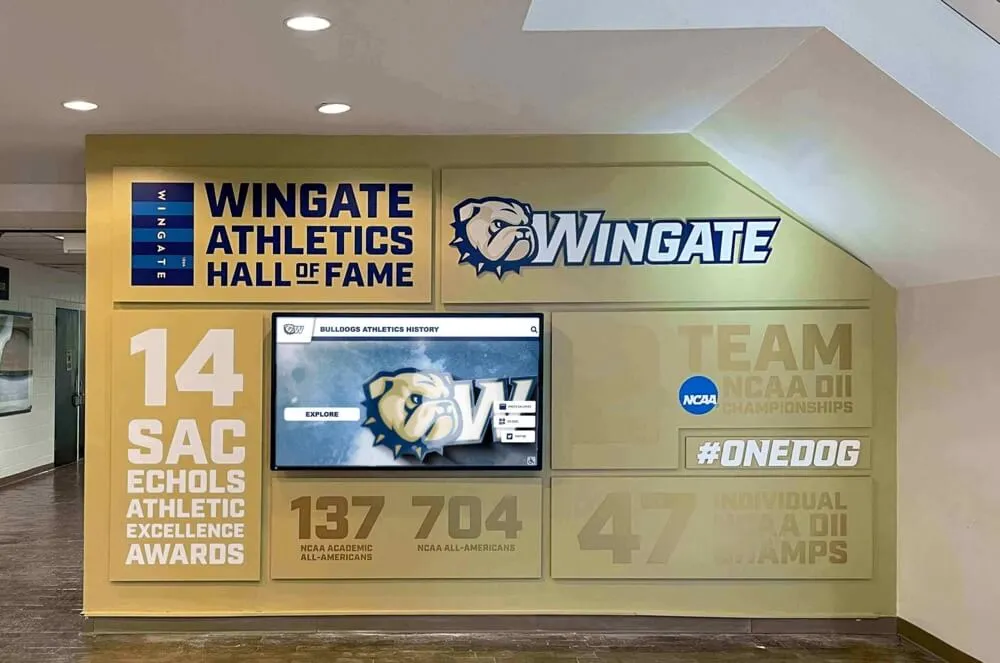
Integrated recognition environments combine athletic murals with digital displays celebrating achievements across all winter sports programs
Swimming and Diving: Speed, Technique, and Precision
Program Structure and Participation
Swimming programs operate differently from land-based sports due to facility requirements—schools need pool access either through on-campus facilities or shared agreements with community pools, YMCAs, or neighboring institutions.
Competition Events
High school swimming includes diverse events testing different athletic capabilities:
Individual Events
- Freestyle: 50, 100, 200, and 500-yard races
- Backstroke: 100 and 200-yard events
- Breaststroke: 100 and 200-yard competitions
- Butterfly: 100 and 200-yard races
- Individual Medley (IM): 200 and 400-yard events combining all strokes
Relay Events
- 200-yard freestyle relay (4x50 yards)
- 400-yard freestyle relay (4x100 yards)
- 200-yard medley relay (backstroke, breaststroke, butterfly, freestyle)
Diving Competition
- 1-meter springboard diving
- Scored on technique, difficulty, and execution
Meet Structure and Scoring
Swimming meets differ significantly from basketball or wrestling:
- Athletes compete in time-based events against the clock
- Multiple swimmers race simultaneously in different lanes
- Top finishers in each event score team points
- Both individual and relay performance contribute to team scores
- State qualification based on achieving specific time standards
Swimming Recognition Categories
Swimming programs celebrate achievements through multiple categories:
- State championship qualifications and placements
- School record performances across all events
- All-conference and all-state team selections
- Time improvement recognition across seasons
- Relay team achievement celebration
- Diving competition honors
- Captain and leadership awards
- Academic all-state recognition
Learn about swimming achievement displays in swimming program recognition demonstrating multimedia celebration approaches.
Indoor Track and Field: Winter Running Season
Program Overview
Indoor track provides winter competition opportunities for distance runners, sprinters, and field event athletes in states with appropriate facility access—typically requiring nearby college or regional indoor track facilities since most high schools lack dedicated indoor tracks.
Event Categories
Running Events
- Sprints: 55-meter, 60-meter, 200-meter, 300-meter races
- Middle Distance: 400-meter, 600-meter, 800-meter events
- Distance: 1600-meter, 3200-meter races
- Relay events: 4x200, 4x400, 4x800-meter relays
Field Events
- Jumping: High jump, long jump, triple jump, pole vault
- Throwing: Shot put (indoor season specialty)
Indoor track differs from outdoor spring season through shorter track dimensions (typically 200-meter indoor ovals vs. 400-meter outdoor tracks), tighter turns requiring different racing strategies, and event selection focusing on shorter races and limited field events appropriate for indoor facility constraints.
Recognition Considerations
Indoor track achievements include:
- State championship qualifications and medals
- School records across all event categories
- Personal record (PR) improvements throughout season
- Conference championship placements
- All-state recognition selections
- Relay team accomplishments
- Leadership and dedication awards
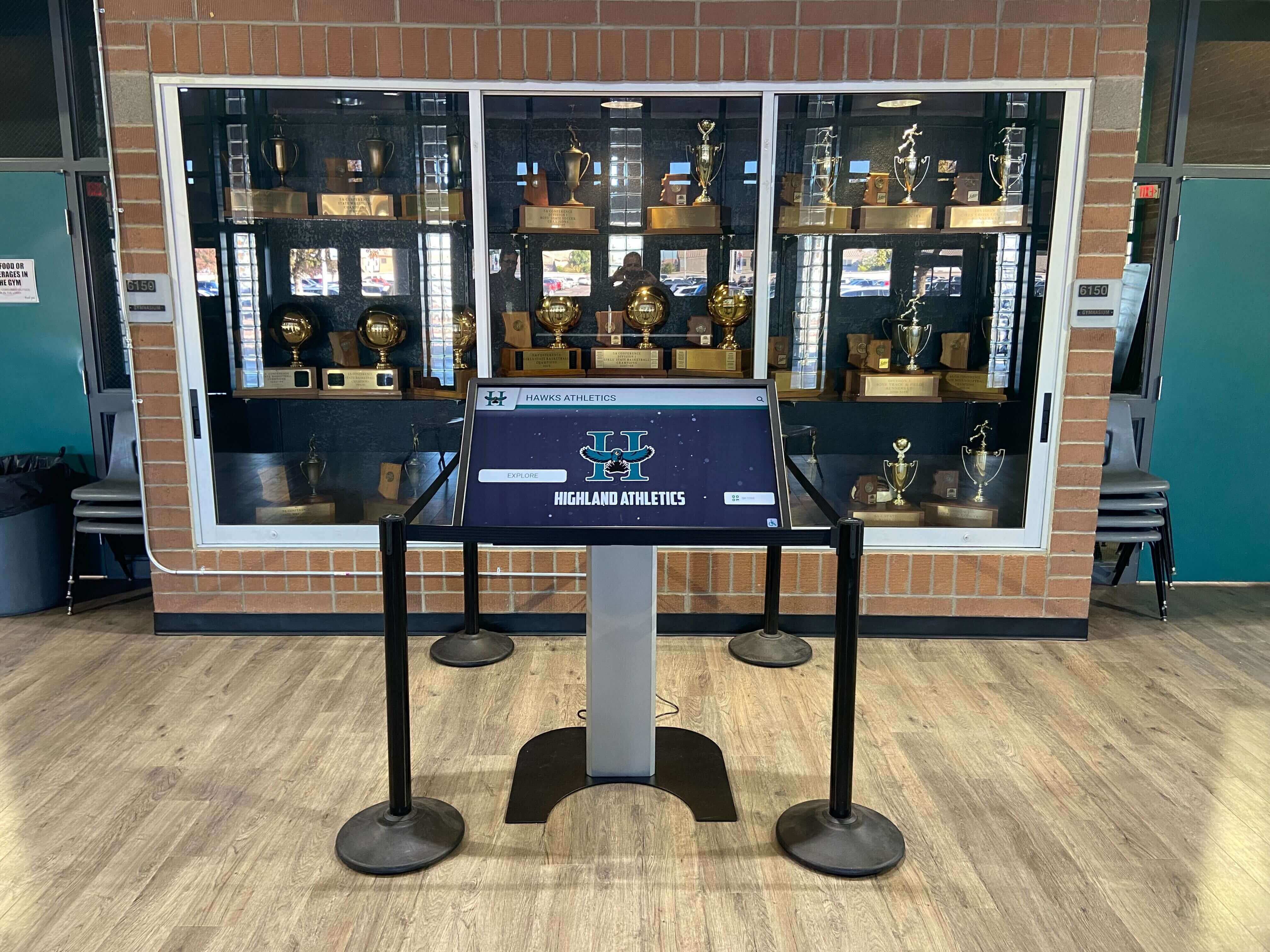
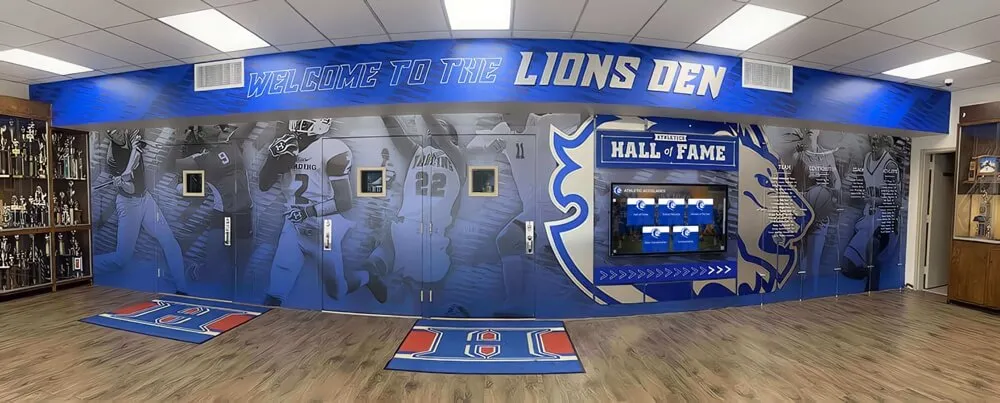
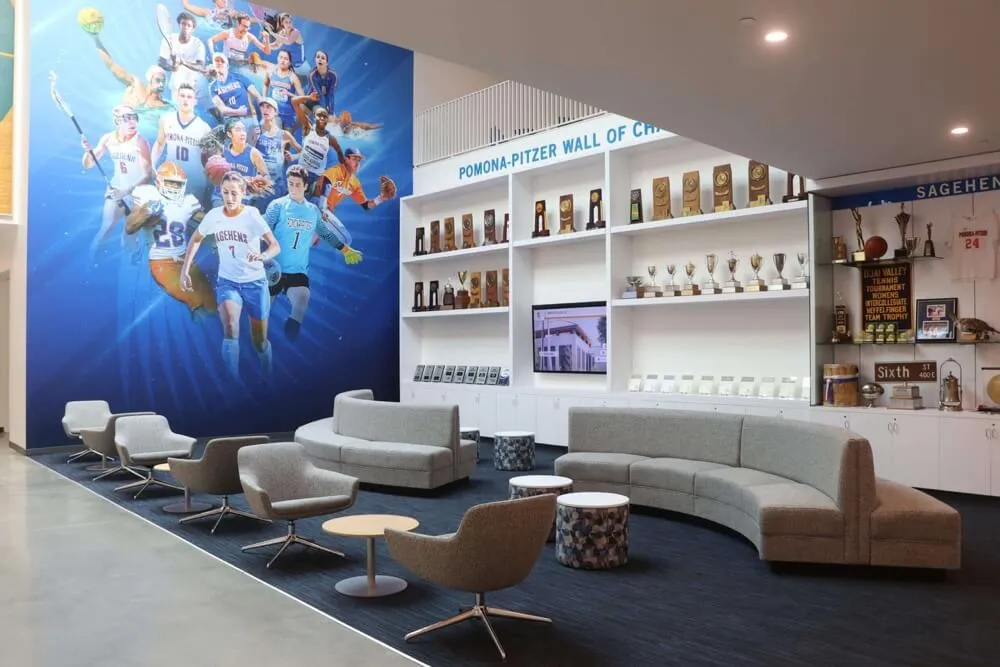
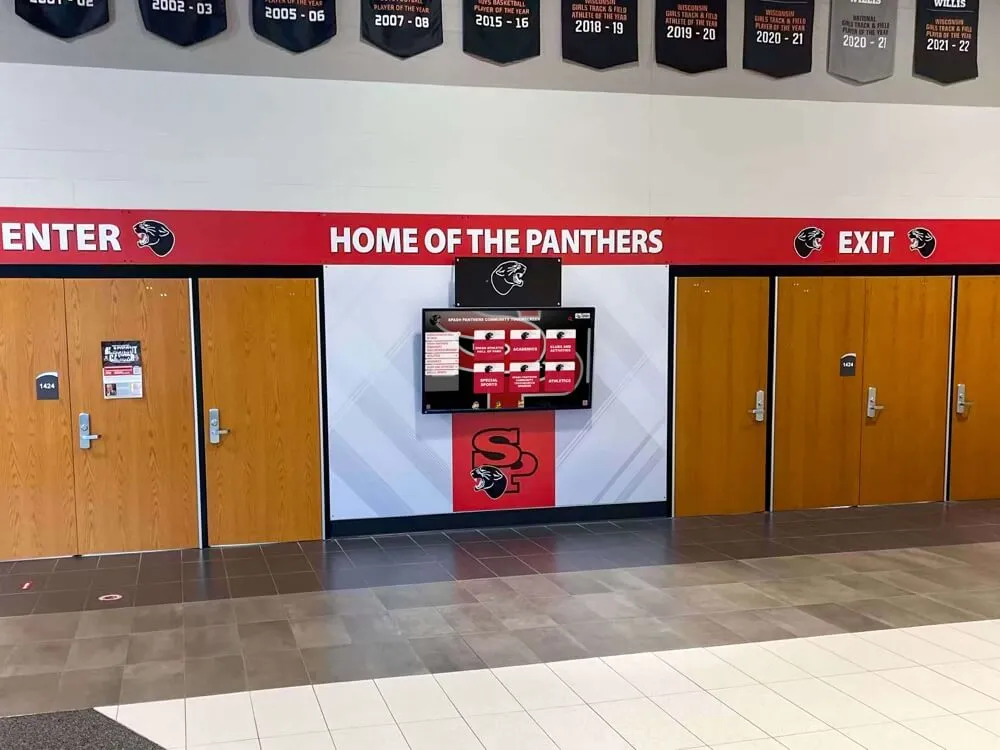
Interactive touchscreen systems integrate with traditional trophy displays, combining physical awards with comprehensive digital achievement documentation
Additional Winter Sports Offerings
Beyond the four major winter sports, some schools offer additional winter athletic opportunities depending on regional traditions, facility availability, and student interest:
Ice Hockey
- Primarily northeastern and upper midwest states
- Requires ice rink access (significant facility barrier)
- Club and varsity programs depending on school size and location
- Strong community followings in hockey-traditional regions
Gymnastics
- More common in girls’ programs than boys'
- Individual and team competition formats
- Requires specialized equipment and facility space
- Events include vault, bars, beam, and floor exercise
Competitive Cheerleading
- Winter season competitive schedule
- Distinction between sideline and competitive formats
- State and national championship opportunities
- Increasing recognition as athletic program rather than support activity
Skiing (Alpine and Nordic)
- Regional winter sport in mountain states
- Requires mountain access and snow conditions
- Combines individual and team competition scoring
- State championship competition structures
Schools offering multiple winter sports face facility scheduling complexity, coaching staff coordination, transportation logistics, and recognition equity challenges ensuring all programs receive appropriate celebration regardless of program size, spectator interest, or tradition strength compared to higher-profile sports like basketball.
Facility Management and Scheduling Challenges
Successfully operating comprehensive winter sports programs requires sophisticated facility coordination, particularly in schools where basketball, wrestling, and other sports compete for limited gymnasium and auxiliary space.
Gymnasium Allocation Strategies
Competing Facility Demands
High school gymnasiums serve multiple winter purposes simultaneously:
- Varsity basketball practice and competition (boys’ and girls')
- Junior varsity basketball schedules
- Wrestling practice requiring mat setup and storage
- Physical education classes during school hours
- Community and youth program evening commitments
- School events (assemblies, performances, exams)
Scheduling Approaches
Successful programs implement systematic allocation strategies:
Time-Based Rotation
- Early morning practice slots (6:00-7:30 AM) maximizing facility availability
- After-school prioritization by team level and competitive schedule
- Evening practice for programs unable to access afternoon facility time
- Weekend practice scheduling especially during heavy competition weeks
Facility Subdivision
- Splitting gymnasium space between basketball court and wrestling mats
- Utilizing auxiliary gymnasiums for junior varsity and freshman programs
- Leveraging cafeteria or multi-purpose spaces for conditioning work
- External facility partnerships accessing community centers or colleges
Master Calendar Coordination
- Season-long scheduling planned before winter season begins
- Competition prioritization ensuring home game facility access
- Advance notification of schedule conflicts or facility closures
- Flexible adjustment protocols accommodating weather cancellations
Effective facility management prevents team conflicts while ensuring equitable access across all programs regardless of tradition strength, spectator draw, or competitive success—critical equity consideration in comprehensive athletic departments.
Explore facility recognition integration in new school gymnasium display planning coordinating recognition with facility development.
Pool and Specialized Facility Access
Swimming Program Facility Challenges
Swimming programs face unique facility challenges compared to sports using standard gymnasium space:
- Limited high schools have dedicated competitive pools
- Shared facility agreements with community pools or YMCAs
- Practice scheduling constrained by facility availability windows
- Transportation logistics moving athletes to external facilities
- Facility rental costs impacting athletic budgets significantly
Specialized Facility Solutions
- Multi-school cooperative programs sharing facility costs
- Strategic practice scheduling during off-peak facility hours
- Home meet scheduling negotiation with facility partners
- Fundraising specifically addressing facility rental costs
- Capital campaigns advocating for future on-campus pool construction
Schools fortunate enough to have on-campus pools gain significant competitive advantages through consistent practice access, reduced transportation time, and ability to host meets generating revenue and community engagement—factors influencing swimming program strength and participation across different districts.
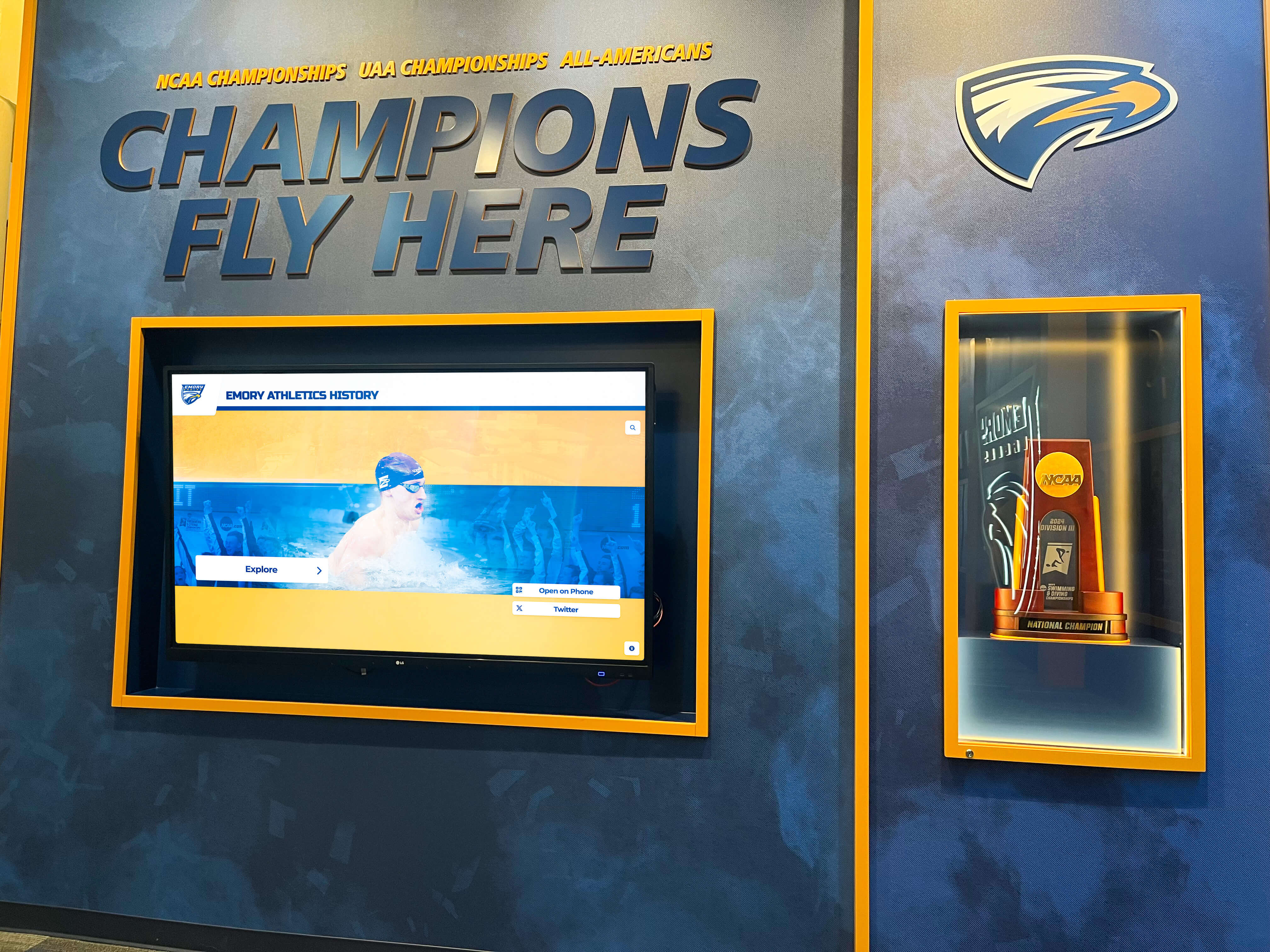
Comprehensive recognition displays celebrate swimming and diving achievements alongside other winter sports, ensuring equitable program visibility
Recognition Strategies for Winter Sports Excellence
Celebrating winter athletic achievement requires thoughtful approaches honoring diverse sports, competition formats, and achievement dimensions—from team championships to individual excellence, statistical milestones to character recognition.
Traditional Recognition Approaches
Physical Recognition Methods
Schools traditionally celebrate winter sports through various physical recognition approaches:
Trophy Cases and Award Displays
- Championship trophies from team and individual competitions
- All-conference and all-state recognition plaques
- Retired jerseys honoring legendary athletes
- Team photos from successful seasons
- Record boards displaying statistical achievements
Gymnasium and Facility Recognition
- Championship banners hanging from gymnasium rafters
- Record boards listing school records across all events
- All-state athlete plaques on facility walls
- Hall of fame displays honoring program legends
- Senior recognition boards celebrating graduating athletes
End-of-Season Awards Programs
- Sport-specific banquets celebrating team achievements
- All-sports recognition nights honoring winter athletes collectively
- Individual award presentations (MVP, Most Improved, etc.)
- Academic achievement recognition alongside athletic honors
- Letter awards and varsity recognition ceremonies
These traditional approaches provide tangible recognition athletes and families value, creating visible celebration of achievement throughout school facilities and during formal recognition ceremonies concluding winter seasons.
Digital Recognition Transformation
Modern Recognition Technology
Solutions like Rocket Alumni Solutions transform winter sports recognition through interactive digital displays offering capabilities traditional approaches cannot match:
Unlimited Recognition Capacity
Digital platforms eliminate physical space constraints limiting traditional trophy cases:
- Comprehensive profiles for all varsity letter winners across all winter sports
- Complete season rosters with individual athlete achievements
- Statistical leaders across all categories without space limitations
- Multi-year athlete tracking showing complete high school careers
- Historical archive preserving decades of winter sports achievement
Multimedia Celebration
Digital displays enable richer achievement documentation than plaques alone:
- Action photos from competitions showing athletes performing
- Video highlights of memorable plays and championship moments
- Season statistics and performance data contextualizing achievements
- Personal narratives explaining athlete journeys and accomplishments
- Coach and teammate testimonials celebrating contributions
Year-Round Visibility
Unlike banquets occurring once annually, digital displays provide sustained recognition:
- Continuous display in high-traffic areas (gymnasiums, main lobbies, cafeterias)
- Web accessibility enabling family and alumni exploration remotely
- Social sharing capabilities amplifying recognition reach
- Automated content rotation maintaining display freshness
- Integration with athletic event presentations and ceremonies
Equitable Multi-Sport Recognition
Digital systems enable truly equitable recognition across all winter programs:
- Equal profile capacity for basketball, wrestling, swimming, and all sports
- Standardized recognition formats preventing hierarchy implications
- Searchable interfaces enabling easy discovery across all programs
- Statistical comparison features highlighting excellence in any sport
- Team and individual achievement balanced representation
Learn about comprehensive recognition in athletic record displays celebrating achievement across all sports and seasons.
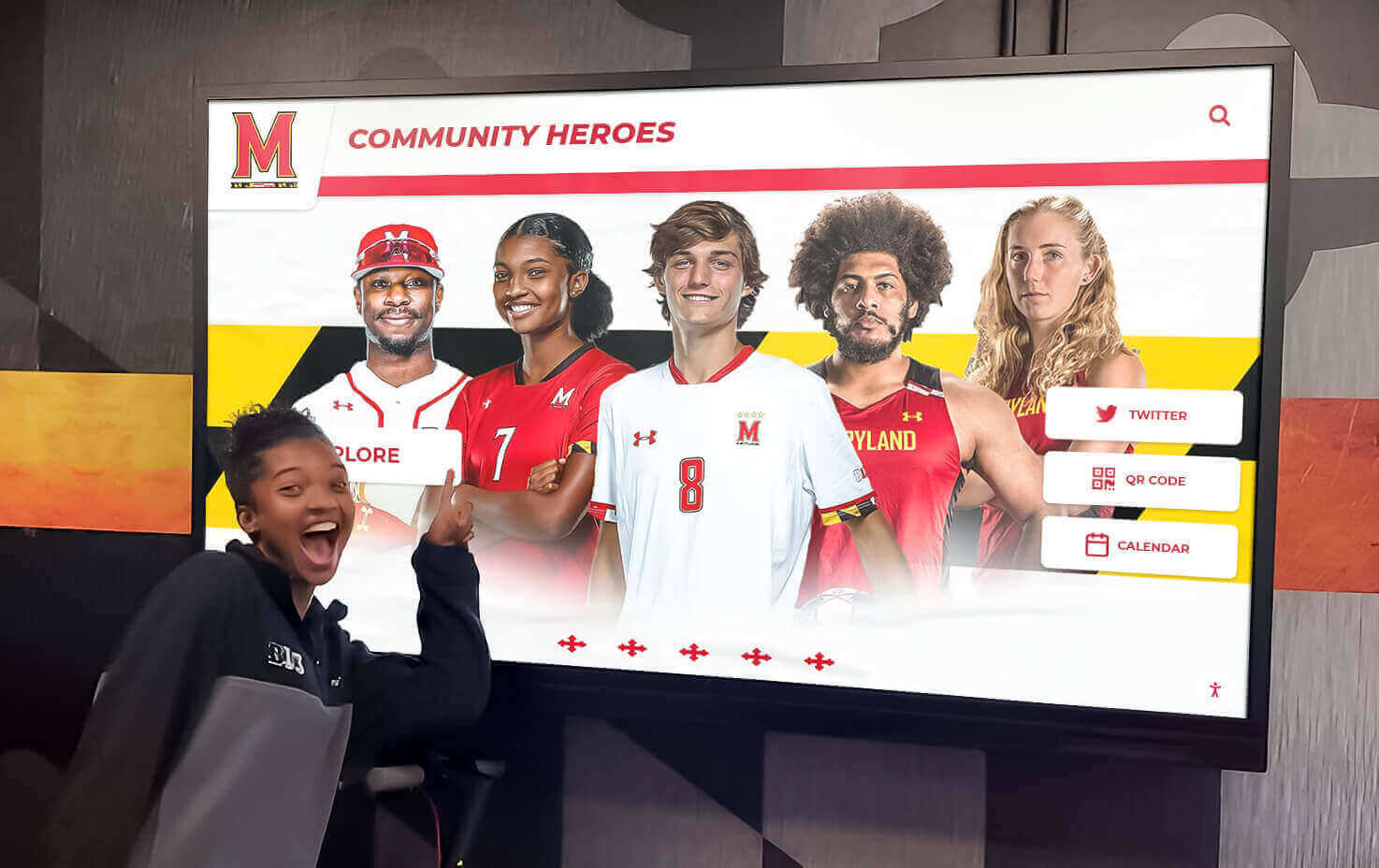
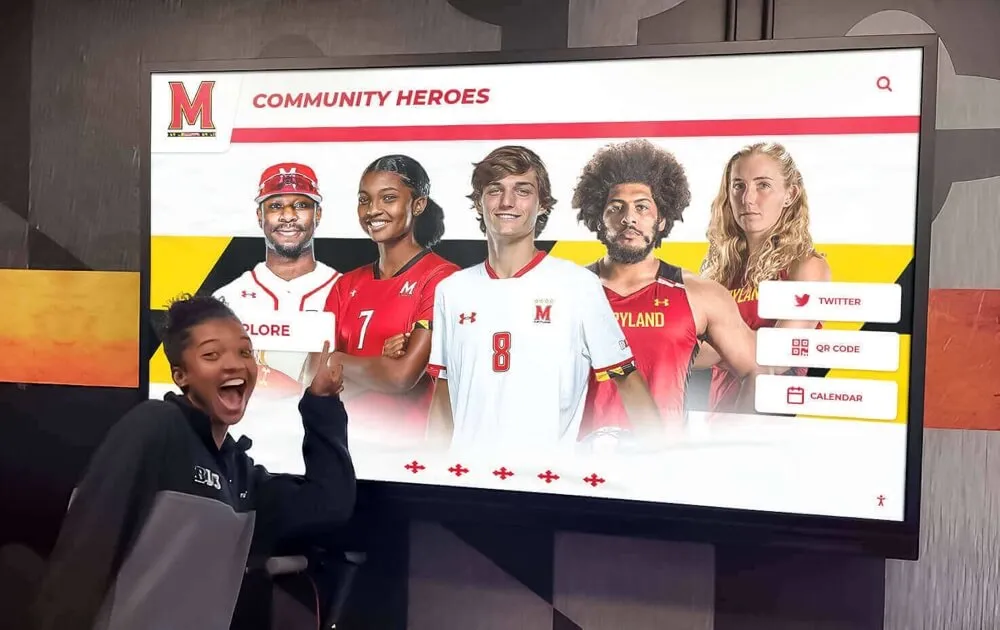
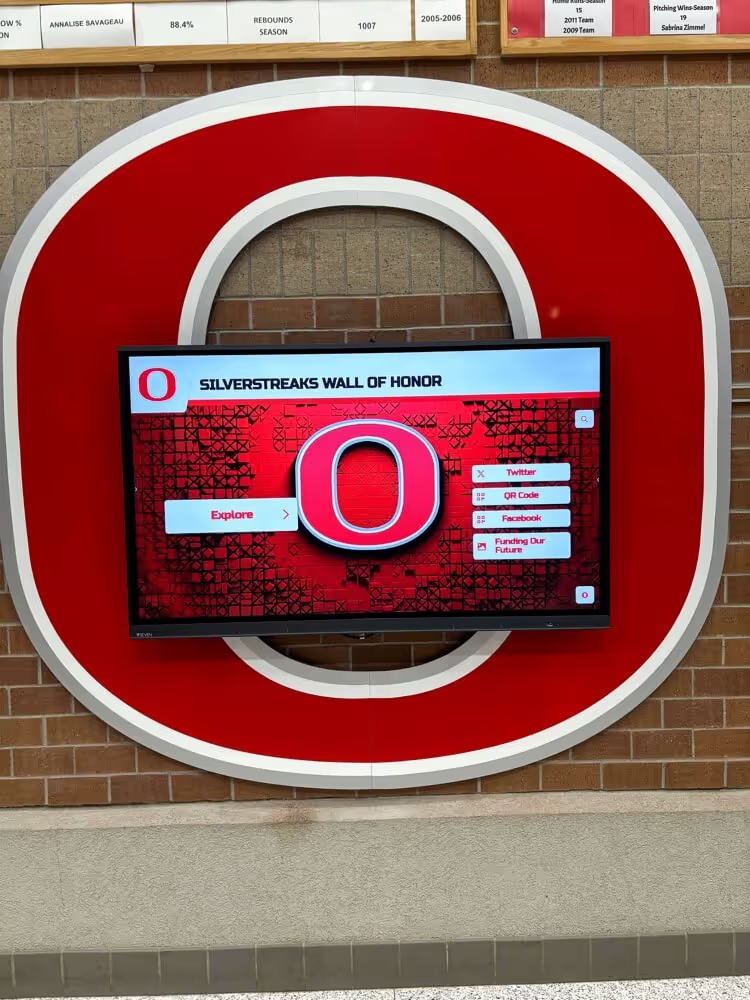
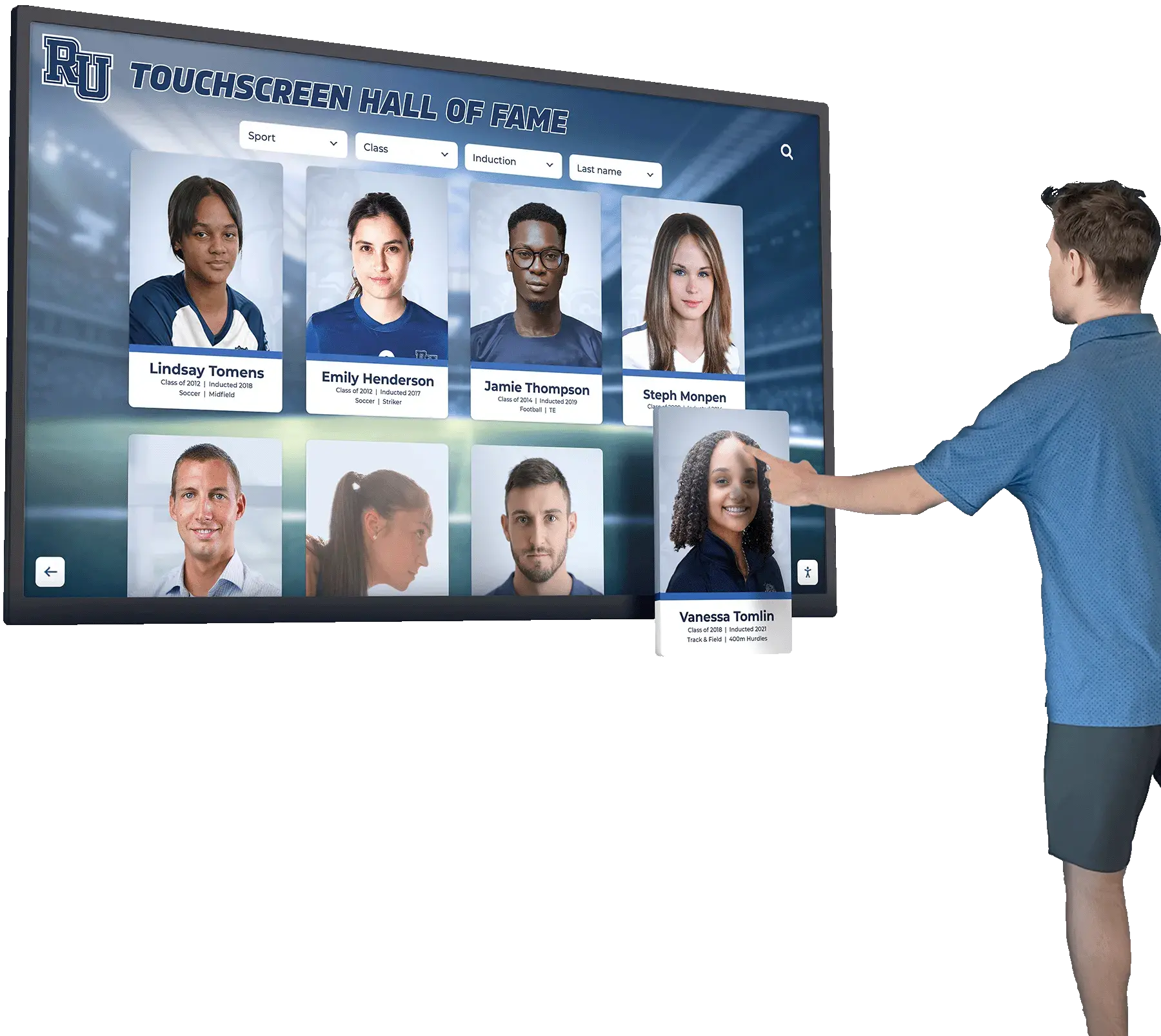
Interactive displays engage students with winter sports achievements, inspiring current athletes through visible celebration of past excellence
Creating Comprehensive Winter Sports Recognition Programs
Strategic Recognition Planning
Effective winter sports recognition requires systematic approaches ensuring all programs receive appropriate celebration:
Achievement Category Development
Identify recognition categories appropriate for each winter sport:
- Championship achievements (conference, sectional, state)
- Individual excellence (all-conference, all-state, statistical leaders)
- Milestone accomplishments (career scoring, win totals, time standards)
- Improvement recognition (most improved, breakthrough performances)
- Character awards (sportsmanship, leadership, dedication)
- Academic achievement (scholar-athlete, academic all-state)
- Team contributions (captain recognition, unsung heroes)
Content Development Workflow
Systematic processes ensure timely recognition throughout seasons:
- Weekly athlete spotlight features during competitive seasons
- Real-time statistical tracking identifying achievement milestones
- Photo collection protocols capturing achievement moments
- Coach input gathering documenting observations beyond statistics
- Senior profile development during final seasons
- Historical research preserving past achievement documentation
- Post-season comprehensive recognition compilation
Platform Selection Considerations
Schools evaluating digital recognition systems should assess:
- Unlimited storage capacity supporting comprehensive multi-sport recognition
- Intuitive content management enabling busy coaches and athletic staff
- Mobile-responsive web access extending reach beyond physical displays
- Robust search and filtering for discovery across large achievement databases
- Integration capabilities with existing school systems and websites
- Analytics revealing engagement patterns informing future improvements
- Support and training ensuring successful implementation and adoption
Discover platform approaches in digital hall of fame buying guides with evaluation frameworks for schools.
Building Winter Sports Culture and Tradition
Beyond scheduling logistics and recognition systems, successful winter sports programs cultivate distinctive culture celebrating season-specific traditions, building team cohesion, and creating memorable experiences athletes remember long after graduation.
Winter Sports Traditions and Rituals
Creating Memorable Seasonal Traditions
Schools build winter sports identity through season-specific traditions:
Opening Season Kickoffs
- All-winter-sports pep rallies introducing teams
- Poster campaigns in hallways featuring winter athletes
- Social media countdown to season opening competitions
- Community events previewing upcoming winter programs
In-Season Traditions
- Theme nights for basketball games (blackout night, student section contests)
- Senior night celebrations honoring graduating winter athletes
- Rivalry game emphasis and tradition building
- Holiday tournament hosting bringing community together
- Winter sports week celebrating all programs simultaneously
Season Conclusion Recognition
- Championship celebration assemblies honoring team success
- All-winter-sports banquets recognizing achievement across programs
- Senior athlete recognition nights celebrating careers
- Award presentations and letter ceremonies
- Season highlight videos preserving memorable moments
Spirit and Community Building
Winter sports programs strengthen through community engagement strategies:
- Team meals and social events building cohesion beyond practice
- Community service projects connecting athletes with broader community
- Youth clinic opportunities where athletes mentor younger students
- Alumni athlete return events connecting past and present programs
- Family engagement activities involving parents in program traditions
These traditions create identity and belonging making winter sports participation meaningful beyond competitive outcomes alone—particularly important during cold, dark winter months when maintaining motivation and team morale requires intentional culture building beyond what naturally emerges from outdoor spring sports or fall football traditions.
Explore tradition building in school assembly recognition ideas celebrating athletic achievement.
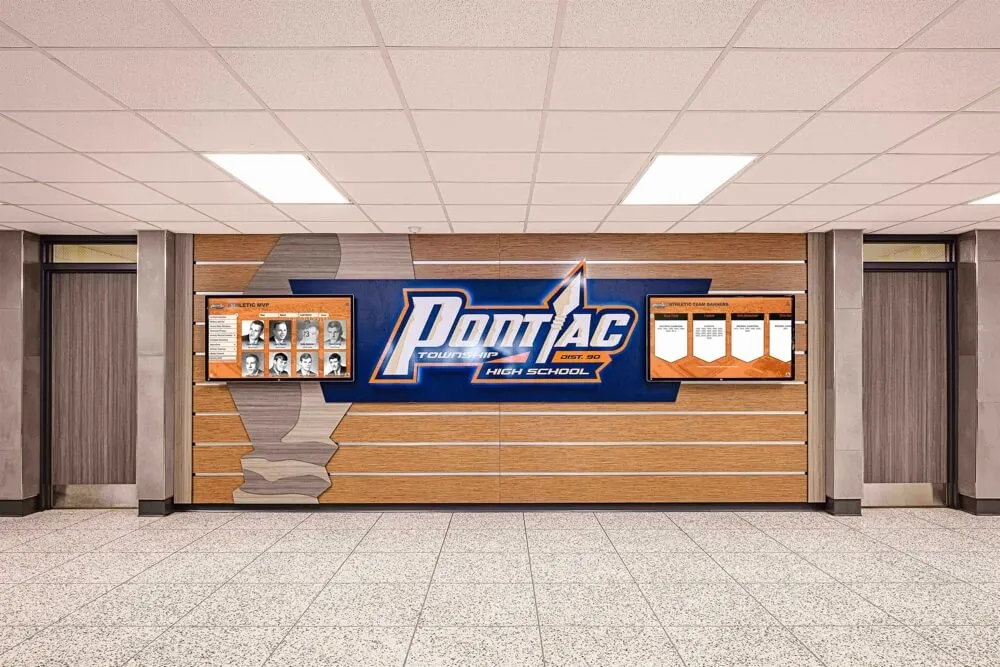
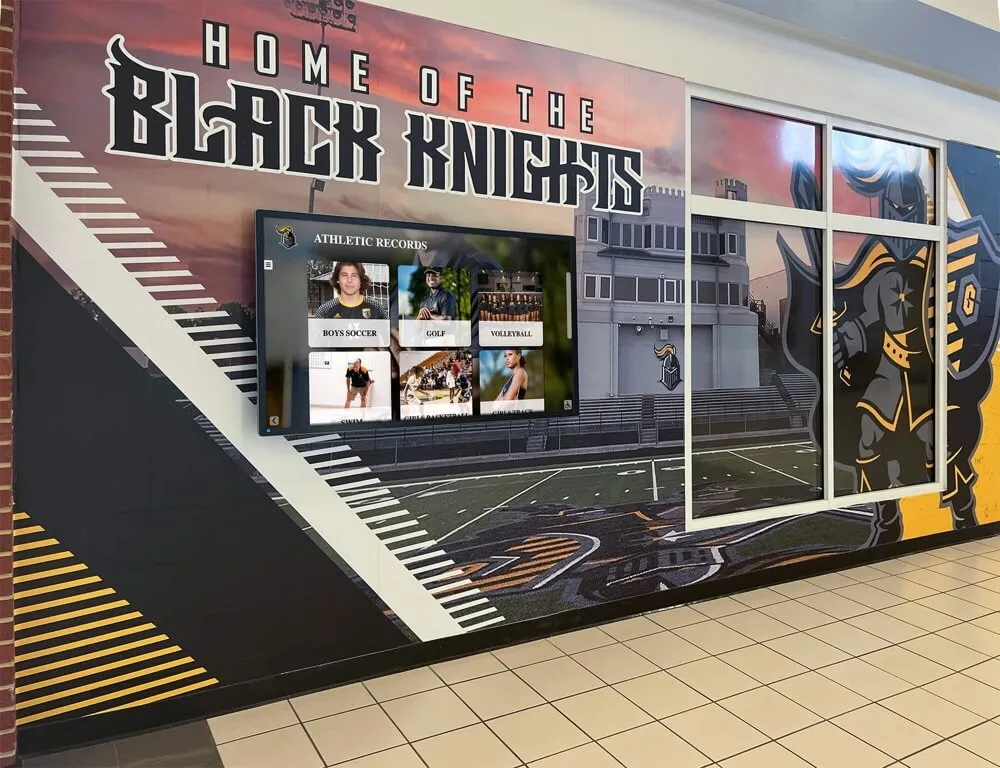
Dedicated athletic recognition spaces in main hallways ensure winter sports achievements receive prominent visibility among entire school communities
Leadership Development Through Winter Sports
Building Leaders Through Athletic Participation
Winter sports provide unique leadership development opportunities beyond competitive skill development:
Formal Leadership Roles
- Team captains representing athlete interests and setting standards
- Senior athlete mentorship of younger program participants
- Weight room and conditioning leadership maintaining training culture
- Academic monitoring supporting teammate classroom success
- Community representation at school and public events
Informal Leadership Opportunities
- Practice intensity setting work ethic standards
- Positive attitude maintenance during adversity
- Encouragement provision supporting struggling teammates
- Conflict resolution within team dynamics
- New athlete integration welcoming program newcomers
Coach Development of Leadership
Intentional leadership development strategies include:
- Captain selection processes with clear criteria and expectations
- Leadership meetings addressing team culture and challenge situations
- Delegation of responsibilities distributing leadership across rosters
- Leadership recognition in awards programs honoring various contributions
- Post-season reflection on leadership growth and development
Leadership development justifies athletic program investment beyond competitive outcomes alone—winter sports participation builds character, resilience, time management, teamwork, and leadership capabilities serving students throughout academic careers, college experiences, and professional lives regardless of whether athletic careers continue beyond high school.
Discover leadership recognition in coaches appreciation programs celebrating mentorship and development.
Academic Integration and Scholar-Athlete Programs
Comprehensive winter sports programs maintain strong academic emphasis ensuring athletic participation supports rather than compromises educational objectives—the fundamental purpose of high school athletics within educational institutions.
Maintaining Academic Standards During Winter Season
Academic Eligibility Requirements
Most state athletic associations and individual schools establish academic eligibility standards for athletic participation:
- Minimum GPA requirements (commonly 2.0 or higher)
- Grade check periods tracking academic progress
- Failing grade limitations preventing participation
- Progress toward graduation requirements
- Attendance standards linking school presence to athletic eligibility
These standards reinforce academic priority while enabling athletic participation for students maintaining appropriate academic performance—balancing access with accountability ensuring athletics support educational missions.
Study Support Programs
Successful programs provide academic support structures helping athletes succeed:
- Mandatory study tables for struggling students
- Tutor access for specific subject assistance
- Schedule coordination preventing conflicting demands
- Communication between coaches and teachers
- Progress monitoring identifying concerns early
- Recognition celebrating academic excellence
Scholar-Athlete Recognition Programs
Celebrating Academic Achievement Alongside Athletic Excellence
Winter sports programs should systematically celebrate academic achievement parallel to competitive recognition:
Individual Academic Recognition
- Team GPA leaders each marking period
- Academic improvement awards
- Honor roll and high honor roll celebration
- National Honor Society athlete recognition
- Advanced Placement and academic rigor acknowledgment
Team Academic Achievement
- Highest team GPA recognition across all winter sports
- Academic All-Conference team honors
- Academic All-State recognition programs
- Team GPA tracking and celebration
- Improvement recognition for team academic growth
Integrated Recognition Approaches
Digital recognition systems enable seamless integration of academic and athletic achievement:
- Combined athlete profiles displaying both achievements
- Scholar-athlete filtering and search capabilities
- Academic award categories alongside athletic honors
- GPA inclusion in athlete statistics and information
- Academic narrative integration in achievement stories
This integrated approach reinforces that academic and athletic excellence represent complementary rather than competing priorities—sending clear message that schools value complete student development across all dimensions rather than athletics in isolation from educational core mission.
Learn about academic athletic recognition in academic all-americans displays celebrating combined achievement.

Interactive athlete profiles enable comprehensive celebration including both athletic achievements and academic excellence in scholar-athlete recognition
Budget and Resource Considerations for Winter Sports
Operating comprehensive winter sports programs requires significant financial investment, strategic resource allocation, and creative funding approaches ensuring equitable program quality across all sports regardless of revenue generation or tradition strength.
Winter Sports Budget Components
Major Cost Categories
Winter sports programs incur various recurring costs:
Personnel Costs
- Head coach salaries across all winter programs
- Assistant coach stipends
- Officials fees for home competitions
- Athletic training staff coverage
- Transportation staff for away competitions
Facility and Equipment
- Basketball equipment (balls, uniforms, practice gear)
- Wrestling mats, headgear, and weight management equipment
- Swimming facility rental (for schools without pools)
- Indoor track facility access fees
- Maintenance and replacement of aging equipment
Competition Costs
- League and conference fees
- State tournament entry fees
- Transportation for away competitions
- Official fees for home contests
- Tournament hosting expenses
Recognition and Awards
- End-of-season awards and trophies
- Letter jackets and varsity recognition
- All-conference and special achievement awards
- Banquet costs and facility rental
- Digital recognition platform subscriptions
Total Budget Ranges
Comprehensive winter sports programs typically require:
- Small schools (< 500 students): $75,000-$150,000 annually
- Medium schools (500-1,500 students): $150,000-$350,000 annually
- Large schools (> 1,500 students): $350,000-$750,000+ annually
Budget requirements vary significantly based on number of sports offered, team levels (varsity/JV/freshman), facility ownership versus rental, and competitive level pursued across programs.
Funding Sources and Revenue Generation
Supporting Winter Sports Programs
Schools fund winter athletics through diverse revenue sources:
School District Funding
- General operating budgets allocated to athletics
- Capital improvement funding for facilities
- Transportation services supporting competitions
- Personnel costs for coaching staff
Gate Receipts
- Basketball game admission (significant revenue generator)
- Wrestling meet admission
- Tournament hosting revenue
- Playoff game proceeds
Booster Organizations
- Direct financial support for programs
- Fundraising events (golf outings, auctions, raffles)
- Concession operation revenue
- Spirit wear sales and merchandise
Corporate Sponsorships
- Gymnasium banner advertising
- Program advertising sales
- Named recognition opportunities
- Equipment or uniform sponsorships
Grants and Donations
- Alumni contributions designated for athletics
- Community foundation grants
- Corporate foundation support
- Memorial gifts honoring deceased community members
Strategic diversification prevents over-reliance on single funding sources while building broader community investment in winter sports programs beyond just district operational budgets.
Technology Integration for Modern Winter Sports Programs
Beyond recognition displays, technology transforms multiple dimensions of winter sports programs—from training and performance analysis to communication and fan engagement.
Performance Technology and Analytics
Data-Driven Athlete Development
Modern programs leverage technology for performance enhancement:
Video Analysis
- Game film review identifying improvement areas
- Technique analysis for skill development
- Scouting opponents and strategic planning
- Highlight creation for recruiting and recognition
- Athlete self-evaluation promoting ownership
Performance Tracking
- Swimming time databases tracking improvement
- Wrestling match statistics and trend analysis
- Basketball shooting percentages and efficiency metrics
- Strength and conditioning progress monitoring
- Injury tracking and recovery documentation
Wearable Technology
- Heart rate monitoring during training
- GPS tracking for conditioning programs
- Sleep and recovery monitoring
- Workload management preventing overtraining
- Biometric data informing individualized programs
These technological approaches enable more sophisticated athlete development than traditional coaching observation alone—though technology should enhance rather than replace coaching judgment and athlete-coach relationships central to effective athletic programs.
Communication and Family Engagement Platforms
Connecting Programs with Communities
Technology improves communication throughout winter seasons:
Team Communication Platforms
- Schedule distribution and real-time updates
- Practice and competition information
- Weather-related cancellation notifications
- Team announcements and logistics
- Document sharing (forms, calendars, handbooks)
Family Engagement
- Live-streaming competitions for remote viewing
- Score and result notifications
- Athlete spotlight features and recognition
- Photo galleries from competitions and practices
- Fundraising campaign information
Social Media Presence
- Competition promotion building attendance
- Score updates and game highlights
- Athlete recognition and achievement celebration
- Behind-the-scenes content building program identity
- Alumni engagement connecting past and present programs
Digital Recognition Integration
Platforms like Rocket Alumni Solutions integrate recognition with broader communication strategies:
- Recognition content automatically shared on social media
- Family notifications when athletes receive new recognition
- Easy sharing enabling families to promote achievements
- Analytics revealing engagement patterns and reach
- Web accessibility extending recognition beyond school buildings
This comprehensive technology integration creates modern winter sports programs meeting contemporary communication expectations while enhancing traditional coaching, training, and recognition functions that remain central to effective athletic programs.
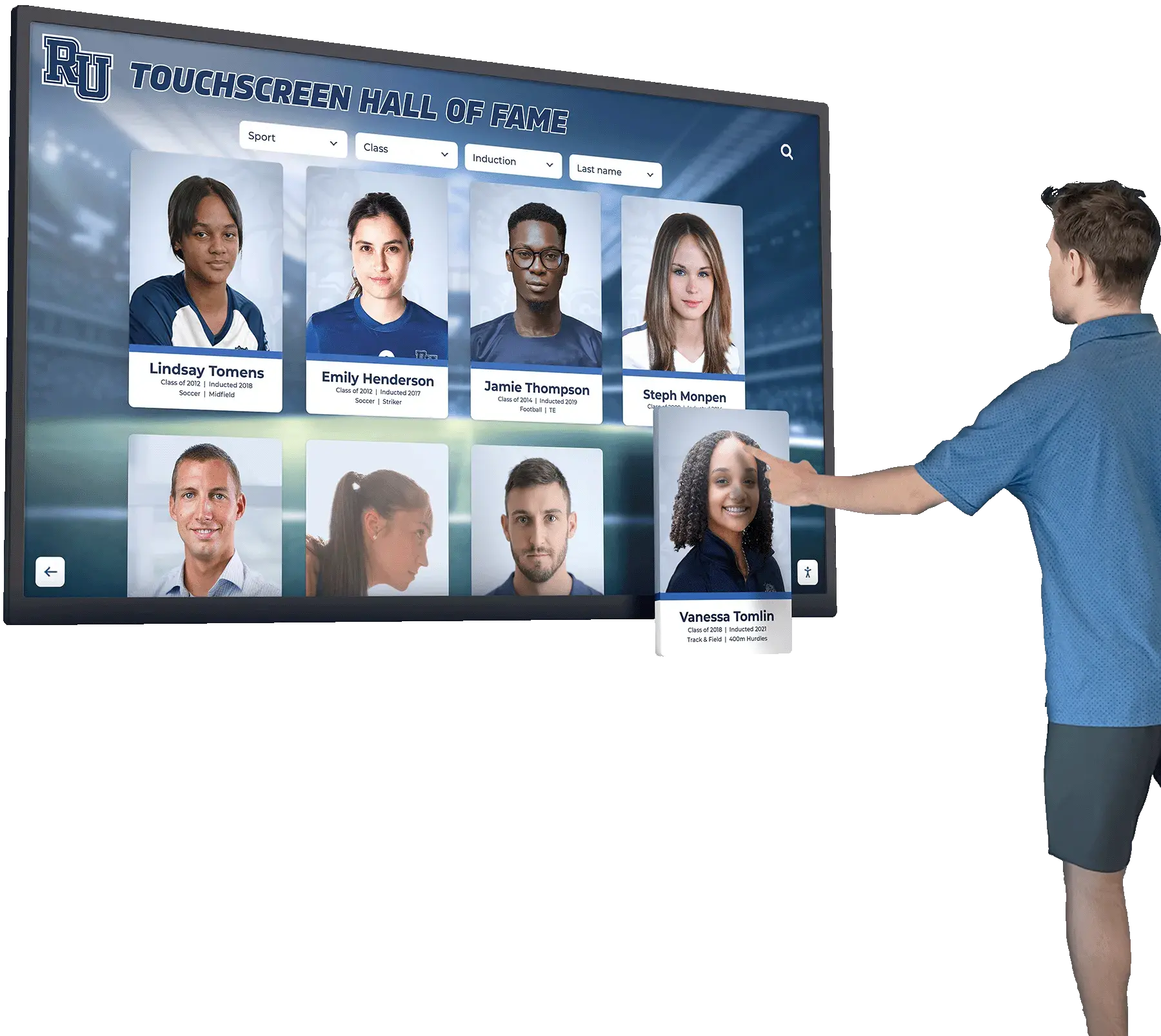
User-friendly touchscreen interfaces enable intuitive exploration of winter sports achievements by athletes, families, and visitors
Conclusion: Celebrating Winter Sports Excellence Through Comprehensive Recognition
Winter sports in high school represent critical components of comprehensive athletic programs—providing competitive opportunities, leadership development, academic integration, and community engagement during months when outdoor athletics pause and gymnasium-based competition takes center stage across American high schools.
From basketball’s spectator appeal and wrestling’s individual-team format to swimming’s technical precision and indoor track’s speed, winter sports serve diverse student interests while demanding sophisticated facility coordination, equitable recognition approaches, and sustainable program funding ensuring quality across all offerings regardless of tradition strength or revenue generation capability.
Celebrate Winter Sports Excellence with Modern Recognition
Discover how digital recognition platforms can help your school celebrate basketball, wrestling, swimming, and all winter sports achievements through interactive displays providing unlimited capacity, year-round visibility, and comprehensive athlete profiles that traditional trophy cases simply cannot match.
Explore Recognition SolutionsModern recognition technology transforms how schools celebrate winter athletic achievement—moving beyond space-constrained trophy cases and annual banquets toward comprehensive digital platforms showcasing unlimited athletes across all sports through multimedia profiles, real-time updates, and year-round visibility in high-traffic areas where students, families, and communities naturally gather.
Solutions like Rocket Alumni Solutions enable schools to celebrate every winter athlete appropriately—from all-state basketball players and state champion wrestlers to swimming record-holders and leadership award recipients—ensuring comprehensive recognition that motivates current athletes while preserving program legacies for future generations discovering winter sports traditions inspiring their own athletic journeys.
Your winter sports programs deserve recognition systems matching athlete dedication, competitive excellence, and community support defining seasons. Whether enhancing existing trophy cases with complementary digital displays or implementing comprehensive platforms serving multiple recognition objectives simultaneously, thoughtful technology integration creates winter sports celebration worthy of athlete achievements and program traditions.
Ready to transform your winter sports recognition? Explore how digital recognition displays celebrate basketball excellence, wrestling achievement, swimming records, and comprehensive winter athletic programs through engaging interactive platforms extending recognition far beyond traditional approaches while remaining accessible, sustainable, and aligned with educational athletic values central to high school sports.