



Every decade or so, a handful of former classmates open their inboxes, find a message from someone they barely remember, and discover that someone has been quietly doing an enormous amount of work to pull the class back together. That “someone” is almost never one person. The answer to who plans high school reunions almost always turns out to be a small, unpaid committee of volunteers, often supported in varying degrees by a school alumni office, and occasionally assisted by a professional event planner who specializes in exactly this kind of occasion.
Understanding who actually carries this responsibility—and what tools they rely on—matters for anyone being asked to step into that role for the first time, anyone evaluating whether their current approach is working, and anyone who wants to make their next reunion feel like something genuinely worth attending rather than an obligation dressed up as a party.
High school reunion planning has evolved significantly from the era of paper invitations and phone-tree logistics. Today’s organizers juggle reunion websites, social media groups, digital recognition displays, and hybrid attendance options—all while coordinating volunteers across multiple states. The infrastructure behind a well-run reunion looks nothing like it did twenty years ago, and the people responsible for building that infrastructure deserve a clearer picture of what they’re actually signing up for.

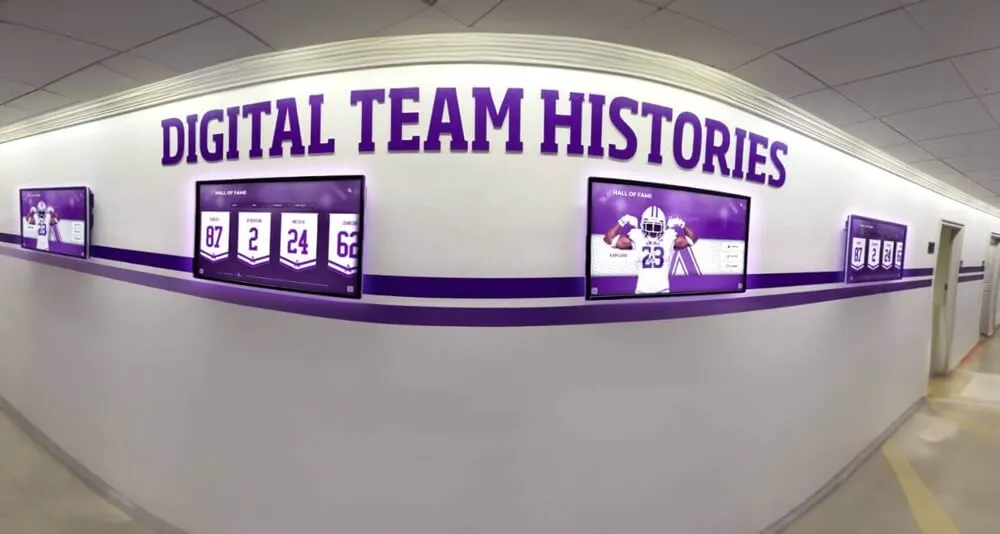
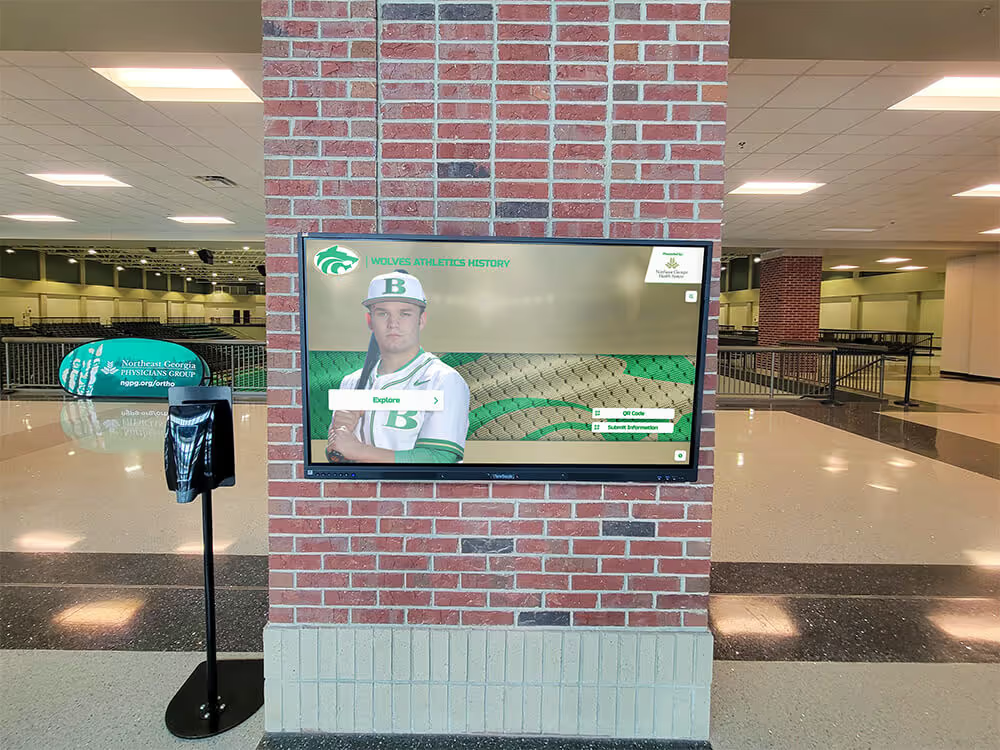
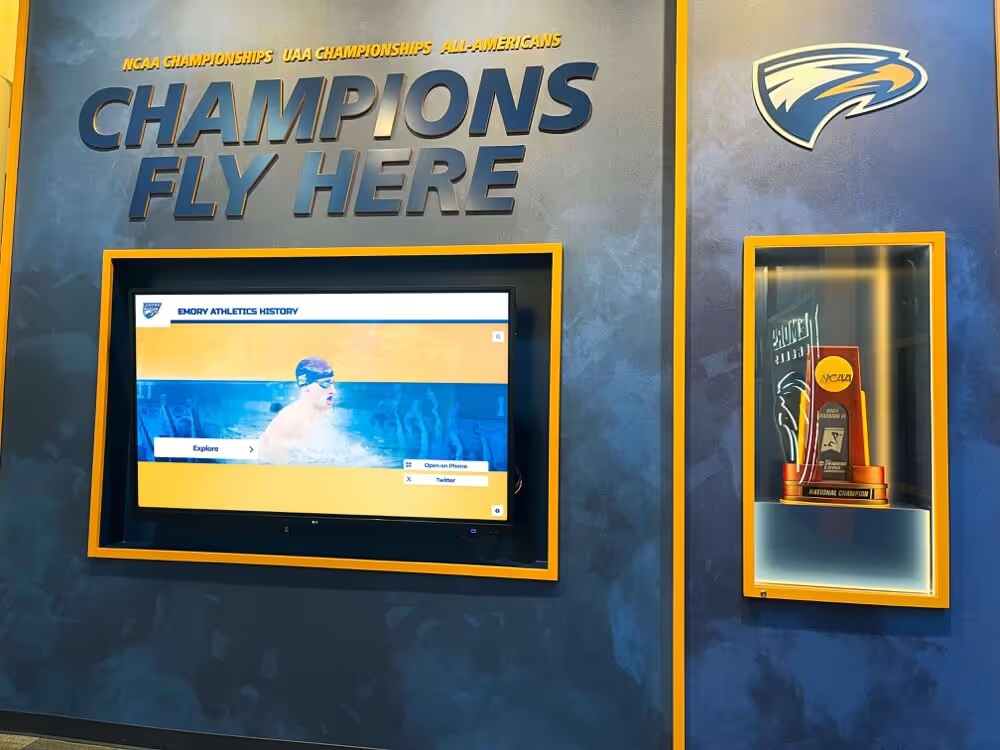
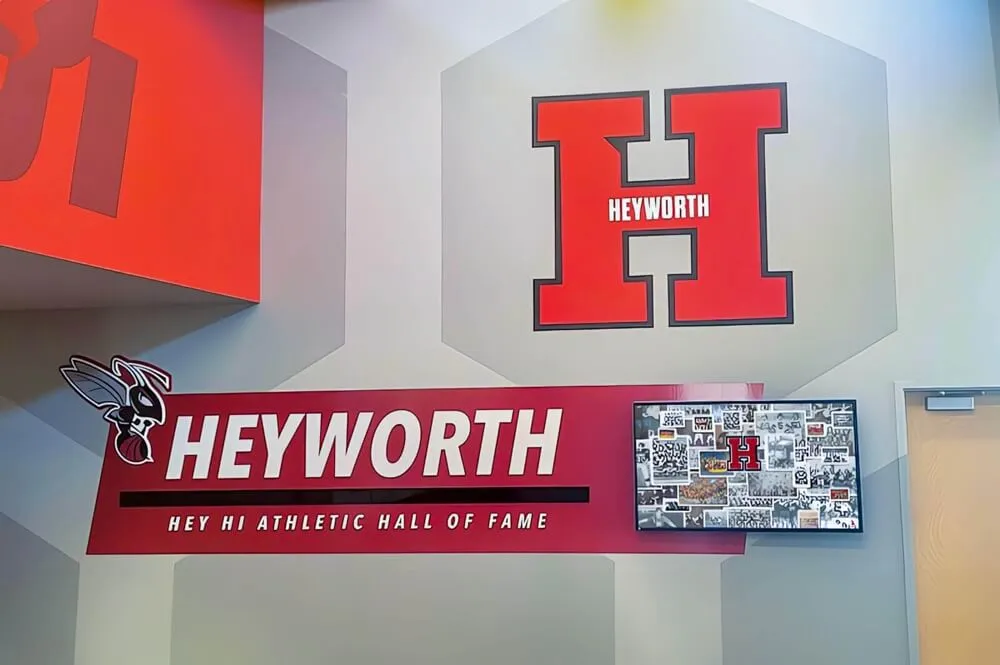
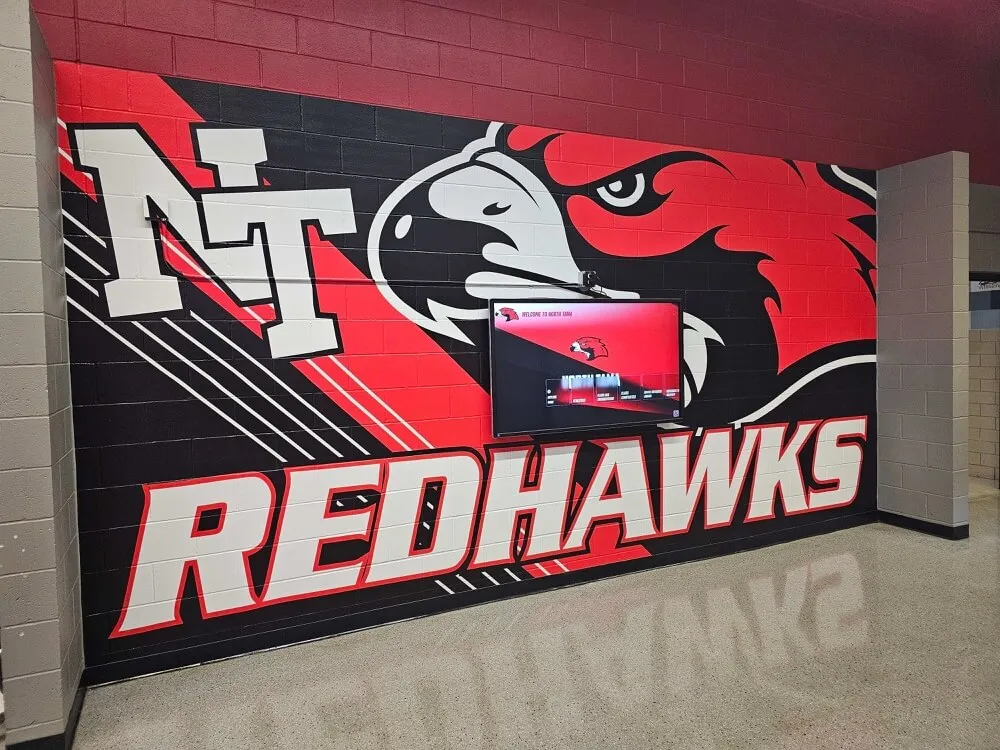
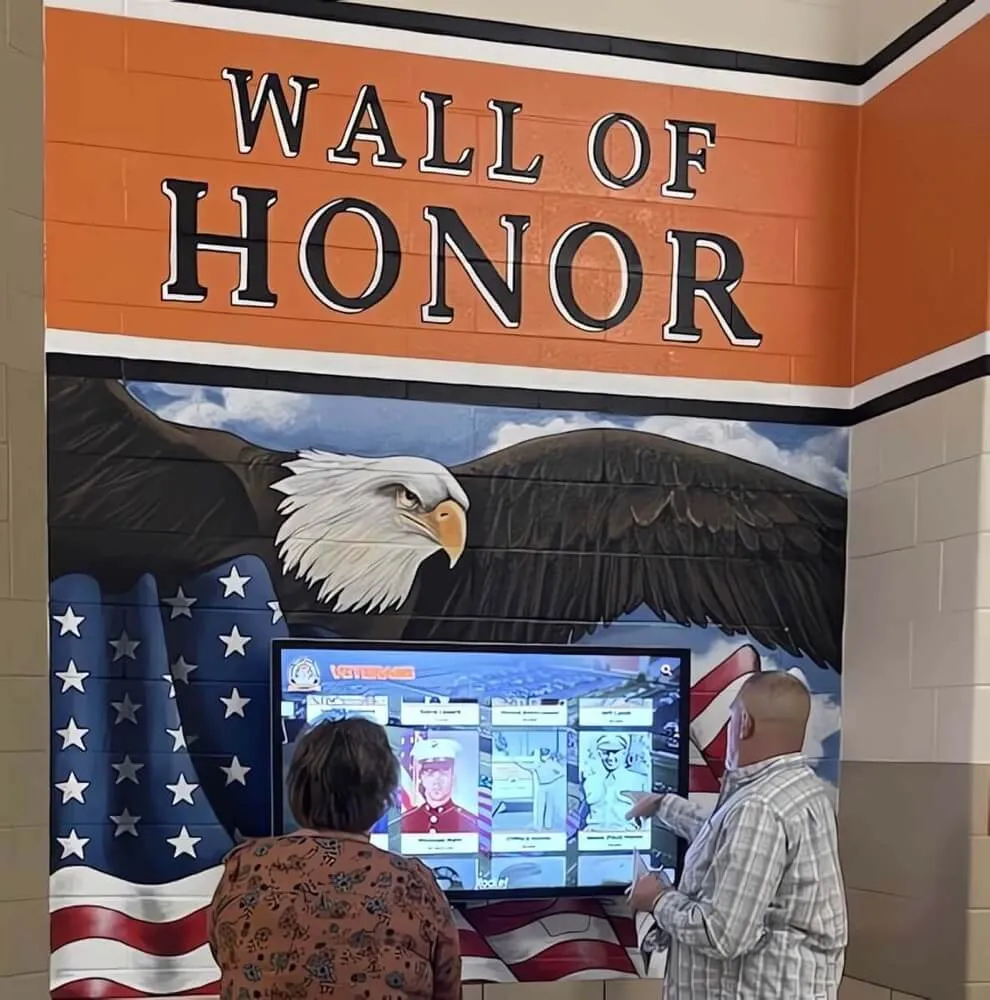
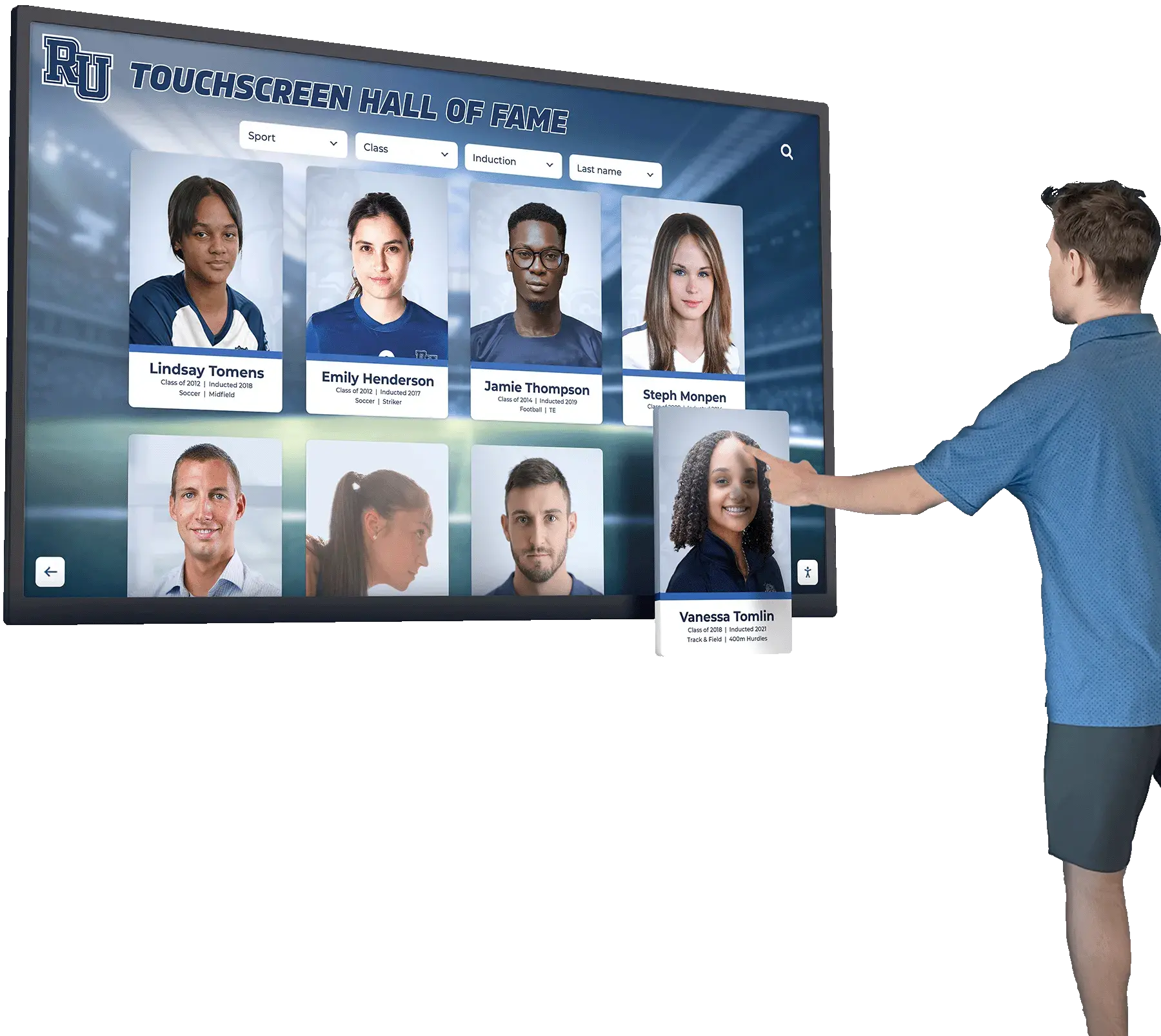
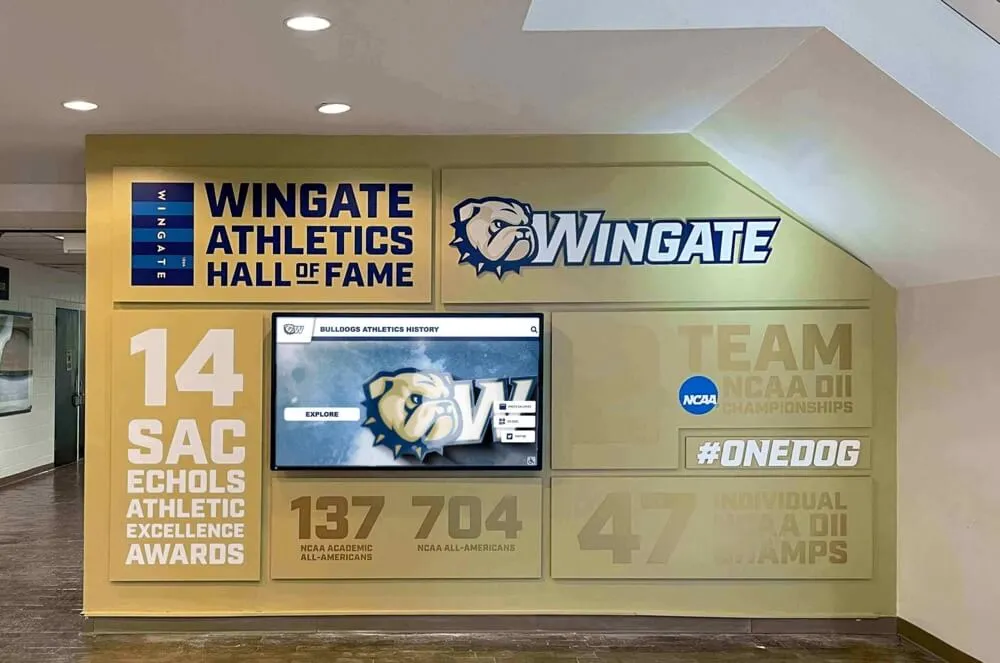
Campus spaces that blend school heritage with modern digital displays set the tone for what attendees experience the moment they walk through the door at a reunion
The Class Reunion Committee: Volunteer Planners Who Do Most of the Work
In the large majority of cases, the direct answer to who plans high school reunions is a volunteer class reunion committee. These are former students—often three to eight people—who either stepped forward voluntarily, were recruited by the most organized person in the class, or simply inherited the role from whoever ran the last gathering.
How Reunion Committees Form
Committees rarely form through any formal process. The more common pattern is one or two highly motivated classmates deciding that a reunion should happen, then recruiting others through class Facebook groups, alumni email lists, or direct outreach to people they remember as organized or connected. The initial organizers often self-select based on personality traits rather than planning credentials: they are the people who stayed in touch with the most classmates, the ones who enjoyed coordinating events in high school, or simply the ones who responded to the group message thread before anyone else did.
For classes with active alumni offices or booster organizations, the institution may reach out proactively to identify committee volunteers. For classes without that infrastructure, the committee is entirely self-organized and self-directed.
Core Roles Within a Typical Committee
Successful reunion committees distribute responsibility across several distinct functions rather than piling everything onto a single person:
Committee Chair or Co-Chairs: Sets the overall vision, keeps the planning timeline on track, and serves as the primary decision-maker when the group needs to resolve competing priorities. This role benefits from someone who plans ahead and follows through on commitments—qualities that align closely with what it takes to lead any team through a long preparation process.
Treasurer: Manages the budget, handles ticket sales and payment processing, tracks expenses, and produces financial reports so the committee can make informed decisions about where to invest and where to cut.
Communications Coordinator: Owns outreach—managing the email list, running social media accounts, and crafting the messages that actually convince classmates to register. This person is often the difference between an underpopulated gathering and a sold-out event.
Logistics Chair: Handles vendor relationships, venue coordination, catering contracts, audio-visual setup, and the day-of timeline that keeps the event running smoothly.
Class Locator: Dedicated to tracking down missing classmates whose contact information has changed since graduation—a task that requires creative research skills and a tolerance for dead ends.
Not every committee covers all these roles explicitly, and in smaller classes a single person may carry two or three of them. But the underlying functions need to be covered by someone, or critical planning elements fall through the gaps.
Common Challenges Committees Face
Volunteer-run committees encounter predictable obstacles regardless of class size or reunion milestone:
- Uneven workload distribution: The most organized members absorb disproportionate responsibility while others contribute inconsistently.
- Lost contact information: Classes that graduated before widespread social media adoption often struggle to locate 30–50% of their classmates.
- Budget uncertainty: Registration pricing must be set before attendance numbers are known, making financial planning inherently speculative.
- Competing schedules: Volunteers living in different states coordinate across time zones without the infrastructure that makes professional event planning efficient.
- Declining engagement over iterations: Classes that hold multiple reunions often find the core committee shrinking each time as original volunteers age out of active planning roles.
These are manageable challenges when committees plan early, communicate clearly, and use the right tools—but they regularly derail reunions when they’re addressed too late.
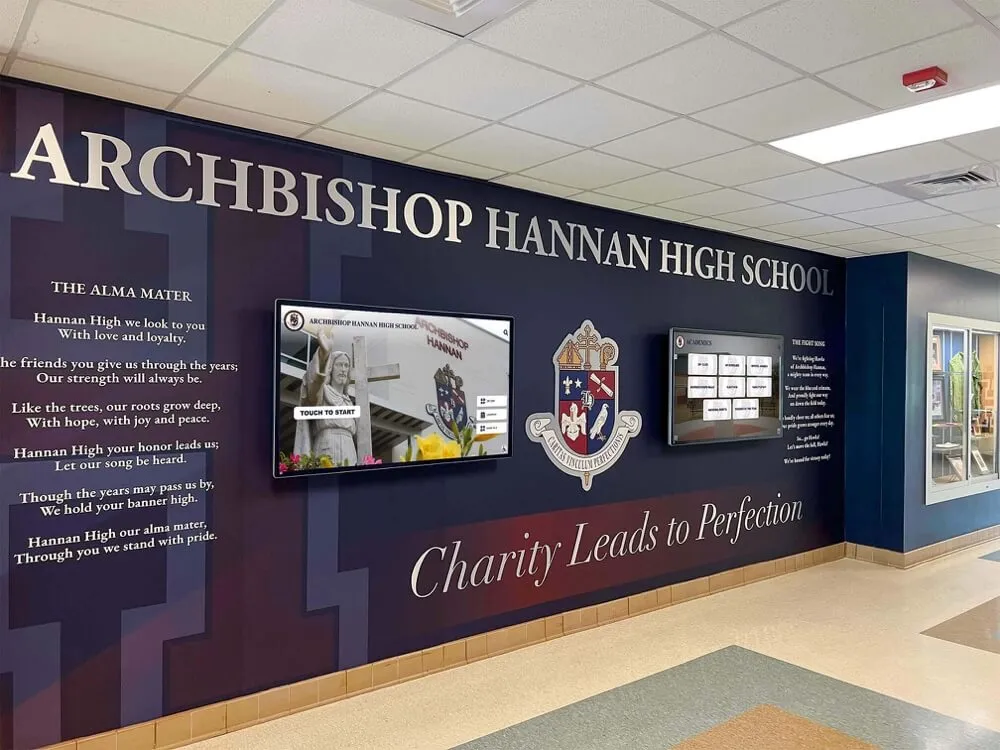
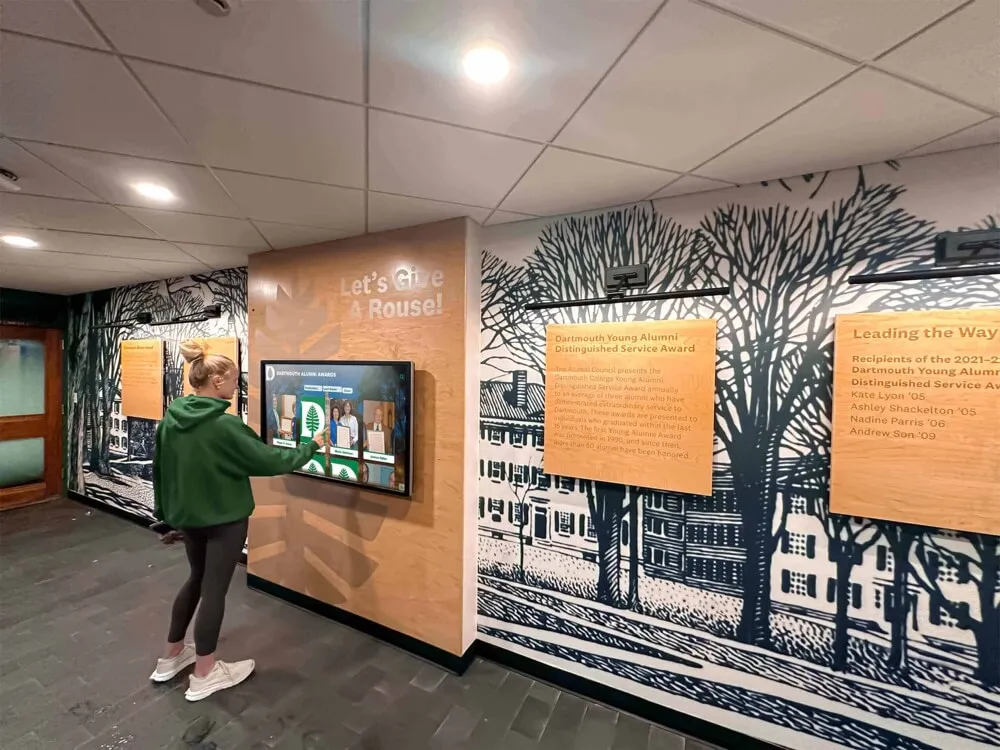
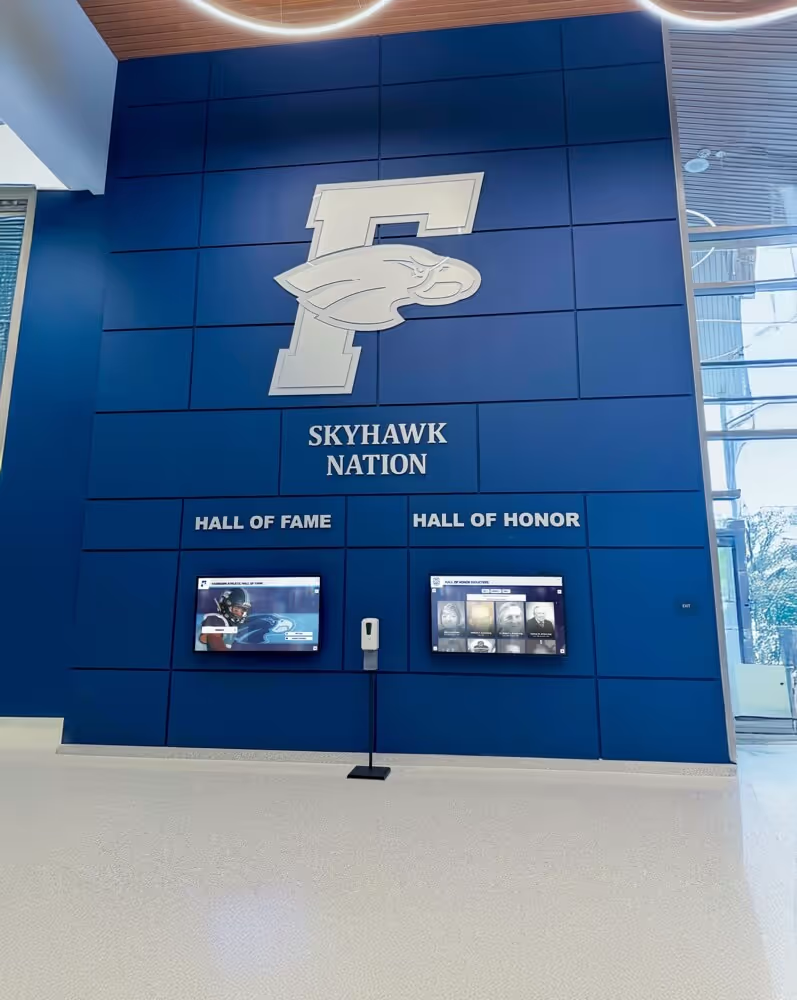
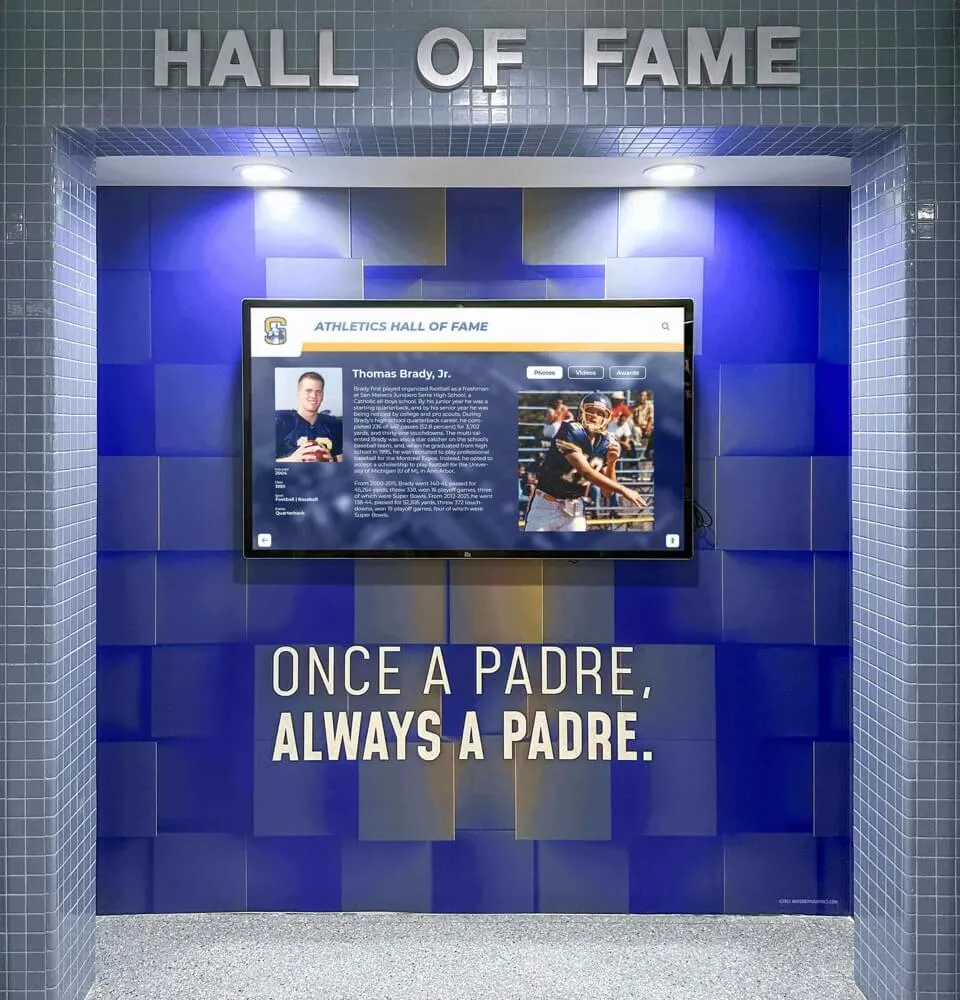
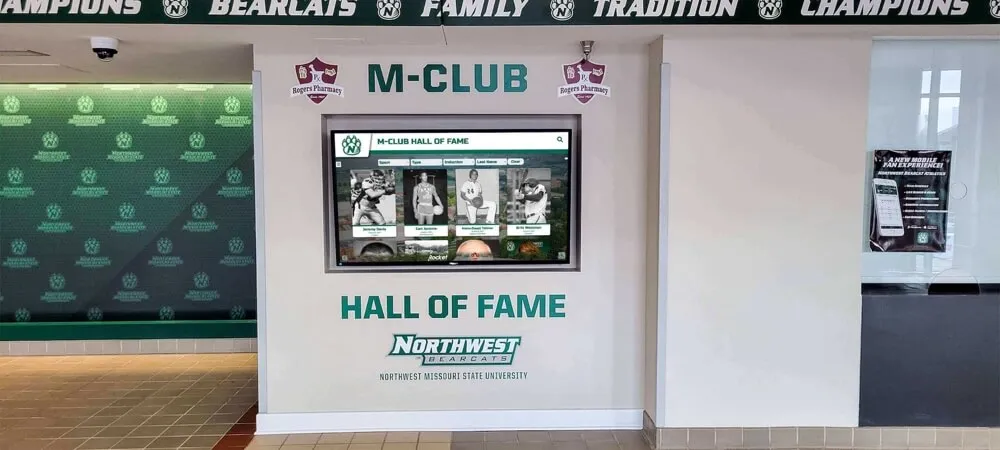
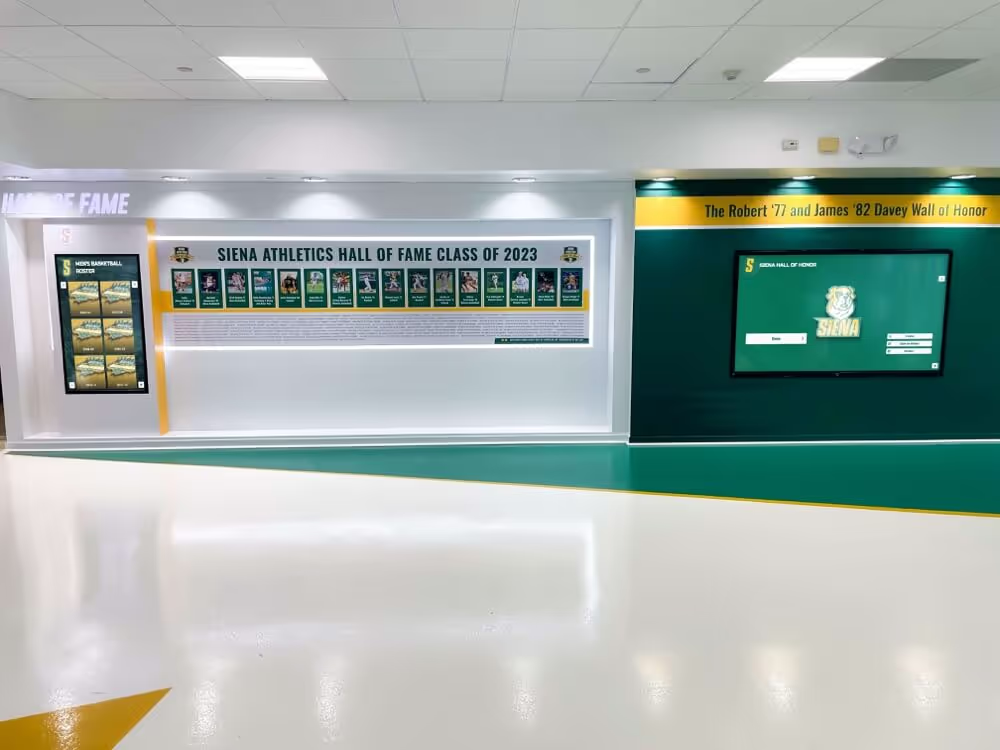
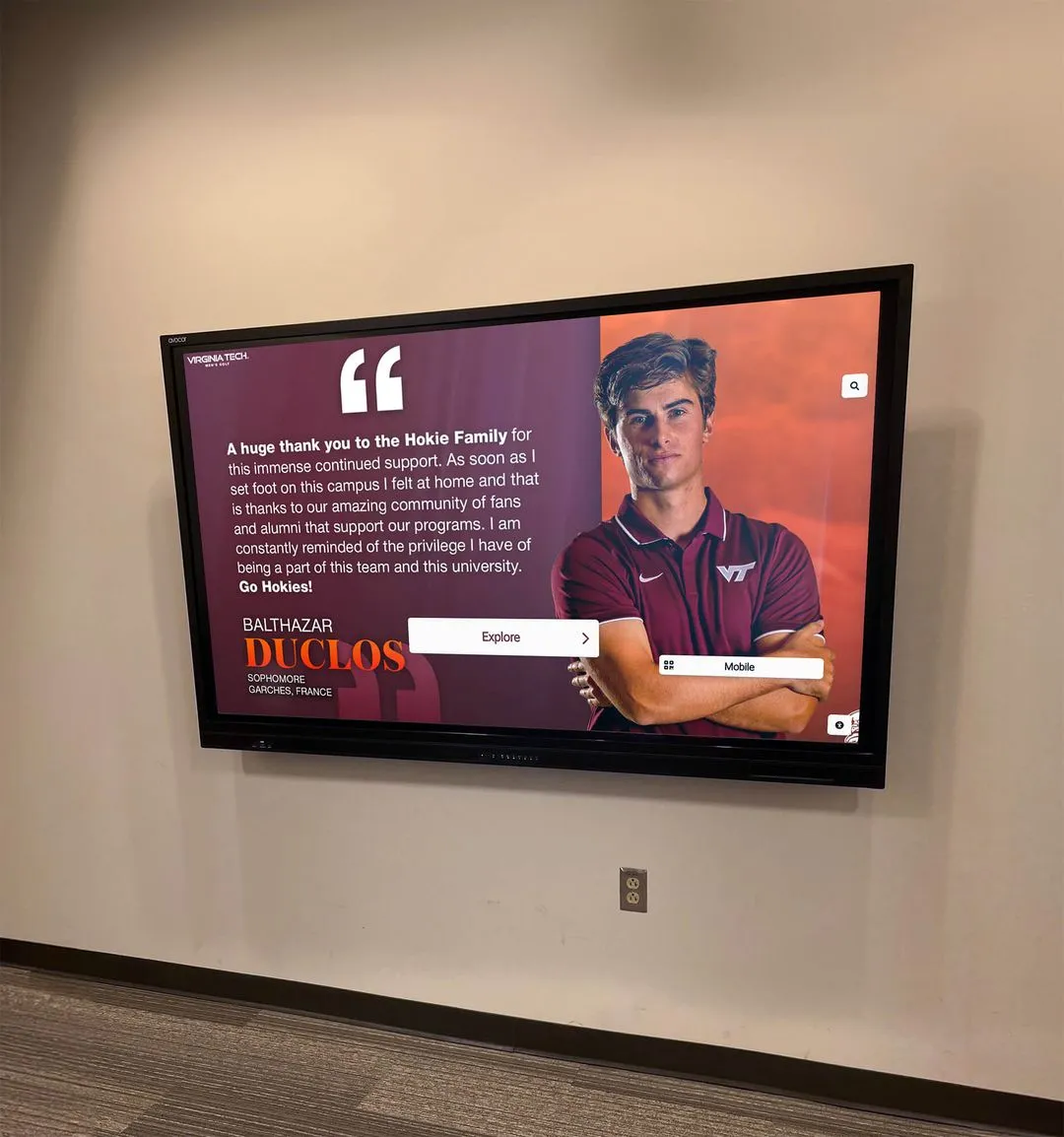
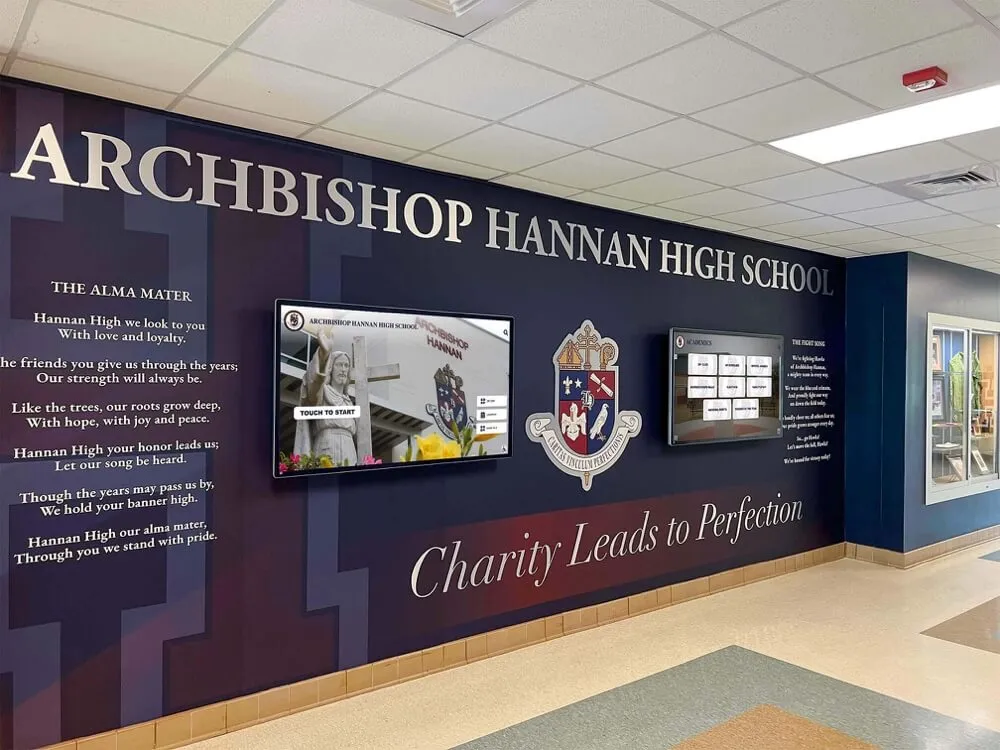
Alumni who return for reunions often gravitate toward recognition spaces that tell the story of what their class accomplished—a reason to build those spaces before attendees arrive
Alumni Offices and School Associations: Institutional Partners in Reunion Planning
Not all reunion planning happens entirely outside the school. Many institutions—particularly private high schools, Catholic schools, and schools with strong athletic traditions—maintain alumni offices or alumni associations that play an active supporting role in class reunions.
What Alumni Offices Actually Do
An alumni office is a school-employed or school-affiliated function responsible for maintaining graduate relationships across all graduating classes. When it comes to reunion planning, alumni offices typically provide:
Contact database access: Schools often maintain alumni mailing lists that class committees cannot access independently. Alumni offices serve as the connective tissue between the institution and its graduates, holding updated contact information that dramatically improves outreach reach.
Venue coordination: Schools frequently offer campus facilities to alumni for reunion events at reduced cost or as a direct service. The alumni office facilitates those arrangements, coordinates with facilities staff, and navigates the institutional requirements around insurance, security, and catering vendors.
Financial infrastructure: Some alumni offices maintain reunion fund accounts, accept donations on behalf of reunion committees, and provide tax documentation when classmates make contributions intended as school gifts rather than event fees.
Institutional history and archives: Alumni staff can pull yearbooks, historic photos, athletic records, and archived materials that enrich reunion programming. These archives become particularly valuable for milestone reunions (25-year, 50-year) where nostalgia is a central draw.
Communications support: Schools with alumni newsletters, social channels, and email lists can amplify reunion announcements to classmates who have lost touch with the committee’s own communications.
The Limits of Alumni Office Support
It’s worth being clear about what alumni offices typically don’t do: they rarely take on the operational work of planning the actual reunion. Their role is support and facilitation, not execution. The committee still coordinates vendors, manages the event timeline, and makes the dozens of micro-decisions that produce a functional gathering. Alumni offices that are underfunded or understaffed may only be able to provide the contact list and a venue referral, leaving committees to handle everything else independently.
For schools with no alumni office infrastructure at all—public high schools with limited administrative capacity, schools that have closed or merged, or schools whose alumni programming has lapsed—committees operate entirely independently, relying on social media platforms and their own networks as substitutes for institutional support.
Independent Alumni Associations
Some graduating classes establish independent alumni associations separate from any school structure. These are more common in college contexts but exist at the high school level as well, particularly in communities with strong class identity and multi-generational reunion traditions. Independent associations typically maintain their own nonprofit status, collect dues, manage their own contact databases, and run reunions as a recurring institutional function rather than a once-per-decade volunteer effort.
The advantage of this model is continuity: the association carries institutional memory across decades and doesn’t require rebuilding from scratch each reunion cycle. The disadvantage is that it requires sustained volunteer engagement and governance infrastructure most high school classes are not positioned to maintain.
Professional Reunion Planners: When Classes Bring in Outside Help
A growing segment of the reunion planning market consists of companies and independent planners that specialize in class reunions as their primary business. The question of who plans high school reunions, in these cases, is a professional—someone who handles logistics, venue negotiations, classmate outreach, and event production as a paying engagement.
Why Classes Hire Professional Planners
Professional planning services make practical sense in several scenarios:
Large classes with complex logistics: Classes of 400 or more graduates face coordination challenges that strain typical volunteer committees. Professional planners bring vendor relationships and operational systems that handle scale more efficiently.
Milestone reunions with high expectations: A 50th reunion carries emotional weight that makes attendees more willing to invest in professional-quality execution. The stakes justify the cost in a way that a 10th reunion typically doesn’t.
Depleted volunteer capacity: Some classes arrive at their 20th or 30th reunion having exhausted their committee members, lost contact with the most organized former planners, or simply having no volunteers willing to take on the work. Professional planners fill that gap.
Geographic dispersion: When the committee is scattered across multiple states and time zones, coordination overhead increases to the point where professional project management becomes more efficient than ad hoc volunteer collaboration.
What Professional Services Typically Include
Professional reunion companies generally handle venue sourcing and negotiation, classmate outreach and contact database development, registration management, vendor contracts, day-of logistics coordination, and post-event photo and memory distribution. Some offer add-on services including professional photography, digital memory books, and hybrid streaming for remote attendees.
The trade-off is cost—professional services typically add $15–40 per attendee to the reunion budget—and reduced personalization. Volunteer committees often produce reunions with idiosyncratic touches that reflect the class’s specific history; professional planners deliver competent execution that may feel more generic.
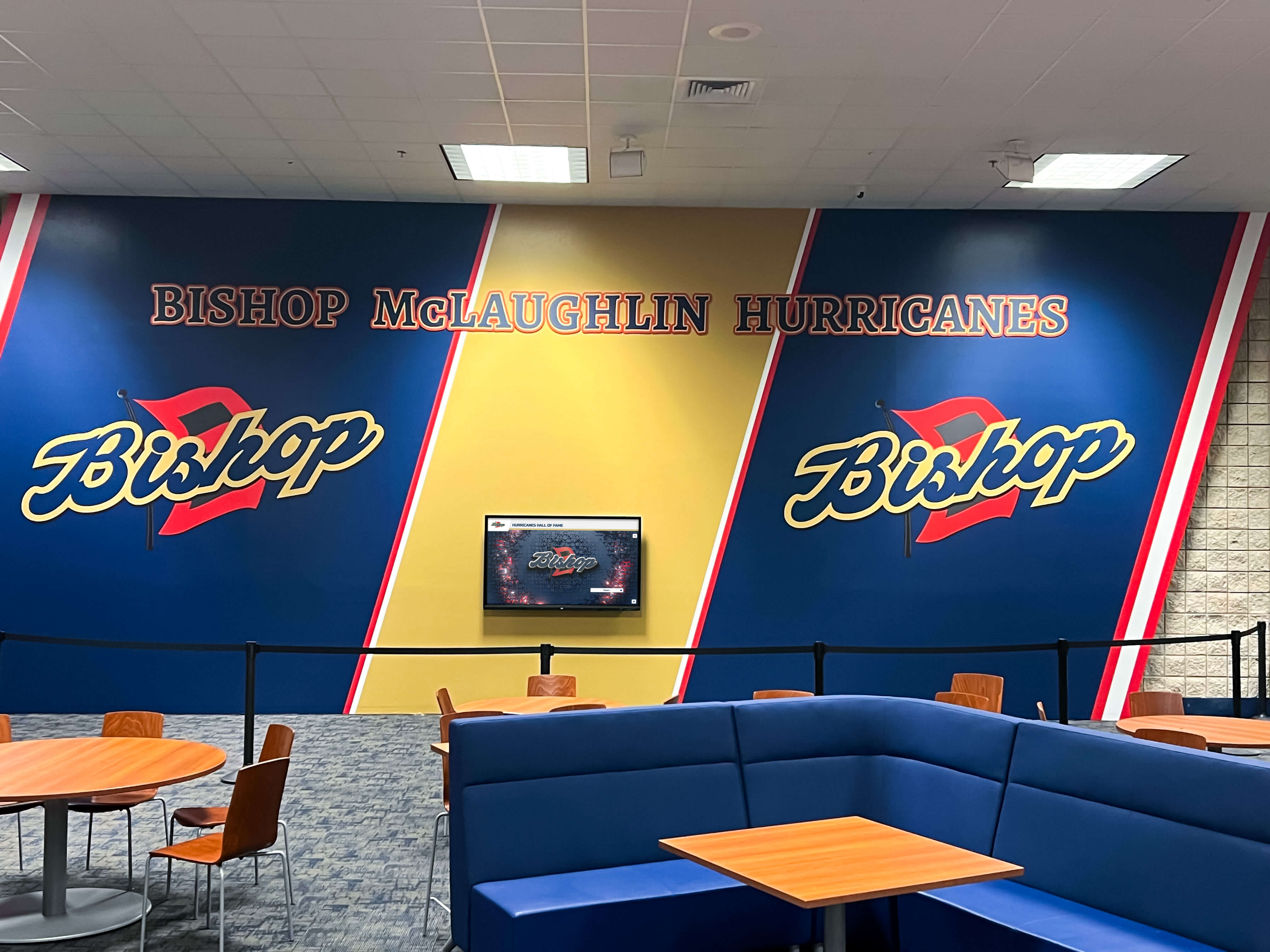
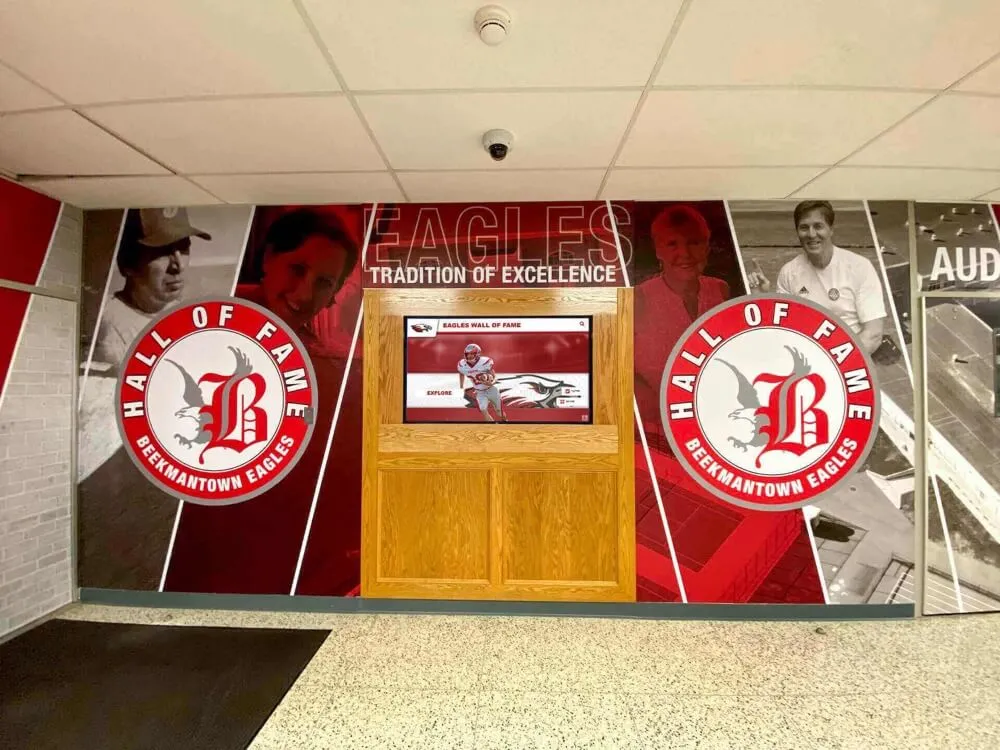
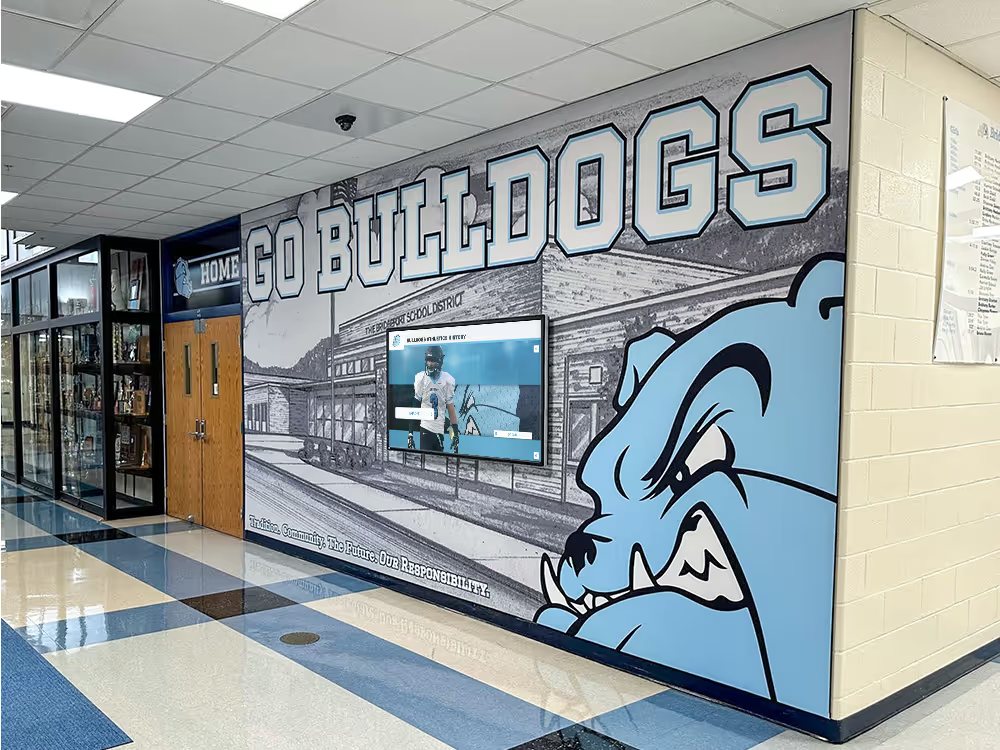
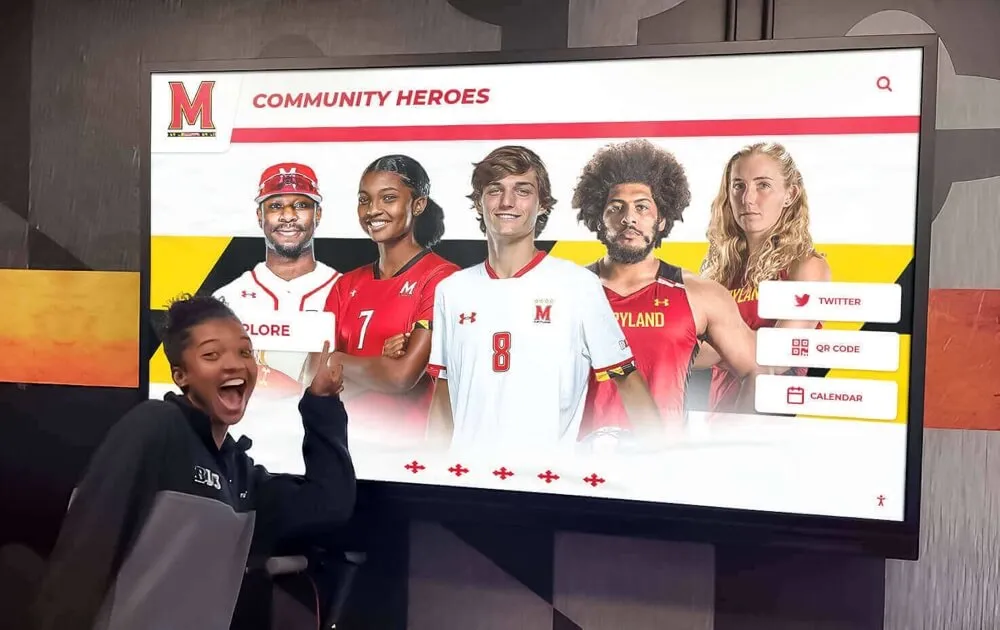
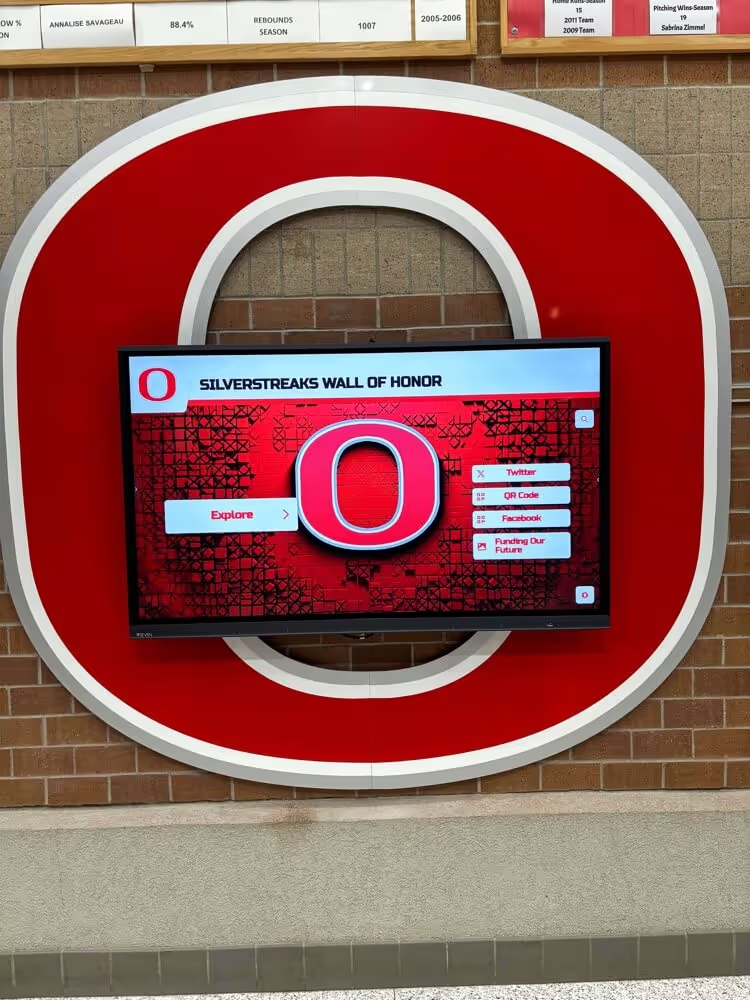
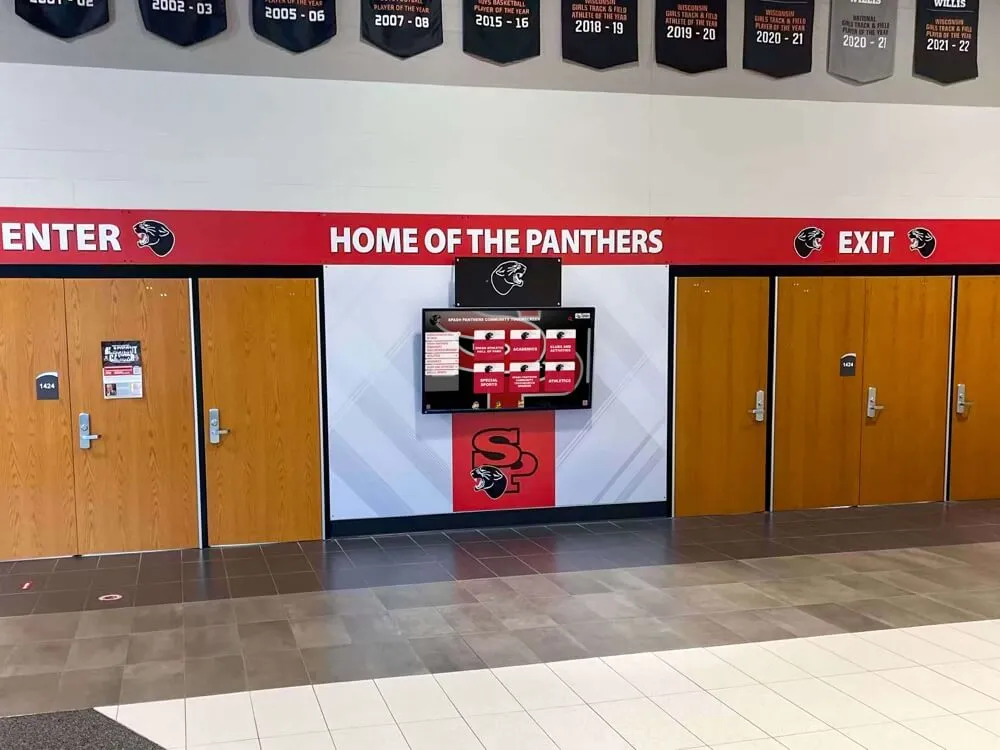
Cafeteria and lounge spaces that have been transformed with school pride displays make natural reunion venues—familiar settings made fresh by recognition content alumni haven't seen before
Digital Tools That Modern Reunion Organizers Rely On
Regardless of whether planning is driven by a volunteer committee, an alumni office, or a professional planner, the digital toolkit available to modern reunion organizers has changed the execution fundamentally. Understanding these tools helps committees plan more efficiently and create better attendee experiences.
Registration and Communication Platforms
The foundation of any reunion is knowing who’s coming and being able to reach the people you’re trying to invite:
Email platforms: Services like Mailchimp, Constant Contact, and similar tools allow committees to manage large contact lists, track open rates, and schedule the multi-touch communication sequences that actually move classmates from “maybe” to “registered.” A single email rarely drives registration—most committees need five to eight touchpoints across several months.
Reunion-specific websites: Dedicated reunion websites serve as the central information hub where classmates check event details, register, submit updates for classmate directories, and access logistics information. Platforms like ReunionDB and Eventbrite offer reunion-oriented templates; many committees build simple sites on Squarespace or similar builders.
Social media groups: Private Facebook groups remain the dominant social organizing tool for reunion committees because of their existing penetration across alumni demographics, particularly for classes that graduated before Instagram became prevalent. These groups function as peer-to-peer outreach infrastructure—classmates sharing reunion announcements with their own networks multiplies reach in ways no committee email can replicate.
Survey and polling tools: Understanding what classmates want—venue preferences, dietary restrictions, activity interests, milestone wishes—helps committees make decisions that actually reflect the class rather than the committee. Simple survey tools gather that input efficiently.
Recognition and Memory Technology
Beyond logistics, the most engaging element of any reunion is the content that honors shared history and surfaces what classmates have done since graduation. This is where digital tools have advanced most dramatically.
When committees think about physical display elements—trophy cases, shadow boxes, and traditional recognition installations—they often start with formats covered in guides like this shadow box display ideas resource for schools. These physical formats work well as permanent installations but have real limitations for reunion programming: they display a fixed set of honorees, can’t be updated during an event, and don’t accommodate the interactive exploration that makes reunion recognition compelling.
Digital recognition platforms solve these limitations by enabling unlimited classmate profiles, searchable databases, and touch-based navigation that attendees can explore independently. For athletic alumni, formats like varsity letterman award displays can anchor a reunion display strategy with content that speaks directly to former athletes—a significant portion of most returning alumni groups.
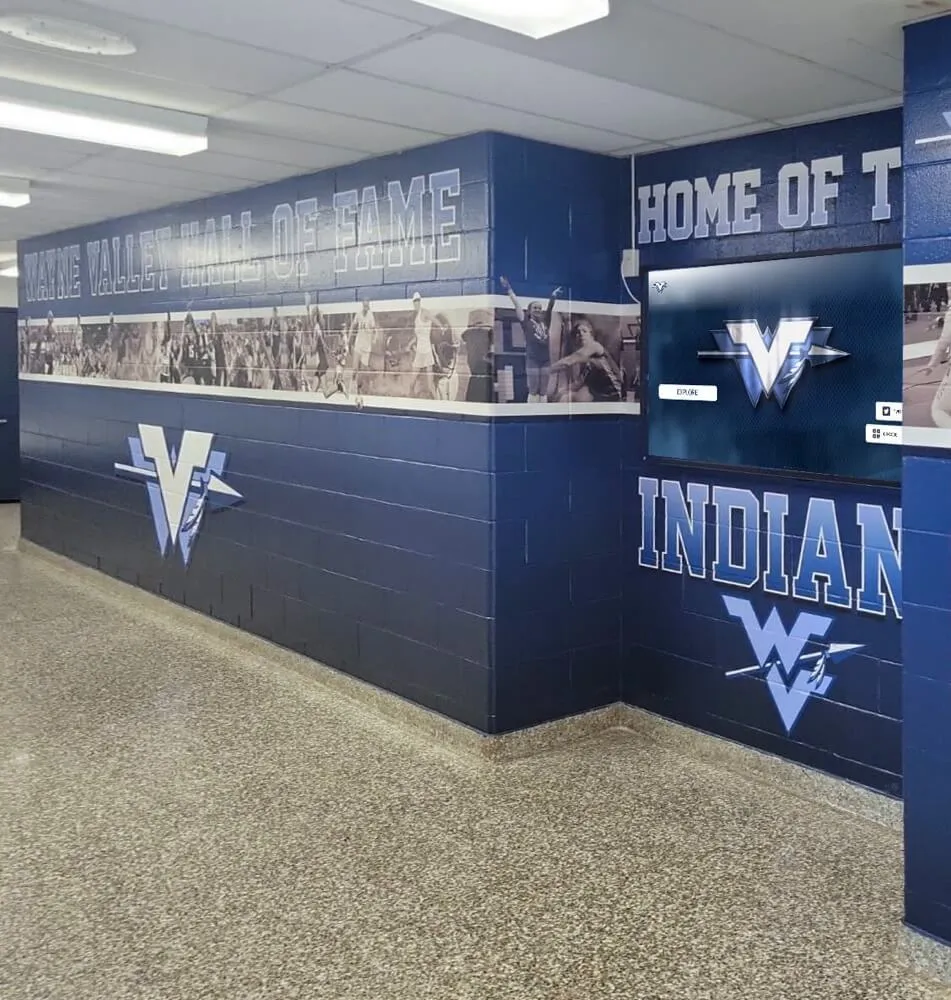
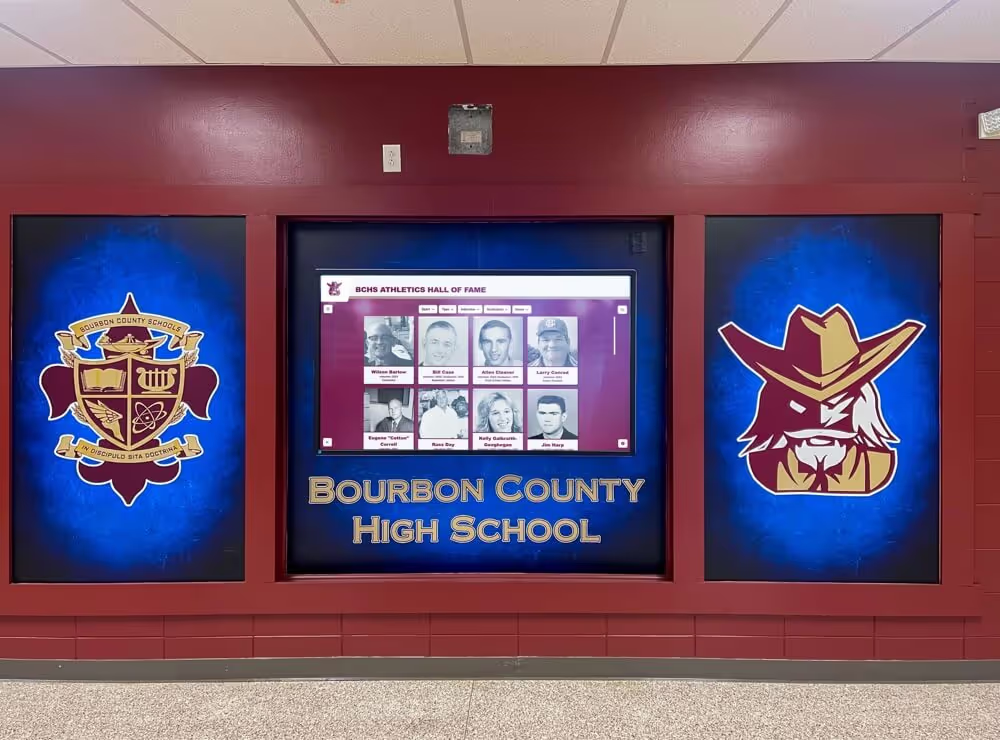
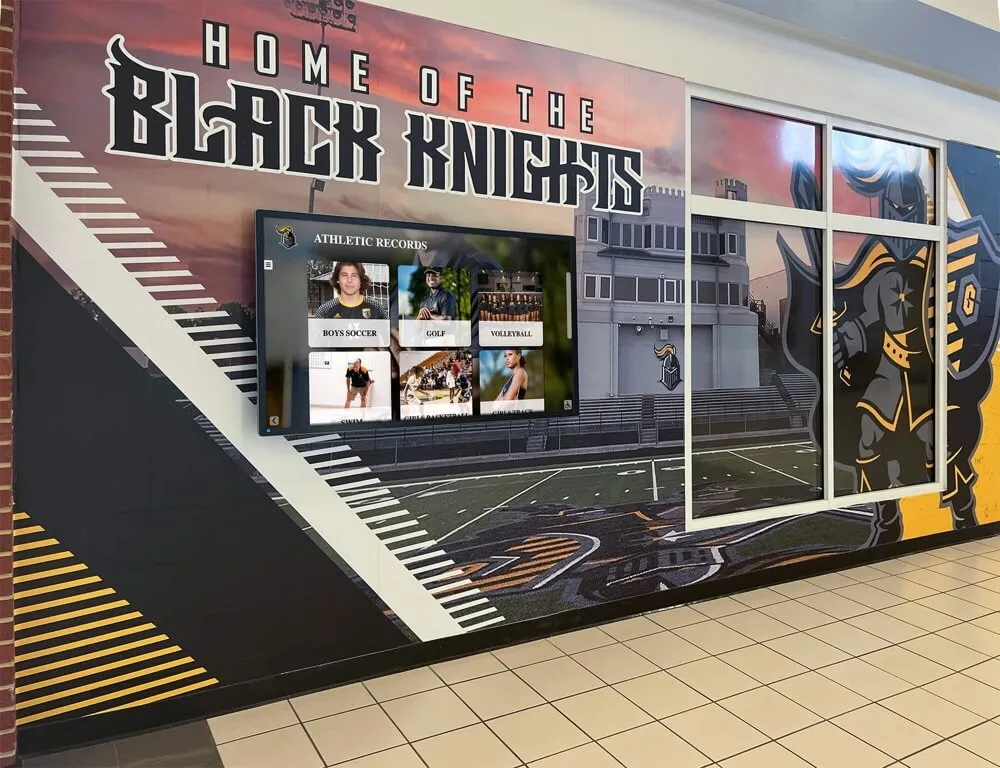
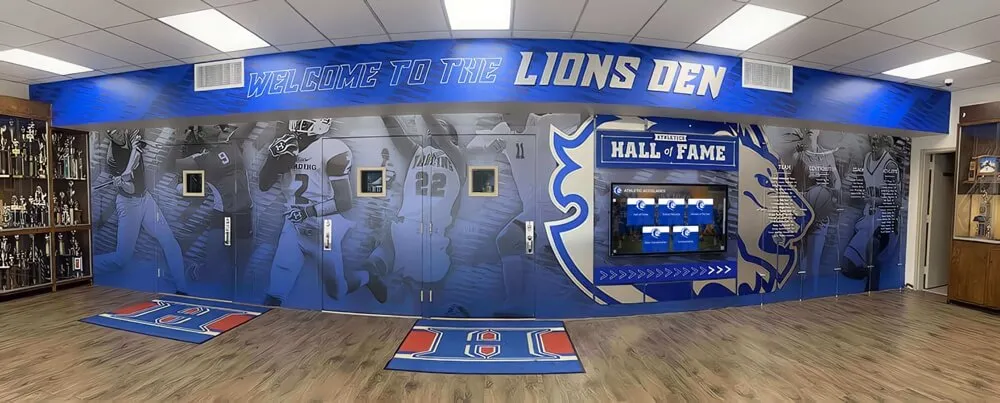
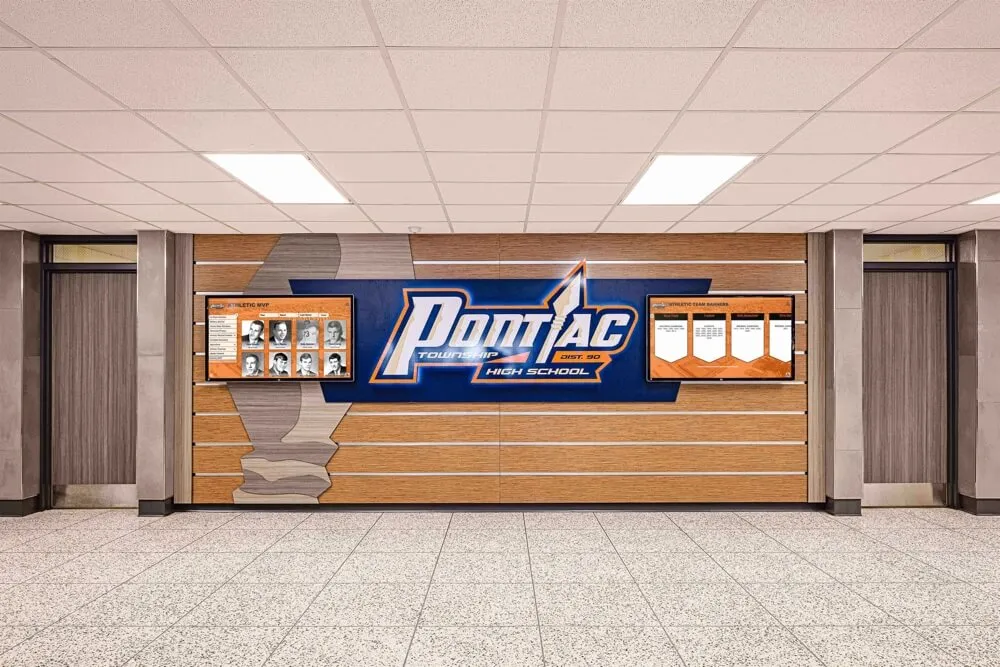
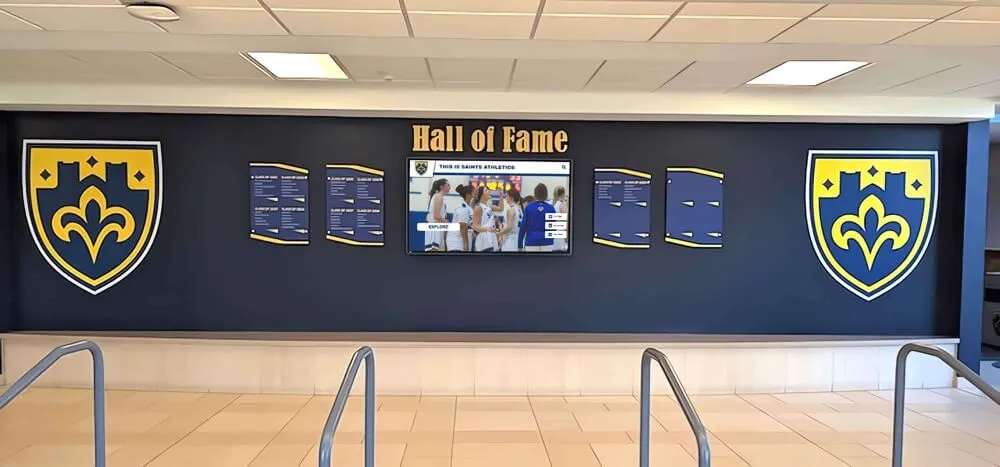
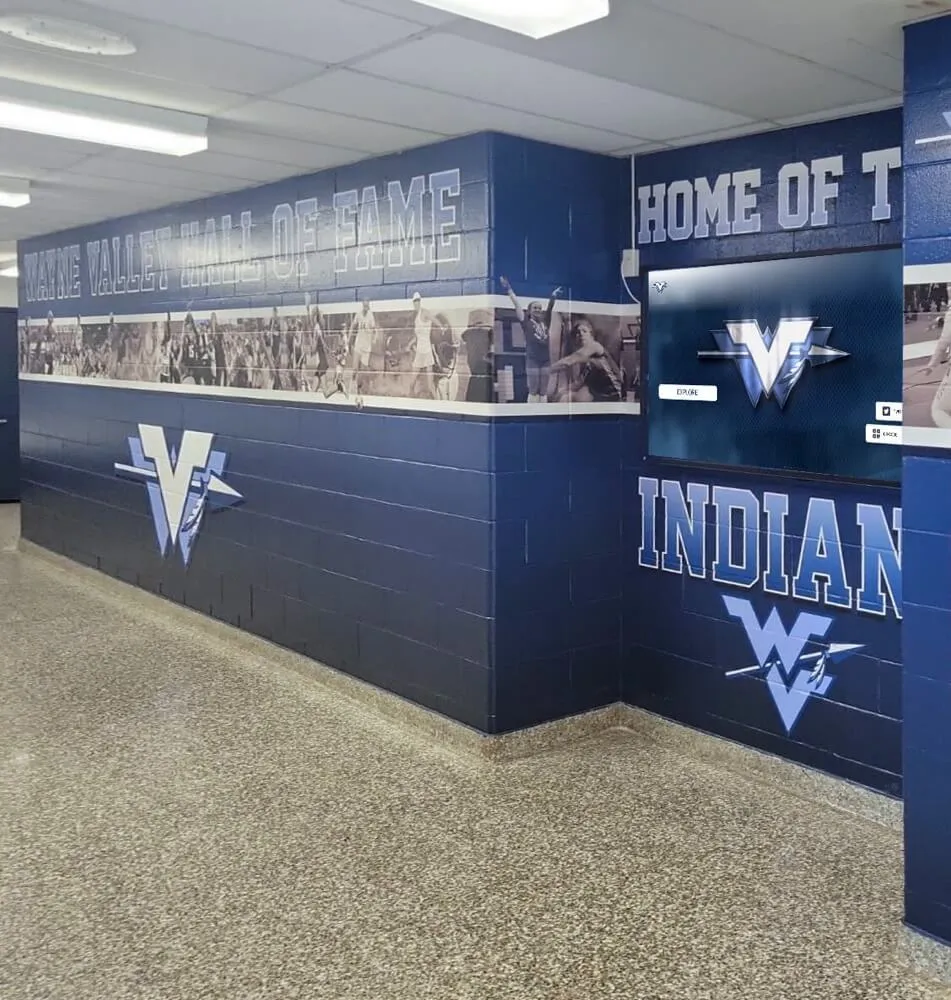
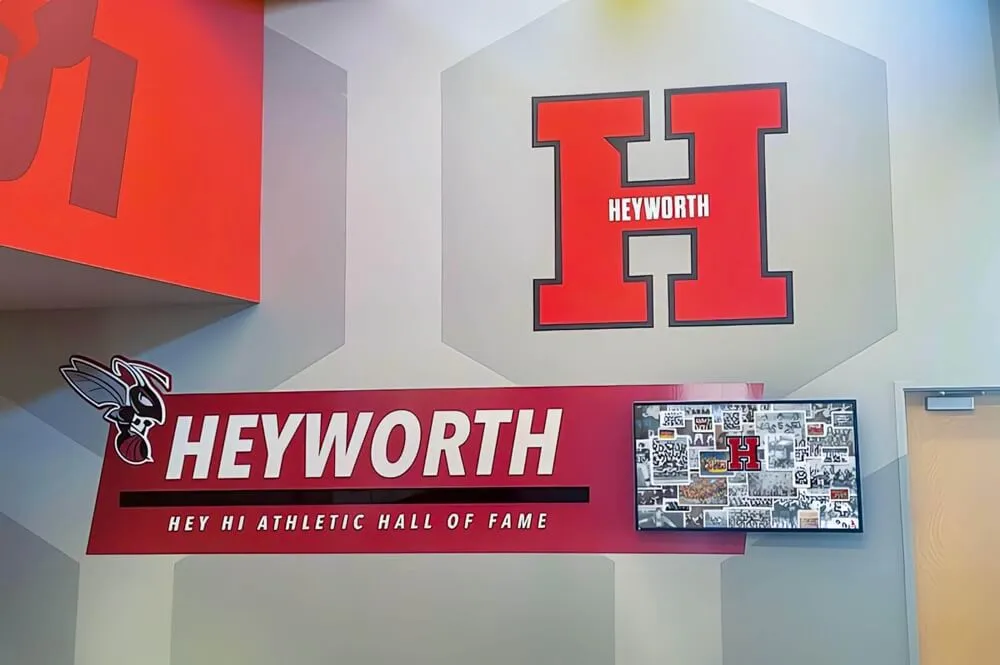
Athletic recognition hallways double as natural gathering points during reunions—former athletes return to spaces where their achievements are permanently documented
Tools for Honoring the Full Class Story
The most powerful reunion moments involve recognition that goes beyond athletics to honor what the entire class has accomplished. This requires tools capable of capturing diverse achievements:
Classmate profile databases: Platforms that let every graduate submit a photo, career summary, family update, and personal message create a searchable record of the class’s collective story. The ability to filter by graduation year, sports team, club, or geography helps attendees find natural conversation starting points.
Memorial recognition modules: Thoughtfully designed memorial sections that honor deceased classmates are a critical reunion feature, particularly for milestone gatherings. Getting the tone and format right matters—committees often consult resources like memorial plaque wording examples when developing these tributes.
Digital gift and keepsake coordination: Reunion committees increasingly supplement event experiences with physical and digital keepsakes. Tools that help coordinate team gift ideas can inform how committees approach reunion favors and mementos that attendees actually keep.
High school sports recognition displays: For classes with strong athletic traditions, dedicated recognition content covering high school sports banners, records, and championship histories gives returning athletes something to gather around—a physical anchor for the nostalgia that drives reunion attendance in the first place.
Touchscreen Displays: The Reunion Tool That Changes the Conversation
Among all the digital tools that modern reunion organizers have access to, interactive touchscreen displays consistently generate the most engagement during events. The reason is straightforward: they create natural gathering points where classmates can explore together, which is a more organic version of exactly what reunions are supposed to facilitate.
A touchscreen display loaded with classmate profiles, then-and-now photos, career highlights, and shared memories functions as a conversation catalyst. Two former classmates who wouldn’t have known how to approach each other across a hotel ballroom will stand shoulder-to-shoulder at a touchscreen for fifteen minutes, discovering that one of them lives three miles from the other, that both their kids play the same sport, or that the person they lost touch with after graduation went on to do something remarkable.
These aren’t passive displays—attendees navigate them with the same intuition they apply to their phones, which means no instruction required and no barrier to engagement. For committees trying to give attendees a reason to stay engaged after the first hour of catching up, interactive recognition technology provides that reason in a format that scales across any class size.
Rocket Alumni Solutions builds these touchscreen platforms specifically for the educational context—combining classmate profile databases with touchscreen-optimized interfaces and the content management tools that allow committees to keep information current as registrations come in and updates accumulate.
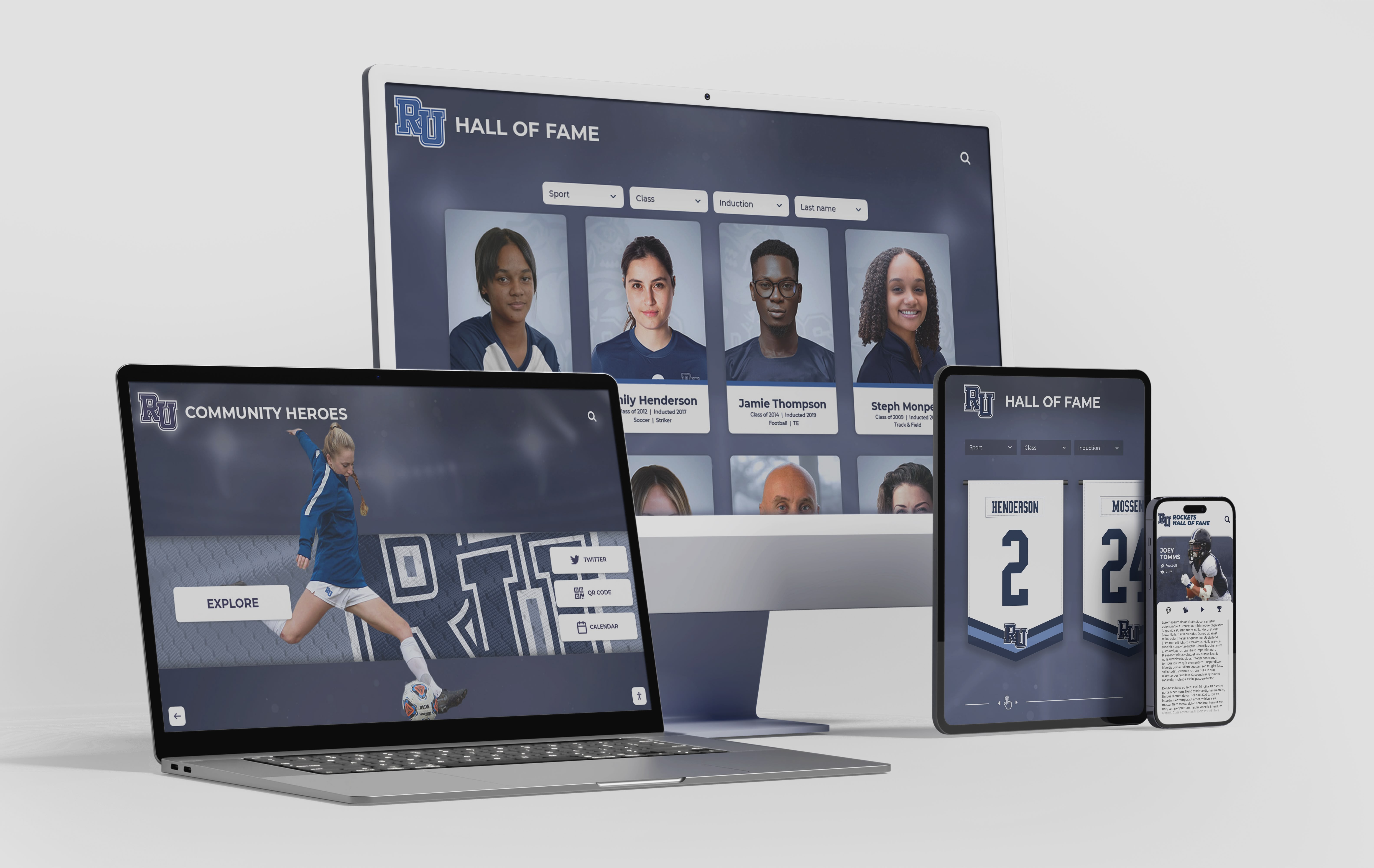
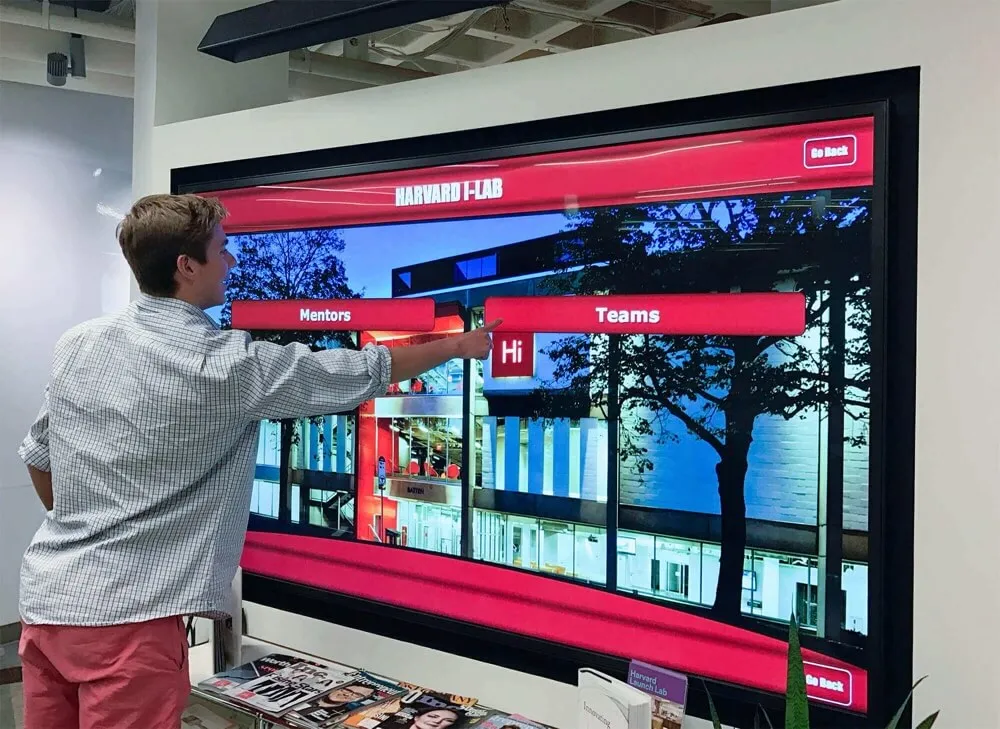
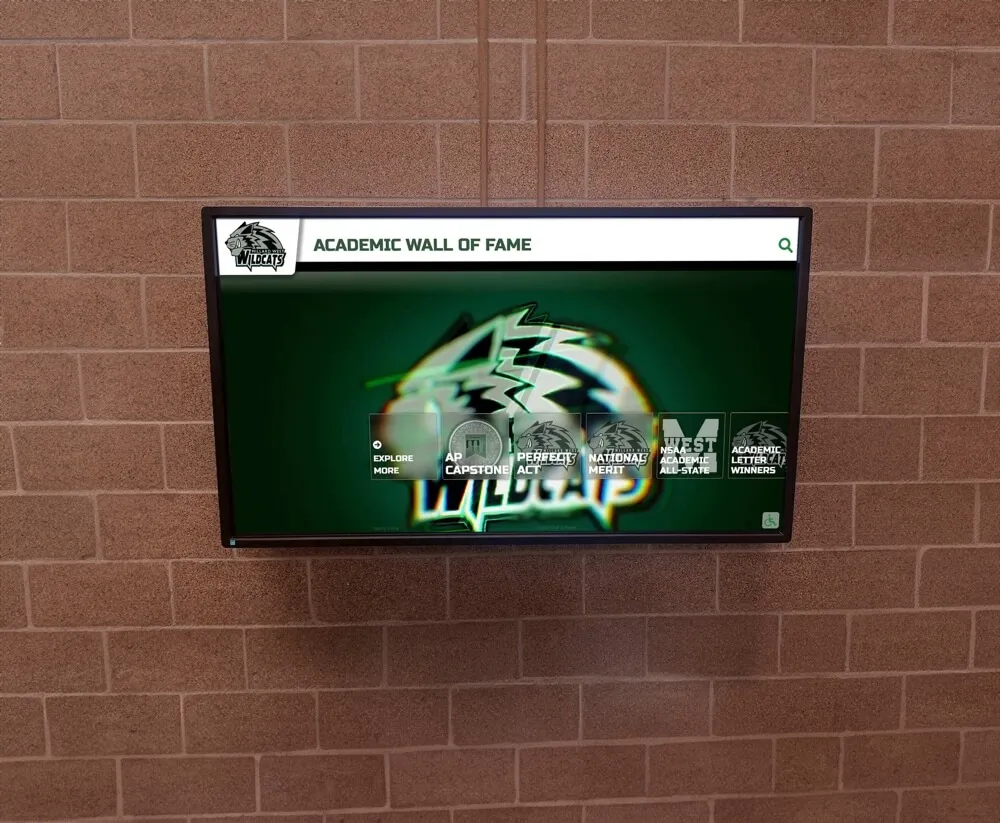
Recognition platforms that work across devices allow committees to extend the reunion experience beyond the event itself—attendees explore content before, during, and after the gathering
How Planning Role Affects Tool Selection
The specific answer to who plans high school reunions shapes which tools actually get adopted:
Volunteer committees tend toward free or low-cost platforms—Facebook groups, Eventbrite, and Google Docs—because budget is tight and tool adoption requires minimal training. They invest in digital displays primarily when the school provides them or when a committee member has prior exposure to recognition technology.
Alumni offices often have existing vendor relationships and institutional software that committees can access. Schools with digital recognition installations already in place can leverage that infrastructure for reunion events without additional procurement.
Professional planners bring preferred vendor networks and may have existing relationships with digital display providers, making sophisticated technology options more accessible to the committees that hire them. They also tend to budget more systematically for the technology line items that volunteer committees deprioritize.
Understanding these patterns matters because it explains why the quality of reunion technology often correlates with institutional infrastructure rather than committee motivation—and why committees that lack institutional support may need to make proactive decisions early in the planning process to access tools they wouldn’t otherwise budget for.
Making Reunion Planning More Manageable
No matter who ends up responsible for planning a given reunion, several practices consistently improve outcomes:
Start earlier than feels necessary. Eighteen to twenty-four months of lead time gives committees time to locate missing classmates, secure preferred venues, and build registration momentum without crisis-mode decision-making. Most reunion committees start six to nine months out and spend the final weeks regretting it.
Distribute accountability in writing. A shared planning document with named owners for each function reduces the coordination overhead that consumes so much committee energy. When everyone knows who owns what, follow-up is straightforward.
Collect classmate profiles before the event. Recognition content that’s loaded and ready when attendees arrive creates a fundamentally different experience than displays that are thin because the committee ran out of time to gather submissions. Build the collection timeline into the early planning calendar.
Test the technology in advance. Interactive displays that malfunction during the event are worse than no display at all. Any digital infrastructure—registration kiosks, touchscreen displays, streaming setups—should be tested at the venue before guests arrive.
Plan for the photo documentation. Reunion photos are the primary post-event deliverable that attendees actually value. Assigning someone to photography, whether professional or a committee member with a good camera, ensures there’s content worth distributing after the weekend ends.
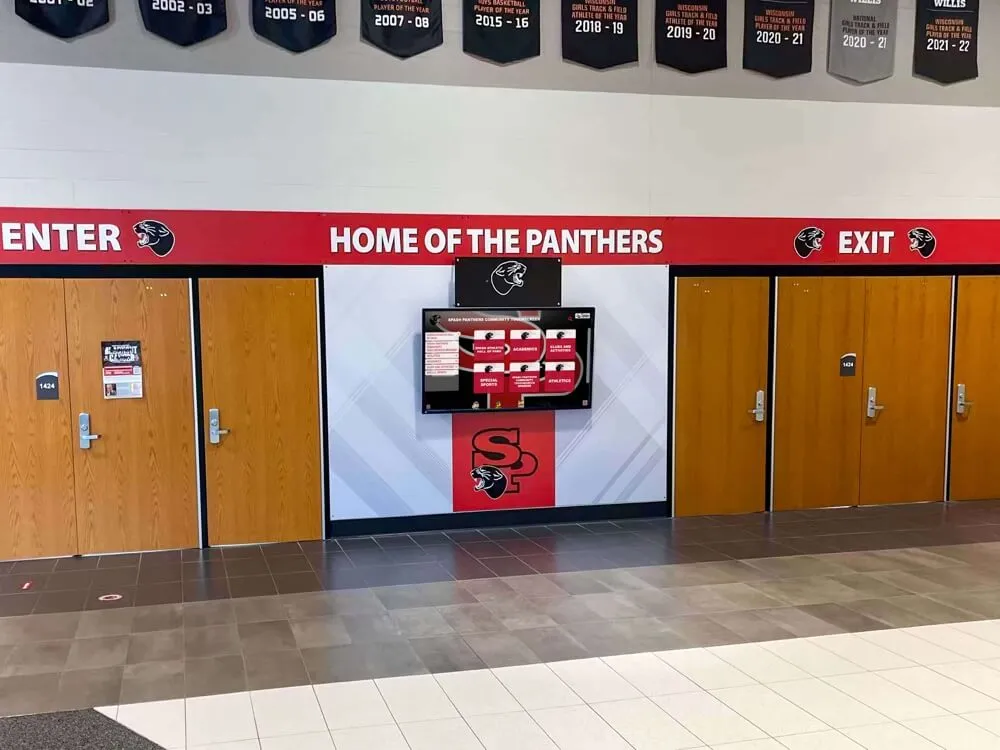
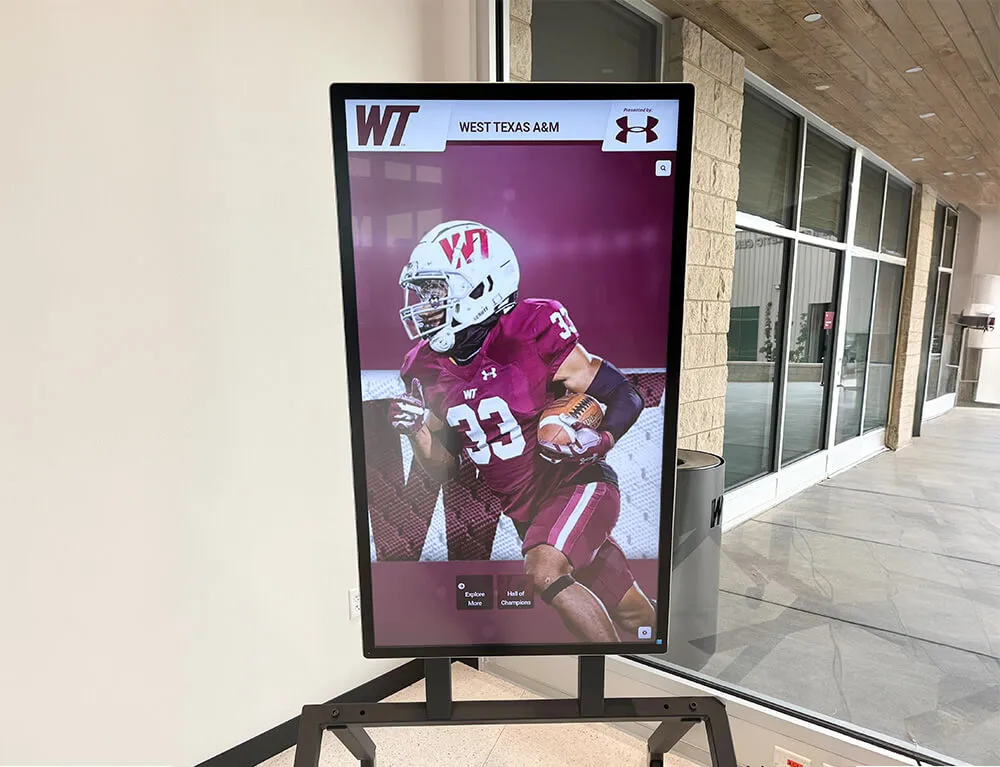
Schools that have invested in digital recognition infrastructure give reunion committees an immediate advantage—the platform is already in place and the content can be updated to include reunion-specific profiles and achievements
The Institutional Case for Better Reunion Infrastructure
One practical observation that emerges from understanding who plans high school reunions: the quality of any given reunion is largely determined by the infrastructure that exists before committee volunteers ever start making calls.
Schools that have invested in permanent digital recognition installations—touchscreen displays in alumni hallways, digital record boards in athletic spaces, online recognition platforms that graduates can access between events—give reunion committees a starting advantage that no amount of last-minute planning can fully replicate. The display is already there. The technology is already proven. Committees can focus on content and programming rather than procurement and installation.
Institutions evaluating their investment in permanent recognition infrastructure should weigh not just the day-to-day engagement value for current students but the reunion programming value that compounds over decades—every returning class benefits from a campus that feels worth coming back to.
Conclusion: It Takes a Committee, the Right Tools, and Institutional Support
The full answer to who plans high school reunions is rarely simple. Volunteer class committees carry most of the operational weight, school alumni offices provide critical institutional support when they exist and are adequately resourced, and professional planners step in when scale or logistics require more capacity than volunteers can provide. The digital tools available to all of these organizers—from email platforms and social media groups to interactive touchscreen displays and online recognition databases—have fundamentally changed what a reunion can be and what attendees have come to expect.
Committees that understand their role clearly, select their tools deliberately, and invest in recognition content that genuinely honors the class’s complete story consistently produce reunions that justify the months of volunteer effort required to make them happen.
Give Your Reunion Committee a Recognition Platform Worth Coming Back For
Explore how interactive touchscreen displays and digital alumni recognition systems can transform your reunion experience—comprehensive classmate profiles, searchable databases, and touchscreen-optimized interfaces that create natural conversation and genuine engagement.
Explore Digital Reunion Recognition Solutions