



Every spring, graduation ceremonies across America recognize one student with a singular academic distinction: valedictorian. This honor represents the highest level of academic achievement a school bestows, typically reserved for the graduating senior with the top grade point average. The valedictorian traditionally delivers the valedictory address at commencement—a speech offering farewell reflections, expressing gratitude, and inspiring fellow graduates as they embark on new journeys.
Yet the valedictorian honor involves much more than a single speech and a designation on a diploma. It represents years of sustained academic excellence, countless hours of focused study, strategic course selection, and often sacrifices made to maintain perfect or near-perfect grades throughout high school. For many students and families, achieving valedictorian status becomes a defining goal shaping four years of secondary education. For schools, how they select, recognize, and celebrate valedictorians reflects broader values about academic excellence, competition, and what achievements deserve greatest recognition.
This comprehensive guide explores everything about valedictorian status—from selection criteria and historical origins to modern debates about fairness, the impact of weighted GPAs, and how schools effectively recognize and celebrate their top academic achievers through both traditional and innovative digital approaches.
Understanding what it means to be valedictorian requires examining both the formal academic criteria defining eligibility and the cultural significance this honor holds within educational institutions and communities. As schools increasingly adopt sophisticated recognition technologies, the celebration of valedictorian achievement extends far beyond the graduation ceremony itself.

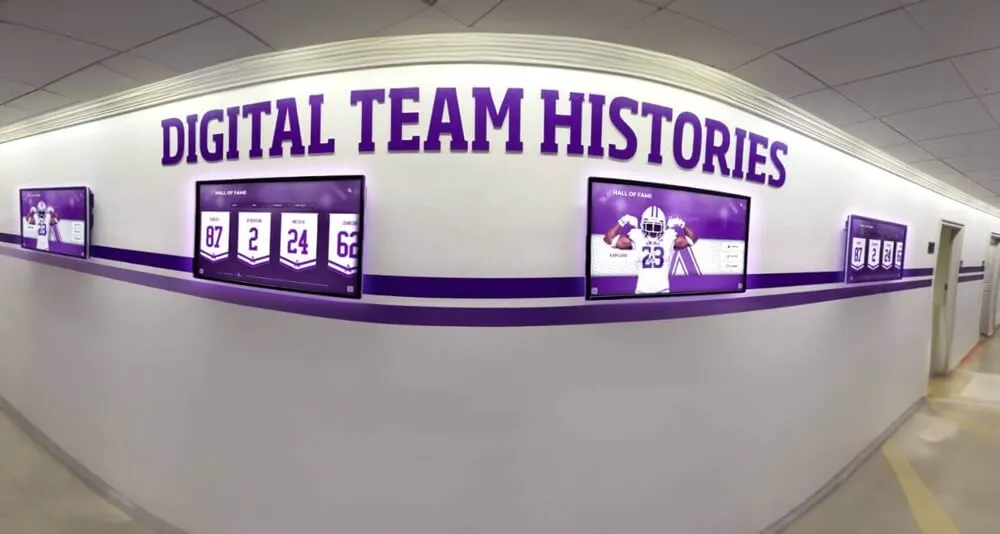
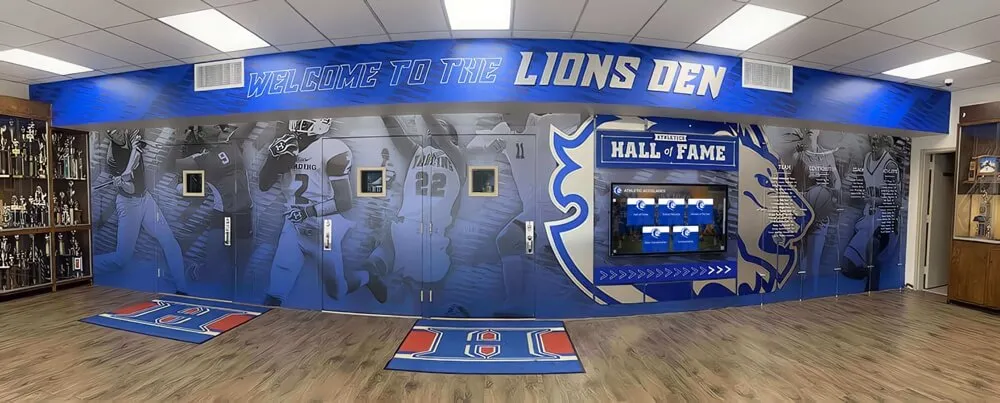
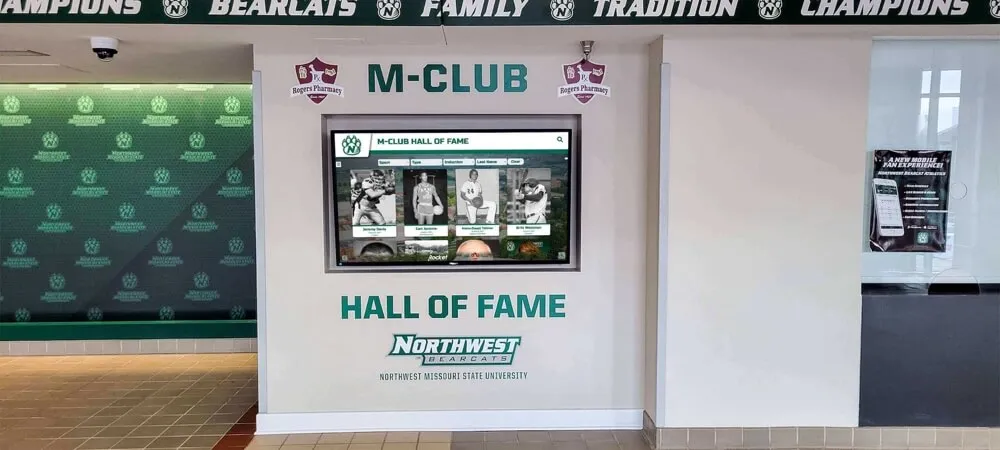
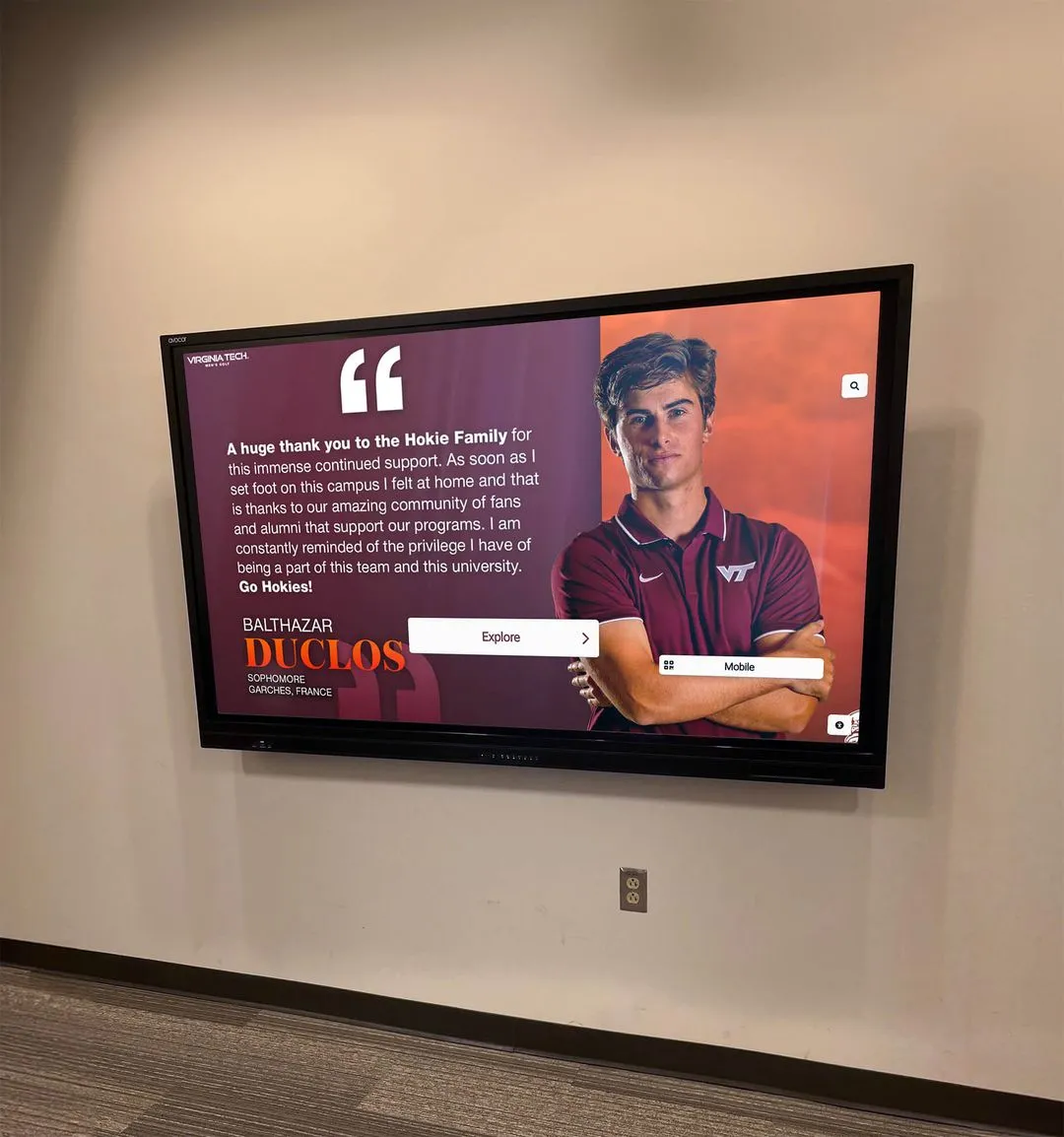
Modern schools showcase valedictorians and academic achievers through permanent recognition displays honoring intellectual excellence
Defining Valedictorian: Core Criteria and Selection Process
The term “valedictorian” comes from Latin roots meaning “to say farewell,” reflecting this honor recipient’s traditional role delivering the valedictory address at graduation. But what specific criteria determine who earns this distinction?
Grade Point Average as Primary Criterion
Standard Selection Methodology
The overwhelming majority of U.S. high schools designate the student with the highest cumulative grade point average as valedictorian:
Most schools calculate GPA based on all coursework completed during high school years, typically grades 9-12, though some institutions include grades from 8th grade if students took high school credit courses. The calculation method significantly impacts who achieves top status. Schools using unweighted GPA systems treat all courses equally—an A in regular English counts the same as an A in Advanced Placement English Literature. Schools with weighted GPA systems add bonus points for honors, Advanced Placement (AP), International Baccalaureate (IB), and other advanced coursework, recognizing the increased rigor of challenging courses.
This GPA-focused approach provides clear, objective criteria minimizing subjective judgment in what becomes a highly scrutinized selection. However, it also generates ongoing debates about whether pure GPA accurately reflects the most accomplished student or simply rewards those who strategically select easier courses or avoid subjects where they might struggle.
Weighted vs. Unweighted GPA Systems
The weighted versus unweighted GPA debate significantly impacts valedictorian selection:
Unweighted systems maintain simplicity and avoid complicated calculations, treating all courses as equivalent difficulty. Students earn 4.0 for an A, 3.0 for a B, 2.0 for a C, and so forth, regardless of course level. This approach potentially discourages students from taking challenging coursework where they might earn lower grades, instead incentivizing easier classes where perfect grades come more readily. A student taking all regular courses and earning straight As achieves 4.0 GPA, potentially outranking peers taking rigorous AP courses where they earn occasional B grades.
Weighted systems address this limitation by awarding bonus points for advanced coursework. Common weighting adds 0.5 points for honors courses and 1.0 point for AP or IB classes. Under weighted systems, an A in AP Calculus might count as 5.0 instead of 4.0, while an A in regular Algebra II remains 4.0. This encourages students to challenge themselves with rigorous coursework without fearing GPA penalties for occasionally earning B grades in difficult classes.

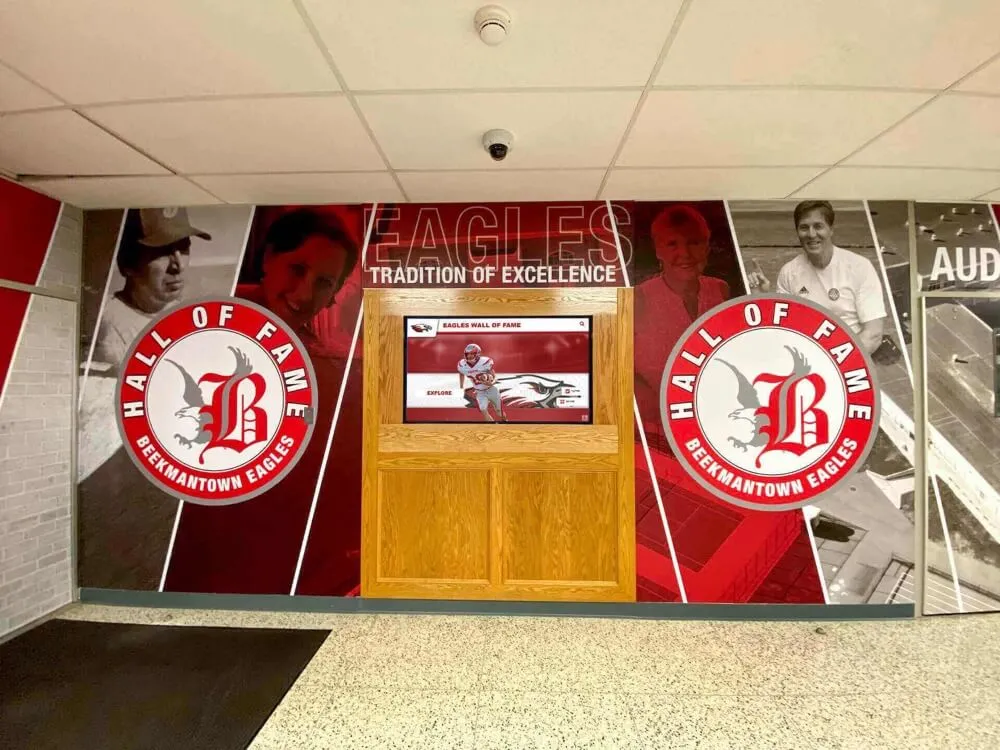
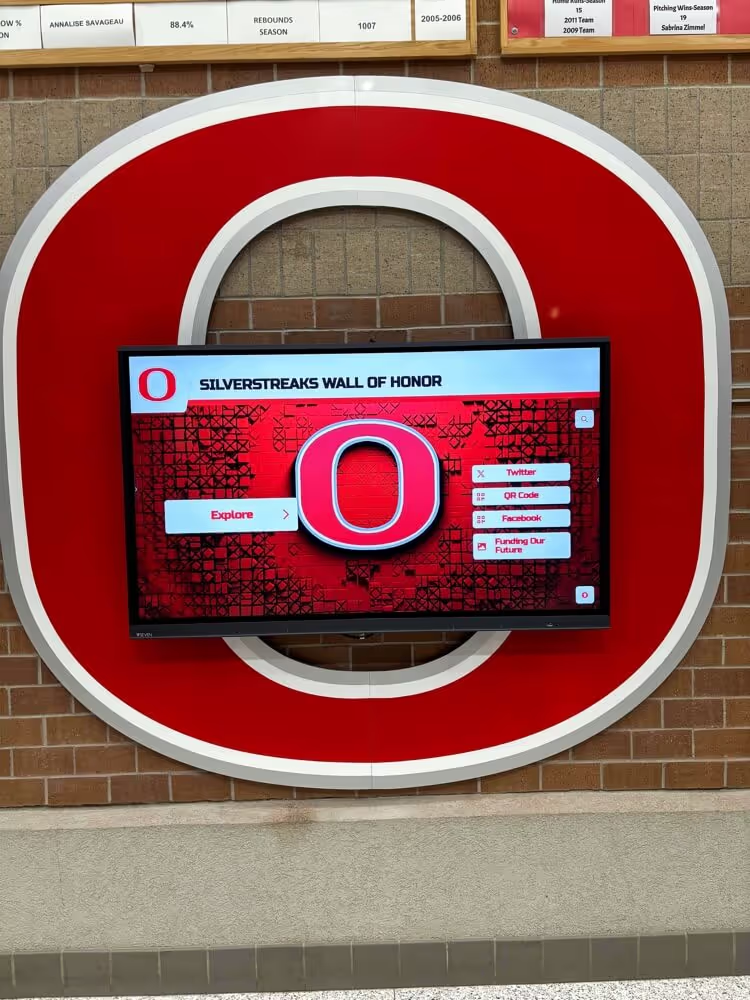
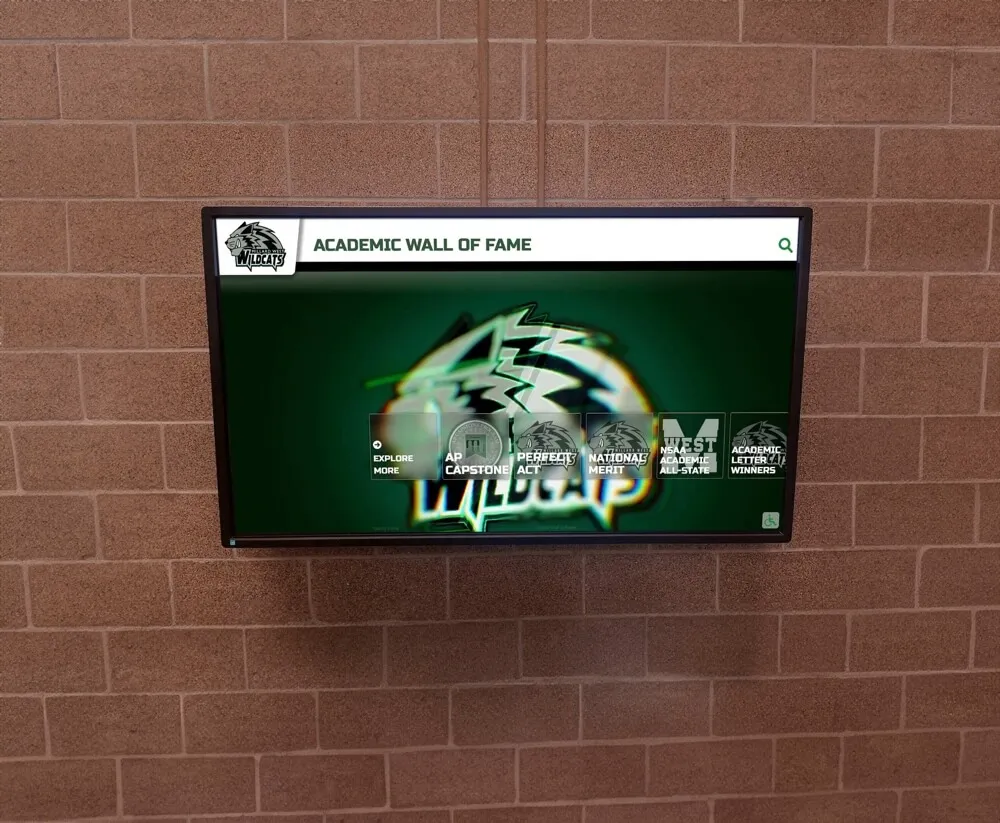
Interactive recognition systems enable students to explore academic achievements alongside athletic accomplishments, celebrating intellectual excellence
Many schools combine approaches by calculating both weighted and unweighted GPAs, using weighted GPA for class rank and valedictorian determination while reporting unweighted GPA on transcripts for college applications. For more context on academic recognition programs, explore comprehensive academic recognition guides covering multiple achievement levels.
Alternative Selection Criteria
While GPA remains the dominant criterion, some schools employ additional or alternative factors:
Multiple Valedictorians
Growing numbers of schools designate multiple valedictorians when several students achieve identical top GPAs. This trend emerged as advanced coursework proliferation enabled multiple students to achieve perfect 4.0 unweighted or maximum weighted GPAs. Some graduating classes announce 10, 20, or even more valedictorians sharing the distinction. Critics argue this dilutes the honor’s significance, while supporters contend it more accurately acknowledges that multiple students may demonstrate equally exemplary academic performance.
Latin Honors Systems
Rather than designating a single valedictorian, some schools adopt college-style Latin honors recognizing top-performing students across tiers. Students graduating summa cum laude (typically top 3-5%), magna cum laude (next 10%), and cum laude (next 15-20%) all receive recognition without singling out one individual as supreme. This approach acknowledges excellence across multiple students while avoiding hyper-competitive GPA races where hundredths of a point determine recognition.
Holistic Selection Processes
A smaller number of schools incorporate factors beyond pure GPA when selecting valedictorian, considering standardized test scores, leadership positions, community service, teacher recommendations, or demonstrated character. These holistic approaches aim to identify students embodying comprehensive excellence rather than simply academic metrics. However, subjectivity inherent in such processes generates controversy, with stakeholders questioning whether selection criteria remain fair and transparent.
Salutatorian: The Second-Highest Honor
Most schools recognizing a valedictorian also designate a salutatorian—the student with the second-highest GPA. The salutatorian traditionally delivers the salutatory address or welcoming remarks at graduation ceremonies, complementing the valedictorian’s farewell address. While receiving less attention than valedictorian status, salutatorian remains a prestigious achievement recognizing exceptional academic performance throughout high school. Learn about comprehensive academic recognition approaches celebrating achievement at all levels.
Eligibility Requirements
Beyond GPA calculations, schools typically establish additional eligibility requirements:
Enrollment Duration
Most schools require students to complete a minimum number of years or semesters at the institution to qualify for valedictorian. Common requirements include attending for at least the final two years or completing a minimum percentage of credits at the school. These policies prevent students from transferring specifically for valedictorian opportunities and ensure honorees genuinely represent institutional academic culture.

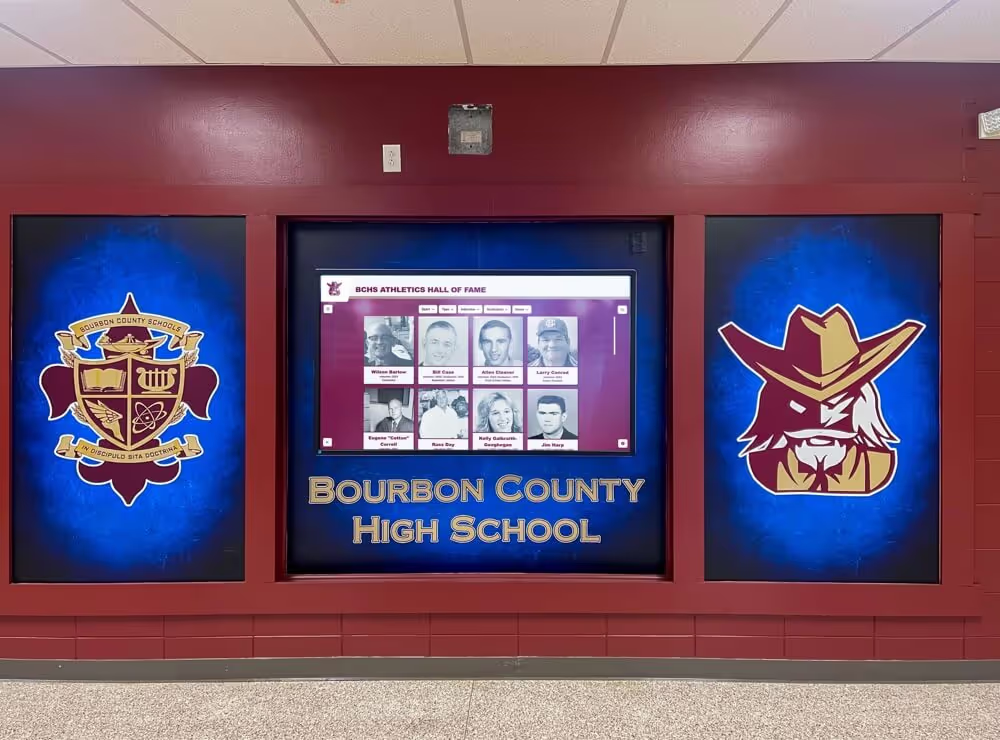
Individual recognition profiles celebrate specific achievements and academic journeys leading to top honors
Course Load Requirements
Schools may mandate minimum course loads or specific curriculum completion requirements. Some require students to take prescribed numbers of advanced courses, ensuring valedictorians challenged themselves rather than achieving high GPAs through minimal or strategically easy course selections. These requirements balance academic rigor with GPA achievement.
Conduct and Character Standards
While less common, some schools reserve valedictorian eligibility for students meeting behavioral and character standards. Significant disciplinary infractions might disqualify students from consideration regardless of academic achievement, reflecting institutional values that top honors should recognize well-rounded excellence including integrity and citizenship.
Historical Context and Evolution
Understanding valedictorian tradition requires examining historical development and how this honor evolved alongside American education.
Origins of the Valedictory Tradition
The valedictory address traces roots to medieval universities where graduating students delivered formal Latin orations demonstrating rhetorical skills and classical education. As American higher education developed in colonial times, this tradition transferred to college commencements. By the 19th century, valedictorian honors extended to secondary education as high schools proliferated nationwide.
Early valedictorian selection often emphasized not just academic achievement but also oration skills, character, and institutional citizenship. The honor recognized students exemplifying institutional ideals rather than purely academic metrics. As education standardized through the 20th century, objective GPA calculations gradually replaced more subjective holistic assessments, creating today’s predominantly GPA-based selection systems.
Changing Practices in Modern Education
Contemporary valedictorian practices reflect broader educational shifts:
Grade Inflation and GPA Clustering
Widespread grade inflation over recent decades means more students achieve extremely high GPAs, creating mathematical ties at the top of class rankings. Where historical graduating classes might see clear GPA separations between top students, modern classes frequently have numerous students clustered at 4.0 or higher on weighted scales. This clustering drives multiple valedictorian designations and ongoing debates about whether traditional single-student recognition remains viable.
Standardized Testing Relationships
Interestingly, valedictorian status correlates imperfectly with standardized test performance. Some valedictorians achieve top SAT or ACT scores, while others score well below test-taking peers despite superior GPAs. This disconnect reflects different skill sets—sustained diligence and course mastery versus timed testing aptitude—and fuels debates about which metrics better predict college success or represent comprehensive academic excellence.
College Admissions Considerations
Elite colleges increasingly acknowledge that valedictorian status alone guarantees nothing in holistic admissions processes. Highly selective institutions receive applications from thousands of valedictorians annually, far exceeding available spaces. Admissions officers look beyond class rank to standardized scores, essays, recommendations, extracurriculars, and personal qualities. This reality sometimes surprises families who assumed valedictorian status ensured admission to dream schools. Learn about other academic distinctions in what is the dean’s list at the college level.
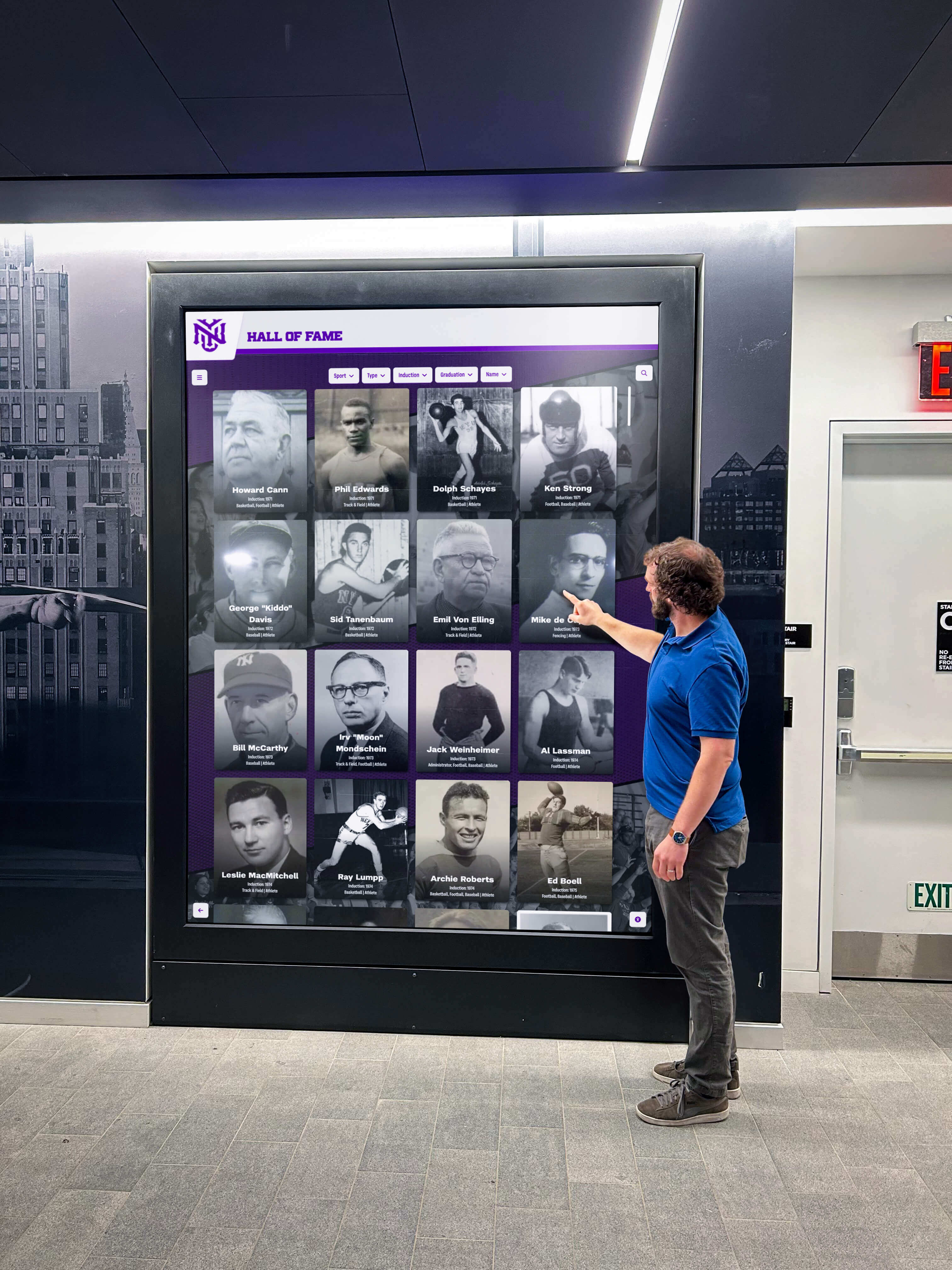
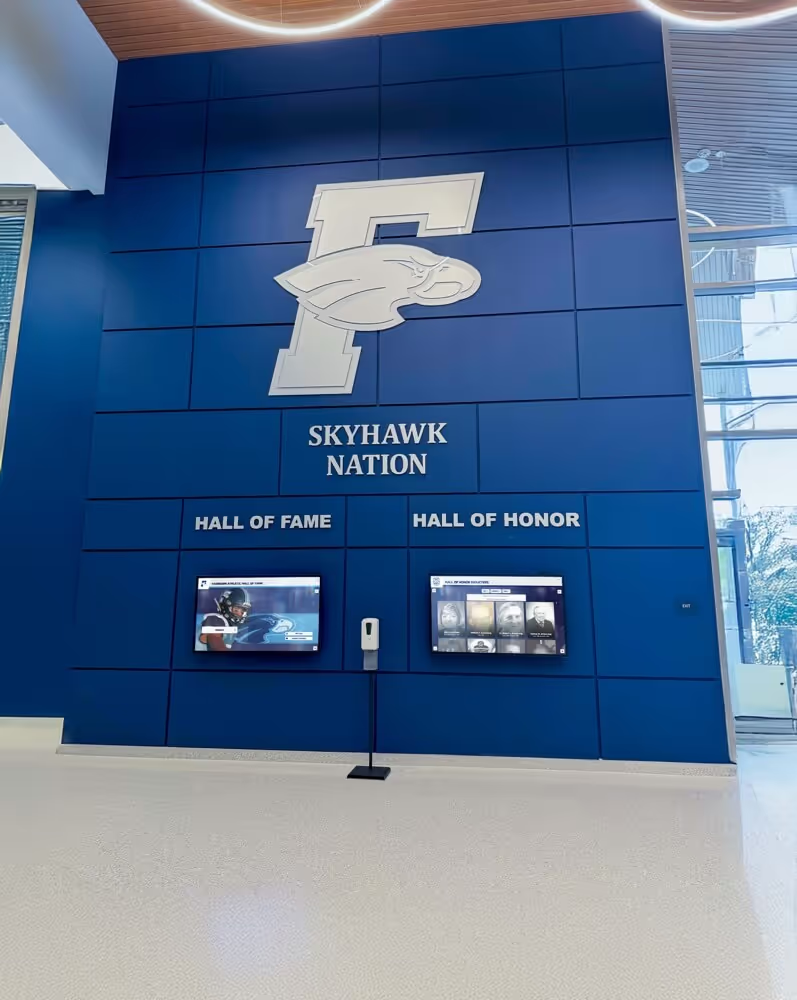
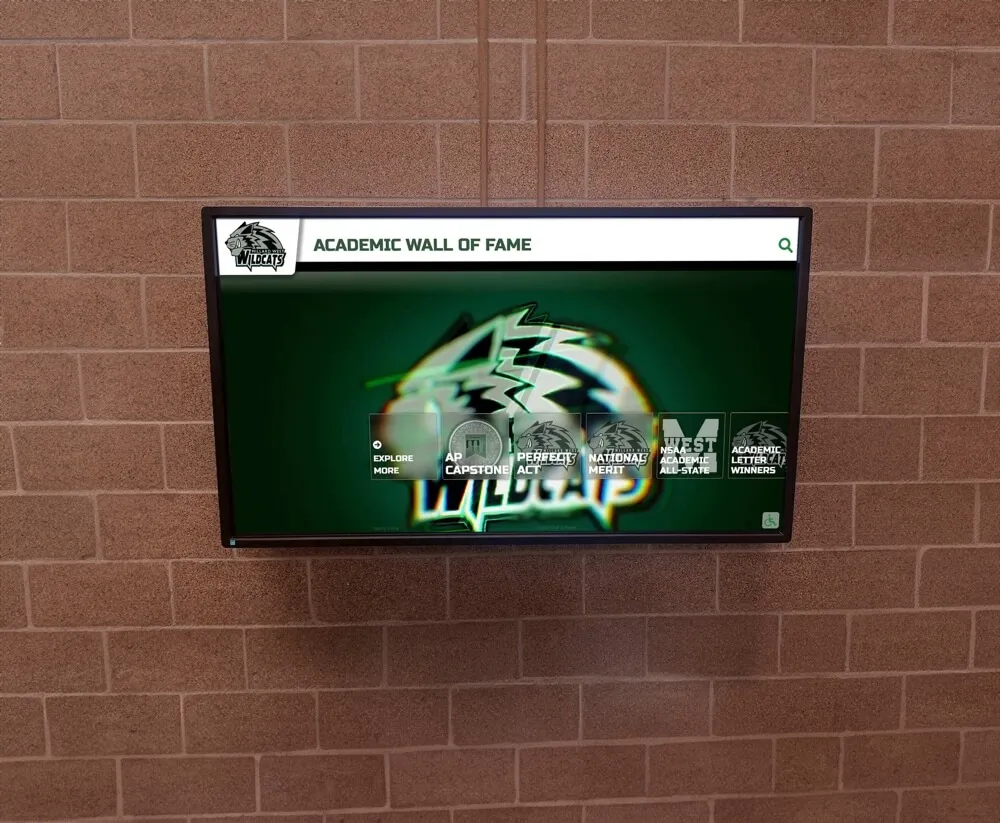
Interactive displays enable families and community members to explore academic excellence and celebrate intellectual achievement
Benefits and Significance of Valedictorian Status
Beyond personal pride and family celebration, valedictorian status confers tangible and intangible benefits affecting college admissions, scholarships, and life trajectories.
College Admissions Advantages
While not guaranteeing admission anywhere, valedictorian status strengthens college applications:
Distinguishing Academic Achievement
Being named valedictorian signals sustained academic excellence, work ethic, and intellectual capability to admissions committees. It demonstrates not just intelligence but consistency, discipline, and ability to excel within educational structures—qualities colleges value. At less selective institutions, valedictorian status may significantly boost admission chances and merit aid offers. Even at highly selective schools receiving thousands of valedictorian applications, the honor remains a meaningful credential in holistic review processes.
Academic Scholarship Opportunities
Many universities offer automatic or competitive scholarships specifically targeting valedictorians and salutatorians. State university systems frequently provide full or partial tuition scholarships for in-state valedictorians, making public universities affordable options. Private institutions may include valedictorian status as selection criteria for prestigious merit scholarship programs. These financial benefits can total tens of thousands of dollars over four years, making the honor financially significant beyond symbolic recognition.
Personal and Professional Impact
The valedictorian designation influences trajectories beyond college admissions:
Resume and Career Distinction
Valedictorian status remains relevant on resumes and job applications early in professional careers, signaling high achievement and credibility to employers. While impact diminishes as professional experience accumulates, the distinction continues demonstrating capability, work ethic, and excellence in competitive environments. Some scholarship and fellowship programs specifically seek former valedictorians years after high school graduation.
Personal Development and Confidence
Achieving valedictorian status builds self-efficacy and confidence that students carry into college and careers. The recognition validates years of effort, reinforces that hard work yields results, and creates momentum for continued achievement. Many valedictorians describe the honor as transformative in shaping self-concept and ambition for continued excellence.
Network and Alumni Connections
Schools often maintain networks of past valedictorians, creating unique alumni connections. These networks offer mentorship opportunities, career guidance, and professional relationships unavailable to broader student populations. Some institutions feature historical valedictorian recognition displays connecting current and past top achievers across generations.
Community Recognition
Valedictorians typically receive substantial community acknowledgment:
Local media frequently feature valedictorian announcements and profiles, providing public recognition extending beyond school communities. Service organizations, local businesses, and community foundations often sponsor special scholarships or awards for valedictorians. The honor elevates students’ profiles for local leadership opportunities, summer programs, and selective experiences requiring demonstrated academic excellence.
Responsibilities and Expectations
With valedictorian honor comes specific responsibilities, most notably the graduation speech delivered at commencement.
The Valedictory Address
The valedictorian speech represents the honor’s most visible component:
Speech Development Process
Valedictory addresses typically run 5-10 minutes and balance multiple objectives—thanking teachers, families, and communities; acknowledging shared experiences and challenges overcome; inspiring graduating classmates; and offering forward-looking perspective on transition ahead. Schools vary in how much structure or guidance they provide. Some impose strict content requirements or approval processes, while others grant valedictorians creative freedom to craft personal messages.
Effective valedictorian speeches avoid generic platitudes in favor of authentic reflection on the specific graduating class’s journey. The best addresses acknowledge diversity of experiences within classes, include humor balancing gravitas, and offer genuine wisdom without condescension. Many valedictorians report speech preparation as more stressful than maintaining academic achievement throughout high school, given high-stakes public speaking before hundreds or thousands of attendees.

Comprehensive recognition systems document achievement journeys including valedictorians across academic careers and graduating classes
Additional Ceremonial Roles
Beyond the speech, valedictorians often assume other graduation responsibilities:
Ceremony Participation
Valedictorians typically lead processionals, sit in prominent positions on stage, and receive special recognition during diploma presentations. They may participate in symbolic gestures like turning tassels first or leading the recessional. These ceremonial elements acknowledge the honor while creating memorable moments for students, families, and school communities.
Media and Public Appearances
Schools often feature valedictorians in promotional materials, local media interviews, and community presentations. These appearances extend recognition while providing students platforms to represent institutions and share achievements, plans, and reflections. While most students embrace these opportunities, the spotlight can feel overwhelming for those preferring privacy.
Academic Integrity Expectations
Schools expect valedictorians to exemplify academic integrity and ethical behavior:
The honor implies not just high grades but achievement through legitimate effort and honest work. Academic integrity violations discovered after valedictorian designation typically result in honor revocation, generating controversy and disappointment. Some schools implement post-designation waiting periods before official announcements, ensuring no last-minute infractions emerge that would necessitate changing recipients after public recognition begins.
Controversies and Debates Surrounding Valedictorian Recognition
Despite widespread acceptance, valedictorian traditions generate ongoing controversies reflecting broader educational debates.
The Single Valedictorian vs. Multiple Recipients Debate
Perhaps the most prevalent controversy involves whether schools should designate one valedictorian or recognize multiple students achieving top GPAs:
Arguments for Single Valedictorian
Traditionalists contend single-recipient designations preserve the honor’s prestige and significance. They argue that most achievements—MVP awards, spelling bee championships, debate tournament victories—recognize single individuals despite deserving competition. Creating multiple valedictorians simply because several students achieve perfect GPAs dilutes meaning, they assert, transforming prestigious distinction into participation trophy mentality. Single designation also prevents logistical complications around which students deliver speeches, receive primary recognition, and occupy places of honor at graduation ceremonies.
Arguments for Multiple Valedictorians
Advocates for multiple recognition argue that when several students legitimately achieve identical top GPAs, singling out one individual based on arbitrary tiebreakers (alphabetical order, hundredths of grade points, subjective factors) creates unfairness. If three students each maintain 4.0 unweighted GPAs through challenging courseloads, recognizing only one seems capricious rather than merit-based. Multiple designations acknowledge excellence without creating artificial distinctions where academic achievement proves equivalent. Schools already recognize multiple National Merit Scholars, perfect SAT scorers, and All-State athletes without diminishing those honors.
This debate continues without clear resolution, with schools making decisions reflecting local values and priorities. Explore broader building school pride approaches that celebrate excellence while fostering inclusive cultures.
Grade Weighting Controversies
Weighted GPA systems generate substantial debate:
Critics argue weighting incentivizes students to take advanced courses purely for GPA boosts rather than genuine interest, creating stressed students overloaded with AP classes they neither enjoy nor benefit from educationally. Weighting also potentially disadvantages students at schools offering limited advanced course access—rural or under-resourced schools with few AP offerings place students at competitive disadvantage compared to peers at schools offering dozens of advanced options. Some contend that comparing students with vastly different course rigor remains problematic regardless of weighting methodology.
Supporters maintain that failing to weight advanced coursework creates worse incentives—discouraging academically capable students from challenging themselves to protect GPAs. They note that students genuinely learn more in rigorous courses even when earning occasional B grades than in less demanding classes where As come easily. Weighting attempts to recognize that all As are not equivalent when course difficulty varies dramatically.
Academic vs. Holistic Excellence
Broader debates question whether pure academic GPA should determine highest school honors:
Some educators and communities advocate for valedictorian selection incorporating leadership, service, character, and contribution beyond academics. They argue schools should honor students who exemplify comprehensive excellence including intellectual achievement, personal integrity, community contribution, and positive institutional impact. Under this philosophy, a student with slightly lower GPA but exceptional leadership and service might merit top recognition over a student achieving marginally higher grades while contributing little beyond academics.
Opponents note subjectivity inherent in holistic assessments creates favoritism concerns, lack of transparency, and disputed decisions. They contend academic achievement provides clear, measurable criteria minimizing bias and controversy. Schools honoring comprehensive excellence can create additional recognitions beyond valedictorian rather than muddying that designation with subjective criteria. Learn about comprehensive academic recognition systems acknowledging diverse excellence.

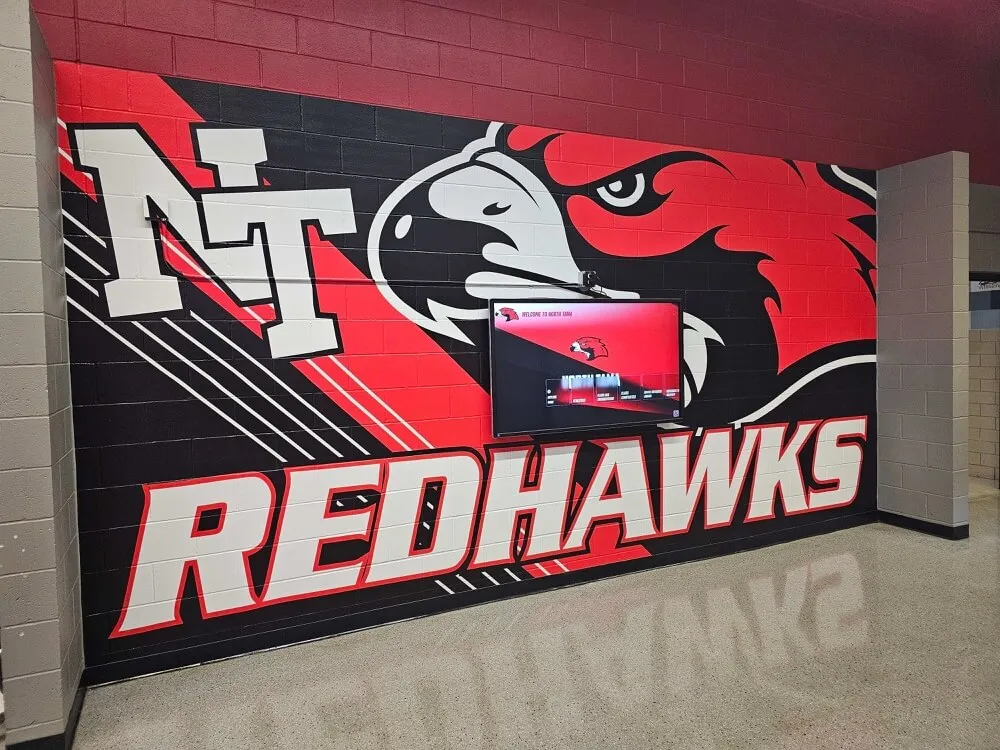
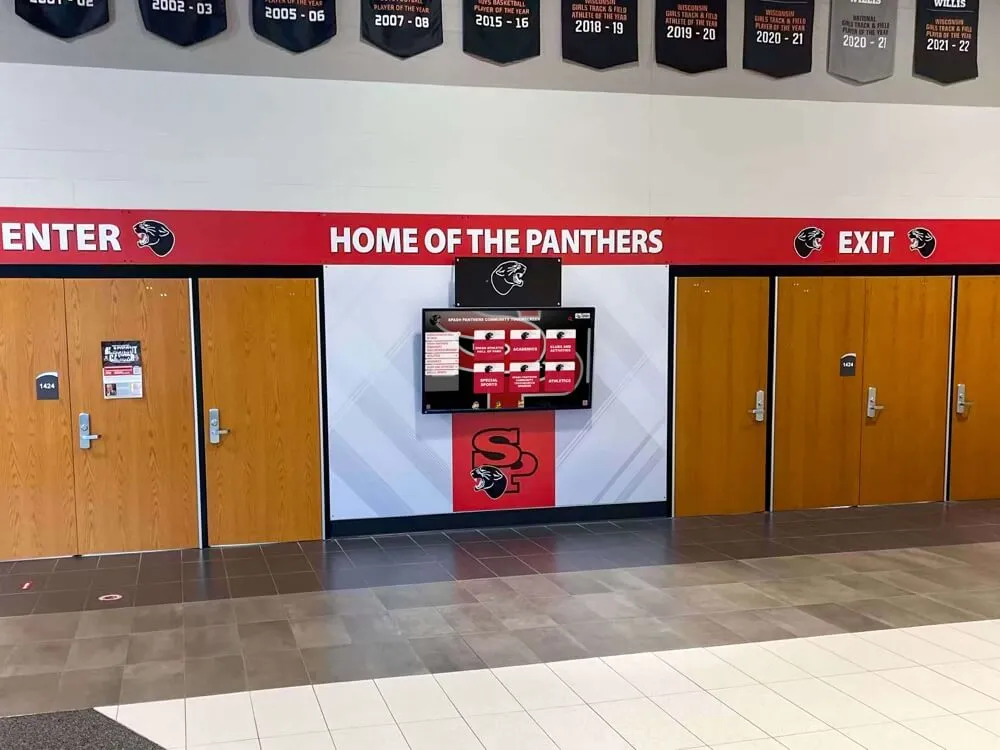
Strategic placement of recognition displays in high-traffic areas maximizes visibility and engagement with academic achievements including valedictorian honors
Eliminating Valedictorian Honors Entirely
A growing minority of schools abandon valedictorian designations altogether:
These institutions cite concerns about excessive academic competition, student stress and mental health impacts, narrowing of education to GPA maximization, and philosophical objections to singling out individuals in ways contradicting inclusive values. Instead, they adopt Latin honors systems, eliminate class rank entirely, or recognize multiple top performers without hierarchical ordering.
Critics of elimination argue it represents misguided egalitarianism denying recognition to students who earned distinction through years of effort. They note that competition exists regardless of formal recognition—college admissions, scholarships, and opportunities all involve evaluation and selection. Eliminating valedictorian simply removes transparent recognition while doing nothing to reduce underlying competitive pressures. The debate continues as schools balance achievement recognition against broader educational philosophy.
How Schools Recognize and Celebrate Valedictorians
Beyond graduation ceremonies, schools implement various strategies to honor valedictorian achievement throughout students’ final year and into alumni status.
Traditional Recognition Approaches
Graduation Ceremony Prominence
The commencement ceremony provides primary valedictorian recognition through prominent seating, introduction with special distinction, the valedictory address delivery, and often presenting diplomas before other students or receiving diplomas from special presenters like superintendents or board chairs. Family sections typically receive prominent seating recognizing their role in students’ success. These ceremonial elements create memorable moments celebrating achievement before entire school communities.
Award Ceremony Recognition
Many schools host separate academic award ceremonies in the weeks before graduation specifically honoring academic achievement. Valedictorians receive special awards, recognition, and sometimes monetary prizes from school foundations, community organizations, or local businesses. These events enable extended celebration beyond graduation time constraints. Explore awards ceremony ideas for comprehensive academic recognition.
Physical Recognition Displays
Traditional approaches include adding valedictorian names to permanent plaques in school hallways, trophy cases displaying annual valedictorian awards, yearbook special pages dedicated to top academic achievers, and framed photographs in administrative areas or libraries. These physical displays create lasting recognition visible to future student generations, connecting current achievers to institutional legacy.
Modern Digital Recognition Solutions
Contemporary schools increasingly adopt digital platforms that overcome physical display limitations while creating engaging recognition experiences:
Interactive Digital Displays
Solutions like Rocket Alumni Solutions transform academic recognition through touchscreen systems that showcase unlimited valedictorians across all graduating years without space constraints. Single displays accommodate comprehensive historical archives preserving institutional academic tradition. Interactive features enable visitors to search by year, name, or achievement; explore detailed profiles including academic accomplishments, quotes, college destinations, and career paths; and view photo galleries and additional multimedia content impossible with static plaques.
These digital systems make academic excellence visible daily throughout school years rather than only at graduation, reinforcing that intellectual achievement receives celebration comparable to athletic success. Learn about comprehensive digital recognition approaches celebrating excellence across all achievement categories.

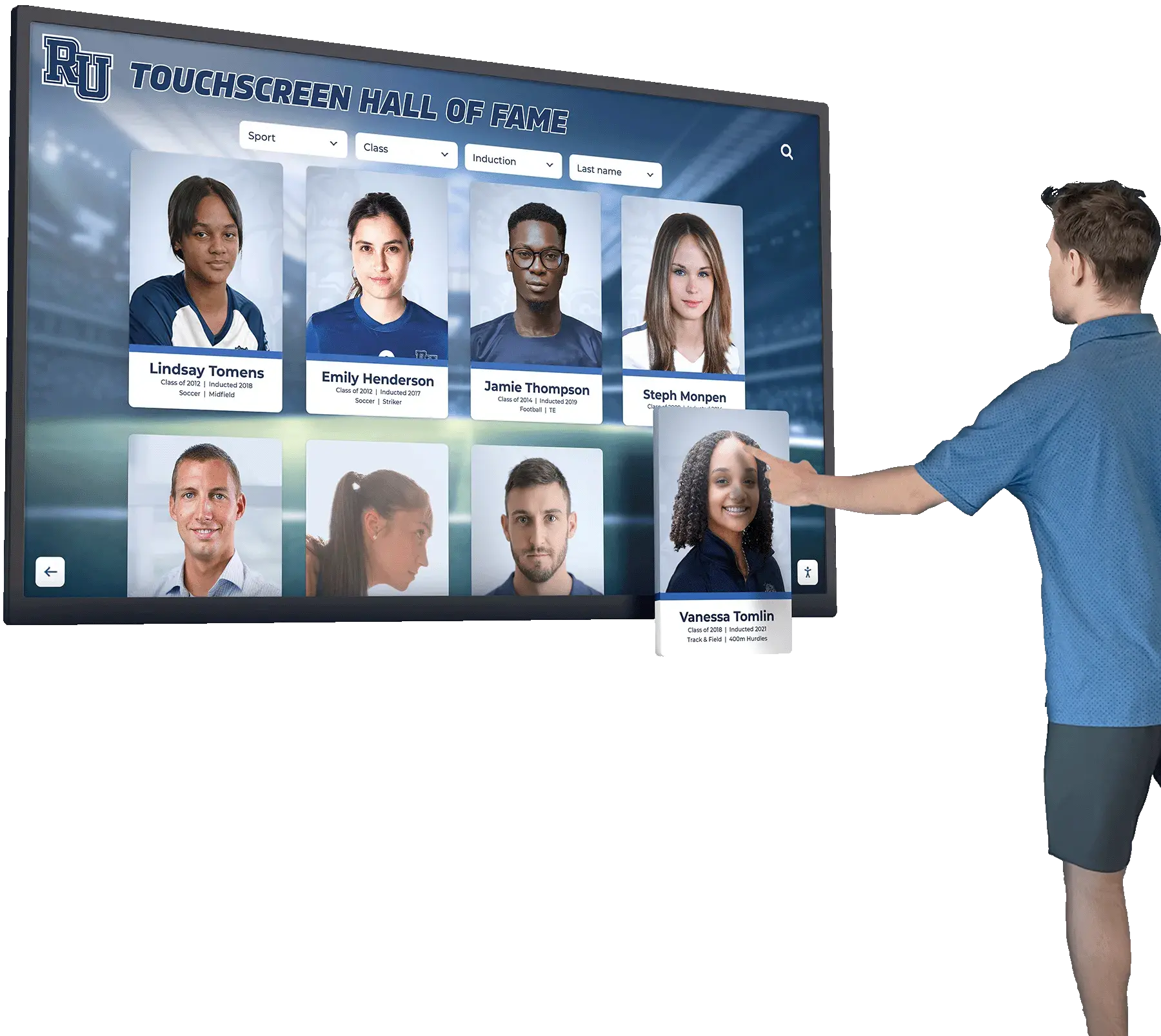
Touchscreen interfaces make exploring valedictorian and academic achievements engaging and intuitive for students, families, and visitors
Online Recognition Platforms
Web-accessible systems extend recognition beyond physical campus to engage alumni and families worldwide. Online platforms enable social sharing capabilities allowing students to celebrate accomplishments, mobile-optimized displays ensuring accessibility across devices, integration with school websites and communication platforms, and searchable databases enabling easy access to historical information. These web extensions amplify recognition impact while preserving institutional memory more effectively than physical displays alone.
Content Management Advantages
Cloud-based management systems eliminate administrative burden traditional displays require. Remote updates from any internet-connected device, bulk import tools for historical data, scheduled publishing for graduating class additions, role-based permissions enabling appropriate staff access, and drag-and-drop interfaces requiring no technical expertise make maintaining current recognition simple and efficient. Schools report 80-90% reduction in time spent managing academic recognition after implementing digital systems.
For institutions seeking comprehensive recognition approaches, Rocket Alumni Solutions provides platforms specifically designed for celebrating valedictorians alongside athletic achievements, donors, and other institutional honorees through integrated systems.
Recognition Beyond Graduation
Thoughtful schools extend valedictorian recognition beyond commencement:
Alumni Networks and Mentorship
Creating networks connecting past valedictorians generates valuable mentorship opportunities, career guidance, and professional relationships. Some schools host periodic gatherings bringing together valedictorians from different eras, fostering intergenerational connections and demonstrating how top academic achievement translates to diverse life paths. These networks also provide current valedictorians access to accomplished alumni who understand their experiences.
Update Campaigns and Success Stories
Reaching out to past valedictorians for career updates, accomplishments, and reflections creates engaging content for recognition displays and school communications. These stories inspire current students while demonstrating long-term value of academic excellence. They also strengthen alumni connections to institutions by showing continued interest in their achievements beyond graduation day.
Scholarship Endowments
Some alumni establish valedictorian scholarship endowments supporting future top academic achievers. These legacy gifts create perpetual recognition while providing financial assistance enabling future valedictorians to pursue educational dreams. Recognition systems can highlight these endowments alongside historical valedictorians, connecting past honorees to ongoing impact.
Preparing for Valedictorian Status: Strategies for Students
For students aspiring to valedictorian achievement, strategic approaches maximize chances of reaching this goal.
Academic Planning and Course Selection
Starting Early
Valedictorian pursuit typically begins freshman year or even earlier. Since GPA calculations often include all four high school years, early performance significantly impacts final results. Students aiming for top recognition should treat freshman grades as seriously as junior and senior year performance, understanding that lower early grades may prove mathematically impossible to overcome later.
Strategic Course Selection
Understanding school weighting policies enables strategic course choices. Students should challenge themselves with advanced coursework when genuinely prepared, as weighted systems reward rigor. However, overloading with excessive advanced courses risking lower grades may backfire. The optimal approach balances genuine intellectual challenge with realistic assessment of one’s capabilities in different subject areas. Consulting with counselors about specific course weighting and impact on class rank helps inform decisions. Explore back to school planning for academic success frameworks.

Modern recognition systems integrate multiple achievement categories including valedictorian, honor roll, and academic awards in unified platforms
Study Habits and Academic Excellence
Developing Effective Study Systems
Sustained academic excellence requires systematic approaches to learning and test preparation. Successful valedictorians typically develop personalized study systems incorporating regular review, active learning strategies, time management skills, and balanced approaches preventing burnout. They understand that consistent effort across four years matters more than cramming before major assessments.
Seeking Academic Support
Top students don’t achieve excellence alone. They leverage teacher office hours, tutoring resources, study groups with motivated peers, and family support when appropriate. Recognizing when additional help would strengthen understanding and proactively seeking that support distinguishes students who sustain excellence from those who struggle when challenged.
Maintaining Balance and Well-Being
Avoiding Burnout
The intense focus required for valedictorian achievement creates burnout risks. Students should prioritize adequate sleep, physical activity, social connections, and activities providing genuine enjoyment beyond academics. Schools and families should monitor stress levels, watch for concerning behaviors, and remember that long-term health and well-being matter more than any single academic distinction.
Developing Genuine Interests
The most successful students pursue academic excellence alongside authentic interests in subjects, activities, and causes they care about rather than purely strategic GPA optimization. This intrinsic motivation sustains effort more effectively than extrinsic goals alone while developing well-rounded individuals colleges and future employers truly value. Learn about diverse recognition of student excellence beyond grades alone.
The Future of Valedictorian Recognition
As educational practices evolve, valedictorian traditions continue adapting to contemporary values and technological capabilities.
Emerging Trends
Technology-Enhanced Recognition
Digital recognition platforms will continue expanding capabilities through artificial intelligence generating personalized profiles, augmented reality experiences overlaying historical information, and enhanced accessibility features ensuring inclusive recognition. These technologies enable richer storytelling about valedictorian achievement while making recognition more engaging and accessible.
Holistic Achievement Metrics
Some schools explore comprehensive achievement indexes combining academic performance with leadership, service, character, and contribution. While controversial, these approaches reflect growing recognition that pure GPA may not capture comprehensive excellence. Expect continued experimentation with recognition models balancing academic achievement against broader contribution.
Competency-Based Recognition
As competency-based education models grow, some institutions may shift from GPA-focused valedictorian selection to competency demonstration. Rather than measuring performance through traditional grades, these systems assess mastery of specific skills and knowledge. Valedictorian recognition might evolve to acknowledge students demonstrating highest levels of competency across comprehensive skill sets.
Preserving Tradition While Embracing Innovation
The most effective approaches balance honoring established traditions that communities value with adopting innovations addressing contemporary needs:
Schools should maintain meaningful recognition for top academic achievement while ensuring processes remain fair and transparent. Whether through single valedictorian designation, multiple recognitions, or Latin honors systems, clear criteria and consistent application matter most. Recognition should extend beyond graduation ceremonies through permanent displays—whether traditional plaques or modern digital recognition systems—that honor achievement while inspiring future students.
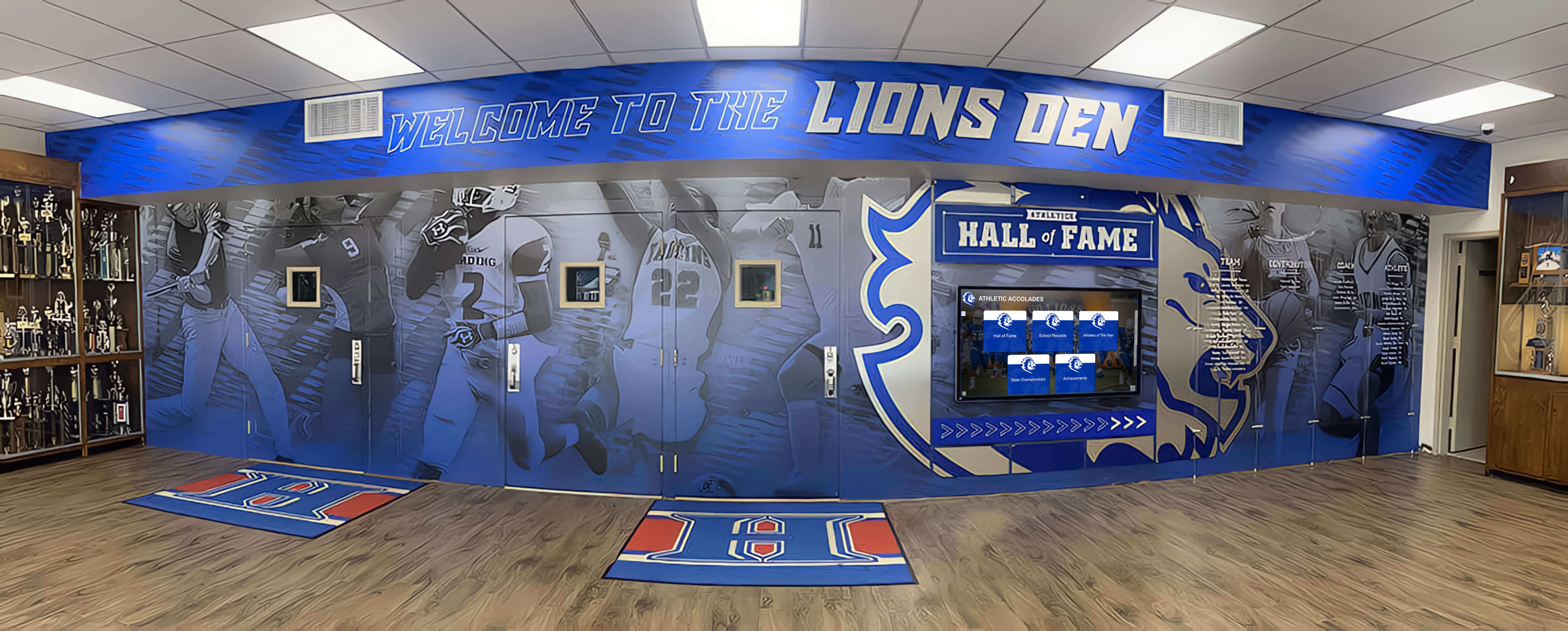
Integrated recognition environments combine traditional displays with digital systems creating comprehensive celebration spaces for valedictorians and all achievers
Conclusion: Honoring Academic Excellence Through Valedictorian Recognition
Valedictorian status represents one of the highest academic honors American high schools bestow, acknowledging years of sustained intellectual excellence, disciplined study, and commitment to learning. Whether schools designate single valedictorians or recognize multiple top achievers, whether they use weighted or unweighted GPA systems, and whether they maintain traditional approaches or adopt innovative recognition technologies, the core purpose remains consistent: celebrating students who exemplified academic achievement and inspiring future generations to pursue intellectual excellence.
The valedictorian honor encompasses far more than a speech at graduation or a line on a resume. It validates countless hours of focused effort, represents significant college admissions and scholarship advantages, and creates lasting recognition connecting students to institutional legacy. For schools, how they select, celebrate, and preserve valedictorian achievement reflects broader values about what accomplishments deserve greatest recognition and how institutions honor those who excel.
Celebrate Academic Excellence With Modern Recognition
Discover how digital recognition solutions can help your school honor valedictorians and all academic achievers through engaging displays that inspire excellence and preserve institutional legacy.
Explore Recognition SolutionsAs educational practices continue evolving, valedictorian traditions adapt while maintaining core commitments to recognizing intellectual achievement. Modern digital recognition platforms like Rocket Alumni Solutions enable schools to showcase valedictorians across all graduating years without physical space limitations, creating interactive experiences that engage students, families, and communities while preserving institutional memory more effectively than traditional approaches alone.
Whether you’re a student aspiring to valedictorian status, a parent supporting that journey, an educator shaping recognition practices, or an administrator evaluating how your school celebrates academic excellence, understanding the full context of this honor—from selection criteria and historical evolution to modern recognition approaches and ongoing debates—enables more informed participation in traditions that continue shaping American secondary education.
Every student who achieves valedictorian distinction through years of dedicated effort deserves recognition honoring that accomplishment appropriately while inspiring future students to pursue their own academic excellence. The most effective recognition systems balance tradition with innovation, celebrate individual achievement while fostering inclusive cultures, and preserve institutional legacy while embracing technologies that extend recognition reach and impact far beyond what previous generations imagined possible.
Ready to learn more about comprehensive academic recognition? Explore innovative academic achievement programs or discover how modern school recognition systems celebrate excellence at all levels.