



Student council is a representative student government organization in middle schools, high schools, and colleges where elected student leaders plan events, advocate for student interests, develop leadership skills, and serve as liaisons between the student body and school administration. Student councils typically include positions like president, vice president, secretary, and treasurer, with members elected by their peers to serve one-year terms.
For students considering running for student council or parents wondering about the benefits of student government involvement, understanding how these organizations function and what they offer creates clearer expectations about time commitments, responsibilities, and opportunities. Many students discover that student council participation becomes one of their most valuable high school experiences—building leadership capabilities, creating lasting friendships, and strengthening college applications.
This comprehensive guide explores everything students and parents need to know about student councils: how they’re structured, what student government members actually do, election processes, time commitments, leadership development opportunities, recognition programs, and strategies for successful campaigns and effective service once elected.
Whether you’re a student wondering if you should run for student council, a parent whose child is considering involvement, or simply curious about how student government functions in schools today, this guide provides practical insights into one of education’s most enduring and valuable student organizations.

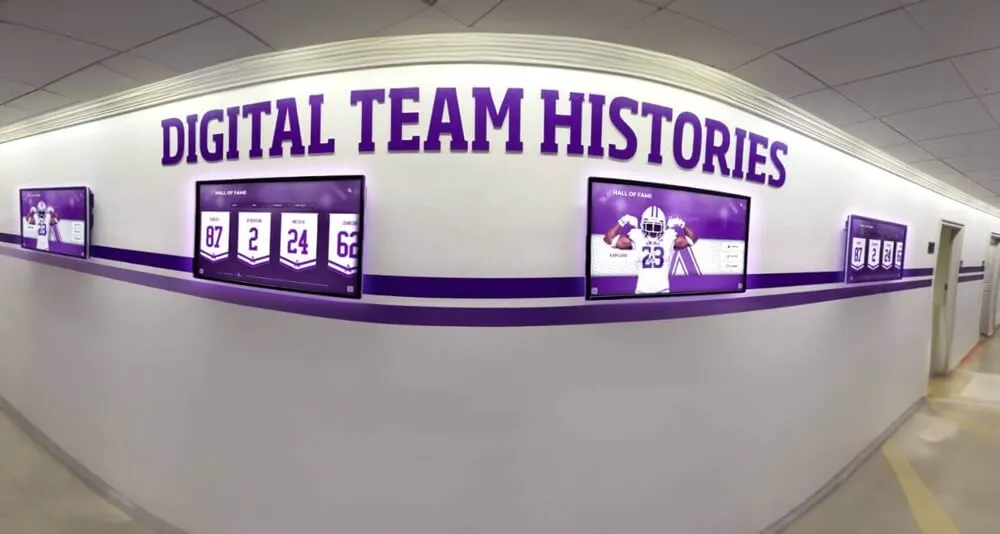
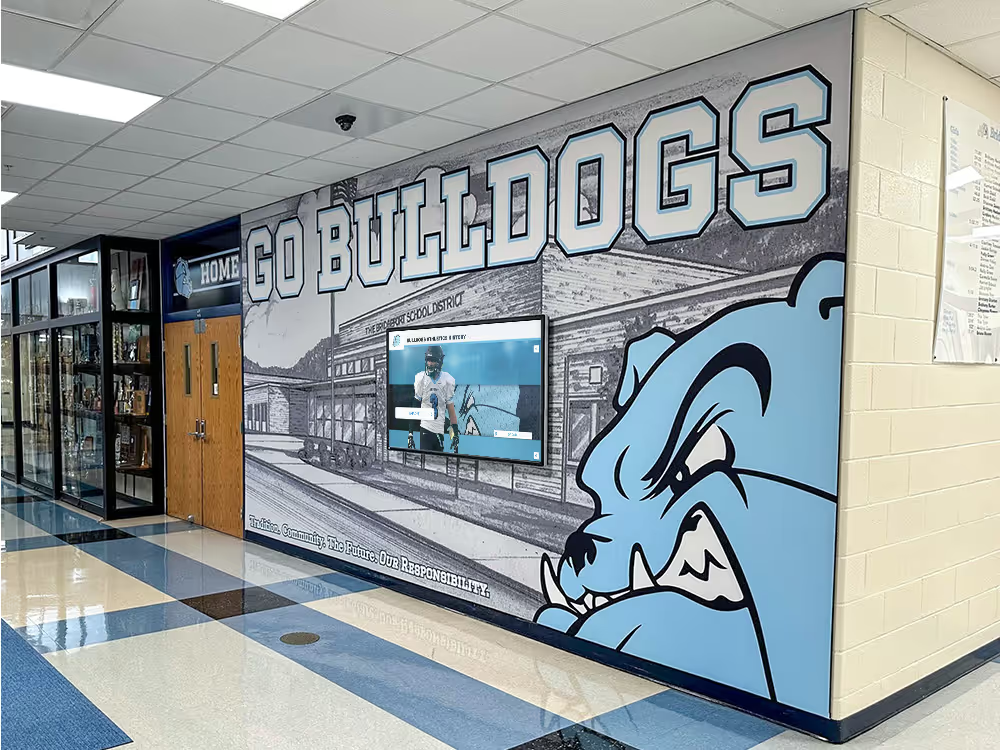
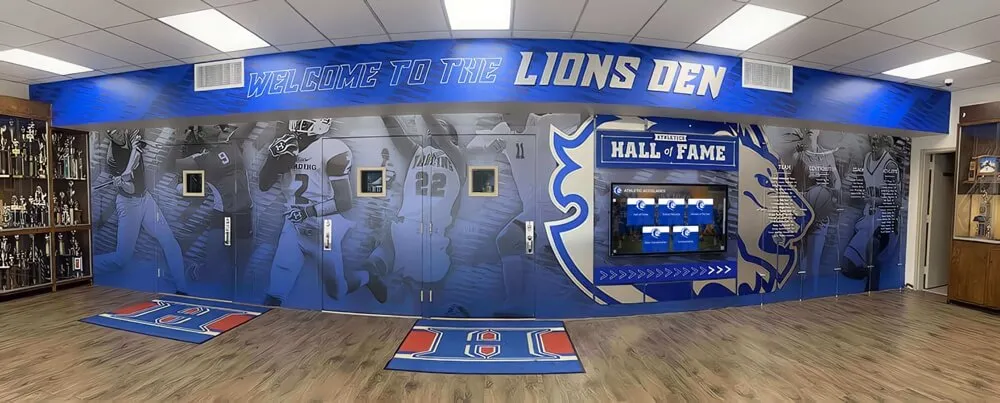
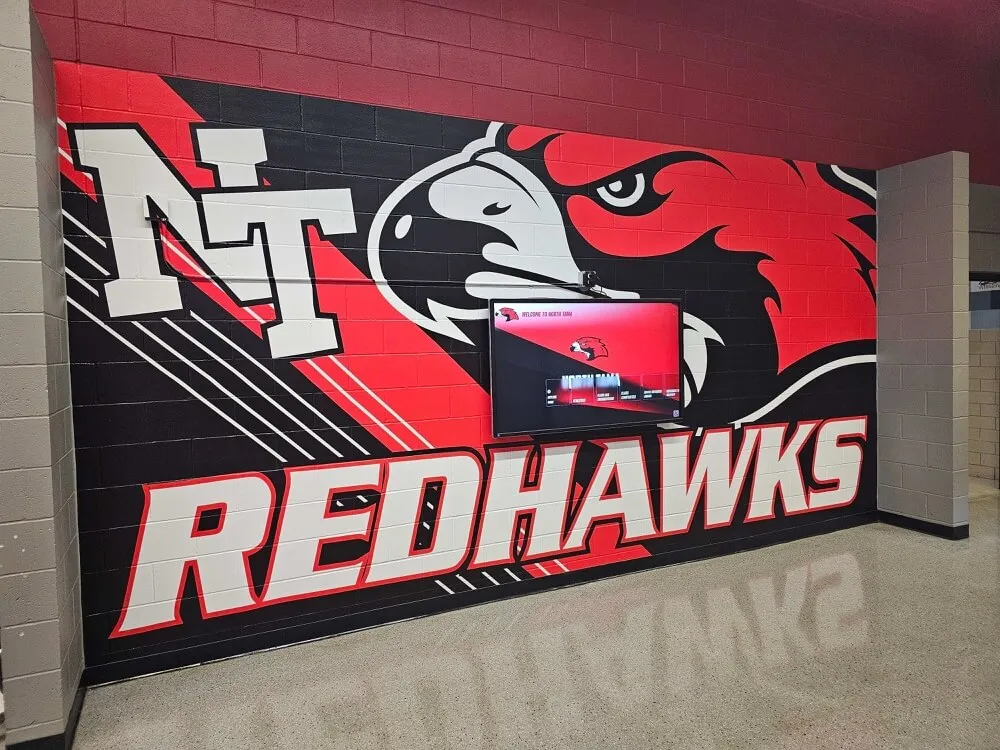
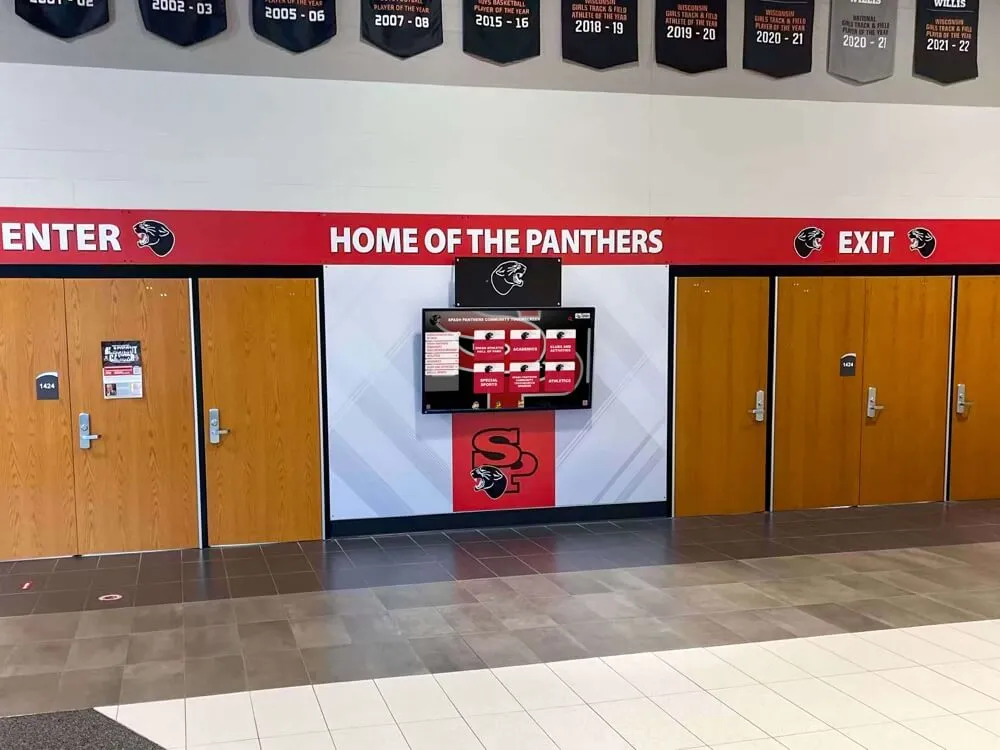
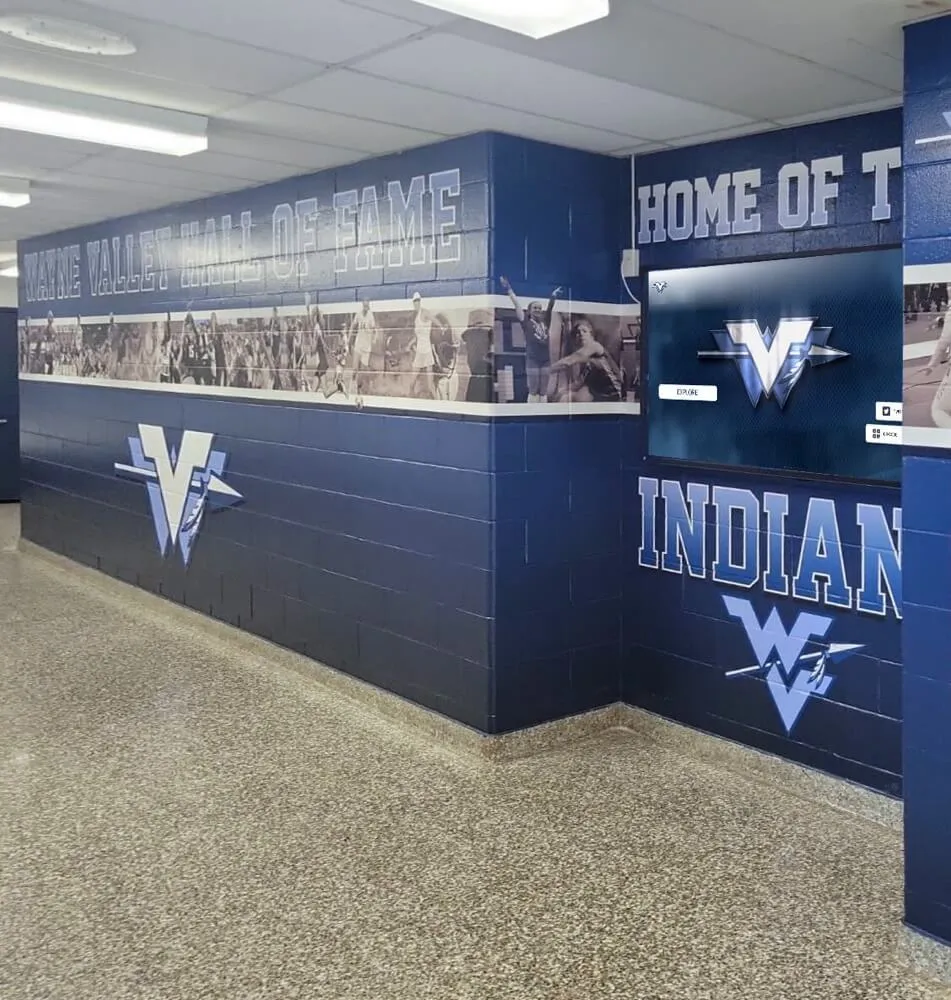
Modern schools showcase student leadership and achievements through visible displays that celebrate student council contributions alongside academic and athletic recognition
Understanding Student Council: Purpose and Structure
Student councils serve multiple important purposes within educational institutions while providing structured leadership opportunities for students at all grade levels.
What Student Council Actually Is
Student council (also called student government or student body government) is an officially recognized school organization where elected student representatives serve their classmates by:
Primary Functions
- Planning and organizing school events, dances, spirit weeks, and activities
- Representing student interests and concerns to school administration
- Managing student activity funds and budgets for school programs
- Developing leadership skills through hands-on experience
- Creating community service projects benefiting schools and broader communities
- Building school spirit and promoting positive school culture
- Serving as official student voice in school decision-making processes
Student councils have existed in American schools since the early 1900s, originally emerging as civic education experiments teaching democratic principles through practical application. Today, they remain one of the most widespread student organizations, existing in approximately 80-90% of American middle schools and high schools.
How Student Councils Differ from Clubs Unlike subject-specific clubs (debate club, chess club, drama club), student councils represent the entire student body with broader responsibilities for school-wide concerns rather than focused activities. While clubs pursue specific interests, student government addresses general student welfare, school culture, and administrative partnership.
Typical Student Council Structure and Positions
Most school student councils follow similar organizational structures with executive officers and class representatives:
Executive Officer Positions
President (or Student Body President)
- Chief executive of student government organization
- Runs council meetings using parliamentary procedure
- Serves as primary liaison with school principal and administration
- Represents student body at school board meetings and public events
- Sets overall vision and priorities for student government year
- Coordinates with all other officers ensuring organizational effectiveness
Vice President
- Assumes presidential duties when president unavailable
- Often oversees specific initiatives or committee work
- Supports president in administrative coordination
- May serve as chair of specific committees
- Provides organizational continuity and backup leadership
Secretary
- Records minutes from all student council meetings
- Manages official documents and organizational records
- Coordinates communication between student government and student body
- Prepares agendas and meeting materials
- Maintains attendance records and organizational history
Treasurer
- Manages student government budget and financial records
- Tracks revenue from fundraisers and school allocations
- Authorizes expenditures for events and programs
- Prepares financial reports for administration and student body
- Plans fundraising activities addressing budget needs
Class Representatives
Most councils include representatives from each grade level:
- Freshman (9th grade) representatives
- Sophomore (10th grade) representatives
- Junior (11th grade) representatives
- Senior (12th grade) representatives
Each grade typically elects 2-5 representatives who bring their class’s concerns and perspectives to council deliberations while organizing grade-specific events and activities.

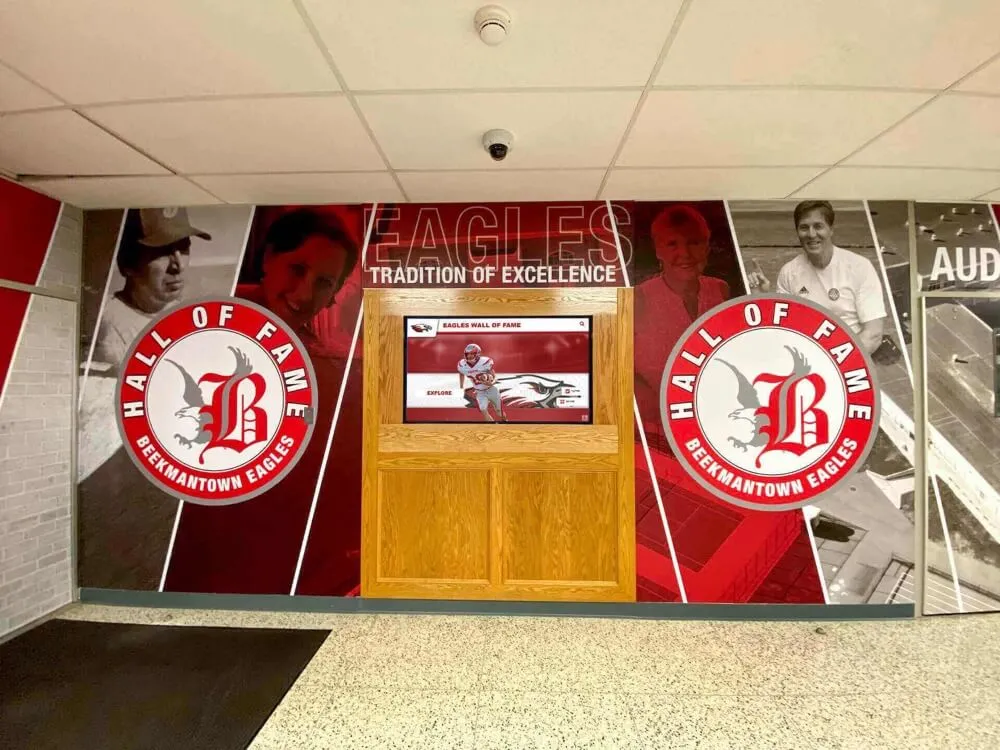
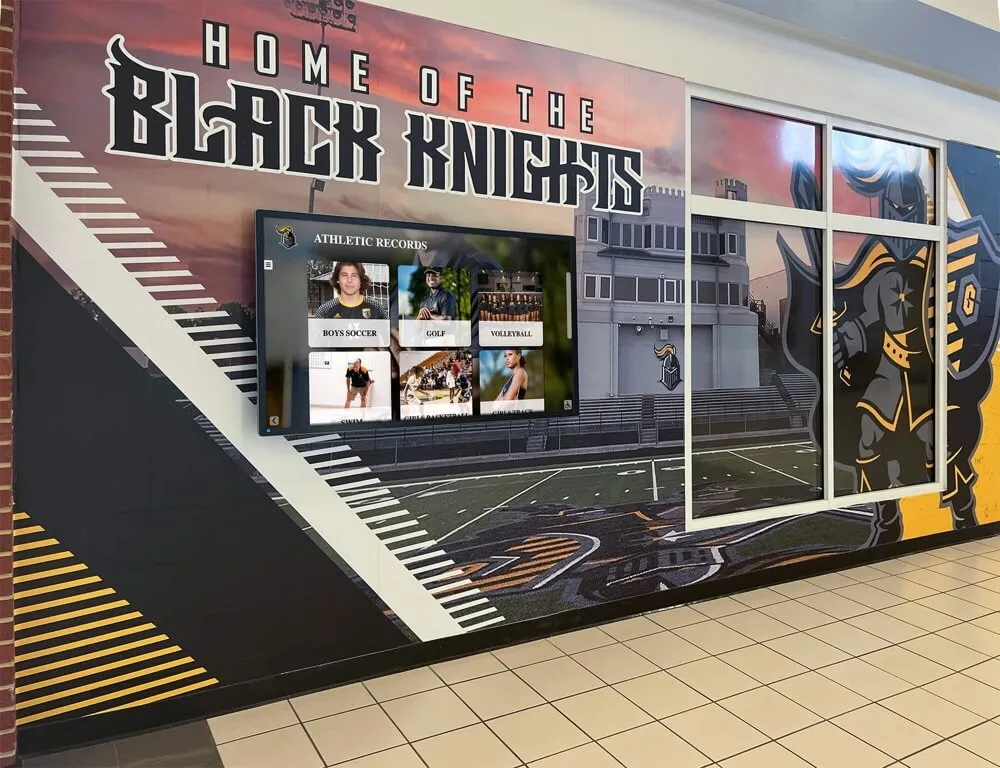
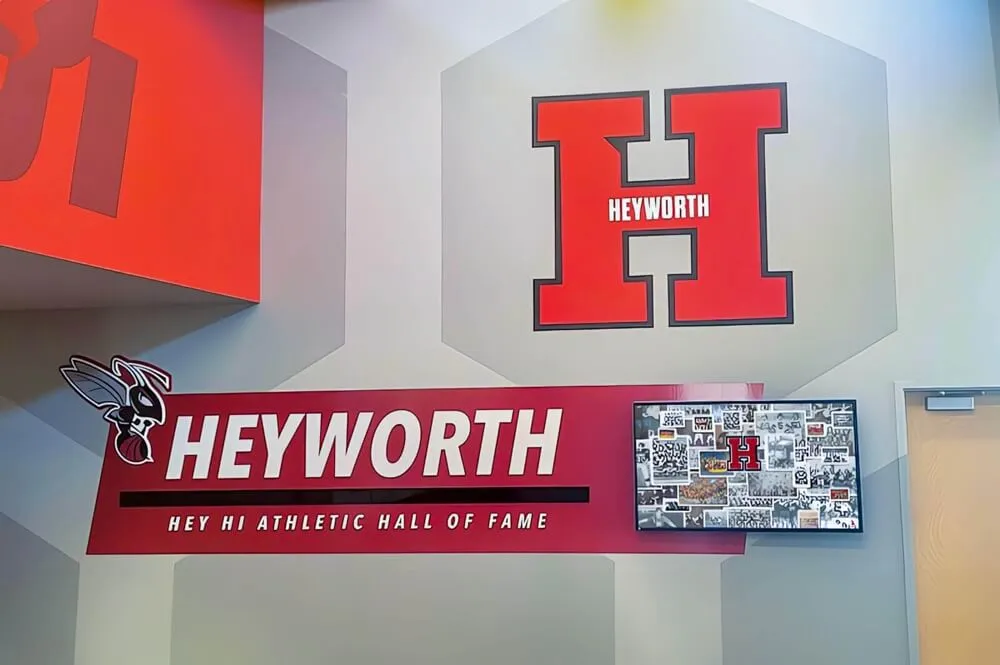
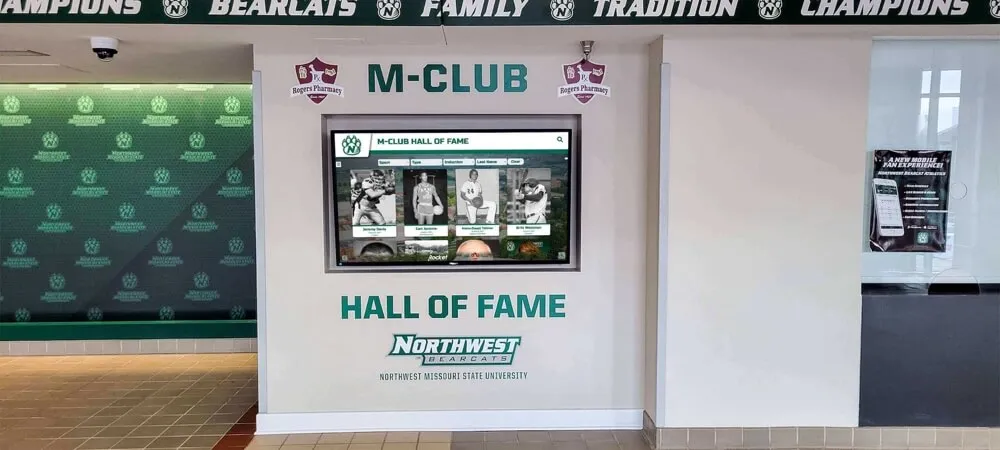
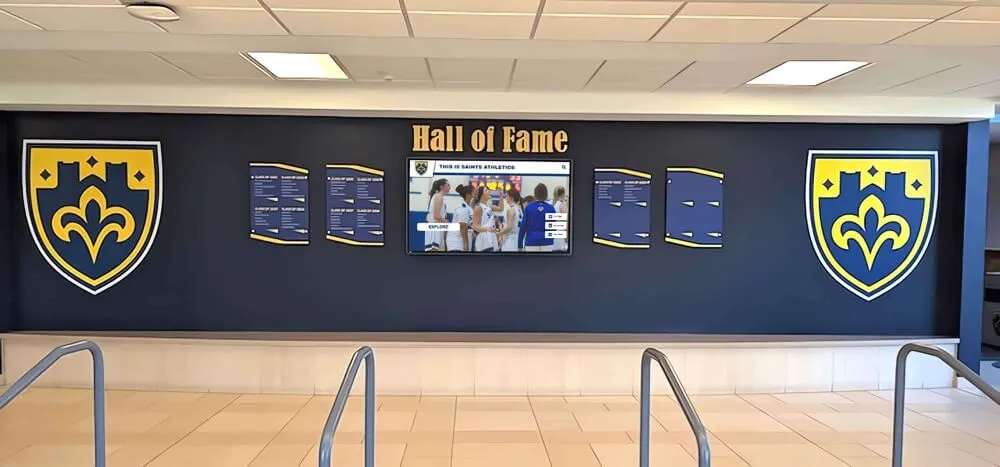
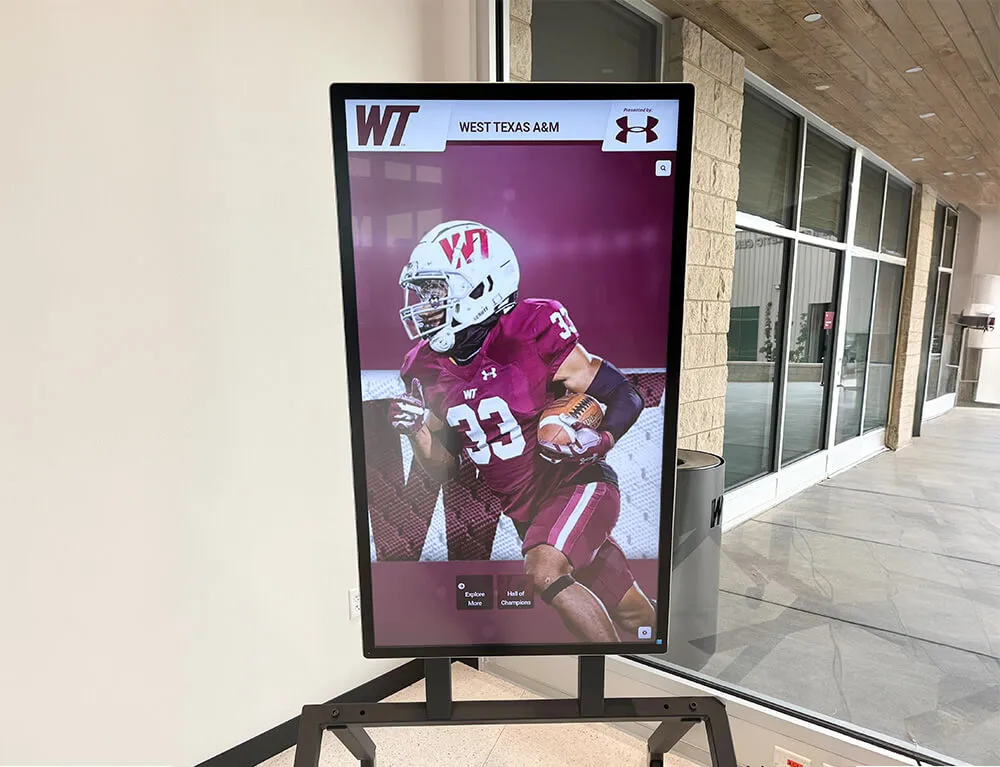
Schools recognize elected student leaders through prominent displays celebrating their service and making student government visible to the broader community
Committee Structures Larger student councils often establish committees focusing on specific responsibilities:
- Events planning committee
- Spirit and school culture committee
- Community service committee
- Fundraising committee
- Communications committee
- Grade-level liaison committees
These specialized teams enable focused work on major initiatives while distributing responsibilities across the full council membership.
Learn about recognizing student leaders effectively through academic recognition programs that showcase student government achievements.
Student Council Roles and Responsibilities
Understanding what student council members actually do on a day-to-day basis provides clearer perspective on time commitments and experiences involvement offers.
Regular Activities and Duties
Weekly Meeting Participation Most student councils meet weekly or bi-weekly for 45-90 minutes:
- Discussing upcoming events and logistics
- Addressing student concerns and feedback
- Reviewing budget and financial matters
- Planning spirit activities and traditions
- Coordinating with faculty advisors
- Making collective decisions through voting procedures
These meetings follow formal agendas using parliamentary procedure (Robert’s Rules of Order), teaching practical governance skills through structured debate and decision-making.
Event Planning and Execution Student councils typically organize 6-12 major events annually:
Common Student Council-Organized Events
- Homecoming week activities, parade, dance, and spirit competitions
- Winter formal or holiday dances
- Spirit weeks with themed dress-up days
- Pep rallies before important athletic competitions
- School dances (back-to-school, Valentine’s, spring dance)
- Fundraising events supporting charitable causes
- Senior recognition activities and graduation celebrations
- Welcome events for incoming freshmen
- Teacher appreciation activities
- School beautification projects
Planning involves securing venues, coordinating vendors, managing ticket sales, promoting events, recruiting volunteers, establishing budgets, and ensuring safety compliance—providing hands-on project management experience.

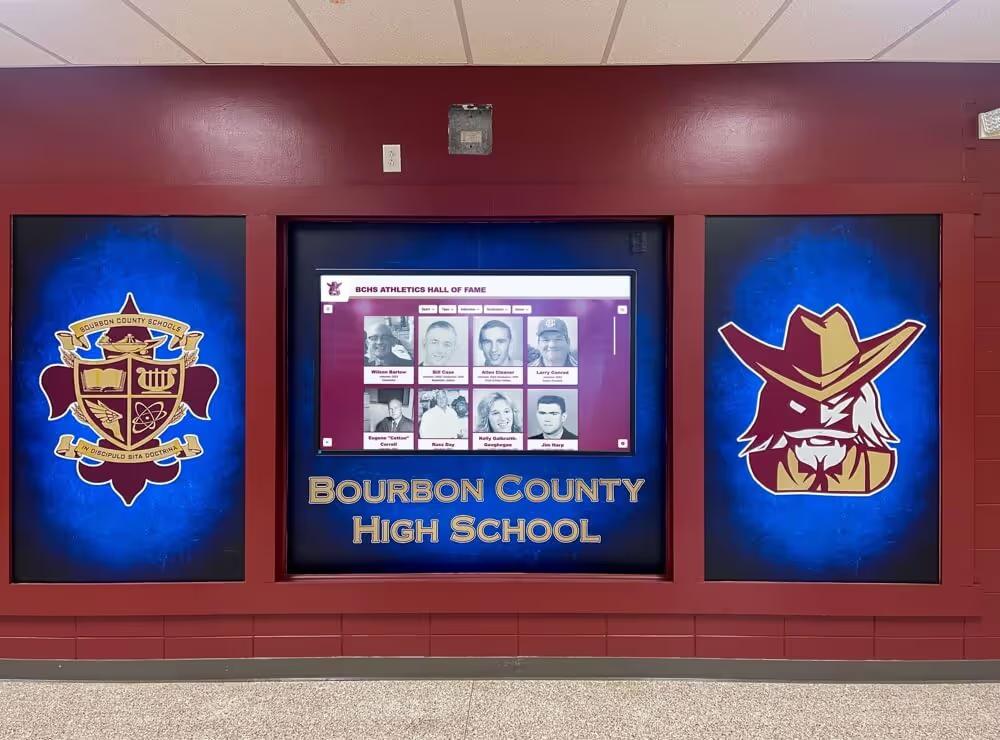
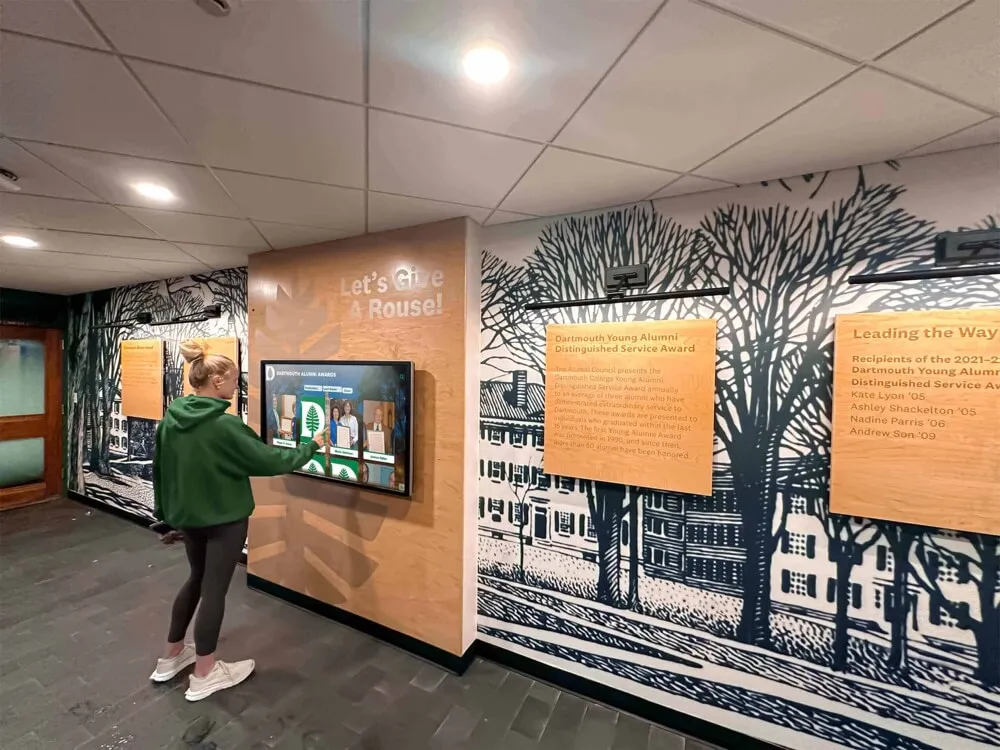
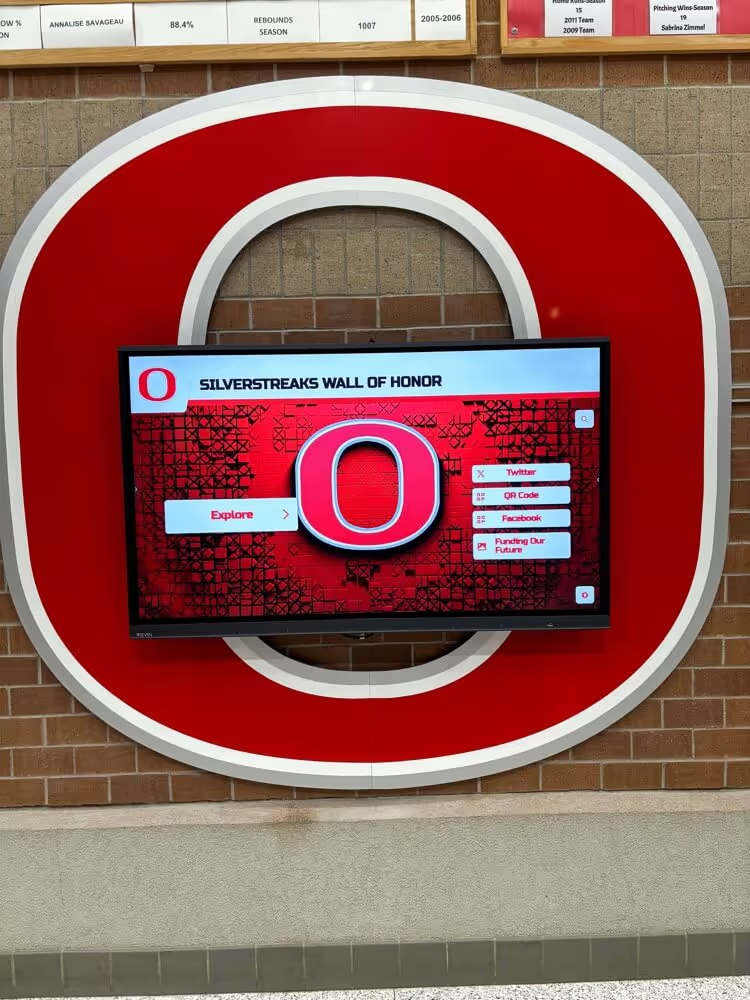
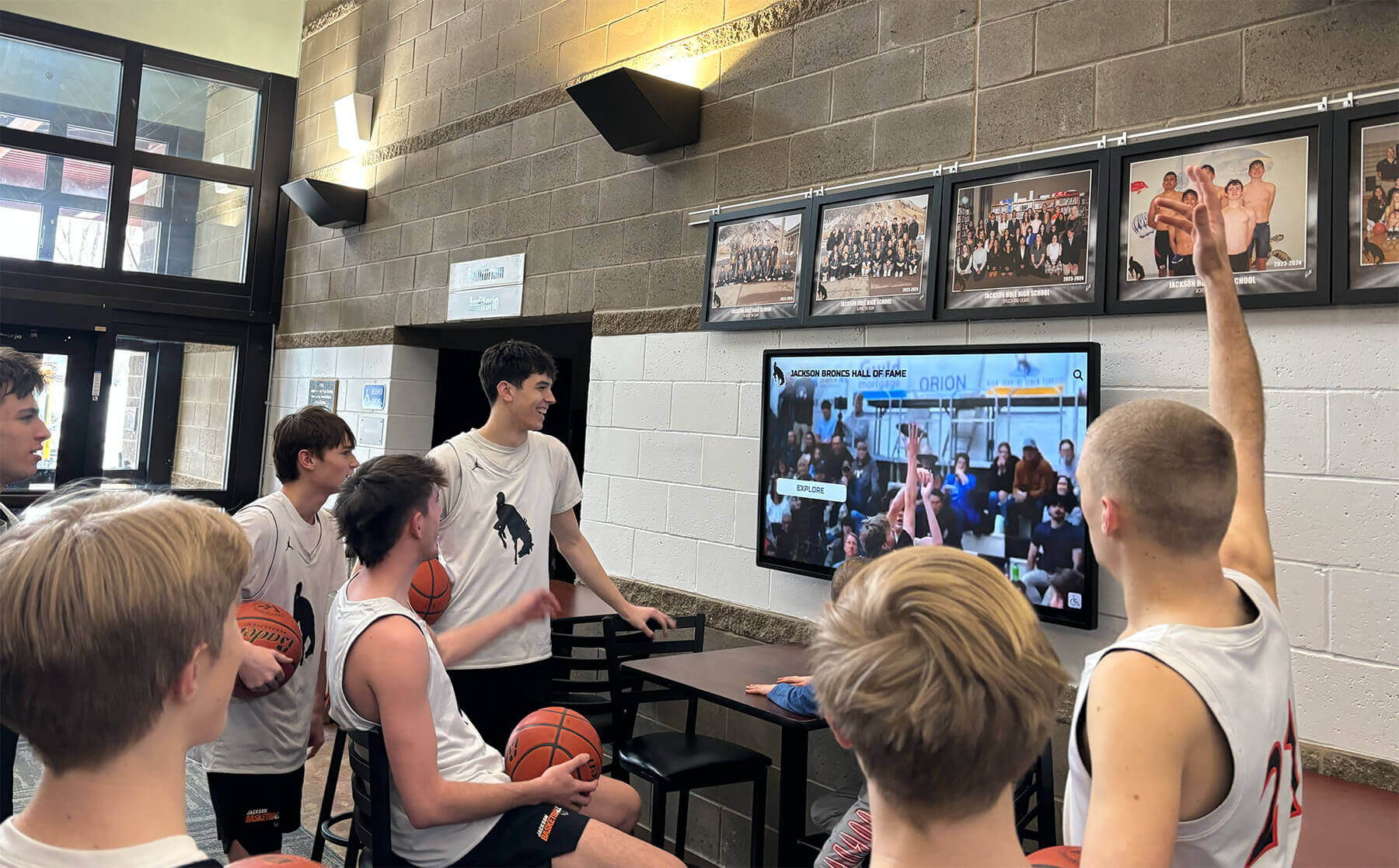
Schools use hallway displays to promote upcoming student council events and recognize student government contributions to school culture
Student Advocacy and Representation Council members serve as official channels for student concerns:
- Collecting feedback about school policies and procedures
- Presenting student perspectives to administrators
- Advocating for changes to rules affecting student experience
- Attending faculty or administrative meetings representing student interests
- Conducting surveys gathering student opinions on important issues
- Serving on school committees addressing discipline, curriculum, or facilities
Community Service Leadership Most student councils coordinate service projects:
- Organizing school-wide charitable fundraisers
- Planning volunteer activities at local nonprofits
- Coordinating food and clothing drives
- Partnering with community organizations
- Creating peer mentoring programs
- Supporting younger students through tutoring or buddy systems
These service initiatives develop civic responsibility while strengthening relationships between schools and broader communities.
Explore approaches for recognizing student service in building school pride through visible acknowledgment of student leadership contributions.
Time Commitments and Expectations
Understanding realistic time requirements helps students make informed decisions about candidacy:
Typical Weekly Time Investment
- Regular meetings: 1-2 hours weekly
- Committee work: 1-3 hours weekly depending on role
- Event preparation during busy periods: 3-6 hours weekly
- Officer positions: Additional 2-4 hours weekly for executive responsibilities
- Total commitment typically ranges 3-8 hours weekly during school year
Time demands vary significantly by season, with peak periods before major events requiring substantially more involvement while slower periods need minimal time beyond regular meetings.
Balancing Council with Academics and Activities Successful student council members typically:
- Maintain strong organizational and time management skills
- Communicate clearly with teachers about occasional conflicts
- Balance council involvement with academic priorities
- Often participate in multiple activities (athletics, clubs, jobs)
- Develop efficiency managing competing responsibilities
Most schools set minimum GPA requirements (typically 2.5-3.0) for student government eligibility, ensuring academic performance remains priority while developing leadership capacity.
Student Council Election Process
Understanding how student council elections work prepares students for successful campaigns if they choose to run.
Election Procedures and Requirements
Eligibility Requirements Schools establish criteria for student government candidacy:
- Minimum GPA requirements (commonly 2.5-3.0)
- Good disciplinary standing with no major violations
- Current grade level enrollment for position sought
- Petition signatures from classmates (typically 25-100 students)
- Attendance standards meeting minimum requirements
- Faculty recommendation or endorsement
Nomination and Declaration Process
- Official nomination period announced several weeks before elections
- Candidates submit declaration forms by specified deadlines
- Faculty advisor reviews eligibility ensuring all requirements met
- Approved candidates receive information packets about campaign rules
- Candidate meetings held explaining expectations and procedures
Campaign Period Regulations Most schools establish campaign rules ensuring fair elections:
Common Campaign Guidelines
- Specified campaign period (typically 1-2 weeks)
- Restrictions on campaign materials (size limits, quantity, placement)
- Prohibition of gifts or incentives to voters
- Social media and digital campaign guidelines
- Limits on campaign spending
- Requirements for truthful and respectful messaging
- Rules about campaign removal after elections
These regulations teach practical civics while maintaining appropriate school environments during election seasons.
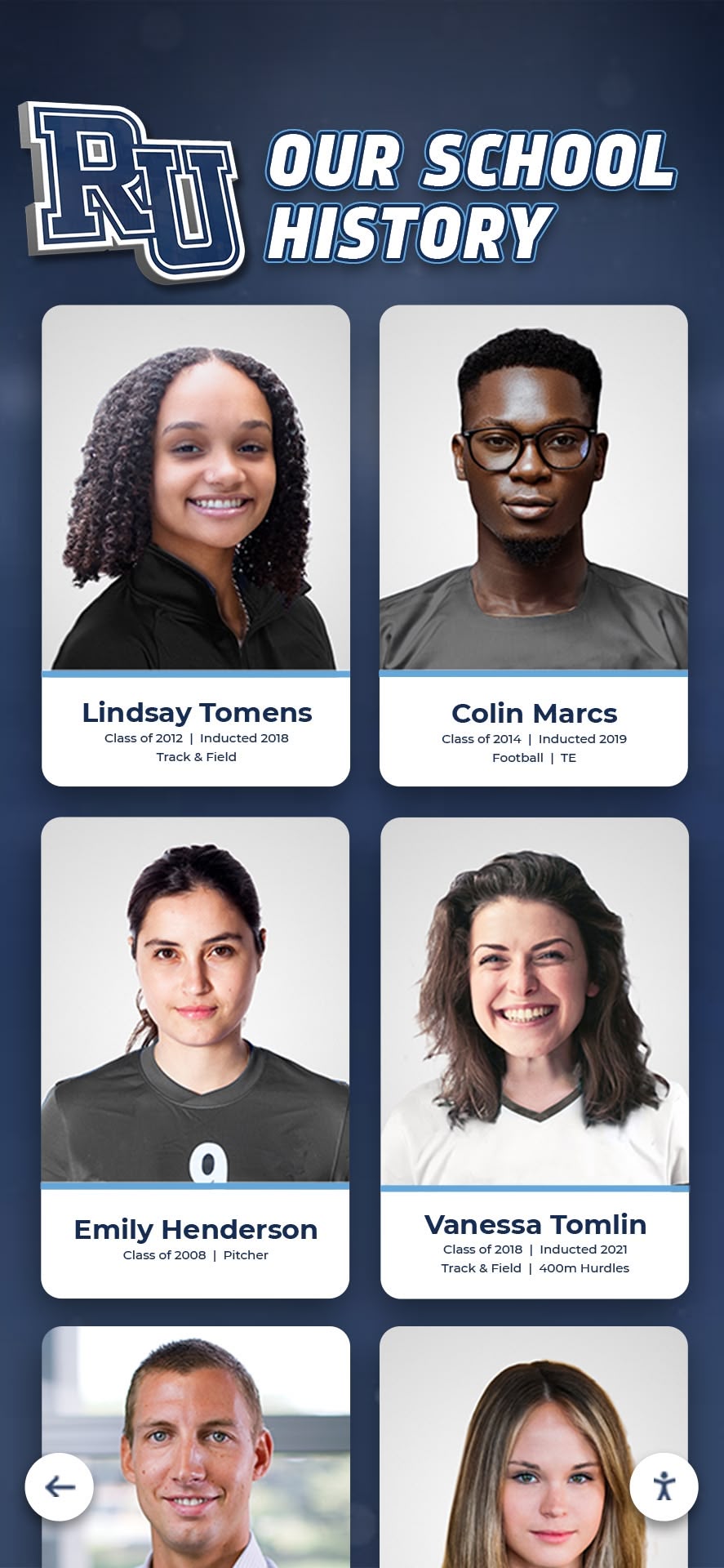
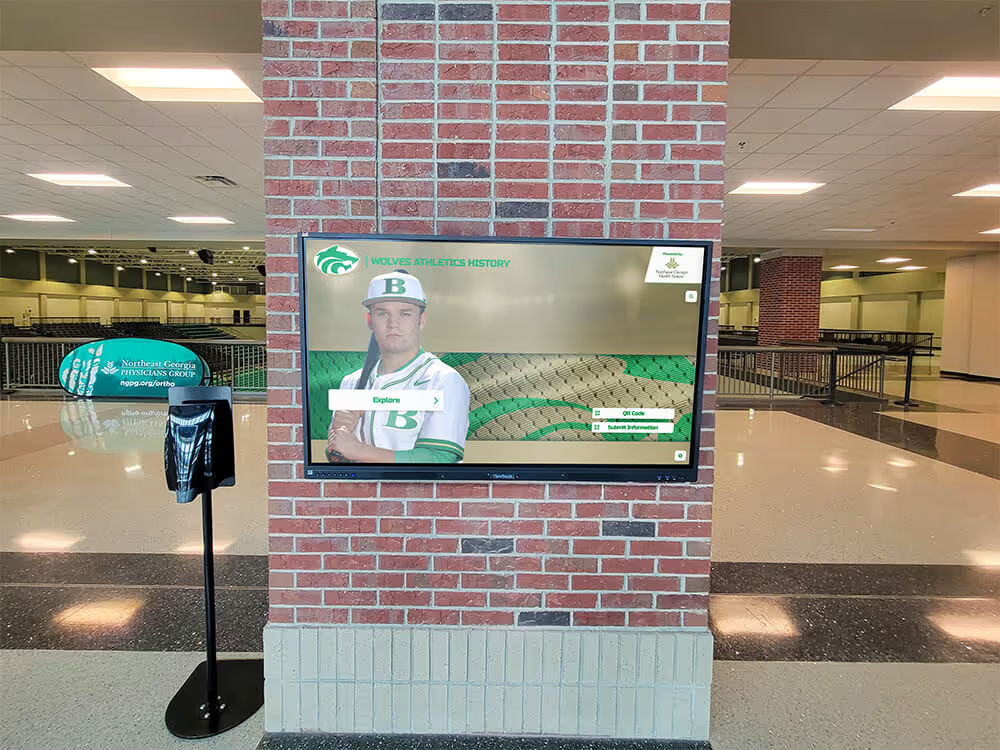
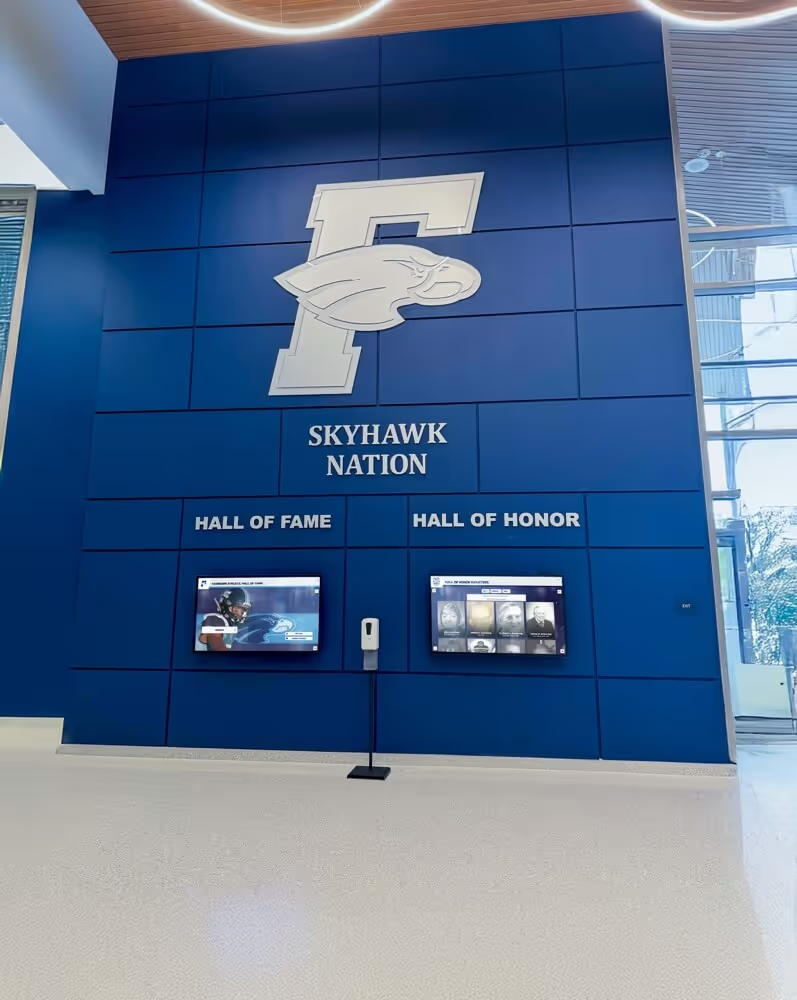
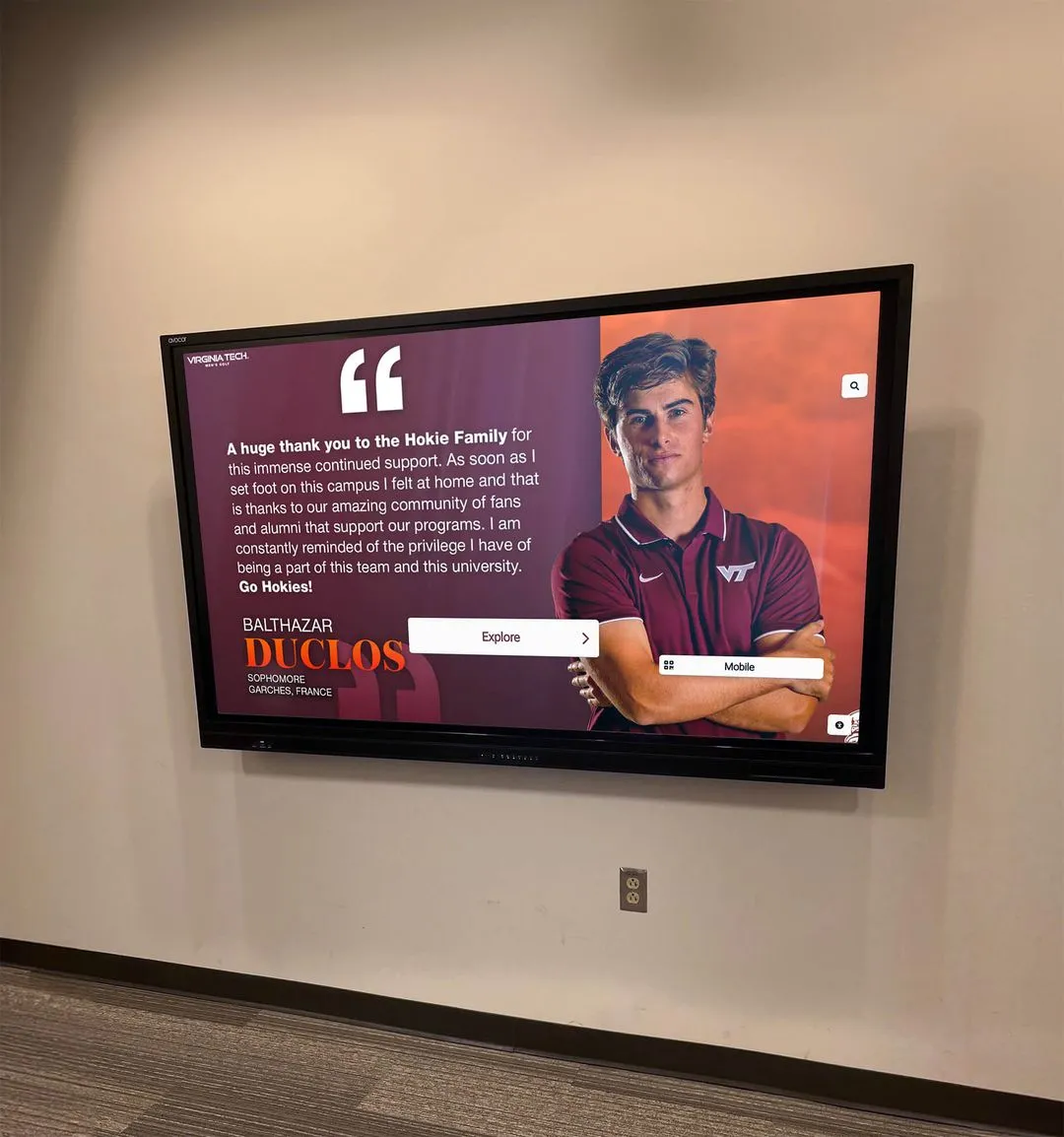
Professional recognition displays showcase elected student leaders with photo profiles documenting their campaign platforms and contributions throughout their terms
Campaign Strategies for Successful Elections
Students running for student council benefit from thoughtful campaign approaches:
Developing Your Platform Effective candidates create clear platforms addressing real student concerns:
- Identify 3-5 specific issues or improvements you would pursue
- Gather input from classmates about priorities before developing platform
- Focus on realistic, achievable goals rather than impossible promises
- Explain how you would accomplish stated objectives
- Connect platform to your unique experiences and qualifications
- Balance fun initiatives (better dances, spirit events) with substantive improvements
Campaign Communication Methods
- Speeches: Most elections require candidates to deliver campaign speeches to assemblies
- Posters: Creative visual materials placed throughout school
- Social media: Instagram, TikTok, and Snapchat reach student audiences effectively
- Personal outreach: Conversations with classmates and visible presence
- Campaign videos: Short digital presentations explaining platforms
- Endorsements: Support from respected peers, teachers, or organizations
Effective Campaign Messages Successful campaigns typically emphasize:
- Specific experience qualifying you for position
- Clear vision for what you want to accomplish
- Understanding of actual student council responsibilities
- Demonstrated commitment to school community
- Approachability and willingness to listen to all students
- Balance between fun events and meaningful advocacy
Common Campaign Mistakes to Avoid
- Making unrealistic promises that can’t be delivered
- Focusing only on popularity rather than qualifications
- Negative campaigning attacking opponents
- Violating campaign rules risking disqualification
- Neglecting face-to-face engagement relying solely on social media
- Failing to clearly articulate why you’re running
Learn about comprehensive student recognition in end of year awards for students including student government service acknowledgment.
Voting Procedures and Results
Election Methods Schools conduct student council elections through various approaches:
- Paper ballots during designated class periods
- Electronic voting through secure online platforms
- Grade-level assemblies with ballot distribution
- Homeroom voting coordinated by classroom teachers
Most elections use plurality voting (highest vote-getter wins) rather than majority requirements, though some schools conduct runoffs between top candidates if no one achieves specified thresholds.
Election Oversight and Fairness Faculty advisors ensure electoral integrity:
- Monitoring campaign compliance with established rules
- Supervising ballot counting and vote tabulation
- Addressing complaints or concerns about violations
- Announcing results publicly to entire student body
- Conducting investigations if irregularities suspected
Post-Election Transition After elections conclude:
- Winners announced at school assemblies or through announcements
- Outgoing officers brief newly elected leaders
- Orientation sessions explain responsibilities and procedures
- Officers typically assume positions at school year end or beginning
- Advisors facilitate smooth leadership transitions

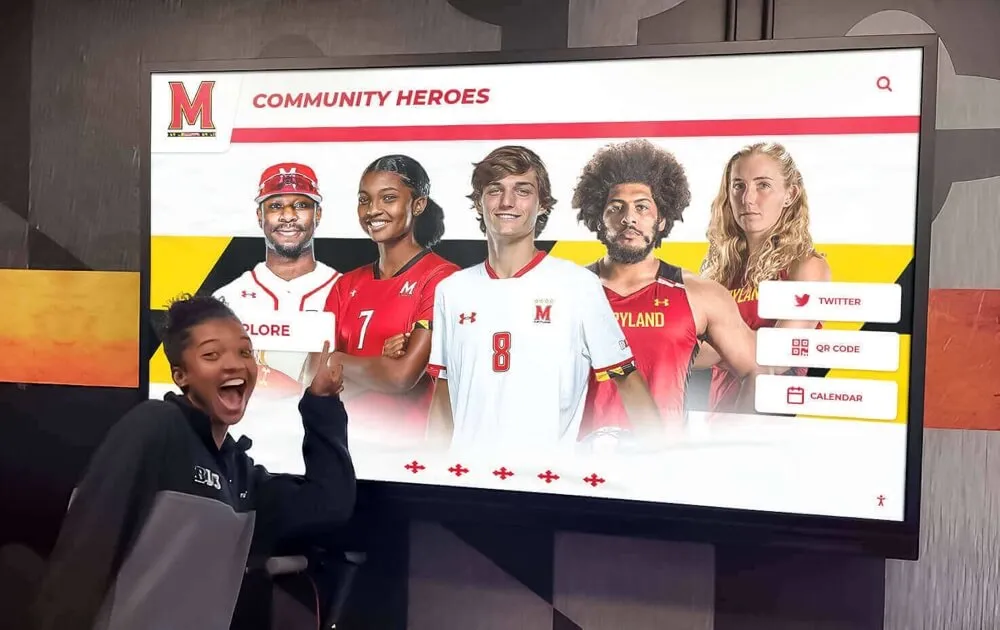
Digital recognition systems update immediately after elections, showcasing newly elected student leaders to celebrate their victories and establish their official positions
Benefits of Student Council Participation
Understanding concrete advantages student government involvement provides helps students and parents evaluate whether pursuing council membership makes sense.
Leadership Skill Development
Student council offers practical leadership training impossible to gain solely through classroom learning:
Specific Capabilities Developed
- Public speaking through regular presentations and assemblies
- Meeting facilitation and parliamentary procedure application
- Team coordination managing diverse groups toward common goals
- Conflict resolution addressing disagreements professionally
- Budget management with real financial responsibilities
- Event planning from concept through execution
- Time management balancing multiple concurrent responsibilities
- Communication skills in formal and informal contexts
- Decision-making under real constraints with genuine consequences
- Delegation and trust building across collaborative teams
These capabilities transfer directly to college, career, and community leadership roles throughout life.
Confidence Building Students consistently report increased confidence from:
- Successfully managing significant responsibilities
- Overcoming fear of public speaking through repeated practice
- Gaining respect from peers and adults for leadership
- Seeing tangible results from their efforts and planning
- Navigating challenging situations and emerging successfully
College Application Advantages
Selective colleges value demonstrated leadership experience, and student council provides clear evidence:
Application Strength Enhancement Student government participation strengthens applications through:
- Leadership positions demonstrating peer respect and election success
- Documented responsibilities showing real organizational management
- Continuity with multi-year involvement showing sustained commitment
- Specific accomplishments providing concrete essay material
- Faculty recommendations highlighting leadership observed firsthand
- Interview topics showcasing meaningful experiences
Admissions officers distinguish between “resume padding” through minimal club membership versus substantial student council involvement requiring significant time and responsibility.
Essay and Interview Material Student council experiences provide rich material for:
- Personal statements about growth and challenges overcome
- Supplemental essays about leadership philosophy
- “Describe a challenge you faced” prompts with real examples
- “What would you contribute to our campus” responses
- Interview conversations about practical leadership experience
Explore how schools showcase student leaders through high school end of year awards including student government recognition.

Comprehensive recognition systems document student council service alongside academic and extracurricular achievements, creating complete records of student leadership development
Social and Personal Development Benefits
Beyond college applications, student council provides immediate personal value:
Expanded Social Connections
- Friendships across grade levels and social groups
- Relationships with students sharing leadership interests
- Adult mentorship from faculty advisors
- Networking with student leaders at other schools
- Connections with alumni who served in student government
School Community Integration
- Deeper understanding of how school operations function
- Access to administrators and decision-making processes
- Pride from contributing to school improvement
- Recognition from broader school community
- Sense of ownership over school culture and traditions
Civic Engagement Foundation Student council creates habits and interests extending to lifelong civic participation:
- Understanding of democratic processes through direct experience
- Appreciation for public service and community contribution
- Skills for effective advocacy and change-making
- Connections between individual action and collective outcomes
Research consistently demonstrates that student government participants become significantly more engaged citizens as adults, with higher rates of voting, community involvement, and continued public service.
Student Council Across Different School Levels
Student government structure and focus varies by educational level, adapting to student developmental stages:
Middle School Student Councils
Appropriate Focus Areas Middle school councils typically emphasize:
- School spirit activities and celebrations
- Social events creating positive community culture
- Simple community service projects
- Character education and peer support
- Basic democratic procedures and civic education
Adapted Responsibilities Middle school student government recognizes developmental levels:
- Greater faculty advisor involvement and guidance
- Simpler budgets and financial management
- Shorter meetings with clear structure
- More emphasis on fun and engagement
- Building foundation for high school leadership
High School Student Councils
Expanded Scope and Autonomy High school councils typically manage:
- Complex event planning with larger budgets
- Sophisticated advocacy on substantive policy issues
- Significant fundraising initiatives
- Community partnerships and service projects
- Leadership development programming
Greater Student Agency High school student government involves:
- More independent decision-making with faculty oversight
- Responsibility for substantial budgets ($5,000-50,000+ annually)
- Official representation in school board or administrative meetings
- Coordination with booster clubs, alumni associations, and community organizations
Senior Recognition and Legacy High schools typically celebrate outgoing senior student council members:
- Recognition at graduation ceremonies
- Special acknowledgment of service contributions
- Legacy projects leaving lasting improvements
- Passage of institutional knowledge to junior members
Learn about senior student recognition through valedictorian traditions and related academic leadership honors.
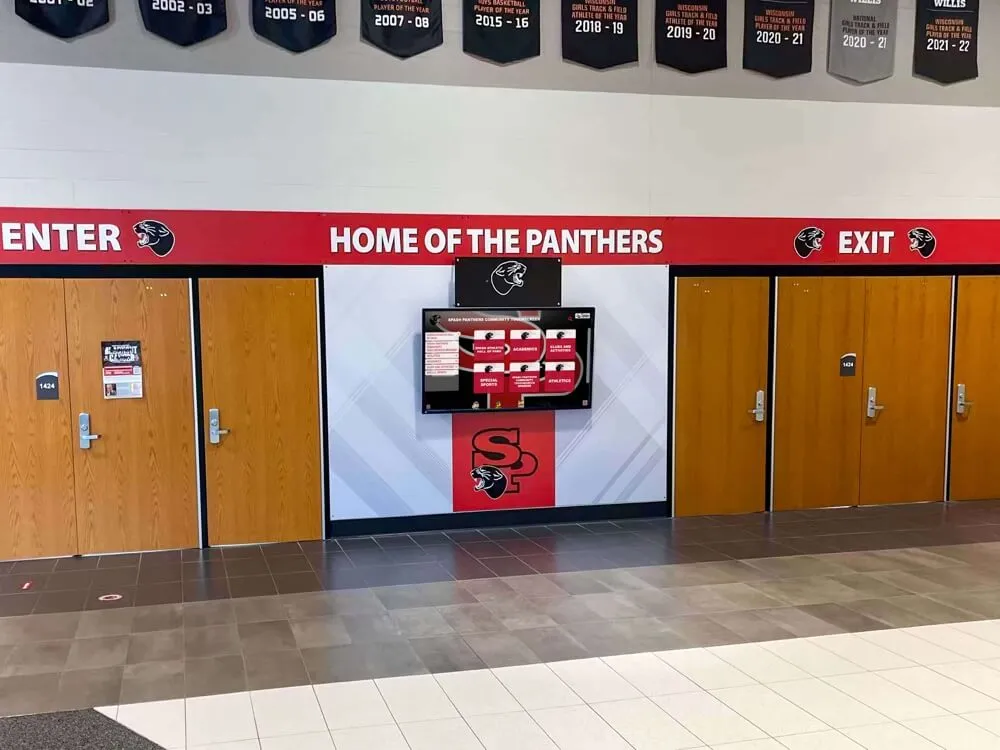
Schools create dedicated spaces showcasing student leadership across all grade levels, documenting student council service as part of institutional tradition
College Student Government
University-Level Distinctions College student governments typically operate at larger scales:
- Representing thousands of students rather than hundreds
- Managing six-figure budgets allocating student activity fees
- Employing paid staff supporting operations
- Greater political complexity with campus-wide constituencies
- Formal liaison roles with university administration and board of trustees
Career Preparation Focus University student government emphasizes professional development:
- Real-world organizational management experience
- Formal training in Robert’s Rules and governance
- Budget preparation and financial oversight
- Legal and policy research for campus advocacy
- Media relations and public communication
Recognizing Student Council Service and Leadership
Schools increasingly recognize the importance of celebrating student government contributions publicly and permanently.
Traditional Student Council Recognition
Annual Awards and Acknowledgment Schools typically honor student council through:
- Recognition at year-end awards assemblies
- Certificates of appreciation for service
- Special graduation recognition for senior officers
- Student council alumni acknowledgment at homecoming
- Yearbook pages dedicated to student government
Physical Recognition Displays Traditional approaches include:
- Photographs of current officers in school entrances
- Plaques listing student council presidents across decades
- Trophy cases displaying student government awards
- Bulletin boards with student council updates and announcements
While these approaches provide basic recognition, they face limitations—outdated photos, space constraints for comprehensive history, inability to showcase accomplishments in depth, and difficulty updating as leadership changes.
Modern Digital Recognition Solutions
Solutions like Rocket Alumni Solutions transform how schools celebrate student leadership through interactive displays that eliminate traditional limitations:
Comprehensive Student Leadership Documentation Digital recognition displays enable schools to showcase unlimited student council members across all positions and years:
- Complete profiles for every elected student council member throughout school history
- Current officer information updated immediately after elections
- Photo galleries documenting student government events and initiatives
- Achievement descriptions detailing specific projects and accomplishments
- Campaign platforms and promises with outcome documentation
- Testimonials from faculty advisors and fellow students
- Post-graduation updates showing continued leadership in college and careers
Single touchscreen displays accommodate comprehensive recognition impossible with traditional physical plaques limited by wall space.
Interactive Exploration Features Modern systems create engagement impossible with static displays:
- Search functionality enabling students to find specific leaders or years
- Filtering by position, year, or class enabling targeted exploration
- Timeline views showing evolution of student government across decades
- Project galleries showcasing major initiatives and their impacts
- QR codes connecting physical displays to web-accessible content
Simple Content Management Cloud-based platforms make recognition maintenance straightforward:
- Faculty advisors update content remotely from any internet-connected device
- New officer information added immediately after elections
- Event photos uploaded throughout the year documenting activities
- No manufacturing costs for plaques or printing expenses
- Content enhancements added as historical information discovered
Schools report spending less than one hour updating student council recognition after elections using digital platforms, compared to weeks coordinating physical plaque production and installation.
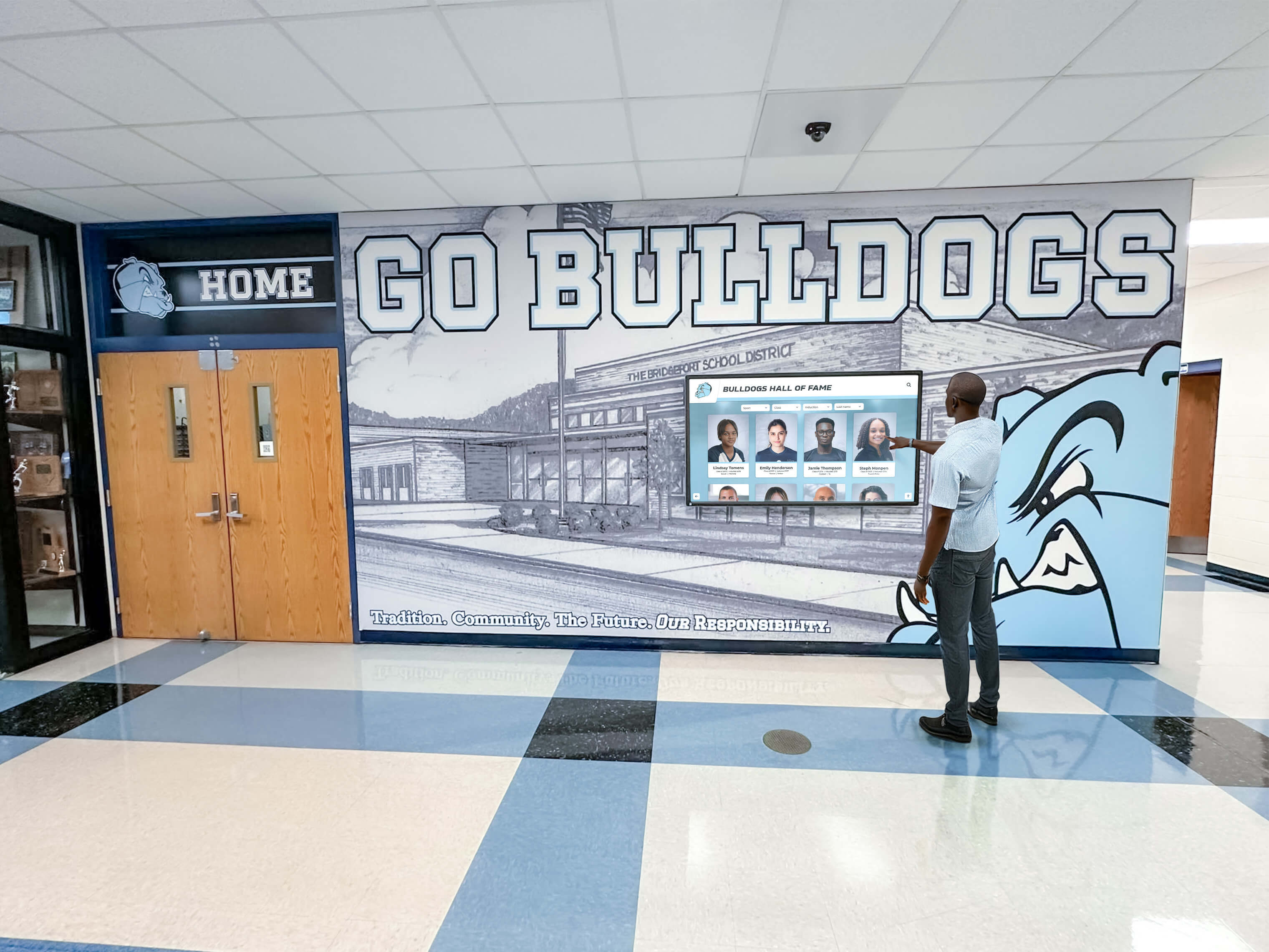
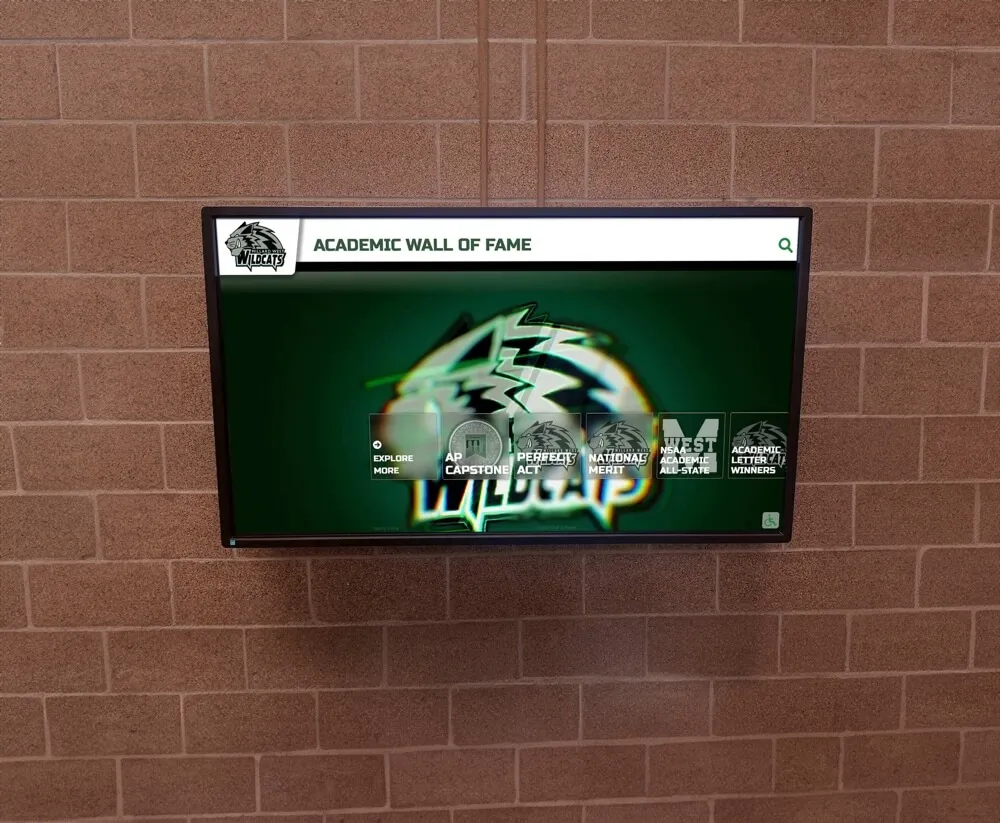
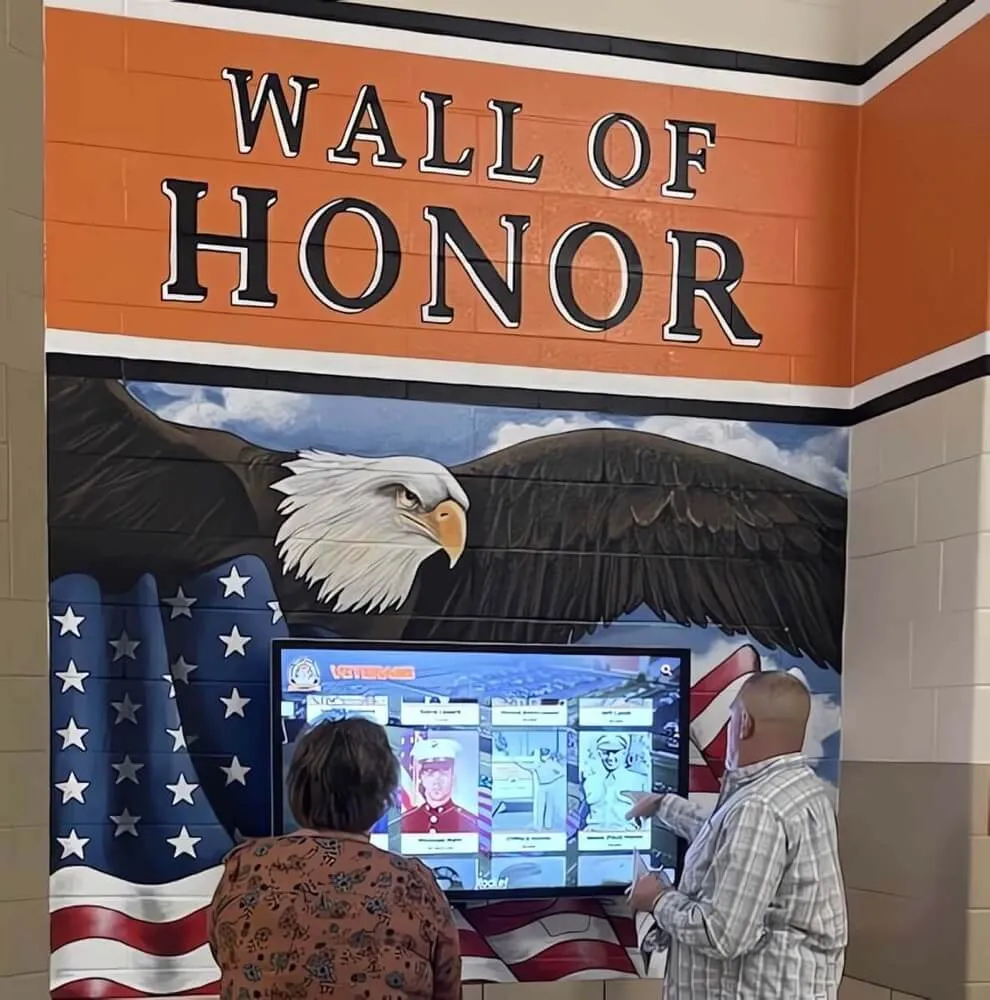
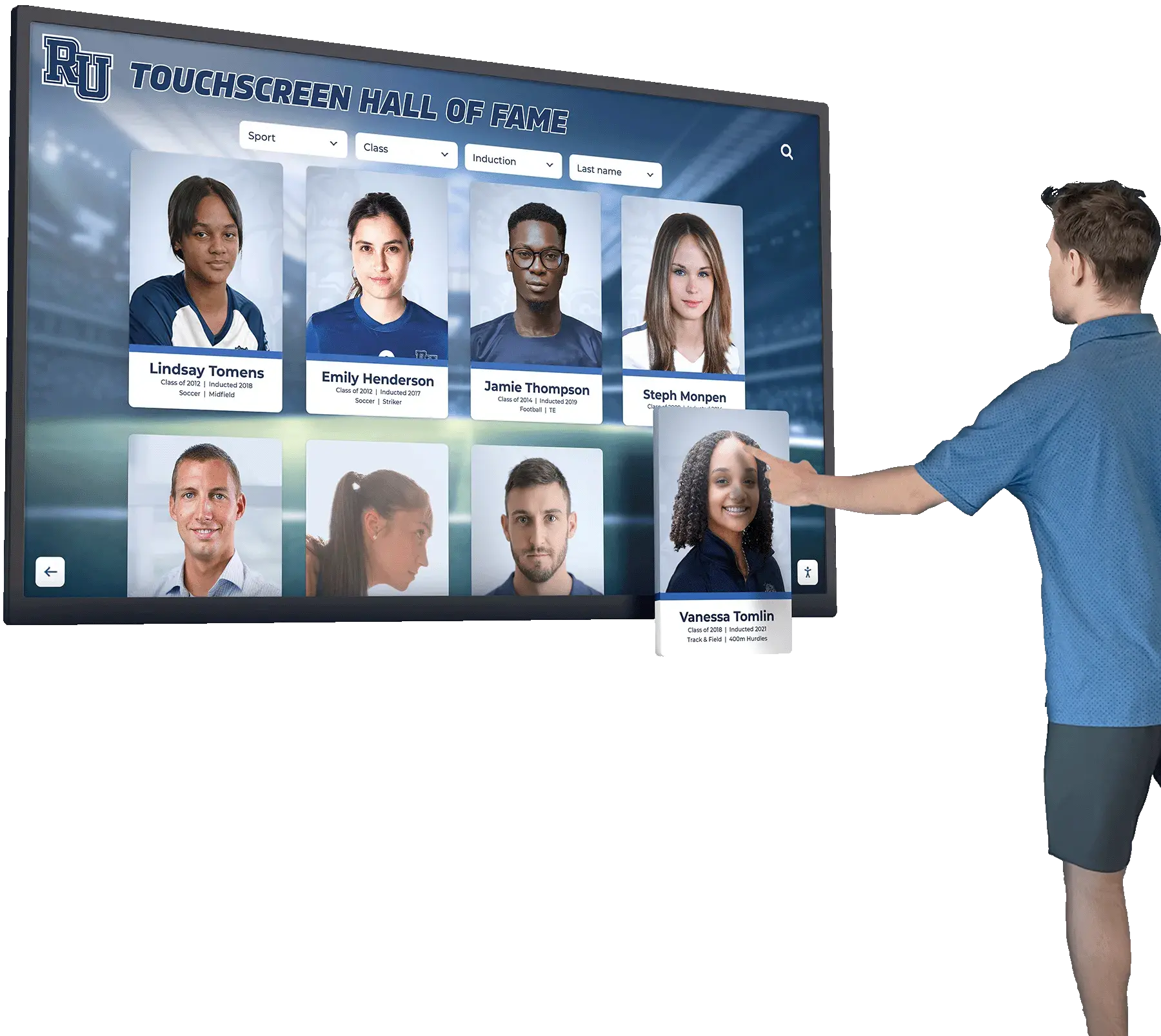
Interactive touchscreen systems enable community members to explore complete student council histories, searching by year, position, or specific leaders while accessing rich multimedia content
Extended Accessibility and Visibility Digital recognition extends beyond physical campus:
- Web-based platforms enabling alumni worldwide to view current student government
- Social media integration facilitating organic promotion
- Mobile-responsive design ensuring accessibility across all devices
- Analytics revealing how community members engage with student leadership content
- Email notifications announcing new student council elections and results
This multi-channel visibility ensures student government recognition reaches parents, community members, and prospective students—not just those physically present in school buildings.
Learn about comprehensive approaches to student recognition through showcasing student achievement across all leadership categories.
Student Council Advisor Role and Faculty Support
Successful student councils require dedicated faculty advisors providing guidance while allowing appropriate student autonomy.
Faculty Advisor Responsibilities
Primary Oversight Functions Student council advisors typically manage:
- Ensuring compliance with school policies and procedures
- Providing logistical support for meetings and events
- Managing financial accounts and budget oversight
- Serving as liaison between student government and administration
- Training officers in parliamentary procedure and meeting management
- Mentoring student leaders developing skills
- Resolving conflicts and interpersonal challenges
- Maintaining institutional knowledge across leadership transitions
Balancing Guidance and Autonomy Effective advisors walk careful lines:
- Providing direction without controlling decisions
- Allowing learning through manageable failures
- Intervening when necessary protecting student welfare
- Supporting student ideas while ensuring realistic planning
- Teaching leadership skills through coaching rather than directing
School Administrative Support
Student councils function most effectively when schools provide:
- Dedicated budget allocations funding student government operations
- Appropriate meeting spaces for regular and committee gatherings
- Administrative cooperation with event planning and logistics
- Recognition of student council in official school governance
- Release time for advisors managing responsibilities
- Professional development supporting advisor effectiveness
Schools viewing student government as meaningful civic education invest resources proportionate to importance—recognizing that leadership development benefits extend far beyond individual student participants.
Common Student Council Challenges and Solutions
Understanding typical difficulties helps students and advisors navigate challenges proactively.
Participation and Engagement Issues
Challenge: Declining Meeting Attendance Student council membership sometimes begins enthusiastically but attendance drops as year progresses.
Solutions
- Require attendance commitments at membership beginning
- Create consequences for excessive absences
- Make meetings engaging with clear agendas and timely endings
- Recognize attendance and participation publicly
- Ensure all members have meaningful responsibilities
- Schedule meetings at consistent, convenient times
Challenge: Unequal Workload Distribution Some members contribute substantially while others do minimal work.
Solutions
- Assign specific responsibilities to every council member
- Create accountability through regular progress reports
- Recognize individual contributions publicly
- Address underperformance directly and promptly
- Design projects requiring collaboration across teams
- Implement peer evaluation systems
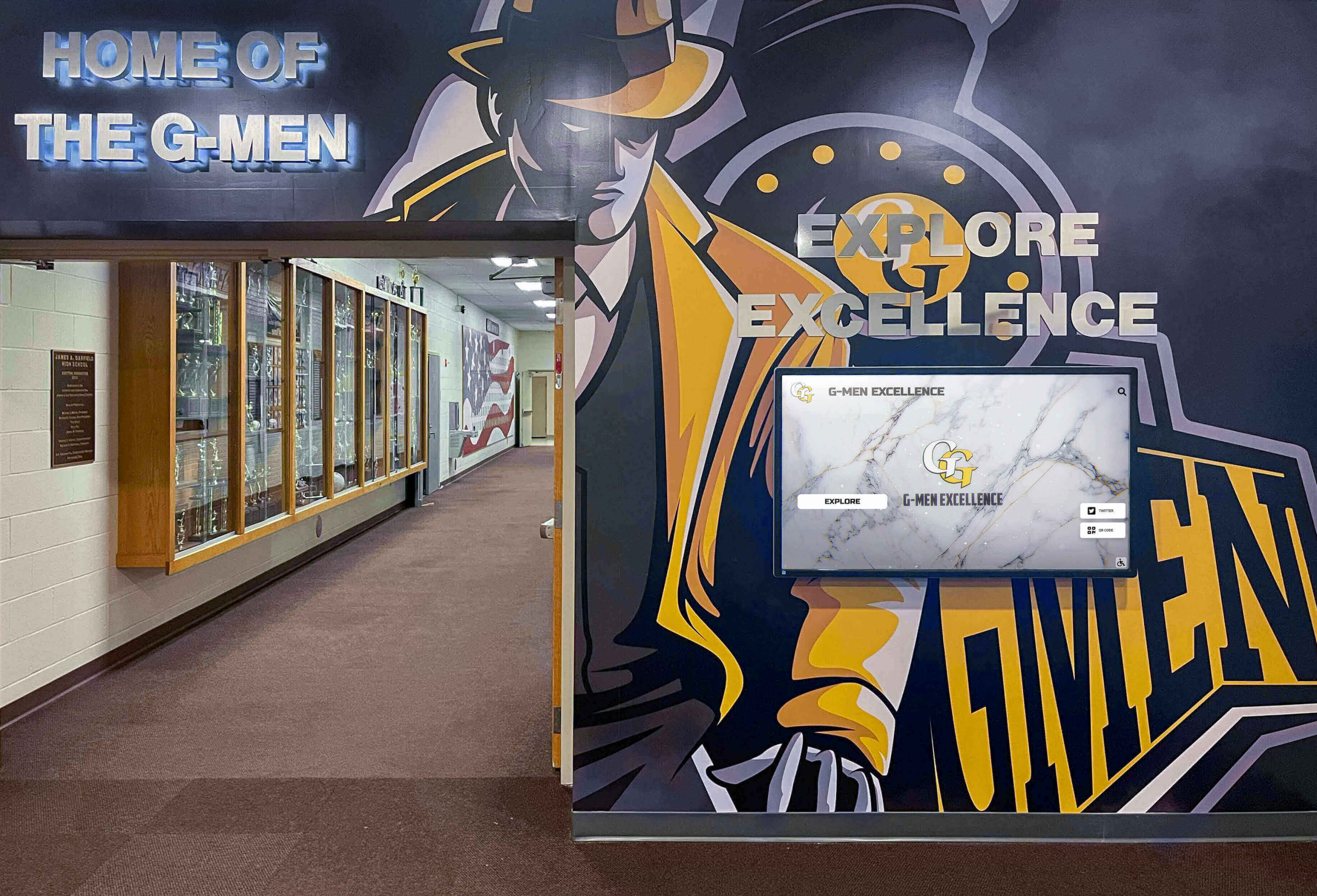
Visible recognition throughout school facilities celebrates student council contributions alongside academic and athletic achievements, reinforcing leadership's importance
Leadership and Decision-Making Challenges
Challenge: Conflict Among Officers Personality conflicts or disagreements about direction create friction.
Solutions
- Establish clear role definitions preventing overlapping authority
- Create structured decision-making processes reducing personal conflict
- Train officers in conflict resolution and professional communication
- Intervene early when tensions emerge
- Facilitate team-building activities strengthening relationships
- Model respectful disagreement and compromise
Challenge: Student Disengagement from Decisions Student body feels disconnected from student council activities.
Solutions
- Conduct regular surveys gathering student input
- Create communication channels promoting transparency
- Invite non-council students to committee participation
- Hold open forums discussing concerns and priorities
- Document how student feedback influenced decisions
- Recognize that not all students will engage regardless of outreach
Budget and Resource Limitations
Challenge: Insufficient Funding Student councils often have limited budgets constraining ambitious plans.
Solutions
- Conduct strategic fundraising aligned with events
- Partner with booster clubs or PTAs sharing costs
- Seek sponsorships from local businesses
- Prioritize highest-impact activities
- Create volunteer-powered events minimizing expenses
- Build relationships with administration advocating for allocations
Learn about school recognition programs that acknowledge student government contributions effectively.
FAQs About Student Council
Is student council the same as student government?
Yes, student council and student government are interchangeable terms referring to the same organization—elected student representatives who plan events, advocate for students, and serve as liaison with school administration. Some schools use “student government” emphasizing the governance aspect, while “student council” emphasizes the advisory and collaborative nature.
How much time does student council require?
Most student council members spend 3-8 hours weekly including regular meetings (1-2 hours), committee work (1-3 hours), and event preparation. Executive officers typically invest additional 2-4 hours weekly. Time demands vary by season, with peak periods before major events requiring significantly more involvement.
Does student council look good on college applications?
Yes, student council participation strengthens college applications—particularly leadership positions demonstrating peer respect through elections. Admissions officers value sustained involvement showing real organizational responsibility. Student government provides strong essay material and interview topics while demonstrating leadership capacity colleges seek.
What GPA do you need for student council?
Most schools require minimum 2.5-3.0 GPA for student council eligibility, though requirements vary by institution. Schools establish academic standards ensuring student government members maintain good academic standing while developing leadership capacity. Some schools require higher GPAs for executive officer positions.
Can you be removed from student council?
Yes, most schools establish removal procedures for student council members who violate expectations. Common grounds for removal include falling below minimum GPA requirements, serious disciplinary violations, excessive absences from meetings, or behavior contradicting leadership responsibilities. Removal typically requires documented warnings and due process.
What’s the difference between class president and student body president?
Class presidents represent specific graduating classes (freshman president, sophomore president, etc.) focusing on grade-level events and concerns. Student body president leads entire student council representing all grades as chief executive of school-wide student government. Student body president typically serves as primary liaison with school administration.
How do you campaign for student council?
Effective campaigns include developing clear platforms addressing real student concerns, creating visible campaign materials (posters, social media), delivering compelling speeches, engaging personally with classmates, demonstrating relevant experience and qualifications, and following school campaign rules. Balance fun messaging with substantive proposals showing understanding of actual responsibilities.
What if I lose a student council election?
Losing elections provides valuable learning experiences. Consider joining student council committees without running for office, pursuing leadership in other organizations, analyzing your campaign identifying improvement areas, rerunning in future elections with refined approaches, or supporting winning candidates implementing good ideas you proposed. Many successful leaders lost elections before winning.
Conclusion: Student Council as Foundation for Lifelong Leadership
Student council participation offers students invaluable opportunities developing leadership capabilities, building confidence, strengthening college applications, expanding social networks, and contributing meaningfully to school communities. Whether serving as executive officers managing entire organizations or class representatives focusing on grade-level concerns, student government members gain practical experience that classroom learning alone cannot provide.
Celebrate Student Leadership with Modern Recognition
Discover how digital recognition solutions help schools honor student council service through interactive displays showcasing unlimited leaders across all positions and years, creating permanent institutional records celebrating student government contributions.
Explore Recognition SolutionsFor students considering running for student council, the experience offers transformative growth far exceeding time invested. Campaign thoughtfully, serve faithfully if elected, and embrace both successes and challenges as learning opportunities. The leadership skills you develop—public speaking, team coordination, decision-making under constraints, conflict resolution, and project management—will serve you throughout college, career, and community involvement for decades to come.
For parents supporting students interested in student government, encourage participation while maintaining realistic expectations about time commitments. Student council complements academics rather than competing with them when students manage responsibilities effectively. The confidence, relationships, and capabilities your child develops through elected leadership provide benefits extending far beyond high school.
Schools recognizing student council contributions through visible, comprehensive systems create cultures celebrating leadership at all levels. Solutions like Rocket Alumni Solutions make documenting complete student government histories straightforward—honoring every elected leader while preserving institutional traditions inspiring future student leaders to serve their communities with dedication and excellence.
Your student council experience—whether serving, campaigning, or supporting student government as an engaged community member—contributes to democratic education preparing citizens for lifetime civic participation. By understanding what student council is, how it functions, and what it offers, students make informed decisions about involvement while schools create systems ensuring student leadership receives recognition it deserves.
Ready to learn more? Explore student recognition programs or discover how schools showcase student government through digital display solutions celebrating leadership across all categories.