



Pep bands transform ordinary athletic events into electrifying experiences—providing the soundtrack to game-day excitement, energizing crowds during tense moments, celebrating scoring runs with infectious enthusiasm, and creating the auditory identity that defines school spirit. These student musician groups represent far more than halftime entertainment; they embody school culture, strengthen community bonds, and build lasting traditions that alumni remember decades after graduation.
The distinctive sound of a pep band—drums thundering during free throws, brass blaring after touchdowns, fight songs erupting from the stands—creates an atmosphere impossible to replicate through recorded music or sound systems alone. Live musicians responding spontaneously to game momentum, adapting to crowd energy, and celebrating alongside fellow students generate authentic excitement that recorded audio simply cannot match.
Schools with thriving pep band programs report measurably enhanced athletic event attendance, stronger student engagement at games, increased school pride across the community, and powerful traditions connecting current students to generations of alumni who performed the same songs in the same venues celebrating similar victories.
This comprehensive guide explores what pep bands are, how they function within school communities, strategies for building successful programs from the ground up, and approaches to recognizing these vital contributors to school spirit—including modern digital recognition solutions preserving pep band traditions permanently while inspiring future musicians to carry these traditions forward.

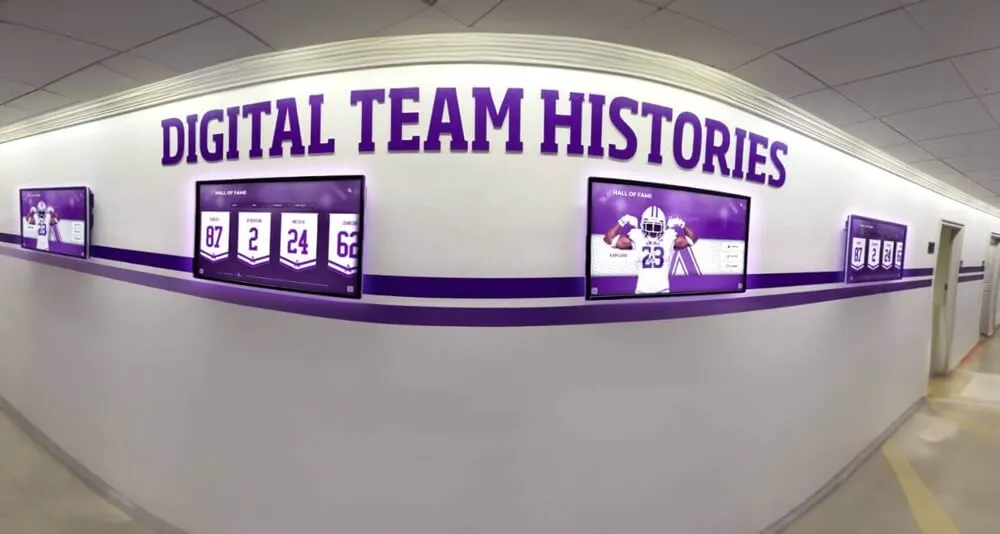
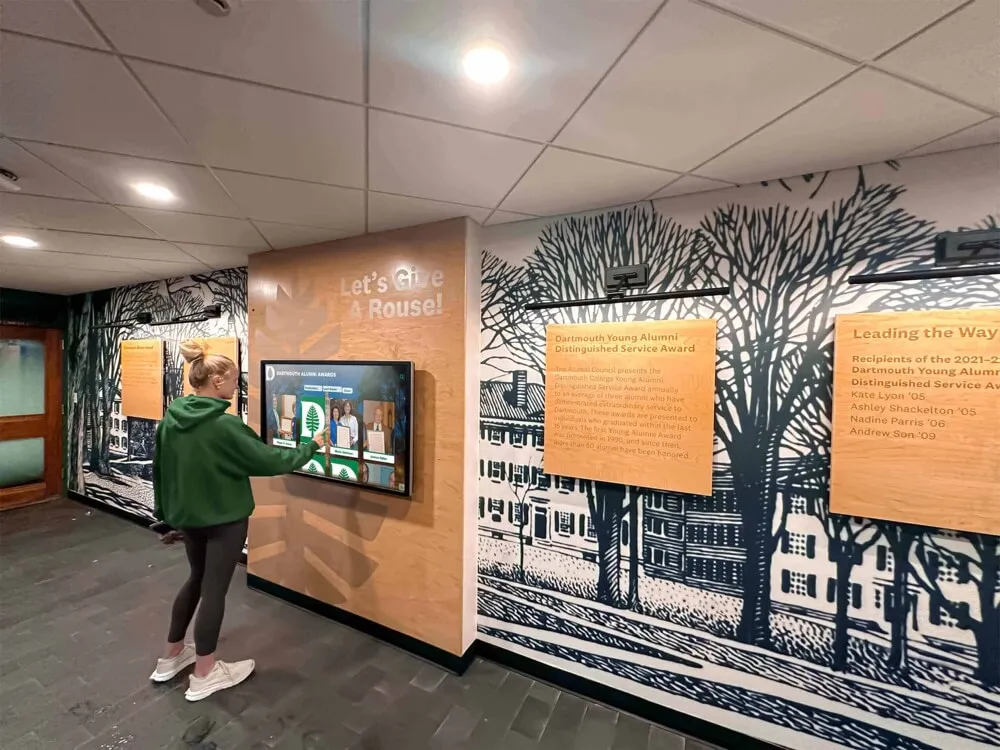
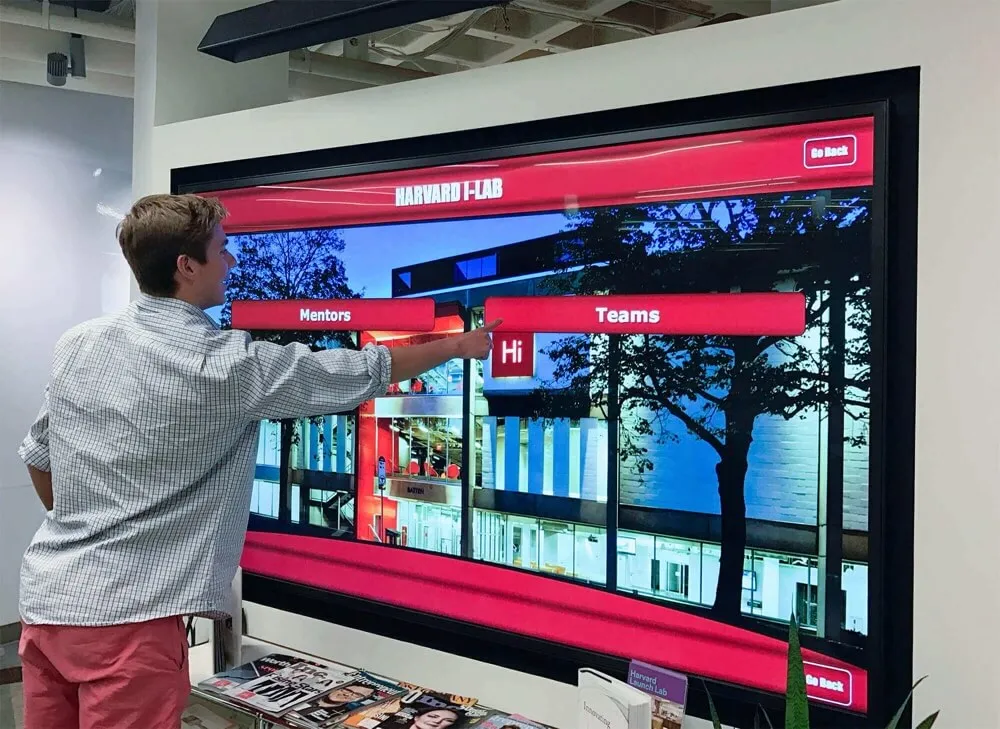
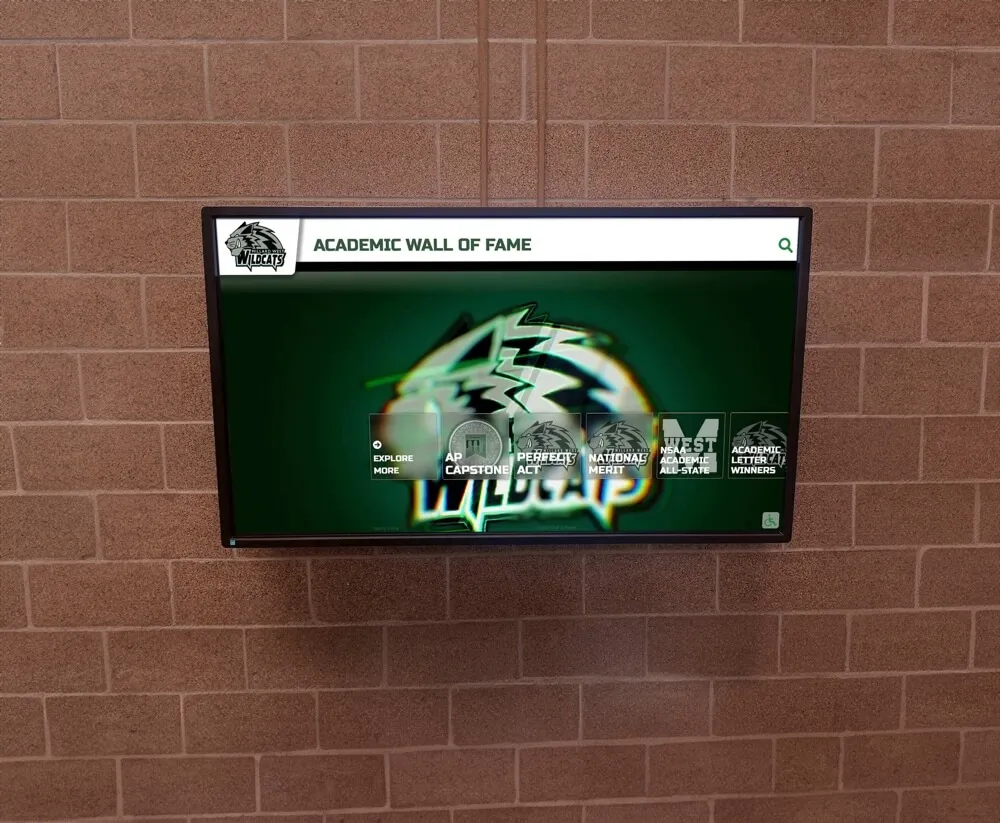
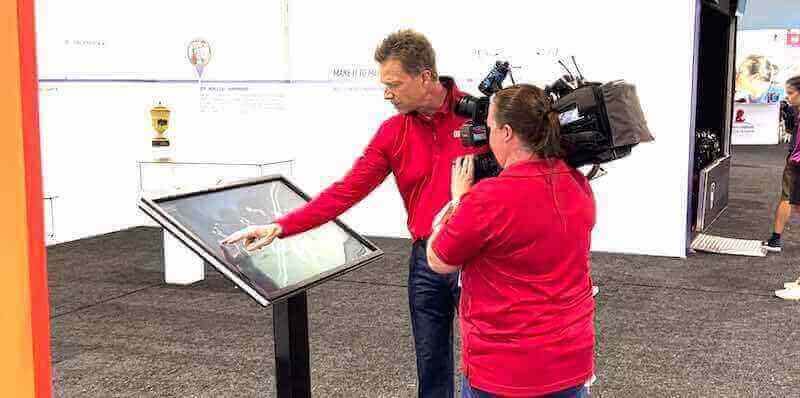
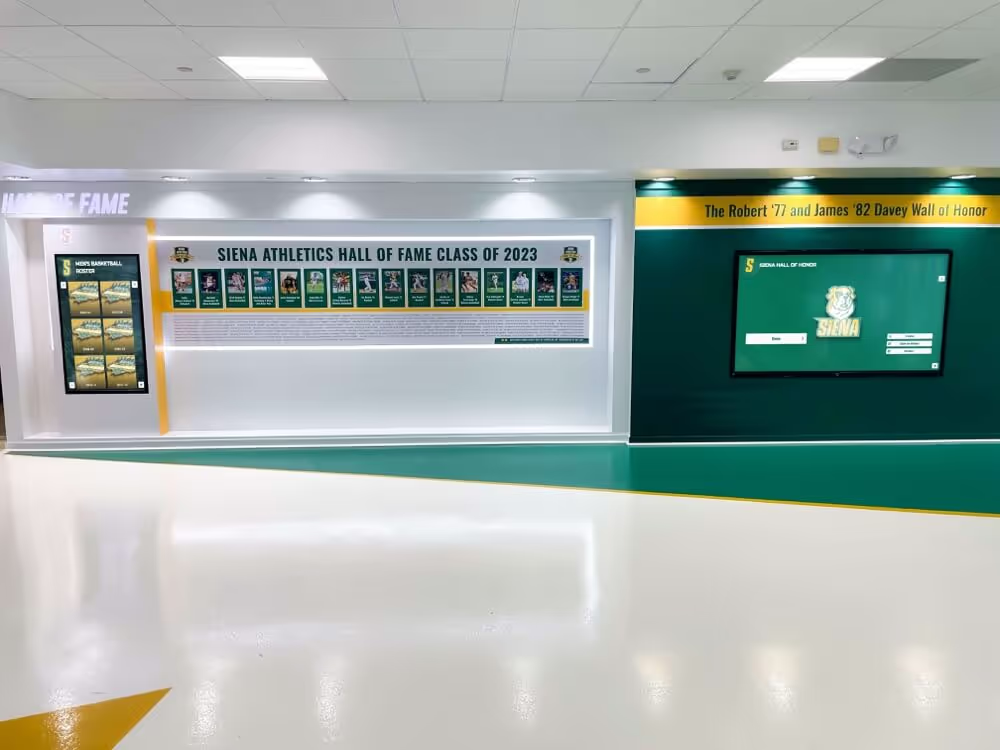
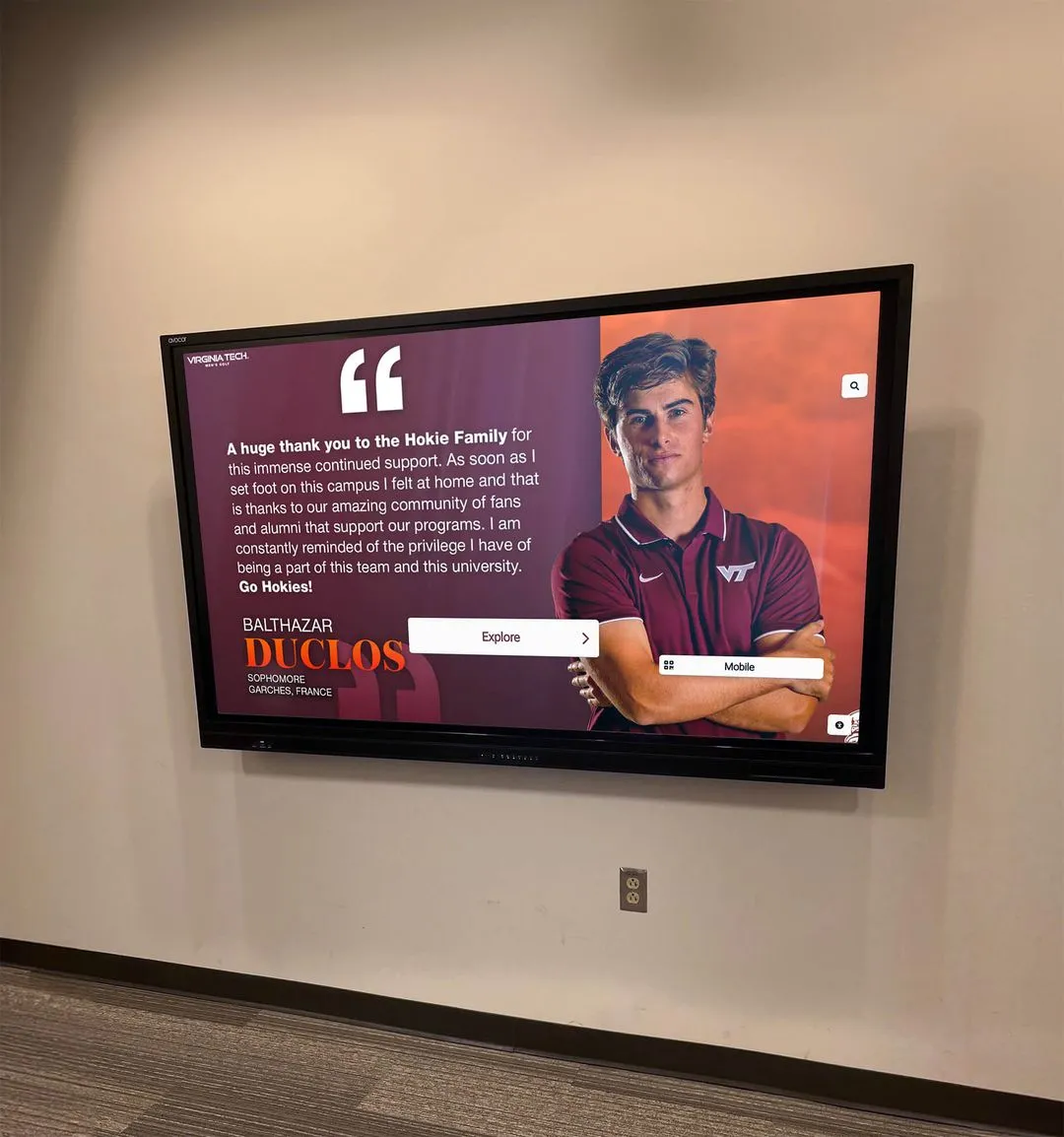
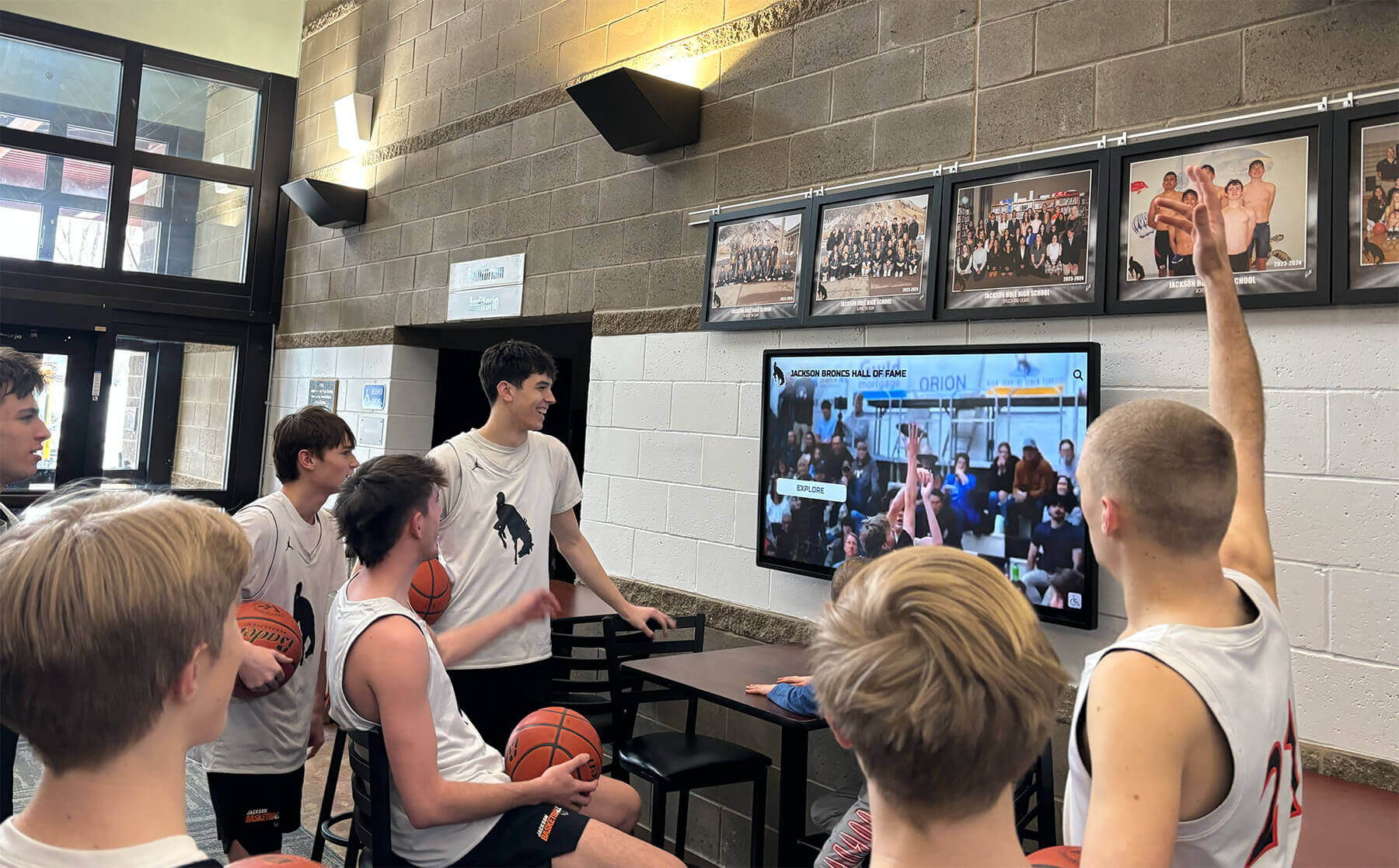
Game-day energy extends beyond events themselves through digital displays celebrating athletic traditions and the musicians who create unforgettable atmospheres
Understanding What Pep Bands Are and Their Role in School Culture
Before exploring how to build successful pep band programs, understanding what these groups represent and accomplish helps schools recognize their strategic value beyond simple entertainment.
Defining the Pep Band Concept
A pep band is a musical ensemble—typically drawing from members of a school’s concert or marching band—that performs at athletic events specifically to energize spectators, support teams, and enhance game-day atmosphere. Unlike marching bands focused on halftime shows and field performances, pep bands operate primarily from stands or designated performance areas, emphasizing volume, energy, and crowd engagement over visual precision or complex choreography.
Core Characteristics of Pep Bands
Instrumentation Focused on Volume and Projection
Pep band instrumentation prioritizes instruments that project effectively in large, noisy athletic venues:
- Brass section dominance: Trumpets, trombones, and mellophones providing powerful melodic lines cutting through crowd noise
- Saxophone presence: Alto and tenor saxophones adding harmonic depth and melodic flexibility
- Rhythm section foundation: Drums (snare, bass, cymbals) creating driving beats and attention-grabbing accents
- Limited or absent woodwinds: Clarinets and flutes often excluded due to projection challenges in outdoor or large indoor venues
- Optional auxiliary instruments: Electric bass, synthesizers, or amplified guitars at some contemporary programs
This instrumentation creates the characteristic powerful, energetic sound audiences associate with live athletic event music.
Repertoire Designed for Immediate Impact
Pep band music differs substantially from concert band literature:
- School fight songs: Traditional anthems defining institutional identity and rallying community pride
- Popular music arrangements: Current hits and classic songs audiences recognize immediately
- Sports-specific tunes: “Charge,” “Hey Song,” “Seven Nation Army,” and other universal athletic anthems
- Situational music: Specific songs for defensive stands, offense possessions, timeouts, and scoring celebrations
- Flexible arrangements: Shortened versions enabling quick transitions responding to game flow
Unlike concert performances where audiences sit quietly through complete compositions, pep band music emphasizes brief, high-energy bursts tailored to specific game situations and crowd energy levels.
Interactive Performance Style
Pep bands function as active game participants rather than passive entertainers:
- Musicians watch game action responding to momentum shifts
- Directors signal specific songs matching game situations
- Bands lead crowd chants and coordinate with cheerleaders
- Performance volume and intensity adjust to crowd energy
- Musicians celebrate alongside fans during exciting moments
This interactive approach creates genuine connection between performers and audiences impossible in traditional concert settings.
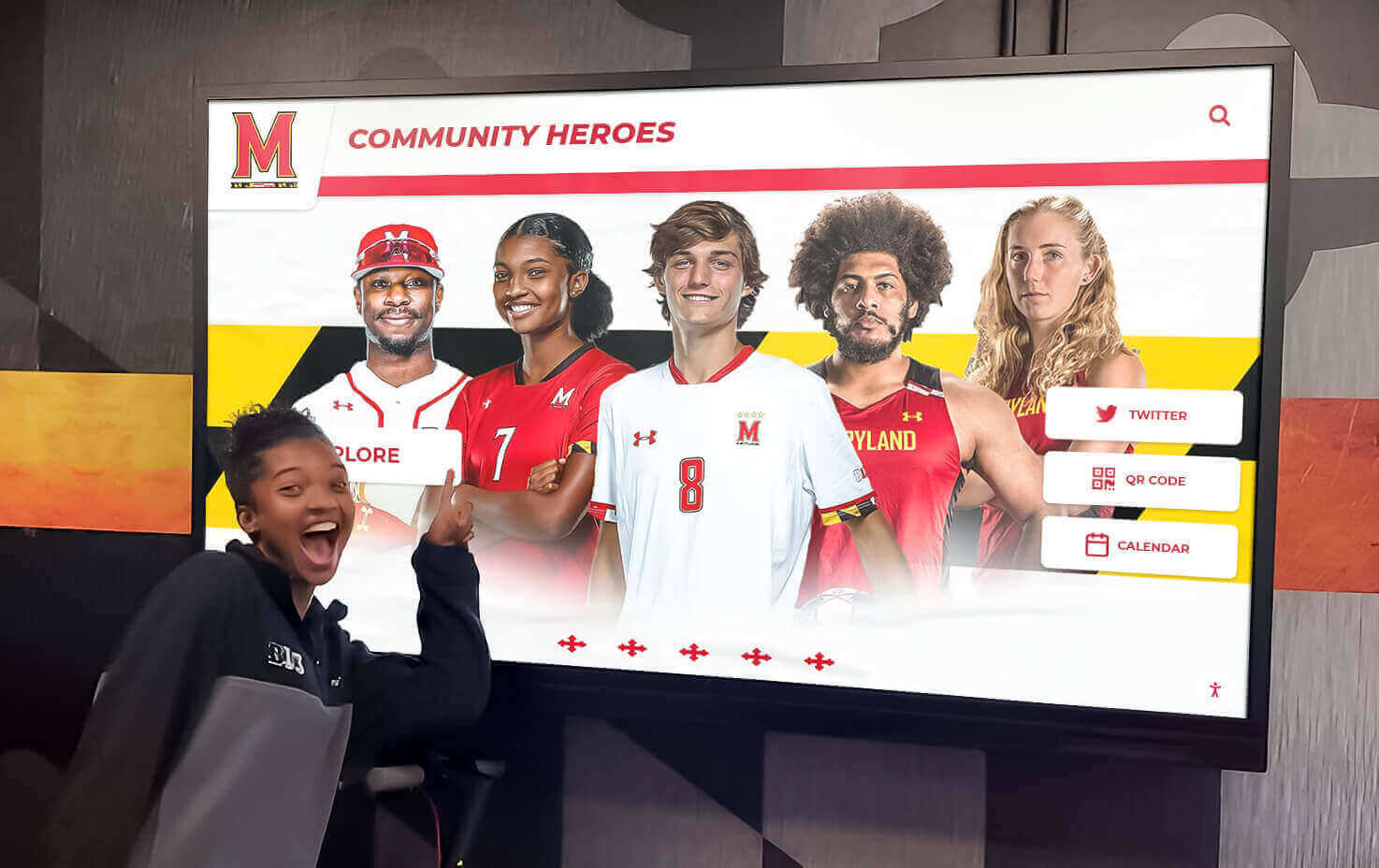
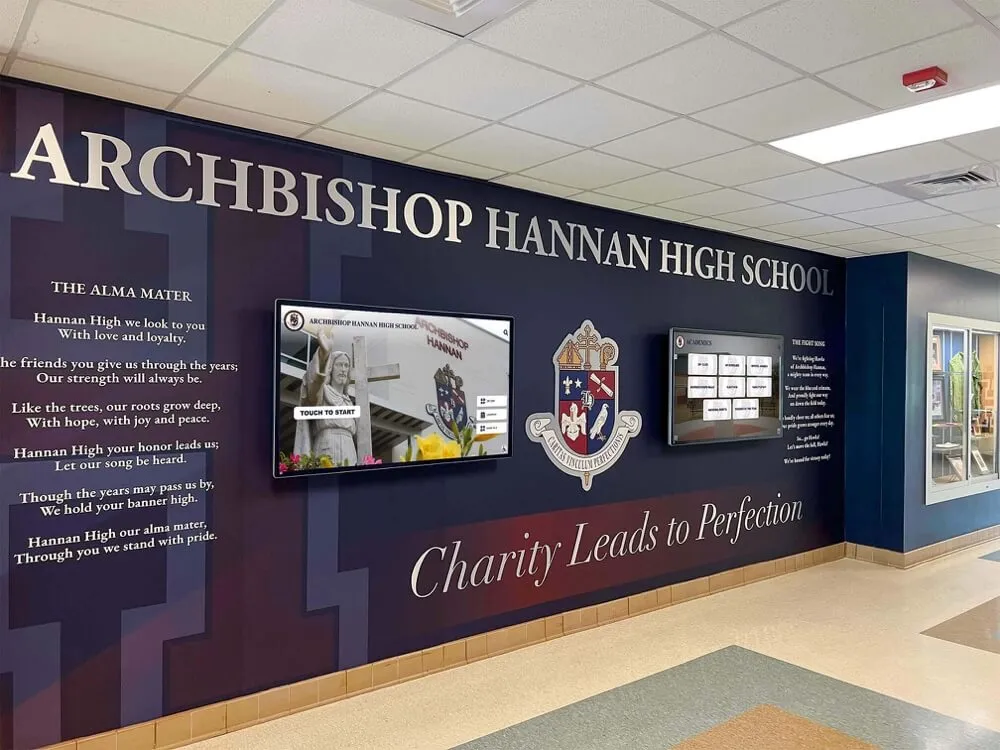
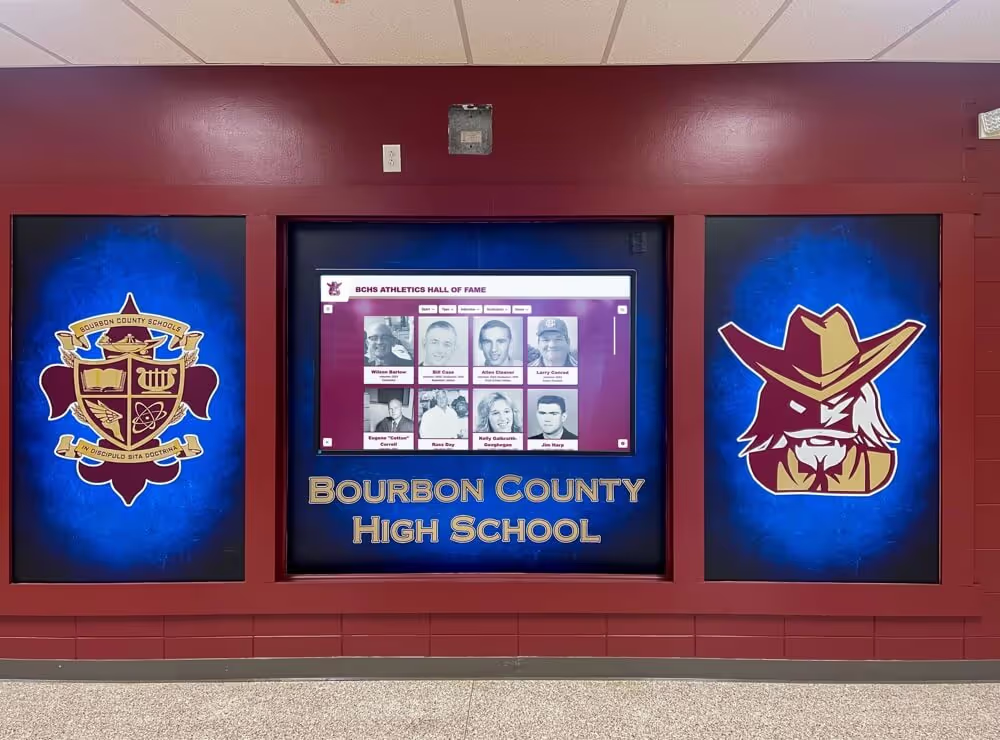
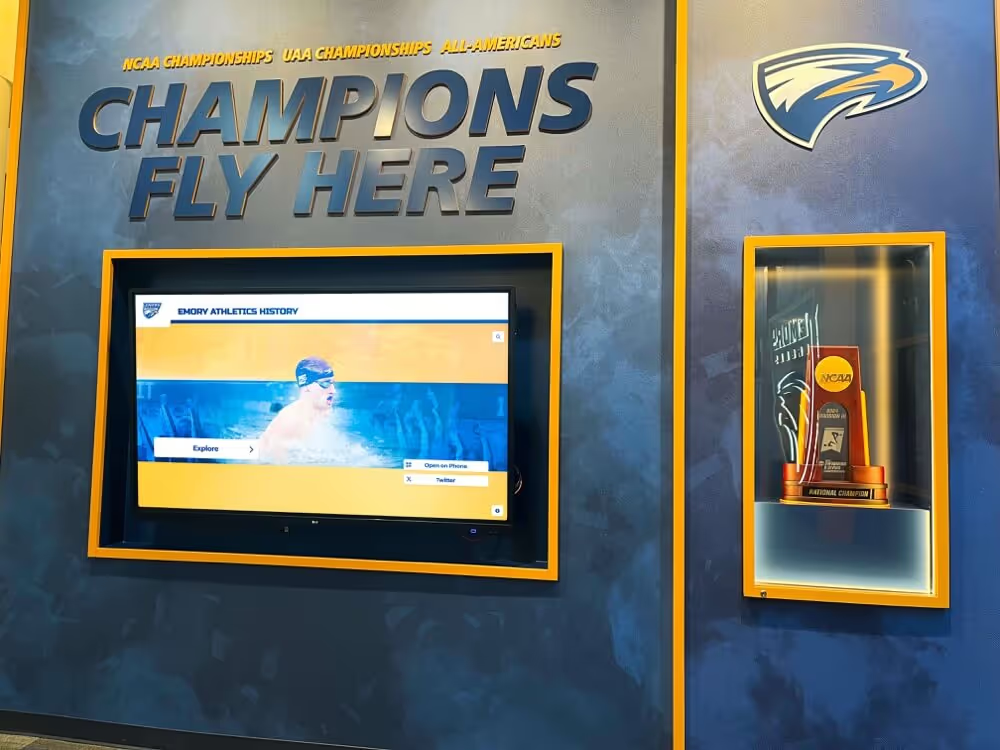
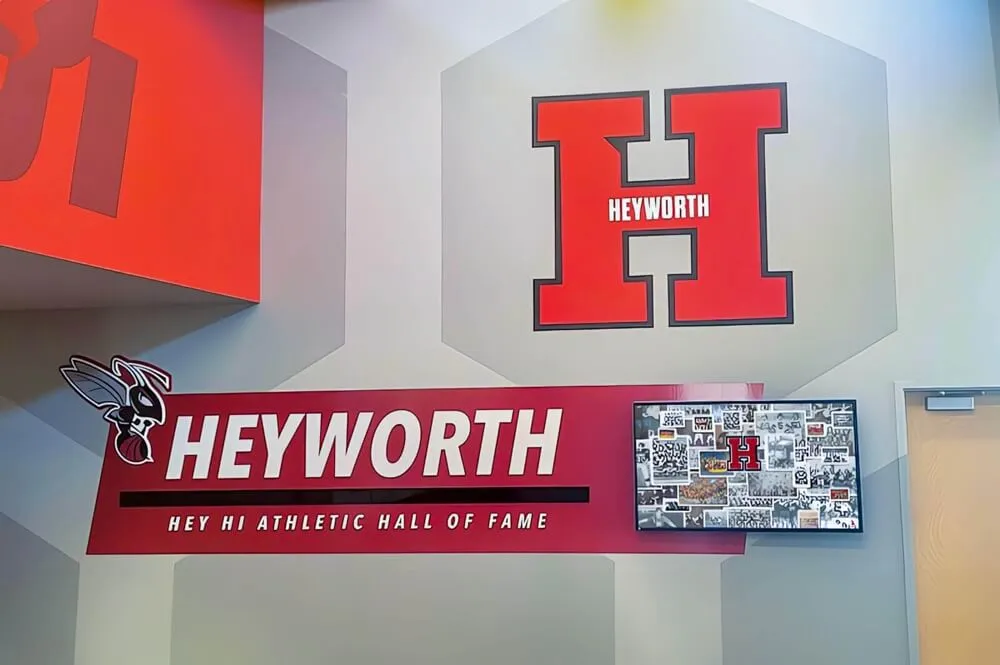
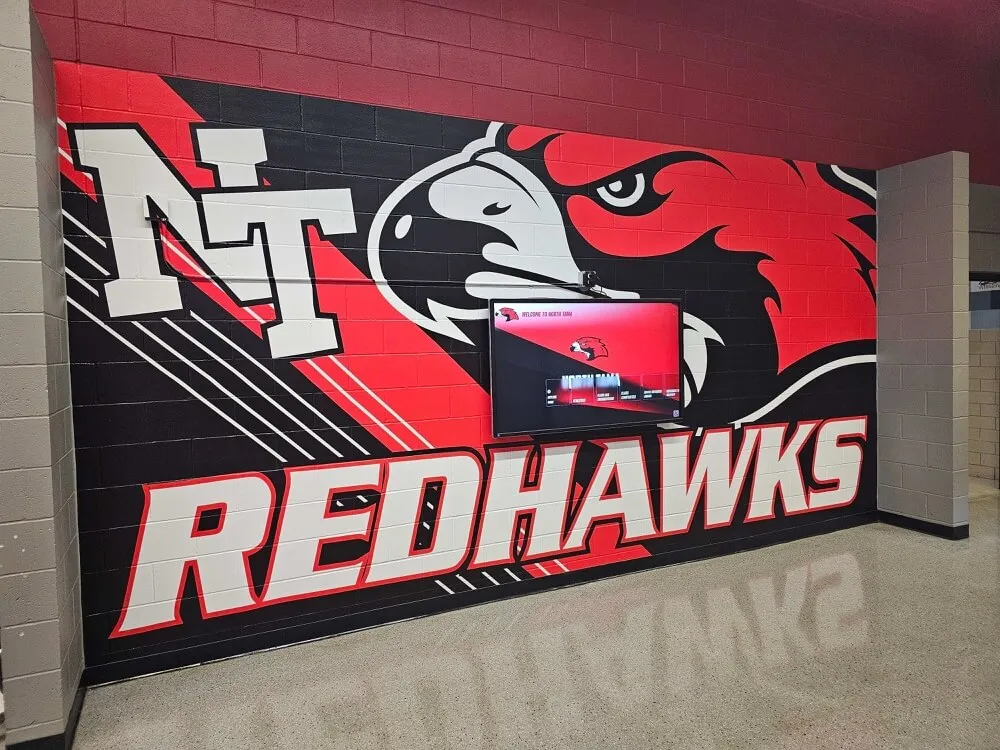
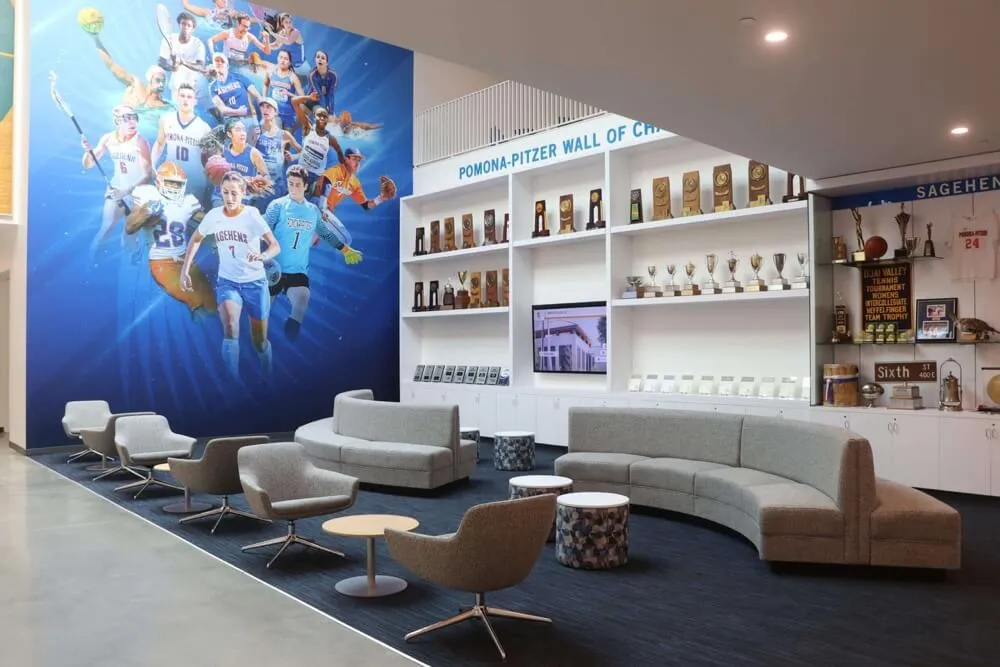
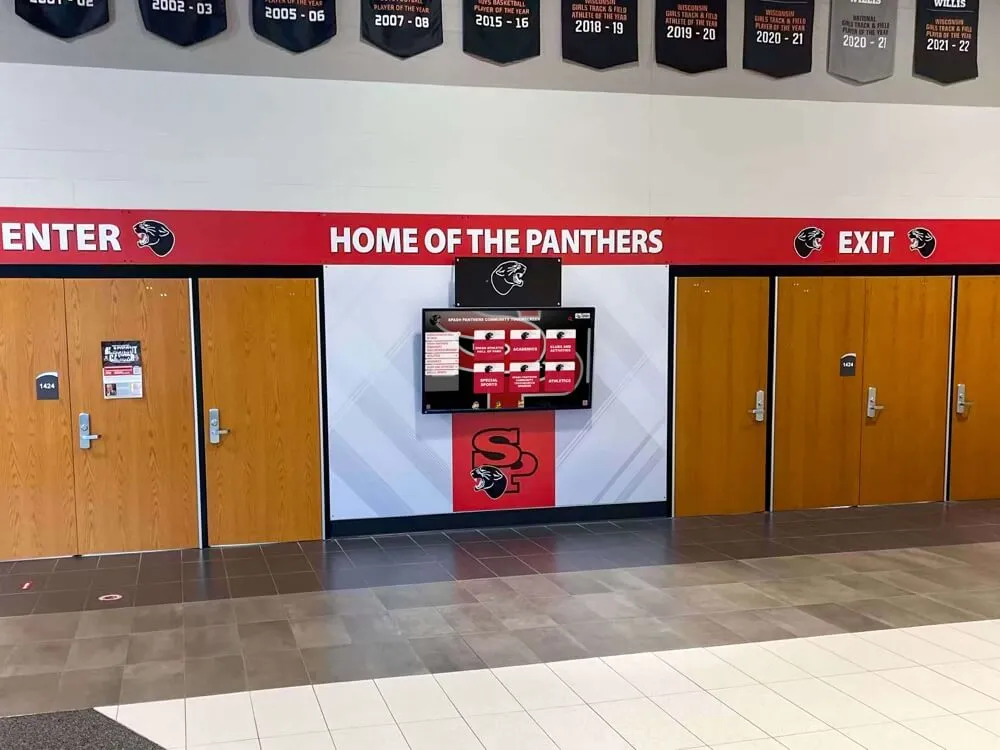
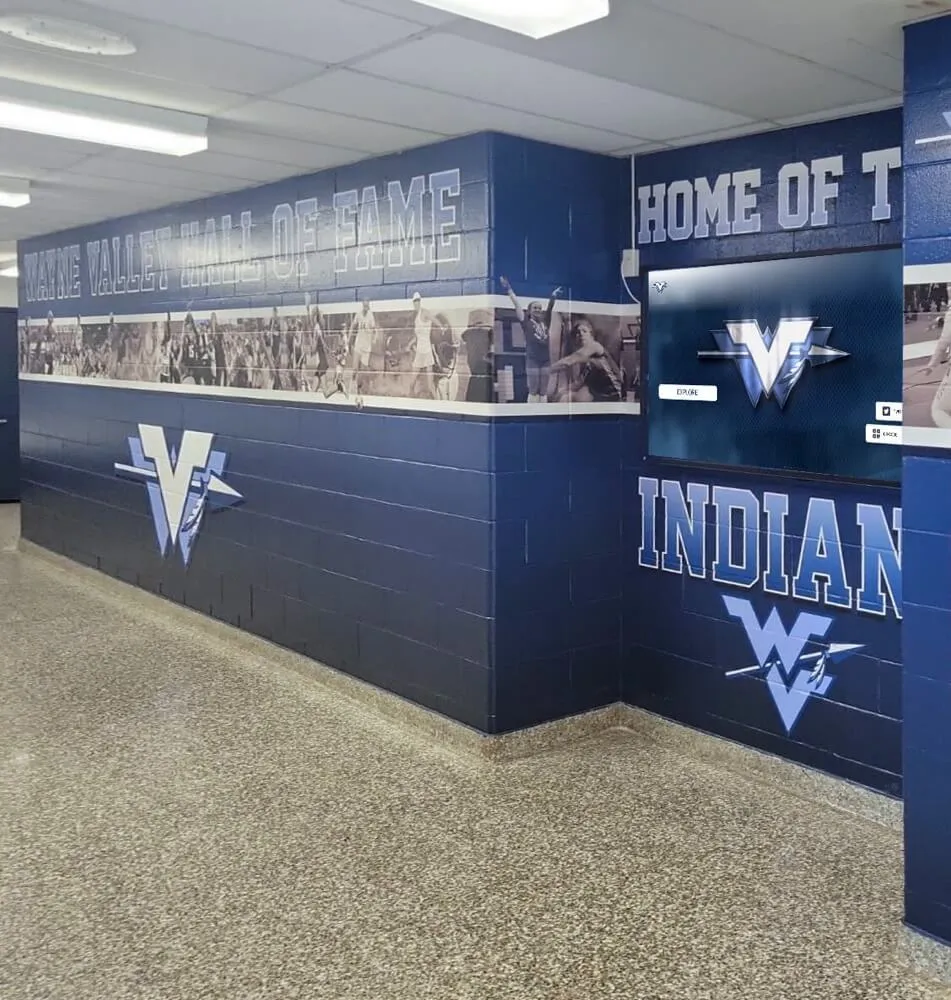
Recognition displays help students discover school traditions including pep band history connecting current musicians to decades of game-day excellence
The Strategic Value Pep Bands Provide Schools
Beyond entertainment value, pep bands deliver measurable benefits to athletic programs, student engagement, and overall school culture.
Enhanced Athletic Event Atmosphere
Research on sporting event atmospheres consistently demonstrates that live music significantly increases perceived excitement and enjoyment:
- Crowd energy measurably increases during live music performances compared to recorded audio
- Home team performance often improves in environments with active crowd engagement
- Student attendance at athletic events increases when peers perform and participate
- Community members report greater satisfaction with event experiences including live entertainment
- Recruiting presentations highlighting game-day atmosphere prove more effective with authentic crowd energy
Schools investing in strong pep band programs effectively invest in competitive advantages beyond player talent alone, as highlighted in comprehensive approaches to team bonding and school spirit initiatives.
Student Engagement and Belonging
Pep bands create participation opportunities for musicians who might otherwise feel disconnected from athletic culture:
- Band students gain direct involvement in major school events and traditions
- Musicians develop identity as essential contributors to athletic success
- Performers experience recognition and appreciation from broader school community
- Students build relationships across academic and social groups through shared experiences
- Participants develop school pride and institutional connection extending beyond music programs
Tradition Building and Institutional Identity
Pep bands create auditory traditions that become inseparable from school identity:
- Specific songs become associated exclusively with particular institutions
- Multi-generational alumni recognize and celebrate familiar fight songs decades later
- Musical traditions create continuity connecting current students to school history
- Distinctive sounds differentiate schools from competitors and rivals
- Shared musical experiences bond diverse community members through common reference points
These traditions prove particularly powerful when preserved through digital recognition platforms that document musical traditions alongside athletic achievements.
Pep Bands vs. Marching Bands: Understanding the Distinction
Many schools utilize the same students in both marching and pep band contexts, but these programs serve distinct purposes requiring different approaches:
Marching Band Focus
- Complex visual formations and choreography
- Halftime show entertainment as primary purpose
- Extensive rehearsal for polished performances
- Full instrumentation including delicate woodwinds
- Performance during breaks rather than throughout games
- Separate identity often independent of athletic outcomes

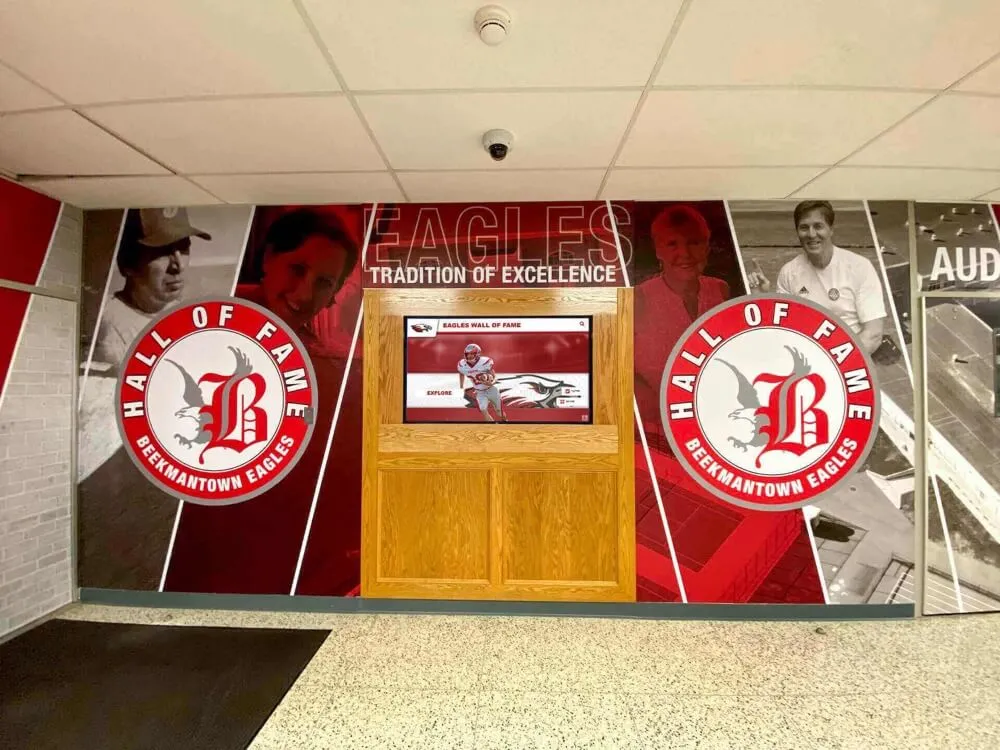
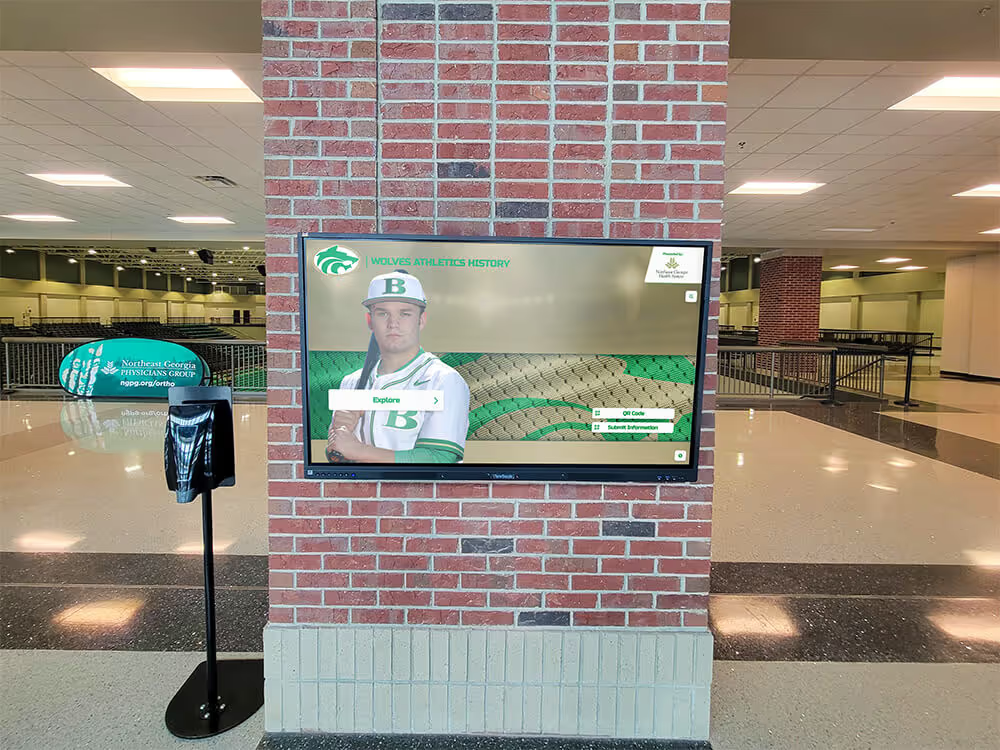
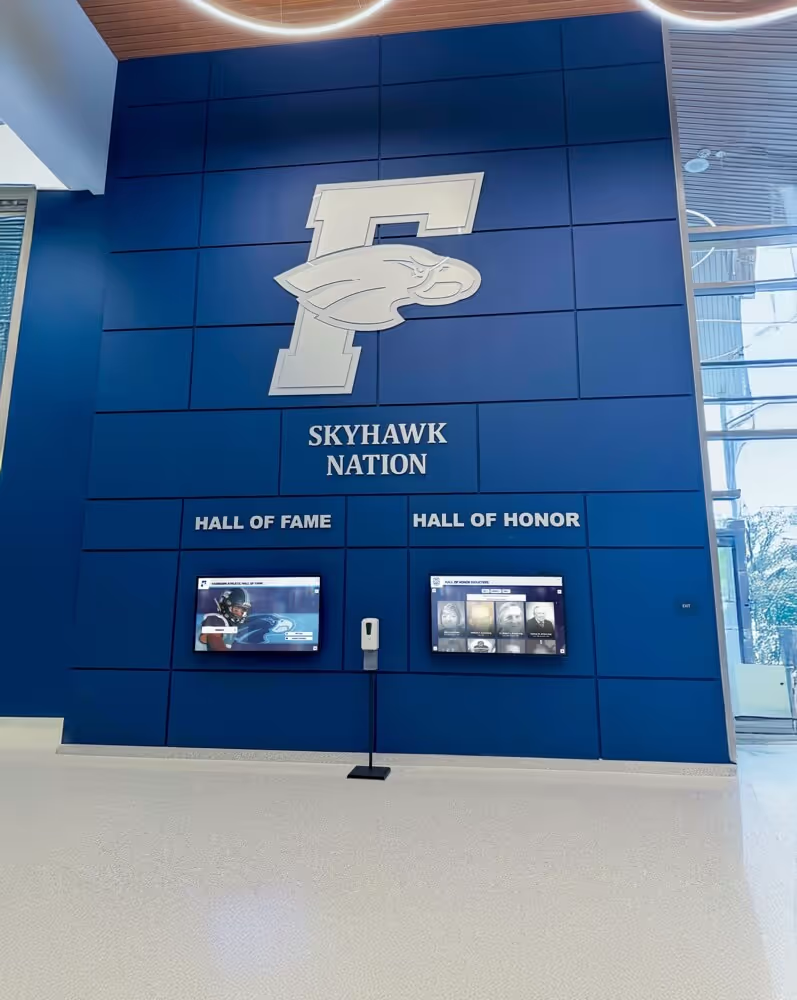
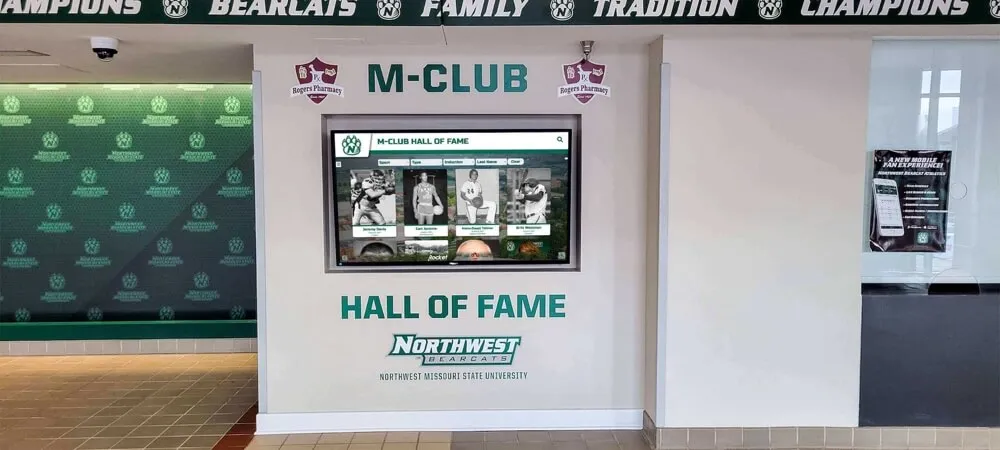
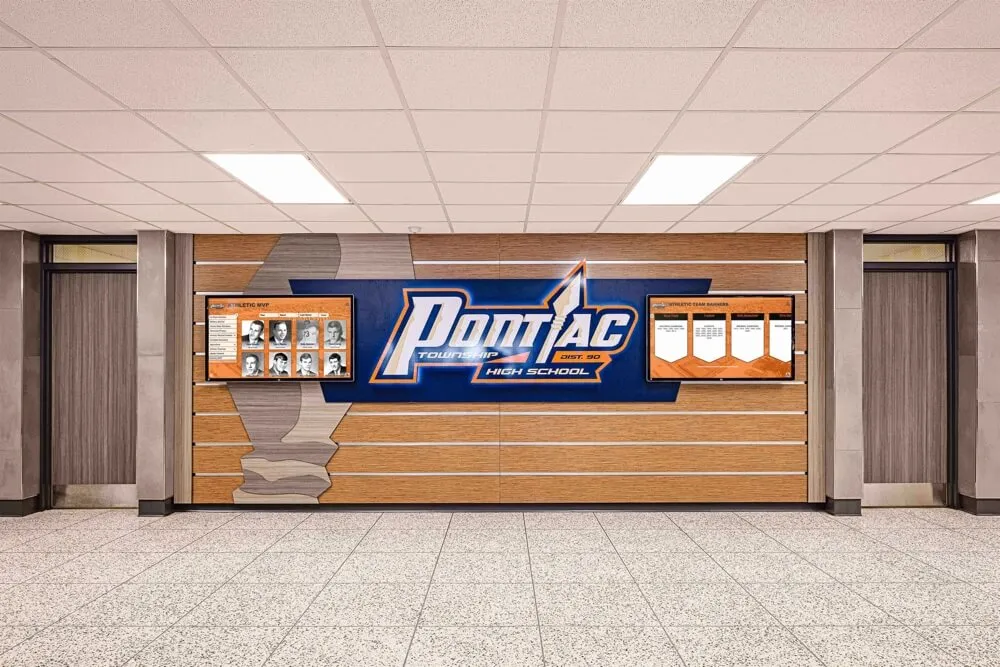
Comprehensive school spirit environments celebrate all contributors to athletic excellence including musicians essential to game-day energy
Pep Band Focus
- Minimal or no choreography enabling game watching
- Continuous engagement throughout entire event
- Flexible repertoire responding spontaneously to game situations
- Instrumentation optimized for volume and projection
- Integration with crowd and cheerleaders coordinating responses
- Identity intertwined with athletic program success and spirit
Some schools maintain completely separate groups, while others transition marching band members into pep band roles during basketball season or utilize volunteer pep bands drawing from concert band rosters. The optimal approach depends on program size, resources, and institutional culture.
Building a Pep Band Program: From Concept to Performance
Starting a pep band program or revitalizing an existing one requires systematic planning addressing instrumentation, recruitment, repertoire, logistics, and integration with athletic events.
Assessing Feasibility and Establishing Goals
Before launching formal program development, realistic assessment ensures sustainable success rather than unsustainable overreach.
Resource and Personnel Inventory
Evaluate available foundation for program development:
Student Musician Availability
- Current band program enrollment and skill levels
- Instrumentation distribution among enrolled musicians
- Student interest in athletic event participation
- Schedule compatibility with athletic event calendars
- Transportation capabilities for away games if desired
Director and Staff Capacity
- Band director availability and willingness to oversee additional program
- Assistant director or volunteer support for event management
- Parent volunteers capable of assisting with logistics
- Administrative support for program development
Financial and Material Resources
- Available budget for music purchases and equipment
- Existing instrumentation suitable for pep band performance
- Sound reinforcement needs depending on venue acoustics
- Uniform or apparel creating visual identity
- Transportation budget if performing at away contests
Schools with robust concert or marching band programs possess natural advantages, but even small programs can develop effective pep bands by focusing on strategic events and rightsizing expectations.
Defining Program Scope and Objectives
Establish clear, realistic goals guiding development:
Performance Schedule Parameters
- Which sports receive pep band support (basketball most common, football, volleyball, others)
- Home games only versus selected away games
- Full season coverage versus strategic high-profile events only
- Playoff and championship event participation expectations
Participation Model
- Voluntary participation from existing band students
- Required participation as part of band curriculum
- Credit or grade incentives encouraging involvement
- Open to musicians not enrolled in formal band classes
Quality and Development Expectations
- Entertainment value versus competitive performance standards
- Rehearsal time investment balanced with academic demands
- Progressive improvement goals across seasons
- Integration with broader music education objectives
Clear goals prevent common pitfalls including director burnout, student resentment from excessive demands, and administrative disappointment from unmet expectations.
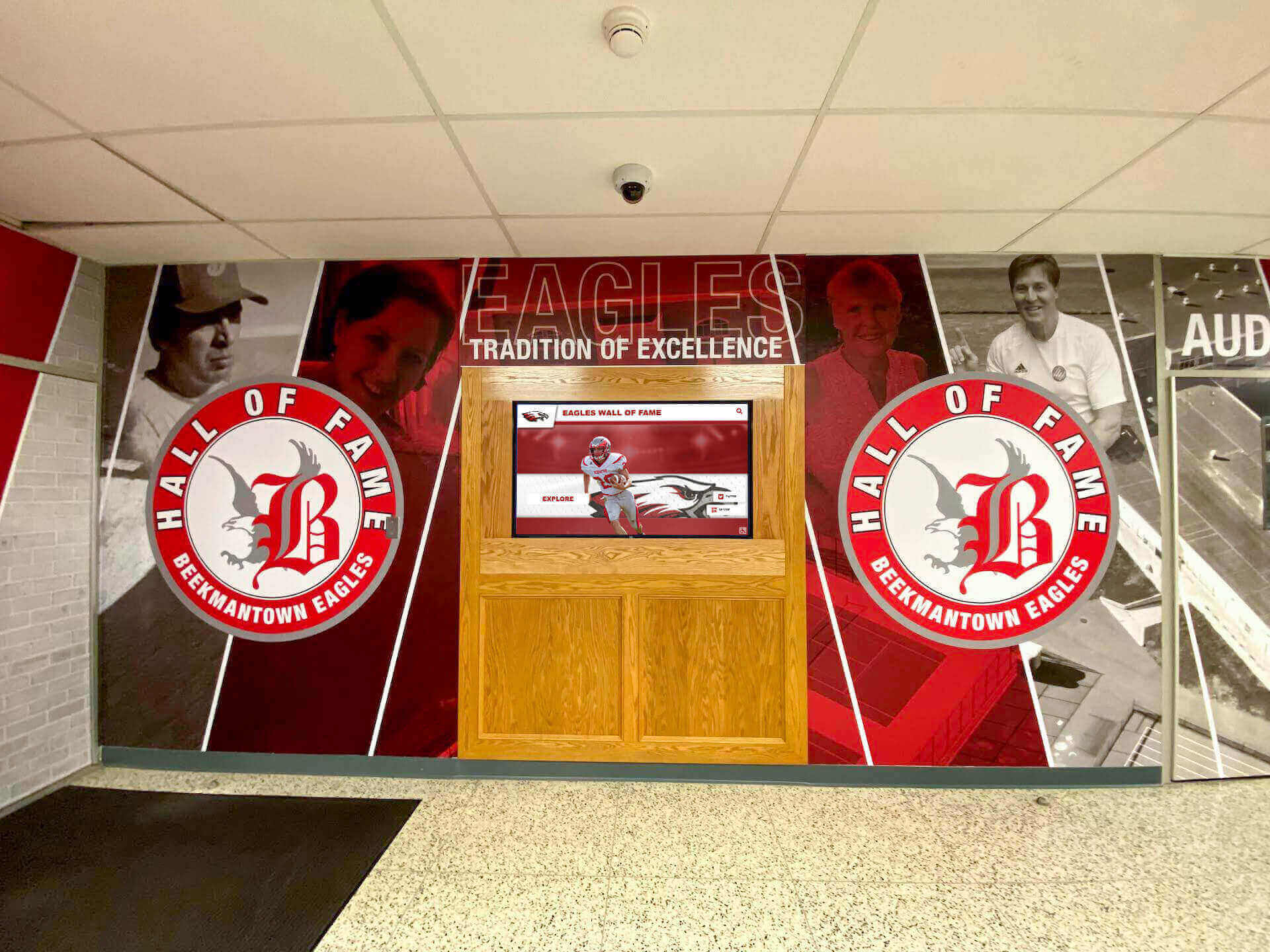
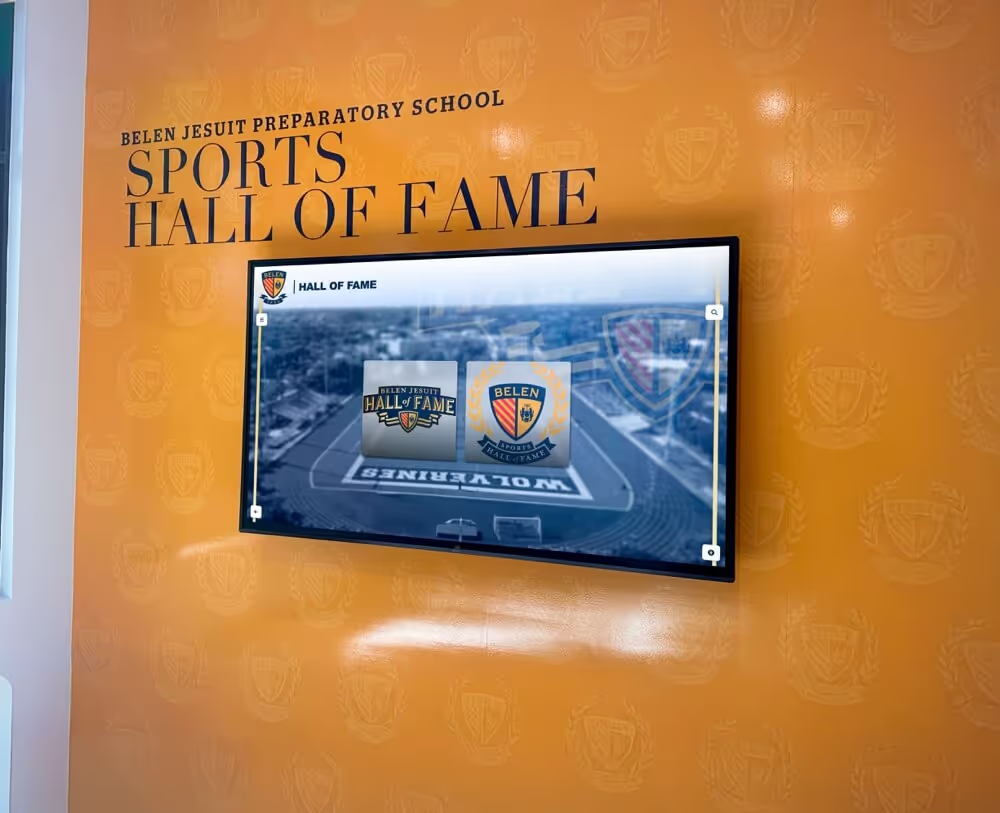
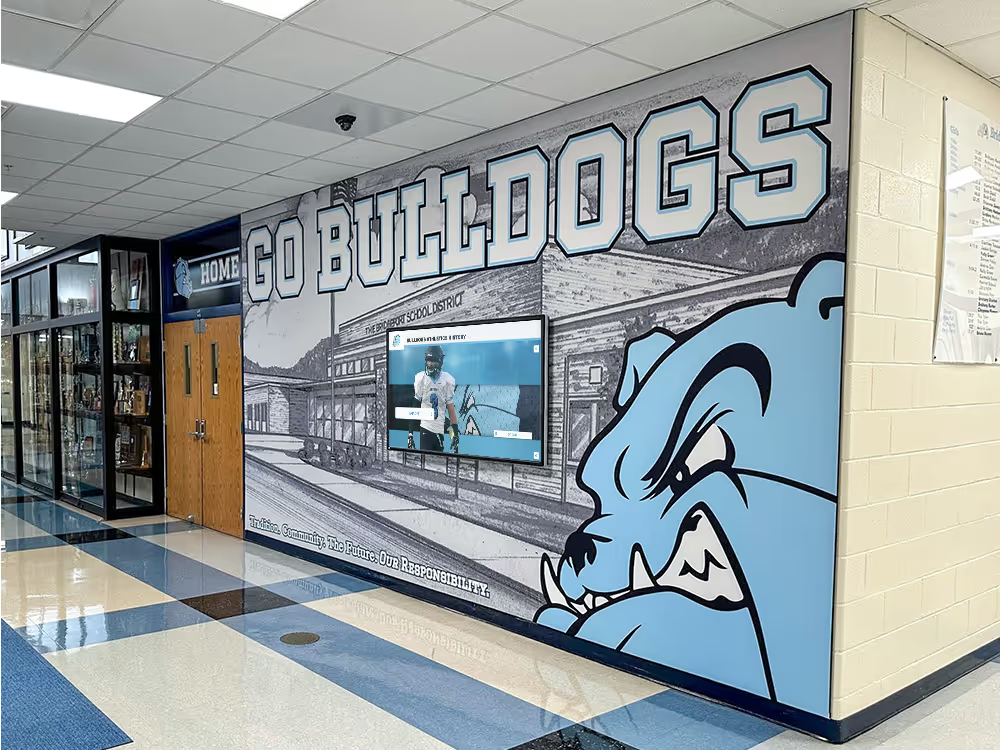
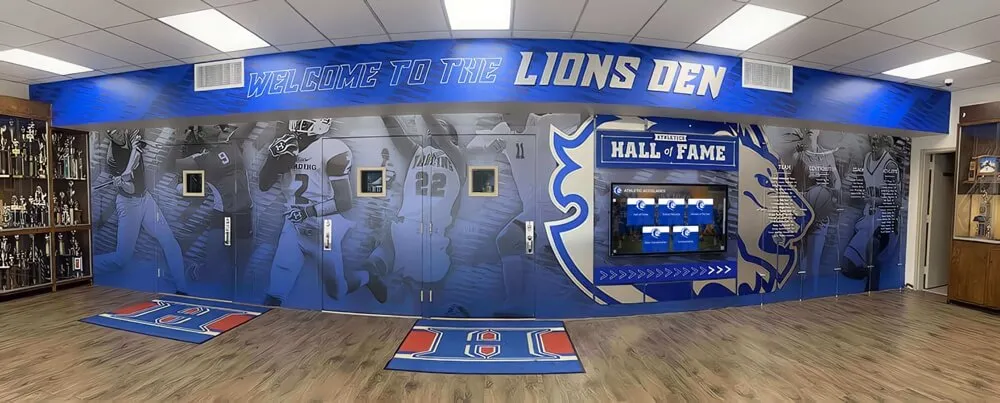
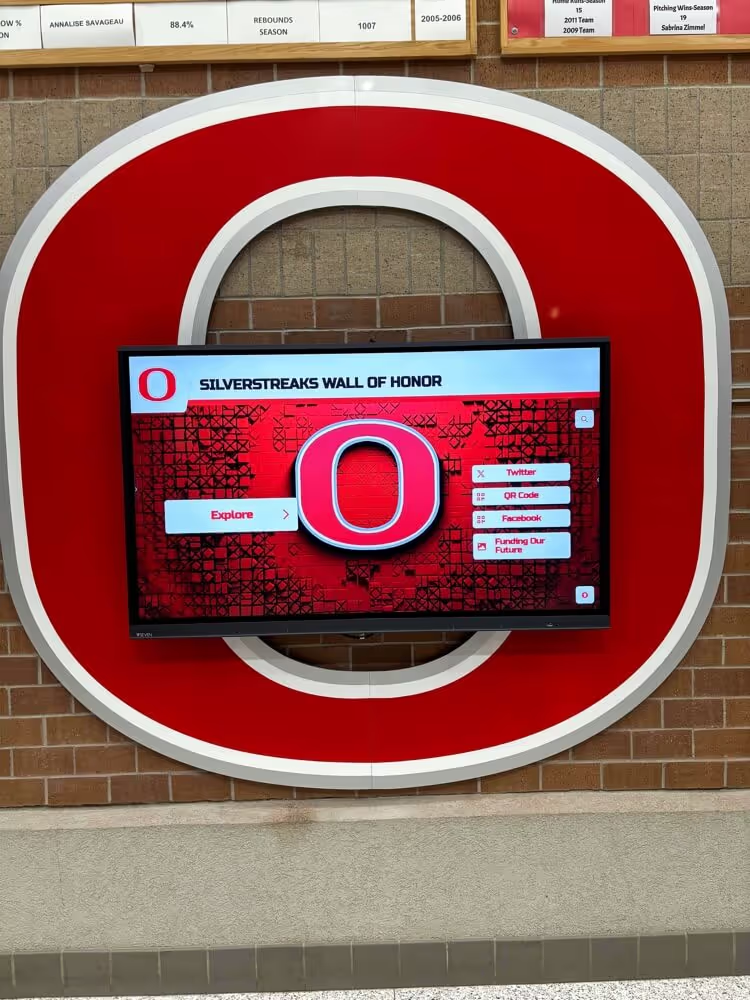
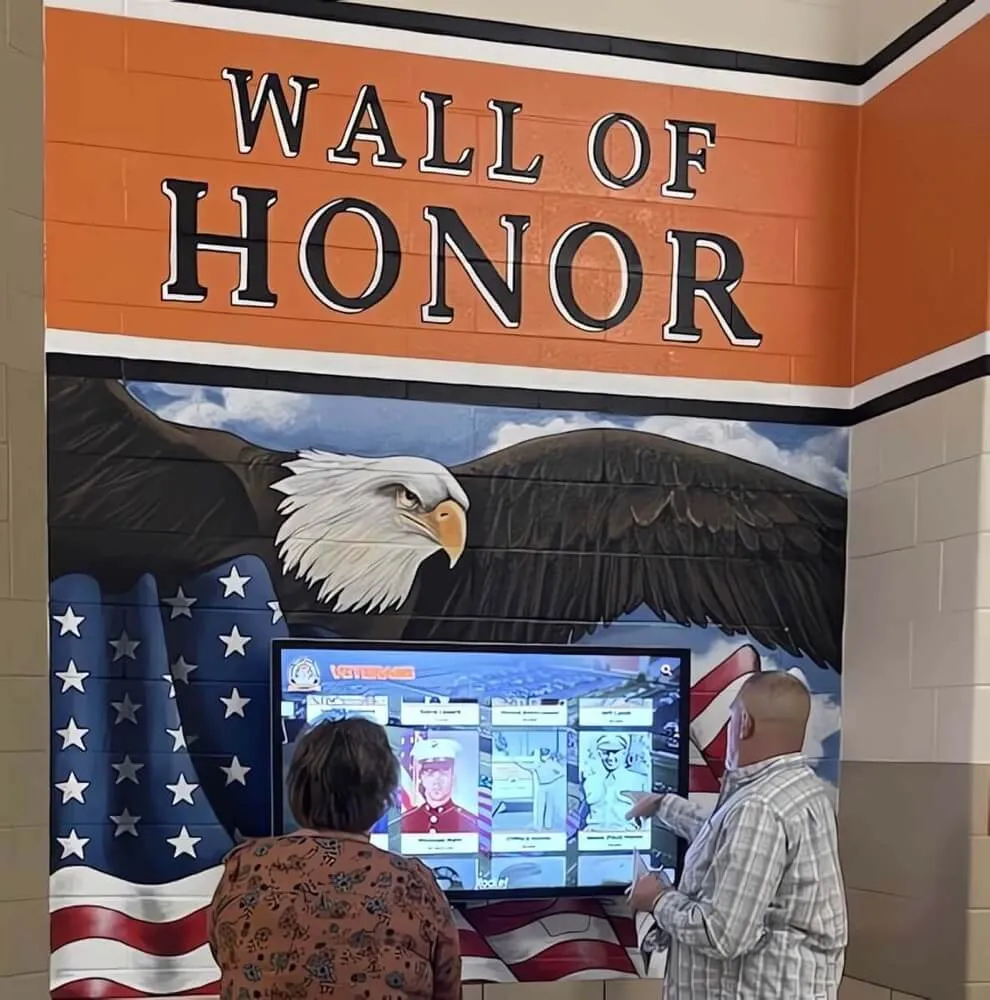
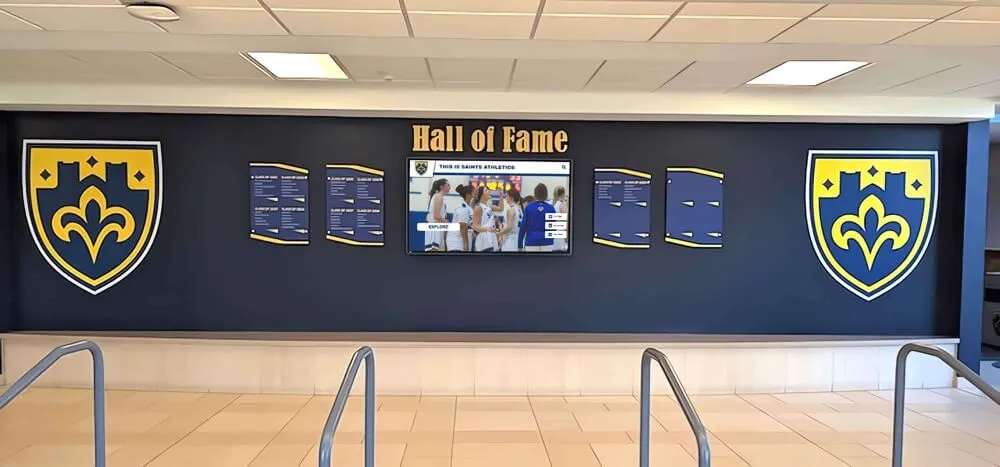
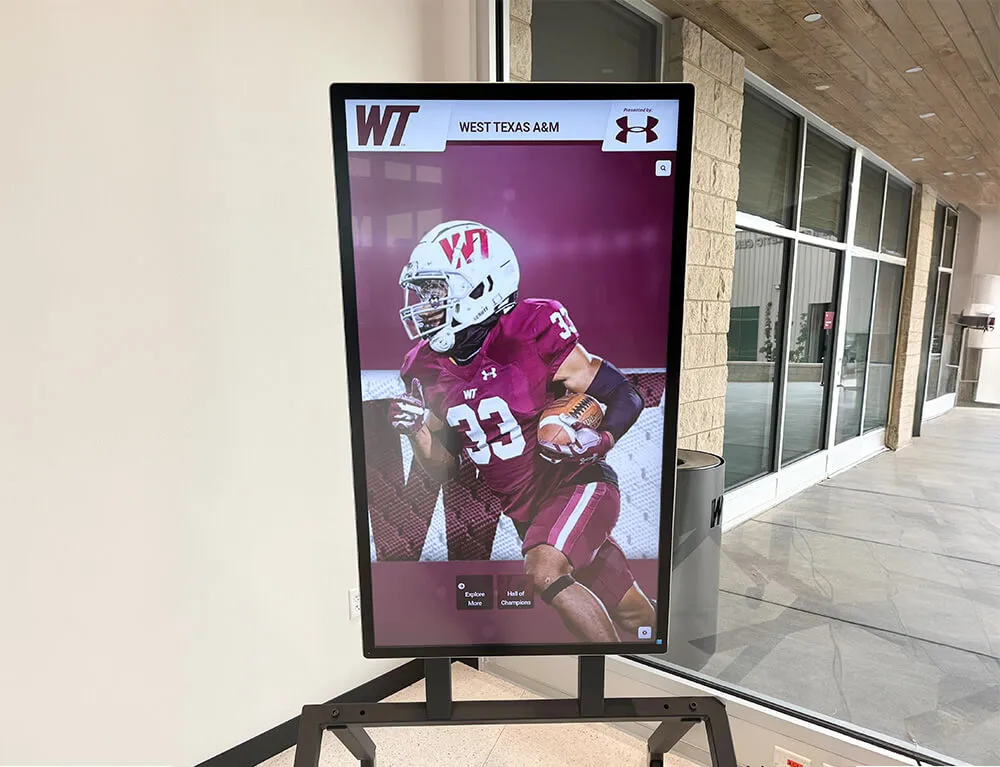
School pride displays celebrate diverse contributors to institutional excellence including musicians creating unforgettable game-day experiences
Recruiting and Organizing Musicians
Sustainable pep bands require adequate participation from students genuinely interested in contributing to school spirit rather than forced involvement breeding resentment.
Recruitment Strategies
Emphasize Unique Benefits and Experiences
Appeal to musicians by highlighting what pep band offers beyond traditional concert settings:
- Prime seating at popular athletic events often difficult to access otherwise
- Recognition and appreciation from peers, athletes, and community
- Travel opportunities if program performs at away games or tournaments
- Social experience with friends in exciting, high-energy environment
- Resume and college application distinction demonstrating leadership and school involvement
- Tangible impact on school culture and athletic success
Address Common Concerns Proactively
Anticipate and respond to hesitations students may express:
- Time commitment concerns: Clarify specific schedule expectations and flexibility options
- Skill level anxieties: Emphasize that participation matters more than perfect performance
- Athletic disinterest: Frame as school spirit and community contribution rather than sports fandom requirement
- Social dynamics: Highlight inclusive, fun atmosphere distinguishing pep band from competitive performance contexts
- Academic impact: Demonstrate that events occur during non-academic time without homework conflicts
Create Low-Barrier Trial Opportunities
Reduce commitment anxiety through graduated involvement:
- Invite prospective members to shadow pep band at single game
- Offer single-event participation without season-long commitment requirement
- Create “home games only” participation tier for students with schedule limitations
- Allow musicians to join mid-season if initial hesitation fades
- Welcome alumni and community musicians as occasional guests building intergenerational connection
Organizational Structure for Smooth Operations
Effective leadership and role clarity prevent chaos while distributing workload appropriately:
Student Leadership Positions
Empower students with meaningful responsibilities:
- Pep Band President: Overall coordination, communication with director, scheduling management
- Music Librarian: Organizing and distributing sheet music, tracking inventory
- Attendance Coordinator: Tracking participation, communicating with absent members
- Equipment Manager: Transporting and setting up drums and amplification equipment
- Spirit Coordinator: Leading cheers, coordinating with cheerleaders, engaging crowd
- Section Leaders: Ensuring musicians have music and understand parts within instrument groups
These leadership roles provide valuable experience while reducing director burden and increasing student ownership.
Parent and Volunteer Support Network
Adult volunteers extend program capabilities significantly:
- Transportation coordination for students and equipment
- Uniform or spirit wear management and distribution
- Fundraising organization supporting program needs
- Event logistics including seating arrangements and venue liaison
- Photography and videography documenting performances for recognition and recruitment
- Communication with families about schedule changes and opportunities
Strong parent organizations transform pep bands from director-dependent programs into community-supported institutions sustainable across leadership transitions, similar to comprehensive volunteer frameworks in recognition and service programs.
Developing Repertoire and Arrangements
Strategic music selection balances immediate crowd appeal, institutional tradition, and practical performance considerations in challenging acoustic environments.
Essential Pep Band Repertoire Categories
School-Specific Traditional Songs
Every pep band needs institutional anthems defining school identity:
- Fight Song: Primary school anthem played after scores and during rallying moments
- Alma Mater: Formal school song typically performed at season openers or senior nights
- Victory Song: Celebratory music played after wins or during dominant performances
- Traditional Cheers: Musical accompaniment to established verbal cheers led by cheerleaders
Schools without established fight songs can adopt public domain marches, commission original compositions from music faculty, or arrange popular songs with school-specific lyrics creating new traditions.
Universal Pep Band Standards
Certain songs transcend individual institutions creating immediate crowd recognition:
- “Hey Song” (Rock and Roll Part 2): Nearly universal crowd participation anthem
- “Seven Nation Army”: Modern classic with easily chanted bass line
- “Crazy Train”: High-energy entrance and timeout music
- “25 or 6 to 4”: Chicago classic featuring powerful brass sections
- “Vehicle”: Driving rhythm perfect for defensive stands
- “Louie Louie”: Simple, energetic, universally recognized
- “Wipe Out”: Drum feature showcasing percussion section
These standards provide foundation while schools develop distinctive repertoires.
Current Popular Music Arrangements
Contemporary hits increase relevance and student engagement:
- Top 40 songs currently popular among student audiences
- Classic rock anthems recognizable across generations
- Movie and video game themes resonating with youth culture
- Viral TikTok sounds and trending music students request
- Genre diversity representing varied musical preferences
Numerous publishers offer pre-arranged pep band charts, while many directors create custom arrangements tailored to available instrumentation and skill levels.
Situational Performance Music
Strategic songs matching specific game contexts:
- Defensive music: Intense, driving songs energizing defensive stands
- Offensive music: Upbeat, celebratory songs supporting scoring drives
- Free throw distraction: Rhythmic, repetitive songs disrupting opponent concentration
- Timeout filler: Medium-energy songs maintaining atmosphere during breaks
- Victory celebrations: High-energy celebratory music for decisive wins
Effective pep bands develop vast repertoires enabling spontaneous selection matching game momentum and crowd energy in the moment.
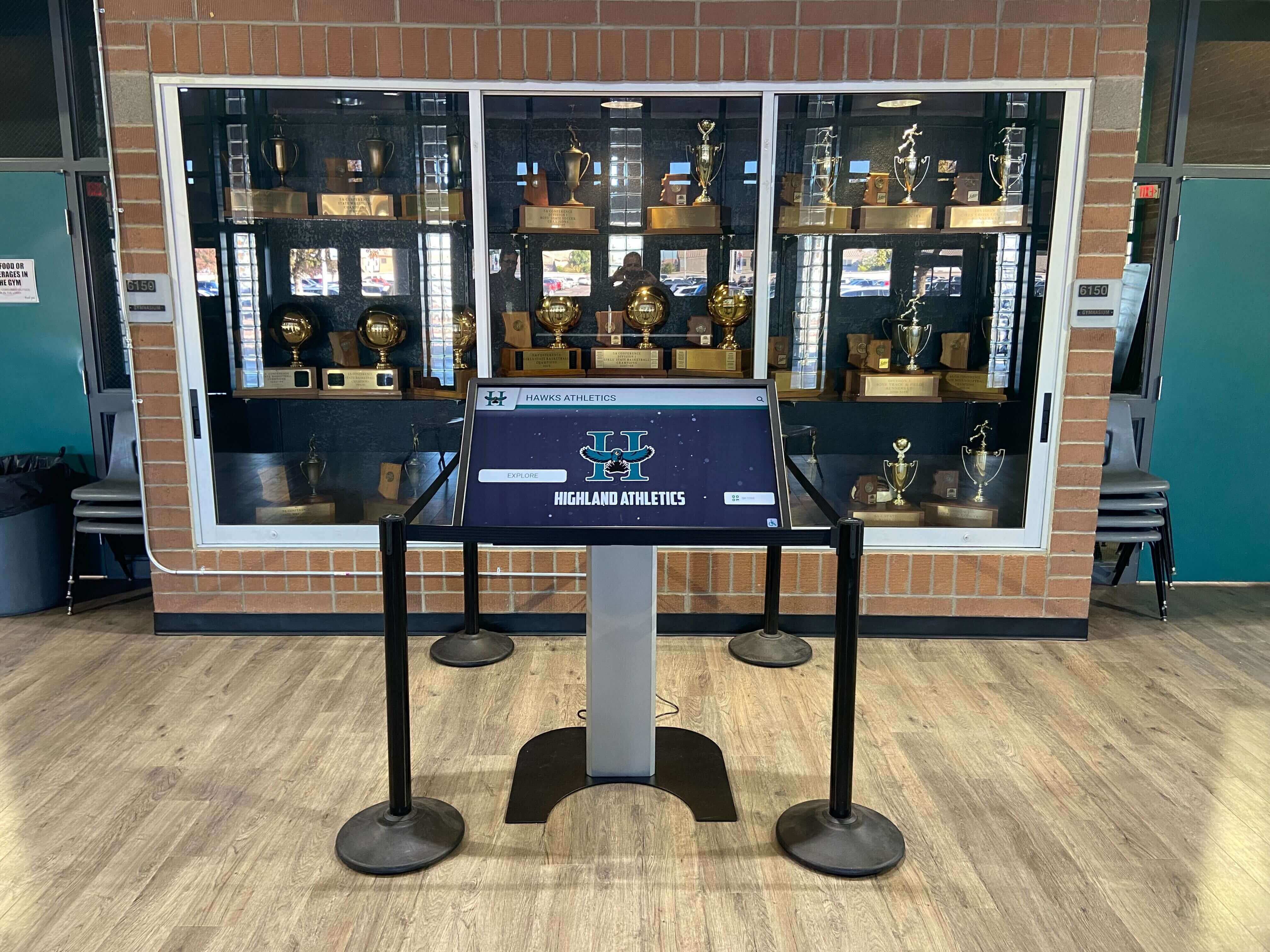
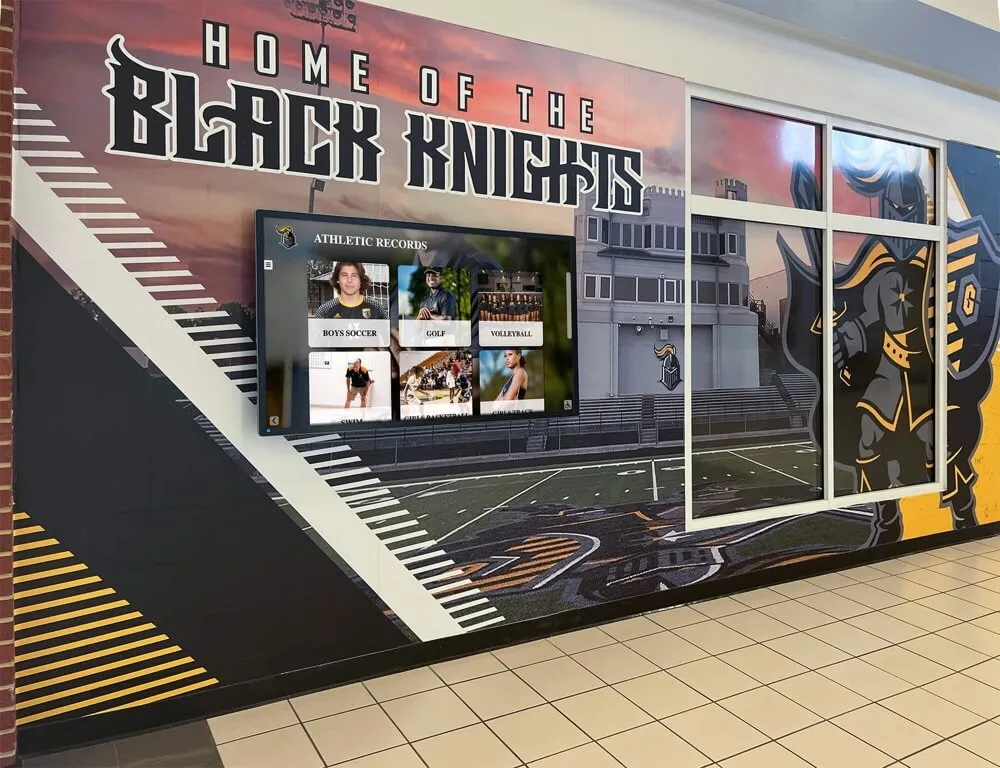
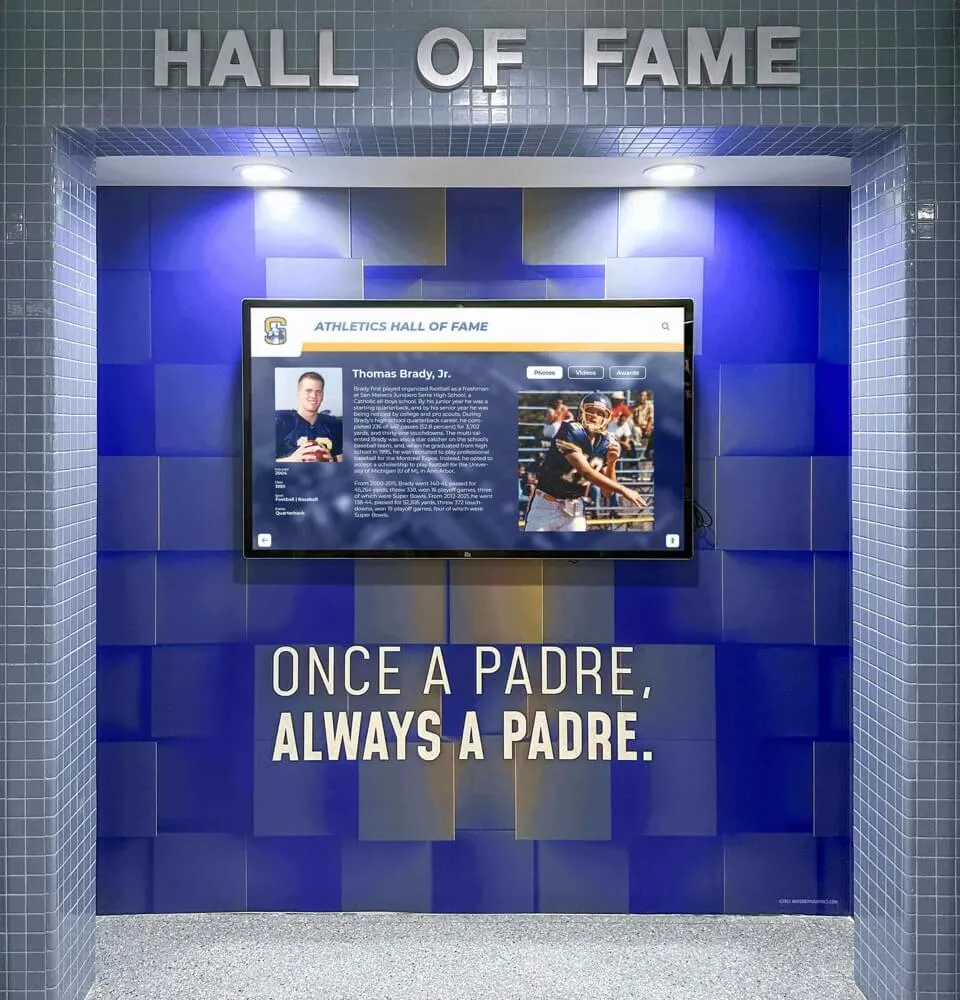
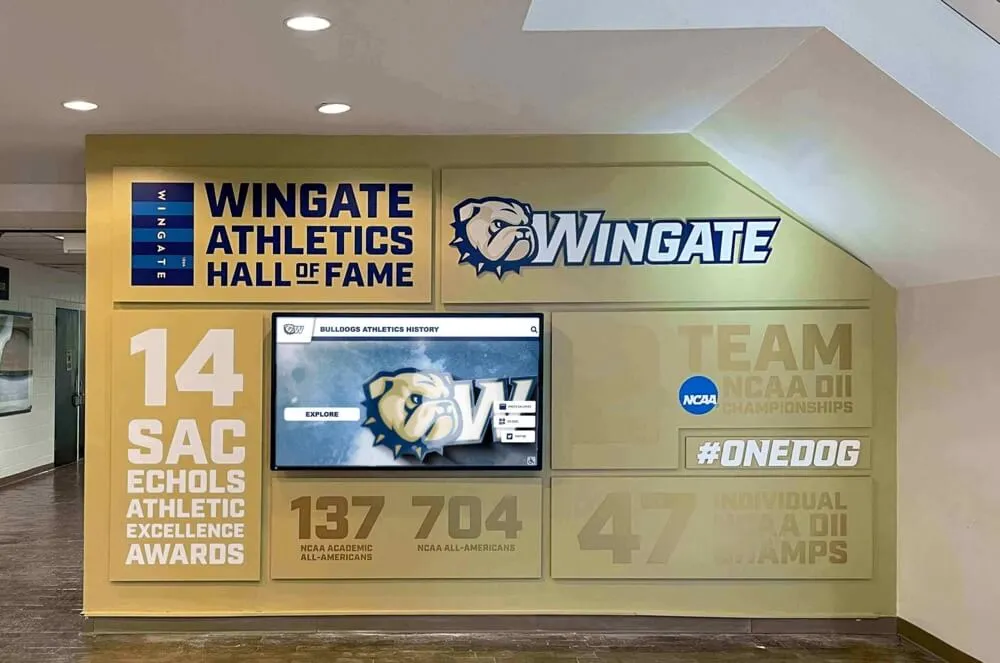
Modern recognition displays can showcase pep band history including recordings, photos, and traditions preserved digitally for discovery by current students and visiting alumni
Rehearsal and Performance Logistics
Balancing preparation quality with realistic time demands ensures sustainability while maintaining performance standards appropriate to context.
Rehearsal Approaches and Schedules
Pre-Season Intensive Preparation
Concentrated rehearsal establishing foundation before events begin:
- 2-3 intensive rehearsals before first performance
- Learning all fight songs and essential school-specific music
- Reviewing universal standards and most frequently performed songs
- Establishing performance protocols and behavioral expectations
- Practicing transitions between songs and responding to director signals
- Building ensemble cohesion and performance confidence
Ongoing Maintenance During Season
Lighter rehearsal load maintaining repertoire while adding new music:
- Weekly 30-45 minute sectionals or full rehearsals if schedule permits
- Focus on new music being added to active repertoire
- Review of less frequently performed songs before specific events
- Individual practice expectations for challenging parts
- Reliance on concert band or marching band rehearsals for fundamental musicianship development
Many successful programs conduct minimal dedicated pep band rehearsal, instead drawing on musicianship developed through primary band programs while focusing pep band time specifically on event-ready repertoire and logistical coordination.
Game-Day Logistics and Procedures
Clear systems prevent chaos while ensuring professional presence:
Arrival and Setup Protocols
- Specified arrival time providing adequate setup and warm-up (typically 45-60 minutes pre-game)
- Designated seating section reserved by athletic department
- Equipment transportation and setup procedures for drums and amplification
- Instrument security during halftime or when musicians disperse
- Music distribution and organization systems ensuring everyone has required charts
Performance Coordination During Events
- Director positioning enabling both game observation and band conducting
- Signal systems communicating song selections to musicians
- Volume management adjusting to venue acoustics and crowd size
- Coordination protocols with cheerleaders, dance teams, and public address announcers
- Timeout and halftime performance planning
- Post-game performance for victories or senior recognition events
Behavioral and Representation Standards
Clear expectations maintain positive program reputation:
- Attentiveness to director rather than excessive socializing
- Respectful behavior toward opponents and officials
- Appropriate celebration avoiding excessive taunting
- Instrument care and facility respect
- Representing school positively in visiting venues
- Academic eligibility requirements if school policies mandate
Professional conduct ensures continued administrative and community support while modeling positive sportsmanship.
Recognizing and Celebrating Pep Band Contributions
Pep band members contribute countless hours to school spirit deserving recognition proportional to their impact on athletic culture and community engagement.
Season-Long Recognition Approaches
Ongoing acknowledgment throughout season maintains motivation while demonstrating appreciation:
Public Acknowledgment at Events
- Public address announcements thanking pep band for attendance and performance
- Recognition in printed programs for athletic events
- Featured spotlight on individual musicians or sections during timeouts
- Social media posts highlighting pep band performances and specific members
- Inclusion in team introductions or pre-game ceremonies
Athletic Department Integration
Treating pep band as essential rather than peripheral to athletic programs:
- Team photos including pep band members alongside athletes
- Invitations to athletic banquets and recognition ceremonies
- Inclusion in athletic department communications and promotions
- Spirit awards recognizing outstanding pep band contributions
- Coordination ensuring band has quality seating and appropriate accommodations
This integration elevates pep band status from volunteer entertainers to recognized program contributors, similar to approaches honoring diverse participants in comprehensive sports recognition programs.

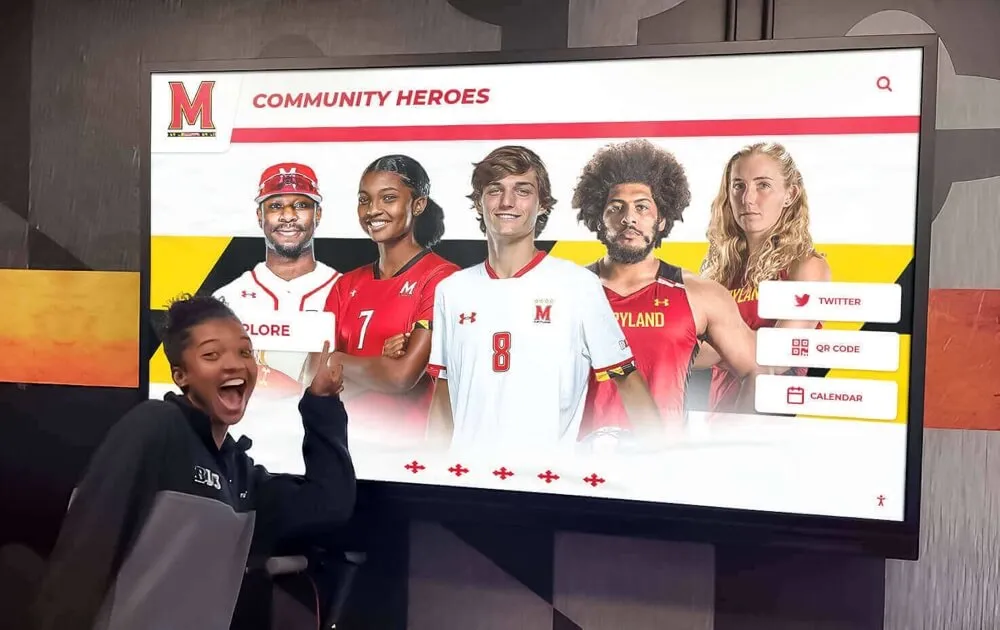
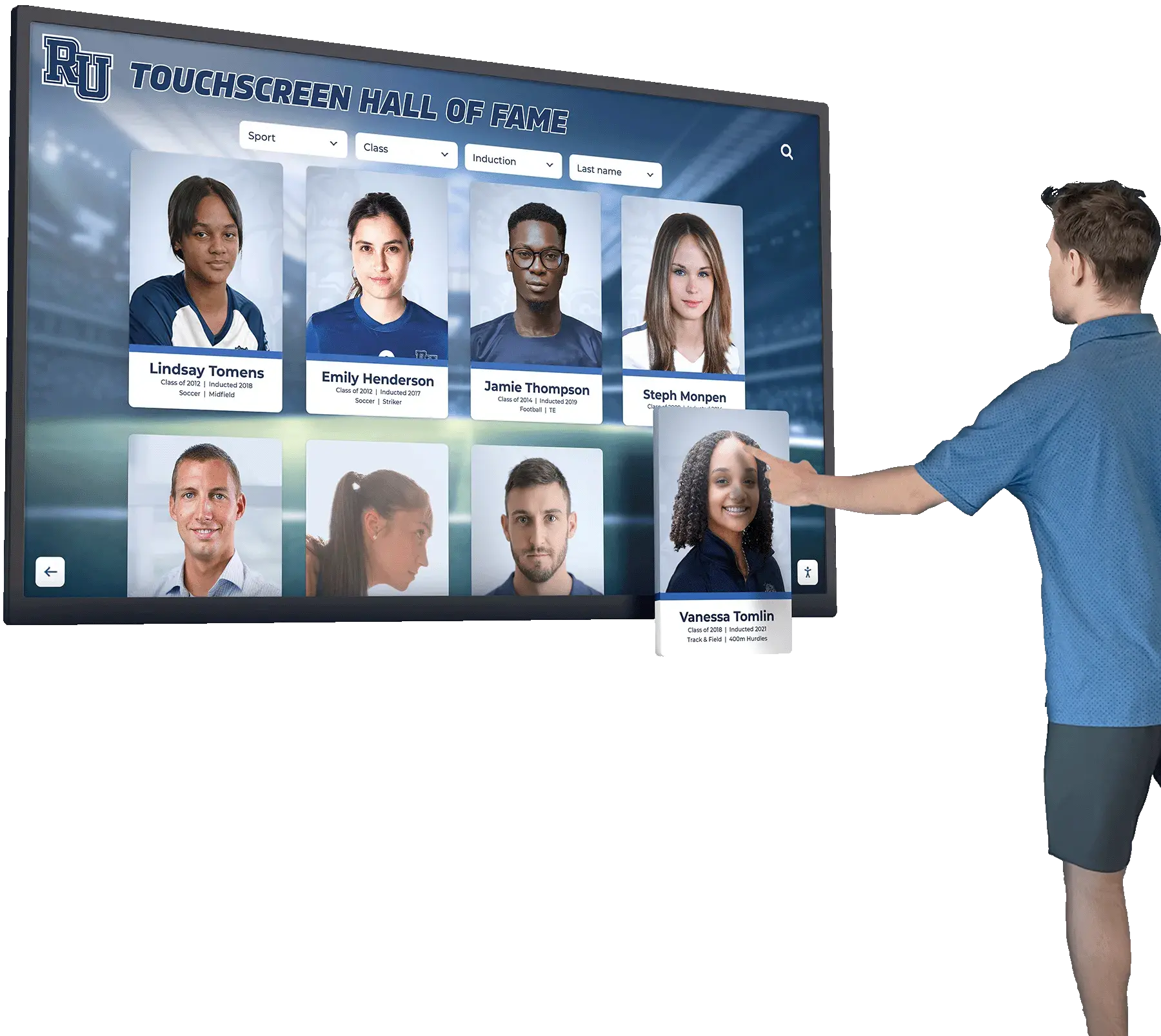
Digital recognition walls can honor pep band members alongside athletes creating comprehensive celebration of all contributors to school spirit and athletic excellence
End-of-Season Recognition Events
Formal celebrations honor season-long commitment while building program culture:
Pep Band Banquet or Recognition Ceremony
Dedicated celebration specifically honoring musicians:
Program Elements
- Highlight video featuring pep band performances throughout season
- Individual recognition for all participating musicians
- Special awards for outstanding contributors (Most Valuable Performer, Most Spirited, Perfect Attendance)
- Senior recognition honoring graduating members
- Guest speakers from athletic department or administration acknowledging impact
- Performance of favorite songs from season
- Social time strengthening bonds among musicians
Award Categories Specific to Pep Band Context
- Spirit Award: Most enthusiastic performer and crowd engager
- Leadership Award: Student demonstrating organizational leadership and positive influence
- Reliability Award: Perfect or near-perfect attendance
- Director’s Award: Exemplifying values director most appreciates
- Rookie of the Year: Outstanding first-year pep band member
- Section Spirit Awards: Recognition within instrument groups
Integration with Band Program Recognition
Alternatively, incorporate pep band recognition into existing band banquets:
- Dedicated segment acknowledging pep band specifically within broader program celebration
- Awards and certificates for pep band participants
- Special recognition for seniors with multi-year pep band involvement
- Slideshow or video including pep band moments alongside concert and marching band achievements
- Statistics highlighting games attended and hours contributed
Tangible Recognition Items
Physical mementos commemorating participation:
- Certificates of participation or achievement
- Pep band-specific medals, pins, or patches for letter jackets
- T-shirts or apparel commemorating season and specific themes
- Personalized thank-you notes from coaches or administrators
- Plaques or trophies for special awards
- Photo composites featuring all pep band members
These tangible items provide lasting reminders of contribution while incentivizing continued participation in subsequent seasons.
Permanent Digital Recognition and Legacy Building
While seasonal celebrations honor current participants, permanent recognition systems preserve pep band traditions across generations while inspiring future musicians to continue these legacies.
The Limitations of Traditional Pep Band Recognition
Most schools struggle to meaningfully preserve pep band history:
- Limited physical space for displaying musician photos or achievements
- No systematic documentation of songs performed or traditions established
- Graduating seniors disappear from institutional memory within years
- Current students unaware of pep band history and multi-generational traditions
- Alumni unable to access or relive their pep band experiences
- Recruitment challenges when prospective members can’t visualize program culture
Digital Recognition Platform Solutions
Modern digital systems specifically designed for comprehensive school recognition solve these limitations while creating engaging experiences impossible with traditional displays:
Unlimited Recognition Capacity
- Every pep band participant across all years receives permanent profile with photo and bio
- Complete rosters preserved showing entire ensembles rather than selective recognition
- Multi-year participants automatically recognized for sustained contribution
- Section breakdowns preserving instrumentation distribution across eras
- Student leadership positions and special award recipients highlighted
Rich Multimedia Historical Content
- Audio recordings of fight songs and signature performances
- Video highlights of memorable game performances and celebrations
- Photos from performances, social events, and recognition ceremonies
- Scanned programs, articles, and historical documents
- Recorded oral histories from long-time directors or influential alumni
- Timeline visualizations showing program evolution across decades
Solutions like Rocket Alumni Solutions provide comprehensive platforms designed specifically for diverse program recognition including music, athletics, academics, and student organizations—ensuring pep bands receive acknowledgment proportional to their impact on school culture, as demonstrated in digital hall of fame implementations.
Interactive Discovery and Engagement
Digital platforms create exploration experiences engaging current students and visiting alumni:
- Search functionality finding specific musicians, years, or events instantly
- Filters revealing participation patterns across sports or decades
- Comparison features showing instrumentation evolution or roster size changes
- Related connections linking family members or friends who participated together
- Featured content rotation highlighting different eras and individuals
- QR codes connecting physical lobby displays to comprehensive mobile-accessible archives
Recruitment and Culture Building
Accessible program history strengthens recruitment and cultural continuity:
- Prospective members visualize themselves as part of ongoing tradition
- Current students discover connections to siblings, parents, or mentors who preceded them
- Recognition demonstrates that contributions matter and receive lasting acknowledgment
- Traditions documented clearly for new directors or student leaders to continue
- Alumni engagement opportunities sharing memories and encouraging current students
Schools implementing comprehensive digital recognition report increased program participation, stronger alumni engagement, and enhanced school pride as community members discover rich histories previously hidden in storage boxes or lost entirely.
Explore permanent recognition approaches in comprehensive hall of fame criteria guides applicable to diverse school programs including pep bands.
Advanced Pep Band Program Development
Once foundational programs operate successfully, advanced strategies elevate impact while expanding participation and recognition.
Expanding Performance Contexts Beyond Traditional Sports
Strategic expansion diversifies participation opportunities while extending pep band impact:
Alternative Athletic Events
- Wrestling meets featuring compact pep band groups
- Swimming and diving championships where music enhances atmosphere
- Track and field meets during field event performances
- Volleyball matches increasingly incorporating live music
- Lacrosse, soccer, and emerging sports building school spirit traditions
Non-Athletic School Events
Pep band skills transfer effectively to other celebratory contexts:
- Pep rallies and spirit week assemblies
- Homecoming and special event parades
- Academic competitions and quiz bowl tournaments
- School anniversary celebrations and dedication ceremonies
- Community events representing school in broader contexts
This expansion increases visibility while demonstrating versatility beyond singular athletic focus.
Building Competitive Excellence and Special Opportunities
Advanced programs pursue development opportunities beyond basic game-day performance:
Pep Band Competitions and Festivals
Some regions host dedicated pep band competitions or festivals:
- Structured performance evaluation providing feedback for improvement
- Exposure to other programs generating ideas and inspiration
- Recognition opportunities motivating students through competitive achievement
- Networking connections with directors and musicians from other schools
- Special performance opportunities at conference tournaments or bowl games
Travel and Showcase Performances
Memorable experiences strengthen program culture while rewarding commitment:
- Away playoff games supporting teams in championship contexts
- Invitational tournaments or showcase events in special venues
- College campus visits performing alongside university pep bands
- Professional sporting events where high school pep bands receive feature opportunities
- Regional or state championship performances representing school prominently
These special opportunities create lasting memories distinguishing programs from ordinary experiences.
Integration with Community and Professional Connections
Strategic partnerships extend program impact and provide unique experiences:
- Alumni musicians returning for reunion performances
- Professional musicians or college band directors conducting workshops
- Community performances at civic events or holiday celebrations
- Fundraising collaborations with local businesses supporting program development
- Mentorship relationships connecting students with college music programs
Technology Integration and Modern Approaches
Contemporary programs leverage technology enhancing performance and organization:
Performance Enhancement Technology
- Electronic tuners and metronomes improving rehearsal efficiency
- Recording and playback systems for self-evaluation
- Digital music libraries reducing paper consumption and loss
- Amplification systems ensuring appropriate volume in large venues
- Click tracks or backing tracks for select contemporary arrangements
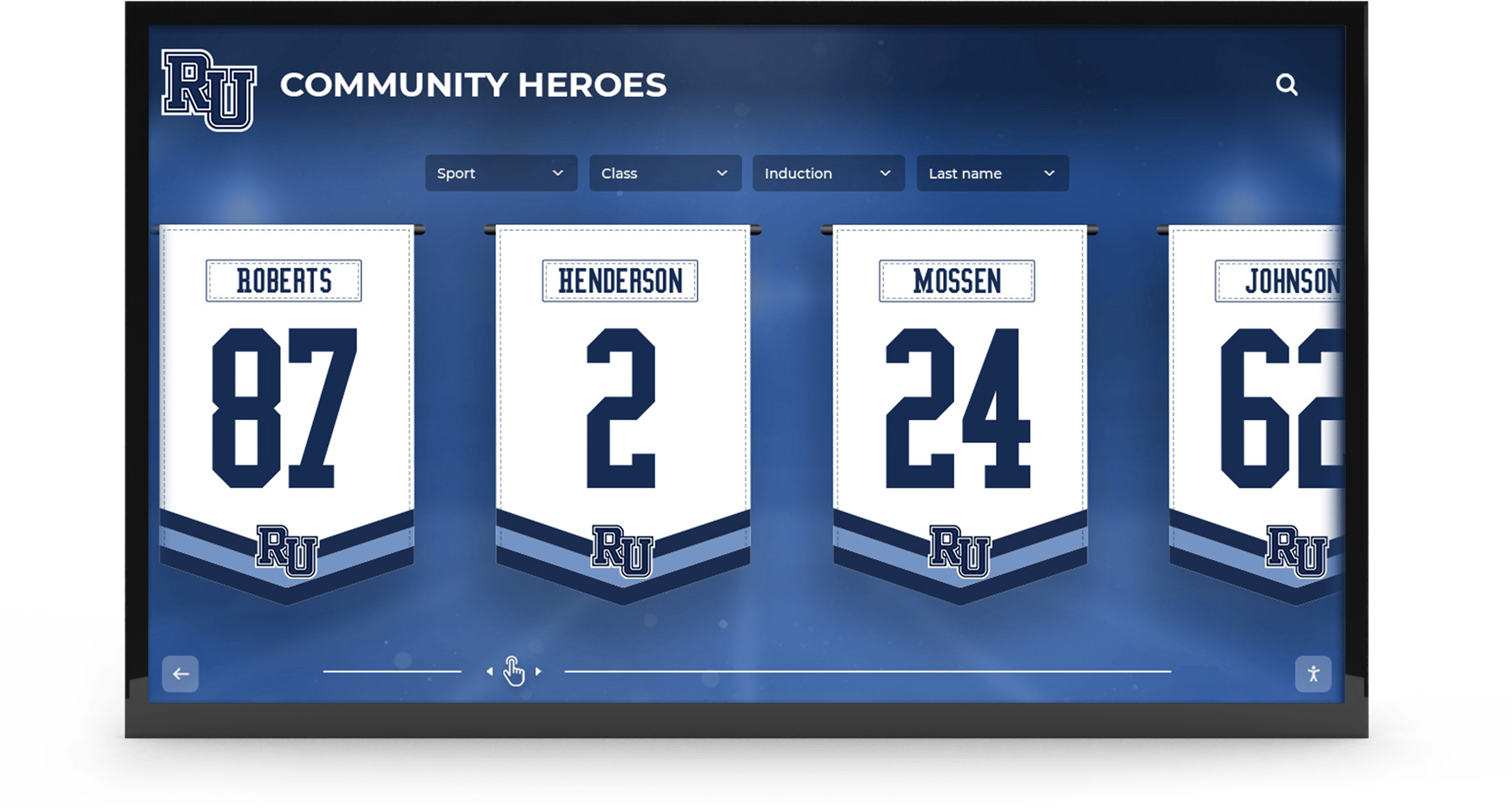
Modern display technology enables creative recognition approaches celebrating diverse contributors including musicians essential to school spirit traditions
Organizational and Communication Technology
- Group messaging apps coordinating schedules and quick changes
- Shared calendar systems reducing confusion about events
- Cloud-based music storage ensuring everyone can access parts anywhere
- Social media accounts promoting performances and engaging community
- Video recording and sharing of performances for recognition and recruitment
Digital Recognition and Archival Systems
As discussed previously, comprehensive platforms preserving program history while creating ongoing engagement opportunities.
Common Pep Band Challenges and Solutions
Even well-established programs encounter predictable obstacles. Anticipating common challenges enables proactive solutions rather than reactive crisis management.
Participation and Attendance Issues
Challenge: Inconsistent Attendance Creating Musical Gaps
Students committing to participation then frequently missing events undermines ensemble quality and places unfair burden on reliable members.
Solutions:
- Clear attendance expectations established from program outset with defined minimum requirements
- Excuse policies distinguishing legitimate conflicts from casual absences
- Recognition systems rewarding reliable attendance (perfect attendance awards, priority seating at special events)
- Substitute musician pools allowing flexible coverage for anticipated absences
- Communication protocols requiring advance notice for planned absences
- Consequences for patterns of unreliability (removal from special performance opportunities, exclusion from recognition)
Challenge: Declining Participation Across Seasons
Initial enthusiasm fades as novelty wears off or demands become apparent.
Solutions:
- Continuous recruitment welcoming new members mid-season or year-to-year
- Social events and team-building activities strengthening bonds beyond performances
- Regular recognition and appreciation preventing taken-for-granted feelings
- Variation in performance contexts preventing monotony
- Student leadership empowerment increasing ownership and investment
- Alumni engagement demonstrating long-term value and creating mentorship
Musical and Performance Quality Concerns
Challenge: Limited Rehearsal Time Affecting Performance Preparation
Pep bands rarely receive rehearsal time comparable to concert or marching ensembles.
Solutions:
- Strategic repertoire selection emphasizing accessible arrangements within student capabilities
- Reliance on concert band rehearsal for fundamental musicianship development
- Focus rehearsal time on pep band-specific music rather than general skill building
- Sectional rehearsals targeting specific problem areas efficiently
- Individual practice expectations with accountability systems
- Acceptance of “good enough” standards appropriate to informal context rather than concert hall perfectionism
Challenge: Acoustic Difficulties in Large or Outdoor Venues
Sound projection and balance prove challenging in gymnasiums or outdoor stadiums.
Solutions:
- Strategic instrumentation emphasizing naturally projecting instruments
- Section balance adjustments increasing brass and percussion relative to concert settings
- Amplification systems for select instruments or venues when appropriate
- Seating location optimization working with athletic departments for best acoustic positioning
- Performance technique emphasis on strong articulation and volume projection
- Acceptance that some venues limit effectiveness regardless of effort
Administrative and Logistical Obstacles
Challenge: Limited Budget for Music, Equipment, and Program Needs
Pep bands often receive minimal dedicated funding competing with higher-profile program priorities.
Solutions:
- Shared resources with marching or concert band programs
- Fundraising specific to pep band needs (concession sales, sponsorships, program advertising)
- Free or low-cost music sources including public domain arrangements and director-created charts
- Used equipment purchases and instrument borrowing
- Parent volunteer labor reducing paid service needs
- Grant applications from music education foundations or local business partnerships
Challenge: Athletic Department Coordination and Support Gaps
Pep bands sometimes feel peripheral to athletic priorities receiving inadequate communication or accommodation.
Solutions:
- Designated liaison establishing regular communication between band and athletic directors
- Formalized agreements clarifying expectations, seating arrangements, and recognition
- Early season planning meetings coordinating schedules and special events
- Education of athletic administrators about pep band value and needs
- Documentation of pep band impact through attendance data and stakeholder feedback
- Integration of pep band into athletic department marketing and promotion
Successful programs address challenges systematically through clear policies, open communication, and realistic expectations rather than allowing frustrations to fester undermining program sustainability.
Measuring Pep Band Success and Program Impact
Strategic assessment demonstrates program value while identifying improvement opportunities and justifying continued resource investment.
Quantitative Metrics
Participation Data
- Total roster size across seasons tracking growth trends
- Attendance rates at events revealing engagement patterns
- Year-over-year retention rates showing sustained involvement
- New member recruitment numbers demonstrating program appeal
- Demographic diversity ensuring broad participation access
Event Coverage Statistics
- Percentage of athletic events receiving pep band support
- Games attended versus total opportunities
- Travel event participation rates
- Special performance opportunities pursued
- Total performance hours contributed annually
Recognition and Achievement Indicators
- Awards and special recognitions received
- Competition results if participating
- Media coverage and community visibility
- Social media engagement metrics
- Alumni participation in reunion performances
Qualitative Assessment
Stakeholder Satisfaction Feedback
Regular surveys gathering perspectives from diverse participants:
Student Musician Perspectives
- Enjoyment and satisfaction with experience
- Perceived value of participation on personal development
- Suggestions for program improvements
- Likelihood of continued participation
- Willingness to recommend to peers
Athletic Department Feedback
- Perceived impact on game-day atmosphere
- Satisfaction with professionalism and reliability
- Effectiveness of coordination and communication
- Value provided relative to resource investment
- Integration with broader athletic culture
Community and Alumni Input
- Parent satisfaction with student experiences
- Alumni memories and lasting impact of participation
- Community perception of program quality
- Supporter willingness to financially contribute
- Broader school pride and tradition connection
Observational Quality Indicators
Beyond formal data collection, observe qualitative success markers:
- Crowd responsiveness and engagement during performances
- Student enthusiasm evident in performance energy and attendance
- Positive relationships between musicians and athletes
- Smooth operational execution at events
- Cultural integration demonstrated through recognition and inclusion
- Tradition preservation and evolution across seasons
Similar assessment frameworks appear in comprehensive recognition program planning applicable across diverse school contexts.
Conclusion: Building Lasting School Spirit Through Pep Band Excellence
Pep bands represent far more than background music at athletic events—they embody school spirit, create auditory traditions connecting generations of community members, provide meaningful participation opportunities for student musicians, and generate the electric atmosphere that transforms ordinary games into unforgettable experiences. Schools investing strategically in pep band development invest simultaneously in athletic culture, student engagement, community pride, and institutional traditions that endure long after specific seasons or championships fade from memory.
The most successful pep band programs balance musical quality with practical sustainability, emphasize participation accessibility alongside performance standards, recognize contributions proportionally to impact provided, and preserve traditions while remaining responsive to evolving student interests and institutional priorities. Whether building a program from inception or revitalizing an established tradition, the strategic approaches explored throughout this guide provide frameworks creating pep bands that genuinely enhance school culture while remaining achievable within realistic resource constraints.
Celebrate Pep Band Traditions with Permanent Digital Recognition
Discover how Rocket Alumni Solutions helps schools preserve pep band history through interactive digital displays providing unlimited recognition capacity, multimedia content capabilities, and engaging platforms ensuring musicians receive lasting acknowledgment for contributions to school spirit and athletic excellence.
Explore Digital Recognition SolutionsBeyond immediate performance quality or current season success, pep band excellence manifests in multi-generational traditions where alumni return decades later immediately recognizing familiar fight songs, current students discover their parents or siblings in historical rosters preserved digitally, and prospective members visualize themselves as part of ongoing legacies rather than temporary participants. This continuity—connecting past, present, and future through shared musical traditions—represents the ultimate measure of pep band program success.
Your school’s pep band, whether existing program or ambitious vision, deserves recognition, support, and celebration proportional to the joy, energy, and spirit these musicians provide to your community. From strategic program development and recruitment through comprehensive recognition and legacy preservation, the approaches detailed in this guide enable you to build or enhance pep band traditions that truly matter—creating soundtracks to school spirit that resonate for generations.
Start wherever your program currently exists, focus on what’s achievable within your specific context, build systematically toward comprehensive excellence, and never underestimate the power of live music performed by passionate students to transform athletic events into unforgettable celebrations of community, tradition, and school pride. The fight songs, crowd chants, and celebratory performances your pep band creates today become the cherished memories alumni will recall decades from now—making every rehearsal, every performance, and every recognition moment an investment in institutional legacy extending far beyond individual seasons or student generations.
Ready to preserve your pep band traditions permanently? Explore how Rocket Alumni Solutions provides comprehensive digital recognition platforms designed specifically for schools, enabling you to celebrate musicians alongside athletes, preserve musical traditions with audio and video content, and create engaging interactive experiences ensuring pep band contributions receive the lasting acknowledgment they deserve while inspiring future students to carry these traditions forward.