



A homecoming parade is a time-honored tradition that transforms ordinary streets into vibrant celebrations of school spirit, community pride, and institutional heritage. This festive procession—featuring elaborately decorated floats, marching bands, cheerleaders, sports teams, student organizations, and alumni—serves as the public centerpiece of homecoming week, bringing together students, families, alumni, and community members in a shared display of enthusiasm and belonging.
For generations, homecoming parades have marked the ceremonial welcoming of alumni back to their alma maters while showcasing current student achievements, celebrating school traditions, and strengthening bonds between educational institutions and the communities they serve. These parades represent more than entertainment—they embody institutional identity, preserve cultural memory, and create defining moments that participants remember throughout their lives.
Understanding the purpose, history, structure, and modern evolution of homecoming parades helps schools maximize their impact as community-building events that honor tradition while adapting to contemporary expectations. Whether your school has hosted parades for decades or you’re considering launching this tradition, knowing what makes homecoming parades meaningful ensures they achieve their full potential as celebrations connecting past, present, and future.
Homecoming parades occupy a unique position in American educational culture—simultaneously nostalgic and forward-looking, formal yet playful, competitive but inclusive. Schools that excel at hosting homecoming parades create experiences where every participant finds meaningful roles, spectators feel genuine connection to their schools, and the event strengthens institutional culture far beyond the parade route itself.

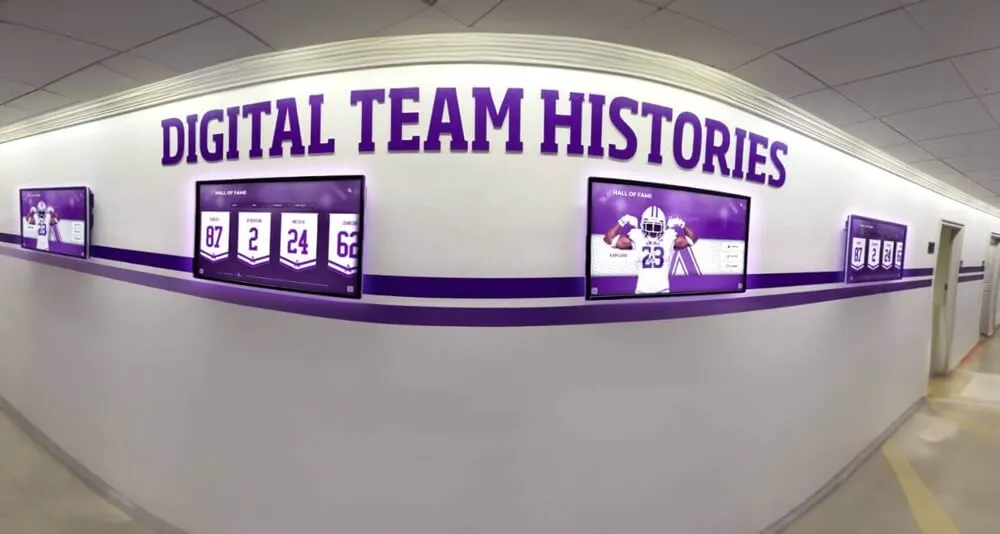
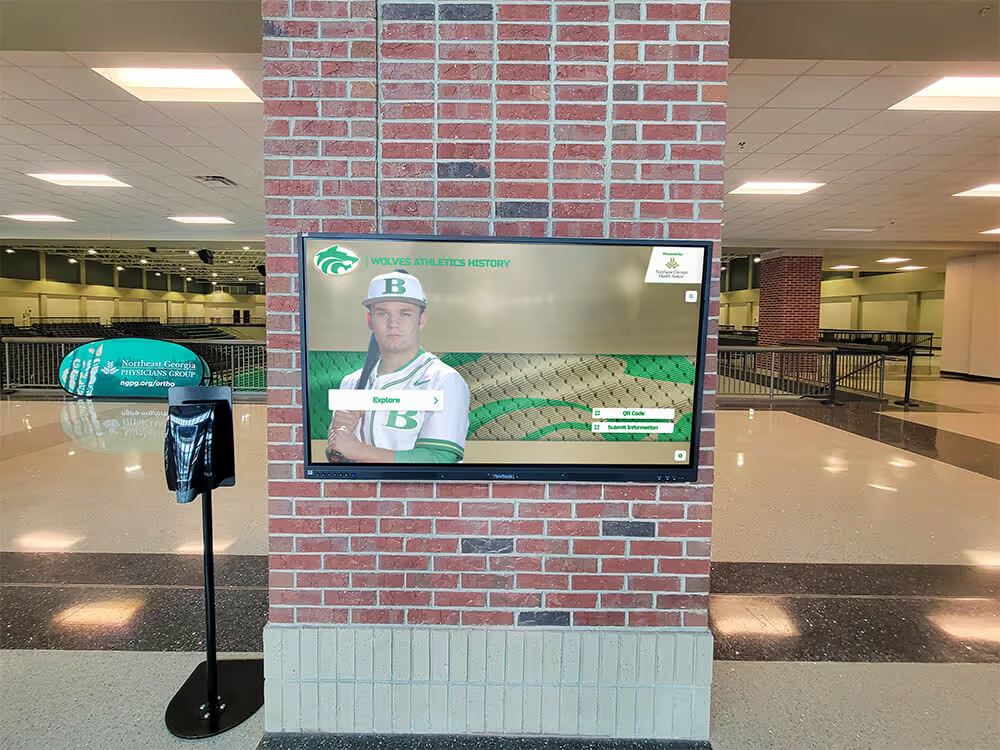
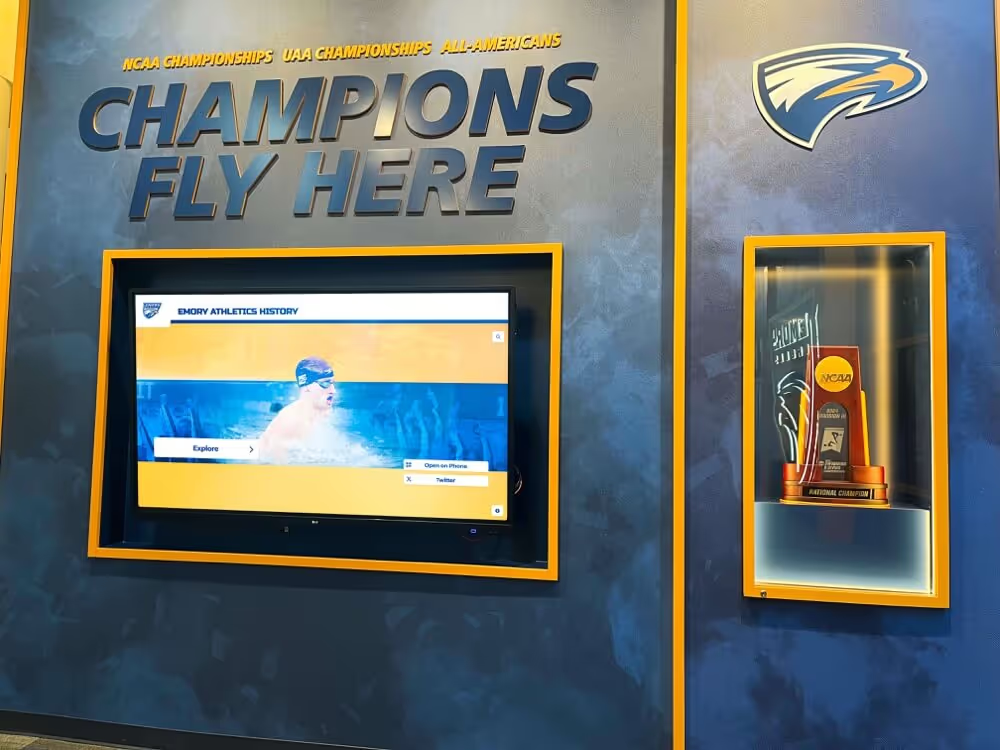
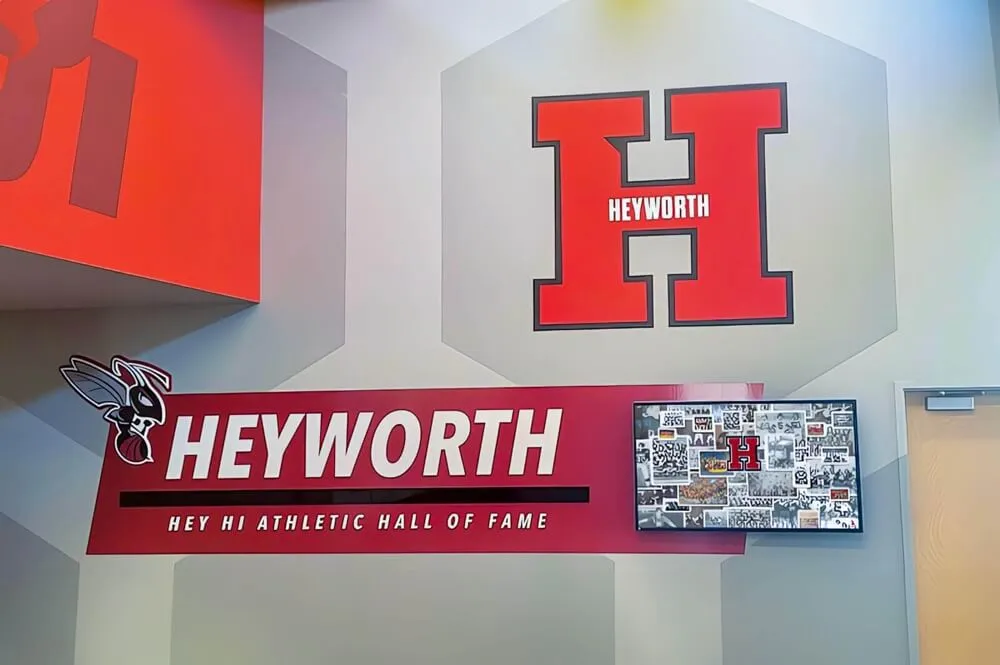
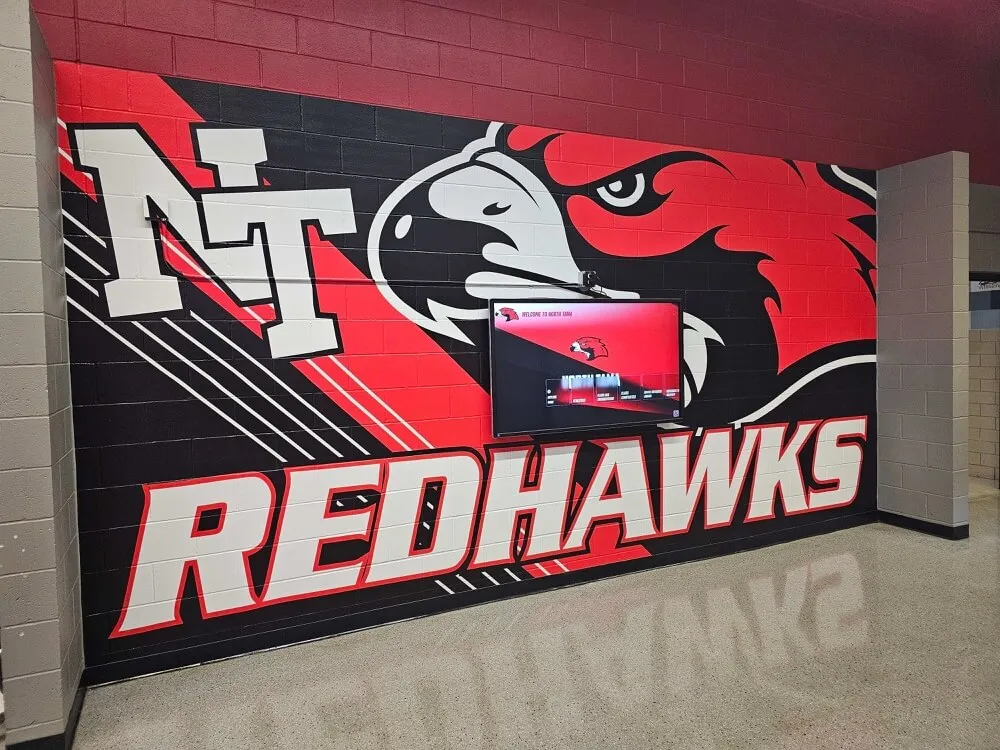
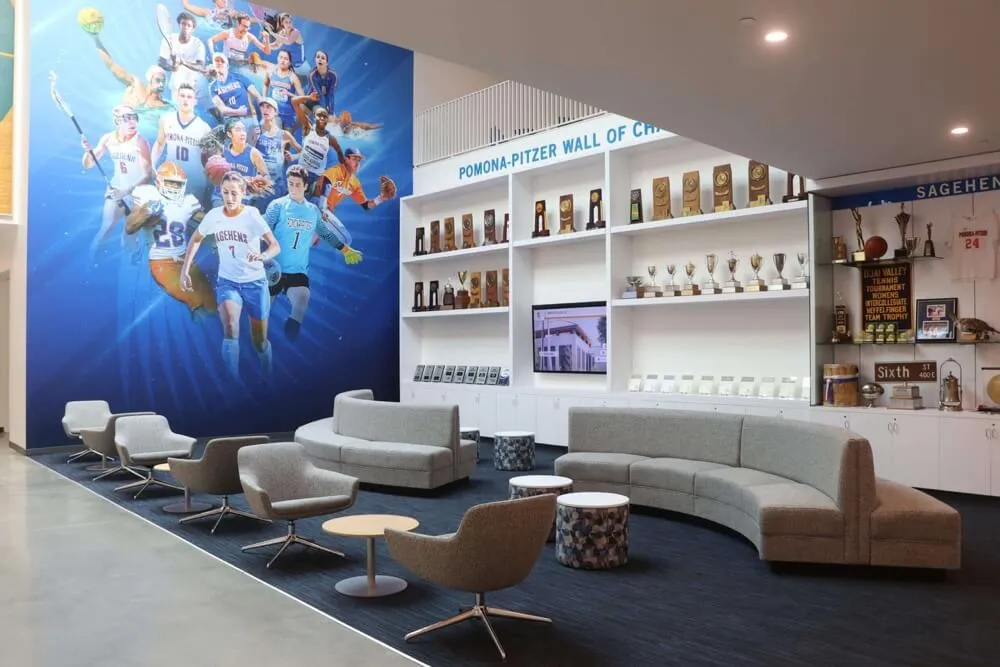
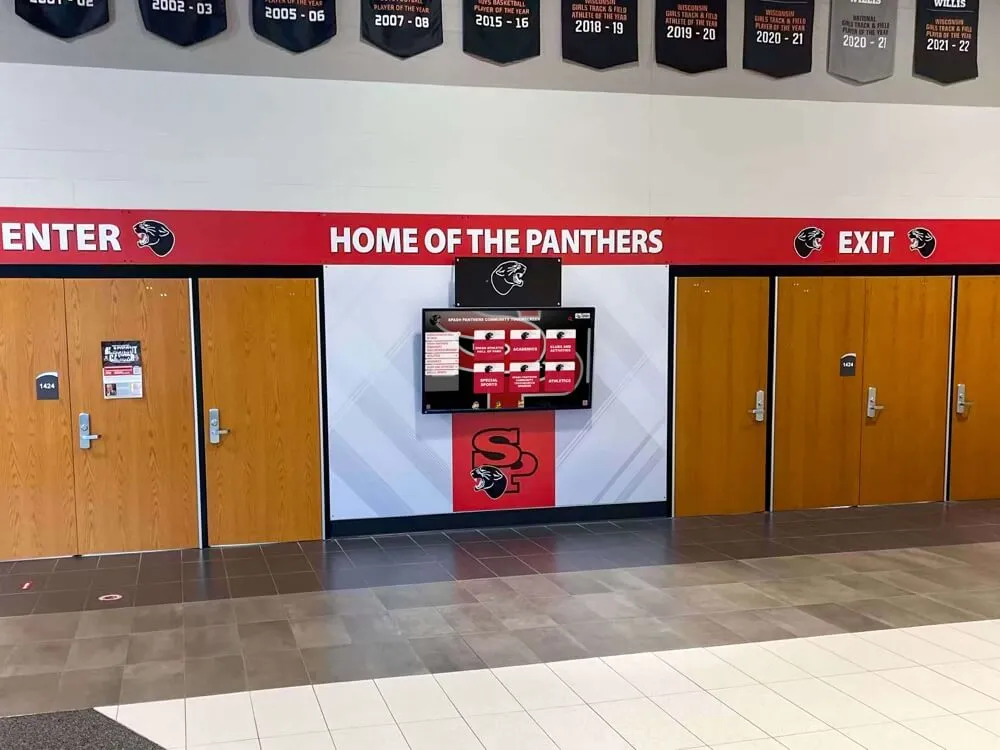
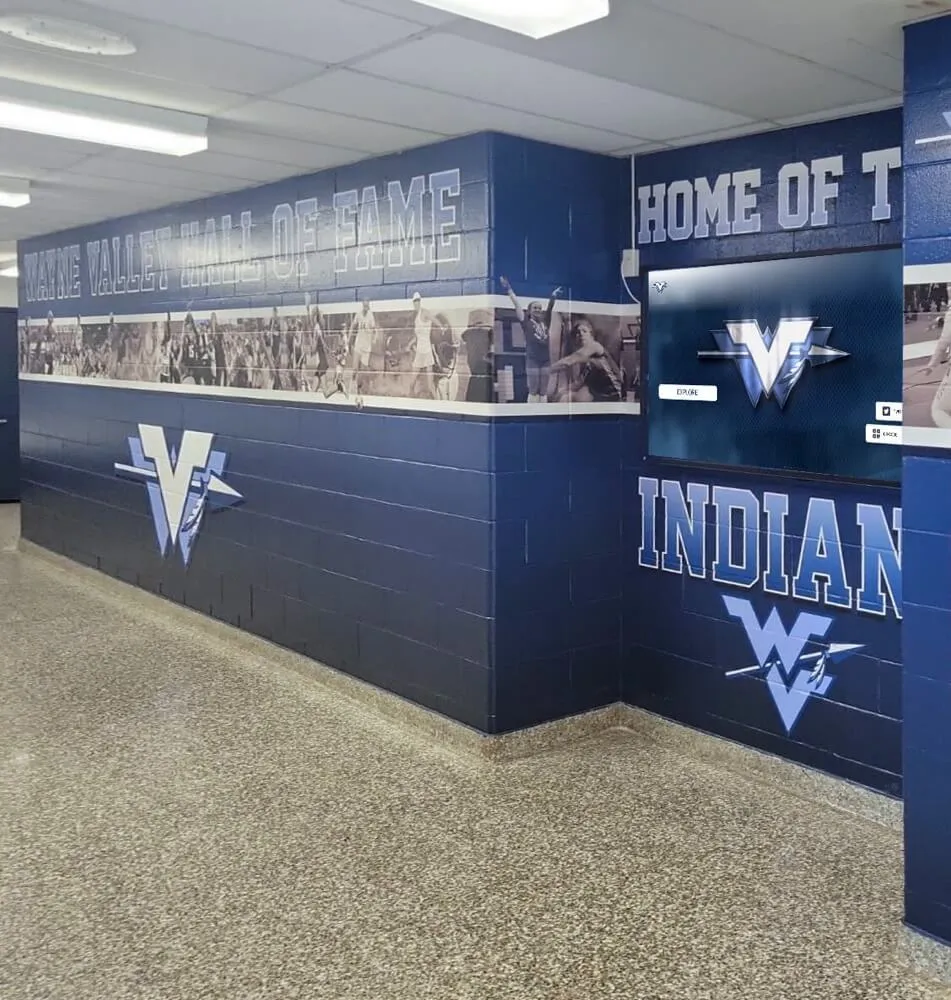
Modern schools combine traditional homecoming celebrations with year-round recognition displays that preserve the spirit of community events like parades
Defining the Homecoming Parade Tradition
Before exploring how schools organize and execute successful parades, understanding what homecoming parades fundamentally are and why they matter provides essential context.
What Exactly Is a Homecoming Parade?
Core Parade Elements
A homecoming parade typically includes several standard components that together create the complete celebration:
- Float Entries: Decorated vehicles created by classes, clubs, sports teams, or organizations showcasing creativity and school spirit
- Marching Bands: School musicians performing while processing along the parade route
- Cheerleading Squads: Spirit groups performing routines and leading crowd engagement
- Athletic Teams: Fall sports teams riding or walking to celebrate the season
- Homecoming Court: Candidates for homecoming king, queen, and court riding in convertibles or special vehicles
- Student Organizations: Clubs and groups representing diverse school activities
- Alumni Groups: Graduated classes returning to participate in the celebration
- Community Partners: Local businesses, youth organizations, and civic groups supporting the school
The parade route typically winds through campus grounds, adjacent neighborhoods, or downtown areas before concluding at the school or a central gathering location. Timing usually occurs on the Friday afternoon or Saturday morning of homecoming weekend, positioning the parade as either a kickoff to evening festivities or as part of game-day celebrations.
Purpose and Significance
Why Schools Host Homecoming Parades
Homecoming parades serve multiple institutional objectives beyond simple entertainment:
Community Building and Unity
- Creates visible demonstration of school pride for entire community
- Provides inclusive participation opportunities across diverse student interests
- Brings together different generations through shared celebration
- Strengthens relationships between schools and surrounding communities
- Generates positive public perception of educational institutions
Alumni Engagement
- Offers alumni tangible reason to return to campus during homecoming
- Reconnects former students with school traditions they remember
- Demonstrates institutional continuity across generations
- Creates opportunities for alumni to interact with current students
- Strengthens alumni loyalty and institutional support
Student Leadership Development
- Requires planning, coordination, and execution skills from student leaders
- Develops teamwork through collaborative float building and group participation
- Provides opportunities for creative expression and project management
- Teaches responsibility and follow-through on long-term projects
- Creates memorable leadership experiences extending beyond classroom learning
Schools implementing well-organized homecoming parades report significantly higher community engagement rates, improved student participation in school activities, and stronger alumni connection to institutional identity. The parade becomes a focal point for school spirit that extends throughout the entire academic year.
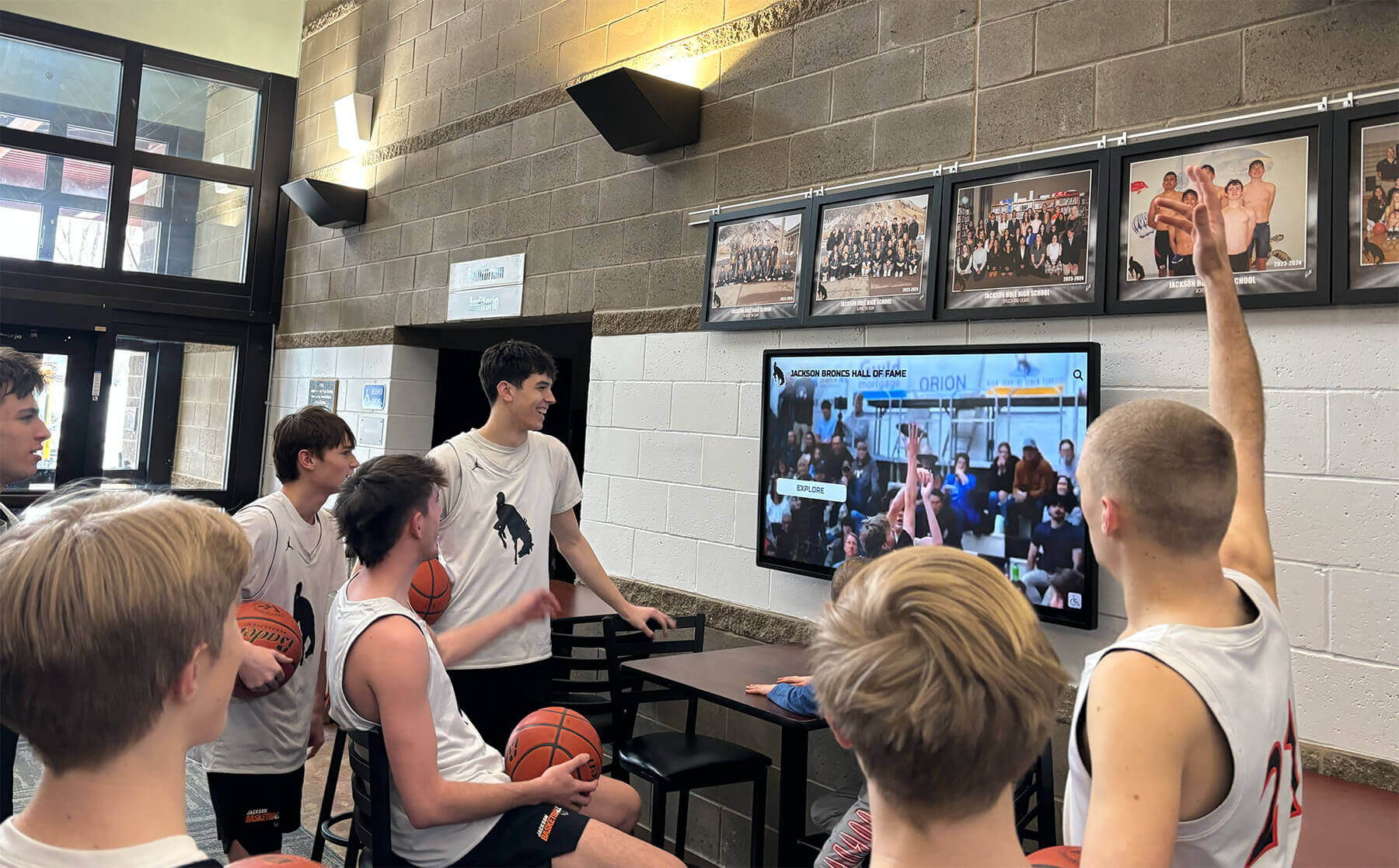
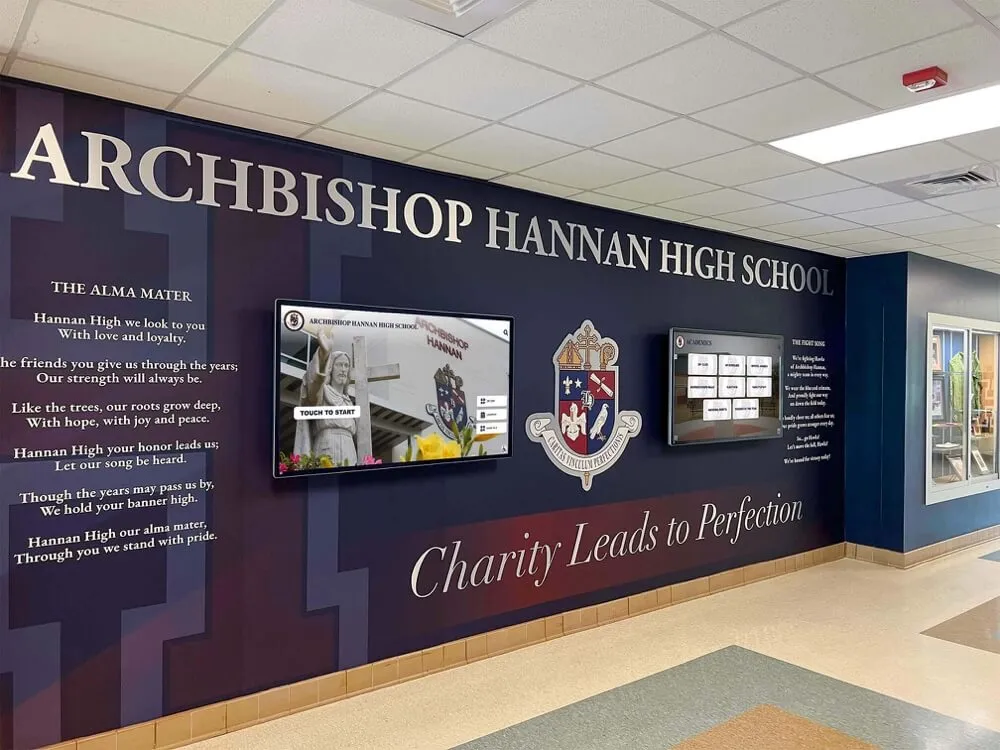
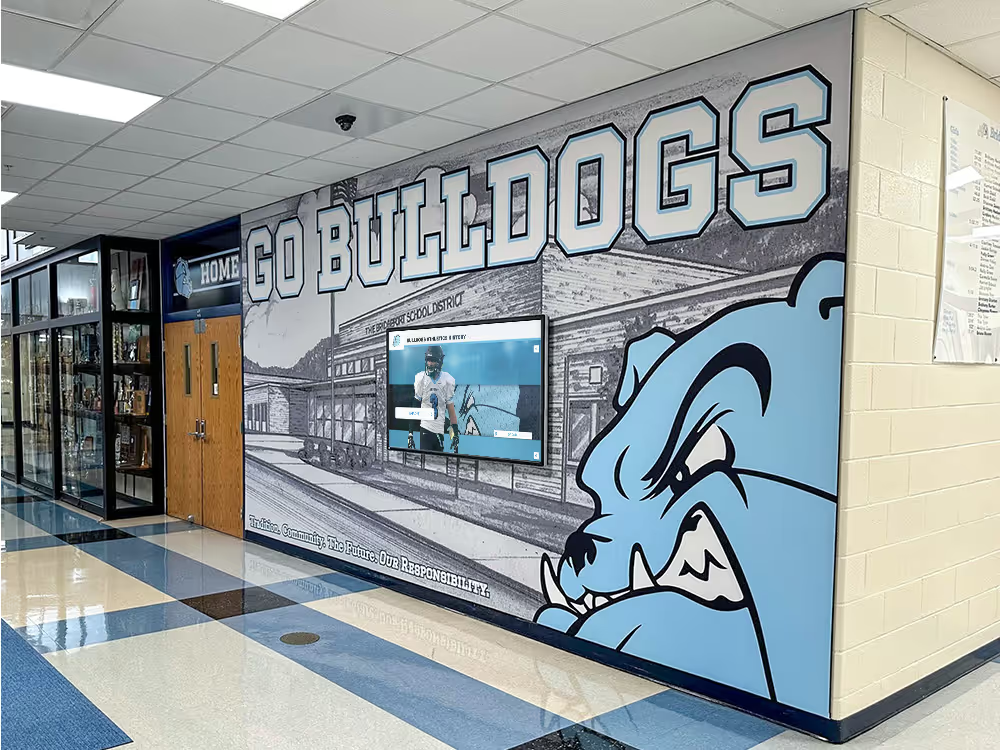
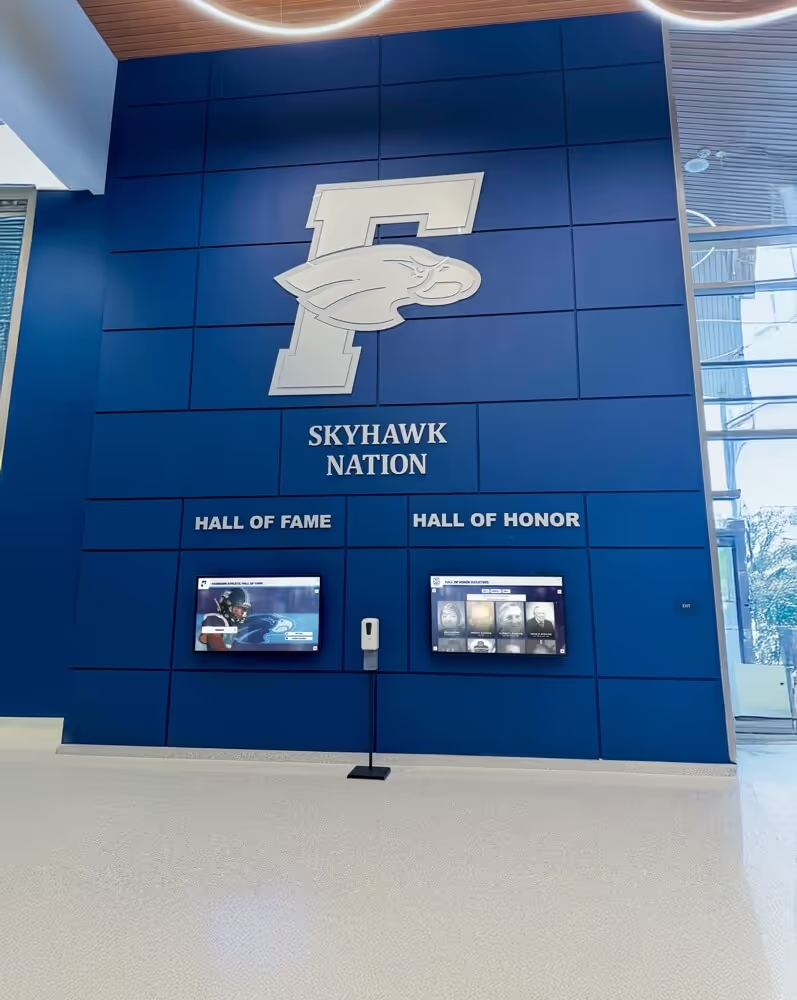
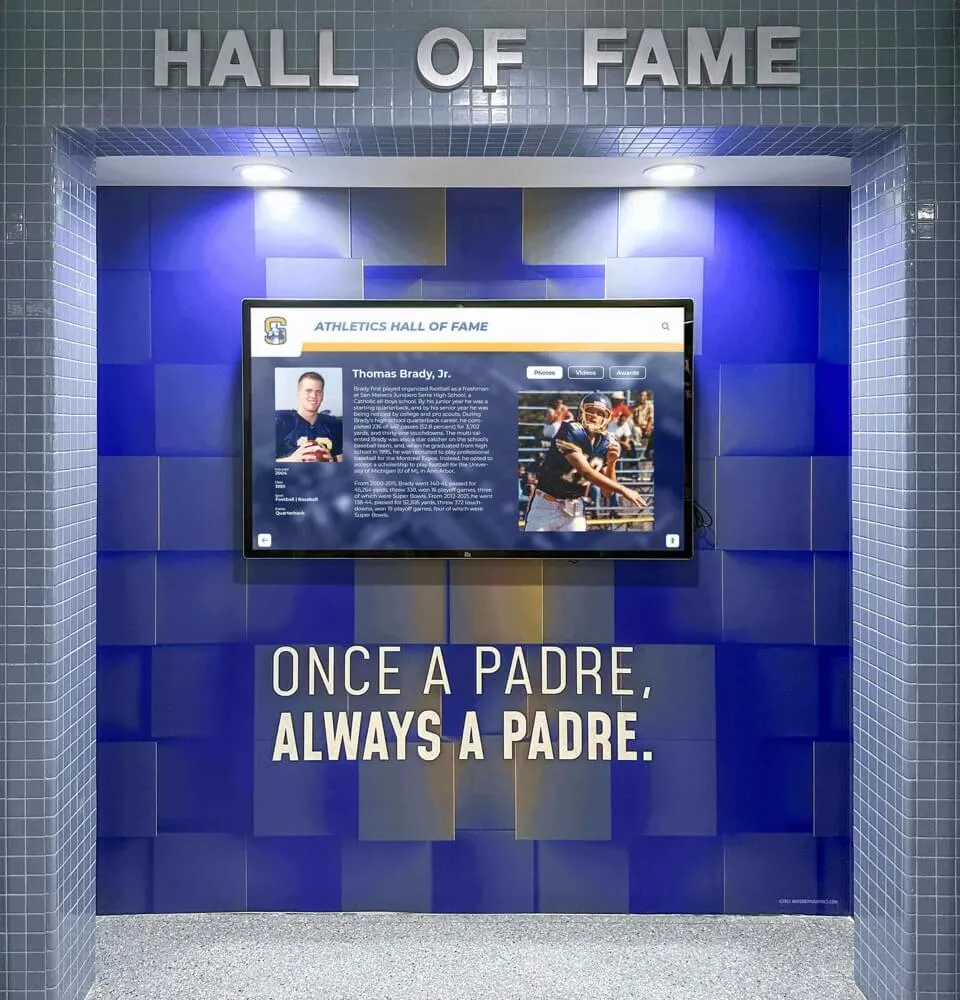
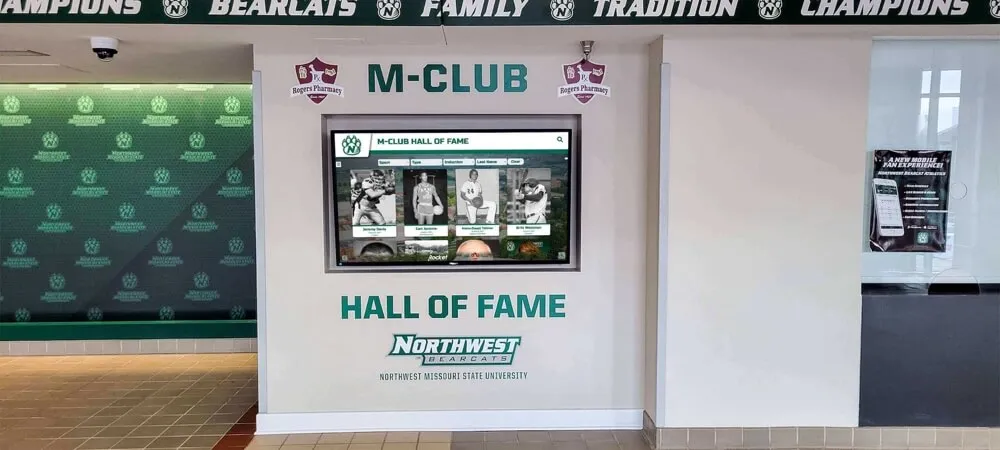
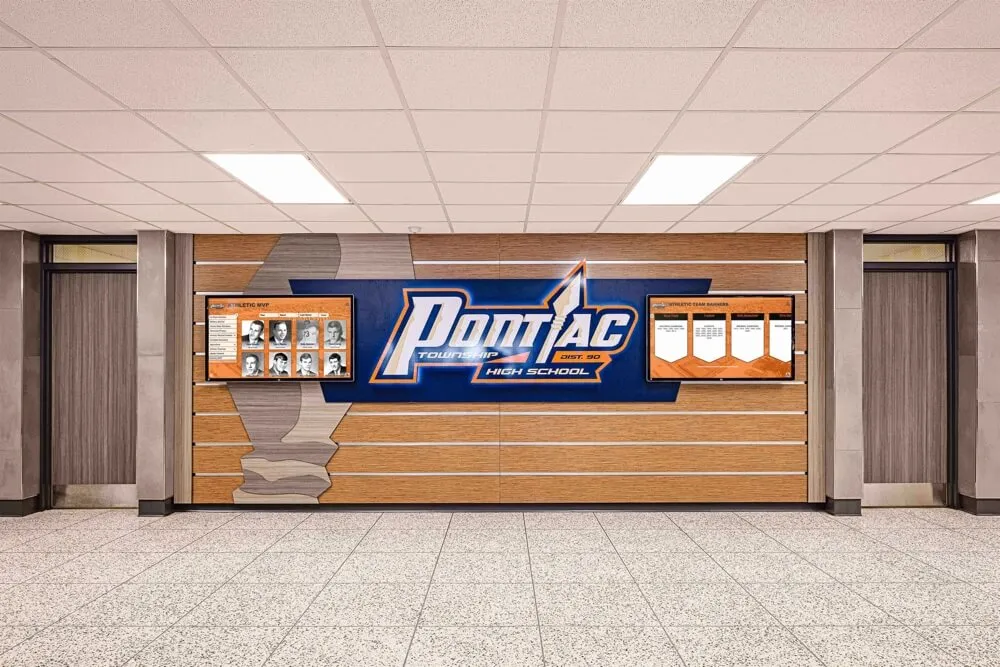
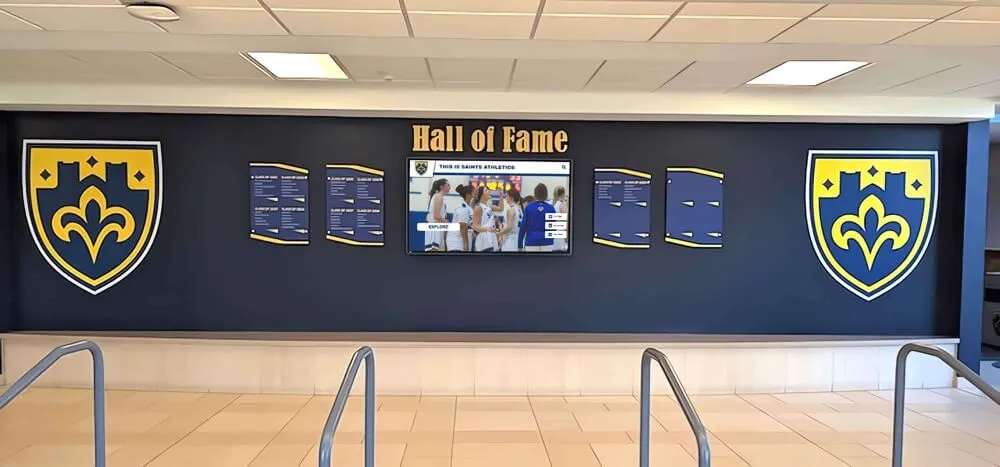
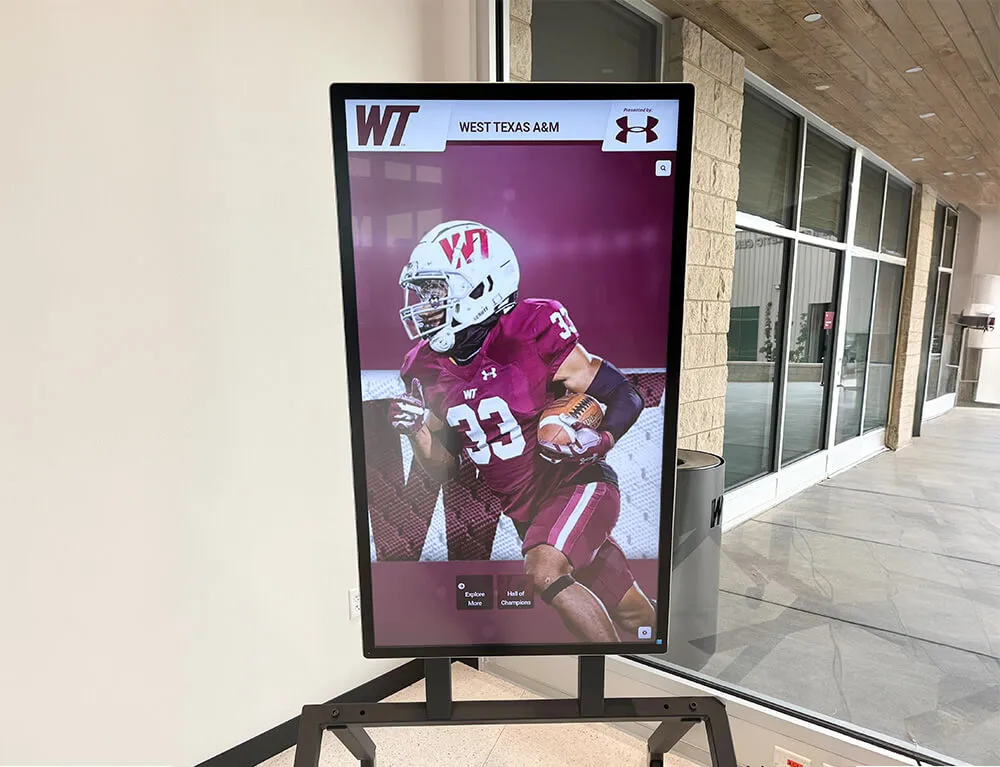
Successful homecoming events create natural gathering moments that schools can extend year-round through strategic recognition displays
The History of Homecoming Parades in American Schools
Understanding the origins and evolution of homecoming parades provides context for why these traditions endure and how they’ve adapted across generations.
Origins in Collegiate Traditions
Early University Homecoming Celebrations
The homecoming tradition itself traces back to early 20th century American universities. The University of Missouri claims the first organized homecoming in 1911, when athletic director Chester Brewer invited alumni to “come home” for a football game against the University of Kansas. The event succeeded in bringing former students back to campus and quickly spread to other institutions.
Parades emerged naturally from these early homecoming celebrations as visible expressions of institutional pride. Universities needed ways to showcase school spirit, provide entertainment for returning alumni, and create festive atmospheres around athletic competitions. Processions featuring students, alumni, and community members offered ideal solutions that combined celebration, demonstration, and participation.
Evolution from College to High School
By the 1920s and 1930s, high schools across America began adopting homecoming traditions modeled on collegiate examples. Smaller communities found that high school homecoming provided natural opportunities for town-wide celebration, with parades serving as public demonstrations of community pride in local education.
High school parades developed their own character distinct from university traditions:
- Greater emphasis on class competition and grade-level identity
- Stronger integration with community organizations and local businesses
- More accessible participation for families and younger siblings
- Increased focus on tradition preservation as annual recurring events
- Tighter connection between parades and specific athletic competitions
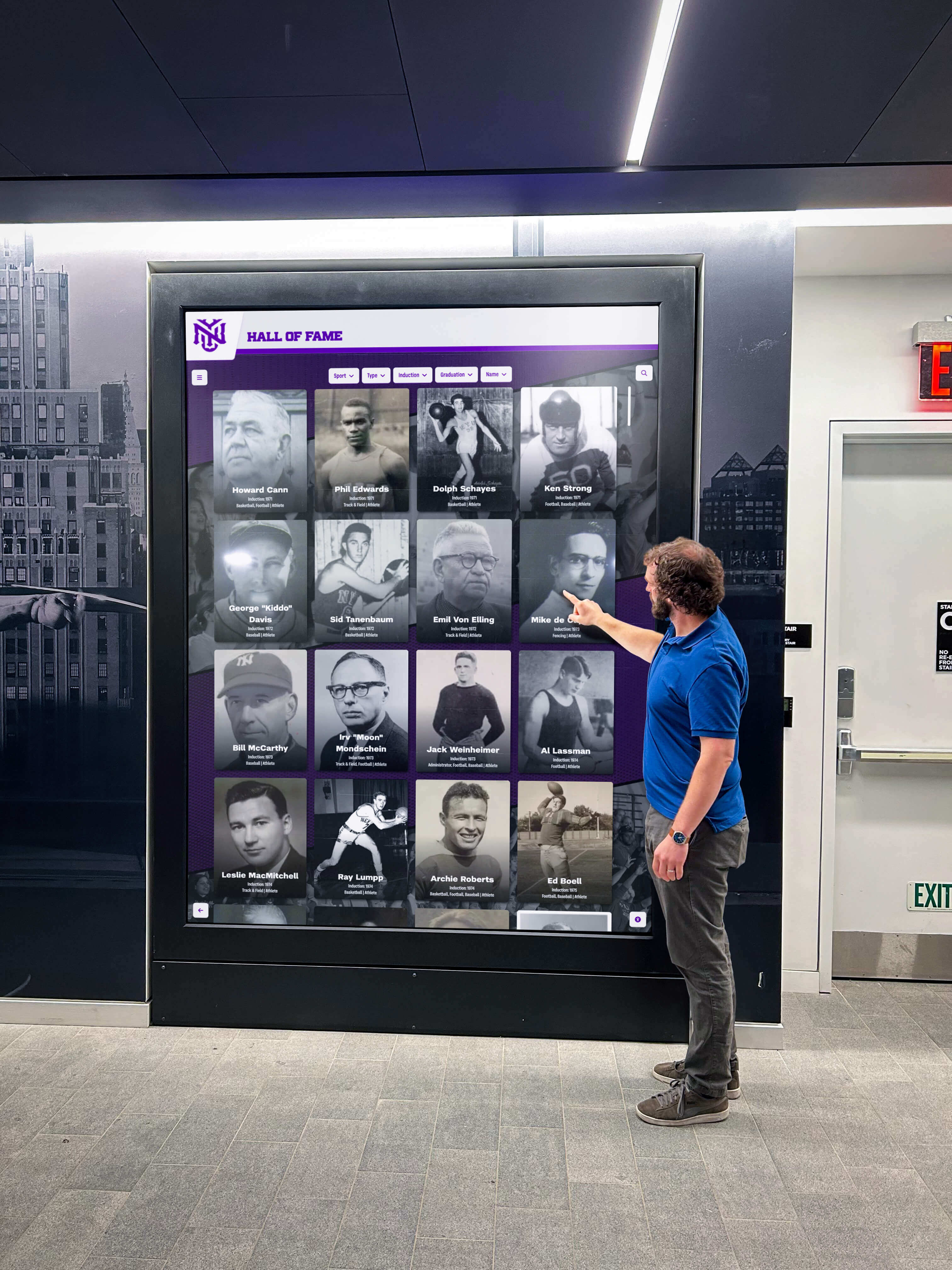
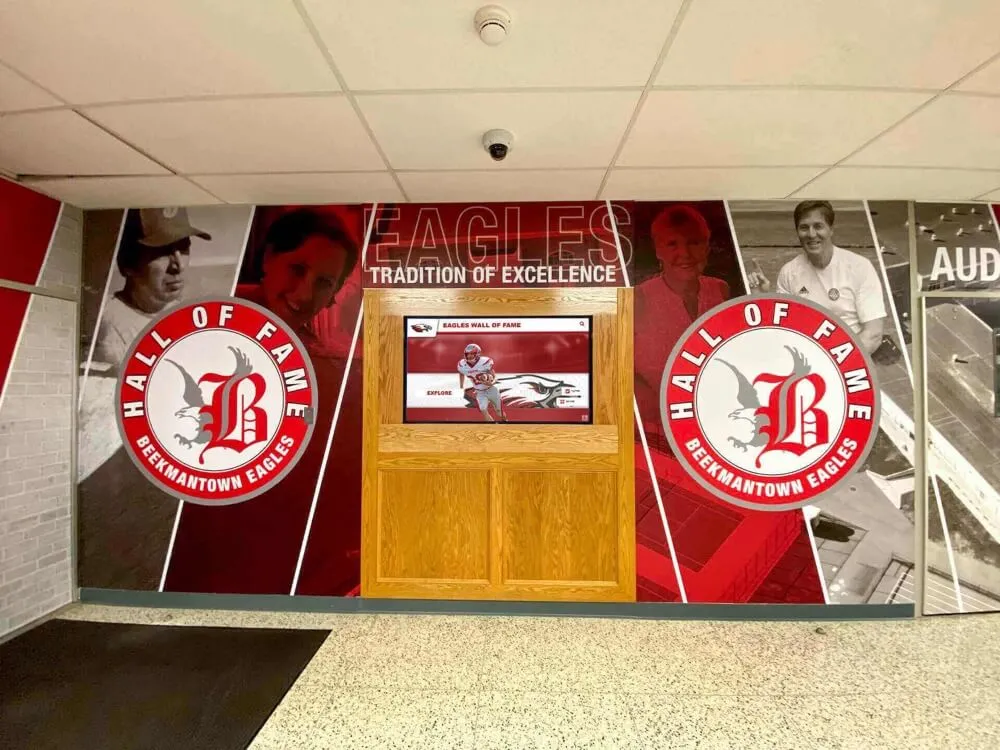
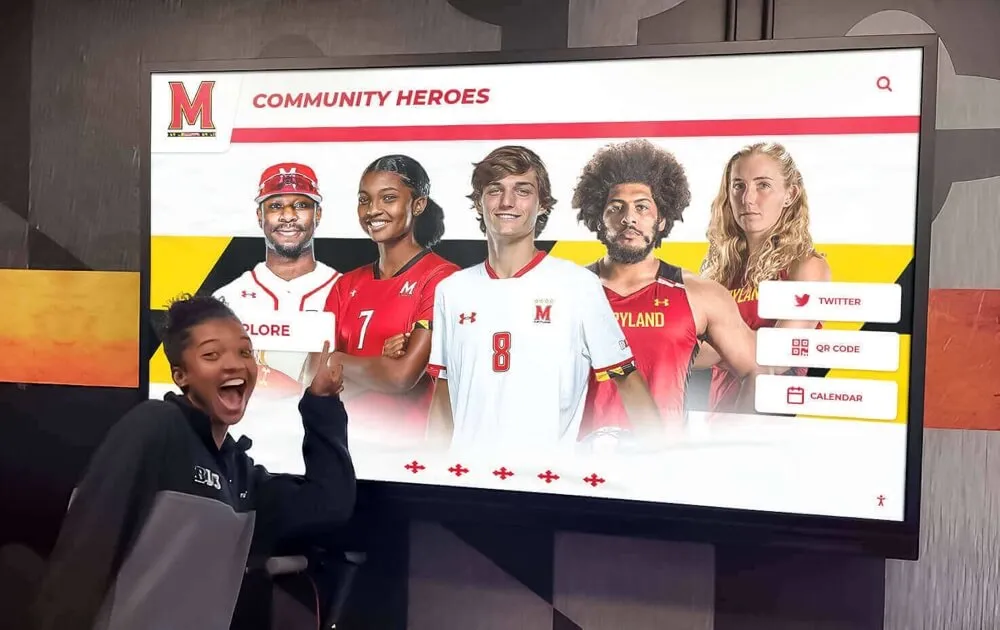
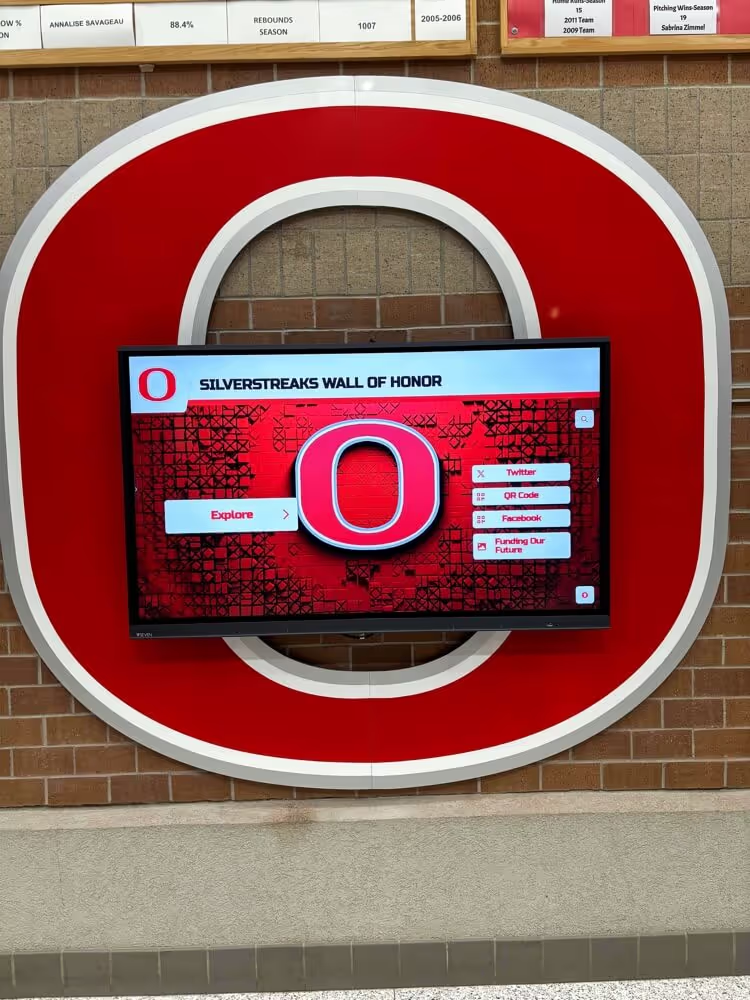
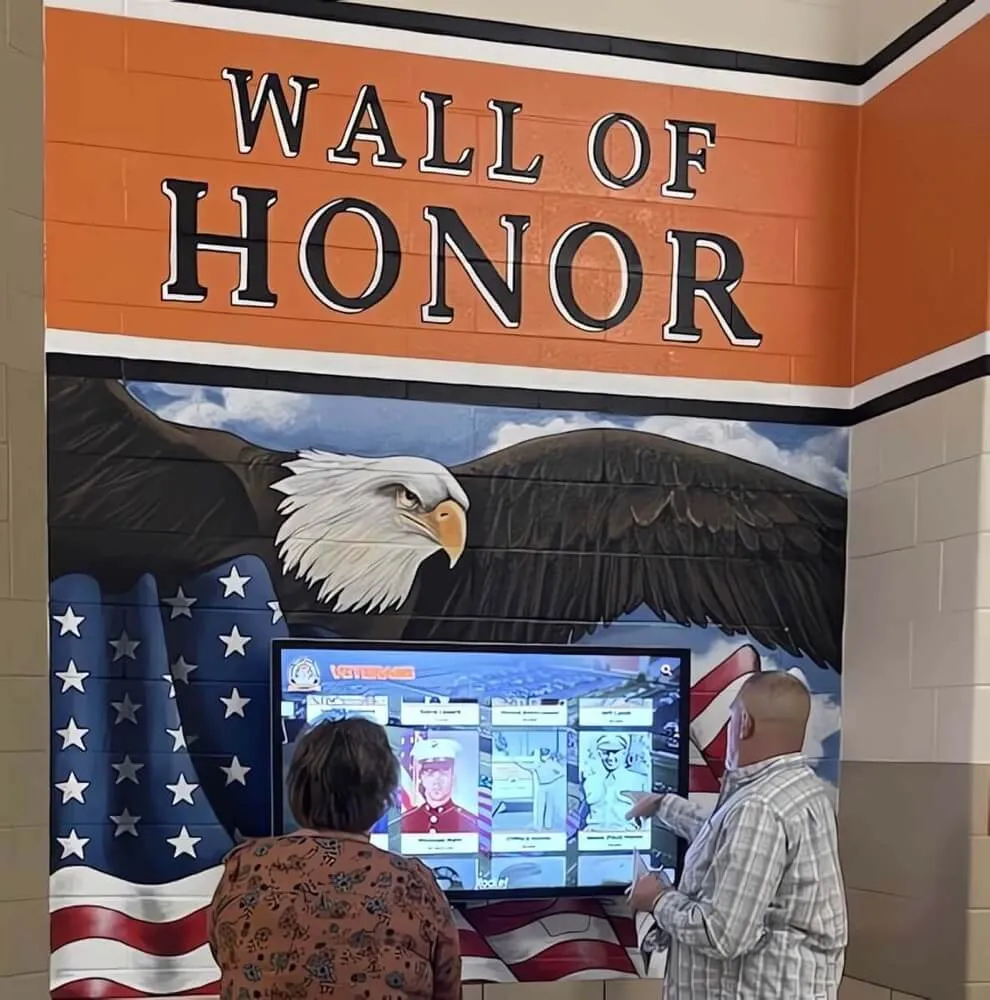
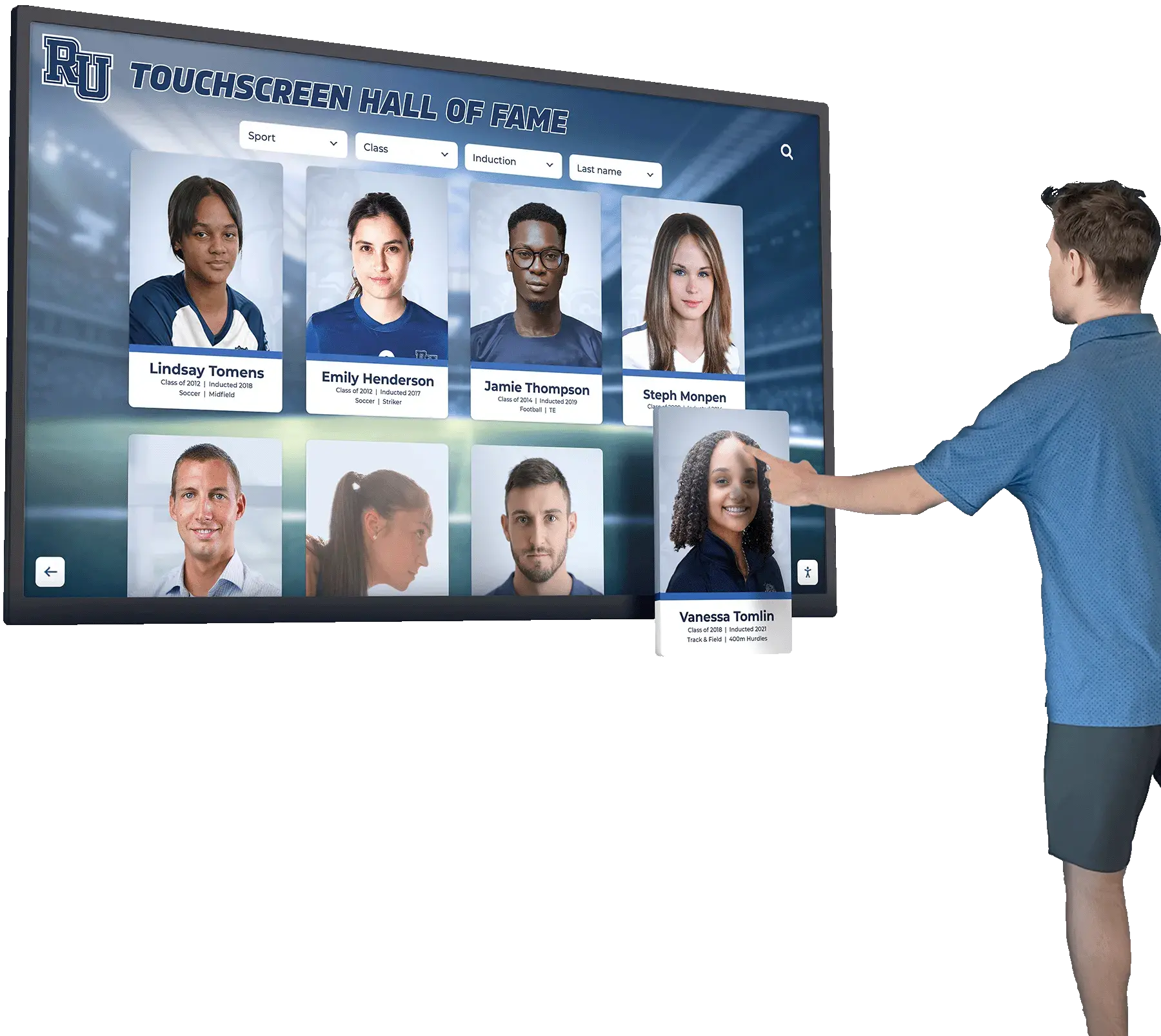
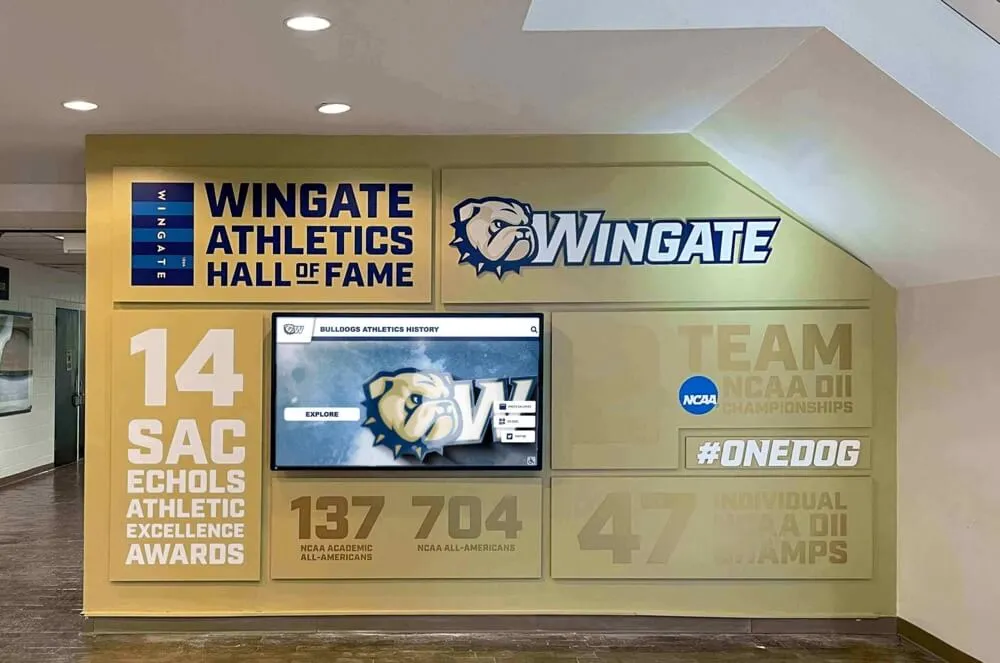
Modern technology enables schools to document and celebrate homecoming traditions in engaging formats accessible year-round
Regional Variations and Cultural Adaptations
How Homecoming Parades Differ Across America
While the core concept remains consistent, homecoming parade traditions vary significantly based on geographic region, community size, and institutional culture:
Southern Traditions
- Often larger, more elaborate productions with significant community investment
- Strong emphasis on football culture and athletic celebration
- Frequent inclusion of elaborate mums, garters, and floral traditions
- Integration with barbecue celebrations and community festivals
- Multi-generational participation spanning entire extended families
Midwest Approaches
- Emphasis on small-town community unity and main street parades
- Strong agricultural connections with harvest festival elements
- Focus on tradition preservation and consistency year-over-year
- High participation rates relative to school and community size
- Integration with local businesses through sponsorships and entries
Northeastern Variations
- Sometimes more modest in scale in dense urban environments
- Greater focus on academic traditions alongside athletic celebrations
- Adaptation to weather challenges with flexible scheduling
- Strong alumni organization involvement in planning and execution
- Connection to prep school traditions in private school contexts
Western Interpretations
- Often more informal and creative in format and organization
- Integration with outdoor education values and environmental awareness
- Flexibility in timing and structure based on local conditions
- Emphasis on inclusivity and diverse participation models
- Innovation in themes and technological integration
Understanding these regional patterns helps schools honor local traditions while adapting best practices from other contexts that might enhance their specific celebrations.
Explore creative homecoming parade planning ideas for implementing successful traditions at your institution.
Key Components of a Successful Homecoming Parade
Breaking down the essential elements that make homecoming parades meaningful helps schools plan comprehensive celebrations that achieve their full potential.
Float Design and Construction
The Heart of Parade Creativity
Decorated floats represent the most visible and memorable parade elements, showcasing student creativity, organizational pride, and thematic interpretation.
Float Categories and Competition Structure
Most schools organize float entries through competitive frameworks that encourage participation while maintaining quality standards:
- Class Floats: Each grade level designs and builds a float, creating natural rivalry and class unity
- Club/Organization Floats: Student groups showcase their activities and missions through creative displays
- Athletic Team Floats: Sports teams celebrate their seasons and promote upcoming competitions
- Faculty/Staff Floats: Educators participate, often with humorous or nostalgic themes
- Community Partner Floats: Local businesses and organizations demonstrate school support
Design Considerations and Best Practices
Successful float programs balance creativity with practical constraints:
- Establish clear safety guidelines for construction, height, and stability
- Provide adequate construction time (typically 2-3 weeks minimum)
- Create dedicated build spaces with supervision and technical support
- Set budget parameters ensuring equitable competition across economic differences
- Develop judging rubrics evaluating creativity, theme adherence, and execution quality
- Emphasize safe material choices avoiding fire hazards or structural instability
Many schools create float construction workshops teaching basic building techniques, sharing materials through central supplies, and fostering collaboration while maintaining competitive spirit. These preparation activities become valued traditions themselves, creating memories and teamwork opportunities extending beyond the parade day.
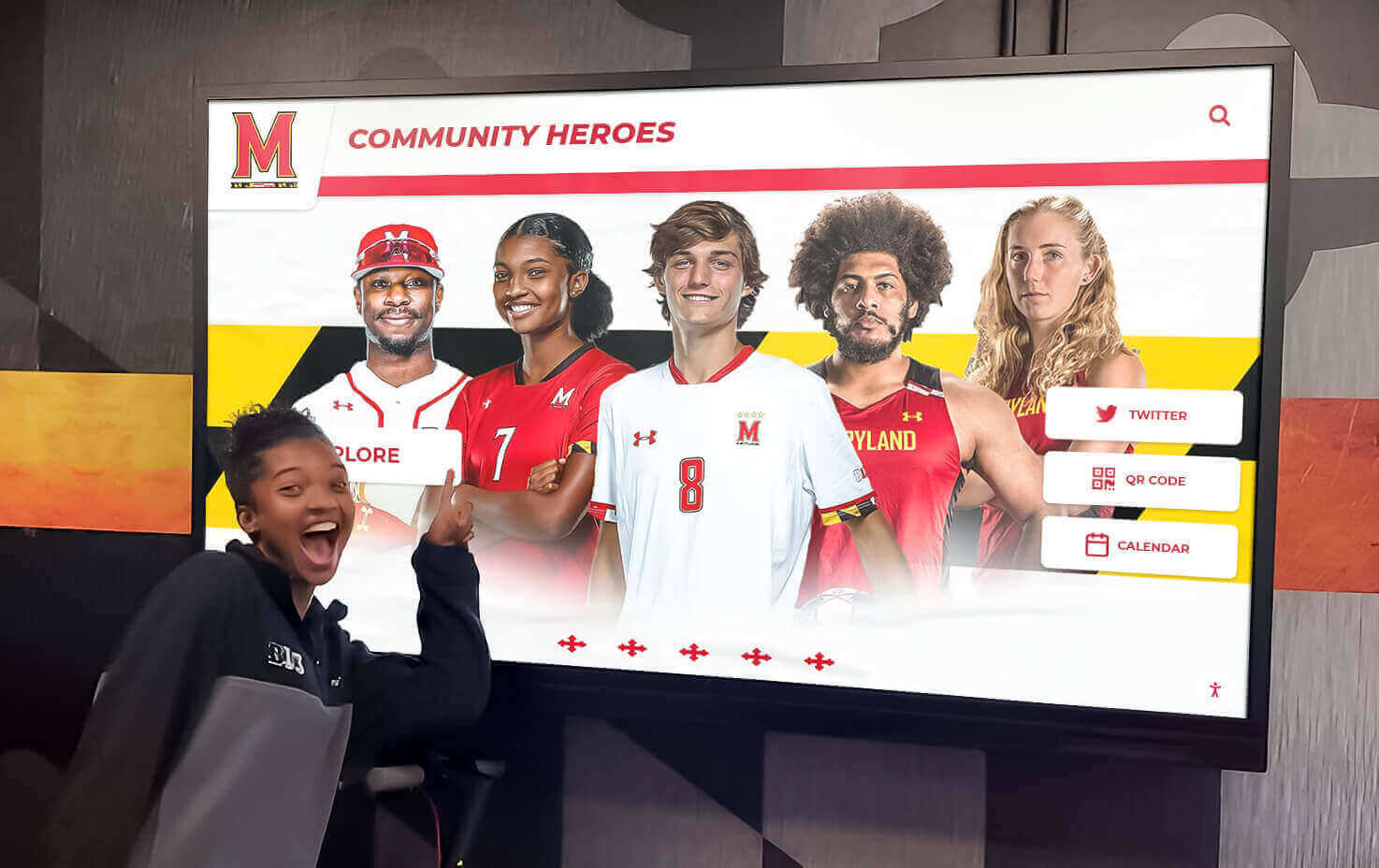
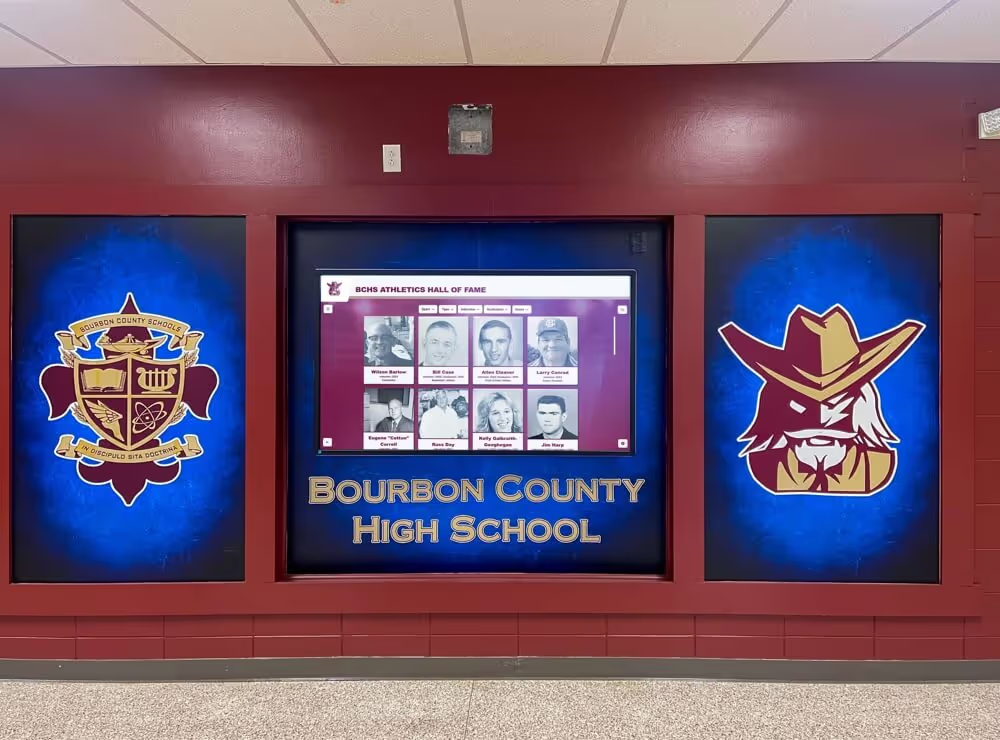
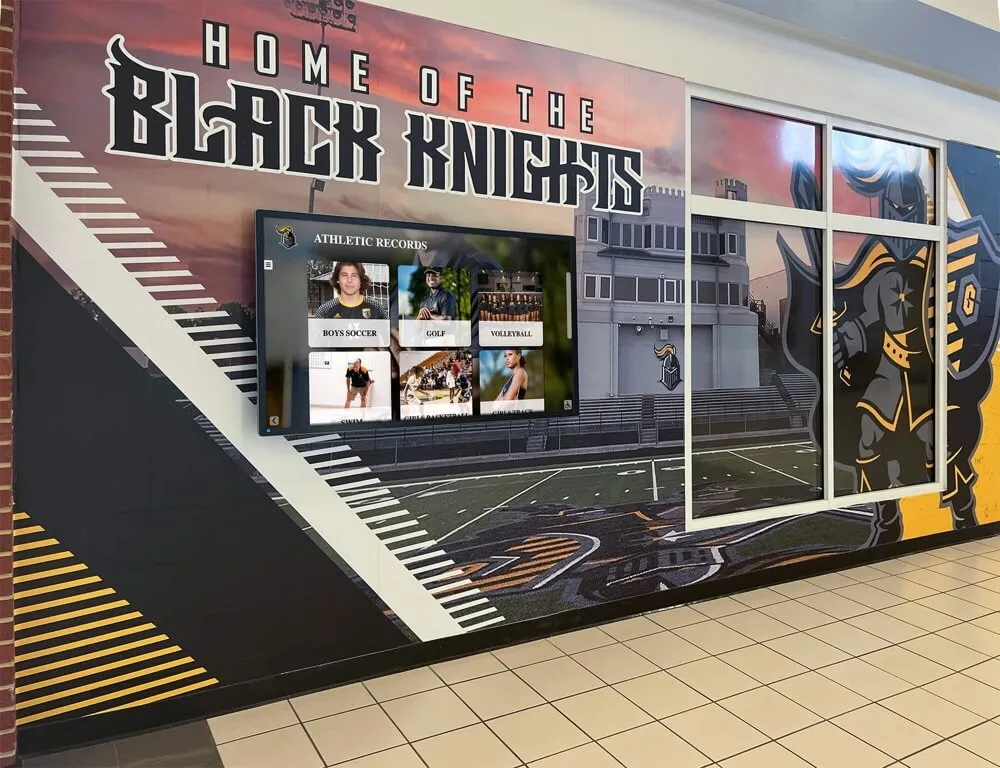
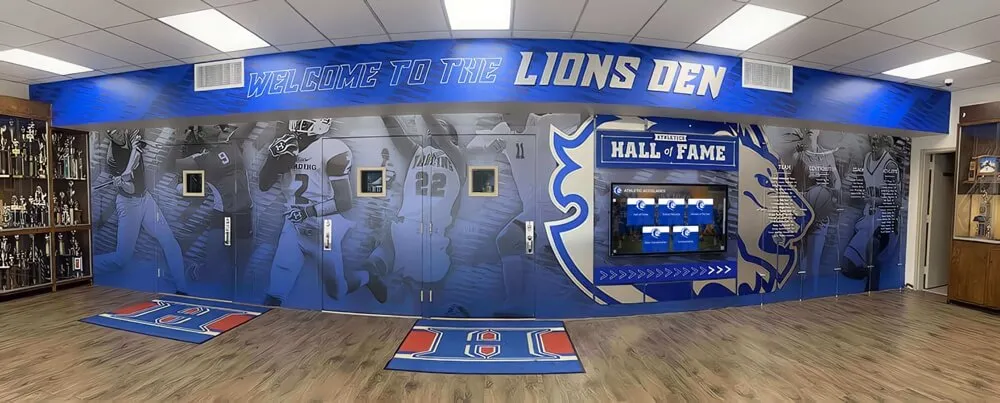
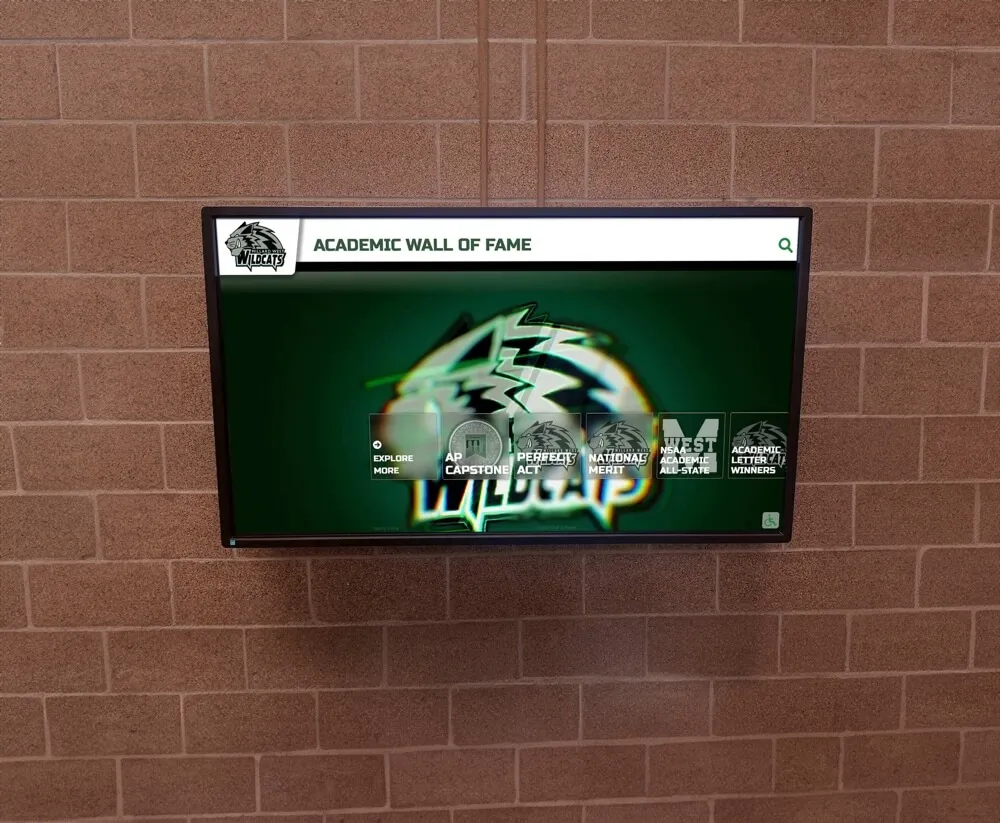
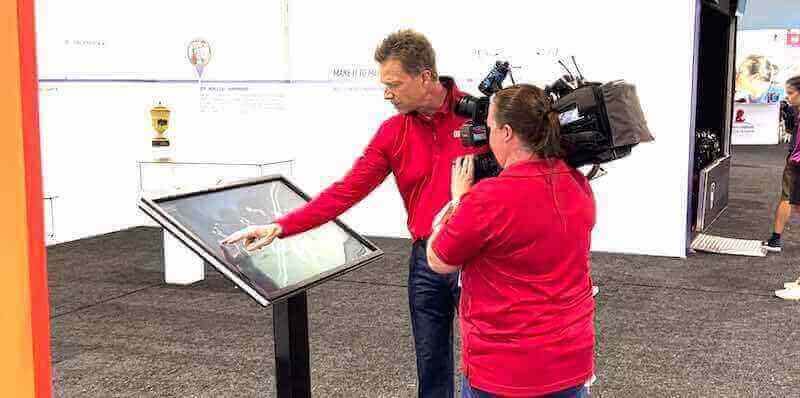
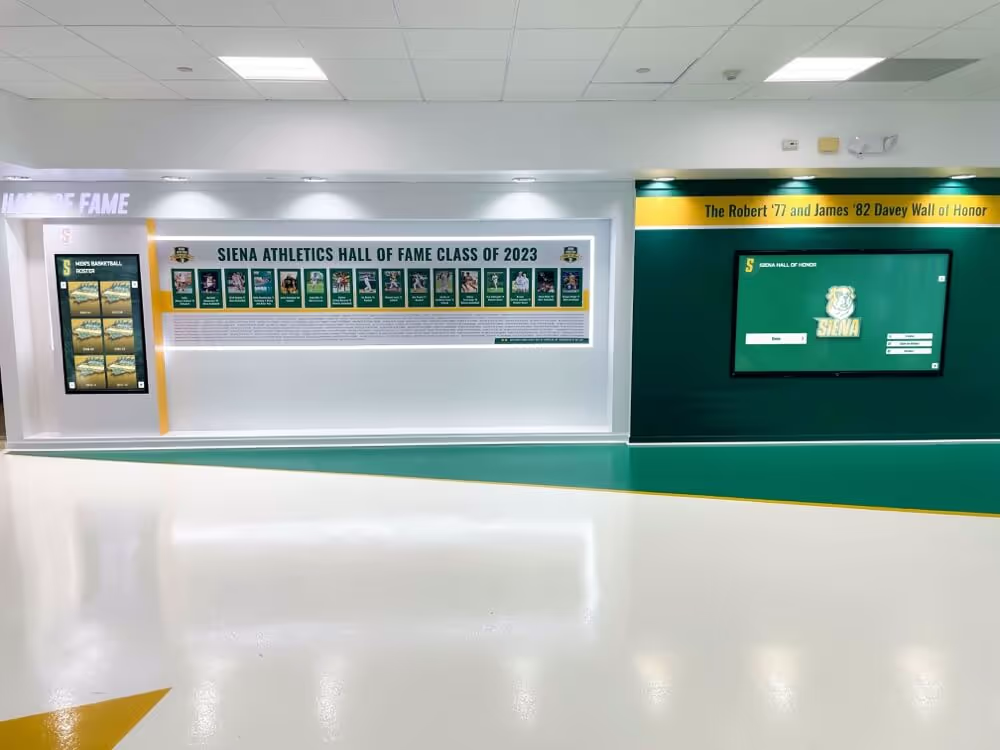
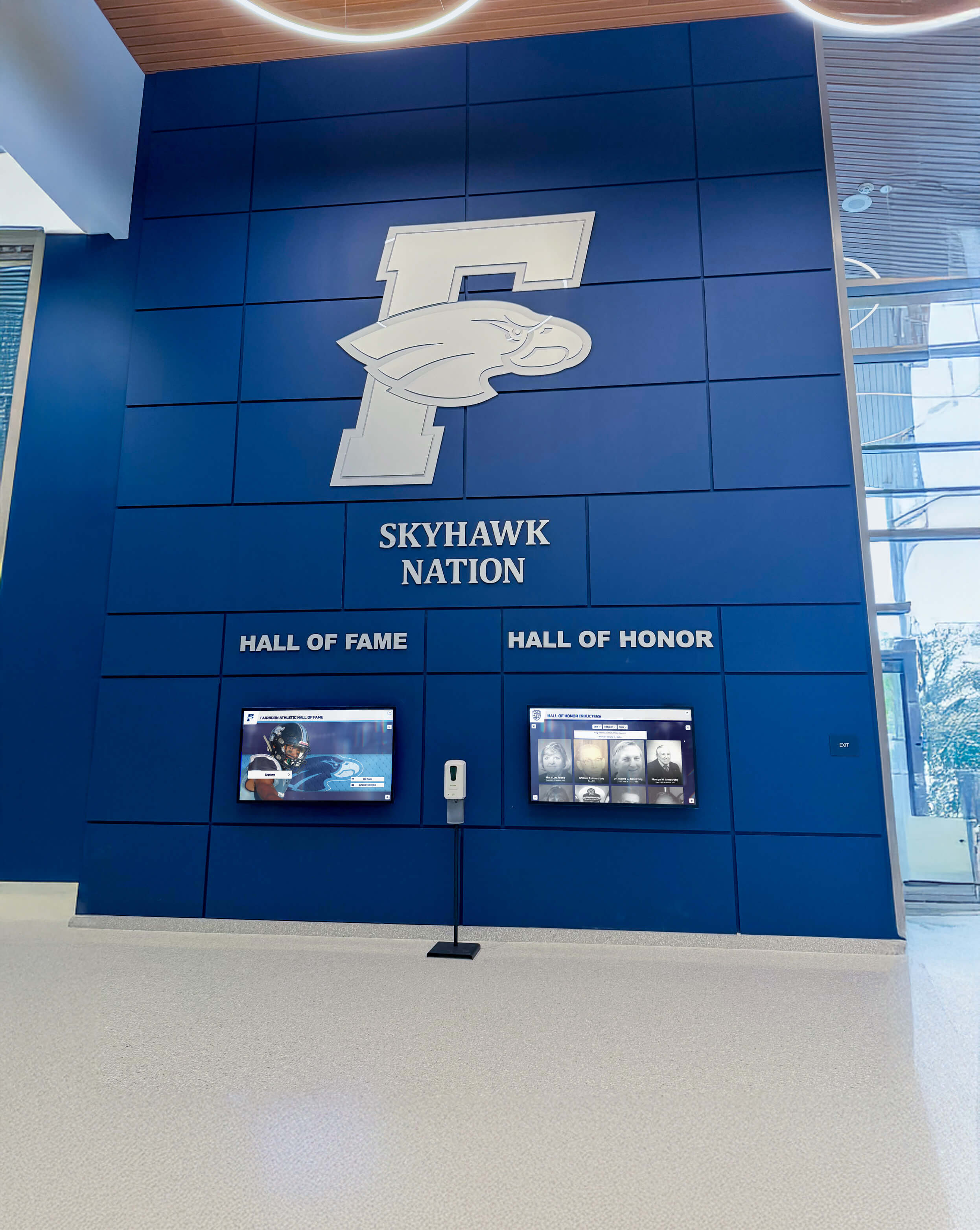
Recognition displays enable schools to preserve homecoming achievements and celebrate student contributions beyond single-day events
Performance Groups and Entertainment
Bringing Energy and Engagement to the Route
Beyond static float displays, performance groups create dynamic entertainment that energizes spectators and participants throughout the parade experience.
Marching Band Excellence
School marching bands serve as parade anchors, providing musical entertainment while demonstrating the caliber of music programs:
- Performing fight songs and school traditions familiar to alumni across generations
- Showcasing competition-level routines developed for fall marching band season
- Creating natural rhythm and pacing for the parade procession
- Engaging spectators through recognizable music and visual formations
- Representing school excellence in performing arts alongside athletic celebrations
Spirit Squads and Dance Teams
Cheerleading squads, pom teams, and dance ensembles add visual excitement and audience interaction:
- Leading crowd chants and cheers involving spectators in the celebration
- Performing high-energy routines at strategic parade locations
- Demonstrating athleticism and coordination developed through training
- Creating photo opportunities and memorable moments for families
- Bridging connections between parade and upcoming athletic competitions
Special Performances and Guest Participants
Many schools enhance parades by including:
- Elementary or middle school groups preparing future high school participants
- Alumni band sections reuniting former musicians
- ROTC or cadet corps demonstrating precision and discipline
- Youth sports teams from feeder programs
- Community performing groups strengthening school-community connections
These varied entertainment elements ensure spectators remain engaged throughout the parade while showcasing the breadth of talent and programming schools offer beyond traditional academics.
Learn how schools celebrate student athlete achievements through comprehensive recognition programs.
Homecoming Court Presentation
Highlighting Student Leadership and Recognition
The homecoming court presentation represents one of the parade’s most anticipated moments, celebrating students selected for leadership, spirit, and contributions to school community.
Court Selection and Representation
Schools approach homecoming court selection through various models:
- Peer voting systems where students elect representatives from each class
- Faculty nominations recognizing diverse contributions beyond popularity
- Application-based approaches emphasizing leadership and service
- Hybrid models combining multiple selection criteria
- Inclusive structures ensuring representation across diverse student populations
Modern schools increasingly examine court traditions through equity lenses, considering how to honor tradition while ensuring all students feel represented and valued. Some institutions have expanded from binary king/queen models to more inclusive court structures, broadened nomination criteria beyond traditional popularity metrics, or created multiple recognition categories celebrating diverse contributions.
Parade Court Presentation
Court members typically ride in convertibles, decorated vehicles, or specialized floats allowing clear visibility for spectators:
- Announcement of each court member with brief biography or accomplishment summary
- Display of candidate posters or signs identifying nominees
- Opportunity for families to celebrate their students’ recognition
- Building anticipation for crown ceremony typically occurring at halftime of homecoming game
- Photo opportunities preserving memories of this honor
The court presentation connects individual student recognition with broader institutional celebration, demonstrating how schools value leadership, service, and positive contributions to community culture.
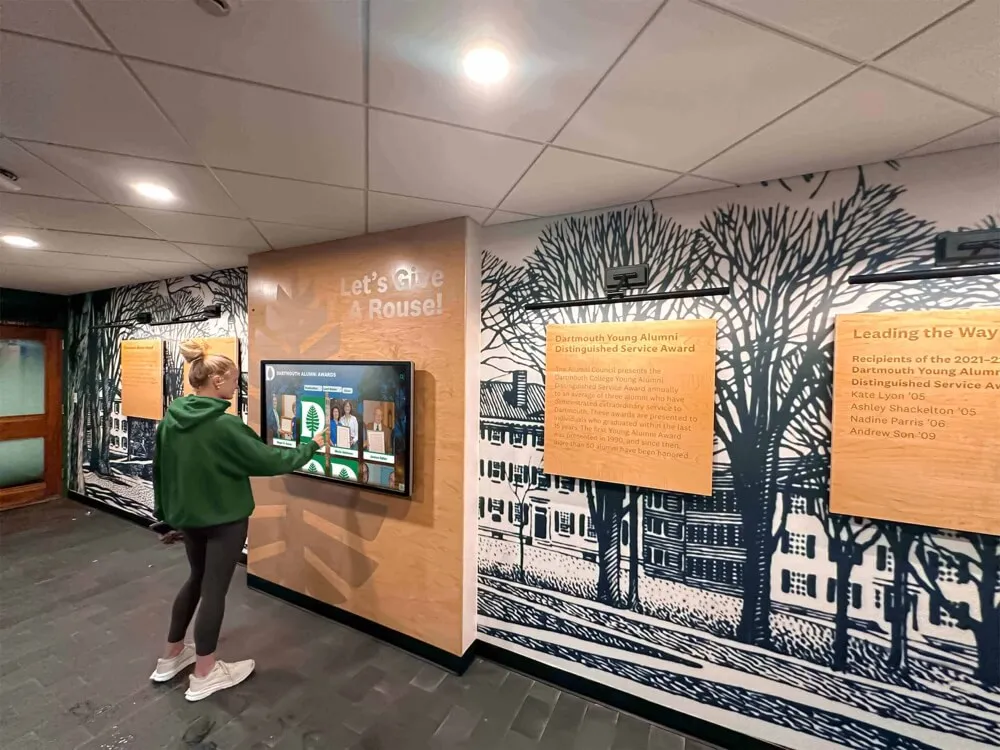
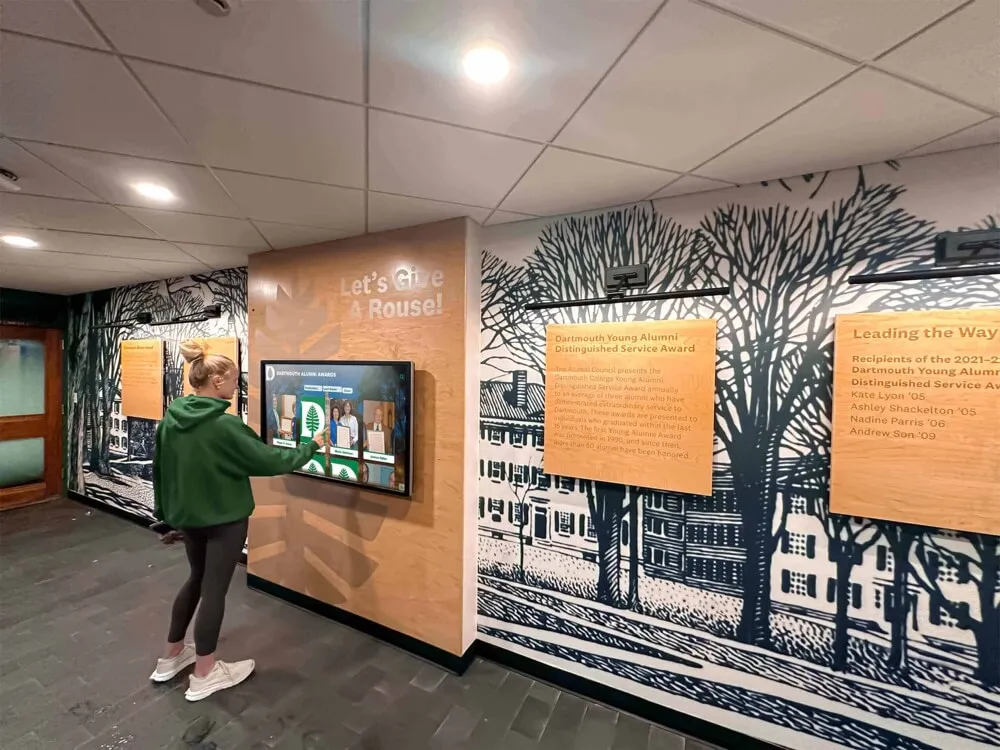
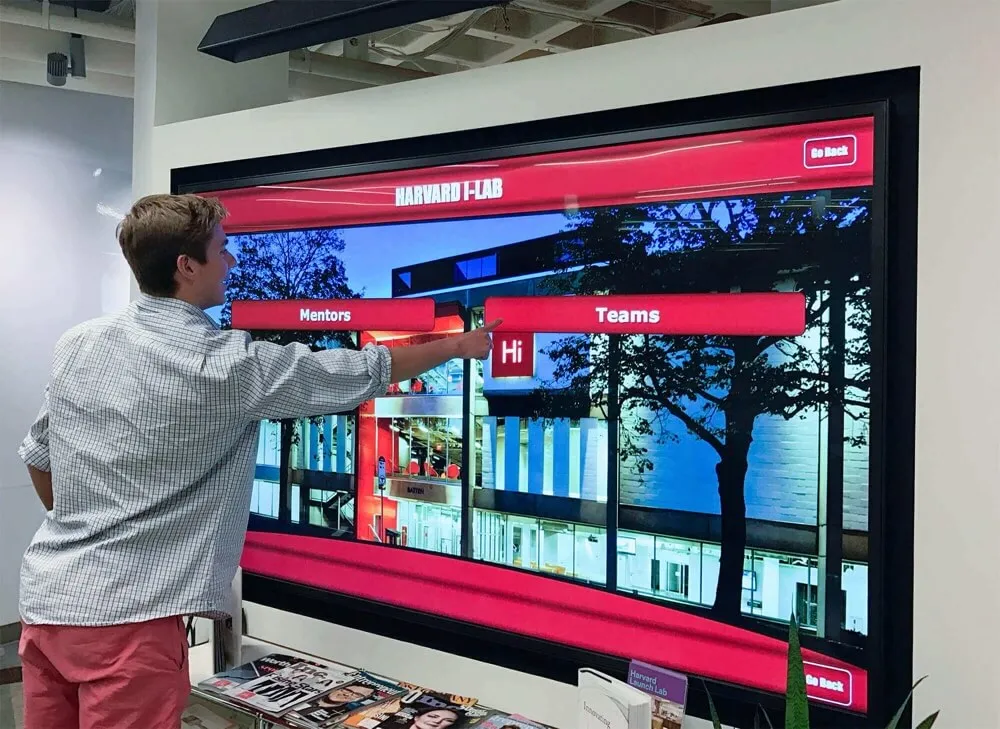
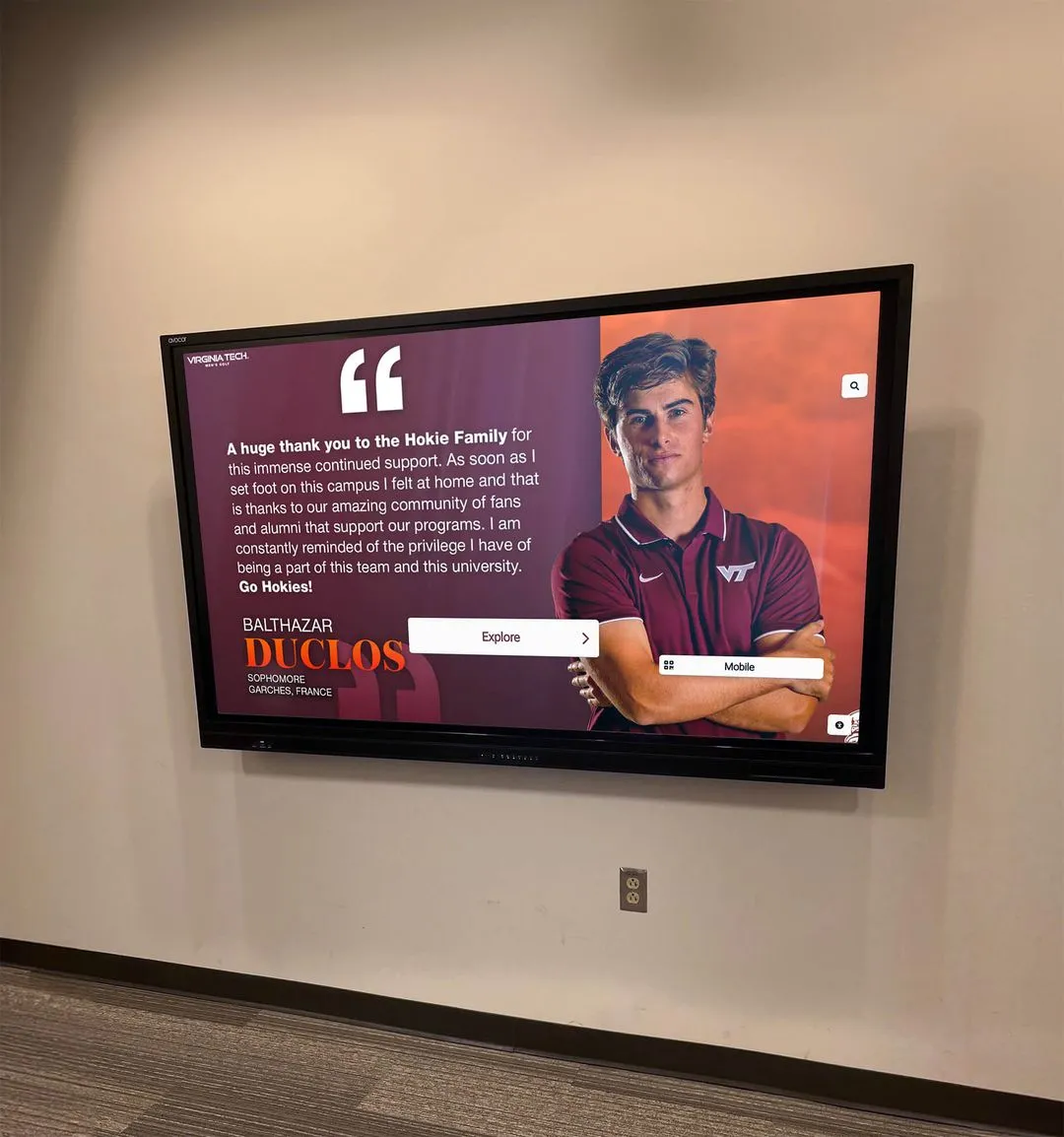
Digital recognition solutions help schools maintain alumni connections fostered during homecoming celebrations throughout the year
Planning and Organizing a Homecoming Parade
Successfully executing homecoming parades requires coordinated planning, clear organization, and attention to logistical details that ensure safe, enjoyable experiences for all participants and spectators.
Timeline and Planning Process
Working Backward from Parade Day
Effective parade planning typically begins 8-12 weeks before the event, following structured timelines ensuring adequate preparation:
8-12 Weeks Before: Initial Planning
- Form planning committee including students, faculty, administration, and community members
- Select parade date, time, and route pending necessary approvals
- Establish budget and identify funding sources
- Determine participation categories and registration requirements
- Create initial timeline with key milestone dates
6-8 Weeks Before: Theme and Logistics
- Finalize parade theme connecting with broader homecoming celebration
- Submit permit applications for street closures and public space usage
- Secure necessary insurance coverage for event liability
- Open registration for float entries and parade participants
- Begin marketing campaign promoting participation and attendance
4-6 Weeks Before: Participant Coordination
- Close registration and confirm all parade entries
- Assign lineup positions considering performance needs and flow
- Distribute safety guidelines and construction requirements
- Schedule float construction workshops and provide building resources
- Coordinate with police, fire, and emergency services for event security
2-4 Weeks Before: Final Preparations
- Conduct participant meetings reviewing expectations and logistics
- Finalize judging criteria and recruit evaluation panel
- Arrange sound systems, announcer positions, and spectator amenities
- Promote parade route and timing to community stakeholders
- Create backup plans for weather contingencies
Week of Parade: Execution Details
- Conduct safety inspections of completed floats
- Hold parade marshal training covering route, timing, and procedures
- Set up parade staging area with clear signage and organization
- Brief announcers, judges, and volunteers on their specific roles
- Execute event with attention to safety, flow, and participant experience
This structured timeline prevents last-minute rushing while ensuring adequate attention to safety, quality, and logistical requirements that make parades successful.
Route Planning and Safety Considerations
Creating Safe, Enjoyable Parade Experiences
Route selection significantly impacts parade success, requiring careful consideration of practical and experiential factors:
Route Selection Criteria
Ideal parade routes balance multiple considerations:
- Adequate width accommodating floats, performance groups, and safety buffers
- Reasonable length (typically 0.5-1.5 miles) maintainable throughout procession
- Spectator viewing areas with clear sightlines and safe positioning
- Logical start point for staging and end point for dispersal
- Minimal traffic disruption through strategic timing and street closures
- Accessibility for participants and spectators with varying mobility needs
Safety Protocols and Risk Management
Comprehensive safety planning protects participants and spectators while minimizing liability concerns:
Participant Safety Measures
- Pre-parade inspections verifying float structural integrity and safe construction
- Prohibition of dangerous elements (pyrotechnics, unstable height, sharp materials)
- Clear guidelines about participant behavior during procession
- Emergency procedures for medical situations, weather events, or unexpected incidents
- Adequate supervision ratios for all student participants
Spectator Safety Considerations
- Designated viewing areas separated from parade route by barriers or officials
- Traffic control preventing vehicle-pedestrian conflicts
- First aid stations and emergency medical services on standby
- Clear evacuation procedures communicated to volunteers and officials
- Weather contingency plans including lightning protocols and extreme heat procedures
Volunteer and Staff Coordination
- Route marshals positioned at regular intervals monitoring procession
- Communication systems (radios or phone trees) connecting leadership throughout event
- Clearly identified volunteers wearing distinctive markers or clothing
- Pre-event training covering specific responsibilities and emergency procedures
- Debriefing process capturing lessons learned for future improvement
Schools that invest in thorough safety planning create positive experiences while protecting against preventable incidents that could overshadow celebrations or create liability concerns.

Permanent recognition installations extend homecoming parade spirit by celebrating school pride and athletic achievements throughout the year
Judging, Awards, and Recognition
Celebrating Excellence and Participation
Competitive elements motivate quality while recognition systems ensure diverse contributions receive appropriate acknowledgment.
Developing Fair Judging Systems
Effective judging balances objectivity with celebration of creativity:
Judge Selection and Training
- Recruit judges from diverse backgrounds (alumni, community leaders, faculty, parents)
- Provide clear rubrics defining evaluation criteria and scoring methods
- Train judges in consistent application of standards across all entries
- Ensure judges have clear viewing positions enabling complete assessment
- Create systems preventing conflicts of interest or bias in evaluation
Evaluation Categories and Criteria
Most schools use multi-factor rubrics assessing:
- Theme interpretation and creativity in design approach
- Quality of construction and attention to detail
- Overall visual impact and aesthetic appeal
- School spirit demonstration and enthusiasm
- Originality and innovation in concept execution
Award Categories Promoting Inclusive Recognition
Beyond top overall winners, successful programs create multiple award categories ensuring broad recognition:
- Best Class Float (separate awards for each grade level)
- Best Club/Organization Float
- Best Athletic Team Entry
- Most Creative Design
- Best Theme Interpretation
- Best Use of School Colors
- Spirit Award for enthusiasm and participation
- People’s Choice Award through spectator voting
This multi-category approach ensures various groups receive recognition for different strengths while maintaining competitive motivation that drives quality and participation.
Discover how digital recognition boards can preserve and celebrate homecoming achievements throughout the school year.
Modern Innovations in Homecoming Parade Traditions
While honoring traditional elements, contemporary schools adapt homecoming parades to reflect current technologies, values, and expectations.
Digital Documentation and Social Media Integration
Extending Parade Impact Beyond the Event
Modern communication technologies enable schools to amplify parade reach and preserve memories in ways previous generations couldn’t imagine:
Real-Time Social Media Engagement
Schools leverage social platforms to expand participation:
- Live streaming parade for community members unable to attend in person
- Official hashtags aggregating participant and spectator content
- Real-time posting of photos and videos during procession
- Interactive voting for people’s choice awards via social platforms
- Alumni engagement through shared memories and current celebration comparison
Professional Documentation and Preservation
Strategic documentation creates lasting value:
- Professional photography capturing high-quality images for historical records
- Video production creating highlight reels and permanent documentation
- Drone footage providing unique perspectives and comprehensive views
- Participant interviews preserving personal stories and memories
- Year-over-year archiving enabling tradition comparison across generations
Post-Parade Digital Sharing
Extending celebration beyond the single event:
- Photo galleries on school websites showcasing all participants
- Social media campaigns highlighting best moments and recognizing contributors
- Video compilations shared through school communication channels
- Digital yearbook integration preserving parade memories
- Alumni network sharing connecting current celebrations with historical traditions
These digital approaches don’t replace in-person experience but rather extend impact, include broader audiences, and preserve memories in formats accessible to future generations.
Inclusive Participation Models
Ensuring All Students Find Meaningful Roles
Modern schools increasingly examine parade traditions through equity and inclusion lenses, ensuring celebrations genuinely represent entire school communities.
Broadening Participation Opportunities
Progressive parade programs create diverse entry points:
- Alternative recognition categories beyond traditional popularity metrics
- Accessibility accommodations for students with varying physical abilities
- Cultural celebration elements reflecting diverse community composition
- Non-competitive participation options for students uncomfortable with judging
- Behind-scenes roles (planning, logistics, media) for students preferring different contributions
- Parent and family integration opportunities welcoming broader community involvement
Addressing Historical Exclusions
Schools critically examining traditions often identify ways historical practices unintentionally excluded certain populations:
- Gender-inclusive court structures moving beyond binary king/queen models
- Economic sensitivity ensuring budget limitations don’t prevent participation
- Cultural awareness in theme selection avoiding stereotypes or insensitive references
- Language access providing multilingual communication for diverse families
- Multiple celebration forms recognizing achievement beyond athletic or popularity metrics
These adaptations maintain the unifying power of homecoming parades while ensuring traditions genuinely represent and include all community members.
Learn about comprehensive student recognition programs that complement parade celebrations.
Environmental Sustainability Initiatives
Balancing Celebration with Responsibility
As environmental awareness increases, schools adapt parade traditions to align with sustainability values without sacrificing celebration quality.
Sustainable Parade Practices
Forward-thinking programs implement environmental considerations:
Materials and Construction
- Reusable float bases and structures used across multiple years
- Recycled materials prioritized in construction supplies
- Natural decorations (flowers, leaves, branches) replacing plastic alternatives
- Shared material libraries reducing redundant purchasing
- Post-parade recycling systems for decorations and construction materials
Waste Reduction Strategies
- Digital programs and announcements rather than printed materials
- Reusable water bottles and beverage containers for participants
- Compostable food service items if concessions offered
- Designated recycling stations along parade route
- Post-event cleanup plans returning spaces to original condition
Transportation and Logistics
- Walking float pushers rather than motorized vehicles where possible
- Coordination reducing duplicate trips for setup and breakdown
- Encouragement of spectator walking, biking, or carpooling to event
- Route planning minimizing overall distance and fuel consumption
These practices demonstrate institutional values while teaching students that celebration and environmental responsibility can coexist harmoniously.
Connecting Parades to Comprehensive Homecoming Celebrations
Homecoming parades achieve greatest impact when integrated into broader homecoming week activities rather than standing as isolated events.
Week-Long Spirit Building
Creating Sustained Enthusiasm
Successful schools use parades as centerpieces within comprehensive celebration frameworks:
Building Momentum Toward Parade Day
Days leading up to the parade create anticipation:
- Spirit week themes generating daily participation and excitement
- Float construction progress updates building community interest
- Countdown communications heightening anticipation
- Social media teasers previewing parade elements
- Student assembly or pep rally immediately preceding parade
Extending Celebration Beyond Parade
Post-parade activities maintain momentum:
- Homecoming game as natural parade follow-up celebrating athletic competition
- Evening dance providing social celebration for student participants
- Alumni reception creating structured networking for returning graduates
- Community festival or fair offering broader public engagement
- Award ceremonies recognizing parade winners and celebrating all contributors
This comprehensive approach makes homecoming feel like significant institutional moment rather than isolated activities that fail to create cohesive celebration.
Explore academic recognition opportunities that complement homecoming traditions throughout the school year.
Permanent Recognition of Parade Achievements
Creating Lasting Documentation
While parades occur on single days, their impact extends through permanent recognition systems preserving memories and motivating future participation.
Traditional Recognition Approaches
Schools have long preserved parade memories through:
- Trophy cases displaying winning float photographs and award plaques
- Yearbook spreads documenting parade highlights and participants
- Historical displays showing parade evolution across decades
- Tradition walls featuring past homecoming courts and championship teams
- Physical archives preserving programs, photographs, and memorabilia
Modern Digital Recognition Solutions
Contemporary schools enhance traditional preservation through technology:
Digital recognition displays enable schools to showcase homecoming parade achievements alongside broader institutional accomplishments. Touchscreen kiosk systems provide interactive platforms where students, alumni, and visitors can explore:
- Searchable databases of homecoming court members across all years
- Photo galleries documenting parade evolution and float designs
- Video archives capturing memorable performances and moments
- Winner recognition highlighting float competition champions
- Participant acknowledgment ensuring all contributors receive lasting credit
- Alumni stories connecting former students’ homecoming memories with current celebrations
These permanent recognition systems transform single-day events into lasting institutional memories while demonstrating that schools value the creativity, effort, and spirit students invest in homecoming celebrations.
Solutions like Rocket Alumni Solutions enable schools to create engaging digital recognition displays that celebrate homecoming traditions alongside academic achievements, athletic accomplishments, and donor contributions—providing comprehensive institutional storytelling that strengthens school culture and alumni connection.
Discover how donor recognition walls can enhance school recognition programs during homecoming and beyond.
Common Challenges and Solutions
Understanding typical parade difficulties enables proactive planning that prevents problems or minimizes their impact when they occur.
Weather Contingencies
Planning for Unpredictable Conditions
Outdoor parades face inherent weather vulnerability requiring thoughtful contingency planning:
Advance Weather Planning
- Schedule flexibility allowing date postponement if severe weather forecast
- Alternative indoor venues identified for critical elements if full parade cancellation necessary
- Communication systems ready to inform participants and spectators of changes
- Float storage plans protecting construction investment if parade postponed
- Rain date options built into initial planning (though logistically challenging)
Day-Of Weather Adaptations
- Heat protocols including hydration stations, shade, and modified routes for extreme temperatures
- Rain contingencies like shortened routes, covered viewing areas, or modified format
- Wind considerations ensuring float stability in gusty conditions
- Lightning policies with clear evacuation procedures and resume criteria
- Cold weather accommodations for participants in lighter costumes or uniforms
Embracing Conditions Some schools develop “parade goes on” cultures where community takes pride in celebrating regardless of weather, creating memorable bonding through shared adversity—though safety always remains paramount consideration.
Participation Fatigue and Engagement Decline
Maintaining Enthusiasm Across Years
Long-standing parade traditions sometimes face declining participation as familiarity breeds complacency:
Revitalization Strategies
Schools combat participation decline through:
- Regular theme refresh keeping celebration feeling fresh rather than repetitive
- New participation categories attracting previously uninvolved groups
- Enhanced recognition systems making effort feel valued and appreciated
- Alumni engagement sharing historical context that builds tradition appreciation
- Student leadership empowerment giving current students ownership over evolution
- Competitive innovations creating new motivations for quality and participation
- Technology integration appealing to digital-native generations
- Parent and community involvement expanding celebration beyond student-only event
Balancing Tradition and Innovation
Successful programs honor core elements alumni expect while adapting peripheral aspects keeping celebrations relevant to current students. This balance maintains institutional continuity while preventing stagnation.
Resource and Budget Constraints
Creating Quality Experiences Within Limitations
Not all schools have extensive budgets for elaborate parade productions, but resource limitations needn’t prevent meaningful celebrations:
Cost-Management Approaches
Resourceful schools implement:
- Material sharing programs preventing redundant float supply purchasing
- Community partnerships securing donated materials or services
- Reusable infrastructure investments paying dividends across multiple years
- Natural decoration emphasis reducing purchased supply costs
- Volunteer coordination maximizing human capital while minimizing paid staff needs
- Phased implementation gradually expanding parade elements as capacity permits
- Regional collaboration sharing equipment, expertise, or coordination between nearby schools
Emphasizing Participation Over Production Value
Remembering that parade value lies primarily in community participation and shared experience rather than elaborate production helps schools create meaningful celebrations regardless of budget size. Simple parades with high engagement often succeed better than expensive productions with limited involvement.
Explore high school athletic recognition that complements homecoming parade celebrations.
Making Your Homecoming Parade Memorable
A homecoming parade is more than decorated floats and marching bands—it represents a school’s values, celebrates community, honors tradition, and creates memories lasting far beyond the event itself. Whether your institution has hosted parades for generations or you’re launching this tradition, success comes from thoughtful planning, inclusive participation, genuine enthusiasm, and recognition that parade value lies not in production complexity but in the connections it creates among students, alumni, families, and communities.
Schools that invest in homecoming parades as meaningful community-building events—rather than obligatory tasks checked off planning calendars—create experiences that strengthen institutional culture, boost school spirit, and generate enthusiasm extending throughout entire academic years. These celebrations become defining aspects of school identity that alumni remember decades later when recalling their educational experiences.
By understanding parade history, implementing best practices in planning and execution, embracing modern innovations while honoring traditional elements, and connecting single-day events to permanent recognition systems, schools maximize homecoming parade impact as celebrations bringing communities together around shared pride in educational excellence.
Ready to create a comprehensive recognition system that celebrates your homecoming traditions alongside academic achievements, athletic accomplishments, and alumni contributions? Rocket Alumni Solutions provides interactive touchscreen displays and digital recognition platforms helping schools preserve institutional memories, strengthen community connections, and showcase the spirit that makes events like homecoming parades meaningful—creating engaging experiences that honor the past while inspiring the future.