Behind every successful high school athletic program stands a group of dedicated parents, alumni, and community members working tirelessly to bridge the gap between school budgets and what competitive teams truly need. These organizations—known as booster clubs—represent the volunteer infrastructure that transforms adequate athletic programs into exceptional ones, providing resources that enable student-athletes to compete, develop skills, and create memories lasting a lifetime.
Whether you’re a parent considering joining your school’s booster club, an administrator evaluating how these organizations fit within your athletic department, or a community member curious about their role in supporting local sports, understanding what booster clubs do and how they function clarifies their essential position in the American high school athletics landscape.
This comprehensive guide explores everything you need to know about booster clubs—from their fundamental purpose and organizational structure to fundraising approaches, legal considerations, and innovative recognition strategies that honor both athletes and the supporters who make athletic excellence possible.
Athletic booster clubs exist at the intersection of parental involvement, community pride, and institutional need—creating sustainable support systems that benefit student-athletes across all sports and seasons. Let’s explore what these vital organizations are and why they matter so deeply to school athletic programs nationwide.

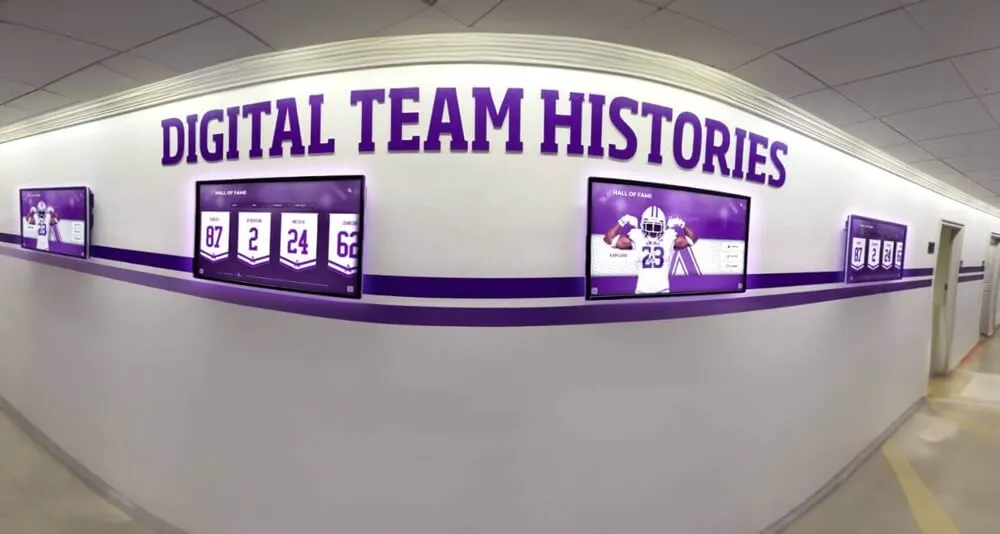
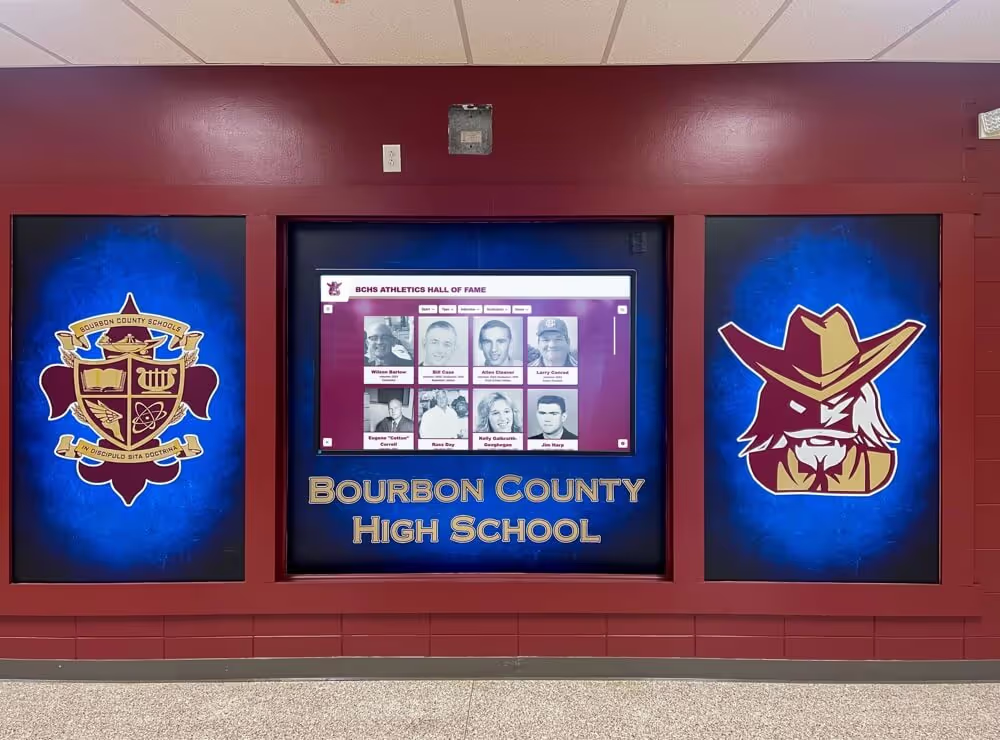
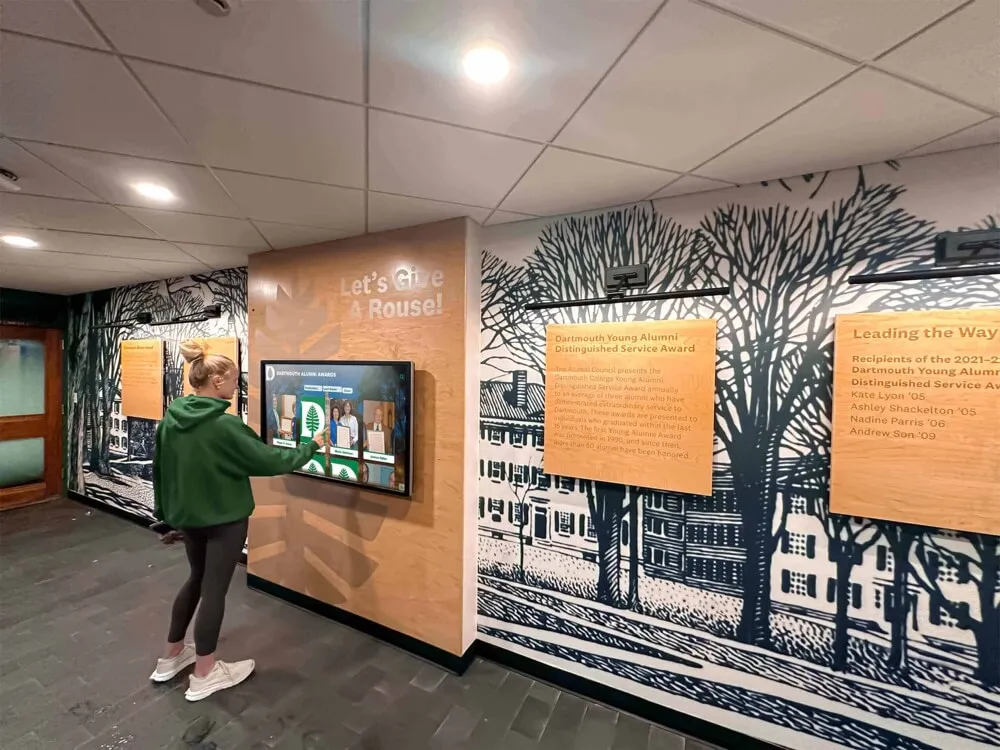
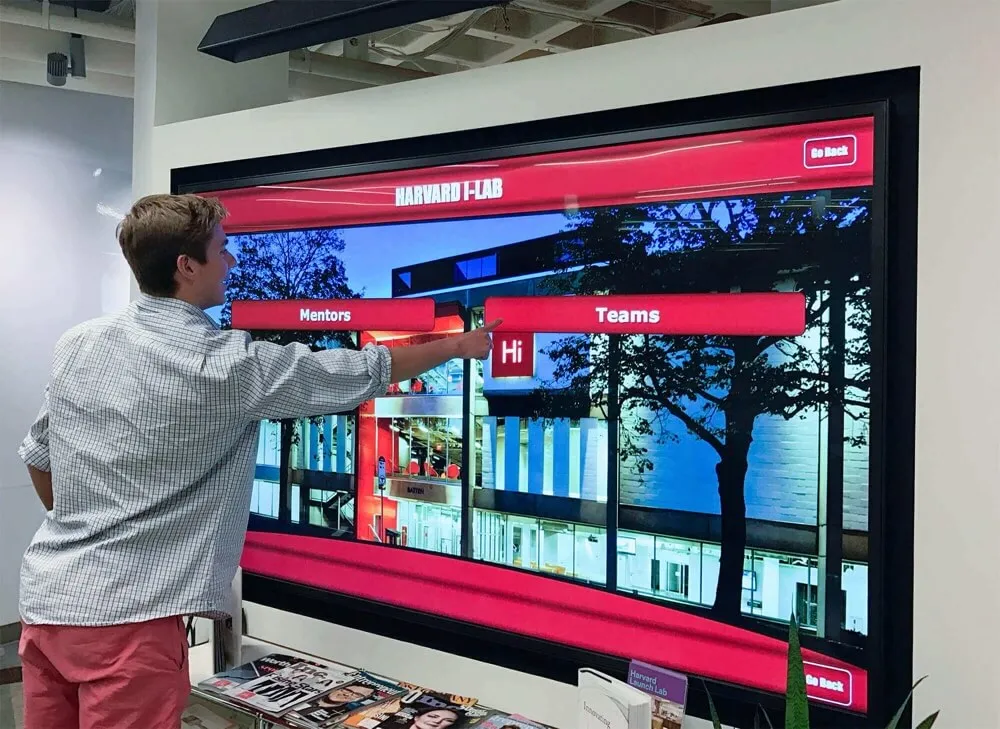
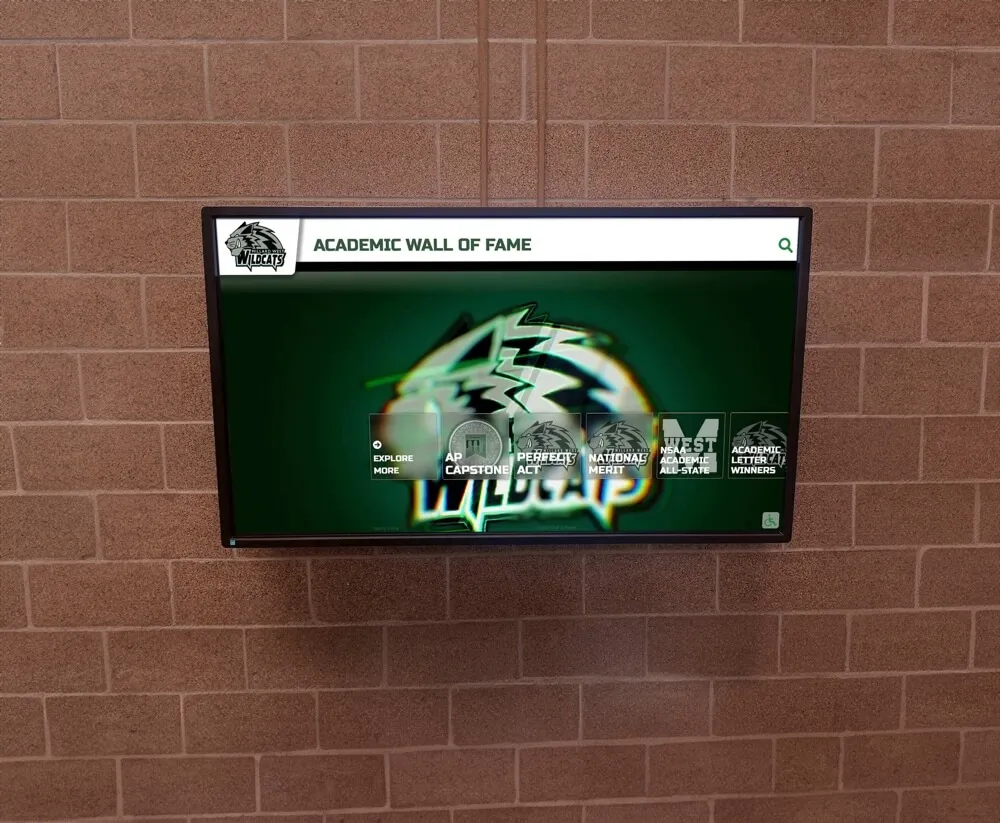
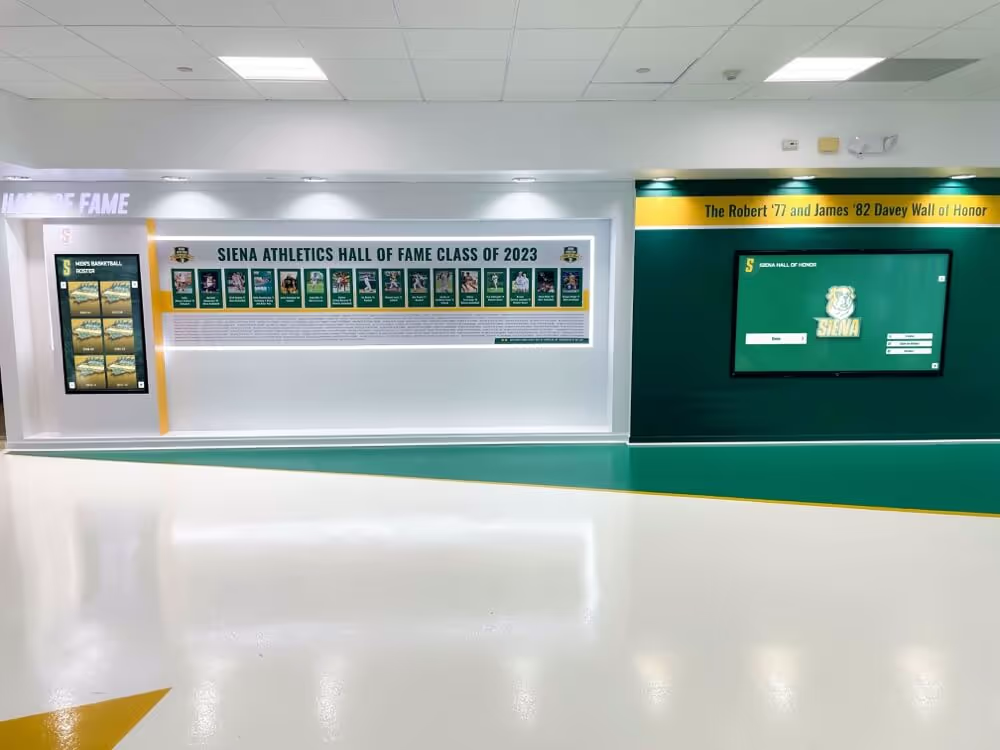
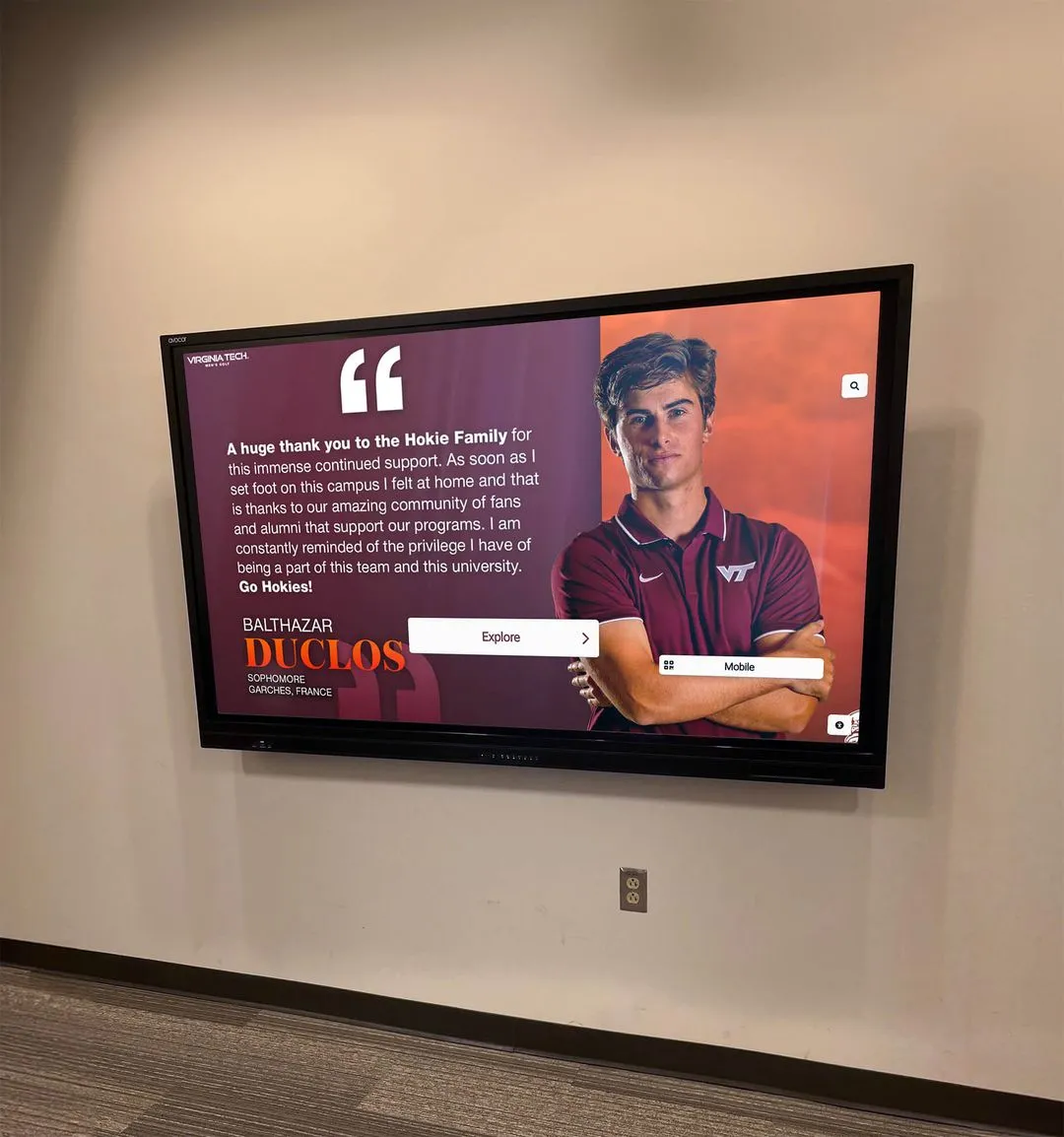
Modern athletic facilities showcase how booster club support translates into professional recognition displays celebrating program achievements
Understanding the Booster Club Concept
Before diving into operational details, establishing a clear understanding of what booster clubs are—and what they’re not—provides essential context for anyone interacting with these organizations.
Defining Athletic Booster Clubs
Athletic booster clubs are volunteer-led nonprofit organizations formed specifically to support school athletic programs through fundraising, community engagement, and resource provision beyond what school budgets can provide.
Core Characteristics
Most booster clubs share these fundamental attributes:
- Independent nonprofit status: Typically organized as 501(c)(3) tax-exempt entities separate from school districts, though operating in close coordination with school administration
- Volunteer governance: Elected boards and officers drawn from parent, alumni, and community member volunteers
- Athletic program focus: Mission specifically directed toward supporting school sports rather than academic programs or general school needs
- Supplemental funding role: Providing resources that enhance rather than replace school district responsibilities
- Community-based membership: Open participation from anyone supporting the school’s athletic programs
What Booster Clubs Are NOT
Important distinctions prevent confusion:
- Not school employees: Booster club members are volunteers, not district staff, even when working closely with coaches and athletic directors
- Not program controllers: Athletic directors and coaches maintain authority over program operations; boosters provide support rather than direct athletic decisions
- Not mandatory: Booster club membership and participation are always voluntary; no family should feel coerced to participate
- Not replacement for school funding: Responsible school districts maintain baseline athletic funding rather than expecting boosters to cover fundamental program costs
This distinction between support and control represents perhaps the most critical boundary successful booster clubs maintain—providing resources and assistance while respecting that coaches and athletic directors manage actual program operations.
The Historical Evolution of Booster Clubs
Athletic booster clubs emerged organically as American high school sports grew in prominence and competitiveness during the mid-20th century.
Early Development
The booster club concept traces to:
- 1920s-1940s: Small-town communities organizing informal support groups for local high school teams, particularly football programs central to community identity
- 1950s-1960s: Formalization of booster structures as athletic programs expanded and costs increased beyond school budget capacity
- 1970s-1980s: Proliferation across suburban communities as youth sports specialization increased and competitive expectations intensified
- 1990s-2000s: Professionalization with formal bylaws, 501(c)(3) status, and sophisticated fundraising operations
- 2010s-present: Technology integration and digital recognition systems transforming how boosters engage communities and honor supporters
Modern Context
Today’s booster clubs operate in environments where:
- School budgets face persistent constraints limiting discretionary athletic spending
- Competitive athletics require specialized equipment, training, and travel opportunities beyond basic offerings
- Community expectations for program quality and success create pressure for enhanced resources
- Legal and compliance requirements demand professional organizational structures
- Digital platforms enable new approaches to fundraising, communication, and supporter recognition
Understanding this evolution helps explain why booster clubs now function as sophisticated nonprofit organizations rather than informal parent groups.
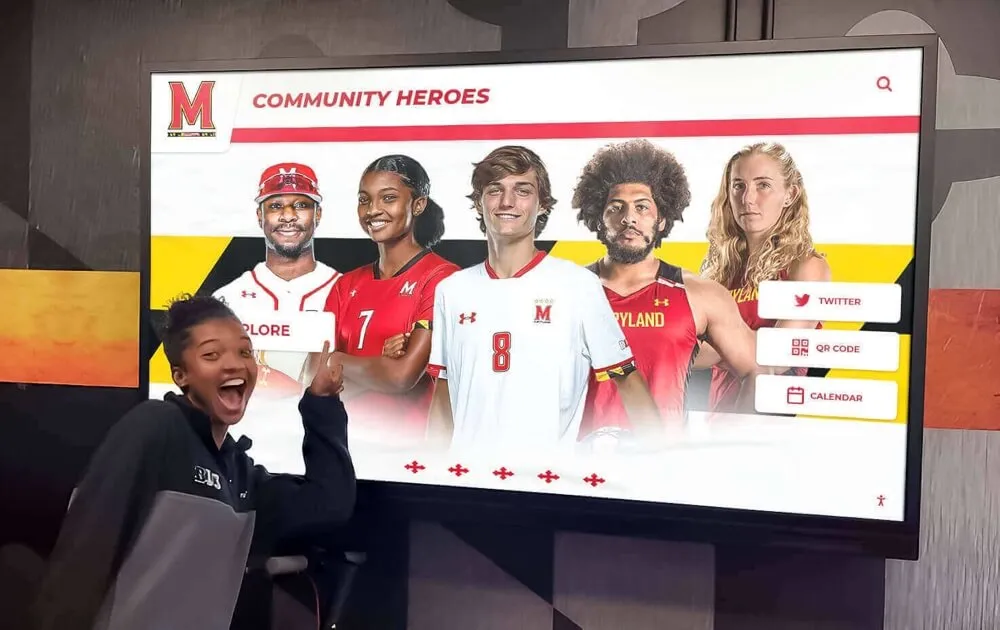
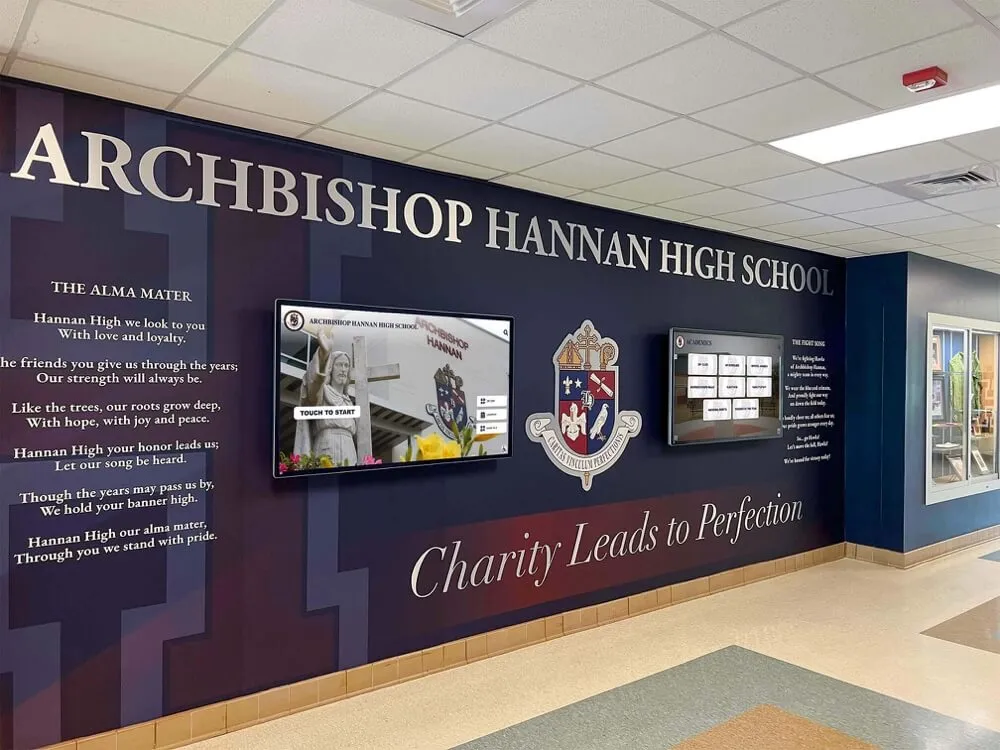
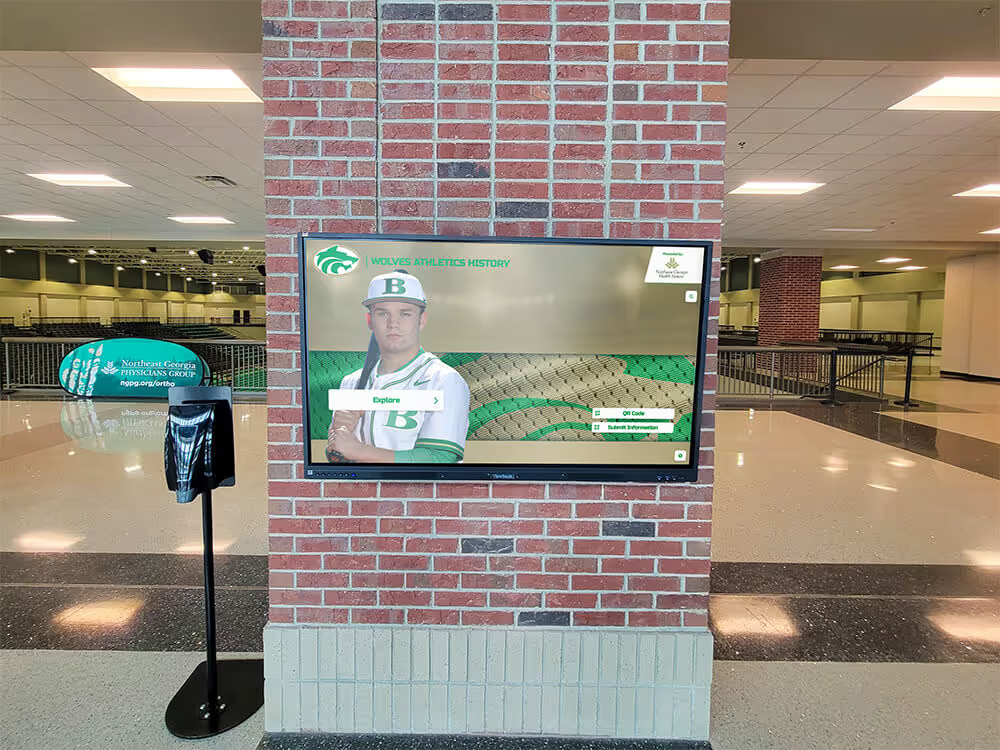
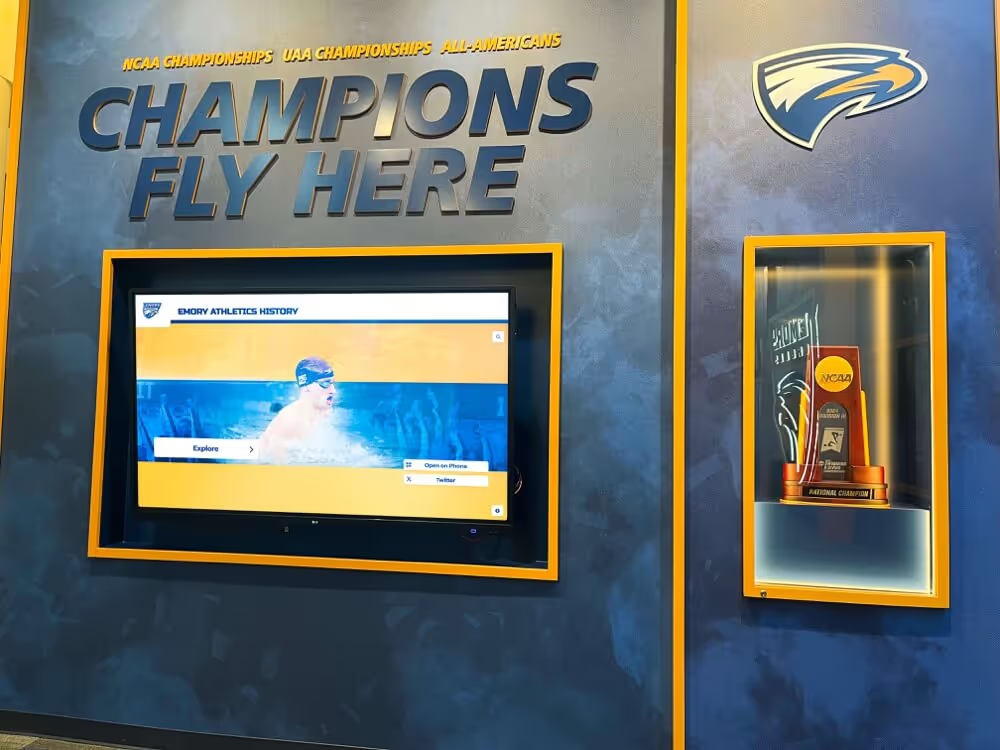
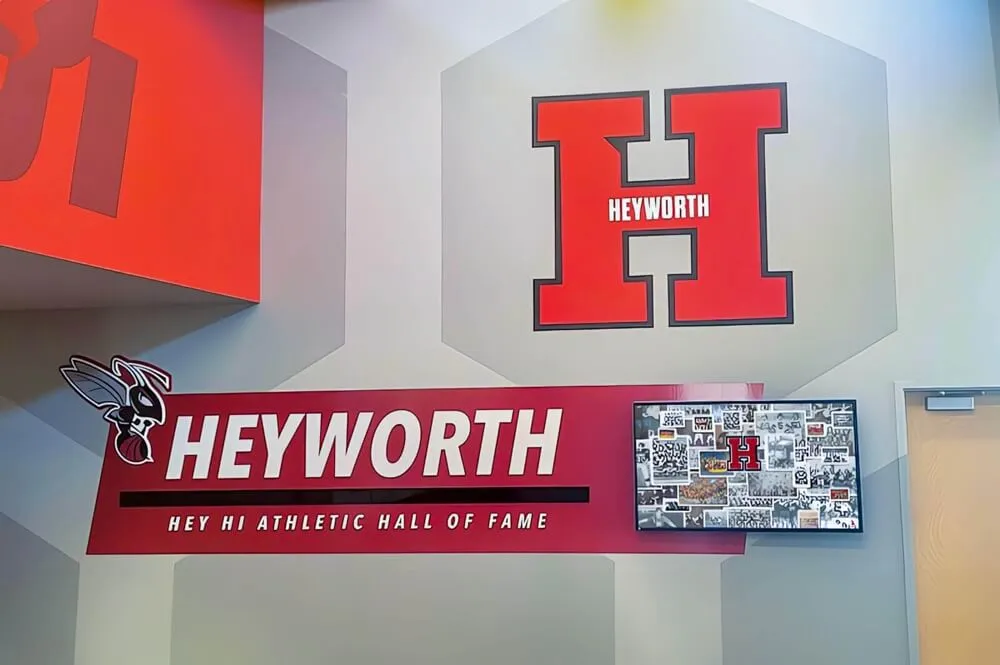
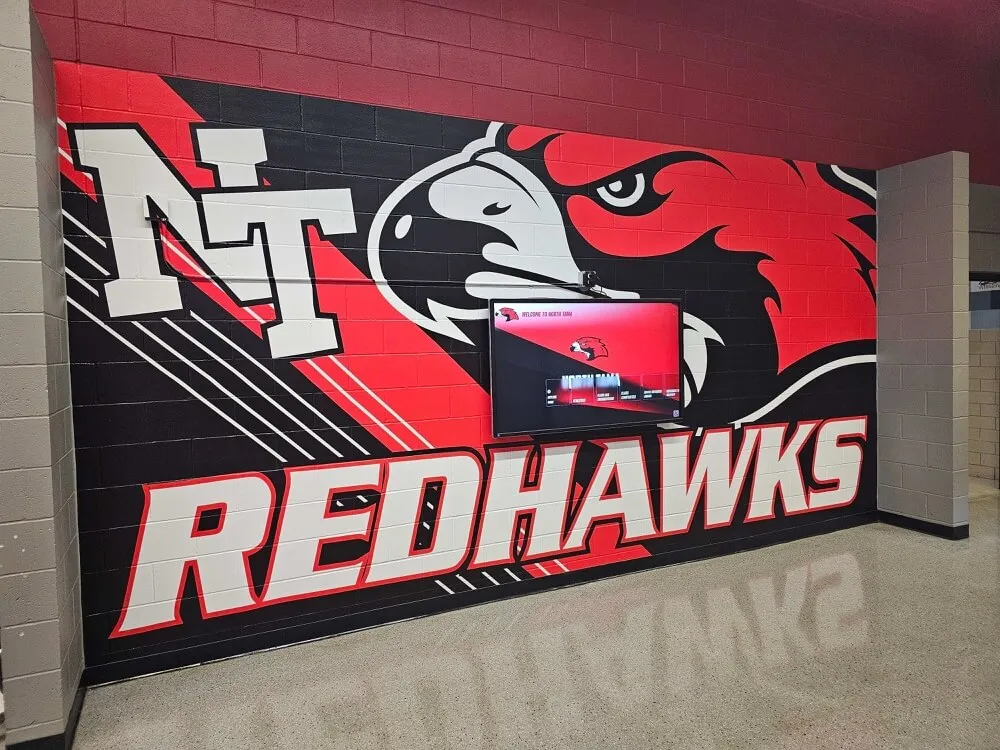
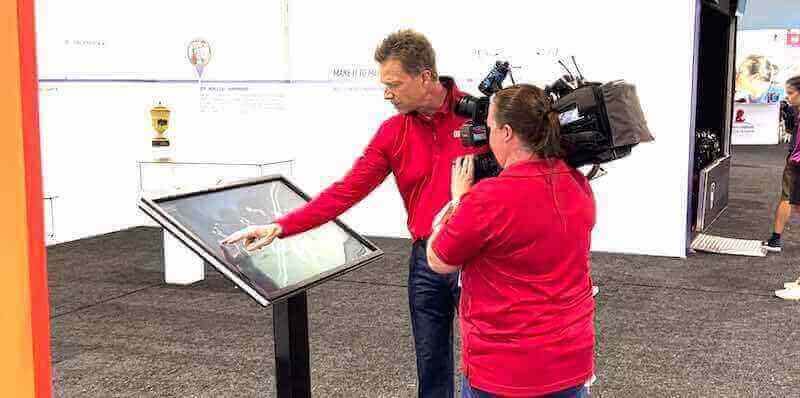
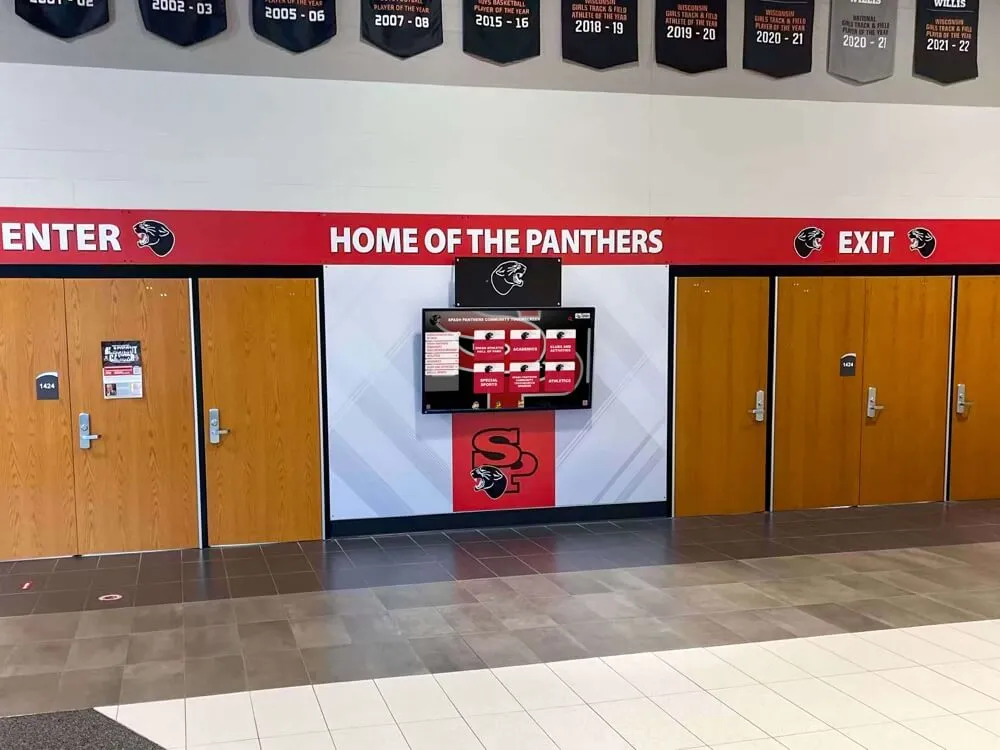
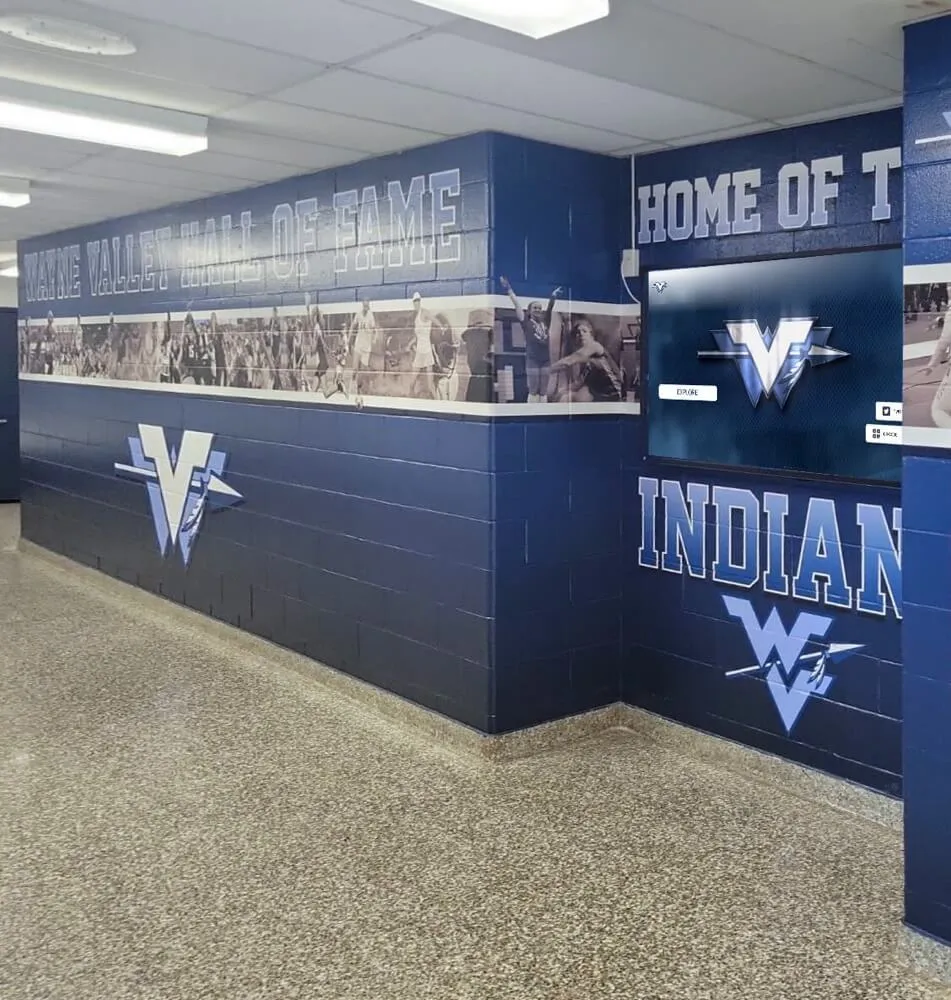
Interactive recognition displays demonstrate how booster club investments create lasting tributes honoring athletic achievements and community support
Why Booster Clubs Matter
The impact of effective booster club support extends far beyond simple financial contributions.
Athletic Program Enhancement
Booster clubs enable programs to:
- Purchase specialized equipment and technology that school budgets cannot accommodate
- Replace worn uniforms and gear on cycles faster than district procurement allows
- Fund competitive travel to tournaments and showcases providing recruitment exposure
- Upgrade training facilities with equipment, surfaces, and amenities improving athlete development
- Support coaching education, recruitment, and supplemental staffing positions
- Provide athletic training resources, injury prevention equipment, and medical supplies
Community Connection
Beyond resources, boosters create:
- Visible community investment demonstrating broad support for student-athletes
- Volunteer opportunities enabling families to contribute meaningfully regardless of financial capacity
- Social networks connecting parents across different sports, grades, and backgrounds
- School spirit and pride through events, recognition, and celebration of athletic achievement
- Alumni engagement pathways keeping graduates connected to programs they once represented
Student-Athlete Benefits
Most importantly, booster support directly impacts students through:
- Expanded competitive opportunities unavailable without supplemental funding
- Professional-quality equipment and facilities preparing them for potential college athletics
- Recognition and celebration of achievements beyond simple wins and losses
- Experience competing in quality environments against strong competition
- Lasting memories and relationships formed through well-supported programs
Learn about comprehensive athletic recognition in sports banquet ideas that celebrate achievements boosters help enable.
Booster Club Organizational Structure
Effective booster clubs operate through clear organizational frameworks balancing volunteer accessibility with professional governance.
Legal Structure and Nonprofit Status
Most established booster clubs function as formal nonprofit organizations with specific legal structures.
501(c)(3) Tax-Exempt Status
The majority of athletic boosters organize as charitable nonprofits providing:
- Tax-deductible donations: Contributors can deduct gifts on federal tax returns, incentivizing larger donations
- Grant eligibility: Nonprofit status enables applications to foundations and corporate giving programs
- Sales tax exemptions: Many states exempt 501(c)(3) organizations from sales tax on purchases
- Bulk mail rates: Reduced postage costs for fundraising and communications
- Legal protection: Formal structure separates organizational assets from individual volunteers
Formation Requirements
Establishing 501(c)(3) status involves:
- Articles of incorporation filed with state authorities
- Bylaws governing organizational operations and decision-making
- IRS Form 1023 application (or simpler 1023-EZ for smaller organizations)
- Employer Identification Number (EIN) for banking and tax purposes
- Annual IRS Form 990 filings reporting financial activities
Many booster clubs begin informally and professionalize over time as fundraising grows and compliance requirements increase.
Alternative Structures
Some organizations operate differently:
- School district umbrella: Functioning as district-controlled accounts rather than independent nonprofits, simplifying administration but limiting autonomy
- Booster club networks: Multiple sport-specific boosters coordinating under shared governance
- Informal associations: Particularly in small communities, some groups operate without formal incorporation, though this creates liability and compliance risks
School District Relationships
Regardless of legal structure, boosters must coordinate with schools regarding:
- Facility access and scheduling
- Funding distribution and approval processes
- Communication protocols and branding
- Volunteer background checks and district policies
- Coordination of fundraising to prevent community saturation
Clear memoranda of understanding (MOUs) between schools and independent booster clubs prevent misunderstandings about authority, responsibilities, and expectations.
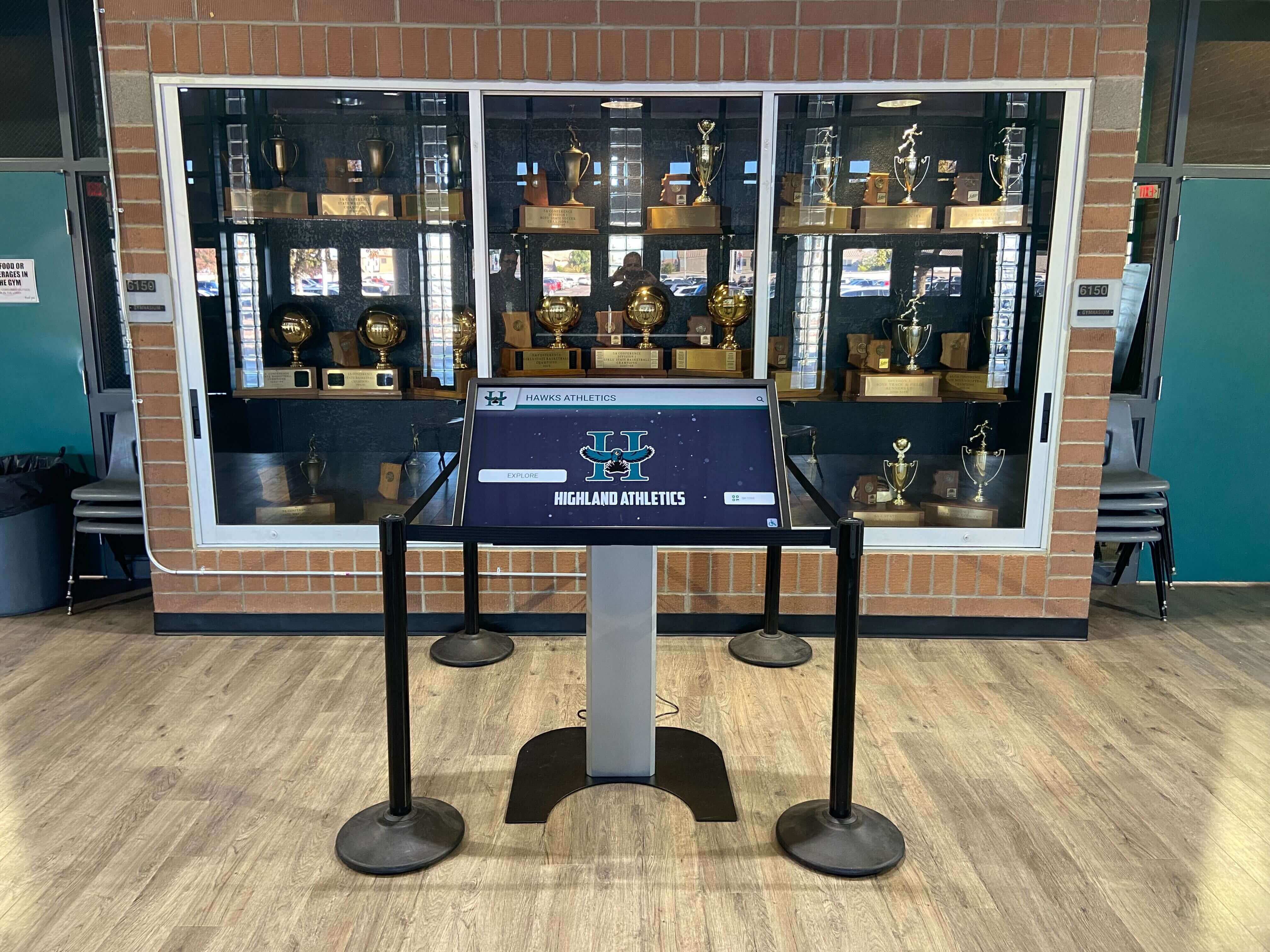
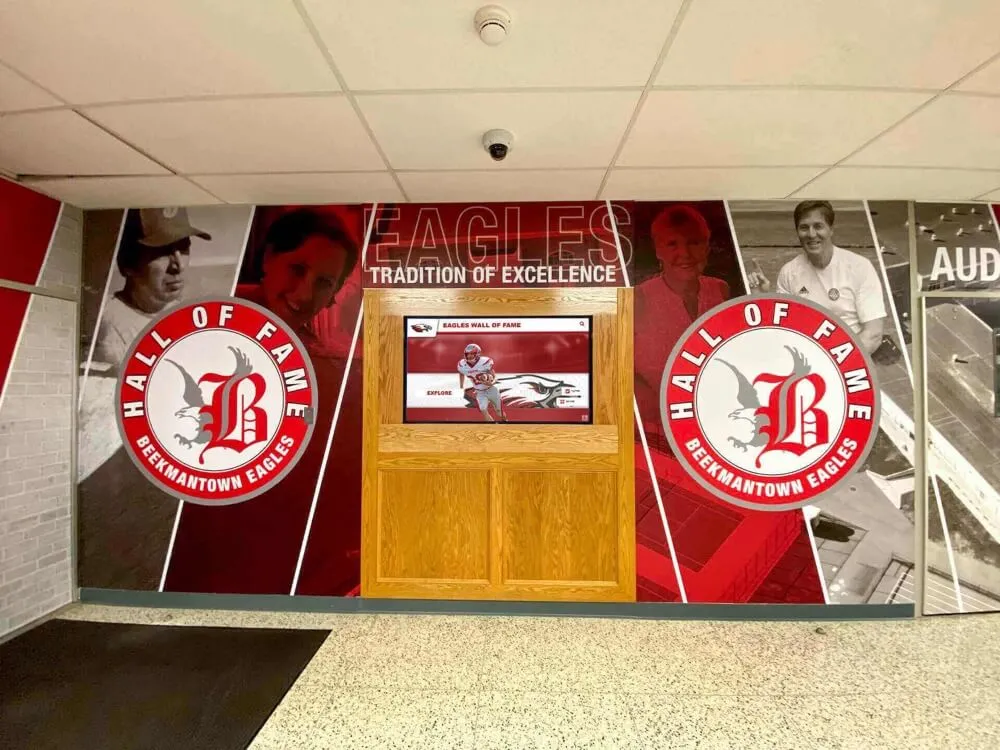
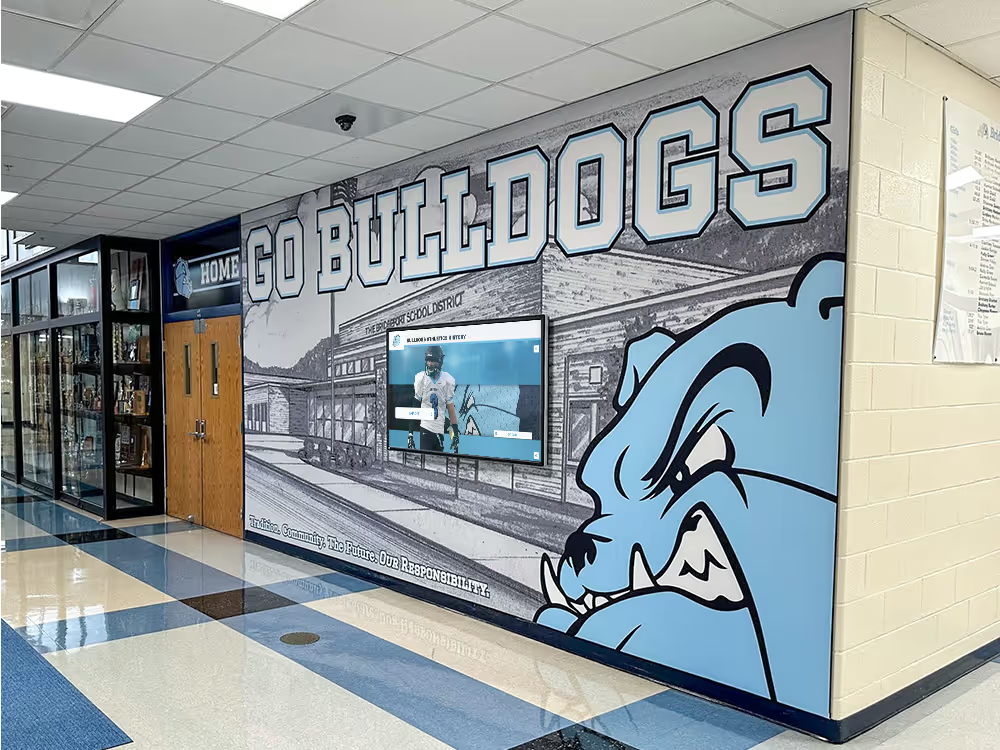
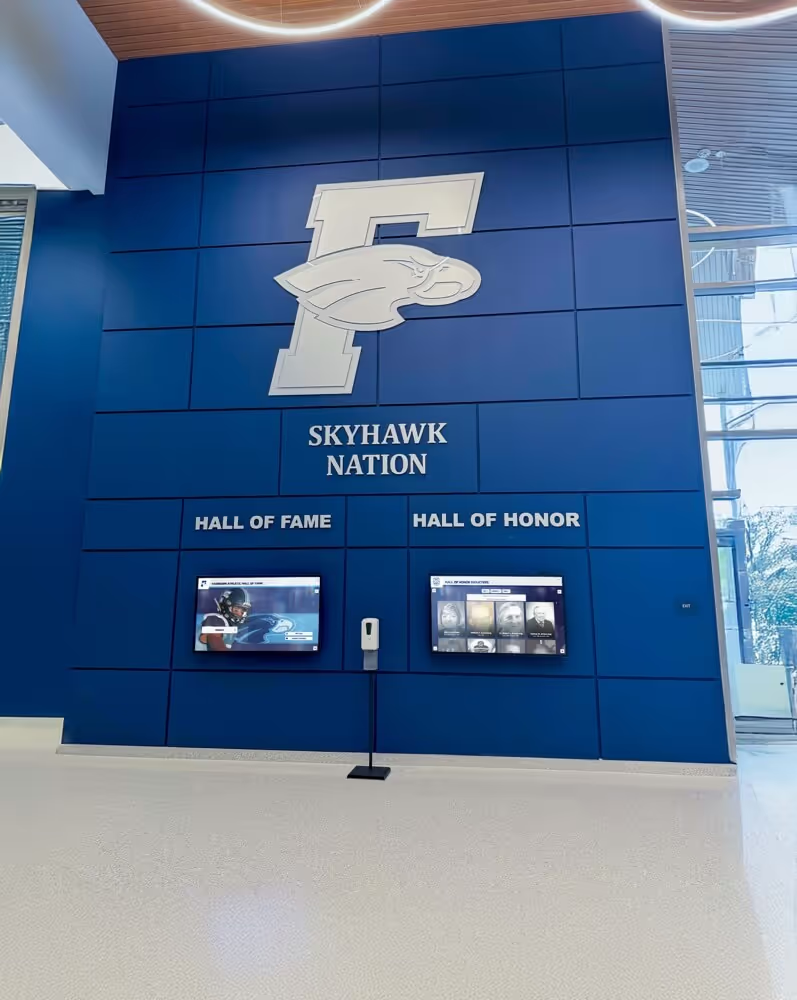
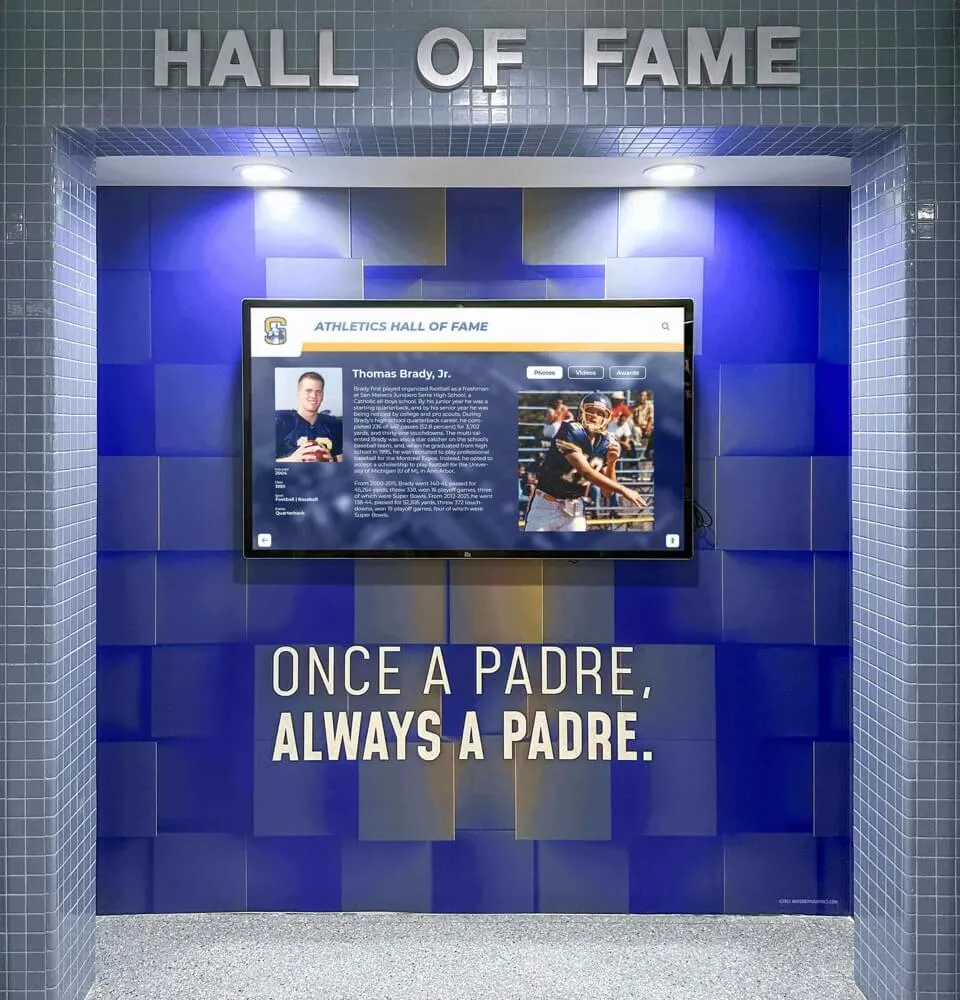
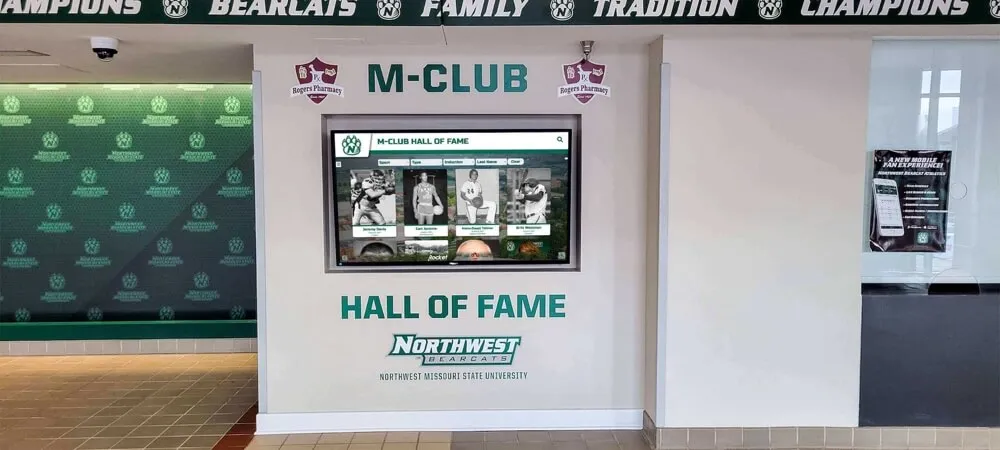
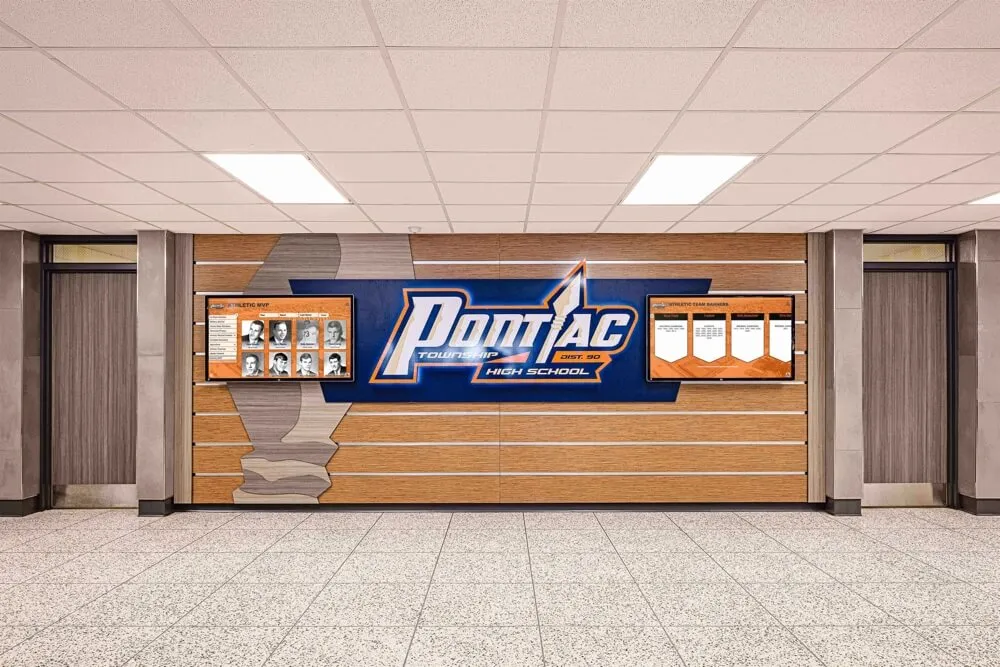
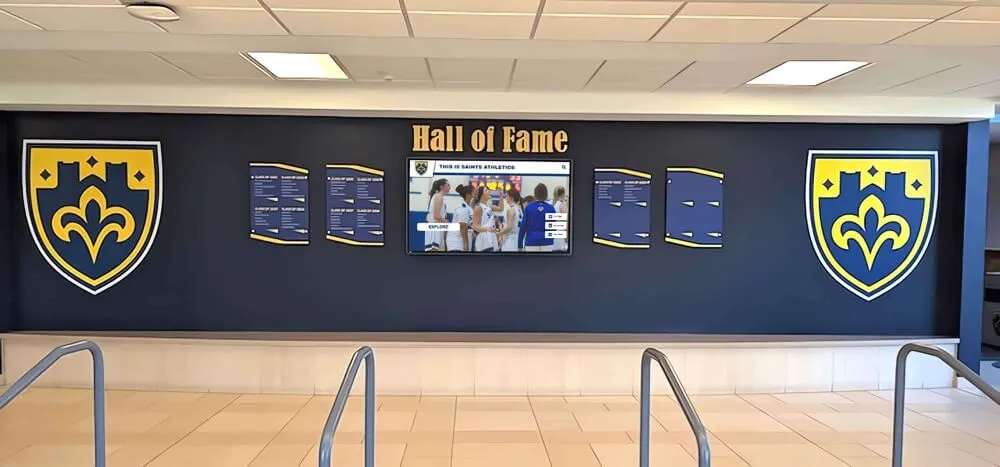
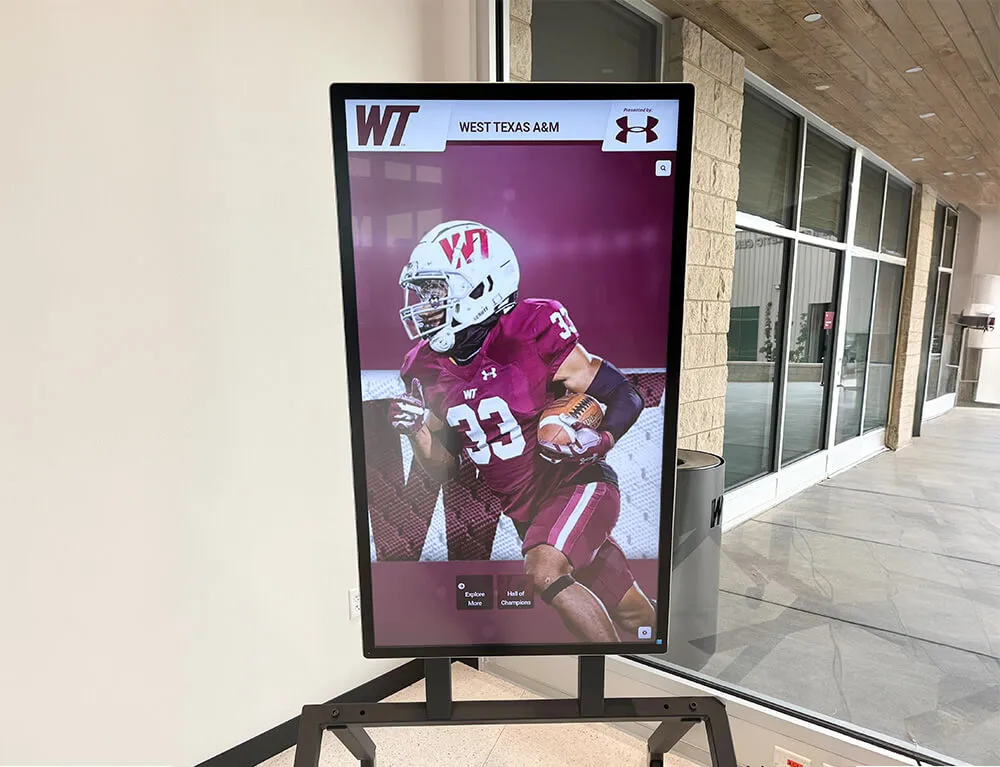
Digital recognition systems enable boosters to showcase comprehensive athletic achievements and donor appreciation in modern, engaging formats
Governance and Leadership
Booster clubs operate through elected leadership and committee structures distributing responsibilities across volunteer bases.
Standard Officer Positions
Most booster clubs elect officers including:
President
- Overall organizational leadership and strategic direction
- Primary liaison with athletic director and school administration
- Board meeting facilitation and agenda setting
- Public face of organization at community events
- Typical term: 1-2 years with term limits preventing indefinite service
Vice President
- President support and succession planning
- Specific program area oversight (often fundraising or events)
- Committee coordination and volunteer management
- Assumption of duties during president absence
Treasurer
- Financial management and bookkeeping
- Budget development and monitoring
- Expense approval and reimbursement processing
- Financial report preparation for board and membership
- Tax filing coordination and compliance oversight
Secretary
- Meeting minutes and record maintenance
- Communication distribution and membership management
- Document retention and organizational archives
- Correspondence handling
Additional Positions
Larger organizations may include:
- Fundraising coordinator managing event planning and revenue generation
- Communications director handling publicity, social media, and community engagement
- Volunteer coordinator recruiting and managing helpers for various activities
- Spirit wear manager overseeing apparel sales and inventory
- Concessions manager organizing game-day food service operations
Board of Directors
Beyond officers, boards typically include:
- At-large members representing different constituencies
- Sport representatives (particularly in all-sports booster organizations)
- Ex-officio positions for athletic director or principal
- Past presidents providing institutional knowledge
Term Limits and Succession
Healthy organizations implement:
- Maximum consecutive terms preventing volunteer burnout and ensuring fresh perspectives
- Staggered terms maintaining continuity during leadership transitions
- Formal nomination and election processes ensuring democratic governance
- Training and orientation for new leaders assuming responsibilities
Membership Models
Booster clubs structure membership in various ways balancing inclusivity with sustainable operations.
Open Membership Approaches
Many organizations embrace broad participation:
- Universal membership: Any school community member can join simply by expressing interest
- Minimal dues: Small annual fees ($25-100) providing basic membership while keeping barriers low
- Tiered giving levels: Optional higher contribution categories providing recognition benefits while maintaining accessible base membership
- Volunteer participation: Emphasizing time and talent contributions alongside or instead of financial gifts
Benefits of Open Models
Inclusive approaches provide:
- Broader community engagement and ownership
- Diverse perspectives in decision-making
- Larger volunteer pools for events and activities
- Enhanced community goodwill and support
Parent-Focused Structures
Some boosters specifically target current parents:
- Sport-specific membership: Parents of current team members form individual sport boosters
- All-sports umbrella: Single organization serving entire athletic department with membership open to any current sports parent
- Graduated participation: Encouraging but not requiring all families to participate
Challenges in Parent-Only Models
Limiting membership can create:
- Smaller volunteer and donor bases
- Transition difficulties as senior classes graduate
- Lost institutional knowledge with constant membership turnover
- Limited alumni and community engagement
Alumni and Community Inclusion
Forward-thinking boosters actively engage:
- Alumni membership: Former student-athletes maintaining connection and support for current programs
- Community supporters: Local businesses and residents investing in school athletics regardless of current student enrollment
- Grandparents and extended family: Relatives of current athletes who want to support beyond immediate parents
This broader base creates sustainability transcending current enrollment and provides mentorship opportunities connecting generations of program participants.
Discover how to honor booster club contributors in digital donor wall guides with modern recognition approaches.
What Booster Clubs Actually Do
Beyond abstract support, booster clubs engage in specific activities directly benefiting athletic programs and student-athletes.
Fundraising Activities
Revenue generation represents perhaps the most visible booster club function, with organizations employing diverse strategies.
Traditional Fundraising Events
Time-tested approaches include:
Concession Stand Operations
- Managing food and beverage sales at home athletic events
- Revenue generated from profit margins on sold items
- Volunteer staffing rotating responsibilities across membership
- Annual revenue potential: $5,000-20,000+ depending on attendance and event volume
Spirit Wear and Apparel Sales
- School-branded clothing, accessories, and merchandise
- Pre-order campaigns or year-round online stores
- Merchandise visible throughout communities building school pride
- Annual revenue potential: $3,000-15,000 depending on school size
Special Event Fundraisers
- Golf tournaments attracting community and business participation
- Athletic banquets combining recognition with fundraising components
- Auctions (silent, live, or online) featuring donated items and experiences
- Fun runs or 5K races with registration fees and sponsorships
- Annual revenue per major event: $5,000-30,000 depending on participation
Product Sales
- Discount card programs featuring local business deals
- Food items (cookie dough, pizza kits, etc.) sold by team members
- Partnership programs where businesses donate sales percentages
- Annual revenue: $2,000-10,000 depending on participation
Learn effective fundraising approaches in booster club fundraisers guide with comprehensive strategies for athletic programs.
Sponsorship and Corporate Support
Business partnerships provide substantial stable revenue:
Sponsorship Opportunities
- Stadium and facility signage providing business visibility
- Program advertisements in game programs and digital displays
- Event title sponsorships for tournaments or recognition programs
- Equipment sponsorships funding specific program needs
- Typical annual sponsorship levels: $500-5,000+ per sponsor
Benefits for Businesses
- Community visibility and brand association
- Positive public relations demonstrating local support
- Employee engagement opportunities
- Networking with other business and community leaders
- Tax-deductible charitable contributions (for 501(c)(3) boosters)
Digital Fundraising
Modern technology expands revenue opportunities:
- Online donation platforms enabling convenient giving
- Crowdfunding campaigns for specific projects or needs
- Social media fundraising leveraging personal networks
- Text-to-give options simplifying impulse donations at events
- Corporate matching gift programs multiplying employee contributions

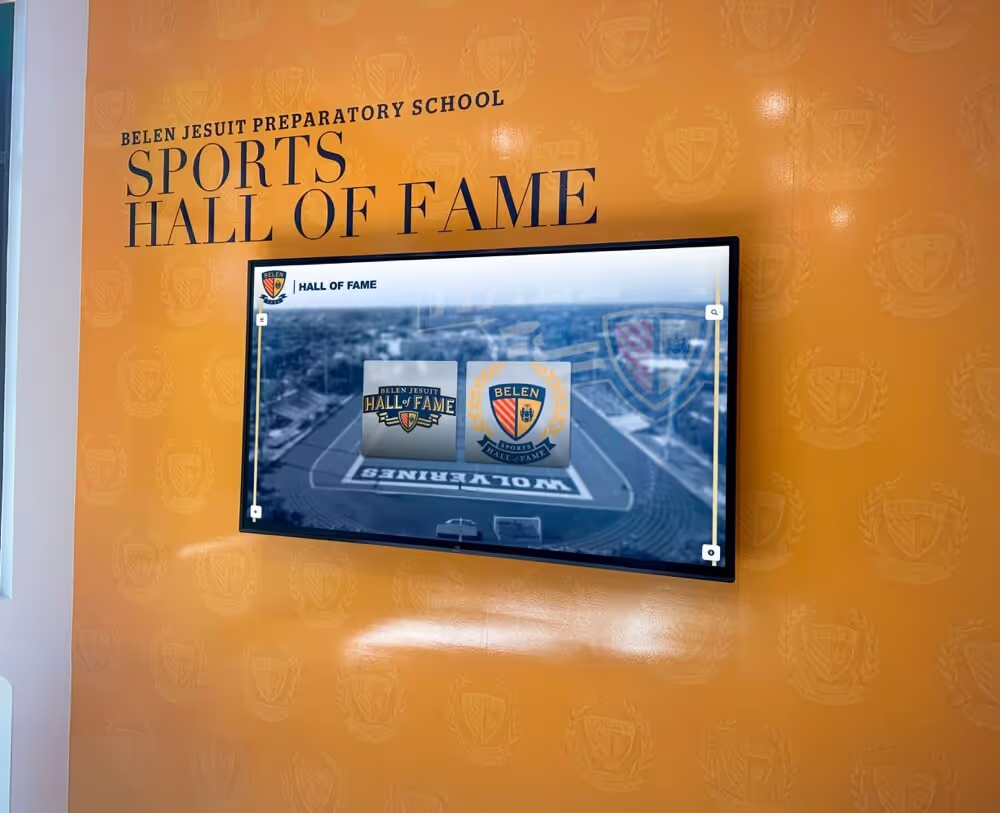
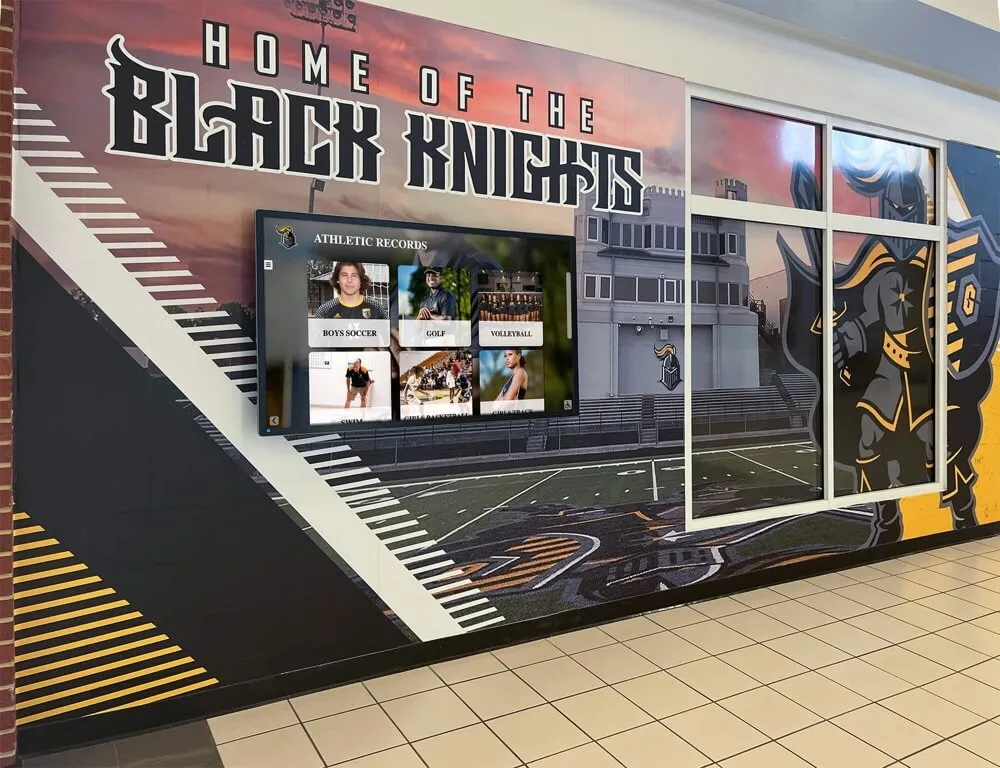
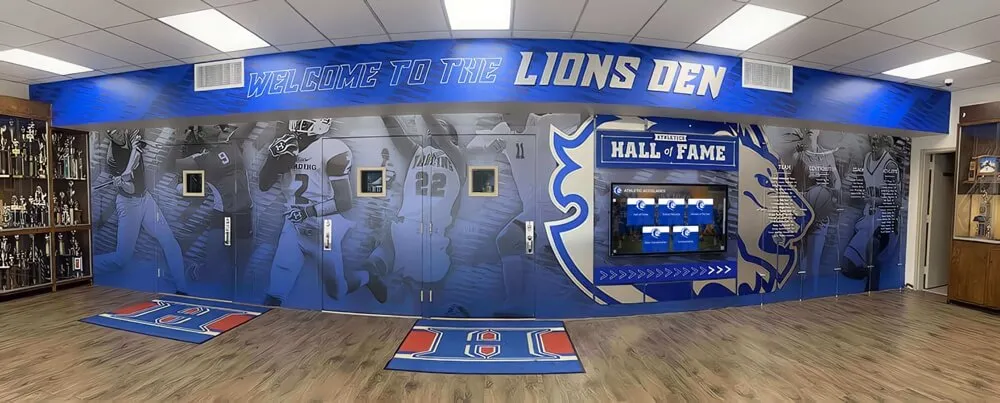
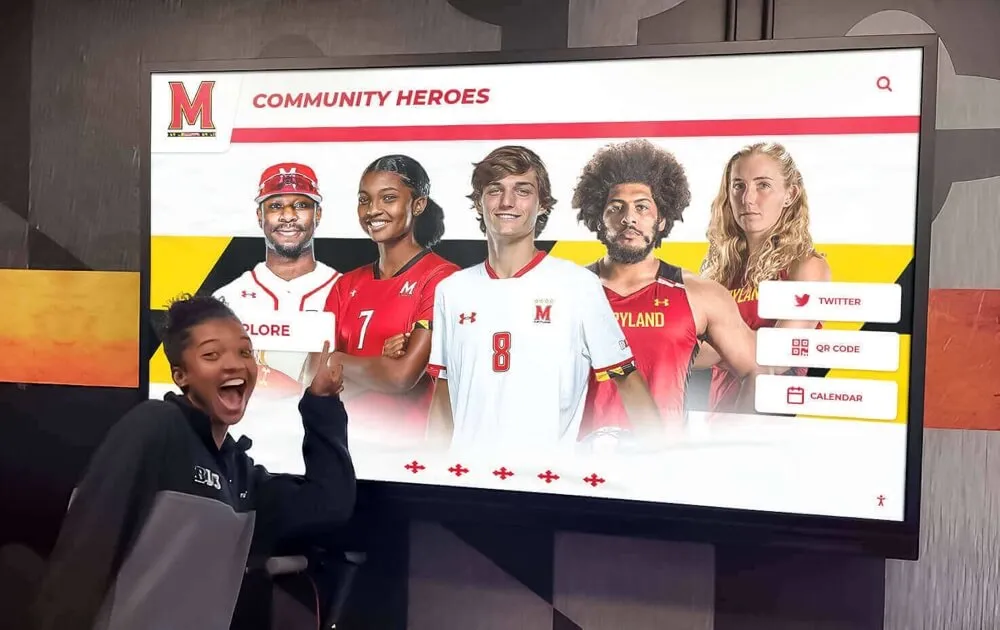
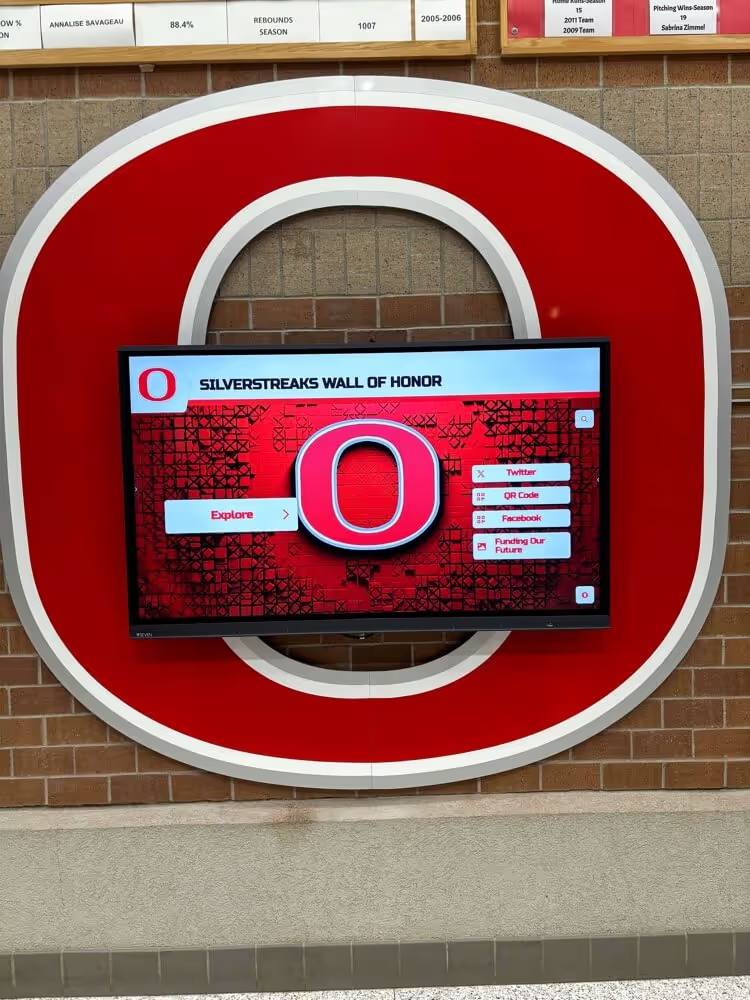
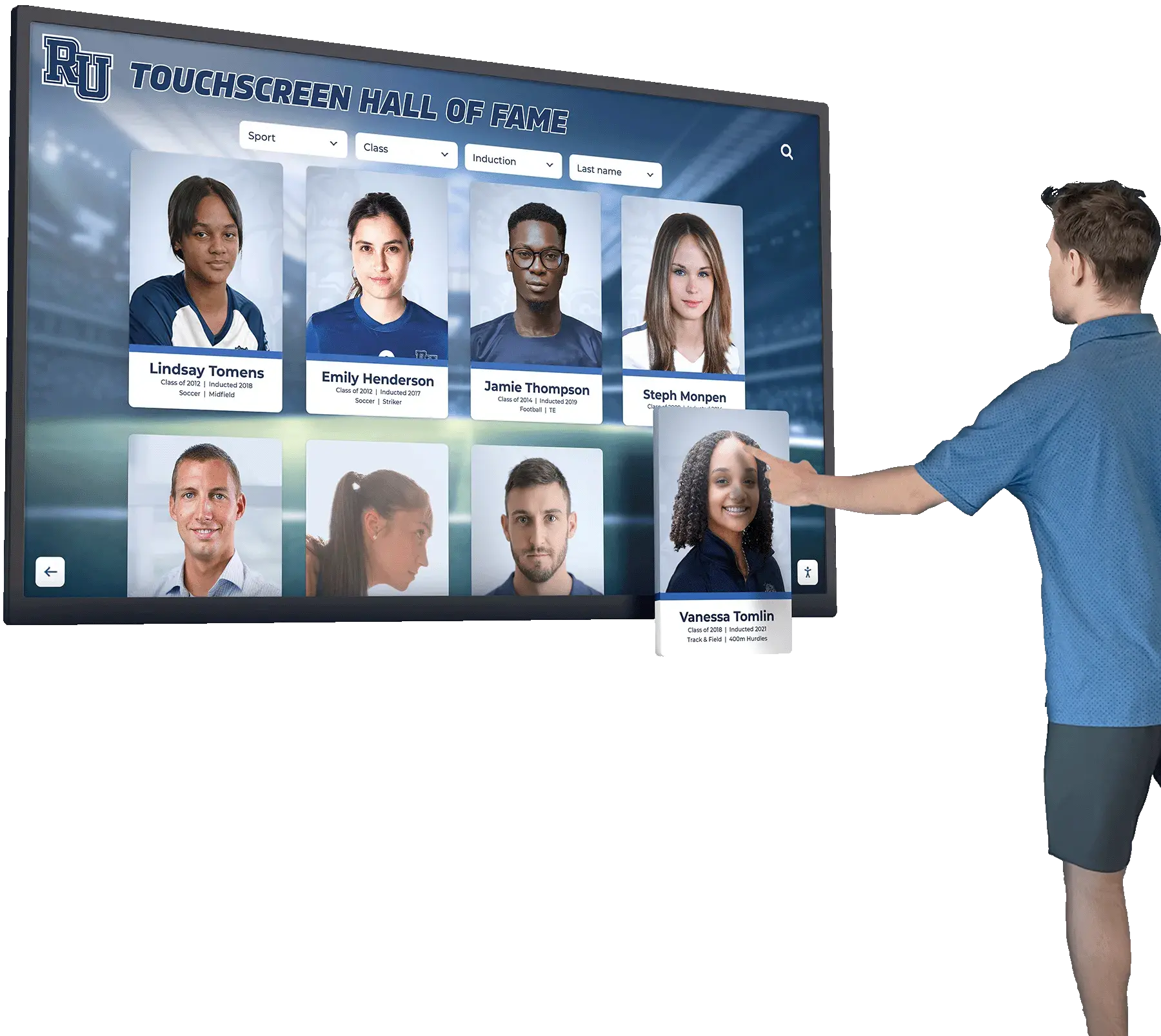
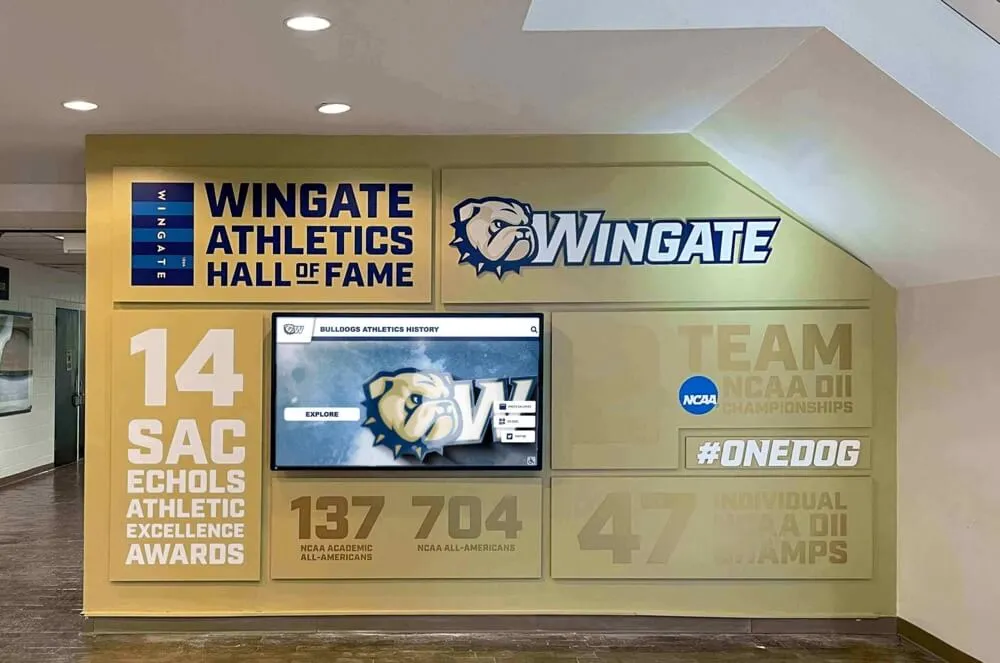
Professional athletic recognition environments demonstrate how booster club investments create impressive spaces celebrating program history and supporter contributions
Program Support and Resource Allocation
Fundraising means nothing without thoughtful distribution aligned with program needs.
Equipment and Uniforms
Major expenditure categories include:
- Specialized athletic equipment: Training technology, position-specific gear, competition equipment school budgets cannot accommodate
- Uniform replacement: Updating jerseys, warmups, and practice gear on cycles shorter than district replacement schedules
- Protective equipment: Helmets, pads, and safety gear meeting current standards
- Training equipment: Weights, agility equipment, video analysis systems, and conditioning tools
- Team gear: Travel bags, spirit packs, and accessories building team identity
Facility Improvements
Capital investments creating lasting program enhancement:
- Scoreboard installations or upgrades providing modern information displays
- Playing surface improvements (turf, courts, track surfaces)
- Locker room renovations and team space upgrades
- Weight room equipment and training facility enhancements
- Bleacher installations or improvements increasing spectator capacity
- Lighting systems enabling evening practices and events
Travel and Competition
Enabling competitive opportunities:
- Tournament entry fees for showcases and competitive events
- Transportation to away events and championships
- Lodging and meals during multi-day competitions
- Out-of-state travel for recruiting exposure and competition
- Championship game expenses when teams advance to playoffs
Coaching Support
Investment in program leadership:
- Coaching education workshops and certification courses
- Recruiting tools and services
- Assistant coach stipends for positions school budgets don’t cover
- Coaching apparel and professional development
- Technology and communication tools
Recognition and Awards
Celebrating achievement and building program culture:
- Championship rings, medals, and trophies
- End-of-season banquets and recognition events
- Senior night gifts and celebration elements
- Letters, patches, and achievement recognition items
- Permanent recognition displays documenting program history
Volunteer Coordination and Event Support
Beyond financial support, boosters provide essential volunteer infrastructure.
Game Day Operations
Volunteers enable smooth event execution:
- Concession stand staffing
- Ticket sales and gate management
- Program distribution and merchandise sales
- Hospitality for visiting teams and officials
- Field/court preparation and post-event cleanup
Special Event Support
Major program activities requiring substantial volunteer effort:
- Senior night ceremonies and presentations
- Athletic banquets and recognition programs
- Fundraising tournament organization
- Facility improvement projects
- Community engagement events
Communication and Promotion
Building awareness and support:
- Social media content celebrating team and individual achievements
- Website updates featuring current information and schedules
- Email newsletters keeping membership informed
- Community publicity for major events and accomplishments
- Photography and videography documenting seasons and achievements
Donor Recognition and Stewardship
Thoughtful appreciation ensures sustained support over time.
Traditional Recognition Approaches
Standard acknowledgment methods:
- Printed programs listing contributors by giving level
- Website donor pages featuring supporter names
- Public acknowledgment at athletic events
- Thank-you letters and personal communication
- Annual reports demonstrating fund utilization and impact
Modern Digital Recognition
Technology-enabled approaches transform supporter acknowledgment:
Solutions like Rocket Alumni Solutions enable booster clubs to:
- Create permanent digital displays showcasing unlimited donors without space constraints
- Update recognition instantly as new gifts arrive rather than waiting for physical plaque production
- Feature rotating donor spotlights highlighting different supporters throughout seasons
- Include rich multimedia content explaining donor motivation and program impact
- Enable social sharing allowing supporters to promote their involvement organically
- Integrate booster donor recognition with athletic achievement displays creating comprehensive program celebration
These digital platforms solve the persistent challenge traditional donor walls face—limited physical space forcing difficult decisions about which supporters merit permanent recognition. Digital systems honor everyone from modest annual contributors to major capital campaign benefactors equally, strengthening relationships that sustain programs year after year.
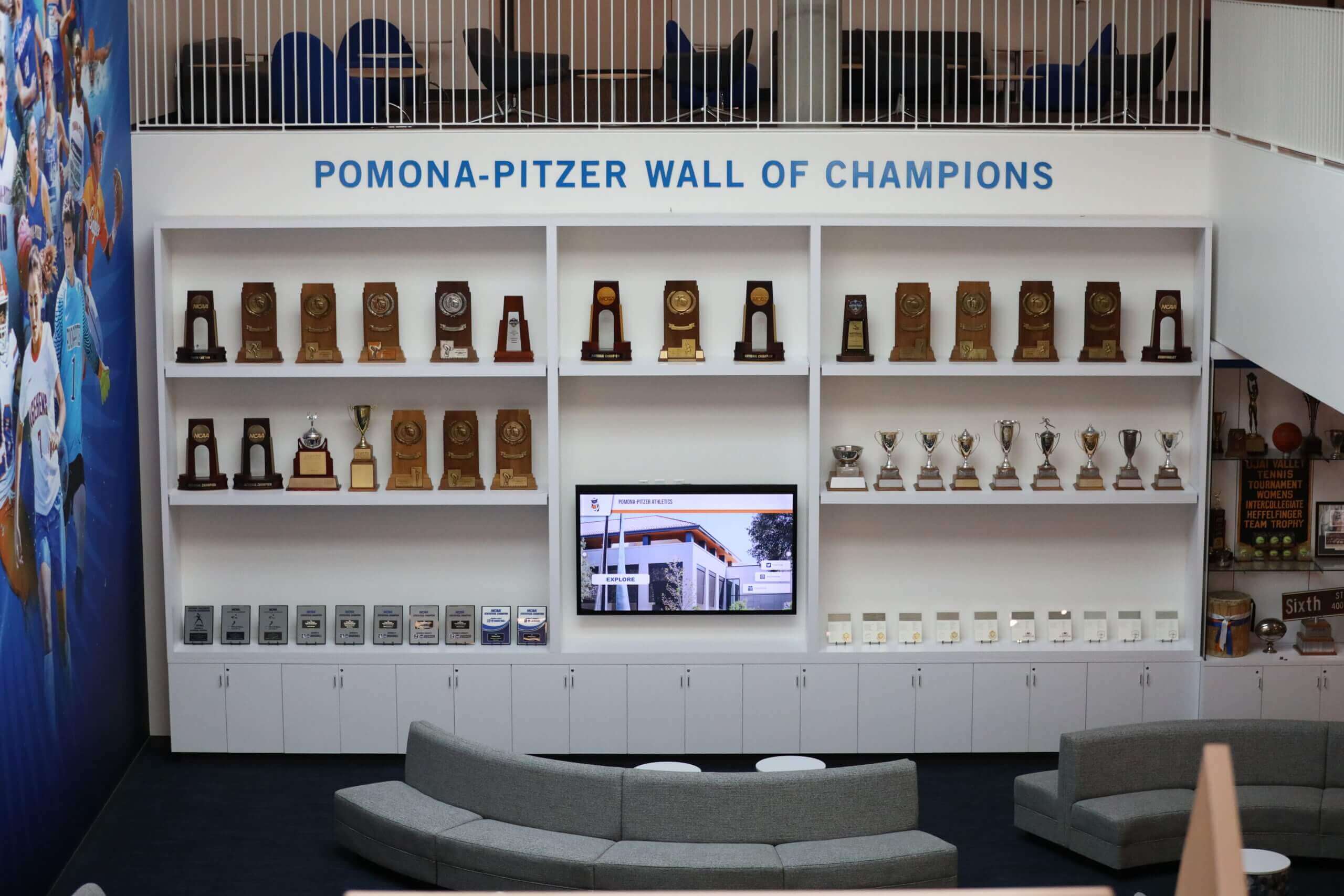
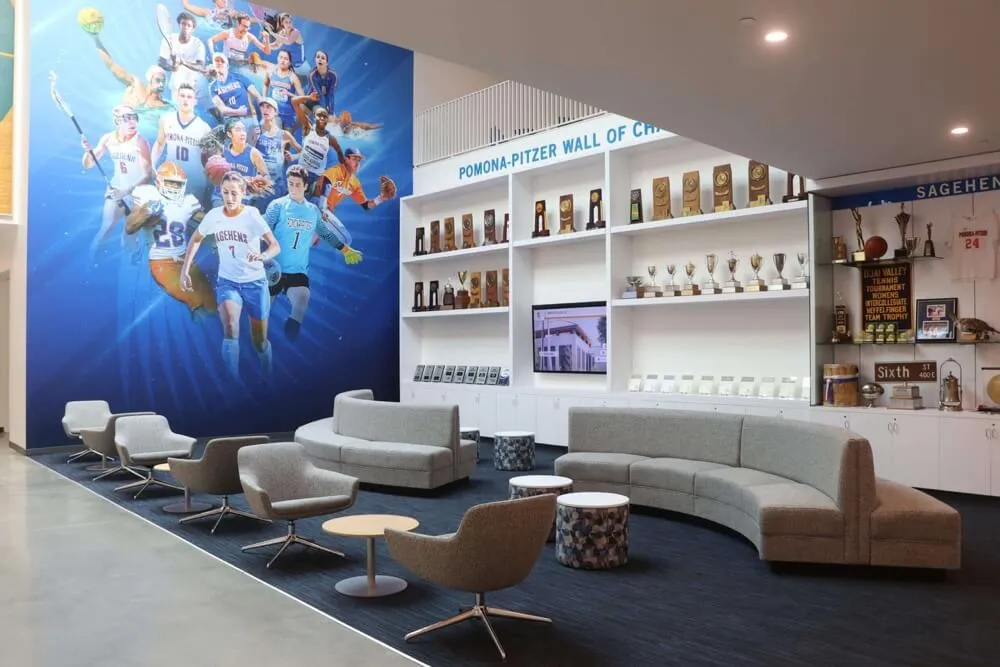
Comprehensive recognition spaces combining traditional trophy displays with modern digital systems demonstrate professional booster club investment in program excellence
Booster Club Challenges and Best Practices
While essential to athletic program success, booster clubs face recurring challenges requiring proactive management.
Common Organizational Challenges
Volunteer Burnout
The most persistent issue facing booster clubs:
The Problem
- Small core groups shouldering disproportionate responsibility
- Same individuals serving multiple consecutive years
- Difficulty recruiting new volunteers
- Exhaustion leading to resentment and resignation
Solutions
- Distribute responsibilities across broader volunteer base
- Create specific, limited-scope roles rather than overwhelming positions
- Implement term limits preventing indefinite service
- Actively recruit and train new leaders before transitions
- Celebrate and recognize volunteer contributions regularly
- Make asking for help acceptable and normal rather than sign of weakness
Financial Transparency Concerns
Trust depends on clear financial communication:
The Problem
- Community skepticism about fund usage
- Lack of clear reporting creating suspicion
- Questions about spending priorities
- Confusion about relationship to school district finances
Solutions
- Regular financial reports to membership and school administration
- Clear communication about how contributions are used
- Annual summaries demonstrating impact of fundraising
- Professional audits or reviews for larger organizations
- Transparent budgets showing income and expense categories
- Public recognition of major expenditures and program investments
Sport Equity Issues
All-sports boosters must balance support across programs:
The Problem
- Revenue sports (football, basketball) generating most visibility and donor interest
- Risk of disproportionate support favoring high-profile programs
- Tension between revenue generation and equitable distribution
- Perception of fairness among different sport constituencies
Solutions
- Clear policies about fund distribution across sports
- Need-based allocation considering program circumstances
- Rotating featured sports in promotions and recognition
- Celebrating achievements across all athletic programs
- Education about different sports’ resource requirements
- Regular communication about balanced support philosophy
School District Boundary Issues
Navigating independent booster club and school administration relationship:
The Problem
- Confusion about authority and decision-making
- Boosters overstepping into coaching or program management
- Schools dictating booster operations beyond appropriate oversight
- Disagreements about spending priorities
Solutions
- Written memoranda of understanding clarifying relationships
- Regular communication between booster leadership and athletic director
- Mutual respect for different roles and responsibilities
- Recognition that athletic directors manage programs while boosters provide support
- Collaborative decision-making about major investments
- Clear approval processes for expenditures
Legal and Compliance Considerations
Responsible booster clubs understand their legal obligations.
Nonprofit Governance Requirements
501(c)(3) organizations must:
- File annual IRS Form 990 reporting financial activities and governance
- Maintain corporate records including bylaws, meeting minutes, and board actions
- Operate consistent with tax-exempt charitable purpose
- Avoid prohibited private benefit to individuals
- Provide donation receipts meeting IRS documentation standards
- Maintain director and officer liability insurance
- Comply with state charitable solicitation registration where required
Financial Management Standards
Professional practices include:
- Separate bank accounts from personal finances
- Multiple signatures required for checks and expenditures
- Regular reconciliation and internal financial controls
- Appropriate documentation for all income and expenses
- Segregation of duties preventing single-person financial control
- Professional bookkeeping or accounting services
- Annual independent review or audit of financial records
Coordination with Schools
Compliance areas requiring school coordination:
- Background checks for volunteers working with students
- Facility usage agreements and insurance requirements
- Fundraising calendar coordination preventing community saturation
- Branding and trademark usage permissions
- Communication approval protocols
- Data privacy requirements for student information
- Compliance with school district booster club policies
Best Practices for Effective Booster Clubs
Successful organizations share common characteristics.
Clear Mission and Strategic Planning
Focus prevents mission creep:
- Written mission statement defining organizational purpose
- Strategic planning aligning fundraising with program needs
- Priority-setting when resources cannot meet all requests
- Regular reassessment of activities and effectiveness
- Evaluation of programs and events determining continued value
Inclusive Culture
Healthy organizations welcome broad participation:
- Multiple entry points for involvement (financial, volunteer, leadership)
- Respectful environment free from cliques or insider dynamics
- Transparent communication keeping entire membership informed
- Recognition that different families have different capacities to contribute
- Celebration of all contribution types equally
- Avoidance of exclusionary social dynamics
Professional Operations
While volunteer-led, successful boosters operate professionally:
- Regular meetings with published agendas and documented minutes
- Timely financial reporting and transparent communications
- Professional correspondence and community relations
- Reliable follow-through on commitments
- Business-like vendor relationships and contract management
- Modern technology utilization for efficiency
Sustainable Funding Models
Strategic revenue generation:
- Diversified income streams reducing over-reliance on single sources
- Balance between active fundraising and passive revenue (sponsorships, spirit wear)
- Long-term thinking building endowments or reserves
- Consideration of volunteer time costs when evaluating fundraising effectiveness
- Community goodwill preservation through appropriate ask frequency
Strong School Partnerships
Collaborative relationships benefit everyone:
- Regular communication with athletic directors and administration
- Mutual respect for different roles and responsibilities
- Alignment of booster activities with school priorities and culture
- Shared celebration of athletic achievements
- Partnership approach rather than adversarial dynamics
Explore how to strengthen athletic culture in creating school spirit through comprehensive recognition programs.
Getting Involved with Booster Clubs
For parents, alumni, and community members wondering how to participate, multiple engagement pathways exist.
For Parents of Current Athletes
Starting Points
Begin involvement by:
- Attending booster club meetings to understand operations and needs
- Volunteering for specific events or activities matching your interests and availability
- Contributing financially at whatever level fits your family circumstances
- Following booster club communications and social media
- Asking coaches or athletic directors how to connect with booster leadership
Contribution Options
Meaningful participation takes many forms:
Financial Support
- Annual membership dues
- Fundraiser participation and purchases
- Direct donations to general funds or specific needs
- Sponsorships from family businesses
- Matching gift program participation through employers
Volunteer Time
- Game day concession or merchandise sales
- Event planning and execution committees
- Social media content creation and communication
- Facility maintenance or improvement projects
- Photography and videography documentation
Special Skills
- Graphic design for promotional materials
- Financial expertise supporting treasurer functions
- Marketing and publicity experience enhancing communications
- Construction or trade skills for facility projects
- Technology skills supporting digital initiatives
Leadership Roles
- Committee chair positions managing specific functions
- Board membership providing governance and direction
- Officer positions requiring greater time commitment
- Project management for specific initiatives
For Alumni and Community Members
Former athletes and community supporters can remain engaged:
Alumni Participation
Former student-athletes contribute through:
- Financial support honoring programs that shaped their lives
- Mentorship of current athletes sharing experiences and advice
- Professional skills and networking benefiting program needs
- Attendance at events demonstrating continued connection
- Storytelling and historical knowledge preserving program legacy
Community Member Involvement
Local residents without direct athletic program connection can:
- Sponsor teams, facilities, or equipment through businesses
- Provide professional services at reduced or donated rates
- Attend events supporting student-athletes
- Serve on boards bringing community perspective
- Create scholarship funds supporting graduating seniors
Starting a New Booster Club
Communities without established booster organizations can create them:
Foundation Steps
- Assess need and interest: Evaluate whether sufficient community support exists
- Coordinate with school: Obtain administration approval and cooperation
- Form founding group: Recruit initial leadership and engaged supporters
- Develop organizational documents: Create bylaws and initial operating policies
- Establish legal structure: Pursue 501(c)(3) status or operate under school umbrella
- Set up financial systems: Open bank accounts and establish bookkeeping procedures
- Begin activities: Start with manageable projects building credibility and engagement
- Communicate widely: Build awareness and membership across community
Resources for New Organizations
Leverage available support:
- National organizations providing booster club resources and templates
- State athletic associations offering guidance and best practices
- Established boosters at nearby schools sharing experiences
- School district policies outlining requirements and processes
- Professional consultants specializing in booster club development
Starting small with focused goals builds sustainable organizations more effectively than attempting complex operations immediately.
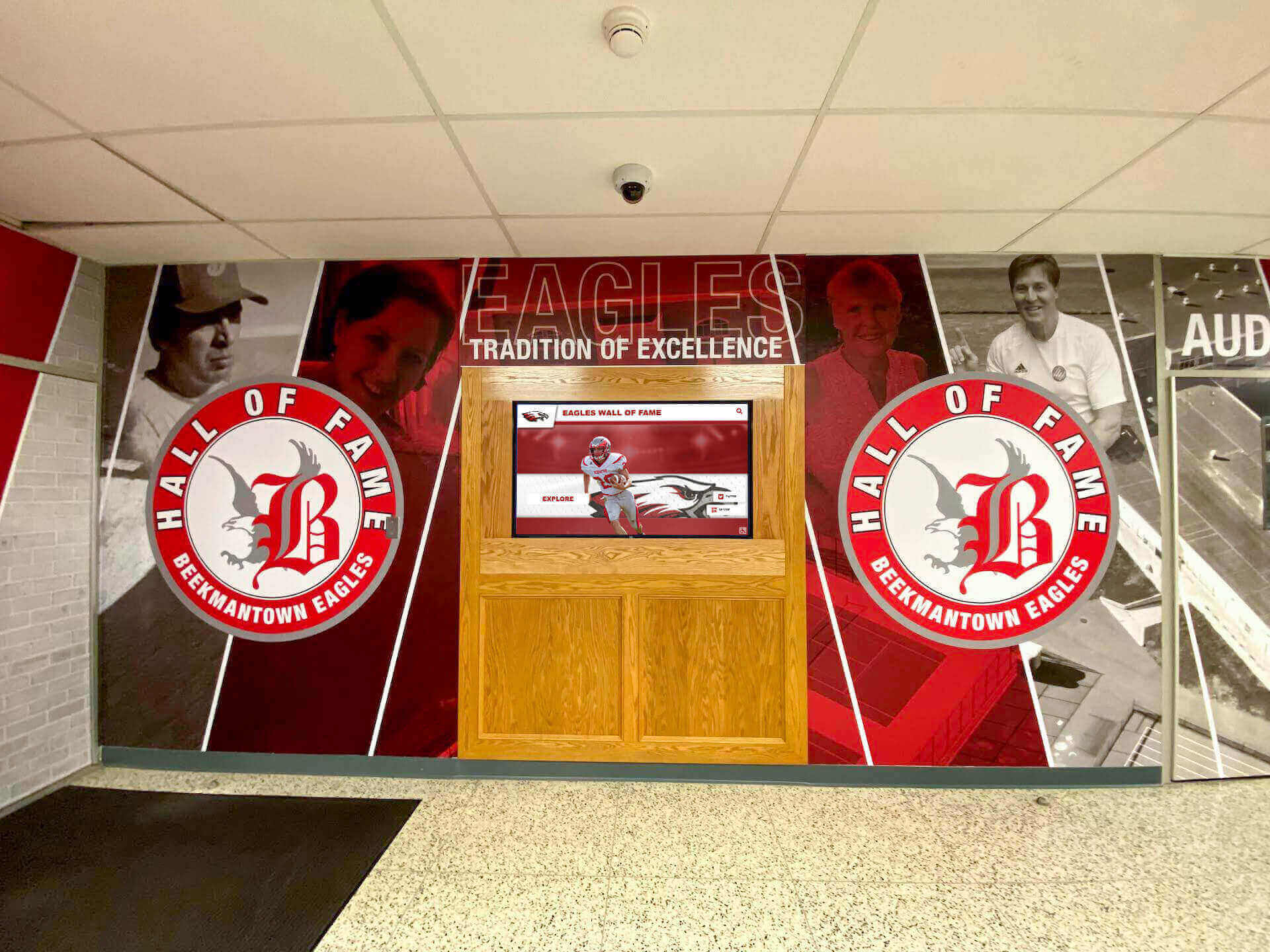
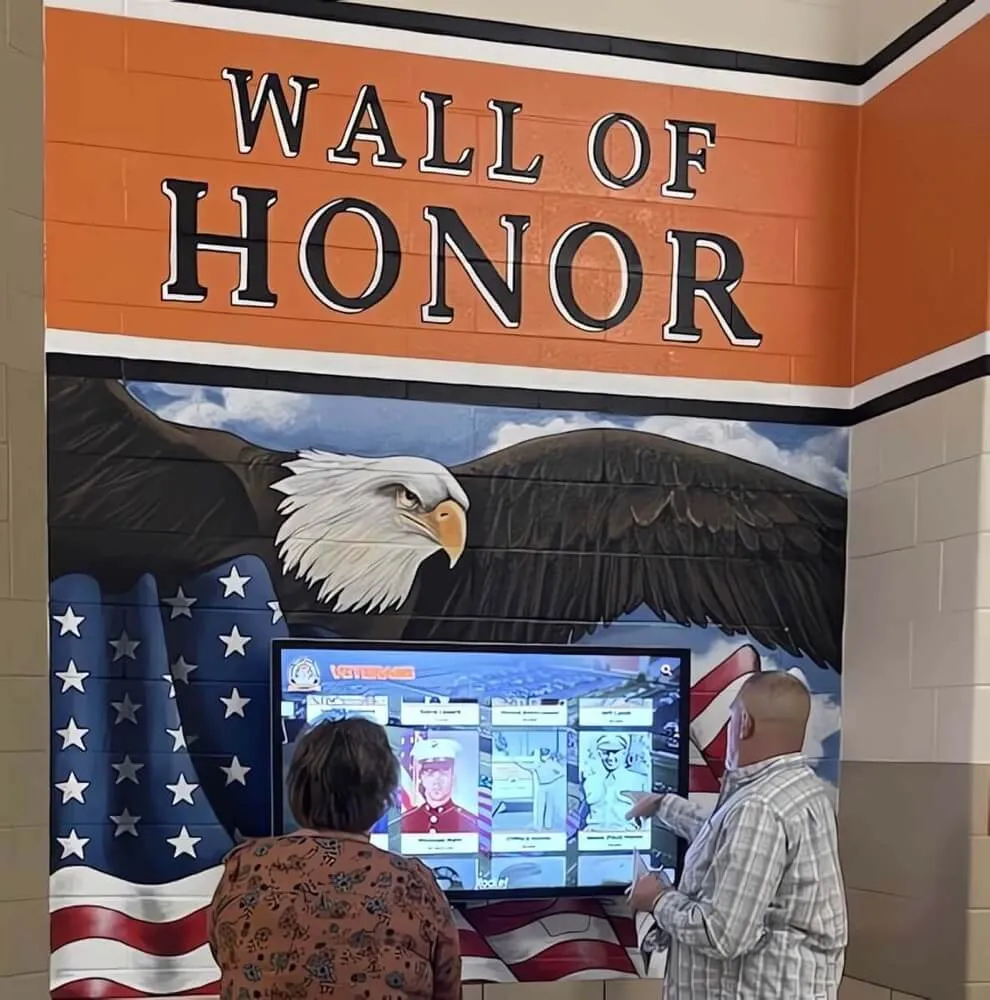
Prominent lobby installations demonstrate professional booster club commitment to comprehensive athletic recognition accessible to entire school communities
The Future of Athletic Booster Clubs
Booster clubs continue evolving alongside changes in education, athletics, and technology.
Emerging Trends
Digital Transformation
Technology reshapes booster operations:
- Online fundraising platforms simplifying donation processes
- Social media engagement reaching broader supporter networks
- Digital recognition systems eliminating physical space constraints for donor acknowledgment
- Virtual event options expanding participation beyond geographic boundaries
- Cloud-based management systems reducing administrative burden
Name, Image, and Likeness (NIL) Considerations
Recent NCAA policy changes may influence high school athletics:
- Questions about high school student-athlete compensation and support
- Potential regulatory changes affecting permissible booster activities
- Evolving definitions of appropriate support versus impermissible benefits
- Need for updated policies as landscape develops
Increased Professionalization
Booster clubs operate more professionally:
- Paid administrative support handling operations and compliance
- Professional fundraising consultation improving revenue generation
- Sophisticated donor management systems tracking relationships
- Strategic planning processes setting multi-year goals
- Performance metrics assessing effectiveness and impact
Focus on Equity and Inclusion
Contemporary awareness drives improved practices:
- Intentional support for traditionally underfunded programs
- Accessibility considerations ensuring all families can participate meaningfully
- Language access for multilingual communities
- Scholarship programs reducing economic barriers to athletic participation
- Recognition of diverse contributions beyond financial capacity
Adapting to Changing Needs
Successful booster clubs remain flexible:
Responding to Budget Constraints
As school funding challenges persist:
- Booster roles may expand covering additional program needs
- Pressure to maintain appropriate boundaries preventing wholesale program funding transfer to volunteers
- Creative fundraising developing sustainable revenue streams
- Advocacy for adequate public funding alongside supplemental support
Managing Athletic Specialization
Youth sports trends affect boosters:
- Year-round sport focus potentially reducing broader booster engagement
- Sport-specific clubs competing for same community resources
- Coordination challenges across multiple booster organizations
- Need for strategic alignment preventing community donor fatigue
Addressing Participation Changes
Evolving athletic participation patterns:
- Multi-sport participation decline affecting booster club engagement dynamics
- Smaller team sizes in some sports affecting parent volunteer pools
- Emerging sports creating new programs requiring booster support
- Changing student interests influencing which programs need greatest assistance
Learn about recognizing excellence across changing programs in athletic director roles supporting comprehensive athletic departments.
Recognizing Booster Club Contributors
Honoring supporters who enable athletic success strengthens relationships sustaining programs long-term.
Importance of Recognition
Donor and volunteer acknowledgment matters deeply:
Impact on Giving
- Research demonstrates recognized donors give again at substantially higher rates
- Thoughtful appreciation creates emotional connection beyond transactional relationships
- Public recognition inspires others to support programs similarly
- Permanent displays honor multi-year commitment rather than single contributions
Community Building
- Recognition demonstrates that support matters and creates impact
- Public acknowledgment normalizes giving and volunteer culture
- Storytelling about supporters creates program ambassadors
- Visibility ensures contributions don’t go unnoticed or unappreciated
Traditional Recognition Methods
Standard approaches include:
- Printed programs listing contributors by giving level
- Wall plaques in athletic facilities
- Website donor pages
- Public announcements at athletic events
- Annual appreciation events
- Personal thank-you communications
Digital Recognition Innovation
Modern technology transforms supporter acknowledgment:
Advantages of Digital Recognition Systems
Solutions like Rocket Alumni Solutions provide booster clubs:
Unlimited Recognition Capacity
- Single display accommodating thousands of supporters without physical space constraints
- No difficult decisions about which donors merit limited plaque space
- Equal recognition opportunity regardless of contribution size
- Ability to honor volunteers alongside financial contributors
Rich Content and Storytelling
- Photos and biographical information about supporters
- Stories explaining why families choose to support athletics
- Connection between specific gifts and program improvements funded
- Video testimonials from student-athletes thanking supporters
- Recognition of multi-generational family involvement
Flexible Management
- Cloud-based updates adding new supporters immediately
- Error corrections implemented instantly without physical plaque replacement
- Enhanced content added as materials become available
- Seasonal featured supporter rotation maintaining fresh displays
- Remote management from any internet-connected device
Extended Reach
- Web-accessible platforms enabling worldwide access
- Social media integration amplifying recognition organically
- Mobile responsiveness ensuring accessibility across devices
- QR codes connecting physical displays to comprehensive online content
- Analytics revealing engagement patterns and popular content
Cost Effectiveness
- No ongoing per-donor plaque costs
- Reduced staff time managing recognition
- Ability to showcase program history comprehensively
- Professional appearance enhancing booster club credibility
This digital approach solves fundamental limitations traditional recognition faces while creating engaging experiences that honor supporters appropriately and inspire continued giving patterns sustaining athletic excellence.
Transform Your Booster Club Recognition
Discover how solutions like Rocket Alumni Solutions help athletic booster clubs create comprehensive recognition displays showcasing unlimited donors and volunteers through interactive digital platforms accessible to entire school communities—demonstrating impact while inspiring continued support.
Explore Digital Recognition SolutionsConclusion: The Vital Role of Athletic Booster Clubs
Athletic booster clubs represent far more than simple fundraising organizations—they embody community commitment to student-athlete success, creating volunteer infrastructure that enables athletic programs to provide opportunities that shape young lives well beyond playing fields and competition seasons.
From providing essential equipment and facility improvements to funding competitive travel and creating permanent recognition displays, booster clubs bridge the persistent gap between what school budgets can provide and what competitive athletic programs require. Through countless volunteer hours, creative fundraising initiatives, and sustained financial support, these organizations demonstrate tangible community investment in education’s athletic dimension.
Whether you’re a parent considering involvement, an administrator supporting booster operations, or a community member appreciating their impact, understanding what booster clubs do clarifies why they matter so deeply to American high school athletics. These volunteer-led organizations don’t simply write checks—they build culture, create connections, celebrate achievement, and ensure that student-athletes have resources enabling them to compete, develop, and succeed at levels impossible without community support.
Effective booster clubs balance fundraising with stewardship, supplement without replacing school responsibilities, support without controlling program operations, and honor contributors while inspiring continued engagement. They operate with transparency, embrace inclusive participation, maintain professional standards, and adapt to changing needs while staying focused on fundamental missions: supporting student-athletes and strengthening the communities that athletic programs serve.
As you consider your relationship with athletic booster clubs—whether joining, leading, supporting, or partnering—remember that these organizations succeed through collective effort. Every volunteer hour, every donated dollar, every shared social media post, and every enthusiastic attendance at athletic events contributes to creating environments where student-athletes can pursue excellence and build memories lasting far beyond final whistles and championship seasons.
Your involvement matters. Your support enables opportunities that change lives. Your recognition of both athletes and supporters creates culture celebrating excellence while honoring the community investment that makes achievement possible.
Ready to enhance your booster club’s recognition of supporters? Explore how Rocket Alumni Solutions enables athletic booster clubs to create comprehensive digital recognition systems that honor unlimited contributors, showcase program impact, and inspire the sustained community support that enables student-athletes to pursue and achieve excellence.