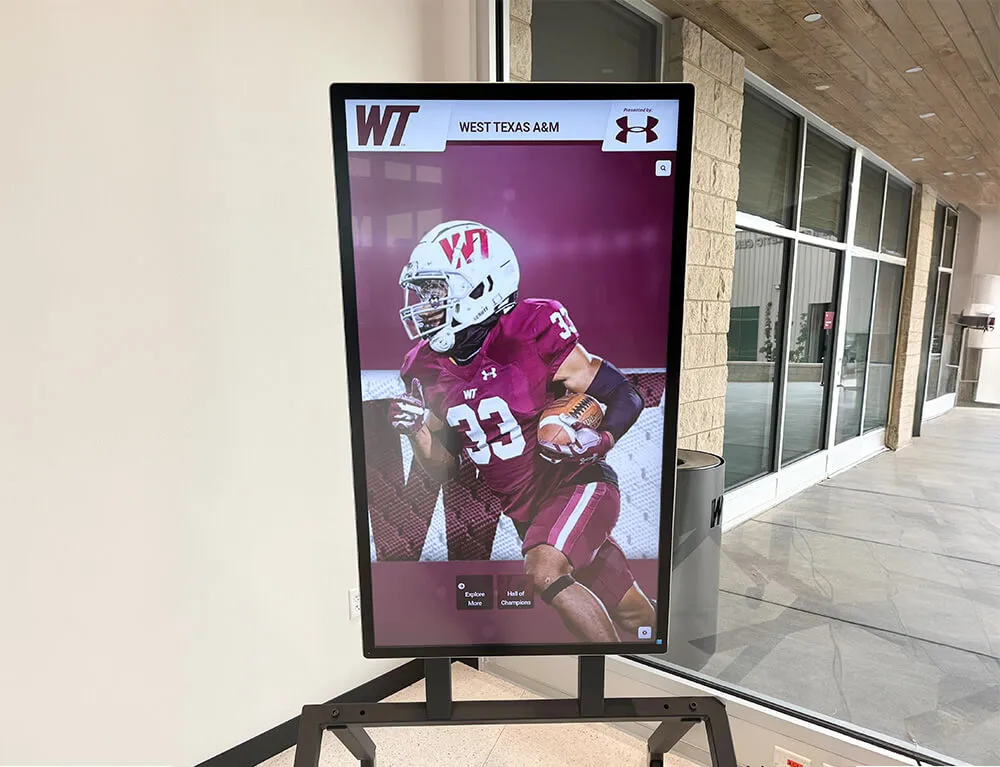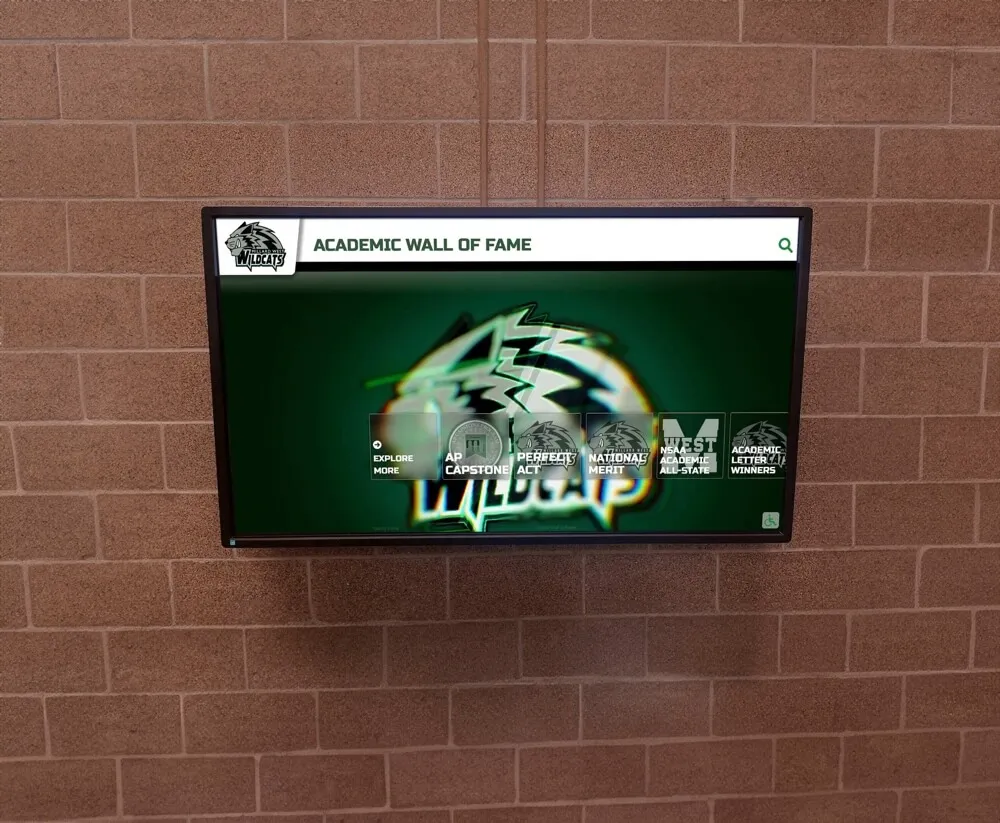




Dean’s List recognition represents one of the most prestigious academic honors students can achieve during their college career, signifying exceptional academic performance that places them among the top scholars at their institution. When students earn Dean’s List status through outstanding coursework and sustained excellence, they gain recognition that extends far beyond campus—influencing career opportunities, graduate school prospects, and professional credibility throughout their lives.
Yet many students and families don’t fully understand what Dean’s List means, how it differs across institutions, or how to leverage this achievement effectively for future success. Questions about eligibility requirements, how often Dean’s List appears on transcripts, and whether employers truly value this recognition remain common, while the strategies for achieving and maximizing this honor’s benefits often go unexplored.
This comprehensive guide explains exactly what Dean’s List means, explores qualification requirements across different institutions, examines its real-world impact on careers and graduate education, and reveals how universities can celebrate these achievements in ways that inspire continued excellence throughout their academic communities.
Understanding Dean’s List recognition helps students set appropriate academic goals, families appreciate their students’ accomplishments, and institutions create recognition systems that properly honor academic excellence. Universities that celebrate Dean’s List achievement effectively create cultures where intellectual accomplishment receives visibility comparable to athletic success and other campus honors.

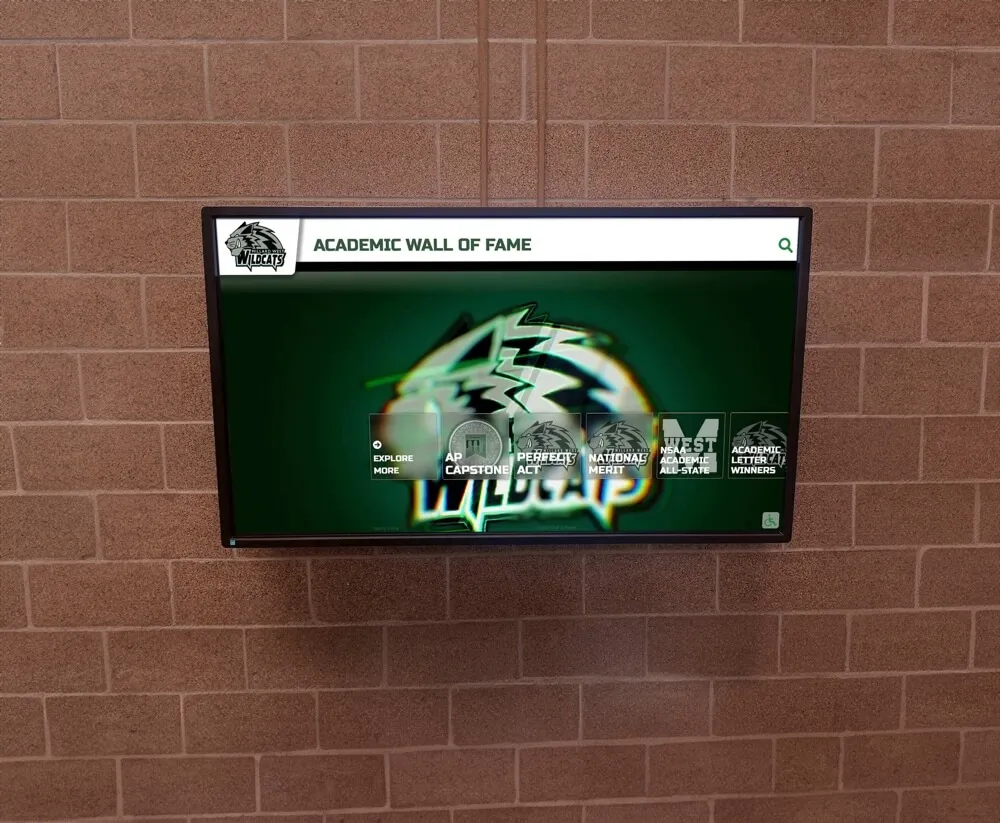
Modern academic recognition displays make Dean's List achievements visible and celebrated throughout university communities
What Is Dean’s List? Understanding This Academic Honor
Before exploring how to achieve Dean’s List or leverage it effectively, understanding exactly what this recognition represents provides essential context.
Dean’s List Definition and Origin
The Dean’s List tradition originated in higher education as a formal mechanism for recognizing students who demonstrated exceptional academic performance during a specific term or semester. The name derives from the academic dean’s office, which historically maintained official records of high-achieving students worthy of special recognition.
Core Characteristics
While specific criteria vary by institution, Dean’s List typically shares these fundamental elements:
- Recognition for semester or quarter academic performance (not cumulative)
- GPA threshold significantly higher than the minimum for good academic standing
- Full-time enrollment requirement ensuring sufficient course load
- Exclusion of courses graded pass/fail from calculation
- Official notation appearing on transcripts and academic records
- Public announcement of recipients through various institutional channels
This recognition differs fundamentally from graduation honors like cum laude, which recognize cumulative achievement, by focusing on sustained excellence during specific enrollment periods.
How Dean’s List Differs from Other Academic Honors
Dean’s List vs. President’s List
Many institutions offer tiered academic recognition:
- President’s List: Typically requires 4.0 GPA (perfect grades)
- Dean’s List: Usually requires 3.5-3.75+ GPA
- Honor Roll: May recognize 3.0+ GPA achievement
This tiered structure ensures recognition opportunities at multiple achievement levels while preserving prestige for the highest accomplishments.

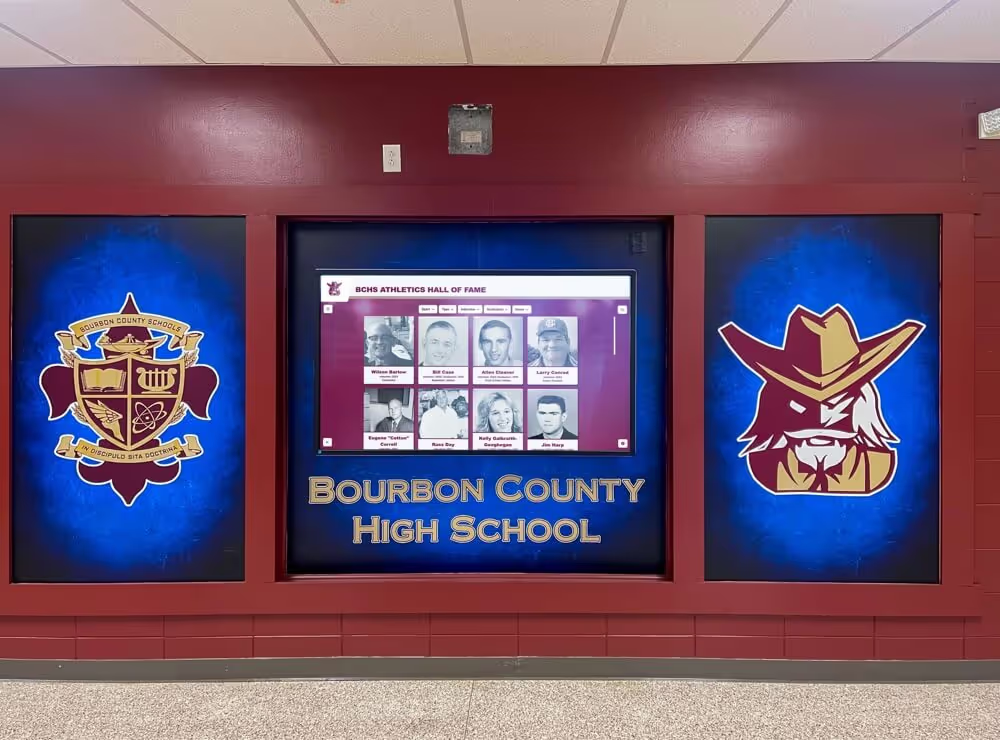
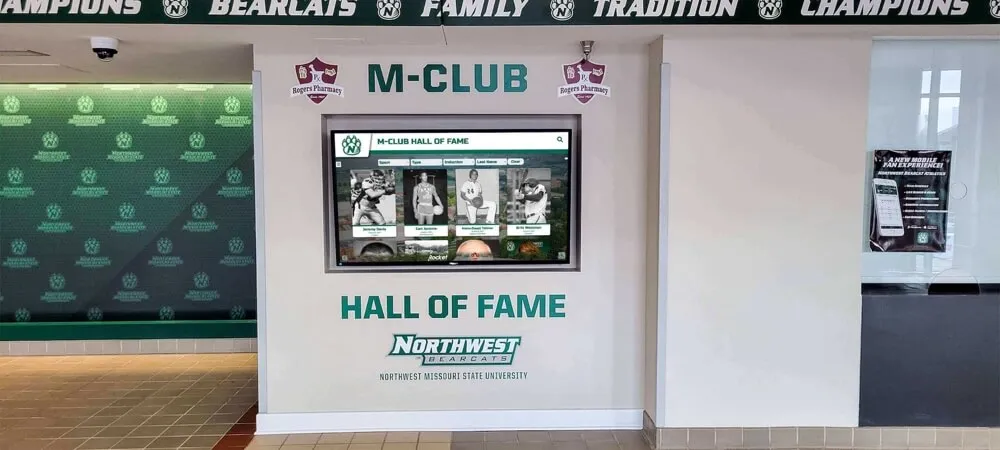
Interactive recognition displays create opportunities for students to explore academic achievements throughout campus
Dean’s List vs. Graduation Honors
Key distinctions separate Dean’s List from graduation recognition:
- Dean’s List: Earned multiple times per year, recognizes semester performance
- Cum Laude/Magna Cum Laude/Summa Cum Laude: Earned once at graduation, recognizes cumulative achievement
- Phi Beta Kappa and Honor Societies: Membership organizations with additional requirements beyond GPA
Students can earn Dean’s List recognition eight or more times during a four-year undergraduate career, while graduation honors are conferred only once.
Learn more about comprehensive approaches to academic recognition programs that celebrate achievement at all levels.
Dean’s List Requirements: How to Qualify
Understanding specific qualification criteria helps students set appropriate goals and make informed academic decisions to achieve this recognition.
Standard Dean’s List GPA Requirements
While specific thresholds vary by institution, common patterns emerge across American colleges and universities:
Typical GPA Thresholds
Most institutions set Dean’s List requirements within these ranges:
- Highly Selective Institutions: Often require 3.7-4.0 GPA
- Selective Institutions: Typically require 3.5-3.7 GPA
- Regional Universities: Commonly require 3.5 GPA
- Community Colleges: May require 3.25-3.5 GPA
These thresholds usually represent the top 15-30% of students academically, ensuring Dean’s List maintains meaningful distinction.
Minimum Credit Hour Requirements
Dean’s List recognition typically requires full-time enrollment, though specific credit hour minimums vary:
- 12-15 credit hours: Most common minimum requirement
- 15+ credit hours: Required by some selective institutions
- Completed credits only: Courses dropped or withdrawn usually don’t count
- Graded coursework: Pass/fail courses typically excluded from calculation
Students taking reduced course loads due to disability accommodations or other approved reasons may receive special consideration at many institutions.

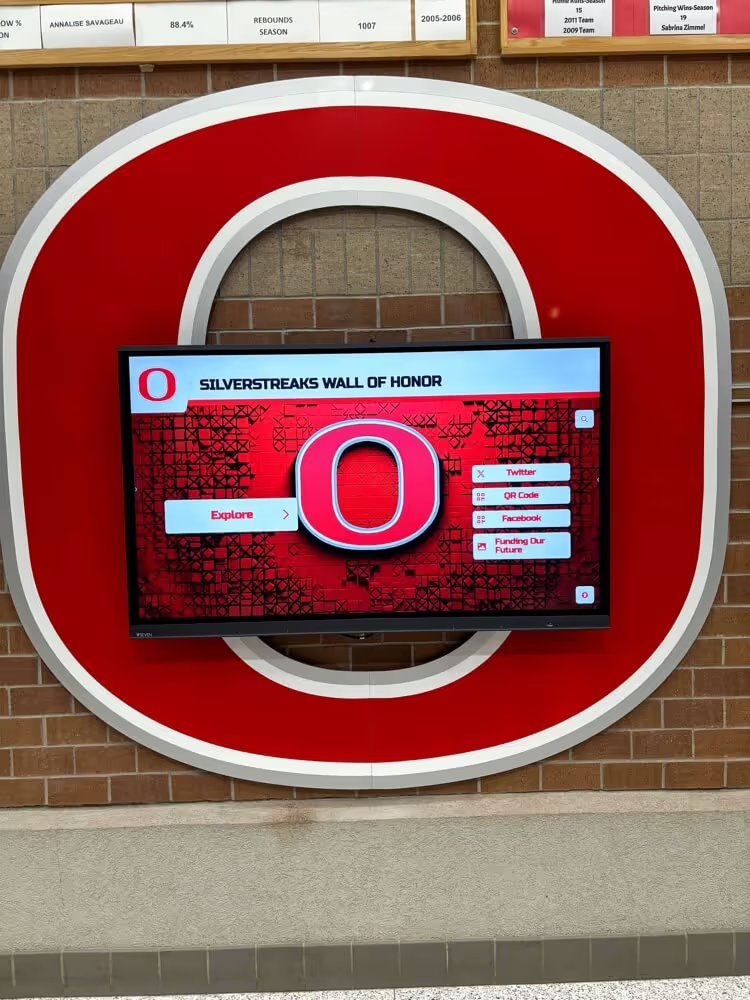
Individual recognition profiles celebrate specific achievements and academic journeys throughout college careers
Additional Eligibility Requirements
Beyond GPA and credit hours, institutions often impose additional criteria:
Good Academic Standing Requirements
- No academic probation or disciplinary actions during the recognition period
- No incomplete grades or outstanding academic obligations
- Compliance with institutional academic integrity policies
- Meeting satisfactory academic progress standards for financial aid
Course Type Restrictions
Many institutions exclude certain courses from Dean’s List calculations:
- Pass/fail or satisfactory/unsatisfactory courses
- Audit courses and non-credit learning
- Developmental or remedial coursework
- Some institutions exclude physical education or activity courses
- Credit by examination or transfer credits earned during the term
These restrictions ensure Dean’s List recognizes achievement in challenging, traditionally graded academic coursework.
Explore comprehensive academic recognition strategies that celebrate diverse student accomplishments.
Institutional Variations in Dean’s List Criteria
Understanding how requirements differ across institutions helps students appreciate their accomplishments and navigate transfers or graduate applications:
Research Universities vs. Liberal Arts Colleges
Different institutional types approach Dean’s List differently:
- Large Research Universities: Often use fixed GPA thresholds (e.g., exactly 3.5)
- Liberal Arts Colleges: May use percentile rankings (e.g., top 20% of class)
- Technical Institutions: Might adjust thresholds based on major difficulty
- Professional Schools: Often have program-specific Dean’s List criteria
Semester vs. Quarter Systems
Academic calendar structures affect Dean’s List:
- Semester Systems: Two Dean’s List opportunities annually
- Quarter Systems: Three opportunities, but shorter evaluation periods
- Trimester Systems: Three longer evaluation periods
- Accelerated Programs: May offer Dean’s List each session
Students at quarter-system schools have more opportunities to earn recognition but less time to demonstrate sustained excellence in each period.
The Impact of Dean’s List on Your Academic and Professional Future
Understanding how Dean’s List recognition influences real-world opportunities helps students appreciate its value beyond personal satisfaction.
Dean’s List and Career Prospects
Employers across industries view Dean’s List achievement as valuable evidence of capability and commitment:
Resume Impact and Credibility
Dean’s List recognition strengthens early-career resumes significantly:
- Provides concrete evidence of academic excellence when professional experience is limited
- Demonstrates consistency when earned multiple semesters
- Signals strong work ethic and time management capabilities
- Differentiates candidates in competitive entry-level application processes
- Validates GPA claims with recognized institutional honor
Career services professionals recommend including Dean’s List on resumes for at least five years post-graduation, longer if career progression has been limited.
Industries That Value Dean’s List
Certain fields place particular emphasis on academic achievement:
- Consulting firms: Value analytical capability Dean’s List demonstrates
- Financial services: Require strong quantitative skills signaled by academic success
- Competitive graduate programs: View Dean’s List as baseline expectation
- Federal government: Include academic honors in competitive hiring formulas
- Research positions: Prioritize demonstrated intellectual capability
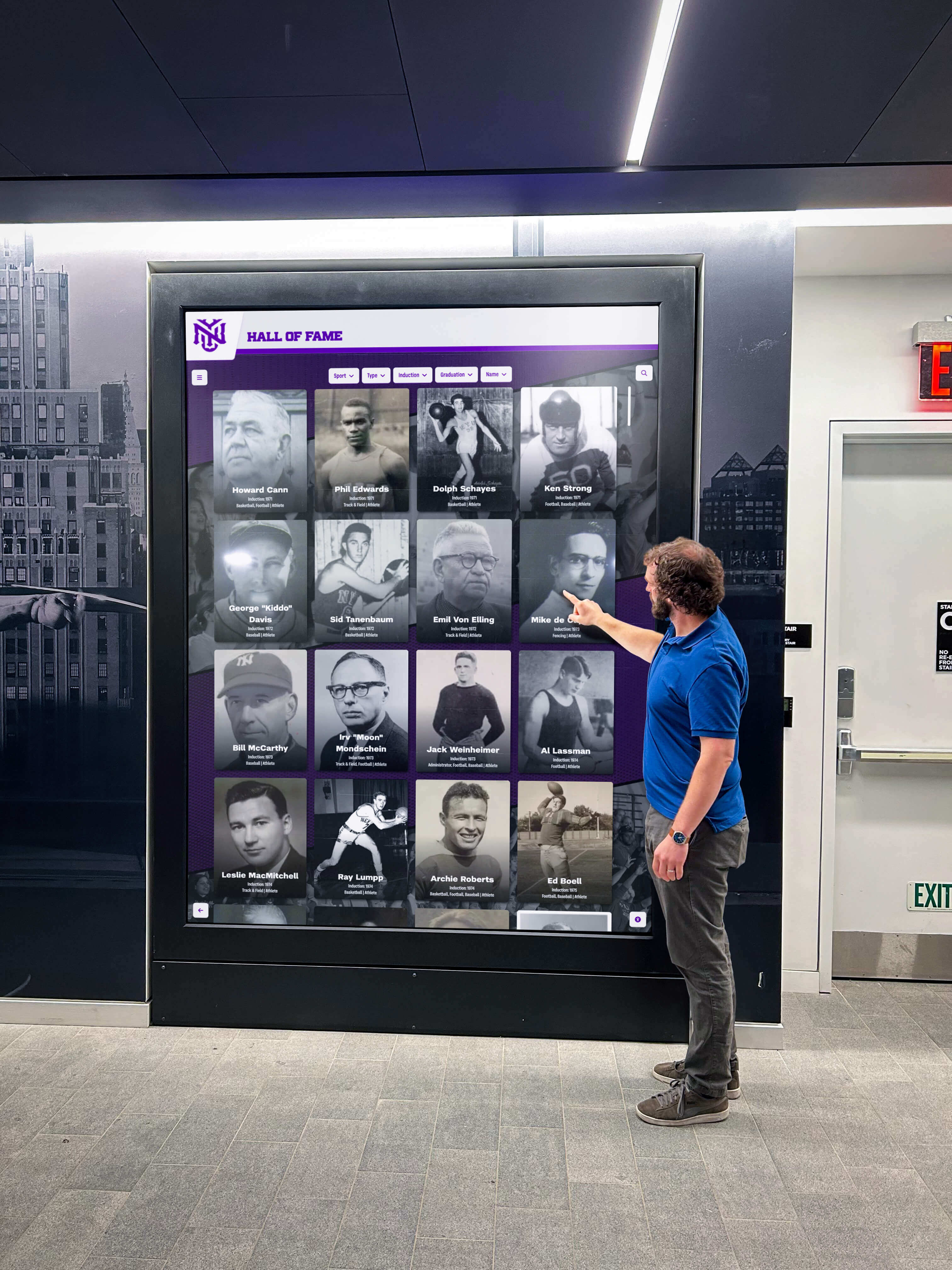
Interactive displays enable families and visitors to explore academic excellence and student achievements
What Employers Really Think
Research on employer perspectives reveals Dean’s List value varies by context:
- More valuable in first job applications than mid-career transitions
- Particularly important when competing against candidates from more prestigious institutions
- Viewed favorably when combined with leadership or extracurricular achievement
- Less critical in fields prioritizing technical skills, portfolios, or certifications
- Sustains value longer in fields with explicit academic hierarchies (academia, research, policy)
The consensus among hiring professionals: Dean’s List never hurts and often helps, especially early in careers.
Graduate School Applications and Dean’s List
For students pursuing advanced degrees, Dean’s List recognition serves multiple strategic functions:
Admissions Committee Perspectives
Graduate program admission committees consider Dean’s List in context:
- Provides confirmation of transcript accuracy and GPA validity
- Demonstrates sustained performance across multiple semesters
- Shows students can handle full course loads successfully
- Particularly valuable when combined with challenging major or course selections
- Helps contextualize GPAs from less-familiar undergraduate institutions
Multiple Dean’s List achievements signal consistency, while single-semester recognition shows capability during students’ strongest performance periods.
Scholarship and Fellowship Applications
Academic merit funding often requires formal academic honor documentation:
- Institutional scholarships frequently require Dean’s List-level GPA
- External fellowships use Dean’s List as screening criterion
- Teaching and research assistantship offers favor academically recognized students
- Competitive national awards (NSF, NDSEG, Fulbright) expect consistent high achievement
- Merit aid renewal requirements often align with Dean’s List standards
Students should document all Dean’s List achievements carefully for future funding applications.
Discover strategies for recognizing outstanding students through comprehensive honor programs.

Comprehensive recognition systems document achievement journeys across complete academic careers
How to List Dean’s List on Resumes and LinkedIn
Maximizing Dean’s List recognition requires strategic presentation across professional materials:
Resume Formatting Best Practices
Include Dean’s List within your education section using these approaches:
Option 1: Inline with Degree
Bachelor of Science in Biology, May 2025
University of State, City, ST
GPA: 3.78/4.0, Dean's List (6 semesters)
Option 2: Separate Honors Line
Bachelor of Arts in Economics, May 2025
University of State, City, ST
Honors: Dean's List (Fall 2022, Spring 2023, Fall 2023, Spring 2024, Fall 2024, Spring 2025)
GPA: 3.82/4.0
Option 3: Consolidated Honors Section
Academic Honors:
• Dean's List, University of State (6 semesters)
• President's List, University of State (Fall 2024, Spring 2025)
• Departmental Honors in Psychology
Specify semester count or list individual semesters when Dean’s List was achieved multiple times, demonstrating consistency.
LinkedIn Profile Optimization
Showcase Dean’s List achievement across LinkedIn sections:
- Education Section: Include in description field below degree information
- Honors & Awards Section: Create dedicated entry with semester details
- Summary Section: Reference academic achievement when relevant to professional positioning
- Featured Section: Highlight Dean’s List certificates or recognition letters
Regular updates demonstrating sustained achievement create stronger impressions than single mentions.
How Universities Recognize and Celebrate Dean’s List Achievers
Institutional recognition practices significantly influence how students, families, and employers value Dean’s List achievement.
Traditional Recognition Methods
Colleges and universities employ various approaches to honor Dean’s List students:
Formal Notification Practices
Standard communication channels include:
- Official letters from the dean’s office mailed to students and families
- Digital certificates suitable for framing or portfolio inclusion
- Email notifications with achievement details and qualification information
- Transcript notation ensuring permanent academic record documentation
- Academic advising office recognition during mandatory meetings
These formal mechanisms establish official nature and credibility of the achievement.
Public Recognition Approaches
Institutions publicize Dean’s List achievement through multiple channels:
- Published lists in student newspapers and institutional publications
- Website announcements on academic affairs or registrar pages
- Social media recognition celebrating achievement each semester
- Press releases to students’ hometown media outlets
- Campus signage and digital displays in academic buildings
Public recognition amplifies individual achievement while creating campus culture valuing academic excellence.
Modern Digital Recognition Solutions
Traditional static recognition methods struggle to accommodate hundreds or thousands of Dean’s List students across multiple semesters while maintaining visibility and engagement.
Interactive Display Technologies
Solutions like Rocket Alumni Solutions transform academic recognition through digital systems that overcome traditional limitations:

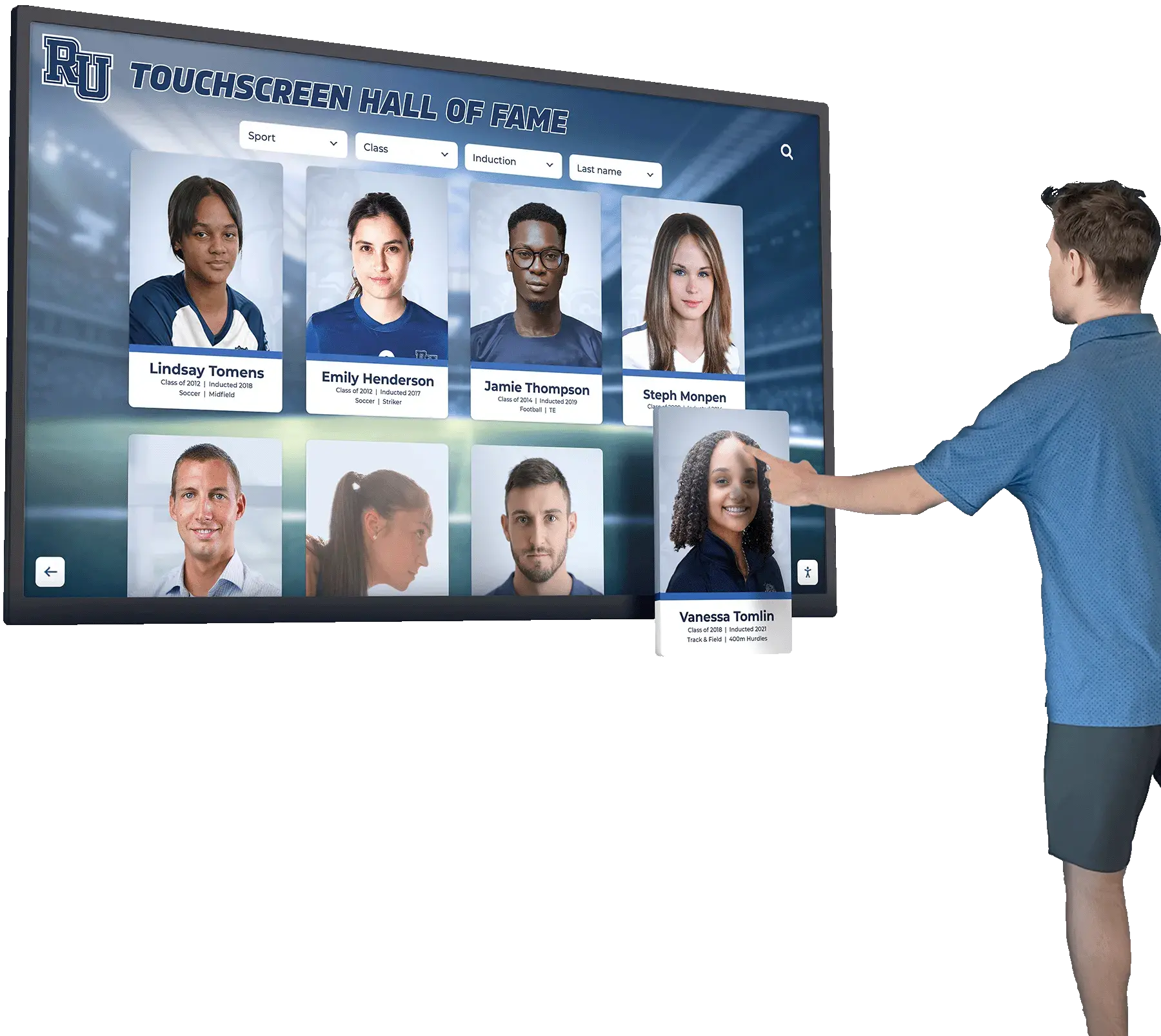
Touchscreen interfaces make exploring academic achievements engaging and accessible for the entire campus community
Unlimited Recognition Capacity
Digital recognition displays eliminate physical space constraints:
- Single display showcases unlimited students across all semesters and years
- No need to remove historical Dean’s List recipients to feature current achievers
- Comprehensive archives preserving institutional academic tradition permanently
- Search functionality enabling students to find their names instantly
- Filtering by semester, major, year, or other criteria for targeted exploration
Universities report that digital systems enable recognition of 10-20 times more students than physical displays permit.
Engaging Interactive Features
Modern touchscreen systems create engagement impossible with printed lists:
- Individual profile pages celebrating complete academic journeys
- Semester-by-semester achievement tracking showing consistent excellence
- Photo galleries and achievement documentation
- Integration with degree programs highlighting departmental success
- QR codes enabling mobile access for families worldwide
Learn about honor roll digital recognition approaches that maximize visibility and engagement.
Simple Administrative Management
Cloud-based management systems reduce administrative burden dramatically:
- Remote updates from any internet-connected device
- Bulk import tools accepting registrar data exports
- Scheduled publishing automation at semester end
- Role-based permissions enabling appropriate staff access
- Drag-and-drop interfaces requiring no technical expertise
Universities implementing digital recognition systems report 85-95% reduction in time spent maintaining Dean’s List displays compared to traditional methods.

Modern recognition systems integrate touchscreen displays with cloud-based management platforms for seamless updates
Creating Campus-Wide Recognition Culture
Effective Dean’s List celebration extends beyond individual acknowledgment to shape institutional culture:
Strategic Display Placement
Recognition visibility depends on thoughtful location selection:
- Academic Building Lobbies: High-traffic areas where students, faculty, and visitors congregate
- Library Entrances: Locations where academic work occurs daily
- Student Union Spaces: Central gathering areas reaching diverse student populations
- Admissions Tour Routes: Showcasing academic excellence to prospective students and families
- Alumni Spaces: Connecting current achievement to institutional tradition
Multiple display locations ensure recognition reaches maximum audiences across campus.
Integration with Other Recognition Programs
Dean’s List recognition works most effectively within comprehensive academic celebration systems:
- Connection to high school end-of-year awards establishing academic recognition expectations early
- Alignment with departmental honors programs celebrating discipline-specific achievement
- Coordination with graduation honors creating four-year achievement narratives
- Integration with scholarship recognition connecting achievement to tangible benefits
- Relationship to academic all-Americans combining academic and athletic excellence
Comprehensive recognition approaches ensure achievement receives visibility across multiple contexts.
Strategies for Achieving and Maintaining Dean’s List Status
For students aspiring to Dean’s List recognition, understanding effective strategies increases likelihood of success.
Academic Planning and Course Selection
Strategic planning significantly impacts Dean’s List achievement potential:
Balancing Course Difficulty and GPA Goals
Thoughtful course selection navigates competing priorities:
- Challenging Major Requirements: Necessary for degree progress but potentially GPA-impacting
- General Education Courses: Opportunities for strong grades in areas of interest or strength
- Elective Selection: Choose subjects where genuine interest improves engagement and performance
- Credit Hour Management: Take appropriate loads allowing sufficient study time for excellence
- Professor Research: Seek instructors whose teaching styles match your learning preferences
Students consistently earning Dean’s List often report taking 15-16 credit hours during regular semesters rather than overloading with 18+ credits that compromise performance.
Timing Difficult Courses Strategically
Distribute challenging coursework across academic career:
- Avoid scheduling multiple difficult courses in single semesters
- Consider summer courses for single difficult requirements
- Plan major prerequisites for semesters when schedule is lighter
- Take courses sequentially rather than simultaneously when possible
- Research typical grade distributions before registering

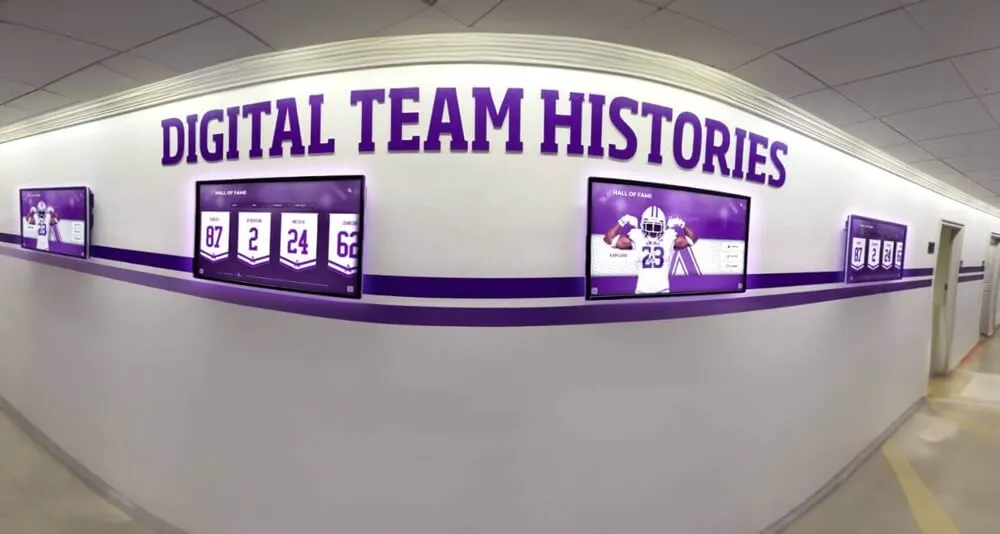
Strategic placement of recognition displays in campus hallways maximizes visibility and celebrates achievement continuously
Study Habits and Academic Success Strategies
Consistent practices separate Dean’s List achievers from other capable students:
Time Management Essentials
Effective scheduling enables consistent high performance:
- Dedicate 2-3 hours of study time per credit hour weekly
- Use syllabi to anticipate workload peaks and plan accordingly
- Complete assignments ahead of deadlines to allow revision time
- Break large projects into manageable incremental steps
- Schedule regular study blocks for cumulative learning rather than cramming
Resource Utilization
Leverage institutional support systems systematically:
- Attend professor office hours regularly to deepen understanding
- Use tutoring centers and academic support services proactively
- Form study groups with peers committed to academic excellence
- Engage teaching assistants during review sessions
- Seek writing center feedback on papers before submission
Students earning Dean’s List consistently report using academic support resources significantly more than peers, viewing help-seeking as strategic advantage rather than weakness signal.
Test Preparation Approaches
Systematic exam preparation improves performance:
- Begin review 7-10 days before major exams
- Create comprehensive study materials (flashcards, summaries, practice problems)
- Practice retrieval through self-quizzing rather than passive rereading
- Seek previous exams or practice tests when available
- Maintain physical health with adequate sleep, nutrition, and exercise during finals
Maintaining Motivation Across Semesters
Sustaining Dean’s List achievement across multiple semesters requires motivation strategies:
Setting Incremental Goals
Break larger achievement into manageable targets:
- Focus on individual assignment excellence rather than semester-long GPA
- Set weekly grade goals and track progress toward semester targets
- Celebrate mid-semester achievements maintaining momentum
- Create accountability through study group commitments
- Reward yourself after completing major assignments or exams
Building Academic Identity
Students who view academic excellence as core identity maintain higher achievement:
- Connect coursework to career aspirations and genuine interests
- Engage with course material beyond minimum requirements
- Participate actively in class discussions and learning communities
- View Dean’s List as reflection of authentic learning rather than grade pursuit
- Develop intellectual curiosity extending beyond grade optimization
Explore comprehensive student recognition approaches that motivate continued excellence.

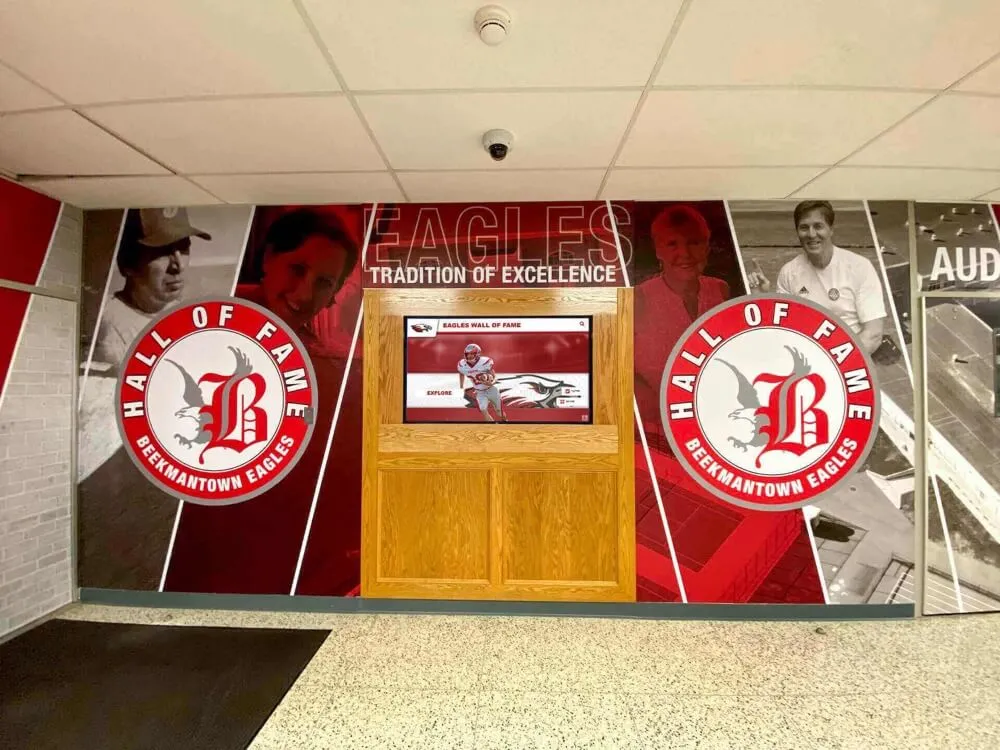
Modern recognition kiosks in high-traffic areas ensure Dean's List achievements receive maximum visibility and celebration
Common Questions About Dean’s List
Addressing frequent questions provides clarity about this academic honor:
Does Dean’s List Appear on Official Transcripts?
Transcript inclusion varies by institution:
- Most universities: Include Dean’s List notation directly on official transcripts
- Notation format: Typically appears as “Dean’s List” or “Dean’s Honor List” beside semester GPA
- All semesters: Each qualifying semester receives individual notation
- Permanent record: Dean’s List remains on transcripts indefinitely
- Employer verification: Transcript notation provides official documentation for job applications
Students should verify their institution’s specific policy with the registrar’s office.
Can You Make Dean’s List Every Semester?
Yes, students can earn Dean’s List recognition every semester:
- No limit exists on how many times students can qualify
- Many high-achieving students earn Dean’s List consistently throughout college
- Repeated Dean’s List demonstrates exceptional consistency and sustained excellence
- Some institutions offer special recognition for students achieving Dean’s List all semesters (e.g., “Four-Year Dean’s List Scholar”)
Consistent Dean’s List achievement throughout college significantly strengthens graduate school applications and early-career professional credentials.
Does Dean’s List Count Toward Latin Honors?
The relationship between Dean’s List and graduation honors varies:
- Dean’s List: Recognizes semester-specific achievement
- Latin Honors: Based on cumulative GPA across entire undergraduate career
- Separate but related: Dean’s List predicts graduation honors likelihood
- Different thresholds: Summa cum laude often requires higher cumulative GPA than Dean’s List
- Both valuable: Each serves different recognition purposes
Students consistently earning Dean’s List typically graduate with Latin honors, though specific thresholds differ by institution.
What If You Make Dean’s List Just Once?
Single-semester Dean’s List achievement remains valuable:
- Demonstrates capability of achieving excellence
- Shows peak performance potential
- Valuable especially if achieved in challenging major courses
- Can explain lower overall GPA with context (e.g., difficult first year adjustment followed by Dean’s List)
- Still worthy of resume inclusion with appropriate framing
Students should include single-semester Dean’s List on resumes, noting specific semester to provide context.
How Does Dean’s List Differ at Different Universities?
Significant variation exists across institutions:
- Selective institutions: Often require higher GPAs (3.7+)
- Large state universities: May have different thresholds by college or major
- Liberal arts colleges: Might use percentile rankings rather than fixed GPA
- Community colleges: Typically have lower thresholds (3.25-3.5)
- Honors colleges: May have separate, more stringent Dean’s List criteria
Students transferring or comparing achievements should understand institutional context affects Dean’s List difficulty and prestige.
Dean’s List and Academic Identity Development
Beyond resume credentials, Dean’s List achievement contributes to student identity formation:
Building Academic Confidence
Dean’s List recognition validates capability and strengthens academic self-concept:
- Provides external confirmation of ability and effort quality
- Encourages pursuit of challenging coursework and advanced opportunities
- Increases likelihood of applying to competitive graduate programs
- Strengthens willingness to engage deeply with academic material
- Develops identity as capable scholar rather than merely credential-seeker
Research consistently shows recognized students demonstrate higher academic engagement and persistence through graduation.
Connecting to Institutional Community
Dean’s List creates belonging through shared achievement:
- Recognition connects students to excellence tradition at their institution
- Creates peer networks among high-achieving students
- Strengthens alumni identity through shared institutional honor
- Provides conversation starters with faculty and mentors
- Enables participation in honors programs and selective opportunities
Universities can enhance these connections through alumni engagement strategies that celebrate academic achievement.
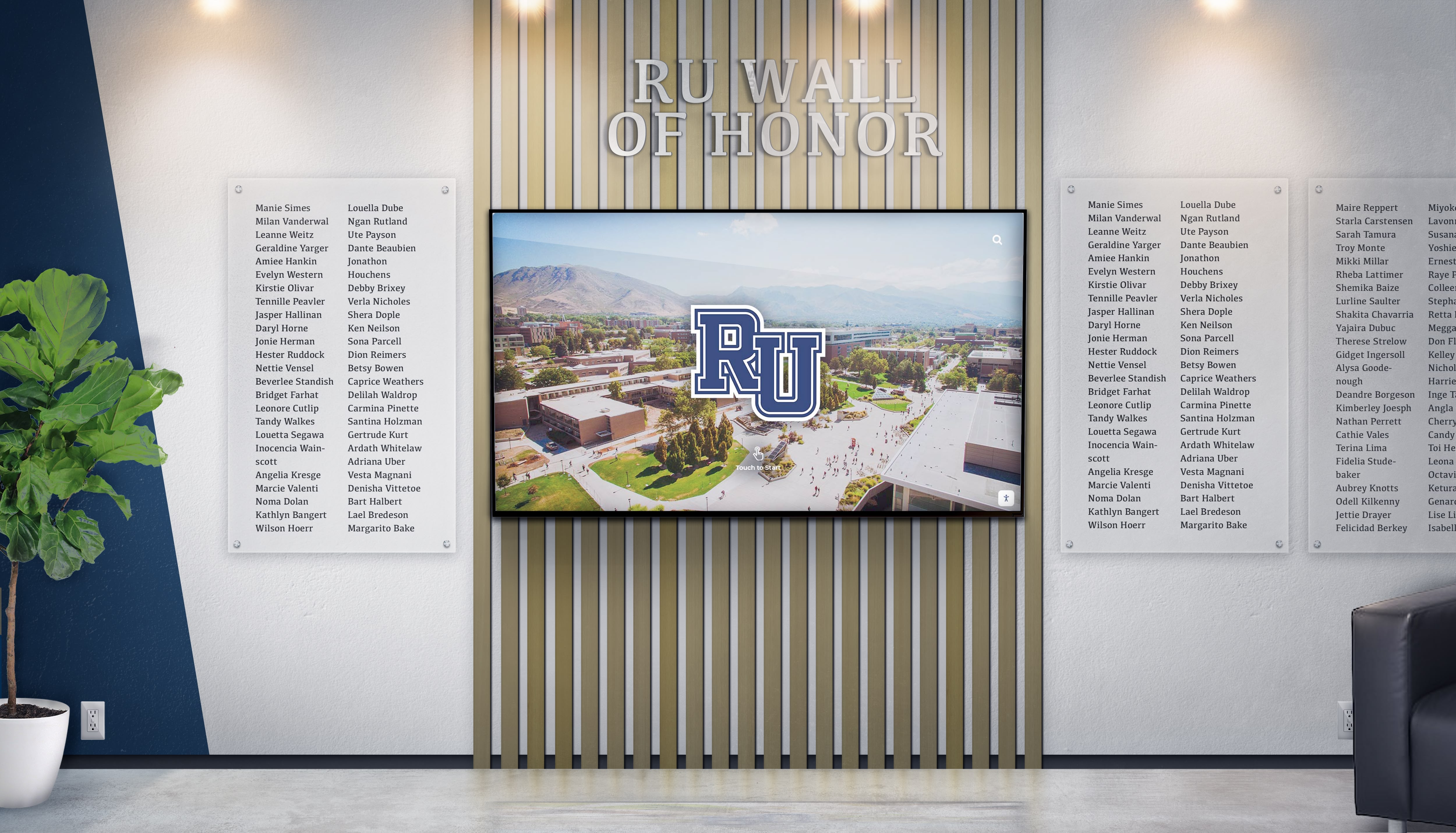
Integrated recognition systems celebrate Dean's List achievement alongside other honors, creating comprehensive achievement narratives
Inspiring Younger Students and Prospective Students
Visible Dean’s List recognition influences campus culture and recruitment:
Creating Aspirational Models
Prominent recognition establishes academic achievement as valued and attainable:
- Prospective students observe intellectual achievement receives celebration
- Younger students see paths to recognition success
- Families recognize institutional commitment to academic excellence
- Faculty observe recognition motivates sustained performance
- Alumni maintain connection through continued recognition traditions
Recruitment and Retention Benefits
Institutions demonstrating commitment to academic recognition strengthen recruitment:
- Prospective students value environments celebrating intellectual accomplishment
- High-achieving applicants seek institutions recognizing excellence visibly
- Parents appreciate systematic acknowledgment of student achievement
- Retention improves when students feel valued for academic contributions
- Graduation rates increase in environments with strong recognition cultures
Learn about creating comprehensive high school wall of fame programs that establish recognition expectations before college.
Implementing Comprehensive Academic Recognition at Your Institution
For university administrators seeking to enhance Dean’s List recognition and celebrate academic excellence effectively:
Assessing Current Recognition Practices
Begin by evaluating existing approaches:
Recognition Audit Questions
- How do we currently notify Dean’s List students?
- Where does Dean’s List achievement receive public visibility?
- Can families and community members easily discover recognition?
- Do recognition methods accommodate all qualifying students?
- How long does Dean’s List remain visible after each semester?
- What administrative burden does recognition maintenance require?
Honest assessment identifies improvement opportunities and resource needs.
Designing Enhanced Recognition Programs
Effective systems incorporate multiple complementary approaches:
Multi-Channel Recognition Strategy
Comprehensive programs combine traditional and modern methods:
- Formal notification: Official letters to students and families
- Transcript documentation: Permanent academic record notation
- Digital displays: Interactive touchscreen systems in strategic campus locations
- Web platforms: Online searchable databases accessible worldwide
- Social media: Celebration posts sharing achievement broadly
- Press releases: Recognition extending to students’ hometown communities
Technology Integration Benefits
Modern recognition platforms offer substantial advantages:
- Digital recognition displays eliminate space limitations that force choosing whose achievement receives visibility
- Cloud-based management enables quick updates without physical display changes
- Search and filter capabilities help students find their recognition instantly

Advanced recognition interfaces enable exploration of comprehensive achievement data and student profiles
- Mobile access extends recognition beyond physical campus
- Analytics reveal engagement patterns informing program refinement
- Integration with existing student information systems streamlines administration
Universities implementing comprehensive digital recognition report transformative improvements in visibility, engagement, and administrative efficiency.
Connecting Dean’s List to Broader Excellence Initiatives
Dean’s List recognition works most effectively within integrated academic culture strategies:
Comprehensive Academic Celebration
Link Dean’s List to other recognition programs:
- First-generation student achievement celebrations
- Departmental academic awards and scholarships
- Research presentation and publication recognition
- Academic competition success acknowledgment
- Senior recognition programs honoring cumulative achievement
Faculty and Staff Recognition
Celebrate educators whose students achieve Dean’s List:
- Acknowledge departments with high Dean’s List percentages
- Recognize advisors whose advisees consistently achieve Dean’s List
- Honor professors whose courses produce exceptional student outcomes
- Celebrate staff supporting academic success initiatives
This comprehensive approach creates institutional culture where academic excellence receives systematic celebration at all levels.

Strategic integration of recognition displays in campus hallways ensures accessibility and continuous engagement
Conclusion: Understanding and Maximizing Dean’s List Achievement
Dean’s List recognition represents far more than a line on resumes or transcripts—it signifies sustained academic excellence, provides tangible benefits for career and graduate school prospects, and contributes to identity development as capable scholar. When students understand what Dean’s List means, how to achieve it, and how to leverage this recognition effectively, they gain competitive advantages extending throughout their academic and professional lives.
For universities, celebrating Dean’s List achievement comprehensively through modern recognition systems creates campus cultures where intellectual accomplishment receives visibility comparable to athletic success and other high-profile achievements. Digital recognition solutions eliminate traditional limitations around space and administrative burden, enabling recognition of every deserving student while creating engaging experiences that inspire continued excellence.
Transform Your Academic Recognition Program
Discover how modern digital recognition solutions can help celebrate Dean's List achievements and build a thriving culture of academic excellence across your campus.
Explore Recognition SolutionsWhether you’re a student pursuing Dean’s List for the first time, a family member celebrating this achievement, or an administrator seeking to enhance academic recognition at your institution, understanding the full meaning and impact of Dean’s List enables you to appreciate and leverage this prestigious honor effectively. The strategies explored in this guide provide comprehensive frameworks for achieving, recognizing, and maximizing one of higher education’s most valuable academic distinctions.
Dean’s List achievement reflects commitment to excellence, capability to perform at high levels, and dedication to intellectual growth—qualities that serve students throughout their lives and create institutional cultures where academic success becomes aspirational and celebrated. Invest in recognizing these achievements appropriately, and you invest in students’ futures and your institution’s academic reputation.
Ready to enhance academic recognition at your institution? Explore donor recognition displays and learn how comprehensive recognition approaches strengthen campus culture and community engagement.