



Air traffic controllers represent the invisible guardians of aviation safety—professionals whose split-second decisions and unwavering vigilance protect millions of passengers daily. These dedicated individuals work around the clock in high-stress environments, managing complex airspace systems while coordinating hundreds of aircraft movements with precision and expertise.
Yet despite their critical role in aviation safety, air traffic controllers often remain unrecognized by the public they serve and underappreciated even within their own organizations. The demanding nature of their work—requiring intense concentration, rapid decision-making, and the weight of extraordinary responsibility—makes meaningful recognition not just appreciated but essential for retention, morale, and continued excellence.
Modern organizations are discovering that comprehensive recognition programs specifically designed for air traffic control professionals significantly impact workforce satisfaction, retention rates, and safety performance. Solutions like Rocket Alumni Solutions provide platforms that enable aviation organizations to showcase controller achievements, celebrate milestones, and create permanent tributes that honor these essential professionals.

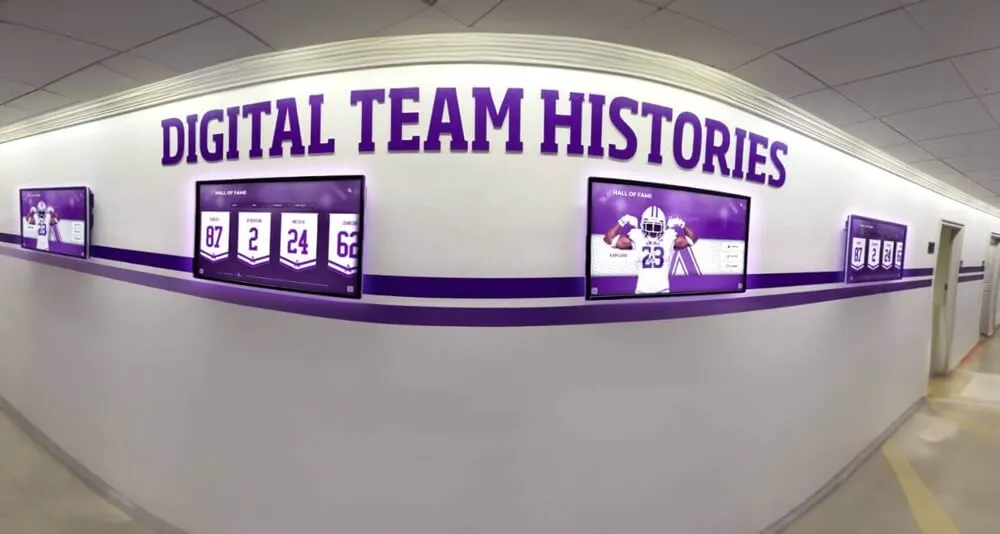
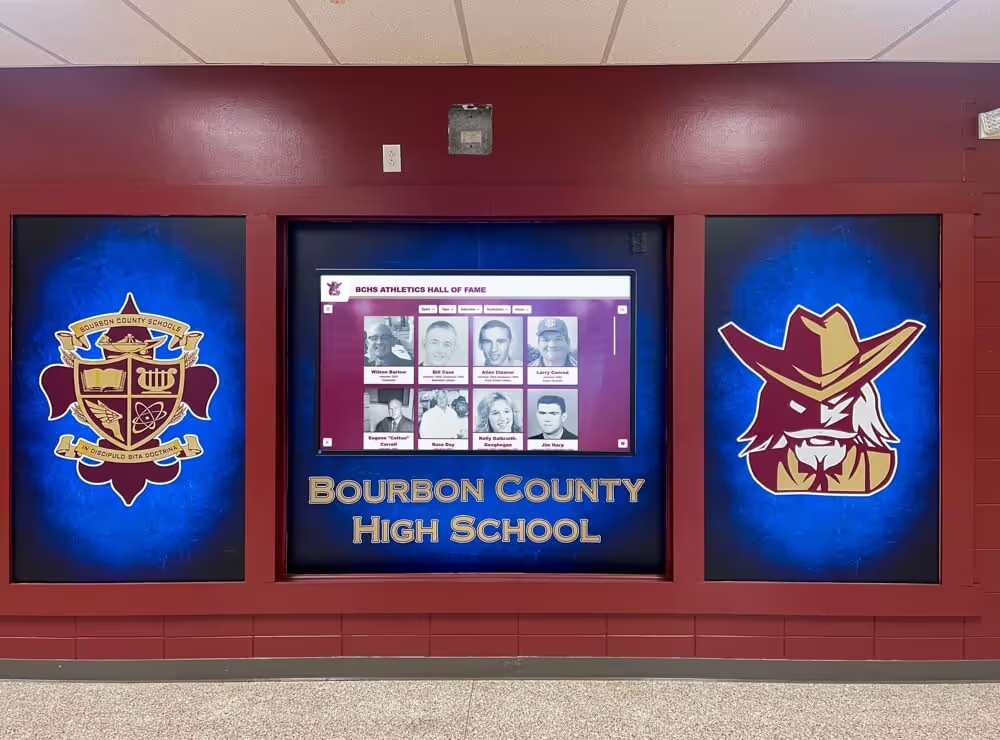
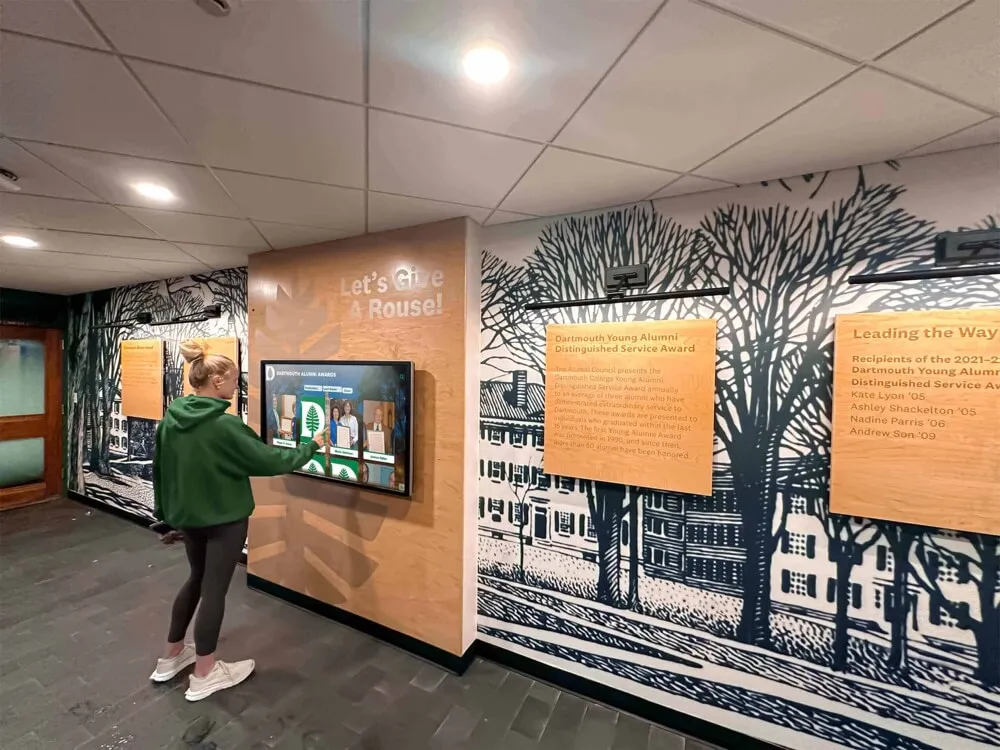
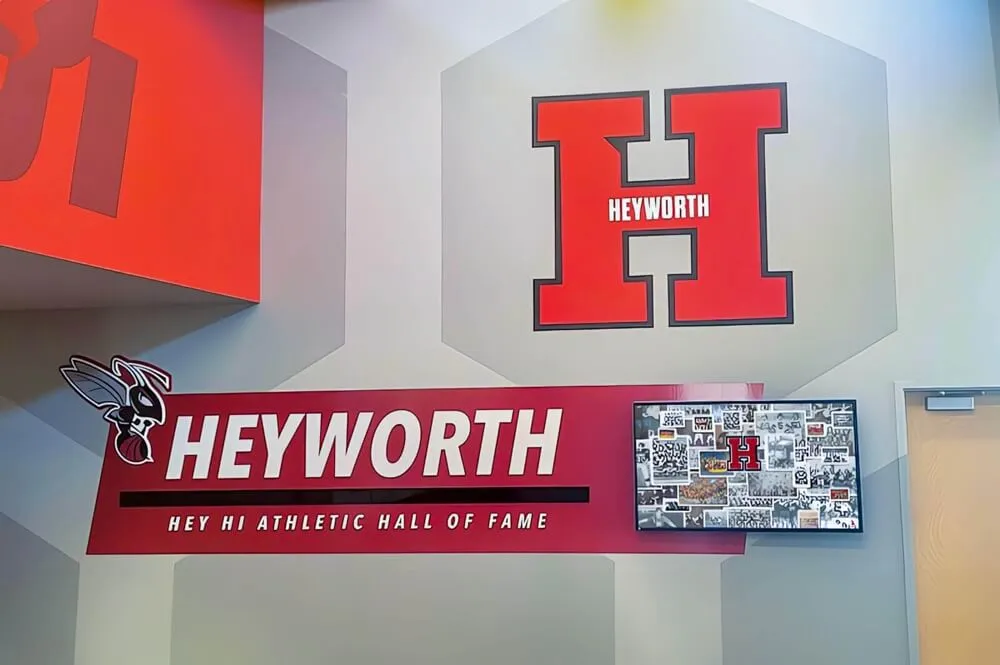
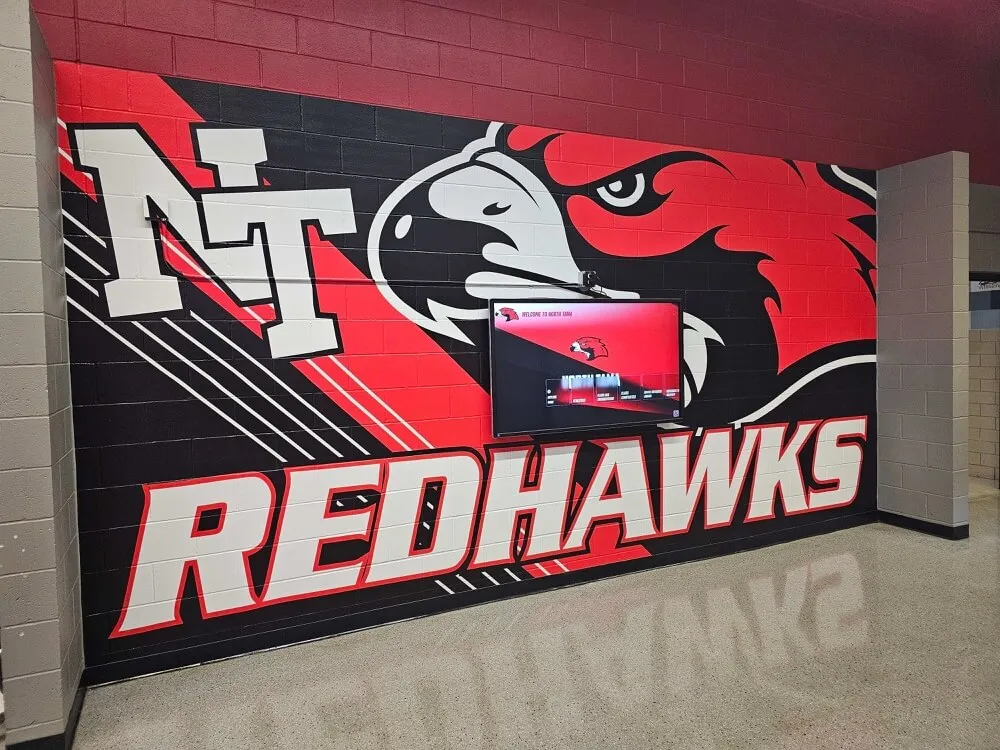
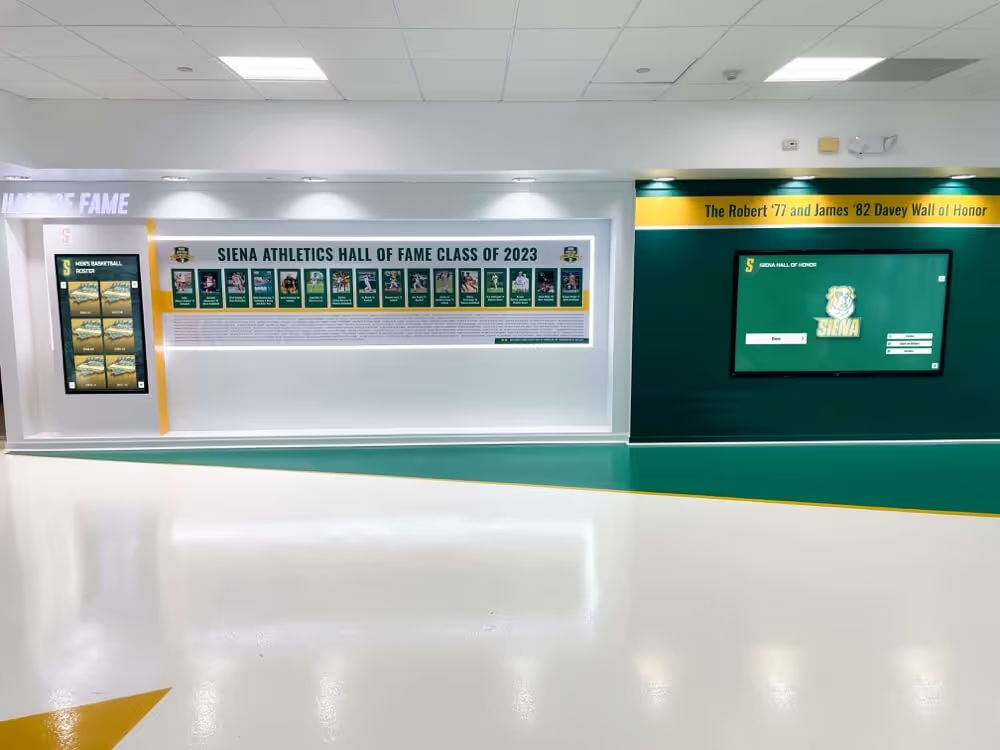
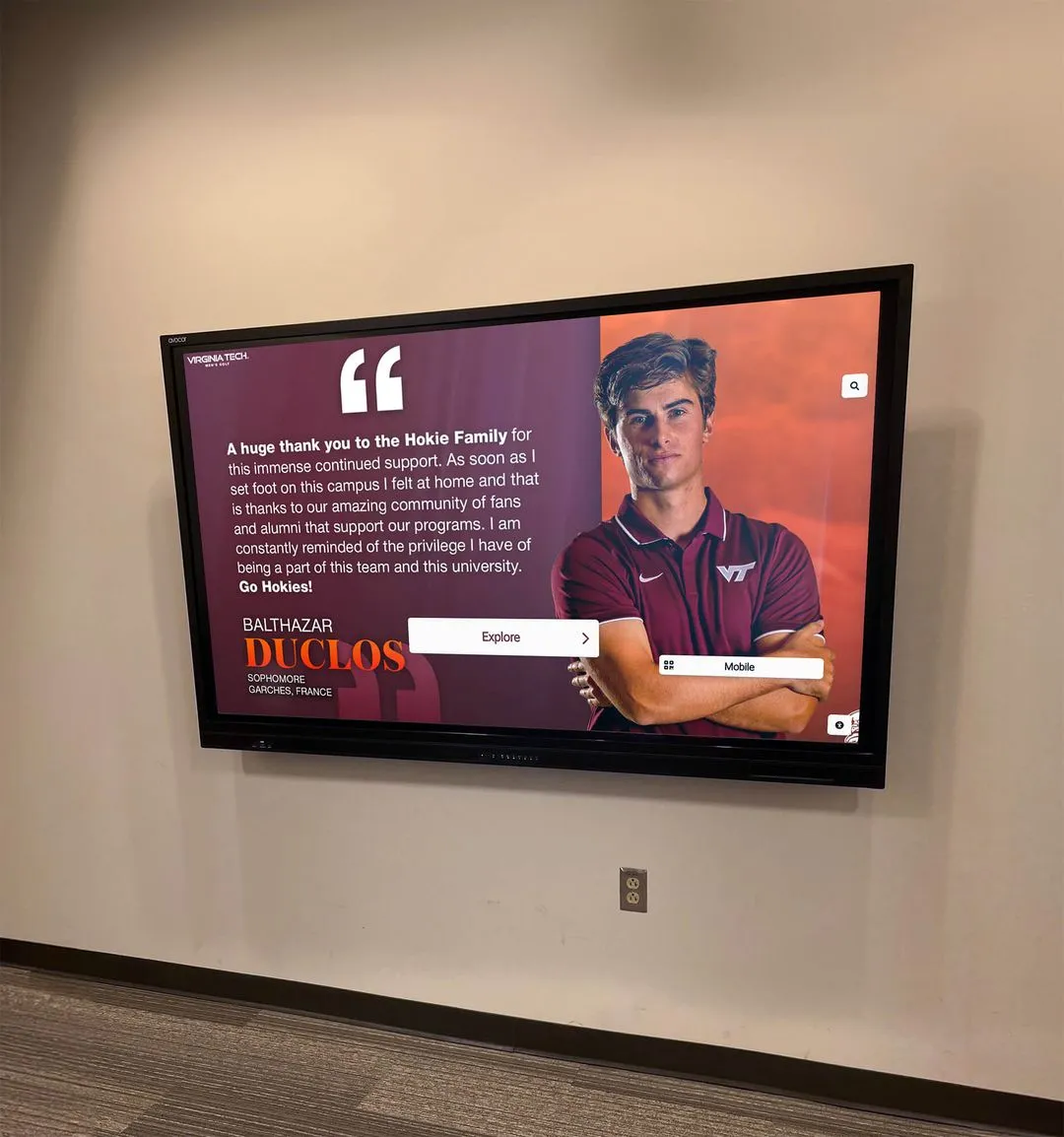
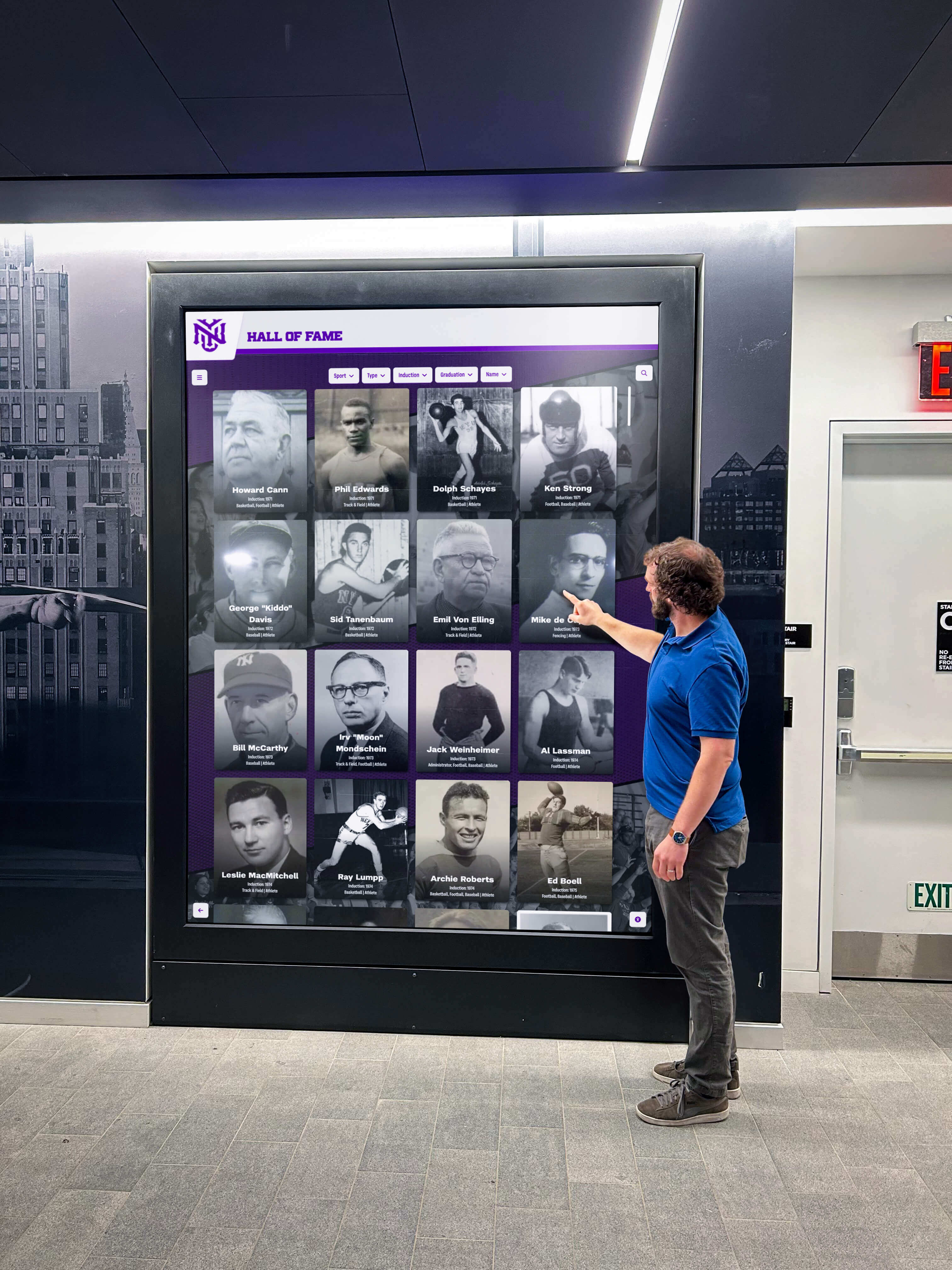
Interactive recognition displays create engaging experiences that honor professional achievements
Understanding the Unique Nature of Air Traffic Control Work
Before designing effective recognition programs, organizations must understand the distinctive characteristics of air traffic control work that set it apart from other professions. This understanding shapes how recognition programs should be structured to resonate with controller values and professional culture.
The High-Stakes Environment
Air traffic controllers operate in environments where mistakes can have catastrophic consequences. Every decision carries the weight of passenger safety, aircraft integrity, and crew well-being. This constant pressure creates stress levels that few other professions experience, making the work simultaneously demanding and deeply meaningful.
Controllers typically work rotating shifts that disrupt normal sleep patterns and social life, including nights, weekends, and holidays when commercial aviation never stops. They maintain intense concentration for extended periods, monitoring multiple aircraft simultaneously while processing complex information streams and communicating with pilots in rapidly changing conditions.
The cognitive demands of air traffic control work require controllers to build and maintain detailed mental models of airspace, aircraft positions, flight plans, weather conditions, and potential conflicts—all while making split-second decisions that keep the system flowing safely and efficiently.
Professional Culture and Values
Air traffic control culture emphasizes teamwork, precision, continuous learning, and unwavering commitment to safety above all other considerations. Controllers take immense pride in their technical expertise and problem-solving capabilities, viewing their work as a calling rather than merely a job.
This professional culture influences what types of recognition resonate most powerfully with controllers. Recognition programs that honor technical excellence, safety contributions, mentorship of junior controllers, and innovative problem-solving align with core controller values more effectively than generic employee appreciation approaches.
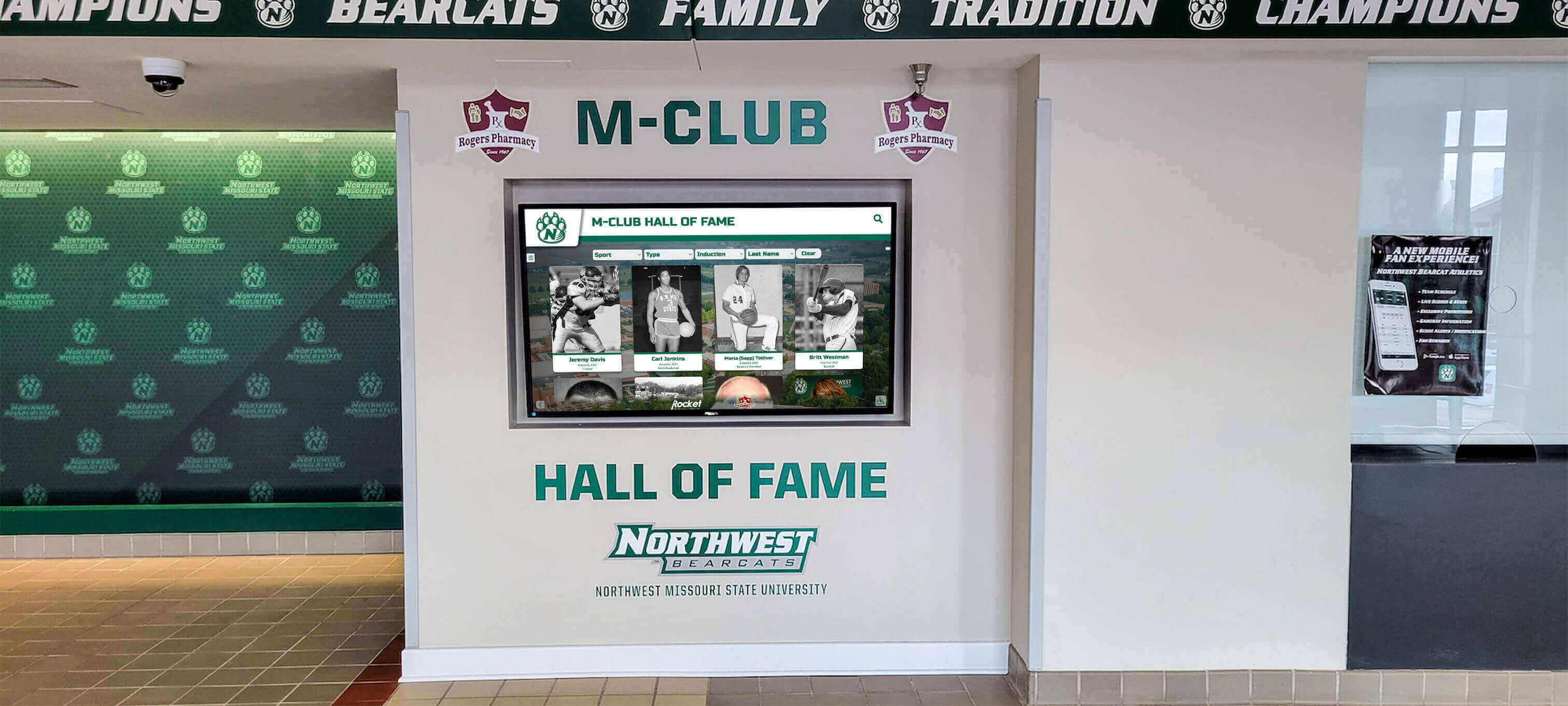
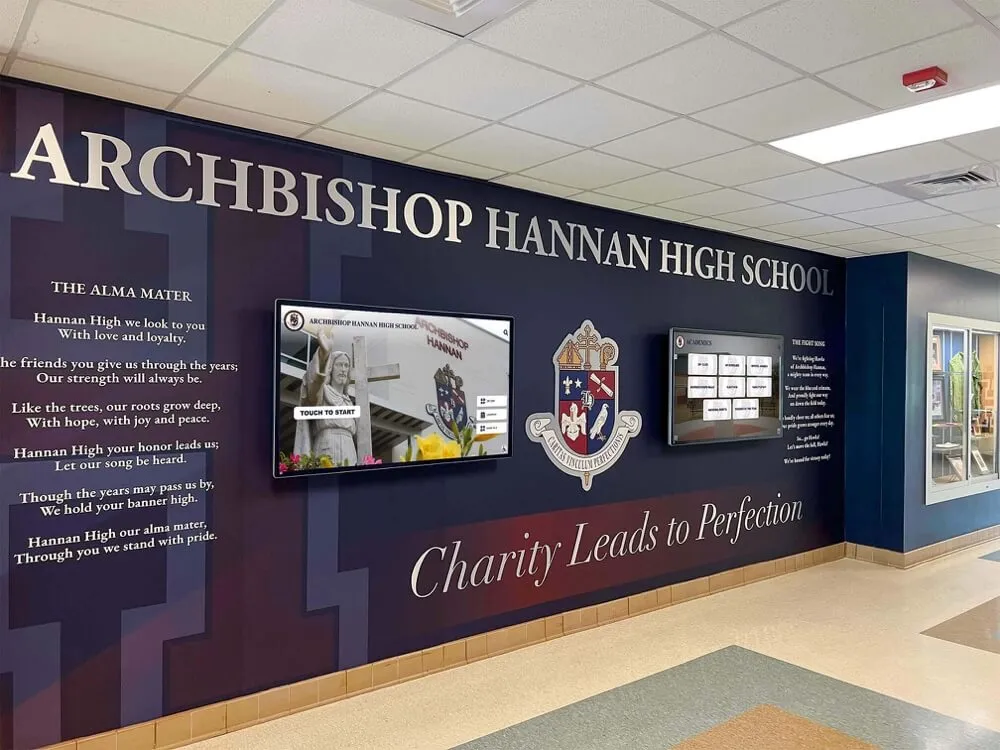
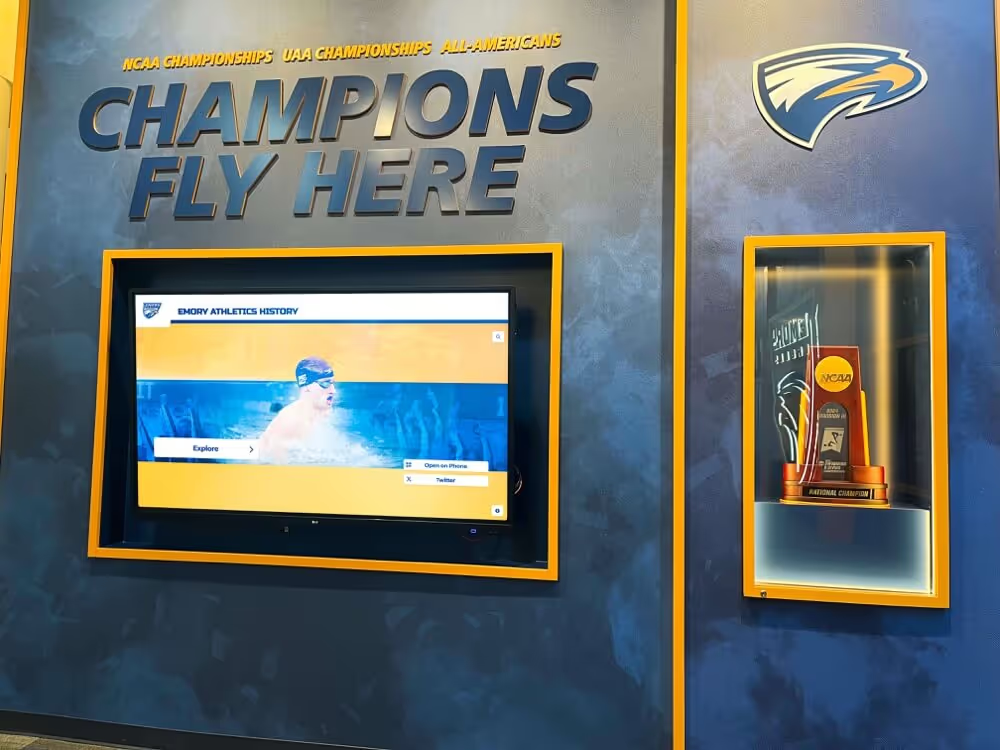
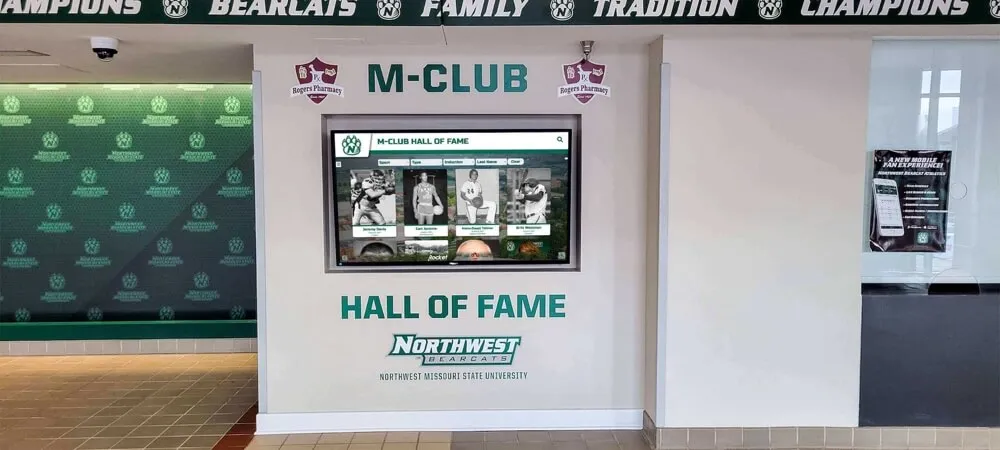
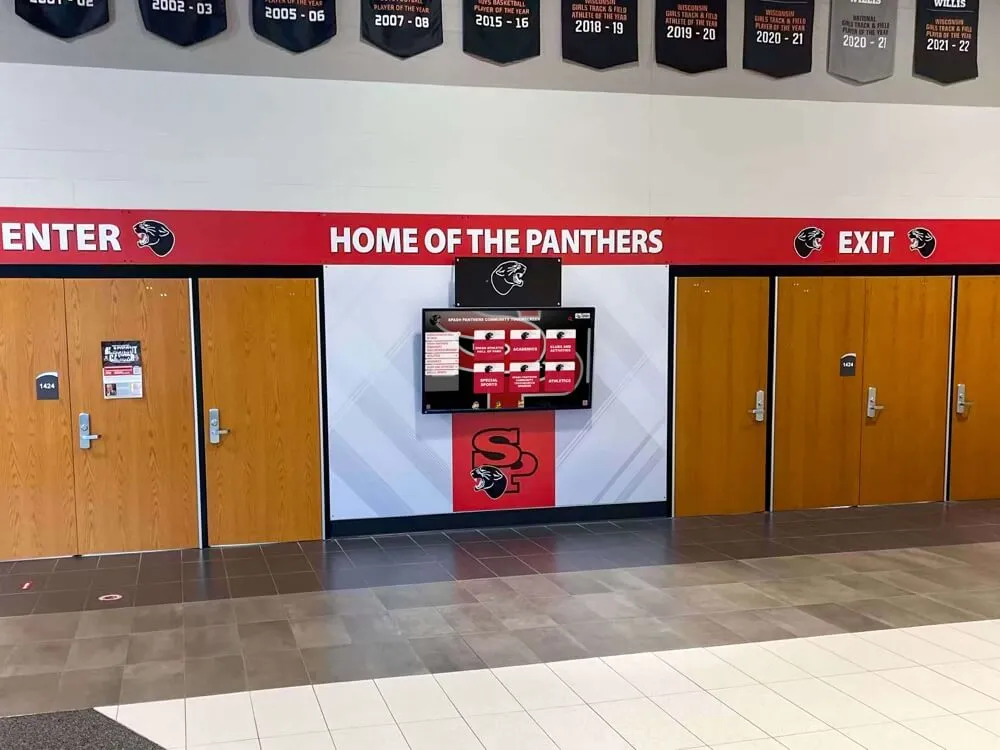
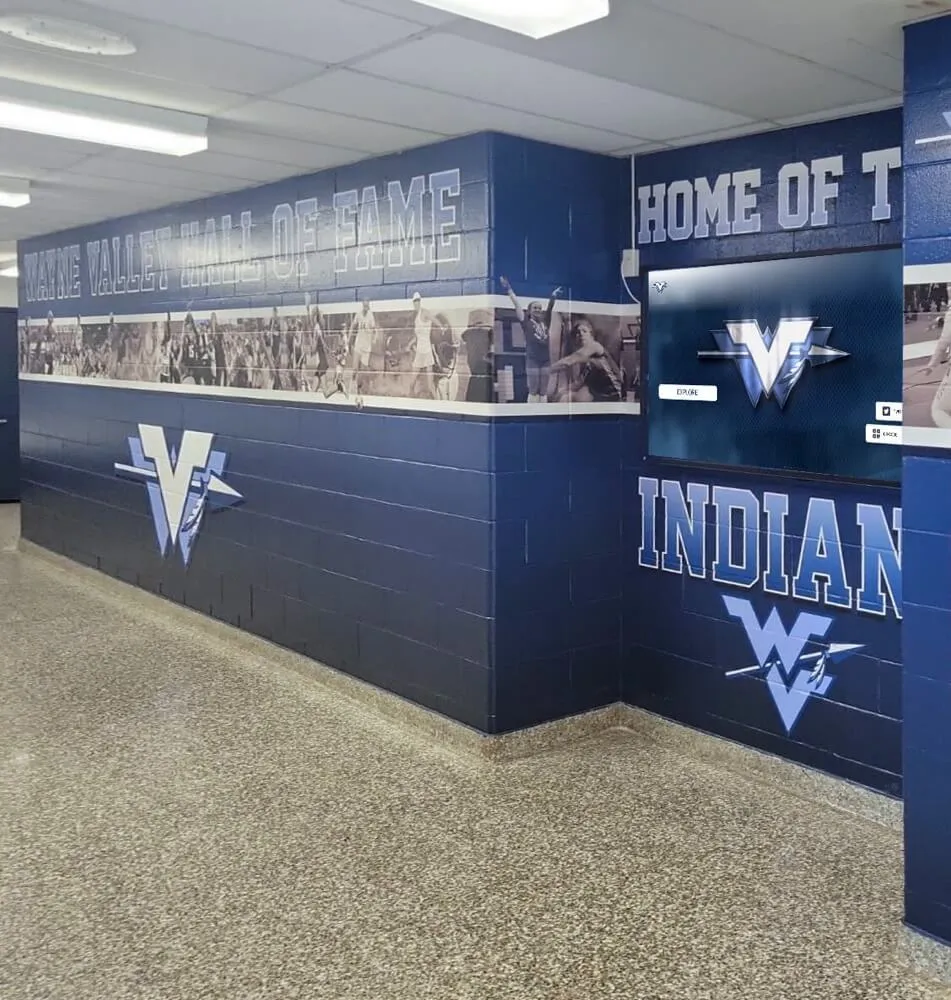
Branded recognition displays communicate organizational values while celebrating excellence
National and International Recognition Programs
Several established recognition programs specifically honor air traffic controller excellence at national and international levels. Organizations can leverage these programs while also developing internal recognition systems that complement broader industry honors.
The Archie League Medal of Safety Award
The Archie League Medal of Safety Award represents one of the most prestigious honors in air traffic control. First awarded in 2004 by the National Air Traffic Controllers Association (NATCA), this annual award recognizes extraordinary work by controllers or controller teams who provide exceptional assistance to pilots in distress.
The award is named after Archie League, widely regarded as the first air traffic controller in the United States. League began directing aircraft movements in the 1920s using flags, essentially inventing air traffic control as a profession. The award bearing his name symbolizes the foundational importance of controller expertise and quick thinking in aviation safety.
Organizations should celebrate employees who receive nominations or recognition through the Archie League Awards by creating internal displays highlighting these achievements, sharing recognition stories through internal communications, connecting Archie League recipients with junior controllers for mentorship opportunities, and incorporating award details into permanent employee recognition displays.
International Day of the Air Traffic Controller
October 20 is designated as the International Day of the Air Traffic Controller, celebrated by NATCA members and controllers worldwide. This annual recognition day commemorates the founding of the International Federation of Air Traffic Controllers’ Associations (IFATCA) in 1961.
Organizations can leverage this international recognition day by hosting appreciation events or ceremonies acknowledging controller contributions, providing special meals or catering for controller shifts, creating temporary displays or digital content highlighting controller roles and achievements, distributing recognition items such as certificates, pins, or personalized thank-you notes, and encouraging leadership to personally thank controllers for their service.
Simple gestures on International Day of the Air Traffic Controller create meaningful moments that controllers remember throughout the year. The day provides a structured opportunity for organizations to demonstrate appreciation in ways that might otherwise feel awkward or forced.
Air Traffic Control Association (ATCA) Awards
The Air Traffic Control Association operates a comprehensive awards program recognizing outstanding achievement in air traffic control system development, operation, and maintenance. The ATCA Awards Program opens for nominations in early November each year, with presentations occurring at ATCA Connect the following March.
ATCA award categories include recognitions for controllers who delivered services under extraordinary circumstances, individuals or groups who provided flight assistance resulting in safe emergency aircraft recovery, ATC managers demonstrating exceptional dedication and contributions to service provision, and military or civilian specialists performing in exemplary manner in support of air traffic control facilities.
Organizations should actively nominate deserving controllers for ATCA awards and celebrate recipients through internal recognition when they receive these industry honors.

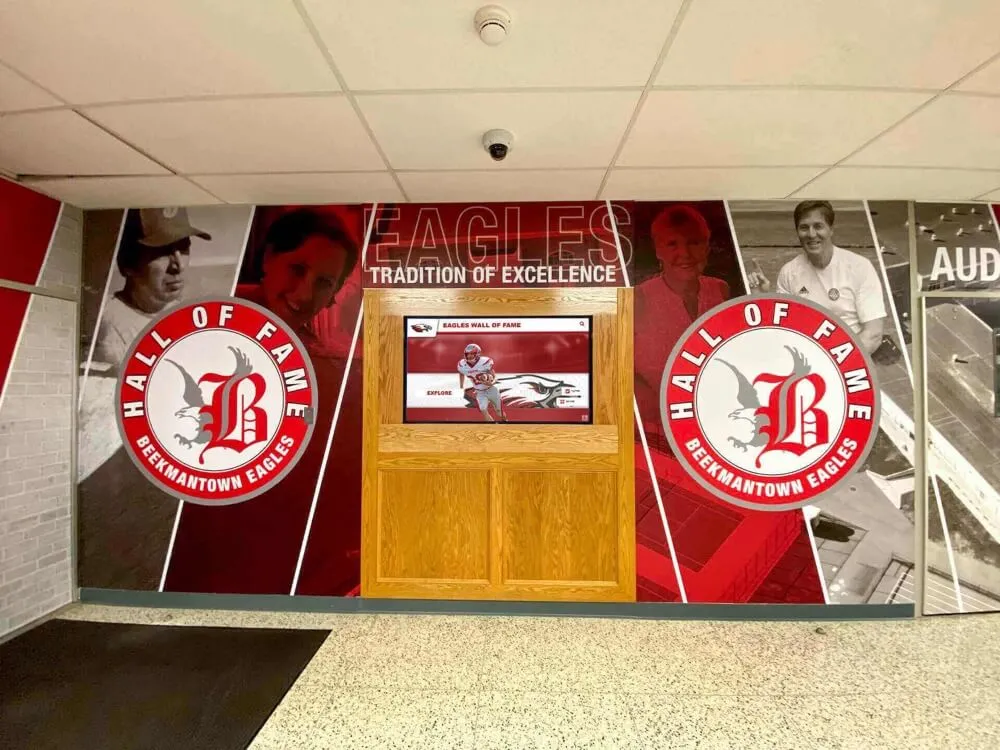
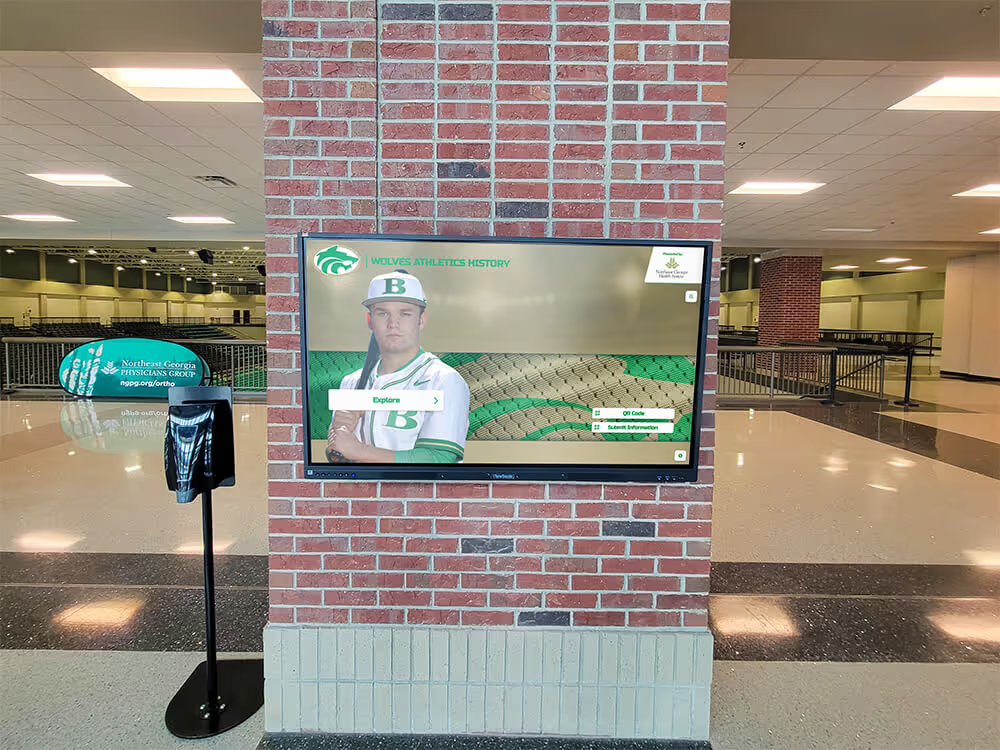
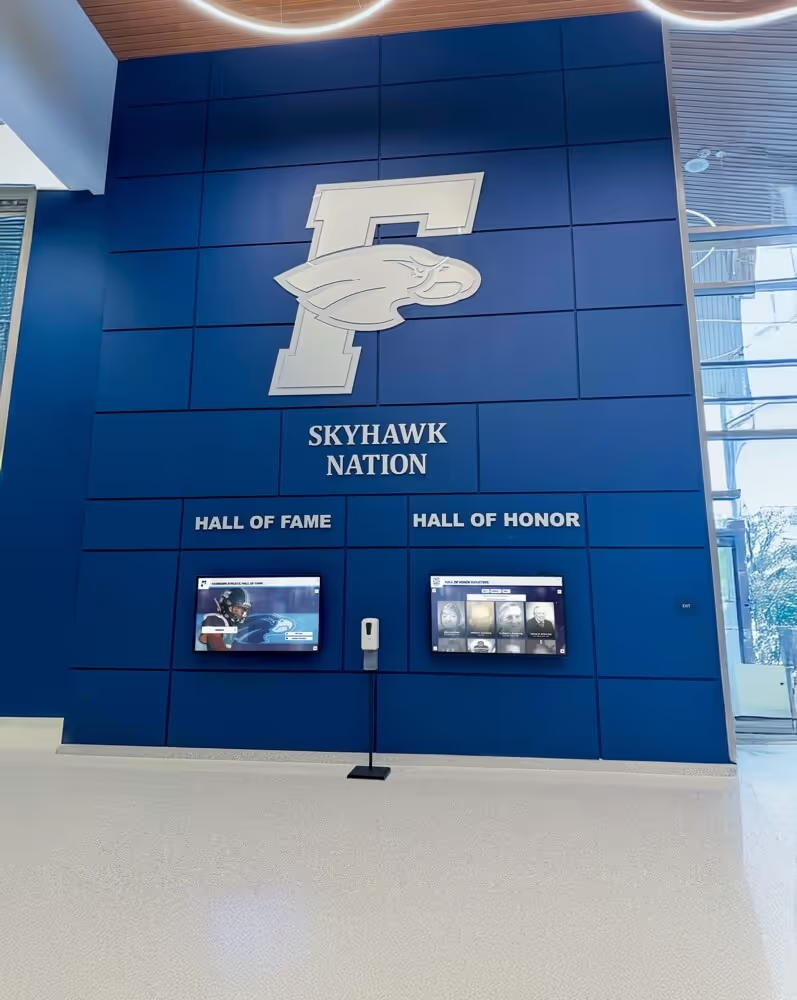
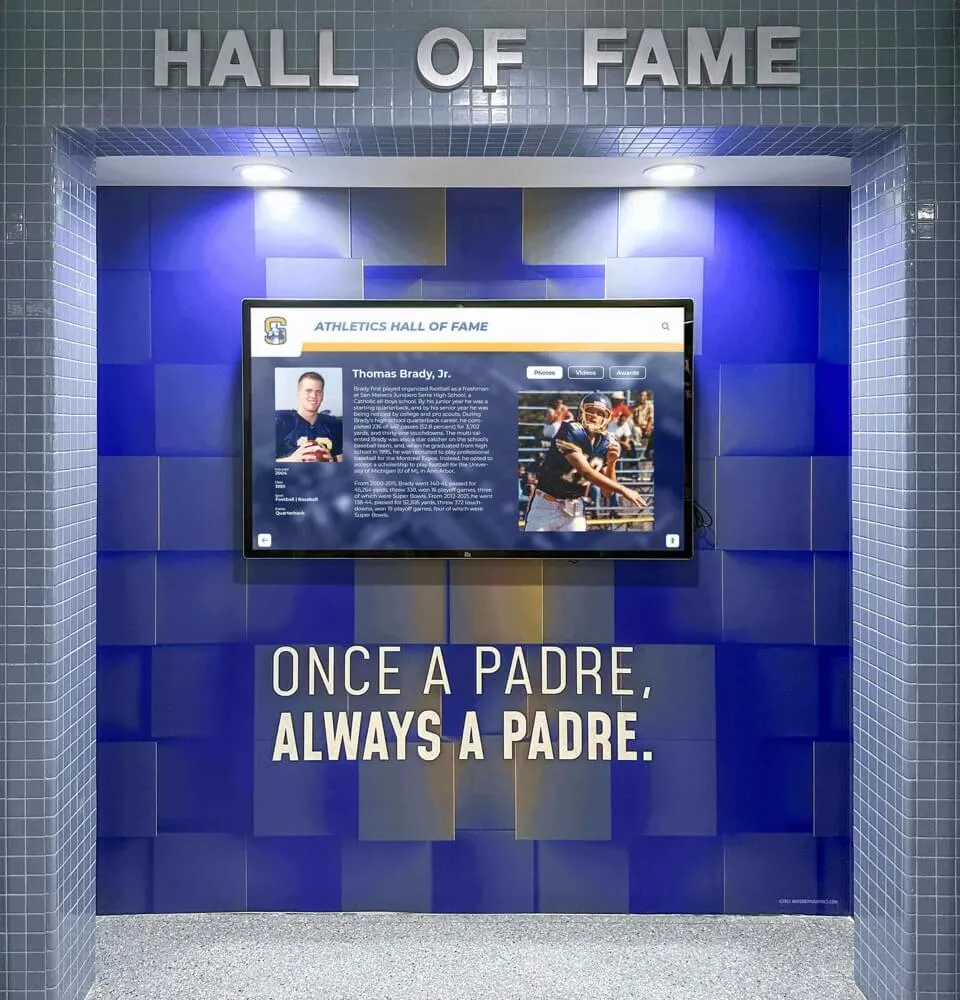
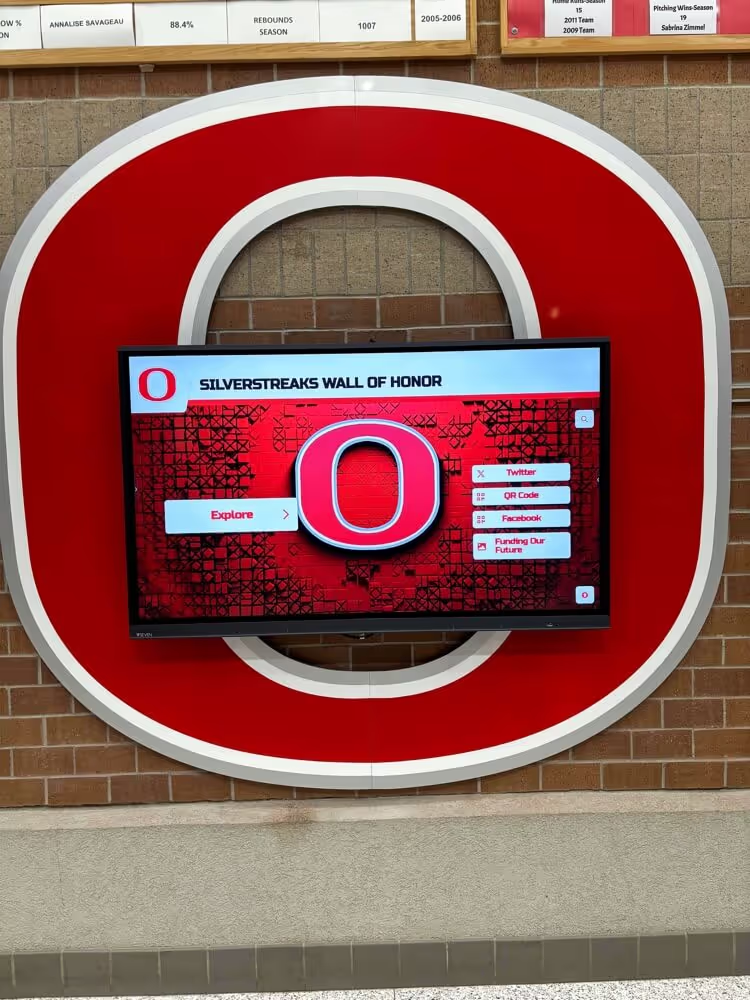
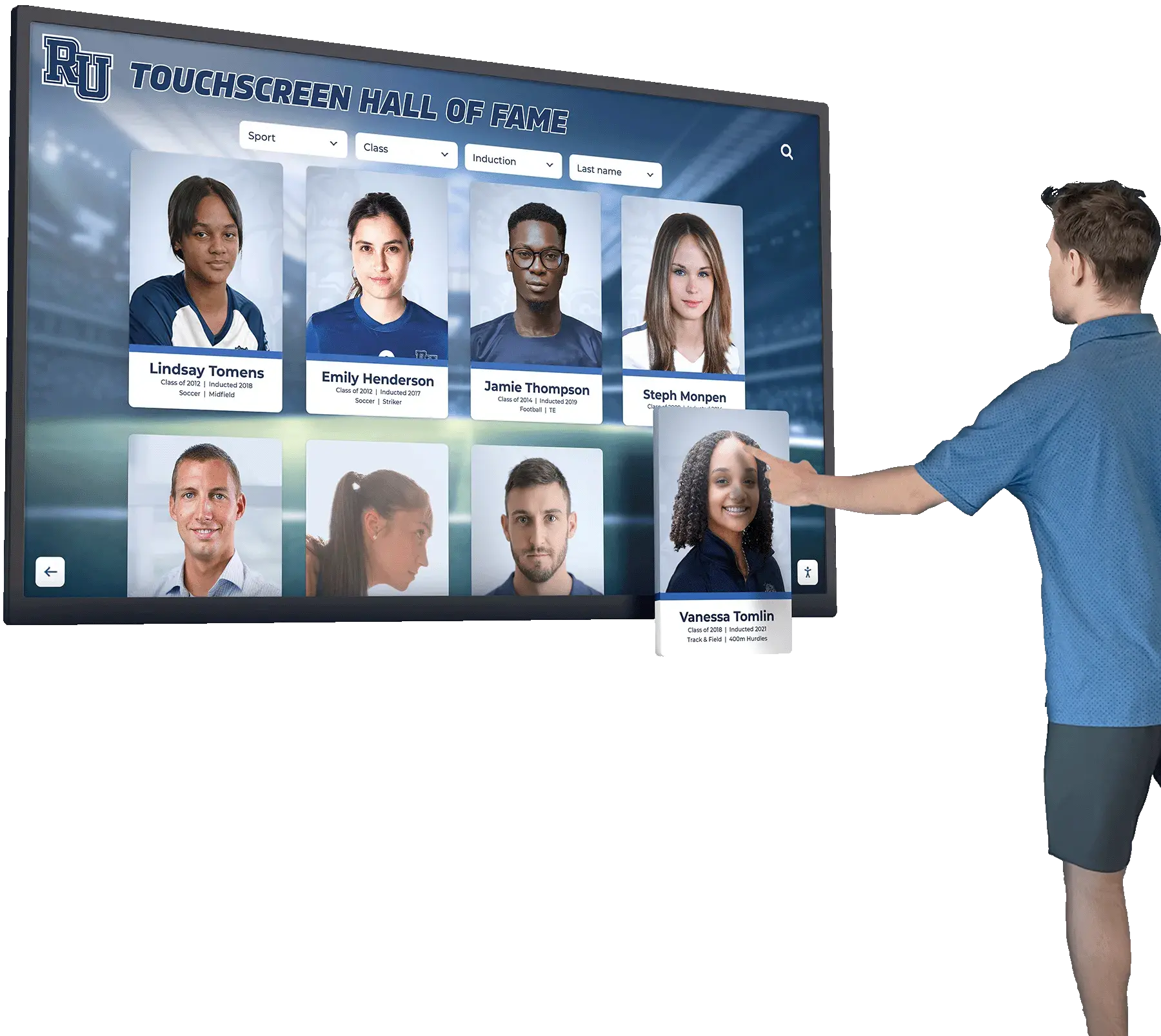
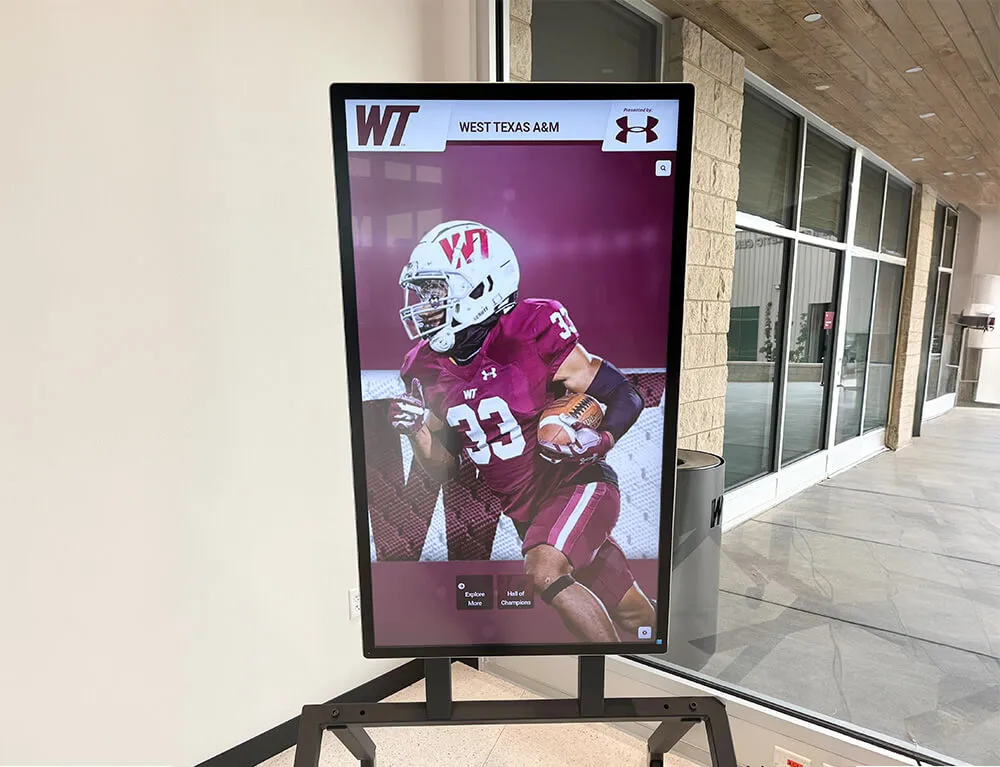
Touch-enabled kiosks enable visitors to explore detailed achievement profiles
Financial Recognition and Incentive Programs
While non-monetary recognition matters deeply, financial acknowledgment of controller contributions demonstrates tangible organizational commitment to workforce appreciation and retention. Recent FAA initiatives illustrate how financial recognition programs can address workforce challenges while honoring controller value.
FAA Recruitment and Retention Incentives
In 2025, the FAA introduced significant financial recognition programs designed to boost air traffic controller recruitment and retention. These initiatives acknowledge controller value through substantial monetary awards tied to achievement milestones and continued service.
The program includes a $5,000 award for academy graduates who successfully complete initial qualification training, an additional $5,000 award for new hires completing initial qualification training, a $10,000 award for academy graduates assigned to one of 13 hard-to-staff facilities, and retention payments of 20 percent of basic pay annually for certified professional controllers eligible for retirement who continue working.
According to NATCA President Nick Daniels, “This new recruitment award and retention incentive program is a meaningful step toward addressing the ongoing staffing shortages in air traffic control across the National Airspace System.” Organizations should communicate these financial recognition programs clearly to controllers, ensuring they understand available incentives and eligibility requirements.
Performance-Based Recognition Systems
The FAA’s “pay for performance” plan recognizes, rewards, and encourages individual contributions and organizational success through performance-based incentives, cash awards, and time-off awards. This structured approach ties recognition directly to measurable achievements and contributions.
Organizations implementing performance-based recognition should establish clear criteria for awards, ensure transparency in selection processes, provide timely recognition following achievements rather than delayed annual distributions, balance team and individual recognition to honor both collaborative success and exceptional personal contributions, and regularly review award structures to ensure they remain competitive and meaningful.
Financial recognition programs work most effectively when combined with non-monetary appreciation that acknowledges the intrinsic meaning controllers find in their work. Money alone cannot sustain motivation in such demanding professions, but financial rewards combined with genuine appreciation create powerful recognition systems.
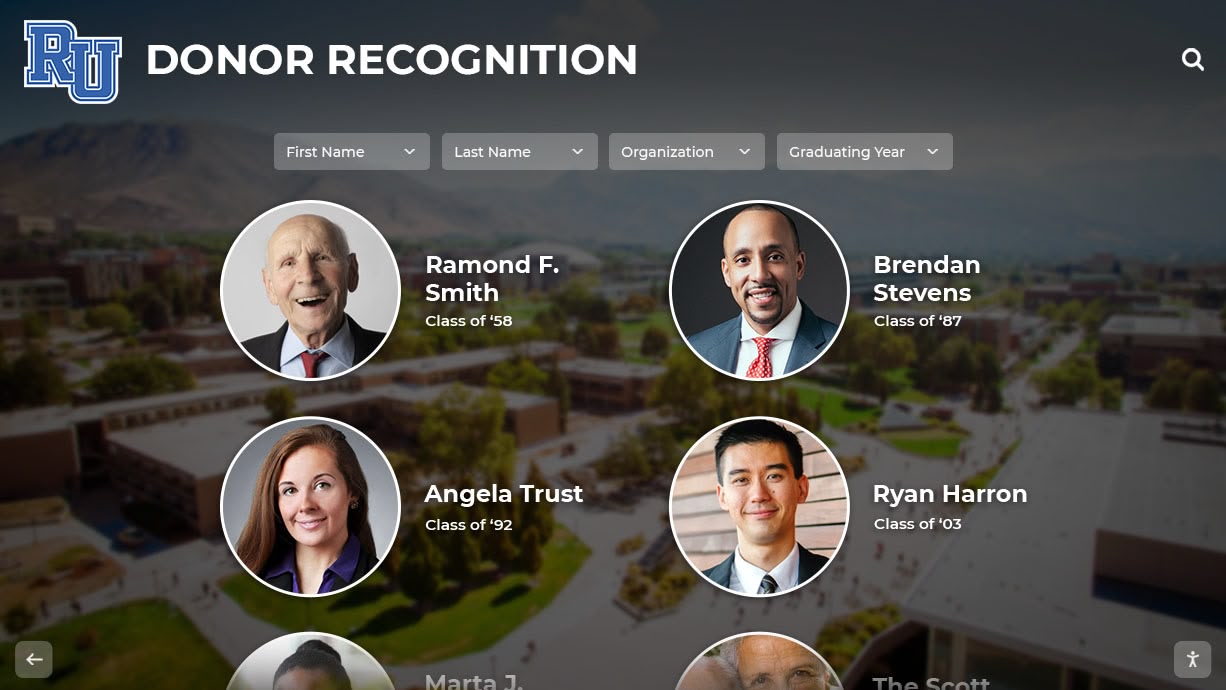
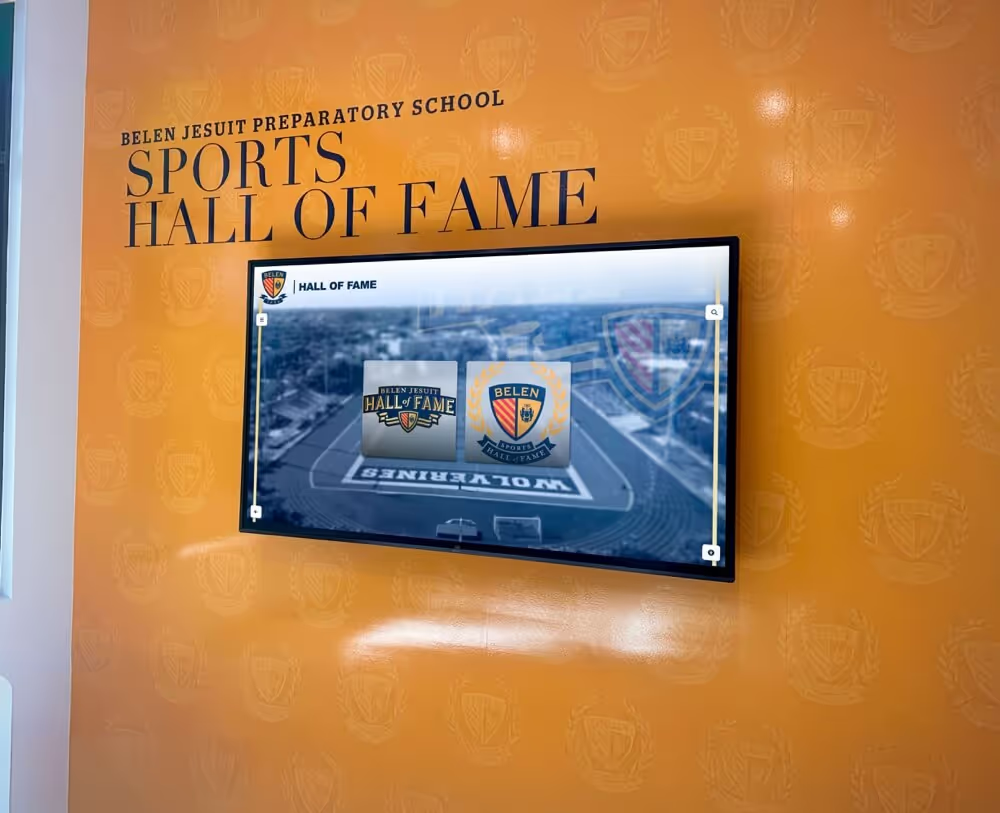
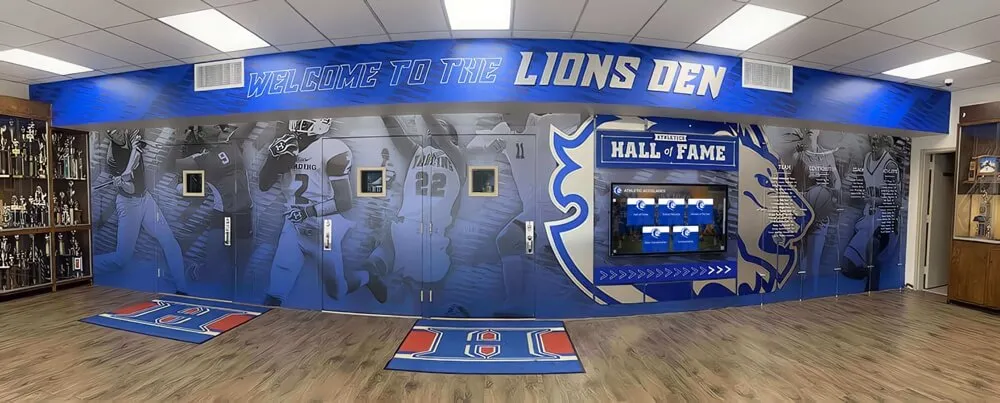
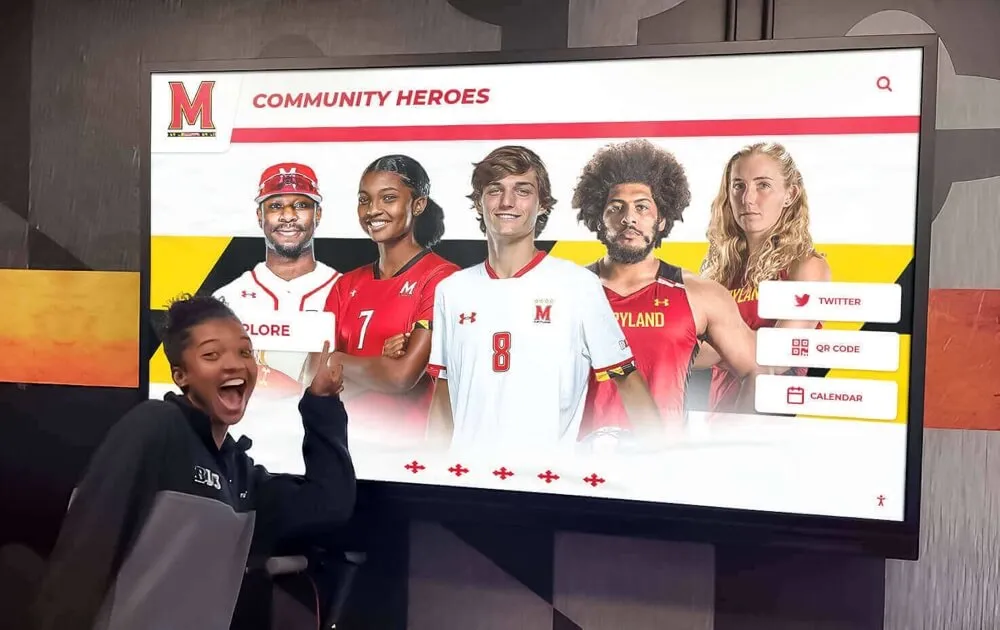
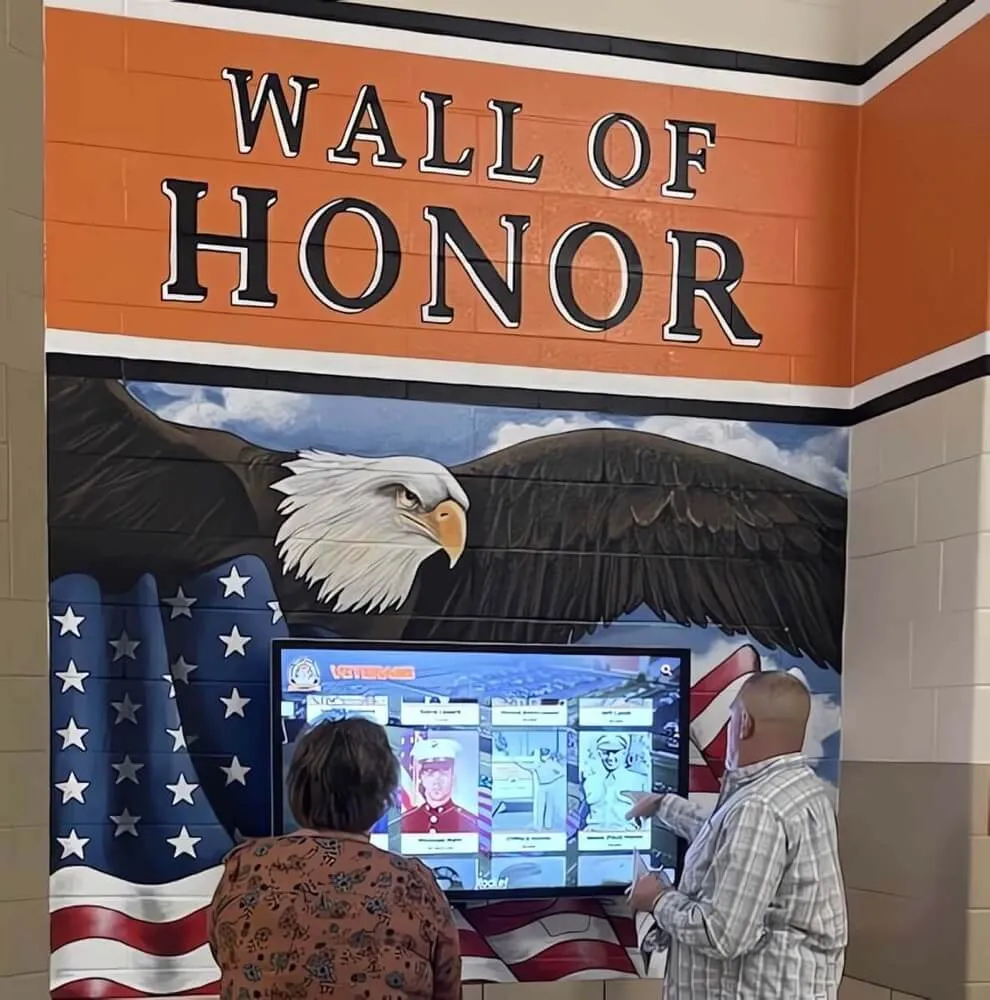
Portrait-based recognition displays create personal connections to achievement stories
Workplace Appreciation Strategies for Controllers
Beyond formal awards and financial incentives, organizations should implement consistent workplace appreciation strategies that acknowledge controller contributions throughout the year. These ongoing recognition approaches create cultures where controllers feel genuinely valued.
Personalized Acknowledgment from Leadership
Direct, personal recognition from organizational leadership carries significant weight with air traffic controllers. When executives and managers understand controller work well enough to acknowledge specific contributions, it demonstrates genuine appreciation rather than generic praise.
Effective leadership recognition strategies include facility tours where leadership observes controller work in operational environments, personal thank-you notes for specific incidents or achievements, leadership participation in shift changes to personally greet controllers during transitions, regular “leadership listening sessions” where controllers can share concerns and achievements directly with decision-makers, and public acknowledgment of controller teams who handle particularly challenging situations.
The key to effective leadership recognition is specificity and authenticity. Controllers immediately recognize generic praise that could apply to any employee. Leaders who take time to understand specific challenges, acknowledge particular achievements, and demonstrate genuine appreciation for controller expertise create meaningful recognition moments that resonate long after the interaction.
Peer Recognition Programs
Controllers often value recognition from fellow controllers as much or more than praise from management. Peer recognition programs leverage this dynamic by creating systems where controllers acknowledge each other’s excellence, teamwork, and professional growth.
Peer recognition systems might include nomination processes where controllers recognize colleagues for exceptional performance, “controller of the month” programs selected by peer vote rather than management selection, team achievement celebrations acknowledging shifts or units who handle challenging situations effectively, and mentorship recognition honoring experienced controllers who invest in developing junior colleagues.
Organizations implementing peer recognition should ensure systems feel authentic rather than forced, allow anonymous nominations to encourage honest feedback without political concerns, celebrate diverse achievement types beyond just traffic management efficiency, and regularly refresh recognition categories to maintain engagement and relevance.

Modern touchscreen kiosks enable intuitive exploration of achievement content
Creating Controller-Friendly Recognition Moments
Recognition timing and format significantly impact how controllers receive appreciation gestures. Organizations should design recognition moments that fit controller work rhythms and preferences rather than imposing structures that feel awkward or burdensome.
Best practices for controller recognition timing include brief, shift-appropriate ceremonies that don’t extend work hours, recognition during natural break points rather than interrupting operational focus, allowing controllers to receive recognition with their crew rather than individually in front of larger groups, and providing options for controllers who prefer low-key acknowledgment over public celebration.
Digital Recognition Display Systems for Aviation Organizations
Modern digital recognition platforms offer aviation organizations unprecedented capabilities to honor air traffic controllers with permanent, engaging displays that tell complete achievement stories. These systems address space limitations while providing rich multimedia content impossible with traditional plaques.
Advantages of Digital Recognition Systems
Digital recognition displays eliminate physical space constraints that limit traditional recognition approaches. A single touchscreen can showcase unlimited controller profiles with comprehensive achievement documentation including photos, career timelines, specific incident descriptions for notable assists, video content explaining complex situations controllers managed, and testimonials from pilots, colleagues, or leadership.
This unlimited capacity ensures every deserving controller receives appropriate recognition regardless of space limitations in physical facilities. Organizations can create comprehensive historical archives documenting controller contributions across decades without worrying about running out of display space or storage for physical plaques.
Digital systems also enable dynamic content that keeps recognition displays current and engaging. Organizations can easily add recent achievements, update controller profiles as careers progress, rotate featured content to maintain visitor interest, and schedule content to appear during relevant timeframes such as National Air Traffic Controller Day.
Implementation in Aviation Facilities
Aviation organizations implementing digital recognition displays should consider strategic placement in high-traffic areas where controllers, visitors, and aviation professionals naturally congregate. Effective locations include facility lobbies where visitors wait before escorted entry, break rooms and common areas where controllers spend time between shifts, training facilities where students learn about controller career possibilities, and administrative corridors connecting operational areas.
Organizations might also explore digital donor recognition displays adapted for employee recognition, or staff recognition digital displays commonly used in educational settings that translate well to aviation environments.

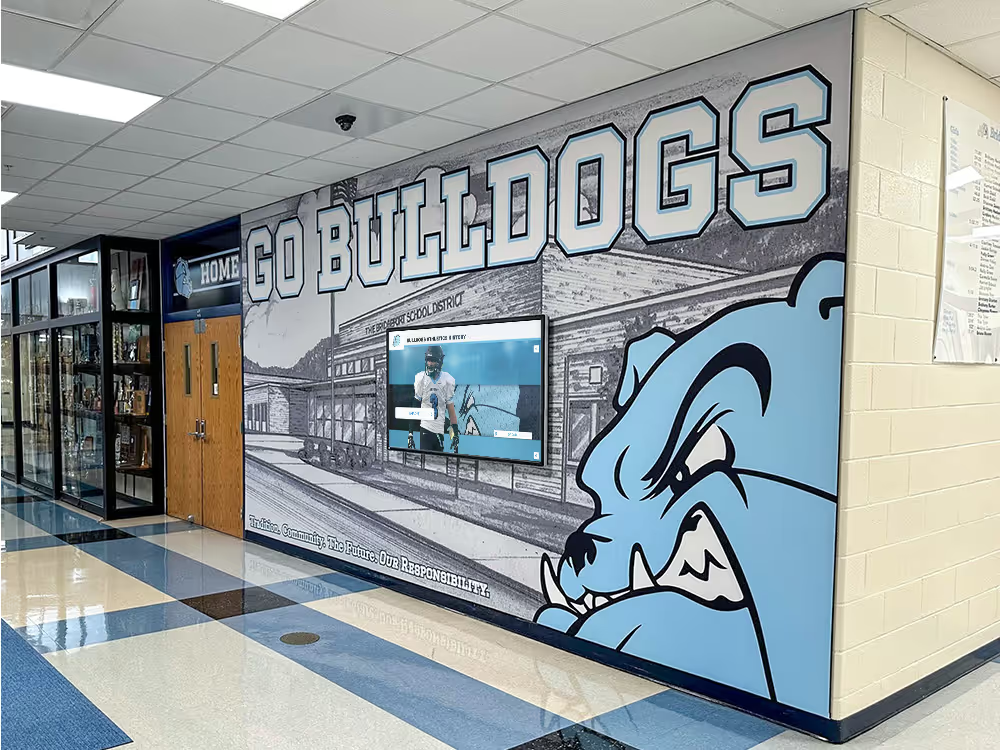
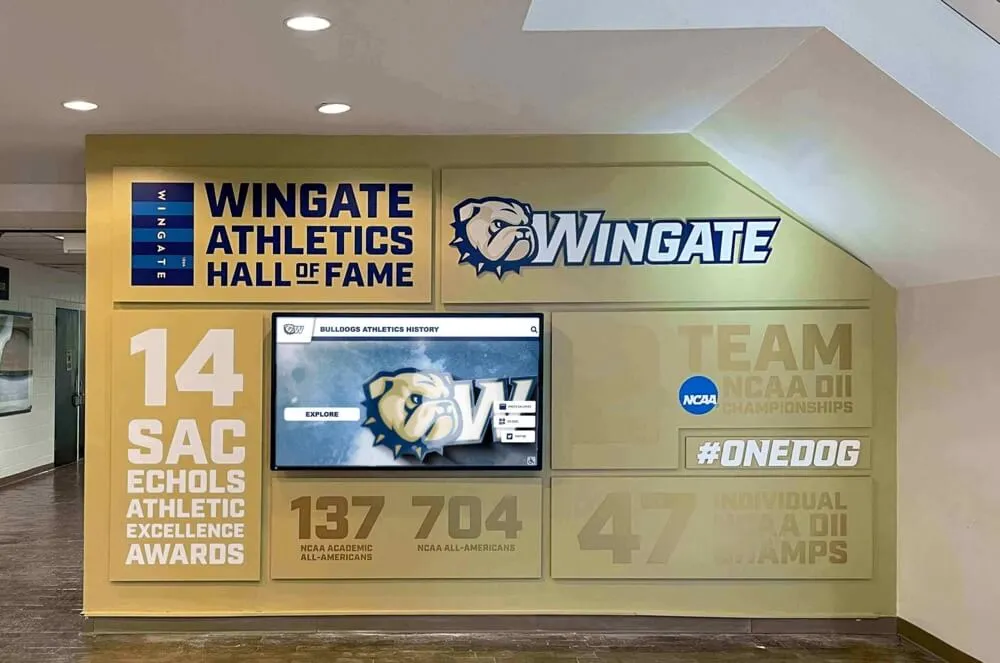
Wall-mounted displays integrate seamlessly with existing facility architecture
Content Strategies for Controller Recognition Displays
Effective digital recognition content tells complete stories rather than simply listing names and dates. Rich controller profiles might include career timelines showing progression from trainee through certification to senior controller, notable incidents where the controller provided exceptional service or solved complex problems, photos from different career stages showing controllers in operational environments, colleague testimonials explaining impact and contributions, and connections to mentees or junior controllers the individual helped develop.
Organizations should also consider including educational content that helps non-controllers understand air traffic control work complexity. Brief explanations of controller roles, short videos showing operational environments, infographics illustrating airspace complexity and aircraft management challenges, and statistics highlighting facility operations help visitors appreciate why controller recognition matters.
This educational context makes recognition displays more engaging for diverse audiences while simultaneously honoring controllers by demonstrating their work’s sophisticated nature. Many people outside aviation have little understanding of what controllers do; recognition displays that educate while honoring create more meaningful tributes.
Maintaining Recognition Display Currency
Digital recognition systems require ongoing management to remain current and relevant. Organizations should designate specific staff members responsible for content updates, establish regular update schedules ensuring new achievements are added promptly, create submission processes allowing controllers or supervisors to nominate individuals for recognition, and implement quality control to ensure accuracy and consistency across profiles.
Cloud-based recognition platforms simplify ongoing management by enabling remote content updates without requiring physical access to display hardware. Authorized staff can add new controller profiles, update existing content, and manage display features from any location with internet access.
Creating Controller Career Milestone Recognition
Controllers progress through distinct career stages, each representing significant achievements worthy of recognition. Organizations should develop structured approaches acknowledging these milestones throughout controller careers.
Training Completion and Initial Certification
Completing air traffic controller training and achieving initial certification represents a major accomplishment requiring intense dedication, technical mastery, and sustained performance under pressure. Organizations should mark this milestone with meaningful recognition including formal ceremony or acknowledgment when controllers complete certification, permanent addition to controller recognition displays documenting the achievement, personalized congratulations from facility management and experienced controllers, and tangible recognition items such as certificates, facility coins, or commemorative plaques.
First certification represents controllers’ transition from students to professionals entrusted with aviation safety responsibility. Recognition at this career stage affirms organizational confidence in new controllers and welcomes them into the professional community.
Years of Service Recognition
Long-term service recognition acknowledges controllers’ sustained commitment to their profession and facility. Service milestone recognition typically occurs at 5-year intervals throughout careers, with special emphasis on 10, 20, and 30-year anniversaries.
Meaningful service recognition includes personalized items reflecting specific tenure lengths, photo displays showing the controller at different career stages, profiles highlighting career achievements and contributions during tenure, and special acknowledgment for controllers reaching mandatory retirement.
Organizations might implement academic recognition programs concepts or highlighting famous alumni approaches adapted for controller career recognition.

Portrait card displays document career progression and long-term contributions
Retirement Recognition
Controller retirement represents the culmination of careers dedicated to aviation safety. Retirement recognition should honor complete career contributions through comprehensive tribute displays documenting career timeline and major achievements, retirement ceremonies with colleagues, family, and leadership participation, video tributes featuring testimonials from colleagues and supervisors, permanent recognition in facility halls of honor or digital recognition systems, and personalized gifts reflecting individual interests and career highlights.
Organizations implementing historical timeline displays can incorporate retiring controller profiles into facility history documentation, creating lasting tributes that honor individual contributions while preserving organizational memory.
Recognition for Extraordinary Service and Safety Contributions
Beyond routine career milestones, organizations should create recognition systems specifically honoring controllers who provide exceptional service, solve complex problems, or make outstanding safety contributions.
Incident Recognition
When controllers successfully manage emergency situations, prevent potential conflicts, or provide extraordinary pilot assistance, organizations should promptly recognize these contributions through immediate verbal acknowledgment from supervisors and colleagues, written commendations for personnel files, facility-wide communication sharing incident details and controller actions, nomination for industry awards such as Archie League recognition, and permanent documentation in digital recognition displays.
Prompt recognition matters particularly for incident-based achievements. Acknowledging exceptional performance immediately after events demonstrates that organizations notice and value controller expertise when it matters most.
Innovation and Process Improvement Recognition
Controllers frequently develop innovative approaches to enhance efficiency, improve safety protocols, or solve operational challenges. Organizations should encourage and recognize these contributions through innovation award programs specifically honoring process improvements, implementation of controller-suggested improvements with credit to originators, opportunities for innovating controllers to present improvements to peers, and recognition in facility communications and digital displays.
Acknowledging innovation demonstrates that organizations value controller expertise beyond routine operations, encouraging continuous improvement culture and leveraging front-line knowledge to enhance systems.
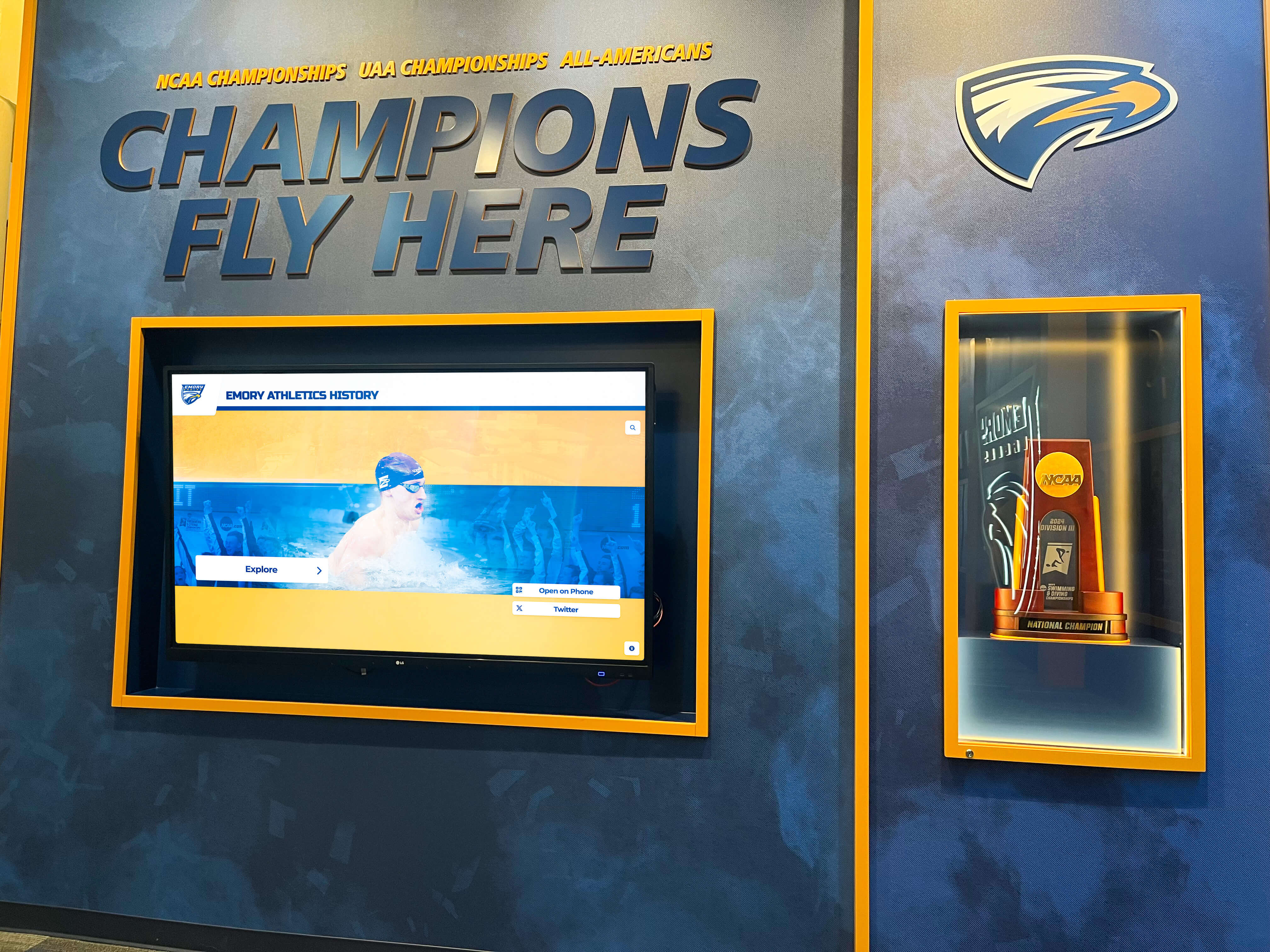
Prominent displays honor exceptional achievements and contributions
Mentorship and Training Recognition
Experienced controllers who invest significant time developing junior colleagues provide invaluable service that deserves recognition. Organizations should honor mentorship through formal mentor recognition programs acknowledging training contributions, “trainer of the year” awards selected by trainee feedback, permanent recognition in digital displays highlighting mentorship impact, and opportunities for exceptional mentors to shape training program development.
Mentorship recognition communicates organizational commitment to workforce development while honoring controllers who embody professional values through knowledge transfer to the next generation.
Building Recognition Programs That Resonate with Controllers
Effective controller recognition programs share common characteristics that make them genuinely meaningful rather than perfunctory exercises. Organizations designing recognition systems should prioritize several key principles.
Authenticity Over Formality
Controllers value genuine appreciation over elaborate ceremonies that feel performative. Recognition should be sincere, specific, and connected to real achievements rather than generic praise. Leaders who take time to understand specific situations, acknowledge particular skills demonstrated, and express authentic gratitude create more meaningful recognition than formal programs that feel disconnected from actual work.
Peer Involvement in Recognition Decisions
When controllers themselves participate in recognizing colleagues, awards carry greater credibility than purely management-selected honors. Recognition systems incorporating peer nomination, peer selection committees, or peer acknowledgment components resonate more powerfully because they represent professional community validation.
Balance Between Public and Private Recognition
While some controllers appreciate public celebration, others prefer quieter acknowledgment. Recognition programs should offer options allowing individuals to receive honors in formats matching their preferences—public ceremonies for those who enjoy celebration, private acknowledgment for those uncomfortable with attention, or hybrid approaches allowing recognition documentation without requiring extensive public appearances.
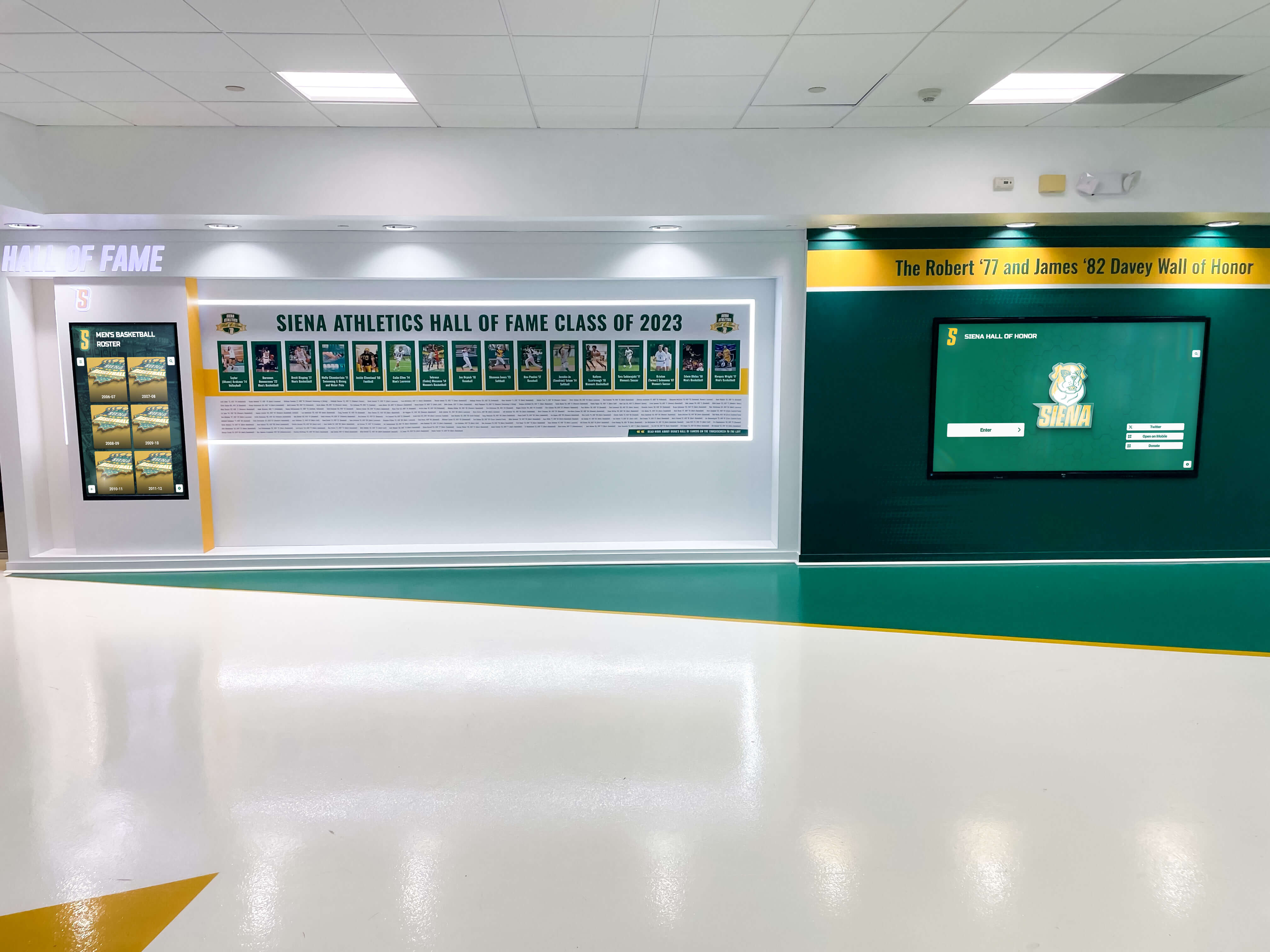
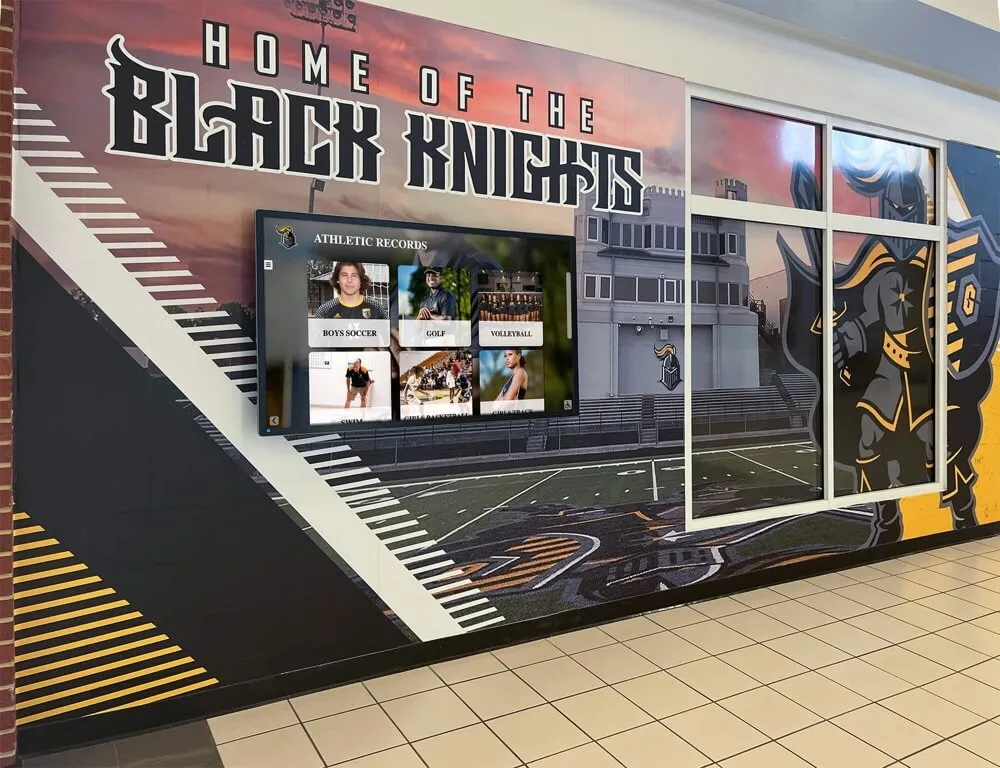
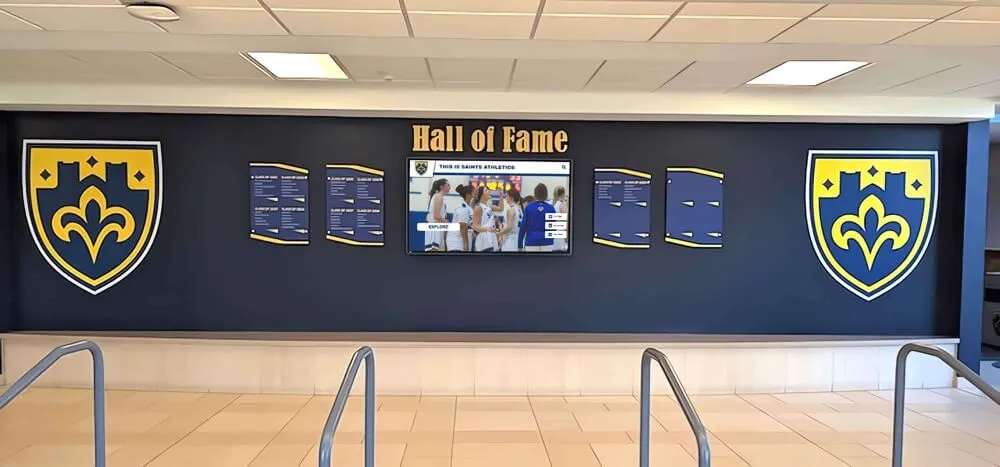
Multi-panel displays showcase diverse achievements and recognition categories
Meaningful Rather Than Expensive
Controllers typically value recognition that demonstrates genuine understanding and appreciation more than expensive gifts that feel impersonal. Thoughtful, personalized recognition—handwritten notes acknowledging specific contributions, customized items reflecting individual interests, or experiences chosen based on personal preferences—often resonates more powerfully than generic expensive rewards.
Organizations with limited budgets can create highly effective recognition programs by prioritizing authenticity, personalization, and genuine acknowledgment over costly items or elaborate programs.
Measuring Recognition Program Effectiveness
Organizations investing in controller recognition programs should assess whether these efforts achieve intended outcomes—improving morale, enhancing retention, building organizational culture, and maintaining safety performance.
Gathering Controller Feedback
Direct feedback from controllers provides the most valuable assessment of recognition program effectiveness. Organizations should regularly survey controllers about recognition program satisfaction and perceived value, conduct focus groups discussing what types of recognition resonate most powerfully, create suggestion systems allowing controllers to propose recognition improvements, and track participation rates in voluntary recognition program elements.
Anonymous feedback mechanisms encourage honest assessment without concerns about repercussions for critical observations. Organizations genuinely committed to effective recognition welcome constructive criticism and adapt programs based on controller input.
Tracking Retention and Morale Indicators
Organizations should monitor whether recognition programs correlate with improved workforce metrics including controller retention rates at different career stages, time-to-fill for vacant controller positions, participation rates in facility events and activities, and survey responses regarding job satisfaction and organizational commitment.
While recognition programs alone cannot address all workforce challenges, measurable improvements following recognition program implementation suggest these efforts contribute to broader organizational health. Organizations implementing comprehensive displays often report increased workforce pride and engagement as controllers see their contributions honored publicly.
Connecting Recognition to Safety Culture
Ultimately, controller recognition should reinforce safety culture and operational excellence. Organizations should assess whether recognition programs increase reporting of safety concerns without fear of blame, participation in continuous improvement initiatives, mentorship of junior controllers by experienced staff, and controllers’ willingness to share lessons learned from challenging situations.
Recognition programs that honor safety contributions, acknowledge learning from mistakes, and celebrate transparent communication reinforce culture where controllers prioritize safety above competing pressures.
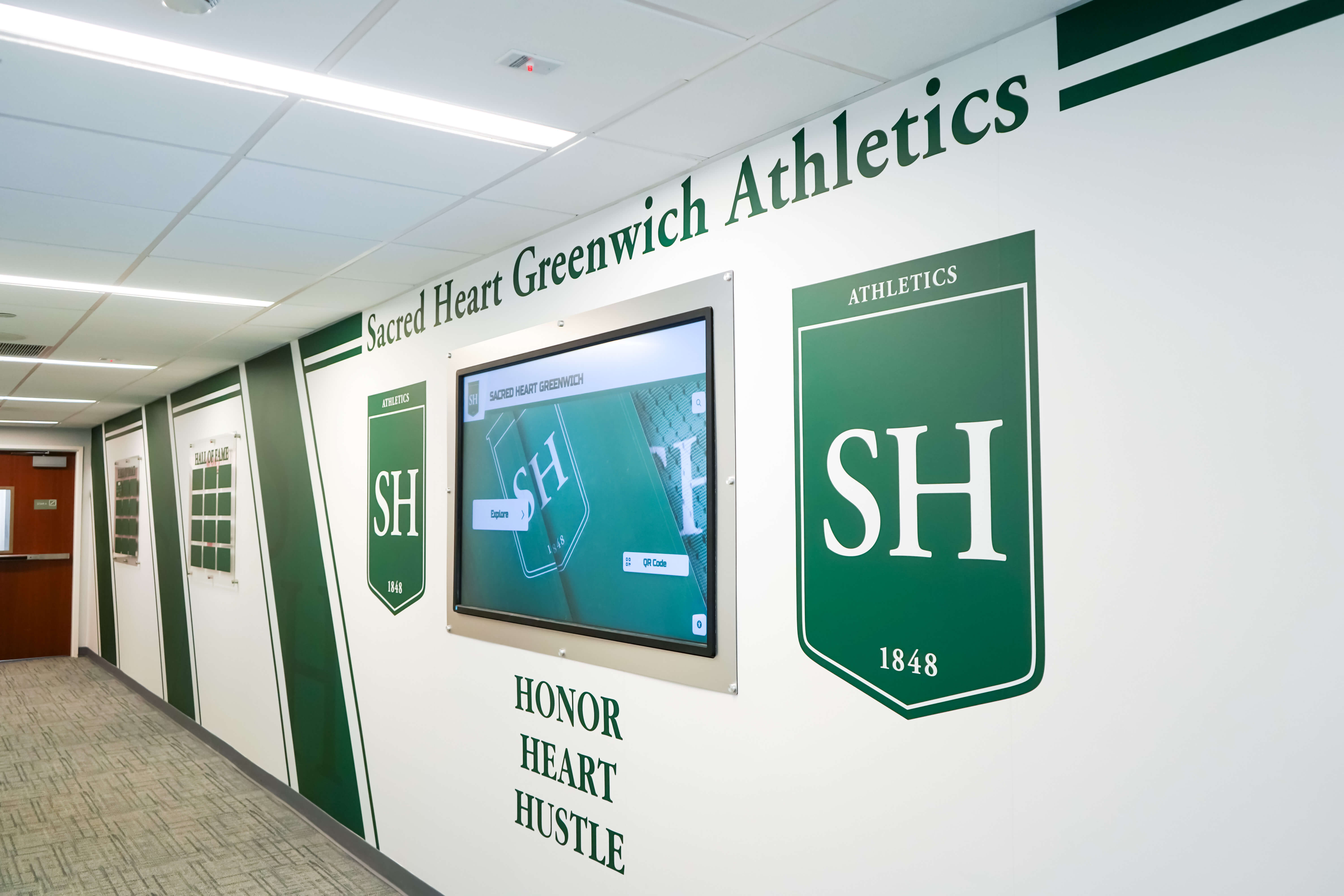
Custom-branded displays integrate organizational identity with recognition programs
Adapting Recognition for Different Aviation Environments
Air traffic controller recognition should be adapted to fit specific organizational contexts. Different aviation environments present unique considerations for recognition program design.
Commercial Aviation Facilities
Large commercial facilities managing major airport operations face unique recognition challenges given workforce size, shift complexity, and diverse controller specializations. Recognition programs in these environments should create systems enabling recognition at scale without losing personal touch, honor different controller specializations equitably, acknowledge team achievements across shifts and positions, and maintain recognition visibility despite large physical footprints.
Digital recognition systems particularly benefit large facilities by providing centralized platforms accessible to all controllers regardless of shift timing or facility section.
Military Air Traffic Control
Military air traffic control environments blend civilian controller culture with military structure and values. Recognition in military contexts should integrate civilian professional recognition with military awards and advancement systems, honor deployments and service in challenging locations, acknowledge transition support for retiring military controllers, and maintain recognition systems compatible with military personnel rotation.
Organizations might adapt approaches from military wall of honor displays or veterans day recognition programs for military controller environments.
Contract Tower Operations
Contract towers operating under FAA oversight at smaller airports present distinct recognition considerations. These facilities should develop recognition approaches appropriate for smaller teams, create connections to broader industry recognition programs, acknowledge the particular challenges of contract facility operations, and ensure recognition systems remain financially sustainable for contract operations.
Smaller facilities can implement highly personalized recognition more easily than large operations while still leveraging digital platforms to create professional, comprehensive displays that honor every controller.
Integrating Controller Recognition with Broader Organizational Culture
Controller recognition programs work most effectively when integrated into broader organizational culture rather than existing as isolated initiatives. Organizations should connect controller recognition to overall workforce appreciation, facility history documentation, recruitment and retention strategies, and safety management systems.
Recognition as Recruitment Tool
Comprehensive controller recognition serves recruitment purposes by demonstrating organizational commitment to workforce appreciation, illustrating career progression possibilities for prospective controllers, building organizational reputation as employer of choice, and providing tangible evidence of professional community and culture.
Prospective controllers evaluating career opportunities notice whether organizations honor their professionals prominently. Facilities with visible, comprehensive recognition systems communicate values that attract top talent.
Documentation of Facility History
Controller recognition contributes to facility history preservation by creating permanent records of individual contributions, documenting operational evolution through controller careers spanning decades, maintaining institutional memory as experienced controllers retire, and building sense of tradition and continuity across generations.
Organizations implementing comprehensive recognition displays create living archives connecting current controllers to facility legacy and helping them understand themselves as part of ongoing professional traditions. Approaches from developing college history timelines or school historical timeline displays translate effectively to aviation facility history documentation.
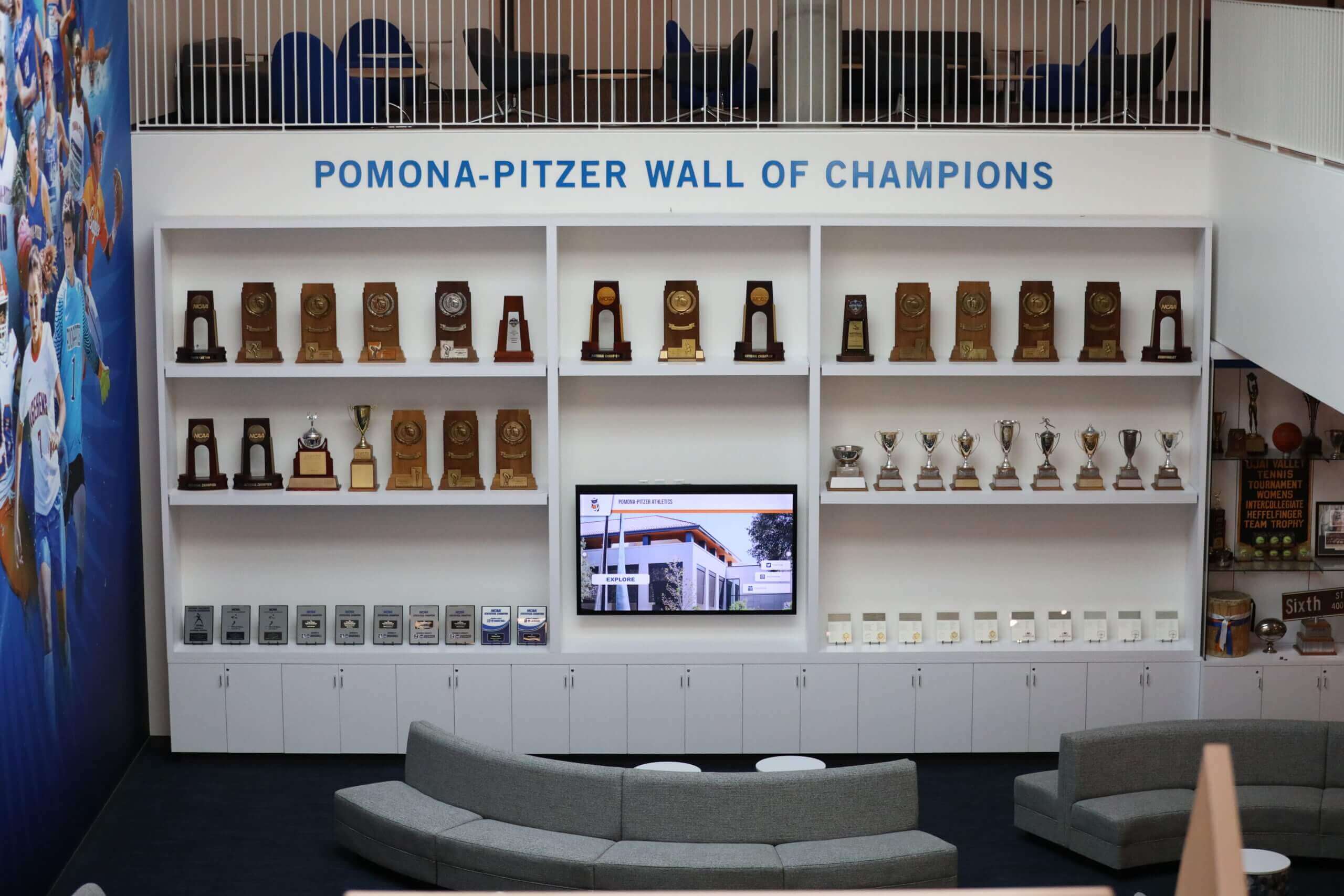
Comprehensive recognition walls create destination spaces celebrating achievement
Recognition in Safety Management Systems
Forward-thinking organizations integrate recognition into Safety Management Systems (SMS) by rewarding safety reporting and proactive hazard identification, acknowledging implementation of safety improvements, celebrating teams maintaining exceptional safety records, and using recognition to reinforce safety-first culture.
Recognition systems aligned with safety priorities ensure controllers understand that organizations value safety contributions as highly as operational efficiency. This alignment reinforces cultural commitment to safety above competing pressures.
Accessibility and Inclusivity in Recognition Programs
Recognition programs should be designed to honor all deserving controllers equitably, avoiding biases that might inadvertently favor certain groups or exclude others from appropriate recognition.
Recognizing Diverse Contribution Types
Comprehensive recognition programs honor varied controller contributions including operational excellence in traffic management, exceptional performance during emergencies or unusual situations, mentorship and training of junior controllers, innovation and process improvement initiatives, safety reporting and hazard identification, and peer support and team leadership.
By celebrating diverse contribution types, organizations ensure controllers with different strengths all have opportunities for recognition rather than creating narrow programs favoring only specific achievement categories. Organizations implementing digital recognition display accessibility best practices ensure recognition content remains accessible to all stakeholders including controllers with disabilities.
Equitable Recognition Across Demographics
Organizations should monitor recognition program outcomes to ensure equitable distribution across controller demographics. Regular assessment should examine whether recognition rates differ by gender, race, age, or other demographic factors, analyze whether selection criteria inadvertently favor certain groups, gather feedback from diverse controller populations about perceived fairness, and adjust programs to address identified disparities.
True equity requires examining not just recognition program rules but actual outcomes to identify and correct patterns suggesting bias in practice even when policies appear neutral.

Multiple display installations enable comprehensive recognition across facility spaces
Budget-Conscious Recognition Strategies
Organizations with limited resources can still implement meaningful controller recognition through creative, cost-effective approaches that prioritize impact over expense.
Low-Cost High-Impact Recognition
Many powerfully effective recognition approaches require minimal financial investment including handwritten thank-you notes from leadership acknowledging specific contributions, peer recognition programs using internal communication platforms, controller spotlights in facility newsletters or digital communications, “wall of appreciation” bulletin boards with photos and brief achievement descriptions, and leadership visibility programs where executives spend time with controller teams.
These low-cost approaches often resonate more powerfully than expensive programs because they demonstrate genuine attention and appreciation rather than formulaic rewards.
Phased Implementation of Digital Systems
Organizations desiring comprehensive digital recognition displays but lacking full implementation budgets can adopt phased approaches starting with single display in highest-priority location, expanding content as resources allow, adding displays in additional locations over time, and gradually increasing system sophistication with advanced features.
Phased implementations demonstrate momentum and create proof-of-concept examples that may help secure additional funding for subsequent phases. Early successes with limited recognition systems build organizational support for expanded programs.
Leveraging Industry Resources
Organizations can reduce recognition program costs by leveraging existing industry resources including nominating controllers for no-cost industry awards and publicizing recipients, participating in established recognition days like International Day of the Air Traffic Controller, connecting with industry associations providing recognition program resources, and adapting recognition best practices documented by other organizations rather than developing everything from scratch.
Industry collaboration enables smaller organizations to provide recognition opportunities comparable to larger operations despite resource limitations.
Future Trends in Controller Recognition
Controller recognition programs continue evolving as technology advances and workforce expectations shift. Organizations planning recognition systems should consider emerging trends likely to shape future approaches.
Personalized Recognition Experiences
Emerging technologies enable increasingly personalized recognition where controllers can access customized views of their achievement documentation, share recognition profiles for professional development purposes, subscribe to notifications about colleagues’ achievements in areas of interest, and build comprehensive career portfolios integrating multiple recognition elements.
This personalization increases recognition program relevance for individual controllers while maintaining organizational archives documenting all achievements across the workforce.
Integration with Professional Development
Forward-thinking organizations are connecting recognition systems with career development by linking recognition to competency frameworks and advancement pathways, using achievement documentation to support promotion decisions, creating mentorship connections between recognized high-performers and developing controllers, and integrating recognition profiles with professional portfolios supporting career transitions.
This integration increases recognition program value by connecting acknowledgment to practical career benefits beyond emotional satisfaction.
Transform Your Controller Recognition Program
Discover how interactive digital displays can showcase every controller achievement with unlimited capacity and rich multimedia content. Create recognition experiences that honor aviation professionals while building organizational pride and retention.
Explore Recognition SolutionsConclusion
Air traffic controllers represent aviation’s unsung heroes—professionals whose expertise, dedication, and split-second decision-making protect millions of passengers while receiving minimal public recognition for their essential contributions. Organizations have both opportunity and responsibility to ensure these critical professionals receive meaningful appreciation throughout their careers.
Effective controller recognition programs combine formal industry awards, financial incentives demonstrating tangible appreciation, workplace recognition strategies acknowledging daily contributions, and comprehensive documentation systems honoring complete career trajectories. The most impactful programs prioritize authenticity over formality, involve peers in recognition decisions, accommodate diverse preferences for public versus private acknowledgment, and integrate recognition into broader safety culture and organizational values.
Modern digital recognition platforms offer unprecedented capabilities to honor air traffic controllers with engaging displays that tell complete achievement stories while eliminating space constraints that limit traditional approaches. Solutions like Rocket Alumni Solutions provide purpose-built systems enabling aviation organizations to showcase unlimited controller profiles with rich multimedia content, maintain permanent historical archives connecting current professionals to facility legacy, and create recognition experiences that build workforce pride across generations.
By implementing strategic recognition approaches that honor technical excellence, acknowledge personal sacrifice, celebrate safety contributions, and recognize diverse achievement types throughout controller careers, organizations demonstrate genuine appreciation for professionals who dedicate themselves to keeping our skies safe. These recognition investments yield significant returns through improved retention, enhanced morale, stronger safety culture, and organizational reputations as employers of choice in competitive aviation workforce markets.
Every controller who successfully guides an aircraft through challenging weather, prevents a potential conflict through quick thinking, or mentors a junior colleague toward certification deserves meaningful recognition. Organizations that create comprehensive systems honoring these contributions invest wisely in their most valuable asset—the dedicated professionals whose invisible expertise makes modern aviation possible.