Video games at children’s hospitals have evolved from simple entertainment distractions into comprehensive therapeutic programs that significantly improve patient outcomes, reduce anxiety and pain perception, support physical rehabilitation, and help young patients maintain normalcy during extended hospital stays. What began as donated gaming consoles placed in waiting rooms has transformed into sophisticated therapeutic gaming programs staffed by specialized professionals who integrate video games, virtual reality, and interactive technology into treatment plans alongside medical teams.
Yet many healthcare facilities, child life programs, and pediatric departments remain unaware of the extensive research validating gaming’s therapeutic benefits or the practical approaches for implementing effective programs that serve diverse patient populations. Hospital administrators question whether gaming represents legitimate therapeutic intervention or mere entertainment. Child life specialists wonder how to integrate gaming into existing programs without displacing traditional play therapy approaches. Development professionals seek evidence demonstrating return on investment justifying gaming program funding requests to donors and boards.
This comprehensive guide explores how video games transform pediatric healthcare experiences, examining therapeutic gaming programs at leading children’s hospitals, research-backed benefits across physical, cognitive, emotional, and social domains, implementation strategies for facilities ranging from large academic medical centers to community hospitals, and how interactive digital displays extend therapeutic gaming benefits throughout hospital environments creating healing spaces that support young patients and their families.
Video games in pediatric healthcare settings serve purposes extending far beyond entertainment—they provide pain management through distraction during procedures, support rehabilitation through gamified physical therapy, reduce pre-operative anxiety, maintain cognitive engagement during extended stays, facilitate social connection with peers despite isolation protocols, and help children regain sense of control and normalcy when medical circumstances create feelings of powerlessness.

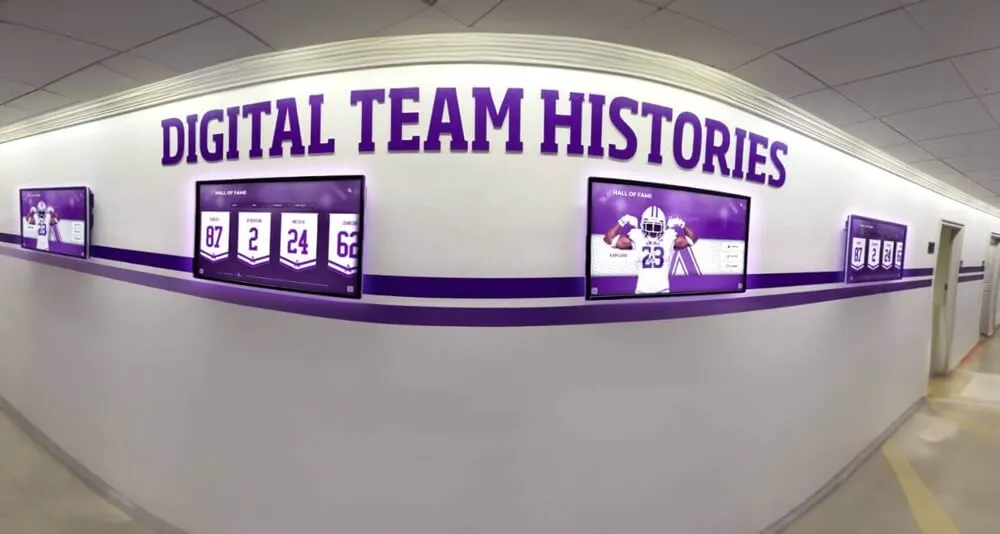
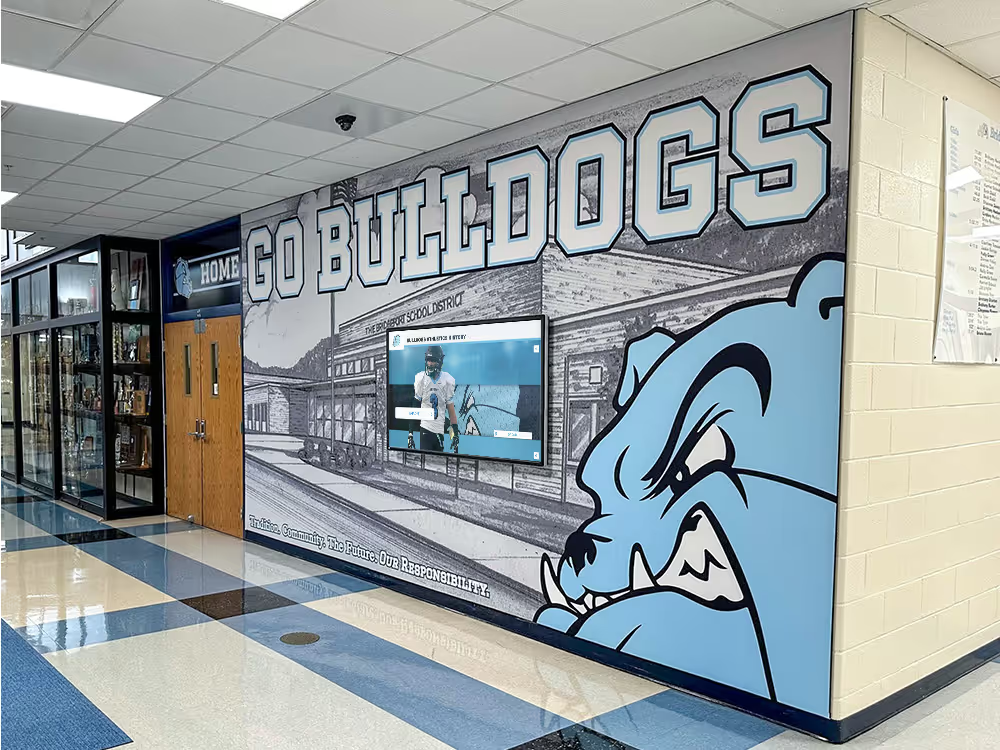
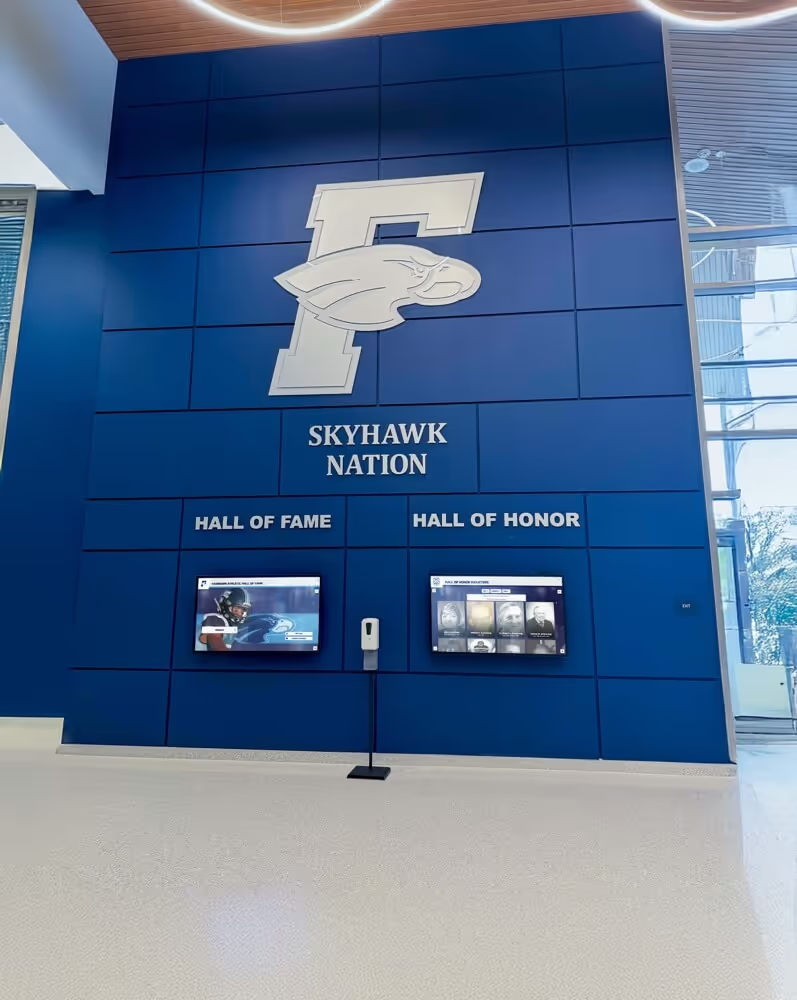
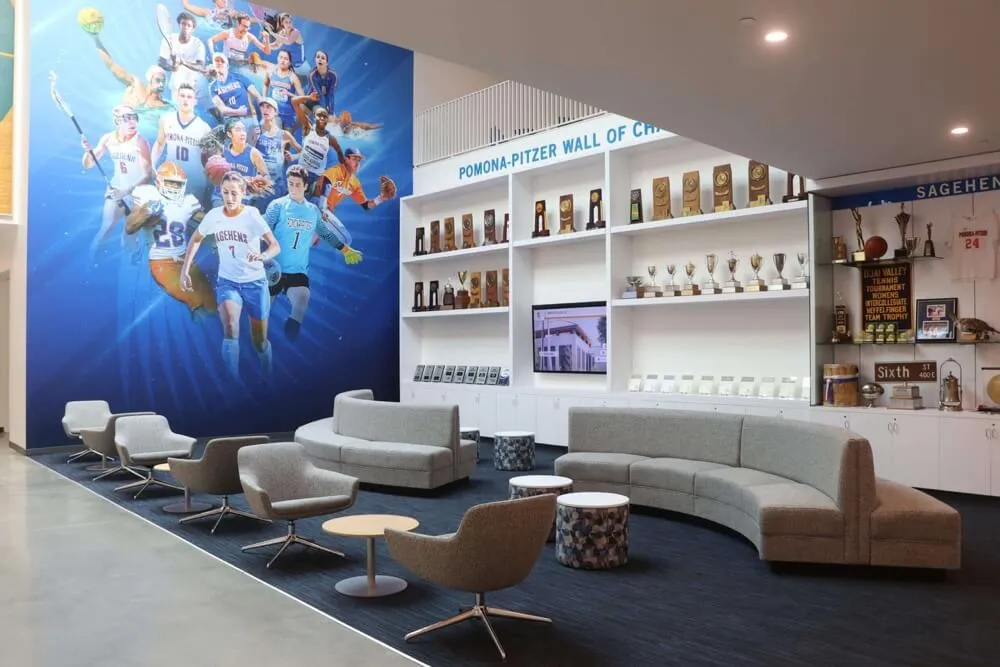
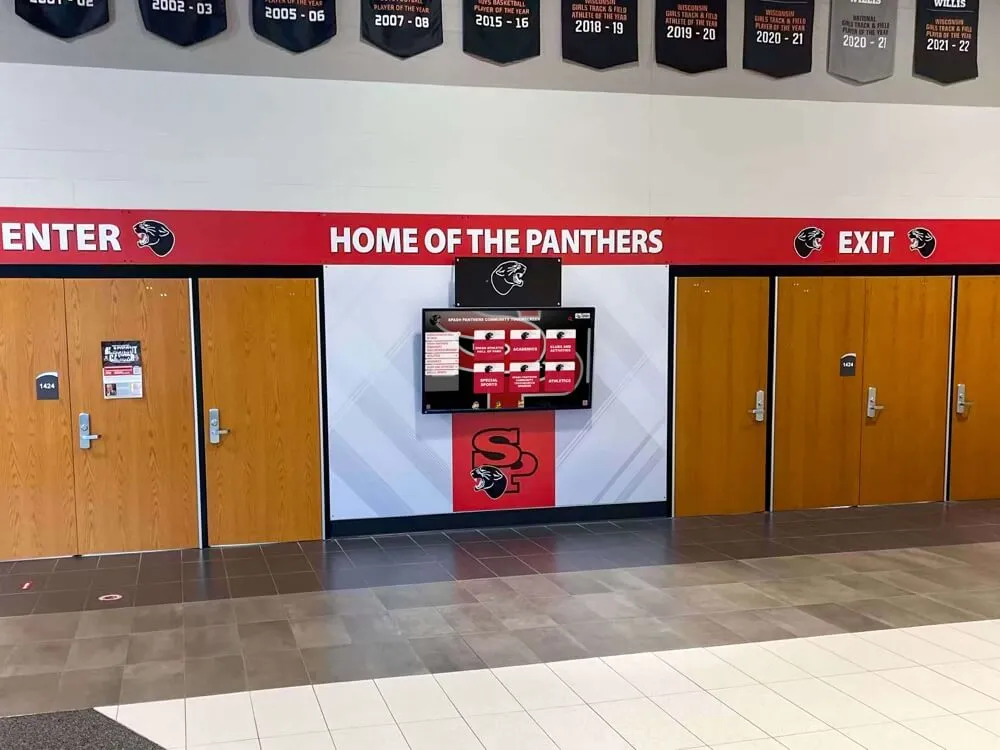
Modern interactive displays bring therapeutic gaming and engaging content to pediatric healthcare environments
The Rise of Therapeutic Gaming in Pediatric Healthcare
Understanding the evolution of video games in children’s hospitals provides context for current programs and future directions in therapeutic gaming.
From Entertainment to Evidence-Based Intervention
Video games have transitioned from recreational amenities to recognized therapeutic tools supported by clinical research and specialized professionals.
Early Adoption and Grassroots Growth
The integration of gaming into pediatric healthcare began through grassroots efforts:
When Child’s Play Charity started in 2003, they began partnering with children’s hospitals globally to provide video games, toys, books, and other entertainment to young patients. This charitable initiative demonstrated that gaming equipment significantly improved patient experiences and family satisfaction beyond traditional hospital amenities. Hospitals that received gaming donations reported reduced anxiety in young patients, improved cooperation during procedures and treatments, enhanced mood and emotional wellbeing, and positive feedback from families grateful for normalizing activities during stressful hospitalizations.
These anecdotal observations prompted clinical interest in systematically studying gaming’s therapeutic potential rather than dismissing it as mere entertainment.
Research Validation and Clinical Recognition
Scientific investigation confirmed what child life specialists and families observed intuitively:
According to research published by Johns Hopkins Medicine, specially designed video games may benefit mental health of children and teenagers, with therapeutic applications gaining interest for enhancing cognitive function in attention-related conditions and fostering social and emotional learning in children with developmental differences. Gaming provides measurable anxiety reduction during medical procedures, pain perception decrease through distraction and engagement, improved adherence to physical therapy protocols when gamified, cognitive stimulation maintaining skills during extended hospitalizations, and emotional regulation support through controlled achievement experiences.
This research foundation legitimized gaming as therapeutic intervention rather than frivolous entertainment, enabling hospitals to justify dedicated programs, staffing, and funding.
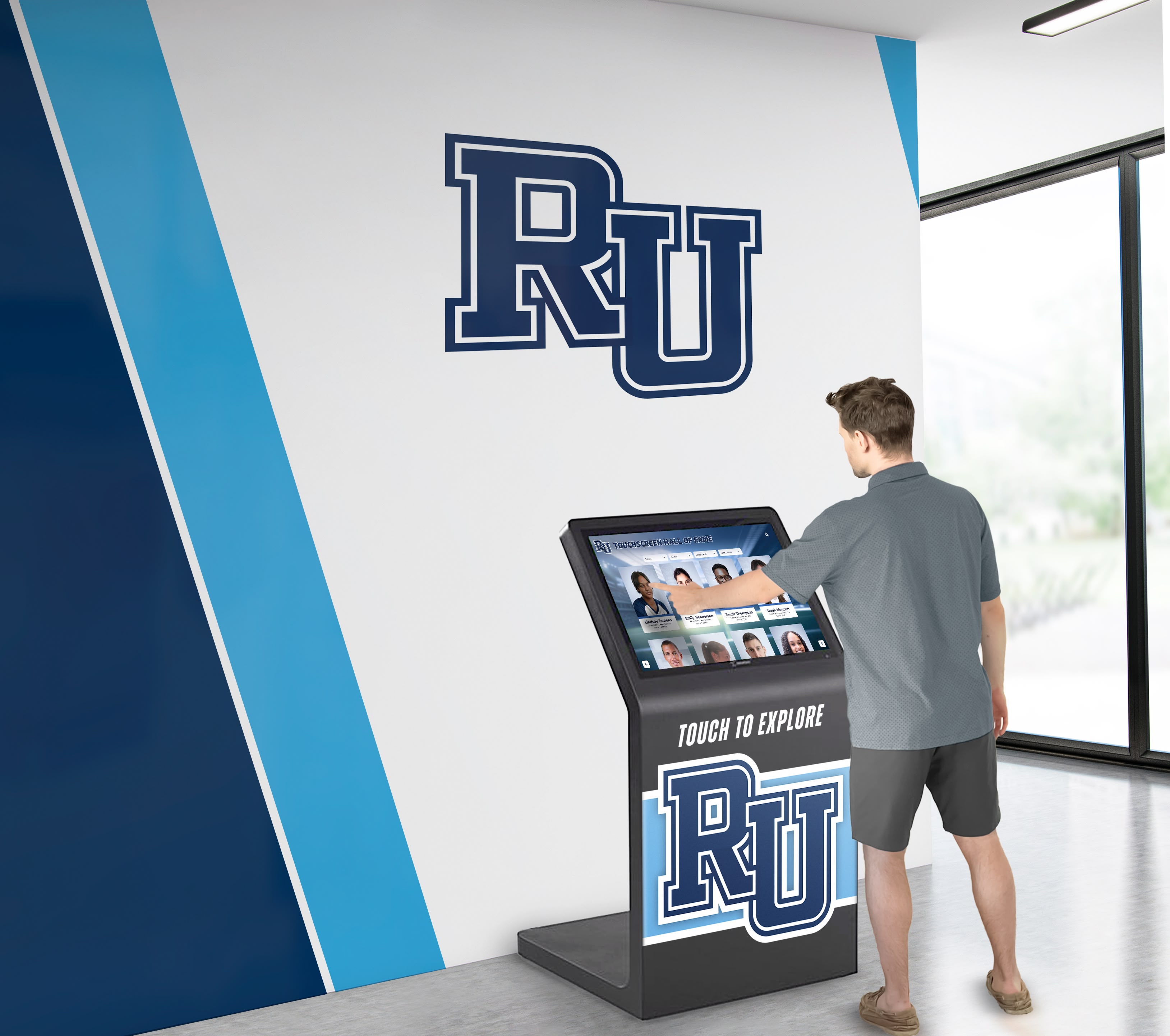
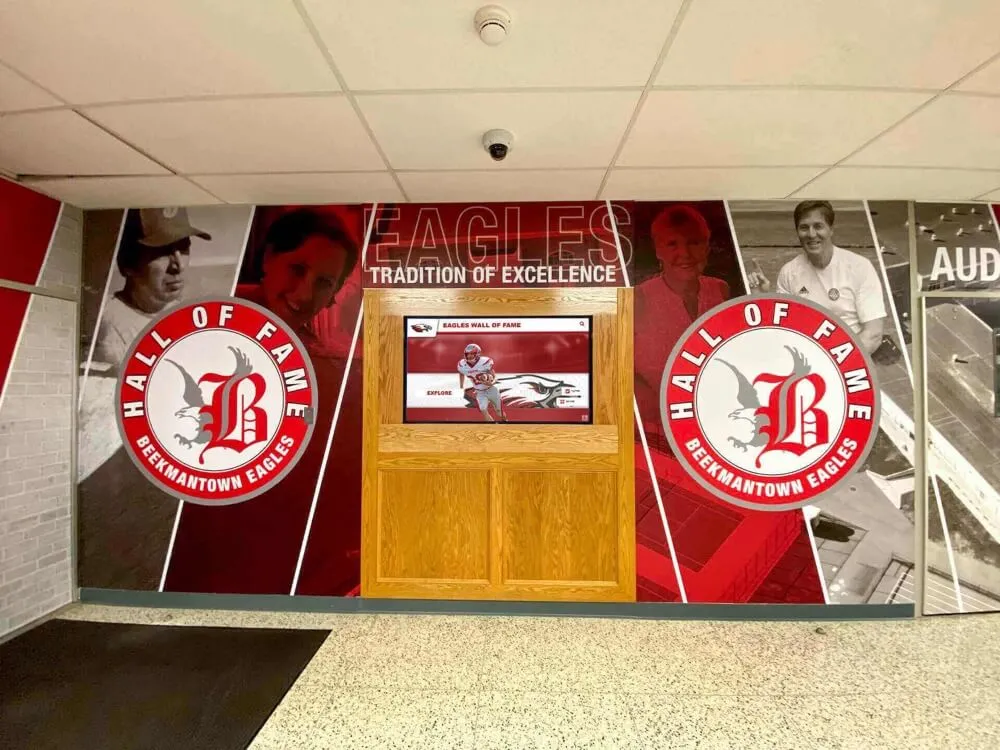
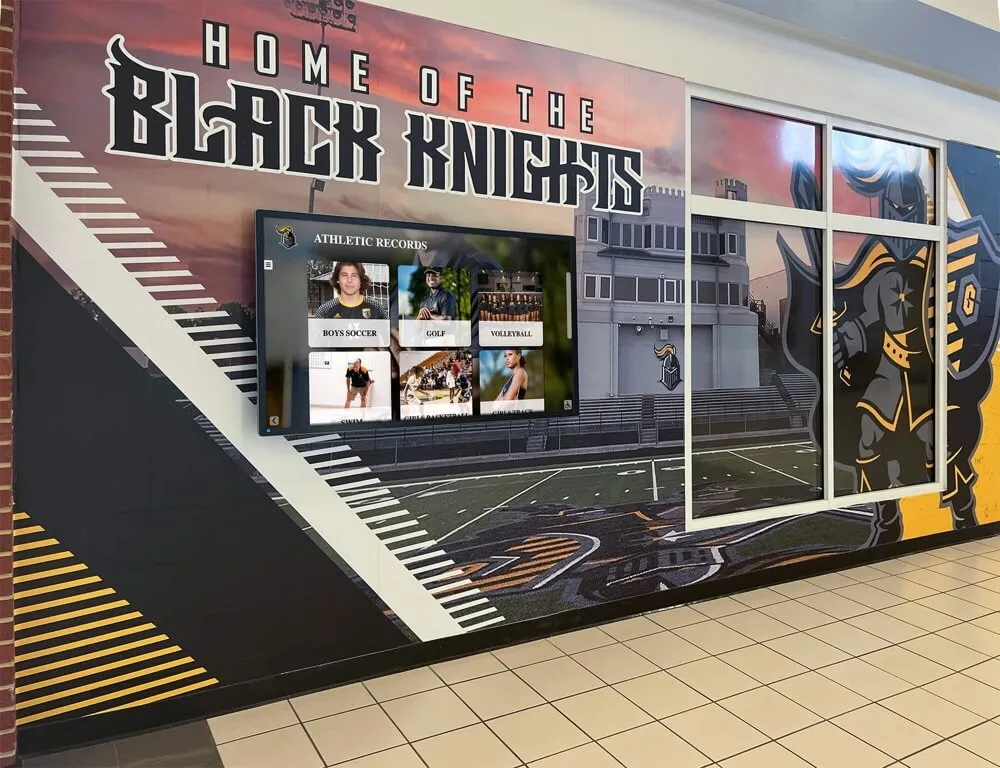
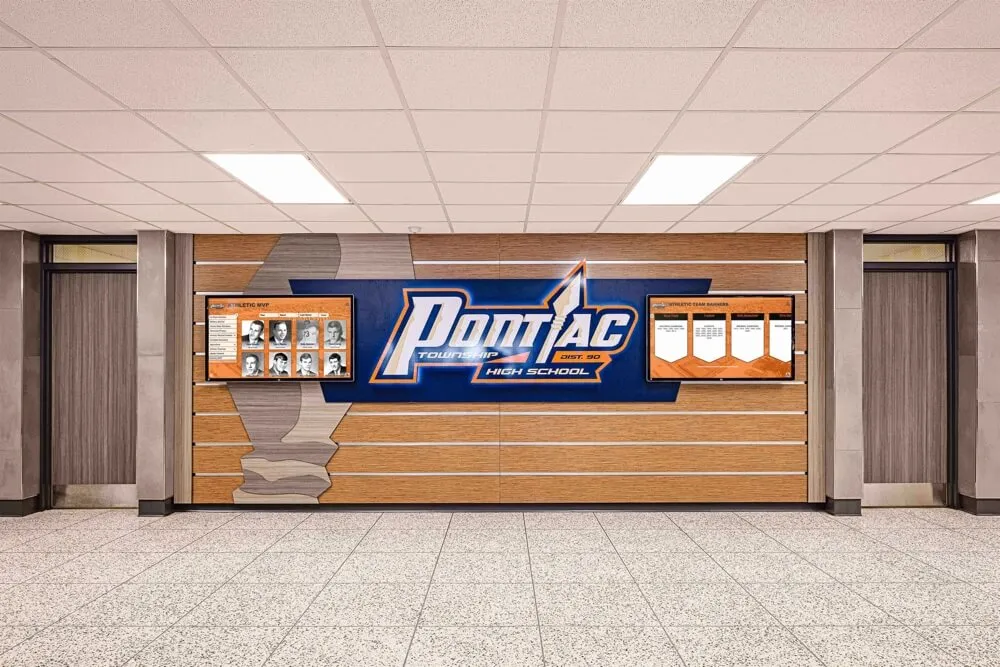
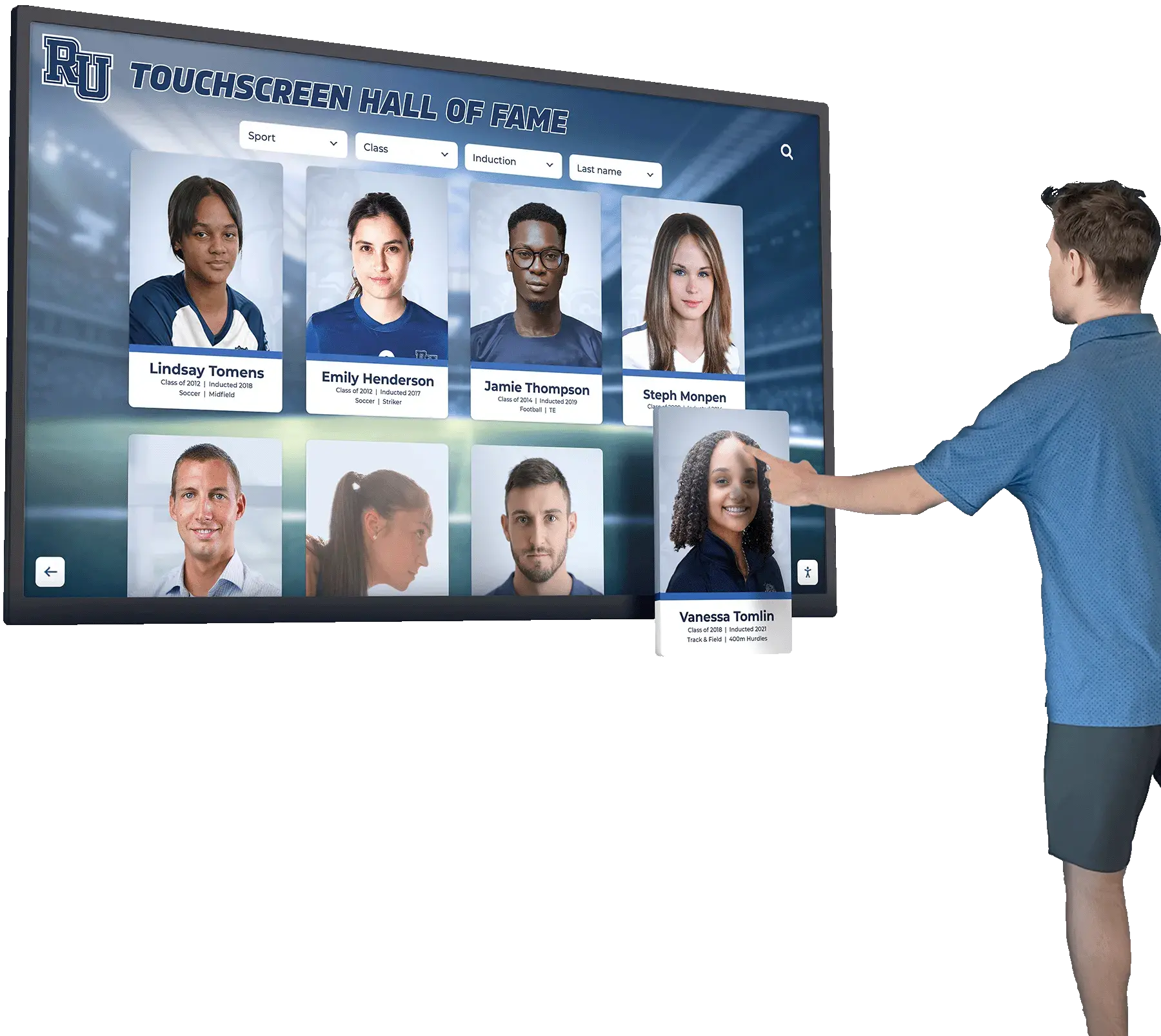
Interactive technology provides therapeutic engagement throughout pediatric healthcare environments
The Emergence of Gaming Specialists in Healthcare
Professional specialization has transformed how hospitals integrate gaming into comprehensive care approaches.
Creating New Healthcare Roles
The therapeutic gaming field has developed dedicated professionals:
When Seattle Children’s Therapeutic Gaming Program started, there were three other hospitals doing this work, with only four gaming specialists in the country, but now there are about fifty. According to the Children’s Hospital Association, the field has grown significantly, with an estimated 60 gaming specialists worldwide as of 2025, and there’s a vision for teams of gaming specialists to be embedded in every children’s hospital.
These Pediatric Gaming and Technology Specialists enhance the patient experience and support healing through the creative use of gaming and a wide range of emerging technology platforms, working closely with certified child life specialists, patients and families to provide gaming experiences tailored to individual needs and interests.
Integration with Child Life Services
Gaming specialists typically work within child life departments:
Child life services help children and families navigate the healthcare experience through developmentally appropriate interventions including therapeutic play, preparation for procedures, coping strategies, and emotional support. Gaming specialists extend these traditional child life approaches by leveraging interactive technology, virtual reality, and video games as additional therapeutic modalities.
This integration ensures gaming serves therapeutic purposes aligned with comprehensive care plans rather than operating as isolated entertainment services disconnected from medical and psychosocial treatment goals.
Learn about comprehensive community recognition approaches that create supportive environments in digital recognition programs guide applicable across institutional settings.
Funding and Philanthropic Support
Charitable organizations and community fundraising enable therapeutic gaming program expansion.
Child’s Play and Gaming Community Support
Gaming charities bridge funding gaps:
Child’s Play Charity has funded 49 Pediatric Gaming and Technology specialists in hospitals across the US, Australia, Canada, and even Kenya, while providing gaming equipment grants to pediatric hospitals and other child welfare organizations to help them update the games and technology they have. The organization developed the Therapeutic Video Game Guide in collaboration with mental health professionals to help children cope with pain, sadness, anxiety, and boredom.
Gaming Community Fundraising
Gamers themselves support pediatric programs:
Extra Life and similar initiatives enable gamers to fundraise for Children’s Miracle Network Hospitals by live-streaming gaming marathons, with participants raising millions annually for pediatric programs including therapeutic gaming equipment and staff positions. This creates powerful connection between gaming culture and pediatric healthcare, demonstrating that gaming communities actively invest in using their passion to help hospitalized children.
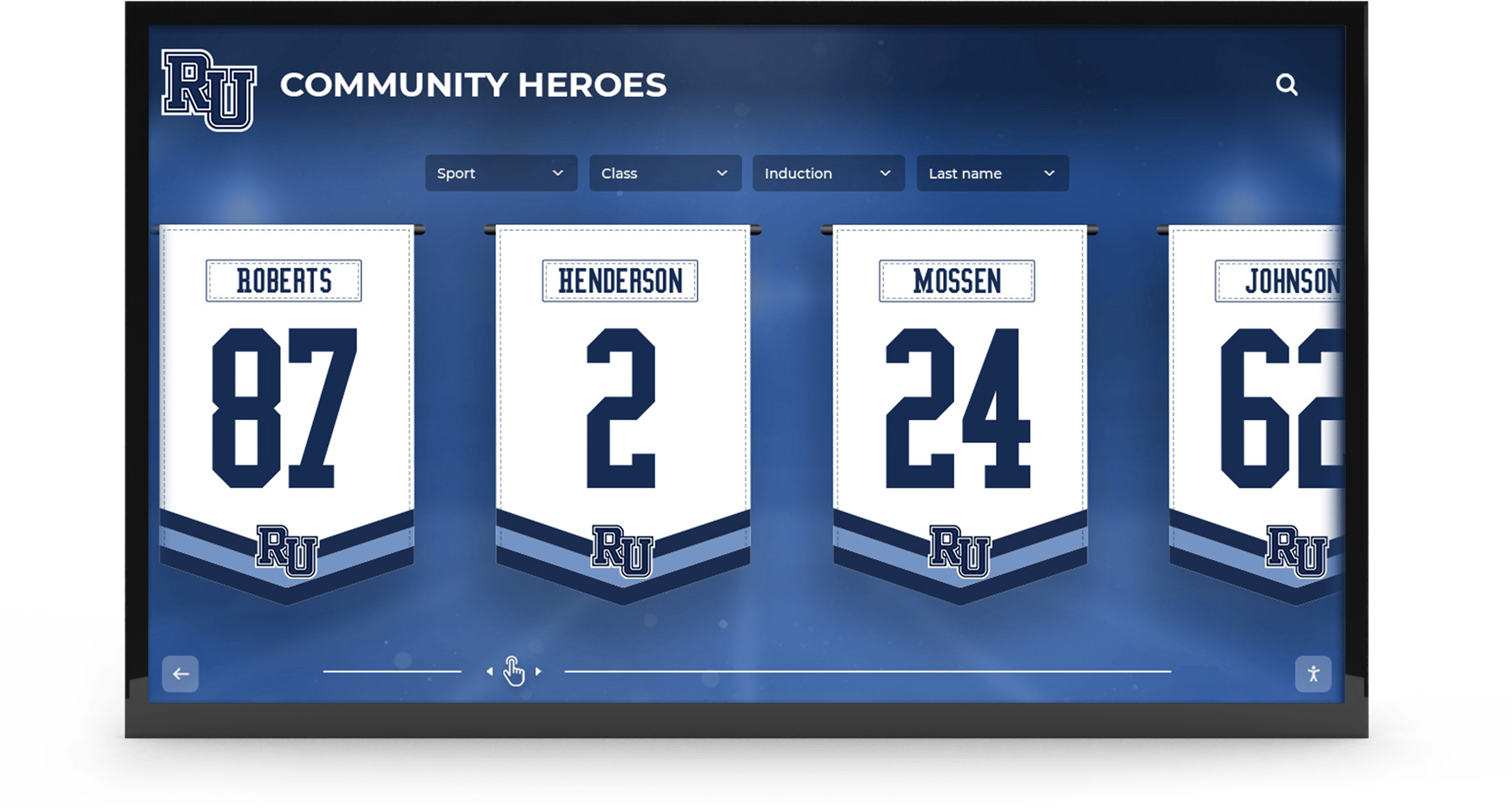
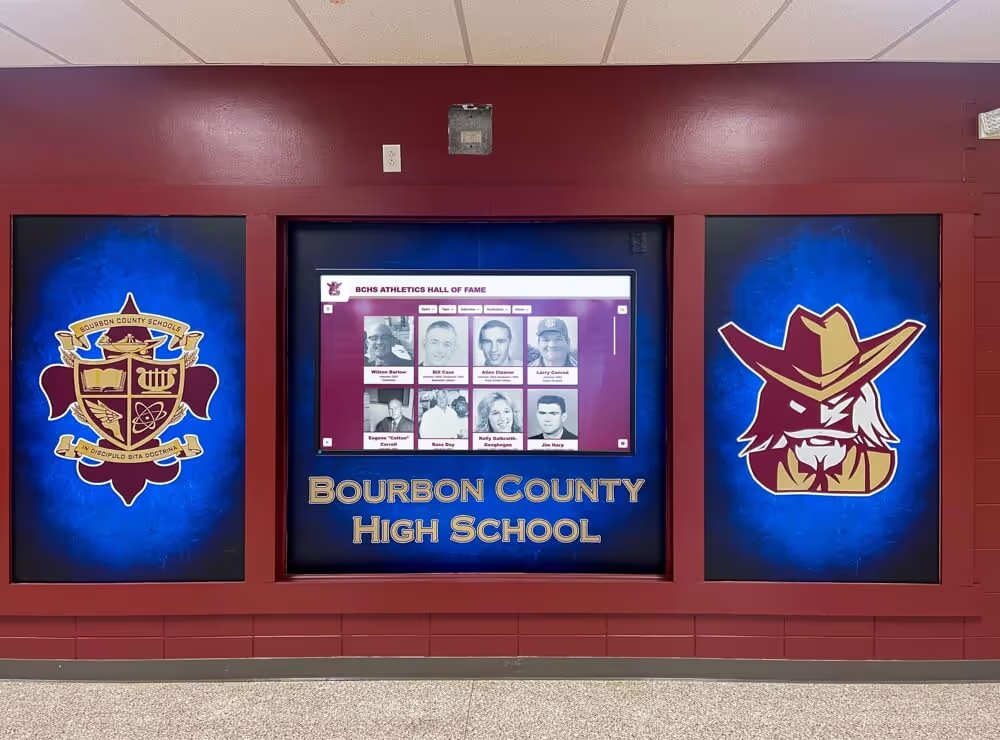
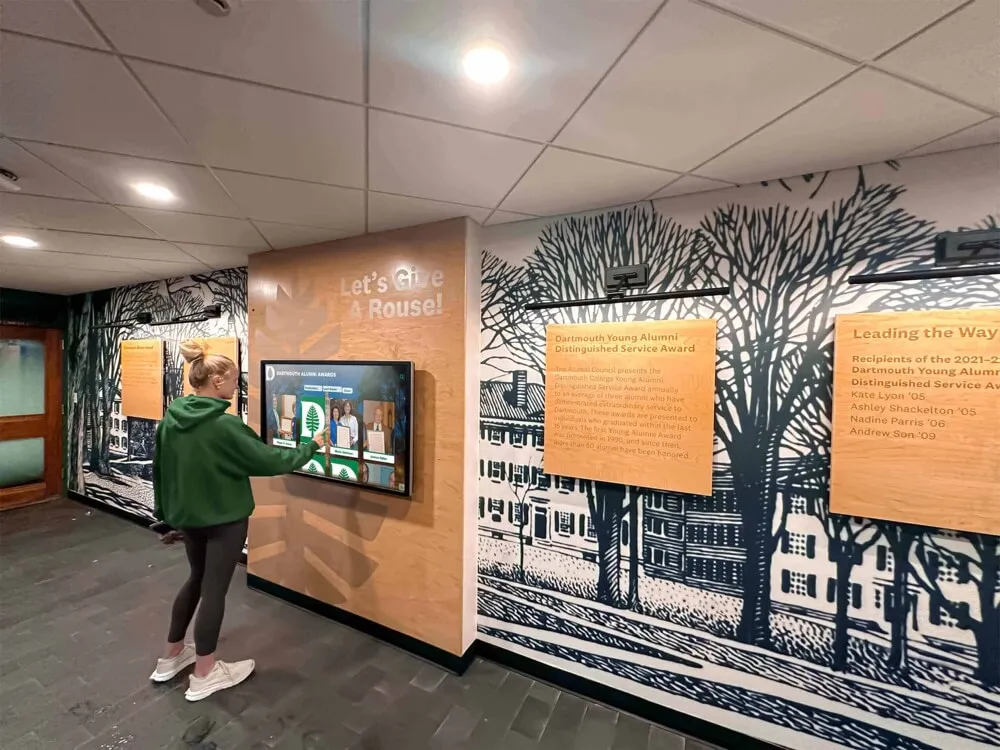
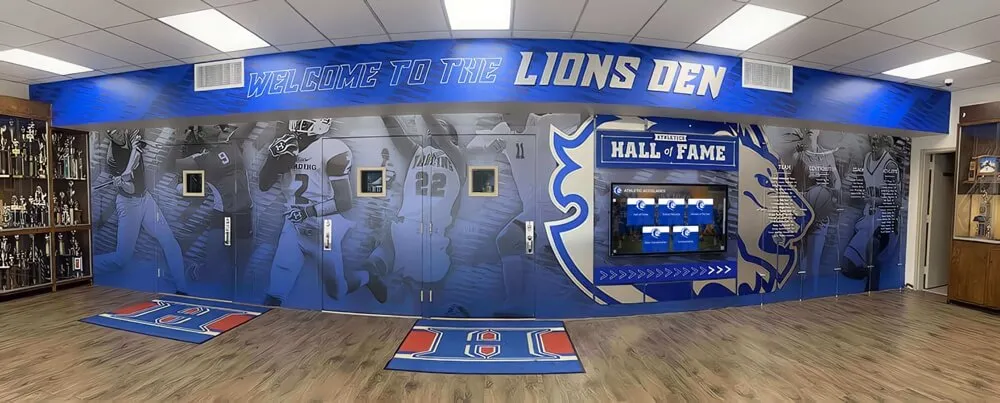
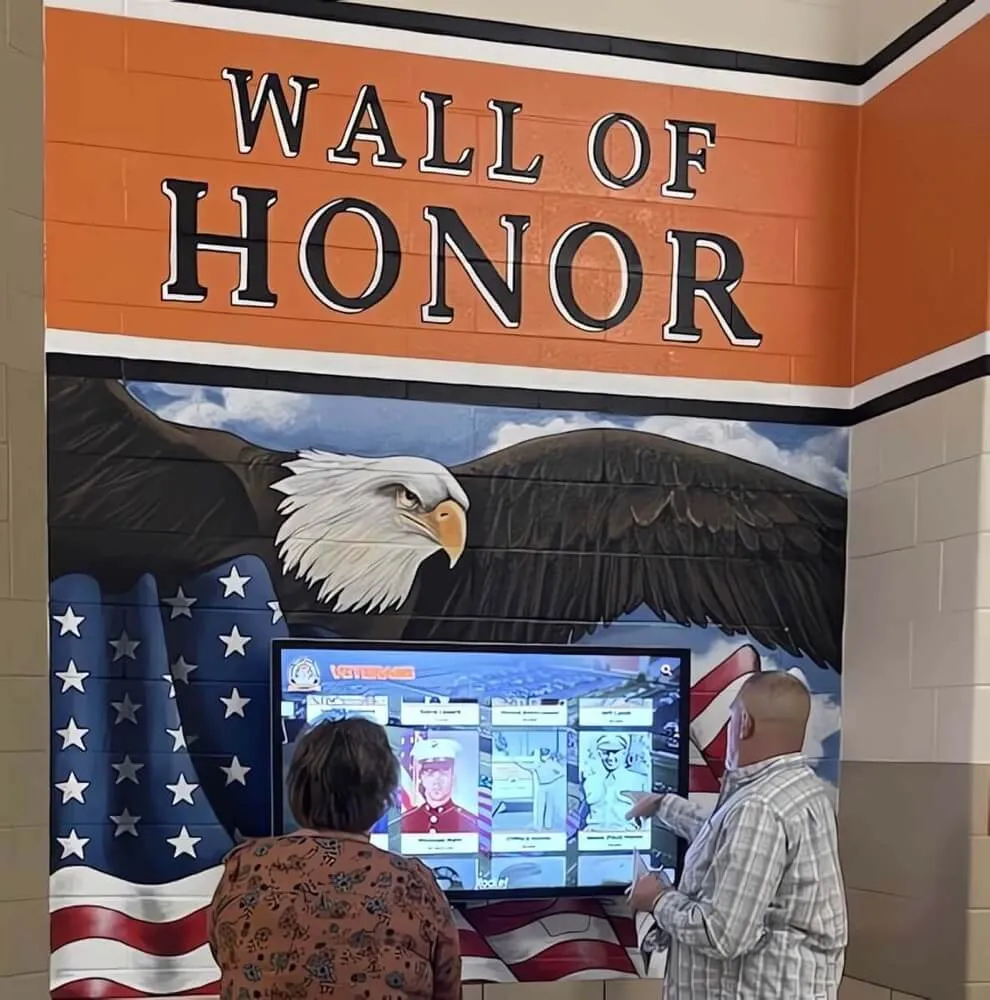
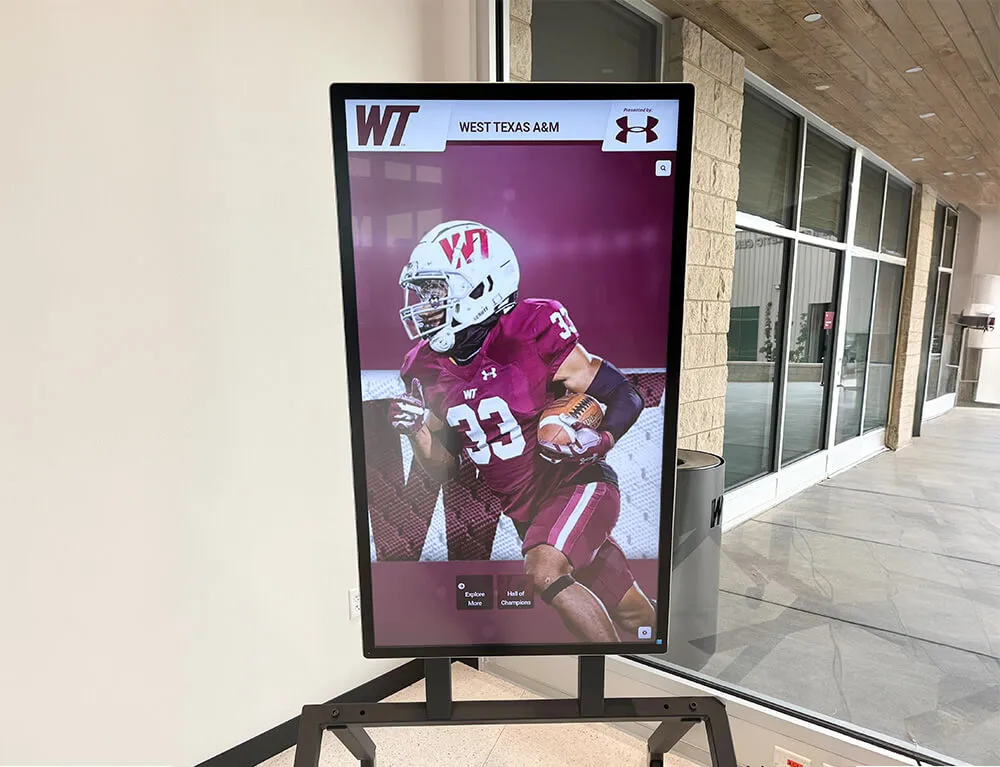
Recognition displays celebrate donors and community supporters who enable therapeutic programs
Hospital Foundation Priorities
Development professionals increasingly recognize gaming program appeal:
Therapeutic gaming presents compelling donor stories with visible, tangible impact that families directly experience and appreciate. Equipment donations provide naming opportunities and recognition, staff positions create meaningful legacy giving options, and program outcomes generate measurable results demonstrating philanthropic impact. Many hospital foundations now actively market gaming programs to prospective donors as high-impact, innovative initiatives that differentiate their institutions while providing immediate patient benefit.
Therapeutic Benefits of Video Games in Pediatric Settings
Research and clinical practice demonstrate gaming’s value across multiple therapeutic domains supporting comprehensive pediatric care.
Pain Management and Procedural Distraction
Video games provide non-pharmacological pain management particularly valuable for procedures and treatments.
Distraction During Painful Procedures
Gaming redirects attention reducing pain perception:
According to Seattle Children’s research, teams provide video games, augmented reality and virtual reality experiences to help kids combat boredom and serve as a distraction from painful or uncomfortable procedures, such as receiving shots or stitches. The immersive nature of gaming occupies cognitive resources that would otherwise process pain signals, effectively reducing subjective pain intensity without additional medication.
Procedural Benefits
Gaming distraction supports diverse medical procedures:
- Intravenous line placement and blood draws with reduced anxiety and movement
- Wound care and dressing changes requiring patient stillness and cooperation
- Physical therapy exercises made tolerable through gamification
- Imaging procedures like MRI requiring extended periods of motionless positioning
- Chemotherapy infusions during long treatment sessions
- Post-operative recovery distraction from surgical site discomfort
Child life specialists report that patients engaged in gaming during procedures require less physical restraint, demonstrate improved cooperation, express lower pain scores on pediatric pain scales, recover more quickly from procedure anxiety, and develop more positive associations with medical environments reducing future healthcare anxiety.
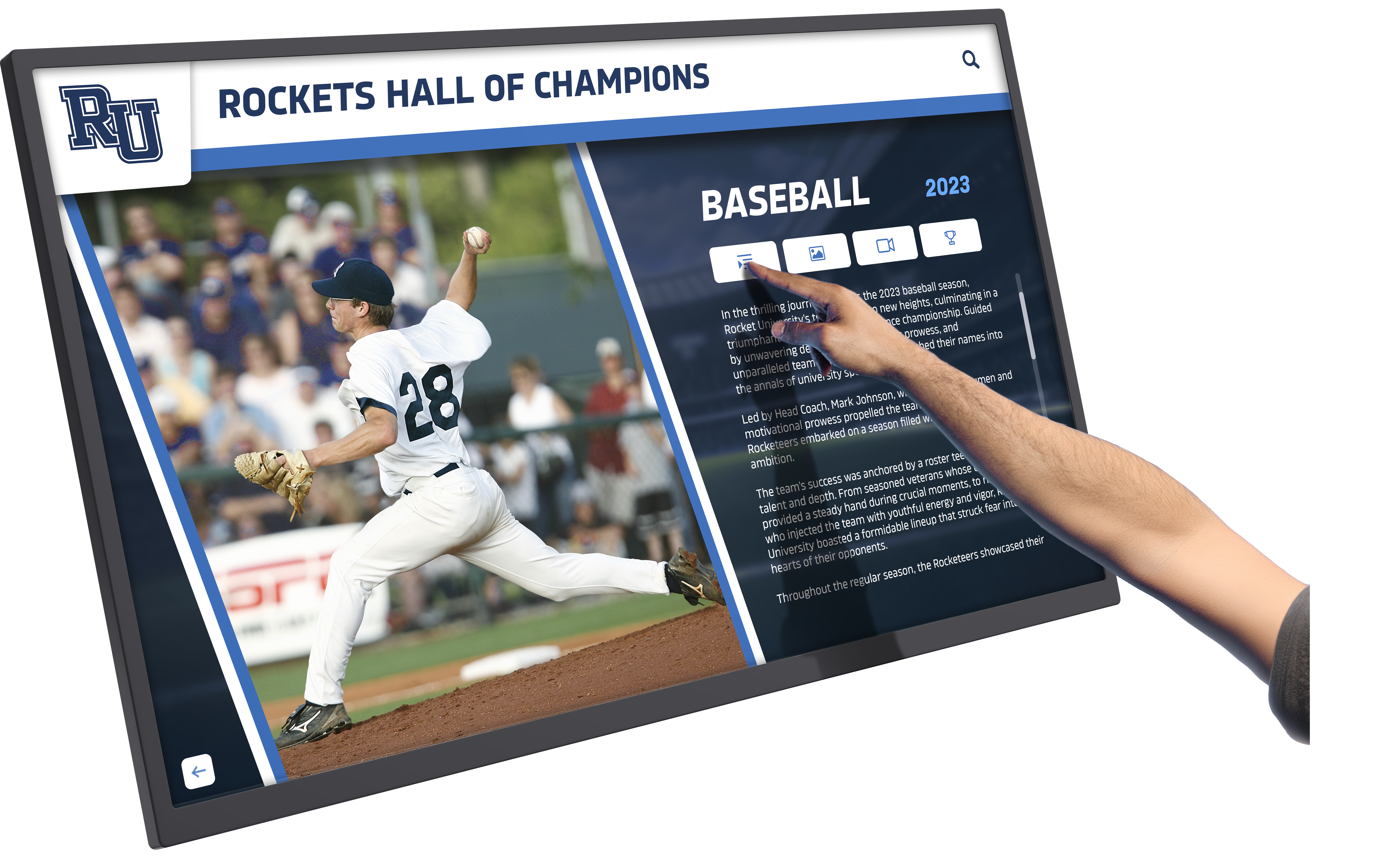
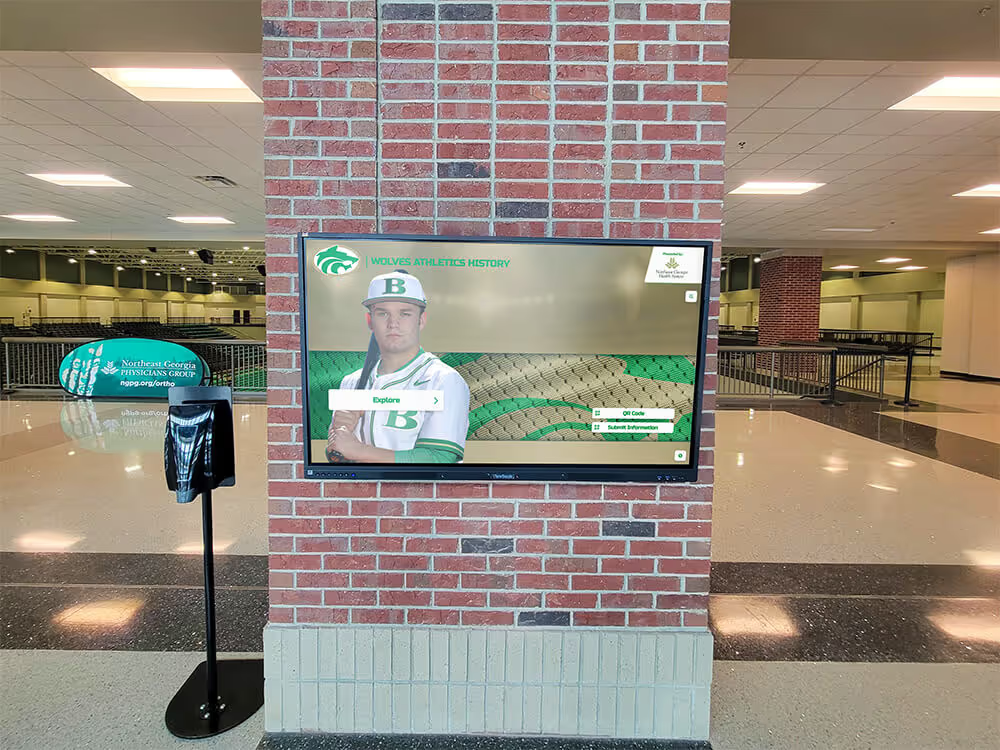
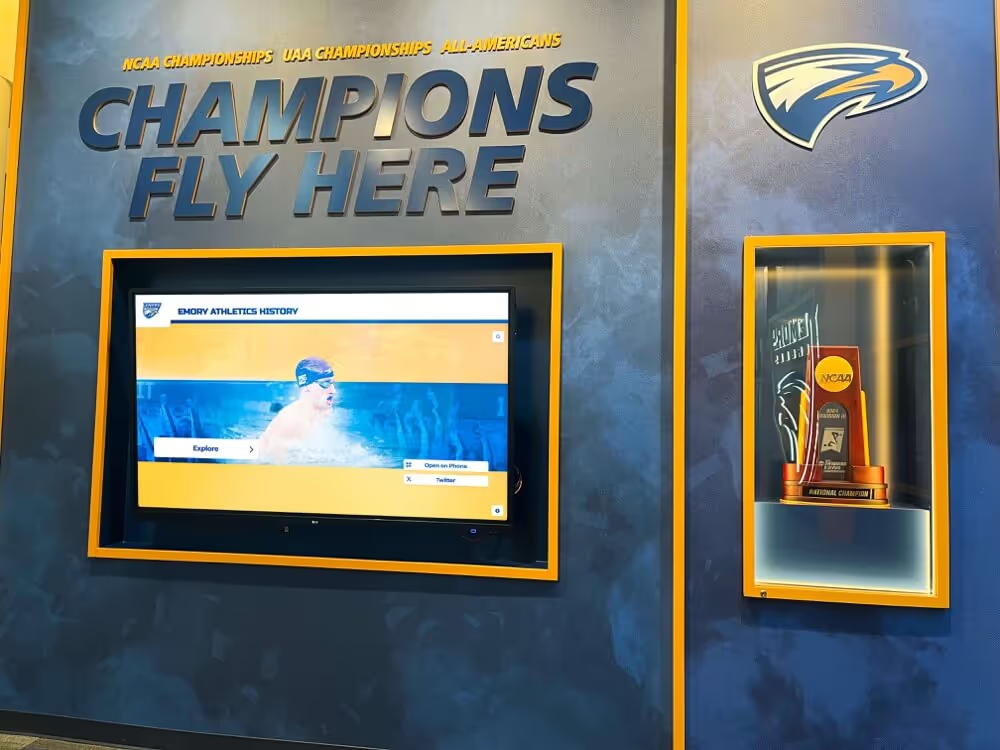
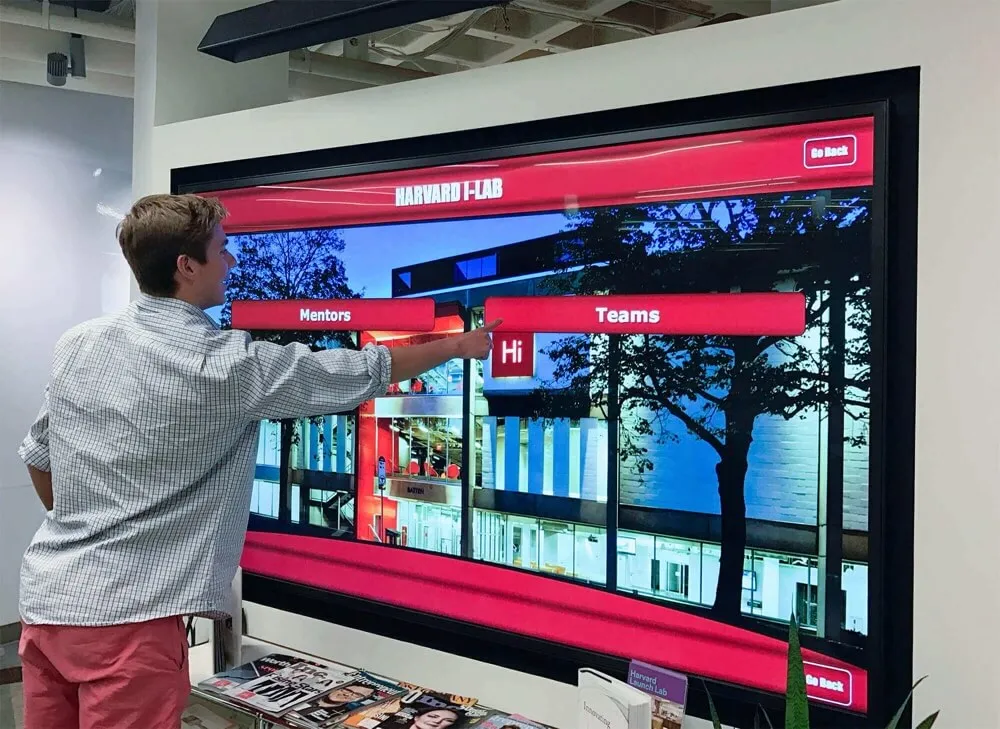
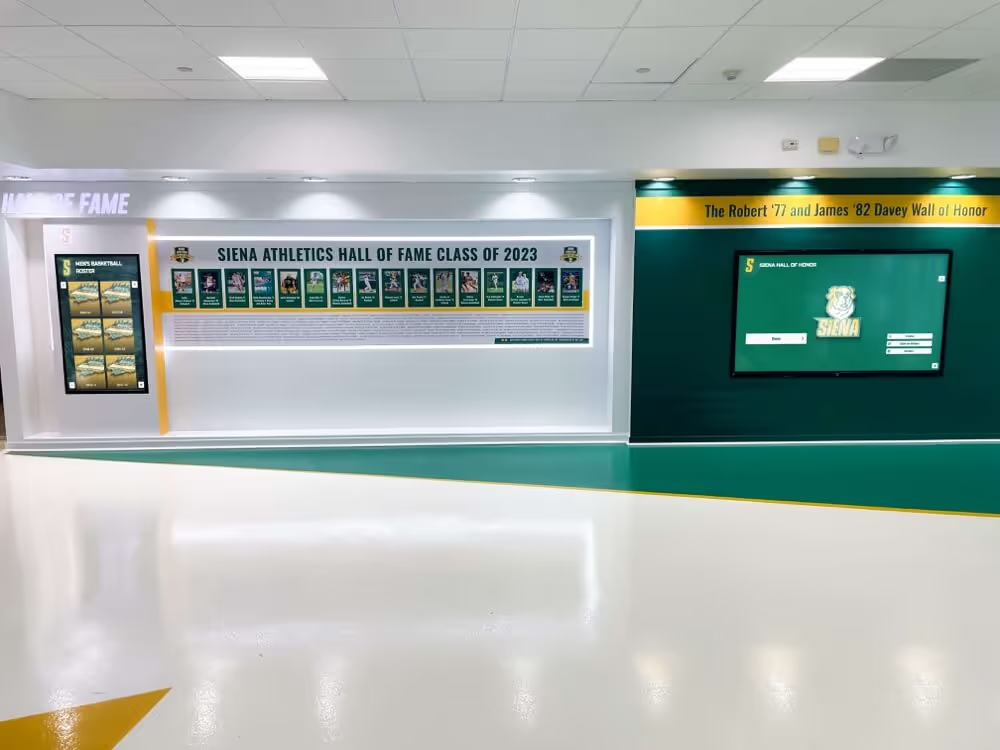
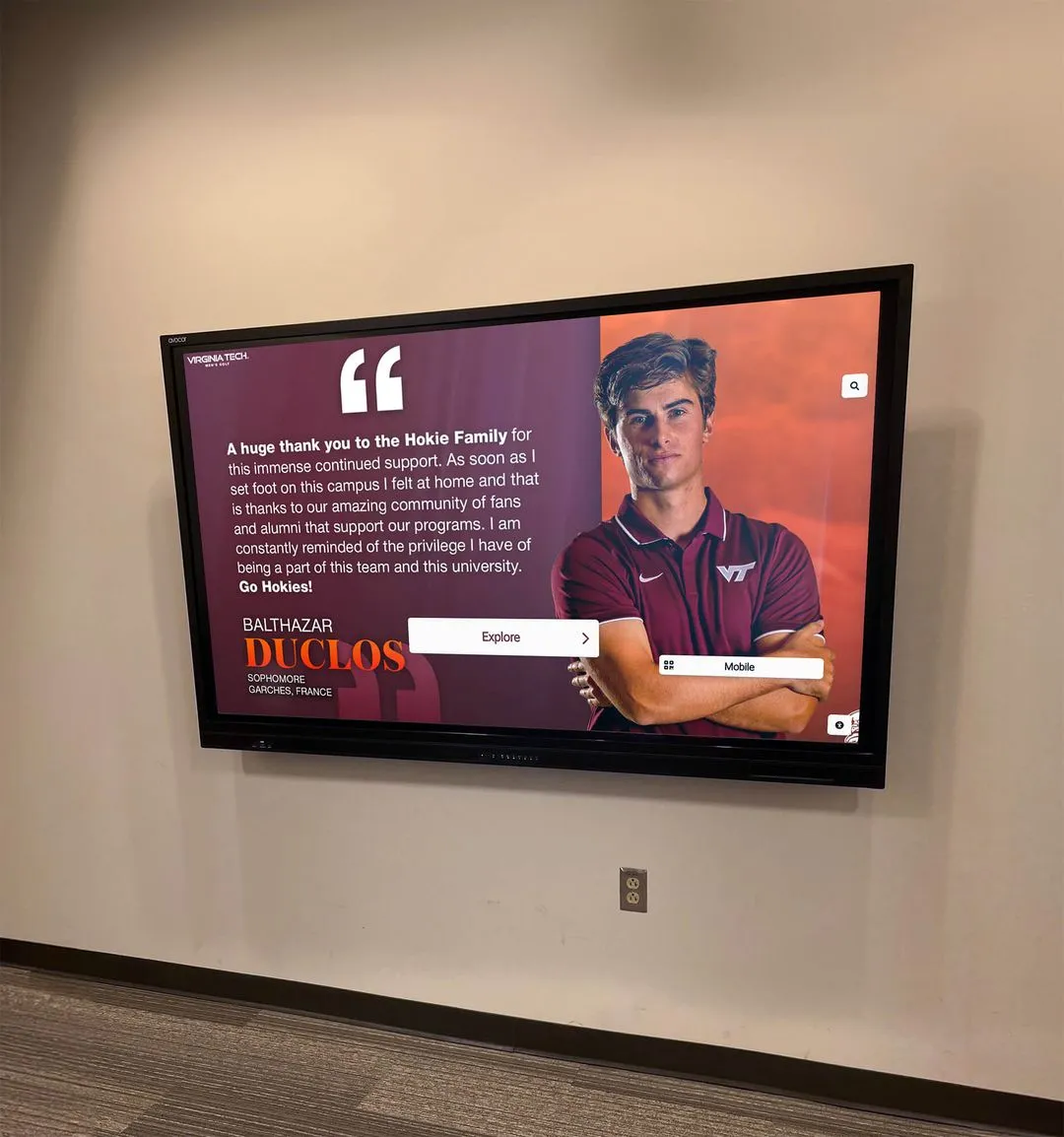
Interactive engagement through touchscreens provides therapeutic distraction and cognitive engagement
Physical Rehabilitation and Movement Promotion
Gamified therapy increases patient motivation and adherence to rehabilitation protocols.
Active Gaming for Physical Therapy
Motion-based games support rehabilitation goals:
Gaming tools are often used to supplement medical progress with active games to promote movement and healing, with teams frequently partnering with physical therapists and occupational therapists to incorporate gaming into their sessions according to Mary Bridge Children’s Hospital. Games requiring physical movement transform repetitive therapy exercises into engaging activities with immediate feedback and achievement systems that motivate continued effort.
Rehabilitation Applications
Gaming supports diverse physical therapy goals:
- Post-surgical mobility recovery through gradually increasing movement challenges
- Balance training for neurological conditions through stability-focused games
- Range of motion improvement via reaching and stretching game mechanics
- Fine motor skill development through controller manipulation and touchscreen interaction
- Strength building through resistance-based active gaming systems
- Coordination enhancement via rhythm games and timing-based challenges
Physical therapists report that pediatric patients complete more therapy repetitions when gamified, demonstrate improved engagement compared to traditional exercise protocols, achieve better outcomes through increased practice volume, express less therapy fatigue and boredom, and maintain home exercise programs more consistently when gaming elements continue beyond hospital stays.
Explore interactive technology applications in interactive touchscreen software guide examining diverse engagement approaches.
Cognitive Stimulation and Educational Continuity
Gaming maintains cognitive engagement preventing regression during extended hospitalizations.
Cognitive Benefits During Extended Stays
Educational gaming prevents skill loss:
According to research on cognitive effects of video games, gaming encourages fine motor movement, problem solving and critical thinking skills. For children missing extended school periods due to hospitalization, strategic game selection maintains academic engagement in mathematics through puzzle and strategy games, reading comprehension via narrative-driven adventure games, spatial reasoning through building and exploration games, logical thinking via programming and coding games, and general cognitive stimulation preventing the mental regression that can accompany extended bed rest.
Developmental Support
Gaming addresses developmental needs:
Child life specialists select age-appropriate games supporting normal developmental progression despite medical interruptions. Preschool patients engage with games building early literacy and numeracy, elementary-age children play games reinforcing academic concepts, middle school patients use games maintaining peer-appropriate cognitive challenges, and adolescents access games providing intellectual stimulation and identity exploration typical of developmental stage.
This continuity proves particularly critical for patients with chronic conditions requiring frequent or extended hospitalizations that would otherwise significantly disrupt educational and developmental trajectories.
Emotional Regulation and Mental Health Support
Gaming provides coping mechanisms for anxiety, fear, and emotional distress common in pediatric patients.
Anxiety Reduction and Emotional Coping
Gaming offers emotional regulation tools:
Starlight Children’s Foundation notes that gaming can be beneficial for mental health, with specialists noting that having control of the situation and working towards small-term goals can be a positive shift for patients when they’re at a low point. Games provide safe environments for experiencing control when medical circumstances create helplessness, achievable goals providing success experiences when treatment feels overwhelming, and emotional expression outlets through narrative choices and character identification.
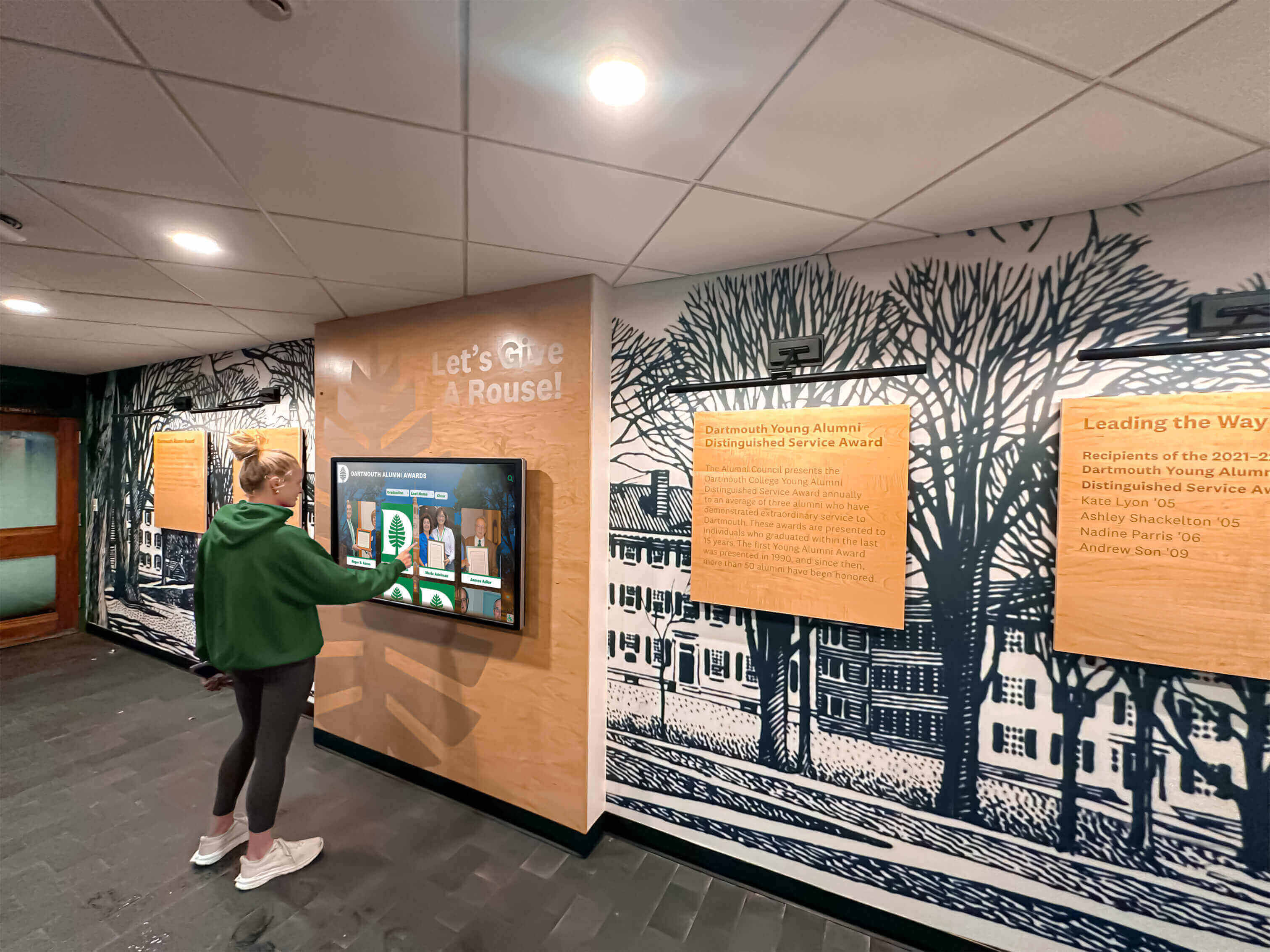
Interactive experiences provide control and achievement opportunities supporting emotional wellbeing
Mental Health Applications
Gaming supports comprehensive mental health care:
- Pre-operative anxiety reduction through calming, engaging games before surgery
- Trauma processing for patients with medical trauma through therapeutic gaming approaches
- Depression management via games promoting positive mood and accomplishment
- Stress relief through immersive experiences providing escape from hospital environment
- Emotional expression for patients struggling to verbalize feelings through narrative games
- Mindfulness training through meditation and relaxation-focused games
Child life specialists work with psychologists and psychiatrists integrating gaming into comprehensive mental health treatment plans for patients with both medical and psychiatric diagnoses.
Social Connection and Peer Interaction
Gaming facilitates social engagement despite physical isolation and medical restrictions.
Combating Isolation Through Gaming
Online gaming maintains peer relationships:
According to Nemours Children’s Health, gaming facilitates cooperative gameplay to encourage socialization and normalization, reducing isolation from friends and family through online gaming. Children with infectious diseases requiring isolation protocols, immunocompromised patients unable to attend school or public spaces, patients in distant hospitals far from home communities, and those with extended hospitalizations separating them from peer groups all maintain social connection through multiplayer gaming experiences.
Sibling and Family Connection
Gaming creates positive family interaction:
Hospital gaming programs provide opportunities for siblings to visit and play games together normalizing family relationships, parents to engage in positive activities with hospitalized children beyond bedside sitting, and family game tournaments creating normal childhood memories despite abnormal circumstances. These positive interactions prove particularly valuable for families under stress where hospital visits might otherwise focus exclusively on medical updates and caregiving tasks rather than relationship maintenance and normal family fun.
Learn about creating engaging recognition displays that celebrate community connection in digital hall of fame guide with comprehensive strategies.
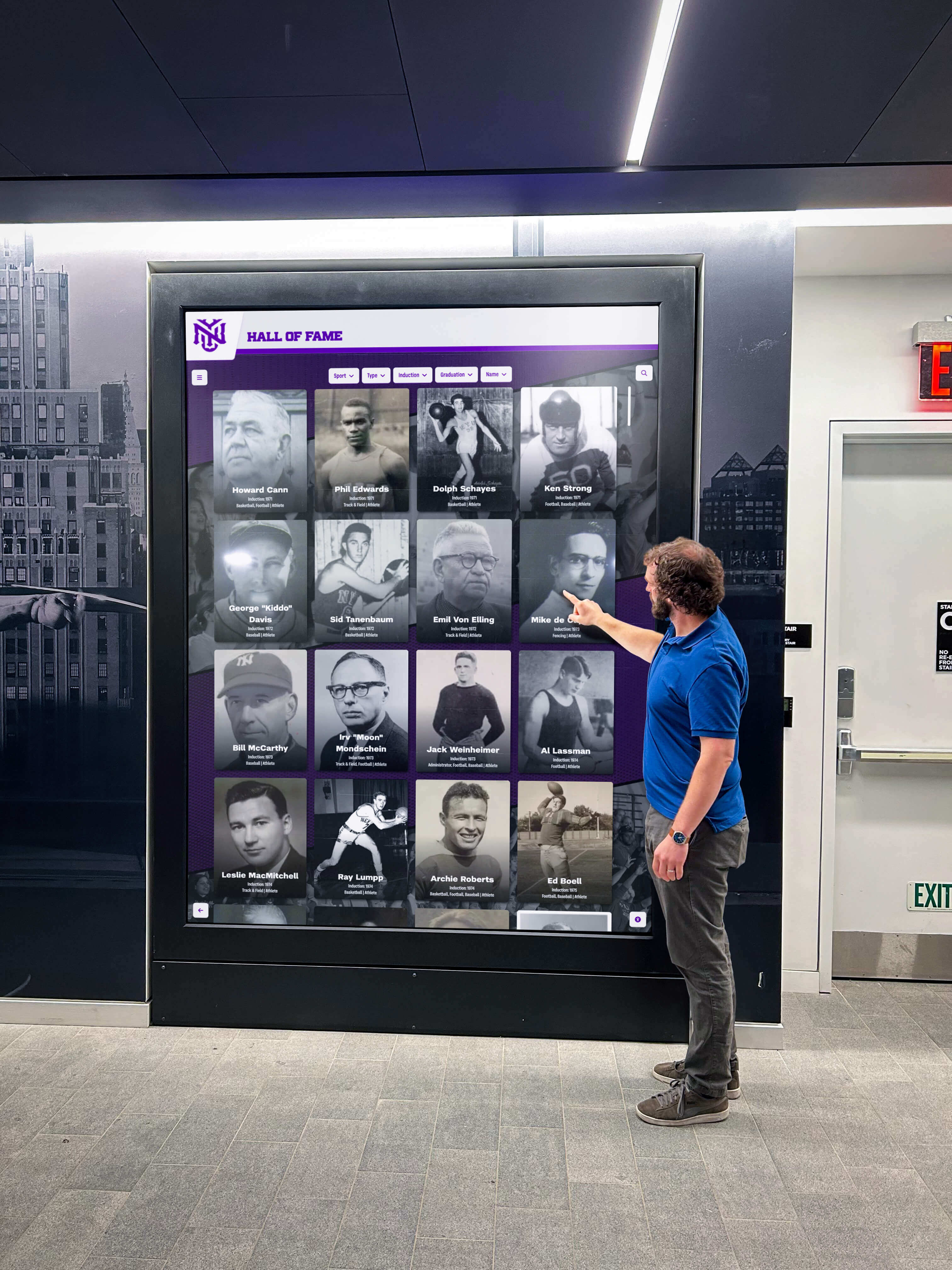
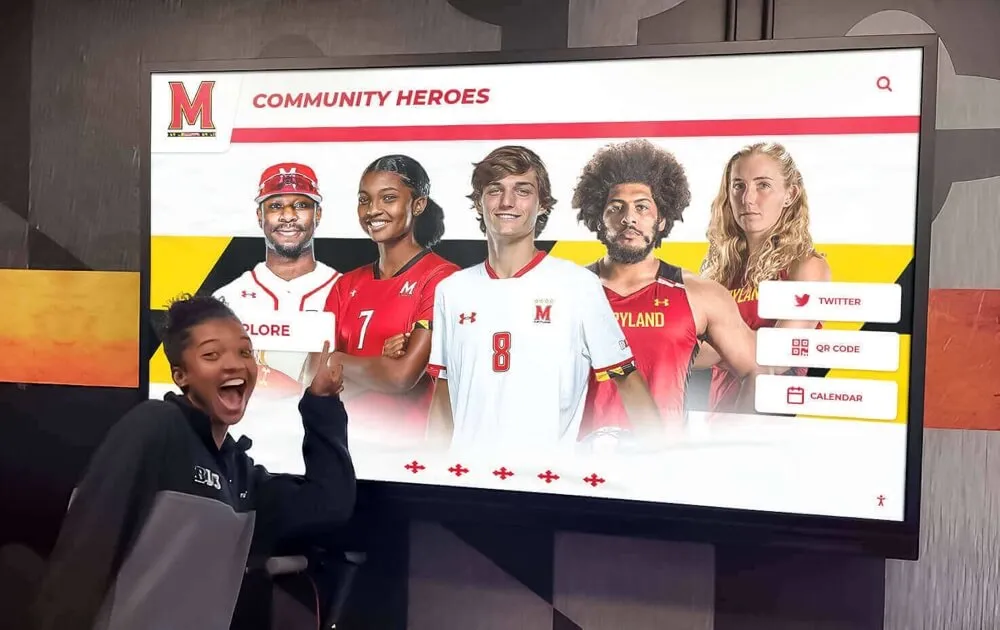
Interactive displays create engagement opportunities for patients, families, and visitors throughout facilities
Implementing Therapeutic Gaming Programs
Effective therapeutic gaming requires systematic planning, appropriate resources, and integration with existing child life and medical services.
Program Models and Staffing Approaches
Different staffing models suit various hospital sizes and resources.
Dedicated Gaming Specialist Positions
Large pediatric hospitals employ specialized staff:
Gaming Specialist Responsibilities
- Assess individual patient needs and interests creating personalized gaming recommendations
- Maintain and organize gaming equipment ensuring availability and functionality
- Train volunteers and staff on therapeutic gaming approaches and equipment operation
- Partner with medical teams integrating gaming into care plans
- Collect outcome data demonstrating program impact and justifying continued support
- Develop community partnerships securing equipment donations and volunteer support
These dedicated positions typically require backgrounds in child life, recreation therapy, education, or related fields with additional gaming knowledge and technology competency.
Child Life Integration Model
Smaller facilities integrate gaming into existing child life services:
Rather than hiring dedicated gaming specialists, hospitals train existing child life specialists in therapeutic gaming approaches, allocate portion of child life budgets to gaming equipment and maintenance, partner with volunteer programs recruiting gaming-savvy volunteers, and leverage community donations securing equipment without major capital investments.
This approach provides therapeutic gaming benefits within existing budgetary constraints while building toward potential future dedicated positions as programs demonstrate value and secure philanthropic support.
Volunteer-Driven Programs
Community hospitals may rely primarily on volunteers:
Gaming volunteer programs recruit college students, retired professionals, and community members passionate about gaming who complete training in hospital procedures, patient privacy, infection control, and age-appropriate gaming selections. Volunteers provide bedside gaming support, organize gaming tournaments and group activities, maintain equipment and game libraries, and serve as program ambassadors sharing patient stories that attract donors and additional volunteers.
Strong volunteer coordination and training programs ensure consistent quality and appropriate therapeutic approaches despite volunteer turnover.
Equipment Selection and Technology Infrastructure
Appropriate hardware and software selections maximize therapeutic value while managing costs and maintenance.
Gaming Platform Considerations
Different platforms serve different therapeutic needs:
Console Gaming
- PlayStation, Xbox, and Nintendo systems provide extensive game libraries
- Motion-controlled games support physical therapy and active gaming
- Multiplayer games facilitate social connection and family interaction
- Familiar platforms that most children recognize and can operate independently
- Higher initial costs but durability and extensive game availability
Mobile and Tablet Gaming
- iPads and tablets offer portability for bedside use
- Touch interfaces accessible for patients with limited mobility
- Extensive educational and therapeutic app options
- Lower costs enabling wider distribution across facility
- Easier infection control with wipeable surfaces
Virtual Reality Systems
- Immersive experiences providing powerful distraction during procedures
- Therapeutic applications for pain management, anxiety reduction, and phobia treatment
- Physical therapy and rehabilitation applications through VR movement tracking
- Higher costs and supervision requirements limiting broad deployment
- Remarkable patient engagement and clinical interest in expanding applications
PC Gaming
- Extensive game libraries including educational and therapeutic titles
- Modification capabilities for specialized accessibility needs
- Higher upfront costs but flexibility and longevity
- May require more technical support and maintenance
Comprehensive programs typically include multiple platforms addressing diverse patient populations, therapeutic applications, and individual preferences.
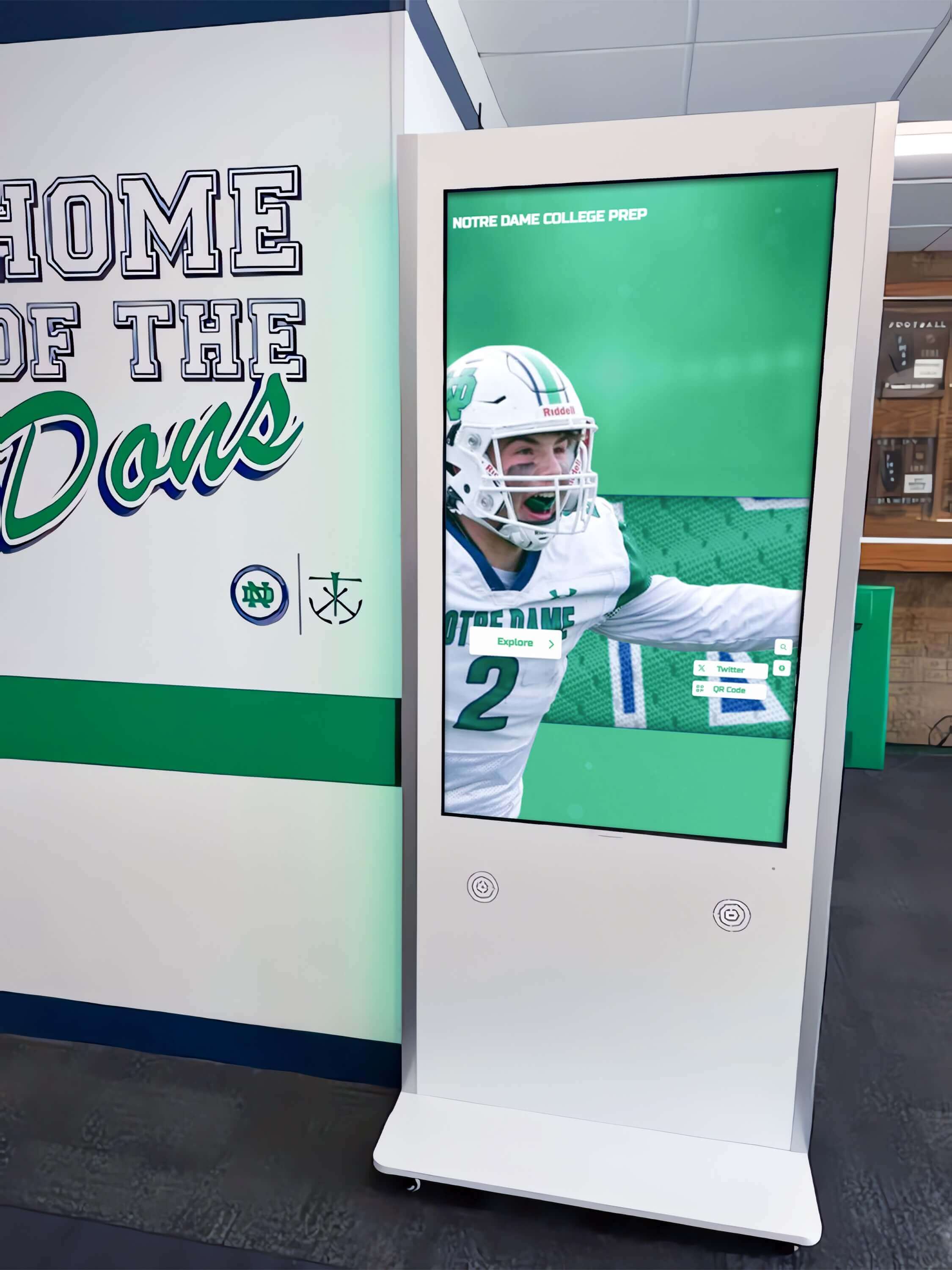
Strategically placed interactive displays extend digital engagement throughout healthcare facilities
Game Selection and Therapeutic Appropriateness
Strategic game library curation ensures content serves therapeutic purposes while remaining age-appropriate and medically suitable.
Therapeutic Game Categories
Different game types serve specific therapeutic functions:
Distraction and Pain Management Games
- Immersive, engaging games capturing attention during procedures
- VR experiences providing powerful sensory engagement
- Rhythm and music games requiring focus and timing
- Puzzle games demanding cognitive resources redirecting pain processing
- Avoid violent or stress-inducing content that might increase anxiety
Active and Rehabilitation Games
- Motion-controlled games requiring physical movement and balance
- Sports simulations supporting coordination and strength building
- Dance and fitness games encouraging cardiovascular activity
- Gentle yoga and stretching games for recovery and mobility
- Adjustable difficulty accommodating varying ability levels
Cognitive and Educational Games
- Puzzle and strategy games maintaining problem-solving skills
- Educational games reinforcing academic concepts during school absences
- Programming and logic games building computational thinking
- Creative building games supporting spatial reasoning and planning
- Age-appropriate challenges matching developmental levels
Social and Cooperative Games
- Multiplayer games facilitating peer interaction despite physical distance
- Cooperative team games requiring communication and collaboration
- Party games appropriate for family participation during visits
- Online games enabling connection with school friends and siblings at home
- Avoid competitive games that might create frustration or negative emotions
Child life specialists and gaming coordinators regularly review game libraries removing outdated or inappropriate titles while adding new releases that expand therapeutic options.
Discover comprehensive display solutions that enhance facilities in digital touchscreen displays guide with practical implementation strategies.
Measuring Outcomes and Demonstrating Value
Systematic data collection proves program effectiveness supporting continued funding and expansion.
Key Outcome Metrics
Therapeutic gaming programs should track:
Patient Experience Measures
- Self-reported pain scores before and during gaming interventions
- Anxiety assessment scales comparing gaming versus standard care
- Patient and family satisfaction surveys including gaming program questions
- Therapy adherence rates for patients receiving gamified versus traditional approaches
- Behavioral observation during procedures noting cooperation and distress
Clinical Outcome Indicators
- Medication usage comparing gaming distraction to baseline pain management needs
- Physical therapy goal achievement rates for gamified versus traditional protocols
- Length of stay comparisons when gaming reduces stress and promotes healing
- Readmission rates potentially influenced by improved coping and adherence
- Developmental milestone maintenance despite hospitalization
Operational and Financial Metrics
- Program utilization rates demonstrating patient and staff engagement
- Volunteer recruitment and retention indicating community support
- Philanthropic revenue generated specifically for gaming programs
- Cost avoidance from reduced medication needs and improved outcomes
- Staff satisfaction with therapeutic tools available for patient care
These metrics provide evidence justifying continued investment while identifying improvement opportunities and supporting grant applications and donor development efforts.
Interactive Digital Displays in Pediatric Healthcare
Beyond individual gaming devices, interactive digital displays throughout pediatric facilities extend therapeutic gaming benefits while serving additional functions supporting patients, families, and staff.
Lobby and Common Area Displays
Strategic digital installations create welcoming, engaging environments throughout facilities.
Patient Recognition and Achievement Celebration
Digital displays can celebrate young patients:
Solutions like Rocket Alumni Solutions enable healthcare facilities to create recognition displays celebrating patient achievements, milestones reached during treatment, creative artwork and stories, community support and volunteer recognition, and donor acknowledgment for gaming program supporters. These displays normalize hospital environments by incorporating elements of celebration and achievement typical of schools and community organizations rather than focusing exclusively on medical care.
Wayfinding and Family Information
Interactive displays support navigation:
Pediatric hospitals serve diverse visitors including parents navigating unfamiliar facilities during emergencies, grandparents visiting from distant locations, siblings attending special family events, international families with limited English proficiency, and medical professionals providing consultative services. Interactive touchscreen directories with building maps and room locations, multilingual interfaces serving diverse patient populations, department information explaining services and locations, and parking and entrance guidance simplify access.
These wayfinding displays reduce staff interruptions for directions while decreasing family stress from navigation confusion during already anxious hospital experiences.
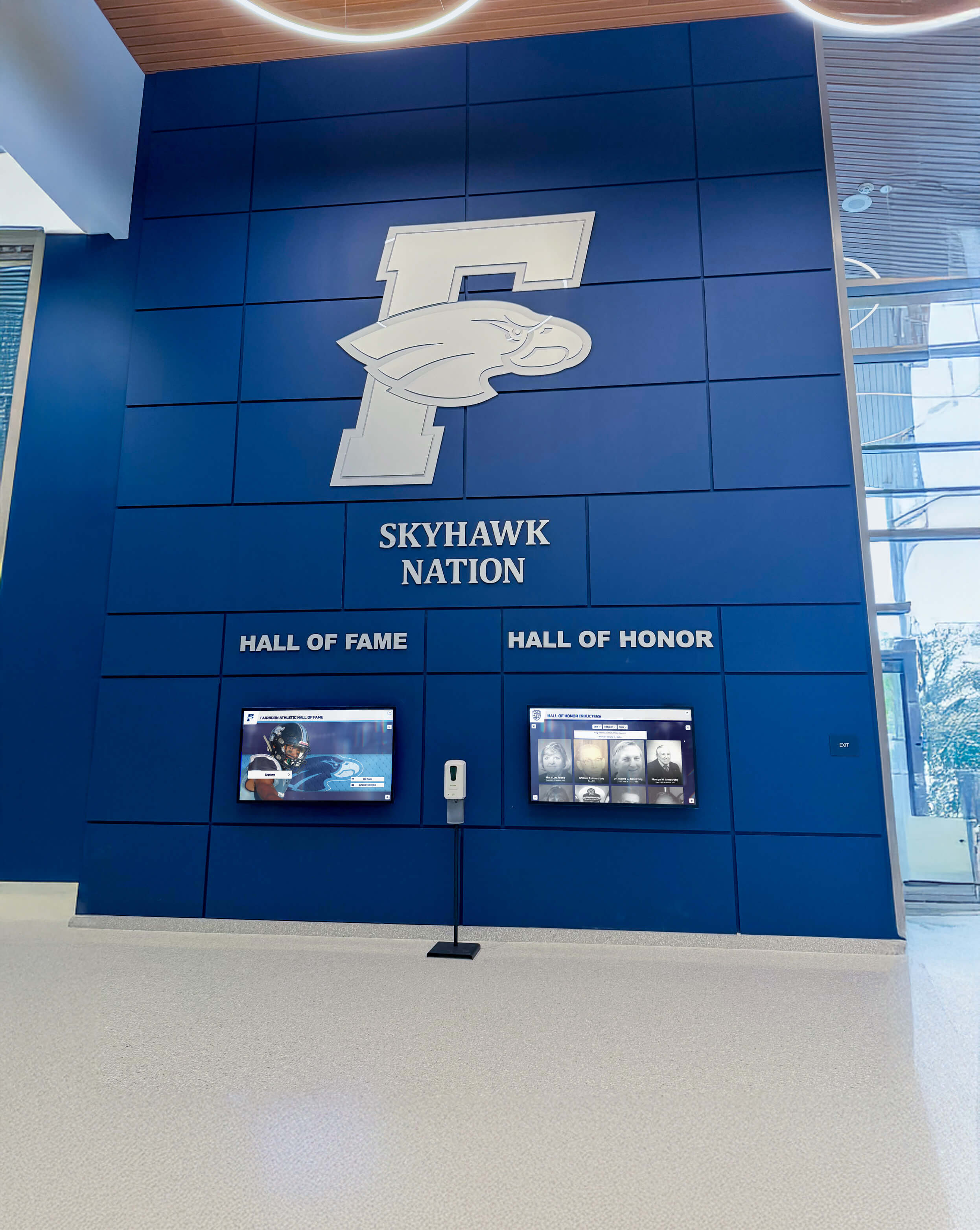
Lobby displays create welcoming first impressions while providing essential information and community connection
Educational and Informational Content
Digital displays can deliver health education and procedural preparation.
Procedural Preparation Content
Interactive displays help families understand treatments:
Age-appropriate videos and animations explaining procedures reduce anxiety, virtual tours of operating rooms, imaging suites, and treatment areas familiarize patients with environments, staff introduction videos help children recognize doctors and nurses they’ll encounter, and recovery expectation content helps families understand post-procedure experiences. This preparation proves particularly valuable for planned procedures where families access content before admission, reducing anxiety and improving cooperation during actual events.
Health Education and Wellness Information
Displays support patient and family education:
Condition-specific education helps families understand diagnoses and treatments, medication management information ensures proper home care, nutrition and activity guidance supports recovery and wellness, developmental milestone information helps families track progress, and community resource connections link families to support services. This educational content extends hospital impact beyond immediate medical care while supporting families in comprehensive management of child health.
Entertainment and Engagement Throughout Facility
Digital displays provide distraction and entertainment in waiting areas and common spaces.
Waiting Room and Clinic Entertainment
Interactive displays reduce perceived wait times:
Clinics and waiting areas equipped with interactive touchscreen displays providing games, videos, educational content, and interactive activities significantly improve patient and family experience during waits. Parents report reduced stress when children remain engaged rather than becoming bored and restless, children express more positive associations with clinic visits when entertaining elements are present, and staff experience fewer behavioral challenges in waiting areas.
Inpatient Floor Common Areas
Playrooms and teen lounges benefit from interactive technology:
Digital displays in shared spaces provide gaming opportunities for ambulatory patients, entertainment during supervised playgroup activities, video calling stations for virtual visits with distant family and friends, creative expression tools for digital art and storytelling, and music and video streaming for patient-selected entertainment. These common area applications complement bedside gaming while encouraging patients to leave rooms promoting social interaction and physical activity when medically appropriate.
Explore comprehensive interactive display applications in interactive announcements feed guide with strategies applicable across institutions.
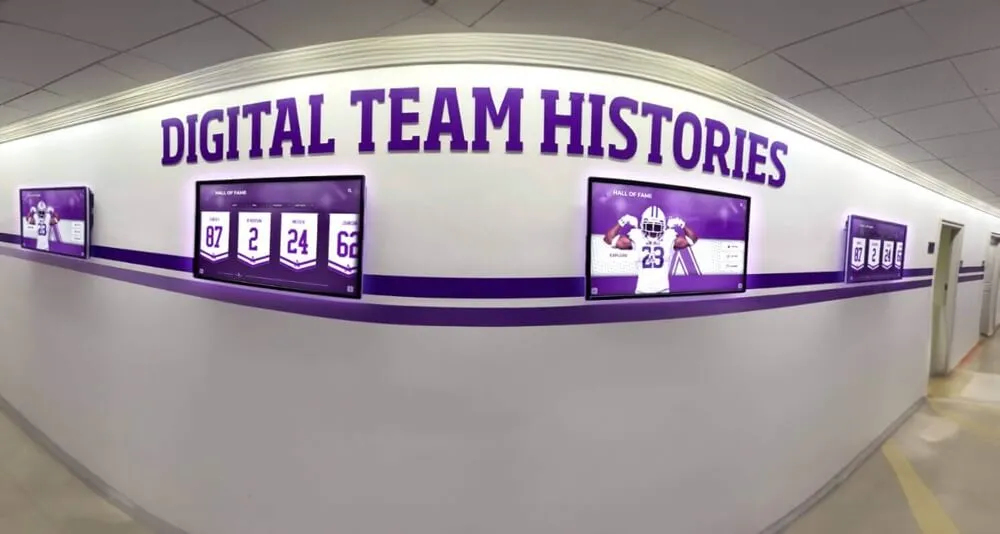
Hallway installations extend interactive engagement throughout facilities maximizing patient and family exposure
Best Practices and Considerations
Successful therapeutic gaming programs require attention to medical, ethical, and practical considerations beyond simply providing equipment.
Infection Control and Equipment Hygiene
Hospital environments demand rigorous infection prevention protocols.
Equipment Cleaning and Sanitization
Gaming equipment requires systematic hygiene procedures:
Hospitals must establish cleaning protocols for controllers, tablets, and shared equipment between patient uses, use appropriate hospital-grade disinfectants that don’t damage electronics, designate equipment for isolation patients that doesn’t circulate to general population, utilize protective covers and cases enabling easier sanitization, and train staff and volunteers on proper cleaning procedures and infection control importance.
Child life and gaming staff work closely with infection prevention teams ensuring gaming equipment doesn’t contribute to healthcare-associated infections while remaining accessible for therapeutic use.
Equipment Rotation and Maintenance
Systematic management prevents contamination:
Programs benefit from sufficient equipment quantity enabling rotation while items undergo cleaning, dedicated storage areas maintaining hygiene between uses, regular inspection identifying wear or damage requiring replacement, and tracking systems preventing cross-contamination between isolation and general patient areas.
Privacy and Security Considerations
Healthcare settings require special attention to patient privacy and online safety.
HIPAA Compliance and Patient Privacy
Gaming programs must protect patient information:
When creating patient recognition displays or sharing gaming program stories, obtain explicit parental consent for any patient photography or identification, avoid displaying patient names or medical information in public areas, review all content for incidental protected health information, and establish clear policies about what patient information may be shared in program promotion.
Marketing and development staff seeking compelling patient stories for fundraising must work closely with privacy officers ensuring all content complies with HIPAA and hospital policies.
Online Safety and Content Filtering
Internet-connected gaming requires protective measures:
Hospital networks should implement content filtering preventing access to inappropriate websites and games, disable chat features or moderate communications in multiplayer games, create supervised gaming accounts that don’t reveal patient identities, establish acceptable use policies families acknowledge before gaming access, and monitor online interactions ensuring patient safety in virtual environments.
These protections prevent cyberbullying, inappropriate content exposure, and privacy breaches while enabling beneficial online gaming experiences.
Age-Appropriateness and Developmental Sensitivity
Gaming selections must match patient developmental stages and medical conditions.
Developmental Considerations
Different ages require different approaches:
Infants and toddlers benefit from simple cause-and-effect games with bright colors and sounds, preschool children engage with educational games building early literacy and numeracy, elementary-age patients enjoy age-appropriate adventure and creative games, middle school patients prefer social and multiplayer games connecting with peers, adolescents appreciate complex strategy and narrative games appropriate for developmental stage, and young adults in pediatric settings need mature content options respecting their age.
Gaming coordinators assess individual patient developmental levels rather than relying solely on chronological age, particularly for patients with developmental disabilities or delays.
Medical Condition Sensitivities
Gaming selections should consider medical contexts:
Avoid fast-paced, stimulating games for patients with seizure disorders unless verified safe, use calming games for patients with anxiety or trauma histories, select games without medical themes for patients who need mental breaks from healthcare context, avoid competitive games for patients experiencing treatment failure or poor prognosis, and choose cooperative games encouraging family participation for patients needing family support.
Child life specialists and gaming coordinators consider individual patient circumstances ensuring gaming provides therapeutic benefit rather than inadvertently causing distress.
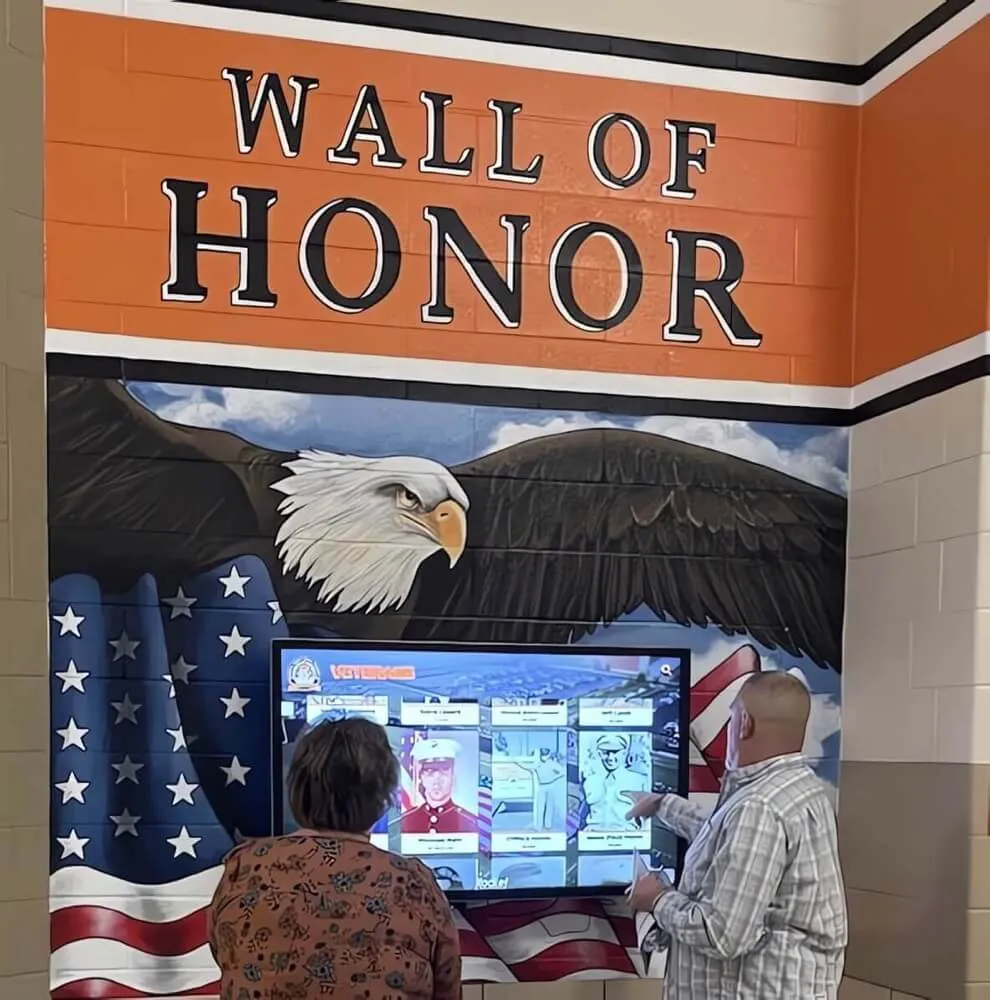
Recognition displays create positive, uplifting environments celebrating achievement and community connection
Staff Training and Program Sustainability
Long-term program success requires comprehensive training and sustainable operational models.
Staff Education and Competency
Gaming programs require trained personnel:
Essential Training Components
- Therapeutic gaming principles and evidence-based applications
- Age-appropriate game selection and developmental considerations
- Medical condition awareness and gaming contraindications
- Infection control procedures specific to gaming equipment
- Privacy protection and online safety protocols
- Documentation requirements for therapeutic interventions
- Family engagement and communication strategies
- Volunteer supervision and quality assurance
Regular training updates ensure staff remain current with new equipment, games, and therapeutic research while maintaining consistent quality across program delivery.
Sustainable Operational Models
Programs must maintain momentum beyond initial enthusiasm:
Successful programs establish clear operational budgets covering equipment replacement and maintenance, develop philanthropic strategies generating ongoing donation support, create volunteer programs reducing staffing costs while engaging community, implement outcome measurement demonstrating value and justifying continued investment, and build program champions among medical staff who advocate for gaming integration.
Facilities viewing therapeutic gaming as core service rather than optional amenity more successfully maintain programs through leadership transitions, budget pressures, and competing institutional priorities.
Future Directions in Therapeutic Gaming
Emerging technologies and expanding research continue advancing therapeutic gaming applications in pediatric healthcare.
Virtual Reality and Augmented Reality Expansion
Immersive technologies offer powerful new therapeutic applications.
VR for Pain Management and Anxiety
Virtual reality provides remarkable distraction capabilities:
Early VR research demonstrates significant pain reduction during wound care, procedure anxiety decrease through pre-procedure VR exposure therapy, phobia treatment for medical anxiety using graduated VR exposure, and stress reduction through immersive relaxation environments. As VR hardware becomes more affordable and portable, expect widespread deployment for procedural distraction and anxiety management across pediatric departments.
AR for Education and Rehabilitation
Augmented reality blends digital and physical environments:
AR applications enable anatomy education overlaying digital organs on patient bodies, rehabilitation games encouraging physical movement through AR interaction, medication education showing AR visualizations of how medicines work, and surgical preparation letting patients see AR representations of planned procedures. These applications provide engaging education while demystifying medical experiences that might otherwise generate fear or confusion.
Artificial Intelligence and Personalized Gaming
AI enables adaptive gaming experiences matching individual therapeutic needs.
Adaptive Difficulty and Personalization
AI systems can automatically adjust gaming experiences:
Machine learning algorithms can monitor patient performance adjusting difficulty maintaining engagement without frustration, recommend games based on therapeutic goals and patient preferences, predict when patients might benefit from gaming interventions based on treatment schedules and mood patterns, and personalize content selection based on age, interests, and medical context.
This personalization maximizes therapeutic value while reducing staff time manually selecting appropriate games for each patient encounter.
Tele-Gaming and Remote Therapeutic Support
Virtual care enables gaming therapy beyond hospital walls.
Home-Based Therapeutic Gaming
Healthcare systems can extend gaming programs to outpatients:
Children with chronic conditions requiring ongoing therapy benefit from tele-gaming programs providing remote gaming sessions with therapists, gamified home exercise programs tracked remotely by physical therapy teams, virtual support groups using multiplayer gaming for peer connection, and continuity of care maintaining gaming relationships established during inpatient stays.
This extended engagement improves adherence to home therapy programs while maintaining therapeutic relationships supporting long-term wellness beyond acute hospitalizations.
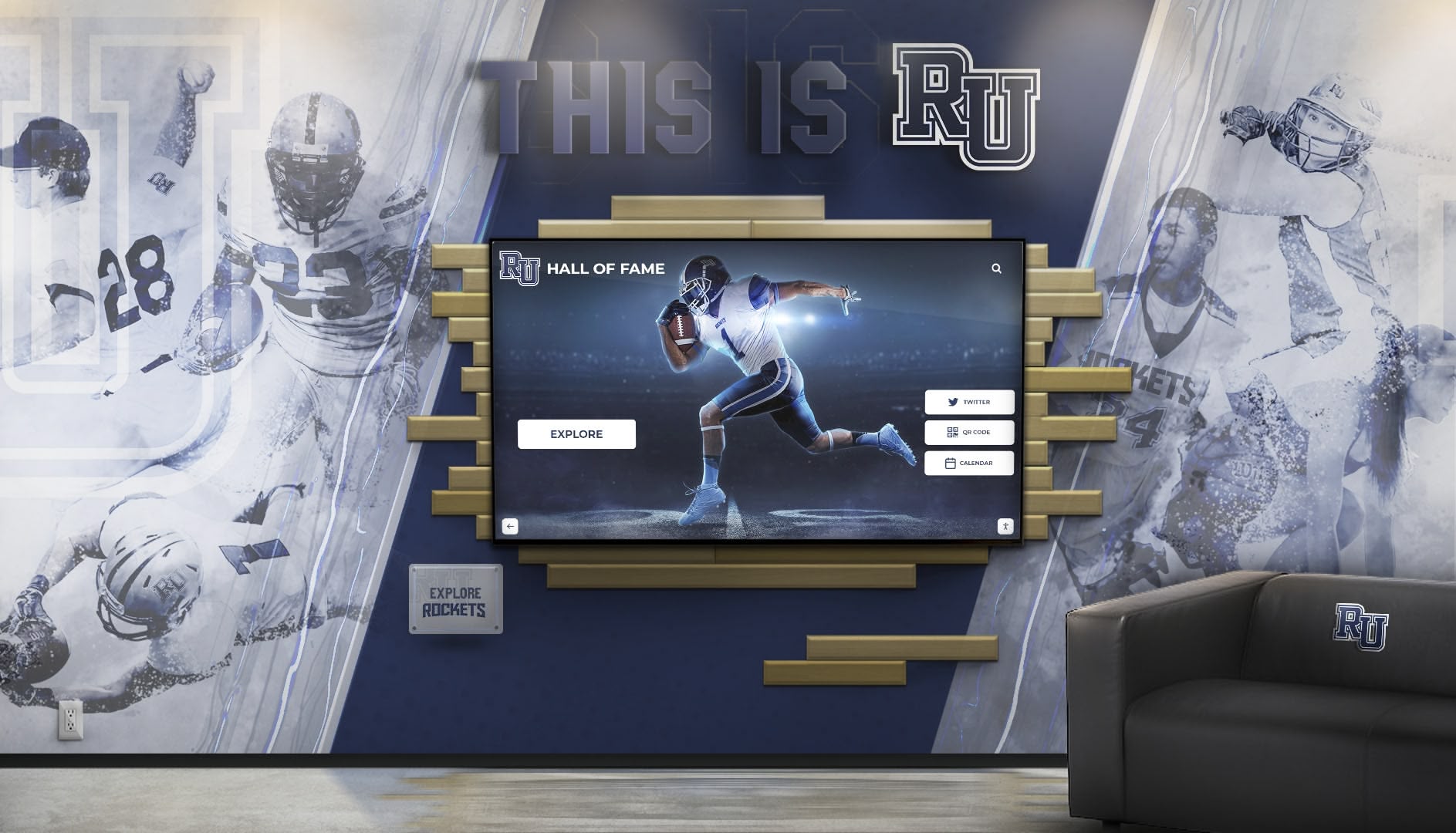
Integrated displays combining recognition, information, and engagement create comprehensive facility experiences
Conclusion: Gaming as Essential Pediatric Healthcare Tool
Video games at children’s hospitals have evolved from optional entertainment amenities to evidence-based therapeutic interventions that measurably improve patient outcomes, reduce suffering, support rehabilitation, and help young patients maintain normalcy during some of life’s most challenging experiences. The transformation from donated consoles placed in waiting rooms to sophisticated programs staffed by specialized professionals and supported by robust research demonstrates healthcare’s recognition that supporting the whole child—physical, cognitive, emotional, and social wellbeing—requires more than medical treatment alone.
The therapeutic gaming programs now operating at leading children’s hospitals provide models that healthcare facilities of all sizes can adapt to their unique contexts, patient populations, and resource constraints. Whether implementing comprehensive programs with dedicated gaming specialists or integrating gaming into existing child life services, hospitals that prioritize therapeutic gaming demonstrate commitment to patient-centered care that extends beyond clinical necessities to encompass quality of life, emotional wellbeing, and childhood experiences that should continue even when illness interrupts normal life.
Create Engaging Environments for Young Patients
Discover how interactive digital display solutions can complement therapeutic gaming programs, providing recognition, information, and entertainment throughout your pediatric facility while supporting patients and families.
Explore Interactive Display SolutionsBeyond individual gaming devices at bedsides, interactive digital displays throughout pediatric facilities extend therapeutic benefits while serving additional functions—wayfinding reducing family stress, patient recognition celebrating achievements and milestones, health education supporting informed families, and entertainment in common areas creating positive associations with healthcare environments. Solutions like Rocket Alumni Solutions provide platforms specifically designed for community recognition and engagement that translate effectively to pediatric healthcare settings, creating environments that honor young patients while supporting families through difficult journeys.
The comprehensive strategies explored in this guide—from evidence-based therapeutic applications and program implementation frameworks to equipment selection and outcome measurement—provide roadmaps for healthcare facilities seeking to integrate gaming into comprehensive pediatric care models. Whether you’re a hospital administrator evaluating program feasibility, a child life specialist seeking to expand therapeutic tools, a development professional identifying compelling fundraising opportunities, or a gaming industry professional wanting to contribute to pediatric healthcare, therapeutic gaming programs offer remarkable opportunities to make meaningful differences in young lives during vulnerable times.
Start wherever current resources allow—whether launching volunteer-driven programs with donated equipment, applying for grants supporting dedicated gaming specialist positions, or implementing comprehensive programs with cutting-edge VR and AR technologies—then systematically build toward increasingly sophisticated therapeutic gaming capabilities that serve every young patient who enters your doors. Every child deserves healthcare experiences that acknowledge their continuing need for play, achievement, connection, and normalcy even when illness makes childhood temporarily more difficult than it should ever be.
Ready to enhance your pediatric environment? Explore how interactive touchscreen displays create engaging spaces, discover digital recognition solutions that celebrate patients and supporters, or learn about community engagement displays that welcome families while providing essential information and connection throughout healthcare experiences.
Sources:
- Seattle Children’s Therapeutic Gaming Program
- Mary Bridge Children’s Gaming Program
- Children’s Hospital Association - Therapeutic Gaming
- Child’s Play Charity
- Starlight Children’s Foundation - Gaming in Hospitals
- Johns Hopkins Medicine - Video Games and Mental Health
- National Institutes of Health - Cognitive Effects of Video Games