Standing at the podium as valedictorian represents the culmination of years of academic dedication, late-night study sessions, and unwavering commitment to excellence. Yet for many top students, the honor comes with unexpected pressure—crafting a speech that captures the essence of the graduating class’s journey while inspiring classmates, families, and faculty members in the audience.
The challenge extends beyond simply recounting memories or offering generic advice. The best valedictorian speeches strike delicate balances between humor and gravitas, personal reflection and universal themes, acknowledging the past while celebrating future possibilities. They create moments that graduates remember decades later, distilling shared experiences into words that resonate authentically with everyone who walked the same hallways and faced the same challenges.
This comprehensive guide provides practical templates, proven techniques, and memorable opening lines to help you craft a valedictorian speech that honors your achievement while celebrating your entire graduating class. Whether you have weeks or days to prepare, these strategies and examples will help you deliver a commencement address worthy of the academic journey that brought you to this moment.
Delivering a valedictorian speech represents more than fulfilling a ceremonial obligation—it offers a unique opportunity to articulate the collective experience of your graduating class while leaving a lasting impression that captures this pivotal transition from one chapter of life to the next.

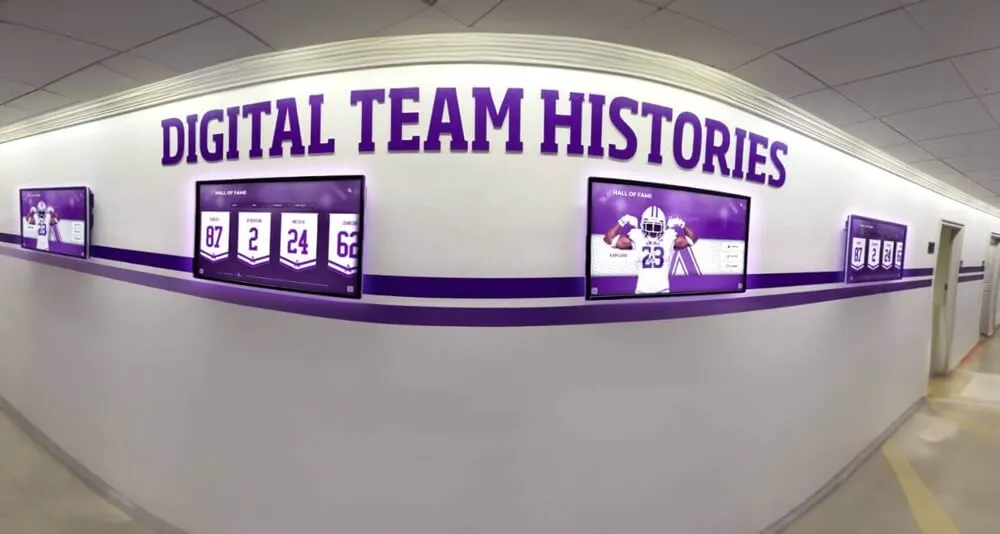
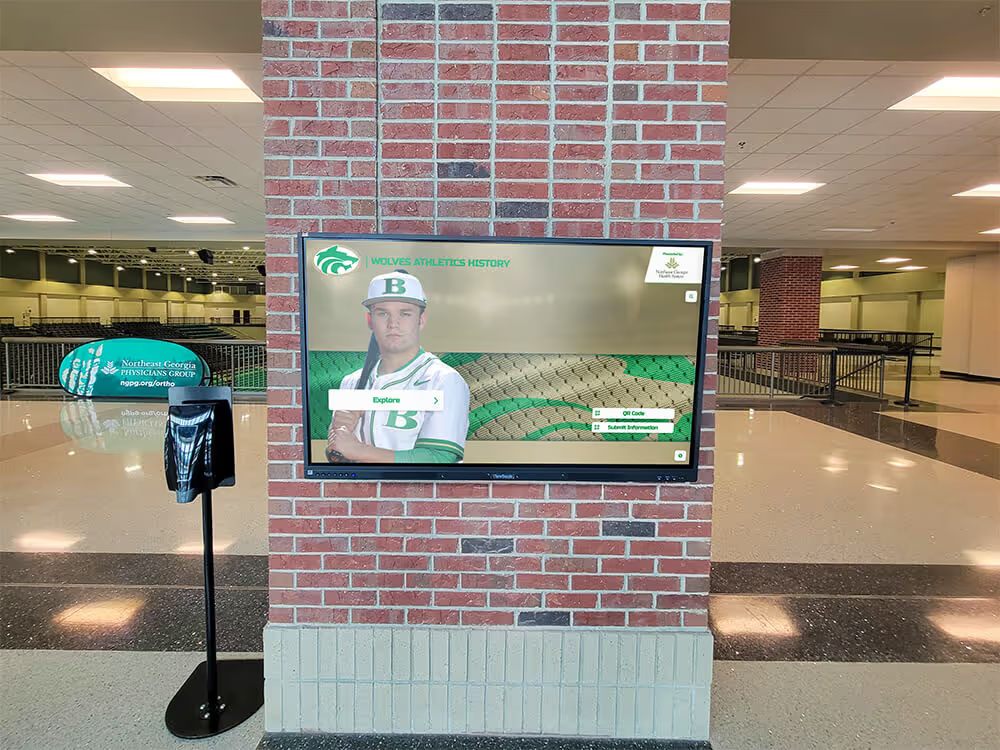
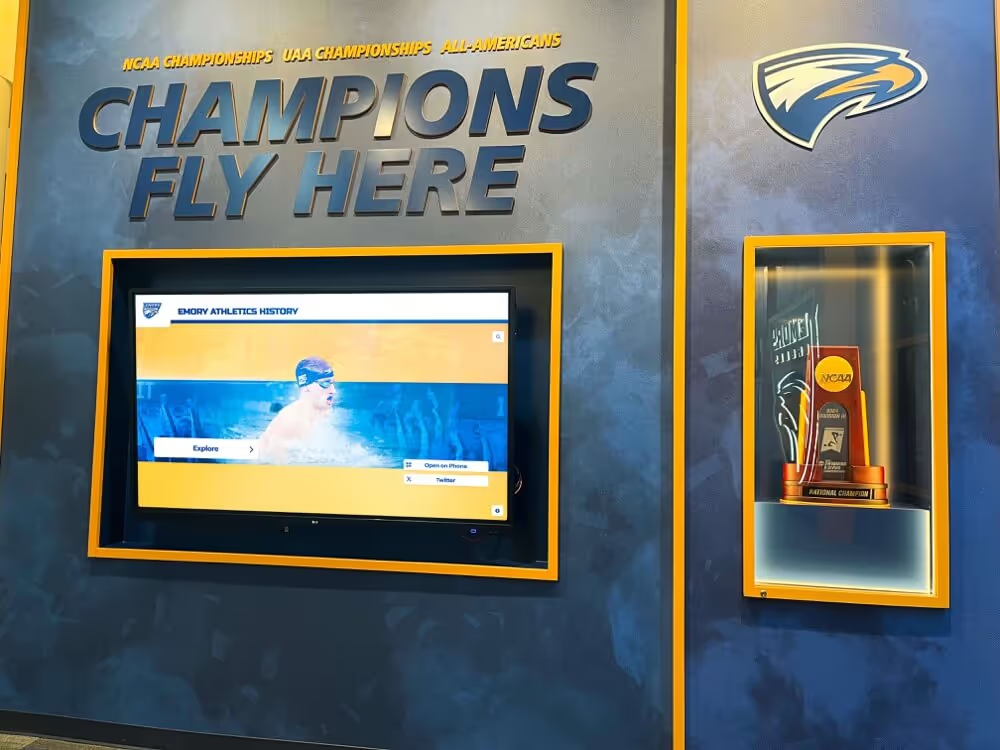
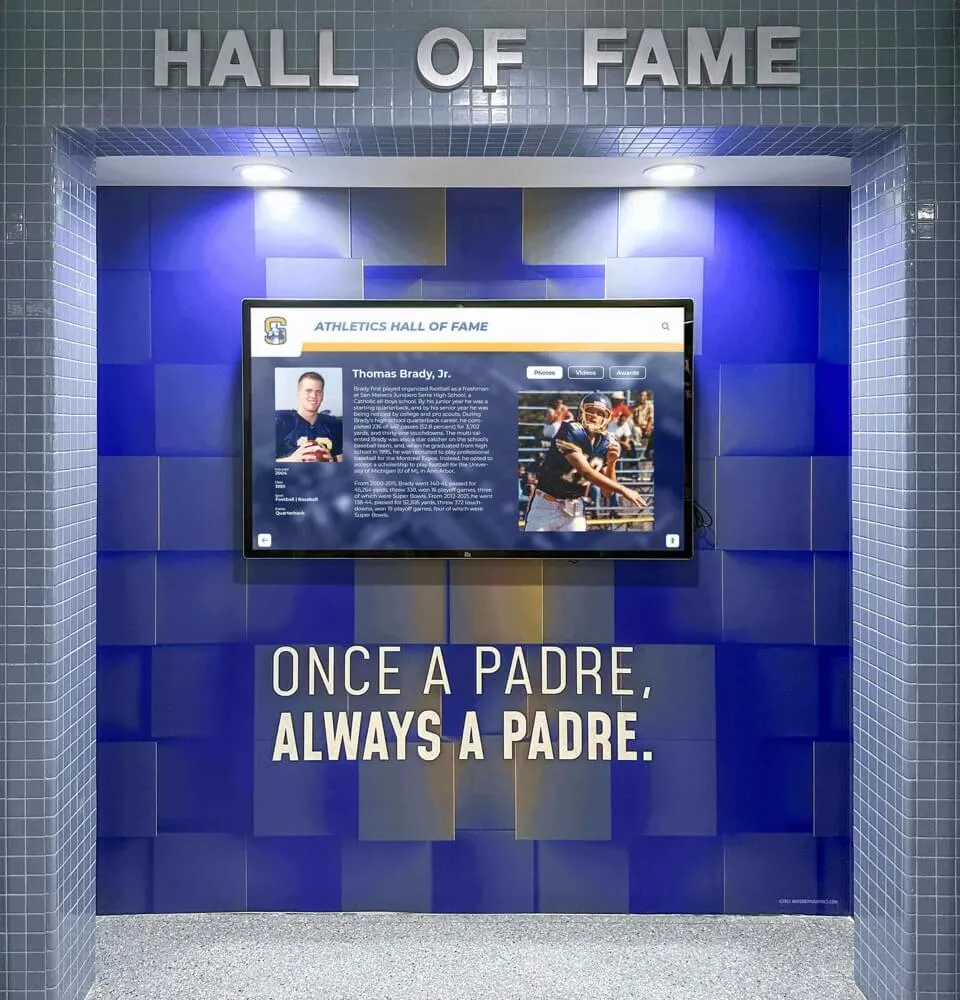
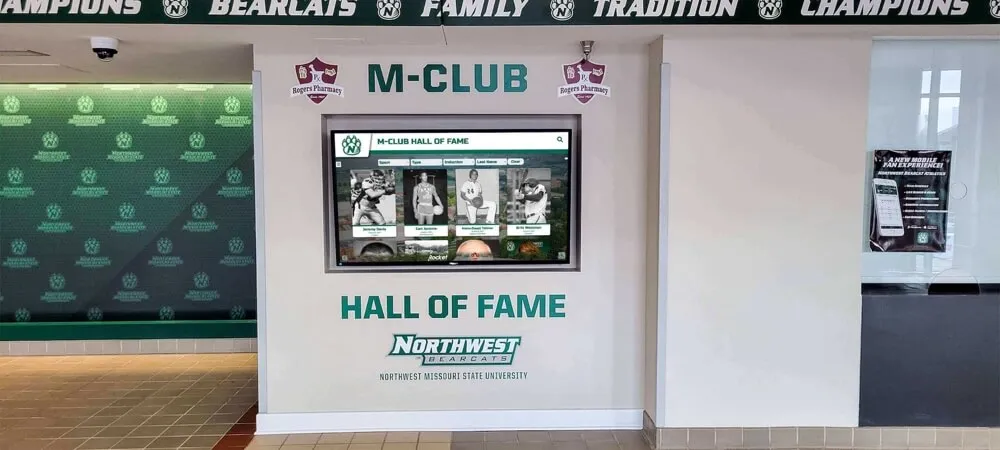
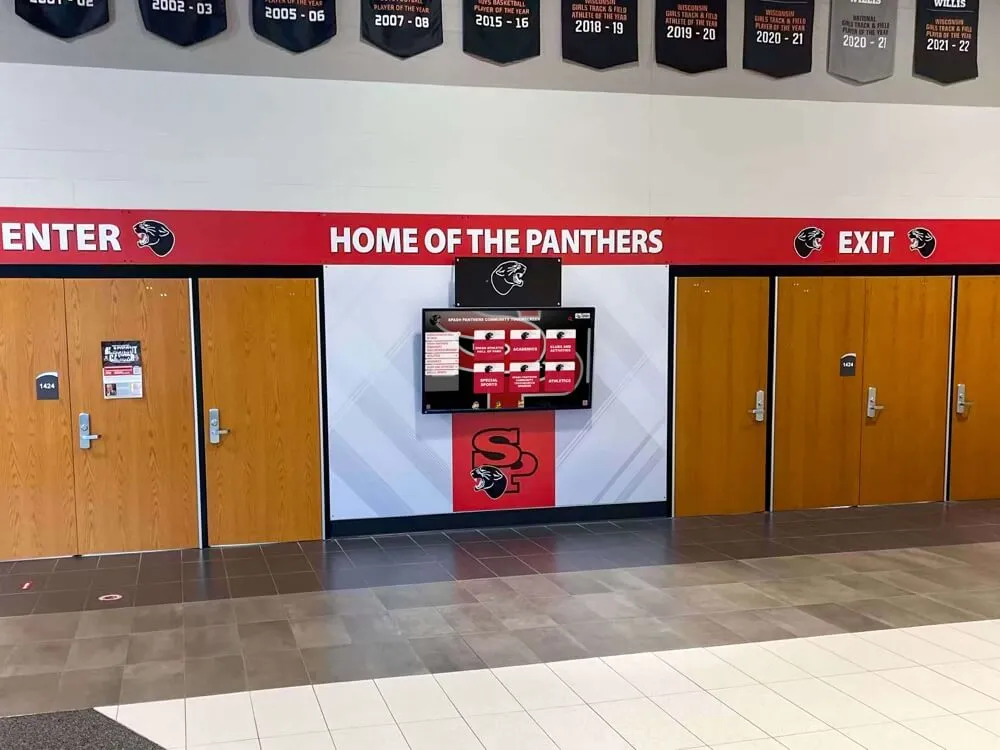
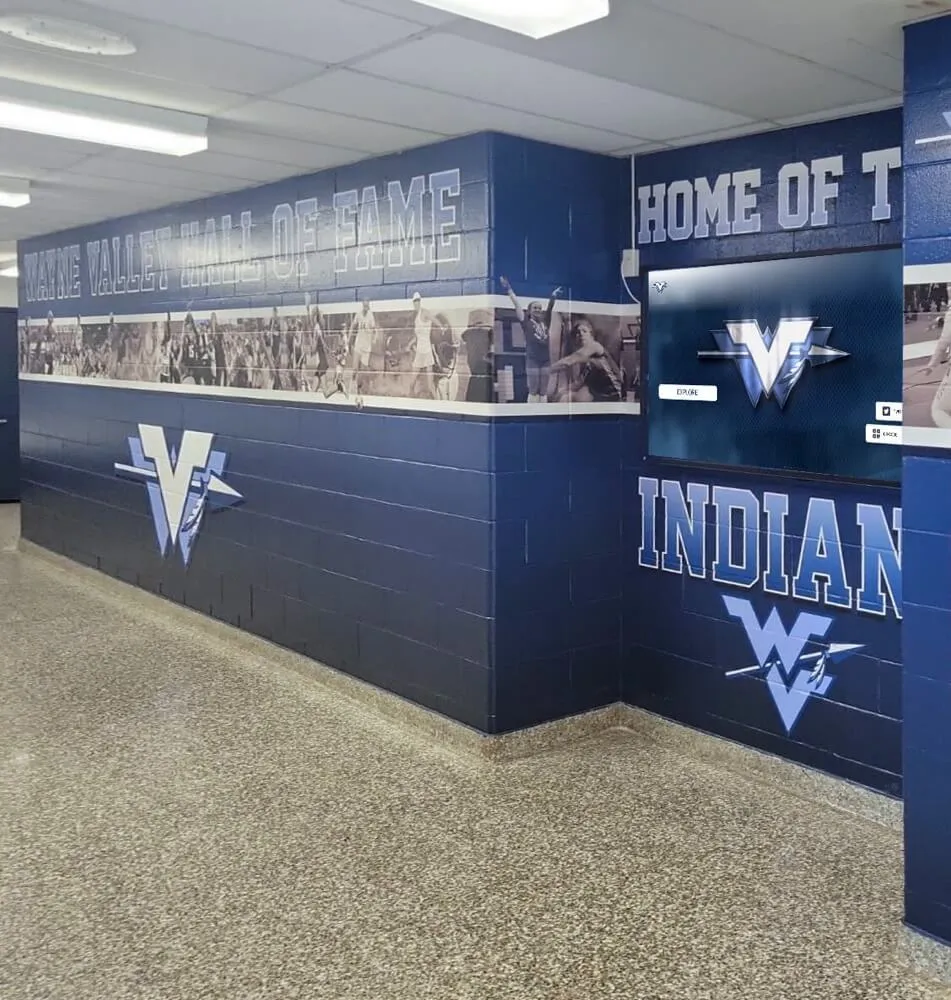
Schools celebrate academic excellence through various recognition programs, with valedictorians representing the pinnacle of scholarly achievement
Understanding the Purpose of a Valedictorian Speech
Before exploring templates and examples, understanding the core purpose of your speech helps ensure your message resonates with your specific audience and occasion.
What Makes Valedictorian Speeches Unique
Multiple Audience Considerations
Unlike most public speaking situations, valedictorian speeches address diverse audience segments with different expectations:
- Fellow graduates: Seeking authentic reflection on shared experiences and validation of the journey
- Parents and families: Wanting reassurance their support mattered and pride in students’ accomplishments
- Faculty and administrators: Hoping to see evidence their educational mission succeeded
- Younger students: Looking for inspiration and guidance for their own academic journeys
- Community members: Interested in seeing evidence of educational excellence and future promise
The most effective speeches acknowledge these varied perspectives without trying to please everyone simultaneously—instead finding universal themes that connect all listeners to the graduates’ collective experience.
Balancing Personal and Universal Themes
Your valedictorian speech should:
- Root universal insights in specific experiences: Abstract advice gains power when grounded in concrete school memories
- Use “we” more than “I”: Position yourself as class representative, not individual achiever
- Acknowledge diverse paths to graduation: Not everyone’s journey looked the same
- Celebrate collective achievement: Honor the community that made individual success possible
- Look forward while honoring the past: Balance nostalgia with optimism about the future
Schools increasingly recognize academic excellence through permanent displays and recognition programs. Learn about comprehensive approaches to student achievement recognition that celebrate top scholars alongside diverse accomplishments.
Traditional Speech Length and Structure
Timing Expectations
Graduation ceremonies involve multiple speeches and ceremonies, requiring valedictorian addresses to fit within appropriate time constraints:
- Ideal length: 5-7 minutes (750-1,050 words)
- Maximum length: 10 minutes (1,500 words)
- Minimum length: 3-4 minutes (450-600 words)
Longer speeches risk losing audience attention during already lengthy ceremonies, while very short speeches may feel insubstantial for such a significant moment.
Classic Three-Part Structure
Most successful valedictorian speeches follow time-tested organizational patterns:
- Introduction (15-20%): Hook the audience, establish connection, preview themes
- Body (60-70%): Develop main ideas, share stories, offer insights
- Conclusion (15-20%): Bring themes together, inspire action, create memorable closing
This structure provides flexibility for personal style while ensuring coherent message development that keeps audiences engaged throughout.
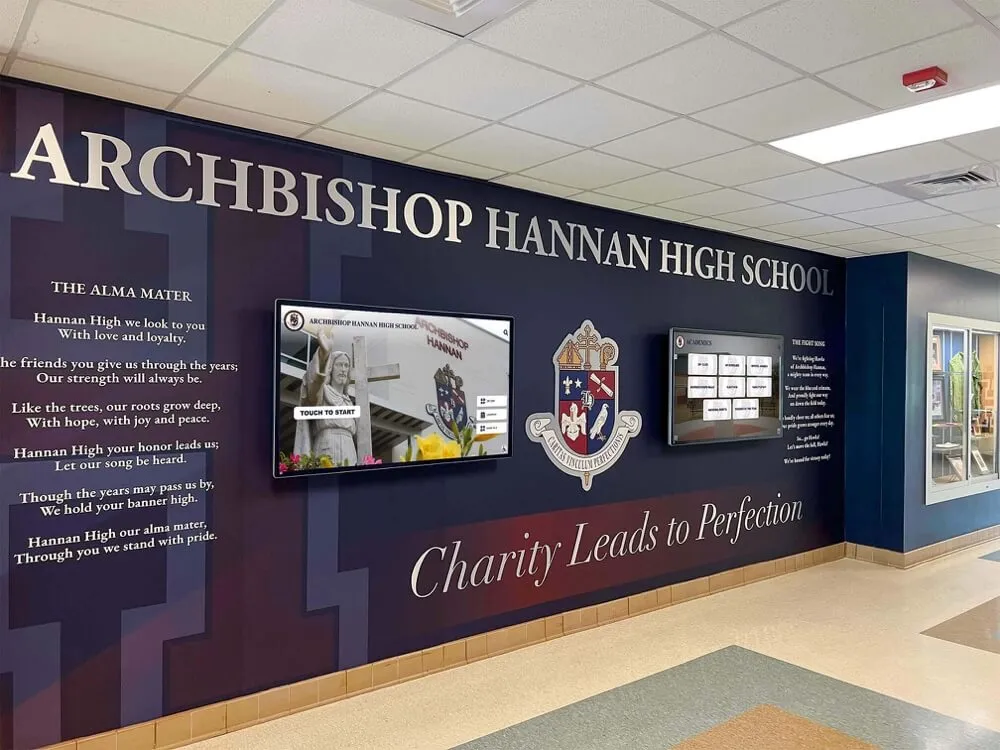
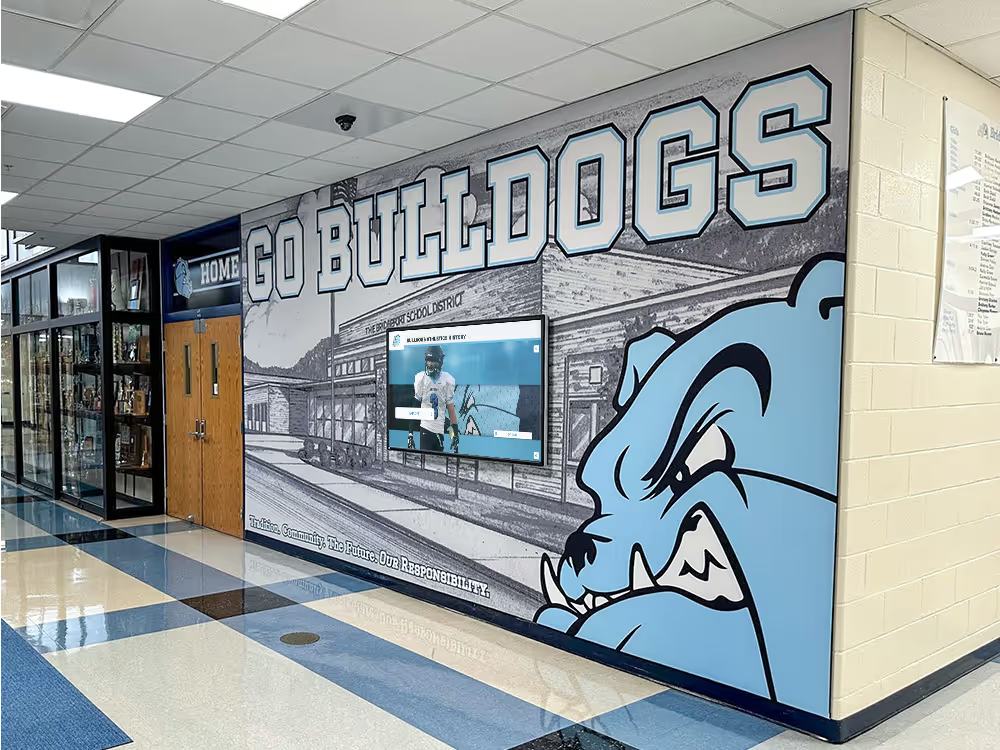
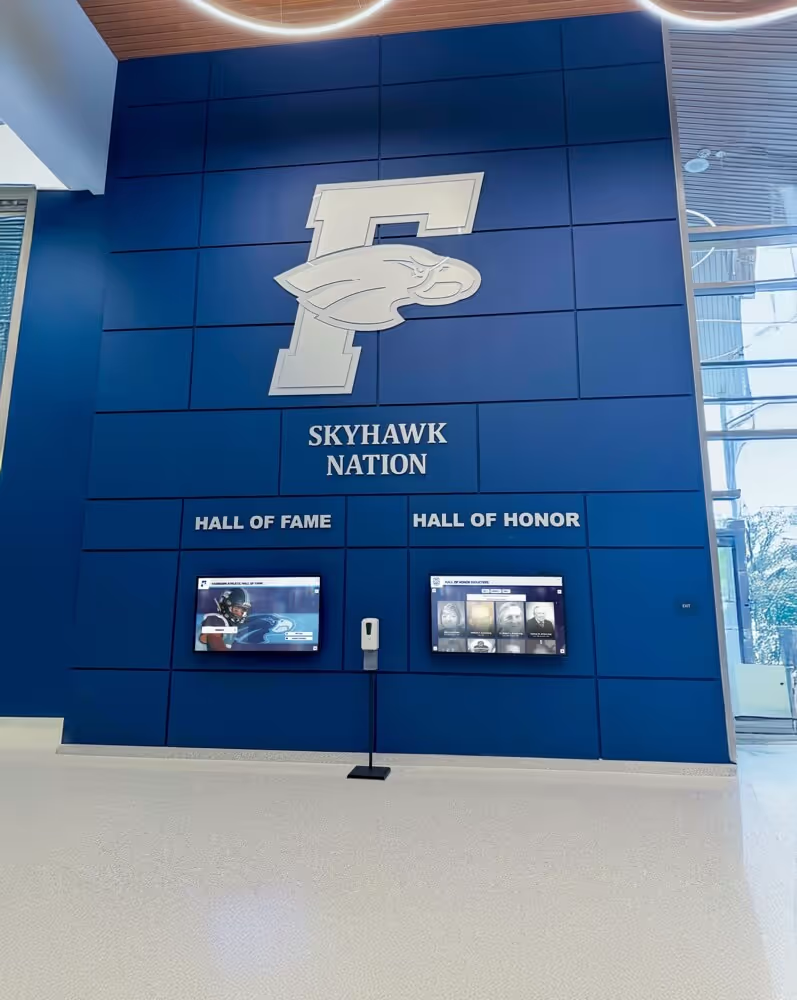
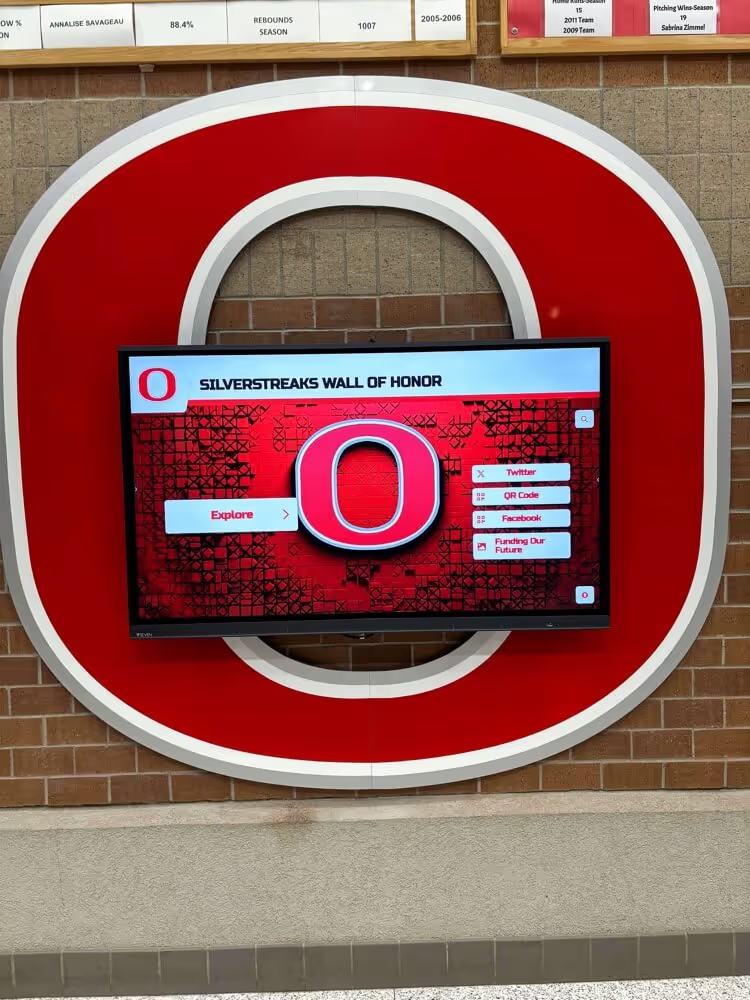
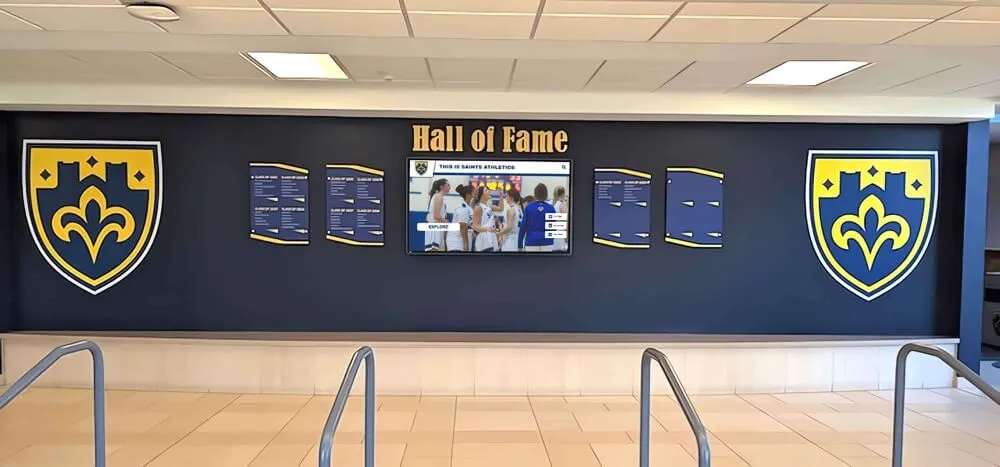
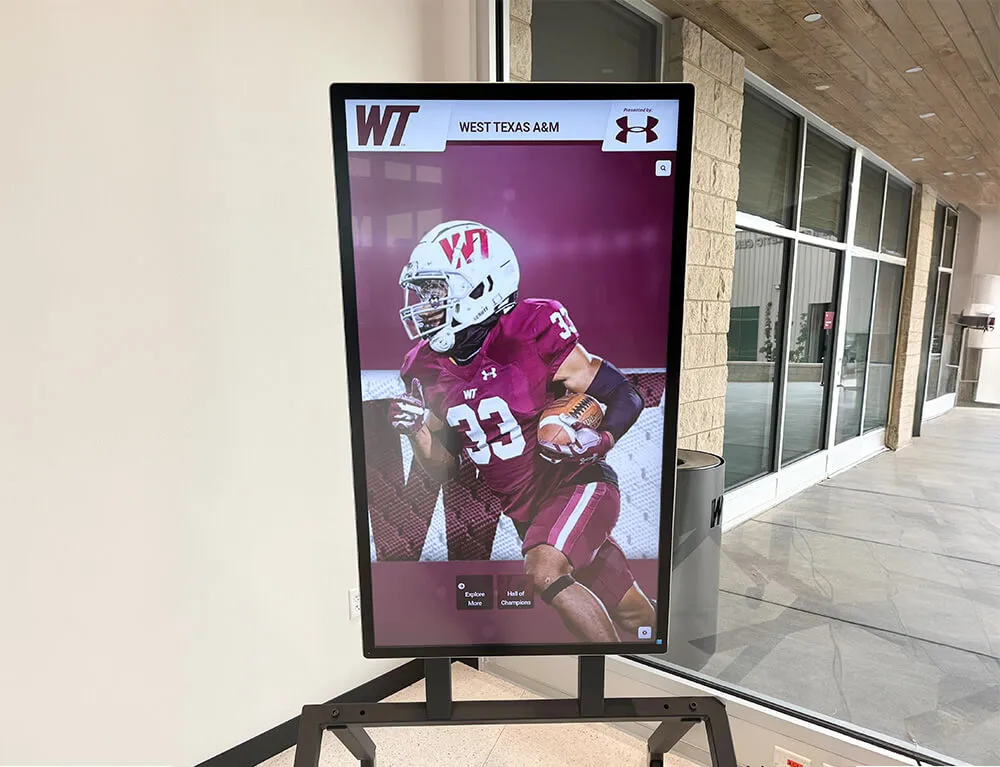
Modern recognition systems preserve academic achievement stories, creating lasting tributes to valedictorians and top scholars
Powerful Opening Lines for Valedictorian Speeches
The first sentences of your speech determine whether you immediately capture attention or lose audience members to distraction. These proven opening strategies create instant engagement.
Attention-Grabbing Opening Strategies
Question Openings
Starting with thought-provoking questions immediately engages listeners:
- “How many of you remember your first day of freshman year, walking these halls completely lost?”
- “What does it mean to be successful—and have we already achieved it, or does the journey just begin today?”
- “When did we stop being kids and start becoming the adults receiving diplomas today?”
Questions work because they activate audience thinking and create immediate connection through shared experience or curiosity about your answer.
Unexpected Statements
Opening with surprising or counterintuitive statements grabs attention:
- “I almost didn’t make it here today—not because of academic struggles, but because I couldn’t figure out how to summarize four years in seven minutes.”
- “The best lesson I learned in high school had nothing to do with calculus, chemistry, or English literature.”
- “We’ve been told for years that we’re the future. I’d like to suggest we’re also the present.”
Unexpected openings create curiosity gaps listeners want resolved, ensuring attention through your next several sentences.
Vivid Scene-Setting
Transporting audiences to specific moments creates immediate engagement:
- “Picture this: It’s freshman orientation, and we’re all sitting in this same auditorium, terrified and excited, wondering who these strangers around us would become.”
- “Three years ago, our chemistry teacher asked a question none of us could answer. Today, I want to share how that moment taught me more than the formula we were supposed to know.”
Scene-setting works because specificity and sensory details activate listeners’ memories and imaginations.
Humor That Connects
Light, inclusive humor creates positive energy:
- “They say the valedictorian speech should be memorable, inspiring, and under ten minutes. I’m confident I can achieve at least one of those goals.”
- “I’ve given a lot of presentations in my academic career, but this is the first one where my entire grade depends on whether my mom cries.”
Effective opening humor should be gentle, inclusive, and self-deprecating rather than at others’ expense—establishing warmth without undermining the ceremony’s significance.
Opening Lines to Avoid
Certain opening approaches consistently fall flat:
- Dictionary definitions: “Webster’s dictionary defines graduation as…"—overused and boring
- “I’m nervous” admissions: Undermines confidence and wastes precious opening momentum
- Excessive thank-yous: Save acknowledgments for later in the speech
- Overly formal preambles: “Honored guests, esteemed faculty…"—feels stiff and disconnected
- Cliché quotes without context: Famous quotations need fresh interpretation to avoid feeling generic
Strong openings feel personal, specific, and immediately relevant to this particular graduating class’s experience.
Explore how schools preserve valedictorian legacies in end-of-year student awards programs that honor academic excellence.
Valedictorian Speech Templates and Structures
These proven frameworks provide starting points you can customize to your specific experiences and speaking style.
The Shared Journey Template
Structure Overview
This approach frames the speech around collective experiences that united the graduating class:
Introduction
- Open with vivid memory from freshman year
- Acknowledge how much has changed since that moment
- Preview the journey you’ll explore together
Body
- Section 1: “Where We Started”—freshman year experiences and initial challenges
- Section 2: “What Changed Us”—pivotal moments, challenges overcome, growth experienced
- Section 3: “Who We’ve Become”—character development and collective achievements
Conclusion
- Acknowledge the journey continues beyond graduation
- Call to action about carrying forward lessons learned
- Memorable final image or thought
Example Framework
“When we walked through these doors four years ago, we were strangers. I remember [specific memory]. None of us knew then that we would [specific achievement or experience].
Together, we’ve navigated [challenge], celebrated [achievement], and discovered [insight]. We learned that [lesson] when [specific example].
Today, we’re not just receiving diplomas—we’re stepping into [metaphor for future]. Let’s carry forward [key values] as we [vision for future].”
The Lessons Learned Template
Structure Overview
This framework organizes content around key insights gained during high school:
Introduction
- Acknowledge the expectation to share wisdom
- Preview three main lessons you’ll discuss
Body
- Lesson 1: State the lesson, share story illustrating it, explain relevance
- Lesson 2: State the lesson, share story illustrating it, explain relevance
- Lesson 3: State the lesson, share story illustrating it, explain relevance
Conclusion
- Connect lessons to future applications
- Express confidence in classmates’ futures
- Memorable closing that reinforces main themes
Example Framework
“They asked me to share some wisdom today. I’m eighteen, so my wisdom is limited, but our class has learned at least three things worth remembering:
First, we learned [lesson about resilience/community/growth]. I saw this when [story].
Second, we discovered [lesson about collaboration/diversity/persistence]. This became clear during [story].
Finally, we realized [lesson about potential/values/purpose]. [Story] taught us this.
As we leave today, these lessons [future application]. We’re ready for [next chapter] because [confidence statement].”
The Then and Now Template
Structure Overview
This approach contrasts who the class was at the beginning with who they’ve become:
Introduction
- Open with “If you had told us freshman year that…”
- Establish the dramatic transformation
Body
- Then: Describe class freshman year—fears, assumptions, limitations
- The Transformation: Key experiences that changed everything
- Now: Who the class has become—capabilities, understanding, readiness
Conclusion
- Acknowledge continued growth ahead
- Celebrate the transformation while anticipating future evolution
- End with forward-looking statement
This structure powerfully highlights growth while creating natural narrative arc that keeps audiences engaged.
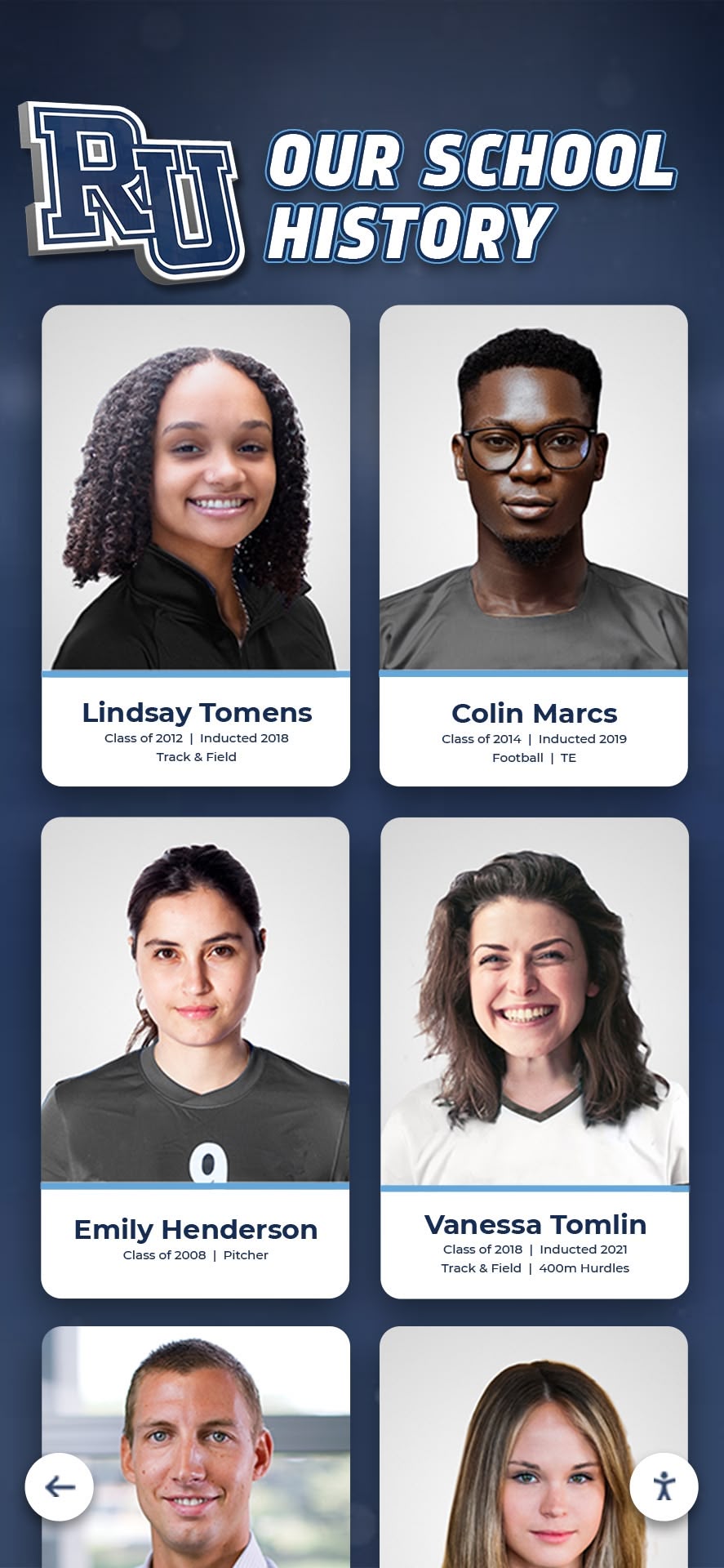
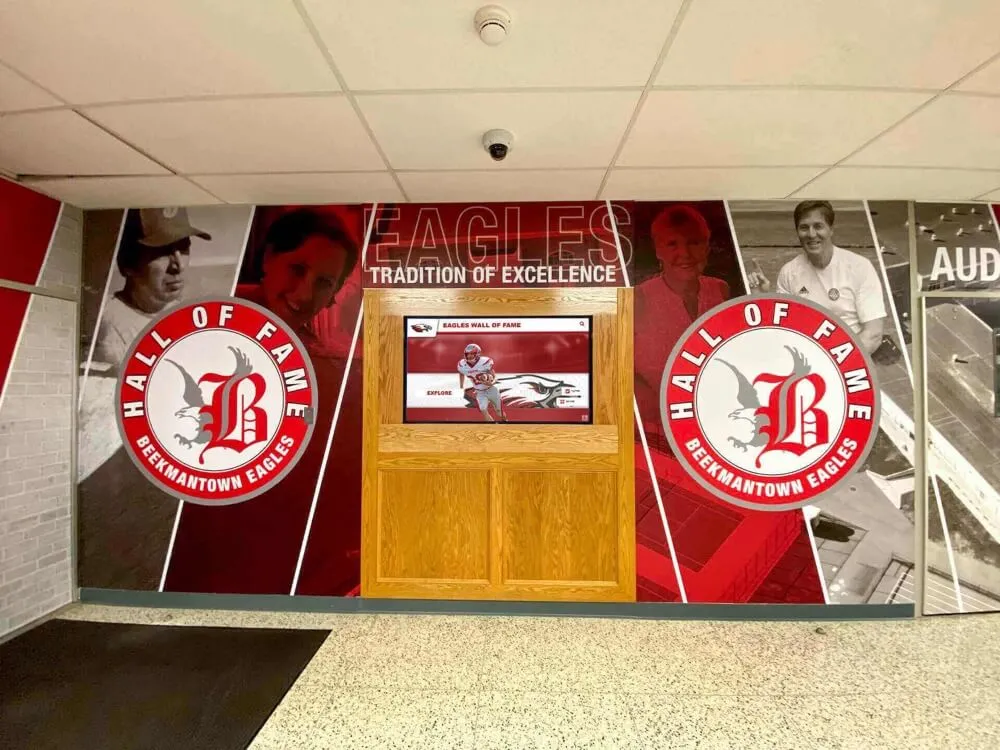
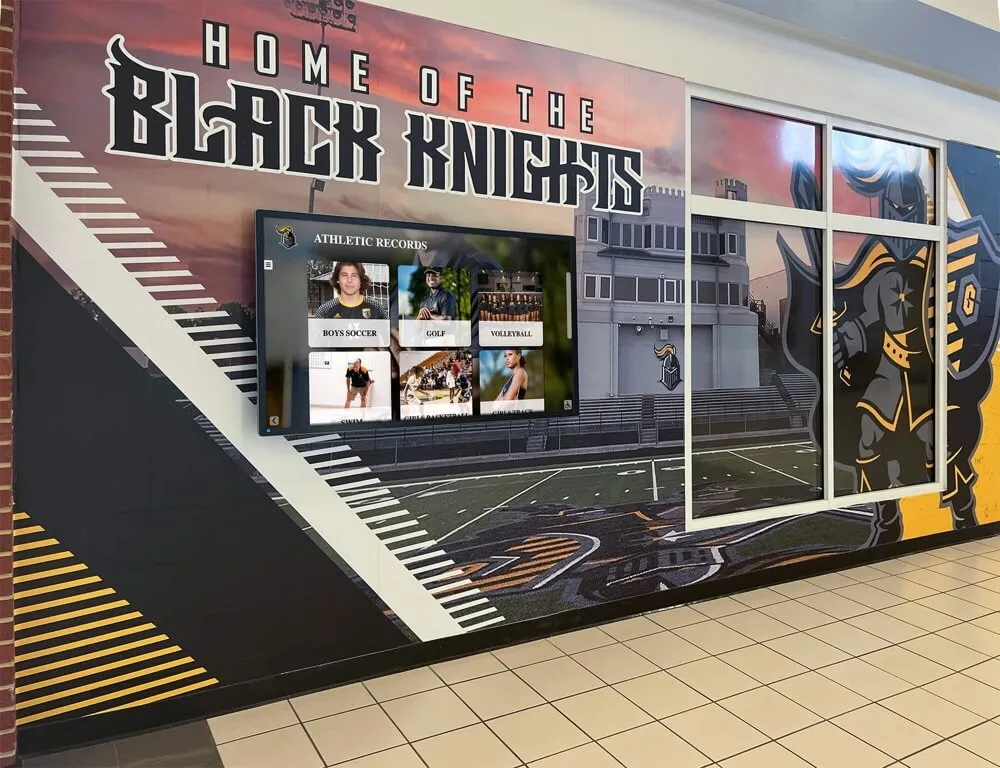
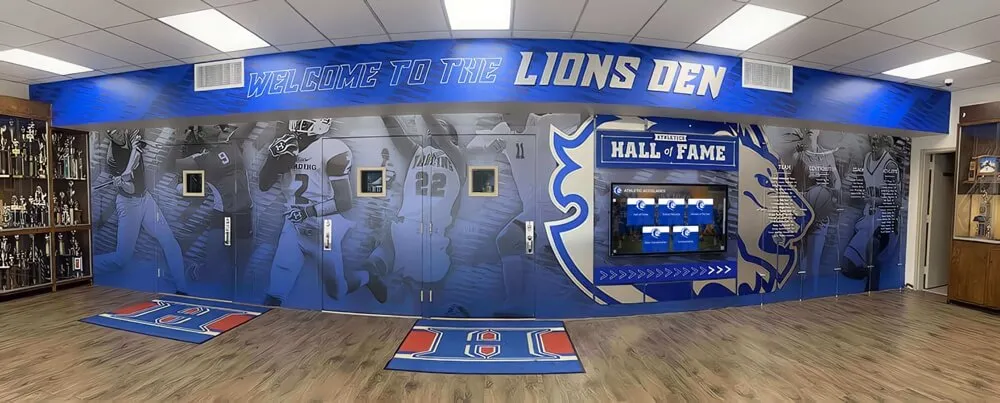
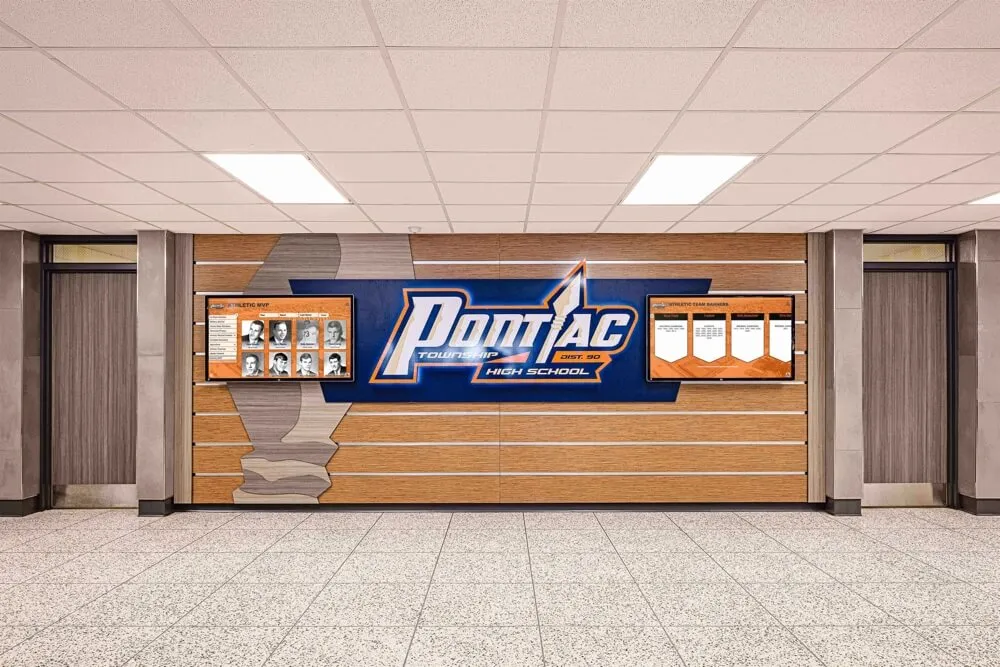
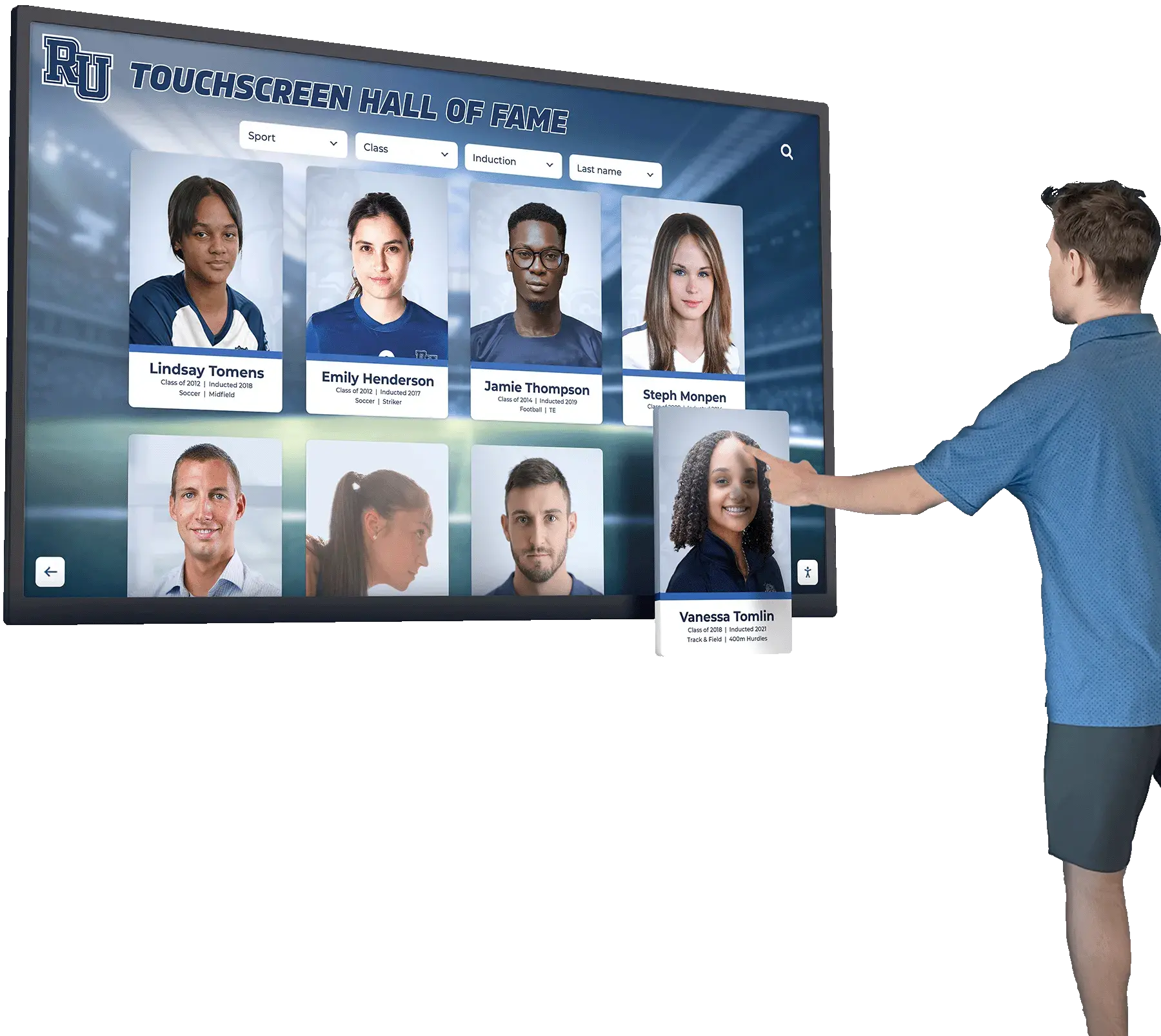
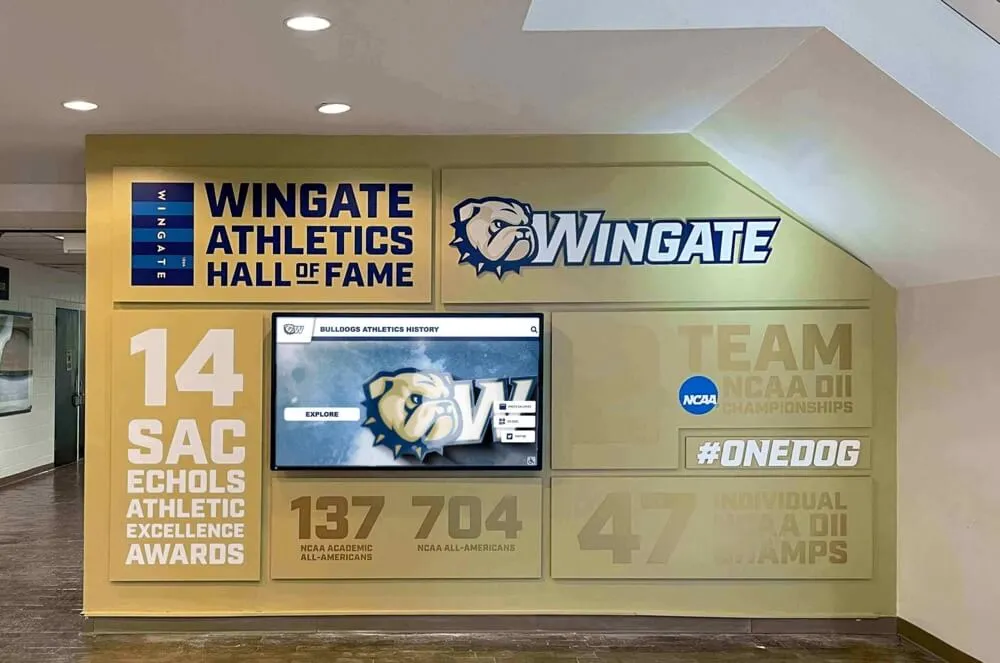
Documenting student achievement journeys preserves the stories of academic excellence and personal growth that define each graduating class
The Gratitude and Vision Template
Structure Overview
Balances acknowledgment of support with forward-looking optimism:
Introduction
- Begin with statement about collective achievement
- Acknowledge this wasn’t accomplished alone
Body
- Gratitude Section: Thank key groups (teachers, families, support staff) with specific examples
- Reflection Section: What this support enabled the class to achieve
- Vision Section: How the class will honor this support going forward
Conclusion
- Connect gratitude to responsibility
- Paint picture of positive future impact
- End with call to make those who supported them proud
Example Framework
“We didn’t get here alone. Behind every one of us stands [description of support].
To our teachers, thank you for [specific example]. To our families, thank you for [specific example]. To our classmates, thank you for [specific example].
Your investment in us produced [achievements/growth]. Now we carry the responsibility to [vision for impact].
We promise to [commitment]. Watch what we accomplish next.”
This template works particularly well for speakers who want to honor the community while positioning graduates as ready to make their own contributions.
Crafting Your Speech Content
Beyond templates, specific content decisions determine whether your speech resonates authentically or feels generic.
Selecting Stories and Examples
Criteria for Effective Stories
Not every school memory belongs in your valedictorian speech. Choose stories that:
- Represent broader experiences: Most classmates can relate to the situation or emotion
- Illustrate specific points: Each story serves clear purpose advancing your message
- Include concrete details: Specific names, dates, locations make stories vivid
- Balance humor and meaning: Entertain while making genuine points
- Respect privacy and dignity: Never embarrass individuals or groups
- Vary in scope: Mix big moments (championships, performances) with small ones (classroom interactions, hallway conversations)
Story Selection Process
- Brainstorm widely: List 15-20 memorable moments from four years
- Identify themes: Look for patterns in your list
- Test relatability: Ask classmates which stories resonate
- Choose strategically: Select stories serving different purposes (humor, inspiration, reflection)
- Develop thoughtfully: Add sensory details and emotional truth
The best stories often come from unexpected places—not the obvious major events, but the small moments that somehow capture larger truths about your shared experience.
Many schools preserve graduation memories and valedictorian recognition through permanent displays. Explore approaches to showcasing academic achievements that honor top scholars.
Developing Your Central Message
Identifying Your Theme
Strong speeches organize around central insights that give coherence to diverse content:
Common Effective Themes
- Growth through adversity and challenge
- The power of community and connection
- Embracing uncertainty and change
- Defining success beyond traditional metrics
- Responsibility that accompanies privilege and opportunity
- Authenticity and staying true to values
- The intersection of individual paths creating collective story
Testing Your Theme
Your central message should:
- Feel authentic to your actual experience
- Resonate with diverse classmates, not just one group
- Offer insight beyond obvious platitudes
- Connect logically to your chosen stories
- Provide foundation for future-focused conclusion
Avoid themes that feel imposed rather than discovered through genuine reflection on your class’s journey together.
Balancing Humor and Gravitas
When Humor Works
Effective humor in valedictorian speeches:
- Acknowledges shared frustrations: Parking problems, cafeteria food, standardized testing
- Gently teases beloved traditions: School mascots, Spirit Week, rivalry games
- Celebrates quirky class characteristics: Inside jokes accessible to most graduates
- Provides emotional relief: Breaks tension in emotionally charged ceremonies
- Humanizes the speaker: Self-deprecating humor builds connection
When to Be Serious
Reserve gravitas for:
- Acknowledging real challenges: Loss, hardship, or difficulties the class faced
- Expressing genuine gratitude: Heartfelt thanks to supporters
- Sharing core insights: The main lessons you want classmates to remember
- Inspiring future action: Calls to make positive impact
- The conclusion: Final words should resonate emotionally
The best speeches move fluidly between lighter and weightier moments, creating emotional variety that maintains engagement while building toward meaningful conclusion.

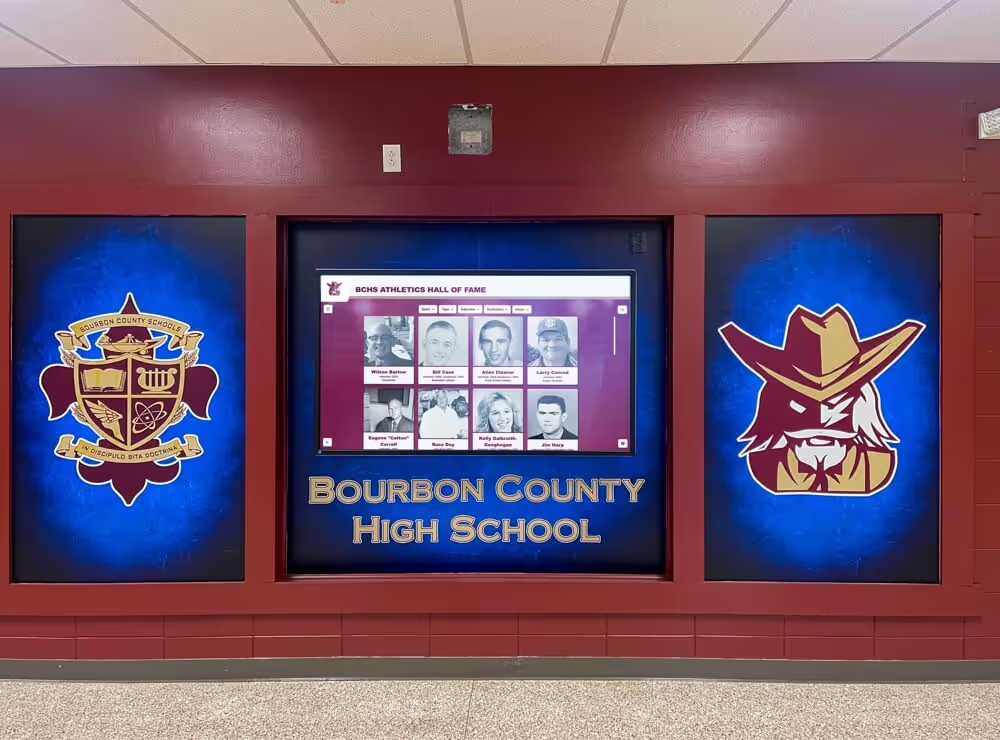
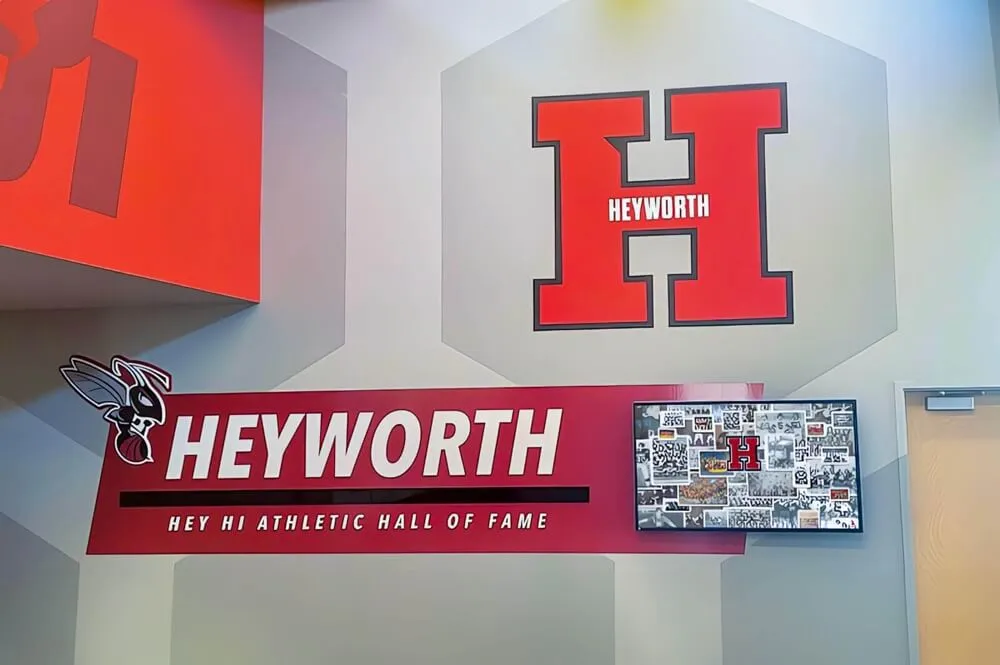
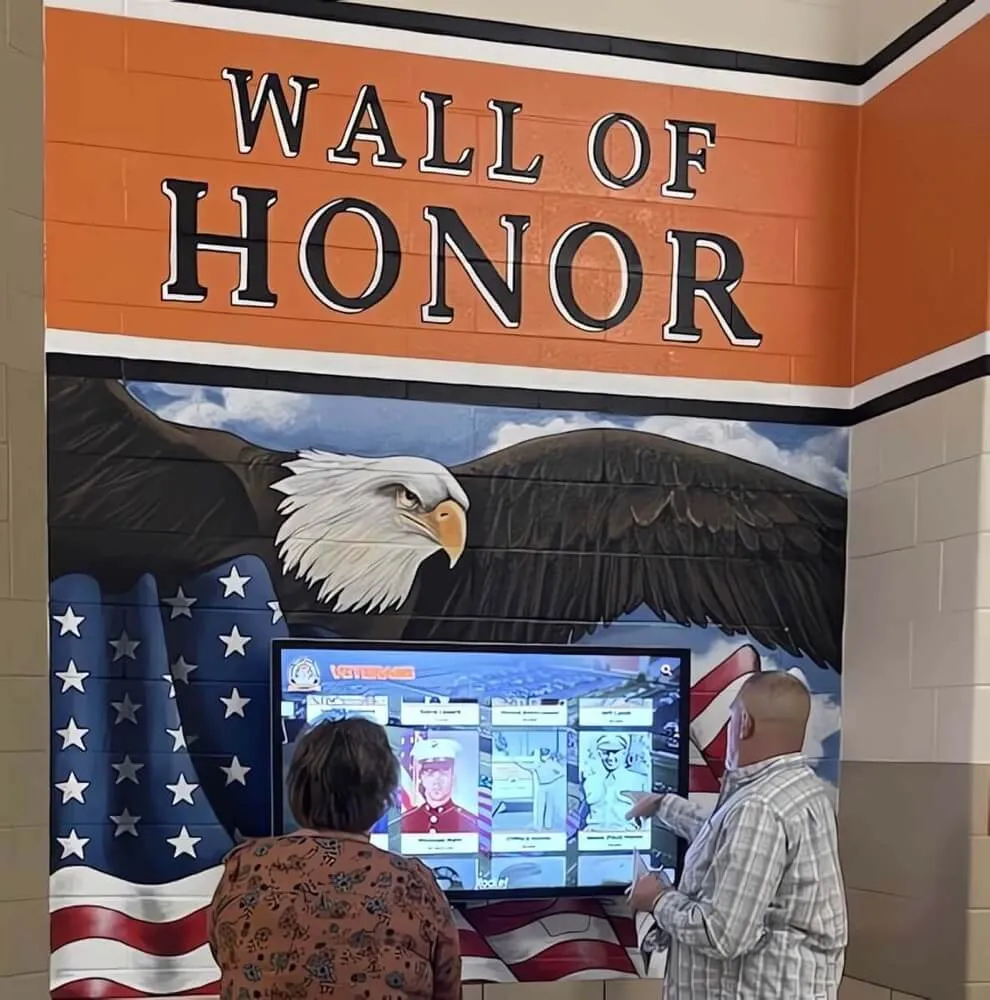
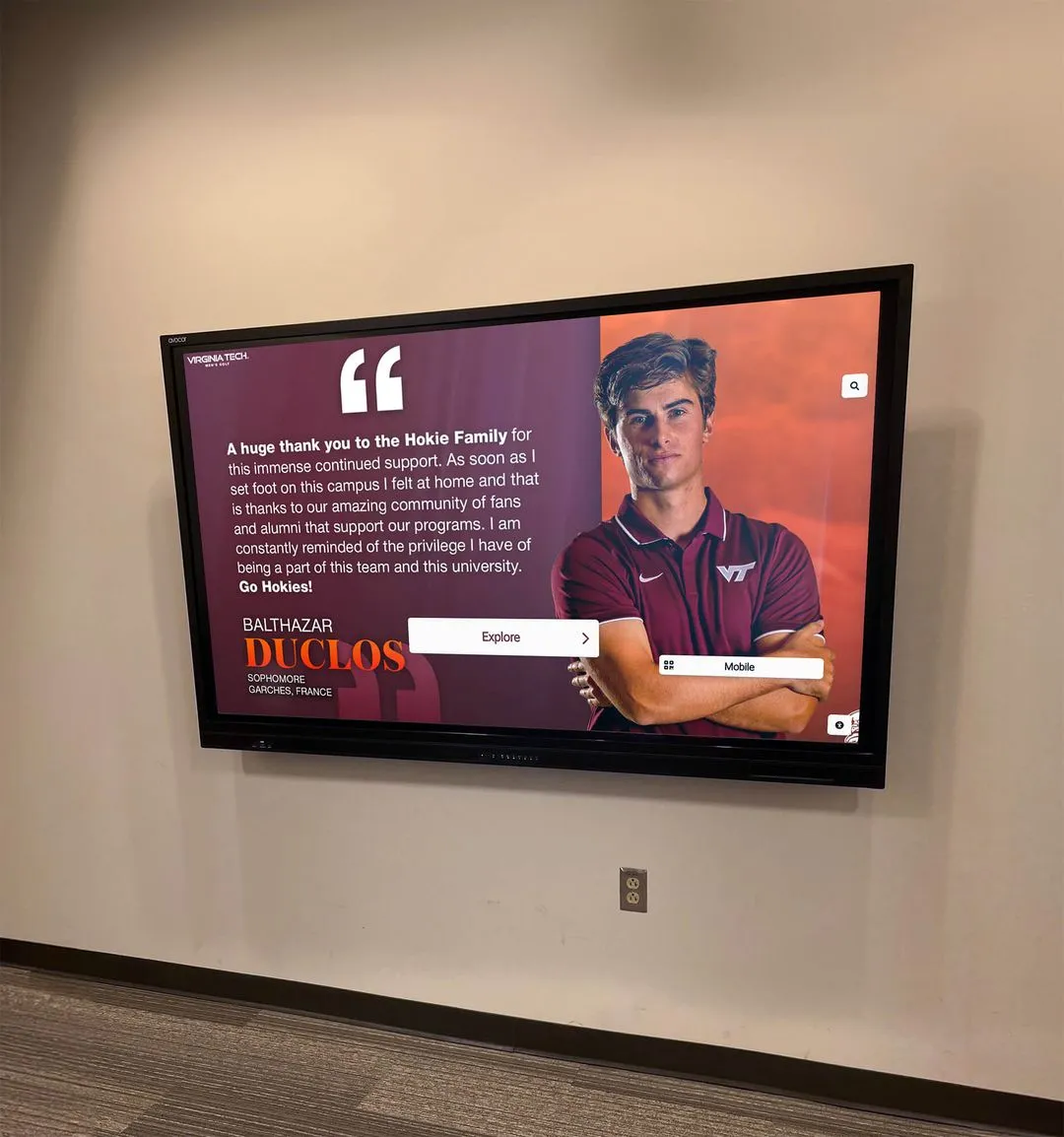
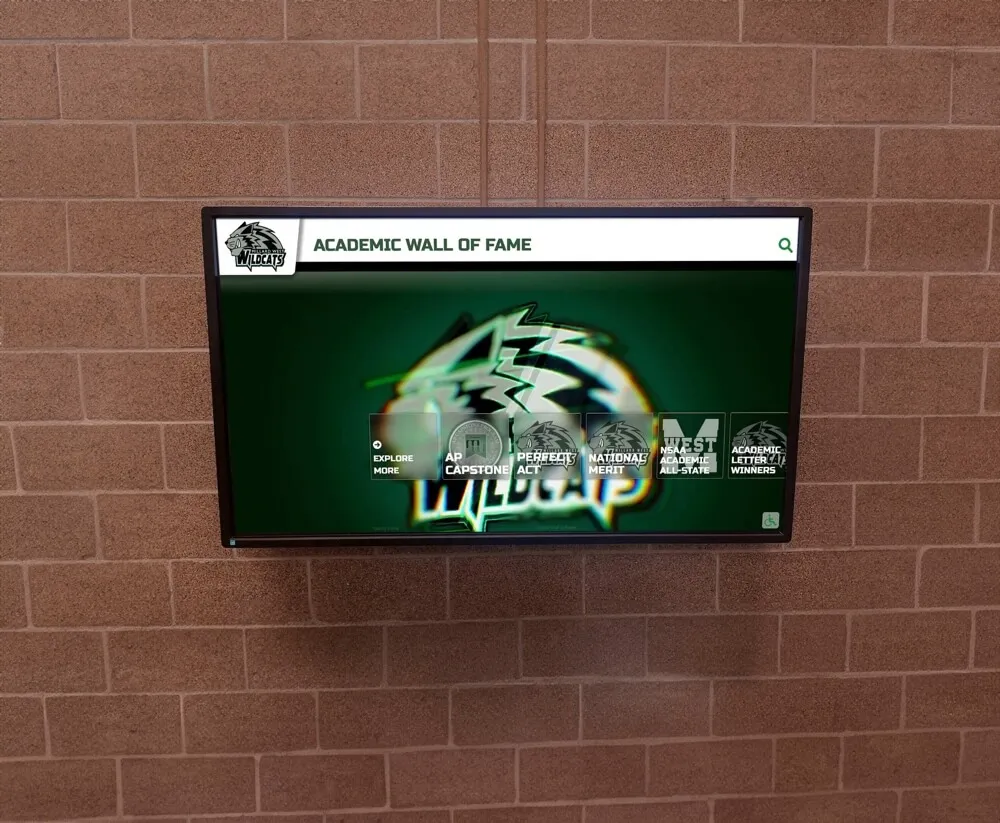
Modern recognition technology enables schools to preserve valedictorian speeches and achievement stories for future generations
Writing Techniques for Memorable Speeches
Specific writing strategies elevate good content into speeches audiences remember years later.
Rhetorical Devices That Resonate
The Power of Three
Lists of three create satisfying rhythm and memorable structure:
- “We learned to think critically, communicate effectively, and collaborate productively.”
- “We faced challenges with courage, setbacks with resilience, and success with humility.”
- “We’re leaving as scholars, citizens, and friends ready to make our mark.”
Threes feel complete without overwhelming audiences with too many items to remember.
Parallelism and Repetition
Repeating sentence structures creates powerful momentum:
- “Some of us found our passion in the science lab. Some of us found it on the athletic field. Some of us found it in the art studio. All of us found it somewhere in these halls.”
- “We came as individuals. We struggled as a class. We’re leaving as a family.”
Anaphora (repeating opening phrases) particularly resonates in ceremonial speaking, creating rhythm that amplifies emotional impact.
Metaphor and Imagery
Extended metaphors provide organizational framework:
- The class as a journey, expedition, or voyage
- High school as foundation, springboard, or training ground
- Graduation as doorway, bridge, or crossroads
- The class as tapestry, mosaic, or constellation
Whatever metaphor you choose, develop it consistently rather than mixing multiple competing images.
Sentence Variety and Pacing
Mixing Sentence Lengths
Vary sentence length to maintain interest and control pacing:
- Short sentences: Create emphasis, punch, clarity
- Medium sentences: Carry most information clearly
- Long sentences: Build momentum, develop complex ideas
Example combining lengths:
“We made it. (Short) After four years of early mornings, late nights, and everything in between, we’re finally here. (Medium) We’ve studied subjects we loved and subjects we tolerated, formed friendships that will last decades and learned from teachers who invested in our success even when we didn’t invest in ourselves, and somehow, through all of it, we became the people receiving diplomas today. (Long)”
Strategic Pauses
When delivering, plan pauses after:
- Important statements you want to sink in
- Emotional moments allowing audience reaction
- Rhetorical questions giving audiences time to reflect
- Humorous lines allowing laughter
- Transitions between major sections
Mark pauses in your script with “/” or “PAUSE” to remember them during delivery.
Avoiding Common Writing Pitfalls
Clichés to Eliminate
Audiences have heard these countless times:
- “Today is not an end, but a beginning”
- “The future is ours for the taking”
- “We’re standing at the crossroads of our lives”
- “This is the first day of the rest of our lives”
- “We can be anything we want to be”
If you use familiar phrases, add specific twists making them fresh for your particular class.
Vague Language to Replace
Replace generic statements with specifics:
Generic: “We had many great experiences”
Specific: “We raised $12,000 for hurricane relief, performed Shakespeare for elementary students, and won our first state championship in twenty years”
Generic: “Our teachers taught us so much”
Specific: “Mrs. Johnson taught us that failure is data, Mr. Martinez taught us that our voices matter, and Coach Williams taught us that discipline is freedom”
Specificity makes speeches memorable—audiences remember concrete details long after forgetting abstract generalities.
Schools often preserve valedictorian speeches and academic achievement through recognition programs. Learn about awards ceremony planning that celebrates top scholars.
Memorable Closing Strategies
Your conclusion determines whether audiences leave inspired or simply relieved the speech has ended. Strong closings create lasting impact.
Full-Circle Endings
Return to opening image or question with new perspective:
Opening: “Four years ago, I walked into this building not knowing where my locker was, much less who I wanted to become.”
Closing: “Today, I still don’t have all the answers about who I’ll become. But I know I won’t figure it out alone. I’ll figure it out with the 347 people who walked these halls beside me, taught me what friendship means, and proved that getting lost sometimes leads to the best discoveries. Class of 2026, let’s get lost together one more time.”
This structure provides satisfying narrative arc while showing growth from beginning to present.
Call to Action Endings
Challenge classmates to specific commitments:
- “Let’s promise to stay curious, even when we think we have the answers.”
- “Let’s commit to lifting others as we climb, remembering all the hands that lifted us.”
- “Let’s prove that our generation can be the one that [specific aspiration].”
Calls to action work best when concrete enough to be actionable but broad enough to allow personal interpretation.
Vision of the Future Endings
Paint compelling picture of classmates’ positive impact:
“Twenty years from now, when we return for our reunion, we’ll see what we’ve become. Some of us will be teachers inspiring the next generation. Some will be entrepreneurs solving problems we haven’t imagined yet. Some will be parents raising children who’ll change the world. All of us will carry forward the lessons we learned and the friendships we forged in these halls. That’s the real meaning of today—not an ending, but a scattering of seeds that will grow in directions we can’t yet predict, creating forests of possibility from the acorns we plant today.”
Future visions work when specific enough to be compelling but inclusive enough to encompass diverse paths.
Gratitude Endings
Close with authentic appreciation:
- “Thank you for being the class that made these four years unforgettable.”
- “I’m honored to have learned alongside you, laughed with you, and now, to graduate with you.”
- “Whatever comes next, I’m grateful it started here, with all of you.”
Gratitude endings feel natural for valedictorian speeches since you’re representing classmates rather than just speaking for yourself.
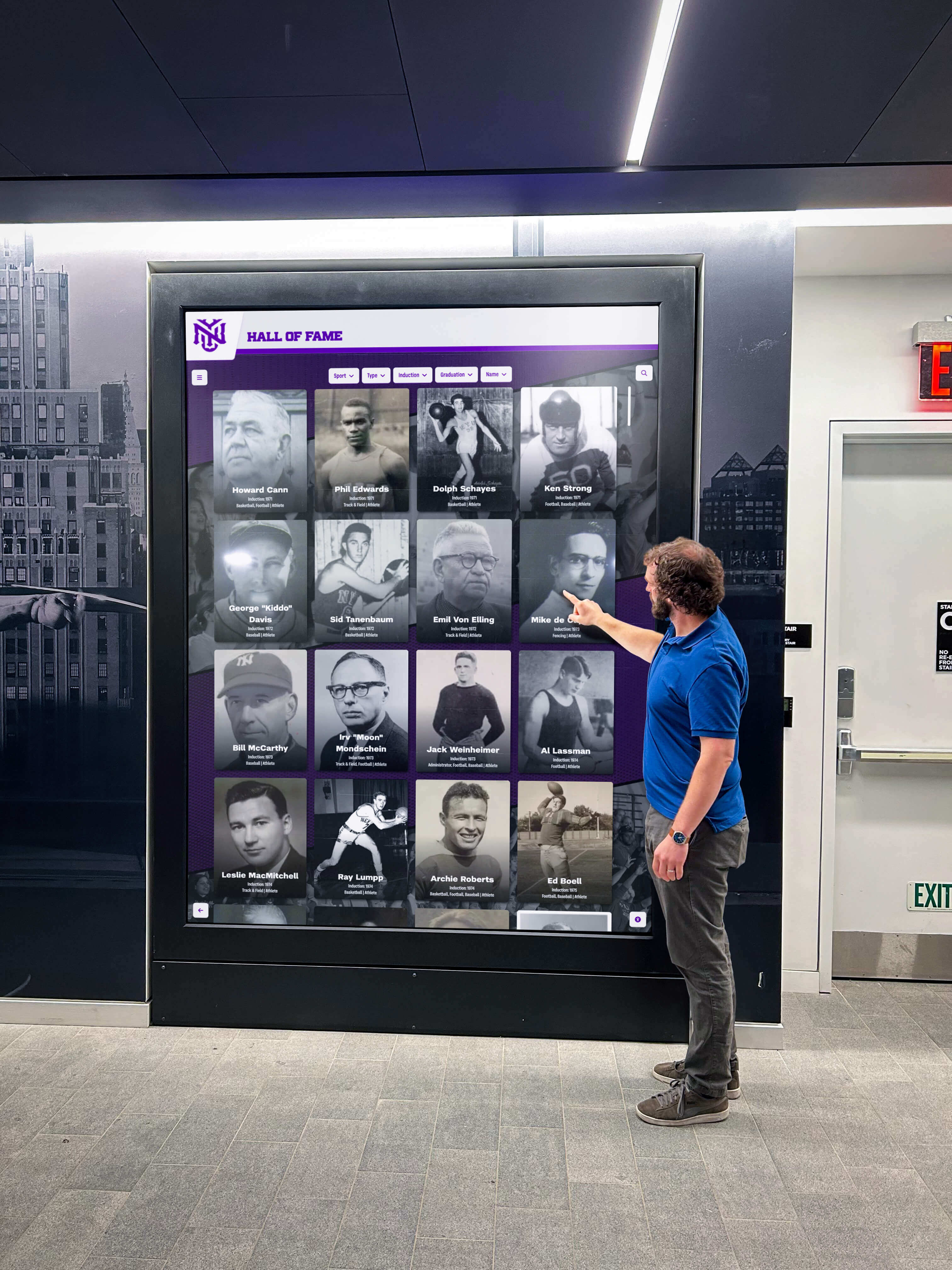
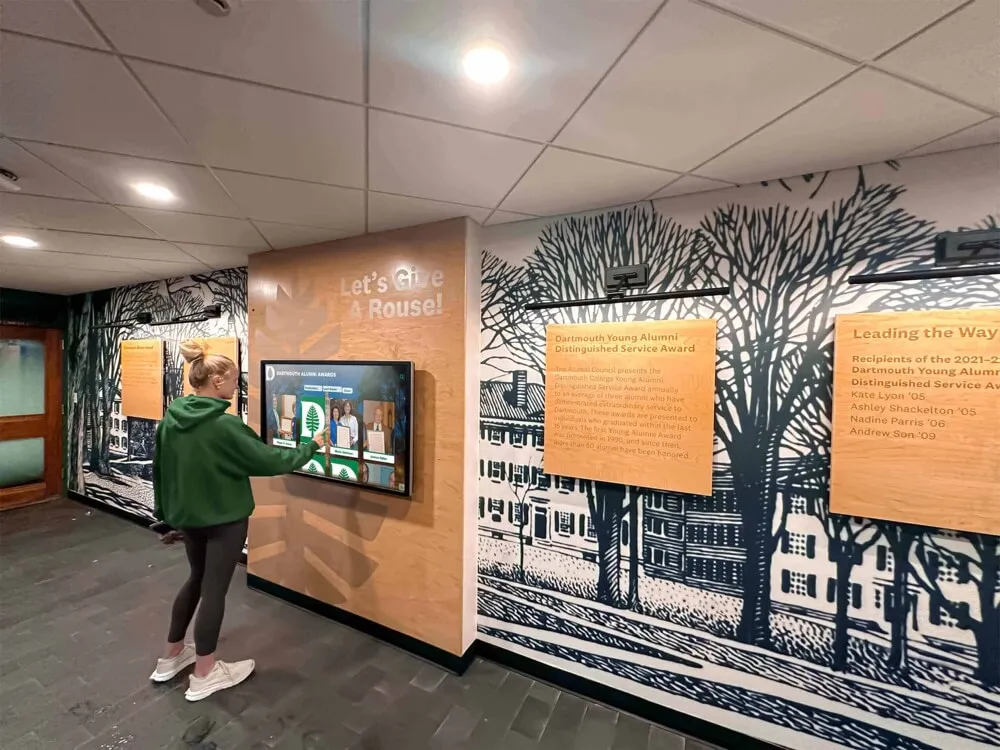
Recognition displays create lasting tributes to valedictorians and graduating classes, preserving their stories for the entire community
Delivery Tips for Maximum Impact
Even beautifully written speeches fall flat without effective delivery. These strategies ensure your words land powerfully.
Preparation and Practice
Rehearsal Schedule
- Two weeks before: Complete first full draft
- 10 days before: Practice aloud 3-4 times, revising awkward sections
- One week before: Memorize opening and closing (2-3 paragraphs each)
- 5 days before: Practice with timer, adjusting length
- 3 days before: Practice in front of friends/family, incorporate feedback
- Day before: Light run-through only—avoid over-rehearsing
Practice Strategies
- Record yourself: Video reveals habits you don’t notice (swaying, filler words, pacing)
- Practice in the space: If possible, rehearse in the actual auditorium or gym
- Simulate conditions: Practice with background noise, standing at podium
- Mark your script: Annotate with delivery notes (PAUSE, EMPHASIZE, SLOWER, etc.)
- Practice with notes: Even if mostly memorized, have notes backup preventing panic
Managing Nerves and Emotion
Pre-Speech Anxiety Management
- Physical techniques: Deep breathing, progressive muscle relaxation, power poses
- Mental techniques: Visualization of successful delivery, positive self-talk
- Preparation confidence: Remind yourself you’ve practiced extensively
- Perspective shift: Focus on honoring classmates, not perfect performance
- Arrival buffer: Arrive early, acclimate to space, test microphone if possible
Handling Emotion During Delivery
Graduation is emotional—expect to feel moved:
- Pause and breathe: When emotion hits, pause deliberately rather than rushing through
- Focus on message: Concentrate on honoring classmates, not your feelings
- Accept tears: Audiences understand and appreciate authentic emotion
- Have water: Keep water nearby for emotional or physical throat tightness
- Continue moving: If overwhelmed, take breath and keep going—perfection isn’t expected
Authentic emotion resonates more powerfully than overly controlled delivery.
Voice and Body Language
Vocal Techniques
- Volume: Speak slightly louder than conversation, even with microphone
- Pace: Slower than normal conversation—audiences need processing time
- Emphasis: Stress key words making meaning clear
- Pause: Use silence strategically for impact
- Variety: Vary tone, pitch, and energy maintaining audience interest
Physical Presence
- Posture: Stand tall but not rigid—confident but approachable
- Eye contact: Look at different audience sections, not just straight ahead
- Gestures: Natural hand movements emphasizing points, not distracting fidgeting
- Movement: Minimize swaying or pacing unless space allows purposeful movement
- Facial expressions: Let natural emotions show—smile at humorous moments, reflect seriously on weighty points
Your physical presence should reinforce rather than distract from your words.
Using Notes Effectively
Note Card Strategy
Most speakers use some notes:
- Key word outlines: Major transitions and quotations only, not full sentences
- Large, clear printing: Easily readable at podium distance
- Numbered cards: Prevents disorder if dropped
- Highlighting: Color-code different sections for quick orientation
- Top card placement: Keep in hand or on podium, not buried in pocket
When to Rely on Notes
- During longer narrative sections where exact wording matters less
- For statistics, quotations, or specific details requiring precision
- As backup preventing panic even if mostly memorized
When to Look Up
- Opening lines (should be memorized)
- Closing lines (should be memorized)
- Key inspirational moments
- Emotional beats requiring connection
- After asking questions or making jokes
Balance between notes and eye contact creates polished but authentic delivery.
Adapting to Different School Contexts
Valedictorian speech approaches should reflect your specific school culture and graduation format.
Large vs. Small School Considerations
Large School Adjustments (300+ graduates)
- Acknowledge you can’t know everyone personally
- Reference widely-known events and traditions everyone experienced
- Use “we” and “our class” creating inclusive language
- Mention different groups and activities showing breadth
- Keep length shorter—large ceremonies run long
- Focus on universal themes transcending individual friend groups
Small School Adjustments (under 100 graduates)
- Reference specific individuals by name if appropriate
- Include inside jokes and references most classmates understand
- Acknowledge the depth of relationships in small communities
- Mention specific teachers and staff by name
- Feel free to be slightly more informal
- Celebrate the unique bonds small schools create
Traditional vs. Progressive School Cultures
Traditional School Adjustments
- Respect formal ceremony protocols and expectations
- Include formal acknowledgments of administrators and board members
- Reference long-standing school traditions and values
- Balance innovation with respect for institutional history
- Use slightly more formal language and tone
- Honor school mottos, mission statements, or defining characteristics
Progressive School Adjustments
- Embrace creative structures and unexpected approaches
- Challenge conventional wisdom when appropriate
- Celebrate diversity, innovation, and questioning
- Feel free to be more conversational and less formal
- Reference social awareness and contemporary issues
- Highlight how school encouraged independent thinking
Match your approach to institutional culture while staying authentic to your voice.
Different Ceremony Formats
Virtual or Hybrid Graduations
- Acknowledge unusual circumstances directly
- Maintain energy despite lack of immediate audience feedback
- Look directly at camera when speaking
- Keep timing tighter—screen fatigue is real
- Consider how speech will work for both in-person and remote viewers
Indoor vs. Outdoor Settings
- Outdoor: Account for potential weather, noise, distractions—keep language punchy
- Indoor: Can use subtler delivery and more complex language—acoustics support nuance
Adapt delivery to circumstances while maintaining core message integrity.
Many schools preserve graduation memories through modern recognition systems. Solutions like Rocket Alumni Solutions enable institutions to celebrate valedictorians and top scholars through engaging digital displays that showcase achievement stories, preserve commencement addresses, and create lasting tributes to academic excellence—ensuring that the speeches and accomplishments of each graduating class remain accessible to current students, alumni, and the broader school community for generations to come.
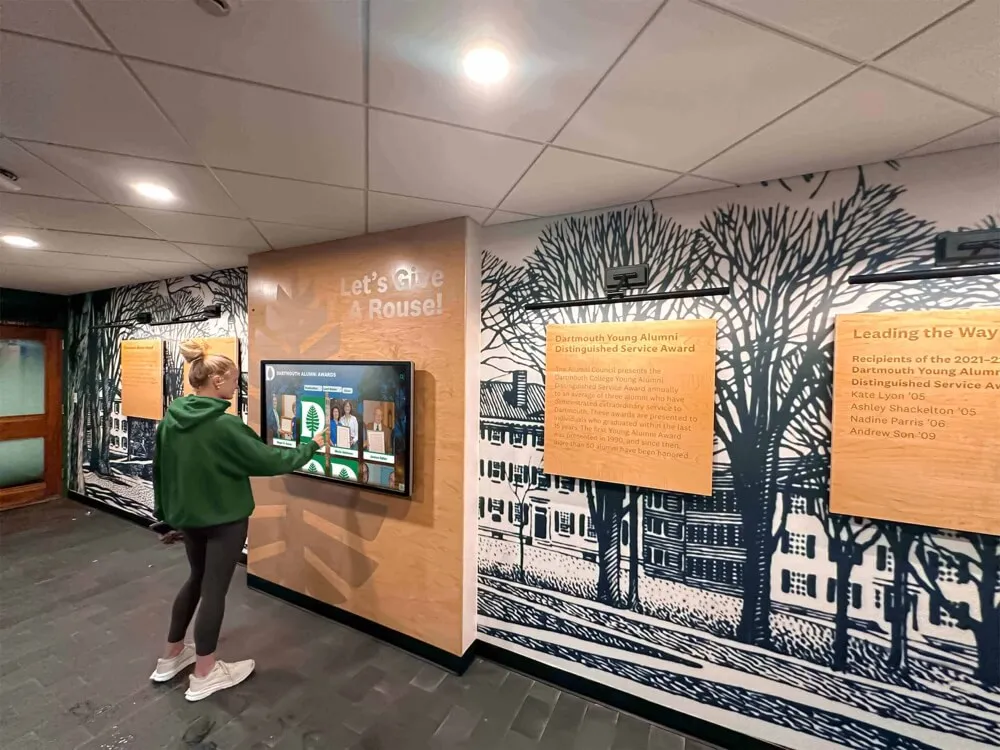
Digital recognition platforms preserve valedictorian legacies while connecting current students with the academic achievers who came before them
Complete Valedictorian Speech Example
To illustrate how these principles work in practice, here’s a complete example speech incorporating the strategies discussed throughout this guide.
“The Things We Didn’t Know We Were Learning”
[Opening—Unexpected Statement]
The most important things I learned in high school were never on the syllabus.
[Connection to Audience]
Don’t get me wrong—I definitely learned mitochondria are the powerhouse of the cell, the Pythagorean theorem has something to do with triangles, and Shakespeare apparently really liked writing about teenagers making terrible decisions. But the lessons that actually changed who I am? Those happened in the spaces between classes, during the activities after school, and in the moments when nothing was going according to plan.
[Transition to Body—Introducing Framework]
Our class learned at least three things that matter more than anything we memorized for finals.
[Lesson One with Story]
First, we learned that failure is just expensive education. I know this because our robotics team failed spectacularly at the state competition sophomore year. The robot we’d spent months building stopped working thirty seconds into our first match. We stood there watching it just sit there, completely dead, while three other teams’ robots scored points. It was humiliating.
But here’s what happened next: We didn’t quit. We figured out what went wrong, rebuilt half the robot, and came back the next year. We didn’t win the championship, but we learned more from that failure than from anything that came easily. How many of you have stories like that? A class you failed, a team you got cut from, an election you lost? [Pause for subtle nods] Those moments taught us resilience. They taught us that setbacks aren’t endings—they’re plot twists.
[Lesson Two with Story]
Second, we learned that our differences make us stronger, not weaker. When we started freshman year, most of us stuck to our middle school friend groups. But then something happened. Through group projects, shared lunches, and overlapping activities, we started actually talking to people we’d never considered friends.
I discovered that the quiet kid in my English class writes incredible poetry. The athlete I assumed only cared about sports turned out to share my obsession with vintage vinyl records. The student I initially had nothing in common with became one of my closest friends because we bonded over our shared anxiety about college applications.
We learned that the richness of our experience came from the diversity of perspectives, backgrounds, and interests in this room. We’re not 347 individual stories—we’re one incredibly complex, interesting story made up of 347 essential chapters.
[Lesson Three with Story]
Finally, we learned that community is a verb, not a noun. Community isn’t just the people around you—it’s what you build together. We saw this when we raised money for families affected by the floods last year. We saw it when seniors mentored freshmen who were struggling. We saw it every time someone held the door, shared notes, saved a seat, or asked “Are you okay?” when they noticed a classmate having a hard day.
Mrs. Rodriguez told me something last year that stuck with me. She said, “Individual achievement is impressive, but collective success changes the world.” Looking around at what our class accomplished together, I finally understand what she meant.
[Transition to Conclusion]
So yes, we learned academic content. We can write essays, solve equations, analyze literature, and understand scientific concepts. Those skills matter, and we should be proud of developing them.
[Bringing Themes Together]
But the real lessons—learning to persevere through failure, to appreciate and learn from people different from ourselves, and to build community through our actions—those are the lessons that will actually matter five, ten, twenty years from now.
[Call to Action]
As we leave today, let’s promise to keep learning the things that aren’t on syllabuses. Let’s stay curious, stay open to people who see the world differently, and keep building communities wherever we go. Let’s fail sometimes, learn from it, and try again. Let’s remember that our individual success is always built on the foundation of community support.
[Final Gratitude]
To our teachers, thank you for teaching us both the content and the context. To our families, thank you for supporting us even when supporting us meant letting us fail. To my classmates, thank you for being the community that taught me everything that actually matters.
[Memorable Closing]
Class of 2026, we may be done with homework and finals, but we’re not done learning. We’re just getting started. And whatever we face next, we’ll face it with the resilience, diversity, and community that got us here today.
Congratulations, graduates. Let’s go learn what comes next.
This example demonstrates key techniques: unexpected opening, three-part structure, specific stories with universal applications, inclusive “we” language, gratitude, and future-focused closing.
Final Thoughts: Making Your Speech Authentically Yours
Templates, tips, and examples provide valuable starting points, but the most memorable valedictorian speeches emerge when you trust your own voice and perspective. The goal isn’t perfection—it’s authentic connection with your graduating class and the community celebrating this milestone alongside you.
Your classmates chose you to represent them not because you’re the most polished public speaker or most eloquent writer, but because your academic journey earned their respect. Trust that the same dedication and authenticity that got you here will serve you at the podium.
Don’t try to sound like someone else or deliver the speech you think you’re supposed to give. Instead, speak genuine truth about your class’s experience. Reference the specific moments that mattered to you and your classmates. Use language that feels natural when you say it aloud. Share insights you’ve actually gained, not wisdom that sounds impressive but rings hollow.
The best valedictorian speeches balance honoring tradition with speaking truth, celebrating achievement with acknowledging growth still ahead, and recognizing individual accomplishment while emphasizing collective experience. Your speech doesn’t need to be perfect—it needs to be real.
As you write and prepare, remember that years from now, your classmates won’t remember whether you used the perfect metaphor or delivered every line flawlessly. They’ll remember whether you made them feel proud to be part of your graduating class, whether you captured something true about the journey you shared, and whether you sent them into the future with hope and confidence.
That’s what makes a valedictorian speech memorable—not rhetorical brilliance, but authentic recognition of the profound transition your class is experiencing together. Trust your voice, honor your classmates’ experience, and speak from genuine appreciation for the community that brought you to this moment.
Now get writing. Your class is waiting to hear what you have to say.
Ready to preserve your school’s tradition of academic excellence? Explore how Rocket Alumni Solutions helps educational institutions celebrate valedictorians, honor top scholars, and create lasting recognition for academic achievement through engaging digital displays that preserve commencement addresses, document graduating class legacies, and inspire future students with stories of excellence from those who came before them.