Schools seeking digital hall of fame displays face a common challenge: understanding what’s actually included when vendors quote prices. One provider lists hardware at $12,000 but doesn’t mention installation costs. Another quotes $8,500 for equipment while charging separately for content setup, training, mounting, and network configuration. A third promises comprehensive solutions but leaves you wondering what happens when you need to add new inductees or update existing profiles.
Finding truly turnkey digital hall of fame pricing—where a single investment covers hardware, professional installation, content migration, staff training, and ongoing support—eliminates uncertainty and ensures successful implementation from day one. Schools need confidence that quoted prices reflect complete, ready-to-use recognition systems, not just equipment boxes requiring additional contractors, technical expertise, and unexpected expenses to actually function.
This comprehensive guide explores turnkey digital hall of fame pricing for schools, identifying providers offering complete solutions, breaking down what’s included at different price points, and helping you evaluate true total costs versus incomplete quotes that create budget surprises during implementation.
When schools invest thousands of dollars in recognition technology, they deserve clear expectations about deliverables, timelines, and final costs. The difference between basic equipment pricing and true turnkey service determines whether your digital hall of fame launches smoothly or becomes a frustrating project requiring multiple vendors, technical troubleshooting, and delayed recognition of deserving honorees.
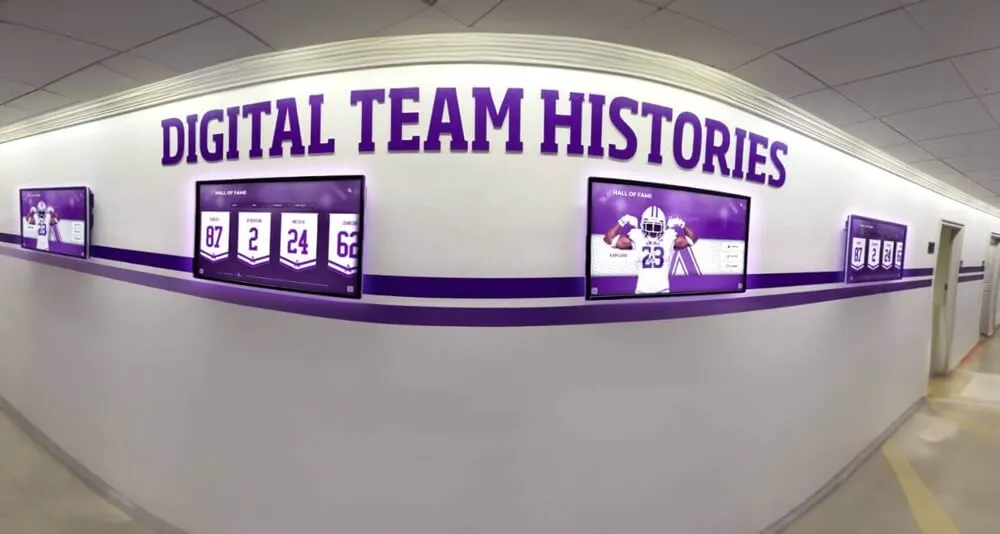
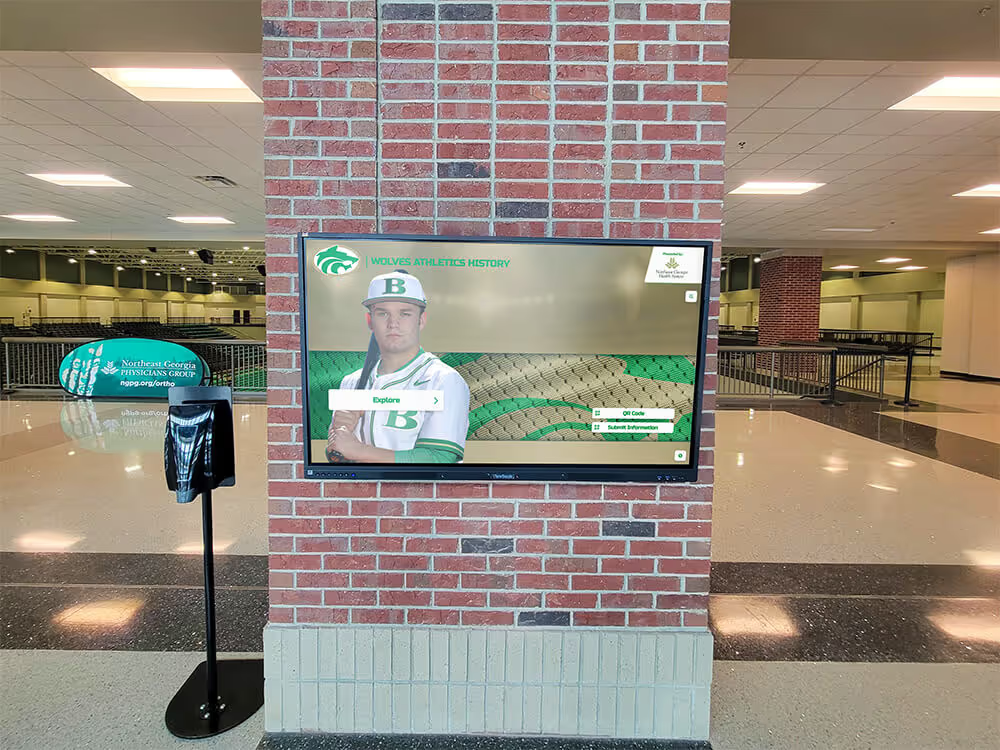
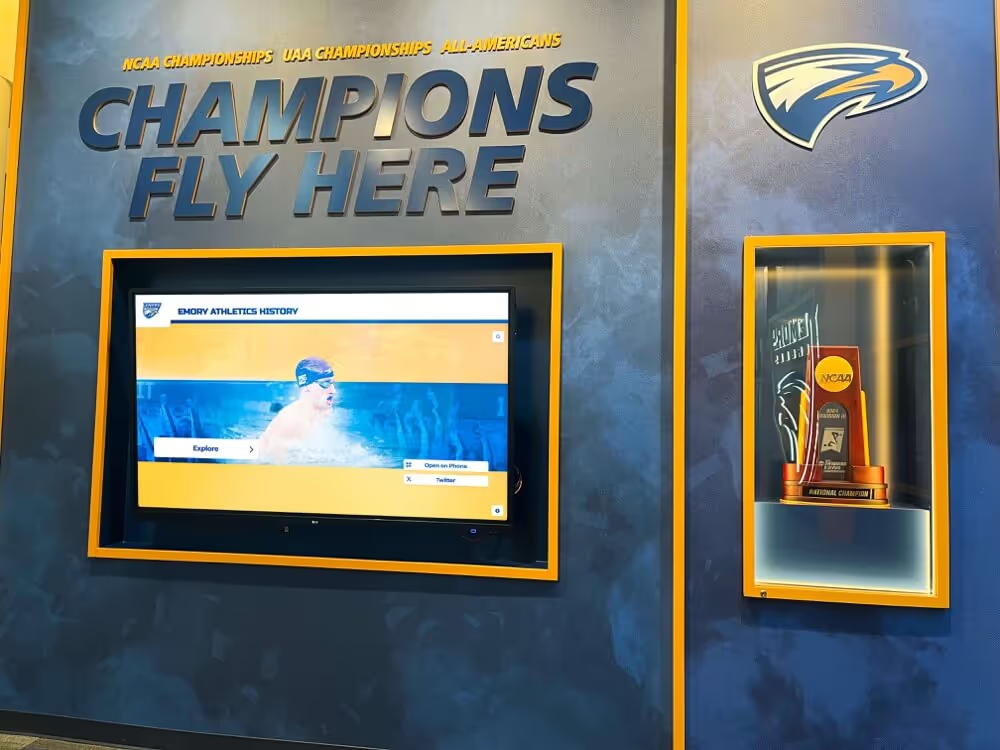
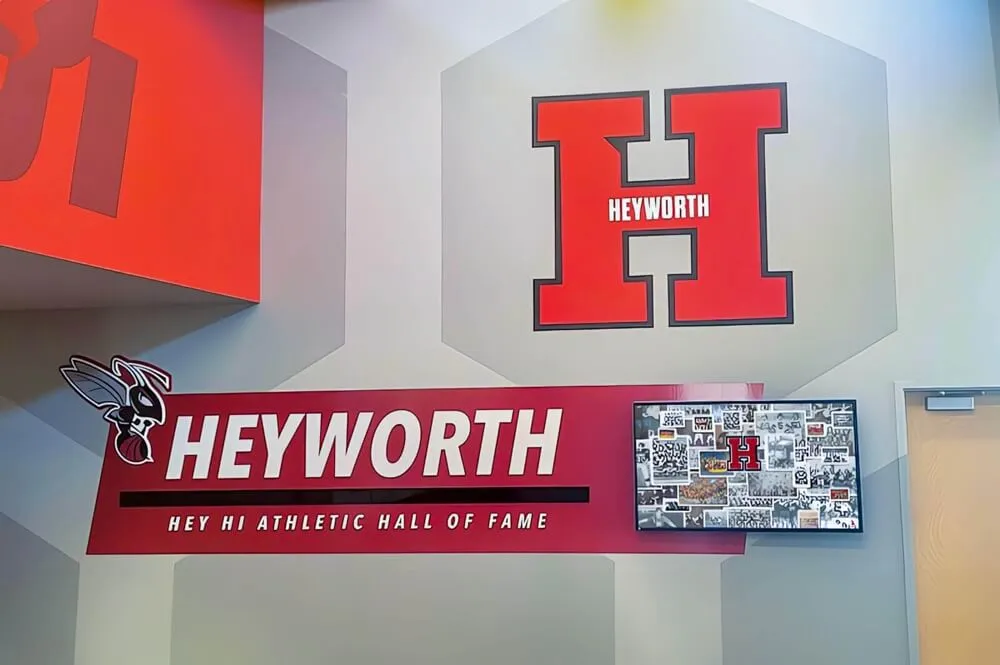
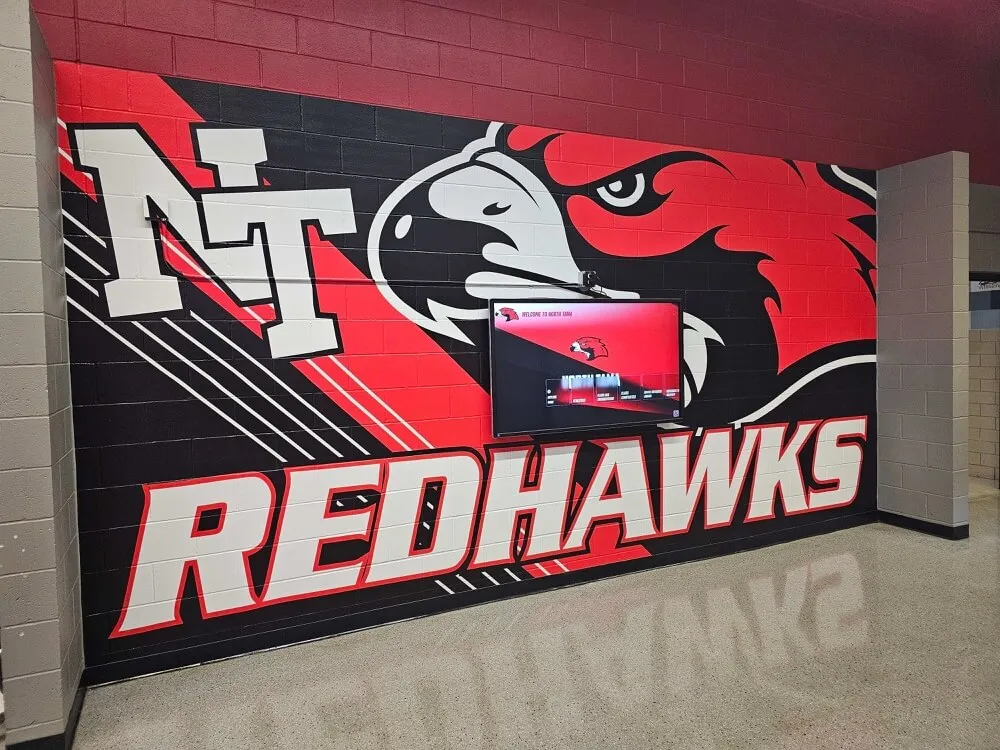
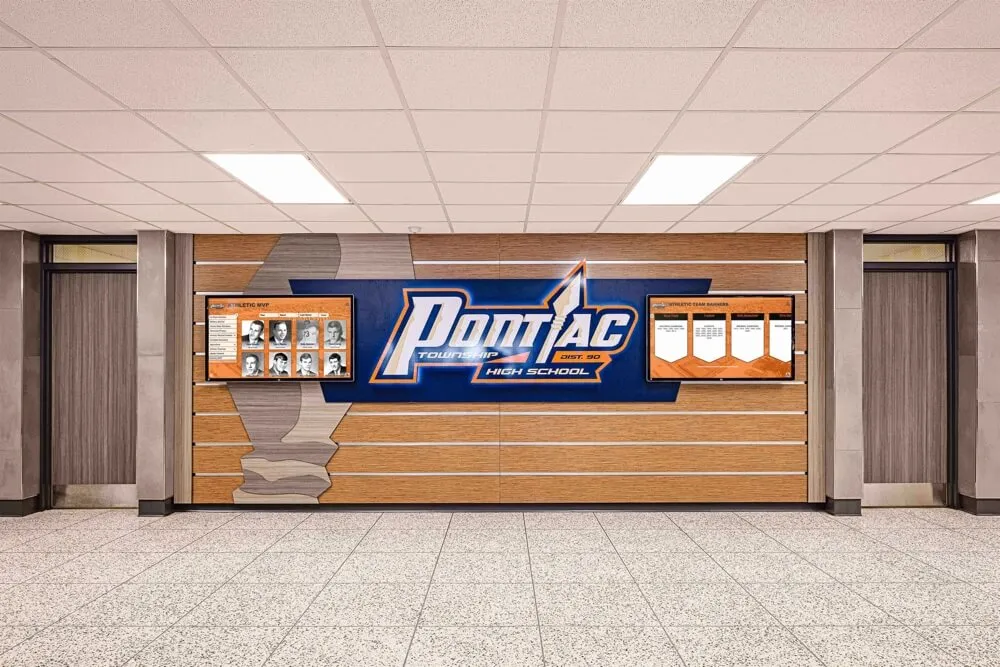
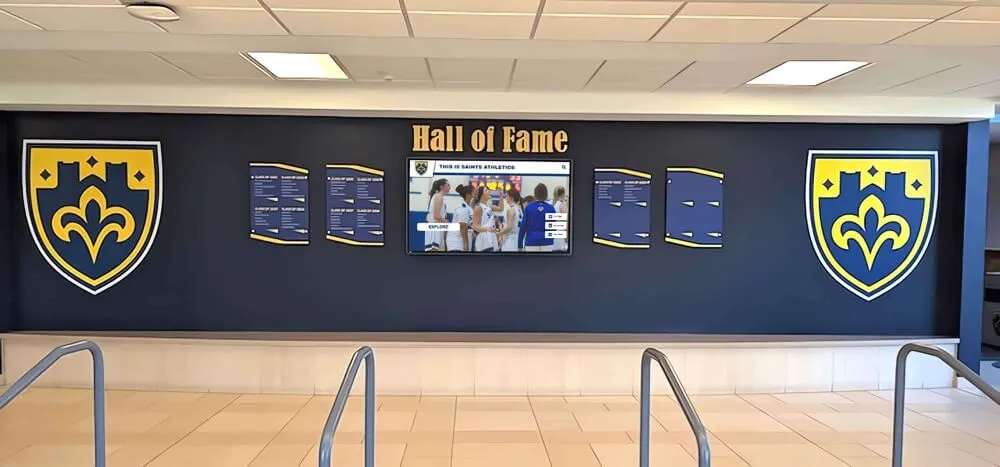
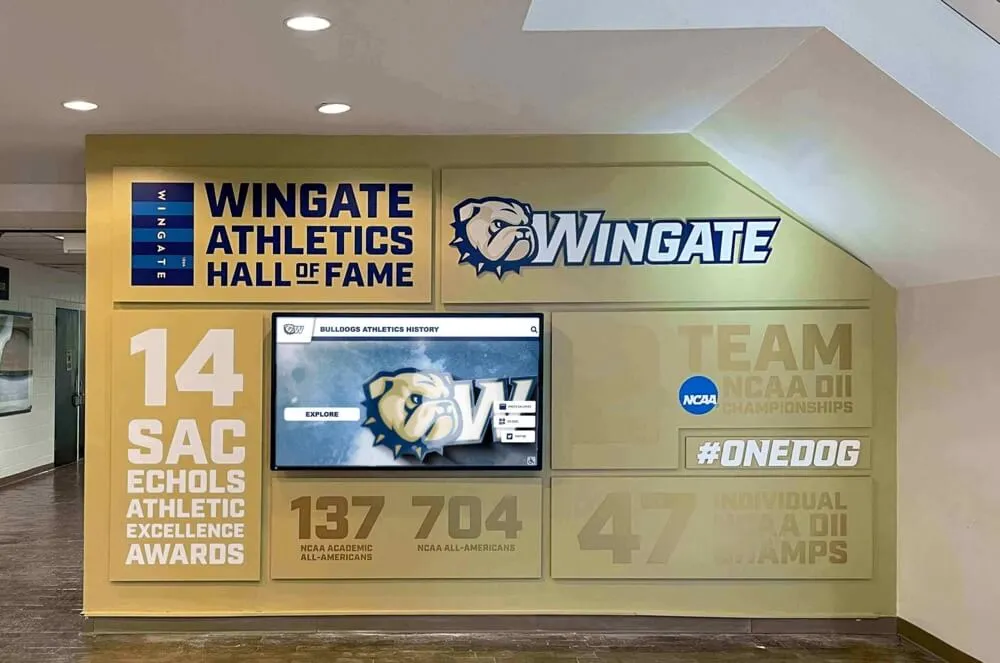
Turnkey installations include professional mounting, network configuration, and content setup
What Does “Turnkey” Mean for Digital Hall of Fame Systems?
Turnkey describes solutions where a single provider handles every aspect of implementation, delivering fully functional systems requiring no additional contractors, technical expertise, or hidden costs. For digital hall of fame displays, comprehensive turnkey service typically includes:
Hardware Components: Commercial-grade touchscreen display, mounting system, computer or media player, power supplies, all necessary cables, and protective enclosures suitable for school environments.
Professional Installation: Physical mounting to walls or custom stands, secure equipment installation, cable management and concealment, proper positioning for accessibility and visibility, and final quality verification.
Network Configuration: Connecting displays to school networks, configuring content management systems, establishing remote access for updates, implementing security protocols, and testing connectivity and performance.
Content Migration and Setup: Transferring existing recognition data (names, photos, achievements, years, statistics), organizing content into logical categories, designing visual templates matching school branding, creating initial screen layouts, and populating databases with historical honorees.
Staff Training: On-site or virtual training sessions teaching administrators how to add new inductees, update existing profiles, upload photos and videos, modify layouts and designs, generate reports, and troubleshoot common issues independently.
Ongoing Support: Technical assistance via phone, email, or remote access, software updates and feature enhancements, content backup and recovery services, warranty coverage for hardware failures, and access to training resources and documentation.
When vendors offer turnkey pricing, schools should receive all these services included in quoted investments—not encounter surprise charges for essential components discovered during implementation.
Turnkey Digital Hall of Fame Price Ranges
Complete turnkey digital hall of fame systems for schools typically fall into these investment categories:
Entry-Level Turnkey Systems: $8,000 - $12,000
These packages include smaller displays (32-43 inches) suitable for modest recognition programs or limited installation spaces. Expect commercial-grade touchscreens, basic mounting hardware, essential software with standard templates, initial content setup for 50-100 profiles, and virtual training sessions.
Entry systems work well for schools just beginning digital recognition journeys, those with tight budgets, or institutions needing displays in secondary locations complementing existing primary recognition areas.
Mid-Range Turnkey Solutions: $12,000 - $18,000
The most common choice for high schools and small colleges includes larger displays (49-55 inches), professional-grade mounting systems, comprehensive software platforms with unlimited profiles, extensive content migration services, multiple training sessions, and enhanced support packages.
Mid-range investments deliver displays prominent enough for main lobbies or gymnasium entrances while providing sufficient screen size for detailed profile information, photo galleries, video integration, and engaging interactive experiences that draw visitor attention.
Premium Turnkey Installations: $18,000 - $30,000+
Schools investing at this level receive large-format displays (65-75 inches), custom mounting solutions or free-standing kiosks, advanced software features including multi-screen synchronization, comprehensive content creation services, extensive historical data migration, on-site training and support, and premium warranty coverage.
Premium systems suit institutions with large recognition programs, multiple inductee categories, extensive historical records requiring professional digitization, or high-traffic locations where displays serve as signature architectural features.
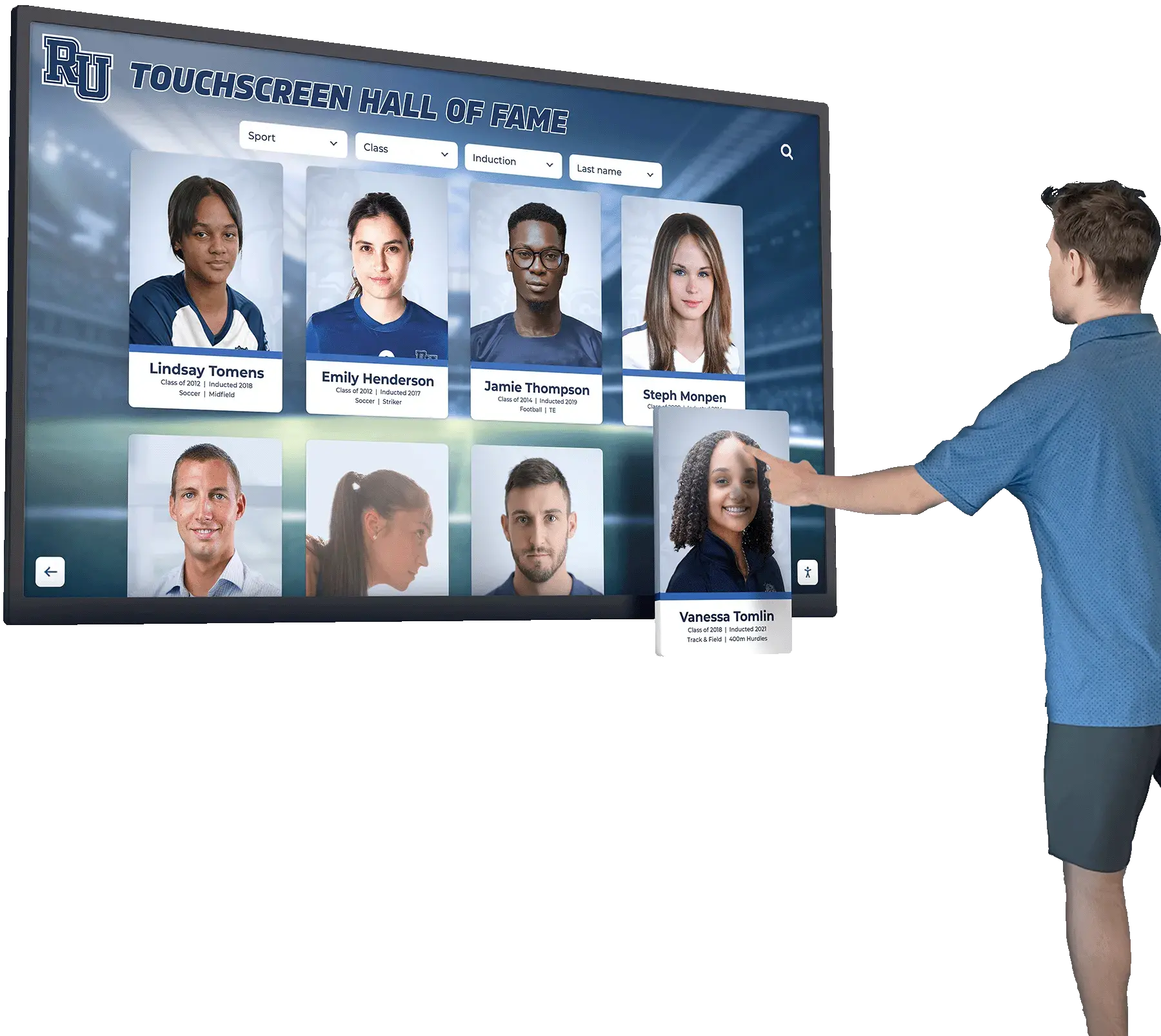
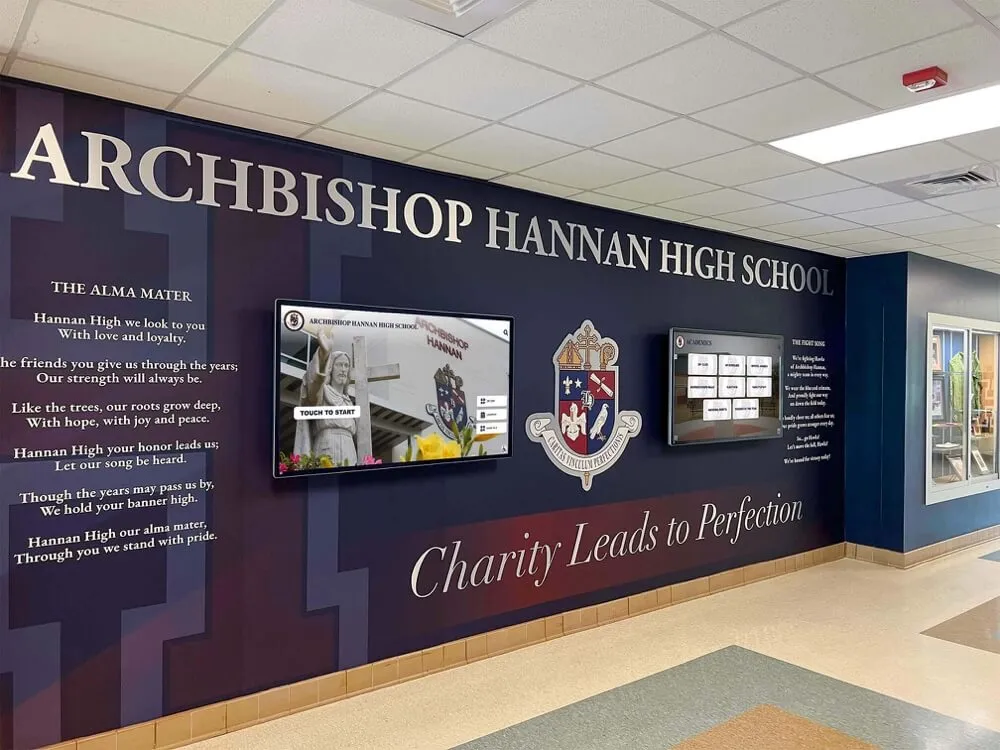
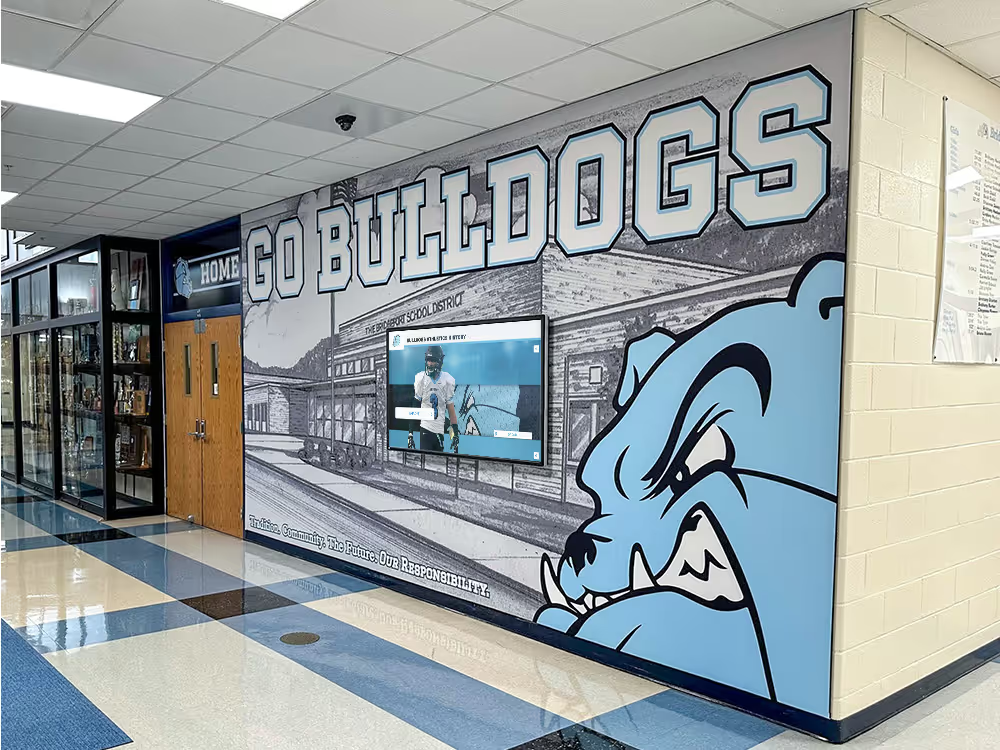
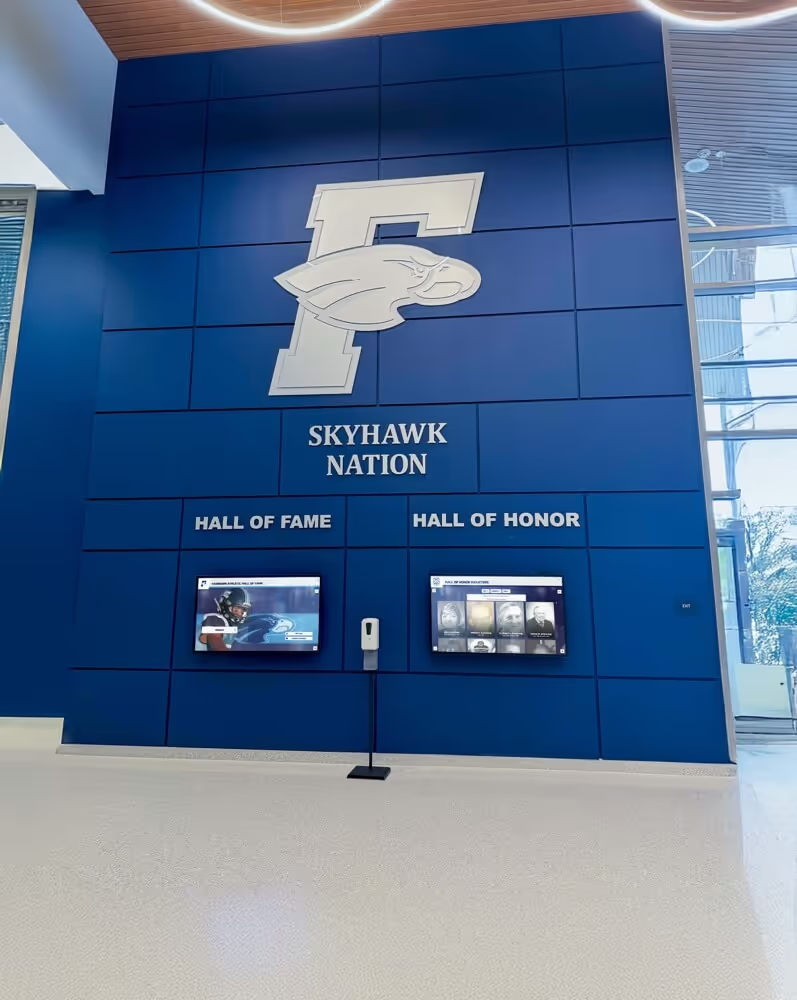
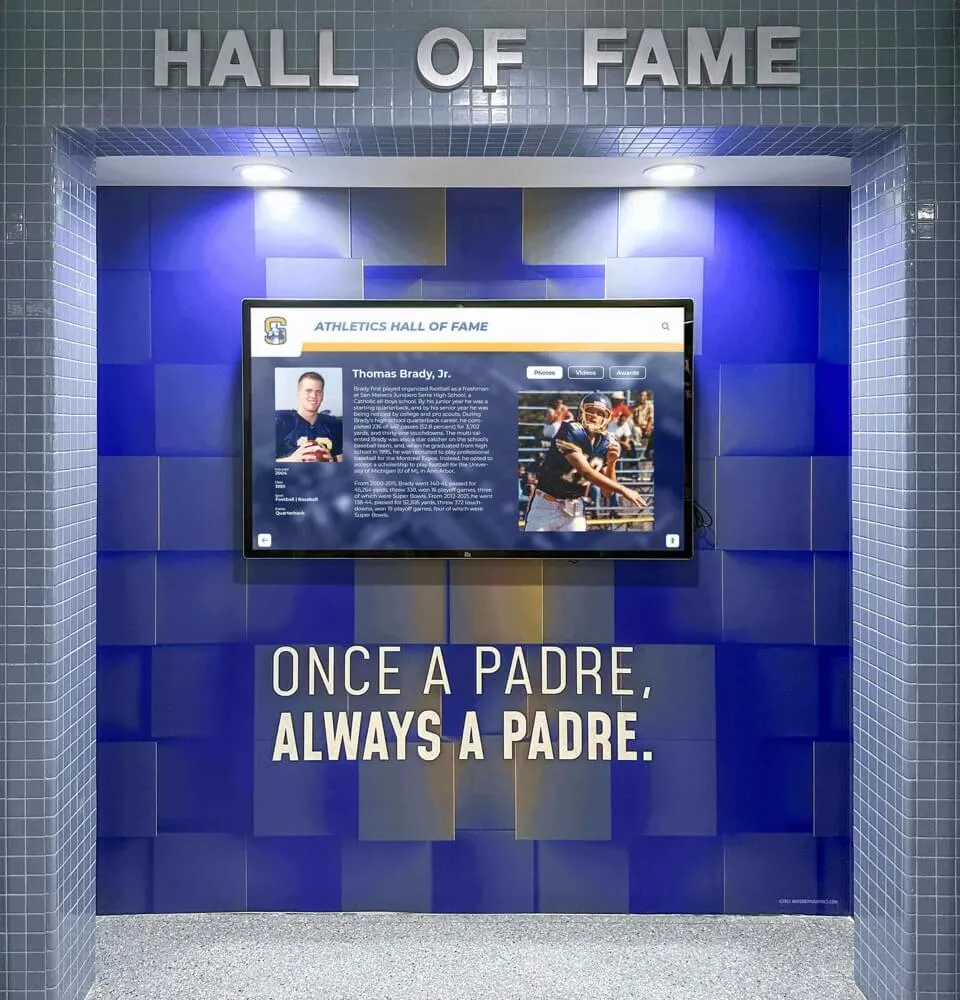
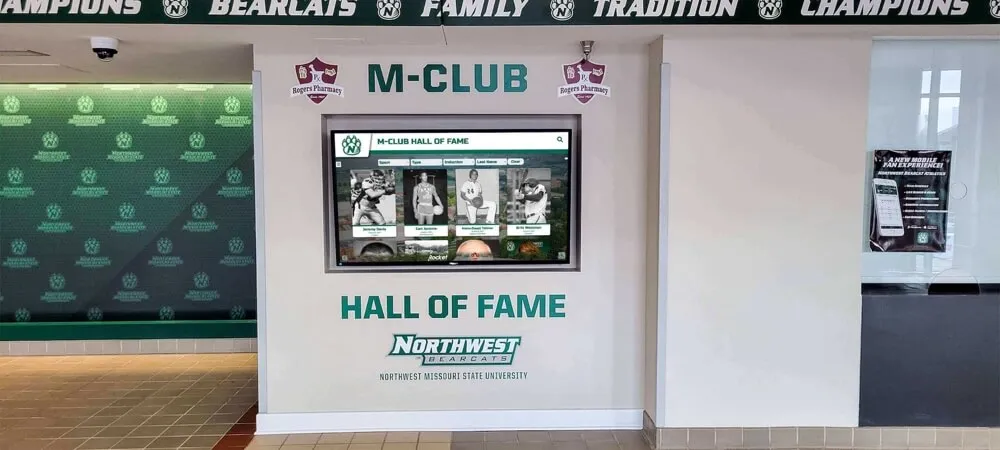
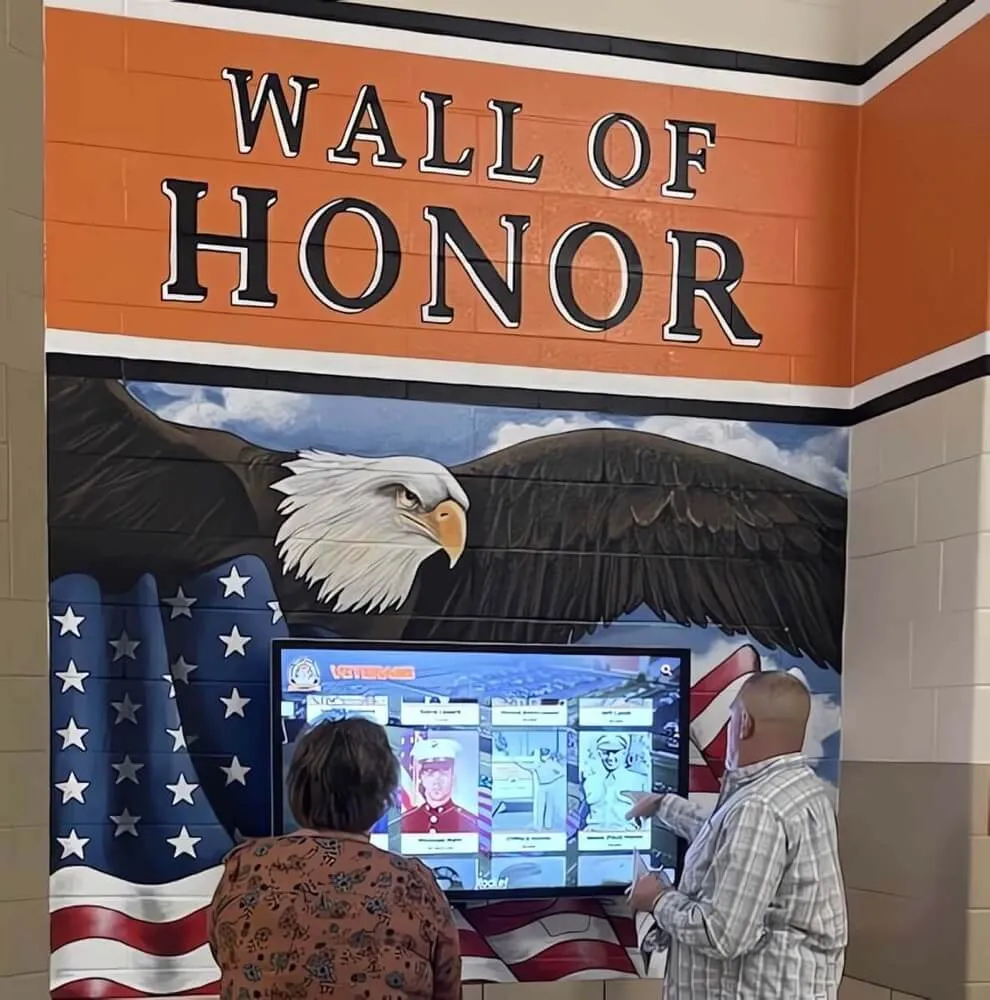
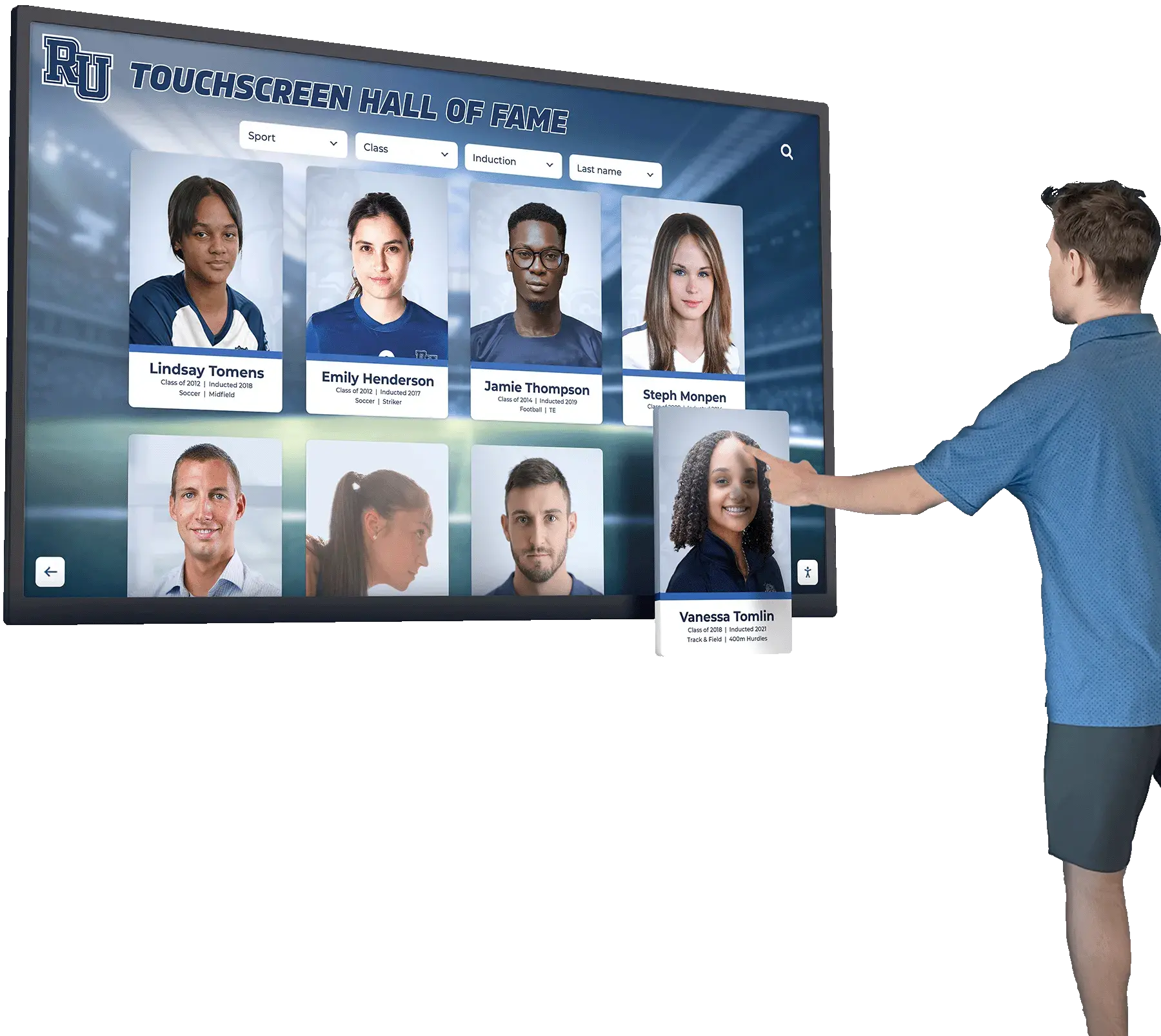
Properly configured systems allow easy browsing through unlimited inductee profiles
Providers Offering Turnkey Digital Hall of Fame Solutions
Several companies specialize in complete digital recognition systems for schools with clear pricing covering installation, setup, and training.
Rocket Alumni Solutions
Rocket Alumni Solutions provides comprehensive turnkey packages specifically designed for educational institutions. Their approach includes unlimited cloud-based software with no per-profile fees, professional installation anywhere in the continental United States, extensive content migration handling historical data of any size, and multiple training formats accommodating different learning preferences.
Schools appreciate Rocket’s transparent pricing model where quoted investments cover everything needed for successful launches—no surprise charges for basic features or essential services. Their digital recognition platforms accommodate athletic halls of fame, academic recognition, alumni achievements, donor acknowledgment, and other use cases within single systems.
TouchHallOfFame.us
TouchHallOfFame.us focuses on interactive recognition solutions emphasizing visual storytelling and multimedia integration. Their turnkey packages include content consultation helping schools organize decades of historical information, custom design services creating branded visual identities, and training programs teaching staff how to maintain engaging content that evolves with recognition programs.
HallOfFameWall.com
HallOfFameWall.com offers modular turnkey solutions allowing schools to start with basic systems and expand functionality over time. Initial packages cover essential hardware and installation, while enhanced service tiers add content migration, advanced training, and premium support options schools can select based on immediate needs and available budgets.
TouchWall.us
TouchWall.us provides turnkey installations emphasizing ease of use and staff independence. Their approach prioritizes intuitive content management requiring minimal training, extensive template libraries allowing quick customization without design expertise, and responsive support ensuring schools can resolve issues quickly without prolonged downtime.
Chase McKee (chasemckee.com)
Chase McKee specializes in custom digital recognition solutions for schools with unique architectural environments or specific functional requirements. Turnkey services include site surveys evaluating installation locations, custom fabrication accommodating unusual wall conditions or aesthetic preferences, and tailored training addressing school-specific workflows and content management preferences.
When evaluating any provider, request detailed proposals clearly itemizing every included service and explicitly identifying any potential additional costs beyond base pricing.
Breaking Down Turnkey Pricing Components
Understanding how providers allocate costs across service components helps schools evaluate value and identify incomplete quotes masquerading as turnkey solutions.
Hardware Costs: 40-50% of Total Investment
Commercial-grade touchscreen displays represent the largest individual expense in turnkey packages. Unlike consumer televisions that fail within months in high-use school environments, commercial displays feature:
- Industrial components rated for continuous operation
- Strengthened glass resisting impact and vandalism
- Professional warranties covering business usage
- Enhanced brightness maintaining visibility in well-lit lobbies
- Multiple input options accommodating various content sources
Computer hardware driving displays adds additional costs—either compact media players for cloud-based systems or more powerful computers for locally-hosted solutions requiring greater processing capability.
Mounting systems range from basic VESA-standard wall mounts to custom fabricated frames, protective enclosures, or free-standing kiosks. Schools with unusual wall construction, aesthetic requirements, or accessibility needs often require custom mounting solutions increasing hardware investments.
Installation Services: 15-25% of Total Investment
Professional installation encompasses far more than hanging displays on walls. Comprehensive service includes:
Pre-Installation Planning: Site surveys evaluating wall construction, electrical access, network connectivity, viewing angles, ADA compliance, and lighting conditions affecting display visibility.
Physical Installation: Securely mounting displays using appropriate hardware for wall types (drywall, concrete, brick, metal studs), installing equipment in protective enclosures, running and concealing cables professionally, and positioning displays at appropriate heights for adult and wheelchair users.
Technical Configuration: Connecting displays to power and network infrastructure, configuring media players or computers, installing and activating software, establishing remote access for ongoing management, and conducting thorough testing before staff training.
Providers offering true turnkey service employ professional installers—not shipping equipment for school maintenance staff to figure out. Schools exploring who handles digital display installations should verify provider capabilities and geographic service areas before selecting vendors.

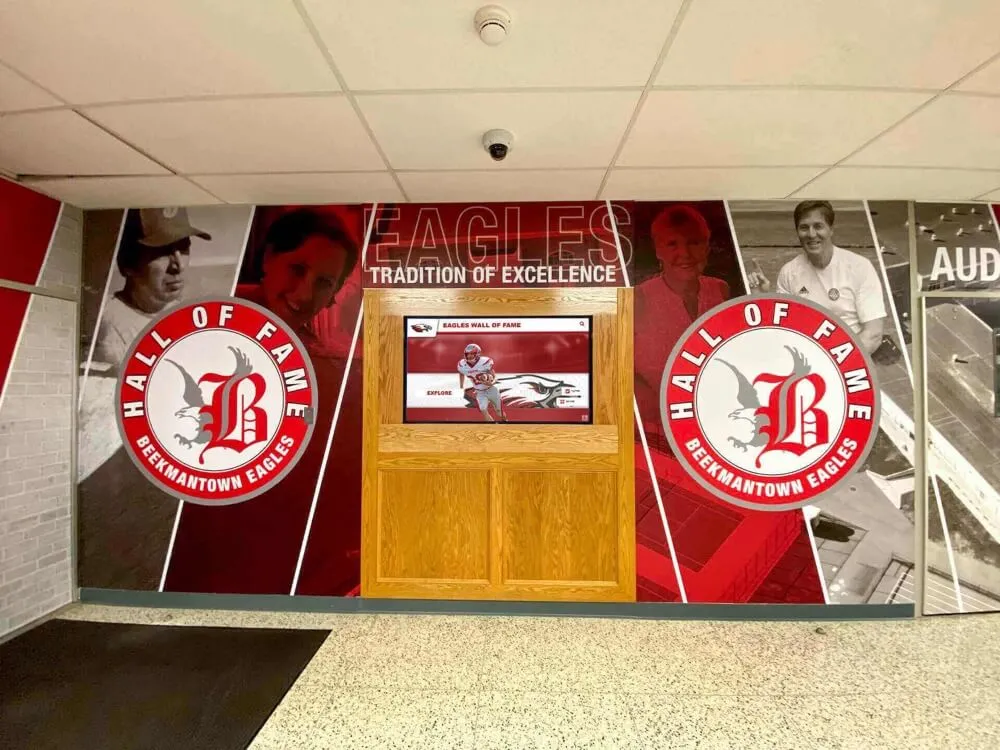
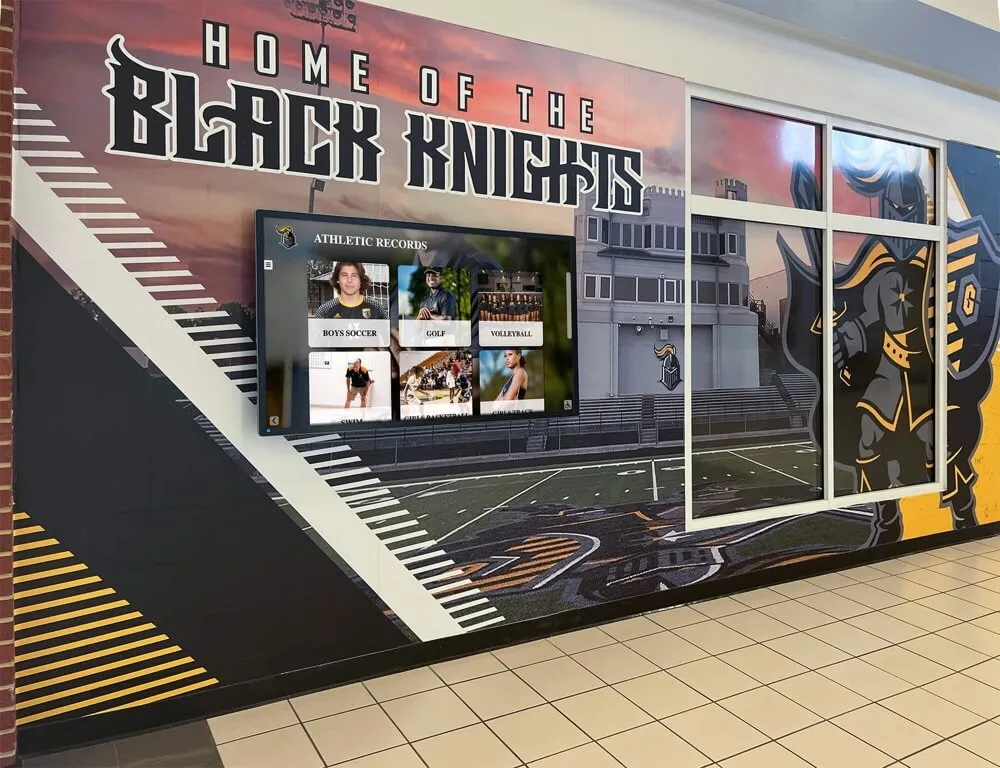
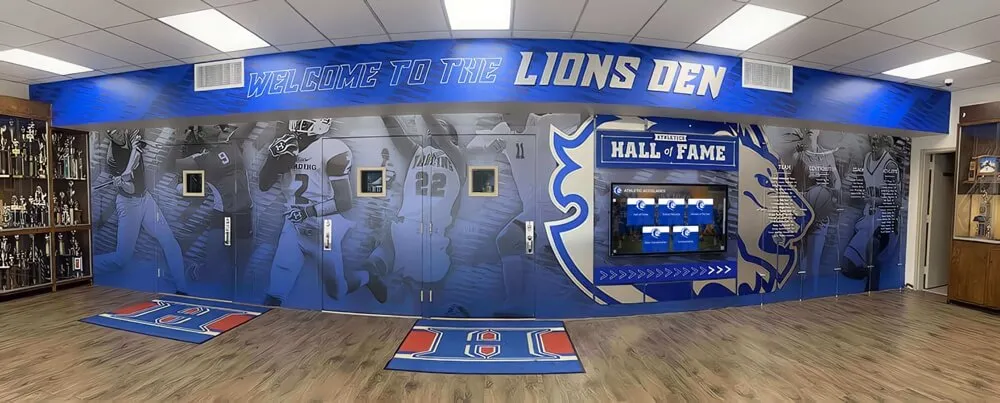
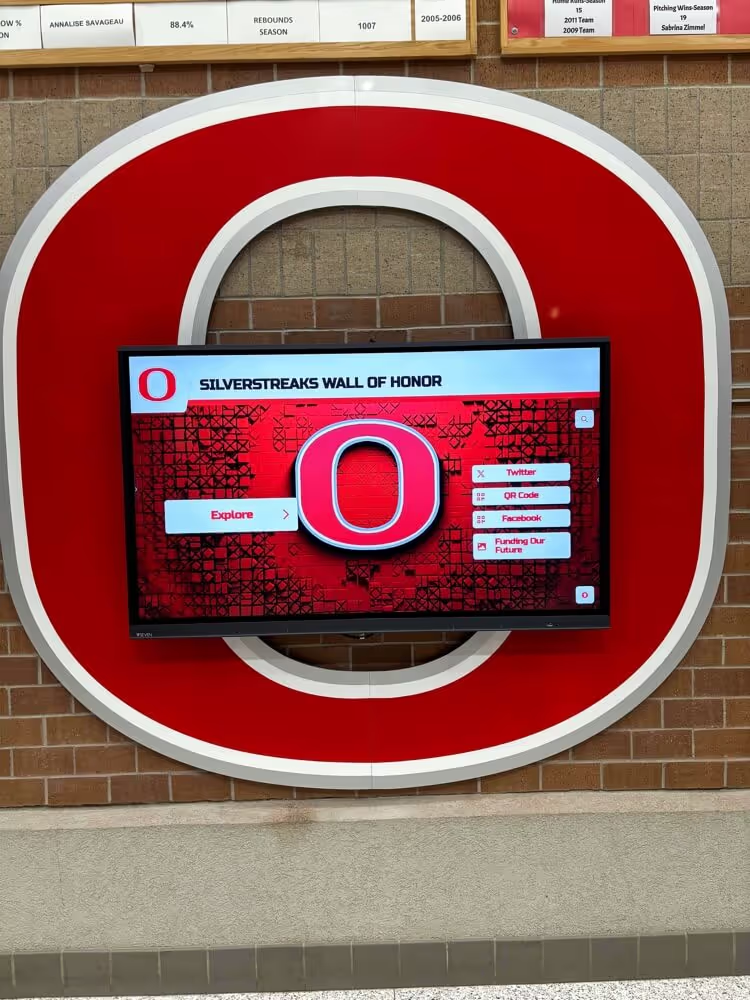
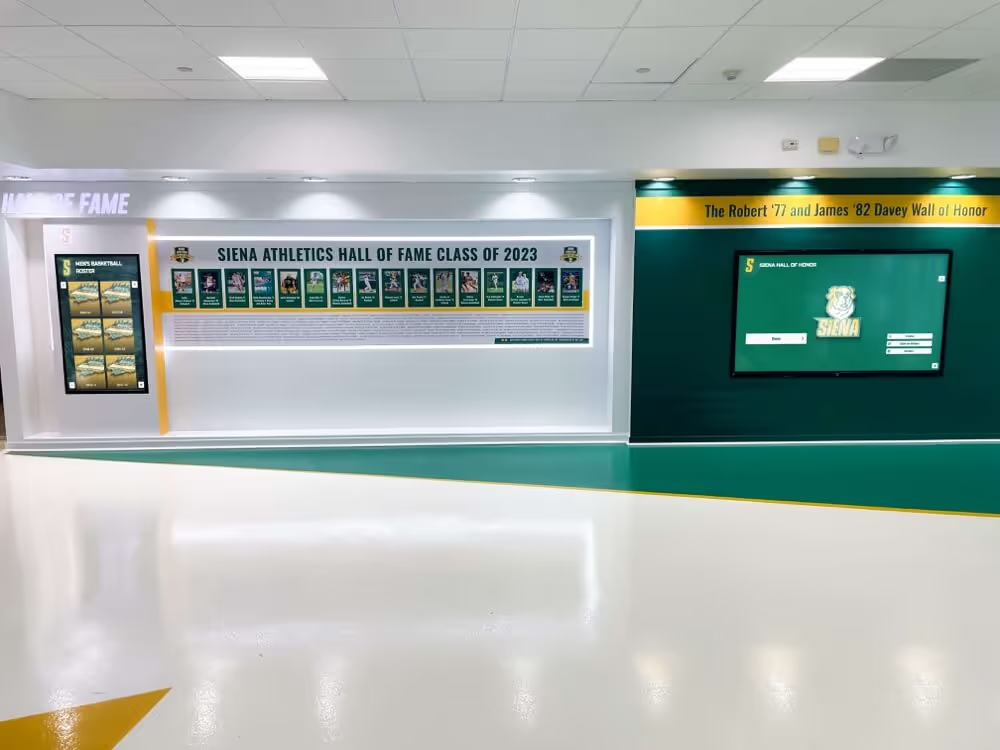
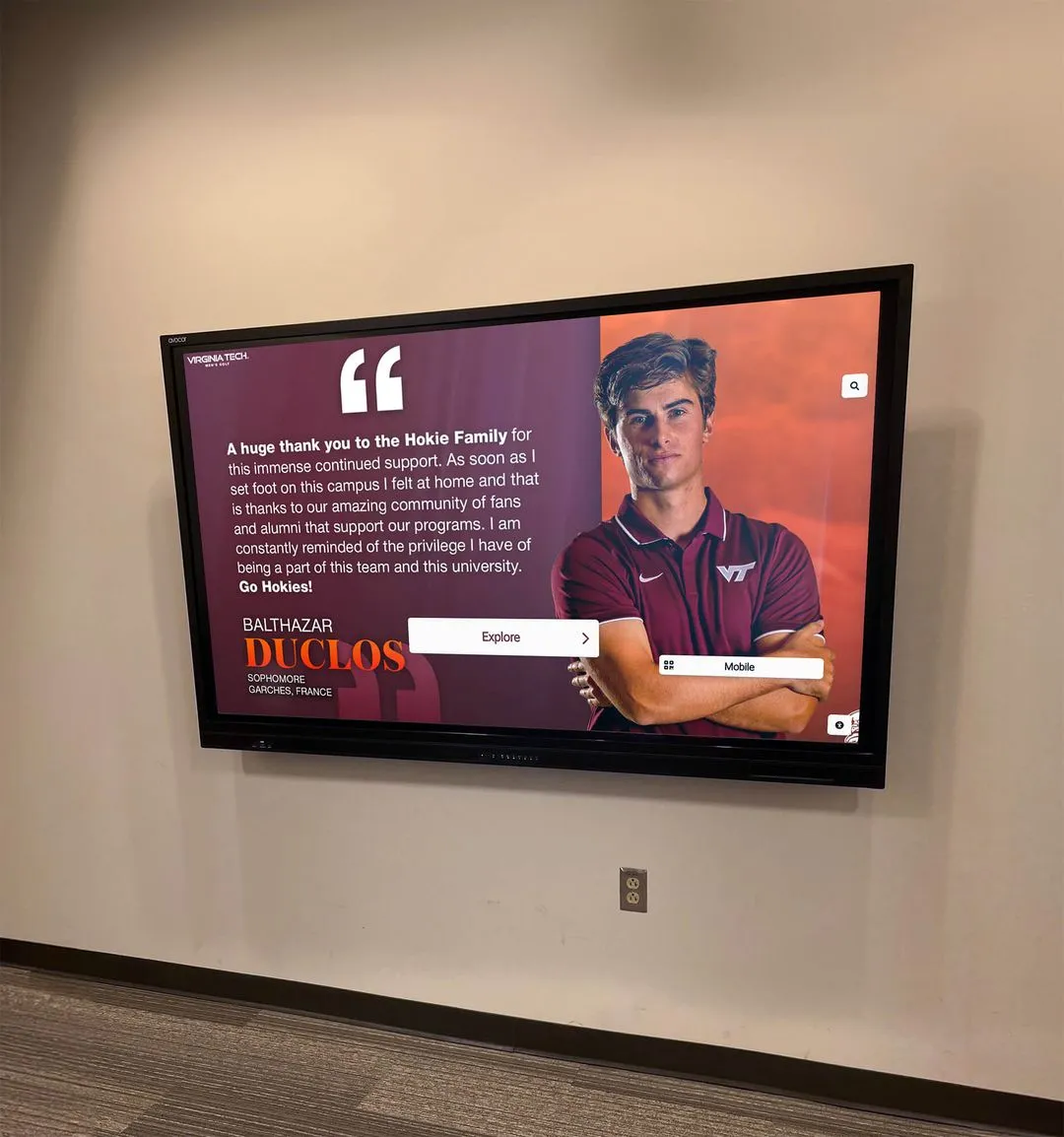
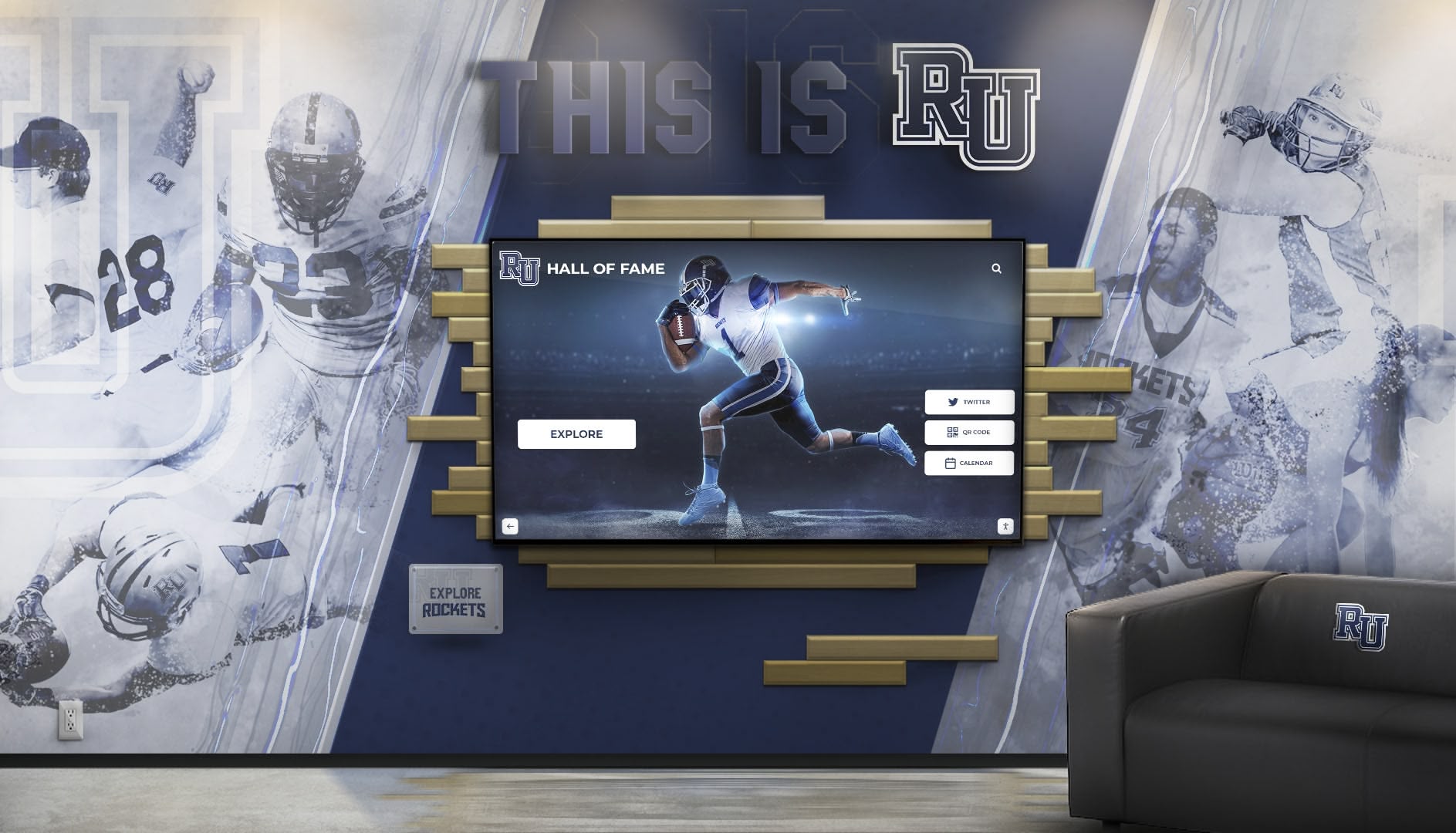
Professional installations complement existing architecture and branding
Content Migration and Setup: 10-20% of Total Investment
Transferring decades of recognition history from physical plaques, printed programs, spreadsheets, and institutional memory into organized digital formats requires significant effort. Comprehensive content services include:
Data Organization: Reviewing existing records, standardizing formats across different eras and record-keeping methods, identifying missing information requiring research, and structuring data for optimal digital presentation.
Content Creation: Digitizing physical photos from yearbooks or trophy cases, creating profile templates maintaining visual consistency, writing descriptions and biographical information when needed, and organizing content into logical categories facilitating visitor browsing.
Initial Population: Entering historical data into content management systems, uploading photos and associated profiles, configuring search and filter functionality, setting up automatic features like birthday spotlights or anniversary recognition, and conducting quality review ensuring accuracy.
Schools with extensive recognition histories—decades of athletic achievements, academic honors, or alumni accomplishments—benefit enormously from professional content migration. Attempting to handle this work internally often results in incomplete launches, inconsistent formatting, or projects abandoned when staff realize the magnitude of effort required.
Training and Support: 10-15% of Total Investment
Effective training determines whether staff confidently maintain recognition systems or constantly need vendor assistance for routine updates. Comprehensive training should cover:
Administrative Functions: Adding new inductees with complete profiles, uploading and cropping photos properly, organizing content into appropriate categories, modifying layouts and visual designs, and scheduling automatic content rotations.
Advanced Features: Creating custom profile templates, integrating videos or other multimedia, generating reports on display usage or engagement, managing user permissions and security, and configuring displays for special events or recognition ceremonies.
Troubleshooting: Resolving common technical issues independently, understanding when vendor support is needed, performing routine maintenance and updates, backing up content and system configurations, and recovering from accidental deletions or modifications.
Training formats vary by provider and school preference—some institutions prefer on-site sessions allowing hands-on practice with actual displays, while others choose virtual training accommodating busy schedules and allowing recorded sessions for future reference.
Ongoing support represents crucial long-term value. Schools should understand response time commitments, support hours and methods (phone, email, remote access), software update frequency and cost, and warranty terms for hardware repairs or replacements.
Hidden Costs to Watch For in “Turnkey” Quotes
Some vendors advertise turnkey service while excluding essential components from base pricing. Watch for these common hidden costs:
Per-Profile or Storage Fees
Some systems charge monthly or annual fees based on the number of inductees recognized or amount of data stored. A system accommodating 100 profiles free might charge $5-$10 monthly per additional profile—creating hundreds or thousands in unexpected annual costs for schools with extensive recognition programs.
Truly turnkey providers offer unlimited profile capacity without usage-based fees, allowing schools to recognize everyone deserving acknowledgment without financial penalties for comprehensive programs.
Content Update Charges
Certain vendors require school staff to submit new inductee information for provider employees to enter into systems—charging $25-$75 per update. Annual recognition classes of 10-20 honorees plus corrections to existing profiles quickly generate significant ongoing costs.
Look for systems empowering school administrators to manage content independently without per-update charges. Initial training should enable staff to handle routine recognition program maintenance without vendor involvement except for technical issues or major redesigns.
Software Licenses and Renewals
Some platforms include first-year software licenses in initial investments but charge significant renewal fees (often $1,500-$3,000 annually) for continued access. Failing to budget for these recurring costs can force schools to either pay unexpectedly or lose access to recognition systems they already purchased.
Verify whether software costs are one-time, annual subscriptions, or perpetual licenses with optional maintenance agreements. Many schools exploring software options prefer cloud-based platforms including hosting, updates, and support in straightforward monthly or annual subscription models.
Installation Travel and Expenses
Providers based far from school locations may charge separately for installer travel time, mileage, lodging, or per diem expenses—potentially adding $500-$2,000 to quoted installation costs depending on distance.
Request all-inclusive installation pricing covering travel and expenses, or prioritize providers with installer networks spanning your geographic region.
Network Configuration and IT Services
Some vendors install displays but don’t connect them to school networks—requiring separate IT contractors to configure connectivity, establish security protocols, and integrate displays with existing infrastructure.
True turnkey service includes complete technical setup delivering displays ready for content management by school staff without additional IT resources.
Content Migration Limitations
Advertised content setup might cover only 25-50 initial profiles with additional inductees charged separately. Schools with hundreds of historical honorees discover complete migration costs thousands more than expected.
Clarify exactly how many profiles turnkey pricing includes and costs for exceeding those limits before committing to providers.
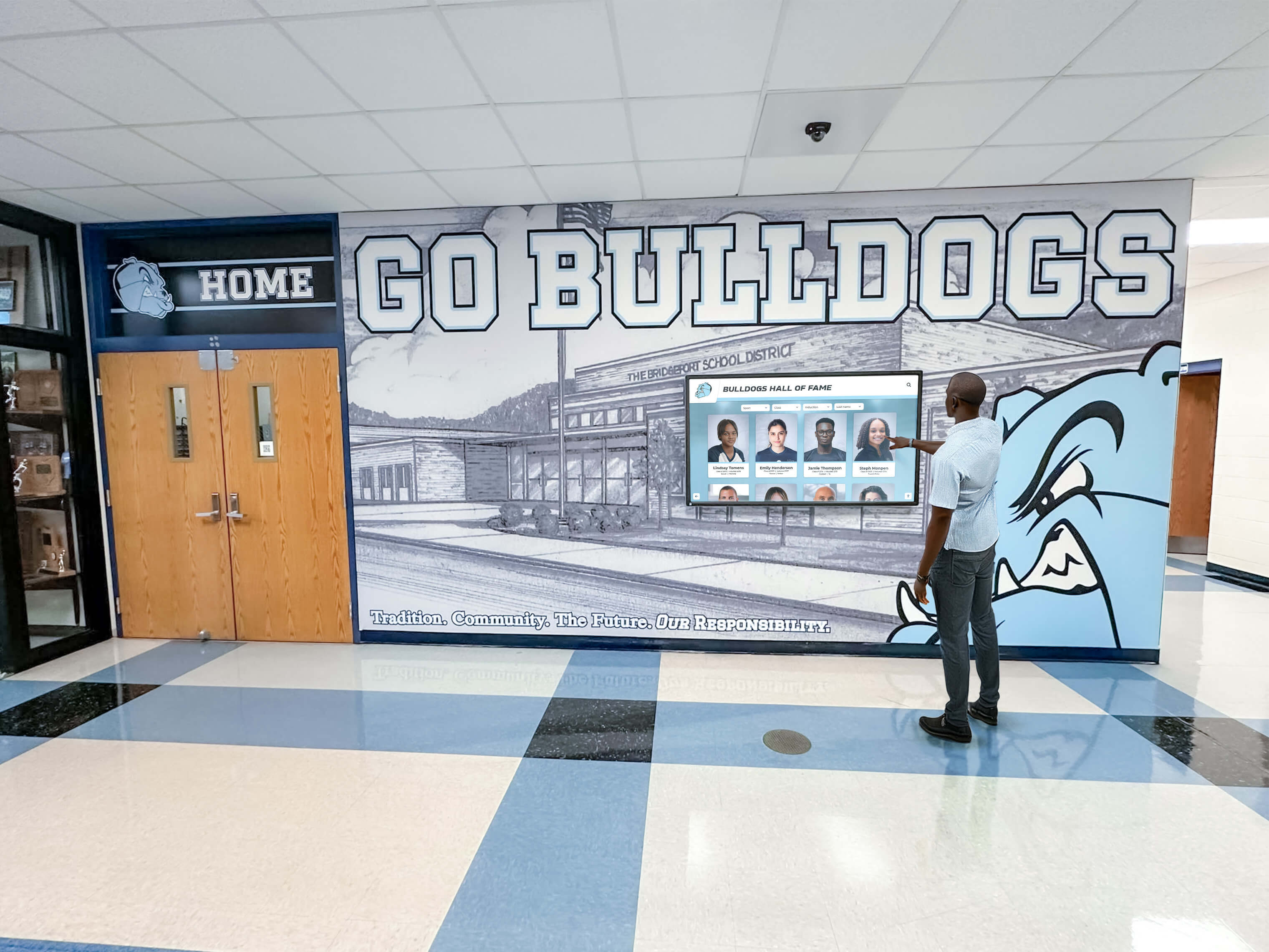
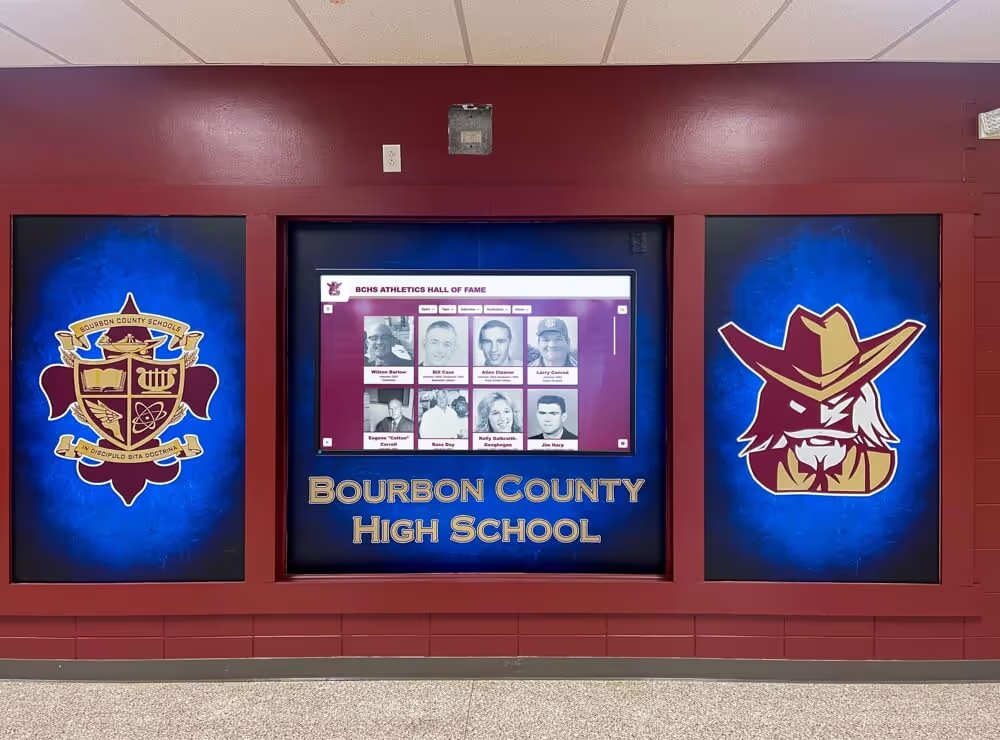
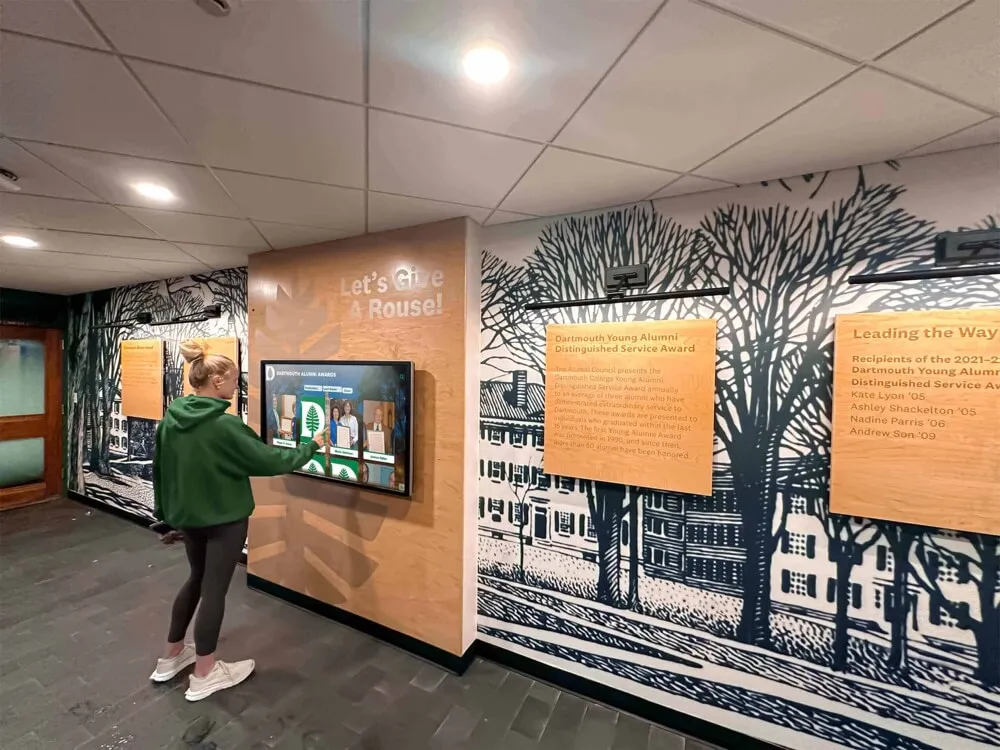
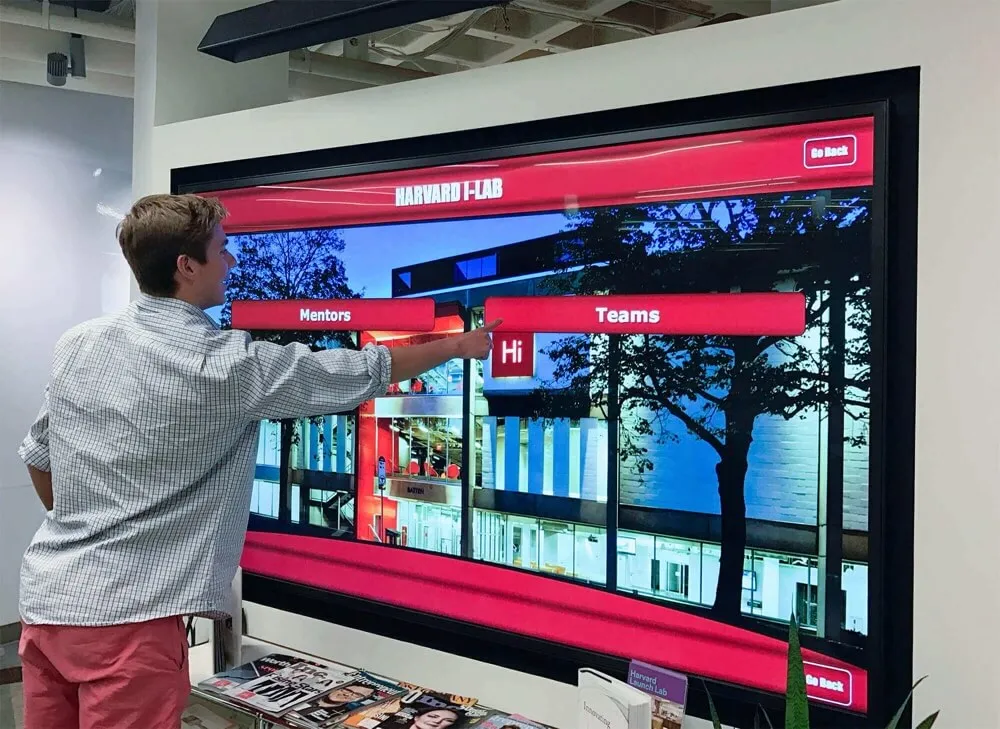
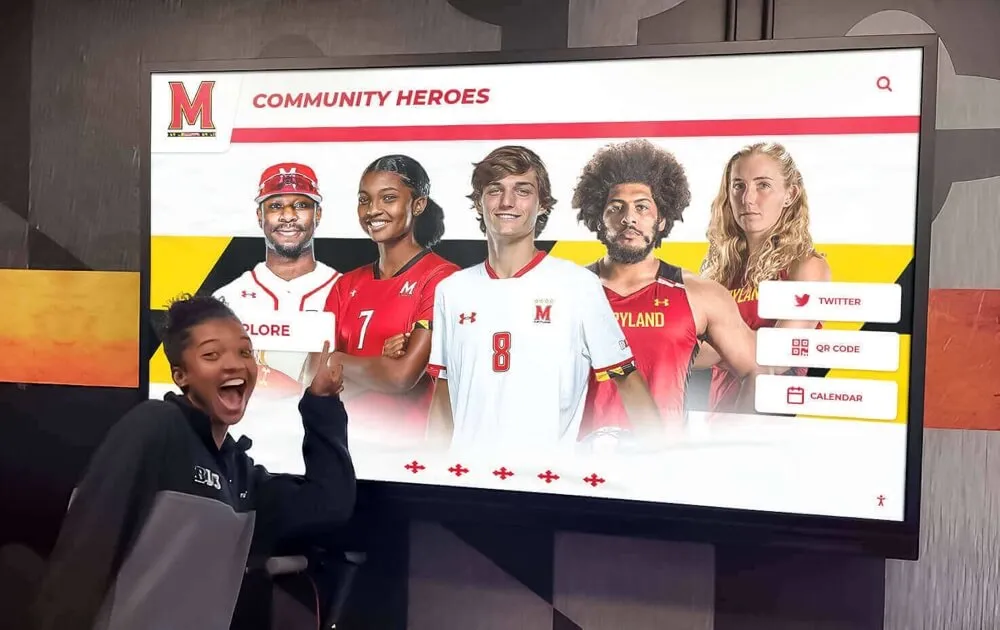
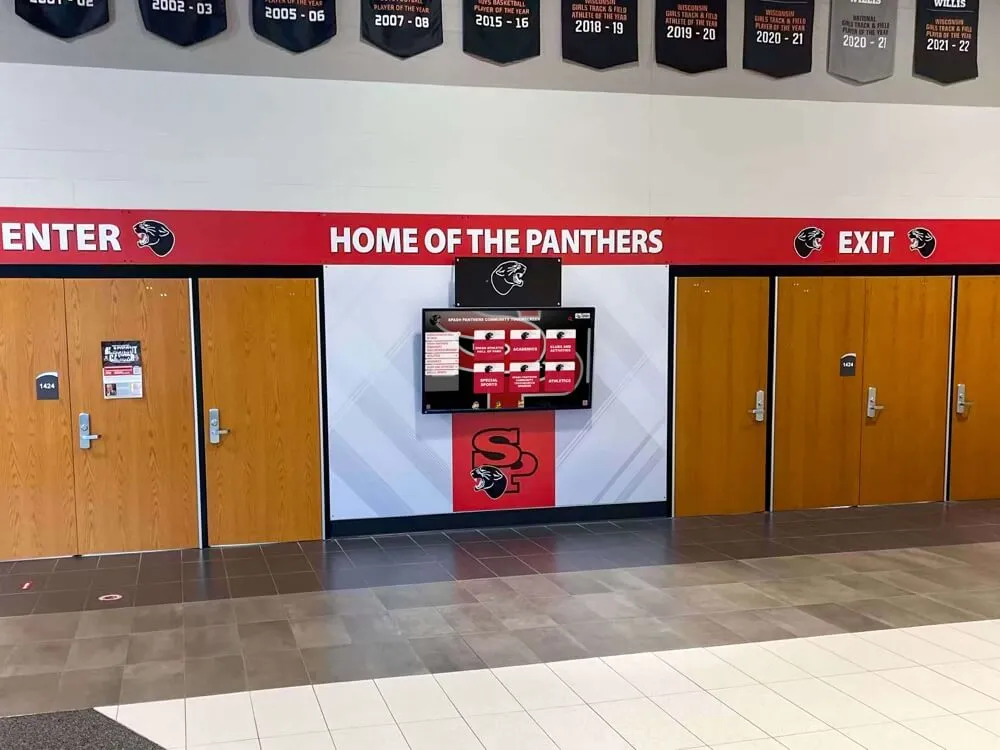
User-friendly interfaces allow staff to maintain systems without ongoing vendor charges
What to Ask Vendors When Requesting Turnkey Pricing
Protect your school from incomplete quotes by asking these specific questions:
Hardware Specifications: What exact display brand, model, and size? What computing hardware powers displays? What mounting system is included? Are protective enclosures or kiosks part of base pricing?
Installation Scope: Does installation include mounting, cable concealment, network configuration, software setup, and final testing? Are installer travel and expenses included regardless of school location? What certifications or insurance do installers carry?
Content Services: How many initial profiles are included? What happens if we have more historical honorees? Do you handle photo digitization and data entry, or is that our responsibility? Will you organize and structure our content, or just upload what we provide?
Training Delivery: How many training sessions are included? Can we choose virtual or on-site formats? Is training recorded for future staff reference? Can we schedule refresher training later?
Ongoing Costs: Are there monthly or annual software fees? What’s included in those subscriptions? Are software updates and feature additions free? What does warranty coverage include and how long does it last?
Content Management: Can our staff add new inductees independently, or must we pay you per update? Are there limits on how often we can modify content? Can we make layout and design changes ourselves?
Support Access: How do we contact support—phone, email, portal? What are support hours? What response time can we expect for urgent issues? Is there additional charge for support beyond initial setup?
Future Flexibility: If we want to add displays in other locations, what’s the cost? Can we integrate with other school systems? Do we own our data and can we export it if needed?
Request detailed written proposals addressing all these questions explicitly. Verbal assurances about included services should appear in contract language before signing agreements.
Evaluating Total Cost of Ownership
Initial purchase price represents just one component of long-term digital hall of fame investments. Evaluate complete five-year costs including:
Initial Investment: Hardware, installation, setup, and training costs from turnkey provider
Annual Software/Support Costs: Subscription fees, support plan renewals, software updates, or maintenance agreements
Content Management Time: Staff hours spent updating recognition systems annually (adding new inductees, correcting information, refreshing designs)
Ongoing Content Costs: Fees for professional updates if staff can’t manage independently, charges for exceeding profile limits, or costs for major redesigns
Technical Support: Budget for issues requiring vendor assistance beyond included support, emergency service calls, or specialized customization
Eventual Replacement: Hardware lifespan typically 7-10 years for quality commercial displays—plan for eventual equipment upgrades
A system costing $10,000 initially but charging $2,500 annually for software and limiting staff content control might cost $22,500 over five years—more than a $15,000 system with no recurring fees and complete staff autonomy.
Calculate five-year total ownership costs when comparing proposals, not just initial prices. Systems appearing more expensive upfront often deliver better long-term value through lower operating costs and greater flexibility.
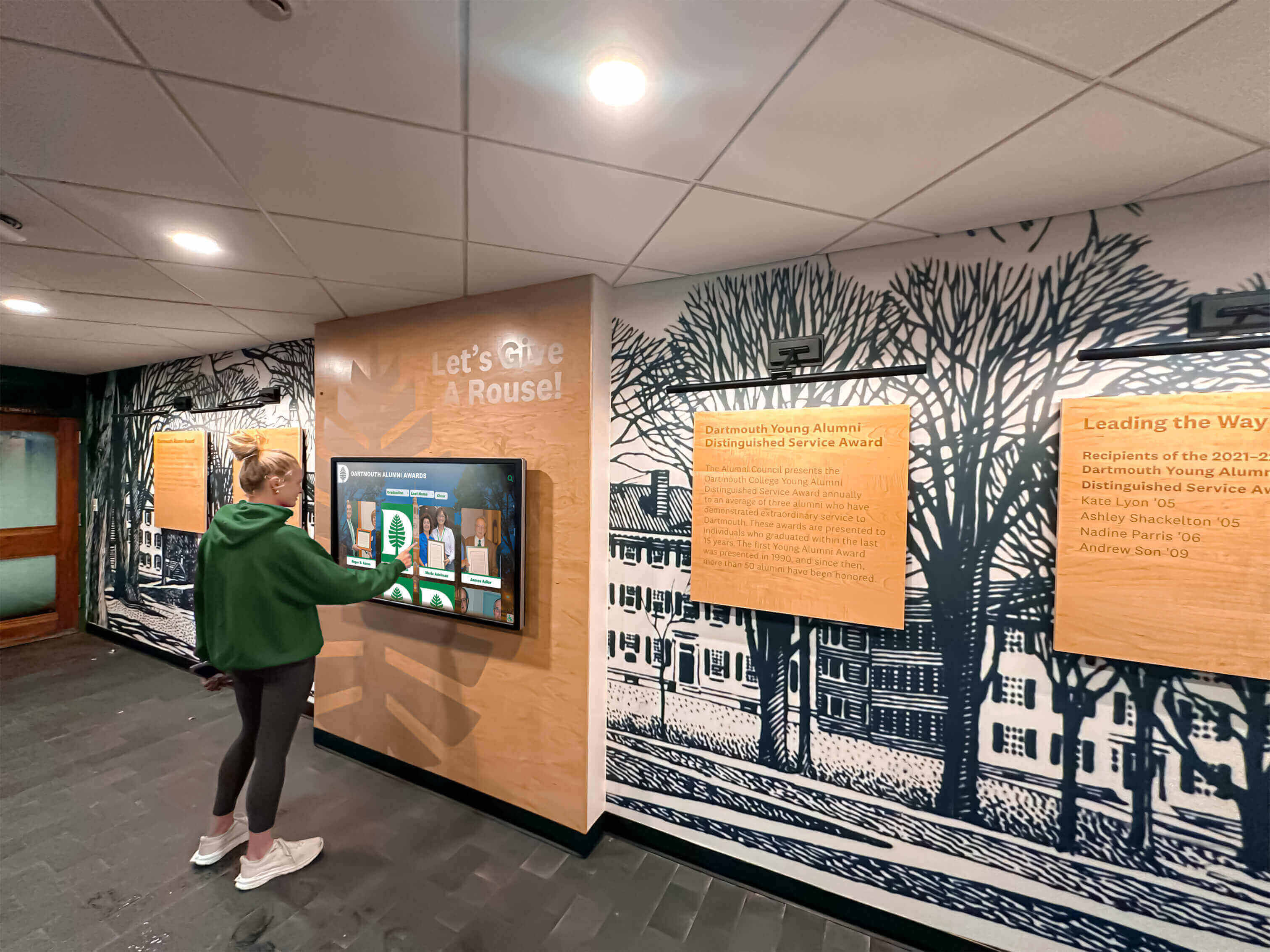
Quality systems serve schools for decades with appropriate vendor support
Questions to Ask Your School’s Stakeholders
Before finalizing vendor selection, ensure alignment with key stakeholders who’ll use or benefit from recognition systems:
Ask School Administrators: Who will manage content updates? What training format works best for our schedules? How much time can staff dedicate to system maintenance? Do we have IT resources to handle technical issues?
Ask Athletic Directors: How many historical athletes should we recognize? Do we need separate sections for different sports? How often will we add new inductees? What happens during recognition ceremonies?
Ask Development Staff: Will this display also recognize donors or only achievement? What sponsor recognition features do we need? Can we update displays remotely from development offices?
Ask Facilities Teams: What installation locations are feasible given wall construction, power access, and network infrastructure? Do locations require special mounting solutions or protective enclosures?
Ask IT Departments: What network security protocols must vendors follow? Can displays operate on our existing infrastructure? Who handles ongoing technical support?
Understanding internal needs, resources, and constraints before approaching vendors ensures proposals address actual school requirements rather than generic packages potentially mismatched to your situation.
Turnkey vs. DIY Digital Hall of Fame Approaches
Some schools consider purchasing displays independently and handling setup internally to reduce costs. This approach rarely saves money once you account for:
Staff Time: Hours spent researching equipment, comparing options, managing multiple vendors, configuring software, troubleshooting technical issues, and learning system administration represent real costs even when using existing employees.
Hidden Complexity: What appears straightforward—mounting display, connecting cables, installing software—often involves challenges requiring professional expertise: running wiring through walls, configuring network security, optimizing display settings, integrating content management systems.
Installation Quality: Improper mounting might void warranties, create safety hazards, or result in displays eventually falling. Professional installers understand proper techniques for different wall types, load requirements, and building codes.
Content Creation: Transferring historical recognition data into polished digital formats requires significant effort most school staff underestimate. Professional services complete in days what might take staff months working around other responsibilities.
Ongoing Support: When technical issues arise, turnkey providers offer responsive assistance. DIY approaches leave schools troubleshooting independently or paying emergency service rates.
Warranty Complications: Equipment purchased directly may have warranties voided by improper installation or configuration. Turnkey providers typically warranty complete systems including installation quality.
Calculate realistic costs for DIY approaches including equipment, staff time valued at actual hourly rates, potential contractors for specialized work, and risk of project failure or delays. True total costs often exceed turnkey provider pricing while delivering inferior results and less reliable systems.
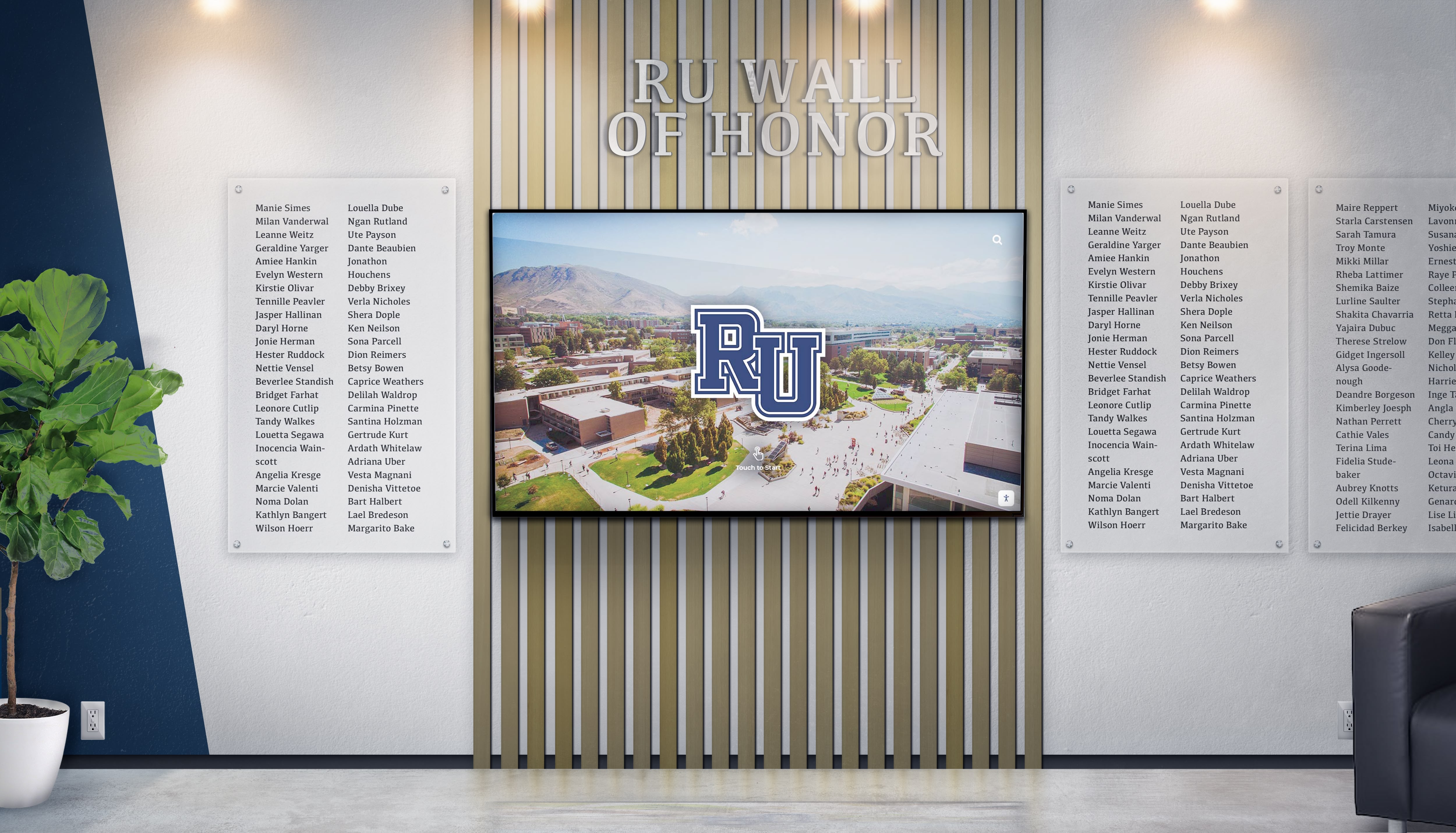
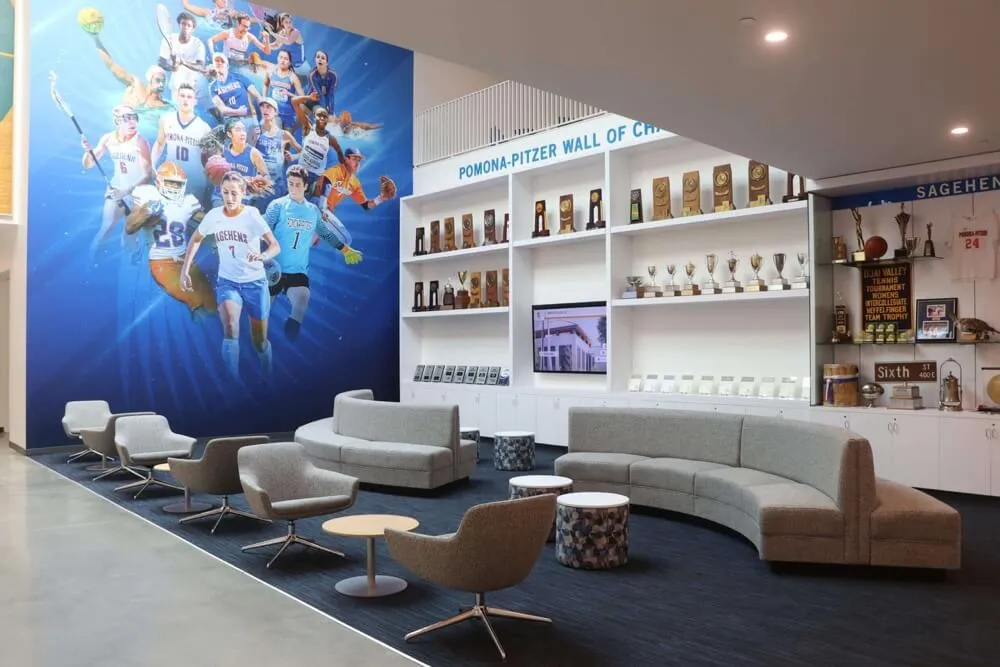
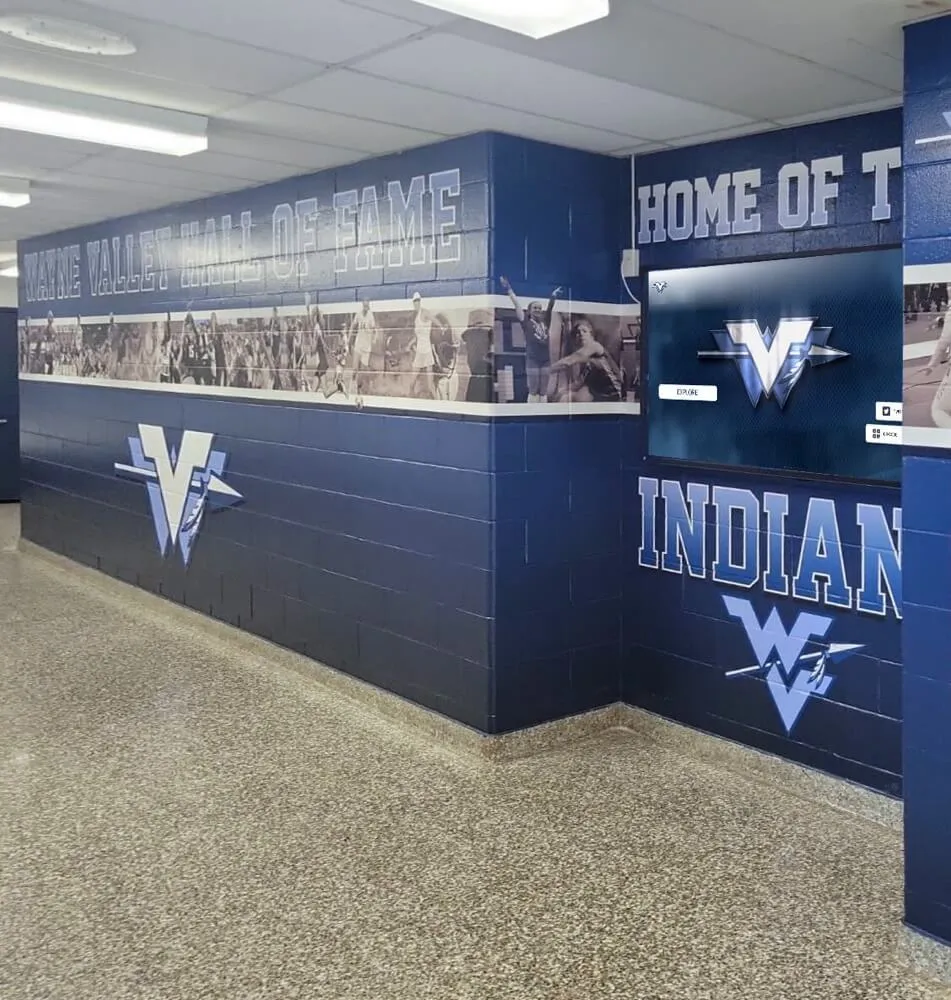
Professional installations integrate digital systems with existing recognition architectures
Financing and Budget Planning for Turnkey Systems
Schools fund digital hall of fame investments through various approaches:
Capital Improvement Budgets
Many institutions include recognition technology in capital project budgets covering facilities improvements, technology infrastructure, or renovation projects. Permanent displays serving schools for decades qualify as capital assets rather than annual operating expenses.
Development and Alumni Funding
Athletic boosters, alumni associations, or development foundations frequently fund recognition projects celebrating their constituents. Athletic hall of fame initiatives generate natural fundraising opportunities from former athletes, parents, and community supporters.
Corporate Sponsorships
Recognition displays in high-traffic areas offer valuable visibility for corporate partners. Sponsorship packages including prominent acknowledgment in digital systems can fully or partially offset costs while providing ongoing value to business supporters.
Grant Programs
Education technology grants from foundations, government programs, or corporate giving initiatives sometimes cover recognition systems, particularly when part of broader school improvement projects or community engagement strategies.
Phased Implementation
Schools with limited initial budgets might start with single displays in primary locations, planning to add systems in other areas as funding becomes available. Providers offering consistent pricing and compatible equipment facilitate phased expansions without requiring complete system replacements.
Most turnkey providers offer flexible payment terms, multi-year warranty options, or financing programs helping schools manage cash flow while implementing recognition systems promptly.
Special Considerations for Different School Types
Turnkey needs vary based on institutional characteristics:
Small Schools (Under 500 Students)
Smaller institutions typically recognize fewer total honorees but want complete historical coverage. Entry-level turnkey systems with extensive content migration services often provide best value—modest display size appropriate to recognition program scale combined with comprehensive setup creating polished digital archives.
Focus on systems with unlimited profile capacity despite lower initial volumes—recognition programs grow over time, and small schools still benefit from professional touchscreen solutions designed for their specific needs.
Mid-Size Schools (500-2,000 Students)
These institutions balance significant recognition volumes with diverse honoree categories requiring organizational sophistication. Mid-range turnkey packages with multiple training sessions and ongoing support deliver best results, ensuring staff can manage systems effectively as programs evolve.
Prioritize flexible platforms accommodating athletic achievements, academic honors, performing arts recognition, and other specialized categories within unified systems.
Large Schools (2,000+ Students)
Major institutions often need multiple displays across campus locations—athletic facilities, academic buildings, performing arts centers, alumni areas. Turnkey providers offering multi-display pricing and synchronized content management provide cost advantages over purchasing separate systems for each location.
Consider premium packages with extensive content creation services handling large historical datasets and dedicated support ensuring quick resolution of any issues affecting high-profile displays.
Private vs. Public Schools
Private institutions typically have more procurement flexibility but tighter budgets requiring clear ROI justification. Public schools follow formal bid processes but may access special funding sources. Both benefit from transparent turnkey pricing simplifying budget approvals by eliminating uncertainty about total costs.
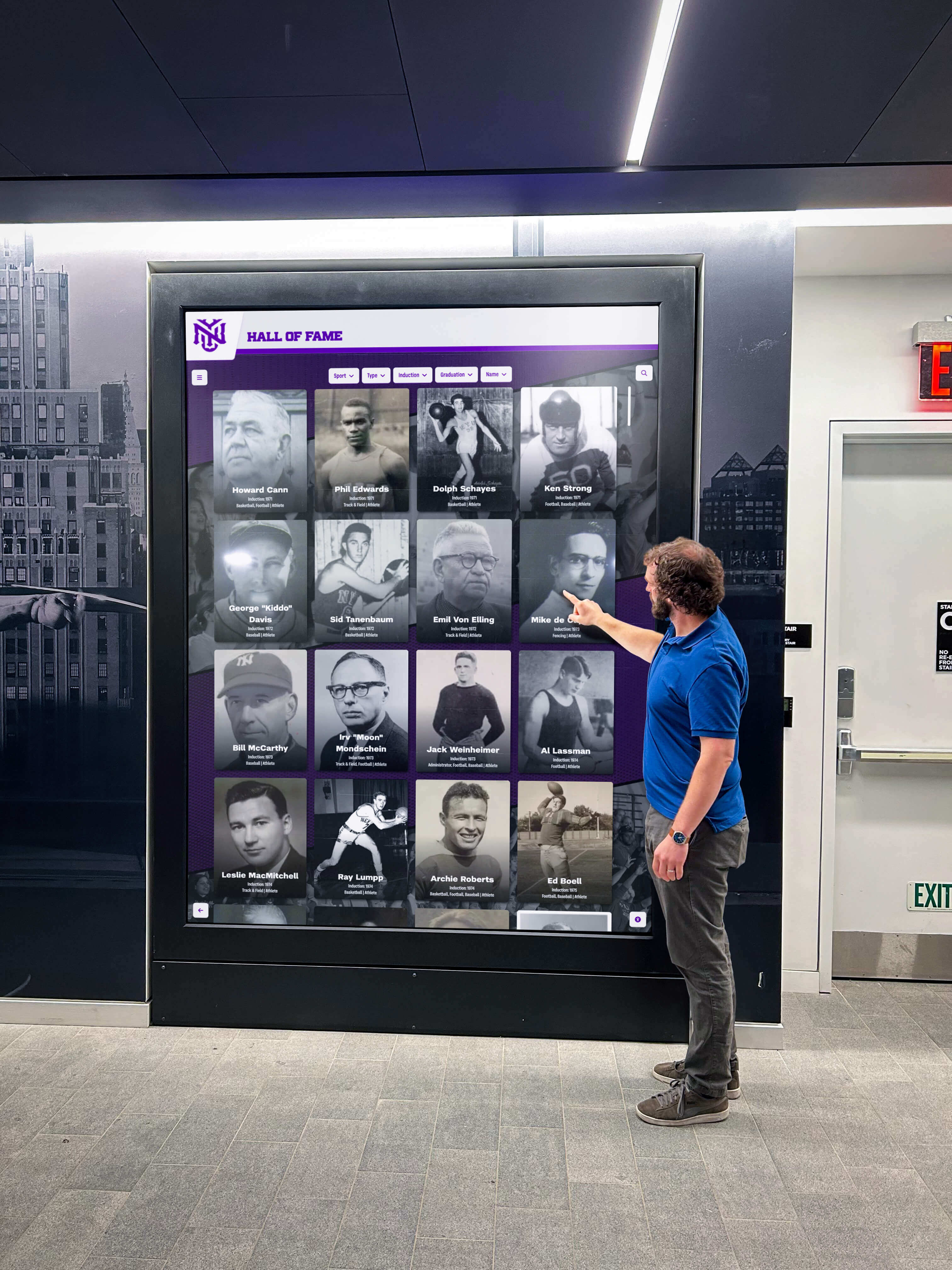
Successful systems become gathering places for families and communities
Implementation Timeline for Turnkey Projects
Understanding typical project timelines helps schools plan recognition ceremony integration and set stakeholder expectations:
Weeks 1-2: Vendor Selection and Contract: Review proposals, check references, finalize provider selection, execute contracts, and submit initial deposits.
Weeks 2-4: Pre-Installation Planning: Conduct site surveys, finalize display locations and mounting approaches, gather existing recognition content for migration, and coordinate with school facilities and IT departments.
Weeks 4-6: Content Migration: Transfer historical data into digital formats, digitize photos from physical sources, create initial profile templates and screen layouts, and conduct content review with school stakeholders.
Weeks 6-7: Equipment Preparation: Configure hardware and software, pre-load content and customized designs, conduct quality testing before shipping, and coordinate installation scheduling.
Week 7-8: Installation: Physical mounting and setup, network configuration and software activation, content verification and final adjustments, and system testing before staff training.
Week 8-9: Training and Launch: Staff training sessions, administrator practice with content management, final quality review, and public launch with recognition ceremony or announcement.
Total timelines typically run 8-10 weeks from contract to launch, though rush projects can compress to 4-6 weeks when needed. Schools planning recognition ceremonies should engage providers at least 10-12 weeks in advance ensuring ample time for thorough implementation without last-minute pressure.
Red Flags When Evaluating Turnkey Providers
Certain warning signs suggest providers may not deliver successful implementations:
Vague Pricing: Proposals lacking detailed cost breakdowns or including numerous line items marked “TBD” create uncertainty. Comprehensive turnkey quotes should specify exact costs for every component.
No Content Migration: Providers expecting schools to handle data entry, photo preparation, and content organization aren’t offering true turnkey service—they’re selling equipment requiring significant additional work.
Limited Training: Single training sessions or online tutorials without live instructor interaction rarely provide adequate preparation for independent system management. Quality providers offer multiple training formats and ongoing educational resources.
Unclear Support: Proposals that don’t specify support hours, response times, or problem resolution processes leave schools vulnerable when urgent issues arise. Professional providers maintain clear support policies and service level agreements.
No References: Established providers readily offer references from similar institutions. Reluctance to connect prospects with existing customers suggests limited experience or dissatisfied clients.
Pressure Tactics: Artificial urgency, time-limited pricing, or aggressive sales approaches indicate vendors prioritizing sales over successful long-term implementations serving school needs.
Generic Solutions: Providers without specific education experience may offer consumer-grade equipment or configurations inappropriate for school environments, accessibility requirements, or recognition program needs.
Trust instincts when evaluating vendors—providers who listen carefully, answer questions thoroughly, and demonstrate genuine understanding of school recognition challenges typically deliver better outcomes than those focused primarily on closing sales quickly.
Alternative Recognition Technology Options
While this guide focuses on touchscreen-based digital halls of fame, schools should consider full range of recognition technology:
Video Wall Displays
Non-interactive displays continuously cycling through recognition content work well in certain environments—primarily spectator areas where visitors view rather than interact. These systems cost less than touchscreen solutions but sacrifice visitor engagement and browsing functionality.
Hybrid Physical-Digital Systems
Some schools combine traditional plaques with adjacent digital displays, preserving existing recognition investments while adding dynamic content capabilities. This approach works particularly well for schools modernizing recognition walls in architectural settings where removing physical elements isn’t desirable.
Web-Based Recognition
Online-only platforms eliminate hardware costs but sacrifice visibility and engagement compared to physical displays in school locations. These work best as supplements to physical recognition rather than primary solutions.
Mobile Apps
Recognition apps allow visitors to explore honoree databases on personal devices, often paired with QR codes near physical displays. While valuable as supplemental access, apps rarely replace primary recognition systems since they require visitors to download and learn separate applications.
Most schools find that interactive touchscreen systems balance engagement, capacity, visibility, and long-term value better than alternatives, justifying investments in comprehensive turnkey implementations.
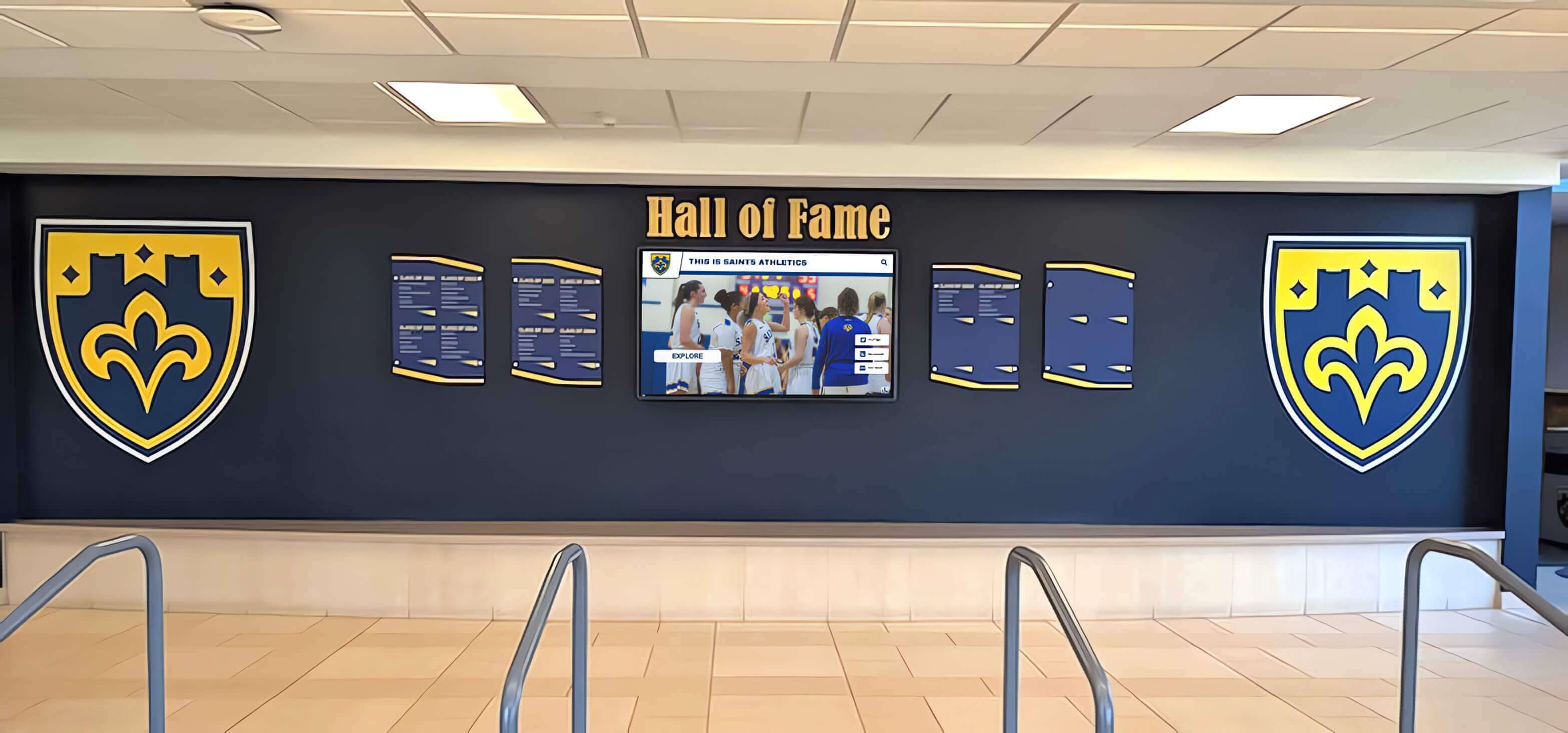
Digital systems complement rather than replace traditional recognition elements
Success Factors for Turnkey Digital Hall of Fame Projects
Schools consistently achieving excellent outcomes share common practices:
Early Stakeholder Engagement: Involving athletic directors, development staff, facilities managers, and IT departments from initial planning ensures proposals address all operational requirements and secure broad internal support.
Thorough Content Preparation: Gathering historical records, yearbooks, programs, and existing recognition data before provider engagement accelerates content migration and improves final quality.
Realistic Timeline Planning: Allowing sufficient time for proper implementation prevents rushed installations, incomplete content preparation, or inadequate training compromising long-term success.
Staff Champion Identification: Designating specific administrators responsible for system management creates accountability and ensures content stays current rather than becoming stale shortly after launch.
Integration Planning: Considering how recognition systems integrate with broader school initiatives—admissions tours, development campaigns, reunion events, recognition ceremonies—maximizes value and visibility.
Clear Success Metrics: Defining what successful implementation means—complete historical coverage, easy content updates, positive community feedback, enhanced fundraising—allows objective evaluation and demonstrates value to stakeholders.
Budget Flexibility: Maintaining modest contingency funds addresses unexpected needs during implementation without derailing projects when minor adjustments prove beneficial.
Schools treating recognition technology as strategic institutional investments requiring thoughtful planning consistently achieve better outcomes than those approaching purchases as simple equipment acquisitions.
Measuring Return on Investment
While recognition systems don’t generate direct revenue, they deliver measurable value through several mechanisms:
Development Impact: Schools report 15-35% increases in alumni giving following digital hall of fame installations, attributing growth to renewed engagement with institutional history and more visible acknowledgment of philanthropic support. Donor recognition systems integrated with athletic or academic recognition can double as fundraising tools.
Admissions Advantage: Prospective families viewing recognition displays during campus tours develop stronger connections to school traditions and communities, influencing enrollment decisions in competitive educational markets.
Staff Efficiency: Systems allowing administrators to update recognition independently save dozens of staff hours annually compared to managing external vendors for routine content changes.
Community Engagement: Recognition displays become gathering places during events, reunions, and games—creating positive experiences strengthening alumni and community relationships with institutions.
Brand Enhancement: Professional recognition systems elevate institutional image, demonstrating commitment to honoring achievement and preserving legacy in ways traditional plaques cannot match.
Longevity Value: Quality systems serving schools 10-15 years deliver recognition for thousands of deserving honorees at costs per inductee far below physical plaque production.
While difficult to quantify precisely, most schools find recognition technology investments generate returns exceeding costs within 2-3 years through enhanced development outcomes and operational efficiencies.
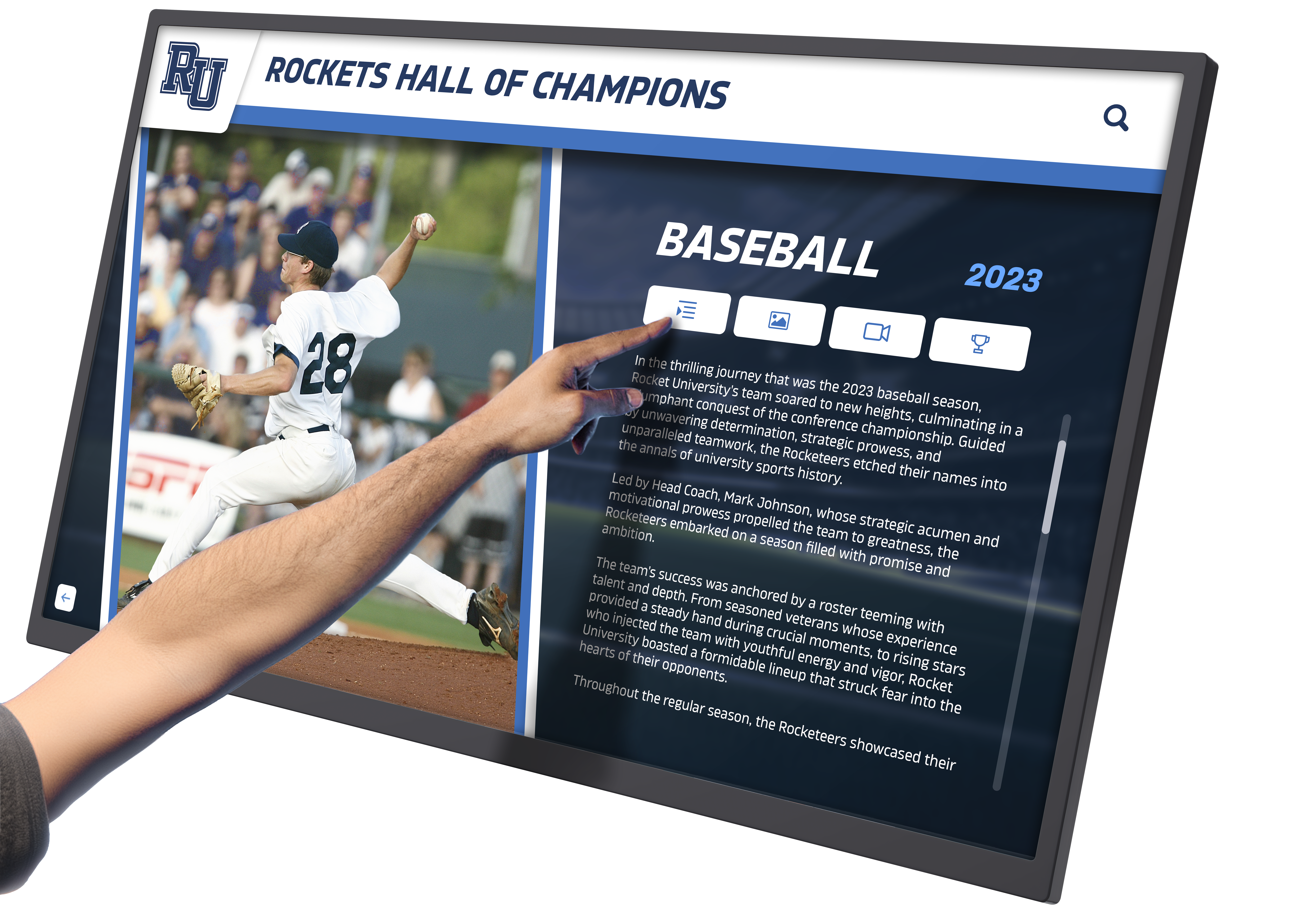
Contemporary recognition technology creates engaging experiences for all generations
Conclusion: Choosing the Right Turnkey Partner
Selecting turnkey digital hall of fame providers represents significant institutional decisions affecting recognition programs for years ahead. The difference between comprehensive service and incomplete solutions determines whether implementations succeed smoothly or become frustrating projects consuming excessive time, budget, and goodwill.
Schools should prioritize providers offering truly complete service—not just equipment sales but professional installation, thorough content migration, effective training, and responsive ongoing support. Transparent pricing covering all essential services without hidden fees or usage charges protects budgets while ensuring recognition systems launch successfully and remain maintainable by school staff.
Take time to evaluate multiple providers thoroughly: review detailed proposals, check references from similar institutions, understand exactly what’s included at quoted prices, and verify provider capabilities through past projects and client testimonials. The lowest initial quote rarely delivers best long-term value when ongoing costs, implementation quality, and support reliability are considered.
Your school’s recognition program deserves technology infrastructure matching the importance of honoring achievement, preserving legacy, and inspiring future generations. Comprehensive turnkey solutions from experienced providers deliver systems that work reliably, grow effortlessly with recognition programs, and serve your institution proudly for decades to come.
Ready to explore turnkey digital hall of fame solutions designed specifically for schools? Discover how Rocket Alumni Solutions provides comprehensive packages including professional installation anywhere in the continental United States, unlimited cloud-based software, extensive content migration services, multiple training formats, and responsive ongoing support—all with transparent pricing and no hidden costs.