



Walk into the athletic wing of almost any established school and you’ll find the same problem: shelves overflowing with trophies stacked two-deep, plaques leaning awkwardly against display cases, and championship hardware from ten years ago buried behind newer arrivals. Schools that win consistently—and that recognize achievement across multiple sports, academics, and extracurriculars—accumulate awards faster than standard display furniture can accommodate them. The question isn’t whether your collection will outgrow its current shelving; it’s how to plan ahead so every award earns meaningful visibility and the display remains organized as the collection grows.
This visual planning guide covers practical trophy display shelf ideas specifically designed for schools managing growing award collections. Whether you’re outfitting a new athletic wing, reorganizing an overcrowded lobby case, or deciding which achievements get prominent shelving versus off-shelf recognition, these approaches help administrators, athletic directors, and facilities teams make decisions that serve students, families, and visitors for years to come.
A well-planned trophy display shelf arrangement communicates institutional pride the moment visitors enter a building—but only when the collection is curated, labeled, and organized with intention. Schools that treat shelving as an afterthought end up with visual clutter that obscures individual achievements rather than celebrating them.

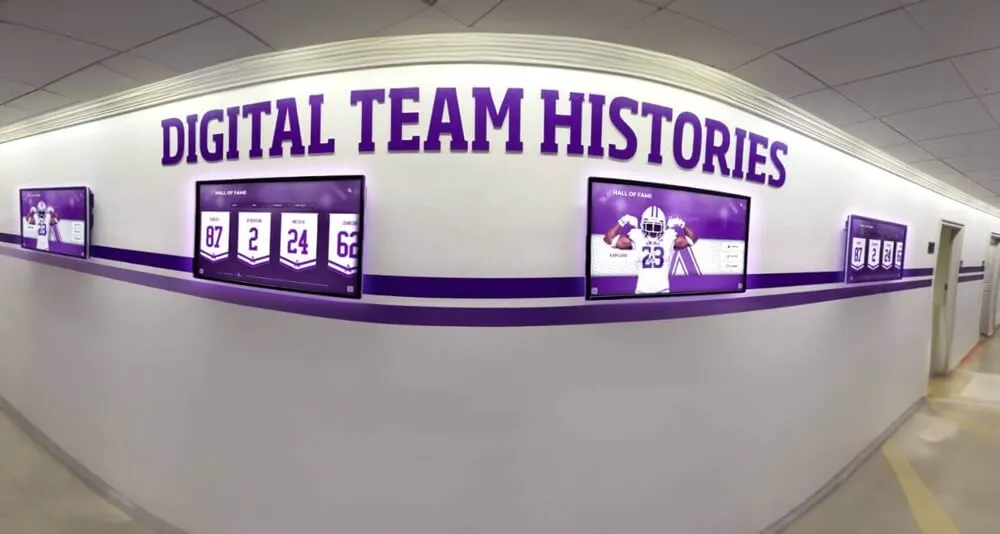
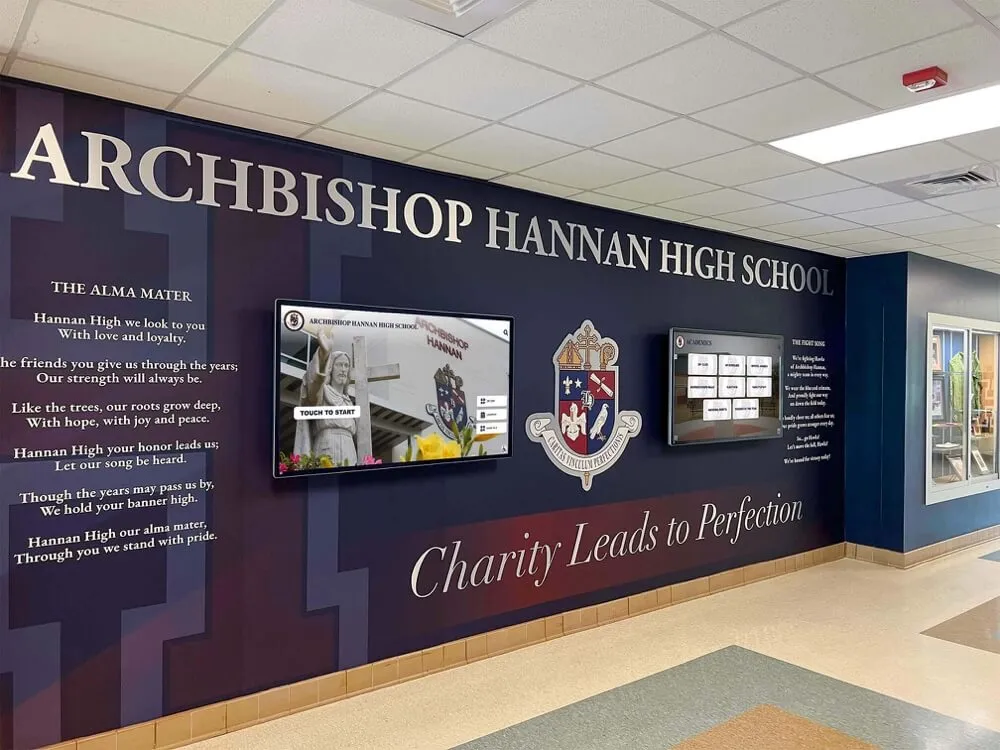
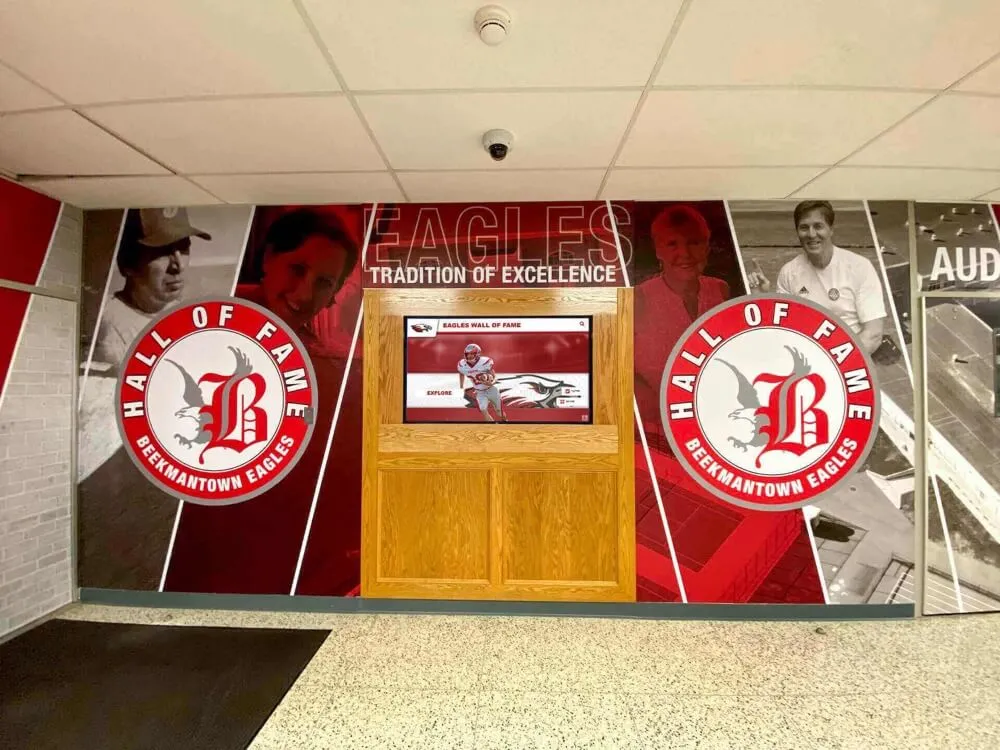
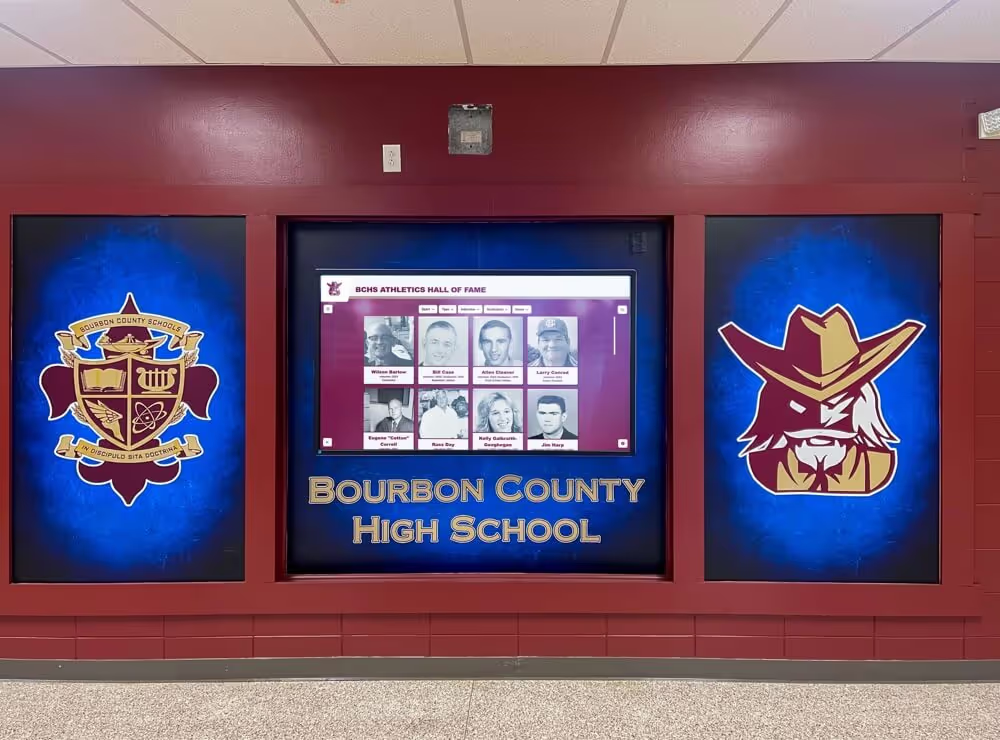
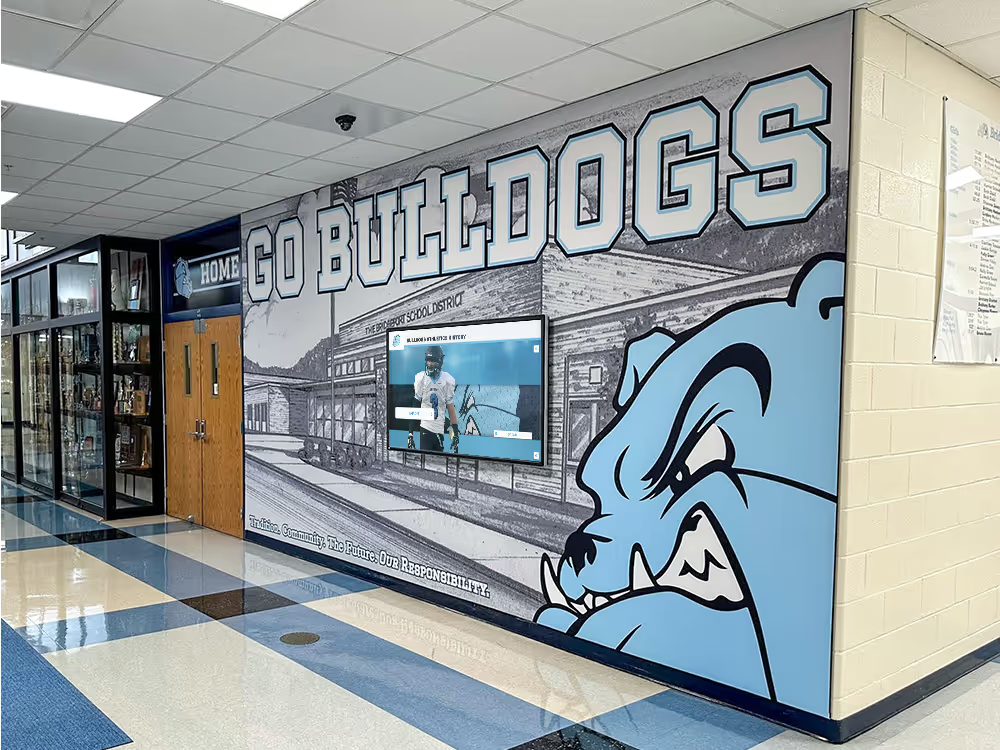
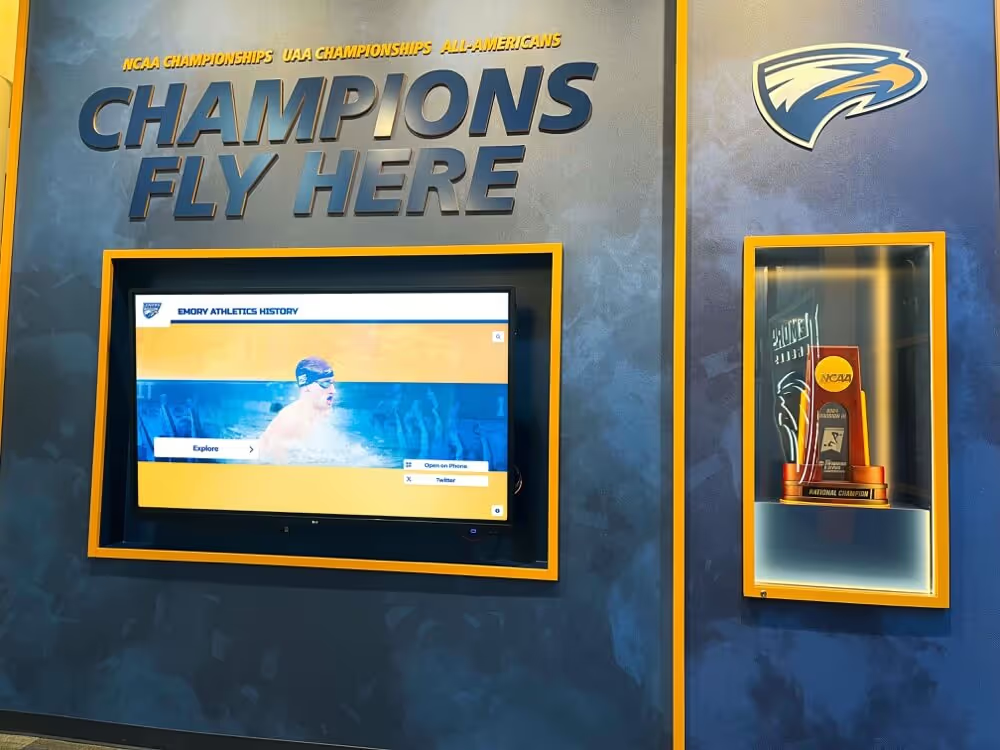
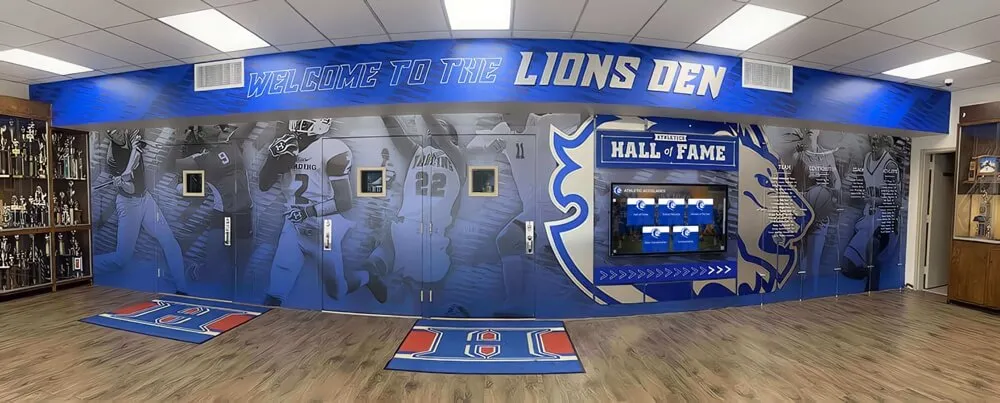
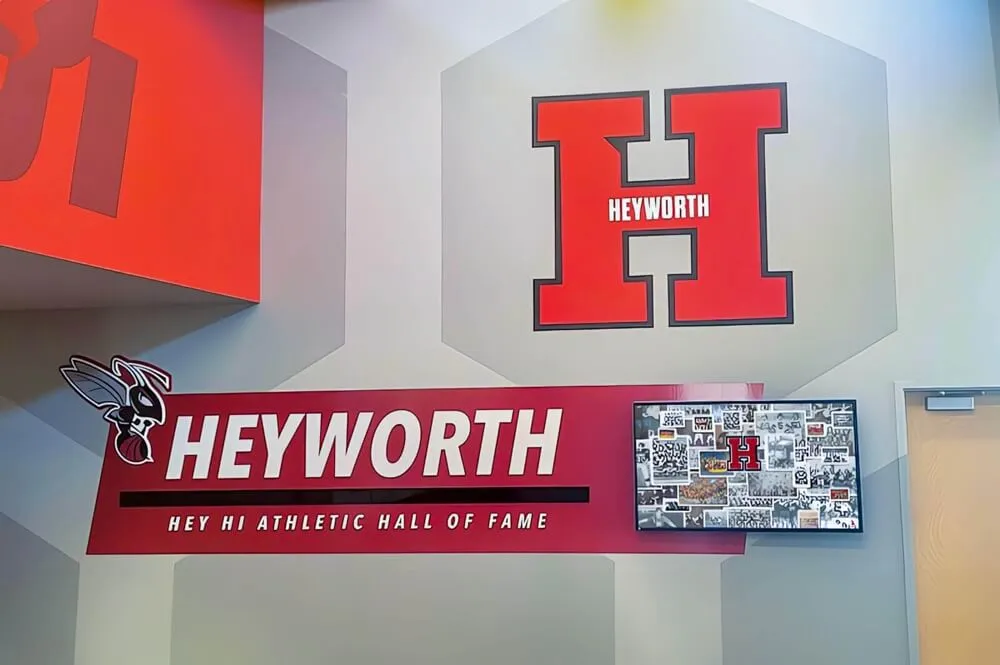
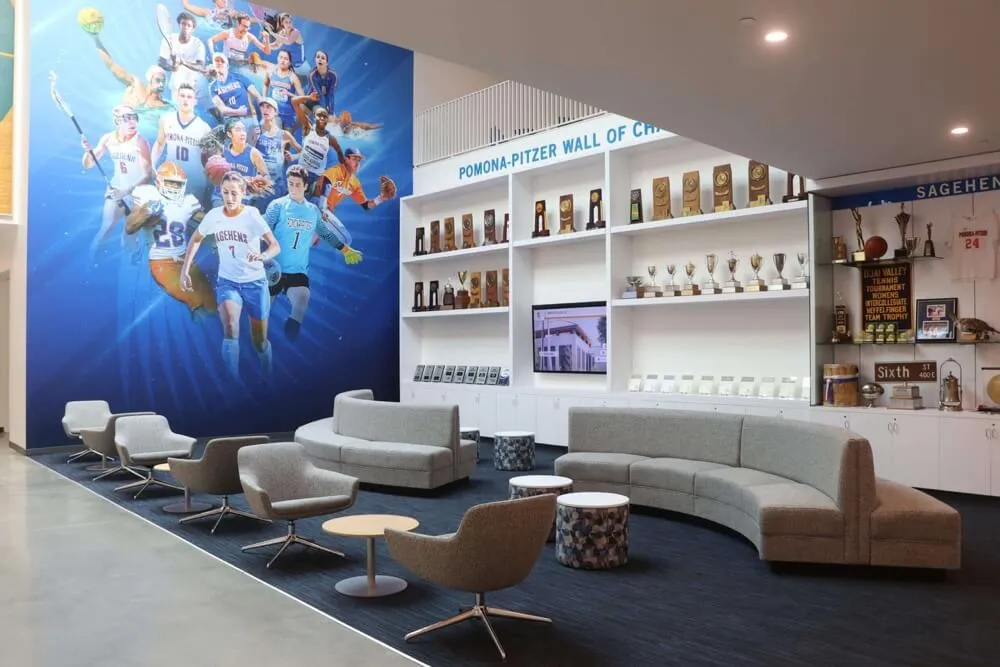
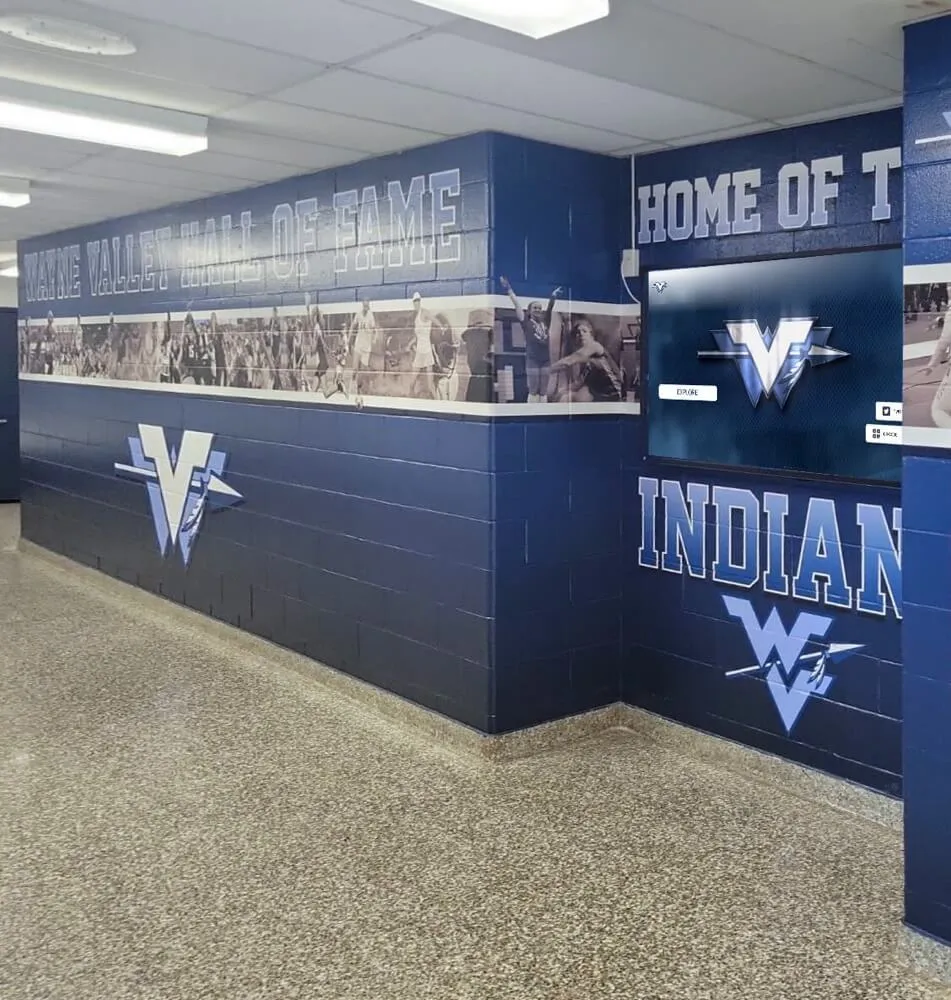
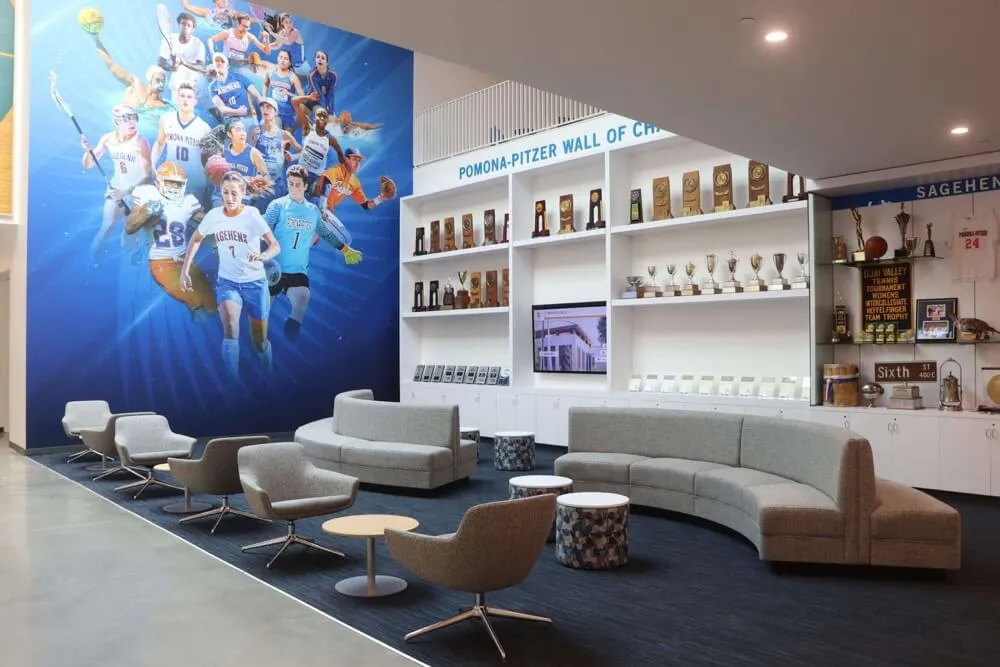
A well-designed trophy display shelf environment integrates award cases with murals and architectural elements to celebrate program history throughout athletic spaces
Understanding Your Trophy Display Shelf Options
Before choosing a layout or organization system, schools need to understand the structural and aesthetic differences between shelf types. Each configuration suits different spaces, award sizes, and institutional display goals.
Floating Wall-Mounted Shelves
Floating shelves attach directly to wall studs and create a clean, modern look with no visible brackets. They work well for lighter individual trophies, framed plaques, and decorative award pieces. For schools with masonry walls common in older buildings, proper anchoring into concrete or block requires masonry hardware and often professional installation.
Ideal uses for floating shelves:
- Displaying individual award trophies under 15 pounds
- Creating linear trophy display runs in narrow hallways
- Organizing recognition by year along a single wall
- Adding seasonal or rotating spotlight displays near entrances
The main limitation: floating shelves typically support lighter loads than bracketed or cabinet-mounted systems, making them unsuitable for large championship trophies or dense groupings of heavy awards.
Bracketed and Heavy-Duty Shelves
Brackets provide visible structural support and accommodate heavier championship trophies and densely packed collections. Many schools use steel bracket systems with wood or laminate shelving boards, which allows custom depth and width to match specific award collections. Adjustable bracket systems let facilities teams reconfigure shelf heights over time as new awards with different dimensions join the display.
Ideal uses for bracketed shelves:
- Supporting large championship hardware and oversized trophies
- Creating deep shelves for bulky award pieces
- Accommodating multi-sport collections where award sizes vary significantly
- Athletic hallways and trophy alcoves where robust construction is needed
Glass-Front Display Cabinets With Interior Shelving
Enclosed display cabinets with glass fronts combine protective storage with visible display. The interior shelves within these cabinets represent the most common trophy display configuration in school lobbies, and optimizing the shelf arrangement inside cabinets often produces immediate gains in visibility and capacity.
Adjustable interior shelving—available in most modern display cabinet systems—lets schools reconfigure shelf heights seasonally or as new trophies arrive, without purchasing new furniture. Many schools overlook this flexibility and leave interior shelves at factory-set heights that waste vertical space.
Built-In Trophy Display Alcoves
Purpose-built recessed alcoves with interior shelving represent the gold standard for high-traffic school lobbies and dedicated trophy rooms. Built-in alcoves integrate with the architecture, often include interior lighting, and signal institutional commitment to honoring achievement. They do require construction investment, but for schools building or renovating athletic facilities, specifying built-in trophy alcoves during design costs significantly less than retrofitting later.
For schools exploring what comprehensive recognition environments look like across different institutions, reviewing hall of fame management tools provides useful context on how schools approach the full spectrum of physical and digital recognition infrastructure.
Zone-Based Organization: The Foundation of a Growing Collection
The single biggest improvement most schools can make to an existing trophy display shelf arrangement isn’t buying new furniture—it’s implementing a zone-based organization system that creates logical groupings visitors can navigate intuitively.
Organizing by Sport Program
Dedicating shelf sections or individual cases to specific sports creates coherent visual stories for each program. A basketball section displays all basketball hardware together across years, allowing alumni, recruits, and current athletes to immediately see the program’s trajectory. Soccer, swimming, track and field, and other programs each get dedicated zones rather than having all sports intermixed chronologically.
This approach works especially well in dedicated athletic wings where sufficient wall space exists for multiple sport-specific zones. Families visiting for a specific program immediately find relevant recognition without scanning an entire display.
Implementation steps for sport-zone organization:
- Audit your complete collection and categorize every item by sport
- Measure shelf space available versus space required per sport
- Allocate prominent positions to sports with the largest collections or greatest community interest
- Group within each sport zone chronologically or by achievement tier
- Label each zone with sport name and program history dates
Organizing by Achievement Tier
Some schools prefer organizing display shelves by achievement significance rather than by sport. The top shelves display the most prestigious accomplishments—state championships, national recognition, undefeated seasons—while lower shelves hold conference titles, regional awards, and individual recognition. Visitors scanning from top to bottom naturally encounter the most significant achievements first.
Achievement-tier organization works well in schools where community identity centers on specific landmark victories regardless of sport. A school whose wrestling program captured multiple state titles may want those awards prominently positioned regardless of when they were won.
Organizing by Decade or Era
Chronological organization tells the complete story of an athletic or academic program’s history. Shelves dedicated to the 1990s, 2000s, 2010s, and 2020s let visitors trace how programs evolved, which sports dominated different eras, and how achievement levels changed over time. This approach resonates strongly with alumni, who can quickly locate recognition from their years at the school.
The challenge with decade-based organization: new awards continually join the most recent section, requiring periodic reorganization as shelves fill and the display must expand to accommodate current achievements.
Visual Planning Guide: Shelf Configurations for Different School Spaces
Different locations within a school serve different audiences and support different display priorities. A trophy display shelf in the main lobby operates differently from one in the gymnasium foyer or the athletic office hallway.
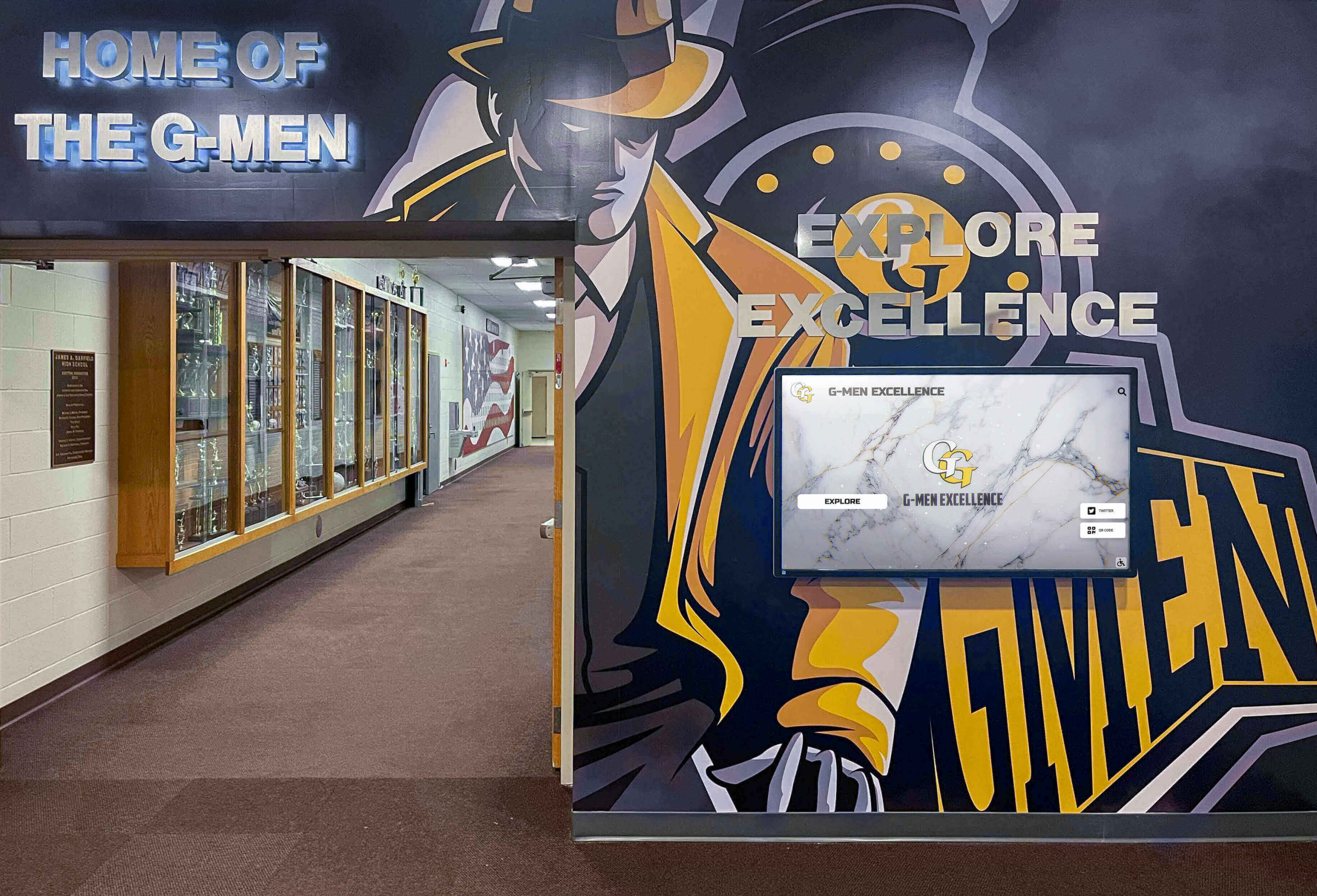
Hallway trophy display shelf environments benefit from clear visual organization and consistent labeling to guide visitors through years of accumulated achievements
Main School Lobby: Curated Highlights Display
The main lobby sees the widest variety of visitors—prospective families, community members, board members, and guests unfamiliar with the school’s athletic or academic history. Lobby trophy display shelves should present the most visually compelling, historically significant pieces rather than attempting to show everything.
Lobby configuration principles:
- Limit display to 30-50 signature pieces representing the school’s most prestigious achievements
- Prioritize visual diversity—mix trophy sizes, shapes, and recognition categories to create visual interest
- Reserve the most prominent positions (eye level, centered) for the most significant hardware
- Include at least one item from each major program area to signal breadth of excellence
- Rotate display seasonally or annually to keep the presentation fresh for regular visitors
Schools with hundreds of awards benefit from treating the lobby display as a curated “greatest hits” selection while directing visitors with deeper interest toward more comprehensive displays in the athletic wing.
Athletic Wing Hallways: Comprehensive Program History
The athletic wing serves a different audience—athletes, coaches, parents attending events, and visiting teams. This audience has greater context and deeper interest in program-specific achievements. Athletic wing trophy display shelf arrangements can be more comprehensive, more sport-specific, and more detailed than lobby displays.
Long hallway walls work well for sport-zone organization. Mount shelving at consistent heights along the entire hall, use clear sport-specific section headers, and allow each program enough dedicated shelf space to display meaningful history without crowding. Consider deeper shelves (12-14 inches rather than the standard 8-10 inches) to accommodate larger trophies without risk of falling.
Athletic hallway shelf planning checklist:
- Map available wall length and identify load-bearing walls versus partition walls
- Calculate shelf space needed per sport based on collection inventory
- Plan for 20-30% growth capacity so new awards integrate without reorganization
- Identify natural traffic chokepoints where eye-level displays get maximum visibility
- Plan lighting—track lighting or under-shelf LED strips significantly improve readability
For inspiration on how schools have approached comprehensive athletic recognition environments that extend beyond physical shelves, exploring youth sports award ideas provides context on the full range of achievements schools seek to recognize.
Gymnasium Foyer: Championship-Focused Display
The gym foyer serves athletes and families during events—a moment when school pride runs high and recognition visibility has maximum emotional impact. This space calls for a championship-focused trophy display shelf arrangement that puts the most prestigious hardware front and center.
Consider a dedicated championship shelf at eye level spanning the foyer’s primary focal wall, with state championships, league titles, and invitational tournament hardware prominently positioned. Below championship hardware, additional shelves can display individual awards, records plaques, and program milestones.
Athletic Director’s Office Area: Administrative and Recruiting Display
The area near the athletic director’s office or athletic suite often doubles as an informal recruiting showcase. Prospective athletes and their families visit this area during school tours and meetings. A well-organized trophy display shelf in this location reinforces program quality and institutional commitment to athletic excellence.
Compact, high-quality display cases with excellent lighting and clear labeling work well for this space. Prioritize recent achievements and notable records that resonate with prospective athletes in the sports they’re being recruited for.
Tiering and Sizing Strategies for Mixed Award Collections
Real school trophy collections include significant size variation—from small academic award trophies measuring six inches to championship hardware standing three feet tall. Managing this variation within a single display system requires deliberate tiering strategies.
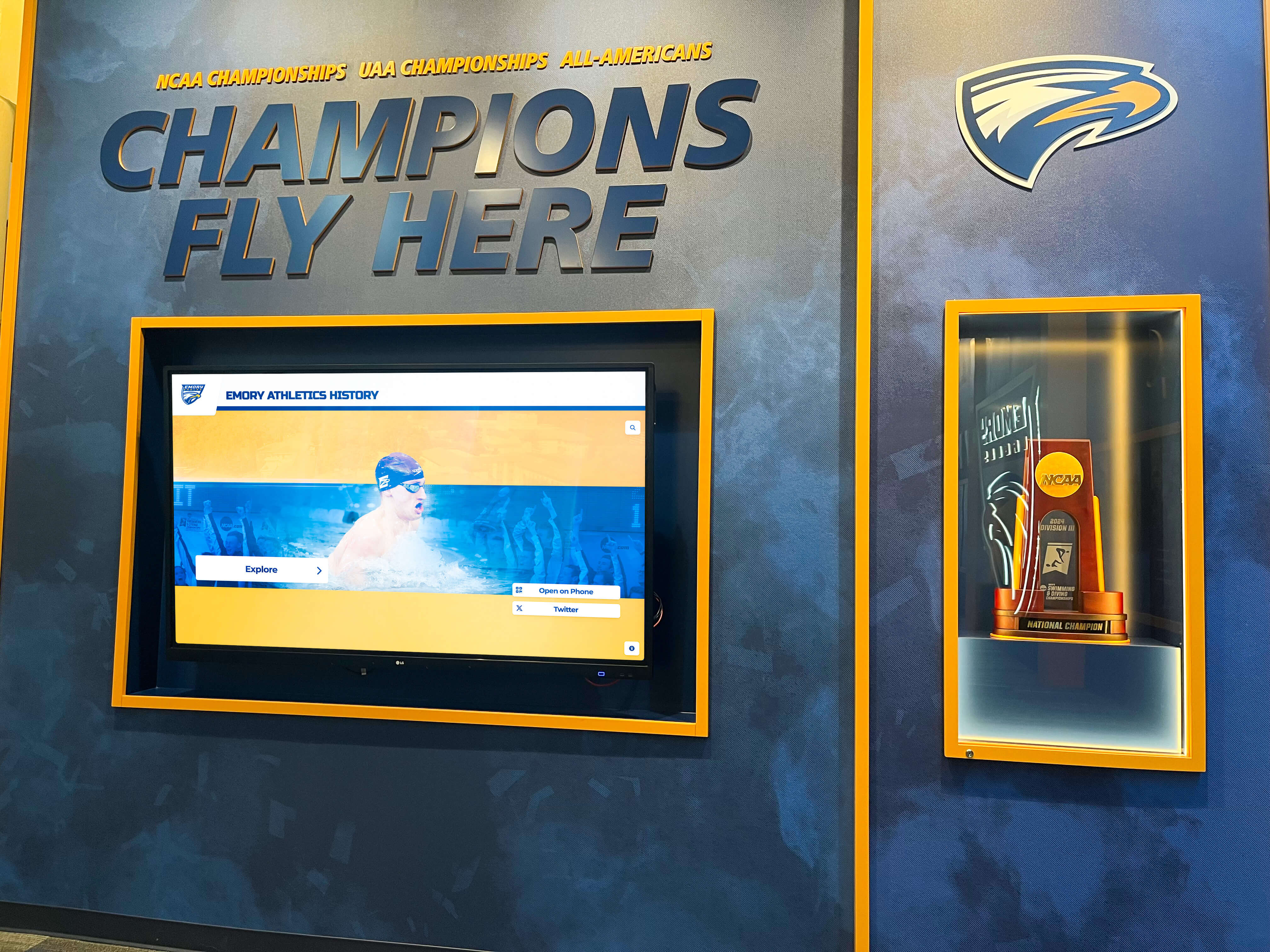
Championship hardware requires dedicated shelf depth and height clearance—planning for oversized trophies prevents the crowding that obscures smaller achievements nearby
The Pyramid Arrangement
Position the largest, most impressive trophies at center and work outward and downward with progressively smaller pieces. This creates a natural focal hierarchy drawing the eye to the most significant hardware first. The pyramid arrangement works well on a single long shelf or within an enclosed display cabinet.
The Riser System
Adjustable risers and display stands elevate smaller trophies to create more uniform visual height while still distinguishing award types. Using clear acrylic risers maintains visual cleanliness. Tiered riser platforms—available from display suppliers—allow multiple height levels within a single shelf depth, effectively doubling visible capacity on a standard shelf.
Separating Scale by Shelf Level
Reserve bottom shelves for oversized hardware that doesn’t fit standard shelf clearances. Standard shelf heights of 12-14 inches work for most trophies, but championship hardware often needs 18-24 inch clearance between shelves. Planning one or two tall-clearance shelves specifically for oversized awards prevents the forced arrangement that results when all shelf heights are identical.
Dealing With Irregular Shapes
Some awards—custom plaques, commemorative artwork, unique hardware—don’t fit standard trophy display configurations. Dedicate a specific shelf section to irregularly shaped pieces and use plate stands, easels, or custom mounts to display them securely. Grouping irregular pieces together rather than scattering them maintains visual order in the rest of the display.
Labeling and Context: Making Shelves Communicate
The most overlooked element of trophy display shelf planning is labeling. A shelf full of unlabeled trophies communicates “we won things” but doesn’t tell visitors what was won, when, by whom, or why it matters. Clear labeling transforms a storage arrangement into a recognition experience.
Minimum Labeling Standards
Every trophy on display should have accessible information about:
- Sport or activity
- Achievement (championship, MVP, tournament title, etc.)
- Year
- Team name or program if it differs from current branding
Engraved base plates provide permanent labeling but require advance planning. Printed label holders mounted on or near each trophy offer flexible, updatable identification. For grouped collections within a zone, section headers can cover shared information (sport, decade) rather than requiring individual labels for every piece.
Context Cards and QR Code Integration
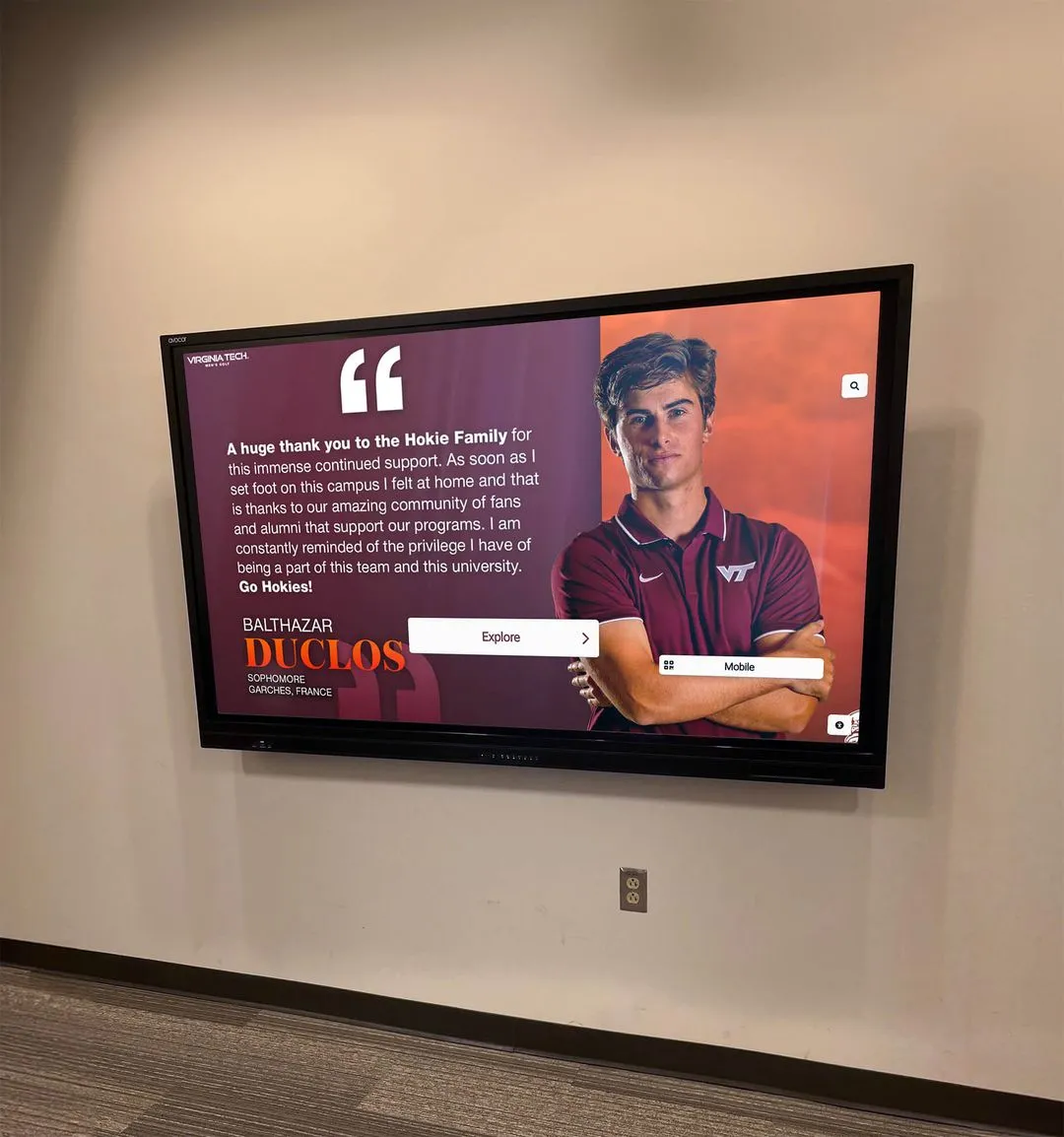
Forward-thinking schools add brief context cards to significant trophies explaining the achievement’s significance—the season record, the championship game result, or the individual athlete’s accomplishments. QR codes linking to digital content provide additional depth without cluttering the physical display. Visitors who want more information can access it; those who don’t aren’t slowed down by extended physical text panels.
This approach bridges physical and digital recognition in a practical, low-cost way that enhances trophy display shelf experiences without requiring full digital display infrastructure.
For schools researching how to recognize broader categories of achievement—including academic honors, arts, and community service alongside athletics—reviewing digital recognition options provides a useful overview of how institutions are expanding beyond physical display limitations.
Seasonal Rotation: Managing Growth When Shelves Fill Up
Every school’s trophy display shelf system eventually faces the same constraint: space fills up. Implementing a deliberate rotation strategy before this becomes a crisis prevents the reactive decision-making that results in important awards getting removed haphazardly or stored indefinitely.
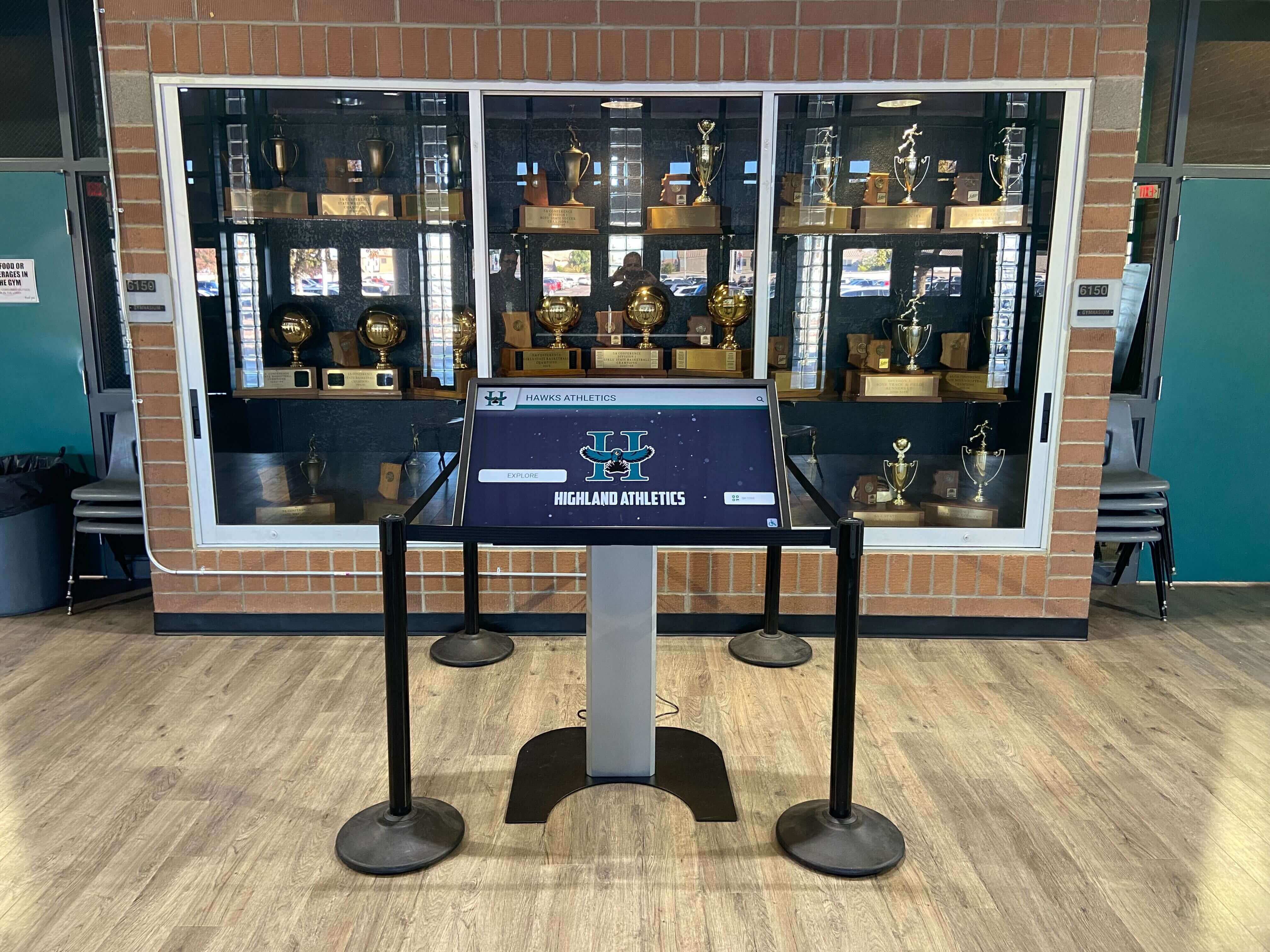
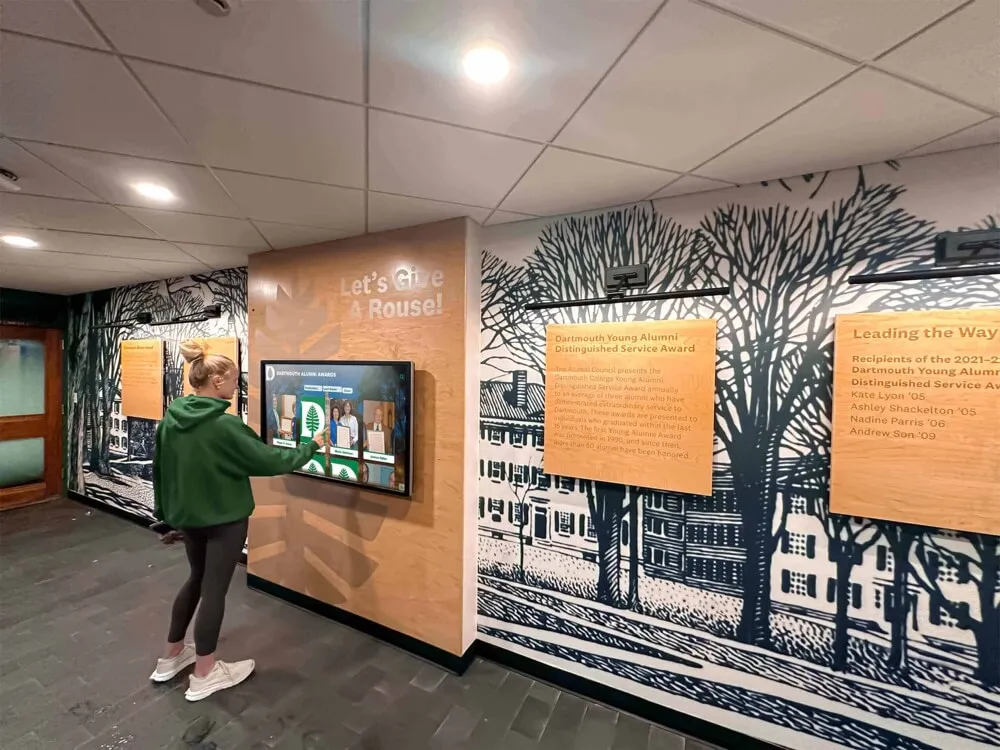
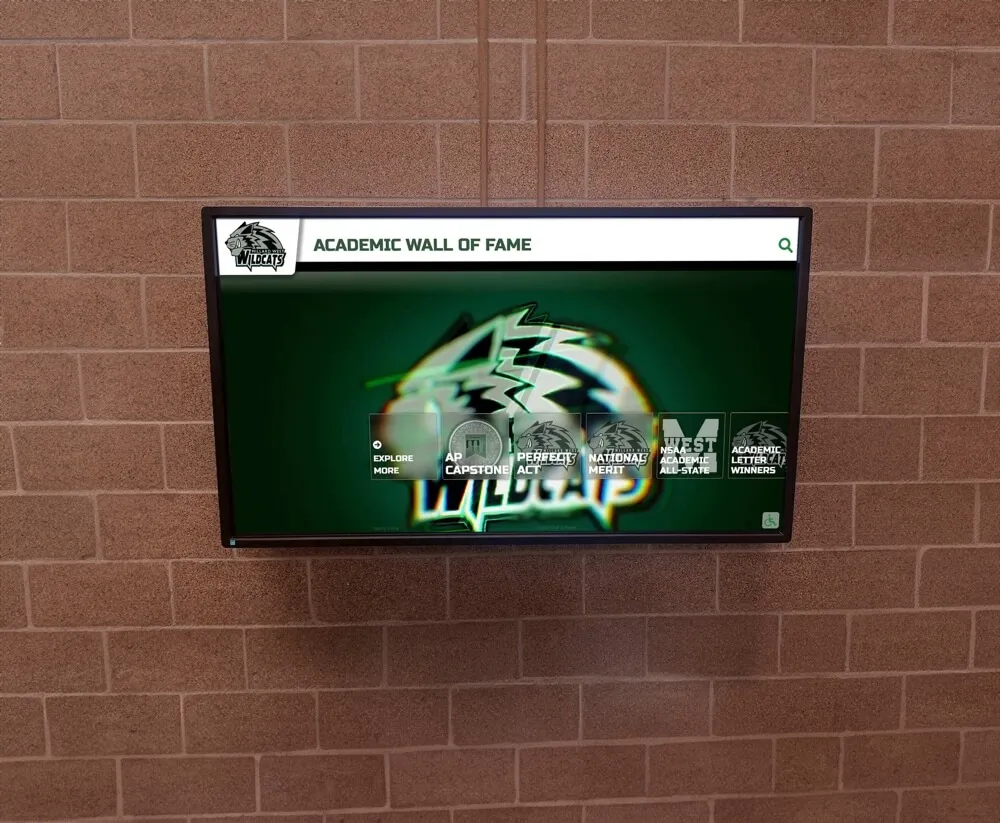
Combining physical trophy display shelves with digital access points extends recognition capacity without requiring additional physical storage space
The Tiered Rotation System
Divide your collection into three categories based on display priority:
Tier 1 — Always Displayed: The most prestigious, visually significant, or historically important pieces. These remain on primary shelves permanently and are replaced only by equally significant new arrivals. State championships, national recognition, landmark milestones. Aim for Tier 1 to occupy 40-50% of primary display space.
Tier 2 — Rotating Featured Display: Conference championships, invitational titles, and individual major awards rotate on a defined schedule—typically annually or seasonally. When new awards are added to Tier 2, the oldest Tier 2 items cycle to Tier 3. Tier 2 should occupy 30-40% of primary display space.
Tier 3 — Archive Storage: Awards not currently on display but maintained in organized, labeled archive storage rather than discarded. Tier 3 items rotate back to display during specific commemorations (reunion years, milestone anniversaries, team recognition events) before returning to archive storage.
This system ensures the primary display always looks curated and intentional, while ensuring nothing is thrown away or permanently hidden.
Annual Review Process
Schedule an annual trophy display shelf review—ideally in late summer before the school year begins—to assess what new hardware needs primary placement, what current displays should rotate to archive, and whether the shelf organization is working effectively. Involving the athletic director and relevant coaches in annual review creates buy-in and ensures display decisions reflect program priorities.
For schools exploring how peer institutions handle award categorization and display strategies across multiple sports, youth award categories offers practical frameworks applicable to physical display planning.
Lighting and Physical Presentation: Making Displays Visually Compelling
Trophy display shelves in low-light conditions or with inconsistent lighting produce flat, unappealing displays regardless of the quality of the awards themselves. Lighting upgrades consistently represent the highest-impact, lowest-cost improvement available to schools with existing display infrastructure.
Under-Shelf LED Strips
Adhesive LED strips mounted to the underside of each shelf cast direct light downward onto displayed trophies without complex installation. Modern LED strip lighting offers adjustable color temperature—warmer light (3000K) for traditional wood-case environments, cooler light (4000K-5000K) for modern architectural spaces. Battery-powered strips eliminate wiring requirements where hardwiring isn’t feasible.
Recessed Spot Lighting
Recessed spotlights installed above trophy alcoves or within display cabinets provide focused, high-quality illumination that makes trophies appear gallery-worthy. This approach requires electrical work but produces noticeably superior results compared to strip lighting for high-visibility spaces like main lobbies and championship corridors.
Glass Shelf Considerations
Glass shelves allow light from above to pass through to lower shelves, reducing shadowing in multi-level displays. For enclosed glass-front cases, glass interior shelves paired with top-mounted lighting can illuminate an entire case from a single light source, simplifying installation and maintenance.
When Physical Shelves Reach Their Limit: Integrating Digital Recognition
At some point, physical trophy display shelves cannot accommodate a growing collection without compromising display quality, requiring storage of historically significant awards, or demanding more wall space than the facility provides. This inflection point is where digital recognition tools become a practical complement—not a replacement—to physical displays.

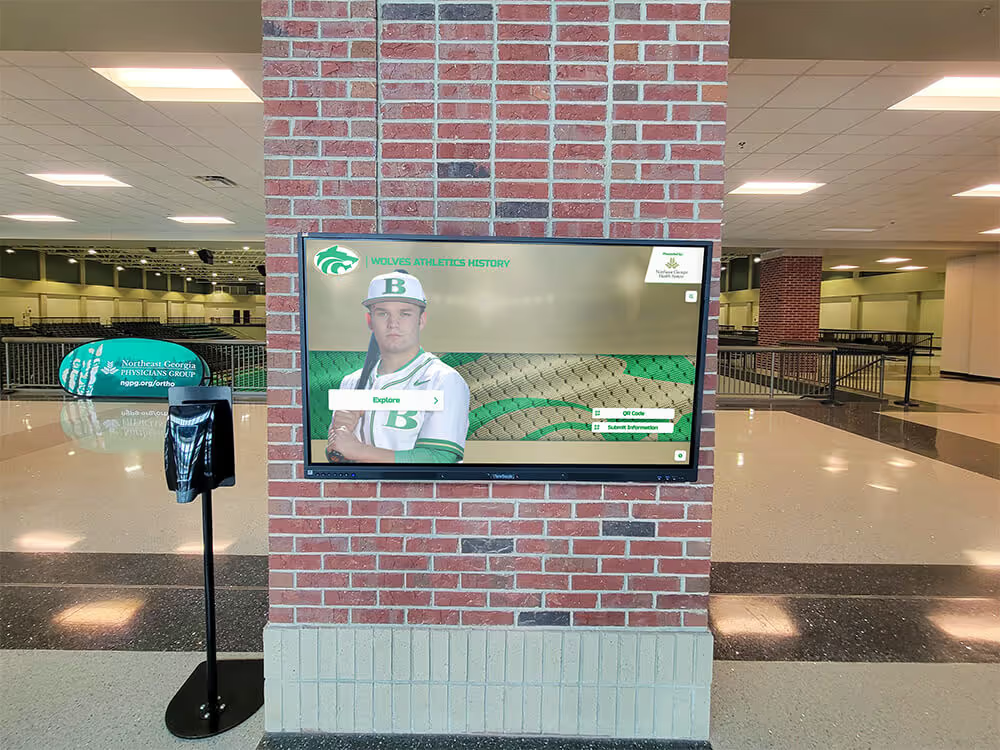
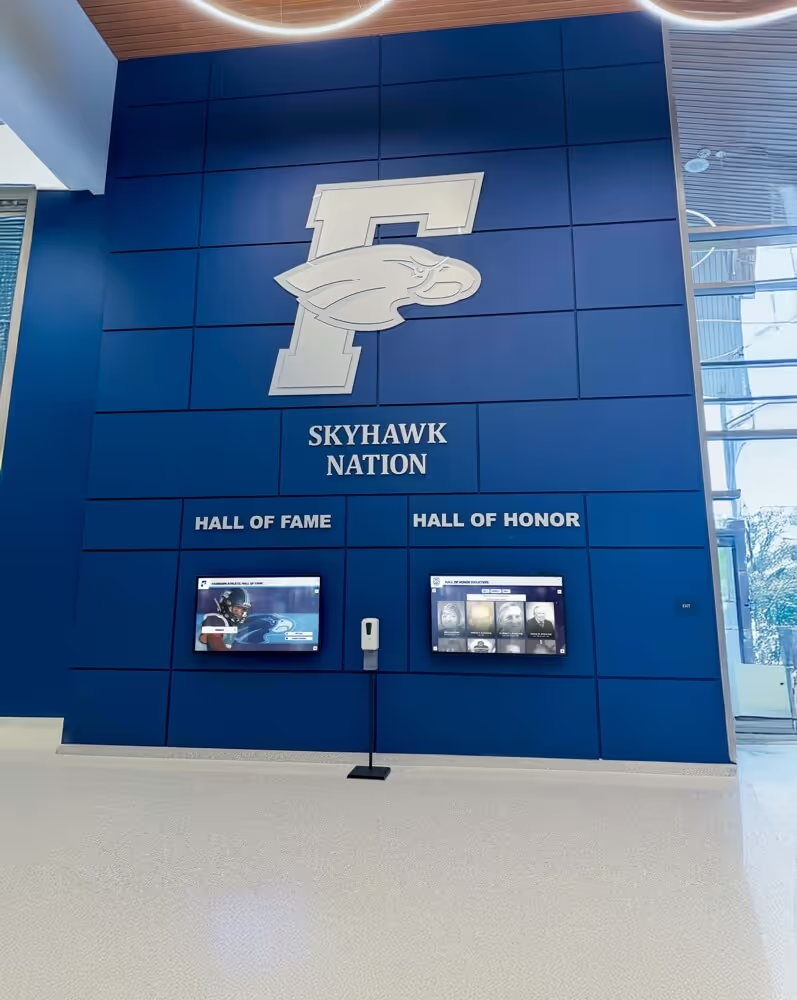
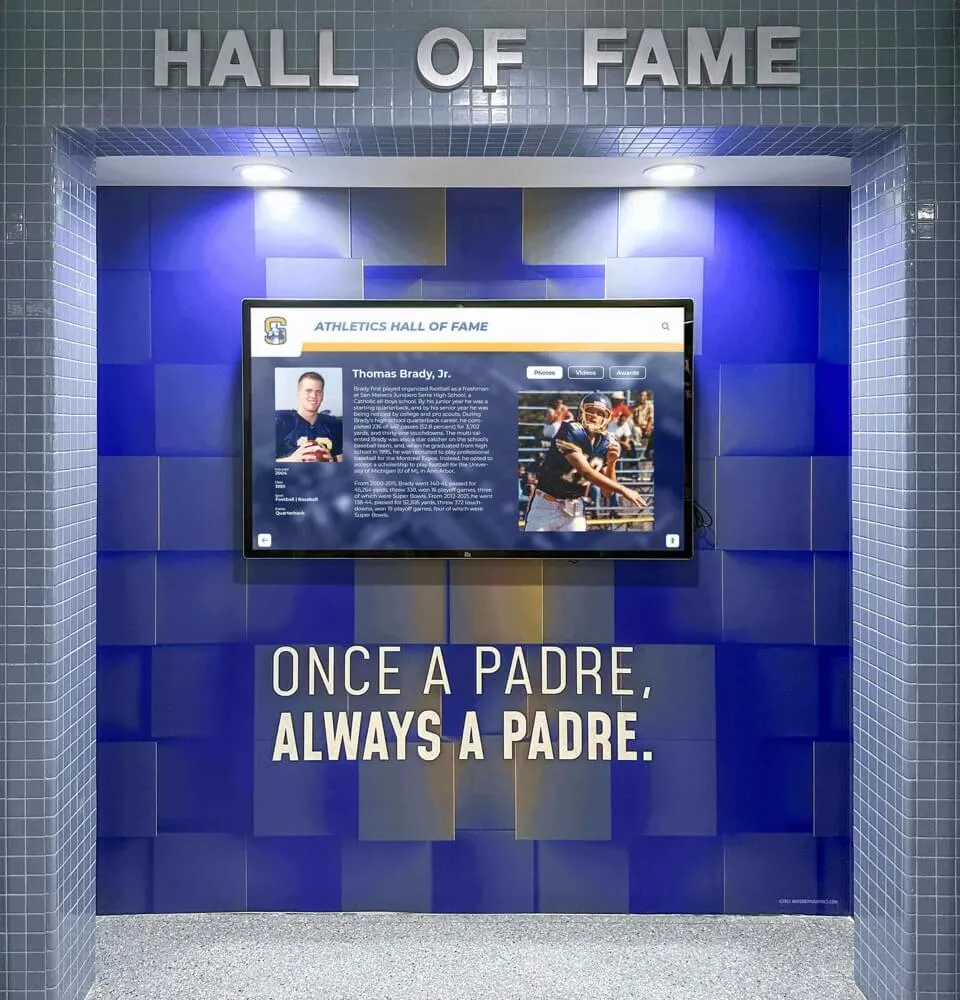
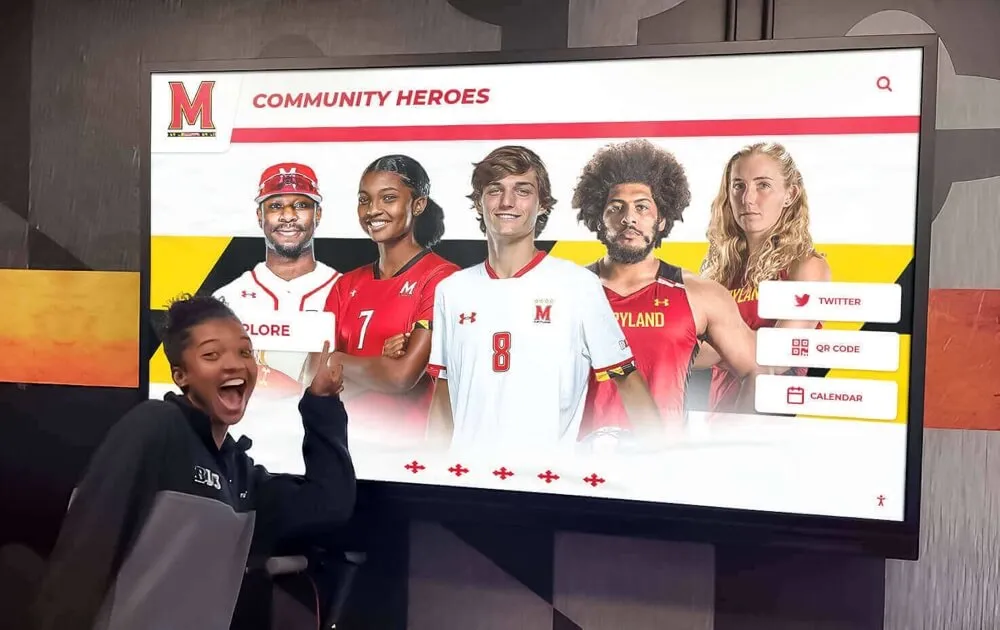
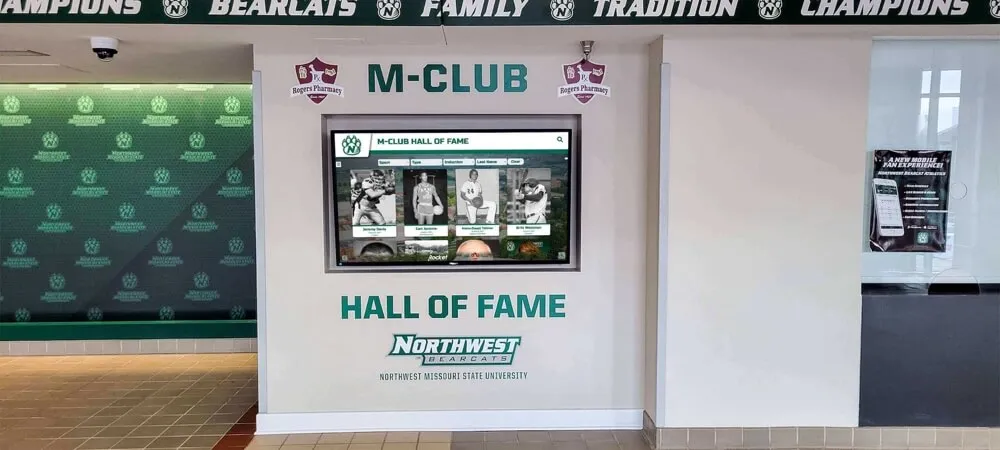
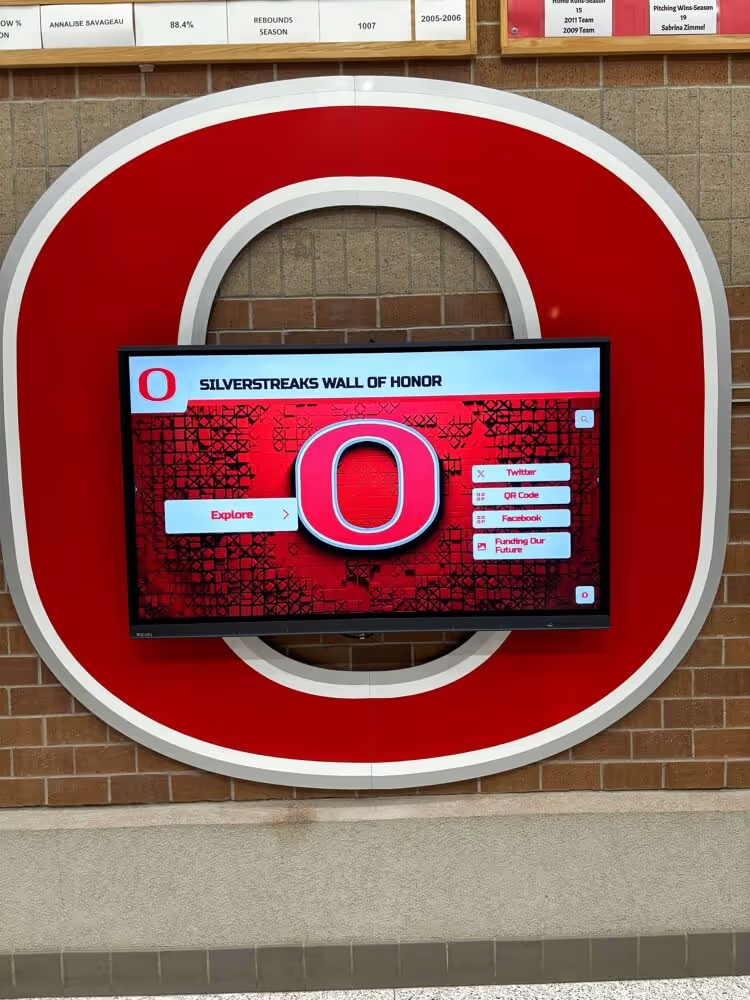
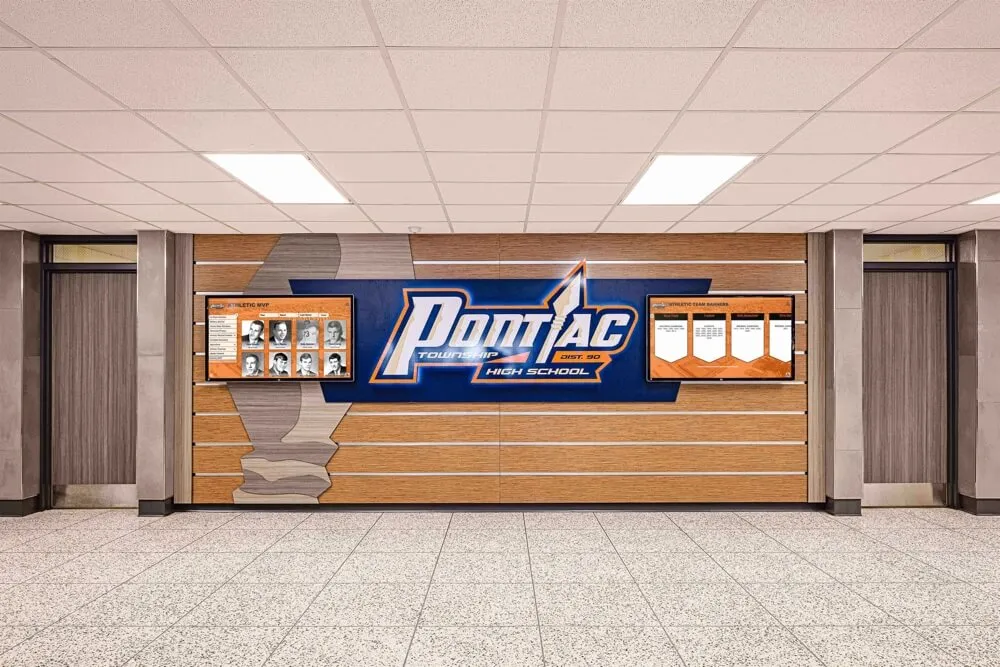
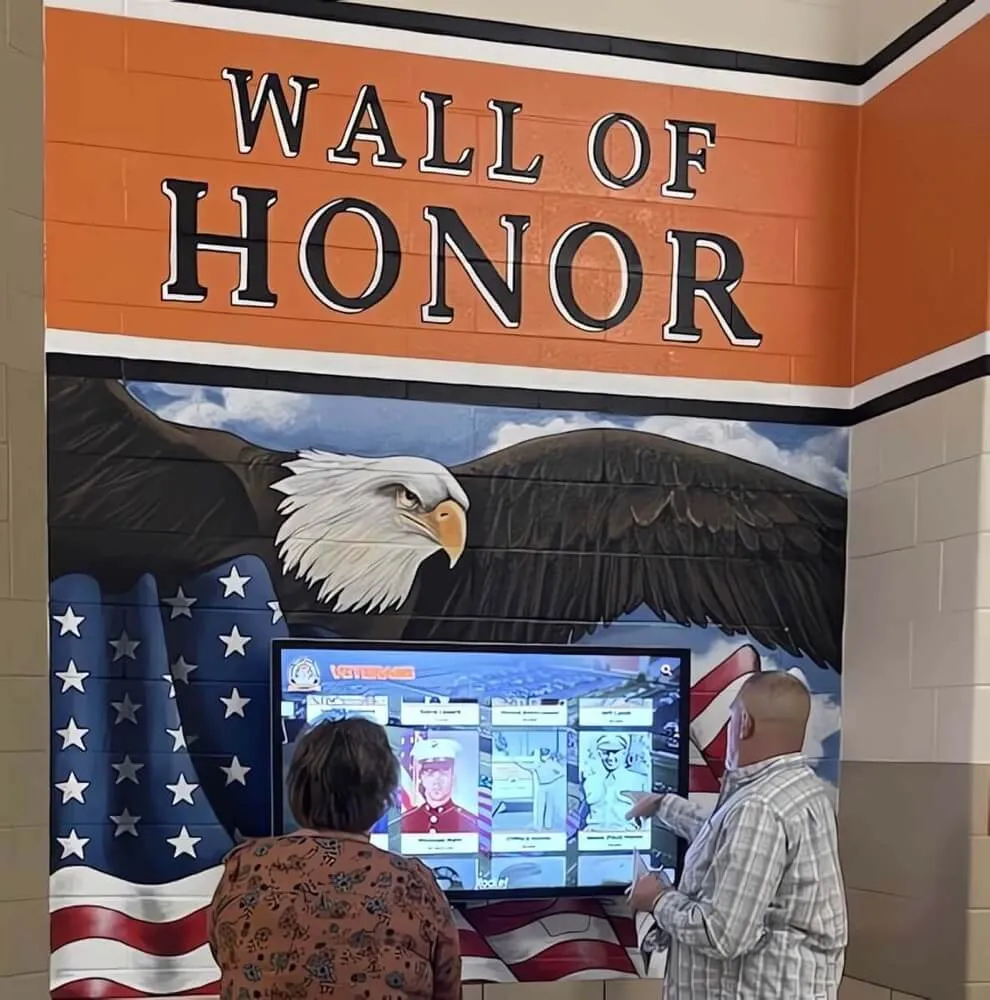
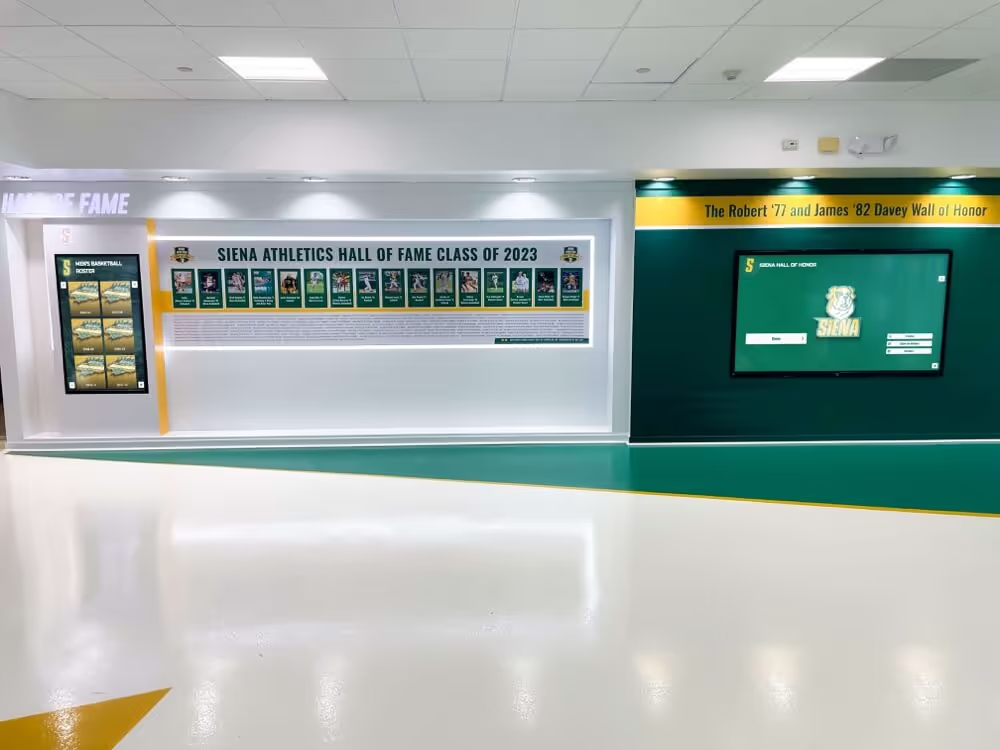
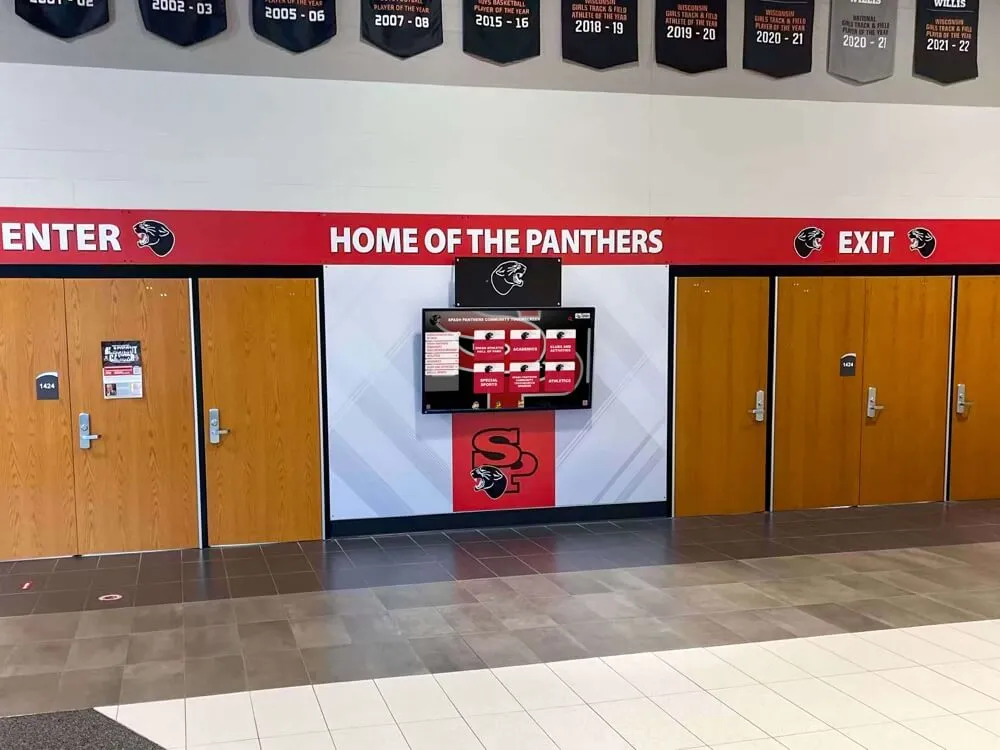
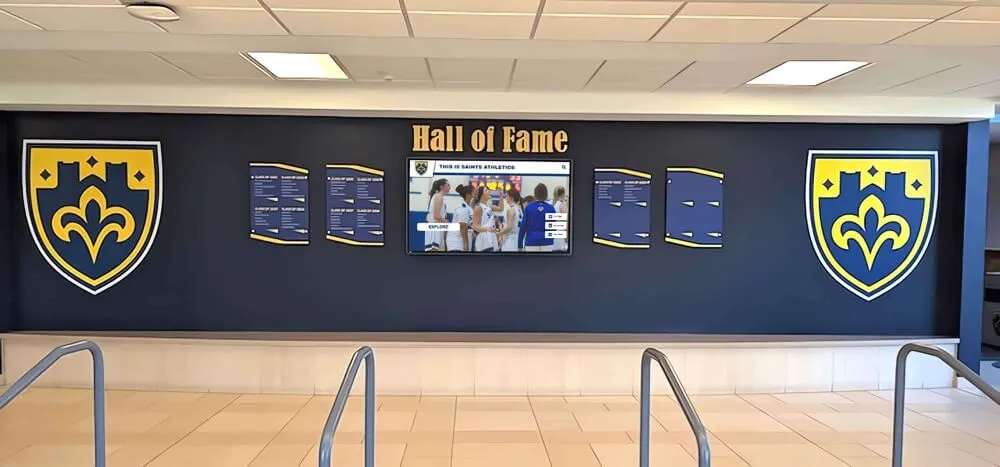
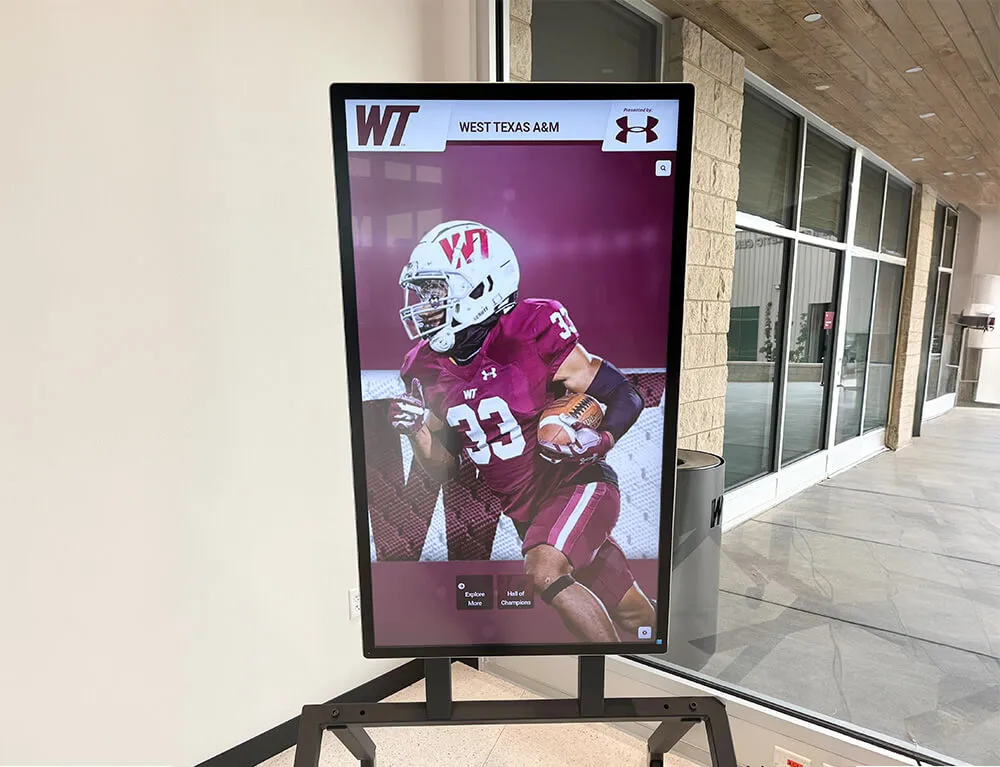
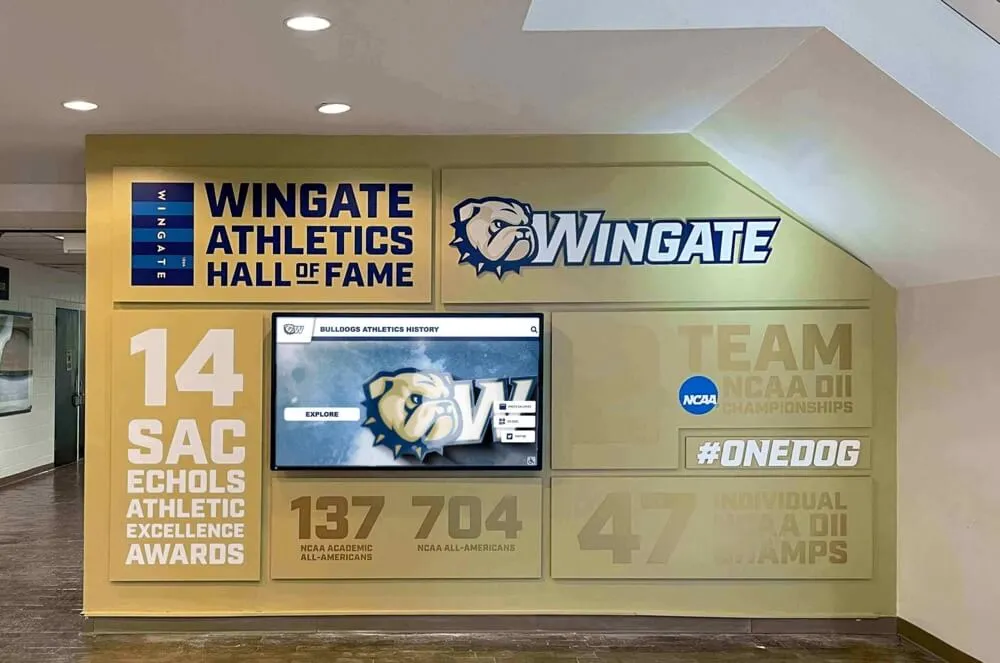
Integrating digital displays alongside physical trophy shelves allows schools to recognize unlimited achievements without removing historically significant hardware from display
What Digital Displays Add Beyond Physical Shelving
Physical trophy display shelves are unmatched for tangible presence—the weight, scale, and physical reality of a championship trophy communicates significance that digital content cannot fully replicate. But physical shelves have inherent limitations digital systems overcome:
- Unlimited capacity: Digital systems display hundreds or thousands of achievements without physical space constraints
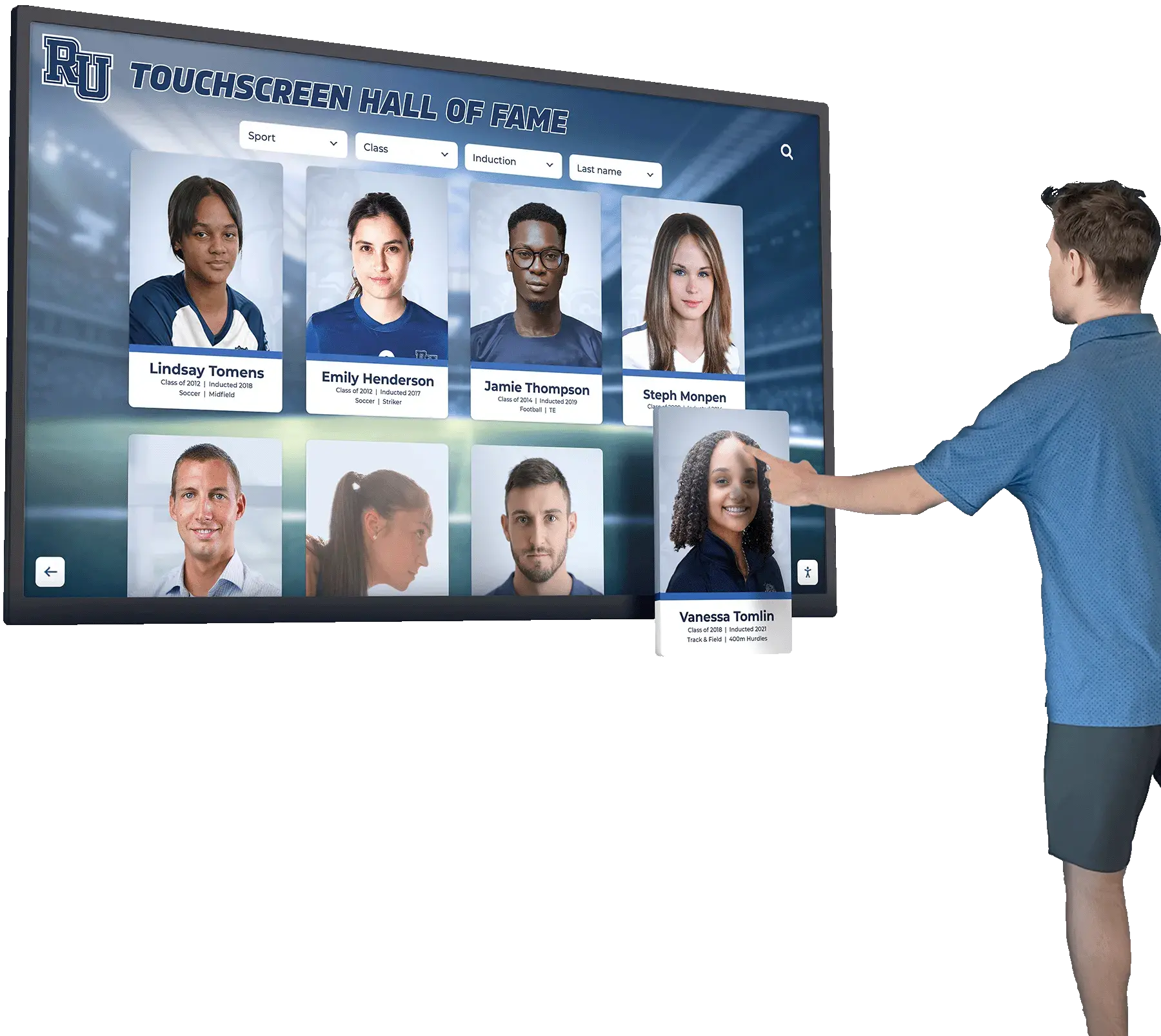
- Rich media: Video highlights, team photos, athlete profiles, and game summaries add context physical shelves cannot provide
- Searchable content: Visitors can find specific athletes, years, or achievements instantly
- Remote accessibility: Alumni, parents, and community members access recognition from anywhere
- Easy updates: New content appears immediately without physical installation or reorganization
Schools with robust physical trophy display shelf arrangements typically use digital systems to extend—not replace—what shelves accomplish. The physical trophies remain the tangible anchor of recognition culture, while digital infrastructure captures the full depth of achievement history that physical space cannot accommodate.
For schools evaluating the full range of tools available for managing both physical and digital recognition programs, resources like tools for managing athletic recognition cover how different platform types address varying institutional needs and budget levels.
Positioning Digital Displays in Relation to Physical Shelves
When adding digital displays near existing trophy shelves, thoughtful placement creates a cohesive recognition environment rather than a disjointed combination of old and new technologies.
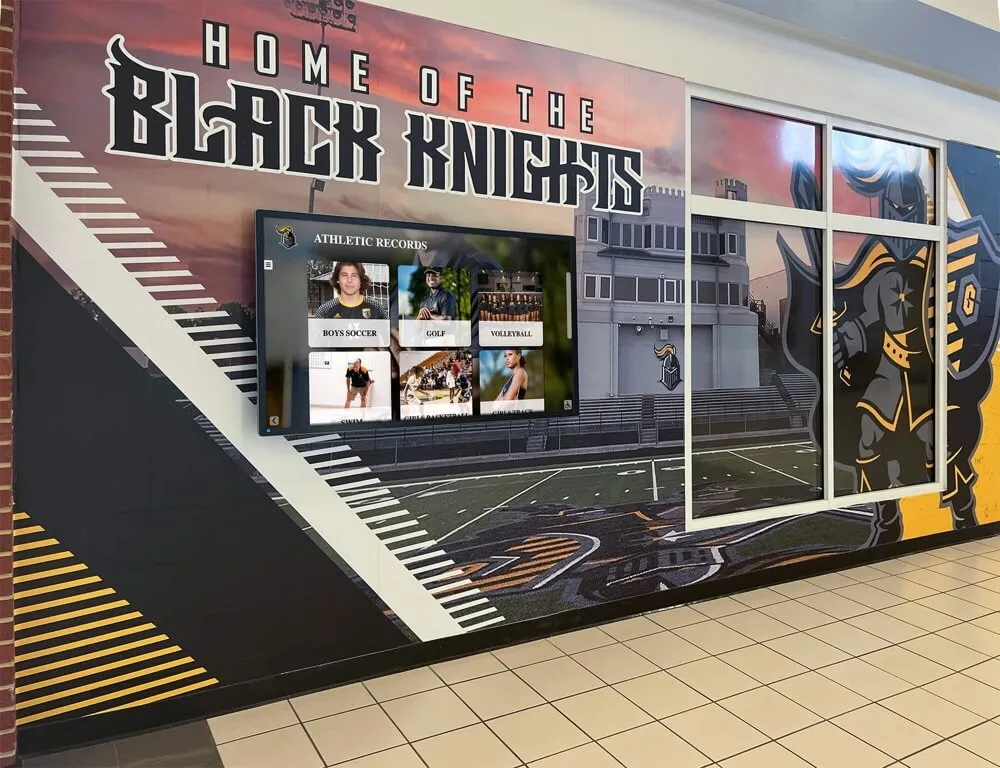
Adjacent placement: Mount a digital display directly beside or above trophy shelving, allowing visitors to see physical hardware while accessing digital content that expands on the stories behind displayed achievements. This works well in athletic hallways where wall space permits.
Integrated alcove displays: Some schools mount flat-panel displays within the same alcove as trophy shelving—the display handles content for awards not on current physical rotation, while shelves hold the most significant hardware. Visitors interact with both within a single architectural feature.
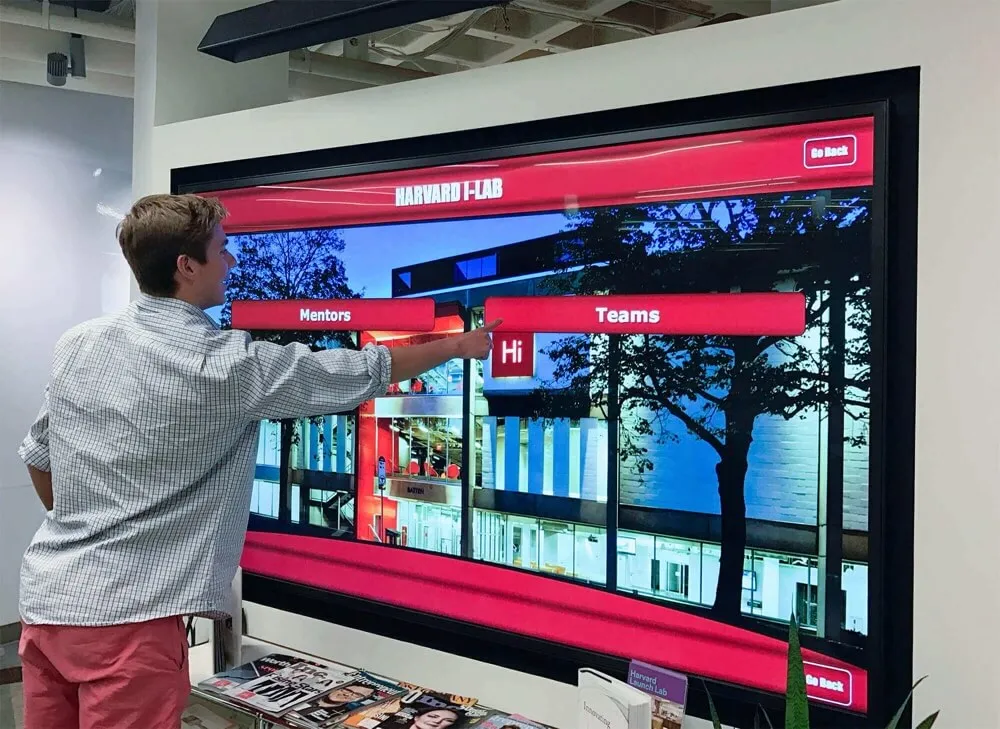
Lobby kiosk placement: Standalone interactive kiosks in main lobbies provide access to comprehensive recognition archives while physical trophy cases in the same space display curated highlights. The kiosk handles depth; the physical display handles presence.
For schools interested in how sports award ideas translate across physical and digital recognition formats, practical guidance is available on structuring award categories that work effectively in both display mediums.
Planning Your Trophy Display Shelf Project: Practical Steps for Schools
Whether you’re building a new display system from scratch or reorganizing an existing arrangement, a structured planning process prevents costly mistakes and ensures the finished display serves your school community effectively for years.
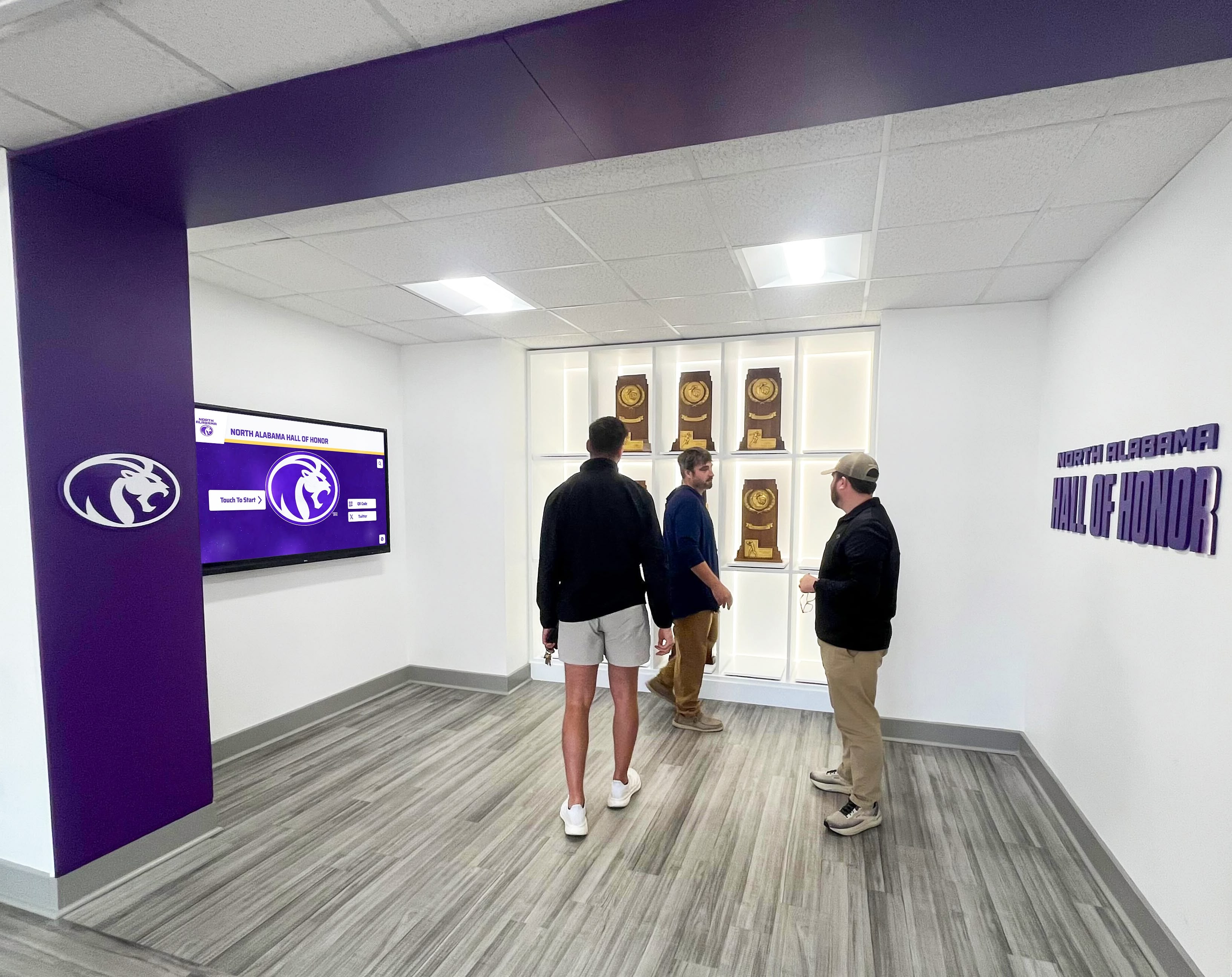
Planning trophy display shelf layouts benefits from cross-functional input from athletic directors, facilities teams, and advancement staff to ensure displays serve all stakeholder priorities
Step 1: Complete a Full Collection Inventory
Before planning shelf layouts or purchasing display furniture, document everything in your collection. Create a spreadsheet listing every award with: sport/activity, achievement type, year, physical dimensions (height, width, depth, weight), and current storage location. This inventory drives every subsequent planning decision and often reveals both more items than expected and significant gaps in current display coverage.
Step 2: Categorize and Prioritize
Apply the three-tier prioritization system described in the rotation section above. Assign every inventoried item to Tier 1, 2, or 3. Sum the physical dimensions of your Tier 1 and Tier 2 items—this is the minimum display space your active trophy display shelf arrangement must accommodate, plus 20-30% growth capacity.
Step 3: Map Available Spaces
Walk your facility with a measuring tape and note available wall lengths, structural constraints, electrical access for lighting, foot traffic patterns, and natural focal points that visitors gravitate toward. Photograph each potential display location and note ceiling heights, door clearances, and any obstacles.
Step 4: Select Shelf Types for Each Location
Match the shelf type to the location’s requirements: floating shelves for lighter collections in secondary hallways, bracketed heavy-duty shelves for championship hardware, and glass-front cases for lobby environments requiring dust protection and enhanced visual presentation.
Step 5: Budget for the Complete System
Trophy display shelf budgets commonly underestimate lighting, labeling, hardware, and installation costs relative to the cost of the shelving itself. A complete budget should include shelving and mounting hardware, professional installation for wall-mounted systems, interior lighting, label holders and signage, and ongoing annual budget for label updates and minor reorganization.
Step 6: Plan for Digital Integration
Even if digital recognition isn’t in the immediate budget, design physical shelf layouts that could accommodate a digital display in the future without requiring complete reorganization. Leaving a specific wall section or alcove position open for a future screen costs nothing during initial planning and avoids expensive retrofitting later.
For schools evaluating complete recognition program approaches—including both the physical infrastructure and digital tools that support recognition at scale—resources covering hall of fame display tools provide a useful starting framework for understanding what’s possible across the full recognition spectrum.
Common Trophy Display Shelf Mistakes to Avoid
Schools implementing new trophy display shelf systems repeatedly encounter the same preventable problems. Recognizing these pitfalls in advance saves time, money, and frustration.
Insufficient shelf depth: Standard 8-inch shelves are too shallow for many trophies. Plan for 10-12 inch minimum depth for most athletic collections; 14-16 inches for sections displaying large championship hardware.
No growth capacity: Installing shelves at 100% capacity immediately creates reorganization needs within a single season. Build 20-30% empty space into every shelf configuration.
Ignoring load ratings: Wall-mounted shelves have weight limits. A shelf full of dense metal trophies can easily exceed the rated capacity of consumer-grade floating shelf hardware. Use commercial-grade shelving rated for the expected load.
Skipping lighting: Dark displays diminish the impact of every trophy regardless of its significance. Budget for lighting from the start rather than retrofitting after installation.
No labeling plan: Installing shelves without a labeling system produces an unorganized display the day new trophies arrive and no one knows where to put them. Establish labeling standards before the first award goes on display.
Mixing unrelated achievements without organization: Placing athletic trophies, academic awards, arts recognition, and community service honors together without clear organization creates visual noise that reduces the impact of every individual achievement. Organize by category even when space is limited.
For schools building comprehensive recognition program management systems that extend beyond physical shelving, understanding available tool categories helps institutions allocate recognition budgets effectively across physical and digital infrastructure.
Expanding Recognition Beyond Physical Shelves
The best trophy display shelf systems in schools today don’t treat physical shelves as the end of the recognition story—they treat them as the foundation for deeper recognition experiences that engage students, alumni, and community members through multiple channels.
Schools with strong physical trophy display arrangements that are complementing their shelves with digital recognition platforms are finding that the combination amplifies both. Physical trophies give digital content anchoring context (“here’s the actual trophy from our 2019 state championship—scan the code to see the final game highlights”). Digital systems give physical displays infinite depth beyond what any shelf can hold.
For schools exploring how to extend their trophy display infrastructure into digital recognition, Rocket Alumni Solutions offers interactive display systems designed specifically for school athletic programs, alumni departments, and advancement offices—providing a practical next step when physical shelf capacity and recognition goals start to diverge.
The schools that build recognition environments with lasting community impact typically start with the physical foundation—organized shelves, clear labeling, thoughtful layouts—and layer digital capabilities on top as budgets and needs evolve. Neither physical nor digital alone does everything that both together accomplish.
Summary: Building a Trophy Display Shelf System That Grows With Your School
Managing a growing award collection isn’t about having enough space today—it’s about building a system that accommodates continued success without constant reorganization or compromised visibility.
The core principles for effective trophy display shelf planning:
- Choose shelf types matched to the weight, size, and visibility requirements of each location
- Implement zone-based organization (by sport, era, or achievement tier) that guides visitors intuitively
- Use tiering strategies to manage size variation within mixed collections
- Label every item with minimum context information, and consider QR code integration for depth
- Build 20-30% growth capacity into every configuration from the start
- Implement a defined rotation system before shelves fill rather than reactively
- Invest in lighting as a baseline requirement, not an optional upgrade
- Plan for digital integration from the beginning, even if implementation comes later
Schools that approach trophy display shelf planning with these principles in place create recognition environments that serve students, athletes, alumni, and community members effectively for decades—honoring past achievement while making space for the recognition requirements of programs that continue to succeed.
For athletic departments, advancement offices, and facilities teams ready to take recognition to the next level—combining physical display excellence with interactive digital content—Rocket Alumni Solutions provides purpose-built recognition platforms designed for schools managing exactly these kinds of growing, multi-sport, multi-program award collections.