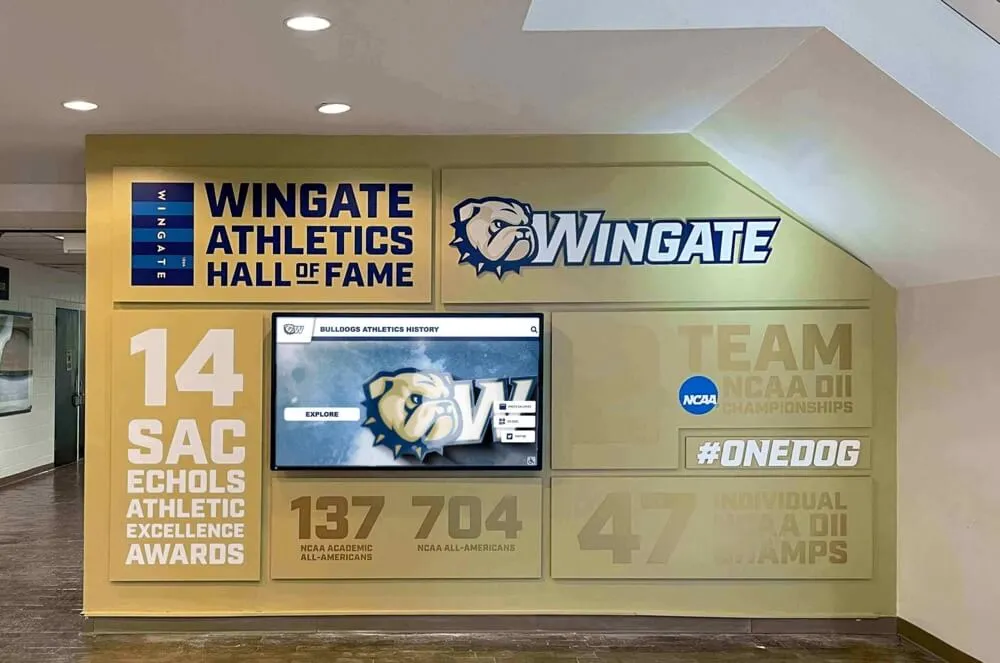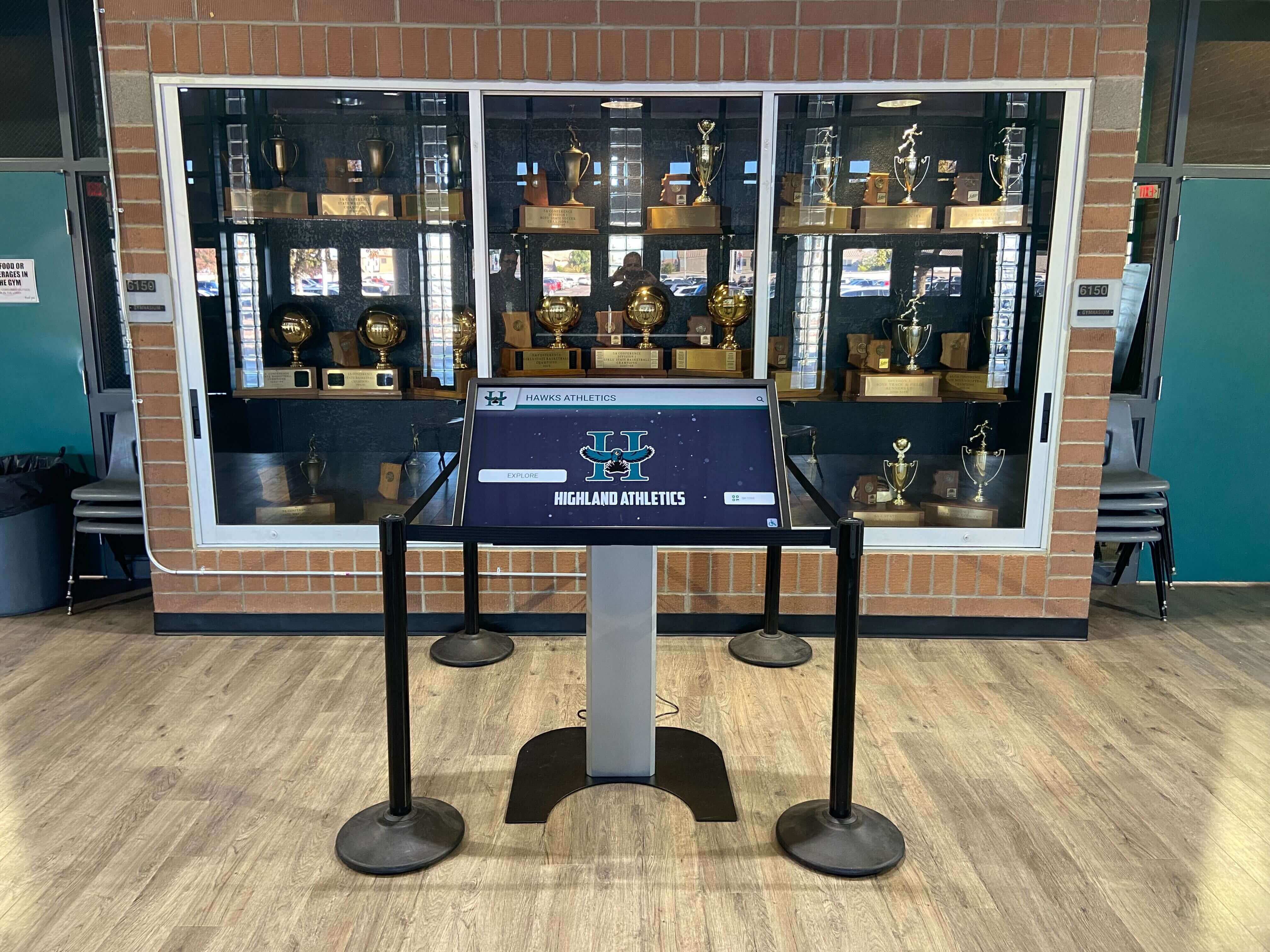




School trophy cases hold more than trophies. They hold championship banners from decades past, framed photographs of athletes who have since become coaches and parents, engraved plaques representing donors who shaped your program, and ribbons and medals that may be the only surviving record of a student’s proudest moment. When condensation forms inside a trophy case—and it will, if conditions allow—it doesn’t just fog the glass. It warps paper, oxidizes metal, grows mold on fabric, and blurs the photographs and ink text that make each artifact meaningful. By the time visible damage appears, the underlying process has often been underway for weeks.
This checklist is written for school facilities coordinators, athletic directors, and administrators who are responsible for physical trophy cases in school lobbies, athletic hallways, gymnasiums, and library display areas. It covers how to assess your case environment, identify the specific causes of condensation, take preventive action, set up an inspection routine, and decide when to involve a qualified conservator. A companion section covers how digitizing your awards collection protects the documented record of school history even when physical artifacts face environmental risk.
Condensation inside a trophy case forms when warm, humid air contacts a surface cold enough to push moisture out of the air and onto that surface—most commonly the glass, metal backing, or interior floor of the case. Preventing it requires controlling either the temperature differential, the humidity level, or the air movement that creates the conditions for moisture to accumulate. The checklist below addresses all three levers across six phases: site assessment, environmental monitoring, case preparation, airflow and humidity control, artifact handling, and ongoing inspection.

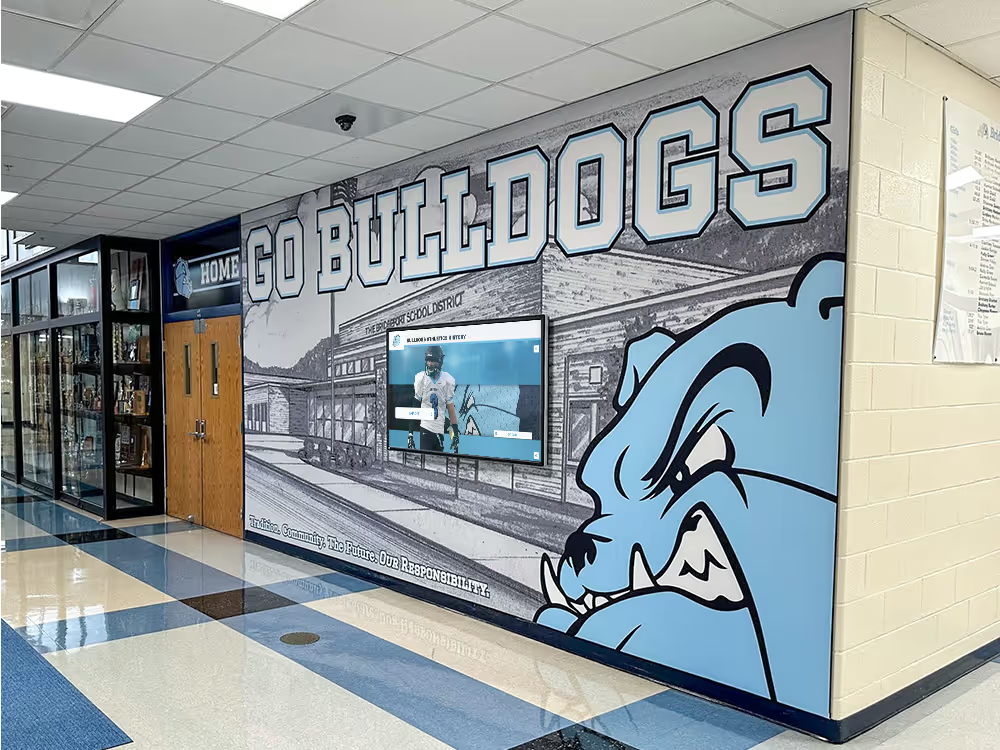
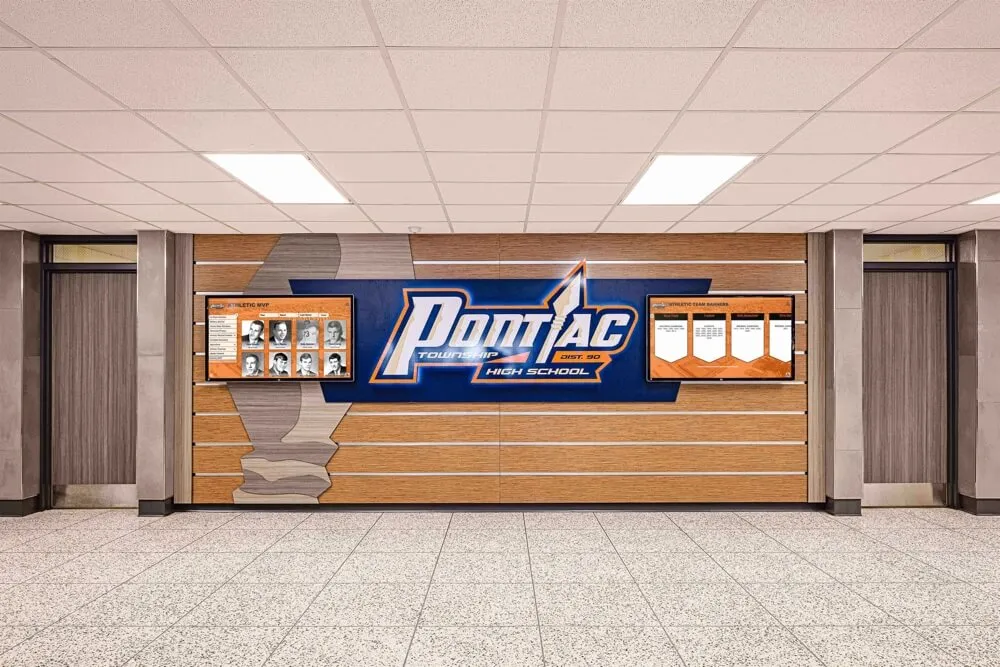
Trophy cases in athletic hallways and lobbies face condensation risk from HVAC cycling, seasonal humidity swings, and temperature differentials at exterior walls—preventive action protects both physical artifacts and school recognition history
Why Condensation Damages School Awards and Memorabilia
Moisture is among the most common causes of deterioration in institutional display collections, and trophy cases create specific conditions that make them vulnerable:
Glass cases act as condensation surfaces. Single-pane glass and metal frames conduct temperature quickly. On a cold morning, the case interior can be noticeably cooler than the surrounding air. When a student opens a hallway door and admits humid outdoor air, or when HVAC cycles push warm air into the corridor, the glass becomes the coldest surface in the room—and condensation forms on the interior.
Artifacts inside are not designed for high-humidity environments. Engraved metal trophies oxidize. Printed photographs lose resolution and develop foxing. Paper certificates and programs absorb moisture, warp, and become receptive to mold growth. Fabric letters, pennants, and ribbons shrink, fade, and deteriorate. These processes are largely irreversible once begun.
Cases are often sealed tightly enough to trap moisture but not tightly enough to exclude it. A case with worn gaskets admits humid air during temperature swings but then traps that air—and its moisture—once temperatures equalize. The result is repeated condensation cycles with no path for humid air to escape.
Environmental conditions change with seasons and school schedules. Summer shutdown periods, seasonal humidity peaks, HVAC maintenance windows, and construction activity affecting building pressure can all create condensation events. A case that performs well in October may develop moisture problems in July.
Cause-and-Response Table: What Creates Trophy Case Condensation
Use this table to identify the most likely cause when you observe moisture in or on a trophy case, then follow the corresponding immediate and long-term responses. For persistent or severe moisture damage to artifacts, consult a qualified conservator—this table provides general guidance, not conservation advice.
| Cause | Observable Signs | Immediate Response | Long-term Prevention |
|---|---|---|---|
| Temperature differential (warm humid air meets cold glass or metal) | Fogging on interior glass; water droplets on case interior; condensation on metal display backs | Open case briefly to equalize temperature; dry surfaces with a clean, soft cloth | Move case away from exterior walls; add an insulating buffer panel behind the case |
| HVAC vent or return blowing directly on case | Recurring condensation near one side or corner; moisture pattern aligned with vent location | Redirect vent deflector away from the case immediately | Install a permanent vent deflector or diffuser; evaluate HVAC zoning in the corridor |
| Failed door gasket or panel seal | Moisture concentrated along door edges; visible gap in gasket; musty odor | Temporarily seal the gap with clean painter’s tape until repair is made; do not use adhesives on historic case surfaces | Replace worn gaskets; inspect all seals each semester; document gasket condition in maintenance log |
| Wet or damp artifacts introduced to case | Localized moisture; mold spots on adjacent items; staining near one artifact | Remove the wet item immediately; allow case to dry with door slightly open before closing | Never place trophies directly from outdoor events, fresh flowers, or wet programs inside the case without allowing them to dry completely first |
| High ambient humidity (seasonal peak or HVAC failure) | Widespread fogging across all interior surfaces; moisture on floor of case | Open case; place silica gel desiccant packs inside; monitor room humidity levels | Maintain surrounding room at 45–55% relative humidity year-round; install or service a room-level dehumidifier for seasonal peaks |
| Direct sunlight heating the glass rapidly | Morning or afternoon condensation that clears as temperature equalizes; UV fading on artifacts | Block direct sunlight with temporary window covering; check case position relative to windows | Apply UV-blocking window film on adjacent windows; reposition case if possible |
| Poor interior ventilation (sealed case with no air exchange) | Stagnant moisture; persistent fogging even on dry days; musty odor inside case | Temporarily prop door open; remove artifacts to allow complete drying | Consult a facilities professional about adding small conservation-grade ventilation to the case interior |
| Heat source behind wall or nearby radiator | Warm wall surface, cold glass; localized condensation on side nearest heat source | Measure wall surface temperature; verify with facilities team | Add thermal break material between wall and case mount; move case if heat source cannot be relocated |
Trophy Case Condensation Prevention Checklist
Work through each phase at the start of each academic year and again before any season with known environmental risk (humid summers, heating-season transitions, post-construction reopening).
Phase 1: Site Assessment
Complete this assessment before making any changes. Understanding what is driving condensation risk at your specific case location makes every downstream action more effective.
- Identify whether the case is mounted on or adjacent to an exterior wall
- Note whether any HVAC supply vents or return air grilles are within 6 feet of the case
- Check whether the case receives direct sunlight at any time of day (observe or ask facilities staff)
- Identify any heat sources nearby: radiators, under-floor heating, hot water pipes behind the wall
- Inspect the case material: single-pane glass, metal frame, wood backing, combination
- Check the case door gaskets visually for compression, cracking, or gaps
- Note whether the case has any factory-installed ventilation slots or perforations
- Record whether the case is free-standing or wall-mounted, and the distance from any exterior doors
- Ask facilities staff about the HVAC schedule in the corridor: is the system shut down at night or on weekends?
Phase 2: Environmental Monitoring
You cannot manage what you do not measure. A basic hygrometer placed inside the case provides the data you need to identify whether a moisture problem is driven by the case environment itself or by the surrounding room.
- Place a digital hygrometer/thermometer inside the case, positioned away from artifacts
- Place a second unit in the surrounding room for comparison
- Record baseline humidity and temperature for each unit at the same time of day for one week
- Note the difference between inside-case and outside-case readings during humidity peaks
- Document any rapid temperature swings that correlate with HVAC startup or door activity
- Record seasonal peaks: in most North American climates, peak indoor humidity risk occurs in late summer and during transitions between heating and cooling seasons
- Flag any reading above 60% relative humidity inside the case as an action trigger
- Share readings with facilities staff when requesting HVAC adjustments
Phase 3: Case Preparation and Sealing
A well-sealed case maintains a more stable interior environment and reduces the rate at which exterior humidity fluctuations affect the artifacts inside. Case preparation is preventive work, not emergency repair.
- Clean the interior of the case completely before any sealing work; remove all artifacts
- Inspect door gaskets: press a piece of paper against the seal and close the door—if the paper slides out easily, the gasket is failing
- Replace worn gaskets with appropriate replacements; document the gasket material and source for future reference
- Inspect the back panel and any joints or seams for gaps; consult a conservator before applying any sealants to cases containing historic or irreplaceable artifacts
- Add food-grade or museum-grade silica gel desiccant packs to the interior; follow manufacturer guidance on quantity per cubic foot of interior volume
- Note the indicator color for your silica gel brand so you can recognize when replacement or regeneration is needed
- Do not use scented products, mothballs, or aromatic wood (cedar, pine) inside display cases containing metal or paper artifacts, as off-gassing can accelerate deterioration
Phase 4: Airflow and Humidity Control in the Surrounding Space
The interior of a trophy case is directly influenced by the environment it sits in. Reducing humidity in the corridor or room where the case is located reduces the moisture load the case itself must manage.
- Confirm with facilities that the HVAC system maintains 45–55% relative humidity in the display area during occupied hours
- Ask facilities to check whether HVAC supply air is being directed toward the case location; request vent deflector installation if needed
- Schedule a dehumidifier for the affected space during summer months if the building is not fully air-conditioned during shutdown
- Keep exterior doors and loading docks in the corridor closed during humid weather
- Ensure adequate air clearance around the exterior of the case: avoid pushing the case flush against a wall with no air gap on the back and sides
- If the corridor receives significant foot traffic that introduces outdoor air (main entrance hallways), discuss the condensation issue with facilities as part of the building envelope and entryway weatherization review
Phase 5: Artifact Placement and Handling
How artifacts are placed in the case affects both their individual risk and the airflow patterns inside the case.
- Allow all artifacts to acclimate to indoor temperature and humidity for at least 24 hours before placing them in the case (especially trophies returning from outdoor events or storage)
- Use acid-free tissue or padding under metal trophies on glass or wood shelves
- Place photographs and paper documents in acid-free sleeves or archival mats before display; avoid direct contact with glass
- Keep artifacts off the case floor; use display stands, risers, or shelves to allow air to circulate beneath them
- Avoid overcrowding: adequate spacing between artifacts allows air to move through the case and reduces the risk of localized moisture pockets
- Do not display fresh flowers, live plants, wet ribbons, or recently laundered fabric items inside the case
- If displaying items from outdoor events (championship banners, game balls, outdoor plaques), ensure they are fully dry before returning them to the case
Phase 6: Ongoing Inspection Routine
Preventive measures reduce risk but do not eliminate it. A consistent inspection routine catches condensation problems early, before artifacts are damaged.
- Inspect case interiors visually once per month: look for fogging, water staining, droplets, mold spots, or corrosion on metal
- Check silica gel indicator color monthly; replace or regenerate packs when the indicator signals saturation
- Inspect door gaskets and panel seals each semester (twice yearly minimum)
- Photograph any moisture evidence before drying or cleaning; the photograph becomes part of the maintenance record
- Record all inspections in a simple log: date, inspector, observations, actions taken
- Report any mold growth, paper damage, or artifact deterioration to facilities leadership and, when appropriate, consult a qualified conservator before attempting to clean or restore affected items
- Review the full checklist at the start of each academic year
Note on professional conservation: This checklist addresses environmental prevention and facilities management. If you discover mold growth, significant paper deterioration, metal corrosion, or other artifact damage, consult a qualified conservator before attempting cleaning or treatment. Improper handling of damaged artifacts can cause irreversible harm. Regional museum associations and state historical societies often maintain referral lists for professional conservators.
Secondary Image: Trophy and Award Display Cases in School Facilities
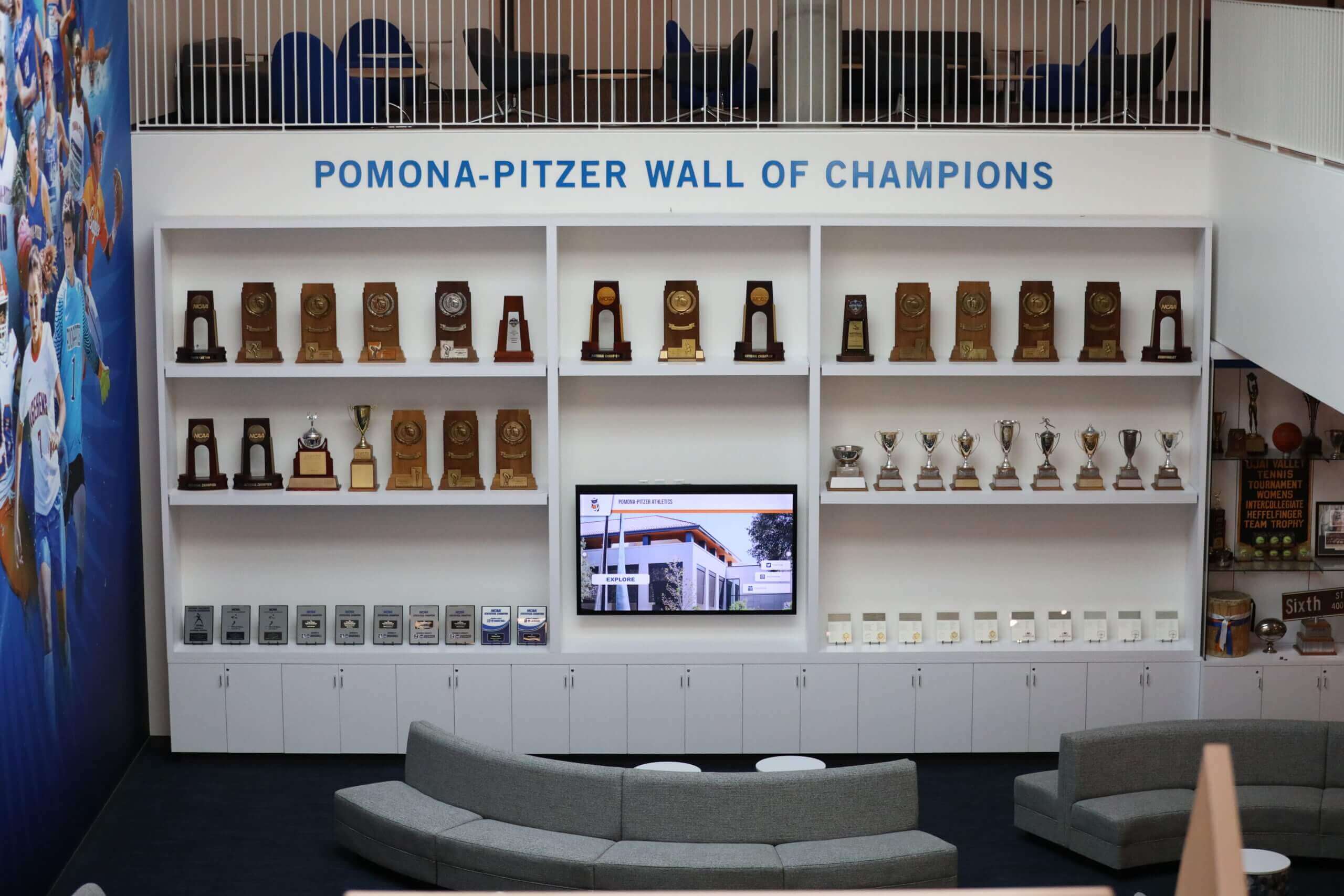
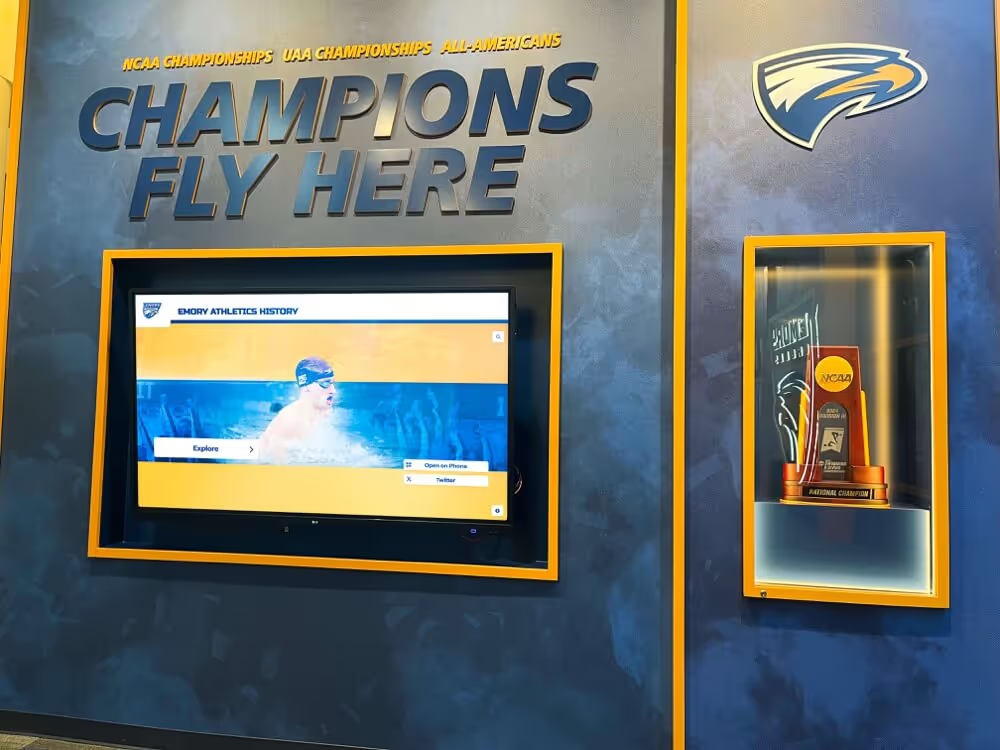
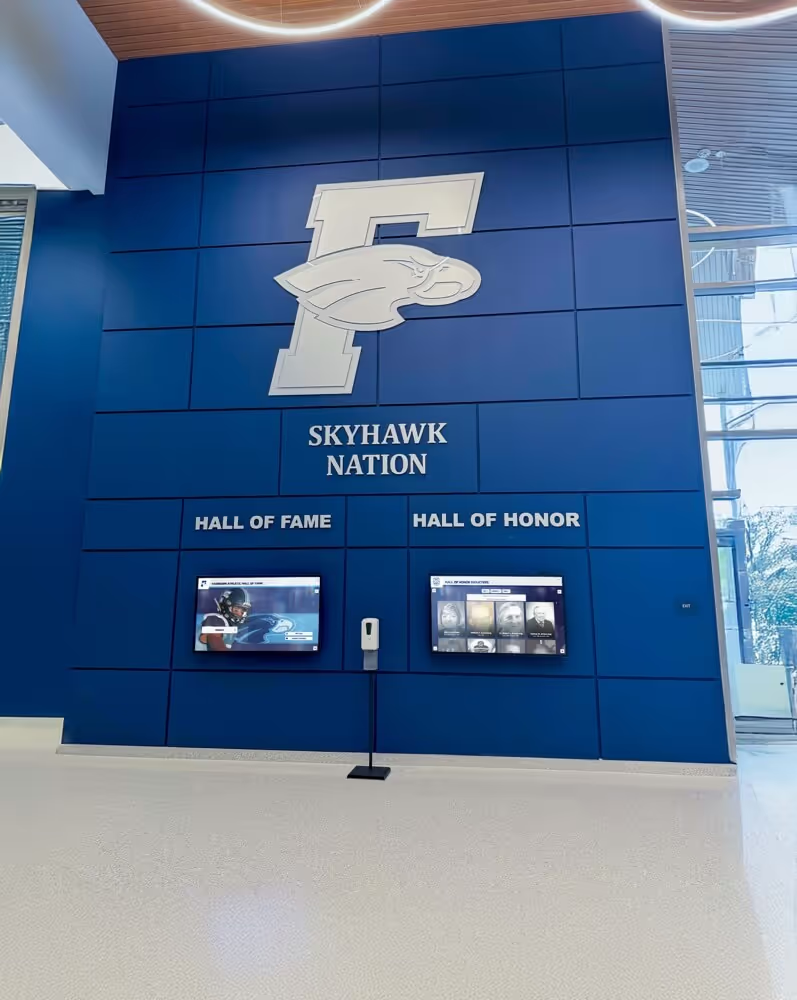
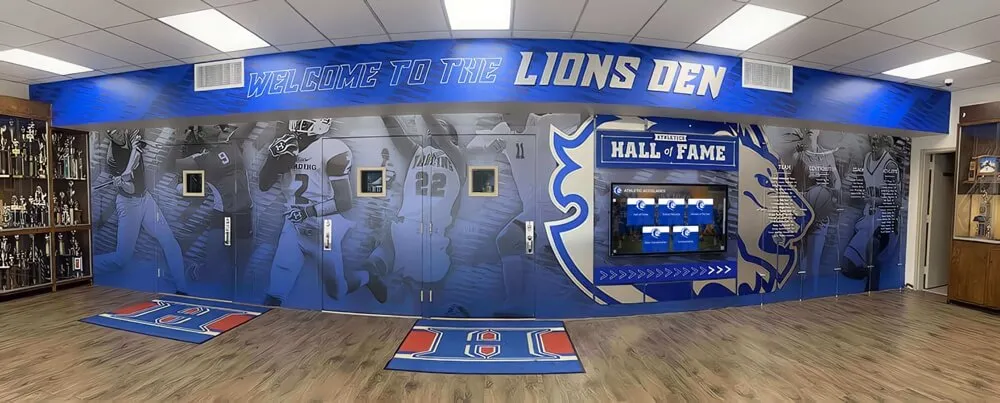
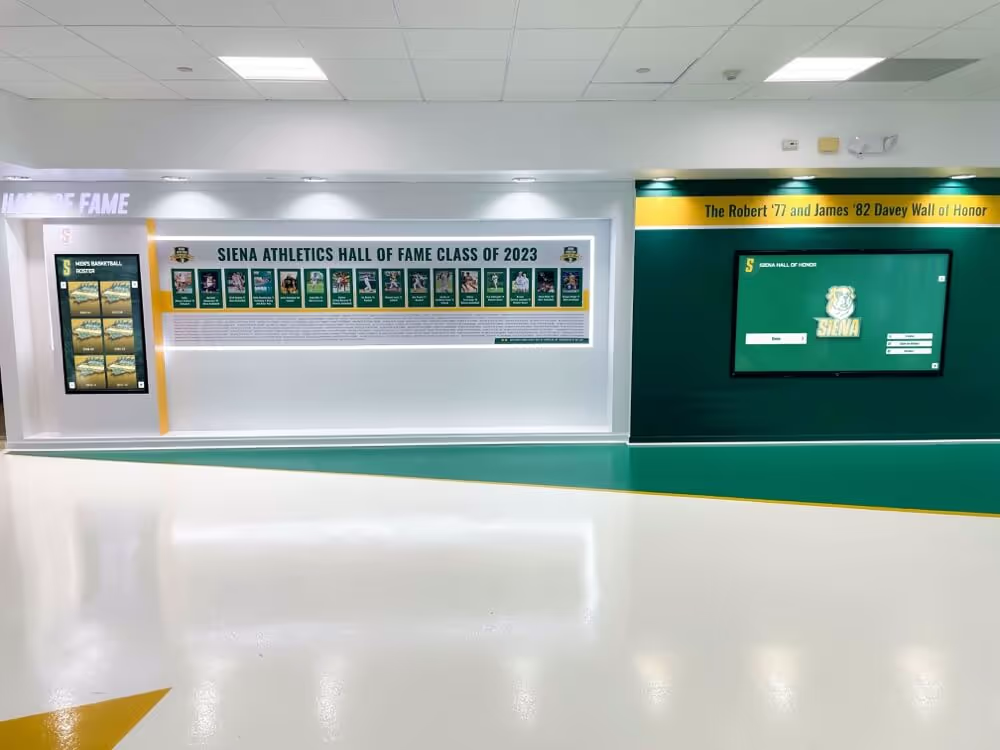
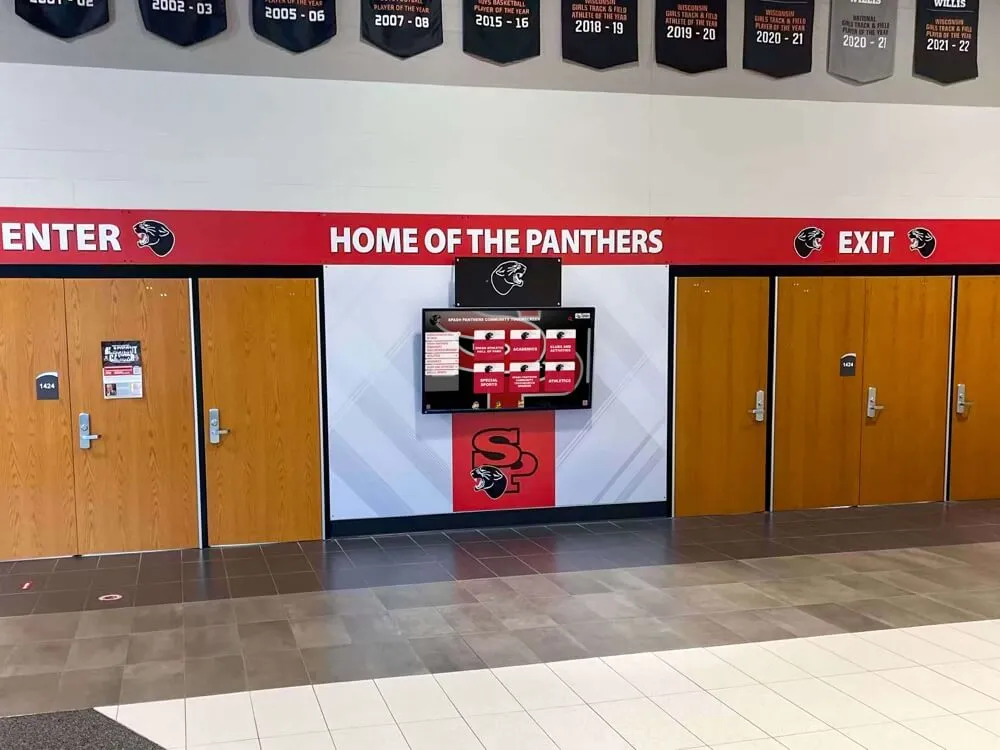
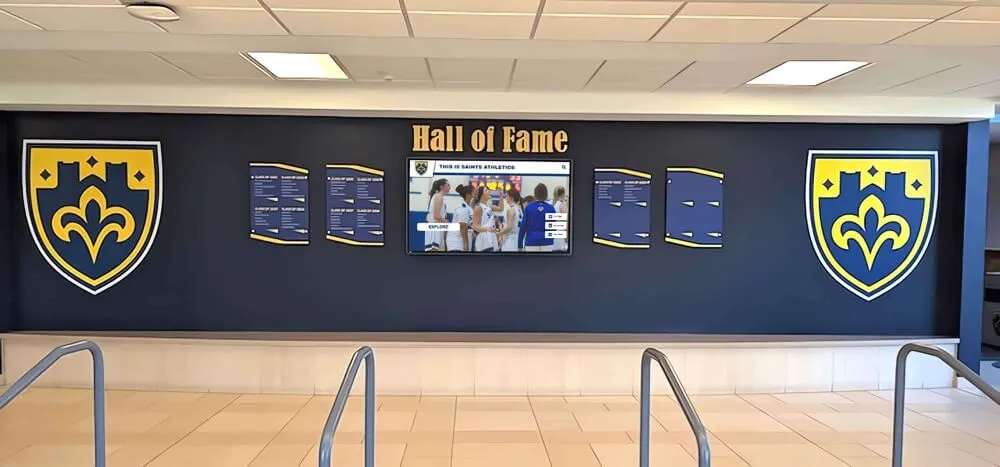
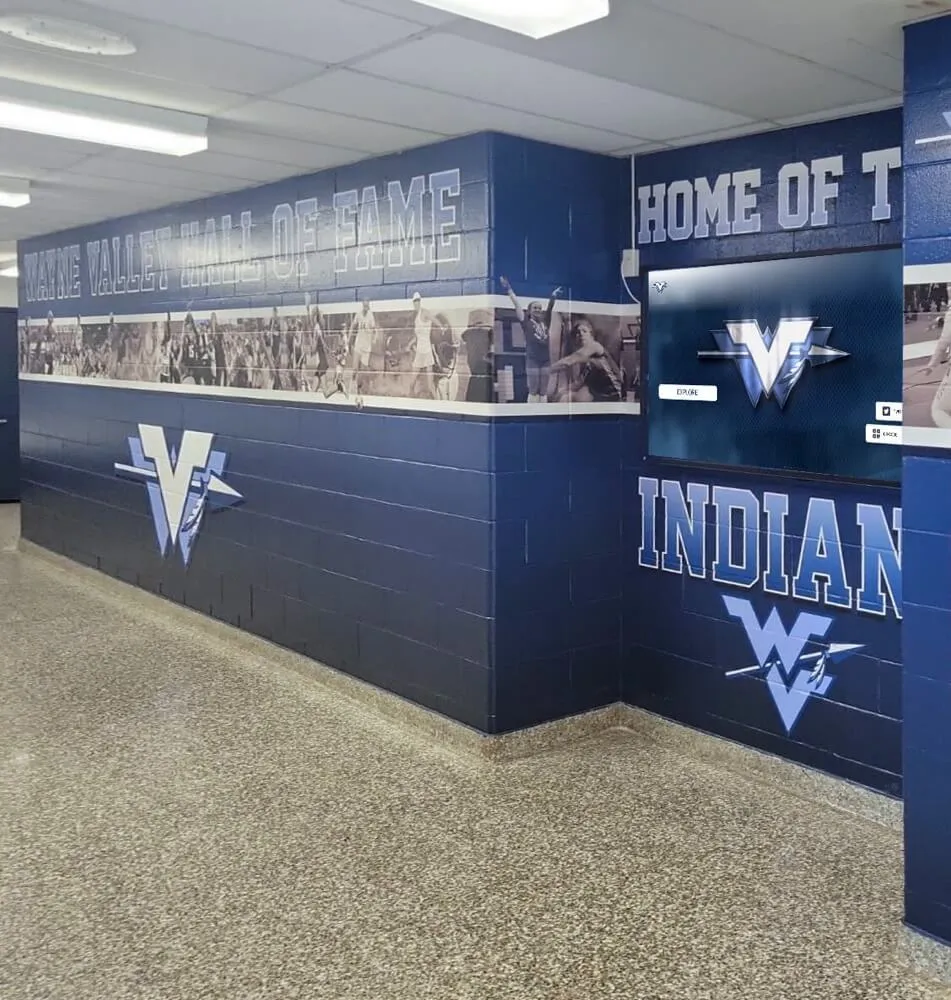
Well-maintained trophy display areas combine physical case management with broader recognition environments—digital solutions extend the same recognition beyond the physical case walls
Connecting Physical Preservation to Digital Documentation
A condensation prevention program protects what is in the case today. But school trophy cases hold decades of accumulated history, and the most complete protection combines physical care with digital documentation. Schools working through long-term recognition programs increasingly treat the digital record of an award as equally important to the physical artifact—because the digital record can be searched, shared, updated, and protected from the environmental risks that threaten glass and paper.
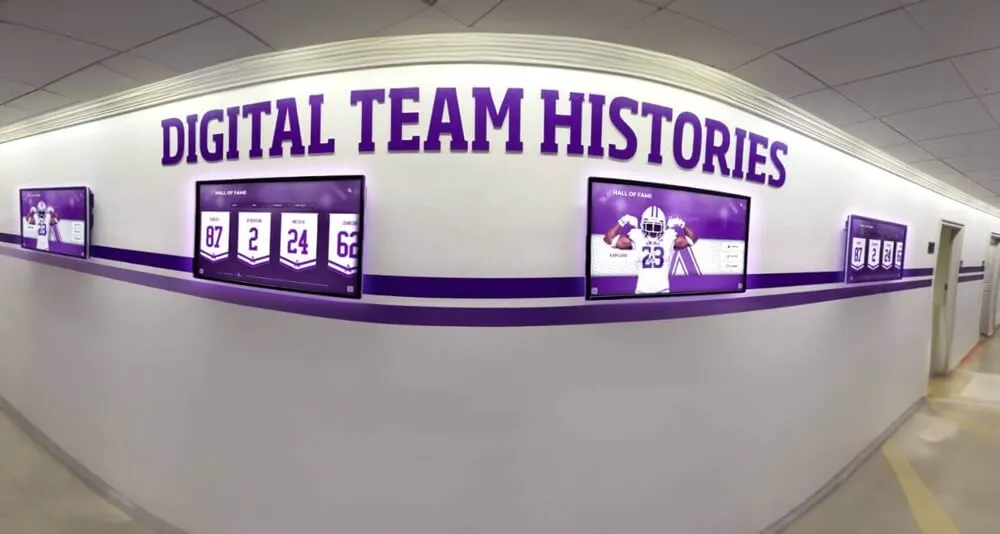
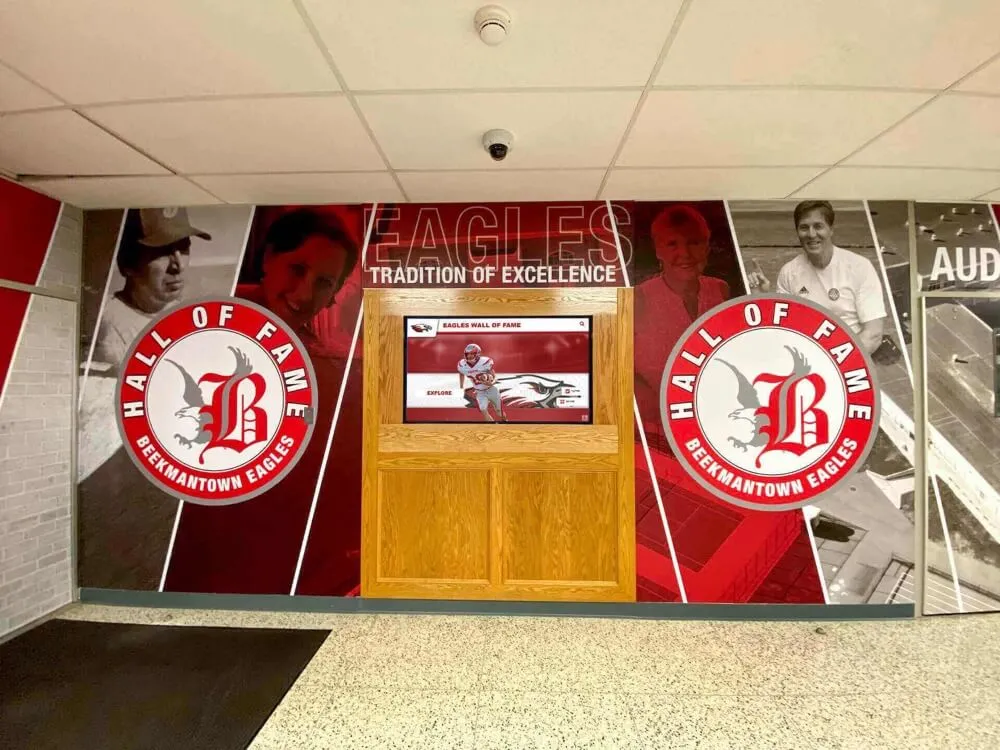
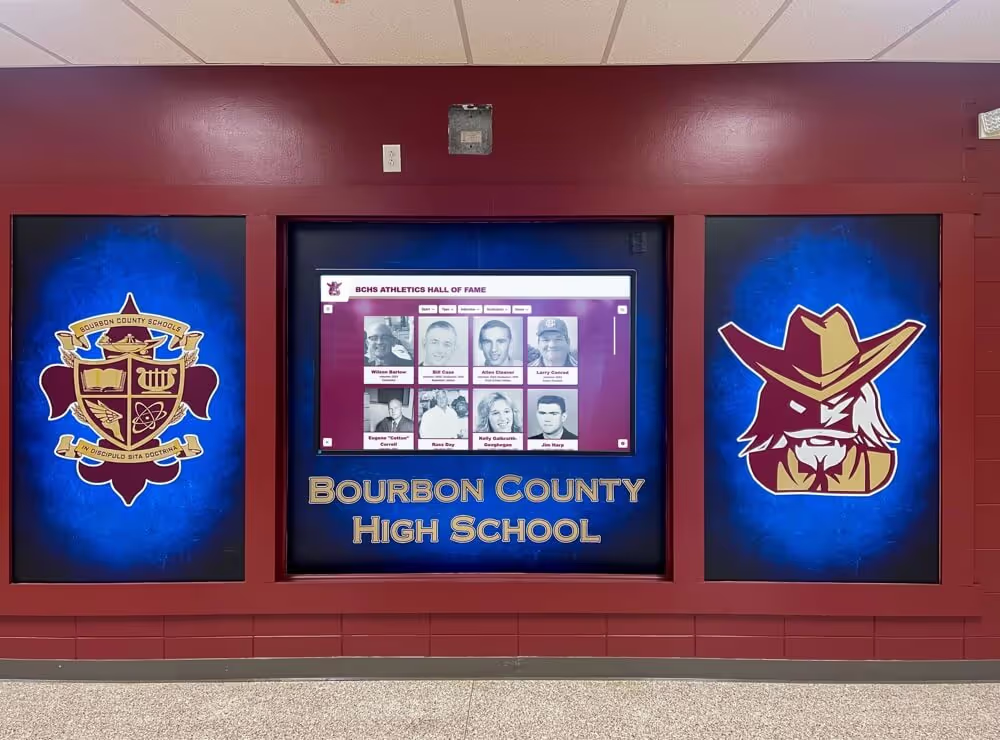
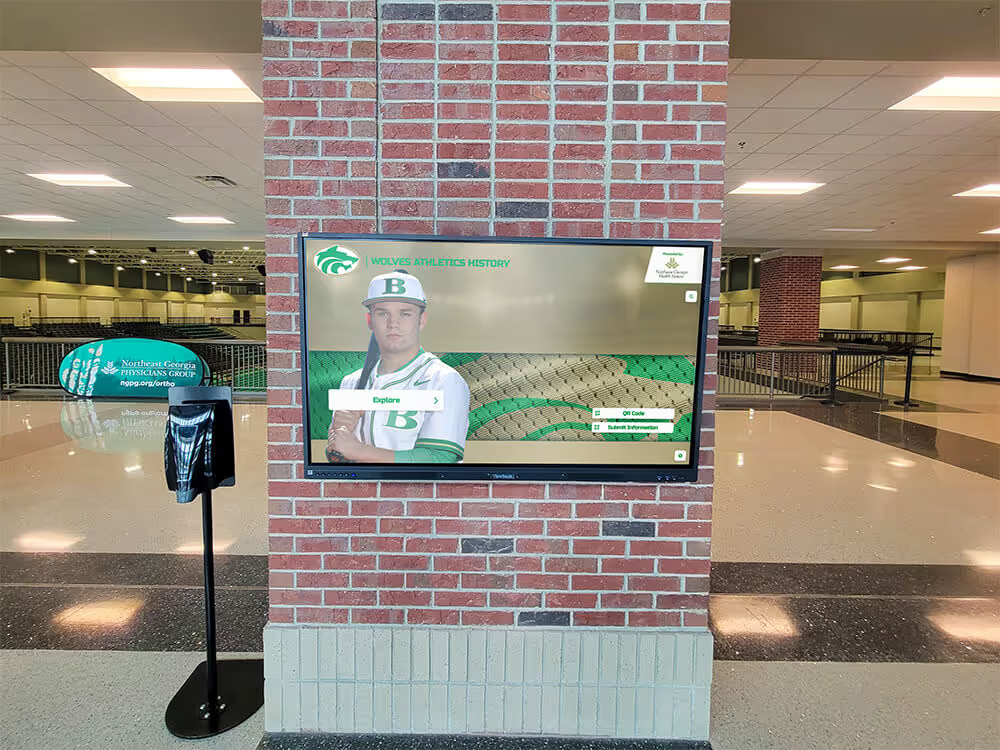
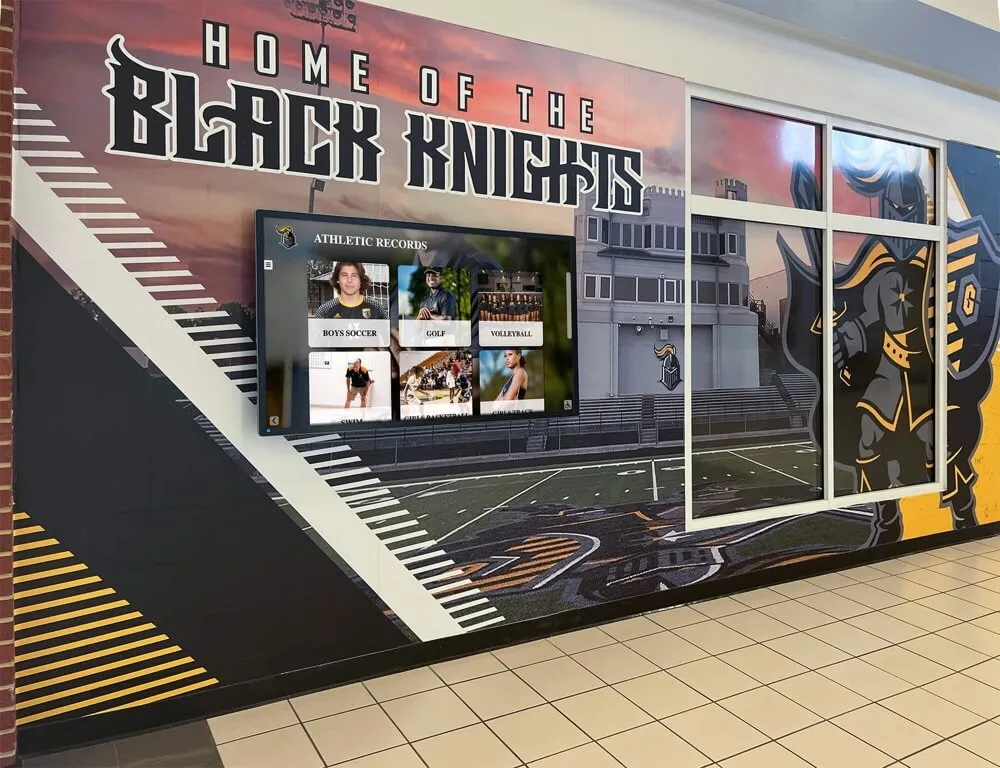
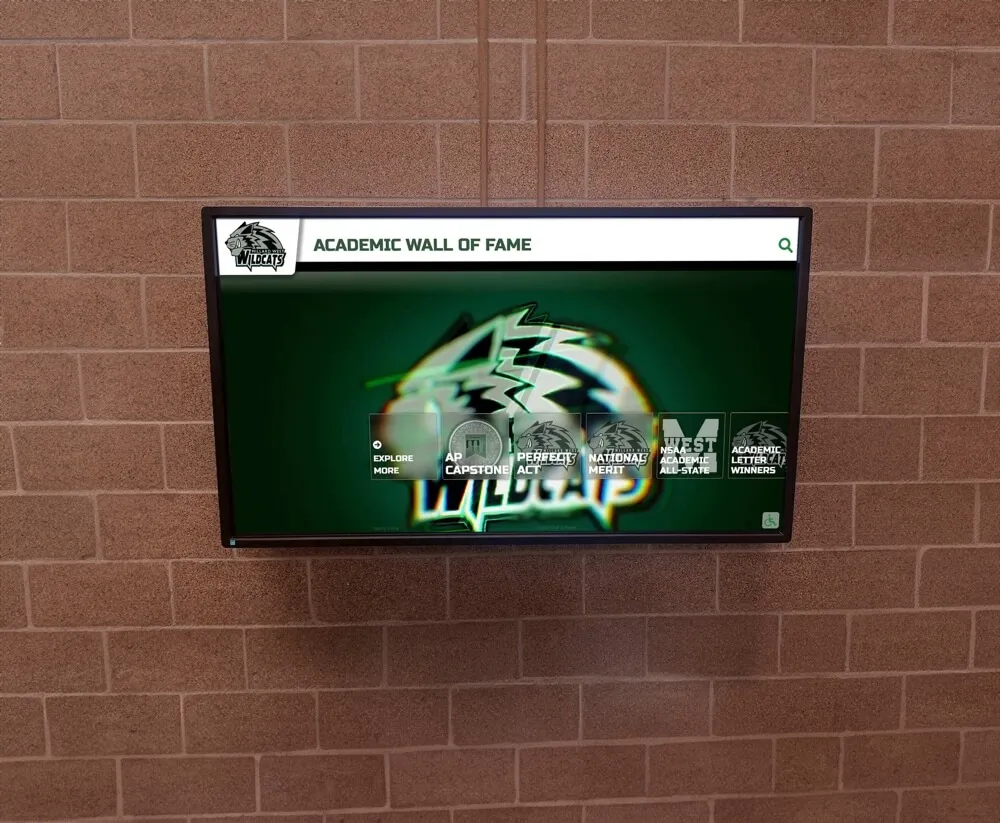
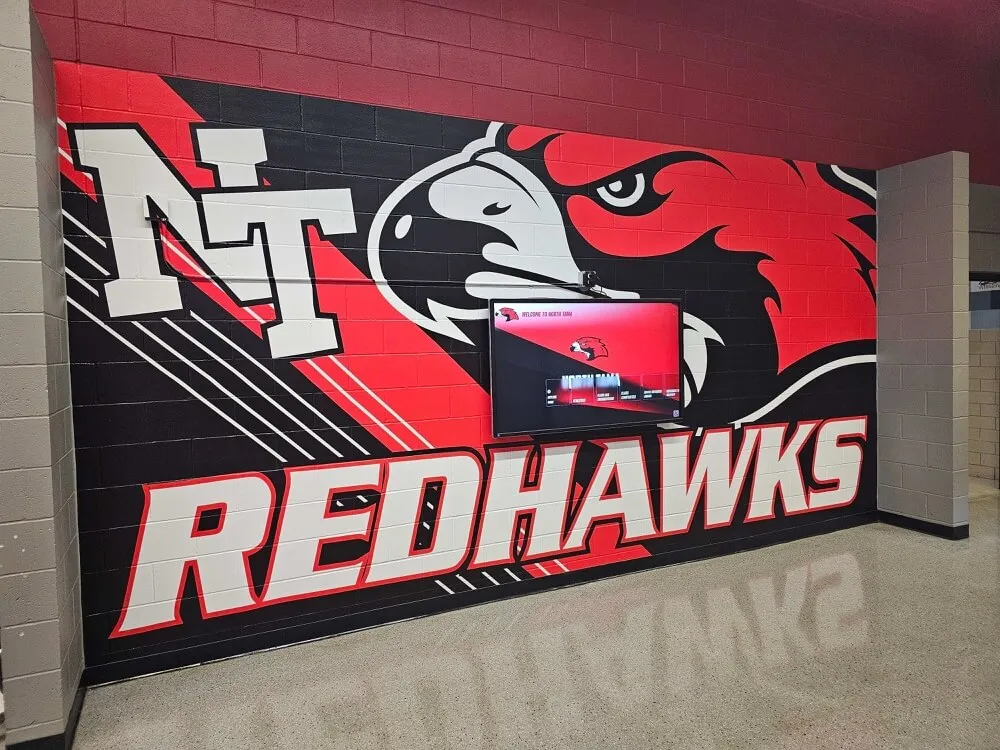
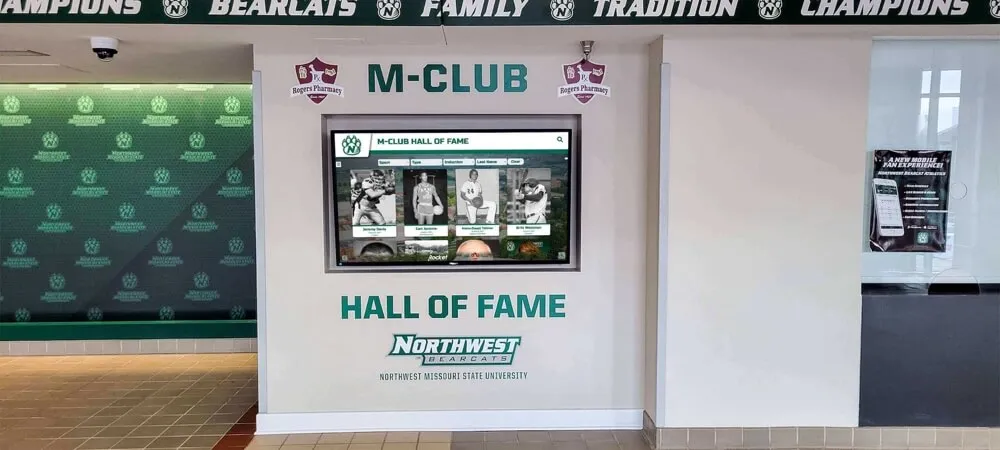
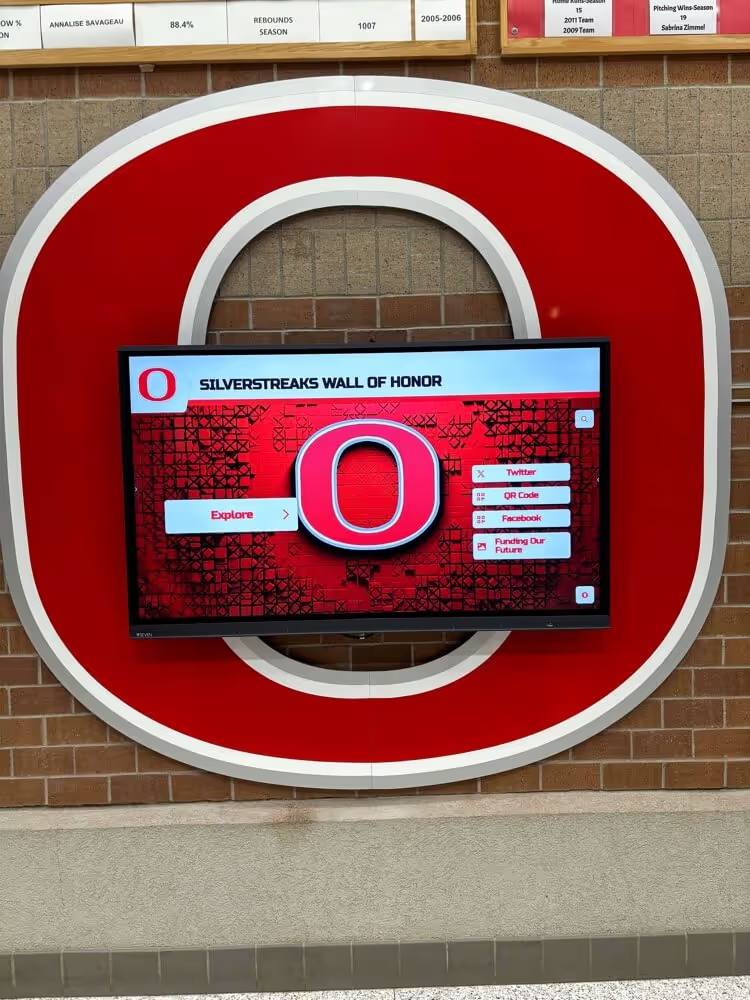
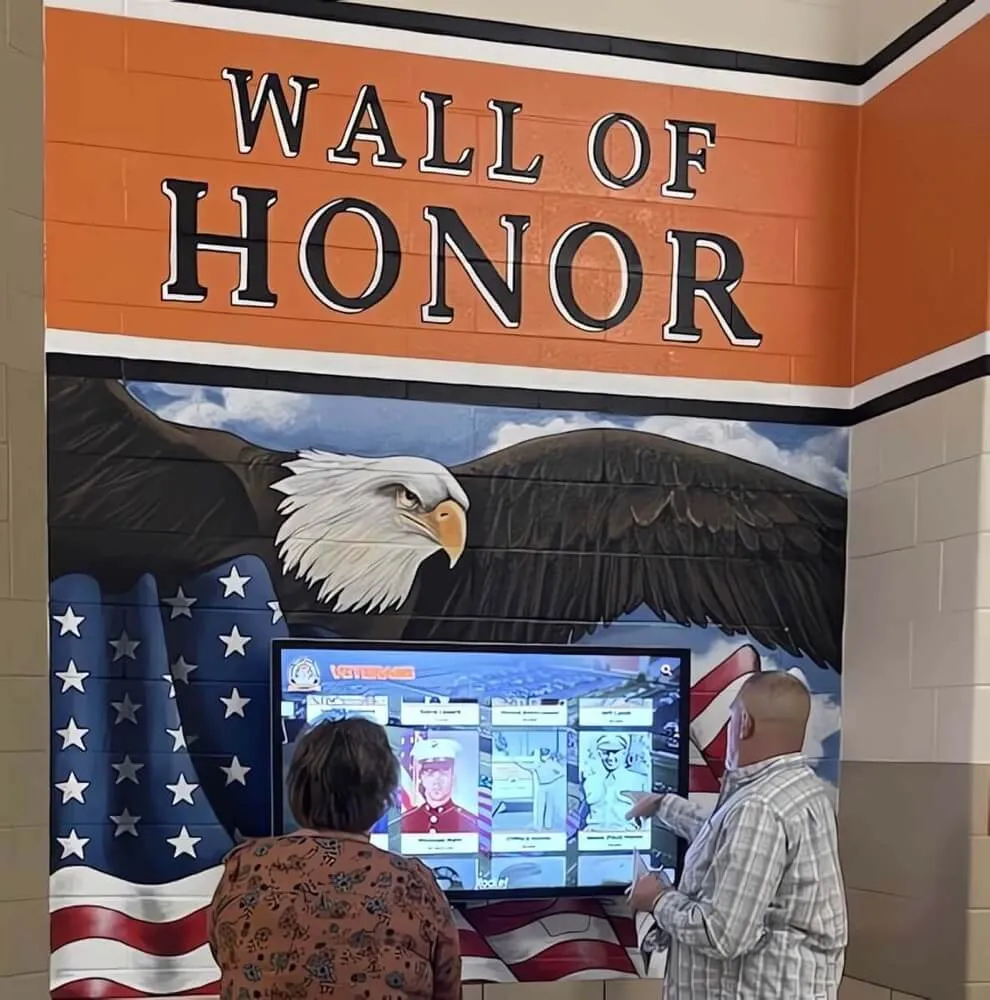
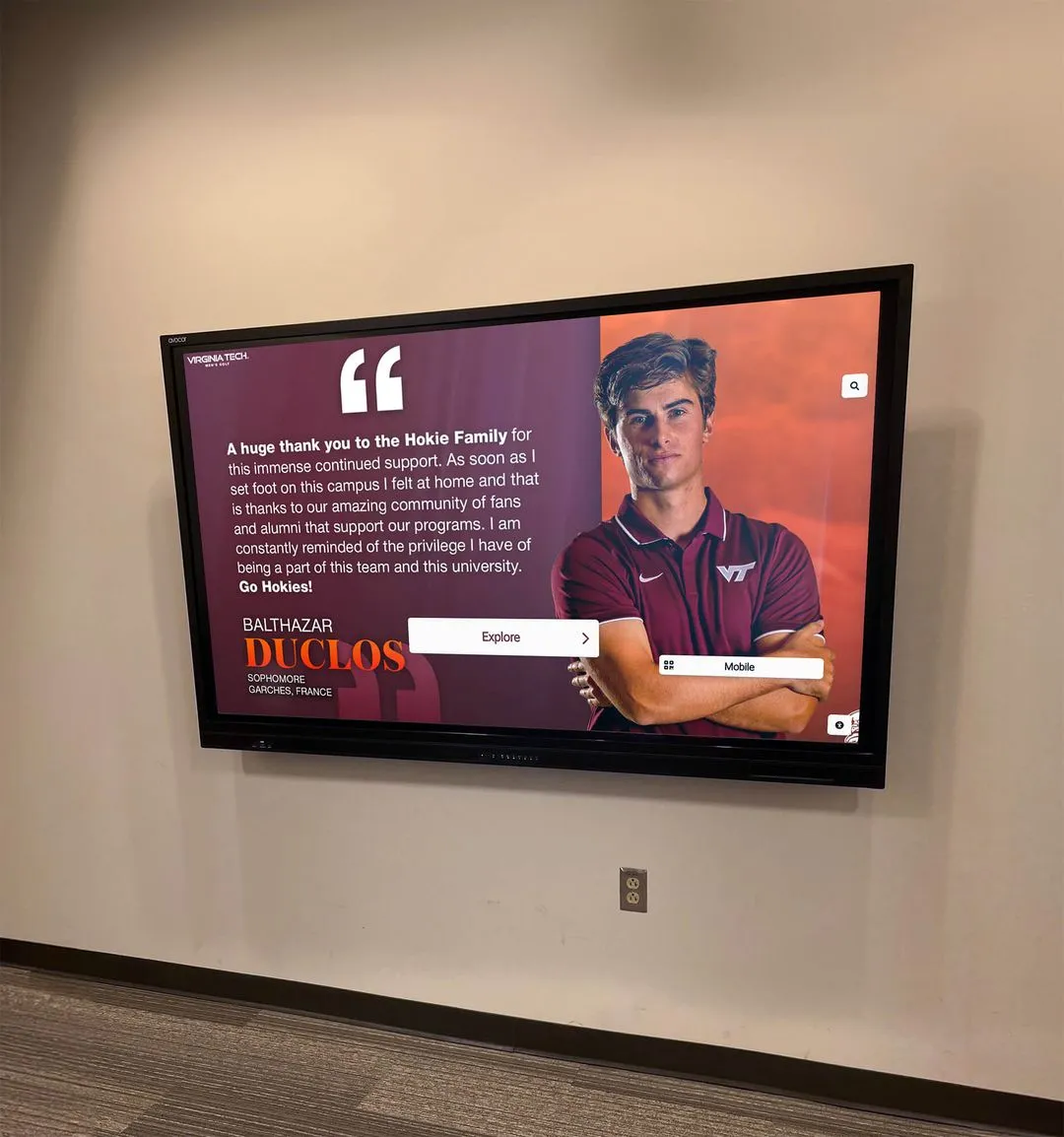
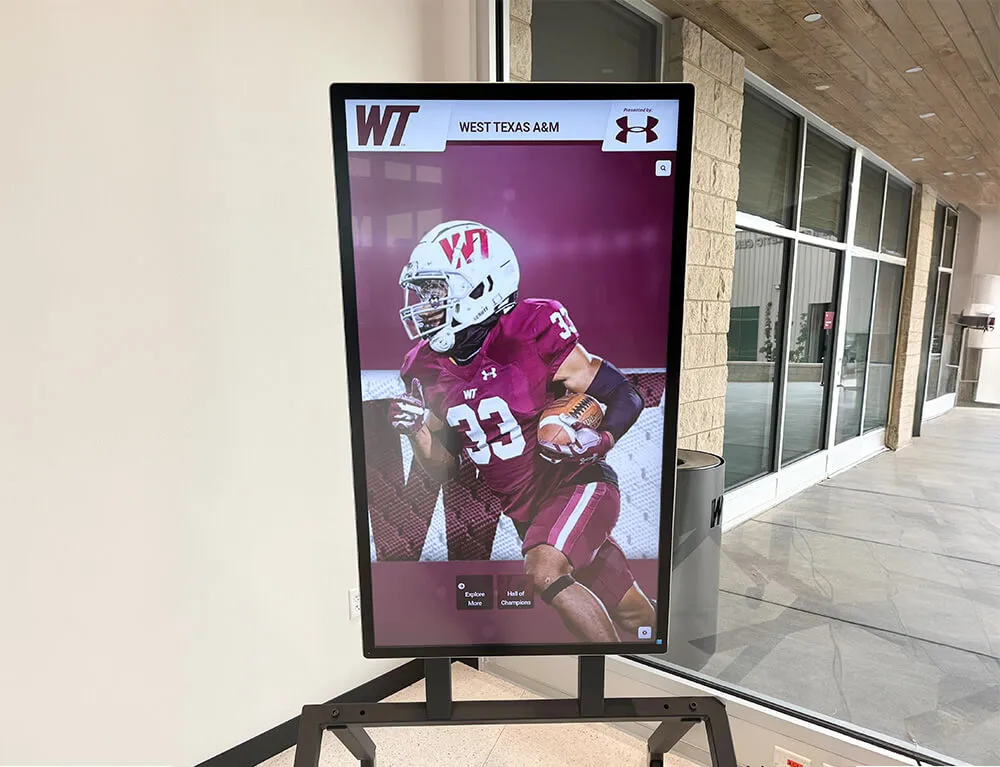
Digital trophy display platforms make it possible to present the full scope of a school’s award history—not just the items that fit in a single case, but decades of championship records, academic honors, and individual achievements that would otherwise remain in storage. Schools that have built out their recognition archives find that the digital layer surfaces hidden achievements that the physical case could never accommodate. An athletic hallway kiosk can display every state qualifier, every team record, every award recipient since the program’s founding—regardless of how much physical shelf space is available.
This connection is especially relevant when physical cases face environmental risk. If a condensation event damages an artifact, a school that has already digitized the photograph, the plaque text, and the context behind that achievement has protected the most important element: the record itself. For community athletic programs building out their recognition infrastructure, pairing physical preservation practices with digital archiving is the most resilient approach.
Creating that digital record also provides value during events. When alumni return for reunions, the full archive of recognitions can be browsed through an interactive display, including items currently in storage or removed from the case for conservation. Alumni reunion planning guides consistently note that accessible historical recognition content—athlete profiles, championship records, award photographs—drives engagement during event experiences in ways that a locked trophy case cannot.
For schools building out formal digital hall of fame programs alongside physical case management, the digital hall of fame guide at halloffame-online.com provides useful framing for how to structure inductee profiles and recognition categories that complement what the physical case already displays. The same source offers guidance on what hall of fame plaques and digital inductee profiles should include—relevant context for schools deciding how much information to represent digitally versus physically.
When to Escalate Beyond Facilities Management
Not every condensation problem can be resolved through checklist-level preventive measures. Escalate the issue to qualified professionals when:
- Mold growth is visible on any artifact, the case interior, or the surrounding wall
- Paper documents show significant water staining, warping, brittleness, or tearing
- Metal trophies show pitting, active corrosion, or surface changes beyond typical tarnish
- Photographs show emulsion lifting, image transfer, or color change
- Persistent condensation continues after corrective action has been taken at the facilities level
- The case is part of a formal school heritage collection or museum-quality display
For structural moisture—condensation driven by wall assembly issues, plumbing, or roof infiltration—a building envelope assessment by a qualified facilities engineer may be necessary before any conservation work begins.
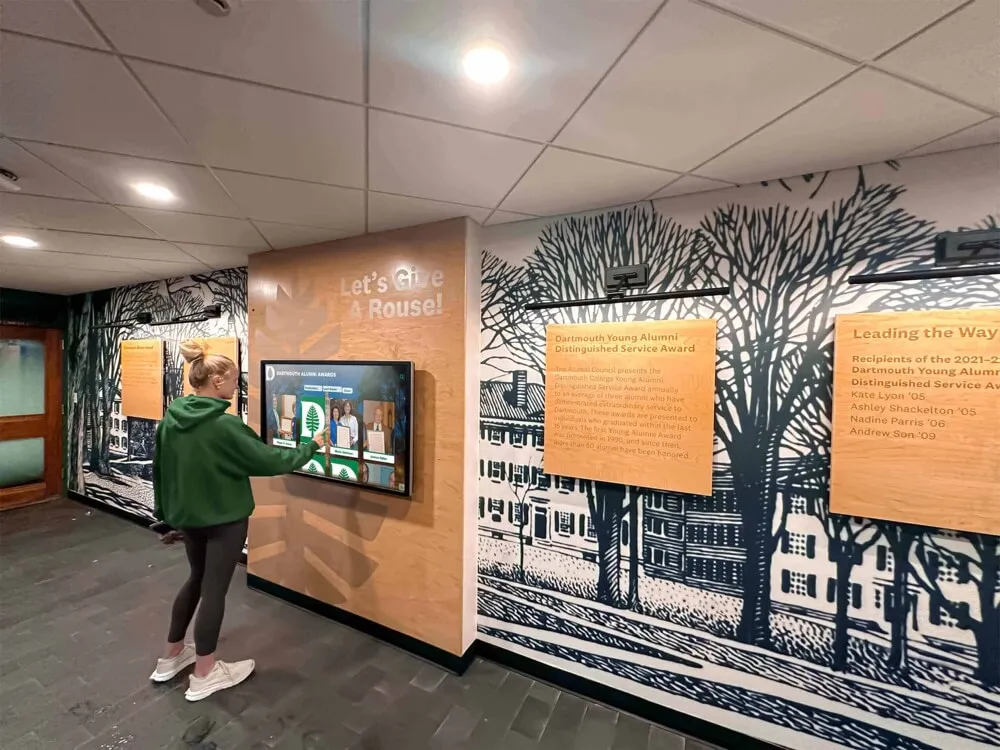
College and university residence hall display programs face similar challenges when recognition displays occupy spaces near exterior walls, entryways, or high-traffic corridors. The escalation thresholds and inspection routines described here apply across school and campus environments.
Building a Recognition System That Lasts
Physical trophy cases remain central to school recognition culture: they are visible, tangible, and carry a weight that screen-based displays do not replicate. But they require care. A case that is sited correctly, monitored consistently, and maintained with appropriate materials will protect the artifacts inside for decades.
That physical investment is most powerful when paired with a system that extends recognition beyond the four walls of the case—making award histories discoverable to current students, accessible to alumni, and resilient against the environmental events that physical collections inevitably face. Schools working to build recognition programs that connect physical displays to digital archives often use platforms built for exactly that workflow: cataloging existing awards, digitizing photographs, publishing inductee profiles, and surfacing the full scope of a school’s history on displays that anyone in the building can explore.
For schools that produce athletic and recognition event graphics as part of communicating their awards programs, resources like game-day graphic templates provide starting points for connecting event-day energy to the longer-term recognition record. And interactive display programs in public-facing institutional spaces offer relevant models for thinking about how recognition infrastructure can serve multiple audiences simultaneously in high-traffic environments.
See How Schools Are Extending Their Trophy Cases Digitally
If your school is working to protect and expand how it presents award history—whether through better physical case maintenance or by building a digital recognition archive—a live product walkthrough can show exactly what's possible. Schools across the country use Rocket Alumni Solutions to move their trophy cases from hallway furniture to searchable, interactive recognition systems that grow with the program.