



Trade show display boards represent your organization’s visual first impression in competitive exhibition environments where dozens or hundreds of booths compete for attendee attention simultaneously. Effective display board design makes the difference between drawing qualified visitors into meaningful conversations and watching prospects walk past without stopping, directly impacting lead generation, brand awareness, and return on investment for expensive event participation.
Most organizations struggle with trade show display board strategy, defaulting to generic banner stands with crowded text, outdated graphics that fail to reflect current brand standards, or static presentations that cannot adapt to different audience segments throughout multi-day events. These conventional approaches create visual noise that blends into surrounding booths rather than standing out, while failing to leverage contemporary expectations for interactive, engaging experiences familiar from retail, hospitality, and digital environments.
Modern trade show success demands display board approaches that combine strategic visual design, clear messaging hierarchy, and increasingly, interactive digital elements that create memorable experiences while capturing valuable attendee data. This comprehensive guide examines proven trade show display board ideas across traditional and digital formats, design principles that maximize booth traffic, and how emerging interactive technologies transform exhibition marketing from passive observation to active engagement.
Understanding what makes trade show display boards effective requires examining both fundamental design principles applicable across all formats and specific tactical implementations suited to different booth sizes, budgets, and marketing objectives.

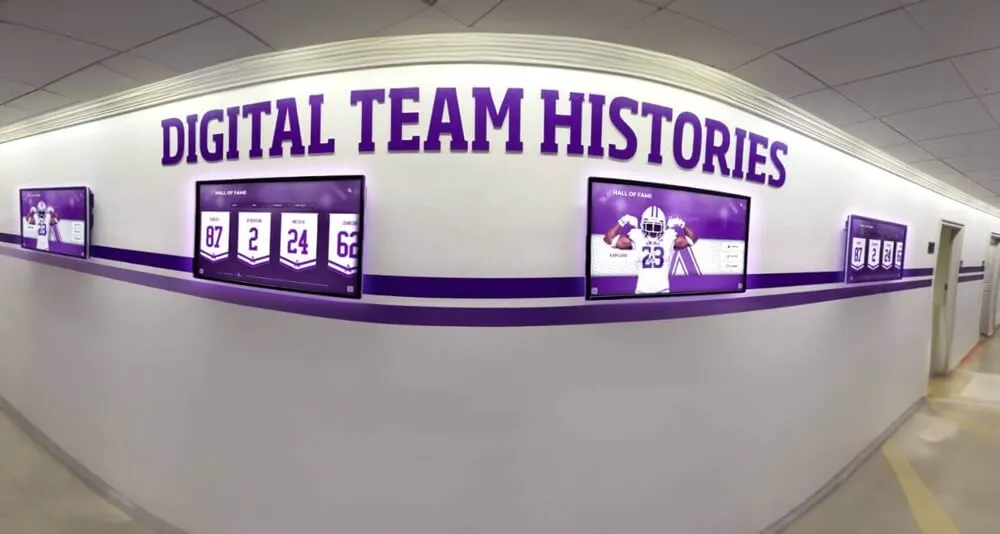
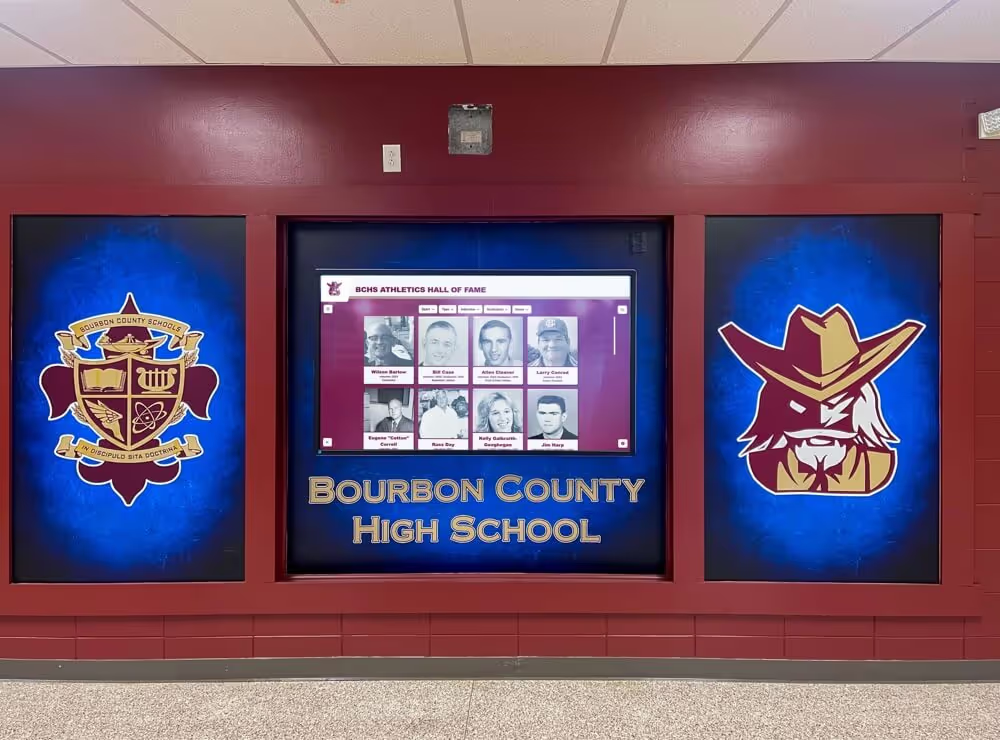
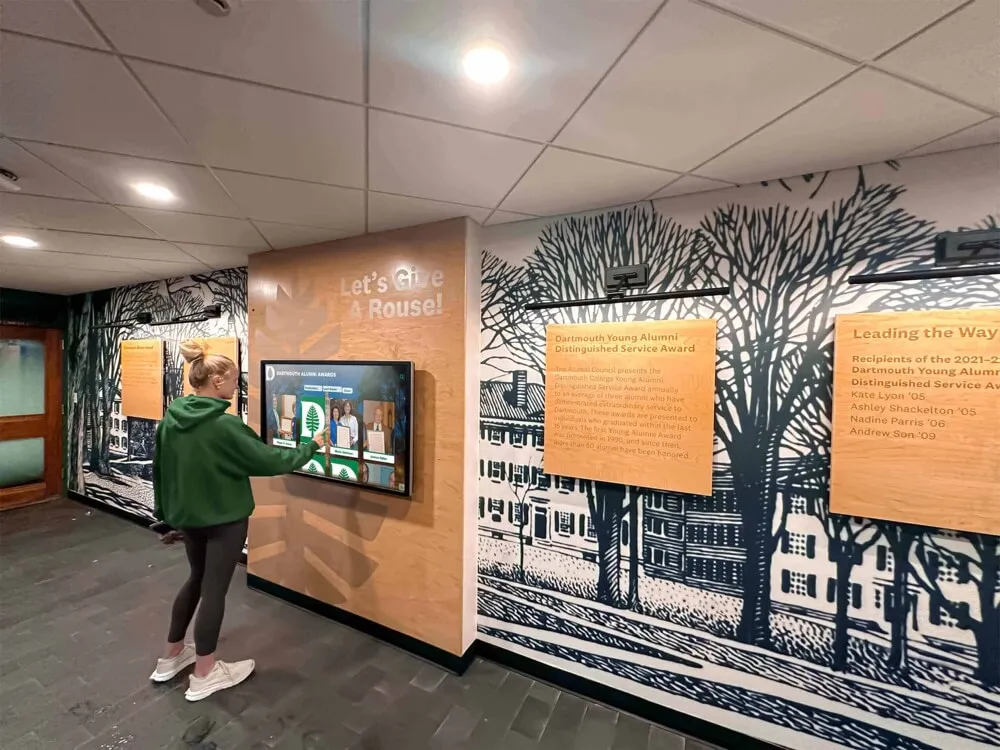
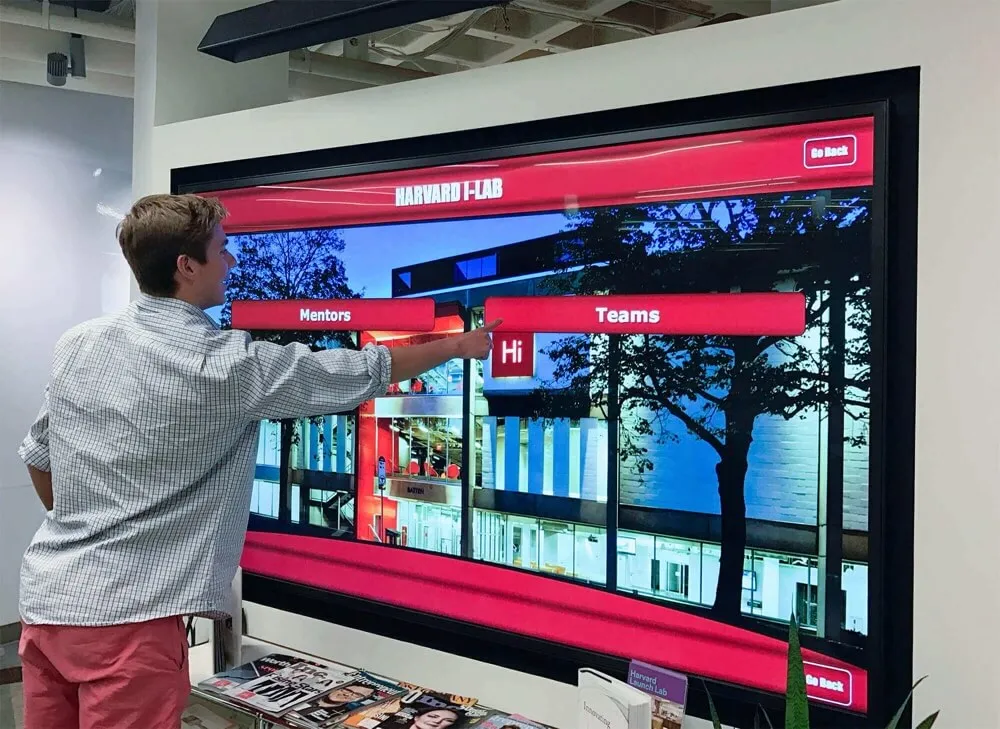
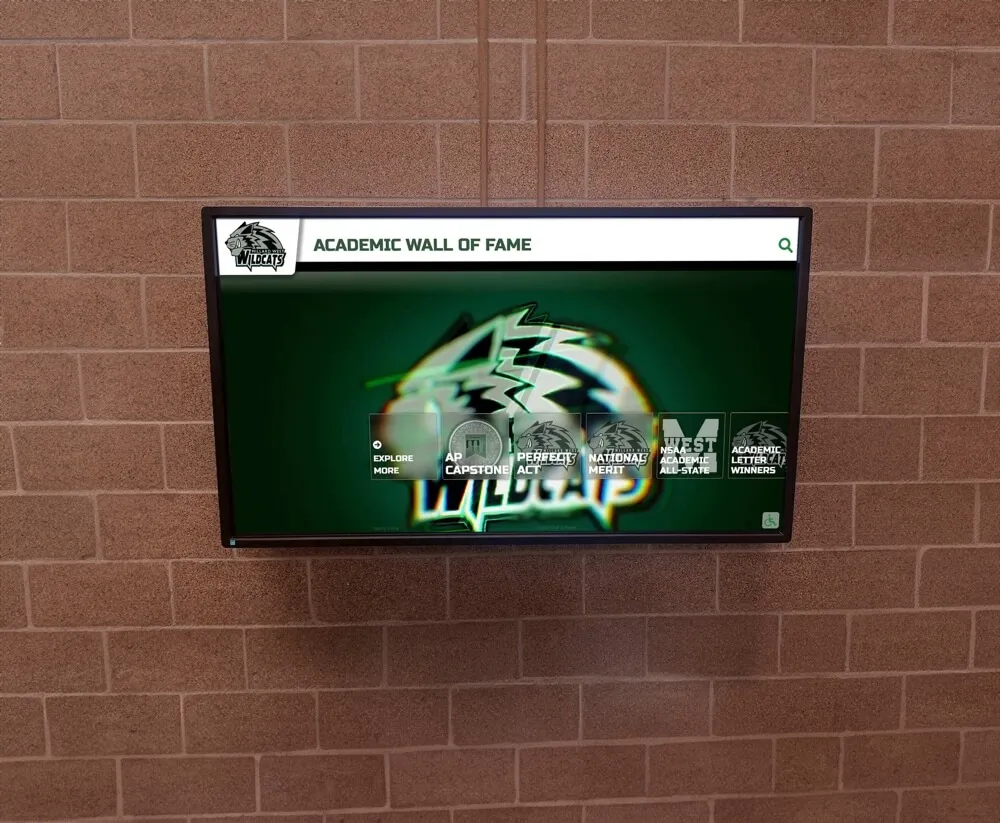
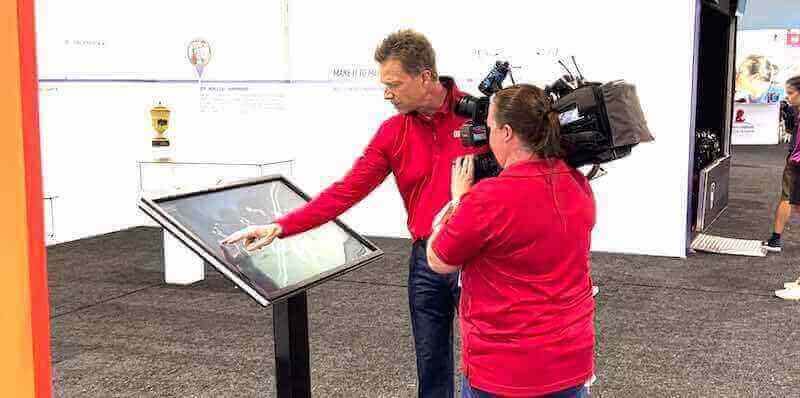
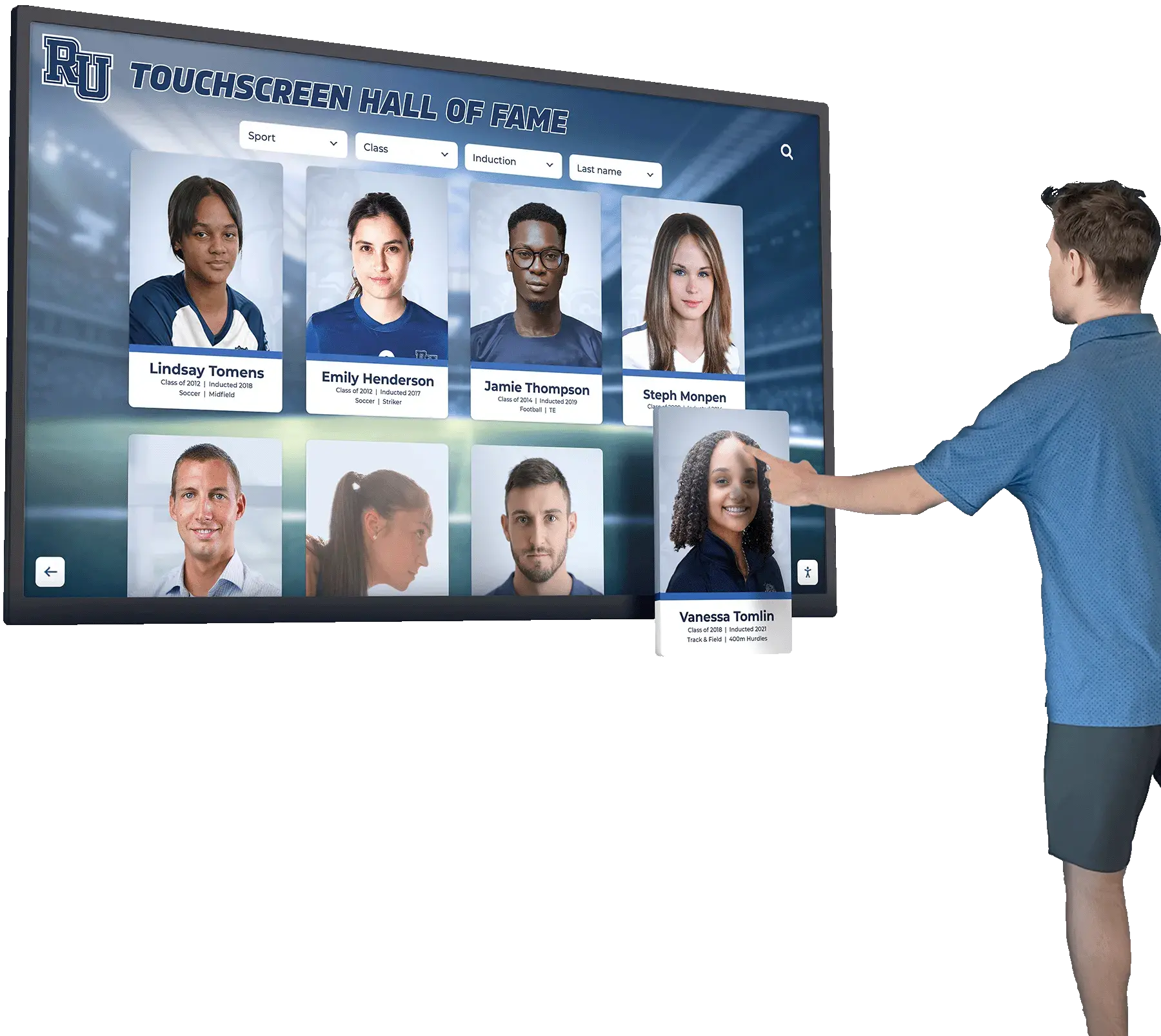
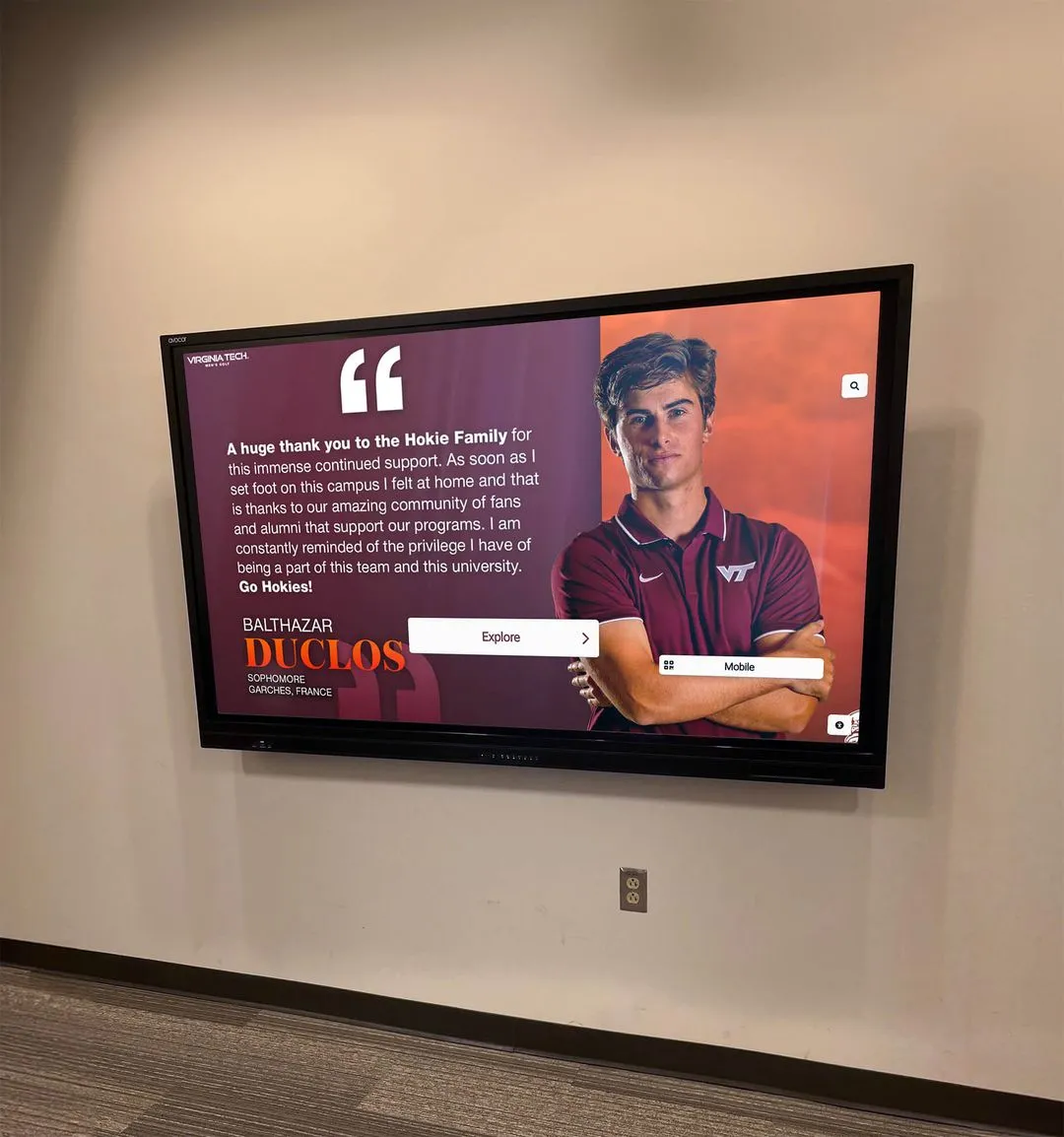
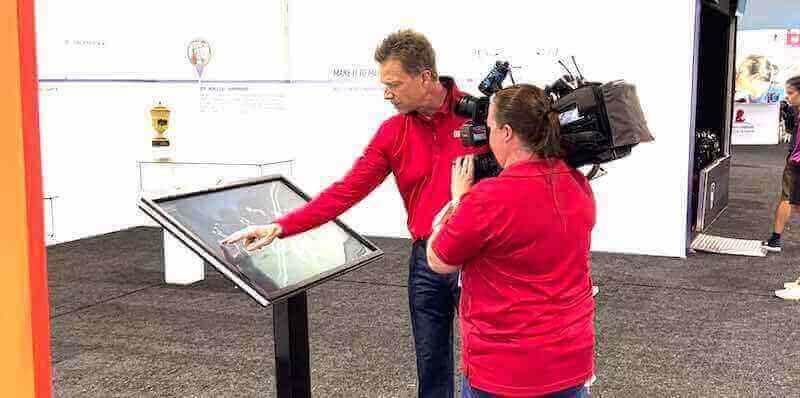
Interactive touchscreen displays create engaging experiences that differentiate booths from traditional static presentations
Strategic Foundation: What Makes Trade Show Display Boards Effective
Before selecting specific display board types or designs, understanding core effectiveness principles ensures tactical decisions support strategic objectives.
Visual Hierarchy That Guides Attention in 3-Second Glances
Trade show attendees make split-second decisions about which booths warrant closer investigation while walking crowded aisles. Effective display boards accommodate this reality through deliberate visual hierarchy:
Dominant Brand Element
Successful display boards feature a single clear brand identifier visible from maximum distance:
- Company logo positioned at eye level or above, sized for 20-30 foot visibility
- Consistent brand colors creating instant recognition for existing customers
- Distinctive visual elements differentiating your booth from neighbors
- Strategic lighting emphasizing brand elements during varied venue conditions
This dominant brand presence enables existing customers and prospects familiar with your organization to locate your booth quickly while establishing first recognition for unfamiliar attendees.
Secondary Message Headline
Below the primary brand identifier, effective display boards communicate one clear value proposition:
- Single headline of 5-8 words maximum readable from 10-15 feet
- Focus on visitor benefit rather than company capabilities
- Active language creating urgency or interest
- Question format engaging curiosity when appropriate
Avoid the common mistake of multiple competing messages that dilute impact. Your headline should answer the prospect’s fundamental question: “Why should I stop here?”
Tertiary Supporting Elements
Only after establishing brand identity and core message should display boards include supporting elements:
- Product images showing solutions rather than explaining them verbally
- Brief bullet points (3-5 maximum) detailing specific benefits
- Testimonial quotes adding social proof when space permits
- Call-to-action directing next steps for interested visitors
This hierarchical approach ensures your display board communicates effectively even when prospects invest only moments of attention, while providing additional depth for those who stop to investigate further.
Design Consistency Building Professional Credibility
Trade show environments featuring hundreds of exhibitors with varied design quality create subconscious credibility assessments. Professional display boards signal organizational competence through consistent execution:
Unified Color Palette
Effective display boards limit color schemes to:
- Primary brand colors (typically 2-3 core colors)
- Neutral backgrounds (white, light gray, or subtle patterns)
- Accent colors used sparingly for emphasis and calls-to-action
- Consistent color application across all booth elements
This restraint creates sophisticated visual environments that convey professionalism rather than visual chaos suggesting amateur execution.
Typography Consistency
Font selections significantly impact perceived professionalism:
- Maximum of two font families throughout all booth elements
- Consistent heading styles at each hierarchy level
- Appropriate sizing ensuring readability from intended viewing distances
- Sufficient contrast between text and backgrounds
Organizations often underestimate font size requirements for trade show environments. Text should be readable from at least twice the distance you expect prospects to stand.
Visual Element Integration
Beyond color and typography, effective display boards maintain consistency through:
- Photographic style (lifestyle images vs. product shots, color treatment, composition)
- Graphic element style (geometric vs. organic, detailed vs. minimalist)
- Border and frame treatments creating unified visual system
- Spacing and layout grids maintaining organized appearance
This comprehensive consistency transforms individual display boards into cohesive booth environments that command attention through professional execution.

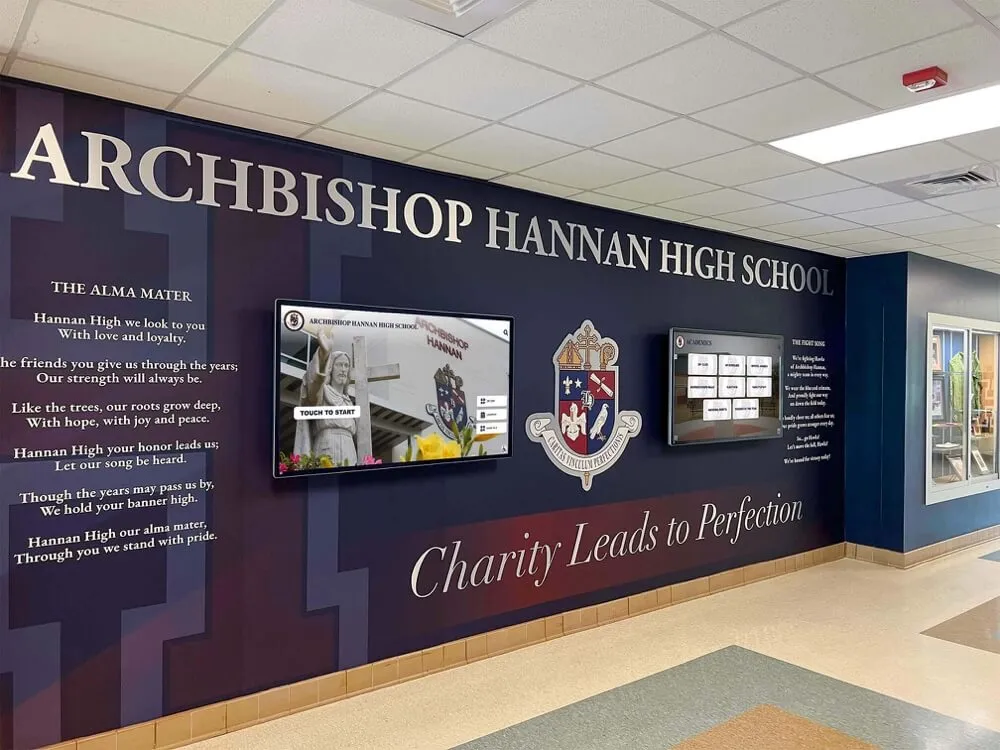
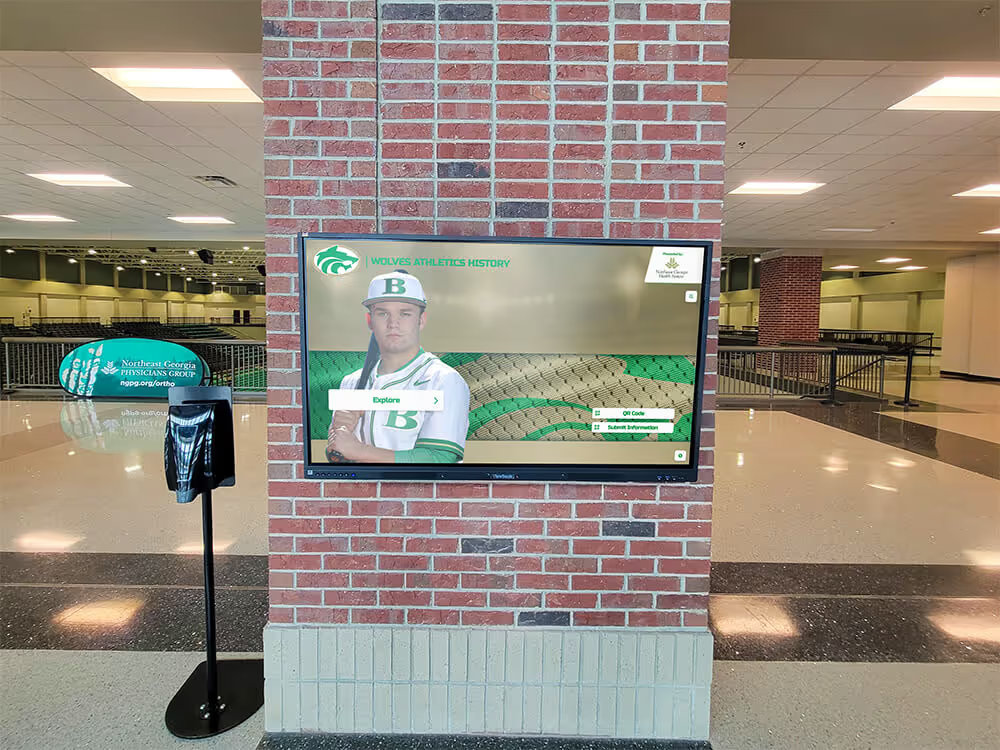
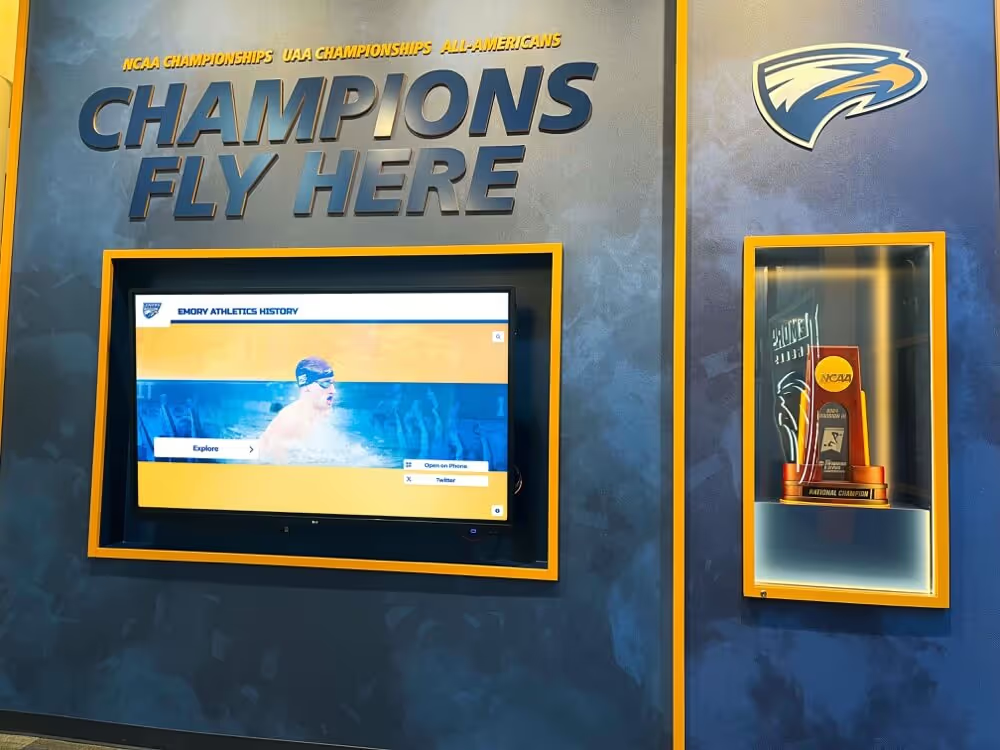
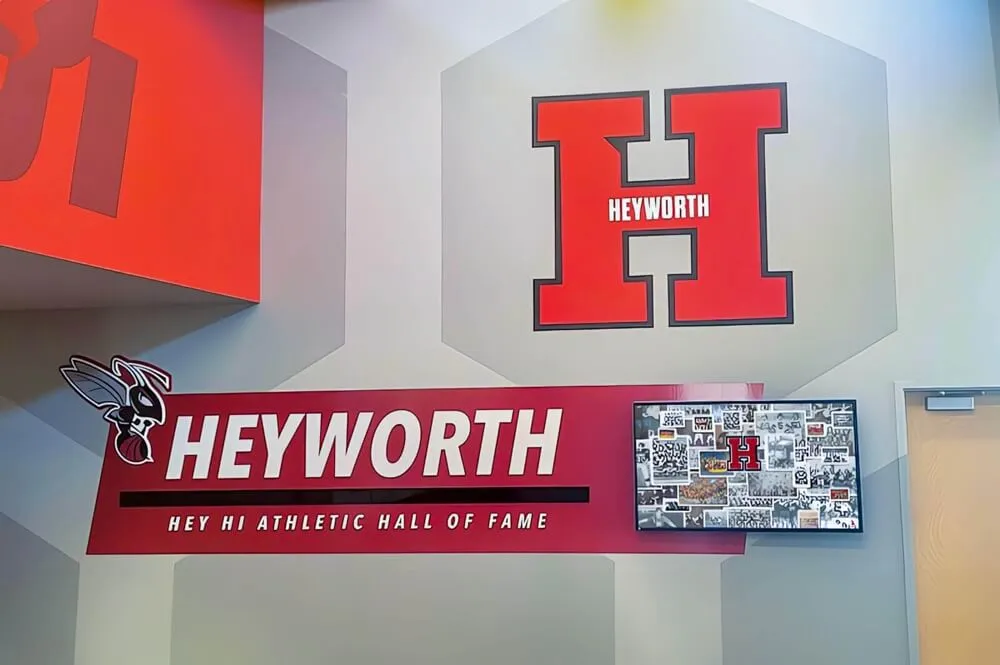
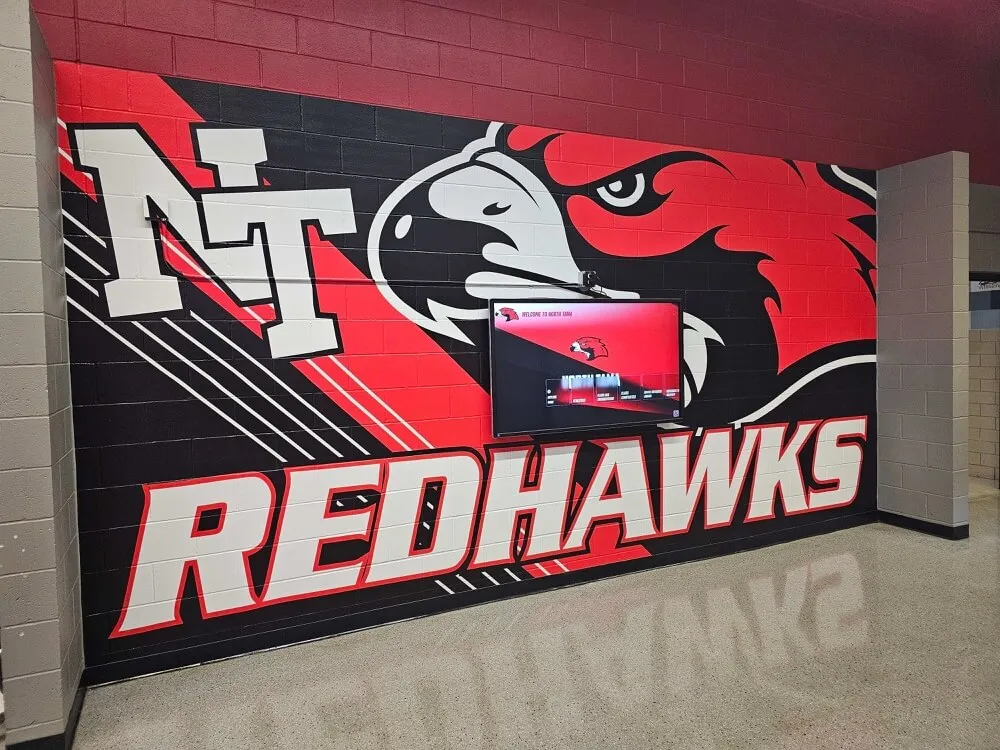
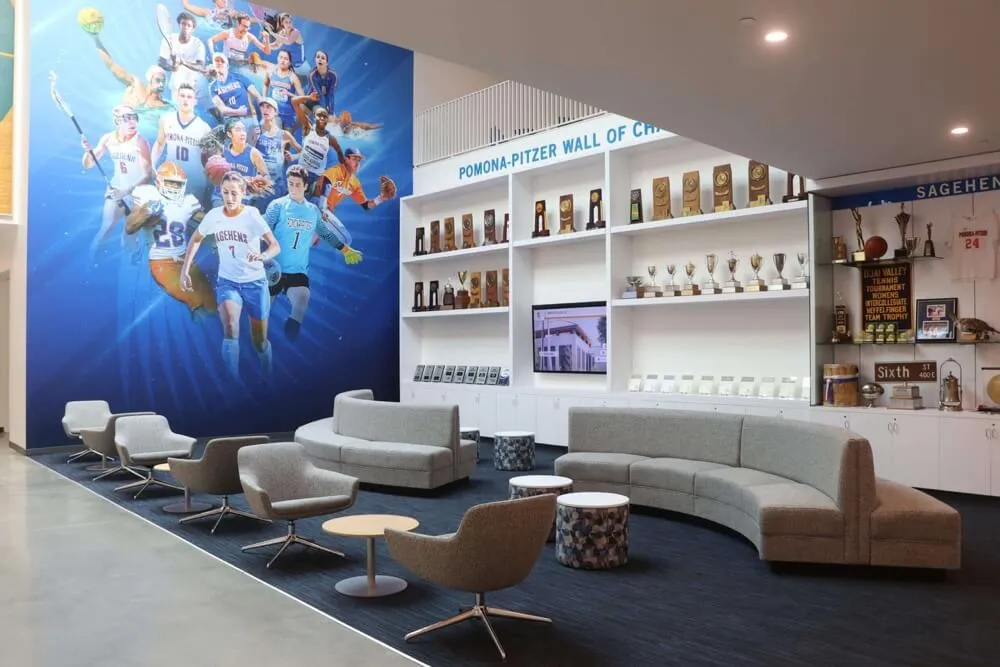
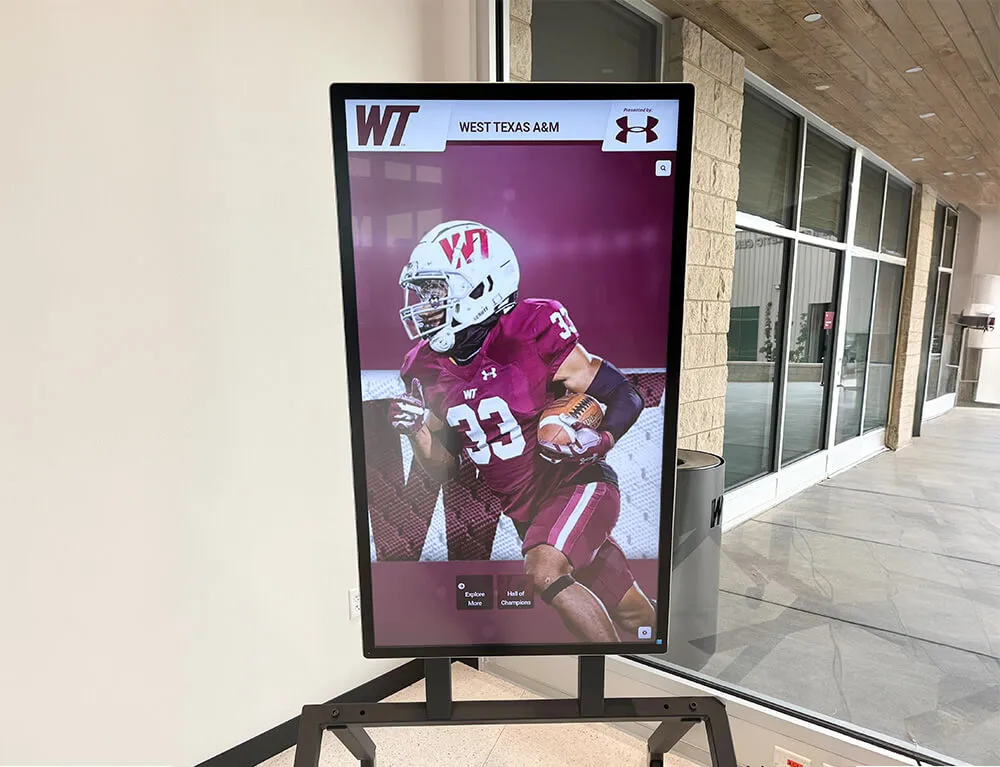
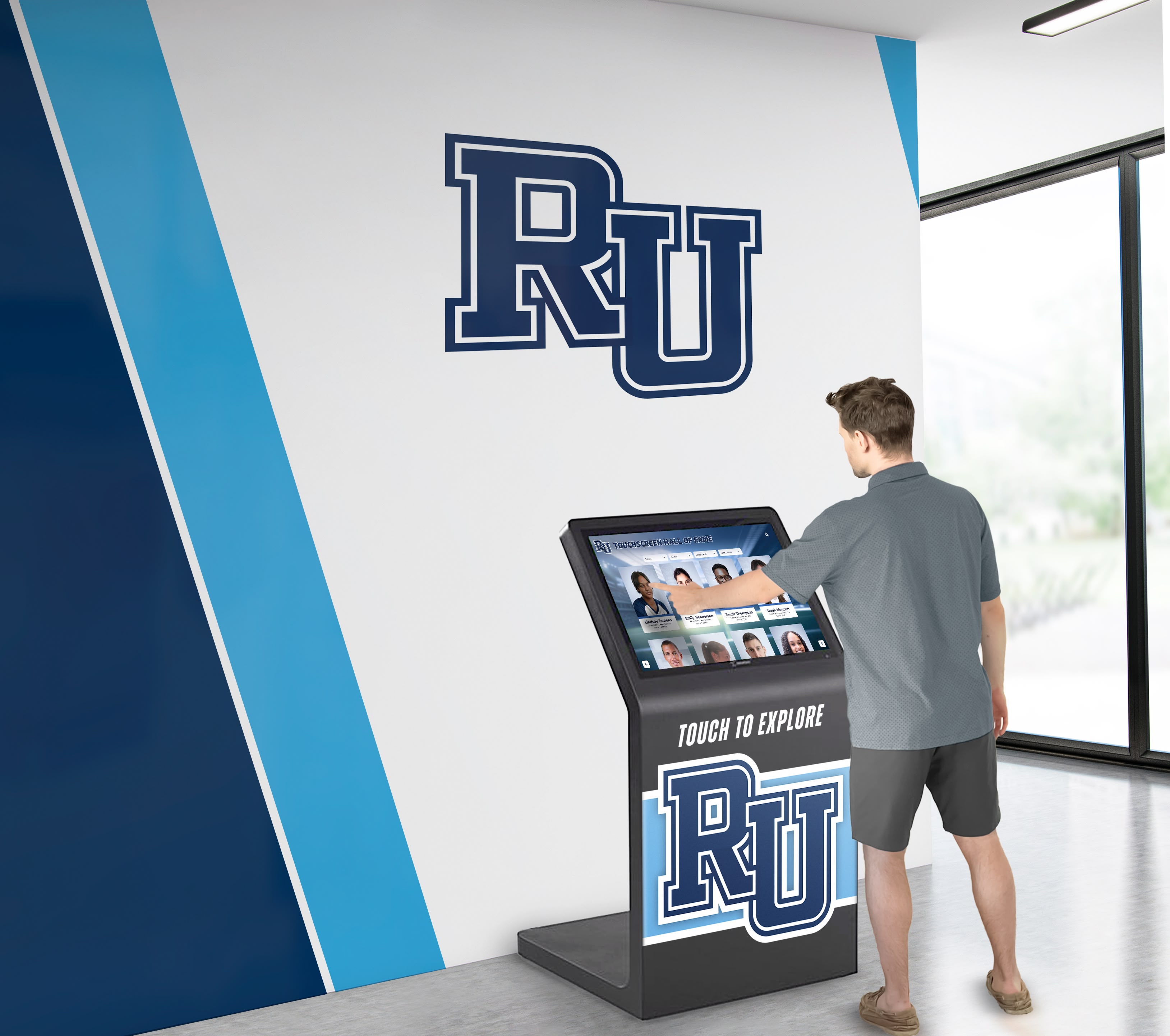
Freestanding digital kiosks provide flexible booth centerpieces that adapt content to different audience segments
Traditional Trade Show Display Board Formats and Applications
Despite digital innovation, traditional physical display boards remain exhibition staples due to proven effectiveness, reliability, and accessibility across budget levels.
Retractable Banner Stands for Flexibility and Portability
Retractable banner stands represent the most common trade show display format due to advantages including:
Practical Benefits:
- Self-contained design requiring no assembly beyond extending mechanism
- Lightweight construction enabling one-person setup and teardown
- Protective case serving as base and transport container
- Sizes from table-top (24" wide) through oversize (48" wide and larger)
- Replaceable graphics enabling content updates without replacing hardware
Strategic Applications:
- Booth perimeter definition creating visual boundaries
- Entrance framing directing traffic into booth space
- Product category separation in multi-offering exhibits
- Messaging variation for different audience segments
- Backup displays protecting against shipping damage or last-minute changes
Effective banner stand design addresses common mistakes: avoiding excessive text that becomes unreadable from more than a few feet away, maintaining visual interest through imagery rather than text-heavy layouts, and ensuring bottom 6-12 inches contains minimal critical content given typical base height.
Organizations with recurring trade show participation should consider maintaining multiple banner sets enabling fresh content rotation and targeted messaging for different event types or audience characteristics.
Modular Backwall Systems Creating Comprehensive Booth Environments
For larger booth spaces (typically 10x10 feet and larger), modular backwall systems provide the visual foundation:
System Advantages:
- Aluminum frame construction supporting fabric graphics or hard panels
- Modular components enabling size variation and reconfiguration
- Integrated lighting creating professional presentation
- Accessory compatibility including monitor mounts, shelving, and literature holders
- Transportation cases doubling as shipping containers and setup platforms
Design Approaches:
- Full-wall panoramic imagery creating immersive brand environments
- Sectioned panels separating product categories or service offerings
- Mixed media combining large graphics with integrated monitors or physical product displays
- Curved or angular configurations standing out from standard rectangular booths
- Tiered height creating visual interest and improving sight lines
The significant investment required for quality modular systems (typically $3,000-15,000+ depending on size and complexity) demands careful design planning ensuring graphics remain relevant across multiple events and years. Focus on evergreen brand elements rather than time-sensitive campaigns, product specifics, or executive photos that change frequently.
Many organizations implement hybrid approaches featuring branded modular backwalls providing consistent foundation with supplementary banner stands enabling tactical messaging variation across different shows.
Tabletop Displays Maximizing Limited Footprint Opportunities
Smaller booth spaces, conference registrations including only table access, or supplementary displays at sponsored lounges demand compact solutions:
Tabletop Format Options:
- Curved fabric displays with tension-rod frames (typical 6-8 feet wide)
- Rigid panel systems folding for transport
- Miniature retractable banners (24-36 inches wide)
- Digital tablets or small monitors on stands
- Literature holders organizing collateral materials
Effective Tabletop Strategies:
- Focus messaging on single clear value proposition given limited real estate
- Incorporate dimensional elements creating visual interest at eye level
- Include interactive components (product samples, touchscreens, demonstrations) preventing static presentation
- Position displays at back of table maintaining front space for conversations
- Coordinate table covering, materials, and displays creating unified presentation
Tabletop displays often receive insufficient planning attention despite representing many organizations’ most frequent exhibition format. The same design principles of clear hierarchy, consistent branding, and strategic messaging apply regardless of scale.
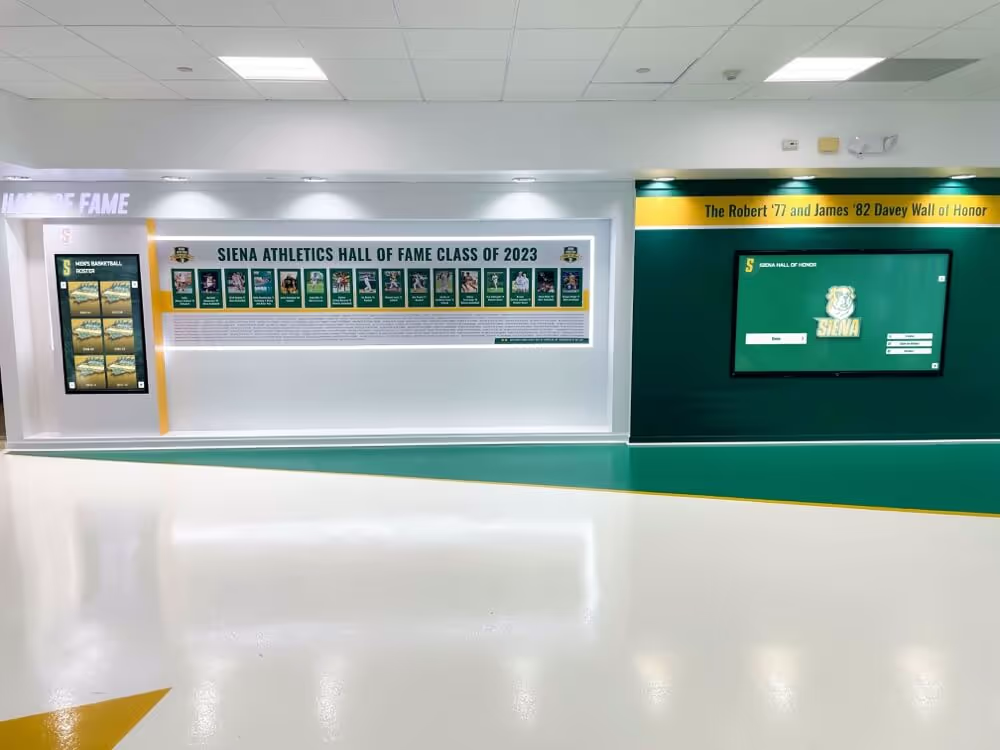
For organizations seeking modern approaches to booth recognition and engagement displays, interactive touchscreen kiosks provide compelling alternatives to traditional static formats.
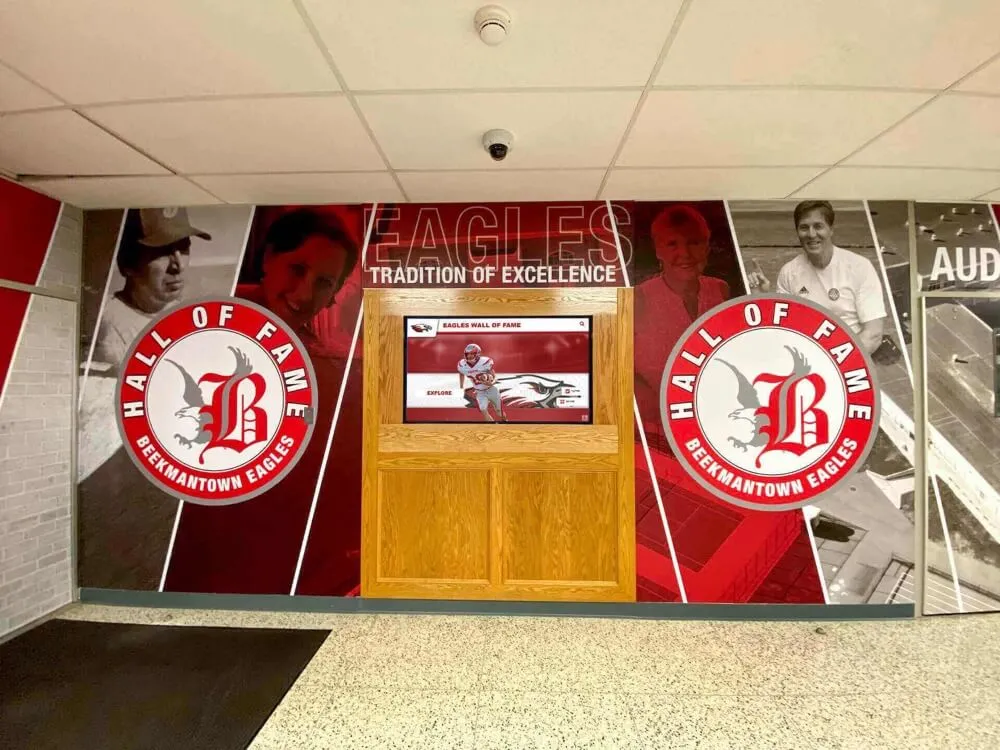
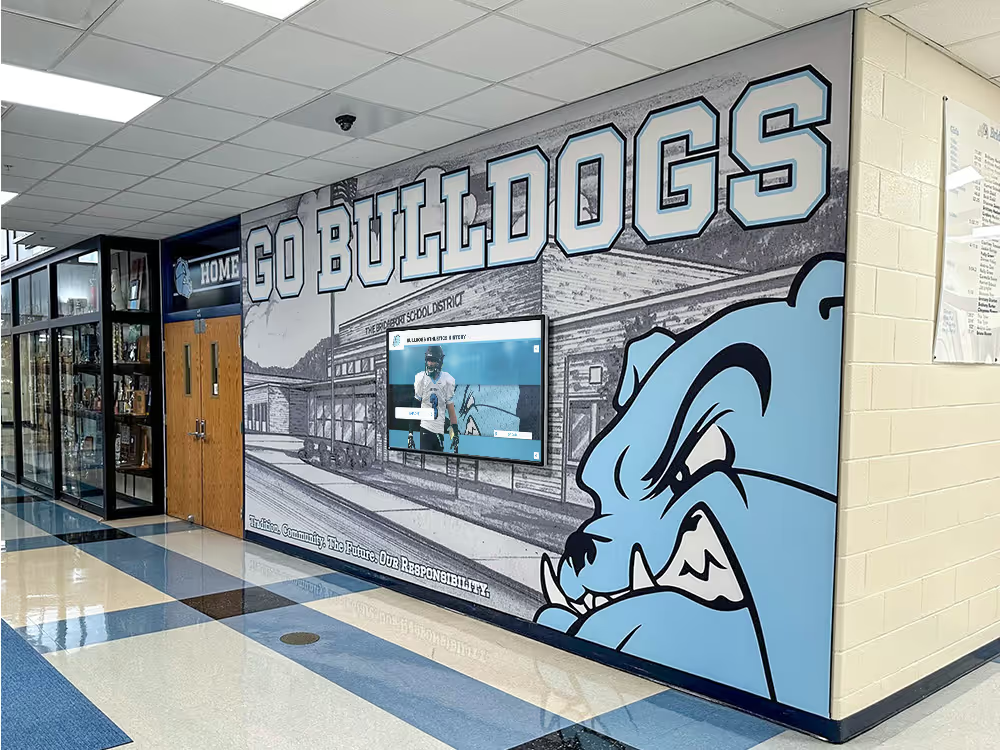
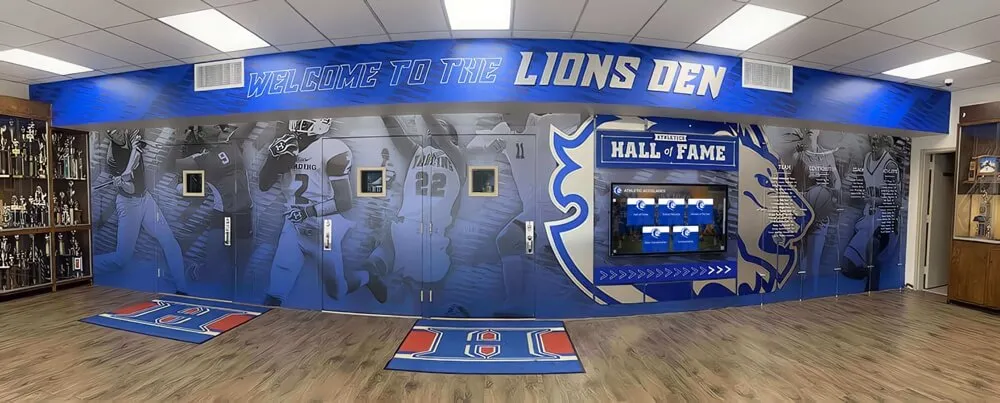
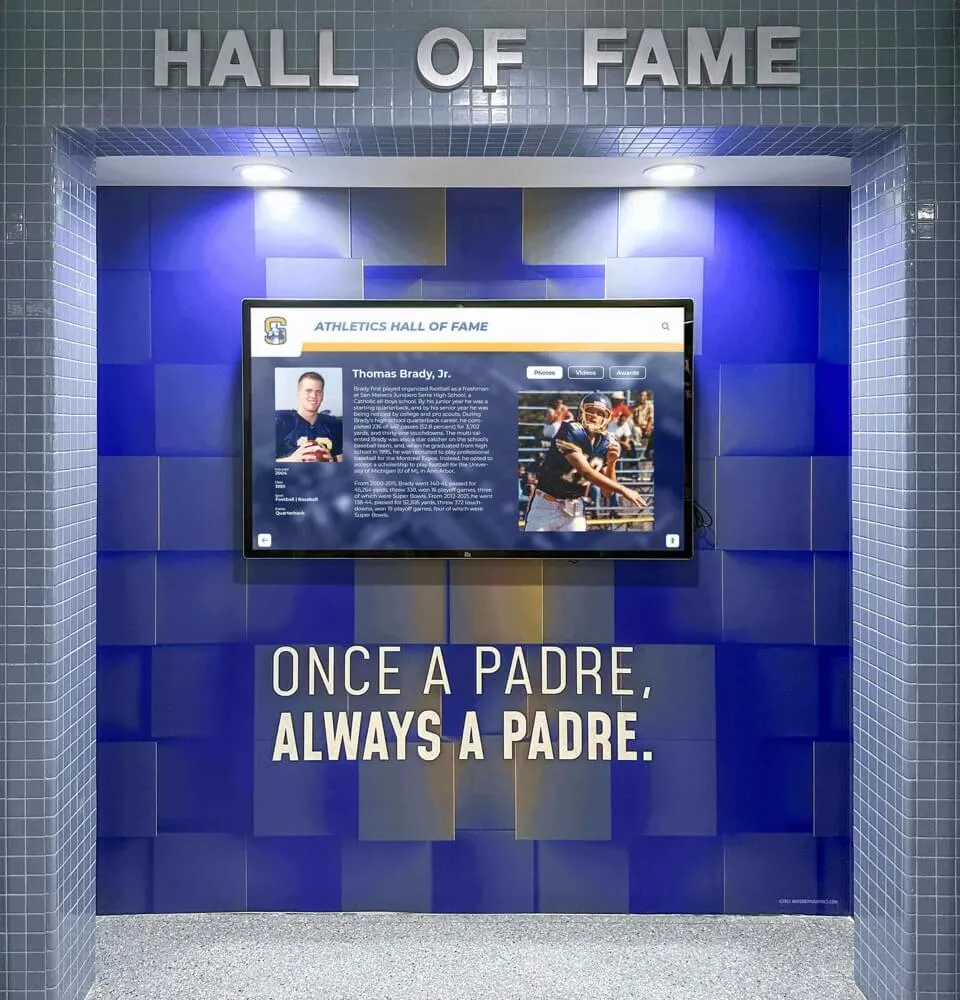
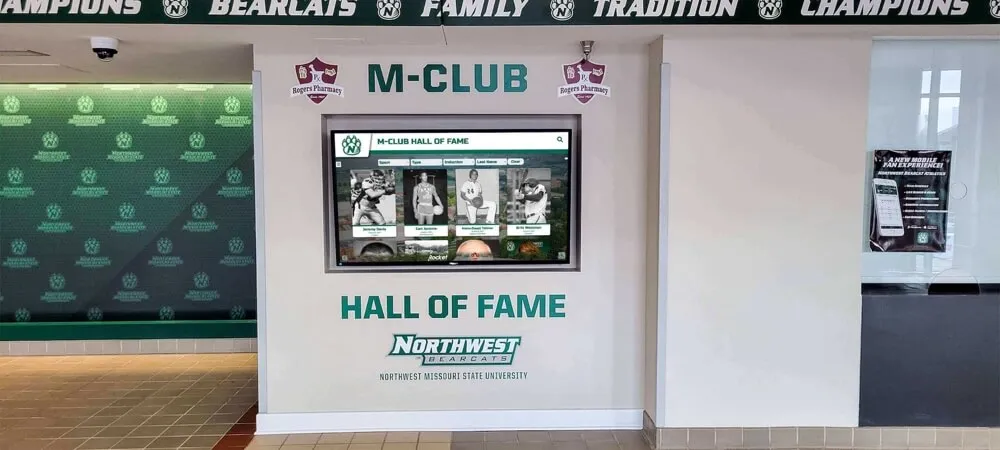
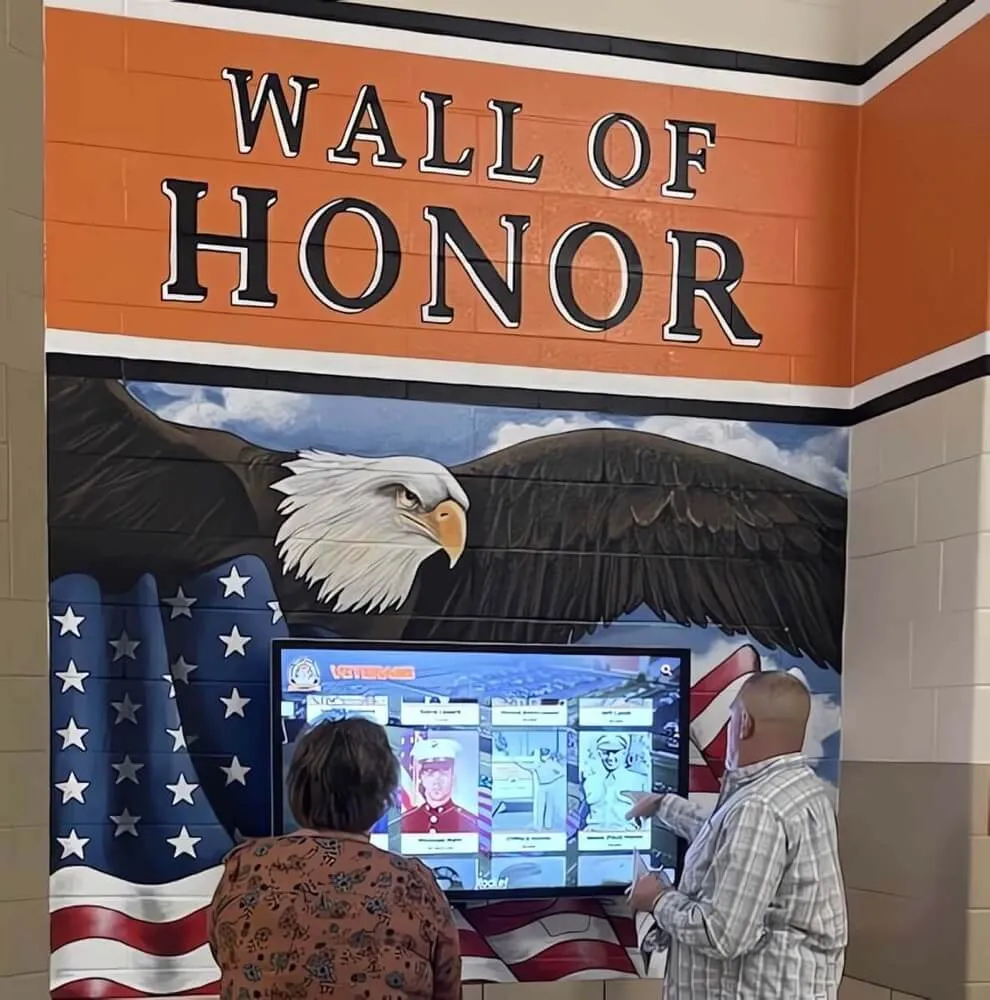
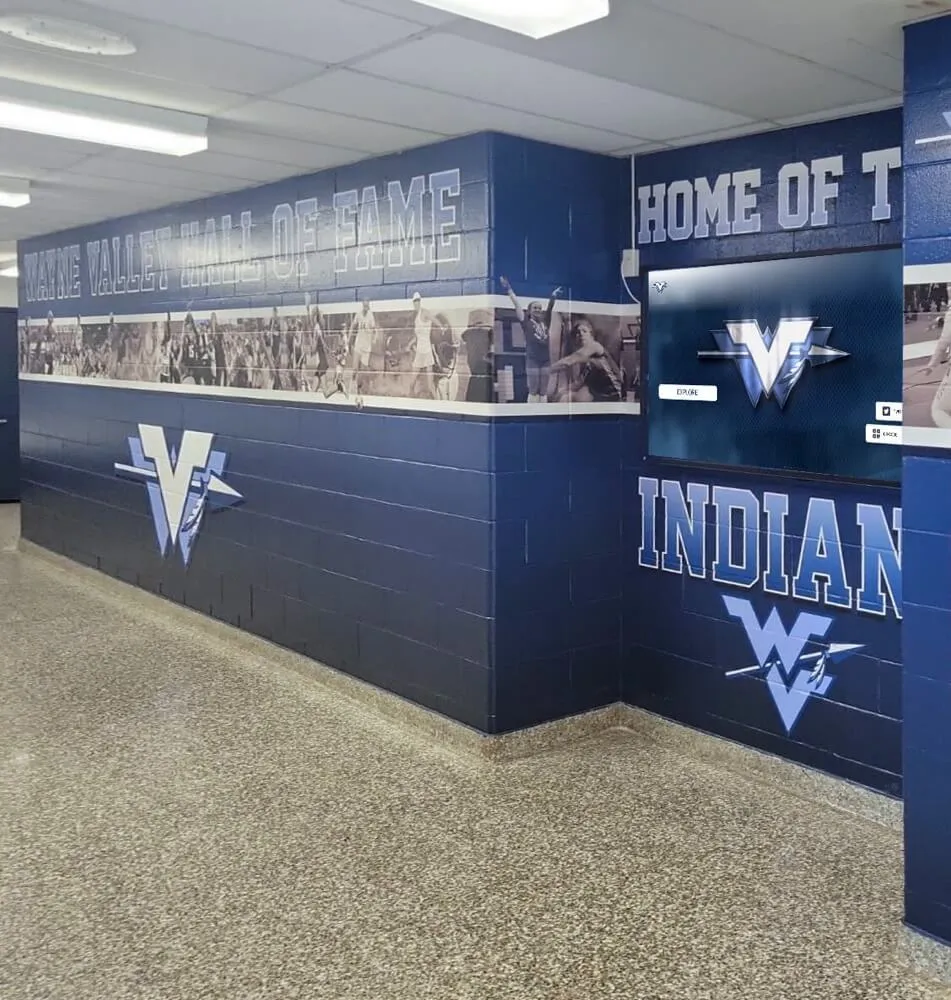
Interactive displays encourage active participation rather than passive observation, increasing engagement time and information retention
Digital Display Boards Transforming Trade Show Engagement
While traditional physical display boards maintain relevance, digital solutions increasingly differentiate booths through dynamic content, interactivity, and data capture capabilities impossible with static formats.
Large-Format Monitors and Video Walls Creating Visual Impact
Digital screens ranging from single large monitors to multi-screen video walls provide several strategic advantages:
Dynamic Content Capabilities:
- Video presentations communicating complex concepts efficiently
- Animation and motion graphics attracting attention in crowded environments
- Content rotation showing multiple products or messages from single display footprint
- Real-time updates incorporating social media, live data, or event-specific content
- Scheduling variations targeting different audience segments throughout event days
Implementation Considerations:
- Screen size appropriate for viewing distances and booth scale (typically 43-65 inches for standard booths)
- Commercial-grade displays rated for continuous operation rather than consumer TVs
- Mounting solutions ensuring stability and professional presentation
- Content management enabling easy updates without technical expertise
- Audio strategy balancing attention-getting sound with venue noise restrictions
Effective digital display board content differs significantly from traditional static designs. Movement and change attract attention, but excessive motion, rapid cuts, or flashing elements create distraction rather than engagement. Most successful implementations feature:
- Content loops of 2-4 minutes enabling complete viewing by interested prospects
- Strategic pacing with slower movement and clear pauses at key messages
- Text on screen limited to essential headlines (full content delivered verbally)
- High-contrast visuals maintaining visibility under varied venue lighting
- Silent operation with captions rather than depending on audio
Organizations should develop content specifically for trade show display rather than repurposing website videos or presentation decks not designed for exhibition environments.
Interactive Touchscreen Systems Driving Active Engagement
Beyond passive video displays, interactive touchscreens transform booth visitors from observers to participants:
Interactive Applications:
- Product configurators enabling prospects to customize solutions matching specific needs
- Interactive catalogs allowing self-guided exploration of full product lines
- Data collection tools capturing lead information through engaging experiences
- Demonstrations providing hands-on experience with software or digital solutions
- Games and competitions creating memorable experiences while communicating brand messages
Touchscreen Advantages Over Traditional Display Boards:
- Accommodating extensive content libraries within compact physical footprint
- Personalizing experiences to individual visitor interests rather than one-size-fits-all messaging
- Extending engagement time as prospects actively explore rather than passively view
- Generating measurable interaction data revealing which content resonates most strongly
- Creating shareable experiences prospects photograph and discuss
The same interactive technologies transforming recognition displays in schools and institutions apply effectively in trade show environments, where engagement and information delivery represent parallel objectives.
Design Principles for Effective Touchscreen Interfaces:
- Large touch targets (minimum 44x44 pixels) accommodating varied user dexterity
- Clear navigation with obvious “back” and “home” options preventing confusion
- Auto-reset returning to home screen after inactivity (typically 60-90 seconds)
- Immediate response to touches preventing user uncertainty
- Minimal text per screen maintaining quick comprehension
- Strategic placement considering booth traffic flow and accessibility
Organizations implementing touchscreen displays should plan for dedicated staff nearby to introduce capabilities and assist visitors unfamiliar with interactive systems, particularly for complex applications. The most effective implementations work intuitively without requiring instruction but benefit from gentle staff encouragement to begin interaction.
Content Management and Remote Update Capabilities
One significant advantage digital display boards provide over traditional static formats involves easy content updates:
Strategic Content Management:
- Pre-event updates incorporating new products or announcements without reprinting
- Real-time modifications responding to competitor activities or event dynamics
- Post-event analysis identifying which content elements drove most engagement
- Multi-location consistency when exhibiting at simultaneous regional shows
- Template systems enabling non-technical staff to update content independently
Modern digital signage platforms, similar to those used for permanent facility displays, provide cloud-based management enabling updates from anywhere with internet access. This capability proves particularly valuable for organizations with distributed marketing teams or last-minute content changes.
Investment in proper content management infrastructure prevents situations where displays show outdated information, broken content, or default error messages—all unfortunately common at trade shows featuring digital elements.
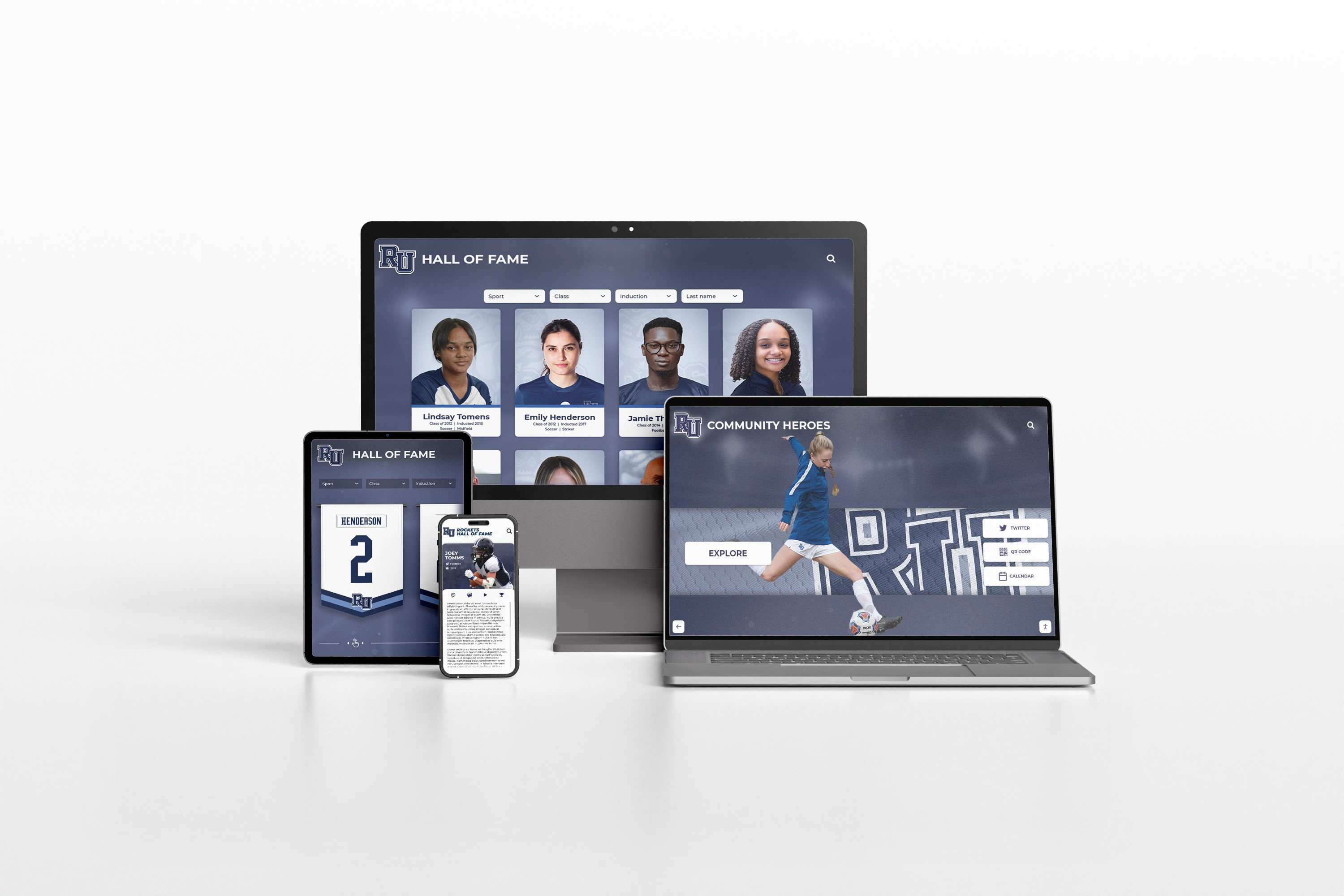
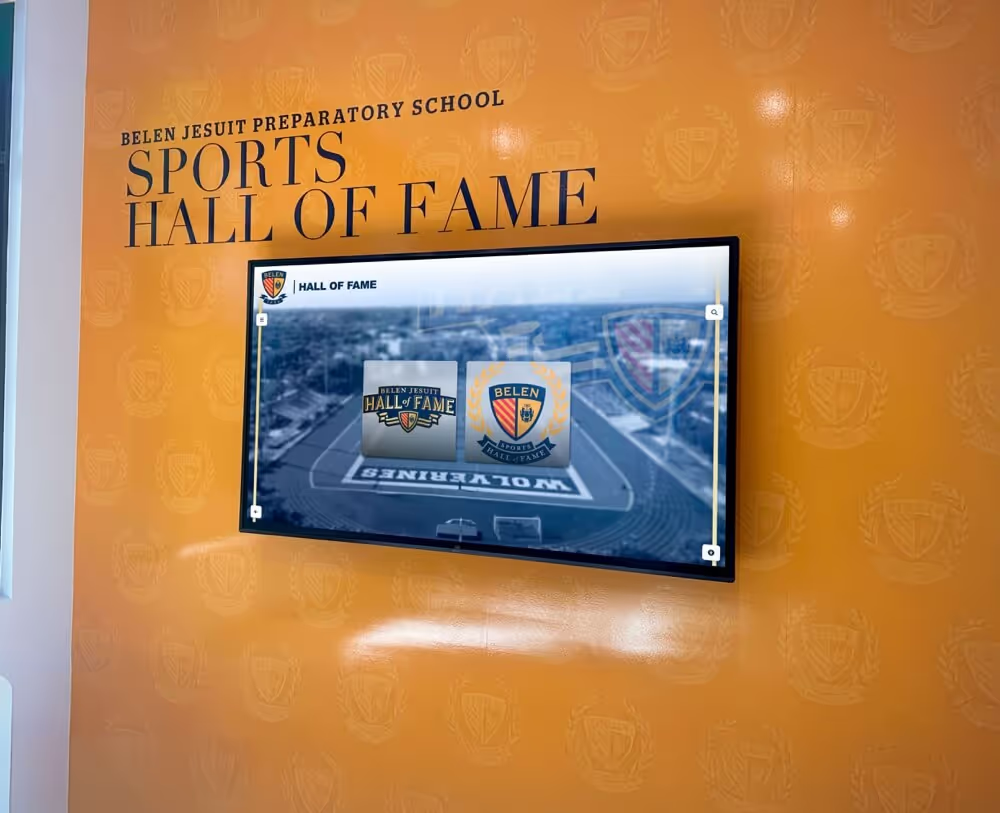
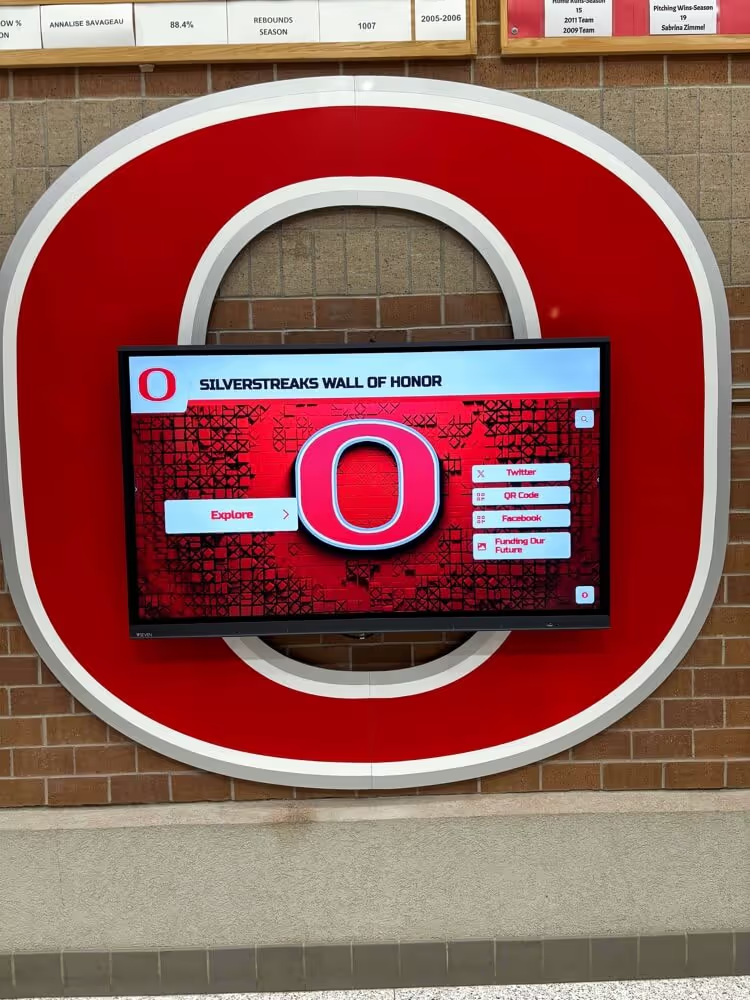
Modern digital display systems integrate across multiple platforms creating consistent experiences from booth touchscreens to mobile follow-up
Hybrid Approaches Combining Traditional and Digital Elements
The most sophisticated trade show display board strategies often blend traditional physical elements with digital components, leveraging advantages of each format:
Backlit Graphics Creating Premium Visual Impact
Backlit fabric graphics mounted in lightbox frames provide the crisp, vibrant appearance of digital displays with the reliability and cost-efficiency of traditional physical graphics:
Backlit Display Advantages:
- LED edge lighting creating even illumination across entire display surface
- Fabric dye-sublimation printing producing rich, saturated colors
- Ultra-thin profiles (typically 3-5 inches deep) minimizing booth footprint
- Lightweight construction simplifying setup and shipping
- Graphics easily replaced for content updates or damage
Strategic Applications:
- Backwall focal points with premium presentation quality
- Column wraps or pillar displays in larger booth spaces
- Hanging signs visible throughout exhibition halls
- Reception desk fronts creating professional first touchpoints
- Product highlighting with theatrical presentation
While backlit displays lack the dynamic content capabilities of digital screens, they provide superior image quality to standard printed graphics while maintaining the simplicity of static presentations. Many organizations implement hybrid booths featuring backlit brand walls combined with digital screens for product demonstrations or videos.
Augmented Reality and Mobile Integration Extending Physical Displays
Emerging approaches connect traditional physical display boards to digital experiences through mobile technology:
AR-Enhanced Display Applications:
- QR codes on physical displays triggering mobile content
- Augmented reality apps overlaying digital information on physical products
- Social media integration encouraging photo sharing with branded elements
- Digital business card exchange from physical booth to mobile contacts
- Post-event follow-up content accessible by scanning booth elements
These hybrid approaches maintain the visual impact and reliability of physical displays while adding digital flexibility and data capture capabilities. The same technologies enabling interactive wayfinding and information kiosks in permanent facilities adapt effectively to temporary exhibition environments.
Implementation Considerations:
- Testing mobile experiences under realistic trade show conditions (limited cellular bandwidth, varied user devices)
- Clear instructions encouraging mobile interaction without creating barriers
- Value proposition motivating prospects to invest time in mobile engagement
- Data privacy compliance particularly for international events
- Backup approaches when technology fails or users decline mobile participation
The most successful hybrid implementations work effectively with or without digital participation, using technology to enhance rather than replace traditional booth interactions.

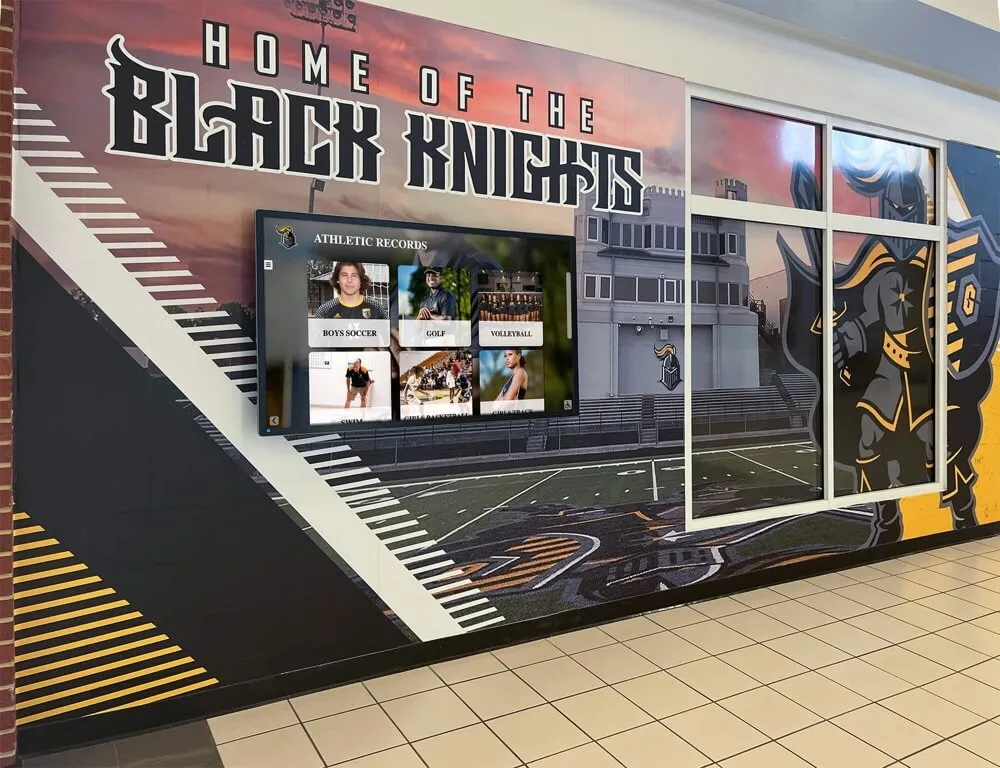
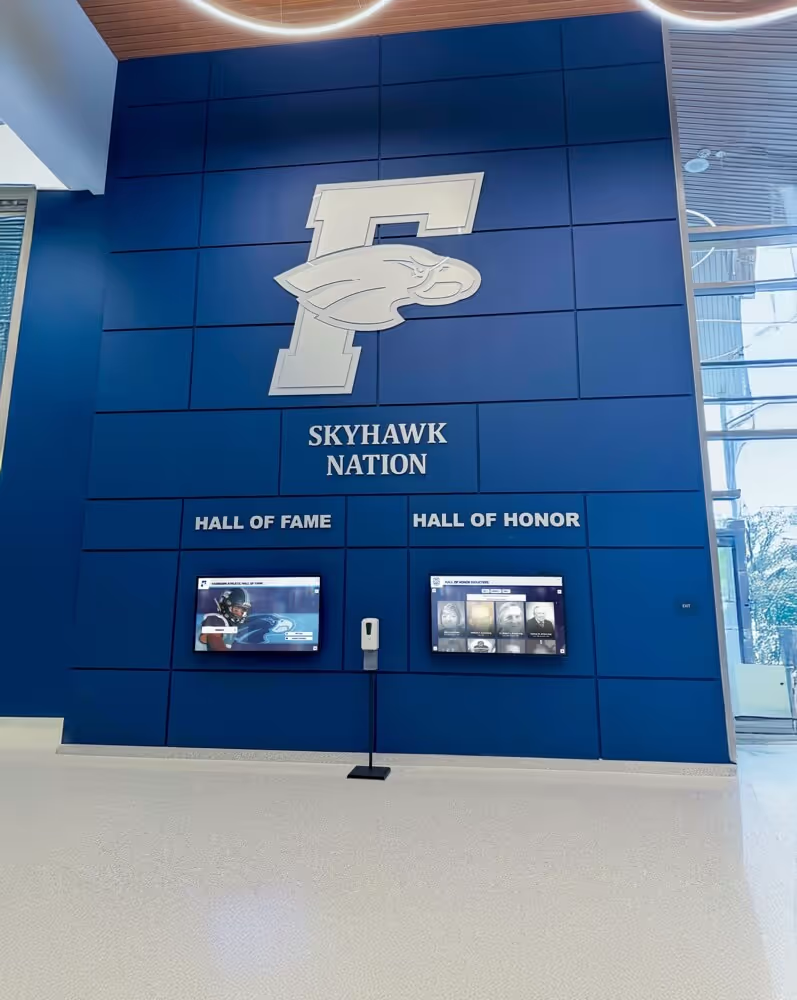
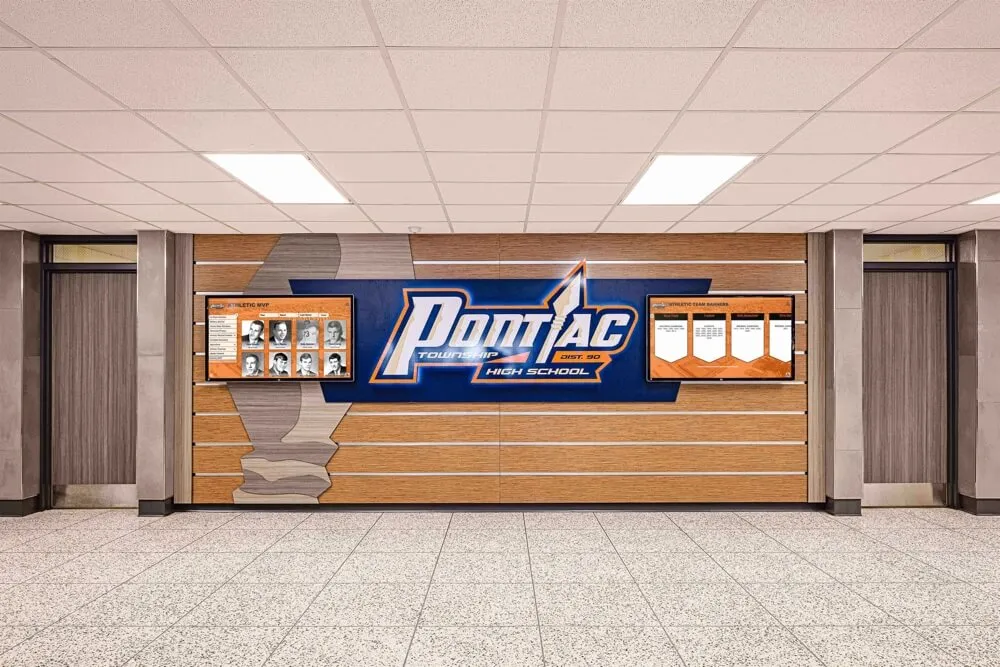
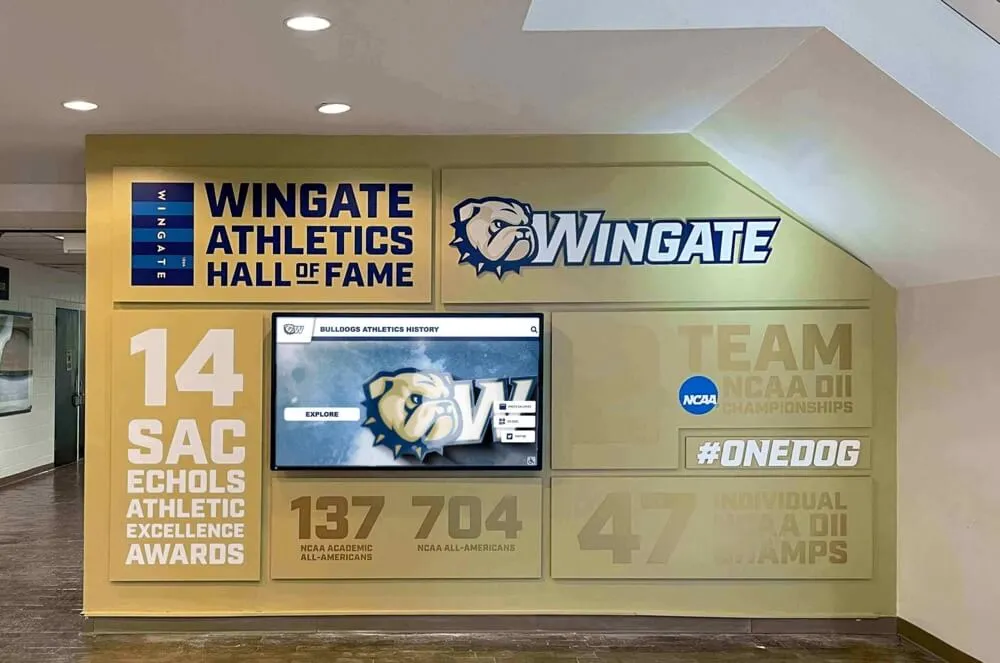
Professional digital display installations demonstrate the presentation quality standards appropriate for corporate trade show environments
Design Principles for Maximum Trade Show Display Board Effectiveness
Beyond specific format selection, several universal design principles distinguish effective trade show display boards:
Strategic Color Psychology and Contrast
Color choices impact both attention-getting and emotional response:
Attention-Generating Color Strategies:
- High contrast between background and foreground elements ensuring readability
- Strategic accent colors directing attention to key messages or calls-to-action
- Sufficient white space preventing visual overwhelm
- Consistent brand colors building recognition across events
Psychological Color Associations:
- Blue conveying trust, stability, and professionalism (particularly common in B2B environments)
- Red creating urgency and excitement (effective for calls-to-action but overwhelming if overused)
- Green suggesting growth, health, and environmental responsibility
- Orange and yellow generating energy and optimism
- Purple implying creativity and luxury positioning
Effective color strategy balances brand consistency with strategic application of attention-getting and emotion-generating colors appropriate for target audiences and positioning objectives.
Typography Hierarchy and Readability Standards
Text legibility represents a frequent trade show display board failure point:
Distance-Based Size Requirements:
- 10-foot readability: minimum 3-inch text height
- 20-foot readability: minimum 6-inch text height
- 30-foot readability: minimum 9-inch text height
- 50-foot readability: minimum 15-inch text height
These dimensions apply to sans-serif fonts with medium weight on high-contrast backgrounds. Script fonts, light weights, or low contrast require larger sizing.
Typography Best Practices:
- Limit fonts to maximum two families throughout booth (one for headlines, one for body text)
- Maintain consistent hierarchy with clearly differentiated heading levels
- Use sentence case rather than all capitals for improved readability (except short headlines)
- Ensure sufficient line spacing preventing crowded appearance
- Avoid text over complex backgrounds reducing legibility
When in doubt, make text larger than seems necessary. Trade show environments feature considerable viewing distance, movement, and distraction absent in typical design review contexts.
Photography and Imagery Selection Strategies
Visual elements carry more impact than text in trade show environments:
Effective Image Characteristics:
- People-focused photography creating emotional connection
- High-resolution images maintaining quality at large scale
- Uncluttered compositions with clear focal points
- Strategic lighting and color treatment supporting brand identity
- Authentic images rather than obvious stock photography when possible
Image Application Approaches:
- Full-bleed backgrounds creating immersive environments
- Lifestyle imagery showing products in use rather than isolated product shots
- Before/after comparisons demonstrating transformation
- Infographics visualizing complex data or processes
- Customer success imagery building credibility through social proof
Organizations frequently underinvest in photography, defaulting to generic stock images creating forgettable presentations. Custom photography shot specifically for trade show display boards significantly improves impact and authenticity.
Similar to approaches effective for donor recognition displays, quality imagery personalizes presentations while communicating values and culture impossible to convey through text alone.
Budget-Appropriate Trade Show Display Board Strategies
Effective display board approaches exist across all budget levels:
Entry-Level Solutions ($500-2,000)
Limited budgets can still create professional presentations through:
- Quality retractable banner stands (2-3 coordinated banners)
- Professional graphic design ensuring visual impact
- Tabletop displays for small booth spaces
- Digital displays using consumer displays with content management software
- Vinyl floor graphics creating visual interest within existing space
Focus investment on excellent design and printing quality rather than hardware quantity. One perfectly executed banner creates greater impact than three poorly designed displays.
Mid-Range Implementations ($2,000-10,000)
Moderate budgets enable:
- Modular backwall systems for 10x10 or 10x20 booths
- Multiple retractable banners creating comprehensive environments
- Large-format monitors with professional mounting
- Backlit graphics in key locations
- Professional photography and design services
This budget level supports cohesive booth environments with mix of static and digital elements appropriate for regional shows and industry-specific events.
Premium Exhibitions ($10,000-50,000+)
Substantial budgets create opportunities for:
- Custom modular systems with integrated technology
- Video walls and multiple large displays
- Interactive touchscreen kiosks with custom software
- Comprehensive lighting packages
- Structural elements including elevated platforms, private meeting spaces, and architectural features
Premium implementations often include design services, installation support, and show-to-show storage with logistics management. These solutions suit national conferences, major industry events, and organizations treating trade shows as primary marketing channels.
Organizations should align display board investment with overall trade show ROI expectations, considering not only booth costs but also event fees, travel, staffing, and opportunity costs of personnel time.
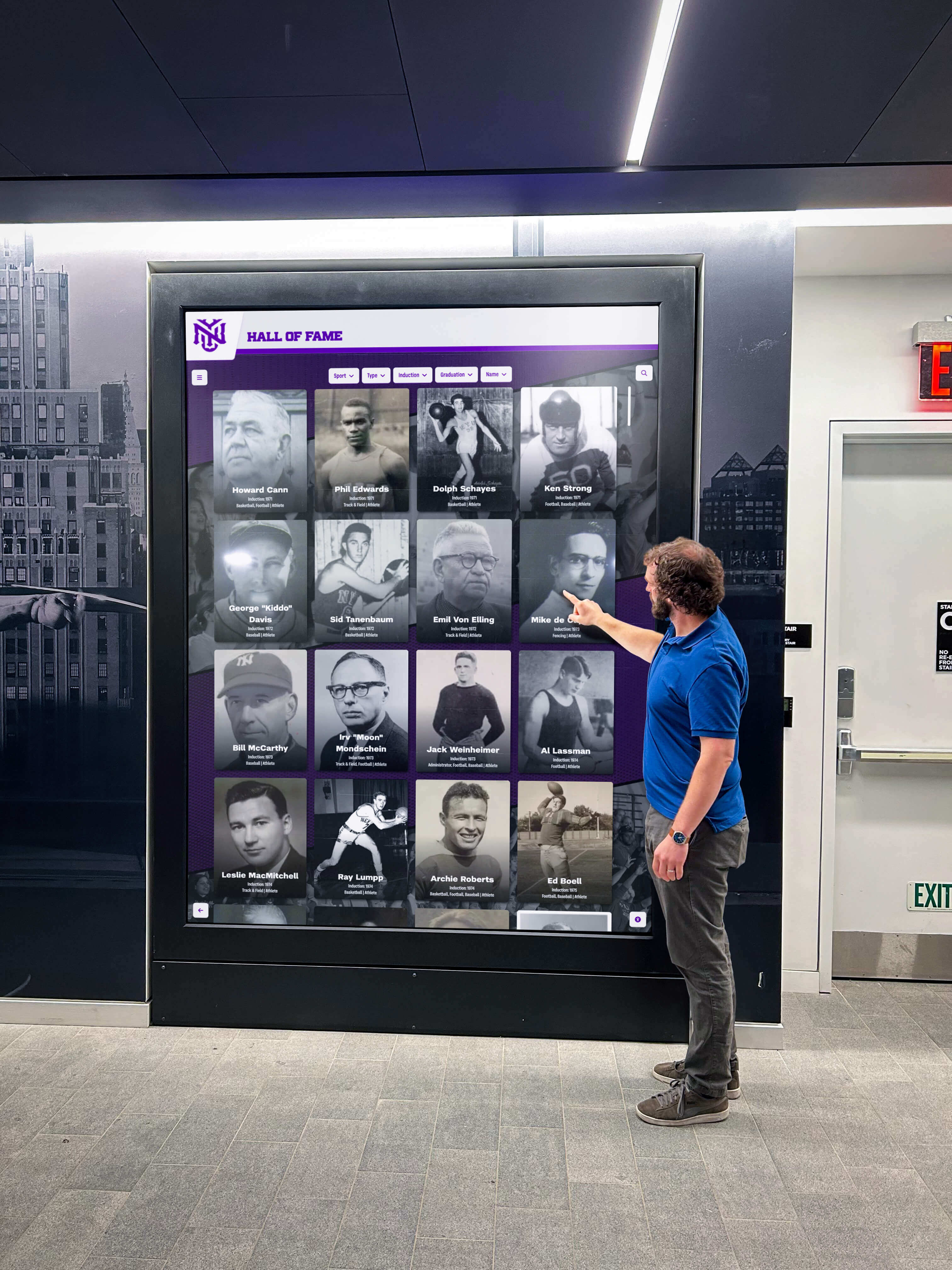
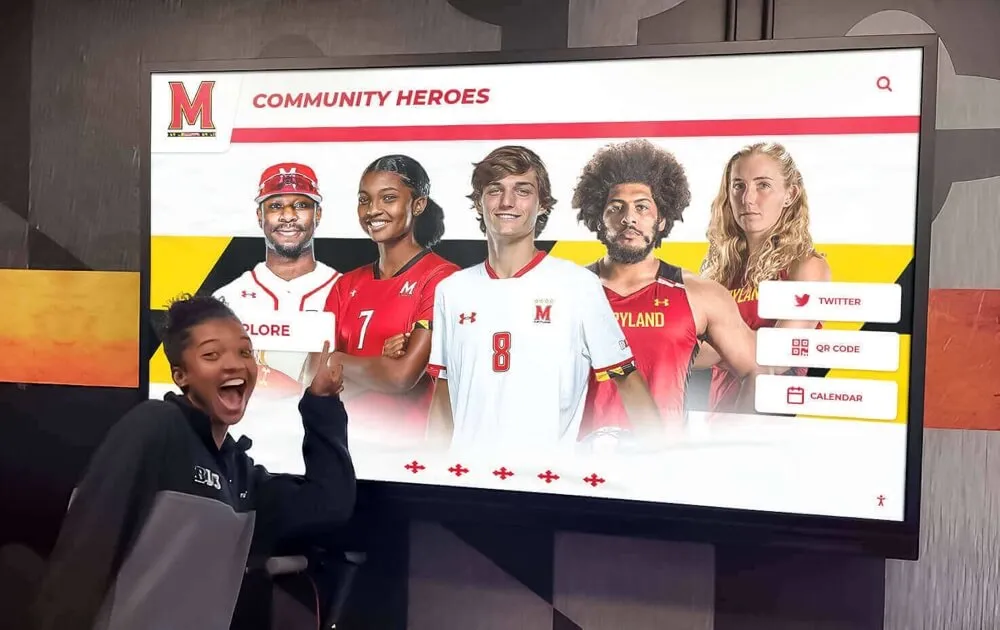
Active visitor engagement with interactive displays increases information retention and creates memorable brand experiences
Learning from Permanent Installation Display Strategies
Organizations investing in trade show display boards can learn valuable lessons from permanent display installations serving similar communication objectives:
Recognition Display Design Principles
The same principles making corporate recognition displays effective in facilities translate to trade show environments:
Visual Hierarchy and Information Organization:
- Clear categorization enabling quick information discovery
- Consistent presentation formats building familiarity
- Strategic emphasis on key messages or featured content
- Scalable approaches accommodating varied content volumes
Engagement Through Interactivity:
- Self-guided exploration empowering visitors to pursue personal interests
- Multiple discovery paths accommodating different learning styles
- Immediate response to interaction building confidence and engagement
- Memorable experiences differentiating from passive presentations
Cross-Platform Consistency and Follow-Up Integration
Similar to how effective digital hall of fame systems extend beyond physical displays to web and mobile platforms, sophisticated trade show strategies maintain consistency across touchpoints:
Pre-Event Engagement:
- Digital advertising featuring booth design elements
- Email campaigns incorporating visual branding from physical displays
- Social media previews building anticipation
On-Site Integration:
- Physical display boards coordinating with digital content
- Staff presentations aligned with visual messaging
- Collateral materials maintaining consistent design language
Post-Event Follow-Up:
- Email campaigns using booth imagery and messaging
- Web landing pages extending booth experience digitally
- Social media content featuring booth highlights
- Sales materials maintaining visual consistency
This comprehensive consistency throughout the prospect journey builds recognition and reinforces messaging across multiple exposures.
Measuring Trade Show Display Board Effectiveness
Quantifying display board impact enables continuous improvement:
Quantitative Metrics
Trackable data revealing display effectiveness:
- Booth traffic counts comparing different display approaches
- Scan/badge collection rates indicating engagement levels
- Lead quality scores from sales team follow-up
- Interactive content usage analytics from digital displays
- Cost per lead calculations determining ROI
Qualitative Feedback
Subjective assessment providing valuable insights:
- Staff observations about which elements attracted prospects
- Visitor comments and questions revealing communication effectiveness
- Competitive analysis noting differentiation from surrounding booths
- Photography revealing how displays appear in authentic environments
- Post-event surveys gathering prospect perspectives
Systematic data collection across multiple events enables comparative analysis revealing which display board approaches, messaging strategies, and design elements drive superior results for specific audiences and objectives.
Organizations serious about trade show marketing should implement consistent measurement frameworks rather than making display decisions based solely on subjective preferences or vendor recommendations.
Bring Interactive Display Technology to Your Organization
The same interactive touchscreen display technologies creating compelling trade show booth experiences can transform how your organization celebrates achievement, engages visitors, and communicates important information in permanent facility installations. Discover how modern digital recognition and information systems deliver measurable engagement increases over traditional static displays.
Explore Interactive Display SolutionsIndustry-Specific Trade Show Display Board Considerations
Different industries require tailored display approaches reflecting unique audience characteristics and competitive environments:
Technology and Software Companies
Tech sector trade shows demand cutting-edge presentation:
- Interactive demonstrations showcasing product functionality
- Video displays featuring user interface tours and feature highlights
- Data visualization communicating complex technical capabilities
- Minimalist design reflecting modern product design aesthetics
- Integration with mobile apps and digital ecosystem
Static displays in technology environments risk implying outdated products or approaches. Digital elements become expected rather than optional in these contexts.
Manufacturing and Industrial Sectors
B2B industrial exhibitions prioritize different elements:
- Large-scale product photography showing equipment detail
- Technical specifications presented clearly and accessibly
- Case study presentations demonstrating real-world applications
- Safety and compliance certifications building credibility
- Durability and quality cues in both products and displays themselves
These audiences often value substance over flash, making comprehensive information delivery and professional execution more valuable than cutting-edge interactivity.
Healthcare and Medical Devices
Regulated healthcare industries require specific approaches:
- Compliance with advertising and claims regulations
- Professional presentation building clinical credibility
- Privacy considerations for patient information or case studies
- Scientific data presentation supporting efficacy claims
- Educational focus addressing professional audiences
Healthcare display boards typically emphasize evidence and credibility over emotional appeals common in consumer-focused sectors.
Consumer Products and Retail
Consumer-oriented exhibitions demand immediate emotional connection:
- Lifestyle imagery creating aspirational associations
- Sensory experiences incorporating product samples or demonstrations
- Social proof through testimonials and user-generated content
- Clear value propositions and calls-to-action
- Instagram-worthy photo opportunities encouraging social sharing
These environments benefit from dynamic, colorful presentations with interactive elements creating shareable experiences extending booth visibility beyond physical attendees.
Emerging Technologies Shaping Future Trade Show Displays
Several developing technologies will increasingly influence exhibition marketing:
LED Technology Advancement
Improving LED displays provide new opportunities:
- Ultra-thin flexible LED screens conforming to curved surfaces
- Transparent LED panels creating layered visual effects
- High-brightness displays maintaining visibility in challenging lighting
- Declining costs making large-format displays more accessible
- Improved energy efficiency supporting sustainability objectives
LED technology evolution continues making digital display options more practical across budget levels.
Artificial Intelligence Integration
AI capabilities will enhance display board effectiveness through:
- Personalized content delivery based on visitor demographics or behavior
- Chatbot integration answering questions via interactive displays
- Real-time translation supporting international audiences
- Predictive analytics optimizing content based on engagement patterns
- Automated lead scoring improving follow-up efficiency
Early AI implementations already appear in premium trade show experiences with broader adoption expected throughout 2026-2028.
Sustainability and Environmental Considerations
Increasing environmental awareness influences display decisions:
- Reusable modular systems reducing waste from event to event
- Digital displays eliminating printed material consumption
- Sustainable materials in physical display components
- Energy-efficient displays and lighting reducing carbon footprint
- Local production reducing shipping environmental impact
Organizations increasingly evaluate trade show investments through sustainability lenses, with display board approaches offering reuse and reduced environmental impact gaining preference over single-use solutions.
For organizations exploring how modern display technology can serve objectives beyond trade shows, similar interactive systems effectively support school open houses, gala fundraisers, and other events requiring compelling visual presentations.
Conclusion: Creating Trade Show Display Boards That Drive Results
Effective trade show display boards result from strategic planning that begins with clear objectives—whether driving booth traffic, communicating specific value propositions, generating qualified leads, or building brand awareness—and implements design solutions supporting those goals through appropriate format selection, professional execution, and measurable evaluation.
The most successful implementations balance proven traditional approaches with emerging digital capabilities, creating professional environments that attract attention in crowded exhibition halls while providing meaningful engagement once prospects stop to investigate. Whether working with modest budgets requiring focus on excellent design applied to simple formats or substantial investments enabling comprehensive digital experiences, the fundamental principles remain consistent: clear visual hierarchy enabling instant comprehension, strategic messaging communicating specific value rather than generic claims, professional design execution building credibility, and thoughtful integration across all prospect touchpoints throughout the event cycle.
Organizations should view trade show display boards as strategic marketing investments deserving the same planning rigor, creative development, and performance measurement applied to digital campaigns, content marketing, or other major initiatives. The most effective displays result from collaborative processes involving marketing strategy, creative design, technical implementation, and sales team input ensuring booth presentations support actual conversation starters and lead qualification processes rather than existing as isolated visual exercises.
Your trade show display boards represent significant investments of both financial resources and opportunity costs from event participation. With thoughtful strategy, professional design, appropriate technology selection, and commitment to continuous improvement based on measured results, you can create booth presentations that stand out in competitive environments, attract qualified prospects, enable productive conversations, and ultimately deliver measurable return on investment justifying ongoing exhibition participation.
Ready to explore how interactive display technology can enhance your organization’s trade show presence and permanent facility installations? Contact our team to discover comprehensive solutions delivering engagement and results across exhibition, recognition, and communication applications.