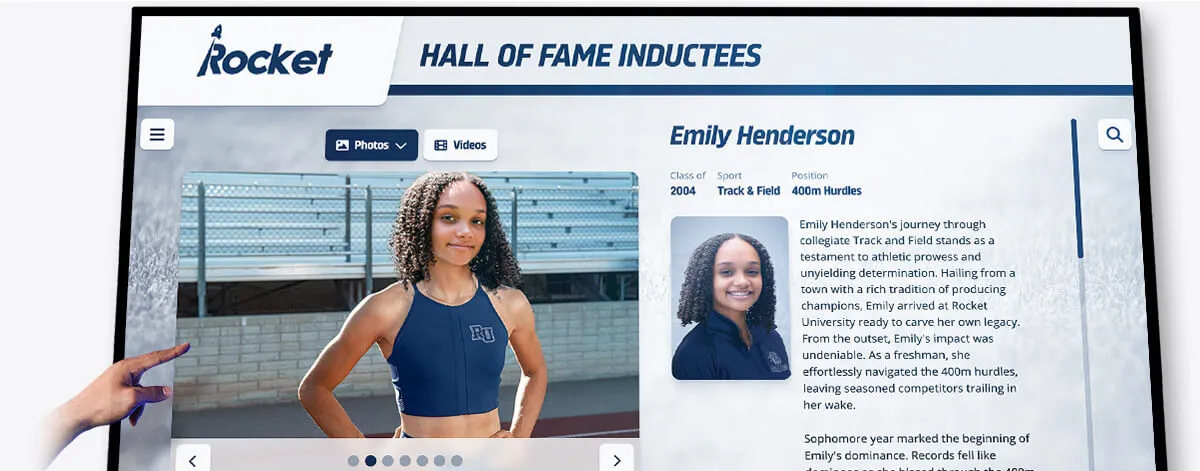




Track and field stands as one of the most statistically rich and achievement-dense sports in high school athletics, with dozens of individual events, relay combinations, and performance categories generating hundreds of records across boys and girls programs. From sprint times measured to hundredths of seconds to field event distances spanning decades of competition, these achievements represent years of dedication, relentless training, and exceptional athletic performance that deserve celebration equal to any championship trophy.
Yet many high school track and field programs struggle with recognition systems that fail to honor this sport’s unique characteristics. Traditional static record boards quickly become outdated as new marks are set, limited wall space forces programs to choose which events receive visibility, and simple time or distance listings provide no context about the athletes who achieved these extraordinary performances or the circumstances that made them remarkable.
This comprehensive guide explores how modern digital touch board displays transform high school track and field recognition—creating interactive systems that celebrate every event across all classifications, preserve complete athlete profiles and achievement histories, and inspire current competitors by connecting them to program traditions spanning generations of excellence.
Track and field’s complexity demands recognition systems capable of organizing diverse achievement categories while remaining accessible to athletes, families, and community members seeking to explore program history. Digital touch board technology provides the flexible, comprehensive platform this multifaceted sport requires—enabling programs to celebrate sprinters and distance runners, jumpers and throwers, individual champions and relay teams with equal prominence and detail.

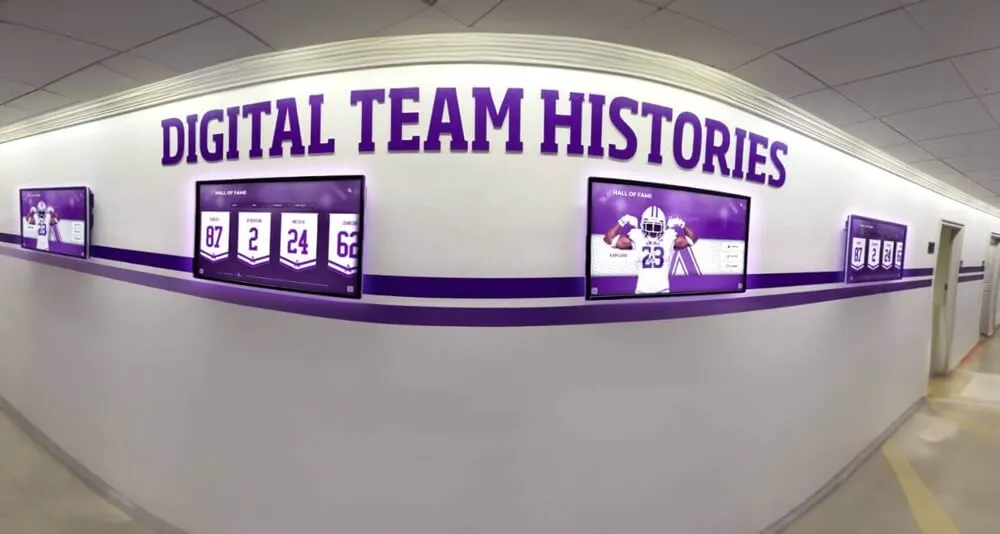
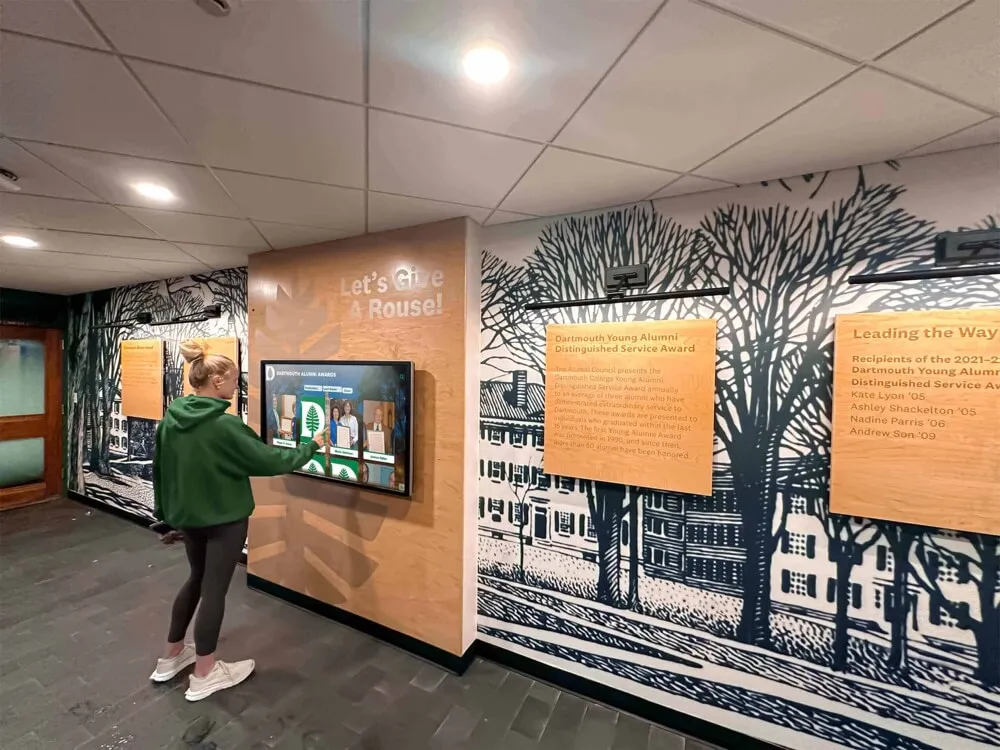
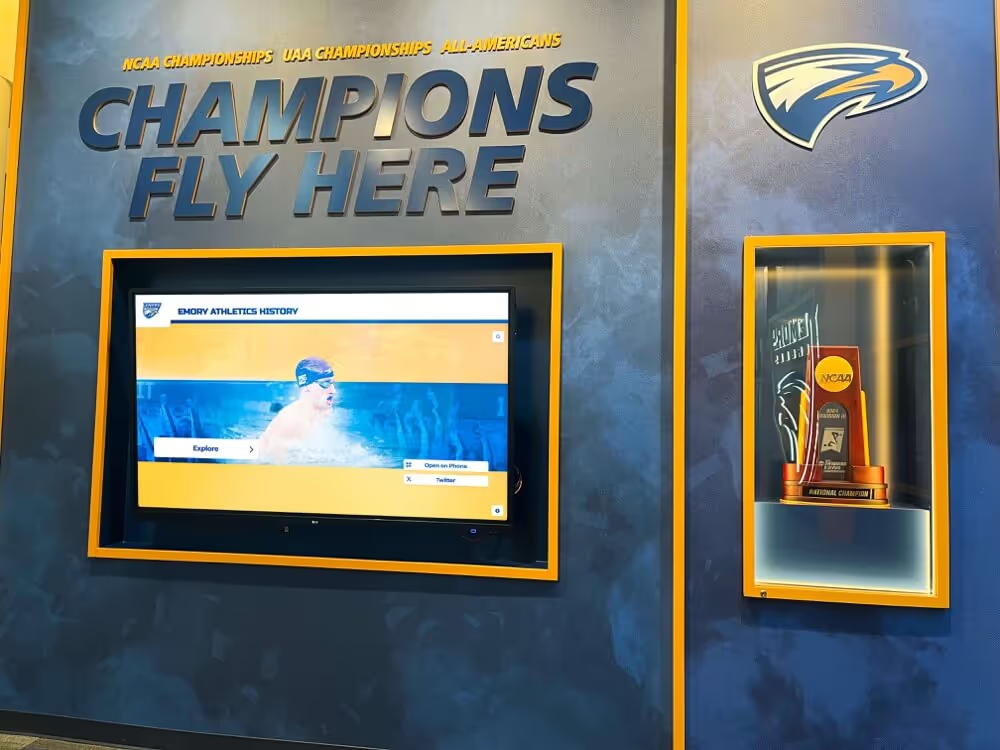
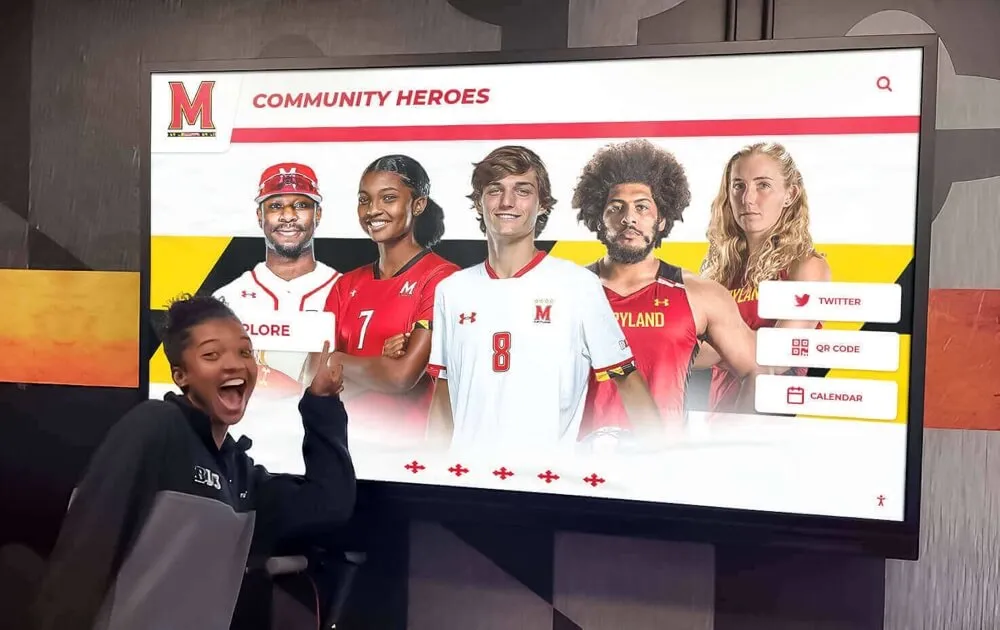
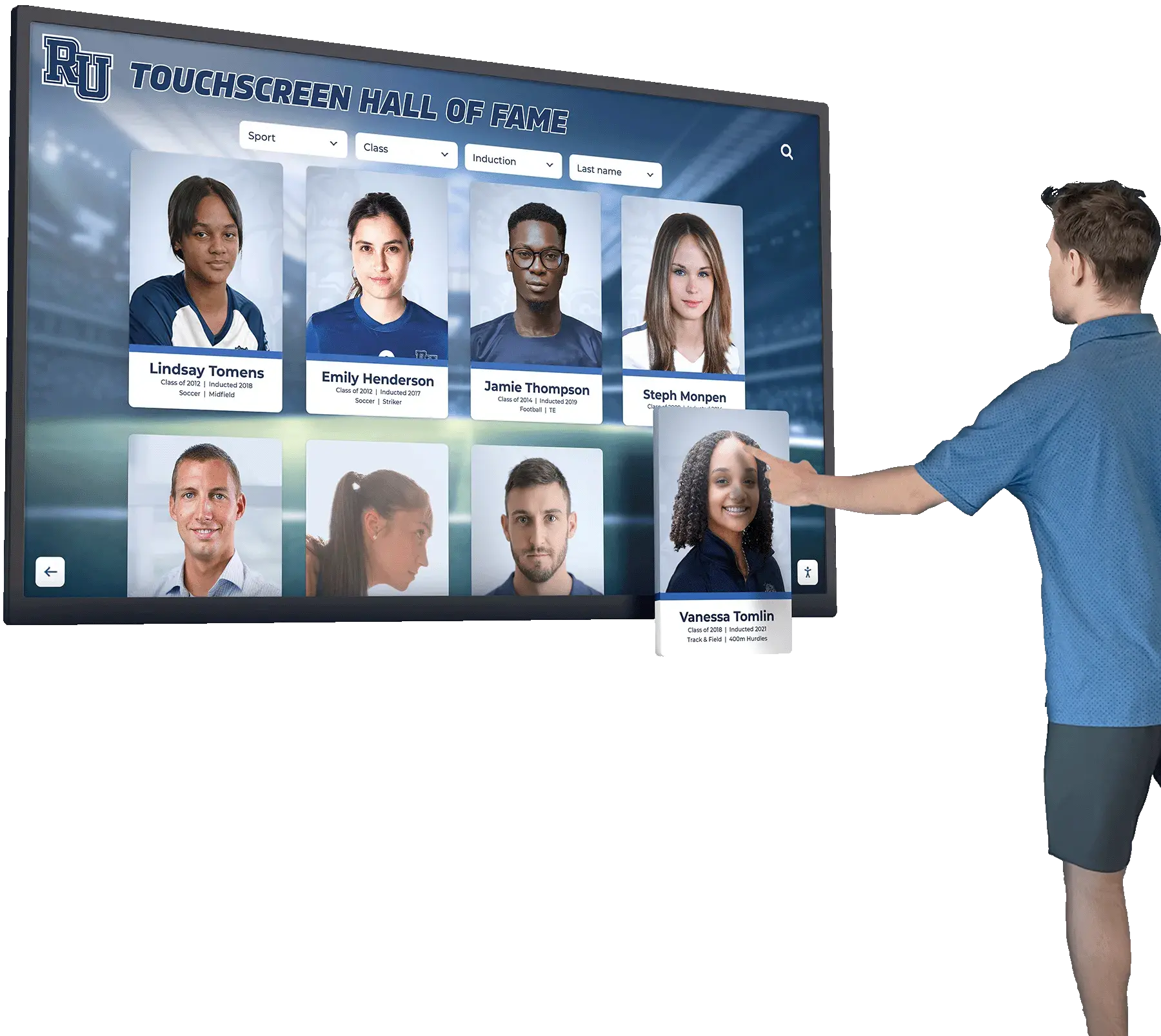
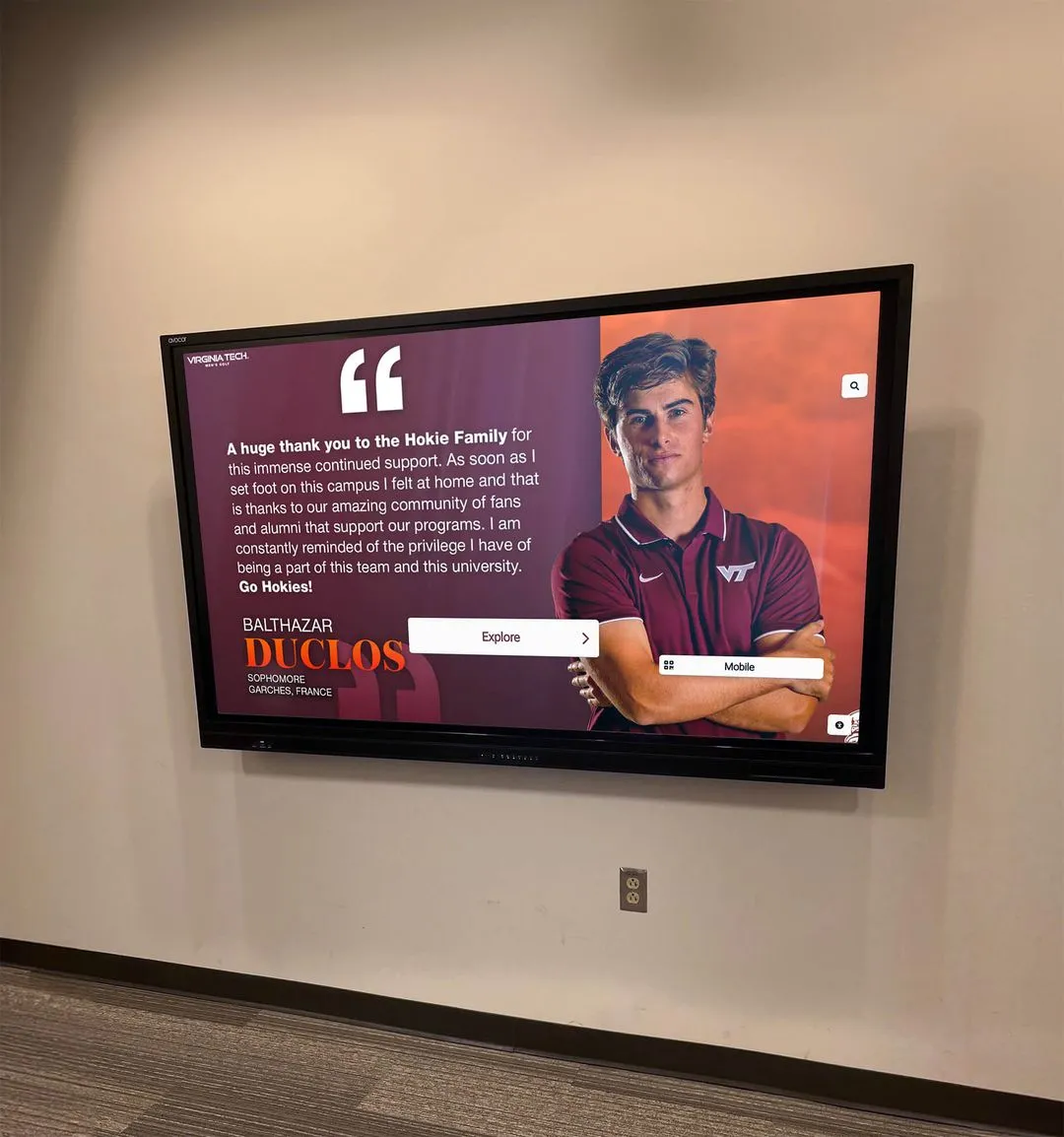
Interactive displays showcase complete athlete profiles with event specialties, performance statistics, and achievement histories
Understanding Track & Field Recognition Challenges
Before exploring digital solutions, it’s essential to understand why track and field presents unique recognition challenges that traditional approaches struggle to address effectively.
The Complexity of Multi-Event Recognition
Unlike sports with singular focus or limited statistical categories, track and field encompasses more than 15 distinct events across multiple classifications, each with separate records requiring individual recognition.
Event Category Diversity
High school track and field programs typically compete across several distinct event categories including sprint events (100m, 200m, 400m with gender-specific variations), middle distance (800m, 1600m) requiring different physiological demands, distance events (3200m, distance medley) testing endurance capacity, hurdle events (100m/110m, 300m/400m) combining speed with technical skill, relay combinations (4x100m, 4x200m, 4x400m, 4x800m) emphasizing teamwork, and field events subdivided into jumping disciplines (long jump, triple jump, high jump, pole vault) and throwing events (shot put, discus, javelin) each requiring specialized techniques.
This diversity means comprehensive track and field recognition must accommodate 30-40 distinct record categories just for varsity competition—before considering separate records for different meet types, junior varsity levels, or historical eras with different equipment standards.
The Space Mathematics Problem
Traditional static record boards face insurmountable capacity constraints. A physical board displaying all track and field records with basic information (event, athlete name, mark, year) requires approximately 12-18 square feet of wall space when properly formatted for readability. Adding any contextual information—athlete photos, meet details, progression histories—quickly expands requirements beyond what most facilities can accommodate.
These space limitations force programs into painful choices: display only selected “premier” events while ignoring others, rotate records seasonally showing different events at different times, compress information density to illegibility, or abandon comprehensive recognition entirely.
Record Progression and Continuous Updates
Track and field’s competitive nature means records change regularly throughout seasons, creating unique administrative challenges for recognition systems.
The Frequency Challenge
Successful track and field programs may see 5-15 school records fall during a single season—particularly when talented athletes emerge or when facility improvements enable better performances. Each record change demands recognition system updates reflecting new achievements while preserving historical context about previous record holders.
Traditional approaches require physical modification for every update: manufacturing new plaques, accessing display cases, updating engraved boards, or printing new signage. These recurring demands create administrative burden that causes many programs to fall months or years behind in recognition currency.
Seasonal Context Complexity
Track and field records often include important context about performance circumstances that static displays struggle to accommodate including meet type where mark was achieved (conference championship, state meet, invitational), weather conditions affecting performance (wind readings for sprints and jumps, temperature for distance events), facility variables (track surface, runway length, circle specifications), and competitive context (winning margin, head-to-head competition, team scoring implications).
This contextual richness helps current athletes understand the significance of marks they’re chasing while honoring the complete stories behind historic performances—but physical space constraints prevent most traditional displays from including such details.
Gender Equity and Recognition Balance
Track and field programs serve both boys and girls with equal investment, creating recognition challenges around ensuring equitable visibility and celebration across both programs.
Separate but Equal Recognition Requirements
Title IX compliance and institutional commitment to gender equity demand recognition systems providing equal prominence to boys and girls achievements. This effectively doubles recognition requirements—programs need separate record boards for boys and girls across all events, equal biographical information about male and female athletes, balanced visual presentation ensuring neither program appears secondary, and equivalent update frequencies maintaining currency across both programs.
Traditional static displays struggle to provide this equitable recognition within physical space constraints, often resulting in one program receiving more prominent placement or more comprehensive information simply due to installation sequencing or space availability.

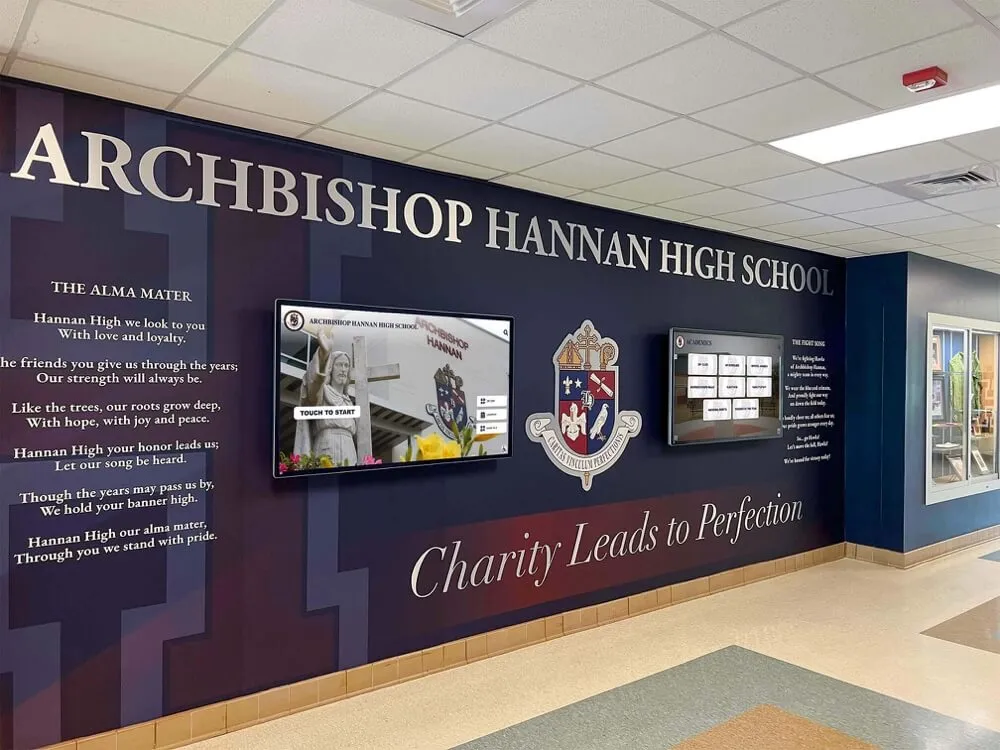
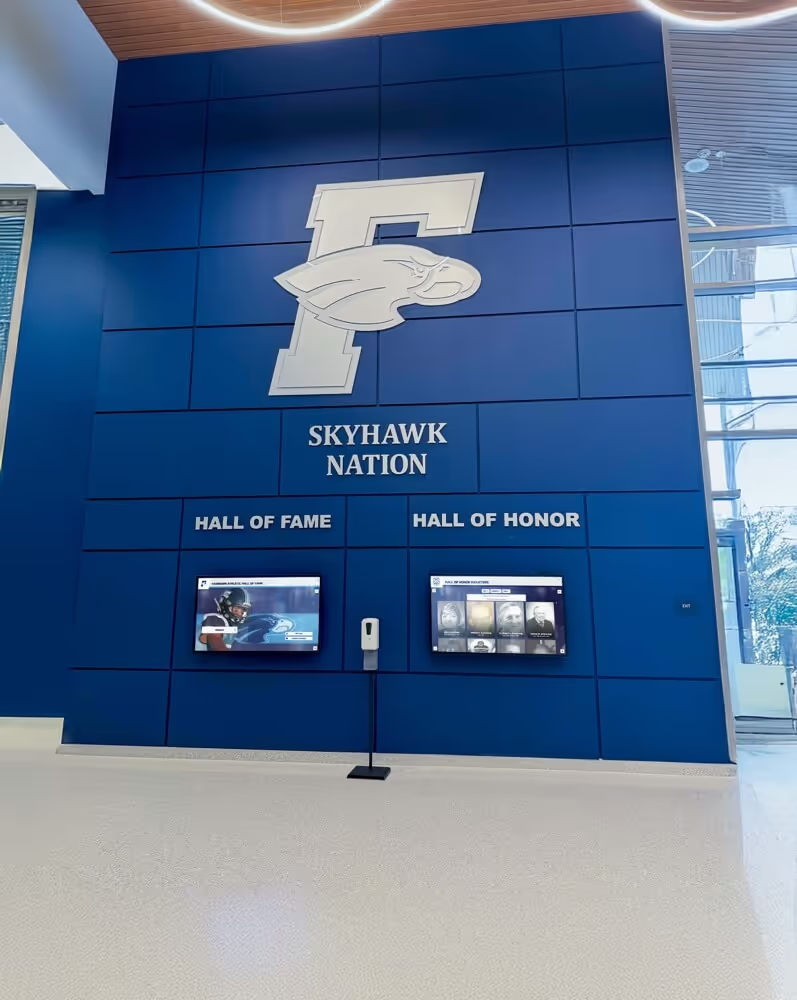
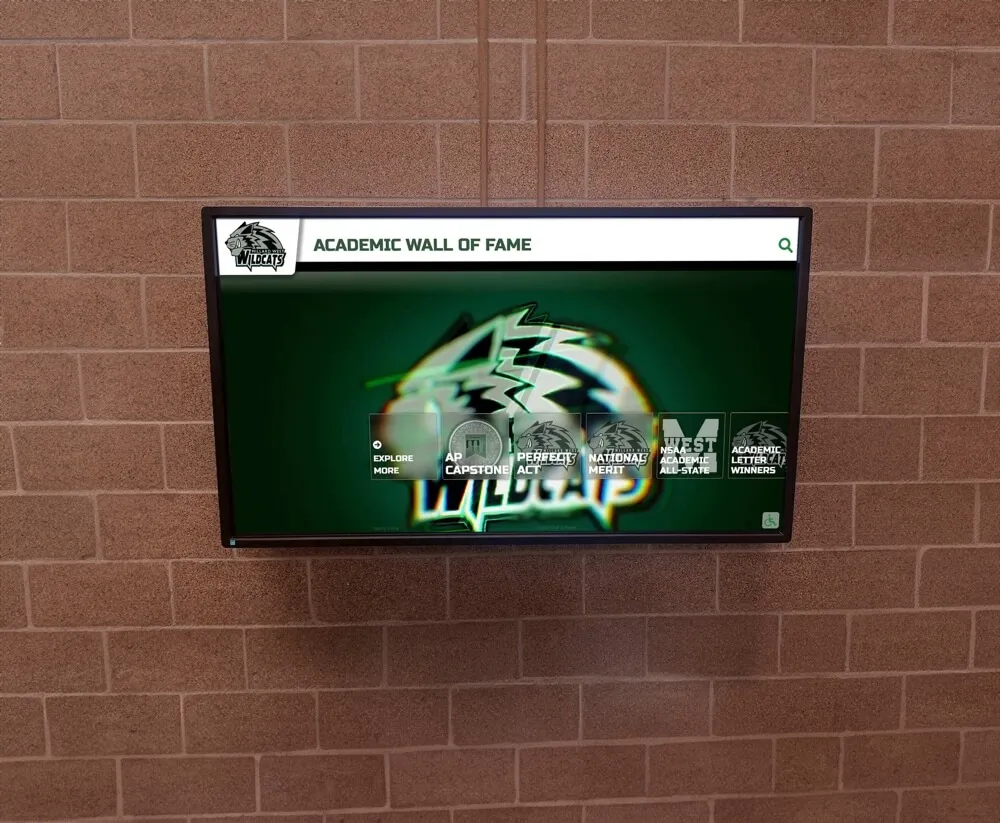
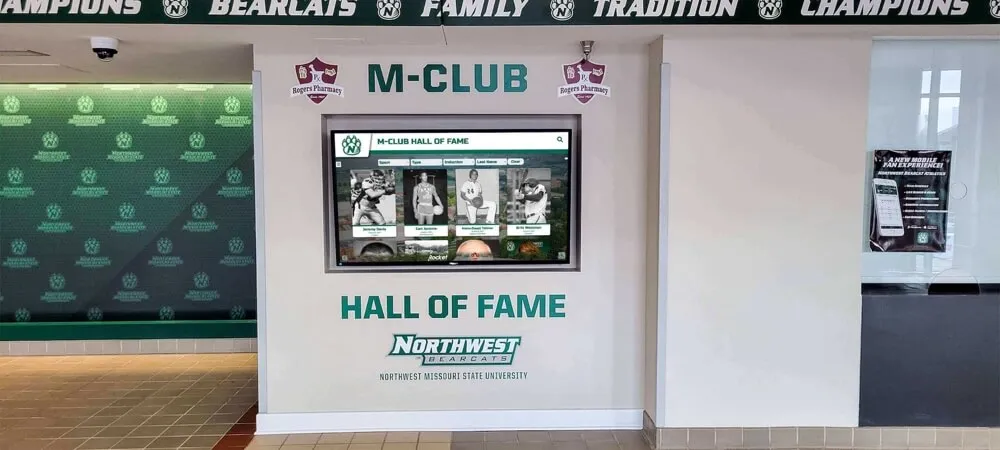
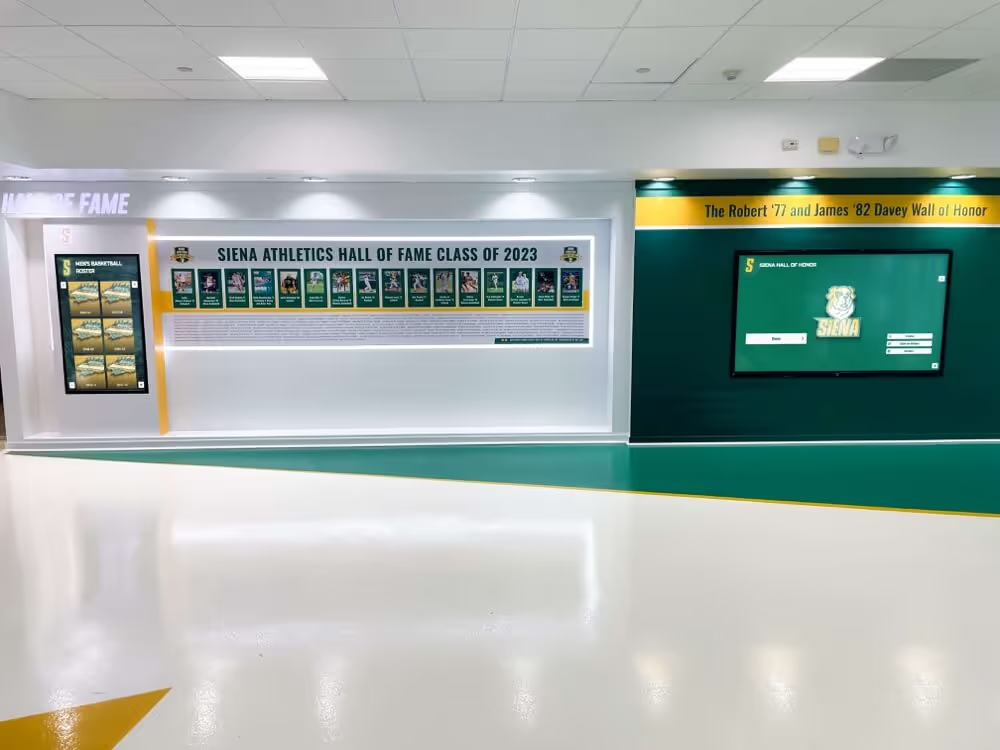
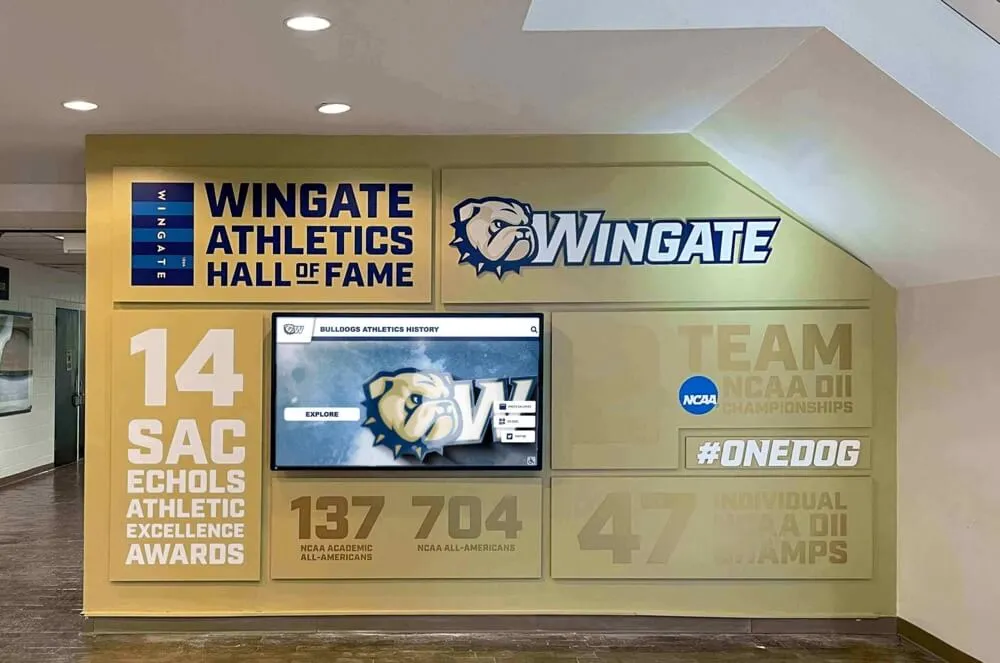
Digital displays integrate seamlessly with athletic facility architecture while providing unlimited recognition capacity
Celebration of Diverse Achievement Types
Track and field recognition should honor multiple achievement dimensions including individual event records across all disciplines, relay team records recognizing collaborative excellence, championship performances even when not setting records, consistent contribution by versatile multi-event athletes, improvement and personal achievement for developing competitors, and career cumulative achievements for sustained excellence over multiple seasons.
Comprehensive recognition celebrating all these achievement types requires flexible systems that traditional static displays cannot practically provide.
The Digital Touch Board Advantage for Track & Field
Modern interactive touch board technology directly addresses track and field’s unique recognition challenges while creating engagement opportunities impossible with traditional approaches.
Unlimited Event Capacity
Digital platforms eliminate physical space constraints that force programs to limit which events and achievements receive recognition.
Comprehensive Event Coverage
Solutions like Rocket Alumni Solutions enable track and field programs to showcase complete recognition across every event category with separate record displays for each individual event, complete historical progression showing how records evolved over time, gender-specific records with equal prominence and detail, meet-type distinctions recognizing different competitive contexts, and classification-specific records when programs compete across multiple divisions.
A single digital touch board display can present comprehensive information for all 30-40 record categories that would require dozens of square feet of physical board space—all while maintaining professional formatting, readability, and visual appeal that engages viewers.
No Per-Record Addition Costs
Unlike physical plaques or engraving requiring expenses for each record update, digital systems accommodate unlimited records and continuous updates without additional hardware costs. When a sprinter breaks the 100m record, coaches or athletic directors simply log into the cloud-based platform and update the listing instantly—no manufacturing, shipping, installation, or physical facility access required.
This cost structure makes truly comprehensive and current recognition financially sustainable even for programs with limited athletic department budgets.

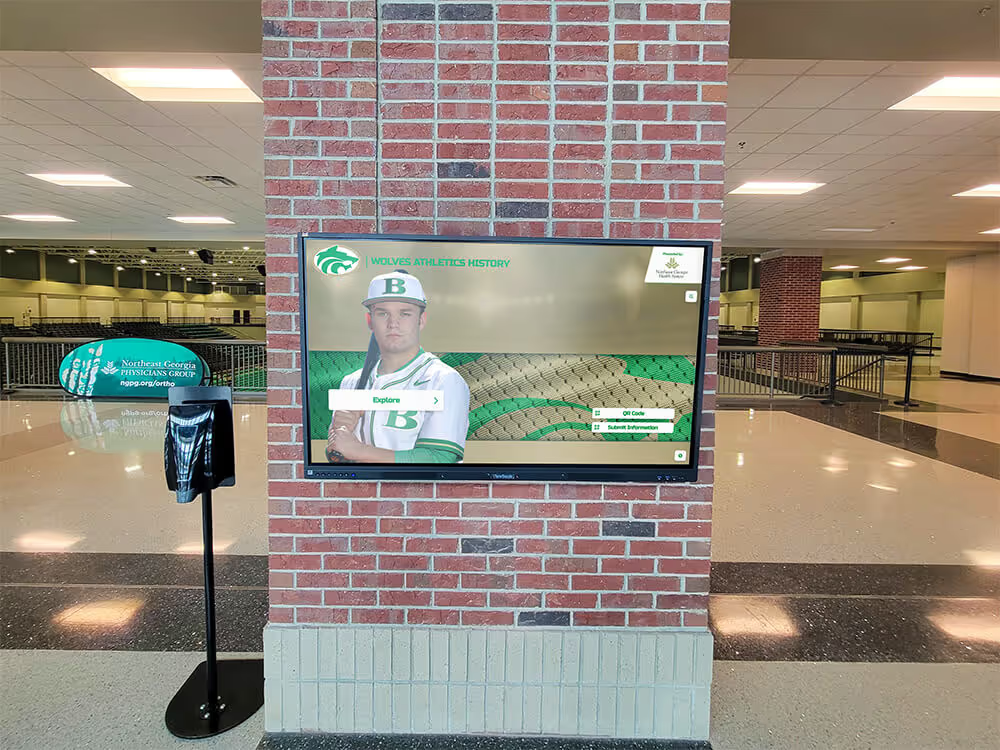
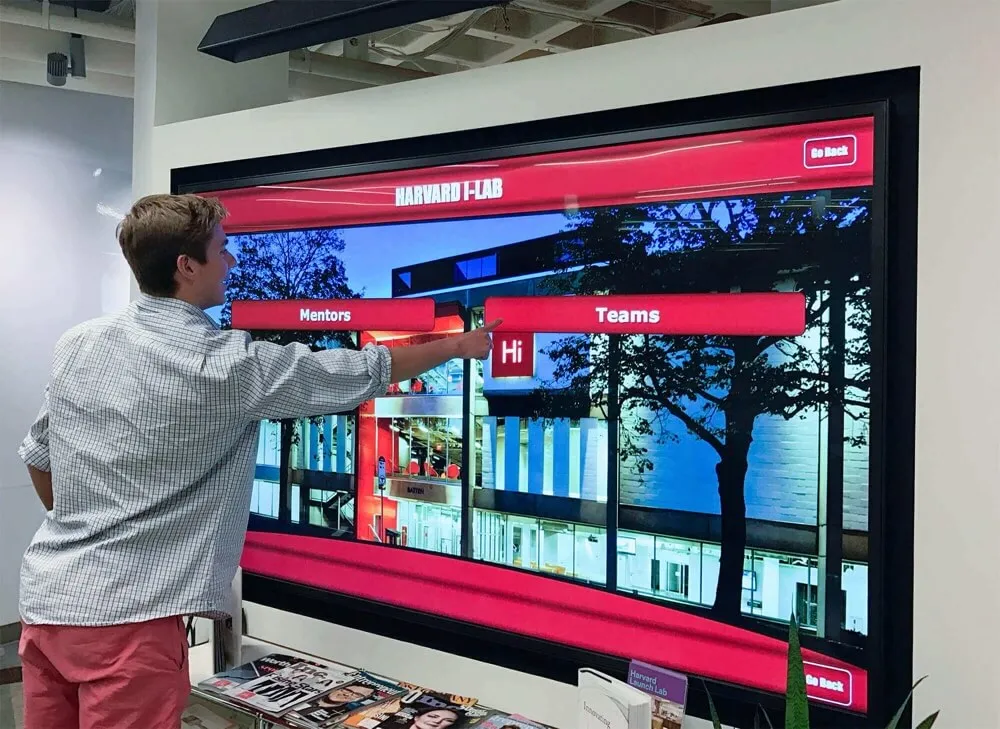
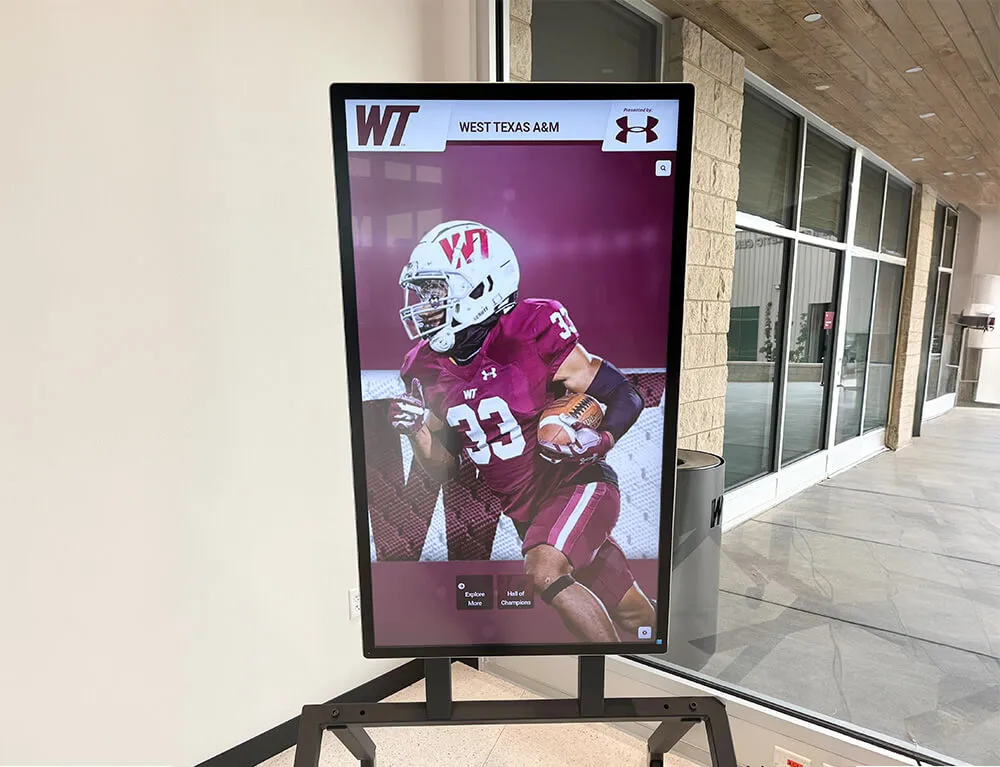
Freestanding kiosks create dedicated recognition spaces in athletic facility lobbies and high-traffic areas
Rich Athlete Profiles and Contextual Information
Digital recognition enables comprehensive athlete profiles that honor complete track and field journeys rather than just single record performances.
Multi-Dimensional Athlete Recognition
Individual athlete profiles can include multiple records held across different events, complete statistical progression showing improvement over seasons, championship performances and major meet results, relay team participation and contributions, awards and honors received throughout careers, personal records across all events competed, action photography capturing competitive moments, video highlights of record-setting performances, athlete reflections about their track and field experiences, post-high school athletic continuation and achievements, and current biographical information maintaining ongoing connection.
This comprehensive approach transforms simple record listings into inspiring profiles that current athletes can relate to and aspire toward—understanding not just what previous athletes achieved, but who they were and how they got there.
Event-Specific Performance Context
Digital systems provide space for contextual details that make records meaningful including wind readings for sprint and horizontal jump events (legal vs. wind-aided marks), meet location and competition level where record was set, margin of victory or placement context, weather conditions and temperature during performance, facility specifications and track surface details, and head-to-head competition creating memorable performances.
When current athletes understand that the school 100m record was set at the state championship meet with a legal 0.5 wind reading while winning by three-tenths of a second, they gain appreciation for both the achievement’s significance and the circumstances required to approach it themselves.
Interactive Exploration and Search Functionality
Touch board interfaces enable personalized exploration where users discover content matching their specific interests rather than being limited to pre-selected visible content.
Powerful Search and Filter Capabilities
Users can navigate track and field recognition through multiple pathways including searching by athlete name to find specific individuals, filtering by event to see all-time leaders in particular disciplines, sorting by year or decade to explore different eras, viewing by gender to explore boys or girls program histories, examining relay team compositions and membership, and comparing performances across different meet types or competitive contexts.
This flexible navigation ensures every visitor finds personally relevant content—current 400m runners exploring the progression of that event record, parents discovering their graduate’s complete achievement history, alumni searching for teammates and competition from their era, or community members exploring program tradition across decades.
Discover comprehensive approaches to digital record boards that provide flexible navigation for complex athletic achievement databases.
Comparative Analysis Features
Digital platforms enable comparisons impossible with static displays including all-time performance rankings across event disciplines, year-by-year record progression showing evolution, decade comparisons revealing how training and competition advanced, gender-balanced displays celebrating parallel achievements, and team scoring contributions showing individual impact on team success.
These analytical features help current athletes understand performance context while appreciating the cumulative tradition they’re part of—recognizing that breaking school records means surpassing the best performances across potentially 50+ years of competition.
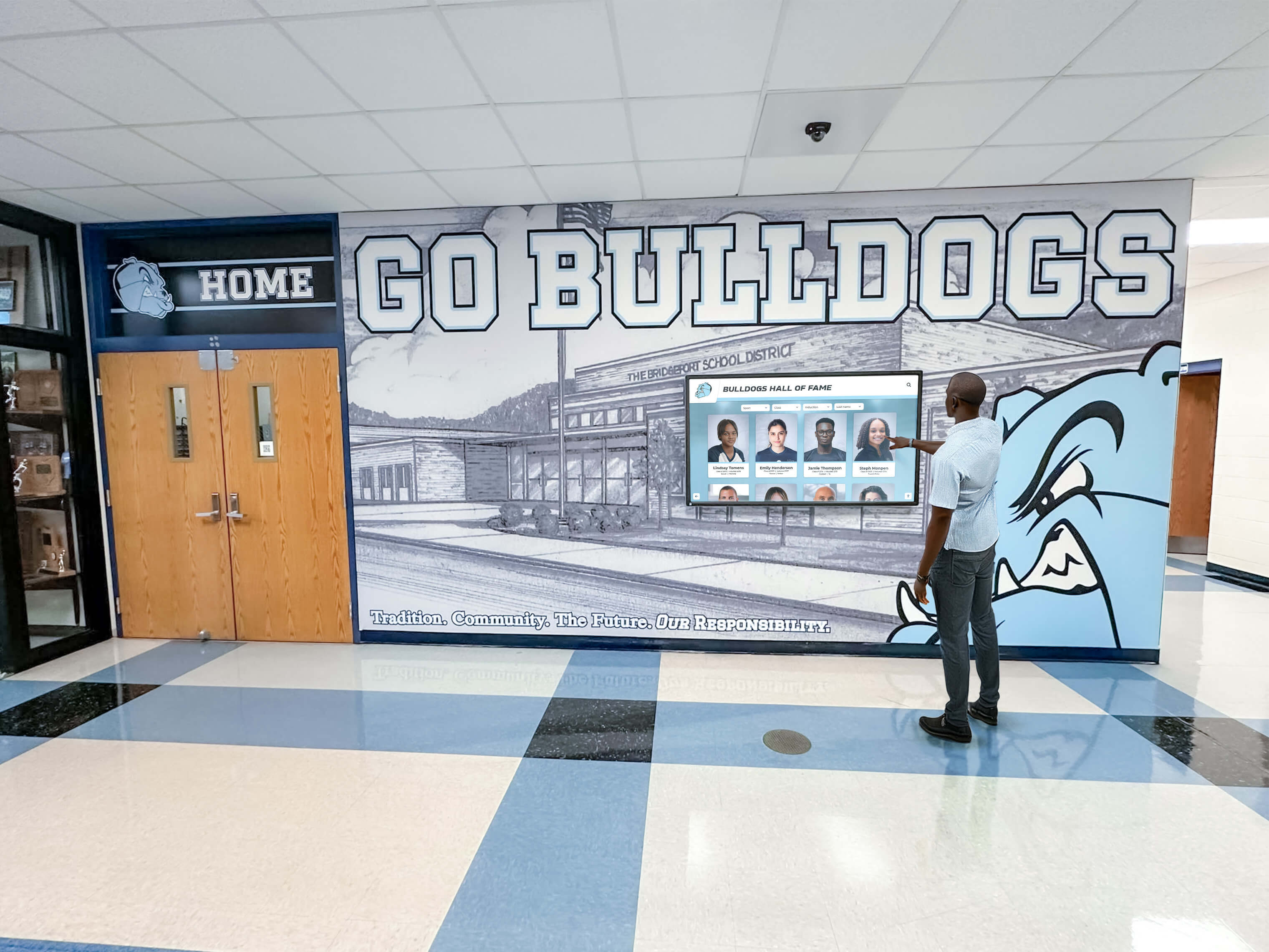
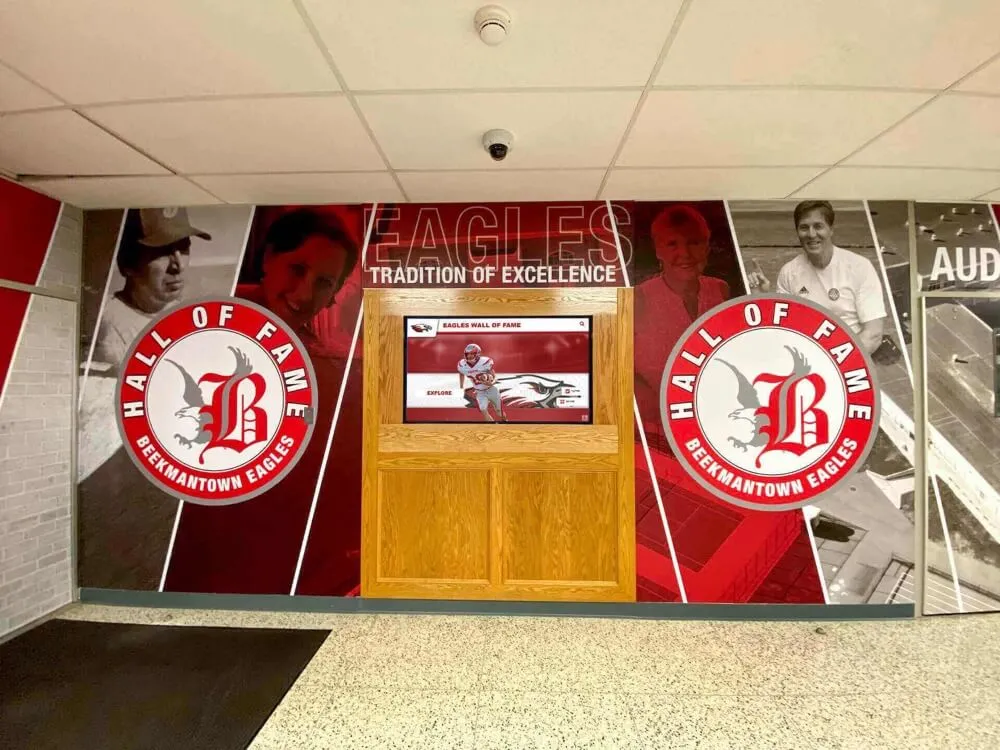
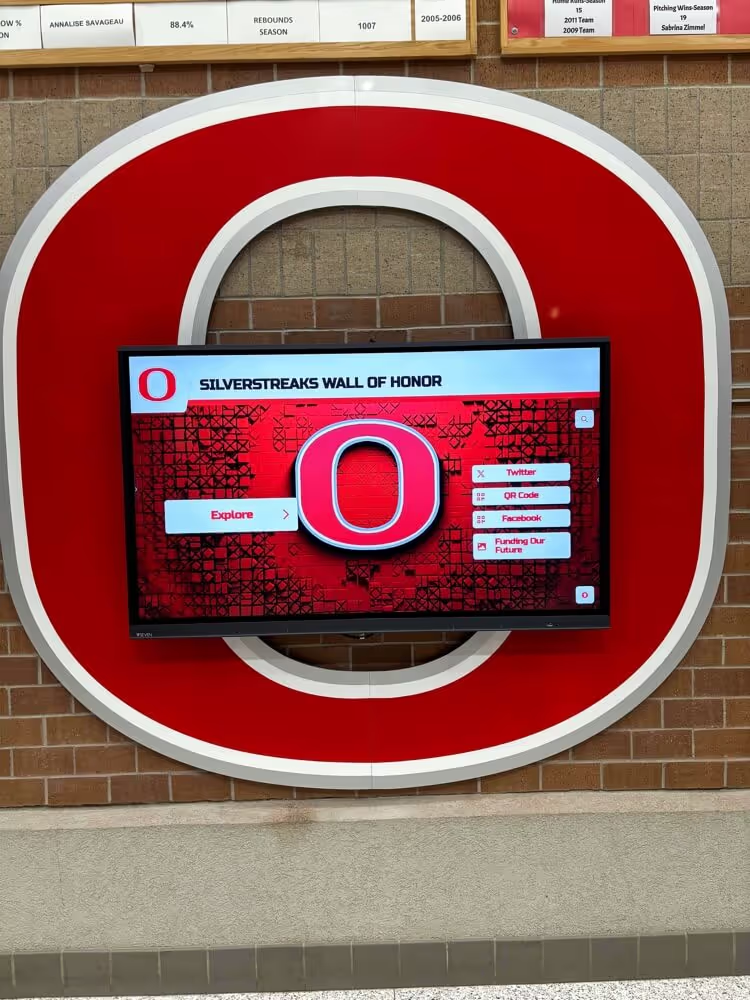
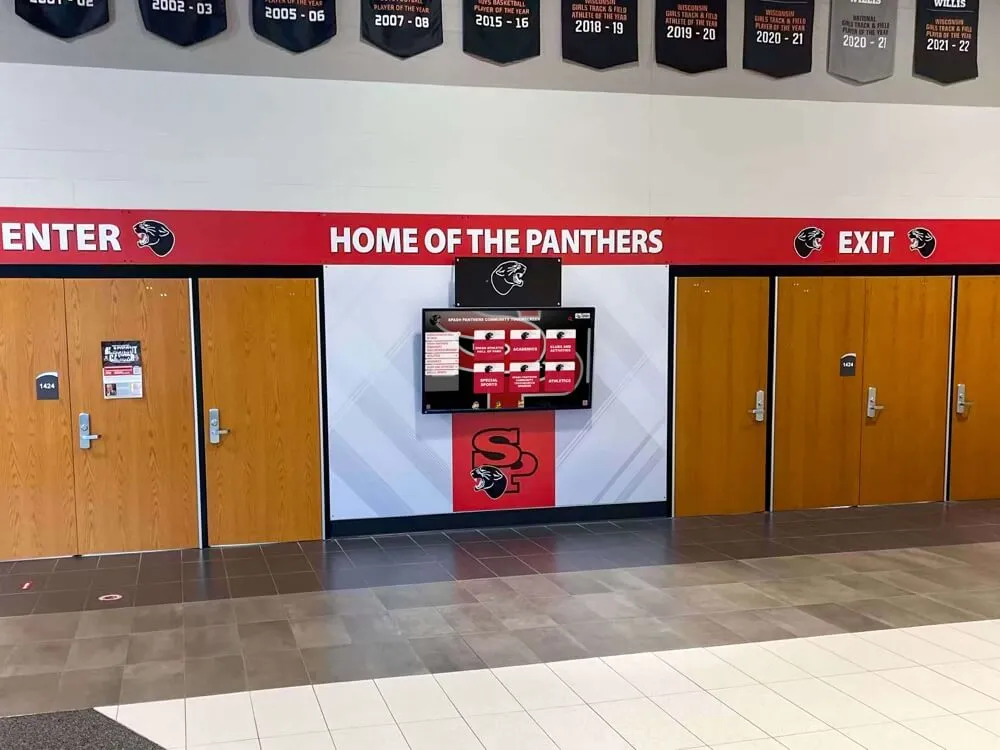
Hallway placements ensure recognition reaches all students, not just track and field participants
Essential Content Elements for Track & Field Recognition
Effective digital touch boards require systematic content organization presenting complex information accessibly while honoring achievement comprehensively.
Event Record Organization
Standard Individual Event Records
Each track and field event should have dedicated recognition pages including current school record with athlete name, mark, and year, complete top-10 all-time performance rankings, record progression history showing when marks were set, meet and date information providing competitive context, and performance conditions (wind, temperature, facility) when relevant.
This structured presentation ensures consistency across all events while providing depth that static displays cannot match.
Relay Team Recognition
Relay records require special handling acknowledging team composition including all four relay members with running order when known, split times if available showing individual leg contributions, meet details and competitive significance, coach information recognizing leadership and preparation, and season context placing performance within team’s overall success.
Relay recognition honors collaborative achievement while ensuring all contributors receive appropriate individual acknowledgment—avoiding the common problem where relay members’ names get lost in simple time listings.
Event-Specific Statistical Categories
Different event types generate different relevant statistics worthy of recognition. Sprint and hurdle events benefit from reaction time data, split times for longer sprints, wind readings, and head-to-head competition results. Distance events should include lap split progressions, competitive strategy context, weather conditions, and placement information. Field events need series progression showing all attempts, improvement margins over previous records, and technical execution details when available.
Learn about comprehensive sports record keeping approaches that ensure appropriate statistical documentation across all event categories.
Athlete Career Documentation
Multi-Year Performance Tracking
Complete athlete profiles track development across high school careers including freshman year statistics and early achievements, sophomore progression showing skill development, junior year breakthrough performances, senior culmination with career summaries, and personal record progressions across all events competed.
This longitudinal view helps current athletes understand that excellence develops over time through sustained commitment—today’s freshman can see how previous record holders progressed from newcomers to champions through consistent dedication.
Championship and Major Meet Performances
Beyond individual event records, profiles should document broader competitive success including conference championship results across all years, regional and sectional meet performances, state meet appearances and placements, invitational victories and notable performances, and team scoring contributions showing individual impact on program success.
This comprehensive view recognizes that athletic excellence includes championship performances even when marks don’t set school records—honoring competitors who delivered when team success depended on their contributions.
Historical Context and Program Evolution
Decade-by-Decade Program History
Digital platforms enable historical exploration showing program evolution including record progressions across decades, facility improvements affecting performance, coaching tenures and program development, championship seasons and breakthrough eras, and notable individual athletes who shaped program identity.
This historical depth connects current athletes to proud traditions spanning generations—understanding they’re part of continuing excellence rather than isolated contemporary performances.
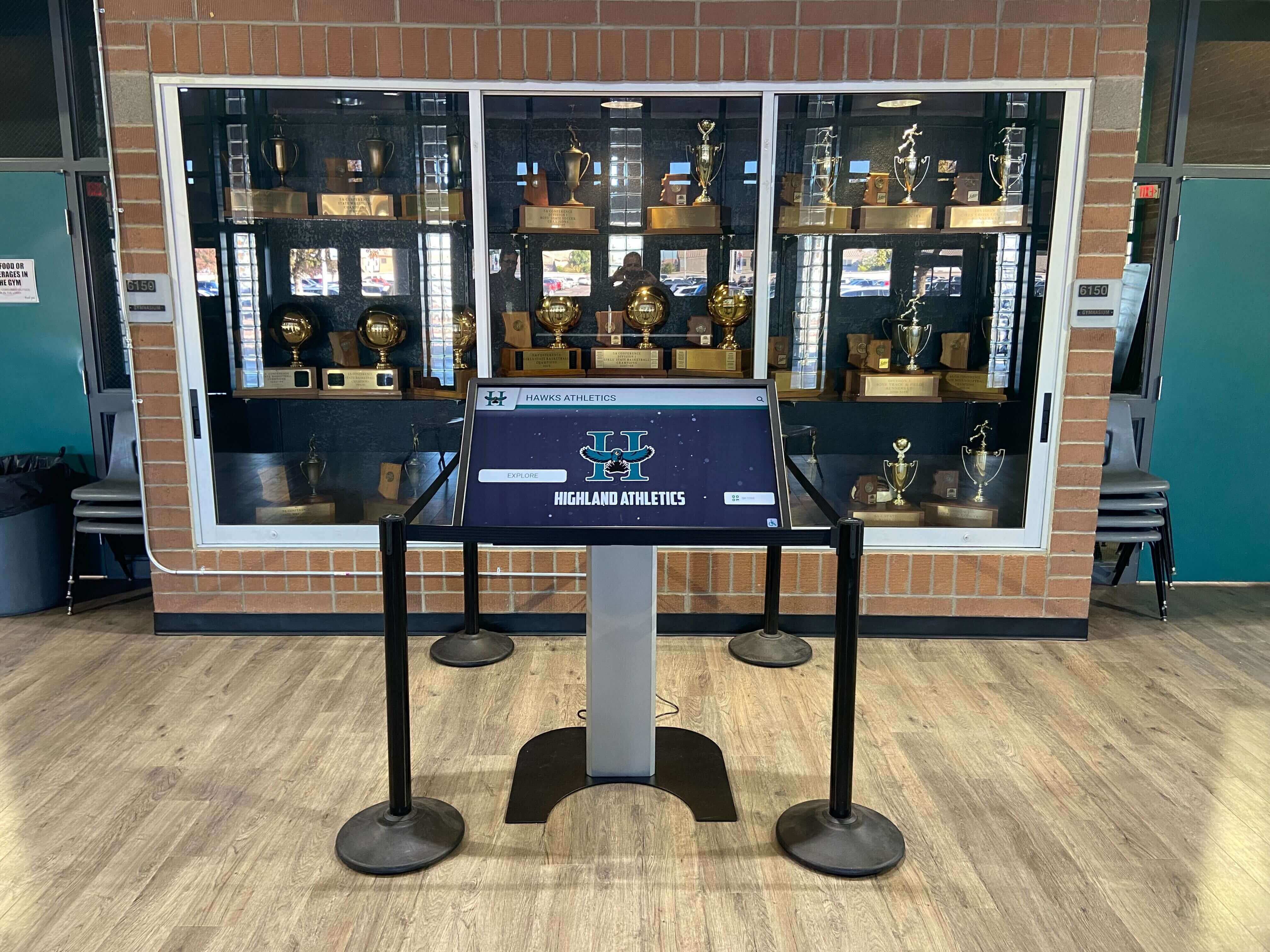
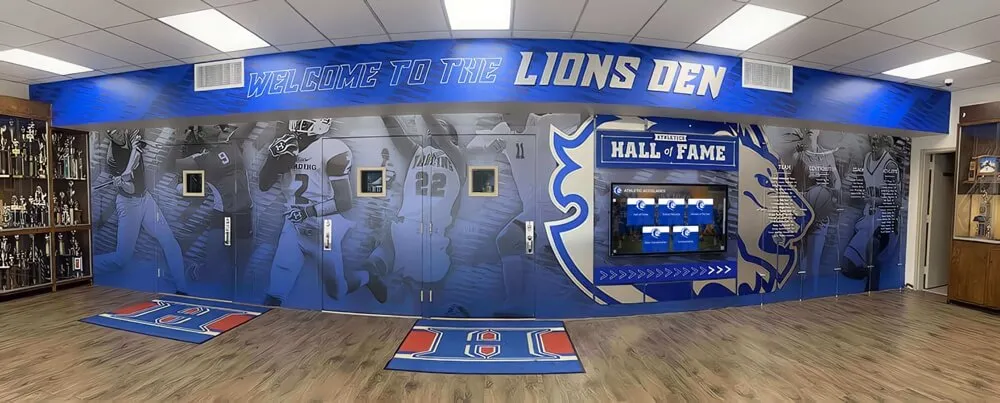
Kiosks integrate with existing trophy cases creating comprehensive recognition environments
Alumni Athletic Continuation
Profiles documenting post-high school track and field involvement honor continued athletic dedication including college programs attended and competition levels, collegiate performances and achievements, professional or international competition when applicable, coaching and officiating contributions to the sport, and continued connection to high school program through mentorship or support.
This documentation demonstrates that high school track and field often launches lifelong involvement in the sport—providing inspiration for current athletes while maintaining alumni connections to programs.
Implementing Track & Field Digital Touch Board Systems
Successful implementation requires systematic planning addressing technology selection, content development, and stakeholder engagement.
Technology Platform and Hardware Selection
Display Hardware Considerations
Appropriate equipment ensures reliability and engagement including commercial-grade touchscreens designed for continuous athletic facility operation, screen sizes appropriate for viewing distances (typically 55-65 inches for main lobbies, 43-50 inches for hallway locations), professional mounting with vandal-resistant enclosures suitable for high-traffic areas, high brightness displays maintaining visibility in well-lit athletic facilities, and responsive touch technology providing intuitive interaction without calibration requirements.
Organizations should budget $4,000-$8,000 per display for commercial-grade hardware appropriate for athletic facility environments with heavy daily use.
Software Platform Requirements
Purpose-built athletic recognition platforms provide critical advantages including intuitive content management requiring minimal technical expertise, event-specific templates designed for track and field organization, bulk import capabilities for season-end statistics updates, flexible search and filtering appropriate for multi-event sports, real-time update capabilities enabling immediate record change recognition, mobile-responsive web access extending engagement beyond physical displays, and analytics revealing engagement patterns informing content strategy.
Solutions like Rocket Alumni Solutions provide specialized track and field recognition features that generic content systems cannot efficiently replicate—justifying investment in purpose-built platforms.
Strategic Display Placement
Location significantly affects recognition visibility and engagement including athletic facility main entrances where all visitors and athletes pass, gymnasium or field house lobbies creating pre-competition excitement, training facility areas where athletes spend significant daily time, school main hallways ensuring broader student body sees track and field excellence, and outdoor stadium areas providing meet-day recognition and atmosphere enhancement.
Multiple display locations maximize visibility across diverse audiences—current athletes, prospective recruits, families attending meets, visiting teams and coaches, and general school community members.
Content Development Strategy
Initial Record Research and Verification
Building comprehensive record databases requires dedicated research including reviewing existing record boards and media guides, searching yearbooks and archived programs, interviewing coaches with institutional memory, contacting alumni associations for historical information, and verifying statistics through multiple independent sources when possible to ensure accuracy.
Many programs discover previously unrecognized achievements during systematic historical research—athletes whose performances were never formally documented in eras lacking current recognition systems or record-keeping practices.
Photo and Media Collection
Visual content significantly enhances recognition appeal including current athlete action photography showing competitive moments, historical photos from yearbooks and archives, video highlights of record-setting performances when available, championship meet footage capturing breakthrough moments, and facility evolution photos providing program development context.
Systematic media collection during current seasons ensures ongoing content quality while historical digitization preserves legacy content for future recognition.
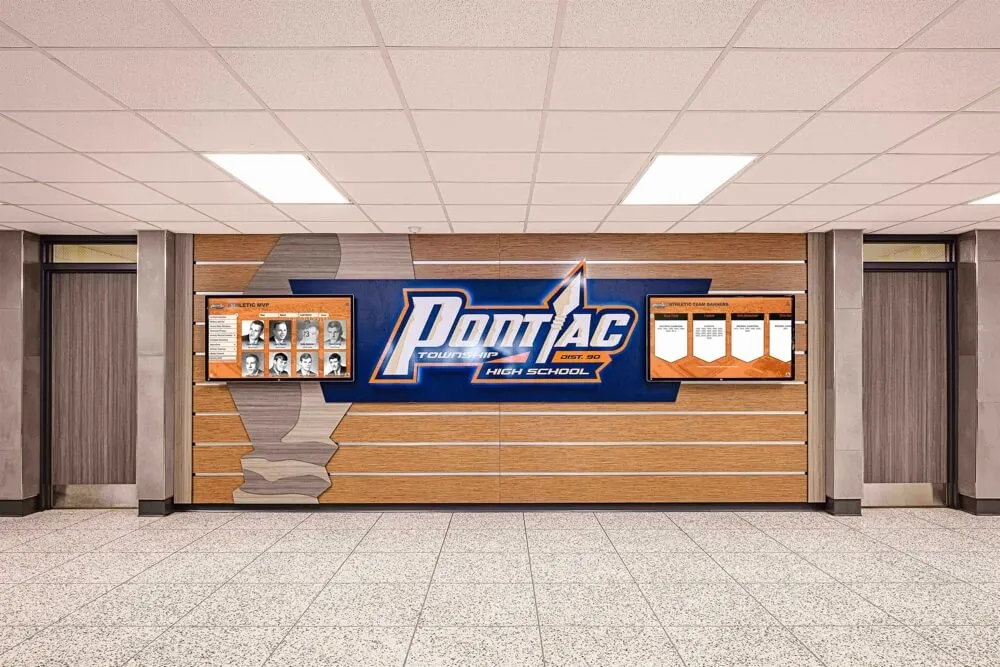
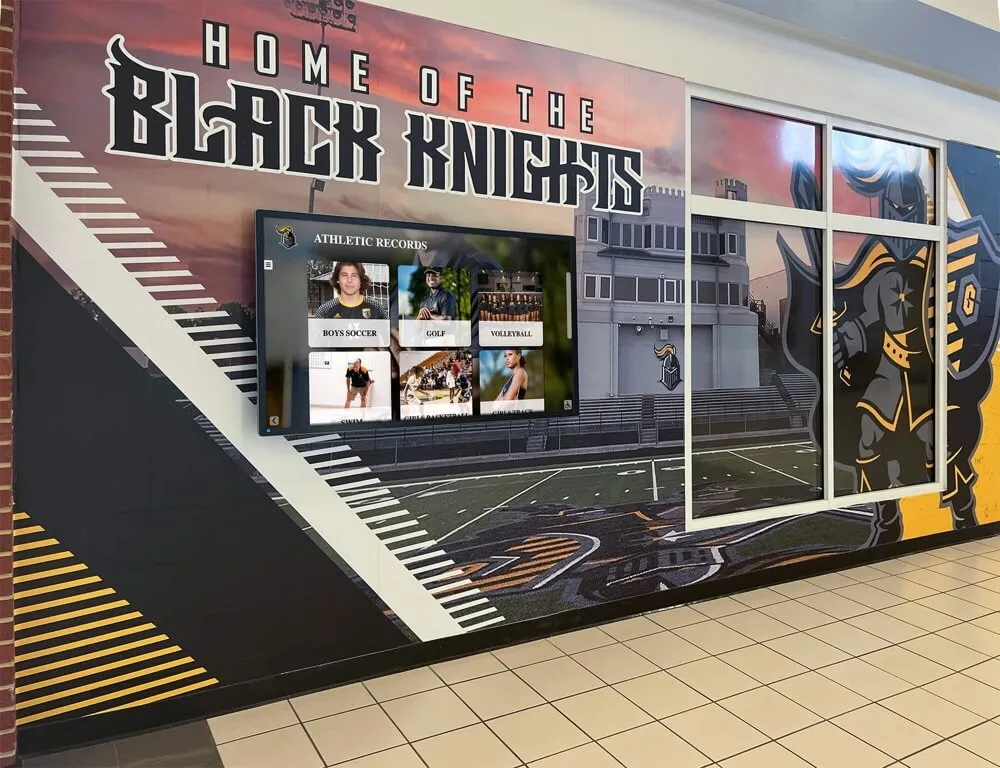
Integrated recognition systems celebrate track and field alongside other athletic programs
Athlete Profile Development
Comprehensive profiles require gathering multiple information elements including biographical details and graduation years, complete track and field statistics across all events, championship performances and major meet results, awards and honors received, post-high school athletic continuation, coach testimonials about athlete contributions, and athlete reflections about their track and field experiences when available.
This content depth transforms simple record listings into inspiring profiles that current athletes connect with personally—understanding the dedication and journey required for exceptional achievement.
Launch and Ongoing Management
Recognition Ceremony and Promotion
Formal unveiling creates excitement and engagement including ribbon cutting featuring current track and field athletes, interactive demonstrations showing search and exploration capabilities, media coverage highlighting program commitment to recognition, social media promotion driving web platform access, and inclusion in upcoming meet programs promoting displays to visiting schools and families.
Strategic launch timing—during track and field season or at year-end banquet—maximizes initial visibility and engagement.
Systematic Update Procedures
Sustained recognition quality requires clear processes including designated staff responsibility for content management, standard forms collecting necessary information after record performances, weekly or monthly updates during active seasons maintaining currency, verification procedures ensuring accuracy before publishing, and communication through team channels and social media highlighting new recognition.
Cloud-based management enables updates from any internet-connected device without requiring physical facility access—dramatically reducing administrative burden compared to traditional display maintenance.
Maximizing Track & Field Recognition Impact
Beyond basic implementation, strategic approaches amplify recognition value while supporting broader athletic program goals.
Integration with Performance Tracking
Goal-Setting and Motivation
Digital recognition serves as motivational tool when integrated with performance tracking including displaying current season top performances alongside historical records, showing “distance from record” information helping athletes gauge progress, documenting personal record progressions tracking individual improvement, and creating seasonal leaderboards generating friendly team competition.
When athletes can easily see they’re within two-tenths of a second of the school 200m record, abstract goals become concrete targets that focused training can systematically pursue.
Recruiting and Program Promotion
Comprehensive recognition provides recruiting advantages including campus tour integration showcasing program tradition and achievement, prospective athlete exploration enabling event-specific research, demonstrating coaching effectiveness through athlete development documentation, and highlighting post-high school continuation showing pathways beyond high school competition.
Displays documenting decades of track and field excellence provide compelling evidence that programs consistently develop elite-level talent—reassuring recruits and families about development opportunities and competitive experiences they’ll receive.
Explore student athlete recognition programs that integrate individual achievement celebration with team culture development.
Multi-Sport Recognition Coordination
Comprehensive Athletic Recognition Systems
Track and field recognition should integrate within broader athletic recognition including similar digital systems for other school sports, consistent visual design creating cohesive athletic identity, cross-sport athlete recognition celebrating multi-sport participation, and seasonal rotation emphasizing different sports during their competitive seasons.
This integration demonstrates institutional commitment to comprehensive athletic excellence rather than single-sport focus—encouraging broader participation while honoring all athletic contributions.
Academic-Athletic Balance
Recognition systems celebrating both dimensions of student-athlete identity including academic honors and achievements, college acceptance and scholarship recognition, career aspirations and post-graduation plans, and community service and leadership contributions.
This holistic approach honors complete individuals rather than just athletic statistics—reinforcing that track and field excellence complements and enhances broader educational development.
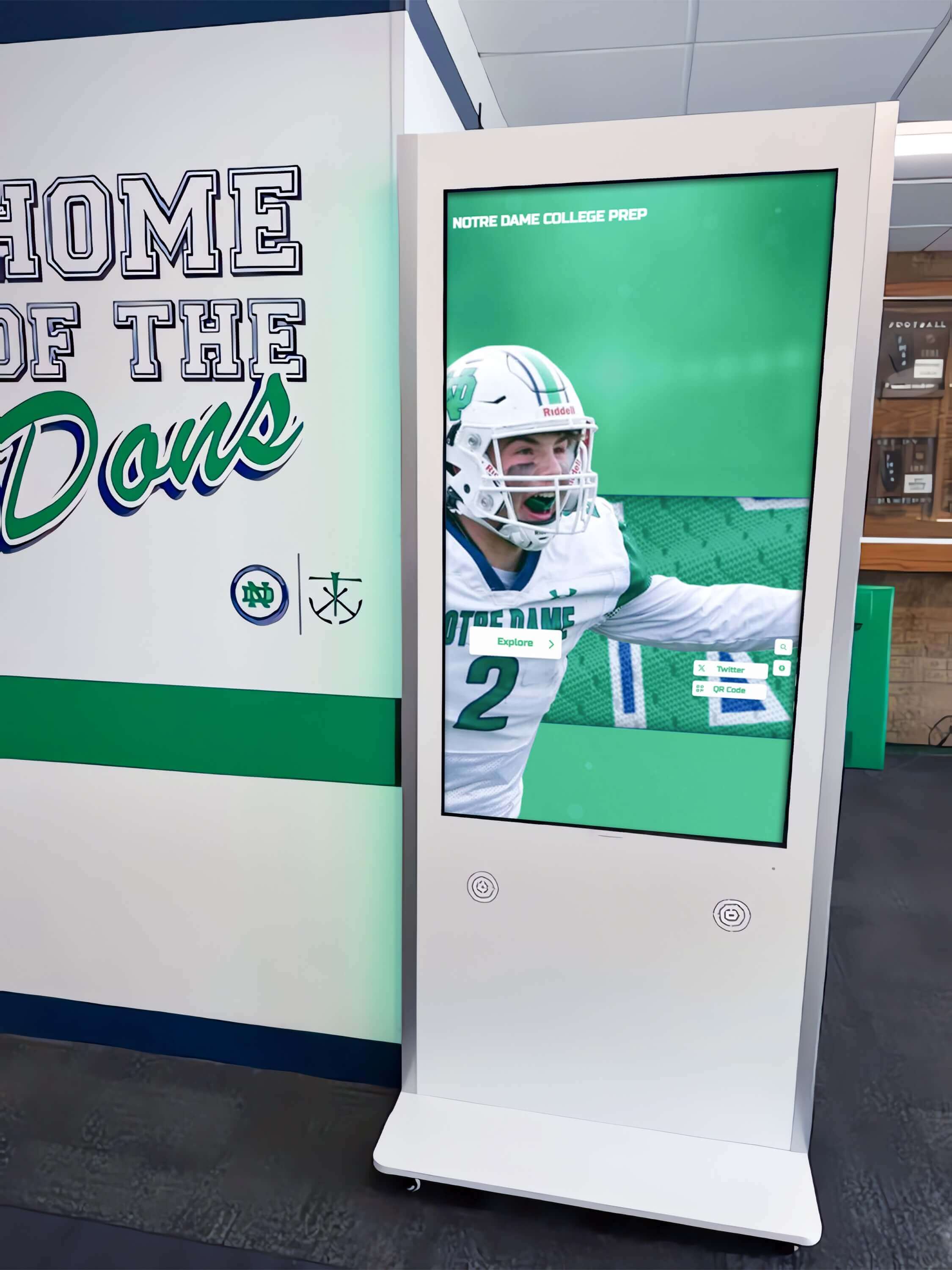
Strategic hallway placement creates natural engagement opportunities during passing periods and school events
Alumni Engagement and Tradition Building
Historical Athlete Connection
Digital platforms facilitate alumni engagement through recognition including enabling distance exploration via web platforms accessible worldwide, providing reunion programming built around recognition exploration, creating mentorship connections between current athletes and accomplished alumni, and facilitating fundraising through recognition naming opportunities and sponsorships.
When alumni see their high school achievements honored permanently through modern systems, they maintain stronger connections to current programs while gaining motivation to support next generations of track and field athletes.
Generational Legacy Documentation
Recognition celebrating multi-generational track and field families including parent-child athlete connections showing family traditions, sibling recognition honoring multiple family members, coach family legacies spanning generations, and program supporter recognition acknowledging sustained community commitment.
These connections strengthen program identity while honoring families whose sustained involvement shapes institutional track and field culture across decades.
Best Practices for Track & Field Touch Board Recognition
Effective implementation requires attention to sport-specific details ensuring recognition serves all stakeholders appropriately.
Ensuring Accuracy and Credibility
Verification Standards
Track and field records require rigorous documentation including official meet results from sanctioned competitions, timing system verification ensuring approved electronic equipment, wind reading documentation for affected events, facility certification confirming measurement accuracy, and competitive level verification distinguishing varsity from junior varsity or non-sanctioned performances.
Clear standards prevent disputes while ensuring recognition maintains credibility with knowledgeable track and field communities.
Historical Record Reconciliation
When implementing comprehensive digital systems, programs often discover historical record discrepancies including conflicting information across different source documents, performances that may not meet current documentation standards, wind-aided marks that weren’t distinguished from legal performances, and relay records missing complete team member attribution.
Establishing clear policies for handling uncertain historical information—such as recognizing performances with appropriate context notes—enables comprehensive inclusion while maintaining transparency about documentation quality.
Gender Equity and Inclusive Recognition
Balanced Visibility
Track and field recognition must ensure equitable treatment including equal prominence for boys and girls program records, balanced athlete profile depth and detail, equivalent update frequency maintaining currency, and equal historical documentation across both programs.
Regular audits comparing recognition across programs identify inequities requiring correction—ensuring neither program receives secondary treatment.
Recognition Beyond Elite Performance
Comprehensive systems celebrate diverse achievement including most improved athlete recognition, team contribution awards beyond record performances, perseverance recognition for athletes overcoming challenges, versatility recognition for successful multi-event competitors, and leadership acknowledgment beyond competitive statistics.
This inclusive approach demonstrates that track and field values multiple forms of excellence while encouraging broader participation and sustained commitment.
Accessibility and User Experience
Universal Design Principles
Recognition systems should serve all stakeholders including intuitive navigation requiring no technical expertise, readable typography and high-contrast displays, ADA-compliant physical mounting heights, mobile-responsive web access for remote exploration, and multilingual support when serving diverse communities.
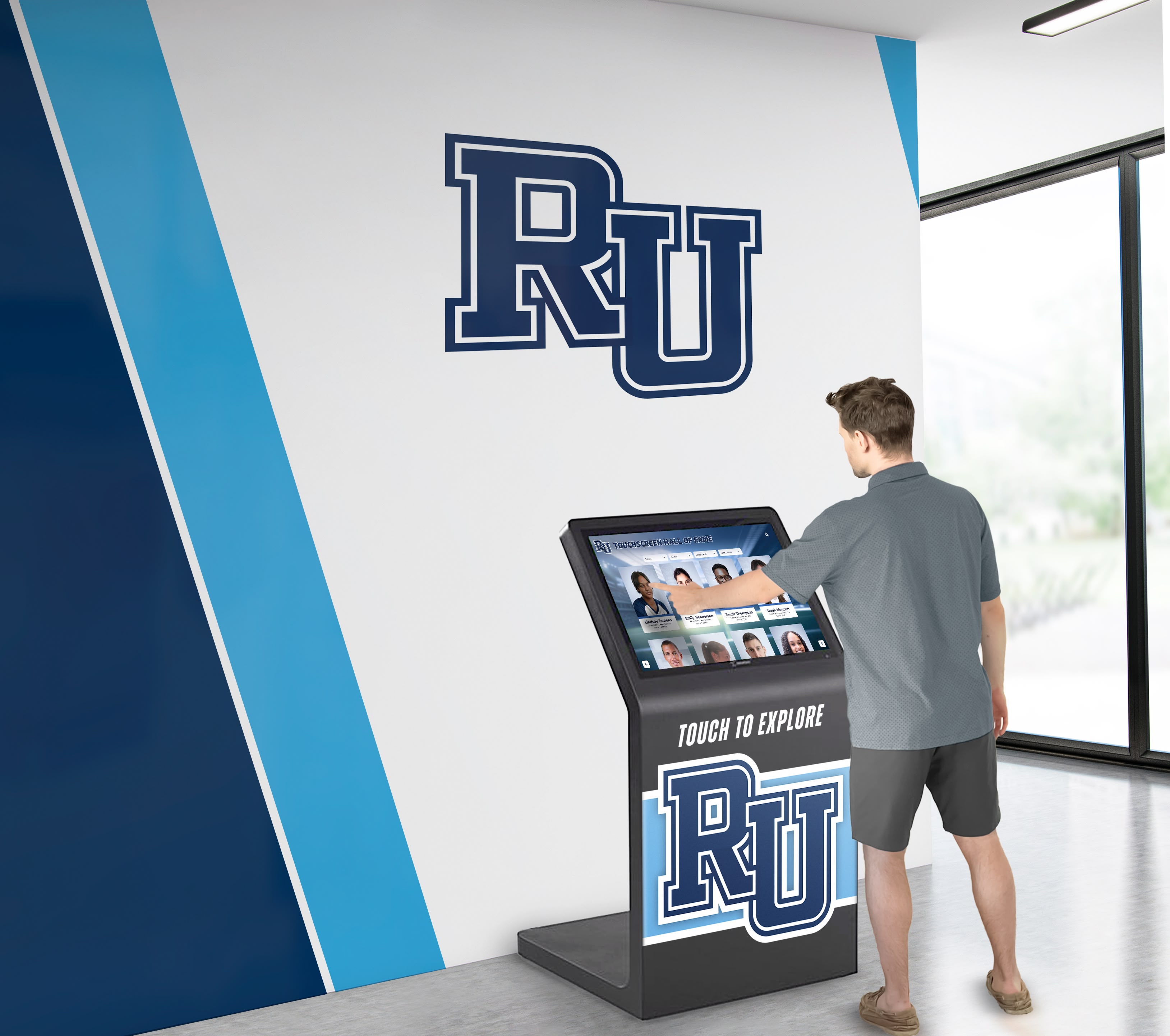
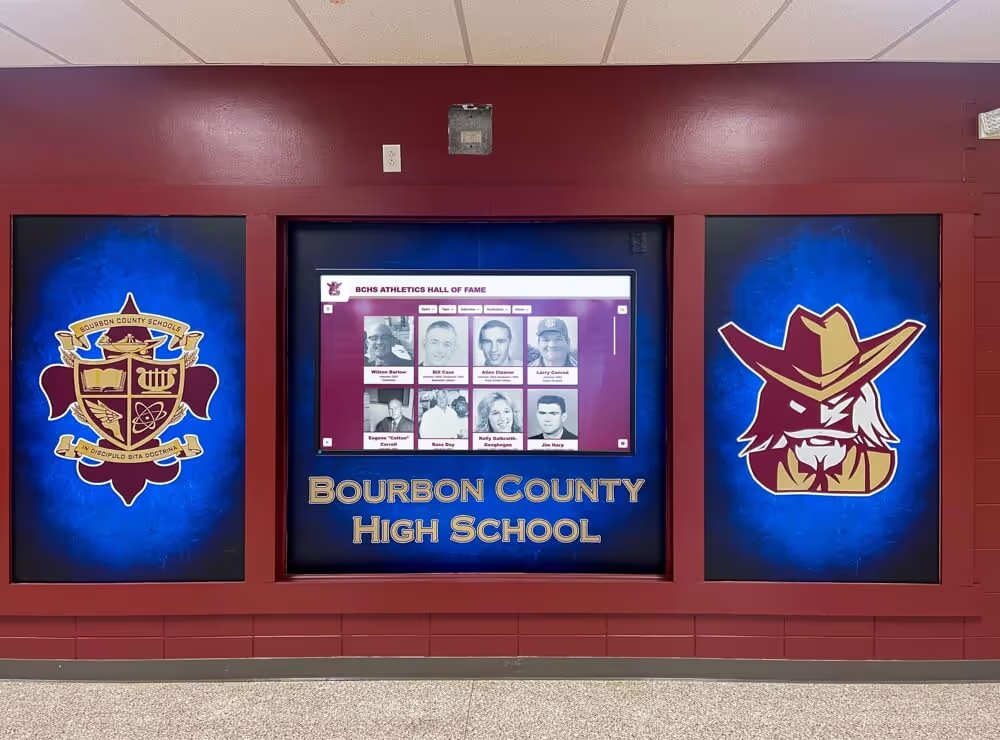
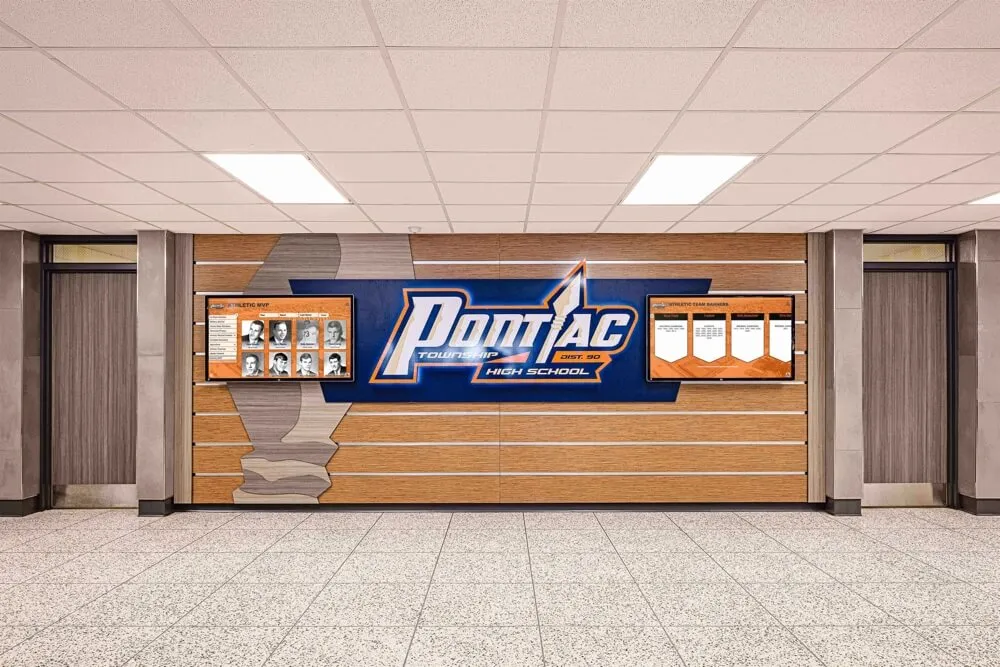
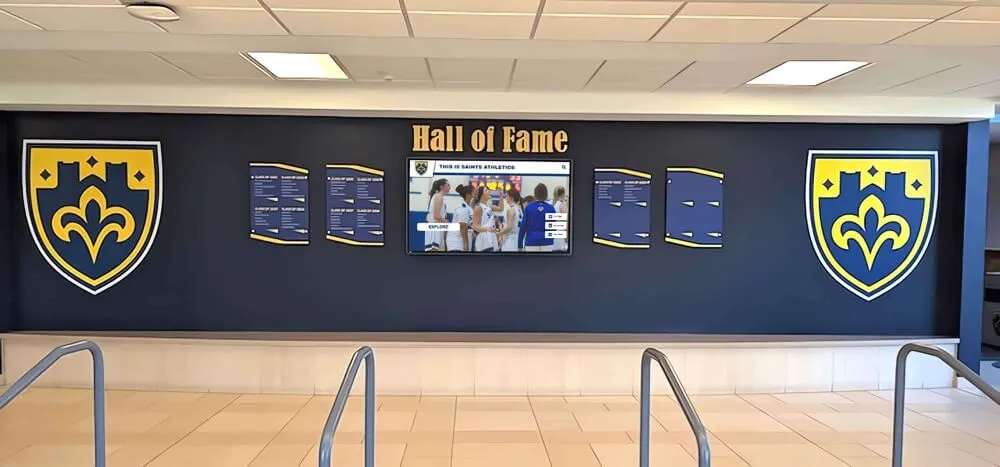
Main lobby displays create first impressions highlighting school commitment to athletic recognition
These considerations ensure recognition serves entire communities rather than privileging certain users over others.
Engagement Analytics and Continuous Improvement
Digital platforms provide usage data informing content strategy including interaction frequency revealing popular content, session duration indicating engagement depth, most-searched athletes and events showing audience interests, peak usage times suggesting optimal update scheduling, and demographic access patterns understanding who engages with recognition.
Regular analytics review enables continuous refinement ensuring touch board displays achieve intended engagement and inspiration goals.
Measuring Recognition Program Success
Systematic assessment demonstrates value while identifying improvement opportunities ensuring displays support track and field program objectives.
Quantitative Engagement Metrics
Digital Platform Analytics
Modern recognition systems provide concrete engagement data including display interaction frequency showing daily usage patterns, average session duration revealing engagement depth, most-viewed content identifying audience interests, search patterns showing navigation preferences, and web platform traffic revealing remote engagement beyond physical displays.
These metrics reveal whether touch board investments generate intended engagement or require strategy adjustments improving effectiveness.
Athletic Program Impact Indicators
Recognition correlation with program health including team participation rates tracking recruitment success, record frequency indicating competitive performance, athlete retention across seasons showing sustained commitment, college continuation rates revealing development success, and alumni engagement demonstrating lasting connection.
While recognition isn’t sole determinant of these outcomes, systematic tracking reveals whether comprehensive celebration correlates with stronger program engagement and competitive success.
Qualitative Assessment Feedback
Stakeholder Perspectives
Regular feedback provides insights beyond quantitative metrics including athlete surveys about motivation and program pride, coach observations about culture and competitive intensity, family satisfaction with recognition accessibility and comprehensiveness, alumni responses to enhanced tradition documentation, and community perception of program excellence and commitment.
This qualitative feedback reveals whether touch board displays achieve intended cultural impacts beyond engagement metrics alone.
Future Trends in Track & Field Digital Recognition
Understanding emerging developments helps programs plan investments remaining relevant and valuable long-term.
Advanced Analytics Integration
Performance Prediction and Development
Next-generation systems will integrate advanced capabilities including performance trajectory analysis predicting record progression, training effectiveness correlation showing what development approaches produce results, comparative analysis revealing performance trends across decades and competitive contexts, and individualized development recommendations based on performance data patterns.
These analytical capabilities transform recognition from celebration alone into strategic tools supporting athlete development and program improvement.
Enhanced Social and Community Connection
Extended Engagement Platforms
Future recognition will emphasize multi-channel engagement including mobile apps providing personalized athlete tracking, social media integration amplifying achievement celebration, live meet integration displaying real-time performances against historical records, virtual reality experiences recreating historic performances, and community challenges encouraging recreational participation.
These innovations will further extend recognition reach while strengthening connections between track and field programs and broader communities.
Learn about future trends in digital walls of fame providing broader context for recognition technology evolution.

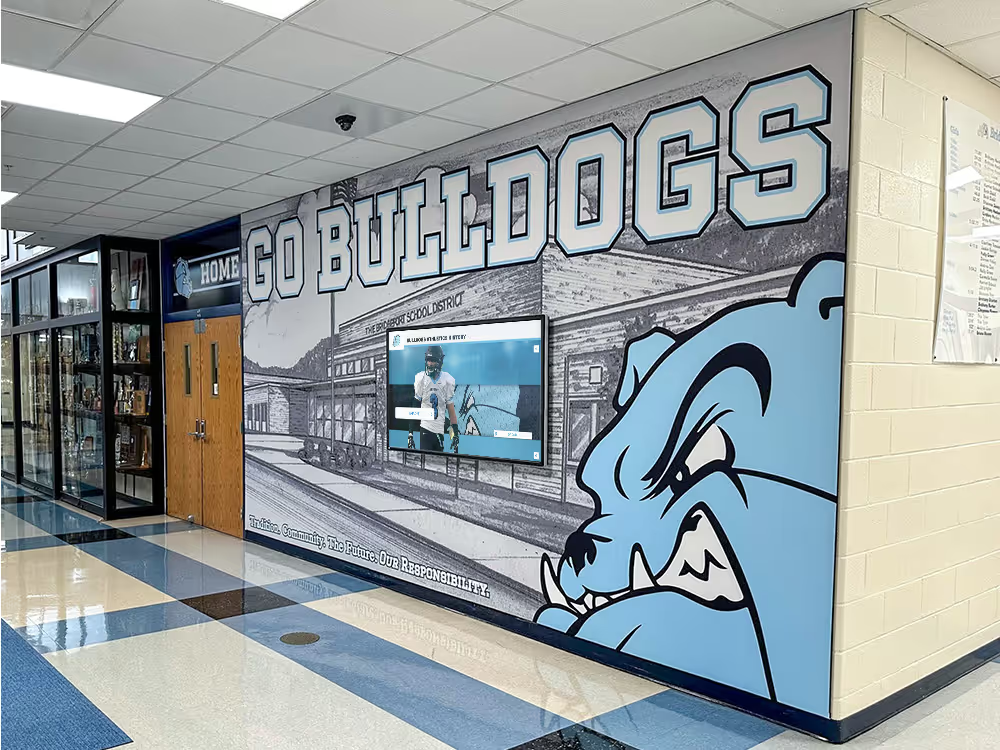
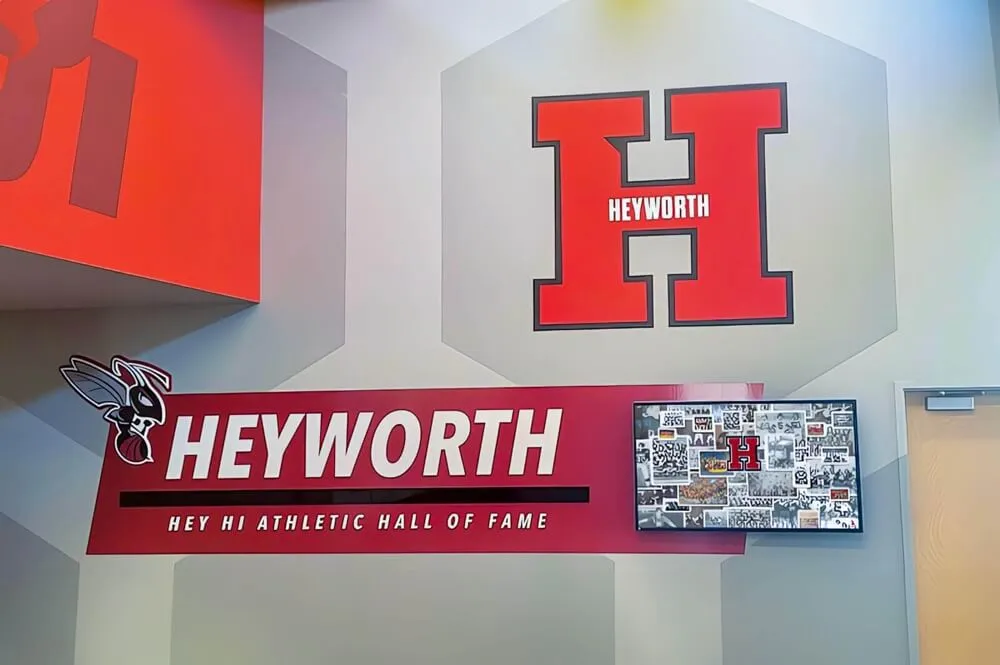
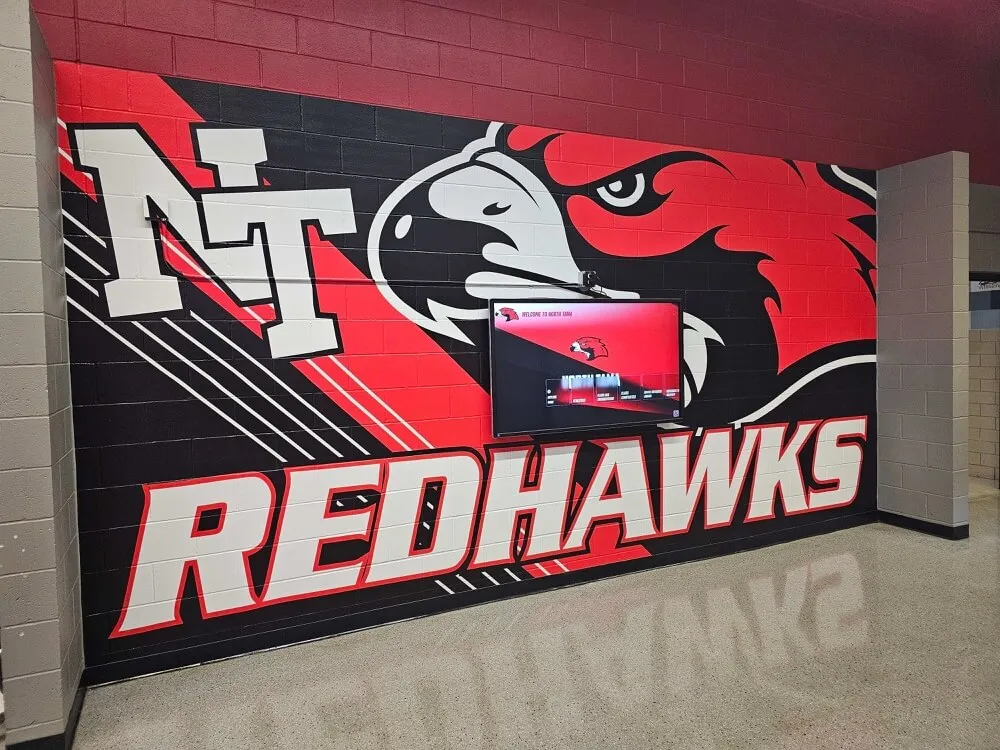
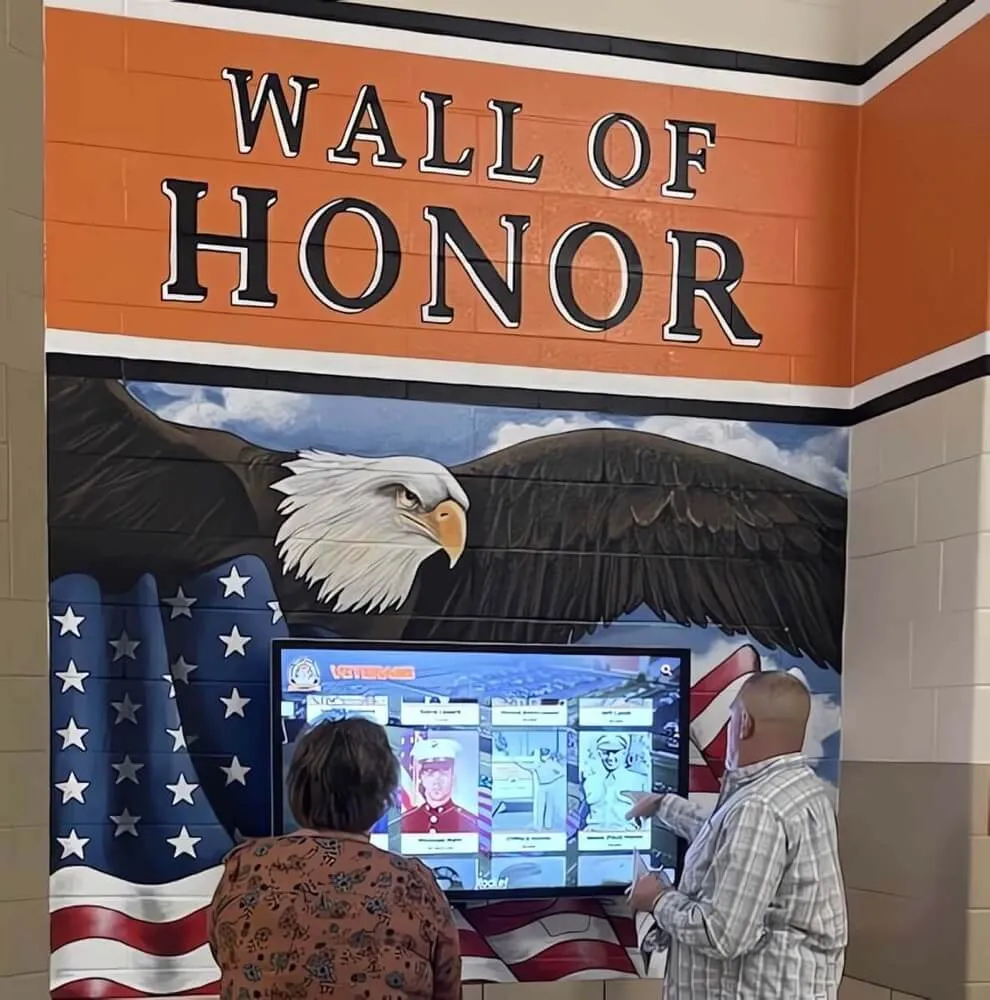
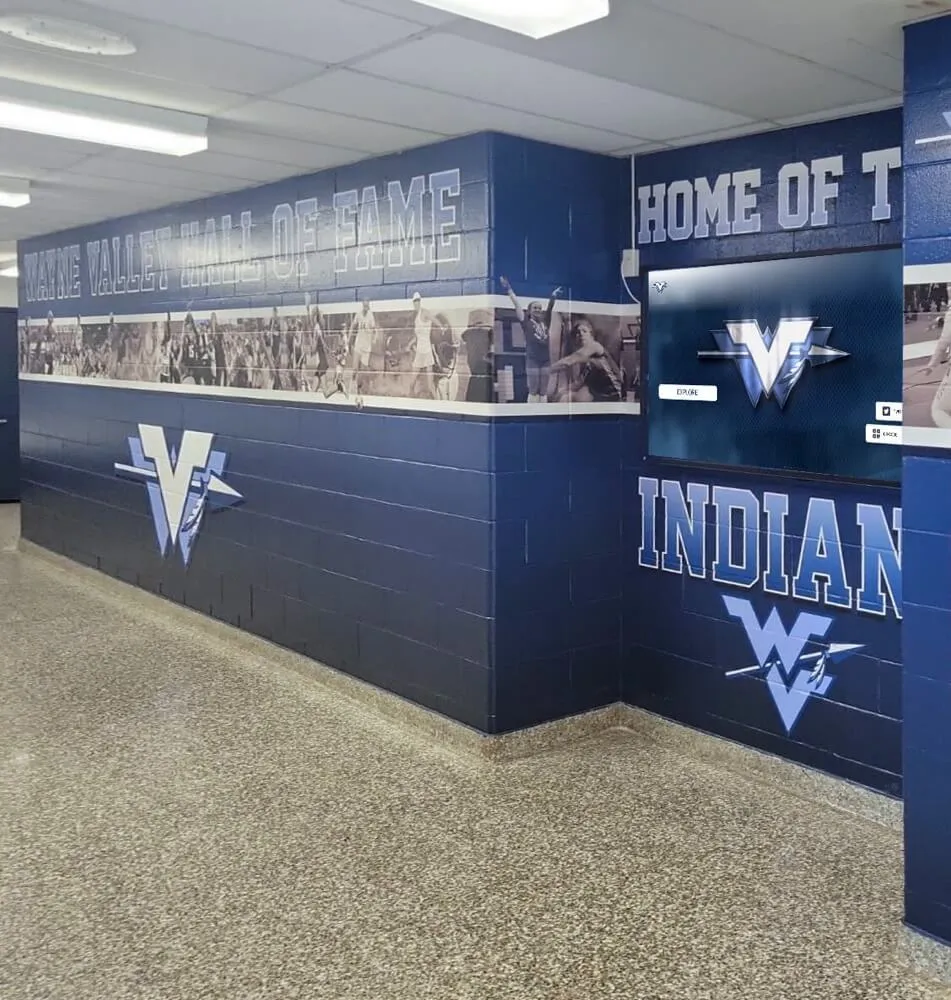
Digital displays integrate with school murals creating immersive recognition environments
Conclusion: Transforming Track & Field Recognition Through Digital Touch Boards
Track and field’s complexity, statistical richness, and achievement diversity demand recognition systems capable of honoring the sport’s complete excellence while remaining accessible, engaging, and sustainable for programs with limited resources and administrative capacity. Digital touch board displays provide the comprehensive platform this multifaceted sport requires—eliminating space constraints that force impossible choices about which events and athletes receive visibility while creating interactive experiences that connect current competitors to proud traditions spanning generations.
The strategies explored in this guide provide comprehensive frameworks for implementing track and field recognition that honors diverse achievements while remaining sustainable, engaging, and aligned with athletic program goals. From cloud-based platforms like Rocket Alumni Solutions eliminating physical board limitations to systematic content development approaches preserving complete athlete journeys, modern approaches transform recognition from simple record listings into systematic celebration woven throughout athletic culture.
Transform Your Track & Field Recognition Program
Discover how digital touch board solutions can help you celebrate every record, honor all athletes, and build a thriving culture of track and field excellence that motivates current competitors while preserving program tradition.
Explore Touch Board SolutionsBuilding effective track and field recognition requires moving beyond limiting assumptions about what’s possible with traditional static displays. Digital platforms make comprehensive recognition achievable for unlimited athletes and records across program history, while systematic approaches ensure consistent implementation honoring every achievement across all event categories and both boys and girls programs.
Start wherever your current context allows—whether implementing focused displays for recent records, creating comprehensive systems celebrating achievements across decades, or designing integrated platforms connecting recognition with performance tracking and athlete development. Each enhancement honors athletic achievement more effectively while demonstrating program commitment to track and field excellence accessible to all competitors willing to commit to their development.
Your track and field athletes demonstrate extraordinary dedication through countless training hours, consistent seasonal commitment, and competitive performances that elevate teams while setting marks potentially standing for decades. These accomplishments deserve celebration through recognition systems honoring complete journeys while inspiring teammates and successors to pursue similar excellence.
With thoughtful planning, appropriate technology investment through solutions like Rocket Alumni Solutions, attention to comprehensive content development, and systematic implementation, you can create track and field recognition systems that honor every achievement while building positive, motivating athletic cultures where all competitors thrive and pursue their fullest potential. Modern digital touch board technology makes it possible to celebrate every record comprehensively while creating engaging, inspiring displays that strengthen program tradition for generations of track and field athletes to come.
Ready to begin transforming your track and field recognition? Explore how digital touch board solutions provide platforms specifically designed for multi-event sports—enabling schools to celebrate achievements across all disciplines with the visibility, comprehensiveness, and engagement these extraordinary performances deserve while creating inspiring experiences that strengthen athletic culture and preserve program legacy for future generations.