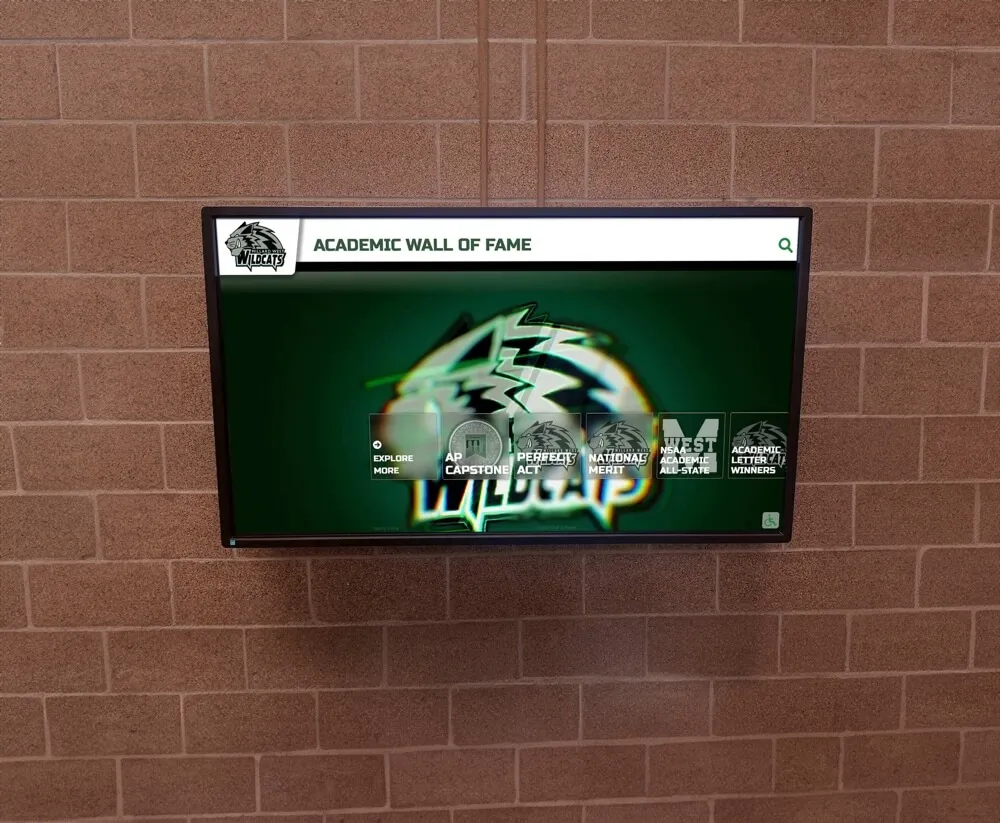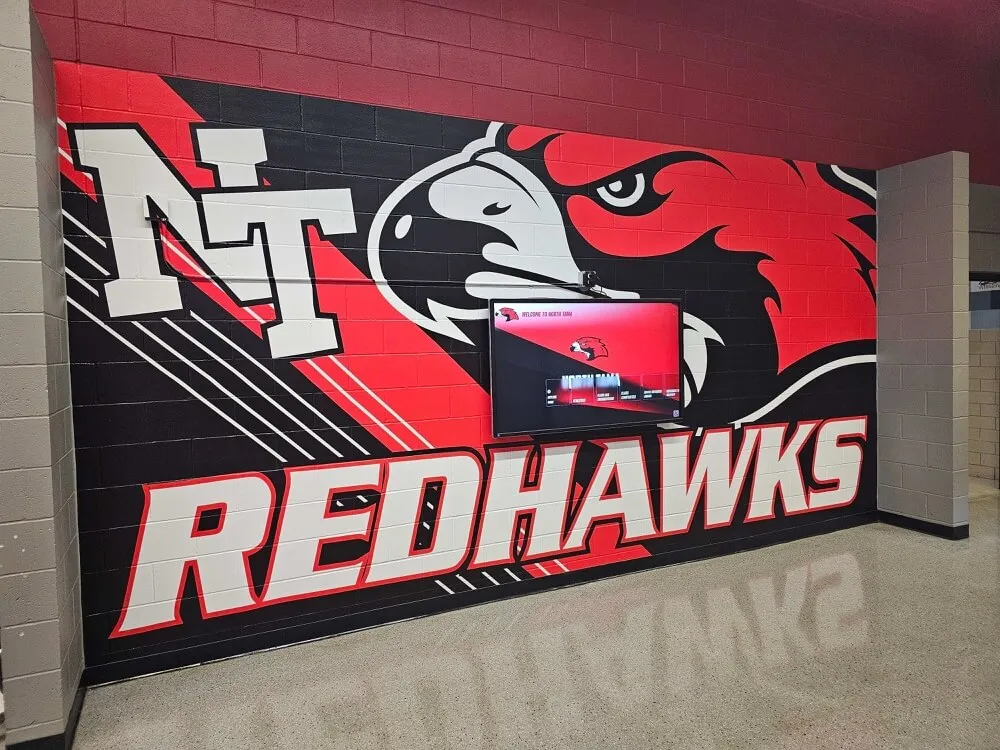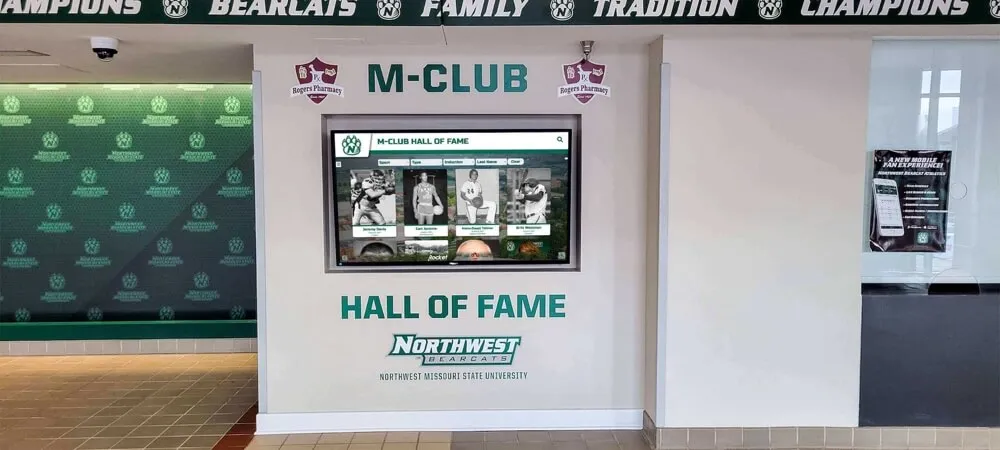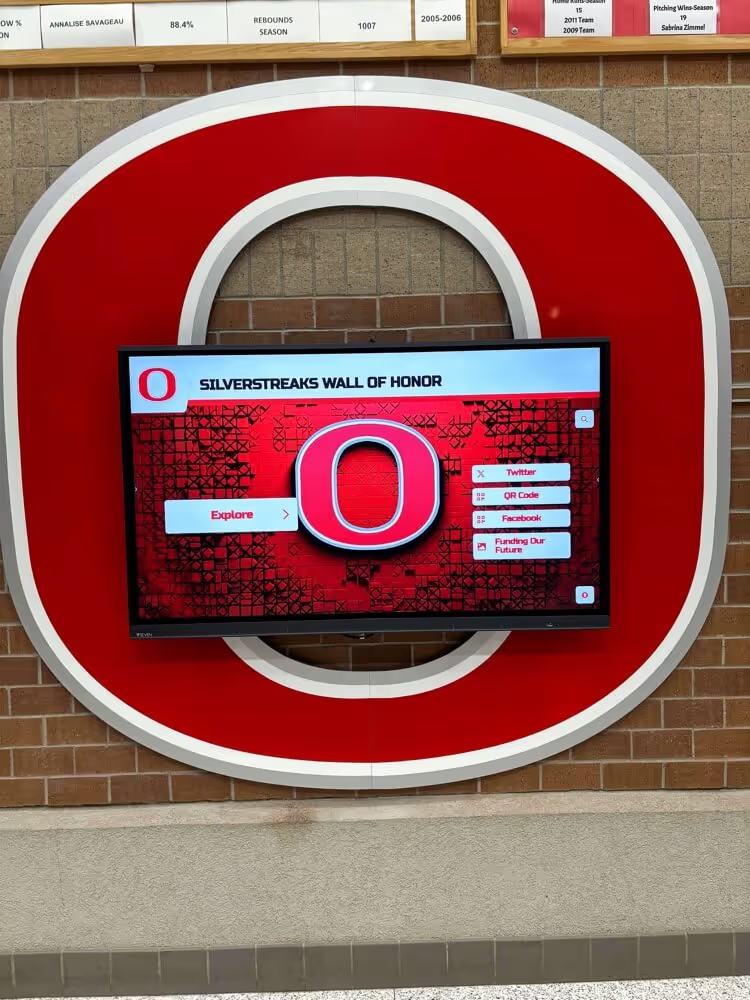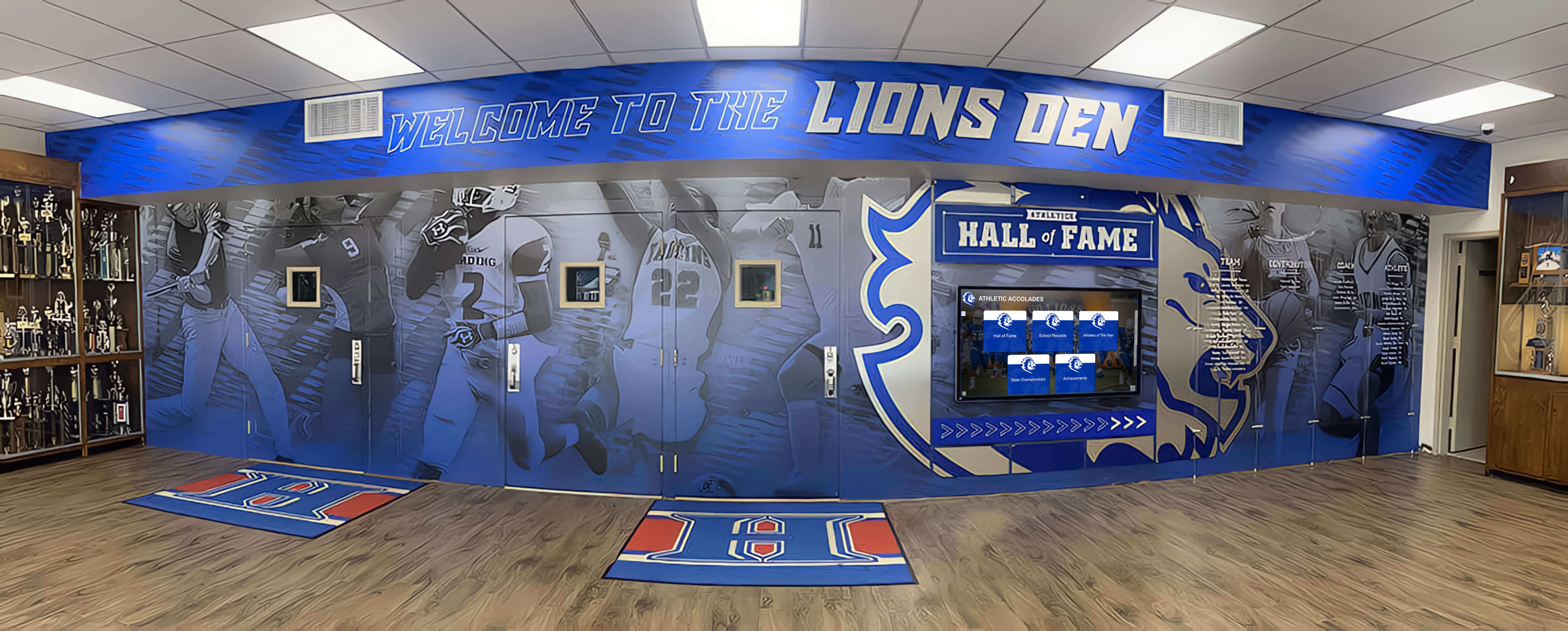




High school gym lobbies face a common challenge: decades of trophies, championship banners, and athletic achievements competing for limited display space. Trophy cases overflow with awards from multiple sports and eras, forcing athletic directors to make difficult decisions about which accomplishments deserve visibility and which must remain hidden in storage. When physical space constrains recognition capacity, deserving athletes and teams go unrecognized, historical achievements fade from memory, and overcrowded displays lose their impact.
Interactive touchscreen displays provide a solution that transforms gym lobby recognition from space-constrained trophy cases into unlimited digital celebration platforms. These systems enable schools to showcase every trophy, championship, and athletic achievement across all sports and eras while creating engaging experiences that inspire current athletes and connect alumni to program traditions.
This guide explores how high schools implement touchscreen displays in gym lobbies to solve trophy overcrowding, preserve complete athletic histories, and create recognition experiences that honor every deserving achievement appropriately while maintaining the prominence and gravitas that traditional trophy cases cannot sustain as programs grow.
Modern touchscreen technology doesn’t replace cherished trophy traditions—it extends recognition capacity infinitely while adding multimedia storytelling, search capabilities, and remote management that physical trophy cases cannot provide, creating comprehensive athletic celebration that grows with your program without forcing removal decisions as space fills.

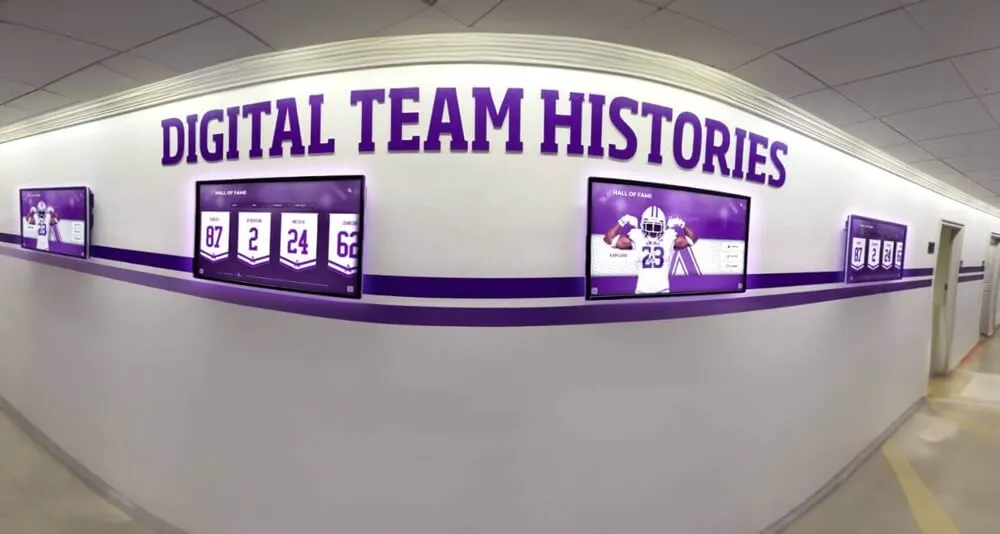
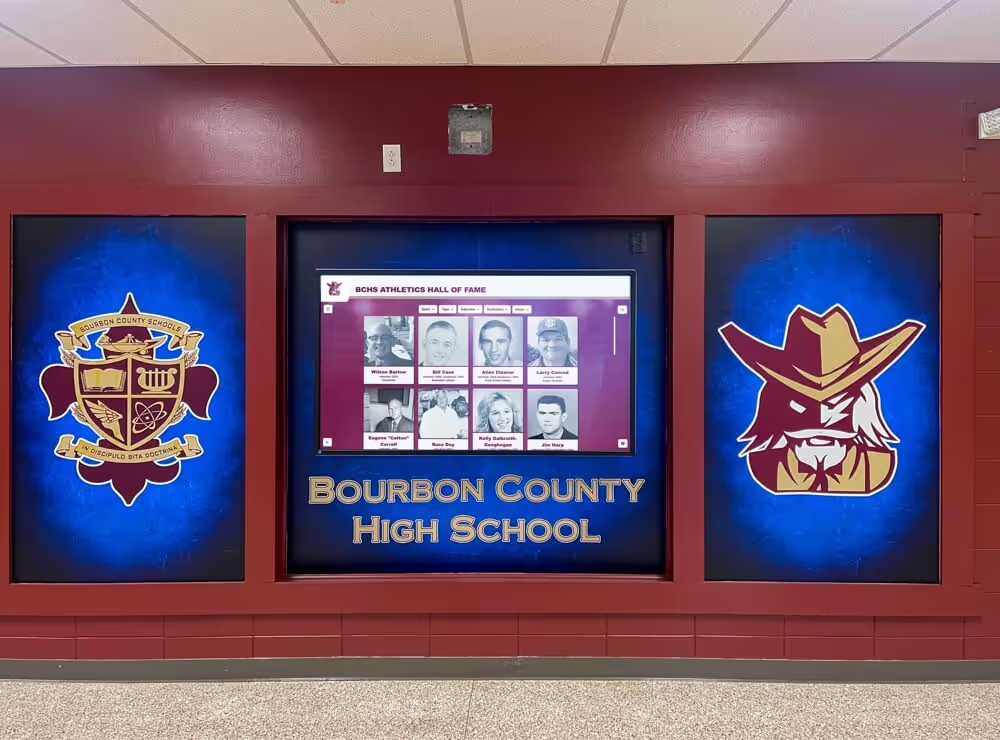
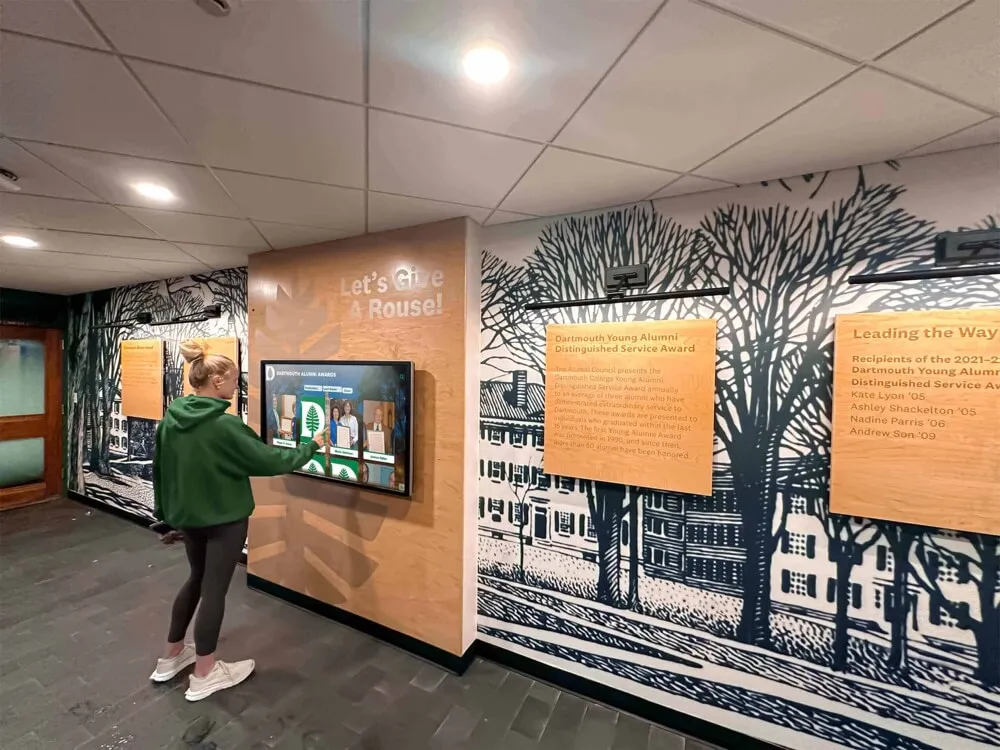
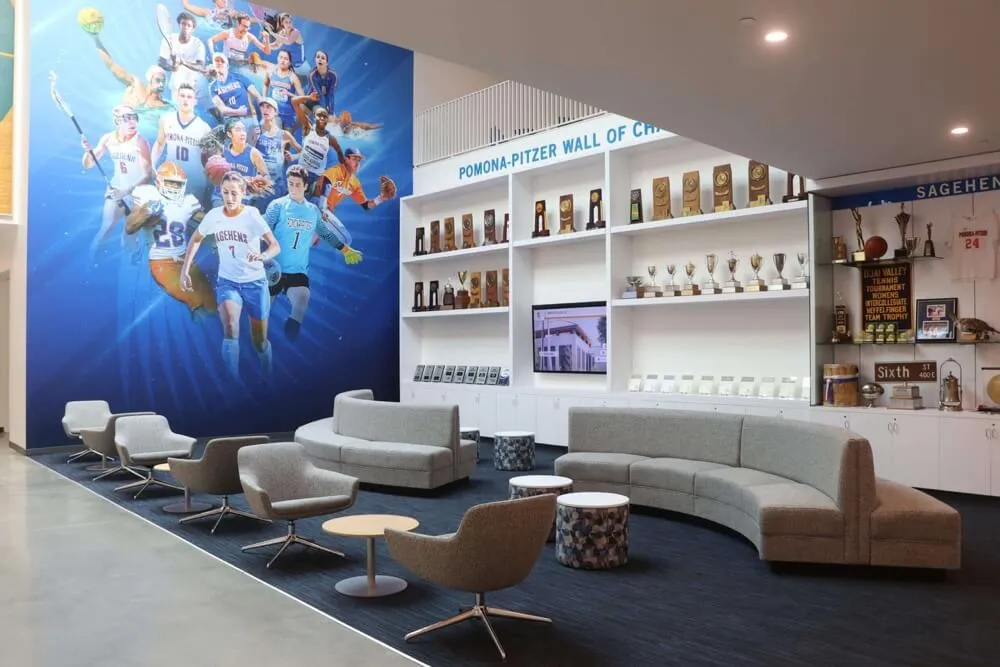
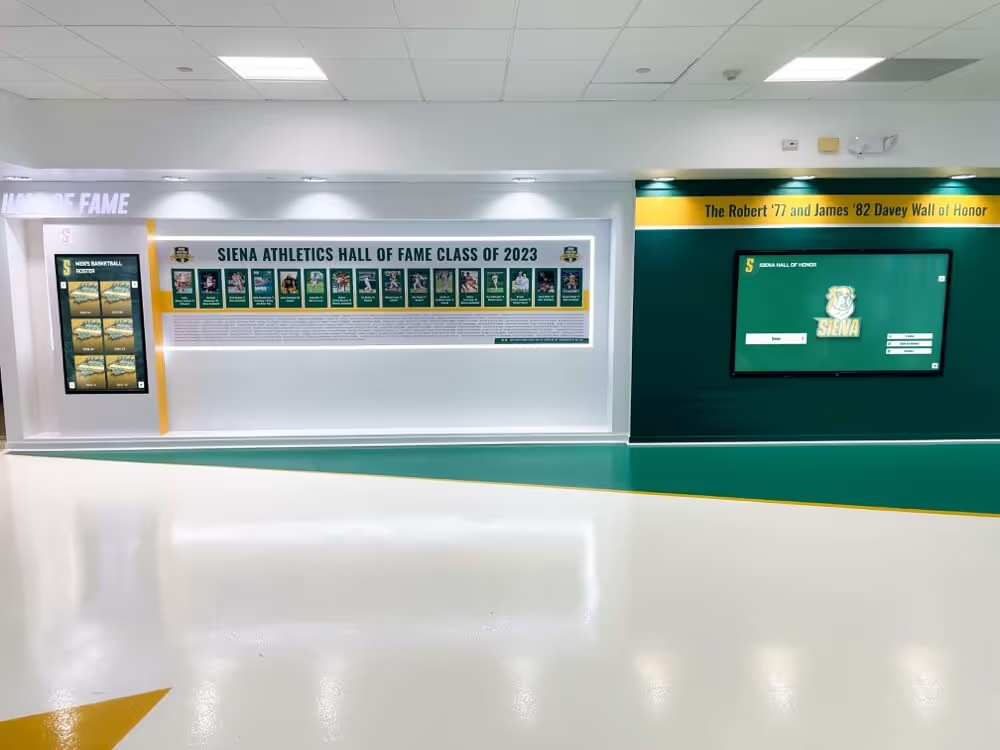
Modern gym lobbies integrate traditional trophy cases with interactive digital displays, creating comprehensive recognition environments
The Trophy Overcrowding Challenge in High School Gym Lobbies
Athletic programs face persistent recognition challenges as decades of achievements accumulate in fixed physical spaces.
Understanding Trophy Accumulation Rates
High school athletic programs generate substantial trophy volumes annually:
- Comprehensive programs with 15-20 sports produce 40-80 trophies per year
- State championships, conference titles, and tournament victories in multiple sports
- Individual athlete awards and all-conference recognitions across all programs
- Coaching excellence awards and team achievement trophies
- Over two decades, this accumulates to 800-1,600 trophies requiring display
Traditional trophy cases hold approximately 30-50 trophies when properly spaced for visibility and impact. This fundamental capacity mismatch creates impossible situations where deserving achievements cannot receive appropriate public recognition.
The Removal Decision Dilemma
When trophy cases fill beyond capacity, athletic directors face difficult choices:
- Remove historical trophies from earlier eras to accommodate recent achievements
- Rotate displays seasonally, leaving most trophies invisible most of the year
- Consolidate multiple trophies into crowded displays where details become illegible
- Store overflow trophies in offices or closets where they provide no recognition value
- Limit trophy display to only state championships, excluding conference titles and individual honors
- Stop adding new trophies when space exhausts, abandoning systematic recognition
Each approach creates problems. Removing historical recognition suggests past achievements no longer matter. Rotation creates inequitable visibility where some achievements receive prominence while others remain hidden. Overcrowding diminishes impact as individual accomplishments get lost in cluttered displays.
Impact on Athletic Culture
Trophy overcrowding affects program culture in multiple ways:
- Current athletes see limited recognition space and question whether their achievements will be celebrated
- Historical accomplishments fade from institutional memory when trophies disappear into storage
- Coaches struggle to motivate teams with tradition when past success isn’t visible
- Alumni feel disconnected when their achievements no longer appear in trophy displays
- Prospective athletes touring facilities see cluttered cases rather than impressive championship celebrations
Schools report that once trophy recognition becomes incomplete due to space constraints, the entire recognition system loses credibility and motivational value.
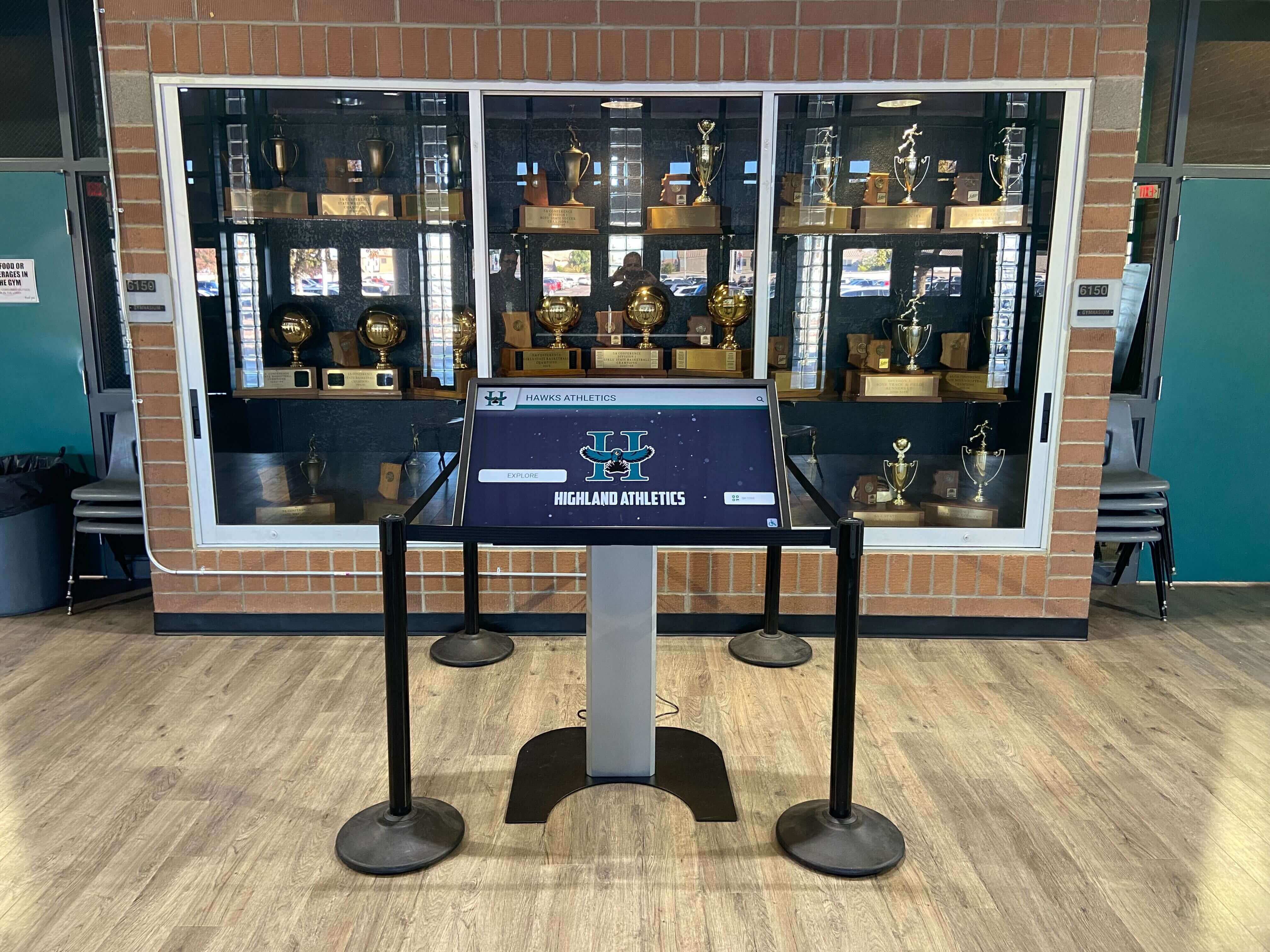
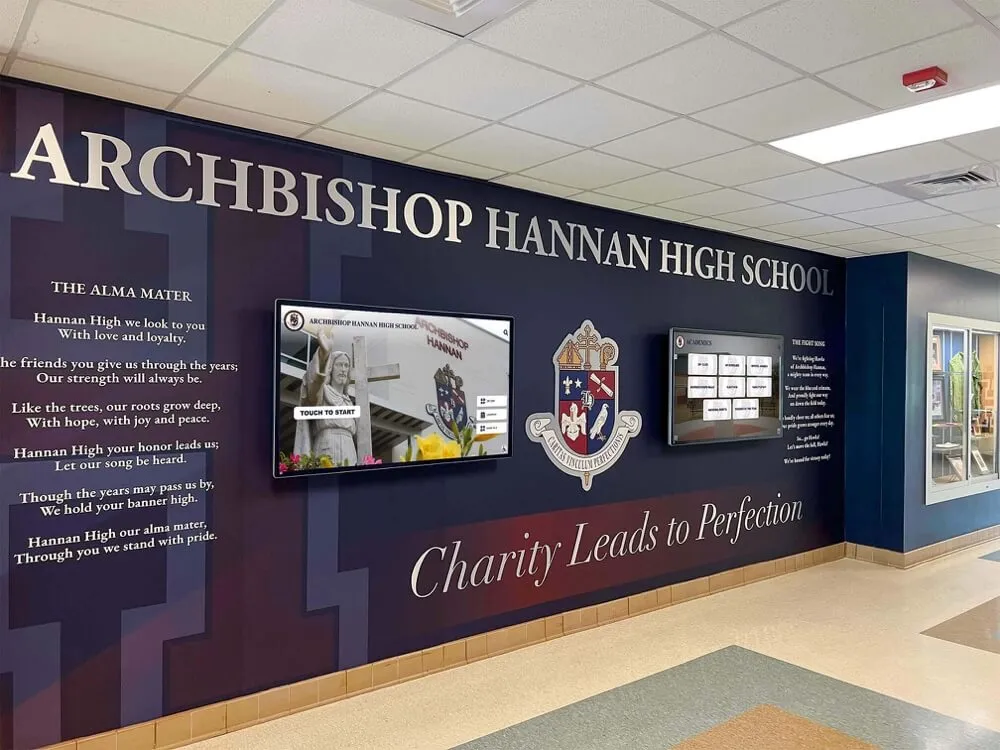
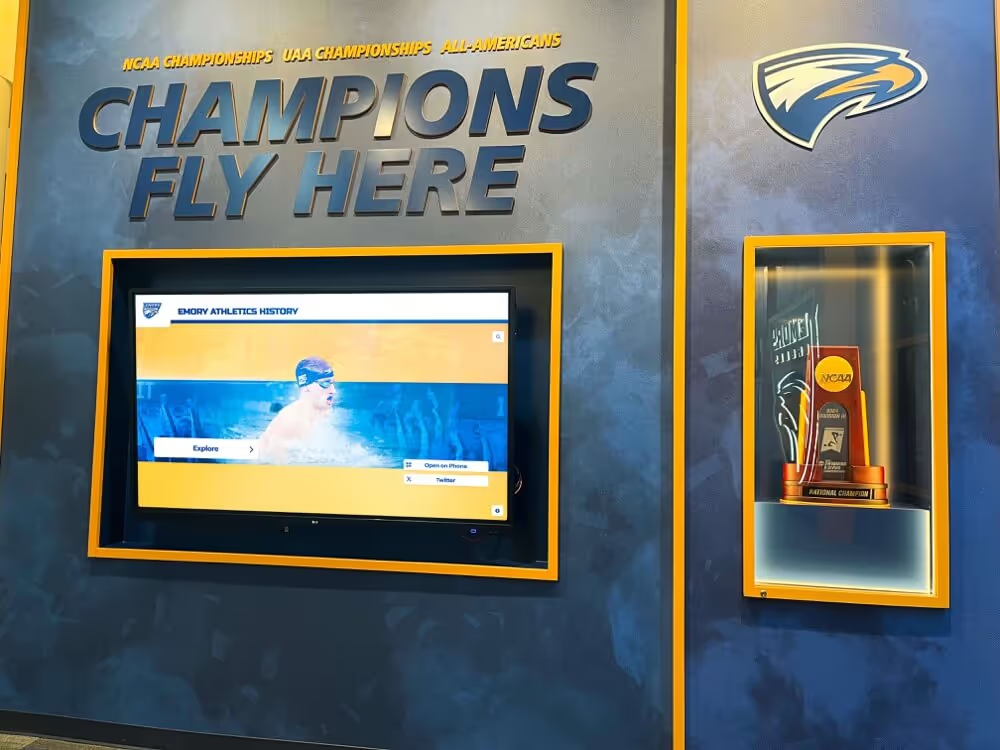
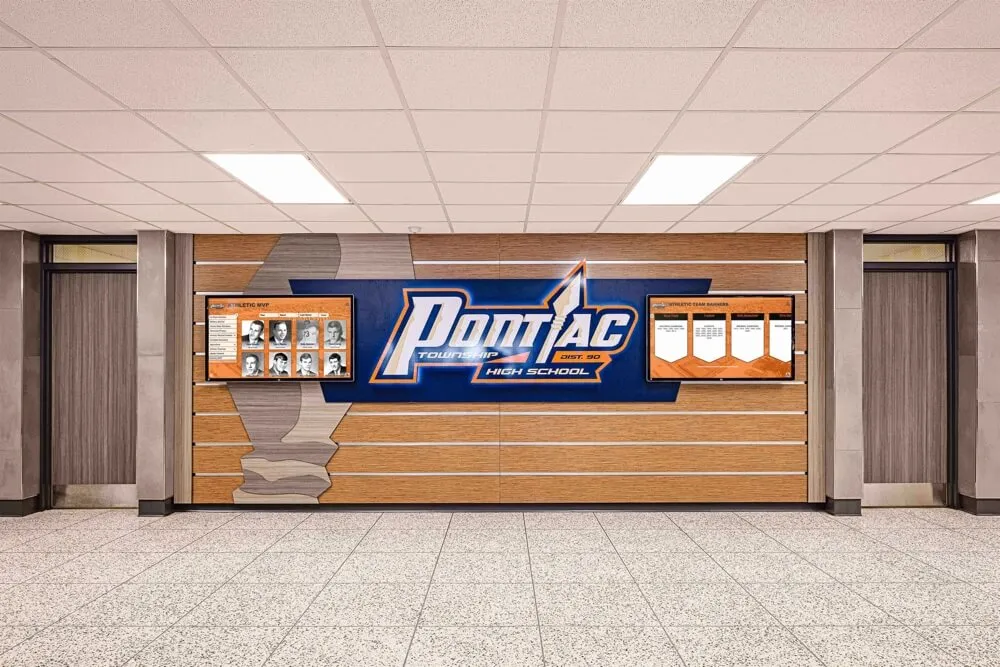
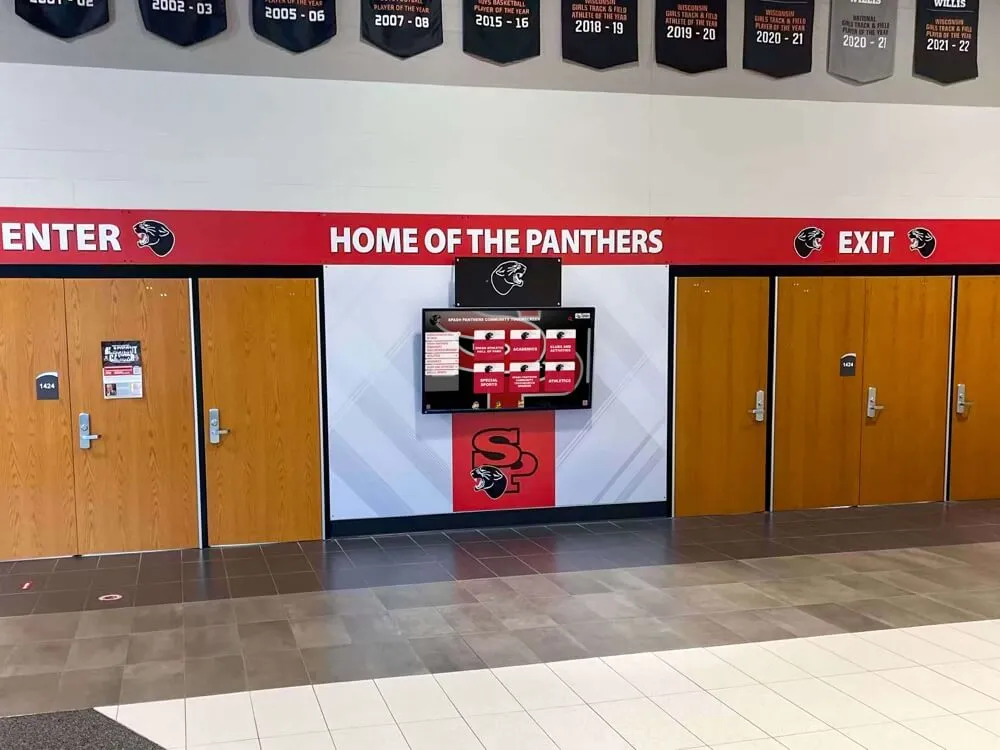
Digital displays integrate with existing trophy cases, providing unlimited expansion capacity
How Touchscreen Displays Solve Trophy Capacity Problems
Interactive digital displays eliminate the fundamental space limitations constraining traditional trophy recognition.
Unlimited Digital Trophy Capacity
A single touchscreen display provides unlimited recognition space for comprehensive athletic celebration:
- Display thousands of trophies with complete details, photos, and championship information
- Showcase every achievement across all sports and eras without removal decisions
- Add new trophies immediately upon winning without space constraints
- Provide equal visibility for conference championships alongside state titles
- Recognize individual athlete achievements that physical cases often exclude
- Preserve complete championship team rosters rather than selective recognition
Digital platforms like Rocket Alumni Solutions enable schools to celebrate every deserving trophy and achievement comprehensively, transforming recognition from exclusive “limited space forces choices” models to inclusive “honor everyone” approaches that strengthen athletic culture.
Rich Multimedia Trophy Storytelling
Beyond solving capacity constraints, touchscreen displays enable recognition experiences qualitatively superior to physical trophy cases.
Comprehensive Trophy Profiles
Digital systems showcase trophies with rich contextual information:
- High-resolution trophy photography with zoom capabilities revealing engraved details
- Championship game video highlights capturing defining moments
- Complete team rosters with graduation years and athlete profiles
- Season statistics demonstrating dominance throughout championship campaigns
- Coach interviews and player reflections on championship journeys
- Newspaper articles and contemporary coverage documenting significance
- Historical context placing trophies within program development timeline
- Interactive timelines showing program evolution across decades
This depth transforms simple trophy display into engaging athletic stories that honor achievements appropriately while creating experiences sustaining visitor attention far longer than glancing at crowded physical cases.
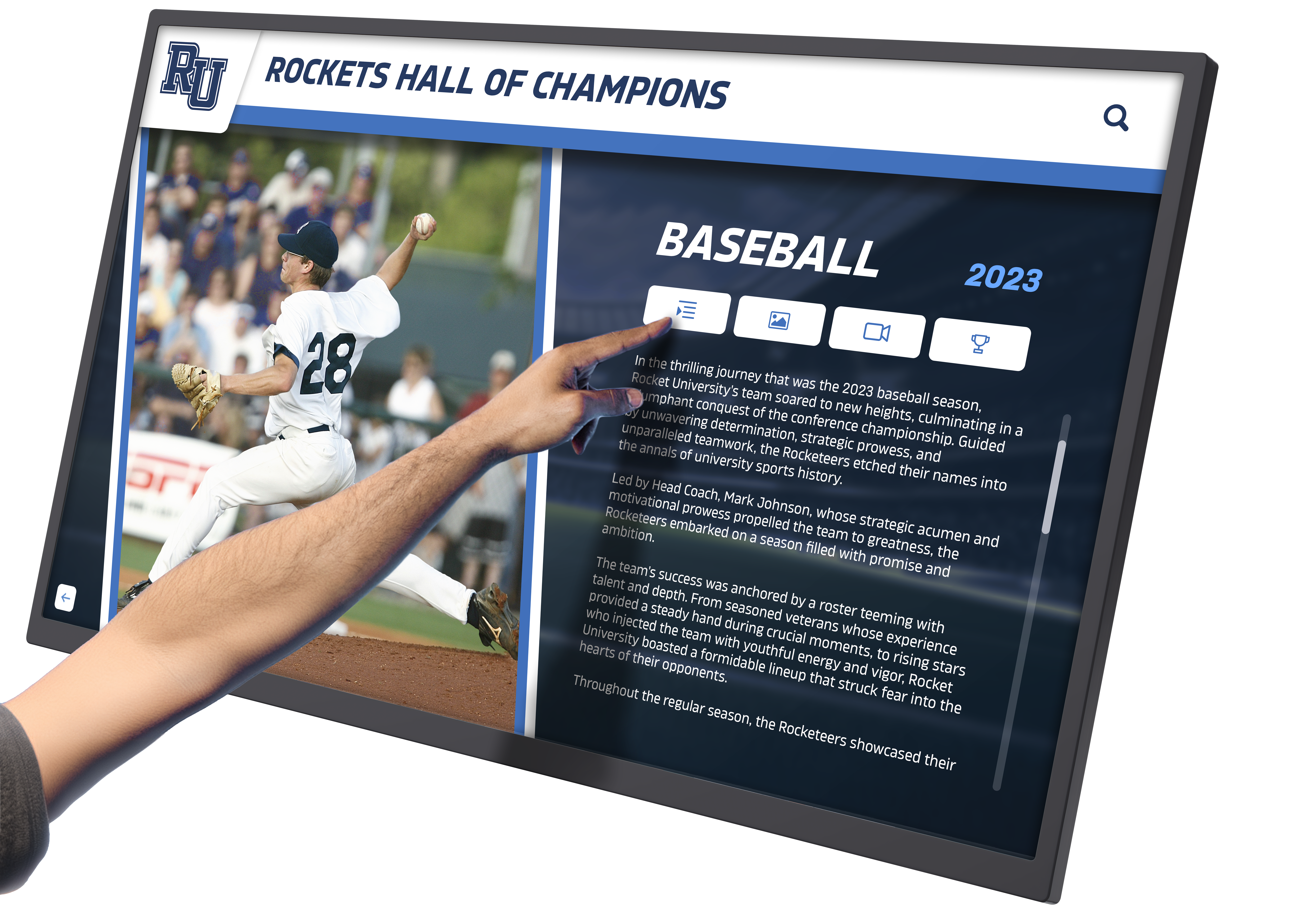
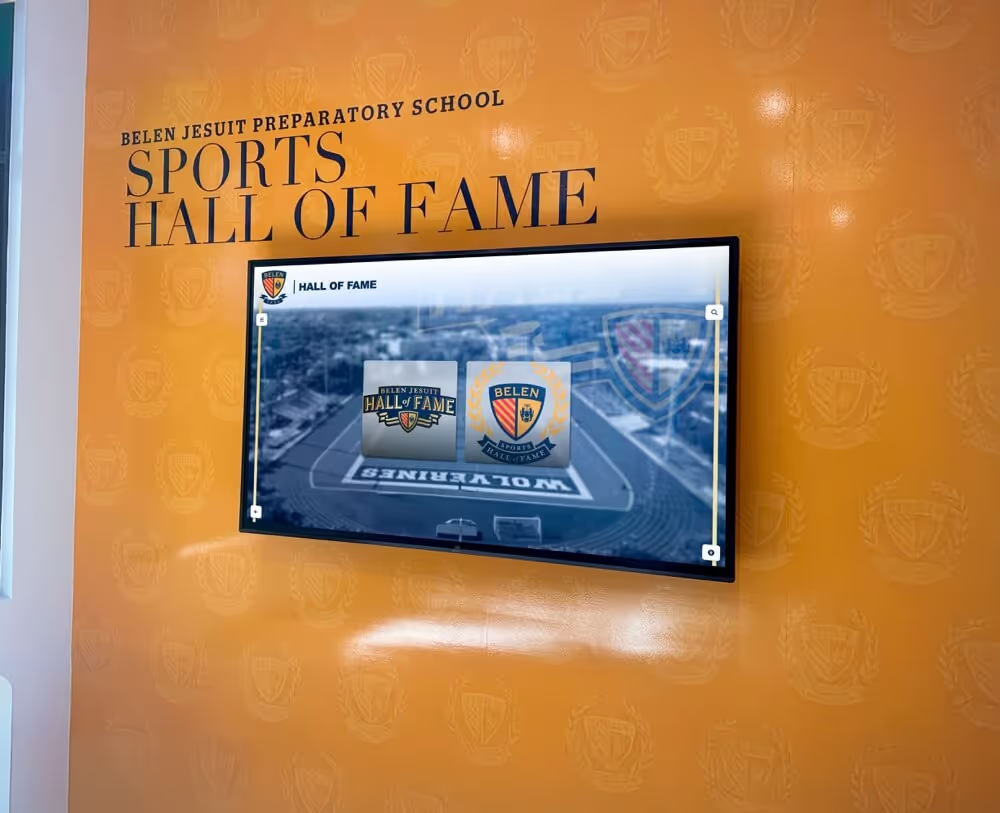
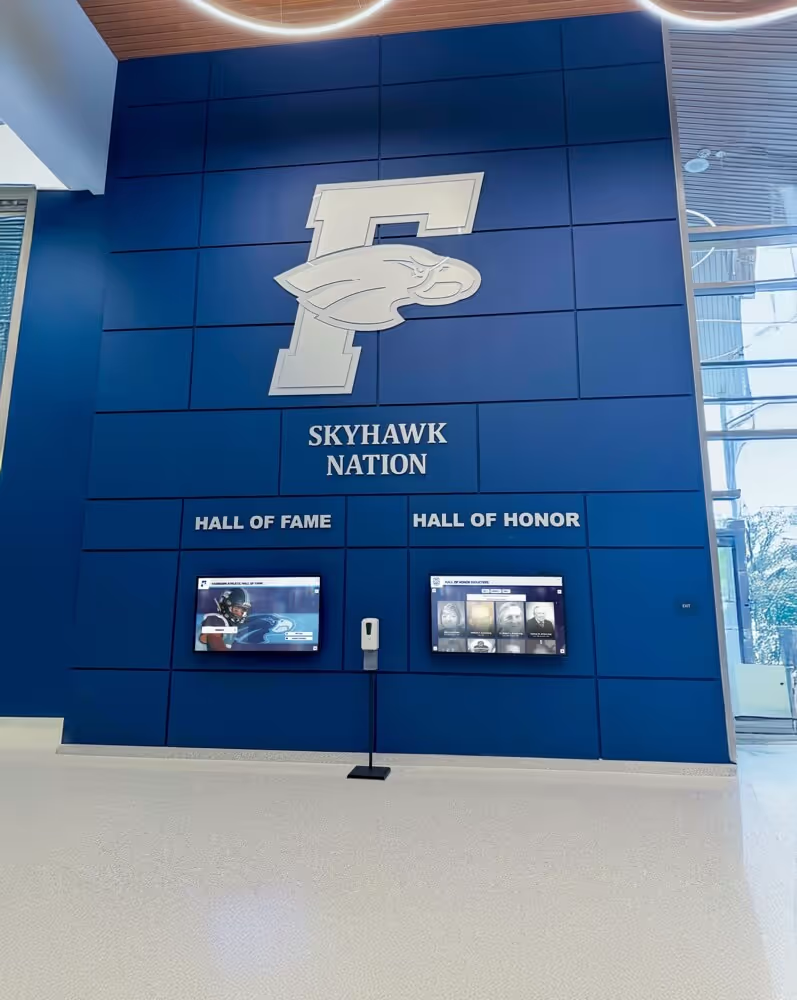
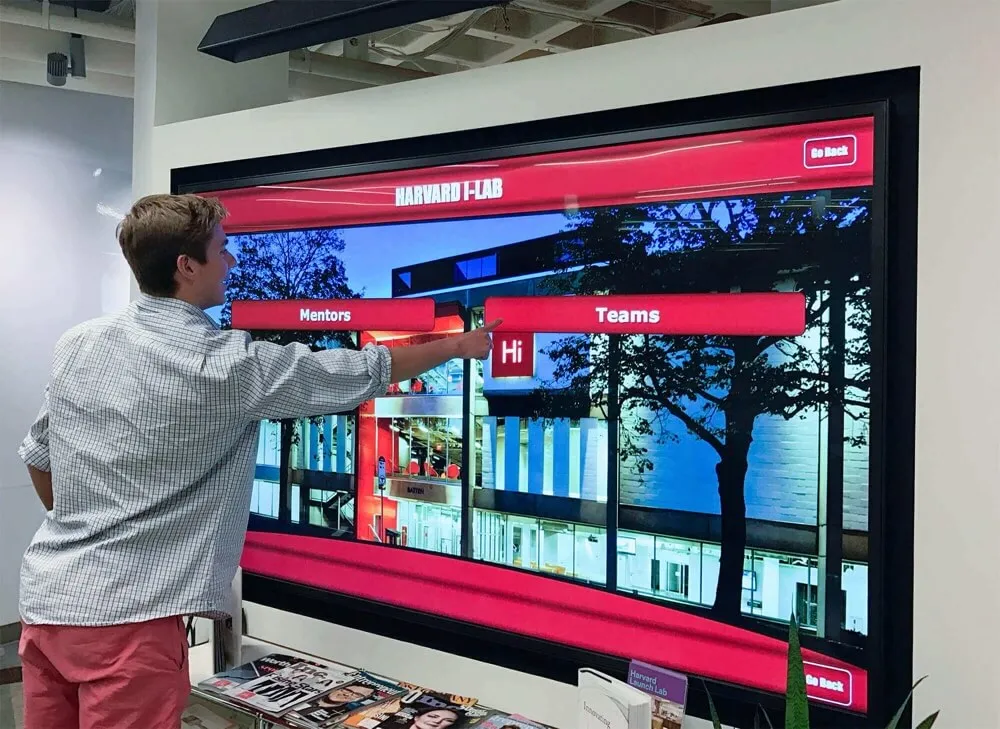
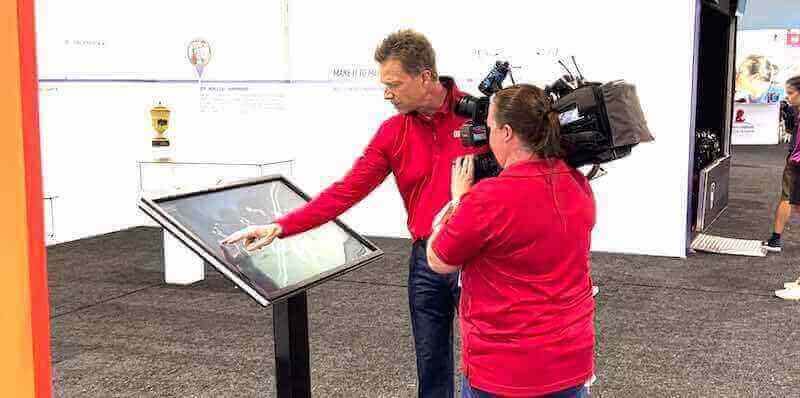
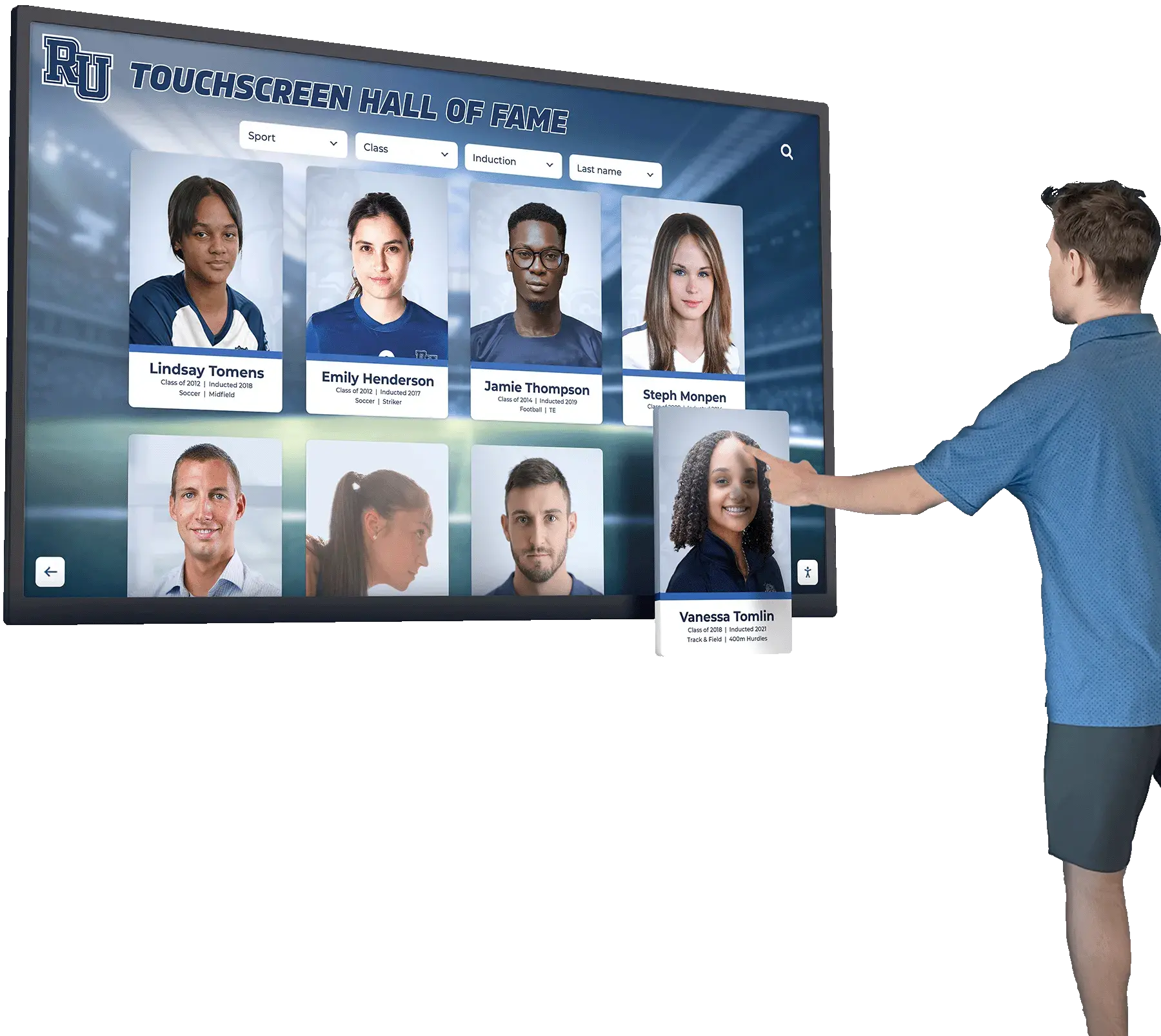
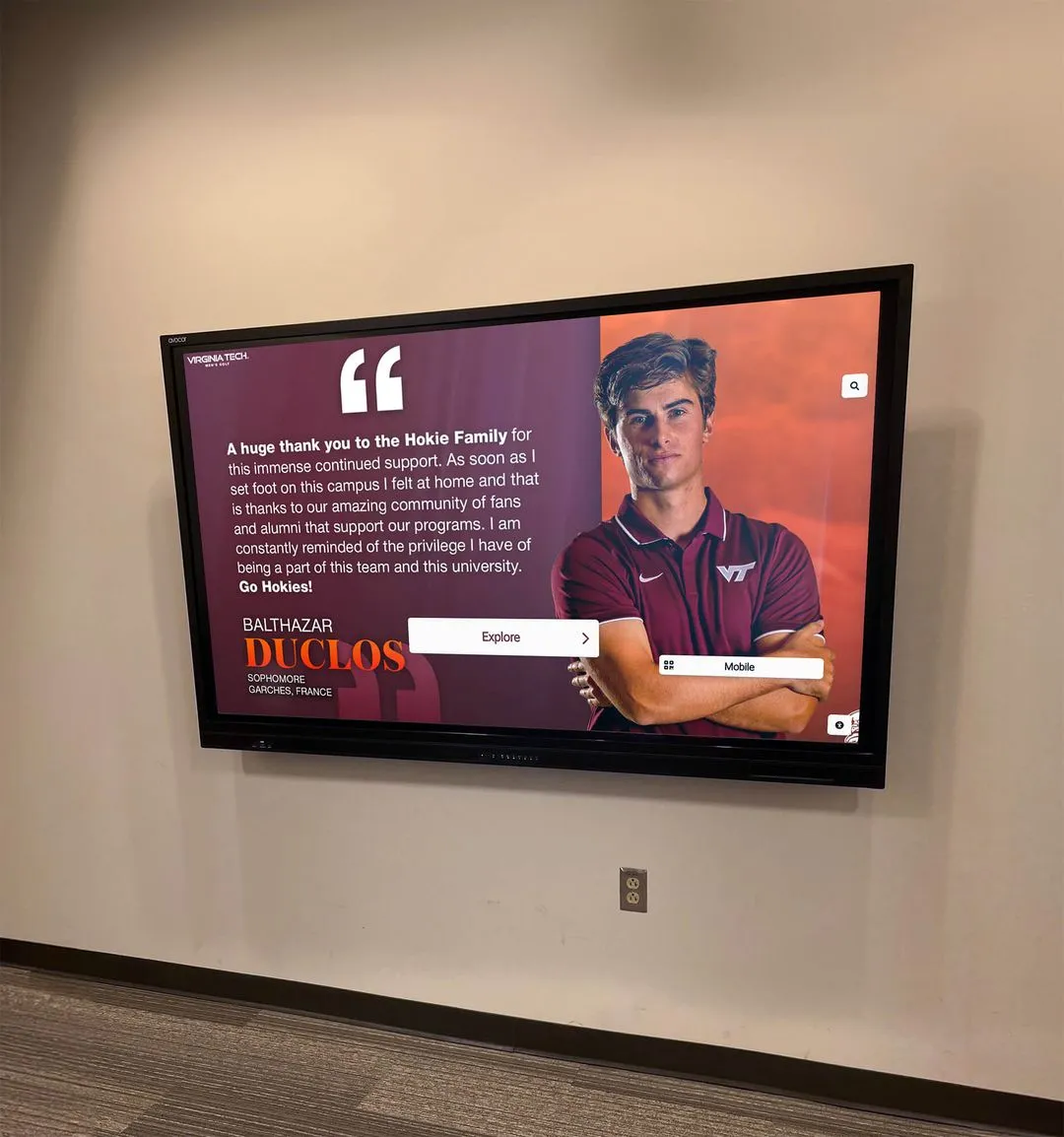
Touchscreen interfaces enable exploration of detailed trophy information, athlete profiles, and championship histories
Dynamic Content That Evolves
Digital trophy recognition remains perpetually current:
- Add new trophies within minutes of championship victories
- Enhance existing trophy profiles as new photos or videos surface
- Correct errors immediately when discovered without physical modifications
- Update featured content highlighting different achievements seasonally
- Incorporate new media formats as storytelling techniques advance
This evolution ensures trophy recognition quality improves continuously rather than degrading over time as physical cases age and information becomes outdated.
Search and Discovery Features
Interactive touchscreens create exploration experiences impossible with static trophy cases:
- Search functionality finding specific trophies, athletes, or championships instantly
- Filtering by sport, year, championship type, or achievement category
- Chronological browsing exploring program history decade by decade
- Athlete profile connections showing individual careers across multiple sports and years
- Related trophy suggestions revealing teammates and contemporary champions
- Random discovery features surfacing unexpected achievements
These capabilities ensure all visitors can explore recognition matching their interests, whether searching for specific trophies or discovering program history through browsing.
Strategic Implementation in Gym Lobby Environments
Successful touchscreen installations require thoughtful planning addressing placement, technology selection, and content development.
Optimal Gym Lobby Placement
Display location significantly impacts recognition visibility and engagement:
Primary Installation Locations
- Main gym entrance ensuring all athletes and visitors encounter displays daily
- Athletic facility lobby creating dedicated recognition destinations
- Corridor between gym and locker rooms where athletes pass repeatedly
- Waiting areas where parents and families gather before games with extended dwell time
- Near traditional trophy cases creating integrated recognition environments
- Multiple distributed displays reaching different audience segments throughout facilities
Schools report highest engagement when touchscreen displays appear in spaces where people naturally gather and have time to explore rather than locations they rush past during class transitions.
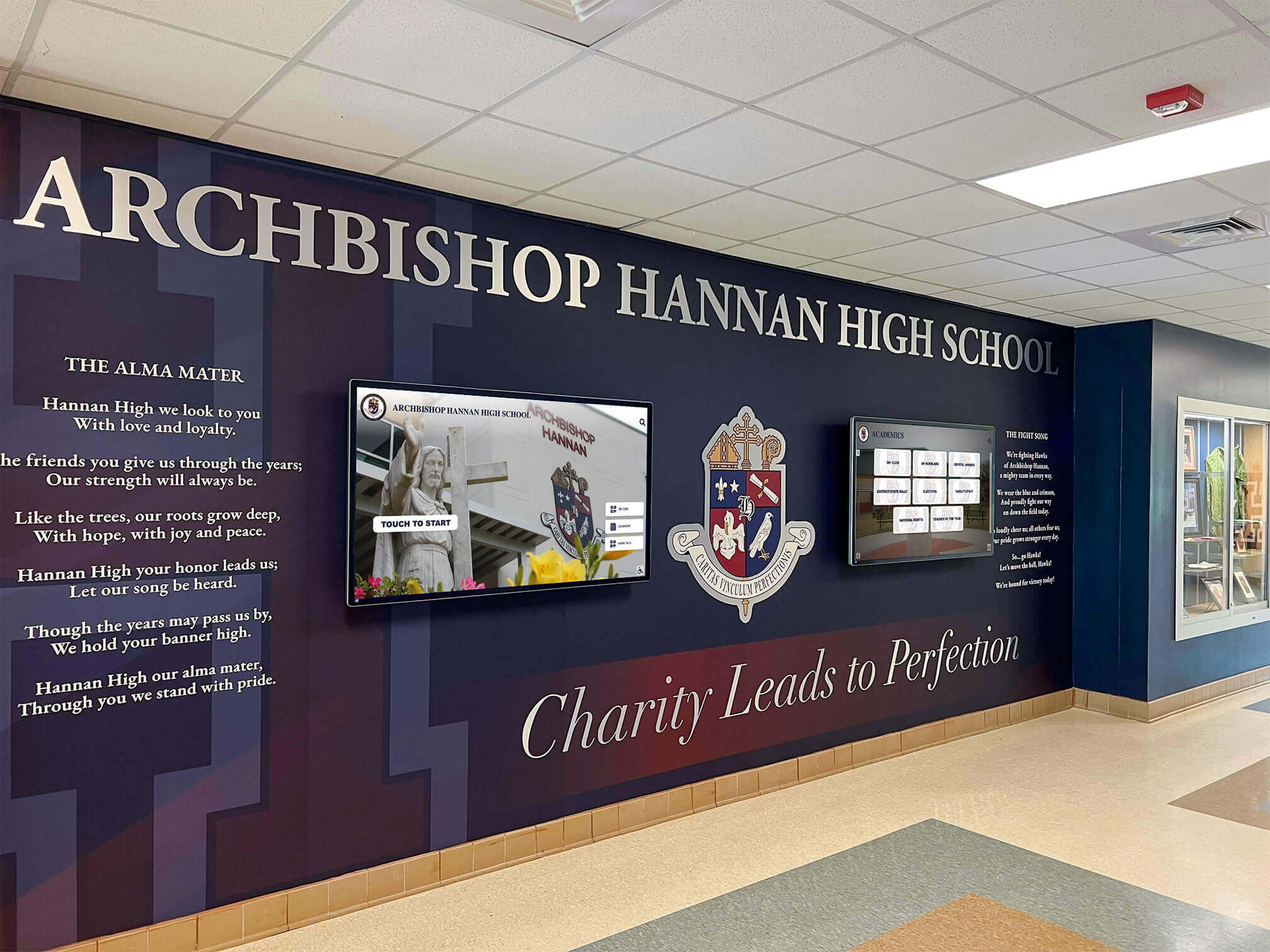
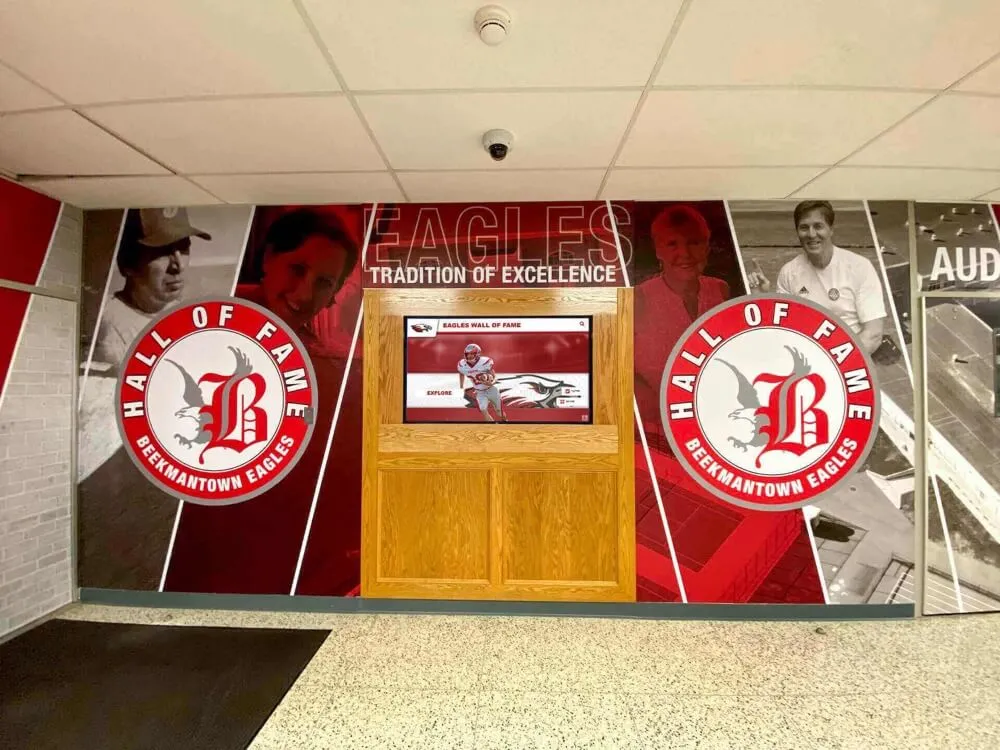
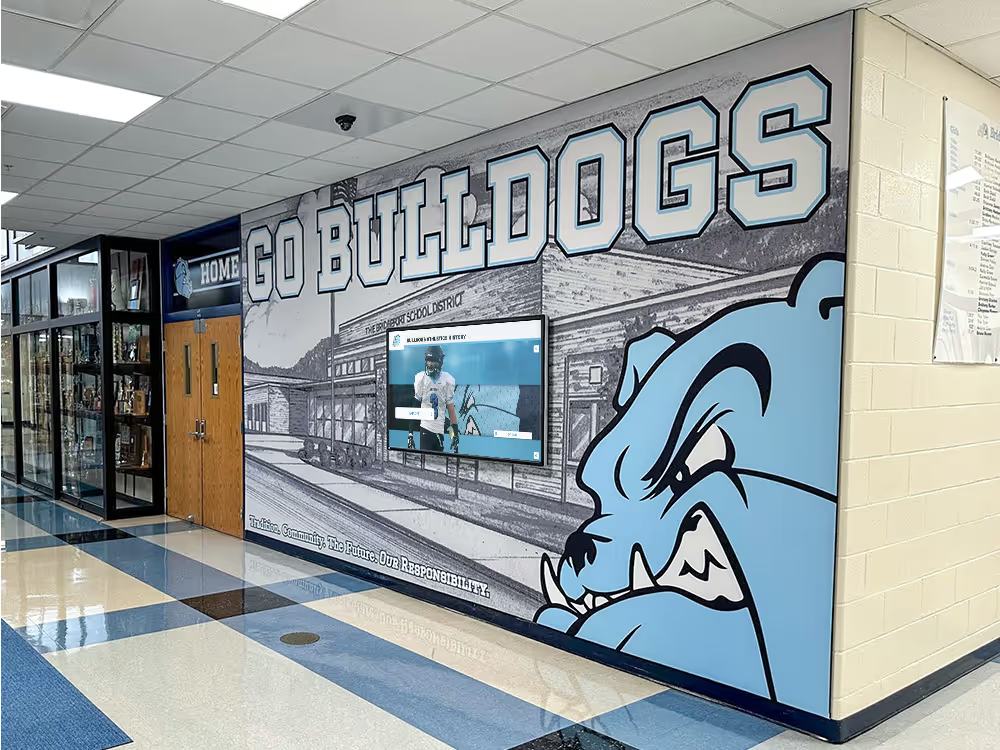
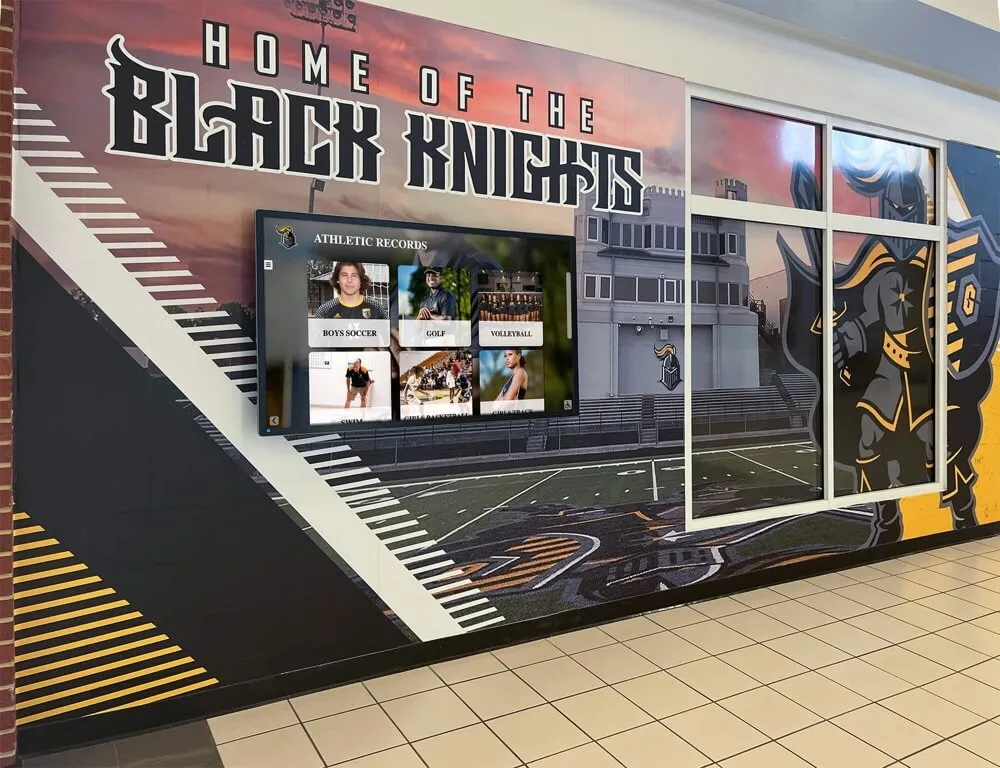
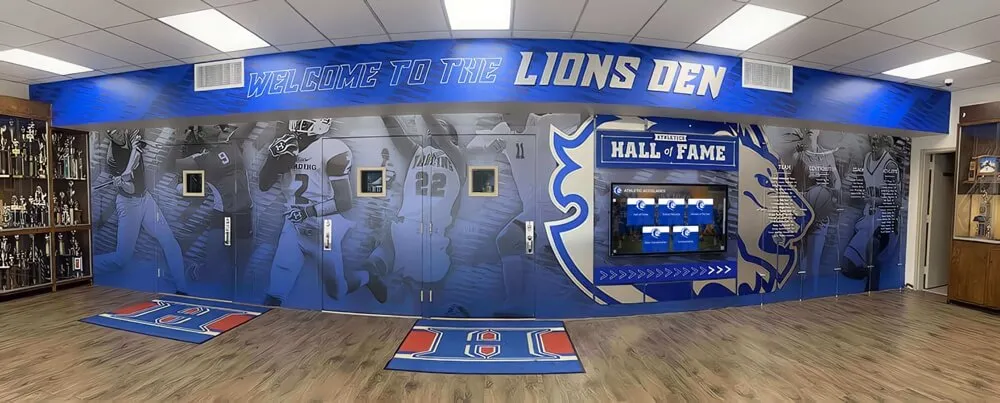
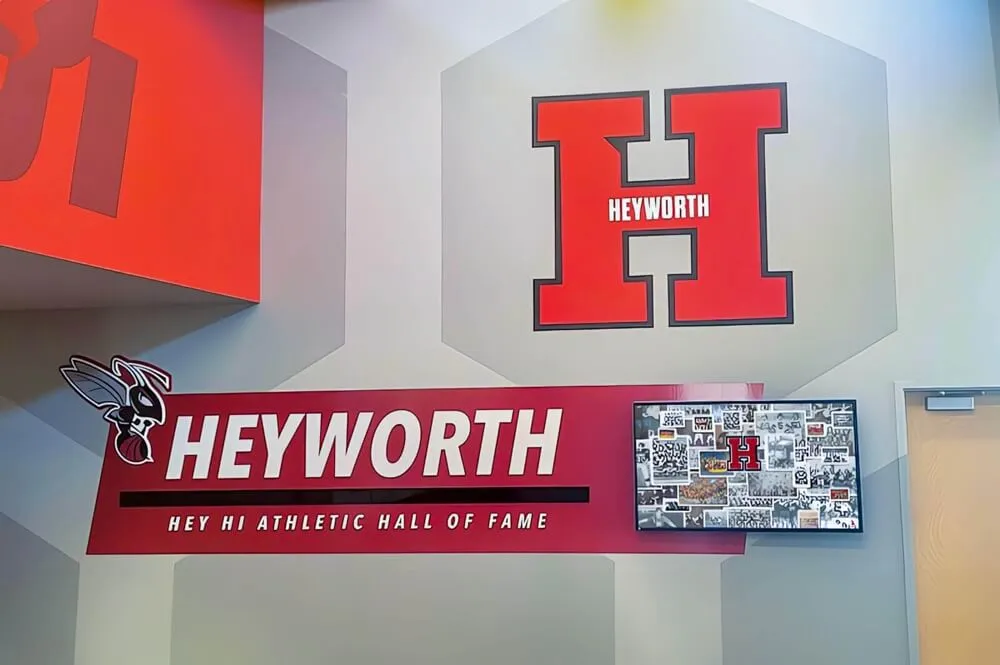
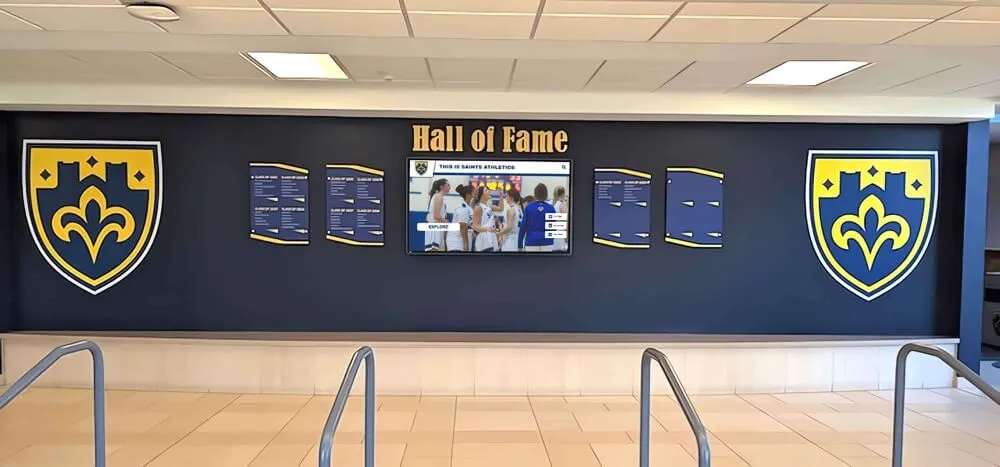
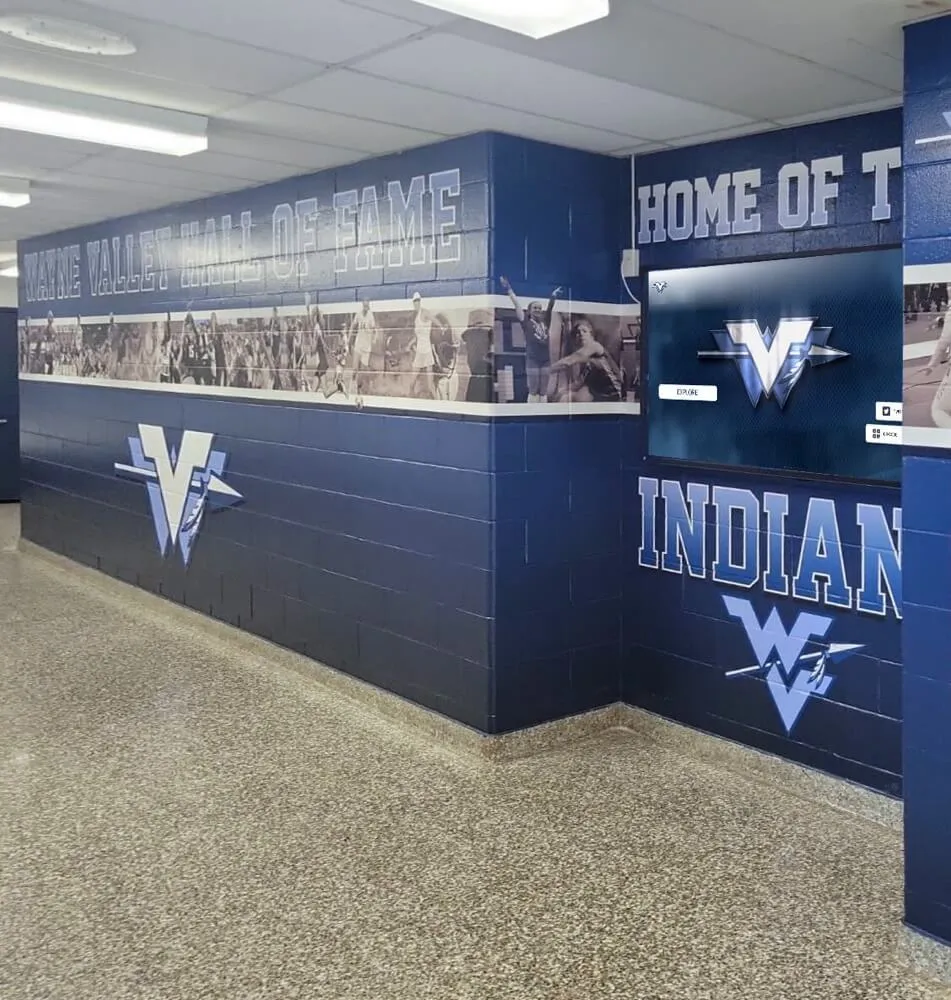
Coordinated displays with athletic murals create impressive recognition environments in gym lobbies
Creating Recognition Destinations
Most effective implementations transform touchscreen areas into athletic celebration spaces:
- Comfortable seating encouraging extended trophy exploration
- Coordinated murals and graphics reinforcing school athletic identity
- Integration with existing trophy cases creating comprehensive displays
- School colors and championship banners creating cohesive aesthetics
- Appropriate lighting highlighting recognition areas
- Clear wayfinding directing visitors to trophy recognition spaces
These coordinated approaches demonstrate institutional commitment to athletic recognition, encouraging interaction while creating striking spaces that strengthen pride and motivate current athletes.
Technology Platform Selection
Choosing appropriate digital systems significantly impacts user experience, administrative efficiency, and long-term satisfaction.
Essential Platform Capabilities
Purpose-built athletic recognition platforms offer advantages over generic digital signage:
- Cloud-based content management enabling remote trophy updates without facility access
- Simple interfaces requiring no technical expertise for ongoing trophy additions
- Unlimited content storage supporting extensive multimedia trophy archives
- Athletic recognition templates reducing setup complexity and implementation time
- Robust search and filtering enabling content discovery in large trophy databases
- Mobile-responsive design ensuring web access across all devices beyond physical displays
- Privacy controls appropriate for student athlete information and FERPA compliance
- Social sharing integration facilitating organic athletic promotion
- Analytics revealing engagement patterns informing content strategy
- Integration capabilities with athletic management systems when desired
Solutions specifically designed for school athletic recognition deliver critical advantages over attempting to adapt generic digital signage systems for complex trophy management requiring sustained updates and community engagement.
Hardware Specifications for Gym Environments
Gym lobbies present unique environmental considerations:
- Display size: 55-75 inches for high-traffic lobby installations ensuring visibility
- Commercial-grade durability: Displays rated for 16-24 hour daily operation in active environments
- Touch technology: Capacitive or infrared multi-touch providing responsive interaction
- Brightness: 400-500 nits for typical gym lobbies; higher for areas with significant natural light
- Resolution: 4K (3840x2160) ensuring trophy detail clarity at large sizes
- Mounting options: Wall-mounted, freestanding kiosks, or architectural integration
- Vandal-resistant construction: Tempered glass and durable enclosures for public athletic environments
- Warranty: Minimum 3-year coverage appropriate for institutional installations
Budget $5,000-12,000 per display unit for commercial-grade hardware appropriate for demanding gym lobby environments depending on size and feature requirements.
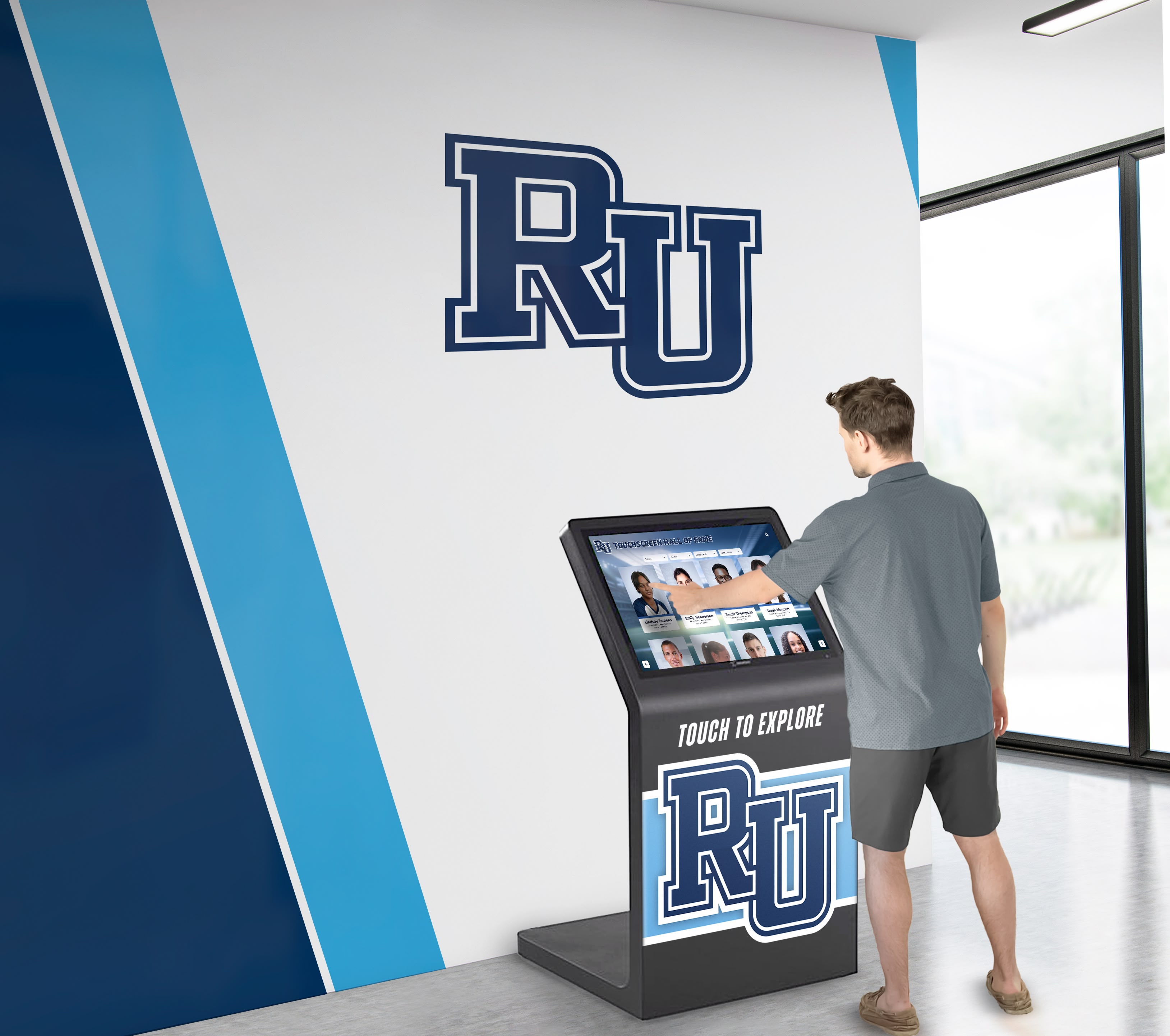
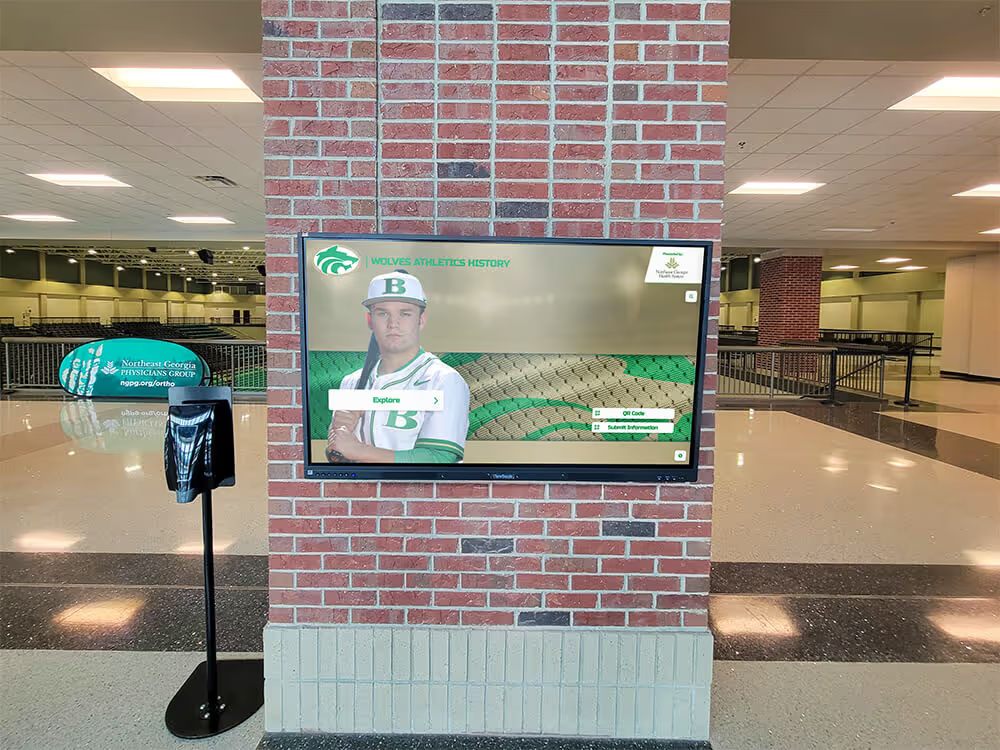
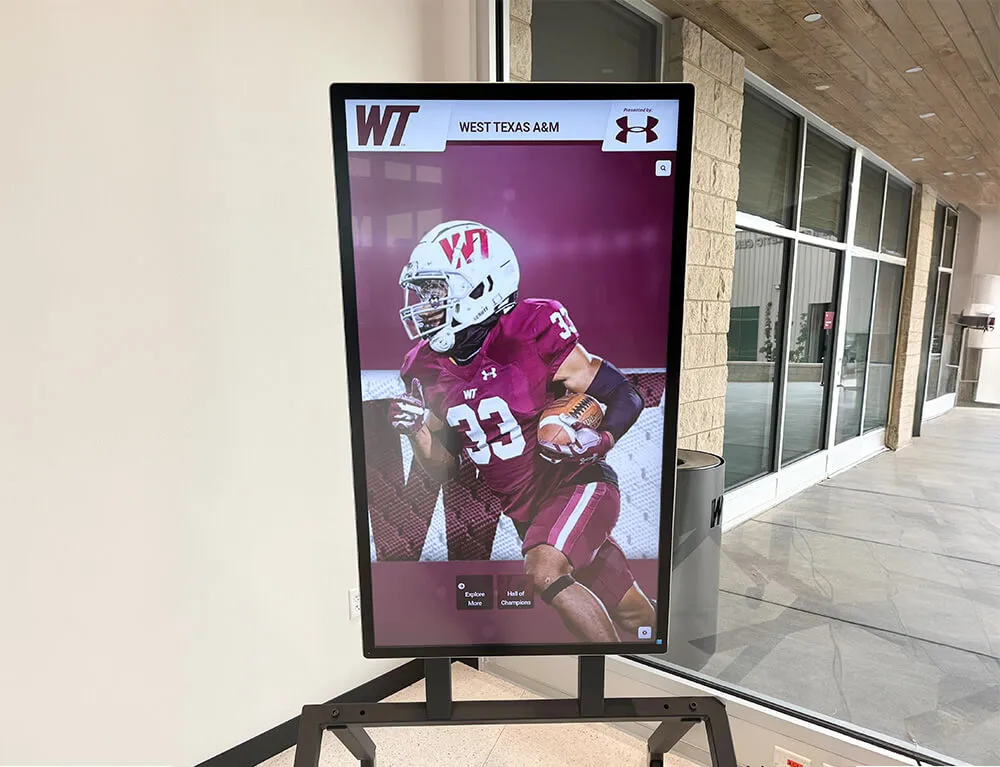
Freestanding kiosks create flexible installation options in gym lobbies without wall mounting requirements
Developing Compelling Trophy Content
Technology provides infrastructure, but engaging trophy content determines whether touchscreen displays achieve intended recognition objectives.
Systematic Content Development Workflow
Successful implementations establish clear processes ensuring comprehensive trophy coverage:
Initial Trophy Content Development
- Historical research gathering information about trophies across all sports and eras
- Trophy photography creating high-resolution images of physical awards
- Championship documentation from yearbooks, programs, and newspaper archives
- Video compilation from recorded championship games and archived footage
- Team roster organization standardizing information across different eras
- Content authoring writing compelling trophy stories and championship descriptions
- Media preparation optimizing photos and videos for display performance
- Content upload populating recognition platform systematically by sport and era
- Quality review ensuring accuracy before public launch
Athletic programs should allocate 80-150 hours for comprehensive initial trophy content development depending on program history and available source materials—foundational investment ensuring recognition quality from launch.
Content Quality Standards
Professional presentation honors athletic achievements appropriately:
Photography Standards
- High resolution (minimum 1920x1080 for featured trophy images)
- Proper lighting and composition revealing trophy details and engraving
- Consistent visual style across trophy profiles maintaining professional appearance
- Appropriate cropping highlighting trophy features and championship information
- Permission and rights documentation for any athlete photos included
Written Content Standards
- Factual accuracy verified through multiple sources and athletic records
- Engaging storytelling beyond statistics alone, capturing championship journeys
- Appropriate length (150-300 words typical for trophy profiles and team achievements)
- Consistent tone and style across all athletic recognition content
- Proper spelling and grammar maintaining professional institutional standards
- Inclusive language reflecting school values and honoring all contributions
Video Standards
- HD quality (1080p minimum; 4K preferred for future-proofing championship content)
- Professional editing with titles, graphics, and contextual information
- Appropriate length (2-5 minutes typical for championship highlights)
- Closed captioning for accessibility ensuring all athletes can engage
- Format optimization for streaming and mobile device playback
These quality standards ensure digital trophy content honors athletic achievements professionally while maintaining presentation reflecting positively on institutional commitment to recognizing excellence.
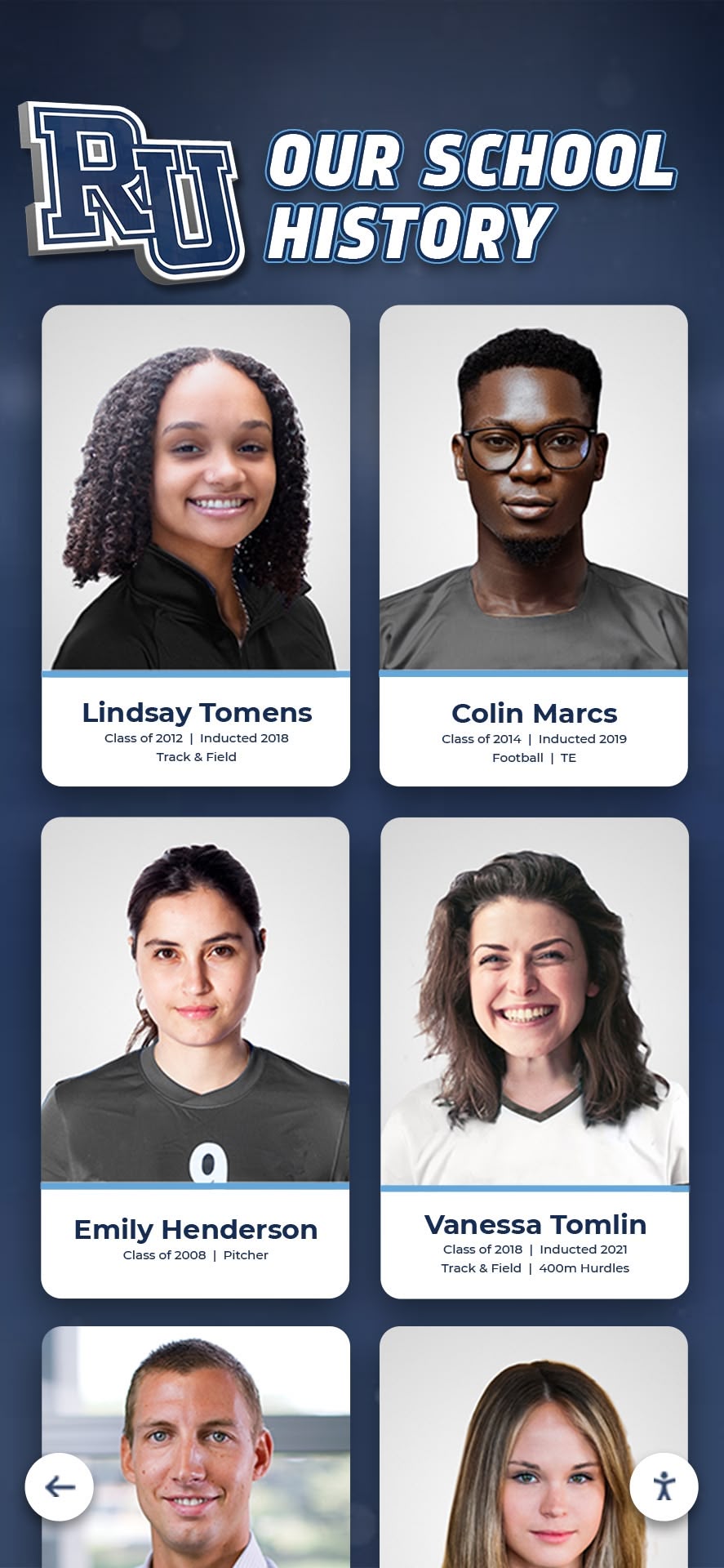
Systematic content development preserves complete athletic legacies across all eras and trophy categories
Ongoing Trophy Management
Digital trophy walls remain engaging when content stays current:
Regular Update Procedures
- Designate specific athletic department staff responsible for trophy content management
- Create standard forms collecting necessary trophy information after championships
- Schedule content additions weekly or monthly during active athletic seasons
- Review published content ensuring accuracy before communicating to school community
- Promote new trophy recognition through school channels driving athlete engagement
- Archive source materials supporting future updates or corrections
Quarterly Content Reviews
- Verify recent trophies received appropriate documentation and visibility
- Check historical trophy content for errors requiring correction or enhancement
- Update trophy profiles with additional information as materials discovered
- Refresh featured content highlighting different sports and achievements seasonally
- Review analytics identifying popular trophy content and navigation patterns
- Plan improvements addressing opportunities for better engagement
Cloud-based platforms enable remote trophy updates from any internet-connected device—dramatically reducing administrative burden compared to physical trophy cases requiring facility access for every modification.
Measuring Success and Community Impact
Assessment demonstrates recognition value while identifying improvement opportunities.
Quantitative Engagement Metrics
Modern recognition systems provide concrete engagement data impossible with traditional trophy cases:
- Display interaction frequency showing daily usage patterns by athletes and visitors
- Average session duration revealing trophy content engagement depth
- Most-viewed trophies and sports identifying athlete and community interests
- Search patterns showing how users navigate trophy archives
- Peak usage times informing trophy content scheduling and promotional timing
- Geographic access patterns revealing remote engagement from alumni
- Social sharing frequency demonstrating organic athletic promotion
- Web platform traffic sources understanding trophy recognition discovery paths
These metrics reveal whether touchscreen displays generate intended engagement or require strategy adjustments improving effectiveness.
Qualitative Impact Assessment
Regular feedback provides insights beyond metrics about trophy recognition effectiveness:
Stakeholder Feedback Collection
- Athlete surveys assessing trophy recognition awareness and motivational impact
- Coach responses to improved trophy visibility and recruiting benefits
- Alumni reactions to improved recognition and connection opportunities
- Family feedback on visibility into athletic achievements and program excellence
- Prospective athlete reactions during campus visits and facility tours
- Booster club reflections on athletic culture impact and fundraising benefits
Observable Cultural Indicators
Long-term changes provide evidence of recognition cultural impact:
- Increased athlete and community awareness and celebration of achievements
- Stronger athletic pride and positive program identity across all sports
- Strengthened alumni connections to current teams and programs
- Improved external perception and athletic program reputation
- Greater institutional commitment to recognition across all programs
- More inclusive recognition culture celebrating diverse athletic excellence
Regular assessment enables continuous refinement ensuring touchscreen displays achieve athletic program goals while identifying opportunities for improvement.
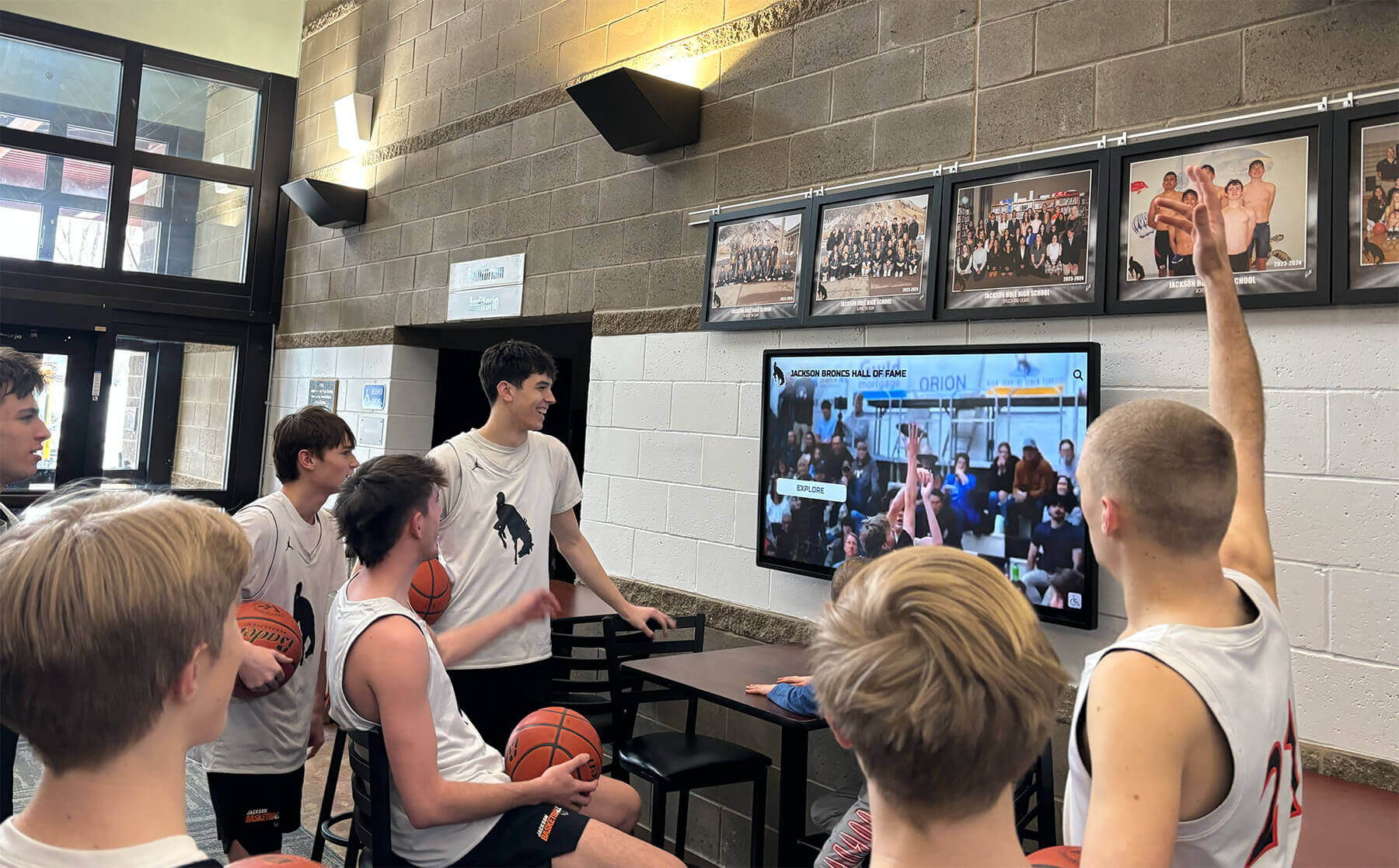
Interactive displays create natural gathering spaces where athletes explore program history and connect with traditions
Budget Planning and Funding Strategies
Touchscreen display investments deliver significant value but require careful financial planning.
Total Cost of Ownership
Initial Implementation Costs
- Hardware (commercial displays and mounting): $5,000-$12,000 per display
- Professional installation and network configuration: $1,000-$3,000 per display
- Recognition platform software (initial setup): $2,000-$5,000
- Initial trophy content development (staff time or vendor services): $3,000-$8,000
- Custom athletic branding and integration (if desired): $2,000-$5,000
Typical single-display implementation: $13,000-$33,000 Typical multi-display implementation (2-3 displays): $28,000-$75,000
Ongoing Annual Costs
- Platform subscription and hosting: $1,800-$4,500 per year
- Content management (staff time for trophy updates): 30-50 hours per year
- Technical support and maintenance: $500-$1,500 per year
- Content updates and trophy archive expansion: $1,000-$3,000 per year
Typical annual operating costs: $3,300-$9,000 per year
Creative Funding Approaches
Athletic programs successfully fund touchscreen implementations through diverse sources:
Capital Campaign Integration
- Digital trophy displays as named giving opportunities within larger athletic campaigns
- Memorial recognition honoring deceased coaches, athletes, or athletic supporters
- Class gift initiatives from graduating classes seeking lasting legacy contributions
- Reunion fundraising from milestone anniversary cohorts celebrating with facility improvements
Targeted Fundraising
- Booster club campaigns dedicated to athletic recognition enhancement
- Alumni athlete association investments in connection infrastructure
- Parent organization support for athletic recognition and engagement
- Corporate sponsorships from local businesses benefiting from athletic partnerships
- Digital display sponsorship opportunities with rotating sponsor recognition
Operational Budget Allocation
- Athletic department technology budget infrastructure allocations
- Recognition and awards budget enhancements from existing line items
- Facilities budget integration with gym lobby renovation projects
- Combining with other capital improvements to share implementation costs
The tangible, visible nature of touchscreen trophy displays makes them attractive to athletic donors seeking concrete impact from contributions—many programs report fundraising exceeding initial targets when stakeholders understand project scope and lasting program benefits.
Cost Comparison with Traditional Approaches
Digital touchscreen systems require higher initial investment but eliminate recurring costs while providing superior capabilities:
Traditional Trophy Case Costs
- New trophy cases: $2,000-$10,000 each
- Per-trophy display materials: $50-$300 each
- Installation and mounting: $500-$2,000 per case
- Space limitations forcing eventual additional cases
- Ongoing maintenance and cleaning
- Replacement every 10-15 years as cases fill
Digital Touchscreen Costs
- Initial hardware and installation: $13,000-$33,000
- Annual platform subscription: $1,800-$4,500
- No per-trophy costs regardless of volume
- Unlimited capacity without space expansion
- Remote content management reducing staff time
- Hardware replacement every 7-10 years
Total cost of ownership typically favors digital approaches within 3-5 years, particularly when accounting for unlimited capacity and enhanced engagement capabilities.
Integration with Existing Trophy Cases
Most schools implement hybrid approaches combining traditional trophy cases with digital displays.
Complementary Recognition Systems
Rather than replacing valued trophy traditions, digital displays extend and enhance existing recognition:
Preserving Physical Trophy Prominence
- Maintain existing trophy cases displaying select championship trophies
- Feature state championships and most significant awards in physical cases
- Use physical displays for recent achievements (last 3-5 years)
- Create “featured trophy” rotations coordinating physical and digital displays
- Preserve traditional aesthetic that communities expect and value
Expanding with Digital Capacity
- Comprehensive digital archives showcasing all trophies across complete program history
- Detailed championship team rosters and athlete profiles impossible in physical cases
- Individual achievement awards that physical cases cannot accommodate
- Historical trophies from storage made accessible through digital platforms
- Video highlights and multimedia content supplementing physical trophy display
This complementary approach honors tradition while solving capacity constraints, creating comprehensive recognition systems that leverage strengths of both physical and digital approaches.
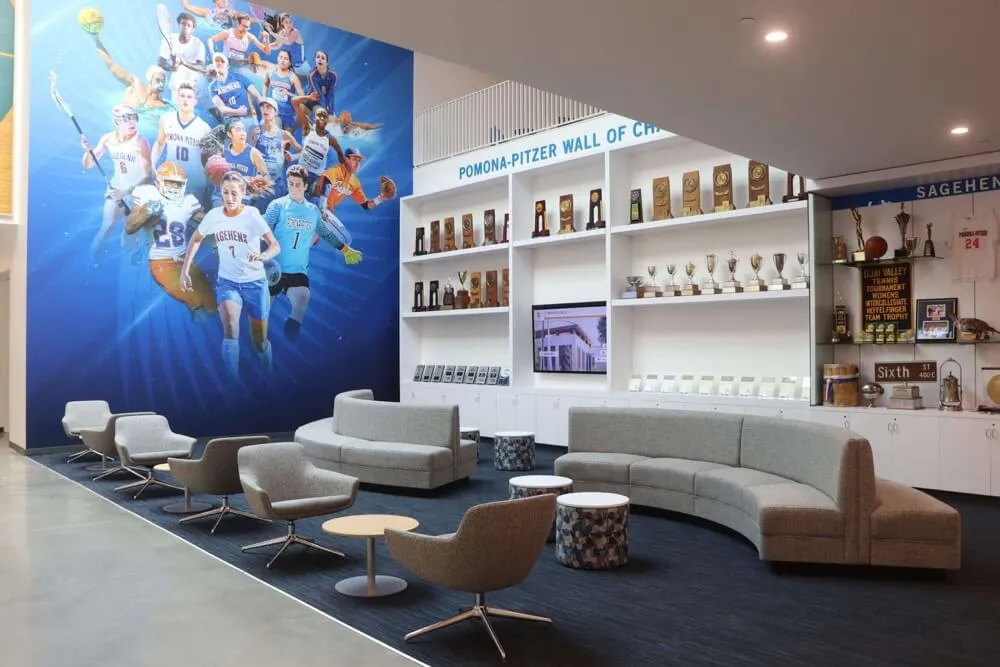
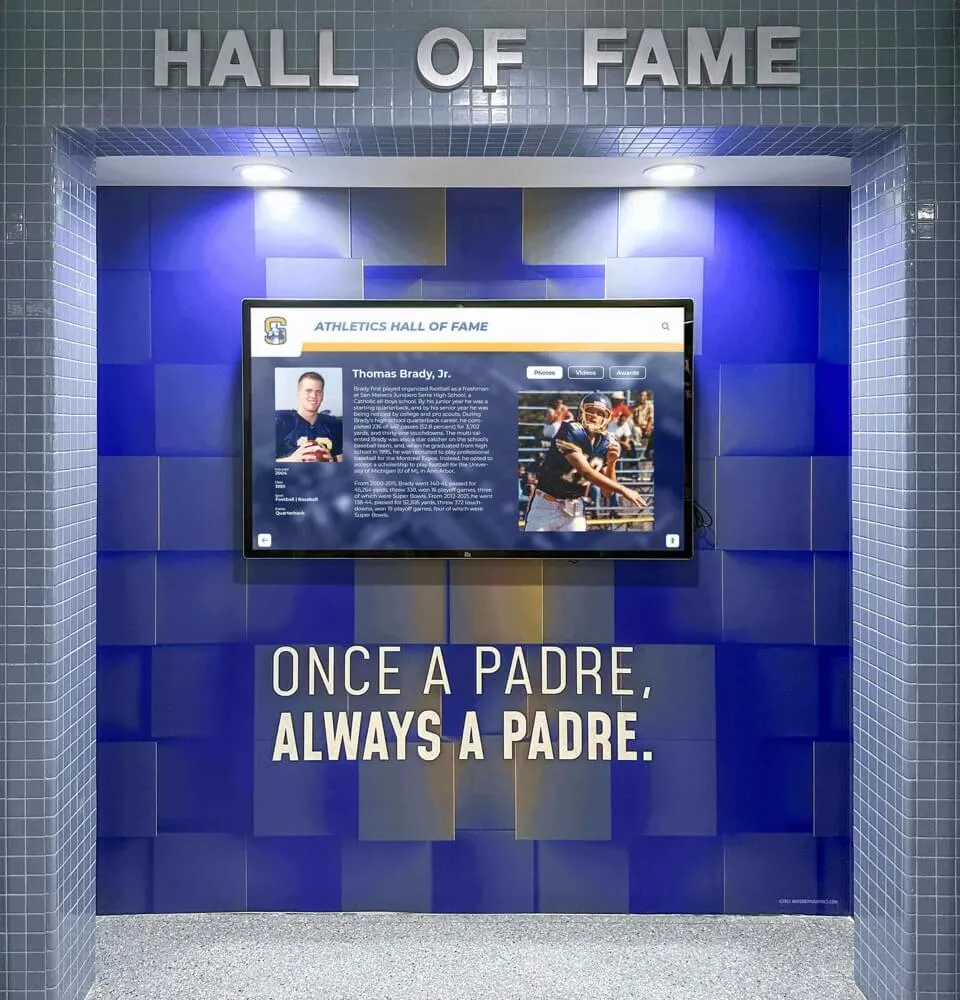
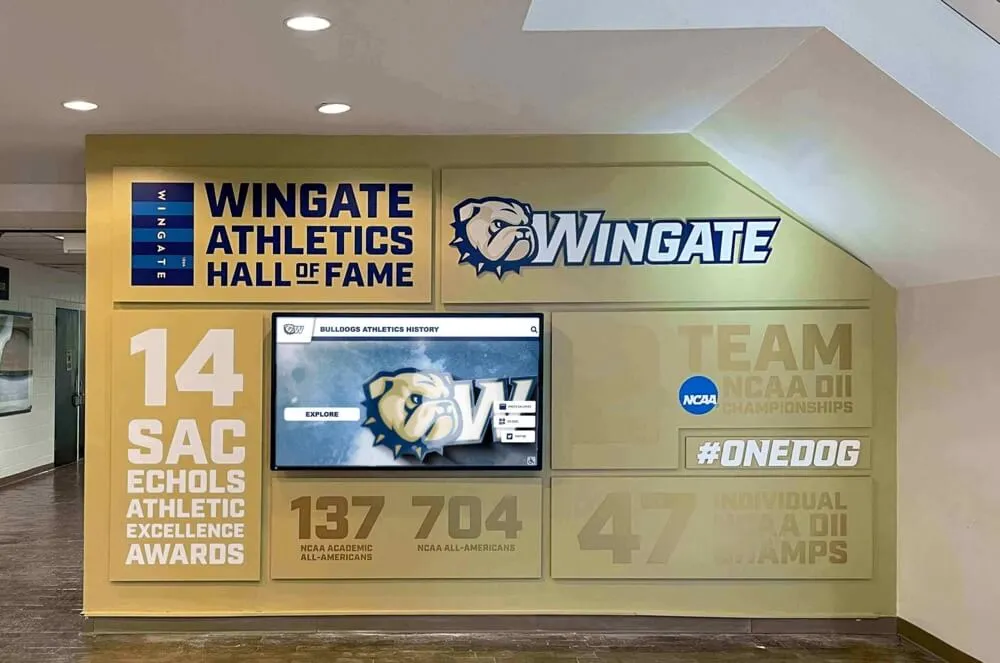
Integrated recognition environments combine traditional trophy displays with digital interactive systems
Phased Implementation Strategies
Schools often implement touchscreen displays in stages:
Phase 1: Initial Digital Installation
- Single touchscreen display in primary gym lobby location
- Focus on most recent 5-10 years of trophy content initially
- Integration with existing trophy case positioning
- Staff training on content management platform
- Community education about new recognition capabilities
Phase 2: Content Expansion
- Systematic historical trophy digitization extending backwards through program history
- Enhanced multimedia content as photos and videos collected
- Alumni engagement initiatives gathering historical information and materials
- Featured content rotation ensuring all sports and eras receive visibility
- Analytics review informing content strategy based on actual usage patterns
Phase 3: Additional Displays
- Secondary touchscreen installations at other facility locations
- Sport-specific displays at relevant venues (wrestling room, pool, baseball complex)
- Coordinated content across multiple displays from centralized management
- Extended web-based access reaching alumni worldwide
Phased approaches enable schools to demonstrate value before committing to comprehensive implementations while learning from initial installations to inform subsequent expansions.
Best Practices for Long-Term Success
Sustaining touchscreen trophy recognition value requires ongoing commitment beyond initial installation.
Establishing Sustainable Management
Clear responsibilities ensure recognition continues reliably:
Administrative Structure
- Primary coordinator (often athletic director) overseeing trophy recognition program
- Backup administrators preventing single point of failure when staff change
- Sport-specific content managers for specialized categories when program size warrants
- Student assistants supporting content development and updates
- Vendor relationship management for platform support and technical issues
Update Procedures
Systematic workflows maintain current recognition:
- Immediate trophy addition processes following championships and awards
- Quarterly content review schedules ensuring accuracy and quality
- Annual archive expansion plans systematically digitizing historical trophies
- Featured content rotation calendars highlighting different achievements seasonally
- Error correction protocols addressing issues promptly when discovered
- Analytics review cycles informing optimization based on engagement patterns
These structural elements prevent recognition system abandonment due to unclear responsibilities or inadequate resource allocation as staff priorities shift over time.
Community Communication and Engagement
Regular outreach maintains awareness and support:
- New trophy announcements celebrating recent additions to digital displays
- Featured trophy spotlights highlighting historical achievements and athlete stories
- Social media integration connecting digital trophy content to broader communications
- Alumni engagement campaigns gathering historical photos and information
- Prospective athlete recruitment materials showcasing comprehensive recognition
- Booster club presentations demonstrating recognition system value and impact
Active communication keeps trophy recognition visible and relevant rather than becoming static infrastructure visited once and forgotten.
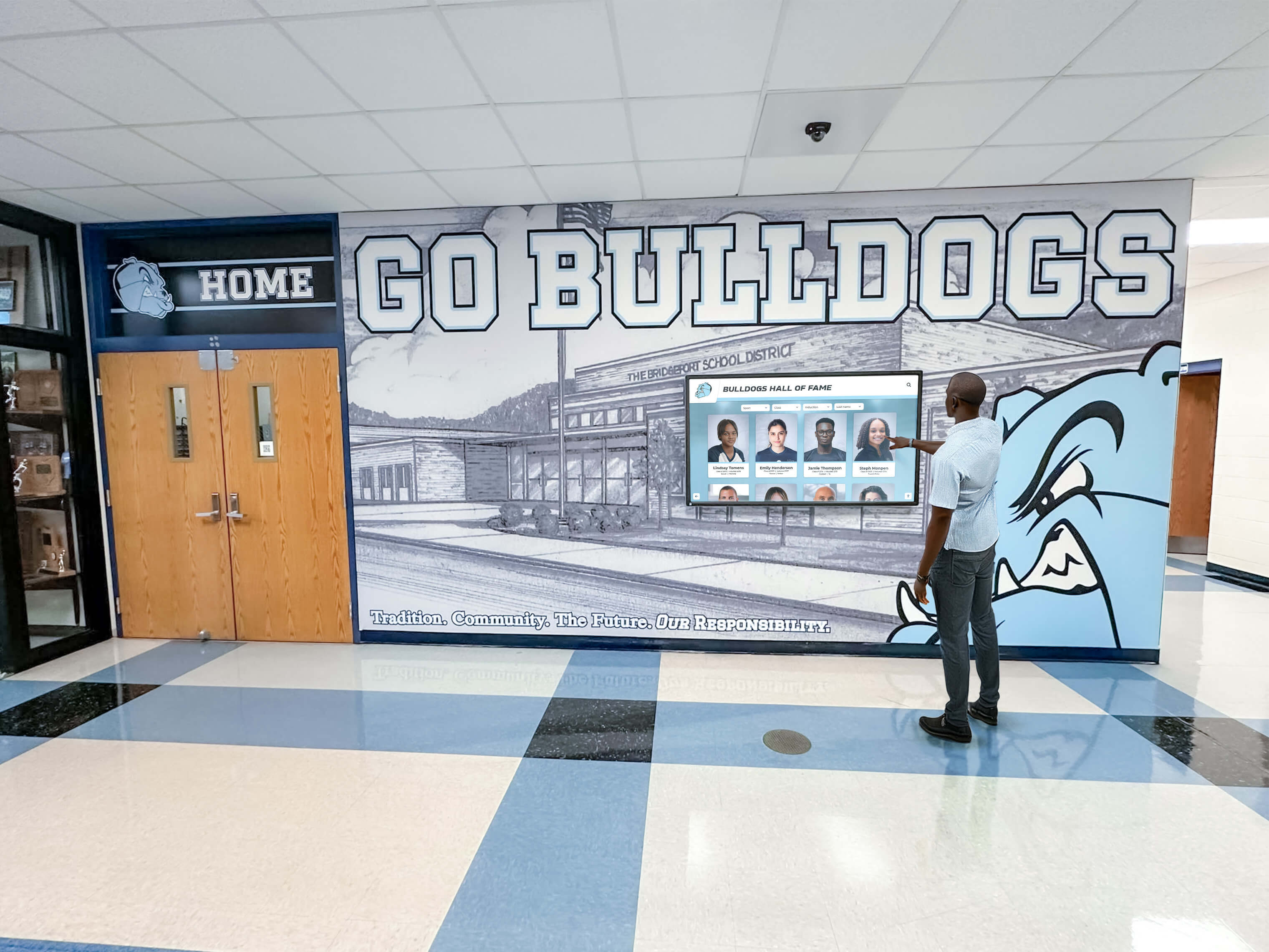
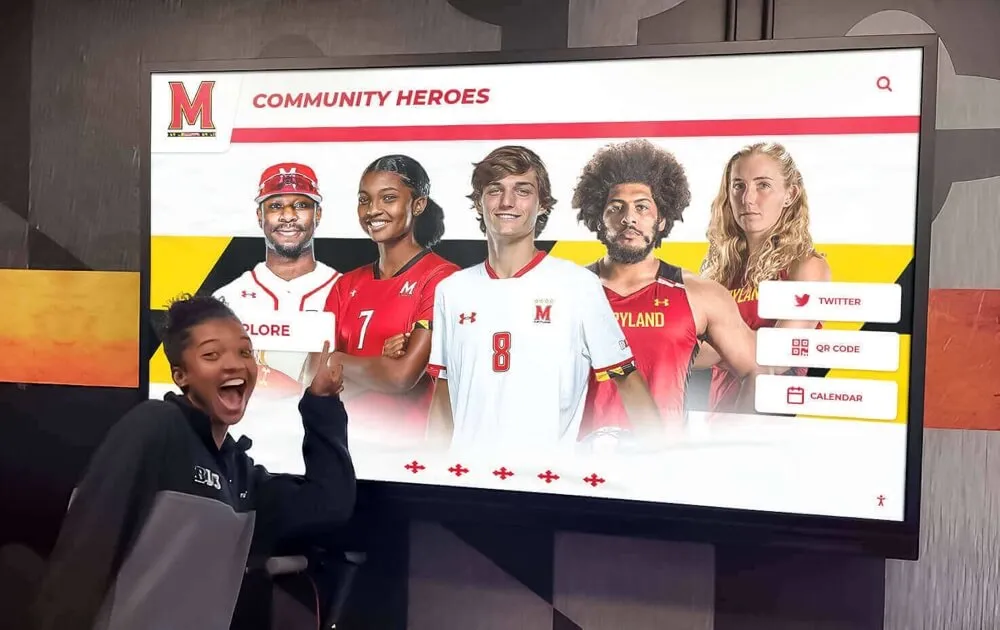
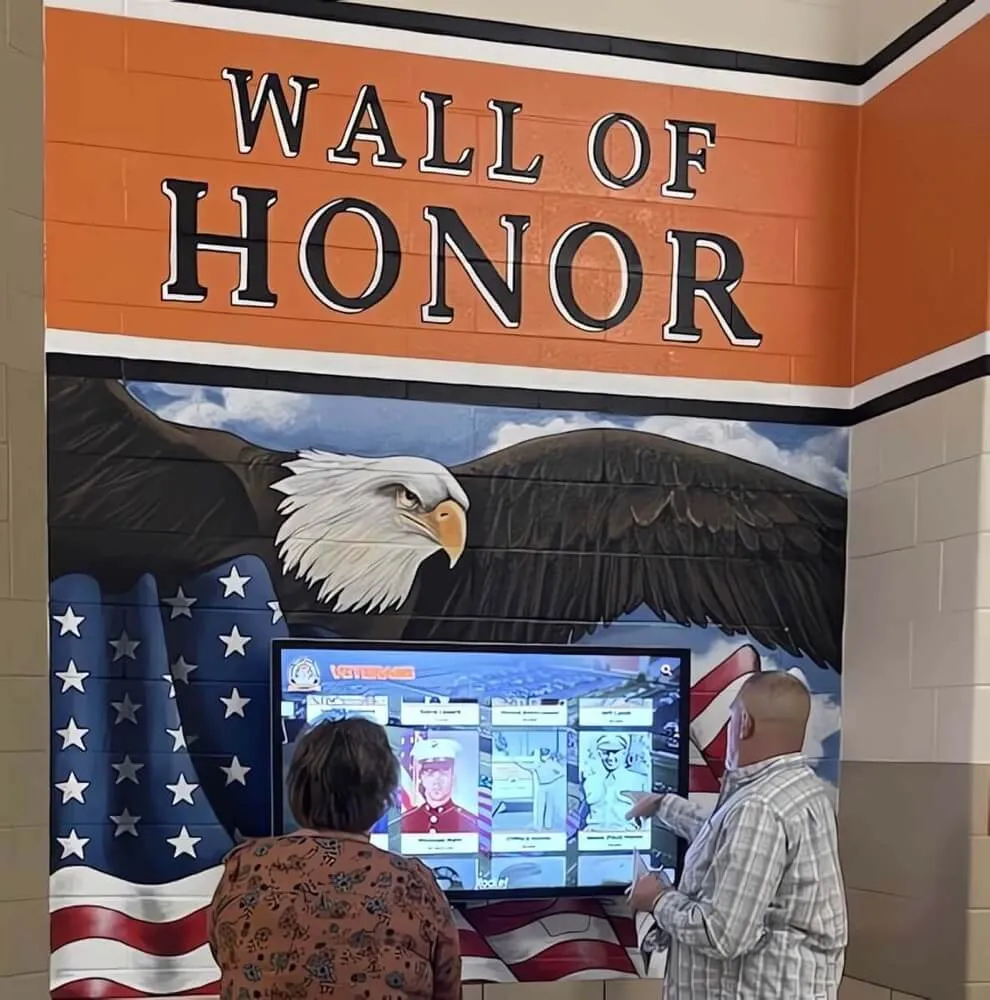
Interactive displays create natural engagement as community members explore athletic achievements and program history
Privacy and Compliance Considerations
Student athlete privacy requires thoughtful policies:
FERPA Compliance
Educational institutions must respect privacy regulations:
- Obtain appropriate consent for public recognition displays of student information
- Provide opt-out mechanisms for individuals preferring privacy
- Limit displayed information to directory-appropriate data
- Secure systems preventing unauthorized access or content modification
- Regular policy review ensuring continued compliance with evolving regulations
- Documentation of consent and permissions for all student athlete content
Sensitive Information Protection
Avoid displaying information that could be problematic:
- Contact information or addresses that could compromise student safety
- Details about family circumstances or personal challenges
- Anything individuals might find personally sensitive or inappropriate
- Content creating safety or security concerns for students
Consult with legal counsel ensuring trophy recognition complies with relevant privacy laws, regulations, and institutional policies before public launch.
Future Trends in Athletic Recognition Technology
Understanding emerging developments helps schools plan investments remaining relevant long-term.
Advanced Interactive Capabilities
Next-generation touchscreen displays incorporate enhanced features:
- Artificial intelligence personalizing trophy content based on user preferences and exploration behavior
- Voice interaction enabling hands-free navigation and accessibility for all users
- Augmented reality experiences overlaying digital trophy information on physical athletic environments
- Mobile app synchronization enabling continued trophy exploration beyond physical displays
- Advanced analytics revealing detailed engagement patterns and predictive insights
- Enhanced social media integration for amplified sharing and organic athletic promotion
These innovations will continue expanding possibilities with trophy recognition technology—widening advantages interactive touchscreen displays provide over static traditional trophy cases that cannot evolve with technological advances.
Enhanced Accessibility and Inclusion
Modern platforms increasingly emphasize universal design:
- Multiple language support reaching diverse school communities
- Screen reader compatibility supporting visually impaired users
- Adjustable font sizes and high-contrast modes improving readability
- Closed captioning for all video trophy content ensuring accessibility
- Alternative text for trophy images supporting assistive technologies
- Keyboard navigation alternatives to touch interaction
- Height-adjustable mounting accommodating wheelchair users
These inclusive approaches ensure trophy recognition serves entire school communities rather than privileging certain populations, honoring all athletes appropriately.
Integration with Broader Athletic Systems
Digital platforms increasingly connect with comprehensive school athletic systems:
- Athletic management system integration enabling automatic trophy and achievement recognition
- Recruiting platform connections facilitating prospective athlete engagement
- Social media platforms amplifying trophy recognition reach beyond school boundaries
- Virtual event platforms incorporating recognition into athletic programming
- Analytics dashboards providing comprehensive engagement insights for athletic directors
Comprehensive platforms supporting integrated approaches enable athletic programs to address trophy wall recognition while building broader capabilities supporting multiple objectives simultaneously.
Conclusion: Transforming Gym Lobby Recognition Through Touchscreen Technology
Touchscreen displays represent more than technological novelty or digital upgrades to traditional trophy cases—they’re comprehensive platforms transforming how high schools recognize athletic achievement, preserve program history, and create engaging experiences that inspire excellence across all sports and activities.
When schools implement touchscreen displays thoughtfully in gym lobbies—with strategic placement, quality trophy content, and sustained management—they create recognition systems celebrating every deserving achievement without space constraints. These comprehensive approaches demonstrate institutional commitment to valuing all forms of athletic excellence, encouraging broader participation while honoring diverse achievements contributing to vibrant athletic programs.
Ready to Transform Your Gym Lobby Trophy Recognition?
Discover how digital touchscreen solutions can help you celebrate every trophy and achievement with unlimited recognition capacity, engaging multimedia content, and cloud-based management that honors all athletes appropriately.
Explore Touchscreen Trophy SolutionsThe strategies explored in this guide provide frameworks for implementing touchscreen displays solving trophy overcrowding while creating recognition experiences impossible with physical cases alone. From platforms like Rocket Alumni Solutions eliminating space constraints to systematic content development preserving complete athletic histories, these approaches overcome traditional limitations while creating engaging recognition celebrating program excellence comprehensively.
Your athletic program deserves recognition systems celebrating the dedication and excellence defining your competitive character and school values. With thoughtful planning, appropriate technology investments, and systematic implementation, you can create touchscreen trophy displays becoming treasured traditions preserving athletic legacy while inspiring future athletes to pursue their own excellence.
Ready to begin your gym lobby transformation? Learn more about trophy display case solutions and discover digital hall of fame tools for athletics that showcase comprehensive achievement recognition. Explore athletic hall of fame implementation for complete planning frameworks, or review digital trophy wall complete guides demonstrating modern athletic recognition approaches serving school communities effectively.