High school class reunions bring former classmates together to reconnect, reminisce about shared experiences, celebrate achievements, and strengthen bonds formed during formative years. These milestone gatherings—whether 10th, 25th, or 50th anniversaries—create opportunities for alumni to rediscover friendships, share life journeys, and celebrate the community that shaped their early development. Yet despite careful planning by dedicated reunion committees, many events struggle to facilitate meaningful connections among attendees who may not have seen each other in decades, provide engaging activities beyond basic socializing, and create lasting documentation preserving reunion experiences once events conclude.
Walk into most class reunion venues and you’ll encounter familiar scenarios: attendees clustered in small groups with people they already know rather than expanding social circles, awkward silences as classmates struggle to remember names or shared experiences from years past, limited conversation starters beyond “what have you been doing,” and missed opportunities for alumni who couldn’t attend to participate in celebrations or view documentation from events. Reunion committees invest significant effort creating printed memory books, displaying old yearbook photos on poster boards, and organizing basic slide shows—approaches that provide limited interactivity and engagement while offering no accessibility for absent classmates unable to travel to events.
This comprehensive guide explores how touchscreen displays transform high school class reunions by creating interactive memory walls showcasing alumni achievements and life updates, facilitating connections through searchable classmate directories, providing engaging exploration activities throughout events, preserving reunion documentation permanently accessible beyond single gatherings, and extending participation to remote alumni unable to attend physically but wanting to engage with reunion celebrations from anywhere worldwide.
Modern touchscreen technology doesn’t simply digitize printed yearbooks—it creates dynamic interactive experiences that bring reunion venues alive with engaging content while fostering connections impossible through traditional static displays. Schools and reunion committees implementing digital recognition displays consistently report dramatically improved attendee engagement, increased participation from classmates discovering shared interests and connections, and sustained post-reunion interaction as alumni continue exploring content long after events conclude.

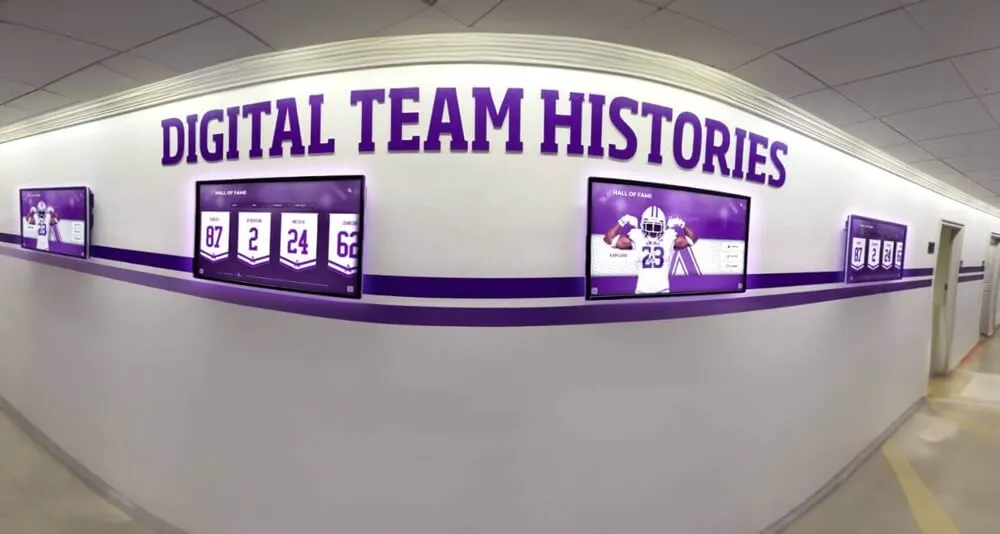
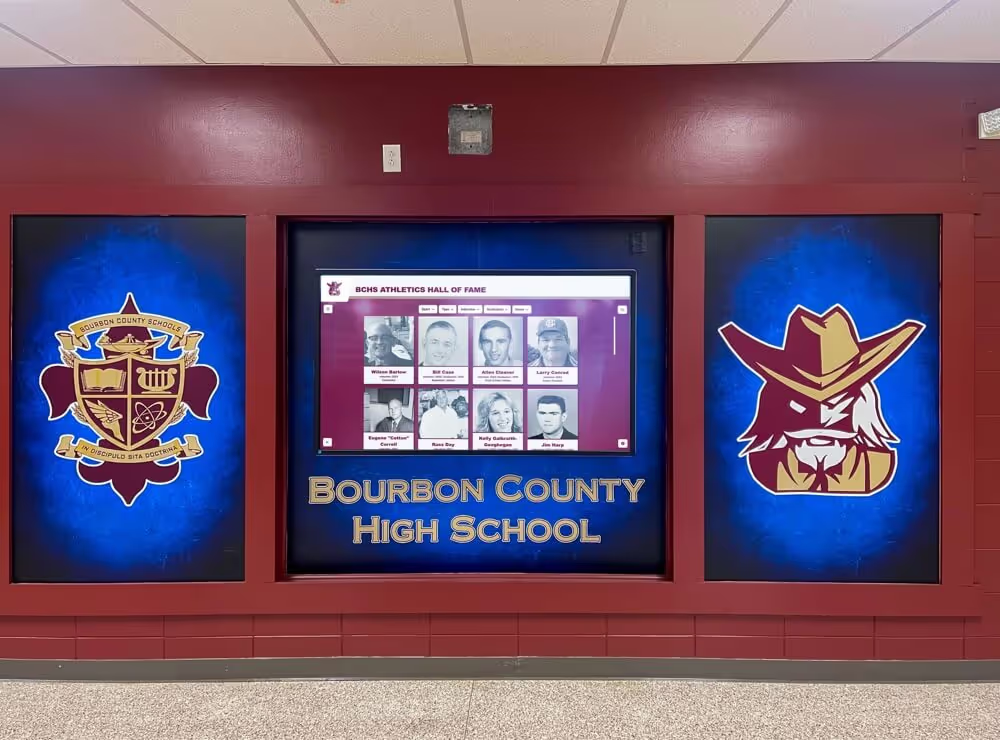
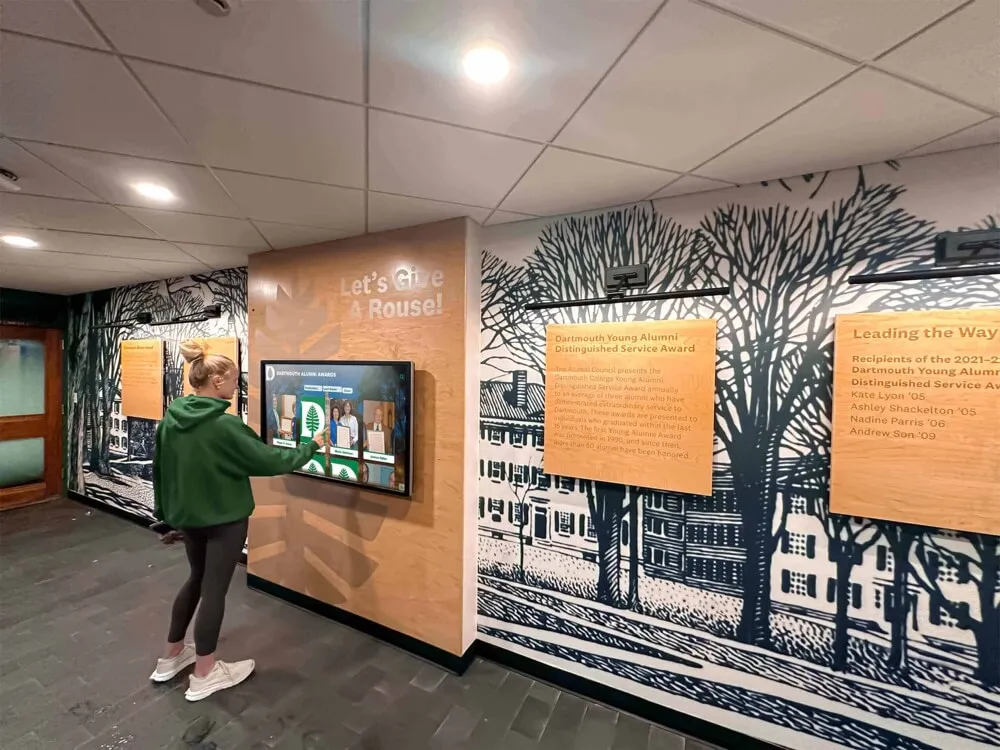
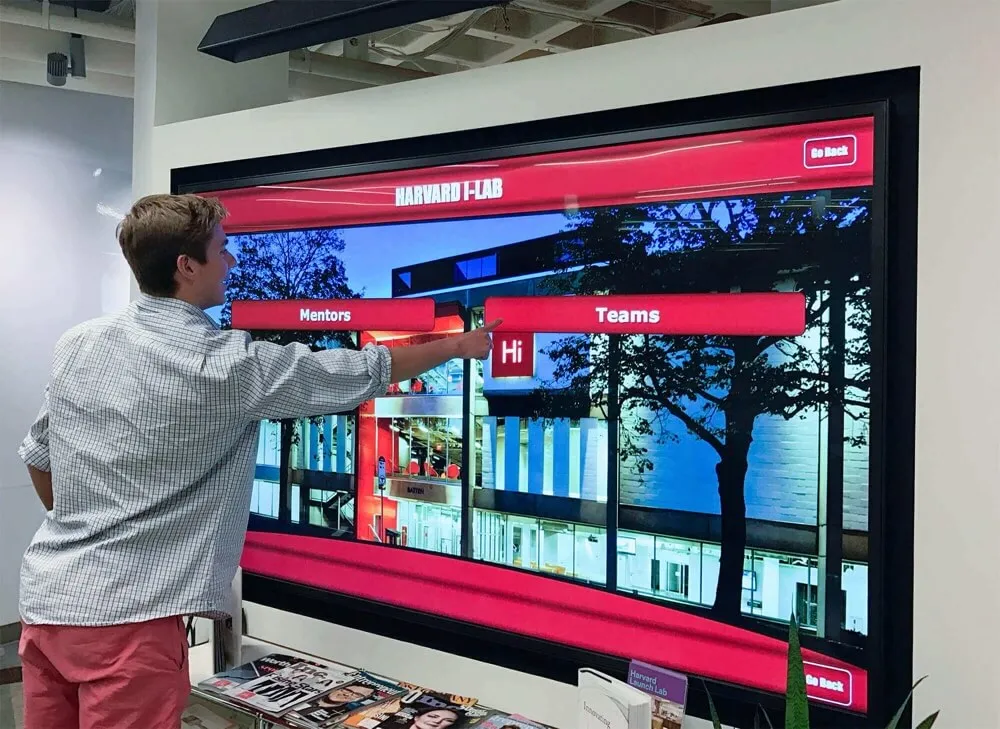
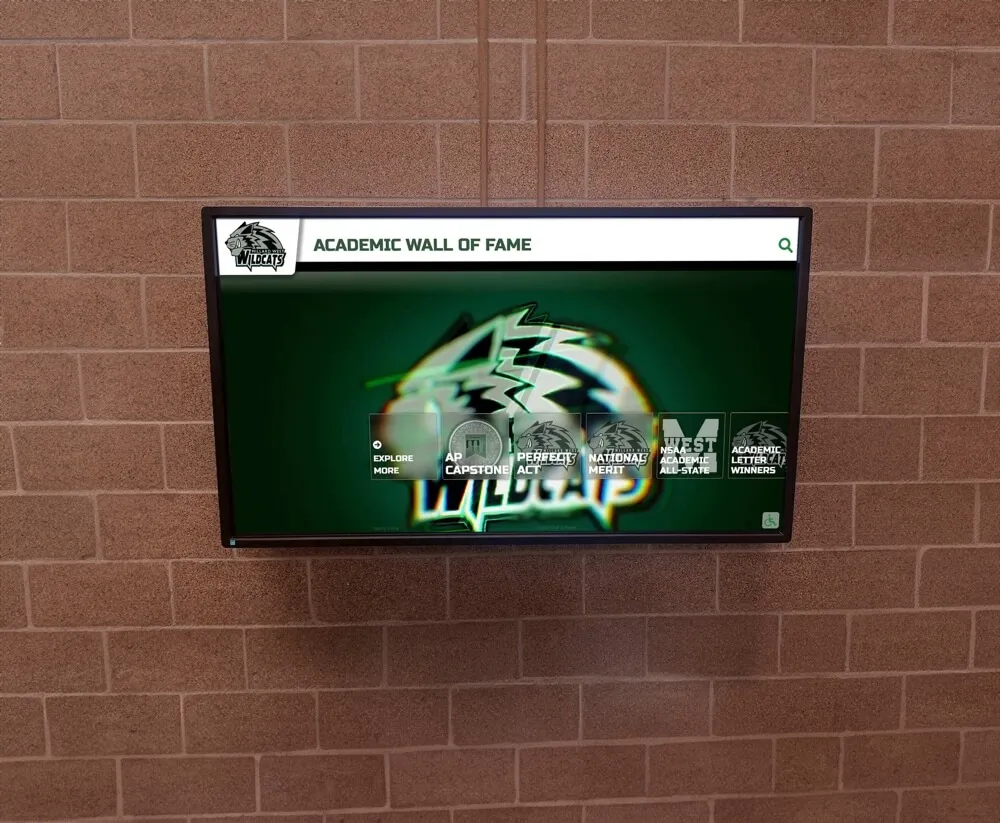
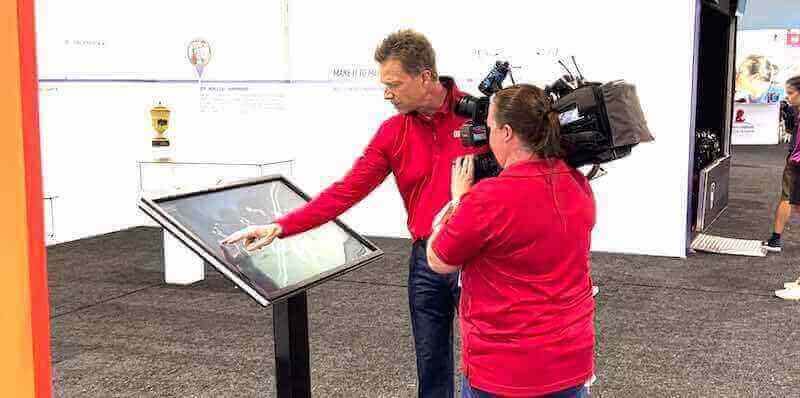
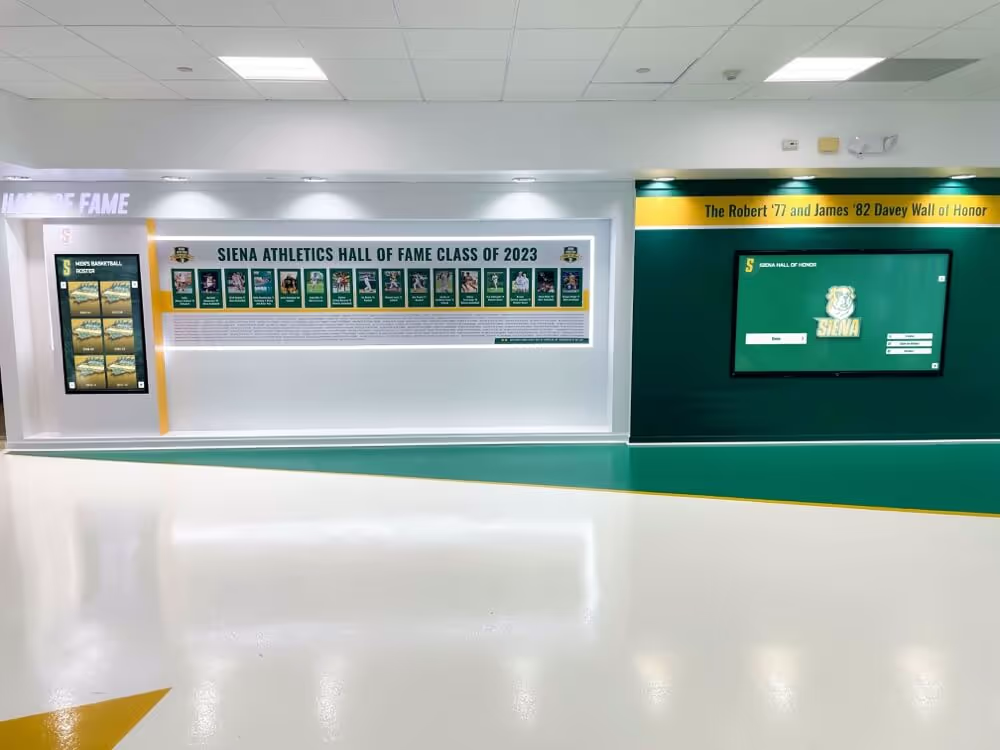
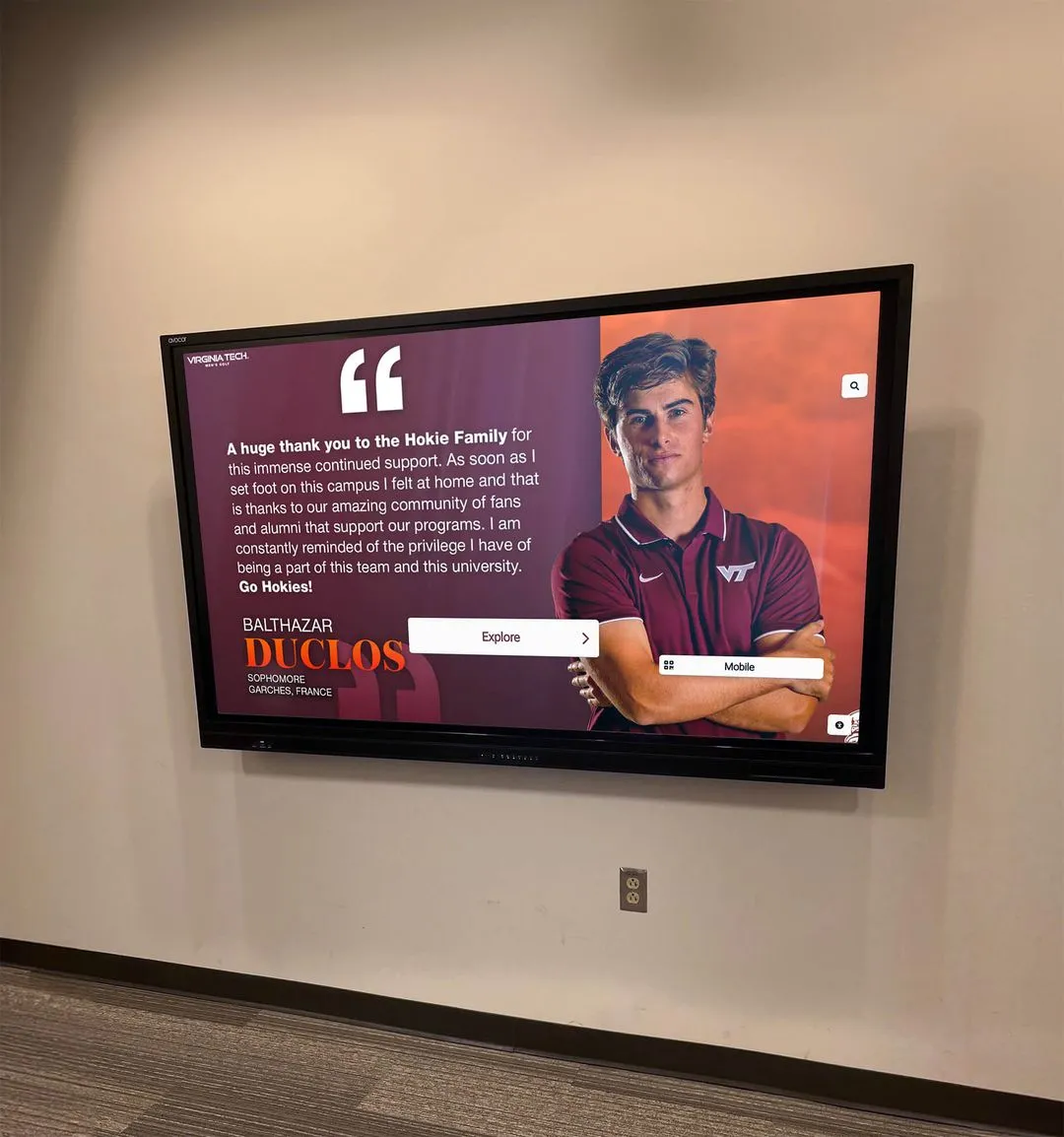
Interactive touchscreen displays create natural gathering points at reunions where alumni discover classmates, explore achievements, and reconnect through engaging digital experiences
Understanding the Class Reunion Challenge: Connection in the Digital Age
Before exploring specific touchscreen solutions, understanding what makes modern reunions challenging clarifies why interactive technology delivers transformational value for attendee experiences and event outcomes.
The Evolution of Class Reunions and Changing Expectations
Class reunions have evolved significantly as social dynamics and technology reshape how people maintain connections.
Traditional Reunion Formats and Limitations
Historically, class reunions followed predictable patterns: committees mailed printed invitations months in advance hoping addresses remained current, attendees gathered at hotels or school facilities for dinners and dancing, printed memory books documented classmate updates submitted weeks earlier, and photo displays featured yearbook pages and school memorabilia creating nostalgic atmosphere. Communication ended when events concluded, with limited ongoing engagement until next milestone reunions years later.
These traditional approaches created several persistent challenges. Many alumni never received invitations due to outdated contact information, attendees struggled reconnecting with classmates they hadn’t seen in decades, conversation often remained superficial without prompts facilitating deeper engagement, printed materials became outdated immediately as life circumstances evolved, and classmates unable to attend had no participation options beyond reading summary reports mailed weeks later.
Modern Social Dynamics and Technology Impact
Today’s alumni have fundamentally different expectations shaped by constant digital connectivity. Many classmates maintain ongoing contact through Facebook, Instagram, LinkedIn, and other social platforms—making traditional reunion value propositions less compelling when people already know basic life updates. Simultaneously, increased geographic mobility means classmates live across countries or continents, making physical attendance challenging despite genuine interest in reconnecting.
According to reunion planning research, attendance at traditional reunions has declined 15-25% over the past decade as competing demands on time increase while perceived value decreases when social media already provides ongoing connection. Reunion committees face pressure creating experiences compelling enough to justify travel and time investment beyond what online platforms offer.
Creating Compelling Value Beyond Social Media
Successful modern reunions offer experiences impossible through digital social networks: authentic in-person connection transcending screen-mediated interaction, comprehensive alumni recognition celebrating diverse achievements beyond self-promotion typical on social platforms, discovery of unexpected connections and shared experiences not visible through algorithmic social feeds, engaging interactive exploration creating shared experiences during events, and permanent documentation accessible indefinitely rather than disappearing into social media archives.
Touchscreen displays address these modern challenges by creating interactive experiences that leverage technology enhancing rather than replacing human connection—providing conversation starters, facilitating discovery, and creating engagement impossible through printed materials or basic social media alone.
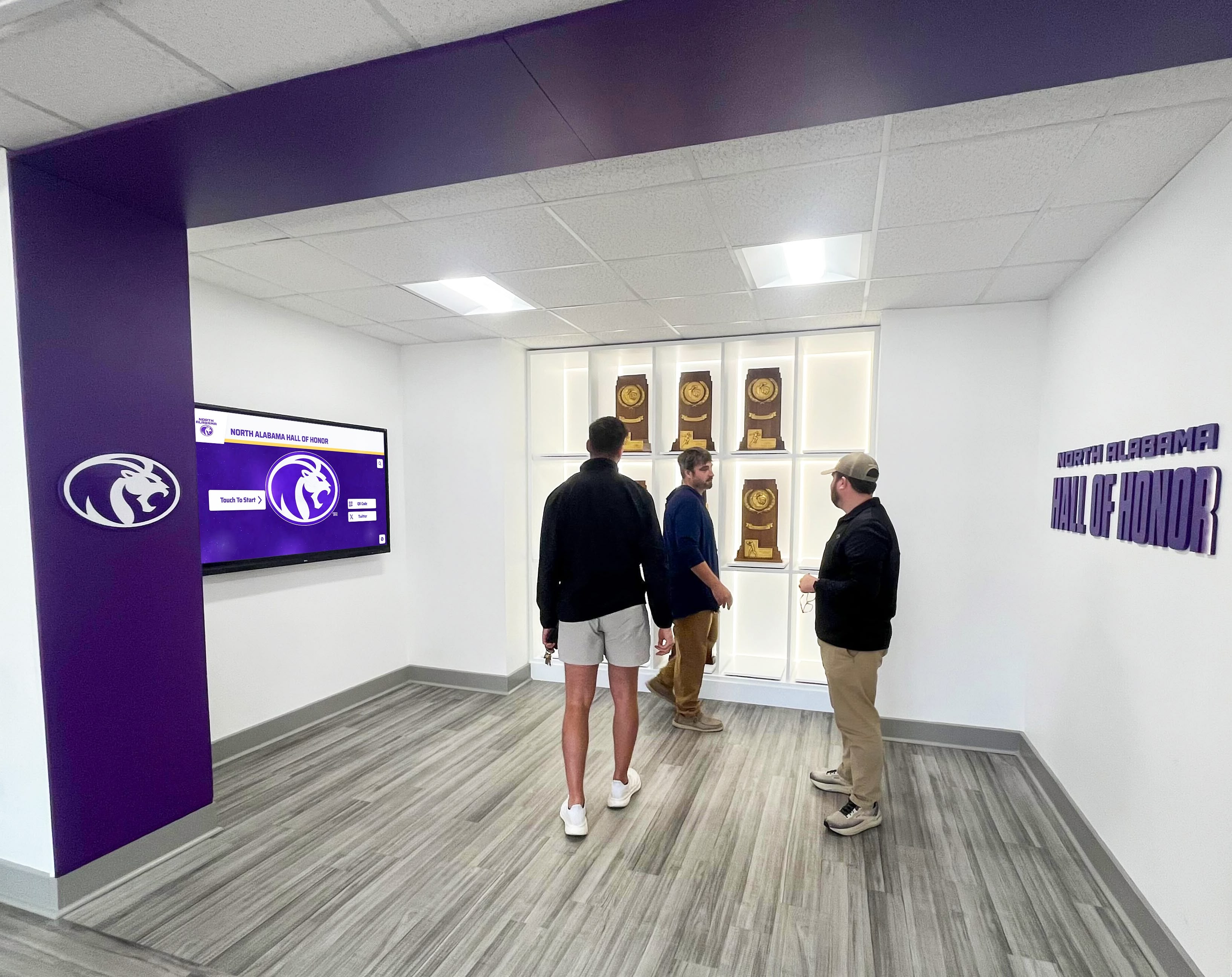
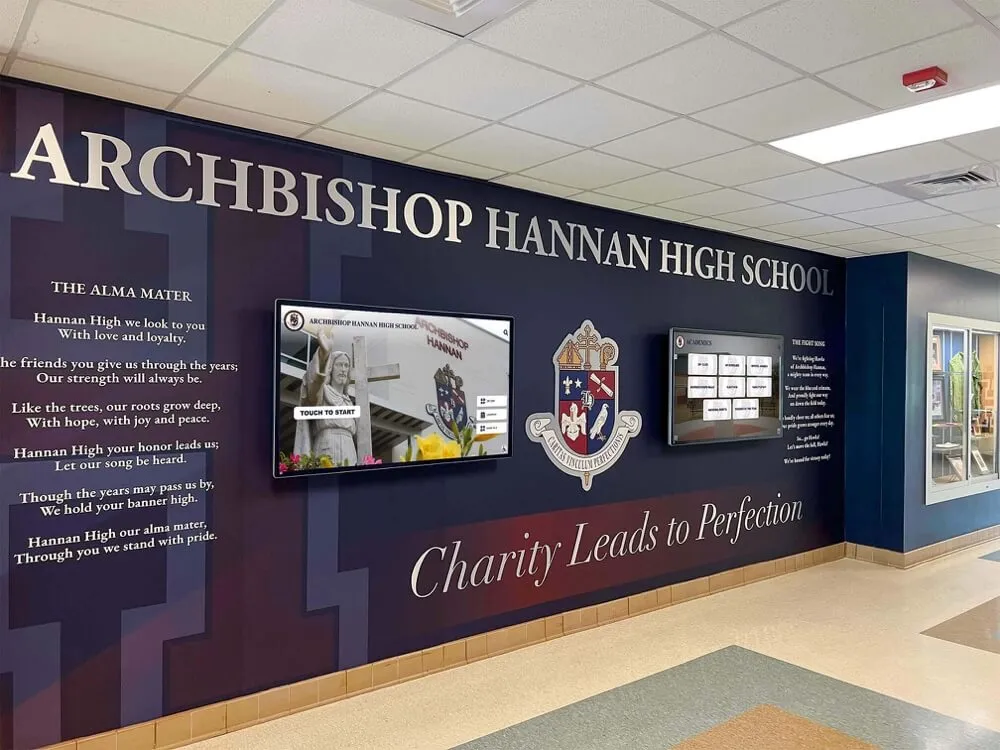
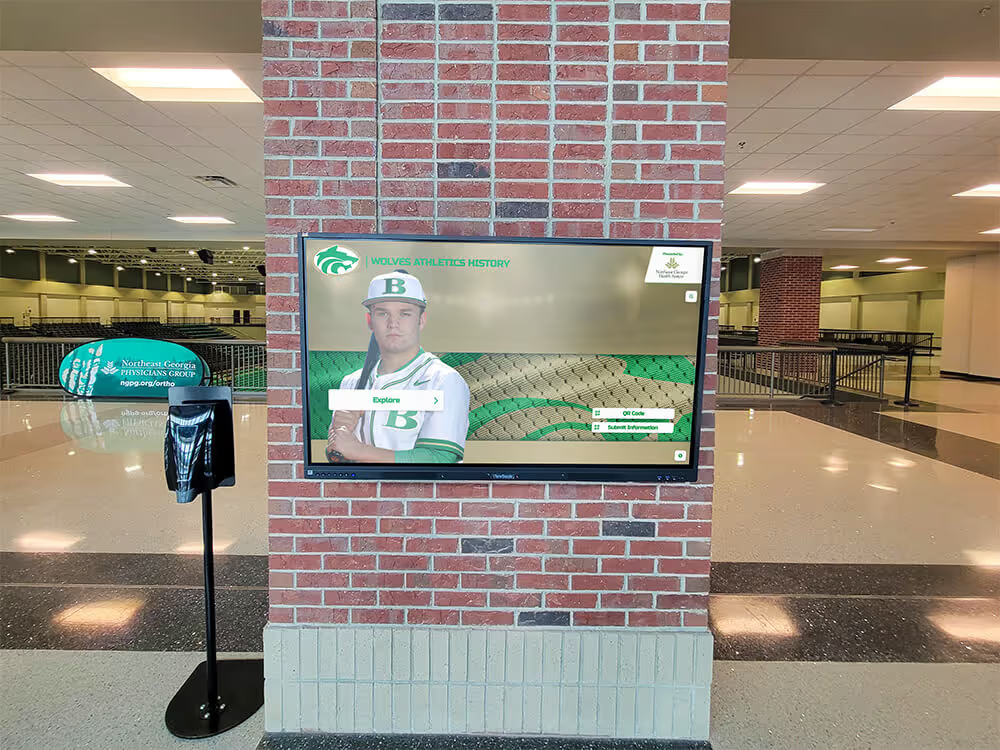
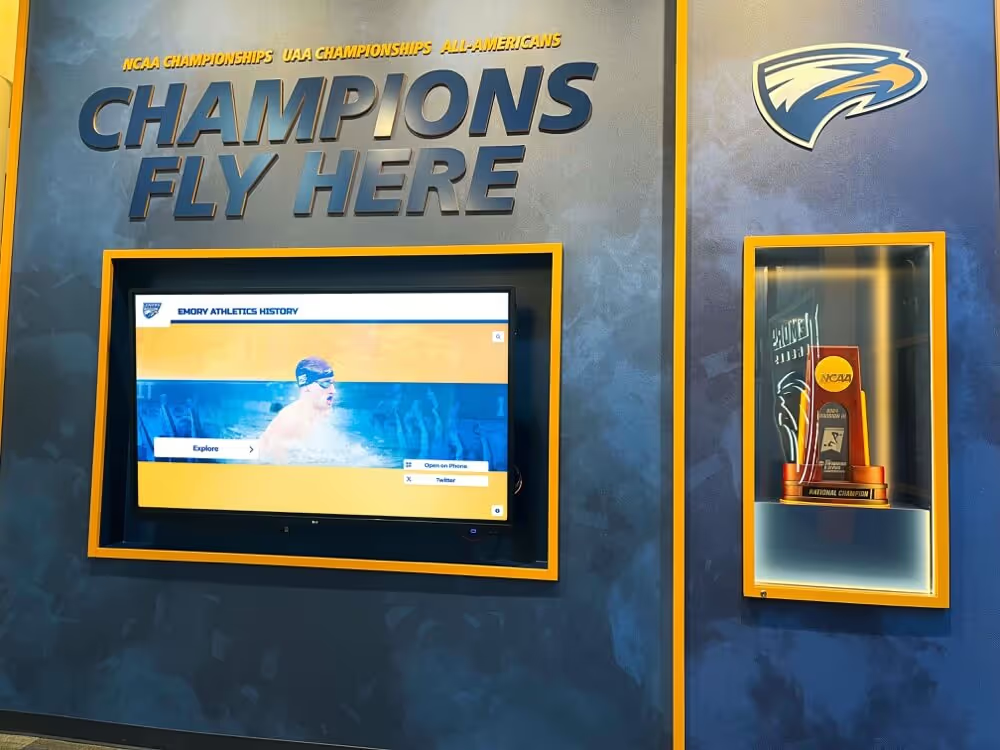
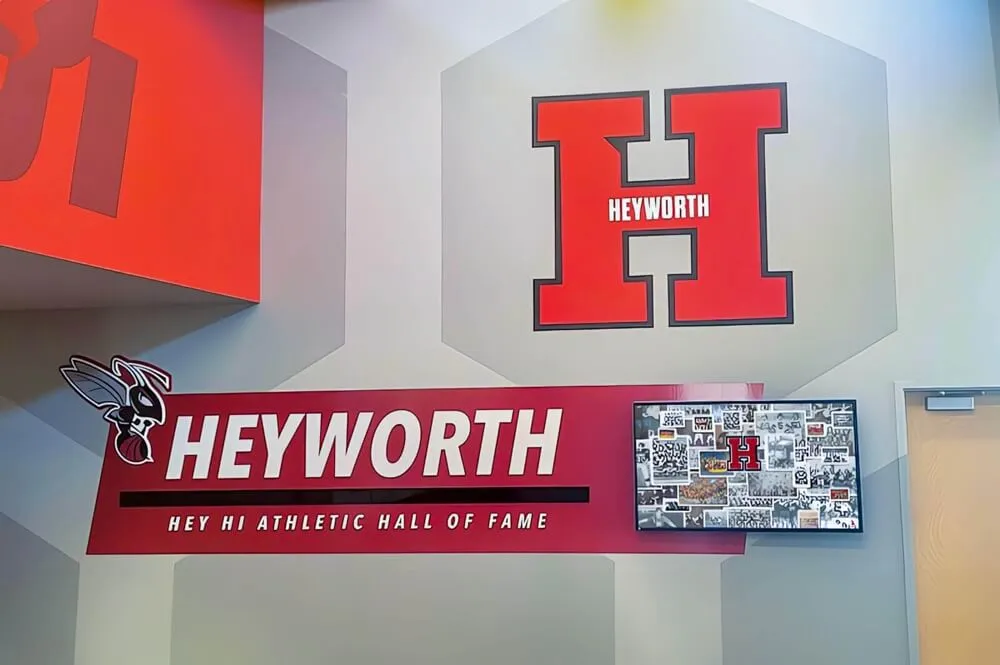
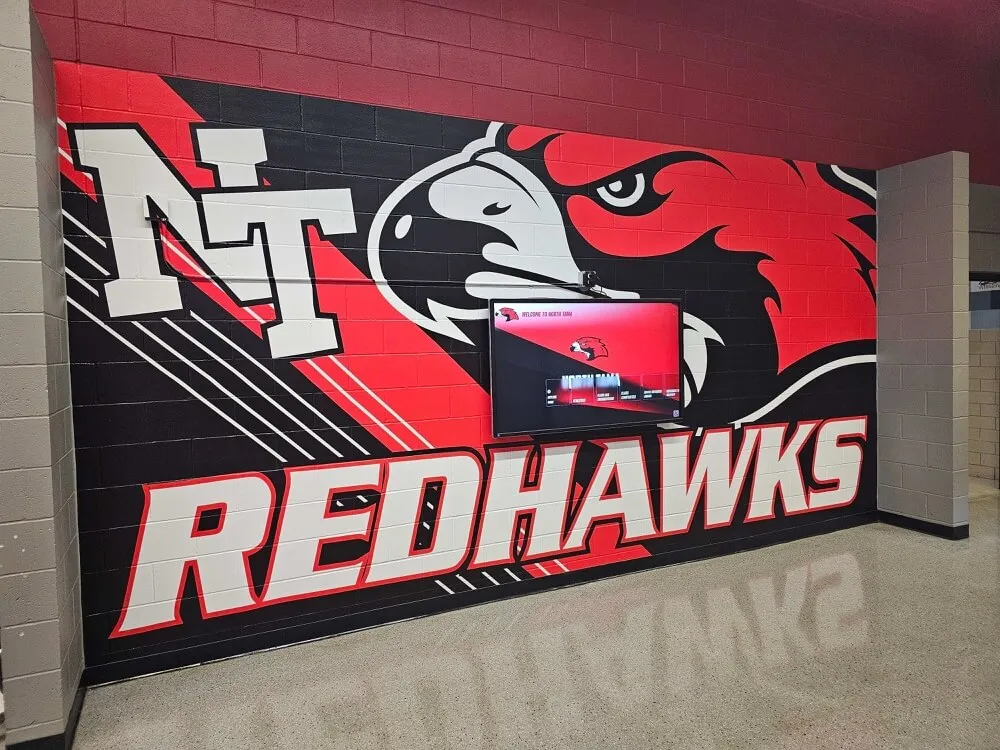
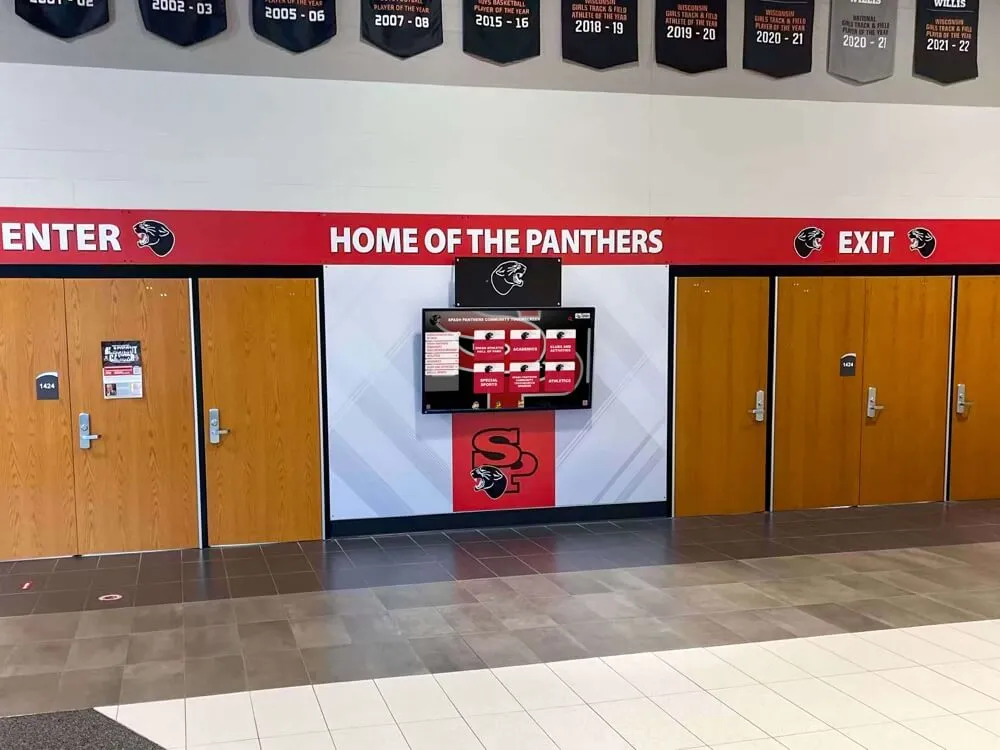
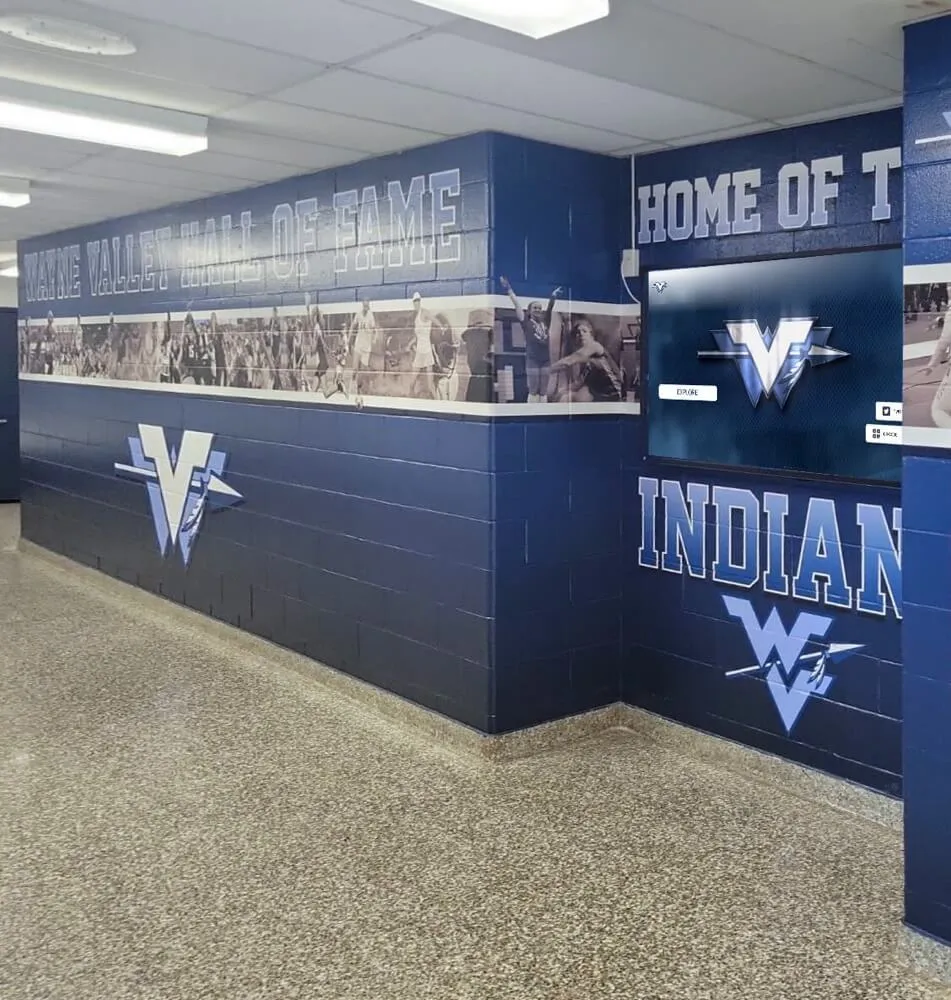
Interactive displays become natural gathering points where alumni congregate, explore together, and spark conversations about shared memories and experiences
What Makes Class Reunions Meaningful: Connection, Recognition, and Nostalgia
Understanding core psychological needs reunions fulfill clarifies design principles for effective touchscreen experiences.
The Power of Recognition and Validation
Reunions provide opportunities for classmates to see and be seen—having life paths, accomplishments, and journeys acknowledged by people who knew them during formative years. This recognition carries unique emotional weight because high school peers witnessed early development and potential, making their acknowledgment particularly validating decades later regardless of fame, wealth, or conventional success markers.
Interactive displays amplify recognition by showcasing diverse achievements across multiple dimensions: professional accomplishments and career journeys, family milestones and generational connections, community service and philanthropic contributions, creative pursuits and artistic expressions, athletic or competitive achievements beyond school years, and overcoming challenges demonstrating resilience and growth.
Nostalgia and Shared Memory
Reunions allow alumni to revisit shared experiences and locations connected to identity formation during adolescence. Returning to school buildings, seeing old photographs, and reminiscing about teachers, events, and experiences creates powerful nostalgia connecting current selves to younger versions still influencing identity and values.
Digital memory walls deepen nostalgic engagement by presenting historical content in contextually rich formats: original yearbook photos alongside current images showing transformation over decades, athletic achievements and team rosters recalling competitive experiences, academic honors and extracurricular involvement documenting diverse school engagement, school building and campus photos from graduation years creating visual time capsules, and cultural artifacts (fashion, music, events) from specific eras triggering period-specific memories.
Discovery of Unexpected Connections
Many alumni report that reunion highlights involve discovering unexpected commonalities with classmates they barely knew in school: overlapping career paths or industries, shared life experiences (parenthood challenges, career transitions, personal growth journeys), geographic proximity despite years living near each other unknowingly, mutual friends or professional connections, and similar values, interests, or perspectives developed through different paths.
Touchscreen systems facilitate these discoveries through searchable directories, profile exploration, and filtering capabilities that reveal connections invisible during brief social interactions—extending discovery beyond immediate conversations to comprehensive exploration throughout and after events.
Learn about effective alumni engagement strategies in high school reunion planning guides covering comprehensive approaches to creating meaningful gathering experiences.
How Touchscreen Displays Transform Class Reunion Experiences
Interactive technology fundamentally reimagines what’s possible during reunion events and beyond.
Interactive Memory Walls: Bringing Alumni Stories to Life
Digital memory walls replace static poster boards with dynamic, engaging exploration experiences.
Comprehensive Alumni Profiles
Rather than simple name listings, touchscreen platforms enable rich multimedia profiles celebrating each classmate: high-resolution current photographs showing present-day appearance, historical photos from yearbooks or school events, biographical narratives highlighting life journeys since graduation, professional accomplishments and career trajectories, family information including children and generational connections, geographic locations showing where classmates currently live, hobbies, interests, and activities beyond professional identity, and contact preferences enabling continued connection after reunions.
Solutions like Rocket Alumni Solutions provide platforms specifically designed for educational institutions and alumni organizations, making it straightforward to create comprehensive profiles that celebrate diverse life paths while respecting privacy preferences and information sharing comfort levels.
Searchable Discovery and Filtering
Interactive displays enable exploration impossible with printed directories: name search finding specific classmates instantly, filter by location discovering who lives nearby, filter by profession or industry identifying career commonalities, filter by activities or interests revealing shared hobbies, filter by family status (parents, grandparents) connecting those at similar life stages, and timeline views showing classmates by graduation order or historical context.
These discovery tools help attendees identify conversation partners sharing common experiences or interests, facilitating deeper engagement than random social mixing typical at traditional reunion events.

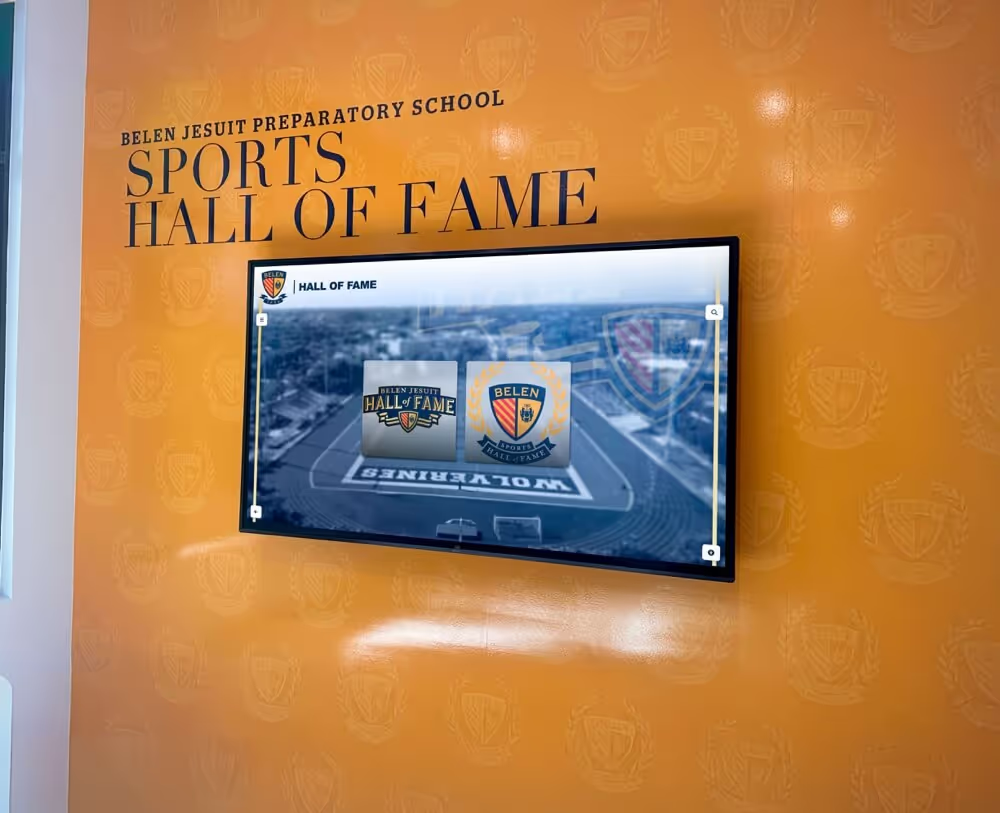
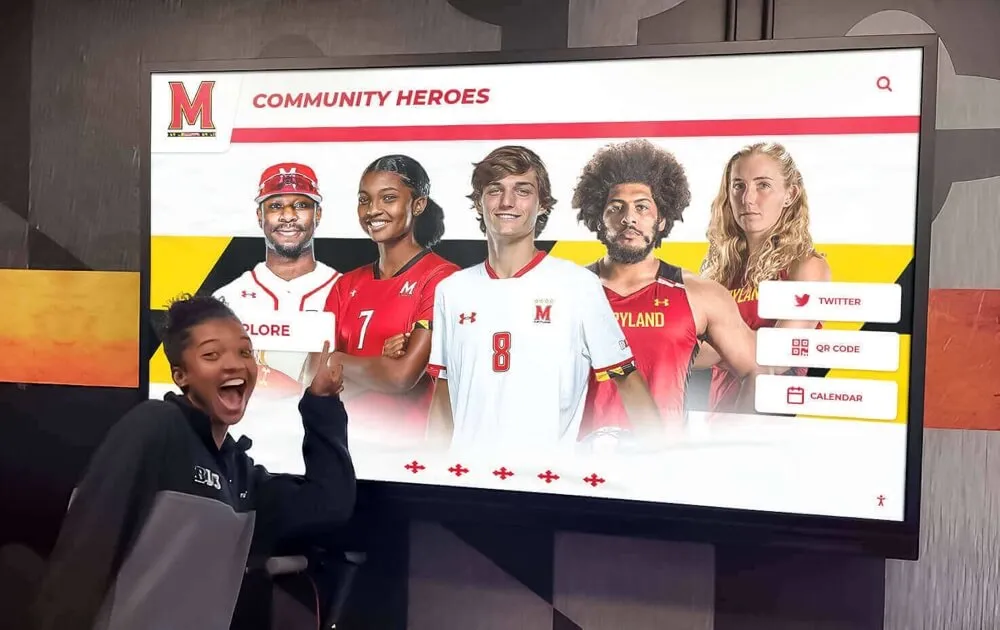
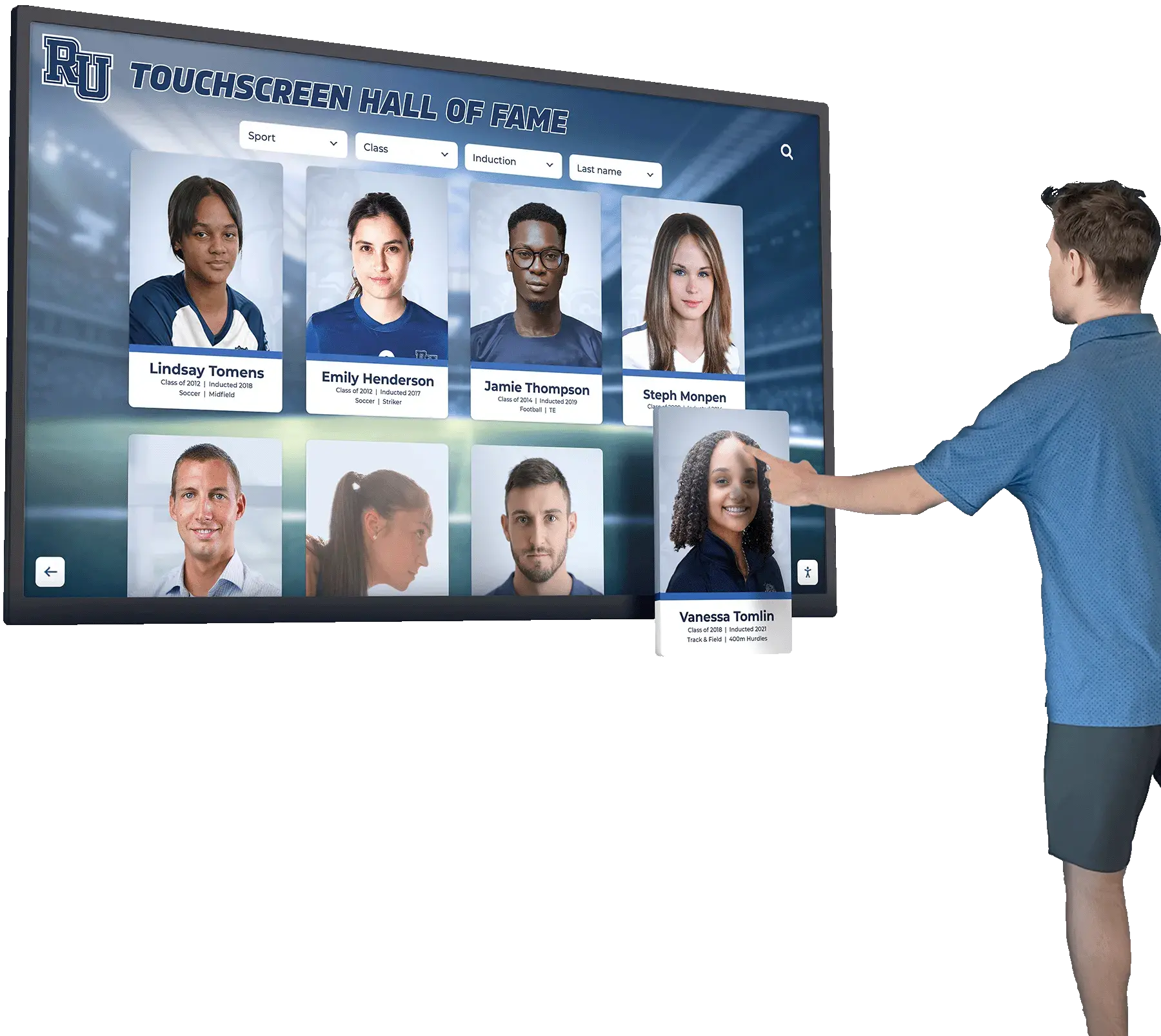
Intuitive touchscreen interfaces enable alumni to explore detailed classmate profiles featuring photos, biographies, and achievement documentation
“Where Are They Now” Narratives
Profile narratives transform basic contact information into engaging storytelling: career journey descriptions explaining paths from graduation to present, life milestone documentation (education, marriage, children, relocations), achievement highlights celebrating professional and personal accomplishments, reflection prompts like “favorite high school memory” or “advice to your younger self,” and future outlook sharing current projects, goals, or aspirations.
These narratives provide conversation starters and context enabling more meaningful interactions than superficial catching-up typical when decades have passed without contact.
Visual Timeline Presentations
Interactive timelines present individual and collective journeys visually: personal timelines showing classmate life progression from graduation through present, class timelines documenting collective milestones and shared experiences, parallel timelines comparing life paths of multiple classmates, historical context integrating cultural events, technology developments, and societal changes during specific eras, and anniversary recognition highlighting milestones (marriages, births, career achievements) throughout decades.
Timeline visualizations create engaging exploration experiences that contextualize individual journeys within broader historical and collective narratives—deepening appreciation for diverse paths taken by classmates who started from shared origins.
Real-Time Reunion Documentation and Social Integration
Touchscreen displays extend beyond pre-event content to incorporate live reunion documentation.
Live Event Photography and Social Feeds
Modern displays integrate current reunion activities: real-time photo uploads from event photographers appearing on displays as captured, social media feed integration showing posts tagged with reunion hashtags, attendee-contributed content as alumni upload favorite memories throughout evening, video message recording stations where classmates record greetings for absent alumni, and live polling or voting on reunion activities (best dressed, least changed, most traveled).
This real-time documentation creates dynamic displays evolving throughout events while encouraging participation and social sharing extending reunion visibility beyond physical venues to broader networks.
Remote Participation for Distant Alumni
Interactive platforms enable engagement from classmates unable to attend physically: video message submissions recorded in advance and displayed during events, live streaming allowing remote viewing of ceremonies, speeches, or presentations, virtual guestbook where distant alumni leave messages and memories, remote profile contributions from classmates submitting updates and photos, and post-event access enabling exploration of all content after gatherings conclude.
According to alumni engagement research, reunions incorporating remote participation options see 40-60% engagement increases from classmates unable to attend physically but wanting to remain connected—dramatically expanding reunion impact beyond physical attendees alone.
Interactive Guestbook and Message Boards
Digital guestbooks transcend traditional paper signing: multimedia messages incorporating photos and videos beyond text alone, threaded conversations enabling responses and dialogue, classmate-to-classmate direct messages, group messages for specific friend circles or activity groups, and permanent archives accessible after events rather than physical books stored away.
These interactive features create ongoing engagement extending beyond single evening events to sustained conversation and connection maintained across geographic distances and time zones.
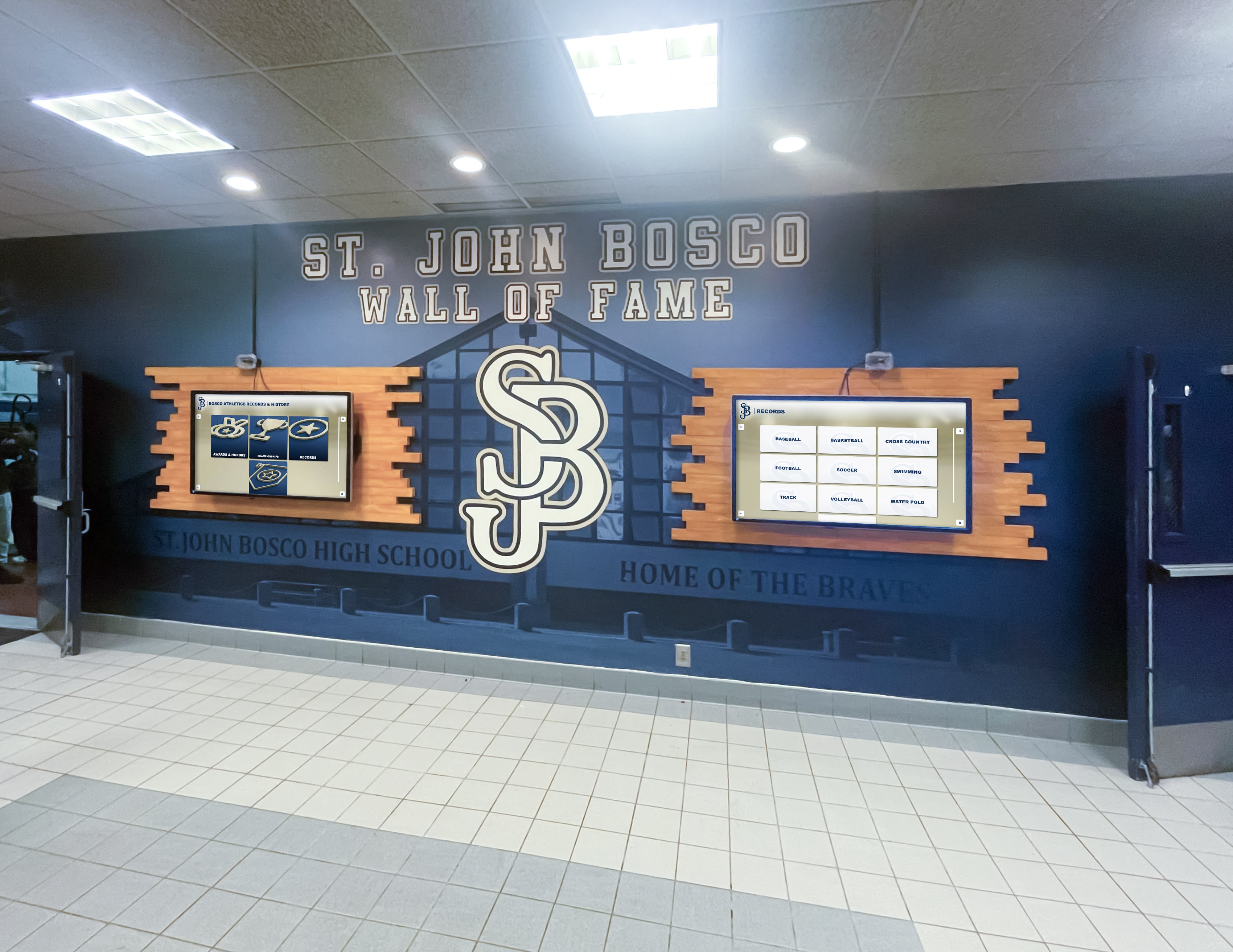
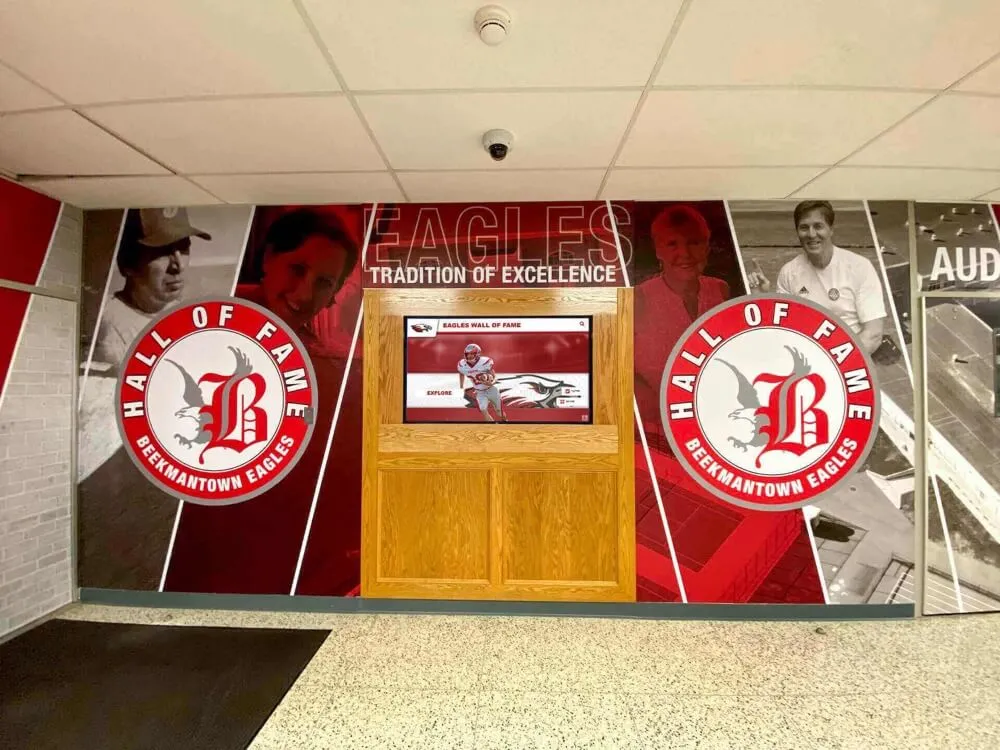
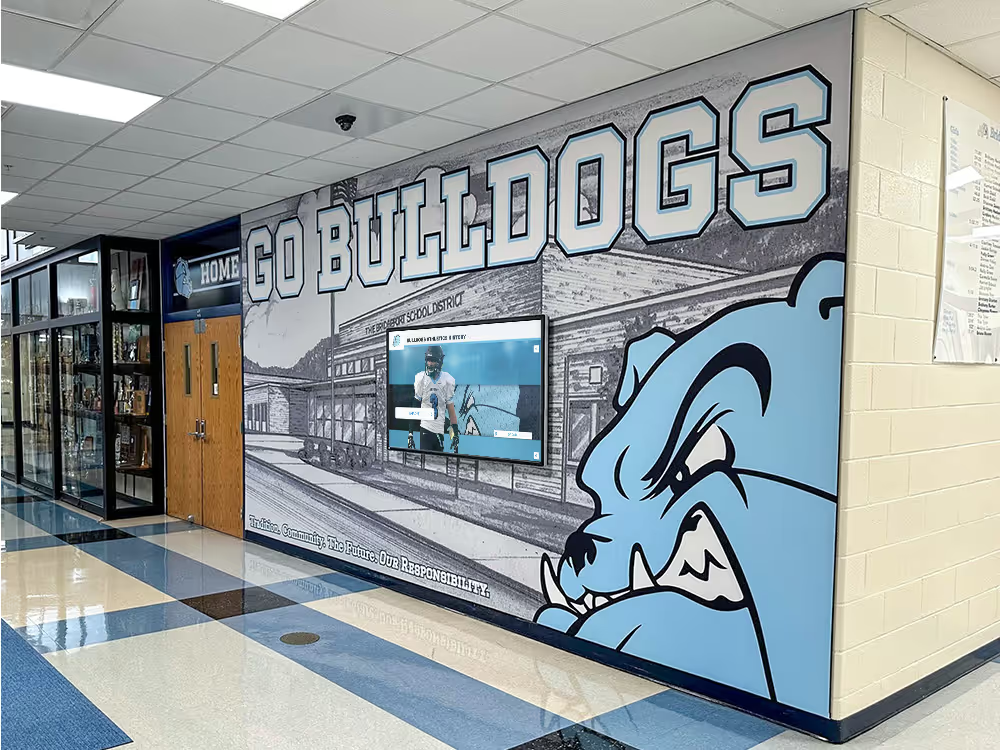
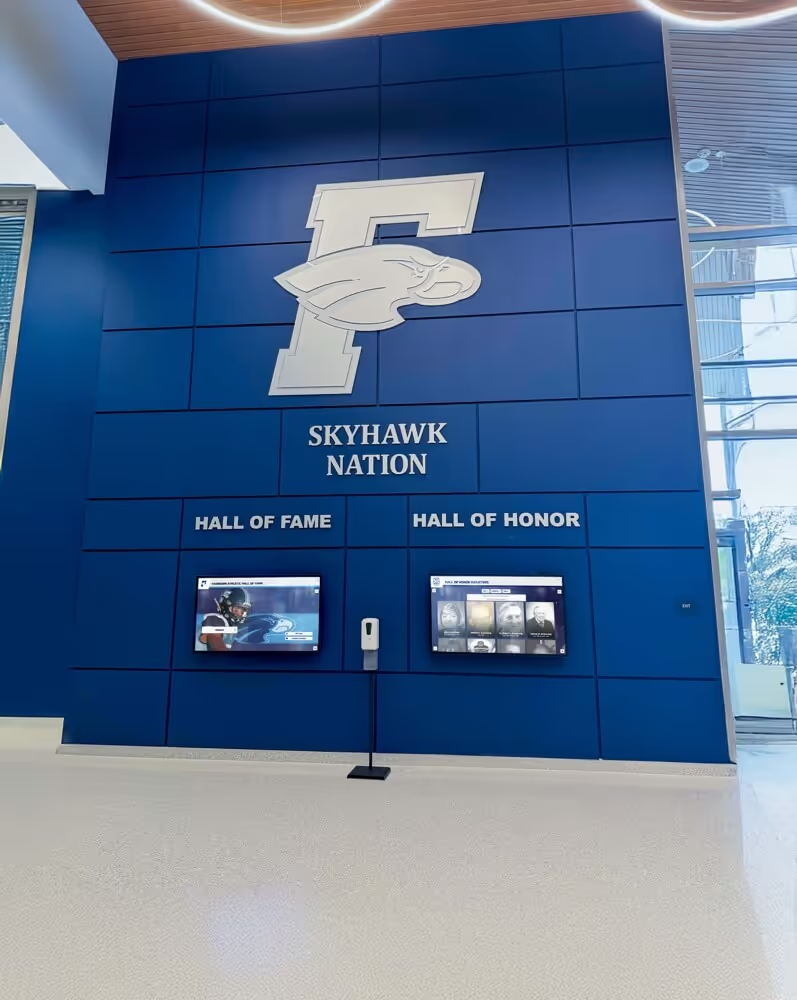
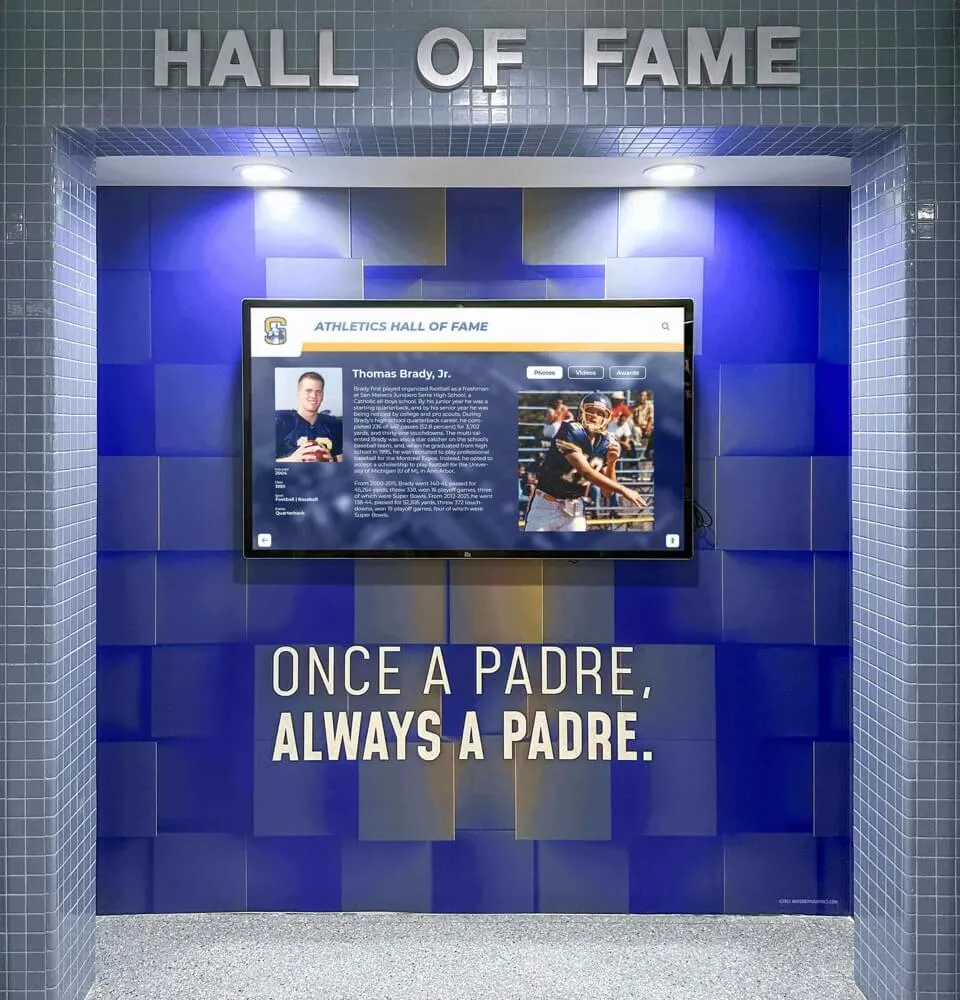
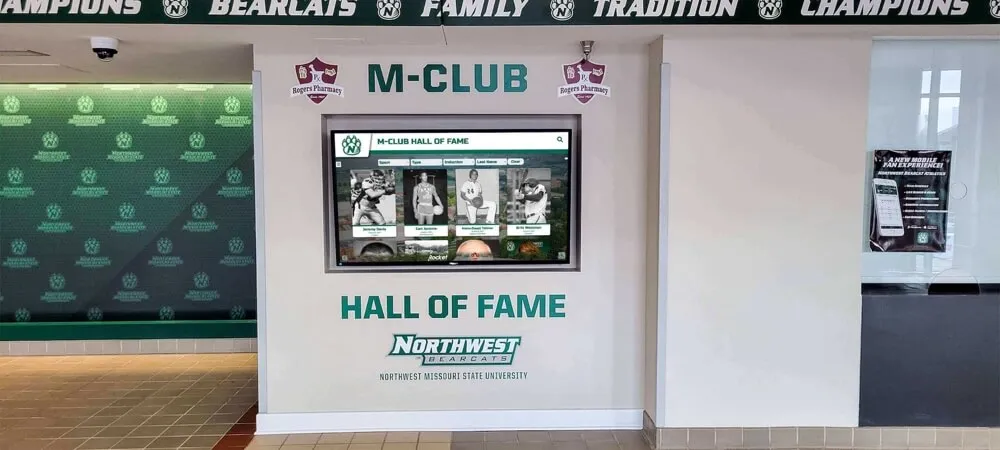
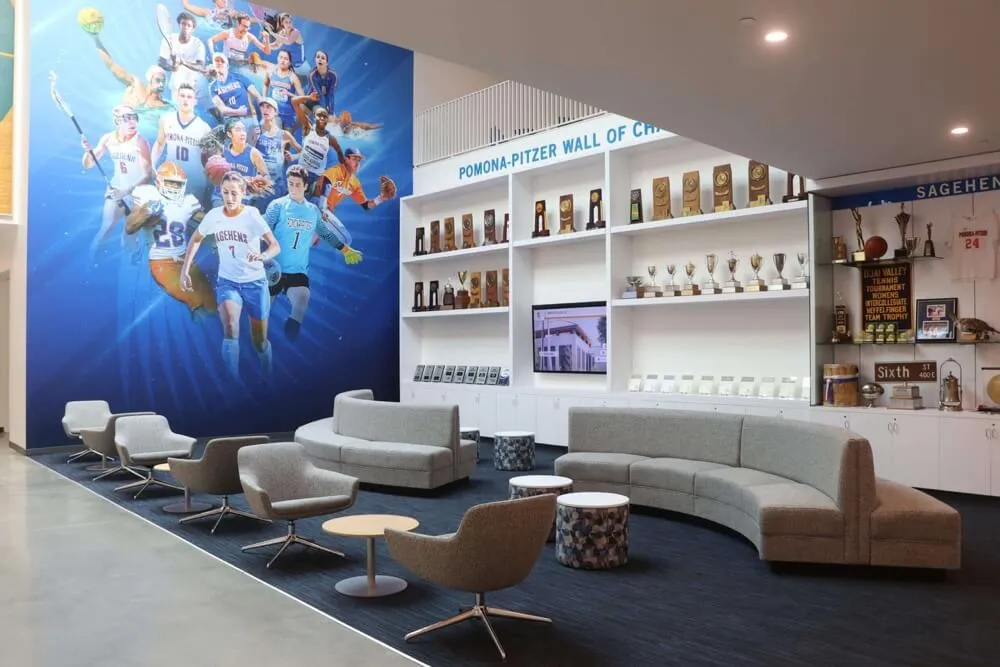
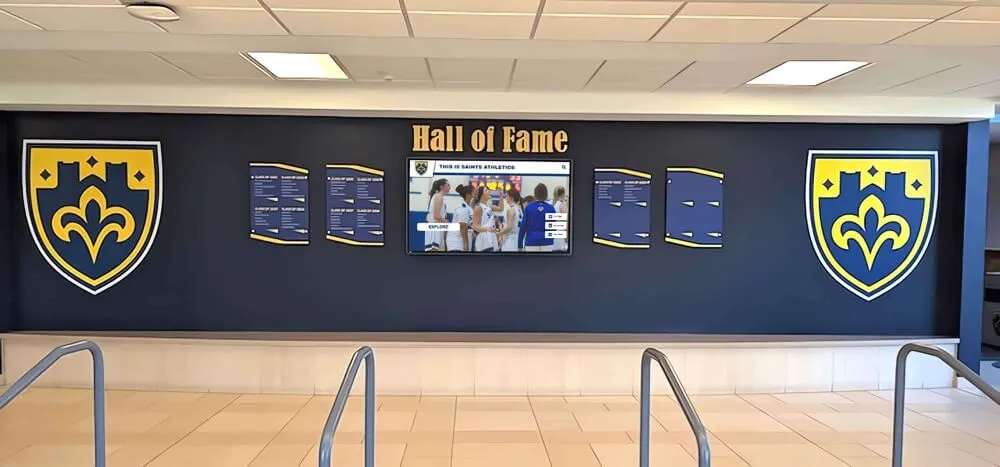
Permanently installed displays at schools create year-round alumni recognition while serving as focal points during reunion events
Permanent Installation vs. Event-Specific Solutions
Reunion committees choose between temporary event displays and permanent institutional installations.
Event-Specific Portable Displays
Committees planning single reunion events can rent or purchase portable touchscreen solutions: freestanding kiosks transported to reunion venues, tablet-based interactive displays distributed throughout event spaces, large-format touchscreens (55-75 inches) creating impressive focal points, professional mounting and setup services handling technical logistics, and cloud-based content management enabling remote setup before events.
Portable solutions work well for reunions at hotels, restaurants, or other non-school venues where permanent installation isn’t feasible, offering flexibility for varying venue layouts while maintaining professional presentation quality.
Permanent School-Based Installations
Schools interested in ongoing alumni engagement increasingly install permanent touchscreen displays in facilities: prominent lobby locations ensuring visibility for all campus visitors, near athletic facilities celebrating sports achievements and team history, in performing arts centers recognizing theater, music, and arts alumni, adjacent to traditional trophy cases integrating digital and physical recognition, and distributed throughout campuses reaching diverse audience segments.
Permanent installations serve multiple purposes beyond reunions: prospective student tours showcasing accomplished alumni, current student inspiration highlighting diverse post-graduation paths, parent and family visits creating community pride, and everyday campus life celebrating institutional legacy continuously.
Many schools coordinate reunion events around existing installations, using permanent displays during gatherings while updating content specifically for reunion years—creating seamless integration between everyday recognition and special event celebrations.
Explore permanent installation options in digital hall of fame guides covering comprehensive recognition strategies for educational institutions.
Planning Your Class Reunion Touchscreen Display
Successful implementation requires systematic planning addressing content strategy, technology selection, and event integration.
Content Development and Data Collection
Gathering comprehensive, engaging content determines display effectiveness.
Profile Information Collection Strategies
Reunion committees employ multiple approaches gathering classmate information: online survey forms distributed months before events requesting biographical updates, social media scraping (with permission) gathering publicly available information, yearbook digitization providing historical photographs and context, volunteer researchers compiling information from multiple sources, and professional profile writing services for large classes requiring extensive content development.
Most effective approaches combine multiple methods: initial online surveys capturing basic information, follow-up outreach to non-responders using personal contacts, supplemental research filling gaps from public sources, and professional editing ensuring consistent quality and appropriate tone across all profiles.
Balancing Privacy and Sharing
Different alumni have varying comfort levels about information disclosure: some enthusiastically share detailed personal information including family photos and contact details, others prefer minimal presence with basic professional information only, some request complete privacy excluding them from displays, and others want participation but with anonymized content protecting identity.
Effective displays accommodate these preferences through tiered participation options, clear opt-in/opt-out mechanisms, granular privacy controls allowing selection of specific information to share, default privacy-protective settings requiring explicit consent for detailed information, and ongoing capability for alumni to update preferences after initial submissions.
Historical Content Integration
Beyond current profiles, compelling displays incorporate historical context: digitized yearbook pages from graduation years, sports team photos and athletic records, academic awards and honor roll listings, extracurricular activity photos (theater, music, clubs), school building and campus photographs from specific eras, newspaper clippings about notable school events or achievements, and teacher/administrator profiles for beloved faculty members.
This historical content creates rich nostalgic context while connecting present-day alumni to shared formative experiences—deepening emotional engagement with displays and conversations they inspire.
Learn about effective content strategies in digitizing old yearbooks guides covering preservation and presentation best practices.
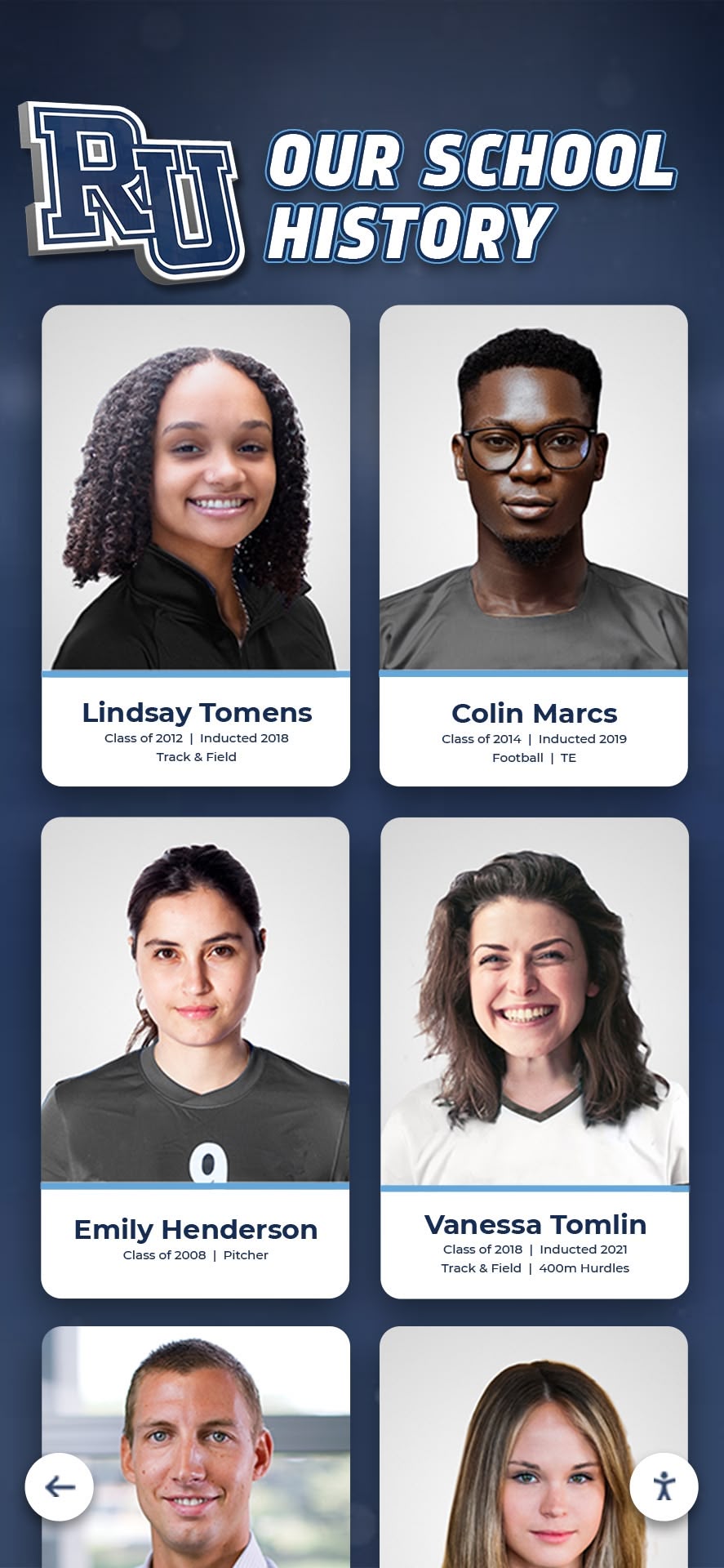
Systematic profile development creates comprehensive alumni recognition celebrating diverse life paths and achievements beyond school years
Technology Selection and Setup
Choosing appropriate hardware and software significantly impacts user experience and operational success.
Hardware Considerations
Display Size and Type
- Small format (32-43 inches): Suitable for intimate gatherings under 50 attendees or distributed displays at multiple locations
- Medium format (55-65 inches): Ideal for typical reunion venues accommodating 50-200 attendees
- Large format (75-86 inches): Best for large classes, prominent installations, or multiple simultaneous users
- Video wall configurations: Multiple coordinated displays creating impressive visual impact for major milestone reunions
Touch Technology
- Capacitive touch: Most responsive, supporting multi-touch gestures (pinch, zoom, swipe), providing smartphone-like interaction quality
- Infrared touch: Works with any object (fingers, stylus, gloves), slightly less responsive than capacitive but more durable
- Avoid resistive touch: Older technology requiring pressure rather than light touch, dated user experience
Commercial vs. Consumer Displays
Commercial-grade displays designed for continuous operation cost more initially but deliver superior reliability: rated for 16-24 hours daily operation versus 4-8 hours for consumer TVs, longer warranties (3-5 years vs. 1 year), superior brightness for various lighting conditions, and professional mounting and connectivity options.
For one-time reunion events, quality consumer displays may suffice, but schools installing permanent displays should specify commercial-grade equipment ensuring longevity.
Mounting and Installation Options
- Freestanding floor kiosks: Portable or permanent pedestals creating dedicated display stations, professional appearance, and accessibility for all users including wheelchair users
- Wall mounting: Space-efficient installation creating clean integrated appearance, requires professional mounting ensuring safety and appropriate viewing heights
- Tabletop displays: Smaller touchscreens placed on tables throughout venues encouraging exploration during meals or social time
- Mobile carts: Wheeled stands enabling display repositioning throughout events responding to traffic patterns
Software Platform Selection
Essential Platform Capabilities
Quality reunion display software provides intuitive content management requiring no technical expertise, unlimited profile capacity accommodating large classes, robust search and filtering enabling easy navigation, responsive touchscreen interface designed for stand-up interaction, mobile-responsive web access extending exploration beyond physical displays, privacy controls supporting varied sharing preferences, and reliable cloud hosting ensuring consistent performance.
Reunion-Specific Features
Evaluate platforms for reunion-relevant functionality: alumni profile templates appropriate for life update presentations, event integration capabilities incorporating live content, social media connection enabling sharing and remote participation, guestbook and messaging features facilitating interaction, content import tools accepting data from various sources, and analytics revealing engagement patterns and popular content.
Permanent vs. Event-Specific Platforms
Schools planning ongoing alumni engagement benefit from permanent recognition platforms that serve multiple purposes: year-round alumni recognition, special reunion event enhancement, prospective student tour content, advancement and fundraising support, and athletic/academic achievement celebration.
Committees planning single events may prefer specialized reunion software focused exclusively on gathering and presenting classmate information without broader institutional recognition features they won’t utilize.
Explore technology options in interactive touchscreen software guides comparing different platform approaches and capabilities.
Event Integration and Venue Logistics
Strategic display placement and promotion maximize engagement during reunions.
Venue Placement Strategy
High-Traffic Locations
Position displays where all attendees naturally congregate: main venue entrance ensuring everyone encounters displays upon arrival, registration/check-in areas where alumni wait while getting name tags and materials, bar or refreshment areas where people gather between social interactions, seating areas providing comfortable exploration spaces, and exit routes ensuring departing attendees see displays even if missed during peak event times.
Creating Display Destinations
Transform display areas into attractive gathering spaces: comfortable seating encouraging extended exploration, appropriate lighting highlighting displays without creating glare, coordinated decoration connecting displays to overall reunion theme, clear signage directing attendees to interactive features, and staffed assistance during peak times helping less tech-savvy alumni navigate interfaces.
Multiple Display Locations
Larger venues and events benefit from distributed displays: entrance display showing welcome messaging and general navigation, main display featuring comprehensive alumni directory and profiles, specialty displays focused on specific topics (athletic achievements, academic honors, teacher tributes), social media display showing real-time event documentation, and historical display featuring yearbook archives and school memorabilia.
Distributed approach reduces crowding around single locations while accommodating different exploration interests and preferences.
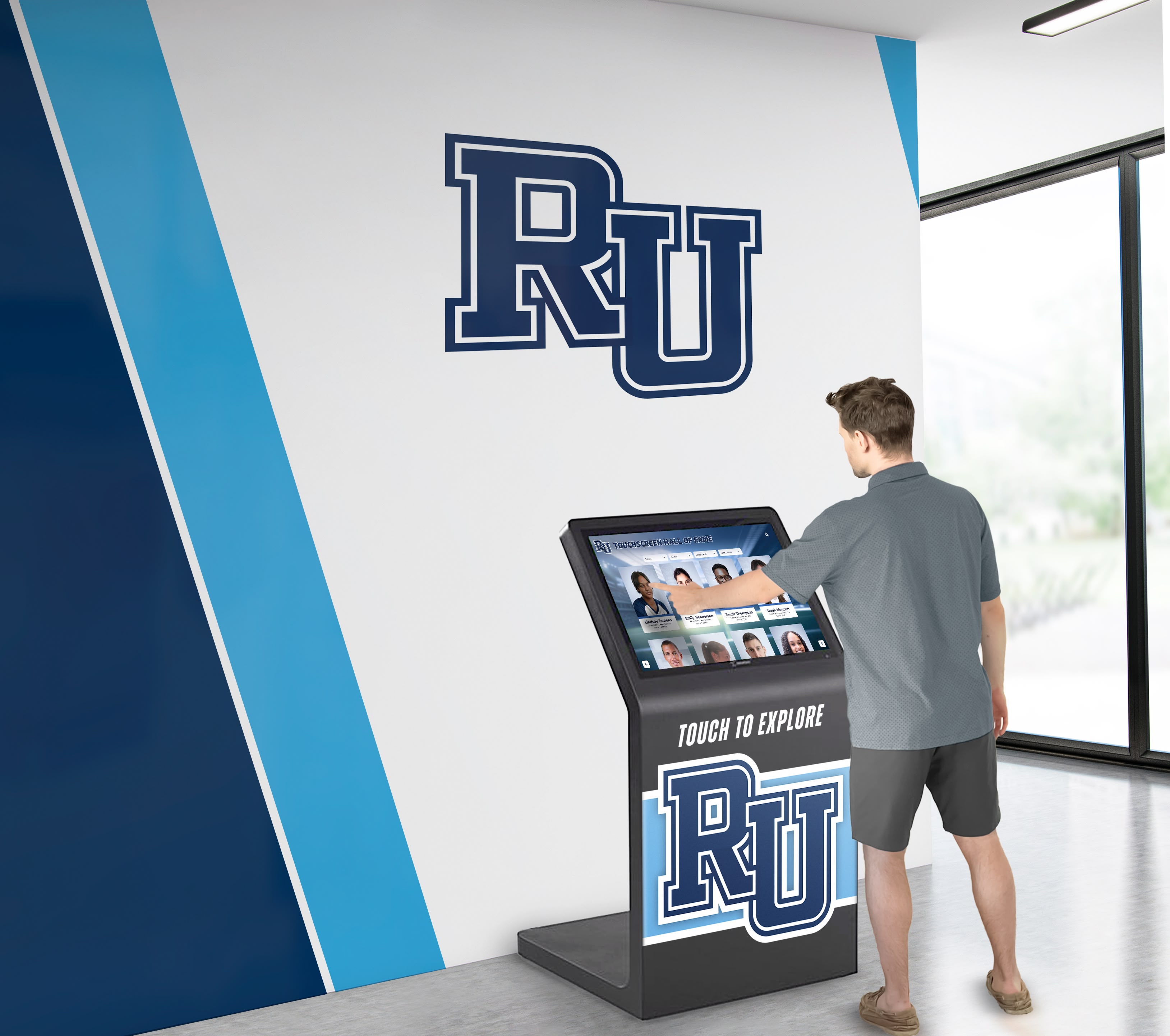
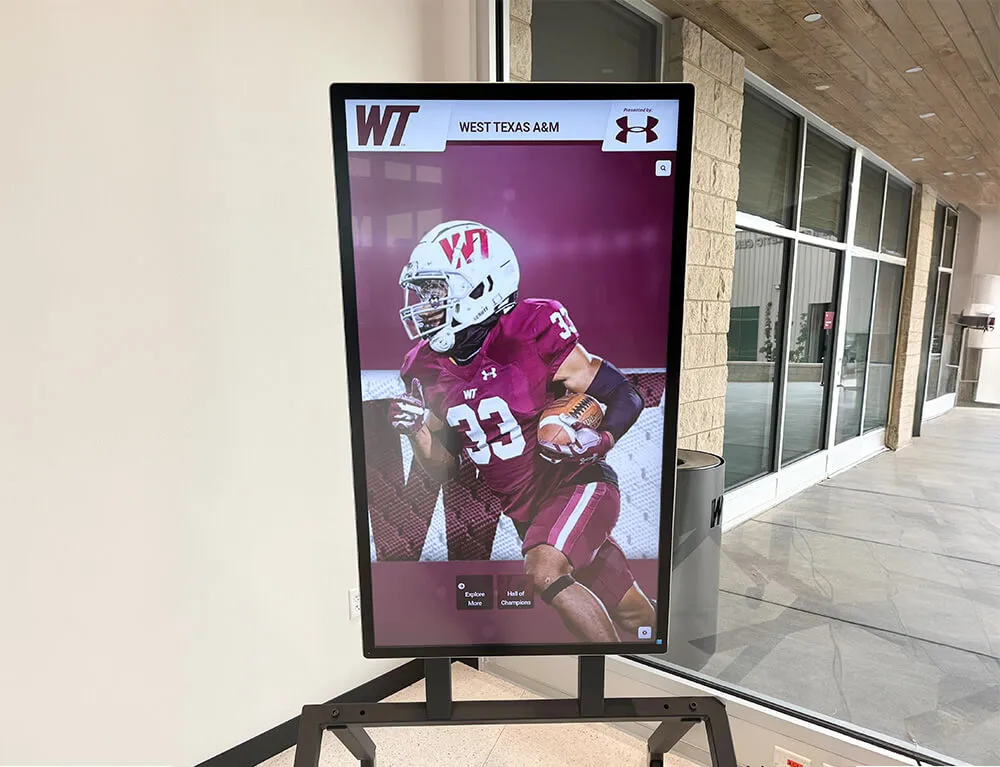
Professional freestanding kiosks create accessible interactive experiences suitable for reunion venues or permanent school installations
Promoting Display Features
Pre-Event Communication
Generate excitement and encourage profile submissions through advance promotion: reunion website featuring preview of interactive displays, email campaigns explaining display features and encouraging profile completion, social media teasers showing display screenshots and sample profiles, printed materials (save-the-date cards, invitations) mentioning interactive features, and direct outreach to classmates emphasizing importance of participation.
Pre-event promotion significantly increases profile completion rates while building anticipation for reunion experiences.
During-Event Promotion
Maximize usage during reunions through active promotion: announcements during speeches or program segments highlighting displays, reunion committee members demonstrating features and encouraging exploration, name tag stickers identifying classmates who submitted profiles encouraging others to view, contests or prizes for most profile views or engagement metrics, and photographer directing group photos near displays creating organic promotion.
Post-Event Access
Extend engagement after reunions conclude: website link providing continued access to all content, email campaigns sharing popular profiles or interesting statistics, social media posts highlighting display content and reunion moments, video compilations of event footage incorporating display interactions, and invitations for ongoing updates keeping profiles current between milestone reunions.
Post-event access transforms single-evening experiences into sustained engagement platforms maintaining connections until next gatherings while providing value for alumni unable to attend physically.
Creating Compelling Reunion Display Content
Excellence requires thoughtful content that celebrates classmates while fostering connection and engagement.
Profile Development Best Practices
Essential Profile Elements
Compelling alumni profiles include current high-resolution photograph showing present-day appearance, historical photo from graduation year or memorable school moment, life journey narrative summarizing path since graduation (200-300 words typical), career highlights and professional accomplishments, family information (marital status, children, grandchildren as appropriate), geographic location and willingness to connect with nearby classmates, favorite school memories or influential experiences, and advice to younger generations or current students.
Storytelling Approaches
Frame profiles as engaging narratives rather than resume listings: emphasize personal growth and transformation over decades, highlight unexpected paths or career changes demonstrating life’s unpredictability, include challenges overcome showing resilience and authenticity, connect current work or interests to school experiences showing lasting influence, and conclude with forward-looking reflections about future goals or current passions.
Authentic storytelling creates emotional resonance enabling genuine connection far superior to superficial factual listings.
Inclusive Recognition
Celebrate diverse achievements and life paths: professional success and career advancement, entrepreneurship and business creation, public service and community contribution, artistic and creative pursuits, athletic or competitive achievements, family dedication and generational nurturing, overcoming adversity and personal growth, and education and continuous learning.
Avoid implicitly privileging certain paths (prestigious careers, wealth accumulation) over others (teaching, caregiving, community service) by presenting all profiles with equal visual prominence and narrative depth—reinforcing that diverse life choices merit equal celebration and recognition.
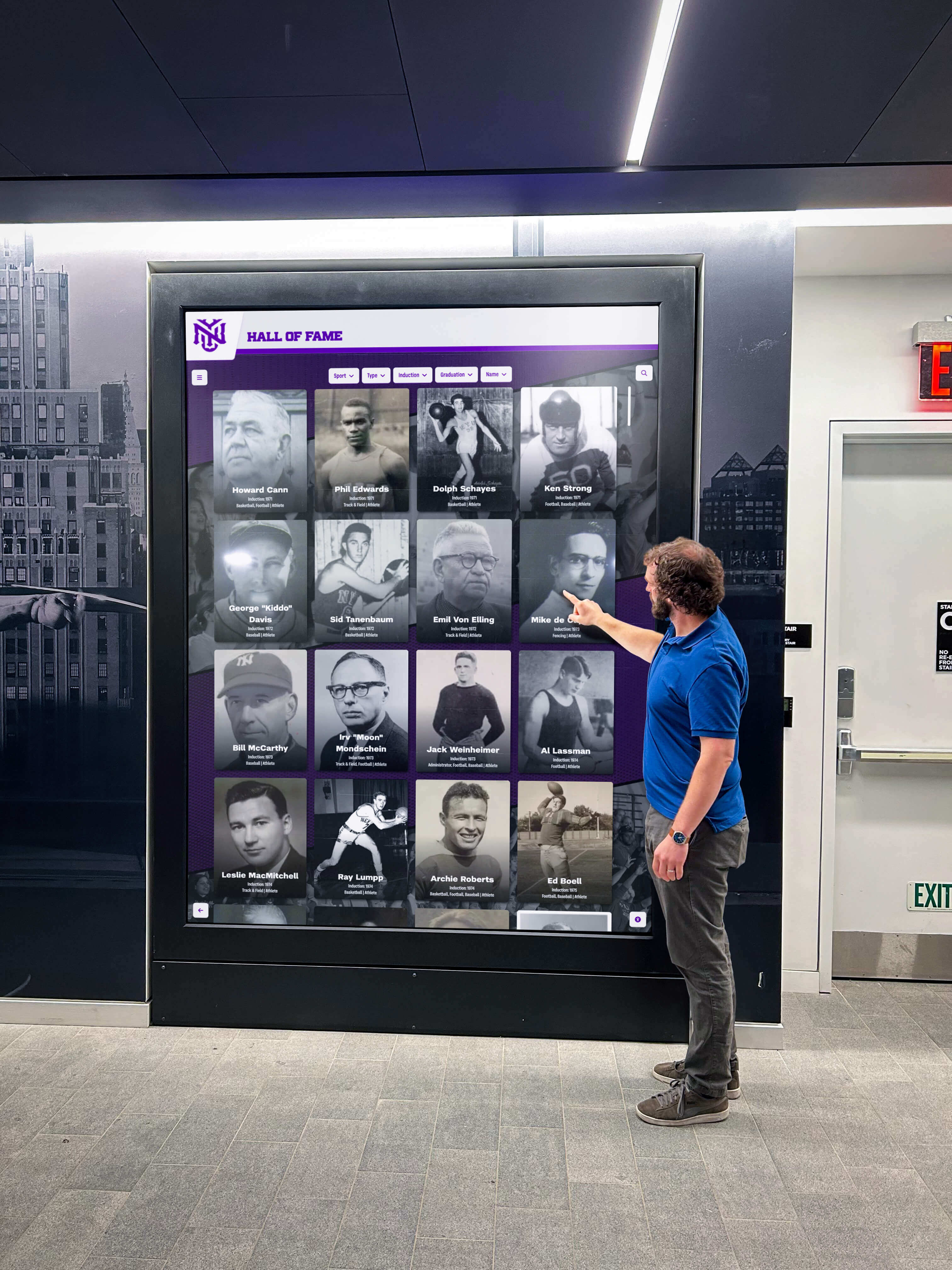
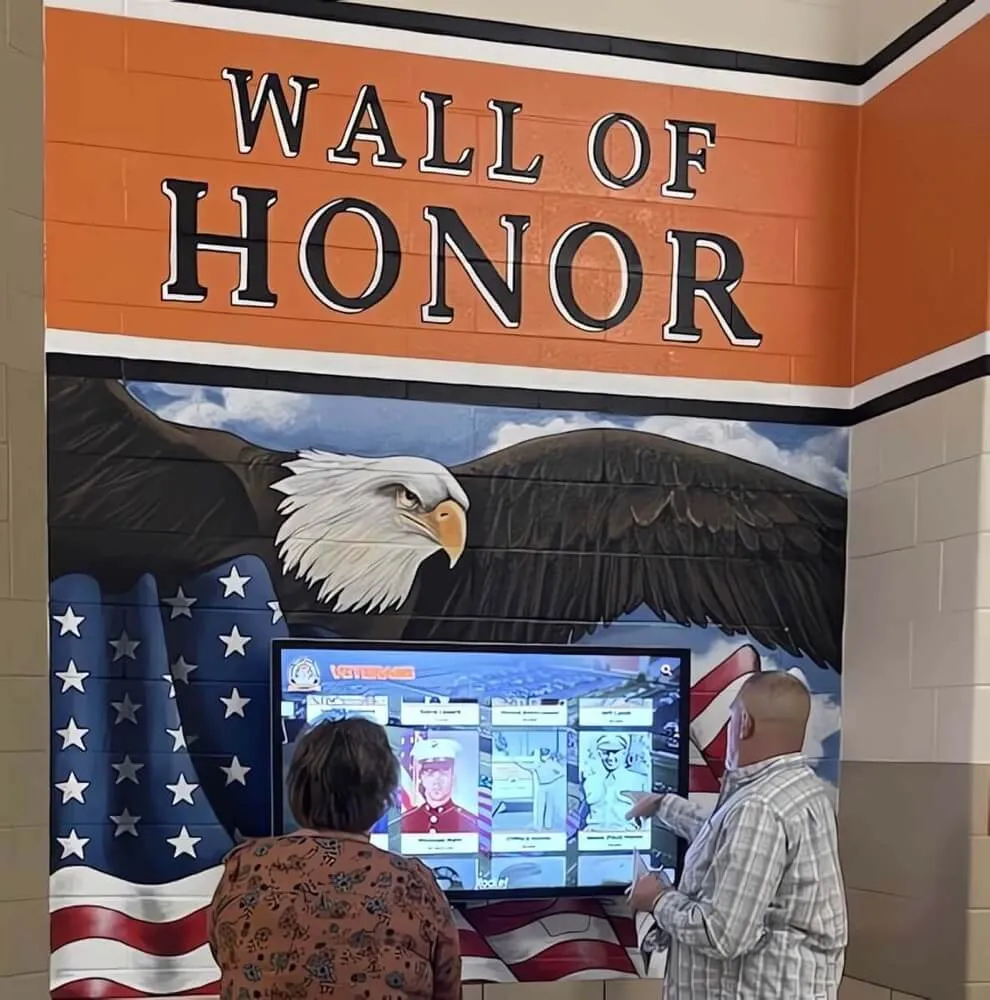
Intuitive interfaces encourage exploration and discovery as alumni navigate profiles, achievements, and shared memories
Historical Content and Nostalgia Features
Yearbook Integration
Digitized yearbook content creates powerful nostalgia: complete page scans maintaining original layouts and design, searchable text enabling finding specific references, linked profiles connecting historical yearbook entries to current information, comparative “then and now” displays showing transformation over decades, and contextual annotations explaining historical references unclear to younger viewers.
School Milestone Documentation
Celebrate collective experiences shared by graduating classes: athletic championships and tournament achievements, academic recognitions and competitive team successes, performing arts productions and musical performances, homecoming and prom documentation, senior class activities and traditions, school building photos showing facilities as they existed, and teacher/administrator profiles for beloved faculty members.
This collective documentation honors shared experiences creating emotional bonds among classmates while providing context for individual reminiscences.
Era-Specific Cultural Context
Enhance nostalgia through period-appropriate content: music from graduation year or high school era, fashion and style trends of specific decades, technology landscape (pre-internet, early cell phones, social media emergence), popular culture references (movies, TV shows, celebrities), historical events occurring during school years, and local community changes showing broader evolution.
Cultural context helps alumni reconnect with younger versions of themselves while explaining generational differences to spouses, partners, or children exploring displays.
Learn about effective historical presentation in preserving institutional history guides covering comprehensive archival and storytelling approaches.
Interactive Features That Drive Engagement
Search and Discovery Tools
Intuitive navigation enables efficient exploration: alphabetical directory for finding specific classmates quickly, advanced filtering by multiple criteria simultaneously, random profile feature introducing unexpected discoveries, “you might know” suggestions based on common activities or connections, most-viewed profiles highlighting popular classmates, and recently updated profiles showing latest additions.
These tools accommodate different exploration styles—focused searching for specific individuals versus serendipitous browsing discovering unexpected connections.
Social and Connection Features
Interactive elements facilitate ongoing relationships: digital guestbook messages left by attendees and remote alumni, profile commenting enabling classmates to share memories, contact information sharing (for those opting in) enabling direct connection, group messaging for specific friend circles or activity groups, and event photo sharing where attendees contribute reunion documentation.
Gamification and Engagement Incentives
Lighthearted competitive elements increase participation: “most likely to” voting on fun categories, trivia contests testing school history knowledge with leaderboards, scavenger hunts encouraging comprehensive profile exploration, photo contests for best “then and now” submissions, and prizes for most profile views or most engaged explorer.
Gamification creates playful engagement while encouraging thorough exploration beyond casual browsing.
Measuring Success and Gathering Feedback
Assessment demonstrates value while identifying improvement opportunities for future reunions.
Quantitative Engagement Metrics
Display Interaction Analytics
Modern platforms provide concrete usage data: total touchscreen interactions and unique visitors, average session duration indicating engagement depth, most-viewed profiles revealing popular classmates, search queries showing how attendees navigate content, peak usage times informing optimal event timing and display promotion, and feature utilization rates (search vs. browse, filtering patterns, media engagement).
Web Platform Analytics
Extended access beyond physical displays generates additional metrics: unique web visitors from remote locations, geographic distribution showing where alumni accessed content, device types (mobile vs. desktop) indicating access patterns, time spent exploring content online, social sharing frequency and referral traffic, and return visitor rates demonstrating sustained post-event engagement.
These metrics reveal whether displays achieved intended objectives or require refinement for future gatherings.
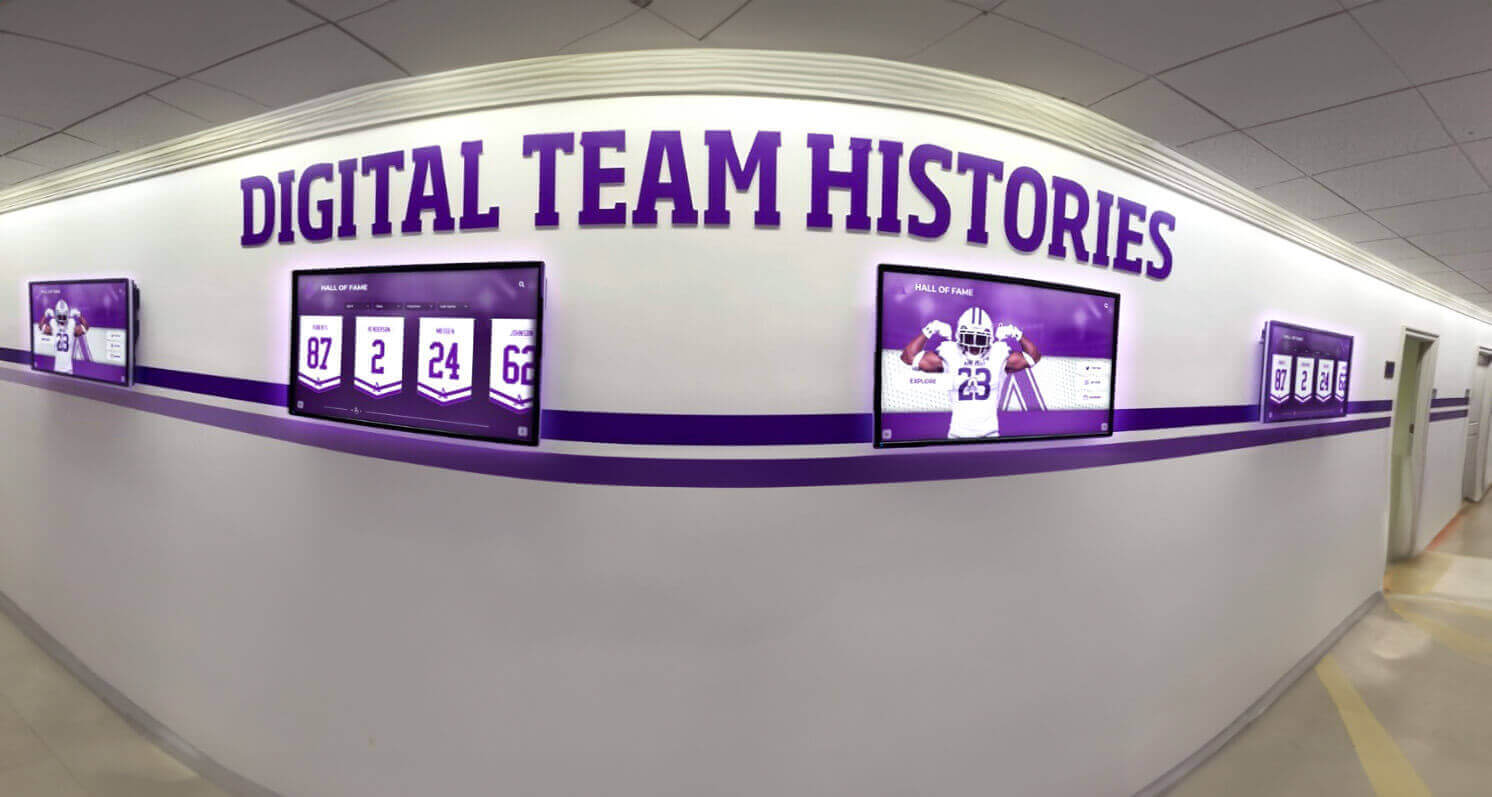
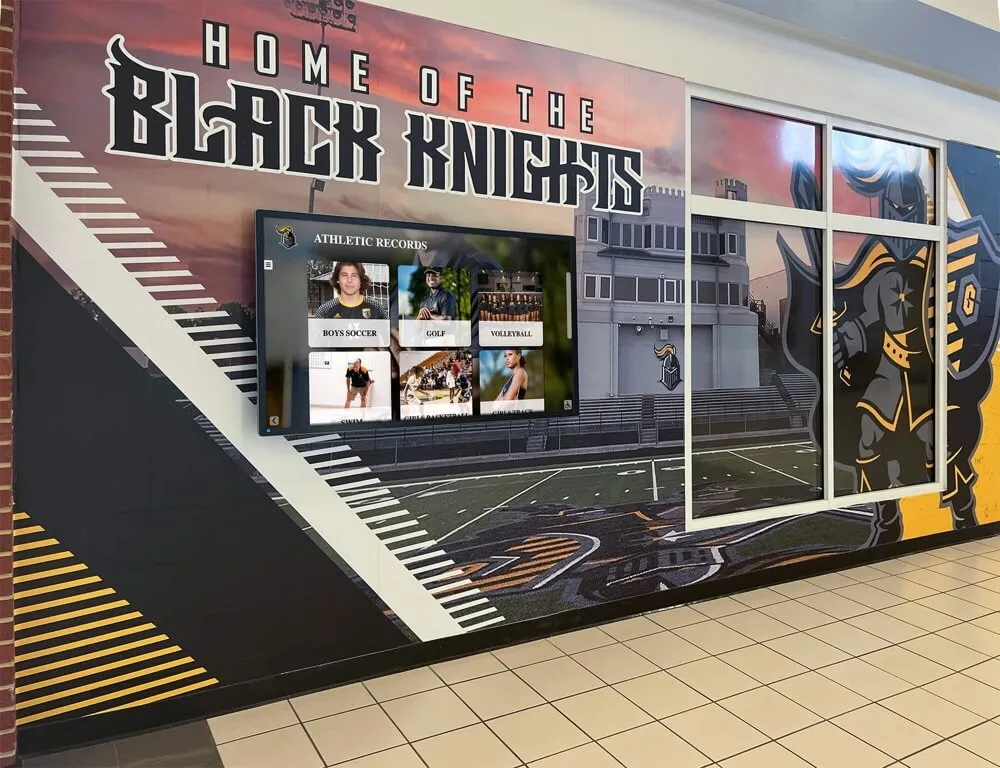
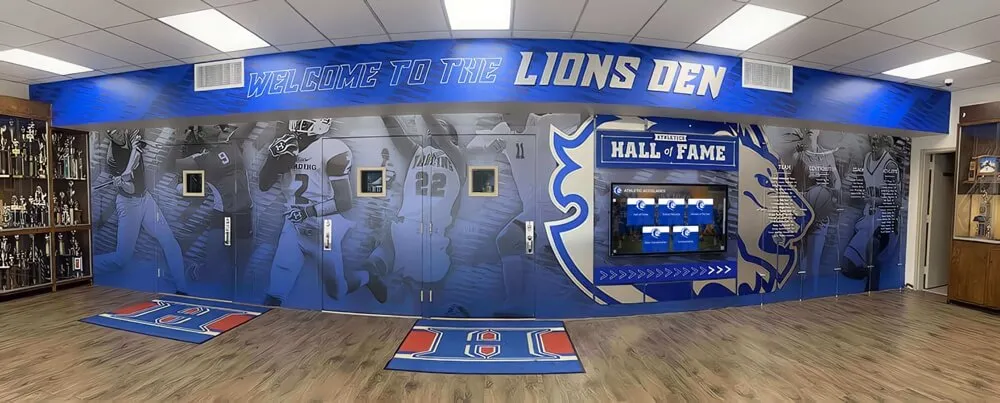
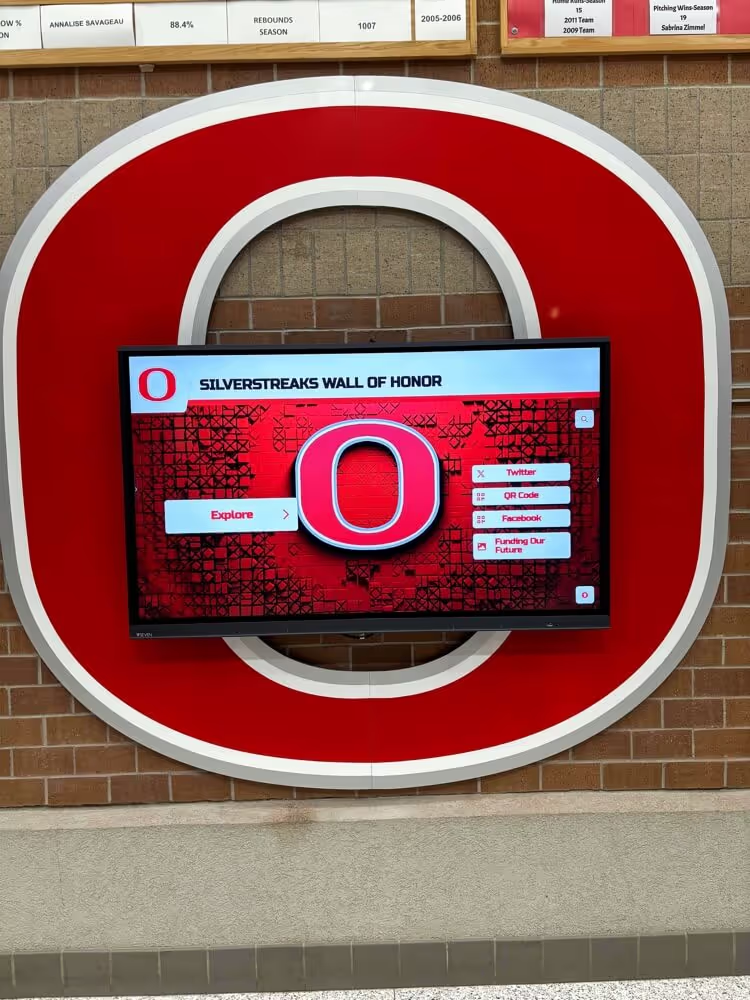
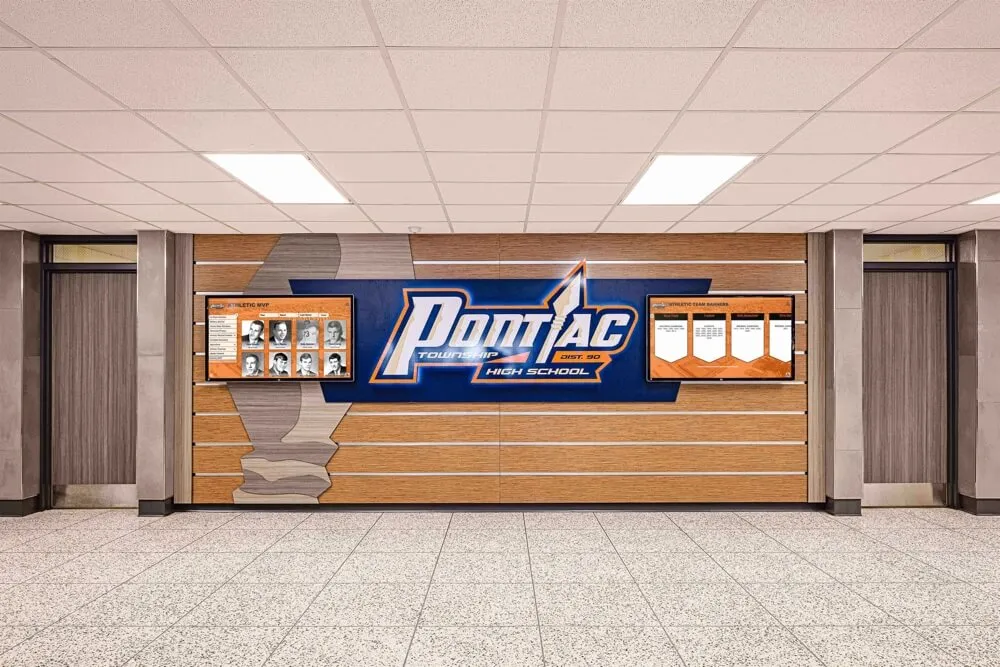
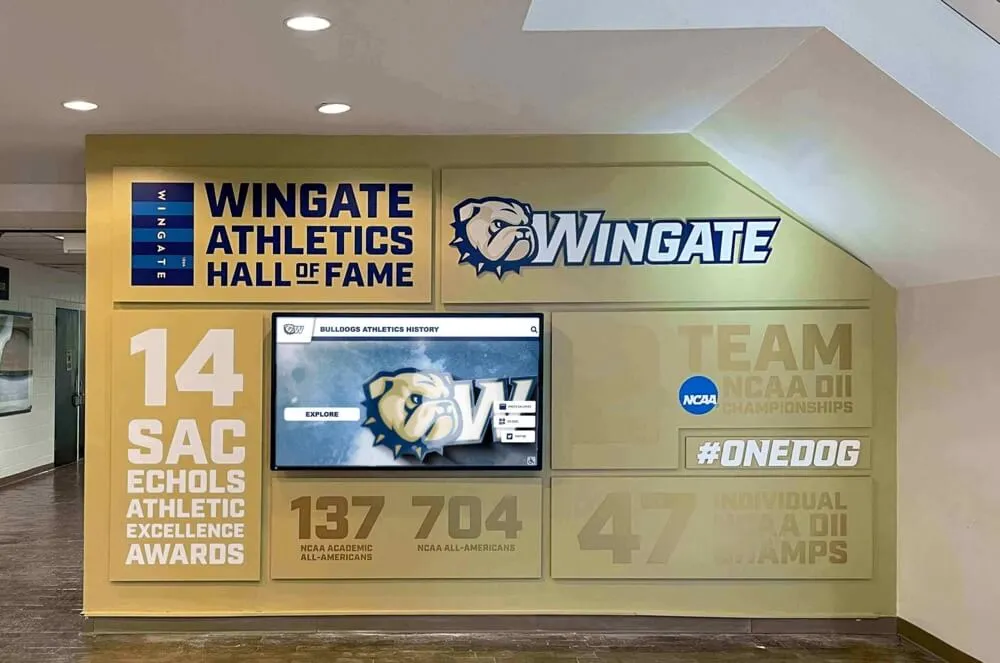
Comprehensive display installations serve ongoing institutional recognition while becoming focal points during special reunion events
Qualitative Feedback Collection
Attendee Surveys and Testimonials
Gather detailed feedback through multiple channels: post-event surveys assessing display effectiveness and satisfaction, testimonials sharing specific positive experiences or connection stories, focus group discussions with diverse attendee segments, reunion committee debriefs capturing operational observations, and comparison to previous reunions without interactive displays.
Specific Assessment Questions
Target feedback gathering toward actionable insights: did displays help you reconnect with classmates you might not have otherwise engaged with, what features did you find most valuable or interesting, what additional content or features would enhance future displays, how did display experiences compare to expectations, would you support similar approaches for future reunions, and did displays improve overall reunion experience compared to previous gatherings.
Success Indicators
Beyond formal metrics, observe qualitative indicators: visible enthusiasm and engagement around displays, spontaneous conversations sparked by profile discoveries, photos being taken of displays and shared socially, positive comments during speeches or announcements, requests for continued access after events, and volunteer committee satisfaction with implementation and outcomes.
These indicators reveal whether displays genuinely enhanced reunion experiences versus simply adding technology without meaningful impact.
Explore assessment strategies in measuring digital display effectiveness guides covering comprehensive evaluation frameworks.
Advanced Applications and Future Possibilities
Emerging technologies continue expanding what’s possible with reunion displays.
Multi-Generational Family Recognition
Family Legacy Displays
Schools with multi-generational attendance (parents, children, grandchildren) can create family recognition features: family tree visualizations showing generational connections, legacy profiles highlighting family traditions of attendance, sibling and relative connections linking related alumni, collective family achievements spanning multiple generations, and reunion attendance tracking showing family participation across decades.
Multi-generational recognition strengthens institutional bonds while honoring families with deep school connections.
Video Message Integration
Recorded Greetings and Reflections
Video capabilities enhance personal connection: pre-recorded messages from classmates unable to attend physically, teacher and administrator greetings sent to honor specific classes, celebrity or notable alumni sending congratulations and reflections, “advice to your younger self” video compilation, and career day style presentations where alumni share professional journeys.
Video content creates emotional depth impossible through text and photos alone, while recorded formats ensure perfect execution without live presentation challenges.
Artificial Intelligence and Personalization
Next-Generation Features
Emerging AI capabilities will enhance reunion experiences: facial recognition identifying classmates from old photographs automatically, personalized content recommendations based on viewer profile and interests, automated profile generation from social media and public sources (with permission), natural language search understanding conversational queries, and chatbot guides helping users navigate content and features.
AI applications must respect privacy and consent while delivering genuinely useful functionality enhancing rather than replacing human curation and authentic personal storytelling.
Virtual and Augmented Reality Extensions
Immersive Experiences
Advanced technology creates new engagement possibilities: virtual reality campus tours recreating school as it existed during specific eras, augmented reality overlays showing historical photos when pointing devices at current locations, 360-degree video immersion recreating significant school events or locations, virtual gathering spaces enabling remote real-time interaction, and holographic displays creating dramatic visual presence.
While currently expensive and complex for most reunions, these technologies will become increasingly accessible enabling experiences impossible through traditional formats.
Conclusion: Transforming Reunions Through Interactive Technology
High school class reunions celebrate the enduring bonds formed during formative developmental years—bringing together diverse individuals who shared space, time, and experiences during adolescence despite taking vastly different paths through subsequent decades. These gatherings create opportunities for recognition, reminiscence, and reconnection that strengthen individual identity while honoring collective community that shaped development in lasting ways.
Touchscreen displays transform reunion experiences from static social gatherings into dynamic interactive celebrations where alumni discover unexpected connections, explore comprehensive profiles celebrating diverse achievements, engage with rich historical content triggering powerful nostalgia, participate through various channels regardless of physical attendance ability, and maintain ongoing engagement extending far beyond single evening events into sustained connection across geographic distances and between milestone gatherings.
Ready to Transform Your Class Reunion?
Discover how interactive touchscreen displays can help your reunion committee create engaging memory walls, facilitate meaningful connections, preserve reunion experiences permanently, and extend participation to remote alumni. Rocket Alumni Solutions provides comprehensive platforms designed specifically for class reunions and alumni organizations.
Explore Reunion Display SolutionsWhen reunion committees implement interactive displays thoughtfully—with comprehensive alumni content celebrating diverse life paths, intuitive navigation enabling easy exploration, integration throughout reunion events maximizing visibility and engagement, permanent access extending participation beyond physical gatherings, and ongoing content enhancement maintaining relevance between milestone reunions—they create powerful platforms that honor classmate achievements while strengthening community bonds in ways impossible through traditional static approaches.
Whether planning intimate gatherings for small classes or major celebrations for hundreds of attendees, whether focused on recent 10-year reunions or momentous 50-year anniversaries, whether implementing temporary event displays or permanent school installations serving ongoing alumni engagement, remember that authentic celebration of diverse life paths matters more than expensive technology or sophisticated features. Start with meaningful content honoring classmate journeys authentically, create intuitive experiences accessible to all attendees regardless of technical sophistication, integrate displays thoughtfully throughout reunion events and communications, enable ongoing access extending impact beyond single gatherings, and continuously improve based on feedback and engagement patterns.
Your classmates have traveled remarkable journeys since graduation—pursuing careers across diverse fields, building families and communities, overcoming challenges demonstrating resilience, contributing to society through countless forms of service, and becoming the individuals whose younger versions once shared hallways and classrooms together. They deserve recognition that celebrates these journeys comprehensively while creating connections enabling sustained community across decades and distances.
Ready to begin? Explore how solutions like Rocket Alumni Solutions can help your reunion committee create interactive memory walls that celebrate classmate achievements, facilitate meaningful connections, preserve reunion experiences permanently, and maintain alumni engagement far beyond single gathering events—honoring the enduring bonds that make high school reunions meaningful celebrations worth traveling across countries to attend and commemorate together.
Learn more about comprehensive alumni recognition in alumni engagement strategies and recognition display guides covering various approaches to celebrating achievement and strengthening institutional community connections.
Sources: