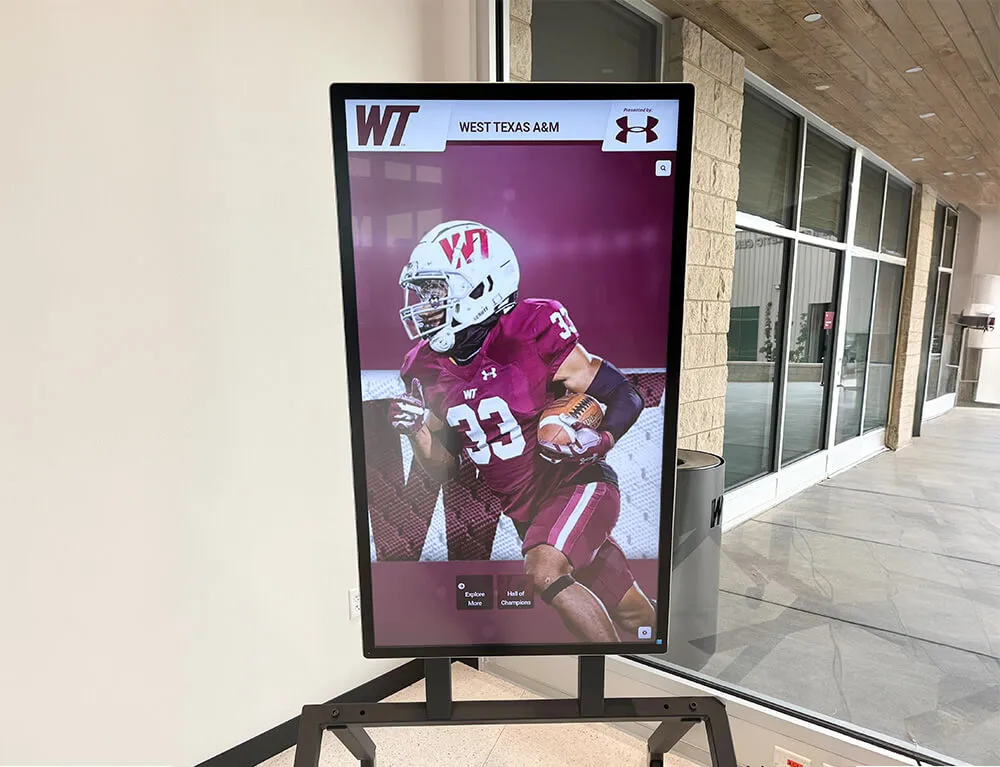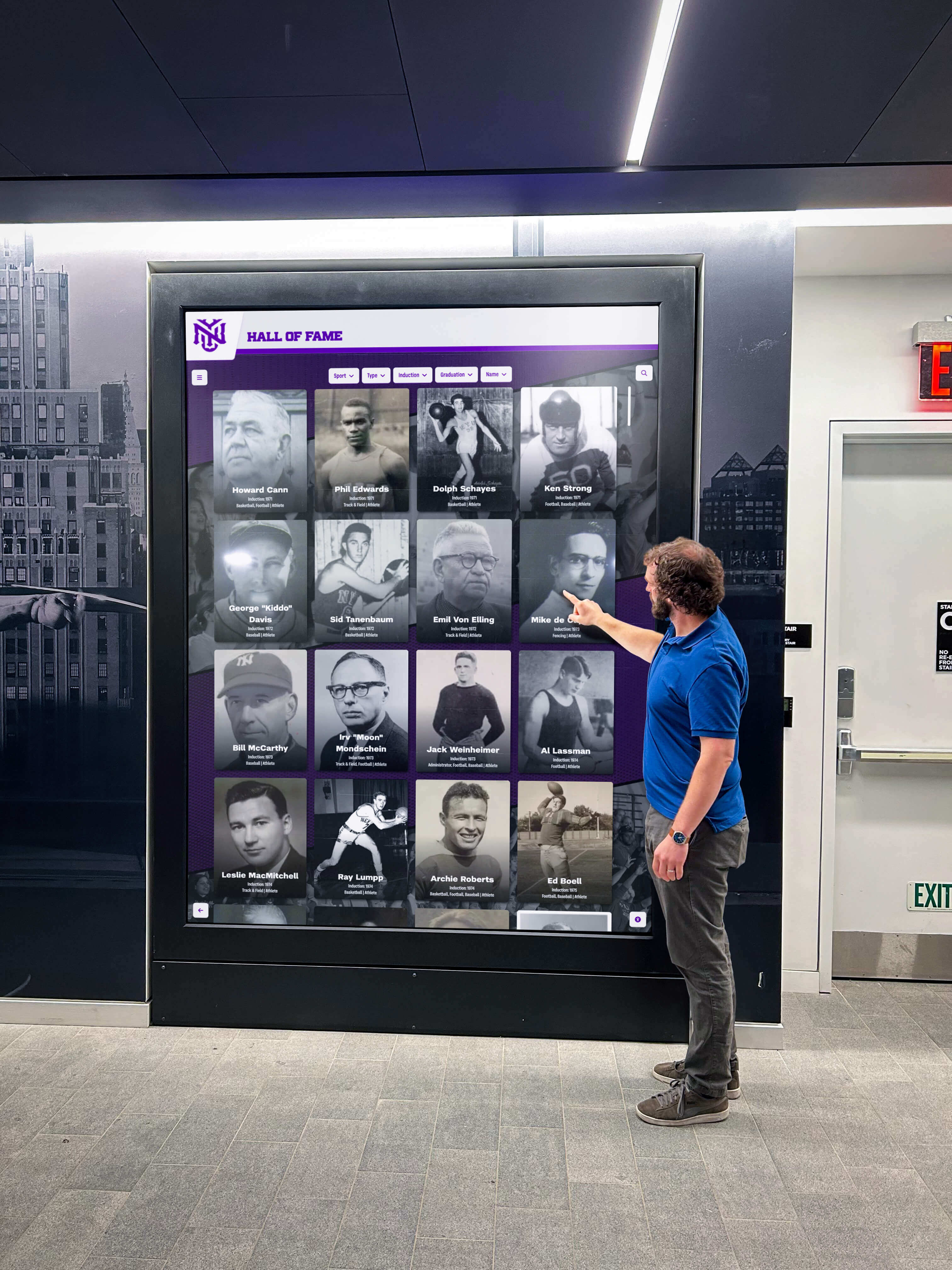




Teacher appreciation directly influences whether educators return each year or join the 23% who left their positions between 2022 and 2023. According to Education Resource Strategies research, simple recognition strategies can increase teacher retention from 62% to 73%—an 11 percentage point difference that saves districts millions in recruitment costs while maintaining instructional continuity students need for academic success.
Yet most schools limit appreciation to perfunctory Teacher Appreciation Week activities in May, occasional verbal thanks at staff meetings, and physical plaques that run out of wall space after a few years. Meanwhile, educators working long hours beyond contractual obligations, developing new curriculum, mentoring struggling students, and leading committees receive minimal lasting recognition beyond their classrooms. When teachers report feeling unappreciated, they become more likely to leave—contributing to the retention crisis that costs schools $2.2 billion annually in recruitment expenses nationwide.
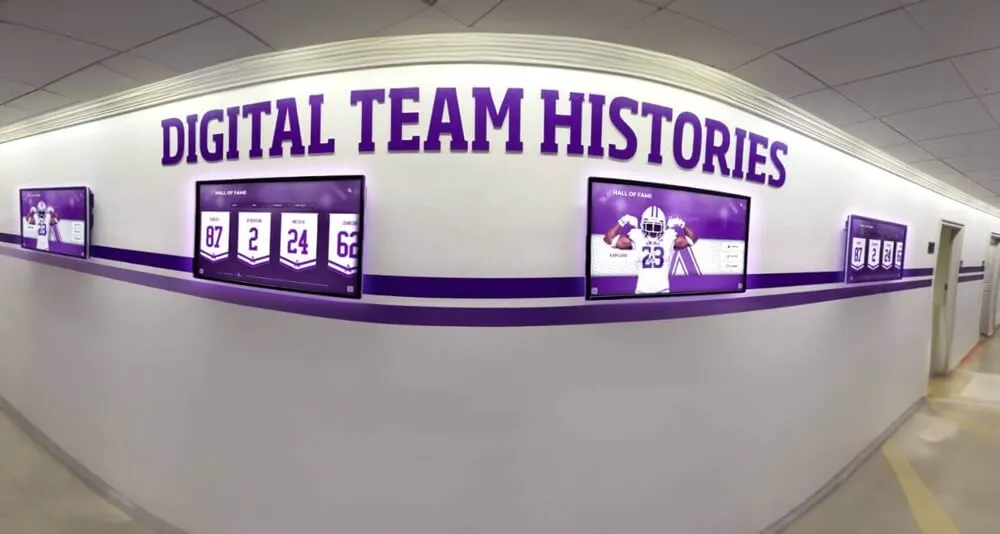
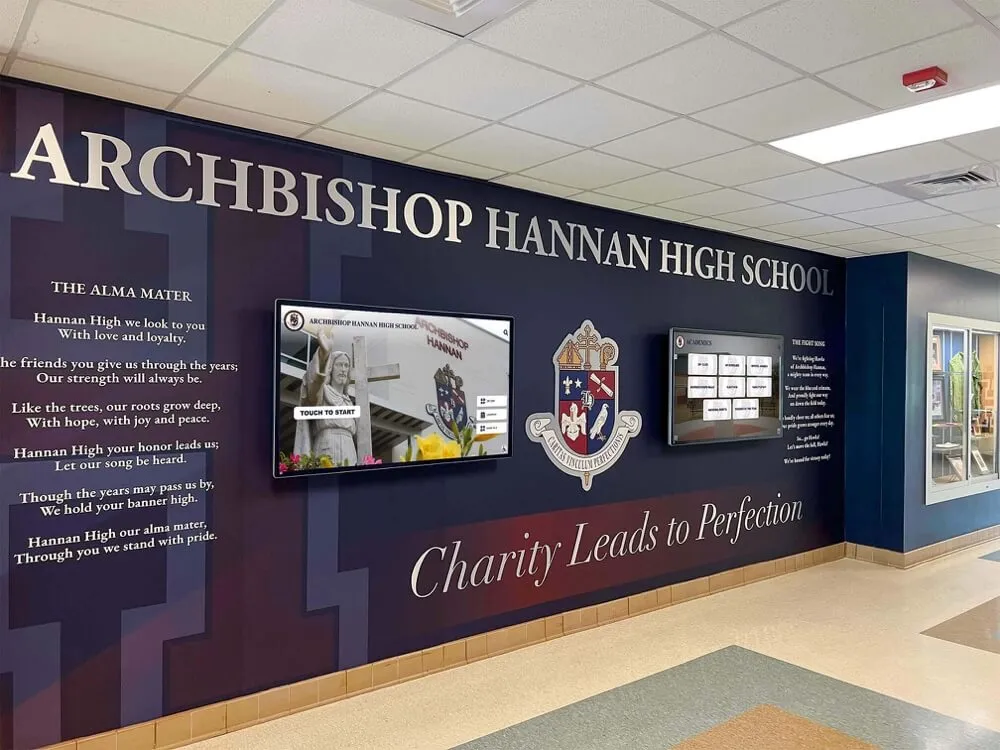
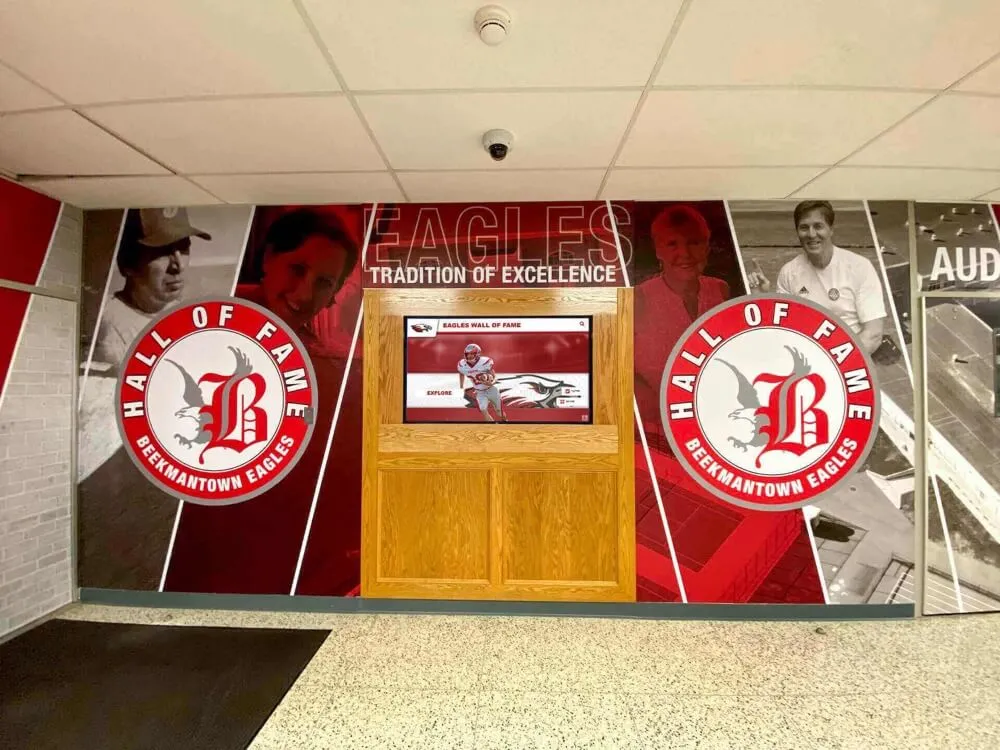
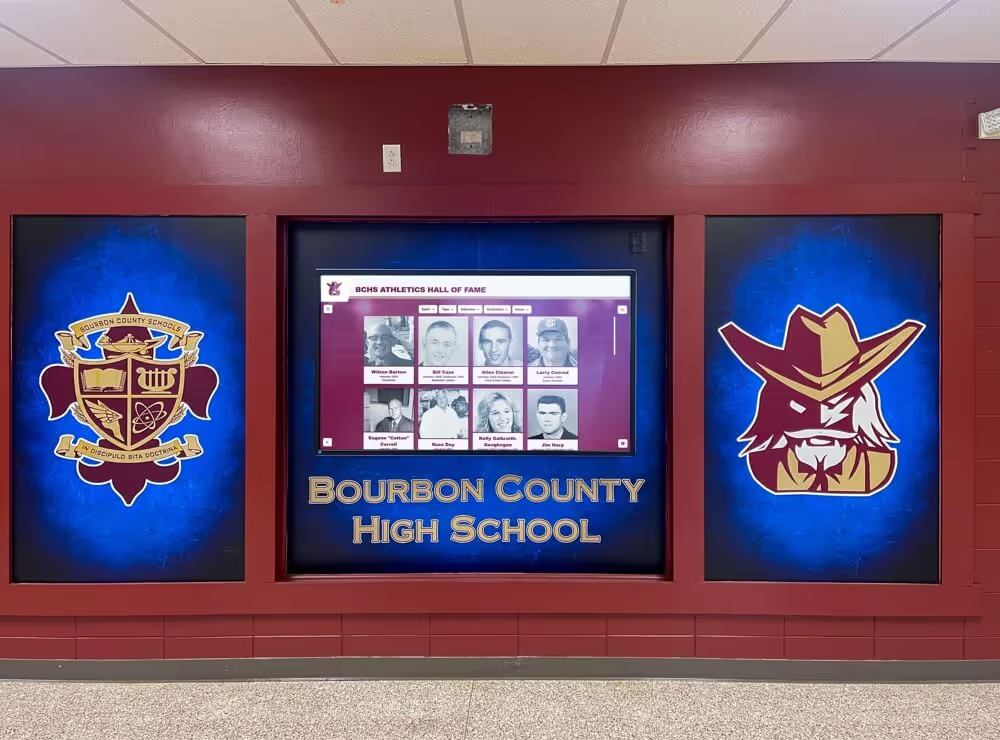
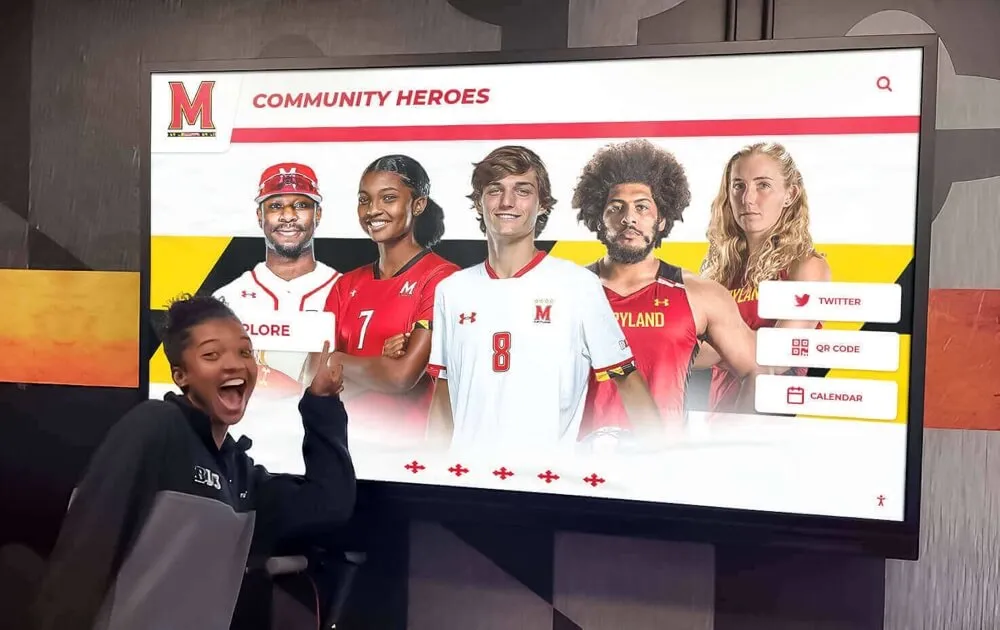
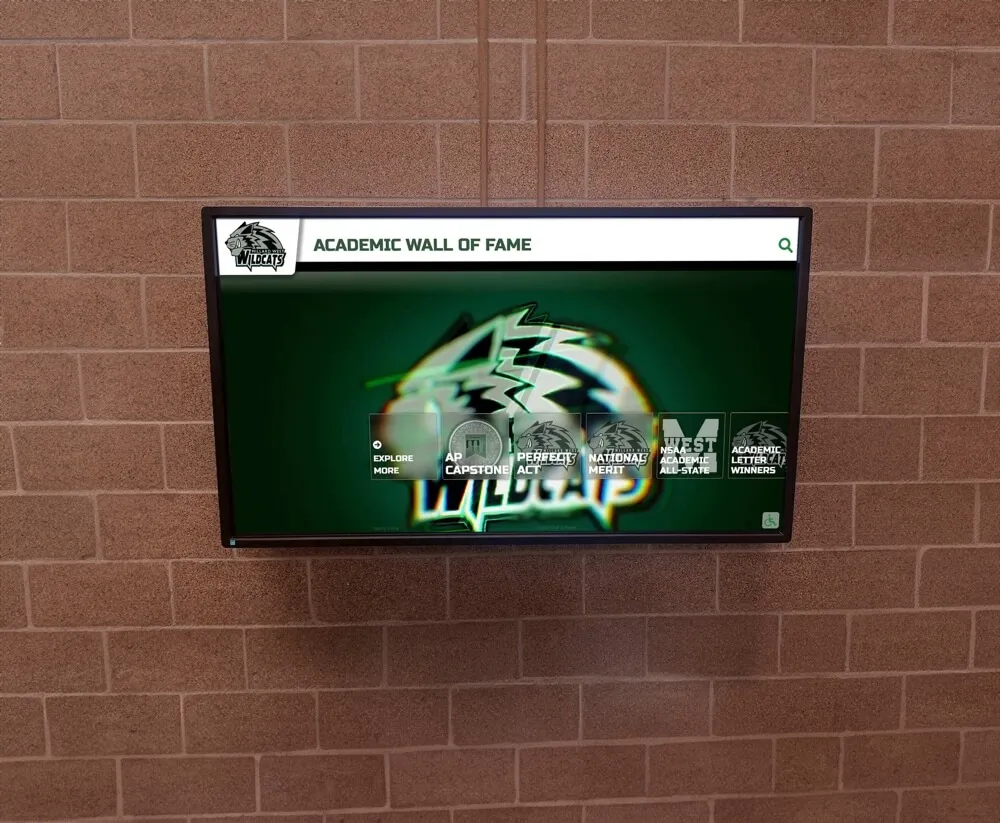
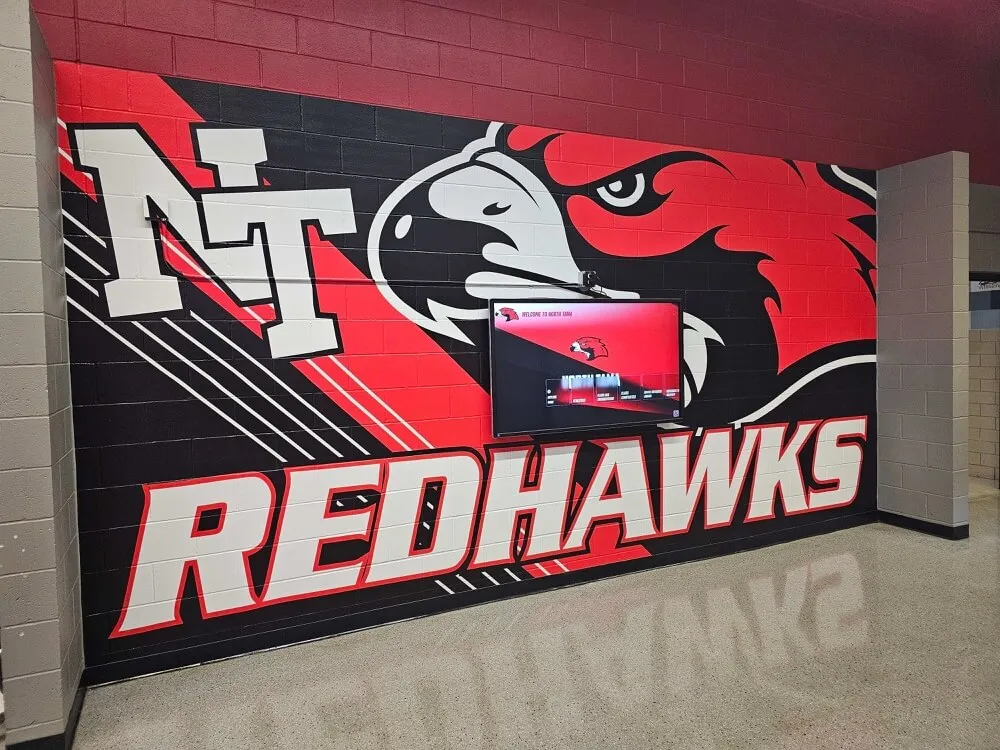
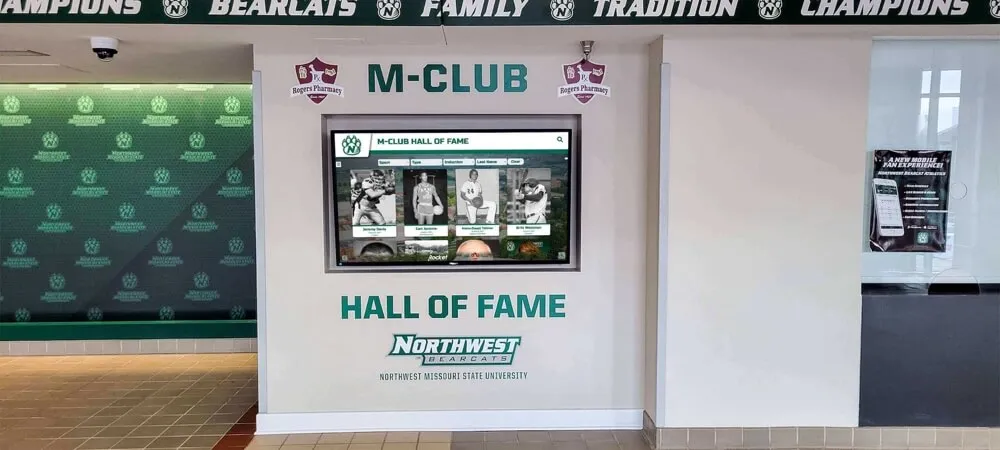
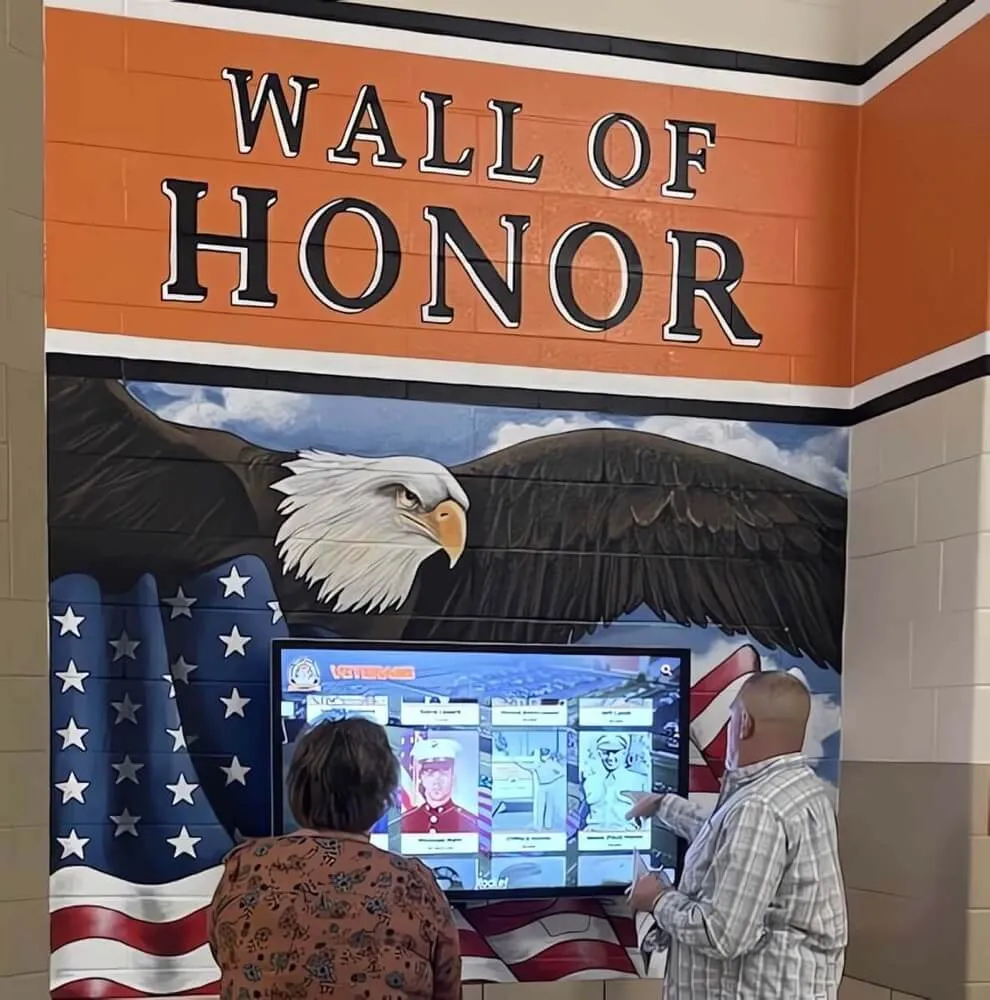
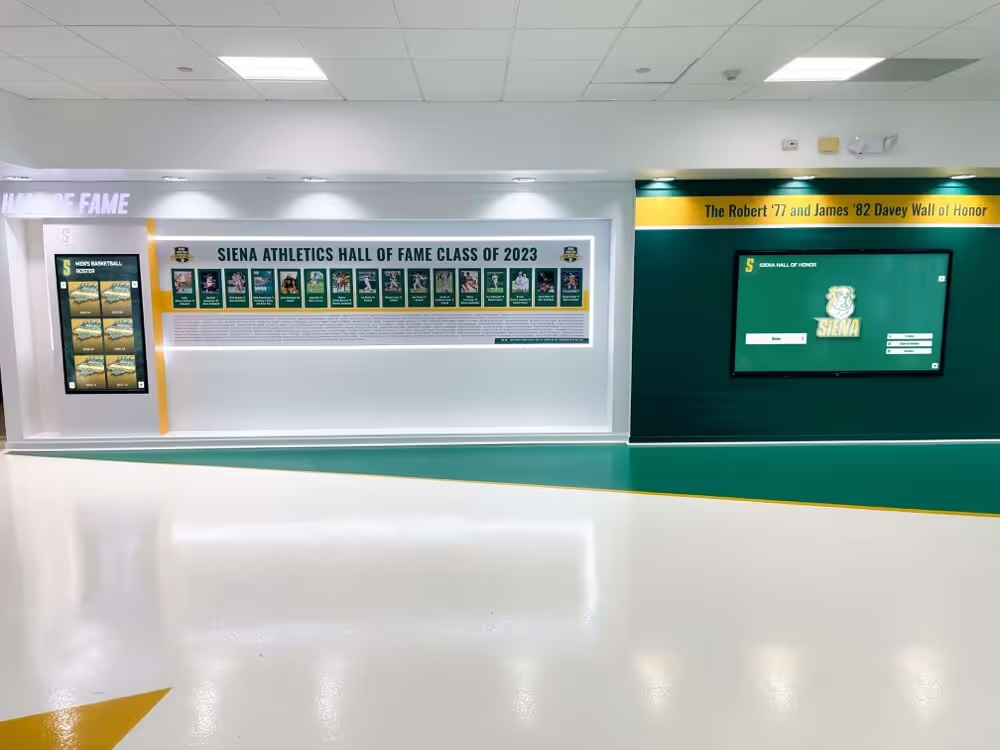
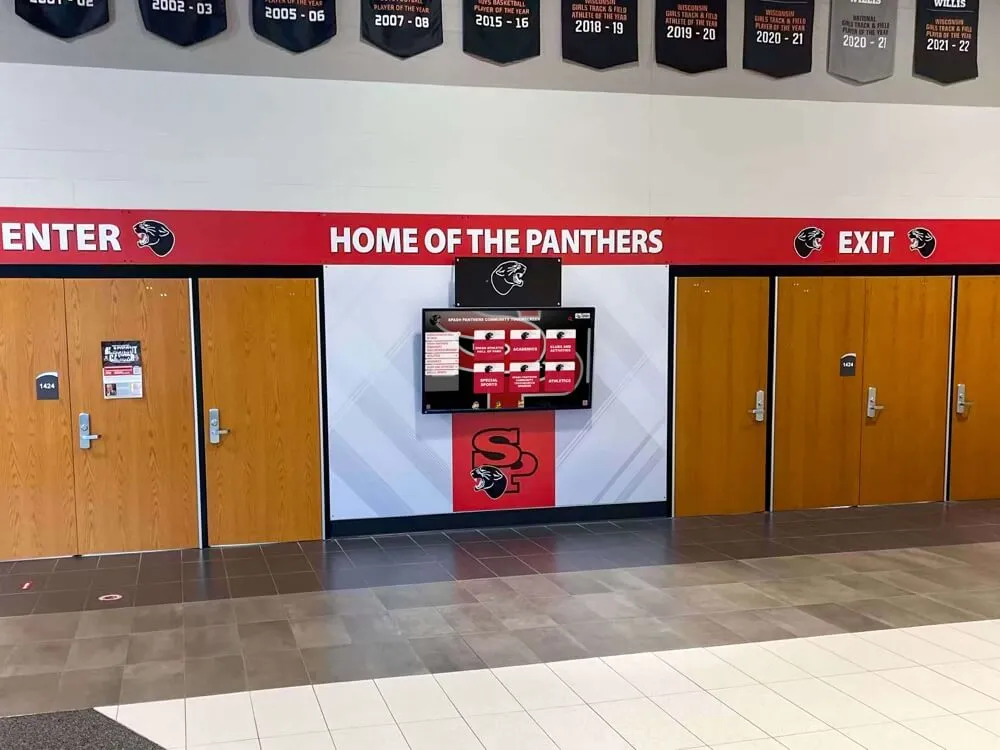
This walkthrough demonstrates how interactive touch board displays create systematic year-round teacher recognition that addresses retention concerns while celebrating the diverse contributions educators make beyond instructional excellence alone. See visual demonstrations of platforms that display unlimited staff profiles without space constraints, enable easy updates ensuring current information, incorporate multimedia testimonials from students and families, and provide accessible recognition extending beyond campus walls to support recruitment and community relations simultaneously.
Teacher recognition extends beyond displaying names on plaques—it creates cultural shifts acknowledging that educator appreciation matters as much as student achievement, athletic success, and donor cultivation. Schools implementing comprehensive digital recognition systems demonstrate through visible daily presence that staff contributions receive acknowledgment proportional to their impact on student lives and institutional success.

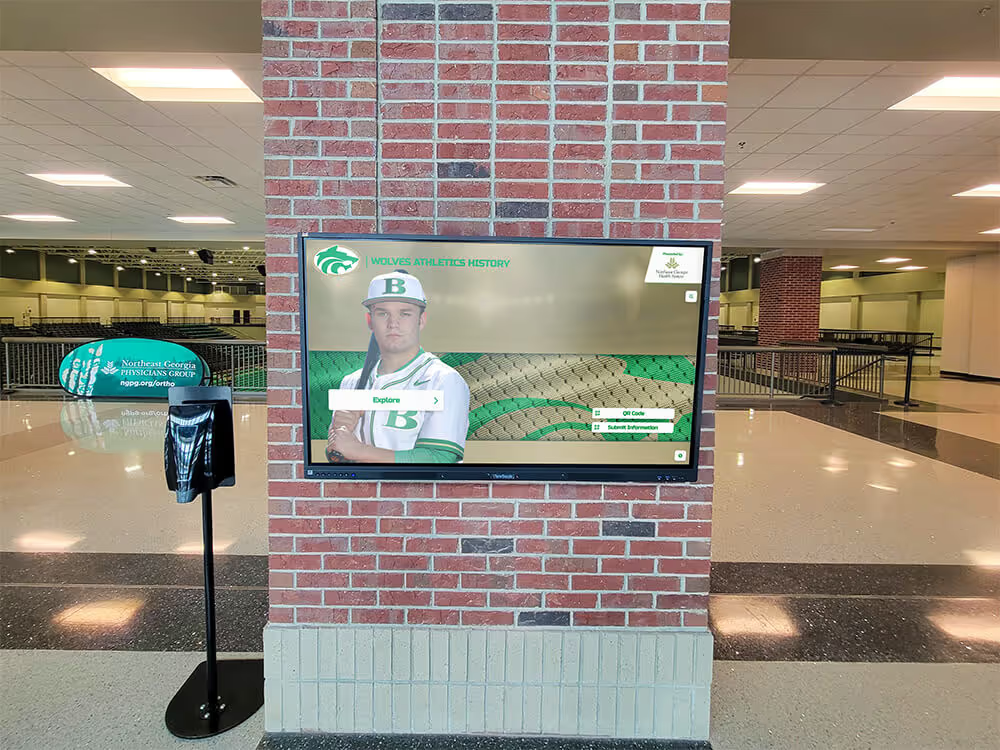
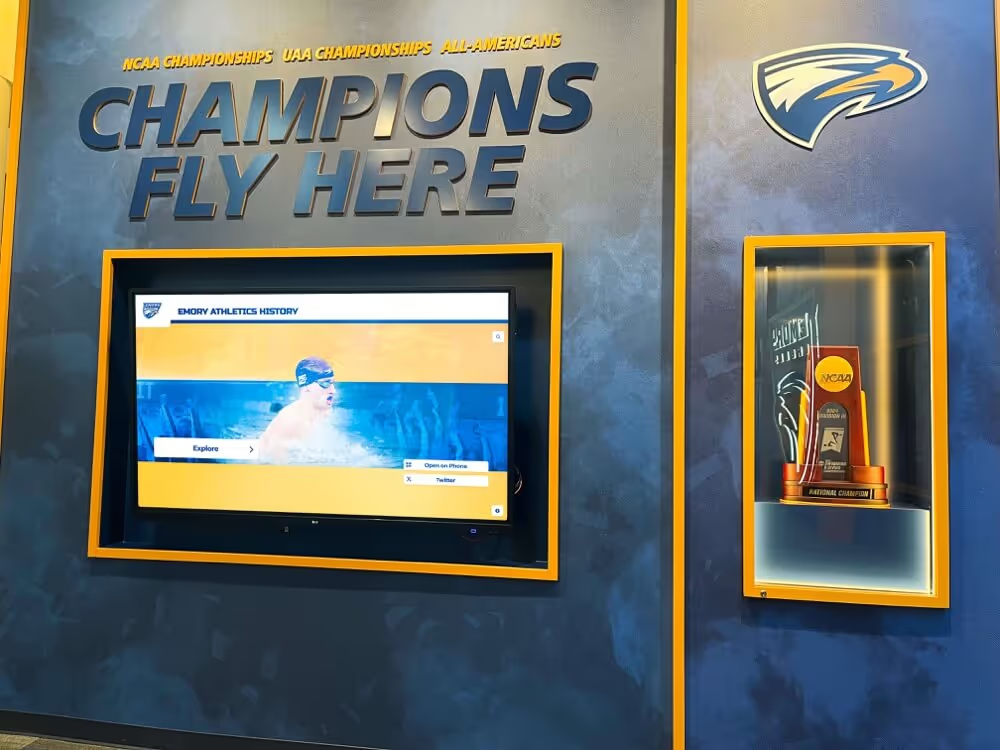
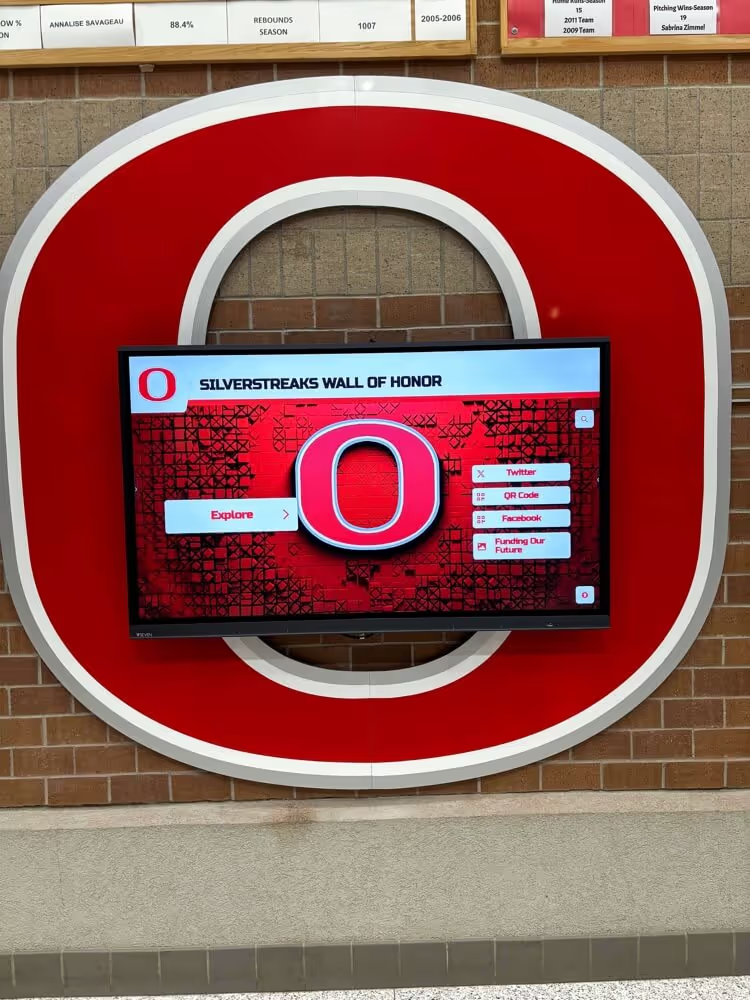
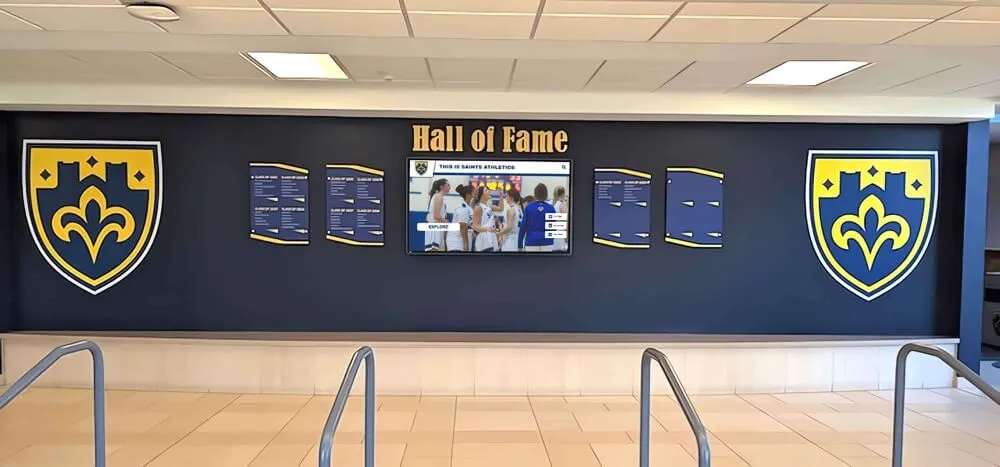
Interactive displays in main entrances ensure teacher recognition receives visibility matching its importance to school success
Understanding the Teacher Retention Crisis Context
Teacher appreciation programs operate within an education landscape facing significant workforce challenges that make recognition more critical than ever before.
The Retention Emergency Affecting Schools Nationwide
The past several years have intensified longstanding teacher retention challenges into genuine staffing emergencies affecting districts across all regions and demographics.
The Scale of Teacher Turnover
According to Education Resource Strategies analysis, 23% of teachers left their school or the profession entirely between 2022 and 2023. This represents nearly one in four educators making transitions annually—levels exceeding historical norms and creating constant staffing instability. Almost half of new teachers leave the profession within their first five years, meaning districts invest substantial resources training educators who depart before developing full instructional effectiveness. Teacher turnover has leveled at approximately 16% per year, creating perpetual recruitment needs even without enrollment growth.
The financial implications are substantial. Education Resource Strategies estimates schools spend $2.2 billion annually nationwide on recruitment costs associated with teacher turnover. These expenses include advertising open positions, processing applications, conducting interviews, and providing onboarding for new hires—resources that could otherwise support instructional programs or compensation improvements.
Why Teachers Leave
Research examining teacher decisions reveals multiple factors influencing retention, with feeling unappreciated emerging as a consistent theme. School leadership recognition of teachers’ efforts stands out as a key motivational factor according to studies published in the Journal of Education for Teaching. Teachers themselves report “it’s not just about the money, but also the recognition that they’ve had to work so hard” makes a difference in staying decisions.
When teachers feel unappreciated, it increases the chances they will leave their positions or the profession altogether. Given that only 30% of teachers report feeling engaged in their work according to Nectar HR research, while 70% are not engaged or actively disengaged, the recognition gap represents a significant contributor to turnover patterns.
Explore comprehensive approaches to employee recognition that demonstrate systematic staff appreciation strategies.
Recognition’s Measurable Impact on Retention
Fortunately, recognition represents an intervention schools can implement immediately with documented retention effects.
Evidence-Based Retention Strategies
Research from TNTP demonstrates that moving from no retention strategies to implementing just one recognition strategy boosts teacher retention from 62% to 73%—an 11 percentage point increase. This substantial improvement suggests that even modest recognition efforts deliver measurable results when implemented consistently.
Simple retention strategies make a difference according to research findings. A school leader explicitly encouraging a teacher to stay, for example, correlates with higher return rates the following year. These low-cost, high-impact interventions require no budget increases—just intentional recognition and communication from building administrators acknowledging educator value.
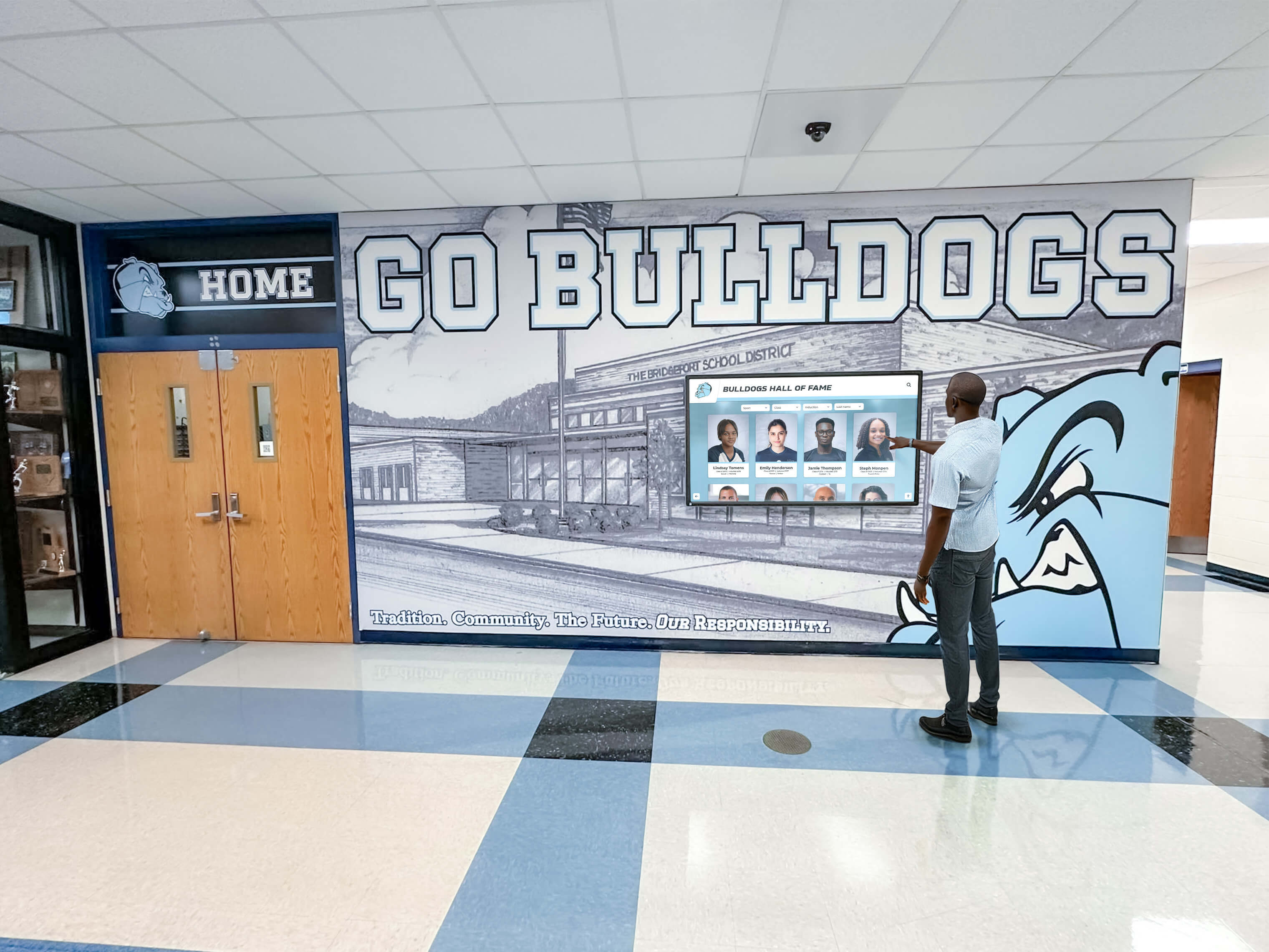
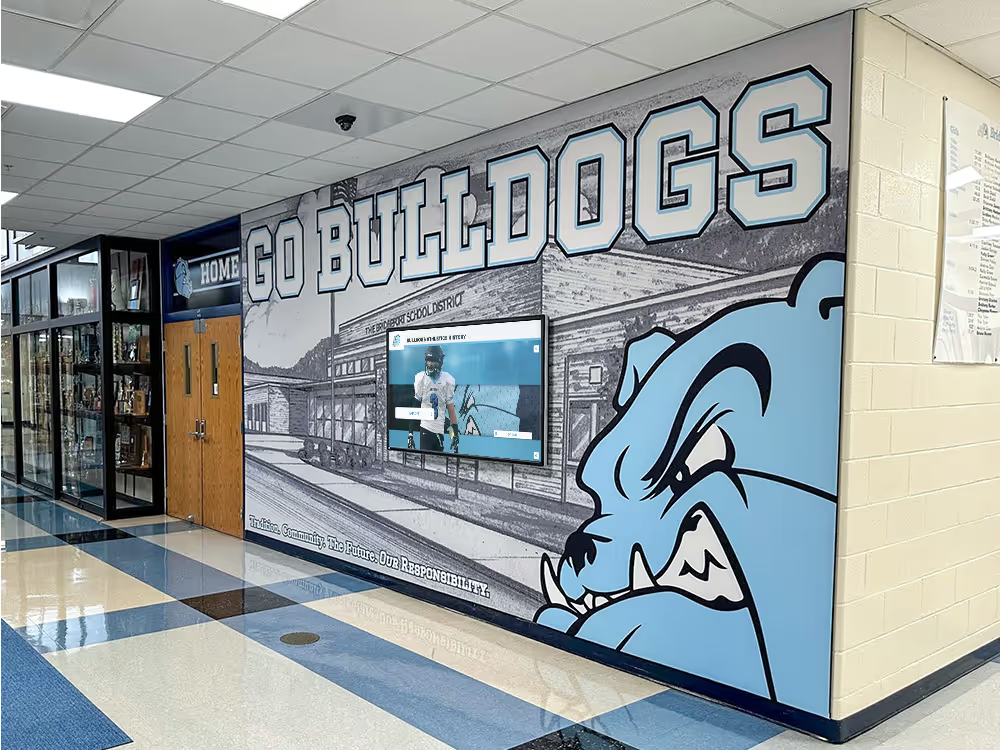
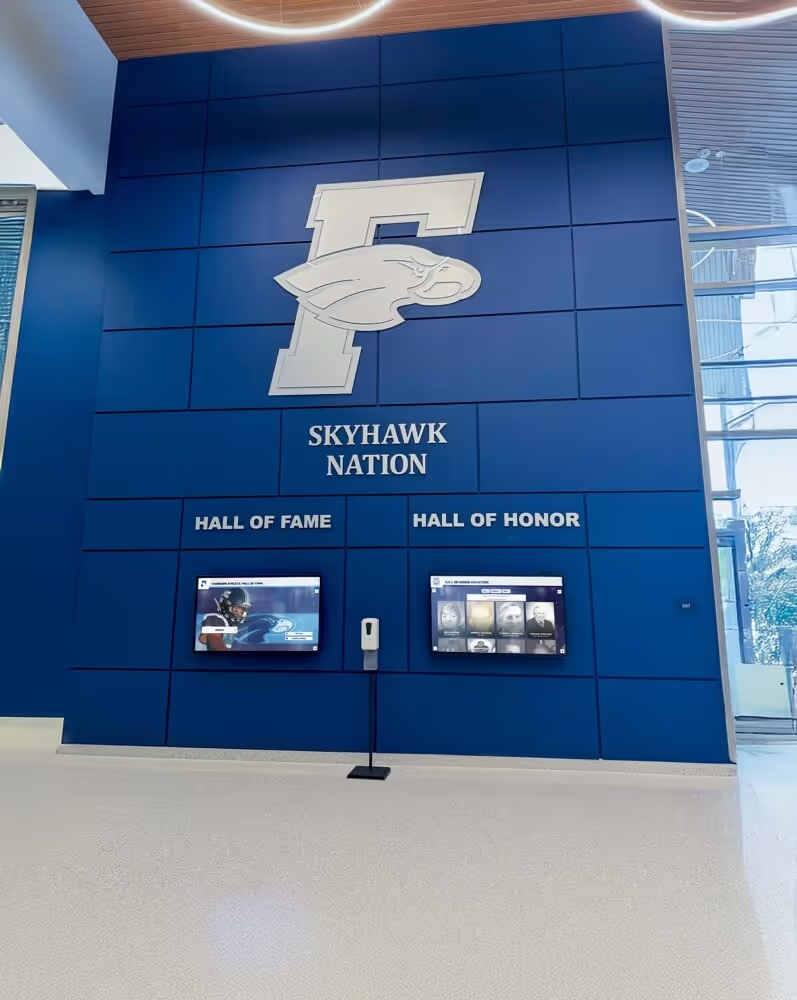
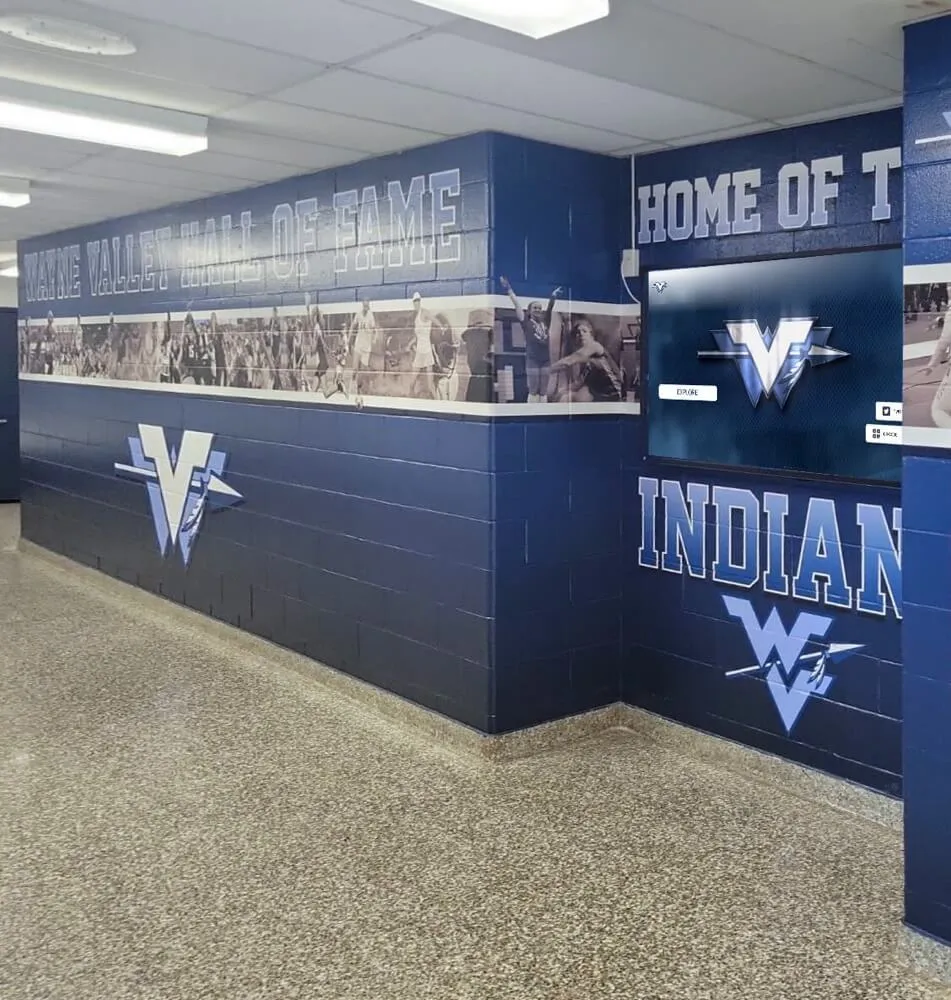
Strategic placement in high-traffic hallways ensures recognition becomes part of daily school culture rather than occasional gestures
Connection to Student Achievement
Teacher retention matters because it directly affects student outcomes. Research consistently shows that increases in teacher turnover correspond with decreases in student achievement in core academic subjects. The CCSSO National Teacher of the Year Program notes that teacher quality and effectiveness represent the most important school-based factors impacting student learning.
When schools retain experienced educators, students benefit from instructional continuity, established relationships, and refined teaching practices that develop over years in classrooms. Conversely, when districts constantly replace staff, students experience disrupted learning relationships and must adapt to new teaching styles annually. Recognition programs supporting retention therefore serve educational quality goals alongside staff satisfaction objectives.
The Problem with Traditional Teacher Appreciation Approaches
Most schools attempt teacher appreciation through methods that, while well-intentioned, fail to create the sustained recognition educators need and deserve.
Limited Annual Events Creating Minimal Impact
Teacher Appreciation Week occurs the first full week of May annually—May 5-9 in 2025, with Teacher Appreciation Day specifically on Tuesday, May 6. Many PTAs use Principal’s Day on May 1 as a kickoff to a full week of staff appreciation activities according to PTO Today.
Typical Activities and Their Limitations
Schools commonly celebrate through daily themed events during appreciation week: breakfast provisions on Monday, lunch catering Tuesday, treat deliveries Wednesday, staff gift distributions Thursday, and recognition ceremonies Friday. While educators appreciate these gestures, the concentration of recognition into one annual week sends unintended messages that appreciation matters only during designated periods rather than year-round.
Student-created appreciation cards and projects provide heartwarming moments but lack permanence. Cards posted temporarily on classroom doors or bulletin boards eventually come down, with meaningful messages from students disappearing after brief visibility. Staff appreciation luncheons create community but represent fleeting events rather than lasting recognition educators can revisit when facing challenging days throughout school years.
These token gestures, while better than nothing, often feel perfunctory rather than substantive—especially when preceded and followed by months without visible appreciation efforts. Teachers recognize the difference between genuine cultural appreciation and obligatory annual events driven by calendar dates rather than authentic gratitude.
Physical Recognition Walls Reaching Capacity Constraints
Many schools maintain teacher recognition walls featuring plaques honoring various achievements: Teacher of the Year recipients, milestone service anniversaries, department chairs, distinguished educators, and retirees.
Space Limitations Creating Impossible Choices
Physical plaques consume limited wall space that eventually reaches capacity. Older buildings designed before current recognition expectations particularly struggle with available display areas. When walls fill with decades of past honorees, schools face difficult decisions: remove historic plaques to accommodate current recognition, refuse to add new recognition maintaining only past displays, crowd plaques together diminishing visual impact, or relocate recognition to less prominent areas where visibility decreases.
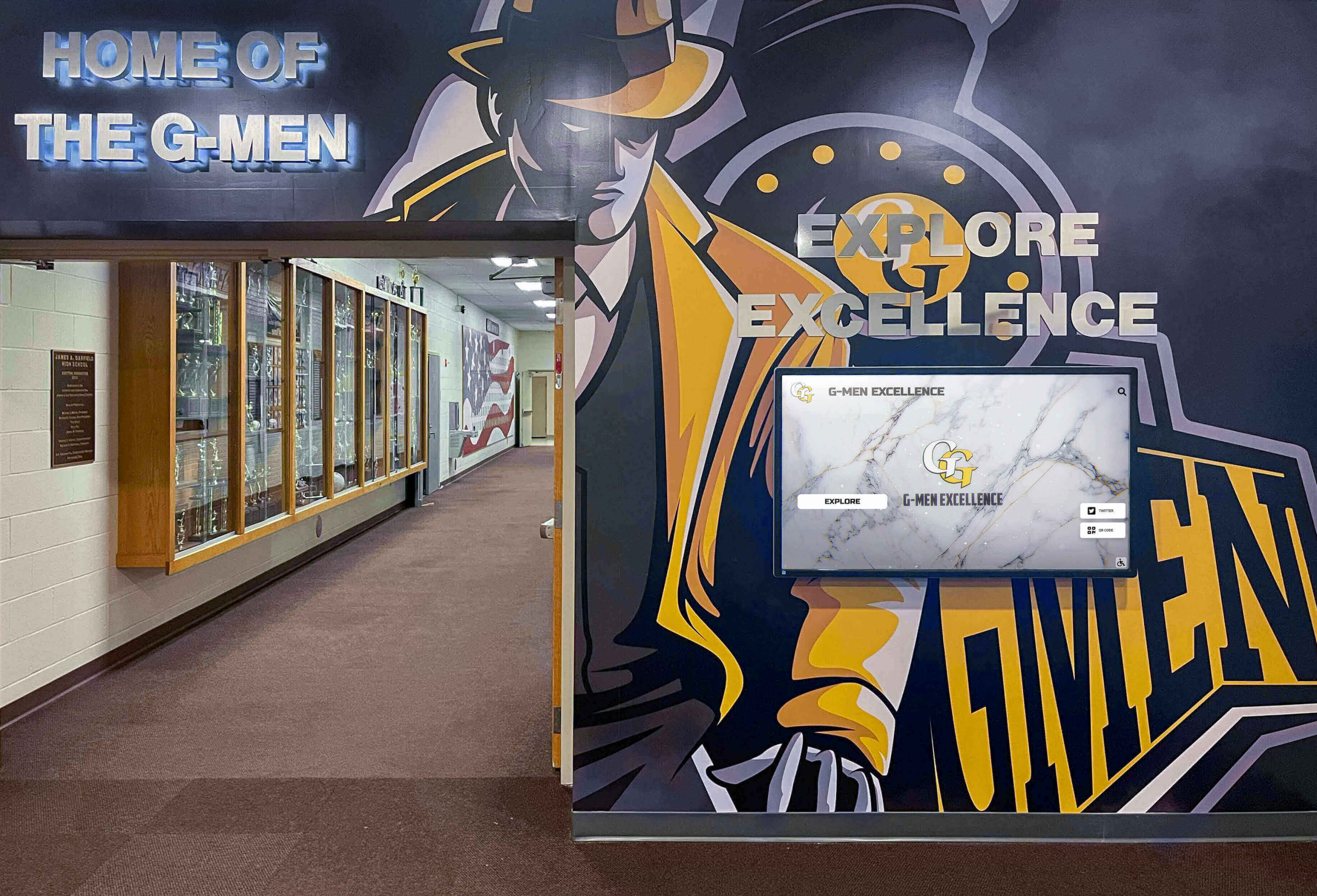
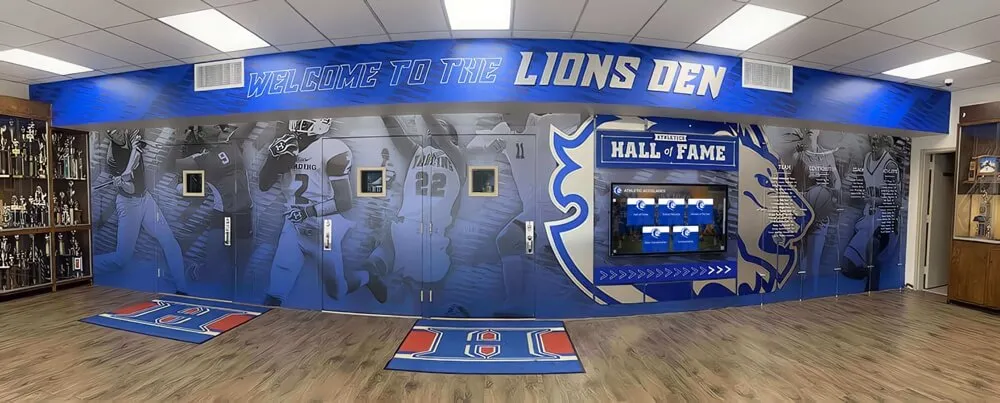
Hybrid approaches preserve traditional elements while adding digital capacity that scales indefinitely
These capacity constraints mean many deserving educators never receive permanent recognition simply because no space exists to add their names. Staff members contributing significantly through committee leadership, excellent teaching, student mentorship, or professional development may receive verbal appreciation but lack the visible permanent acknowledgment their peers received in years when wall space remained available.
Limited Information Possible on Physical Plaques
Traditional engraved plaques accommodate only minimal information—typically names, years, and brief award titles. This limited space prevents sharing complete recognition stories: the specific contributions earning recognition, student testimonials about educator impact, professional accomplishments beyond teaching duties, personal backgrounds that make achievements particularly meaningful, or contextual information about award significance.
Visitors viewing physical recognition walls see names and dates but cannot discover complete stories that would create deeper appreciation for honored educators. This informational limitation reduces recognition emotional impact while failing to educate school communities about the breadth and depth of staff excellence.
Learn about transitioning from physical displays in digital hall of fame buying guide that addresses capacity constraints.
Narrow Recognition Categories Missing Diverse Contributions
Traditional recognition often focuses exclusively on Teaching Excellence or Teacher of the Year honors, overlooking the many other ways educators contribute to institutional success.
Beyond Classroom Instruction
Teachers contribute to schools through committee leadership guiding curriculum development, school improvement initiatives, and policy decisions. Professional development leadership occurs as experienced teachers mentor new colleagues, lead department meetings, and share effective practices. Student support extends beyond assigned classes through advising clubs, coaching athletics, directing performances, and providing individual counseling. Community engagement includes family communication, partnership development, and representation at community events.
When recognition concentrates only on instructional excellence measured through traditional metrics, these diverse contributions receive insufficient acknowledgment. The teacher who spends countless after-school hours advising student council, the educator coordinating professional development for colleagues, the staff member building family partnerships in underserved communities—all contribute significantly to institutional success despite falling outside narrow recognition categories focused exclusively on classroom teaching.
The Digital Solution: Interactive Touch Boards for Comprehensive Staff Recognition
Digital recognition platforms solve the fundamental limitations of traditional teacher appreciation while creating engagement opportunities impossible with physical displays alone.
Unlimited Recognition Capacity Without Space Constraints
Interactive touch board systems eliminate the zero-sum competition for limited wall space that forces schools to choose which educators receive permanent recognition.
Every Staff Member Receives Appropriate Recognition
Digital platforms can showcase unlimited staff profiles regardless of building size or wall space availability. Schools can recognize every teacher, administrator, support staff member, and specialist without capacity constraints. Current staff receive comprehensive profiles alongside retirees and distinguished alumni maintaining connections to institutions. Multiple recognition categories operate simultaneously—Teacher of the Year recipients, milestone service anniversaries, department leaders, innovation award winners, community engagement honors—all coexisting without competing for physical space.
This unlimited capacity ensures no deserving educator goes unrecognized due to space limitations. The teacher joining the staff this year receives the same recognition opportunities as colleagues hired decades earlier, preventing recency bias or historical preference that physical displays often create.
Accommodation of Future Growth
Unlike physical walls that reach permanent capacity, digital systems scale indefinitely. As staff sizes grow, recognition capacity expands automatically without facility renovations. When schools establish new recognition categories—equity champions, technology integration leaders, family engagement specialists—the platform accommodates additional honors easily. Expanding recognition criteria to include diverse contributions beyond traditional categories requires no physical construction or plaque replacement.
This scalability ensures recognition systems serve schools effectively for decades rather than reaching obsolescence within years requiring expensive reinstallation.
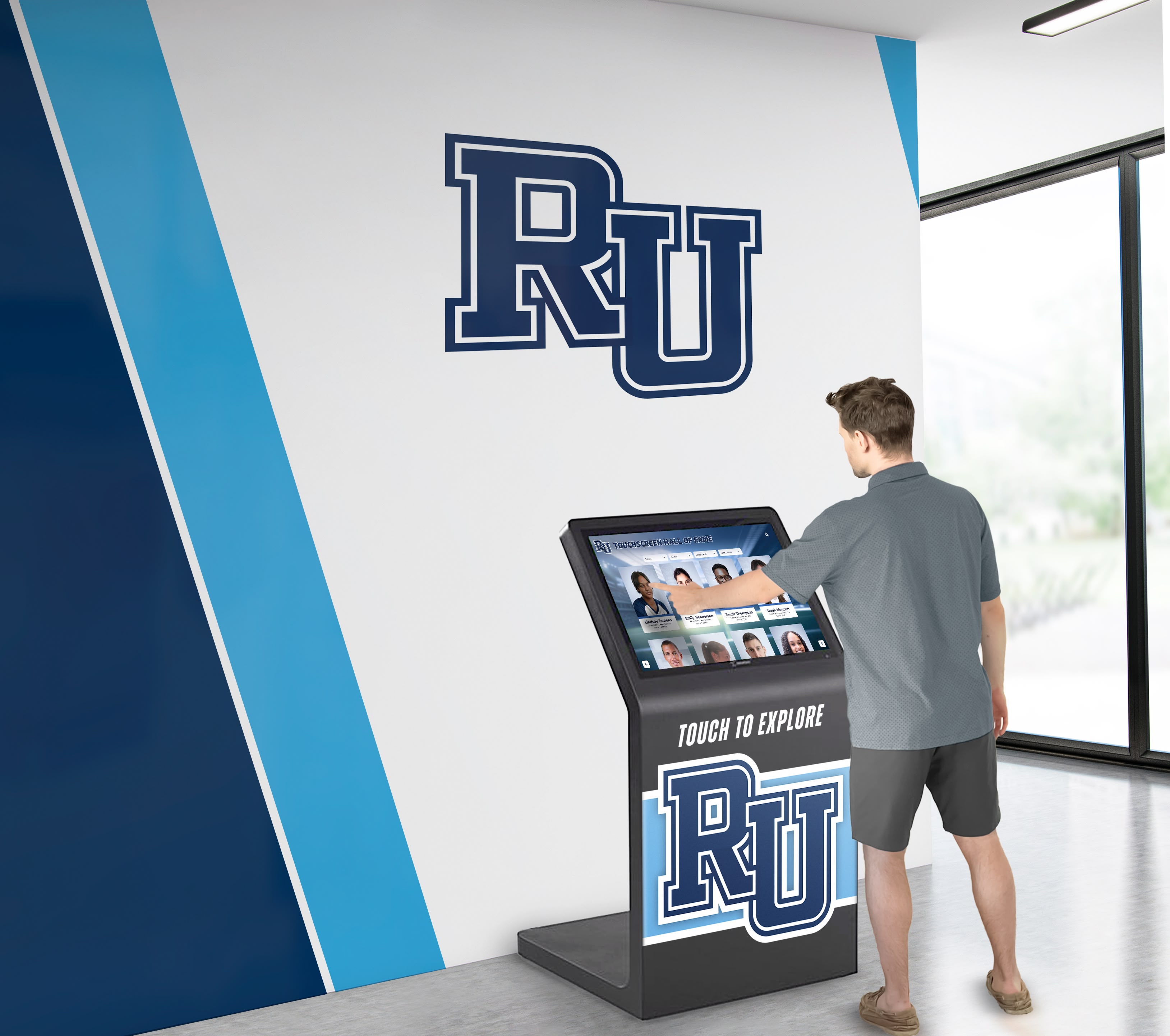
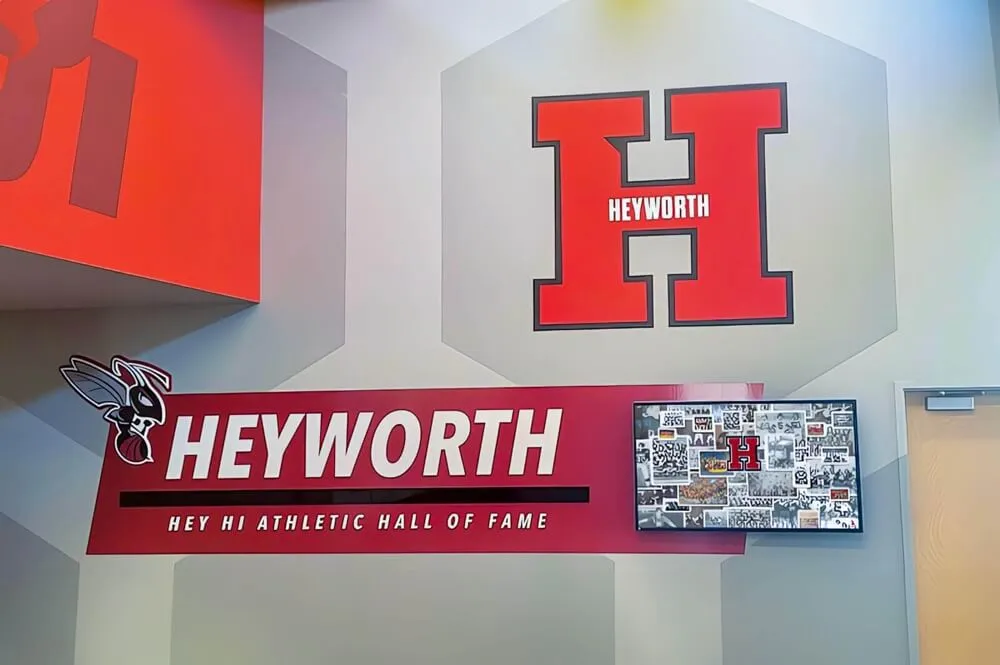
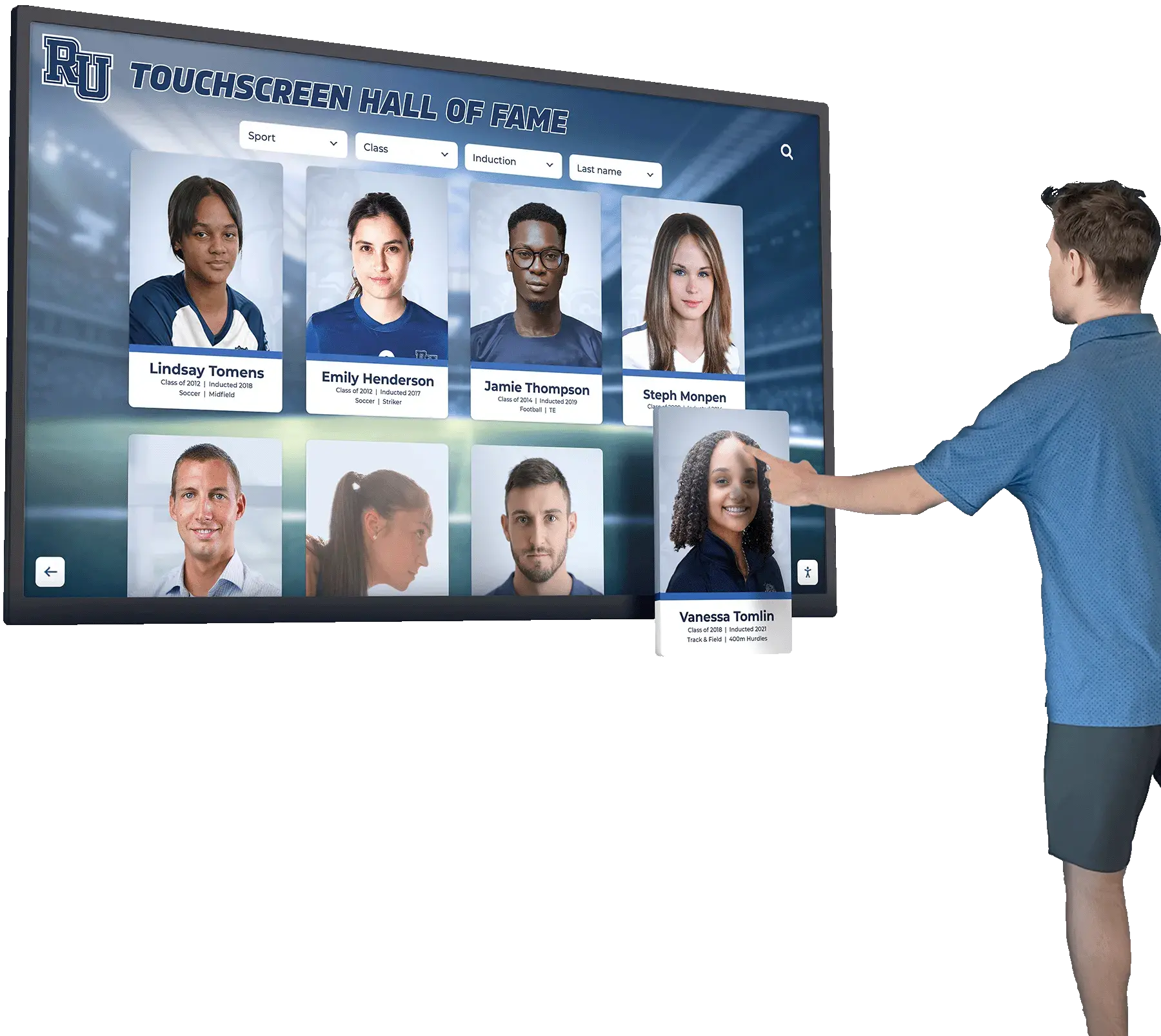
Touchscreen kiosks in main lobbies invite visitor exploration while demonstrating institutional commitment to staff appreciation
Rich Multimedia Profiles Creating Emotional Connections
Digital platforms enable recognition far exceeding what physical plaques can communicate, transforming simple acknowledgment into compelling storytelling that creates emotional community engagement.
Comprehensive Staff Profiles
Each educator can receive dedicated profile pages including professional photography showing personality beyond ID badge photos, complete biographical information covering education, specializations, and career history, teaching philosophy statements in educators’ own voices, awards and recognition received throughout careers, professional accomplishments including publications, presentations, and certifications, and committee leadership and service contributions.
Video testimonials provide powerful recognition impossible with static displays. Student video reflections describing how teachers changed their lives create emotional impact that text alone cannot achieve. Family testimonials from parents expressing gratitude for educator dedication and care add community voices to institutional recognition. Colleague testimonials from fellow teachers acknowledging collaboration and support demonstrate peer appreciation. Alumni video messages from former students describing long-term impact show how teaching influence extends for decades.
Photo galleries capture educators in action: candid classroom moments showing teaching styles and student engagement, school event participation documenting involvement beyond classroom duties, professional development leadership showing commitment to continuous improvement, and retirement celebrations or career milestones preserving institutional memory.
Student Voice Integration
Research shows that teacher recognition carries particular weight when coming from students whose lives educators directly impact. Digital platforms can incorporate student-generated content including end-of-year letters to teachers shared with families and broader communities, video projects where students explain why teachers matter to them, favorite teacher nominations with student-written justifications, and senior dedications honoring influential educators who made high school success possible.
These authentic student voices create more meaningful recognition than top-down administrative acknowledgment alone. When teachers see genuine student appreciation documented permanently, it validates the challenging work they do daily and reminds them why they entered the profession initially.
Explore student voice integration in classroom projects recognition demonstrating authentic appreciation approaches.
Easy Updates Ensuring Current and Accurate Information
Traditional plaques become outdated immediately upon installation as staff situations change, new achievements occur, and errors require correction. Digital systems eliminate this challenge through remote content management capabilities.
Instant Information Updates
When teachers earn additional certifications or advanced degrees, profiles update immediately without physical reinstallation. New awards and honors add to existing recognition throughout school years rather than waiting for annual update cycles. Staff transitions—retirements, new hires, position changes—reflect immediately in displays. Incorrect information discovered after initial installation corrects easily without expensive plaque replacement.
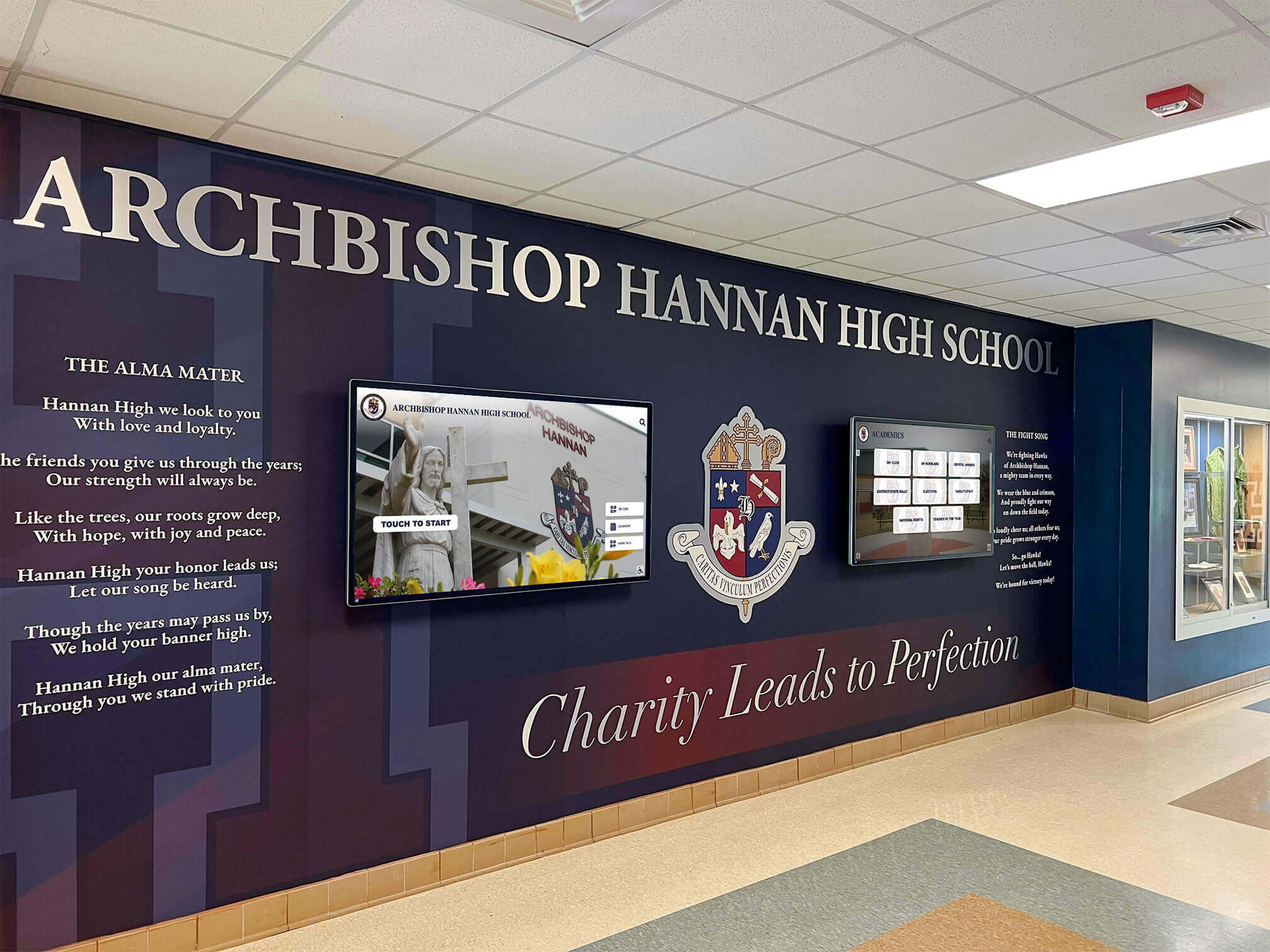
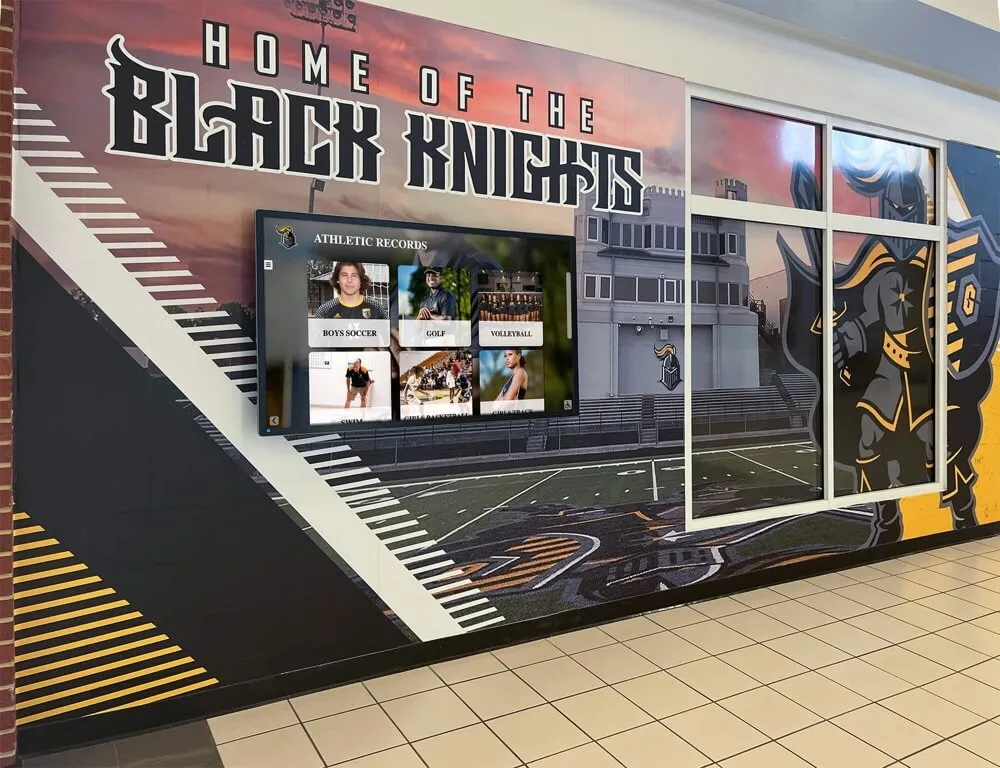
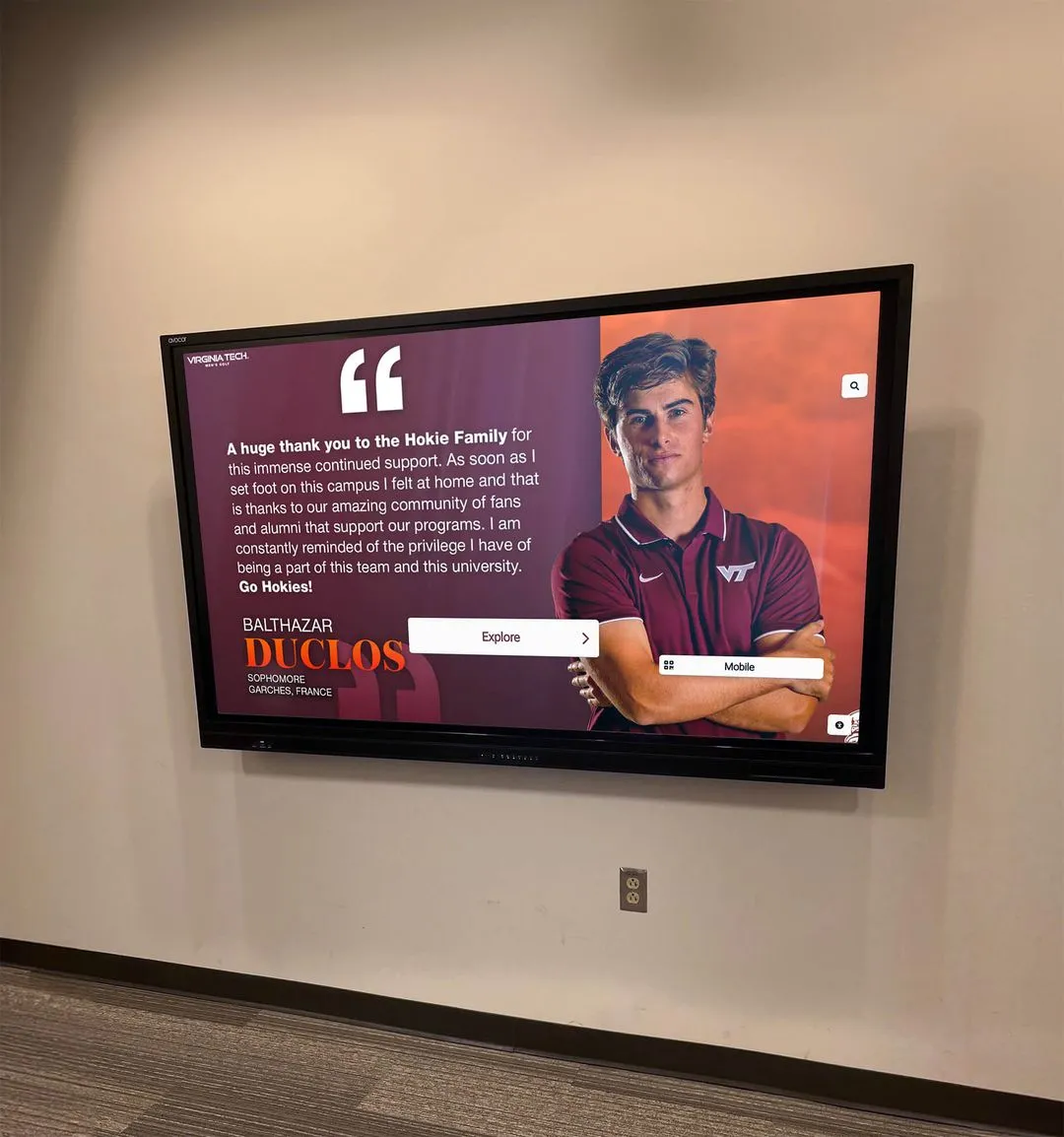
Multiple coordinated displays throughout campuses ensure recognition receives visibility in different building areas serving different audiences
This flexibility ensures recognition remains current and accurate—demonstrating ongoing institutional attention rather than creating outdated displays suggesting recognition programs lost momentum after initial installation enthusiasm.
Seasonal and Event-Based Content
Digital platforms enable highlighting specific staff members during relevant periods without permanent display changes. Teacher Appreciation Week in May can feature rotating profiles of all educators. Back-to-school recognition can welcome new teachers while acknowledging returning staff. Retirement recognition can provide prominent display during educators’ final months while maintaining permanent profile access after departures. Professional development celebrations can temporarily feature teachers who completed significant training or earned certifications.
This flexibility enables responsive recognition aligned with school calendars and current events while maintaining permanent comprehensive staff documentation accessible year-round.
Search and Discovery Features Improving Engagement
Interactive touchscreens enable exploration patterns impossible with static physical displays, ensuring every staff member receives attention rather than only prominently-placed recognition.
Multiple Navigation Pathways
Visitors can explore staff recognition through diverse approaches matching different interests and intentions. Name searches let family members quickly locate specific teachers their students describe at dinner. Department browsing enables visitors to explore entire departments—viewing all science teachers, understanding complete mathematics staff, or discovering counseling team members. Years of service filters identify long-tenured educators celebrating milestone anniversaries. Award and honor categories showcase recognition recipients—all Teacher of the Year winners, innovation award honorees, distinguished educators. Subject or specialty searches help prospective families identify teachers in specific areas relevant to student interests.
These varied pathways ensure comprehensive engagement rather than passive viewing of whatever recognition happens to appear in current rotation.
Related Content Connections
Digital systems excel at creating connections impossible with linear physical displays. Multi-year teaching team connections link educators who taught the same students across grade levels. Department colleague links show professional relationships and collaborations. Mentor-mentee connections acknowledge experienced teachers who developed newer colleagues. Shared award connections highlight multiple recipients of specific honors. Alumni teacher links connect former students who returned as educators.
These relational connections help communities understand teaching as collaborative work rather than isolated individual practice, while creating additional discovery opportunities that keep visitors exploring recognition content.
Discover engagement strategies in digital storytelling for athletic programs applicable to staff recognition contexts.
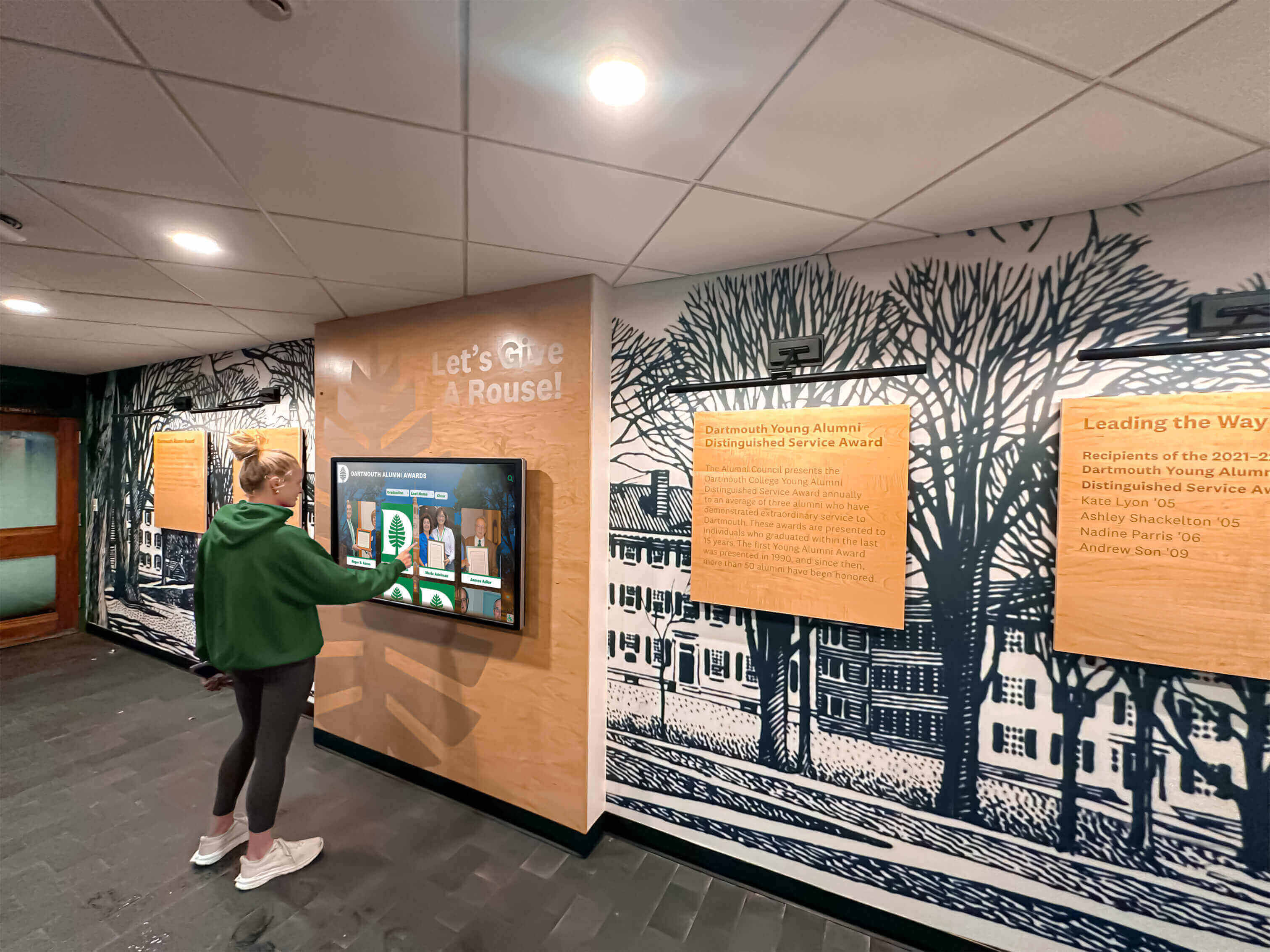
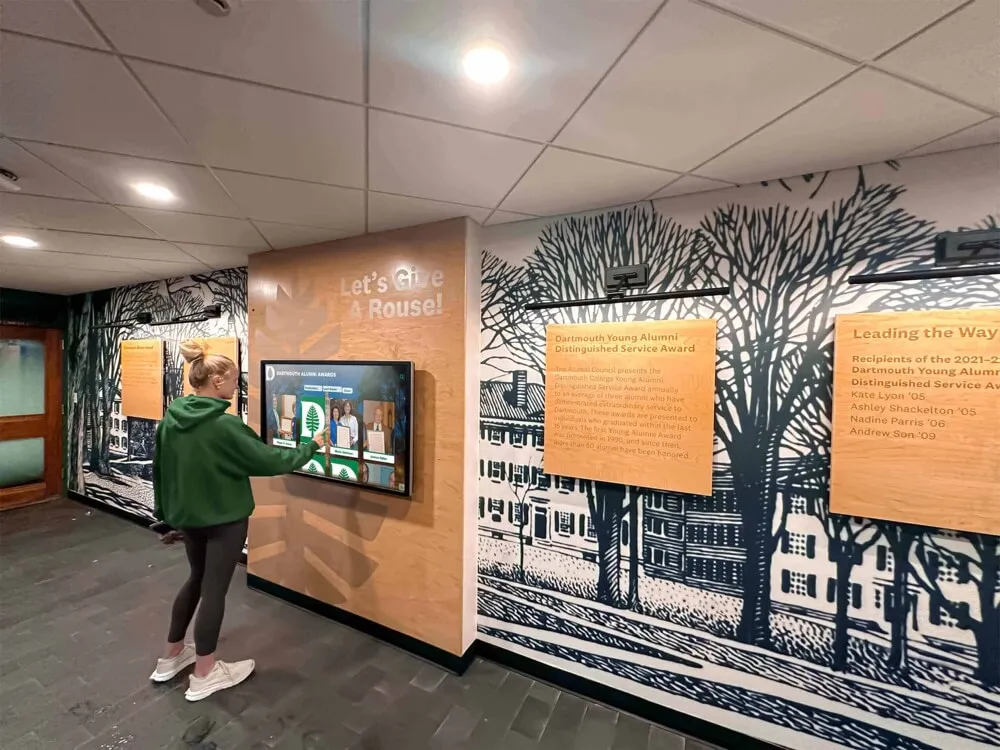
Intuitive interfaces encourage student exploration, helping them discover teacher backgrounds and build deeper connections
Implementing Comprehensive Teacher Recognition Programs
Creating effective recognition requires strategic planning addressing both technology selection and cultural program development.
Defining Recognition Categories and Criteria
Comprehensive programs acknowledge diverse contributions educators make beyond narrow traditional categories.
Multi-Dimensional Recognition Framework
Schools should establish recognition spanning multiple dimensions. Instructional excellence acknowledges exceptional teaching through student growth data, effective pedagogy, curriculum development, and differentiation strategies meeting diverse learner needs. Professional leadership celebrates committee chairs, professional development coordinators, department heads, and teacher leaders guiding colleagues. Student mentorship honors advisors, coaches, club sponsors, and educators providing significant individual support beyond classroom instruction. Community engagement recognizes family communication excellence, partnership development, community representation, and outreach initiatives. Service milestones celebrate longevity: 5, 10, 15, 20, 25, 30+ year anniversaries acknowledging career dedication.
This framework ensures recognition opportunities exist for all staff members regardless of teaching assignment, subject area, or career stage—preventing concentration of recognition among a narrow subset of faculty.
Selection Processes Ensuring Fairness
Transparent processes build community trust in recognition program integrity. Selection committees should include diverse stakeholders: administrators, teachers across departments, support staff representation, students or recent alumni, and occasionally family members or community partners. Clear criteria publicized before nomination periods help community members understand selection standards. Multiple nomination sources—administrator recommendations, peer nominations, student and family input, self-nominations when appropriate—ensure consideration of candidates that single-source processes might overlook. Rubrics or scoring guides applied consistently prevent subjective favoritism accusations.
Well-designed selection processes ensure recognition feels earned through merit rather than appearing as administrative favoritism or popularity contests.
Content Development and Staff Profile Creation
Effective recognition requires comprehensive information development about each staff member.
Information Gathering Approaches
Schools can collect recognition content through several methods. Staff profile forms completed by educators themselves provide authentic voice and ensure accuracy. Biographical questionnaires covering education, career history, teaching philosophy, and personal interests generate baseline profile information. Student testimony collection gathers impactful appreciation from those teachers serve directly. Colleague nominations and endorsements add peer perspective on collaborative contributions. Administrator observations document leadership and service contributions educators might not self-report.
Many schools conduct this information gathering during summer when teachers have more time to reflect and write, then launch or update recognition displays at back-to-school time creating positive start-of-year appreciation momentum.
Writing Tone and Presentation Style
Recognition content should balance professionalism with personality. Third-person biographical summaries provide factual career information while first-person quotes in educators’ own voices add authenticity. Use specific examples rather than generic praise—instead of “Mrs. Johnson is an excellent teacher,” describe “Mrs. Johnson developed an interdisciplinary project connecting algebra concepts to environmental science that increased student engagement by making mathematics applications visible.” Include both professional accomplishments and appropriate personal information that helps community members connect with educators as complete individuals.
Content should celebrate without hyperbole, acknowledge challenges overcome without minimizing difficulties, and recognize contributions proportionally—avoiding excessive praise for routine expectations while appropriately honoring truly distinguished achievement.

Recognition environments combining traditional elements with digital displays honor history while embracing contemporary capabilities
Display Hardware and Placement Considerations
Technology selection and installation locations significantly affect recognition program effectiveness.
Screen Size and Display Type Selection
Main lobby installations benefit from large-format touchscreens (55-65+ inches) creating prominent focal points visible from entrance doors. These primary displays should accommodate multiple simultaneous users during busy arrival and dismissal periods. Secondary hallway installations near main offices, cafeterias, or libraries can use medium displays (43-50 inches) appropriate for individual or small group exploration. Outdoor or semi-outdoor installations near main entrances require commercial-grade displays with appropriate brightness and weatherproofing.
Passive displays rotating staff recognition automatically supplement interactive touchscreens in areas where stopping to interact disrupts traffic flow. These passive displays might feature educator spotlights, upcoming recognition events, or celebration of recent awards—maintaining recognition visibility without requiring interaction.
Strategic Placement Maximizing Visibility
Recognition displays should occupy the same prominent locations schools dedicate to athletic achievements, academic honor rolls, and other institutional priorities. Main entrance lobbies ensure recognition is the first thing visitors encounter upon entering buildings. Main office waiting areas provide captive audiences who will engage with displays while waiting for appointments. Cafeterias and commons areas reach students and staff during lunch periods and passing times. Faculty lounges create opportunities for peer recognition exploration building collegial appreciation. Community event spaces ensure recognition remains visible during open houses, parent-teacher conferences, performances, and athletic events.
Placement decisions send cultural messages about institutional values. When teacher recognition receives equal visibility to athletic trophies and championship banners, schools communicate that educator excellence matters as much as competitive success.
Explore placement strategies in digital display implementation for educational environments.
Budget Considerations and Funding Strategies
Recognition system costs vary widely depending on scope, but multiple funding approaches can make comprehensive programs accessible.
Investment Ranges and Components
Comprehensive digital recognition systems include several cost components: display hardware including commercial touchscreen displays, mounting equipment, and protective enclosures; software platforms providing content management, web access, and analytics; professional content development including photography, writing, and profile creation; installation including electrical work, mounting, and network connectivity; and ongoing maintenance including software updates, content refreshes, and technical support.
Schools should evaluate total cost of ownership rather than only initial purchase prices. Systems requiring expensive annual licensing, frequent hardware replacement, or time-intensive content management may cost more long-term than higher initial investments in quality hardware and intuitive software platforms requiring minimal ongoing maintenance.
Funding Sources Beyond Operating Budgets
Many schools secure recognition system funding through sources beyond general operating budgets. PTA/PTO fundraising campaigns make teacher appreciation tangible projects parents enthusiastically support. Alumni association contributions particularly from graduates who want to honor influential former teachers. Memorial donations allow families to establish teacher recognition in memory of loved ones who valued education. Grant opportunities exist from education foundations supporting teacher retention initiatives. Corporate sponsorships from local businesses wanting to demonstrate community support for education. Capital campaign inclusions when schools conduct comprehensive fundraising for facility improvements.
Visible, tangible nature of recognition displays makes them attractive to donors seeking concrete impact from contributions they can physically see and community members can experience directly.
Year-Round Recognition Calendar Creating Sustained Appreciation
Comprehensive programs distribute recognition throughout school years rather than concentrating appreciation into limited periods.
Fall Semester Recognition Opportunities
The school year opening provides multiple recognition occasions.
Back-to-School Recognition Launch
Welcome back celebrations can include recognition display debuts or updates featuring new staff members, celebrating returning teachers with new accomplishments from summer, honoring educators who completed professional development during breaks, and acknowledging preparation work teachers completed during summer months preparing classrooms and curricula.
This early-year recognition creates positive cultural tone demonstrating that appreciation starts immediately rather than accumulating over months before acknowledgment.
October and November Appreciation
Some states and districts designate Teacher Appreciation Week in October rather than the national May timing. Schools in these locations can align recognition initiatives with local calendars. Thanksgiving periods provide natural gratitude opportunities: student gratitude projects before holiday breaks, family appreciation initiatives where parents share teacher thank-yous, staff recognition at faculty meetings acknowledging semester work, and digital display features celebrating teachers’ positive impact.
End-of-semester recognition before winter breaks acknowledges the demanding autumn period when teachers simultaneously start new school years, establish classroom routines, complete fall assessments, and prepare for upcoming holidays.
Spring Recognition Events and Celebrations
Spring semester provides recognition opportunities building toward year-end celebrations.
National Teacher Appreciation Week
The first full week of May—May 5-9 in 2025—represents the traditional teacher appreciation timing. Teacher Appreciation Day specifically falls on Tuesday, May 6, 2025. Many schools use Principal’s Day on May 1 as kickoff to full week of staff recognition.
Digital displays can feature special Teacher Appreciation Week content: daily educator spotlights profiling different staff members, student video compilation projects, family testimonial collections, recognition of the week’s significance through historical context, and promotion of concurrent appreciation activities like breakfast provisions, lunch celebrations, or gift distributions.
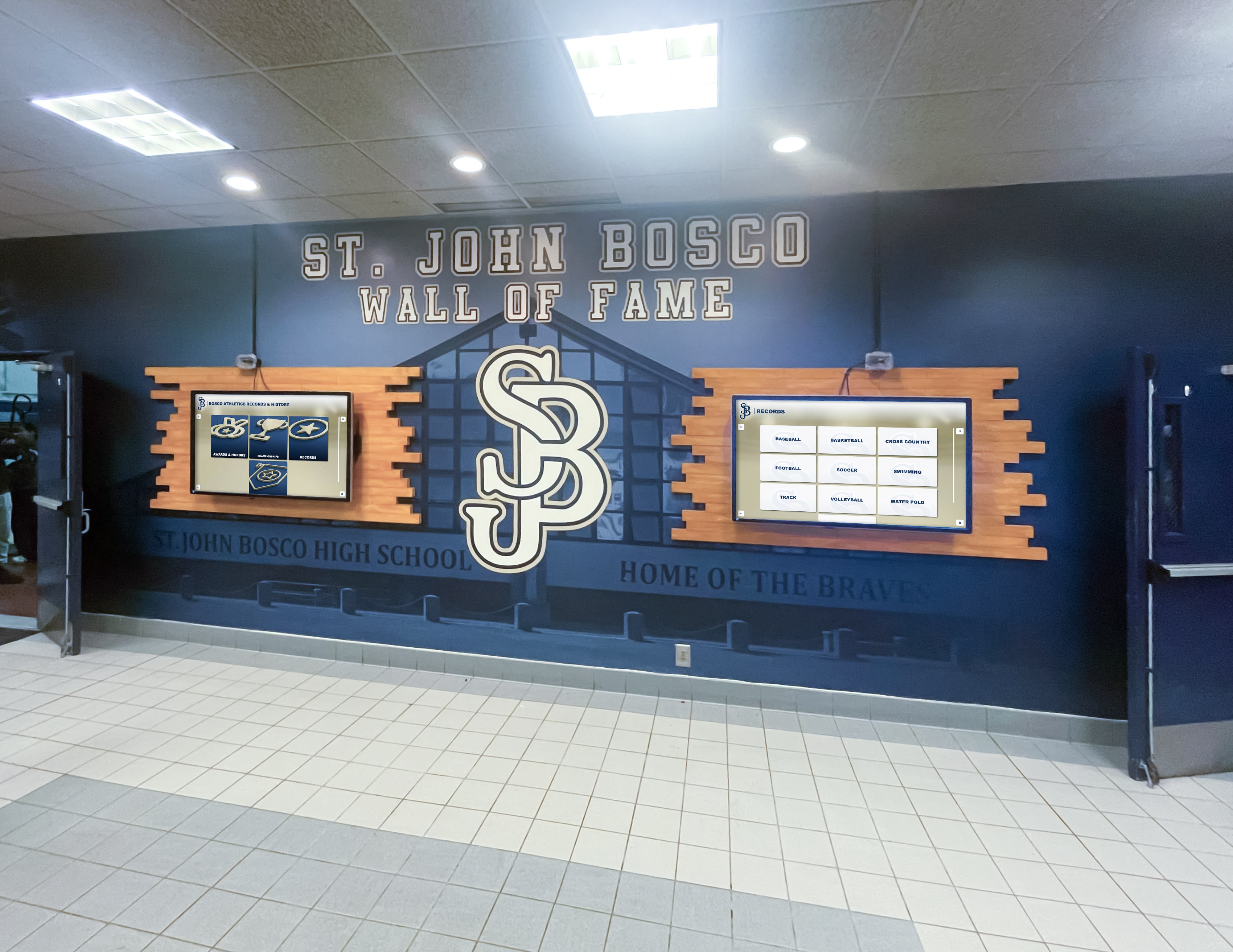
Coordinated multi-screen installations enable simultaneous display of different recognition content serving varied audiences
End-of-Year Celebrations
Year-end recognition should include formal Teacher of the Year or excellence award ceremonies with community attendance, digital display updates adding current year’s recognition, retirement tributes for departing educators celebrating complete careers, senior class dedications where graduating students honor influential teachers, and family appreciation opportunities at year-end performances and events.
These culminating celebrations provide formal recognition moments while digital displays preserve appreciation permanently rather than limiting acknowledgment to single ceremony events.
Monthly and Ongoing Recognition Rhythms
Year-round appreciation requires systematic monthly recognition beyond major annual events.
Staff Member of the Month Programs
Many schools implement monthly recognition programs honoring different educators each month. Selection can rotate through departments ensuring all areas receive representation, alternate between instructional staff and support personnel, focus on specific contribution types rotating through different excellence dimensions, or combine administrator nomination with peer selection creating diverse identification mechanisms.
Digital displays provide ideal platforms for monthly recognition features: current month honoree profiles prominently displayed on home screens, archives of all past monthly recognition recipients searchable by visitors, criteria explanations helping community understand selection standards, and celebration of honorees during monthly staff meetings or school assemblies.
Milestone and Personal Recognition
Digital platforms enable acknowledging ongoing life and career events: birthday recognition for staff members (with appropriate privacy considerations), advanced degree completions as teachers earn additional certifications, professional accomplishment celebrations when educators publish, present, or receive external honors, personal achievement recognition for appropriate non-professional accomplishments, and service anniversary acknowledgments at milestone years.
These ongoing recognition moments create sustained appreciation culture rather than limiting acknowledgment to formal programs and designated appreciation periods.
Explore systematic recognition approaches in honor roll recognition programs applicable to staff contexts.
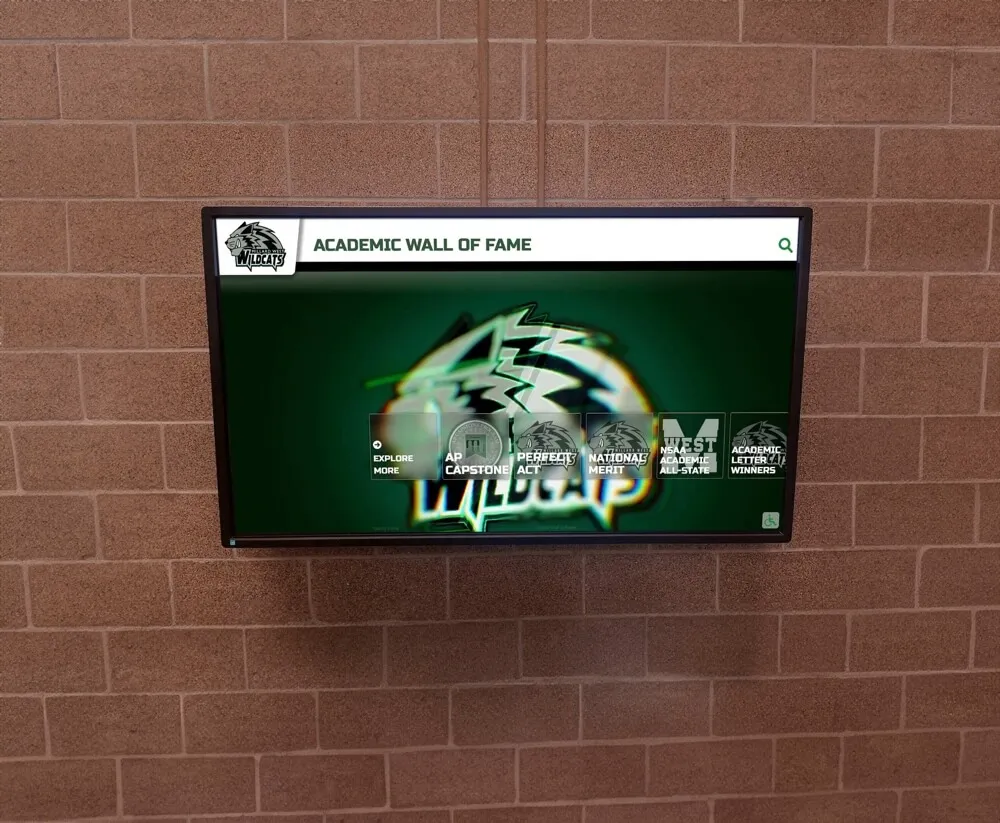
Exterior displays extend recognition visibility to community members and visitors approaching buildings
Measuring Recognition Program Impact and Effectiveness
Assessment demonstrates value while identifying continuous improvement opportunities.
Quantitative Metrics Demonstrating Engagement
Digital platforms provide concrete data impossible to gather from physical recognition displays.
Usage Analytics
Recognition software can track total visitor sessions and exploration time, most-viewed staff profiles identifying community interest patterns, search terms revealing what information visitors seek, peak usage periods showing when recognition engagement occurs, and navigation pathways demonstrating how visitors explore content.
These metrics reveal whether recognition generates intended engagement or requires strategy adjustments. If analytics show minimal interaction despite prominent placement, schools might adjust content presentation, add more compelling multimedia, improve navigation intuitiveness, or increase promotion of displays’ existence and capabilities.
Staff Retention and Satisfaction Indicators
Schools implementing comprehensive recognition should track outcomes suggesting program effectiveness: annual teacher retention rates compared to historical averages, new teacher retention through initial five-year period, staff satisfaction survey results about feeling valued, voluntary departure reasons when exit interviews occur, and recruitment ease measured by application volume and offer acceptance rates.
Positive trends in these indicators, while influenced by multiple factors, suggest recognition contributes to improved retention and satisfaction outcomes that were program objectives initially.
Qualitative Feedback Revealing Impact
Beyond quantitative data, qualitative input provides crucial insight about recognition program effects.
Staff Feedback Collection
Regular feedback from educators themselves reveals whether recognition achieves intended impact. Anonymous surveys asking teachers if they feel appreciated more than before recognition program implementation, whether they value having permanent recognition versus previous approaches, if they find profile information accurate and appropriate, and what improvements would enhance recognition value provide direct input from primary beneficiaries.
Focus group discussions with diverse staff groups—new teachers, veterans, support staff, specialists—can surface nuanced feedback about recognition program strengths and gaps that surveys might miss.
Student and Family Perspectives
Recognition programs also serve broader community goals beyond direct staff appreciation. Student feedback can assess whether recognition displays help them learn about teachers before course selection, create deeper connections with educators through profile information, or feel pride in teachers when families visit schools. Family surveys can evaluate whether recognition helps them understand teacher qualifications and backgrounds, creates confidence in school staffing quality, or influences enrollment decisions for prospective families considering schools.
These broader stakeholder perspectives reveal whether recognition delivers comprehensive benefits beyond the retention and satisfaction goals primarily driving implementation.
Special Applications: Retirement and Legacy Recognition
Comprehensive recognition programs must address both current staff appreciation and honoring distinguished careers upon retirement.
Creating Meaningful Retirement Tributes
Departing educators who dedicated decades to institutions deserve recognition proportional to their career contributions.
Comprehensive Career Documentation
Digital platforms enable retirement recognition far exceeding traditional plaques. Complete career timelines can document entire teaching histories: positions held, grade levels taught, subjects evolved, additional roles undertaken. Student testimony compilation can gather impactful stories from former students across decades showing long-term influence. Colleague reflections from multiple career periods can describe collaboration, mentorship, and friendship. Photo galleries can capture teaching evolution across decades showing changing educational practices, building renovations, and personal career progression. Video tributes can provide permanent records of retirement celebrations including speeches, presentations, and community appreciation.
This comprehensive documentation ensures retiring educators receive recognition proportional to the impact they made over complete careers rather than just final years before departure.
Maintained Presence After Retirement
Unlike physical plaques that often disappear during facility renovations after educators retire, digital recognition maintains permanent presence. Retiree profiles remain accessible indefinitely allowing former students to discover and reconnect, preserving institutional memory for future community members, maintaining complete organizational history rather than only current staff, and demonstrating that recognition and appreciation continue beyond active employment.
This permanent preservation positions retirement as transition rather than ending—acknowledging that impact continues long after classroom responsibilities conclude.
Learn about comprehensive legacy documentation in alumni recognition programs applicable to educator contexts.
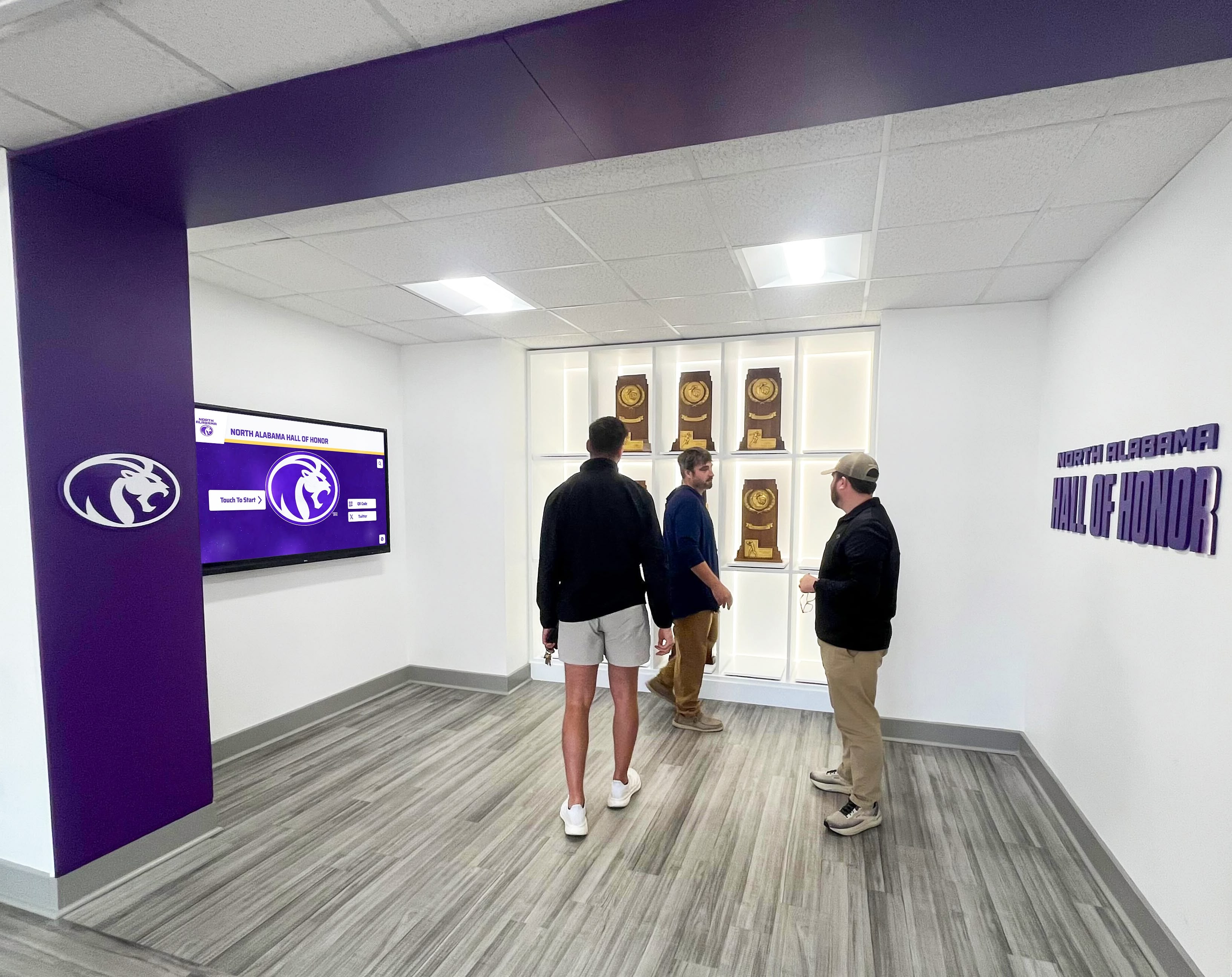
Dedicated recognition spaces create destinations for community gathering and celebration of institutional excellence
Integration with Broader Recognition Ecosystems
Teacher appreciation should connect with comprehensive recognition programs celebrating excellence across all institutional dimensions.
Unified Recognition Platforms Celebrating All Excellence
Schools benefit from recognition systems that integrate staff appreciation with student achievement, athletic success, artistic accomplishment, donor recognition, and alumni celebration rather than maintaining isolated displays for each category.
Coordinated Recognition Philosophy
Unified platforms demonstrate that schools value excellence in all forms. When the same recognition system showcases Teacher of the Year recipients, honor roll students, state championship teams, distinguished alumni, and major donors, schools communicate comprehensive excellence culture rather than prioritizing certain achievements over others. This integration also improves user experience—visitors can explore related content across categories discovering connections between great teachers and successful students, for example, rather than navigating separate isolated displays.
Solutions like Rocket Alumni Solutions provide integrated platforms recognizing staff, students, alumni, donors, and achievements through coordinated systems maintaining consistent presentation while accommodating category-specific requirements. These comprehensive approaches streamline administration—single content management system, unified training, centralized analytics—while creating cohesive institutional recognition cultures.
Cross-Category Connections
Integrated systems enable recognition connections across categories. Teacher profiles can link to students they taught who appear in achievement recognition. Alumni achievement recognition can reference influential teachers who shaped their trajectories. Donor recognition can highlight alumni giving back to honor former educators. Athletic recognition can acknowledge coaches’ teaching excellence beyond competitive results.
These connections create richer storytelling that isolated category-specific displays cannot achieve.
Conclusion: Transforming Teacher Appreciation Through Comprehensive Digital Recognition
Teacher appreciation directly influences whether educators remain in positions or join the hundreds of thousands leaving annually—contributing to retention crisis that costs billions in recruitment expenses while disrupting instructional continuity students need. Research demonstrates that even simple recognition strategies measurably improve retention from 62% to 73%, yet most schools limit appreciation to perfunctory annual events and physical plaques that reach capacity constraints after displaying a fraction of deserving educators.
Interactive touch board recognition systems solve these fundamental challenges by creating unlimited capacity ensuring every staff member receives appropriate permanent acknowledgment, enabling easy updates maintaining current accurate information, incorporating rich multimedia creating emotional engagement impossible with static plaques, providing search and discovery features ensuring all recognition receives attention, extending recognition beyond campus walls through web accessibility, and delivering analytics demonstrating program engagement and impact.
These capabilities transform appreciation from token annual gestures into sustained cultural recognition demonstrating that educator excellence matters as much as student achievement, athletic success, and other institutional priorities schools celebrate visibly through prominent displays.
The administrators, school boards, and PTAs who recognize these benefits position their institutions to address retention challenges while creating recognition cultures that help educators feel valued for their complete contributions—not just classroom instruction but also the committee leadership, student mentorship, professional development, and community engagement that make schools function effectively.
Solutions like Rocket Alumni Solutions enable schools to implement comprehensive teacher appreciation through digital platforms that showcase unlimited staff profiles, incorporate student and family testimonials, maintain recognition permanently including retirees and distinguished alumni, and integrate with broader recognition ecosystems celebrating excellence across all institutional dimensions—creating appreciation systems serving retention goals while honoring educators appropriately.
Ready to transform teacher appreciation from annual events into sustained recognition culture that supports retention and morale? Talk to our team to discover how interactive touch board platforms create comprehensive staff recognition that addresses the retention crisis while celebrating educator excellence across all contribution dimensions without space constraints or capacity limitations.