



US Olympic team training centers represent the pinnacle of athletic preparation facilities, providing world-class resources where America’s elite athletes train for the ultimate competitive stage—the Olympic and Paralympic Games. From the sprawling campus in Colorado Springs to the winter sports haven in Lake Placid, these specialized facilities offer comprehensive support systems designed to develop champions across dozens of sports disciplines. Understanding these training centers provides insight into how the United States prepares its athletes for global competition while offering inspiration for institutions seeking to build championship cultures through elite athletic programs.
The path to Olympic excellence begins long before athletes step onto the podium. Behind every medal-winning performance lies years of systematic training, expert coaching, sports science support, and access to world-class facilities specifically designed to optimize athletic development. The United States Olympic & Paralympic Committee (USOPC) operates an extensive network of training centers and designated training sites that provide American athletes with competitive advantages through cutting-edge resources and comprehensive support services unavailable at typical athletic facilities.
This comprehensive guide explores the top US Olympic team training centers, examining what makes these facilities exceptional, which sports they serve, and how their approach to athlete development and recognition can inform programs at colleges, universities, high schools, and sports organizations seeking to build cultures of excellence that honor athletic achievement while inspiring future generations of competitors.
Olympic training centers serve purposes far beyond providing practice spaces—these facilities integrate performance science, medical support, nutrition services, strength and conditioning programs, and athlete services within single campuses specifically designed to address every aspect of elite athletic preparation. The comprehensive approach taken at these centers demonstrates how supporting athletes holistically rather than focusing solely on sport-specific training creates environments where championship performance becomes possible.

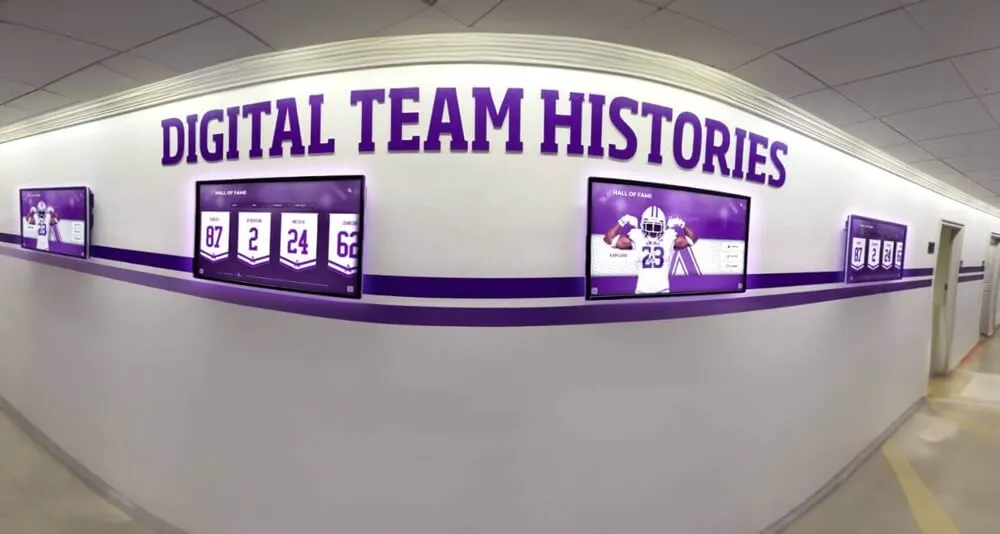
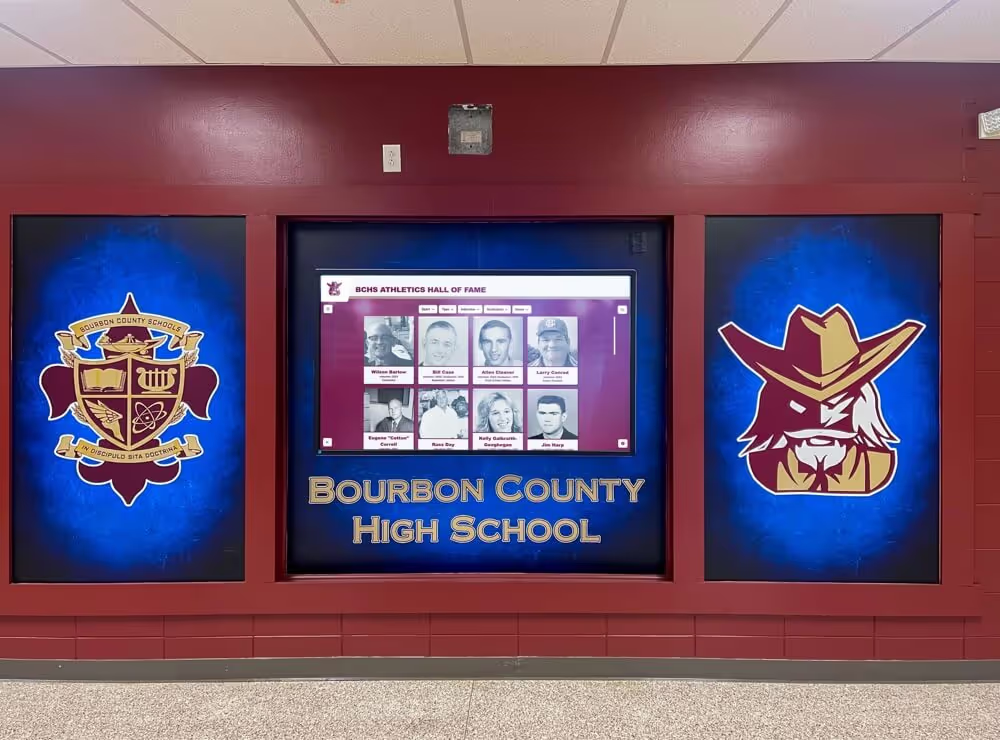
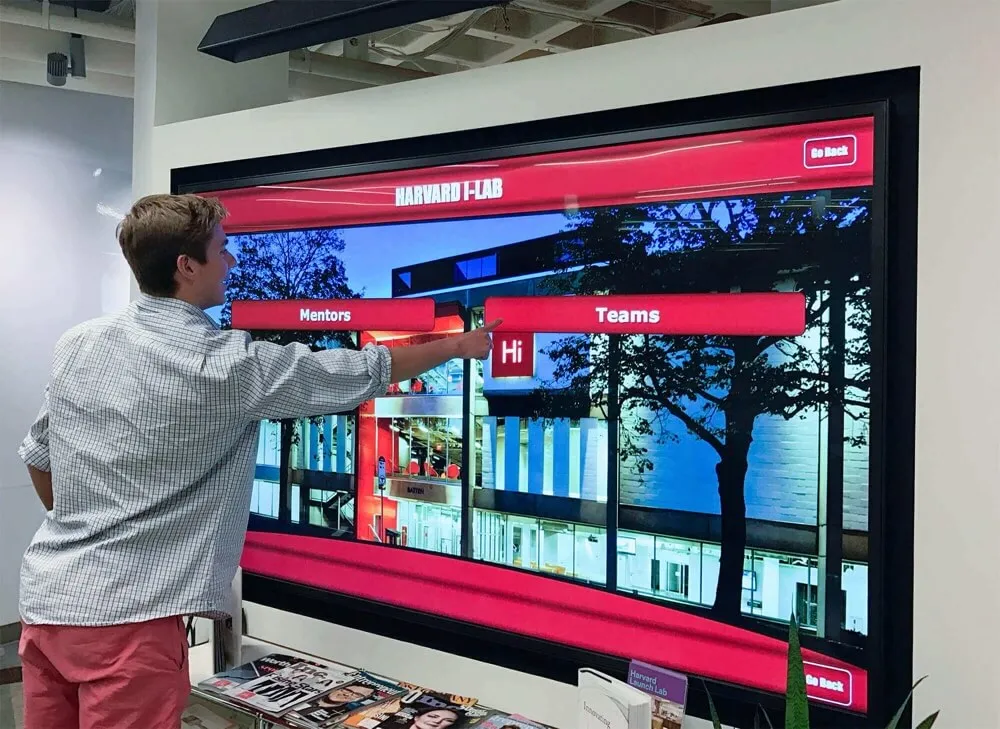
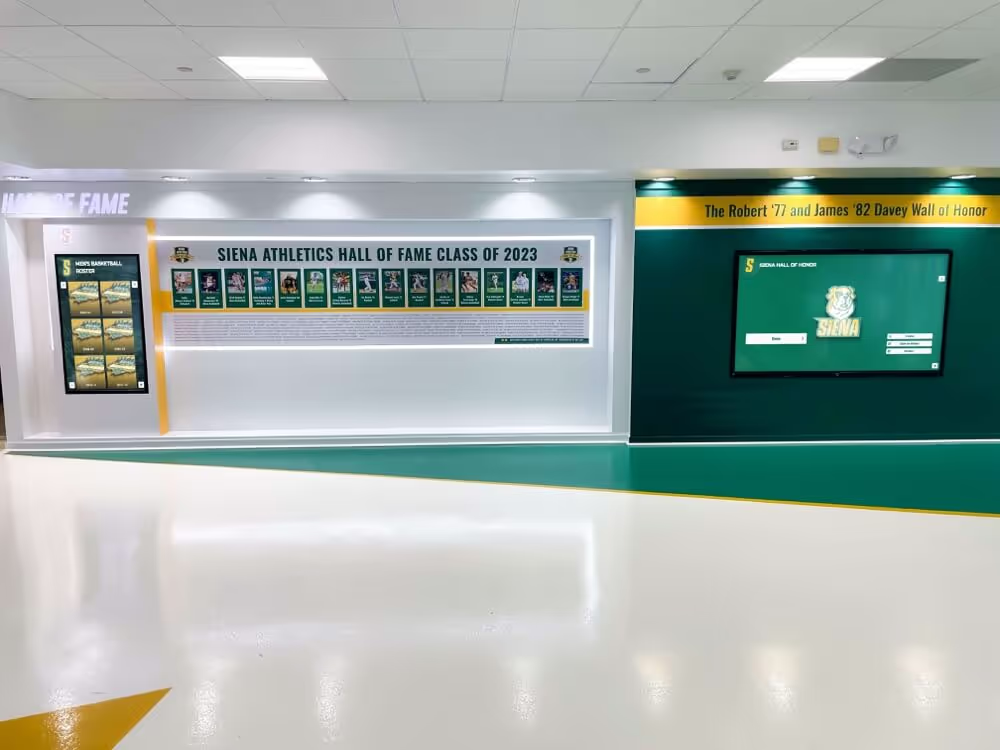
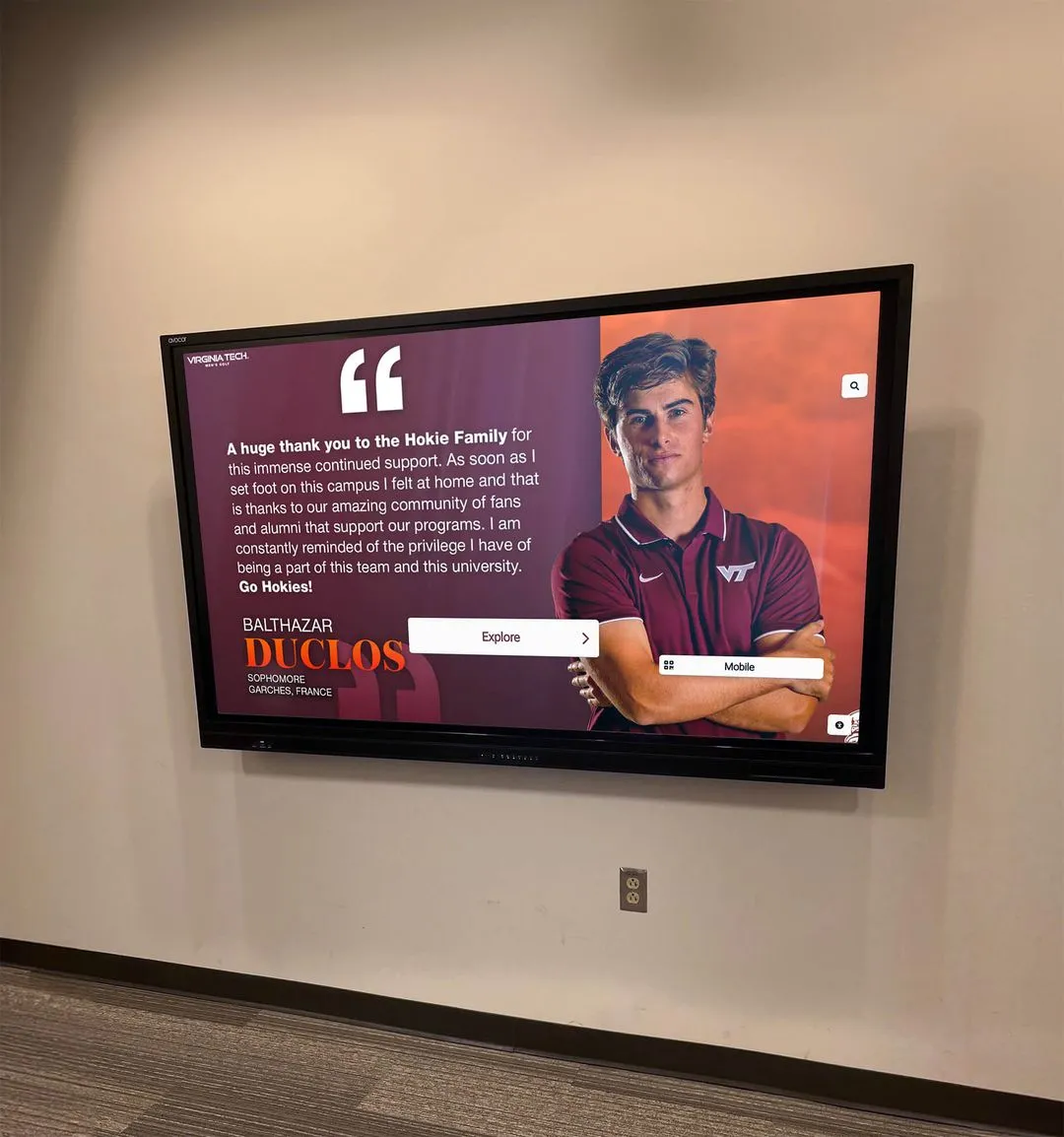
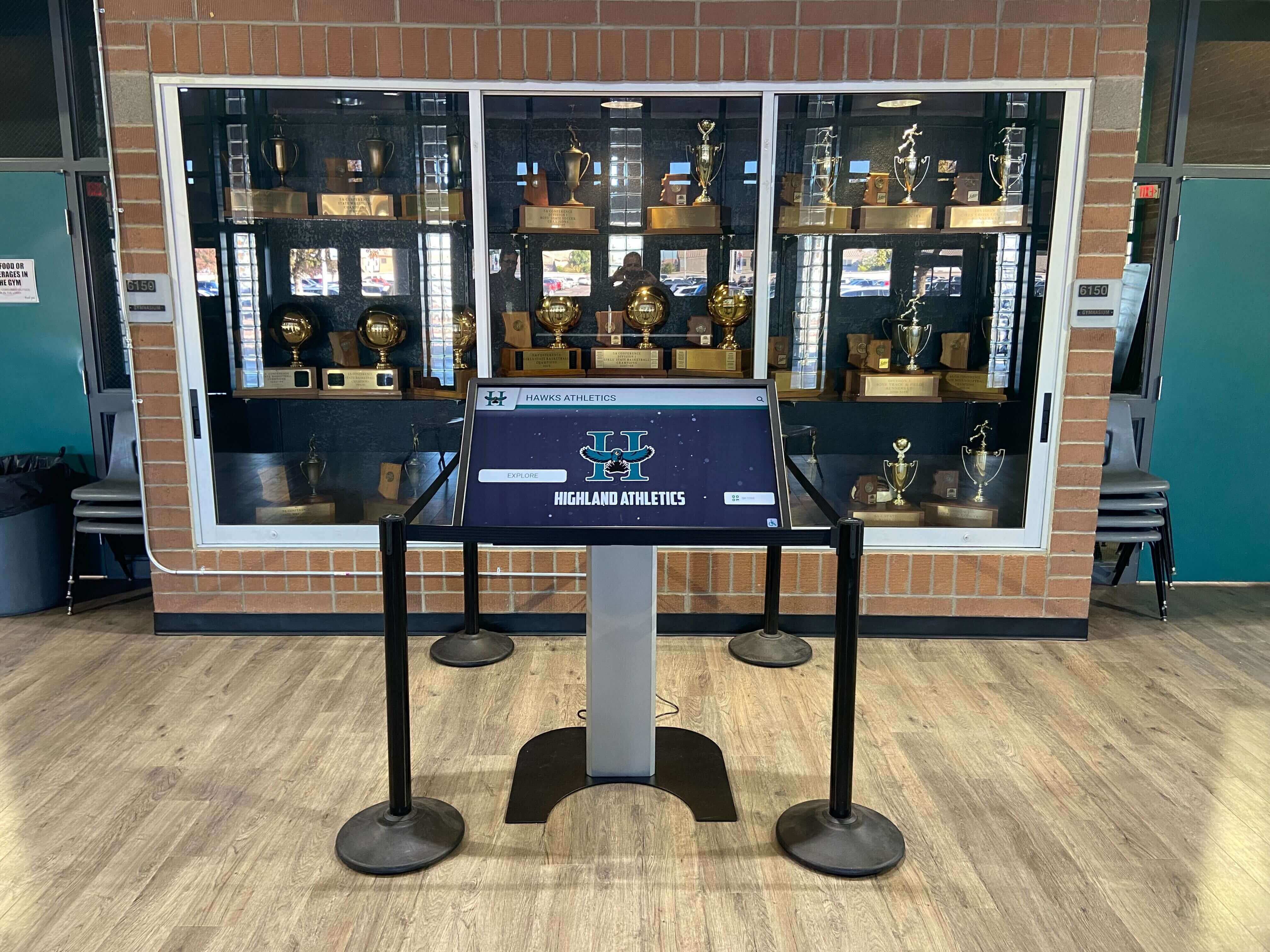
Elite training facilities integrate recognition and celebration of athletic excellence throughout their campuses
The US Olympic Training Center Network
The United States maintains a tiered system of Olympic and Paralympic training facilities ranging from comprehensive residential training centers to specialized sport-specific training sites, creating a national infrastructure supporting athlete development across all competitive levels.
Olympic & Paralympic Training Centers (OPTCs)
The USOPC operates two full-service Olympic & Paralympic Training Centers providing residential programs and comprehensive athlete support across multiple sports.
Colorado Springs Olympic & Paralympic Training Center
Located in Colorado Springs, Colorado, this flagship facility opened in 1978 as the first purpose-built Olympic training center in the United States and continues serving as headquarters for the USOPC while providing world-class training resources for elite athletes.
The 35-acre Colorado Springs campus offers extensive training venues including an Olympic-size swimming pool serving aquatics programs, an indoor shooting center for rifle and pistol disciplines, a 333.3-meter banked velodrome recognized as one of the fastest cycling tracks worldwide, five hardwood basketball courts and six volleyball courts in multi-purpose gymnasiums, dedicated wrestling rooms with eight competition mats, boxing rings and training areas, a fencing center, and comprehensive strength and conditioning facilities with cutting-edge equipment.
Beyond training spaces, the Colorado Springs OPTC provides essential athlete support services including a performance dining hall offering diverse nutritional options customized to athletic demands, a sports medicine clinic with MRI suite, x-ray capabilities, and physical therapy areas, hot and cold plunge pools for recovery, sports science laboratories conducting performance analysis and testing, and residential capacity for more than 500 athletes across 236 dormitory rooms enabling extended training residencies.
The Colorado Springs facility serves as the primary training venue for numerous National Governing Bodies and hosts athletes across Olympic sports including boxing, cycling, fencing, modern pentathlon, shooting, swimming, volleyball, and wrestling while also providing resources for Paralympic athletes across multiple adaptive sports.
Lake Placid Olympic & Paralympic Training Center
Established in 1982 in Lake Placid, New York, this training center leverages facilities originally constructed for the 1980 Winter Olympics, providing athletes access to competition-standard venues used during Olympic Games.
Sports frequently training in Lake Placid include biathlon, bobsled and skeleton, figure skating, ice hockey, luge, ski and snowboard disciplines, and speed skating—making this facility essential for winter sport athlete development. However, Lake Placid also accommodates summer sport training including boxing, canoe and kayak, judo, rowing, synchronized swimming, team handball, water polo, and wrestling during warmer months.
The Lake Placid OPTC partners with the Olympic Regional Development Authority (ORDA) to provide access to premier competition venues including the Olympic Center’s indoor ice rinks, the Olympic Speed Skating Oval, the Olympic Jumping Complex with ski jumps ranging from small training jumps to large championship structures, Mt. Van Hoevenberg’s sliding track for bobsled and luge, and Whiteface Mountain for alpine skiing and snowboard training.
Like its Colorado Springs counterpart, Lake Placid offers comprehensive athlete support including sports medicine services, nutrition programs, sports science facilities, strength and conditioning training, and residential options for athletes approved for extended training periods.
Learn about recognizing Olympic athletes from your institution through Olympic athlete digital hall of fame systems that honor connections to elite competition.
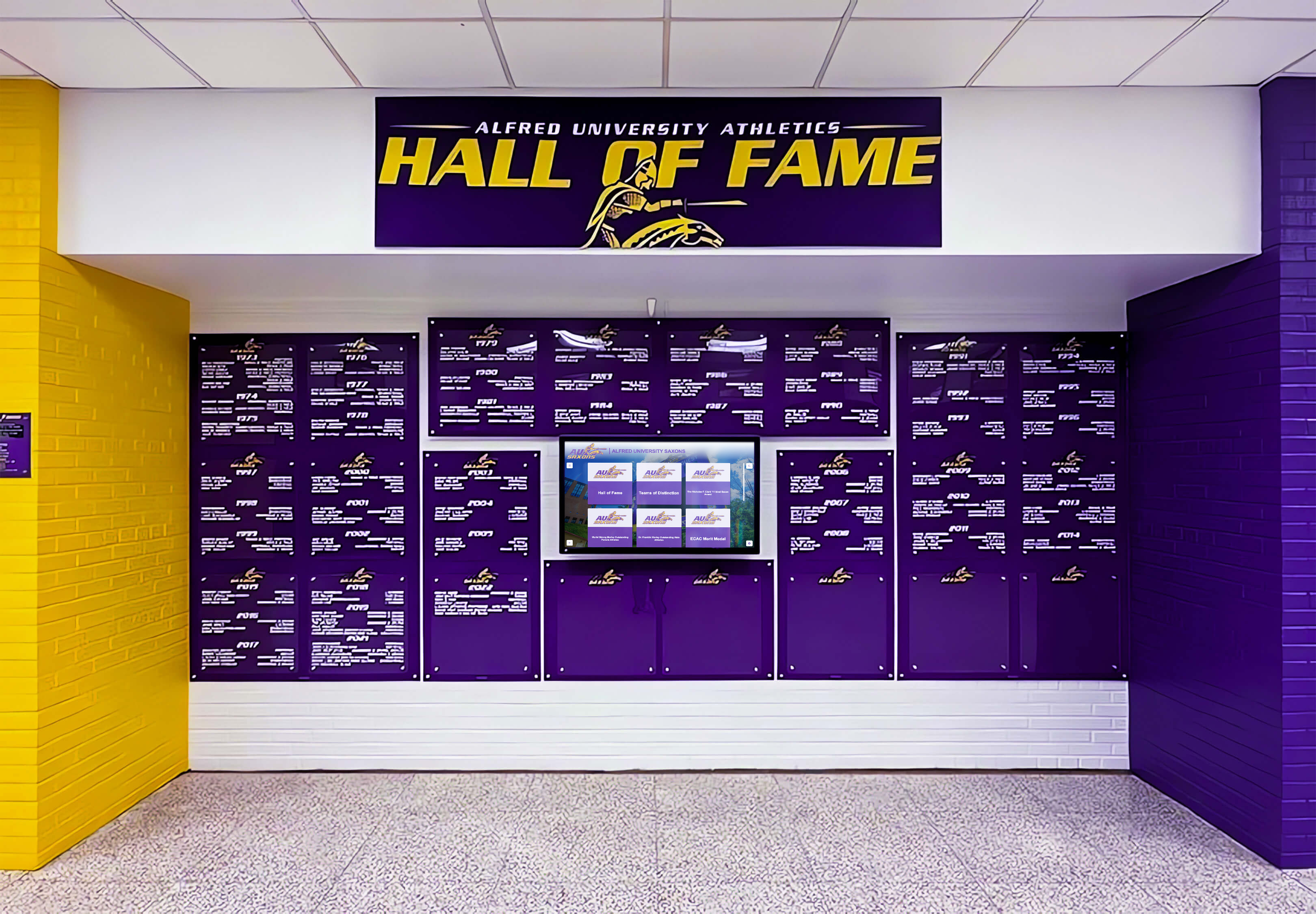
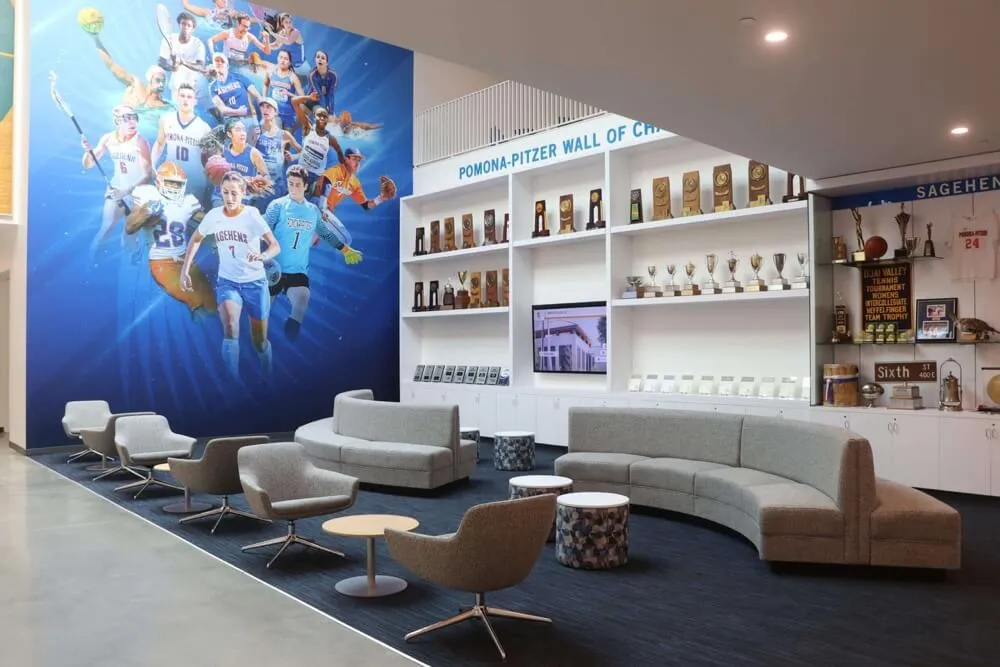
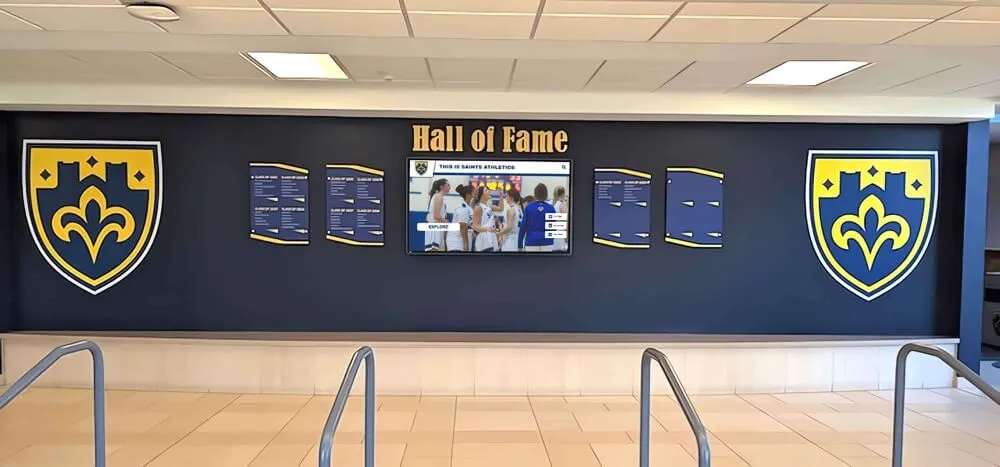
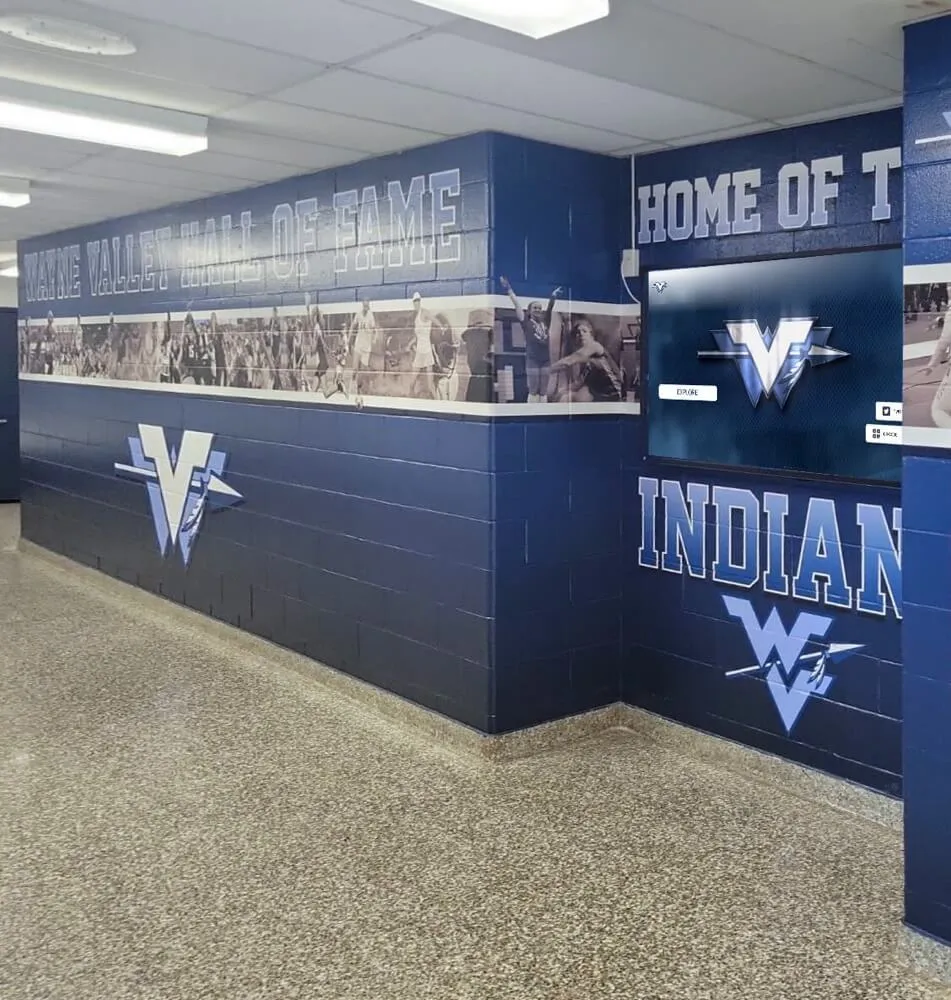
Colleges and universities with Olympic connections create dedicated recognition celebrating these elite athletic achievements
Elite Athlete Training Center - Chula Vista
Until 2017, the USOPC operated a third comprehensive training center in Chula Vista, California. The facility was transferred to the City of Chula Vista and now operates as the Chula Vista Elite Athlete Training Center, continuing to serve Olympic and Paralympic athletes through partnership arrangements.
Facility Overview and Sports Served
The 150-acre Chula Vista campus features sport venues and support facilities for eight Olympic sports including archery with comprehensive range facilities, canoe and kayak with on-site water training venues, cycling with track and road training areas, field hockey on regulation competition surfaces, rowing facilities, soccer fields meeting international specifications, softball diamonds, and track and field facilities including running track, jumping pits, and throwing areas.
The Chula Vista facility’s mild year-round climate enables consistent outdoor training unavailable in many US regions—particularly valuable for sports requiring extensive outdoor preparation. This geographic advantage makes Chula Vista especially popular with teams and athletes from colder climates seeking warm-weather training blocks during winter months.
While no longer formally operated as a USOPC training center, Chula Vista continues hosting National Governing Body training camps, providing residential services for athletes during extended training periods, and offering the comprehensive facilities and support services that made it valuable when part of the official training center network.
Specialized Olympic Training Sites
Beyond the major training centers, the USOPC designates numerous specialized training sites across the United States, each offering sport-specific facilities and expertise for particular athletic disciplines.
Notable Training Sites:
The US National Whitewater Center in Charlotte, North Carolina provides world-class whitewater slalom training on an artificial course designed for Olympic-level competition preparation, serving canoe and kayak athletes pursuing slalom disciplines.
The Pettit National Ice Center in West Allis, Wisconsin offers 97,000 square feet of ice surfaces including two international-sized rinks, providing year-round training for speed skating, figure skating, and ice hockey programs.

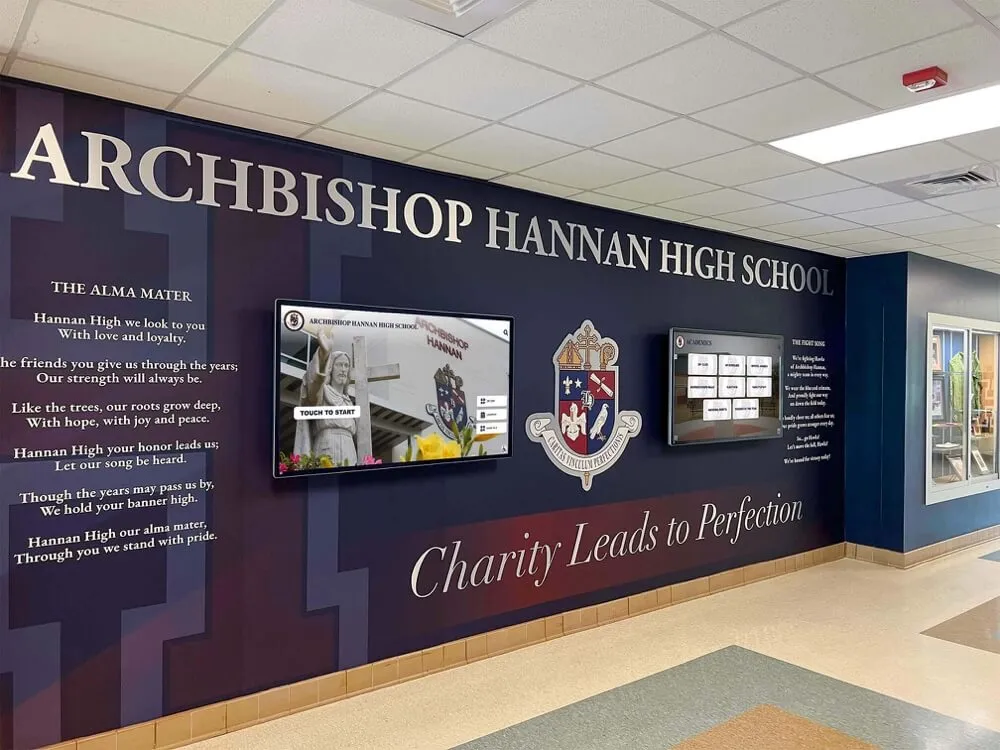
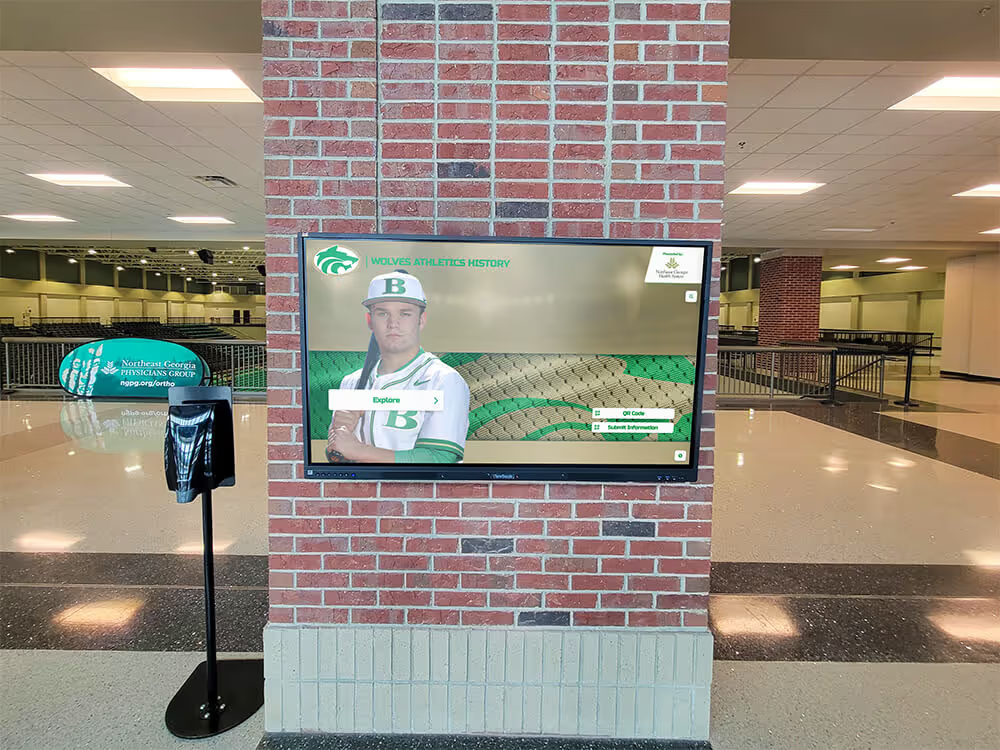
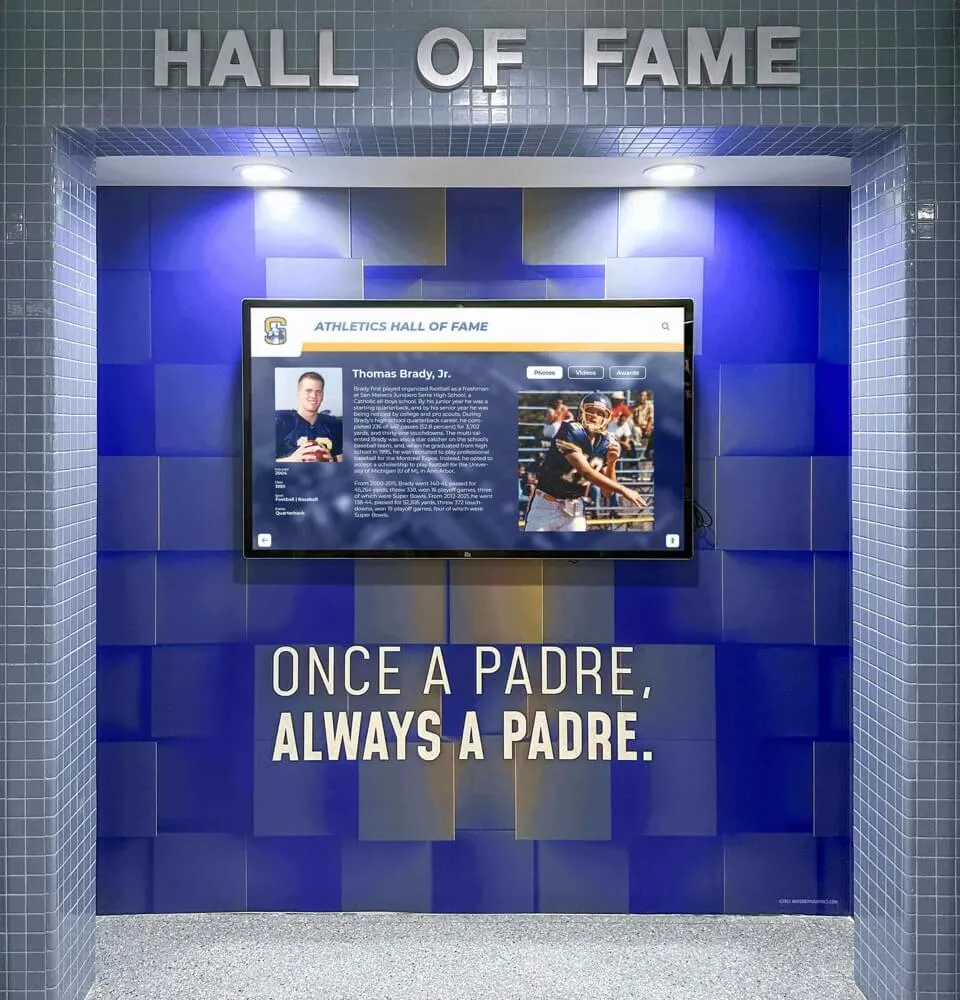
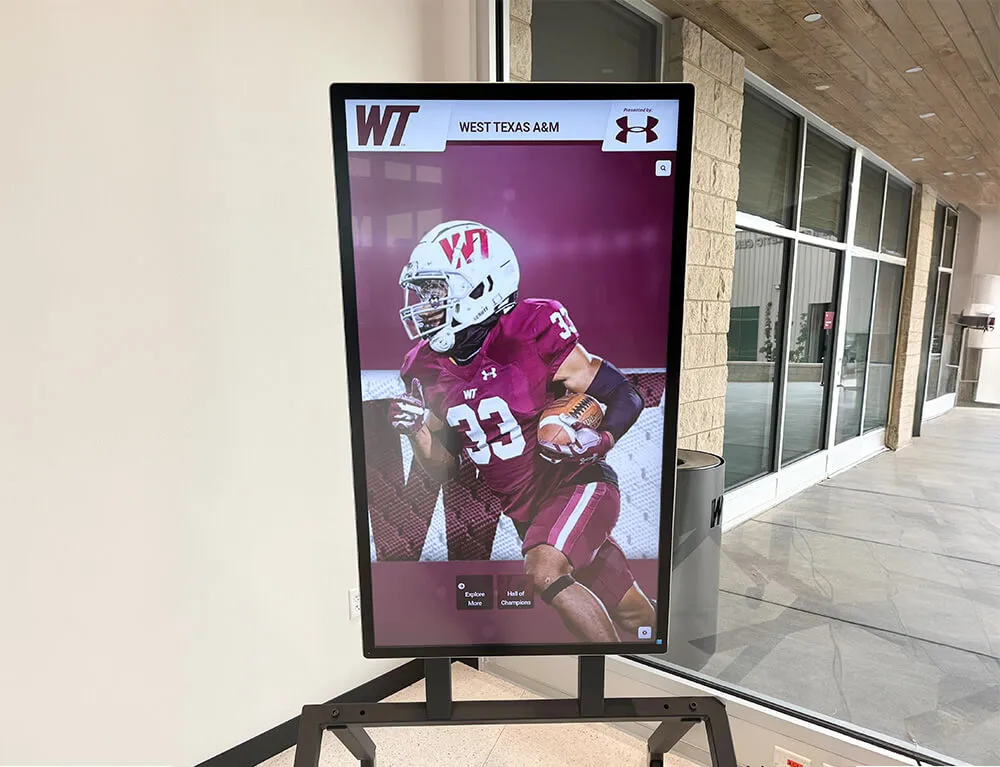
Digital recognition systems enable comprehensive celebration of Olympic athletic achievement through multimedia storytelling
The Utah Olympic Park in Park City, built for the 2002 Winter Olympics, spans 389 acres featuring six Nordic ski jumps, a 1,335-meter sliding track with multiple start positions for bobsled and luge training, freestyle aerials training facilities, and a 750,000-gallon training pool enabling athletes to safely practice aerial maneuvers before attempting them on snow.
RIVERSPORT OKC in Oklahoma City and nearby facilities in Edmond serve as official Olympic and Paralympic training sites for rowing and canoe/kayak programs, providing flatwater training venues.
The SPIRE Institute and Academy near Geneva, Ohio offers indoor training facilities across multiple sports, particularly valuable during harsh winter months when outdoor training becomes challenging.
These specialized sites enable sports requiring specific geographic features, climate conditions, or specialized infrastructure to access optimal training environments—ensuring athletes preparing for Olympic competition can train in conditions closely replicating competitive venues they’ll encounter at Olympic Games.
Discover comprehensive approaches to athletic recognition through Division I athletics digital recognition systems celebrating excellence across all sports.
What Makes Olympic Training Centers Exceptional
Understanding what distinguishes Olympic training centers from typical athletic facilities reveals how comprehensive support systems enable championship performance—lessons applicable to institutions at any level seeking to optimize athlete development.
Integrated Performance Science and Medicine
Olympic training centers distinguish themselves through comprehensive integration of sports science, sports medicine, and athletic training within single campus environments.
Sports Medicine Services
On-site medical clinics staffed by physicians, physical therapists, athletic trainers, and sports medicine specialists provide immediate access to healthcare specifically designed for elite athletes. Colorado Springs’ expanded medical facilities include MRI capabilities enabling rapid diagnostic imaging without athletes needing to travel to external medical centers, x-ray services for immediate injury assessment, comprehensive physical therapy treatment spaces, hot and cold plunge pools facilitating recovery protocols, and specialized equipment addressing athletic injury treatment and rehabilitation.
This immediate access to specialized medical care means injuries receive expert attention within hours rather than days or weeks—significantly impacting recovery timelines and competitive preparation continuity.
Sports Science and Performance Analysis
Training centers incorporate sports science laboratories conducting physiological testing, biomechanical analysis, nutrition assessment, and performance monitoring that inform individualized training programs optimized for each athlete’s specific needs and competitive demands.
Services typically include VO2 max testing measuring aerobic capacity, lactate threshold assessment informing training zone prescription, biomechanical video analysis identifying movement efficiency opportunities, body composition testing tracking physique changes, nutrition consultation and meal planning supporting training and competition demands, and psychological services addressing mental preparation and performance psychology.
This scientific approach transforms training from intuition-based coaching to evidence-based programming where data drives decisions about training load, recovery protocols, and competitive preparation strategies.
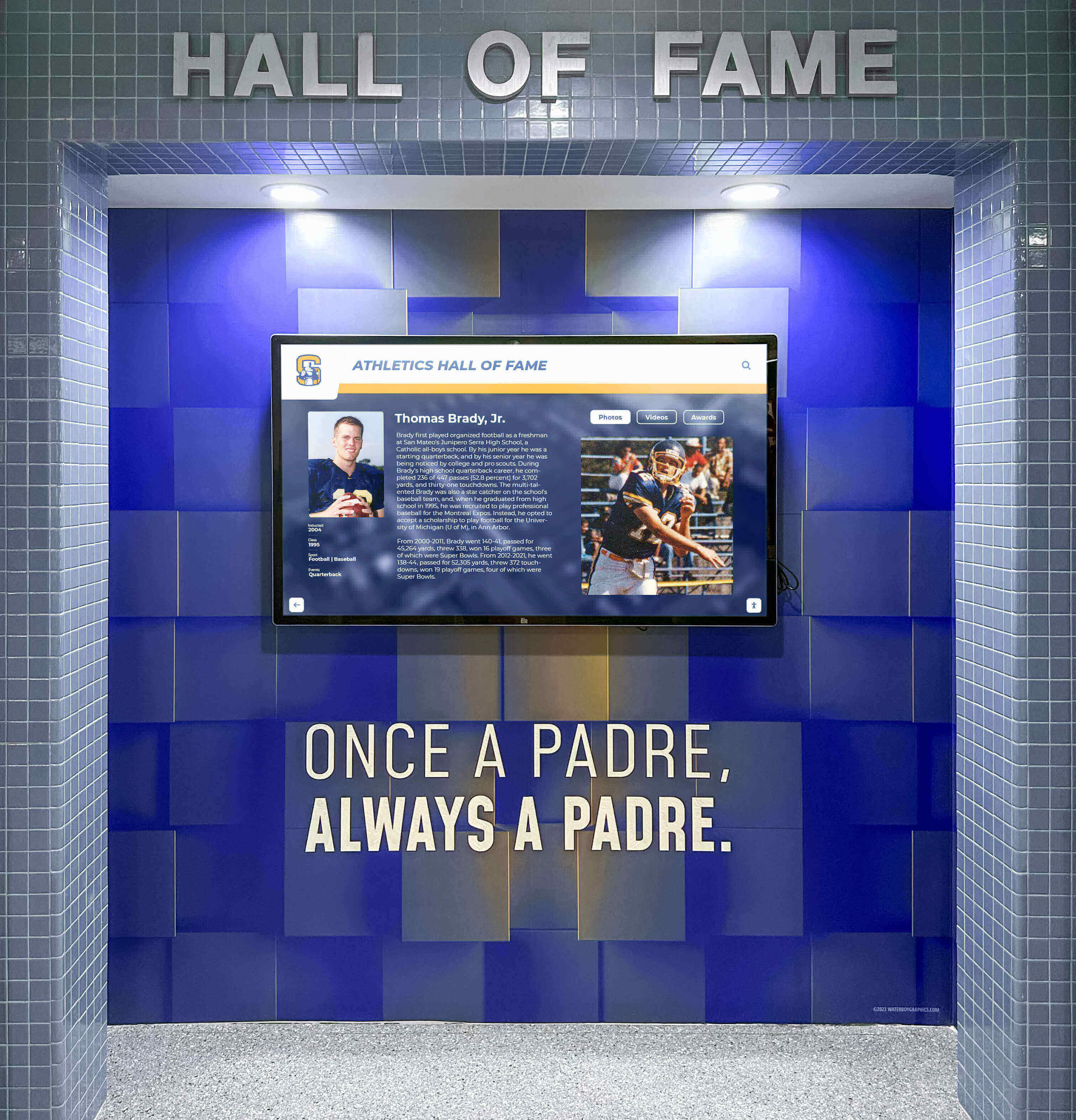
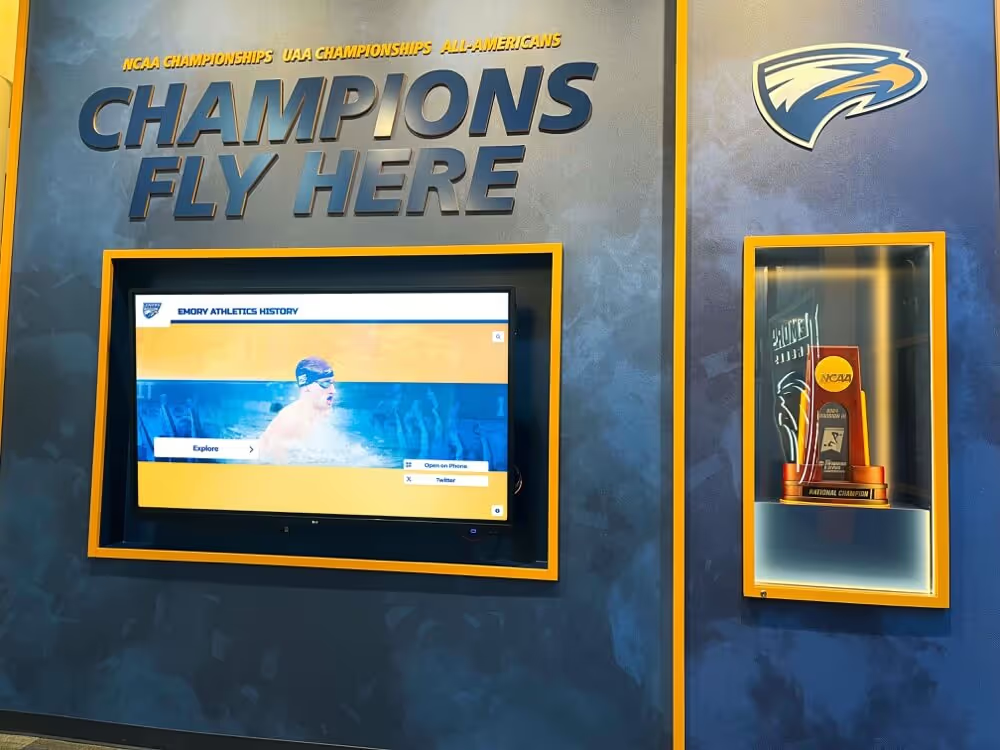
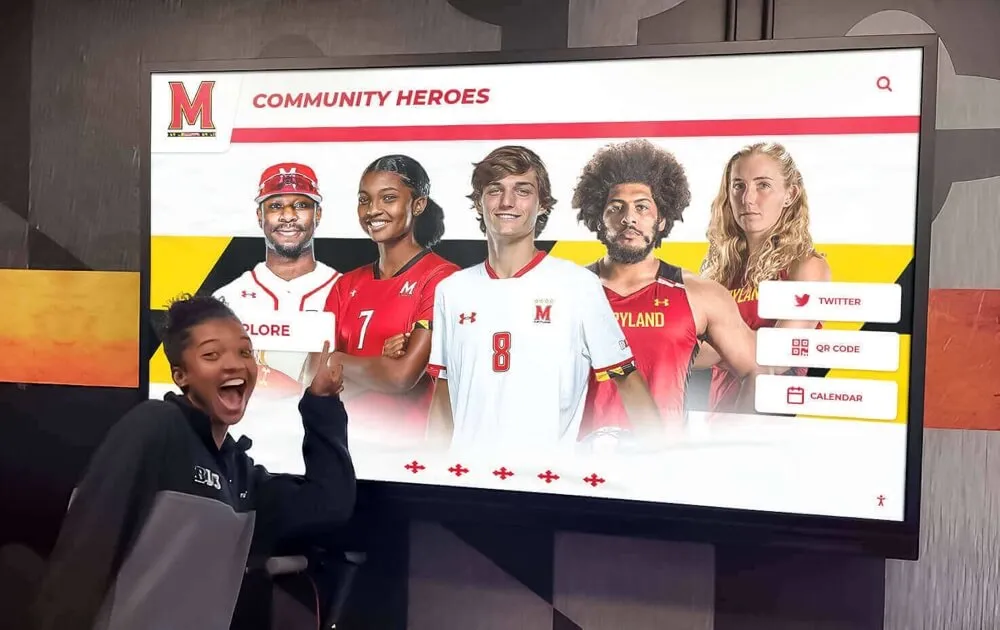
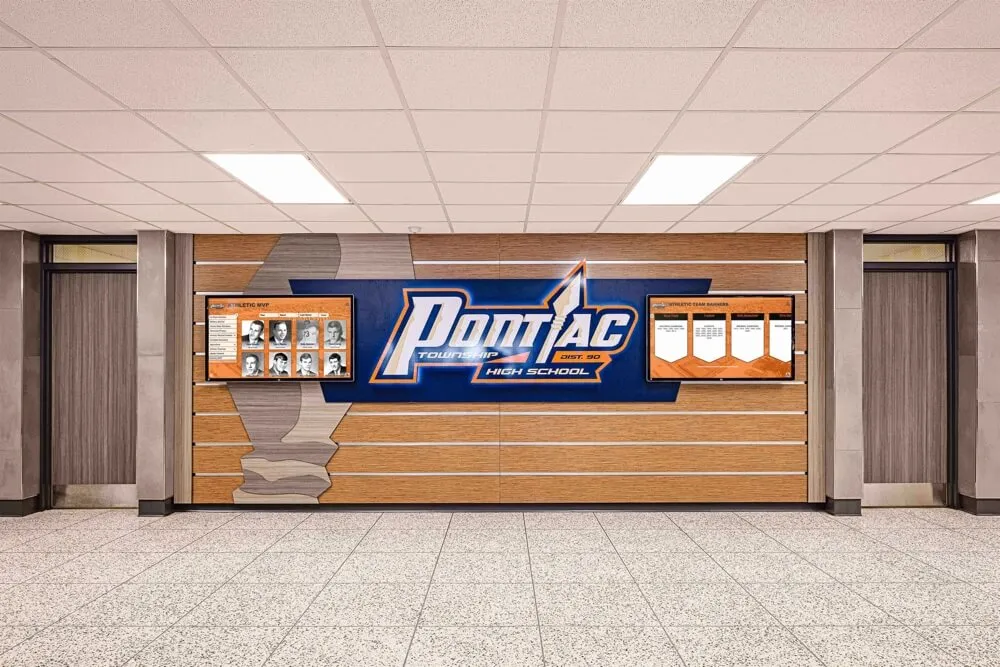
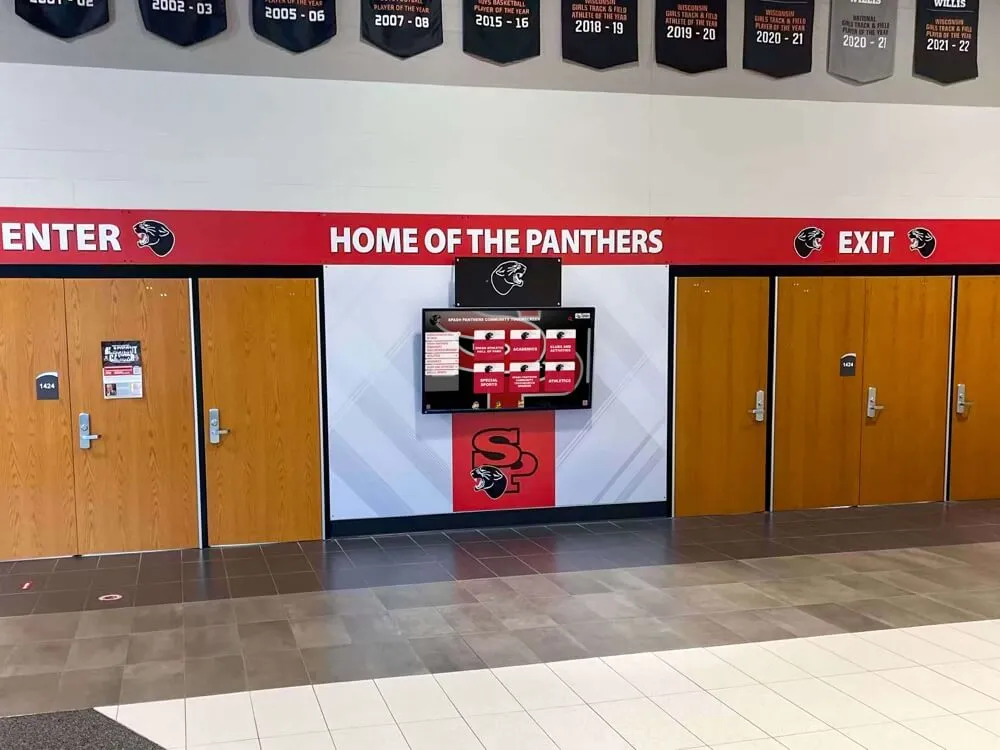
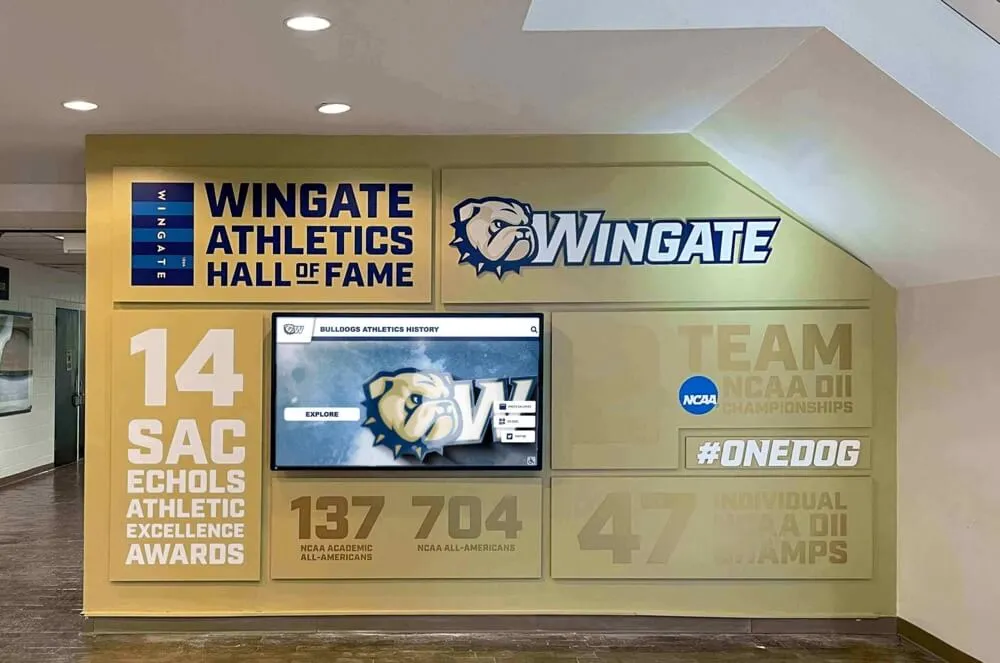
Modern training facilities integrate technology throughout their campuses, including recognition systems celebrating athletic excellence
Multi-Sport Training Environments
Unlike single-sport facilities, Olympic training centers serve athletes across numerous disciplines, creating environments where cross-sport interaction and knowledge sharing occur naturally.
Benefits of Multi-Sport Communities
Athletes training alongside competitors from different sports gain exposure to alternative training methodologies, varied approaches to mental preparation, different cultural and psychological approaches to competition, and perspectives from athletes facing distinct competitive challenges.
This cross-pollination of ideas and approaches often leads to innovation as athletes and coaches adapt successful strategies from one sport to another’s unique demands. The community environment also provides social support systems where athletes understand the unique demands of Olympic preparation—creating camaraderie unavailable when training in isolation.
Comprehensive Facility Access
Multi-sport facilities enable athletes to access diverse training resources supporting comprehensive development. A bobsled athlete might supplement sliding track work with strength training in the weight room, cycling for cardiovascular conditioning, swimming for low-impact aerobic training, and sports psychology services—all available on single campuses without requiring travel between facilities.
This comprehensive access optimizes training time while enabling sophisticated cross-training programs that enhance overall athletic development beyond sport-specific skill work.
Residential Programs Supporting Full-Time Training
Elite athletic performance requires full-time commitment impossible when athletes must balance training with outside employment or fragmented training across multiple locations.
Residential Program Advantages
Olympic training centers offering on-site housing enable athletes to live where they train, dramatically simplifying logistics while creating environments where every aspect of daily life supports optimal performance.
Residential programs typically provide dormitory-style housing accommodating individual athletes or entire teams during training camps, meal service through performance dining halls offering nutrition specifically designed for athletic demands, proximity to all training venues eliminating commute time, immediate access to sports medicine and recovery services, and immersive environments where training becomes the primary daily focus.
Athletes participating in residential programs report that this comprehensive support enables training volume and consistency impossible when managing housing, meals, transportation, and other logistics independently while working jobs to support themselves financially.
Organizations supporting athletes financially during residential training periods invest in optimal preparation environments—acknowledging that athletic performance improves dramatically when athletes can focus exclusively on training without competing demands fragmenting their attention and energy.
Explore how institutions celebrate athletic commitment through student athlete recognition programs honoring dedication and excellence.
Sports Commonly Training at US Olympic Centers
While training center access varies by sport based on facility resources and National Governing Body arrangements, numerous sports regularly utilize these elite facilities.
Summer Olympic Sports
Track and Field
Training centers provide facilities for running events, jumping disciplines, and throwing events, though many track and field athletes primarily train at collegiate or club facilities, utilizing Olympic training centers for specific training camps, physiological testing, and sports medicine services rather than year-round residential training.
Swimming and Aquatics
Olympic-size pools at Colorado Springs and other training sites support swimming, diving, synchronized swimming, and water polo programs. Elite swimmers often balance training between home clubs, collegiate programs, and periodic training center residencies.
Team Sports
Basketball and volleyball courts at Colorado Springs accommodate team training camps and athlete development programs. Soccer facilities at Chula Vista served national team preparations. Field hockey utilized specialized turf fields designed for international competition standards.
Combat Sports
Boxing, wrestling, fencing, judo, and taekwondo programs frequently utilize training center facilities offering specialized spaces, equipment, and coaching expertise difficult to access at typical athletic facilities.
Cycling, Shooting, and Archery
Sports requiring specialized infrastructure like velodromes, shooting ranges, and archery facilities depend heavily on training center access, as few communities maintain facilities meeting Olympic training standards for these disciplines.
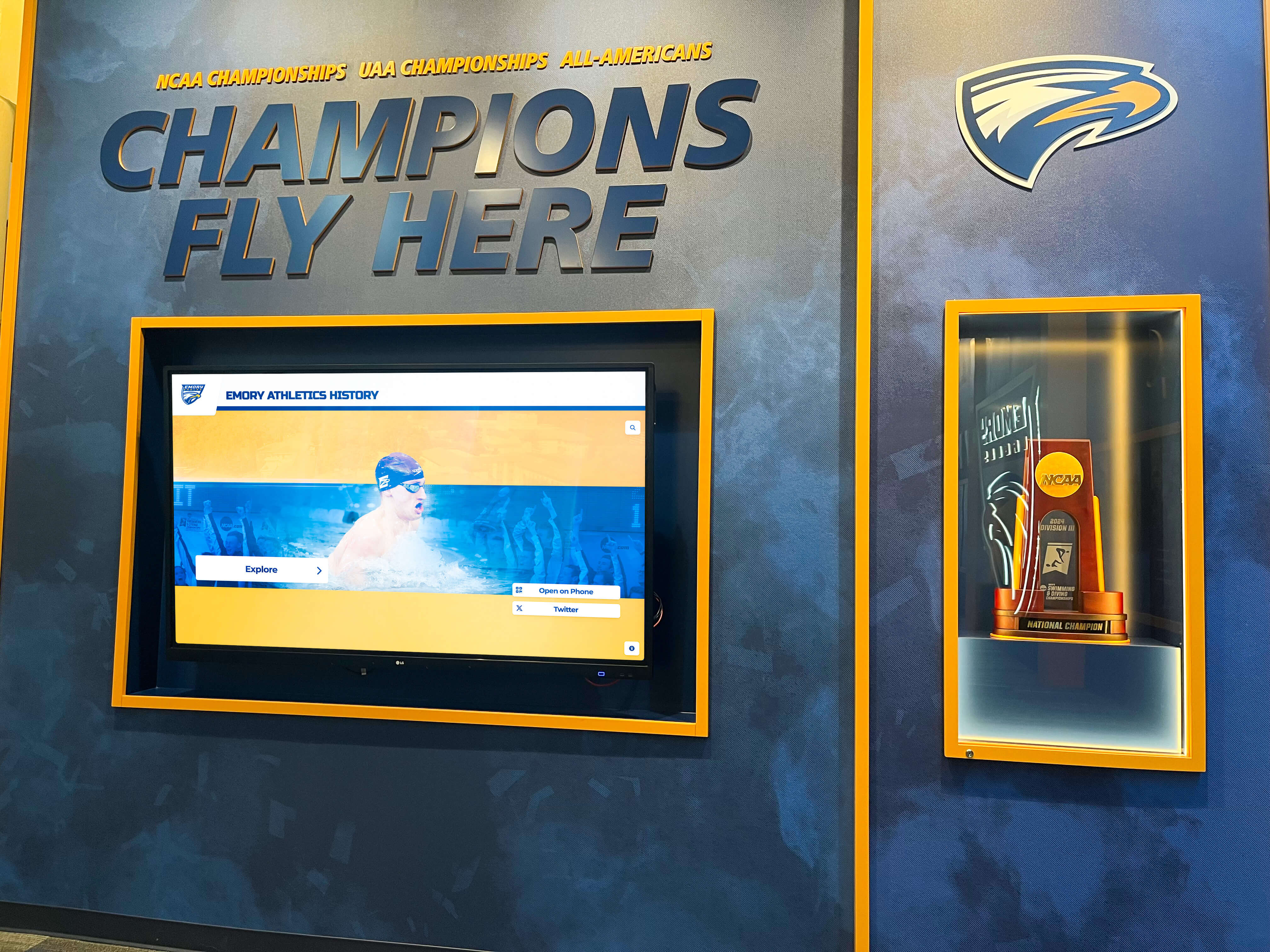
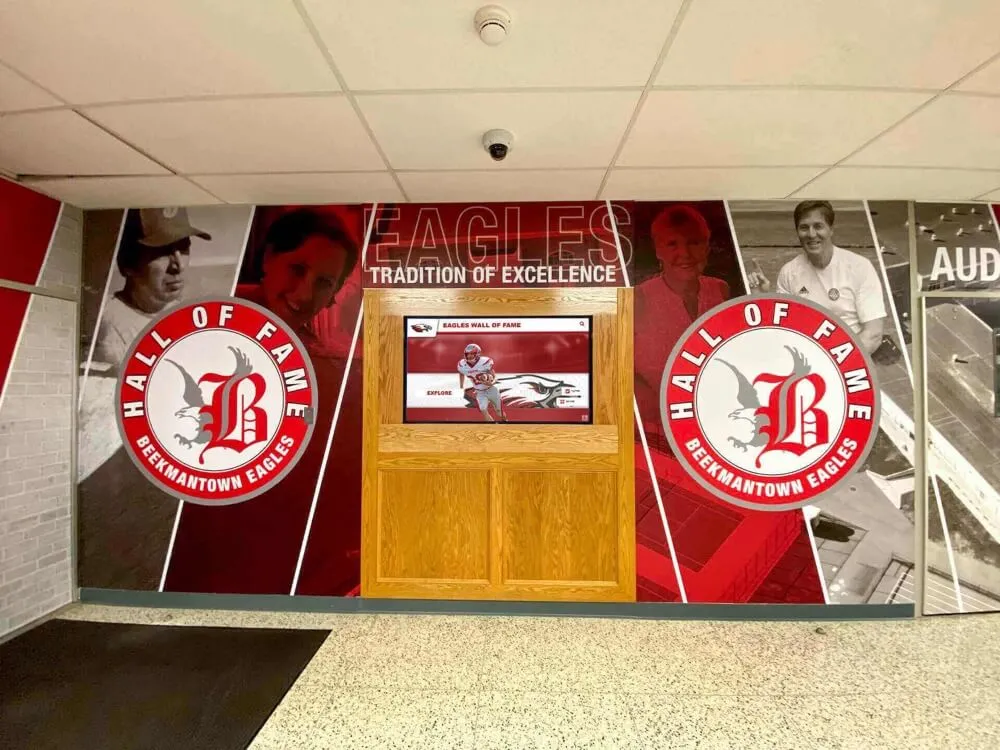
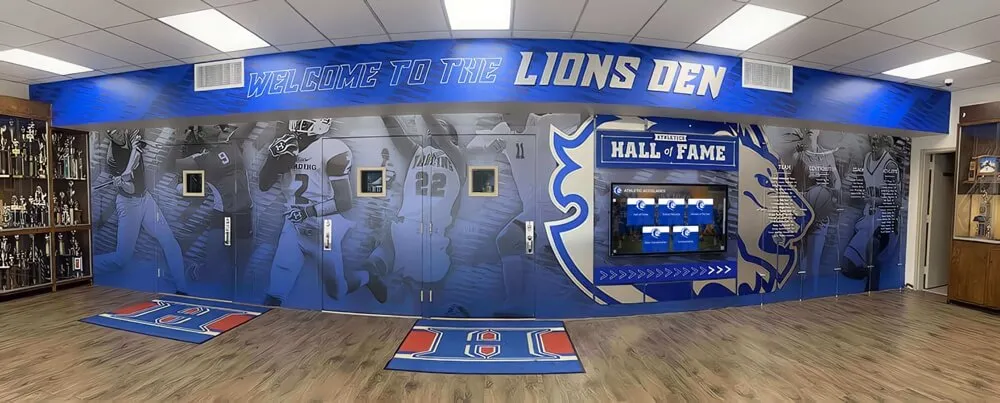
Championship team recognition celebrates collective excellence alongside individual athletic achievement
Winter Olympic Sports
Ice Sports
Lake Placid’s facilities serve figure skating, ice hockey, and speed skating programs across developmental and elite levels. The Pettit Center in Wisconsin provides alternative winter sport training access.
Sliding Sports
Bobsled, skeleton, and luge athletes train extensively at Lake Placid and Utah Olympic Park, as the United States maintains only a few sliding tracks meeting Olympic training standards.
Ski and Snowboard Disciplines
Alpine skiing, cross-country skiing, freestyle skiing, snowboarding, ski jumping, and Nordic combined athletes utilize facilities at Lake Placid, Utah Olympic Park, and other mountain venues providing terrain and conditions required for elite winter sport training.
Biathlon
Combining cross-country skiing and rifle shooting, biathlon athletes train at facilities offering both nordic ski trails and shooting ranges—most commonly at Lake Placid and other northern venues.
Paralympic Sports
Training centers serve Paralympic athletes across numerous adaptive sports including wheelchair basketball, wheelchair fencing, wheelchair rugby, Paralympic swimming, Paralympic track and field, Paralympic cycling, sitting volleyball, and sled hockey among many others.
Facilities increasingly incorporate universal design principles ensuring accessibility while providing adaptive equipment and expertise specifically addressing Paralympic athlete needs—recognizing that elite adaptive athletes require the same comprehensive support systems as Olympic athletes.
Learn about celebrating diverse athletic excellence through athletic recognition programs honoring achievement across all competitive formats.
How Training Centers Support Athlete Development
Beyond facilities, Olympic training centers provide comprehensive support systems addressing every aspect of athletic preparation from physical training to mental preparation and career development.
Coaching and Technical Expertise
Training centers employ or host expert coaches across numerous sports, providing athletes access to technical instruction from individuals with Olympic experience and specialized expertise.
Resident Coaching Staff
Some sports maintain full-time coaching staff at training centers, enabling consistent daily instruction and program development over extended periods. These resident coaches often coordinate National Governing Body athlete development programs while working directly with elite national team members.
Guest Coaches and Training Camps
Other sports utilize training centers episodically, bringing coaching staff and athletes together for intensive training camps lasting days or weeks. These camps often coincide with national team selection periods, preparation for major competitions, or skill development focuses requiring specialized facilities.
Peer Learning and Mentorship
Training centers create environments where less experienced athletes train alongside Olympians and world champions, enabling informal mentorship and knowledge transfer as younger athletes observe and learn from elite competitors’ approaches to training, preparation, and competition.
Strength, Conditioning, and Recovery Programs
Comprehensive strength and conditioning facilities staffed by expert trainers enable sophisticated physical preparation programs optimizing athletic performance while reducing injury risk.
Individualized Programming
Rather than generic training plans, athletes receive individualized strength and conditioning programs designed around their specific sport demands, individual physical assessment results, competition schedules, and development needs identified through sports science testing.
Recovery Integration
Training centers emphasize recovery as intensely as training stimulus, providing resources including massage therapy, hot and cold water immersion, compression therapy, sleep optimization support, and active recovery facilities enabling athletes to maximize training adaptations while avoiding overtraining and burnout.
Nutrition and Fueling Services
Olympic training centers recognize that proper nutrition fundamentally impacts athletic performance, providing dining services and nutrition expertise supporting optimal fueling.
Performance Dining Halls
On-site dining facilities offer diverse food options accommodating different dietary needs, cultural preferences, and sport-specific nutrition requirements. Registered dietitians often oversee menu planning ensuring adequate protein, carbohydrates, healthy fats, vitamins, and minerals supporting intense training demands.
Individualized Nutrition Counseling
Athletes receive personalized nutrition assessment and planning addressing their specific needs based on sport demands, training load, body composition goals, and performance objectives.

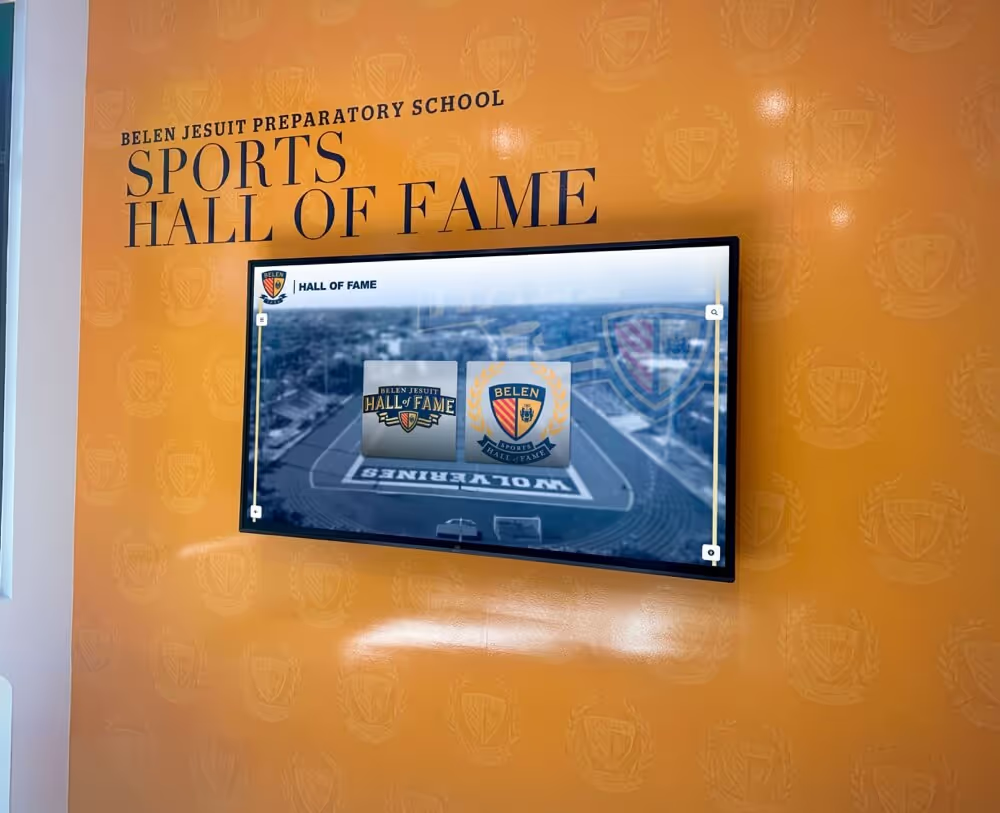
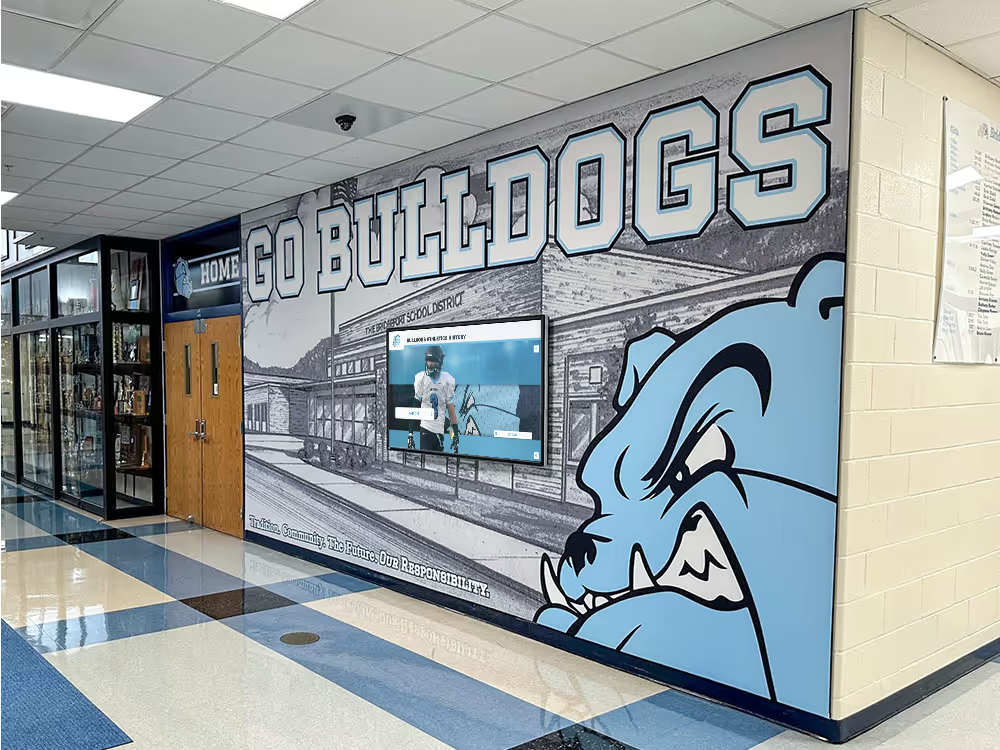
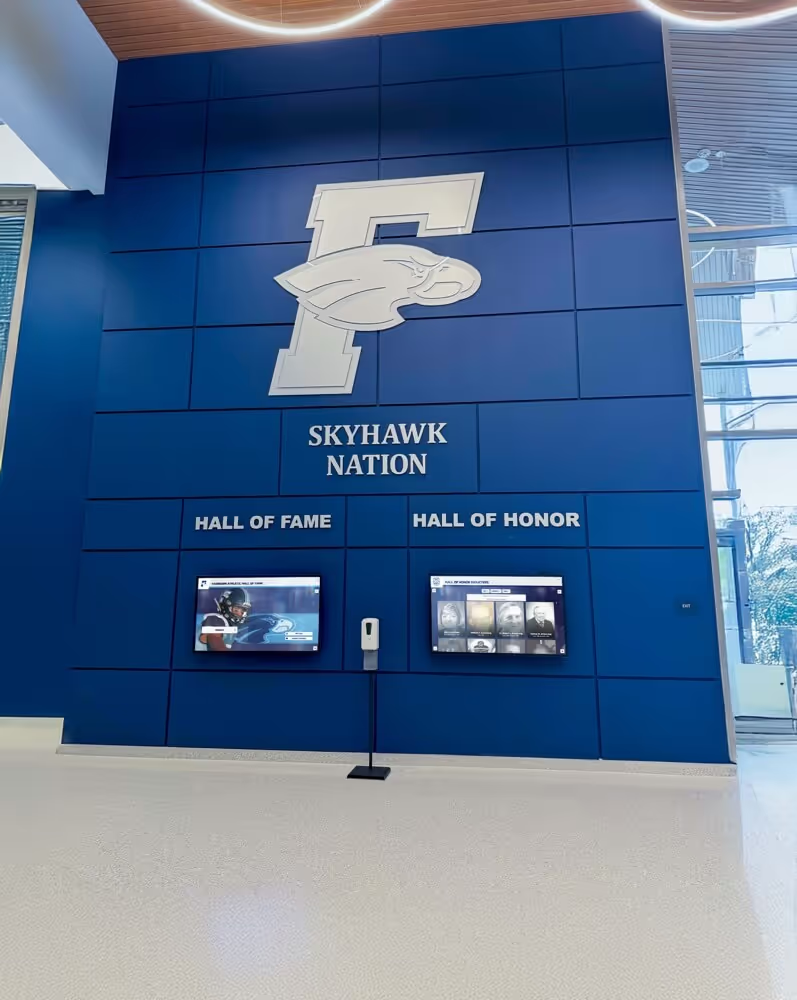
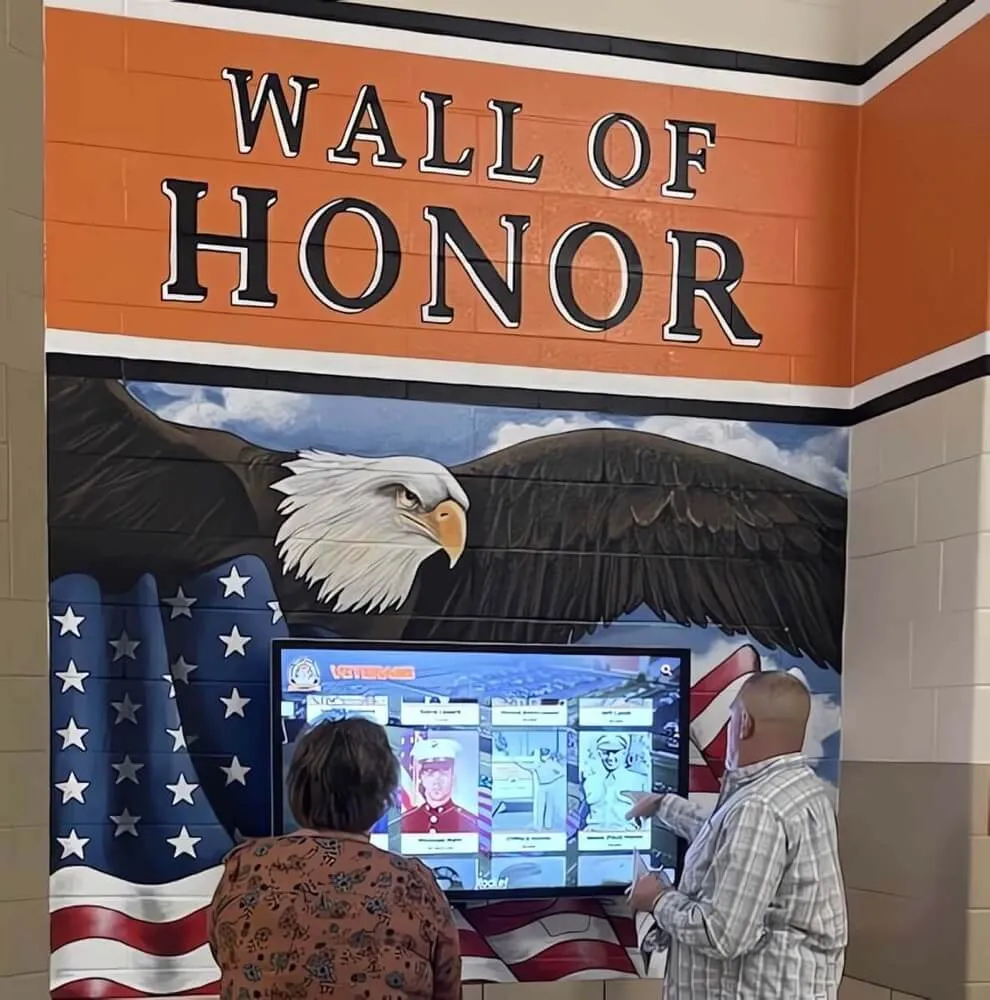
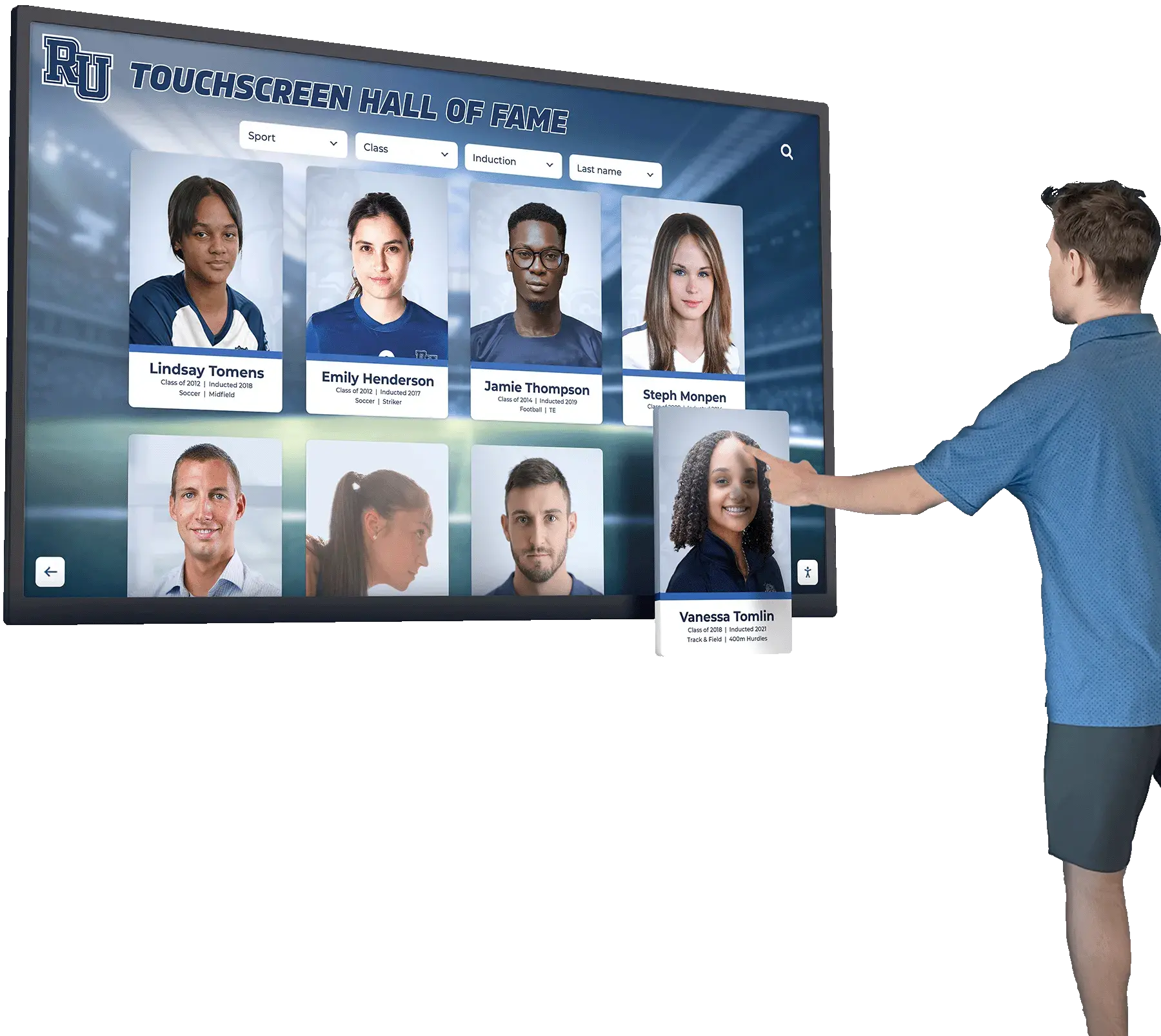
Interactive recognition enables exploration of complete athlete stories and achievements
Education and Independence
Nutrition services emphasize education enabling athletes to make informed decisions independently when not at training centers—developing long-term healthy relationships with food beyond simply following prescribed meal plans.
Career Development and Education Support
Recognizing that athletic careers end and Olympic qualification doesn’t guarantee financial security, training centers increasingly incorporate career development and education support.
Athlete Career Programs
Services assist athletes with resume development, interview skills, career exploration, professional networking, and transition planning for post-athletic careers—acknowledging that comprehensive athlete support extends beyond physical training to life preparation.
Education Partnerships
Some training centers partner with local educational institutions enabling athletes to pursue academic coursework alongside training, supporting athletes who wish to develop professional credentials during competitive careers rather than deferring education until retirement.
Mental Performance Services
Sports psychology professionals provide mental skills training, performance anxiety management, motivation support, and psychological services addressing the unique pressures of elite competition—recognizing that mental preparation often determines success when physical capabilities reach comparable levels.
Lessons for Institutional Athletic Programs
While few institutions can replicate comprehensive Olympic training center resources, the philosophical approaches and strategic priorities demonstrated at these elite facilities offer valuable guidance for athletic programs at any competitive level.
Holistic Athlete Support Systems
Olympic training centers demonstrate that championship performance emerges from comprehensive support addressing physical training, medical care, nutrition, recovery, mental preparation, and personal development—not sport-specific skill work alone.
Institutions seeking to develop successful athletic programs should consider how they can integrate support services rather than offering fragmented assistance where athletes must independently coordinate training, medical care, academic support, nutrition guidance, and mental health services across disconnected departments and external providers.
Practical Implementation Strategies:
Even with limited budgets, schools and colleges can improve integration through coordinated communication between coaches, athletic trainers, academic advisors, and counseling services, central athlete support hubs where athletes access multiple services in single locations, designated staff coordinating support services even without providing all services internally, and partnership development with community providers offering specialized services.
This integrated approach demonstrates institutional commitment to comprehensive athlete welfare—strengthening recruitment, improving performance outcomes, and enhancing athlete satisfaction and retention.
Discover comprehensive approaches through athletic facility recognition programs that communicate institutional commitment to excellence.
Creating Championship Cultures Through Recognition
Olympic training centers celebrate athletic excellence throughout their campuses, creating environments where achievement receives constant visibility and athletes connect daily with traditions they’re continuing.
Recognition’s Cultural Impact
Visible recognition of Olympic achievements, historical athletic excellence, program traditions, and individual accomplishments creates championship cultures where:
- Excellence becomes normalized rather than exceptional
- Athletes understand institutional values and competitive standards
- Historical context connects current athletes to program legacy
- Visible commitment to honoring achievement demonstrates that excellence matters beyond immediate competitive outcomes
Modern Recognition Technology
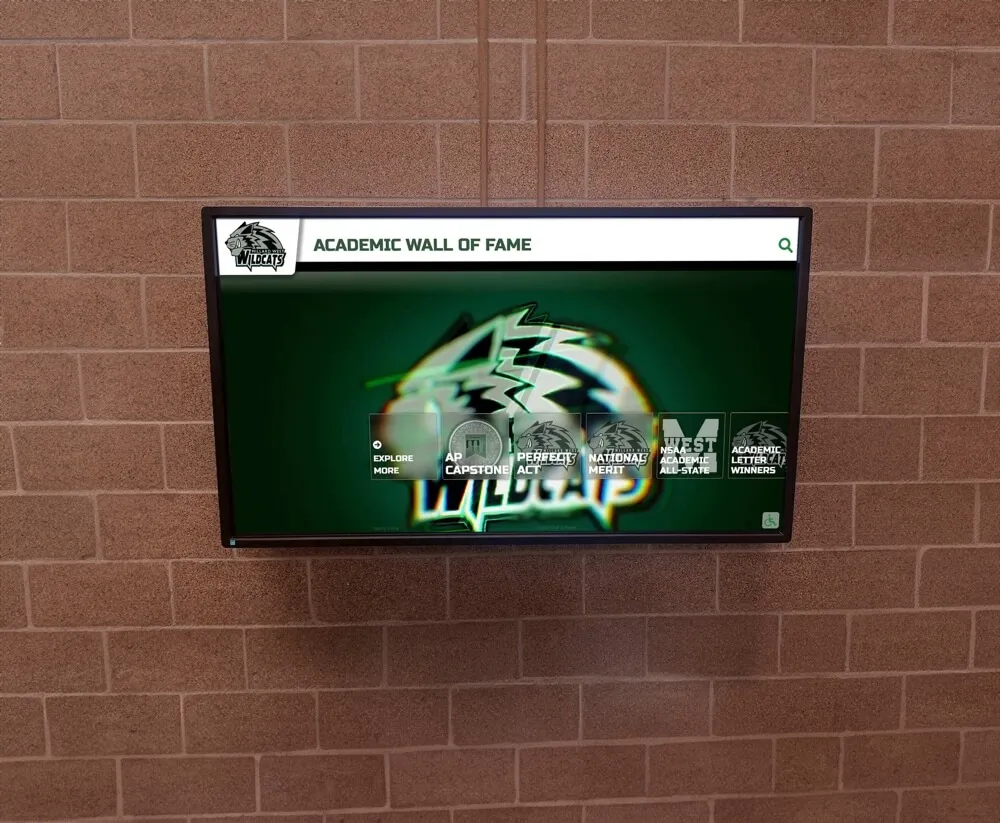
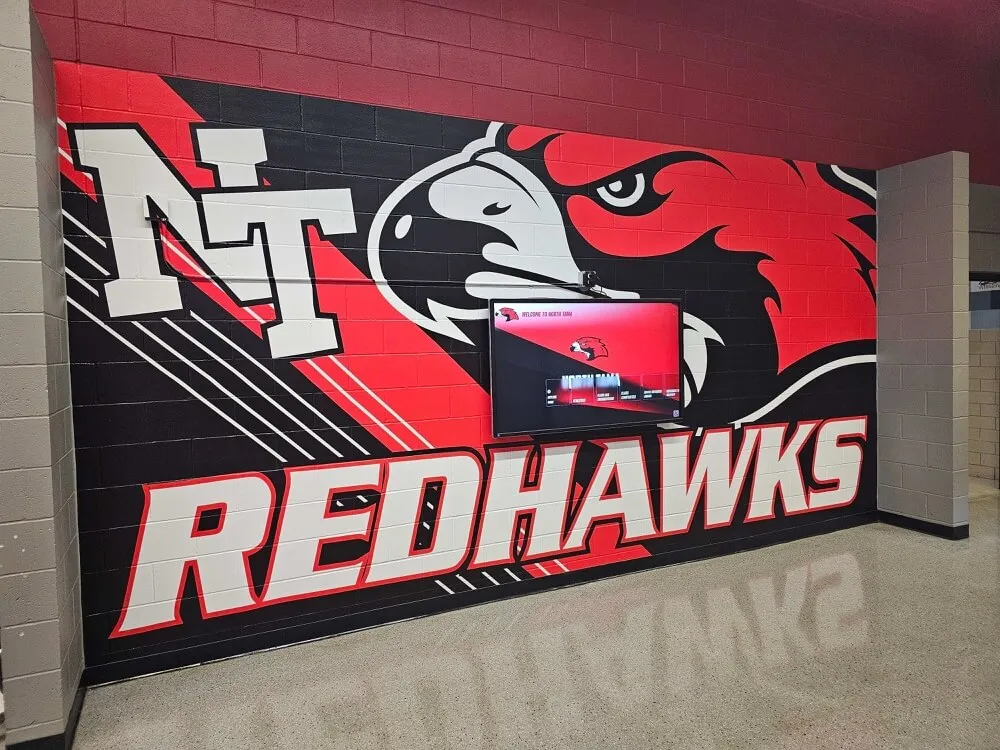
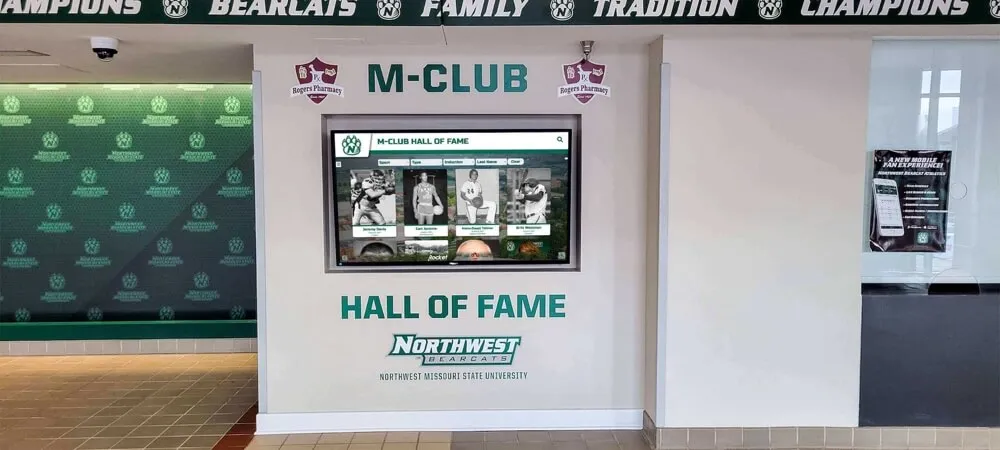
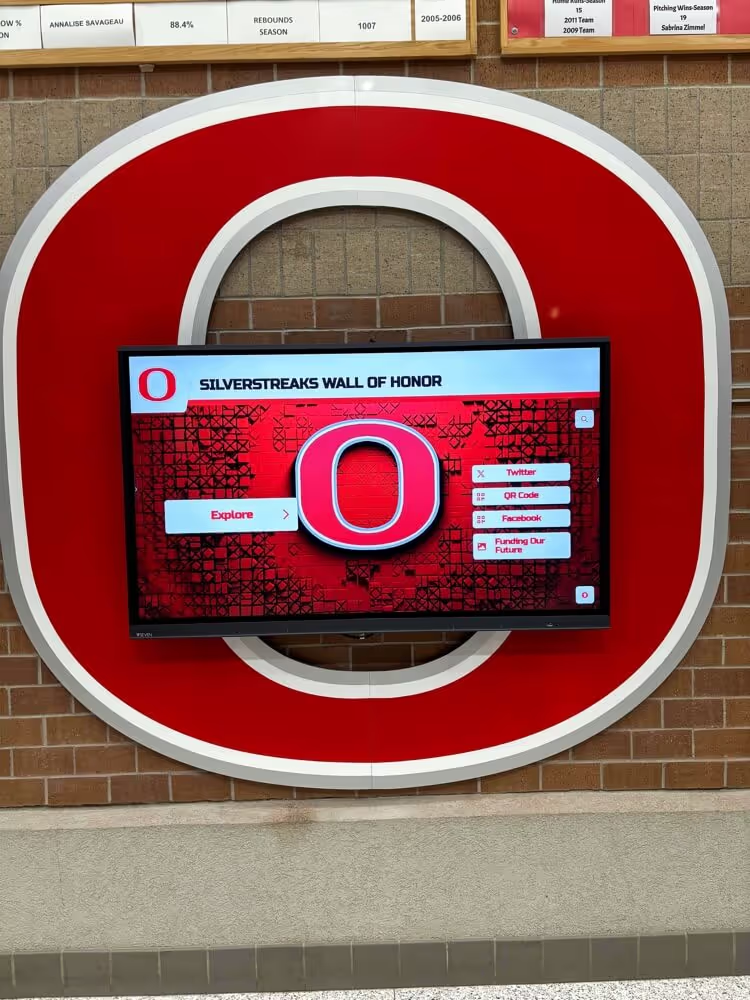
Institutions at any level can implement comprehensive athletic recognition through digital platforms like Rocket Alumni Solutions that eliminate physical space constraints while enabling multimedia storytelling impossible with traditional plaques and trophy cases.
Solutions like digital recognition displays accommodate unlimited athlete profiles without physical space limitations, enable rich multimedia content including photos, videos, statistics, and biographical narratives, provide intuitive search and exploration functionality, offer web accessibility extending recognition beyond physical campus boundaries, and allow easy content updates maintaining current recognition without renovation requirements.
This technology-enabled recognition ensures every deserving athlete receives appropriate celebration while creating engaging experiences that inspire current competitors and strengthen alumni connections.
Explore comprehensive athletic recognition through digital hall of fame systems designed for modern athletic programs.
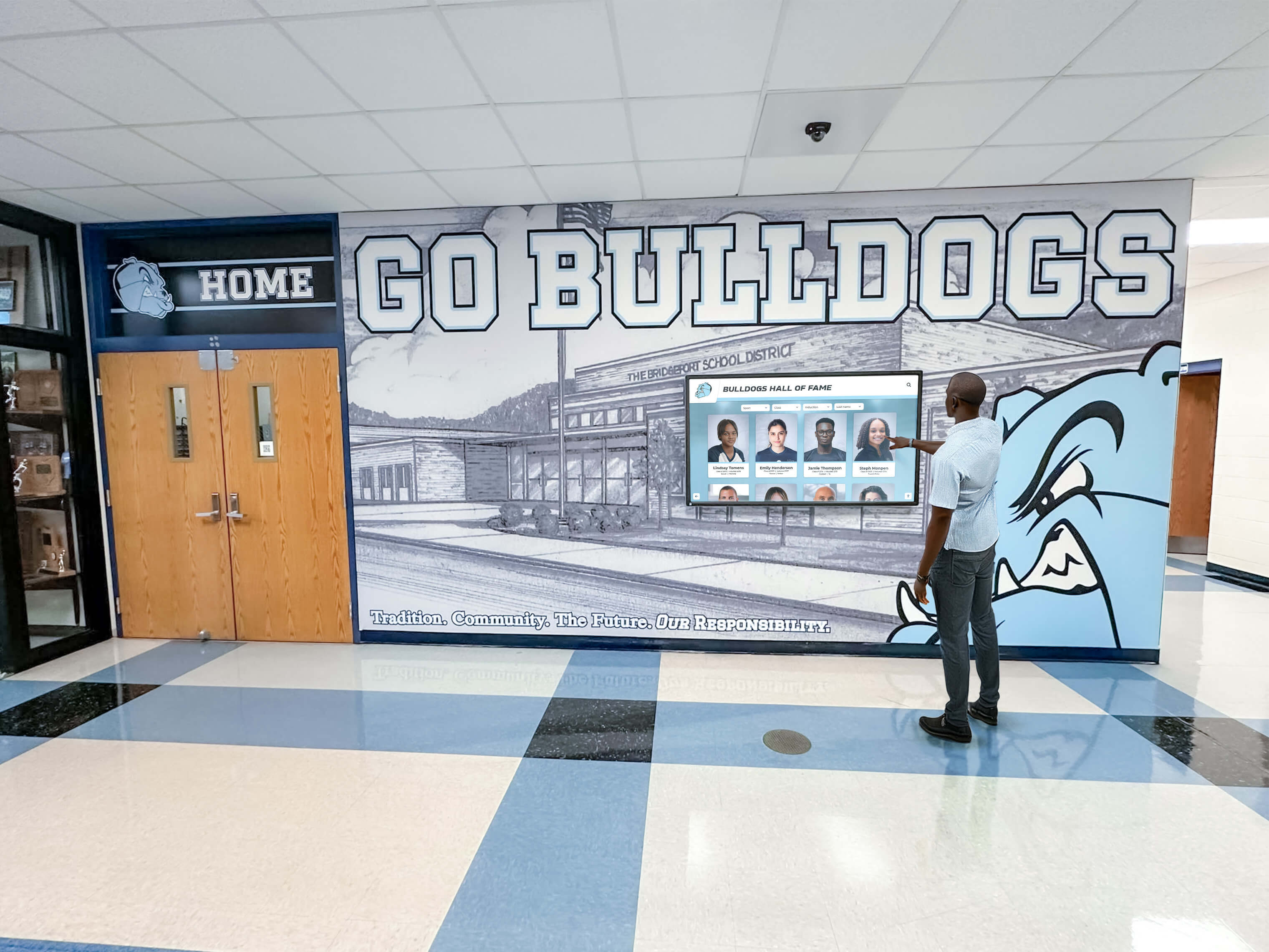
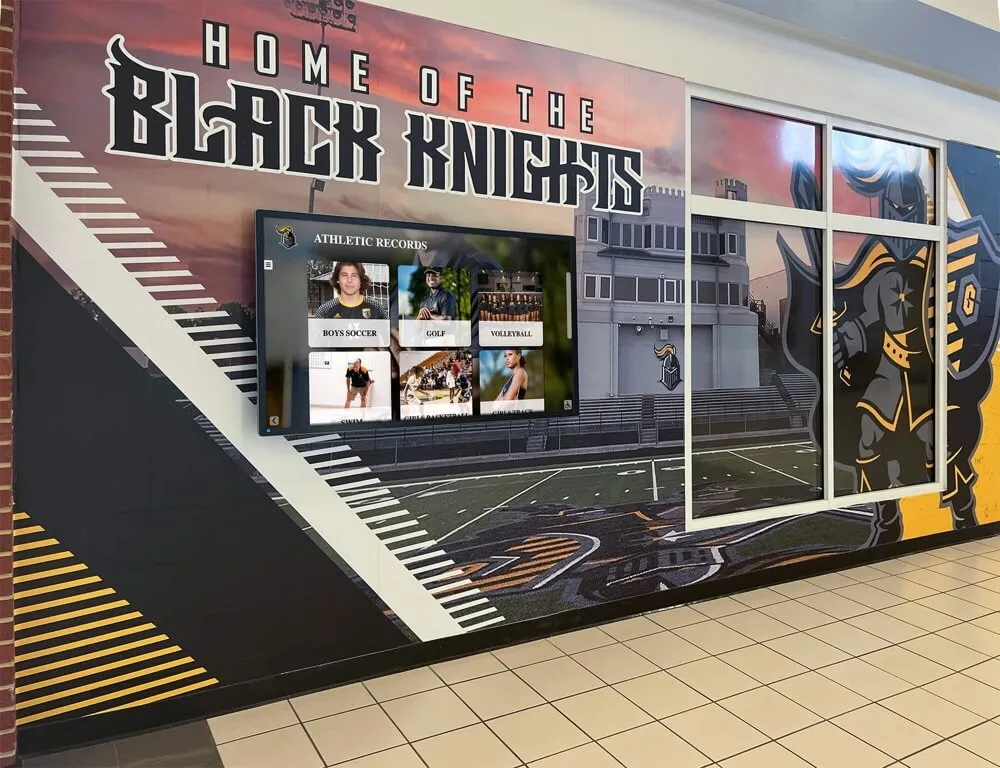
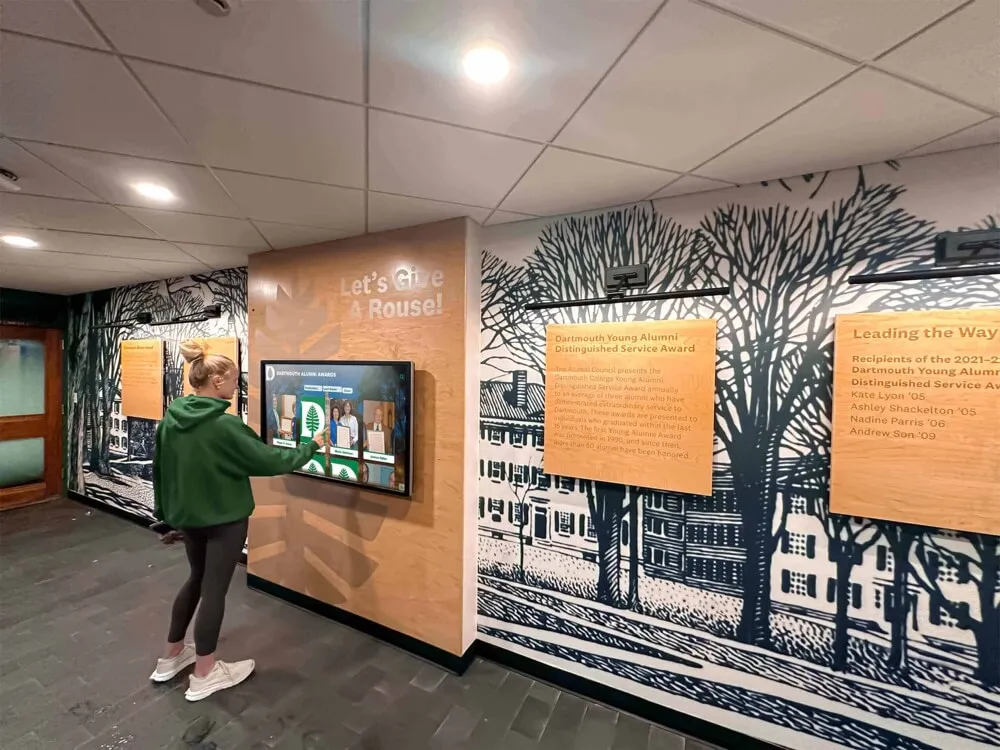
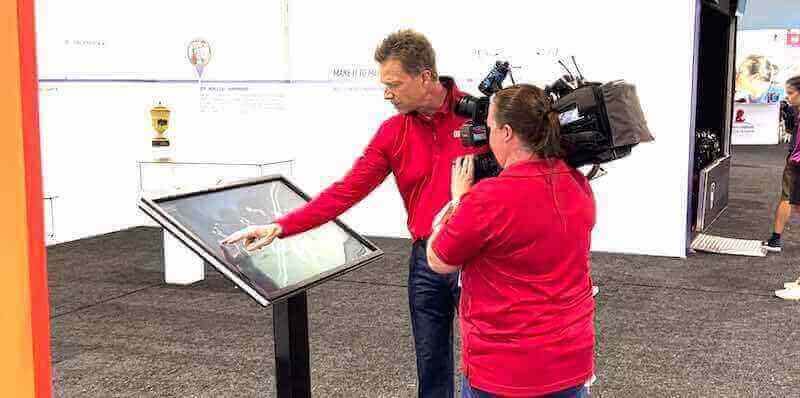
Interactive recognition creates engaging experiences where athletes explore program history and connect with institutional traditions
Evidence-Based Training and Performance Optimization
Olympic training centers demonstrate that elite performance emerges from evidence-based programming informed by sports science rather than coaching intuition alone.
Scalable Implementation:
While few institutions can maintain comprehensive sports science laboratories, programs can incorporate evidence-based approaches through basic performance testing and monitoring, data collection tracking training loads and recovery markers, video analysis of technique and movement patterns, partnership with nearby universities offering sports science expertise, and education ensuring coaches understand current research and best practices.
Even modest movement toward more scientific training approaches often yields meaningful performance improvements while demonstrating progressive methodology that attracts quality athletes and coaching talent.
Specialist Coaching and Technical Excellence
Olympic training centers provide access to expert coaches with specialized knowledge—recognizing that elite performance requires sophisticated technical instruction beyond generalist coaching.
Development Strategies:
Institutions can enhance coaching expertise through continuing education investment funding coaching certification and conference attendance, mentorship programs pairing less experienced coaches with veteran professionals, recruiting coaches with competitive playing backgrounds and advanced credentials, and hosting coaching clinics bringing expert instructors to campus benefiting both staff and athletes.
Quality coaching fundamentally determines athletic program success—investments in coaching development deliver returns across entire programs rather than benefiting only individual athletes.
The Future of US Olympic Training
The US Olympic training center network continues evolving to address changing athlete needs, emerging sports, and advancing technology reshaping athletic preparation.
Decentralized Training Models
While residential training centers remain valuable, increasing numbers of athletes train primarily at home facilities, utilizing training centers episodically for testing, specialized services, and intensive preparation blocks.
This decentralized approach acknowledges that athletes increasingly maintain professional coaching relationships, club affiliations, and personal lives making extended training center residencies less practical—requiring training centers to adapt service delivery models while maintaining support quality.
Technology Integration
Digital technology increasingly enables remote service delivery including virtual coaching consultation, online sports psychology services, remote performance monitoring through wearable technology, video analysis conducted asynchronously, and nutrition tracking and guidance through mobile applications.
These technologies extend training center expertise beyond athletes physically present at facilities, democratizing access to specialized knowledge while enabling expert monitoring even during decentralized training periods.
Sustainability and Environmental Consciousness
Next-generation Olympic facilities increasingly prioritize environmental sustainability through energy-efficient building design, renewable energy integration, water conservation systems, and sustainable operations minimizing environmental impact—reflecting growing awareness that athletic organizations should model responsible environmental stewardship.
Paralympic Integration
Training centers continue evolving toward full Paralympic integration—moving beyond accommodating Paralympic athletes within Olympic-focused facilities toward truly inclusive environments designed from inception to serve athletes across all ability levels equally.
This philosophical shift recognizes Paralympic athletes as elite competitors deserving equivalent resources, recognition, and institutional commitment as Olympic athletes—strengthening comprehensive US high-performance sport systems.
Conclusion: Excellence Through Comprehensive Support
US Olympic team training centers represent far more than impressive facilities—they embody comprehensive philosophical approaches to athlete development recognizing that championship performance emerges from integrated support systems addressing every aspect of preparation from physical training to medical care, nutrition, mental preparation, and personal development. The training center network provides American athletes with world-class resources enabling optimal preparation for Olympic and Paralympic competition while demonstrating scalable lessons applicable to athletic programs at any level seeking to build cultures of excellence.
From the flagship Colorado Springs facility to specialized training sites across the nation, these centers serve athletes across dozens of sports, providing access to expert coaching, sports science, medical support, and community environments where excellence becomes normalized and athletes pursue extraordinary goals alongside peers sharing similar commitments and dreams. While representing the pinnacle of American athletic infrastructure, the principles demonstrated at Olympic training centers—holistic athlete support, evidence-based training, integrated services, and comprehensive recognition of excellence—offer guidance for institutions at any competitive level seeking to optimize athlete development and program success.
Celebrate Your Institution's Olympic Connections
Discover how modern digital recognition technology can help you honor Olympic athletes from your school, college, or organization, creating inspiring displays that celebrate elite achievement while connecting current athletes to extraordinary traditions and motivating pursuit of excellence at every competitive level.
Explore Olympic Recognition SolutionsFor schools, colleges, and athletic organizations inspired by Olympic training center approaches to athlete development and recognition, implementing parallel strategies scaled to available resources creates championship cultures where athletes thrive, programs succeed, and excellence receives appropriate celebration. Whether building comprehensive recognition systems honoring Olympic alumni connections, integrating support services providing holistic athlete development, or implementing evidence-based training methodologies optimizing performance, the Olympic training center model demonstrates that systematic commitment to athlete support and comprehensive excellence celebration yields results at any competitive level.
Understanding how America’s elite athletes prepare for Olympic competition provides valuable context for appreciating the extraordinary dedication required for success at sport’s highest level while offering inspiration for programs seeking to develop similar cultures of excellence within their own contexts. The comprehensive support systems, integrated services, and visible celebration of achievement demonstrated at US Olympic training centers create environments where championship performance becomes possible—principles applicable wherever athletes pursue competitive excellence and institutions commit to supporting their journeys appropriately.
Ready to honor your institution’s Olympic connections or build comprehensive athletic recognition celebrating excellence at every level? Explore how Rocket Alumni Solutions provides digital recognition platforms that eliminate space constraints while enabling rich multimedia storytelling through engaging displays that inspire current athletes, honor historical excellence, and strengthen alumni connections across your entire athletic community.