Top sales performer recognition displays have become essential tools for driving revenue growth and retaining high-performing sales talent in an increasingly competitive business environment where the cost of sales rep turnover averages $115,000 per departure and organizations lose top performers to competitors offering better recognition and appreciation. While many companies invest heavily in compensation packages and incentive programs, they often overlook the powerful psychological impact of public recognition displays that celebrate achievement, create healthy competition, and reinforce the behaviors that drive exceptional sales performance.
Traditional recognition approaches—quarterly awards ceremonies, private emails from management, or sporadic gift cards—fail to provide the continuous visibility and motivation that high-achieving sales professionals need to sustain peak performance. These episodic recognition moments lack staying power, create gaps between achievements and acknowledgment, and do nothing to inspire the broader team when individual sellers close major deals or exceed quotas. The absence of visible, ongoing recognition leaves top performers feeling undervalued while failing to model success behaviors for developing team members who need concrete examples of what excellence looks like in practice.
This comprehensive guide explores everything you need to know about creating effective top sales performer recognition displays—from understanding the psychological foundations that make recognition motivating, to comparing physical versus digital display options, to implementing recognition systems that deliver measurable ROI through increased sales performance, improved retention rates, and stronger team culture.
Modern sales organizations face mounting pressure to drive consistent revenue growth while managing limited budgets, remote and hybrid teams, diverse generational preferences, and increasingly sophisticated buyer behaviors requiring longer sales cycles. In this challenging environment, recognition displays that celebrate top performers serve multiple strategic purposes: motivating individual sellers to push beyond quota, creating social proof that ambitious targets are achievable, fostering healthy competition that elevates entire team performance, and demonstrating organizational commitment to acknowledging excellence in ways that strengthen retention and reduce costly turnover.

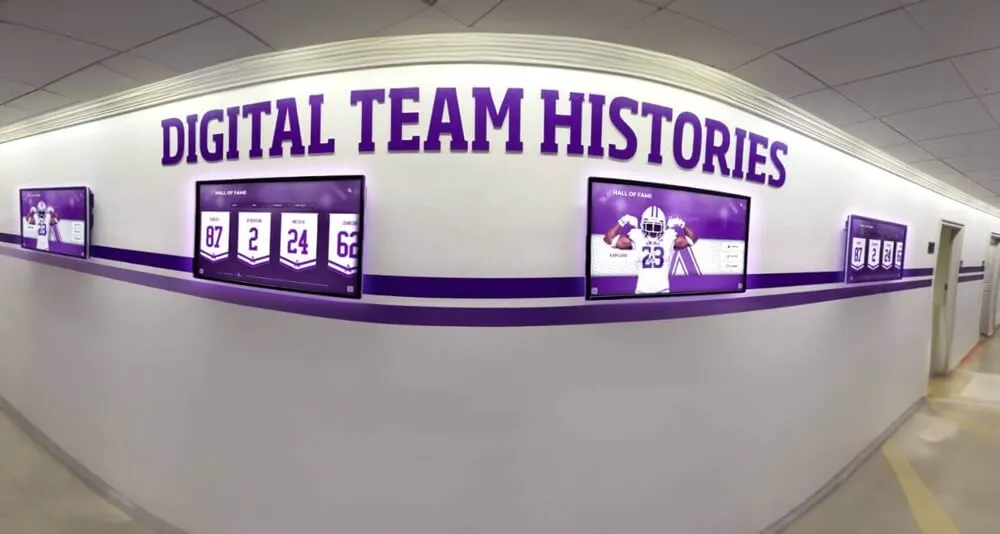
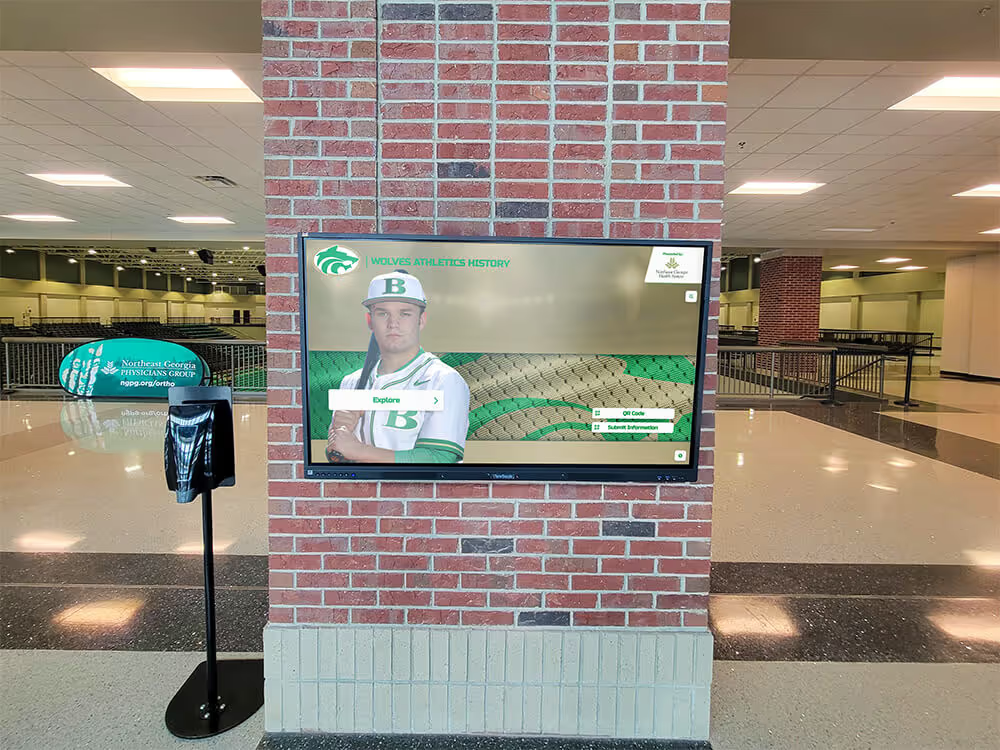
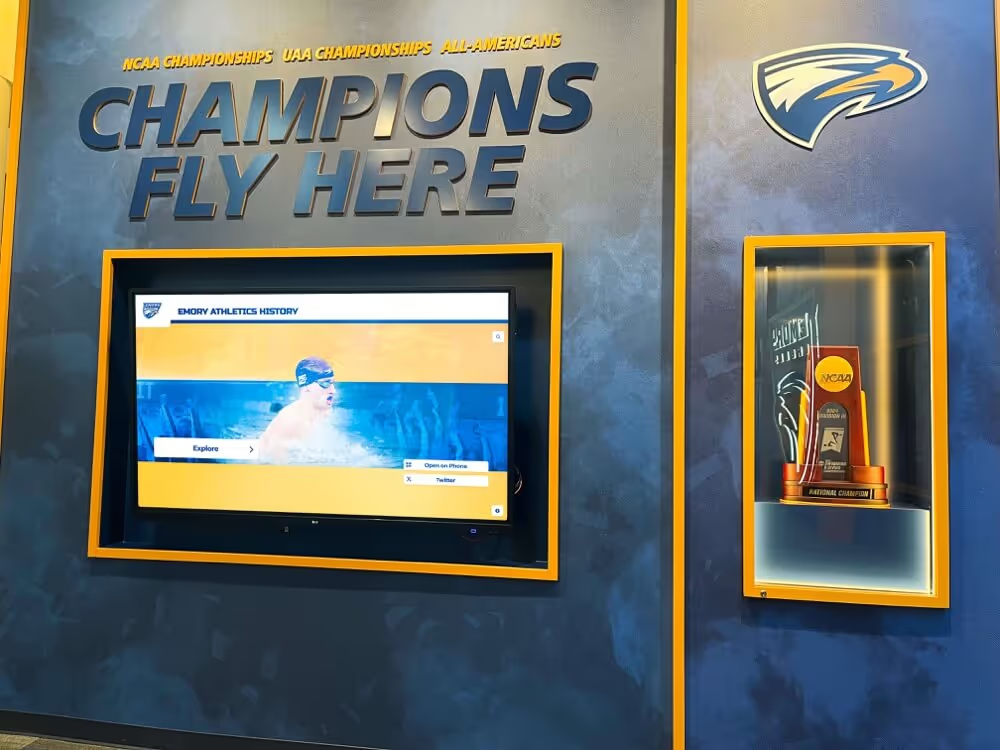
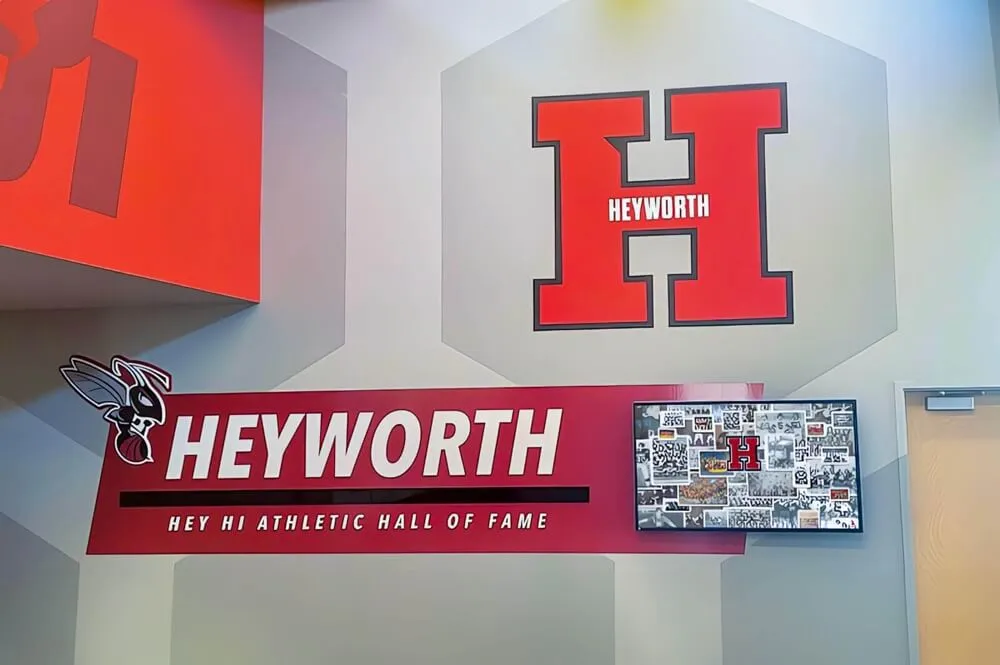
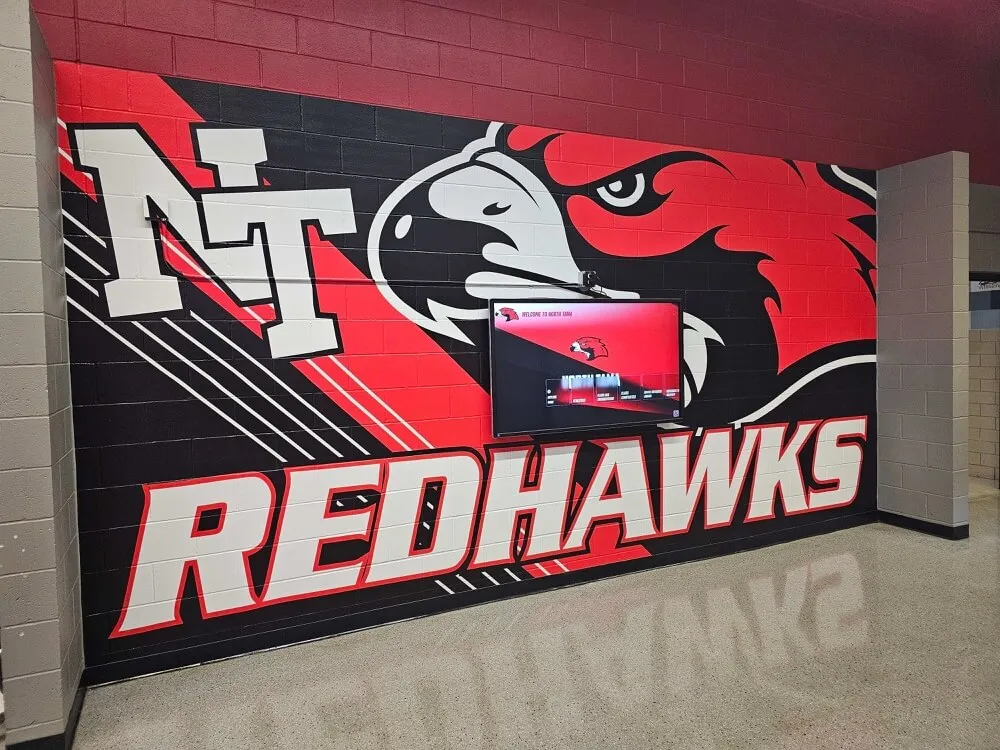
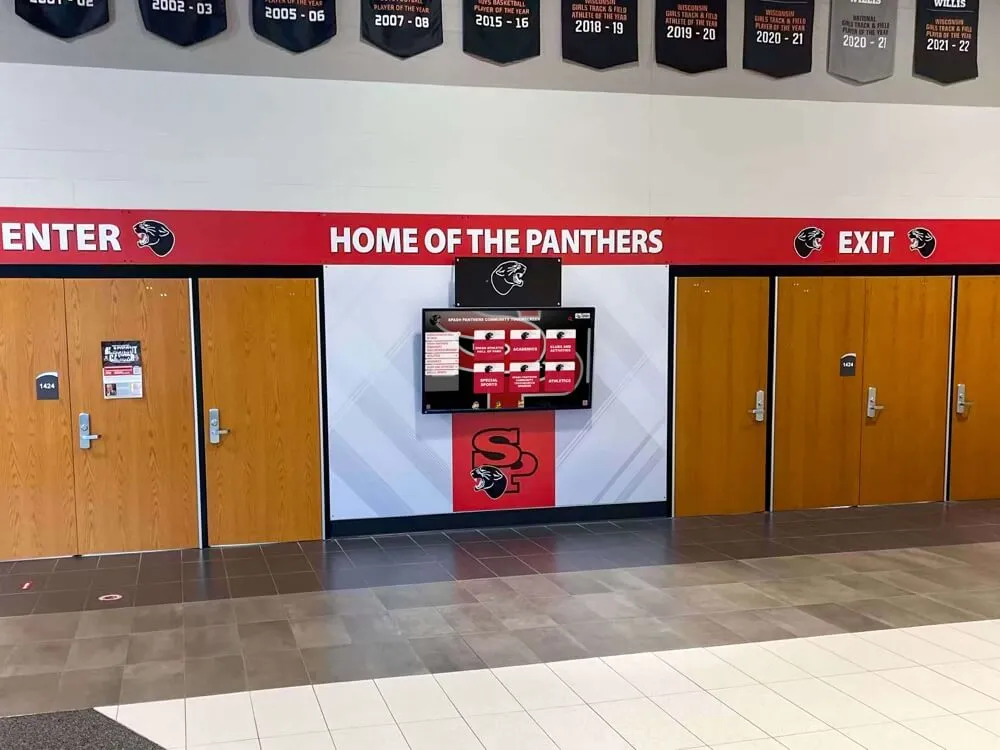
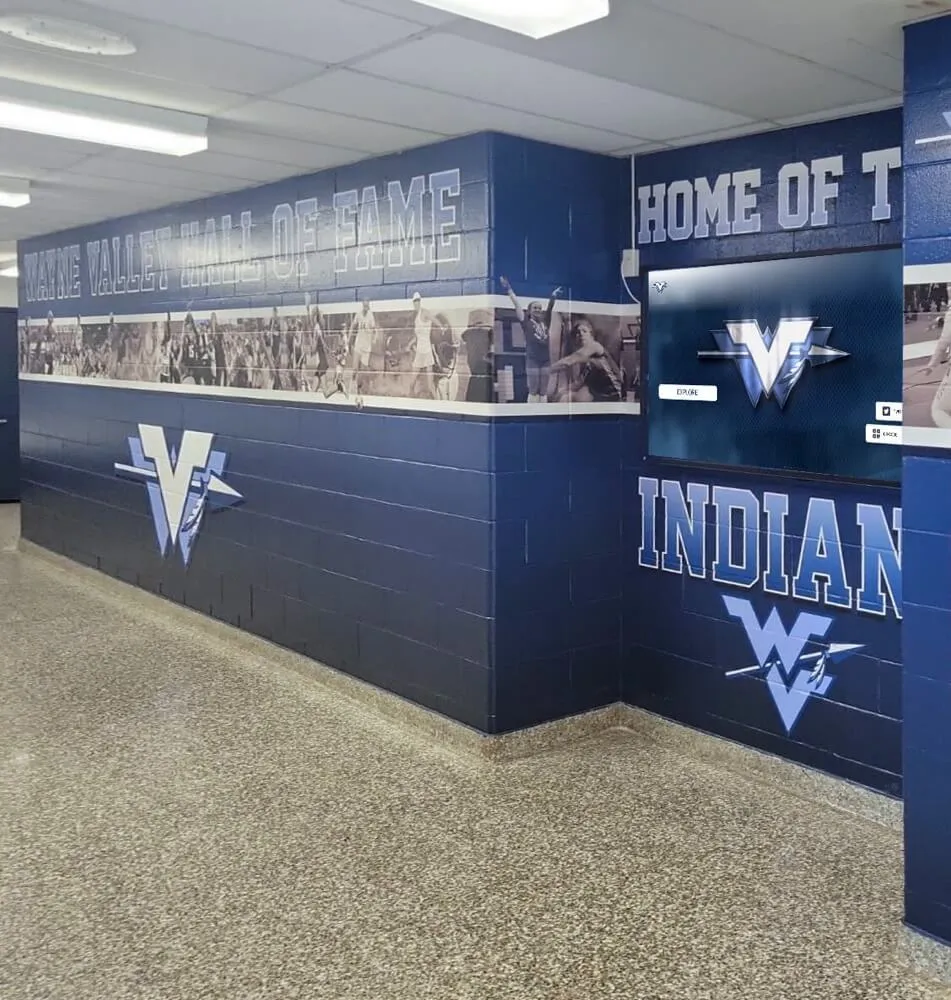
Professional recognition displays create visible celebration of achievement while inspiring continued excellence across sales teams
Why Top Sales Performer Recognition Displays Matter
Before exploring implementation options and strategies, understanding the fundamental business case for recognition displays provides essential context for investment decisions and program design.
The Psychology of Public Recognition
Sales professionals respond powerfully to public acknowledgment because it satisfies fundamental human needs that private recognition cannot address:
Status and Social Proof
Public displays elevate top performers’ status within organizational hierarchies, satisfying deeply rooted psychological needs for peer respect and social standing. When sales achievements appear on visible displays in offices, lobbies, or common areas, they communicate to everyone in the organization—colleagues, leadership, clients, and visitors—that specific individuals have achieved something worthy of celebration. This social proof creates intrinsic motivation that persists far longer than monetary incentives alone.
Peer Recognition and Belonging
Beyond validation from management, top performers value recognition from peers who understand the difficulty of closing complex deals or exceeding challenging quotas. Public displays create opportunities for spontaneous congratulations, relationship building, and community connection that strengthen team bonds while reinforcing that the organization celebrates achievement across all roles.
Modeling Excellence for Developing Performers
Recognition displays serve educational purposes by showing newer or struggling sales team members concrete examples of what success looks like. When displays include details about specific achievements—deals closed, quotas exceeded, customer relationships built—they provide roadmaps for others seeking to improve their own performance.
Continuous Motivation Through Visibility
Unlike one-time awards or quarterly recognition events that fade from memory within days, permanent or semi-permanent displays create sustained motivation. Top performers see their achievements acknowledged every time they enter the office, while others aspiring to similar recognition maintain focus on behaviors required to earn that acknowledgment.
Research consistently demonstrates that employees who feel adequately recognized are 2.7 times more likely to be highly engaged and produce 14% better results compared to those who receive insufficient recognition, according to engagement studies. For sales teams where performance directly impacts revenue, this correlation translates to significant business outcomes.
Business Impact: Revenue, Retention, and Culture
Beyond psychological benefits, effective recognition displays deliver measurable business results:
Increased Sales Performance
Organizations implementing structured recognition programs with visible displays commonly report 5-15% increases in overall sales team performance within the first year. The combination of intrinsic motivation from public acknowledgment and extrinsic motivation from healthy competition drives individual sellers to pursue stretch goals and maintain consistency across quarters.
Reduced Turnover and Retention Improvements
Sales turnover typically ranges from 25-35% annually across industries, with each departure costing organizations an average of $115,000 in recruitment, training, lost productivity, and customer relationship disruption. Recognition displays help retain top performers by demonstrating organizational commitment to celebrating their contributions—a key factor in job satisfaction surveys where lack of recognition consistently ranks among the top reasons high performers leave companies.
When sellers feel valued through visible, ongoing recognition rather than only during annual reviews, they develop stronger organizational loyalty and emotional commitment that buffer against competitive recruitment attempts.
Strengthened Sales Culture
Recognition displays shape organizational culture by signaling what behaviors and outcomes the company values. When displays celebrate not just revenue numbers but also customer satisfaction scores, team collaboration, or pipeline development, they reinforce that the organization defines success broadly rather than through single metrics alone.
This cultural messaging attracts recruits aligned with organizational values while guiding current team members toward behaviors that drive sustainable, relationship-based selling rather than short-term transactional approaches that damage long-term customer relationships.
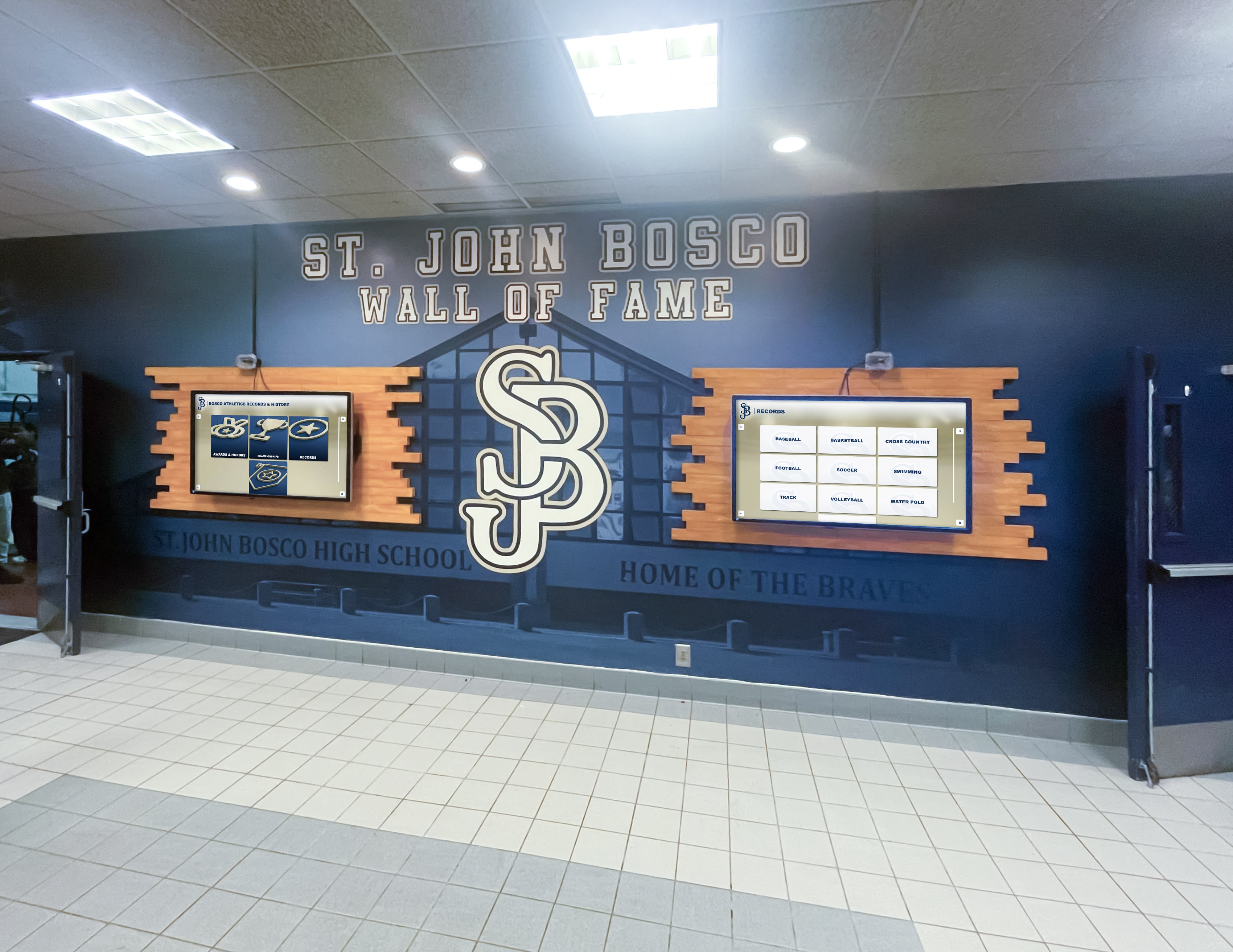
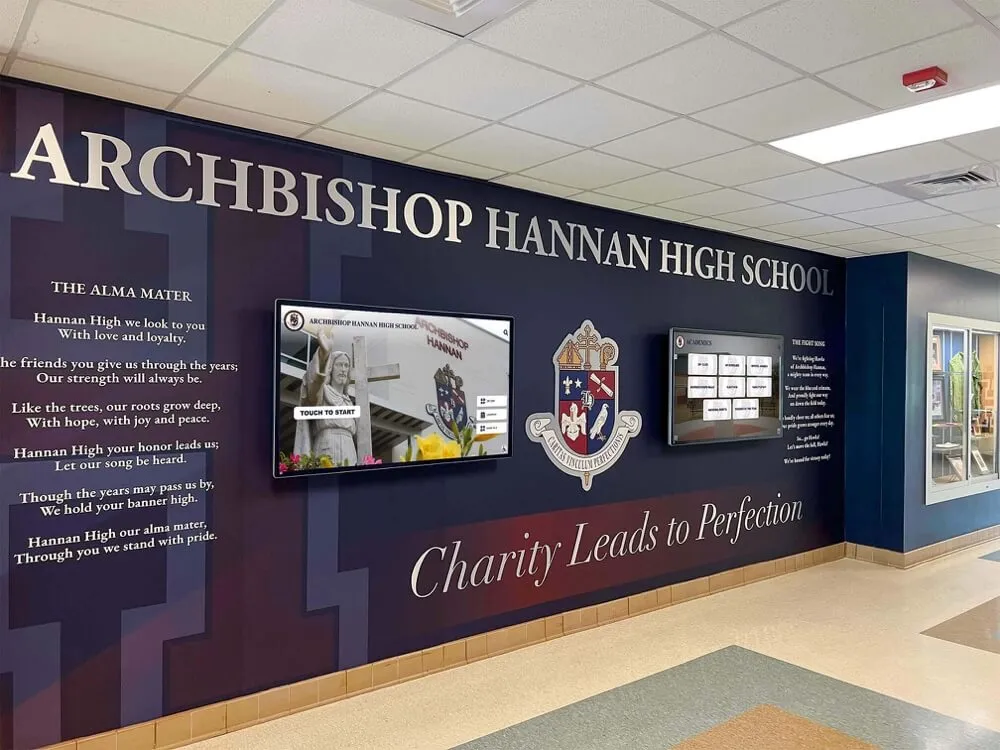
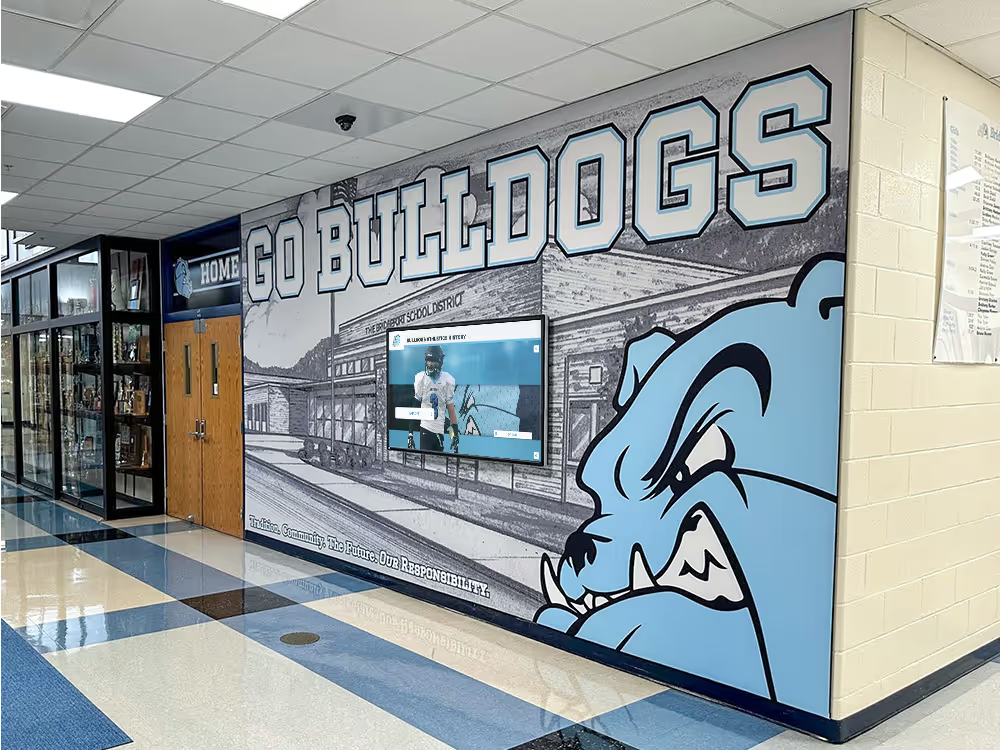
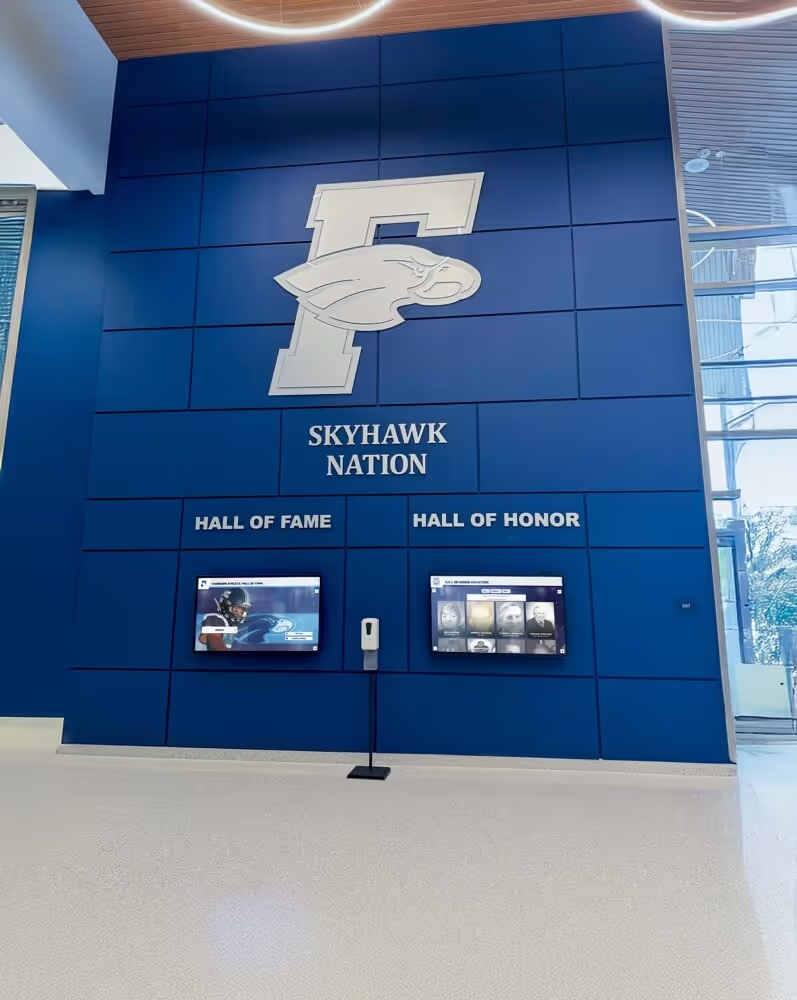
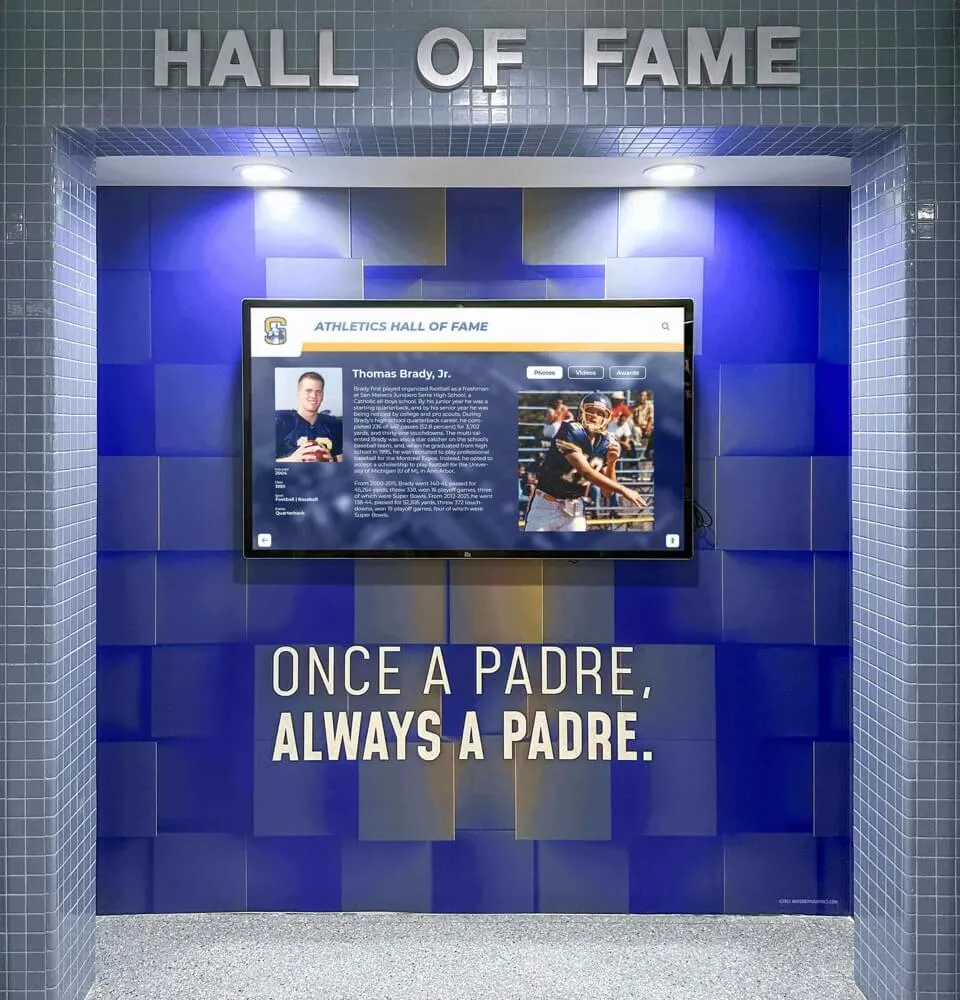
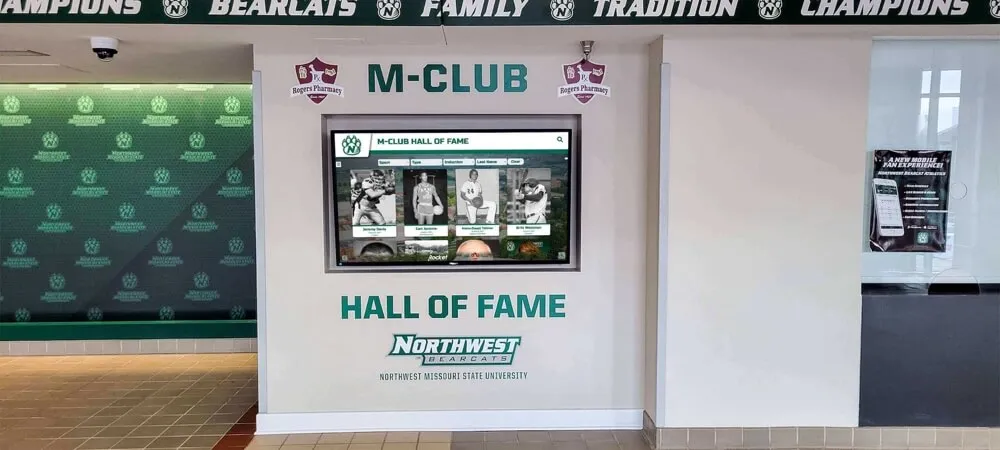
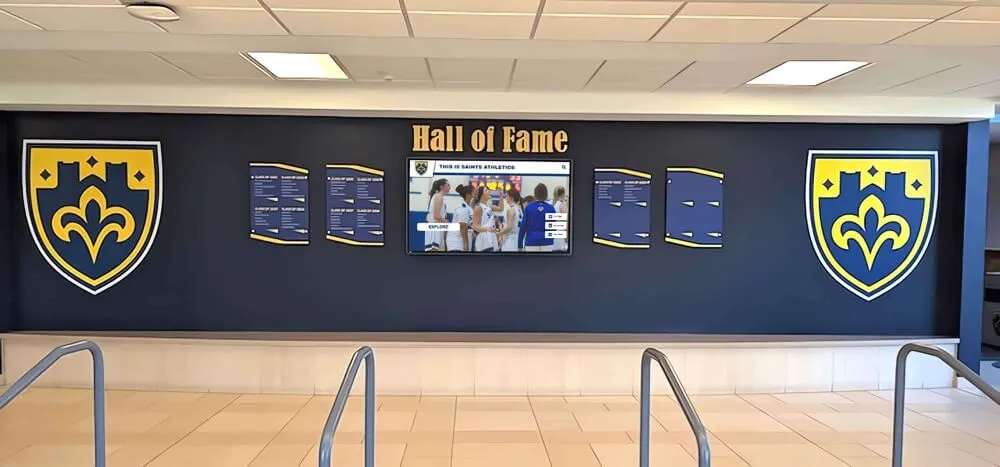
Multiple display installations throughout facilities ensure recognition reaches diverse audiences and maintains continuous visibility
Competitive Advantage in Recruitment
High-performing sales candidates evaluate potential employers based on multiple factors beyond compensation, including recognition culture and opportunities for advancement visibility. Organizations with professional recognition displays that showcase top performer achievements signal during interviews and office tours that they celebrate excellence systematically rather than sporadically—a differentiator that influences candidate decisions when comparing similar offers.
Learn about comprehensive approaches in corporate employee recognition programs addressing motivation and retention strategies.
Types of Top Sales Performer Recognition Displays
Understanding the spectrum of recognition display options—from low-tech physical boards to sophisticated digital systems—enables organizations to select approaches matching their budget, culture, and strategic objectives.
Physical Recognition Boards and Trophy Displays
Traditional physical recognition remains popular for its tangibility and perceived permanence:
Wall-Mounted Recognition Boards
Physical boards displaying top performer names, achievements, and photos create permanent acknowledgment that requires no technical infrastructure. Common formats include engraved plaques with name plates, framed certificates or achievement documentation, photo galleries featuring top performers with their accomplishments, and magnetic or changeable letter boards allowing periodic updates without complete replacement.
Advantages: Low initial investment ($200-2,000 depending on quality and size), no technical maintenance requirements, permanent tangible recognition satisfying performers who value physical artifacts, and no power or network connectivity needs.
Limitations: Strict space constraints limiting recognition capacity, expensive and time-consuming updates requiring re-engraving or reprinting, static presentation providing no detail beyond basic information, deterioration over time requiring eventual replacement, and inability to showcase dynamic data like real-time performance metrics.
Trophy and Award Display Cases
Glass-front cabinets showcasing physical awards, trophies, and achievement plaques create prestigious recognition spaces particularly effective in organizations with formal recognition cultures. These displays work well for celebrating top performers who receive quarterly or annual awards while maintaining visibility of past achievements across multiple periods.
Budget considerations typically range from $500-5,000 for quality commercial display cases, plus $125-250 per trophy or award for top performers—substantial ongoing costs as teams grow and programs mature.
When Physical Recognition Works Best
Physical displays remain appropriate for smaller sales teams (5-15 people) with limited budgets, organizations with strong traditions around physical awards and tangible recognition, environments where technical infrastructure presents challenges, and companies seeking to complement digital systems with selective physical elements for major achievements.
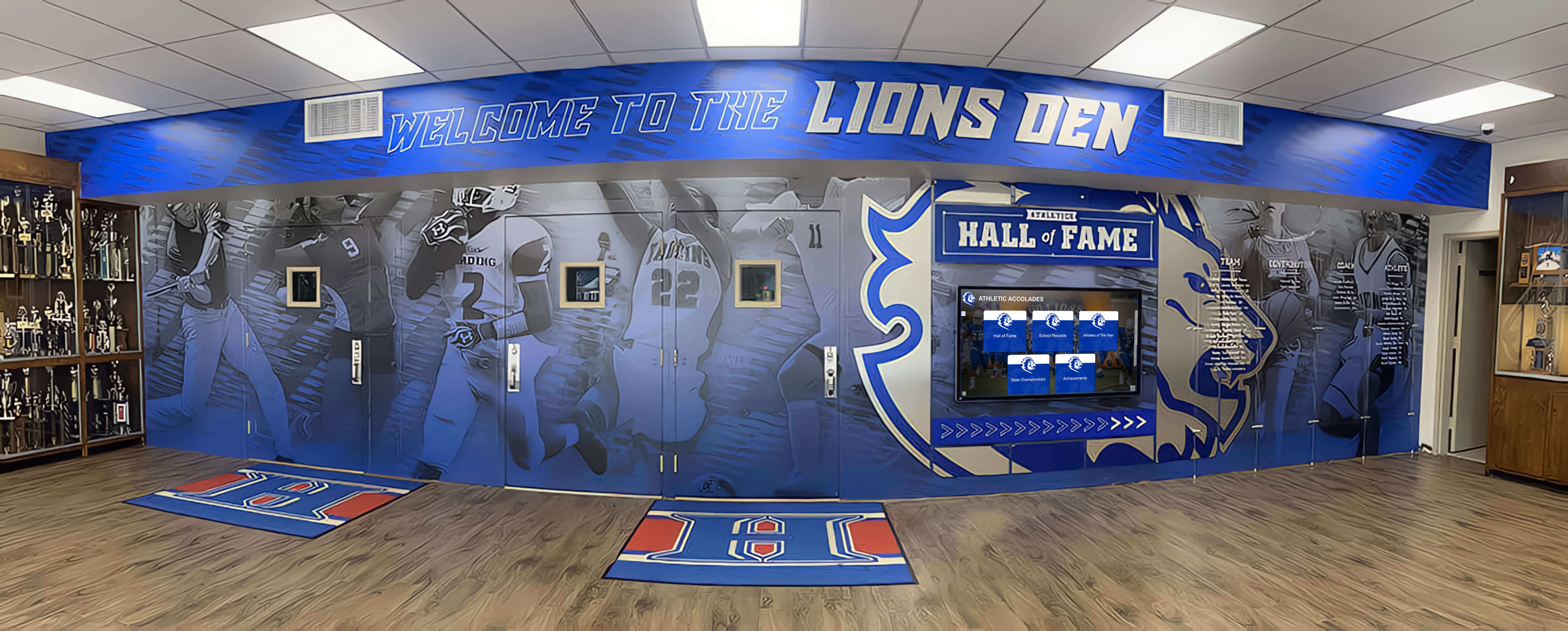
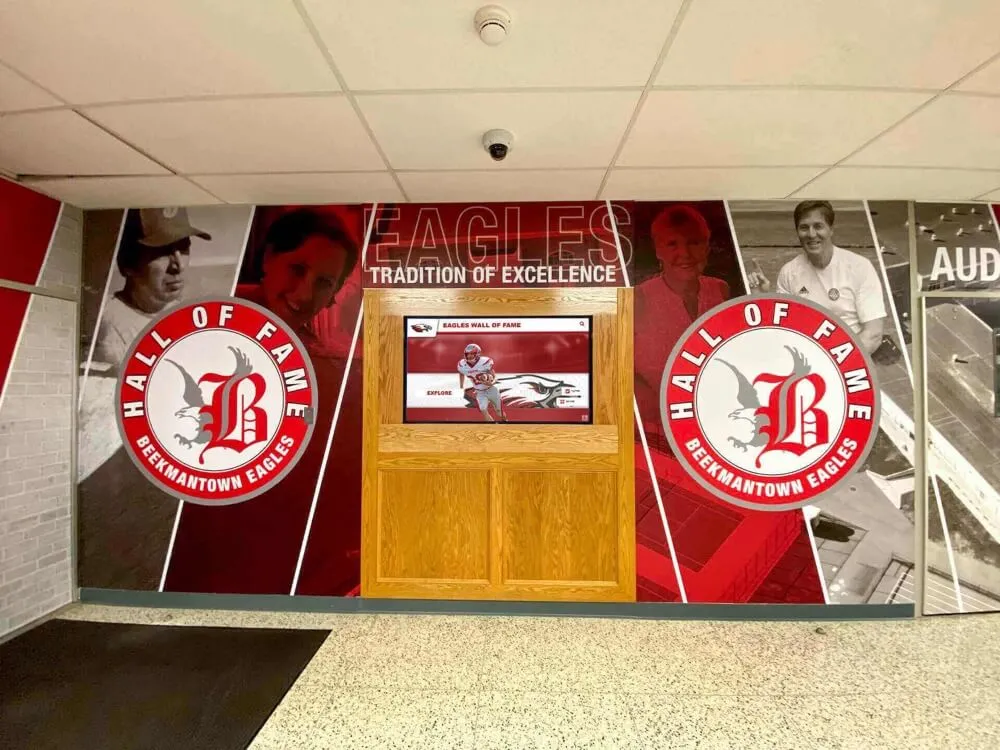
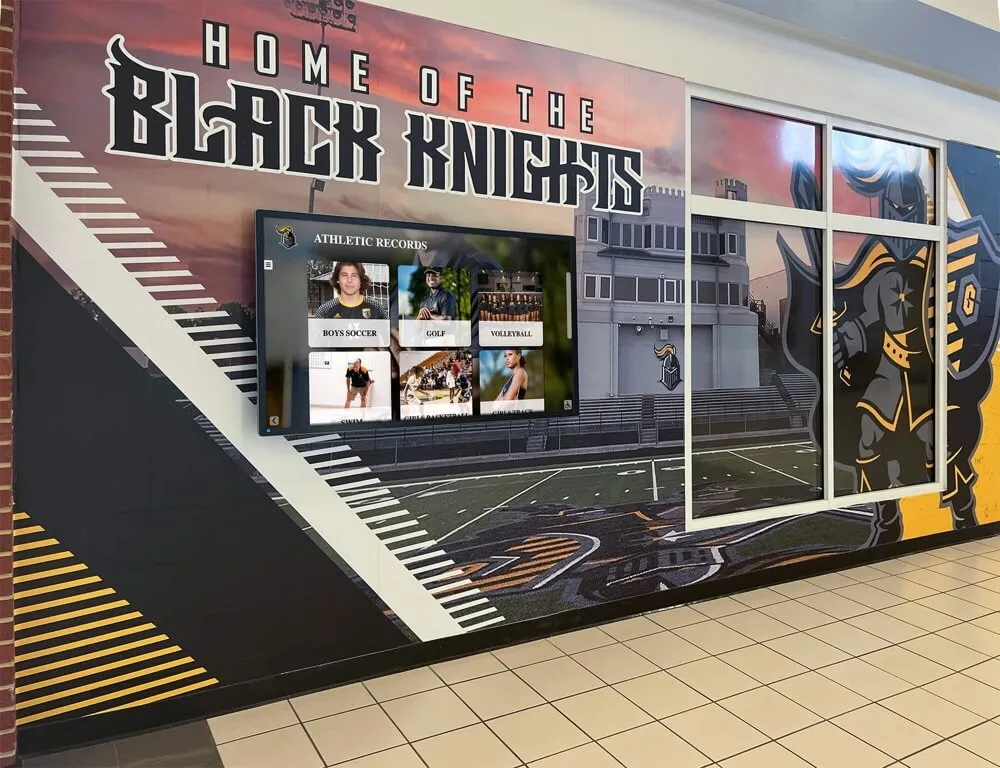
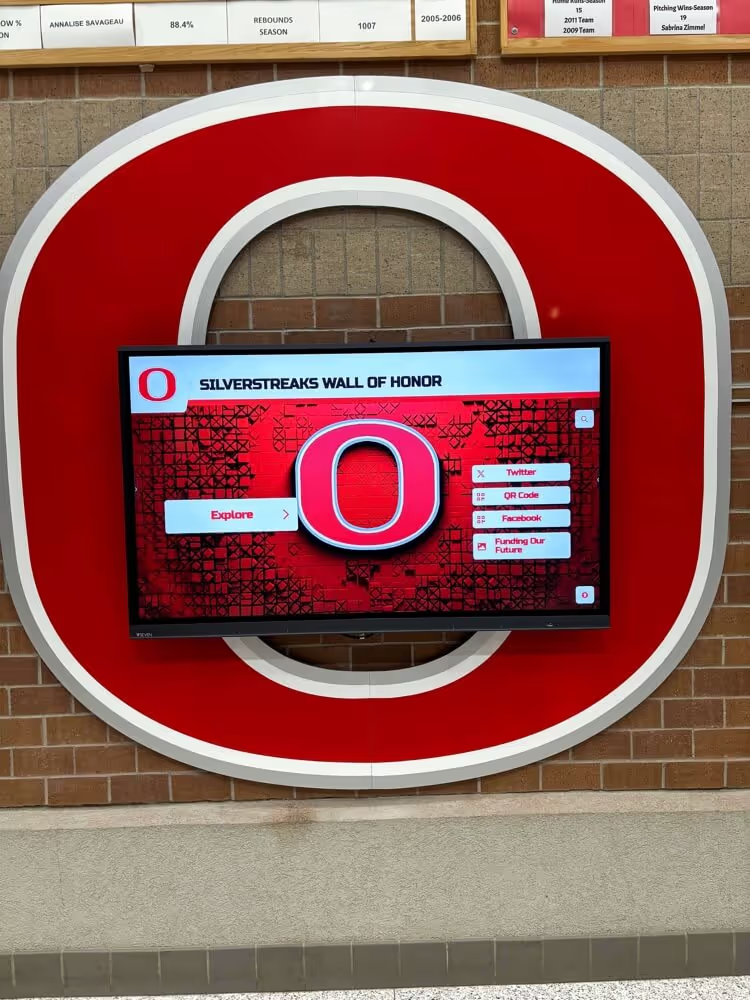
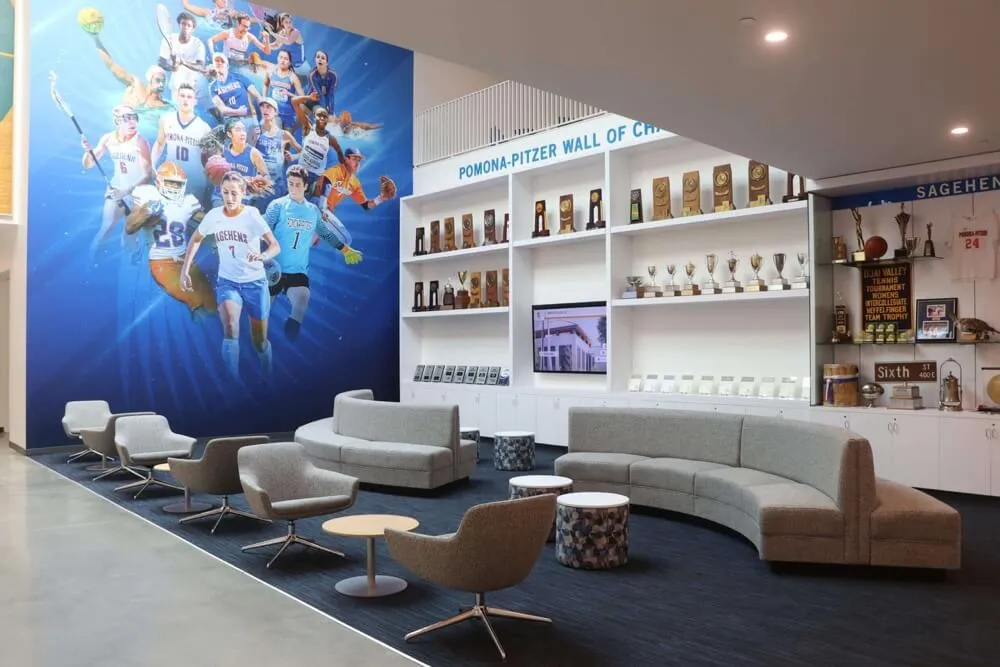
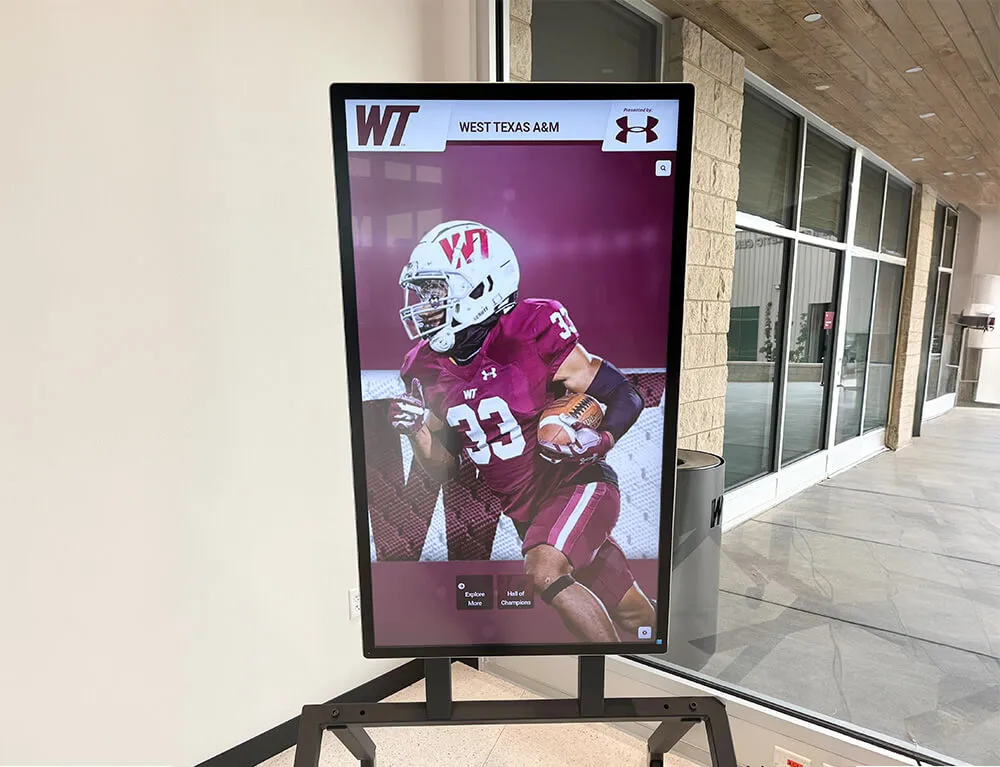
Integrated recognition environments combine traditional trophy displays with modern visual systems creating comprehensive celebration spaces
Digital Recognition Displays and Interactive Systems
Digital recognition platforms provide dynamic, scalable alternatives addressing physical display limitations:
Digital Signage and TV-Based Displays
Commercial displays (43-75 inches) showing recognition content via connected devices or content management systems enable organizations to showcase top performers alongside sales metrics, achievement details, and rotating content. Systems range from basic approaches using standard TVs with slideshow presentations to sophisticated digital signage platforms with cloud management and scheduled content delivery.
Core Capabilities:
- Unlimited recognition capacity without physical space constraints
- Real-time updates reflecting current performance metrics and recent achievements
- Rich multimedia content including photos, videos, statistics, and detailed achievement narratives
- Rotating displays ensuring all top performers receive visibility over time
- Remote management enabling updates from any location without physical access
- Multi-location synchronization for organizations with distributed teams
Solutions like Rocket Alumni Solutions provide purpose-built recognition platforms designed specifically for celebrating achievements through intuitive interfaces, cloud-based management, and professional presentation that honors performers appropriately.
Interactive Touchscreen Recognition Systems
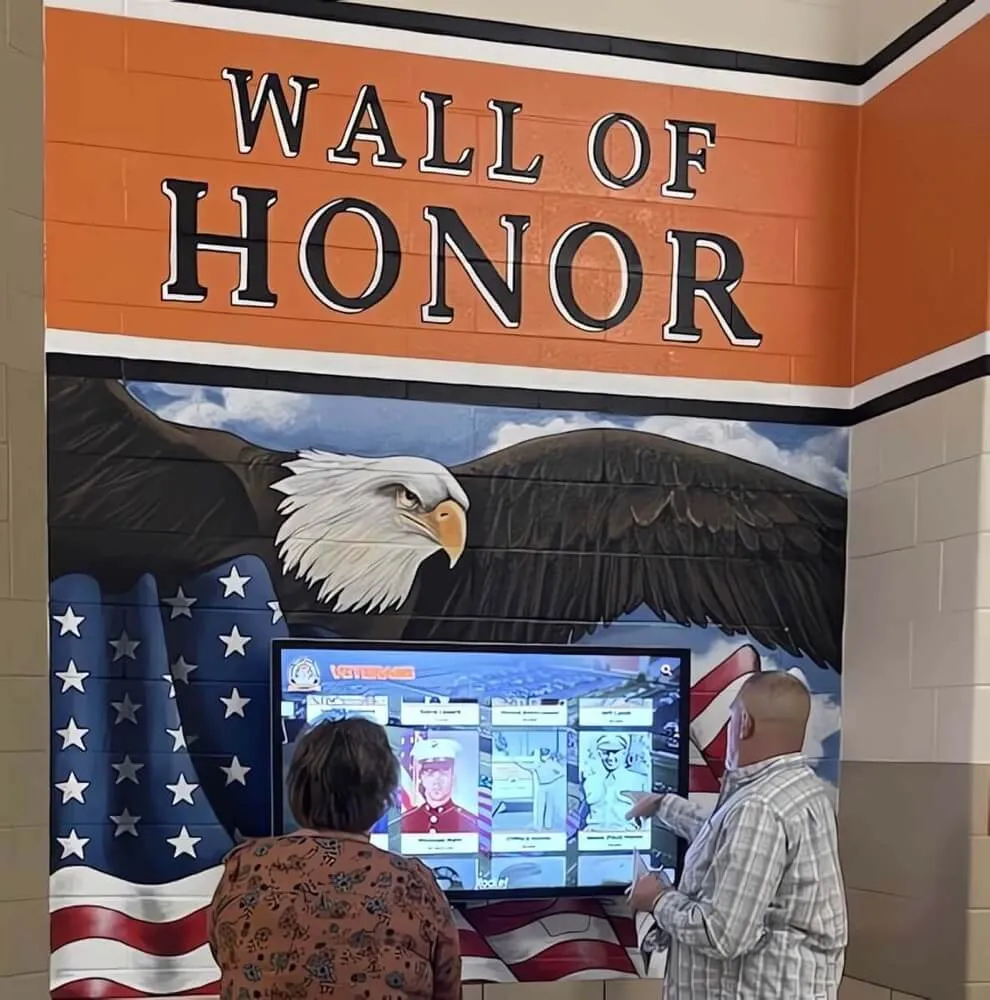
Advanced recognition displays using commercial-grade touchscreen technology enable visitors and team members to explore top performer profiles, achievement details, and organizational sales history through intuitive touch interfaces. These interactive systems transform passive viewing into active engagement where users discover detailed stories behind achievements.
Enhanced Features:
- Search functionality enabling instant access to specific performers or time periods
- Detailed profile pages showcasing comprehensive achievement documentation
- Video testimonials and success story narratives explaining what top performers did differently
- Historical archives preserving recognition across years or decades
- Filtering by region, product line, or achievement category
- Social sharing capabilities extending recognition beyond physical locations
Interactive systems work particularly well for larger sales organizations (25+ team members) with extensive performance history, companies seeking to create recognition destinations in lobbies or sales floors, and organizations wanting to leverage recognition during prospect visits or recruitment.
Sales Leaderboard Displays
Real-time performance tracking displays showing current standings, quota attainment, and comparative metrics create dynamic recognition that updates automatically as deals close and revenue processes. These leaderboard systems typically integrate with CRM platforms like Salesforce, HubSpot, or custom sales management systems to pull live data without manual updates.
Leaderboard Benefits:
- Immediate recognition as achievements occur rather than waiting for periodic updates
- Transparent performance visibility fostering healthy competition
- Multiple leaderboard categories recognizing diverse achievement types
- Automatic calculation and ranking eliminating manual tracking burden
- Gamification elements including progress bars, milestone celebrations, and team competitions
Leaderboards prove most effective for sales cultures embracing transparent performance visibility and competitive dynamics, teams with reliable CRM data and system integrations, and organizations seeking to drive short-term performance during specific campaigns or fiscal periods.
Explore digital approaches in interactive touchscreen software addressing platform capabilities and selection criteria.
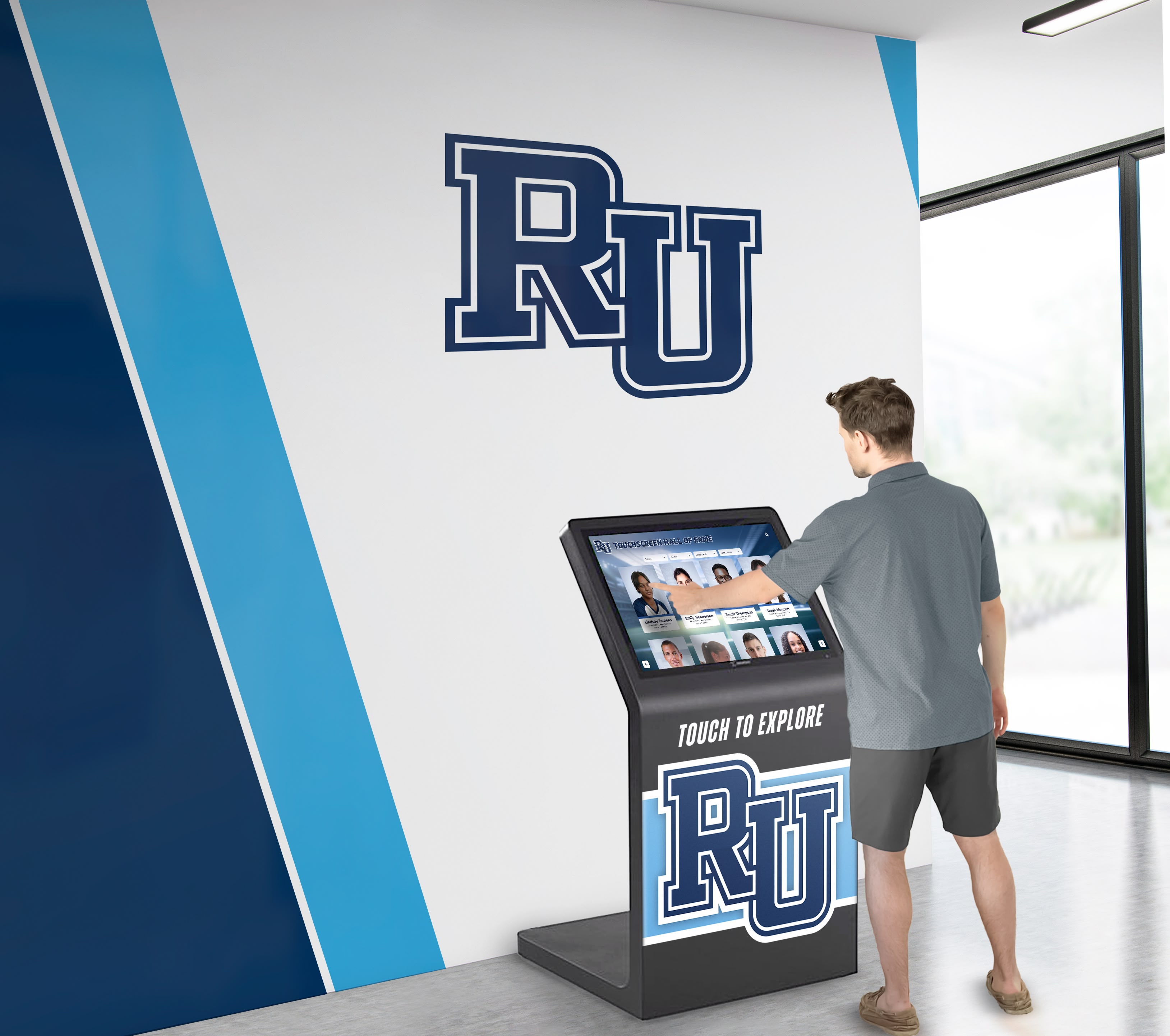
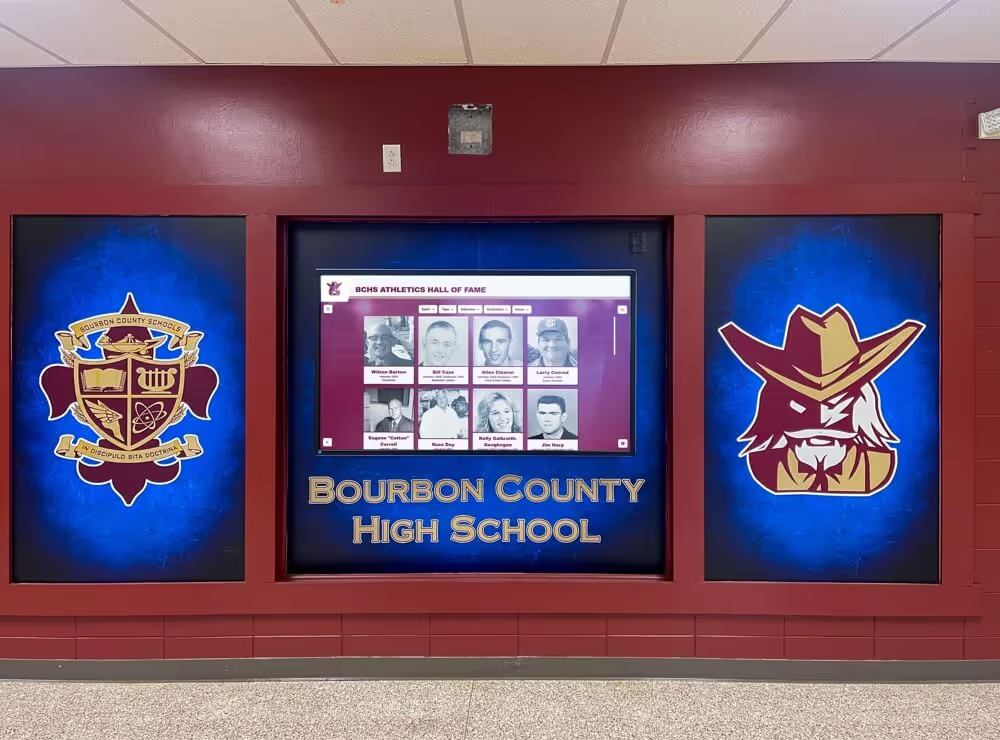
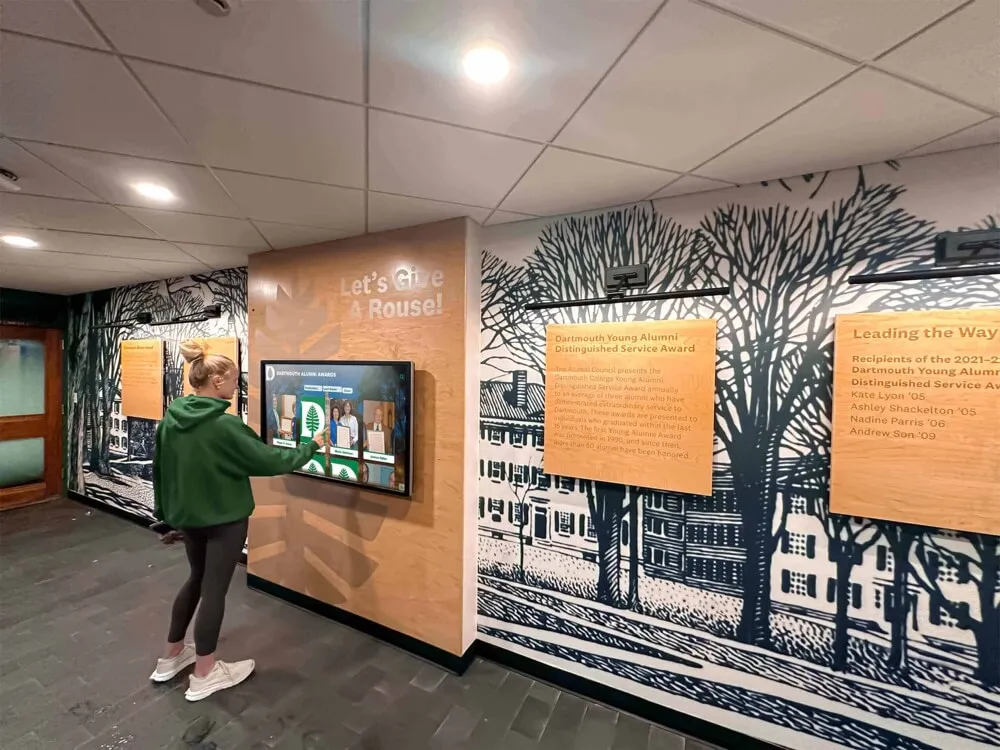
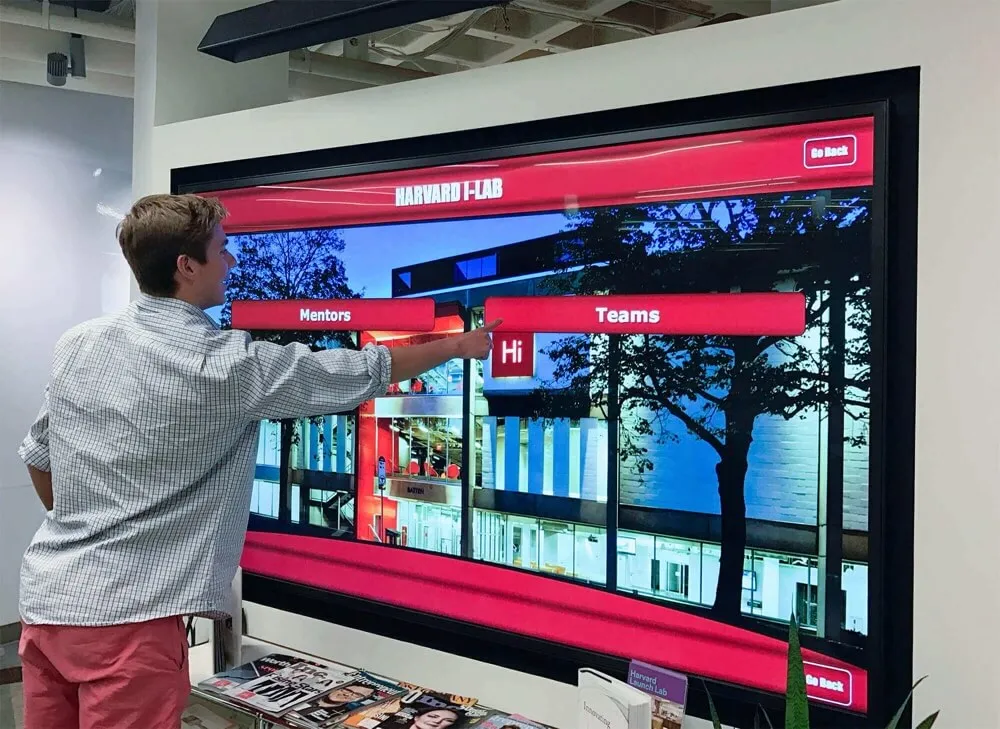
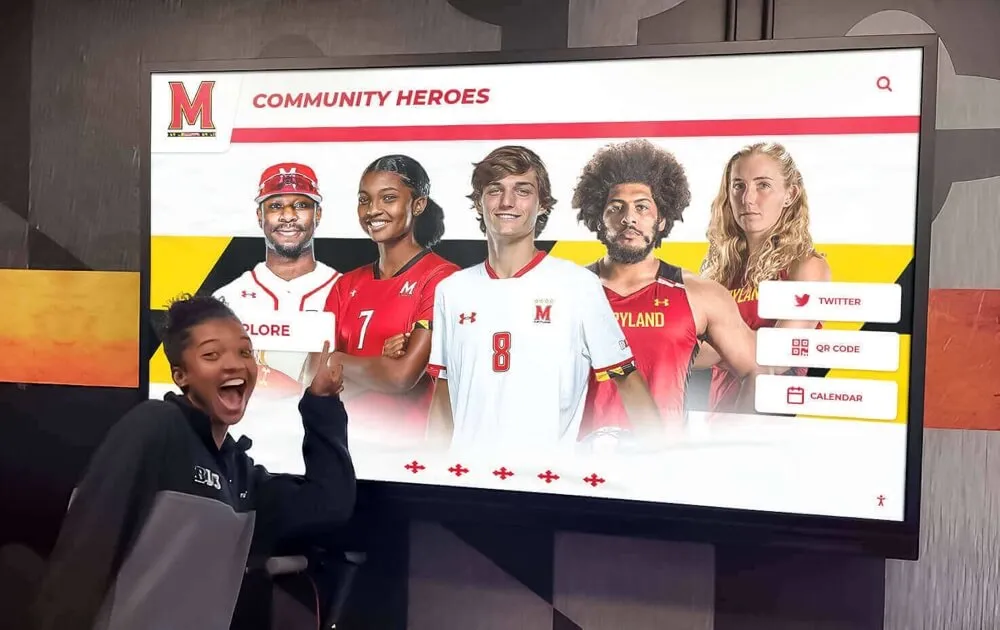
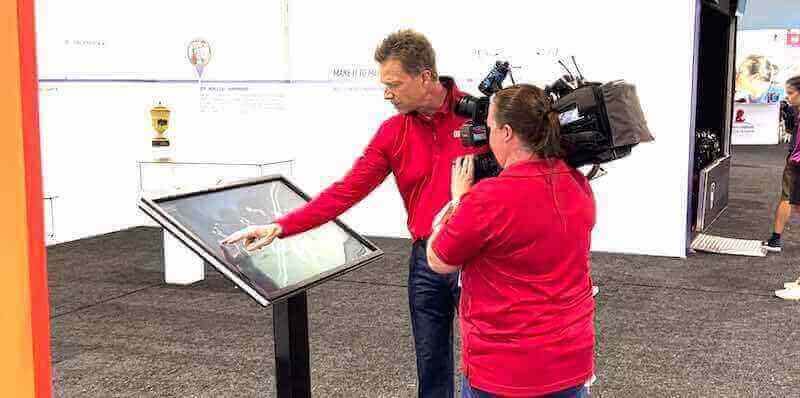
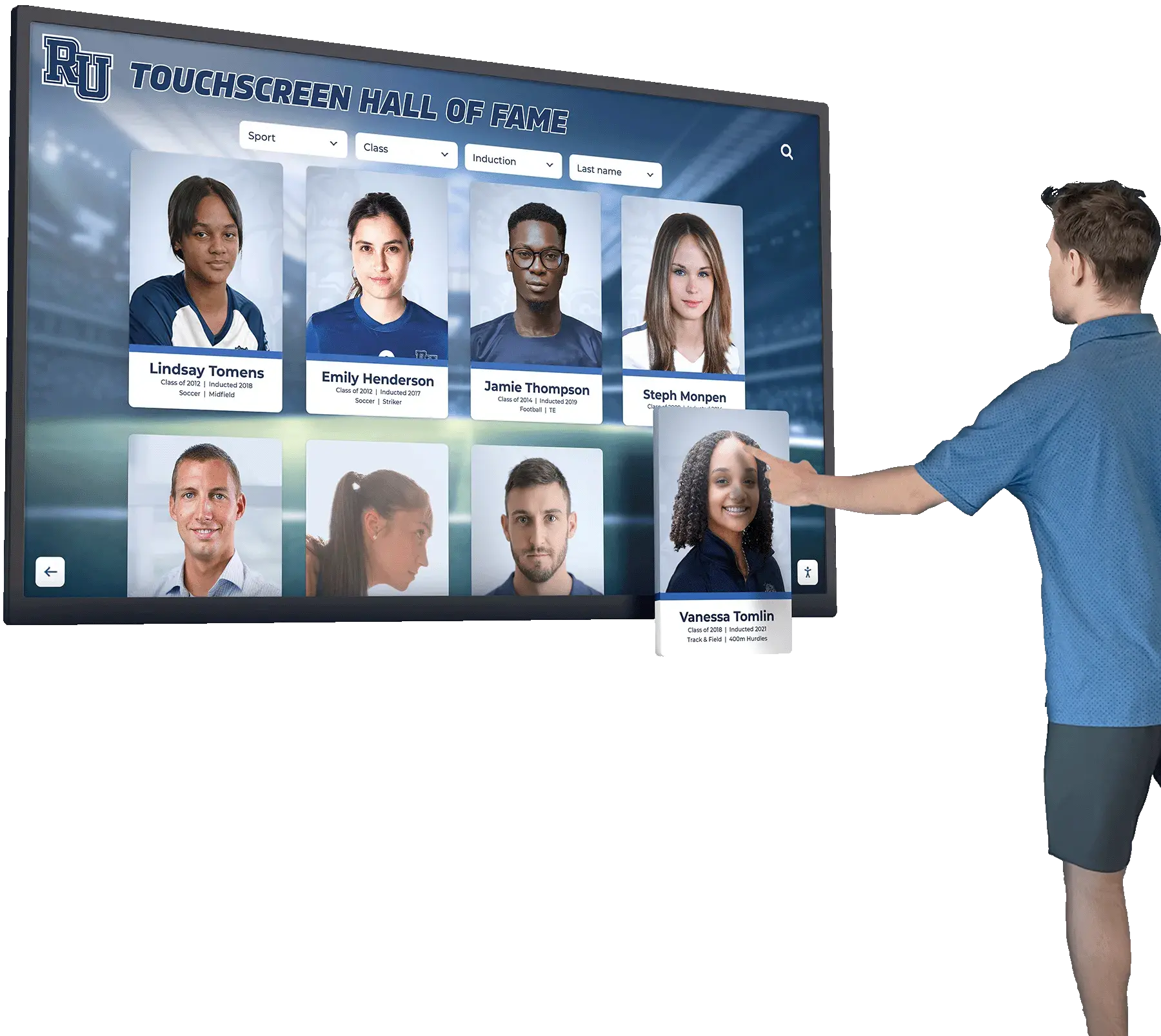
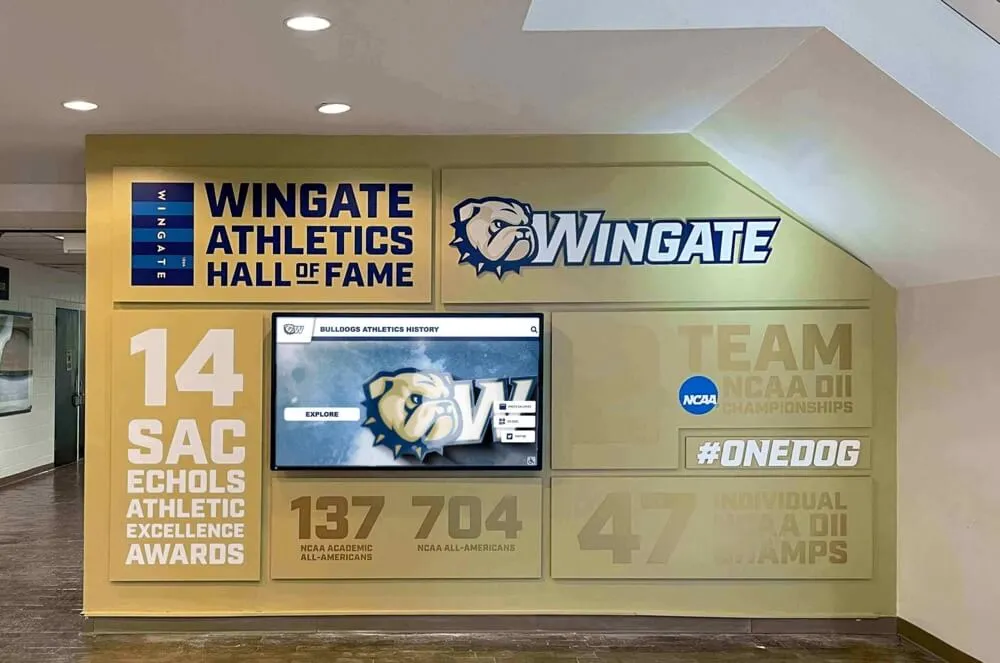
Interactive touchscreen systems enable exploration of detailed performer profiles and achievement stories beyond simple name lists
Hybrid Recognition Approaches
The most sophisticated sales organizations combine physical and digital recognition strategically:
Physical Awards for Major Achievements + Digital Displays for Ongoing Recognition
Reserve expensive physical trophies and awards for exceptional achievements—President’s Club membership, top annual performer, career milestone recognition—while using digital displays for quarterly, monthly, and real-time recognition. This hybrid approach balances the prestige top performers associate with physical awards against the scalability and update flexibility digital platforms provide.
Wall-Mounted Displays with Digital Components
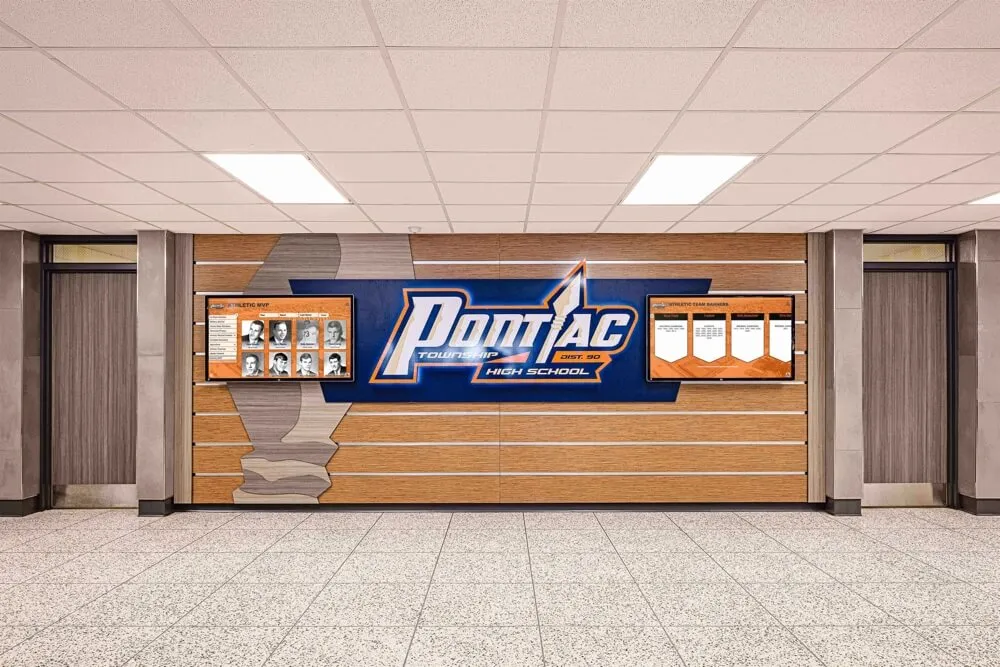
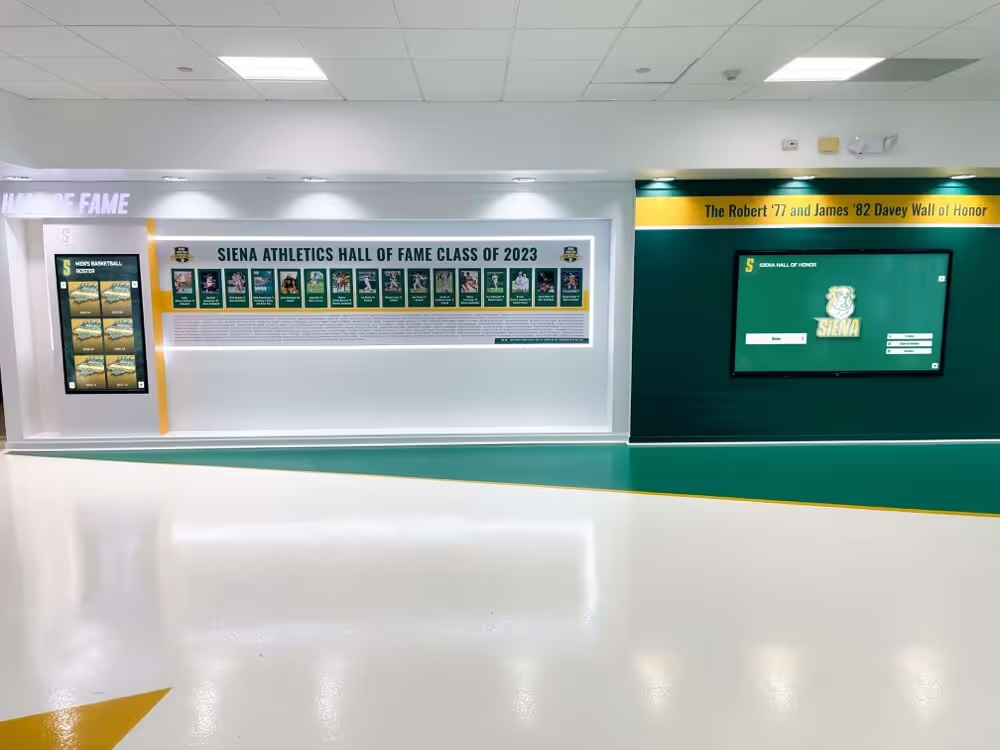
Integrate digital screens within designed recognition walls featuring organizational branding, traditional trophy cases, or architectural elements. These integrated environments create recognition destinations that honor heritage and tradition while leveraging technology’s advantages for current and future recognition needs.
Mobile and Desktop Recognition Complementing Physical Displays
Extend recognition beyond physical locations through mobile apps, desktop dashboards, and web-based platforms ensuring remote team members receive equal visibility. This multi-channel approach addresses distributed sales teams where not all performers regularly visit offices with physical displays.
What to Display: Recognition Content and Achievement Categories
Effective recognition requires thoughtful decisions about what to celebrate and how to communicate achievements meaningfully.
Essential Recognition Content Elements
Comprehensive performer profiles should include:
Core Achievement Information
- Full name and role/territory
- Specific achievement or milestone (quota attainment percentage, deals closed, revenue generated)
- Time period (Q4 2024 Top Performer, 2024 President’s Club)
- Ranking or standing (Top 10%, #1 in Region, Top 5 Company-Wide)
- Previous recognition history for sustained high performers
Enriched Context and Storytelling
- High-quality professional photograph
- Brief biography highlighting background and tenure
- Notable deals or client relationships exemplifying excellence
- Specific strategies or approaches that drove success
- Customer testimonials or feedback when available
- Personal statement or reflection on achievement
Quantitative Performance Metrics
- Quota attainment percentage
- Year-over-year growth rates
- Number of deals closed or customers acquired
- Average deal size or total revenue generated
- Win rate or conversion percentages
- Pipeline development metrics
This comprehensive approach honors achievements appropriately while providing actionable insights for others seeking similar success.
Recognition Categories Beyond Revenue
While revenue metrics naturally dominate sales recognition, consider celebrating diverse achievement types that reinforce organizational values and motivate broader team segments:
Customer Relationship Excellence
- Highest customer satisfaction scores
- Most repeat business or expansion deals
- Longest-tenured customer relationships
- Most customer referrals generated
Team Collaboration and Leadership
- Most valuable team player recognition
- Mentoring and coaching contributions
- Cross-functional collaboration examples
- Knowledge sharing and best practice documentation
Pipeline Development and Activity Metrics
- Most new opportunities generated
- Highest-quality pipeline development
- Best discovery and qualification practices
- Most effective prospecting approaches
Professional Development and Growth
- Most improved performance year-over-year
- Skill development and certification achievement
- Product knowledge mastery
- Industry thought leadership contributions
This balanced recognition approach acknowledges that sustainable sales success requires multiple competencies beyond closing ability alone, while providing recognition opportunities for developing performers building foundations for future top performance.
Learn about balanced approaches in employee recognition programs addressing comprehensive celebration strategies.

Multiple coordinated displays accommodate diverse recognition categories while maintaining professional presentation
Implementation Guide: Creating Your Recognition Display
Systematic planning ensures recognition displays deliver intended business outcomes while avoiding common pitfalls that undermine effectiveness.
Step 1: Define Recognition Philosophy and Objectives
Before selecting technology or designing displays, clarify fundamental questions shaping program structure:
Core Policy Decisions
What achievements warrant recognition on displays versus other acknowledgment methods? How frequently will recognition update (real-time, weekly, monthly, quarterly)? Will recognition be permanent or rotate periodically? How many individuals will displays feature simultaneously? What balance between individual and team recognition best serves culture? How will displays handle sensitive situations like underperformers or departures?
Measurable Success Criteria
Establish concrete metrics enabling program assessment: target sales performance improvements within 6-12 months, retention rate goals for top performers, engagement survey scores related to recognition satisfaction, usage analytics for interactive displays, and social media sharing or organic promotion frequency.
Clear objectives guide design decisions when tradeoffs become necessary during implementation while providing benchmarks for demonstrating ROI to leadership.
Step 2: Select Technology Platform and Display Type
Choose recognition approaches matching objectives, budget, and team characteristics:
Budget Considerations
Physical boards and trophy displays typically require $200-5,000 initial investment plus $125-250 per award for ongoing recognition. Basic digital signage systems start around $1,500-3,000 per display including hardware and simple content software. Sophisticated interactive touchscreen systems with cloud management range from $8,000-25,000 per display for enterprise-grade installations. Real-time leaderboard systems require CRM integration plus display hardware, typically $5,000-15,000 depending on complexity.
Organizations should plan 3-5 year total cost of ownership including hardware, software subscriptions, content development, and maintenance when comparing options.
Team Size and Structure
Small teams (5-15 people) often achieve excellent results with physical boards or basic digital displays requiring minimal management. Medium teams (15-50 people) benefit from digital signage with remote management enabling frequent updates. Large teams (50+ people) or distributed organizations need sophisticated systems with search capabilities, multiple categories, and scalable architecture supporting growth.
Cultural Fit Assessment
Consider whether organizational culture embraces transparent performance visibility through real-time leaderboards or prefers celebrating periodic achievements through quarterly or annual recognition. Assess whether performers value tangible physical awards or prefer modern digital acknowledgment with broader visibility. Evaluate whether competitive dynamics drive healthy performance or create toxic environments requiring careful recognition design.
These cultural factors significantly impact whether recognition displays strengthen or undermine team dynamics.
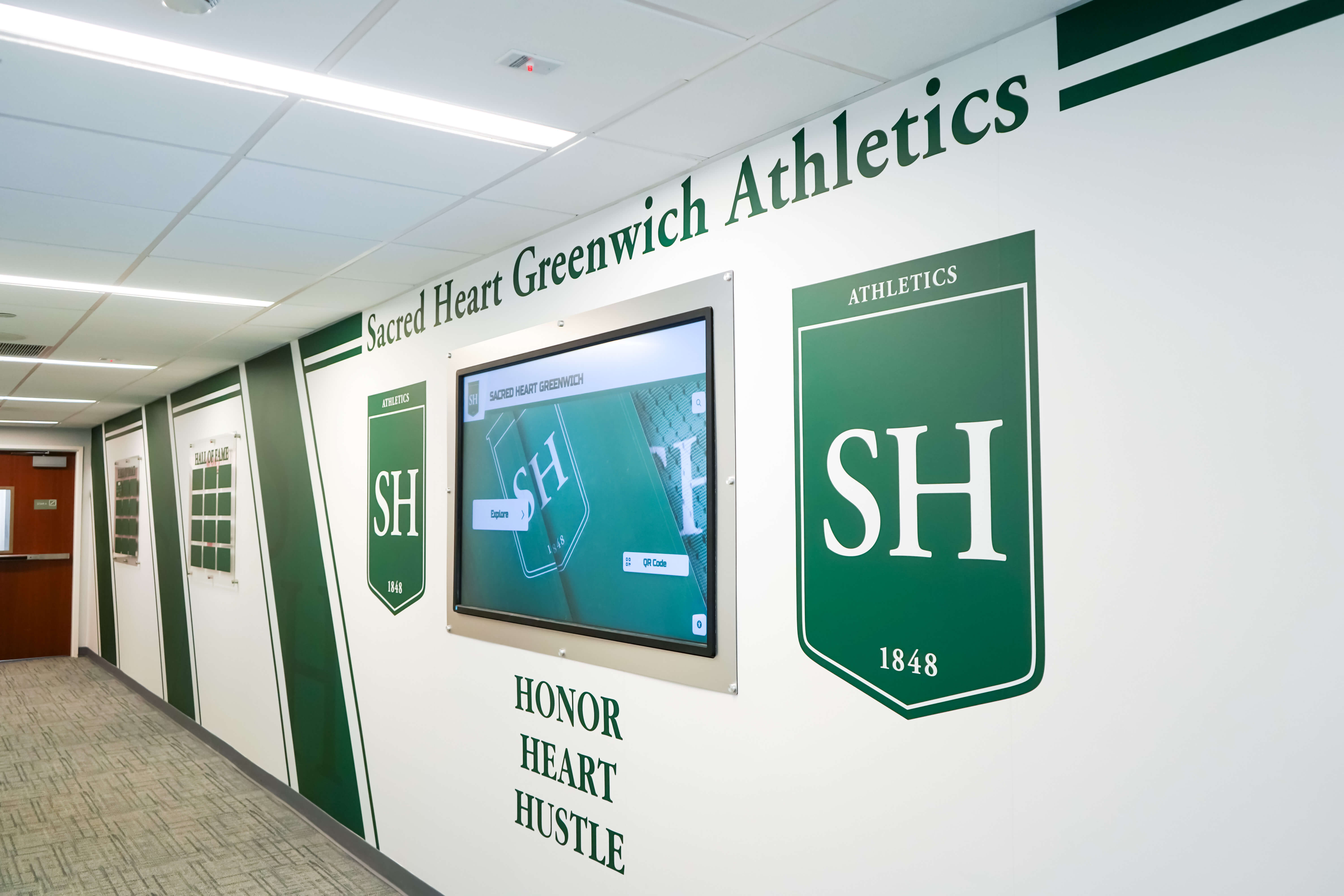
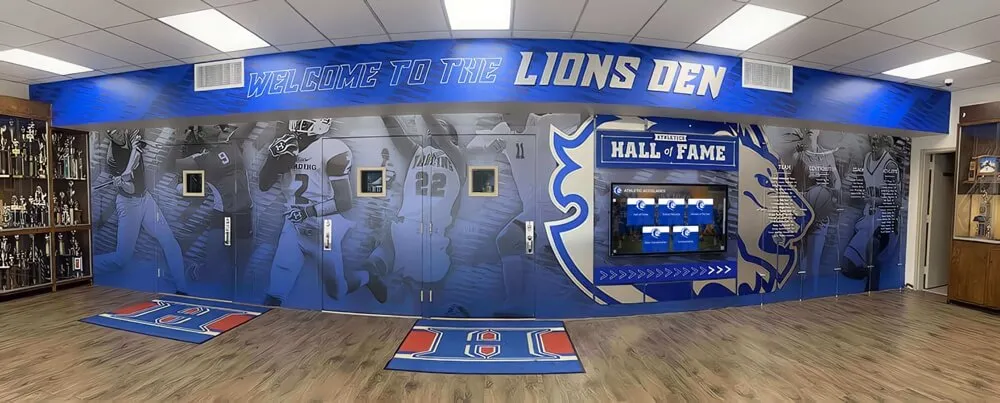
Professional installations integrate seamlessly with existing facilities while creating dedicated recognition destinations
Step 3: Strategic Location Selection
Display placement dramatically affects recognition visibility and engagement:
Optimal Installation Locations
Main office entrance lobbies ensuring all team members and visitors encounter recognition immediately upon arrival, sales floor common areas with highest traffic and natural gathering points, conference rooms or meeting spaces where team huddles and client presentations occur, near leadership offices signaling executive commitment to recognition, and hallways connecting departments ensuring cross-functional visibility.
Creating Recognition Destinations
Most effective implementations transform areas into recognition destinations through coordinated design elements: comfortable seating encouraging extended viewing and discussion, organizational branding and graphics reinforcing identity, integration with existing trophy cases or historical recognition, appropriate lighting highlighting displays, and clear wayfinding directing visitors to recognition spaces.
These integrated approaches signal institutional commitment while creating visually impressive environments that strengthen organizational pride.
Step 4: Content Development and Data Sources
Recognition quality depends on compelling content honoring achievements appropriately:
Information Gathering
Establish systematic processes for collecting recognition data: CRM system integration pulling performance metrics automatically, manager nominations and supporting documentation for qualitative achievements, performer self-submissions with achievement details and context, customer testimonials or feedback highlighting exceptional service, and historical archives preserving past recognition for comparison and context.
Content Creation Standards
Maintain consistent quality through professional photography, clear achievement descriptions avoiding jargon, accurate metrics verified through multiple sources, engaging storytelling beyond statistics alone, and appropriate tone balancing celebration against boastfulness.
Update Workflows
Define clear processes ensuring recognition stays current: immediate updates within 24-48 hours for major achievements, weekly reviews during active selling periods, monthly comprehensive content refreshes, quarterly archive rotations featuring historical top performers, and annual program assessments evaluating effectiveness and gathering feedback.
Cloud-based recognition platforms dramatically simplify these workflows by enabling updates from any internet-connected device without requiring physical display access or technical expertise.
Explore implementation strategies in digital recognition board ideas addressing content development and ongoing management.
Step 5: Launch, Communication, and Ongoing Management
Successful recognition requires strategic launches and sustained attention:
Program Launch Strategy
Generate enthusiasm through team announcements explaining recognition criteria and display locations, leadership messaging emphasizing commitment to celebrating achievement, initial content featuring current top performers with substantial achievement details, training sessions showing how to explore interactive displays or submit content, and celebration events drawing attention to new recognition systems.
Communication and Promotion
Maintain program visibility through regular email updates featuring newly recognized performers, social media posts extending recognition reach beyond physical locations, integration into sales meetings and all-hands presentations, newsletter features highlighting achievement stories, and leadership references during one-on-one conversations and performance reviews.
Continuous Improvement
Treat recognition as dynamic programs requiring ongoing attention: quarterly analytics reviews identifying engagement patterns and popular content, annual comprehensive assessments evaluating business impact on retention and performance, team feedback sessions gathering direct input from performers and managers, peer organization comparisons revealing innovation opportunities, and systematic responses to feedback ensuring recognition improves continuously.
Organizations viewing recognition as ongoing strategic initiatives rather than one-time technology installations achieve far superior outcomes.
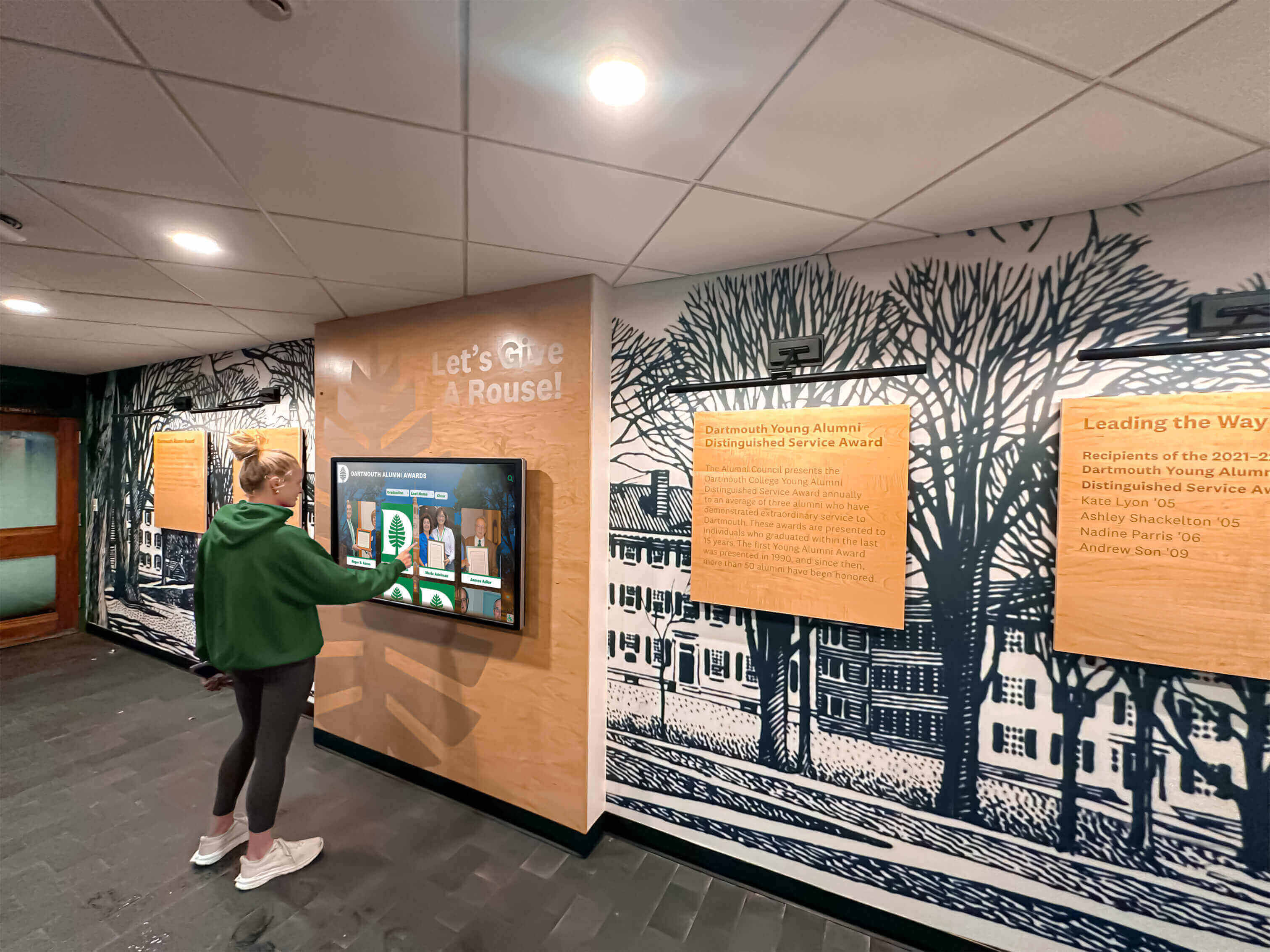
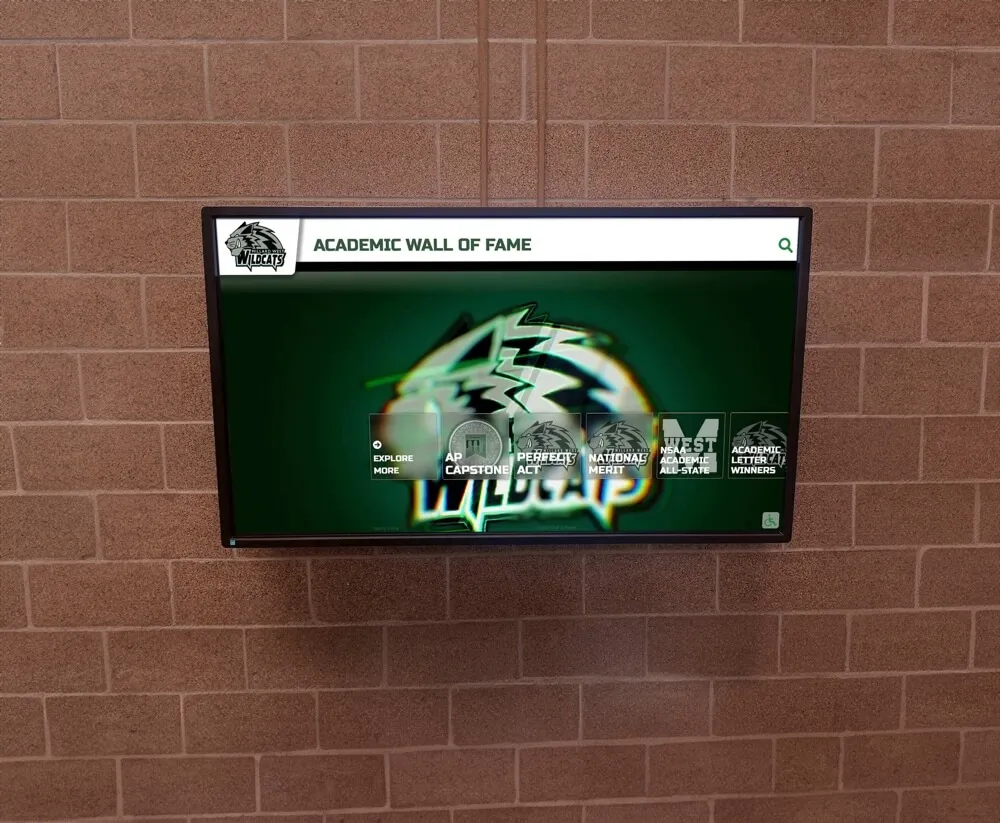
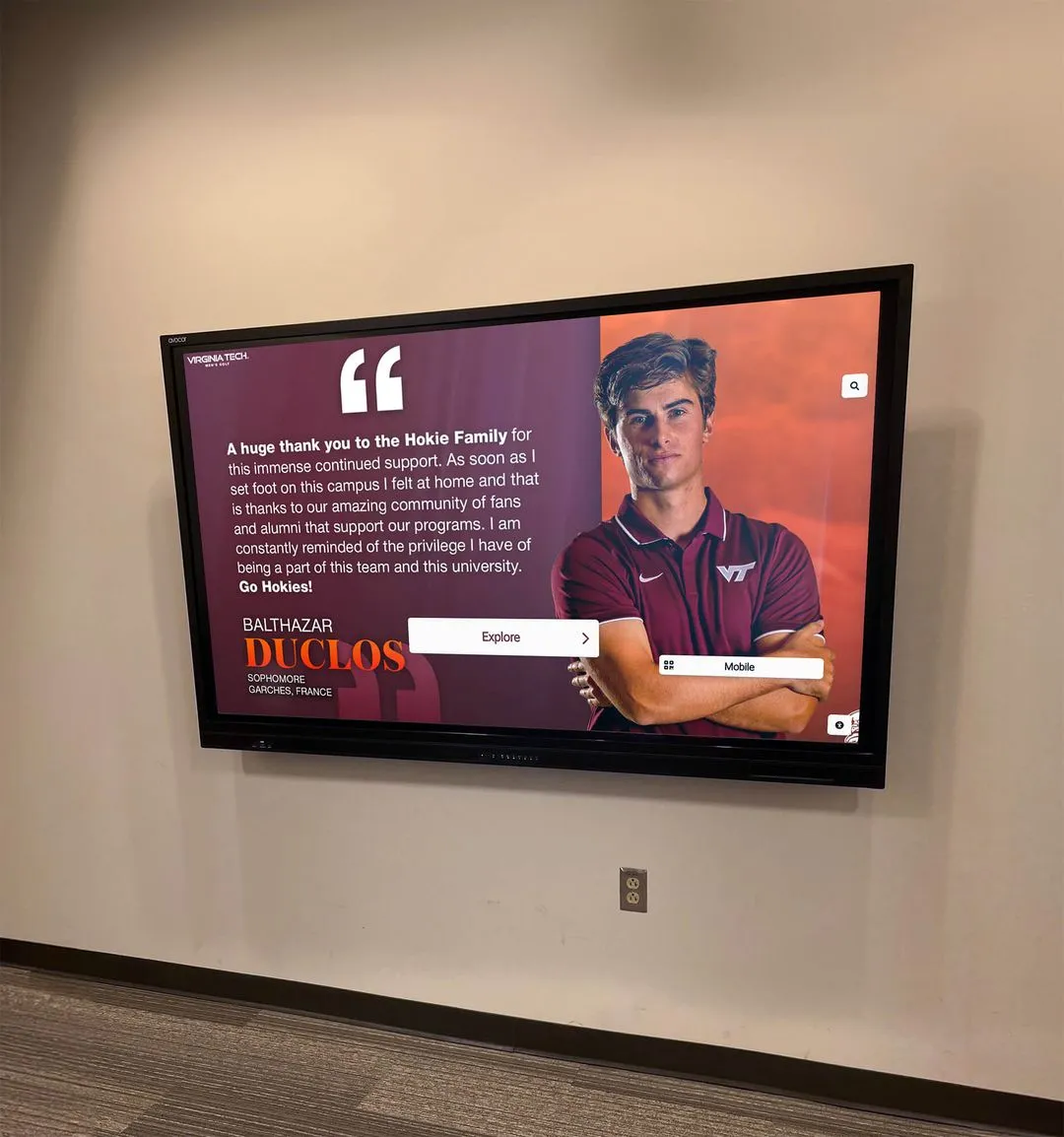
User-friendly interfaces encourage regular engagement with recognition content creating sustained motivation
Measuring ROI: Demonstrating Recognition Display Value
Systematic assessment proves recognition value while identifying improvement opportunities:
Quantitative Performance Metrics
Direct Sales Performance Indicators
Track team performance before and after recognition implementation: overall revenue growth rates, average deal size increases, quota attainment percentage improvements, win rate or conversion enhancements, sales cycle length reductions, and pipeline velocity acceleration.
While multiple factors influence sales performance, positive trends correlating with recognition implementation suggest programs contribute meaningfully to business outcomes.
Retention and Engagement Measurements
Monitor retention metrics particularly sensitive to recognition effectiveness: top performer turnover rates, voluntary departure reasons cited in exit interviews, time-to-productivity for new hires observing recognized excellence, employee engagement survey scores related to appreciation and recognition, and internal promotion rates showing career path clarity.
According to research by Gallup, organizations with strong recognition cultures experience 31% lower voluntary turnover compared to competitors—significant savings given typical replacement costs of $115,000 per sales position.
Recognition System Usage Analytics
Modern digital platforms provide concrete usage data: display interaction frequency showing daily engagement, average session duration revealing content interest depth, most-viewed performer profiles identifying popular content, search patterns demonstrating how users explore recognition, and web platform traffic for recognition extending beyond physical displays.
These metrics reveal whether displays generate intended engagement or require strategy adjustments.
Qualitative Impact Assessment
Stakeholder Feedback Collection
Regular feedback provides insights beyond quantitative metrics: sales team surveys assessing recognition program satisfaction, top performer interviews exploring whether recognition influences retention decisions, manager observations about team dynamics and competitive culture, leadership assessment of recruitment and cultural benefits, and client perceptions when recognition displays appear in office tours or meeting spaces.
Cultural Indicators
Long-term changes provide evidence of recognition cultural impact: increased celebration of wins during team meetings and communications, enhanced collaboration as performers share strategies visible in recognition profiles, stronger peer relationships built around congratulations and achievement discussions, elevated performance expectations as recognition demonstrates what’s possible, and improved recruitment outcomes as recognition demonstrates organizational commitment to celebrating excellence.
Learn about measurement frameworks in hall of achievement recognition programs addressing assessment strategies and outcome documentation.
Common Challenges and Solutions
Organizations frequently encounter specific obstacles requiring thoughtful responses:
“Recognition Creates Unhealthy Competition”
Addressing Culture Concerns
Some organizations worry that public recognition damages collaboration by fostering cutthroat competition. Effective responses include balancing individual recognition with team achievement celebration, recognizing diverse contribution types beyond revenue alone, emphasizing that recognition celebrates effort and excellence rather than comparing performers judgmentally, featuring collaboration and peer support stories within recognition profiles, and soliciting feedback about competitive dynamics with willingness to adjust approaches if toxicity emerges.
Research demonstrates that recognition creates healthy motivation when programs celebrate diverse achievements rather than single metrics exclusively while leadership models collaborative values complementing competitive recognition.
“Top Performers Don’t Need Recognition—They’re Motivated by Money”
Beyond Compensation Alone
While compensation matters critically for sales professionals, decades of motivation research proves financial incentives alone provide insufficient engagement for sustained excellence. Top performers consistently cite recognition, appreciation, and acknowledgment among factors influencing retention decisions and discretionary effort beyond minimum performance requirements.
Recognition satisfies psychological needs that bonuses cannot address—status among peers, organizational appreciation beyond transactional exchange, public acknowledgment of specific achievements and strategies, and meaning derived from visible impact on organizational success.
Organizations maintaining this false dichotomy between compensation and recognition ultimately lose top talent to competitors offering both.
“We Don’t Have Budget for Expensive Recognition Systems”
Scalable Implementation Approaches
Recognition doesn’t require substantial investment initially. Organizations can start with physical recognition boards ($200-500), basic digital displays using existing TVs with simple slideshow software ($0-500), DIY recognition walls featuring printed materials and photos ($100-300), or cloud-based leaderboard software displaying on existing monitors ($50-150 monthly).
These entry-level approaches deliver meaningful recognition while organizations demonstrate ROI justifying enhanced investment in sophisticated systems as programs mature.
“Our CRM Data Isn’t Ready for Automated Recognition”
Manual and Hybrid Approaches
Incomplete or inconsistent CRM data shouldn’t prevent recognition. Begin with manual updates based on manager reporting and available information, implement basic recognition celebrating known top performers while improving data quality, use hybrid approaches combining automated metrics where data quality supports it with manual recognition for qualitative achievements, and commit to systematic data improvement enabling enhanced automation over time.
Perfect systems rarely exist—start with available capabilities and improve continuously rather than delaying recognition until ideal conditions materialize.
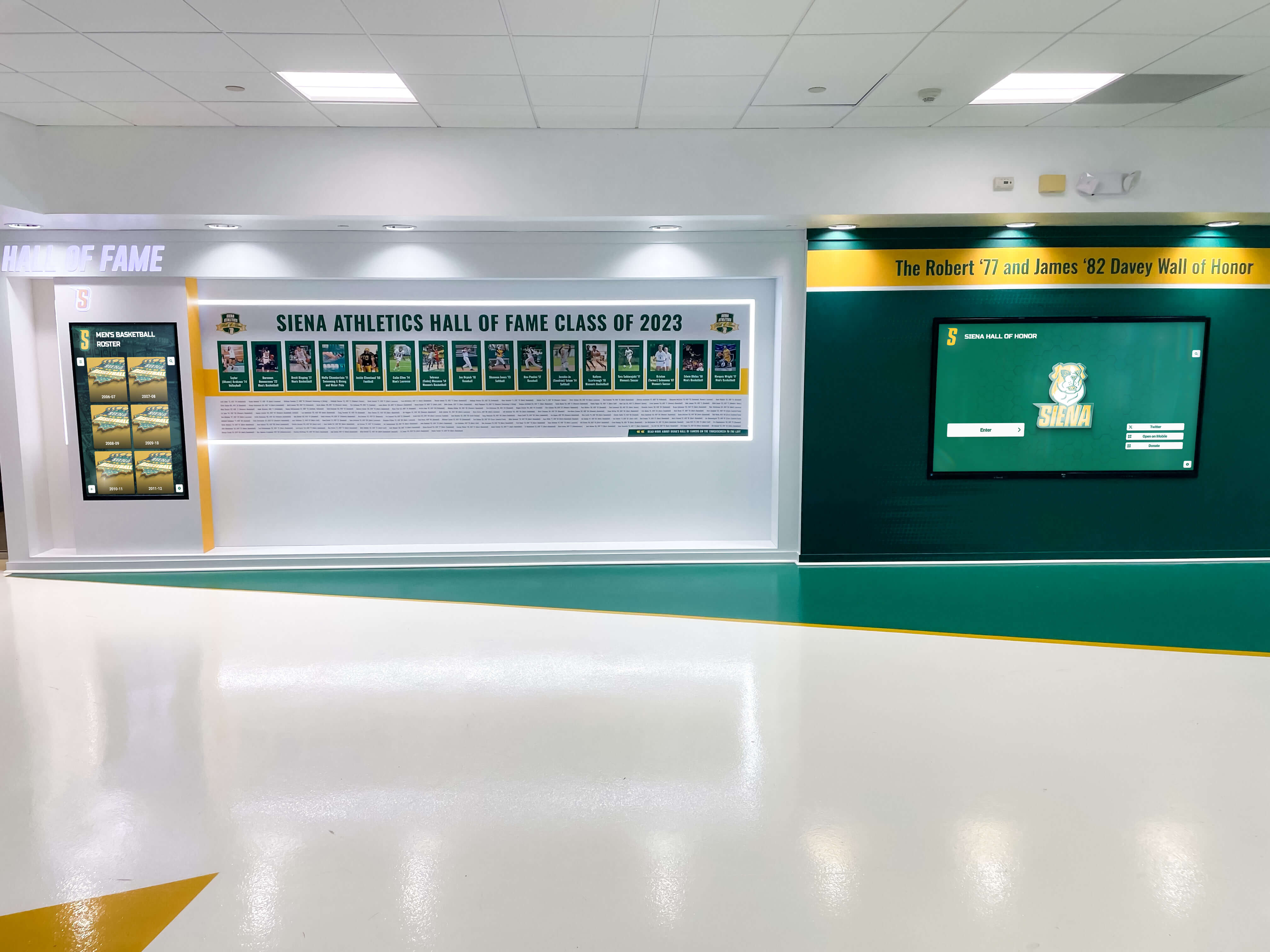
Professional recognition installations become organizational landmarks celebrating excellence while inspiring continued high performance
Industry-Specific Recognition Considerations
Different sales environments require tailored recognition approaches:
B2B Sales Recognition
Business-to-business sales with long cycles and complex deals benefit from recognition highlighting relationship development, pipeline building, strategic account management, and sustained engagement across quarters or years rather than only celebrating closed deals.
Consider recognizing partnership quality, customer satisfaction scores, expansion and upsell success, cross-functional collaboration with solution teams, and industry thought leadership contributions.
Retail Sales Recognition
Retail environments with high transaction volumes and immediate results work well with real-time leaderboards showing daily or weekly performance, gamification elements creating excitement around short-term competitions, and recognition categories including customer service excellence, product knowledge, store team collaboration, and visual merchandising contributions.
These environments often embrace competitive dynamics and transparent performance visibility that might feel uncomfortable in relationship-focused B2B cultures.
SaaS and Subscription Sales Recognition
Software and subscription sales benefit from recognition celebrating not just initial sales but also customer success, retention, and expansion—metrics critical for recurring revenue business models. Recognize logo acquisition, annual recurring revenue growth, customer health scores and renewals, product adoption and utilization achievements, and customer advocacy development.
This comprehensive recognition reinforces that sales success in subscription businesses requires sustained customer focus beyond initial transactions.
Inside Sales and SDR Recognition
Inside sales teams and sales development representatives focused on prospecting and appointment setting need recognition addressing activity metrics and pipeline development: qualified meetings scheduled, opportunity creation, conversion rates through sales stages, outreach effectiveness and response rates, and collaboration with closing teams.
These recognition programs validate that prospecting and pipeline development roles contribute critically to organizational success even though they don’t close final deals themselves.
Explore specialized approaches in digital hall of fame complete guide addressing recognition across diverse professional environments.
Future Trends in Sales Recognition Displays
Understanding emerging developments helps organizations plan investments remaining relevant long-term:
Artificial Intelligence and Personalization
AI capabilities will enhance recognition through automated content generation from CRM data eliminating manual updates, personalized recognition recommendations based on individual performer characteristics and preferences, predictive analytics identifying performers likely to exceed targets warranting preemptive recognition, and sentiment analysis of recognition program feedback informing continuous improvements.
Augmented Reality Recognition Experiences
Emerging AR technologies will enable immersive recognition experiences where performers explore virtual representations of achievements, interactive 3D visualizations of sales territory performance and customer relationships, and gamified recognition environments creating engaging experiences beyond traditional displays.
Enhanced Integration and Automation
Recognition systems will increasingly integrate seamlessly with comprehensive sales technology ecosystems: automatic synchronization with CRM platforms eliminating manual data entry, connection with communication tools automatically announcing achievements, integration with compensation systems connecting recognition to financial rewards, and coordination with learning platforms linking recognition to skill development resources.
These connected ecosystems reduce administrative burden while providing more complete performance intelligence informing strategic decisions.
Conclusion: Investing in Recognition That Drives Results
Top sales performer recognition displays represent strategic investments in motivation, retention, and culture that directly impact revenue outcomes when implemented thoughtfully with genuine commitment to celebrating excellence comprehensively, maintaining content currency through systematic management, and balancing competitive recognition with collaborative values. When organizations move beyond viewing recognition as nice-to-have employee perks toward understanding displays as essential motivation infrastructure, they create environments where top performers feel genuinely valued, developing team members see clear paths to excellence, and everyone understands that achievement receives acknowledgment commensurate with contribution.
The most successful recognition display implementations share common characteristics: they celebrate diverse achievements beyond revenue metrics alone ensuring broad team members feel valued, provide timely acknowledgment with minimal delay between achievement and recognition, maintain professional presentation quality honoring performers appropriately, integrate thoughtfully within facilities and organizational culture rather than feeling like afterthoughts, and evolve continuously based on feedback, analytics, and demonstrated business outcomes.
Transform Your Sales Recognition Program
Discover how modern recognition display solutions can help your organization motivate top performers, improve retention rates, and create sales cultures that drive sustainable revenue growth. Rocket Alumni Solutions provides comprehensive platforms designed specifically for celebrating professional achievement through engaging, professional displays.
Explore Recognition SolutionsWhether your organization is implementing first formal recognition displays or enhancing established programs with modern technology, remember that authentic appreciation and meaningful acknowledgment matter more than expensive installations or sophisticated features. Start with clear understanding of what motivates your specific sales team, develop recognition approaches emphasizing achievements aligned with organizational values, create inclusive programs celebrating diverse contribution types, invest in content quality making recognition compelling rather than perfunctory, and commit to ongoing evolution based on performer feedback and demonstrated retention outcomes.
Your top sales performers dedicate extraordinary effort, skills, and commitment to driving organizational revenue—they deserve recognition that honors those contributions appropriately while inspiring continued excellence. Strategic investment in thoughtful, comprehensive recognition displays creates sustainable high-performance cultures where performers feel genuinely valued, understand exactly what behaviors and outcomes the organization celebrates, develop stronger organizational commitment and loyalty, and push themselves toward continued excellence knowing their achievements will receive acknowledgment they’ve earned.
Ready to begin? Explore how solutions like Rocket Alumni Solutions can help your organization create meaningful recognition display programs that motivate teams, strengthen retention, and drive measurable improvements in sales performance for years to come.