Finding the right Carousel alternative has become a critical decision for schools, universities, nonprofits, and organizations seeking modern digital signage and interactive display solutions that balance ease of use, powerful features, and specialized capabilities for recognition, engagement, and communication. Whether you’re looking to replace an existing Carousel system or exploring alternatives before making your first digital signage investment, understanding the landscape of available solutions helps you select platforms that truly match your institutional needs, technical environment, and long-term management capacity.
Carousel Digital Signage has served many organizations well, providing content management and display control for networked screens in lobbies, hallways, and public spaces. However, organizations increasingly seek alternatives offering more specialized capabilities—purpose-built recognition features for schools and athletics, superior ease of use for non-technical staff, modern cloud-based architecture, enhanced mobile and web accessibility, more favorable pricing structures, or simply platforms better aligned with specific use cases like alumni engagement, donor recognition, or interactive hall of fame displays.
This comprehensive guide explores top Carousel alternatives across multiple categories—from general-purpose digital signage platforms to specialized recognition solutions—helping you evaluate options based on features, use cases, pricing, and institutional fit while providing practical frameworks for making informed software selection decisions that serve your organization for years to come.
The digital signage landscape has evolved dramatically in recent years, expanding far beyond basic content scheduling and playlist management. Modern alternatives to Carousel deliver sophisticated capabilities including interactive touchscreen experiences, searchable content databases, advanced analytics, seamless integration with institutional systems, and specialized features designed specifically for recognition, wayfinding, or communication applications that generic platforms struggle to support effectively.

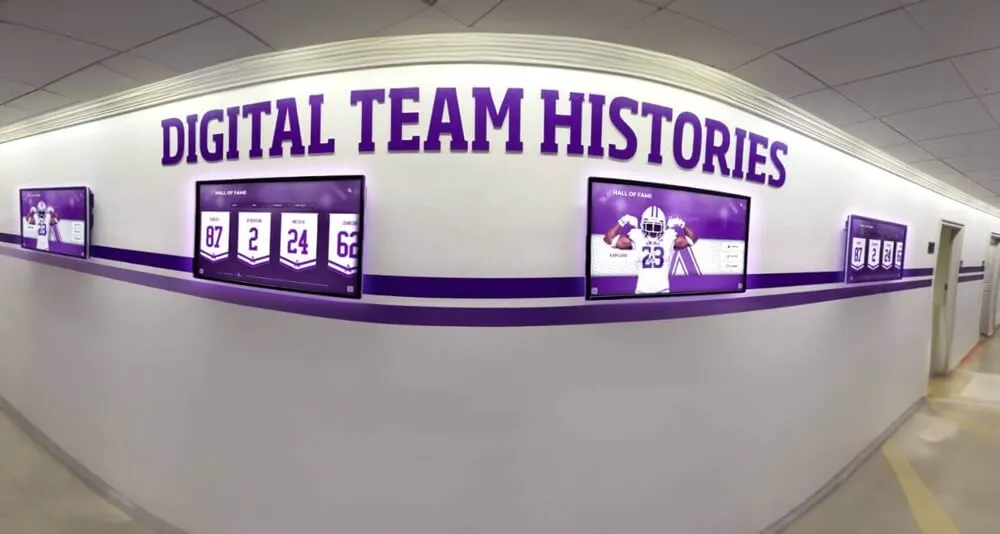
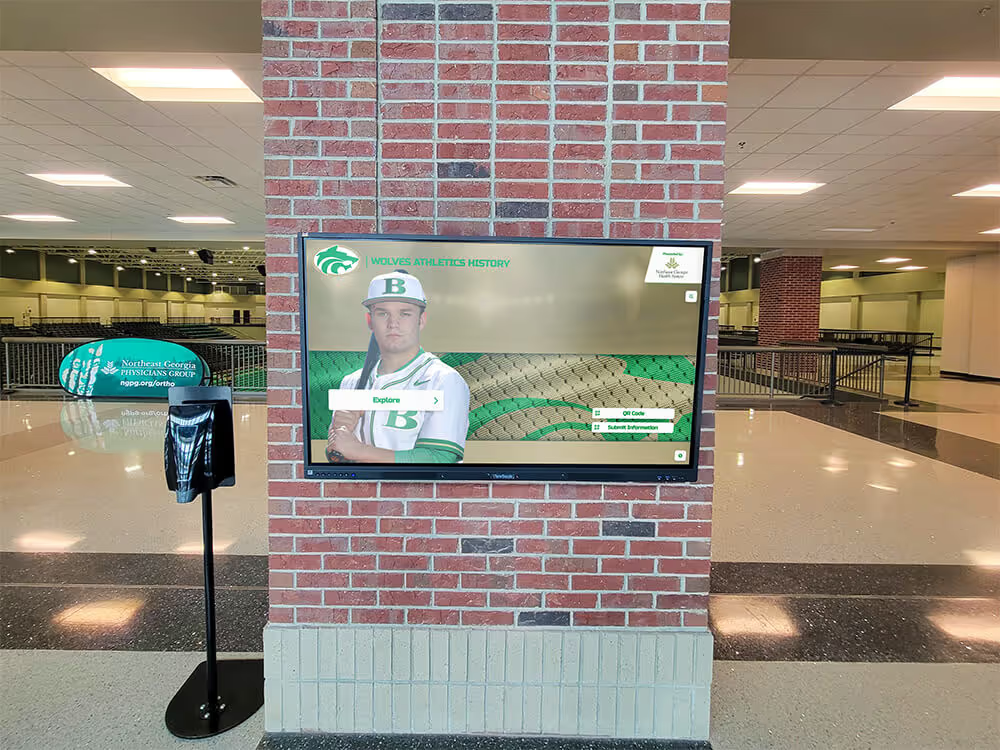
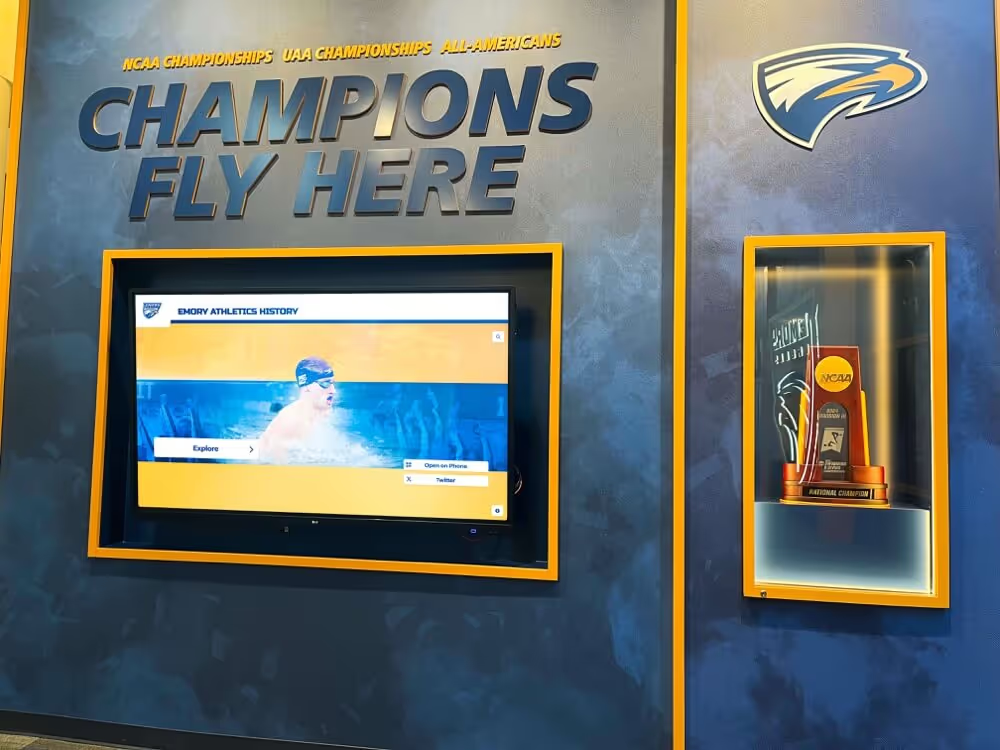
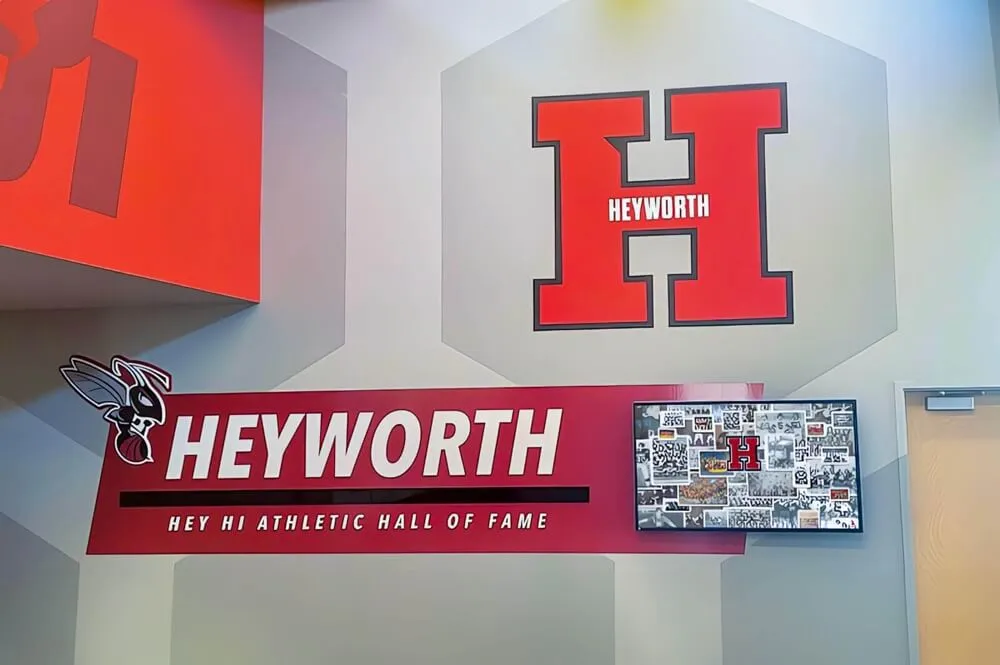
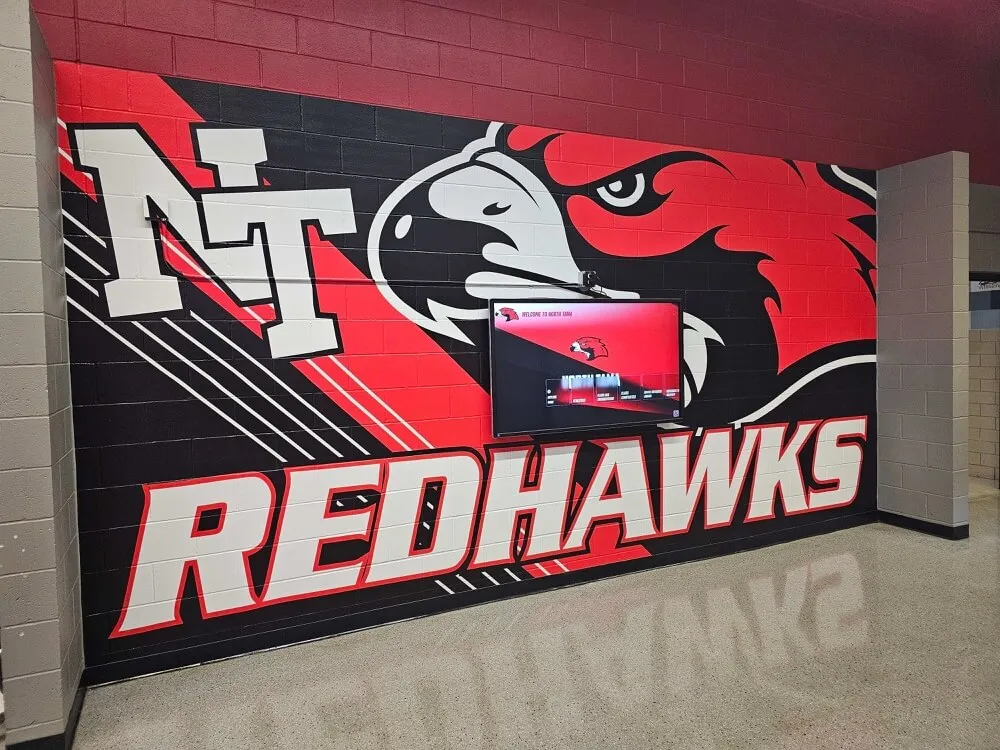
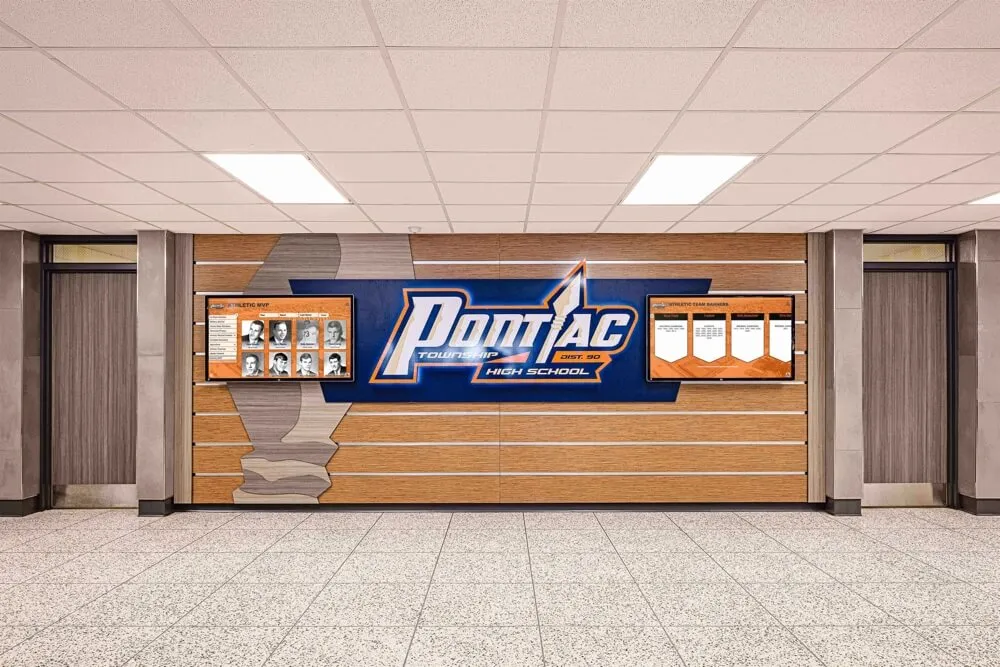
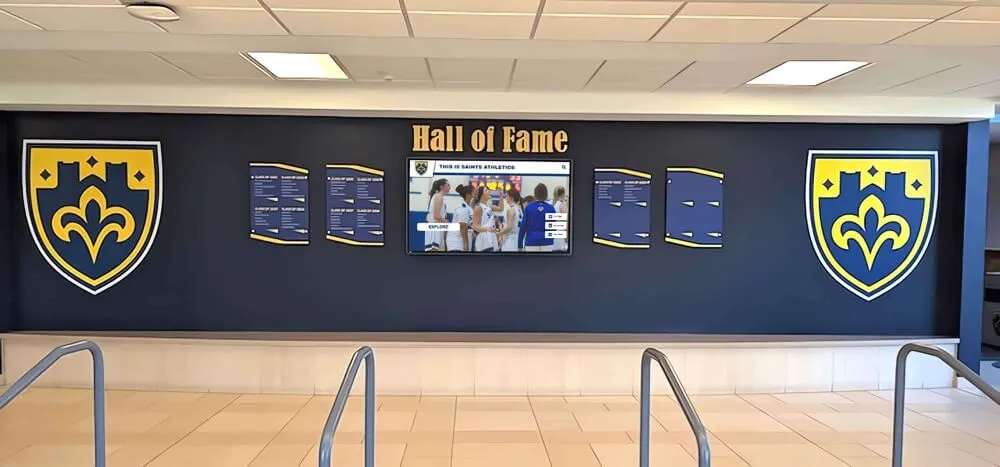
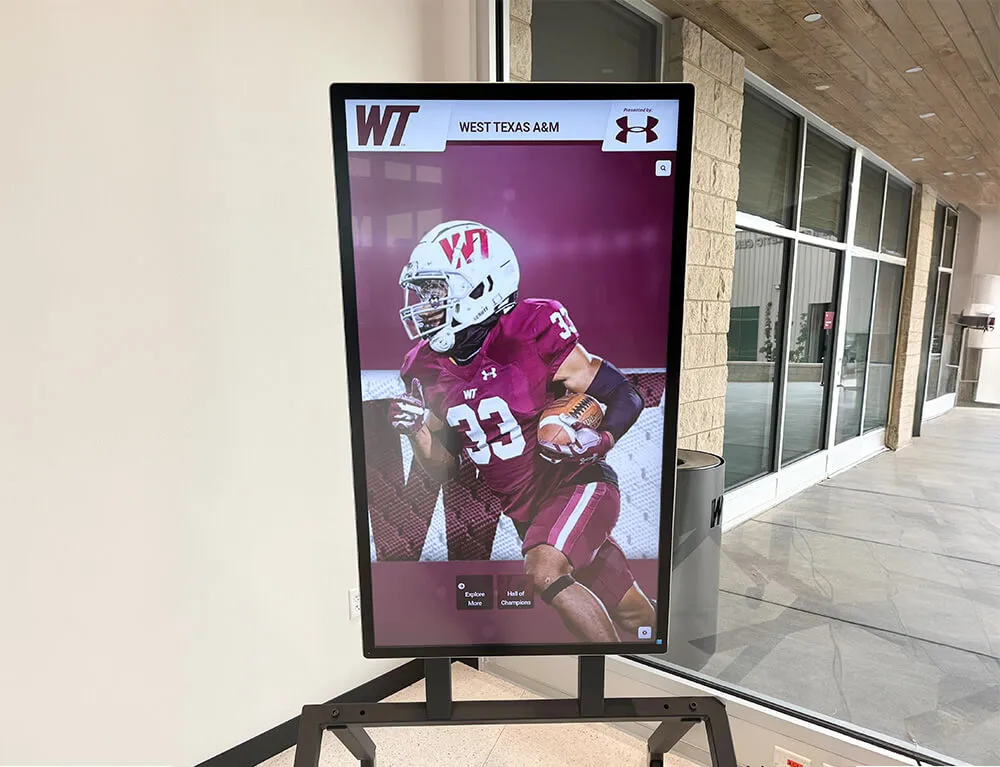
Modern alternatives to Carousel emphasize intuitive interfaces and specialized features beyond basic content scheduling
Understanding Carousel Digital Signage and Why Organizations Seek Alternatives
Before evaluating specific alternatives, understanding Carousel’s position in the digital signage market and common reasons organizations explore replacements provides essential context for systematic platform comparison.
What Is Carousel Digital Signage?
Carousel Digital Signage represents established technology in the digital signage industry, providing organizations with tools to create, schedule, and manage content displayed on screens throughout their facilities. Like many traditional digital signage platforms, Carousel evolved to meet needs for networked display management, content rotation, and centralized control across multiple screens and locations.
Typical Carousel Capabilities
Based on publicly available information as of November 2025, Carousel Digital Signage generally provides capabilities common to established digital signage platforms including content creation and design tools, scheduling systems for time-based content delivery, multi-screen management from centralized platforms, support for various media types (images, videos, text), template-based layouts, and network-based content distribution.
These capabilities serve many organizations effectively for straightforward digital signage applications—announcements, schedules, menus, promotional content, and basic information display in corporate, retail, healthcare, education, and public sector environments.
Common Reasons Organizations Seek Carousel Alternatives
Organizations explore alternatives to existing digital signage platforms for diverse reasons reflecting evolving needs, technical requirements, or limitations in current systems.
Specialized Capabilities and Use Cases
Many educational institutions and nonprofits discover that general-purpose digital signage platforms like Carousel require extensive customization for specialized recognition applications. Schools seeking comprehensive athletic hall of fame functionality, searchable alumni databases, donor recognition integration, or interactive achievement displays find that adapting generic platforms for these purposes demands ongoing technical resources and compromise compared to purpose-built alternatives designed specifically for recognition contexts.
Organizations prioritizing interactive touchscreen experiences discover that platforms originally designed for passive content rotation struggle to deliver the responsive, smartphone-like interaction quality that modern audiences expect. The architectural differences between broadcast-focused digital signage and exploration-focused interactive platforms become apparent when attempting to create engaging touchscreen experiences supporting search, discovery, and extended user sessions.
Ease of Use and Management Sustainability
Long-term digital signage success depends on sustainable content management by regular staff without specialized technical expertise. Some organizations find that their current platforms require ongoing IT involvement or external consultants for routine updates—creating unsustainable administrative burden and delays that undermine system value.
Cloud-based alternatives offering intuitive content management interfaces, template systems requiring no design skills, and mobile-friendly administration enable communications staff, athletic directors, or administrators to maintain current, engaging content independently—dramatically improving sustainability compared to platforms demanding technical intervention.
Modern Architecture and Accessibility
Organizations implementing digital signage years ago may find that aging on-premises systems lack modern capabilities now considered essential. Cloud-based alternatives eliminate local server requirements, enable remote management from any device, provide automatic software updates, include web and mobile accessibility as standard features, and deliver reliability through professional hosting infrastructure.
The shift to responsive web platforms extending content beyond physical displays significantly multiplies audience reach—alumni exploring recognition from their homes, prospective families researching institutional history before campus visits, and community members discovering achievements through social media sharing create engagement value impossible with standalone display-only systems.
Learn about comprehensive approaches in this touchscreen software guide demonstrating modern platform capabilities.
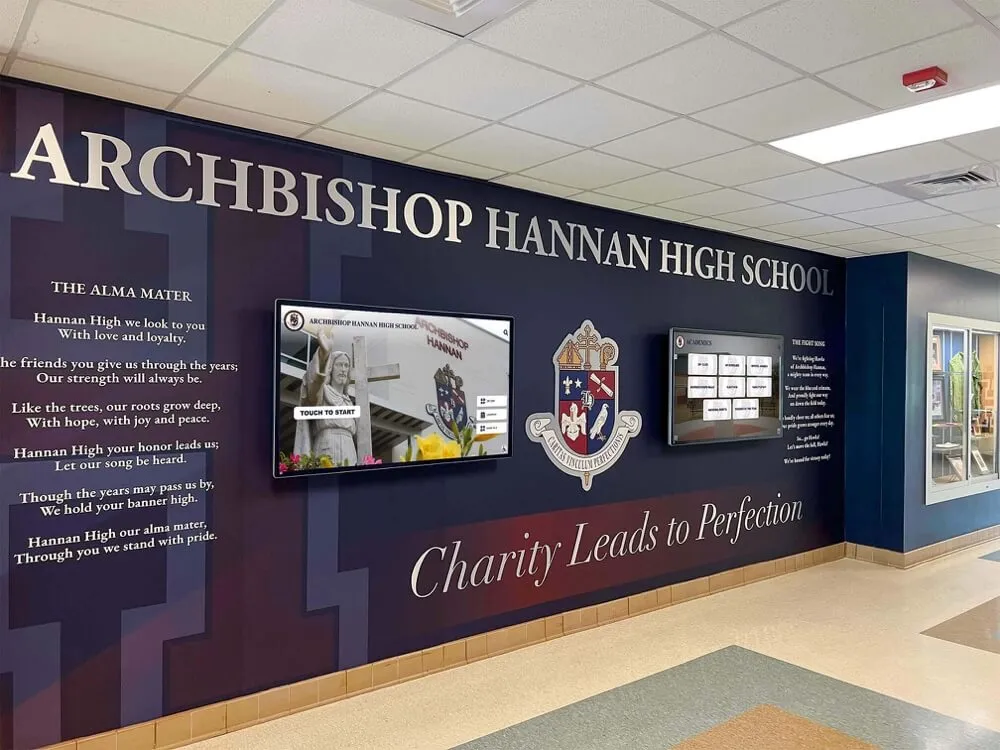
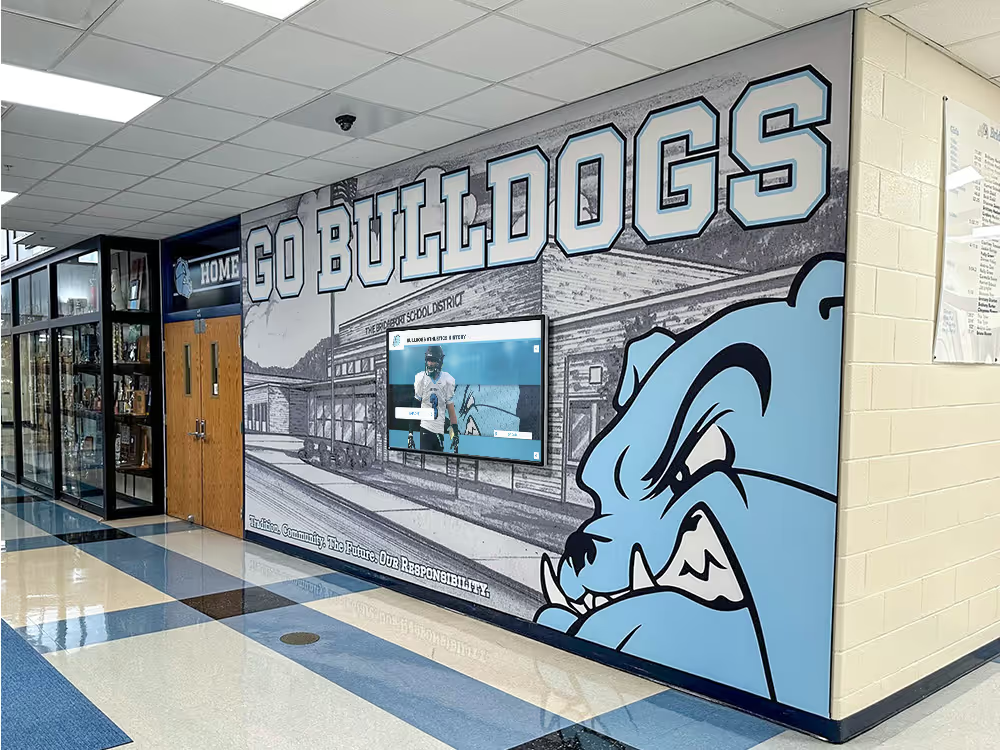
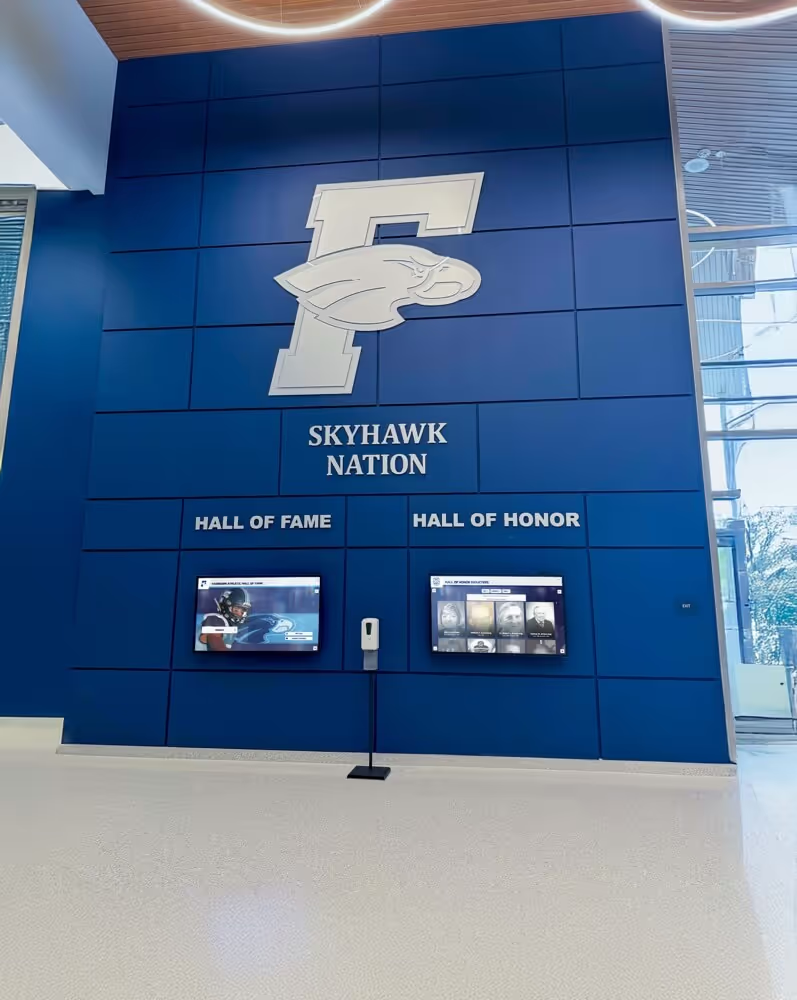
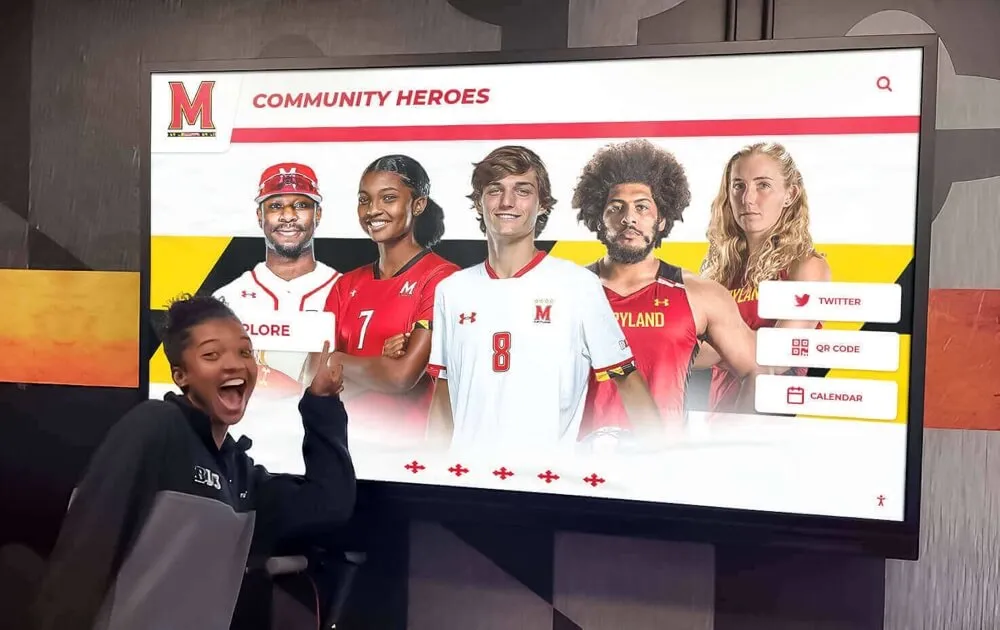
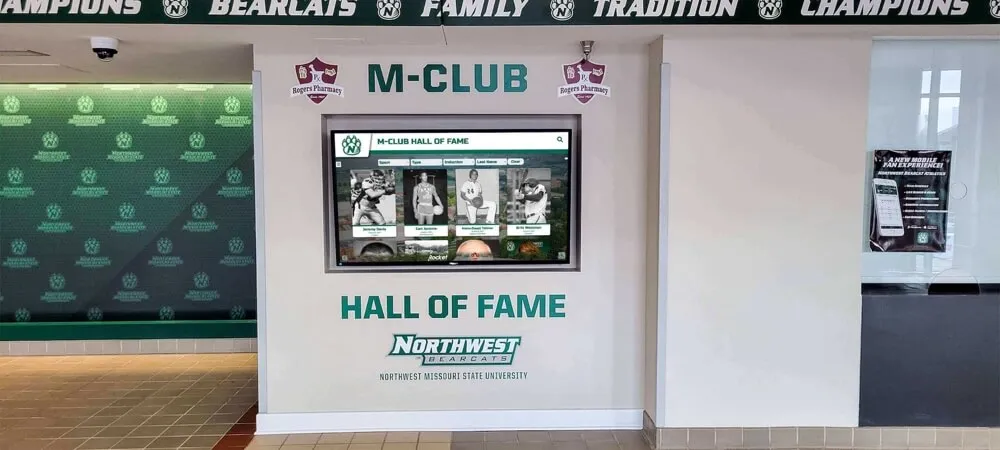
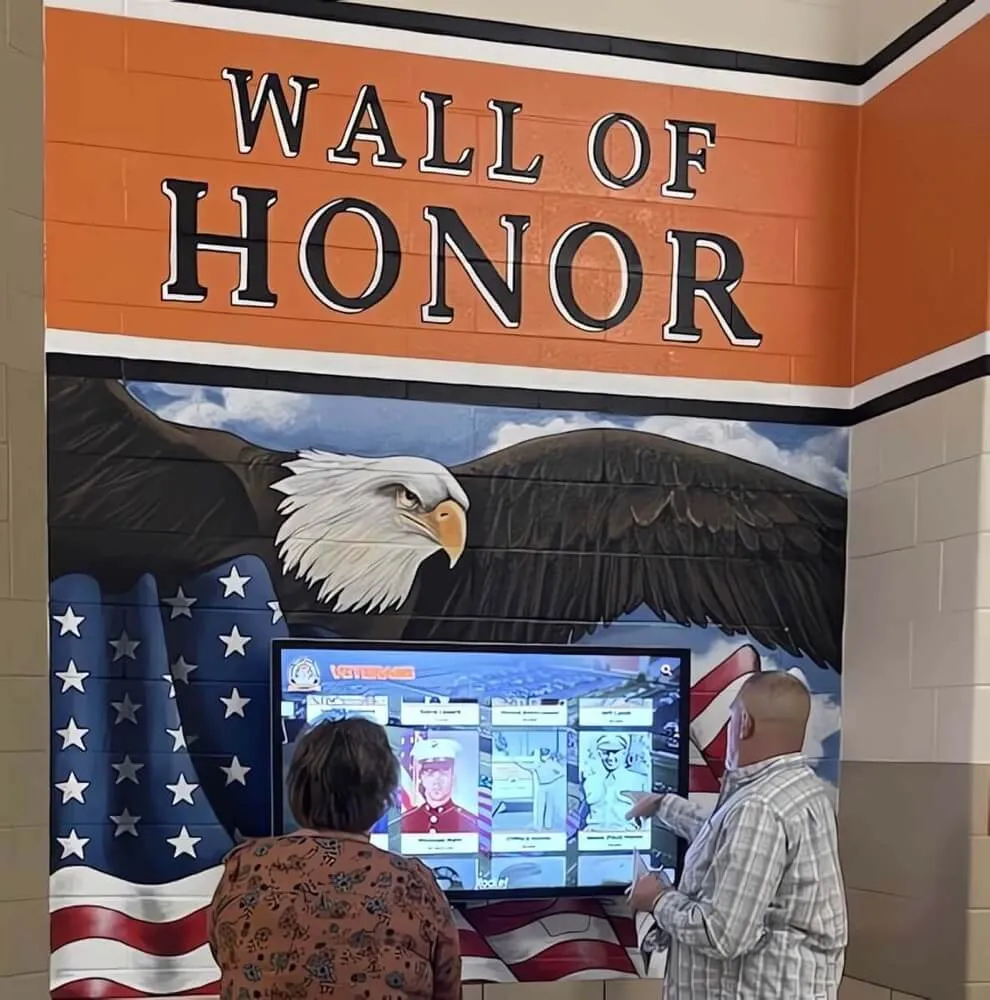
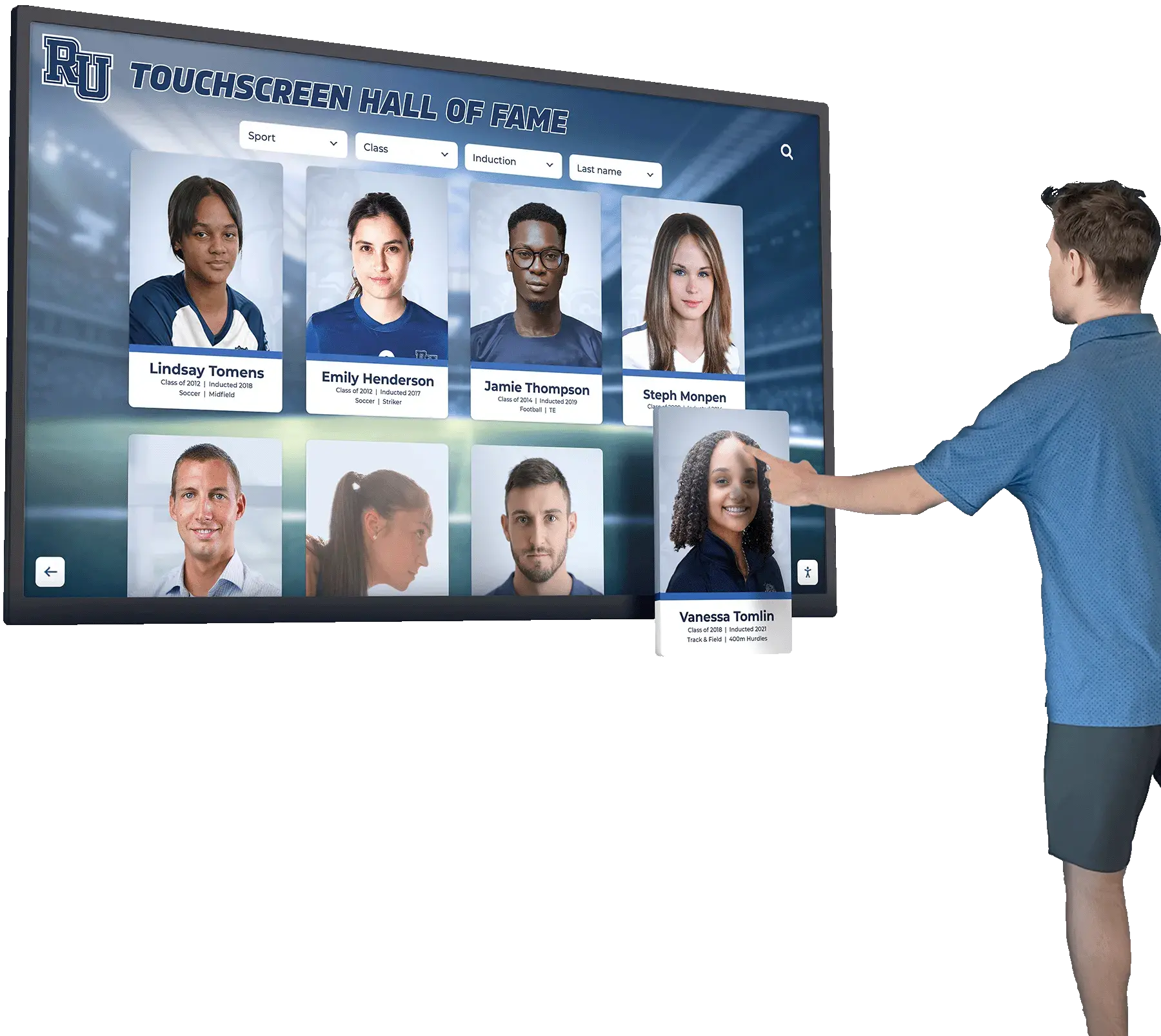
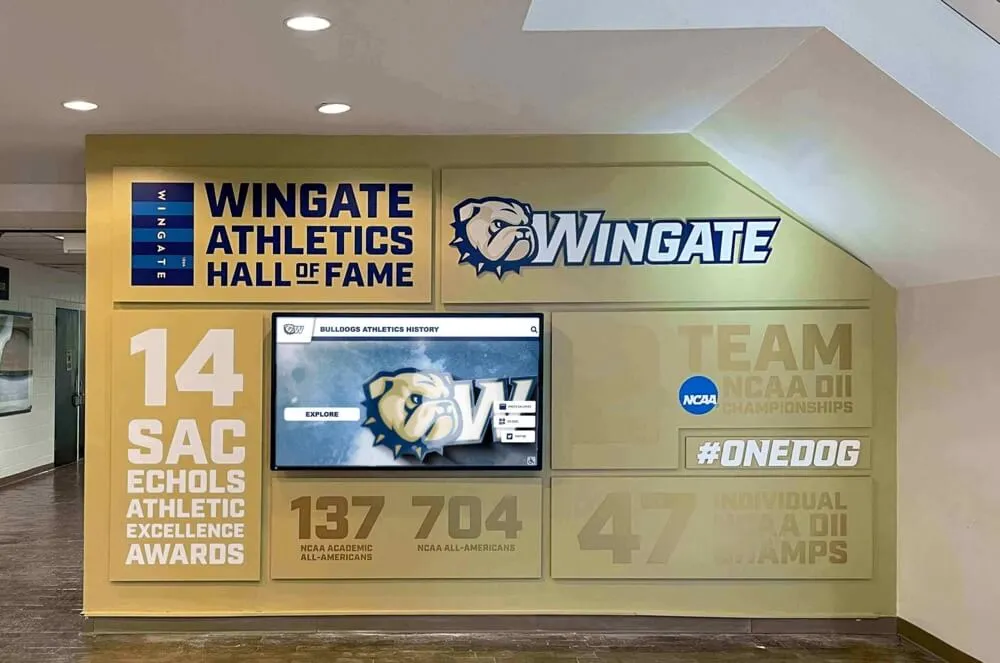
Modern alternatives prioritize responsive interaction quality that creates engaging experiences
Pricing Structure and Total Cost of Ownership
Budget considerations drive many alternative searches. Organizations evaluating total cost of ownership—including initial licensing, ongoing subscriptions, implementation services, technical support, and customization costs—sometimes discover that platforms initially appearing expensive actually deliver lower total costs through reduced ongoing technical requirements, included features eliminating add-on purchases, or educational pricing reflecting institutional budget realities.
Favorable payment structures spreading costs across fiscal years, modular pricing enabling phased implementation, or comprehensive packages including hardware and software together may align better with institutional budget processes than alternatives requiring large upfront investments or complex multi-vendor coordination.
Vendor Support and Specialization
Quality of vendor support significantly impacts long-term satisfaction and success. Organizations sometimes seek alternatives offering more responsive technical assistance, specialized expertise in educational or nonprofit contexts, proactive customer success programs, or simply better cultural fit with institutional values and communication styles.
Purpose-built platforms serving specific industries typically deliver advantages through pre-configured workflows matching common use cases, integrations with sector-specific systems, and support teams understanding unique institutional challenges, budget constraints, and stakeholder dynamics that generic vendors may not fully appreciate.
Top Carousel Alternatives: General-Purpose Digital Signage Platforms
Several established platforms provide comprehensive digital signage capabilities comparable to Carousel while offering distinct advantages in specific areas—pricing, features, ease of use, or integration capabilities.
Rise Vision: Cloud-Based Digital Signage Platform
Rise Vision positions itself as a leading cloud-based digital signage solution emphasizing ease of use, reliable performance, and educational institution focus making it popular among schools and nonprofits seeking accessible alternatives to more complex platforms.
Key Capabilities
Based on publicly available information as of November 2025, Rise Vision provides cloud-based content management eliminating local server requirements, template library simplifying content creation for non-technical users, scheduling capabilities for time-based content delivery, multi-screen management across distributed locations, support for various content types including videos and images, and integration options connecting to external data sources.
Ideal Use Cases
Rise Vision serves organizations well when primary needs include straightforward content scheduling and rotation, announcements and institutional communication, event calendars and program schedules, basic wayfinding and directory information, and corporate communication in office environments.
The platform’s emphasis on simplicity makes it accessible for organizations with limited technical resources, though institutions seeking specialized capabilities for recognition, athletics, or alumni engagement may find general-purpose features require significant customization to match purpose-built alternative capabilities.
Pricing Considerations
Rise Vision typically employs subscription pricing models with costs varying based on number of displays, feature tier selected, and whether organizations choose standard or premium support options. Educational pricing may be available, making Rise Vision cost-competitive for schools and nonprofits operating within budget constraints.
Organizations should evaluate total cost including any required hardware, implementation services, and ongoing technical support when comparing alternatives comprehensively.
ScreenCloud: Flexible Digital Signage Solution
ScreenCloud has gained market presence by emphasizing flexibility, extensive integration options, and user-friendly interfaces appealing to organizations seeking adaptable platforms supporting diverse content types and use cases.
Platform Strengths
According to publicly available information, ScreenCloud offers cloud-based architecture with remote management capabilities, app marketplace providing pre-built integrations with popular services, support for various screen types and hardware options, collaborative content management enabling distributed teams, and template systems accelerating content creation.
Application Contexts
ScreenCloud serves diverse organizations including corporate offices requiring internal communication tools, retail environments displaying product information and promotions, educational institutions managing announcements and schedules, healthcare facilities providing patient information and wayfinding, and hospitality venues offering guest services and local information.
The platform’s flexibility through extensive app ecosystem enables customization for specific use cases, though organizations with highly specialized needs may still benefit from purpose-built alternatives designed explicitly for their primary applications.
Cost Structure
ScreenCloud utilizes subscription licensing with tiered pricing based on features, number of screens, and support level. Organizations should request detailed proposals including implementation assistance and any integration development costs to understand comprehensive budget requirements.
Yodeck: Affordable Digital Signage Platform
Yodeck appeals to budget-conscious organizations seeking cost-effective digital signage alternatives without sacrificing essential capabilities, making it popular among smaller institutions, single-location organizations, and those exploring digital signage for the first time.
Core Features
Yodeck provides cloud-based content management, scheduling and playlist creation, support for various media formats, remote screen management and monitoring, template-based content design, and multi-user access with permission controls.
Target Audiences
Yodeck particularly serves small to medium-sized organizations, single-location businesses and institutions, budget-constrained nonprofits and community groups, organizations new to digital signage technology, and environments with straightforward content display requirements.
The platform’s competitive pricing makes digital signage accessible for organizations previously considering it cost-prohibitive, though institutions with complex recognition needs or requiring extensive customization may outgrow basic feature sets as requirements evolve.
Pricing Advantages
Yodeck emphasizes affordable subscription costs with transparent pricing structures, free tiers or trial periods enabling evaluation before purchase, and straightforward licensing without complex feature differentiation making budget planning simpler.
Organizations should assess whether cost advantages justify potential limitations in specialized capabilities, support resources, or scalability compared to more comprehensive alternatives as institutional needs grow over time.
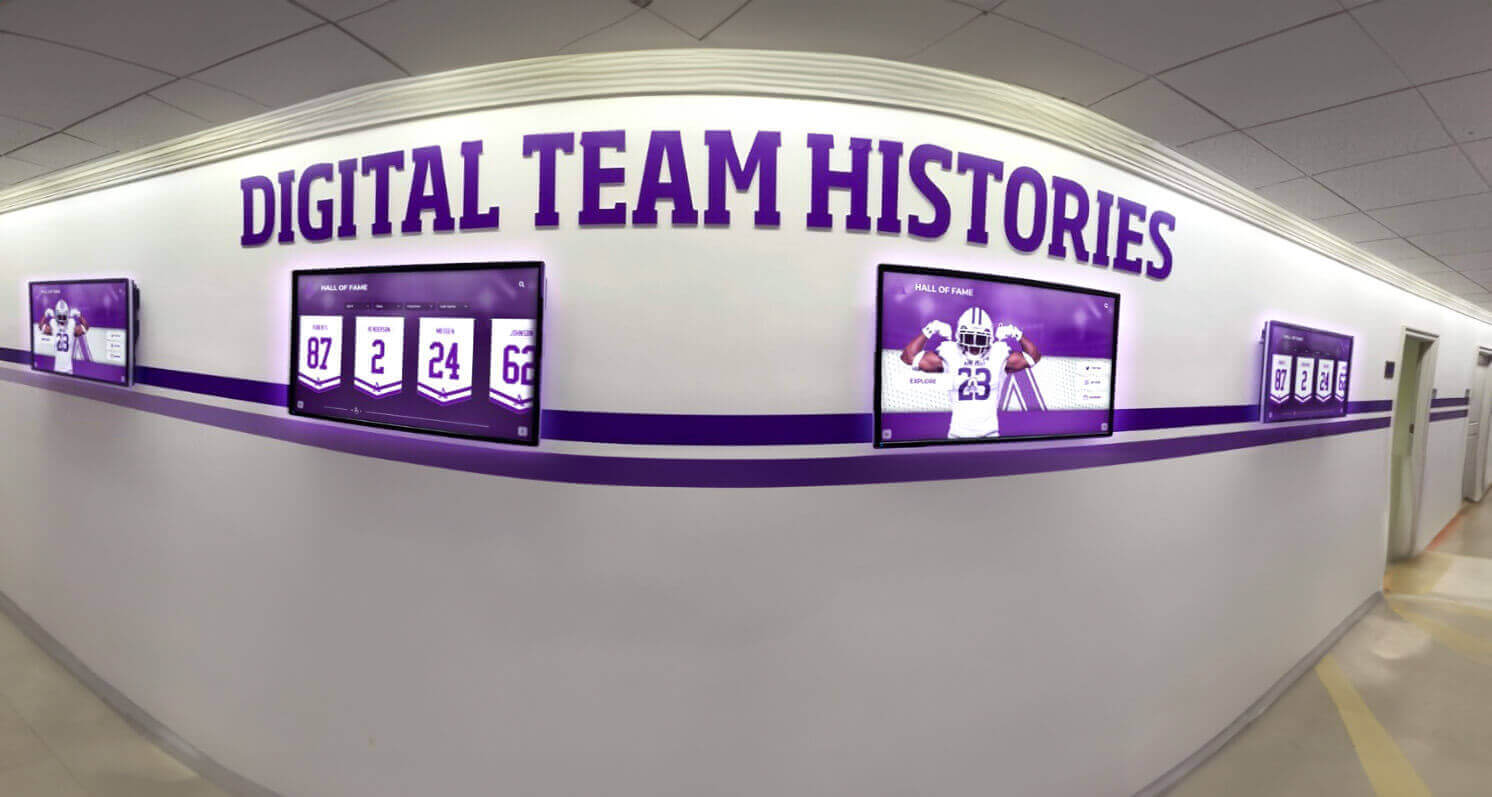
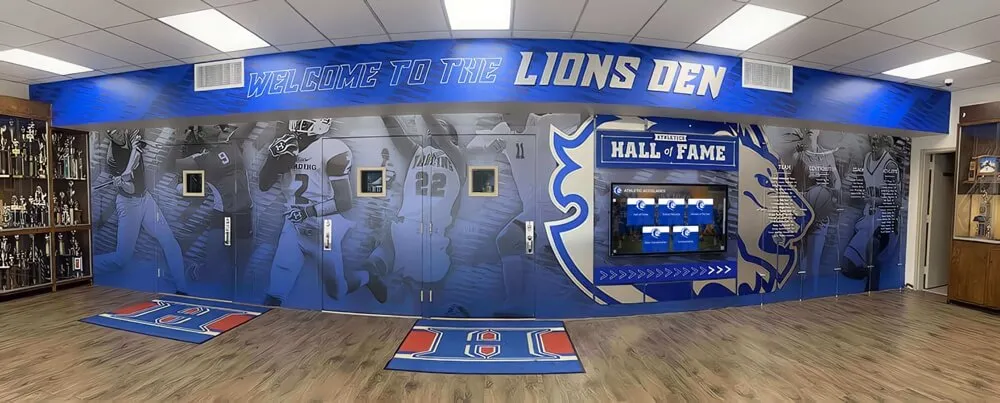
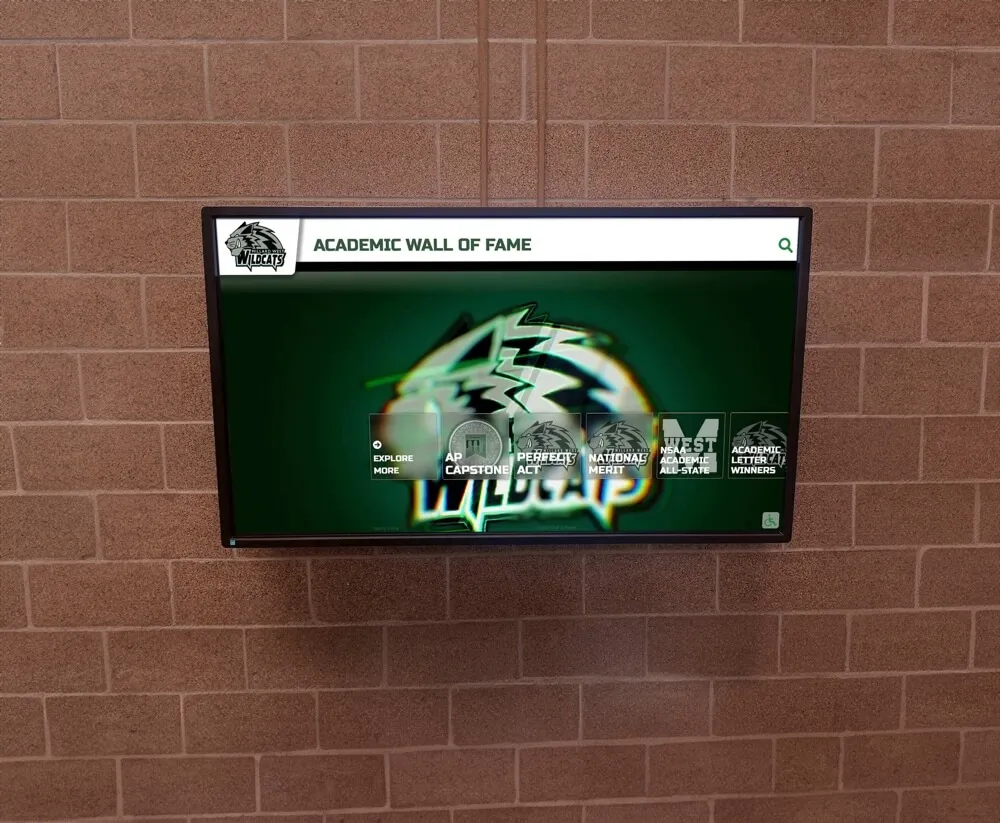
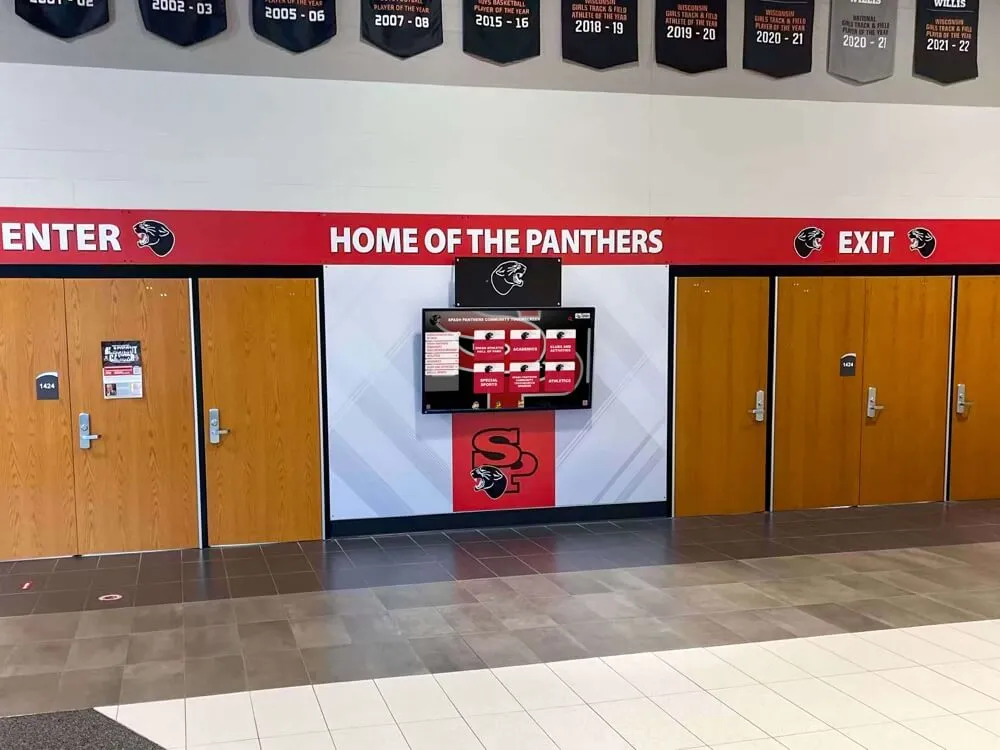
General-purpose platforms enable coordinated content across multiple locations while requiring customization for specialized applications
OptiSigns: Versatile Digital Signage Software
OptiSigns delivers comprehensive digital signage capabilities with emphasis on versatility, extensive integrations, and user experience, positioning itself as flexible alternative accommodating diverse organizational needs.
Notable Capabilities
OptiSigns offers cloud-based content management platform, extensive app and integration marketplace, scheduling and content automation features, multi-location management tools, real-time content updates and emergency messaging, and support for interactive touchscreen applications.
Application Flexibility
The platform serves varied contexts including corporate communication and employee engagement, retail merchandising and promotional displays, educational institution announcements and information, restaurant menu boards and ordering systems, and healthcare patient communication and wayfinding.
Evaluation Considerations
Organizations evaluating OptiSigns should assess how well versatile general-purpose capabilities match specific use cases compared to specialized alternatives designed explicitly for primary applications, whether integration marketplace includes connectors for institutional systems of greatest importance, and how total cost compares across comparable feature sets with other alternatives.
Raydiant: Experience-Focused Digital Signage
Raydiant emphasizes creating engaging audience experiences through digital signage, positioning itself as solution for organizations prioritizing visitor engagement and interaction beyond straightforward content broadcast.
Distinguishing Features
Raydiant provides experience management tools beyond basic signage, integration with customer engagement systems, support for interactive applications, content personalization capabilities, analytics revealing audience engagement patterns, and professional services assisting with implementation and strategy.
Best-Fit Organizations
Raydiant particularly serves retail environments prioritizing customer experience, hospitality venues emphasizing guest engagement, corporate campuses focusing on employee experience, educational institutions seeking modern engagement tools, and organizations viewing digital signage as engagement strategy rather than simple communication tool.
The platform’s emphasis on experience may justify premium positioning for organizations where visitor engagement represents primary objective, while institutions seeking straightforward information display may find simpler alternatives more cost-effective.
Specialized Carousel Alternatives: Purpose-Built Recognition Platforms
Organizations prioritizing recognition, alumni engagement, or athletic celebration often discover that purpose-built platforms designed specifically for these applications deliver superior results compared to adapting general-purpose digital signage systems through extensive customization.
Rocket Alumni Solutions: Comprehensive Recognition Platform
Rocket Alumni Solutions represents specialized alternative designed explicitly for recognition and engagement in educational and nonprofit contexts—providing purpose-built capabilities for athletic halls of fame, academic achievement, alumni engagement, donor recognition, and institutional history preservation that generic digital signage platforms require significant customization to approximate.
Purpose-Built Recognition Capabilities
Rocket Alumni Solutions delivers specialized features including searchable databases optimized for discovering individuals, teams, and achievements across extensive content collections, athletic profile templates with integrated statistics and performance records, multimedia storytelling combining photos, videos, career details, and achievement narratives, timeline and progression visualizations showing individual and program evolution, alumni career pathway documentation connecting current students with graduate success, donor recognition modules supporting fundraising and development objectives, and responsive web platforms extending recognition beyond physical displays to reach broader audiences.
These pre-configured capabilities enable schools and organizations to implement comprehensive recognition programs impossible with generic platforms without extensive custom development and ongoing technical resources.
Educational Institution Specialization
Unlike general-purpose platforms serving diverse industries, Rocket Alumni Solutions focuses exclusively on educational and nonprofit recognition contexts, delivering advantages through understanding unique institutional needs, budget constraints, and stakeholder dynamics, pre-built integrations with student information systems and athletic databases common in schools, privacy compliance frameworks (FERPA, COPPA) built into platform architecture, educational pricing structures reflecting institutional budget realities, white-glove implementation services including content development assistance, and ongoing support from teams experienced in recognition program challenges.
This specialization enables athletic directors, communications staff, and administrators to implement recognition programs that would require significant technical expertise with generic platforms adapted awkwardly for specialized purposes.
Explore comprehensive capabilities in this digital hall of fame touchscreen guide demonstrating specialized recognition implementation.
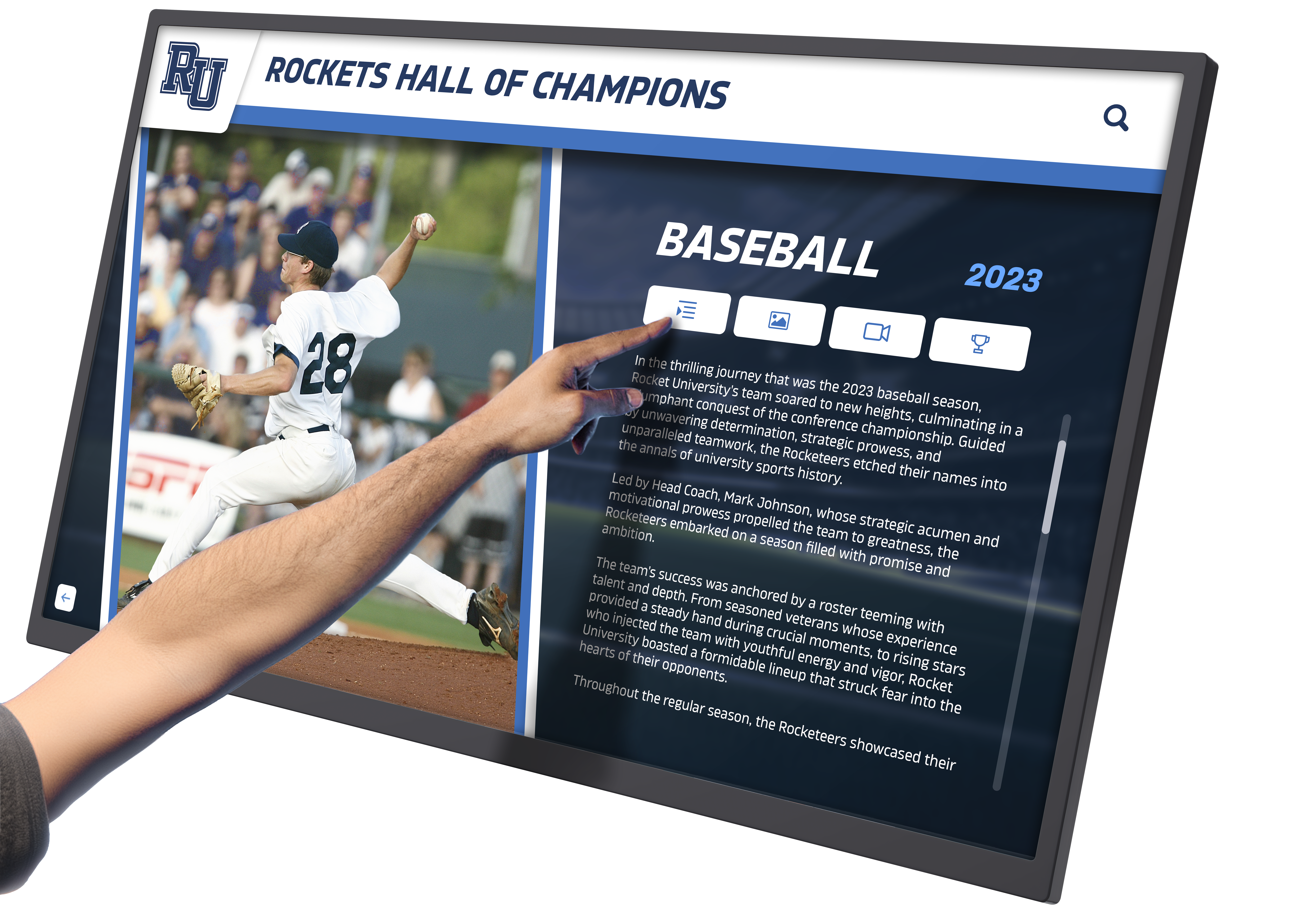
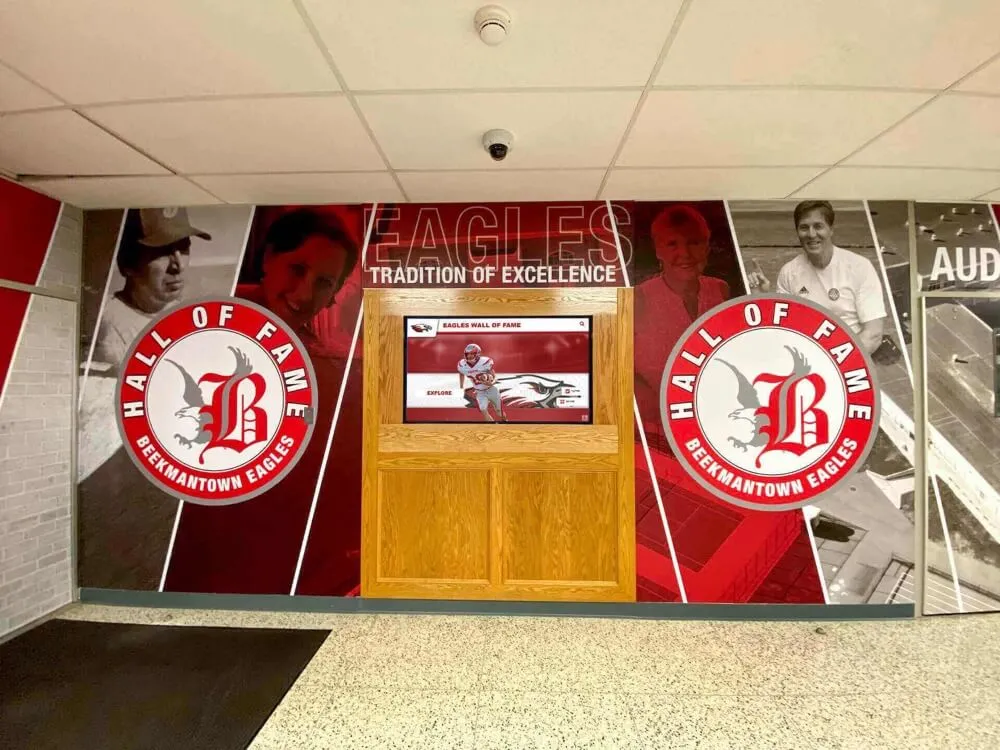
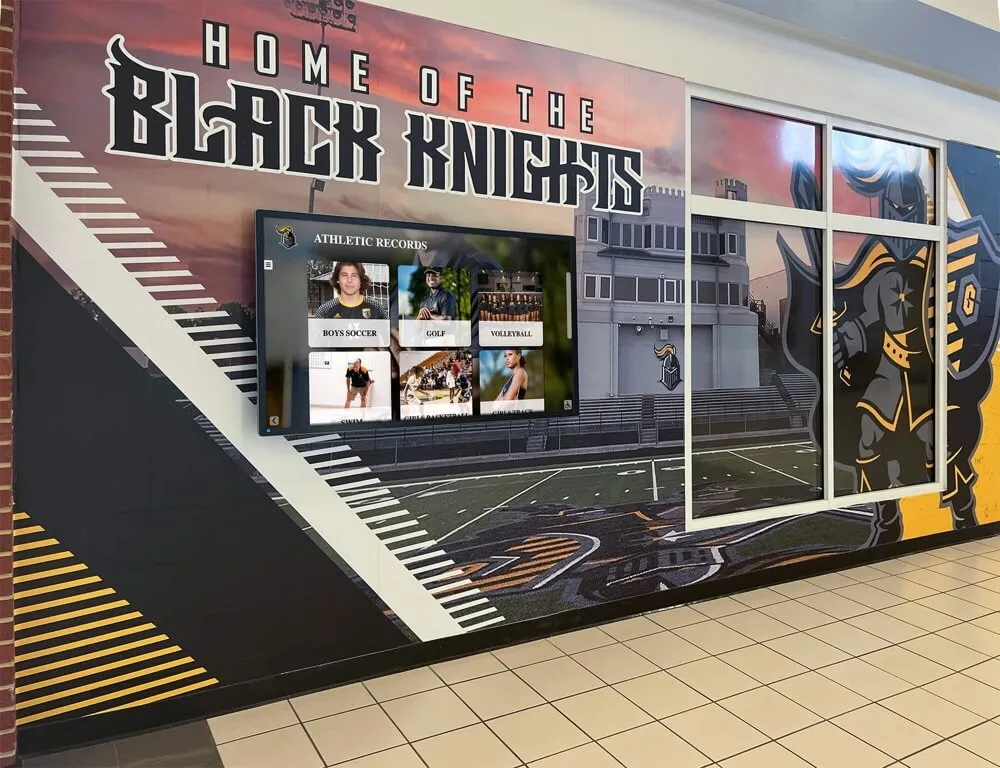
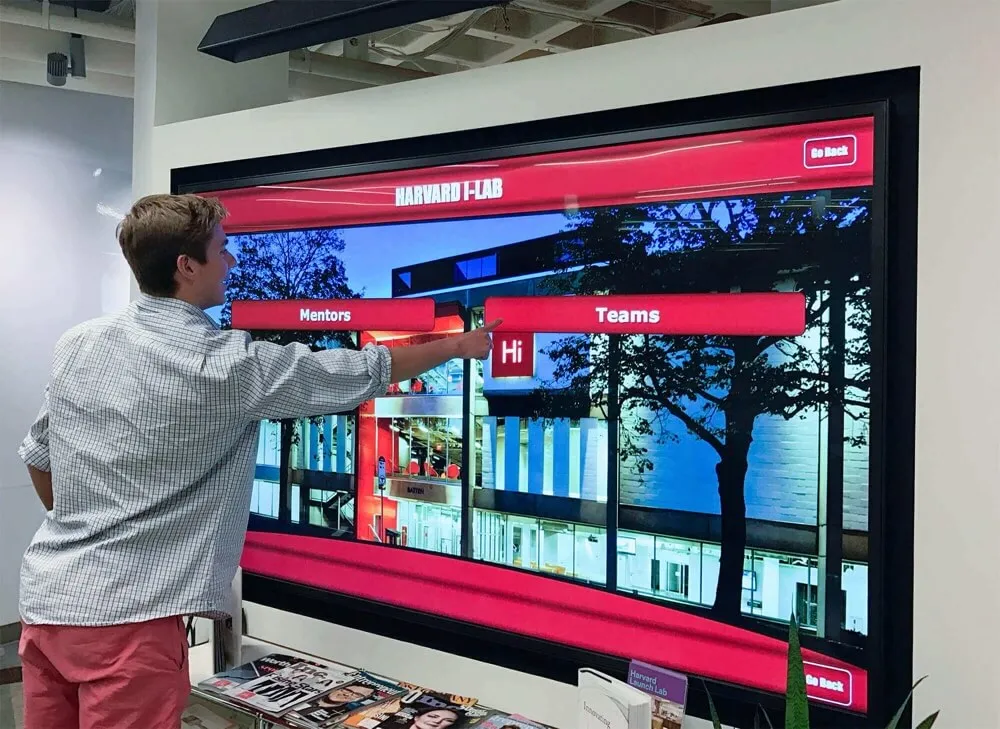
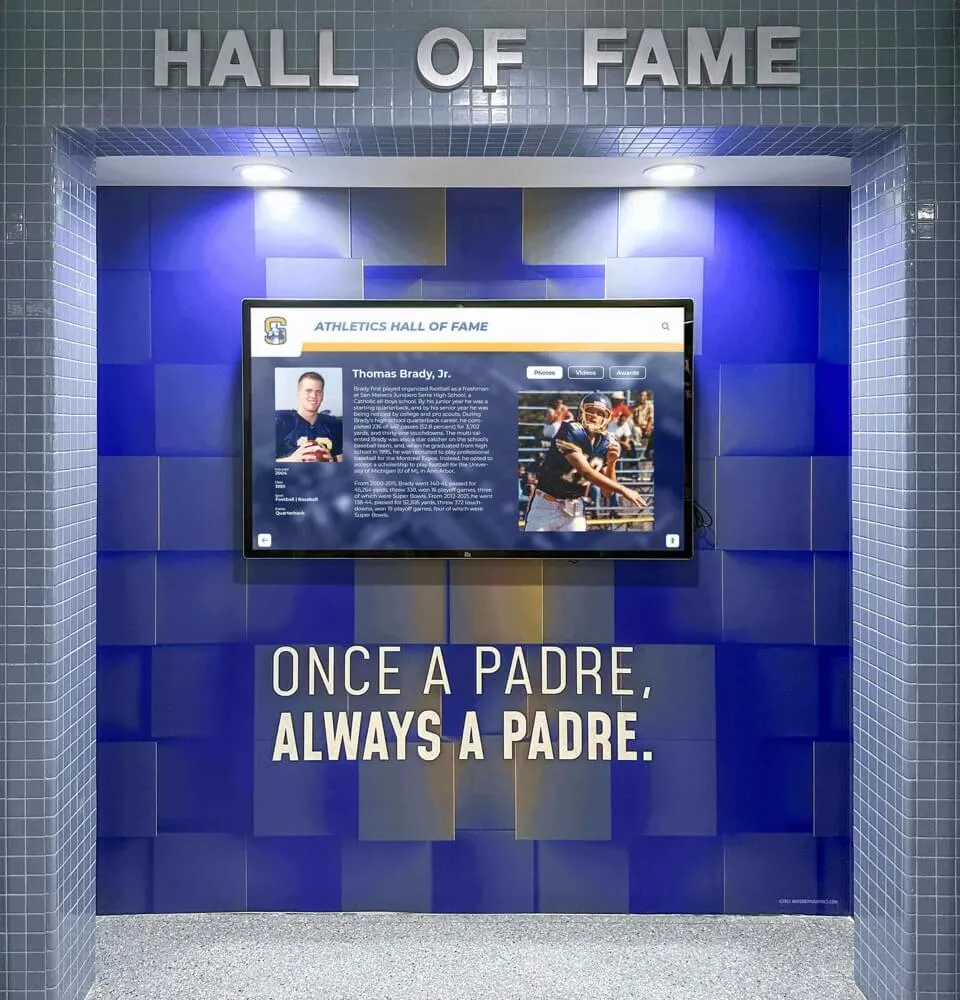
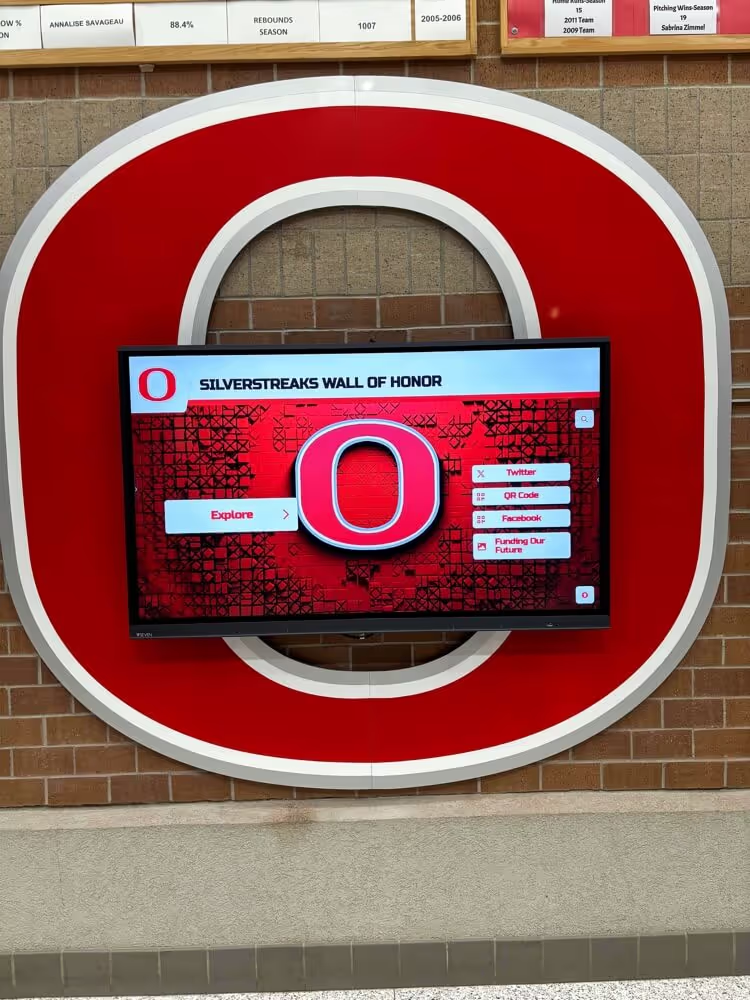
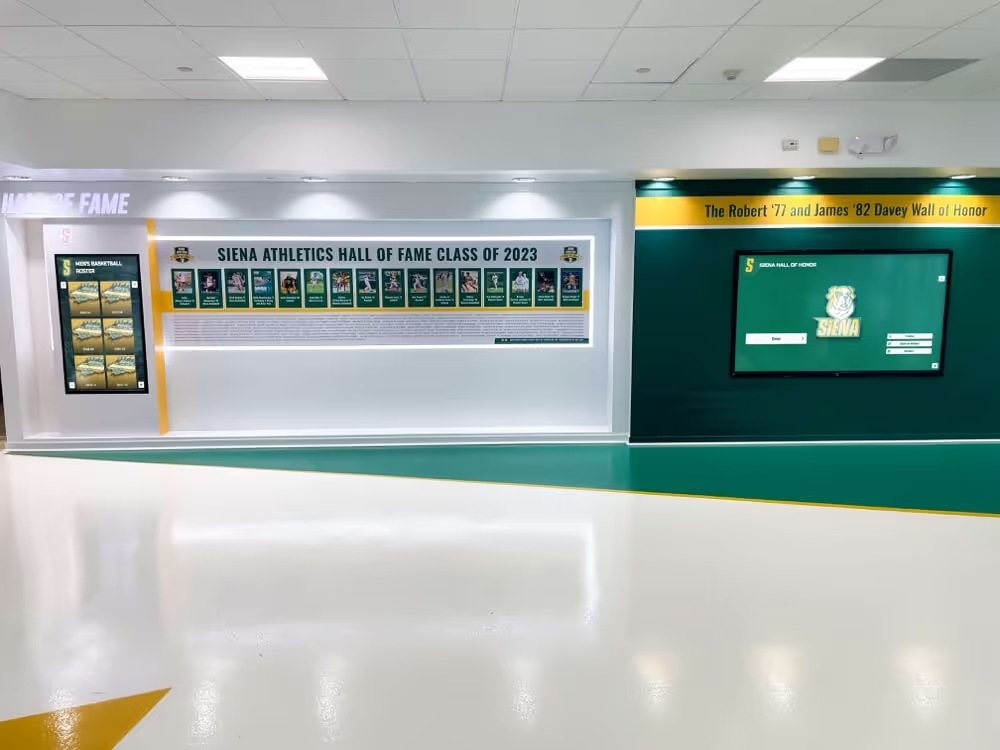
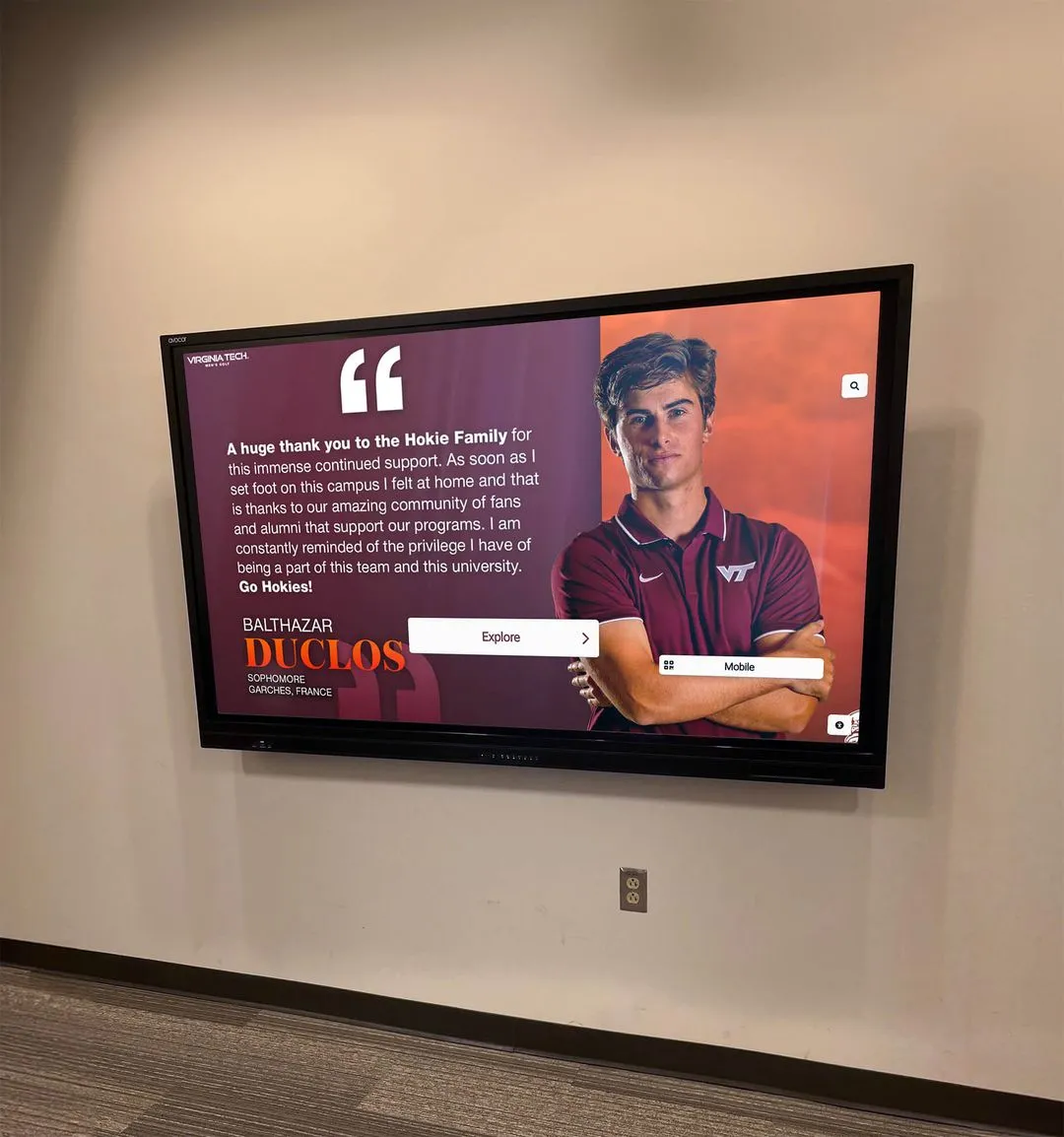

Purpose-built recognition platforms deliver rich multimedia profiles impossible with generic digital signage templates
Interactive Touchscreen Optimization
Rocket Alumni Solutions prioritizes responsive touchscreen interaction quality that creates engaging exploration experiences. The platform delivers sub-100ms touch response creating perception of direct manipulation, smooth 60 FPS animations and transitions without stuttering, instant search result filtering as users type queries, rapid profile loading displaying comprehensive content within seconds, and consistent performance regardless of database size.
These performance characteristics, combined with intuitive smartphone-like navigation patterns, create interactive experiences that captivate audiences for extended exploration sessions—fundamental difference from adapted digital signage platforms struggling with latency issues undermining user engagement.
Learn about implementation approaches in this touch wall for high schools guide with comprehensive recognition strategies.
Web and Mobile Accessibility
Unlike digital signage platforms providing only display-based content access, Rocket Alumni Solutions includes responsive web platforms as integrated components. This comprehensive approach enables alumni exploring recognition from anywhere, prospective families researching institutional history before visits, community members discovering achievements through social media sharing, donors reviewing recognition before making giving decisions, and search engine indexing driving organic discovery of institutional accomplishments.
Web accessibility multiplies recognition value beyond physical display locations, reaching dramatically broader audiences while serving recruitment, fundraising, and engagement objectives simultaneously.
Comprehensive Support and Implementation Services
Rocket Alumni Solutions provides white-glove support understanding that successful recognition programs require more than software access. Implementation services include content strategy consultation understanding institutional objectives, assistance with historical research and information gathering, media collection and preparation ensuring quality presentation, profile development reducing administrative burden during launch, training for staff members who will manage systems ongoing, and technical support from teams experienced in recognition contexts.
This comprehensive approach enables success for organizations lacking internal resources for independent implementation while ensuring quality results that reflect well on institutions from day one.
Ideal Implementation Scenarios
Organizations benefit most from Rocket Alumni Solutions when priorities include comprehensive athletic recognition across multiple sports and eras, academic achievement celebration with searchable profile databases, alumni engagement supporting fundraising and development objectives, donor recognition integrated with giving campaigns, hall of fame and historical preservation with multimedia storytelling, interactive displays creating engaging exploration experiences, and web accessibility extending recognition beyond physical locations.
These specialized needs justify investment in purpose-built platforms over attempting to adapt general-purpose digital signage systems for complex recognition applications requiring sustained management and institutional commitment.
Discover strategic approaches in this alumni gathering area design guide demonstrating comprehensive recognition environments.
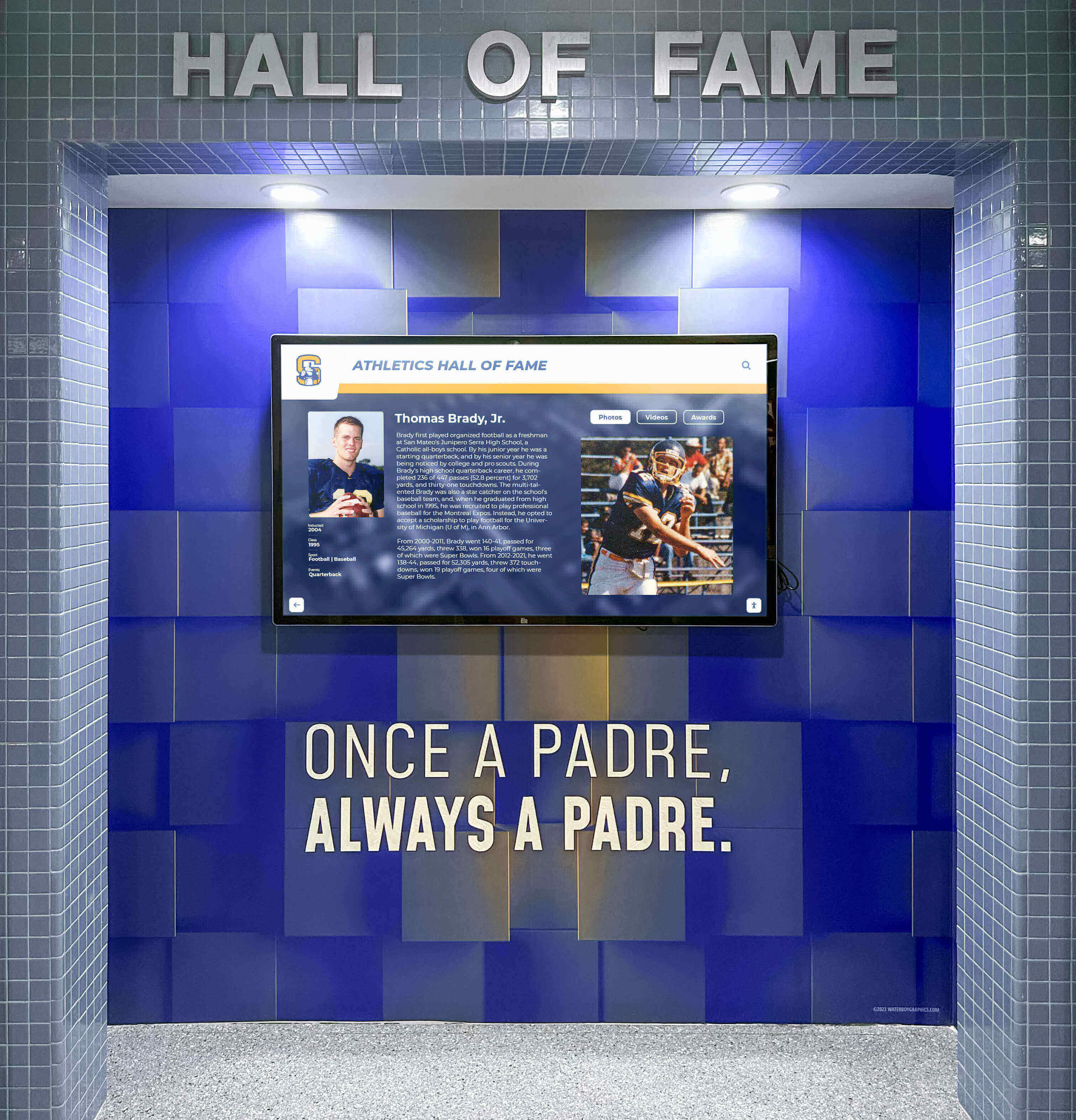
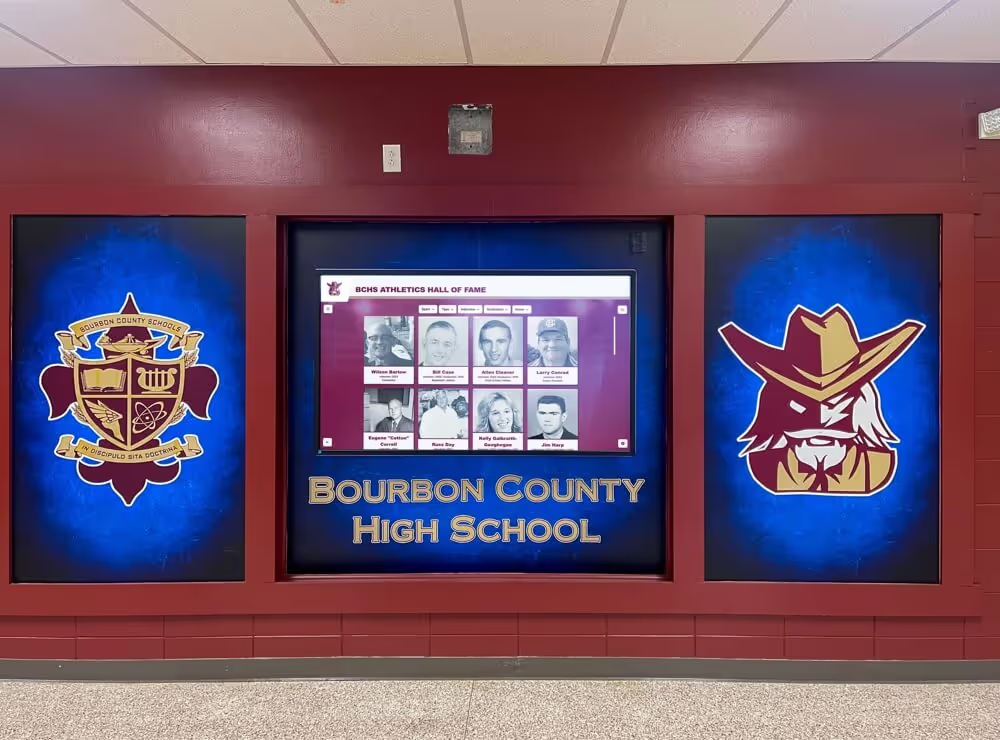
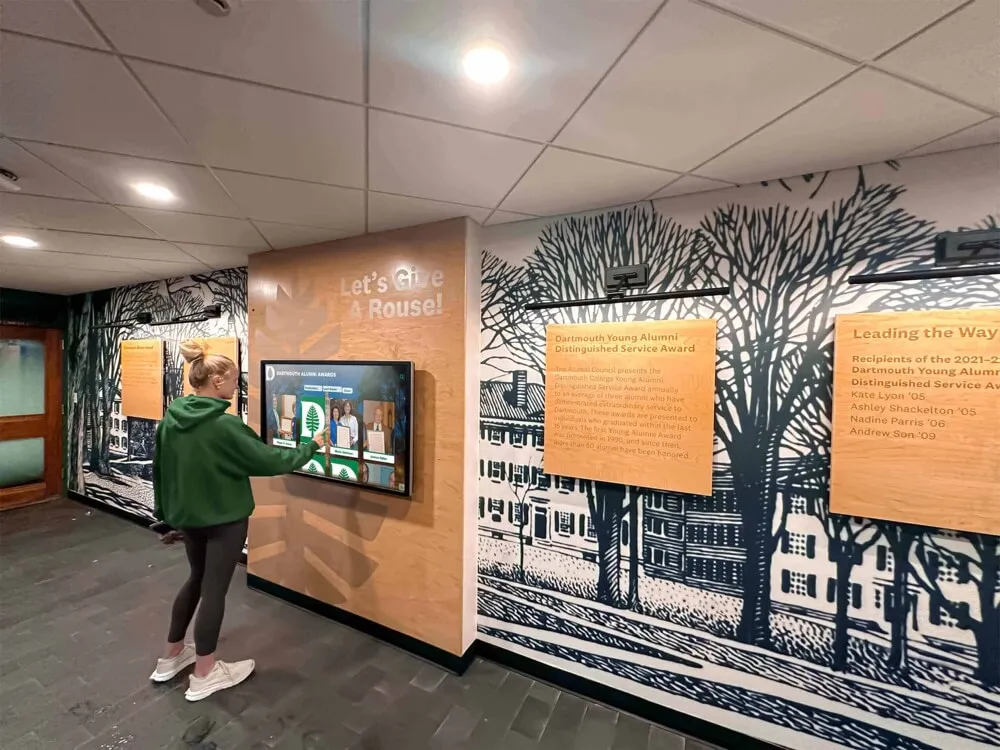
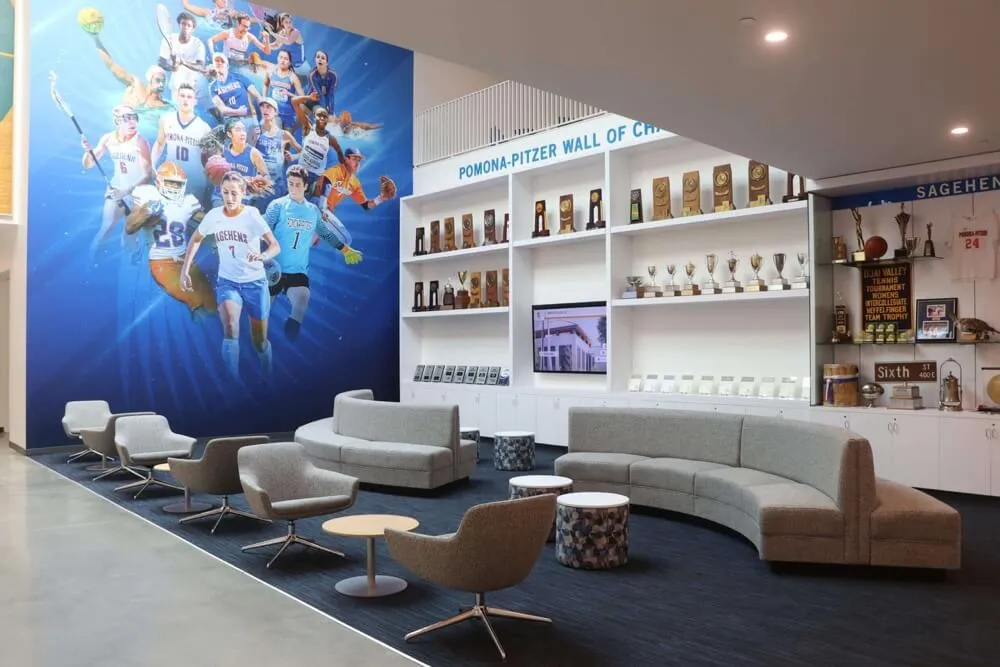
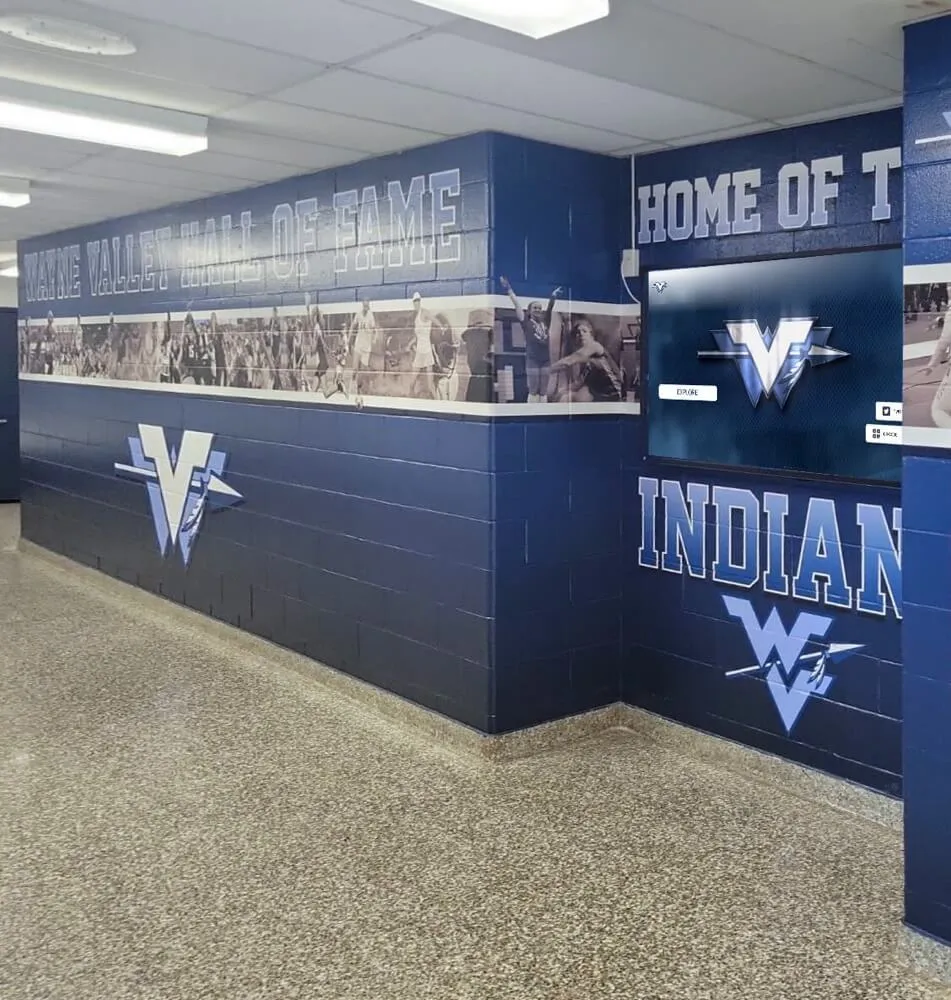
Purpose-built recognition platforms complement architectural design while delivering unlimited digital capacity
Specialized Athletic Recognition Systems
Some organizations prioritize athletic statistics, records, and sports-specific functionality beyond general recognition capabilities.
Sport-Specific Features
Specialized athletic platforms provide comprehensive statistics tracking across seasons and careers, record boards automatically highlighting all-time performances, team roster management with linked individual profiles, coaching recognition spanning multiple tenures, championship documentation with photos and narratives, conference and state ranking integration, recruiting profile capabilities, and sport-specific data fields optimized for various athletics.
Evaluation Considerations
Organizations with primary focus on athletic recognition should assess whether specialized sports platforms deliver sufficient advantages over comprehensive recognition solutions like Rocket Alumni Solutions that include robust athletic capabilities alongside broader recognition features for academics, alumni, and institutional history.
Integration with existing athletic management systems (MaxPreps, ArbiterSports, league platforms) represents critical evaluation criterion for programs generating extensive statistics requiring automated synchronization rather than manual data entry.
Interactive vs. Passive Digital Signage: Key Architectural Differences
Understanding fundamental architectural distinctions between interactive platforms and passive digital signage clarifies why certain Carousel alternatives excel for specific use cases while others struggle despite general feature parity.
Content Organization and Navigation
Passive Digital Signage Architecture
Traditional platforms like Carousel evolved for broadcast-style content delivery using linear playlists designed for passive viewing, time-based scheduling determining content rotation, limited information depth fitting display durations, and one-way communication from organization to audience.
This architecture serves many communication needs effectively—announcements appearing at specific times, promotional content cycling throughout the day, event information displayed during relevant periods, and emergency messages requiring immediate visibility.
Interactive Platform Architecture
Purpose-built interactive solutions organize content hierarchically enabling user-driven exploration using searchable databases supporting precise discovery within extensive collections, unlimited information depth accessible through navigation rather than limited by rotation timing, personalized experiences as individuals explore specific interests, and two-way engagement through search, filtering, and selection.
These architectural differences explain why adapting passive digital signage platforms for interactive applications creates compromised experiences—the underlying content organization never anticipated user-driven discovery rather than broadcast delivery.
Organizations should select platforms whose fundamental architecture aligns with primary use cases rather than attempting to force inappropriate architectures into unintended applications through customization that never fully bridges conceptual gaps.
User Experience and Engagement Duration
Passive Viewing Patterns
Digital signage designed for passive consumption typically achieves 3-8 second viewing durations as audiences glance at rotating content while passing through spaces, limited engagement depth as viewers process only headline information, attention competition as content must capture interest during brief exposure, and broadcast effectiveness measured by impression counts rather than interaction depth.
Interactive Exploration Patterns
Touchscreen platforms optimized for interaction deliver 60-180 second average session durations as users actively explore content matching interests, extended engagement as individuals view multiple profiles and discovery connections, voluntary participation as users choose to interact rather than simply encountering broadcast content, and effectiveness measured by search queries, profiles viewed, and return visit frequency.
These fundamental user behavior differences demonstrate why appropriate platform selection based on engagement objectives matters more than simple feature checklists. Organizations prioritizing extended audience engagement benefit from interactive platforms architecturally designed for exploration rather than broadcast platforms with touch capability bolted on awkwardly.
Learn about engagement approaches in this digital storytelling for athletic programs guide demonstrating narrative techniques.
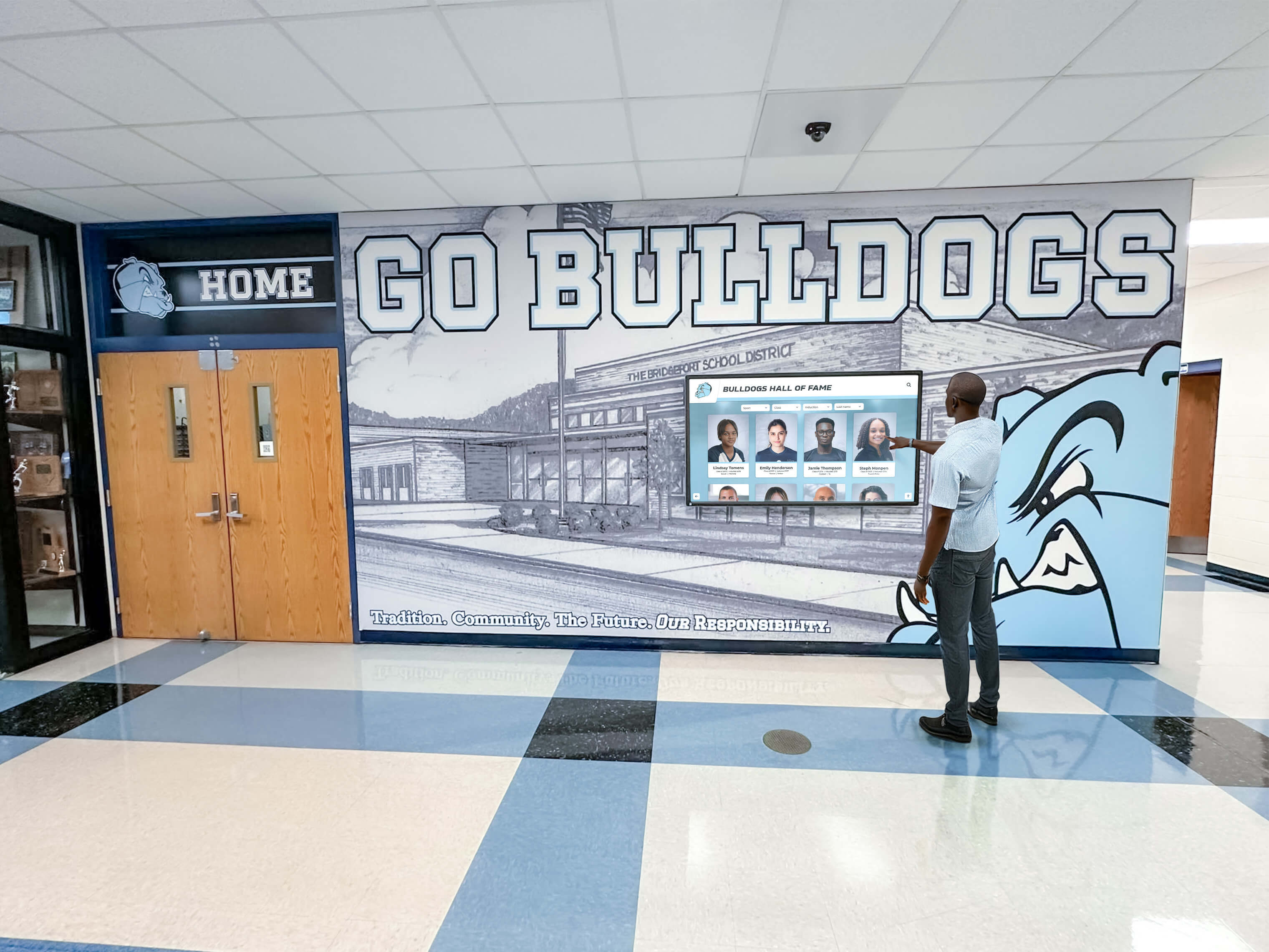
Interactive platforms enable exploration sessions lasting minutes rather than seconds of passive viewing
Evaluation Framework: Selecting Your Optimal Carousel Alternative
Systematic evaluation ensures platform selection aligns with institutional priorities, technical requirements, budget parameters, and long-term management capabilities rather than simply choosing solutions with most features or lowest initial costs.
Defining Primary Use Cases and Objectives
Recognition and Engagement Priorities
Organizations should clearly articulate what they hope to accomplish through digital displays beyond simply “having technology.” Questions to consider include which populations or achievements currently lack adequate recognition visibility, how enhanced recognition might drive specific cultural or engagement goals, what institutional stories need preservation before memory fades, whether recognition supports recruiting, retention, or fundraising objectives, and how recognition programs strengthen institutional identity and community connection.
Clear objective definition enables focused evaluation addressing highest-priority needs rather than pursuing comprehensive solutions potentially exceeding budgets or management capacity while not actually serving primary institutional goals effectively.
Communication and Information Objectives
Organizations prioritizing information delivery should identify which communication challenges cause greatest operational friction, which audiences struggle most to access needed information, what communication inefficiencies consume excessive staff time, and how improved information access might enhance visitor experience or service quality.
These defined goals enable assessing whether straightforward digital signage platforms meet needs adequately or whether specialized interactive capabilities justify additional investment for fundamentally different engagement outcomes.
Operational Efficiency Goals
Institutions seeking operational improvements should clarify which routine staff tasks self-service systems could handle effectively, what service desk bottlenecks create most significant problems, how automation might enable staff reallocation to higher-value activities, and what administrative burden from traditional recognition causes sustainability challenges.
Efficiency objectives may justify platforms emphasizing ease of use and cloud-based management even at premium pricing if staff time savings and improved service quality deliver returns exceeding incremental technology costs.
Technical Requirements and Integration Assessment
Infrastructure and Architecture Needs
Organizations should evaluate existing technical capabilities and constraints including available internet connectivity at display locations, IT support capacity for system implementation and management, data privacy and security requirements (especially for student information), integration requirements with existing institutional systems, and multi-location coordination needs if applicable.
Cloud-based platforms like Rocket Alumni Solutions eliminate most infrastructure requirements while enabling remote management, making them accessible for organizations with limited IT resources. However, institutions with specific security requirements or existing on-premises preferences should verify alignment before selection.
Integration Priorities
Integration capabilities dramatically impact implementation complexity and ongoing administrative burden. Organizations should identify critical systems requiring connections including student information systems for demographic and academic data, athletic management platforms for statistics and scheduling, donor management systems for recognition and acknowledgment, calendar and event systems for automated promotion, and authentication systems for content management access.
Purpose-built platforms serving educational contexts typically offer pre-configured integrations with common institutional systems, dramatically simplifying implementation compared to custom integration development with generic platforms lacking sector-specific capabilities.
Explore integration strategies in this touchscreen digital signage software guide comparing platform approaches.
Content Management Sustainability
Ease of Use for Non-Technical Staff
Long-term success depends on sustainable content management by typical staff without specialized technical expertise. Platform evaluation should realistically assess whether athletic directors, communications staff, or administrators can independently create and update content, how much training implementation requires before staff achieve self-sufficiency, what ongoing support platforms provide when questions arise, and whether interfaces remain intuitive enough that staff turnover doesn’t create institutional knowledge loss.
Template systems, drag-and-drop interfaces, and WYSIWYG editing capabilities enable non-technical content management. Platforms requiring HTML, CSS, or complex configuration typically become unsustainable as technical staff depart or competing priorities prevent ongoing support.
Workflow and Approval Requirements
Organizations with multiple content contributors should assess workflow capabilities including role-based permissions controlling creation, editing, and publishing access, approval processes requiring review before publication, version control tracking changes and enabling rollback, audit trails documenting who made specific modifications, and distributed management enabling department-level content ownership.
These workflow features enable sustainable collaboration while maintaining quality standards and accountability for content accuracy and appropriateness.
Budget and Total Cost of Ownership
Comprehensive Cost Analysis
Platform evaluation should consider total 3-5 year cost of ownership rather than focusing exclusively on initial acquisition expenses. Comprehensive analysis includes initial software licensing or subscription fees, professional services for implementation and customization, content development creating initial information and media, staff training ensuring management capability, hardware costs for displays and installation (if not previously purchased), ongoing annual subscription or maintenance fees, technical support and assistance costs, content update and enhancement expenses, and training for new staff members as turnover occurs.
Purpose-built platforms with higher initial costs may deliver lower total ownership expenses through reduced ongoing customization needs, included implementation services, comprehensive support reducing external consultant requirements, and intuitive interfaces minimizing training costs as staff changes over time.
Return on Investment Considerations
Beyond direct cost analysis, organizations should evaluate qualitative benefits including extended audience engagement compared to traditional approaches, broader reach through web accessibility multiplying physical display impact, operational efficiency from cloud management and self-service information access, staff time savings eliminating physical update requirements, recognition capacity unconstrained by physical space limitations, and institutional benefits from visible commitment to celebrating achievement.
These multifaceted returns demonstrate value across multiple objectives simultaneously rather than single-purpose expenditures, potentially justifying investments that simple cost-per-display calculations might not support.
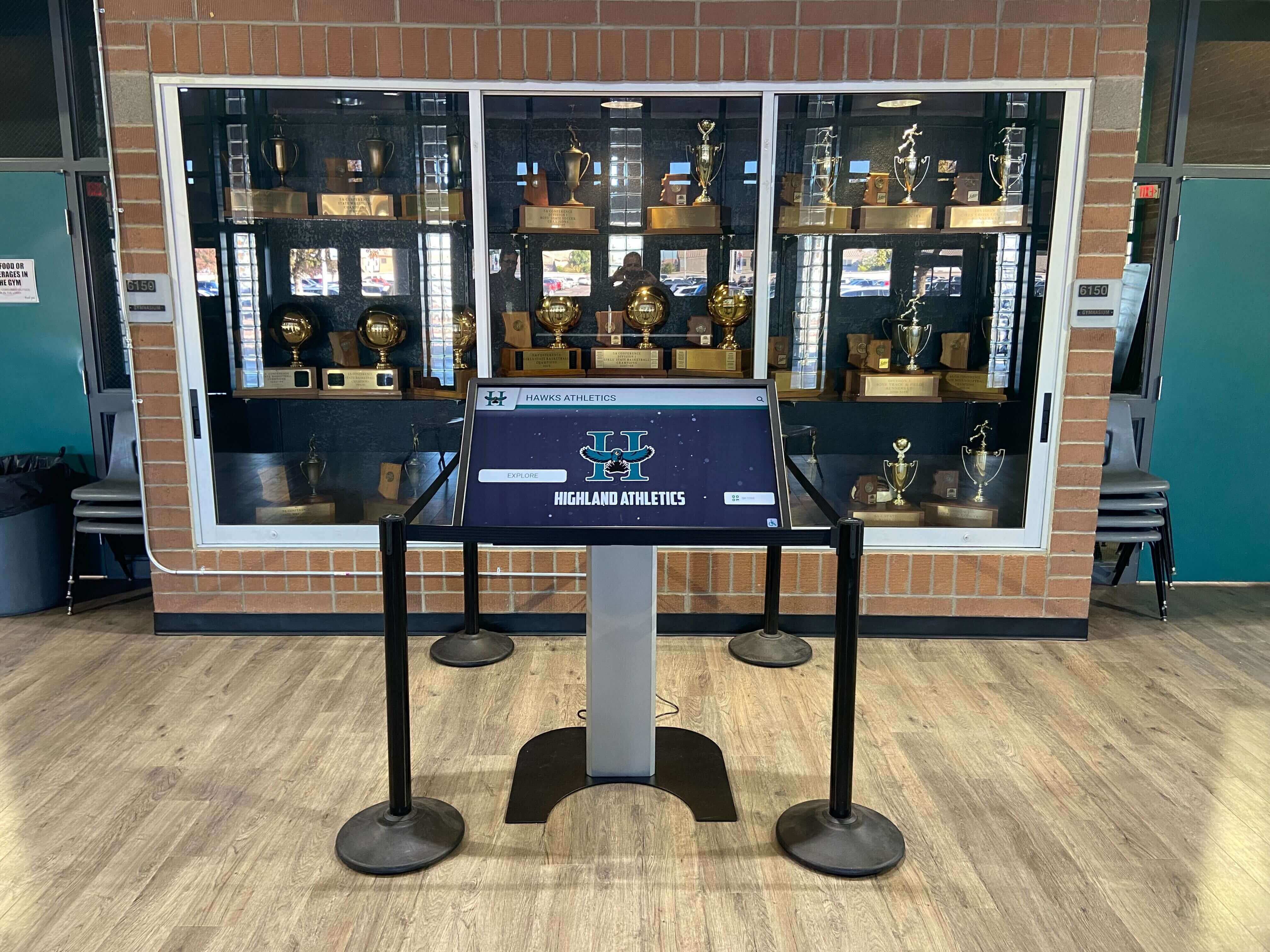
Comprehensive platforms integrate digital and traditional elements while providing unlimited expansion capacity
Implementation Considerations Beyond Software Selection
Successful digital signage and recognition programs require systematic approaches extending beyond technology selection to encompass content strategy, hardware coordination, and stakeholder engagement.
Strategic Hardware Selection and Placement
Commercial-Grade Display Requirements
Organizations implementing digital signage or interactive displays should specify commercial-grade equipment designed for institutional environments rather than consumer televisions inappropriate for public spaces. Key specifications include display size appropriate for viewing distance and space (typically 43-65 inches), touch technology (capacitive multi-touch for interactive applications), brightness levels sufficient for ambient lighting (350-500 nits for indoor spaces), resolution ensuring clarity at typical viewing distances (minimum 1080p; 4K for larger displays), commercial rating supporting 16-24 hour daily operation, warranty coverage reflecting institutional use expectations (minimum 3-year commercial warranty), and mounting options appropriate for architectural integration (wall-mounted or freestanding kiosks).
Budget expectations range $5,000-$15,000 per installation for commercial-grade equipment and professional mounting depending on size and specifications—investment ensuring reliability and longevity appropriate for permanent institutional infrastructure.
Optimal Placement Locations
Display effectiveness depends heavily on strategic placement maximizing visibility and accessibility. High-traffic locations delivering best engagement include main entrance lobbies ensuring all visitors encounter systems immediately, cafeterias and commons areas with extended dwell time enabling exploration, athletic facility entrances creating immediate recognition atmosphere, administrative corridors where visitors and community gather, libraries and study areas encouraging discovery, and alumni centers facilitating connection and nostalgia.
Organizations should prioritize locations where people naturally pause rather than high-traffic corridors where they rush past without stopping. Multiple distributed locations reach diverse audiences throughout facilities while reinforcing institutional commitment to recognition and engagement.
Learn about placement strategies in this outstanding students honor wall guide demonstrating location selection frameworks.
Content Development and Quality Standards
Comprehensive Launch Content
Technology infrastructure enables display functionality, but engaging content determines whether systems achieve intended audience engagement. Initial implementation requires systematic content creation including information architecture organizing content logically around audience needs, asset collection gathering photos, videos, and materials from archives, profile authoring writing compelling descriptions and narratives, media preparation optimizing content for display performance, database population adding extensive initial content, quality review ensuring accuracy and completeness, and user testing validating navigation and discovery patterns.
Organizations should allocate 100-200 hours for comprehensive initial content development depending on scope and historical depth—foundational investment ensuring quality from launch rather than incomplete implementations undermining confidence and adoption.
Sustainable Management Practices
Long-term content quality requires sustainable workflows including designated ownership assigning specific staff responsibility, standard procedures for adding new recognition or information, regular review cycles ensuring accuracy and removing outdated content, approval processes maintaining quality standards when multiple contributors exist, and communication plans announcing new content driving engagement.
Cloud-based platforms dramatically reduce administrative burden by eliminating physical access requirements for every update—enabling current, relevant content without consuming excessive staff time or creating dependency on facilities coordination.
Change Management and Stakeholder Engagement
Building Organizational Support
Successful implementations require stakeholder buy-in ensuring long-term support and adoption. Throughout planning and implementation organizations should communicate project goals and benefits to leadership, staff, and community, involve key stakeholders in content planning and platform selection, provide training ensuring staff can manage systems and assist visitors, solicit feedback during pilot phases before full deployment, celebrate successes showcasing impact through usage data and testimonials, and address concerns transparently throughout the process.
Implementation timelines typically span 3-6 months from vendor selection through full deployment, allowing adequate time for planning, content development, training, and refinement based on early feedback rather than rushed deployments creating negative first impressions difficult to overcome.
Explore comprehensive implementation in this academic recognition programs guide demonstrating systematic approaches.
Comparison Summary: When Each Carousel Alternative Excels
Different alternatives serve distinct organizational contexts and priorities—understanding these optimal fit scenarios enables targeted evaluation rather than attempting comprehensive platform comparison across every possible dimension.
When General-Purpose Platforms Make Sense
Organizations benefit most from general-purpose digital signage alternatives to Carousel when primary needs include straightforward content scheduling and rotation, announcements and institutional communication requiring time-based delivery, event calendars and program schedule displays, basic wayfinding and directory information, corporate communication in office environments, menu boards for cafeterias and restaurants, and promotional content in retail or public spaces.
Platforms like Rise Vision, ScreenCloud, Yodeck, and OptiSigns deliver these capabilities at competitive pricing with reasonable ease of use, making them cost-effective solutions when specialized recognition features provide limited additional value for organizational objectives.
When Purpose-Built Recognition Platforms Deliver Superior Value
Institutions prioritizing recognition and engagement benefit from specialized alternatives like Rocket Alumni Solutions when objectives include comprehensive athletic recognition across multiple sports and eras, academic achievement celebration with searchable profile databases, alumni engagement supporting fundraising and development, donor recognition integrated with giving campaigns, hall of fame and historical preservation with multimedia storytelling, interactive displays creating engaging exploration experiences, and web accessibility extending recognition beyond physical locations.
These specialized applications justify investment in purpose-built platforms designed explicitly for recognition contexts rather than attempting to adapt general-purpose digital signage through extensive customization that never fully matches native capabilities while requiring ongoing technical resources for maintenance and enhancement.
Hybrid Approaches and Multiple Platform Strategies
Some larger organizations implement multiple platforms serving distinct needs—general-purpose digital signage for communication and announcements combined with specialized recognition systems for athletics and alumni engagement. This hybrid approach optimizes technology investments by matching specific tools to appropriate applications rather than forcing single platforms into diverse use cases where they provide compromised experiences.
Organizations considering hybrid strategies should ensure platforms complement rather than compete for attention, coordinate design language creating cohesive institutional presence, and clarify content governance determining which platforms host specific content types to avoid confusion and duplication.
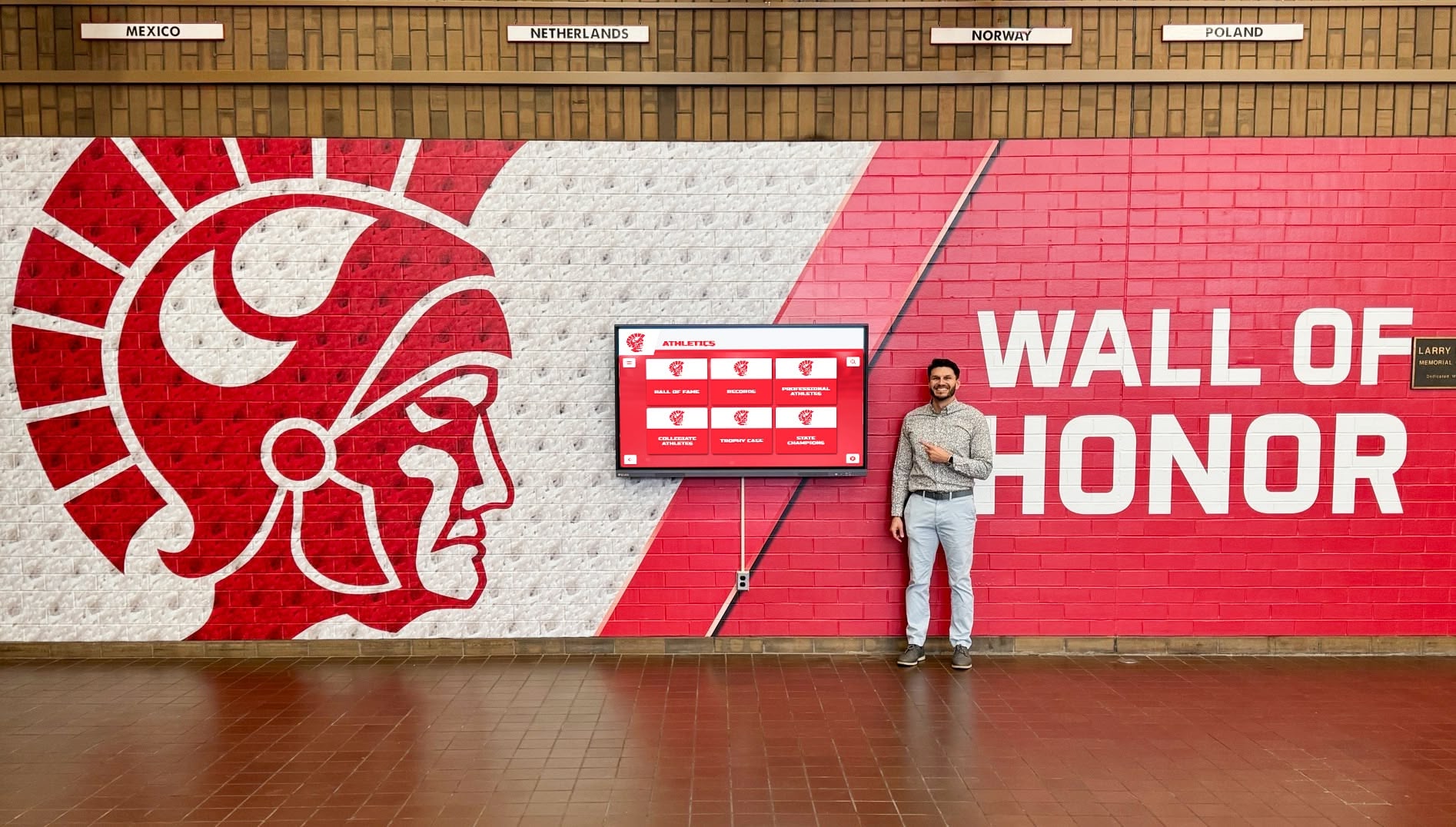
Strategic platform selection ensures technology serves intended use cases effectively rather than compromising across inappropriate applications
Future-Proofing Your Digital Signage Investment
Technology selections should consider not only current needs but also long-term evolution ensuring platforms remain effective as institutional requirements and available capabilities continue advancing.
Platform Evolution and Enhancement
Organizations should evaluate vendor commitment to ongoing platform development including regular feature enhancements driven by customer feedback, modern web and mobile technology adoption, integration expansion as new systems become prevalent, security updates and privacy regulation compliance, performance optimization as content libraries grow, and accessibility improvements supporting diverse audiences.
Purpose-built platforms serving specific industries typically invest development resources more strategically for those contexts compared to generic platforms attempting to serve all industries equally—resulting in more relevant enhancements for schools and nonprofits choosing specialized alternatives over general-purpose options.
Integration and Ecosystem Development
Modern platforms increasingly function as components within comprehensive organizational technology ecosystems rather than standalone systems. Evaluation should consider API availability enabling custom integrations, pre-built connectors with common institutional systems, open standards preventing vendor lock-in, cross-platform synchronization coordinating multiple systems, and vendor roadmaps indicating future development priorities.
Platforms emphasizing integration capabilities and open architectures enable adaptation as institutional needs evolve, preventing complete replacement when new requirements emerge that standalone systems cannot accommodate.
Vendor Stability and Market Presence
Long-term platform viability depends partially on vendor financial health and market position. Organizations should assess vendor track record and years in business, customer base size and growth trends, financial stability and backing, market reputation and customer satisfaction, and specialization depth in relevant contexts.
Established platforms serving clear market segments typically provide more stable long-term partners than newer entrants without proven staying power or generic vendors spreading resources thinly across diverse industries without deep expertise in any particular context.
Conclusion: Selecting Your Best Carousel Alternative
Finding the optimal Carousel alternative requires moving beyond simple feature checklists to comprehensive evaluation considering your specific use cases, technical environment, management capabilities, budget parameters, and long-term institutional objectives. General-purpose digital signage platforms serve many communication needs effectively at competitive costs, while specialized recognition solutions deliver superior results for schools and organizations prioritizing achievement celebration, alumni engagement, and interactive experiences impossible with generic alternatives regardless of customization investment.
Organizations seeking straightforward digital signage for announcements, schedules, and basic information display will find platforms like Rise Vision, ScreenCloud, and Yodeck provide accessible alternatives to Carousel with modern cloud architecture and reasonable pricing. However, institutions prioritizing comprehensive recognition programs—athletic halls of fame, academic achievement, alumni engagement, donor acknowledgment, or institutional history preservation—benefit dramatically from purpose-built platforms like Rocket Alumni Solutions designed explicitly for these specialized applications with pre-configured features, intuitive management, and comprehensive support understanding unique educational and nonprofit contexts.
Discover Purpose-Built Recognition Solutions Beyond Generic Digital Signage
Explore how Rocket Alumni Solutions delivers specialized capabilities designed specifically for schools and organizations prioritizing recognition, engagement, and interactive experiences—providing comprehensive alternatives to Carousel and other general-purpose platforms with features, support, and pricing optimized for educational and nonprofit contexts.
Explore Specialized SolutionsThe evaluation frameworks explored throughout this guide enable systematic platform assessment addressing your highest-priority needs while avoiding common pitfalls—selecting platforms based on impressive feature lists that don’t align with actual use cases, choosing solutions requiring unsustainable technical expertise for routine management, underestimating total cost of ownership extending beyond initial licensing, or implementing digital signage without clear strategies ensuring engaging content and stakeholder adoption driving intended value.
Successful alternative selection begins with clearly defining what you hope to accomplish through digital displays, honestly assessing technical capabilities and management capacity within your organization, systematically evaluating how different platform categories align with those needs, and selecting solutions providing best fit rather than most features or lowest initial costs. Whether you implement general-purpose digital signage for communication, specialized recognition platforms for achievement celebration, or hybrid approaches combining multiple systems strategically, thoughtful technology selection transforms how your institution engages audiences, celebrates accomplishments, preserves history, and creates modern experiences reflecting commitment to excellence.
Ready to explore recognition-focused alternatives to Carousel? Learn how Rocket Alumni Solutions provides comprehensive platforms purpose-built for schools, universities, athletic programs, and nonprofit organizations—celebrating achievement, engaging communities, preserving institutional memory, and creating interactive experiences with specialized features, intuitive management, and dedicated support ensuring long-term success serving your mission for years to come.
Disclaimer: This comparison is based on publicly available information as of November 2025. All product names and trademarks belong to their respective owners. Comparative statements reflect Rocket Alumni Solutions’ interpretation of available data and may change over time. Carousel is a trademark of Tightrope Media Systems. Rise Vision, ScreenCloud, Yodeck, OptiSigns, and other mentioned platforms are trademarks of their respective owners. Rocket Alumni Solutions is not affiliated with or endorsed by any company mentioned in this article.
Transparency Statement: This content was produced by or on behalf of Rocket Alumni Solutions.