



Thanksgiving Day football rivalry games represent one of America’s most cherished educational traditions—annual matchups that extend back generations, uniting schools, alumni, and entire communities in passionate displays of athletic competition and institutional pride. These Turkey Day classics transcend typical high school football games, becoming defining community events where decades of tradition, family legacy, and school spirit converge on football fields every November, creating memories that last lifetimes and connections spanning generations.
Yet many schools with rich Thanksgiving rivalry histories struggle to adequately preserve and celebrate these extraordinary traditions. Championship trophies sit forgotten in storage, legendary game moments exist only in fading memories, historic player achievements remain undocumented, and the incredible stories behind century-old rivalries risk disappearing as the generations who lived them pass away without systematic preservation efforts capturing their experiences and insights.
This comprehensive guide explores the fascinating history of Thanksgiving Day football rivalries, examines what makes these traditions so culturally significant, and demonstrates how modern schools can honor their rivalry heritage through strategic recognition programs that celebrate past achievements while inspiring current and future student-athletes to continue these proud competitive traditions.
Thanksgiving football rivalries create powerful connections between past and present, linking current student-athletes to proud legacies of excellence while demonstrating that today’s competitions continue traditions their parents, grandparents, and even great-grandparents participated in wearing the same school colors. Schools that excel at rivalry recognition create environments where these traditions remain living, breathing aspects of institutional culture rather than forgotten history.

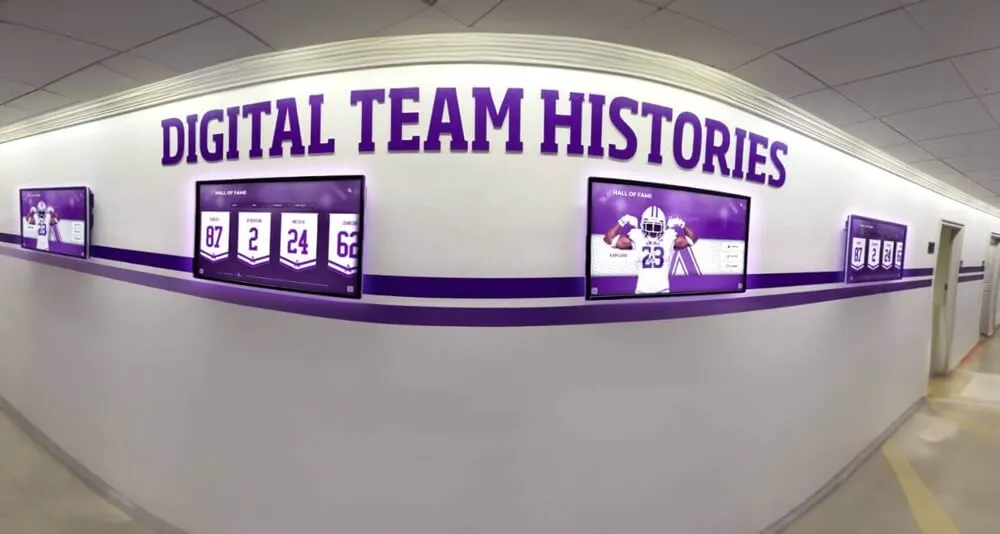
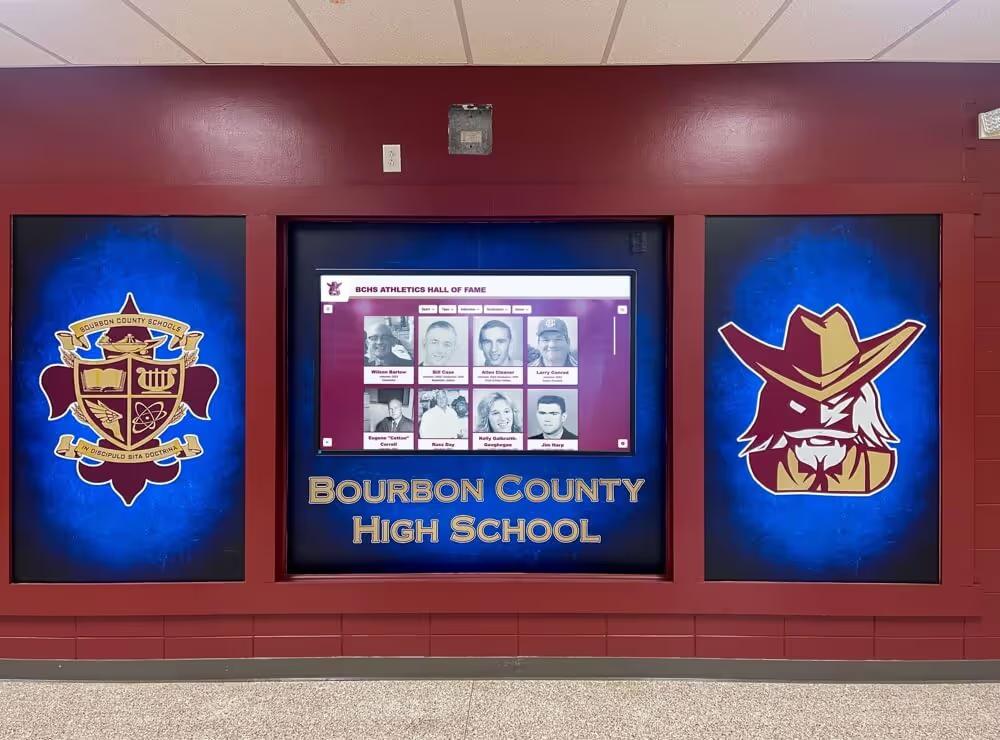
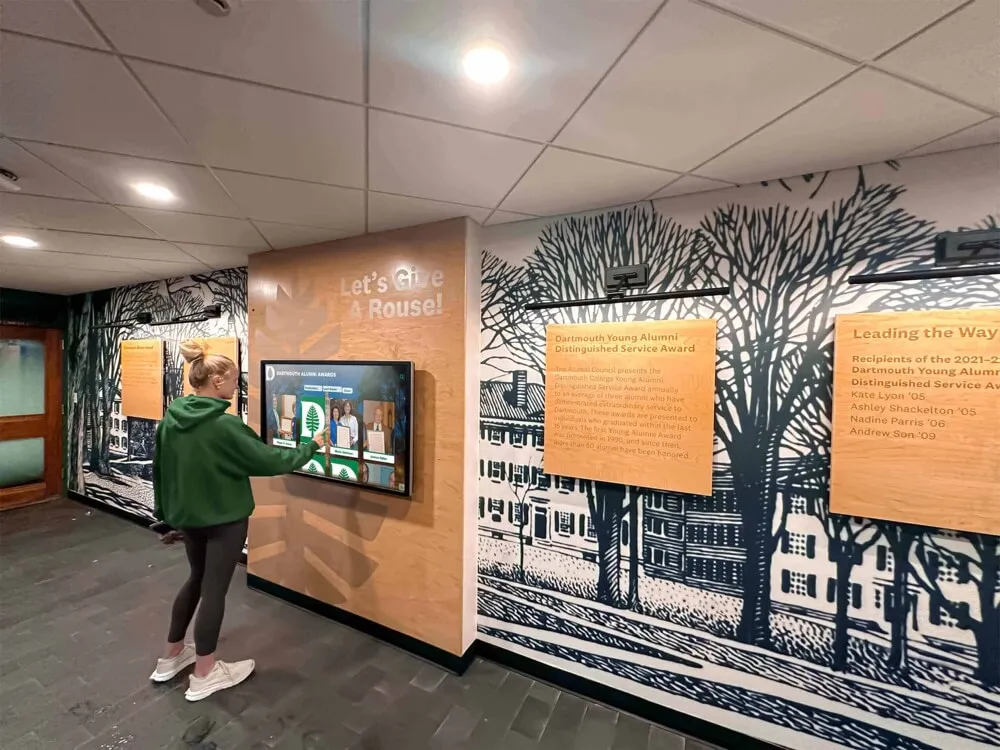
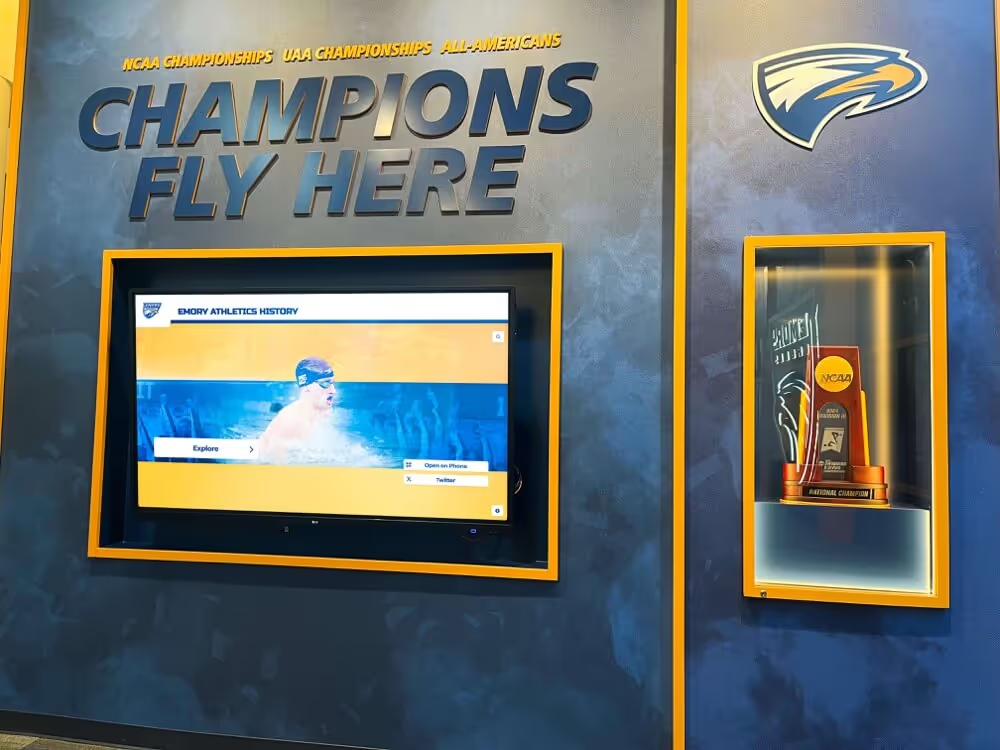
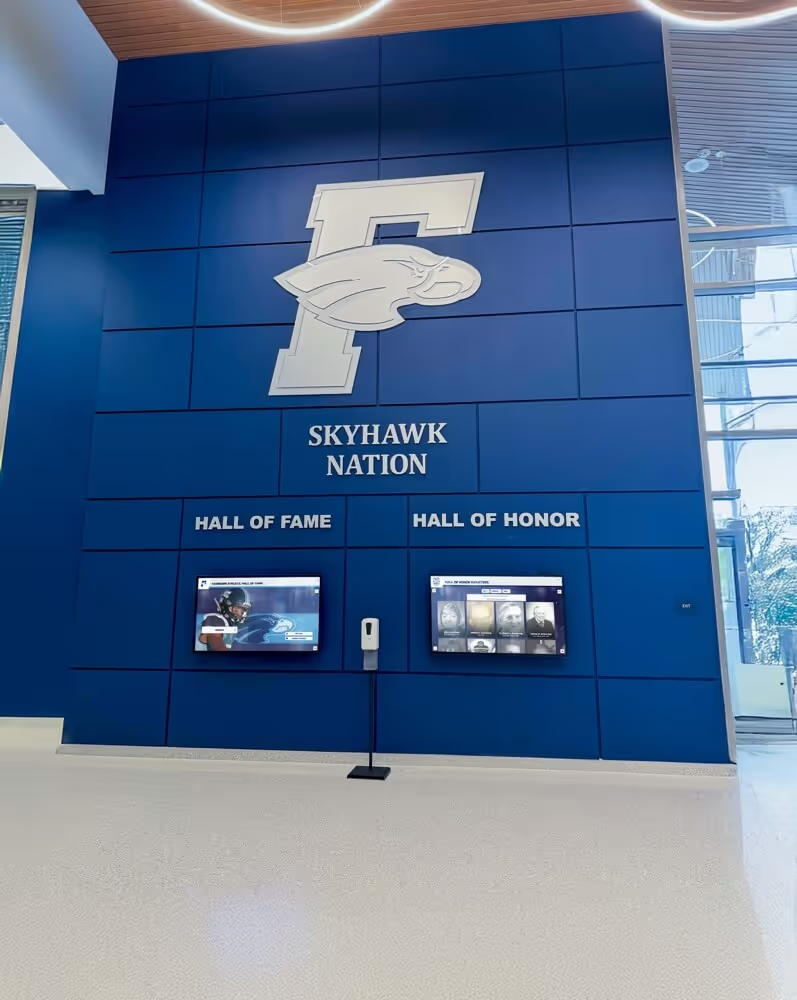
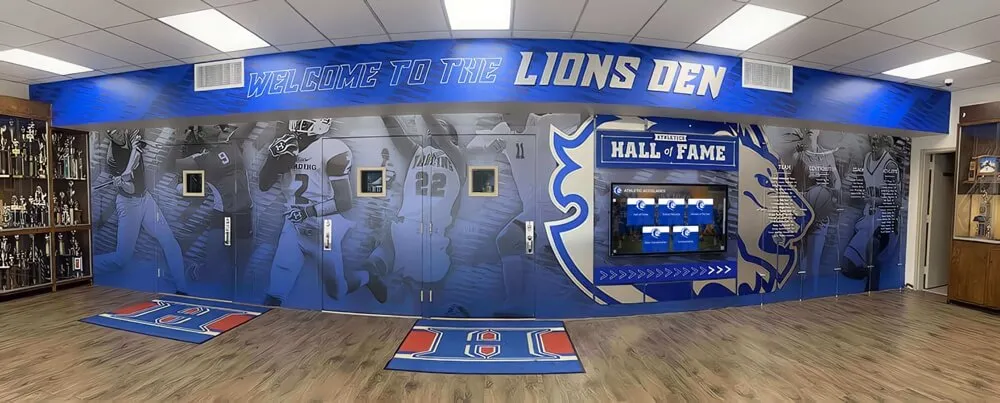
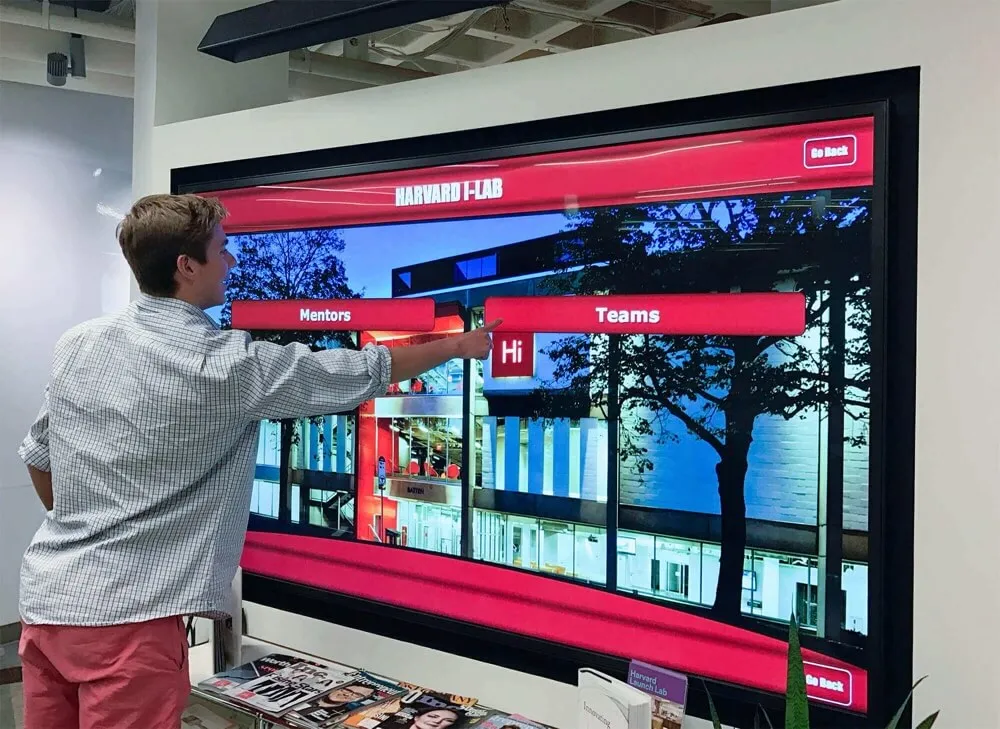
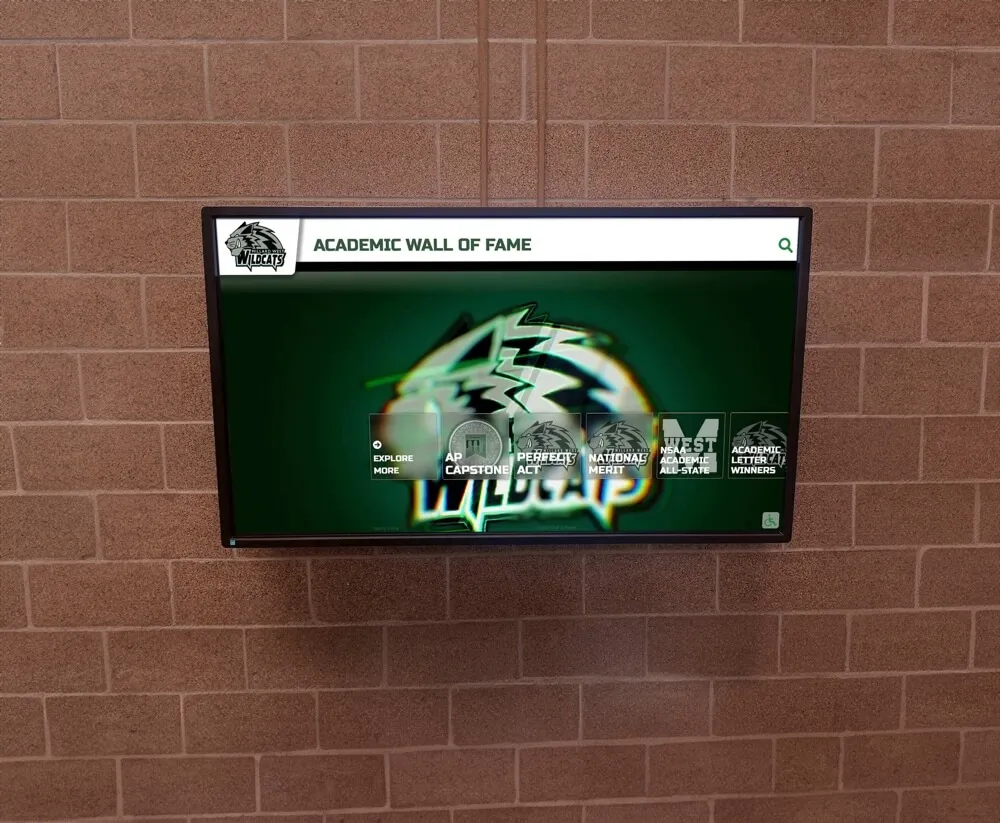
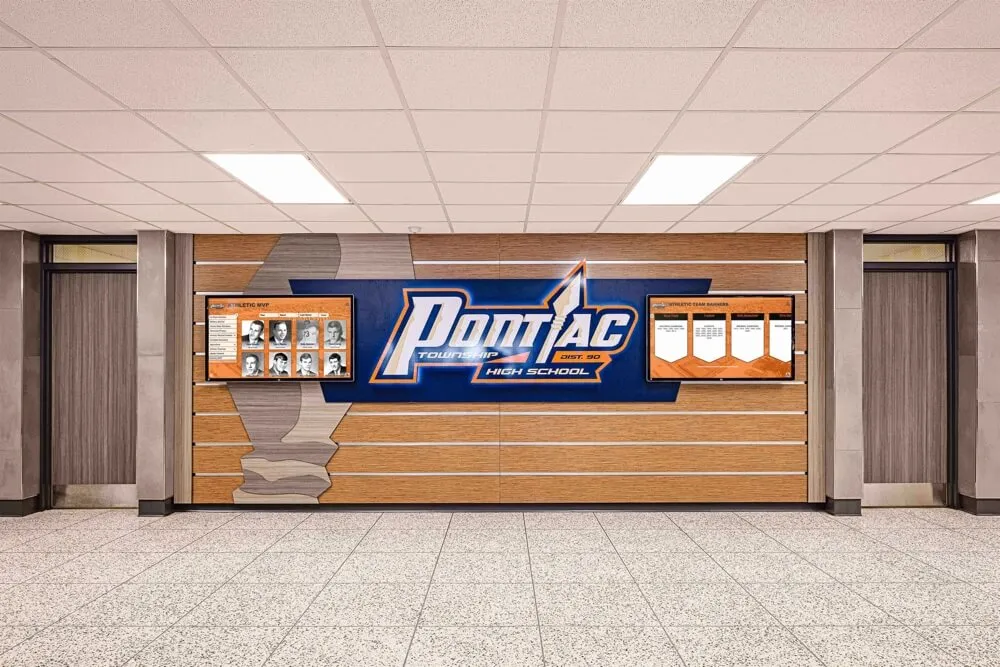
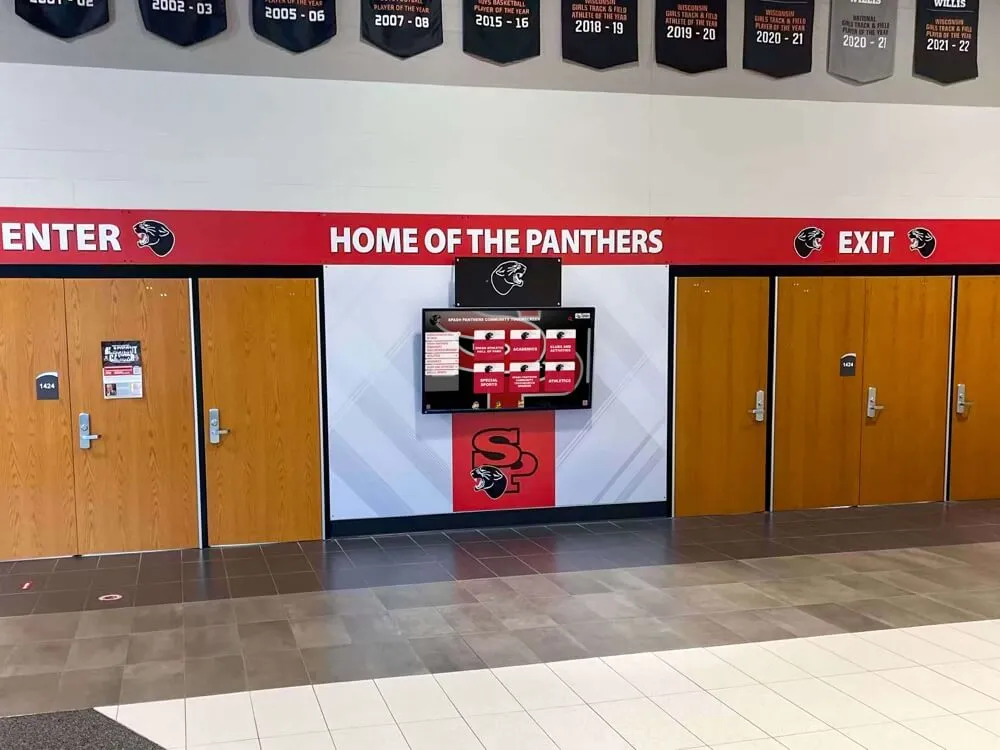
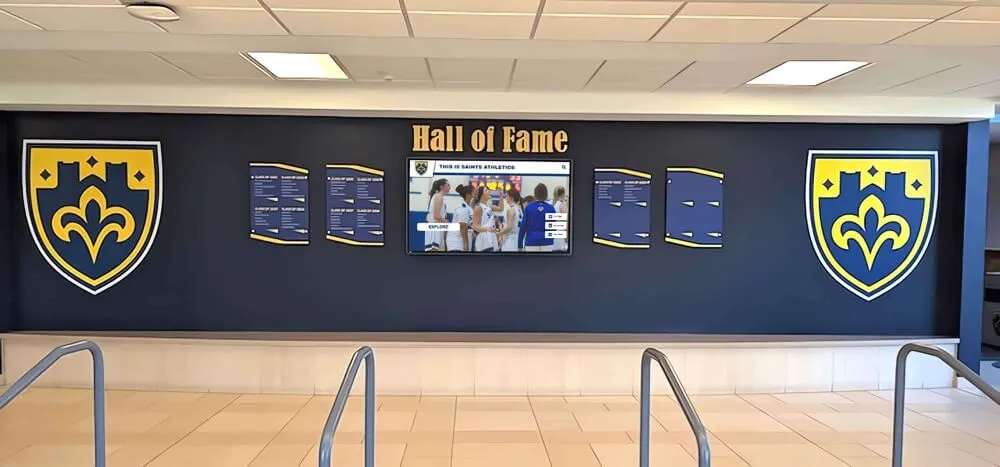
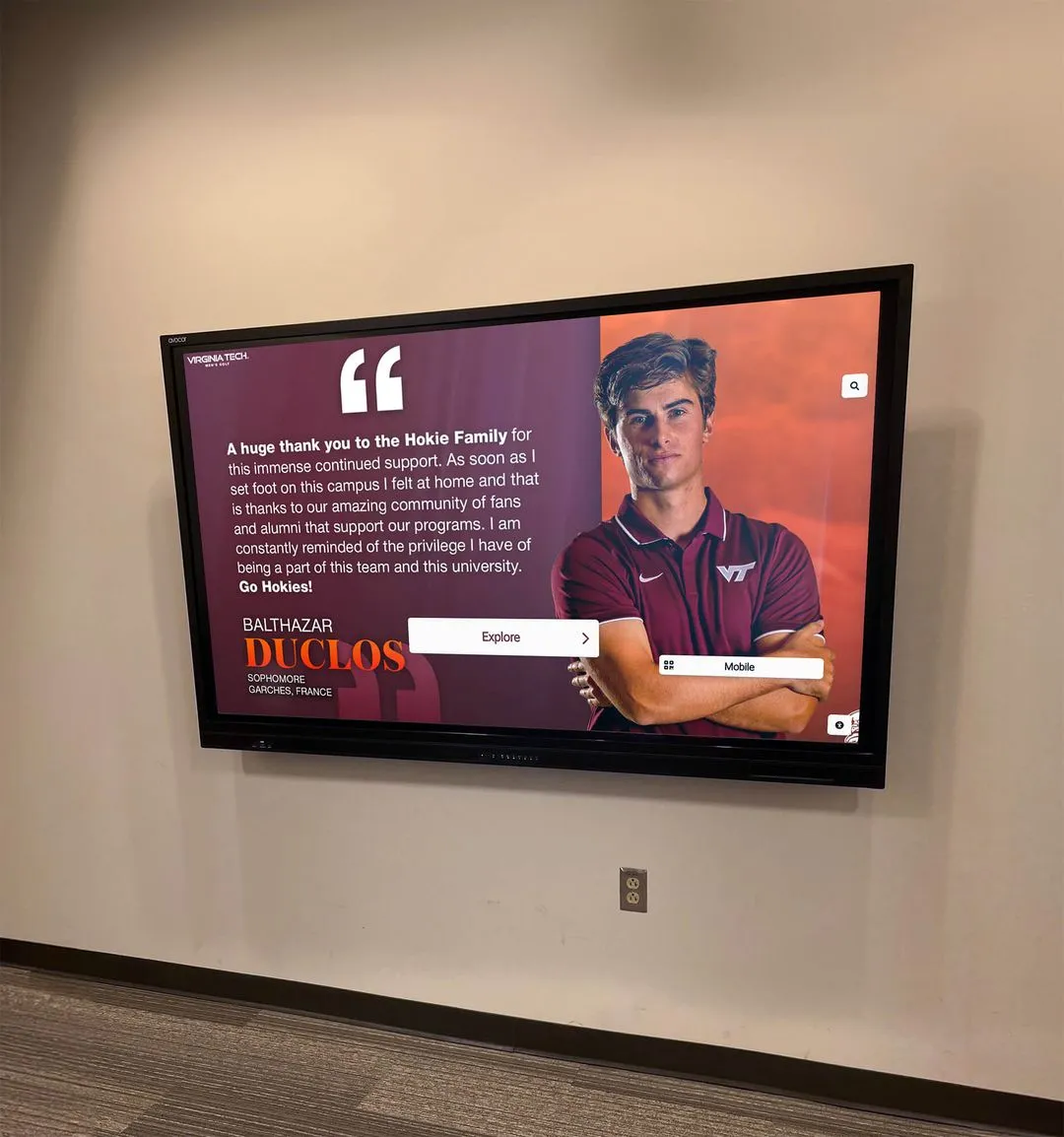
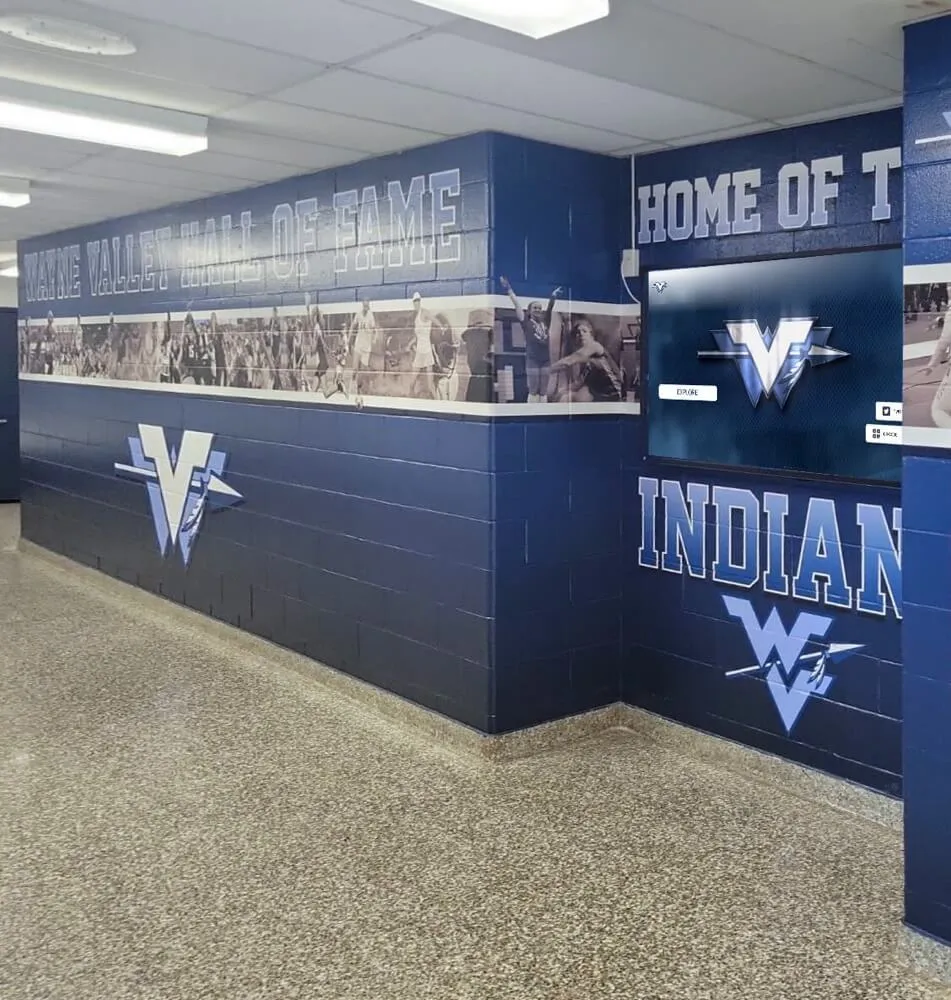
Modern recognition systems help schools celebrate Thanksgiving rivalry traditions through integrated displays combining history, achievements, and community pride
The Rich History of Thanksgiving Day Football Rivalries
Understanding how Thanksgiving football traditions developed helps schools appreciate the cultural significance of these matchups and the importance of preserving their unique rivalry histories.
Origins of the Thanksgiving Football Tradition
Thanksgiving Day football has deep roots in American sports culture, particularly in high school athletics where these traditions often predate professional and even most college Thanksgiving games.
Early Beginnings in the Northeast
The tradition of high school football on Thanksgiving Day originated in the northeastern United States during the late 1800s. According to historical records, the Norwich Free Academy vs. New London High School rivalry in Connecticut, which began in 1875, stands as the oldest continuous high school football rivalry in the United States. Just over a decade later, in 1887, Boston Latin vs. English High established what would become the oldest continuous Thanksgiving high school rivalry in the country, traditionally playing at Harvard Stadium.
These pioneering matchups established patterns that hundreds of other schools would eventually follow—scheduling the most anticipated rivalry game of the season on Thanksgiving Day when entire communities could gather to watch, creating annual traditions that transcended individual seasons and connected generations through shared competitive experiences.
The “Turkey Day Game” or “Turkey Bowl” Tradition
High school football games played on Thanksgiving became commonly known as Turkey Day Games or Turkey Bowls—terminology reflecting the American tradition of eating turkey on Thanksgiving while adding festive character to these special matchups. The Calvert Hall College vs. Loyola Blakefield Turkey Bowl represents a 100-year-old tradition and stands as the oldest continuous Catholic prep-school football rivalry in the United States, demonstrating how Thanksgiving football transcended public schools to become embedded across diverse educational institutions.
America’s Oldest and Most Storied Thanksgiving Rivalries
Certain Thanksgiving Day matchups have achieved legendary status through continuous play spanning over a century, becoming integral components of community identity and regional sports culture.
Norwich Free Academy vs. New London (Connecticut)
Since 1875, these Connecticut powerhouses have met in what many consider the oldest high school football rivalry in America. The 2024 contest marked the 162nd meeting between these schools—an extraordinary milestone representing nearly 150 years of continuous Thanksgiving tradition connecting countless generations of athletes, students, and community members through shared competitive history.
Boston Latin vs. English High (Massachusetts)
Beginning in 1887 and traditionally played at historic Harvard Stadium, this Boston rivalry represents the oldest continuous Thanksgiving high school football game in the country. The Harvard Stadium setting adds special significance, connecting high school rivalry tradition to one of college football’s most iconic venues.
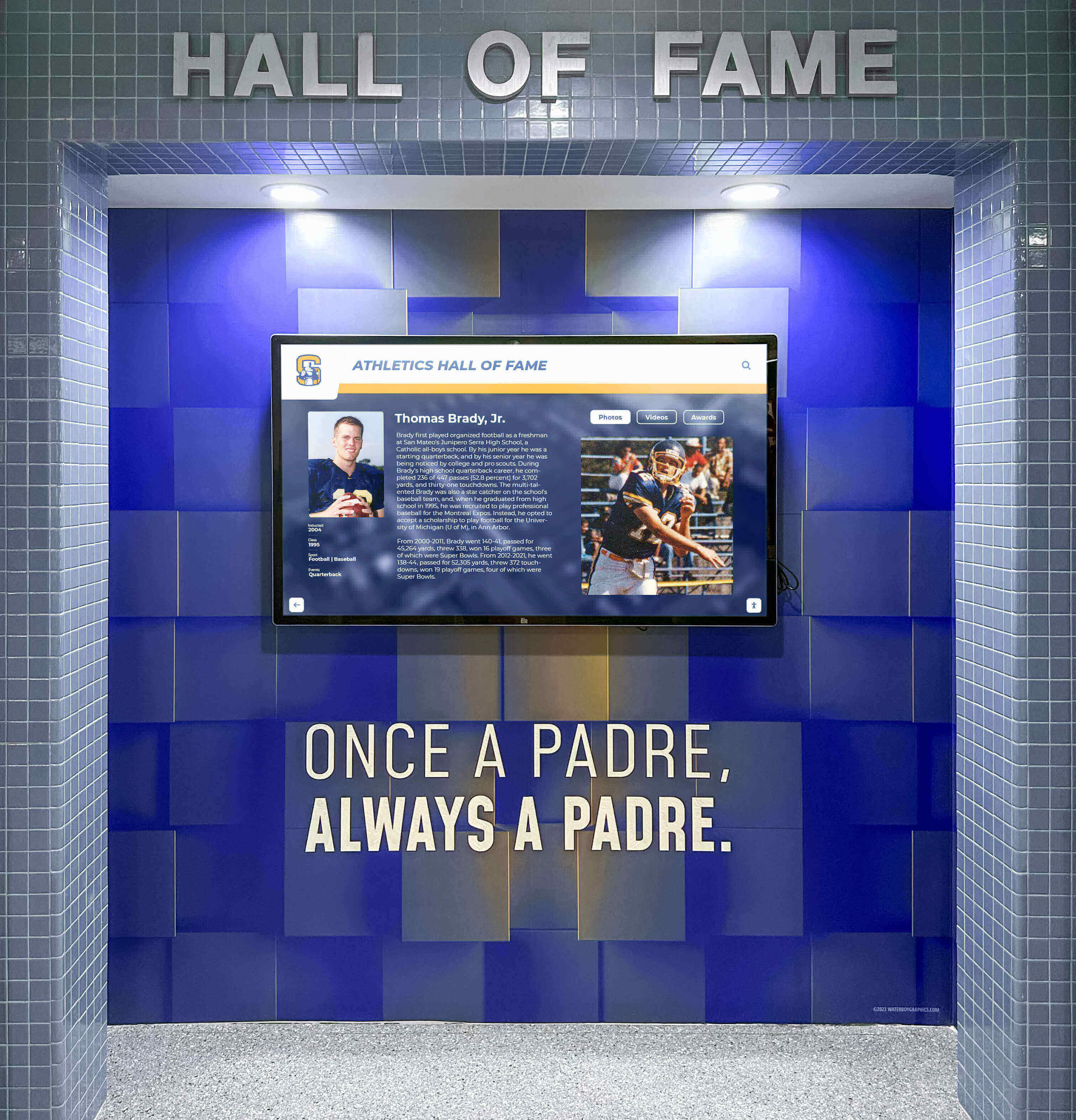
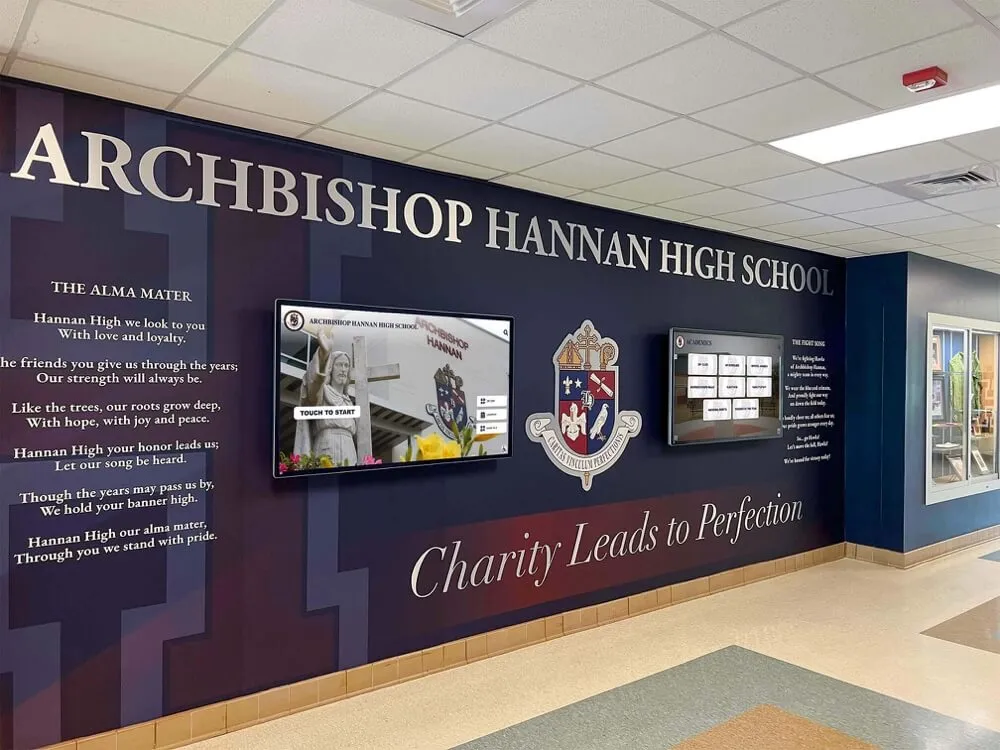
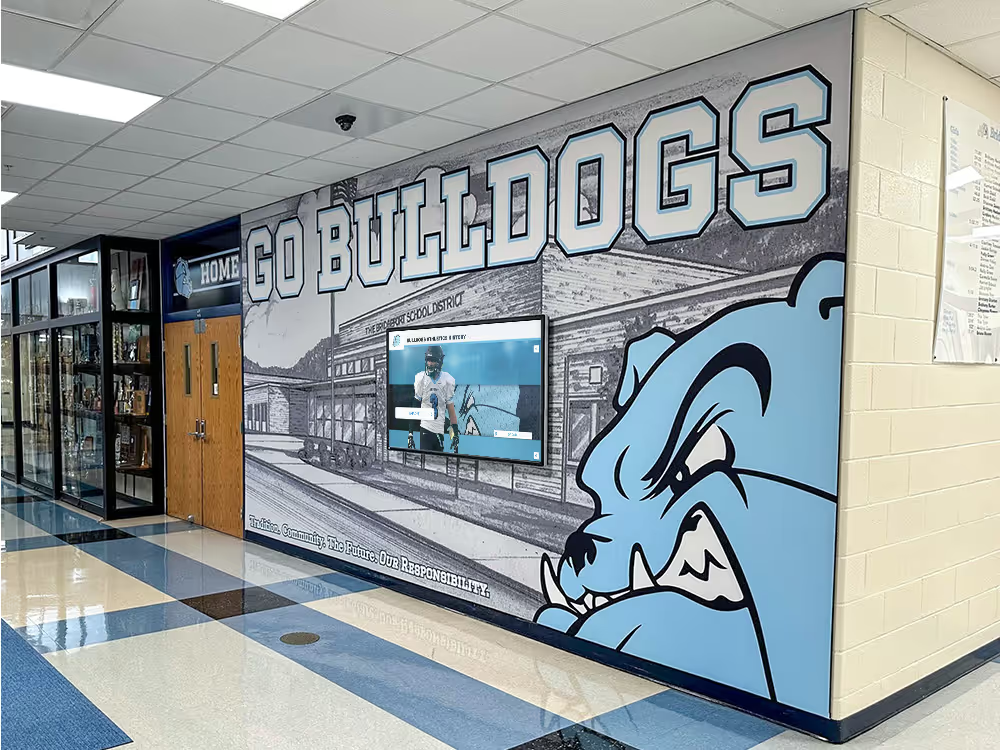
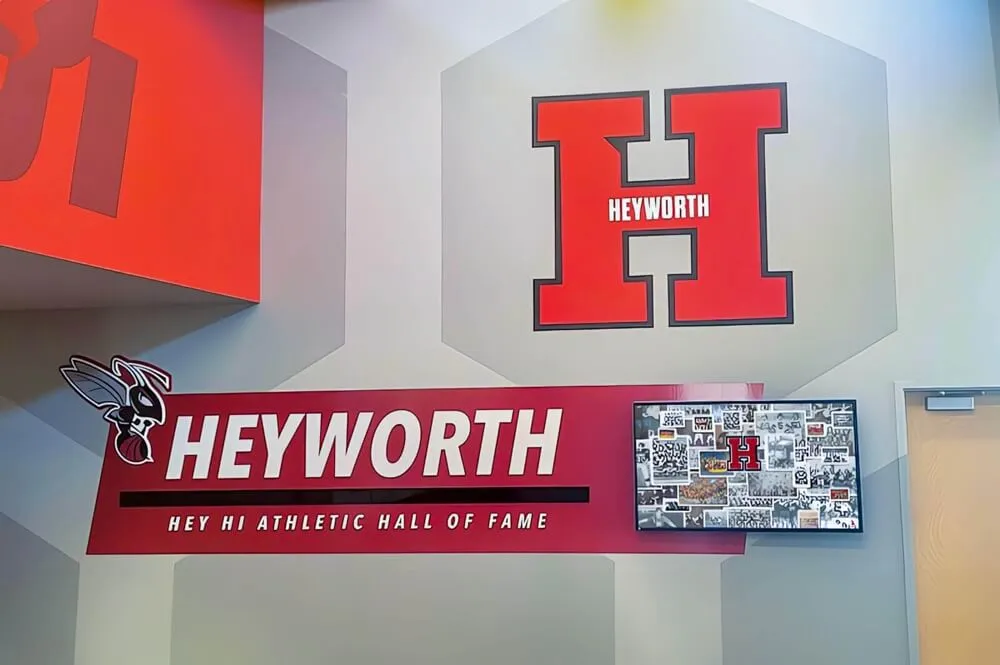
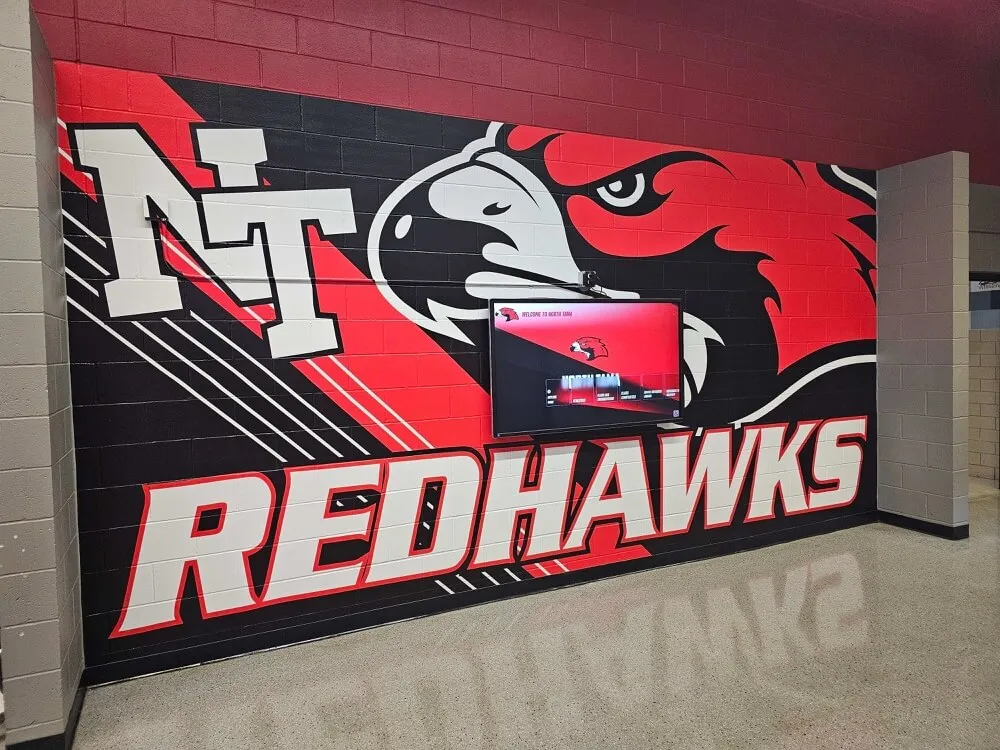
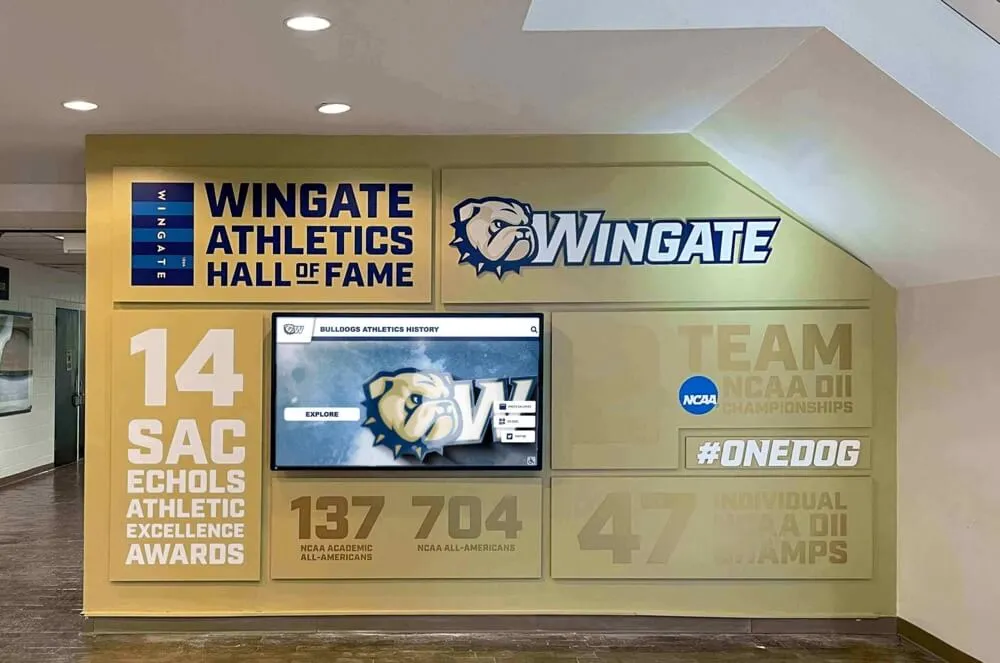
Schools with longstanding rivalry traditions benefit from recognition systems that document complete competitive history
Wellesley vs. Needham (Massachusetts)
Dating to 1882, the Wellesley Raiders and Needham Rockets rivalry stands as the oldest public school rivalry in the country. This southeastern Massachusetts tradition has survived world wars, economic depressions, and dramatic social changes, remaining a constant community touchstone that alumni return to watch decades after their own graduation.
Phillips Andover Academy vs. Phillips Exeter Academy
The 2024 Thanksgiving Day matchup between these prestigious New England prep schools marked their 125th meeting—a remarkable achievement demonstrating how Thanksgiving football transcends public schools to become embedded in independent school traditions. This rivalry’s longevity illustrates the powerful community-building capacity of annual Thanksgiving competition.
Learn more about school rivalry history documentation that preserves these extraordinary traditions for future generations.
Regional Concentration and Cultural Significance
Thanksgiving Day high school football remains predominantly a New England tradition, though certain rivalries exist in other regions.
New England Dominance
Massachusetts leads the nation with approximately 50 Thanksgiving Day high school football games annually, while Connecticut hosts around 15 and Rhode Island approximately 20. In no other region do so many high school football teams play on Thanksgiving Day every year—a phenomenon reflecting deep cultural traditions in northeastern communities where high school football rivalry traditions date back over 125 years.
This concentration creates unique regional culture where Thanksgiving Day football represents expected community tradition rather than occasional novelty. Families plan Thanksgiving celebrations around game times, alumni coordinate return visits to attend rivalry games, and entire communities orient their holiday around football matchups that have defined local identity for generations.
Notable Rivalries Outside New England
While concentrated in the Northeast, significant Thanksgiving rivalries exist elsewhere:
- Dumont vs. Tenafly (New Jersey): The “Turkey Bowl” represents the oldest and most played high school football rivalry in Bergen County, NJ, with 94 overall meetings through 2024, when Dumont secured their tenth consecutive victory with a 35-6 triumph
- Male vs. Manual (Louisville, Kentucky): A classic Louisville Thanksgiving tradition that has defined the city’s football culture for generations
- Various Texas rivalries: In football-passionate Texas, several schools maintain Thanksgiving Day rivalry traditions that draw massive community attendance
These regional variations demonstrate that while New England pioneered and concentrated the tradition, Thanksgiving football’s appeal extends nationwide wherever communities value educational athletics and institutional rivalry traditions.
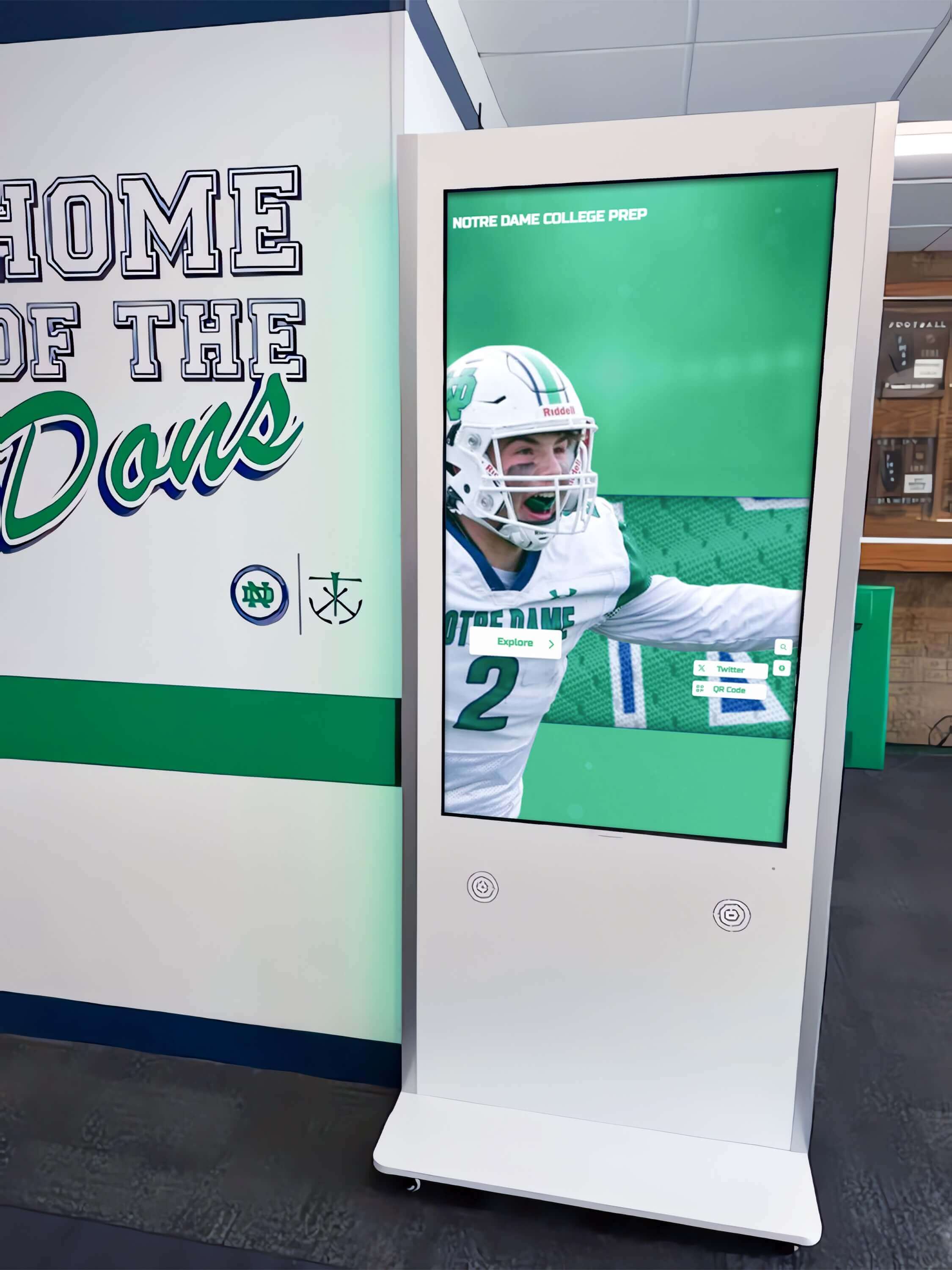
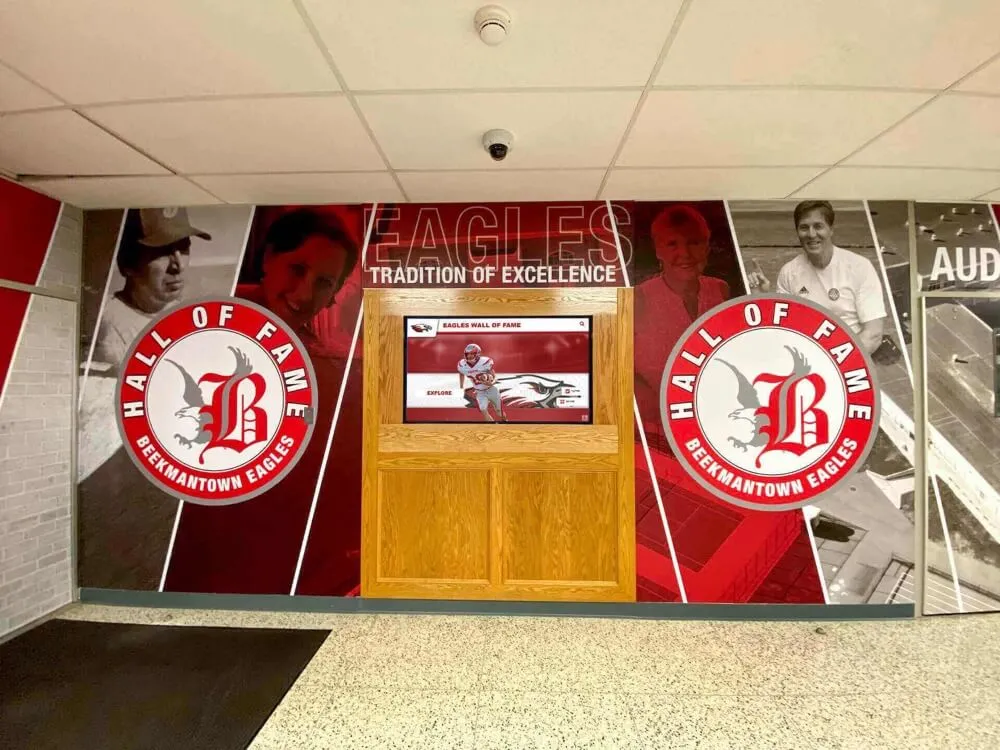
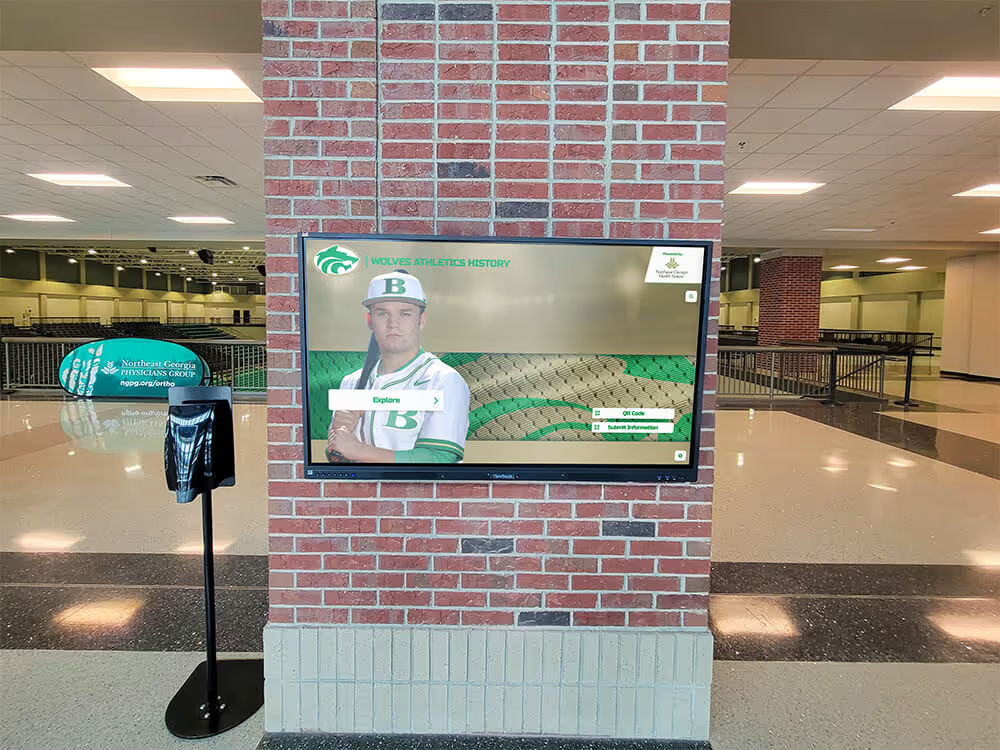
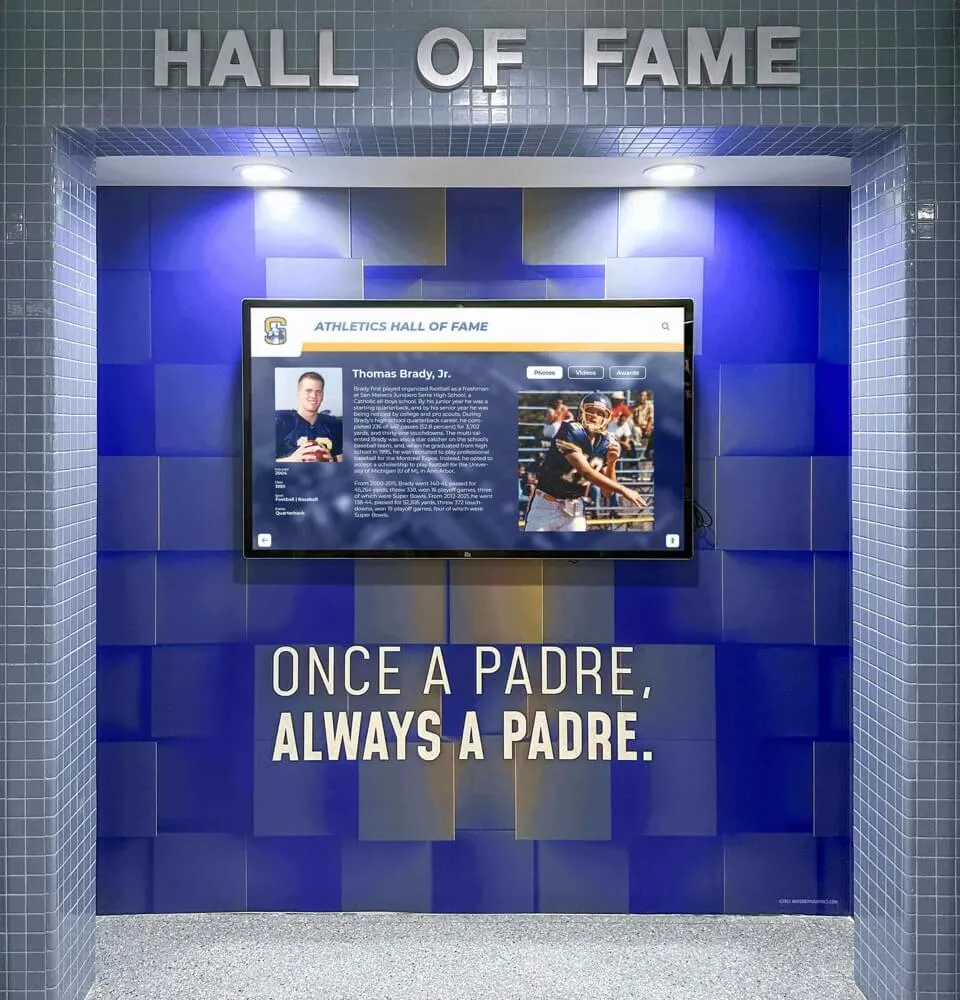
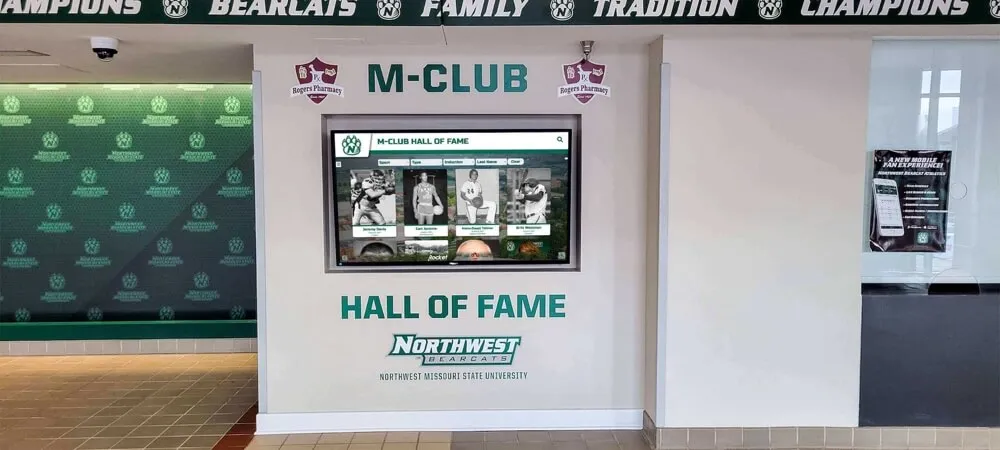
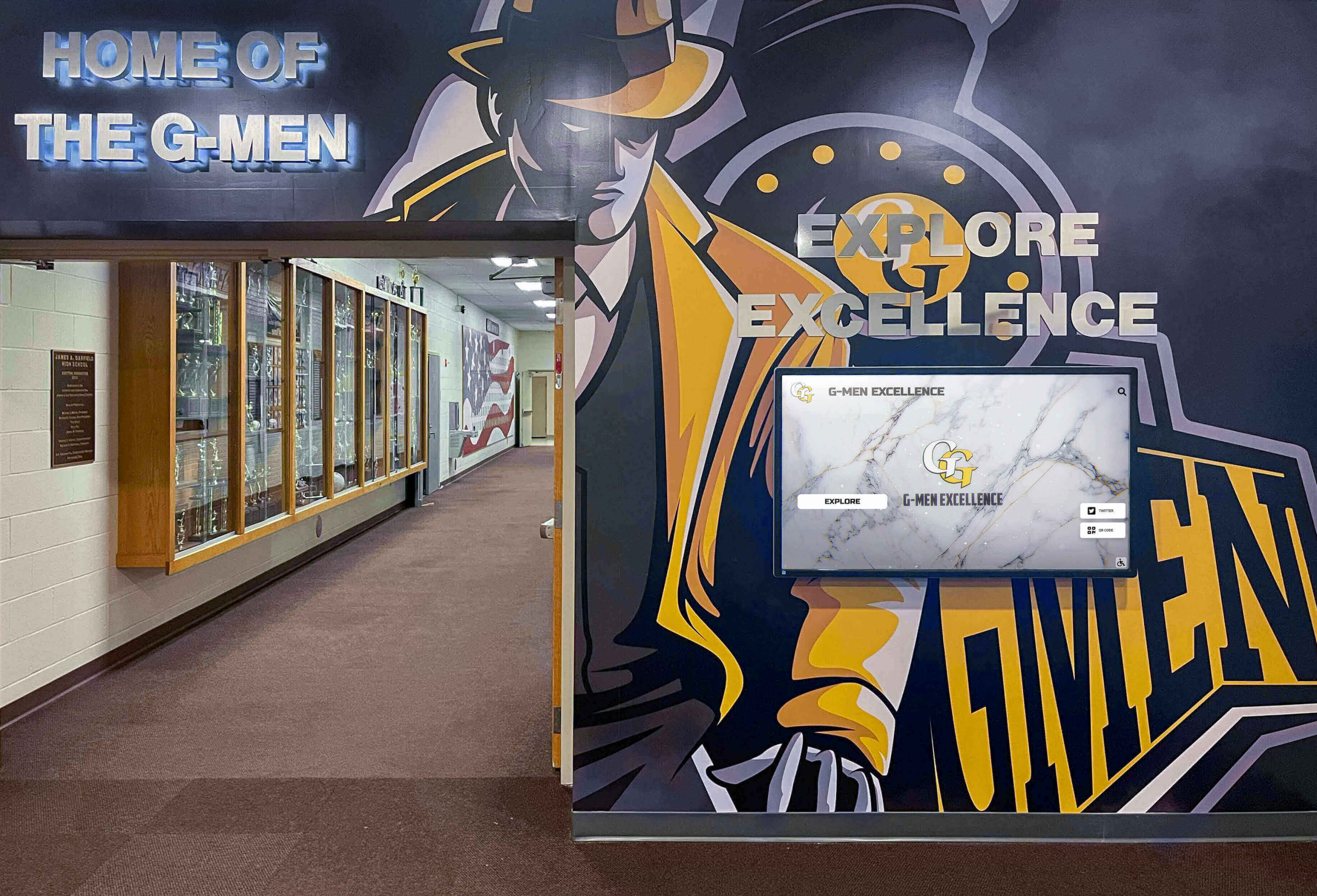
Digital recognition displays enable schools to showcase complete rivalry histories including game results, player achievements, and tradition evolution
The Declining Thanksgiving Football Tradition
Despite rich history, Thanksgiving Day high school football faces significant contemporary challenges threatening tradition continuation.
Factors Contributing to Decline
At the high school level, the Thanksgiving Day tradition is declining rapidly as schools face multiple pressures:
- Extended playoff systems: State playoff tournaments extending deeper into November and early December make traditional regular season finales on Thanksgiving impractical when teams advance to postseason competition
- Shortened regular seasons: Many states have reduced regular season game counts, forcing schools to choose between traditional Thanksgiving rivalry games and playoff qualification
- Multi-sport athlete considerations: Winter sports like basketball increasingly pressure students to begin practice earlier, creating conflicts with late-November football commitments
- Travel and logistics challenges: Thanksgiving week family travel plans make scheduling games and ensuring adequate attendance increasingly difficult
- Declining overall high school football participation: National trends showing reduced football participation affect schools’ ability to field competitive teams deep into November
Preservation Efforts and Tradition Advocacy
Despite these challenges, many schools actively work to preserve Thanksgiving football traditions, recognizing their unique cultural value beyond typical athletic competition. Schools maintaining these rivalries emphasize community connection, alumni engagement, and institutional tradition preservation as justifications for continuing Thanksgiving games even when logistically challenging.
Understanding these preservation challenges makes documenting and celebrating existing Thanksgiving rivalry traditions even more critical—if these games eventually discontinue, comprehensive historical documentation ensures the traditions remain accessible to future generations who may never experience Thanksgiving Day kickoffs themselves.
Cultural Significance of Thanksgiving Day Football Rivalries
Beyond athletic competition, these traditions serve important cultural functions connecting communities, generations, and institutions in unique ways.
Multi-Generational Family Traditions
Thanksgiving Day rivalry games create rare opportunities for genuine multi-generational family experiences centered on shared institutional loyalty.
Connecting Families Through Shared Experience
In longstanding rivalry communities, it’s common for three, four, or even five generations of the same family to have attended rivalry games—first as players or cheerleaders, then as parents watching their children compete, later as grandparents sharing traditions with grandchildren, and eventually as elderly alumni maintaining connections to schools through these annual rituals.
This multi-generational continuity creates powerful family bonds centered on school loyalty. Parents share stories of their own Thanksgiving game experiences with children who will create their own memories, continuing traditions that literally extend back to their great-grandparents’ era. These shared experiences become family lore passed down through generations, connecting relatives across decades through common reference points and shared institutional pride.
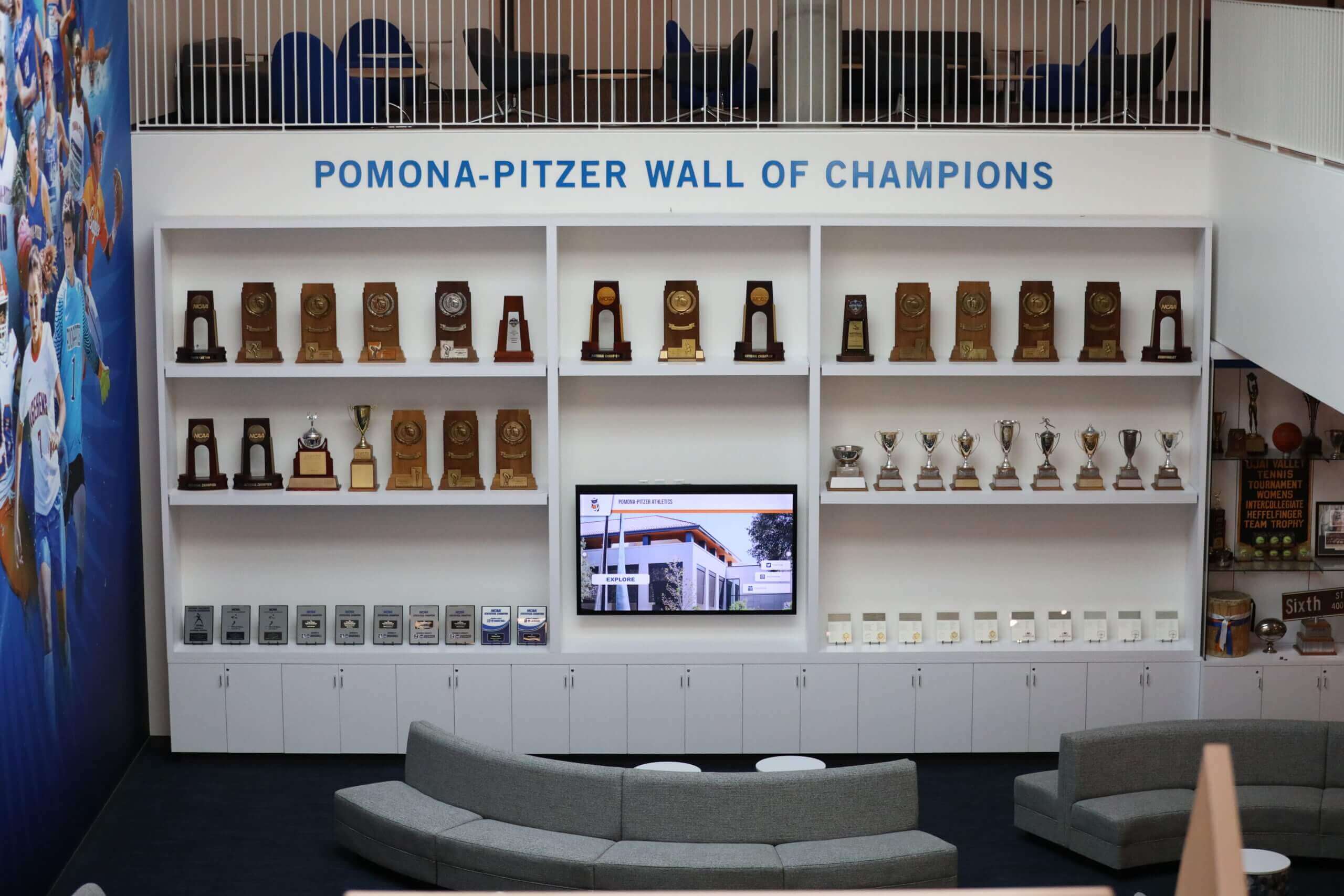
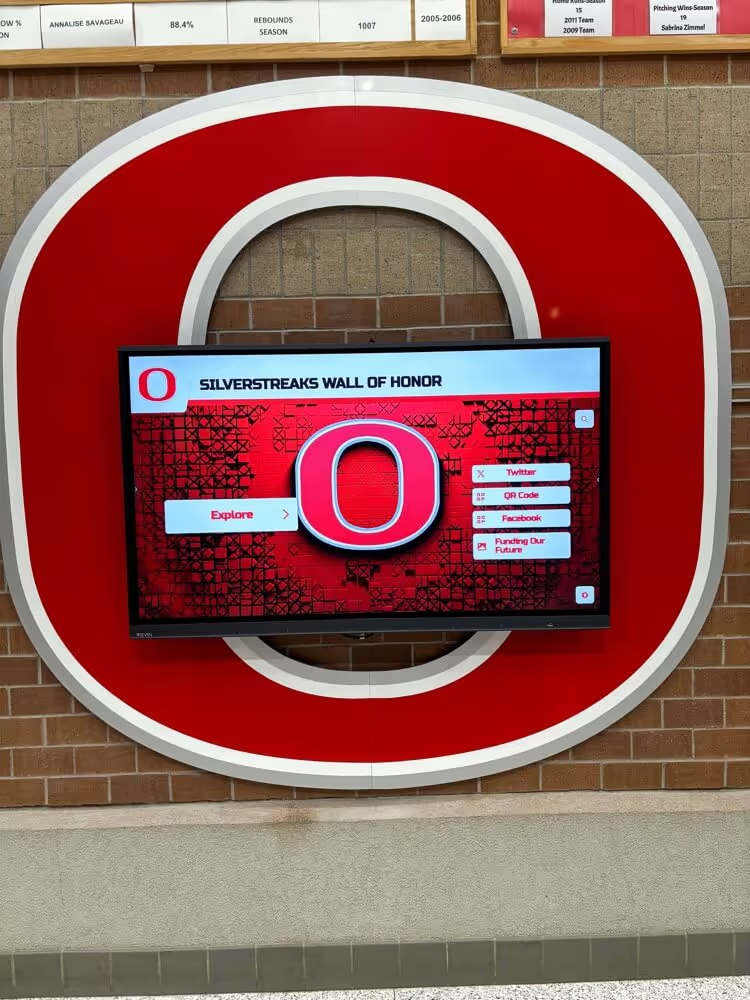
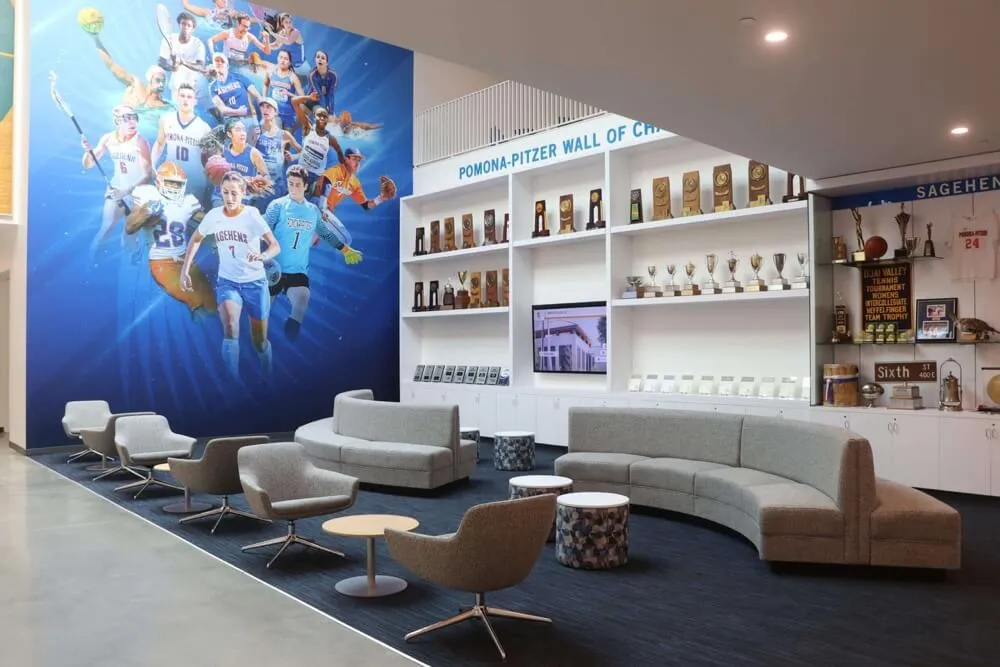
Recognition spaces celebrating rivalry traditions provide gathering places where families share stories across generations
Alumni Homecoming and Reunion Opportunities
Thanksgiving timing creates natural opportunities for alumni gatherings. Many graduates who have moved away return home for Thanksgiving holidays, making rivalry games ideal reunion opportunities. Schools often organize alumni events around Thanksgiving games—pre-game gatherings, halftime recognition ceremonies, post-game receptions—leveraging guaranteed alumni presence to strengthen institutional connections and advance development objectives.
These reunion opportunities extend rivalry significance beyond current students to include alumni spanning decades, transforming games from simple high school athletic contests into community-wide celebrations connecting past and present through shared competitive traditions.
Explore comprehensive approaches to alumni gathering area design that support Thanksgiving reunion traditions.
Community Identity and Local Pride
In many communities, particularly smaller towns, Thanksgiving rivalry games represent defining cultural events that shape local identity as significantly as any civic institution.
Rivalry as Community Unifier
Thanksgiving football rivalries unite communities across typical social divisions. Economic differences, political disagreements, and social stratification temporarily fade as entire communities rally around shared school loyalty. Local businesses display rivalry spirit, community organizations coordinate events around game schedules, and residents who may have no direct school connection still passionately support “their” team because institutional rivalry becomes inseparable from community identity itself.
This unifying function provides valuable social cohesion in an increasingly fragmented society where common experiences bringing diverse community members together have become rare.
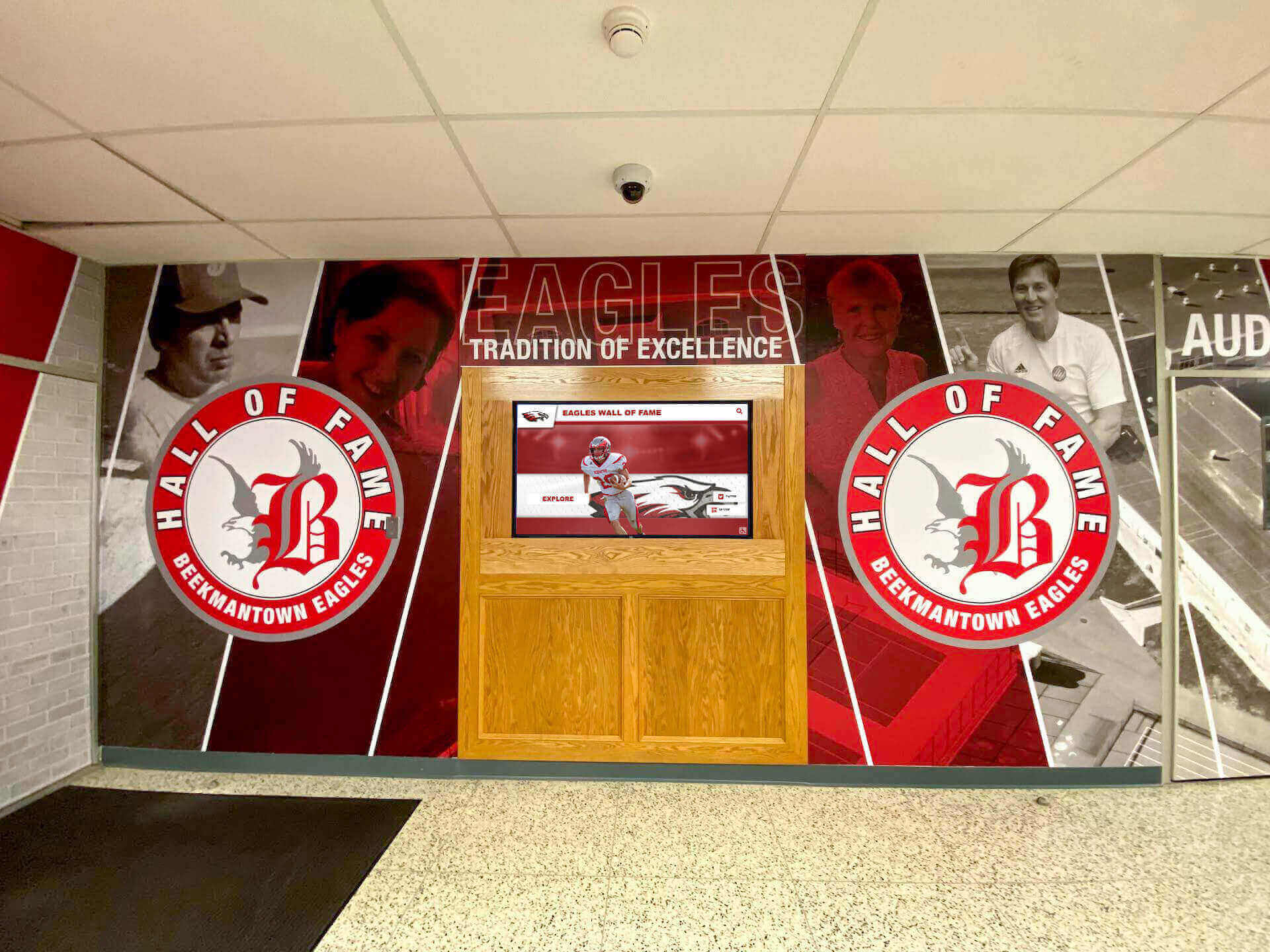
Visible rivalry recognition reinforces community identity and institutional pride year-round
Economic and Civic Impact
Beyond intangible social benefits, Thanksgiving rivalry games generate measurable community impact. Local restaurants and businesses experience increased activity from visiting alumni and rival school supporters. Community visibility and pride associated with successful programs attract residents and businesses. Youth athletic programs benefit from heightened community interest in sports and fitness.
These tangible benefits justify community investment in maintaining rivalry traditions even when logistical challenges make continuation difficult—rivalry games deliver value extending far beyond individual schools to encompass broader community wellbeing and economic vitality.
Student-Athlete Experience and Tradition Connection
For students who play in Thanksgiving rivalry games, these experiences often represent career-defining memories that influence their long-term relationship with educational institutions.
Connecting Current Athletes to Legacy
When student-athletes understand that they’re participating in games that have occurred annually for 50, 100, or even 140+ years, it fundamentally changes how they perceive their individual participation. They’re not just playing another football game—they’re contributing to legendary traditions, joining exclusive fraternities of athletes who have worn the same uniforms competing in the same rivalry, and creating experiences they’ll share with family members for the rest of their lives.
This tradition awareness transforms typical teenage athletic experiences into something more significant—moments connecting young people to institutional legacies far larger than themselves, creating perspective about their place within communities and histories that preceded them and will continue long after they graduate.
Schools that effectively communicate rivalry history and make past achievements visible to current athletes amplify these beneficial effects, using historical awareness as motivation and inspiration for present excellence.
Character Development Through Rivalry Competition
Healthy rivalry traditions teach important life lessons beyond athletic skills. Students learn to channel competitive intensity appropriately, demonstrate respect for worthy opponents, handle victory and defeat with equal grace, compete with maximum effort while maintaining ethical conduct, and appreciate traditions and history larger than individual experiences.
These character development opportunities represent perhaps the most valuable aspects of rivalry traditions—lessons that serve students throughout lives in ways pure athletic skill development never could.
Learn about comprehensive athletic recognition programs that celebrate student-athlete achievements while teaching valuable character lessons.
Thanksgiving Week Traditions and Community Celebrations
The days surrounding Thanksgiving rivalry games often feature special traditions and events that enhance the overall experience and deepen community engagement.
Pre-Game Week Traditions
The week leading up to Thanksgiving games typically features intensified school spirit activities and community events building anticipation for the big game.
Spirit Week Activities
Many schools designate Thanksgiving week as special spirit week featuring daily themed dress-up days, hallway decorating competitions between classes, special pep rallies with rivalry-specific traditions, rival school “roasts” and good-natured competitive banter, fundraising competitions supporting athletic programs, and social media campaigns building game excitement.
These spirit activities engage students beyond just football players, creating school-wide investment in rivalry outcomes and ensuring Thanksgiving games represent whole-school events rather than isolated athletic competitions.
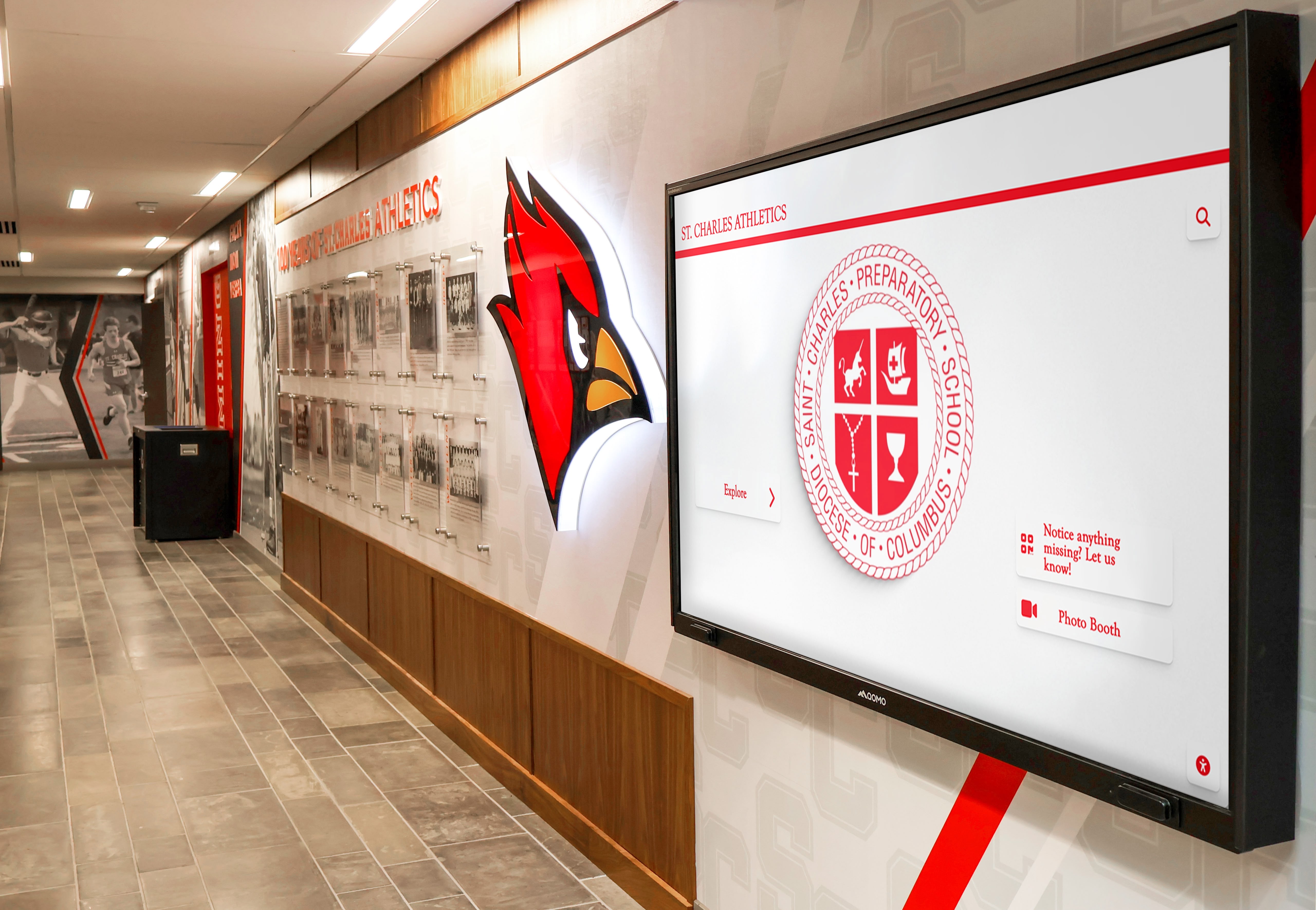
Spirit displays celebrating rivalry traditions maintain enthusiasm year-round while building anticipation for annual matchups
Bonfire Traditions
Many schools host bonfires the night before Thanksgiving games—tradition often featuring senior athlete recognition, coach speeches building team motivation, cheerleader and band performances, community gathering and celebration, ceremonial “burning” of rival school symbols (in effigy), and nostalgic reflection on rivalry history and significance.
These bonfire events create emotional preparation for the following day’s competition while providing community gathering opportunities celebrating tradition and school loyalty beyond the football field itself.
Community Business Participation
In rivalry communities, local businesses actively participate in Thanksgiving week spirit. Storefronts display school colors and rivalry decorations, restaurants offer rivalry-themed specials and promotions, businesses sponsor events and activities throughout spirit week, local media provides extensive rivalry coverage and history features, and community organizations coordinate Thanksgiving game attendance.
This broad community participation demonstrates how Thanksgiving rivalries extend beyond schools to become defining aspects of overall community culture and identity.
Game Day Traditions and Ceremonies
Thanksgiving rivalry games themselves often feature special traditions distinguishing them from typical Friday night contests.
Pre-Game Ceremonies
Traditional Elements
- National anthem performances by school music programs
- Recognition of military veterans in attendance (Veterans Day proximity)
- Acknowledgment of rivalry history and tradition significance
- Introduction of distinguished alumni in attendance
- Honoring of milestone anniversary teams (25, 50 years later)
- Presentation of rivalry trophy or traveling award
- Recognition of senior athletes playing final high school games
These ceremonial elements frame rivalry games as special occasions deserving formal recognition beyond typical athletic competition, reinforcing tradition significance for participants and spectators.
Halftime Traditions
Thanksgiving game halftimes often feature unique programming including marching band collaborations between rival schools, recognition of championship teams from previous years, alumni player acknowledgment and gathering, special rivalry history presentations or videos, youth football league demonstrations, and fundraising or charitable cause recognition.
These halftime traditions extend game significance beyond competition outcomes to celebrate broader community values and institutional connections.
Learn about homecoming festivities planning that includes traditions applicable to Thanksgiving rivalry contexts.
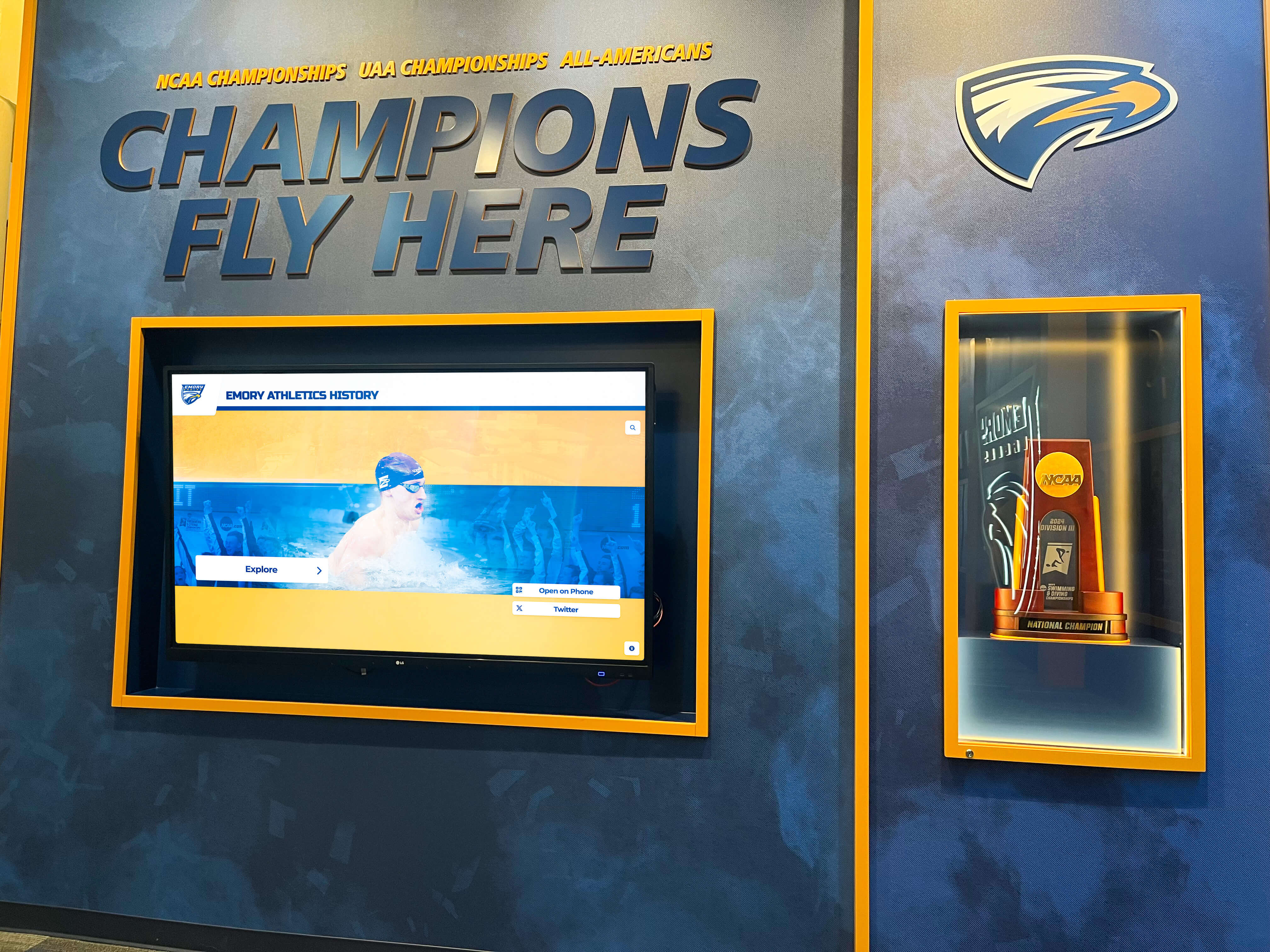
Trophy displays celebrating rivalry victories preserve tradition history while inspiring current competitors
Post-Game Traditions
Victory and Defeat Rituals
- Trophy presentation ceremonies to winning teams
- Handshake lines demonstrating respect despite competition
- Team photos with rivalry trophies or awards
- Community gatherings or celebrations following games
- Alumni socializing reconnecting with school friends
- Local newspaper coverage and recognition
These post-game rituals provide closure to annual rivalry cycles while immediately beginning anticipation for the following year’s matchup—creating continuous tradition connection that never fully ends but merely pauses until next Thanksgiving.
Documenting and Celebrating Rivalry Success Through Modern Recognition
Schools with rich Thanksgiving rivalry traditions face the important challenge of systematically documenting and celebrating this history in ways that honor the past while inspiring present and future student-athletes.
The Challenge of Traditional Rivalry Recognition
Before modern digital solutions, schools struggled to comprehensively preserve and showcase rivalry traditions.
Space Limitations of Physical Displays
Trophy cases can display only limited championship hardware before reaching capacity. Championship banners hanging in gymnasiums fade over time and become illegible from floor level. Photographs from historic rivalry games deteriorate with age. Newspaper clippings documenting legendary matchups yellow and crumble. Physical storage spaces fill with memorabilia few ever see.
These space constraints force impossible choices about which rivalry achievements deserve prominent recognition and which must be relegated to storage where current students never encounter them—essentially erasing significant portions of rivalry history from institutional visibility.
Discover strategies for addressing these challenges in trophy case capacity planning with comprehensive solutions.
Accessibility and Engagement Limitations
Even when schools maintain rivalry documentation, traditional approaches create significant engagement barriers. Static displays provide minimal context about rivalry history and significance. Photographs without captions lose meaning as individuals who remember depicted people age. Championship trophies offer no information about team rosters or season stories. Newspaper archives remain inaccessible without research skills and motivation.
These accessibility limitations mean valuable rivalry heritage remains functionally invisible to most students, families, and community members who would benefit from understanding these traditions—missing opportunities to strengthen institutional connections and community pride.
How Digital Recognition Transforms Rivalry Preservation
Modern recognition technology fundamentally transforms how schools document, preserve, and celebrate Thanksgiving Day rivalry traditions.
Unlimited Documentation Capacity
Digital platforms like Rocket Alumni Solutions eliminate space constraints that limited traditional recognition approaches. Schools can document every rivalry game across complete institutional history, preserve unlimited photographs and video footage, maintain comprehensive athlete rosters with individual profiles, archive newspaper coverage and media documentation, and track rivalry statistics and records across decades—all within searchable databases accessible through intuitive interfaces.
This unlimited capacity enables “document everything” philosophies rather than selective approaches that inevitably prioritize recent achievements over equally deserving historical moments, ensuring every athlete who played in rivalry games receives appropriate permanent recognition regardless of when their competition occurred.

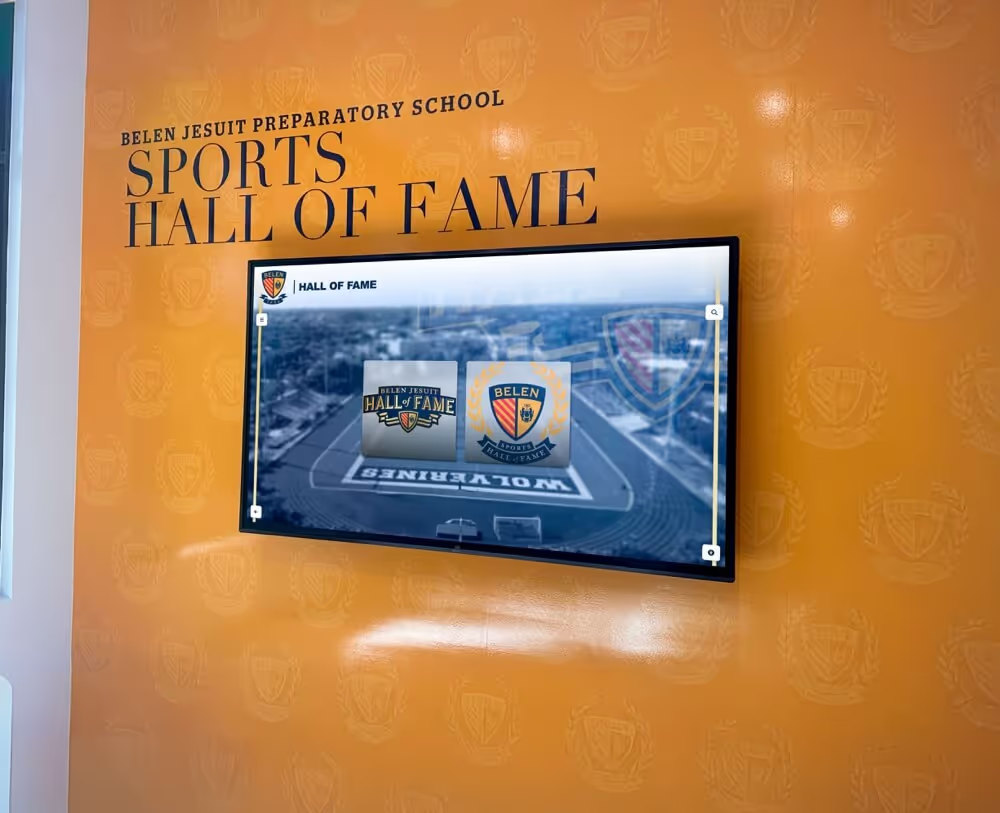
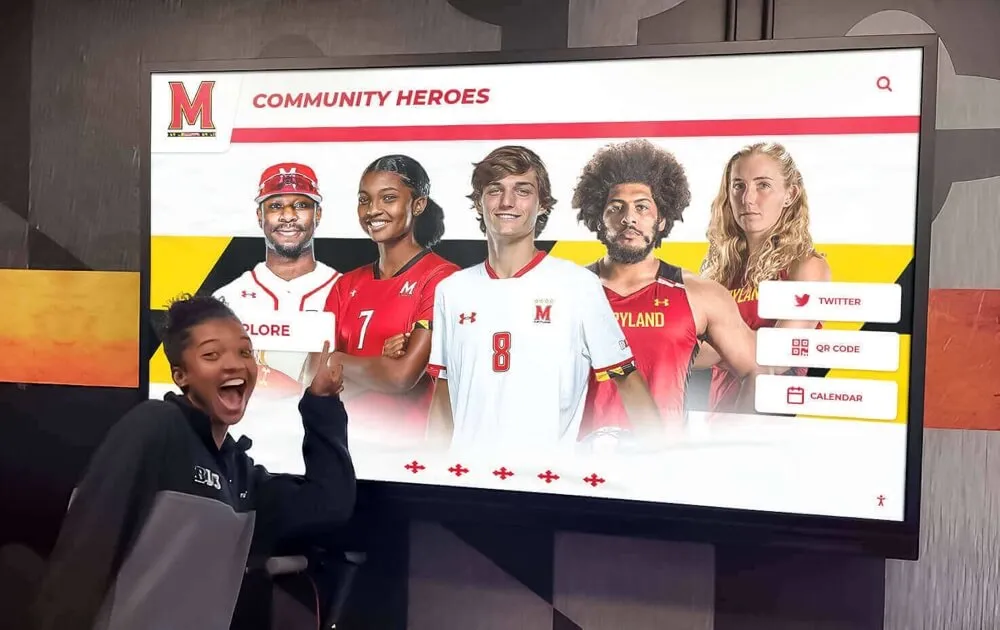
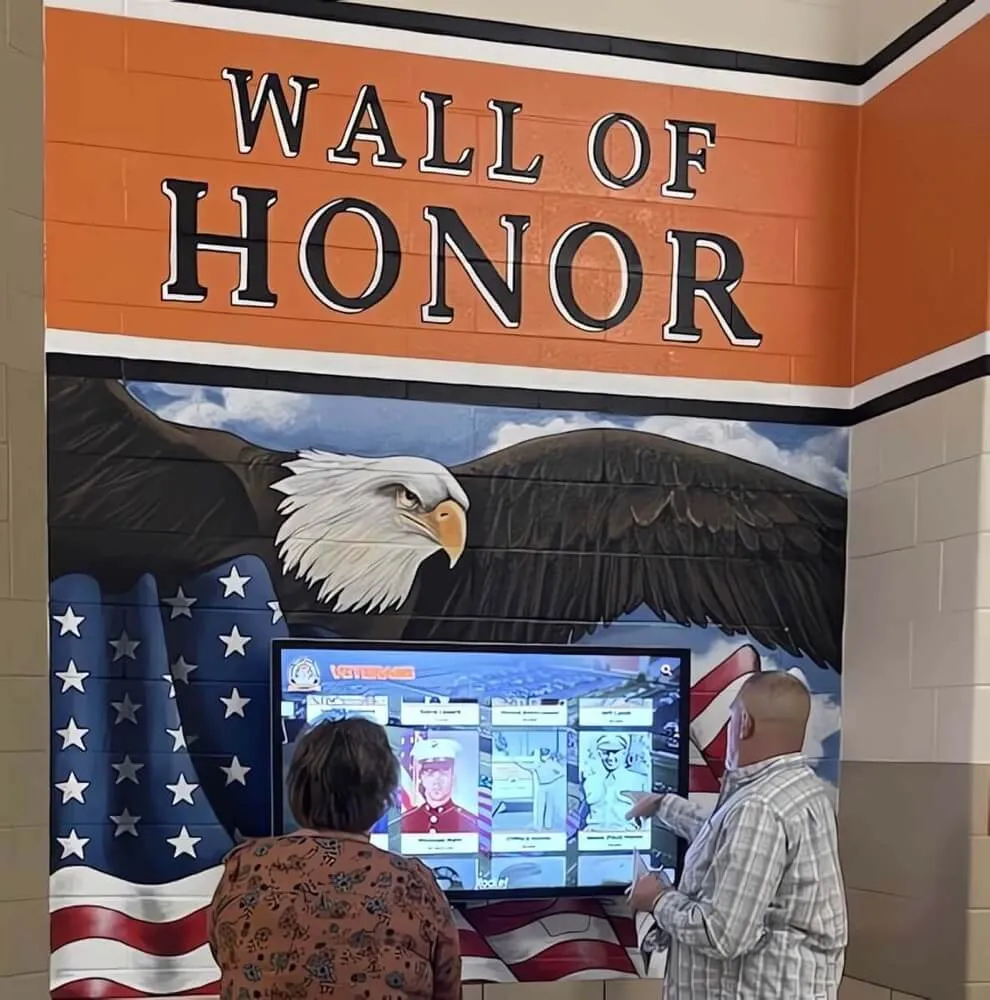
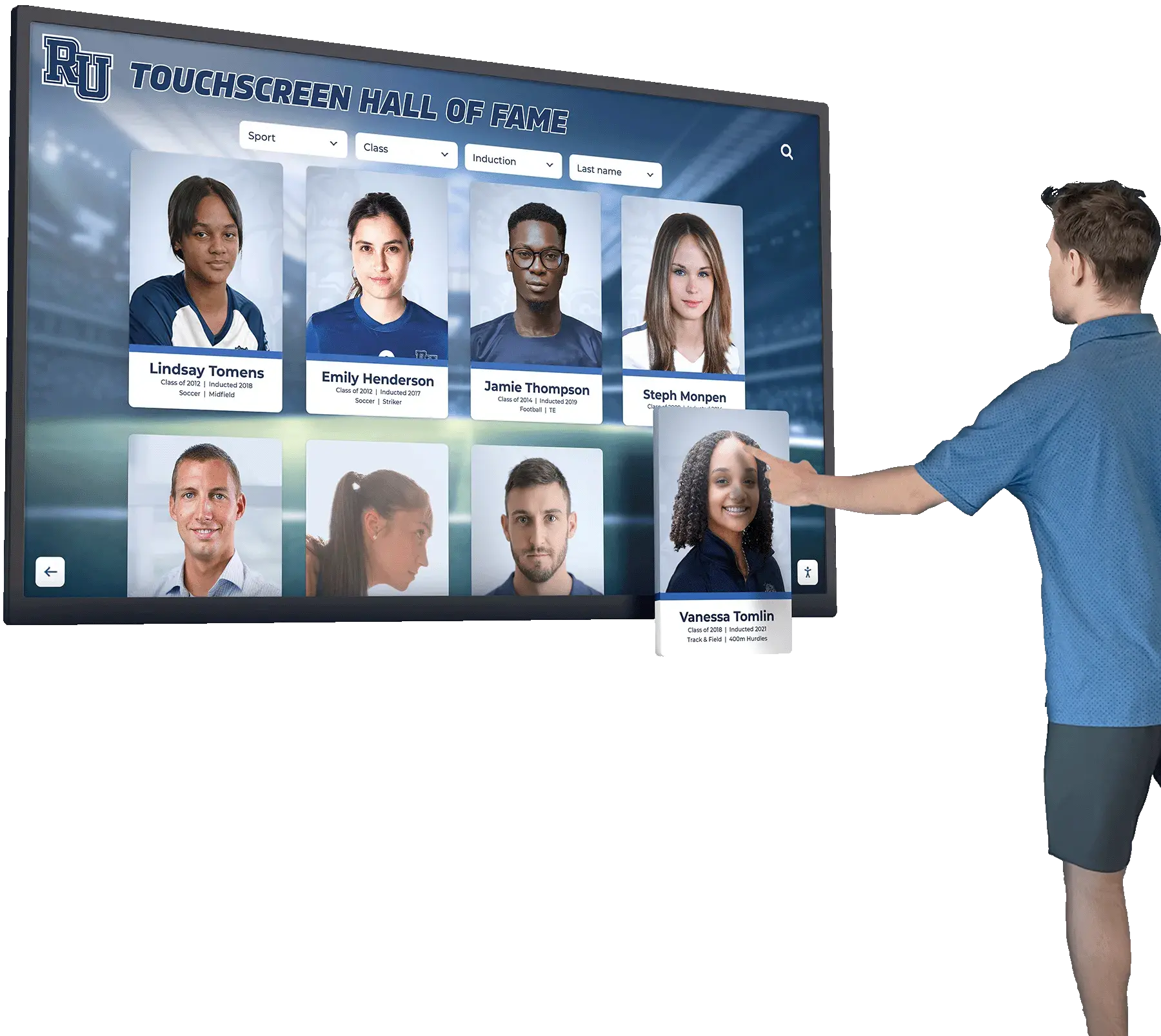
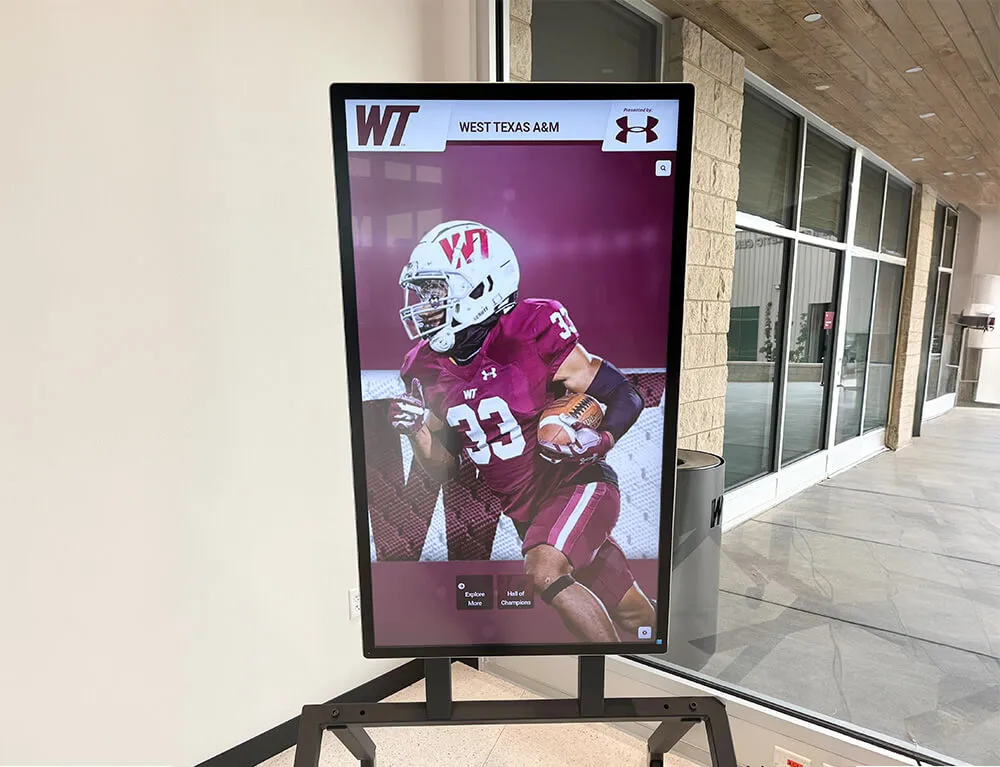
Interactive displays enable exploring individual athlete achievements and complete rivalry histories through intuitive touchscreen interfaces
Multimedia Storytelling Capabilities
Beyond solving capacity constraints, digital systems enable rivalry documentation qualitatively superior to traditional approaches through rich multimedia content including high-resolution photo galleries spanning decades, video highlights preserving legendary rivalry moments, complete game statistics and achievement documentation, audio recordings of historic broadcasts, interactive timelines showing rivalry evolution, newspaper article archives, oral history interviews with rivalry legends, and social media integration.
These multimedia capabilities transform simple rivalry acknowledgment into engaging experiences that sustain visitor attention far longer than glancing at trophy cases or reading plaques, creating genuine understanding of rivalry significance and tradition depth.
Real-Time Updates and Accessibility
Cloud-based recognition platforms enable immediate content updates following rivalry games. Schools can add game results, photographs, and video highlights within hours of Thanksgiving game conclusions, ensuring current student-athletes receive recognition comparable to historical players. Mobile-responsive designs extend rivalry content access beyond physical campus locations, enabling alumni anywhere in the world to explore rivalry history and stay connected to traditions they participated in decades earlier.
This accessibility transforms rivalry recognition from static institutional archives into living, growing resources that remain relevant and engaging year after year.
Solutions like Rocket Alumni Solutions provide comprehensive platforms specifically designed for educational recognition, making it straightforward to create engaging rivalry content while maintaining year-round recognition systems celebrating diverse achievements beyond just Thanksgiving football.
Creating Comprehensive Rivalry Timeline Displays
Effective digital rivalry recognition requires thoughtful content development documenting diverse dimensions of tradition beyond simple win-loss records.
Game-by-Game Historical Documentation
Comprehensive rivalry displays document individual matchups systematically across complete rivalry histories:
Essential Game Information
- Date, location, and venue for every rivalry game
- Final scores and game statistics for both schools
- Team rosters identifying all rivalry game participants
- Coaching staff for each season’s rivalry game
- Season context (records entering game, playoff implications)
- Weather conditions and attendance figures
- Contemporary newspaper coverage and media accounts
- Photographs from pre-game, game action, and celebrations
- Video highlights for games where footage exists
This systematic documentation ensures every rivalry game receives permanent recognition rather than highlighting only championship seasons or memorable upsets—honoring all athletes who participated regardless of individual game outcomes.
Championship and Trophy Documentation
Many Thanksgiving rivalries feature traveling trophies or cumulative series records deserving special recognition:
Trophy and Series Documentation
- Complete series records across rivalry history
- Trophy possession history year by year
- Winning streaks and notable competitive runs
- Upset victories when underdogs prevailed
- Rivalry games deciding league championships
- Milestone game celebrations (50th, 100th meetings)
- Series ties and how tiebreakers were handled
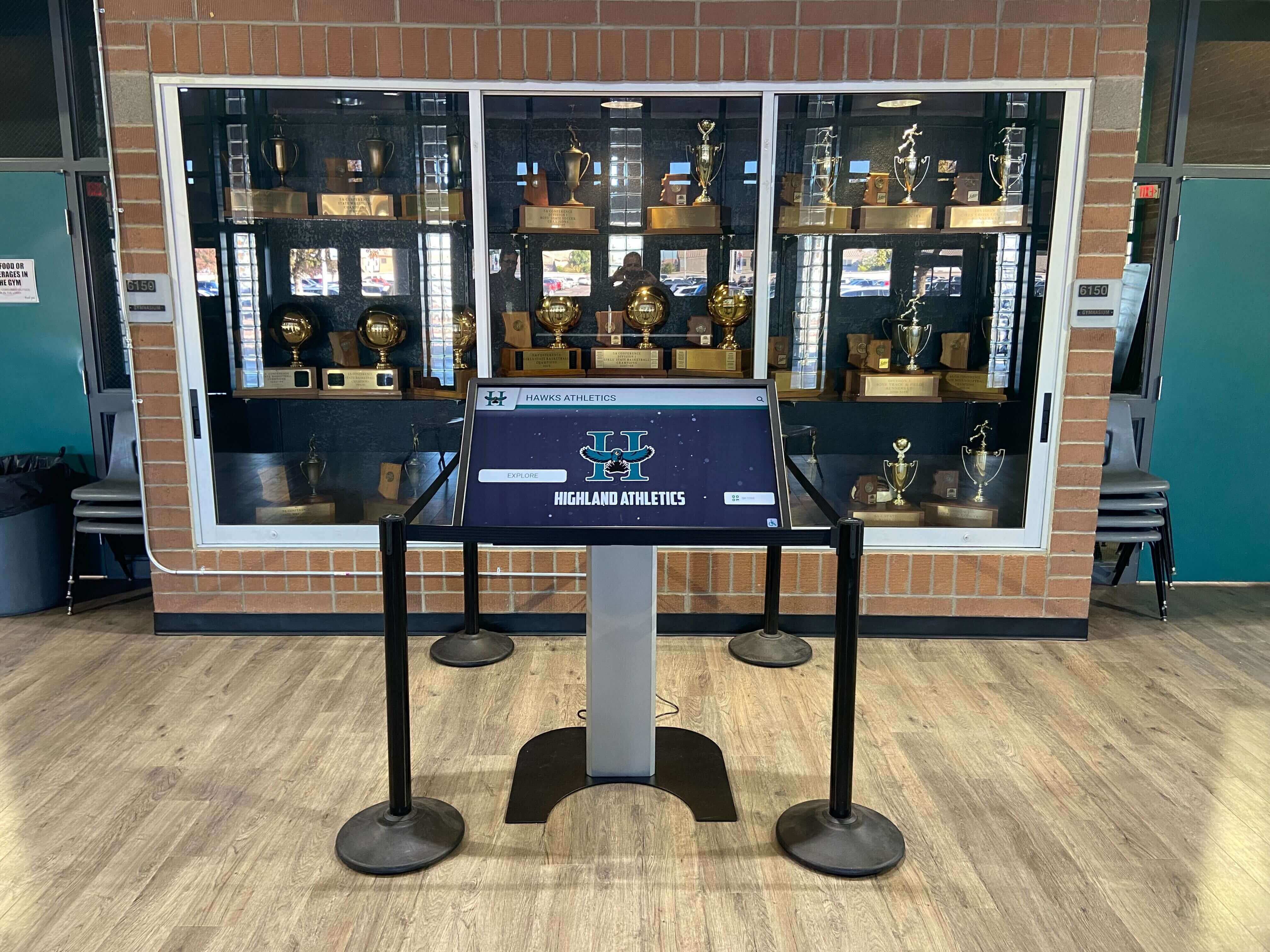
Modern displays integrate digital storytelling with traditional trophy presentations for comprehensive celebration
Individual Athlete Recognition
Rivalry traditions consist of thousands of individual athletes whose contributions deserve celebration alongside team results:
Player Achievement Categories
- Detailed profiles for standout rivalry game performers
- Career statistics highlighting individual excellence
- Special rivalry game achievements (game-winning plays, records)
- All-conference and all-state honors earned
- College athletic continuation demonstrating development
- Multiple-sport participation for well-rounded athletes
- Post-athletic career outcomes and community contributions
This individual recognition ensures rivalry displays honor all contributors rather than focusing exclusively on championship teams or most visible stars—demonstrating that every athlete who wore the uniform and competed in rivalry games made valuable contributions to tradition continuation.
Learn comprehensive recognition strategies in state championships display guide applicable to rivalry celebration contexts.
Cultural Tradition and Community Documentation
Beyond competition results, rivalry traditions develop unique cultures and customs deserving systematic documentation:
Tradition Documentation Elements
- Evolution of pre-game rituals and spirit week activities
- Bonfire traditions and community gathering customs
- Rivalry songs, chants, and symbolic elements
- Community business participation and support traditions
- Alumni return patterns and reunion traditions
- Media coverage evolution across decades
- Significant rule changes or competition format evolution
These cultural elements transform rivalry displays from simple sports records into comprehensive documentation of community traditions connecting generations through shared experiences that extend far beyond athletic competition itself.
Implementing a Comprehensive Thanksgiving Rivalry Recognition Program
Schools ready to enhance their rivalry recognition require systematic implementation approaches addressing planning, content development, technology selection, and ongoing management.
Phase 1: Planning and Historical Assessment
Defining Recognition Scope and Objectives
Schools should clarify what rivalry recognition programs should accomplish:
Key Planning Questions
- How far back does meaningful rivalry history extend?
- What content categories should displays include (games, individuals, traditions, community impact)?
- Who are primary audiences (students, alumni, community, recruits)?
- How will recognition integrate with existing athletic programs?
- What success metrics will demonstrate program effectiveness?
- What resources (budget, staff time, expertise) are available?
Clear scope definition prevents project overreach while ensuring recognition efforts focus on highest-value content delivering maximum community impact.
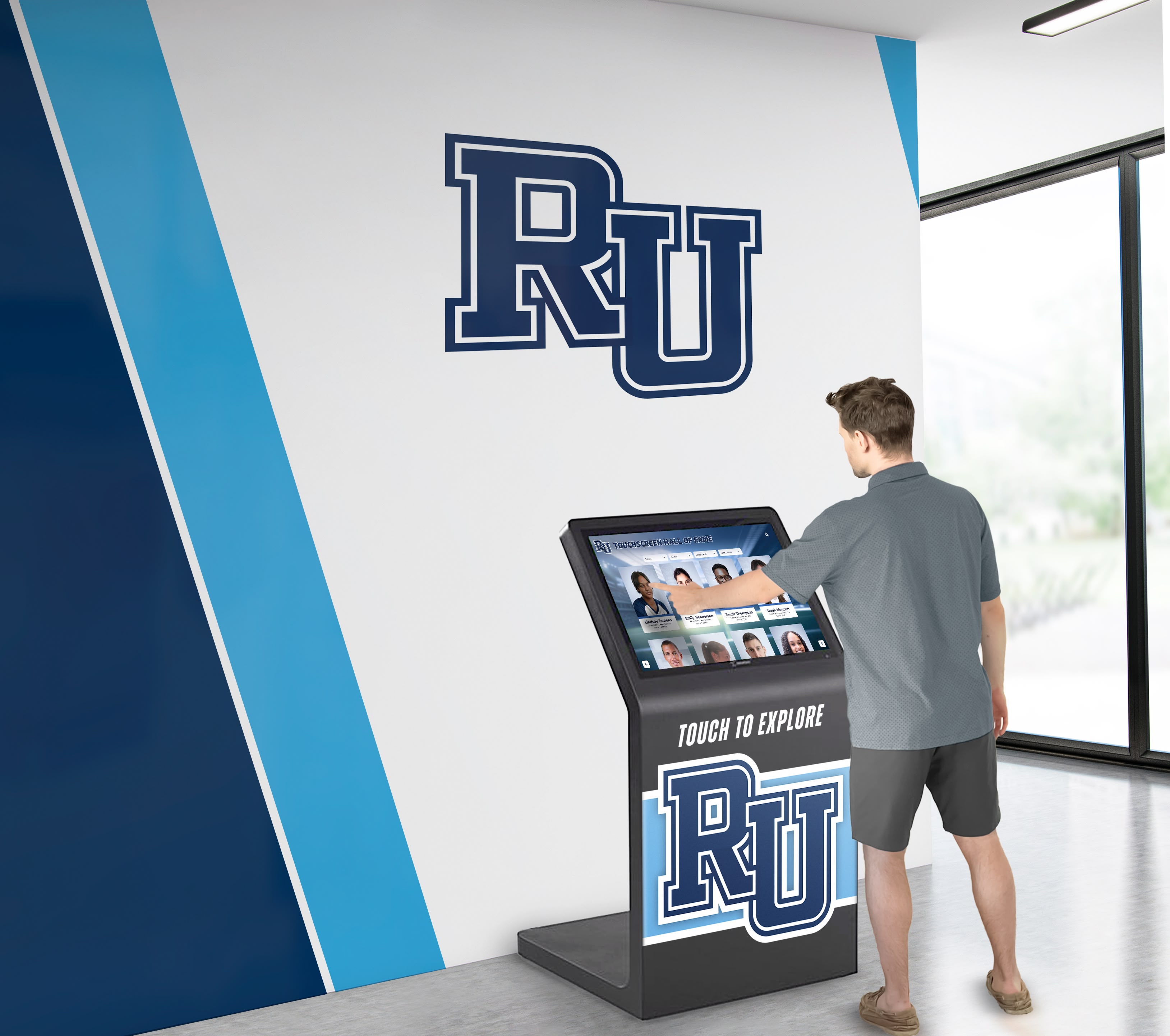
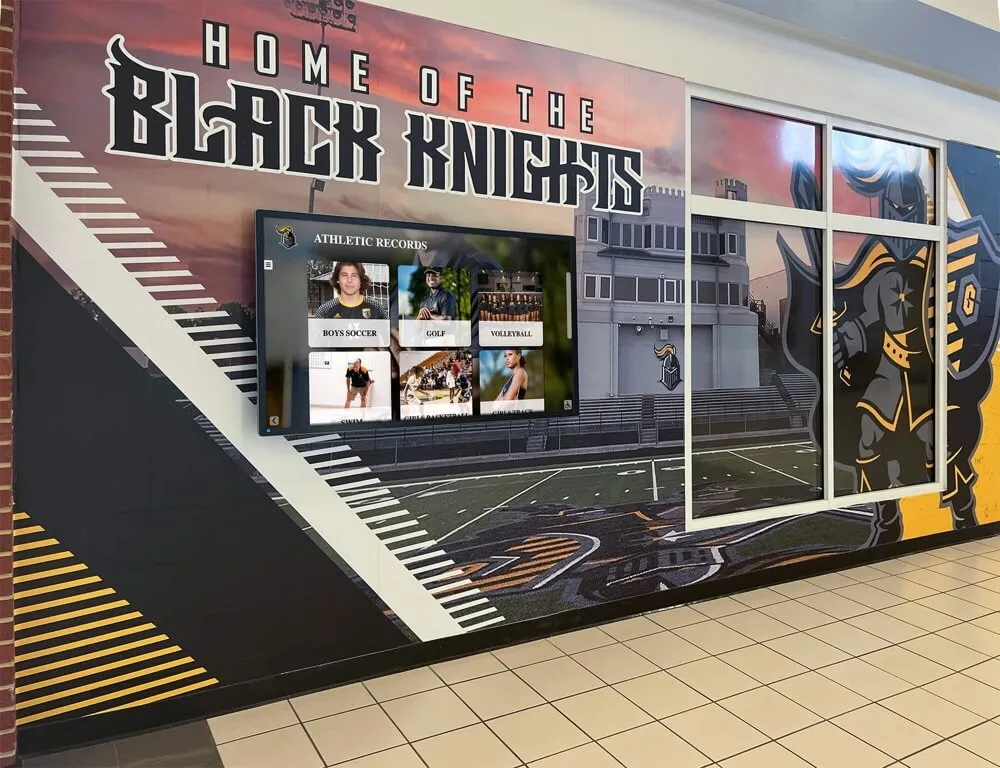
Strategic placement in high-traffic locations ensures rivalry recognition reaches diverse audiences daily
Conducting Comprehensive Heritage Audit
Systematic assessment reveals what rivalry documentation currently exists and what gaps require special attention:
Audit Components
- Inventory existing rivalry trophies, plaques, and physical recognition
- Locate historical photographs in yearbooks, archives, and personal collections
- Identify newspaper coverage in local archives and digital databases
- Document available video footage and audio recordings
- Interview longtime coaches, players, and community members
- Assess condition of historical materials requiring preservation
- Map rivalry timeline against available documentation revealing gaps
This audit provides realistic understanding of content development scope while identifying preservation priorities for materials at risk of permanent loss as physical media degrades and knowledgeable individuals age.
Phase 2: Content Collection and Development
Systematic Historical Research
Comprehensive rivalry displays require dedicated research gathering materials from diverse sources:
Primary Research Sources
- School yearbooks documenting rivalry participants across decades
- Local newspaper archives with game coverage and tradition features
- Athletic department records and historical media guides
- Personal photograph collections from alumni and families
- Oral history interviews recording first-person memories
- Video archives from local television stations
- State athletic association records documenting official results
- Historical society collections containing school-related materials
These diverse sources create comprehensive rivalry documentation far richer than any single source could provide alone, revealing stories and achievements that would otherwise remain forever lost.
Explore documentation strategies in displaying school history complete guide with frameworks applicable to rivalry contexts.
Digitization and Preservation Standards
Historical materials must be digitized to appropriate standards ensuring long-term accessibility:
Digitization Best Practices
- Minimum 300 DPI resolution for photograph preservation
- Professional transfer services for obsolete video formats (VHS, 8mm)
- Audio enhancement for clarity in broadcast recordings
- Metadata tagging with dates, participants, and context
- Multiple format preservation (archival and display versions)
- Organized file naming enabling efficient retrieval
- Backup storage preventing single-point failure risks
These preservation standards ensure rivalry documentation remains accessible indefinitely while protecting irreplaceable original materials from handling damage or environmental deterioration.
Phase 3: Technology Platform Selection and Implementation
Evaluating Recognition Platform Options
Schools face multiple technology choices with varying capabilities and costs:
Essential Platform Features
- Intuitive content management enabling non-technical updates
- Robust search and filtering functionality
- Multimedia support (photos, videos, audio, documents)
- Mobile-responsive design ensuring excellent experiences across devices
- Social sharing capabilities for organic promotion
- Analytics revealing engagement patterns
- Privacy controls appropriate for student information
- Educational pricing reflecting school budget realities
Purpose-built educational recognition platforms deliver significant advantages over attempting to adapt general digital signage solutions for complex rivalry documentation requiring sustained management and specialized features.
Display Hardware Considerations
For physical recognition installations, appropriate hardware selection impacts long-term satisfaction:
Hardware Specifications
- Commercial-grade touchscreens rated for extended operation
- Appropriate size for viewing distance (typically 43"-75")
- Minimum 1080p resolution; 4K for future-proofing
- Responsive touch technology providing intuitive interaction
- Professional mounting meeting safety standards
- Network connectivity supporting cloud content delivery
- Minimum 3-year warranty coverage
Schools should budget $8,000-$15,000 per physical display location including hardware, professional installation, and initial setup—investment delivering engagement value for 7-10 years with proper maintenance.
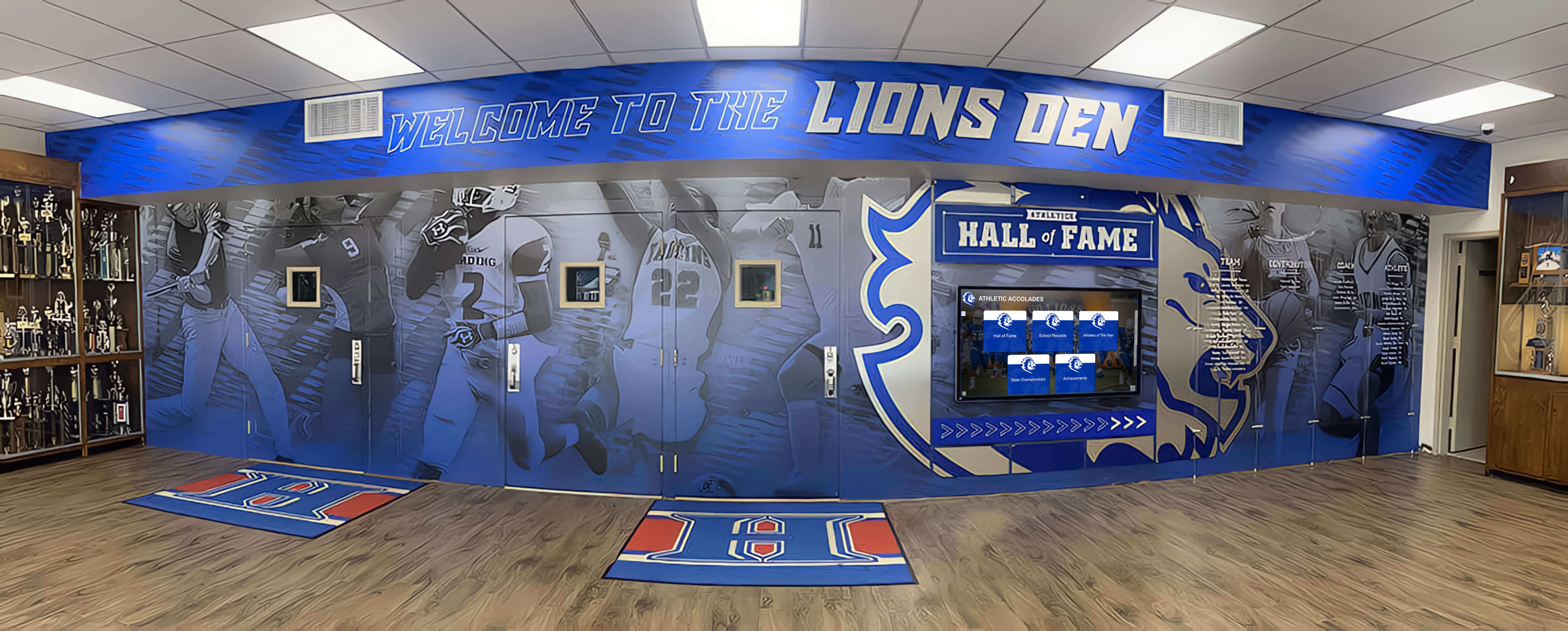
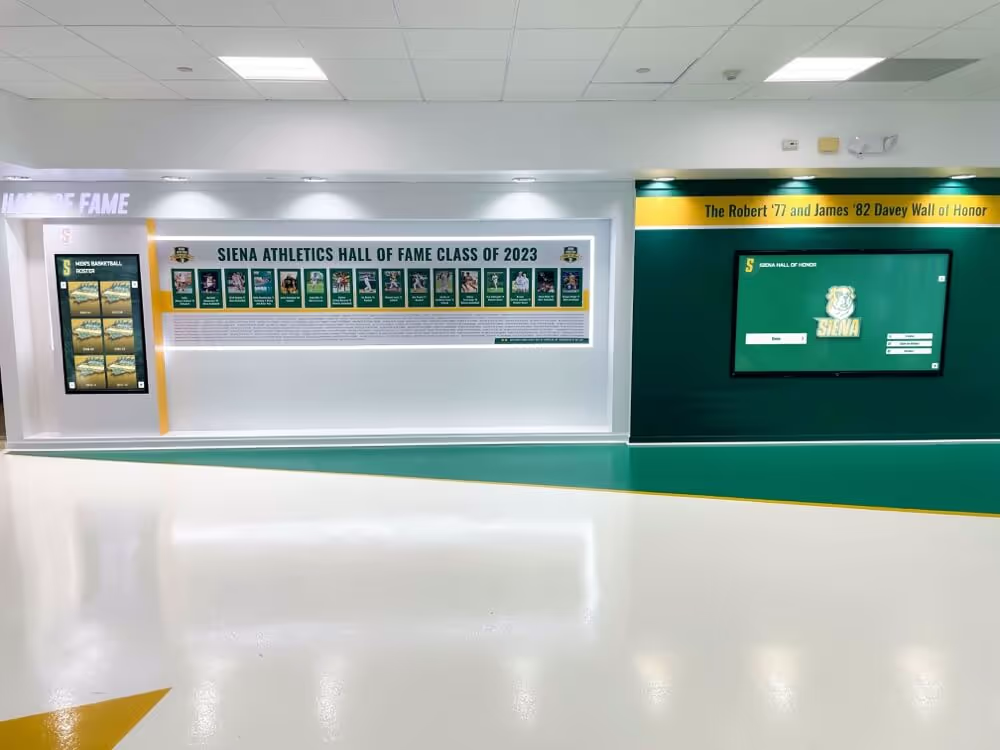
Integrated recognition systems combine digital displays with traditional elements creating comprehensive rivalry celebration
Phase 4: Launch and Ongoing Management
Strategic Launch Campaign
Successful recognition launches require coordinated promotion ensuring all stakeholders discover new resources:
Multichannel Launch Strategies
- Email announcements to students, families, staff, and alumni
- Social media campaigns featuring compelling content highlights
- Assembly presentations introducing recognition to student body
- Alumni newsletter features highlighting capabilities
- Local media coverage and press releases
- Integration into campus tours and recruiting programs
- Rivalry week special events showcasing new recognition
This coordinated promotion maximizes community awareness rather than limiting visibility to those who accidentally discover recognition through passive encounters.
Sustainable Management Workflows
Recognition programs remain relevant only when content stays current:
Ongoing Update Procedures
- Document each year’s rivalry game promptly with comprehensive content
- Add historical content continuously as materials emerge
- Enhance existing entries with improved photographs or context
- Respond to community contributions and feedback
- Annual content review ensuring accuracy and completeness
- Technology updates maintaining contemporary functionality
These systematic practices ensure rivalry recognition improves continuously rather than becoming static snapshots that gradually become outdated and lose relevance.
Learn ongoing management strategies in finding school sports records with approaches applicable to rivalry content.
Rivalry Recognition Supporting Broader Institutional Objectives
Beyond simple historical preservation, effective rivalry recognition advances multiple strategic goals simultaneously.
Athletic Recruitment and Program Marketing
Visible rivalry tradition documentation provides powerful recruiting advantages in competitive athletic markets.
Demonstrating Program Legacy
Prospective student-athletes and their families evaluate programs partially based on tradition and competitive excellence. Comprehensive rivalry recognition demonstrates program histories, competitive success across decades, institutional commitment to athletic excellence, community support and engagement, and tradition continuation connecting current opportunities to proud legacies.
This visible documentation differentiates programs from competitors lacking similar tradition depth or effective recognition systems, providing competitive advantages in recruiting highly-sought athletes who have multiple program options.
Building Competitive Culture
When current athletes see comprehensive documentation of rivalry achievements spanning generations, it creates cultural expectations of excellence. They understand they’re joining programs with winning traditions, competing in games that matter beyond individual seasons, representing schools with proud competitive legacies, and potentially contributing to traditions they’ll proudly share throughout their lives.
This culture-building function makes rivalry recognition valuable even beyond direct recruiting impact—it shapes how current athletes perceive their programs and competition, elevating motivation and commitment levels.
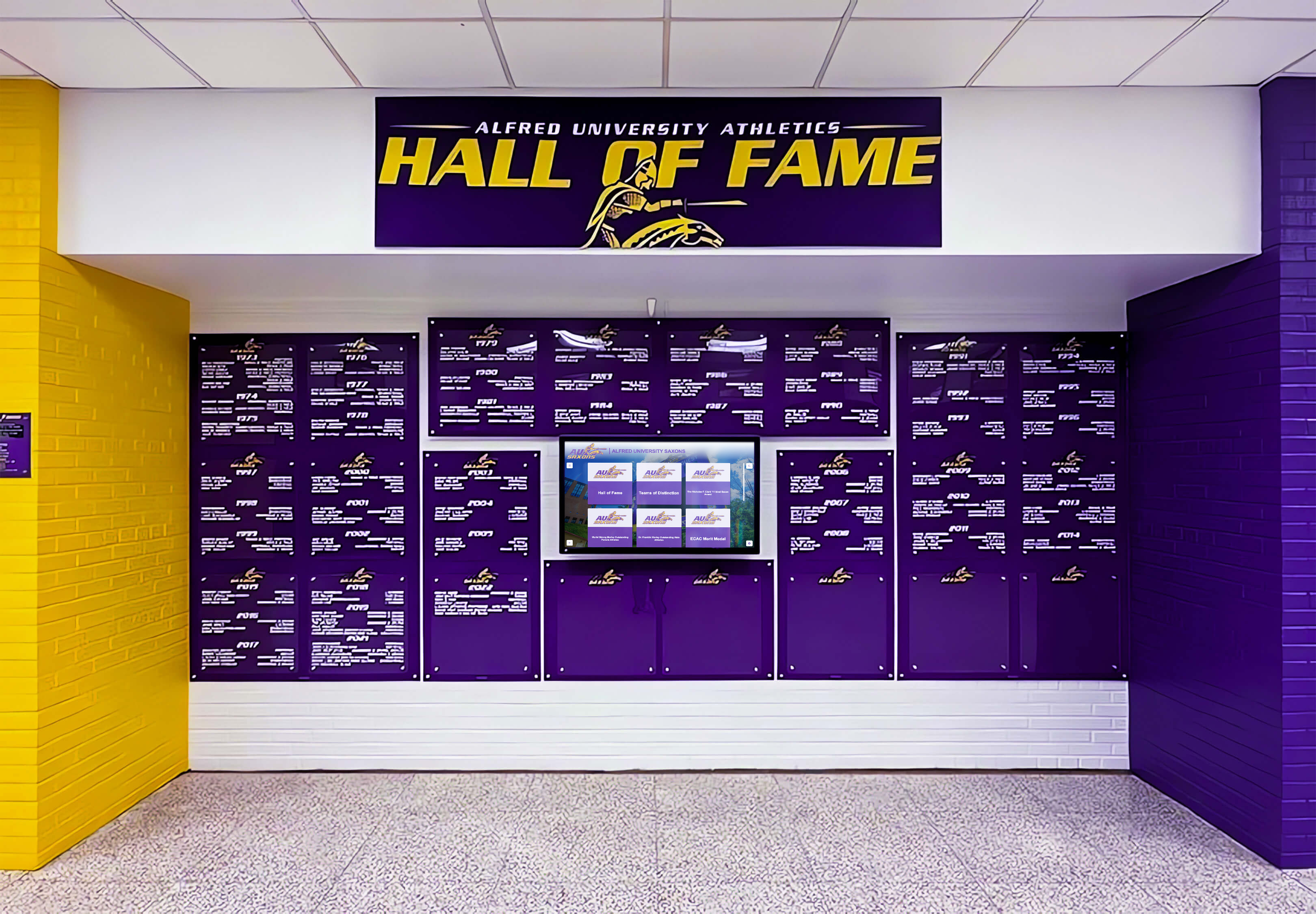
Comprehensive recognition demonstrates institutional commitment to athletic excellence while inspiring current competitors
Alumni Engagement and Development
Rivalry recognition creates powerful alumni connection opportunities supporting advancement objectives.
Strengthening Alumni Institutional Connections
Alumni who competed in rivalry games maintain lifelong emotional connections to these experiences. Comprehensive recognition honoring their contributions creates engagement opportunities including:
- Alumni returning to campus specifically to view recognition featuring themselves
- Social media sharing of rivalry content maintaining ongoing institutional connections
- Mentorship programs connecting former rivalry athletes with current players
- Financial support from alumni feeling valued through permanent recognition
- Recruiting assistance from engaged alumni promoting programs within networks
- Reunion attendance facilitated by rivalry game timing and tradition
These engagement outcomes deliver tangible institutional value justifying recognition investment beyond pure historical preservation benefits.
Supporting Fundraising Initiatives
Rivalry recognition provides natural fundraising opportunities. Schools can solicit contributions for recognition enhancement projects, memorial gifts honoring deceased rivalry participants, milestone anniversary celebration campaigns, and endowment funds supporting program sustainability. The tangible, visible nature of recognition makes it attractive to donors seeking concrete impact from contributions—many schools report fundraising exceeding initial targets when alumni and community members understand projects.
Learn comprehensive approaches in donor recognition complete guide applicable to athletic fundraising contexts.
Community Relations and Institutional Visibility
Rivalry recognition strengthens community connections essential for broad institutional support.
Building Community Pride and Identity
Comprehensive rivalry celebration reinforces community identity and pride:
- Visible recognition demonstrates school values athletic excellence
- Community members develop stronger institutional affiliation
- Local businesses benefit from association with successful programs
- Regional visibility increases through rivalry tradition prominence
- Community cohesion strengthens around shared traditions
- Positive institutional narratives counter negative perceptions
These community benefits extend far beyond athletic department boundaries to support overall institutional health and community relationships.
Enhancing Regional Reputation
Schools with prominent rivalry recognition gain regional visibility advantages. Media coverage increases around well-celebrated traditions. Community perception of overall institutional quality improves. Regional competitors acknowledge program quality and tradition. Prospective families consider these factors in enrollment decisions.
This reputation enhancement delivers value across multiple institutional priorities simultaneously—recruitment, community support, program resources, and overall institutional standing.
Conclusion: Preserving Thanksgiving Football Traditions for Future Generations
Thanksgiving Day football rivalry games represent irreplaceable cultural treasures—traditions extending back over a century in many communities, connecting generations through shared competitive passion, defining local identity and community pride, and creating experiences that participants remember throughout their lives. Yet without systematic preservation and celebration, these rich traditions risk gradual erosion as memories fade, materials deteriorate, and the individuals who lived these experiences pass away.
Schools with Thanksgiving rivalry traditions face important responsibilities—to honor athletes who contributed to these legacies, to preserve tradition knowledge for future generations, to maintain competitive cultures expecting excellence, and to strengthen community connections through shared institutional pride. Modern digital recognition technology makes comprehensive rivalry celebration achievable for schools of any size, eliminating space constraints that limited traditional approaches while enabling multimedia storytelling impossible with static displays.
Celebrate Your Thanksgiving Rivalry Tradition
Discover how modern digital recognition solutions can help you preserve rivalry history, honor all athletes who contributed to tradition, and inspire current and future student-athletes to continue these proud competitive legacies.
Explore Recognition SolutionsThe strategies explored in this guide provide comprehensive frameworks for schools seeking to enhance rivalry recognition—from understanding historical context and cultural significance to implementing modern digital displays that preserve tradition while remaining engaging and accessible. Whether your rivalry extends back 140+ years like Norwich vs. New London or began more recently, systematic recognition ensures these traditions receive the celebration they deserve.
Begin today by assessing your current rivalry documentation, identifying preservation priorities, and exploring recognition technologies that transform historical archives into engaging experiences connecting past excellence to present achievement. Every athlete who competed in your Thanksgiving rivalry games contributed to extraordinary traditions deserving permanent recognition that honors their dedication while inspiring current student-athletes to create their own legendary moments.
Your Thanksgiving rivalry tradition represents more than just football games—it embodies community identity, institutional pride, and connections spanning generations. With thoughtful recognition programs combining historical preservation, multimedia storytelling, and strategic technology implementation, you can ensure these extraordinary traditions continue inspiring excellence for generations to come, maintaining the magic that makes Thanksgiving Day football unlike any other high school athletic experience.
Ready to preserve your rivalry legacy? Explore how solutions like Rocket Alumni Solutions can help you create comprehensive recognition celebrating Thanksgiving tradition while supporting recruitment, alumni engagement, and community connection objectives essential to institutional success.