



Texas high school football isn’t just a sport—it’s a cultural institution woven into the fabric of communities across the Lone Star State. Every fall, texas state championship football tournaments organized by the University Interscholastic League (UIL) bring together the best programs from across the nation’s second-largest state to compete for titles that become permanent fixtures in school and community identity.
From small-town stadiums where entire communities gather on Friday nights to massive venues like AT&T Stadium that rival professional facilities, Texas football represents unmatched tradition, competitive intensity, and community pride. The state crowns champions across multiple classifications—from the smallest Class 1A six-man programs to the powerhouse Class 6A Division I schools—ensuring that championship glory remains accessible to programs of all sizes while maintaining the legendary competitive standards that define Texas football excellence.
Yet as schools accumulate championship hardware and celebrate playoff success, many struggle to preserve these achievements appropriately. Traditional trophy cases overflow, championship banners compete for limited space, and the rich stories behind legendary seasons risk being forgotten as institutional memory fades. This comprehensive guide explores Texas state championship football history, enduring traditions, legendary programs, and modern recognition solutions that help schools preserve football legacy while inspiring future generations to pursue their own championship moments.
Texas high school football championships represent the convergence of athletic excellence, community identity, and generational tradition. Understanding this unique culture and implementing effective recognition strategies transforms individual championship seasons into lasting institutional legacies that strengthen school pride and competitive expectations.

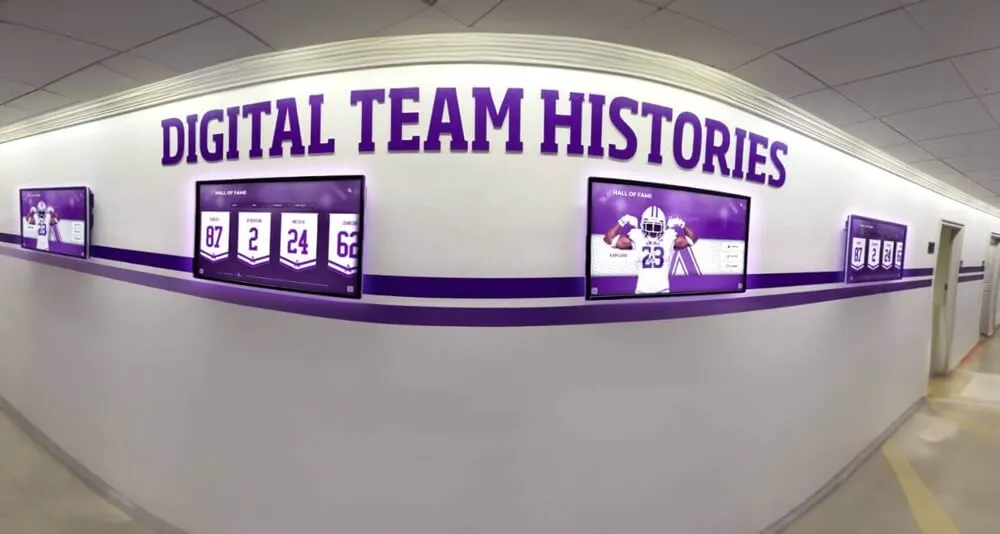
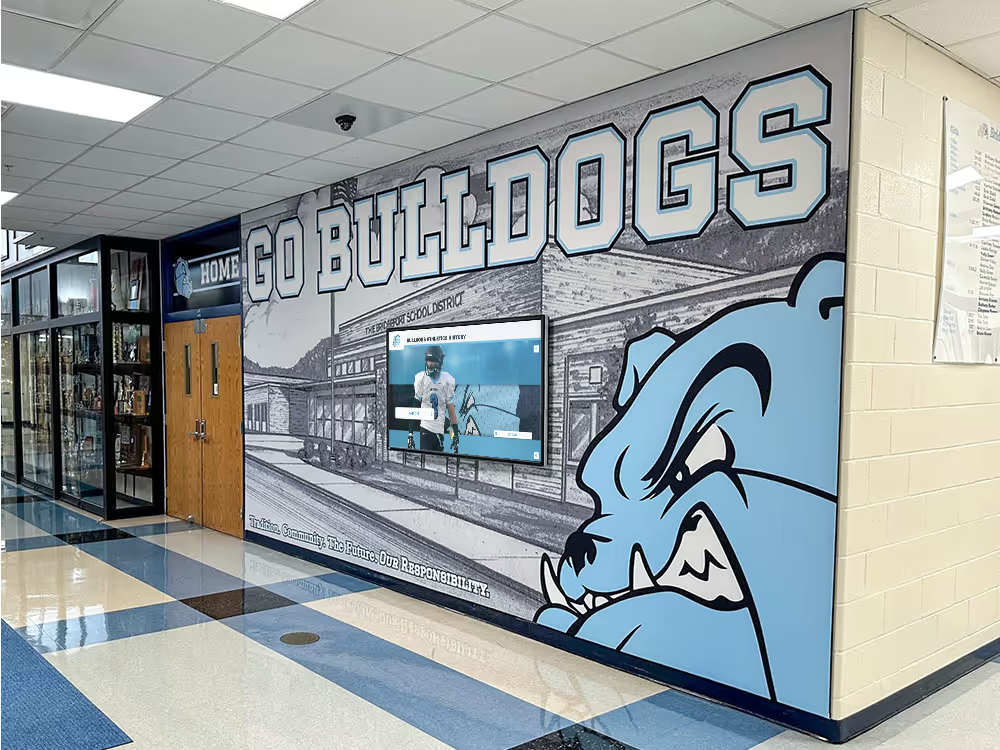
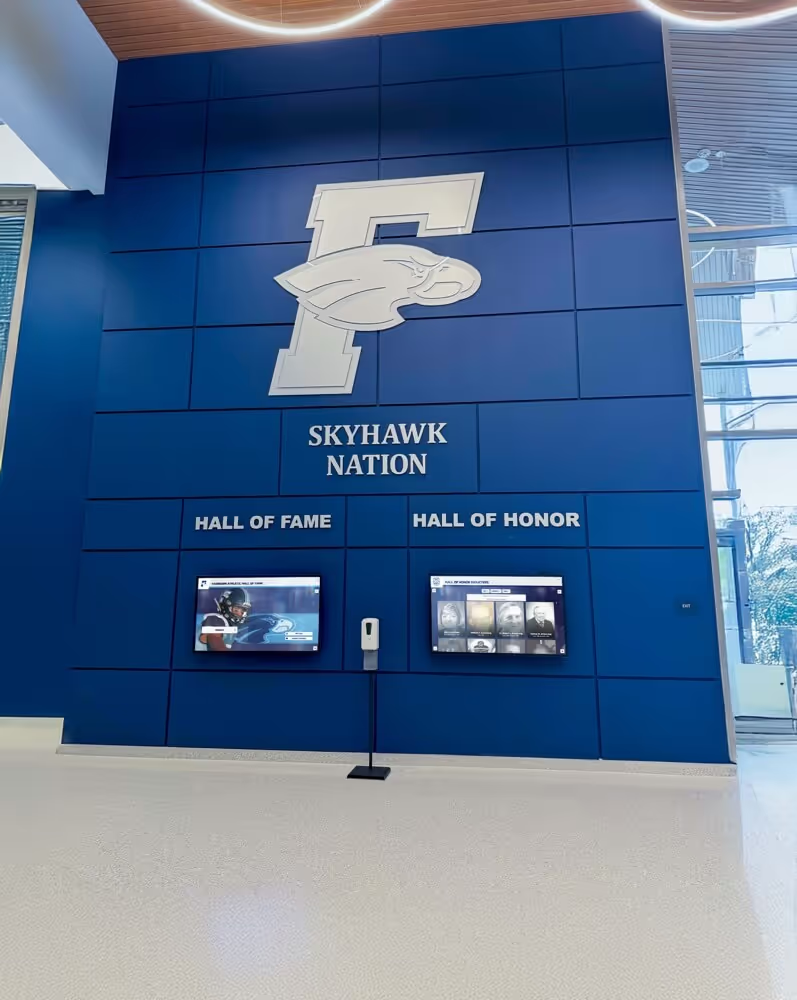
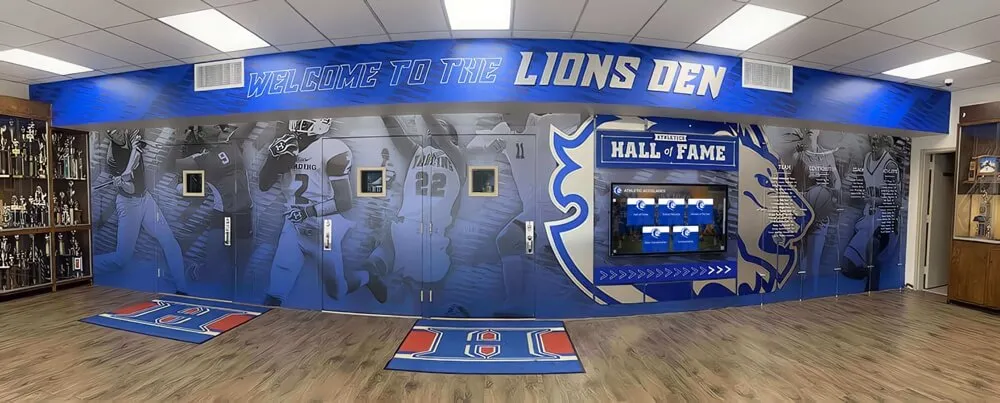
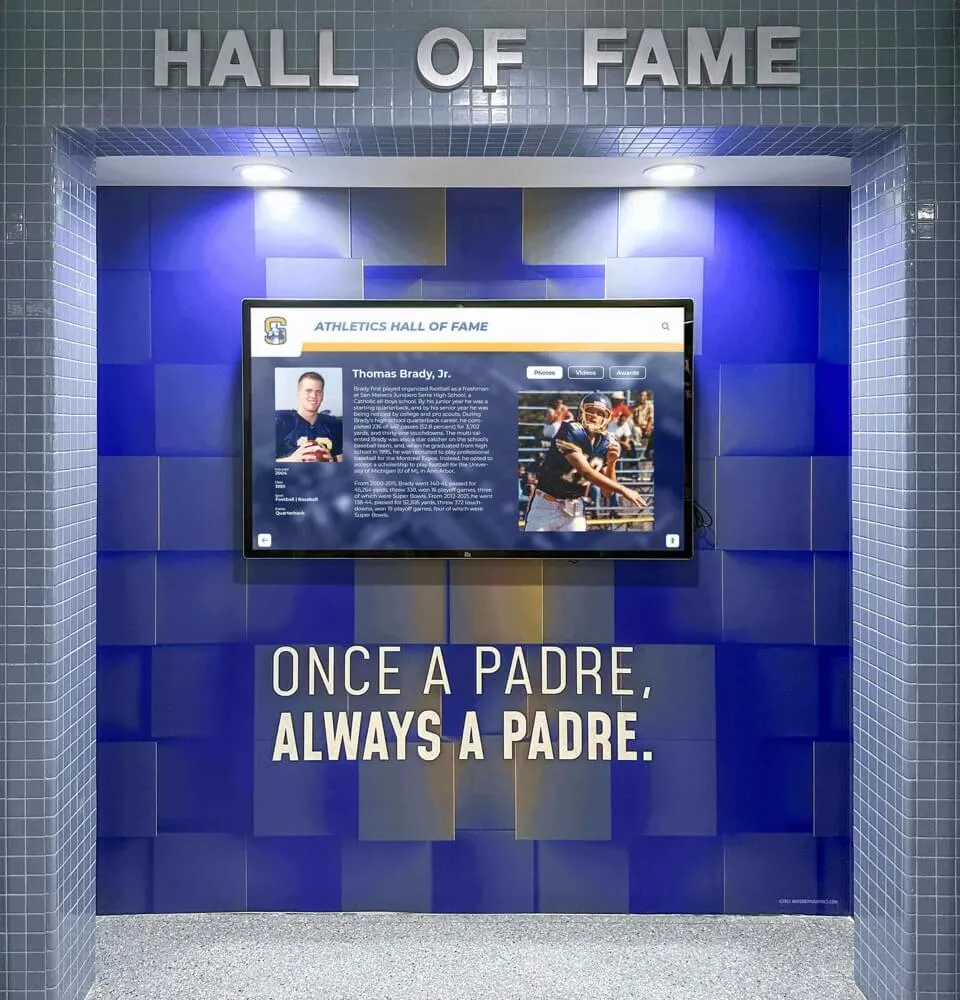
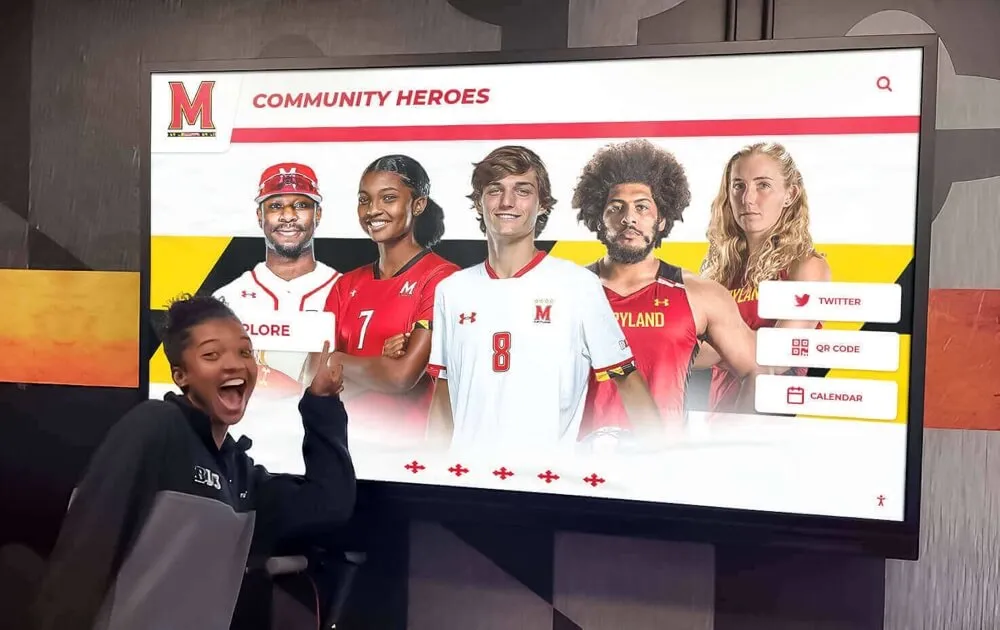
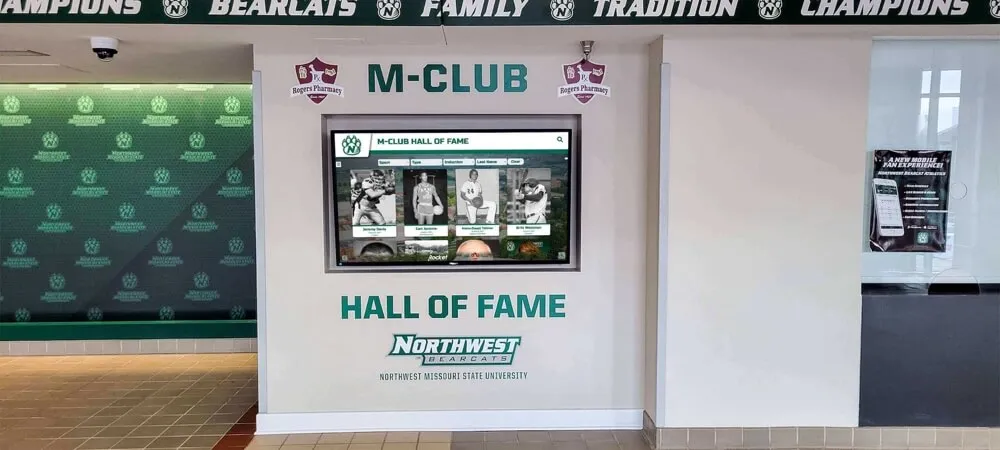
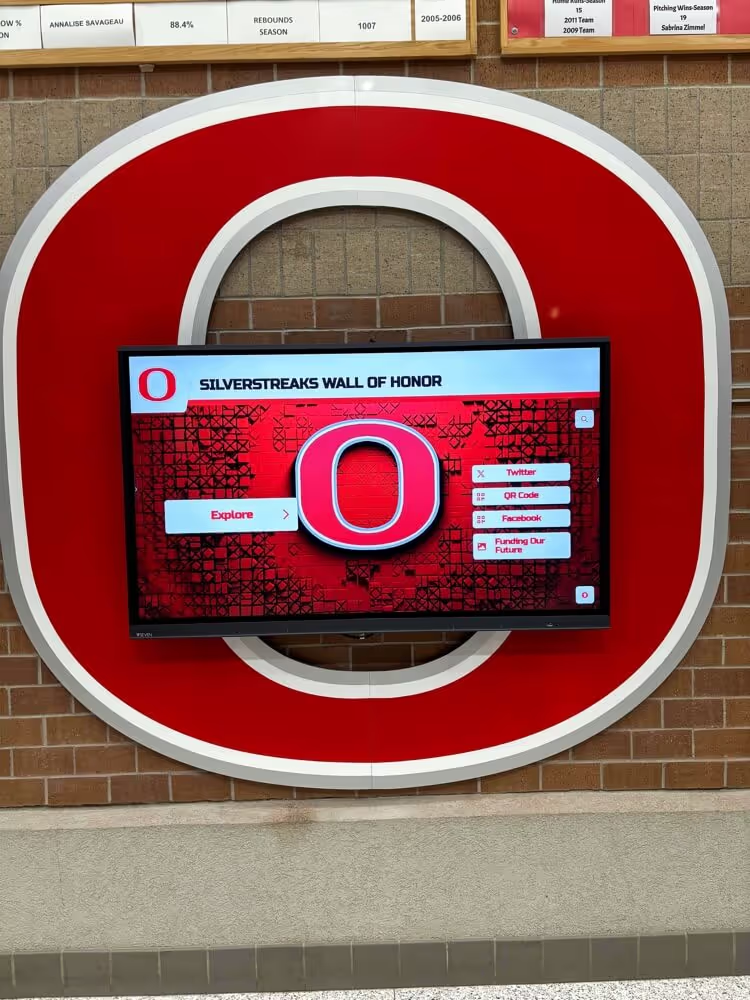
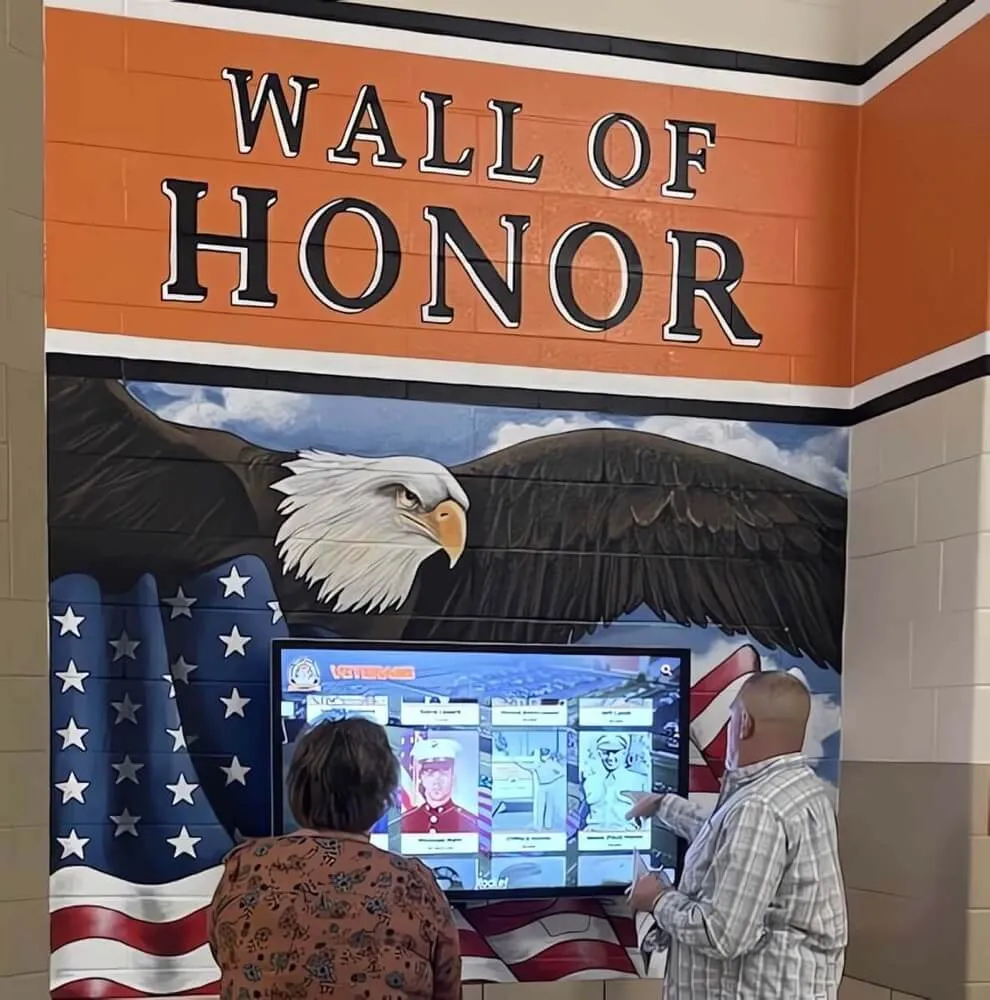
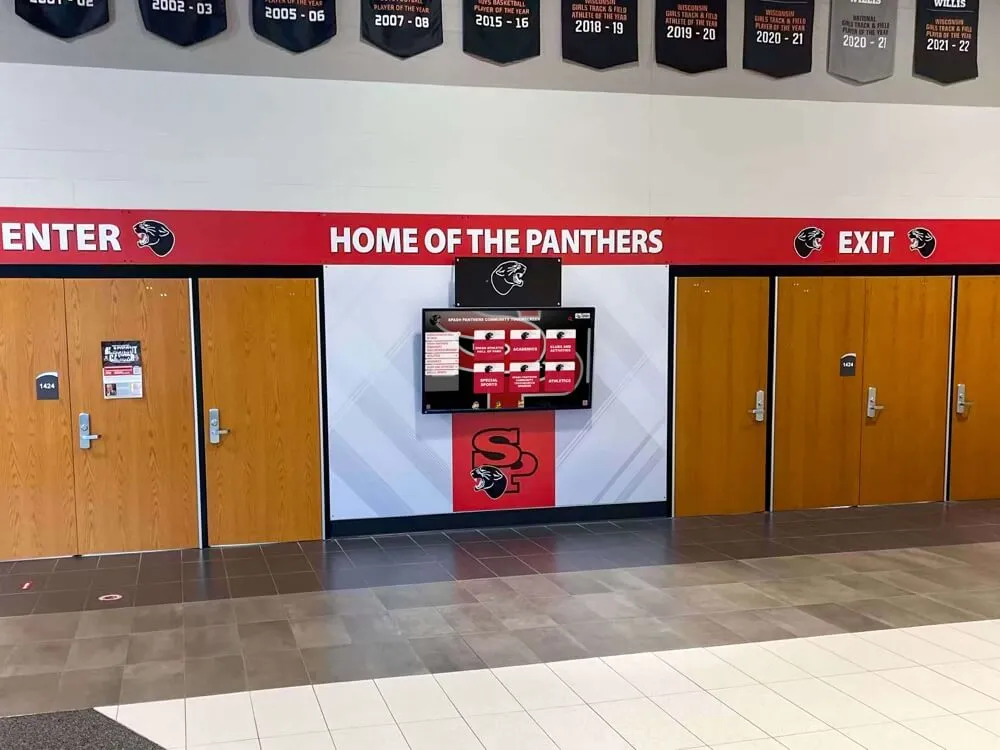
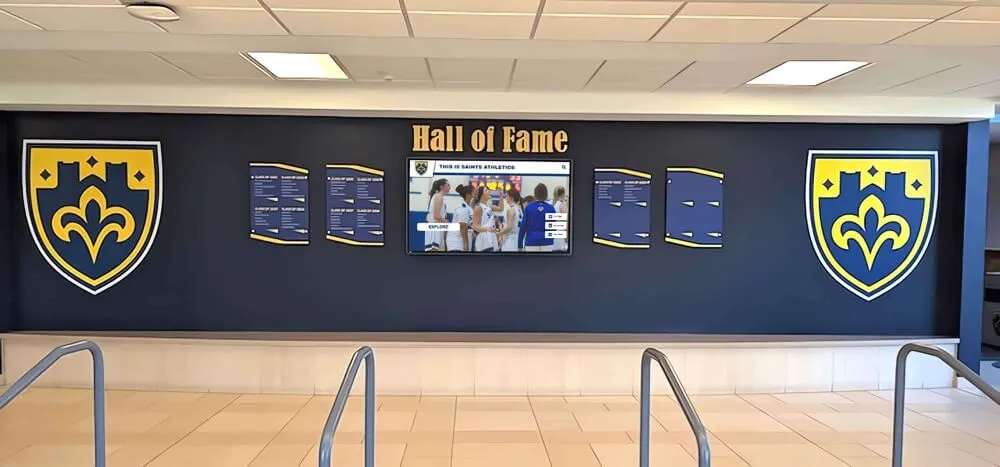
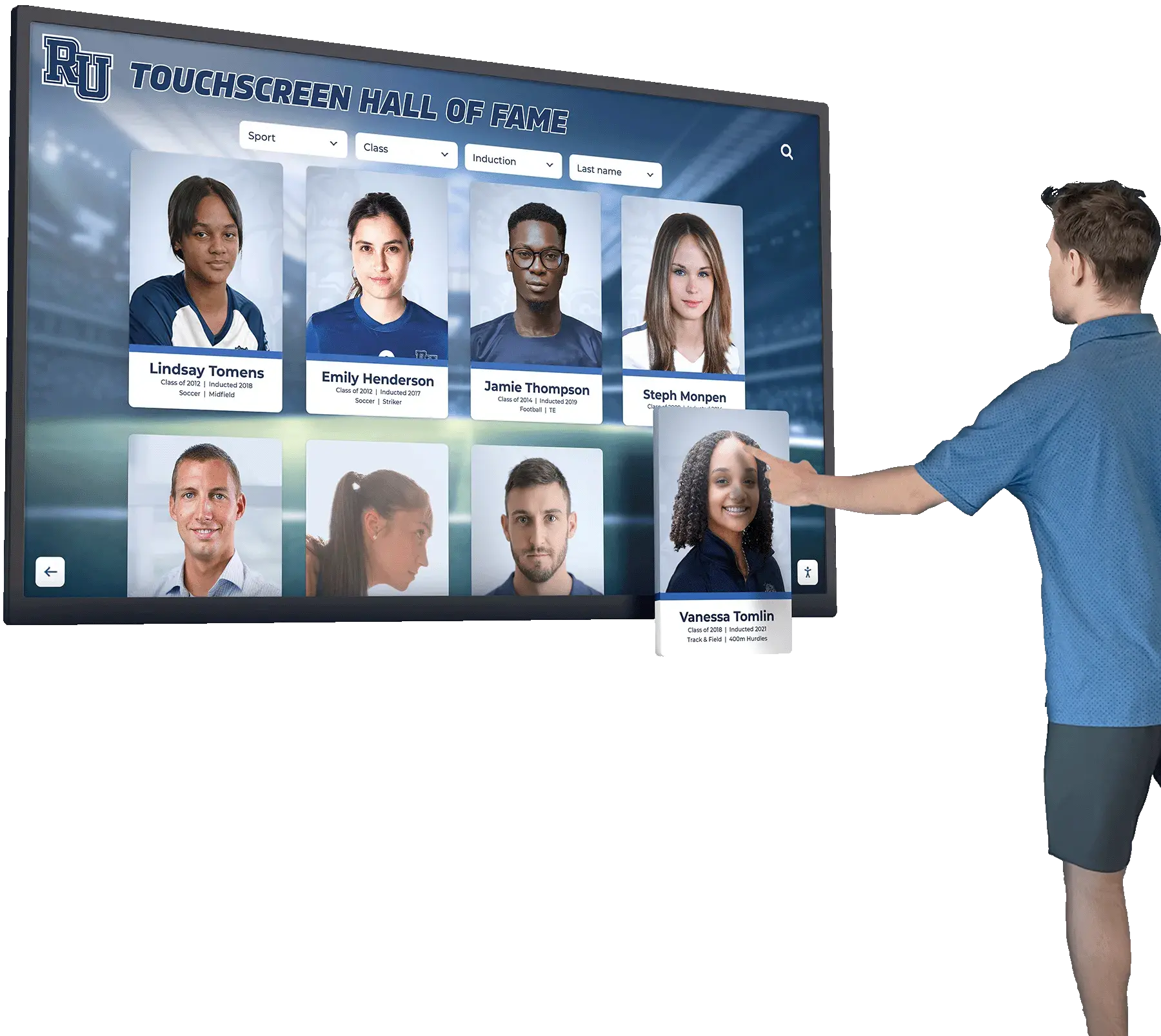
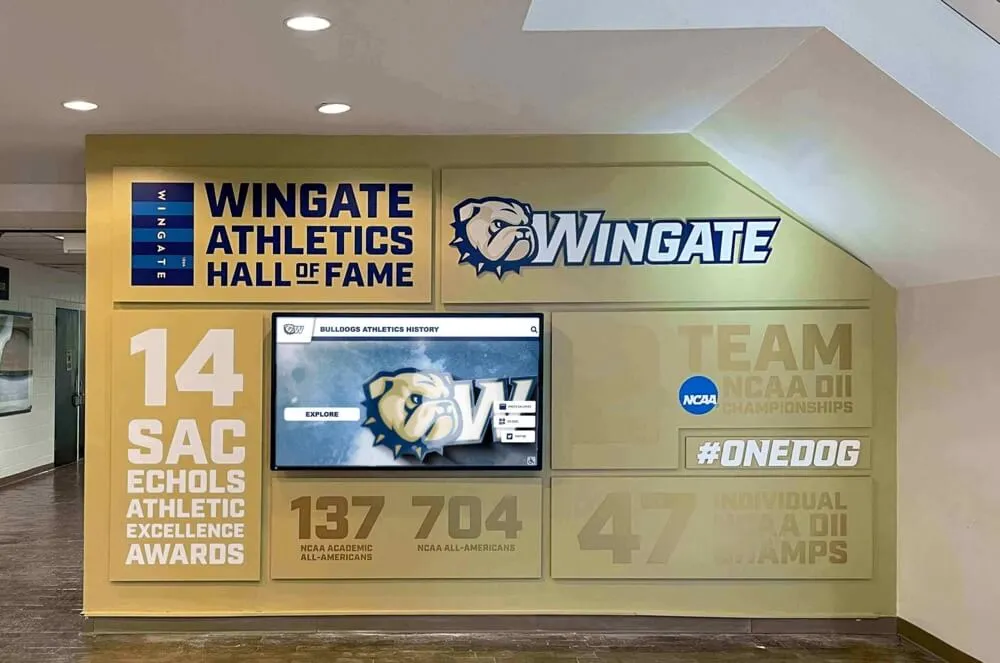
Modern recognition displays preserve championship moments and football traditions that define Texas high school athletics
The UIL State Championship Football Structure
The University Interscholastic League governs Texas high school athletics, organizing one of the nation’s most comprehensive and competitive football playoff systems that accommodates the state’s massive scale and diverse school populations.
Texas Football Classification System
Texas divides high school football into multiple classifications based on school enrollment, with the largest classifications further split into divisions to ensure competitive balance and maximize championship opportunities.
Current Classification Structure
Texas organizes football competition across these classifications:
- Class 6A Division I: Largest schools (2,225+ students) featuring metropolitan powerhouses
- Class 6A Division II: Large schools (2,100-2,224 students) with elite competitive programs
- Class 5A Division I: Upper mid-size schools (1,230-2,099 students) across diverse regions
- Class 5A Division II: Mid-size schools (1,150-1,229 students) with strong traditions
- Class 4A Division I: Medium schools (595-1,149 students) representing communities statewide
- Class 4A Division II: Smaller medium schools (515-594 students) with passionate followings
- Class 3A Division I: Small schools (305-514 students) often anchoring rural communities
- Class 3A Division II: Smaller schools (230-304 students) with deep-rooted traditions
- Class 2A Division I: Small-town programs (130-229 students) defining community identity
- Class 2A Division II: Very small schools (105-129 students) with 11-man football
- Class 1A Division I: Smallest 11-man programs (competing in six-man football format)
- Class 1A Division II: Tiniest schools (also competing in six-man football format)
This extensive classification system means Texas crowns twelve state champions annually in 11-man and six-man football combined—more championship opportunities than most states provide across all sports. Each title carries equal significance within its competitive context, ensuring that a Class 2A championship holds the same community importance as the high-profile Class 6A titles that generate statewide media attention.
UIL Playoff Structure and Tournament Progression
Texas football playoffs feature extensive bracket systems that reflect the state’s scale and competitive depth.
Playoff Qualification
The UIL employs district-based qualification:
- Regular season consists of 10 games including district competitions
- District champions and runners-up advance to playoffs (typically top 4 teams per district)
- Playoff brackets determined by bi-district pairings between districts
- Higher-seeded teams typically host playoff games through early rounds
- State quarterfinals and semifinals determine championship game participants
- Championship games held at neutral sites providing showcase environments
This structure creates multiple elimination rounds where teams must sustain excellence across 5-6 playoff games to reach state championship contests—a grueling gauntlet that tests depth, coaching, and championship resolve.

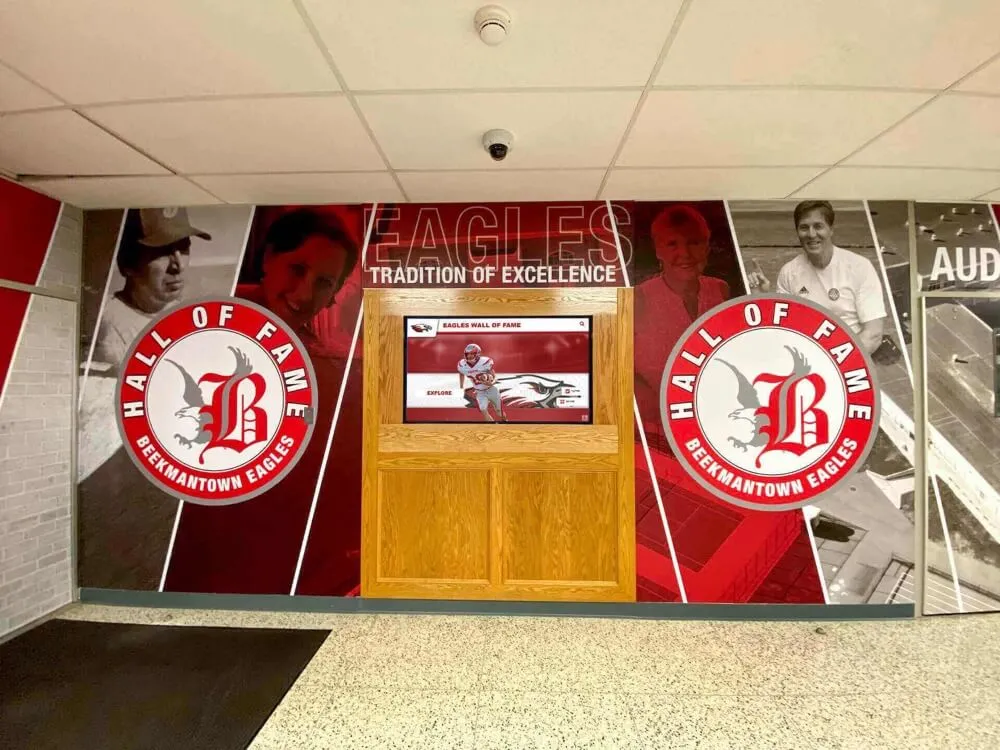
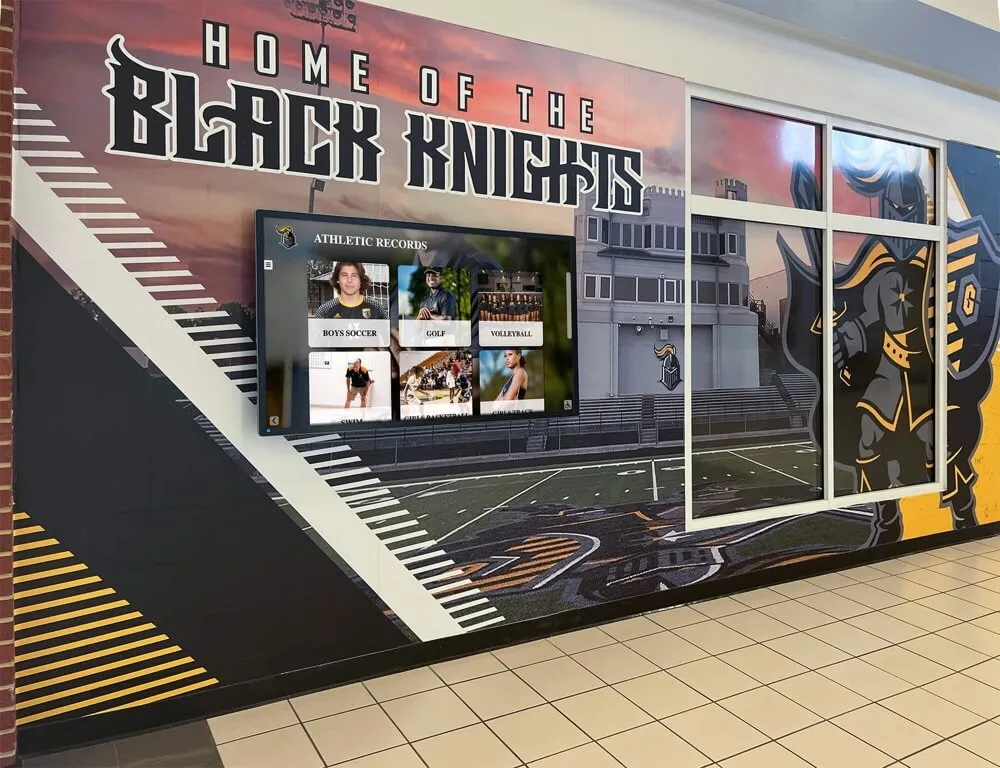
Comprehensive recognition displays document playoff progressions and championship achievements across classifications
Championship Game Venues
Texas championship games have historically been held at premier facilities that provide stages worthy of the state’s football tradition:
- AT&T Stadium (Arlington): Home of the Dallas Cowboys, hosting major classification championship games in recent years
- NRG Stadium (Houston): Professional venue hosting championship events
- University of Texas Memorial Stadium (Austin): Historic college venue with long championship history
- Various Regional Sites: Smaller classification championships at excellent facilities statewide
These championship venues create unforgettable experiences for players, coaches, families, and communities while symbolizing the elevated status Texas places on high school football excellence.
Historic Texas Football Powerhouse Programs
Texas high school football history includes dynasty programs that have accumulated multiple championships across generations, establishing competitive legacies that define excellence standards statewide.
Legendary Championship Programs
Several Texas programs have achieved sustained championship success that transcends individual seasons to become permanent fixtures in state football lore.
Programs with Multiple State Championships
Dynasty Programs
Schools recognized for championship excellence include:
- Southlake Carroll: Multiple state championships and sustained playoff dominance in recent decades
- Allen High School: Championship success with nationally-recognized facilities and competitive excellence
- Katy High School: Houston-area powerhouse with numerous state titles
- Aledo High School: Small-school dynasty with multiple championships creating legendary status
- Duncanville High School: Dallas-area program with championship tradition
- Highland Park (Dallas): Historic program with championships across multiple eras
- Denton Ryan: Championship success building on strong program culture
These programs demonstrate that sustained championship success requires comprehensive athletic cultures combining community support, quality coaching, systematic talent development, and recognition traditions that honor achievement while motivating continued excellence.

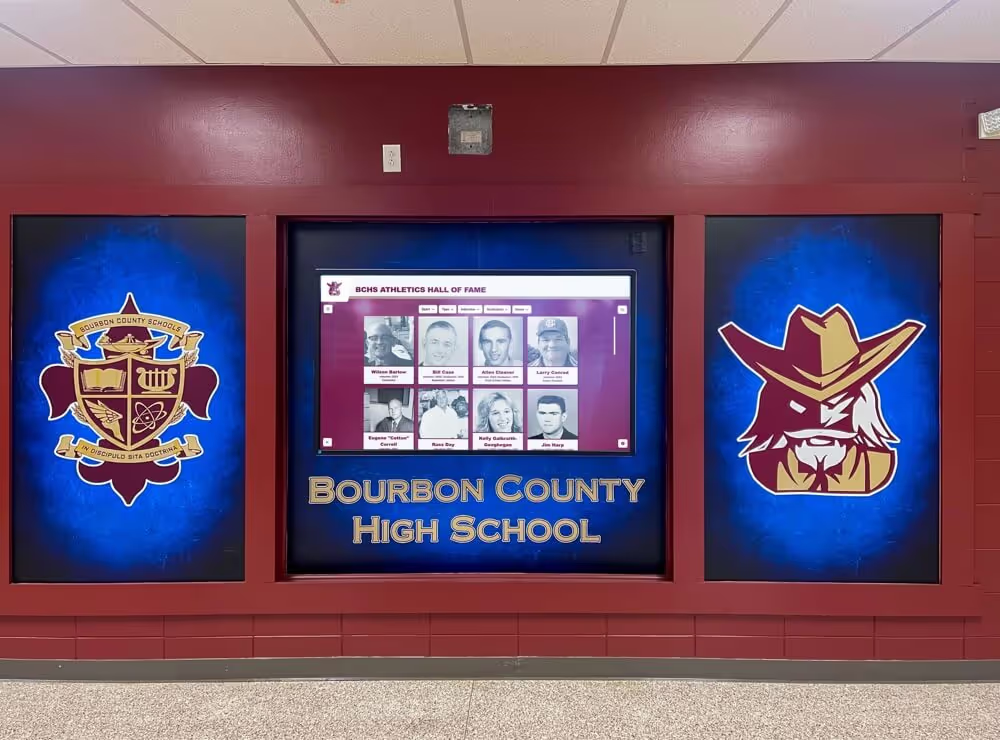
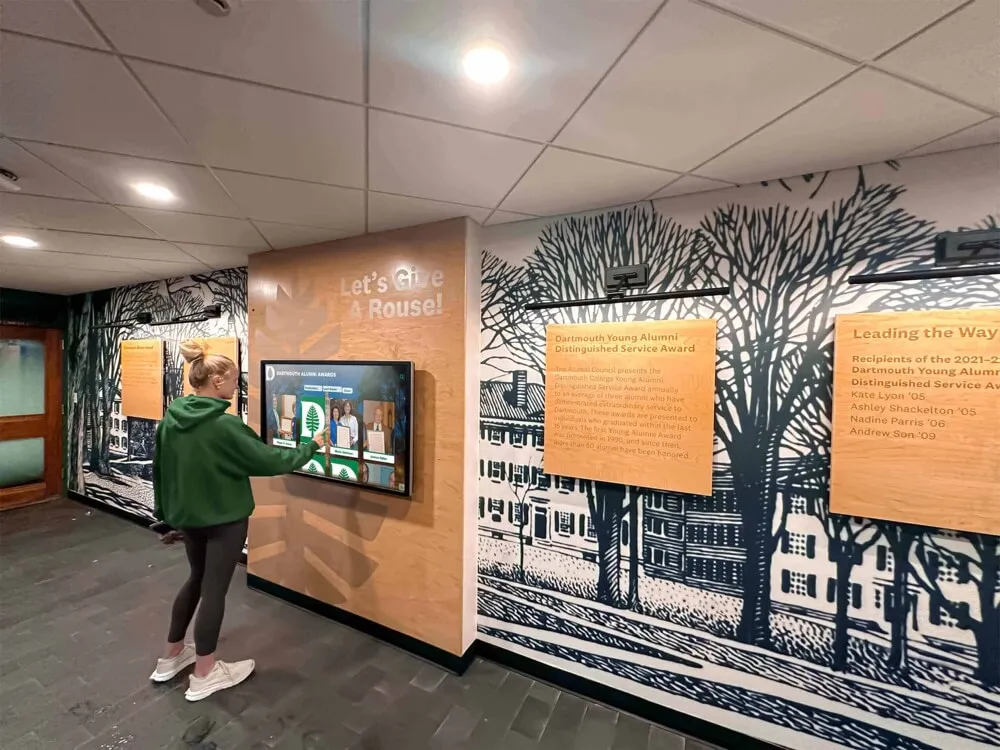
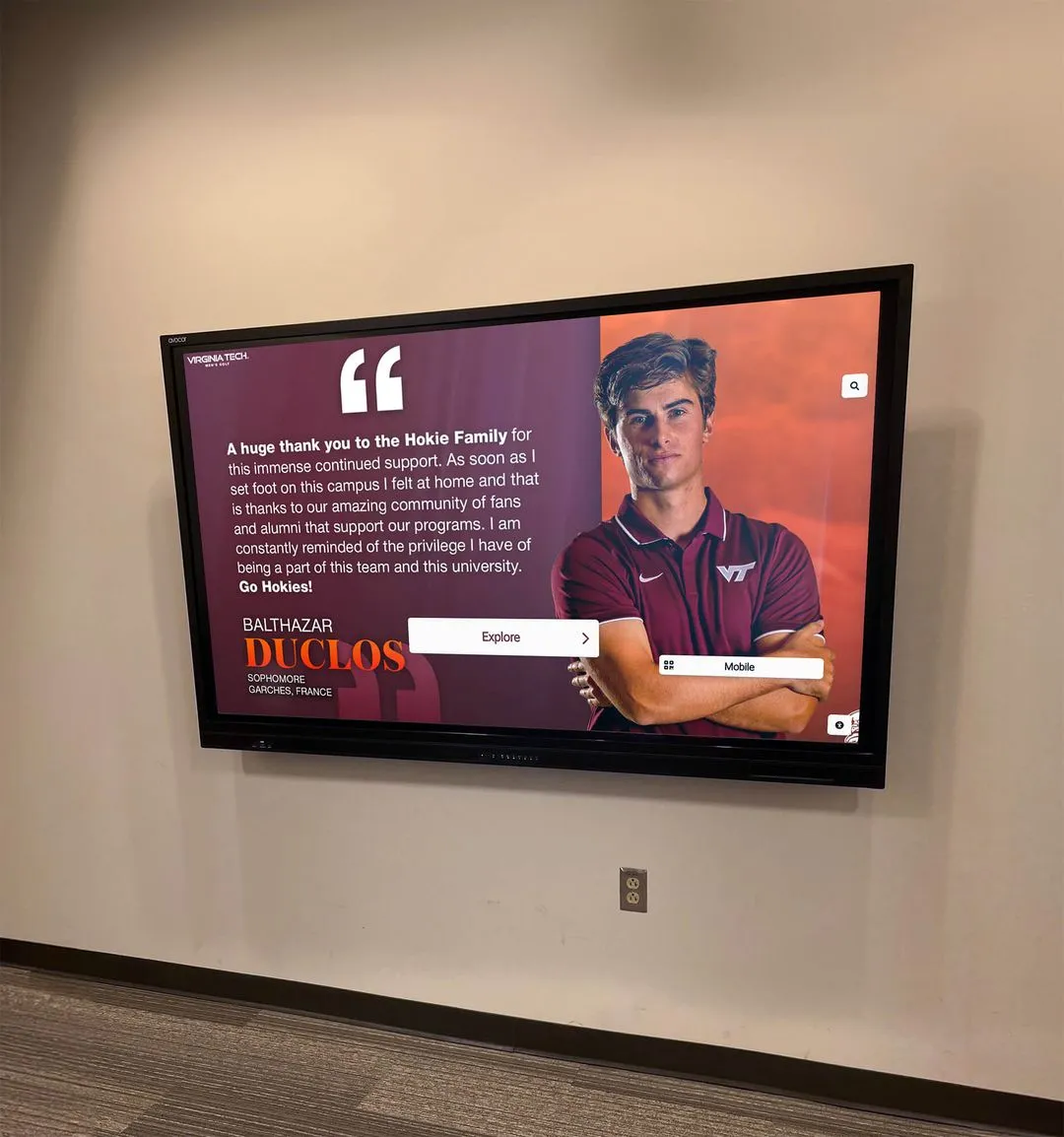
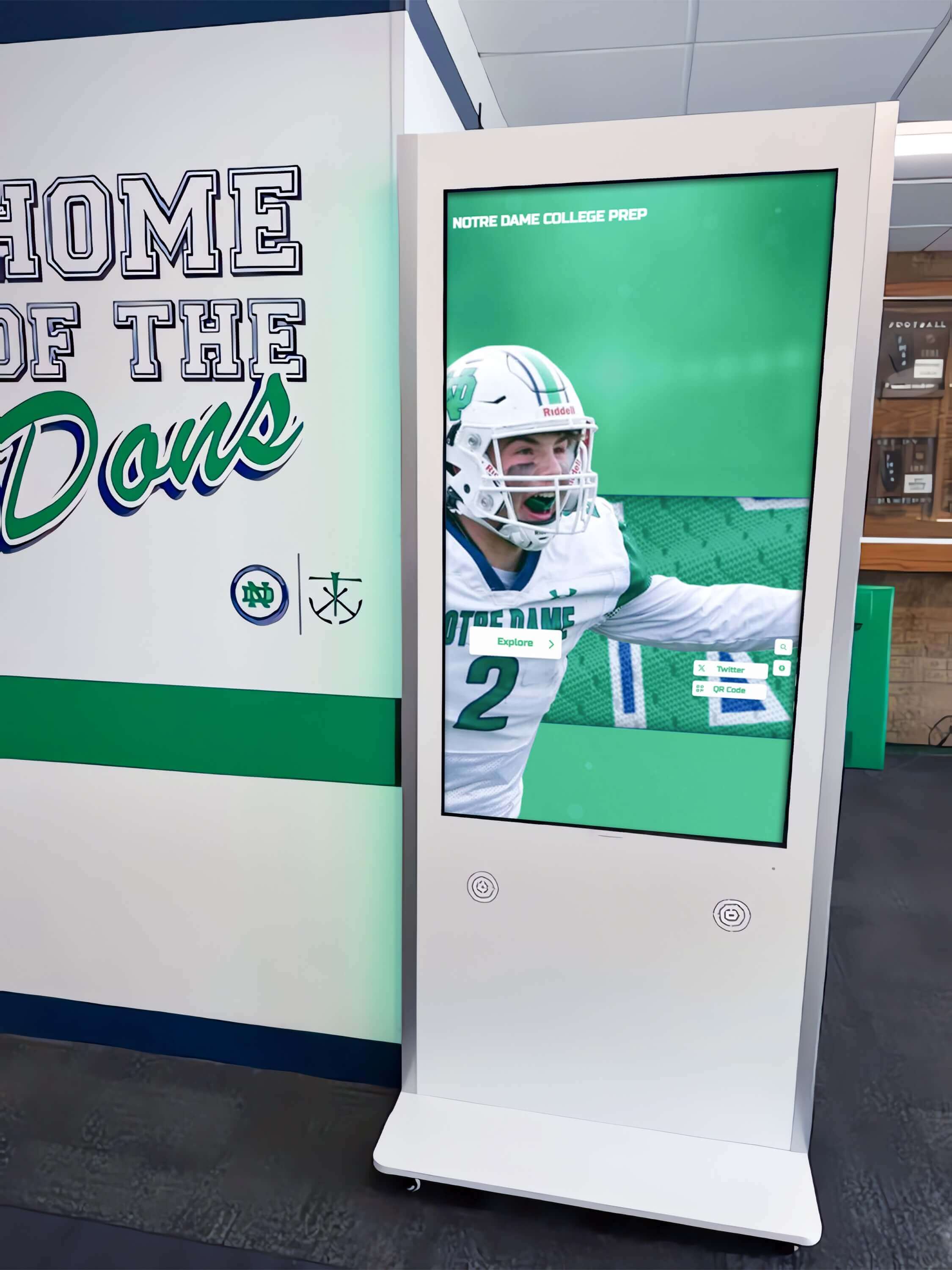
Interactive displays enable exploration of championship teams, legendary players, and program traditions
Individual Achievement and Championship Legacy
Beyond team championships, Texas football has produced countless individual legends whose excellence defined eras and inspired generations.
Championship Performance Legacy
Texas football tradition includes:
- Legendary quarterbacks who led championship drives
- Dominant defensive performers who secured championship victories
- Elite running backs whose playoff performances became permanent school lore
- Championship coaches whose leadership created dynasty programs
- All-state selections who exemplified championship standards
- College and NFL careers launched by championship foundations
Schools implementing comprehensive recognition programs document these individual achievements within championship contexts, preserving complete stories rather than only team-level acknowledgment. Discover effective approaches through athletic hall of fame guidance designed for comprehensive program recognition.

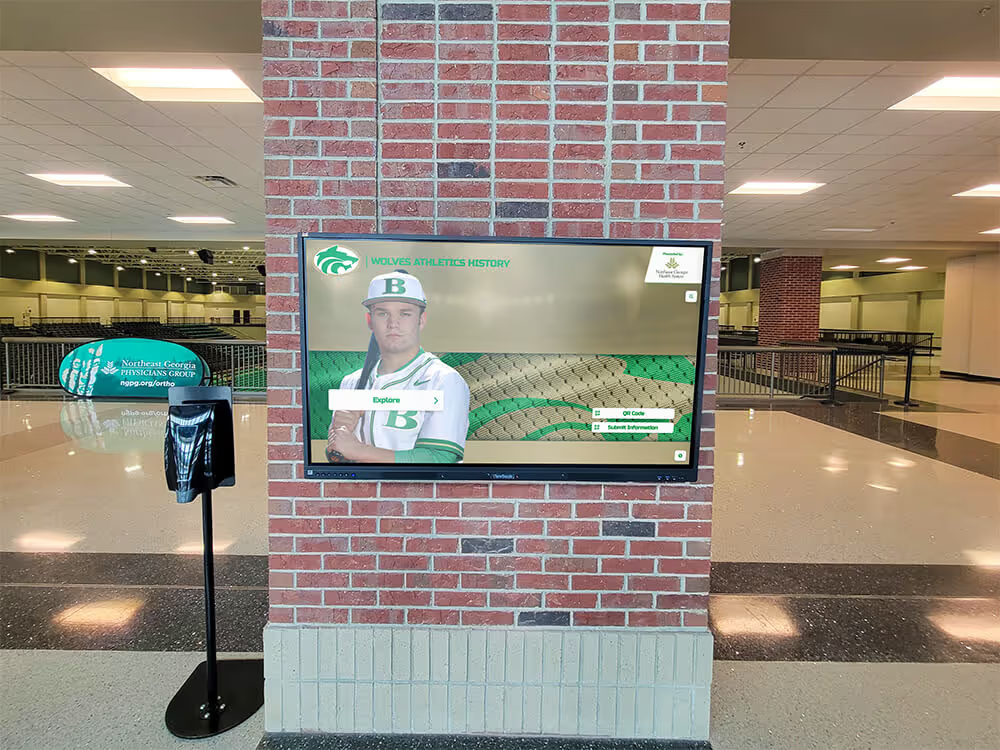
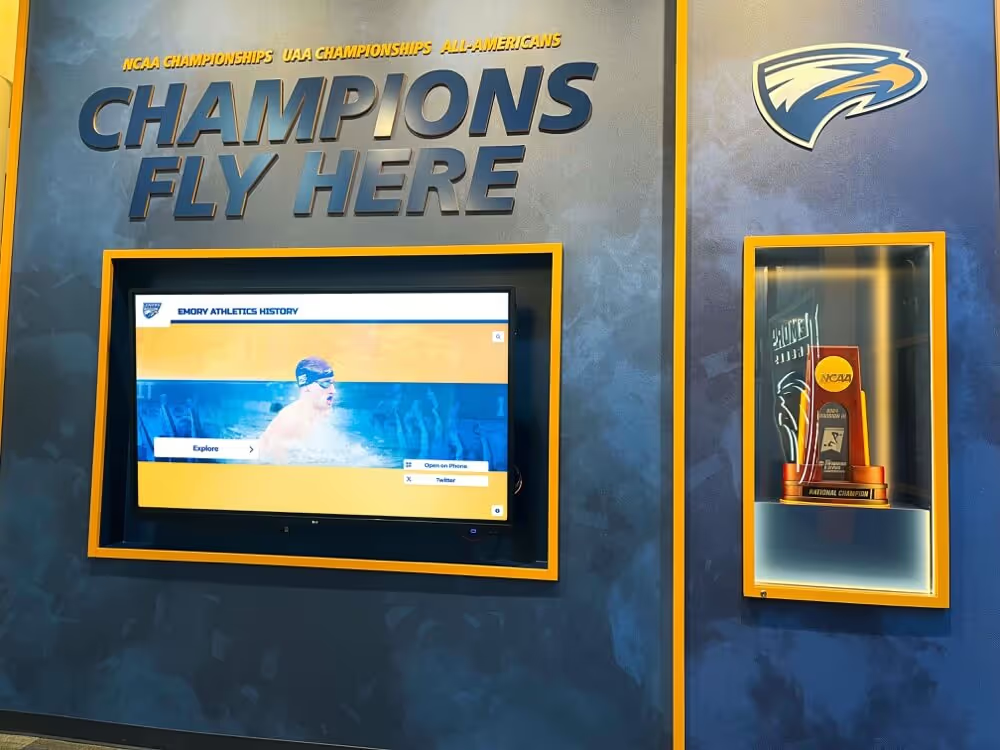
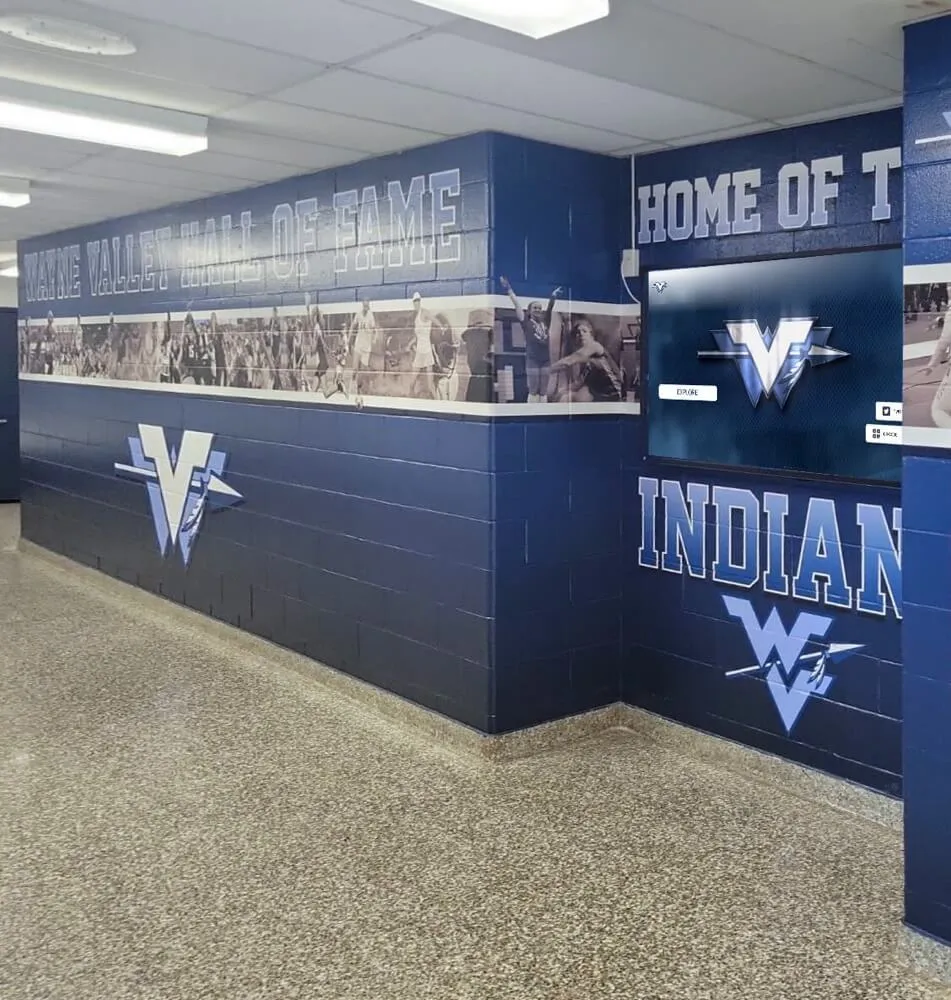
Wall-mounted displays provide permanent recognition of championship teams and individual excellence
Texas Football Traditions That Define Championships
Texas high school football encompasses traditions and cultural elements that distinguish it from programs in other states and create the unique environment where championships become community-defining achievements.
Friday Night Lights Culture
The Friday night experience in Texas communities represents more than athletic competition—it embodies social gathering, community celebration, and collective identity expression.
Cultural Significance
Texas football traditions include:
- Community attendance: Entire towns shutting down for Friday night games
- Multi-generational participation: Families attending games across decades
- School spirit traditions: Pep rallies, spirit weeks, and pre-game ceremonies
- Band performances: Award-winning marching bands creating complete entertainment experiences
- Media coverage: Local newspapers, radio broadcasts, and regional television featuring extensive football coverage
- Booster organizations: Parent groups and community supporters providing extensive program support
These cultural elements create environments where championship runs become shared community experiences rather than isolated athletic achievements. Schools should preserve these cultural traditions alongside championship documentation, capturing complete pictures of what makes Texas football championships meaningful beyond wins and losses.
Stadium Facilities and Home Field Advantage
Texas invests in high school football facilities at levels unprecedented in most states, creating venues that support championship aspirations while demonstrating community commitment to football excellence.
Texas Stadium Culture
Facility characteristics reflecting Texas football priorities:
- Professional-quality stadiums with extensive seating capacity
- State-of-the-art lighting, video boards, and sound systems
- Dedicated practice facilities with specialized training equipment
- Premium locker room and team spaces
- Hospitality areas for recruits and special guests
- Accessibility features ensuring community inclusion
These facilities create tangible symbols of institutional commitment to football excellence, setting performance expectations and providing competitive advantages. Building school pride through championship recognition complements facility investments by honoring the achievement these resources support.
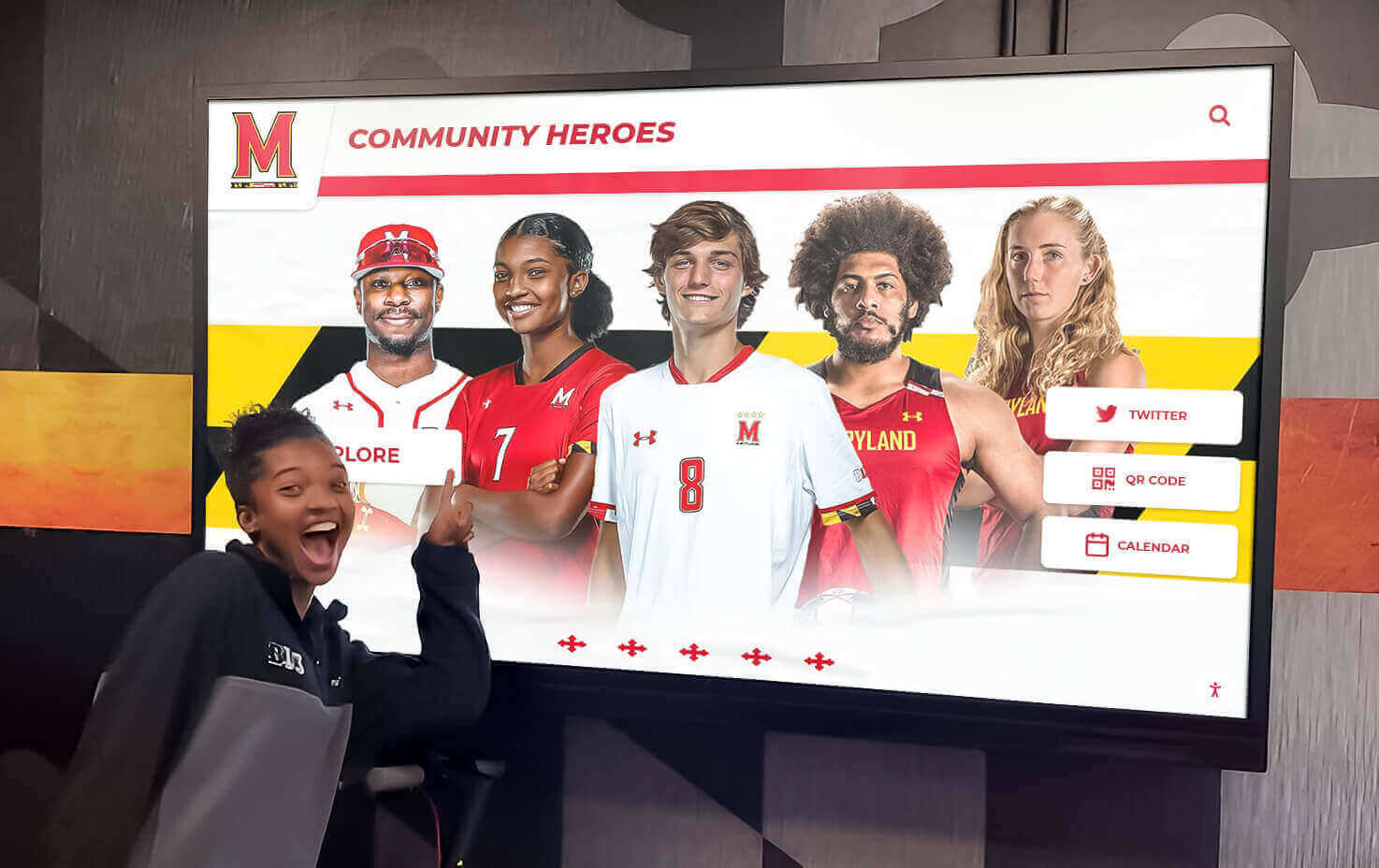
Engaging recognition displays make championship history accessible and meaningful for current students
Playoff Atmosphere and Championship Pageantry
Texas football playoffs feature intensity and pageantry reflecting the elevated cultural status the state assigns to postseason competition.
Playoff Traditions
Championship pursuit includes distinctive elements:
- Playoff run celebrations: Community send-offs and homecoming celebrations for advancing teams
- Travel traditions: Team buses escorted by police and community supporters
- Game day atmosphere: Massive crowds creating college-level intensity
- Media coverage expansion: Regional and statewide coverage for deep playoff runs
- Championship week preparation: Special practices, team events, and community activities
- Championship victory celebrations: Parades, rallies, and community-wide recognition
Schools implementing comprehensive recognition strategies document these cultural elements alongside game statistics and scores, preserving complete championship experiences rather than only final outcomes. Explore recognition approaches through state championship trophy display guidance covering traditional and modern solutions.
Memorable Texas Championship Games and Moments
Texas high school football history includes legendary championship games and defining moments that become permanent parts of state sports lore.
Historic Championship Contests
Certain championship games achieve legendary status through dramatic finishes, exceptional performances, or historic significance that transcends individual team achievement.
Elements Creating Memorable Championships
Championship moments that endure include:
- Last-second victories: Championship-deciding plays in final moments creating instant legends
- Upset championships: Underdog programs defeating favorites to claim unexpected titles
- Offensive explosions: High-scoring affairs showcasing elite talent and innovative schemes
- Defensive masterpieces: Low-scoring championships decided by critical stops and turnovers
- Rivalry championships: Traditional opponents meeting in title games adding emotional intensity
- Dynasty-making victories: Championships launching sustained excellence eras
- Weather challenges: Texas heat, rain, or occasional cold creating additional adversity
Schools should systematically document these defining moments through comprehensive recognition systems that preserve context, capture emotion, and enable future generations to understand what made specific championships historically significant. Solutions like Rocket Alumni Solutions provide platforms specifically designed for rich multimedia storytelling that brings championship moments to life through video, images, and detailed narratives.
Individual Championship Performances
Texas championship history includes individual performances that defined careers and established performance standards inspiring future generations.
Legendary Championship Moments
Individual excellence shaping championship outcomes:
- Championship-winning touchdown drives in final minutes
- Dominant defensive performances shutting down elite offenses
- Record-setting individual statistical performances
- Clutch kicking performances under maximum pressure
- Leadership demonstrations in championship adversity
- Multi-year championship contributions by elite athletes
Recognizing individual excellence within team championship contexts appropriately balances collective achievement with personal contribution, motivating athletes while reinforcing team-first values essential to championship success.
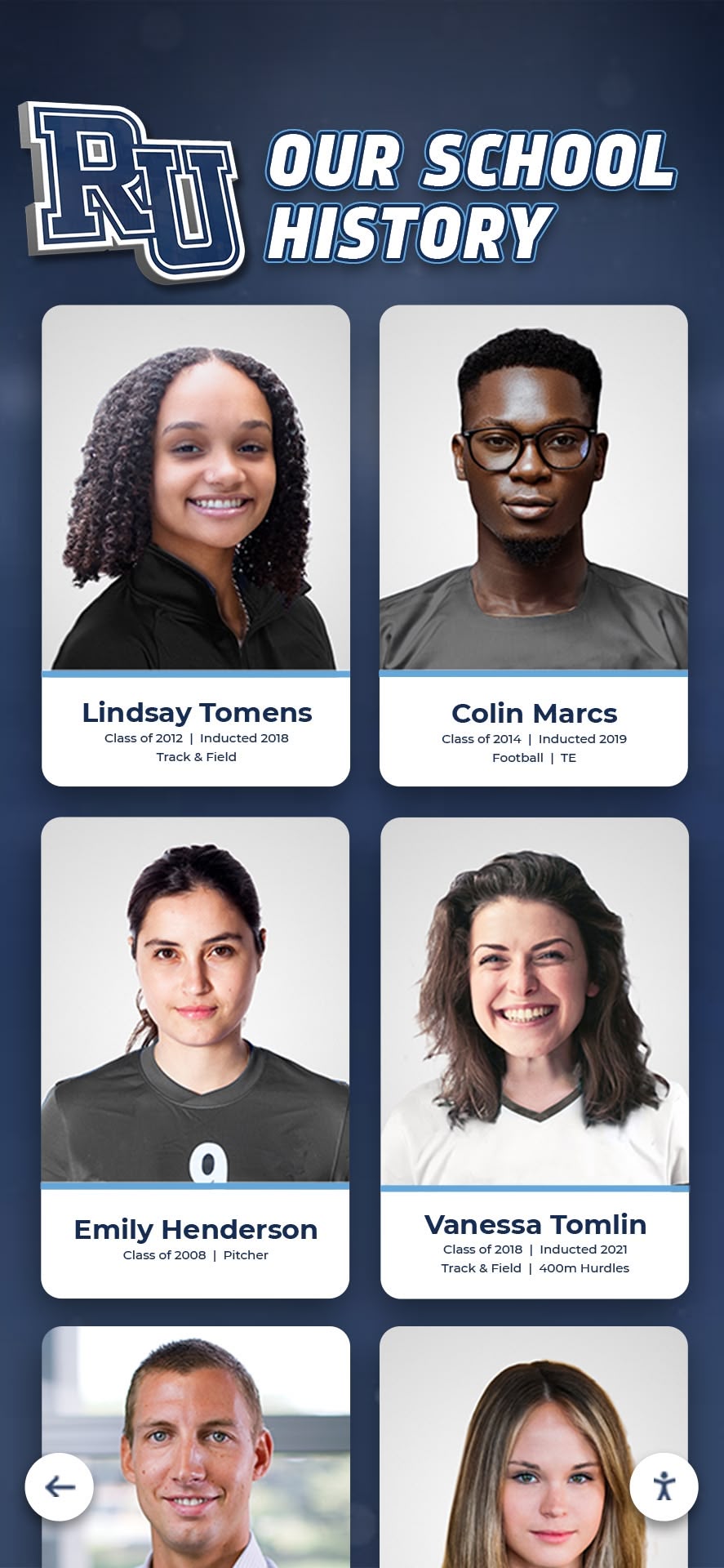
Individual athlete profiles preserve championship contributors and their specific achievements
Modern Recognition Solutions for Texas Football Excellence
As Texas schools accumulate championship achievements and playoff successes, innovative recognition solutions address the limitations of traditional displays while creating engaging experiences that honor excellence appropriately.
Digital Interactive Recognition Displays
Touchscreen recognition systems transform how schools preserve and celebrate football championships by eliminating physical space constraints while enabling rich multimedia storytelling impossible with traditional plaques or banners.
Unlimited Championship Capacity
Digital platforms accommodate comprehensive recognition:
- Every championship team across all classifications and decades
- Complete roster documentation including all contributing players
- Detailed season statistics and playoff progression information
- Championship game highlights and tournament bracket visualization
- Individual player achievements and post-high school success tracking
- Coaching legacy and program development across generations
This unlimited capacity ensures no achievement gets excluded due to space limitations, providing equitable recognition regardless of when championships occurred or which classifications they represented.
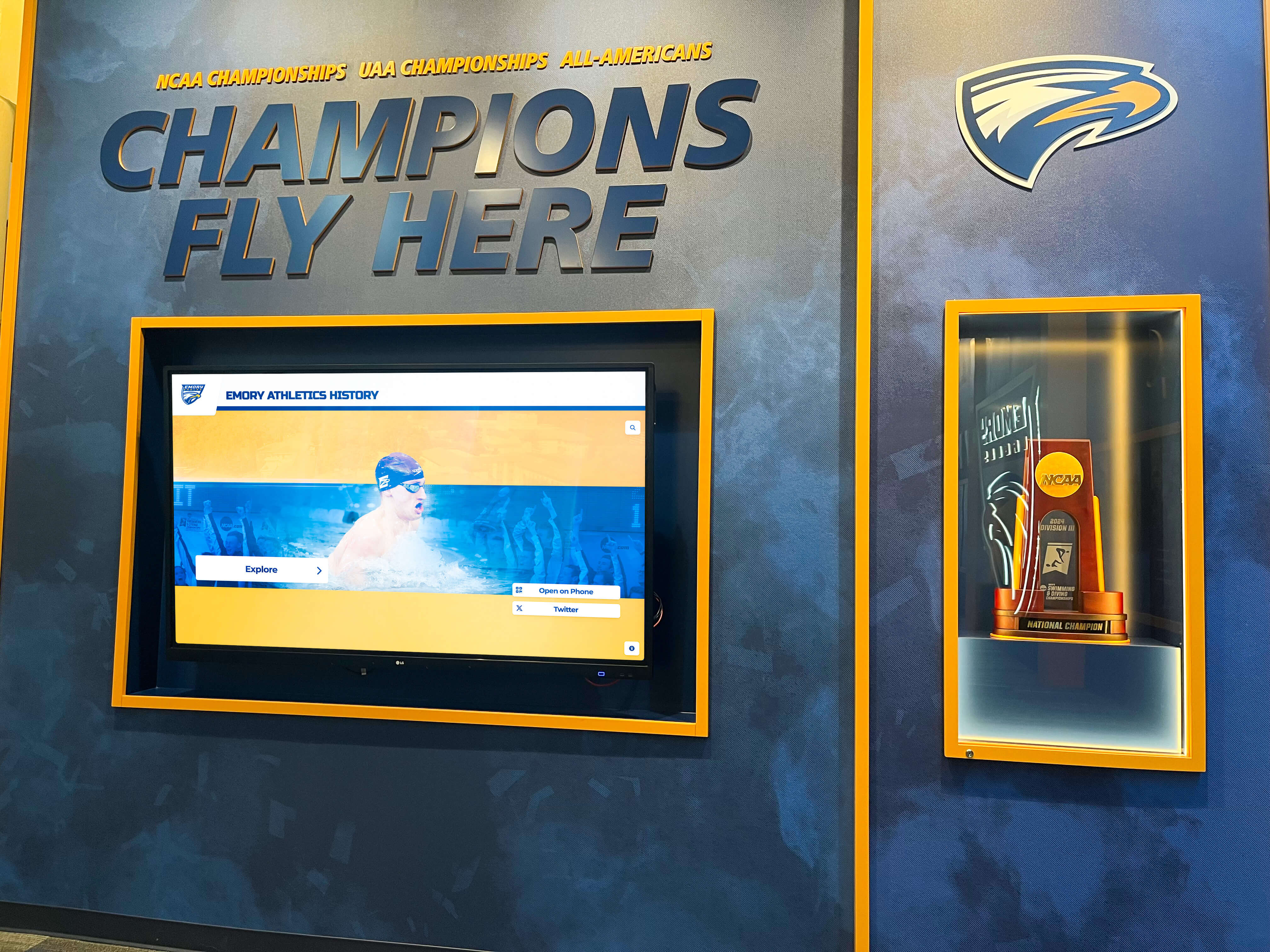
Modern recognition combines traditional trophy displays with digital systems documenting complete championship stories
Engaging Multimedia Storytelling
Digital recognition enables compelling content:
- Championship game video highlights capturing pivotal moments
- Photo galleries documenting season progressions and key games
- Audio clips from memorable broadcasts and post-game celebrations
- Interactive playoff brackets showing complete tournament paths
- Statistical visualizations comparing teams across eras
- Timeline presentations placing championships in historical context
These multimedia capabilities create emotional engagement that static displays cannot approach, particularly for digital-native students who find interactive exploration more compelling than passive viewing of limited text information.
Remote Management Efficiency
Cloud-based recognition platforms provide operational advantages:
- Add championship teams immediately following title games
- Update playoff brackets and results in real-time during tournaments
- Correct information or enhance content from any internet-connected device
- Manage multiple display locations simultaneously across campuses
- Schedule featured content highlighting specific championships or anniversaries
- Analyze engagement data revealing which content resonates most with audiences
These management capabilities dramatically reduce administrative burden while ensuring recognition remains consistently current and relevant. Explore digital recognition capabilities through football hall of fame guidance covering comprehensive program implementation.
Comprehensive Athlete Recognition Programs
Beyond team championships, effective recognition honors individual athletes whose excellence contributed to championship success and who exemplify program values.
Complete Roster Documentation
Championship recognition should include:
- Starters and reserve players who contributed throughout seasons
- Offensive, defensive, and special teams specialists
- Practice squad members who prepared championship starters
- Team managers and support personnel
- Student trainers assisting with athlete health
- Coaches and staff who developed championship teams
This inclusive approach ensures everyone who earned championship rings receives appropriate recognition rather than limiting acknowledgment to statistical leaders or starting lineups.

Interactive systems enable exploration of individual athlete achievements within championship contexts
Position-Specific Recognition
Football’s specialized positions mean different athletes contribute through diverse roles deserving specific acknowledgment:
- Championship quarterbacks and their leadership qualities
- Offensive linemen whose blocking created championship opportunities
- Defensive standouts who secured crucial playoff victories
- Special teams performers whose execution determined field position
- Skill position athletes who delivered in championship moments
This position-specific organization helps current athletes envision themselves within championship contexts and understand development pathways for their particular roles.
Building Football Program Culture Through Championship Recognition
Effective recognition transcends acknowledging past achievement—it shapes program culture, establishes performance expectations, and creates environments where championship pursuit becomes normalized rather than exceptional.
Creating Championship Expectations
Prominent championship recognition communicates that postseason success and title pursuits represent realistic goals rather than distant aspirations available only to elite programs.
Cultural Benefits of Championship Recognition
Well-implemented recognition delivers multiple advantages:
- Establishes performance standards: Visible championships define program expectations
- Provides continuous motivation: Current players aspire to join recognized predecessors
- Creates accountability: Public recognition makes excellence non-negotiable
- Builds program continuity: Recognition connects current teams to athletic legacy
- Strengthens community pride: Visible success generates community support and engagement
- Attracts talent: Prospective athletes recognize programs that celebrate achievement
Schools demonstrating commitment to recognition signal that accomplishment matters and deserves permanent celebration, creating cultural environments where excellence becomes expected rather than exceptional.
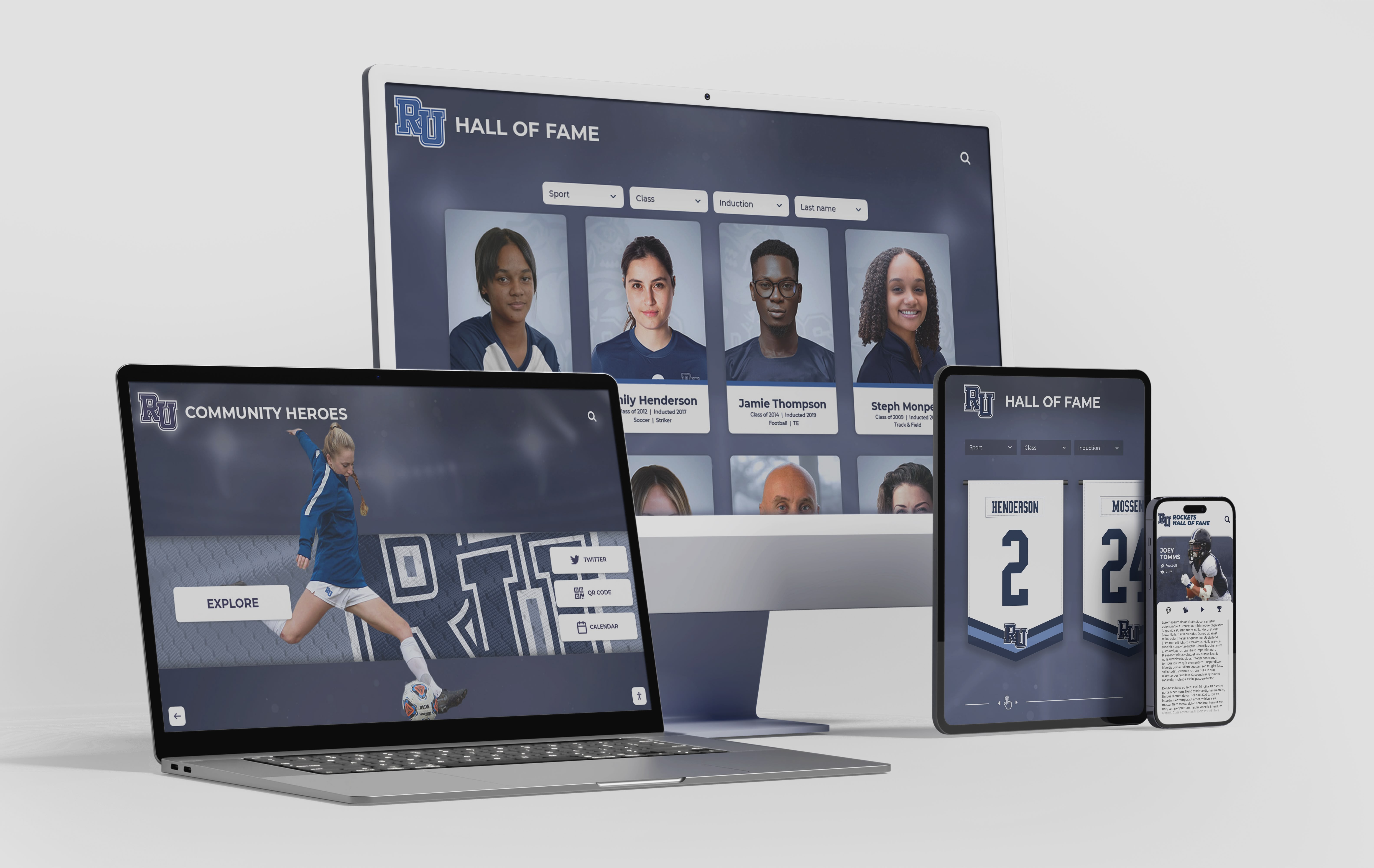
Mobile-responsive recognition extends championship celebration beyond physical displays to reach alumni and community members anywhere
Connecting Past and Present Championship Traditions
Recognition systems should create bridges between historic achievements and current teams, fostering understanding that today’s athletes continue traditions established by championship predecessors.
Integration Strategies
Effective connection approaches include:
- Feature historic championship teams during current season campaigns
- Invite championship alumni to address current teams before playoffs
- Compare current playoff brackets to historic tournament progressions
- Celebrate championship anniversaries of legendary title teams
- Display progression from past championships to current aspirations
- Create mentor relationships between championship alumni and current players
These connections reinforce that championship success results from sustained commitment to excellence across generations rather than isolated individual or team achievement. Learn about building athletic traditions through digital recognition wall implementation that celebrates history while inspiring future excellence.
Supporting Current Teams During Championship Pursuits
Recognition strategies can support current playoff teams while competitions progress, creating momentum and community engagement that enhances postseason experiences and championship pursuits.
Real-Time Playoff Recognition
Schools can celebrate playoff qualification and tournament progression immediately rather than waiting for seasons to conclude, maximizing engagement and community support during championship runs.
In-Season Recognition Strategies
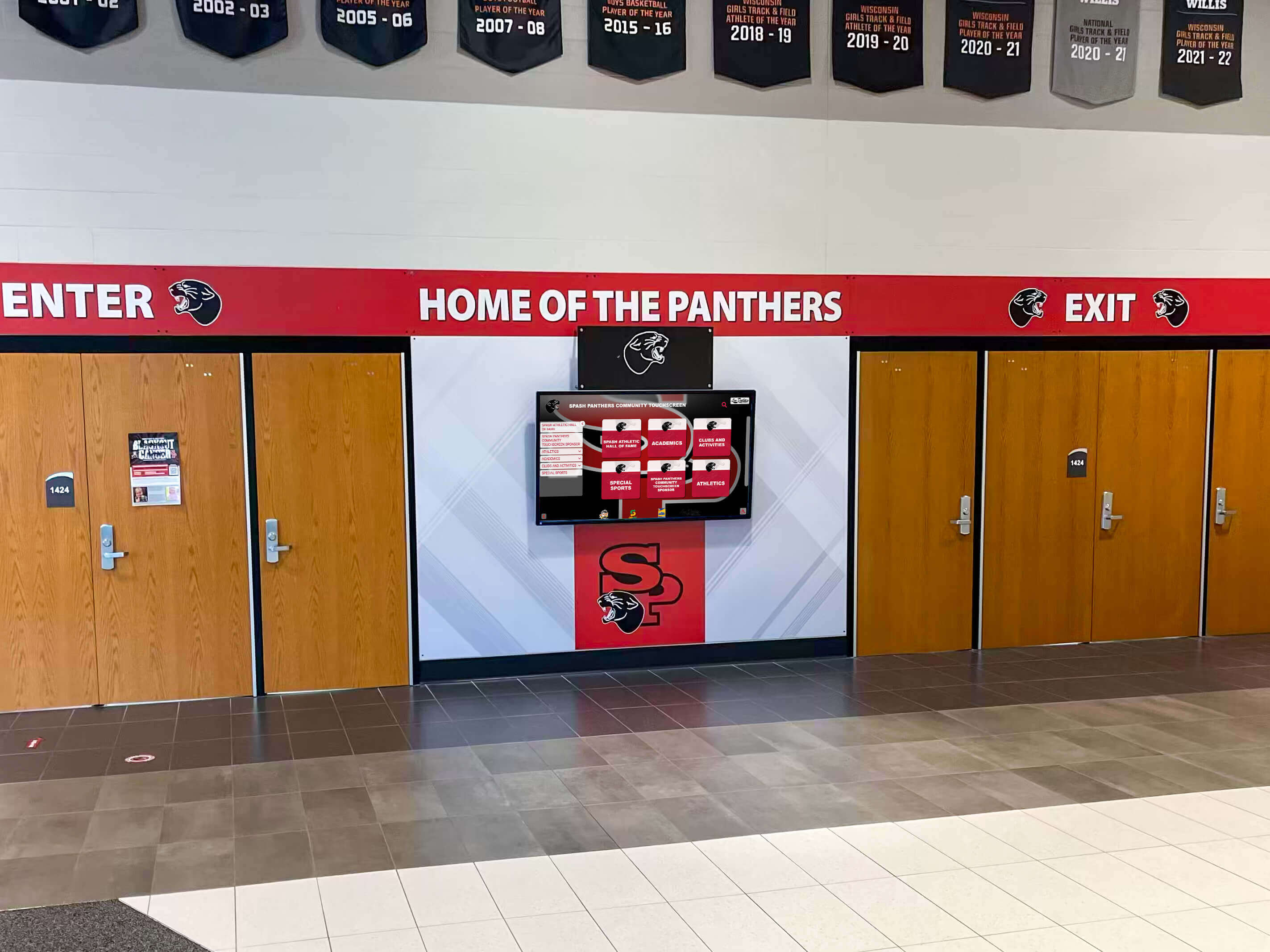
Entrance displays featuring current playoff teams build excitement and demonstrate institutional support during championship pursuits
Immediate Recognition Elements
Supporting championship pursuits through recognition:
- Announce playoff qualification through multiple communication channels
- Display current playoff brackets showing team positioning and upcoming matchups
- Feature player profiles and team information during tournament weeks
- Share playoff game logistics including dates, times, and venue information
- Celebrate victories and recognize performances after each playoff game
- Create countdown graphics building anticipation for championship games
- Highlight statistical leaders and key contributors throughout playoffs
This real-time recognition builds excitement, increases attendance at playoff games, and demonstrates institutional support that enhances player motivation and community engagement.
Community Engagement During Playoff Runs
Championship pursuits create opportunities for enhanced community connection and tangible support that improves playoff experiences for student-athletes while strengthening institutional relationships.
Community Engagement Approaches
Leveraging playoffs for broader engagement:
- Pep rallies and send-offs: Celebrate teams before critical playoff games
- Watch parties: Organize community viewing for away playoff contests
- Social media campaigns: Share playoff content across digital platforms reaching wider audiences
- Local media coordination: Partner with newspapers and broadcasters for comprehensive coverage
- Alumni engagement: Invite championship alumni to attend playoff games and interact with current teams
- Business partnerships: Local businesses display playoff support creating community-wide celebration
- Fundraising opportunities: Leverage playoff excitement for booster support and program enhancement
These engagement strategies strengthen community connections to football programs while providing tangible support that enhances championship pursuit experiences. Discover engagement approaches through booster club fundraising ideas that support championship programs.
Comparing Texas Football to Other State Championship Systems
Understanding how Texas football compares to other states provides perspective on the unique characteristics and cultural significance that distinguish Lone Star State championships.
Scale and Competitive Depth
Texas high school football operates at unprecedented scale compared to other states, creating unique competitive environments and championship experiences.
Texas Distinctive Elements
Characteristics setting Texas apart:
- Enrollment scale: Largest schools exceed 7,000+ students, rivaling small colleges
- Classification depth: Twelve championship divisions providing extensive opportunities
- Geographic diversity: Championships feature teams from major metros, suburbs, and rural communities
- Facility investments: Stadium quality and capacity often exceeding small college venues
- Media coverage: Professional-level broadcast production and statewide attention
- Cultural prominence: Football occupying central community identity role statewide
These elements create championship experiences reflecting Texas’s unique athletic culture and the elevated cultural status the state assigns to high school football excellence.
Championship Pursuit Intensity
The competitive intensity characterizing Texas championship pursuits distinguishes state playoffs from programs in most other states.
Intensity Factors
Elements creating exceptional competitive environments:
- Year-round training commitments approaching college-level intensity
- Specialized coaching staffs rivaling small college programs
- Extensive playoff brackets requiring 5-6 consecutive victories for championships
- Recruiting attention from major college programs creating additional pressure
- Community expectations where championship pursuit defines institutional success
- Historical traditions creating performance standards and accountability
This intensity creates championship experiences that test character, resilience, and championship resolve beyond pure athletic ability. Explore comparative perspectives through Georgia high school football championship coverage examining different state approaches and traditions.
Planning Championship Recognition Implementation
Schools considering enhanced championship recognition benefit from systematic planning ensuring implementations deliver maximum value while remaining manageable within available resources and expertise.
Defining Recognition Objectives
Clear objectives guide recognition program design, technology selection, and resource allocation while ensuring implementations address actual needs rather than pursuing technology without clear purpose.
Recognition Goal Questions
Consider what championship recognition should accomplish:
- Which championship achievements currently lack adequate recognition?
- How might enhanced recognition support football program development goals?
- What role should recognition play in building school pride and community connection?
- How can recognition motivate current athletes and inspire future teams?
- What engagement outcomes would demonstrate recognition program success?
- How should new recognition integrate with existing athletic displays and traditions?
These fundamental questions ensure recognition programs address genuine needs while supporting broader institutional goals related to athletic excellence, student engagement, and community relations.
Technology Platform Selection
Choosing appropriate recognition platforms significantly impacts user experience, administrative efficiency, long-term satisfaction, and actual usage versus installations that become underutilized due to implementation challenges.
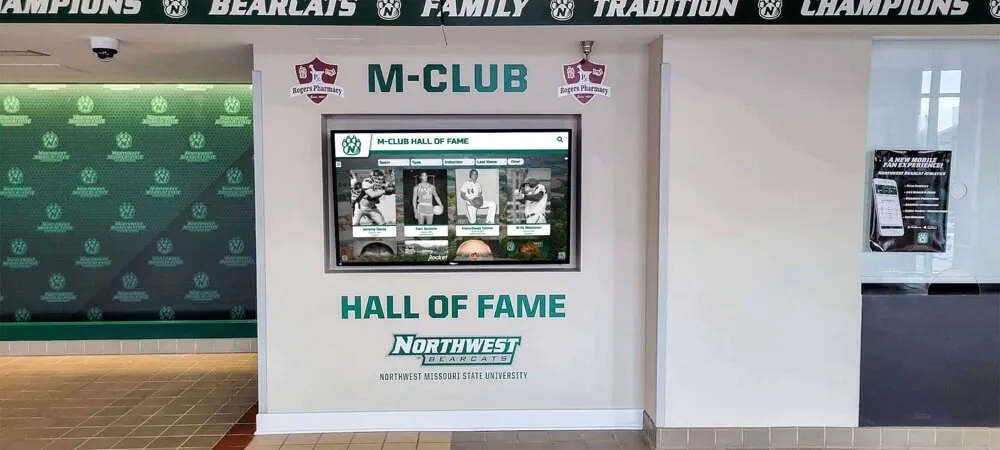
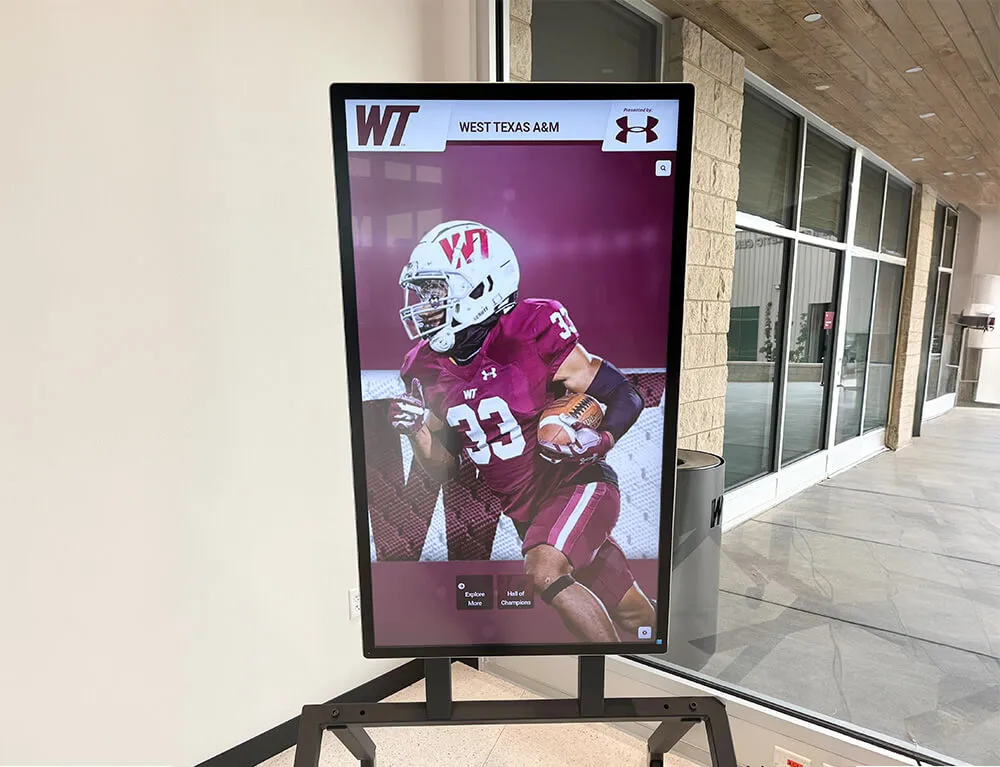
Multiple coordinated displays throughout facilities ensure championship recognition reaches all students and visitors effectively
Platform Evaluation Criteria
Essential capabilities for championship recognition platforms:
- Intuitive content management requiring no technical expertise or training
- Unlimited content storage supporting extensive historical archives
- Sport-specific templates designed for football recognition and playoff documentation
- Flexible display options accommodating different screen sizes and orientations
- Robust search and filtering enabling content discovery by year, player, or achievement
- Mobile-responsive web access extending recognition beyond physical displays
- Analytics revealing engagement patterns and informing content strategy
- Reliable vendor support understanding school athletic recognition needs
Solutions like Rocket Alumni Solutions provide purpose-built recognition platforms designed specifically for athletic achievement, delivering functionality schools need without requiring custom development, ongoing technical resources, or specialized expertise.
Content Development Planning
Systematic content development ensures recognition launches with sufficient historical depth while establishing sustainable ongoing management processes that keep recognition current without excessive administrative burden.
Initial Content Development
Launching with comprehensive historical content creates immediate impact and demonstrates commitment to honoring complete program histories rather than only recent achievements:
- Historical research: Gather championship team information from archives, yearbooks, and records
- Photo collection: Source images from athletic departments, yearbooks, and community contributions
- Video compilation: Locate game footage and championship moments from archives and media partners
- Data organization: Compile championship results, playoff brackets, and statistical information
- Content authoring: Write compelling team profiles and season narratives providing context
- Media preparation: Optimize photos and videos for display performance and loading speed
- Content upload: Populate recognition platform systematically by year, classification, or chronology
- Quality review: Verify accuracy, completeness, and appropriate presentation before public launch
Schools should allocate 60-120 hours for comprehensive initial championship recognition content depending on program history scope—foundational investment ensuring quality from launch that justifies continued engagement.
Ongoing Content Management
Systematic approaches keep recognition current:
- Immediate addition of championship teams following title victories
- Regular playoff bracket updates during tournament progressions
- Quarterly content reviews verifying accuracy and identifying enhancement opportunities
- Annual archive expansion adding historical content systematically filling gaps
- Featured content rotation ensuring visibility for all championship teams across eras
- Analytics review informing content strategy optimization and engagement improvements
Cloud-based platforms enable updates from any internet-connected device, dramatically reducing administrative burden compared to physical displays requiring on-site access for any modifications or enhancements.
Measuring Championship Recognition Impact
Assessment demonstrates recognition program value while identifying improvement opportunities ensuring displays achieve intended objectives and justify continued investment in content development and platform maintenance.
Quantitative Engagement Metrics
Modern recognition platforms provide concrete usage data revealing how communities interact with championship content and which elements generate strongest engagement.
Display Interaction Analytics
Touchscreen system data includes:
- Interaction frequency showing daily and seasonal usage patterns
- Average session duration revealing engagement depth versus brief curiosity
- Most-viewed championship teams and individual profiles
- Search query analysis showing how users discover content
- Peak usage times informing content scheduling and featured displays
- Navigation paths revealing how users explore recognition systematically
Web Platform Analytics
Online recognition access provides additional insights:
- Unique visitor counts showing digital recognition reach beyond physical displays
- Geographic distribution revealing how far recognition extends beyond local communities
- Social sharing frequency demonstrating organic promotion and community pride
- Return visitor rates indicating sustained engagement versus one-time curiosity
- Device types showing mobile versus desktop access patterns
- Referral sources showing how users discover online recognition
These metrics reveal whether recognition generates intended engagement or requires strategy adjustments, content enhancements, or promotional efforts to maximize value and community awareness.
Qualitative Impact Assessment
Stakeholder feedback provides insights beyond quantitative metrics, revealing perception, emotional impact, and recognition influence on program culture and community connection.
Feedback Collection Approaches
Gathering qualitative assessment:
- Student surveys assessing recognition awareness and personal engagement
- Alumni feedback on connection improvements and nostalgia value
- Parent responses during playoff seasons and recruiting processes
- Community reactions at games, events, and school visits
- Coach observations about recognition impact on program culture and player motivation
- Prospective family responses during recruitment visits and campus tours
Regular qualitative assessment enables continuous refinement ensuring recognition achieves goals while identifying enhancement opportunities that quantitative data alone might not reveal.
Beyond Football: Expanding Championship Recognition
Schools implementing football championship recognition often discover opportunities to extend approaches across all athletic programs competing in playoff tournaments and pursuing state championships.
Multi-Sport Recognition Systems
Comprehensive recognition celebrates championship achievement across entire athletic programs rather than privileging football alone, creating equitable visibility that strengthens complete athletic cultures.
All-Sport Championship Recognition
Systematic recognition should include:
- Basketball playoff teams and state tournament brackets
- Baseball and softball postseason achievements and regional tournaments
- Soccer playoff runs and state championship appearances
- Volleyball tournament success and championship victories
- Wrestling state qualifiers, medalists, and championship teams
- Track and field state meet participants and title winners
- Swimming, tennis, golf, and all sports with championship structures
This comprehensive approach demonstrates that all championship achievement deserves recognition regardless of sport profile or media attention, creating equitable visibility that motivates athletes across all programs rather than signaling that only high-profile sports matter institutionally.
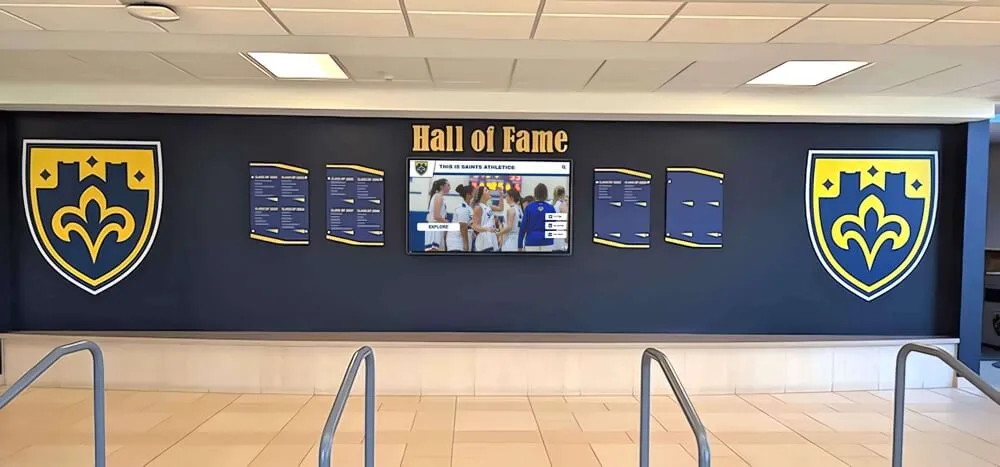
Multi-sport recognition displays celebrate championships across all athletic programs creating equitable visibility
Academic and Activity Recognition
Recognition principles effective for athletic championships extend to celebrate all forms of competitive excellence, honoring diverse student achievements that contribute to institutional reputation and community pride.
Comprehensive Achievement Recognition
Applying championship recognition approaches to:
- Academic competition teams and tournament success (UIL Academic State Meet)
- Performing arts competition achievements (marching band, choir, theatre championships)
- STEM competition participation and victories (robotics, science olympiad)
- Debate and forensics tournament results and state qualifications
- All competitive activities with playoff or championship structures
This comprehensive perspective ensures schools celebrate all forms of excellence rather than limiting recognition to athletic achievement alone, demonstrating institutional values that prioritize diverse excellence and provide visibility for all student accomplishments.
Conclusion: Preserving Texas Football Championship Legacy
Texas state championship football represents far more than athletic competition—it embodies community identity, generational tradition, and the values of dedication, teamwork, and excellence that extend beyond Friday night stadiums into all aspects of life. These championships create defining moments in student-athlete experiences, forge lasting community memories, and establish competitive traditions that shape institutional athletic identities across generations.
Schools that excel at recognizing championship achievement understand that effective recognition transcends simple acknowledgment of past success. Thoughtfully implemented recognition shapes program culture, motivates current athletes, inspires future generations, strengthens community connections to athletic traditions, and ensures that championship legacies remain accessible and meaningful as time passes and institutional memory naturally fades.
Celebrate Your Texas Football Championship Legacy
Discover how digital recognition solutions like Rocket Alumni Solutions help Texas schools preserve championship memories, celebrate playoff achievements, and build football traditions that inspire excellence for generations. Transform how your community experiences and connects with your football championship legacy through modern recognition that honors past glory while motivating future success.
Explore Championship Recognition SolutionsModern recognition technology eliminates the physical constraints that historically limited championship celebration to brief announcements, generic plaques, or overcrowded trophy cases that fail to tell complete championship stories. Digital platforms provide unlimited capacity for preserving entire playoff histories, engaging multimedia showcasing championship moments, and interactive experiences that make athletic legacy accessible and compelling for current students, alumni, prospective families, and community members regardless of physical location.
For Texas schools committed to celebrating football championship achievement appropriately—honoring the athletes, coaches, and communities whose dedication created memorable seasons while inspiring future teams to pursue their own championship glory—the strategies, considerations, and best practices explored in this guide provide frameworks for implementation delivering lasting value.
From understanding UIL playoff structures and classification systems to implementing comprehensive digital recognition and measuring community engagement, these approaches transform how schools honor the championship achievements that define football program excellence in the nation’s most passionate high school football state.
Your championship teams, playoff victories, and competitive traditions deserve recognition systems that celebrate dedication and achievement while inspiring future generations to pursue their own championship moments under Friday night lights. With systematic planning, appropriate technology platforms, and sustained institutional commitment, you can create recognition programs that become cherished traditions preserving Texas football championship legacy permanently while building athletic cultures where championship aspirations become realistic expectations rather than distant dreams.
Ready to enhance your football program recognition and preserve your championship legacy? Explore how schools across Texas and nationwide are celebrating athletic achievement through comprehensive recognition programs that honor past excellence while inspiring future champions to add their own chapters to proud football traditions.