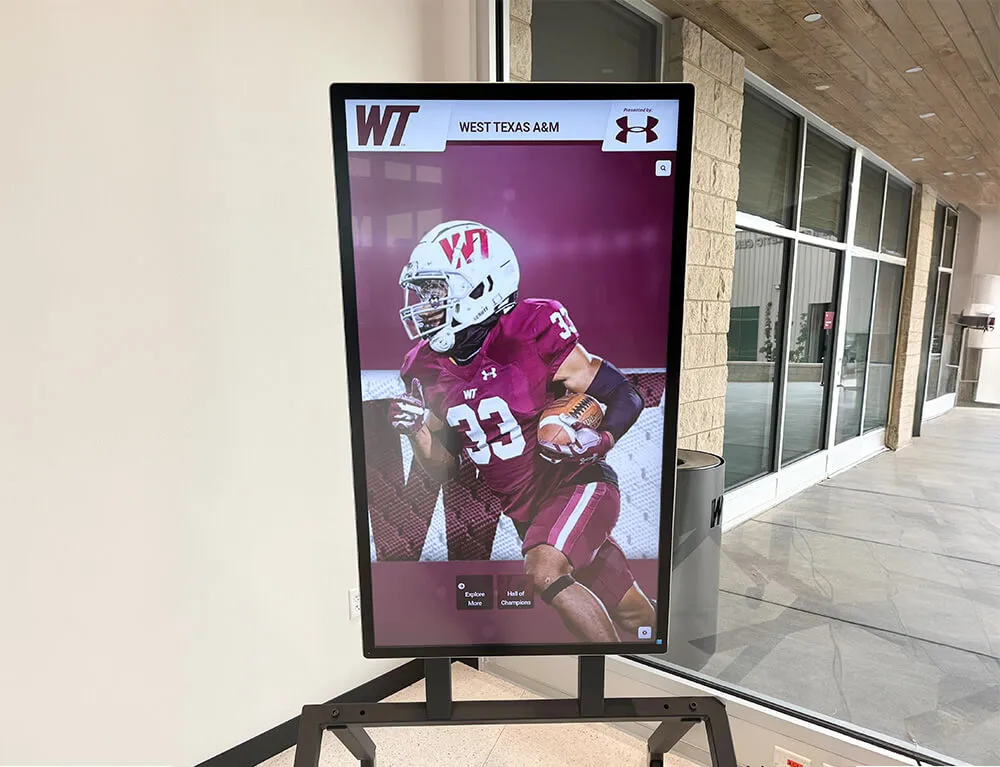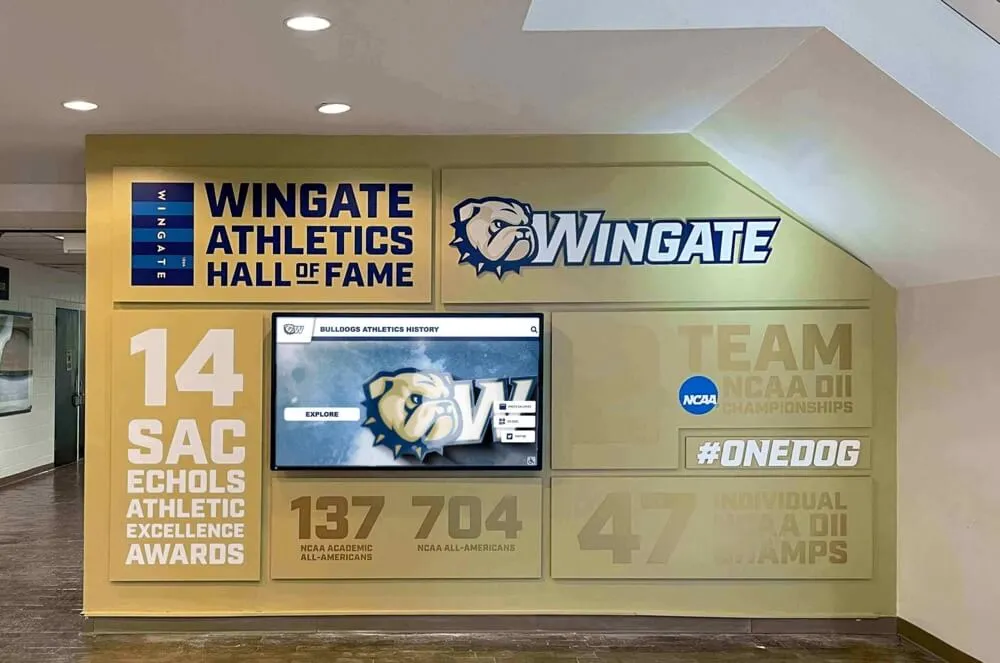




A team history wall is one of the most powerful recognition projects a school athletics program can undertake. Done well, it turns a hallway or lobby into a living archive—one that tells incoming freshmen where they are joining, reminds alumni what they accomplished, and gives coaches a tangible tool for building culture. Done poorly, it becomes a static board of faded photos that no one maintains and few people notice.
This guide walks through every planning decision you need to make before a single panel gets mounted or a single photo gets uploaded: what content to include, how to organize it by sport and era, how to balance traditional fixed panels with digital screens, and how to keep the display current as seasons pass. Whether you are starting from scratch or upgrading an existing display, the sections below will help you build a system that genuinely serves your school community for decades.
Every school has a history worth telling. The challenge is translating decades of seasons, rosters, championships, and individual milestones into a display that feels coherent, accessible, and worth stopping to read. A thoughtful planning process—covering scope, structure, content types, media assets, and long-term maintenance—makes the difference between a project that energizes a school and one that stalls after the first season.

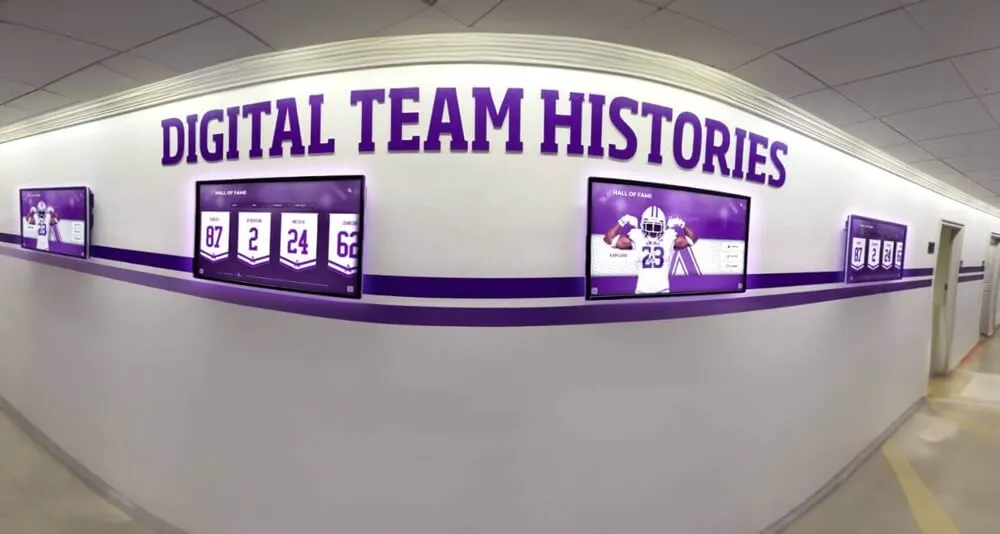
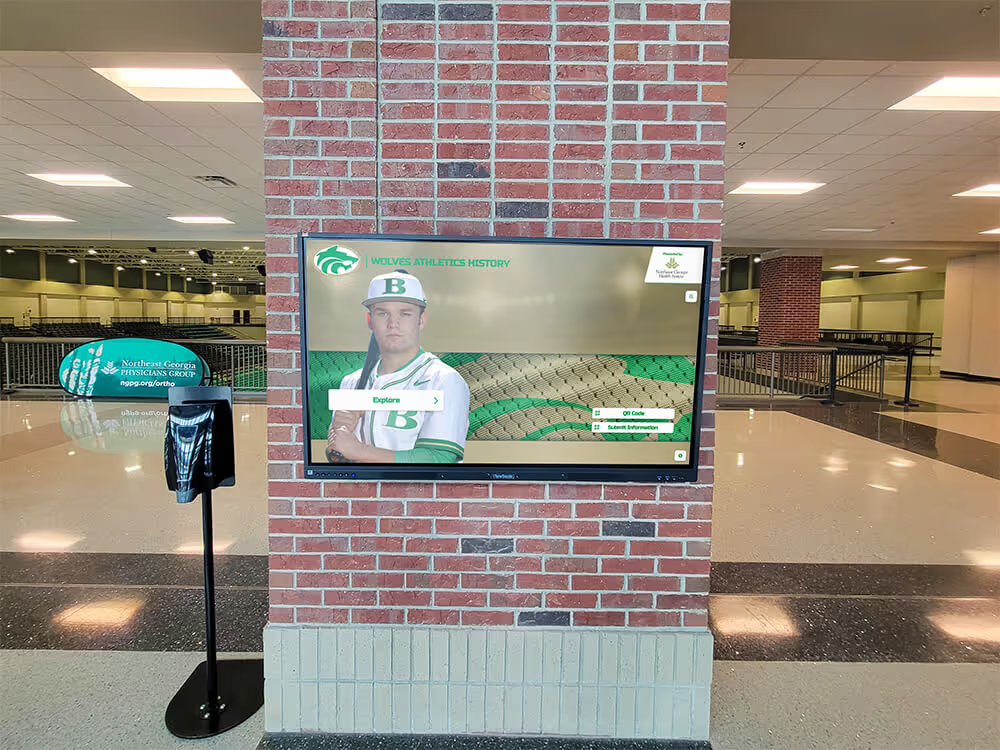
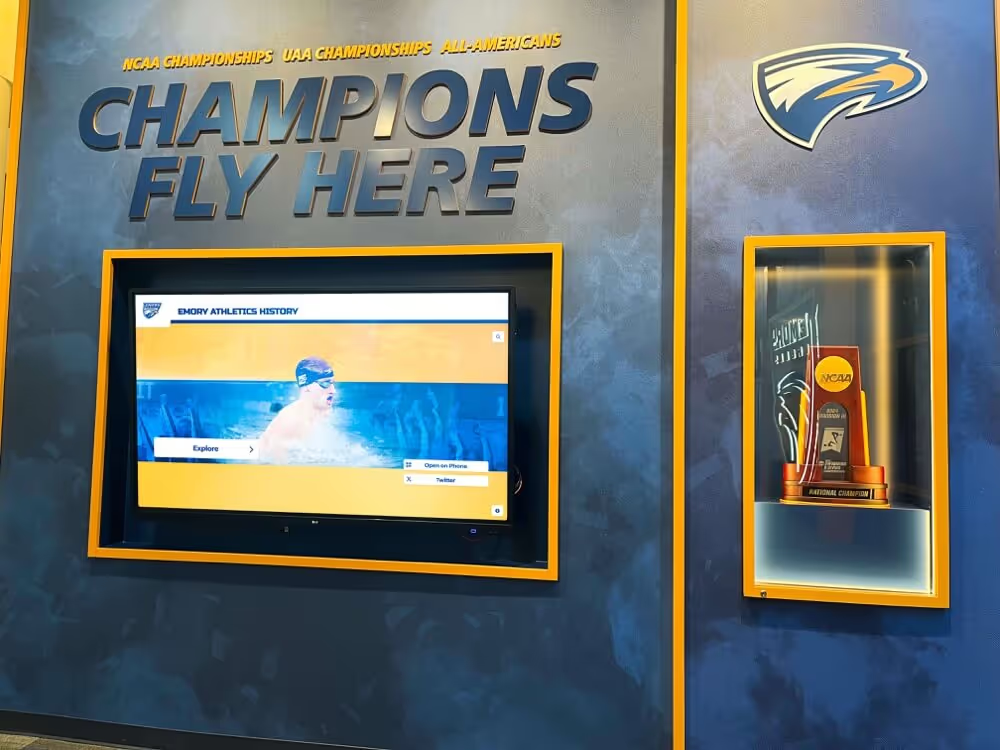
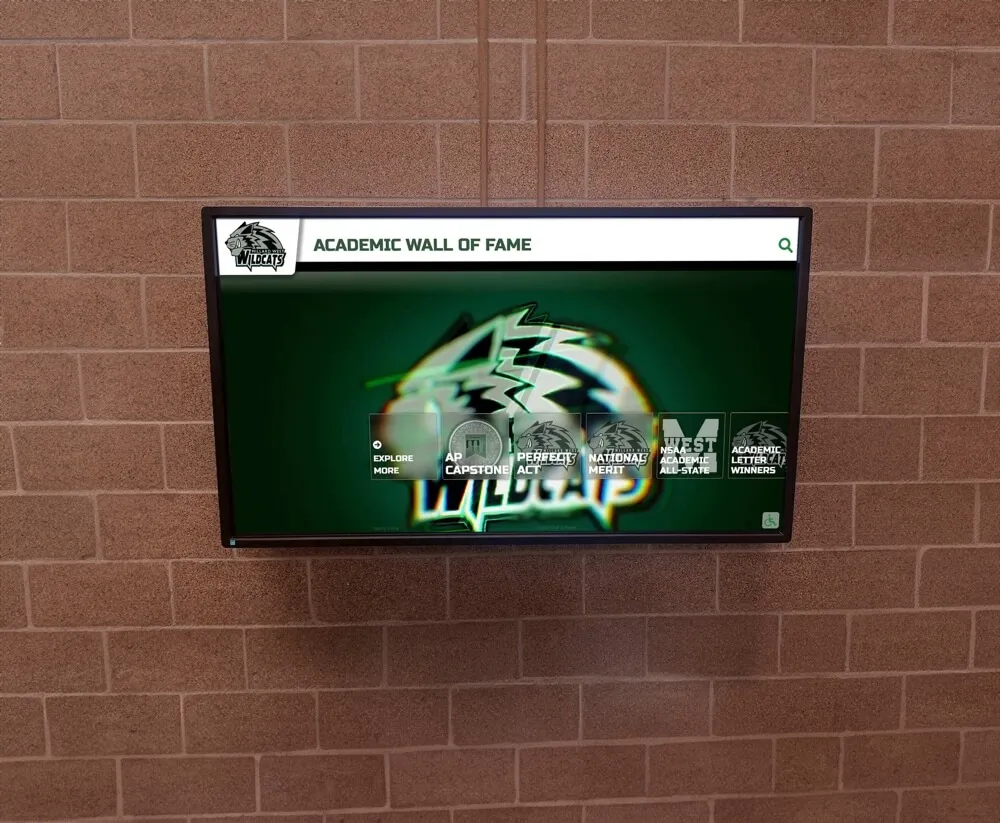
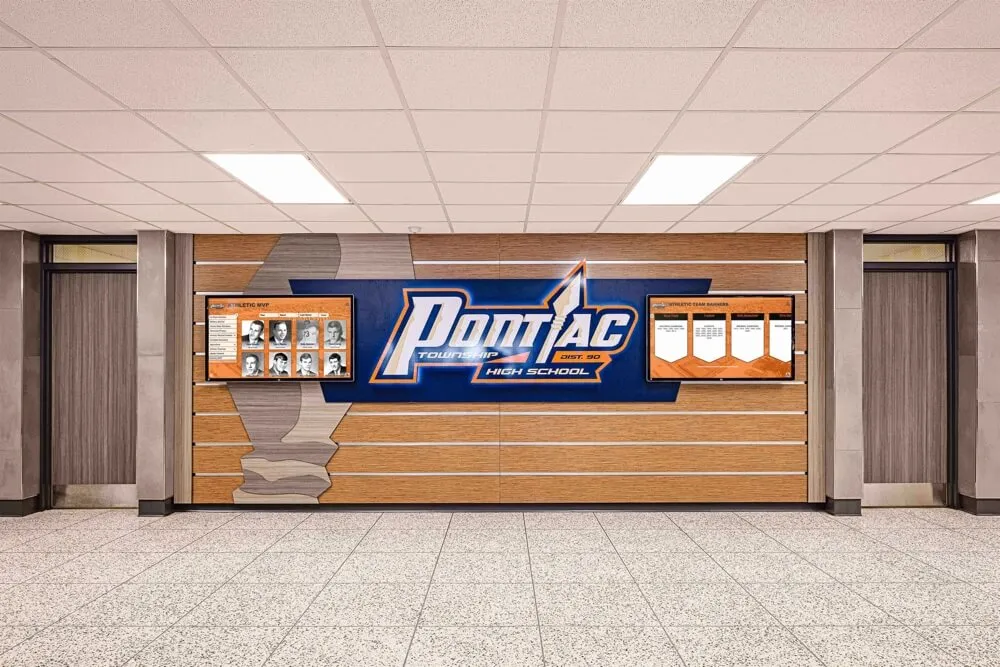
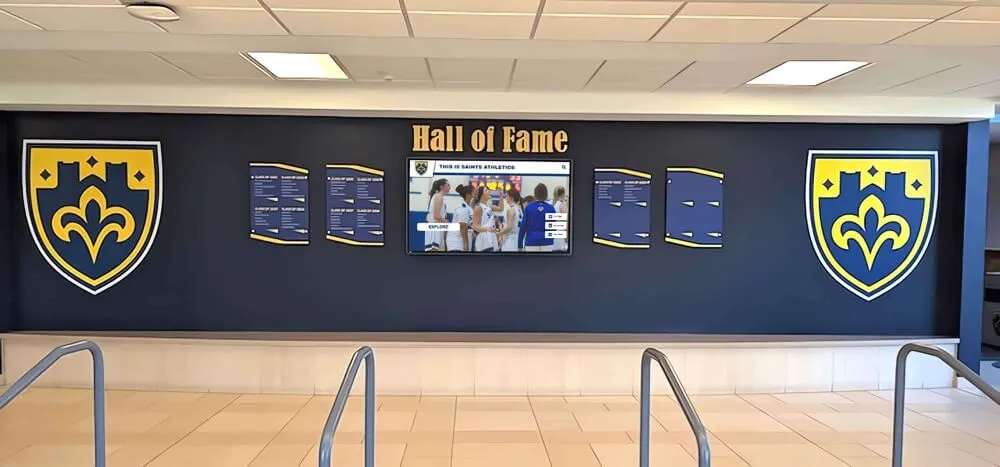
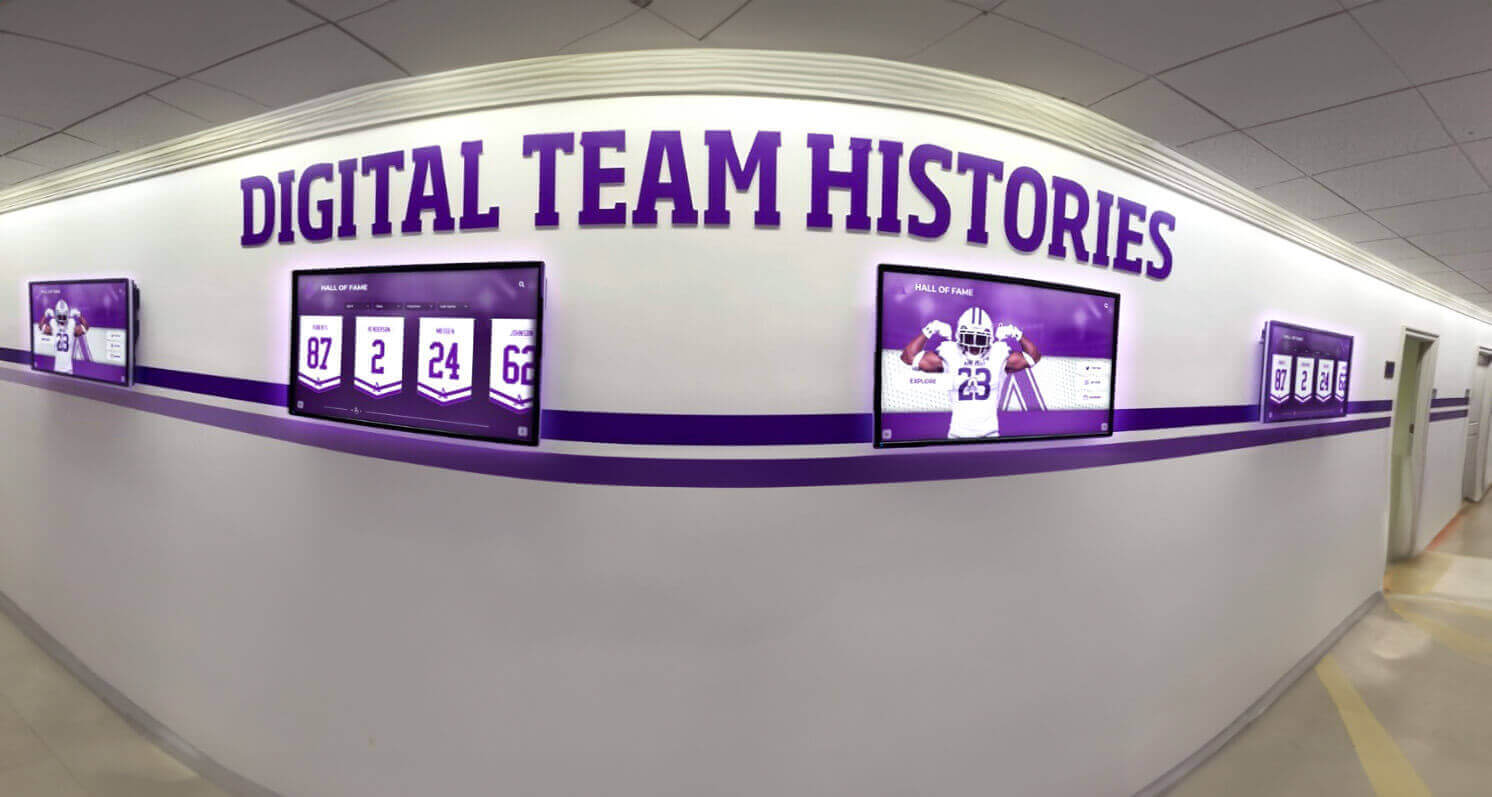
Digital screens along a school hallway can rotate through team histories, championship records, and alumni spotlights without physical space constraints
What a Team History Wall Actually Includes
Before you start gathering assets, clarify what “team history” means for your school. Most programs find that a complete history wall draws from six overlapping content categories:
1. Season-by-season records and standings Win-loss records, conference finishes, and playoff results by year give visitors instant context for any era.
2. Championship and milestone banners State titles, conference championships, undefeated seasons, and long winning streaks are anchor moments that everything else orbits around.
3. Team rosters and photos Annual team photos with named rosters connect individuals to seasons. These become the most-searched content when alumni visit.
4. Individual records and statistical leaders Single-season and career leaders in categories relevant to each sport—points, goals, saves, yards, strikeouts—give depth to the story beyond wins and losses.
5. Alumni spotlights and where-are-they-now content Athletes who went on to college programs, professional careers, coaching roles, or other forms of community recognition deserve ongoing acknowledgment.
6. Tradition, rivalries, and cultural artifacts Mascot history, long-standing rivalries, captains lists, and program milestones like centennial seasons round out the full picture.
Not every school will want all six categories on day one. Deciding which categories matter most to your community—and which you have reliable data for—should drive your initial scope before you commit to a layout.
Audit Your Existing Assets Before You Design Anything
The most common planning mistake is designing the display first and then discovering the historical record is incomplete. Run a content audit before you sketch a single layout.
Assign a point person—often an athletic director, history teacher, or dedicated booster—to inventory what already exists:
- Printed media: yearbooks, game programs, newspaper clippings, banquet programs
- Photo archives: team photos, action shots, award ceremonies—both digital files and physical prints
- Records and statistics: scorebooks, awards lists, all-state and all-conference announcements
- Artifacts: trophies, plaques, retired jerseys, championship rings
- Alumni contact lists: former athletes who could contribute photos or verify records
Map what you have by sport and decade. Gaps in the record are normal—most schools find strong documentation for certain eras and very little for others. Knowing your gaps shapes how you prioritize design: you can plan expandable sections for eras where records are still being recovered.
For schools building out comprehensive heritage programs, school heritage display resources offer practical frameworks for organizing mixed-media archives before they become physical or digital displays.
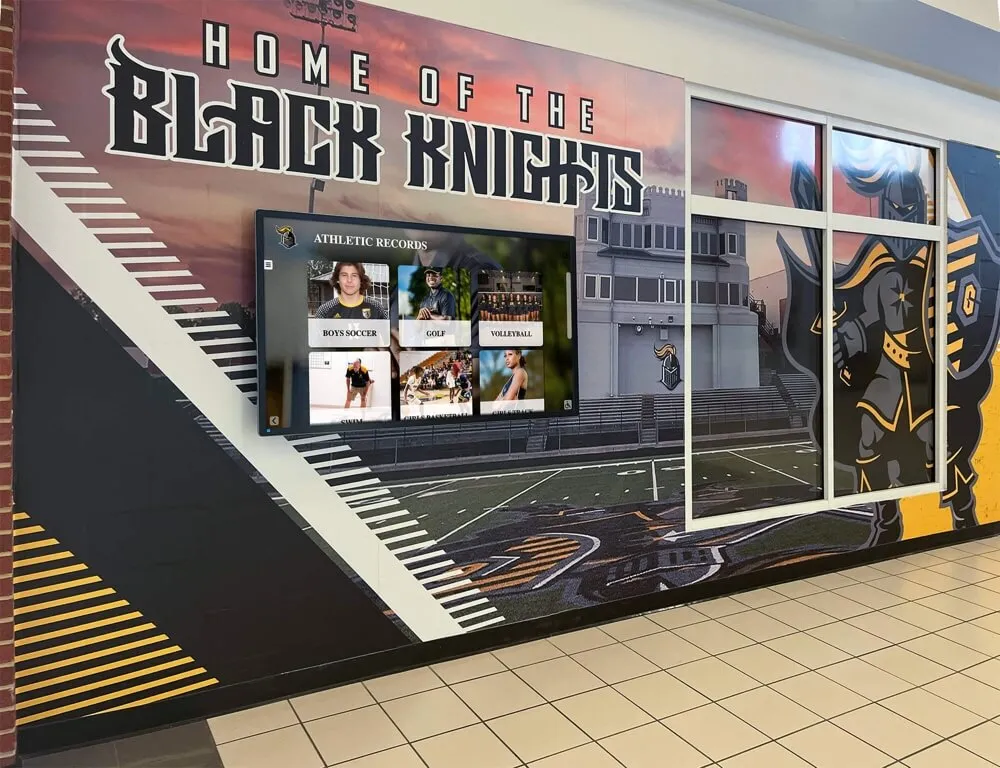
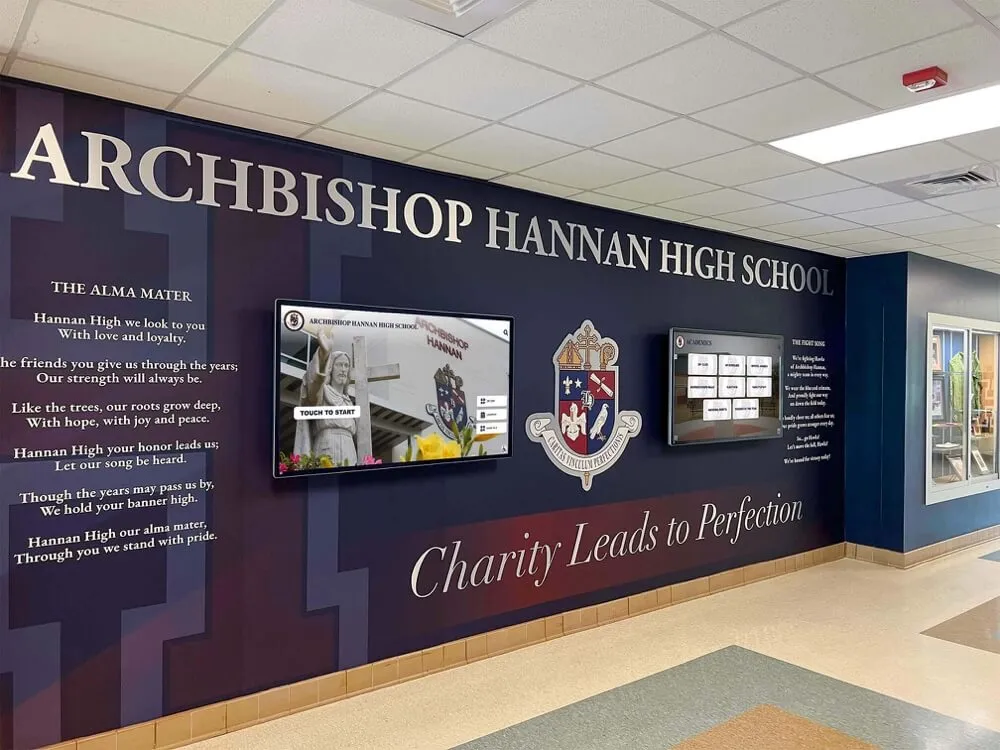
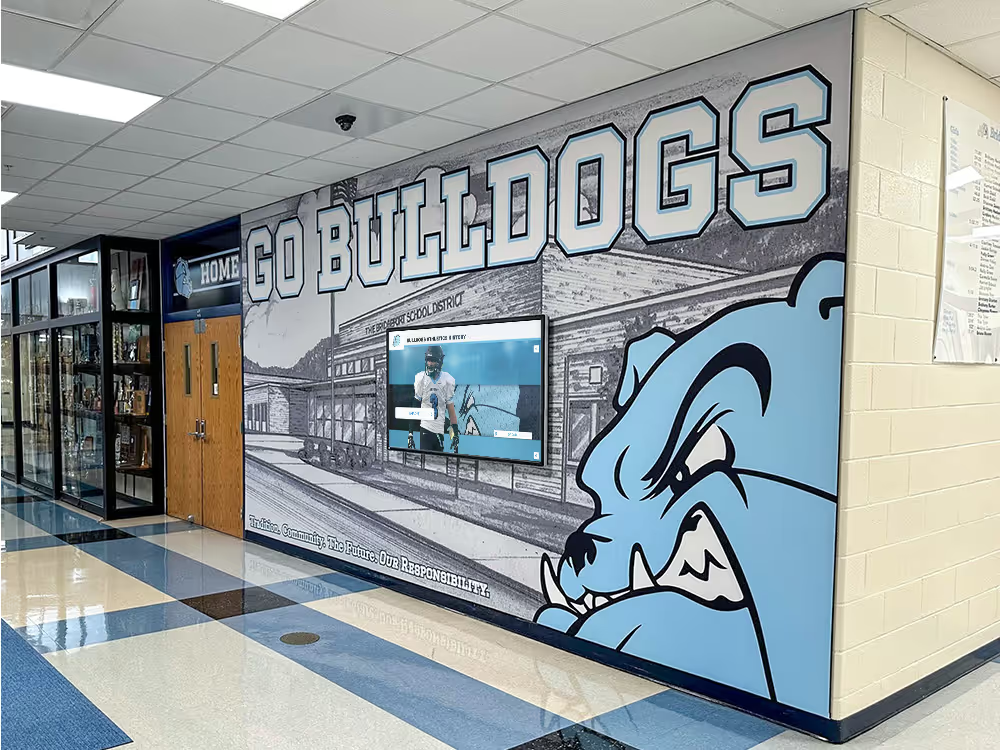
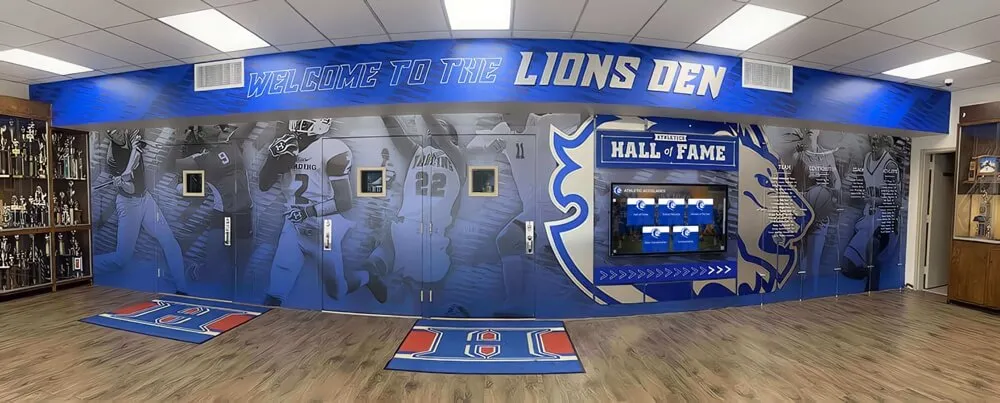
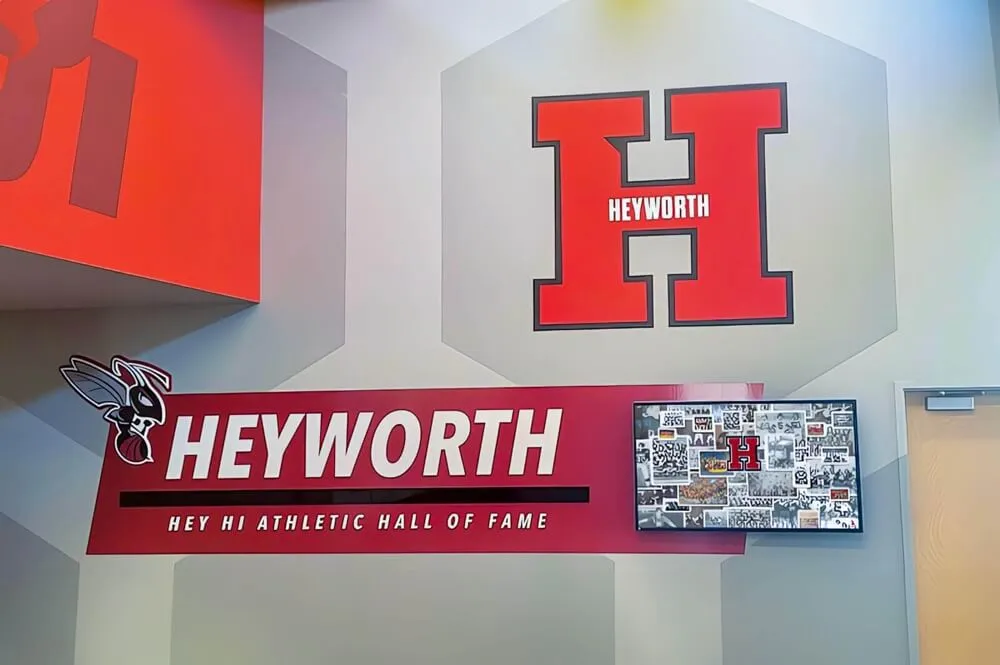
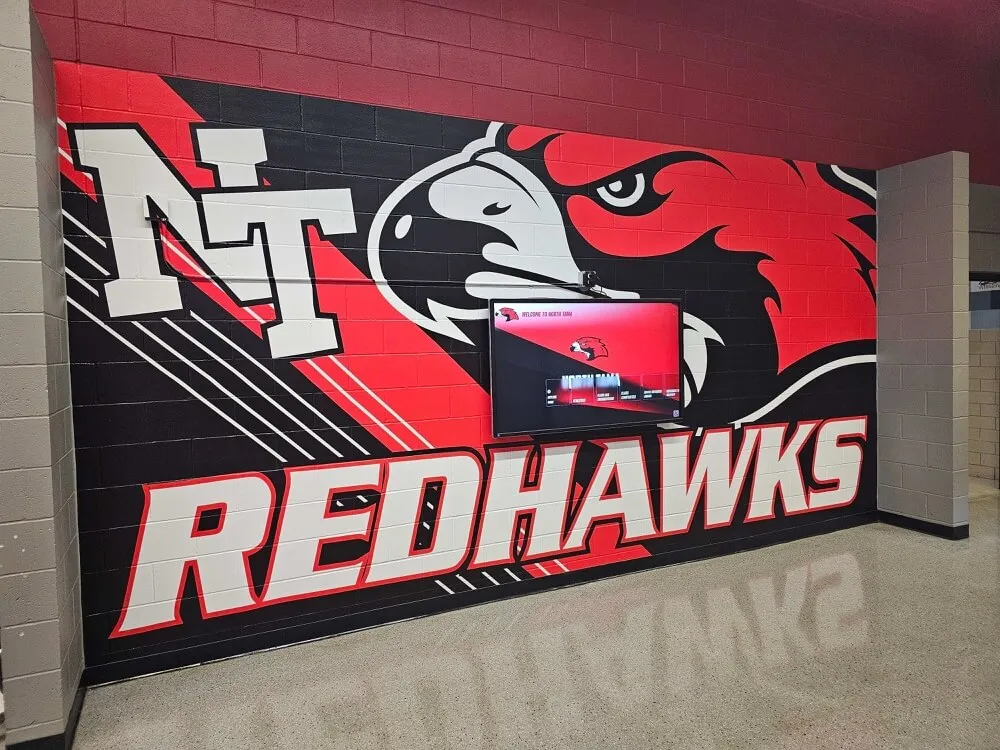
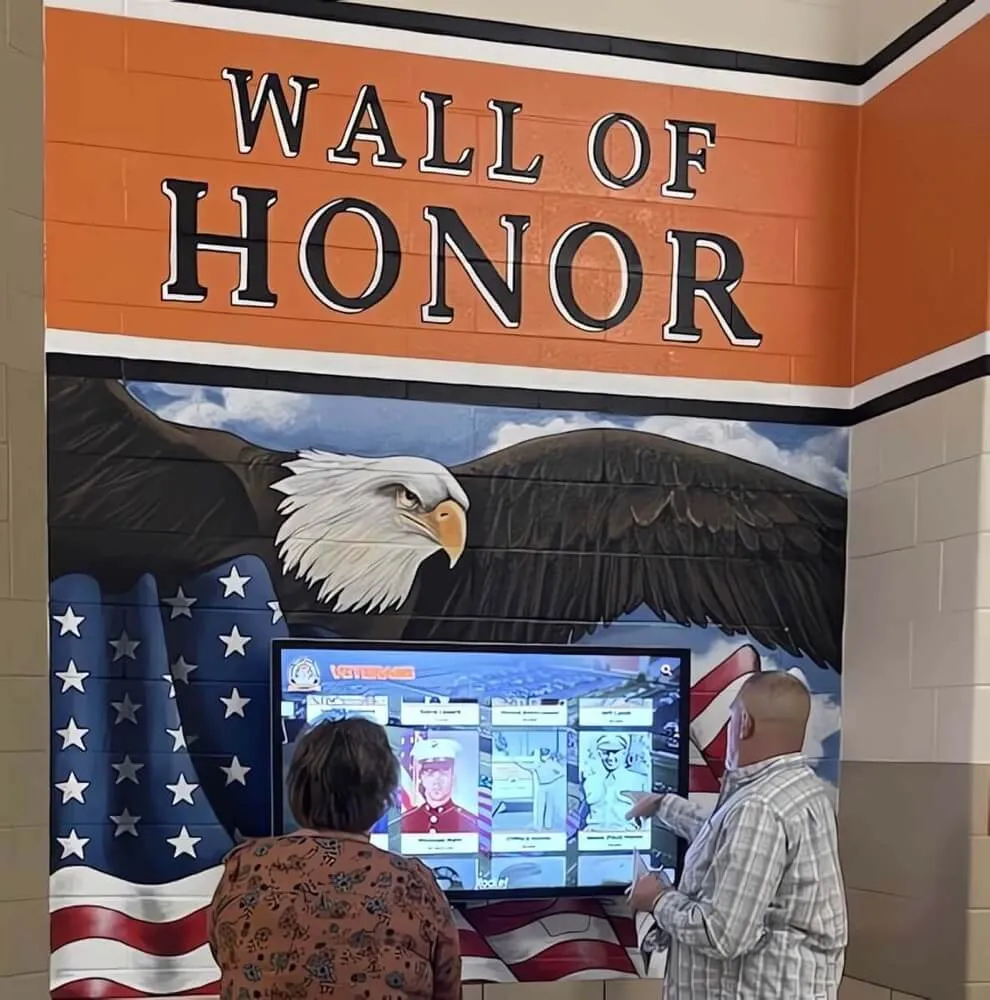
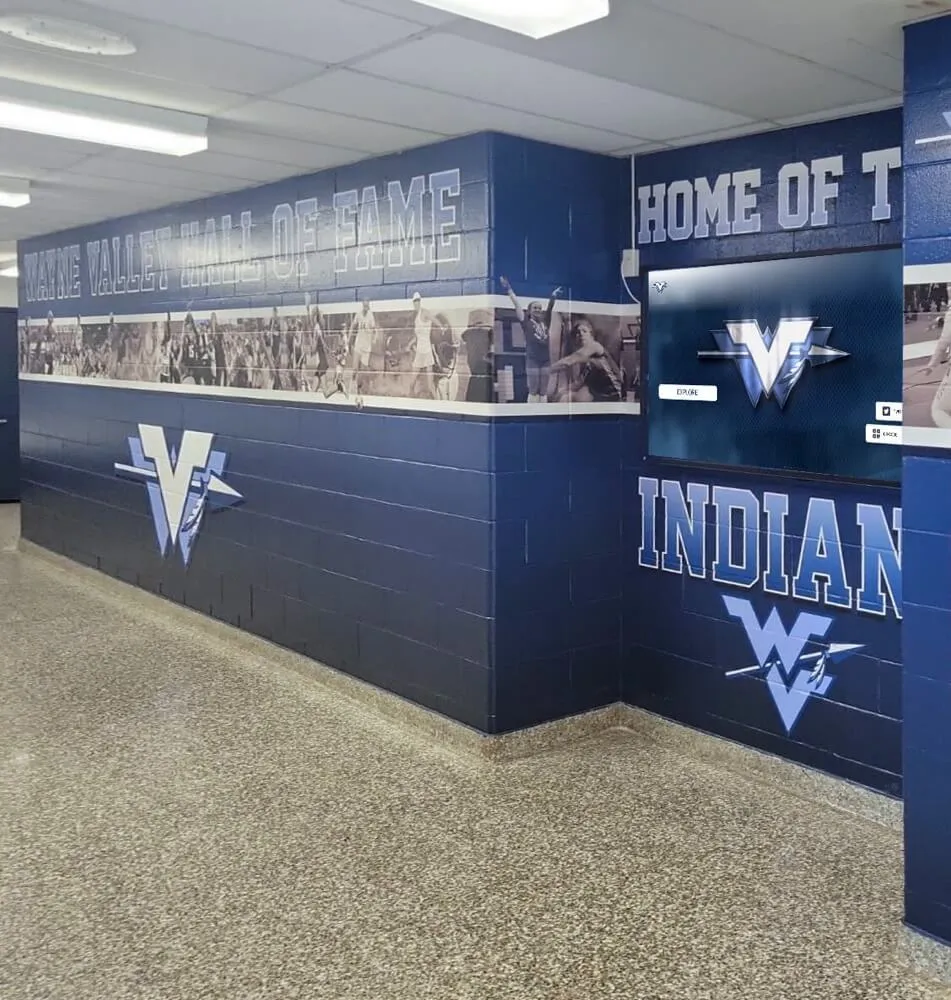
Combining program identity murals with structured record displays gives hallways both visual impact and lasting informational value
Choosing a Format: Physical Panels, Digital Screens, or Both
The most important structural decision for any team history wall is choosing the right display medium—or combination of media—for your school’s needs, budget, and long-term maintenance capacity.
Traditional Physical Panels
Fixed panels—acrylic, laminated print, engraved metal, or painted wood—have defined school hallways for generations. Their strengths are permanence, low ongoing cost once installed, and no dependency on power or software.
Their weaknesses matter just as much:
- Space constraints: Physical panels fill up. Adding a new championship or a new year’s roster means either removing something or expanding the wall footprint.
- Update friction: Reprinting panels, sourcing replacements, and scheduling installation takes time and money every year—which means many schools simply don’t update.
- Content limits: A panel holds a fraction of what a season’s story actually contains. Rosters are often truncated; individual records are flattened into a single line.
Physical panels work best as permanent anchors—championship banners, hall of fame inductee plaques, retired jersey displays—where the static nature is actually appropriate.
Digital Screens and Interactive Touchscreens
Digital displays solve the space and update problems that make physical panels fall behind. A single touchscreen can hold every season, every roster, every record, and every alumni profile your program has ever generated—and can be updated from any internet-connected device without touching the wall.
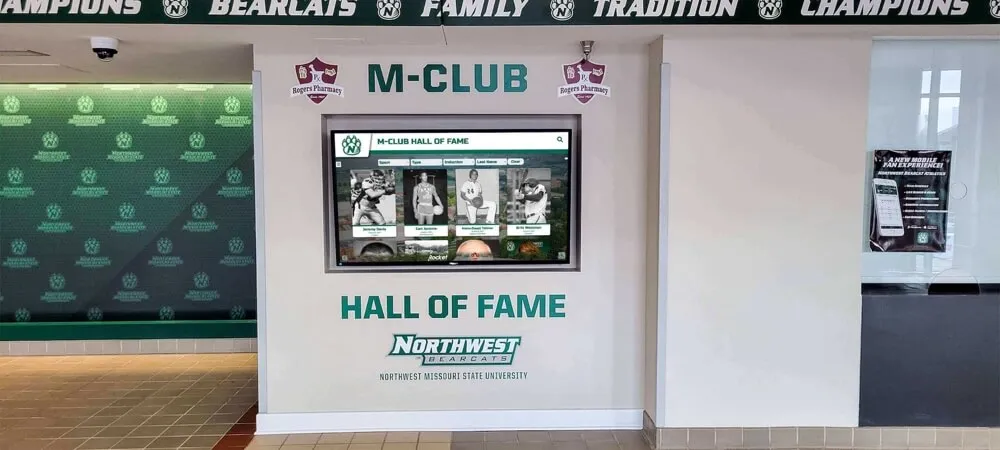
Interactive touchscreen systems allow visitors to browse by sport, search for a specific athlete, filter by year, and read detailed profiles that would never fit on a printed panel. Schools that have implemented touchscreen history displays report that the interactivity meaningfully changes how visitors engage with the content—particularly during open houses, alumni events, and booster gatherings where people actively want to find their era.
For schools evaluating digital formats, digital record board planning guides cover how other programs have structured update workflows and content hierarchies to keep displays current without creating burdensome administrative overhead.
Hybrid Approaches
Many schools find the strongest result in combining both formats:
- Fixed signature elements: A painted mural, permanently mounted championship banners, or engraved hall of fame plaques provide physical presence and brand identity.
- Digital panels embedded in or adjacent to the fixed elements: Touchscreens or rotating displays sit within or beside physical murals, giving depth to the story the physical elements frame.
This hybrid model lets your school invest in permanent visual identity while retaining the flexibility to keep historical content current without constant physical renovation.
See What a Modern Team History Wall Looks Like
Rocket Alumni Solutions designs and installs touchscreen history displays, digital trophy cases, and hybrid recognition walls for schools across the country. Explore the options with a personalized demo.
Book a Free DemoOrganizing Content by Sport and Era
Once you know what format you are using, the next planning question is how to organize the content itself. Two axes dominate: by sport and by time period.
Sport-First Organization
Grouping all content for each sport together—one section per team—works well when individual sports have strong independent followings and distinct trophy histories. Football, basketball, and other high-profile programs often warrant their own dedicated zones.
The challenge with sport-first organization is that cross-sport achievements and all-sports records become harder to feature. A year when your school won five conference championships in different sports may not read as coherently as it deserves if each championship is buried in its sport’s individual section.
Era-First Organization
Organizing by decade or era works well for schools with long athletics histories spanning very different periods. Visitors from different generations can immediately navigate to their era and see the full athletic picture of that time.
Era-first organization also lends itself to historical storytelling—you can give context (coaching changes, facility upgrades, school consolidations) that explains why certain eras look different from others.
Hybrid Grid
Most schools land on a combination: sport-specific zones for current records and all-time leaders, with era-based or milestone-based features that cut across sports for championship concentrations and signature moments.
For guidance on how to structure modular panel systems that can accommodate either approach, hall of fame wall panel planning resources show how schools design expansion-ready layouts that don’t require full renovation every few years.
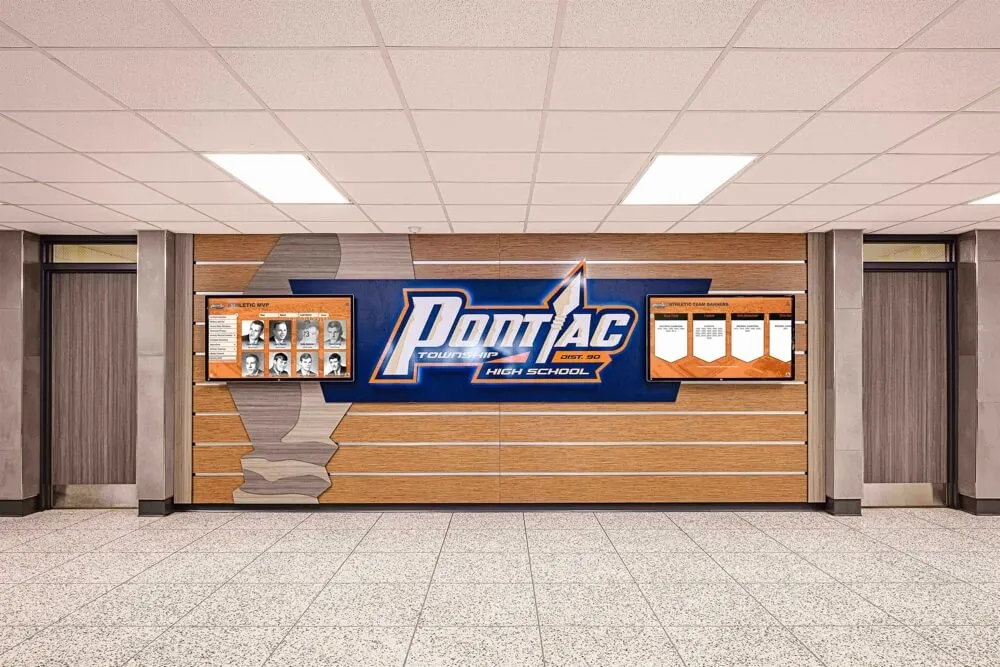
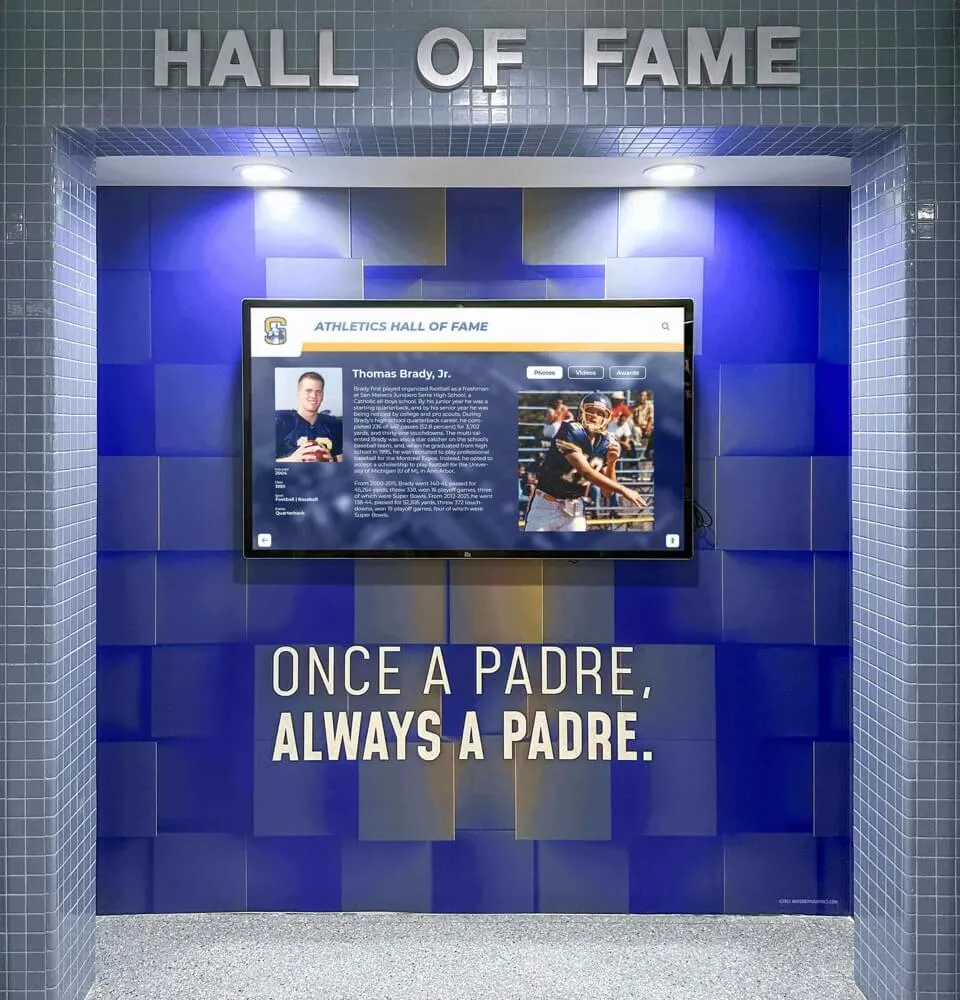
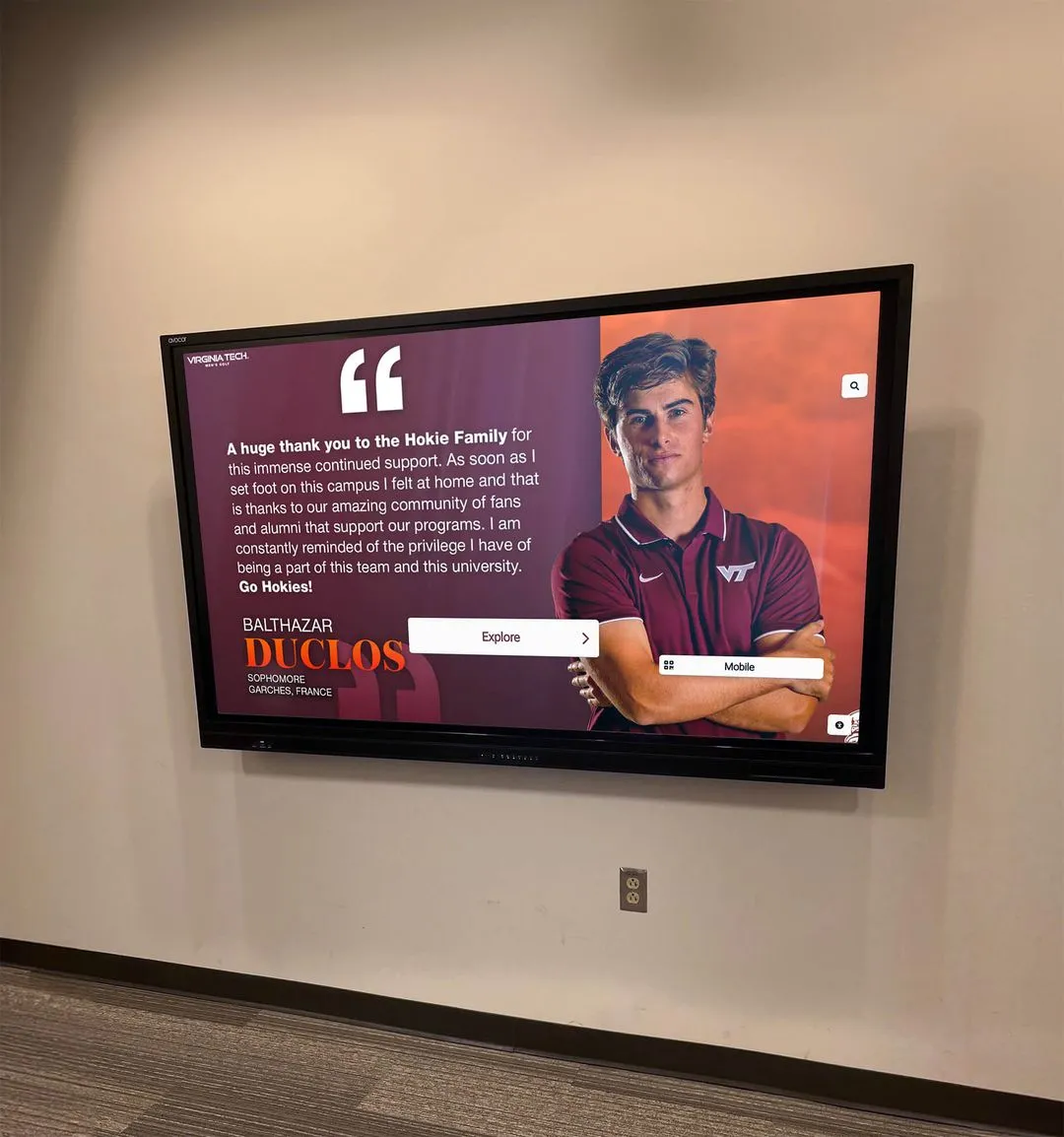
Structured athletic honor walls organize records and recognition by sport and era so any visitor can quickly find their connection to the program
Media Checklist: What to Gather for Each Sport
Building a complete team history wall requires gathering a specific set of media assets for each sport you plan to feature. Use this checklist as a starting point and adapt it for your school’s programs and documentation:
Season Records
- Win-loss record by year
- Conference standing or finish
- Playoff round reached
- State or national tournament appearances
Championships and Milestones
- Conference championship years
- State or regional title years
- Undefeated or notable-streak seasons
- Program-firsts (first state qualifier, first all-state selection, etc.)
Rosters and Photos
- Team photo by year (digital scan if historical)
- Full roster with player names and positions
- Individual action photos for key athletes
Individual Records
- Career statistical leaders (top 5–10 per category)
- Single-season statistical leaders
- School records and the athletes who hold them
- All-conference, all-state, all-America selections by year
Alumni
- College programs athletes attended
- Professional, Olympic, or national team participation
- Coaching or administration careers
- Notable post-athletic recognition
Artifacts and Primary Sources
- Championship trophies and plaques (photographed or digitized)
- Retired jerseys and their numbers
- Notable game programs or newspaper coverage
- Historical photos of facilities and uniforms
Gathering media to this level of completeness for multiple sports and multiple decades is a significant project. Many schools find it worthwhile to run a community photo and records drive—asking alumni, families, and retired coaches to submit what they have—before design begins.
For ideas on how to present awards and honors within the display, sports awards and criteria planning guides offer frameworks for organizing diverse recognition categories into coherent display structures.
Planning for Specific Content Sections
Championship Display Section
Championship seasons are the emotional core of most team history walls. Plan this section to communicate both the fact of a championship and the context around it—the athletes involved, the coach, the record, and what made that season significant.
For sports with long championship histories, consider a visual timeline format that lets visitors see patterns across decades. This is where combining physical signature elements (a championship banner wall) with a digital index (a touchscreen that surfaces the full story of each title) pays the biggest dividend.
Football record board ideas provide concrete examples of how schools structure championship displays within broader record board systems for high-profile programs.
Record Board Section
Athletic records deserve their own clearly labeled section. Visitors—including current athletes and potential recruits—want to know immediately where the bar is set and who set it.
Plan to display:
- Career leaders in each statistical category (typically top 5)
- Single-season leaders
- Game or match records (points in a game, strikeouts in a game, etc.)
- Program-wide records that cut across eras
Digital record boards have a significant advantage here: they can be sorted, searched, and filtered by category, and updating a record requires a content management entry rather than a physical reprint. Team leaderboard display approaches show how schools structure dynamic ranking displays that update automatically as new records are set.
Alumni and Where-Are-They-Now Section
Alumni content is often the highest-engagement section of a team history wall, particularly during open houses and alumni events. When visitors see names they know—or discover that a player from their era went on to play in college or beyond—the display becomes personal rather than institutional.
Plan this section to be expandable. Alumni achievements don’t stop when athletes graduate; they continue accumulating as careers develop. A digital format is almost essential here, since alumni profiles need to be updated continuously without physical redesign.
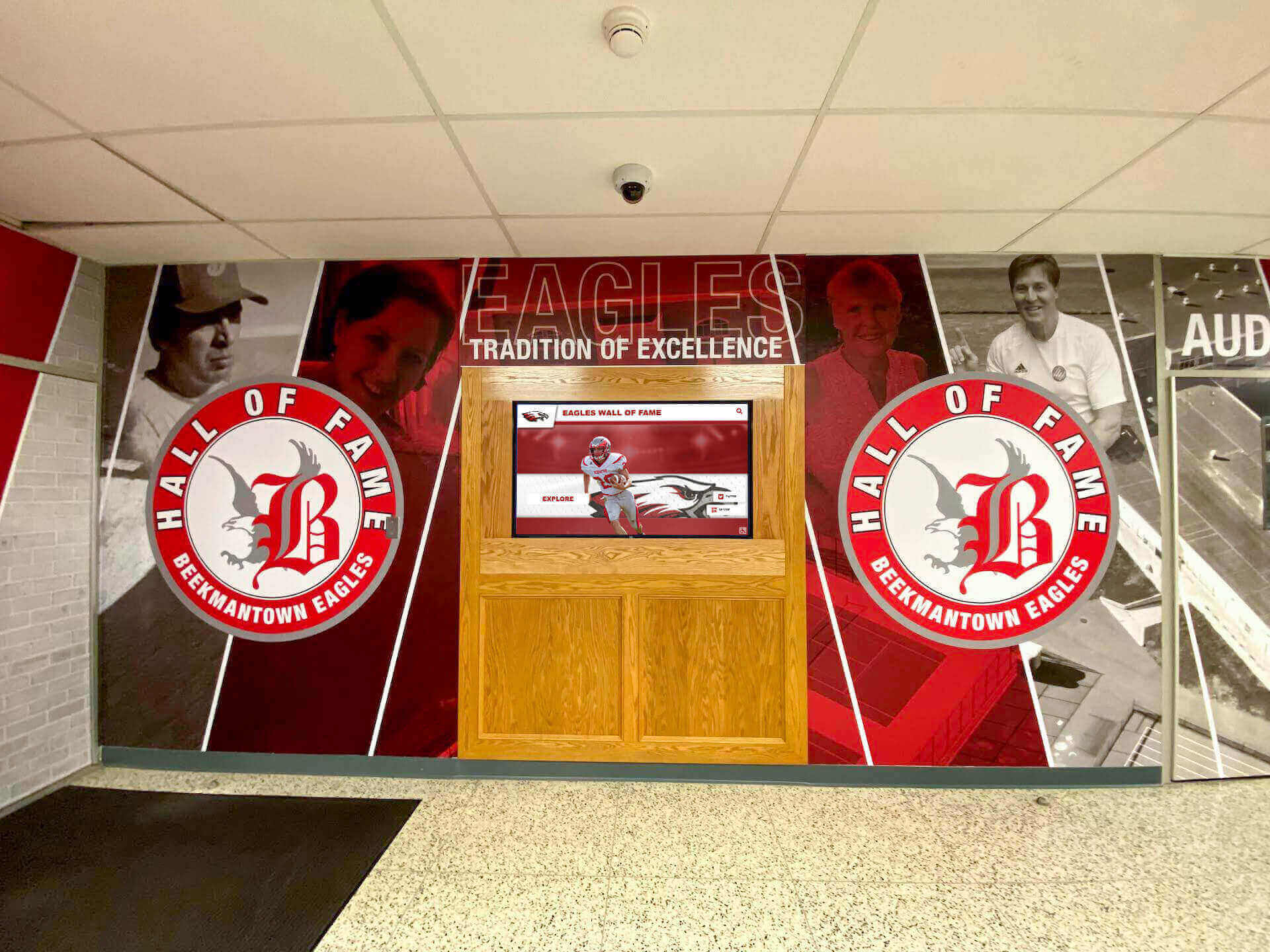
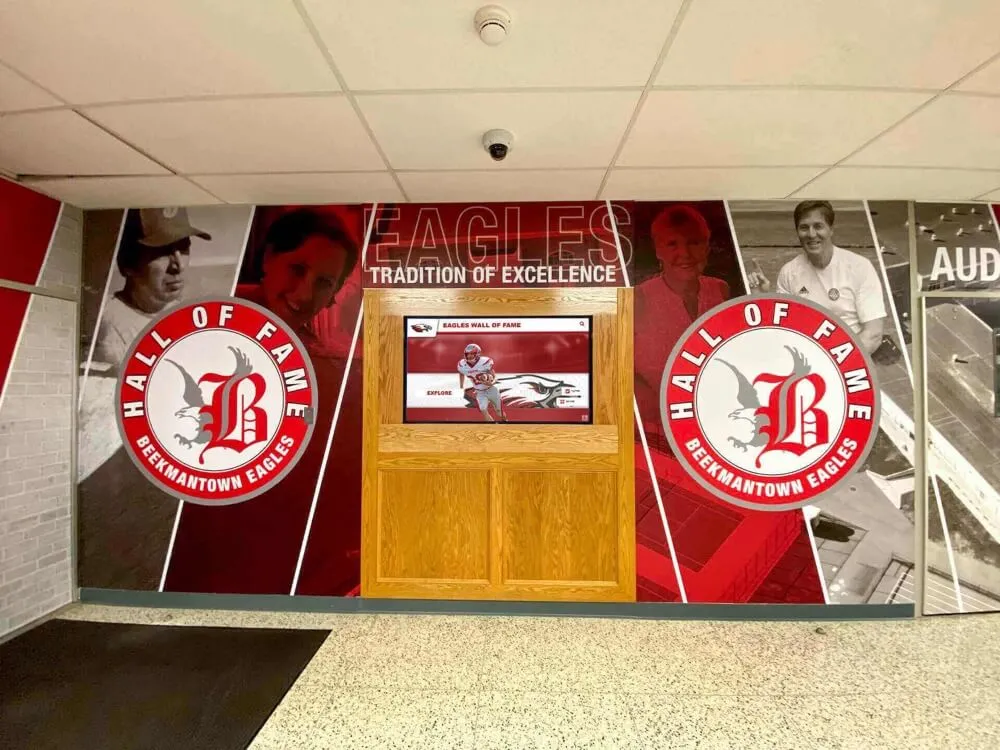
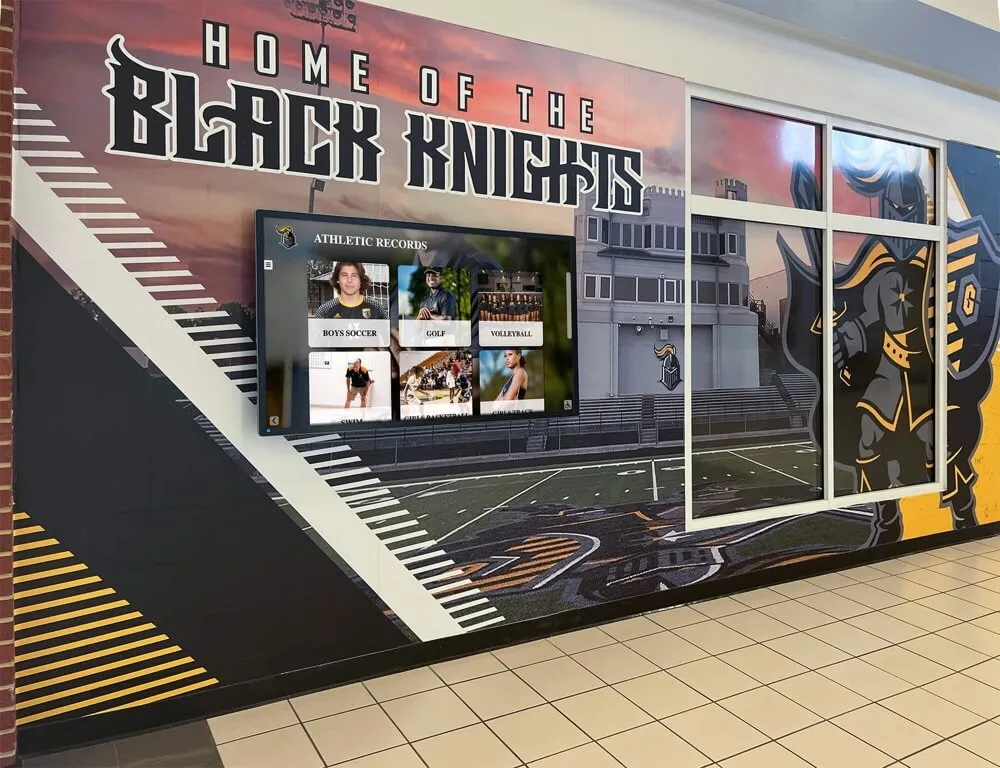
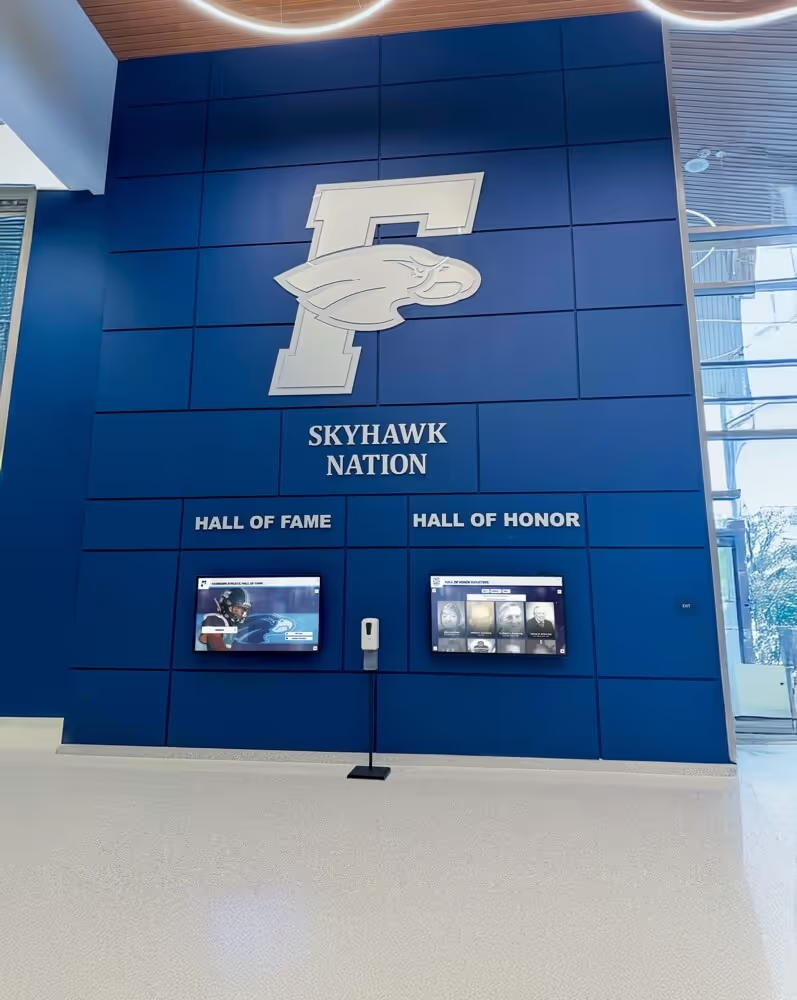
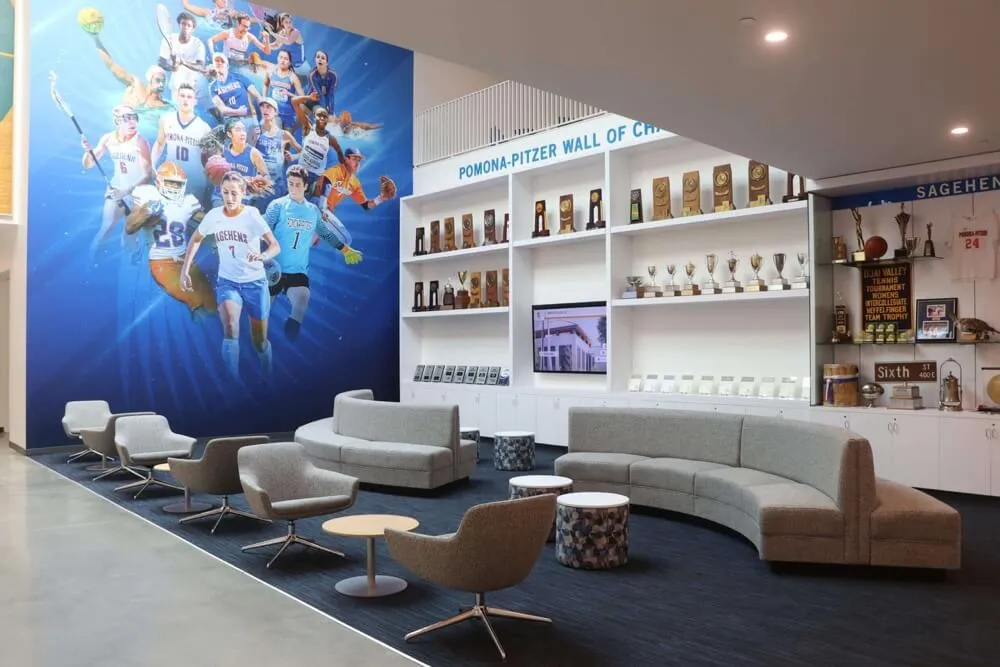
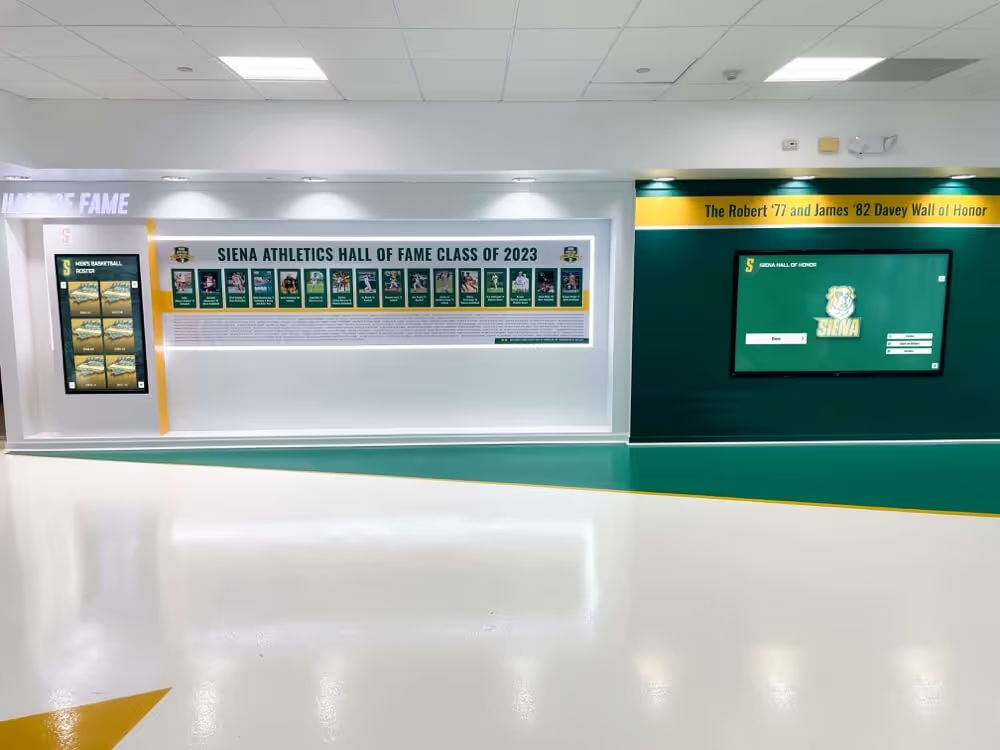
Lobby installations anchor team history within the school's identity—combining mural artwork with detailed recognition panels that visitors encounter every day
Retired Jersey and Uniform Display
Retired jerseys are among the most visually striking elements of any athletics display. A physical jersey display in a case or mounted on the wall provides immediate visual impact and personal connection for anyone who wore that number or competed against its holder.
Plan jersey displays to include:
- The jersey itself (or a reproduction if the original is unavailable)
- The athlete’s name, years played, and a brief note on why the number is retired
- Photos of the athlete in action
- A link (via QR code on a physical display, or embedded profile on a digital display) to a fuller profile
Dynamic and Rotating Content
A team history wall that never changes becomes invisible. Plan from the start for a content rotation strategy—a section of the display that updates regularly to keep the installation feeling current.
Options include:
- “This Week in Program History” (notable games or milestones from the same week in past seasons)
- Current season roster and schedule
- Recent alumni spotlights
- Upcoming events and season previews
Dynamic content strategies for school athletic displays explain how rotating historical content can dramatically increase daily engagement with displays that might otherwise fade into the background.
Location and Placement Strategy
Where you put your team history wall shapes who sees it and how often. Strong placement choices:
Main lobby or entry vestibule: Maximum visibility for everyone entering the building—students, visitors, recruits, parents. The right choice for flagship installations.
Athletic hallway or gym lobby: Captures the athletic community most directly; ideal for sport-specific content or trophy case integration.
Cafeteria or commons area: High student traffic, but content needs to be visually compelling from a distance since visitors are often moving.
Weight room or training facility: Powerful motivational placement for athletes who see it daily during practice; appropriate for record boards and legacy content.
Gymnasium or stadium concourse: Strong during games and events when community members are present in concentrated numbers.
Most schools with the resources to do so install a flagship display in the main lobby and secondary displays in athletic-specific spaces, with content customized to each location’s audience.
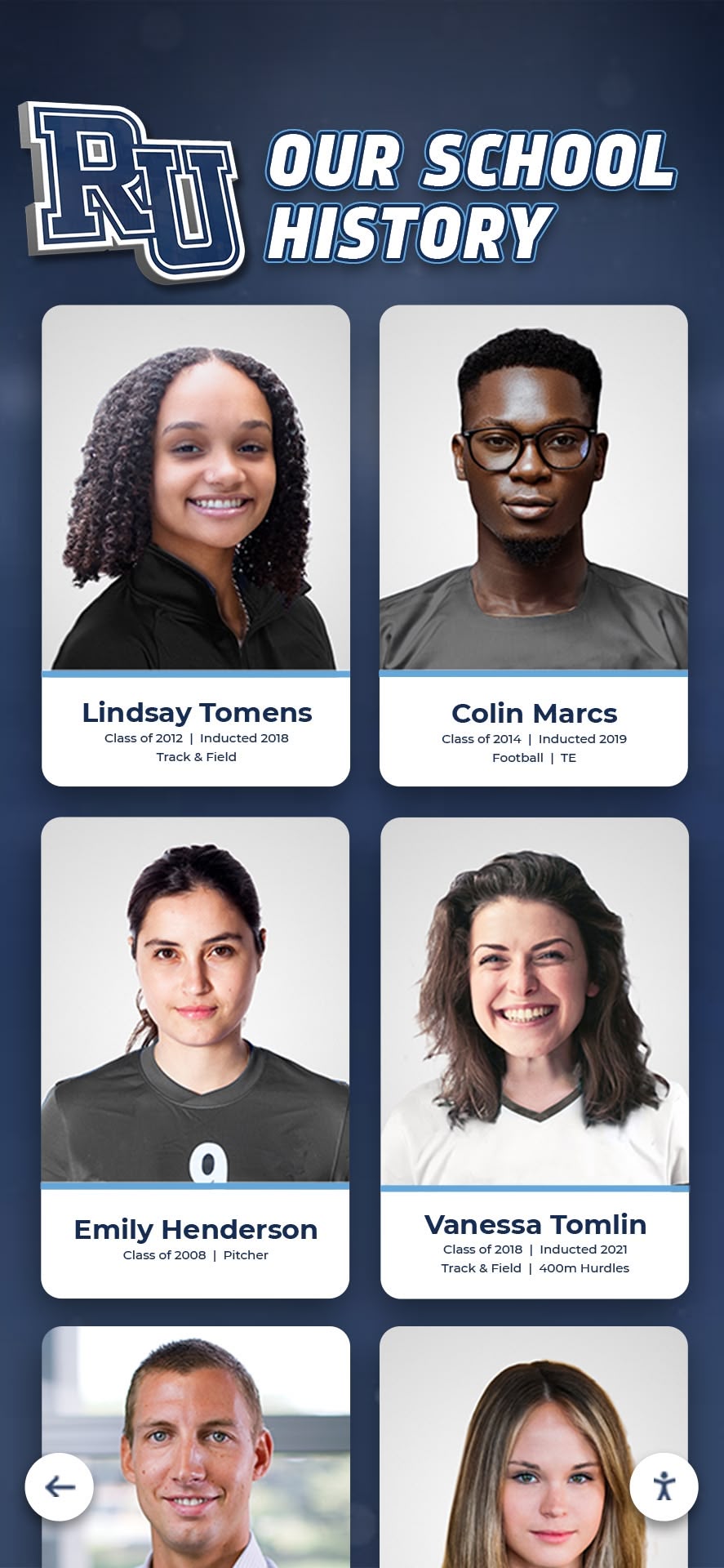
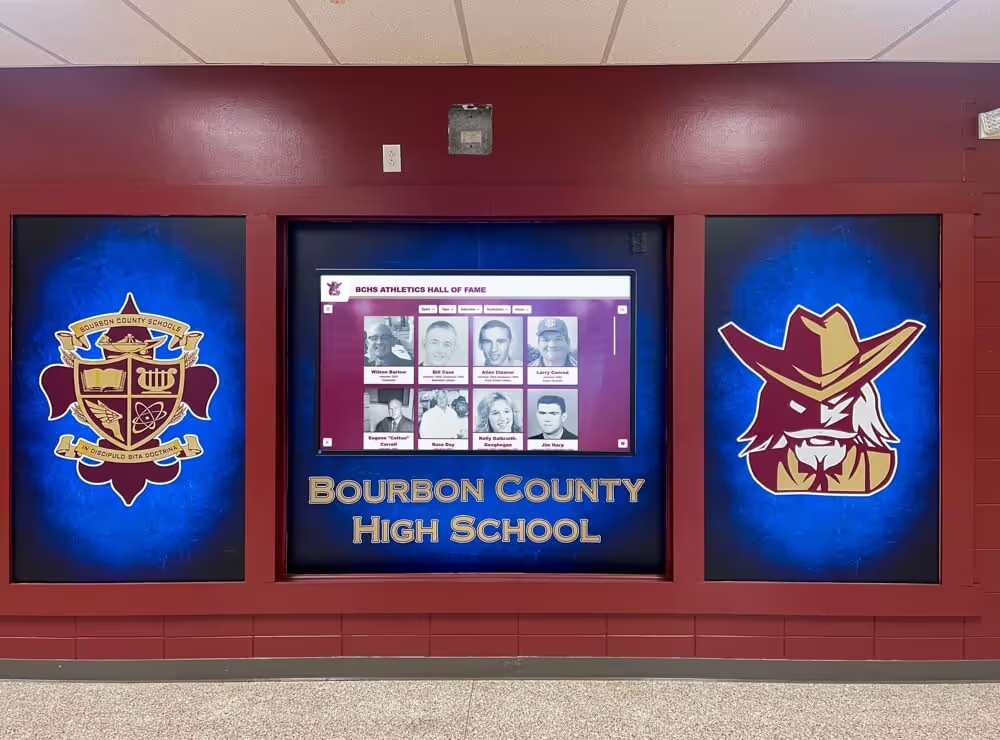
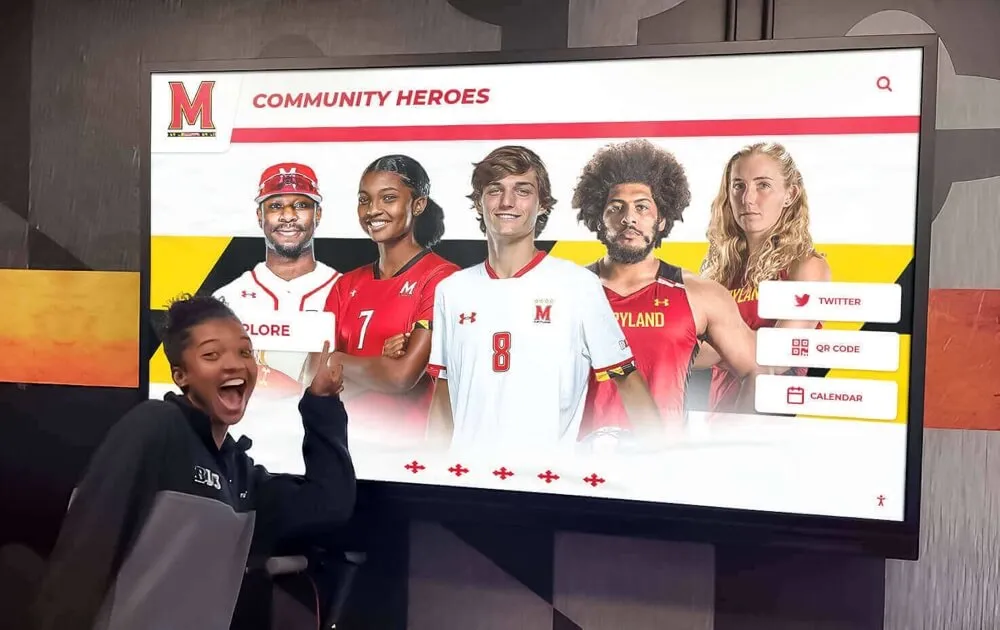
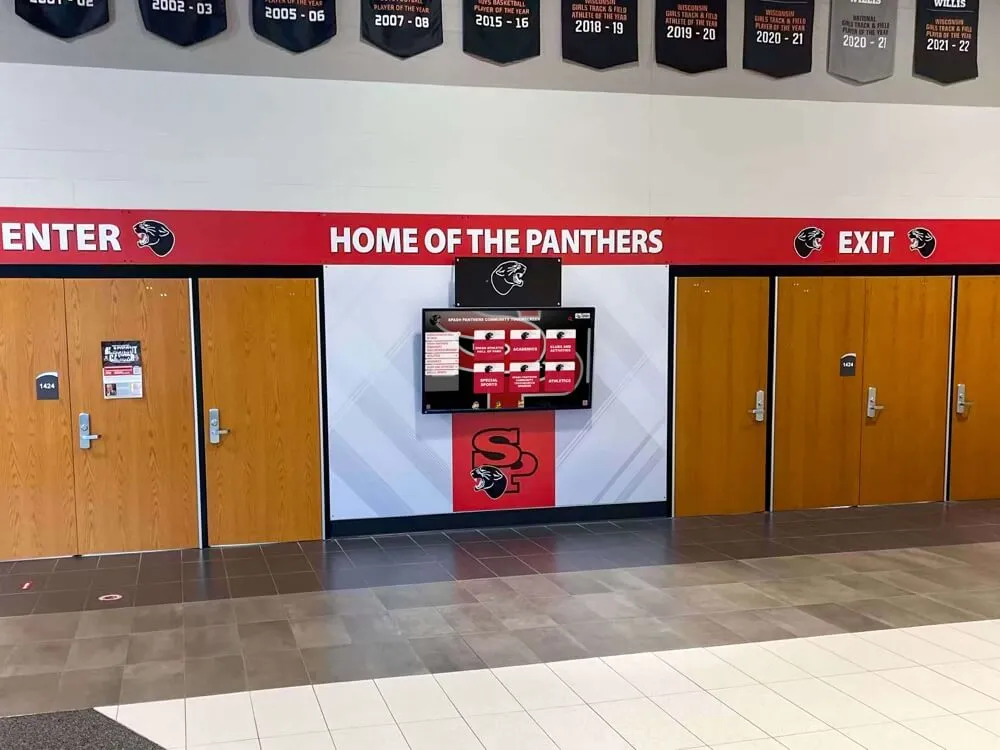
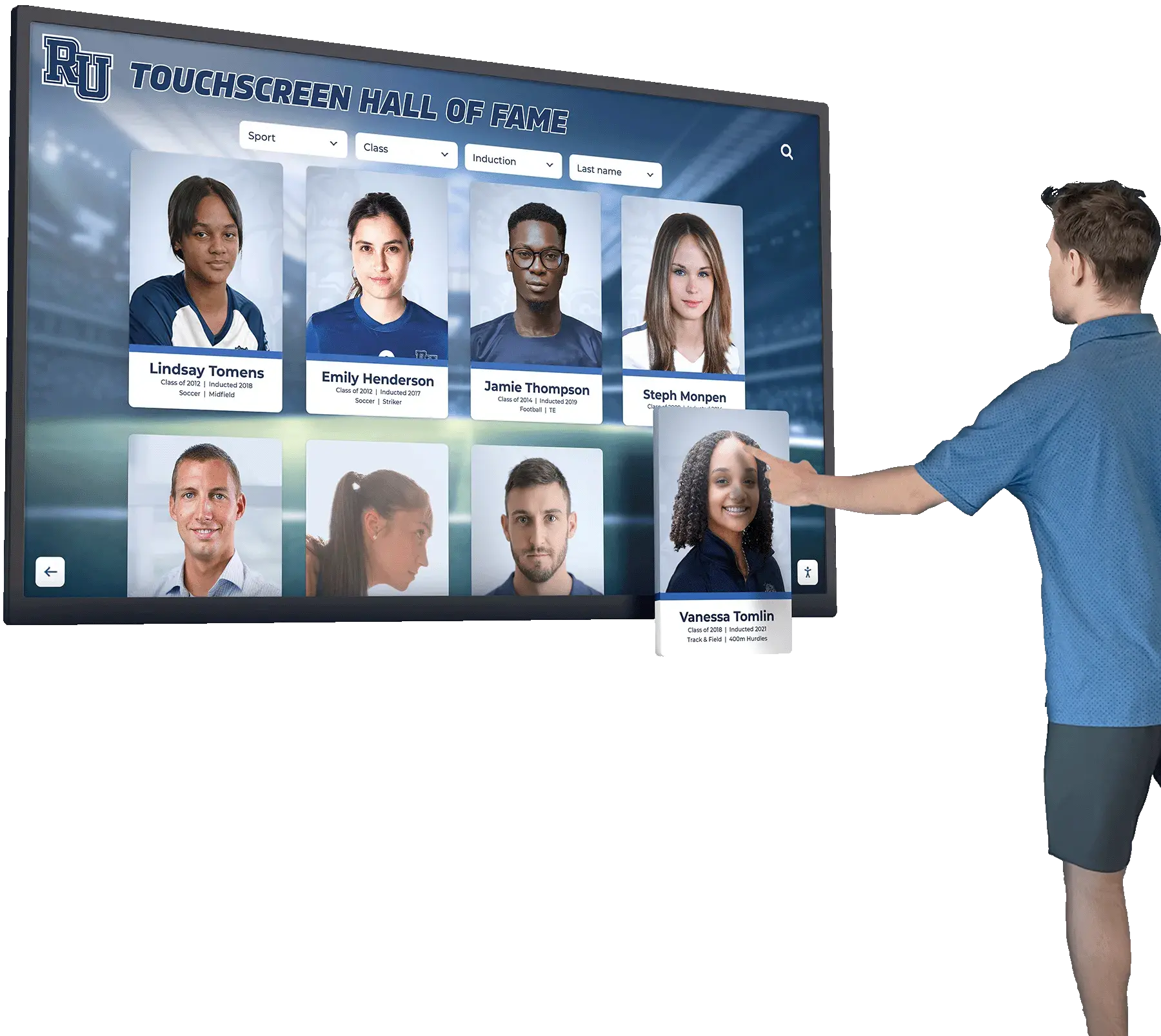
Portrait card grids allow schools to display individual athletes across different eras in a consistent, browsable format that scales as the archive grows
Building in Expandability from Day One
The most common long-term problem with team history walls is that they fill up. Schools invest in a fixed installation and then face an expensive renovation a few years later when new championships, new records, and new alumni profiles need to be added.
Plan for expansion from the start:
Physical panel systems: Choose modular panel formats and consistent materials so new panels can be added without requiring a full wall redesign. Document your panel specifications and supplier so replacement panels match.
Digital systems: Choose a content management platform that has no practical limit on the number of profiles, records, and media files it can host. Confirm that the platform supports remote updates so adding new content doesn’t require on-site technical work.
Dedicated expansion zones: Build blank or placeholder sections into the initial layout—designated spaces for the next championship banner, the next hall of fame inductee, the next milestone. This makes growth feel intentional rather than improvised.
For comprehensive guidance on designing recognition displays that scale gracefully over time, honor wall planning resources for schools cover the design principles that prevent installations from feeling dated or overcrowded after a few seasons.
Governance: Who Owns the Display After Launch?
A team history wall needs an owner. Without clear responsibility for ongoing maintenance, even excellent installations stagnate.
Define the following roles before your installation launches:
Content manager: The person responsible for adding new season records, roster photos, and individual achievements after each season ends. Often an athletic director or assistant, but could be a dedicated booster or staff member.
Photo coordinator: Someone responsible for ensuring high-quality team photos and action shots are captured and filed each season in a consistent format usable by the display.
Alumni liaison: A person or committee responsible for gathering alumni updates—college programs, professional achievements, career milestones—on an ongoing basis.
Technical manager: For digital systems, the person responsible for the content management platform, software updates, and hardware maintenance.
Establish a seasonal update schedule—ideally once per sport season—and treat it as a standing calendar commitment rather than an ad-hoc project. Schools that build update workflows into their existing post-season processes keep displays dramatically more current than those that plan to update “when time allows.”
Integration with Existing Recognition Systems
A team history wall doesn’t exist in isolation. It should connect to other recognition systems your school operates:
- Trophy cases: Physical trophies and digital history displays work best as partners, with QR codes or screen placements connecting physical artifacts to fuller digital profiles.
- Hall of fame programs: If your school has a formal athletics hall of fame, the history wall should surface those inductees prominently and link to full induction profiles.
- Digital trophy cases: Schools with digital trophy case installations can integrate team history content—season records, championship documentation—directly into the same platform.
- School record boards: Academic and athletic record boards benefit from consistent design language and shared content management if possible.
School record board ideas explore how schools structure record board content within broader athletics recognition systems, with display options that complement team history installations.
Legacy wall design principles provide frameworks for ensuring recognition walls communicate institutional identity and inspire viewers rather than simply cataloguing data.
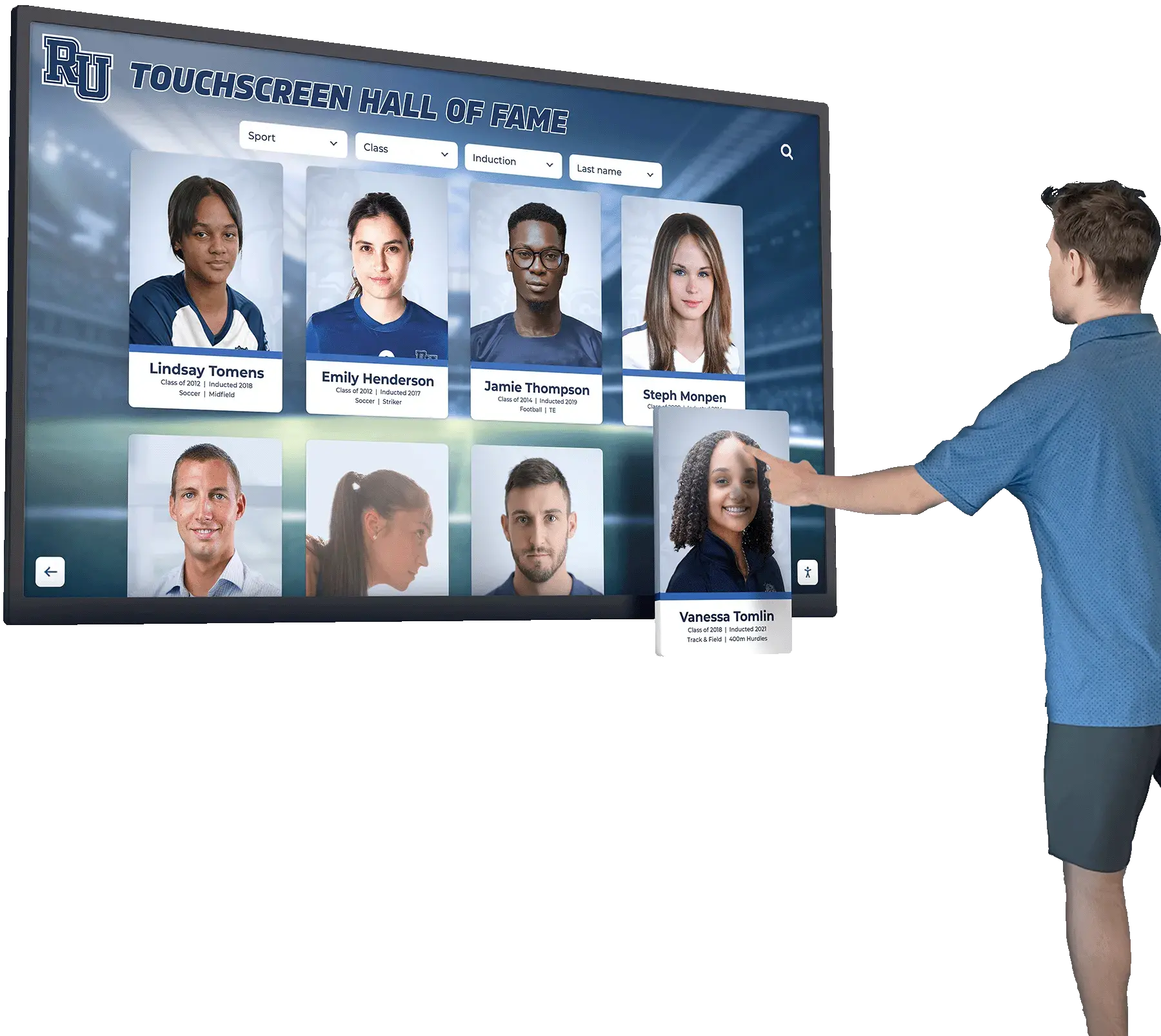
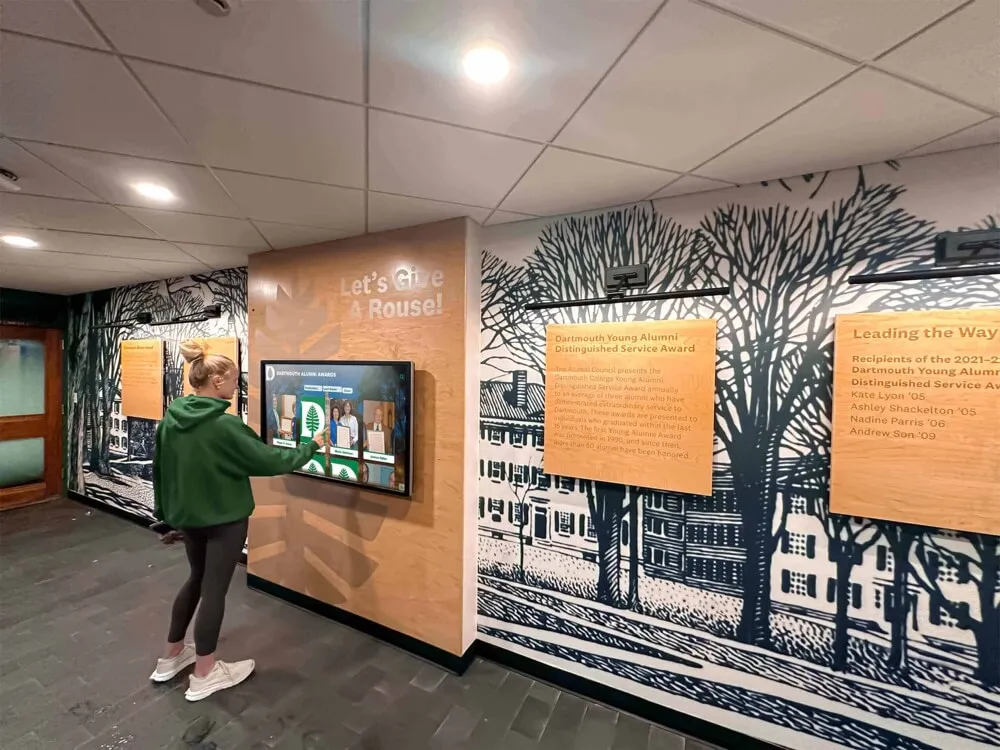
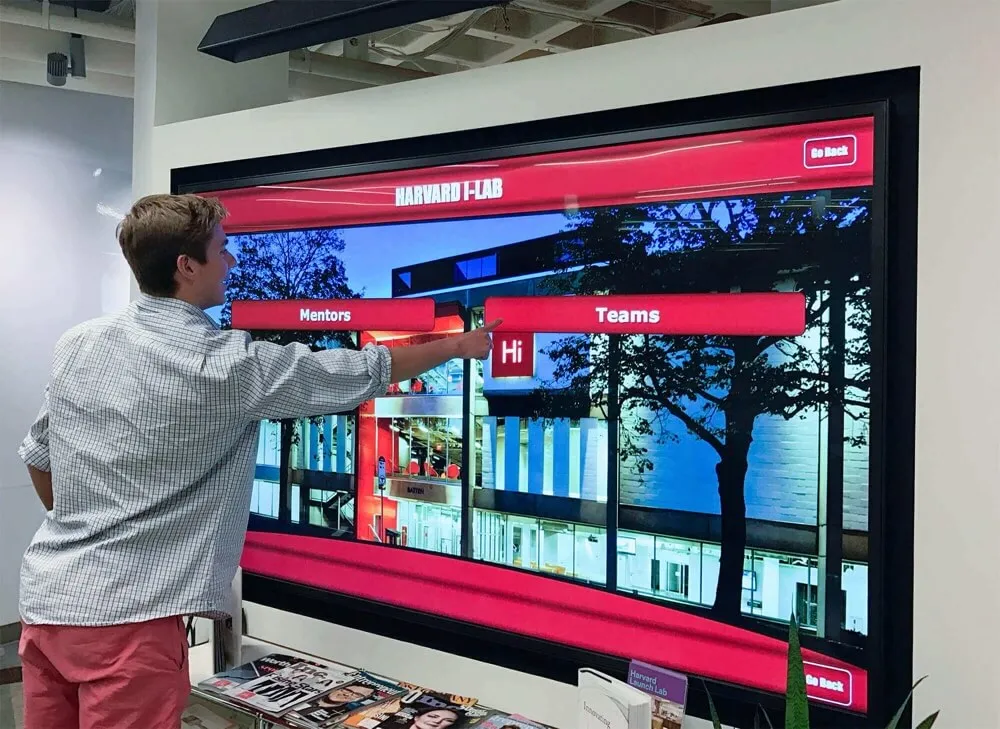
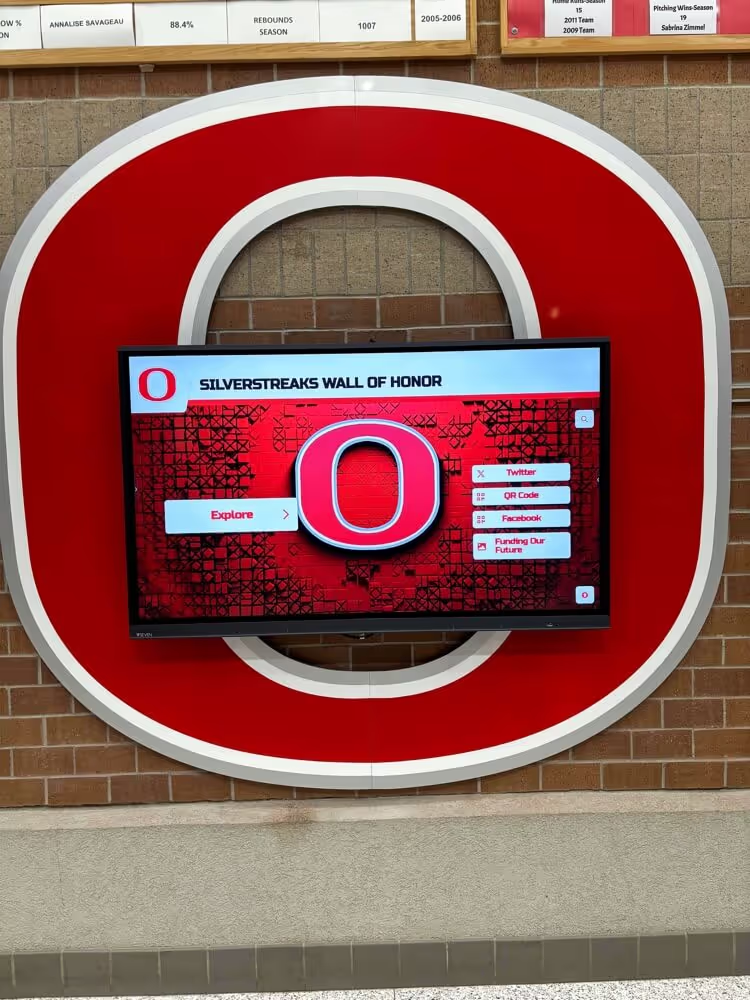
Interactive touchscreens let visitors search for specific athletes, browse by sport or year, and explore detailed profiles that static panels cannot accommodate
Budget Planning: What Team History Walls Actually Cost
Budget ranges vary significantly based on scale, format, and installation complexity. A realistic framework:
Physical-only installations (printed panels, engraved plaques, static displays): $5,000–$50,000+ depending on size, materials, and custom fabrication. Low ongoing cost, but high cost per update and limited scalability.
Digital screen installations (one or two screens, commercial display hardware, basic software): $10,000–$30,000 for hardware and initial content setup, with ongoing software subscription costs typically in the $1,500–$5,000 per year range depending on platform.
Touchscreen interactive systems (full interactive kiosk or wall-mounted touchscreen with content management platform): $15,000–$75,000+ for hardware and installation, depending on screen size, number of units, and content complexity. Ongoing software costs similar to standard digital systems.
Hybrid installations (physical signature elements combined with digital displays): Budget the two components separately and plan the physical elements to frame and complement the digital content.
Funding sources vary: many schools fund team history walls through booster organizations, capital campaigns, alumni donations, or a combination. Some schools have secured community grants or sponsor recognition opportunities—where a business funds a display section in exchange for appropriate acknowledgment.
Common Mistakes and How to Avoid Them
Starting with design instead of content: Don’t commission a layout until you know what content you have. Gaps discovered after a wall is designed are expensive to accommodate.
Underestimating photo quality requirements: Scanned yearbook photos from the 1970s at low resolution look poor on modern displays. Budget for photo restoration or plan to feature those eras in ways that work with the available image quality.
No update plan: A display with no governance plan will be outdated within two seasons. Build the update workflow before the wall goes up.
All sports weighted equally regardless of history: Some sports have fifty years of records; others started five years ago. Let the content depth, not a desire for symmetry, drive the space allocation.
No connection to digital audiences: A physical installation that has no web presence misses the alumni engagement opportunity. Even a QR code linking to a web version significantly extends reach.
Ignoring ADA requirements: Displays in public school spaces should meet ADA accessibility standards—touchscreen heights, text size and contrast, audio options where applicable. Build this into your specifications from the start, not as an afterthought.
Direct Answer: What Does a Team History Wall Need to Include?
For schools evaluating a first-time installation or a significant upgrade, the minimum viable team history wall includes:
- Championship and milestone listing — every title, conference championship, and significant milestone, by sport and year
- All-time records section — career and single-season leaders in the primary statistical categories for each sport
- Team photo archive — annual team photos with named rosters, going back as far as records allow
- Alumni acknowledgment — at minimum, a list of athletes who went on to collegiate or professional competition; ideally, expandable profiles
- Clear visual identity — consistent design language connecting the wall to the school’s athletic brand
Everything beyond this foundation—rotating dynamic content, interactive touchscreens, multimedia alumni profiles, sponsor and donor recognition panels—adds engagement and depth, but the five elements above make a history wall functional and meaningful for any visitor.
Conclusion: A Display Worth Building Once, Designed to Last Decades
A team history wall is one of the highest-return recognition investments an athletics program can make. It serves incoming athletes who need to understand what program they are joining, current families who want to see their student recognized, alumni who find themselves in the archive, and prospective students and recruits who assess program quality the moment they walk through the door.
The planning decisions covered in this guide—content scope, format choice, organizational structure, media collection, governance, and integration with other recognition systems—determine whether your team history wall becomes a living part of your school culture or a static display that ages quietly in a hallway.
Take the time to audit your assets before you design, choose a format that matches your update capacity, build in expandability from the start, and assign clear ownership over long-term maintenance. Schools that do this work upfront build displays that serve their communities for decades without requiring complete overhauls every few years.
Plan Your Team History Wall with Expert Help
Rocket Alumni Solutions works with schools to design and install touchscreen history displays, digital trophy cases, athletic record boards, and hybrid recognition walls. See what a modern team history wall looks like for a school your size.
Book a Free Demo