



Being named team captain represents one of the highest honors an athlete can receive—a recognition that goes far beyond athletic skill to acknowledge leadership qualities, work ethic, character, and the ability to inspire teammates toward collective excellence. Team captains serve as the vital bridge between coaching staff and players, the cultural architects who shape team identity, and the leaders who transform individual talent into cohesive competitive units.
Yet many newly appointed captains find themselves uncertain about their actual responsibilities beyond wearing a “C” on their uniform. The role extends far beyond calling coin tosses or leading warm-ups, encompassing daily leadership challenges that require emotional intelligence, communication skills, conflict resolution abilities, and unwavering commitment to team-first values.
Understanding team captain responsibilities helps athletes maximize their leadership impact, coaches develop effective captain systems, and programs build sustainable winning cultures that outlast any single season or individual athlete.
Effective team captains don’t simply emerge from talent alone—they develop through understanding their multifaceted responsibilities, committing to consistent leadership actions, and recognizing that captaincy represents service to teammates rather than personal elevation.

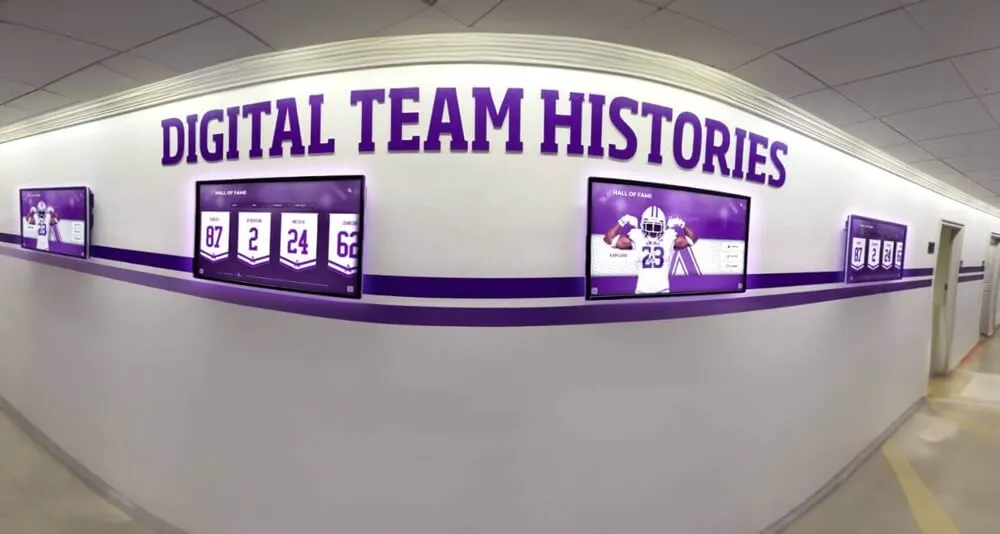
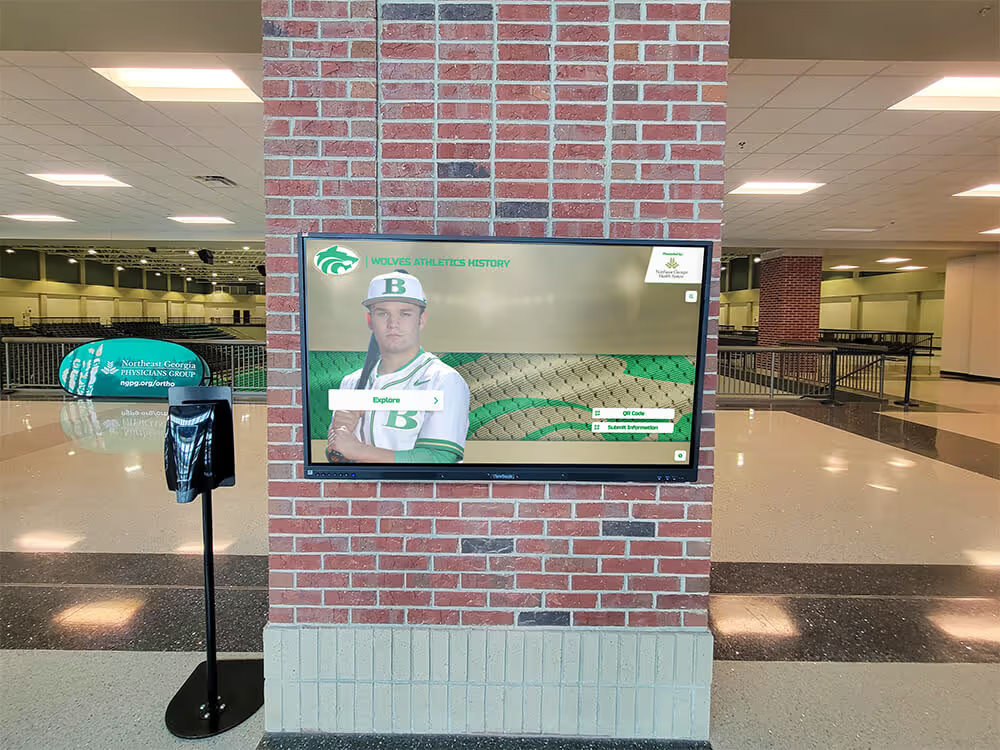
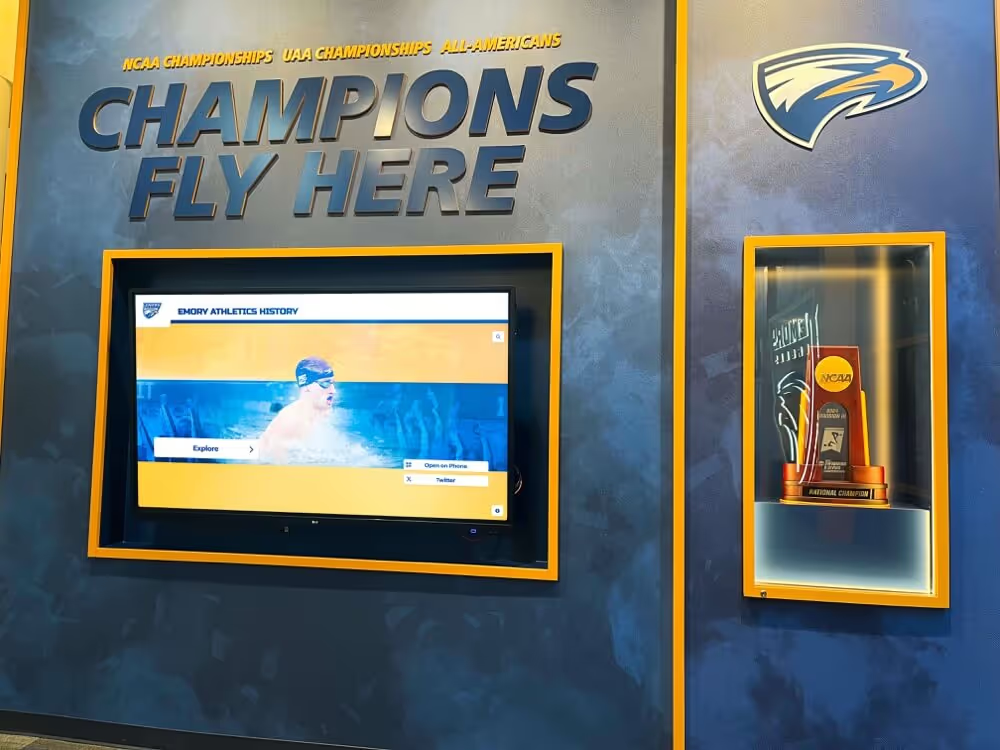
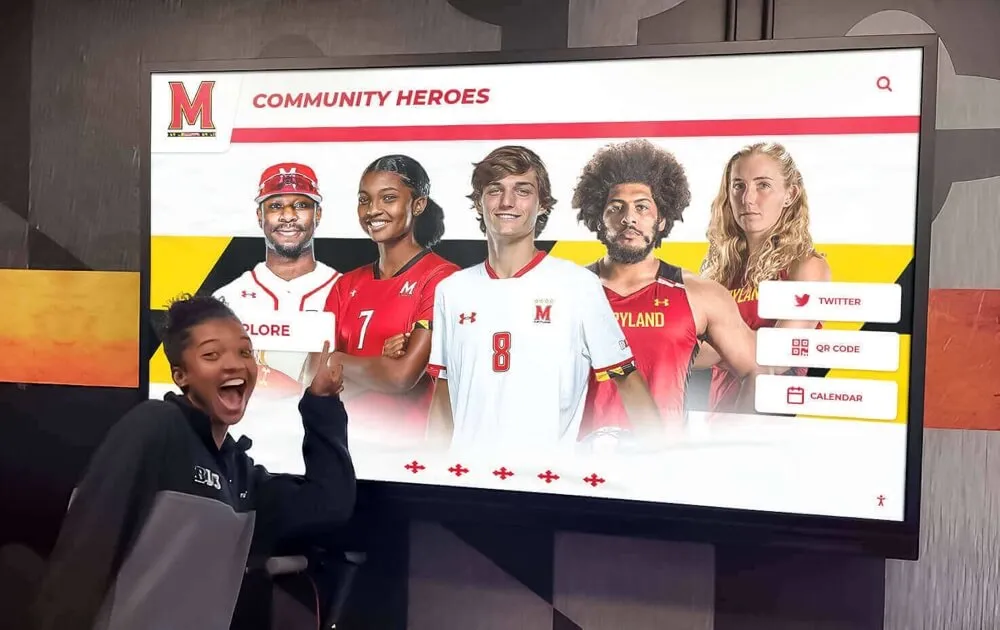
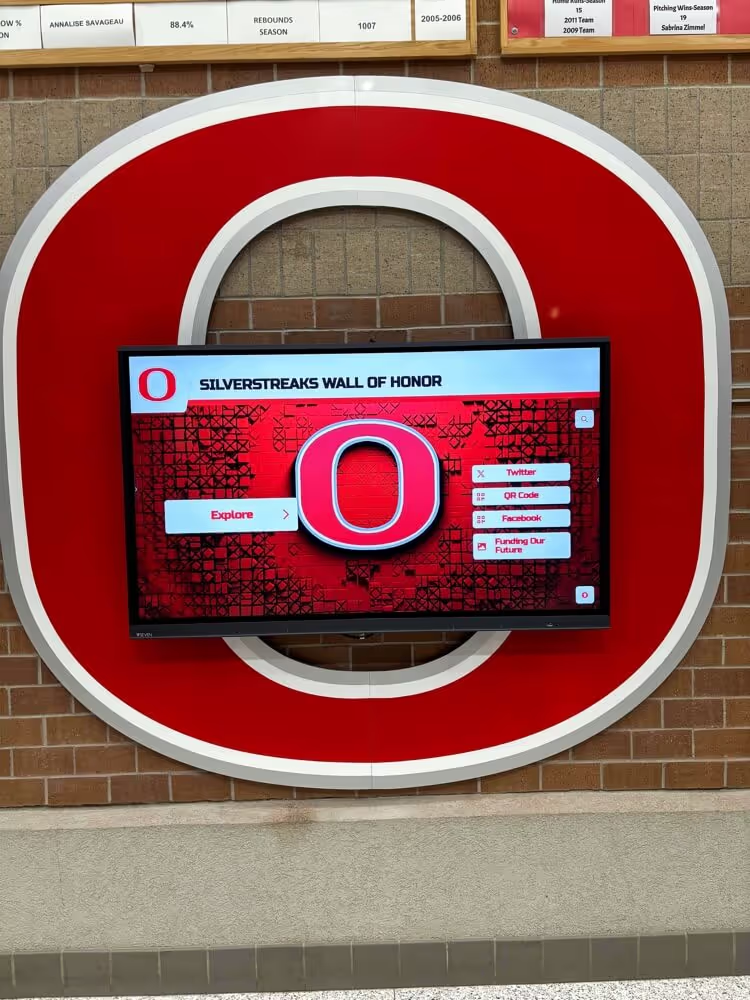
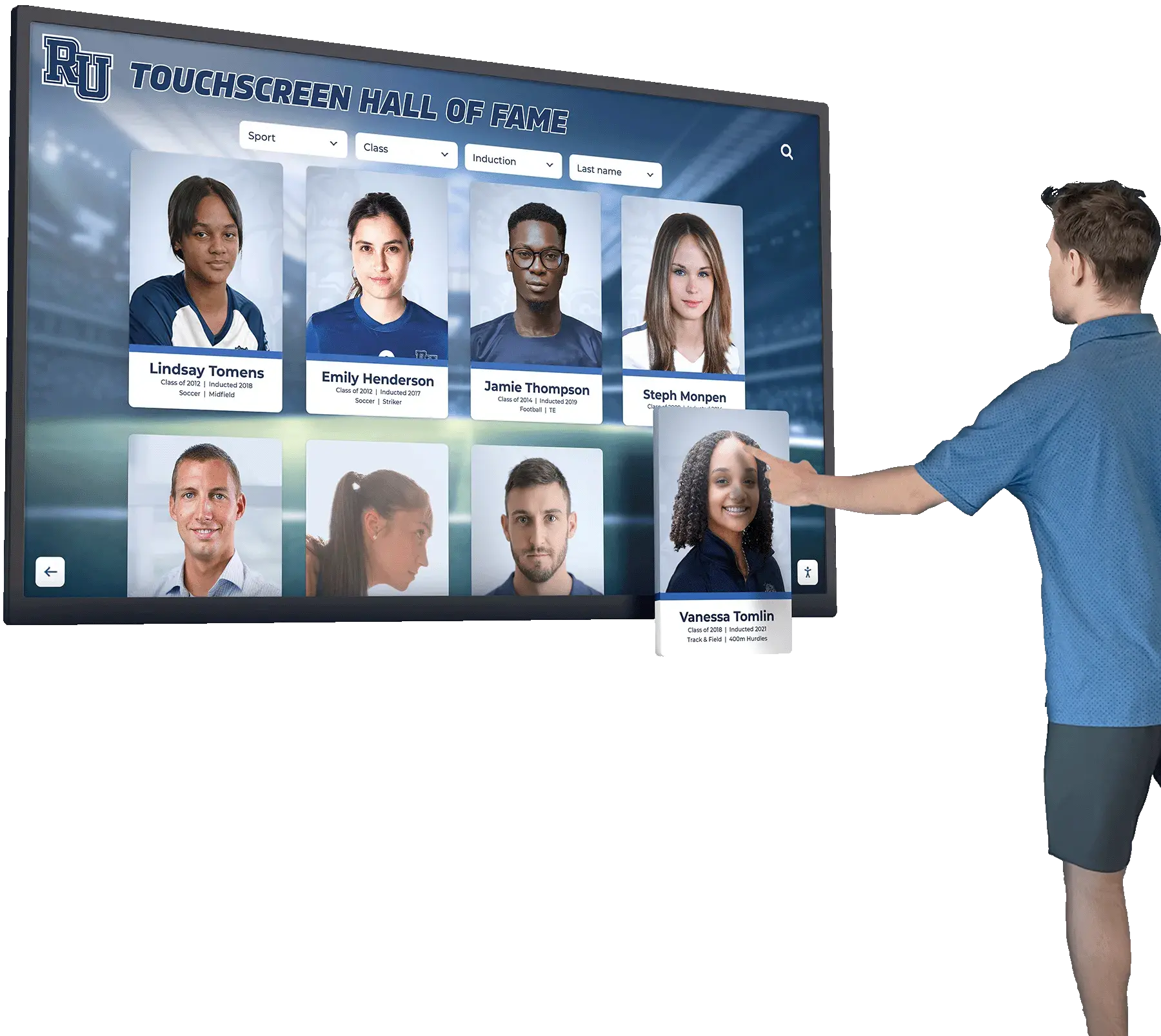
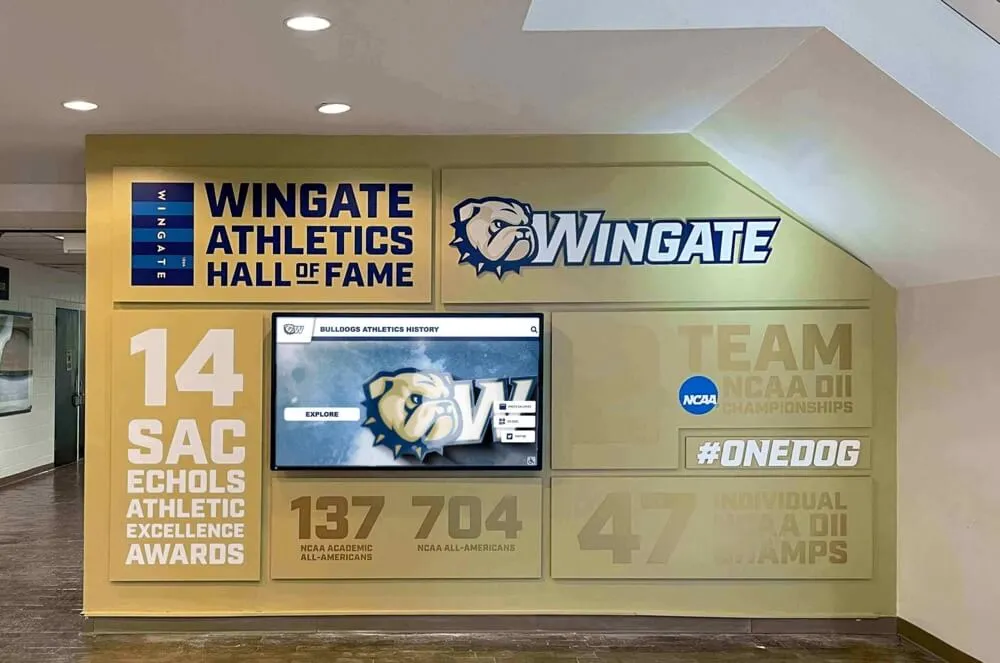
Schools honor exceptional team captains through recognition programs celebrating leadership alongside athletic achievement
The Core Responsibilities of Team Captains
Team captain duties span multiple dimensions of athletic programs, requiring leaders who excel both on and off the field of competition.
On-Field and Practice Leadership
Setting Standards Through Personal Performance
The most fundamental captain responsibility involves demonstrating excellence through personal example in every practice and competition:
Practice Intensity Leadership
- Arriving early and staying late, establishing work ethic expectations through actions
- Maximum effort on every drill and repetition, never taking plays off
- Maintaining focus during tedious fundamental work when motivation naturally wanes
- Demonstrating proper technique and execution standards
- Pushing through fatigue and adversity, modeling mental toughness
Team captains who fail to meet their own performance standards quickly lose credibility regardless of their verbal leadership. Athletes follow what captains do far more than what they say, making consistent personal excellence the foundation of effective leadership.
Game-Day Leadership Responsibilities
During competitions, captains assume specific responsibilities that directly impact team performance:
Pre-Game Leadership
- Monitoring team energy levels and providing appropriate motivation or calming influence
- Ensuring teammates complete proper warm-up routines without distraction
- Reading emotional states and addressing confidence issues before they affect performance
- Calling coin tosses and representing the team in pre-game protocols
- Final locker room messages reinforcing game plan and team identity
In-Game Responsibilities
- On-field communication coordinating defensive adjustments or offensive execution
- Timeout leadership reinforcing coaching messages and maintaining emotional control
- Momentum management through encouragement during struggles or refocusing during success
- Conflict de-escalation preventing teammates from emotional reactions that harm team
- Substitution support ensuring entering players receive necessary information
Post-Game Leadership
- Appropriate celebration maintaining humility and respect after victories
- Constructive perspective after losses preventing destructive negativity
- Media interactions representing team values and protecting teammate interests
- Film session engagement demonstrating commitment to continuous improvement
These game-day responsibilities require captains who remain emotionally controlled regardless of score or circumstance, focusing on what the team needs rather than personal frustration or excitement.
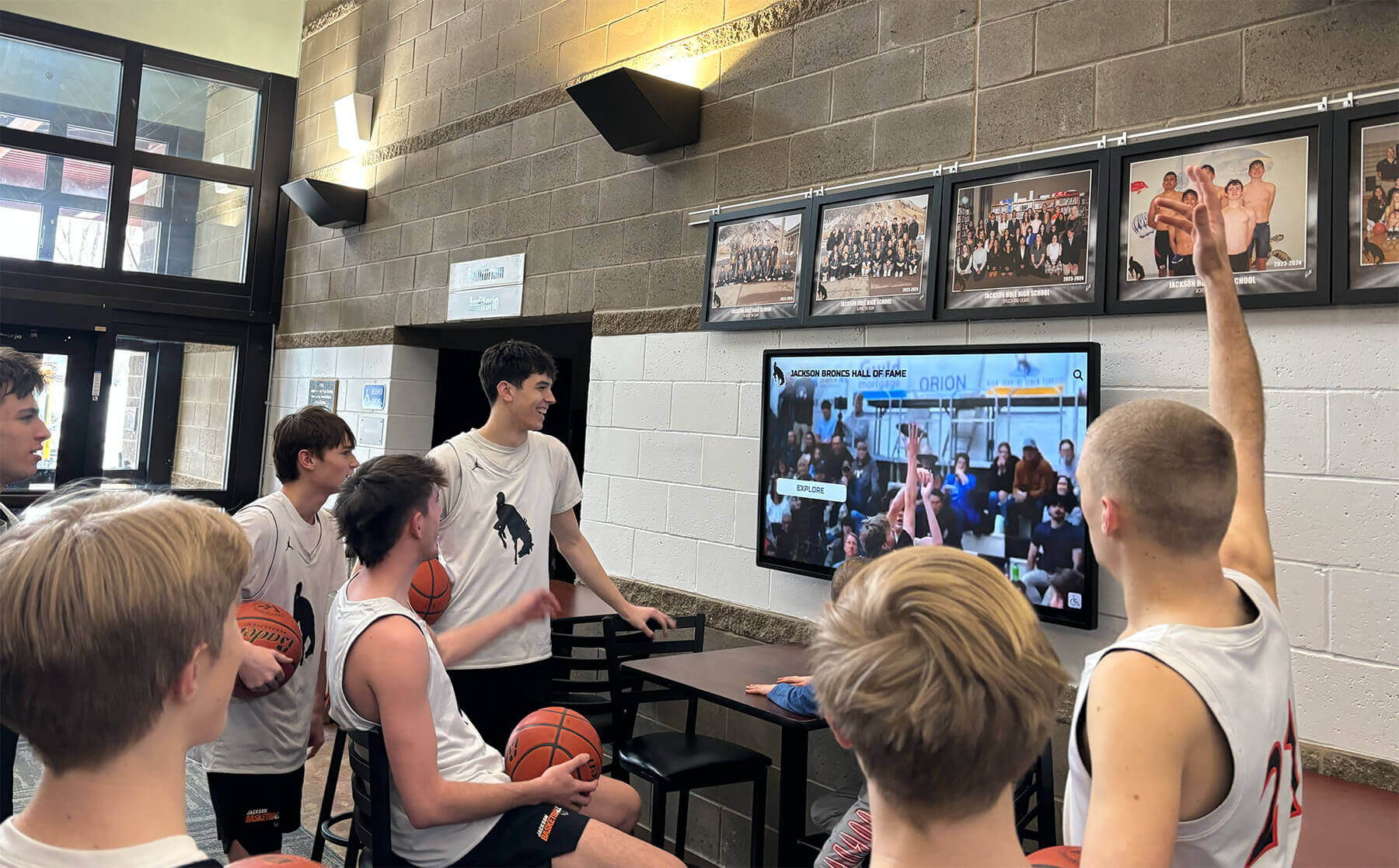
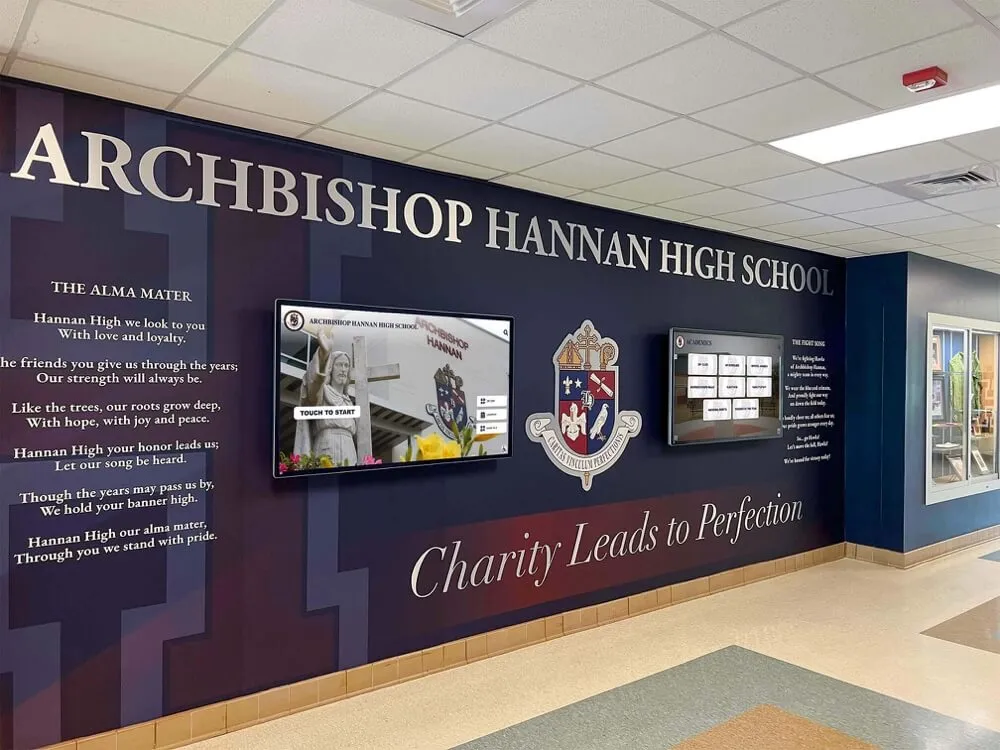
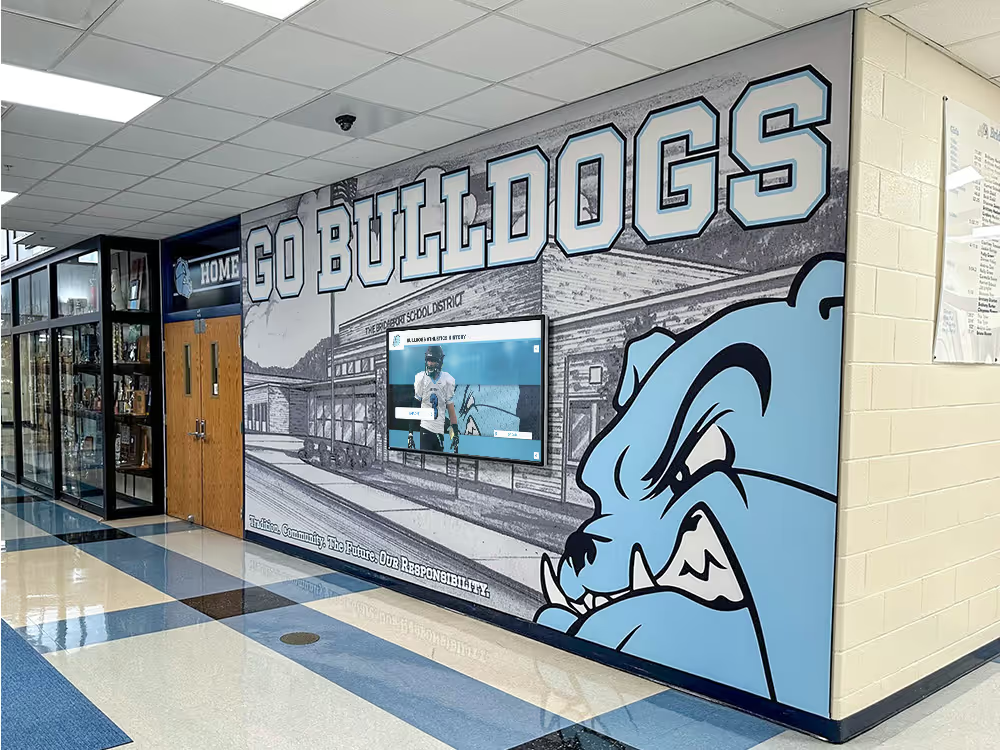
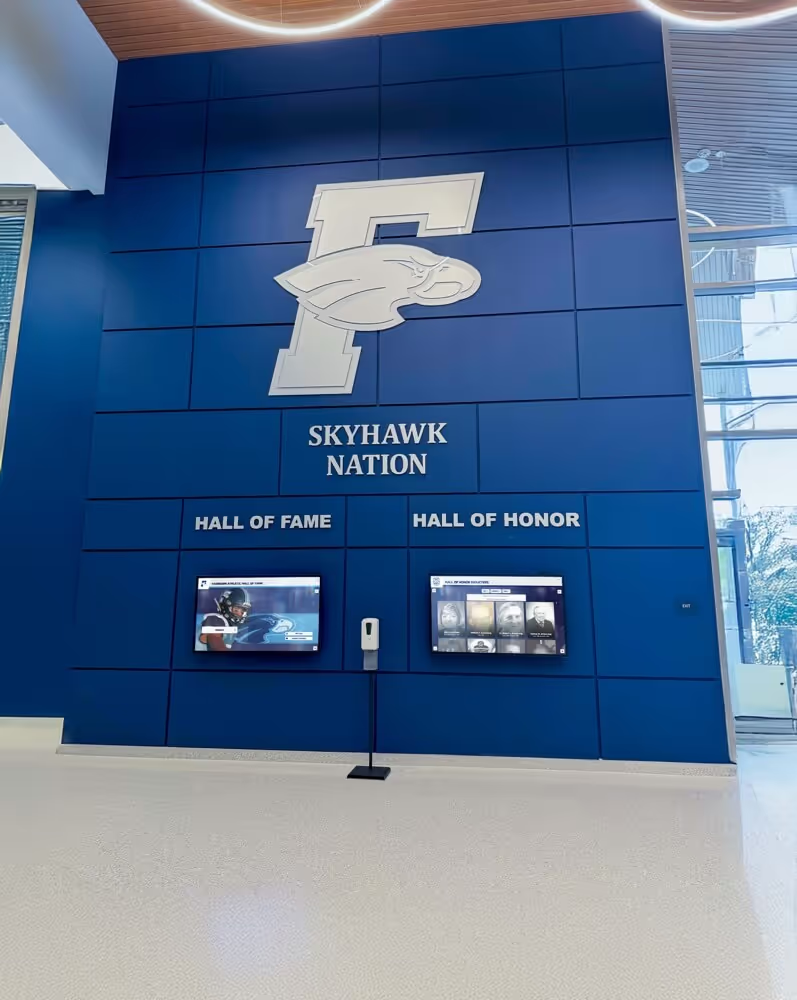
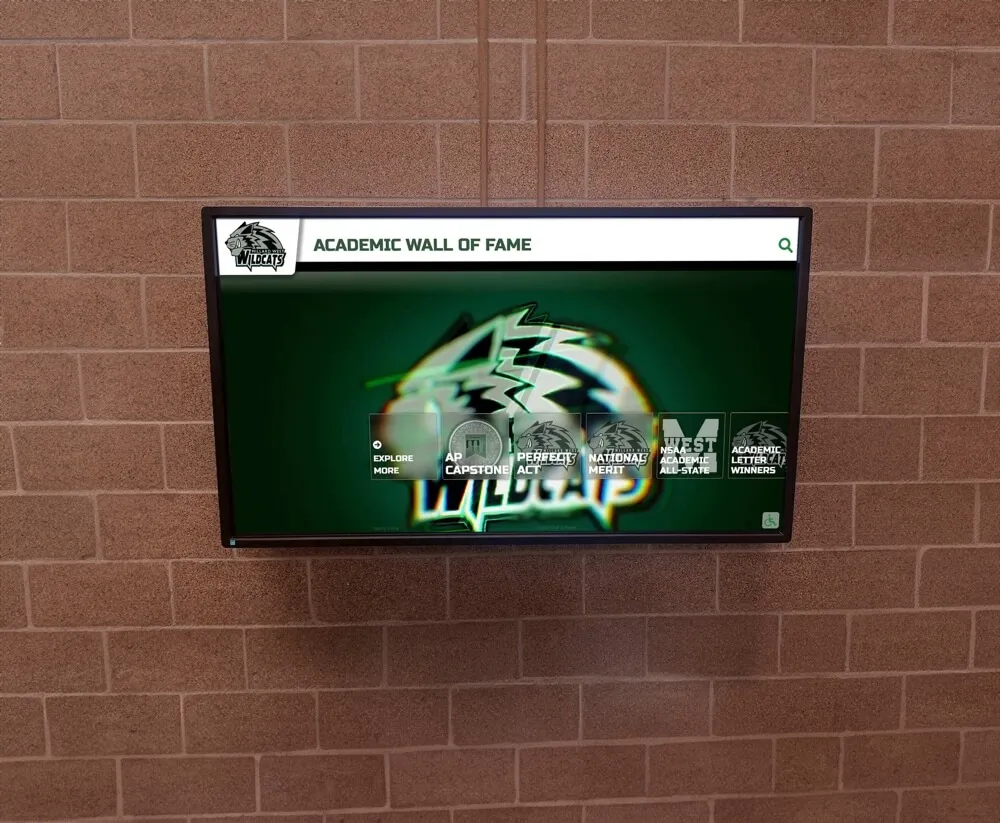
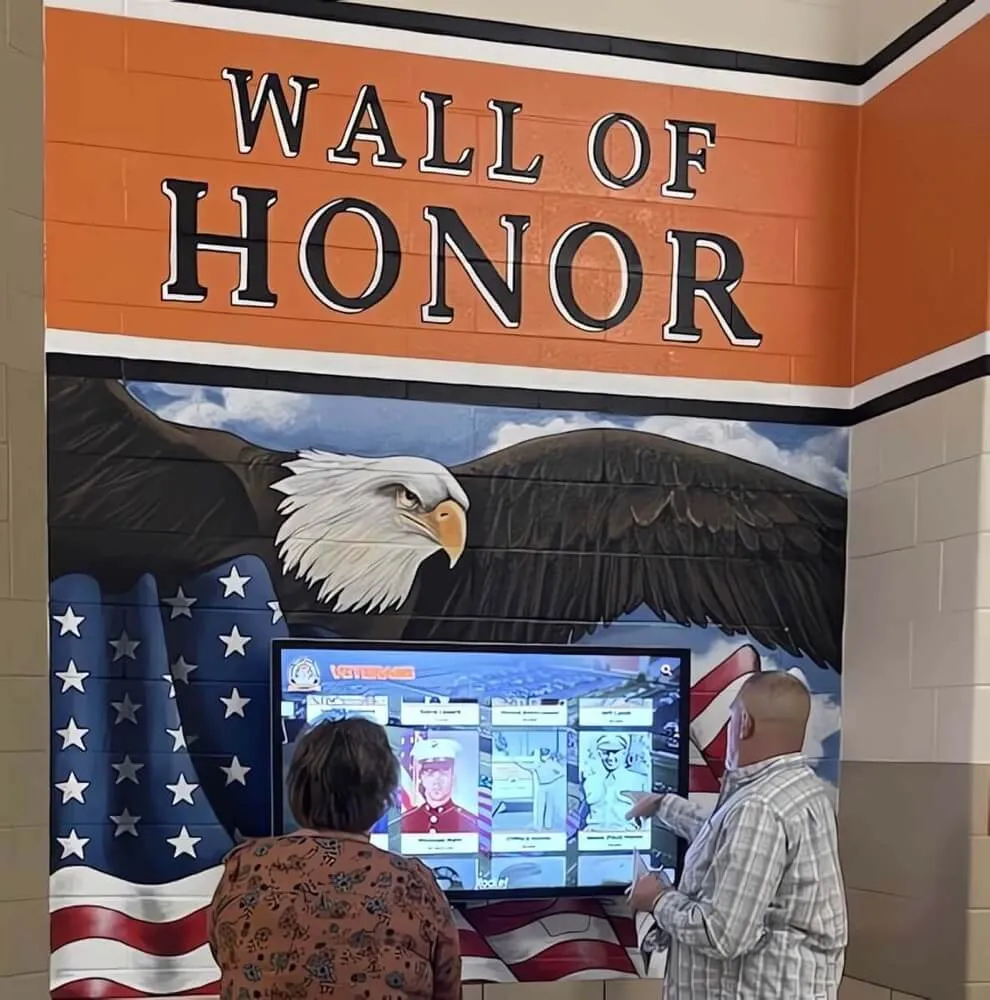
Modern recognition systems showcase captain leadership and team achievements through interactive displays in high-traffic athletic facilities
Building and Maintaining Team Culture
Creating Positive Team Environment
Outstanding captains actively cultivate team cultures that enable success:
Inclusion and Team Unity
- Welcoming new team members and facilitating social integration
- Preventing clique formation that divides teams into separate groups
- Ensuring all roster members feel valued regardless of playing time or position
- Organizing team bonding activities strengthening relationships off the field
- Bridging differences between diverse backgrounds, grade levels, or skill levels
Teams fragment without captains intentionally building inclusive environments where every member feels genuine belonging. Strong team culture becomes competitive advantage when unity translates into cohesive execution during pressure situations.
Establishing Team Standards and Accountability
Effective captains help establish and enforce team standards that define program identity:
Cultural Standard Setting
- Reinforcing importance of punctuality, preparation, and professional behavior
- Addressing substandard effort or attention during practices
- Confronting negative attitudes undermining team morale
- Celebrating teammates who exemplify team values
- Modeling accountability by accepting responsibility for personal mistakes
This accountability function requires courage—captains must address issues with friends and respected teammates, prioritizing team welfare over personal comfort. Athletic recognition programs increasingly honor captains who excel in these difficult leadership responsibilities.
Tradition Preservation and Enhancement
Captains serve as cultural custodians connecting current teams to program history:
Historical Connection Responsibilities
- Sharing program traditions with younger teammates
- Emphasizing significance of rivalry games and championship opportunities
- Connecting current players with program alumni and past successful teams
- Maintaining respect for facilities, equipment, and institutional resources
- Adding new positive traditions that future captains will carry forward
This historical perspective helps individual athletes see themselves as temporary stewards of something larger than any single season, inspiring greater commitment to excellence that honors those who came before.
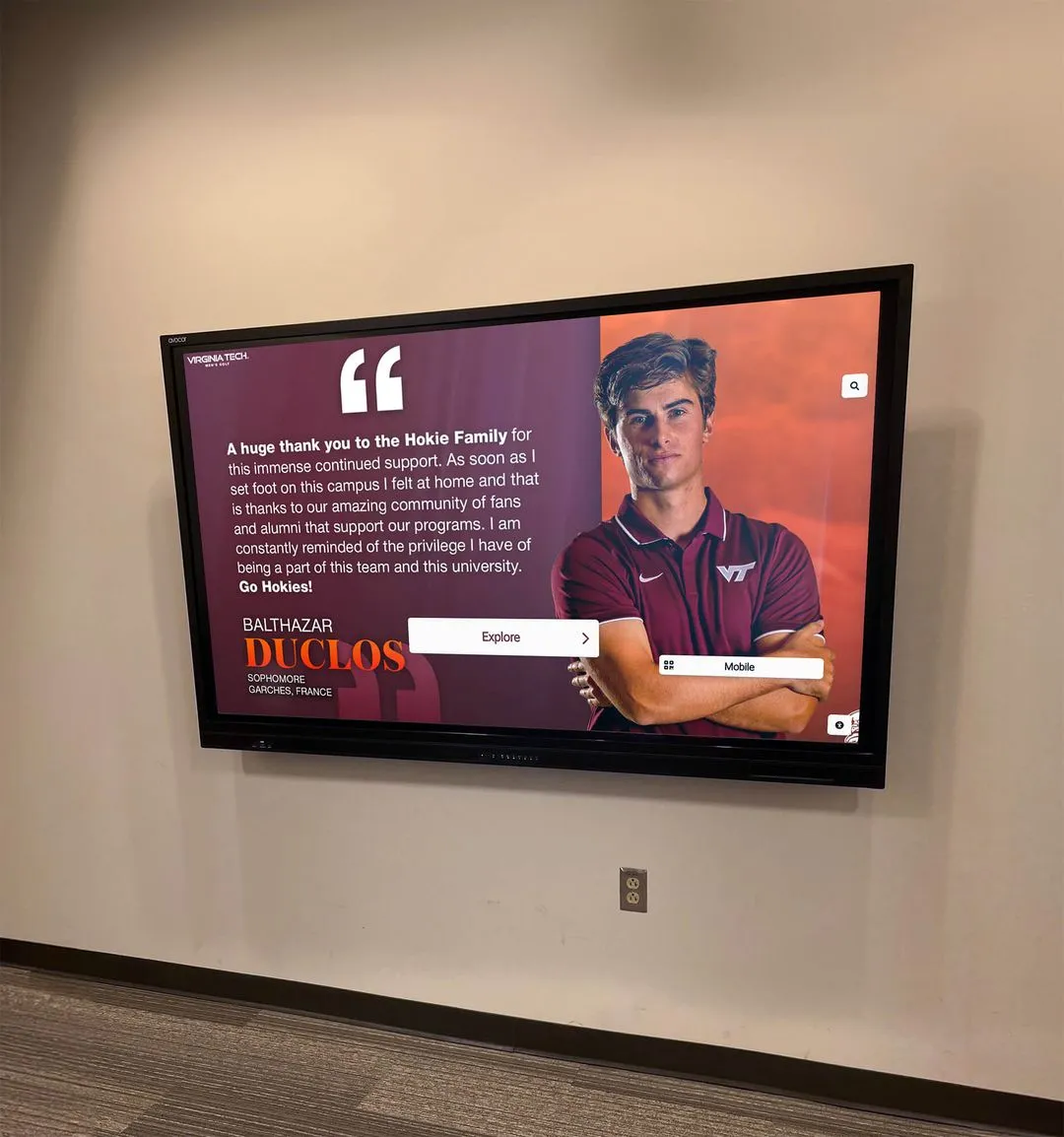
Schools increasingly celebrate captain contributions through digital recognition displays that document leadership alongside competitive achievement.

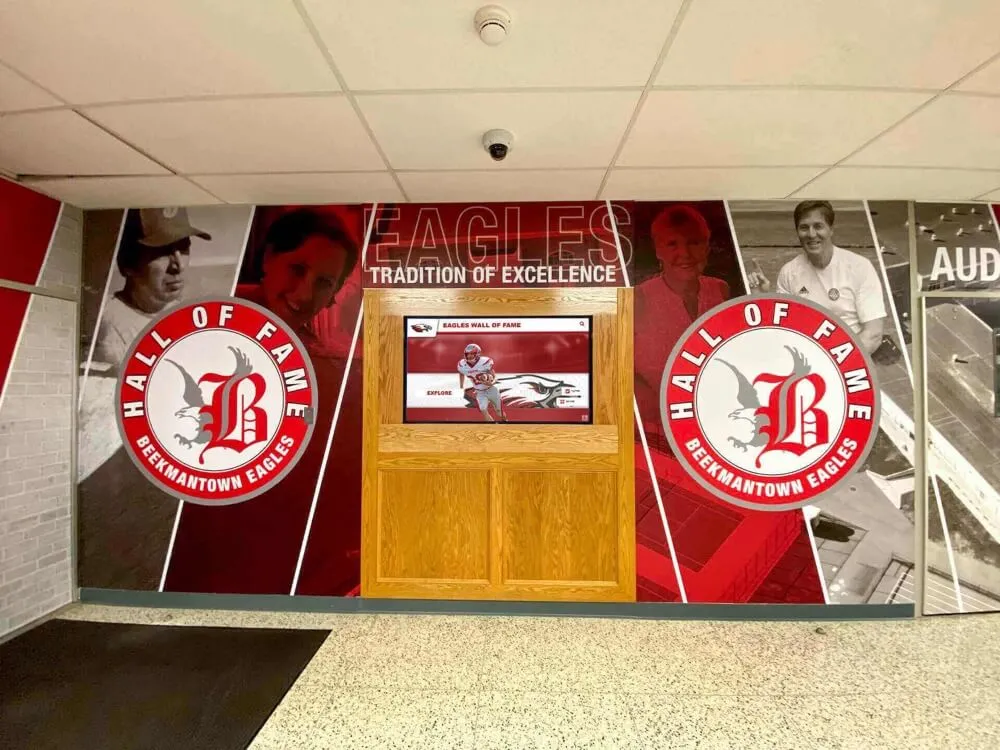
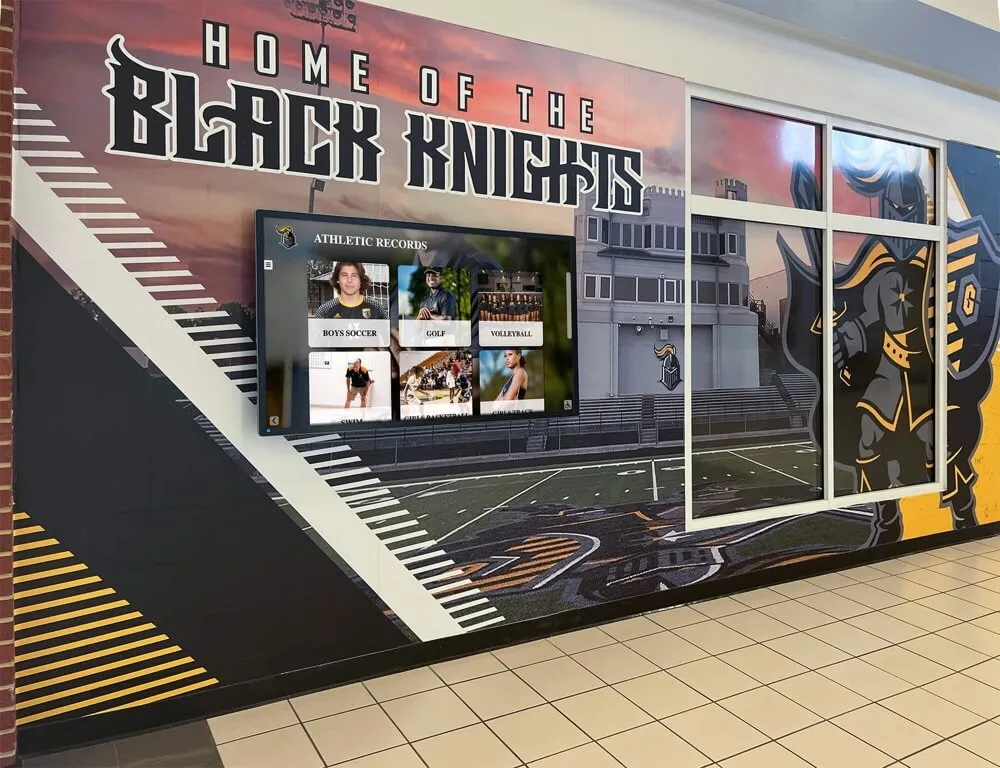
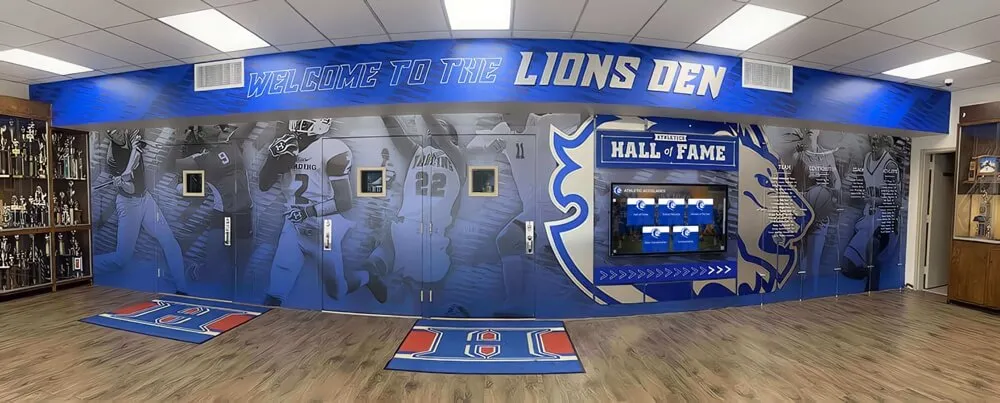
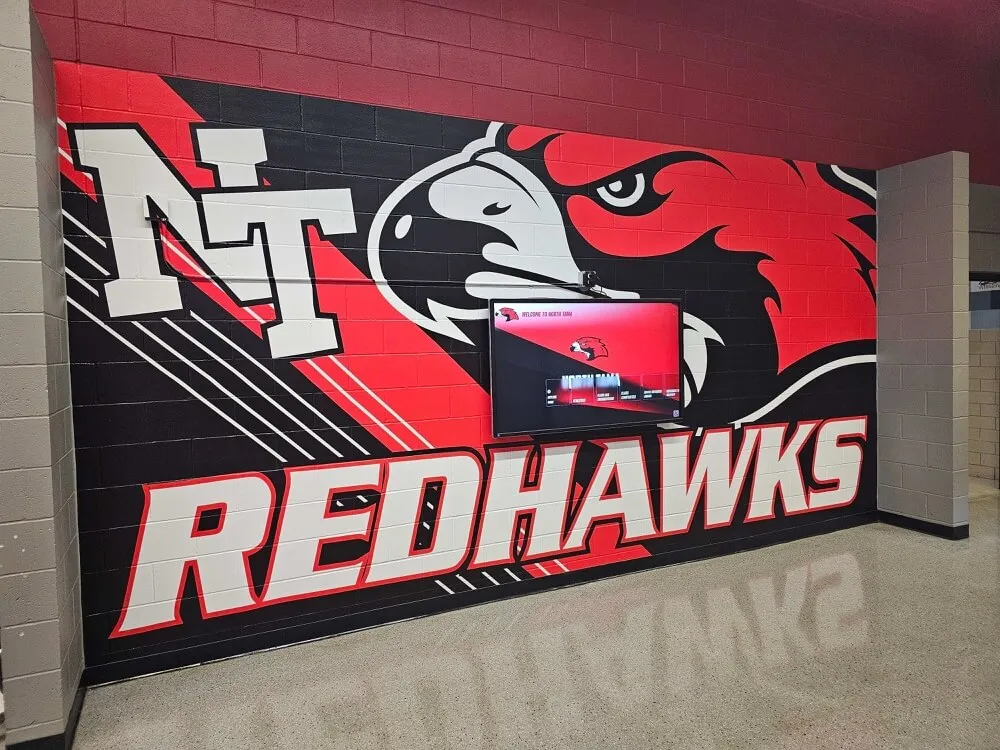
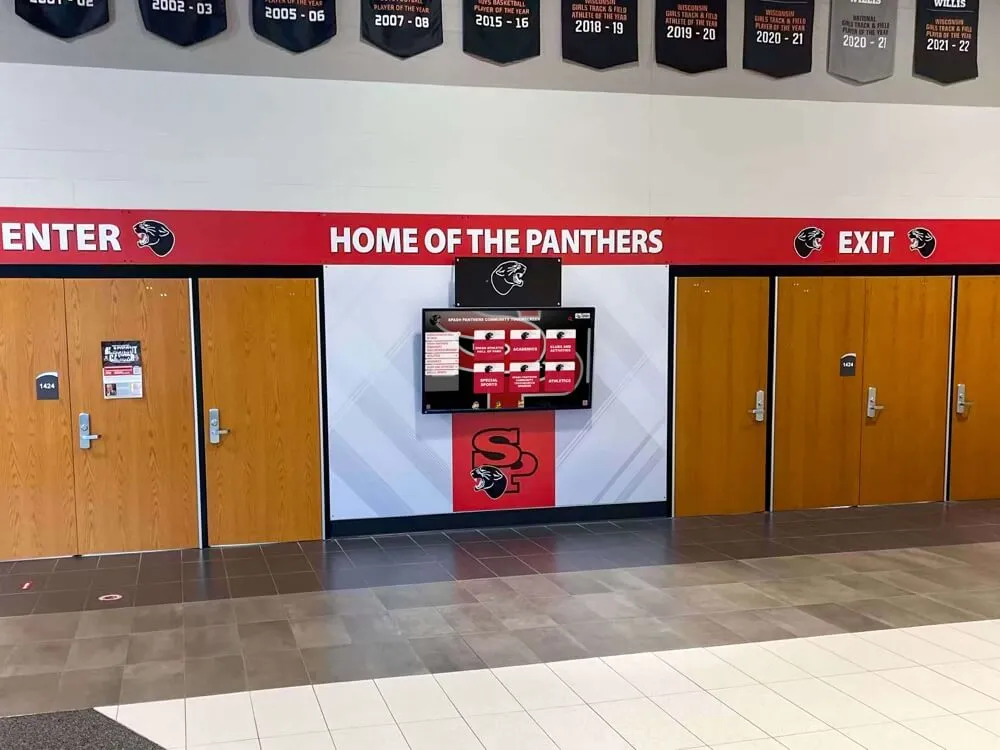
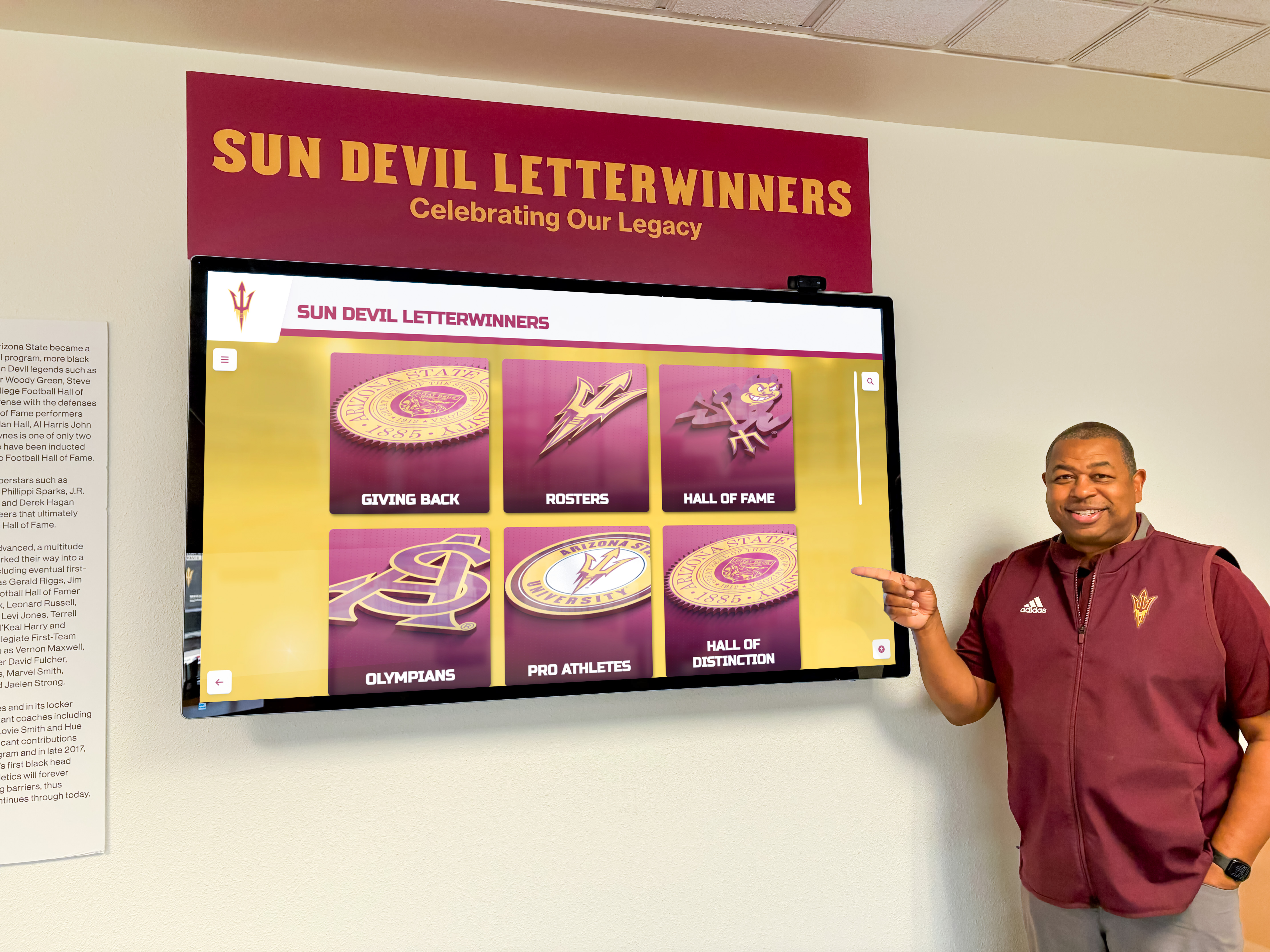
Comprehensive recognition systems celebrate captains who build winning cultures and exemplify leadership values
Communication and Liaison Responsibilities
Team captains serve as essential communication conduits between multiple stakeholders with different perspectives and priorities.
Player-to-Coach Communication Bridge
Representing Teammate Perspectives to Coaching Staff
Effective captains create channels for teammate concerns to reach coaches appropriately:
Communication Bridge Functions
- Gathering teammate feedback about training, strategy, or team issues
- Presenting concerns to coaches professionally and constructively
- Explaining coaching rationale to teammates when misunderstandings occur
- Suggesting potential improvements based on player-level insights
- Facilitating productive dialogue addressing problems before they escalate
This liaison function requires diplomacy and judgment—captains must distinguish legitimate concerns deserving coaching attention from simple complaints or excuses. The best captains filter feedback, present issues constructively, and help both coaches and players appreciate different perspectives.
Reinforcing Coaching Messages Throughout Team
Captains amplify coaching effectiveness by reinforcing key messages:
Message Reinforcement Strategies
- Restating coaching points during water breaks or between drills
- Explaining tactical concepts teammates might not fully understand
- Maintaining practice intensity when coaches address other position groups
- Reminding teammates of game plan details before and during competitions
- Demonstrating belief in coaching decisions even when personally disagreeing
This reinforcement proves particularly valuable because teammate-to-teammate communication often registers more powerfully than coach-to-player direction, especially with athletes resistant to authority.
Conflict Resolution and Problem Solving
Mediating Teammate Disputes
Team conflicts inevitably emerge when competitive personalities spend extensive time together under pressure:
Conflict Management Responsibilities
- Identifying interpersonal tensions before they explode publicly
- Facilitating private conversations enabling teammates to address grievances
- Mediating disagreements preventing escalation into larger team divisions
- Knowing when problems exceed captain capability and require coach intervention
- Maintaining confidentiality so teammates trust captains with sensitive issues
Successful conflict resolution prevents distractions that undermine team focus and performance while strengthening relationships through successful problem-solving experiences.
Addressing Performance and Effort Concerns
Captains must confront difficult situations involving teammate performance:
Performance Issue Management
- Privately addressing lack of effort or focus during practices
- Helping struggling teammates improve rather than simply criticizing
- Confronting selfishness or poor sportsmanship damaging team culture
- Supporting teammates dealing with external pressures affecting performance
- Protecting team standards without publicly embarrassing struggling individuals
These conversations test captain leadership more than any pre-game speech—the ability to hold teammates accountable while maintaining relationships and trust represents advanced leadership skill developed through experience and emotional intelligence.

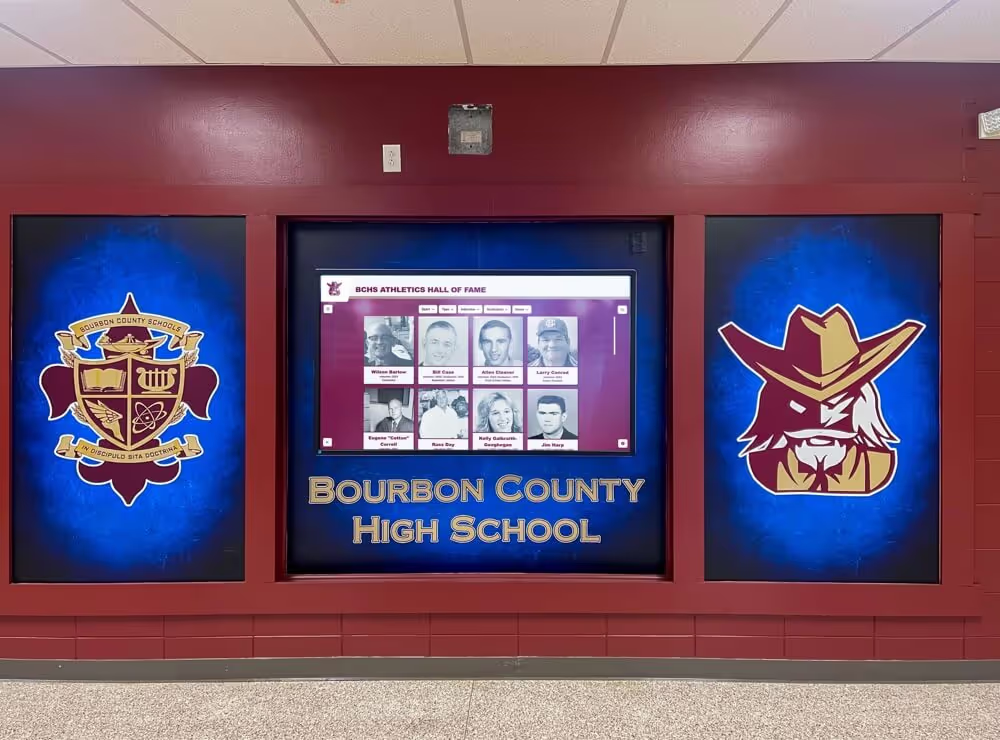
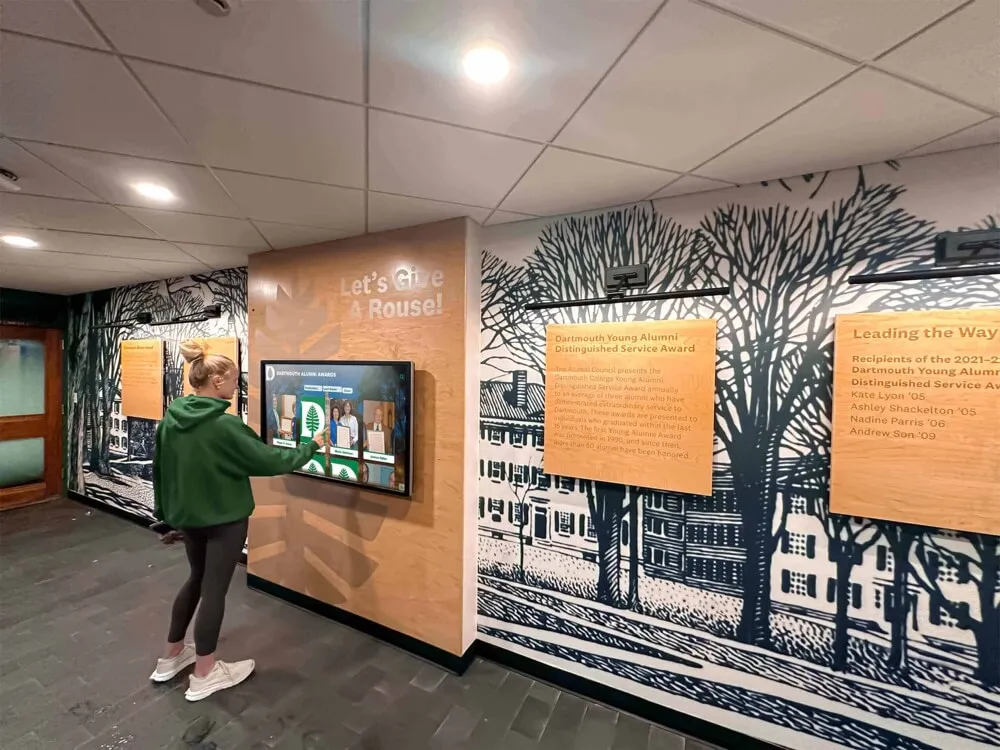
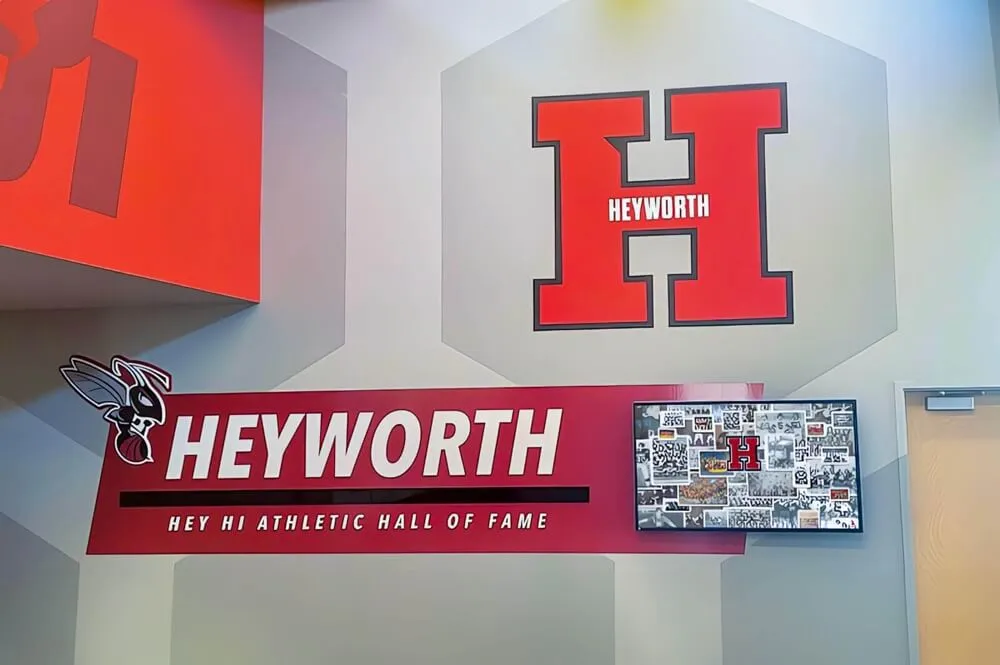
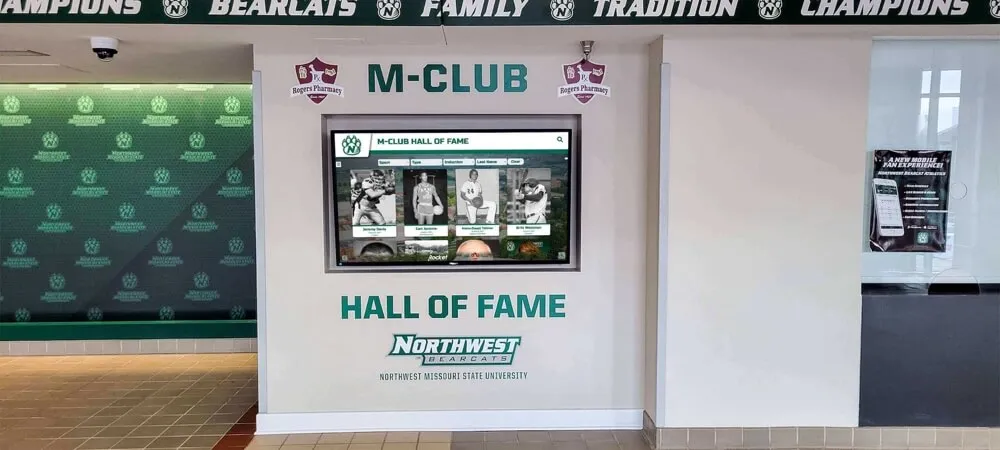
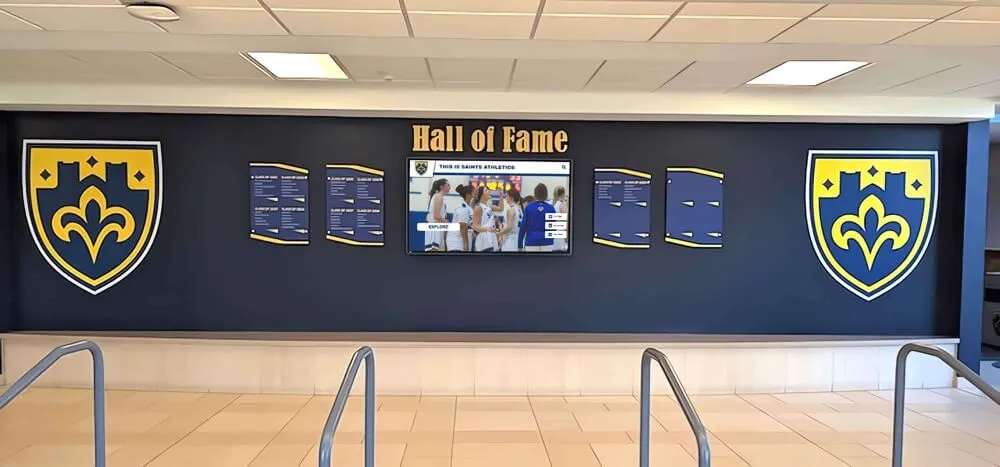
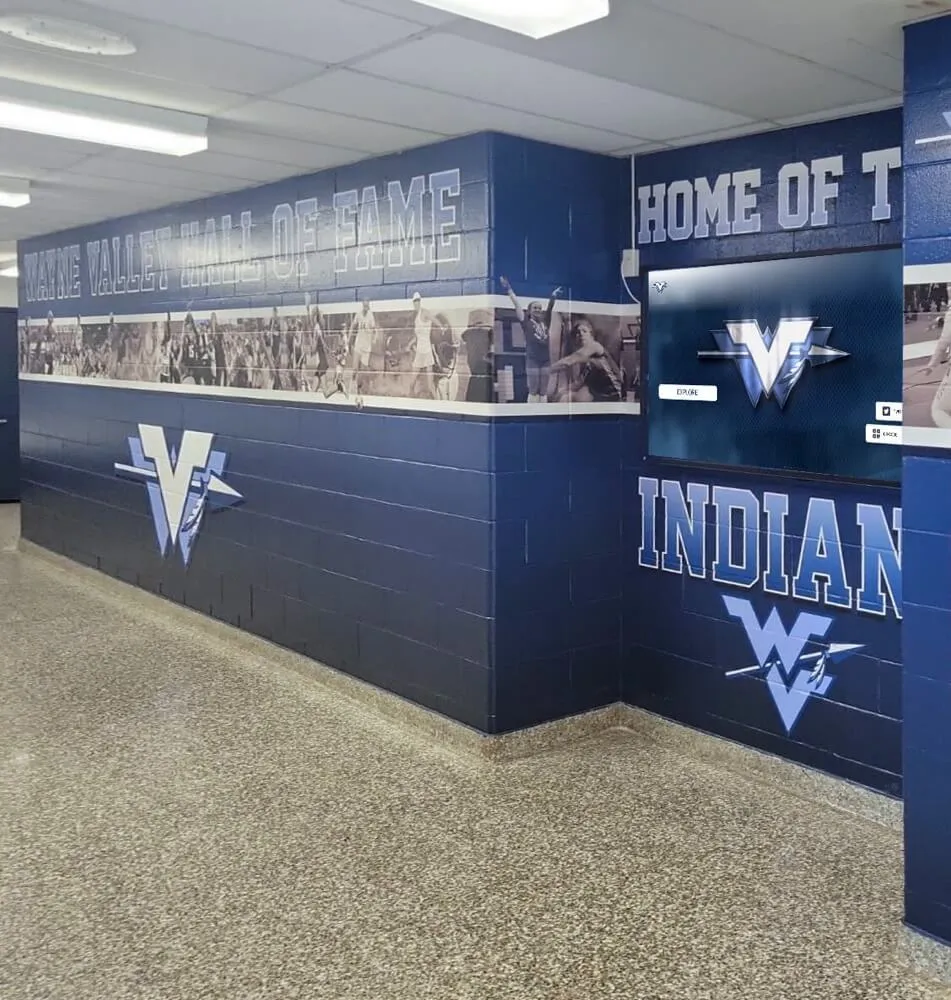
Athletic facilities increasingly feature recognition displays celebrating captains and leaders who exemplify program values
Mentorship and Development Responsibilities
The most impactful captains invest in developing younger teammates who will lead programs after senior captains graduate.
Developing Younger Athletes
Skill Development Support
Experienced captains accelerate teammate improvement through mentorship:
Athlete Development Activities
- Extra practice sessions helping younger players develop fundamental skills
- Film study guidance teaching teammates how to prepare mentally
- Technique demonstrations and feedback during practice situations
- Position-specific knowledge transfer from experienced to developing athletes
- Summer training coordination maintaining development during off-season
This mentorship provides personalized instruction complementing formal coaching, particularly valuable for younger athletes needing additional support beyond team practice time.
Social and Emotional Support
Athletic programs create significant pressure, particularly for younger or less confident athletes:
Support System Functions
- Recognizing when teammates struggle with confidence or anxiety
- Providing encouragement during performance slumps or difficult stretches
- Helping younger athletes navigate social dynamics and team culture
- Sharing personal struggles and growth experiences normalizing challenges
- Connecting troubled teammates with appropriate support resources
Teams with supportive captain leadership create psychologically safe environments where athletes develop more completely than programs focused exclusively on competitive outcomes.
Identifying and Preparing Future Leaders
Leadership Development Pipeline
Strategic captains consciously develop the next generation of team leaders:
Future Leader Cultivation
- Identifying younger athletes demonstrating leadership potential
- Delegating specific leadership responsibilities to emerging leaders
- Providing feedback helping younger athletes develop leadership skills
- Modeling the leadership behaviors and values they should emulate
- Creating opportunities for underclassmen to practice leadership in lower-stakes situations
This succession planning prevents leadership vacuums when senior captains graduate, maintaining program culture across roster turnover that challenges many athletic programs.
Programs recognize this mentorship function through leadership awards and recognition honoring captains who develop others alongside personal achievement.

Digital recognition systems enable comprehensive celebration of captain contributions beyond traditional trophy case limitations
Off-Field Captain Responsibilities
Leadership extends beyond practice facilities and competition venues into academic and community contexts.
Academic Leadership and Scholar-Athlete Modeling
Setting Academic Standards
Effective captains recognize athletics exist within educational institutions serving academic missions:
Academic Leadership Functions
- Maintaining strong personal academic performance modeling student-athlete balance
- Promoting study habits and academic support resource utilization
- Monitoring teammate academic eligibility and intervention when needed
- Organizing study sessions or tutoring support
- Celebrating academic achievement alongside athletic accomplishment
Teams with academically excellent captains typically demonstrate stronger overall academic performance, as leadership sets cultural expectations around classroom commitment equal to athletic dedication.
Schools increasingly celebrate this holistic excellence through academic athletic recognition honoring captains excelling in both dimensions.
Community Representation and Engagement
Serving as Program Ambassador
Captains represent their teams in various community contexts:
Ambassador Responsibilities
- Speaking at youth clinics, booster events, or school assemblies
- Interacting professionally with community members at competitions
- Participating in community service projects representing the program
- Media interview responsibilities presenting team positively
- Alumni engagement activities connecting past and present programs
These representation opportunities require captains who communicate effectively, demonstrate maturity, and understand their behavior reflects on entire programs beyond individual reputation.
Social Media and Public Image Management
Modern captains navigate social media landscapes previous generations never encountered:
Digital Citizenship Leadership
- Modeling appropriate social media behavior avoiding controversial content
- Representing team values through public digital presence
- Addressing teammate social media conduct damaging team reputation
- Understanding that captain visibility brings heightened scrutiny
- Using platforms positively to promote team and celebrate teammates
Poor captain judgment on social media can undermine months of positive leadership, requiring constant awareness that online behavior carries real consequences for personal and team reputation.
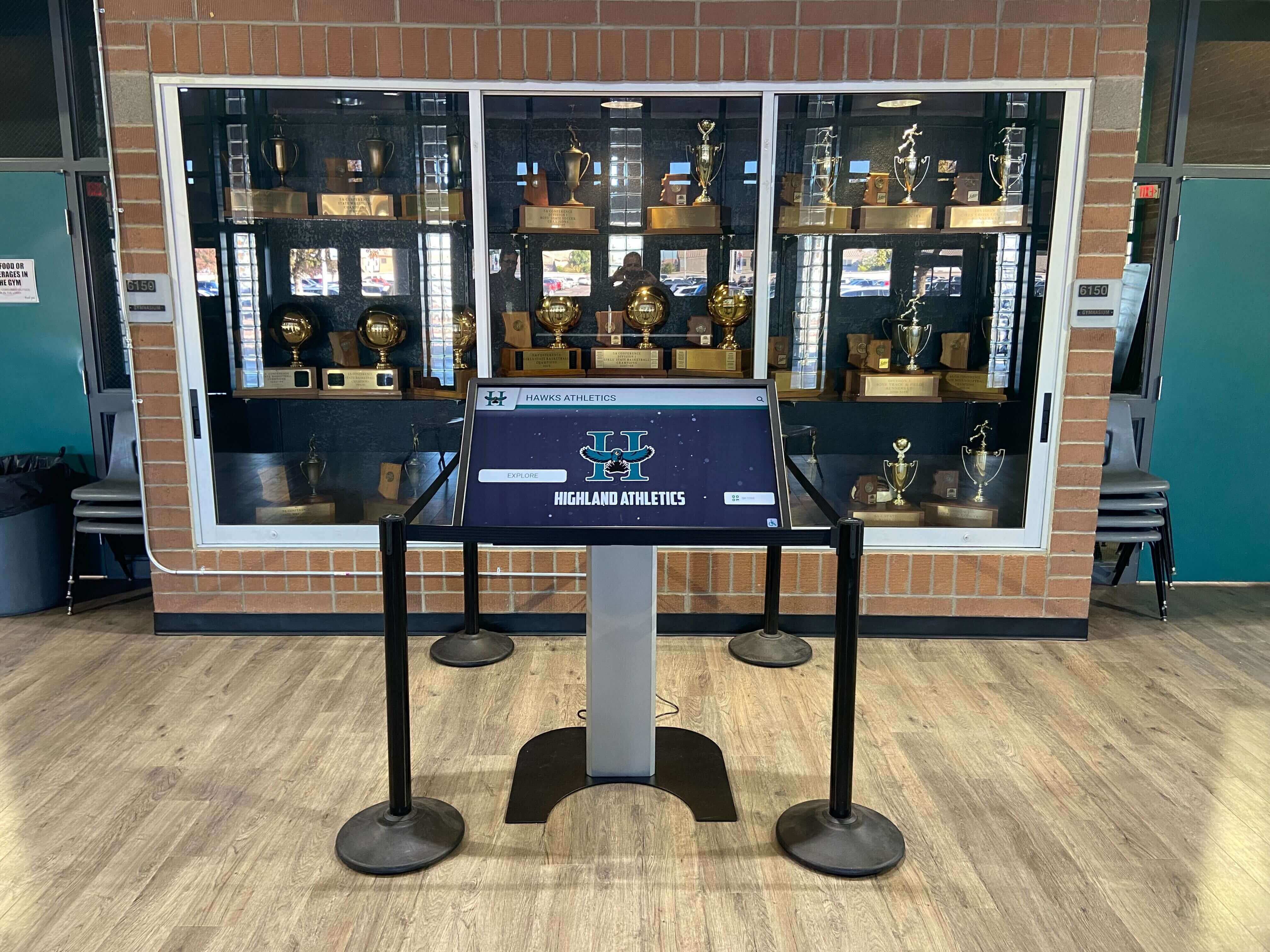
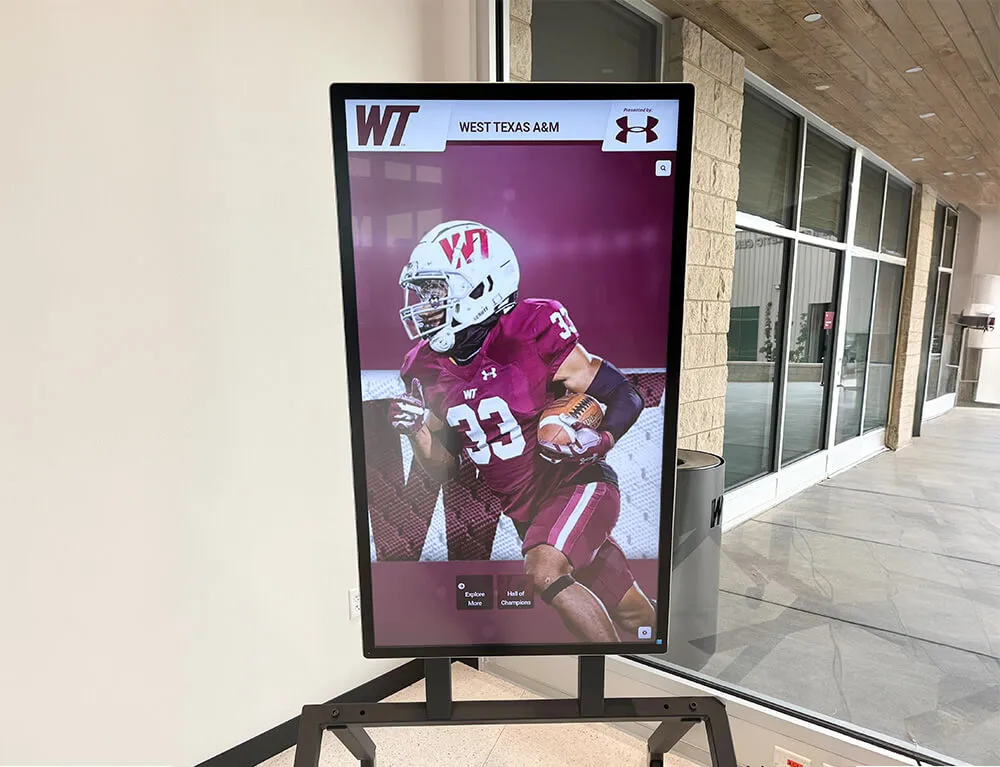
Modern athletic facilities integrate digital recognition with traditional trophy displays, celebrating captain leadership in engaging formats
Challenges Team Captains Commonly Face
Understanding typical captain challenges helps both new leaders prepare and coaching staffs provide appropriate support.
Balancing Authority with Peer Relationships
The Friend vs. Leader Tension
Many captains struggle with the fundamental tension between maintaining friendships and exercising leadership authority:
Relationship Navigation Challenges
- Holding friends accountable without damaging personal relationships
- Making unpopular decisions necessary for team success
- Managing jealousy from peers not selected as captains
- Addressing performance issues involving close friends
- Maintaining social connections while accepting leadership isolation
The most successful captains accept that leadership sometimes creates social distance, prioritizing team welfare over personal comfort when necessary while seeking coaching support during particularly difficult relationship challenges.
Managing Multiple Leadership Roles
Co-Captain Dynamics
Many teams designate multiple captains, creating potential coordination challenges:
Multi-Captain Considerations
- Dividing responsibilities appropriately leveraging different captain strengths
- Maintaining unified leadership approach presenting consistent messages
- Supporting co-captains publicly even during private disagreements
- Preventing competition between captains undermining collective leadership
- Communicating regularly to coordinate leadership activities
Strong co-captain partnerships multiply leadership impact, while conflicted captain relationships create confusion and undermine team culture. Regular captain communication and clearly defined roles prevent most multi-captain problems.
Dealing with Coach-Captain Disagreements
Navigating Disagreement Professionally
Even effective coach-captain relationships encounter moments of disagreement:
Disagreement Management Approaches
- Private discussion of concerns rather than public challenge to coaching authority
- Distinguishing personal preference from legitimate strategic concerns
- Accepting final coaching decisions even after expressing different perspectives
- Maintaining public support for coaches regardless of private disagreements
- Understanding developmental value of working under different leadership styles
Captains who professionally navigate disagreement develop leadership maturity valuable throughout life, learning to influence without authority while respecting hierarchical structures present in most organizations.
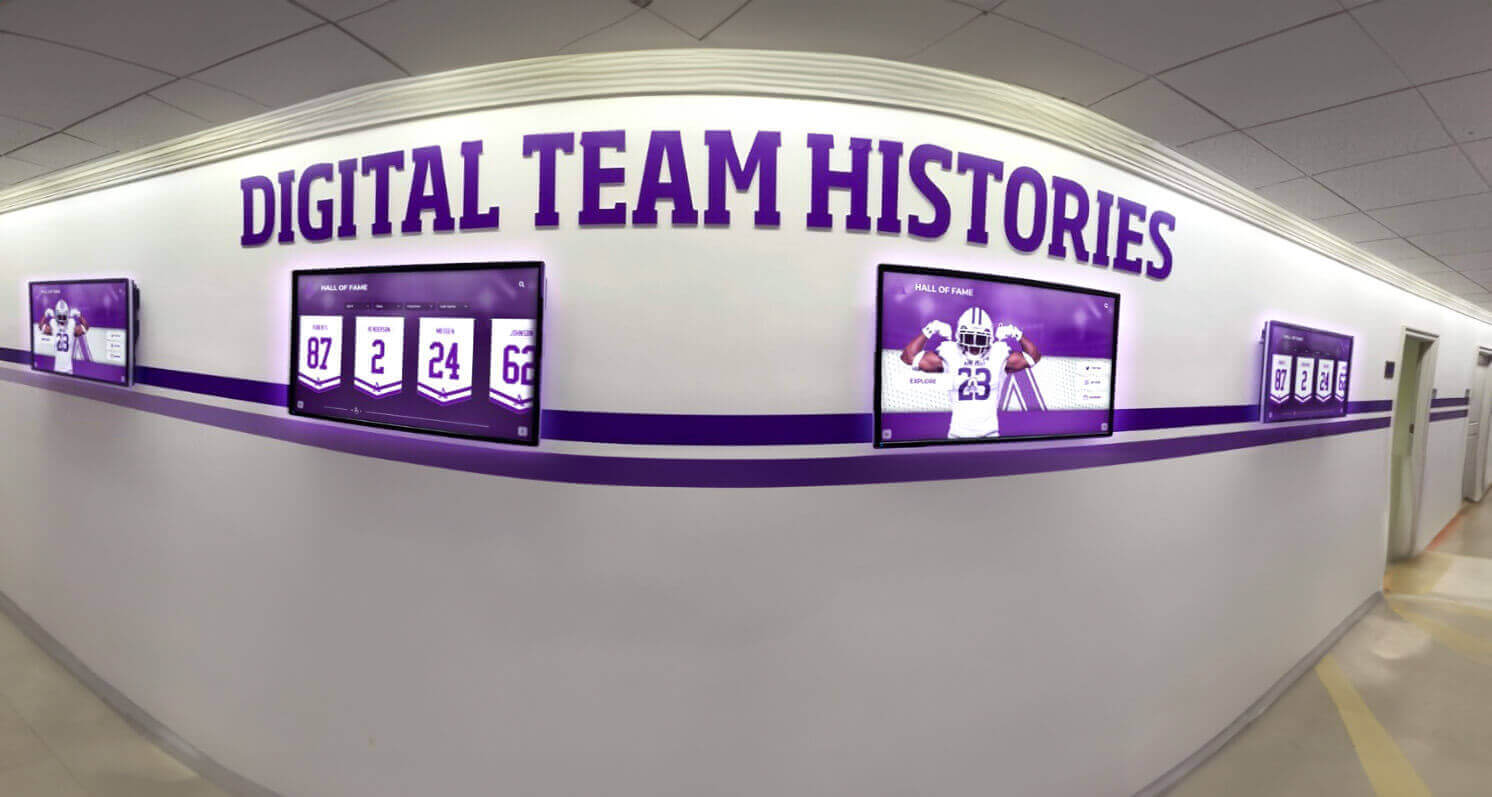
Comprehensive recognition platforms document complete team histories including captain contributions across multiple seasons
Developing Effective Team Captain Skills
Leadership ability develops through intentional skill building and experience rather than emerging automatically from talent or good intentions.
Communication Skills Development
Verbal Communication Excellence
Effective captains master multiple communication contexts:
Communication Skill Areas
- One-on-one conversations requiring empathy and active listening
- Small group communication coordinating position groups or leadership committees
- Whole-team addresses before games or during critical moments
- Coach communication presenting teammate perspectives professionally
- Public speaking representing team to external audiences
- Written communication through team messages or social media
Captains should actively seek communication opportunities stretching their capabilities, learning through experience while coaching staff provides feedback enabling continuous improvement.
Emotional Intelligence and Self-Awareness
Reading and Managing Emotions
The most effective leaders demonstrate high emotional intelligence:
Emotional Intelligence Components
- Self-awareness understanding personal emotional responses and triggers
- Self-regulation controlling emotions during pressure or adversity
- Empathy recognizing and understanding teammate emotional states
- Social skills navigating complex interpersonal dynamics effectively
- Motivation maintaining drive and inspiring others during difficult periods
These capabilities develop through reflection, feedback, and conscious practice rather than simple experience accumulation. Captains who actively work on emotional intelligence accelerate leadership development beyond peers who never examine their interpersonal effectiveness.
Decision-Making and Problem-Solving
Developing Leadership Judgment
Effective captain leadership requires strong decision-making abilities:
Decision-Making Development
- Analyzing situations from multiple perspectives before acting
- Distinguishing urgent issues requiring immediate action from those needing reflection
- Seeking appropriate input while accepting final decision responsibility
- Learning from both successful and unsuccessful leadership decisions
- Understanding when problems exceed captain capability and require coach involvement
These judgment capabilities mature through experience combined with reflection—captains who consciously analyze their decisions improve faster than those who never examine leadership outcomes.
Organizations increasingly celebrate captains who develop comprehensive leadership skills through athletic leadership recognition programs honoring character alongside athletic achievement.
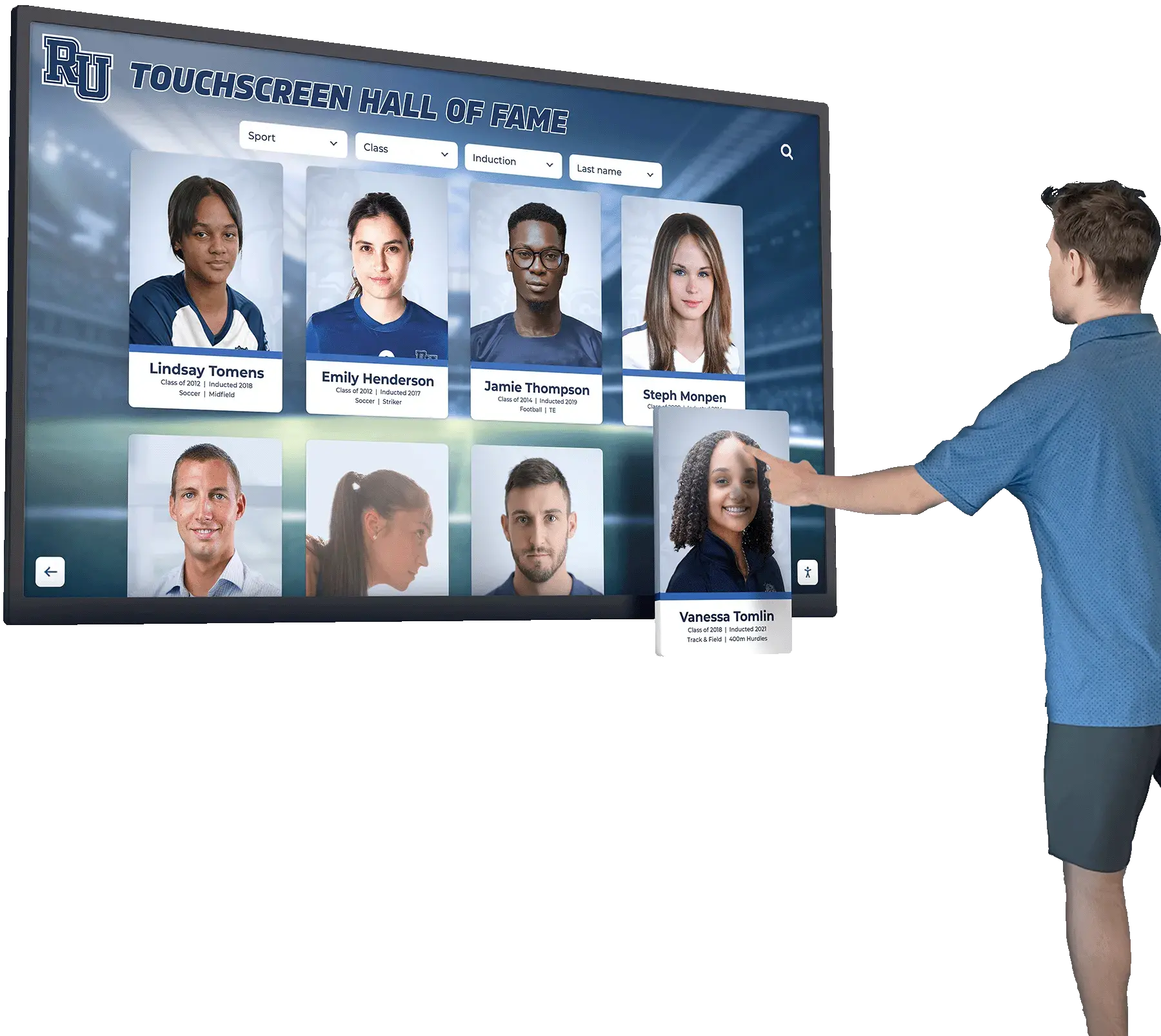
Interactive recognition systems enable exploration of captain profiles documenting leadership contributions and athletic excellence
How Coaches Can Support Team Captains
Coaching staffs significantly influence captain effectiveness through appropriate selection, preparation, and ongoing support.
Thoughtful Captain Selection Process
Identifying Leadership Potential Beyond Athletic Skill
Effective coach captain selection considers multiple criteria:
Selection Considerations
- Consistent demonstration of work ethic and commitment to excellence
- Natural respect from teammates across different social groups
- Emotional maturity and self-control during pressure
- Communication skills and willingness to have difficult conversations
- Alignment with team values and program culture
- Academic responsibility demonstrating student-athlete balance
- Character and integrity in competitive and social contexts
Some exceptional athletes lack leadership capabilities making them ineffective captains, while less prominent players might excel in captain roles through superior leadership skills. Thoughtful coaches distinguish athletic excellence from leadership potential, sometimes selecting unexpected captains who elevate programs through cultural leadership despite modest athletic contributions.
Providing Leadership Training and Development
Captain Preparation Programs
Progressive programs invest in formal captain development:
Leadership Development Approaches
- Pre-season captain meetings clarifying roles and responsibilities
- Leadership training covering communication, conflict resolution, and team building
- Regular coach-captain meetings throughout season providing feedback and support
- Leadership reading assignments or podcast recommendations
- Observation opportunities watching experienced leaders in other programs
- Mentorship from successful former captains sharing experiences
These structured approaches accelerate captain development beyond trial-and-error learning, enabling less experienced leaders to access accumulated wisdom from proven leadership approaches.
Creating Captain Support Systems
Ongoing Coach Support
Effective coaches remain actively engaged with captains throughout seasons:
Support System Elements
- Private weekly meetings providing feedback and addressing challenges
- Clear communication channels enabling captains to seek guidance
- Public support for captain decisions even when coaches might have chosen differently
- Protection from excessive criticism when leadership attempts don’t succeed
- Appropriate authority delegation enabling captains to actually lead
- Acknowledgment that young leaders will make mistakes requiring forgiveness
Coaches who appoint captains but fail to support them set players up for frustration while limiting team leadership effectiveness. Strong coach-captain partnerships multiply program impact beyond what either coaches or players can achieve independently.

Dedicated recognition spaces honor team captains and celebrate leadership excellence alongside competitive championship achievement
Recognizing and Honoring Team Captain Contributions
Schools should systematically celebrate captain leadership through recognition programs acknowledging service and impact.
Traditional Captain Recognition Approaches
End-of-Season Captain Honors
Athletic programs typically recognize captains through various approaches:
Recognition Methods
- Team banquets with special captain acknowledgment
- Captain plaques or awards for outstanding leadership
- Letter jacket or uniform distinctions identifying captain status
- Team photos prominently featuring captains
- Coach speeches highlighting specific captain contributions
- Media recognition during senior night or award ceremonies
These traditional approaches provide important formal acknowledgment, though they typically reach limited audiences beyond team members and immediate families.
Modern Digital Recognition Platforms
Comprehensive Captain Celebration
Solutions like Rocket Alumni Solutions transform captain recognition through digital platforms offering capabilities traditional approaches cannot match:
Digital Recognition Advantages
- Detailed captain profiles documenting leadership contributions and philosophy
- Multimedia celebration including photos, videos, and testimonials
- Permanent recognition accessible to future team members and community
- Year-round visibility in high-traffic athletic facility locations
- Integration with overall athletic recognition creating comprehensive celebration
- Searchable databases enabling discovery of captain traditions across program history
These platforms enable schools to celebrate captain leadership with prominence equal to athletic achievement, reinforcing that character and leadership matter as much as competitive success.
Leadership Legacy Documentation
Digital systems enable unique approaches to captain recognition:
Legacy Documentation Features
- Captain messages to future teams sharing leadership lessons
- Season reflections documenting challenges overcome and growth experienced
- Leadership philosophy explanations helping future captains understand approaches
- Team culture descriptions preserving successful approaches
- Mentorship networks connecting past and present captains
This documentation creates institutional knowledge preventing the constant reinvention of captain approaches when senior leaders graduate, enabling programs to build on accumulated wisdom rather than starting fresh each season.
Schools implementing comprehensive recognition demonstrate that leadership truly matters equal to competitive achievement. Discover how digital recognition platforms celebrate captain leadership alongside athletic excellence.
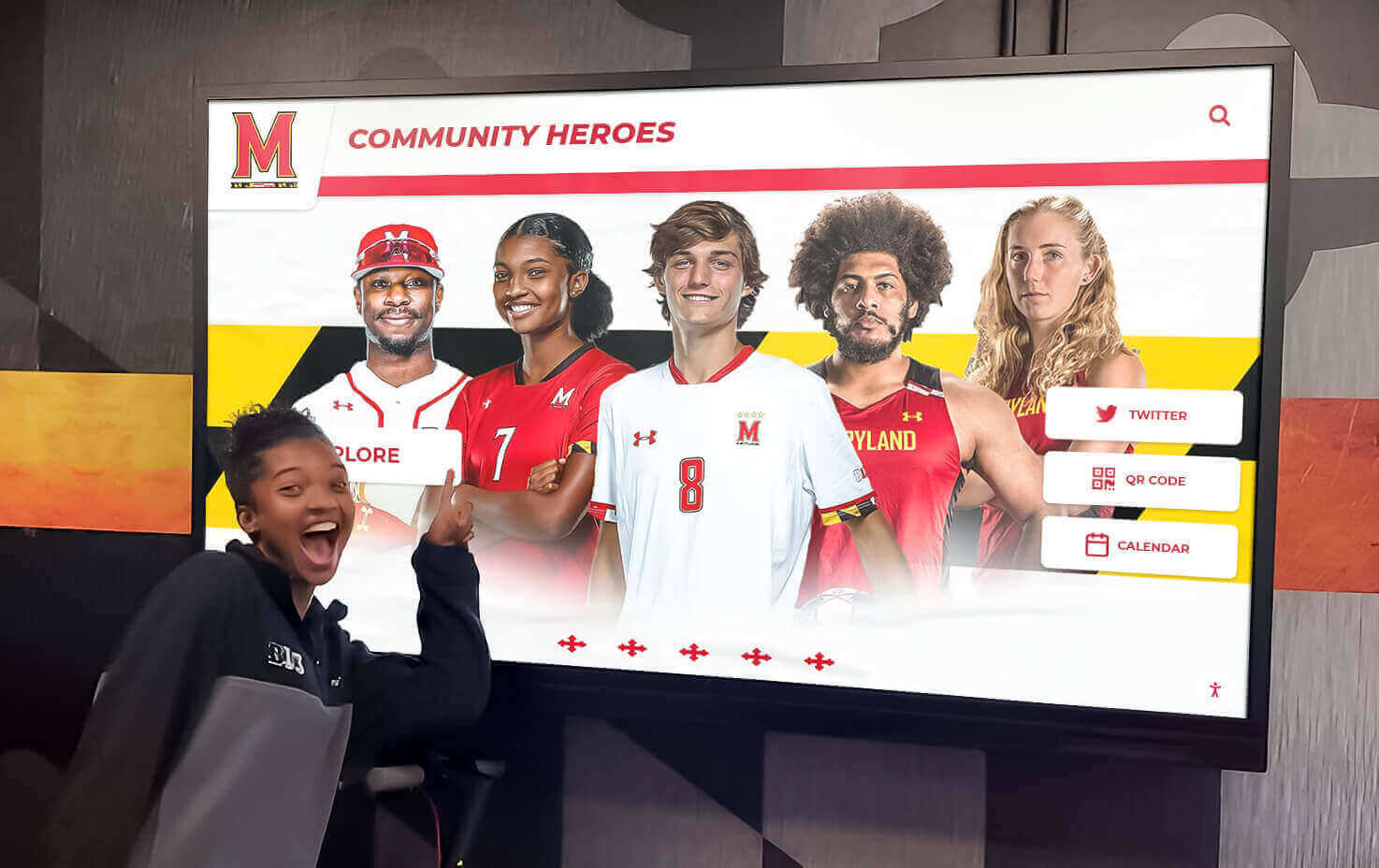
Interactive displays engage students with captain leadership stories, inspiring future leaders through visible celebration of past excellence
The Lasting Impact of Effective Team Captains
Outstanding team captains create impact extending far beyond individual seasons, shaping programs for years and developing skills serving them throughout life.
Building Sustainable Program Culture
Cultural Impact Beyond Single Seasons
Great captains establish cultural foundations that outlast their individual tenure:
Sustained Cultural Influence
- Leadership approaches adopted by future captain generations
- Team standards and traditions passed to subsequent rosters
- Connection networks linking alumni to current programs
- Competitive expectations elevated permanently
- Work ethic and commitment cultures that define programs
Programs with strong captain traditions build sustained excellence as each generation passes improved culture to the next, creating competitive advantages that don’t depend on individual talent cycles.
Life Skills and Personal Development
Leadership Development for Life
The skills developed through effective captaincy transfer far beyond athletics:
Transferable Leadership Capabilities
- Communication skills valuable in professional and personal contexts
- Conflict resolution abilities applicable throughout life
- Emotional intelligence supporting all relationships
- Decision-making under pressure required in many careers
- Team building and motivation relevant to business leadership
- Character and integrity forming foundation for ethical living
Many former captains identify their leadership experiences as more valuable than athletic achievements, citing lessons that shaped professional success, parenting approaches, and community engagement decades after athletic careers concluded.
Recognition Creating Institutional Memory
Preserving Captain Contributions
Systematic recognition ensures captain impact remains visible:
Institutional Memory Functions
- Current athletes understand leadership importance through captain celebration
- Prospective athletes recognize that schools value character and leadership
- Community members appreciate comprehensive development athletic programs provide
- Alumni feel continued connection through leadership recognition
- Programs maintain cultural continuity across coaching changes or roster turnover
This visible institutional memory reinforces that leadership truly matters, encouraging current athletes to develop leadership skills knowing their contributions will be honored alongside competitive achievement.
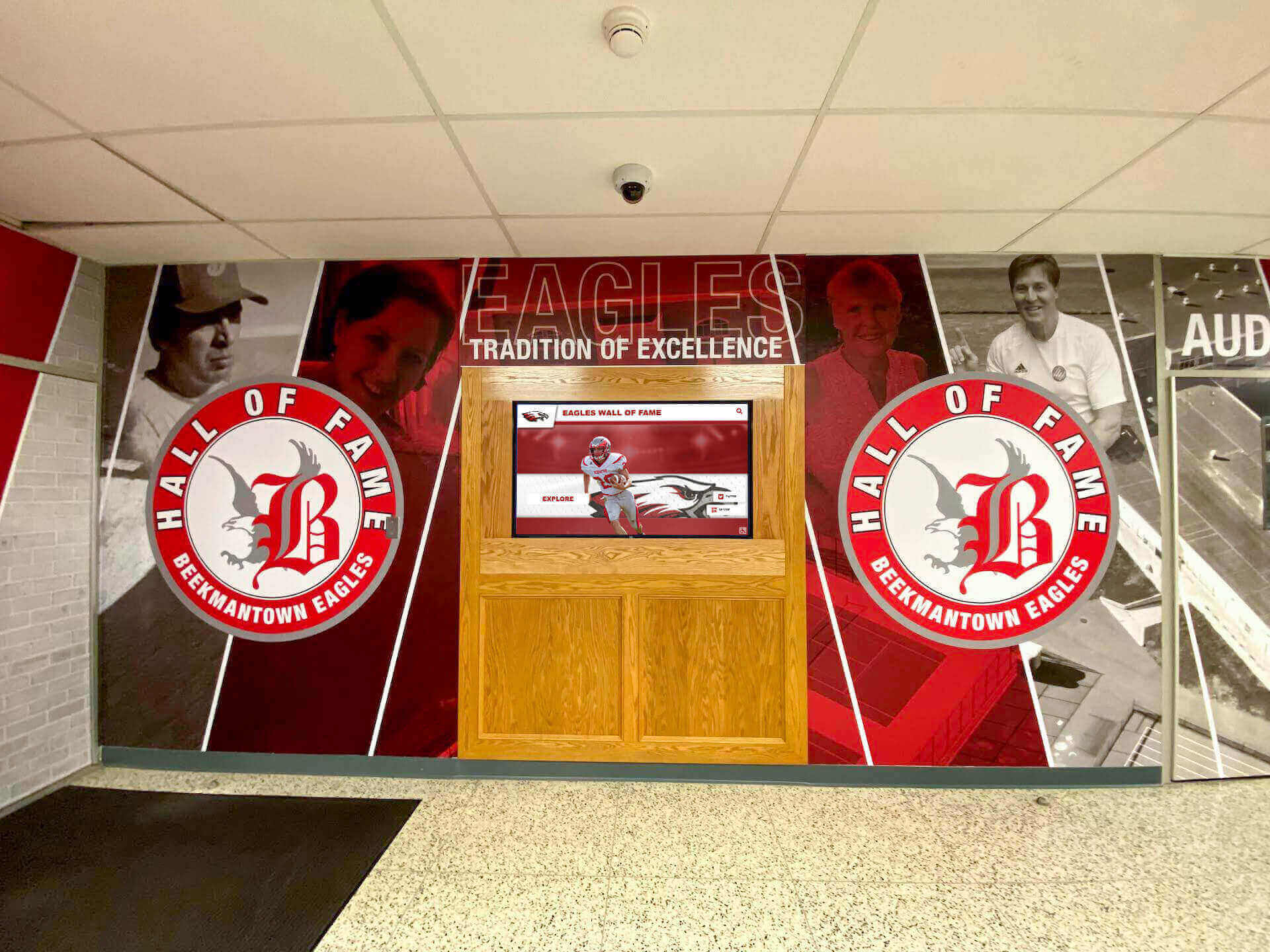
Prominent athletic recognition in main lobby areas ensures captain leadership receives visibility equal to competitive championships
Conclusion: Leadership That Transforms Teams and Lives
Team captain responsibilities extend far beyond calling coin tosses or leading stretching routines—encompassing daily leadership requiring courage, communication skills, emotional intelligence, and unwavering commitment to teammate welfare above personal comfort. Effective captains set performance standards through personal excellence, build inclusive team cultures, serve as communication bridges between players and coaches, mentor developing athletes, maintain academic leadership, represent programs in community contexts, and navigate complex interpersonal challenges requiring mature judgment.
Understanding these multifaceted responsibilities helps athletes maximize their captain impact, coaches develop better leader support systems, and programs build sustainable cultures that outlast any single season. The most successful athletic programs recognize that captain leadership matters as much as coaching expertise or athletic talent, systematically selecting, developing, and celebrating the student leaders who transform individual athletes into cohesive teams achieving more than talent alone would predict.
Celebrate Team Captain Leadership Excellence
Discover how digital recognition platforms can help your athletic program honor team captains with the prominence their leadership deserves—creating comprehensive celebration that inspires current and future leaders while preserving program culture across generations.
Explore Recognition SolutionsModern recognition technology transforms how schools celebrate captain contributions—moving beyond brief banquet acknowledgments toward comprehensive digital platforms showcasing detailed leadership profiles, multimedia documentation, and permanent recognition visible to entire school communities year-round in high-traffic athletic facilities and through web access extending reach beyond physical campuses.
Schools implementing systematic captain recognition demonstrate institutional commitment to developing complete student-athletes who lead with character, serve teammates selflessly, and carry leadership lessons far beyond graduation. This celebration reinforces that athletics develop life skills at least as valuable as competitive success, justifying program investment through comprehensive student development extending far beyond win-loss records.
Your team captains deserve recognition systems matching their daily leadership commitment, cultural impact, and mentorship investment. Whether enhancing existing trophy cases with complementary digital displays or implementing comprehensive platforms serving multiple recognition objectives simultaneously, thoughtful recognition integration creates captain celebration worthy of the service these student leaders provide to teammates, programs, and institutions.
Ready to transform your team captain recognition? Explore how solutions like Rocket Alumni Solutions help schools celebrate leadership excellence through engaging interactive platforms that preserve program culture, inspire future leaders, and demonstrate that character matters as much as championships in truly successful athletic programs.