



Swimming freestyle technique represents the foundation of competitive swimming success, combining precise biomechanics, efficient energy transfer, and coordinated movement patterns that separate fast swimmers from those struggling to drop time. For high school and club swimmers pursuing school records, championship performances, and college recruitment opportunities, mastering freestyle mechanics directly translates to faster splits, improved endurance, and competitive advantage in the pool.
Yet countless swimmers train with flawed technique that creates unnecessary drag, wastes energy through inefficient movements, and ultimately limits their potential regardless of conditioning levels. Without proper stroke mechanics, swimmers work harder while swimming slower—fighting against physics rather than harnessing it. Meanwhile, technique refinements that could immediately improve performance often go unaddressed because coaches lack time for individualized stroke analysis or swimmers don’t understand the specific mechanical principles governing fast freestyle.
This comprehensive guide breaks down every component of elite swimming freestyle technique, from body position and rotation to arm mechanics, breathing patterns, and kick integration. Whether you’re a freshman learning fundamentals or a senior pursuing school records that deserve permanent recognition in your program’s athletic achievement displays, understanding these technical elements creates the foundation for continuous improvement and competitive success.
Fast swimming isn’t about working harder—it’s about working smarter through technique refinements that reduce drag, maximize propulsion, and create efficiency that translates directly to faster times. Swimmers who master these mechanical principles consistently outperform more physically gifted athletes who rely solely on strength and conditioning.

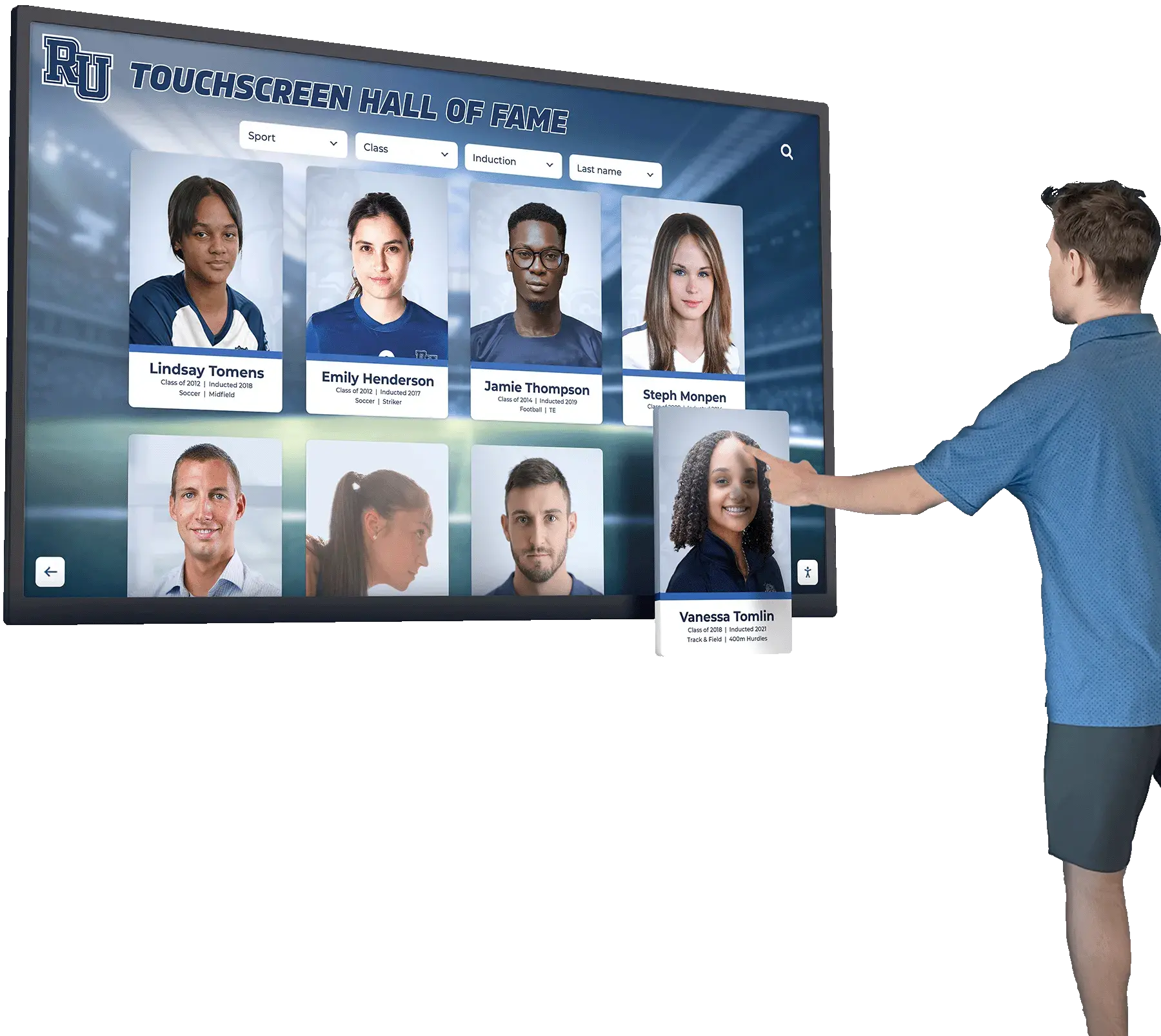
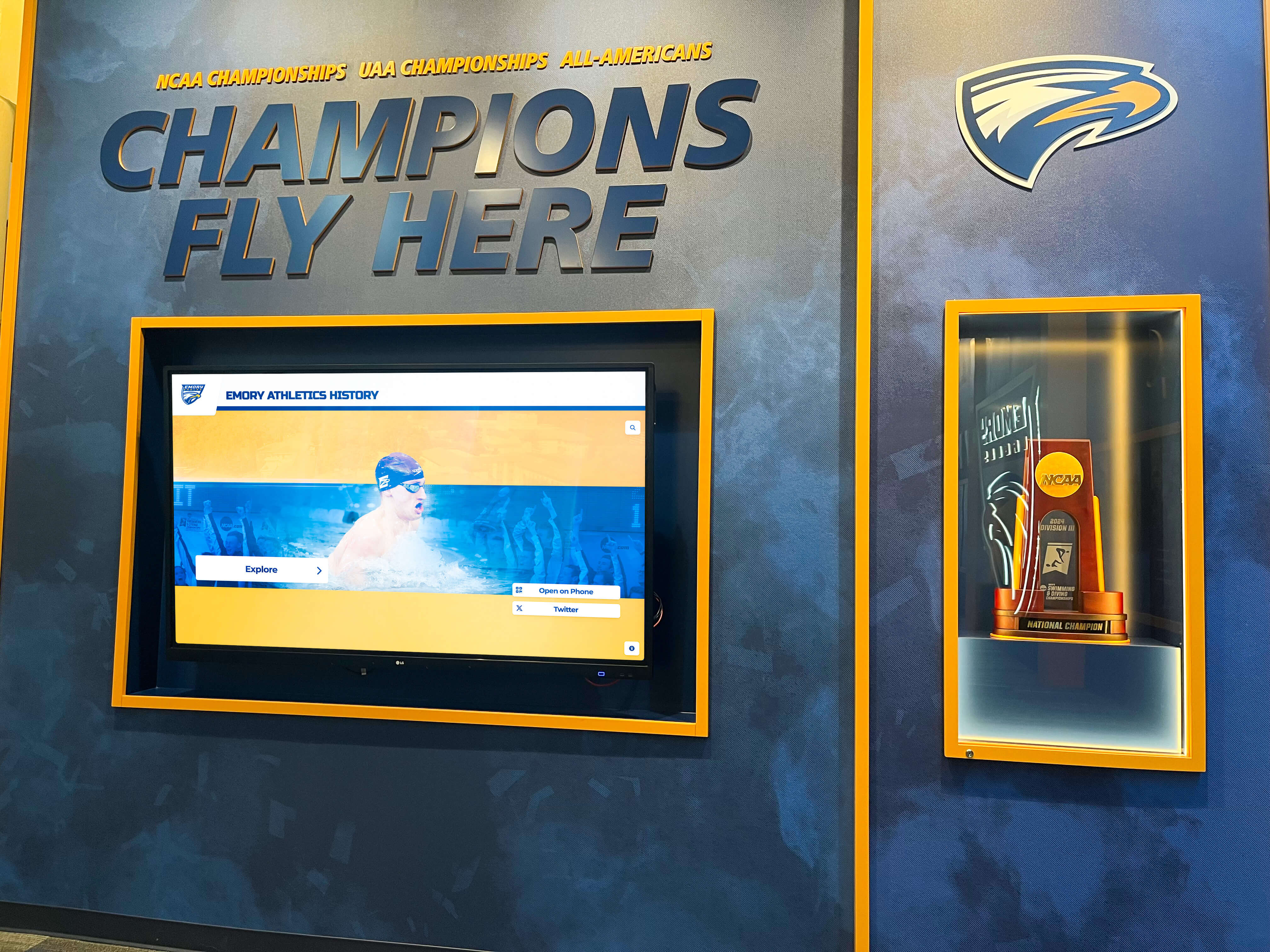
Championship swimming programs celebrate technical excellence and record-breaking performances that result from mastering stroke mechanics
Understanding Freestyle Fundamentals: The Physics of Fast Swimming
Before addressing specific technique components, swimmers benefit from understanding the fundamental principles governing freestyle speed and efficiency.
The Drag-Propulsion Balance
Swimming speed results from the relationship between propulsive force (how much you push water backward) and resistive drag (how much water resistance slows you forward). Elite freestyle technique maximizes propulsion while minimizing drag through precise body positioning and movement patterns.
Three Types of Drag Affecting Swimmers
According to swimming biomechanics research published by USA Swimming, three distinct drag forces affect freestyle swimmers:
- Form Drag: Resistance created by body shape and position in water
- Wave Drag: Resistance from creating surface waves during swimming
- Friction Drag: Resistance from water moving across skin and suit surface
Form drag represents the largest component—swimmers can reduce it by 30-40% through improved body position alone. This explains why technique refinements often produce immediate time improvements without any fitness changes.
The Stroke Efficiency Equation
Freestyle speed depends on stroke rate (strokes per minute) multiplied by distance per stroke. Most age-group swimmers focus exclusively on stroke rate—swimming faster by taking more strokes. Elite swimmers prioritize distance per stroke through improved technique, then add appropriate stroke rate for racing.
Why Distance Per Stroke Matters
Research from the International Journal of Sports Physiology and Performance demonstrates that elite distance freestylers maintain 15-20% fewer strokes per length than age-group swimmers at similar speeds. This efficiency reduces energy expenditure significantly during races, allowing sustained pace over longer distances.

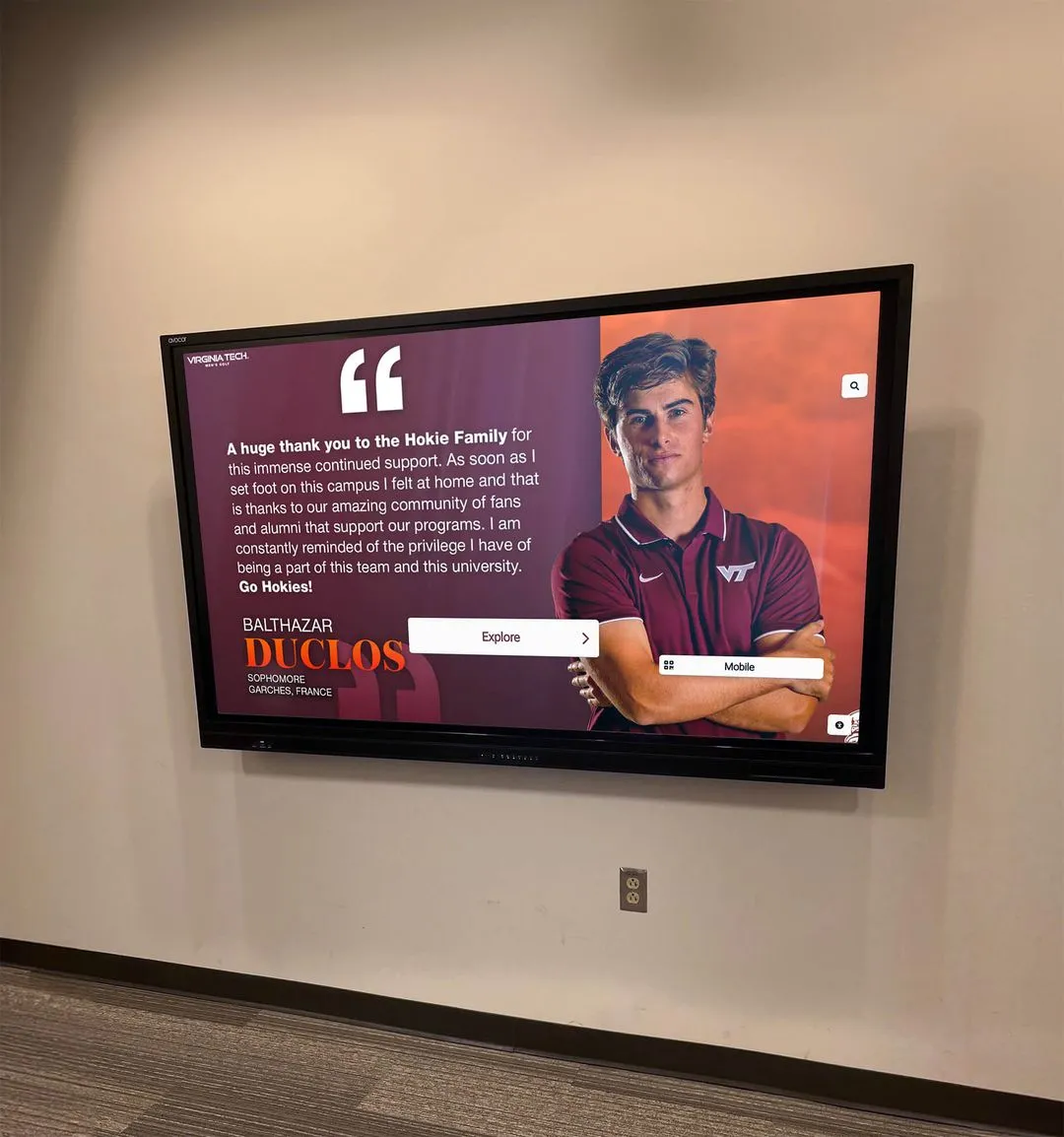
Swimming programs track stroke efficiency and time improvements alongside traditional records, celebrating technical development
Body Position and Streamline: Creating the Foundation
Proper body position represents the single most impactful technical element in freestyle swimming, directly affecting drag forces that determine speed potential.
Horizontal Body Alignment
Elite freestylers maintain near-horizontal body positions throughout the stroke cycle, minimizing form drag by presenting the smallest possible cross-sectional area to oncoming water.
Key Body Position Elements
Head Position and Alignment
- Waterline at middle of forehead when not breathing
- Eyes looking down and slightly forward (not straight down)
- Neck in neutral alignment with spine
- Head stable, not lifting during arm recovery
Hip Position and Core Engagement
- Hips riding high near water surface
- Core muscles engaged to prevent hip drop
- Lower back maintaining slight natural curve
- Pelvis slightly tucked to reduce frontal drag
Common Body Position Errors
- Head too high: Creates hip drop and increased drag
- Looking forward: Lifts chest and drops hips dramatically
- Overarching lower back: Increases frontal surface area
- Dragging legs: Results from weak core engagement
- Swimming uphill: Head and chest too high relative to hips
Each of these errors can increase drag by 15-30%, equivalent to swimming with a parachute attached.
Body Rotation and Its Role in Propulsion
Contrary to beginner assumptions, freestyle isn’t swum flat—elite swimmers rotate their bodies 30-45 degrees on each stroke, integrating rotation into propulsive mechanics.
Benefits of Proper Body Rotation
Body rotation serves multiple technical purposes:
- Increased stroke length: Rotation extends reach forward by several inches
- Larger muscle engagement: Incorporates core and back muscles beyond just shoulders and arms
- Reduced shoulder strain: Distributes workload across more muscle groups
- Easier breathing: Rotation naturally brings mouth to surface
- Improved recovery mechanics: Higher elbow recovery becomes natural when rotating
Elite swimmers initiate rotation from the hips and core, not the shoulders. The body rotates as a unit, maintaining alignment from head through hips to feet.
Arm Stroke Mechanics: The High Elbow Catch and Pull Pattern
The freestyle arm stroke generates the majority of propulsion—typically 85-90% of forward movement. Understanding proper mechanics for each stroke phase creates immediate performance improvements.
The Entry and Extension Phase
The arm stroke begins when the recovering hand enters the water and extends forward into streamline position.
Optimal Entry Mechanics
- Entry point: Hand enters between centerline and shoulder line, fingertips first
- Entry angle: 45-degree angle, fingertips pointing down and forward
- Elbow position: Elbow higher than hand during entry
- Extension timing: Arm extends fully forward underwater before catch begins
- Opposite arm timing: Extension completes as opposite hand finishes push phase
Common entry errors include crossing centerline (creating snaking body motion), slapping the water (wasting energy), and entering too wide (reducing stroke length).

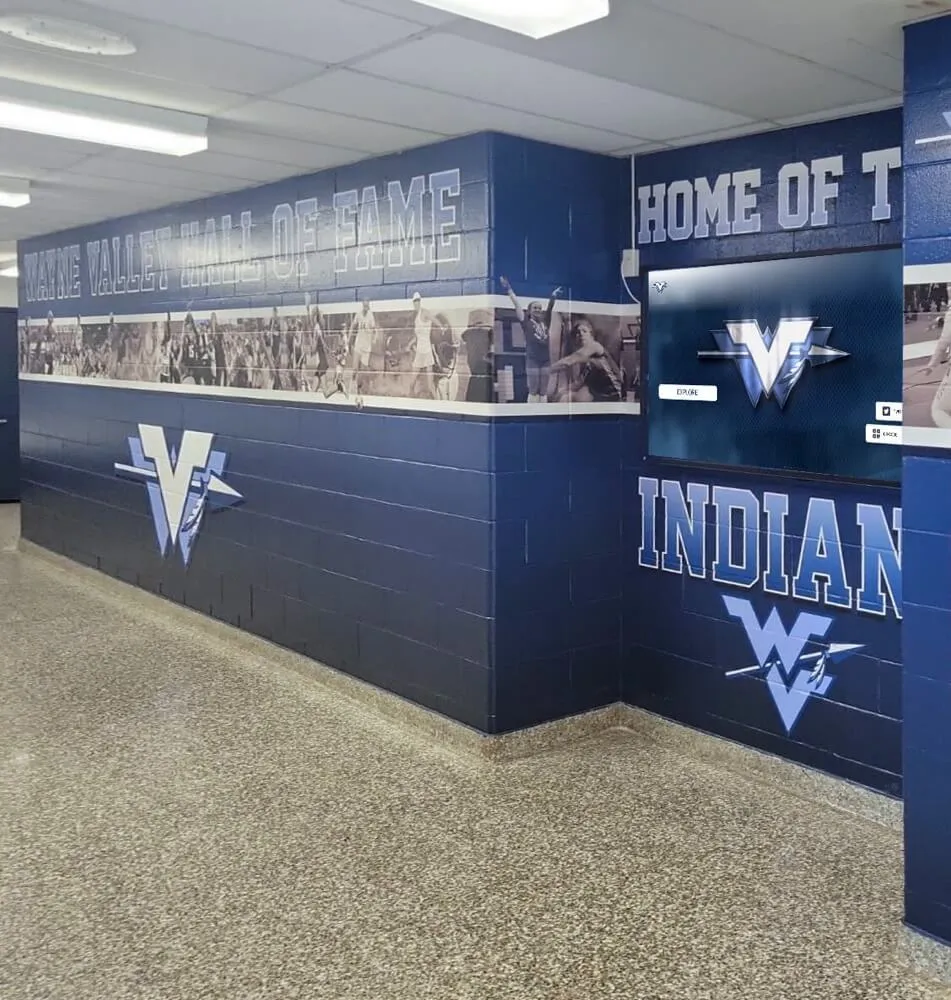
Modern training programs track detailed stroke metrics and technique progression, providing swimmers with data-driven feedback on mechanical improvements
The Catch: Setting Up Propulsion
The catch represents the most technical and crucial phase—the moment when the extended hand transitions from moving forward to pulling backward, establishing the “hold” on water that generates propulsion.
High Elbow Catch Mechanics
Elite freestylers use a “high elbow catch” where the elbow bends while maintaining position near the surface, with the forearm and hand pressing backward and slightly outward against the water.
Catch Phase Checklist
- Fingertips point toward pool bottom
- Elbow remains higher than hand throughout catch
- Forearm becomes vertical to water surface
- Hand pitches slightly outward (10-15 degrees)
- Catch initiates when arm is fully extended forward
- Movement is controlled and deliberate, not rushed
The catch determines how much water you’ll displace during the pull phase. A weak catch with dropped elbow allows water to slip past rather than being pushed backward, drastically reducing propulsion.
The Pull Phase: Maximizing Propulsion
After establishing the catch, the pull phase drives the hand backward along an S-curve pattern beneath the body, generating primary propulsive force.
Optimal Pull Pattern Mechanics
Pull Path and Acceleration
- Hand follows slight S-curve: out, in, then out again
- Pull accelerates throughout the phase
- Hand moves faster during push than during catch
- Elbow maintains 90-120 degree bend at deepest point
- Hand passes close to body centerline at mid-pull
Common Pull Phase Errors
- Straight pull: Reduces water displacement and propulsion
- Wide pull: Creates lateral forces rather than backward propulsion
- Dropped elbow: Most common error, reduces effective pulling surface
- Decelerating pull: Constant or slowing hand speed reduces propulsion
- Deep pull: Excessive depth increases drag without improving propulsion
According to research from the Journal of Sports Sciences, swimmers with optimal pull patterns generate 20-30% more propulsive force compared to swimmers with similar strength but poor mechanics.
The Push and Exit Phase
The final phase drives the hand past the hip and exits the water, completing the underwater stroke cycle.
Push Phase Mechanics
- Hand accelerates to maximum speed
- Forearm and hand push straight backward
- Push continues until hand reaches hip level
- Thumb brushes past thigh during exit
- Palm faces toward feet during push
- Elbow exits water before hand
The push phase contributes 25-30% of total stroke propulsion despite being the shortest phase. Many age-group swimmers quit pulling at mid-thigh, losing this propulsive contribution entirely.
Breathing Technique: Maintaining Efficiency While Getting Air
Breathing represents the most disruptive element in freestyle technique—poorly executed breathing can increase drag by 20-40% and destroy otherwise efficient mechanics.
Breathing Mechanics for Minimal Disruption
Elite swimmers breathe as a natural extension of body rotation, minimizing head movement and maintaining streamline position.
Optimal Breathing Technique
Rotation-Based Breathing
- Head rotates with body, not independently
- Mouth clears surface when body reaches peak rotation
- One goggle remains in water during breathing
- Head returns to neutral before opposite hand entry
- Breath taken quickly during natural rotation window
- No lifting, turning, or pressing down motions
Timing Considerations
- Inhalation occurs during arm recovery on breathing side
- Exhalation begins immediately after inhalation completes
- Continuous exhalation through nose and mouth underwater
- Breathing every 2-4 strokes depending on distance and intensity
Many swimmers hold their breath between breaths, creating CO2 buildup and oxygen debt. Elite swimmers exhale continuously, making inhalation quick and efficient.
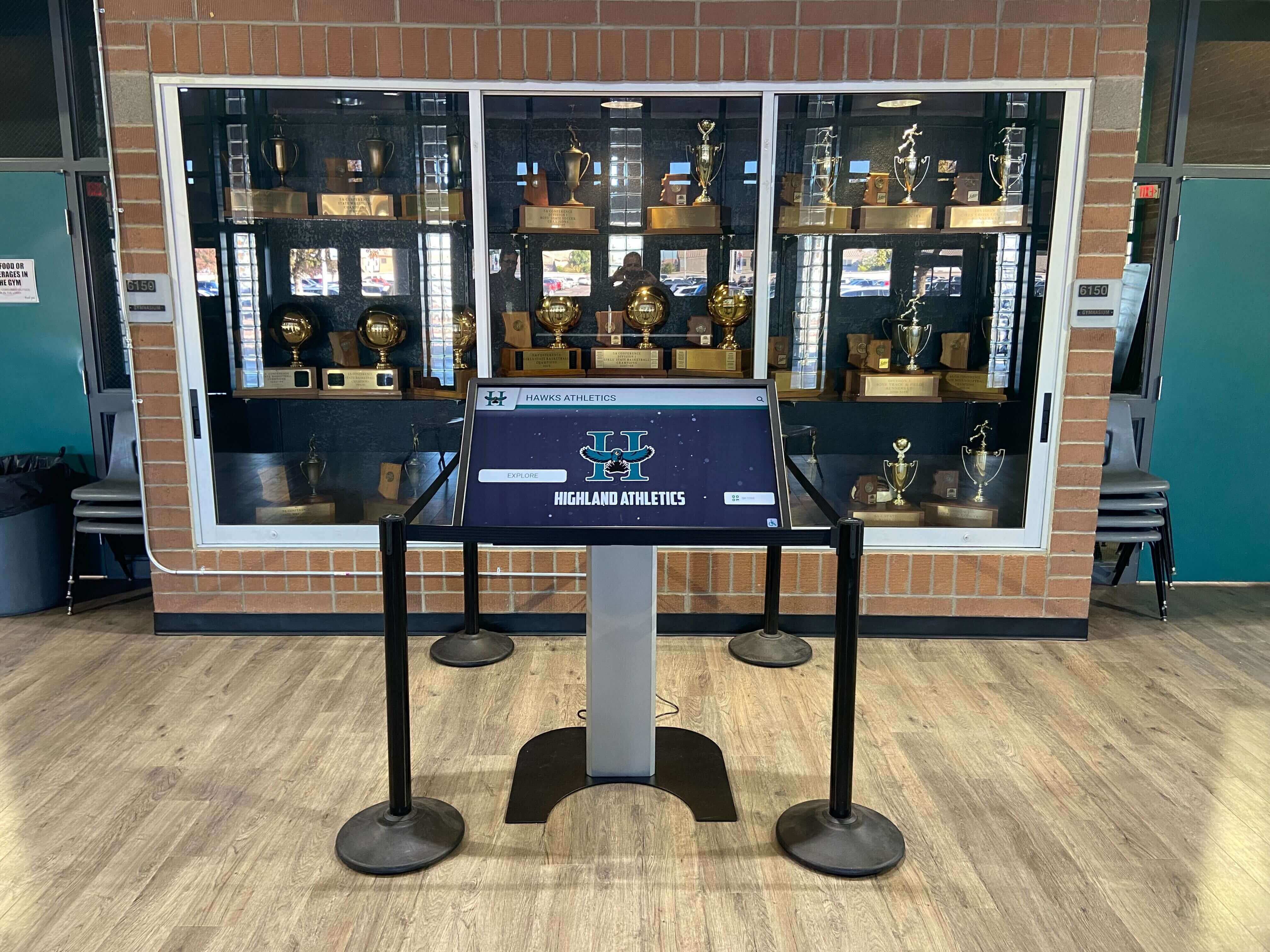
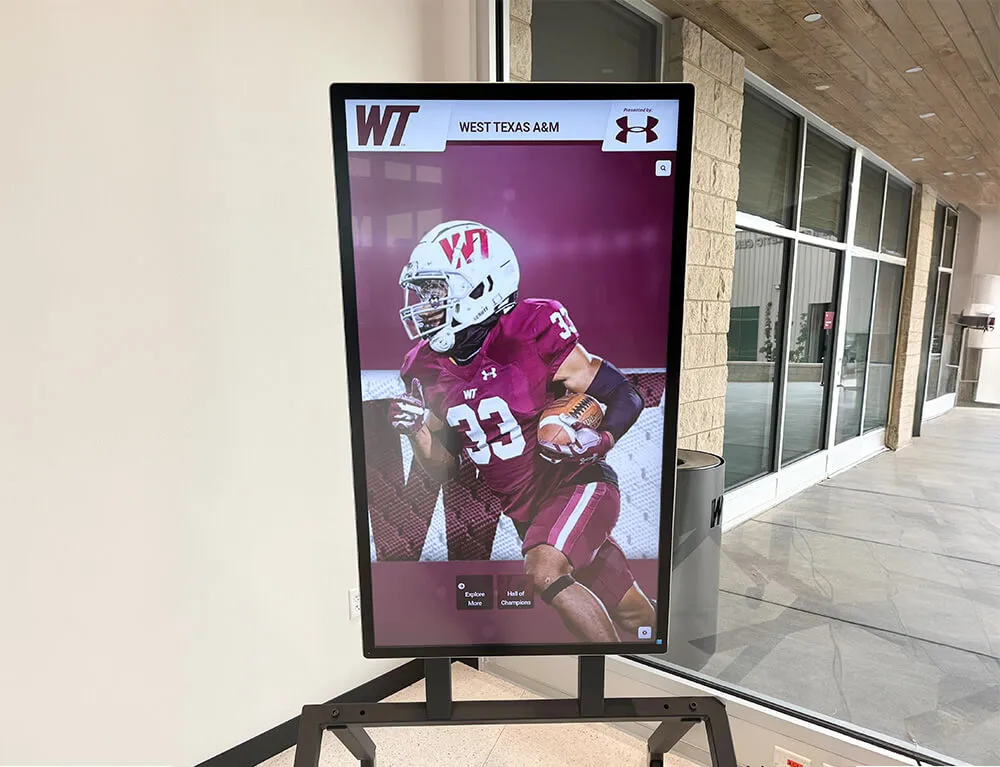
Swimming programs showcase technical achievements and training milestones alongside competition results, recognizing the dedication required for stroke mastery and performance improvement
Bilateral Breathing and Pattern Selection
Breathing pattern significantly affects stroke symmetry, race strategy, and tactical awareness during competition.
Breathing Pattern Options
- Every 2 strokes: Maximum oxygen, asymmetric stroke development
- Every 3 strokes: Balanced development, slightly reduced oxygen (most common)
- Every 4 strokes: Sprint-oriented, requires excellent conditioning
- Variable patterns: Tactical approach based on race segments
Research from the Journal of Swimming Research indicates that bilateral breathing (alternating sides) produces more symmetric stroke development and better overall technique compared to single-side breathing, though many swimmers breathe to one side during racing for maximum oxygen intake.
Kick Technique: The Two-Beat and Six-Beat Patterns
The freestyle kick contributes 10-15% of propulsion in distance events and 20-25% in sprints, while serving crucial roles in body position and rotation timing.
Flutter Kick Mechanics
Proper freestyle kicking originates from the hips, not the knees, creating long, fluid motions rather than bicycle-pedaling movements.
Optimal Kick Mechanics
- Initiation point: Kick begins at hip flexors
- Knee bend: Slight flex (20-30 degrees) during down-kick
- Ankle flexibility: Toes pointed, ankles loose and relaxed
- Kick depth: Down-kick travels 12-18 inches below surface
- Kick width: Feet remain within body’s cylindrical profile
- Kick tempo: Fast, continuous motion with minimal pause
Common kicking errors include bending knees excessively (creating drag), kicking too wide (breaking streamline), and kicking from the knees rather than hips (reducing propulsion while increasing effort).
Six-Beat Versus Two-Beat Kick Patterns
Swimmers use different kick patterns depending on event distance and individual propulsion preferences.
Six-Beat Kick (Sprint Standard)
Six kicks per complete arm cycle (three kicks per arm stroke):
- Maximum propulsive contribution from kick
- Higher energy expenditure
- Better body position maintenance
- Standard for sprints (50m-100m events)
- Used by swimmers with naturally strong kicks
Two-Beat Kick (Distance Standard)
Two kicks per complete arm cycle (one kick per arm stroke):
- Minimal energy expenditure
- Kick timed primarily for body rotation assistance
- Standard for distance events (400m and longer)
- Preserves leg energy for sustained swimming
Many distance swimmers use hybrid patterns: six-beat during races’ critical phases (start, finish, passing) and two-beat during steady-state swimming to conserve energy.

Interactive displays allow swimmers to explore technique videos, stroke analysis, and performance progression data alongside traditional race results and records
Timing and Coordination: Integrating All Components
Elite freestyle results from precise coordination between arms, legs, breathing, and rotation—creating fluid, efficient motion where individual components enhance rather than interfere with each other.
Catch-Up Versus Opposition Timing
Arm timing significantly affects stroke rhythm and propulsion continuity.
Opposition Timing (Elite Standard)
In opposition timing, one hand begins its catch as the opposite hand finishes its push—creating continuous propulsion throughout the stroke cycle without “dead spots” where neither arm provides forward drive.
Timing Characteristics:
- Maximum continuous propulsion
- Requires excellent stroke length
- Higher stroke rate potential
- Standard for sprint and middle-distance swimming
- More technically demanding
Modified Catch-Up Timing (Learning Tool)
In catch-up timing, the recovering hand waits until the opposite hand reaches full extension before beginning its pull—creating a deliberate pause that emphasizes stroke length.
This timing works well for learning proper extension and reducing stroke rate, but creates propulsive dead spots that limit racing speed.
Body Rotation Integration
Body rotation must coordinate precisely with arm and breathing timing to enhance rather than disrupt stroke efficiency.
Rotation Timing Principles
- Peak rotation occurs when pulling hand passes shoulder line
- Body rotates toward pulling arm (not recovering arm)
- Return rotation begins as hand finishes push phase
- Hips lead rotation, shoulders follow
- Head remains aligned with spine during rotation
- Kick timing coordinates with rotation to assist, not resist
Swimmers with poor rotation timing often rotate toward the recovering arm (wrong direction), creating cross-body balance issues and disrupted stroke rhythm.
Common Freestyle Technique Problems and Solutions
Even experienced swimmers develop technical flaws that limit performance—identifying and correcting these issues creates immediate improvement opportunities.
The Dropped Elbow During Pull
Problem Identification
The dropped elbow represents the most common and impactful freestyle error. Instead of maintaining high elbow position during the catch and pull, the elbow drops below the hand, pointing toward the pool bottom.
Performance Impact
A dropped elbow reduces effective pulling surface area by 40-60%, forcing swimmers to work significantly harder for the same speed. It’s equivalent to paddling with cupped hands versus flat palms.
Correction Exercises
Catch-Up Drill
- Swim with exaggerated catch-up timing
- Focus on establishing high elbow before pulling
- Pause at full extension, checking elbow position
- Pull deliberately, maintaining elbow higher than hand
Sculling Drills
- Extend arms forward in streamline
- Scull hands outward and inward
- Maintain elbows near surface throughout
- Feel forearm and hand pressing water
Fist Swimming
- Swim regular freestyle with closed fists
- Forces awareness of forearm as pulling surface
- Naturally promotes high elbow position
- Alternate 25m fist, 25m regular swimming
Single-Arm Freestyle
- Swim with one arm, opposite arm extended
- Exaggerate high elbow catch and pull
- Check arm position without breathing disruption
- Identify left/right asymmetries
Excessive Crossover During Entry
Problem Identification
Many swimmers cross their hands past the body centerline during entry, creating snaking body motion that increases drag and disrupts streamline position.
Correction Approach
- Focus on entry point between centerline and shoulder line
- Use lane line as visual reference during practice
- Practice single-arm swimming to isolate entry mechanics
- Video analysis to identify crossing pattern
Swimming with a pull buoy between thighs provides immediate feedback—excessive crossover causes the buoy to shift or fall out.
Breathing-Induced Head Lift
Problem Identification
Lifting the head forward (rather than rotating to the side) during breathing creates massive drag increases and hip drop, drastically slowing swimmers.
Correction Strategy
- Practice breathing drills with one goggle in water
- Exhale continuously underwater to reduce air urgency
- Focus on rotating head with body, not independently
- Use tempo trainer to maintain consistent stroke rhythm during breathing
Swimmers often lift their heads because they feel they can’t get enough air with proper rotation—this usually indicates poor exhalation technique rather than inadequate inhalation opportunity.

Pool facilities integrate digital displays showcasing stroke technique videos, training resources, and swimmer achievements, creating environments that emphasize technical excellence
Progressive Technique Development: From Fundamentals to Racing
Technique development follows a logical progression—attempting advanced mechanics before mastering fundamentals creates frustration and limits improvement.
Phase 1: Establishing Body Position and Balance
Before addressing stroke mechanics, swimmers must develop horizontal body position and balance.
Foundational Skills
- Streamline position off every wall
- Maintaining horizontal position during kick sets
- Core engagement preventing hip drop
- Relaxed, neutral head position
Key Drills
- Streamline kick: Maximum distance underwater in perfect streamline
- Balance drills: Various body positions maintaining horizontal alignment
- 6-kick switch: Six kicks on side, rotate and repeat
- Superman glide: Extended glide position, minimal kicking
These fundamentals apply to all competitive strokes, making them valuable beyond freestyle development.
Phase 2: Developing the High Elbow Catch
After establishing position and balance, swimmers focus on the catch—the technical element with highest performance impact.
Catch Development Progression
- Stationary sculling: Establish feel for forearm pressure
- Catch-up swimming: Exaggerate catch setup and execution
- Fist swimming: Develop forearm awareness
- Single-arm swimming: Perfect catch without coordination complexity
- Full-stroke integration: Incorporate catch into complete stroke
Video analysis proves particularly valuable during catch development—underwater footage reveals elbow position that swimmers cannot feel or see during swimming.
Phase 3: Integrating Breathing and Rotation
With solid position and catch mechanics, swimmers add breathing and rotation without disrupting established fundamentals.
Integration Sequence
- Breathing drills (no arms, just rotation and breathing)
- Single-arm swimming with breathing every stroke
- Three-stroke breathing pattern with focus on minimal disruption
- Building breathing endurance (extending strokes between breaths)
- Race-pace swimming maintaining technique during fatigue
Many swimmers’ technique deteriorates during hard efforts—practicing technique at race pace builds capacity to maintain mechanics when fatigued.
Phase 4: Optimizing for Competition
The final development phase addresses race-specific technique applications and maintaining efficiency during maximal effort.
Race Technique Considerations
- Stroke rate adjustments for different distances
- Breakout technique after starts and turns
- Finishing technique for optimal wall touch
- Drafting and positioning in open water or prelims
- Fatigue management while maintaining technique
Elite swimmers distinguish themselves by maintaining excellent technique during maximum effort—when fatigue tempts mechanical breakdown, disciplined technique execution determines championship performance.
Video Analysis and Feedback Tools for Technique Refinement
Modern technology enables technique analysis previously available only to elite programs, democratizing access to detailed feedback that accelerates improvement.
Underwater Video Analysis
Underwater video reveals technique elements impossible to identify from deck observation or swimmer feel.
Key Analysis Points
When reviewing underwater video, swimmers and coaches should examine:
- Body position and alignment throughout stroke cycle
- Elbow position during catch and pull phases
- Hand path and pull pattern beneath body
- Rotation timing and range of motion
- Kick mechanics and timing integration
- Breathing disruption to body position
Even smartphone video from pool deck can provide valuable feedback, though dedicated underwater cameras or underwater housing allows more detailed analysis from below and side angles.
Stroke Rate and Distance Per Stroke Tracking
Quantifying stroke efficiency through objective metrics helps swimmers understand whether technique changes improve or harm performance.
Key Metrics
- Stroke count: Strokes per 25m or 50m length
- Stroke rate: Strokes per minute or seconds per stroke
- Distance per stroke: Length divided by stroke count
- SWOLF score: Stroke count plus time for fixed distance (lower is better)
Tracking these metrics during training provides concrete feedback on technique changes—improvements should reduce stroke count while maintaining or improving speed.
Many swimming programs now showcase both traditional race records and technical achievement milestones through digital recognition displays that celebrate diverse aspects of swimmer development beyond pure competition results.
Strength and Flexibility Work Supporting Technique
While this guide focuses on mechanics, certain physical capabilities directly enable or limit technique execution—targeted development enhances mechanical potential.
Shoulder Flexibility and Rotation Range
Limited shoulder flexibility restricts stroke length, recovery mechanics, and rotation range, forcing compensatory movements that increase drag.
Key Flexibility Areas
- Shoulder internal rotation: Enables high elbow recovery
- Shoulder extension: Allows full reach during entry
- Thoracic spine rotation: Supports body rotation mechanics
- Ankle flexibility: Critical for effective flutter kick
Dynamic stretching before swimming and static stretching after training develops and maintains flexibility supporting optimal mechanics.
Core Strength for Position Maintenance
Core strength enables the sustained muscle engagement required to maintain horizontal position during extended swimming efforts.
Essential Core Capabilities
- Anti-extension strength: Prevents lower back arching and hip drop
- Anti-rotation strength: Maintains alignment during body rotation
- Anti-lateral flexion: Keeps body aligned despite asymmetric forces
Planks, side planks, pallof presses, and dead bugs develop core capabilities directly transferring to swimming position maintenance.
Shoulder Stability and Injury Prevention
The enormous training volume in competitive swimming (often 20,000-30,000 meters weekly) creates injury risk without proper shoulder stability and balanced development.
Stability Development
- External rotation exercises (band work)
- Scapular stabilization (Y-T-W raises)
- Rotator cuff strengthening (light resistance, high repetition)
- Balanced pulling and pushing movements
Swimmers with excellent technique but inadequate shoulder stability often develop overuse injuries that derail training—prevention through targeted stability work proves far more effective than rehabilitation after injury occurs.

Modern swimming programs use interactive displays in aquatic facilities to showcase technique resources, training data, and swimmer recognition in spaces where athletes train daily
Building a Technique-Focused Training Environment
Individual technique work matters, but program-wide emphasis on technical excellence creates environments where proper mechanics become cultural expectations rather than individual pursuits.
Creating Technical Accountability Systems
Swimming programs that consistently produce technically sound swimmers implement systematic approaches to technique evaluation and development.
Systematic Technique Integration
- Regular video analysis sessions (monthly minimum)
- Technique-focused sets in every practice
- Stroke count goals for training sets
- Peer feedback and observation training
- Seasonal technique testing and benchmarking
When technique receives consistent attention and objective evaluation, swimmers internalize mechanical priorities and self-correct during training rather than ingraining flawed patterns through high-volume practice.
Celebrating Technical Achievement
Most swimming recognition focuses exclusively on race results—final times, championship placements, and record performances. While competition success matters, recognizing technical improvement and mechanical mastery creates motivation for the consistent detail work technique development requires.
Technical Recognition Opportunities
- Stroke efficiency improvements (reduced stroke counts at speed)
- Demonstrating proper mechanics during fatigue
- Video analysis showing technique progression
- Achieving technical benchmarks (perfect streamline, high elbow consistency)
- Mentoring younger swimmers in technique development
Swimming programs increasingly showcase diverse achievements through digital recognition systems that celebrate both competitive results and the technical development underlying performance improvement. These modern recognition approaches help programs communicate that technique mastery represents valued achievement worth permanent celebration.
Coach Education and Technical Expertise
Technique-focused programs require coaches with deep understanding of stroke mechanics and the pedagogical skills to teach technique effectively across diverse learning styles.
Coach Development Areas
- Biomechanics education and ongoing learning
- Video analysis skills and feedback delivery
- Drill progression design and implementation
- Individual technique diagnosis and correction
- Communication strategies for kinesthetic learners
Even excellent swimmers often struggle to articulate or teach technique effectively—coaching requires separate skills from swimming performance itself.
Putting It All Together: Your Technique Development Plan
Implementing comprehensive technique improvements requires systematic approaches that build progressively without overwhelming swimmers with simultaneous change.
Assessing Your Current Technique
Before implementing changes, honestly evaluate current technique across all components discussed in this guide.
Self-Assessment Process
- Video yourself swimming: Capture underwater and side angles
- Count strokes: Establish baseline stroke counts at various paces
- Identify primary limiters: Choose 1-2 highest-impact improvement areas
- Set specific goals: Define measurable technique targets
- Create practice integration plan: Schedule technique-focused work
Attempting simultaneous improvement across all technique areas creates cognitive overload and dilutes focus—prioritizing 1-2 elements for concentrated work produces better results than scattered attention across many areas.
8-Week Technique Development Cycle
Here’s a progressive focus sequence addressing major technique elements:
Weeks 1-2: Body Position and Streamline
- Every practice begins with streamline and balance work
- Focus on horizontal position and head placement
- Measure improvements in distance per stroke
Weeks 3-4: High Elbow Catch Development
- Sculling and catch-up drills daily
- Single-arm swimming with catch emphasis
- Video analysis comparing to baseline
Weeks 5-6: Breathing and Rotation Integration
- Breathing drills without arms
- Progressive addition of full stroke with breathing
- Maintaining stroke count during breathing cycles
Weeks 7-8: Timing and Race Application
- Coordination of all elements at race pace
- Building speed while maintaining technique
- Video comparison to baseline showing improvement
After completing this cycle, continue maintenance work on developed skills while cycling through the progression again at higher levels of precision.
Maintaining Technique During Competition Season
Technique often deteriorates during taper and competition phases when training volume decreases but intensity remains high.
In-Season Technique Maintenance
- Brief technique sets in every practice
- Video check-ins every 2-3 weeks
- Stroke count awareness during competition
- Pre-race technique visualization and cueing
- Post-race technique review (not just time analysis)
The fastest swimmers maintain excellent technique during maximum effort—championship performance results from technical discipline during fatigue, not abandoning mechanics to “try harder.”
Conclusion: From Technique to Championship Performance
Swimming freestyle technique represents far more than academic exercise in biomechanics—it’s the foundation determining whether countless training hours translate to competitive success or frustration. Every length swum either reinforces excellent mechanics that build speed and efficiency, or ingrains flawed patterns that limit potential regardless of dedication and effort.
For high school and club swimmers pursuing championship performances, college recruitment opportunities, and school records worthy of permanent recognition, technique mastery isn’t optional—it’s the determining factor separating swimmers who achieve their potential from those who plateau despite maximum effort. The swimmers who commit to detailed technique work, seek objective feedback through video analysis, and maintain mechanical discipline during fatigue consistently outperform more physically gifted competitors who rely solely on training volume and intensity.
As you develop your freestyle technique through the progressions outlined in this guide, remember that improvement comes through consistent attention to detail over months and years, not overnight transformation. Focus on one or two technical elements at a time, measure progress through objective metrics, and celebrate technical achievements alongside competition results. The mechanical precision you develop becomes not just faster swimming but a competitive advantage you carry into every race, every season, and throughout your swimming career.
Swimming programs that emphasize technical excellence alongside competitive results create environments where achievement means more than just final times—recognizing the discipline, attention to detail, and commitment to improvement that characterize true athletic development. Modern recognition systems enable programs to celebrate this comprehensive view of swimmer achievement, showcasing technical milestones, training dedication, and performance progression in ways that inspire current athletes while honoring those whose records set the standard for excellence.
Whether you’re working to drop your first seconds off a 50 free or pursuing state championship performances that will be remembered for decades, the technique fundamentals in this guide provide the mechanical foundation for continuous improvement. Master these principles, practice with precision, and let excellent technique become the competitive advantage that defines your swimming success.