



Swim meet day arrives with a unique mix of excitement and nerves. Unlike sports where game-day momentum builds gradually, swimmers face immediate pressure from the moment they step on deck—often with multiple races, relay assignments, and little recovery time between events. Proper preparation makes the difference between swimming personal bests and struggling through disappointing performances.
For many families new to competitive swimming, the sport’s culture, terminology, and expectations can feel overwhelming. Meet formats vary significantly across age groups, team levels, and competitive divisions. What works for recreational summer league meets differs substantially from high-pressure championship competition requiring peak performance.
This comprehensive guide provides swimmers and parents with practical preparation strategies covering everything from equipment essentials and nutrition timing to mental preparation techniques and meet day logistics—helping athletes arrive confident, prepared, and ready to perform their best when it matters most.
Whether you’re preparing for your first swim meet or supporting an athlete working toward state qualifying times, understanding proper preparation protocols prevents common mistakes while maximizing performance potential across all competitive levels.

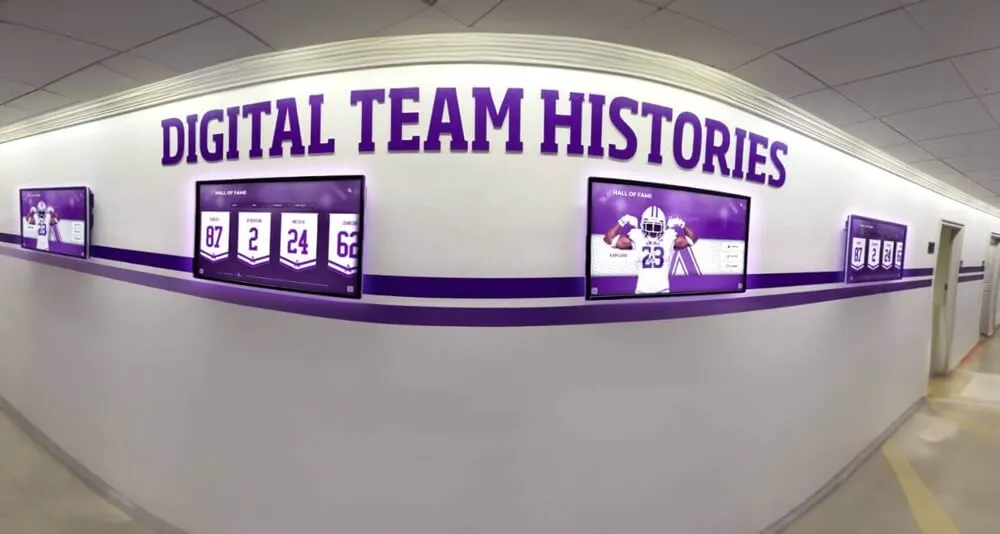
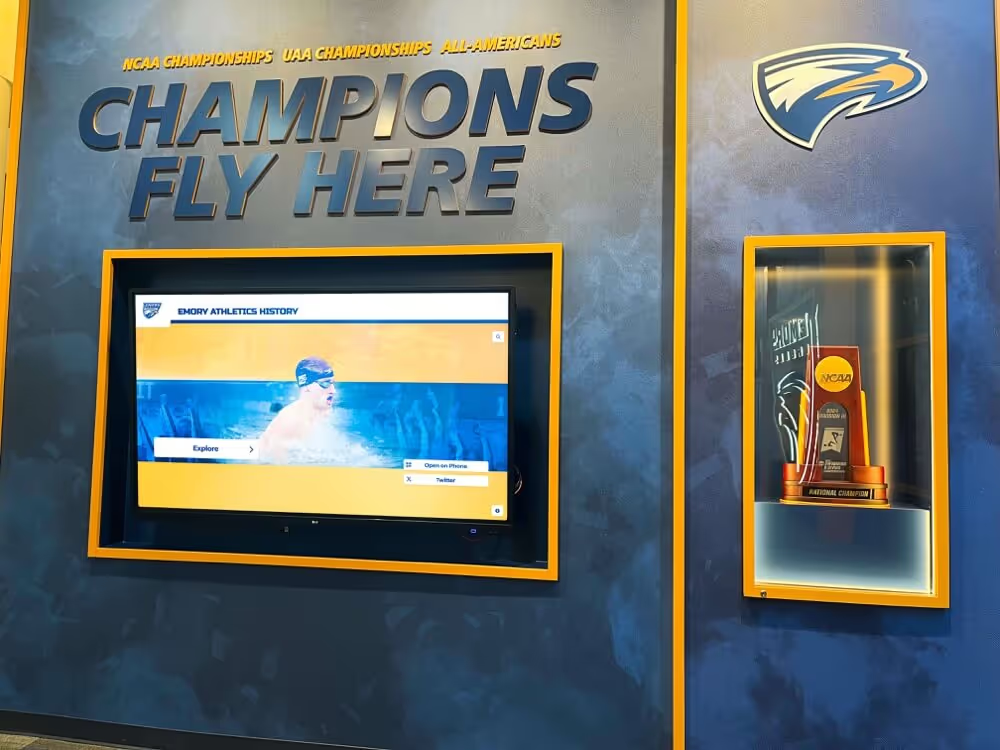
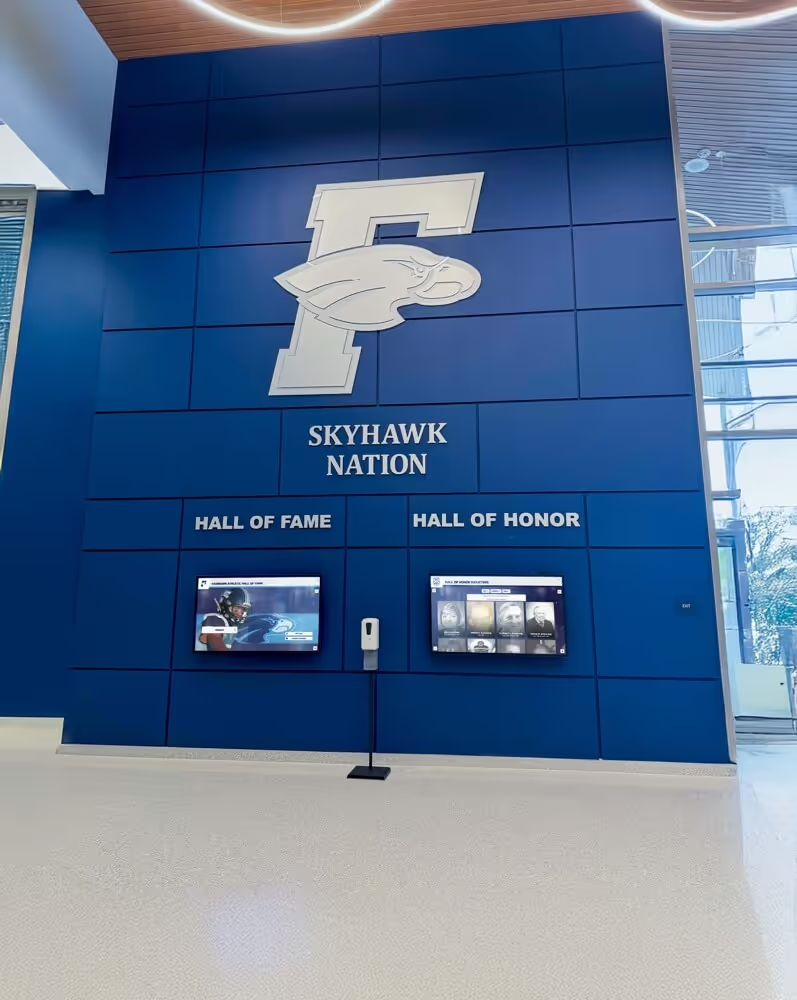
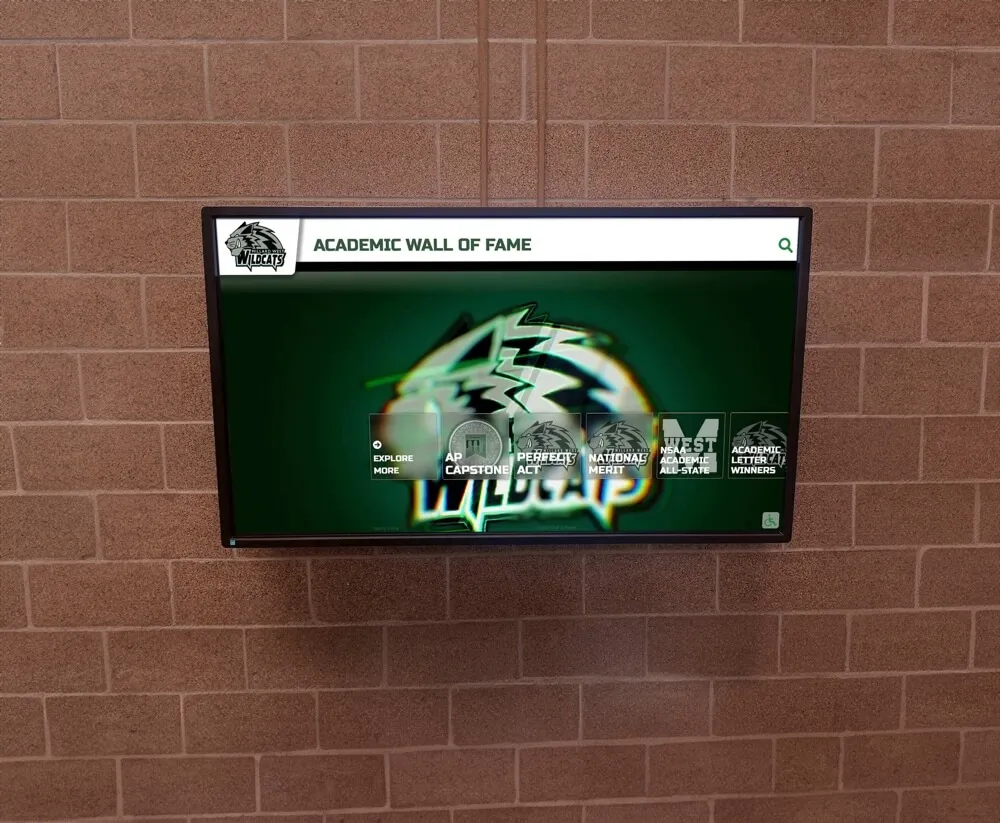
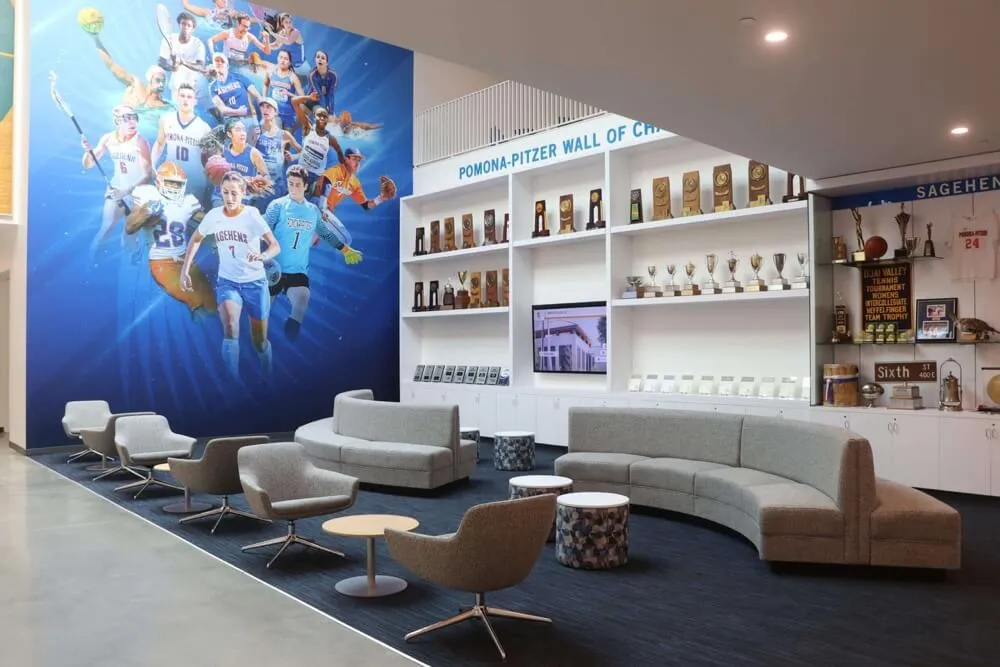
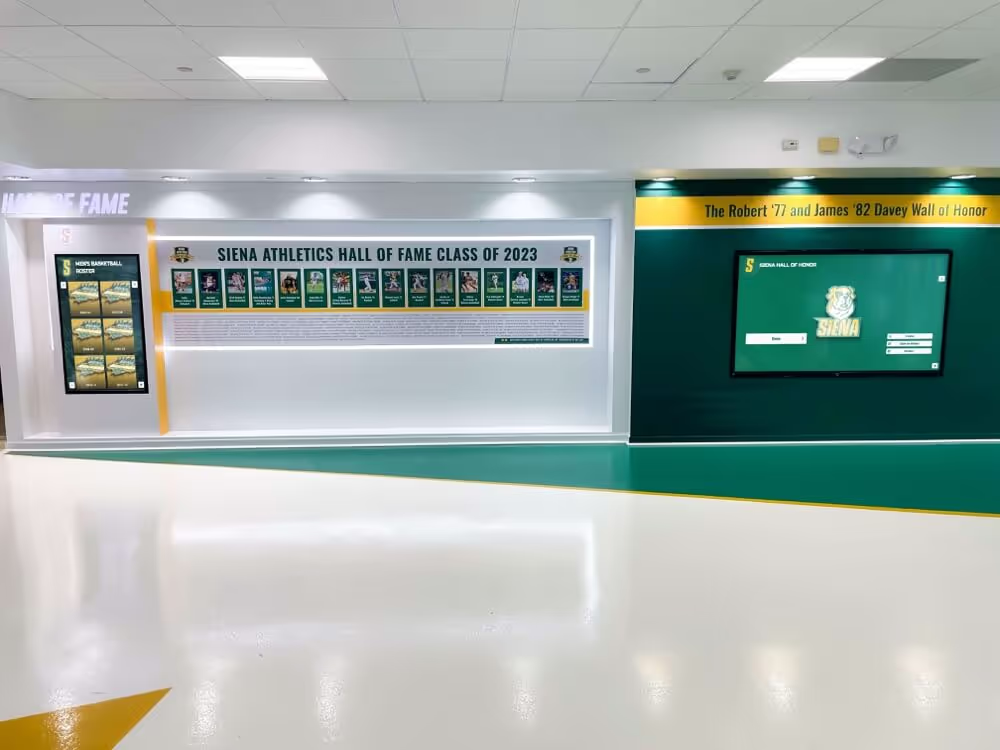
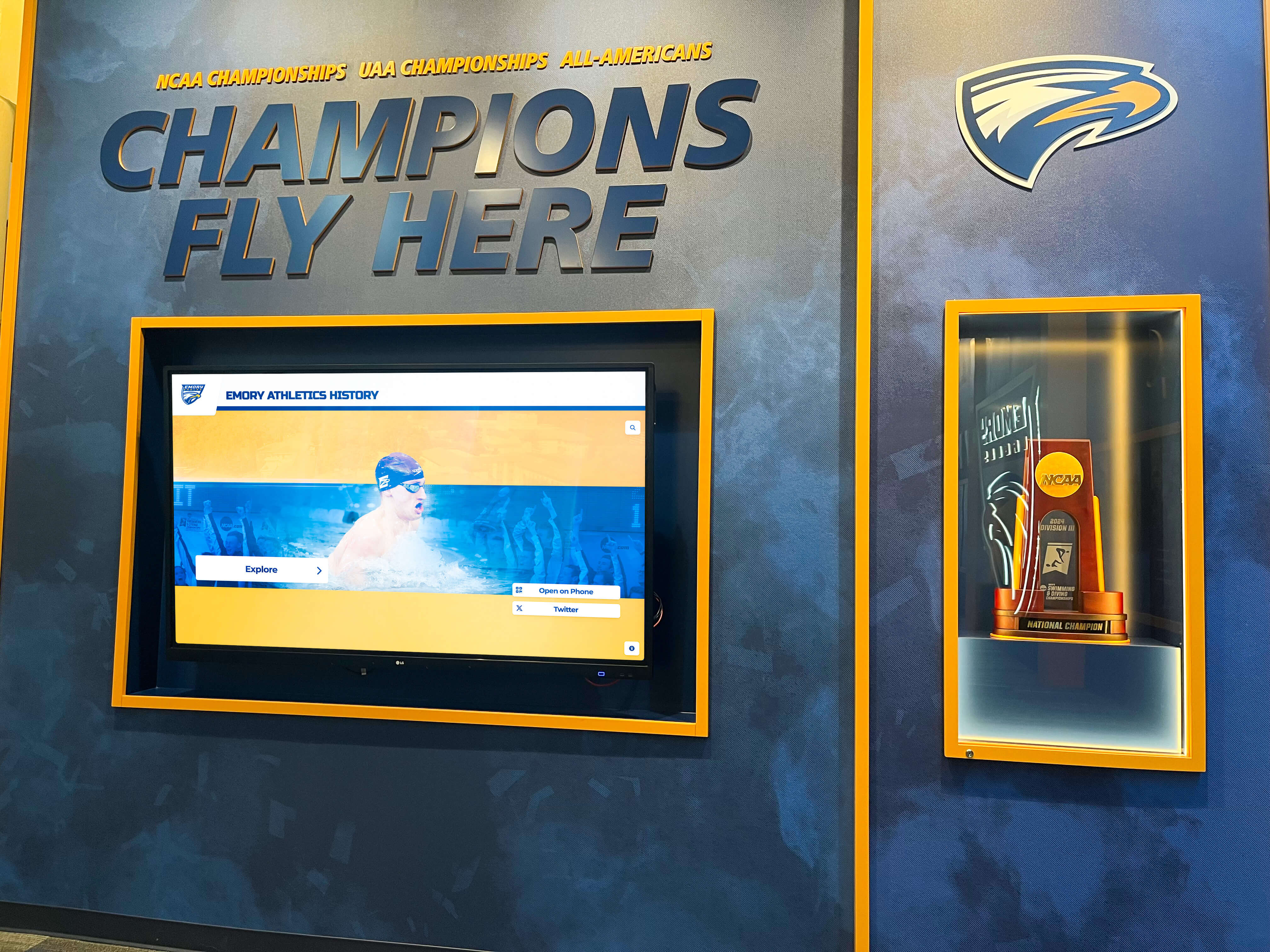
Championship swimming programs celebrate achievements prominently, motivating current athletes toward excellence
Understanding Different Swim Meet Formats
Swim meet preparation begins with understanding the specific competition format you’re facing, as requirements vary substantially across different meet types.
Dual and Tri-Meets
Format Characteristics
- Two or three teams competing head-to-head
- Typical duration: 2-4 hours for all age groups
- Every swimmer typically gets 2-4 individual events plus relay opportunities
- Points awarded to top finishers from each team
- Informal, team-focused atmosphere
Preparation Priorities
- Focus on team support and relay performance
- Less pressure allows practicing race strategies
- Good opportunities for trying new events or distances
- Coach attention more available than at larger meets
- Excellent for building meet experience progressively
What to Expect
- Shorter warm-up periods (30-45 minutes typical)
- Faster meet pace with less downtime between events
- More informal deck environment and seating arrangements
- Team bonding opportunities between races
- Results often available immediately after each event
Invitationals and Championship Meets
Format Characteristics
- Multiple teams (often 8-20+) competing simultaneously
- Duration: Full-day or multi-day competition
- Preliminary heats and finals format for championship meets
- Time standards required for some events
- Highly competitive atmosphere with spectator presence
Preparation Priorities
- Peak performance preparation essential
- Mental preparation for pressure situations critical
- Strategic event selection and swim order planning
- Recovery strategies between preliminary and final swims
- Understanding psych sheet seeding and heat assignments
What to Expect
- Extended warm-up periods (60-90 minutes often)
- Long meet duration requiring stamina and sustained focus
- Professional timing systems with electronic results
- Concession areas and vendor presence typical
- Formal awards ceremonies recognizing top finishers
Time Trials and Qualifying Meets
Format Characteristics
- Swimmers compete against clock rather than opponents
- Focused on achieving specific qualifying times
- Often smaller participant numbers
- Less formal competitive atmosphere
- Specific event focus common
Preparation Priorities
- Individual performance optimization
- Race pacing strategies critical
- Mental focus on personal goals versus competition
- Technical execution emphasis
- Understanding qualifying time standards thoroughly
Explore how schools document swimming achievements in state championship displays celebrating athletic excellence.
Essential Equipment Checklist
Arriving unprepared creates unnecessary stress and potential performance impacts. Use this comprehensive checklist ensuring you have everything needed.
Required Swim Gear
Primary Equipment
- Competition swimsuit: Properly fitted technical suit for championship meets; team suit for dual meets
- Goggles: Primary pair plus backup with fresh anti-fog application
- Swim cap: Team cap required; silicone cap recommended for better fit and hair protection
- Towels: At least two—one for deck, one for after-meet shower
- Water bottle: Large capacity (32+ oz) with electrolyte drink or water
Performance Preparation
- Warm-up attire: Sweatpants, hoodie, or team warm-up suit maintaining body temperature
- Dry clothes: Complete change including undergarments for after competition
- Flip-flops or deck shoes: Protection from pool deck bacteria and rough surfaces
- Resistance bands or stretch cords: For on-deck activation and stretching
- Training fins or paddles: If permitted for warm-up sessions
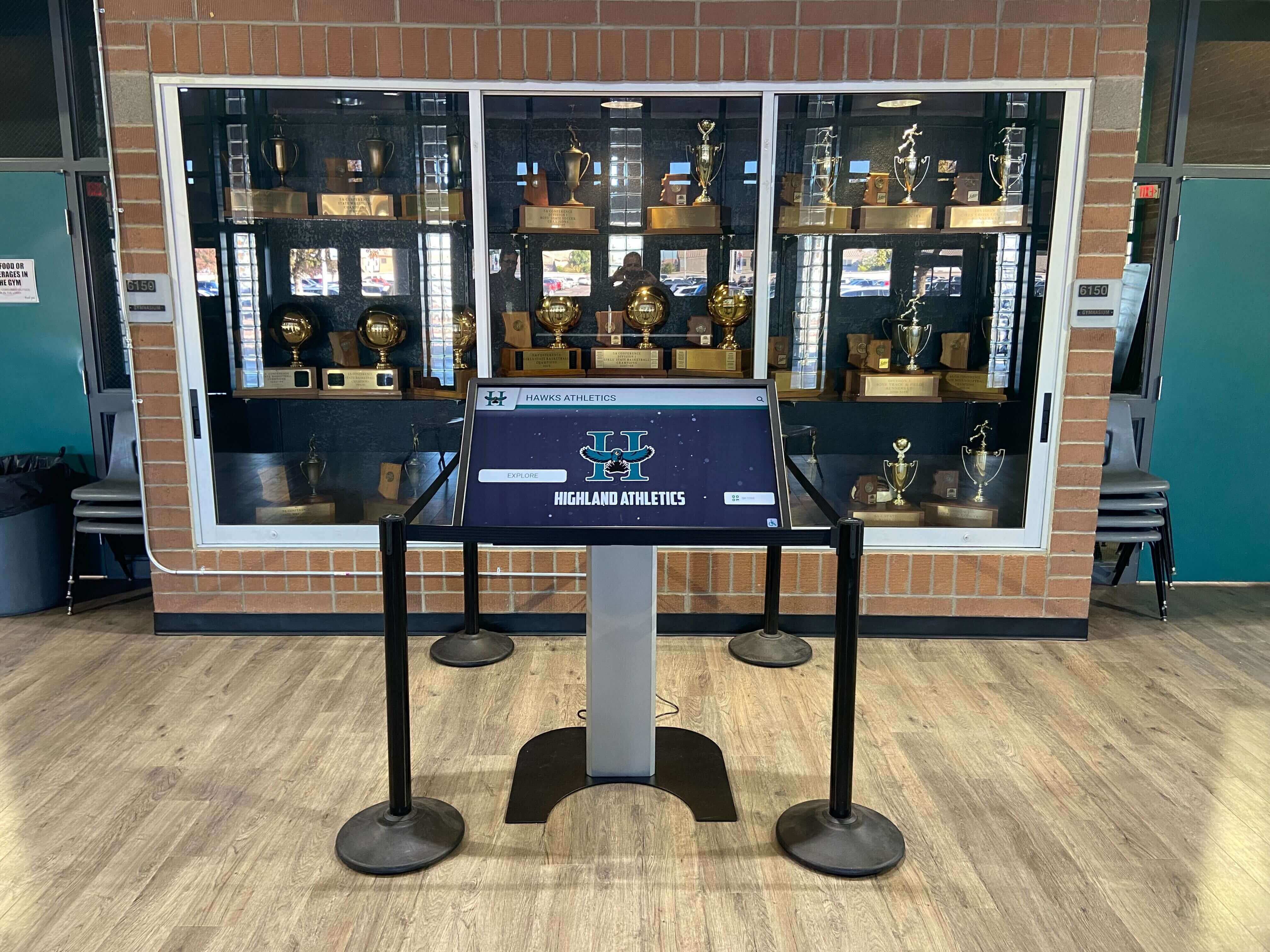
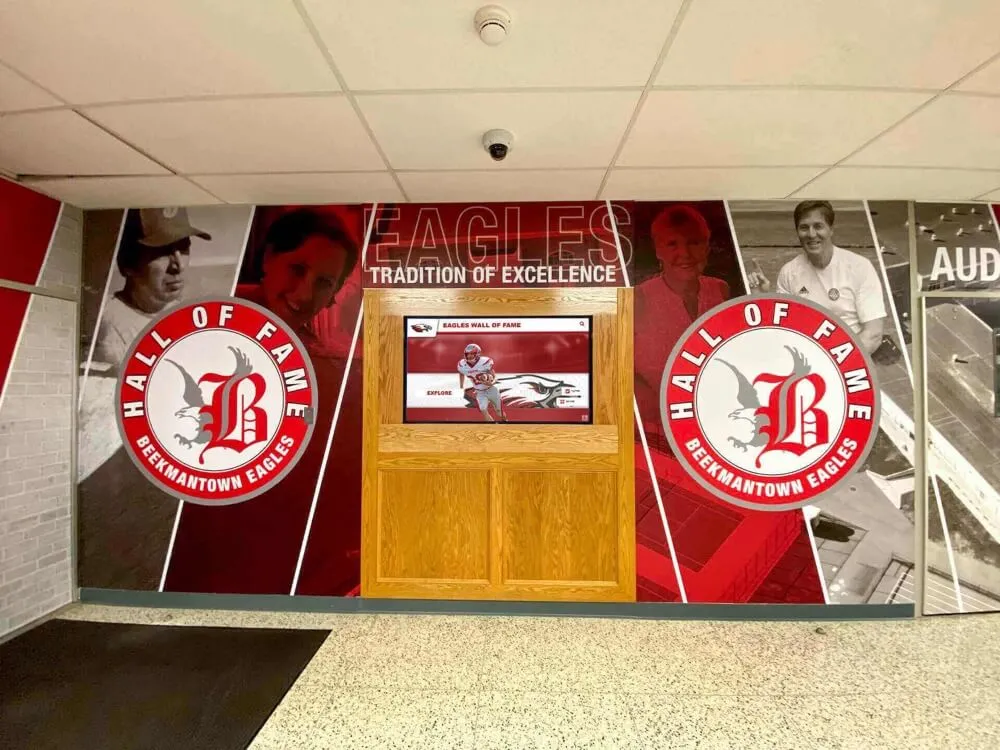
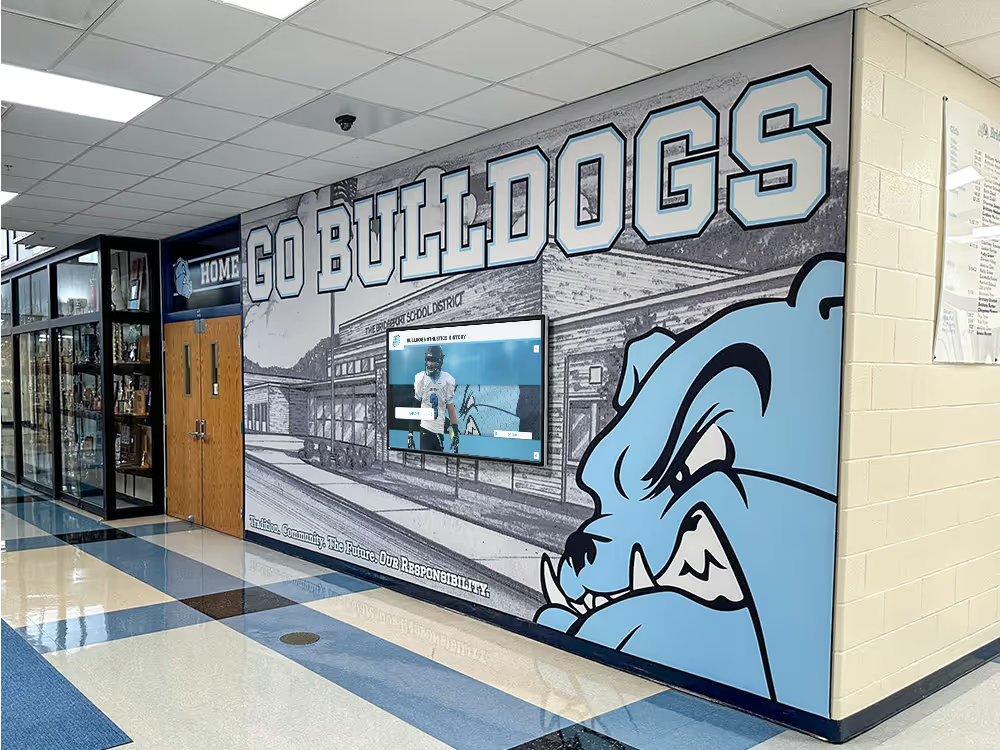
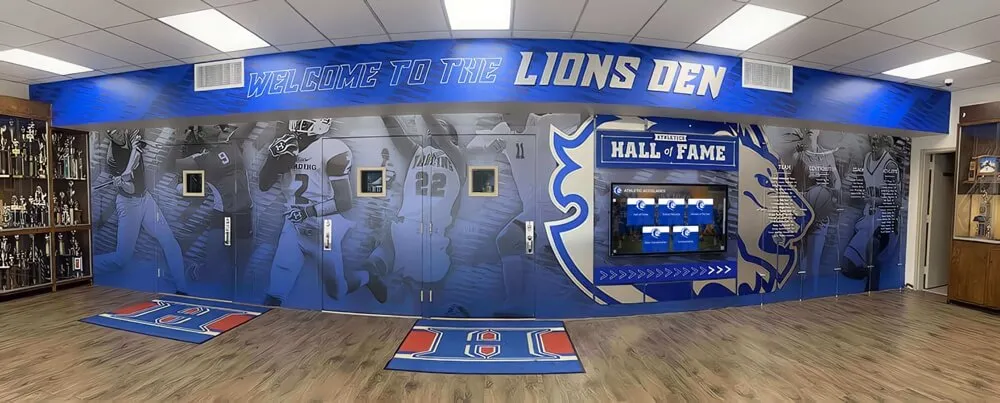
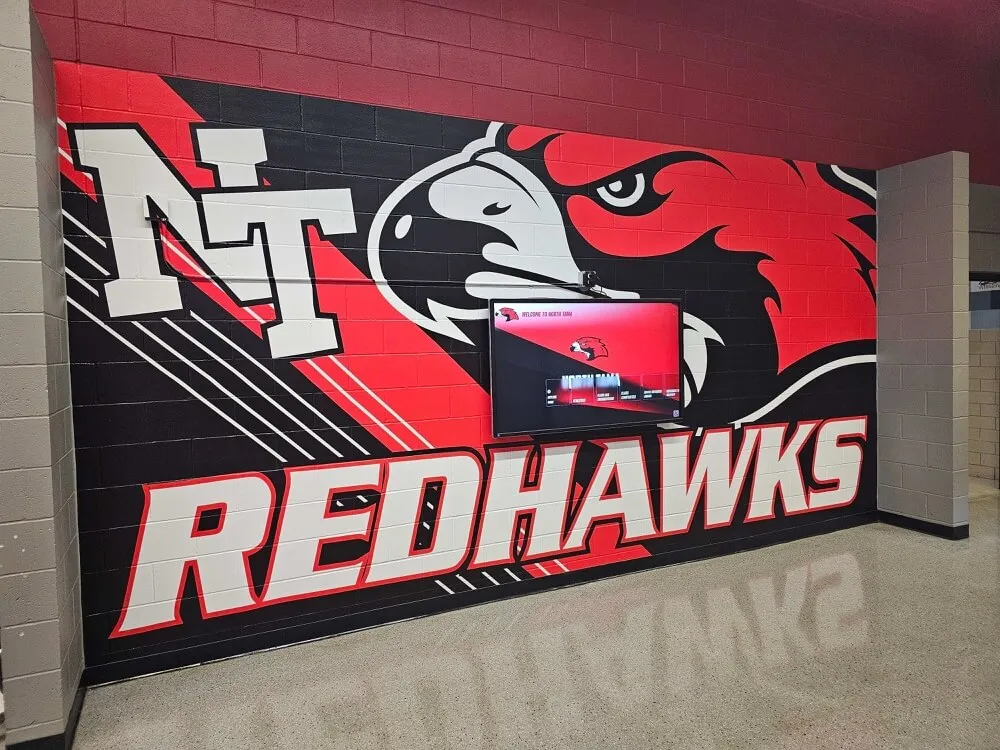
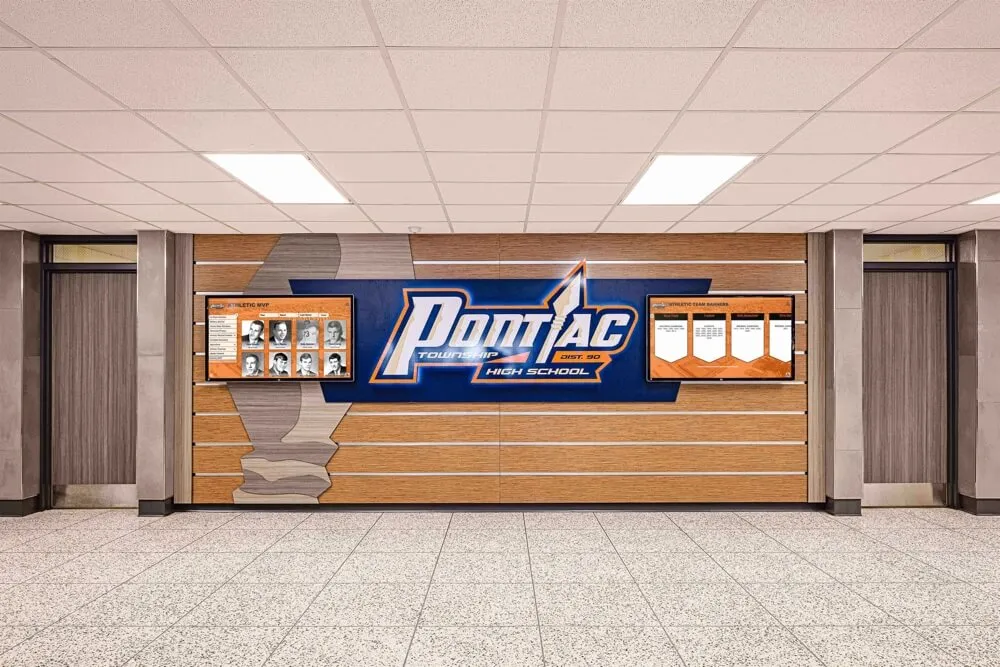
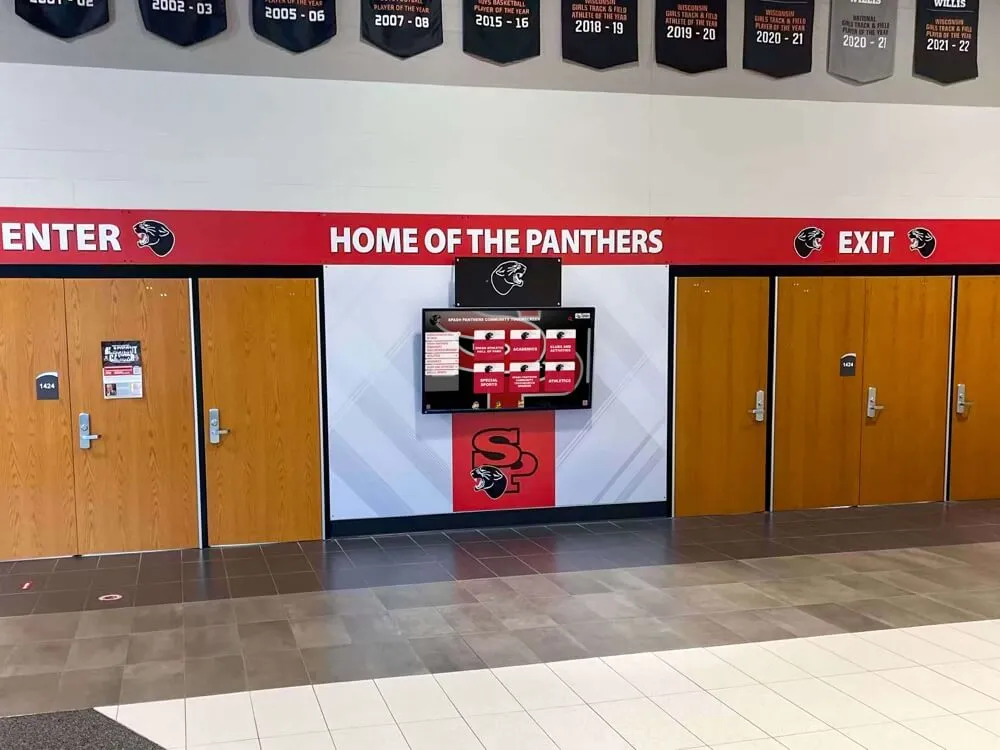
Modern recognition systems showcase swimming records and achievements alongside traditional trophy displays
Meet Day Essentials
Organization and Documentation
- Meet program or heat sheet: Printed or digital access showing event schedule and heat assignments
- Team roster and relay assignments: Knowing your events and swim order
- Emergency contact information: Parent/guardian contact for meet supervision
- Membership cards: USA Swimming card or league registration documentation if required
Nutrition and Hydration
- Pre-race snacks: Bananas, granola bars, pretzels, or crackers for quick energy
- Between-race fuel: Easily digestible carbohydrates avoiding heavy foods
- Electrolyte drinks: Sports drinks or electrolyte supplements preventing dehydration
- Post-race recovery: Protein bars, chocolate milk, or recovery drinks
Comfort and Recovery
- Cushioned seating: Stadium seat or folding chair for extended meets
- Entertainment: Books, tablets, or cards for downtime between events
- Sunscreen and hat: For outdoor meets or sunny indoor facilities with skylights
- First aid basics: Band-aids, pain reliever, and any personal medications
- Positive attitude: Mental preparation matters as much as physical equipment
Parents’ Support Kit
Essential Items
- Folding chairs: Comfortable seating often unavailable at crowded meets
- Cooler: Keeping drinks cold and snacks fresh throughout long meet days
- Camera: Capturing race performances and team moments
- Meet information: Understanding event schedule, facility layout, and rules
- Patience and encouragement: Most critical parent contribution to athlete success
Optional But Helpful
- Portable phone charger: For extended meets draining device batteries
- Cash or card: For concessions, programs, or emergency needs
- Jackets or blankets: Many pool facilities are cold for spectators
- Reading material: Long meets involve substantial downtime
Learn about swim team recognition in swim team plaque displays documenting competitive achievements.
Pre-Meet Preparation Timeline
Systematic preparation in the days and weeks before competition optimizes performance while reducing meet-day stress.
One Week Before Competition
Training Adjustments
- Taper begins: Reduced training volume maintaining intensity allows body recovery
- Technical focus: Refinement of stroke mechanics, turns, and starts versus high-yardage work
- Race pace practice: Short, fast intervals at competition pace building neuromuscular readiness
- Mental rehearsal: Visualization of successful races and competition scenarios
- Equipment checks: Ensuring all gear in good condition and properly fitted
Health and Recovery
- Sleep prioritization: 8-10 hours nightly for youth athletes; consistent bedtime schedule
- Nutrition quality: Emphasizing whole foods, complex carbohydrates, lean proteins, and hydration
- Stress management: Reducing academic and social pressures when possible
- Injury monitoring: Addressing any pain or discomfort before it impacts performance
- Illness prevention: Avoiding sick contacts; washing hands frequently
Meet Planning
- Heat sheet review: Understanding your event schedule, heat assignments, and competition
- Race strategy development: Planning pacing, stroke count, and tactical approaches with coaches
- Goal setting: Establishing realistic time goals and process-focused objectives
- Transportation planning: Arranging travel with adequate time for warm-up preparation
- Schedule conflicts resolution: Ensuring no overlapping commitments or obligations
Meet Day Morning
Timing and Schedule
- Early wake-up: Allowing 3-4 hours between waking and racing for body systems to activate fully
- Arrival time: 60-90 minutes before scheduled warm-up start provides adequate preparation time
- Warm-up slot planning: Understanding when your designated warm-up period begins
- Event tracking: Knowing how many events before your first race helps timing preparation
Pre-Meet Nutrition
- Breakfast timing: 2-3 hours before first race allows digestion while providing energy
- Ideal foods: Oatmeal with banana, whole grain toast with peanut butter, yogurt with granola
- Foods to avoid: Heavy, greasy, dairy-heavy, or unfamiliar foods risking digestive issues
- Hydration start: Begin hydrating immediately upon waking; sip water consistently
- Snack packing: Easily digestible options for between-race fueling
Mental Preparation
- Positive self-talk: Reinforcing confidence and capability rather than dwelling on anxiety
- Visualization: Mental rehearsal of successful races including specific race elements
- Music and focus: Using playlists or routines establishing optimal performance mindset
- Team connection: Engaging with teammates for support and distraction from nerves
- Coach communication: Brief check-in confirming race plans and receiving encouragement

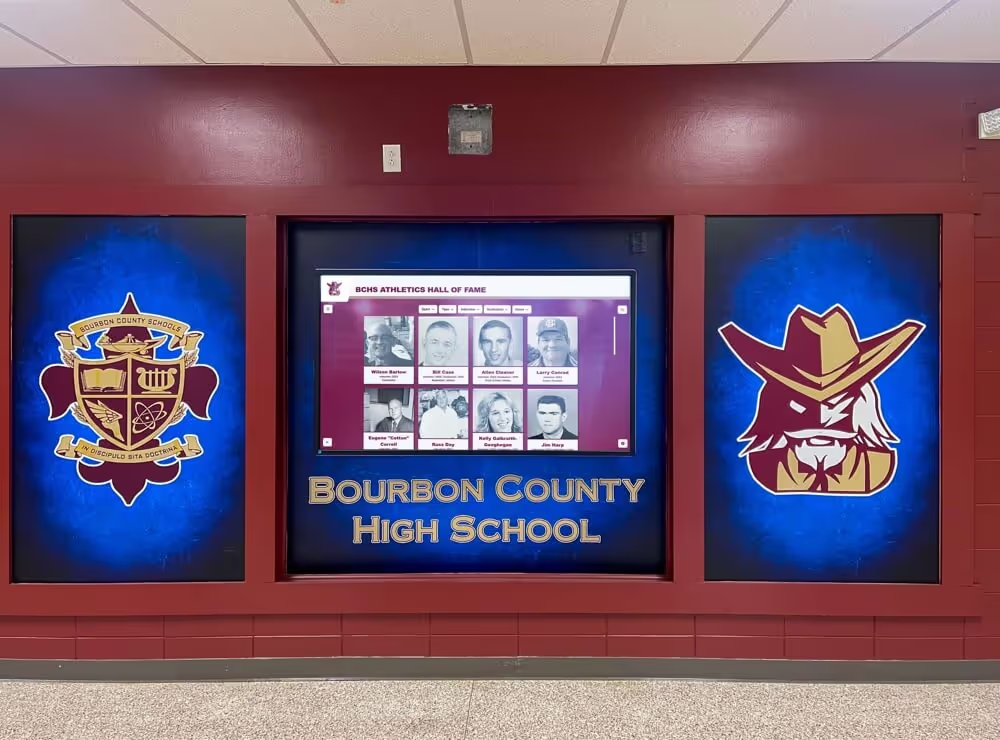
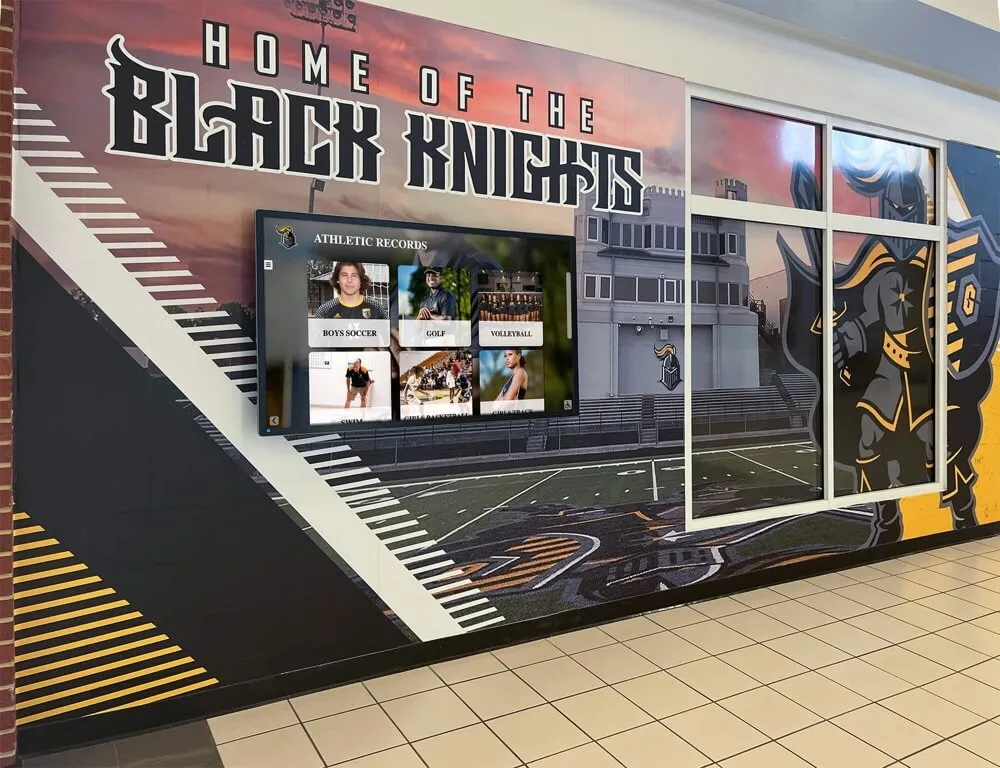
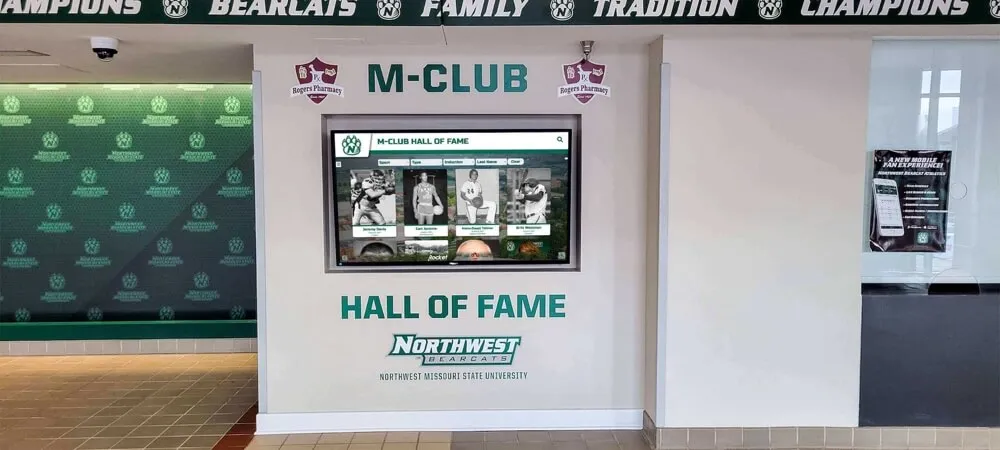
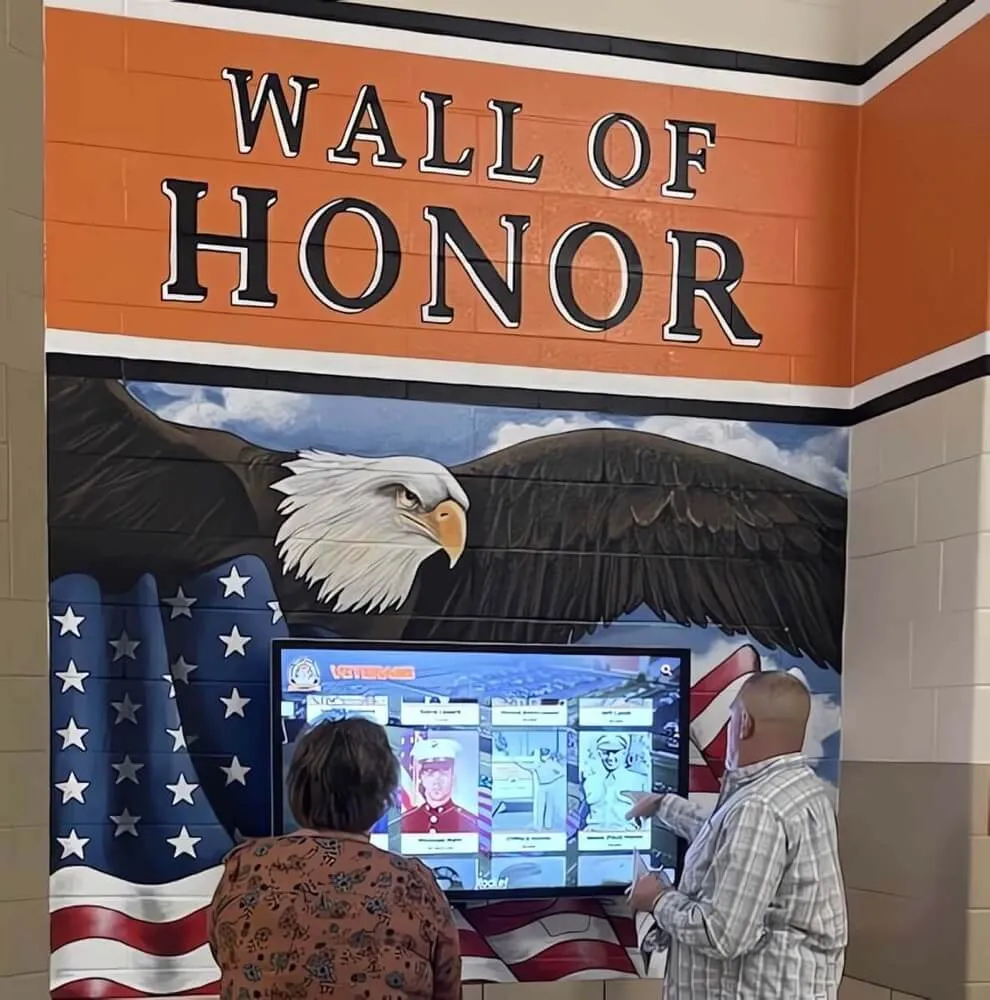
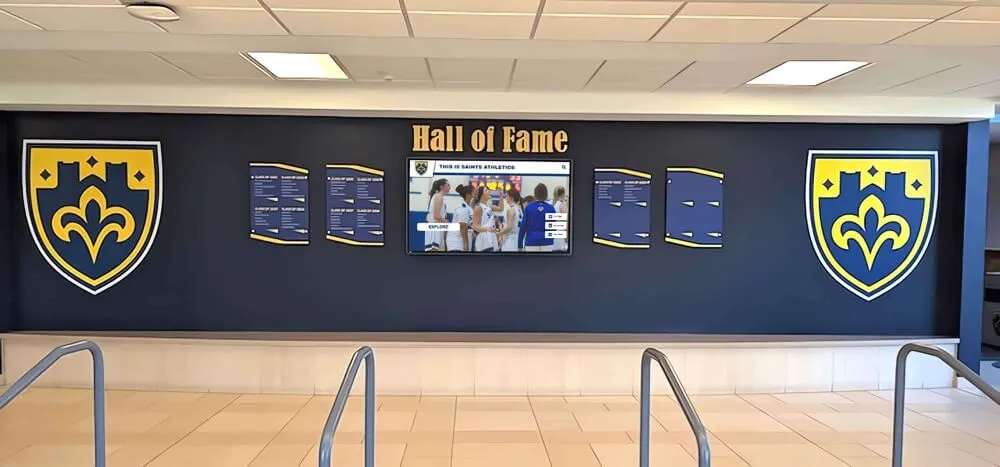
Digital recognition systems enable unlimited documentation of swimming records, state qualifiers, and championship achievements
Warm-Up Protocol
Effective warm-up prepares body and mind for peak performance while preventing injury.
Structured Warm-Up Sequence
Initial Easy Swimming (5-10 minutes)
- Purpose: Raising heart rate gradually and increasing blood flow to muscles
- Approach: Easy freestyle at comfortable pace; no intensity yet
- Focus: Feel for water and body awareness restoration
Stroke Work (5-10 minutes)
- Purpose: Activating specific muscle groups for event strokes
- Approach: 25s or 50s of each stroke at moderate intensity
- Focus: Technical execution and range of motion
Speed Work (5-10 minutes)
- Purpose: Neuromuscular activation preparing body for race pace
- Approach: Short bursts (15-25 yards/meters) at race pace with recovery
- Focus: Explosive movements, fast starts, and quick turns
Event-Specific Preparation (5 minutes)
- Purpose: Final race-pace rehearsal before competition
- Approach: One or two race-pace 25s or 50s with full effort
- Focus: Competition intensity and mental readiness
Active Recovery and Stretching (5 minutes)
- Purpose: Maintaining warmth while preventing muscle tightness
- Approach: Easy swimming and gentle stretching on deck
- Focus: Staying loose and mentally focused
Critical Warm-Up Considerations
- Follow team warm-up schedule when assigned specific lanes and times
- Stay warm between warm-up and racing with dry clothes and movement
- Repeat abbreviated warm-up if substantial time passes before later events
- Adjust warm-up length based on meet format and personal needs
- Communicate with coaches about any physical concerns or questions
Race Day Performance Strategy
Once preparation is complete, strategic execution during actual races maximizes performance potential.
Pre-Race Routine
Behind-the-Blocks Preparation (2-5 minutes before race)
- Physical activation: Arm swings, leg swings, and dynamic stretching maintaining muscle readiness
- Mental focus: Final visualization of successful race execution
- Strategic reminder: Brief mental review of race plan and technical cues
- Anxiety management: Controlled breathing and positive self-talk
- Equipment check: Goggles properly positioned; cap secure; suit positioned correctly
On the Block
- Positioning: Feet placement optimizing start power and balance
- Breathing: Deep controlled breaths reducing tension
- Focus: External focus on start beep or official versus internal anxiety
- Reaction preparation: Coiled position ready for explosive start
- Confidence: Trust training and preparation; commit to race plan
Race Execution Fundamentals
Strong Start
- Explosive reaction to starting signal
- Clean entry minimizing drag and splash
- Powerful underwater dolphin kicks or breakout
- Transition to full stroke at optimal depth
Pacing Strategy
- Sprint events (50s): Maximum effort from start; finishing strong
- Mid-distance (100-200s): Controlled fast first 50; maintain through middle; finishing push last 25-50
- Distance events (400+): Sustainable pace first 75%; strategic increase final 25%; finishing sprint last 50
- Stroke mechanics maintenance: Technical consistency even when fatigued
Turns and Walls
- Maintain speed approaching walls
- Tight, fast rotation with strong push-off
- Streamline underwater maximizing momentum
- Consistent turn execution across all walls
Finish Strong
- Maintain stroke rate and power to wall
- Drive to touch with full extension
- Look at time/results after completion rather than during finish
Discover athletic achievement celebration in athletic hall of fame programs recognizing competitive excellence.

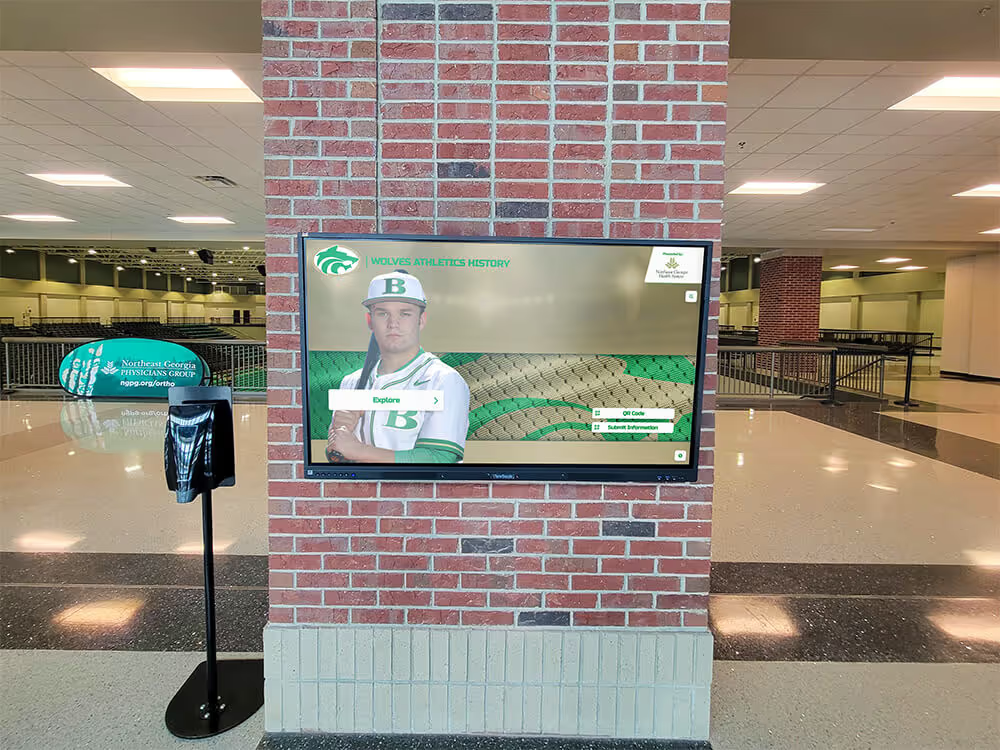
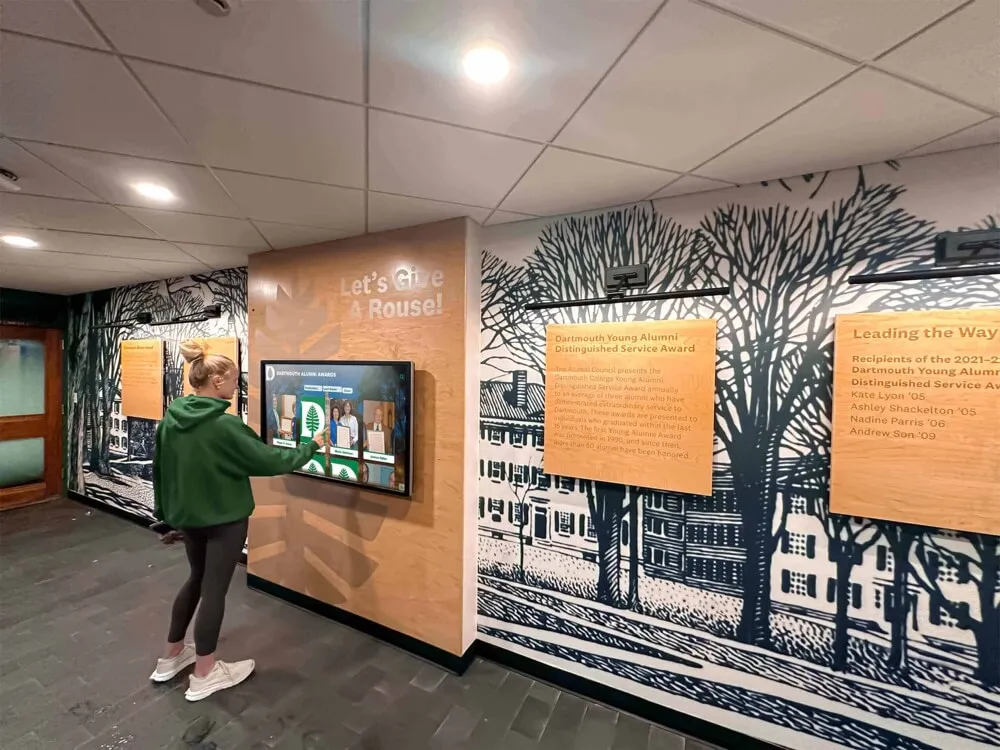
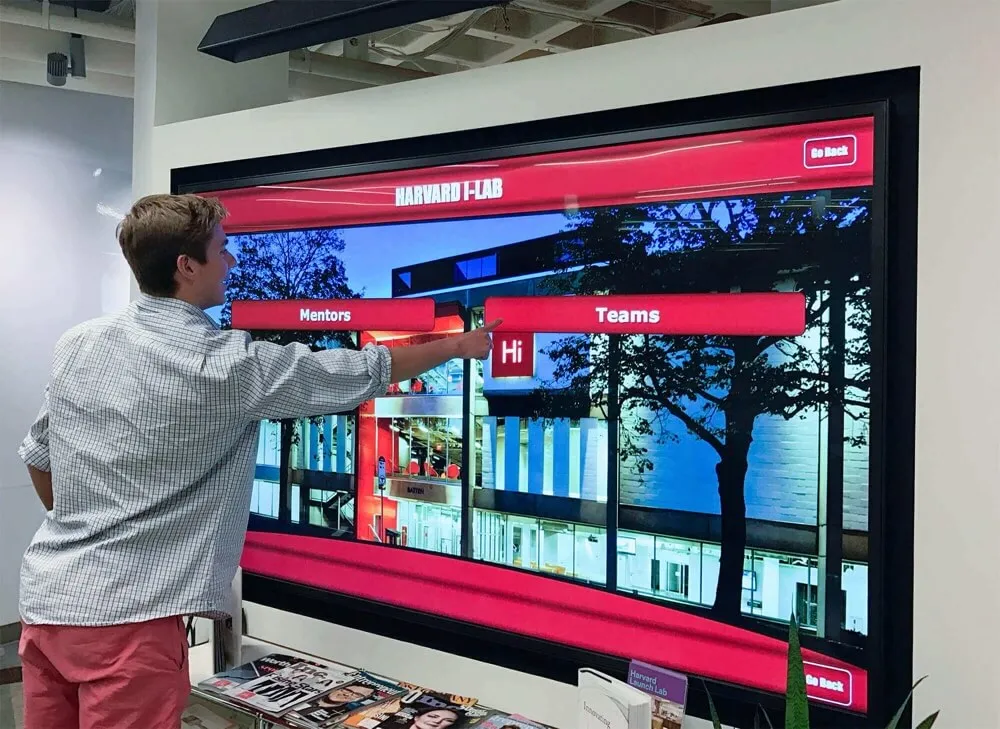
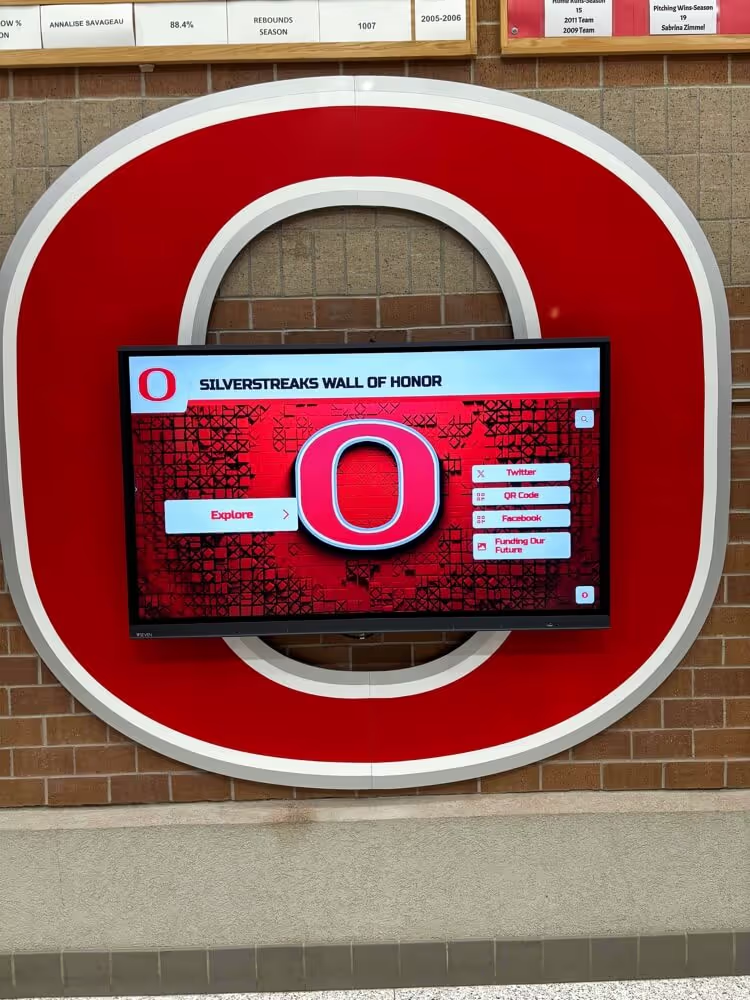
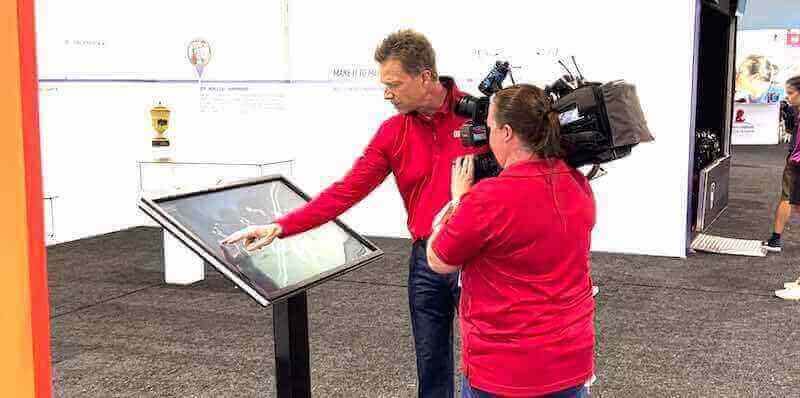
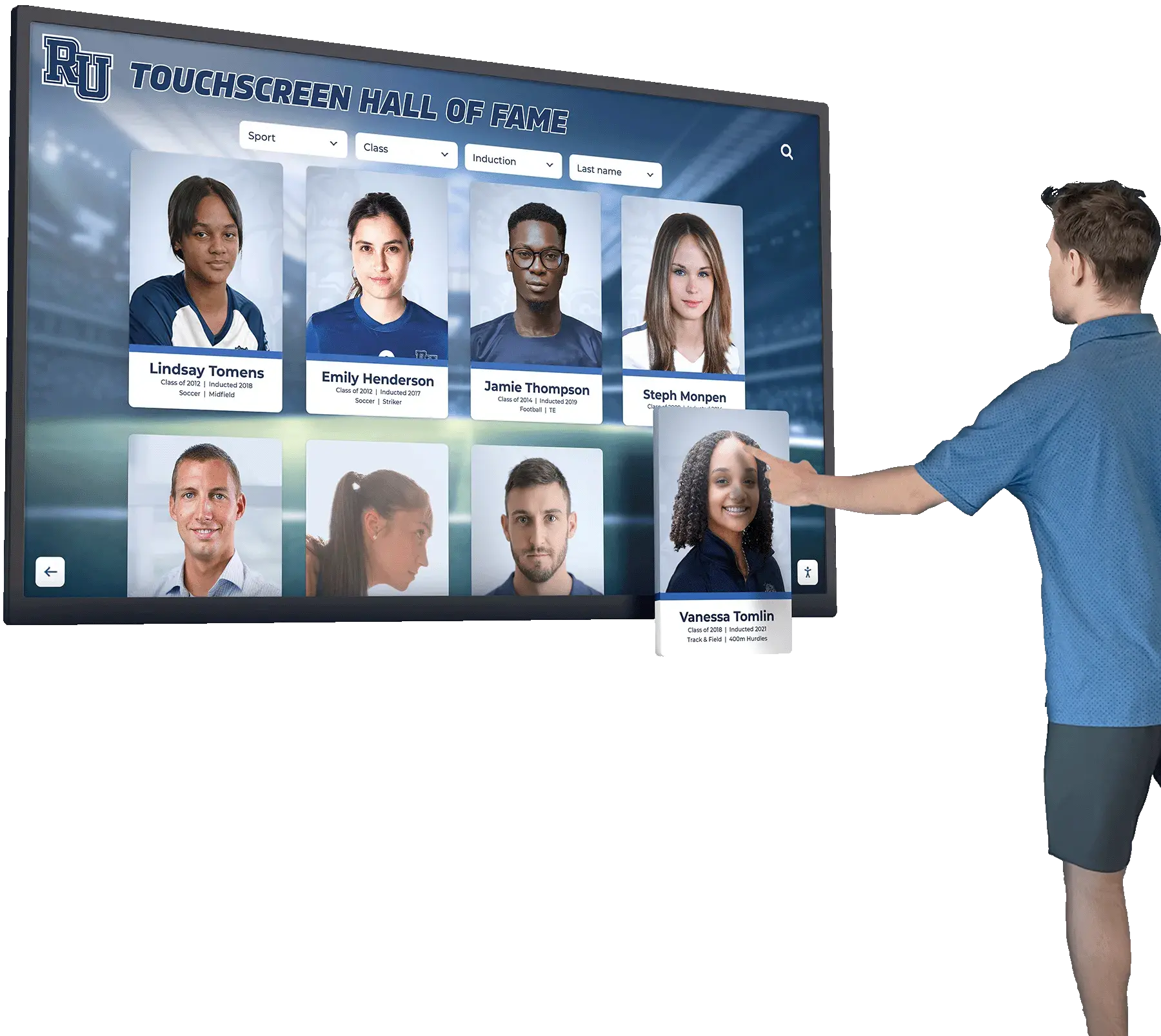
Interactive touchscreen displays enable exploring detailed athlete profiles, statistics, and achievements
Between-Race Recovery Strategies
Championship meets and invitationals often require multiple swims within short timeframes. Strategic recovery maximizes performance across all events.
Immediate Post-Race Protocol
Cooling Down (Within 5-10 minutes of race)
- Easy swimming: 200-400 yards/meters at very easy pace
- Purpose: Clearing lactic acid and maintaining loose muscles
- Stroke variety: Mixing strokes prevents tightness in overused muscle groups
- Active recovery: Gentle movement superior to complete rest for recovery
Rehydration and Refueling
- Immediate hydration: 8-16 oz of water or electrolyte drink within 10 minutes
- Quick carbohydrates: Banana, pretzels, or granola bar replenishing energy stores
- Avoid heavy foods: Waiting 30-60 minutes before substantial meals
- Consistent sipping: Maintaining hydration throughout meet rather than large amounts at once
Managing Multi-Race Days
Time Between Races
- Less than 30 minutes: Stay warm, keep moving, focus on breathing and recovery
- 30-60 minutes: Light snack, continued hydration, minimal sitting
- 60-120 minutes: More substantial snack, rest but not complete inactivity, mental reset
- 2+ hours: Near-normal eating, rest, repeat abbreviated warm-up before next event
Physical Maintenance
- Staying warm: Dry clothes immediately after cool-down; layers maintaining body temperature
- Gentle movement: Walking, stretching, or light dynamic movement preventing stiffness
- Massage and stretching: Self-massage of major muscle groups; assisted stretching if available
- Pain management: Ice for acute issues; discussing concerns with coaches or trainers
Mental Recovery
- Performance review: Brief analysis with coaches; focusing forward rather than dwelling on disappointment
- Emotional regulation: Managing frustration, excitement, or anxiety between swims
- Staying present: Focusing on upcoming races versus past results
- Team support: Encouraging teammates and staying engaged with team atmosphere
Nutrition and Hydration Strategy
Proper fueling directly impacts swim performance. Strategic eating and drinking prevents energy crashes and supports sustained performance.
Pre-Competition Nutrition
Carbohydrate Loading (2-3 days before)
- Purpose: Maximizing glycogen stores for energy availability
- Approach: 60-70% of calories from complex carbohydrates
- Foods: Whole grain pasta, rice, potatoes, oats, fruits
- Avoid: Excessive fiber potentially causing digestive issues on race day
Race Day Eating
- 3-4 hours before: Substantial meal (oatmeal with fruit, whole grain toast with peanut butter, yogurt parfait)
- 1-2 hours before: Light snack if hungry (banana, handful of pretzels, applesauce)
- 30 minutes before: Only if emergency; small simple carbohydrate (few crackers, energy chews)
Foods to Avoid
- Heavy, greasy, or fried foods requiring extended digestion
- Dairy-heavy meals potentially causing mucus production or stomach issues
- Unfamiliar foods introducing risk of adverse reactions
- Excessive protein or fat slowing digestion before swimming
- High-fiber foods potentially causing bathroom urgency during competition
Hydration Protocol
Days Before Competition
- Consistent water intake throughout each day
- Urine color monitoring (pale yellow indicates proper hydration)
- Avoiding excessive caffeine or sugary drinks
- Electrolyte balance maintenance through diet or supplements
Meet Day Hydration
- Morning: Begin hydrating immediately; 16-20 oz with breakfast
- Pre-warm-up: 8-12 oz 15-30 minutes before warm-up
- During meet: Consistent sipping; 4-8 oz every 20-30 minutes
- Post-race: 16-24 oz within 30 minutes after each race
- Signs of dehydration: Thirst, dark urine, headache, cramping, dizziness
Electrolyte Considerations
- Important for meets lasting 3+ hours or in hot conditions
- Sports drinks, electrolyte powders, or coconut water provide sodium and potassium
- Avoiding drinks with excessive sugar causing energy crashes
- Salt tablets for extreme heat or individual athletes with high sweat rates
Learn about comprehensive athletic recognition in end-of-year sports awards celebrating seasonal achievements.

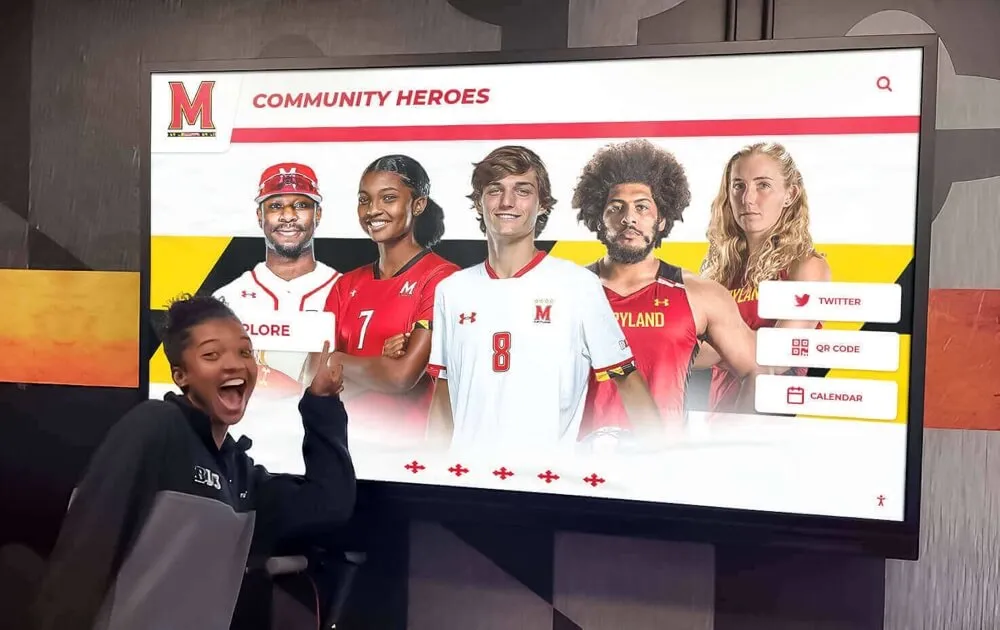
Digital kiosks enable swimmers and families to explore detailed career statistics, records, and recognition
Mental Preparation and Performance Psychology
Physical preparation alone doesn’t guarantee success. Mental readiness significantly impacts race performance.
Managing Pre-Race Nerves
Understanding Competition Anxiety
- Nervousness signals your body preparing for performance
- Moderate anxiety actually enhances performance through arousal
- Excessive anxiety impairs decision-making and physical execution
- Individual athletes have different optimal arousal levels
Anxiety Management Techniques
Controlled Breathing
- 4-4-4 breathing: Inhale 4 counts, hold 4 counts, exhale 4 counts
- Diaphragmatic breathing engaging full lung capacity
- Practice regularly outside competition making it automatic under pressure
Progressive Muscle Relaxation
- Systematically tensing and releasing muscle groups
- Identifies and releases physical tension from stress
- Can be done subtly on pool deck without drawing attention
Positive Self-Talk
- Replace “I’m so nervous” with “I’m excited and ready”
- Affirmations: “I’ve trained for this,” “I’m prepared,” “I’m capable”
- Focus on controllable actions versus outcomes or competitors
Visualization and Mental Rehearsal
- Detailed mental practice of perfect race execution
- Include sensory details: feel of water, sound of start beep, visual cues
- Rehearse challenge scenarios and successful responses
- Practice daily in weeks leading to important meets
Building Race Confidence
Preparation Trust
- Confidence comes from trusting your training and preparation
- Focus on effort and preparation you’ve completed
- Avoid last-minute panic about what wasn’t done
- Recognize you’ve done the work to be ready
Process Focus vs. Outcome Focus
- Control: race strategy, effort, technique, attitude
- Can’t control: opponents’ performance, judging, timing systems, competition outcomes
- Setting process goals (perfect turns, consistent stroke count) versus only time goals
- Success measured by execution rather than placement alone
Pre-Race Routine Development
- Consistent repeatable routine creating familiarity and control
- Include physical, mental, and logistical elements
- Practice routine at training meets building automatic execution
- Provides structure reducing uncertainty and anxiety
Handling Disappointment and Success
After Poor Performances
- Allow brief emotional response; then shift to problem-solving
- Identify specific technical or strategic factors versus generalizing
- Discuss with coaches for constructive feedback
- Focus on controllable improvements for next opportunity
- Maintain perspective: one race doesn’t define you as swimmer
After Strong Performances
- Celebrate appropriately while staying grounded
- Analyze what went right to replicate success
- Share success with team and support system
- Use as confidence builder for future competitions
- Set new progressive goals building on success
Explore how programs celebrate swimming excellence in best hall of fame tools for athletics with recognition systems.
Parent and Family Support Guide
Parents play critical support roles without directly impacting race outcomes. Understanding effective support approaches helps families contribute positively.
Effective Parent Support
Before the Meet
- Ensure athlete has all equipment and nutrition prepared
- Handle logistics (transportation, timing, schedule management)
- Provide emotional support without creating additional pressure
- Respect coach’s role in technical and strategic guidance
- Maintain positive, calm demeanor reducing athlete stress
During the Meet
- Offer encouraging words focused on effort versus outcome
- Avoid technical coaching or strategic advice contradicting coach
- Celebrate effort and performance regardless of results
- Stay visible and supportive without being overbearing
- Model appropriate spectator behavior and sportsmanship
After Races
- Lead with support: “I loved watching you race” versus “What happened?”
- Let athlete process emotions before problem-solving
- Defer technical discussion to coaches
- Celebrate positives even in disappointing performances
- Maintain perspective: growth and development versus single race outcomes
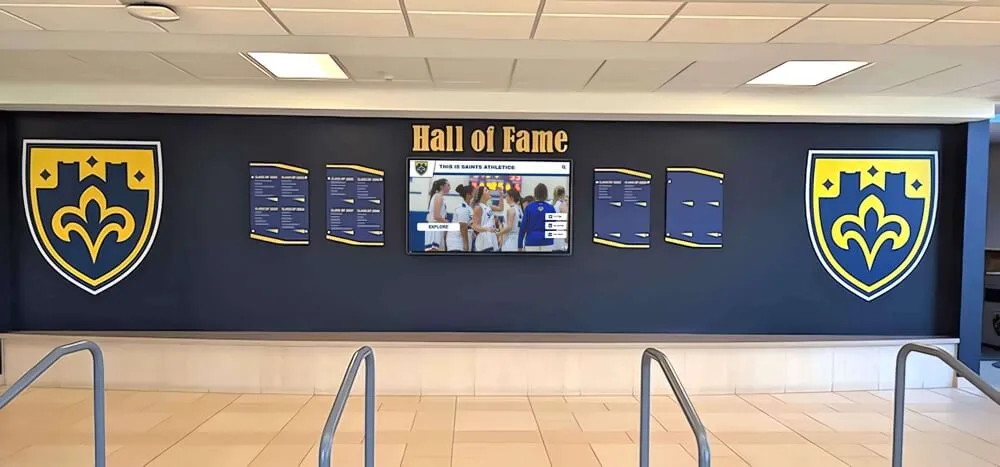
Recognition displays celebrate swimming program history, championships, and individual achievements prominently
What Parents Should NOT Do
Avoid These Common Mistakes
- Coaching from stands contradicting team coaches
- Criticizing performance immediately after races
- Comparing swimmer to teammates or competitors
- Making meet attendance contingent on performance
- Living vicariously through athlete’s successes or failures
- Discussing strategy or technique without coach input
- Pressuring about times, placement, or qualifying standards
- Showing visible disappointment after races
- Focusing exclusively on results versus effort and growth
Managing Your Own Anxiety
- Recognize your stress transfers to your athlete
- Focus on aspects you can control (logistics, support, encouragement)
- Connect with other parents for perspective and support
- Remember: your role is supporting, not coaching or managing outcomes
- Seek help if you find yourself unable to maintain appropriate boundaries
Understanding the Coach’s Role
Coach Responsibilities
- Technical instruction and stroke development
- Race strategy and event placement
- Training program design and periodization
- Meet preparation and warm-up guidance
- Performance feedback and analysis
Parent-Coach Partnership
- Communicate concerns appropriately (private meetings, not pool deck during meets)
- Trust coach’s expertise in technical and strategic decisions
- Support coach’s authority with your athlete
- Provide relevant information (injuries, schedule conflicts, concerns)
- Respect boundaries between parenting and coaching roles
Post-Meet Recovery and Reflection
How athletes recover and process meet experiences impacts future performance and development.
Physical Recovery
Immediate Post-Competition (Day of Meet)
- Thorough cool-down swim if facility access available
- Full meal within 2 hours combining carbohydrates and protein
- Continued hydration throughout afternoon and evening
- Gentle stretching and self-massage addressing tight areas
- Early bedtime replacing sleep debt from early wake-up
Days After Competition
- Active recovery: easy swimming, walking, or cross-training
- Adequate sleep continuing recovery process
- Nutrition emphasizing whole foods and hydration
- Addressing any injuries or pain with appropriate treatment
- Returning to training when coach indicates readiness
Performance Analysis
Constructive Review Process
- Wait 24-48 hours before detailed analysis allowing emotional processing
- Review race videos or splits with coaches identifying technical factors
- Identify specific controllable factors that went well or need improvement
- Set concrete technical goals for upcoming training cycle
- Update season goals based on current performance trajectory
Learning from Competition
- Every race provides learning opportunities regardless of results
- Competition reveals training needs and technical weaknesses
- Mental and strategic lessons often more valuable than physical training
- Building competition experience essential for championship performance
- Growth mindset: seeing challenges as development opportunities
Celebrating Achievements
Appropriate celebration of swimming accomplishments builds motivation and confidence while recognizing dedication and growth.
Individual Recognition
- Personal best times deserve celebration regardless of placement
- Technical improvements and race execution excellence
- Overcoming fears or challenges (difficult events, tough competition)
- Qualifying for championship meets or achieving standard times
- Consistency and reliability across multiple meets
Team Celebration
- Relay performances and team scoring contributions
- Support and encouragement provided to teammates
- Leadership and positive influence on team culture
- Participation and dedication throughout season
- Championship meet performances and team achievements
Permanent Recognition
Programs increasingly use modern recognition displays documenting competitive achievements. Solutions like Rocket Alumni Solutions enable swimming programs to showcase state qualifiers, record holders, championship teams, and individual accomplishments through interactive digital displays and touchscreen kiosks.
These systems provide:
- Unlimited recognition capacity: Documenting every record, state qualifier, and championship achievement without physical space constraints
- Rich multimedia content: Photos, race videos, statistical histories, and career summaries impossible with traditional plaques
- Searchable databases: Enabling swimmers and families to explore program history, compare performances across eras, and see their place in team legacy
- Remote content management: Coaches updating records and achievements from anywhere as new accomplishments occur
- Extended visibility: Web-based platforms allowing alumni worldwide to access recognition and stay connected to program
Celebrate Your Swimming Program's Excellence
Discover how digital recognition displays enable documenting unlimited swimming achievements—from state qualifiers and record holders to championship teams—creating permanent celebration visible throughout your aquatic facility.
Explore Swimming Recognition SolutionsTraditional record boards offer limited space requiring difficult decisions about whose achievements deserve permanent recognition. Digital systems eliminate this constraint while enabling dynamic presentation engaging current swimmers and celebrating program history comprehensively.
Schools implementing digital recognition report increased athlete motivation, stronger program identity, enhanced alumni engagement, and improved recruitment as prospective swimmers see the culture of celebrating excellence prominently displayed throughout facilities.
Season-Long Development Focus
While individual meet preparation matters significantly, sustained success requires season-long perspective and development focus.
Progressive Goal Setting
Short-Term Goals (Weekly/Meet-by-Meet)
- Technical focus areas for current training cycle
- Process goals for upcoming competition
- Specific time improvements targeted in particular events
- Building competition experience and confidence
Mid-Term Goals (Monthly/Season Segments)
- Qualifying times for championship meets
- Event specialization decisions and development
- Technical proficiency milestones
- Physical conditioning benchmarks
Long-Term Goals (Season/Multi-Year)
- Championship meet performance objectives
- Record pursuit and program milestone achievements
- Competitive level advancement (club, high school, college)
- Character development and leadership growth
Balancing Competition and Development
Training Meet Strategy
- Using early-season meets for experience versus peak performance
- Experimenting with new events, strategies, or race pacing
- Building confidence through progressively challenging competition
- Learning to manage nerves and execution under pressure
Championship Meet Strategy
- Tapering training for peak performance timing
- Event selection optimizing competitive advantage
- Mental preparation for high-pressure environment
- Strategic racing maximizing qualification and advancement opportunities
Avoiding Burnout
- Monitoring training load and competition frequency
- Balancing swimming with academics, family, and social development
- Taking strategic breaks preventing physical and mental exhaustion
- Maintaining perspective: swimming should enhance life, not consume it entirely
- Recognizing warning signs: declining performance despite effort, loss of enthusiasm, persistent fatigue
Discover recognition program approaches in athletic recognition programs guide applicable to swimming contexts.
Conclusion: Excellence Through Preparation
Swim meet success stems directly from systematic, comprehensive preparation addressing physical, nutritional, mental, and logistical factors. Athletes arriving properly equipped, well-fueled, mentally focused, and strategically prepared consistently outperform more talented competitors lacking disciplined preparation protocols.
The guidance in this comprehensive resource provides swimmers and parents practical frameworks for meet preparation across competitive levels—from first-time recreational competitors to championship-level athletes pursuing qualifying standards and state recognition. Implementing these strategies systematically transforms meet day from stressful uncertainty into confident, prepared performance opportunities.
Start wherever your current preparation stands. Perhaps you begin by creating comprehensive equipment checklists preventing forgotten essentials, or implementing structured nutrition protocols optimizing energy availability. Maybe you focus on developing mental preparation routines managing competition anxiety effectively. Every improvement in preparation discipline translates directly to enhanced performance and more positive competition experiences.
Swimming programs celebrating achievements appropriately while supporting athlete development create cultures where preparation excellence becomes expected standard. Modern recognition approaches enable documenting every meaningful accomplishment—from first qualifying times to state championships—building visible legacies motivating current swimmers toward their own excellence.
Your swimmer’s dedication, early morning practices, and competitive commitment deserve preparation approaches honoring that investment. By implementing systematic meet preparation protocols, you maximize performance potential while building confidence, reducing stress, and creating competition experiences contributing positively to athletic development and lifelong appreciation for competitive swimming.
Ready to explore how your swimming program can celebrate achievements prominently? Learn about comprehensive recognition solutions at Rocket Alumni Solutions enabling unlimited documentation of state qualifiers, record holders, championship teams, and individual accomplishments creating permanent inspiration throughout your aquatic facilities.