



Every year, thousands of talented high school athletes dream of continuing their athletic careers at the collegiate level. For many families, the path to college athletics raises immediate financial questions: How do student athlete scholarships work? What types are available? How competitive is the process? And critically—how can student athletes position themselves to receive these life-changing opportunities?
Student athlete scholarships represent far more than financial aid—they’re recognition of years of dedication, validation of athletic excellence, and gateways to educational opportunities that might otherwise remain out of reach. For high school athletes who’ve invested countless hours in training, competition, and skill development, scholarships transform college from an overwhelming expense into an achievable goal.
Yet navigating the scholarship landscape proves challenging for most families. The recruiting process remains opaque, eligibility rules seem Byzantine, different scholarship types offer varying benefits, and competition intensifies annually as more athletes pursue limited opportunities. Meanwhile, understanding how to stand out in an increasingly crowded field requires strategic planning that begins far earlier than most families realize.
This comprehensive guide demystifies student athlete scholarships, explaining every aspect from fundamental scholarship types through the complete recruiting process. You’ll discover how to maximize scholarship opportunities, understand what college coaches seek, learn recognition strategies that amplify recruiting visibility, and explore how schools celebrate scholarship recipients through modern digital platforms that honor these significant achievements.

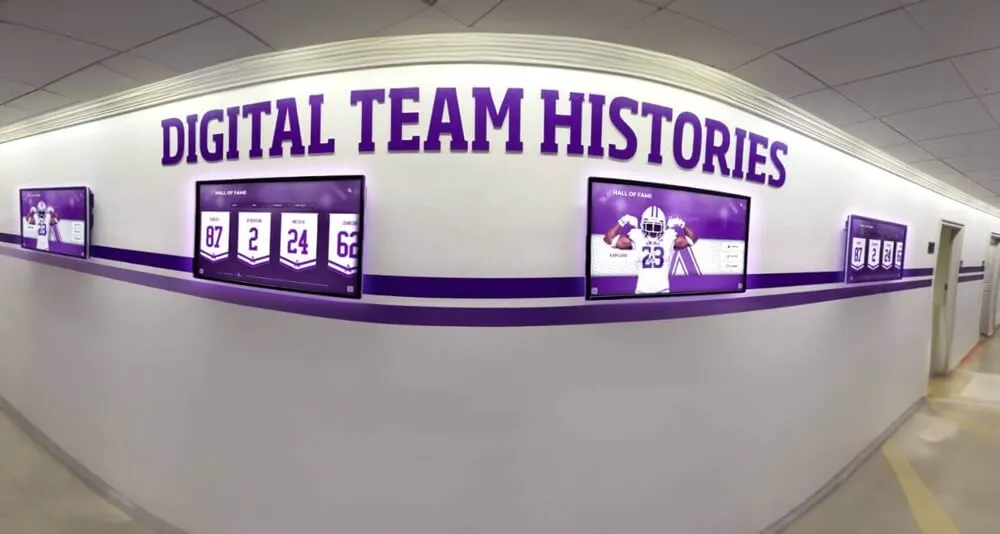
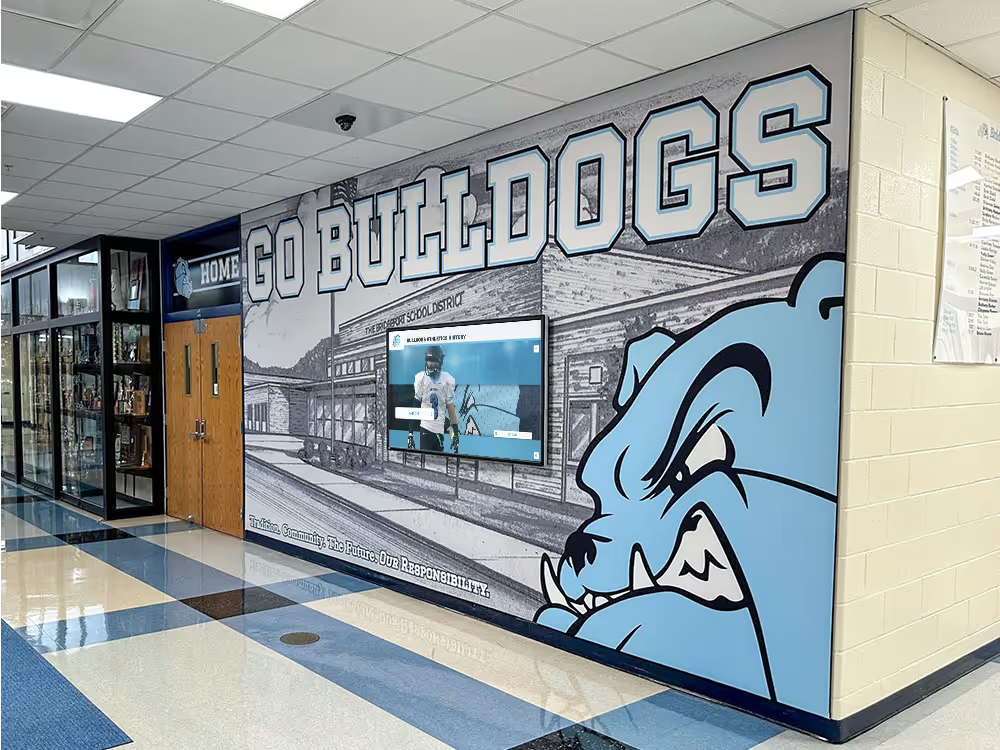
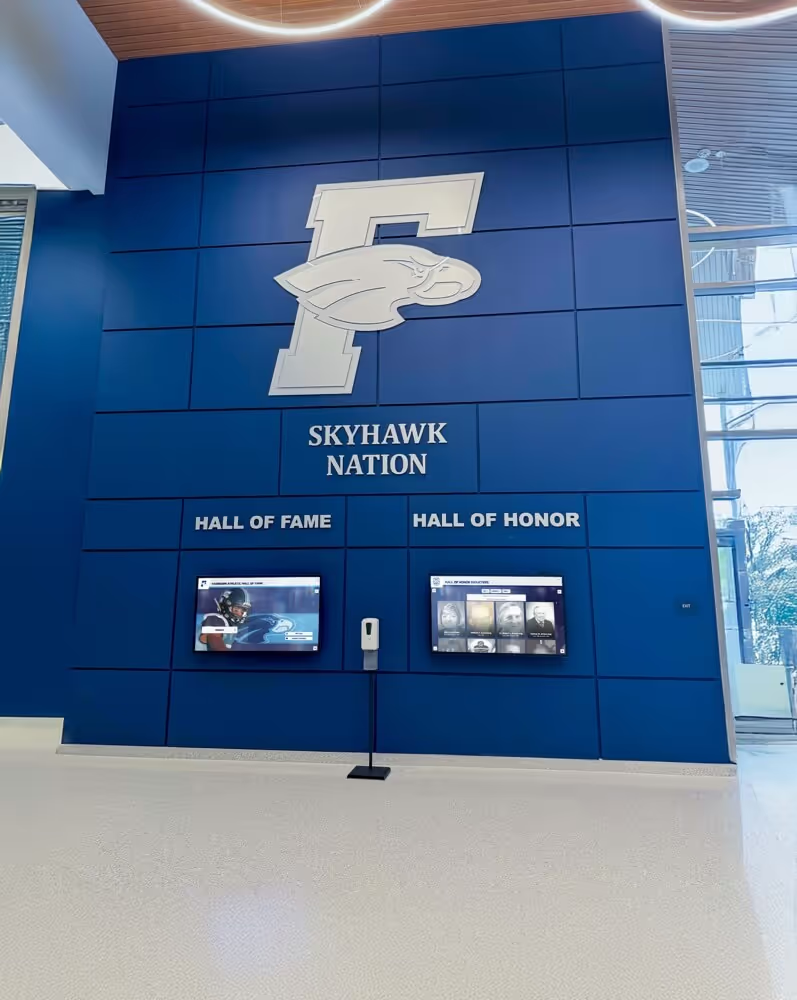
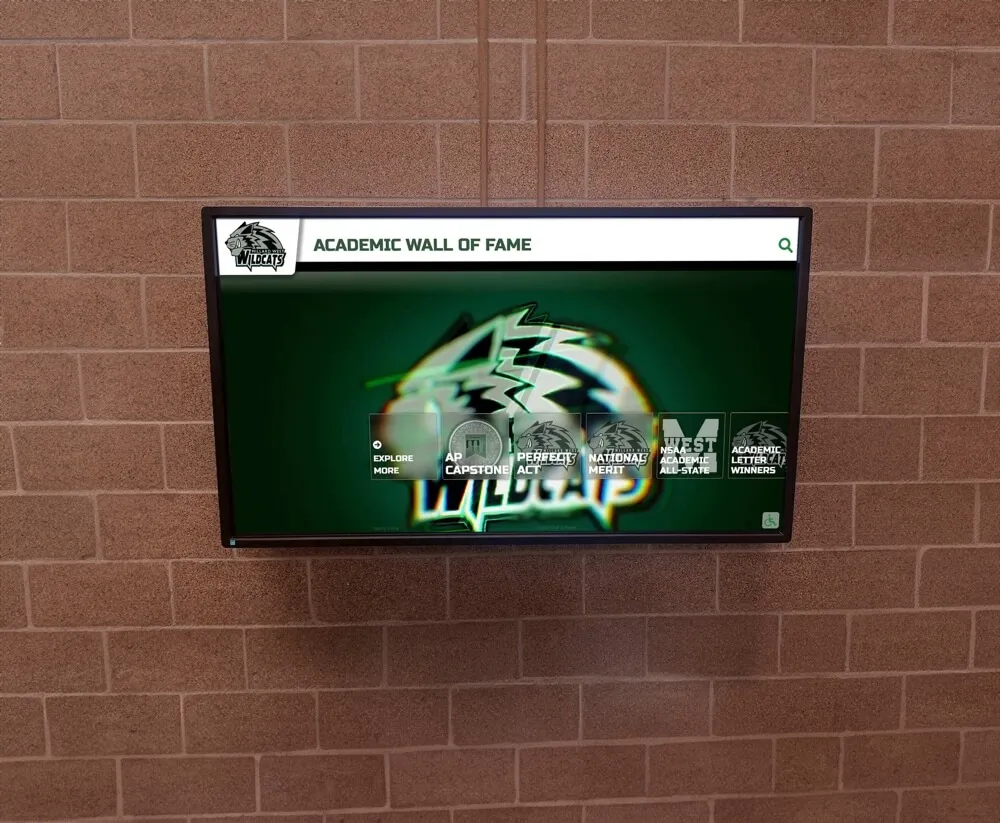
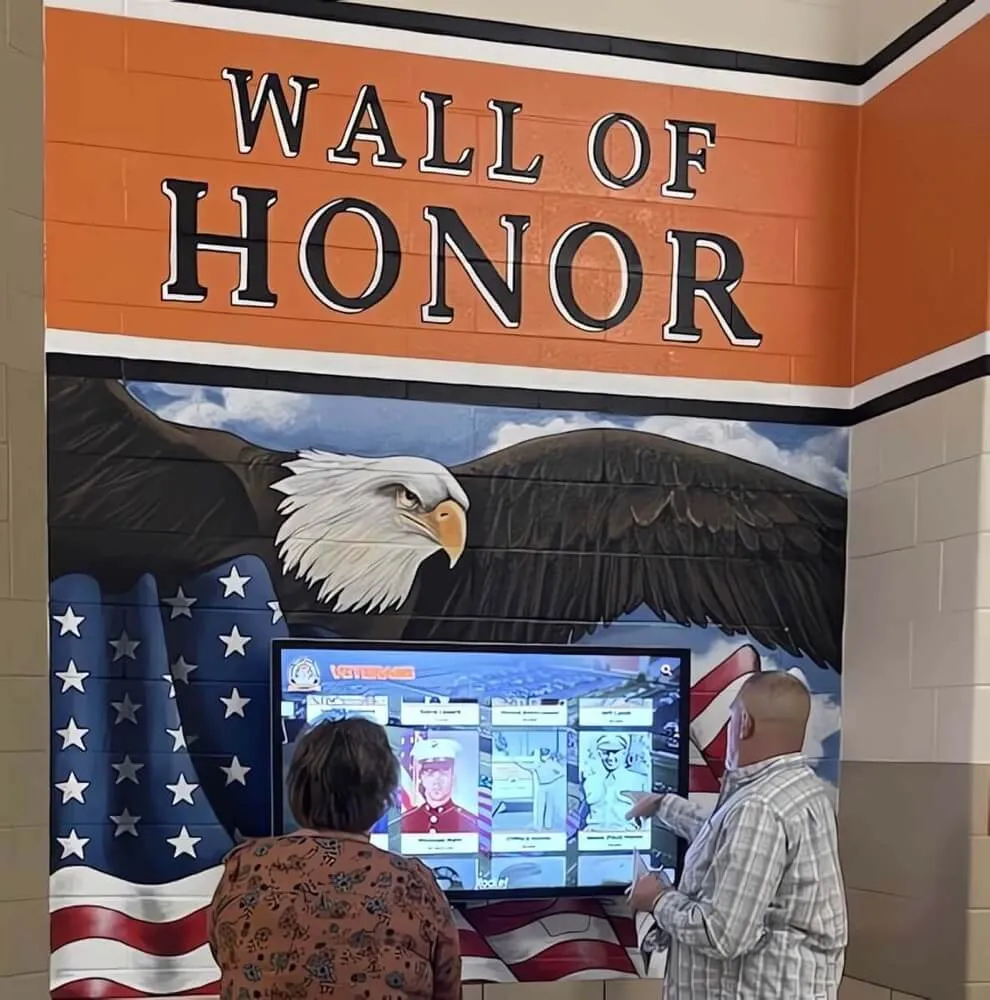
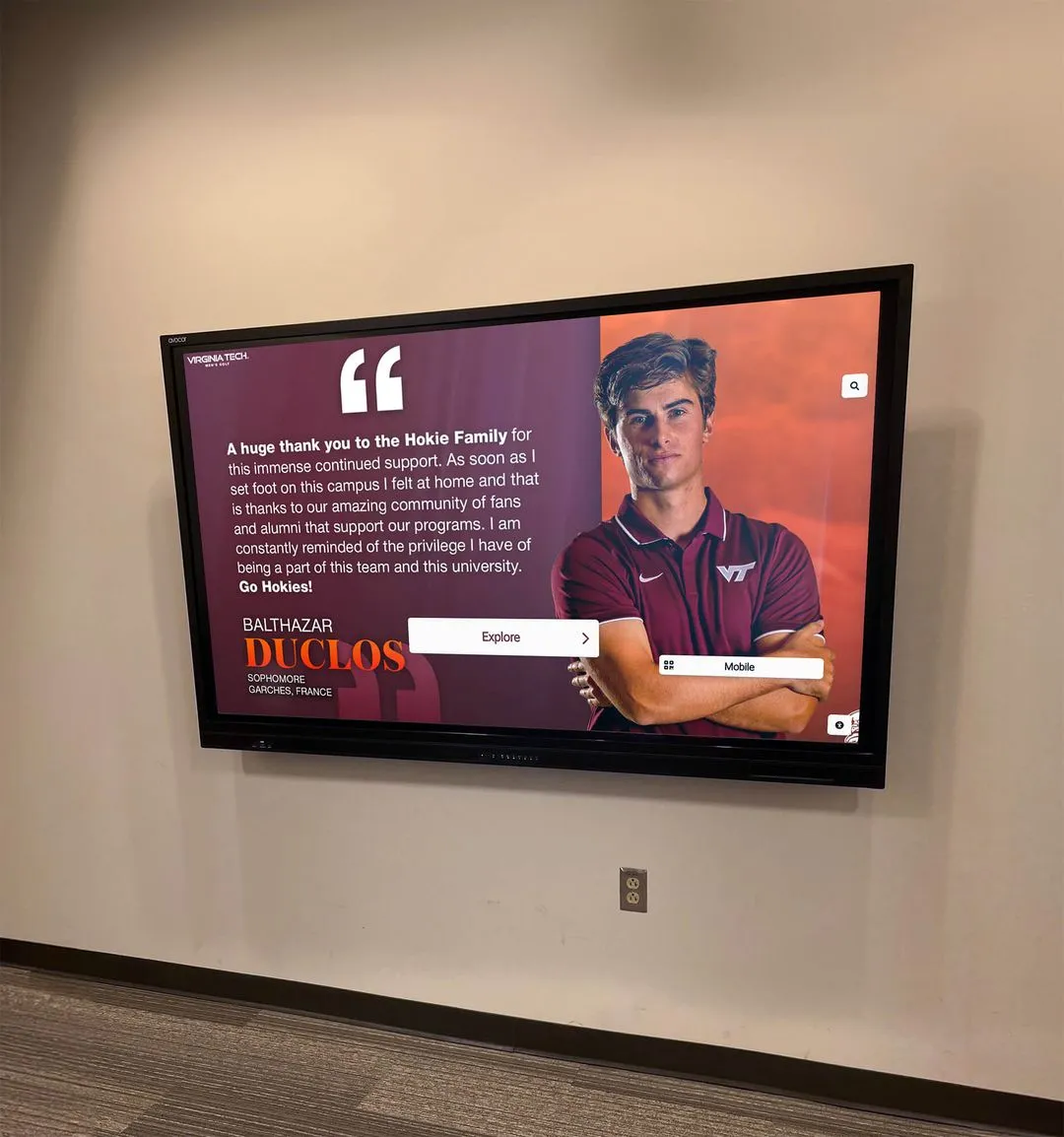
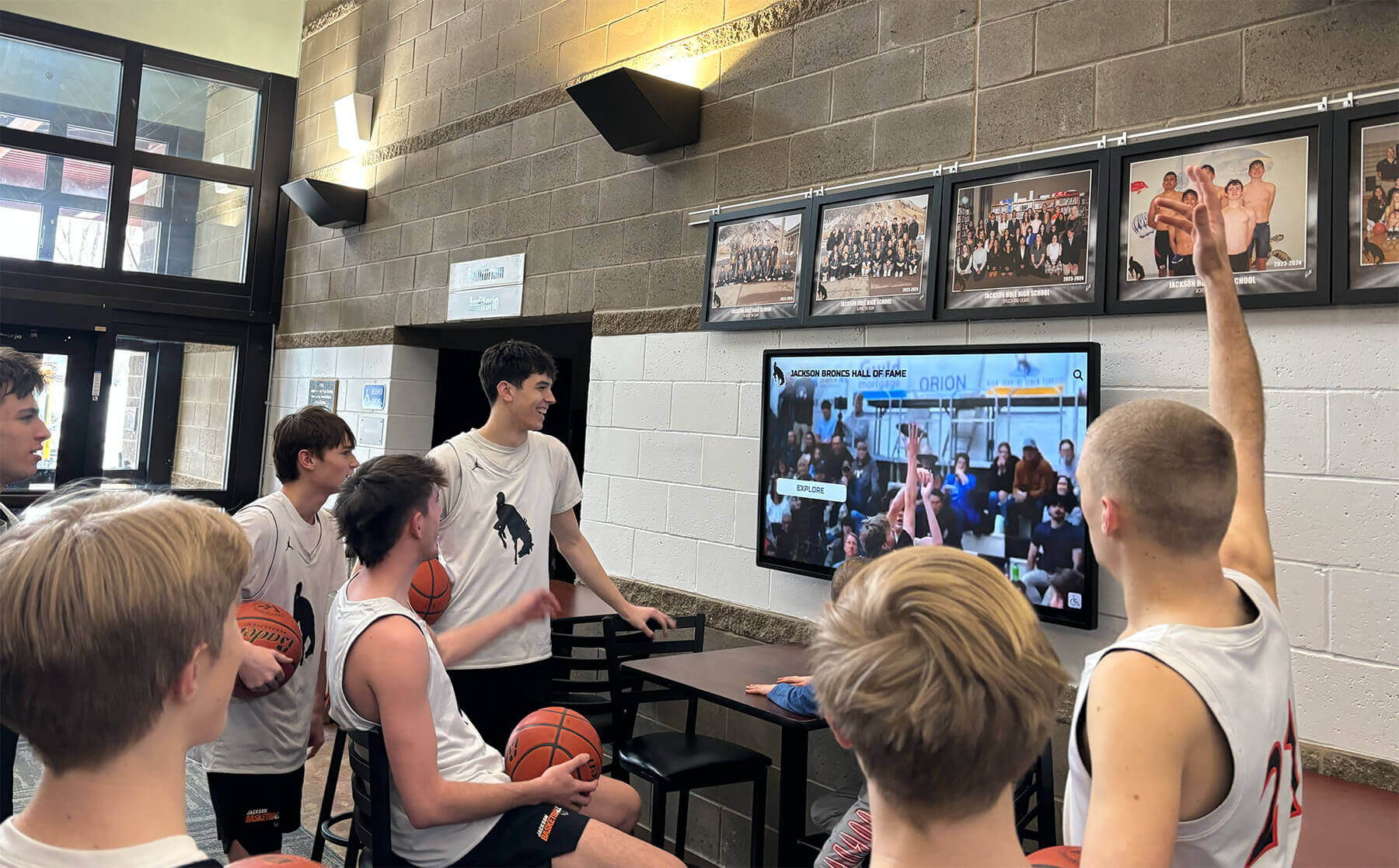
Schools increasingly use digital displays to celebrate college signing achievements and inspire younger athletes pursuing scholarship opportunities
Understanding Student Athlete Scholarship Types
Before exploring the recruiting process, understanding the fundamental scholarship categories helps families set realistic expectations and identify appropriate opportunities aligned with athletic ability and academic credentials.
NCAA Division I Scholarships
Division I represents the highest level of collegiate athletics, offering the most substantial scholarship opportunities alongside the most intense competition for roster positions.
Division I Scholarship Characteristics
Division I schools can offer full athletic scholarships covering tuition, fees, room, board, and books—the complete cost of attendance. However, scholarship allocation varies dramatically by sport based on NCAA regulations governing team scholarship limits.
Headcount Sports
Certain sports receive “headcount” scholarships where teams fund specific numbers of full scholarships divisible only in whole numbers:
- Football (FBS): 85 full scholarships
- Basketball (Men’s): 13 full scholarships
- Basketball (Women’s): 15 full scholarships
- Women’s Gymnastics: 12 full scholarships
- Women’s Tennis: 8 full scholarships
- Women’s Volleyball: 12 full scholarships
These sports typically offer full rides to scholarship recipients, though walk-on opportunities also exist for athletes joining teams without financial support.
Equivalency Sports
Most Division I sports operate under “equivalency” models where schools receive scholarship budgets divisible among multiple athletes. For example, baseball teams receive 11.7 scholarship equivalencies that might fund 20+ players through partial scholarships:
Common equivalency limits include:
- Baseball: 11.7 scholarships
- Men’s Soccer: 9.9 scholarships
- Women’s Soccer: 14 scholarships
- Softball: 12 scholarships
- Men’s Track/Cross Country: 12.6 scholarships
- Women’s Track/Cross Country: 18 scholarships
- Swimming (Men’s): 9.9 scholarships
- Swimming (Women’s): 14 scholarships
This structure means most equivalency sport athletes receive partial scholarships requiring families to fund remaining costs through other aid, loans, or personal resources.
Explore how schools celebrate scholarship achievements in college signing day displays that honor recruiting success.
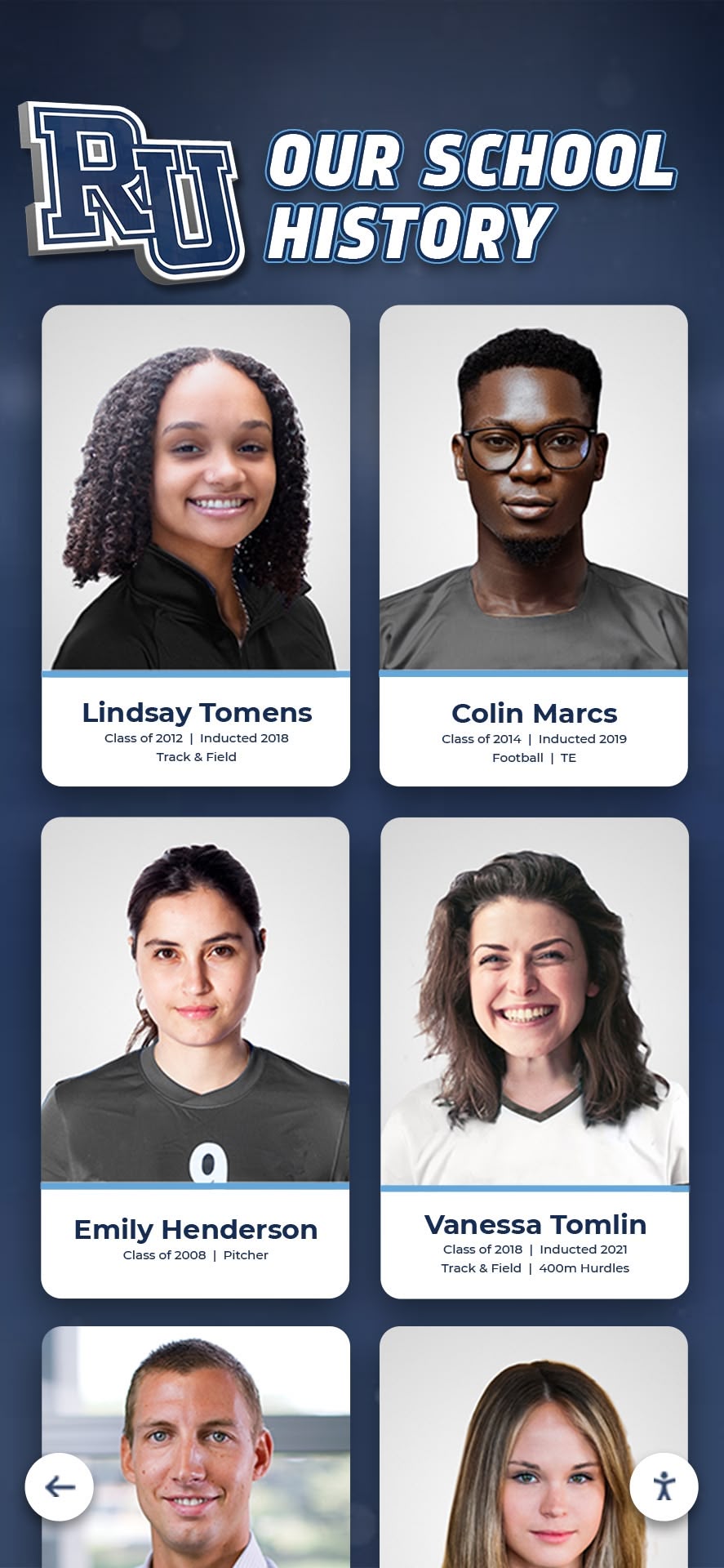
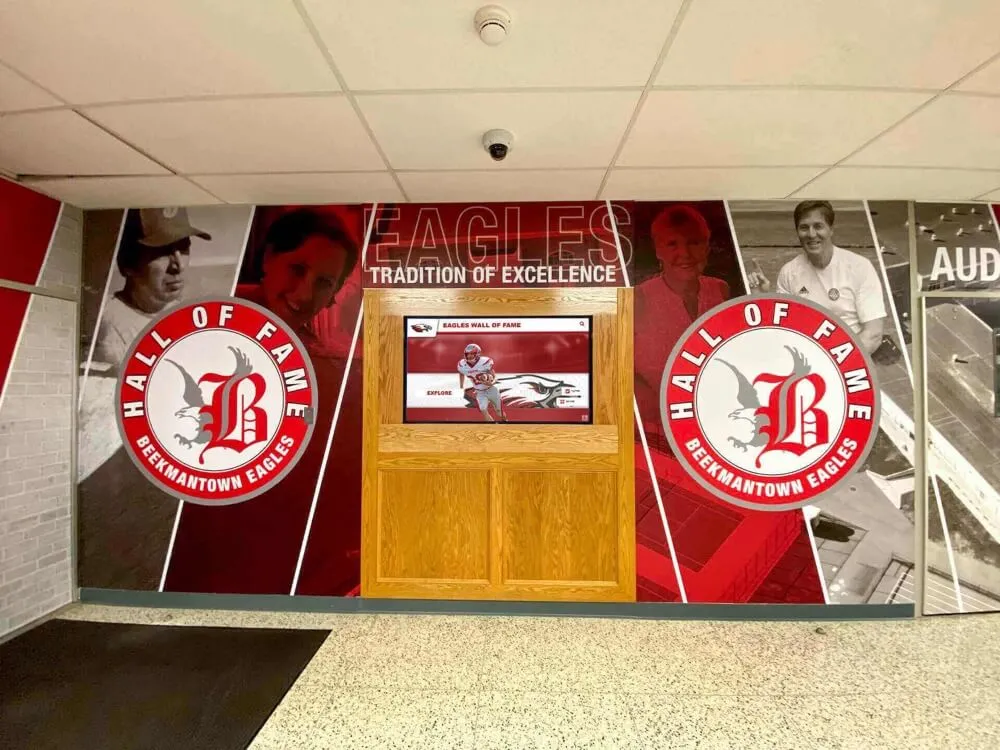
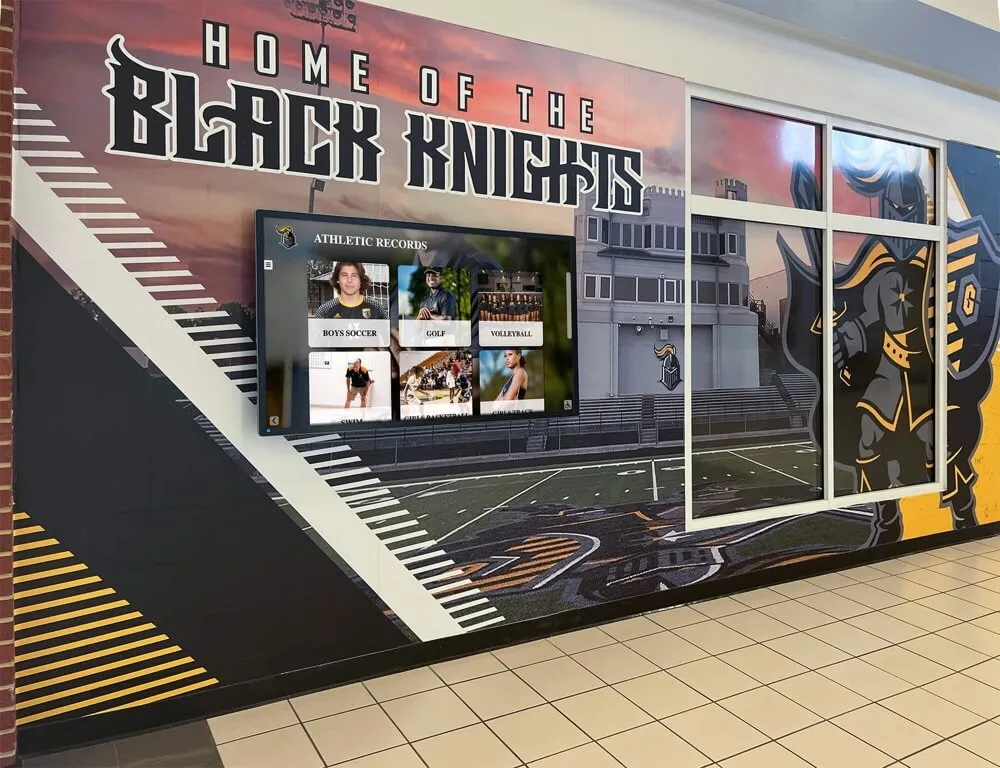
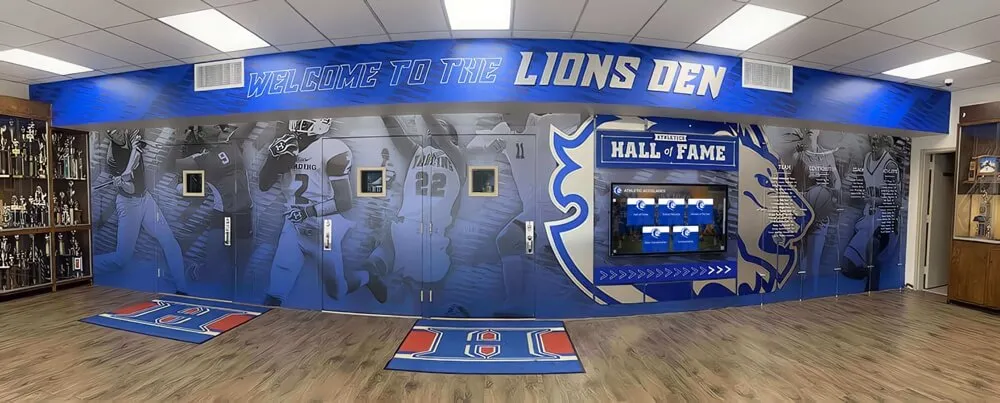
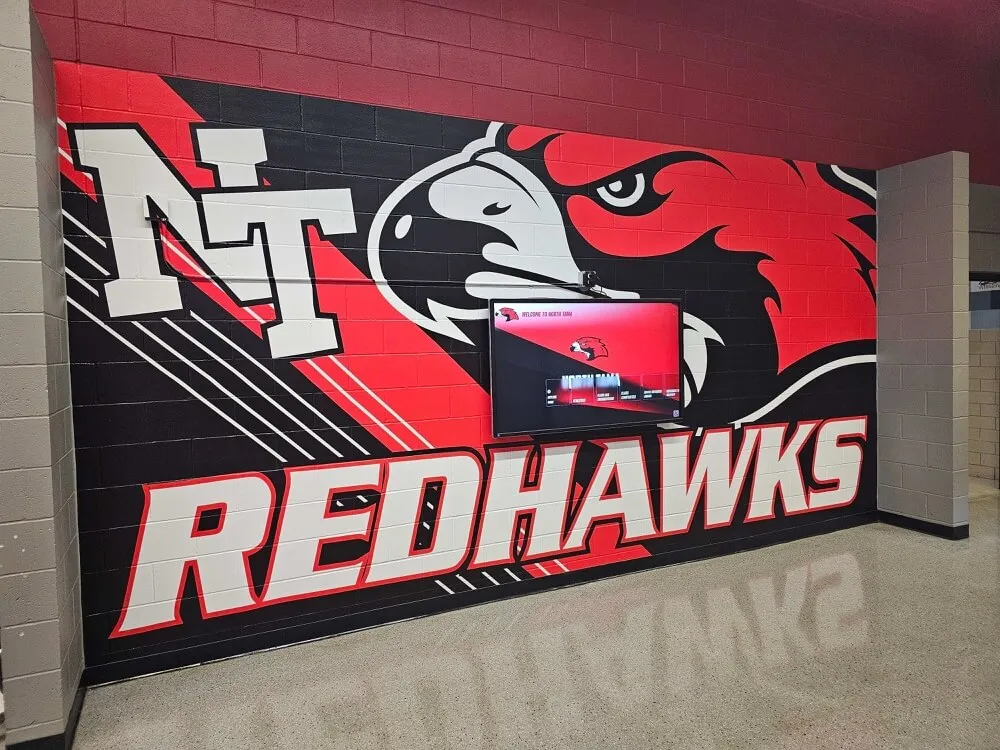
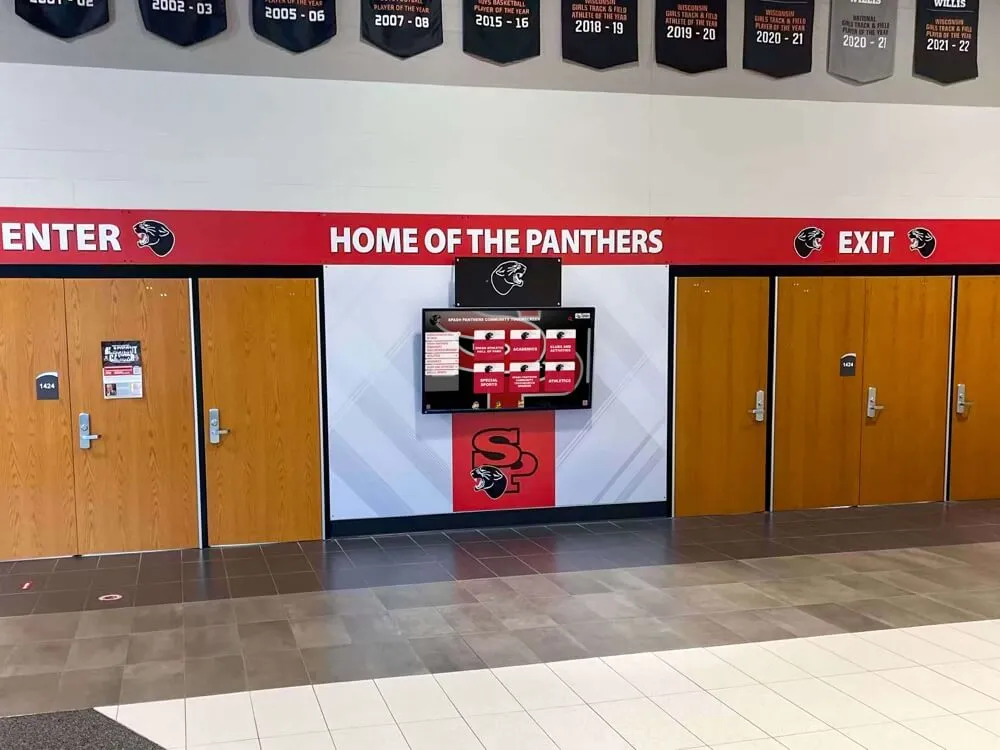
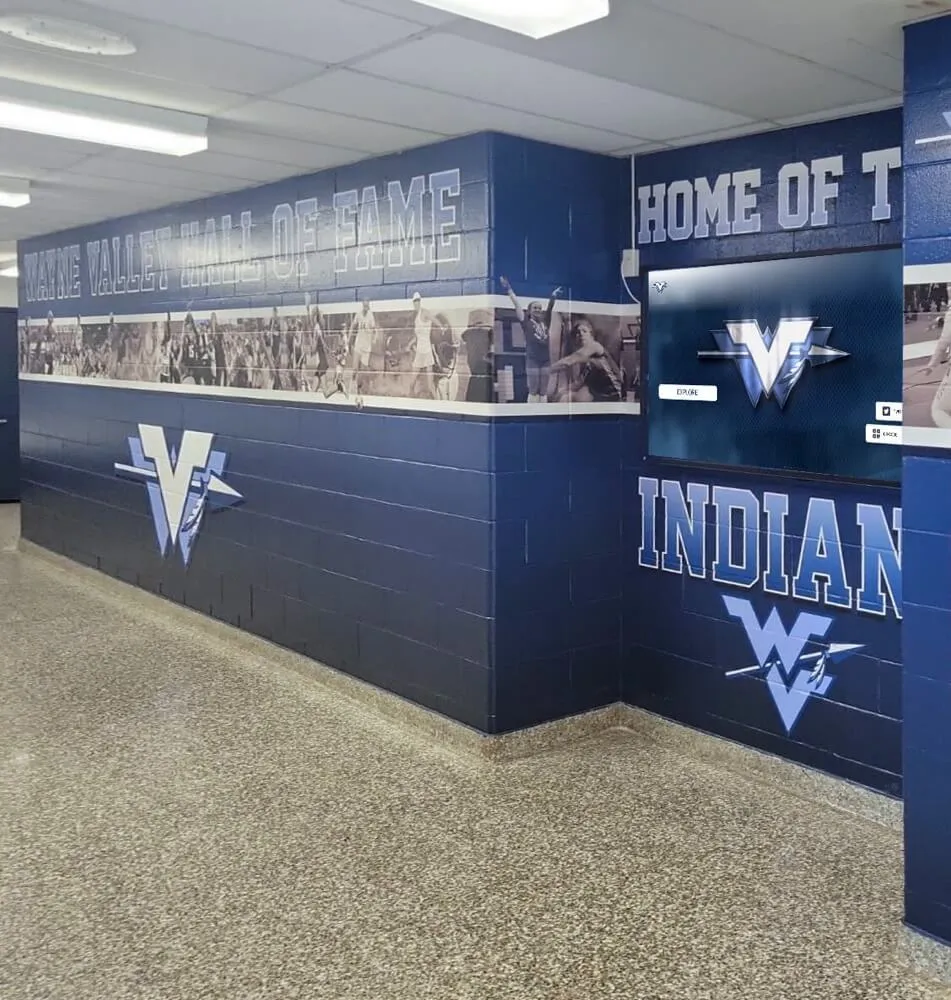
Comprehensive athletic recognition preserves scholarship recipient legacies while inspiring current students pursuing collegiate opportunities
NCAA Division II Scholarships
Division II schools offer significant athletic scholarship opportunities alongside more balanced athletic-academic experiences compared to Division I programs.
Division II Advantages
Division II presents compelling benefits that make these schools attractive scholarship destinations:
- Athletic scholarships available across all sports (unlike Division III)
- Smaller class sizes and more personal attention than many Division I programs
- Less time-intensive athletic commitments allowing greater academic focus
- Lower cost of attendance at many institutions reducing family financial burden
- Strong academics often matching or exceeding Division I school quality
- Competitive athletics without single-sport specialization pressure
Scholarship Availability
Division II schools typically combine partial athletic scholarships with academic aid, need-based grants, and other funding sources creating comprehensive financial packages. While rare to receive full athletic scholarships, total aid packages often cover substantial portions of college costs.
Maximum scholarship limits by sport include:
- Football: 36 scholarships
- Basketball (Men’s): 10 scholarships
- Basketball (Women’s): 10 scholarships
- Baseball: 9 scholarships
- Softball: 7.2 scholarships
- Soccer (Men’s): 9 scholarships
- Soccer (Women’s): 9.9 scholarships
These limits mean most Division II athletes receive partial athletic scholarships supplemented by other aid forms.
NCAA Division III and Non-Scholarship Opportunities
Division III schools cannot offer athletic scholarships but provide substantial value through academic merit aid, need-based grants, and comprehensive educational experiences.
Division III Financial Aid
While athletic scholarships aren’t permitted, Division III athletes often receive:
- Merit-based academic scholarships for strong GPAs and test scores
- Need-based financial aid for families demonstrating economic need
- Leadership and talent grants for demonstrated abilities
- Institutional grants reducing overall attendance costs
- Work-study programs providing campus employment
Total financial aid packages at selective Division III schools frequently match or exceed partial athletic scholarships available at Division I or II institutions, especially for students with strong academic credentials.
Division III Advantages
Beyond financial considerations, Division III offers unique benefits:
- Athletes participate out of genuine love for sports without scholarship pressure
- Flexible athletic commitments enabling diverse extracurricular involvement
- Strong academics often at prestigious institutions
- Smaller schools with close-knit communities
- High graduation rates and strong career outcomes
- No athletic scholarship obligations constraining major choice or career planning
Learn about comprehensive recognition in academic and athletic achievement displays celebrating well-rounded student success.
NAIA and Junior College Scholarships
Beyond NCAA divisions, NAIA schools and junior colleges provide additional scholarship pathways worthy of consideration.
NAIA Opportunities
The National Association of Intercollegiate Athletics governs smaller institutions offering:
- Athletic scholarships across all sports
- Often equivalent total aid to Division II schools
- Smaller roster sizes providing more playing time
- Strong sense of community at smaller institutions
- Flexible eligibility rules for non-traditional students
Junior College Advantages
Two-year institutions offer strategic benefits:
- Lower initial costs reducing overall college debt
- Opportunity to develop skills before transferring
- Playing time for late-developing athletes
- Academic preparation for four-year institutions
- Strong transfer pipelines to four-year programs
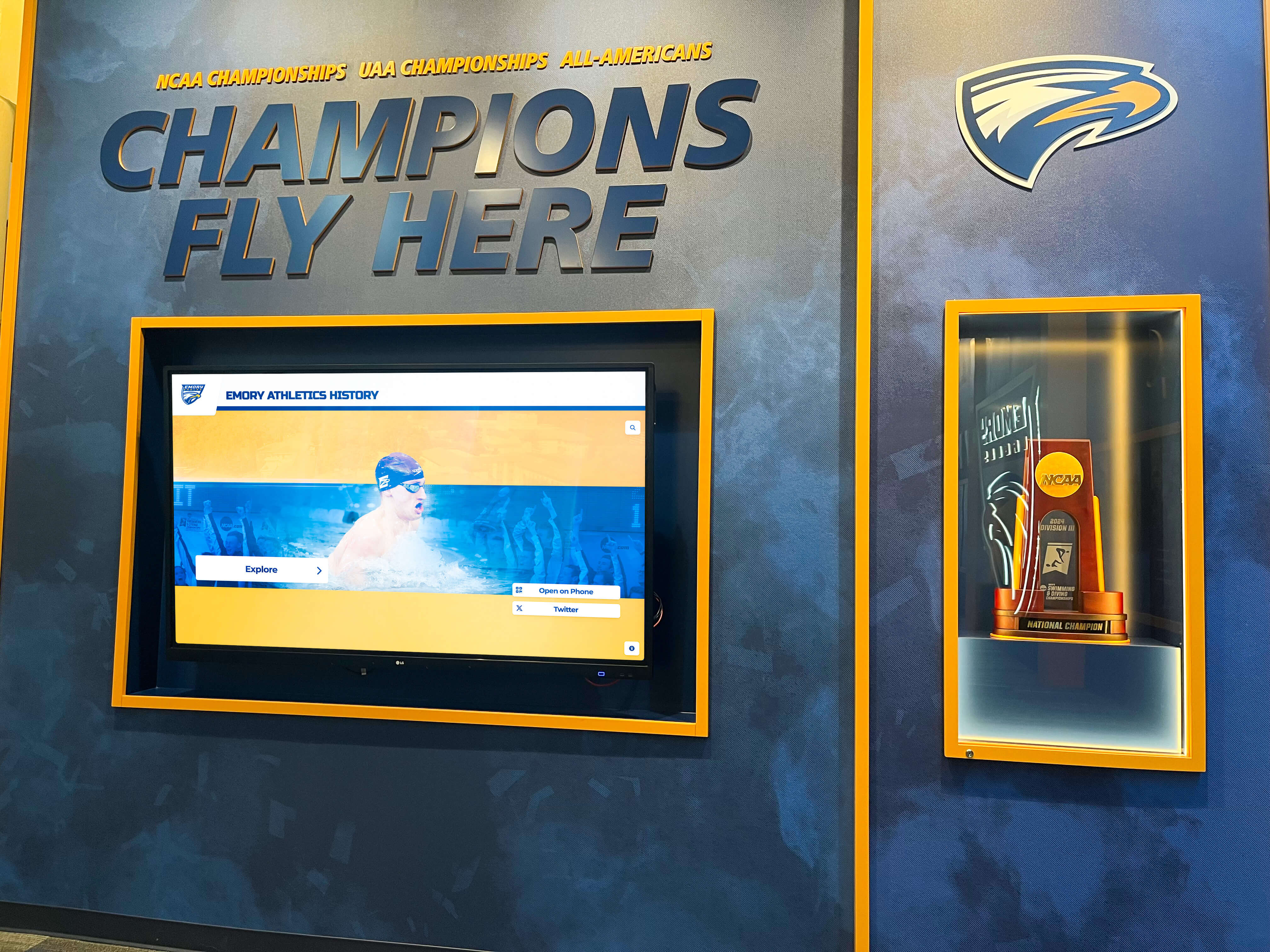
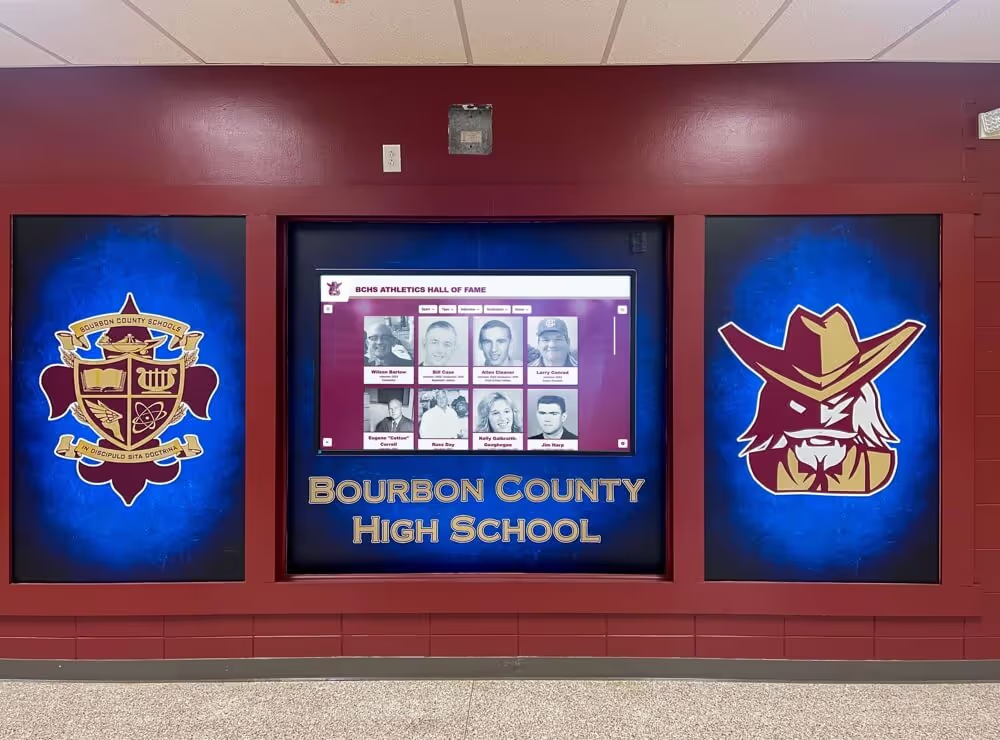
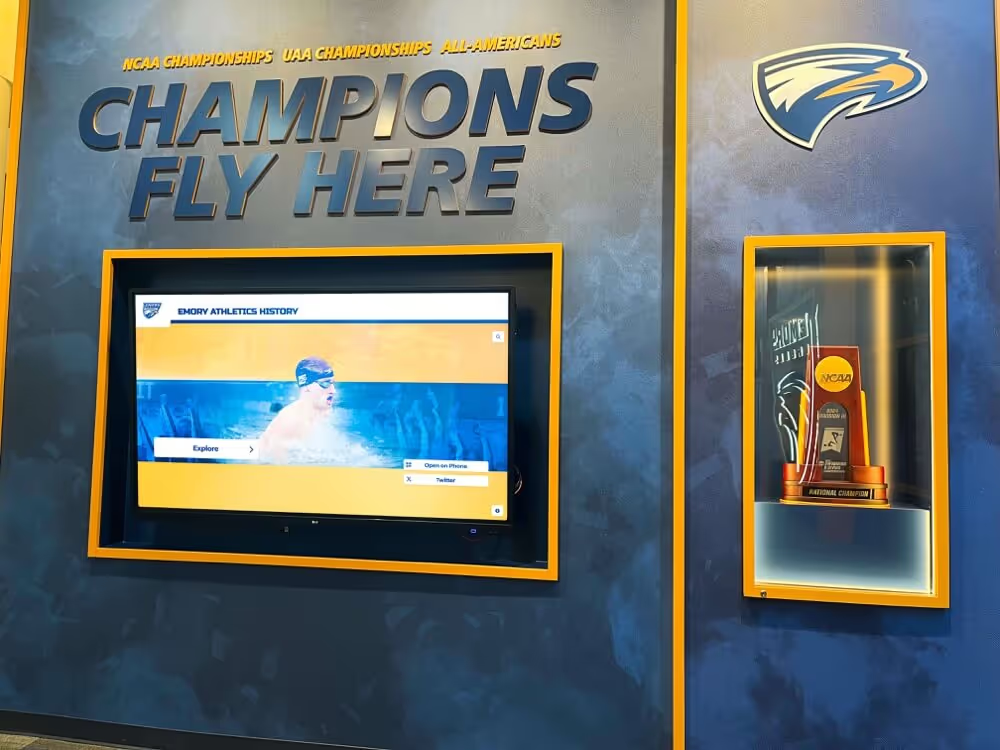
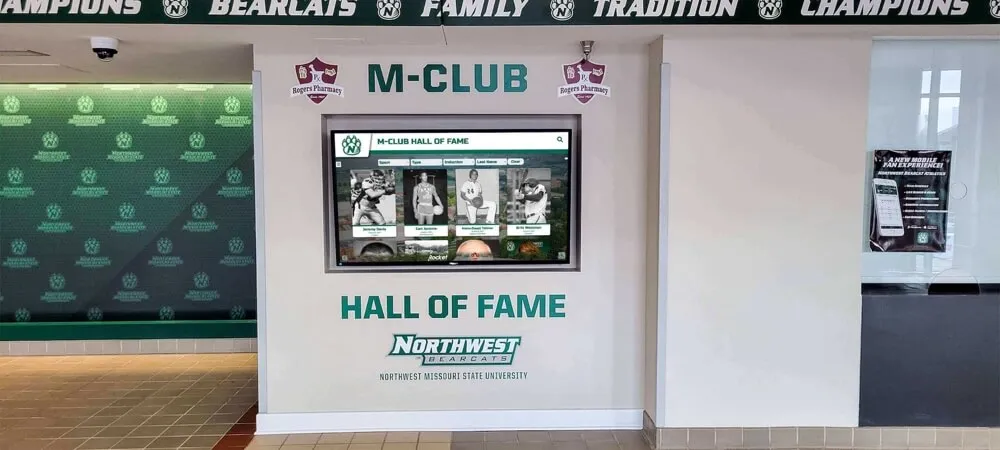
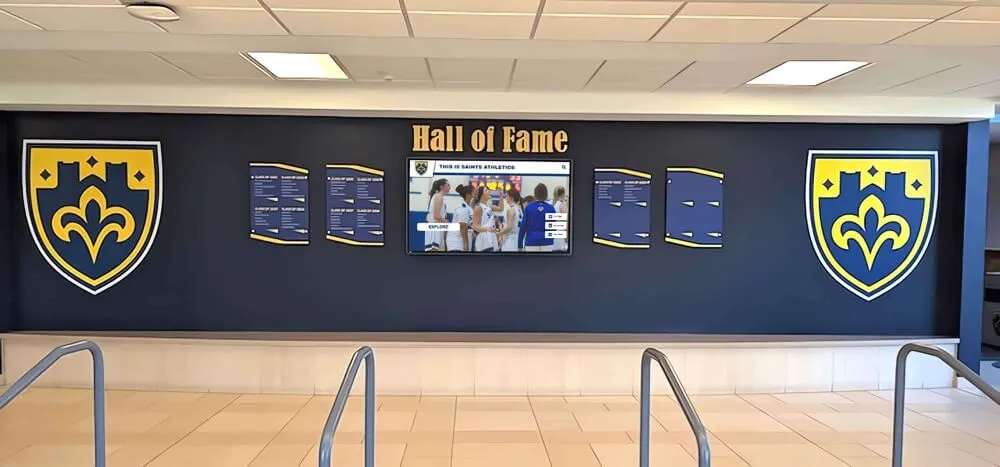
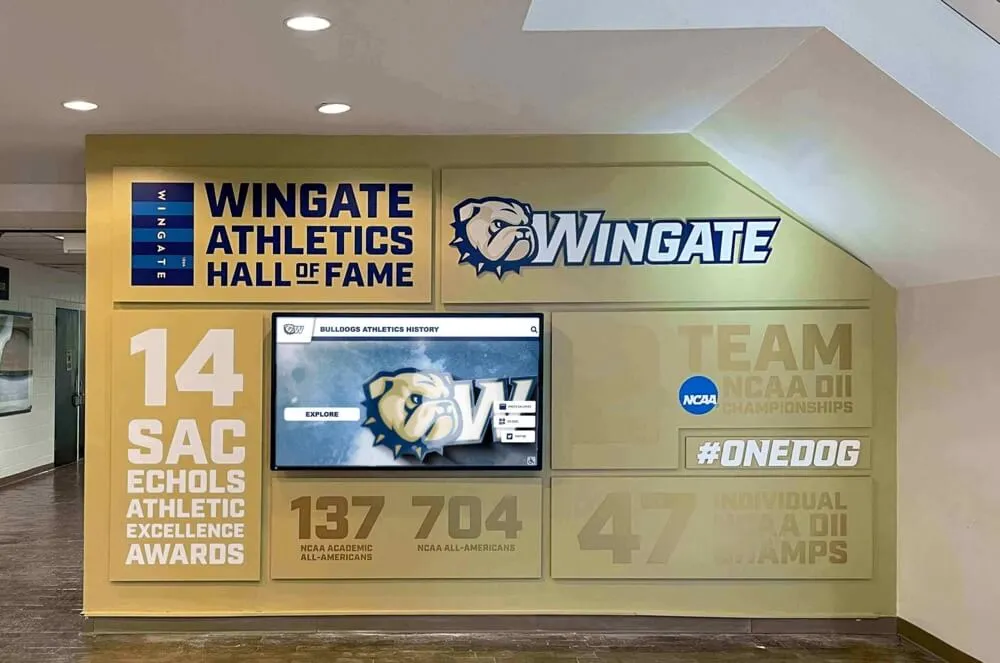
College athletic facilities showcase championship tradition that scholarship athletes join upon commitment
Junior college athletes frequently transfer to Division I or II schools with improved athletic skills, stronger academic credentials, and enhanced maturity—positioning themselves for better scholarship opportunities than they could have secured directly from high school.
The Student Athlete Scholarship Recruiting Process
Understanding how recruiting works enables athletes and families to navigate the process strategically, maximizing scholarship opportunities.
When Recruiting Begins (Earlier Than You Think)
The most critical recruiting insight: the process begins far earlier than most families realize, with timing varying significantly by sport.
Sport-Specific Timelines
Early commitment sports (football, basketball, soccer, volleyball):
- College coaches evaluate prospects as early as freshman and sophomore years
- Elite athletes receive scholarship offers during sophomore or junior years
- Signing typically occurs during junior year or early senior year
- Athletes who wait until senior year face limited remaining opportunities
Later timeline sports (baseball, softball, many Olympic sports):
- Serious recruiting typically begins junior year
- Most commitments occur during senior year
- Some athletes commit after high school graduation
- Walk-on and preferred walk-on opportunities remain available
This reality means families must begin positioning athletes strategically during freshman and sophomore years—developing athletic skills, building academic credentials, and establishing recruiting visibility when it matters most.
The Importance of Early Planning
Families who understand these timelines gain substantial advantages:
- Athletes develop necessary skills before recruiting evaluation begins
- Academic preparation ensures eligibility and academic scholarship opportunities
- Recruiting profiles and highlight videos exist when coaches start evaluating
- Tournament schedules align with key recruiting events
- Relationships with club coaches who facilitate college connections develop naturally
Conversely, families who delay recruiting preparation until junior or senior year discover many opportunities have already been claimed by athletes who started earlier.
Discover how schools track college commitments through college signing recognition displays celebrating recruiting success.

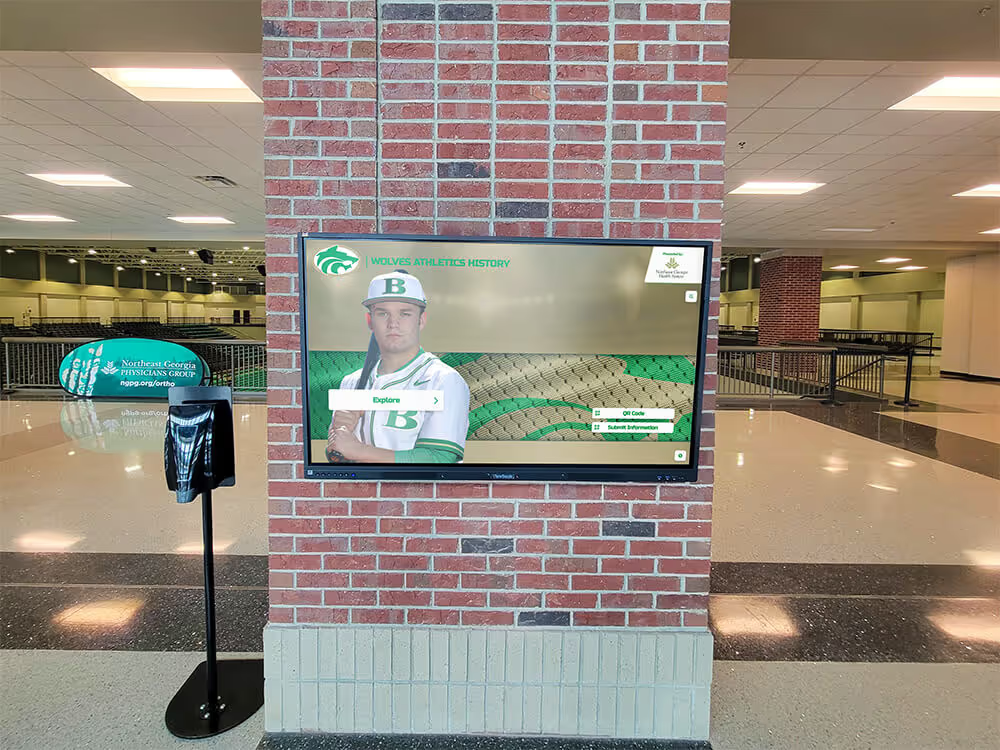
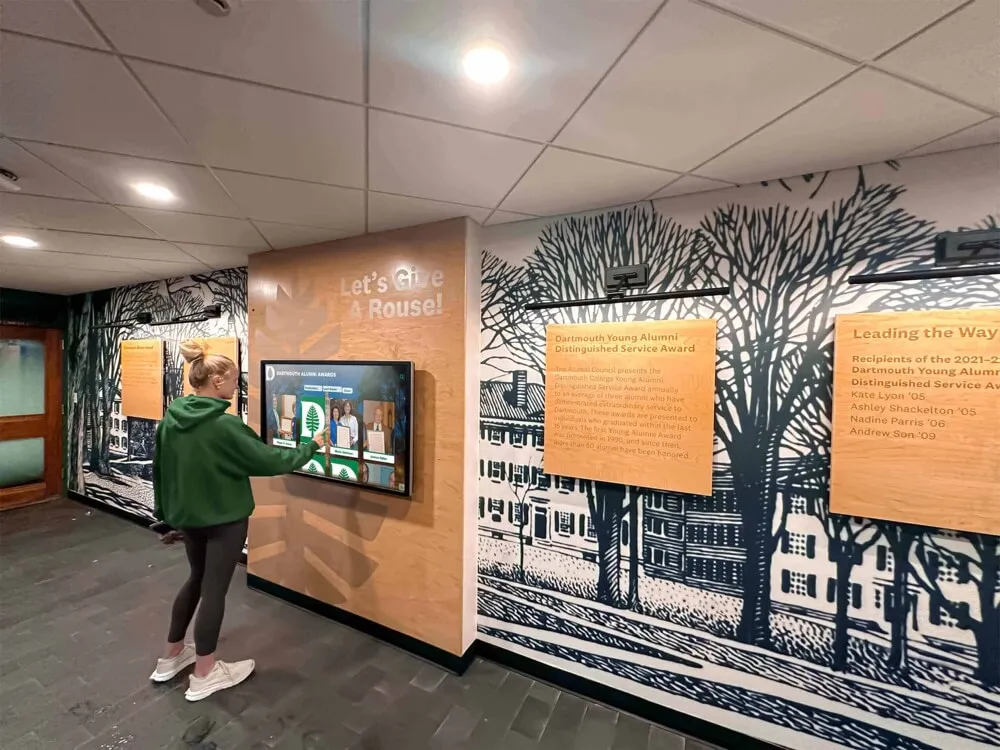
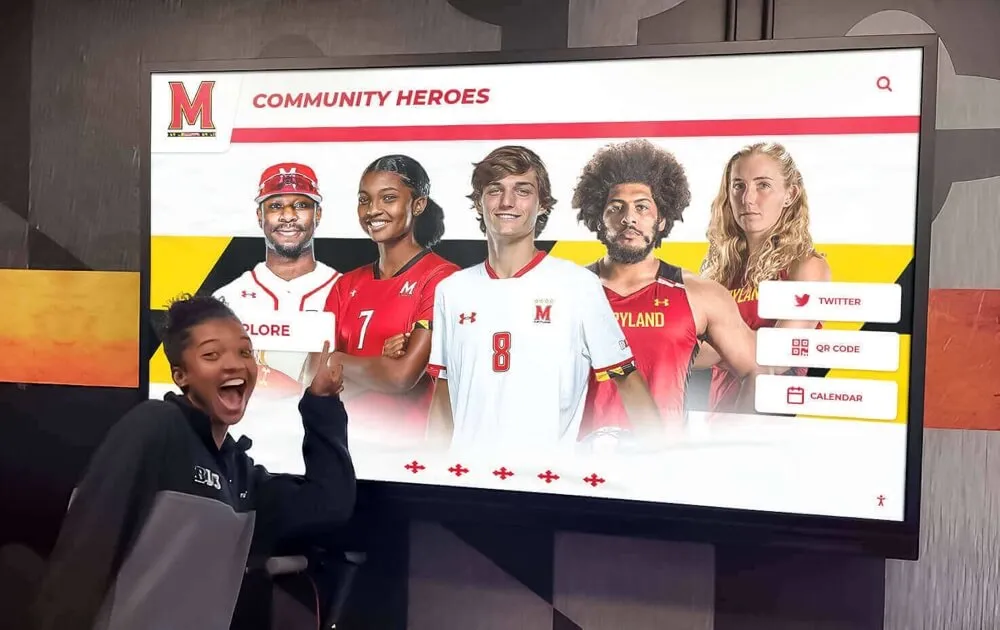
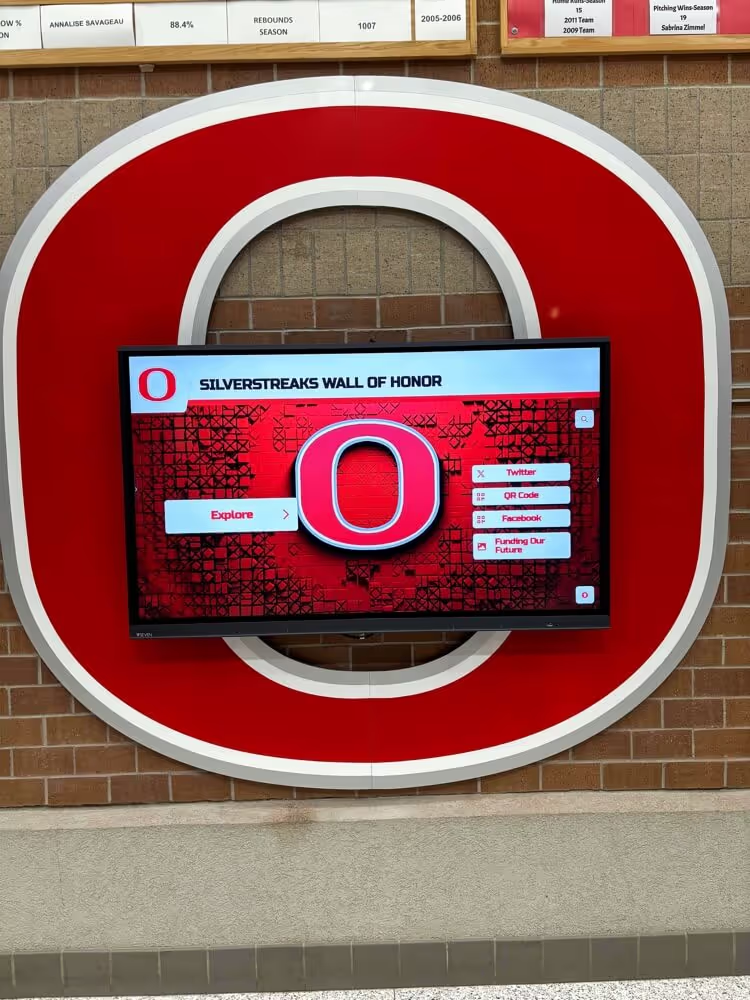
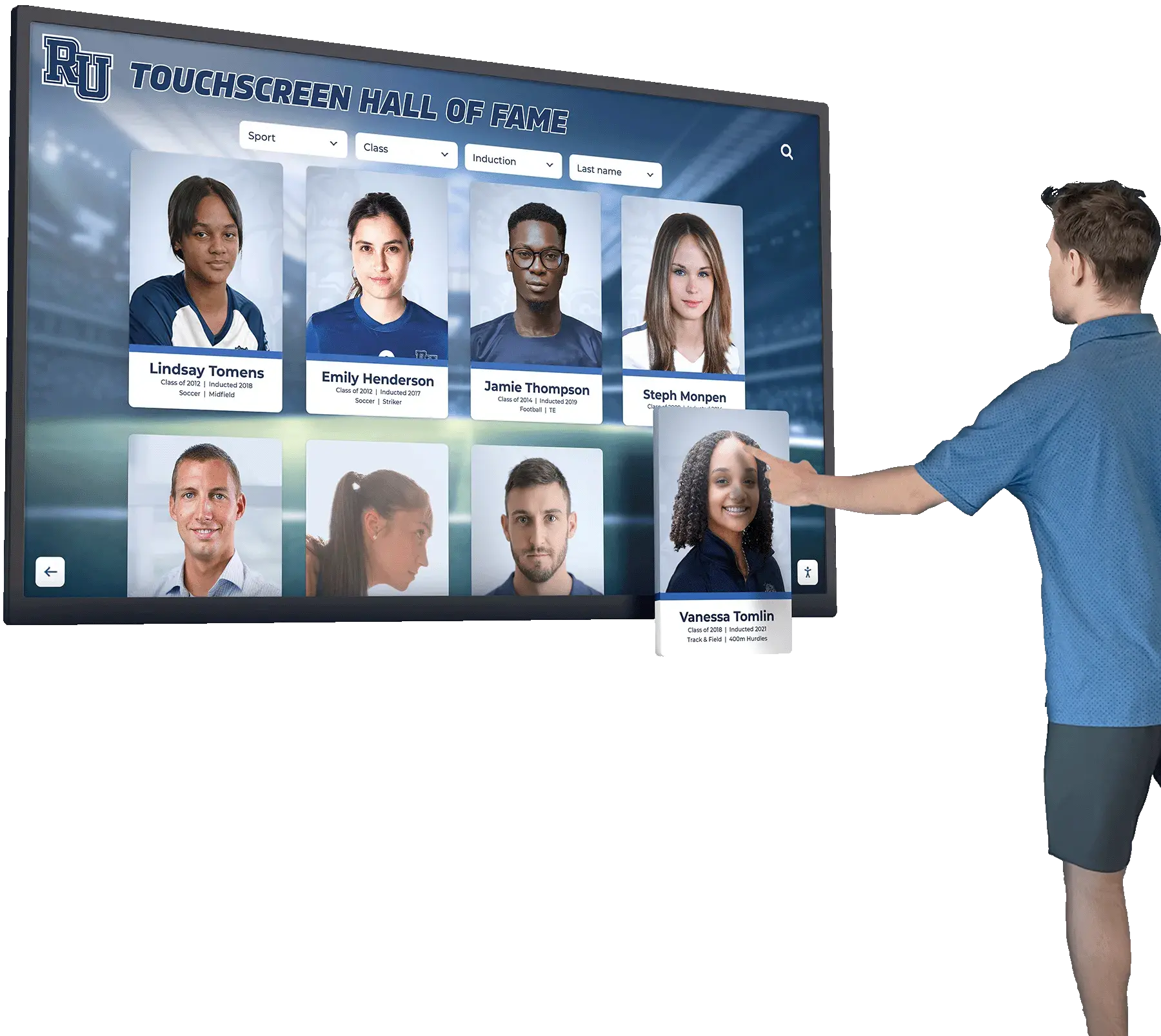
Interactive displays enable students to explore college athletic pathways of successful alumni who preceded them
What College Coaches Look For
Understanding coach evaluation criteria helps athletes position themselves as attractive scholarship candidates.
Athletic Ability and Potential
Coaches primarily evaluate athletic capabilities:
- Current skill level relative to collegiate competition standards
- Physical attributes (size, speed, strength) appropriate to sport and position
- Athletic ceiling and projected development potential
- Game intelligence and tactical understanding
- Versatility across multiple positions when applicable
- Durability and injury history
Elite athletic ability alone doesn’t guarantee scholarships—coaches seek athletes who can contribute immediately while developing into impact players throughout college careers.
Academic Credentials
Academic qualifications increasingly influence scholarship decisions:
- NCAA eligibility requiring minimum GPA and test scores
- Institutional admission standards often exceeding NCAA minimums
- Academic scholarships supplementing athletic aid
- Major compatibility with athletic schedule demands
- Graduation likelihood based on academic preparedness
- Study habits and academic commitment
Strong academics expand scholarship opportunities—athletes with high GPAs and test scores often receive combined athletic and academic packages exceeding purely athletic scholarships available to academically marginal recruits.
Character and Coachability
Personal qualities factor significantly into recruiting evaluation:
- Coachability and receptiveness to instruction
- Work ethic and commitment to improvement
- Team-first attitude and locker room presence
- Leadership capability and positive influence
- Character and integrity in academic and social contexts
- Maturity and ability to handle college pressures
Coaches invest scholarships in athletes they trust to represent programs positively, work hard, and contribute to team culture—not just those with raw athletic talent.
Learn about character recognition in sportsmanship and leadership awards that coaches value during recruitment.
Building Recruiting Visibility
Even talented athletes with strong academics won’t receive scholarship offers if college coaches never see them play or know they exist. Strategic visibility development becomes critical.
Club and Travel Team Participation
High-level club teams provide essential recruiting exposure:
- Competition against other elite athletes demonstrating ability
- Tournament participation where college coaches actively recruit
- Club coaching staff with college coaching connections and relationships
- Team culture preparing athletes for college athletic demands
- Year-round skill development maintaining competitive edge
While club sports require significant financial investment, these programs provide recruiting access that high school teams alone rarely deliver.
Highlight Videos and Recruiting Profiles
Digital recruiting tools enable nationwide visibility:
Effective Highlight Video Elements
- 3-5 minutes showcasing best plays and diverse skills
- High-quality footage with clear views of athlete
- Contact information and statistics prominently displayed
- Recent competition against strong opponents
- Action demonstrating athleticism, not just results
- Professional editing maintaining coach attention
Comprehensive Recruiting Profiles
- Academic information (GPA, test scores, class rank)
- Complete athletic statistics and achievements
- Physical measurements and athletic testing results
- Position versatility and playing experience
- Contact information for athlete and coaches
- Links to highlight videos and game footage
These materials enable coaches to evaluate prospects efficiently, identifying athletes worthy of in-person evaluation and recruiting investment.
Proactive Communication with Coaches
Athletes cannot wait for coaches to discover them—proactive outreach becomes essential.
Initial Contact Strategy
Effective communication requires:
- Personalized emails to specific coaches (not mass generic messages)
- Compelling subject lines capturing attention
- Brief introduction with key athletic and academic credentials
- Links to highlight video and recruiting profile
- Upcoming competition schedule enabling in-person evaluation
- Professional tone demonstrating maturity
Follow-Up and Relationship Building
Initial contact begins relationships requiring nurturing:
- Regular updates about achievements and development
- Tournament schedules when coaches might attend
- Academic progress and new accomplishments
- Genuine interest in specific program and school
- Questions demonstrating research about program
- Gratitude for coach time and attention

Modern recognition systems showcase complete athletic journeys including scholarship destinations inspiring younger athletes
Building authentic relationships with coaching staffs at multiple schools creates options when scholarship offers eventually arrive.
Maximizing Scholarship Opportunities: Strategic Approaches
Beyond basic eligibility and recruiting visibility, strategic approaches significantly improve scholarship outcomes.
Academic Excellence as Leverage
Strong academics create negotiating leverage and expanded opportunities that marginal students never access.
Academic Scholarship Stacking
Many schools combine athletic and academic scholarships:
- Equivalency sports where coaches can preserve athletic scholarship budget by leveraging academic aid
- Merit scholarships from admissions office supplementing athletic scholarships
- Honors programs providing additional grants and perks
- Department scholarships for specific majors
- Leadership and community service awards
Athletes with strong academics might receive 50% athletic scholarships supplemented with 30% academic merit aid—totaling more than purely athletic scholarships available to less academically qualified recruits.
Access to Academically Selective Institutions
Strong academics enable consideration at:
- Ivy League schools offering exceptional need-based aid but no athletic scholarships
- High-academic Division III schools providing substantial merit and need-based aid
- Selective Division I schools where admission standards eliminate many athletic recruits
- Academic programs with scholarship opportunities for high-achieving students
These institutions often deliver superior education and long-term career outcomes compared to schools chosen solely for athletic scholarships.
Explore comprehensive achievement recognition in AP Scholar awards displays celebrating academic excellence.
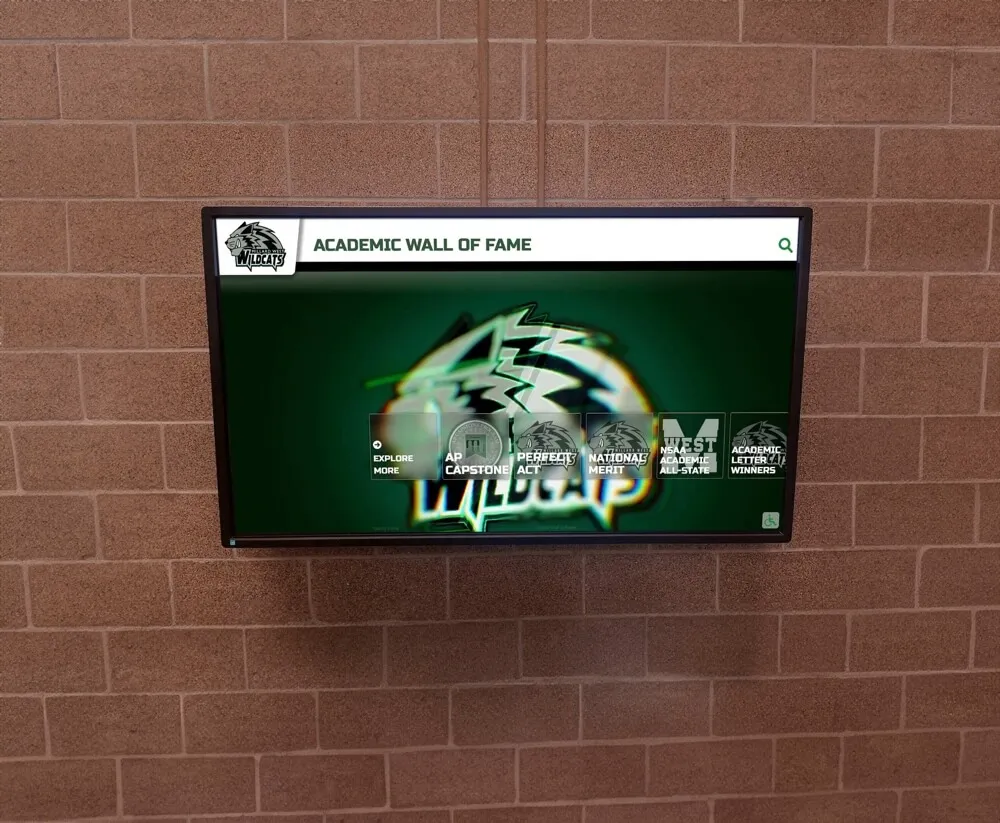
Schools that celebrate both academic and athletic excellence create cultures where student athletes pursue well-rounded achievement
Sport and Position Flexibility
Athletes willing to consider multiple options access more scholarship opportunities than those fixated on single sports or positions.
Multi-Sport Athlete Advantages
Athletes competing in multiple sports gain:
- Expanded scholarship opportunities across different sports
- Demonstrated versatility attractive to coaches
- Well-rounded athletic development transferring across sports
- Broader range of college programs to consider
- Reduced injury risk from sport-specific overuse
Some athletes receive better scholarship offers in secondary sports than their primary focus—flexibility enables capitalizing on these unexpected opportunities.
Position Versatility
Within single sports, position flexibility helps:
- Teams with depth at preferred positions but needs elsewhere
- Coaches valuing athletes filling multiple roles
- Roster flexibility enabling tactical adjustments
- Reduced competition at less popular positions
- Development opportunities in evolving positions
Athletes married to single positions eliminate opportunities that position-flexible competitors readily accept.
Geographic Flexibility
Willingness to consider schools nationwide rather than regionally expands scholarship options dramatically.
Geographic Considerations
Regional restrictions limit opportunities:
- Most athletes cluster around home states reducing out-of-region competition
- Schools in less populated regions often have scholarship availability
- Geographic diversity interests coaches building varied rosters
- Lower cost of living regions stretch scholarship dollars further
- Distance from home forces independence and maturity
Athletes considering schools across the country access opportunities that regionally-focused competitors never discover, often receiving better scholarship packages as coaches compete for geographic diversity.
Cultural and Climate Adaptability
Beyond simple geography, cultural and climate flexibility helps:
- Northern athletes considering southern schools and vice versa
- Urban athletes open to rural campuses offering different experiences
- Different academic calendars (quarters vs. semesters)
- Varied campus cultures from large universities to small colleges
- Climate differences requiring adaptation
Open-mindedness about these factors expands options while narrow preferences eliminate schools where excellent opportunities might exist.
The Scholarship Offer and Decision Process
When scholarship offers finally arrive, families face critical decisions requiring careful evaluation beyond simply comparing financial packages.
Understanding Scholarship Offers
Not all scholarship offers provide equivalent value—understanding offer specifics prevents disappointment later.
Scholarship Components
Comprehensive offers should specify:
- Athletic scholarship percentage (25%, 50%, full, etc.)
- Academic scholarships and merit aid
- Need-based financial aid eligibility
- Total cost of attendance and out-of-pocket expenses
- Scholarship duration and renewal requirements
- Academic progress requirements maintaining eligibility
- Athletic performance expectations
- Medical hardship and injury provisions
Verbal offers mean nothing—only written offers with financial aid breakdowns merit serious consideration.
Scholarship Renewal and Stability
Critical but often overlooked questions:
- Is the scholarship guaranteed four years or requires annual renewal?
- What GPA must athletes maintain to keep scholarships?
- What happens if injuries prevent continued participation?
- Can coaches reduce or eliminate scholarships?
- What percentage of team members lose scholarships annually?
One-year renewable scholarships provide less security than four-year guaranteed packages—coaches can reduce aid after freshman year for any reason.
National Letter of Intent Implications
Signing National Letters of Intent creates binding commitments:
- Athletes commit to specific schools for one year minimum
- Transfer requires sitting out one year in most cases
- Early signing period creates pressure to decide quickly
- Regular signing period provides more time for consideration
- Coaching changes after signing create difficult situations
Understanding NLI implications prevents hasty decisions with significant consequences.
Learn about signing day celebrations in recognition displays for commitment events that honor scholarship recipients.
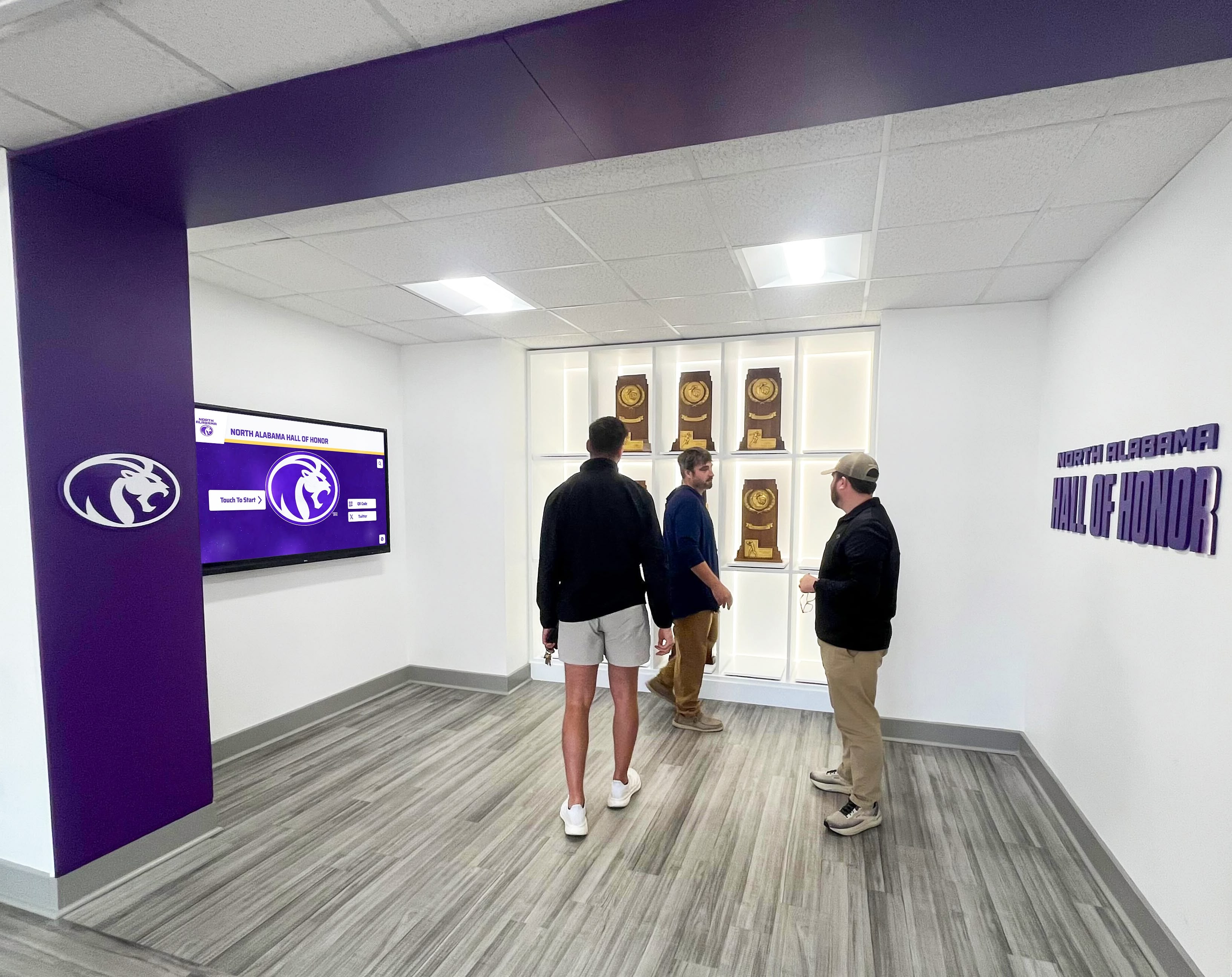
Schools celebrate scholarship signings as major achievements worthy of permanent recognition alongside other accomplishments
Evaluating Beyond Financial Packages
Scholarships provide critical financial support but shouldn’t be the only consideration when selecting colleges.
Academic Fit and Major Availability
Athletic scholarships lose value if schools don’t offer:
- Desired academic majors and programs
- Quality instruction in fields of interest
- Graduate school preparation if considering advanced degrees
- Career services and internship opportunities
- Alumni networks in target industries
Choosing schools solely for scholarships without academic fit creates problematic situations if athletic careers end due to injury or changing interests.
Athletic Program Culture and Coaching
Program fit significantly impacts college experience:
- Coaching philosophy and communication style
- Team culture and athlete relationships
- Playing time expectations and depth chart
- Redshirt policies and development timelines
- Practice and competition schedules
- Athletic facilities and support resources
Visiting campuses, attending practices, and meeting current athletes reveals program realities that recruiting pitches don’t convey.
Social and Campus Environment
Four years represents significant life period:
- Campus size and setting (urban, suburban, rural)
- Student body diversity and culture
- Greek life and social options
- Distance from home and family
- Weather and regional culture
- Overall institutional fit and comfort level
Unhappy athletes transfer frequently—considering comprehensive fit prevents choosing schools based purely on scholarship amounts.
The Transfer Portal Reality
Modern college athletics include substantial transfer activity that scholarship recipients should understand.
Transfer Portal Dynamics
The NCAA transfer portal enables:
- One-time transfers without sitting out in most sports
- Athletes seeking better opportunities exploring options
- Coaching changes triggering transfer waves
- Playing time dissatisfaction prompting transfers
- Better scholarship offers at other institutions
Transfers have become normalized—initial college choices aren’t permanent commitments for most athletes.
Strategic Transfer Considerations
Transfers can improve situations:
- Moving to better academic or athletic fits
- Accessing opportunities not available at original schools
- Following coaches to new positions
- Upgrading scholarship amounts
- Changing divisions for different experiences
However, transfers also involve:
- Academic credit transfer complications
- Adjustment to new teams and systems
- Starting over in new communities
- Potential scholarship reduction
- Additional year of eligibility loss
Transfers provide safety valves but shouldn’t replace thorough initial decision-making.
How Schools Celebrate Scholarship Recipients
High schools and colleges increasingly recognize scholarship recipients through sophisticated recognition systems that honor these achievements while inspiring younger athletes.
High School Recognition of College Commitments
Forward-thinking high schools celebrate college athletic commitments as major achievements worthy of prominent recognition.
Signing Day Ceremonies
Formal events recognizing student athletes include:
- School-wide announcements during assemblies
- Signing ceremonies where athletes sign letters of intent
- Family participation celebrating shared achievement
- Media coverage from local news outlets
- Social media promotion across school platforms
- Recognition from school administration and coaches
These public celebrations validate years of athletic dedication while demonstrating institutional pride in student success.
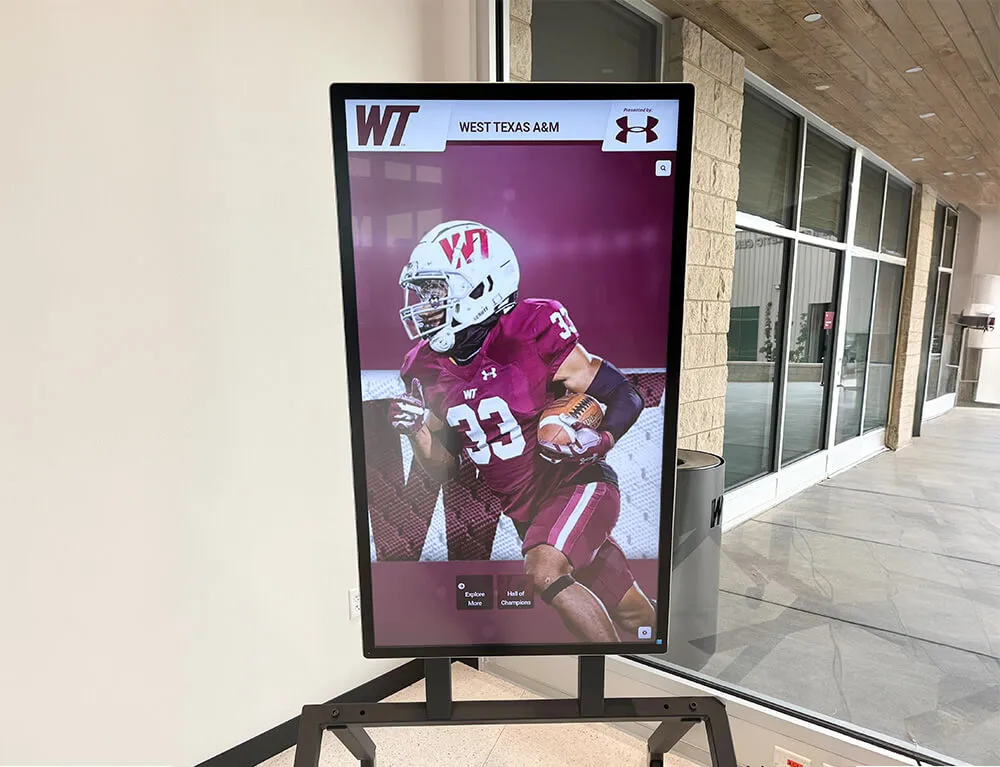
Digital Recognition Displays
Modern schools implement interactive touchscreen systems showcasing:
- Complete profiles of scholarship recipients with photos and statistics
- Scholarship details and destination schools
- Athletic career highlights and achievements
- Academic accomplishments complementing athletic success
- Video highlights from high school careers
- Messages and reflections about athletic journeys
Solutions like Rocket Alumni Solutions enable schools to create comprehensive digital recognition preserving these achievements permanently while inspiring current students. Interactive displays in main lobbies or athletic facilities ensure every student sees pathways to college athletic opportunities.
Explore comprehensive implementation in national signing day displays that celebrate scholarship commitments.
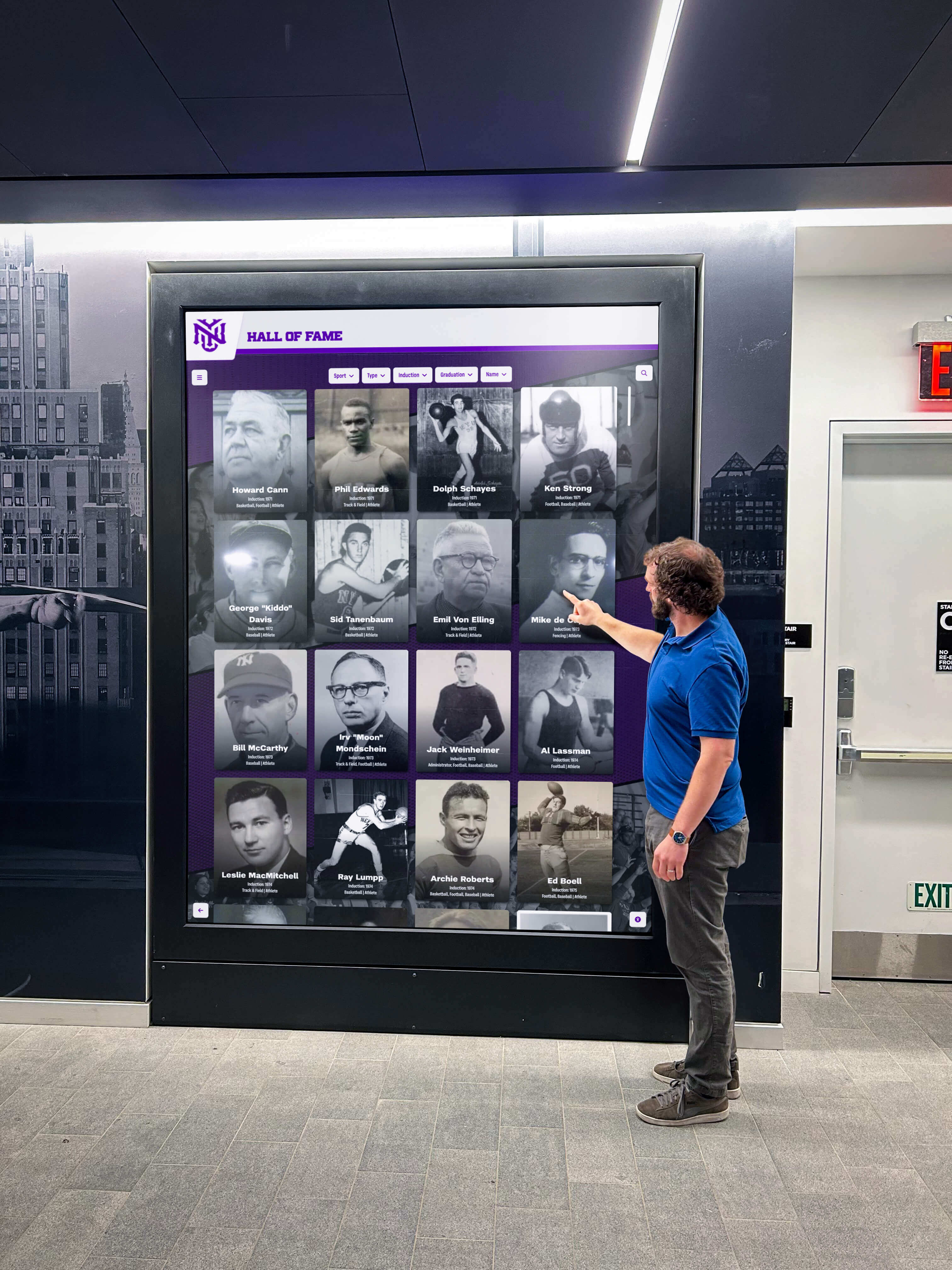
Interactive recognition systems enable exploring complete athletic legacies including college destinations of scholarship recipients
College Recognition of Scholarship Athletes
Universities showcase scholarship athletes through sophisticated systems demonstrating program prestige and recruiting success.
Athletic Hall of Fame Integration
Colleges integrate current scholarship athletes into broader recognition:
- Freshman class introductions with scholarship information
- Updated athlete profiles throughout college careers
- Championship team documentation including all scholarship athletes
- Post-graduation tracking of professional and career success
- Alumni athlete networking connecting generations
This comprehensive recognition creates program tradition while demonstrating commitment to celebrating athlete contributions.
Recruiting Showcase Materials
Schools leverage scholarship athlete recognition for recruiting:
- Virtual tours showcasing recognition systems
- Recruiting presentations featuring athlete success stories
- Social media content celebrating scholarship recipients
- Website galleries documenting scholarship athletes
- Digital displays in athletic facilities impressing recruits
Sophisticated recognition becomes recruiting tools—prospective athletes envision themselves featured in similar displays after commitment.
Learn about comprehensive athletic recognition in college athletic hall of fame displays showcasing program tradition.
Inspiring Younger Athletes Through Recognition
Visible celebration of scholarship recipients creates powerful motivation for younger athletes beginning their journeys.
Creating Aspirational Pathways
Comprehensive recognition demonstrates:
- Real pathways from current school to college athletics
- Diverse scholarship opportunities across all sports
- Both high-profile and lesser-known success stories
- Academic requirements accompanying athletic achievement
- Long-term value of consistent dedication
When younger athletes see specific alumni who attended their school earning scholarships, abstract goals become concrete possibilities.

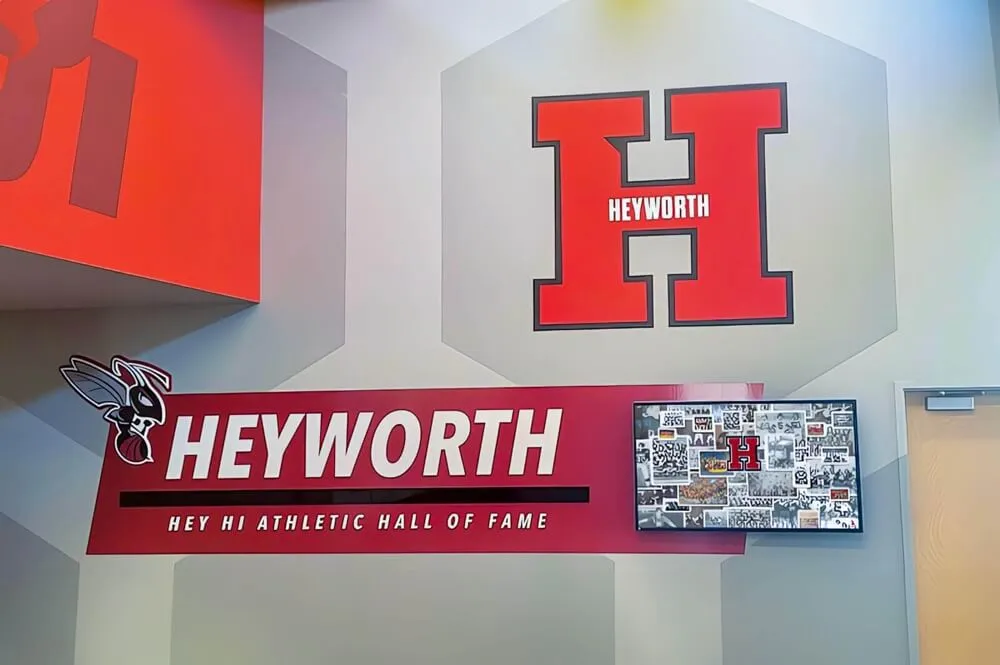
Schools integrating recognition throughout facilities create cultures where athletic excellence and scholarship pursuit become valued traditions
Mentor Connections
Recognition systems facilitate:
- Current students connecting with scholarship athlete alumni
- Mentorship relationships providing guidance
- Question-and-answer opportunities about recruiting
- Realistic expectations about process difficulty
- Encouragement during challenging recruitment periods
These connections transform scholarship pursuit from isolated journeys into supported processes where those who succeeded help those following.
Common Scholarship Myths and Misconceptions
Dispelling widespread misconceptions helps families approach scholarships with realistic expectations and appropriate strategies.
Myth: Scholarships Are Only for Elite Athletes
Reality: While elite athletes receive the most attention, thousands of scholarships go to solid contributors who will never play professionally.
The vast majority of collegiate scholarship athletes aren’t future professionals—they’re dedicated athletes who’ve developed skills sufficient for college competition. Division II, Division III (through academic aid), NAIA, and junior college opportunities exist for athletes at various ability levels.
Many families assume their athletes “aren’t good enough” for scholarships when realistic opportunities exist at appropriate competitive levels. The key involves understanding athletic ability honestly and targeting schools where athletes can contribute meaningfully.
Myth: Coaches Will Find You If You’re Good Enough
Reality: Even talented athletes must proactively pursue recruiting visibility—coaches won’t discover players who don’t actively promote themselves.
With thousands of high school athletes competing for limited roster spots, coaches can’t possibly identify every potential recruit. Athletes must create highlight videos, contact coaches, attend recruiting showcases, and compete where coaches watch.
The “if you’re good, coaches will find you” mentality causes talented athletes to miss opportunities because they never appeared on coaching radars despite adequate ability.
Myth: Verbal Offers Guarantee Scholarships
Reality: Only written offers accompanied by National Letters of Intent create binding commitments—verbal offers can evaporate.
Coaches make verbal offers that later disappear due to coaching changes, recruiting class changes, or simply finding preferred athletes. Until athletes sign letters of intent and receive written financial aid offers, no guarantees exist.
Athletes should continue recruiting efforts until signing official documents—verbal commitments provide false security causing athletes to stop pursuing alternatives.
Myth: Scholarships Cover All College Costs
Reality: Most athletic scholarships are partial, requiring families to fund significant portions of college costs through other sources.
Outside football and basketball at Division I schools, most athletic scholarships cover 25-75% of costs rather than 100%. Families must plan for substantial out-of-pocket expenses even when athletes receive scholarships.
Understanding this reality early enables appropriate financial planning rather than discovering at commitment time that significant expenses remain despite scholarship awards.
Learn about realistic recognition approaches in athletic achievement displays that celebrate accomplishments honestly.

Modern recognition displays provide comprehensive information helping families understand realistic scholarship pathways and opportunities
Financial Planning Beyond Athletic Scholarships
Even with athletic scholarships, comprehensive financial planning ensures college affordability.
Stacking Multiple Funding Sources
Smart families combine various aid sources:
Academic Scholarships
- Merit-based institutional scholarships
- Department-specific academic awards
- Honors program funding
- State merit scholarships for high achievers
Need-Based Financial Aid
- Federal Pell Grants for qualifying families
- Institutional grants based on family finances
- State need-based assistance programs
- Work-study opportunities
External Scholarships
- Private organization awards
- Community foundation grants
- Employer-sponsored scholarships
- Sport-specific scholarship programs
Combining athletic scholarships with these sources often creates more comprehensive packages than athletic aid alone.
Understanding Net Price vs. Sticker Price
Published tuition rates mislead—net price after aid matters most.
Cost Comparison Strategies
When comparing schools, calculate:
- Total cost of attendance (tuition, fees, room, board, books)
- Subtract athletic scholarship amount
- Subtract academic and merit scholarships
- Subtract need-based grants
- Calculate remaining family responsibility
- Consider indirect costs (travel, personal expenses)
A school with $50,000 sticker price offering $35,000 in combined aid costs less than a $30,000 school offering $15,000 in aid despite higher published rates.
Long-Term Financial Implications
Consider four-year totals and post-graduation outcomes:
Total Investment Analysis
- Four-year total cost after all aid
- Debt accumulation from loans
- Graduation rates ensuring degree completion
- Career outcomes and earning potential
- Graduate school preparation if desired
- Alumni network value for career development
Sometimes accepting less scholarship money at schools with better academic outcomes and career services delivers superior long-term financial results than maximizing short-term scholarship amounts.
Building Your Scholarship Recruitment Strategy: Action Steps
Translating scholarship knowledge into actionable plans increases success likelihood.
Freshman and Sophomore Year: Building Foundation
Early high school years establish essential foundations:
Athletic Development
- Commit to year-round sport-specific training
- Develop complementary athletic skills
- Join elite club or travel teams
- Attend position-specific camps and clinics
- Compete in recruiting showcase events
- Document development through video
Academic Excellence
- Establish strong GPA from freshman year
- Take challenging courses preparing for college
- Develop effective study habits and time management
- Build relationships with teachers who’ll write recommendations
- Research NCAA eligibility requirements
Initial Recruiting Preparation
- Create preliminary recruiting profiles
- Research college programs at various levels
- Understand scholarship landscape in your sport
- Begin following college programs on social media
- Attend college games when possible
These foundational elements position athletes for serious recruiting when it intensifies junior year.
Junior Year: Intensifying Recruitment
Junior year represents the critical recruiting period for most sports:
Proactive Outreach
- Create polished highlight videos
- Send personalized emails to 20-40 college coaches
- Provide regular updates about achievements
- Attend college ID camps and showcases
- Schedule unofficial campus visits
- Communicate consistently with interested coaches
Academic Preparation
- Take standardized tests (SAT/ACT)
- Maintain or improve GPA
- Register with NCAA Eligibility Center
- Research academic programs at target schools
- Continue taking challenging courses
Strategic Evaluation
- Honestly assess athletic ability and appropriate competition level
- Identify 15-20 realistic target schools
- Visit multiple campuses when possible
- Attend practices and meet current athletes
- Evaluate program cultures and coaching philosophies
Junior year effort directly correlates with scholarship outcomes—intensity during this period matters immensely.
Senior Year: Decision Time
Senior year involves final recruiting decisions and commitments:
Scholarship Evaluation
- Compare financial offers carefully
- Understand renewal requirements
- Clarify academic and athletic expectations
- Consider non-financial factors
- Visit finalists again if possible
- Discuss decisions with family and mentors
Commitment Process
- Make informed decisions within deadlines
- Understand National Letter of Intent implications
- Maintain academic and athletic performance
- Complete NCAA eligibility requirements
- Prepare for transition to college athletics
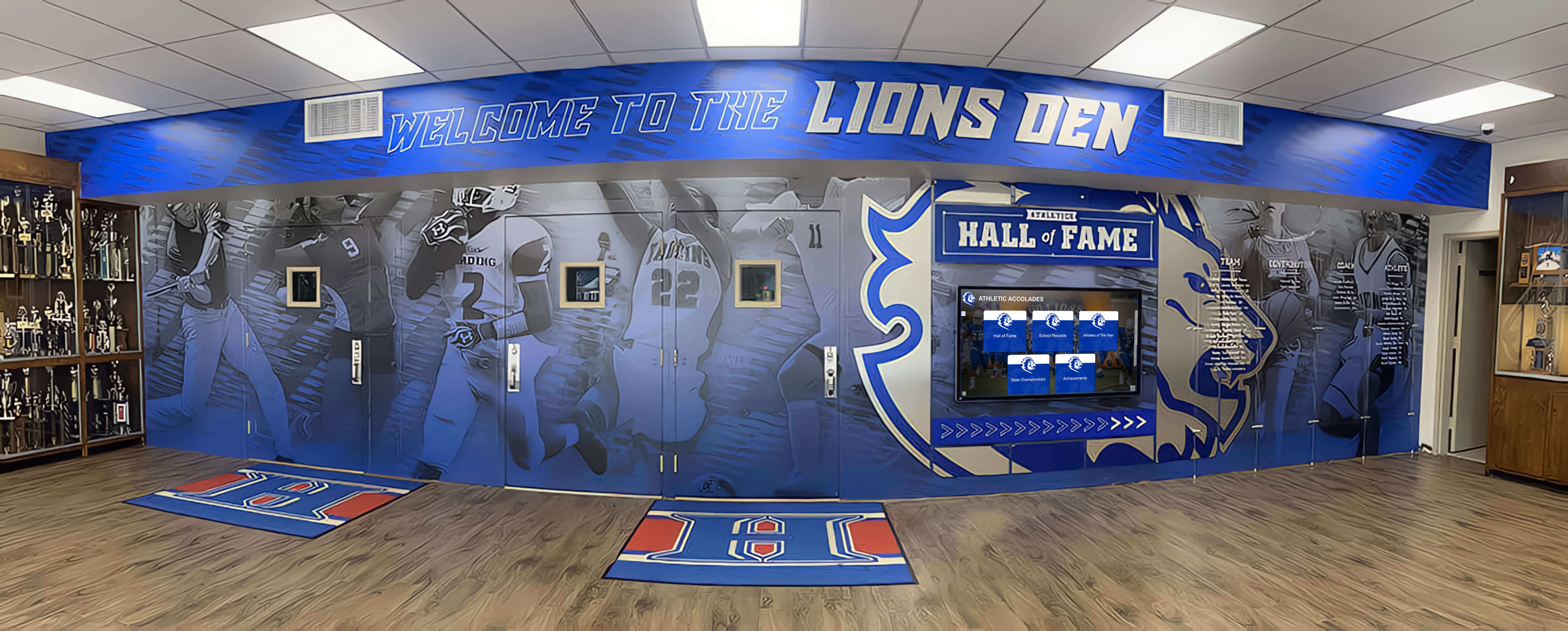
Schools create destination spaces celebrating athletic tradition and scholarship success that inspire commitment to excellence
Senior year represents culmination of years of preparation—careful decision-making during this period sets the stage for successful college athletic careers.
Conclusion: Pursuing Scholarship Opportunities Strategically
Student athlete scholarships represent life-changing opportunities that reward years of dedication while enabling college access that might otherwise remain financially out of reach. However, successfully securing these scholarships requires far more than simply being talented—it demands strategic planning, proactive recruitment, academic excellence, and realistic evaluation of opportunities across various competitive levels.
The families who successfully navigate scholarship recruitment share common characteristics: they start early, understanding that freshman and sophomore years establish critical foundations; they maintain academic excellence recognizing that strong grades expand opportunities and create negotiating leverage; they proactively pursue visibility through highlight videos, coach contact, and showcase participation rather than waiting to be discovered; they realistically assess athletic abilities and target appropriate schools where athletes can contribute; and they evaluate opportunities comprehensively considering academic fit, program culture, and long-term outcomes alongside scholarship amounts.
Celebrate Scholarship Success at Your School
Discover how modern recognition displays can help your school celebrate scholarship recipients, inspire younger athletes pursuing college opportunities, and preserve athletic legacy across generations.
Explore Recognition SolutionsMeanwhile, schools increasingly recognize the importance of celebrating scholarship recipients through sophisticated recognition systems that honor these achievements while inspiring younger athletes. Interactive displays using solutions like Rocket Alumni Solutions enable comprehensive documentation of scholarship recipients alongside their athletic and academic achievements—creating powerful motivation for current students while demonstrating institutional commitment to athletic excellence.
Whether you’re a student athlete beginning the scholarship journey, a parent supporting that pursuit, or a school administrator seeking to celebrate scholarship success appropriately, the strategies explored in this guide provide comprehensive frameworks for approaching scholarships strategically. From understanding scholarship types and eligibility through navigating recruiting processes and making informed commitment decisions, these approaches maximize scholarship opportunities while ensuring athletic and academic fit.
Start wherever your situation demands—whether developing athletic skills and academic credentials in early high school or intensifying recruiting efforts during junior year. Then systematically implement strategies that position you for scholarship success. Every student who secures an athletic scholarship validates years of dedication while accessing educational opportunities that transform lives—making the effort invested in strategic scholarship pursuit worthwhile regardless of the challenges encountered along the way.
Ready to learn more about celebrating scholarship recipients? Explore how schools recognize college signing achievements or discover comprehensive athletic recognition strategies that honor excellence across all programs and achievement levels.