Sports Team Social Media Ideas: How to Build Your Athletic Program's Online Presence
- Home /
- Blog Posts /
- Sports Team Social Media Ideas: How to Build Your Athletic Program's Online Presence
The Easiest Touchscreen Solution




Live Example: Rocket Alumni Solutions Touchscreen Display
Interact with a live example (16:9 scaled 1920x1080 display). All content is automatically responsive to all screen sizes and orientations.
Athletic directors and coaches increasingly recognize that social media presence has become essential to modern program success—not just as a promotional tool, but as a comprehensive platform for celebrating athlete achievements, engaging community supporters, building program culture, and extending the reach of recognition far beyond physical facility walls. Yet many programs struggle to maintain consistent, engaging social media presence amid the countless demands competing for limited time and resources.
The most effective sports team social media strategies accomplish multiple objectives simultaneously: they showcase athletic excellence in ways that motivate current athletes, they document achievements preserving program legacy for future generations, they engage families and community members who can’t attend every event, they attract prospective athletes considering your program, and they build the visible culture of celebration and recognition that defines programs where athletes want to participate.
This comprehensive guide explores practical sports team social media ideas covering platform selection, content strategies, posting schedules, athlete recognition approaches, engagement tactics, and integration with digital recognition systems—providing frameworks that busy athletic departments can implement sustainably while building online presence that genuinely serves program goals rather than simply checking social media boxes.
Building a strong social media presence for your athletic program doesn’t require professional marketing staff or unlimited time. It demands strategic thinking about what content serves your specific audience, systematic approaches to content creation that leverage existing activities, and commitment to consistency that builds engagement over time rather than sporadic posting that fails to maintain momentum.

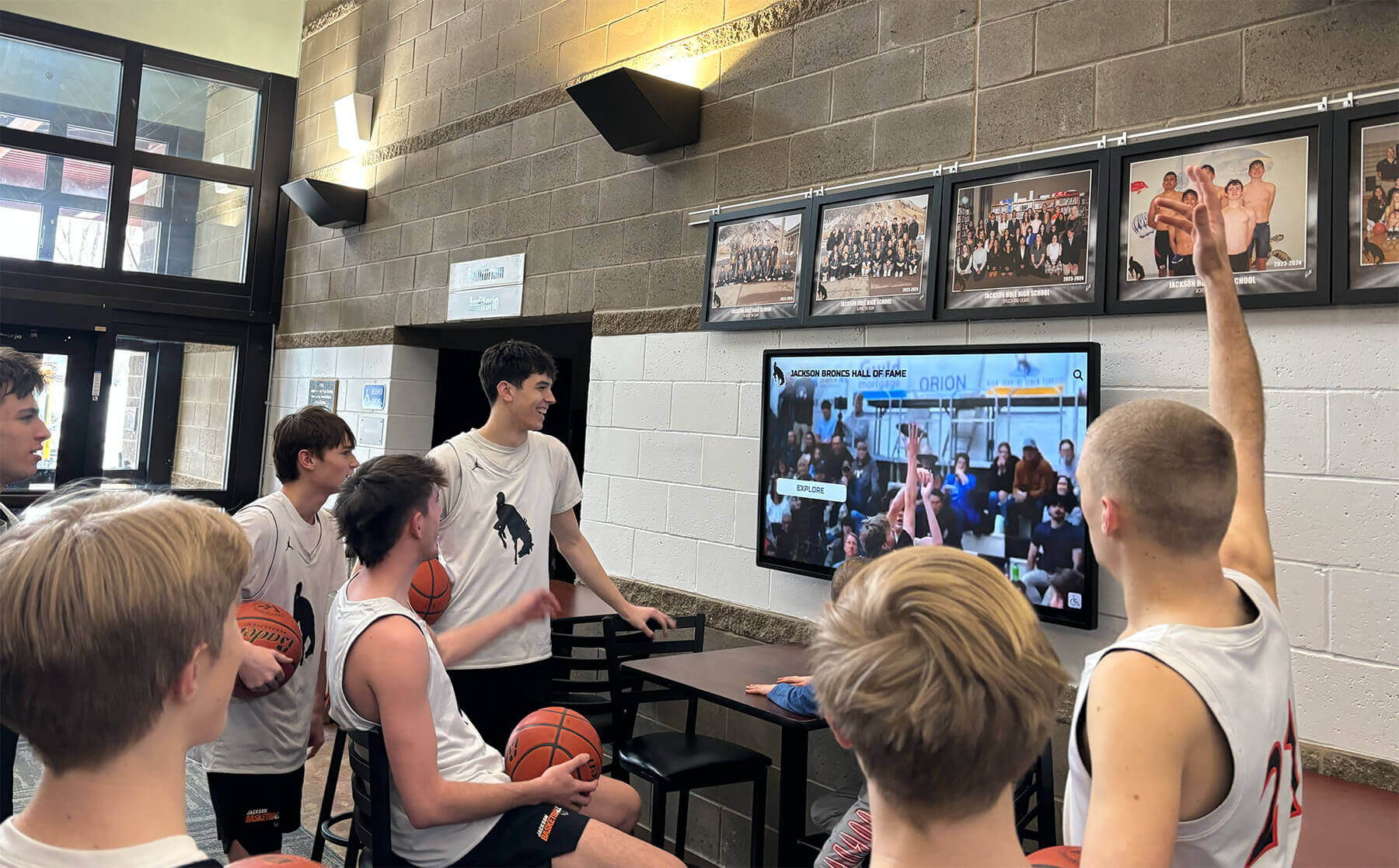
Modern athletic programs extend recognition beyond physical displays through engaging digital content that celebrates achievements across multiple platforms
Understanding Your Athletic Program’s Social Media Audience
Before developing content strategies, successful programs identify who they’re trying to reach and what value those audiences seek from athletic social media content.
Primary Audience Segments
Different stakeholder groups engage with sports team social media for distinct reasons, requiring varied content approaches.
Current Athletes and Their Families
Your most engaged audience typically includes current team members and their immediate families seeking recognition, updates, and connection to program activities. These stakeholders want content celebrating individual achievements and team success, behind-the-scenes glimpses into practices and team culture, schedule updates and logistics information, and documentation they can share with extended family and friends.
Effective programs ensure every athlete receives regular recognition across a season rather than repeatedly featuring the same star players—building inclusive culture where all participants feel valued and celebrated appropriately.
Prospective Athletes and Recruit Families
Students considering your program evaluate social media presence when forming impressions about athletic culture and opportunities. Recruits look for evidence of comprehensive recognition across all skill levels, coaching quality and program professionalism, team culture and athlete experience, facility quality and program resources, and competitive success and achievement pathways.
Social media functions as continuous recruiting material—every post either attracts prospective athletes or suggests they might find better opportunities elsewhere.
Alumni and Program Supporters
Former athletes and long-time supporters engage with content connecting them to current program status and celebrating legacy. Alumni audiences value historical content connecting current teams to program traditions, updates about former athletes now competing collegiately or professionally, championship remembrances and milestone anniversaries, and opportunities to support program development through donations or volunteer involvement.
Learn about comprehensive alumni engagement in senior night traditions that create shareable social content.
Broader School and Community Members
General community members follow athletic accounts for entertainment, school pride, and connection to broader institutional success. This audience seeks exciting game highlights and impressive performances, major achievements like championships or records, human interest stories about athletes overcoming challenges, and evidence that athletic programs contribute positively to community identity.
Building broad community engagement extends program support beyond just families with current athletes—creating sustainable cultural support that survives inevitable coaching changes and competitive cycles.
Platform Selection for Athletic Programs
Different social media platforms serve distinct purposes and audiences, requiring strategic choices about where to invest limited time and resources.
Instagram: Visual Storytelling and Athlete Recognition
Instagram’s visual focus makes it ideal for athletic content emphasizing photos and short videos. The platform excels at game action photography celebrating athletic performance, athlete spotlight posts featuring individual recognition, team celebration and bonding moments, facility and equipment showcases, and behind-the-scenes practice and preparation content.
Instagram Stories provide additional opportunities for time-sensitive content, polls engaging followers, countdown timers building game-day excitement, and casual content showing authentic program personality. Most high school and college athletes actively use Instagram, making it often the most effective platform for direct athlete engagement and recognition.
Twitter/X: Real-Time Updates and Rapid Communication
Twitter’s fast-paced format works well for live game updates with score progression, schedule changes and logistics announcements, quick congratulations for individual performances, retweets of media coverage and external recognition, and conversational engagement with supporters and other programs.
The platform’s brevity forces concise communication that respects audience time while maintaining regular presence. However, Twitter’s declining user base among younger demographics makes it less critical for programs primarily targeting current and prospective student-athletes.
Facebook: Comprehensive Coverage for Family Audiences
Facebook remains the dominant platform for parents and older community members, making it valuable despite declining usage among teenage athletes. The platform supports longer-form content with detailed context, photo albums from events and competitions, event creation and RSVP management for team gatherings, community building through groups for specific teams or program supporters, and comprehensive information that serves as quasi-website for program updates.
Many successful athletic programs maintain consistent Facebook presence primarily to serve parent audiences who remain highly engaged on the platform despite younger demographics migrating elsewhere.
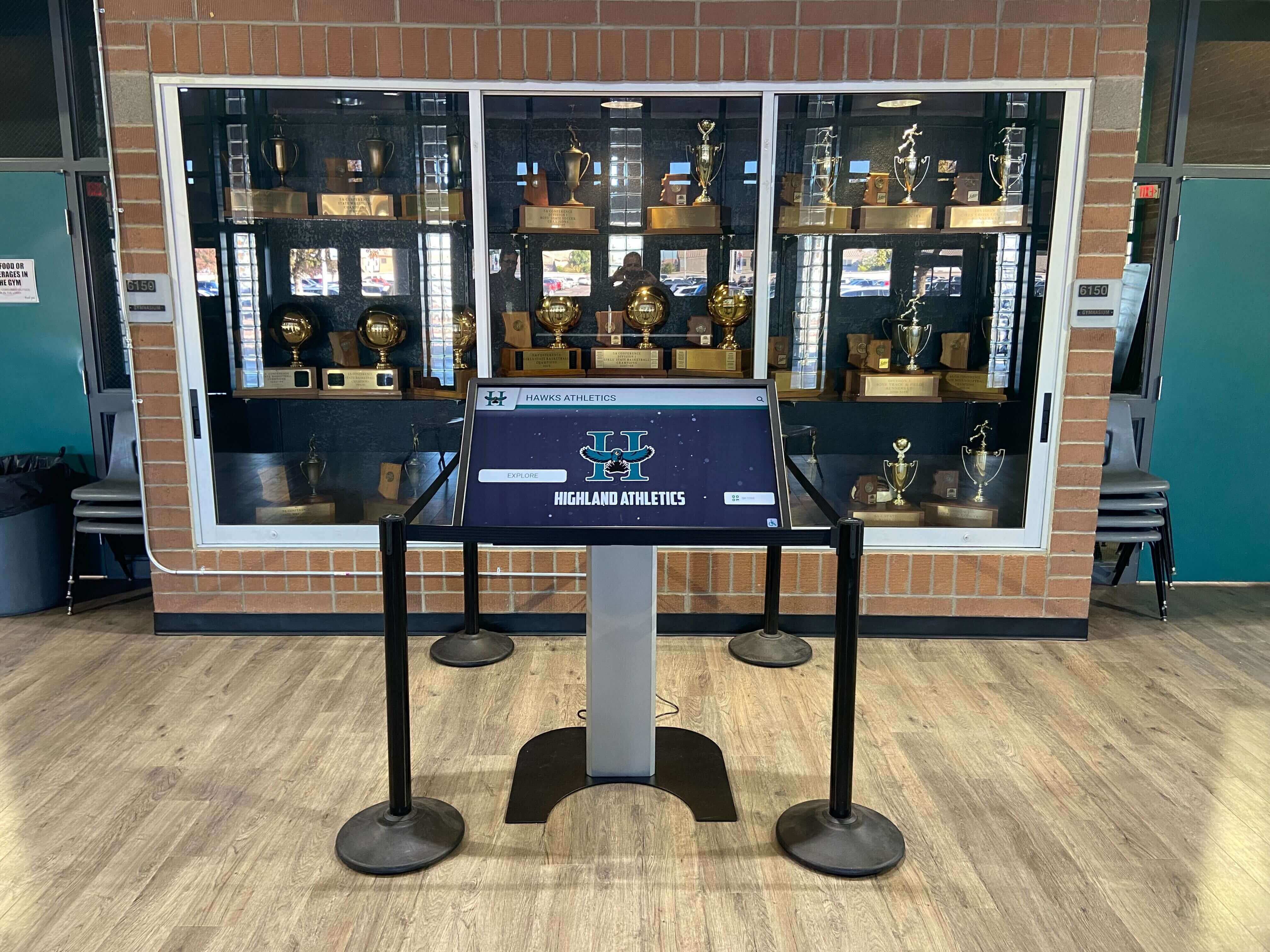
Digital recognition systems integrate with social media strategies, providing content that celebrates achievements across multiple channels simultaneously
TikTok: Creative Content for Younger Audiences
TikTok’s explosive growth among teenagers makes it increasingly relevant for high school athletic programs, though content creation differs significantly from traditional platforms. Effective TikTok content includes creative team celebrations and choreographed celebrations, athlete personality showcases and humor, training highlights set to trending audio, program tradition explanations and culture demonstrations, and challenge participation when appropriate to program values.
TikTok requires more creative content production than simple game photos but can dramatically expand reach among student audiences if executed authentically rather than awkwardly mimicking trends.
YouTube: Long-Form Video Content
YouTube serves as valuable repository for game highlights, full game recordings, season retrospectives and montages, senior tribute videos, facility tours and program overviews, and coaching instruction and technique demonstrations.
While YouTube rarely generates the immediate engagement of other platforms, its search functionality and permanent hosting make it valuable for content with long-term utility rather than just immediate impact.
Setting Realistic Goals and Measuring Success
Effective social media strategies establish clear objectives and appropriate metrics evaluating progress rather than chasing vanity metrics like follower counts.
Meaningful Success Indicators
Rather than focusing primarily on follower growth, evaluate engagement rate showing how actively audiences interact with content, reach and impressions demonstrating content visibility, content sharing indicating audiences value content enough to spread it, website traffic generated from social platforms when relevant, and qualitative feedback from athletes and families about feeling recognized and connected.
Programs with 500 highly engaged followers accomplish more than those with 5,000 passive followers who rarely interact with content—making engagement quality more important than raw audience size.
Explore broader digital engagement strategies in Division II athletics digital recognition applicable to social media contexts.
Content Ideas for Sports Team Social Media
Sustainable social media presence requires diverse content types that can be created efficiently while serving multiple strategic purposes simultaneously.
Game Day and Competition Content
Competition days provide natural content opportunities that audiences expect and engage with consistently.
Pre-Game Content Building Anticipation
Generate excitement before competitions through starting lineup announcements with player photos, opponent preview and matchup information, countdown posts building to game time, facility preparation and setup behind-scenes content, and motivational quotes or messages from coaches and team leaders.
Pre-game content primes audiences to follow along during competition while demonstrating professionalism and preparation.
Live Game Updates and Real-Time Coverage
Maintain engagement during competitions with score updates at quarter/period/inning breaks, photo highlights of exceptional plays or performances, brief video clips of key moments when allowed, statistical leader updates throughout competition, and momentum-building content celebrating team success.
Real-time coverage makes supporters unable to attend feel connected to competition while amplifying excitement among those present. Designate specific staff member or parent volunteer for game-day posting rather than expecting coaches to manage social media during competitions.
Post-Game Recognition and Results
Follow competitions promptly with final score and result announcements, statistical leader recognition for top performers, game highlight photos and videos, brief player or coach reactions and quotes, and acknowledgment of exceptional opponent performances when appropriate.
Post-game content provides crucial recognition that motivates athletes while documenting achievements for permanent record. Tag individual athletes in posts ensuring they receive notifications of recognition and can easily share content with their personal networks.
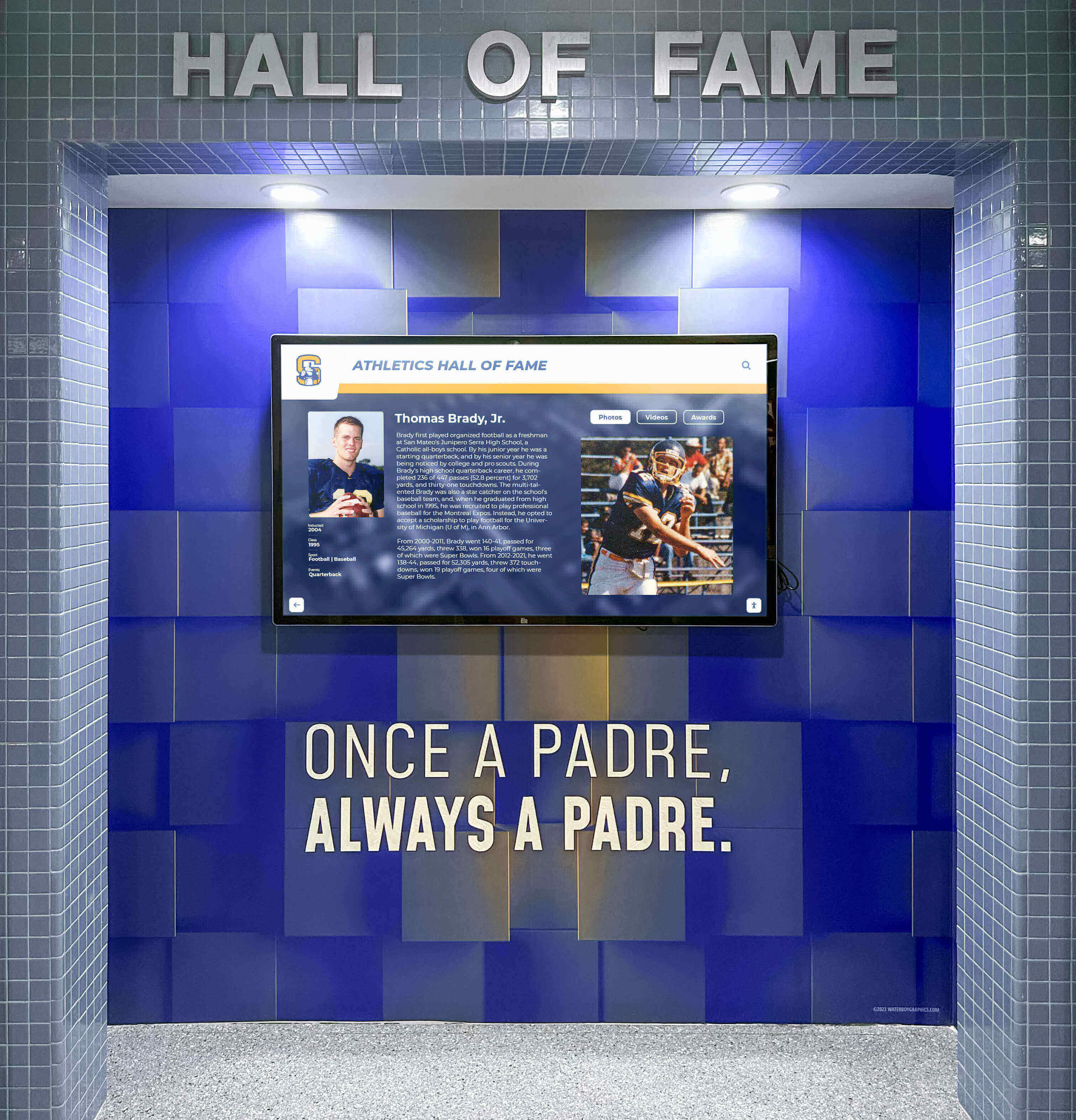
Permanent digital recognition displays provide continuous content source for social media posts celebrating program history and current achievements
Athlete Recognition and Spotlight Content
Individual recognition represents some of the most valuable and engaging athletic social media content, creating personal connection that generic team content cannot achieve.
Athlete Spotlight Series
Regular features highlighting individual team members build comprehensive recognition across rosters. Effective spotlight content includes brief biographical information and personal background, athletic achievement and statistical accomplishments, academic recognition and non-athletic interests, college plans or career aspirations, favorite memories or experiences with team, and personal quotes about what program participation means.
Rotating systematically through entire rosters ensures every athlete receives dedicated recognition rather than repeatedly spotlighting the same stars. Implement consistent visual templates making production efficient while maintaining professional appearance.
Statistical Leader Recognition
Celebrate individual performance through weekly or season statistical leaders by category, single-game exceptional performances worthy of recognition, milestone achievements like 1,000 career points or 100 wins, record-breaking performances exceeding program history, and improvement tracking showing individual growth throughout seasons.
Statistical recognition works particularly well because it provides objective criteria for celebration while naturally creating diverse recognition opportunities across different categories and positions. Include specific numbers in posts demonstrating concrete achievement rather than vague praise.
Academic and Character Recognition
Balance athletic achievement with recognition of academic excellence and character: honor roll and academic achievement recognition, sportsmanship and leadership award recipients, community service and volunteer contributions, coaches awards for exemplary attitude and effort, and teammate-voted recognition for positive team impact.
This comprehensive recognition framework demonstrates that programs value complete athlete development beyond just competitive performance—building culture attracting families seeking well-rounded athletic experiences.
Learn about comprehensive recognition approaches in letter of intent signing day ceremonies that generate significant social engagement.
Behind-the-Scenes and Team Culture Content
Authentic glimpses into daily program life create emotional connection and demonstrate culture that statistics alone cannot convey.
Practice and Preparation Content
Show the work behind competitive success through training session highlights and technique work, strength and conditioning program glimpses, team meeting and film study sessions, individual athlete skill development, and pre-competition preparation routines and traditions.
Behind-scenes content demonstrates that success results from dedicated preparation while showcasing coaching quality and program professionalism. These posts also provide valuable content during off-season periods when competitions aren’t generating regular material.
Team Bonding and Relationship Content
Highlight the relationships and community that define team experience: team meal and social gathering photos, bus ride and travel candid moments, locker room celebrations and traditions, team building activities and challenges, birthday and personal milestone celebrations, and coach-athlete interaction showing mentorship relationships.
These authentic moments often generate higher engagement than competition content because they showcase personality and humanity that audiences connect with emotionally. Ensure content represents your program’s actual culture rather than contrived posts that feel inauthentic.
Facility and Equipment Showcases
Take pride in program resources and facilities through new equipment or uniform reveals, facility renovation or improvement updates, historical facility photos showing program evolution, practice and competition space preparation, and technology or training tool demonstrations.
Facility content communicates program quality to prospective athletes while building pride among current participants and supporters.
Milestone and Achievement Celebrations
Significant accomplishments deserve special recognition beyond routine game posts.
Championship and Tournament Success
Major achievements warrant comprehensive coverage: championship celebration photos and videos, bracket progression and tournament journey documentation, individual tournament performance recognition, historical context comparing to previous championships, and community celebration and recognition coverage.

Interactive digital systems capture achievement content automatically, streamlining social media content creation
Record-Breaking Performances
Document history-making achievements with detailed context about record significance, comparison to previous record holder, career statistics and context for achievement, coach and teammate reactions, and historical photo or information about previous record.
Record celebrations connect current athletes to program legacy while inspiring future generations to pursue their own historic achievements. Explore systematic approaches in digital record boards that feed social content.
Senior Recognition and Career Celebrations
Honor graduating athletes through senior night ceremony coverage, career statistics and achievement summaries, photo retrospectives from freshman through senior year, college commitment or post-graduation plan announcements, and personal messages from coaches and teammates.
Senior recognition content often generates exceptional engagement from extended family networks while demonstrating program culture that properly honors athlete contributions.
Historical and Throwback Content
Program history provides endless content opportunities while building legacy awareness and institutional pride.
“This Week in History” Retrospectives
Regular historical features highlighting past achievements from the same week in previous years create systematic content while connecting current teams to legacy. Include historical game photos or news clippings, context about team or athletes featured, comparison to current program status, and anniversary recognition of major milestones.
Historical content requires initial research investment but can be repurposed annually while maintaining relevance and engagement.
Alumni Update and “Where Are They Now” Features
Celebrate former athletes’ continued success beyond high school: collegiate athletic updates for former players, professional achievement recognition when applicable, career and life accomplishment features, return visits and program support from alumni, and milestone reunion coverage.
Alumni content strengthens program community while demonstrating to current athletes that program relationships extend well beyond final games. Consider comprehensive approaches in digital history archives supporting social strategies.
Anniversary and Milestone Recognition
Mark significant program milestones with championship anniversary remembrances, facility dedication or opening anniversaries, coaching milestone celebrations, program founding or tradition establishment recognition, and historical achievement comparisons.
Milestone content provides pre-planned posts for otherwise slow periods while building appreciation for program traditions and legacy.
Social Media Posting Strategies and Schedules
Consistent, strategic posting maintains engagement while remaining sustainable for busy athletic departments with limited resources.
Establishing Sustainable Posting Frequency
Rather than sporadic intense activity followed by long silence, successful programs establish realistic consistent cadences they can maintain throughout seasons.
In-Season Posting Patterns
During active competition seasons, aim for daily posts during game weeks including pre-game anticipation content, live game updates and results, post-game recognition and highlights, mid-week practice or preparation content, and athlete spotlight or feature posts.
This frequency maintains regular presence without becoming overwhelming to manage or excessive for audiences.
Off-Season Reduced Schedule
When not competing, reduce to 3-5 posts weekly focusing on off-season training and conditioning updates, athlete academic or character recognition, historical throwback content, program announcement and preparation updates, and community engagement or service activities.
Reduced off-season frequency acknowledges lighter content availability while maintaining consistent presence preventing complete audience disengagement between seasons.
Content Planning and Organization Systems
Systematic planning prevents last-minute scrambling while ensuring consistent quality and strategic variety.
Monthly Content Calendars
Develop monthly content plans identifying key dates and events requiring coverage, regular series and recurring content types, historical milestones and anniversary opportunities, planned athlete spotlights rotating through rosters, and strategic themes or messaging priorities.
Content calendars enable advance preparation and assignment delegation rather than reactive daily decisions about what to post. Simple spreadsheet templates work effectively without requiring expensive social media management software.
Content Creation Workflows
Establish systematic processes designating who captures photos and videos at events, who writes captions and assembles posts, who reviews content before publishing, when posts get scheduled for publication, and how content gets archived for potential future use.
Clear workflows prevent bottlenecks where content creation depends entirely on single overwhelmed staff member unable to maintain consistent output.
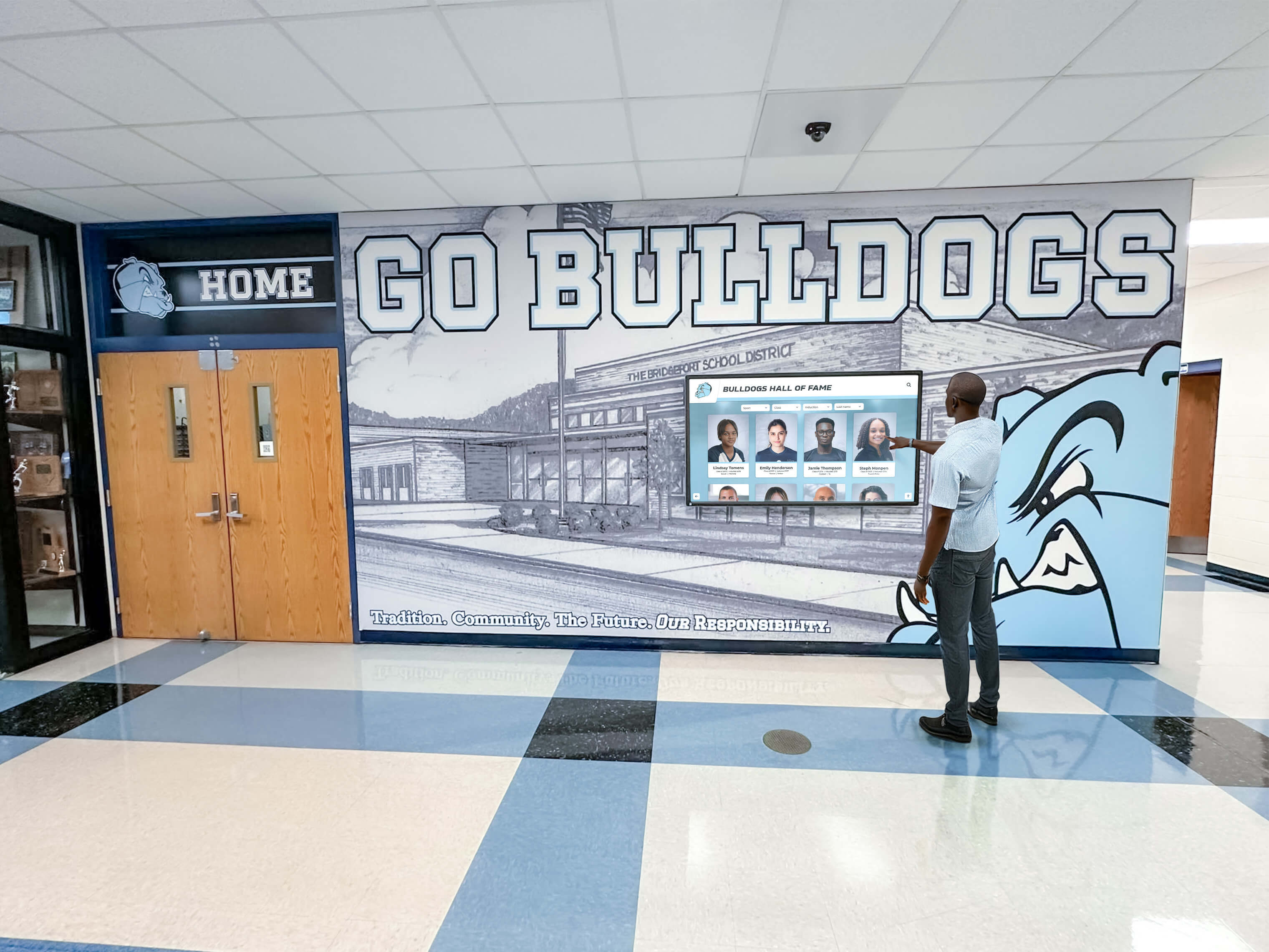
Digital platforms streamline content workflows by organizing athlete information, statistics, and media in accessible formats ready for social sharing
Scheduling Tools and Batch Creation
Leverage free or inexpensive scheduling platforms allowing batch creation and automated publishing: create multiple posts during available time, schedule publication across upcoming days or weeks, maintain consistent presence even during busy periods, and enable delegation without requiring constant access coordination.
Scheduling tools prove particularly valuable for historical or planned content that doesn’t require real-time publication, enabling efficiency through batch creation rather than daily individual posting.
Optimal Posting Times for Athletic Content
Strategic timing increases visibility and engagement by reaching audiences when they’re actively checking social platforms.
Platform-Specific Timing Considerations
Research consistently demonstrates optimal posting patterns: Instagram engagement peaks weekday evenings (7-9pm) and weekend afternoons, Facebook performs best mid-morning (10am-12pm) and early evening (6-8pm), Twitter responds to real-time posting during events and competitions, and TikTok shows less time sensitivity but benefits from early evening posting.
However, your specific audience patterns matter more than general research—use platform analytics identifying when your followers are most active online and adjust schedules accordingly.
Event-Based Timing Strategies
Competition-related content follows natural rhythms: pre-game posts publish 2-4 hours before competition building anticipation, live updates occur during natural breaks in competition, post-game recognition goes out within 1 hour after conclusion while immediate interest remains high, and detailed highlights can follow 2-12 hours later after editing and production.
This strategic timing sequence maximizes each post’s distinct purpose rather than publishing all competition content simultaneously in ways that reduce individual impact.
Engagement Strategies and Community Building
Successful athletic social media extends beyond broadcasting information to creating genuine two-way engagement with supporters and community members.
Responding to Comments and Messages
Active engagement demonstrates program values authentic connection rather than using social media as impersonal announcement platform.
Comment Engagement Best Practices
Respond to comments systematically by acknowledging positive recognition and congratulations from supporters, answering questions about schedules or program information, thanking community members and local businesses offering support, and maintaining professionalism when addressing critical or negative comments.
Even brief acknowledgments like simple likes or brief “thank you” responses demonstrate that programs notice and appreciate community engagement with content. Delegate comment monitoring and response to assistant coaches, team managers, or parent volunteers preventing overwhelming single administrator.
Direct Message Management
Establish clear processes for DM responses including standard response times for inquiries, appropriate staff designation for different message types, template responses for common questions, and escalation protocols for sensitive or complex issues.
Direct messages often include recruiting inquiries, media requests, and important community questions deserving prompt professional responses rather than being ignored or delayed indefinitely.
Interactive Content and Engagement Tactics
Strategic interactive elements encourage active participation rather than passive content consumption.
Polls and Questions Creating Participation
Regular interactive posts drive engagement: game outcome predictions building anticipation, MVP voting after competitions, uniform or logo preference surveys, historical trivia questions testing knowledge, and season goal or achievement polls.
Interactive elements increase algorithmic visibility on most platforms by signaling valuable content that generates active engagement rather than passive scrolling.
User-Generated Content and Hashtag Campaigns
Encourage supporters to create and share their own content with team-specific hashtags creating searchable content collections, photo submissions from fans at games, athlete profile updates contributed by families, alumni memory sharing campaigns, and community support showcases.
User-generated content expands program reach beyond official accounts while building stronger community investment through active participation rather than passive following.
Challenges and Competitions
Periodic challenges create concentrated engagement spikes: spirit wear photo challenges during rivalry weeks, fundraising or community service competitions, athletic skill demonstration challenges, creative video or content creation contests, and historical knowledge competitions.
Challenge-based campaigns work particularly well during off-seasons when competition content naturally decreases but program engagement remains important for culture maintenance.
Explore comprehensive community engagement in tennis awards programs with social integration strategies.
Collaborations and Cross-Promotion
Strategic partnerships amplify reach while strengthening community connections.
School and District Collaboration
Coordinate with broader institutional accounts including sharing and tagging official school accounts, cross-promotion with other athletic teams, collaboration with academic or extracurricular programs, and alignment with district-wide campaigns or initiatives.
Integration with broader school communication ensures athletic program social media complements rather than conflicts with institutional messaging and priorities.
Local Media and Business Partnerships
Build mutually beneficial relationships with community organizations through tagging local media in game results and highlights, recognizing business sponsors in social content, partnering with local news for content creation, and participating in community organization campaigns.
Media partnerships extend program visibility far beyond direct followers while building goodwill and support within broader communities.
Content Creation Tools and Resources
Effective athletic social media doesn’t require expensive professional equipment—strategic use of accessible tools creates compelling content within realistic budgets.
Photography and Video Equipment
Quality content requires adequate but not necessarily professional-grade equipment.
Smartphone Photography Best Practices
Modern smartphones produce excellent social media content when used strategically: shoot photos in good lighting conditions, use burst mode for action shots, experiment with angles and perspectives, utilize portrait mode for athlete spotlights, and edit with free apps before posting.
Smartphone photography proves entirely adequate for social media where content gets viewed on small screens rather than requiring professional print quality. Designate knowledgeable student helpers, parent volunteers, or team managers as content photographers rather than expecting coaches to juggle photography and competition management simultaneously.
Essential Free and Low-Cost Editing Tools
Numerous accessible tools enable professional-looking content without expensive software investments: Canva for graphics, templates, and text overlays, CapCut or InShot for video editing and compilation, free Instagram filters and editing tools, Snapseed for advanced photo editing, and platform native tools built into social media apps.
These tools require modest learning investment but enable consistent professional appearance without ongoing expense or specialized expertise.
Content Templates and Brand Consistency
Systematic templates ensure professional consistency while dramatically reducing content creation time.
Developing Program Visual Identity
Establish clear design guidelines including official team colors and usage patterns, logo files and appropriate placement, font selections for text overlays, photo filter or editing presets for consistent look, and standard graphic elements like borders or frames.
Visual consistency makes content immediately recognizable as coming from your program while communicating professionalism and attention to detail.
Reusable Content Templates
Create standard templates for recurring content types: athlete spotlight graphics with consistent information layout, game day announcement formats, statistical leader recognition designs, quote graphics for motivational content, and milestone celebration templates.
Templates enable volunteer content creators to produce professional-looking posts without design expertise—dramatically expanding who can contribute to social media maintenance rather than requiring specialized skills.
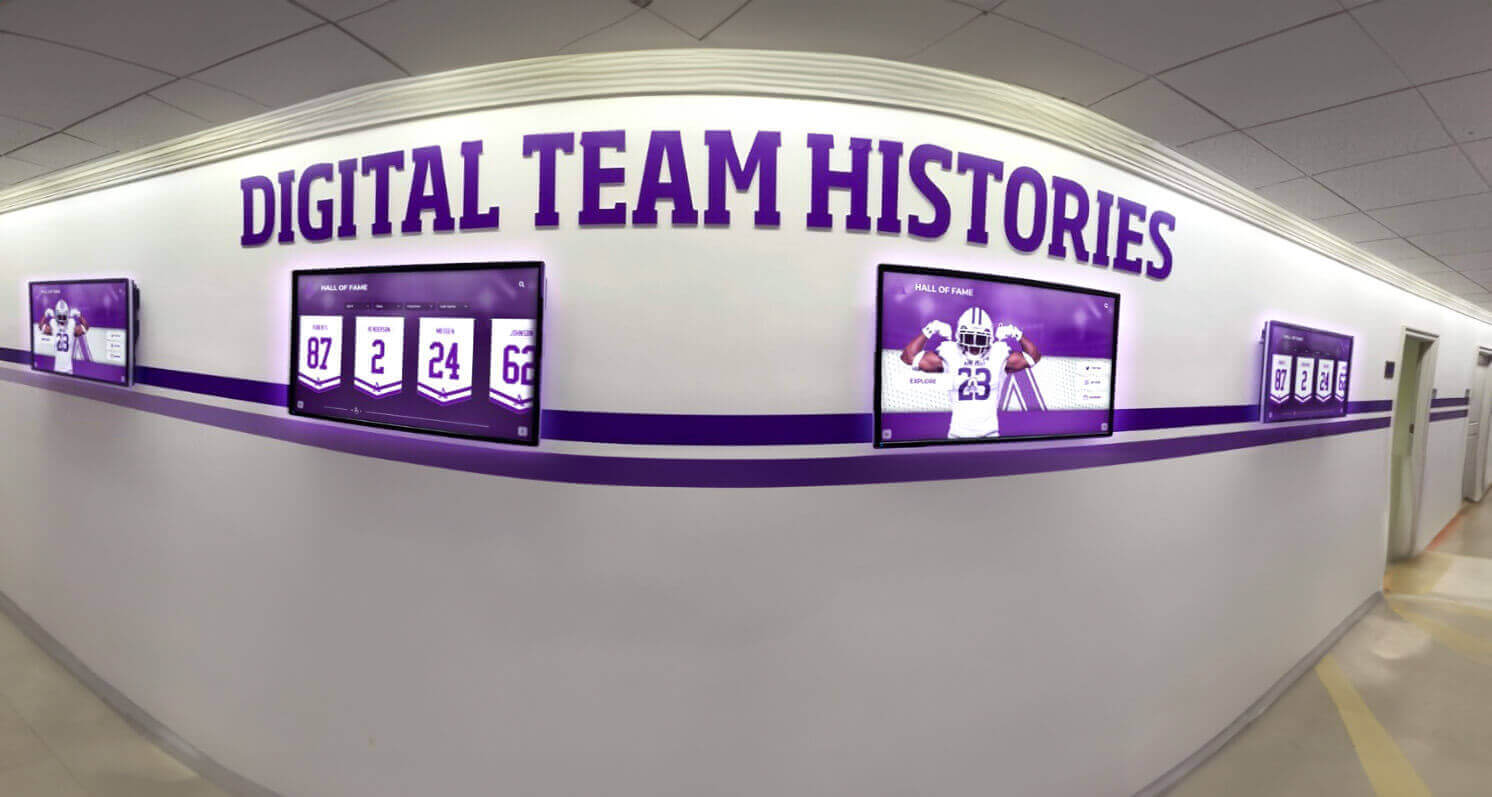
Consistent visual identity across digital displays and social media platforms strengthens program brand recognition and professional appearance
Integrating Digital Recognition Systems with Social Media
Modern digital recognition platforms like those offered by Rocket Alumni Solutions create powerful synergy with social media strategies—each amplifying the other’s impact while reducing content creation burden.
Digital Platforms as Content Sources
Interactive touchscreen displays and digital recognition systems function as continuous content generation engines.
Automated Content from Recognition Systems
Digital platforms provide ready-made social content including newly added athlete profiles ready for spotlight posts, milestone achievements automatically tracked and documented, historical content from archive sections, statistic leaders across various categories, and multimedia assets already organized and accessible.
Rather than creating social content and separate recognition displays independently, integrated systems leverage work once across multiple channels—dramatically improving efficiency while maintaining consistency.
Driving Traffic Between Platforms
Strategic cross-promotion amplifies both channels: social posts linking to complete athlete profiles on digital platforms, digital displays prompting visitors to follow social accounts, QR codes on displays enabling instant social connection, and exclusive content available through specific channels encouraging multi-platform engagement.
This integrated approach treats physical displays and social media as complementary components of unified recognition strategy rather than competing isolated initiatives.
Social Media Extending Physical Recognition
Digital recognition displays naturally have geographic limitations—social media extends their reach infinitely.
Making Recognition Accessible Beyond Facilities
Athletes with digital recognition profiles can share achievements with extended family unable to visit facilities, alumni reconnect with program history from anywhere globally, prospective athletes evaluate program culture remotely, and media access information for coverage and stories.
This extended accessibility multiplies recognition impact compared to traditional trophy cases visible only to those physically present in specific locations.
Amplifying Engagement Through Sharing
Athletes naturally share social recognition with personal networks creating exponential reach multiplication: tagged athletes receive notifications prompting sharing, families share content celebrating their students, extended networks engage with content they’d never see otherwise, and viral sharing occasionally reaches audiences far beyond direct followers.
Single recognition post can reach thousands through sharing while physical plaque remains visible only to hundreds passing through facility.
Discover comprehensive digital integration in hall of fame tools that support social strategies.
Streamlined Content Workflows
Integrated systems reduce administrative burden by eliminating duplicate work across platforms.
Single-Entry Content Management
Rather than entering athlete information separately for physical displays, social media, websites, and programs, unified platforms enable entering data once and publishing everywhere: athlete biographical information, career statistics and achievements, photos and media assets, coach quotes and testimonials, and historical program information.
This efficiency makes comprehensive recognition practically achievable even with limited staff time—whereas maintaining separate disconnected systems creates unsustainable work burden resulting in incomplete execution.
Consistent Messaging Across Channels
Integration ensures recognition remains consistent whether audiences encounter it on social media, digital displays, websites, or printed materials—building coherent program identity rather than conflicting information creating confusion and undermining credibility.
Common Social Media Mistakes to Avoid
Learning from typical pitfalls helps athletic programs implement more effective strategies from the start.
Content and Strategy Mistakes
Inconsistent Posting Creating Engagement Loss
Sporadic activity followed by long silence trains audiences to disengage: algorithms reduce visibility for inactive accounts, followers stop checking accounts that rarely post, momentum and community building never develop, and competitive programs maintain consistent presence capturing attention.
Sustainable modest consistency dramatically outperforms unsustainable intense activity that cannot be maintained long-term.
Neglecting Non-Star Athletes
Repeatedly featuring the same athletes while ignoring others creates harmful culture: under-recognized athletes feel undervalued and marginalized, families notice disparate treatment creating resentment, program culture suffers when only elite performance receives recognition, and comprehensive team contributions go unacknowledged.
Systematic rotation through entire rosters ensures equitable recognition demonstrating that programs value all participants appropriately.
Exclusively Promotional Content
Accounts that only promote upcoming events without celebrating achievements or sharing engaging content fail to build genuine community: audiences tune out constant sales pitches, engagement remains minimal without compelling content, programs miss opportunities building culture through recognition, and social media becomes chore rather than community asset.
Effective accounts maintain 80/20 ratio with 80% valuable engaging content and only 20% promotional messaging about events, merchandise, or fundraising.
Technical and Operational Mistakes
Ignoring Platform-Specific Best Practices
Content optimized for one platform often performs poorly on others: vertical video works best for Instagram Stories and TikTok but horizontal for YouTube, character limits on Twitter require concise writing, image dimensions vary across platforms, and hashtag norms differ significantly.
Understanding platform-specific requirements and conventions enables appropriate content adaptation rather than generic cross-posting that underperforms everywhere.
Failing to Respond or Engage
Broadcasting content without monitoring comments, responding to messages, or engaging with community creates missed opportunities: questions go unanswered frustrating supporters, recognition goes unacknowledged seeming unappreciative, community building never develops beyond one-way publishing, and negative comments or misinformation go unaddressed.
Social media called “social” for reason—successful programs treat it as conversation rather than announcement board.
Inadequate Content Rights and Permissions
Posting photos or videos without appropriate permissions creates legal and ethical problems: athletes and families may object to unauthorized image use, student privacy regulations like FERPA create restrictions, copyright issues arise from unauthorized music or media use, and consent protocols protect programs from liability.
Establish clear permission processes during registration and maintain documentation protecting programs while respecting individual preferences about image usage.
Explore broader athletic program management in athletic director interview preparation addressing comprehensive program leadership.
Practical Implementation Guide
Translating strategy into action requires systematic approach establishing sustainable social media presence appropriate to program resources and priorities.
Starting or Revitalizing Athletic Social Media
Programs beginning from scratch or restarting dormant accounts benefit from structured launch approach.
Account Setup and Optimization
Establish professional foundation including consistent username across all platforms when possible, complete profile information with contact details and links, profile photos and cover images reflecting current branding, biographical descriptions explaining program mission and coverage, and link strategies directing traffic to relevant destinations.
Complete professional profiles communicate that accounts represent official program channels deserving attention and trust rather than amateur efforts with questionable legitimacy.
Initial Content Development
Build content library before launch including athlete roster with photos and basic information, season schedules and key dates, facility photos showcasing program environment, program history and achievement highlights, and introduction content explaining social media purpose and expectations.
Launching with substantial content demonstrates commitment and professionalism while providing immediate value attracting initial followers rather than empty accounts promising future activity.
Building Social Media Team and Delegating Responsibilities
Sustainable social media requires distributing workload beyond single overburdened administrator.
Staffing and Role Assignment
Successful programs build teams including head coach providing strategic direction and oversight, assistant coaches contributing content from specific teams, designated parent or booster volunteers offering photography, student managers or helpers capturing behind-scenes content, and athletic director maintaining final approval authority.
Clear role definition with appropriate training enables delegation while maintaining quality control and consistent messaging aligned with program values and priorities.
Training and Standard Operating Procedures
Document processes and expectations through written guidelines for content approval workflows, style guides ensuring consistent voice and messaging, photography standards and basic composition principles, privacy and permission protocols, crisis communication and problem escalation procedures, and content calendar management processes.
Written procedures enable consistent execution even as specific individuals filling roles change over time—protecting institutional knowledge and preventing quality deterioration during transitions.
Continuous Improvement and Evolution
Effective programs regularly evaluate social media performance and adapt strategies based on results and changing landscape.
Analytics Review and Strategy Adjustment
Regularly examine platform analytics identifying highest-performing content types, optimal posting times for your specific audience, growth trends and engagement patterns, referral traffic and conversion metrics when applicable, and demographic information about followers.
Data-driven refinement ensures strategies evolve based on actual performance rather than assumptions about what should work theoretically.
Staying Current with Platform Changes
Social media landscape changes rapidly requiring ongoing awareness: new platform features and content formats, algorithm changes affecting visibility and reach, emerging platforms gaining user adoption, and evolving best practices and conventions.
Programs maintaining awareness adapt strategies proactively rather than continuing outdated approaches delivering diminishing returns as platforms and user behaviors evolve.
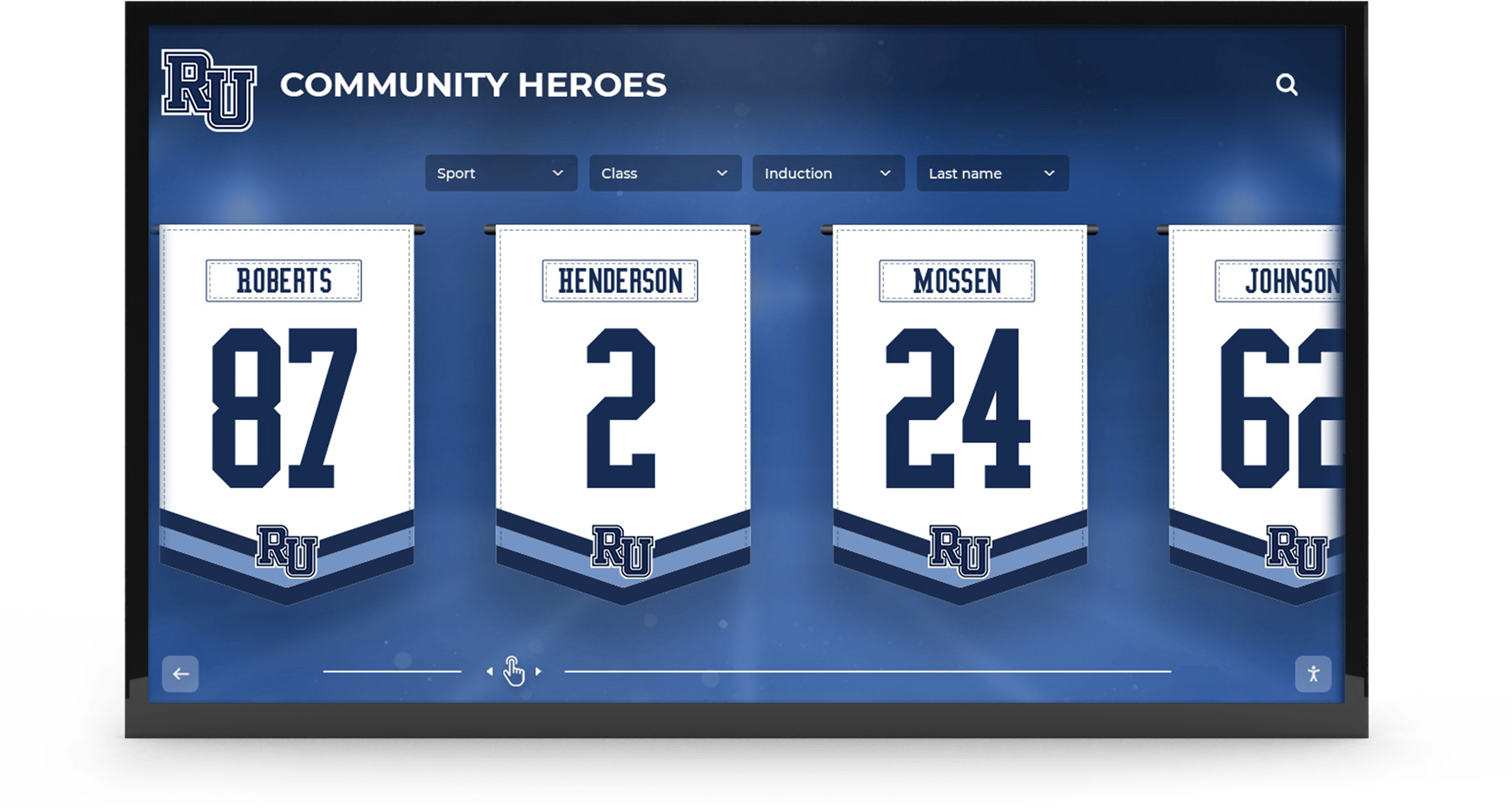
Modern recognition systems create flexible content supporting diverse social media strategies while celebrating program achievements comprehensively
Measuring Social Media Success for Athletic Programs
Understanding whether social media efforts achieve meaningful goals requires appropriate metrics and realistic expectations.
Meaningful Metrics Beyond Follower Count
Follower numbers provide incomplete and often misleading success indicators—more important metrics include engagement rate showing active audience participation, reach and impressions demonstrating content visibility, referral traffic when social media supports other goals, qualitative feedback from athletes and families about recognition, and community perception and program reputation indicators.
Programs with smaller highly engaged audiences often accomplish strategic goals more effectively than those with large passive followings generating minimal actual interaction or impact.
Connecting Social Media to Program Goals
Social media should serve specific program objectives rather than existing for its own sake. Effective programs evaluate whether social media efforts accomplish athlete recruitment and program promotion, current athlete recognition and culture building, family engagement and communication, alumni connection and community building, and broader school and community visibility.
Regular assessment ensures social media activities align with actual priorities rather than consuming resources without producing meaningful returns supporting program development and success.
Gathering Stakeholder Feedback
Quantitative metrics tell incomplete stories—qualitative feedback provides crucial context: survey athletes about whether social media makes them feel appropriately recognized, ask families if social content helps them stay connected to programs, gather coach input about whether social media supports culture building, and monitor community response and engagement patterns.
This comprehensive evaluation prevents optimizing wrong metrics while missing whether social media actually serves stakeholders effectively.
Explore broader engagement measurement in sports banquet planning demonstrating comprehensive recognition approaches.
Effective sports team social media presence doesn’t require professional marketing departments or unlimited time—it demands strategic thinking about what content serves your audiences, systematic approaches making content creation sustainable amid busy schedules, commitment to consistency that builds engagement over time, and integration with comprehensive recognition systems that amplify impact across multiple channels simultaneously.
The most successful athletic programs treat social media as essential component of comprehensive recognition culture—not just promotional tool, but platform for celebrating every athlete appropriately, documenting achievements preserving program legacy, engaging community supporters unable to attend every event, and building visible culture of excellence attracting prospective athletes and strengthening program identity.
Whether you’re launching first social media efforts or revitalizing stagnant accounts, the strategies explored throughout this guide provide practical frameworks for creating sustainable presence that genuinely serves program goals. Start with platforms and content types most relevant to your specific audiences, establish realistic posting schedules you can maintain consistently, delegate responsibilities distributing workload appropriately, and continuously refine approaches based on performance rather than generic best practices.
Modern digital recognition platforms like those offered by Rocket Alumni Solutions create powerful synergy with social media strategies—providing continuous content sources, streamlining workflows through single-entry systems, extending physical recognition reach infinitely through digital sharing, and building comprehensive athlete celebration that inspires excellence while preserving program legacy permanently. Integration between physical recognition, digital platforms, and social media creates cohesive program culture where achievement receives appropriate celebration across all channels athletes and communities actually use daily.
Ready to transform your athletic recognition into engaging social content while building comprehensive digital platforms celebrating achievement across all channels? Explore Rocket Alumni Solutions’ integrated recognition systems designed specifically for athletic programs seeking sustainable social media presence supported by professional digital recognition infrastructure that makes comprehensive athlete celebration practically achievable even with limited resources.
Live Example: Rocket Alumni Solutions Touchscreen Display
Interact with a live example (16:9 scaled 1920x1080 display). All content is automatically responsive to all screen sizes and orientations.