Sports Team Fundraiser Ideas: 30+ Winning Ways to Raise Money for Your Program
- Home /
- Blog Posts /
- Sports Team Fundraiser Ideas: 30+ Winning Ways to Raise Money for Your Program
The Easiest Touchscreen Solution




Live Example: Rocket Alumni Solutions Touchscreen Display
Interact with a live example (16:9 scaled 1920x1080 display). All content is automatically responsive to all screen sizes and orientations.
Sports teams across America face a common challenge—limited budgets that can’t keep pace with the costs of competitive athletics. Whether you’re funding travel expenses, new equipment, facility upgrades, or program scholarships, effective fundraising transforms what your team can accomplish. The right fundraising strategies don’t just generate revenue—they build community, engage supporters, strengthen team culture, and create sustainable financial foundations enabling athletic programs to thrive year after year.
Modern sports team fundraising extends far beyond traditional car washes and bake sales. While these classics still hold value, successful programs implement diverse fundraising portfolios combining proven traditional approaches with innovative digital campaigns, corporate partnerships, recognition programs, and creative events that maximize participation while generating meaningful revenue. The most effective fundraisers provide genuine value to participants, engage entire communities, and create memorable experiences that inspire continued support season after season.
This comprehensive guide presents 30+ winning sports team fundraiser ideas organized by category—covering traditional events, innovative campaigns, product sales, corporate partnerships, digital strategies, and donor recognition approaches. Whether you’re launching a first-time fundraiser or seeking fresh ideas to enhance established programs, you’ll discover practical strategies that maximize revenue while building the community support essential for long-term athletic success.
Every successful fundraiser starts with understanding your team’s specific needs, knowing your community’s capacity and preferences, and selecting approaches that align authentically with your program’s values and supporter base. Let’s explore proven fundraising ideas that turn community enthusiasm into the financial resources your athletes need to succeed.

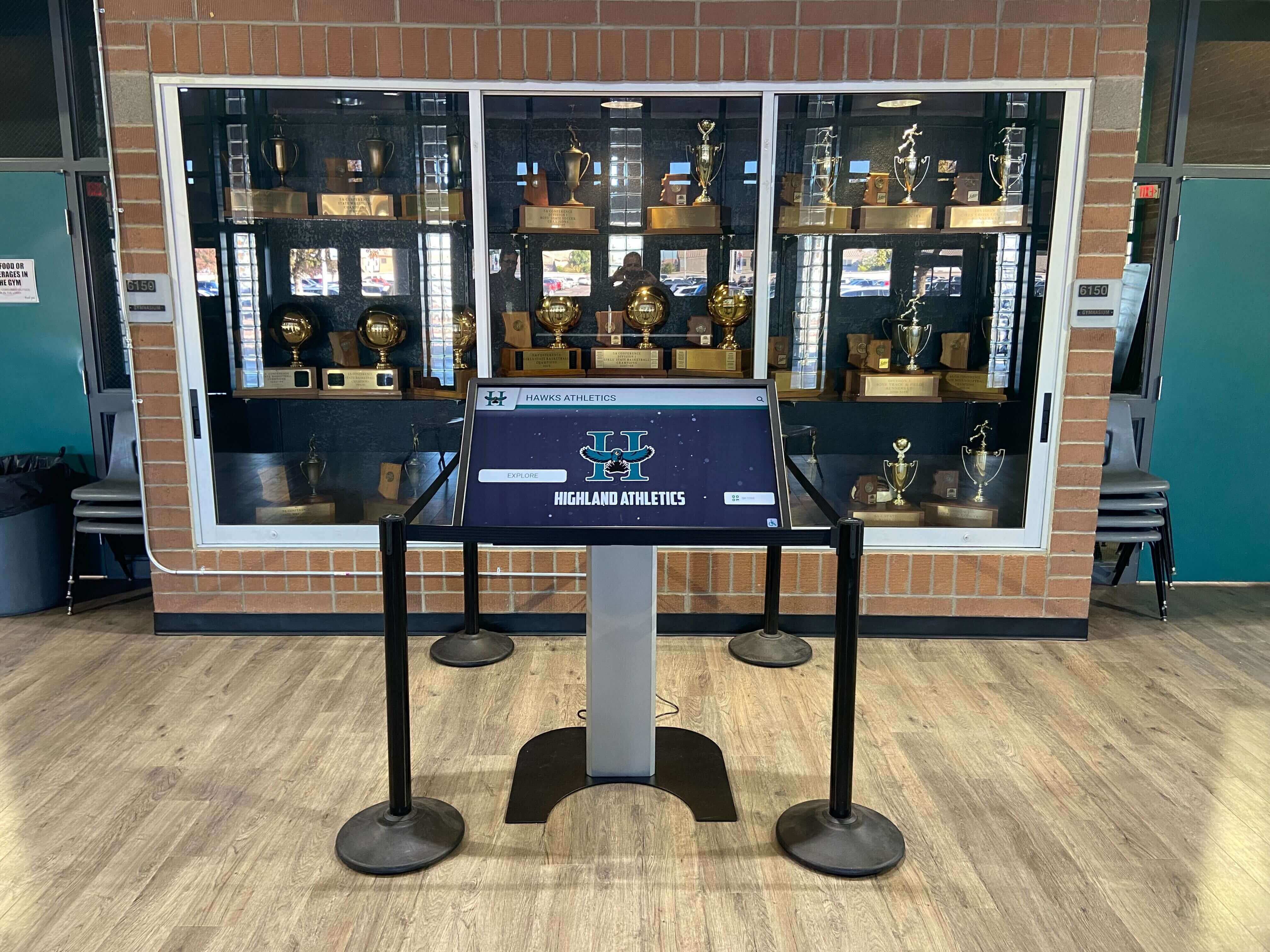
Recognition displays demonstrate how fundraising support translates into athletic achievements, inspiring continued community investment
Understanding Effective Sports Team Fundraising
Before diving into specific fundraiser ideas, understanding core fundraising principles helps teams develop strategic approaches that maximize results while building sustainable community relationships.
What Makes Sports Team Fundraisers Successful
The most effective sports team fundraisers share common characteristics distinguishing them from efforts that generate minimal revenue or community engagement:
Clear Goals and Transparent Communication
Successful fundraisers articulate exactly what funds will support—whether new uniforms, tournament travel, facility improvements, or equipment purchases. Communities respond more generously when they understand precisely how their contributions impact student-athletes. Setting specific monetary goals with detailed budget breakdowns builds trust while motivating supporters toward measurable targets.
Diverse Revenue Streams
Teams relying on single fundraising approaches face unpredictable results and volunteer burnout. Implementing varied fundraising portfolios—combining quick-hit events, seasonal campaigns, ongoing revenue sources, and major donor cultivation—creates stable financial foundations less vulnerable to individual event failures or changing community dynamics.
Value Exchange Beyond Simple Donations
Modern fundraising fatigue means communities respond better to fundraisers offering genuine value beyond ask-and-give transactions. Product sales providing useful merchandise, events creating enjoyable experiences, and campaigns delivering entertainment or information significantly outperform simple donation requests by giving supporters something meaningful in return for their financial support.
Strong Volunteer Coordination and Support
Fundraising success depends entirely on volunteer execution quality. Teams that distribute workload effectively, provide clear role descriptions, offer adequate planning time, and recognize volunteer contributions sustain participation rates enabling ambitious fundraising calendars without burning out their most dedicated supporters.
Learn strategies for recognizing those who support your program through trophy case ideas for modern athletic programs that celebrate both athletes and contributors.
Avoiding Common Fundraising Pitfalls
Understanding typical mistakes helps teams develop strategies that maximize effectiveness while maintaining community goodwill:
Over-Asking the Same Community Base
Schools and programs operating multiple sports teams must coordinate fundraising calendars preventing donor fatigue from constant overlapping requests. Strategic scheduling, shared campaigns benefiting multiple teams, and clear communication about total fundraising scope preserve community relationships while preventing competitive dynamics between teams nominally working toward common goals.
Neglecting Follow-Through and Appreciation
Teams that fail to acknowledge contributions promptly, communicate fund usage transparently, or recognize supporter impact damage future fundraising potential. Comprehensive thank-you processes, regular updates showing donation impact, and public recognition programs transform one-time donors into long-term supporters invested in ongoing program success.
Choosing Fundraisers Mismatched to Community
Fundraising approaches must align with community demographics, capacity, preferences, and values. High-end gala events fail in working-class communities lacking discretionary income for expensive tickets, while simple bake sales underwhelm in affluent areas expecting sophisticated engagement opportunities. Successful teams assess their specific supporter base honestly when selecting appropriate fundraising strategies.
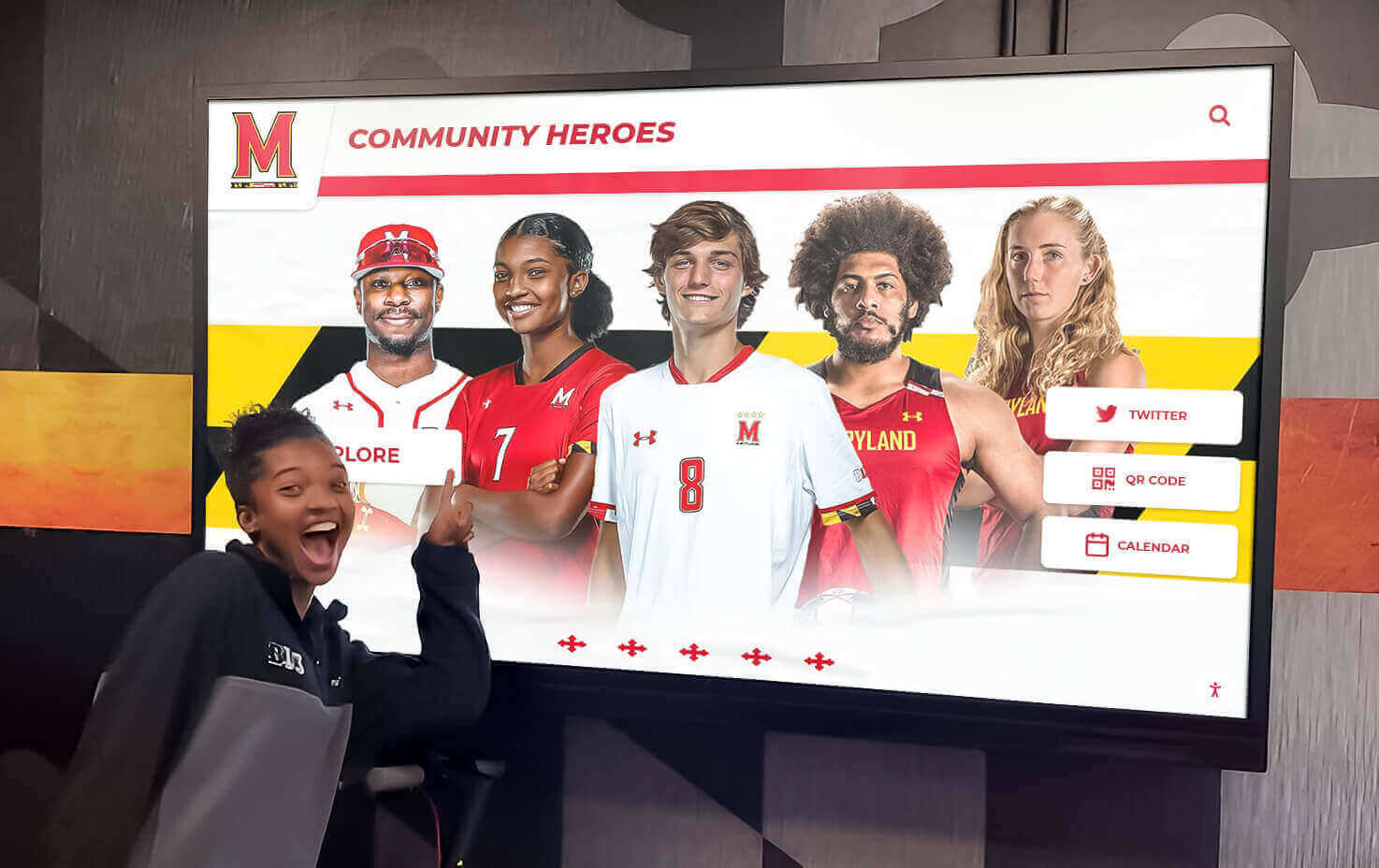
Community engagement displays showcase local athletic heroes while honoring supporters who make programs possible
Traditional Sports Team Fundraiser Ideas That Still Work
Some fundraising approaches have proven effective for decades because they provide genuine community value while generating reliable revenue. These traditional ideas form the foundation of most successful sports team fundraising programs.
1. Concession Stand Operations
Athletic event concessions capture captive audiences already attending games and willing to purchase food and beverages during events. Successful concession operations balance classic favorites with diverse menu items, strategic pricing delivering 60-75% margins, and volunteer schedules ensuring adequate coverage throughout seasons.
Implementation Keys: Secure bulk purchasing agreements with restaurant supply companies, invest in quality equipment enabling efficient service during rush periods, develop detailed volunteer rotation schedules preventing burnout, and track inventory carefully identifying best-selling items justifying expanded offerings.
2. Car Wash Fundraisers
Classic car wash events remain effective when executed well—providing clear value to customers while creating team-building opportunities for athletes. Weekend locations at high-traffic commercial properties, advance ticket sales guaranteeing baseline revenue, and energetic student-athlete participation create enjoyable community experiences while generating funds.
Maximizing Results: Offer multiple service tiers (basic wash, premium wash and wax, interior cleaning), pre-sell tickets through team networks before event day, secure donated supplies from local businesses reducing overhead, and provide entertainment like music or demonstrations keeping customers engaged during wait times.
3. Discount Card Sales
Community discount card programs featuring deals from local businesses provide year-round value to purchasers while generating upfront revenue for teams. Cards offering 10-20% discounts or buy-one-get-one deals at restaurants, retail shops, and service providers sell easily when participating businesses provide genuine savings exceeding card purchase prices.
Success Strategies: Recruit 15-20 recognizable local businesses offering compelling discounts, design professional cards that won’t embarrass users, price cards enabling profits while ensuring clear customer value, and establish specific sales periods creating urgency rather than allowing year-round sales resulting in procrastination.
4. Seasonal Gift Wrap and Product Sales
Holiday-themed product fundraisers through established companies like Sally Foster or Innisbrook leverage seasonal gift-giving while offering quality merchandise families genuinely want. These programs provide turnkey solutions including catalogs, order management systems, and product fulfillment—simplifying logistics for volunteer coordinators.
Optimization Tips: Launch campaigns immediately after back-to-school periods when families plan for holidays, set team and individual sales goals with recognition for achievement levels, host kick-off events training athletes on effective sales approaches, and maintain momentum through regular progress updates and friendly competition between team members.
5. Community Yard Sale or Auction Events
Large-scale yard sales or auction events featuring donated items from community members create treasure-hunting experiences attracting bargain shoppers while generating revenue from items otherwise destined for donation centers or landfills. Online auction platforms extend geographic reach beyond local attendees.
Event Planning Essentials: Recruit donation collection committees securing quality items worth buyers’ time, organize merchandise by category enabling easy browsing, promote heavily through social media and local media coverage, and consider hybrid events combining in-person sales with online auction components extending participation windows.
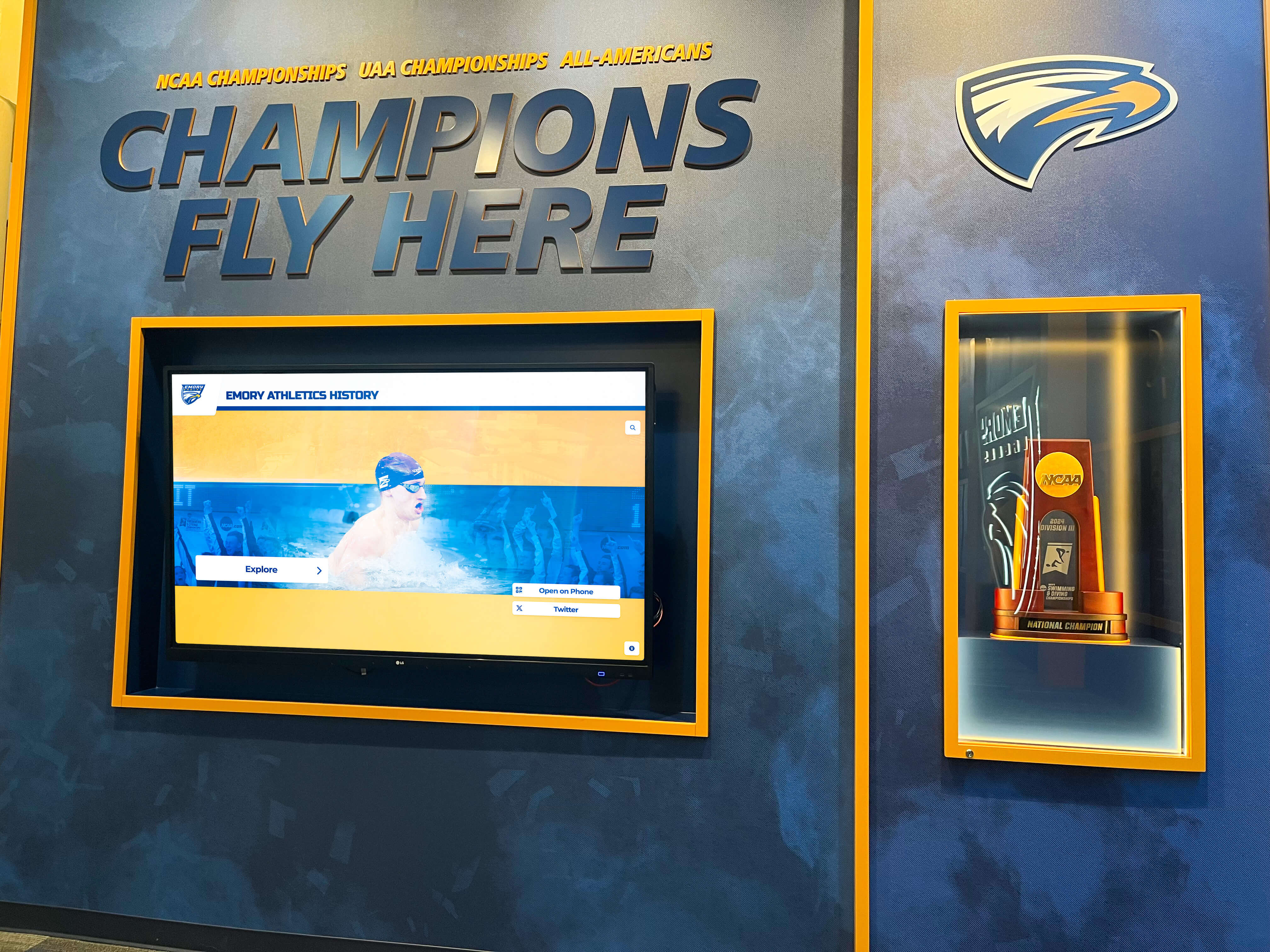
Championship displays showcase what strong fundraising support enables teams to achieve through adequate resources and program investment
Event-Based Sports Team Fundraising Ideas
Event fundraisers create community experiences while generating revenue through participation fees, sponsorships, and ancillary sales. Well-executed events become annual traditions supporters anticipate year after year.
6. Fun Run or Walk-a-Thon Events
Community fun run events appeal to broad demographics from serious runners to families with strollers. Five-kilometer courses accommodate most fitness levels while creating festive community gatherings celebrating health and athletics. Registration fees, corporate sponsorships, and pledge-based participation combine for strong revenue potential.
Planning Considerations: Secure necessary permits and insurance at least 3-4 months before event dates, recruit local race directors or running clubs providing course planning and timing expertise, create team participation categories encouraging departments or businesses to field groups, and offer virtual participation options extending geographic reach.
7. Sports Skills Competitions
Position-specific skill competitions create engaging spectator events while showcasing student-athlete abilities. Basketball three-point contests, baseball home run derbies, football punt-pass-kick competitions, or soccer penalty kick challenges entertain crowds while generating revenue through entry fees and spectator admissions.
Success Elements: Recruit local celebrity judges or former athletes adding credibility and drawing crowds, establish clear competition rules and bracket systems ensuring fair competition, provide age-division categories enabling youth participation alongside high school athletes, and secure corporate sponsors underwriting prizes reducing financial risk.
8. Youth Sports Camps and Clinics
Multi-day or weekend sports camps taught by high school athletes and coaches generate revenue while providing valuable instruction to younger athletes aspiring to future team participation. Camps create pipeline development while positioning your program as community resource beyond competitive seasons.
Implementation Strategy: Schedule camps during school breaks when facilities remain available and families seek activities, recruit qualified coaching staff including current athletes gaining leadership experience, maintain appropriate student-to-instructor ratios ensuring quality instruction and safety, and promote through youth sports leagues, elementary schools, and recreation departments.
9. Team Trivia Night or Game Tournament
Trivia competitions or game tournaments create social fundraising events appealing to adults seeking entertainment options supporting good causes. Teams of 6-8 compete through multiple rounds while purchasing food, beverages, and raffle tickets throughout evenings.
Event Execution: Secure venue donations from restaurants or community centers during slow business nights benefiting from increased traffic, recruit engaging emcees maintaining energy throughout events, create question categories balancing general knowledge with local school history and sports trivia, and offer creative prizes donated by local businesses.
10. Golf Tournament Fundraisers
Golf tournaments remain popular fundraising vehicles in communities with country club access and supporter demographics enjoying the sport. Foursomes pay entry fees while businesses purchase hole sponsorships, and additional revenue comes from raffles, silent auctions, and closest-to-the-pin contests throughout rounds.
Tournament Planning: Begin planning 4-6 months before event dates securing course reservations during prime seasons, recruit tournament committee distributing planning responsibilities across volunteers with specific expertise, establish sponsorship tiers at multiple price points from hole sponsors to title sponsors, and create detailed run-of-event schedules ensuring smooth day-of execution.
For more athletic recognition ideas, explore varsity letterman awards display options that celebrate team accomplishments funded through successful campaigns.
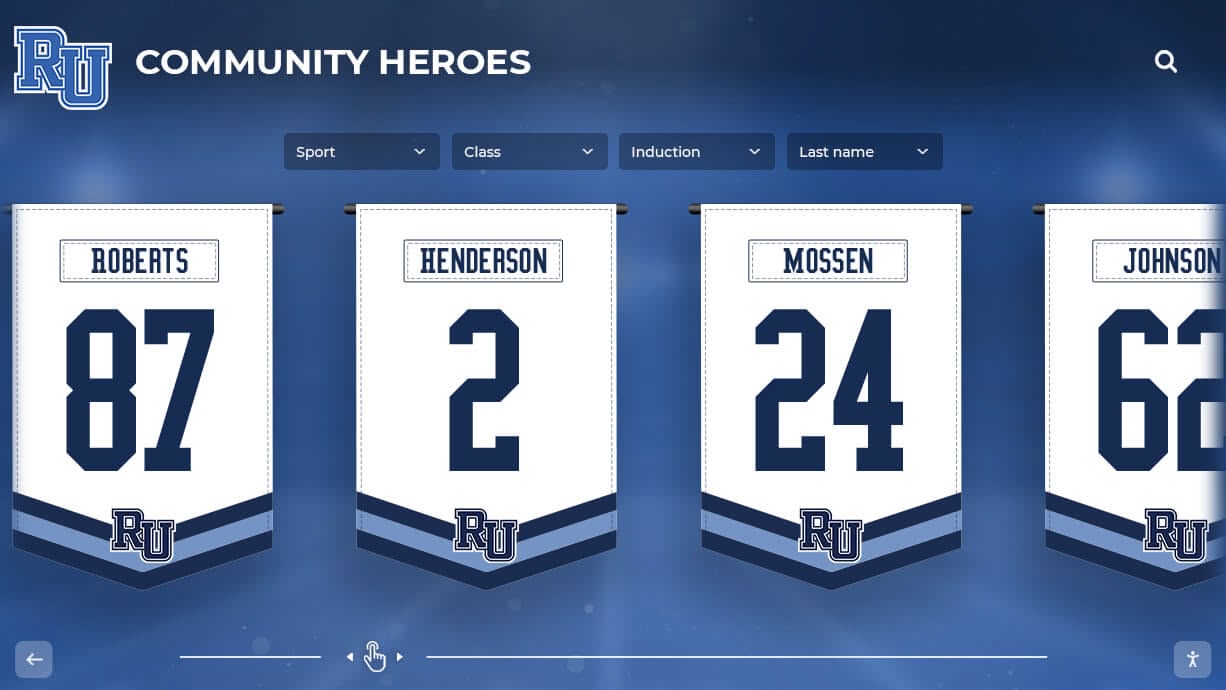
Recognition banners honor community heroes while demonstrating program appreciation for supporter contributions
Product Sales and Merchandise Fundraisers
Product-based fundraisers provide tangible value to purchasers while generating revenue through markup between wholesale costs and retail pricing. These approaches work year-round rather than requiring single-event coordination.
11. Team Apparel and Spirit Wear Sales
Custom team apparel featuring school logos, mascots, and athletic branding appeals to students, families, alumni, and community supporters wanting to display school pride. Online stores eliminate inventory risk while offering extensive product selections from t-shirts to hoodies to performance gear.
Optimization Strategies: Partner with vendors offering online platforms with no upfront costs, design appealing graphics that supporters want to wear beyond game days, promote during peak seasons like homecoming or tournament runs when school spirit peaks, and offer limited-edition designs creating scarcity driving urgency.
12. Personalized Stadium Seats or Blankets
Branded stadium seats or blankets providing comfort during outdoor games create practical products supporters use repeatedly while displaying team loyalty. Bulk purchasing enables attractive margins while products deliver genuine utility justifying prices.
Sales Approach: Pre-sell through order forms guaranteeing minimum quantities before placing manufacturing orders, offer personalization options like player names or graduation years for premium pricing, time campaigns before fall sports seasons when outdoor seating needs emerge, and demonstrate products at games creating visibility driving additional orders.
13. Team Calendars Featuring Athletes
Annual calendars featuring team photos, individual athlete spotlights, and season schedules create keepsake products families purchase for utility while treasuring photos celebrating their student-athletes. Senior families particularly value calendars commemorating final competitive seasons.
Production Considerations: Begin planning early in seasons ensuring time for photography, design, and printing before holiday gift-giving periods, include entire rosters rather than only starters ensuring all families have purchasing motivation, price calendars appropriately balancing affordability with profit margins, and pre-sell through order forms reducing financial risk from unsold inventory.
14. Cookie Dough or Frozen Food Sales
Established fundraising companies offer frozen cookie dough, pizza, or prepared meal programs providing quality products families regularly purchase anyway. Teams earn percentages of sales while companies handle production, fulfillment, and customer service.
Maximizing Participation: Select companies with broad product selections appealing to diverse preferences and dietary needs, establish team and individual sales goals with recognition for achievement, provide sales training teaching athletes effective approaches when contacting potential customers, and maintain momentum through regular progress updates and friendly competition.
15. Restaurant Partnership Programs
Many restaurants offer spirit night programs donating percentages of evening sales when groups promote specific dates to their communities. These events require minimal planning while creating social gatherings and generating funds from dining families would likely do anyway.
Implementation Tips: Schedule multiple events throughout seasons at different restaurants providing variety, promote heavily through team communications, social media, and flyers sent home with students, encourage families to invite extended networks multiplying attendance, and thank participating restaurants publicly building relationships for future partnerships.
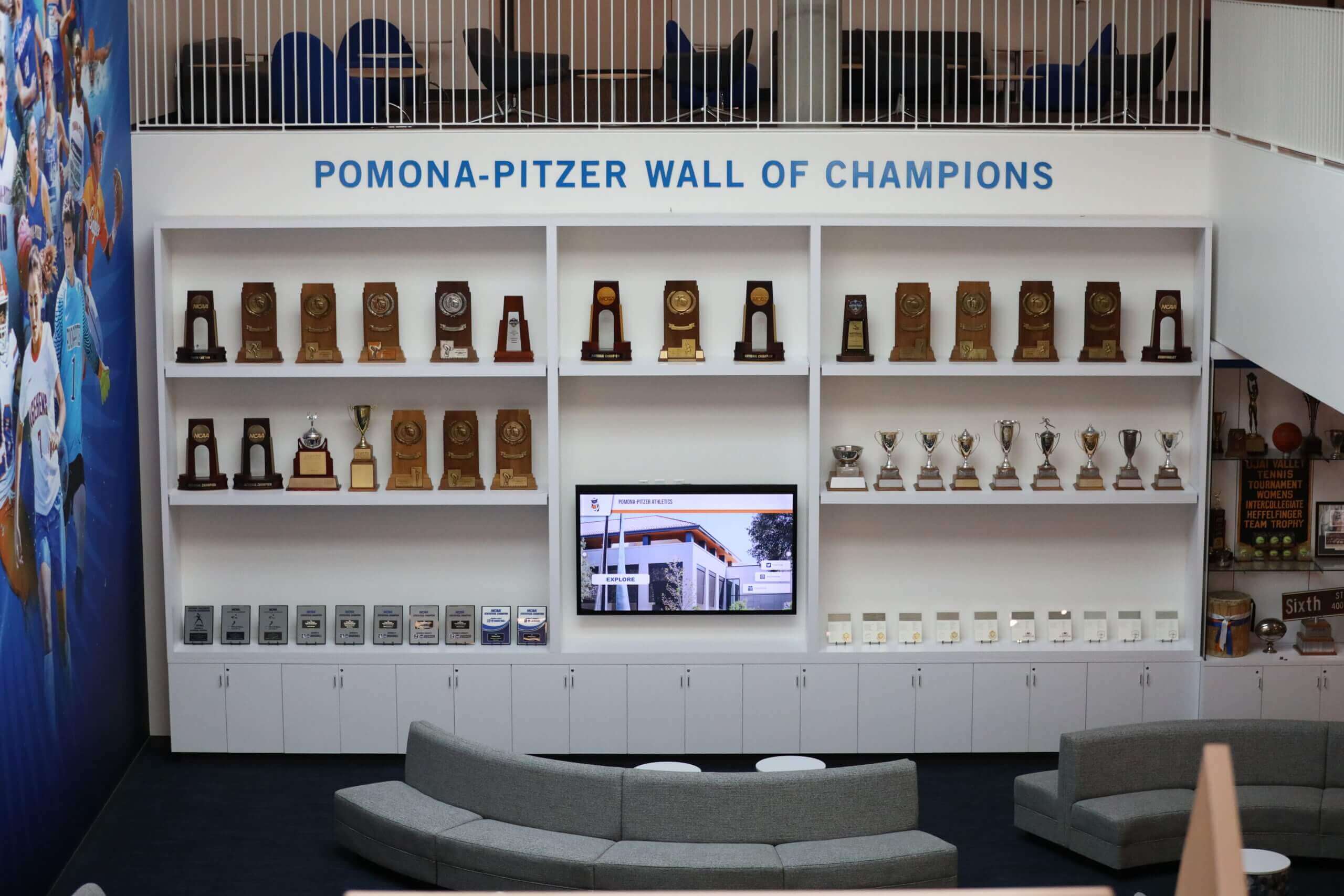
Championship trophy displays demonstrate the achievements strong fundraising support enables through proper program investment
Digital and Online Fundraising Strategies
Modern technology enables fundraising approaches reaching beyond local communities while simplifying donation processes and expanding potential supporter bases dramatically.
16. Crowdfunding Campaigns
Platforms like GoFundMe, DonorsChoose, or specialized sports fundraising sites enable teams to share compelling stories while accepting donations from anywhere. Video content showing athletes in action and explaining specific funding needs creates emotional connections driving contributions.
Campaign Success Factors: Set realistic goals with detailed budget breakdowns showing exactly how funds will be used, create compelling multimedia content including videos and photos humanizing your athletes and their needs, leverage team networks encouraging athletes and families to share broadly through social media, and provide regular updates maintaining momentum throughout campaigns.
17. Social Media Challenges and Campaigns
Viral social media challenges like ice bucket campaigns or athletic performance challenges create engaging content while raising funds and awareness. Participants complete challenges, donate, nominate friends to participate, and share content exponentially expanding reach beyond original networks.
Creating Viral Potential: Design challenges that are fun, safe, visually compelling, and easy to complete encouraging maximum participation, use relevant hashtags and tag influential accounts potentially amplifying reach, set specific timelines creating urgency, and recognize top participants publicly encouraging competitive dynamics.
18. Virtual Race or Fitness Challenge Events
Virtual events allow participants anywhere to complete athletic challenges on their own schedules while supporting your team through registration fees. Runners log miles independently while receiving race bibs, medals, and t-shirts creating tangible participation experiences despite geographic separation.
Event Planning: Partner with virtual race platforms handling registration, tracking, and fulfillment logistics, offer multiple distance options accommodating various fitness levels, create social media groups where participants share progress and encouragement, and provide digital finisher certificates or physical medals creating meaningful completion recognition.
19. Online Auctions
Digital auction platforms extend traditional silent auctions beyond in-person event attendees to broader donor bases participating from anywhere. Items from autographed memorabilia to vacation packages to unique experiences generate competitive bidding from supporters unable to attend physical events.
Auction Optimization: Recruit diverse auction items appealing to various interests and budgets, photograph items professionally with detailed descriptions, set appropriate starting bids and minimum increments, promote broadly through email and social media creating maximum visibility, and enable mobile bidding simplifying participation.
20. Peer-to-Peer Fundraising Platforms
Platforms enabling individual athletes to create personal fundraising pages supporting team goals leverage social networks while creating healthy competition between teammates. Athletes share their stories and personal reasons for team participation while asking their networks to contribute.
Program Structure: Provide athletes with templates and examples showing effective personal page creation, set individual and team fundraising goals with recognition for achievement levels, host kick-off events training athletes on social media promotion and personal outreach, and celebrate progress publicly maintaining momentum and encouraging continued effort.
Discover modern approaches to donor recognition through digital wall of fame displays that honor supporters while inspiring continued giving.
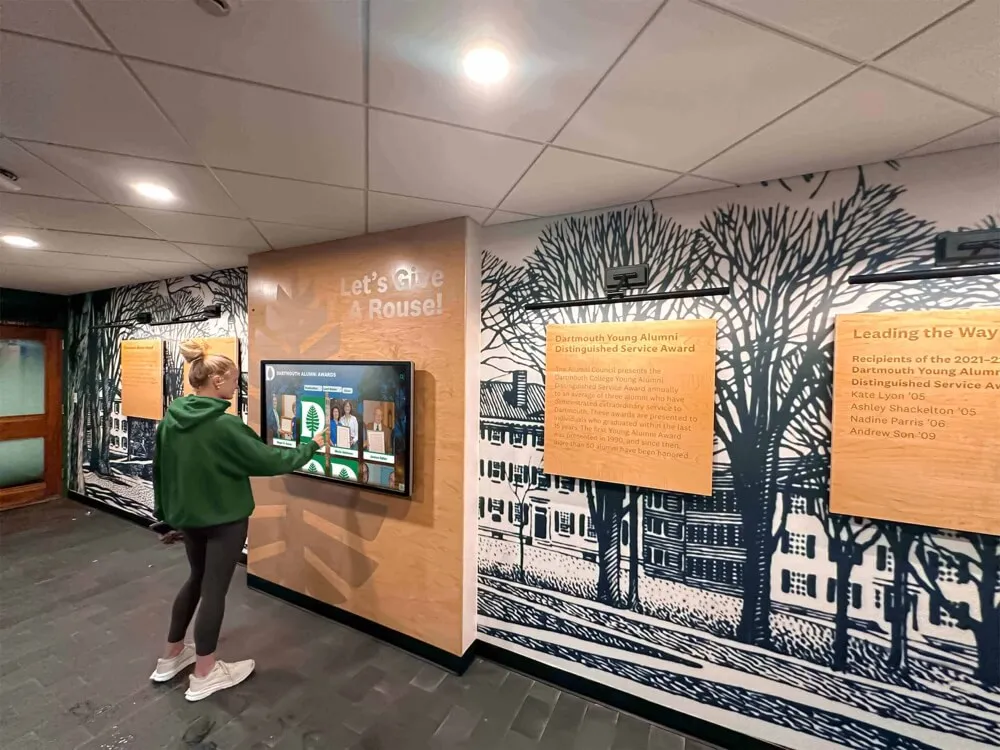
Interactive displays engage alumni and supporters while showcasing program history funded through community contributions
Corporate Partnership and Sponsorship Ideas
Businesses seeking community visibility and goodwill often support youth athletics through sponsorships, donations, and partnership programs creating mutually beneficial relationships.
21. Business Banner Sponsorships
Facility banners displaying business logos provide year-round visibility during games and events while generating revenue through annual sponsorship fees. Multi-year agreements create predictable income while reducing annual sales effort.
Sponsorship Development: Create professional sponsorship packages outlining visibility benefits, audience demographics, and recognition included at various investment levels, design attractive banner specifications ensuring professional appearance, recruit sales committees approaching businesses personally rather than relying solely on written requests, and deliver on promised recognition building trust for renewals.
22. Program or Roster Sponsorships
Game program advertisements, roster sponsor listings, or digital scoreboard recognition provide businesses with targeted exposure to captive audiences while generating essential program funding. Package multiple recognition opportunities creating compelling value propositions.
Implementation Strategy: Develop clear sponsorship tiers with corresponding recognition benefits, create sample advertisements showing businesses exactly what they’re purchasing, assign sales responsibilities across parent volunteers and athletes, and produce professional materials reflecting well on both your program and sponsoring businesses.
23. Adopt-a-Player Programs
Corporate sponsors “adopt” individual athletes by funding their season costs including uniforms, equipment, travel, and fees. Athletes create thank-you videos or personal letters building relationships between businesses and the specific students they support.
Program Design: Calculate per-athlete season costs including all expenses that sponsors would cover, recruit businesses through personal asks explaining direct impact on individual students, facilitate athlete-sponsor connections through thank-you communications and periodic updates, and recognize sponsors prominently at events and through team communications.
24. Matching Gift Programs
Many corporations match employee charitable donations doubling individual contributions when properly documented. Teams maximizing these programs significantly boost fundraising revenue from families working for companies with matching programs.
Maximizing Matches: Educate families about employer matching programs and how to submit requests, provide necessary documentation including tax identification numbers and receipts, follow up ensuring matches are submitted and processed, and track which companies have matching programs informing future recruitment efforts.
25. Community Partnership Percentage Programs
Businesses donate percentages of specific product sales or service revenues to teams when supporters mention the team at purchase. These ongoing partnerships create recurring revenue streams while businesses benefit from team promotion driving customer traffic.
Partnership Success: Select business partners whose products or services team supporters regularly need, establish clear communication protocols for tracking and reporting eligible sales, promote partnerships heavily through team communications and social media, and recognize top performing partnerships publicly.
For recognition of corporate partners and individual donors, explore collegiate donor wall recognition strategies adaptable to athletic programs.

Program recognition displays demonstrate accomplishments enabled by fundraising support while inspiring future contributions
Creative and Unique Fundraising Ideas
Innovative approaches differentiate your fundraising from countless other requests competing for community support while creating memorable experiences generating enthusiasm beyond simple donation asks.
26. Team Photo Day with Professional Photography
Partner with professional photographers offering team and individual photos with proceeds benefiting your program. Families receive quality keepsake photos while photographers gain client exposure and teams earn revenue without inventory or planning requirements.
Partnership Structure: Recruit photographers offering percentage splits on sales, promote photo days heavily ensuring strong attendance justifying photographer time investment, coordinate efficient scheduling minimizing wait times, and provide follow-up ordering information ensuring maximum sales conversion.
27. Coach for a Day Experience Auctions
Auction unique experiences like “coach for a day” allowing winning bidders to participate in practice planning, attend strategy sessions, and experience coaching from sidelines during games. These exclusive experiences create memorable moments while generating significant revenue from high bids.
Experience Design: Establish clear parameters for what winners receive while protecting team operations and competitive integrity, promote experiences through compelling descriptions emphasizing exclusive access, set appropriate starting bids and reserve prices, and coordinate winning bidder schedules ensuring smooth experience delivery.
28. Team Calendar Raffle
Rather than traditional single-drawing raffles, calendar raffles feature daily or weekly winners throughout months or years with ticket numbers corresponding to dates. Extended winning timelines create excitement beyond single events while ticket sales fund programs.
Raffle Execution: Verify local gambling and raffle regulations ensuring compliance with applicable laws, set ticket prices balancing accessibility with revenue goals, establish prize values attractive enough to motivate purchases, and promote heavily emphasizing multiple winning opportunities increasing perceived value.
29. Parking Lot Attendant Services
Offer paid parking assistance during school events, community festivals, or local attractions lacking adequate parking management. Teams coordinate traffic flow, collect fees, and provide customer service while generating revenue from otherwise unpaid labor.
Service Delivery: Secure permissions from event organizers and property owners, provide volunteer training on traffic management and customer service, create professional signage explaining parking fees and team beneficiaries, and ensure adequate volunteer coverage throughout event durations.
30. Athletic Record Challenge Pledges
Supporters pledge specific amounts per goal scored, points earned, wins achieved, or records broken throughout seasons. As athletes succeed, pledges convert to donations creating fundraising momentum tied directly to team performance.
Pledge Program Design: Establish pledge categories based on realistic performance expectations preventing excessive liability, create tracking systems monitoring achievement throughout seasons, communicate progress regularly maintaining donor awareness, and simplify collection through online payment options.
31. Legacy Brick or Tile Programs
Permanent installation programs allow donors to purchase engraved bricks, tiles, or plaques installed in high-visibility locations like stadium walkways, facility entryways, or memorial walls. These create lasting recognition while generating significant revenue through meaningful legacy opportunities.
Program Implementation: Partner with vendors specializing in engraved materials and installation, designate appropriate high-traffic installation locations, establish pricing tiers for various sizes or placement locations, and create ordering processes with engraving approval workflows ensuring accuracy.
Learn about creating comprehensive recognition programs through resources like perfect SAT score award displays adaptable to athletic contexts.
Donor Recognition and Stewardship
Effective donor recognition transforms one-time contributors into long-term supporters while building fundraising cultures celebrating generosity and inspiring continued giving.
Building Comprehensive Recognition Programs
Modern donor recognition extends beyond simple thank-you notes to create meaningful appreciation experiences demonstrating genuine gratitude while inspiring continued support:
Multi-Tiered Recognition Levels
Establish giving levels with corresponding recognition benefits—from public acknowledgment at bronze levels to permanent naming opportunities at platinum tiers. Clear benefit structures motivate increased giving while ensuring appropriate recognition for contributions at all levels.
Digital Recognition Platforms
Interactive touchscreen displays showcase donor names, contribution levels, and personal messages in high-traffic facility locations. These modern installations provide dynamic recognition capabilities traditional plaques can’t match while demonstrating program sophistication and appreciation for supporter generosity.
Personal Stewardship Communications
Individual thank-you calls from athletes, handwritten notes from coaches, and periodic updates showing exactly how donations impacted programs create personal connections between donors and the students they support. These authentic touches build relationships beyond transactional giving.
Public Appreciation Events
Annual donor appreciation events exclusively for contributors create special recognition experiences while cultivating relationships. Casual gatherings, exclusive meet-and-greets with athletes and coaches, or behind-the-scenes facility tours demonstrate genuine appreciation while providing natural opportunities to discuss continued support.
Programs seeking sophisticated donor recognition should explore hall of fame tools for athletics that celebrate both athletic achievement and supporter contributions.
Showing Fundraising Impact
Transparent communication about how funds get used builds trust while motivating continued giving:
Detailed Budget Reporting
Share clear financial reports showing exactly how fundraising dollars were allocated—from equipment purchases to facility improvements to travel expenses. Specific examples like “your contributions funded new batting cages” create tangible impact awareness beyond abstract budget numbers.
Before and After Documentation
Photograph facility improvements, new equipment, or enhanced experiences funded through donations. Visual documentation of fundraising impact creates compelling stories demonstrating how community support translates into real program enhancements benefiting student-athletes directly.
Athlete Testimonials
Video or written testimonials from athletes explaining how community support enabled their athletic experiences create emotional connections between donors and beneficiaries. Personal stories humanize fundraising impact while demonstrating genuine appreciation for supporter generosity.
Achievement Recognition
Celebrate team successes enabled by adequate funding—championship wins, tournament participation, facility improvements, or individual athlete achievements. Connecting athletic accomplishments to fundraising support demonstrates how community investment translates into student success.
For more athletic achievement recognition ideas, consider Georgia high school football championship displays showcasing program excellence.
Strategic Fundraising Planning
Successful sports team fundraising requires thoughtful planning coordinating multiple initiatives into comprehensive annual strategies maximizing revenue while preventing volunteer burnout and community fatigue.
Creating Annual Fundraising Calendars
Strategic calendar development ensures balanced fundraising approaches throughout years:
Diversified Revenue Timing
Distribute fundraising activities across seasons avoiding clustering that overwhelms volunteers or communities. Mix quick-hit events, longer campaigns, and ongoing revenue sources creating steady income flows rather than irregular spikes requiring intensive short-term effort.
Coordination with Athletic Seasons
Schedule fundraisers strategically around competitive seasons—launching campaigns when team visibility peaks during winning streaks or tournament runs, while avoiding critical competition periods when coaches and athletes need focus on performance rather than fundraising responsibilities.
Pre-Season Major Campaign Focus
Concentrate significant fundraising efforts before seasons begin ensuring adequate funds for equipment, travel, and operational needs rather than scrambling mid-season when options narrow and planning timelines compress.
Off-Season Relationship Building
Use off-season periods for major donor cultivation, corporate partnership development, and strategic planning requiring extended timelines and focused attention difficult during competitive seasons’ intensity and distraction.
Measuring and Improving Fundraising Effectiveness
Data-driven approaches optimize fundraising strategies over time:
Track Results Comprehensively
Document not just total revenue but also effort required, volunteer participation rates, community response, and net profit after expenses. Comprehensive metrics enable informed decisions about which fundraisers merit continuation versus replacement with more effective alternatives.
Gather Participant Feedback
Survey volunteers, donors, and participants after events identifying what worked well and what needs improvement. Direct feedback reveals issues that may not appear in financial reports while uncovering opportunities to enhance future execution.
Calculate Return on Investment
Assess fundraisers based on profit-per-volunteer-hour worked, not just total revenue. Events generating impressive gross revenue but requiring excessive volunteer commitment may deliver worse ROI than smaller efforts producing lower total amounts with minimal planning requirements.
Adjust Strategies Based on Learning
Treat each fundraising cycle as learning opportunity informing continuous improvement. Successful programs evolve their approaches based on results rather than simply repeating past activities regardless of effectiveness.
Organizations seeking to honor leaders who support athletics may benefit from exploring retiring principal celebration ideas adaptable to athletic boosters and supporters.
Combining Fundraising with Team Building
The most effective fundraisers serve dual purposes—generating revenue while strengthening team culture, building athlete leadership skills, and creating memorable experiences bonding teammates.
Athlete-Led Fundraising Initiatives
Involving athletes directly in fundraising creates ownership while developing valuable life skills:
Personal Fundraising Page Competitions
Challenge athletes to create individual fundraising pages supporting team goals while competing for recognition as top fundraiser. Friendly competition motivates effort while teaching athletes to articulate their stories and ask for support—skills valuable far beyond athletics.
Community Service Fundraisers
Events like youth camps, clinics, or charity tournaments position athletes as role models giving back to communities while raising funds. These experiences build character and leadership while creating positive team culture emphasizing service beyond competitive success.
Sales Competitions with Recognition
Product sales campaigns with individual and team goals create engagement while teaching athletes persistence and communication skills. Recognition for achievement levels motivates participation while making fundraising feel like team challenge rather than obligation.
Using Fundraising to Build Support Networks
Fundraising activities create opportunities strengthening relationships among athletes, families, and communities:
Family Engagement Opportunities
Fundraisers requiring family participation—from working concession stands to co-hosting events—create shared experiences bonding families to programs while distributing volunteer workload preventing burnout of small core groups.
Alumni Network Activation
Involving former athletes in fundraising events strengthens alumni connections while providing mentorship opportunities between current and former players. Alumni participation demonstrates program legacy while expanding potential donor bases beyond current families.
Community Visibility Events
Public fundraisers like fun runs, skills competitions, or youth camps increase program visibility while showcasing athlete character and competence. Positive community exposure builds support extending beyond fundraising into broader program advocacy when budget decisions or facility priorities emerge.
For programs seeking to preserve and share team history, consider fraternity and sorority history preservation approaches applicable to athletic teams.
Legal and Ethical Fundraising Considerations
Responsible fundraising requires attention to legal requirements and ethical practices protecting programs, volunteers, and donors:
Compliance Requirements
Tax Status and Documentation
Understand your organization’s tax-exempt status and what documentation donors need for tax deductions. Many teams operate under school district umbrella 501(c)(3) status, while independent boosters must establish separate nonprofit status. Provide appropriate receipts for contributions exceeding IRS thresholds requiring documentation.
Raffle and Gambling Regulations
State and local laws strictly regulate raffles, casino nights, and other fundraisers involving chance. Verify legal requirements before planning these events—many jurisdictions require licenses, limit prize values, or restrict eligibility. Violations can result in significant fines and jeopardize nonprofit status.
Youth Protection and Supervision
Fundraising events involving athletes require appropriate adult supervision, background-checked volunteers, and safety protocols protecting participants. Never place students in situations compromising their safety for fundraising purposes.
Financial Transparency and Accountability
Maintain meticulous financial records documenting all fundraising revenue and expenditures. Regular reporting to stakeholders and adherence to appropriate accounting standards builds trust while protecting against misappropriation allegations or actual financial mismanagement.
Ethical Fundraising Practices
Honest Communication
Never exaggerate needs, misrepresent fund usage, or make misleading claims about how donations will be allocated. Honesty builds long-term trust while dishonesty destroys credibility and damages future fundraising capacity regardless of short-term gains.
Equitable Participation
Design fundraising programs ensuring all families can contribute meaningfully regardless of financial circumstances. Balance monetary fundraisers with volunteer-focused opportunities preventing wealth-based participation barriers that exclude families from team culture and create uncomfortable dynamics.
Pressure-Free Approaches
Avoid high-pressure sales tactics or creating environments where athletes or families feel coerced into excessive participation. Fundraising should build community rather than create resentment or financial hardship.
Donor Privacy
Respect donor privacy preferences regarding public recognition. While many appreciate acknowledgment, others prefer anonymous giving. Honor these preferences while maintaining appropriate records for financial accountability and tax documentation.
Conclusion: Building Sustainable Athletic Funding
Successful sports team fundraising combines strategic planning, diverse revenue approaches, strong execution, and genuine appreciation for community support. The most effective programs move beyond seeing fundraising as necessary burden to embracing it as opportunity—to build community, strengthen relationships, develop athlete leadership, and create sustainable financial foundations enabling athletic excellence.
No single fundraiser solves all financial challenges. Sustainable funding emerges from comprehensive approaches combining traditional events, innovative campaigns, corporate partnerships, digital strategies, and major donor cultivation into balanced portfolios generating reliable revenue year after year. The specific mix that works best depends on your team’s unique community, resources, and needs—requiring thoughtful assessment and willingness to experiment with different approaches until finding combinations delivering optimal results for your specific circumstances.
Remember that fundraising success ultimately depends on people—volunteers who plan and execute events, donors who contribute financially, athletes who participate enthusiastically, and communities that support programs because they value youth development and athletic opportunity. Treating all these stakeholders with respect, communicating transparently, showing genuine appreciation, and demonstrating fundraising impact creates virtuous cycles where success breeds increased support enabling further success.
The 30+ fundraising ideas presented here provide starting points for building comprehensive strategies tailored to your program’s needs. Whether implementing classic car washes, launching sophisticated crowdfunding campaigns, cultivating corporate partnerships, or creating permanent recognition programs, focus on approaches aligned with your values, resources, and community characteristics. Success comes not from doing everything but from doing selected strategies exceptionally well while continuously learning and improving based on results.
As you plan fundraising initiatives, consider how recognizing supporters appropriately creates foundations for sustained giving. Modern recognition approaches from interactive displays to comprehensive donor programs demonstrate appreciation while inspiring continued support. Programs seeking sophisticated recognition solutions can explore comprehensive options through Rocket Alumni Solutions, which specializes in digital recognition systems celebrating athletic achievement, honoring donors, and building program pride through innovative touchscreen displays that transform how schools and teams showcase their stories.
Your fundraising efforts do more than generate revenue—they build community, create opportunities, develop character, and shape lives. Every successful event, every generous donation, and every hour volunteers contribute represents investment in young athletes’ futures. That meaningful purpose should inspire your work and sustain your commitment even when challenges emerge, knowing that your efforts enable experiences, accomplishments, and memories students will carry throughout their lives.
Live Example: Rocket Alumni Solutions Touchscreen Display
Interact with a live example (16:9 scaled 1920x1080 display). All content is automatically responsive to all screen sizes and orientations.