Sports Photography Settings: Camera Tips for Capturing Athletic Moments
- Home /
- Blog Posts /
- Sports Photography Settings: Camera Tips for Capturing Athletic Moments

The Easiest Touchscreen Solution




Live Example: Rocket Alumni Solutions Touchscreen Display
Interact with a live example (16:9 scaled 1920x1080 display). All content is automatically responsive to all screen sizes and orientations.
Sports photography settings determine the difference between capturing blur and freezing the decisive athletic moment—when the basketball player releases the game-winning shot, the runner breaks the tape at the finish line, or the quarterback connects with a receiver in stride. Proper camera configuration transforms missed opportunities into sharp, dynamic images that preserve peak athletic performances and celebrate achievements for years to come.
Yet many photographers struggle with sports photography fundamentals: shutter speeds that blur fast action, apertures that miss focus on moving subjects, ISO settings that introduce unwanted grain, or autofocus configurations that track backgrounds instead of athletes. These technical challenges result in disappointing images that fail to capture the intensity, emotion, and excellence that define competitive athletics—missing opportunities to document achievements worth celebrating.
This comprehensive guide provides the essential camera settings, techniques, and strategies needed to consistently capture sharp, compelling sports photographs across different sports, lighting conditions, and competitive environments. Whether you’re documenting high school athletics for recognition displays or covering championship competition, these proven settings and approaches will dramatically improve your sports photography results.
Sports photography demands technical mastery that differs fundamentally from portrait, landscape, or event photography. Athletes move unpredictably at high speeds, lighting conditions shift between indoor gymnasiums and outdoor fields, and critical moments occur within fractions of seconds. Success requires understanding how camera settings interact to freeze motion while maintaining proper exposure and sharp focus—technical foundations that separate exceptional sports images from disappointing attempts.

Proper camera settings freeze athletic moments at their peak, creating images worthy of permanent recognition displays
Essential Sports Photography Settings: The Technical Foundation
Successful sports photography begins with three fundamental camera settings that work together to freeze action, maintain sharp focus, and create properly exposed images even in challenging lighting conditions.
Shutter Speed: Freezing Athletic Motion
The Most Critical Sports Photography Setting
Shutter speed represents your most important technical decision in sports photography—controlling whether fast-moving athletes appear sharp or blurred in your images. Understanding appropriate shutter speeds for different sports and movements creates the foundation for consistently successful sports photography.
Minimum Shutter Speeds by Sport Type
Different sports require different minimum shutter speeds based on typical movement speed and unpredictability:
Fast-Action Sports (1/1000s - 1/2000s+)
- Basketball (jumping, quick direction changes)
- Soccer (sprinting, kicking motions)
- Football (running plays, tackles, throws)
- Baseball/Softball (pitching, batting, base running)
- Track and field (sprinting events, jumping)
- Ice hockey (skating, checking, shooting)
Fast-action sports demand extremely high shutter speeds because athletes move unpredictably at high velocities, change direction rapidly, and create critical moments that occur within fractions of seconds. Even momentary blur ruins otherwise excellent images.
Moderate-Action Sports (1/500s - 1/1000s)
- Volleyball (serving, spiking, blocking)
- Tennis (serving, ground strokes)
- Swimming (racing, turns, finishes)
- Wrestling (takedowns, movement sequences)
- Lacrosse (shooting, defensive plays)
Moderate-action sports still require fast shutter speeds but allow slightly more flexibility since movement patterns follow more predictable trajectories and athletes maintain consistent speeds during competitive actions.
Slower-Action Sports (1/250s - 1/500s)
- Golf (swing sequences, putting)
- Gymnastics (floor routines, beam work)
- Diving (approach, form positions)
- Cheerleading (stunts, jumps)
- Cross country (distance running)
These sports involve significant athletic skill but feature more controlled, predictable movements that allow photographers to use moderately fast shutter speeds while maintaining proper exposure.
Professional Strategy
Professional sports photographers typically shoot at 1/1000s or faster regardless of sport type, ensuring sharp images even during unexpected movements. Modern cameras handle high ISO noise better than ever before, making fast shutter speeds achievable even in challenging lighting conditions.
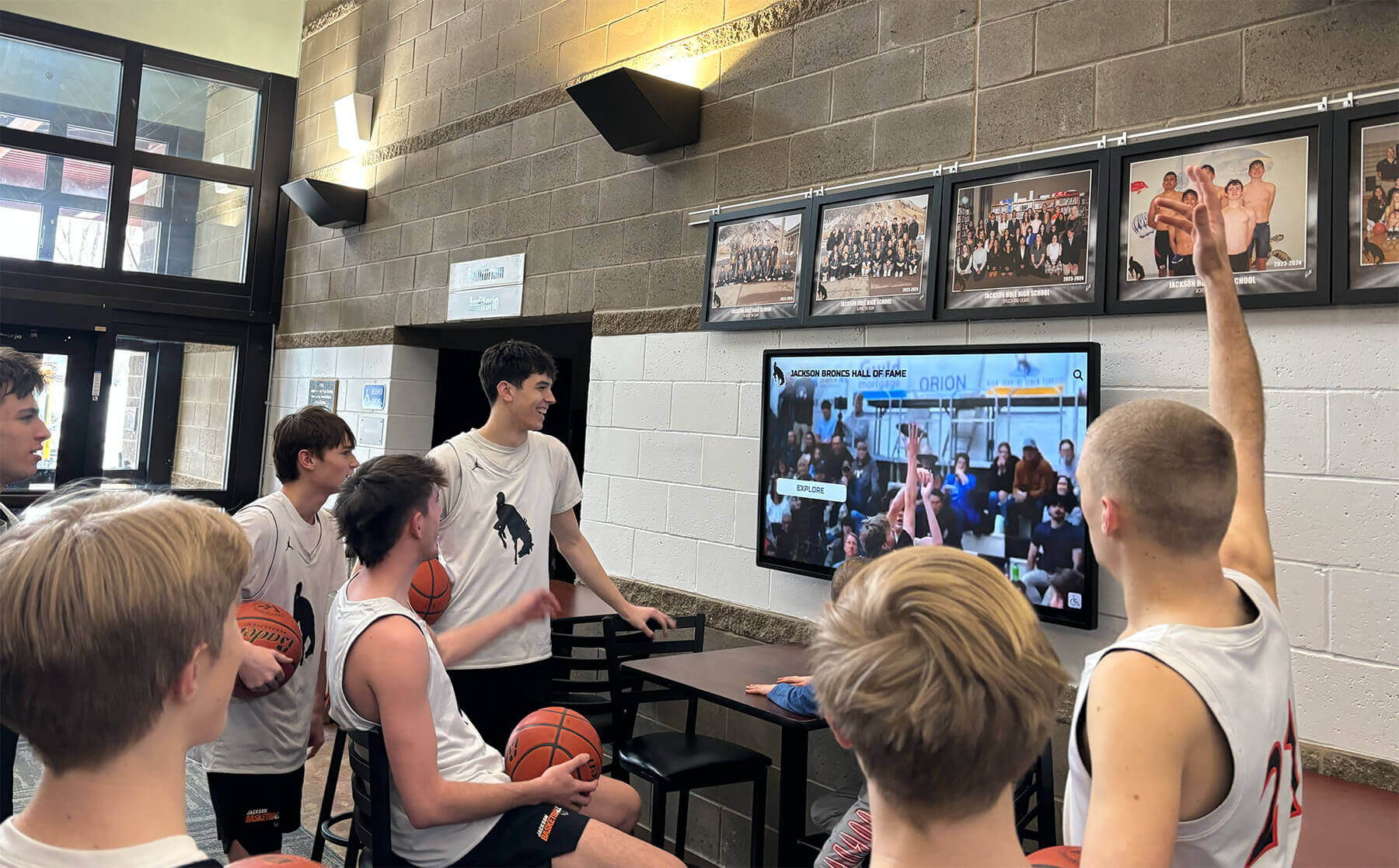
Images captured with proper settings become lasting memories displayed where athletes, families, and communities celebrate achievement
Aperture Settings for Sports Photography
Balancing Sharpness and Light Gathering
Aperture controls two critical aspects of sports photography: how much light reaches your camera sensor (affecting exposure and allowing faster shutter speeds) and depth of field (determining what appears sharp in your images).
Optimal Aperture Ranges for Sports
Wide Apertures for Individual Subjects (f/2.8 - f/4)
When photographing individual athletes or isolating specific players from backgrounds, wide apertures provide significant advantages:
- Maximum Light Gathering: Enables fastest possible shutter speeds
- Subject Isolation: Blurs distracting backgrounds, emphasizing athletes
- Professional Appearance: Creates dimensional separation between subjects and environments
- Low-Light Performance: Essential for indoor sports in gymnasiums with limited lighting
Sports photographers shooting with professional equipment often use f/2.8 constant-aperture telephoto zooms (70-200mm f/2.8, 300mm f/2.8) specifically for this combination of light-gathering capability and beautiful subject isolation.
Moderate Apertures for Group Coverage (f/4 - f/5.6)
When covering team sports where multiple athletes require sharp focus, moderate apertures balance depth of field needs with light-gathering requirements:
- Increased Depth of Field: Keeps multiple players sharp across different distances
- Focus Forgiveness: Reduces consequences of slight autofocus errors
- Team Composition Coverage: Ensures all relevant players appear sharp
- Balanced Light/Sharpness: Maintains fast shutter speeds while expanding focus range
Most sports situations work well at f/4-f/5.6, providing sufficient depth of field for team coverage while maintaining enough light gathering for fast shutter speeds.
Narrower Apertures for Outdoor Sports (f/5.6 - f/8)
Outdoor sports in bright sunlight allow narrower apertures that maximize sharpness:
- Maximum Lens Sharpness: Most lenses perform best at f/5.6-f/8
- Extended Depth of Field: Keeps athletes sharp across broader distance ranges
- Reduced Diffraction: Avoids image softness from extremely small apertures
- Consistent Team Focus: Ensures all players remain sharp regardless of position
Bright outdoor conditions enable these narrower apertures while still maintaining fast shutter speeds, creating technically optimal image quality.
ISO Settings: Managing Noise and Exposure
Balancing Image Quality with Exposure Needs
ISO controls your camera sensor’s sensitivity to light, enabling proper exposure when lighting conditions would otherwise require impossibly slow shutter speeds or narrow apertures. Modern cameras handle high ISO remarkably well, fundamentally changing sports photography strategies.
Strategic ISO Approaches
Outdoor Sports in Bright Light (ISO 100-400)
Bright outdoor conditions allow low ISO settings that maximize image quality:
- Minimal noise/grain in images
- Maximum dynamic range and color accuracy
- Optimal sensor performance
- Clean shadows and highlights
Start at your camera’s base ISO (typically 100-200) and increase only if needed to maintain fast shutter speeds.
Indoor Sports and Low Light (ISO 1600-6400+)
Indoor gymnasiums and evening events require significantly higher ISO to maintain necessary shutter speeds:
- Enables 1/1000s+ shutter speeds despite limited lighting
- Accepts slight noise increase as necessary tradeoff
- Modern cameras produce acceptable results at ISO 3200-6400
- Post-processing noise reduction minimizes visible grain
Don’t fear high ISO in modern cameras—slight grain proves far preferable to motion blur from inadequate shutter speeds.
Auto ISO Strategy
Many professional sports photographers use Auto ISO with carefully configured constraints:
- Set minimum shutter speed (1/1000s or faster)
- Set maximum ISO limit (6400 or 12800 depending on camera capabilities)
- Allow camera to adjust ISO dynamically as lighting changes
- Ensures consistently fast shutter speeds regardless of lighting variations
This approach prevents accidentally shooting too slowly when athletes move between bright and shadowed areas or as natural light changes during outdoor events.

Well-captured sports photographs deserve prominent display, creating inspiring recognition that celebrates athletic excellence
Autofocus Configuration for Sports Photography
Beyond exposure settings (shutter speed, aperture, ISO), autofocus configuration determines whether your camera tracks moving athletes successfully or focuses on backgrounds, bleachers, or other distractions instead of your intended subjects.
Autofocus Mode Selection
Continuous Autofocus (AI Servo/AF-C)
Always use continuous autofocus mode for sports photography. Unlike single-shot focus that locks focus when you half-press the shutter, continuous autofocus constantly adjusts focus as athletes move, tracking subjects throughout their motion:
- Predicts athlete movement and adjusts focus continuously
- Maintains sharp focus as subjects approach or move away
- Essential for all moving subjects
- Only mode appropriate for sports coverage
Camera manufacturers use different names—Canon calls it AI Servo, Nikon/Sony use AF-C—but functionality remains identical across brands.
Focus Point Configuration
Strategic Focus Point Selection
Modern cameras offer numerous focus points across the frame, requiring strategic selection for sports photography:
Single Point AF (Precision Tracking)
For individual subject coverage with predictable positioning:
- Select center focus point (typically most accurate)
- Position active focus point on primary subject
- Maintains precise focus on specific athletes
- Best for isolated subject coverage
Zone AF (Balanced Coverage)
For general sports coverage with moderate unpredictability:
- Activates cluster of focus points in selected area
- Provides tracking flexibility while maintaining control
- Prevents background focus when subjects move slightly
- Excellent balance for most sports situations
Wide-Area/Auto AF (Maximum Flexibility)
For highly unpredictable sports action:
- Uses all available focus points
- Camera determines appropriate focus based on movement
- Highest chance of maintaining subject tracking
- Requires sophisticated camera autofocus systems
Most sports photographers use zone AF as optimal balance between precision and flexibility, switching to single-point AF for controlled individual portraits and wide-area AF only when action becomes extremely unpredictable.
Focus Tracking Settings
Advanced Autofocus Configuration
Modern cameras offer sophisticated focus tracking customization that significantly impacts sports photography success:
AF-C Priority Settings
Configure whether your camera prioritizes focus accuracy or shutter response:
- Focus Priority: Camera fires only when subject appears sharp (fewer blurry images, slower response)
- Release Priority: Camera fires immediately even if focus uncertain (faster response, more focus errors)
- Balanced: Moderate compromise between accuracy and responsiveness
Most sports photographers choose release priority or balanced settings, preferring rapid firing for peak moment capture even if occasional frames miss perfect focus.
Subject Tracking Sensitivity
Controls how quickly autofocus switches to new subjects when objects pass between camera and intended target:
- Responsive: Quickly switches focus to new subjects (useful when athletes weave between others)
- Stable: Maintains focus on original subject despite distractions (prevents background focus errors)
- Moderate: Balanced approach for general coverage
Choose stable or moderate tracking for most sports situations, preventing focus from jumping to referees, spectators, or other athletes passing briefly through your frame.
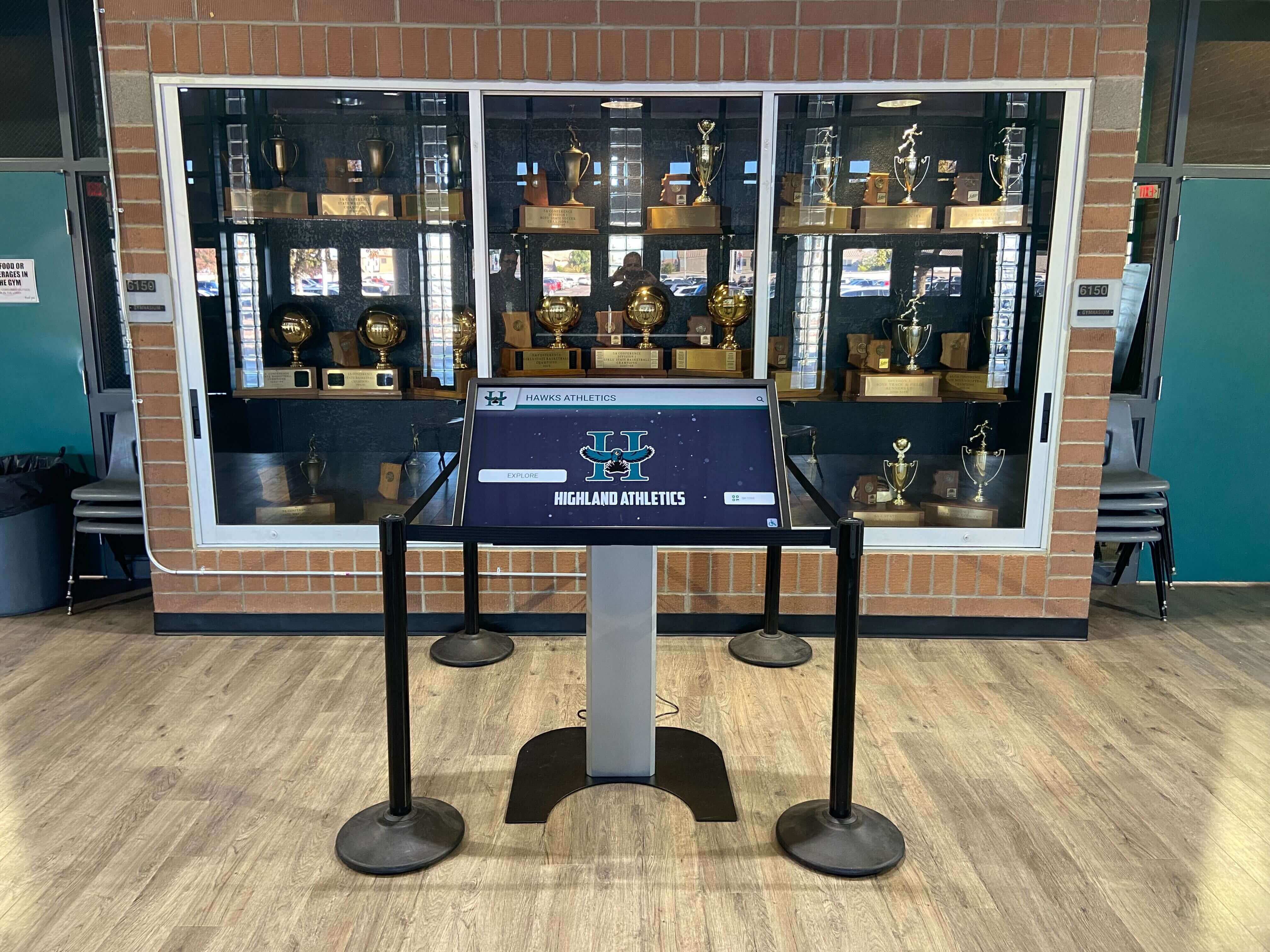
Sports photographs captured with proper settings create engaging content for interactive recognition displays and digital trophy cases
Shooting Mode and Drive Settings
Beyond individual technical settings, your camera’s shooting mode and burst capabilities dramatically affect your success rate capturing decisive athletic moments.
Shooting Mode Selection
Shutter Priority vs. Manual Mode
Sports photographers typically choose between two shooting modes:
Shutter Priority Mode (S/Tv)
- Set desired shutter speed manually
- Camera automatically adjusts aperture for proper exposure
- ISO set manually or via Auto ISO
- Simplifies shooting by managing one less variable
- Excellent choice for beginners and variable lighting conditions
Manual Mode (M)
- Complete control over shutter speed, aperture, and ISO
- Consistent exposure regardless of background variations
- Prevents exposure shifts when backgrounds change brightness
- Preferred by professional photographers
- Requires more technical expertise and attention
Start with shutter priority if you’re newer to sports photography, transitioning to manual mode as your technical confidence increases. Many professionals use manual mode with Auto ISO as optimal balance—controlling shutter speed and aperture while allowing camera to adjust ISO as lighting changes.
Continuous Drive Mode
Maximizing Peak Moment Capture
Sports photography demands continuous high-speed shooting to capture peak athletic moments that occur within fractions of seconds:
High-Speed Continuous Shooting
- Use highest continuous drive mode available (typically 10-20 frames per second)
- Increases probability of capturing exact peak moment
- Provides sequence options during post-processing
- Essential for unpredictable action sports
Athletes jumping, swinging, kicking, or throwing create peak moments lasting mere milliseconds. High-speed continuous shooting dramatically increases success rates by capturing multiple frames throughout motion sequences, ensuring you record the exact moment of peak action, ideal facial expression, and optimal body position.
Buffer and Memory Card Considerations
Continuous high-speed shooting quickly fills camera buffers and memory cards:
- Use fast UHS-II or CFexpress memory cards rated for continuous high-speed writing
- Shoot in JPEG format rather than RAW during extended sequences if buffer limitations exist
- Clear camera buffer during play stoppages
- Carry multiple high-capacity memory cards
Nothing proves more frustrating than missing critical action because your camera buffer filled during a championship moment.
Sport-Specific Photography Settings
While fundamental settings apply broadly across sports, specific athletic activities require customized approaches based on unique movement patterns, lighting conditions, and competitive characteristics.
Indoor Sports Photography Settings
Gymnasium and Arena Coverage
Indoor sports present significant lighting challenges—gymnasiums typically feature dim, inconsistent lighting with color temperature variations that complicate exposure and focus:
Recommended Settings for Indoor Sports
- Shutter Speed: 1/640s minimum, 1/1000s+ preferred
- Aperture: f/2.8-f/4 (widest available on your lens)
- ISO: 1600-6400 (as needed for proper exposure)
- White Balance: Custom white balance for accurate colors
- Focus Mode: Continuous AF with zone or wide-area tracking
Indoor venues often feature lighting that creates significant underexposure challenges. Prioritize fast shutter speeds even if requiring ISO 4000-6400—slight noise proves far preferable to motion blur. Scout gymnasium lighting during practice sessions before important competitions, determining optimal settings before critical moments arrive.
Sports like high school basketball and junior varsity hockey demand particularly careful attention to camera settings due to challenging lighting conditions in most high school gymnasiums and ice rinks.
Outdoor Sports Photography Settings
Field and Stadium Coverage
Outdoor sports photography benefits from abundant natural light but introduces variables like changing sun position, cloud cover variations, and backlighting challenges:
Recommended Settings for Outdoor Sports
- Shutter Speed: 1/1000s minimum, 1/2000s+ for fastest action
- Aperture: f/4-f/5.6 (balancing sharpness and depth of field)
- ISO: 100-400 (low ISO for maximum quality)
- White Balance: Daylight or Auto white balance
- Focus Mode: Continuous AF with single-point or zone focusing
Bright outdoor conditions enable optimal technical settings—fast shutter speeds, moderate apertures for sharpness, and low ISO for clean image quality. Position yourself considering sun direction, avoiding direct backlighting that creates silhouettes and autofocus challenges.
Outdoor sports coverage presents opportunities to capture exceptional image quality thanks to abundant light, but requires attention to sun position throughout events. Morning and late afternoon side-lighting creates dimensional, dramatic images, while overhead midday sun produces flat lighting with harsh shadows. Plan positioning around lighting direction whenever possible.
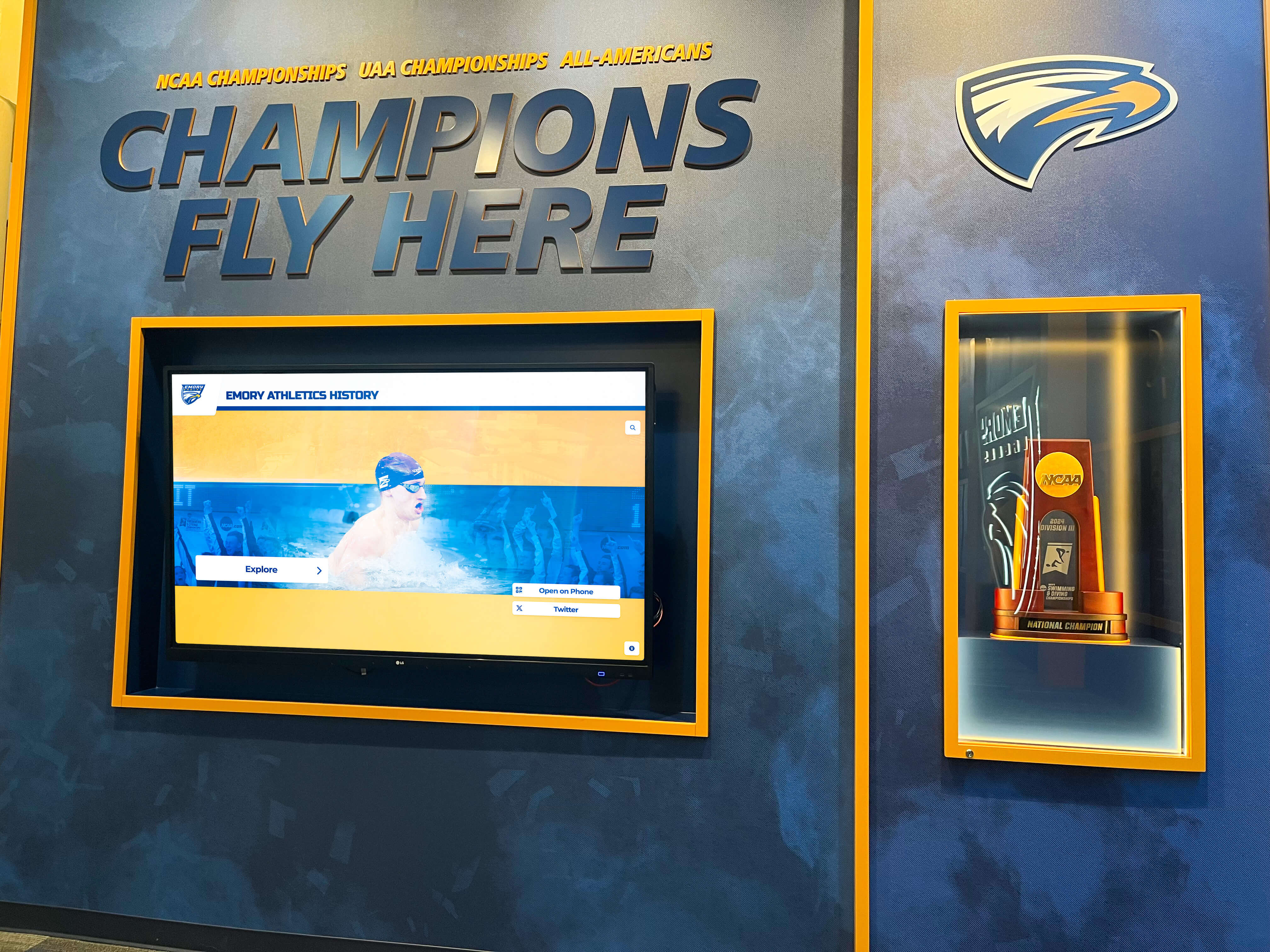
Championship moments captured with expert settings create permanent recognition celebrating program excellence across all sports
Night Game and Stadium Lighting
Evening Competition Coverage
Evening games under stadium lights present unique challenges combining outdoor environments with artificial lighting similar to indoor challenges:
Recommended Settings for Night Games
- Shutter Speed: 1/640s-1/1000s minimum
- Aperture: f/2.8-f/4 (widest available)
- ISO: 1600-3200 (varies by lighting quality)
- White Balance: Custom white balance for stadium lights
- Focus Mode: Continuous AF with stable tracking
Stadium lighting quality varies dramatically between facilities—some provide sufficient illumination for ISO 1600, while poorly lit fields require ISO 6400 or higher. Visit venues before important competitions, testing settings during warm-ups to determine optimal configuration before critical action begins.
Lens Selection for Sports Photography
Camera settings matter enormously, but lens choice determines what you can physically capture from your shooting position—focal length affects working distance, perspective, and ability to isolate subjects from cluttered backgrounds.
Telephoto Zoom Lenses
Essential Sports Photography Tools
Most sports photography requires telephoto focal lengths reaching athletes from sideline or spectator positions:
70-200mm f/2.8 Lenses
- Most versatile sports photography focal length
- Wide maximum aperture for low light and subject isolation
- Suitable for basketball, volleyball, wrestling, and field sports from moderate distances
- Standard professional sports photography lens
100-400mm or 150-600mm Lenses
- Extended reach for field sports from greater distances
- Football, soccer, baseball outfield coverage
- Typically variable maximum aperture (f/4.5-6.3)
- Requires higher ISO in lower light due to smaller maximum aperture
Fixed Focal Length Telephoto Lenses
- 300mm f/2.8, 400mm f/2.8 (professional options)
- Maximum image quality and light gathering
- Single focal length requires position adjustment rather than zooming
- Professional/high-budget choice
Choose lens focal length based on typical shooting distance and venue access. Sideline access enables 70-200mm coverage, while spectator positioning typically requires 100-400mm or longer focal lengths.
Positioning and Composition Strategies
Maximizing Impact Beyond Technical Settings
Perfect camera settings prove insufficient without strategic positioning and compositional awareness that transform technically correct images into compelling sports photographs:
Optimal Shooting Positions
- Position behind goals/baskets for head-on action
- Shoot from low angles emphasizing athletic power
- Avoid center court/field positions creating predictable backgrounds
- Anticipate play direction rather than reacting
Compositional Elements
- Fill frame with athlete rather than excessive empty space
- Include enough context showing sport and competitive environment
- Capture emotion, effort, and intensity in expressions
- Shoot through decisive moments rather than before or after
Background Awareness
- Position to avoid distracting background elements
- Use wide apertures blurring messy backgrounds
- Exclude spectators, scoreboards, or equipment when possible
- Create clean compositions emphasizing athletic action
Technical mastery creates sharp images, but compositional skill separates snapshots from memorable photographs worth displaying in digital recognition systems and permanent athletic halls of fame.
White Balance and Color Settings
Proper color reproduction ensures your sports photographs accurately represent team colors, uniforms, and competitive environments—technical aspects often overlooked despite significant impact on final image quality.
White Balance Configuration
Achieving Accurate Colors
Different lighting sources create different color casts that your camera’s white balance setting neutralizes:
White Balance Settings by Environment
- Outdoor Daylight: Daylight preset (5200K)
- Indoor Gymnasiums: Custom white balance measured on-site
- Stadium Lights: Custom white balance or tungsten preset adjusted
- Mixed Lighting: Custom white balance or Auto white balance
Indoor venues typically feature fluorescent or metal halide lighting creating greenish or yellowish color casts that make images appear unnatural. Measure custom white balance on-site before shooting, using white card or grey card under actual lighting conditions.
Color Space Selection
Preparing Images for Different Uses
Your camera’s color space setting affects how color information records:
sRGB Color Space
- Standard web and digital display color space
- Smaller color gamut but universal compatibility
- Appropriate when images will be viewed primarily on screens
- Correct choice for digital athletic displays and recognition systems
Adobe RGB Color Space
- Wider color gamut for professional printing
- Requires color management throughout workflow
- Best when images will be professionally printed
- Overkill for exclusively digital use
Most sports photographs destined for digital display, social media sharing, or touchscreen recognition walls work perfectly in sRGB color space.
Post-Processing Considerations for Sports Photography
While this guide focuses primarily on camera settings determining technical success during capture, understanding basic post-processing workflow helps photographers optimize images for final display.
RAW vs. JPEG Format Selection
Balancing Quality and Workflow Efficiency
Sports photography presents unique format selection challenges—desire for maximum quality versus practical workflow demands when processing hundreds or thousands of images from single events:
RAW Format Advantages
- Maximum editing flexibility
- Recover highlights and shadows extensively
- Adjust white balance after capture
- Best image quality potential
JPEG Format Advantages
- Smaller file sizes
- Faster continuous shooting (less buffer limitation)
- Immediate sharing without processing
- Sufficient quality for most uses
Professional photographers typically shoot RAW for critical championship coverage or when capturing images destined for large prints and prominent display. JPEG format works well for practice coverage, casual documentation, or situations where immediate sharing without processing proves valuable.
Essential Post-Processing Adjustments
Optimizing Sports Images
Even well-exposed sports photographs benefit from basic post-processing adjustments:
Fundamental Adjustments
- Exposure: Fine-tune overall brightness
- Contrast: Add punch and dimensional separation
- Highlights/Shadows: Recover blown highlights or blocked shadows
- Vibrance: Enhance color intensity naturally
- Sharpening: Apply appropriate sharpening for intended display size
- Noise Reduction: Reduce grain from high ISO shooting
Avoid over-processing that creates unnatural appearances. The goal involves enhancing natural athletic moments rather than creating obviously manipulated images.
Planning and Preparation for Sports Photography Success
Technical camera settings matter enormously, but comprehensive preparation before events determines whether you’re positioned to capture decisive moments with optimal settings already configured.
Pre-Event Scouting and Testing
Venue Reconnaissance
Visit competition venues before critical events whenever possible:
- Lighting Assessment: Test actual settings under real lighting conditions
- Position Scouting: Identify optimal shooting locations
- Access Verification: Confirm where photographers may position
- Background Evaluation: Identify cleanest background options
- Movement Patterns: Observe typical play flow and athlete positioning
Even 15-20 minutes observing practice or warm-ups provides invaluable information about lighting quality, optimal shooting positions, and appropriate camera settings before competition begins.
Essential Equipment Beyond Cameras
Complete Sports Photography Kit
Beyond camera bodies and lenses, several accessories significantly improve sports photography success:
Critical Accessories
- Fast Memory Cards: UHS-II cards rated for continuous high-speed writing
- Extra Batteries: Continuous shooting drains batteries quickly
- Monopod: Supports heavy telephoto lenses while allowing mobility
- Lens Cleaning Kit: Essential for outdoor sports in dusty/muddy conditions
- Weather Protection: Rain covers for outdoor sports in inclement weather
Arrive prepared for equipment challenges rather than discovering limitations during critical moments you cannot recapture.

Sports photographs captured with expert settings become engaging digital content that athletes, families, and fans explore repeatedly
Sports Photography for Recognition and Display Systems
While this guide focuses on technical camera settings for capturing athletic moments, understanding how sports photographs ultimately display helps photographers optimize images for their final purpose—particularly when images will appear in digital recognition systems celebrating athletic achievement.
Optimizing Images for Digital Display
Preparing Sports Photography for Recognition Walls
Schools, universities, and athletic programs increasingly use interactive digital displays celebrating athletic excellence, displaying sports photographs prominently where athletes, families, and communities experience achievements repeatedly. Images destined for these recognition systems benefit from specific capture and preparation approaches:
Technical Optimization for Digital Recognition
- Horizontal Orientation: Most digital displays work best with landscape-oriented images
- Consistent Framing: Similar composition across athlete profiles creates professional appearance
- Clean Backgrounds: Minimize distractions emphasizing athletes themselves
- Facial Clarity: Capture recognizable expressions rather than obscured faces
- Action Emphasis: Show athletes performing signature sport movements
Programs document achievements through sports photography, these images become lasting recognition displayed where they inspire current athletes, engage families, and celebrate program excellence across generations.
Integration with Athletic Recognition Programs
Connecting Photography with Comprehensive Recognition
The most effective athletic recognition extends beyond annual awards ceremonies, creating year-round visibility for achievements through strategically positioned displays in athletic facilities, school lobbies, and high-traffic areas. Quality sports photography provides the visual content making these systems engaging and inspiring.
Progressive schools connect several recognition elements:
- Regular Documentation: Consistent photography throughout seasons capturing diverse athletes
- Achievement Celebration: Images highlighting all-star recognition, championships, and personal bests
- Historical Archives: Photography spanning program history creating connections across eras
- Athlete Profiles: Complete biographical content supplemented by action photography
- Interactive Exploration: Touchscreen systems enabling families to explore comprehensive athlete stories
Quality sports photography captured with proper settings provides the foundation for recognition systems that transform how schools celebrate athletic achievement. Rather than limiting recognition to brief announcements quickly forgotten, comprehensive digital systems make excellence visible daily where it inspires future achievement.
Many athletic programs recognize state qualifiers, honor retired numbers, and celebrate championship achievements through these integrated recognition approaches that depend on quality photography as their visual foundation.
Common Sports Photography Mistakes and Solutions
Even experienced photographers make predictable errors that compromise image quality—understanding these common mistakes helps avoid them during critical coverage.
Technical Setting Errors
Frequent Configuration Problems
Shutter Speed Too Slow
- Problem: Motion blur ruins otherwise excellent compositions
- Solution: Increase shutter speed to 1/1000s minimum, raise ISO if necessary
- Prevention: Monitor shutter speed constantly, use minimum shutter speed warnings
Wrong Focus Mode
- Problem: Camera locks focus on stationary subject then cannot track movement
- Solution: Verify continuous autofocus (AI Servo/AF-C) active before shooting
- Prevention: Configure custom mode settings with appropriate focus mode saved
Center-Weighted or Spot Metering
- Problem: Exposure varies dramatically as backgrounds change brightness
- Solution: Use matrix/evaluative metering for consistent exposure across frames
- Prevention: Check metering mode before events, use manual mode for consistency
Single-Shot Drive Mode
- Problem: Miss peak moments occurring between individual frames
- Solution: Activate continuous high-speed drive mode
- Prevention: Include drive mode verification in pre-event equipment check
Compositional Mistakes
Common Framing Errors
Too Much Empty Space
- Filling frame with excessive background while athletes appear small reduces impact
- Move closer, use longer focal lengths, or crop tighter in post-processing
Poor Timing
- Shooting moments before or after peak action rather than during decisive instants
- Practice anticipation, shoot continuous bursts through complete action sequences
Distracting Backgrounds
- Cluttered backgrounds compete with athletes for viewer attention
- Reposition for cleaner backgrounds, use wider apertures for more blur
Inadequate Coverage Variety
- Shooting same compositions repeatedly rather than exploring angles and perspectives
- Consciously vary positions, angles, focal lengths throughout events
Advanced Sports Photography Techniques
Once fundamental settings become second nature, advanced techniques elevate sports photography from technically competent to genuinely compelling imagery that captures intensity, emotion, and athletic excellence at the highest level.
Panning for Motion Emphasis
Creating Dynamic Motion Blur Effects
While most sports photography freezes motion completely, intentional panning creates dynamic images emphasizing speed and movement through controlled blur:
Panning Technique
- Reduce shutter speed to 1/60s-1/250s (much slower than normal)
- Track moving athlete horizontally with smooth camera movement
- Fire shutter while continuing smooth panning motion
- Result: Sharp athlete against blurred background showing motion
This advanced technique requires significant practice but creates striking images perfect for senior night celebrations and athlete profile features emphasizing speed and dynamism.
Remote Camera Placement
Unique Perspectives Beyond Sideline Coverage
Professional sports photographers often position remote cameras in locations inaccessible during live shooting—behind backboards, mounted on goal posts, positioned in end zones—capturing unique perspectives triggered remotely:
Remote Camera Strategy
- Position camera in unique location before event
- Configure settings for anticipated action
- Trigger remotely during play
- Creates perspectives impossible from sideline positions
While requiring additional equipment investment, remote cameras provide distinctive images that stand apart from standard sideline coverage.
Anticipation and Timing Mastery
Capturing Decisive Moments
Perfect technical settings prove insufficient without timing mastery—pressing the shutter exactly when athletes reach peak moments:
Timing Development Strategies
- Study sports understanding typical movement sequences
- Anticipate peak moments rather than reacting to completed action
- Shoot continuous bursts through complete action sequences
- Review sequences identifying slightly early or late timing
- Adjust anticipation based on analysis
Elite sports photographers develop sport-specific timing intuition through extensive experience, understanding exactly when basketball players reach peak jump height, when baseball bats contact balls, or when runners lean into finish line tape.
Building Sports Photography Skills Progressively
Sports photography mastery develops progressively—beginning with fundamental technical competency, then advancing through experience to sophisticated timing, composition, and anticipation skills that separate excellent work from merely competent documentation.
Beginner Development Path
Building Fundamental Technical Skills
Photographers new to sports coverage should focus initially on mastering technical fundamentals:
First Priority: Consistent Sharpness
- Master shutter speed selection achieving sharp images consistently
- Configure and understand continuous autofocus operation
- Practice tracking moving subjects maintaining sharp focus
- Verify images immediately, adjusting settings when blur appears
Second Priority: Proper Exposure
- Understand ISO, aperture, shutter speed interaction
- Configure exposure mode (shutter priority initially, manual eventually)
- Monitor histograms ensuring proper exposure without clipped highlights
- Adjust settings as lighting conditions change
Third Priority: Compositional Awareness
- Study successful sports photography identifying effective compositions
- Practice varying shooting positions and angles
- Develop awareness of background cleanliness
- Experiment with different focal lengths understanding their effects
Master these fundamentals before worrying about advanced techniques—technically sharp, properly exposed, well-composed images prove far more valuable than poorly executed attempts at sophisticated approaches.
Intermediate Development Focus
Expanding Technical and Artistic Range
Once fundamental competency develops, intermediate photographers expand their capabilities:
- Sport-Specific Timing: Understanding optimal moments for different sports
- Anticipation Skills: Predicting action before it occurs rather than reacting
- Advanced AF Configuration: Mastering sophisticated camera focus tracking options
- Compositional Sophistication: Developing personal style and artistic perspective
- Difficult Lighting Mastery: Handling challenging situations effectively
Intermediate photographers transition from technically competent documentation to producing consistently excellent work capturing not just action but emotion, intensity, and athletic excellence.
Advanced Sports Photography Mastery
Professional-Level Skills
Advanced sports photographers demonstrate:
- Consistent capture of decisive peak moments across sports
- Sophisticated compositional awareness creating compelling narratives
- Technical mastery allowing instinctive adjustment without conscious thought
- Ability to create distinctive work with recognizable personal style
- Success in extremely challenging conditions where others struggle
Advanced mastery develops through extensive practice across diverse sports, lighting conditions, and competitive levels—typically requiring years of dedicated work before achieving consistently professional results.
For schools looking to showcase their athletic achievements through professionally captured sports photography in modern digital recognition systems, platforms like Rocket Alumni Solutions provide comprehensive solutions specifically designed for athletic program recognition, transforming quality photography into engaging displays that celebrate excellence where athletes, families, and communities experience it repeatedly.
Conclusion: Technical Mastery Enabling Athletic Storytelling
Sports photography settings provide the technical foundation that determines whether you capture sharp, properly exposed images freezing athletic moments at their peak—or miss decisive instants through technical inadequacy. Mastering shutter speed selection, aperture configuration, ISO management, and autofocus operation creates consistent results across diverse sports, lighting conditions, and competitive environments.
Yet technical competency represents only the beginning—truly exceptional sports photography requires understanding the sports themselves, anticipating decisive moments before they occur, composing images that emphasize athletic excellence rather than distracting elements, and developing instinctive timing that captures exact peak moments within fractions of seconds.
The sports photographs you capture serve purposes extending far beyond immediate documentation. These images become lasting recognition displayed in school lobbies, athletic facilities, and digital recognition displays where they inspire future athletes, engage families, and celebrate program excellence across generations. Whether documenting wrestling championships, state football competition, or athletic banquet celebrations, the images you capture become permanent records of achievement worth celebrating.
Begin with the fundamental settings outlined in this guide—fast shutter speeds freezing motion, appropriate apertures balancing light and depth of field, ISO configuration enabling proper exposure, and continuous autofocus tracking moving athletes. Master these technical foundations first, then progressively develop sport-specific timing, compositional sophistication, and anticipation skills that separate exceptional sports photography from merely competent documentation.
The moments you capture will inspire athletes for years to come, preserve achievements that deserve celebration, and create visual stories communicating the dedication, excellence, and competitive intensity that define athletic achievement at every level.
Live Example: Rocket Alumni Solutions Touchscreen Display
Interact with a live example (16:9 scaled 1920x1080 display). All content is automatically responsive to all screen sizes and orientations.