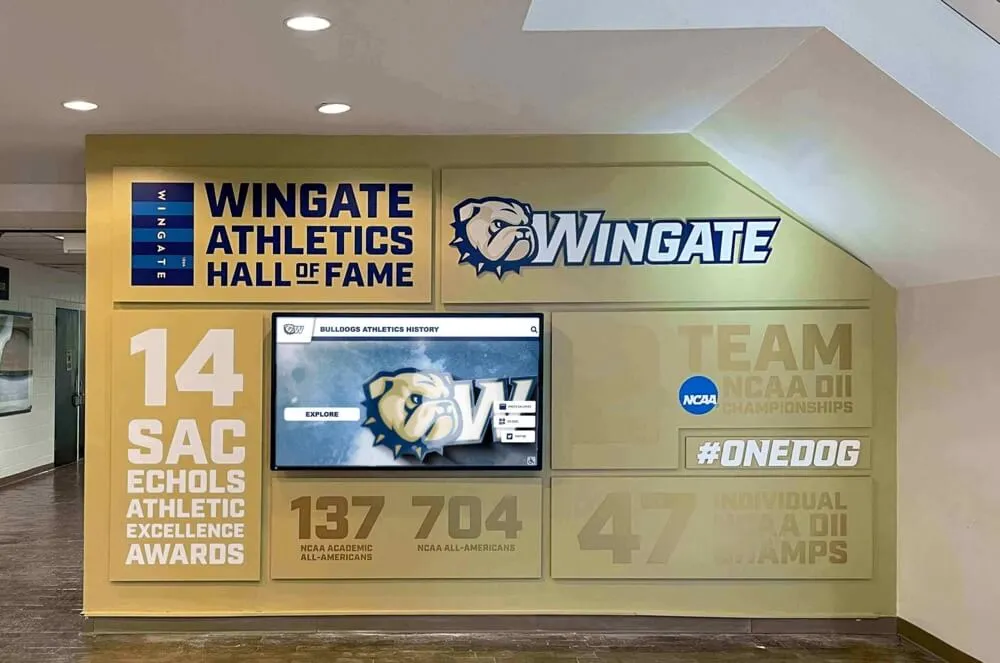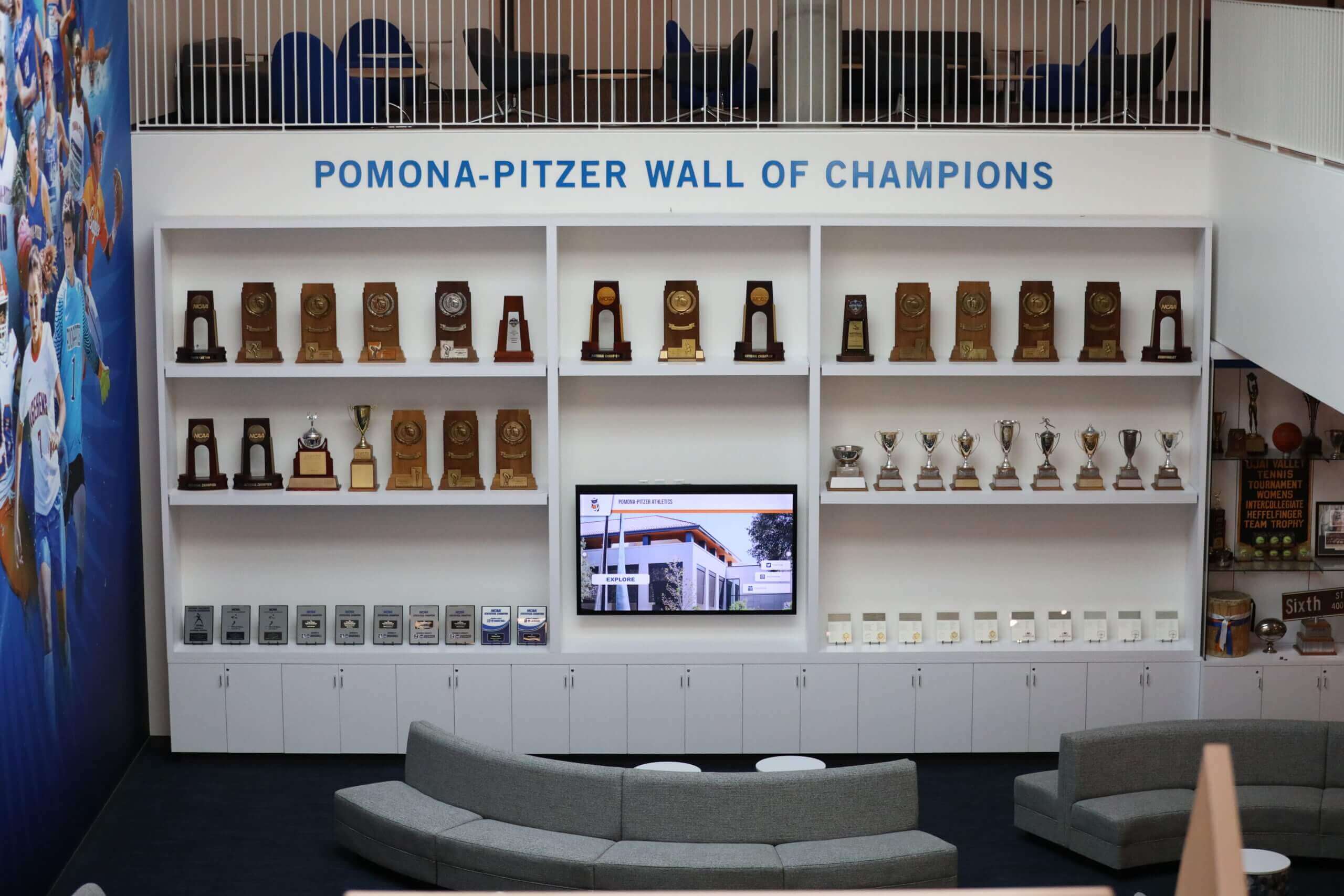




End-of-year athletic awards represent the culmination of months of dedication, sacrifice, and achievement across all sports programs. These celebrations honor the athletes who committed countless hours to practice, competition, and team building while recognizing the coaches, families, and communities supporting their journeys. Yet many athletic programs struggle to create awards ceremonies that feel meaningful, inclusive, and memorable for all participants—not just star performers who collect major trophies.
Walk into any spring athletic banquet and you’ll encounter predictable patterns: Most Valuable Player awards for top athletes, coach speeches recapping season highlights, team photo slideshows, and participation certificates for everyone else. While these traditional elements have value, they rarely create the memorable recognition experiences that make athletes feel genuinely seen and celebrated for their unique contributions throughout the season.
The challenge becomes particularly acute in comprehensive athletic programs serving hundreds of athletes across multiple sports and skill levels. How do you celebrate star performers without diminishing others? How do you recognize improvement alongside excellence? How do you honor diverse contributions—leadership, sportsmanship, dedication, team chemistry—when traditional award structures emphasize only statistical achievement and competitive success?
This comprehensive guide provides systematic frameworks for planning sport end-of-year awards that honor every athlete appropriately while creating memorable celebrations strengthening athletic culture and motivating continued excellence across all programs.
Sport end-of-year awards serve multiple strategic objectives beyond simple season conclusion—they reinforce program values, motivate improvement for returning athletes, strengthen team chemistry, engage families and communities, and demonstrate institutional commitment to recognizing diverse forms of athletic excellence across all sports and participation levels.

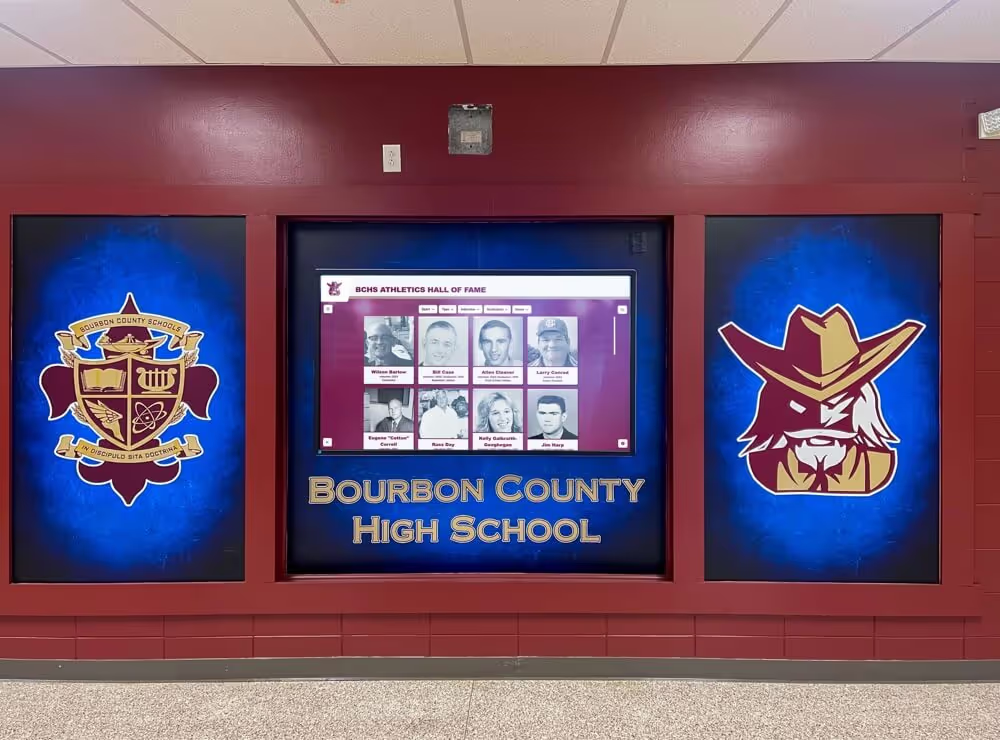
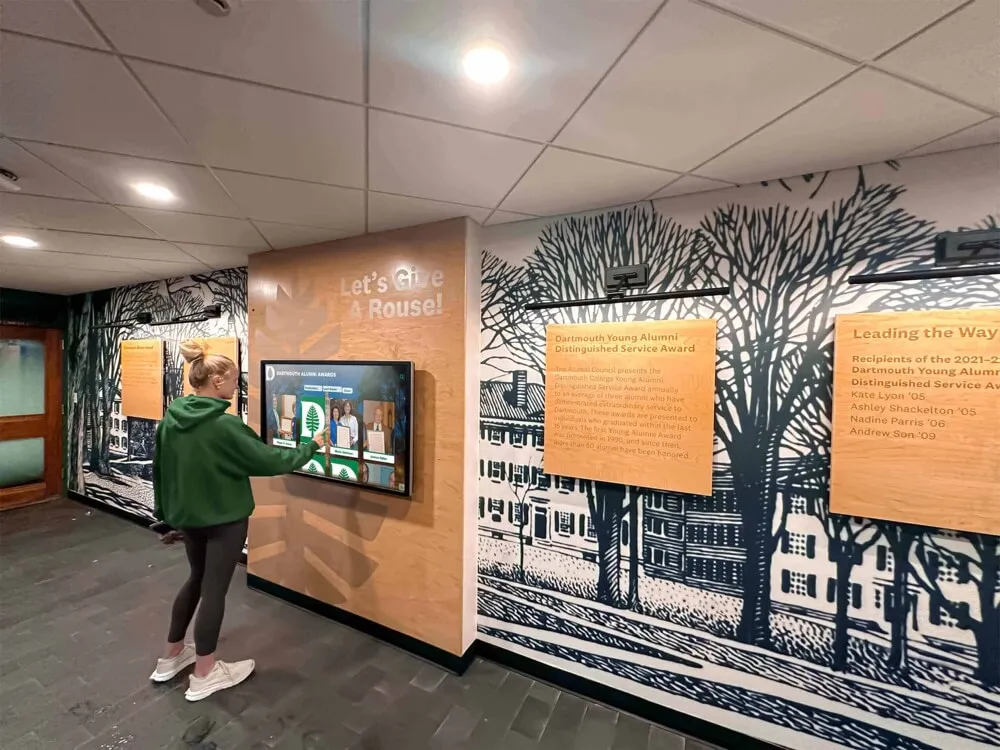
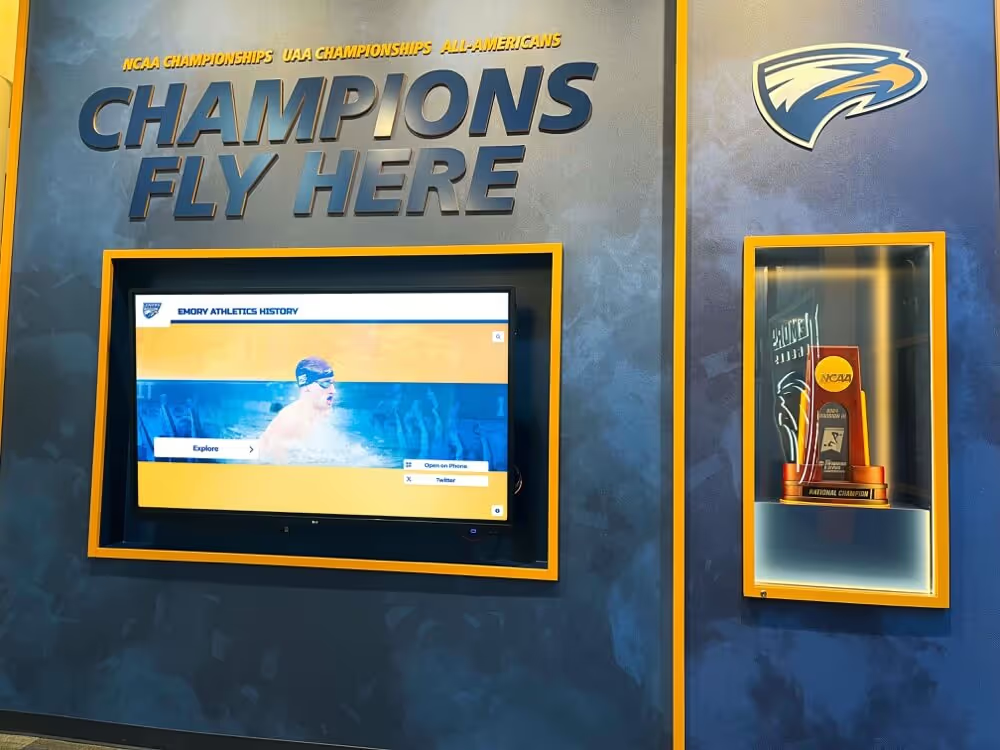
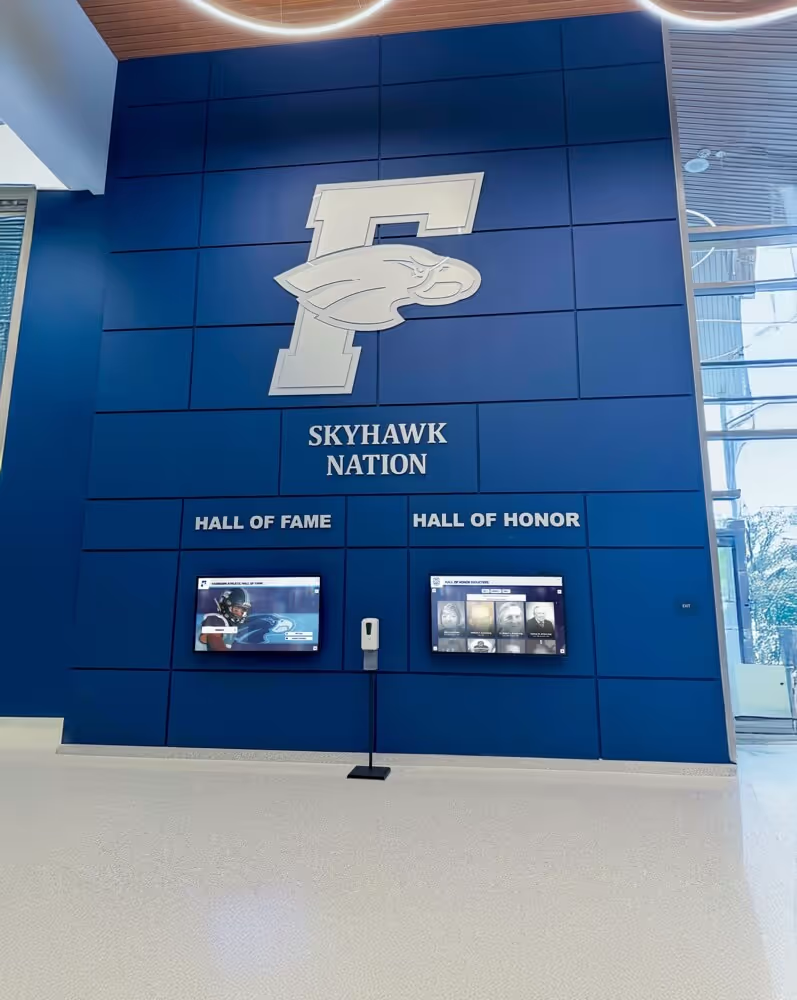
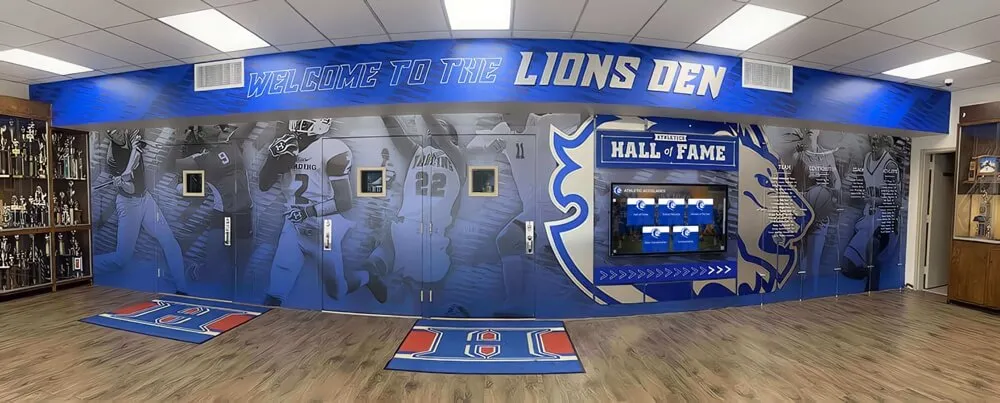
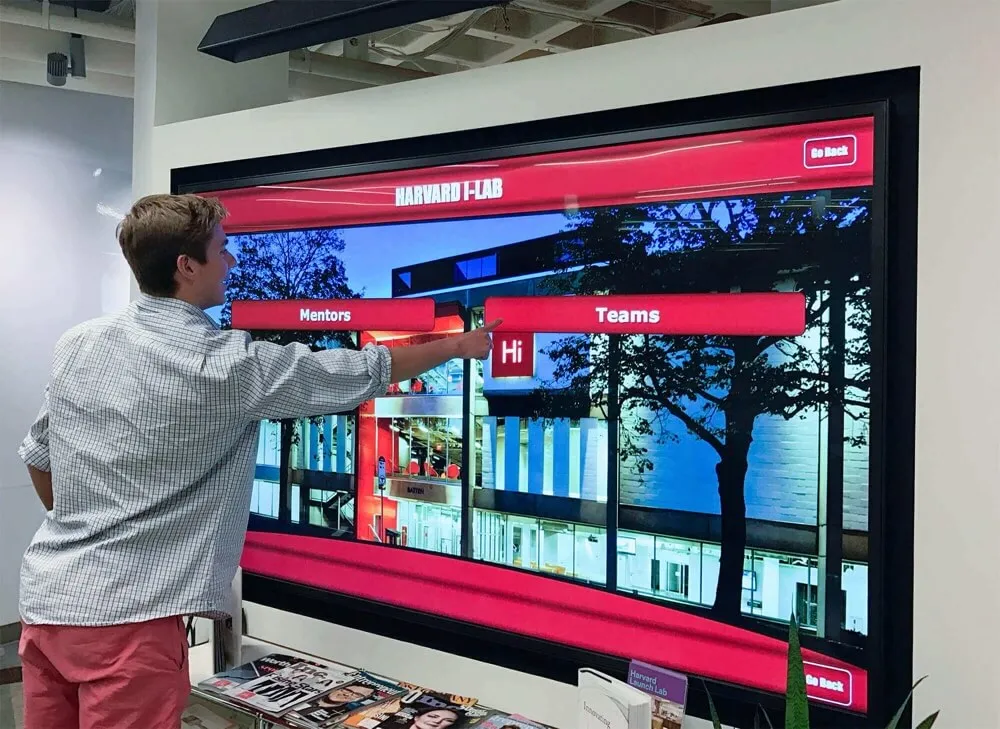
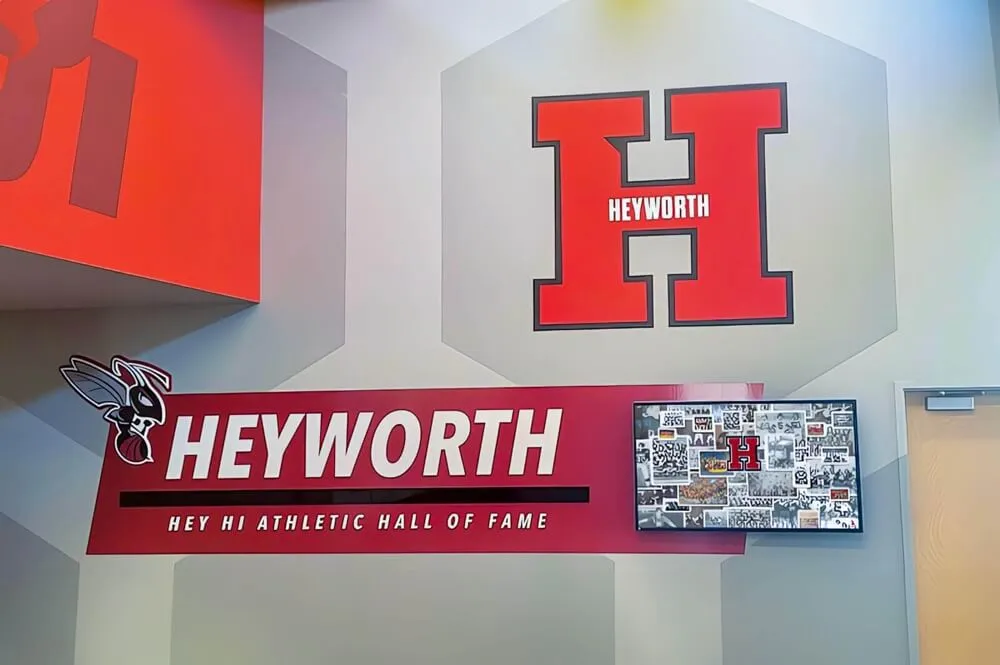
Comprehensive athletic recognition creates lasting traditions celebrating achievement across all sports and award categories
Understanding Sport End-of-Year Awards Philosophy
Before selecting specific award categories or planning banquet logistics, athletic programs benefit from establishing clear recognition philosophy guiding all decisions about who gets honored, for what accomplishments, and through which award formats.
Core Objectives of Athletic Awards Programs
What Athletic Awards Should Accomplish
Effective end-of-year awards programs serve multiple interconnected purposes simultaneously:
Recognition Objectives
- Honor outstanding athletic performance and competitive excellence across all achievement levels
- Celebrate improvement and growth demonstrating dedication despite varying skill levels
- Acknowledge leadership contributions strengthening teams beyond individual statistics
- Recognize character and sportsmanship reflecting institutional values and athletic culture
- Honor consistent effort and dedication regardless of playing time or competitive outcomes
- Celebrate team chemistry contributions creating positive environments for all athletes
Cultural Objectives
- Reinforce program values defining what your athletic culture celebrates beyond just winning
- Motivate continued commitment from returning athletes seeing visible pathways to recognition
- Strengthen team cohesion through shared celebration of diverse contributions
- Engage families and communities in athletic program traditions and values
- Build lasting memories connecting athletes to programs and institutional identity
- Create traditions athletes remember long after graduation and competitive careers end
Strategic Objectives
- Demonstrate equity across all sports avoiding disproportionate recognition for certain programs
- Increase athlete retention through visible appreciation and meaningful belonging
- Support recruiting by showcasing comprehensive recognition philosophy valuing all athletes
- Strengthen donor and booster engagement through meaningful stewardship of athletic support
- Document achievement and contribution creating lasting institutional athletic memory
Clear objectives prevent award programs from becoming perfunctory obligations or participation trophy exercises lacking genuine meaning for athletes and families investing significant time and resources in athletic programs throughout competitive seasons.
Discover comprehensive approaches in athletic recognition programs guide with systematic frameworks for celebrating diverse achievement dimensions.
Balancing Excellence and Inclusion
Athletic awards programs face inherent tension between celebrating exceptional performance and recognizing broad participation—both legitimate objectives requiring careful balance.
The Recognition Spectrum Challenge
At one extreme, programs recognizing only top statistical performers or championship contributors create exclusivity that discourages athletes without elite talent. Many athletes contribute meaningfully through dedication, improvement, leadership, and team chemistry despite never becoming stars—these contributions deserve appropriate recognition motivating continued engagement.
At the opposite extreme, programs giving identical recognition to all participants regardless of achievement level or contribution quality dilute meaning for athletes who genuinely excelled through exceptional performance, dedication, or growth. When everyone receives the same awards, recognition loses motivational power and fails to reinforce performance excellence as valued program objective.
Tiered Recognition Strategies
Effective programs establish clear award tiers with appropriate differentiation:
Tier 1: Elite Performance Recognition - Limited to truly exceptional achievement
- Most Valuable Player awards (1-2 per team maximum)
- Championship MVP recognition for tournament excellence
- Statistical excellence awards for measurable dominance
- All-conference and all-state acknowledgment
- School record-breaking performance recognition
Tier 2: Significant Contribution Recognition - Broader but still meaningful achievement
- Most Improved Player celebrating dramatic growth
- Outstanding Leadership recognizing team-building contributions
- Coaches’ Awards for consistent excellence and character
- Defensive Player awards honoring specialized excellence
- Hustle and Dedication awards for consistent effort
- Team Spirit awards celebrating positive culture contributions
Tier 3: Universal Participation Acknowledgment - Inclusive baseline recognition
- Season completion certificates or participation awards
- Team photo opportunities for all athletes
- Inclusion in team rosters and season documentation
- Recognition during team celebrations and banquets
- Photo galleries and season highlight videos including all athletes
This tiered structure enables programs to celebrate exceptional achievement significantly while ensuring all participants receive appropriate acknowledgment for their commitment and contributions to athletic programs throughout competitive seasons.
Explore balanced recognition in team recognition programs guide demonstrating inclusive excellence frameworks.
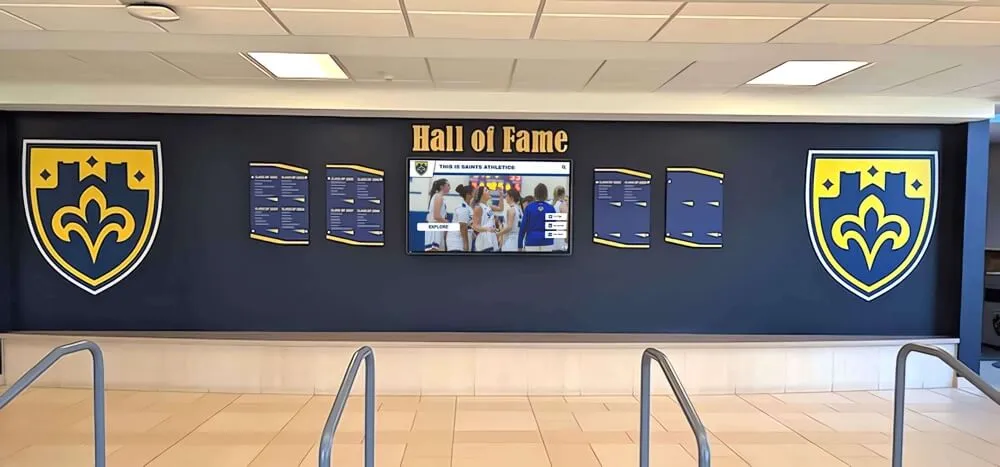
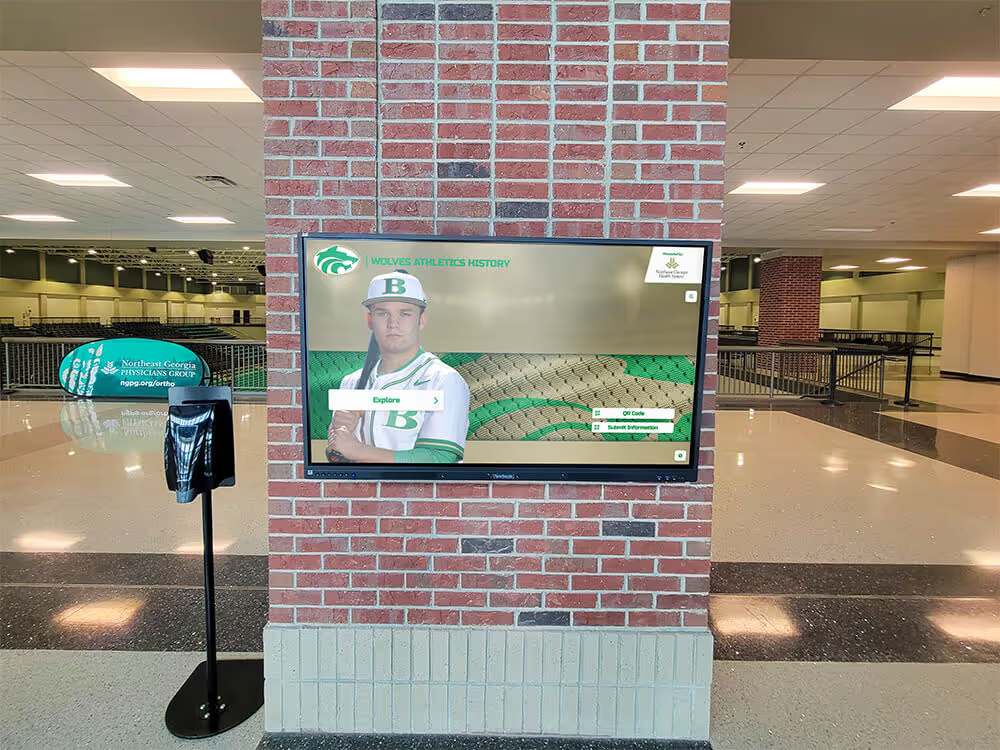
Tiered recognition systems honor exceptional achievement while celebrating broad participation across all athletic programs
20 Creative Sport End-of-Year Award Ideas
Beyond traditional MVP and Most Improved awards, comprehensive athletic programs can implement diverse recognition categories celebrating varied contributions and achievement dimensions across all sports and athlete profiles.
Performance Excellence Awards
1. Most Valuable Player Award The classic recognition honoring the single athlete contributing most significantly to team success through outstanding performance, leadership, and competitive excellence. Limit to one or two recipients per team maintaining award prestige and significance.
2. Statistical Excellence Recognition Sport-specific awards celebrating measurable dominance: leading scorer in basketball, strikeout leader in baseball, assists leader in soccer, fastest times in track, or similar quantifiable achievements demonstrating consistent performance excellence throughout entire competitive seasons.
3. Championship Game MVP Specific recognition for athletes delivering exceptional performance during most important competitions—state tournament games, conference championship matches, or playoff contests where competitive stakes and pressure reached highest levels requiring extraordinary performance under intense circumstances.
4. Clutch Performer Award Recognition for athletes consistently delivering best performance when games mattered most—late-game heroics, tournament excellence, rivalry game standouts, or athletes whose performance elevated during highest-pressure situations demonstrating mental toughness and competitive character.
Discover performance recognition in all-state athlete digital displays celebrating elite competitive achievement.
Growth and Development Awards
5. Most Improved Player Award Essential recognition celebrating athletes demonstrating greatest performance growth from season beginning to conclusion. This award proves particularly meaningful for younger athletes developing skills, bench players earning increased opportunities, or athletes overcoming injuries or confidence challenges through dedicated improvement efforts.
6. Breakout Athlete Recognition Specific acknowledgment for athletes whose emergence exceeded all expectations—freshmen making immediate varsity impact, reserves becoming starters through exceptional development, or athletes whose dramatic improvement altered team dynamics and competitive capabilities significantly during seasons.
7. Skill Development Excellence Recognition for athletes most dedicated to developing specific technical skills through additional training, coaching, and deliberate practice. Celebrates commitment to craft improvement beyond mandatory team practices demonstrating genuine passion for athletic excellence and continuous personal development.
Leadership and Character Awards
8. Team Captain Award Recognition for designated team leaders fulfilling captain responsibilities throughout seasons—representing team interests, communicating between coaches and athletes, setting practice and competitive standards, maintaining team morale during challenges, and embodying program values through consistent example on and off competition fields.
9. Best Teammate Award Peer-nominated recognition celebrating athletes who made everyone around them better through encouragement, mentorship, positive attitude, selflessness, and genuine care for team success over individual statistics. Often proves most meaningful award demonstrating respect from teammates who compete alongside recipients daily.
10. Outstanding Sportsmanship Recognition Awards honoring athletes consistently demonstrating grace, respect, and character through competition and practice. Celebrates athletes who compete fiercely while maintaining integrity, respect opponents and officials, handle adversity with composure, and represent programs with dignity regardless of competitive outcomes.
11. Leadership Excellence Award Recognition extending beyond captain designation to honor athletes who led through example, influenced team culture positively, mentored younger athletes, maintained standards during adversity, or demonstrated other leadership qualities strengthening programs throughout seasons even without formal leadership titles or positions.
Learn leadership recognition approaches in team captain digital recognition celebrating various leadership contributions.
Dedication and Commitment Awards
12. Perfect Attendance Award Recognition for athletes attending every practice, competition, and team obligation throughout entire seasons. Celebrates consistency and reliability coaches depend upon while demonstrating commitment level required for sustained athletic excellence and team success across long competitive seasons.
13. Hustle and Effort Award Honors athletes consistently demonstrating maximum effort regardless of circumstances—diving for loose balls, running down lost causes, maintaining intensity during lopsided contests, practicing with purpose, and displaying work ethic inspiring teammates through consistent commitment to excellence in every situation.
14. Ironman/Ironwoman Award Recognition for athletes playing most minutes, competing in most events, or maintaining highest participation rates throughout seasons. Celebrates durability, conditioning, and willingness to meet competitive demands coaches placed upon them across entire campaigns requiring sustained physical and mental commitment.
Specialized Excellence Awards
15. Defensive Player of the Year Sport-specific recognition celebrating excellence in defensive play—shut-down defenders in basketball, ball-winning midfielders in soccer, shutdown corners in football, or catchers controlling games in baseball. Honors athletes whose contributions may not appear in traditional statistical highlights but proved essential to competitive success.
16. Unsung Hero Award Recognition for athletes whose contributions proved essential to team success despite occurring away from spotlight—scout team players preparing starters for competition, reserves maintaining practice intensity, players accepting role changes for team benefit, or athletes sacrificing personal statistics for team strategies and collective success.
17. Best Newcomer Award Specific recognition for first-year program participants making significant contributions despite being new to teams. Celebrates successful onboarding, rapid skill development, and immediate positive impact on team culture and competitive capabilities from athletes without previous program experience or relationships.
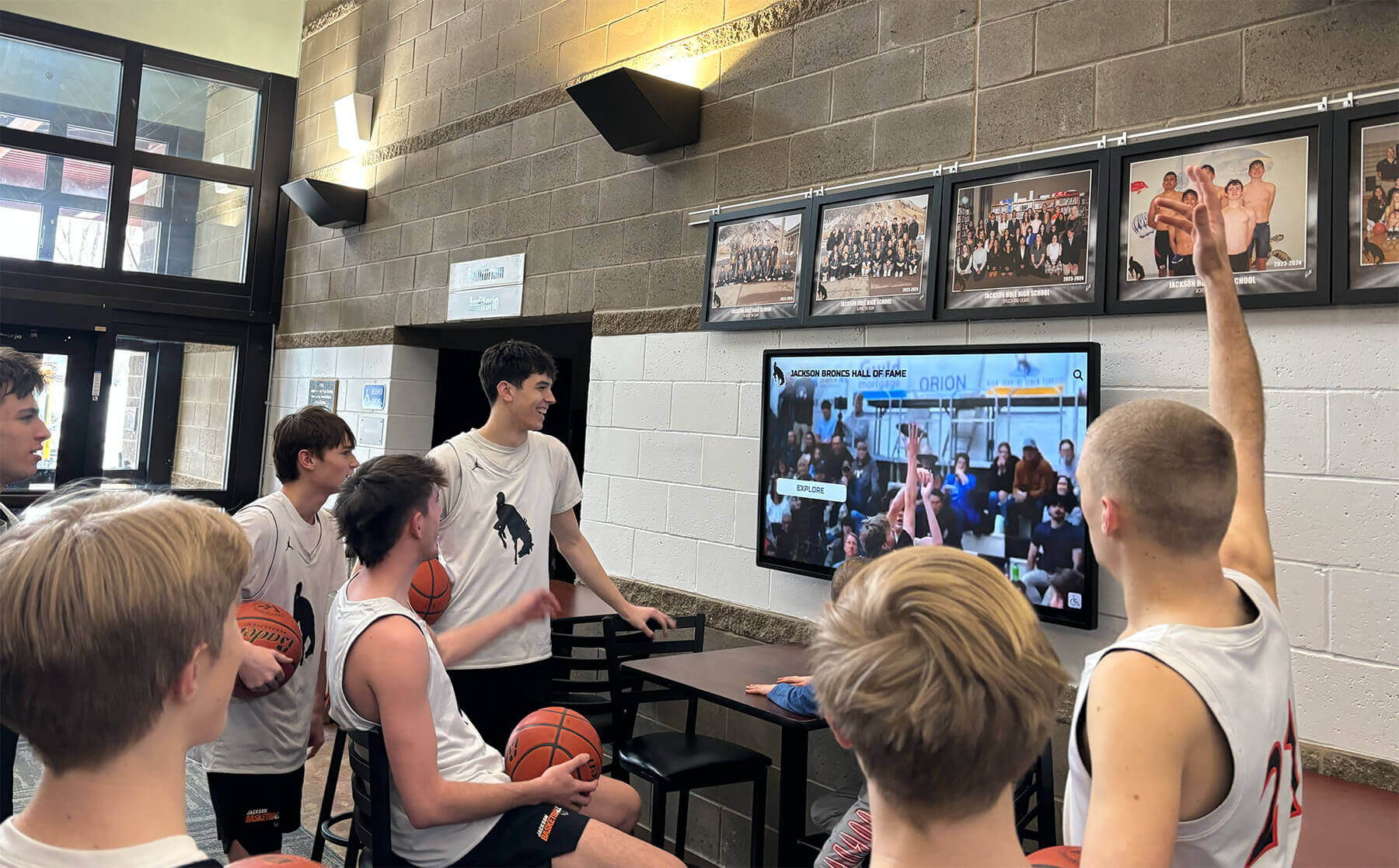
Modern recognition programs create engaging experiences celebrating diverse athlete contributions throughout competitive seasons
Fun and Personality Awards
18. Team Spirit Award Recognition for athletes bringing positive energy, maintaining morale through adversity, celebrating teammate success enthusiastically, and creating enjoyable team culture making seasons memorable beyond competitive outcomes. Honors athletes whose presence made participation more enjoyable and meaningful for all team members.
19. Mental Toughness Award Specific recognition for athletes consistently demonstrating resilience, composure, and confidence through challenges—overcoming injuries, handling competitive pressure, maintaining focus through adversity, or displaying psychological strength contributing to team success during difficult situations throughout seasons.
20. Best All-Around Athlete Recognition for multi-sport athletes demonstrating excellence across different competitive contexts. Celebrates athletic versatility, year-round commitment to school athletics, and contributions across multiple programs strengthening overall athletic culture and demonstrating comprehensive athletic ability beyond specialized sport-specific achievement.
Scholar-Athlete Recognition
While not exclusively performance-based, comprehensive athletic awards should acknowledge academic excellence alongside competitive achievement:
- Academic All-Conference/All-State Recognition - Official conference or state athletic association academic achievement honors
- Team GPA Leaders - Athletes maintaining highest grade point averages while fulfilling athletic commitments
- Academic Improvement Recognition - Athletes demonstrating greatest academic growth throughout seasons
- Scholar-Athlete Awards - Combined recognition celebrating excellence in both academic and athletic pursuits
Discover academic athletic recognition in student-athlete academic achievement displays with comprehensive frameworks.
Planning End-of-Year Athletic Awards Ceremonies
Award categories provide substance, but effective ceremony planning creates memorable experiences making recognition meaningful for athletes, families, and communities supporting athletic programs throughout competitive seasons.
Timing and Scheduling Considerations
Season-Specific vs. All-Sports Banquet Decisions
Individual Sport Banquets - Dedicated celebrations for each sport separately
- Advantages: Sport-specific focus, detailed season recap, intimate team atmosphere, flexible scheduling
- Disadvantages: Attendance burden for multi-sport families, administrative complexity, venue costs, senior recognition repetition
Combined All-Sports Banquets - Comprehensive celebration honoring all athletic programs simultaneously
- Advantages: Unified athletic community, simplified family schedules, demonstrates program equity, cost efficiency
- Disadvantages: Length challenges with many athletes, reduced sport-specific detail, logistical complexity, generic atmosphere
Hybrid Approaches - Seasonal banquets (fall/winter/spring sports) balancing intimacy with efficiency
- Advantages: Manageable ceremony length, seasonal cohort bonding, administrative balance, scheduling efficiency
- Disadvantages: Multi-season athlete overlap, coordination complexity, variable attendance patterns
Most programs adopt hybrid approaches matching their specific circumstances—school size, facility constraints, athletic culture preferences, administrative capacity, and family community expectations for recognition traditions and seasonal celebration patterns.
Venue Selection and Setup
Facility Options for Athletic Banquets
School Facilities - Gymnasiums, cafeterias, auditoriums, or athletic facility spaces
- Advantages: No rental costs, familiar environments, easy access for students and families
- Disadvantages: Institutional feel, setup and cleanup burden, limited amenities, potential aesthetic challenges
External Venues - Restaurants, banquet halls, community centers, or country clubs
- Advantages: Professional atmosphere, full-service setup and catering, special occasion feeling
- Disadvantages: Rental costs, transportation logistics, availability constraints, less intimate connection
Creative Alternatives - Outdoor spaces, field/court-centered events, or non-traditional locations
- Advantages: Unique memorable experiences, athletic setting authenticity, budget flexibility
- Disadvantages: Weather contingencies, limited amenities, audio-visual challenges, accessibility concerns
Setup Considerations
Regardless of venue, effective ceremony spaces include:
- Clear sight lines ensuring all attendees see presentations and recognize recipients
- Quality audio systems enabling all speakers to be heard clearly
- Professional lighting creating appropriate atmosphere and photo opportunities
- Display areas showcasing team photos, season highlights, or championship trophies
- Reception spaces enabling social interaction before or after formal ceremonies
- Appropriate seating accommodating all athletes, families, coaches, and guests comfortably
Program Structure and Flow
Effective Ceremony Components
Successful athletic awards ceremonies balance recognition substance with reasonable duration preventing family and athlete fatigue while maintaining engagement throughout entire programs.
Opening Elements (15-20 minutes)
- Welcome from athletic director or principal establishing ceremony purpose
- Reflection on season themes and program accomplishments across all sports
- Recognition of coaches, support staff, and volunteers supporting athletic programs
- Special acknowledgments for retiring coaches, significant milestones, or major achievements
Sport-by-Sport Recognition (5-10 minutes per sport)
- Brief season recap highlighting memorable moments and team accomplishments
- Coach remarks on team development and individual athlete contributions
- Award presentations following predetermined categories and selection criteria
- Photo opportunities for recipients and teams together
Special Recognition Segments (10-15 minutes)
- Academic achievement honors across all athletic programs
- All-conference and all-state athlete acknowledgments
- Senior athlete recognition celebrating careers and future plans
- Distinguished alumni athlete or special guest remarks when appropriate
Closing Elements (5-10 minutes)
- Reflection on common themes and values across all sports and athletes
- Preview of upcoming seasons and program developments
- Final appreciation for family and community support throughout year
- Dismissal to reception or social time enabling continued celebration
Total duration should typically not exceed 90-120 minutes for single-sport banquets or 2-3 hours maximum for comprehensive all-sports celebrations maintaining audience engagement while honoring all deserving athletes and teams appropriately.
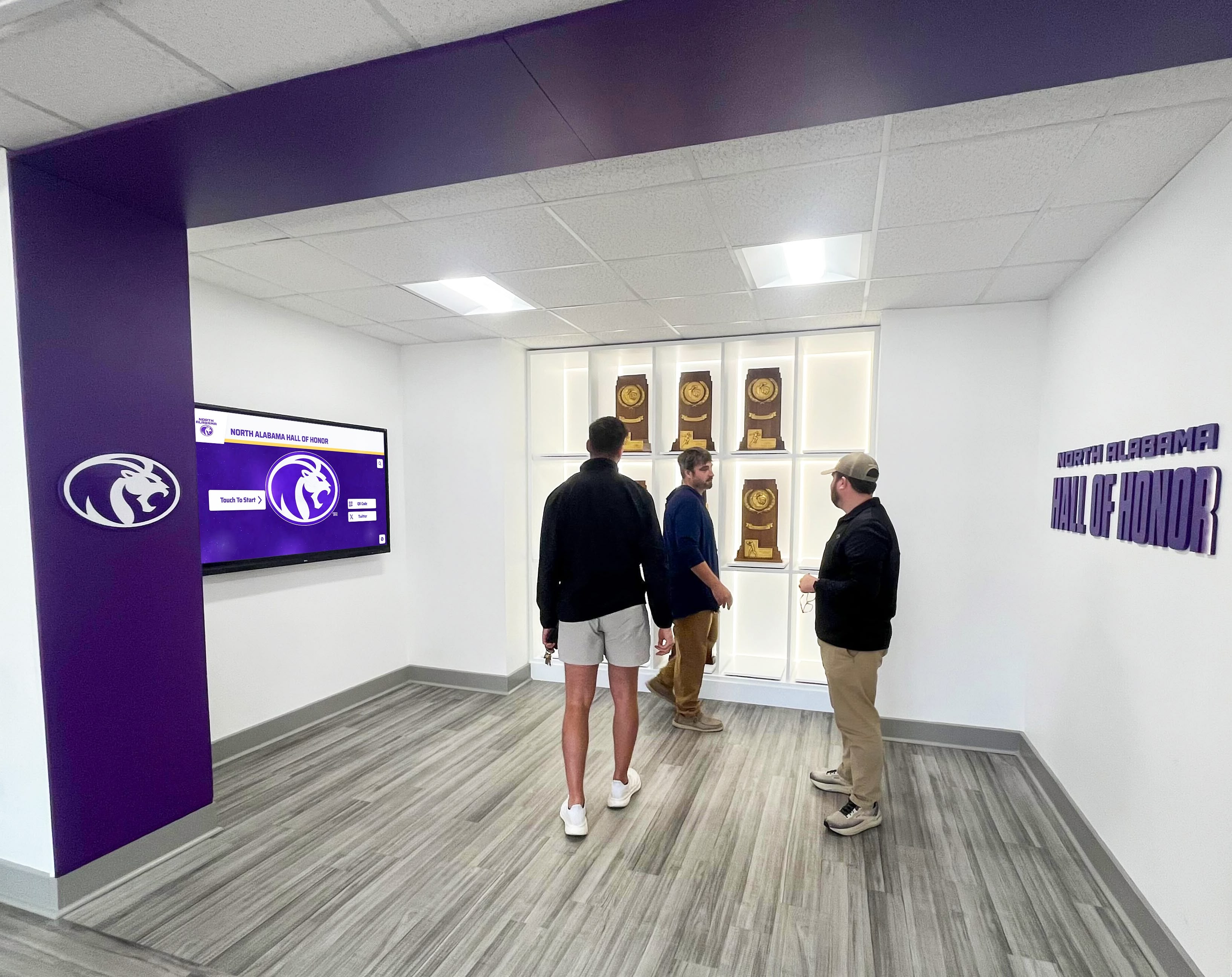
Professional ceremony environments create memorable recognition experiences honoring athletic achievement appropriately
Award Selection Processes and Criteria
How programs determine award recipients significantly impacts perceived fairness, motivational effectiveness, and overall credibility of recognition systems among athletes, coaches, and families participating in athletic programs.
Coach-Determined Awards
Traditional Coach Selection Approach
Most athletic programs vest primary award selection authority in coaching staff who observed athletes throughout entire seasons and understand context informing contribution evaluation.
Coach Selection Advantages
- Deep knowledge of daily practice effort and team dynamics beyond visible game performance
- Understanding of contextual factors affecting athlete performance and contributions
- Ability to weight different achievement dimensions appropriately for specific sport contexts
- Authority reinforcing coach-athlete relationships and coaching staff judgment credibility
Coach Selection Challenges
- Potential bias toward preferred athletes or playing styles affecting perception of fairness
- Limited perspective missing insights visible to assistant coaches or support staff
- Relationship dynamics potentially influencing recognition beyond pure merit considerations
- Lack of transparent criteria creating questions about selection processes and decisions
Best Practices for Coach-Determined Awards
Effective coach selection processes include:
- Clear criteria definition - Establish specific achievement or contribution standards for each award
- Multi-coach deliberation - Involve full coaching staff in discussions preventing individual bias
- Season-long observation - Consider complete seasons rather than recent performance recency bias
- Documentation - Track statistics, observations, and contribution evidence supporting decisions
- Transparent communication - Share general selection criteria helping athletes understand recognition factors
Peer-Nominated Awards
Team-Selected Recognition Categories
Certain awards gain particular meaning when teammates vote for recipients rather than coaches making unilateral selections.
Appropriate Peer-Nominated Awards
- Best Teammate recognition celebrating qualities athletes observe daily
- Team Spirit awards honoring contributions teammates appreciate most
- Unsung Hero recognition identifying contributions teammates value that statistics miss
- Leadership awards acknowledging influence and respect beyond formal captain titles
Peer Nomination Process Design
Effective team voting processes include:
- Clear category definitions - Explain what each peer-nominated award honors specifically
- Anonymous balloting - Enable honest voting without social pressure or popularity contests
- Vote facilitation - Guide process preventing popularity contests focused on genuinely relevant criteria
- Coach guidance - Frame voting around program values rather than pure friendship popularity
- Result confidentiality - Share winners without publicizing vote tallies preventing embarrassment
Peer-nominated awards prove particularly meaningful to recipients knowing recognition came from teammates who shared competitive and practice experiences throughout entire seasons, competed alongside them daily, and witnessed contributions only team members fully appreciate and value.
Data-Driven Statistical Awards
Quantifiable Performance Recognition
Certain awards lend themselves to objective statistical determination eliminating subjective interpretation and ensuring transparent criteria-based selection.
Statistics-Based Award Categories
- Leading scorer or point producer across all competitions
- Statistical excellence in sport-specific categories—assists, rebounds, saves, strikeouts
- Consistency awards for athletes with most games meeting performance thresholds
- Attendance and participation metrics tracking reliability throughout seasons
- Academic performance for scholar-athlete recognition categories
Statistical Award Advantages
- Complete objectivity eliminating bias concerns and selection controversy
- Transparent criteria enabling athletes to track progress toward recognition
- Motivational clarity showing exactly what performance earns awards
- Documentation ease with verifiable records supporting all selections
Statistical Award Limitations
- Misses contributions statistics don’t capture—leadership, defense, team chemistry
- Can disadvantage athletes in complementary roles essential to success but statistics-light
- May reward volume over efficiency or team-oriented play over individual statistics
- Difficult to compare across varying competition levels or playing time distributions
Comprehensive programs balance objective statistical awards with subjective coach-determined and peer-nominated categories recognizing diverse contribution dimensions that complete athletic programs require for competitive success and positive team cultures.
Modern Recognition Formats Beyond Traditional Banquets
While formal awards ceremonies remain valuable traditions, comprehensive athletic programs increasingly supplement traditional banquets with additional recognition formats extending celebration reach and impact beyond single evening events.
Digital Recognition Displays
Year-Round Athletic Recognition Visibility
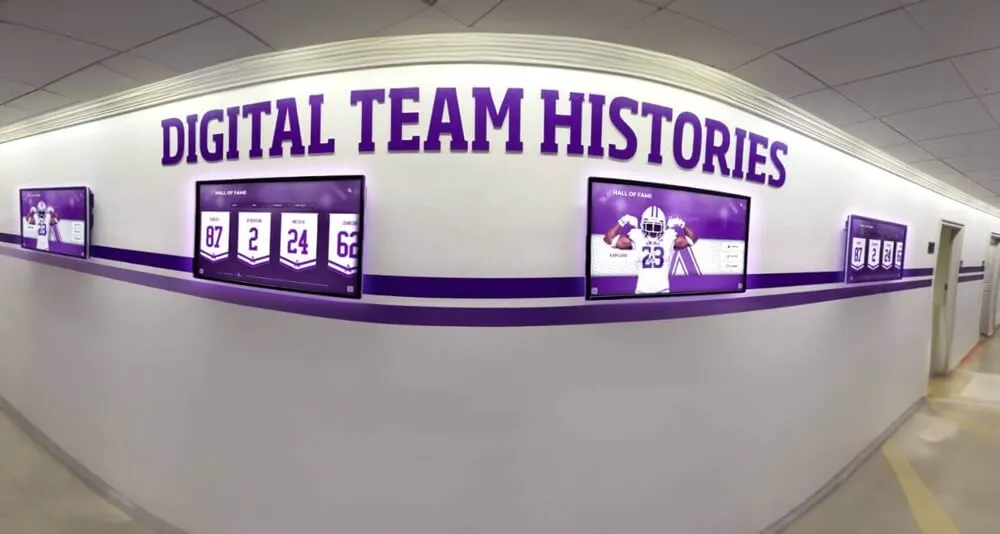
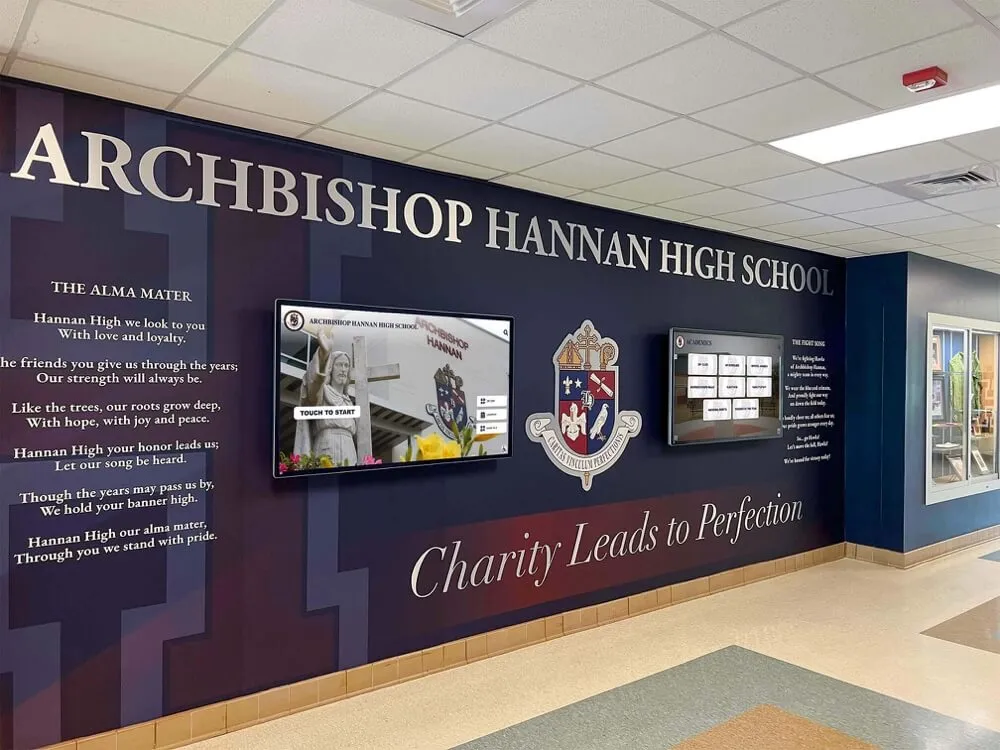
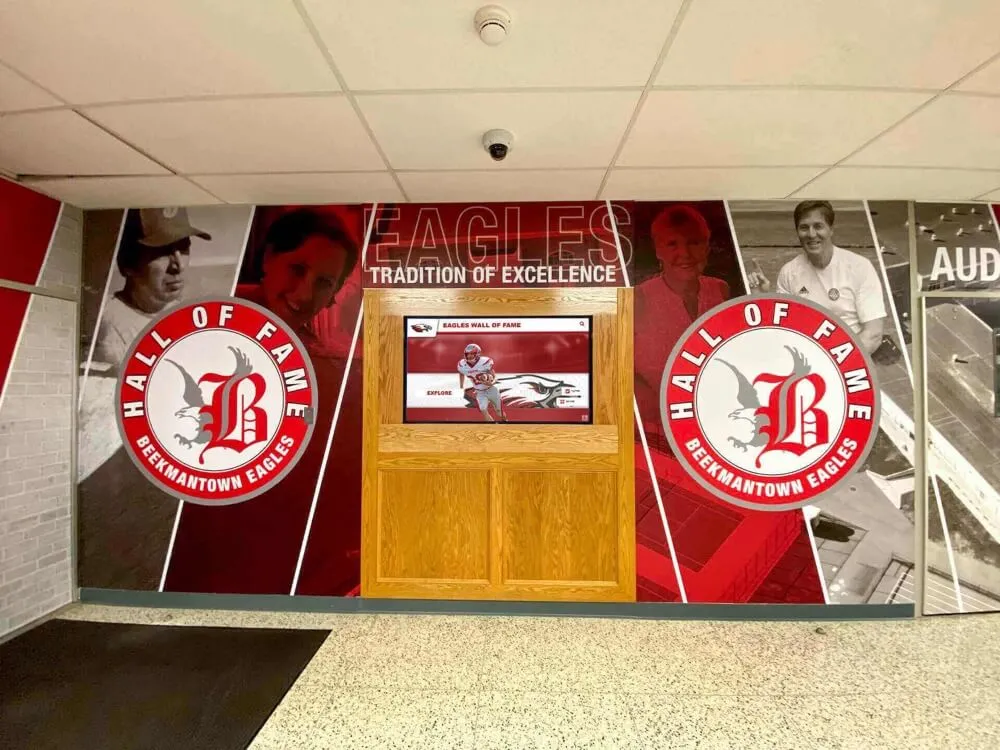
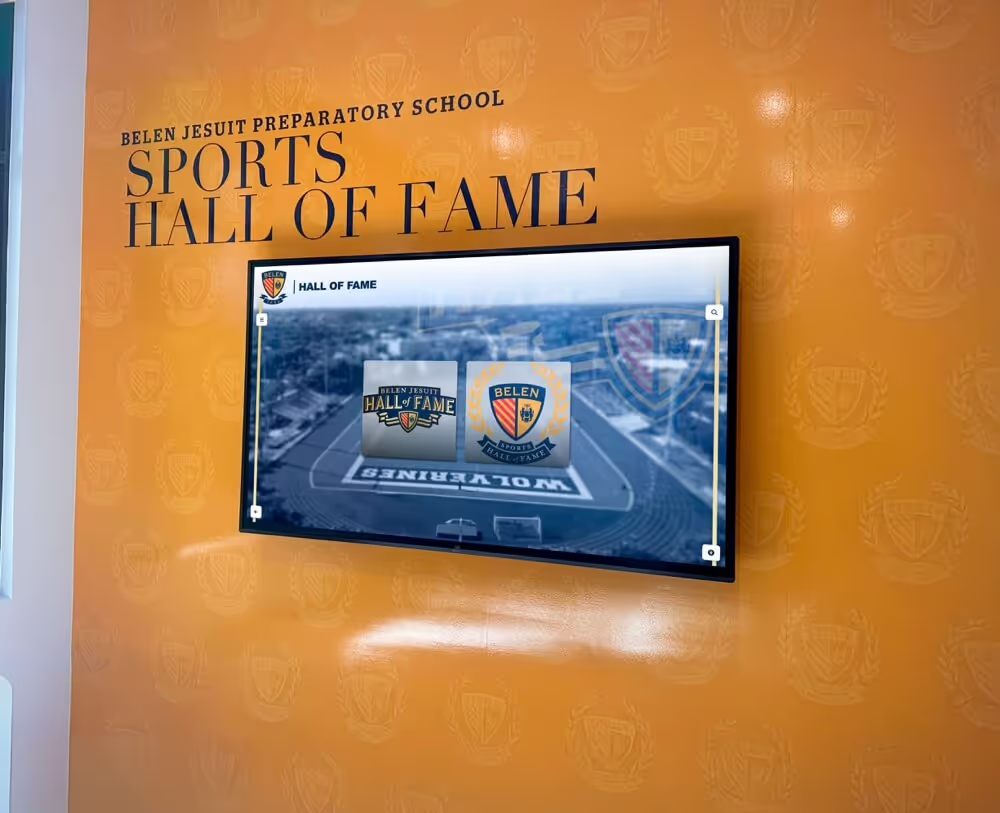
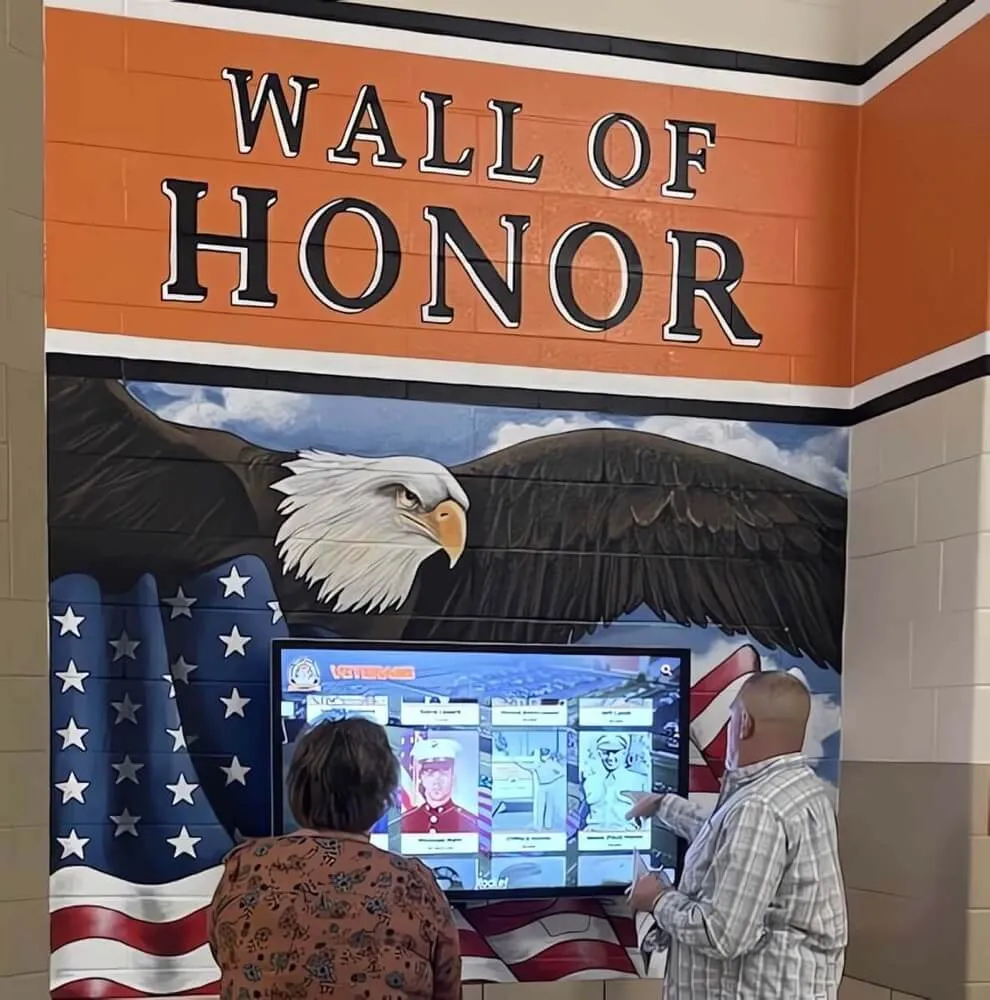
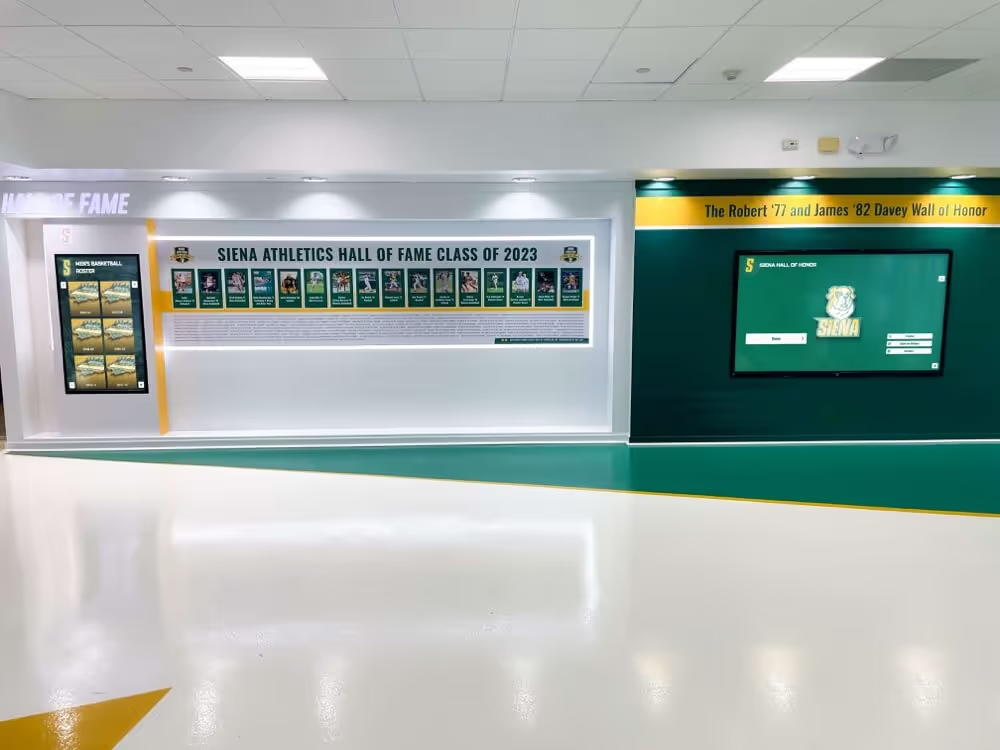
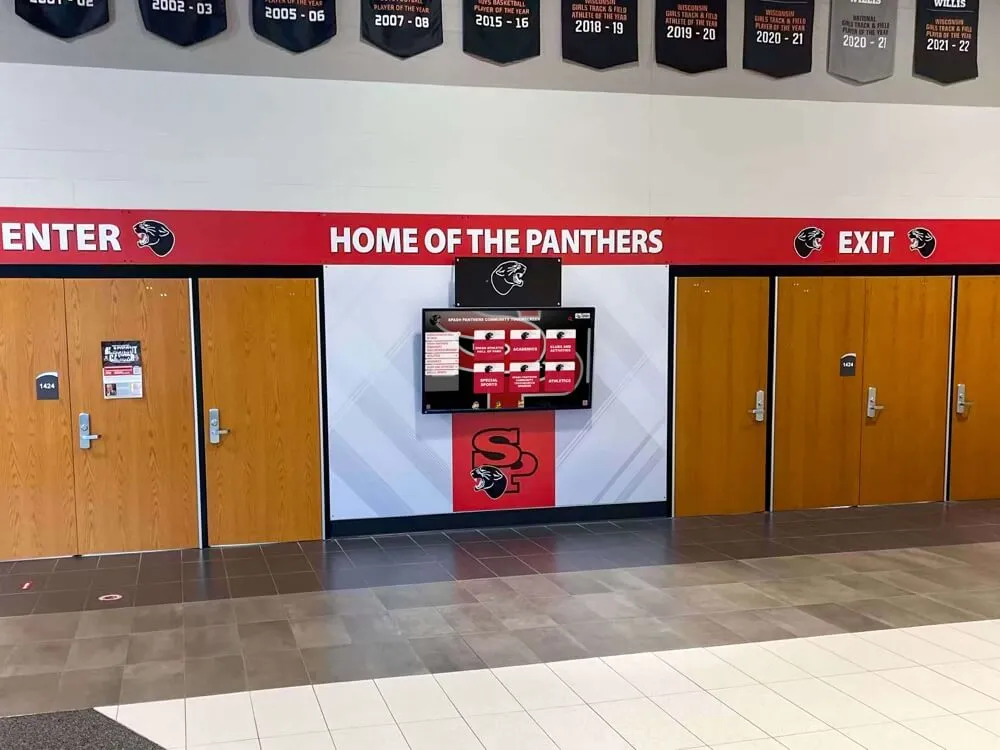
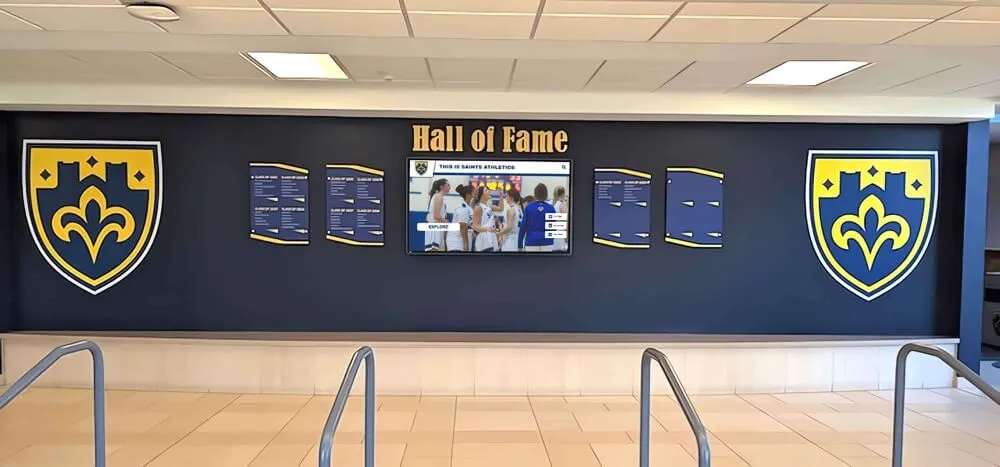
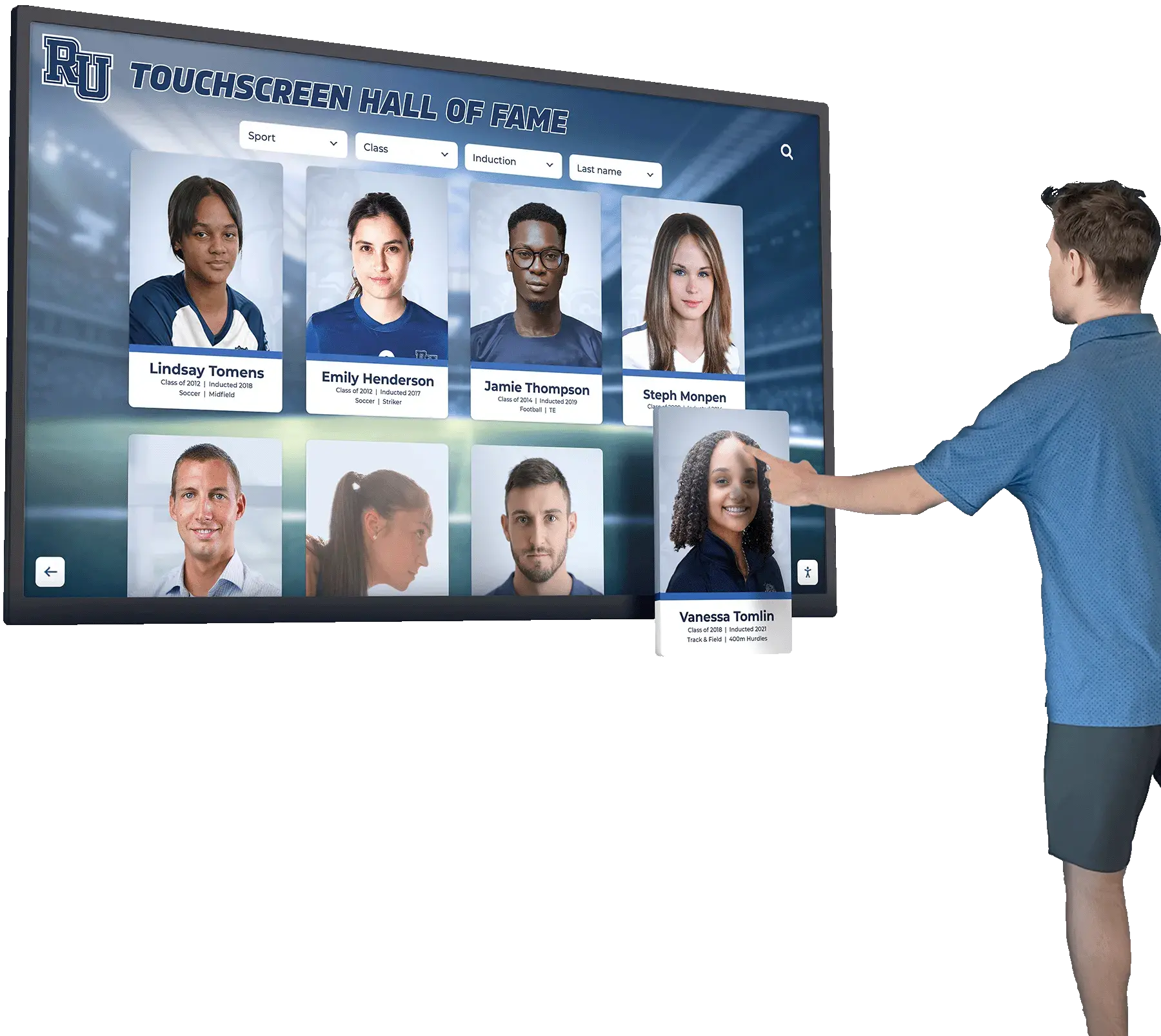
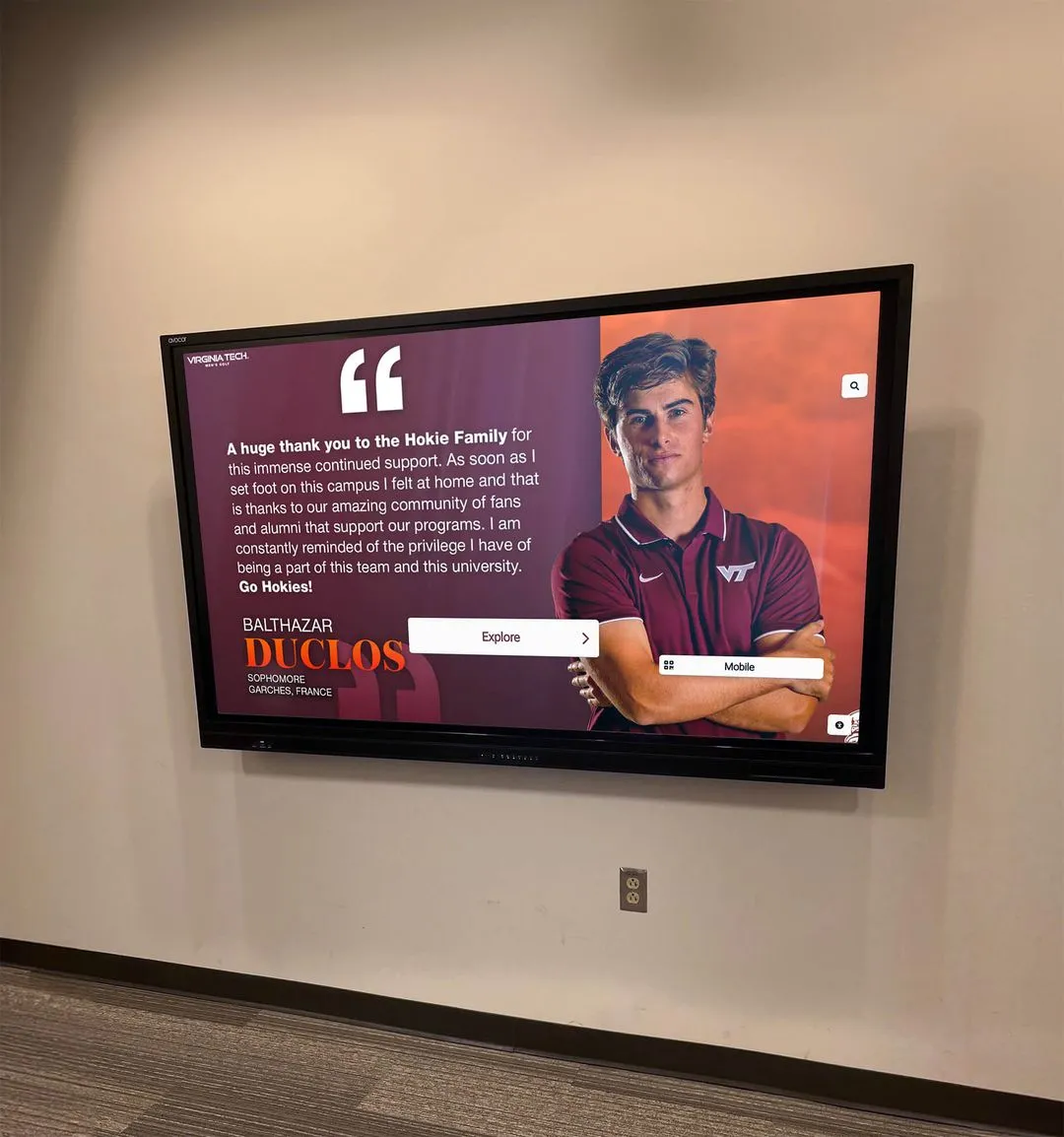
Solutions like Rocket Alumni Solutions enable athletic programs to showcase end-of-year award recipients through interactive digital displays providing sustained recognition extending far beyond brief mention during banquet ceremonies.
Digital Display Recognition Advantages
- Unlimited capacity displaying all award categories and recipients across all sports simultaneously
- Year-round visibility creating ongoing recognition rather than single-event acknowledgment
- Multimedia integration including photos, videos, statistics, and achievement context
- Web accessibility enabling families and communities to explore recognition remotely
- Searchable databases allowing easy discovery of specific athletes and achievements
- Social sharing capabilities amplifying recognition reach beyond school buildings
- Historical archives preserving recognition legacy across graduating classes and years
Athletic programs implementing digital recognition displays report displaying 5-10 times more award recipients than physical trophy case space allowed while creating engaging exploration experiences impossible with static traditional bulletin board recognition limited by physical space constraints.
Learn about digital athletic recognition systems transforming traditional award celebration approaches.

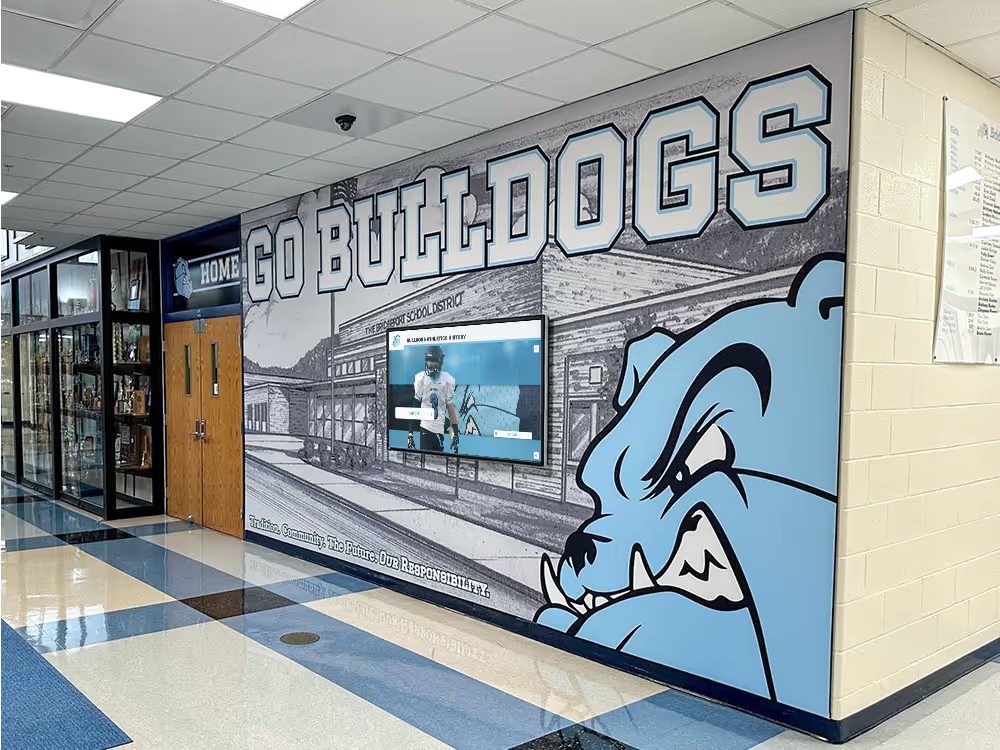
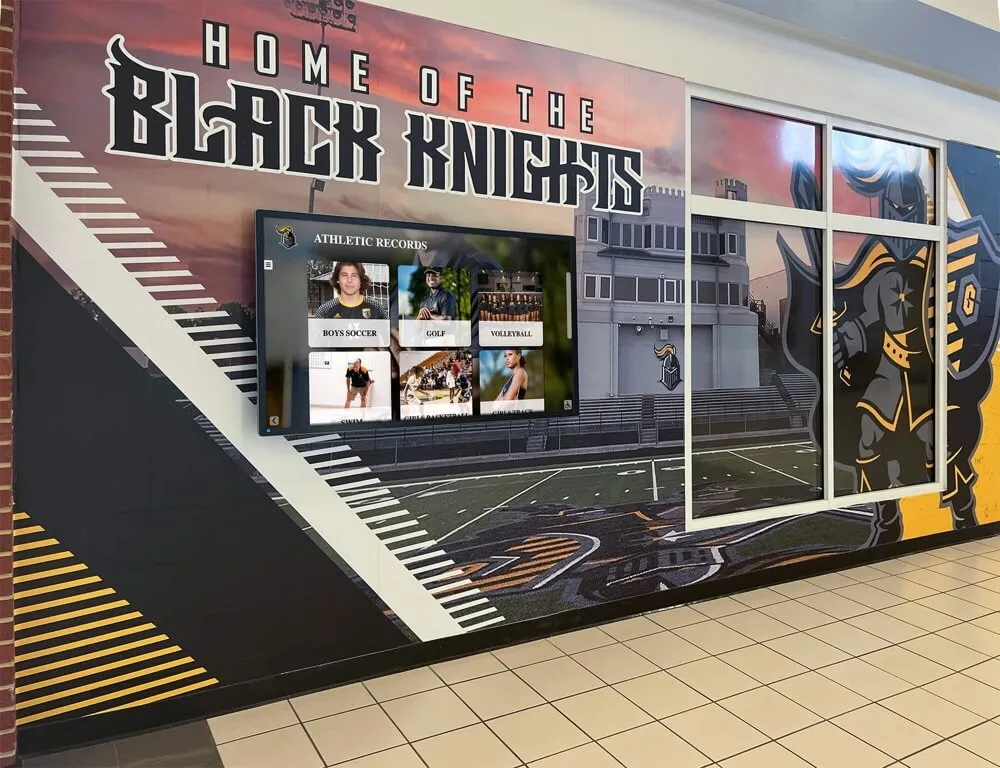
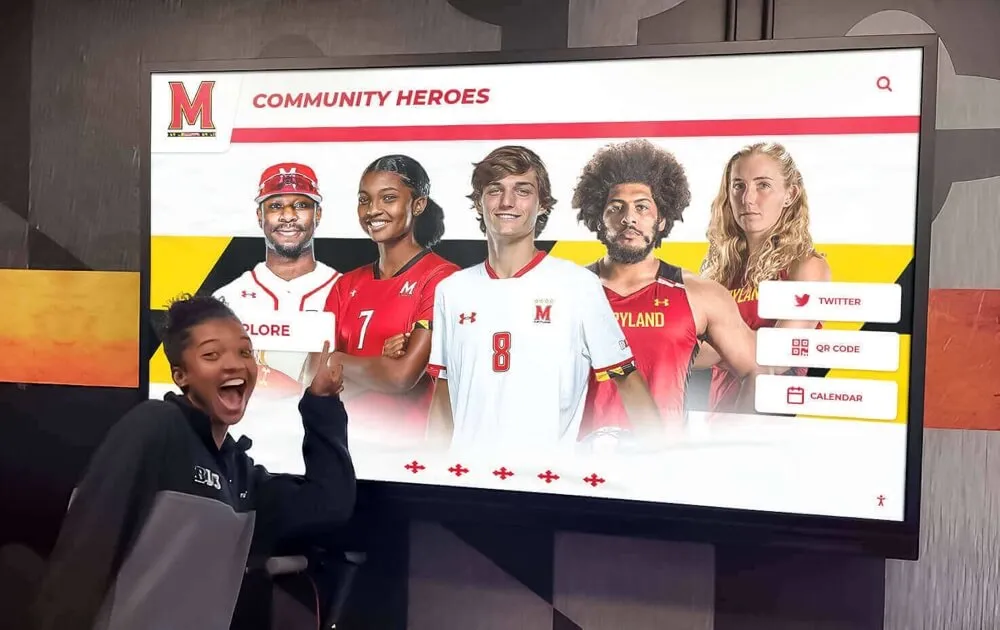
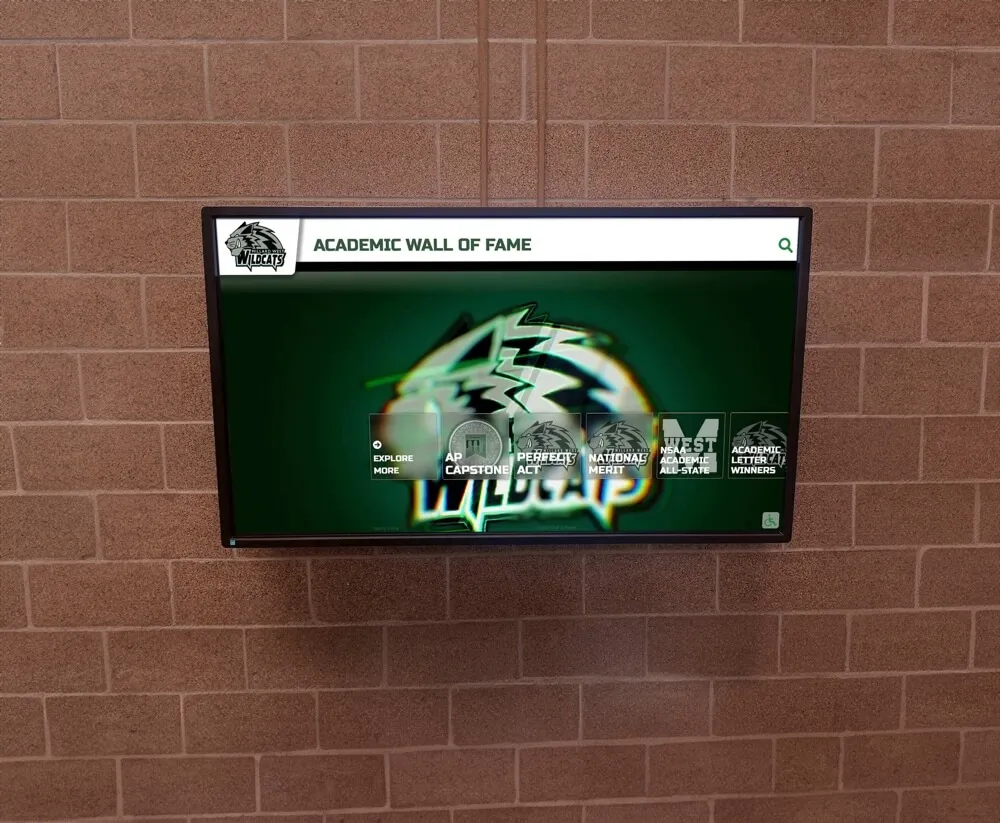
Interactive touchscreen displays enable comprehensive year-round recognition for all athletic awards and recipients
Social Media Recognition Campaigns
Amplifying Award Recognition Digitally
Social media platforms extend athletic award recognition beyond families attending banquets to broader school communities, prospective athletes, and extended networks.
Social Media Recognition Strategies
- Individual recipient announcement posts featuring photos and achievement descriptions
- Countdown series building anticipation before banquet ceremonies
- Live ceremony coverage through photos and short video clips during events
- Highlight reels showcasing award-winning performances throughout seasons
- Behind-the-scenes content showing selection processes and coach deliberations
- Recipient interviews or statements about what awards mean personally
- Alumni athlete engagement comparing current awards to historical recipients
Platform-Specific Approaches
- Instagram: Photo-focused recipient showcases with achievement summaries and team tags
- Twitter/X: Real-time ceremony updates and quick award announcements
- Facebook: Longer-form stories with detailed achievement descriptions
- YouTube: Video compilation of ceremony highlights and season retrospectives
- TikTok: Creative short-form content celebrating awards and athletes
- School Website: Comprehensive permanent records with complete recipient lists
Social media recognition proves particularly valuable for athletes whose families cannot attend ceremonies, multi-sport athletes splitting time between overlapping events, and creating documentary records preserving award recognition beyond fading ceremony memories over time.
Season-End Video Productions
Multimedia Recognition Presentations
Professional or semi-professional video productions create lasting artifacts celebrating seasons while recognizing award recipients in engaging formats athletes treasure long after competitive careers end.
Video Production Elements
- Season highlight reels showing memorable plays and defining moments
- Individual athlete recognition segments with performance highlights
- Coach commentary on athlete development and season achievements
- Behind-the-scenes footage showing practice dedication and team chemistry
- Award announcement reveals creating anticipation and celebration
- Senior athlete tribute sections honoring careers and contributions
- Championship celebration footage preserving ultimate competitive successes
These video productions serve multiple purposes simultaneously—ceremony presentations during banquets, social media content for ongoing recognition, recruiting materials showcasing program culture, and lasting keepsakes families treasure as athletes move beyond high school and youth sports careers.
Explore video recognition approaches in athletic highlight video guides demonstrating multimedia celebration strategies.
Creating Meaningful Physical Awards and Trophies
While digital recognition extends reach and engagement, tangible physical awards remain valued by athletes and families as visible symbols of achievement displayed in homes, offices, and personal spaces long after competitive seasons conclude.
Award Types and Formats
Physical Recognition Options
Traditional Trophies - Classic awards with bases, figures, and engraved plates
- Advantages: Tangible achievement symbols, display presence, traditional prestige
- Disadvantages: Cost for comprehensive programs, storage challenges, generic appearance
Custom Medals - Sport-specific or program-branded medallions with ribbons
- Advantages: Lower cost per recipient, unique designs, team distribution ease
- Disadvantages: Perceived value concerns, display limitations, similarity to participation medals
Plaques and Frames - Wall-mountable recognition with custom engraving
- Advantages: Home/office display suitability, professional appearance, personalization
- Disadvantages: Fragility during distribution, shipping challenges, higher per-unit costs
Custom Apparel - Embroidered jackets, shirts, or gear marking achievement
- Advantages: Practical value, visible recognition wearing apparel, team cohesion
- Disadvantages: Sizing complexity, season-specific relevance, laundering concerns
Certificates - Formal recognition documents suitable for framing
- Advantages: Low cost, easy distribution, professional presentation
- Disadvantages: Perceived value limitations, generic appearance, storage challenges
Most comprehensive programs combine multiple formats—prestigious trophies for highest achievement tiers, quality certificates for broader recognition, and occasionally custom apparel or medals for team-wide acknowledgment balancing meaning with budget realities.
Personalization and Meaning
Creating Recognition Value Through Customization
Generic awards feel perfunctory regardless of format, while thoughtful personalization creates meaningful recognition athletes genuinely treasure.
Effective Personalization Elements
- Athlete name, sport, and specific year maintaining clarity
- Specific award title clearly identifying achievement being honored
- Statistical accomplishments or contribution descriptions when relevant
- Coach or program director signatures adding personal connection
- School logos and athletic branding reinforcing institutional identity
- Unique serial numbering for prestigious awards maintaining exclusivity
Beyond Basic Engraving
Additional personalization creating meaning:
- Personal notes from coaches explaining why recipients earned recognition
- Teammate comments or quotes celebrating award recipients’ contributions
- Season statistics or achievement milestones providing achievement context
- Photos of recipients during competition or celebration moments
- QR codes linking to digital profiles with videos and extended information
This enhanced personalization transforms generic trophies into genuinely meaningful recognition artifacts athletes connect with emotionally, display prominently, and remember as tangible evidence that dedicated effort and contributions were noticed and valued by programs and communities.
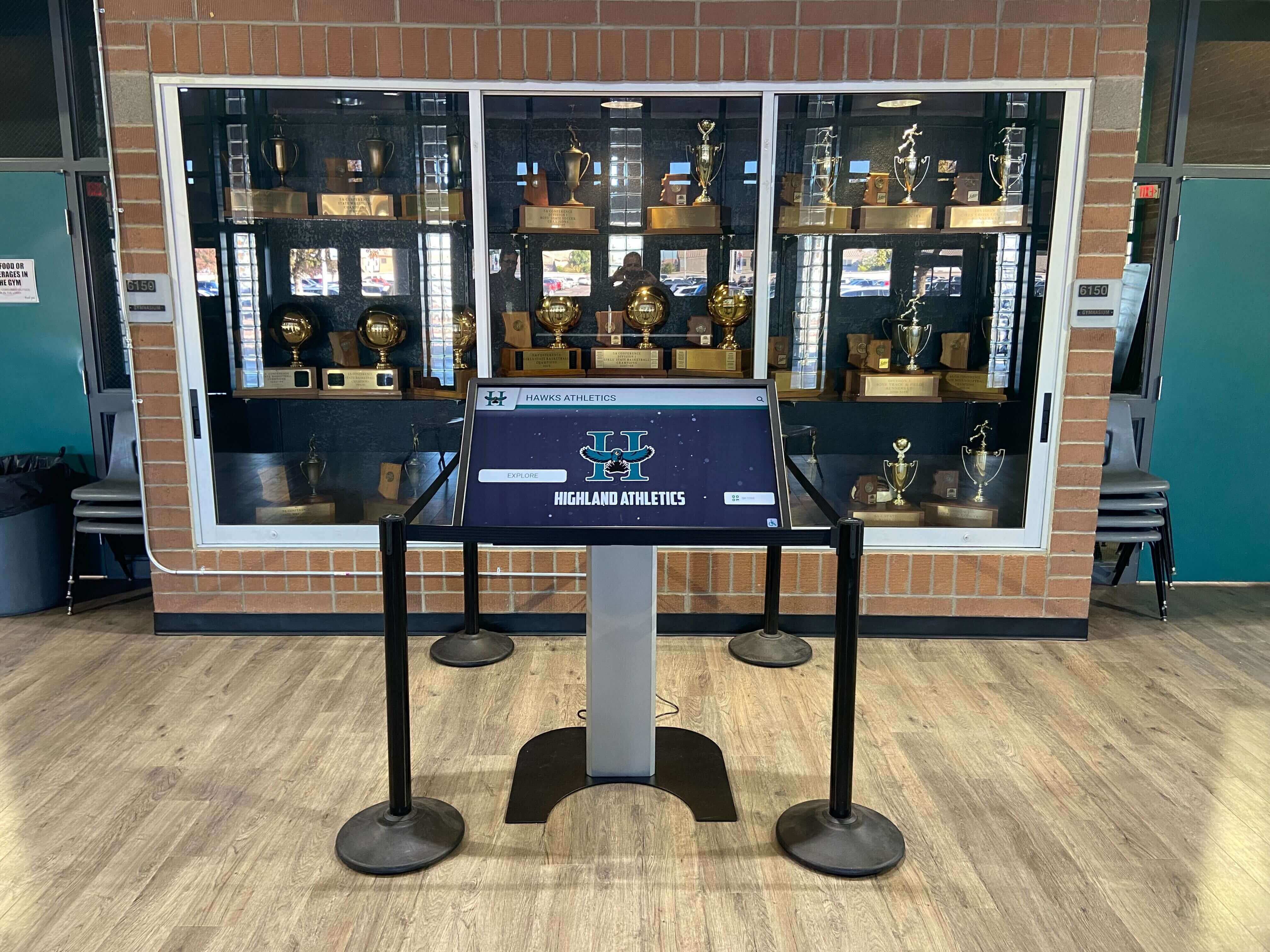
Integrated physical and digital recognition creates comprehensive celebration honoring athletic achievement appropriately
Budget Considerations and Cost Management
Athletic programs operate under varying budget constraints requiring creative strategies ensuring meaningful recognition within financial realities without compromising program quality or inclusivity.
Cost Analysis by Recognition Component
Athletic Awards Budget Considerations
Ceremony Venue and Event Costs
- Facility rental: $0 (school venues) to $1,500+ (external locations)
- Catering or refreshments: $5-$15 per person for 100-300 attendees
- Audio-visual equipment rental: $0 (school equipment) to $500+
- Decoration and setup: $100-$500 for professional appearance
- Programs and printed materials: $50-$200 for ceremony guides
Physical Award Costs
- Traditional trophies: $15-$75 per recipient depending on size and customization
- Custom medals: $5-$15 per recipient for quality sport-specific designs
- Plaques and frames: $20-$50 per recipient for professional presentations
- Certificates: $2-$5 per recipient including quality paper and frames
- Custom apparel: $25-$75 per recipient for embroidered quality items
Digital Recognition Investment
- Interactive display hardware: $4,000-$10,000 one-time per display location
- Recognition software platform: $1,680-$3,600 annual subscription
- Content development: $2,000-$5,000 initial setup then minimal ongoing
- Professional installation: $800-$2,500 per display location
Total Program Costs
Comprehensive athletic awards programs typically budget:
- Modest programs: $2,000-$5,000 annually for basic recognition
- Standard programs: $5,000-$12,000 annually for quality comprehensive recognition
- Premium programs: $12,000-$25,000+ annually for extensive multi-format approaches
Digital recognition displays represent significant upfront investment but provide unlimited capacity and sustained visibility making per-athlete recognition costs decrease dramatically compared to purchasing individual physical awards for all recipients across all categories annually.
Funding Strategies and Revenue Sources
Beyond General Athletic Budgets
Creative funding enables comprehensive recognition programs despite budget constraints:
Booster Club Support - Athletic booster organizations often prioritize recognition funding
- Dedicated awards program line items in annual booster budgets
- Special fundraising campaigns specifically supporting athletic recognition
- Sponsorship of specific award categories by individual boosters
- Memorial awards funded by families honoring deceased community members
Community Sponsorships - Local businesses supporting athletic programs through awards funding
- Named awards sponsored by businesses receiving recognition during ceremonies
- “Presented by” sponsorships for specific award categories or sports
- Banner or program advertising generating revenue supporting recognition programs
- Multi-year commitments providing sustainable funding for ongoing recognition
Alumni Contributions - Graduated athletes supporting current recognition programs
- Class reunion gifts designated for athletic awards programs
- Alumni athlete associations funding ongoing recognition initiatives
- Individual major gifts establishing endowed awards bearing donor names
- Annual alumni giving campaigns including athletic recognition as funding priority
Creative Revenue Generation
- Banquet ticket sales offsetting ceremony and facility costs
- Raffle or silent auction items during award ceremonies
- Concession sales at recognition events supporting program budgets
- Spirit wear sales with portions designated for recognition programs
Explore funding approaches in athletic program fundraising strategies applicable to recognition program contexts.
Measuring Awards Program Effectiveness
Assessment demonstrates recognition value while identifying improvement opportunities ensuring athletic awards achieve intended objectives for athletes, families, coaches, and programs.
Quantitative Success Indicators
Measurable Program Outcomes
Participation Metrics
- Banquet attendance rates among athletes and families
- Multi-year athlete retention comparing recognized versus non-recognized athletes
- New athlete recruitment tracking prospective responses to recognition visibility
- Award category distribution ensuring equitable recognition across all sports
Engagement Indicators
- Social media reach and engagement for award announcement content
- Digital display interaction rates showing ongoing recognition exploration
- Web platform traffic for award recipient profiles and achievement pages
- Family and community attendance at recognition ceremonies and events
Financial Sustainability
- Sponsorship and funding levels supporting recognition programs annually
- Cost per recognized athlete tracking budget efficiency
- Booster club engagement and fundraising success rates
- Alumni giving participation rates including recognition program support
Qualitative Impact Assessment
Stakeholder Feedback and Perception
Athlete Perspectives
- Perceived fairness of award selection processes and criteria
- Motivational impact on continued athletic participation and effort
- Emotional connection to recognition received and program traditions
- Satisfaction with ceremony experiences and award quality
Family Satisfaction
- Appreciation for comprehensive recognition programs honoring all athletes
- Understanding of award criteria and selection rationale
- Ceremony experience quality and meaningful celebration atmosphere
- Long-term value of recognition beyond single-season participation
Coach and Administrator Views
- Administrative efficiency of recognition processes and systems
- Cultural impact on athletic program values and team dynamics
- Recruiting benefits from visible comprehensive recognition traditions
- Alignment between awards and stated program objectives
Regular assessment through surveys, focus groups, and informal feedback enables continuous refinement ensuring athletic awards programs achieve maximum impact while remaining sustainable, meaningful, and aligned with evolving program priorities and athlete community expectations.
Conclusion: Creating Lasting Athletic Recognition Traditions
Sport end-of-year awards represent far more than ceremonial obligations concluding competitive seasons—they’re strategic opportunities reinforcing program values, motivating excellence, strengthening athletic culture, and creating lasting memories connecting athletes to programs long after competitive careers end through meaningful celebration of diverse contributions and achievements.
Transform Your Athletic Recognition Program
Discover how digital recognition platforms can help you celebrate every athlete appropriately while creating year-round visibility that traditional banquets alone cannot deliver for comprehensive athletic programs.
Explore Recognition SolutionsThe comprehensive strategies explored in this guide provide frameworks for planning athletic awards honoring excellence while remaining inclusive, creating memorable ceremonies engaging all stakeholders, implementing sustainable recognition programs within budget constraints, and measuring effectiveness ensuring continuous improvement serving athletes and communities better.
From establishing clear recognition philosophy balancing excellence and inclusion to selecting appropriate award categories celebrating diverse contributions to designing engaging ceremonies creating lasting memories, these systematic approaches overcome common challenges facing athletic programs committed to meaningful end-of-year recognition across all sports and participation levels.
Modern technology platforms like Rocket Alumni Solutions extend recognition impact far beyond traditional single-event banquets through interactive digital displays providing unlimited year-round visibility, multimedia storytelling capabilities impossible with physical trophies alone, and web accessibility reaching families and communities unable to attend ceremonies but invested in celebrating athletic achievements.
Start wherever current circumstances demand—whether enhancing existing award categories, improving ceremony experiences, or exploring comprehensive digital recognition systems—then systematically expand creating programs your athletic community deserves. Every athlete who receives meaningful recognition for contributions and achievements develops stronger connections while gaining motivation pursuing continued excellence.
Your athletic program deserves recognition traditions celebrating dedication, improvement, leadership, and excellence defining your competitive character and institutional values. With thoughtful planning, balanced approaches honoring diverse achievement dimensions, and appropriate technology investments when feasible, you can create end-of-year awards becoming treasured traditions athletes remember forever.
Ready to begin? Explore how Rocket Alumni Solutions can help you create comprehensive athletic recognition systems honoring all athletes appropriately while building sustainable programs strengthening culture, motivating excellence, and celebrating achievement across all sports and participation levels throughout competitive seasons and beyond.
Discover additional recognition approaches in athletic banquet planning guides demonstrating comprehensive celebration strategies, or explore digital athletic display solutions extending recognition impact beyond traditional banquet limitations throughout entire school years.