Spirit week themes are the engine behind one of the most celebrated traditions in K-12 education. When students arrive on Monday to find hallways buzzing with coordinated costumes, decorated lockers, and point-tracking leaderboards, something shifts—attendance climbs, energy rises, and even the quietest students find a reason to show up and participate. But the difference between a spirit week that unifies a school and one that fizzles out by Wednesday almost always comes down to theme selection.
Choosing spirit week themes that resonate with your specific student body, reflect your school’s identity, and give every student an accessible way to participate is harder than it looks. Too many schools recycle the same decade-themed days and neon color wars year after year, watching participation rates decline as novelty wears off. Meanwhile, the schools generating viral hallway videos and record-breaking rally turnout are experimenting with themes tied to student culture, campus recognition, and genuine community celebration.
This guide covers 30+ spirit week themes organized by category, with planning tips, participation strategies, and ideas for making recognition and achievement a visible part of your celebration—so that spirit week feels less like a costume contest and more like a genuine celebration of everything that makes your school community worth belonging to.
Understanding what makes a theme truly effective helps you build a week that sustains momentum from Monday through Friday rather than peaking on the first day and trailing off.

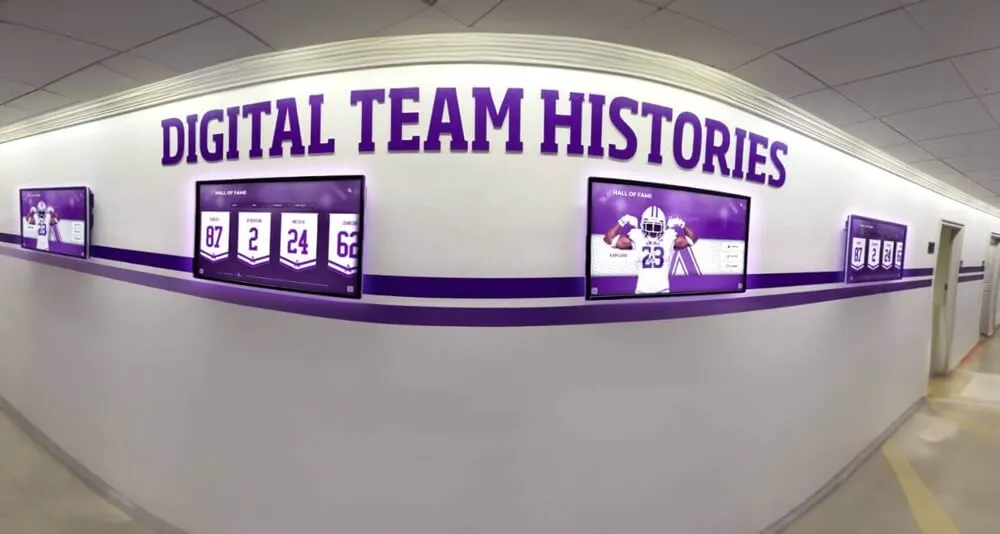
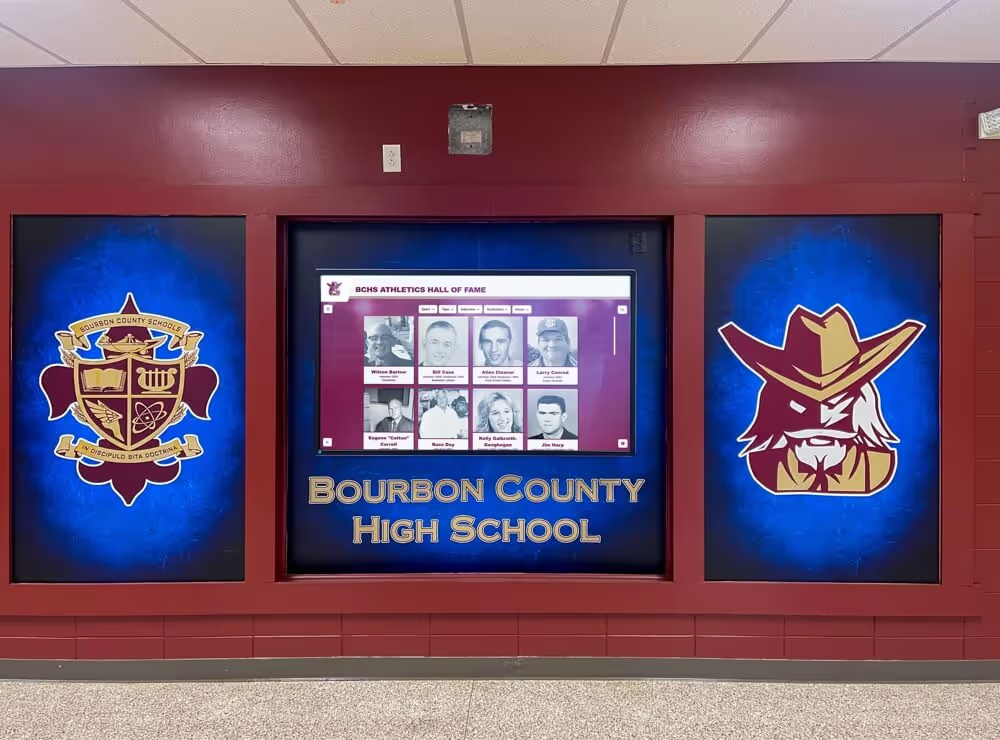
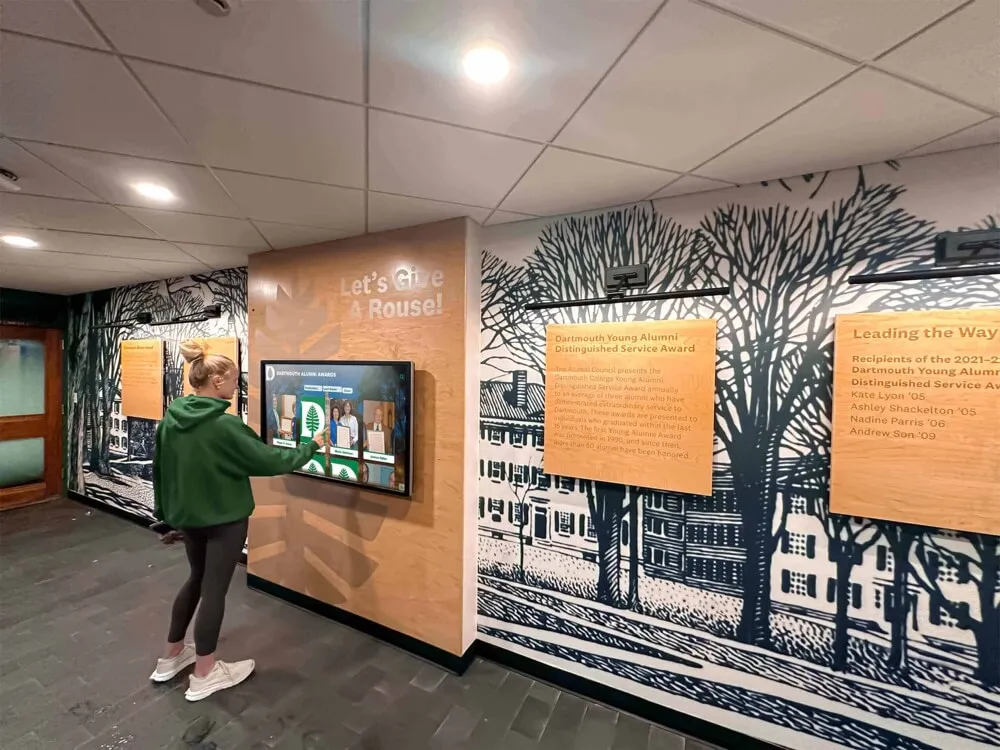
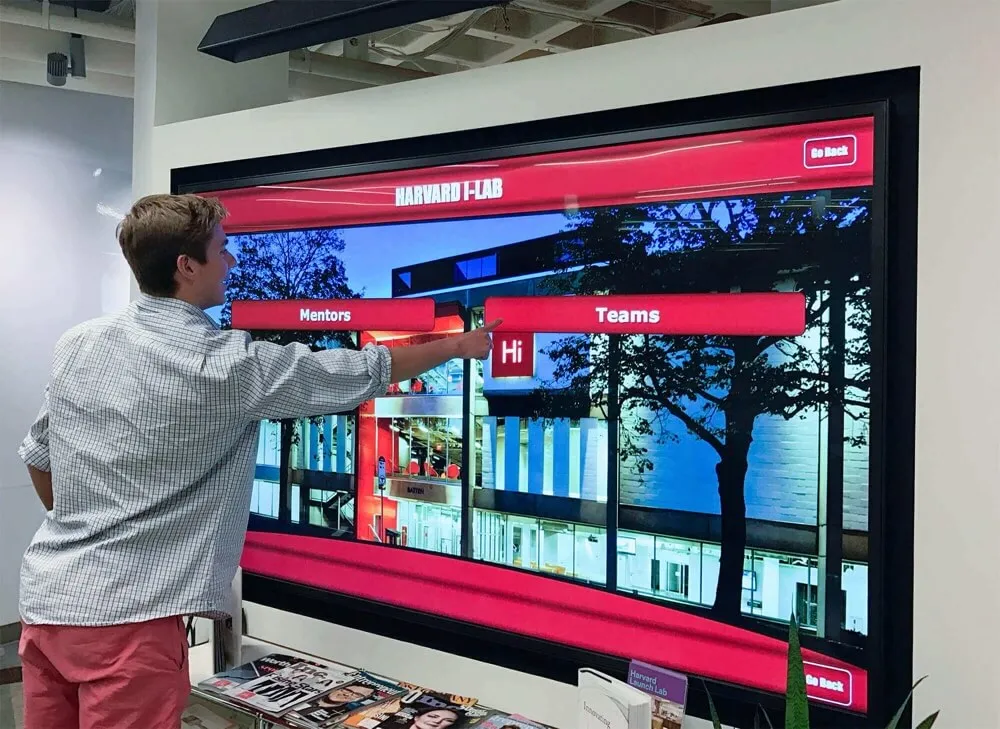
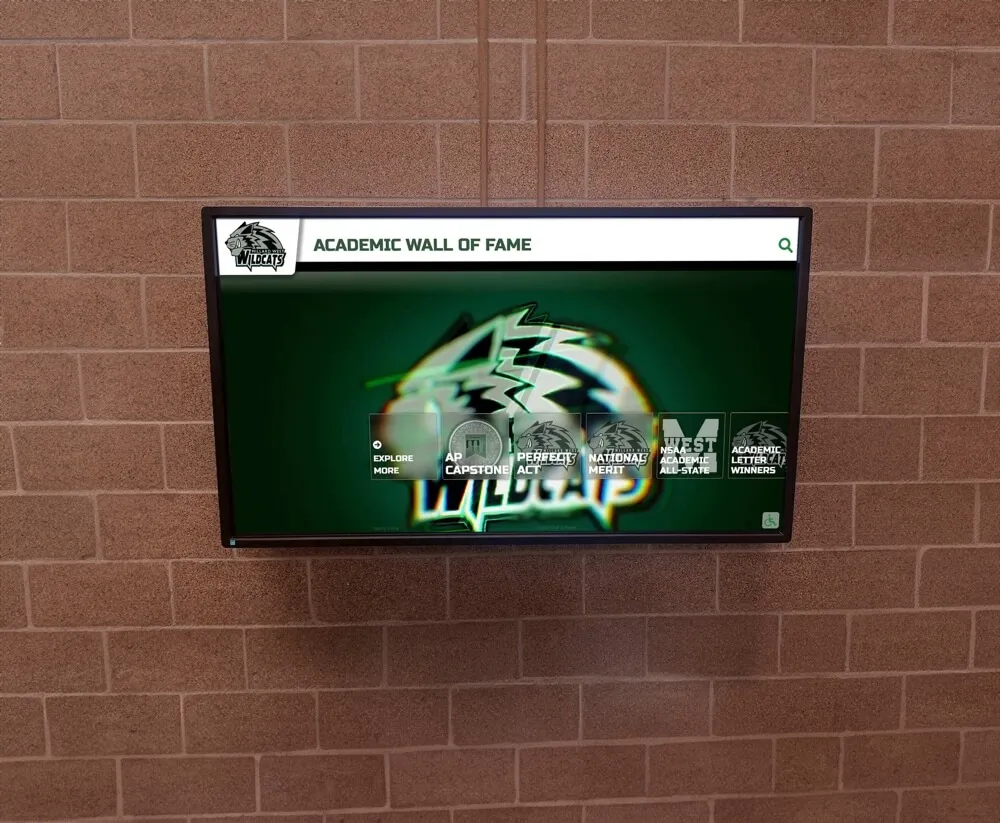
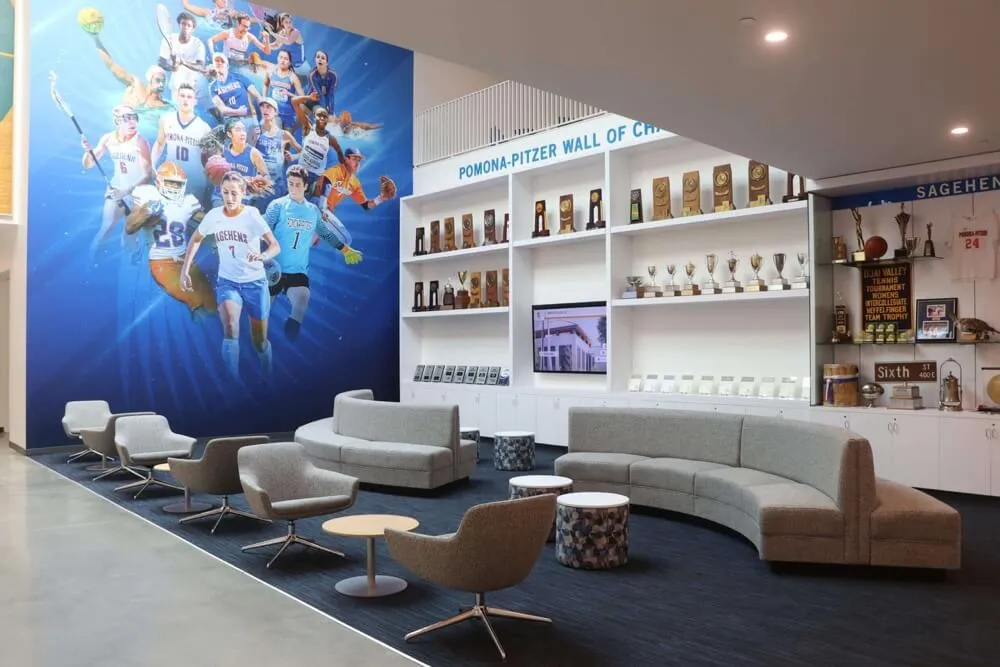
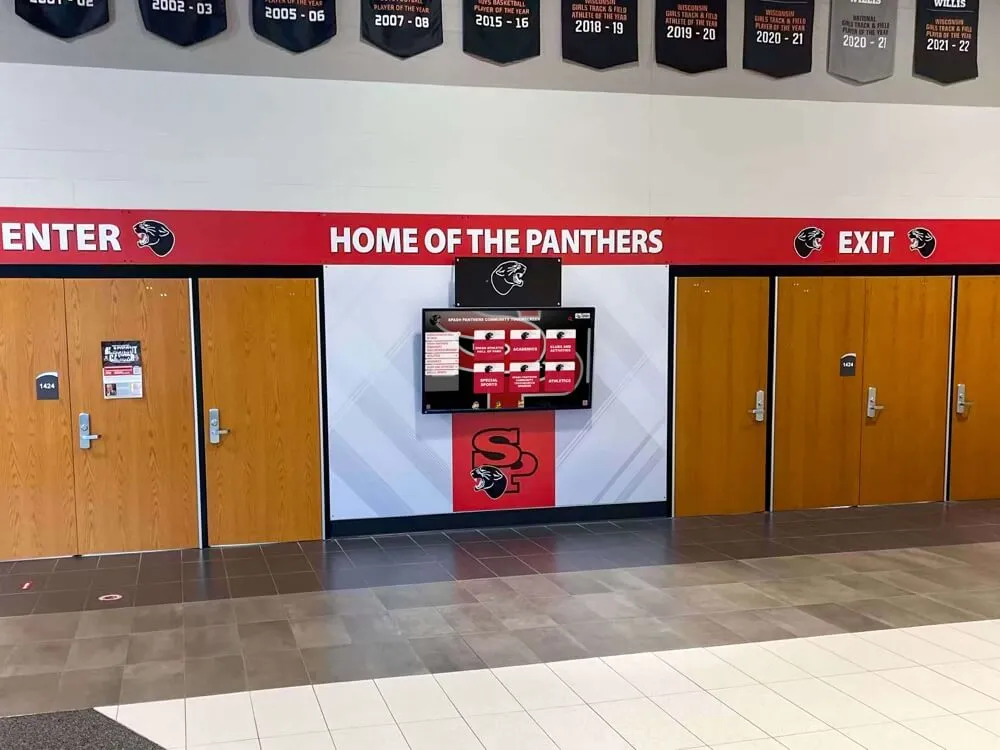
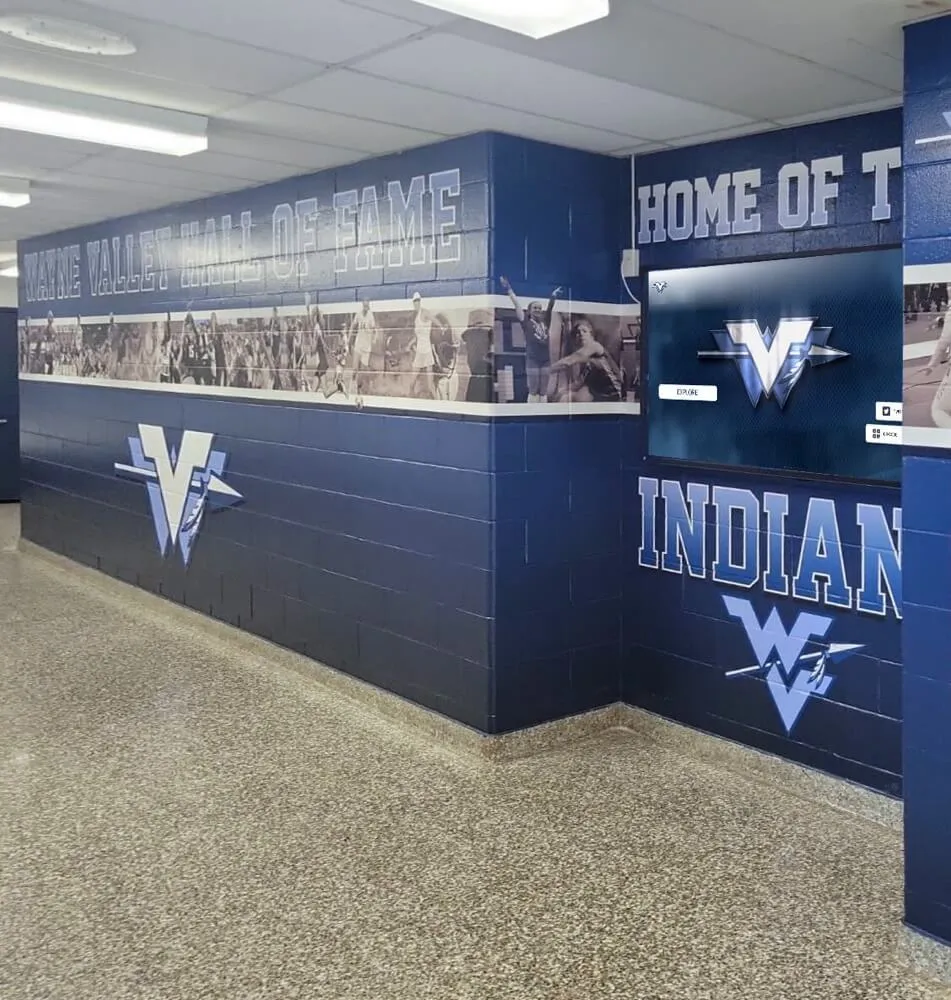
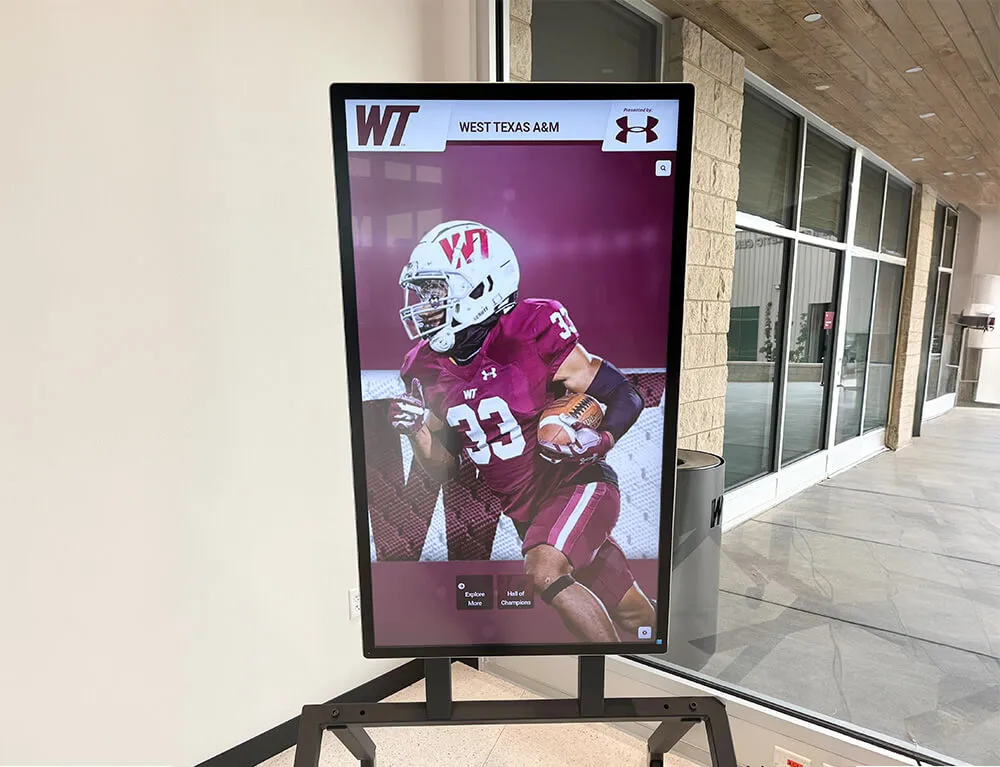
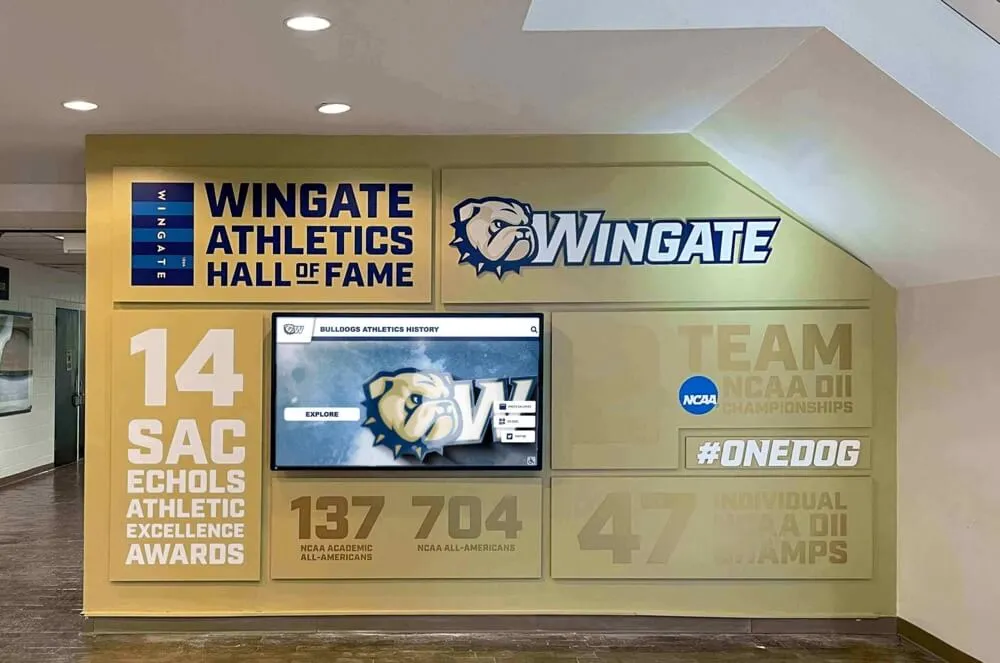
Digital recognition displays in school hallways create natural spirit week gathering points and reinforce campus identity year-round
What Makes a Spirit Week Theme Actually Work
Before diving into the theme list, it helps to understand the principles separating high-participation themes from low-engagement ones.
Accessibility Comes First
A theme that requires purchased costumes, obscure cultural knowledge, or specific body types will always produce lower participation than one every student can interpret with items already in their closet. The best spirit week themes have a floor (easy baseline participation) and a ceiling (room for creative, ambitious students to go all out). Neon Day, for instance, lets one student wear a bright yellow shirt and another construct an elaborate glow-in-the-dark outfit—both count, both feel like genuine participation.
Themes Should Reflect Your School’s Actual Identity
Generic themes produce generic engagement. Schools with strong athletic traditions generate more excitement from a “Jersey Day” featuring the school’s specific sports programs than from a vague “Sports Fan Day.” Schools with diverse student populations often see stronger participation from themes that celebrate that diversity rather than defaulting to mainstream pop culture references. Tie your themes to the specific people, programs, and traditions that make your school distinctive.
Variety Across the Week Matters
A well-designed five-day spirit week includes themes that appeal to different personality types: something creative, something social, something nostalgic, something athletic, and something school-specific. When every day feels like a variation on the same theme, participation drops mid-week. When each day offers a genuinely different kind of participation, students stay engaged through Friday.
Recognition Amplifies Participation
Themes gain momentum when students see their participation acknowledged publicly. Digital recognition displays placed in high-traffic hallways and lobbies can rotate through participation photos, daily point standings, and spirit week schedules—creating a feedback loop where participation generates visibility, which drives more participation.
Classic Spirit Week Themes (Reimagined)
These foundational themes remain popular because they work—but small updates keep them feeling fresh.
1. Decade Day
Classic version: Students dress from a specific decade (80s, 90s, etc.)
Reimagined: Assign different decades to each grade level so the entire school creates a visual timeline. Freshmen take the 2000s, sophomores own the 90s, juniors claim the 80s, seniors go back to the 70s. Add a faculty wildcard decade for maximum chaos.
2. Twin Day (and Squad Day)
Coordinating outfits with a friend remains one of the most socially motivating spirit week activities because it requires pre-planning and commitment. Expand it to “Squad Day” to encourage larger group coordination—four or five students showing up as a matching theme generates significantly more hallway energy than pairs alone.
3. Color Wars
Classic version: School colors all week
Reimagined: Assign each grade level a distinct color within the school’s broader palette, then have classes compete for participation percentage. Tracking daily color compliance by homeroom creates natural mini-competitions driving attendance.
4. Career Day / Future Self Day
Students dress as their future career aspirations. This theme threads a needle between fun and educational mission—it generates interesting conversations, produces a visually diverse array of costumes, and connects naturally to college and career planning resources. Consider pairing it with a brief showcase of alumni career paths on campus recognition displays.
5. Mismatch / Crazy Outfit Day
A zero-barrier-to-entry theme with near-universal appeal. Students simply wear the most mismatched, chaotic combination of clothing they own. Budget is irrelevant, cultural knowledge is irrelevant, and the bar for participation is as low as mismatching socks. This is an ideal Monday opener because it requires no advance preparation while generating immediate energy.
Spirit Week Themes Tied to School Pride and Identity
The themes with the highest potential for authentic engagement are the ones rooted in your school’s specific history, achievements, and community. These themes feel earned rather than imported.
6. Jersey Day
Students wear jerseys representing their sport, team, or favorite athlete. For schools with strong athletic programs, this theme is particularly powerful—hallways fill with the school’s own colors and numbers, reinforcing the connection between athletics and broader school identity. Feature a digital rotating slideshow of current and alumni athletic achievements on lobby displays to deepen the connection.
7. Alumni Pride Day
Students and staff wear gear from colleges or universities attended by school graduates—or by themselves. When paired with an interactive recognition wall displaying alumni achievement profiles, this theme bridges current students to the broader story of where the school’s graduates have gone and what they’ve accomplished.
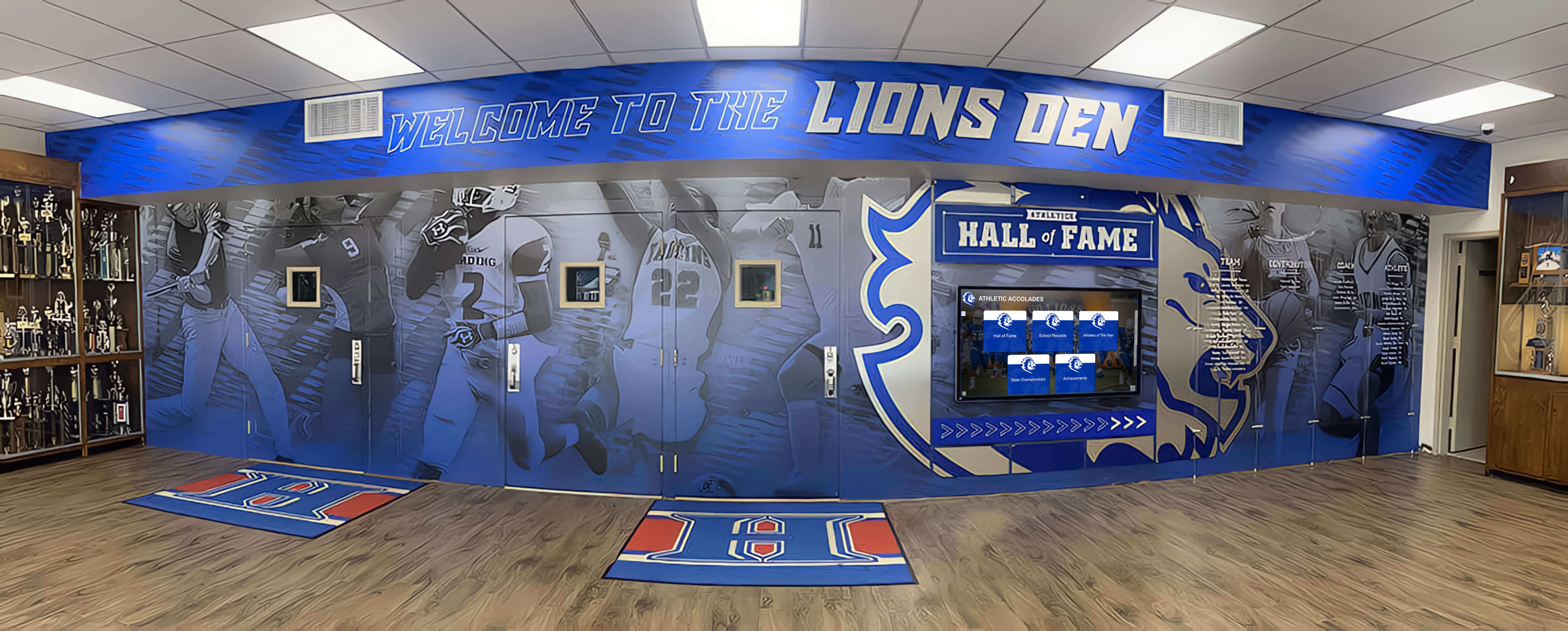
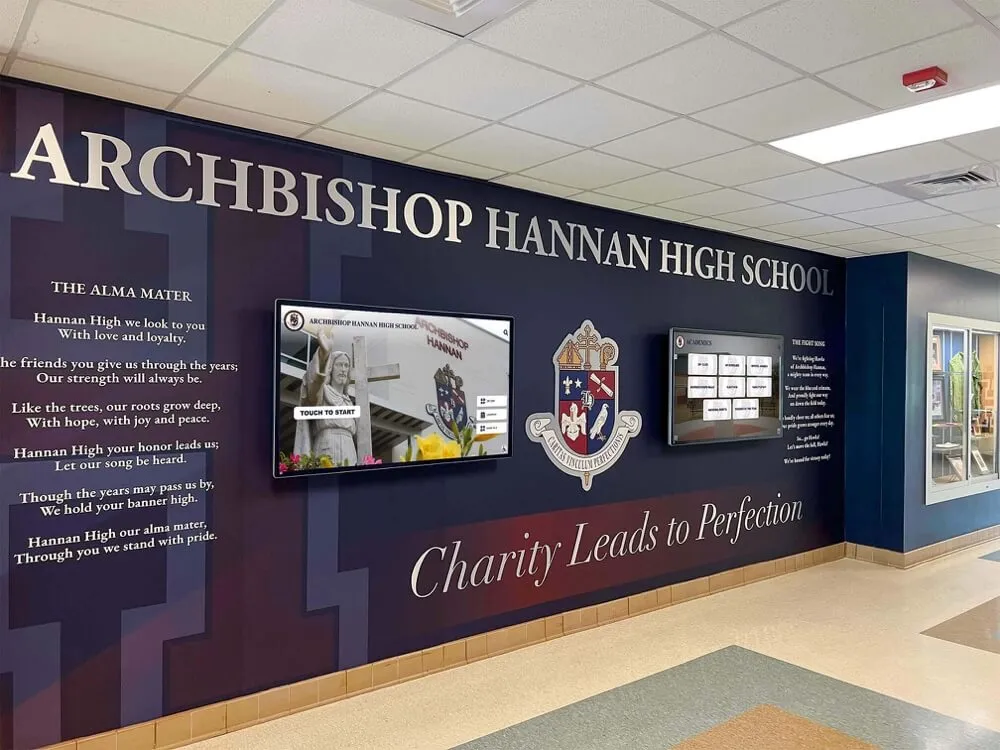
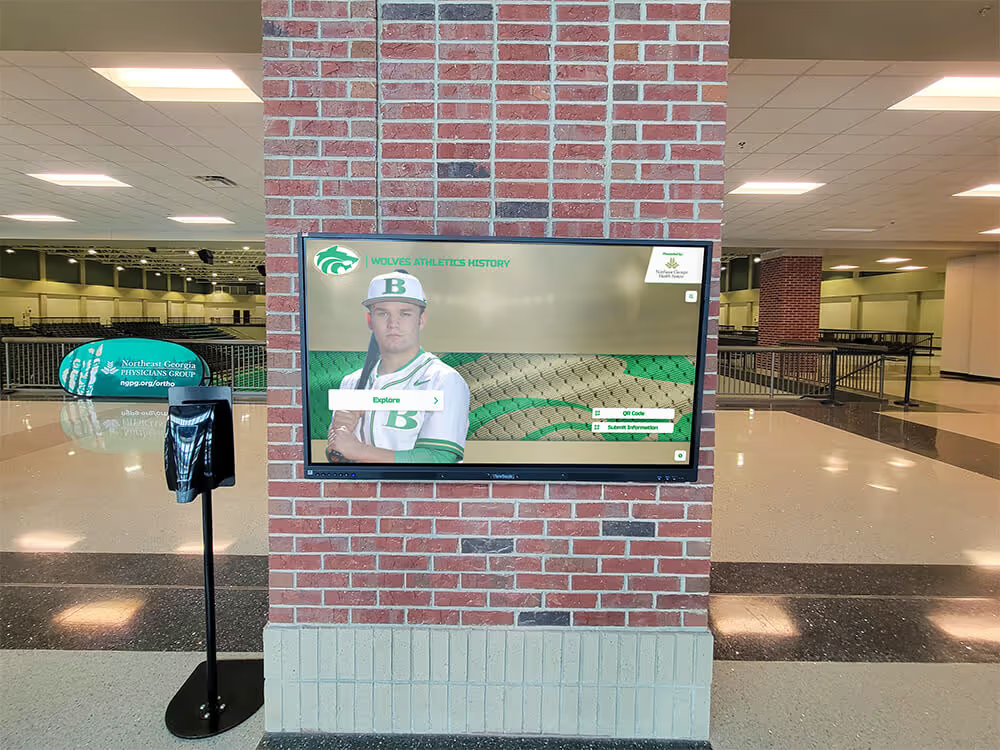
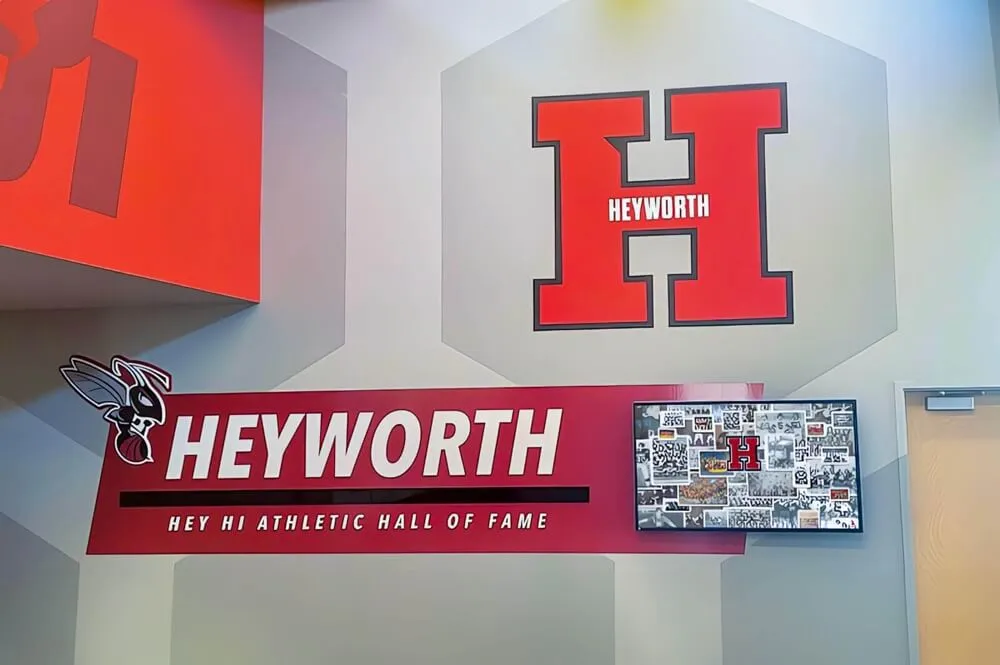
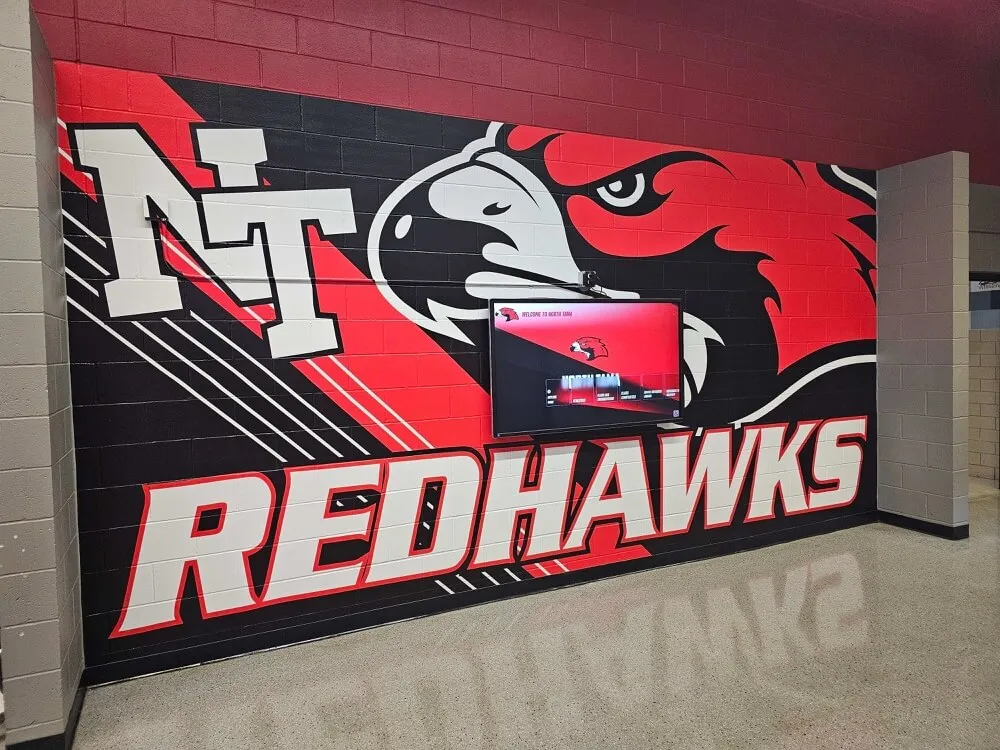
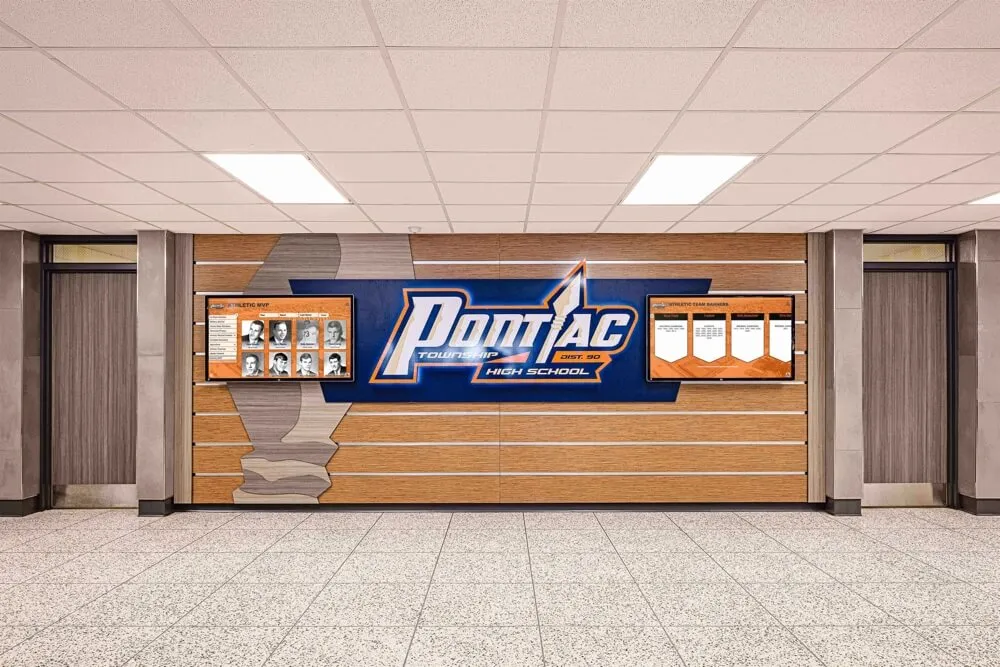
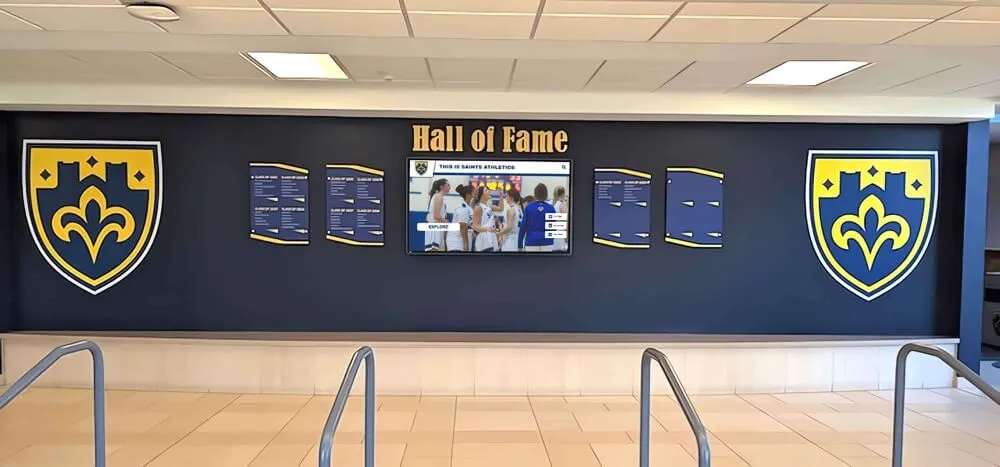
Permanent recognition displays amplify school pride themes by giving students visible connections to institutional history
8. Mascot Day
The entire school dresses in colors, gear, or costumes representing the school mascot. This is one of the cleanest identity-reinforcing themes available—it requires nothing more than school-colored clothing to participate at a baseline level, while allowing ambitious students to show up in full mascot regalia.
9. Hall of Fame Day
Recognize the school’s greatest alumni, student athletes, and academic achievers by dedicating a day to their legacy. Students can dress as historical figures from the school’s past, wear jerseys of retired numbers, or create displays celebrating notable graduates. Complement this with digital STEM and academic recognition displays highlighting the breadth of the school’s achievement culture—not just athletics.
10. Teacher Appreciation Day (Flip Day)
Students dress as their favorite teachers, while teachers dress as their favorite students. This theme generates enormous goodwill and humor while creating natural interactions across the traditional student-teacher divide. Works best when faculty are willing to lean in with enthusiastic participation.
11. Club and Organization Pride Day
Members of every club, team, and organization wear their group’s shirt, uniform, or colors. This theme serves a secondary function beyond spirit week—it visually demonstrates the breadth of co-curricular offerings at the school, which can be motivating for students who haven’t yet found their community.
12. Championship Banner Day
Feature the school’s championship history prominently—in hallway decorations, on digital displays, and in morning announcements. Students dress in colors corresponding to the sports or activities that have earned state, regional, or national recognition. End-of-season awards recognition featured on lobby screens during this day reinforces that the school celebrates excellence across all programs.
Pop Culture and Entertainment Themes
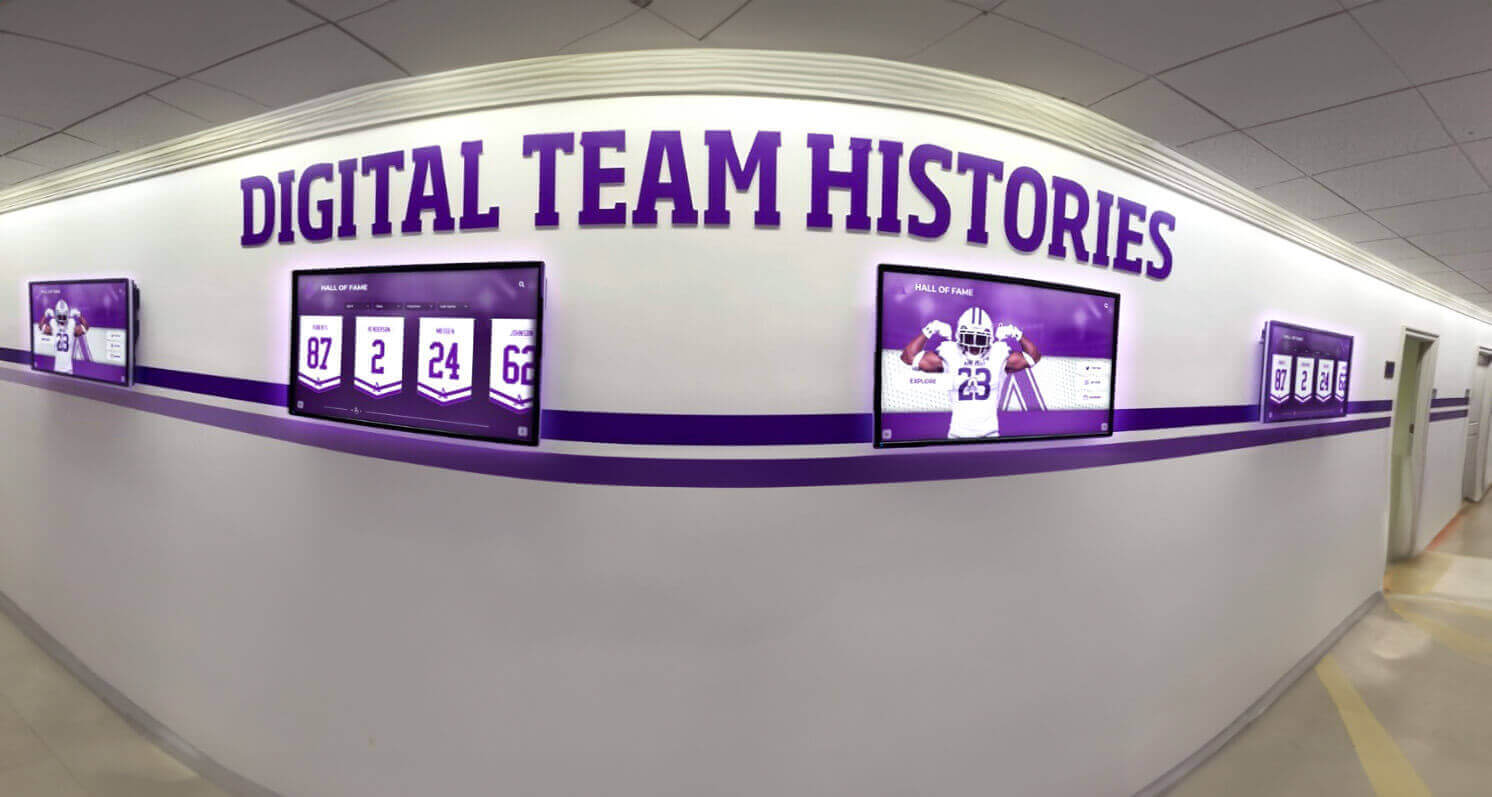
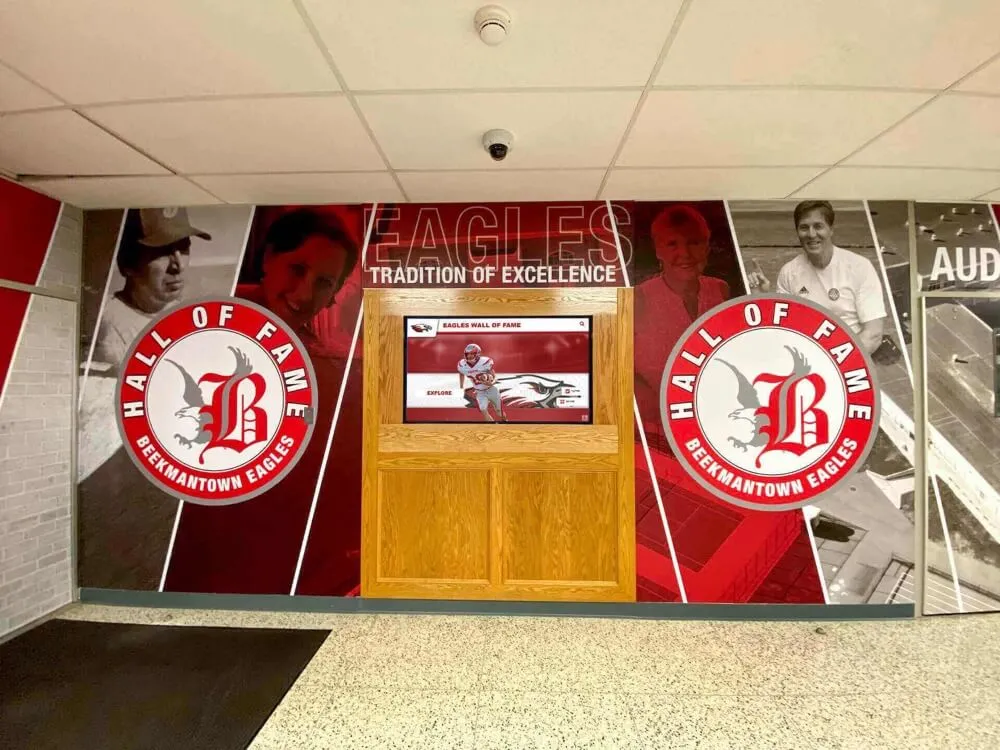
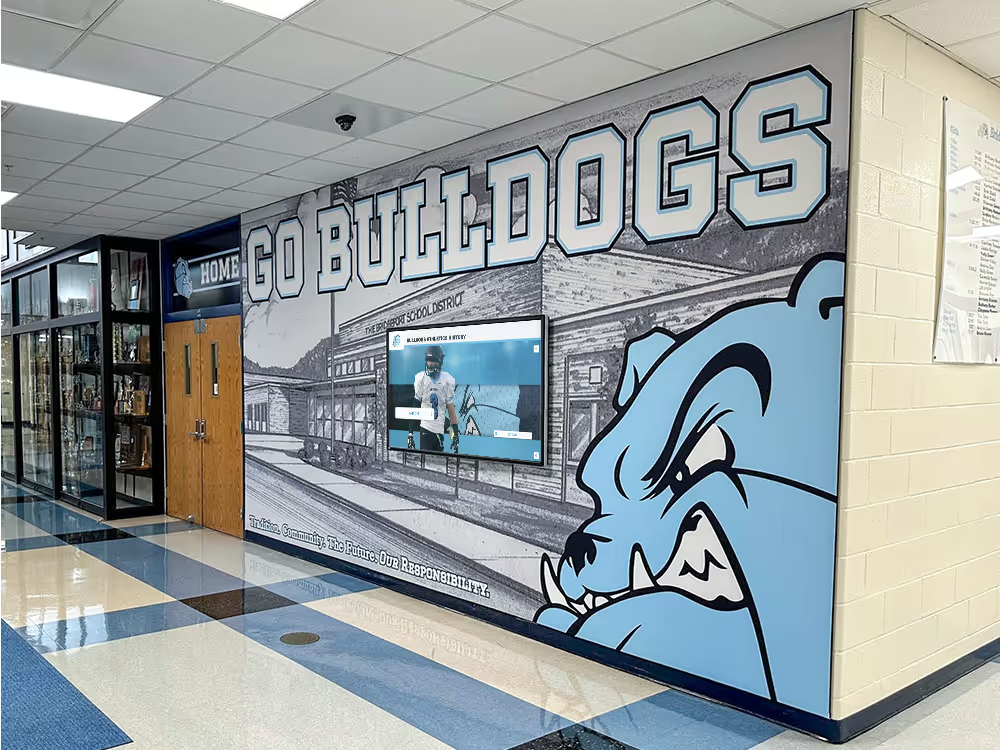
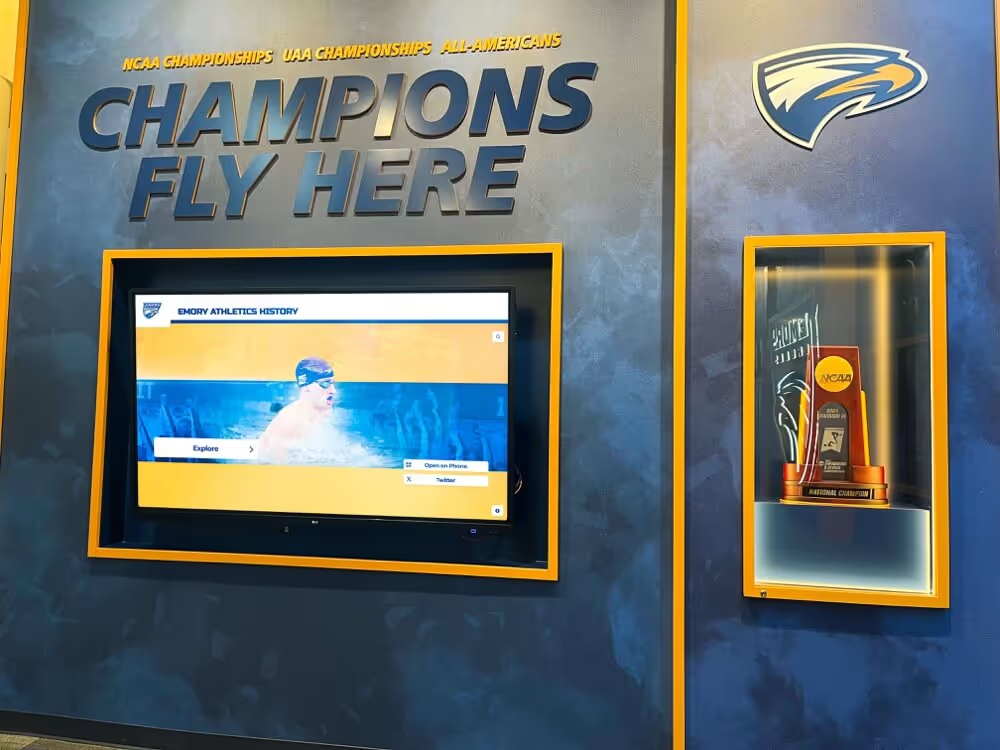
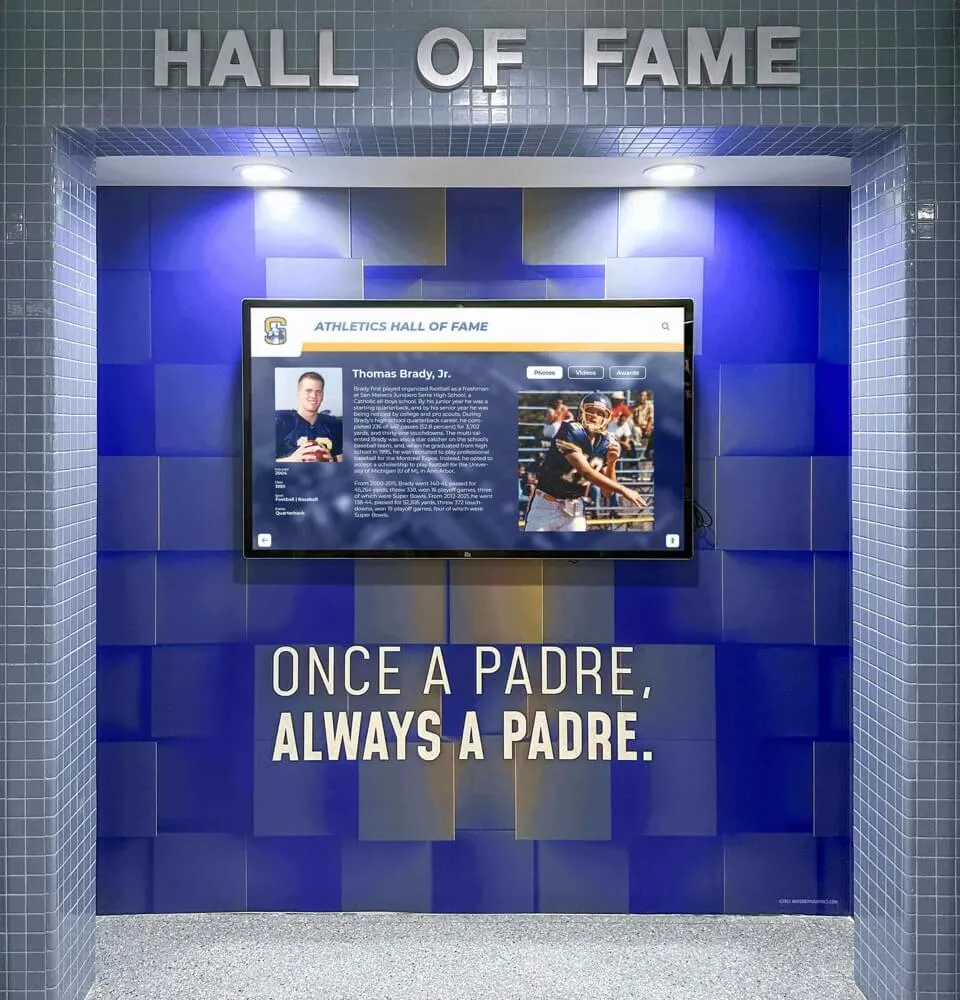
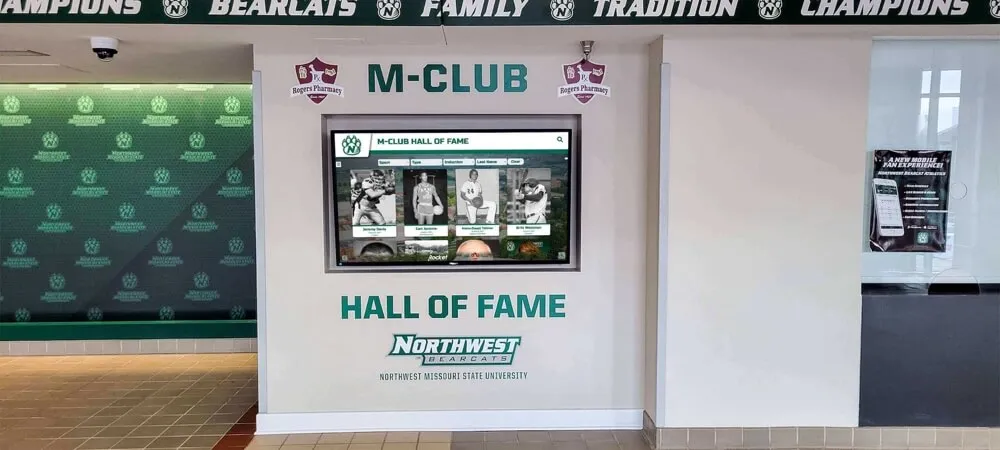
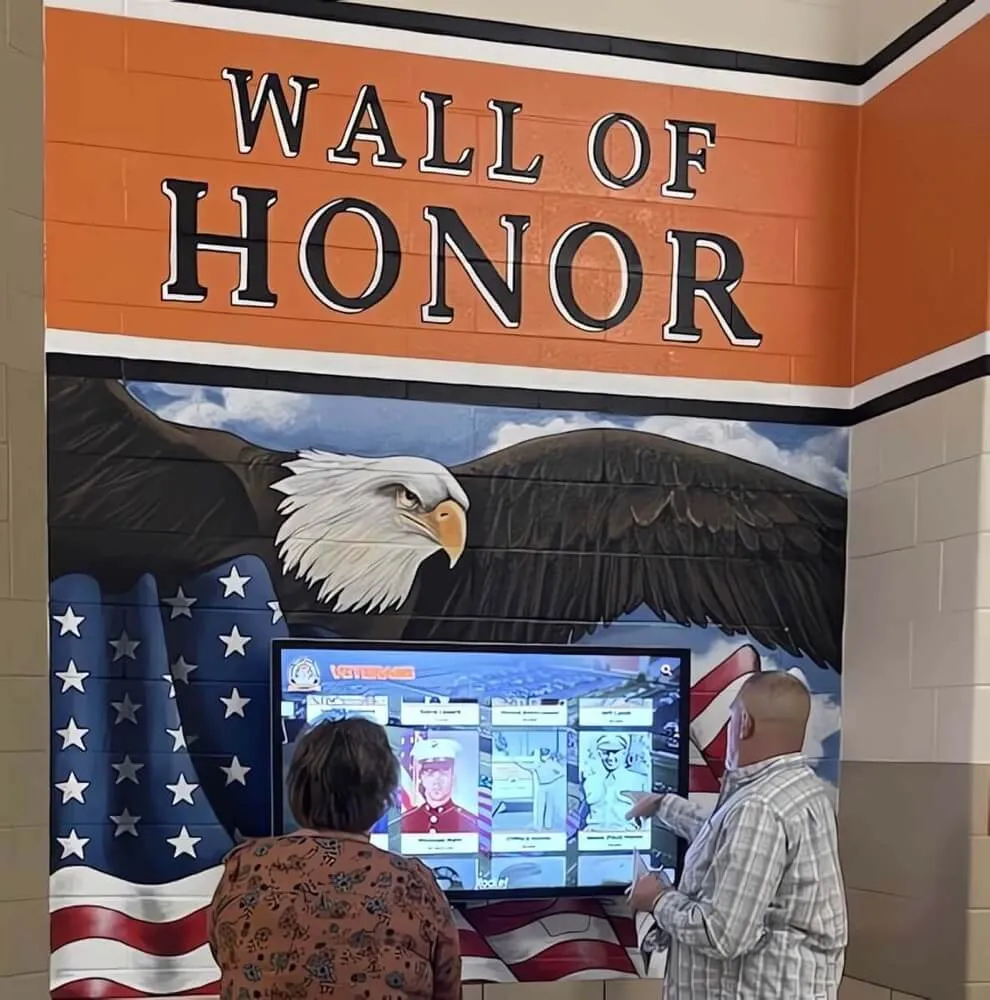
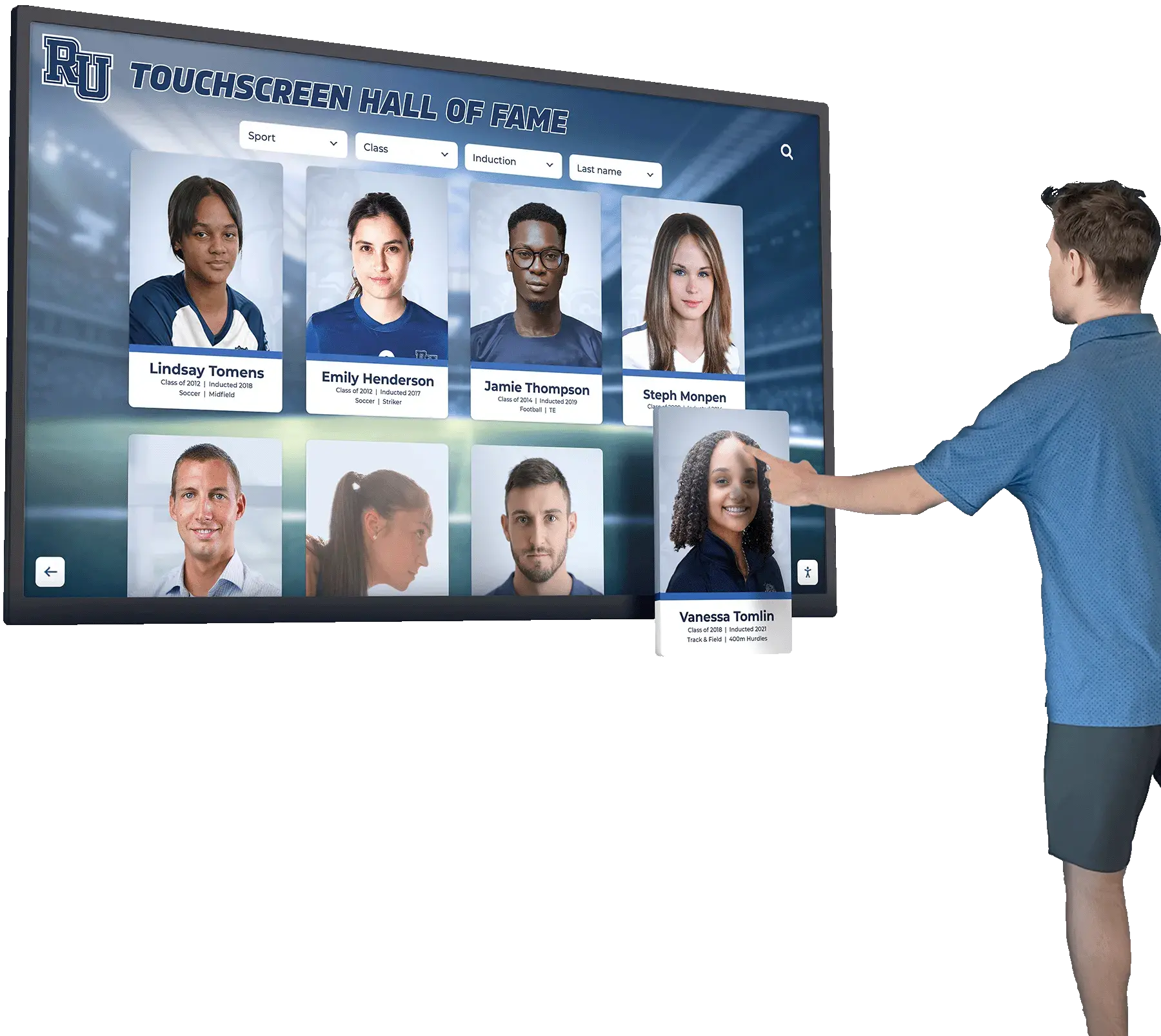
Digital displays create dynamic backdrops for spirit week themes by showcasing school history, team records, and student achievement
These themes tap into shared cultural references, generating natural enthusiasm and social media participation.
13. Superhero Day
One of the consistently high-participation dress-up themes across all grade levels and demographics. Superhero costumes are immediately recognizable, widely available at low cost, and allow for both simple (cape + school colors) and elaborate interpretations. Consider a staff superhero lineup for additional entertainment value.
14. Movie Genre Day
Each homeroom or class picks a different movie genre (action, horror, comedy, sci-fi, romance) and coordinates costumes accordingly. The inter-class variety creates visual interest throughout the building and invites creative interpretation well beyond what any single theme would generate.
15. Decade Through Music
Rather than generic decade day costumes, students dress representing a specific musical era—jazz age glamour, rock-and-roll rebellion, hip-hop golden age, or current pop aesthetics. Create playlists from each era and play them in hallways between classes for immersive effect.
16. Animated Character Day
Cartoon and animated film characters generate broad appeal across age groups and require nothing more than matching colors to participate at a basic level. Students with the same character reference can coordinate spontaneously, creating organic social connection.
17. Reality Show Day
Students recreate iconic looks from popular competition shows—cooking competitions, talent shows, survivor-style games, or makeover programs. This theme rewards students who follow current media while remaining accessible to those who can interpret any “contestant” look generally.
18. Villain Day
A darker take on superhero day—everyone dresses as their favorite villain from film, TV, gaming, or literature. This theme consistently produces more creative and elaborate costumes than hero day because the freedom to be theatrical and over-the-top attracts committed participants.
Community and Service-Oriented Themes
Themes that connect spirit week to genuine community values tend to generate pride that outlasts the week itself.
19. Community Heroes Day
Students dress as community heroes: first responders, healthcare workers, teachers, veterans, scientists, or community organizers. This theme pairs naturally with a recognition display featuring local and school heroes, reinforcing the school’s connection to the broader community.
20. Service Organization Day
Members of service clubs (Key Club, National Honor Society, volunteer organizations) wear their organization’s colors or shirts. Pair with a community service challenge—class that contributes the most service hours during spirit week earns bonus spirit points. This theme reframes what it means to demonstrate school spirit.
Explore National Honor Society recognition as a framework for centering academic and service achievement in school celebrations.
21. Kindness and Mental Health Awareness Day
Students wear specific colors representing mental health awareness (typically green) or participate in organized kindness challenges. Many schools pair this with structured activities: leaving anonymous positive notes, recognizing peers who’ve made a difference, or sharing gratitude statements in homeroom. The theme shifts spirit week from pure competition to community support.
22. Military and Veterans Appreciation Day
Students wear camouflage, red-white-and-blue, or gear from military branches as a tribute to veteran family members and community members. Consider inviting veteran alumni to appear via video message or in person as part of a culminating rally.
Creative and Competition-Driven Themes
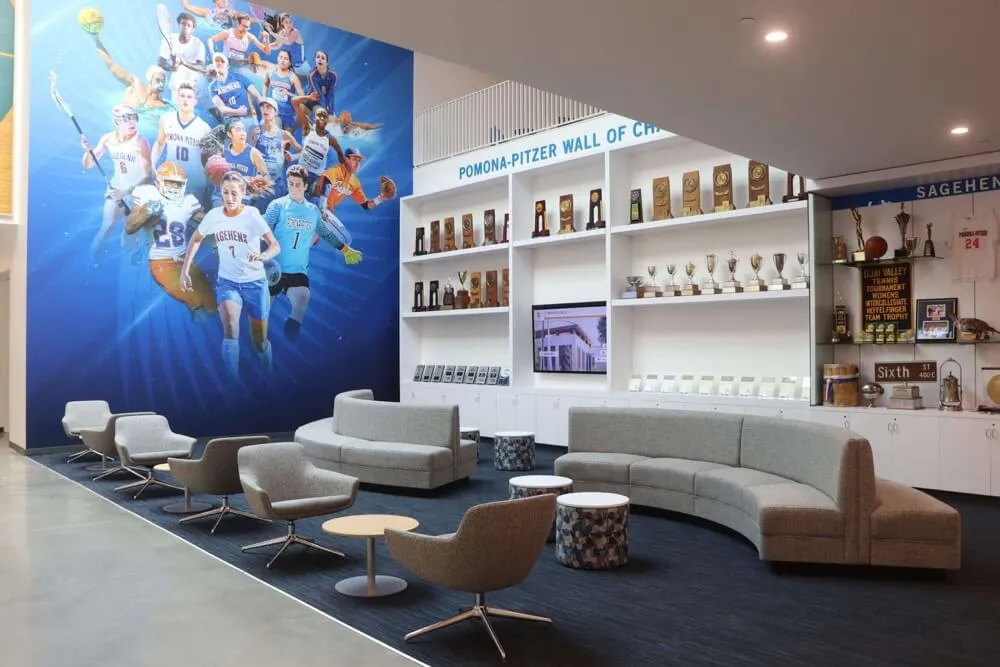
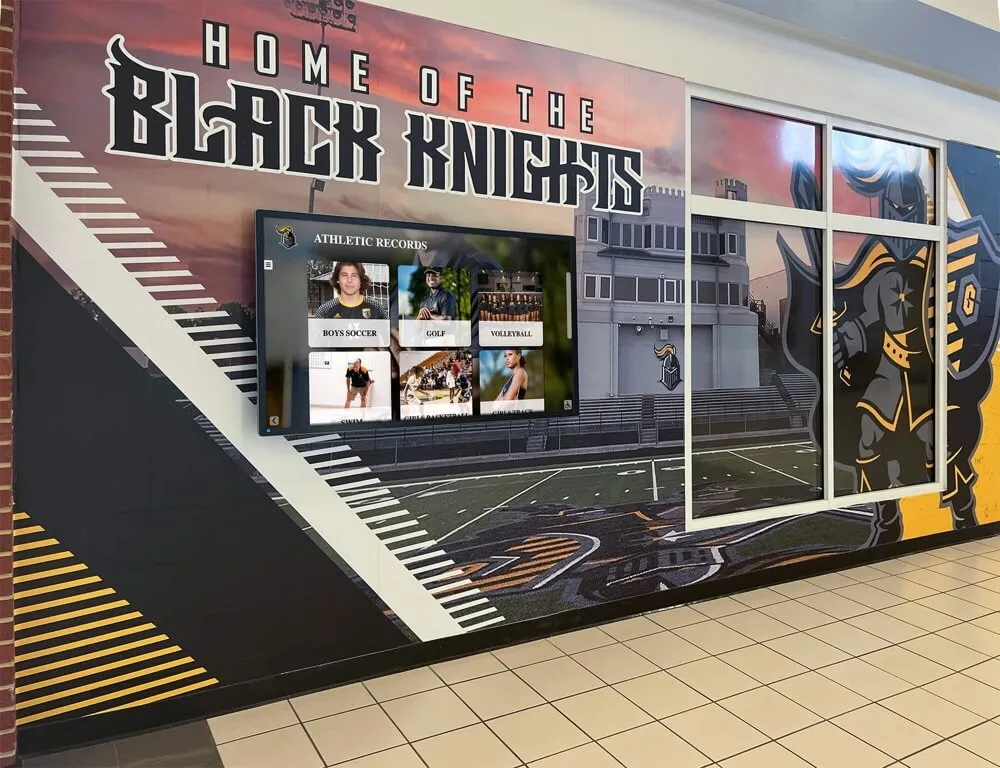
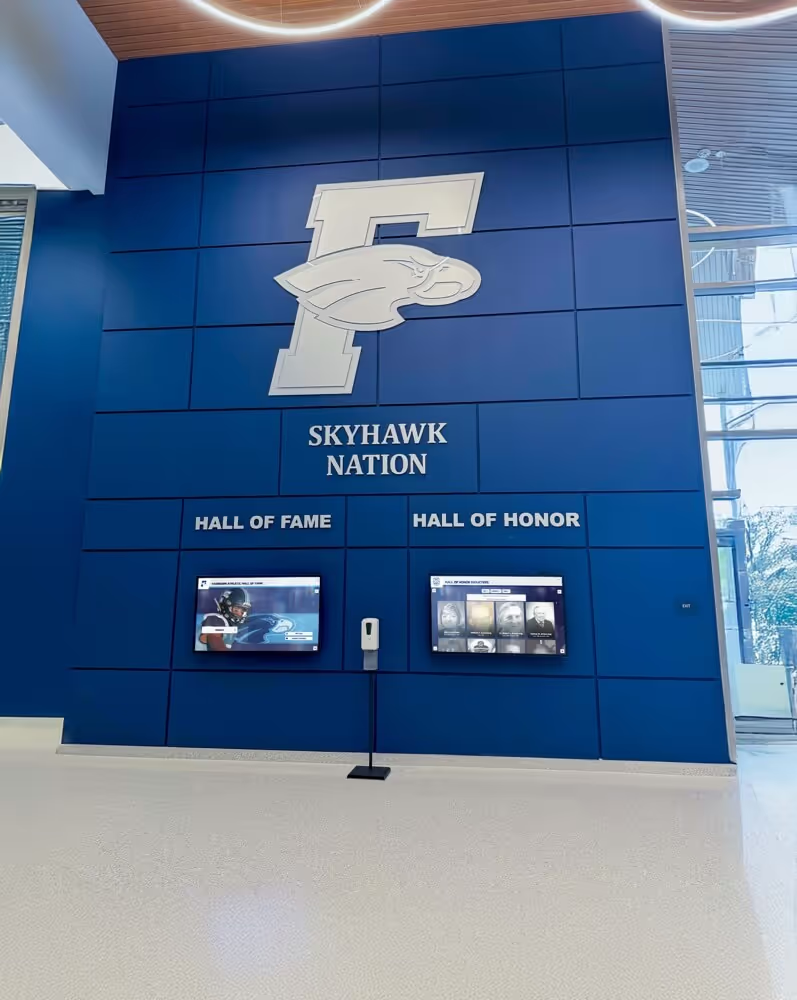
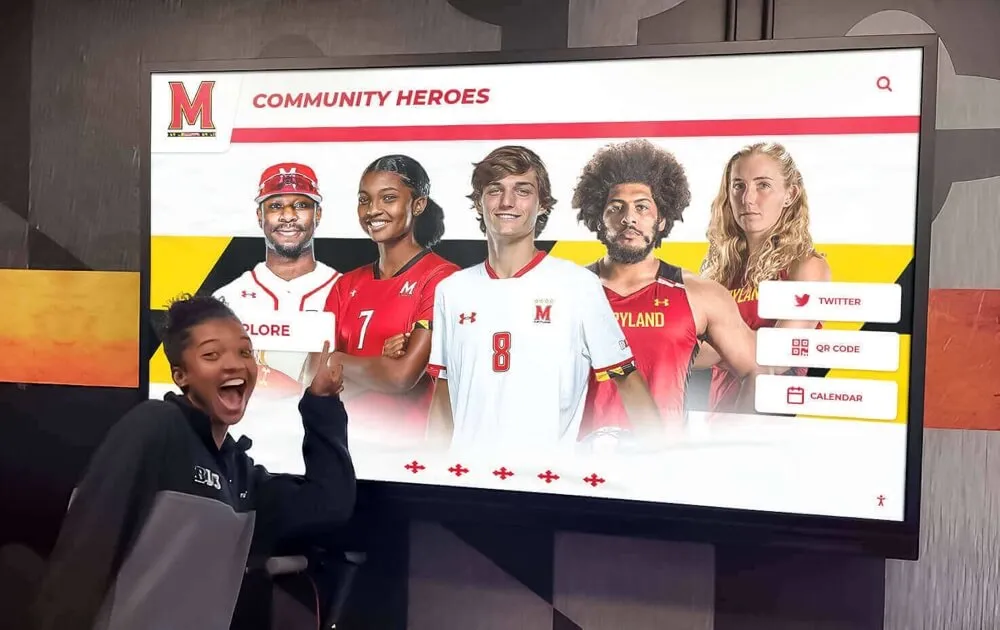
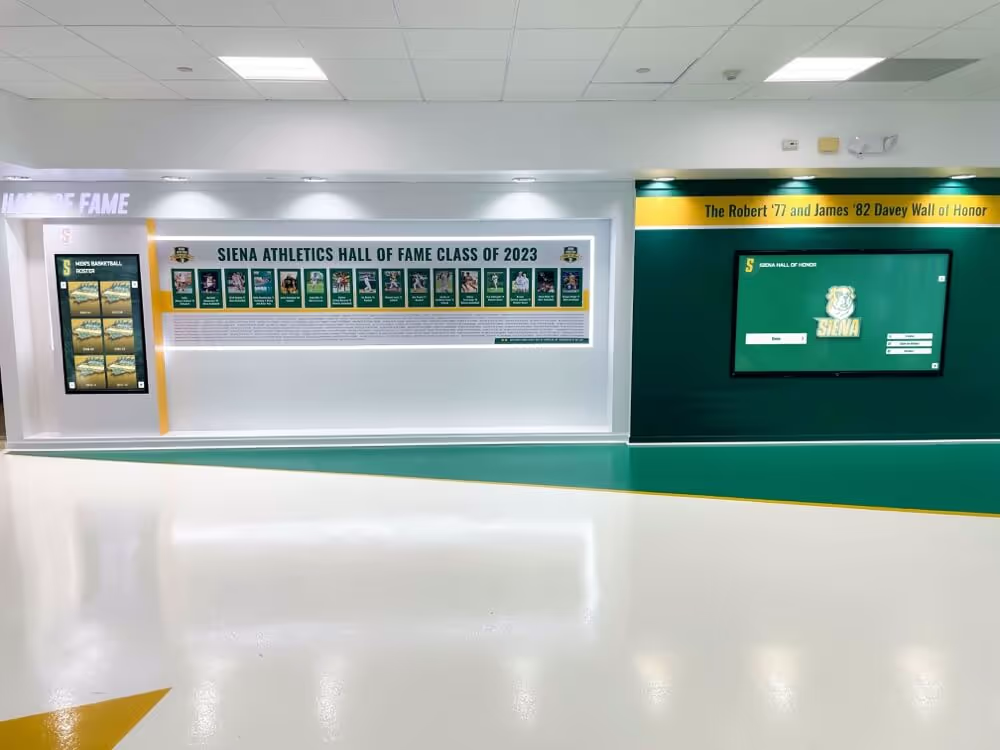
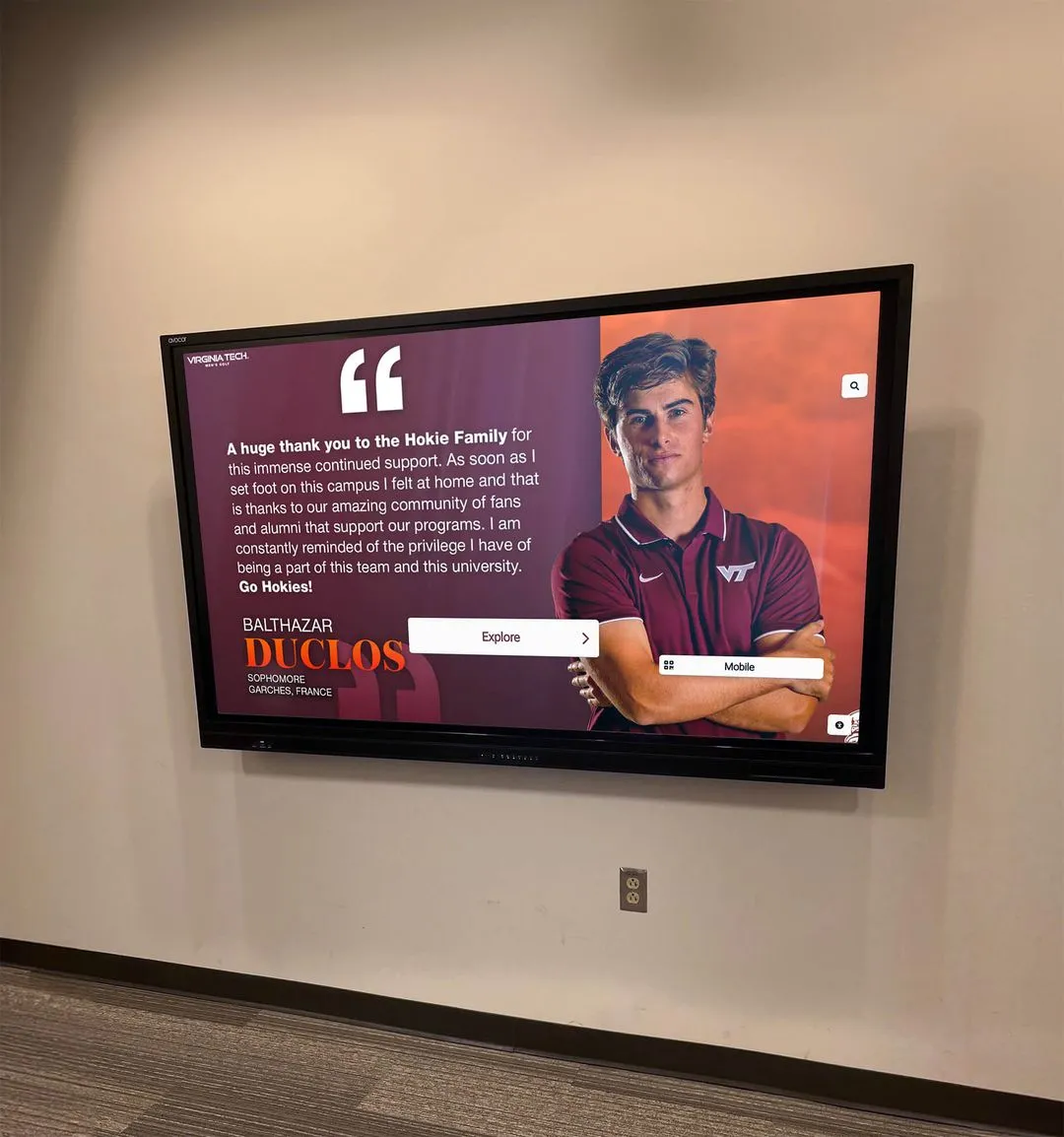
Trophy and recognition displays in athletic spaces create natural spirit week focal points for competition-driven themes
These themes work particularly well as part of a point-based competition structure where classes or houses compete across the full week.
23. Class Color Day (with Participation Tracking)
Assign each grade level a distinct color and track participation percentage in real time. When students can see live standings on a touchscreen building directory or display in the main lobby, participation rates typically climb throughout the day as students who initially skipped the theme scramble to contribute to their class standing.
24. Costume Decade Bracket
Turn decade day into an elimination-style competition. Each homeroom votes on its best-costumed student; those winners advance to a class-level judging; class winners appear at the final rally. This transforms a passive dress-up day into a structured competition with escalating stakes and visibility.
25. Spirit Point Scavenger Hunt
Integrate a campus-wide scavenger hunt into the week’s theme structure. QR codes hidden in hallways, near trophy cases, and outside the gymnasium reveal trivia about school history, alumni achievements, or upcoming spirit week events. Classes that collect the most codes—or answer the most trivia correctly—earn bonus spirit points. Interactive touchscreen kiosk software can serve as a central hub displaying clue results and updated standings.
26. Door and Hallway Decoration Competition
Give each class or homeroom a budget and a theme, then judge decorated hallway sections at midweek. The visual transformation of the building reinforces spirit week’s communal nature—every student walks through their class’s creation dozens of times per day, creating investment in the outcome regardless of whether they participated in the decorating itself.
27. Talent vs. Spirit Showdown
Split spirit week events into two tracks: one centered on spirit (costumes, cheers, participation) and one centered on talent (lip sync battles, art competitions, trivia, esports). Allow students to earn points for their class through either track. This structure dramatically expands participation by ensuring that students who don’t enjoy dress-up themes can still contribute meaningfully through showcasing abilities they’re proud of.
Homecoming-Specific Spirit Week Themes
When spirit week anchors homecoming, the themes benefit from the added energy of game day anticipation and alumni return.
28. Hometown Pride Day
Students represent the neighborhoods, towns, or regions they grew up in. For schools drawing from diverse geographic areas, this creates a fascinating visual diversity. For community schools where most students grew up within a few miles of each other, it becomes a celebration of shared local identity.
29. Throwback Thursday (School History Edition)
On the Thursday before homecoming, the school celebrates its own history. Students dress in uniforms, fashions, or gear representing different eras of the school’s past. Complement this theme with a digital archive display of historical yearbook photos and alumni records, letting students explore where the school has been before Friday’s game celebrates where it’s going.
30. Alumni Spirit Day
Invite returning alumni to participate in spirit week events virtually or in person. Current students dress in the colors of graduating classes from previous decades; alumni post photos of their spirit week memories on social media. Back-to-school event frameworks offer strong templates for structuring these cross-generational engagement events.
Bonus Themes Worth Considering
A few additional spirit week themes that consistently generate strong participation or serve specific school contexts:
31. Glow Day — Neon and UV-reactive clothing during a blacklight event; visually spectacular and highly shareable on social media.
32. Tropical / Beach Day — High participation because almost every student owns something that fits the theme; works especially well during late spring spirit weeks.
33. Country vs. Country Club Day — Students choose either western/country attire or country club/preppy aesthetic; the two-option structure feels like a light competition while ensuring every student can participate.
34. International Day — Students represent world cultures through clothing, bringing heritage and diversity to the forefront; works best with educational components and student-led presentations.
35. Pajama Day — Perennially popular because the barrier to participation is nearly zero; best scheduled mid-week to sustain momentum when energy might otherwise dip.
36. Sports Bracket Day — Each homeroom is assigned a different sport; students dress as athletes from that sport; classes compete in sport-themed mini-events during lunch.
Building Recognition Into Your Spirit Week Structure
The most successful spirit weeks treat the week itself as a recognition event—not just a competition. When student participation is documented, displayed, and preserved, spirit week generates pride that extends well beyond Friday.

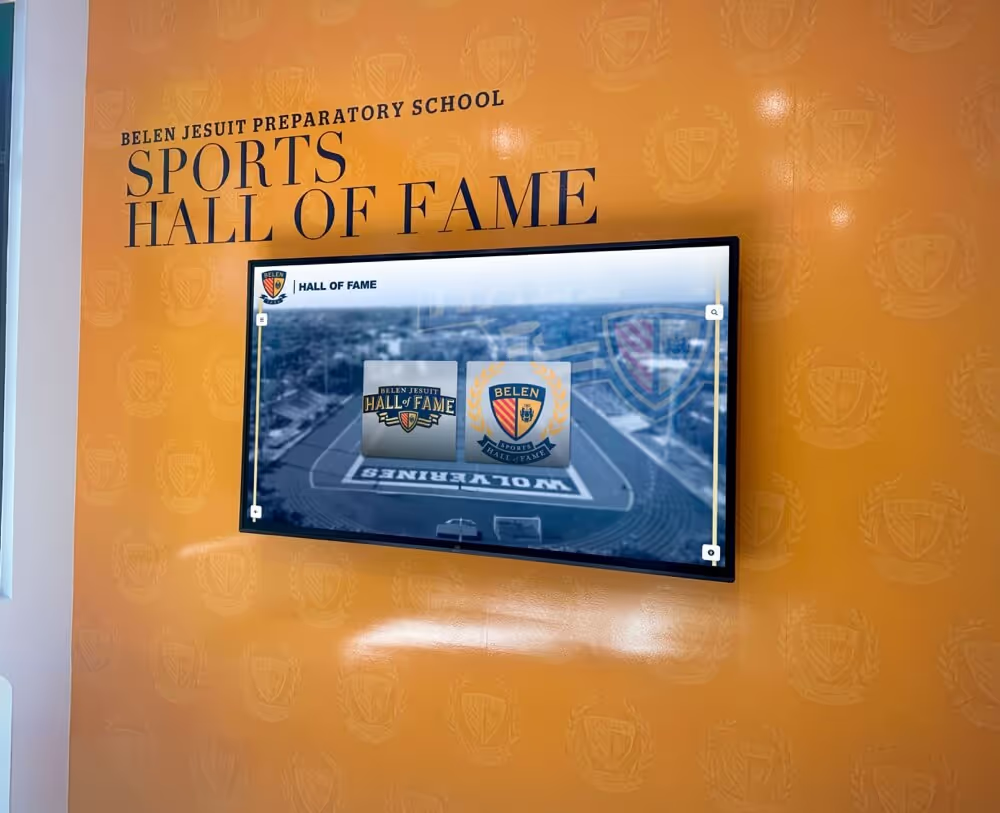
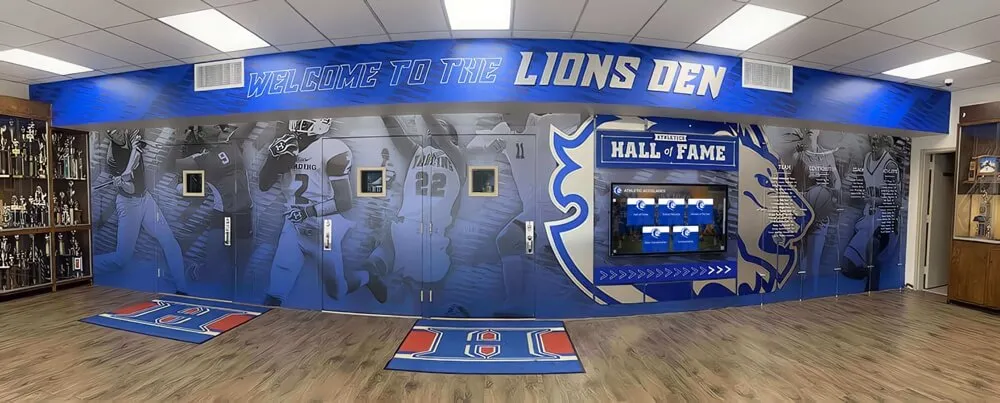
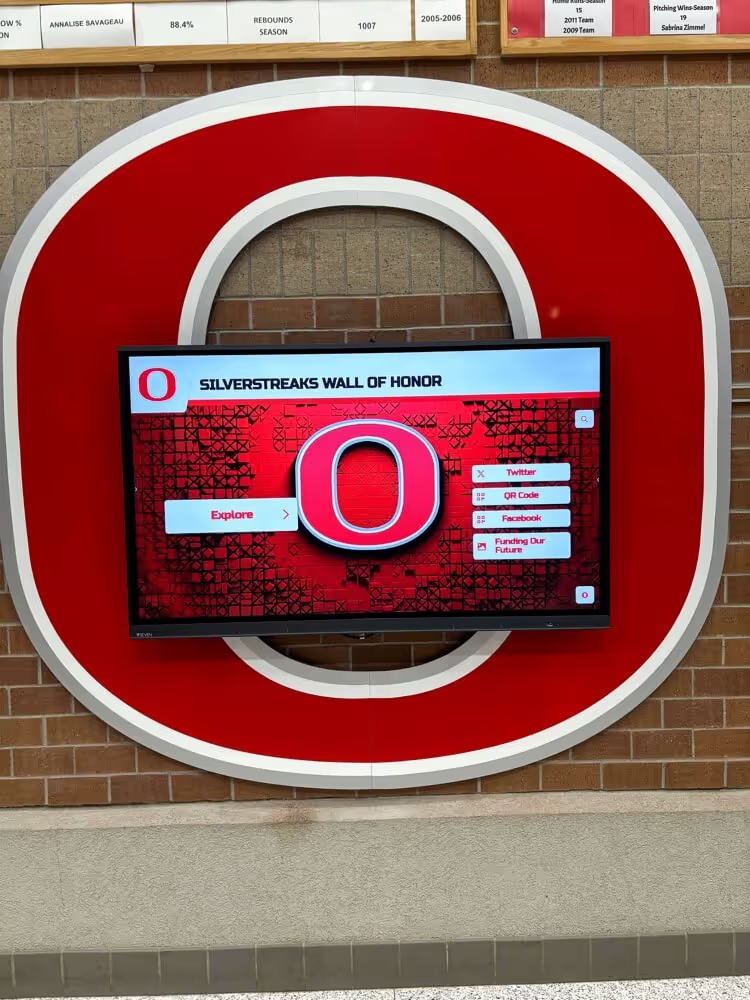
Integrated digital recognition systems in school hallways keep spirit week achievements visible long after the week ends
Display Standings in Real Time
Point standings updated only at morning announcements lose momentum compared to rankings visible throughout the day. When students pass a lobby display and see their class is fifty points behind the seniors, they’re more likely to participate in the afternoon’s activity than if they have to wait until tomorrow’s announcement to know where things stand.
Digital service awards and recognition displays designed for educational institutions can be adapted for spirit week leaderboards, cycling between current standings, participation photos, and upcoming event reminders.
Archive the Week Permanently
Spirit week photos and competition results represent a genuine piece of school history. Digital asset management systems for schools can organize and preserve spirit week documentation in ways that make it retrievable years later—for reunion events, anniversary celebrations, and alumni engagement campaigns.
Recognize Student Leaders
Spirit week doesn’t organize itself. The student council members, class officers, and activity coordinators who spend weeks planning deserve visible recognition. Feature their contributions on campus displays alongside competition results—not just the winning class, but the people who made the week possible.
Connect to Year-Round Recognition Infrastructure
The schools that generate the strongest spirit week engagement typically have robust year-round recognition cultures. When students are accustomed to seeing basketball awards and athletic achievement displayed prominently alongside academic honors and service recognition, spirit week feels like a natural extension of that culture rather than an isolated anomaly.
Planning Your Spirit Week Theme Lineup
Five-Day Theme Structure
A well-sequenced week builds from easy entry points on Monday to maximum energy on Friday:
| Day | Theme Strategy | Goal |
|---|---|---|
| Monday | Zero-barrier opener (Mismatch Day, Pajama Day) | Maximum first-day participation |
| Tuesday | Social/coordination theme (Twin Day, Squad Day) | Build interpersonal investment |
| Wednesday | Identity or pride theme (Jersey Day, Club Day) | Connect to school community |
| Thursday | Creative/competitive theme (Decade Bracket, Career Day) | Peak creative engagement |
| Friday | School colors and maximum spirit | Rally energy for culminating event |
Involve Students in Selection
Survey students before finalizing themes. Student input increases participation rates because students feel ownership over the week rather than just compliance with administrator decisions. Even a simple Google Form asking students to rank five theme options from a curated list generates significant buy-in.
Match Themes to Your Calendar Context
Homecoming spirit weeks benefit from themes with nostalgic or alumni-connecting elements. Spring spirit weeks work well with outdoor-friendly themes and energetic finales. Midwinter spirit weeks benefit from high-energy indoor activities that combat seasonal disengagement.
Explore gym mural ideas that can anchor permanent school identity displays complementing rotating spirit week themes.
Budget Considerations by Theme
Most high-participation themes require minimal school spending. The cost of a successful spirit week is primarily time—planning, coordination, and communication. Schools spending money should prioritize:
- Recognition prizes for class competition winners (trophies, certificates, traveling banners)
- Digital display infrastructure for real-time standings and photo galleries
- Decoration materials for hallway competitions
- Rally production for the culminating event
High school fundraising ideas can help offset spirit week costs while building additional community engagement around the celebration.
Making Spirit Week Recognition Last Beyond Friday
One of the most underutilized opportunities in spirit week planning is the post-week recognition window. Most schools announce a winner, post a few photos, and move on. Schools that build lasting culture from spirit week do more:
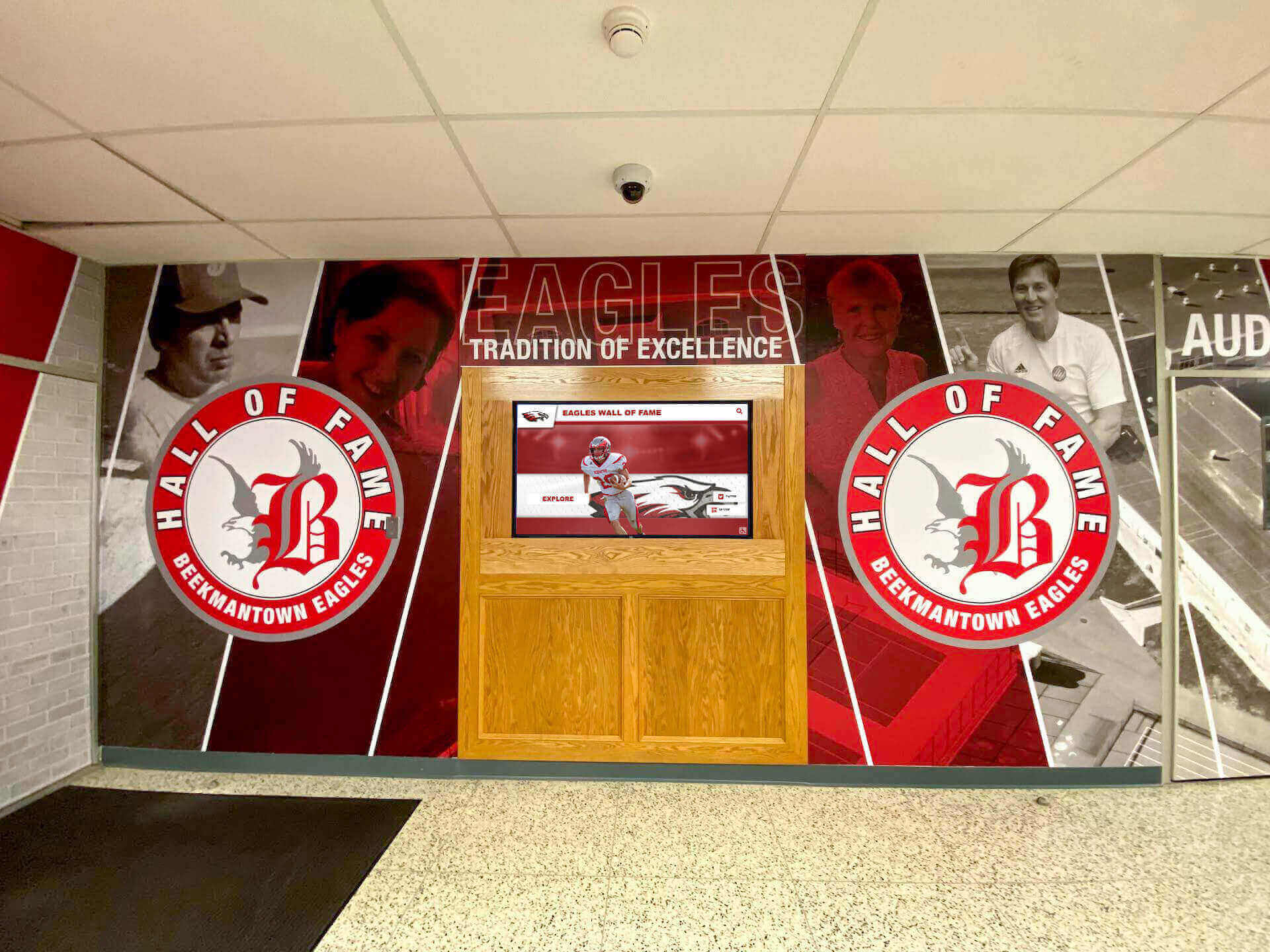
School lobby recognition murals preserve the history and achievements that spirit week themes celebrate, creating a permanent culture of pride
Feature spirit week champions in hallway recognition displays alongside athletic and academic honorees. The class that won spirit week is as deserving of institutional recognition as the team that won the championship.
Create a digital archive accessible to students, alumni, and families. School newspaper archives and student journalism showcases demonstrate how student-created content can be preserved and celebrated as genuine institutional history.
Use spirit week data to improve next year. Participation rates by theme, point spread by class, and social media engagement metrics tell you which themes resonated and which fell flat. Document findings immediately while they’re fresh—future planning committees will thank you.
Connect the week to broader recognition programming. Schools with athletic team photo walls and comprehensive hall of fame displays naturally integrate spirit week into a year-round culture of celebrating student achievement and institutional pride.
Conclusion: Spirit Week Themes That Build Lasting School Pride
The right spirit week themes do more than fill hallways with colorful costumes—they create shared experiences that strengthen peer relationships, build institutional identity, and generate memories students carry with them long after graduation. The 30+ themes covered here span the full range of approaches: low-barrier openers that guarantee participation, identity-rich themes rooted in your school’s specific history, competition structures that sustain engagement through Friday, and recognition frameworks that make the celebration last.
The schools generating the most authentic spirit week engagement share a common characteristic: they treat recognition as central to the experience, not as an afterthought. When participation is visible, acknowledged, and preserved, students invest more deeply in the week—and in the institution that celebrates their contributions.
Bring Your Spirit Week to Life with Digital Recognition
Rocket Alumni Solutions helps schools showcase spirit week rankings, celebrate student achievements, and preserve school traditions through interactive touchscreen displays that engage your entire community—during spirit week and all year long.
Explore Digital Recognition SolutionsWhether you’re planning your first spirit week or revitalizing a decade-long tradition, the themes and strategies in this guide give you the tools to create a celebration your students will genuinely anticipate. Start with themes that reflect your school’s unique identity, build in participation structures that recognize every student’s contribution, and invest in the recognition infrastructure that makes school pride visible long after the costumes come off.
Ready to make your spirit week recognition permanent? Explore how Rocket Alumni Solutions helps schools build dynamic digital recognition systems that celebrate spirit week champions, athletic achievers, academic honorees, and the full spectrum of student excellence—creating a culture of pride your community carries forward for generations.