



Spirit days transform ordinary school days into memorable celebrations where hallways burst with color, creativity flows through costume choices, and students unite around shared school pride. Whether part of homecoming week, athletic playoffs, or standalone events throughout the year, spirit days create opportunities for students to express themselves, build community connections, and generate photo-worthy moments that become treasured memories long after graduation.
For student council advisors, activities directors, and school administrators, successful spirit days require thoughtful planning—selecting themes that appeal across diverse student interests, creating inclusive participation opportunities, managing logistical challenges, and capturing moments in ways that preserve school culture for current and future students.
Modern spirit days extend beyond simple theme announcements. Strategic planning combines creative themes with photo opportunities, digital documentation systems, and year-round displays that keep school spirit visible long after the event concludes, reinforcing community identity while inspiring continued participation in school traditions.
Spirit day ideas work best when they balance creativity with accessibility—choosing themes broad enough for easy participation while unique enough to generate genuine excitement. This comprehensive guide explores proven theme categories, costume execution strategies, photo capture techniques, and how schools leverage digital displays to extend spirit day impact beyond single events into lasting school culture.

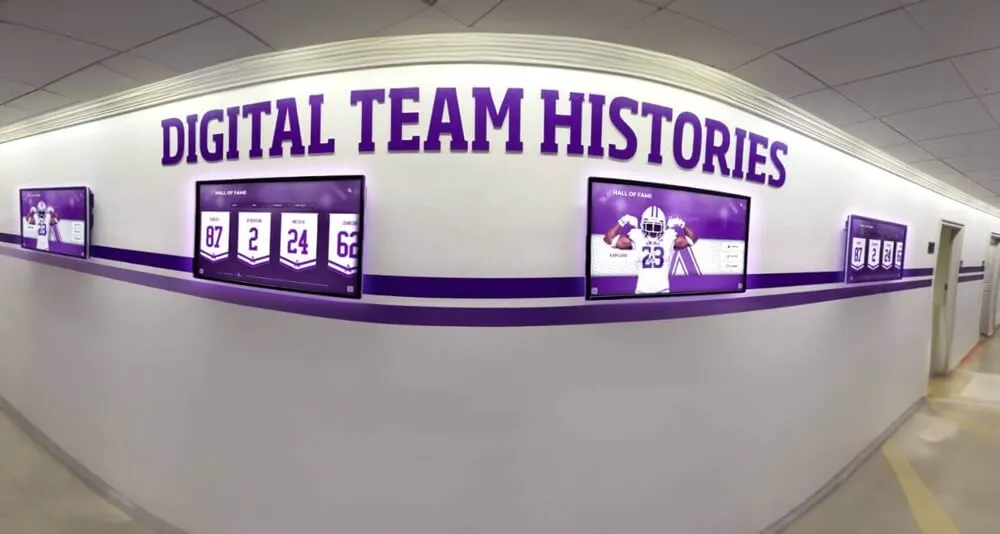
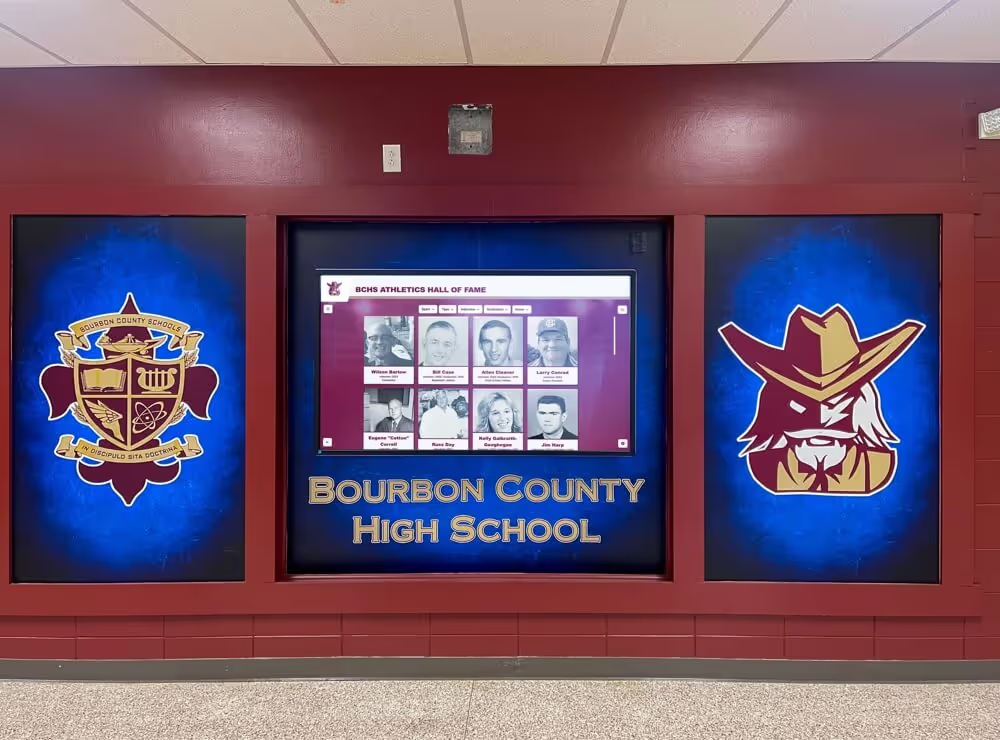
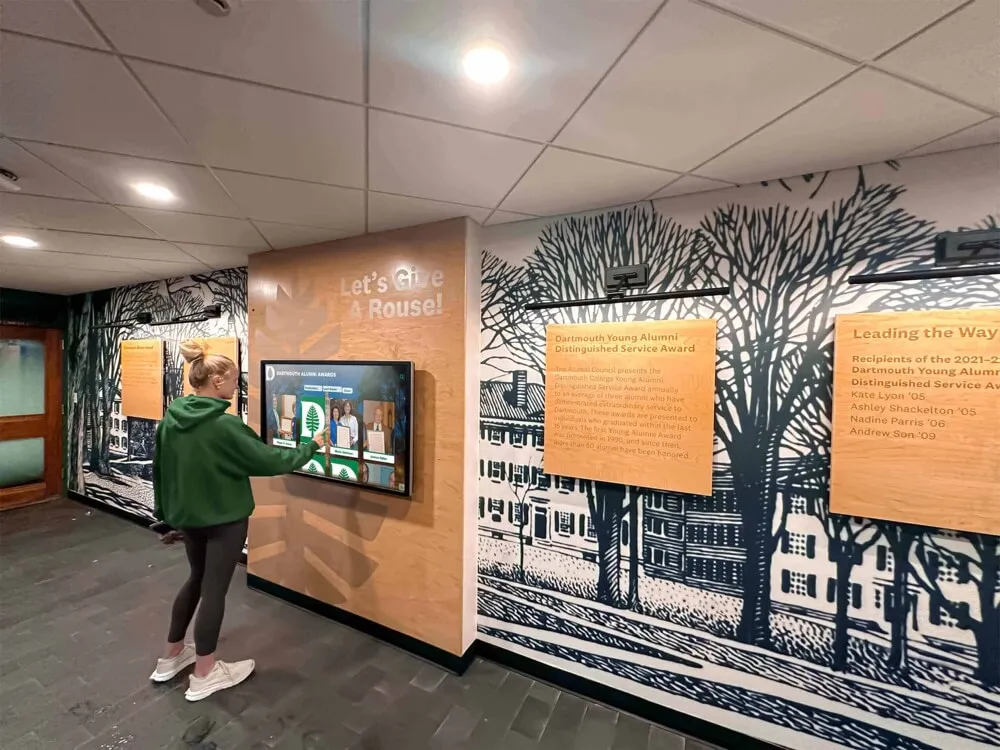
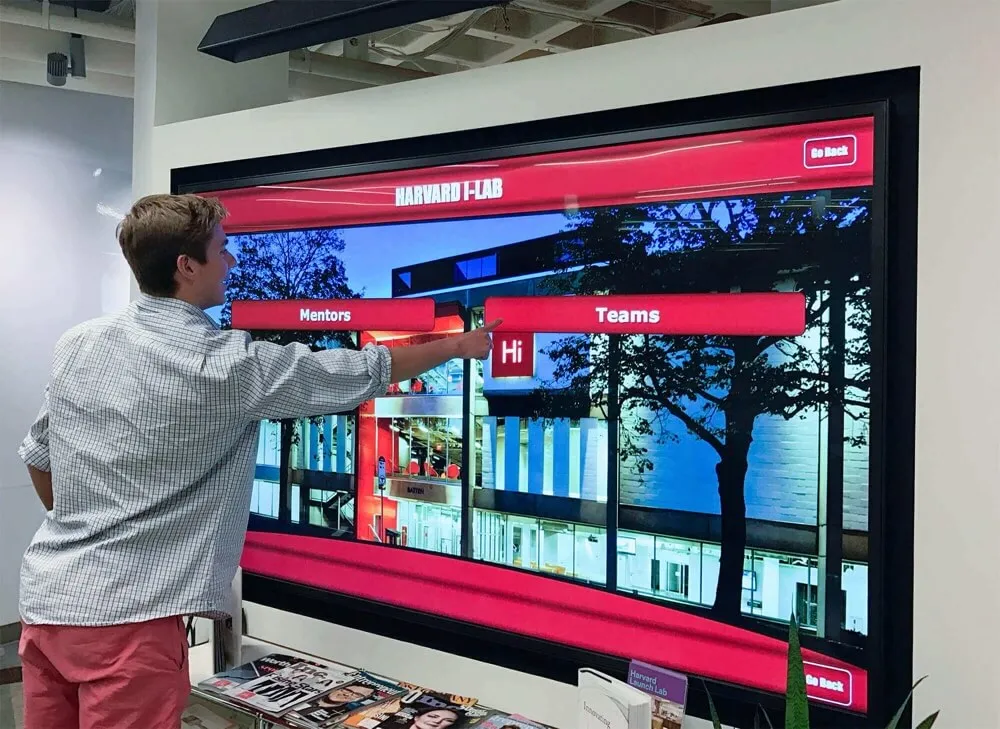
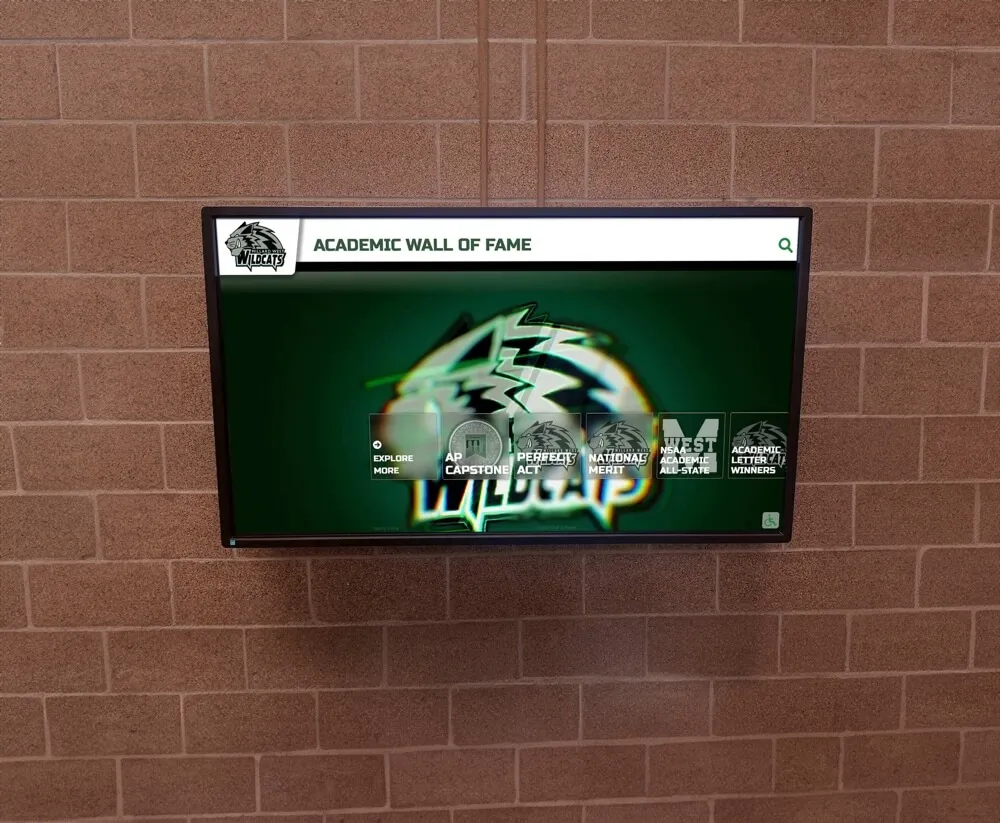
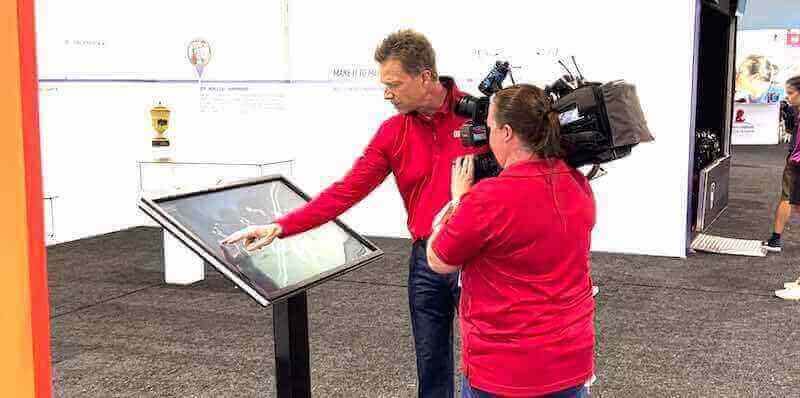
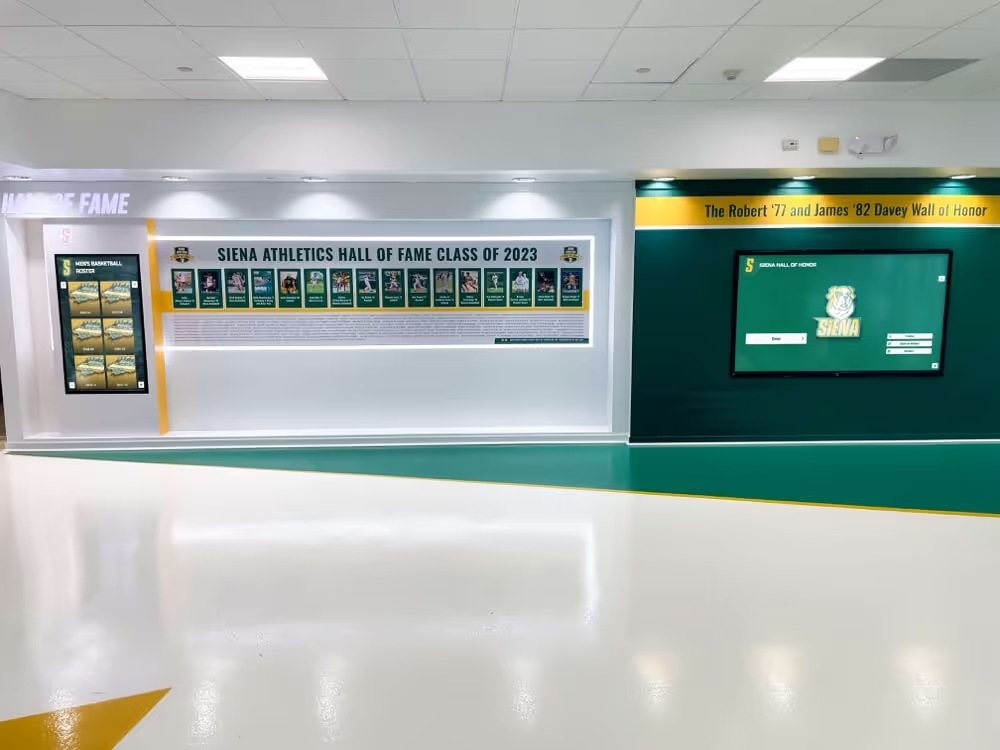
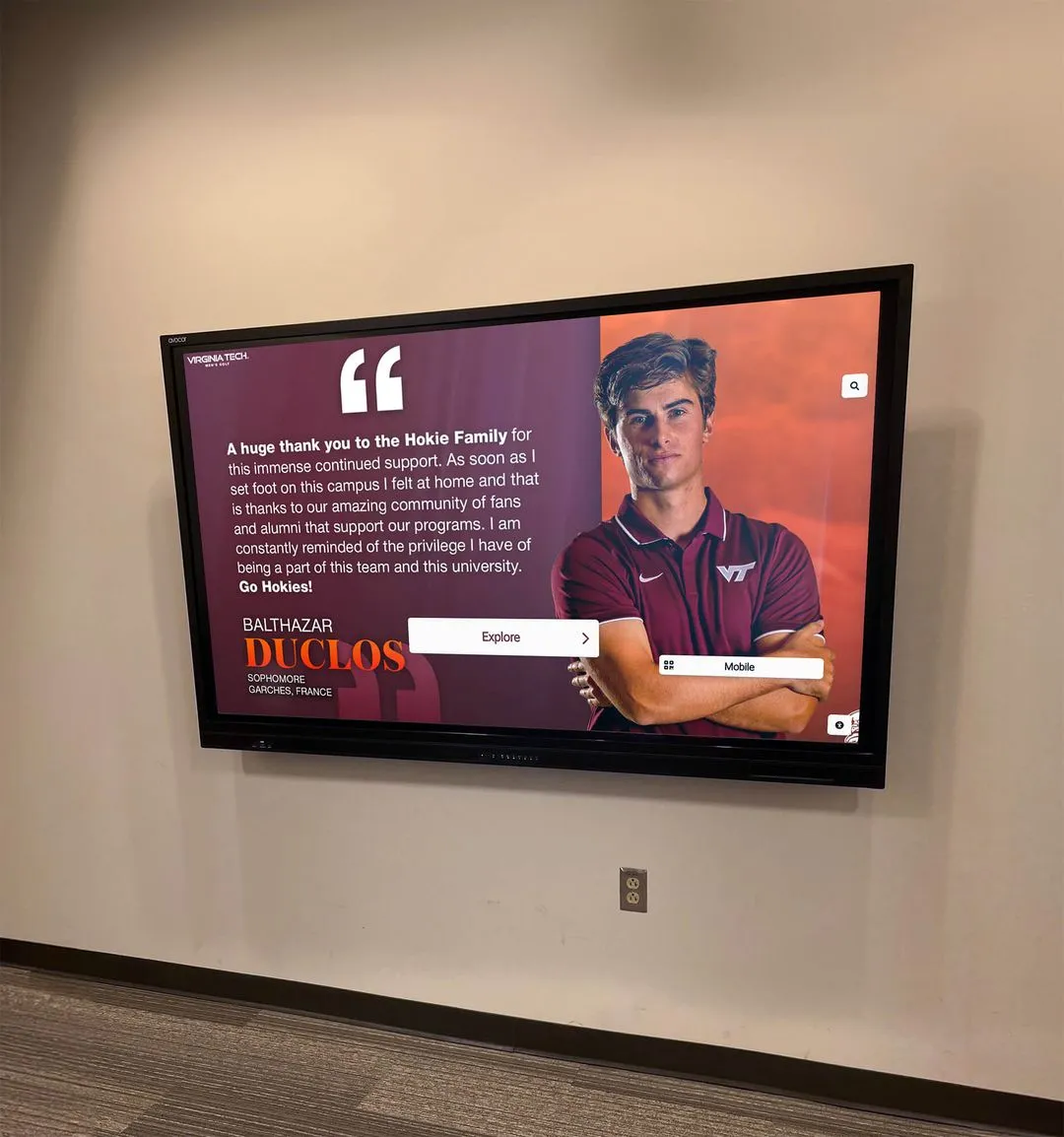
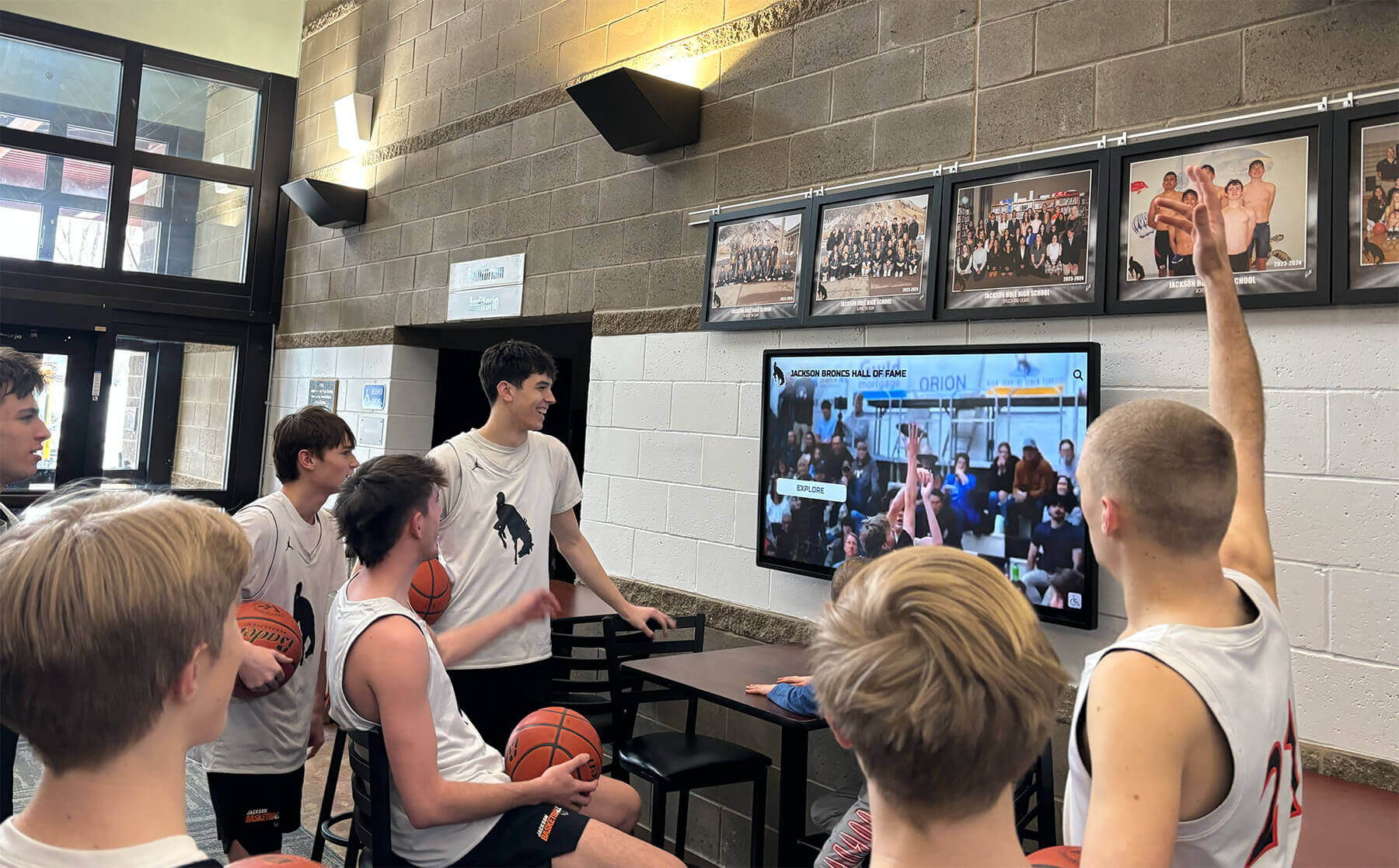
Digital displays enable schools to showcase spirit day photos and videos in high-traffic areas, extending event impact and inspiring future participation
Classic Spirit Day Themes That Always Work
Before exploring creative variations, understanding tried-and-true spirit day themes helps schools build successful events with proven appeal across diverse student populations.
Color Wars and Class Color Days
Why Color Themes Succeed
Color-based spirit days remove costume complexity while creating powerful visual impact:
Single School Color Day
- Students wear school colors (example: red and gold)
- Creates unified appearance building collective identity
- Minimal barrier to entry—most students own clothing in school colors
- Perfect photo opportunities with hundreds wearing coordinated colors
- Works especially well before major athletic competitions or rivalry games
Class Color Competition
- Freshmen: Green (growth and new beginnings)
- Sophomores: Yellow or gold (developing strength)
- Juniors: Blue (deepening commitment)
- Seniors: Red or purple (leadership and legacy)
Color-coded class days create healthy competition as grade levels compete for highest participation percentage, generating energy throughout campus while maintaining accessibility for all economic backgrounds and comfort levels.
Decade Days: Time Travel Through Fashion
Popular Era Selections
Decade themes offer rich costume opportunities while educating students about cultural history:
’50s Sock Hop Spirit
- Poodle skirts and leather jackets
- Slicked-back hair and cat-eye glasses
- Saddle shoes and bobby socks
- Diner-inspired photo backdrops with jukeboxes
’60s Peace and Love
- Tie-dye shirts and bell bottoms
- Flower crowns and peace symbols
- Psychedelic patterns and bright colors
- Photo booths styled as VW vans or protest signs
’70s Disco Fever
- Platform shoes and wide collars
- Afros and feathered hair
- Jumpsuits and polyester patterns
- Disco ball photo backdrops
’80s Neon Explosion
- Leg warmers and scrunchies
- Neon colors and geometric patterns
- Side ponytails and teased hair
- Boombox and cassette tape props
’90s Nostalgia
- Flannel shirts and overalls
- Choker necklaces and platform sneakers
- Windbreakers and bucket hats
- Polaroid-style photo opportunities
Decade days work particularly well because students can participate at varying effort levels—from simple color choices to elaborate costume construction—while creating visually distinct groups perfect for hallway photos and social media content.

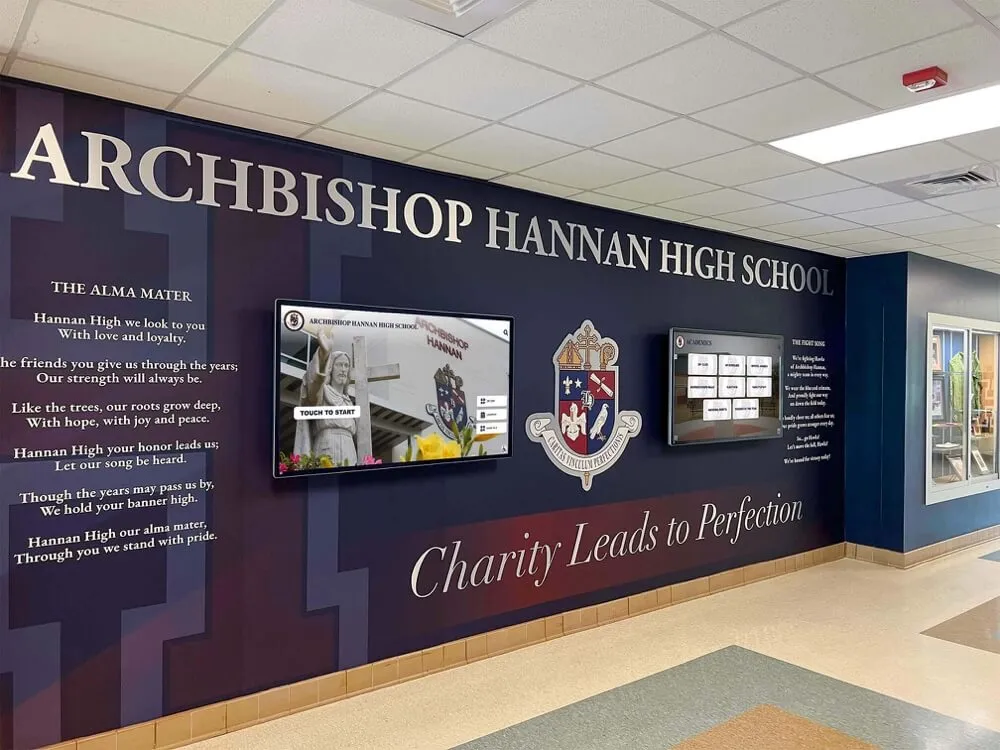
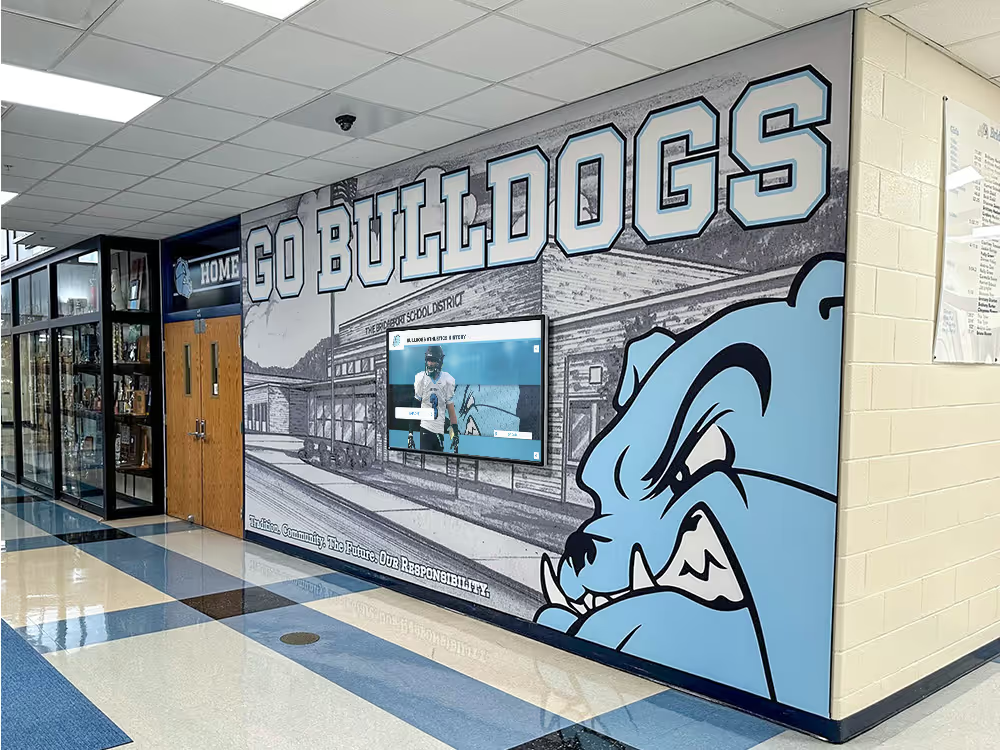
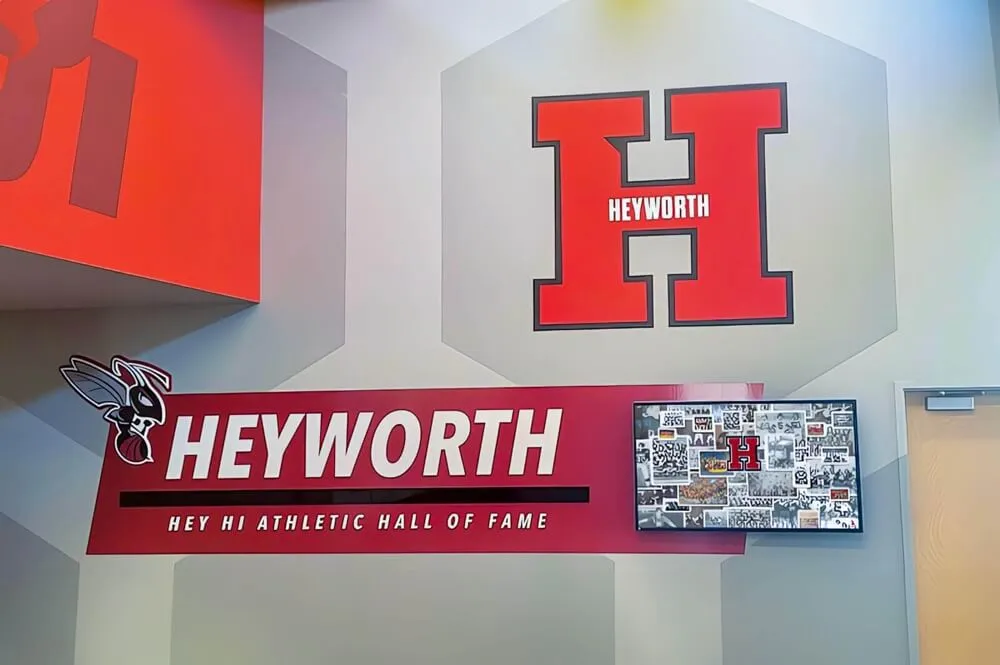
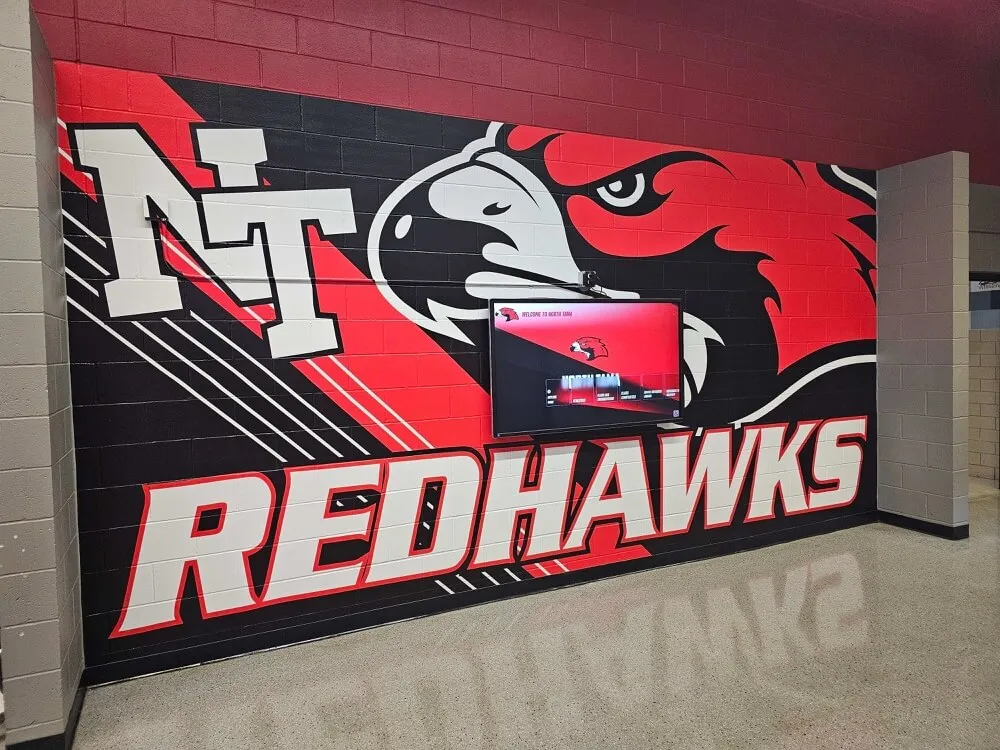
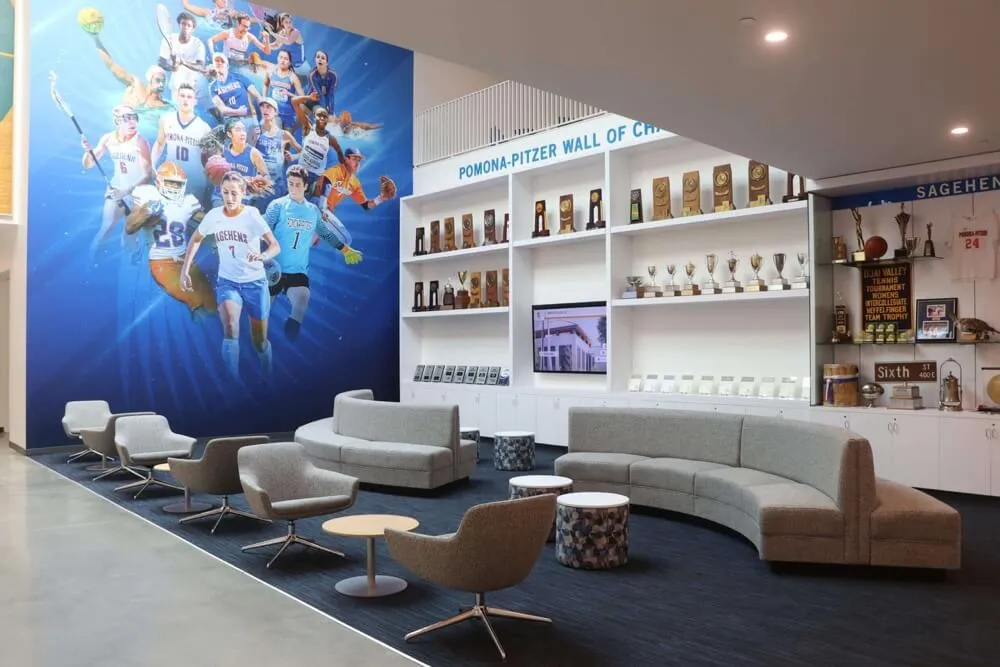
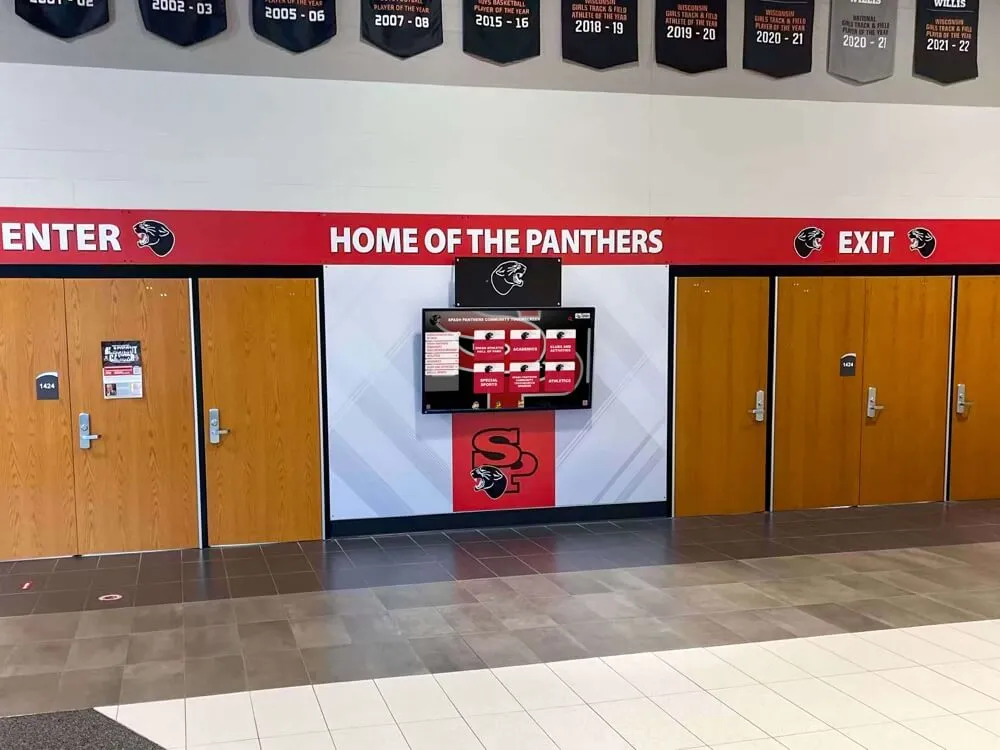
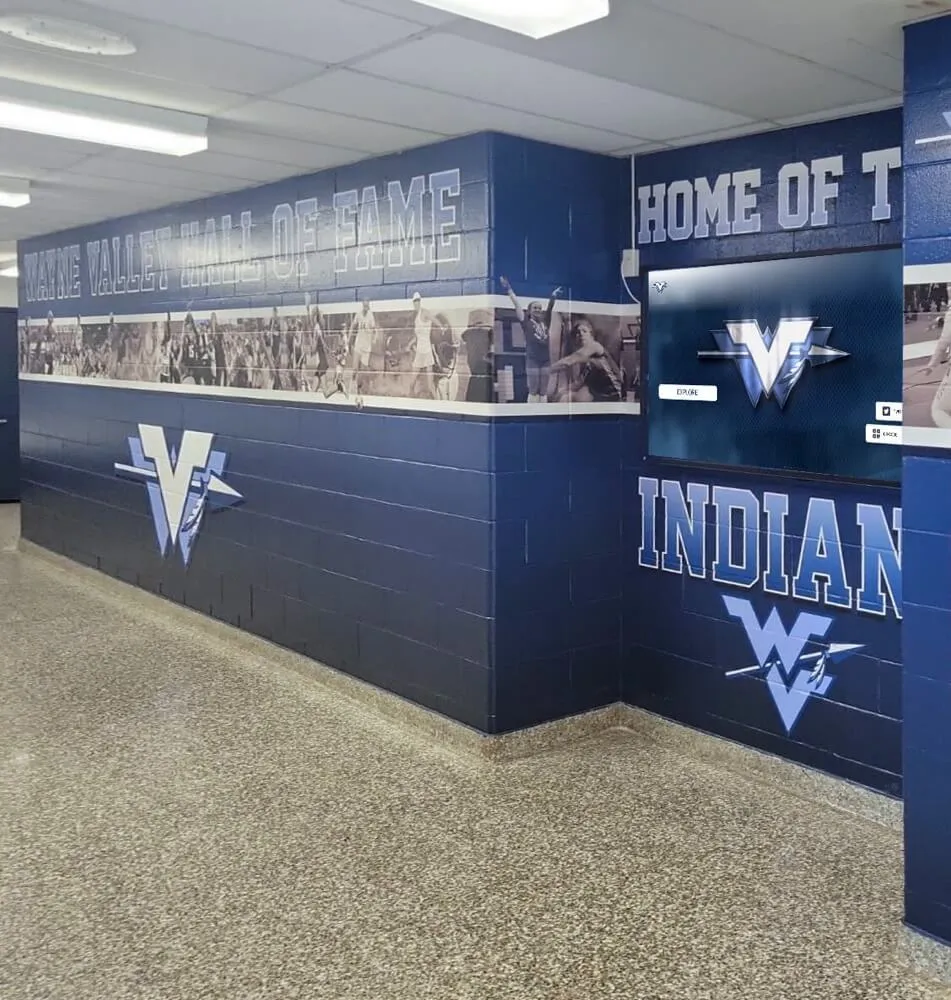
Permanent school pride installations provide perfect backdrops for spirit day photos, connecting daily traditions to special events
Character and Pop Culture Spirit Days
Broad Theme Categories
Character-based themes spark creativity while offering countless interpretation options:
Superhero Day
- Marvel and DC characters dominate
- Original superhero creations encouraged
- Teacher participation as villains
- Photo booth styled as city skyline
- Connects well to themes of strength and helping others
Disney Character Day
- Appeals across age ranges with hundreds of character options
- Group costume opportunities (Toy Story characters, Lion King cast)
- Princesses, villains, sidekicks all viable
- Photo backdrops featuring castle or movie-specific scenes
Video Game and Anime Characters
- Increasingly popular with current student generations
- Appeals to gaming and anime club participation
- Creative costume construction showcases student talent
- Photo opportunities styled as game levels or anime scenes
Movie and TV Character Day
- Broad appeal across entertainment preferences
- Iconic characters instantly recognizable
- Group options for friend groups (Stranger Things cast, The Office characters)
- Flexible interpretation levels from simple props to full costumes
Character themes succeed when schools provide reference materials ahead of time—creating Pinterest boards, displaying example photos, or creating suggestion lists helping students visualize possibilities without mandating specific choices.
Creative and Unique Spirit Day Concepts
Beyond classic themes, innovative spirit day ideas create memorable experiences that distinguish your school’s traditions while boosting participation through novelty.
Career and Future-Focused Days
Professional Preparation Themes
Career-themed spirit days combine fun with future orientation:
Dream Job Day
- Students dress as their future career aspirations
- Doctor, engineer, artist, athlete costumes showcase goals
- Creates conversations about college and career planning
- Photo documentation becomes part of senior year memories
- Connections to guidance counseling and career exploration programs
Entrepreneur Day
- Students create and wear “company” merchandise
- Showcases business ideas and creativity
- Connects to business classes and entrepreneurship programs
- Photo booths styled as Shark Tank pitch scenes
These career-focused themes work particularly well during college application season or career fair weeks, reinforcing academic goals while maintaining spirit day fun.
Switch and Swap Spirit Days
Role Reversal Themes
Switch-themed days create humor while building empathy:
Teacher-Student Swap Day
- Students dress professionally as teachers
- Teachers wear student-style casual clothes or spirit wear
- Creates bonding opportunities across role boundaries
- Photo opportunities capturing role reversals
- Emphasizes community beyond hierarchies
Athletic Swap Day
- Fall athletes wear winter sport gear
- Basketball players wear swimming caps
- Creates cross-sport camaraderie
- Works especially well during transition weeks between seasons
- Photo displays featuring athletes outside their typical sports
Grade Level Swap
- Seniors dress as freshmen (backpacks, lanyards, maps)
- Freshmen attempt senior style (letterman jackets, senior shirts)
- Humorous while building school-wide connections
- Creates photo comparisons showing four-year growth
Switch themes work because they require minimal special purchases—students repurpose items they already own—while generating genuine laughter and memorable photo opportunities.
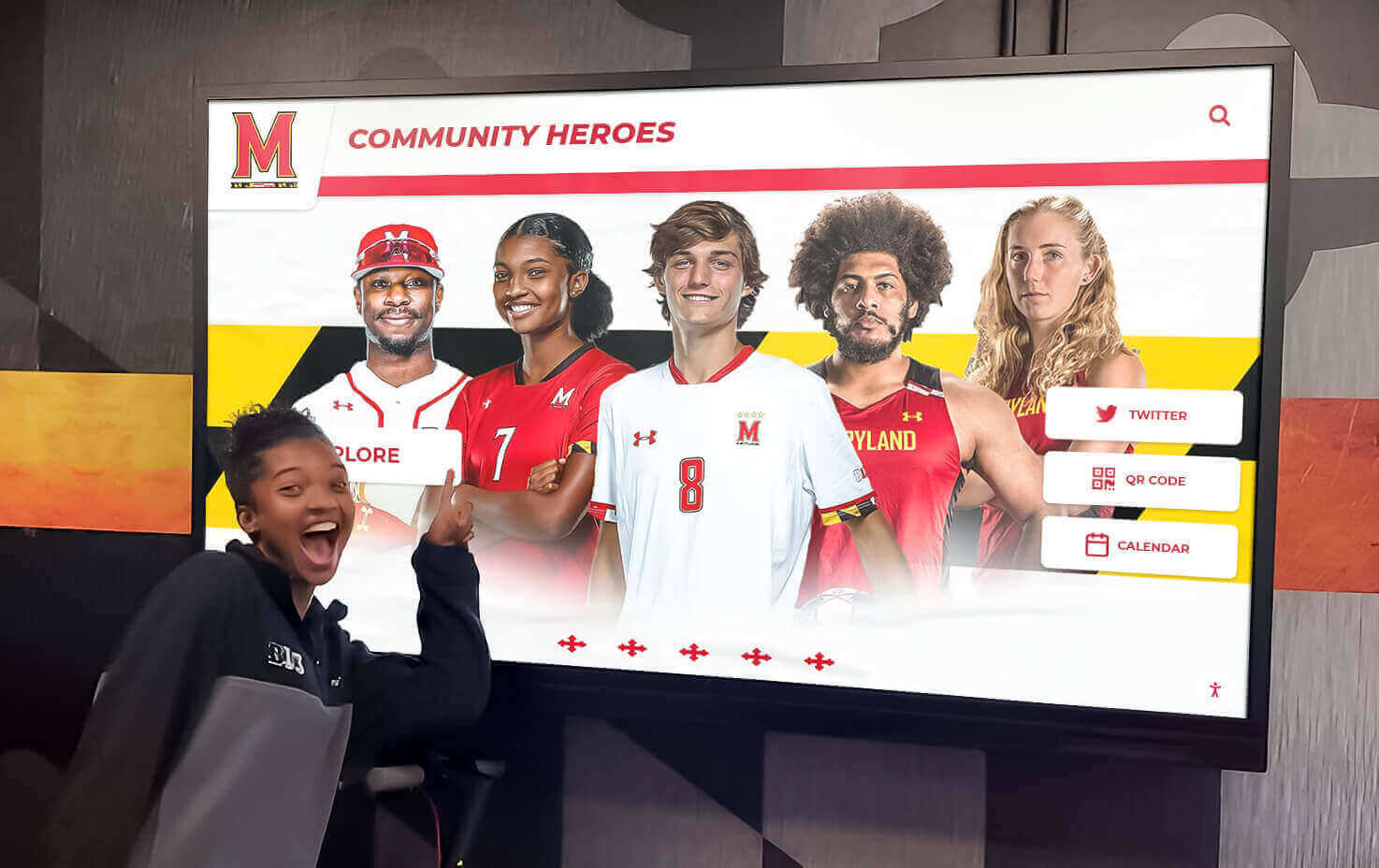
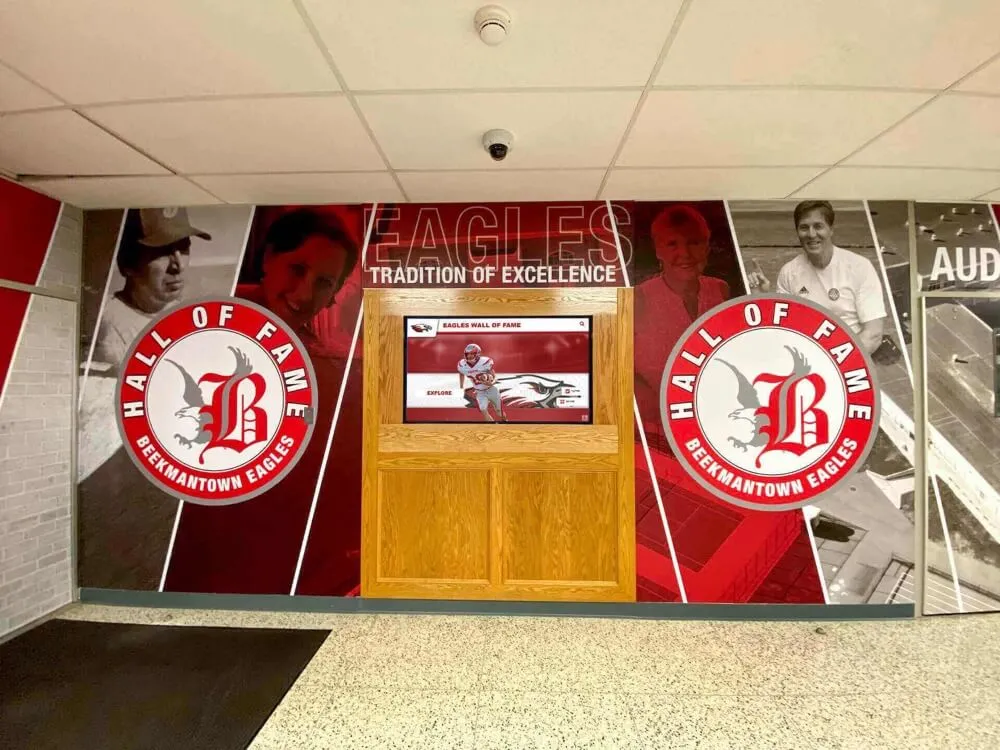
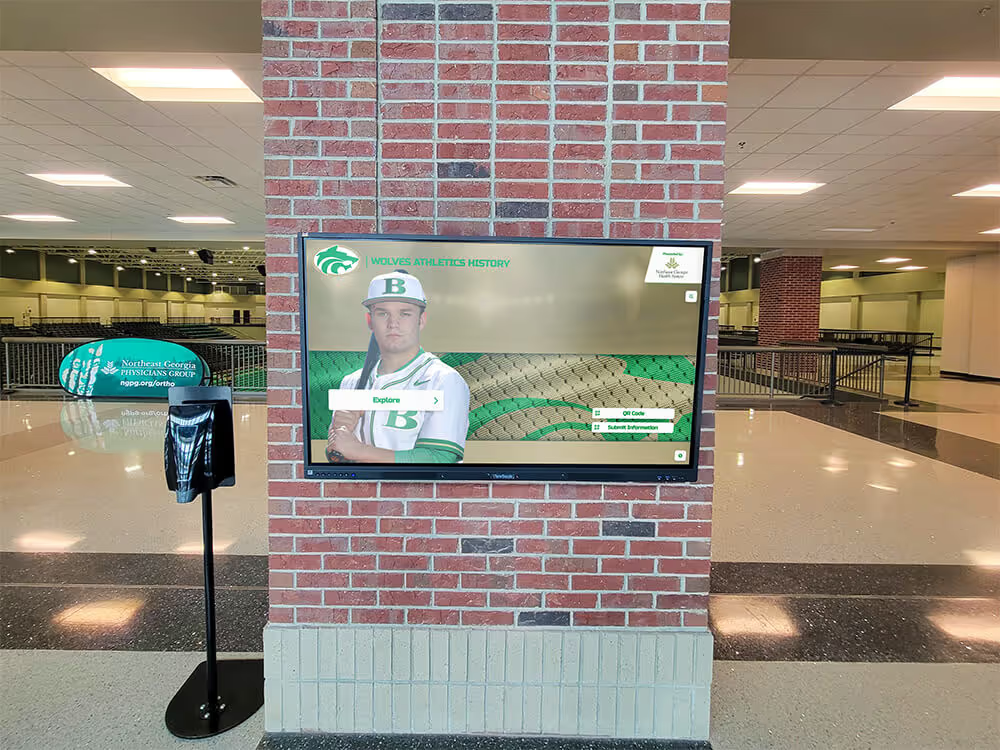
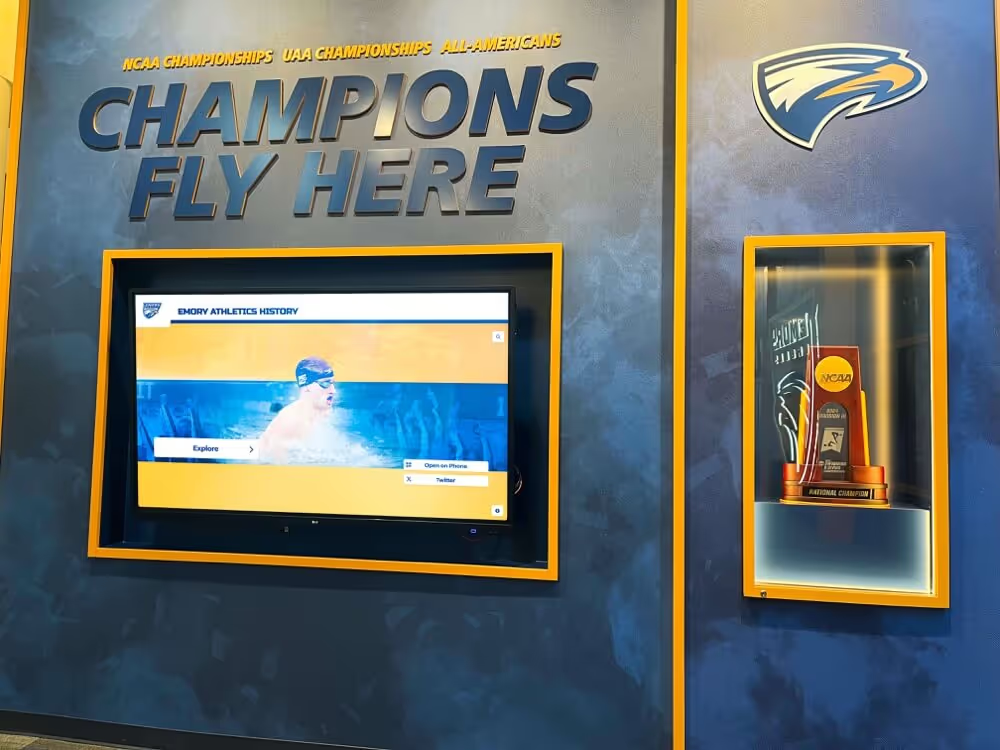
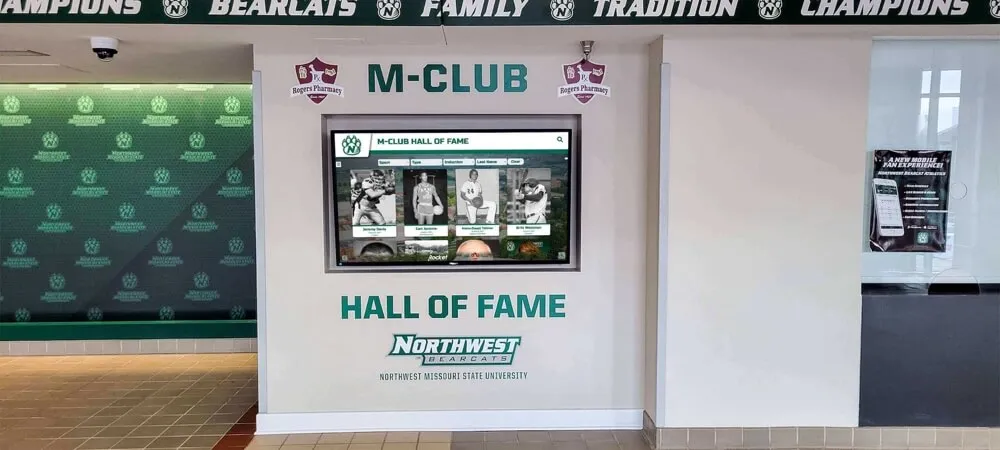
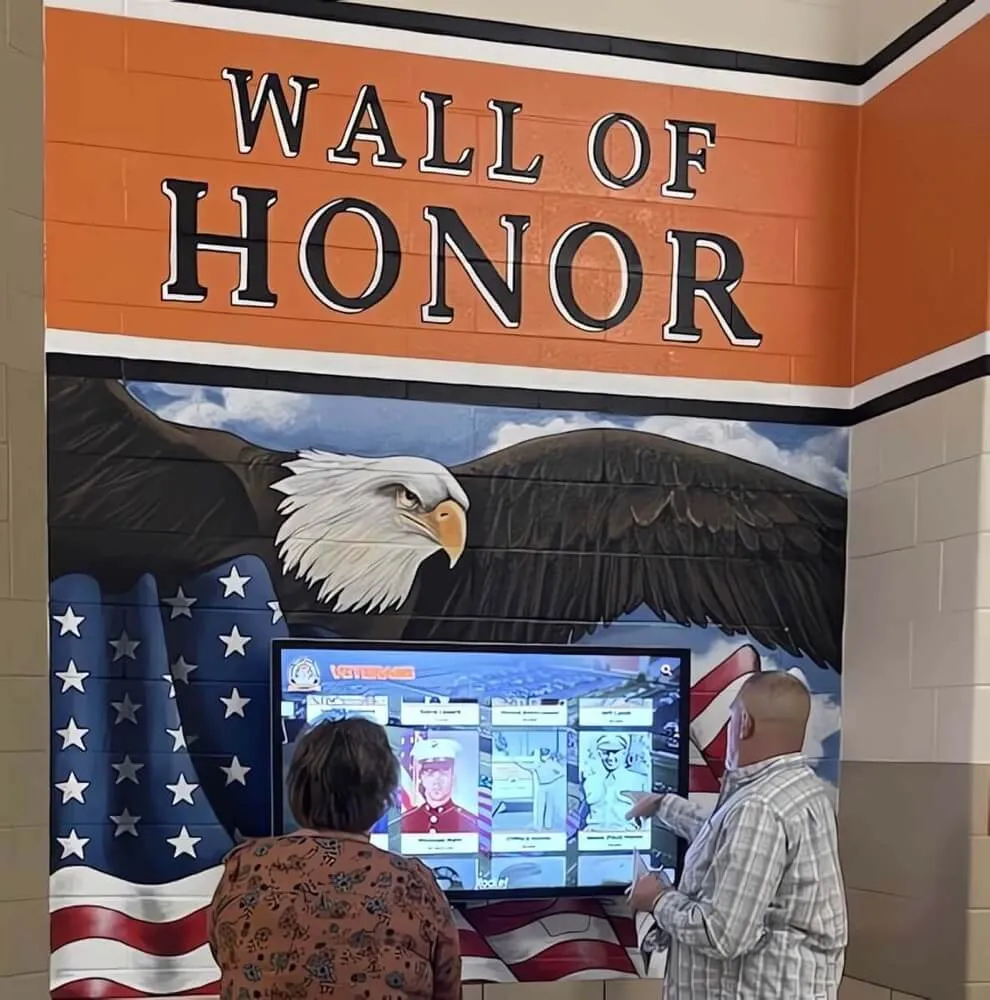
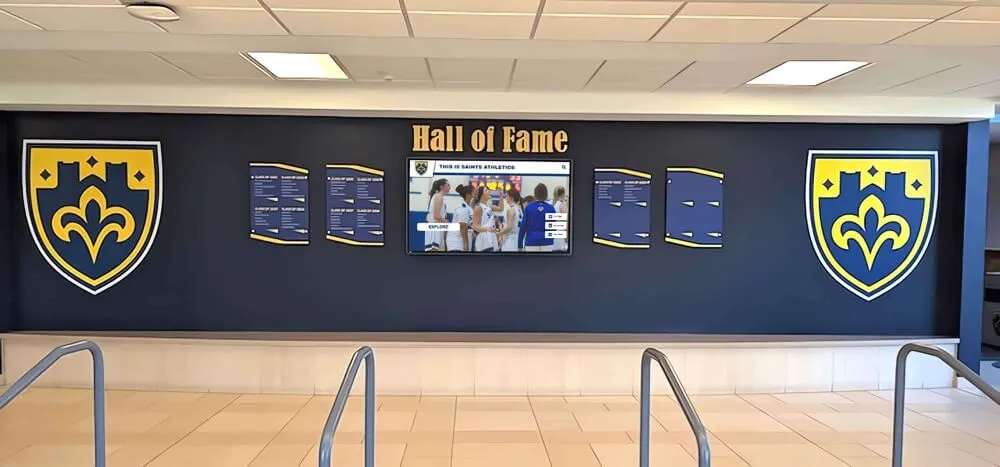
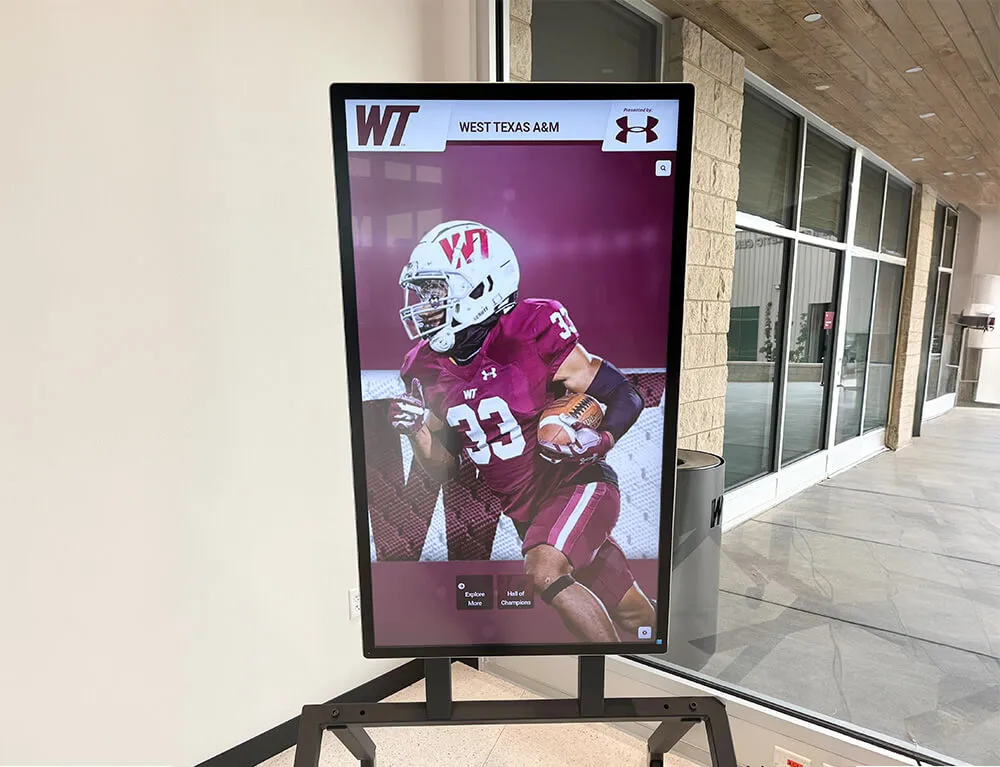
Interactive displays enable students to explore spirit day photo galleries and contribute their own moments to permanent school culture archives
Pattern and Print Days
Visual Theme Variations
Pattern-focused themes create striking visual impact with simple execution:
Tropical Day
- Hawaiian shirts and floral patterns
- Leis and sunglasses
- Beach-themed photo backdrops
- Works well in winter as “warm weather escape”
Pajama Day
- Comfortable and universally accessible
- Slippers and robes allowed
- Creates relaxed atmosphere before exams
- Photo booths styled as bedrooms
Camouflage and Military Appreciation
- Honors veterans and active military families
- Camo patterns widely available
- Can include flag colors and patriotic elements
- Particularly meaningful near Veterans Day or Memorial Day
Stripes and Polka Dots
- Simple pattern requirements
- Creates geometric visual interest in photos
- Accessible across all clothing budgets
- Works well for elementary through high school
Neon and Glow Day
- Bright fluorescent colors
- Black light photo booths create dramatic effects
- High energy and visibility
- Connects well to school fundraising events like glow runs
Pattern days succeed because they require no costume construction—students simply select from existing wardrobes—while creating cohesive visual themes perfect for group photos and social media sharing.
Spirit Week: Multi-Day Theme Planning
While individual spirit days create impact, spirit weeks build momentum through coordinated multi-day themes that tell a story and build toward major events.
Traditional Spirit Week Structure
Monday through Friday Theme Progression
Successful spirit weeks balance effort levels throughout the week:
Monday: Easy Accessibility
- Color day or jersey/sports day
- Low barrier to entry starts week strong
- Sets participation expectations
- Simple photo opportunities
Tuesday: Moderate Creativity
- Decade day or pattern day
- Requires some planning but remains accessible
- Maintains momentum from Monday
- Increased costume creativity in photos
Wednesday: Peak Creativity
- Character day or career day
- Mid-week energy peak
- Most elaborate costumes emerge
- Extended photo session opportunities during lunch
Thursday: School Pride Focus
- School color day or class color competition
- Refocuses on institutional identity
- Builds toward Friday’s main event
- Group photos by class or activity
Friday: Main Event
- Connects to homecoming, rivalry game, or major school event
- Highest participation and energy
- Pep rally or assembly amplifies themes
- Professional photo documentation
- Evening event (game, dance) extends celebration
This progressive structure starts accessible, builds toward mid-week creativity peak, refocuses on school identity, and culminates with major event connection—maintaining participation throughout while creating varied photo content across the week.
Themed Spirit Weeks with Narrative Cohesion
Connected Theme Approaches
Alternative spirit week structures create narrative threads connecting daily themes:
Around the World Spirit Week
- Monday: North America (Western wear, maple leaf colors)
- Tuesday: South America (tropical patterns, bright colors)
- Wednesday: Europe (berets, formal wear)
- Thursday: Asia (traditional patterns, kimono-inspired clothing)
- Friday: School colors (bringing the world home)
Movie Genre Week
- Monday: Action Heroes
- Tuesday: Romantic Comedy Characters
- Wednesday: Science Fiction
- Thursday: Classic Film Icons
- Friday: School colors (our story)
Time Travel Week
- Monday: Prehistoric (animal prints, earth tones)
- Tuesday: Ancient Civilizations (togas, sandals)
- Wednesday: Medieval (capes, crowns)
- Thursday: Future (metallic, tech-inspired)
- Friday: Today (school colors celebrating present)
Narrative-connected weeks create social media storytelling opportunities, encourage participation across all five days to “complete the journey,” and provide educational elements connecting themes to curriculum content.
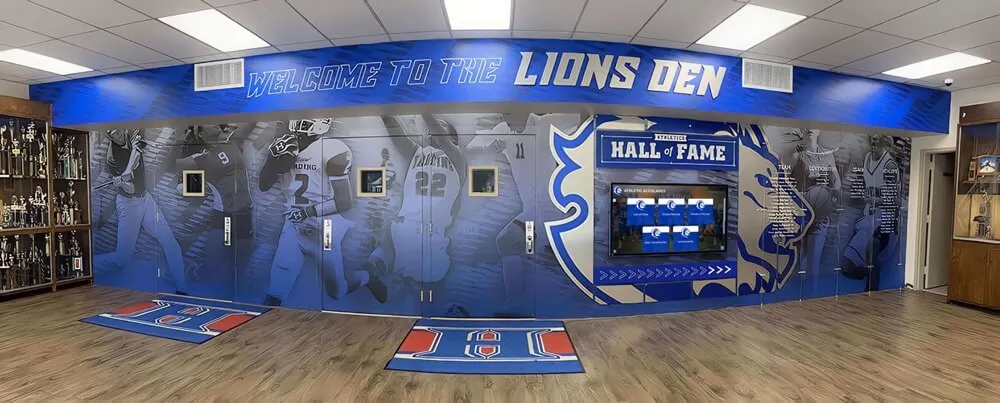
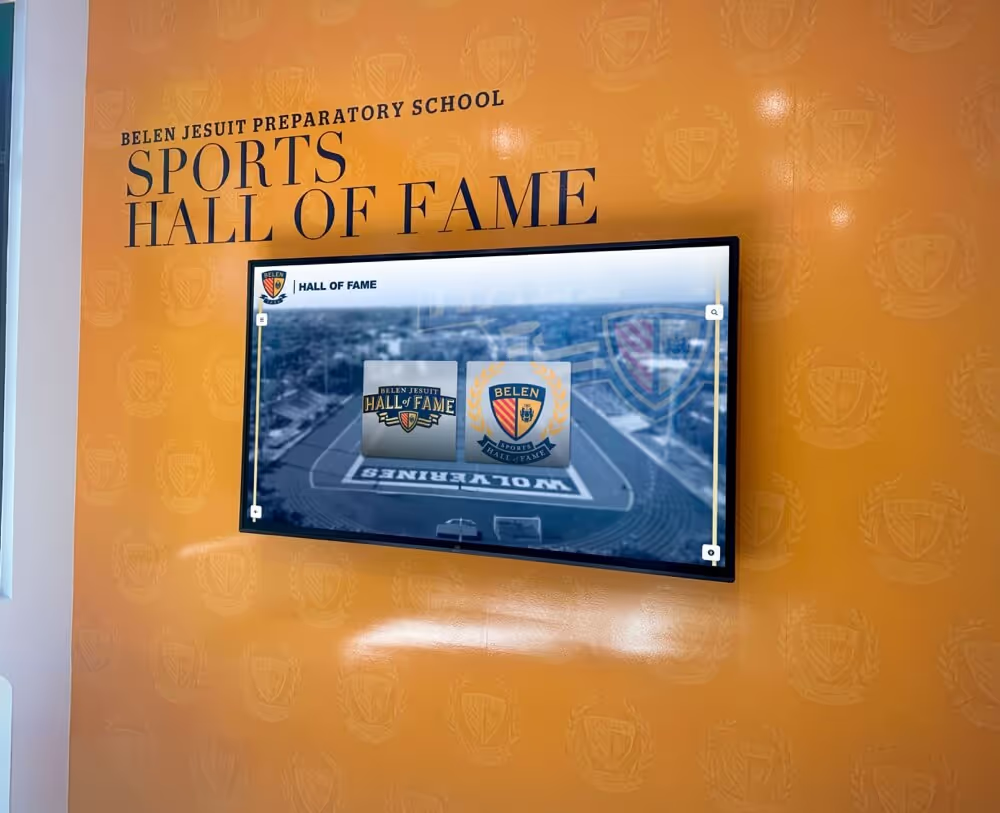
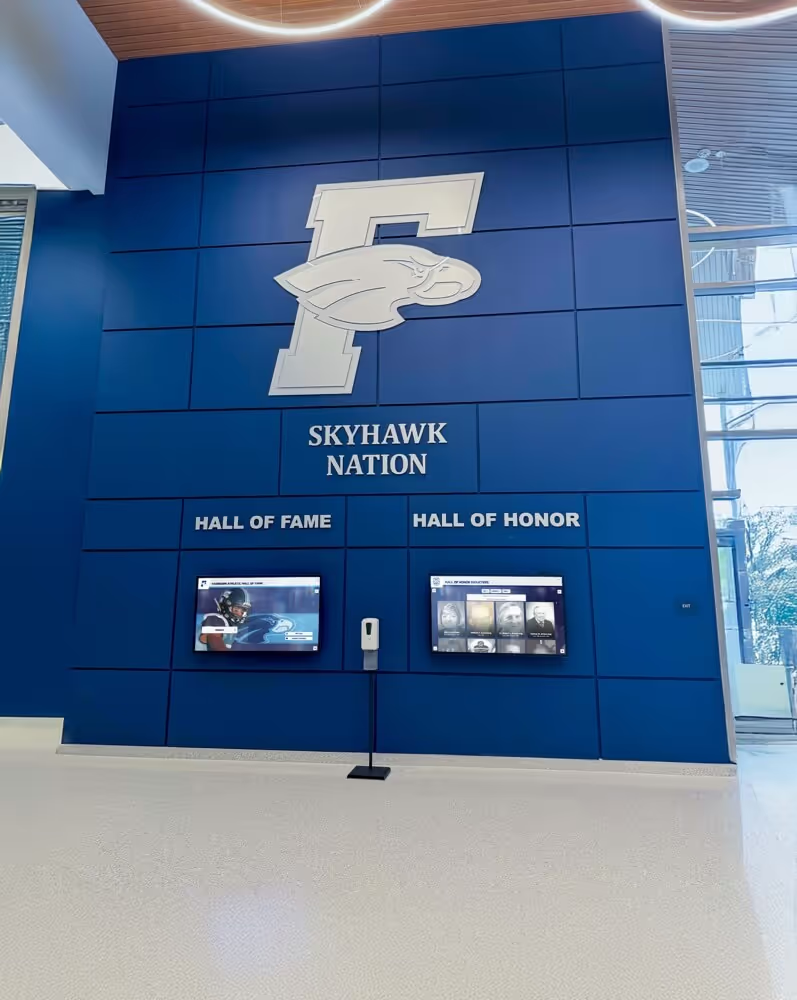
Permanent school pride installations serve as ideal photo backdrops during spirit weeks, connecting temporary events to enduring traditions
Photo-Worthy Moments: Capturing Spirit Day Success
Spirit day themes create opportunities, but strategic photo planning ensures moments are captured, shared, and preserved as part of lasting school culture.
Creating Photo-Friendly Environments
Strategic Backdrop Planning
Transform ordinary school spaces into photo destinations:
Designated Photo Zones
- High-traffic hallway locations during passing periods
- Cafeteria corners during lunch shifts
- Gymnasium entrances before assemblies
- Library spaces during free periods
- Outdoor courtyards in favorable weather
Theme-Specific Backdrop Design
- Decade days: era-appropriate props (vintage cars, record players)
- Character days: scene recreations (Hogwarts castle, superhero city)
- Color days: balloon walls in designated colors
- Career days: office/workshop settings
- Tropical days: palm trees and beach elements
Consistent Branding Elements
- School logo visible in photo background
- Date and theme identification signage
- Social media hashtag displays
- QR codes linking to photo galleries
- Year identification for archival purposes
Physical photo zones with clear visual branding accomplish multiple goals: they concentrate photo activity making documentation easier, create social media-worthy backdrops encouraging student sharing, and establish consistent visual elements helping organize photos in digital archives for future display.
Similar to how schools showcase senior superlatives and other class traditions, spirit day photos become part of permanent school memory collections when properly documented and displayed.
Student Photo Team Coordination
Organizing Documentation Volunteers
Rather than relying solely on staff, engage student photographers:
Student Photo Committee Structure
- Photography class students gain practical experience
- Yearbook staff collects content for publication
- Student council documents events they organized
- Social media team captures shareable moments
- Video production students create highlight reels
Equipment and Access
- School cameras or approved personal devices
- Photo zone access during class time with hall passes
- Designated upload system for image collection
- Photo release forms collected in advance
- Clear guidelines for appropriate content
Coverage Schedule
- First period: arrival and morning energy
- Passing periods: hallway group shots
- Lunch periods: cafeteria participation
- Afternoon activities: class photos
- After-school: event connections
Student-led documentation accomplishes several objectives simultaneously: it distributes workload beyond single staff members, provides authentic peer perspective in photo composition, creates student ownership of event success, develops practical skills for photography students, and generates significantly more photo coverage than faculty-only documentation efforts.
Digital Display Integration for Extended Impact
Moving Photos from Events to Permanent Displays
The most successful schools don’t let spirit day photos disappear into yearbook files—they leverage digital display technology to keep moments visible year-round:
Immediate Display Strategy
- Same-day upload to school digital displays
- Cafeteria screens show lunchtime photos by afternoon
- Hallway displays rotate best images throughout day
- Social media integration with school hashtags
- Live photo streams during end-of-day events
Long-Term Archive Integration
- Spirit day photo galleries in permanent rotation
- “This Week in History” features showing past years’ themes
- Monthly throwback slideshows highlighting traditions
- Comparison galleries showing evolution of themes
- Alumni access through digital archives
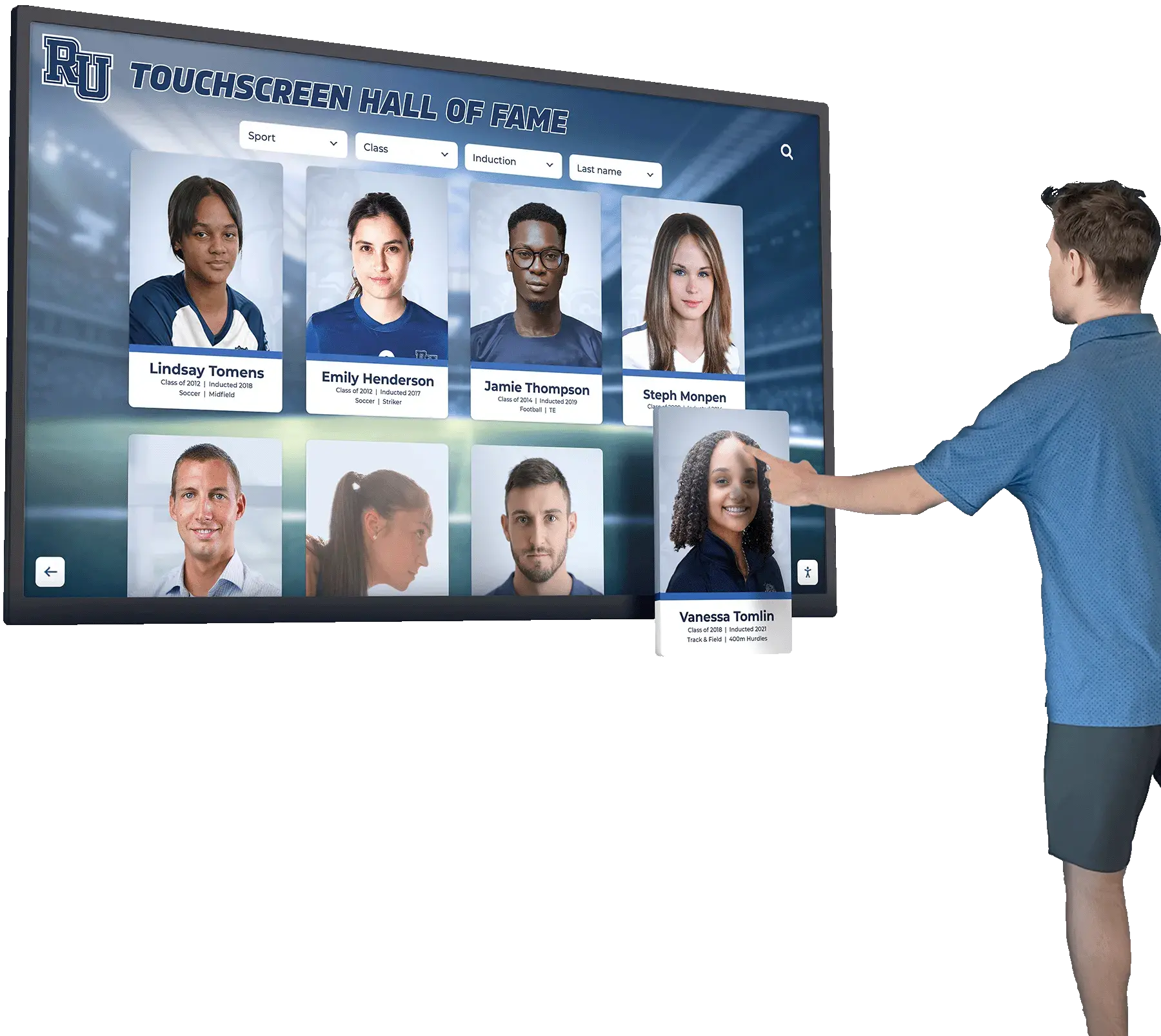
Schools using touchscreen digital recognition systems can create interactive spirit day galleries where students browse photos by year, theme, or participant name—transforming single-day events into permanent culture artifacts that inspire future participation while preserving institutional memory.
Much like basketball senior night celebrations and letter of intent signing ceremonies, spirit days generate photo content that deserves permanent visibility beyond single events, creating year-round touchpoints reinforcing school culture and tradition.
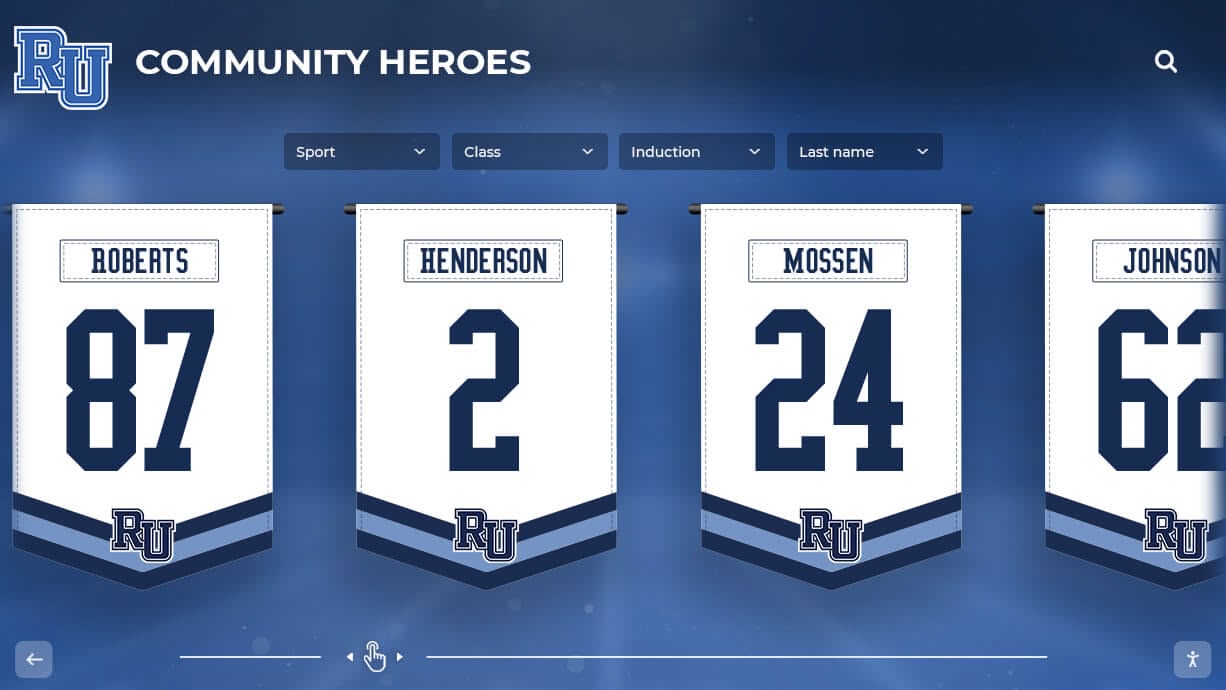
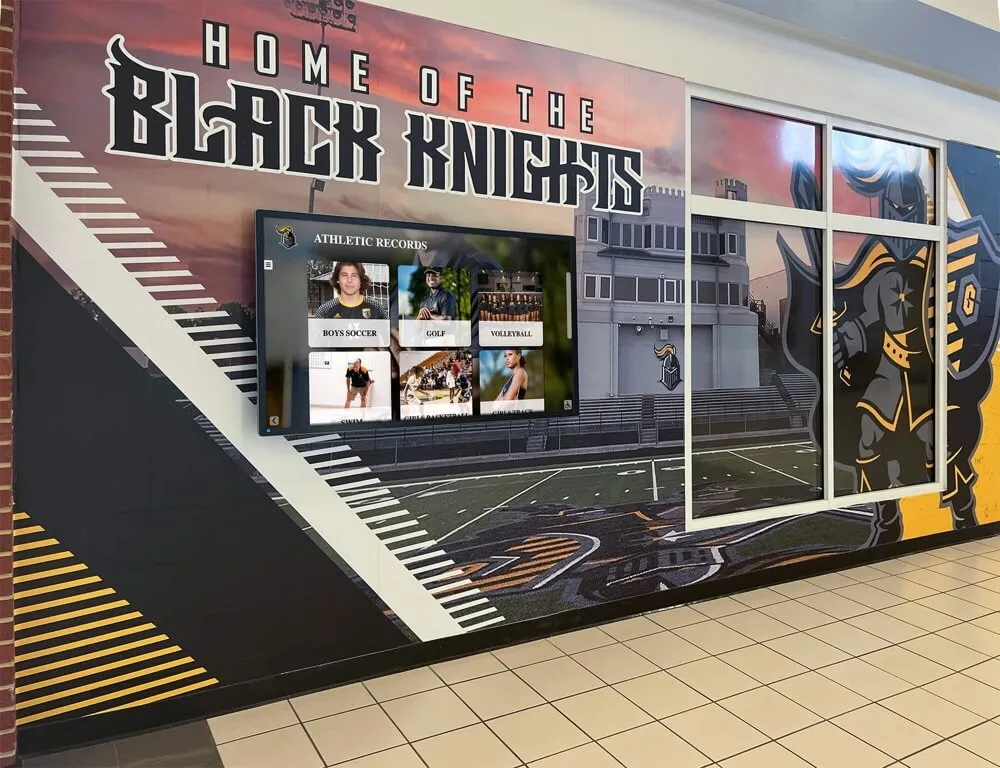
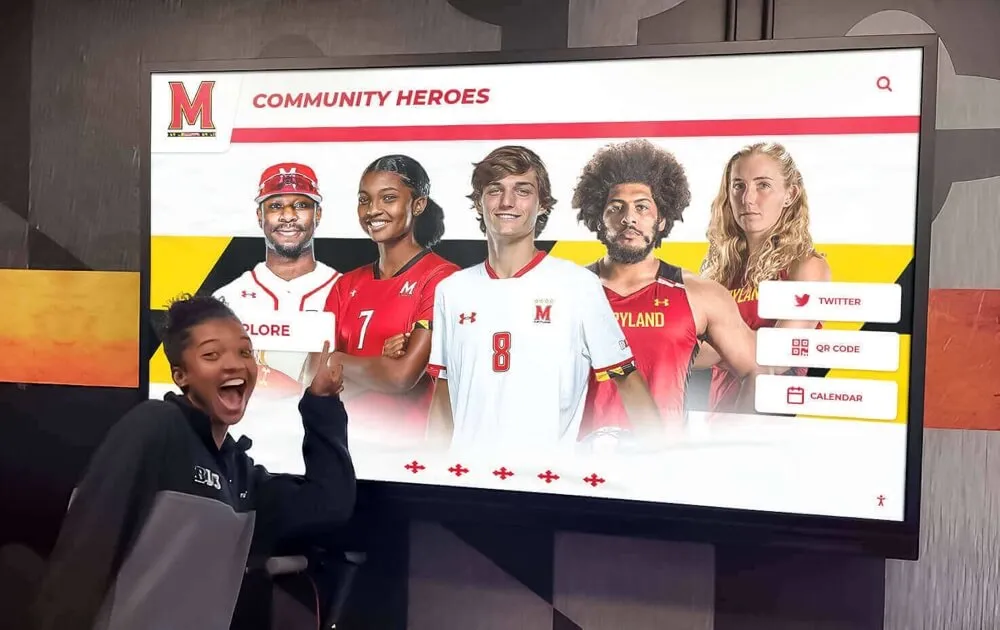
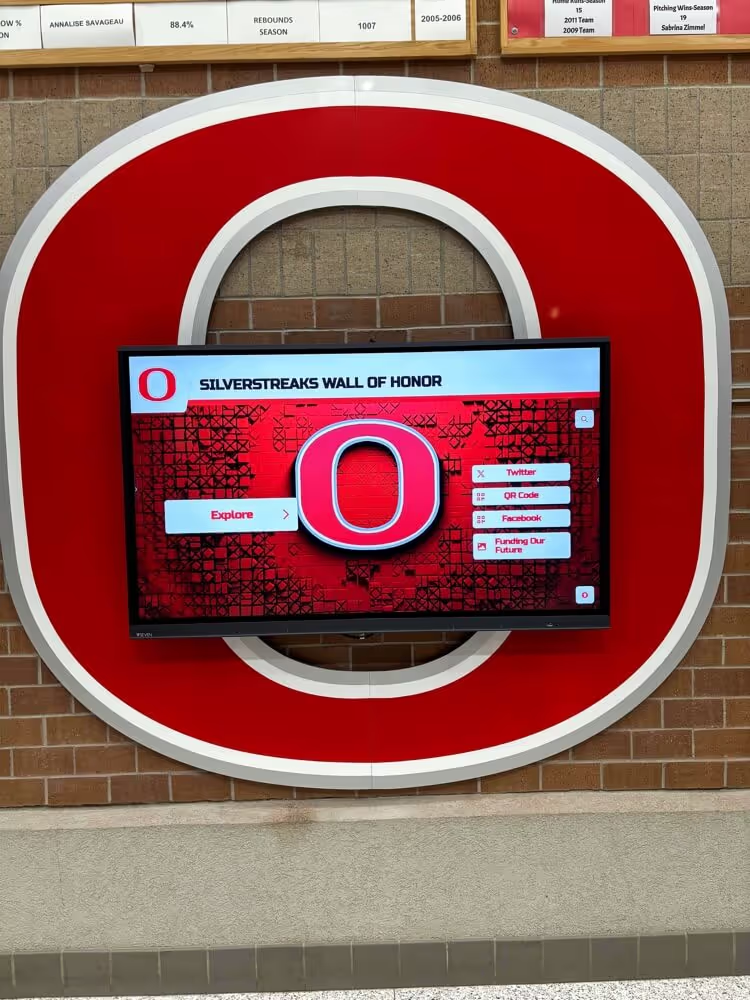
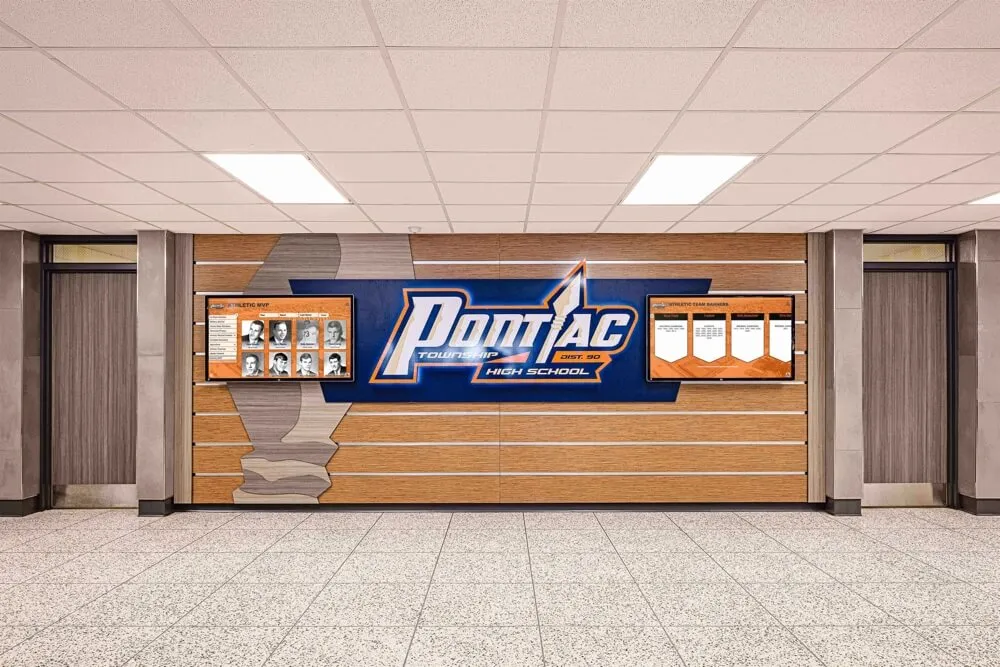
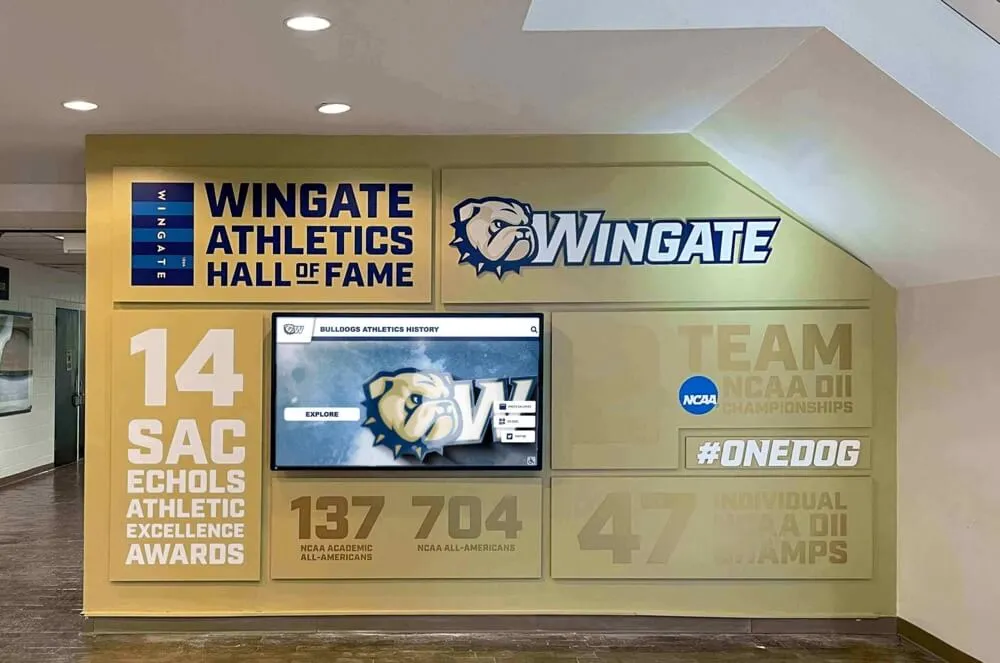
Digital displays and banner systems showcase spirit day participants alongside athletic achievements, integrating event photos into comprehensive school recognition programs
Maximizing Participation Across Diverse Student Populations
Successful spirit days measure success through participation rates—planning that removes barriers and creates multiple entry points ensures broad student engagement across diverse populations.
Removing Economic Barriers
Inclusive Theme Selection
Spirit day planning must consider that costume purchases create economic stress for some families:
Budget-Friendly Theme Priorities
- Color days using clothing students already own
- Pattern days requiring no special purchases (stripes, dots)
- Sports jersey days leveraging existing athletic wear
- Decades themes achievable through thrift stores
- Class color days where borrowed items acceptable
School-Provided Options
- Spirit day costume closet with donated items
- Student council loan program for accessories
- Art class prop-making sessions
- Temporary tattoos and face paint for those without costumes
- Free accessory distribution (leis, headbands, buttons)
Multiple Participation Levels
- Full costume: elaborate interpretation
- Moderate effort: key pieces suggesting theme
- Minimal participation: single color or accessory
- Non-costume support: cheering for others, photo team roles
Explicitly communicating that participation ranges from simple color choices to elaborate costumes helps students at all economic levels feel welcome while removing anxiety about “doing it right.” The goal is school unity, not costume competition.
Cultural Sensitivity and Inclusive Themes
Avoiding Problematic Spirit Day Choices
Theme selection requires awareness of cultural appropriation concerns and inclusive representation:
Themes to Avoid
- Cultural dress-up days (Native American, Asian cultures as costumes)
- Religious figure impersonation
- Stereotype-based character days
- Themes requiring body type specifics
- Gender-restricted costume days
Inclusive Alternative Approaches
- Character days with diverse representation options
- Career days showcasing varied professional paths
- Color and pattern days accessible to all identities
- Future-focused themes (dream job, college pride)
- School-specific traditions unique to your community
Providing Accommodation Options
- Religious dress respect maintained during all themes
- Gender-neutral costume interpretations welcomed
- Physical accessibility in costume expectations
- Opt-out participation through alternative support roles
- Clear messaging that respect for personal boundaries expected
Well-planned spirit days create belonging rather than exclusion—theme selections and participation messaging should emphasize that school spirit manifests in many forms, all equally valuable to community culture.
Connecting Spirit Days to School Identity and Tradition
One-off events create temporary excitement, but strategically planned spirit days build cumulative tradition that strengthens institutional identity over time.
Annual Signature Spirit Days
Creating School-Specific Traditions
Beyond generic themes, unique spirit days become defining school characteristics:
Mascot Appreciation Days
- Lion Pride Day (students wear lion manes and gold)
- Eagle Flight Day (wing props and feathers)
- Bulldog Bash (red and tough-guy costumes)
- Wildcat Wilderness (animal print and school colors)
Historical Anniversary Celebrations
- School founding anniversary themes
- Retired number recognition days
- Championship anniversary celebrations
- Facility dedication commemorations
- Alumni reunion coordination
Rivalry Week Traditions
- Unique themes specific to opponent matchups
- Trophy game recognition (traveling trophies between schools)
- Decades-long rivalry celebrations
- Community-wide participation beyond campus
Schools that create signature spirit days unique to their community—like “Trojan Toga Tuesday” or “Panther Pink-Out for Cancer Awareness”—build distinctive traditions that alumni remember decades later, distinguishing school culture from generic event calendars at neighboring schools.
Just as schools develop unique approaches to teacher appreciation and booster club traditions, customized spirit days become part of institutional identity that strengthens school pride and community connection.
Connecting Spirit Days to School Values
Purposeful Theme Selection
Strategic schools align spirit days with educational and community priorities:
Academic Achievement Celebration
- College shirt day during decision season
- Future scholar day (dress as historical figures)
- STEM spirit day (scientist costumes, lab coat day)
- Arts appreciation (artist costumes, creative expression)
Social Awareness Themes
- Anti-bullying unity day (specific color campaigns)
- Mental health awareness (green ribbon day)
- Environmental consciousness (nature-themed dress)
- Diversity celebration (cultural heritage sharing)
Community Service Connection
- Food drive kick-off spirit days
- Charity fundraiser themes (proceeds from costume contest entry)
- Local hero appreciation days
- Community partner recognition
When spirit days connect to larger institutional values beyond pure entertainment, they reinforce that school culture encompasses both fun and purpose—students experience joy while simultaneously engaging with meaningful themes that extend learning beyond classrooms.
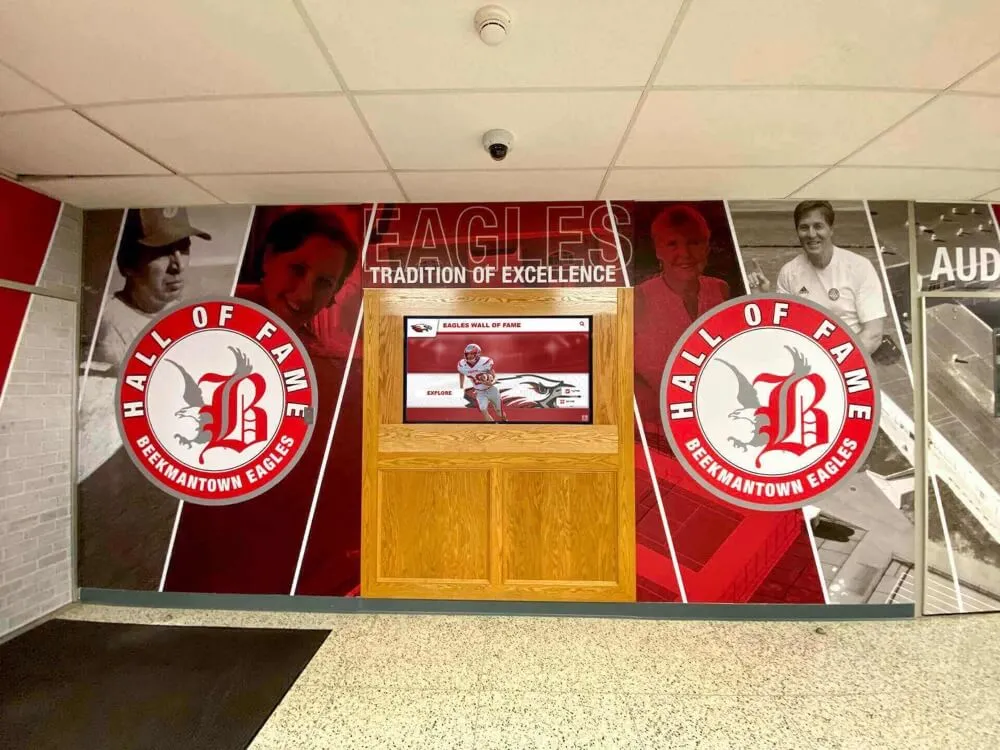
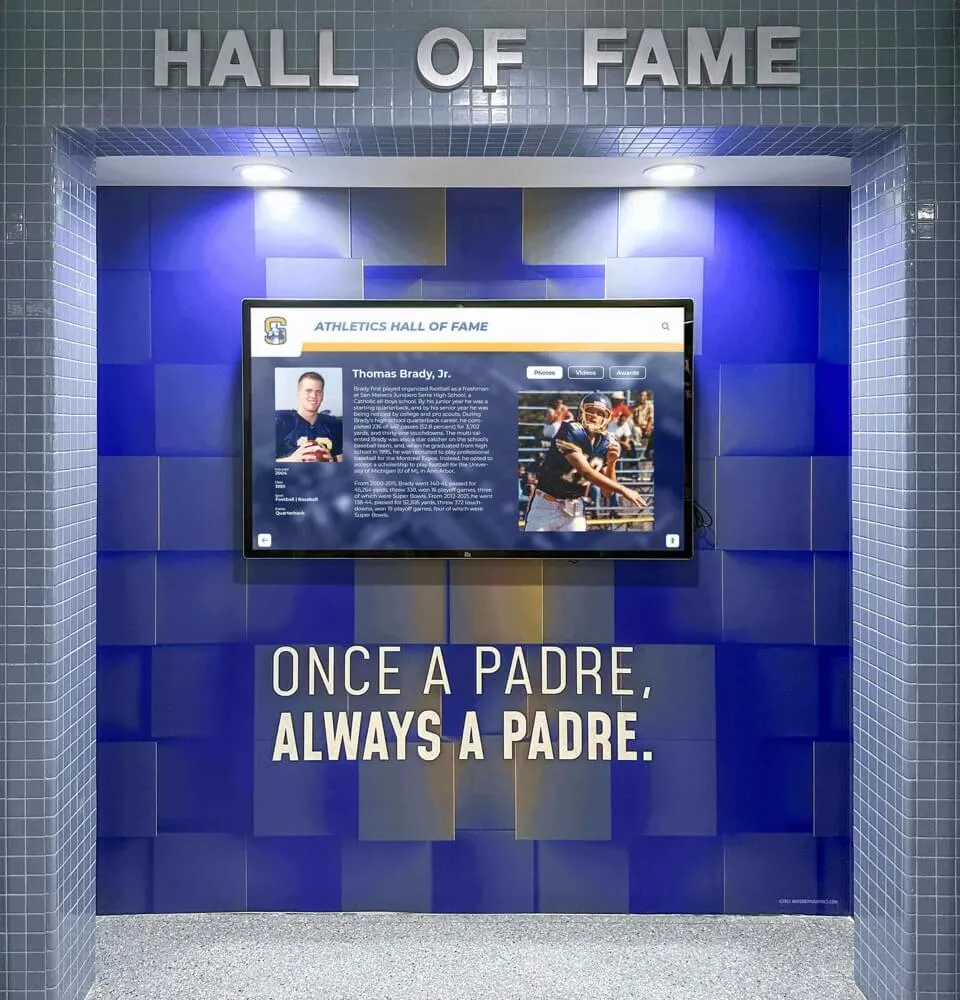
Recognition walls celebrating athletic and academic excellence provide natural backdrops for spirit day photos, visually connecting event participation to broader school achievement culture
Spirit Day Logistics: Planning for Success
Creative themes generate excitement, but operational details determine whether spirit days run smoothly or create administrative headaches.
Administrative Preparation Timeline
8 Weeks Before Spirit Day
- Student council proposes theme options
- Administrative review for appropriateness
- Calendar coordination avoiding conflicts
- Budget allocation for supplies
- Faculty communication and buy-in
6 Weeks Before
- Final theme selection and announcement
- Social media campaign launch
- Poster design and hallway displays
- Email communication to families
- Photo team recruitment
4 Weeks Before
- Costume suggestion resources published
- Photo backdrop design finalized
- Supply ordering completed
- Student volunteer training scheduled
- Photo release form distribution
2 Weeks Before
- Daily reminder announcements
- Social media countdown posts
- Supply delivery and setup planning
- Faculty costume coordination
- Weather contingency plans (outdoor elements)
1 Week Before
- Final participation push
- Photo zone construction
- Equipment checkout coordination
- Schedule adjustments for photo time
- Assembly or event final preparations
Day Before
- Backdrop installation
- Sound system testing
- Supply distribution points established
- Student team final briefing
- Next-day schedule reminders
Spirit Day Execution
- Morning photo zones open
- Continuous documentation throughout day
- Participation counting by class
- Digital display real-time updates
- Evening event connection
Post-Event Follow-Up
- Photo compilation and editing
- Digital display upload
- Social media sharing
- Participation data analysis
- Planning team debrief for improvements
This structured timeline ensures nothing falls through cracks while distributing workload across weeks rather than creating last-minute panic.
Dress Code Navigation and Administrative Guidance
Balancing Spirit with Safety and Appropriateness
Spirit day costume freedom requires clear parameters preventing issues:
Published Spirit Day Dress Code Guidelines
- School dress code remains in effect (appropriate coverage, no offensive messages)
- Costume elements cannot disrupt learning (no elaborate props in class)
- Safety restrictions (no masks obscuring faces, no weapon replicas)
- Respectful representation requirements (no stereotypes or appropriation)
- Teacher discretion to request costume modifications
Proactive Communication
- Email parents with specific examples of appropriate vs. inappropriate costumes
- Social media posts showing past years’ acceptable costumes
- Student handbook reference for baseline expectations
- Morning announcement reminders on spirit day
- Administrative visibility in hallways during arrival
Consistent Enforcement
- Administrative team stationed at entrances
- Same-day parent contact if changes needed
- Spare school shirts available for inappropriate costume corrections
- Discipline procedures same as regular dress code violations
- Documented warnings for future event participation
Clear expectations published weeks in advance prevent most issues, while visible administrative presence and consistent enforcement maintains appropriate boundaries without dampening spirit day enthusiasm.
Digital Recognition: Extending Spirit Day Impact Beyond Single Events
The most forward-thinking schools recognize that spirit day value extends far beyond single-day participation when photos and memories become part of permanent school culture through digital display integration.
Year-Round Spirit Day Content Rotation
Creating Living Archives
Rather than filing photos away after yearbook publication, modern digital displays keep spirit day memories continuously visible:
Seasonal Rotation Strategies
- September: Display previous year’s homecoming spirit week
- October: Halloween costume day archives
- November: Decade day throwbacks
- December: Holiday spirit day memories
- January: Color war competitions through the years
- February: Valentine and winter theme histories
- March: Spring spirit week previews from past years
- April: School anniversary celebration photos
- May: Senior class spirit day highlights across four years
Special Occasion Integration
- Alumni weekend: Display spirit weeks from reunion class years
- Athletic playoffs: Show spirit day support from past championship runs
- School tours: Highlight vibrant student life through spirit photos
- Fundraising events: Document theme day participation supporting causes
- Awards ceremonies: Recognition overlays on spirit day group photos
When prospective families tour campuses and see current digital displays showing years of creative spirit day participation, they visualize vibrant school culture that static trophy cases cannot communicate—seeing evidence of active student engagement that influenced their enrollment decisions.
Schools approaching gym makeovers and athletic facility updates often discover that digital displays showing spirit day photos and event celebrations bring more life to spaces than hardware alone—connecting facility improvements to vibrant student culture.
Interactive Photo Galleries and Student Engagement
Touchscreen Display Capabilities
Modern interactive displays transform passive photo viewing into engaging experiences:
Search and Browse Features
- Browse by year, theme, or participant name
- Tag friends in photos creating social connections
- “Share to my phone” QR code generation
- Favorite photos creating personal collections
- Comment and memory sharing on specific images
Gamification Elements
- “Find yourself” scavenger hunts across years of photos
- Participation tracking (how many spirit days attended?)
- Most creative costume voting and recognition
- Class participation percentage comparisons
- Theme popularity tracking over time
Alumni Connection
- Access spirit day photos from graduation years
- Submit additional photos from personal collections
- Connect current themes to historical versions
- Memory sharing creating inter-generational conversations
- Reunion event integration showing class-specific archives
Interactive touchscreen galleries accomplish what static yearbook pages cannot—they create ongoing engagement with spirit day content, encourage students to revisit displays throughout years discovering new details in photo archives, and build sense that spirit day participation contributes to permanent school legacy rather than disappearing after single event conclusion.
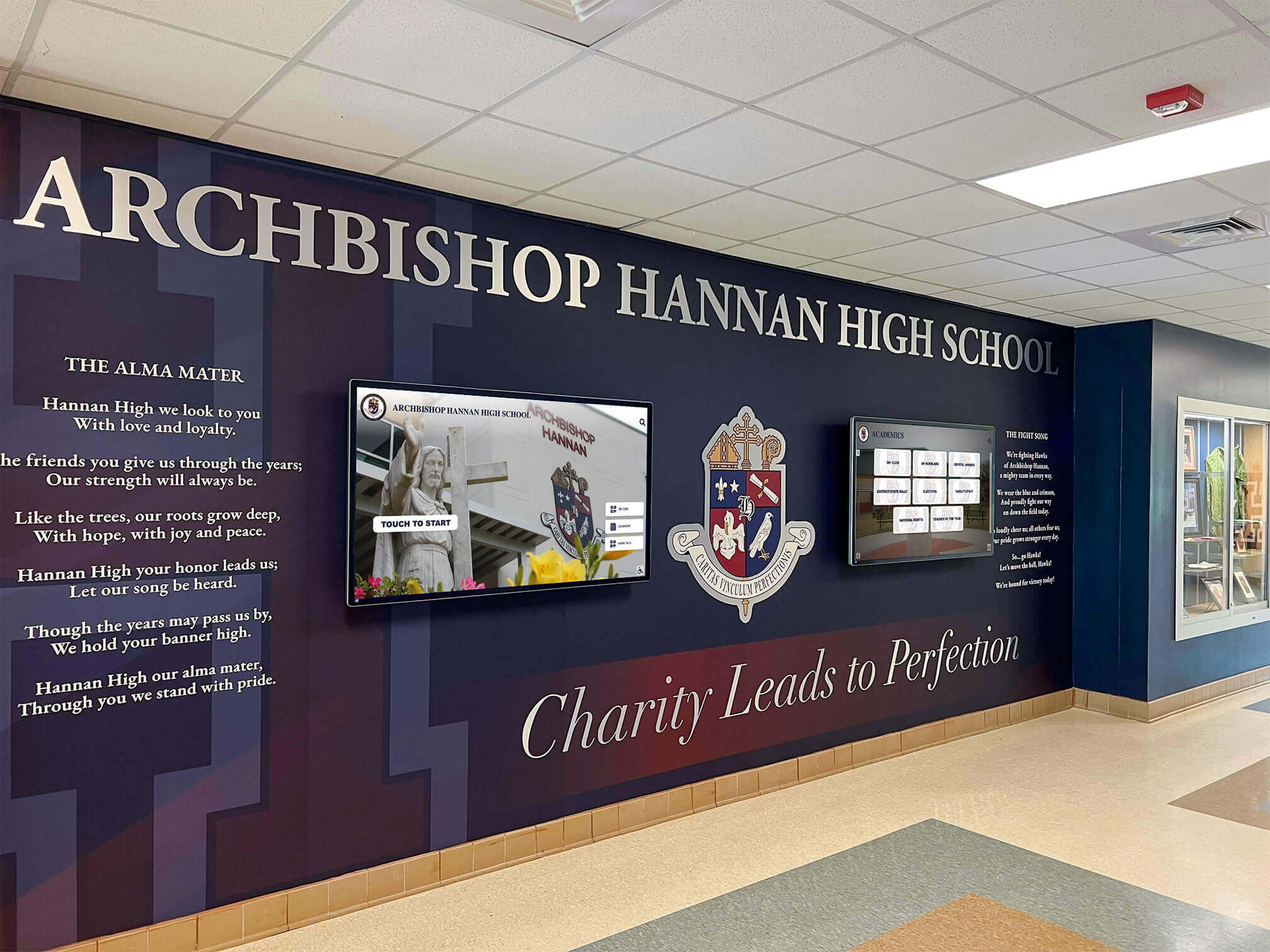
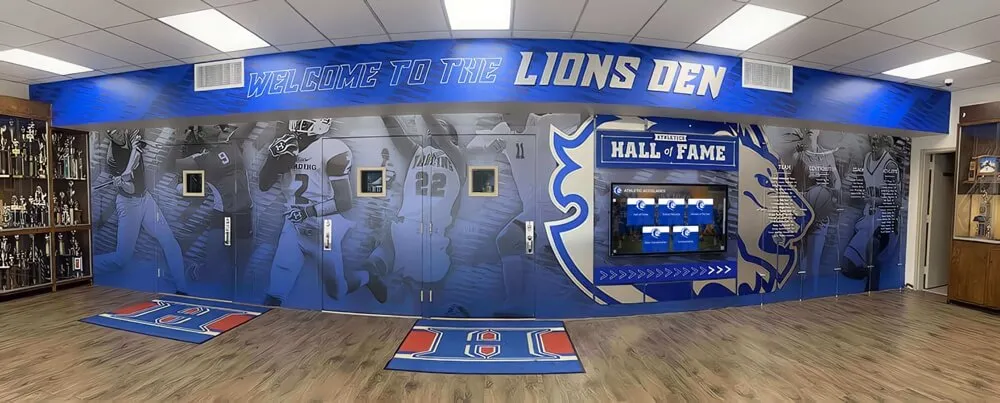
Combining permanent murals with digital display technology creates dynamic school entrances where spirit day photos rotate alongside institutional history and achievements
Social Media Strategy for Spirit Day Amplification
Digital displays serve on-campus audiences, but strategic social media planning extends spirit day visibility to broader communities while creating shareable content that amplifies participation.
Pre-Event Social Media Countdown
Building Anticipation Through Digital Channels
Successful spirit days don’t announce themes day-of—they build weeks of anticipation:
Countdown Post Series
- “2 weeks until Tropical Tuesday!” with costume examples
- “10 days until Spirit Week” with daily theme reveals
- “Guess tomorrow’s theme” interactive stories
- Behind-the-scenes backdrop construction photos
- Student council planning and preparation videos
Costume Inspiration Content
- Pinterest boards linked from posts
- DIY costume tutorial videos
- Thrift store shopping tips
- Budget-friendly accessory ideas
- Previous years’ photo highlights as examples
Participation Challenges
- “Tag 3 friends committing to Friday’s color day”
- “Share your costume planning progress”
- “Teacher vs. student costume creativity challenge”
- “Class participation prediction polls”
- “Most spirited homeroom competition”
Pre-event social media content transforms spirit days from announcements into community conversations—students discuss plans, share ideas, and commit to participation publicly, increasing actual day-of engagement through social accountability.
Day-Of Real-Time Documentation
Live Coverage Strategies
Spirit day social media succeeds through immediacy and volume:
Instagram Stories Takeover
- Student photo team posting throughout day
- Different stories for each theme or class
- Polls voting on best costumes by category
- Countdown to afternoon assembly or game
- Behind-scenes assembly preparation
Feed Post Strategy
- Morning arrival energy photos
- Passing period hallway shots
- Lunchtime group photos
- Best costume spotlights by theme
- Faculty participation highlights
- Evening event connections
Video Content
- Time-lapse of hallway transformation
- Student interview reactions
- Costume reveal videos (TikTok style)
- Assembly highlight reels
- Same-day recap videos
Hashtag Strategy
- School-specific hashtag (#LionPrideDay2026)
- Theme-specific tags (#DecadeDay #TropicalTuesday)
- Broader discovery tags (#SchoolSpirit #SpiritWeek)
- Geographic tags connecting community
- Challenge tags encouraging participation posts
Real-time posting creates FOMO (fear of missing out) effect—students not initially planning participation see exciting content throughout day and join afternoon activities, while families following along feel connected to school community even when off-campus.
Post-Event Engagement Extension
Continuing Conversation After Event Concludes
Strategic schools don’t let spirit day conversation end when final bell rings:
Highlight Compilation Posts
- “Best Of” photo carousels by theme
- Video montages set to music
- Thank you posts recognizing participation
- Participation statistics (78% student involvement!)
- Winning class/homeroom announcements
Tagged Photo Sharing
- Individual spotlights tagging participants
- Group photos tagging entire friend groups
- Faculty feature posts
- “Did you see yourself?” prompts
- Throwback Thursday posts weeks later
Cross-Platform Distribution
- Facebook albums for parent audiences
- Instagram highlights preserved in profile
- YouTube video archives
- Website news page features
- Email newsletter photo galleries
Alumni Engagement
- “Then and Now” comparisons with historical photos
- Alumni comments sharing their spirit week memories
- Reunion event connections
- Fundraising campaign integration
- Legacy tradition storytelling
Post-event content extends spirit day impact from single day to weeks of ongoing engagement, while creating searchable archives that future students discover years later when exploring school culture during college searches or enrollment decisions.
Schools successfully implementing comprehensive recognition programs similar to annual 5K fundraiser showcases and band banquet celebrations understand that event value multiplies when photo documentation extends beyond yearbook pages into digital platforms creating year-round visibility and engagement.
Budget-Friendly Spirit Day Planning
Memorable spirit days don’t require massive budgets—strategic planning focuses spending on reusable elements while crowdsourcing creativity.
Low-Cost High-Impact Supply Strategies
Essential vs. Optional Investments
Worth Purchasing (Reusable Across Multiple Events)
- Portable photo backdrop frames ($50-150)
- Fabric backdrops in school colors ($30-50 each)
- Basic prop collections (hats, glasses, boas) ($100-200)
- Portable speaker for photo zones ($50-100)
- Photo station signage and branding ($50)
- Balloon pump and reusable clips ($30)
Better Borrowed or DIY
- Theme-specific decorations (student art classes create)
- One-time-use backdrops (painted butcher paper)
- Costume pieces (drama department inventory)
- Props (student-made or borrowed from homes)
- Photo editing (student volunteers with apps)
Free or Nearly Free Options
- Social media promotion (zero cost, high impact)
- Student volunteer documentation (no hired photographers)
- Digital display content (photos cost nothing to display repeatedly)
- School-owned equipment use (existing cameras, tablets)
- Donated supplies from local businesses
Sample Budget Allocation for $500 Spirit Week
- $150: Reusable photo backdrop system
- $100: Prop starter collection
- $100: Balloons and theme-specific decorations
- $75: Printing (posters, signage, participation certificates)
- $50: Student incentives (winning class pizza party)
- $25: Miscellaneous supplies and backup items
Strategic schools invest in reusable infrastructure (backdrop frames, basic props, quality signage) that serves dozens of future spirit days, while treating theme-specific decorations as low-cost disposable items created through student volunteers and donated materials.
Student-Led Planning Reducing Labor Costs
Distributing Workload Through Student Leadership
Rather than placing all planning burden on single staff advisor, successful schools engage student committees:
Student Council Planning Team
- Theme selection and voting
- Timeline development
- Supply shopping and budget tracking
- Morning setup and afternoon breakdown
- Day-of troubleshooting
Photography and Media Team
- Photo zone management
- Continuous documentation
- Social media posting
- Video compilation editing
- Digital display content creation
Art and Design Students
- Backdrop painting and construction
- Poster design and hallway decorations
- Photo zone theming
- Costume assistance workshop
- Props creation from recycled materials
Tech Support Team
- Sound system setup
- Digital display uploading
- QR code generation
- Website photo gallery creation
- Interactive touchscreen programming
Student involvement reduces adult labor hours while developing leadership skills, creating authentic ownership of event success, and distributing expertise across multiple student knowledge areas—photography students excel at documentation, art students create visual environments, tech students manage digital systems, and student council coordinates logistics.
Much like sports banquet slideshow creation and team bonding activity planning, spirit day organization develops student leadership capacity while reducing demands on overstretched faculty and staff time.
Measuring Spirit Day Success and Continuous Improvement
Data-driven planning helps schools identify which themes resonate strongest, when participation peaks, and how to improve future events.
Participation Tracking Methods
Quantifying Engagement
Beyond subjective impressions, measure spirit day success through concrete metrics:
Participation Percentage Calculations
- Total student enrollment vs. students in theme dress
- Participation by grade level (identify lower engagement groups)
- Participation by theme (which themes drive highest involvement?)
- Faculty participation rates
- Multi-day participation consistency (spirit week dropout rates)
Photo Documentation Volume
- Number of photos captured
- Number of students appearing in photos
- Social media engagement metrics (likes, shares, comments)
- Digital display view counts
- Photo gallery access frequency
Qualitative Feedback Collection
- Post-event surveys (Google Forms sent to students)
- Student council focus groups
- Faculty debrief sessions
- Parent feedback through email
- Social media comment sentiment analysis
Sample Post-Event Survey Questions
- Did you participate in spirit day? (Yes/No/Partially)
- If no, what prevented participation? (Cost, comfort level, didn’t know about it, don’t like themes)
- Rate the theme selection: 1-5 stars
- What themes would you like to see in future?
- Did you see photos from spirit day on school displays? (Yes/No)
- Would you participate in future spirit days? (Yes/No/Maybe)
Collecting both quantitative data (participation rates) and qualitative feedback (why students chose to participate or not) enables evidence-based planning improvements rather than guessing what will work.
Iterative Improvement Strategies
Using Data to Strengthen Future Events
Analysis without action wastes effort—successful schools translate findings into concrete improvements:
If data shows low participation in specific themes:
- Survey students about barriers (too expensive? unclear expectations?)
- Provide more costume examples and DIY resources
- Offer costume closet or loan program
- Simplify theme to broader interpretation options
- Replace unpopular themes with student-requested alternatives
If data shows specific grade levels underparticipating:
- Recruit grade-level ambassadors promoting events
- Create friendly competition incentives (winning grade recognition)
- Adjust themes to age-appropriate appeal
- Schedule grade-specific photo opportunities
- Address cultural factors affecting engagement
If data shows participation declining across multi-day spirit weeks:
- Frontload easier themes (Monday/Tuesday accessibility)
- Mid-week energy boost (free accessories Wednesday)
- Peak day on Thursday instead of Friday (less fatigue)
- Reduce five-day weeks to three signature days
- Increase variety preventing repetitive feeling
If data shows strong participation but low photo capture:
- Increase photo team size
- Better photo zone promotion and wayfinding
- Extended photo session time windows
- Mobile photo stations throughout campus
- Student self-submission systems
Continuous improvement cycles—collecting data, analyzing results, implementing changes, measuring again—transform spirit days from random event collections into strategic school culture programs that strengthen each year based on institutional learning.
Just as schools refine approaches to academic recognition programs and honors graduation ceremonies through iterative improvements, spirit day planning benefits from systematic evaluation and data-driven adjustments year over year.
Building Lasting School Culture Through Spirit Day Traditions
Individual spirit days create temporary excitement, but strategic long-term thinking transforms events into institutional traditions that define school culture across decades.
Creating Multi-Year Tradition Arcs
Signature Annual Events
The most memorable schools develop spirit day traditions students anticipate throughout their four years:
Freshman Introduction Traditions
- First-week spirit day welcoming new students
- School mascot theme introducing institutional identity
- Photo opportunities creating first school memories
- Upperclassman mentorship integration
- Four-year participation tracking begins
Sophomore Development Events
- Class-specific spirit day establishing class identity
- Leadership development through planning involvement
- Expanding from participation to organization roles
- Connection to specific sophomore traditions
- Building toward junior year increased responsibility
Junior Leadership Opportunities
- Student council planning committee participation
- Photo team leadership and mentorship
- Backdrop design and construction leadership
- Social media strategy development
- Preview of senior year legacy building
Senior Legacy Celebrations
- Final homecoming spirit week as students
- Senior-specific themes celebrating achievements
- Comparison photos showing four-year participation
- Alumni connection establishing tradition continuity
- Recognition as final class spirit day representatives
When freshmen enter knowing they’ll experience “Toga Tuesday during homecoming week” all four years, when juniors plan events they’ll lead as seniors, when graduates return for reunions asking “do you still do Neon Day?"—spirit days transcend individual events becoming threads weaving through school identity across generations.
Documenting and Preserving Spirit Day History
Creating Institutional Memory
Schools with the strongest traditions don’t just create events—they systematically document and preserve history:
Digital Archive Systems
- Organized photo libraries by year and theme
- Searchable databases by student name and class
- Video archives of assemblies and highlights
- Participation statistics tracking over decades
- Theme evolution documentation
Physical Documentation
- Yearbook dedicated spirit day sections
- Hallway timeline displays showing theme history
- Trophy or recognition for most spirited classes across years
- Retired theme shadow boxes
- Photo books in main office or library
Alumni Access and Engagement
- Online galleries accessible to graduates
- Reunion event integration showing class-specific photos
- Alumni social media groups sharing memories
- Fundraising campaign connections to tradition continuation
- Mentorship programs connecting graduates to current planning
When schools create systematic documentation and preservation approaches, spirit days become part of tangible institutional legacy—current students see themselves as continuing traditions begun by classes before them, while creating foundations for classes that follow.
Similar to how hall of fame selection processes and championship recognition displays create permanent records of achievement, spirit day documentation transforms temporary events into lasting contributions to school cultural identity spanning decades.
Conclusion: From Single Events to Sustainable School Culture
Spirit day ideas succeed when they balance immediate fun with long-term culture building—creating accessible participation opportunities that generate photo-worthy moments while contributing to institutional traditions extending beyond single events into permanent school identity.
The most effective spirit day strategies combine creative theme selection with systematic planning, comprehensive photo documentation, and digital display integration that keeps memories visible year-round. When schools move beyond treating spirit days as isolated calendar entries and instead view them as cultural building blocks—documented, preserved, analyzed, and improved year after year—they create traditions that strengthen community bonds across student generations.
From budget-friendly planning approaches leveraging student leadership to social media amplification extending visibility beyond campus, from inclusive theme selection removing participation barriers to data-driven improvement cycles strengthening future events, successful spirit day programs require strategic thinking alongside creative energy.
Modern digital display technology transforms how schools preserve and share spirit day memories—moving photos from static yearbook pages to dynamic touchscreen galleries where current students explore years of tradition while adding their own contributions to permanent archives. These digital recognition systems create visible proof of vibrant school culture that influences enrollment decisions, fundraising success, and alumni engagement long after students graduate.
Whether launching first-time spirit days or strengthening decades-old traditions, schools that invest thoughtful planning in theme selection, participation accessibility, photo documentation, and permanent display integration create events that do more than fill a school day—they build lasting culture defining institutional identity and creating memories students carry throughout their lives.
Preserve Your Spirit Day Memories with Digital Recognition Displays
Transform temporary spirit day events into permanent school culture with Rocket Alumni Solutions’ interactive digital displays. Our touchscreen recognition systems enable schools to showcase spirit week photo galleries, create searchable archives by student name and year, and rotate event memories alongside athletic achievements and academic honors—keeping school spirit visible 365 days per year in high-traffic hallways, cafeterias, and lobbies.
From real-time photo uploads during spirit days to interactive galleries where students browse years of tradition, our digital platforms extend event impact far beyond single-day celebrations into lasting institutional memory. Discover how schools nationwide are leveraging modern display technology to document, preserve, and celebrate school culture in ways that inspire current students while honoring traditions spanning decades.