



Athletic administrators face unprecedented complexity in 2025—managing schedules across dozens of teams and sports, ensuring compliance with evolving regulations, coordinating facilities among competing programs, communicating with coaches, athletes, parents, and officials, tracking eligibility and academic requirements, managing budgets and fundraising, and maintaining comprehensive records while somehow finding time for the strategic leadership that actually improves athletic programs. The right software products don’t just make these tasks easier—they transform athletic administration from constant reactive crisis management into systematic, strategic program development.
Athletic directors who attempt to manage modern programs with spreadsheets, paper forms, email chains, and disconnected point solutions find themselves drowning in administrative burden that prevents focus on coaching development, student-athlete wellness, equity across programs, and building athletic cultures that develop character alongside competitive excellence. Meanwhile, athletic departments implementing comprehensive software ecosystems report dramatic time savings, fewer compliance issues, improved communication with stakeholders, better decision-making through data insights, and significantly reduced stress among administrative staff.
This comprehensive guide explores the top 30 software products athletic administrators should consider in 2025, organized by functional category to help you build a technology stack that addresses your specific needs, budget constraints, and operational priorities while supporting the strategic goals that strengthen athletic programs and student-athlete experiences.
Athletic administration software serves purposes extending far beyond digitizing paperwork. The right tools enable compliance with complex and evolving regulations, facilitate transparent communication among dozens of stakeholders, provide data insights informing resource allocation decisions, create efficiency allowing focus on strategic rather than administrative work, and ensure that achievements and milestones receive appropriate recognition that strengthens athletic culture and community pride.
According to recent market analysis, the Sports Management Software Market is estimated at $10.20 billion in 2025, and is expected to reach $17.54 billion by 2030, growing at a CAGR of 11.46%. This rapid growth reflects the increasing recognition among athletic administrators that comprehensive software solutions deliver transformational operational improvements justifying investment.

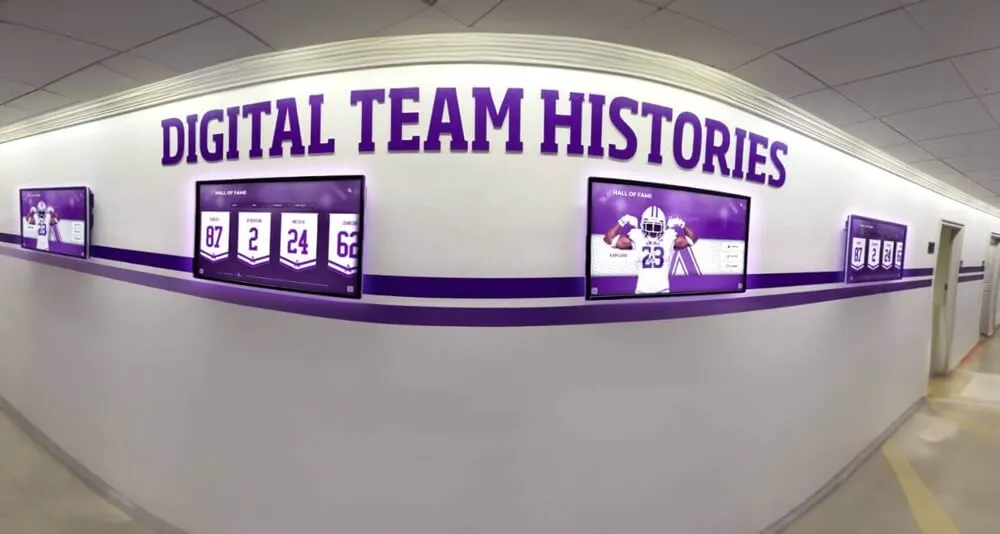
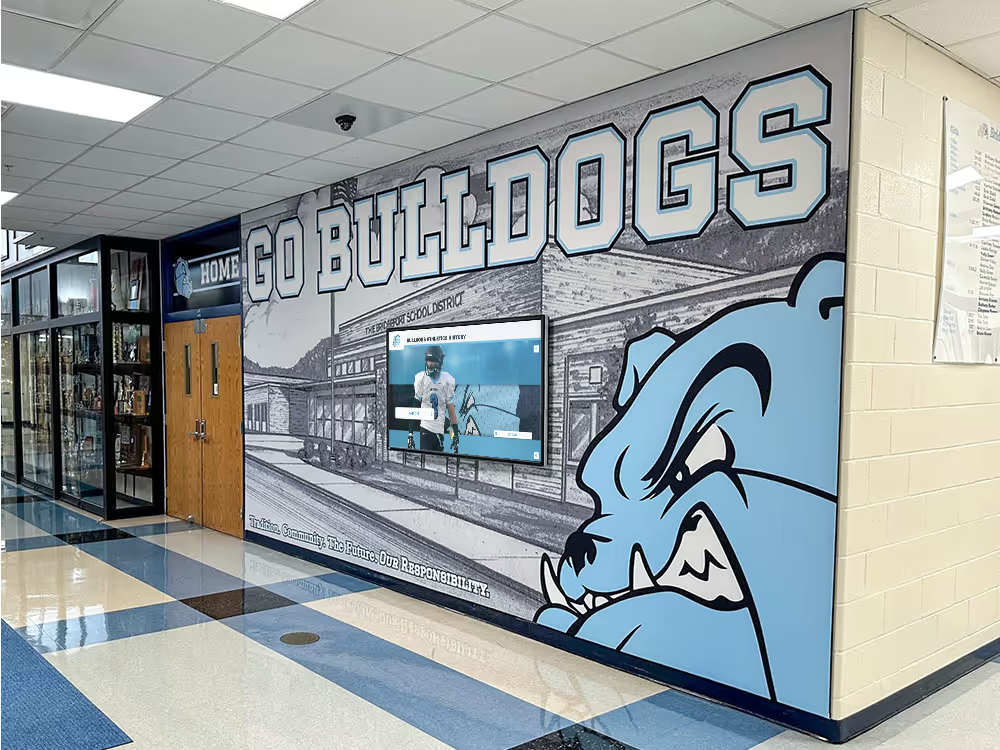
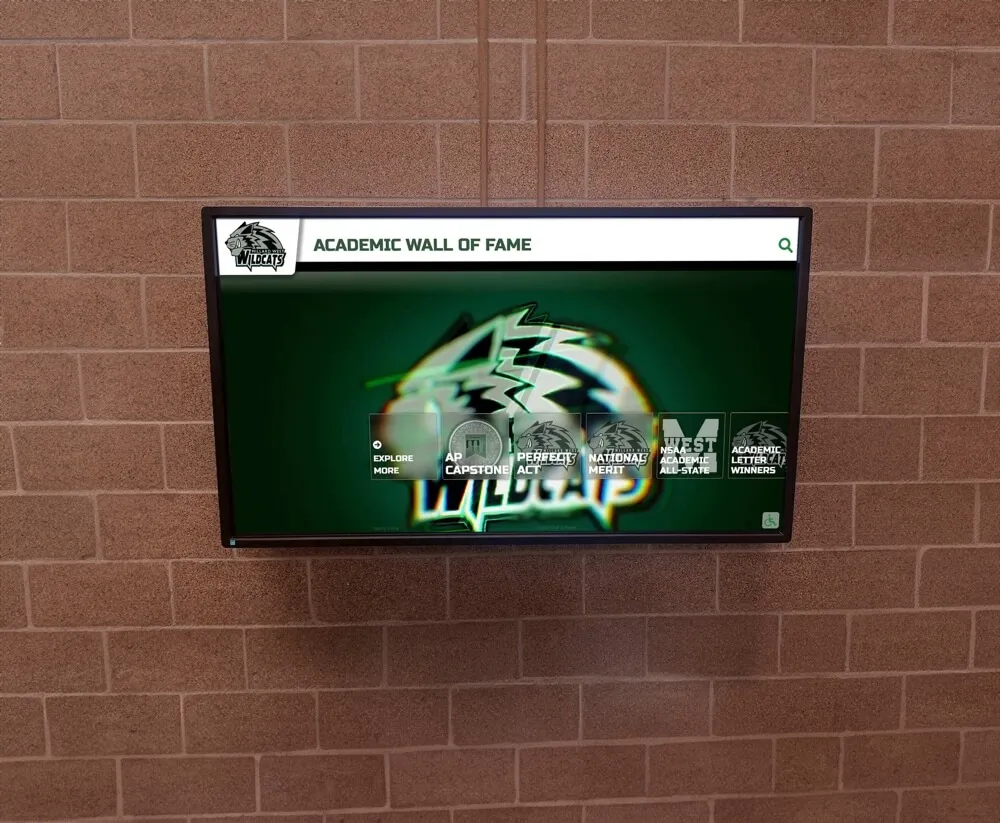
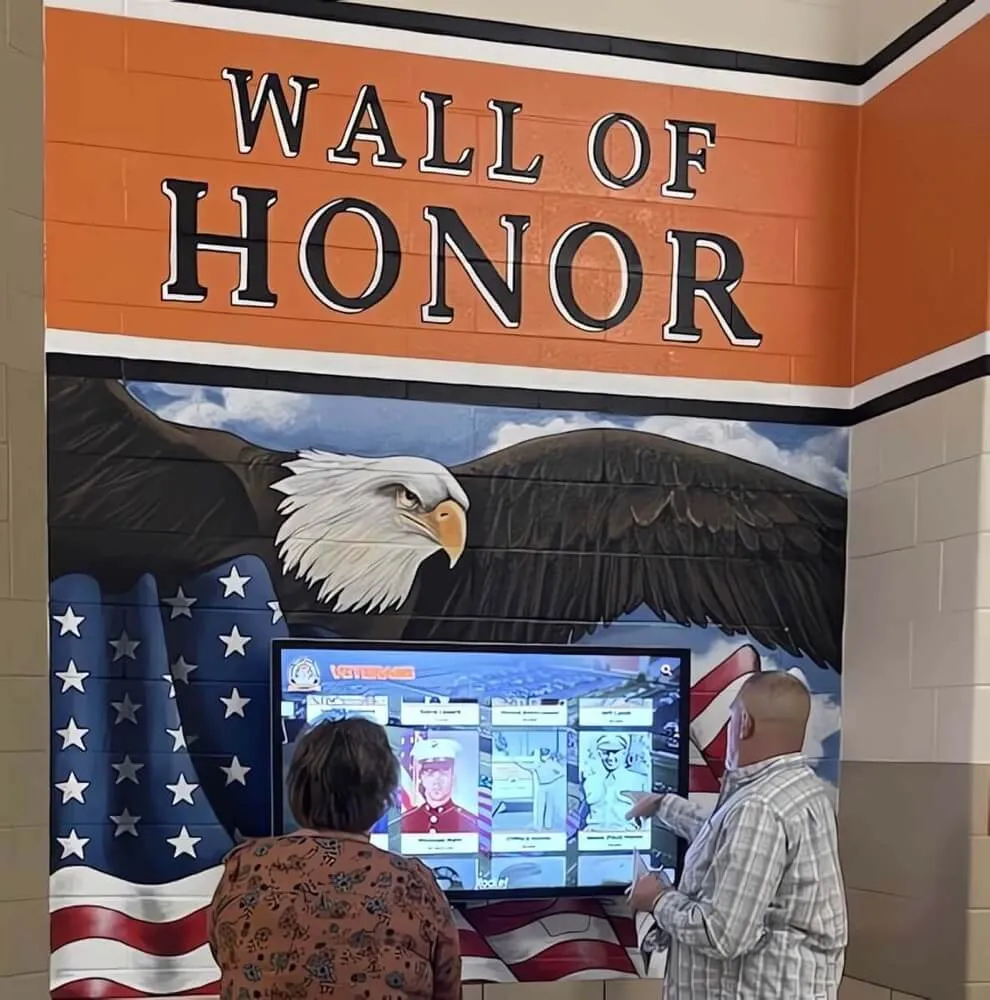
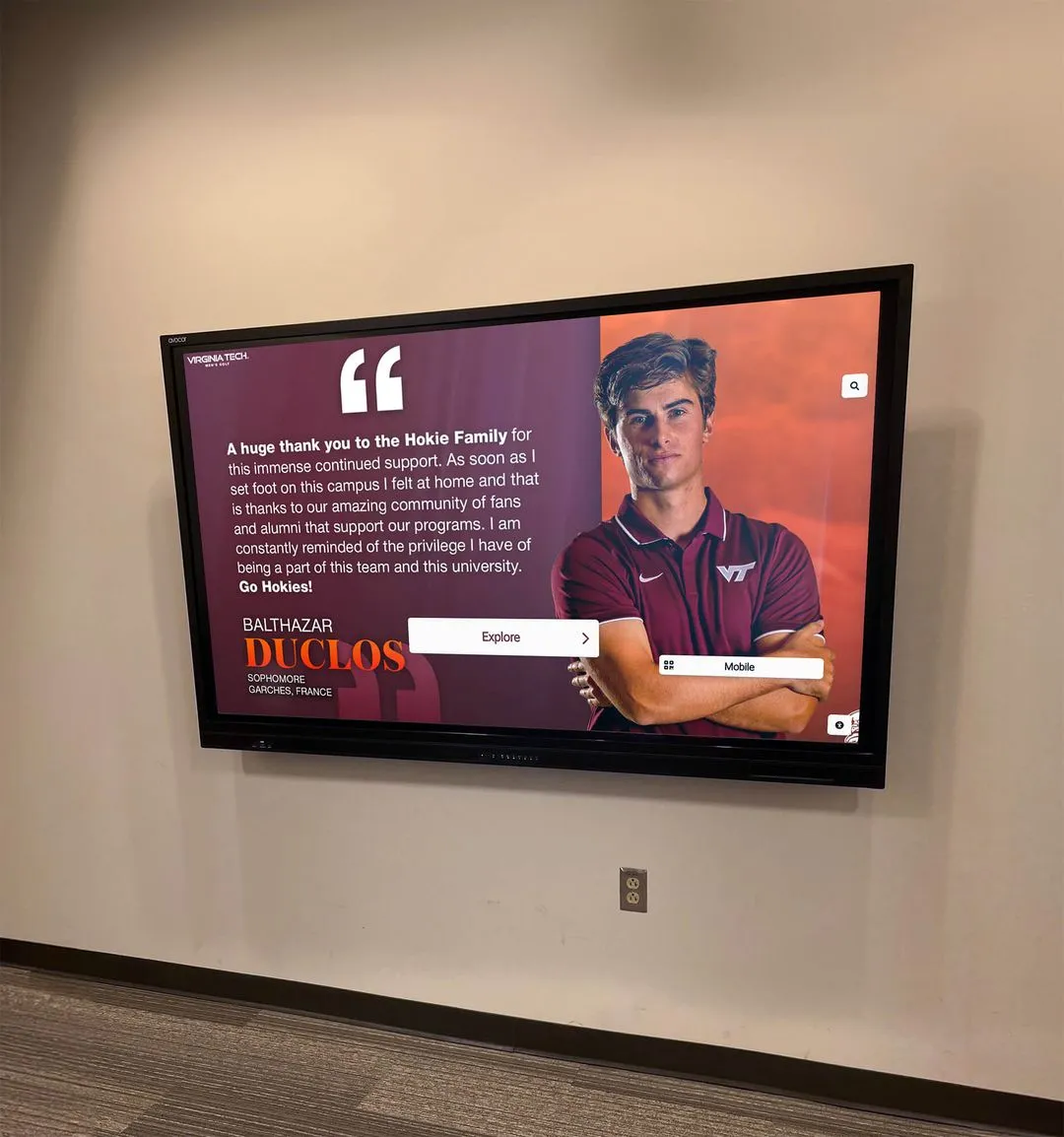
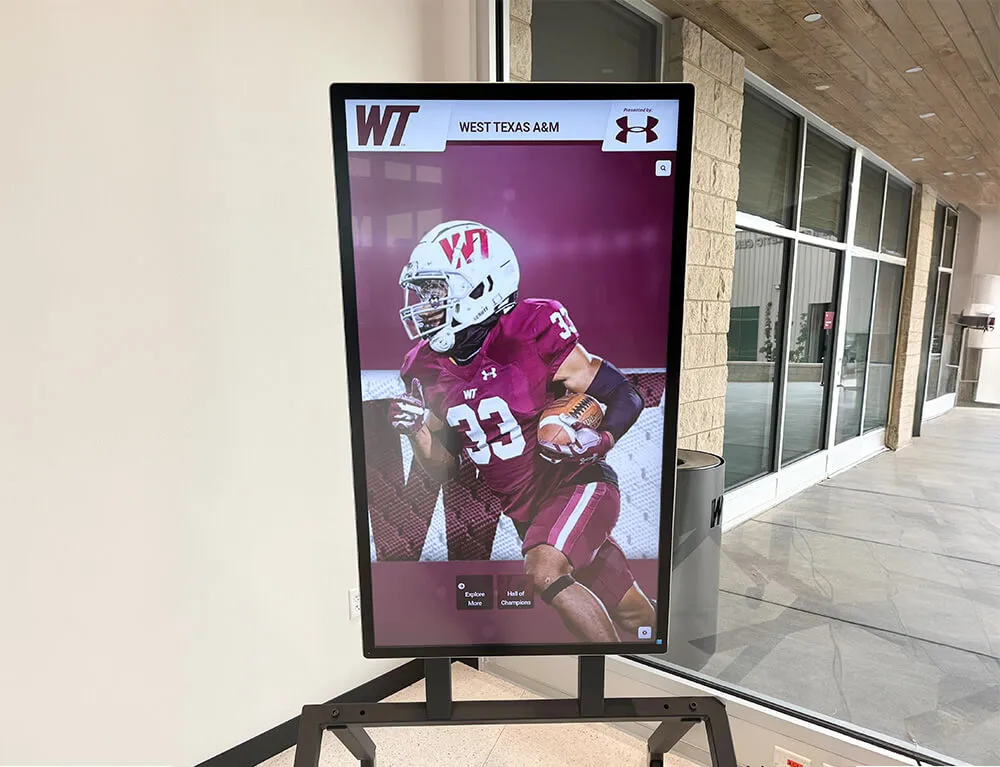
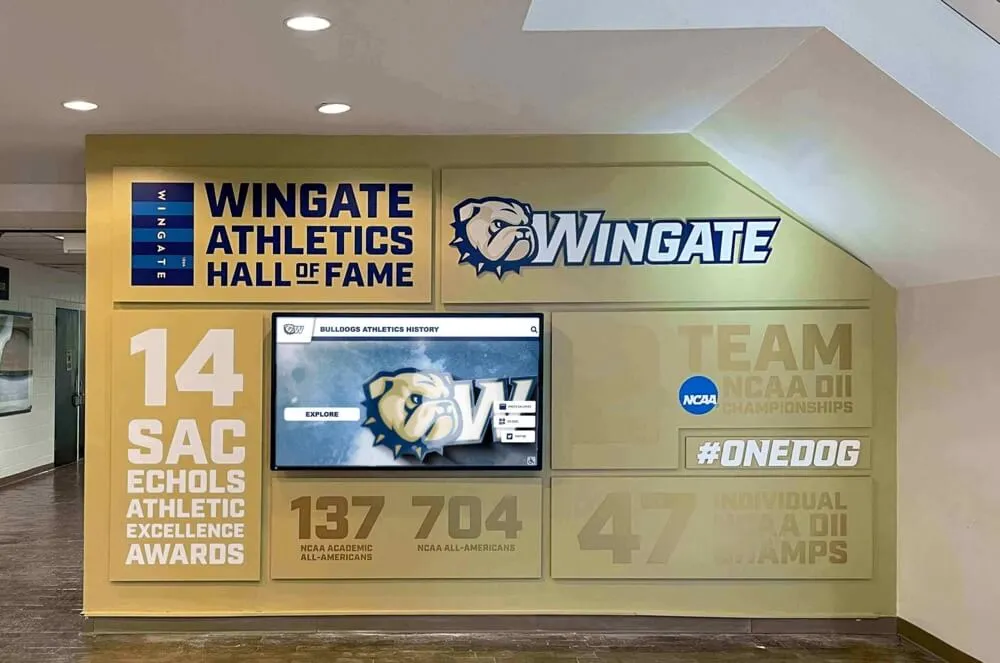
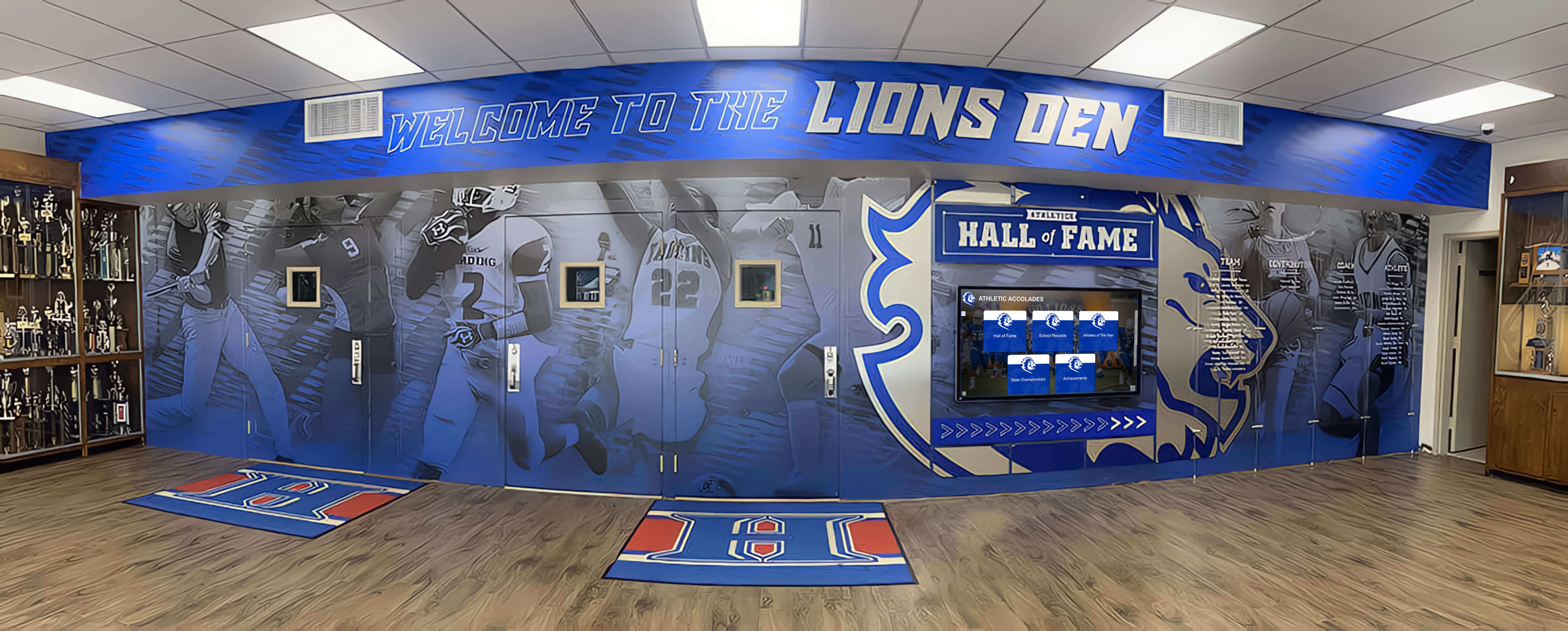
Modern athletic departments integrate technology throughout facilities, from digital recognition displays to comprehensive management systems
Understanding Athletic Administration Software Categories
Before exploring specific products, understanding the different software categories helps athletic administrators identify solutions addressing their most pressing needs and operational challenges.
Comprehensive Athletic Management Platforms
All-in-one platforms attempt to address multiple administrative functions through integrated systems rather than forcing athletic departments to cobble together disconnected point solutions. These comprehensive platforms typically include scheduling, registration, roster management, communication tools, eligibility tracking, and reporting capabilities within unified ecosystems.
The primary advantage of comprehensive platforms lies in integration—data entered once flows throughout the system, eliminating duplicate entry and ensuring consistency across functions. However, comprehensive solutions often require larger upfront investments and longer implementation timelines compared to targeted point solutions addressing specific pain points.
Specialized Point Solutions
Many athletic departments build technology stacks by selecting best-in-class specialized solutions for different functions—one system for scheduling, another for communication, a third for fundraising, and so on. This approach enables selection of tools optimized for specific needs but creates integration challenges when systems don’t communicate effectively.
Point solutions work best when they offer robust APIs and integration capabilities enabling data flow between platforms, or when specific functions are sufficiently isolated that integration matters less than optimization for particular tasks.
Cloud-Based vs. On-Premise Systems
Modern athletic administration software has largely migrated to cloud-based delivery models where vendors host applications remotely and customers access them through web browsers. Cloud systems offer advantages including automatic updates, accessibility from any internet-connected device, no need for on-premise servers or IT infrastructure, and subscription pricing spreading costs over time.
However, some athletic departments—particularly at collegiate levels with dedicated IT resources—may still consider on-premise systems providing greater control over data, customization capabilities, and independence from vendor service quality. Most K-12 schools and smaller colleges find cloud solutions more practical given limited technical resources.
Comprehensive Athletic Management Systems
These all-in-one platforms provide integrated solutions addressing multiple administrative functions simultaneously.
1. Bound
Bound brings athletic communities together on one unified platform with an intuitive interface delivering immediate value from implementation. The platform integrates registrations, schedules, rosters, transportation, tickets, fundraising, and more in one user-friendly location providing athletic directors comprehensive visibility across entire programs.
Key Features:
- Unified platform eliminating need for multiple disconnected systems
- Registration workflows for tryouts and team assignments
- Comprehensive scheduling across all sports and levels
- Roster management with eligibility tracking
- Communication tools for coaches, athletes, and families
- Transportation coordination for away competitions
- Ticketing and gate management for events
- Fundraising tools supporting booster clubs
- Mobile app enabling stakeholder access anywhere
Bound excels at creating single source of truth for athletic information, reducing confusion and ensuring everyone accesses current, accurate data rather than outdated information scattered across multiple systems.
2. DragonFly Athletics
DragonFly positions itself as the leading athletic management software solution designed specifically to streamline high school sports administration complexities. The platform provides tools athletic directors need to manage membership, schedule officials, process payments, maintain rosters, track eligibility, and document injuries through integrated workflows.
Key Features:
- Membership management for athletes, coaches, and officials
- Official assignment and scheduling with availability tracking
- Secure digital payment processing for fees and dues
- Comprehensive communication tools across stakeholder groups
- Player roster management with eligibility verification
- Injury reporting and tracking for safety compliance
- Schedule management across sports and facilities
- Integration with state association databases
Schools implementing DragonFly report significant time savings in administrative tasks, enabling athletic directors to focus more on coaching development and student-athlete support rather than paperwork management.
3. Aktivate
Founded specifically to transform scholastic sports management in K-12 schools, Aktivate leverages technology typically available only at collegiate and professional levels, making enterprise-grade capabilities accessible to high school athletic departments. The platform provides modern software for managing athletic departments comprehensively.
Key Features:
- Modern, intuitive interfaces requiring minimal training
- Comprehensive scheduling across programs
- Roster and eligibility management
- Communication tools for all stakeholders
- Budget and financial tracking
- Compliance monitoring and reporting
- Analytics and reporting dashboards
- Mobile accessibility for on-the-go management
Aktivate differentiates through focus on user experience, recognizing that athletic administrators are often coaches or teachers without technical backgrounds who need systems working intuitively without extensive training.
4. Spry
Spry supports intercollegiate athletic department staff, coaches, and student-athletes with tools solving each department’s unique operational needs. The platform particularly stands out for comprehensive NIL (Name, Image, Likeness) management capabilities, helping collegiate athletic departments navigate this complex new regulatory landscape.
Key Features:
- NIL management keeping departments informed about activities
- Student-athlete educational resources for NIL compliance
- Compliance tracking across multiple regulatory frameworks
- Fundraising and development tools
- Communication platforms for department-wide messaging
- Document management and digital storage
- Scheduling and calendar coordination
- Analytics and reporting capabilities
Spry particularly serves collegiate athletic departments facing more complex compliance requirements than high school programs, though the platform scales to various organizational sizes.
5. SportsPlus
SportsPlus offers comprehensive suites of tools addressing high school sports needs through integrated platforms. The system includes tryouts management, registration workflows, scheduling coordination, rostering, team communication apps, fundraising tools, live scoring, stat tracking, event planning, and certified athlete profiles.
Key Features:
- Tryout management streamlining team selection
- Digital registration replacing paper forms
- Master scheduling across all sports
- Roster management with eligibility tracking
- Mobile communication app for teams
- Fundraising campaign management
- Live scoring and statistics during competitions
- Event planning and coordination tools
- Athlete profile management and certification
The breadth of functionality makes SportsPlus attractive to athletic departments wanting single-vendor solutions addressing most administrative needs rather than managing multiple specialized systems.
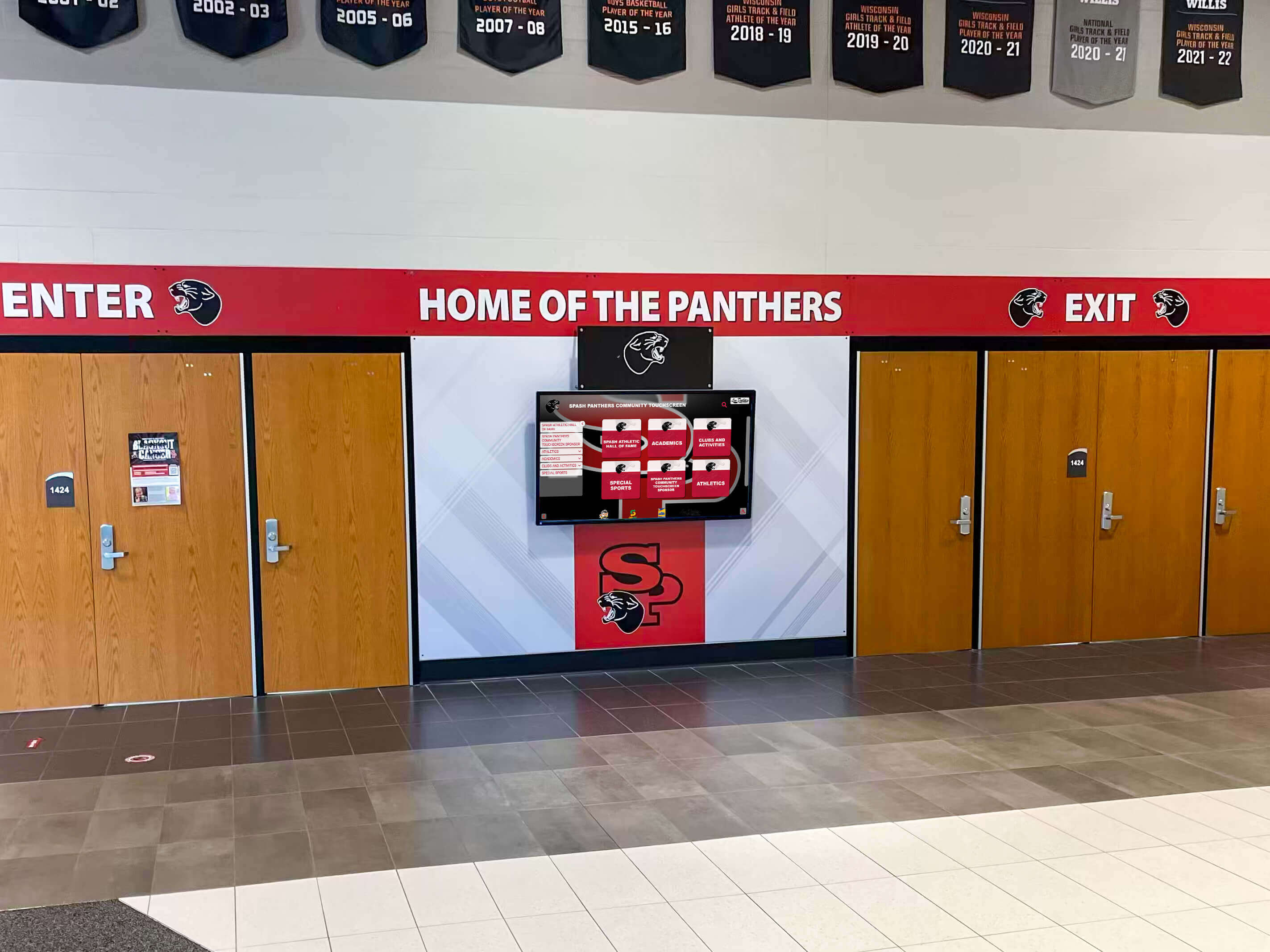
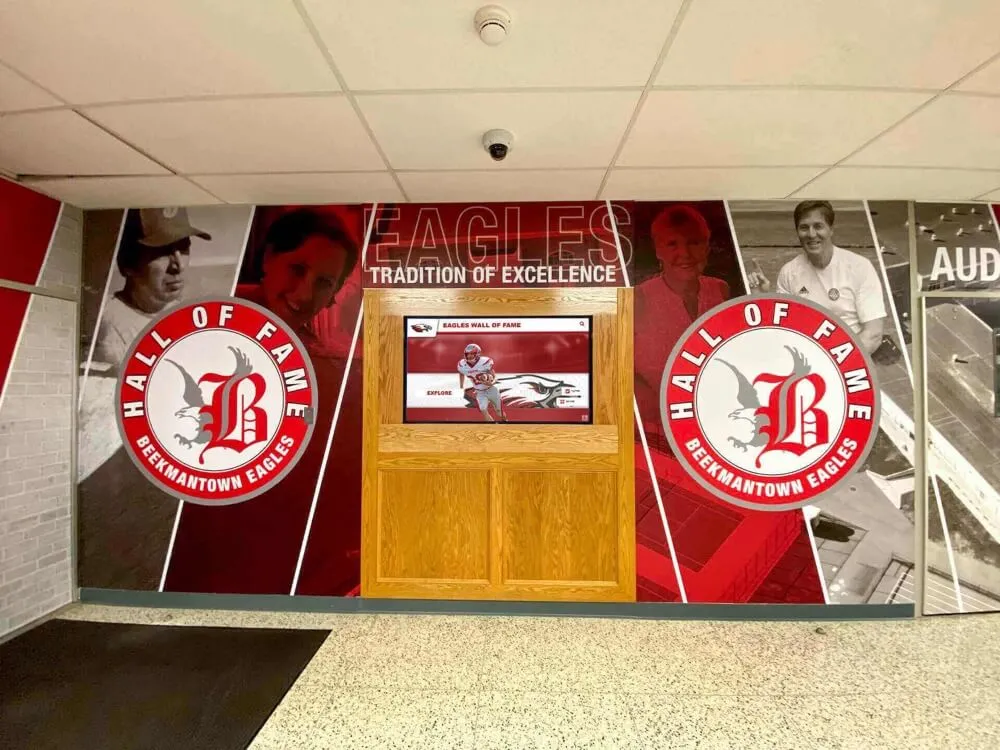
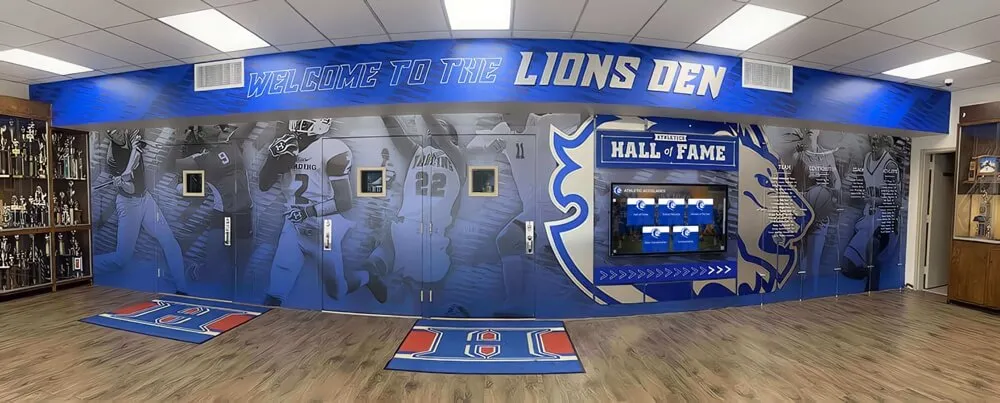
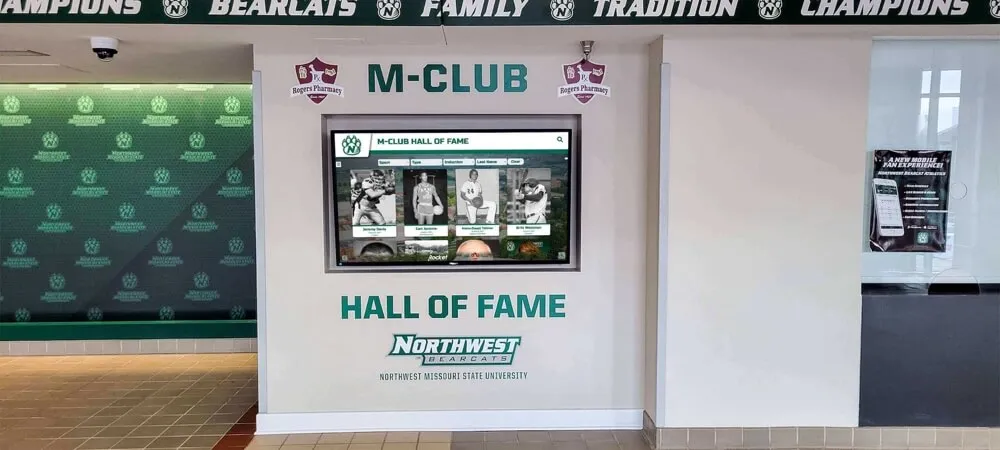
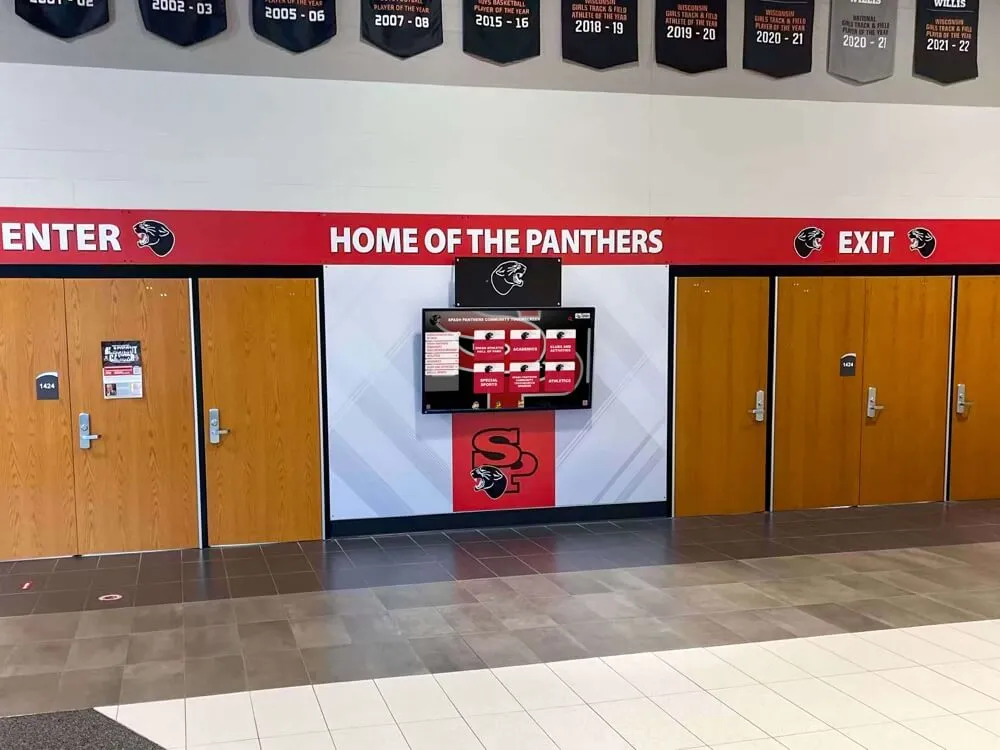
Strategic technology placement at facility entrances creates immediate impression of modern, professional athletic programs
Scheduling and Facilities Management Software
Coordinating schedules among multiple teams, sports, coaches, officials, and facilities represents one of athletic administration’s most time-consuming challenges. Specialized scheduling software eliminates conflicts, streamlines communication, and ensures optimal facility utilization.
6. ArbiterSports
ArbiterSports specializes in managing sports officials and provides comprehensive solutions for high school and collegiate athletics, making it exceptionally easy to coordinate referees, umpires, and other game officials while managing complex game schedules across multiple sports and venues.
Key Features:
- Official assignment and scheduling with availability tracking
- Automated notifications for game assignments
- Payment processing for officials
- Schedule management across sports and seasons
- Official evaluation and performance tracking
- Compliance tracking for official certifications
- Mobile app for officials to manage assignments
- Integration with athletic management systems
Beyond official management, ArbiterSports offers facility scheduling, registration management, and eligibility tracking, making it comprehensive platform rather than just official coordination tool.
7. rSchoolToday
rSchoolToday is a leading platform specifically designed for school athletics that integrates exceptionally well with academic management systems. The platform offers extensive tools for athletic directors and coaches while standing out particularly for its ability to track and maintain eligibility for high school athletes, ensuring compliance with academic standards.
Key Features:
- Master scheduling across all sports and activities
- Facility scheduling with conflict prevention
- Academic eligibility tracking integrated with SIS
- Registration and fee collection
- Communication tools for stakeholders
- Transportation coordination
- Website integration for public schedules
- Mobile apps for coaches and administrators
The tight integration with student information systems makes rSchoolToday particularly valuable for schools prioritizing academic eligibility verification, automatically flagging athletes falling below required standards.
8. BigTeams
BigTeams has over a decade of experience serving the K-12 market and understands the unique nuances of school athletics. The platform provides extensive functionality for organizing schedules, maintaining team lists, and facilitating interaction among coaches, athletes, and guardians.
Key Features:
- Event management software for athletic directors
- Automated task management reducing manual work
- Digital registration forms with eligibility verification
- Secure student-athlete roster compilation
- Communication tools streamlining stakeholder messaging
- Eligibility and compliance software for state associations
- Document submission and fee payment processing
- Calendar integration across multiple sports
BigTeams particularly focuses on compliance capabilities, providing school districts easy ways to comply with evolving rules and regulations while streamlining eligibility reporting and document submissions.
9. SportsKey
SportsKey simplifies facility booking, equipment scheduling, and instructor coordination through comprehensive athletic field and facility scheduling software. The platform automates repetitive tasks like sending reminders and managing cancellations, freeing staff time for more valuable activities.
Key Features:
- Athletic field and facility booking systems
- Equipment scheduling and inventory management
- Instructor and coach scheduling
- Automated reminder systems
- Cancellation management with waitlists
- Payment processing for facility rentals
- Calendar integration preventing conflicts
- Public portal for facility rental requests
Schools with complex facility scheduling needs—multiple fields, gymnasiums, weight rooms, and specialized spaces shared among teams—find SportsKey particularly valuable for maximizing utilization while preventing booking conflicts.
10. eSoft Planner
eSoft Planner provides sports facility scheduling software helping athletic departments manage complex facility calendars efficiently. The platform offers visual scheduling interfaces making it easy to see availability, prevent conflicts, and optimize space utilization across athletic facilities.
Key Features:
- Visual calendar interface for easy scheduling
- Multi-facility management from single dashboard
- Conflict prevention with automatic checking
- Recurring event scheduling
- Facility maintenance tracking
- Resource allocation management
- Public booking portals for community use
- Reporting on facility utilization
eSoft Planner works well for schools that rent facilities to community organizations, youth leagues, or other external groups, providing clear separation between school and community use while maximizing revenue generation.

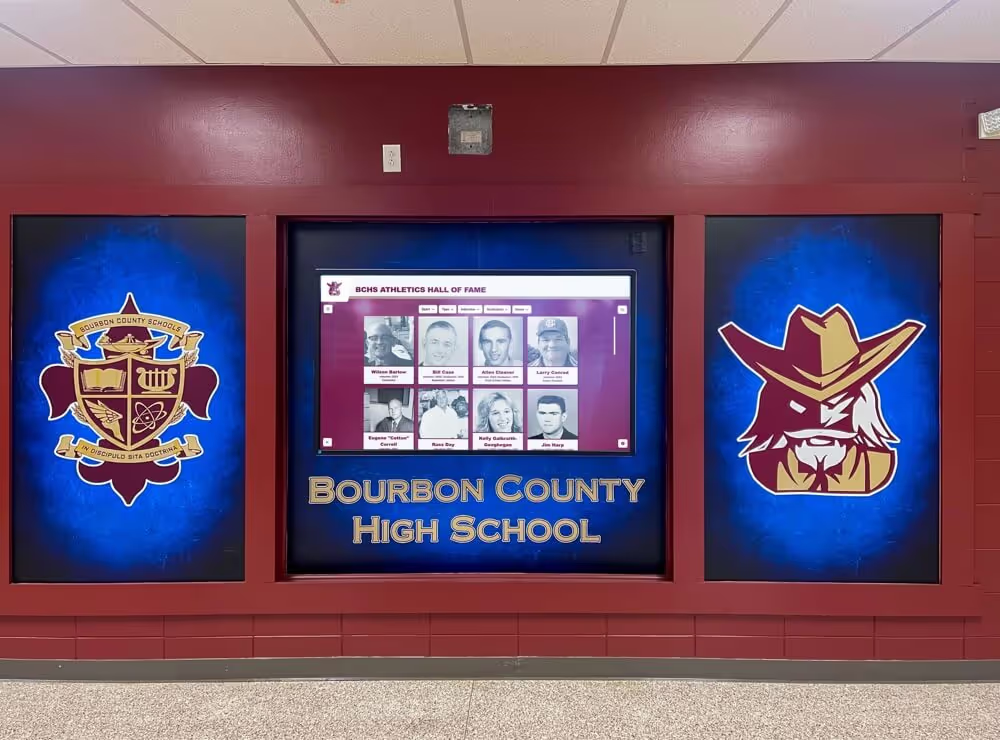
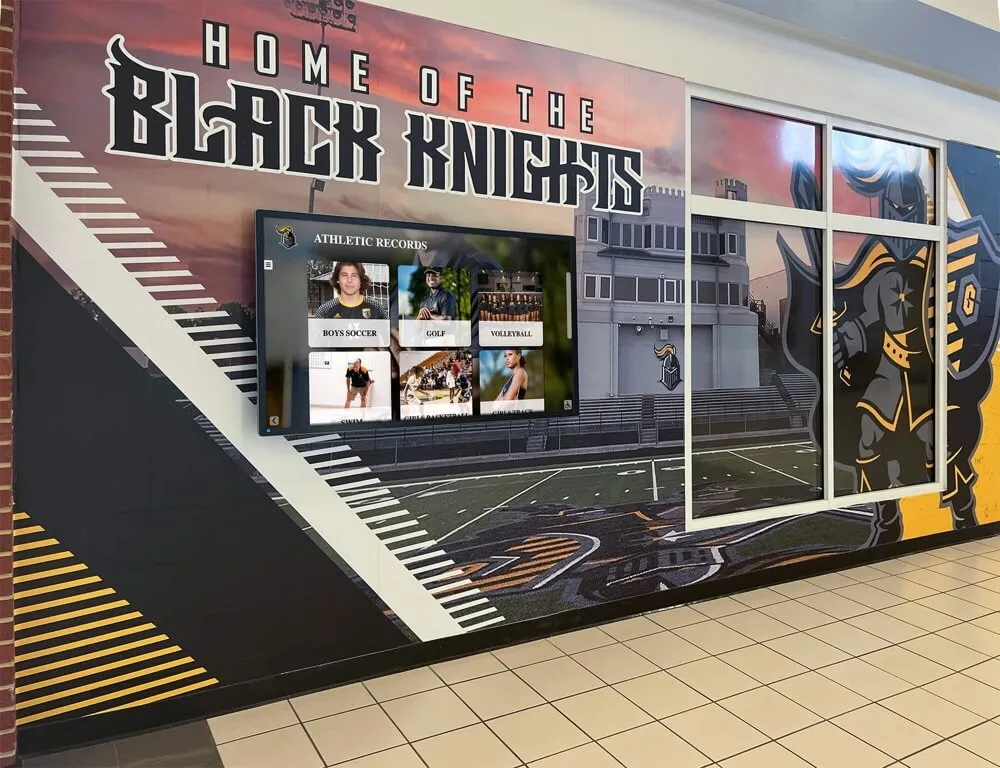
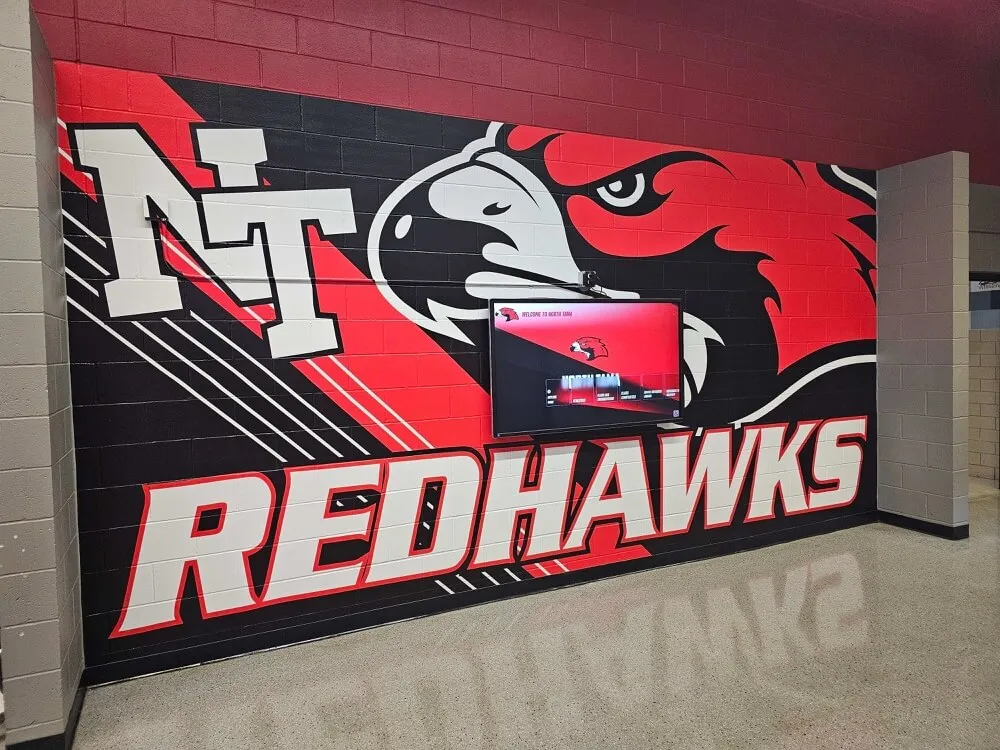
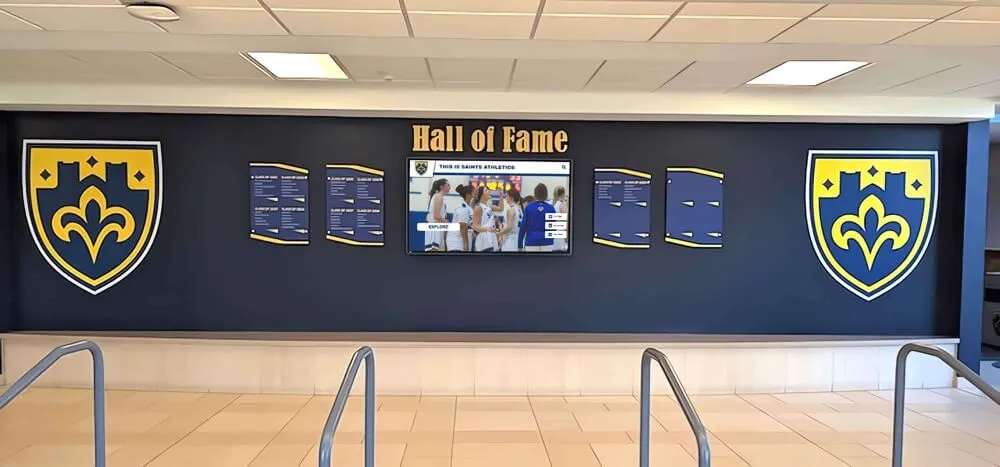
Integrated athletic spaces combine physical branding with digital technology creating professional environments celebrating program excellence
Communication and Engagement Platforms
Effective communication with coaches, athletes, parents, officials, and broader communities represents critical athletic administration function. These specialized tools streamline messaging while ensuring important information reaches appropriate stakeholders.
11. Finalsite Athletics Manager
Finalsite Athletics Manager streamlines essential communications and updates across websites and mobile apps for busy communications and athletics departments. The platform integrates seamlessly with school websites, ensuring athletic information stays current across all digital touchpoints.
Key Features:
- Website integration for athletic schedules and rosters
- Mobile app for stakeholder notifications
- Automated schedule updates across platforms
- News and announcement distribution
- Photo and video galleries
- Social media integration
- Email and text messaging campaigns
- Analytics on communication engagement
Finalsite works particularly well for schools already using Finalsite website platforms, providing tight integration that eliminates duplicate data entry between website and athletic management systems.
12. TeamSnap
TeamSnap has become ubiquitous in youth sports but also serves high school athletic programs effectively. The platform provides simple, accessible communication and coordination tools that coaches, athletes, and families find exceptionally easy to use even without technical expertise.
Key Features:
- Team messaging and announcements
- Schedule management with notifications
- Availability tracking for practices and games
- Photo and video sharing
- Payment collection for fees and equipment
- File sharing for playbooks and documents
- Mobile apps for all stakeholders
- Integration with calendar applications
TeamSnap’s primary strength lies in simplicity and widespread familiarity—many athletes and families already know the platform from youth sports, reducing training burden when implementing at high school level.
13. RankOne Sport
RankOne Sport provides comprehensive athletic administration software specifically designed for K-12 schools. The platform offers tools for managing schedules, rosters, eligibility, compliance, and communication while integrating with academic systems to ensure student-athletes maintain academic standards.
Key Features:
- Schedule and game management
- Roster tracking with eligibility verification
- Physical examination tracking
- Clearance and compliance documentation
- Parent and athlete portal access
- Communication tools for stakeholders
- State association reporting
- Integration with student information systems
RankOne Sport differentiates through deep understanding of K-12 compliance requirements, helping schools navigate complex state association rules, physical examination requirements, and eligibility regulations.
Registration and Payment Processing
Managing athlete registration, collecting fees, and processing payments creates significant administrative burden. These specialized tools streamline financial transactions while maintaining necessary documentation.
14. RevTrak
RevTrak provides secure online payment processing specifically designed for schools, including athletic departments. The platform handles registration fees, equipment charges, participation fees, and other athletic-related transactions while maintaining compliance with school district financial policies.
Key Features:
- Online payment processing for athletic fees
- Registration form creation and management
- Automatic receipt generation
- Financial reporting and reconciliation
- PCI-compliant secure transaction processing
- Integration with school financial systems
- Parent payment portal access
- Support for payment plans and installments
RevTrak works well for school districts wanting centralized payment processing across all programs, not just athletics, providing consistency and simplified financial management.
15. 8to18
8to18 offers comprehensive registration and payment solutions designed specifically for school activities and athletics. The platform combines registration management with payment processing, permission forms, and communication tools in unified systems.
Key Features:
- Online registration for sports and activities
- Payment processing with multiple payment options
- Digital permission forms and waivers
- Physical examination documentation tracking
- Emergency contact information management
- Communication tools for program updates
- Reporting and analytics on registration
- Mobile-friendly interfaces for families
The combination of registration and permission form management makes 8to18 particularly valuable for schools wanting to eliminate paper forms entirely, creating fully digital registration experiences.
16. GoFan
GoFan specializes in digital ticketing for high school and collegiate athletic events, eliminating cash handling and providing comprehensive data on attendance and revenue. The platform works seamlessly for both regular season games and tournament events.
Key Features:
- Digital ticket sales for athletic events
- Mobile ticket scanning at gates
- Season pass and multi-game ticket packages
- Real-time sales reporting and analytics
- Reduced cash handling improving security
- Promotional capabilities for discounted tickets
- Fan data collection for marketing
- Integration with athletic management systems
Schools implementing GoFan typically see increased ticket revenue, reduced cash handling errors, better data on attendance patterns, and improved fan experience through faster gate entry with mobile tickets.
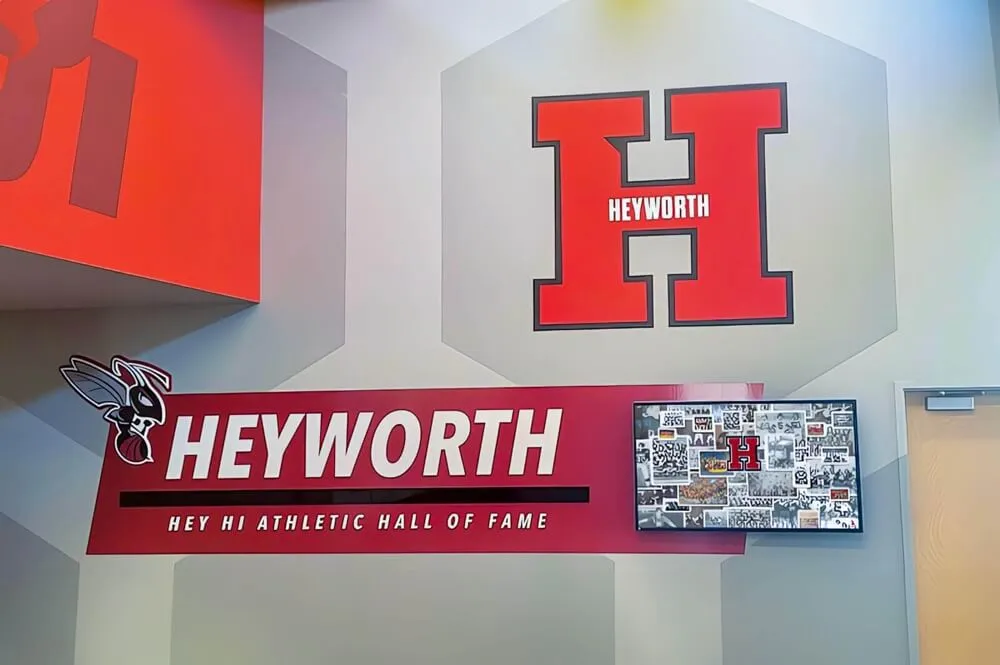
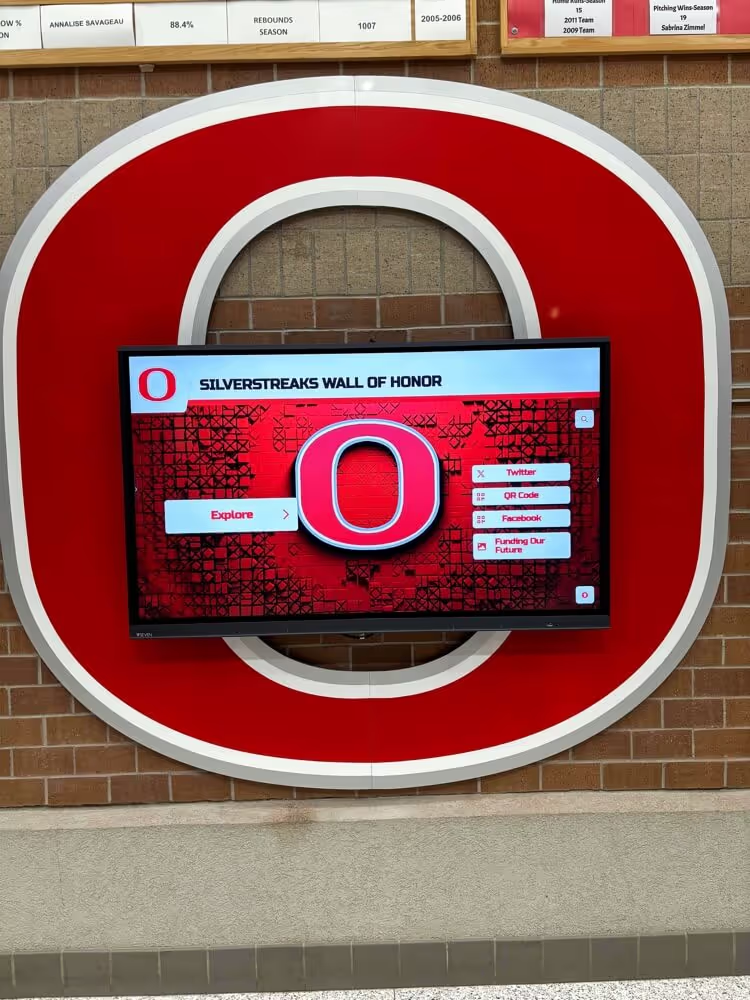
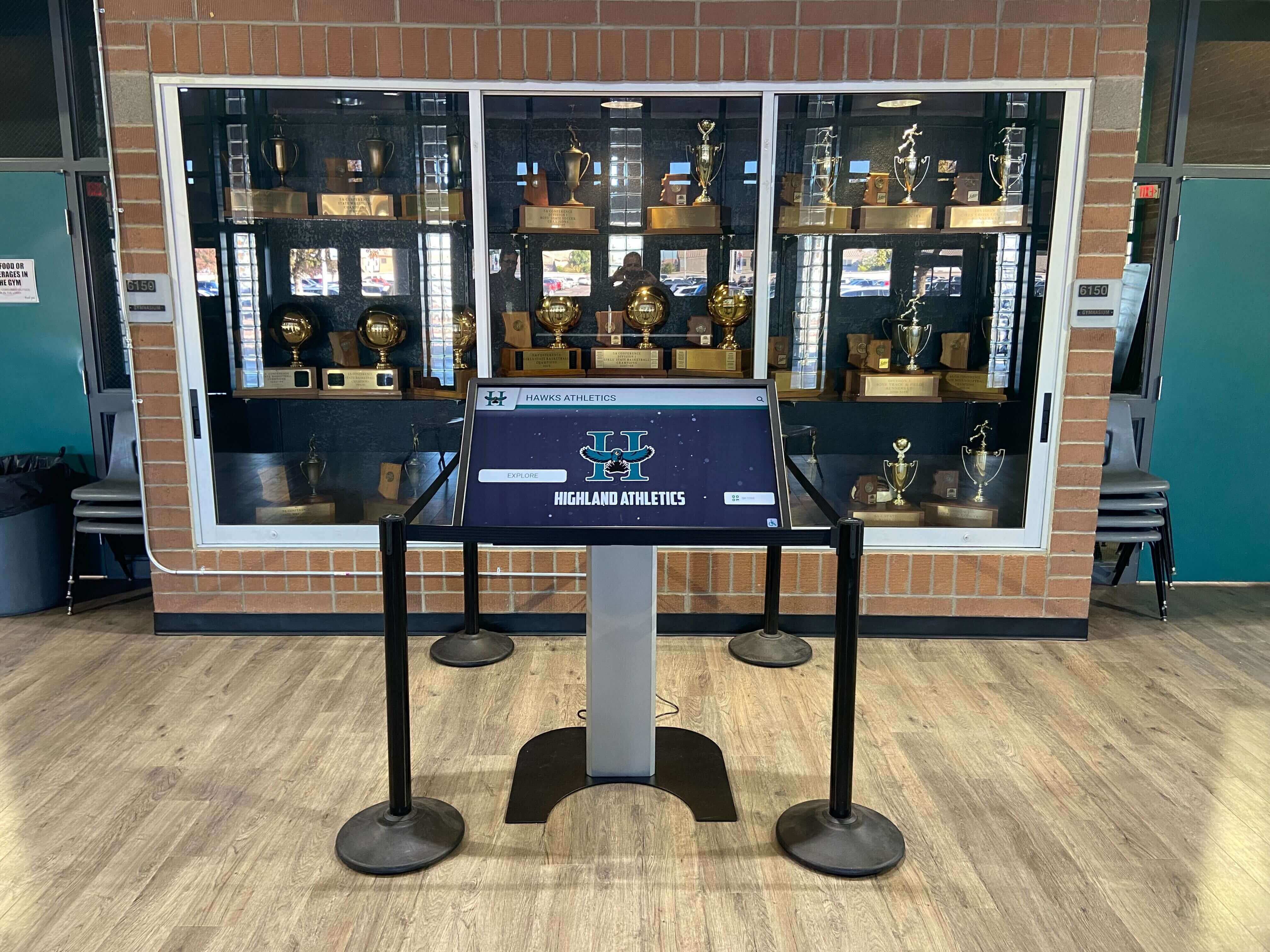
Comprehensive athletic spaces integrate traditional trophy displays with modern branding creating destinations celebrating program history
Compliance and Eligibility Management
Ensuring student-athletes meet eligibility requirements while maintaining compliance with state associations, conferences, and governing bodies represents critical responsibility. These specialized tools systematize compliance processes.
17. Privit
Privit provides comprehensive compliance management for collegiate athletic programs, helping departments navigate complex NCAA regulations, conference rules, and institutional policies. The platform organizes compliance workflows, document management, and reporting requirements.
Key Features:
- NCAA compliance tracking and monitoring
- Rules education delivery and tracking
- Recruiting compliance management
- Financial aid compliance verification
- Playing and practice season tracking
- Amateurism certification monitoring
- Document management and retention
- Reporting for NCAA certifications
While Privit primarily serves collegiate programs, the compliance principles and systematic approaches provide models for high school programs developing their own compliance systems.
18. AthletiCare
AthletiCare focuses specifically on athletic training and sports medicine documentation, helping athletic trainers maintain required records, track injuries, document treatments, and ensure compliance with safety protocols and return-to-play requirements.
Key Features:
- Injury documentation and tracking
- Treatment plan management
- Return-to-play protocol compliance
- Physical examination records
- Emergency action plan documentation
- Concussion protocol tracking
- Medical clearance management
- Insurance and billing documentation
The increasing focus on student-athlete safety and concussion protocols makes comprehensive athletic training documentation essential, and AthletiCare provides specialized tools designed specifically for athletic training workflows.
19. Privit Eligibility
Building on Privit’s compliance platform, Privit Eligibility specifically addresses academic eligibility tracking, helping institutions monitor student-athlete academic progress, verify eligibility for competition, and maintain required academic support documentation.
Key Features:
- Academic progress tracking
- GPA calculation and monitoring
- Credit hour verification
- Eligibility certification workflows
- Alert systems for at-risk student-athletes
- Academic support program management
- Degree progress tracking
- Reporting for eligibility certification
Integration between eligibility systems and student information systems ensures athletic departments receive real-time academic information, enabling proactive intervention when student-athletes struggle academically.
Video and Performance Analysis
Modern athletic programs increasingly utilize video analysis for coaching improvement, athlete development, and recruiting documentation. These platforms provide specialized tools optimized for sports video workflows.
20. Hudl
Hudl has become the dominant platform for high school and collegiate sports video analysis, providing tools for recording games, sharing video with athletes, breaking down film for coaching, and creating highlight reels for recruiting.
Key Features:
- Game video capture and upload
- Video breakdown tools for coaching analysis
- Athlete highlight reel creation
- Video sharing with athletes and coaches
- Statistical integration with video clips
- Recruiting profile management
- Opponent scouting video exchange
- Mobile apps for video access
Hudl’s widespread adoption creates network effects—coaches can easily exchange game film with opponents for scouting preparation, and college recruiters know how to access athlete profiles, making it nearly standard platform in competitive high school athletics.
21. MaxOne
MaxOne provides comprehensive athletic management with particularly strong video and performance analysis capabilities. The platform combines scheduling, roster management, and communication with video tools optimized for coaching and athlete development.
Key Features:
- Video capture and storage
- Performance analysis tools
- Athlete development tracking
- Schedule and roster management
- Communication platforms
- Recruiting profile management
- Team and individual statistics
- Mobile access for coaches and athletes
MaxOne differentiates through integration of video with other athletic management functions, reducing the number of separate platforms coaches need to learn and manage.
22. Krossover (Hudl Assist)
Krossover, now integrated as Hudl Assist, provides automated video breakdown and statistical analysis, using technology to code game video and generate statistics without manual tagging, dramatically reducing time coaches spend breaking down film.
Key Features:
- Automated video breakdown and coding
- Statistical analysis from video
- Opponent scouting reports
- Trend analysis across games
- Integration with Hudl platform
- Advanced analytics and insights
- Customizable report generation
- Historical data comparison
For coaches drowning in film study responsibilities, automated breakdown represents transformational time savings, allowing focus on strategic analysis and teaching rather than manual video tagging.
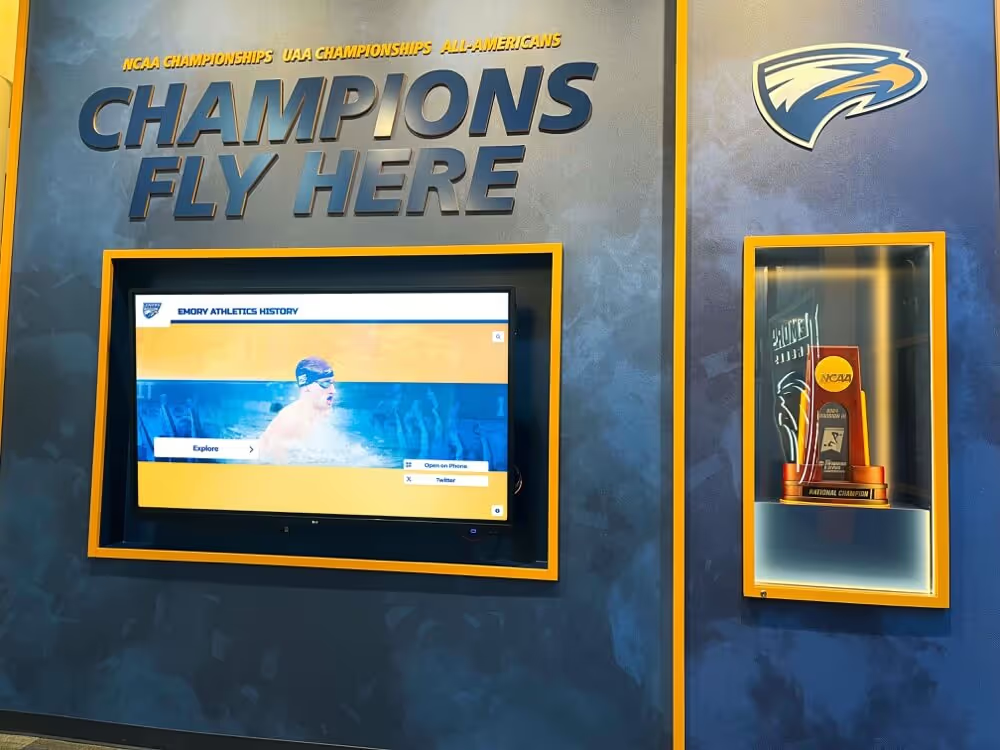
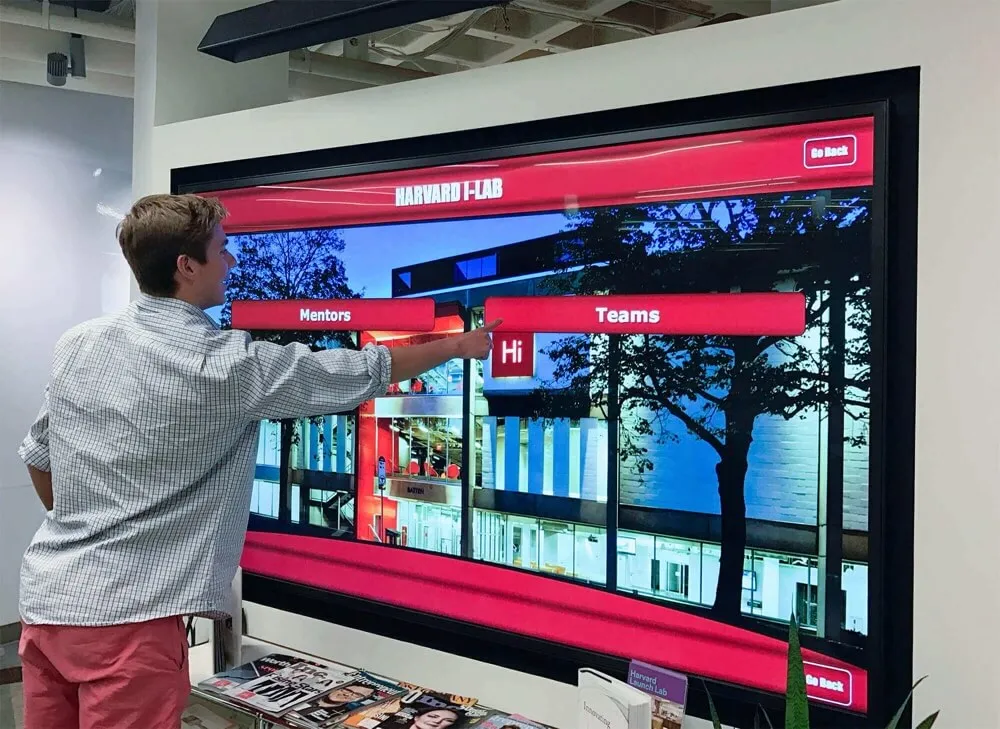
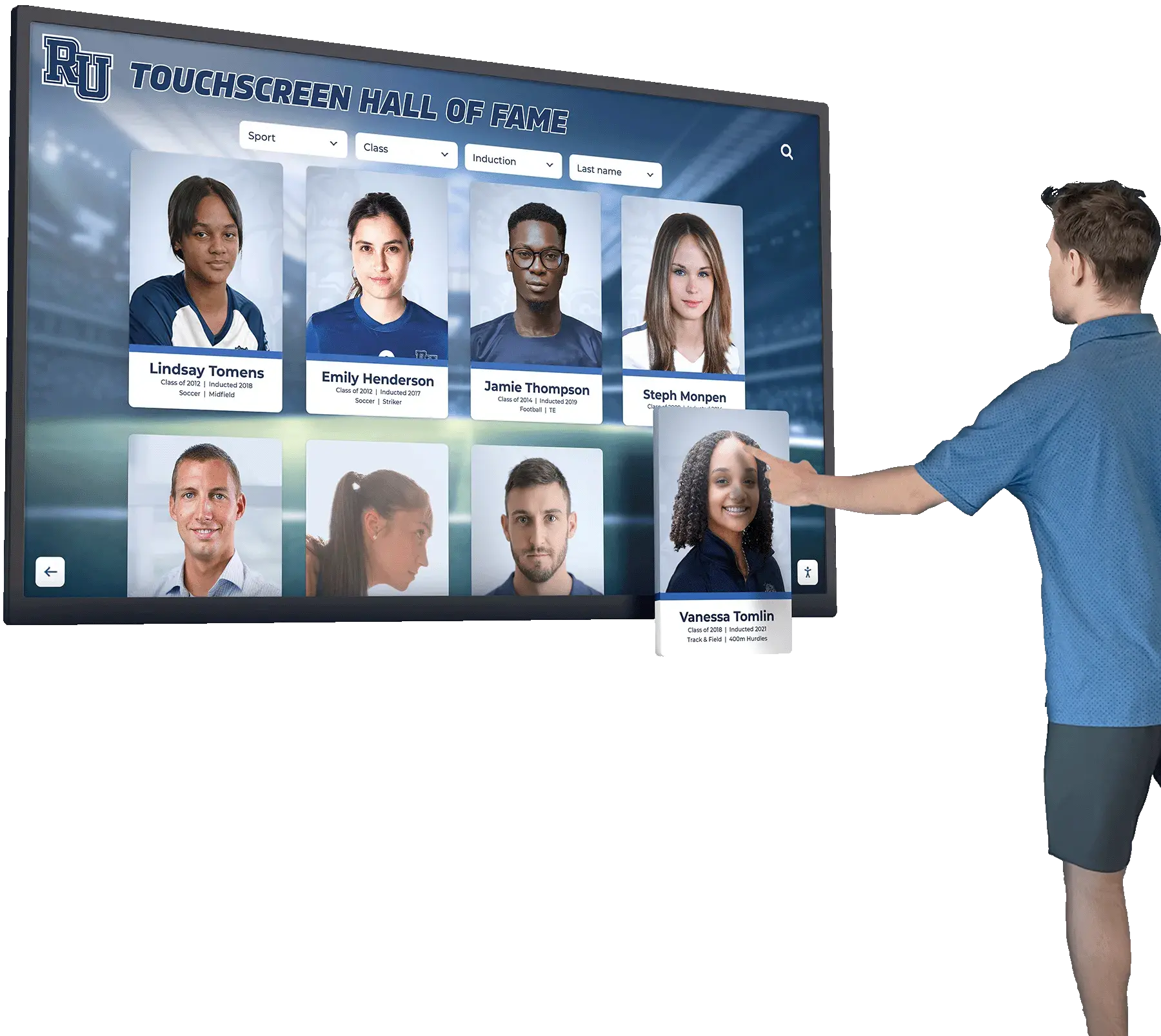
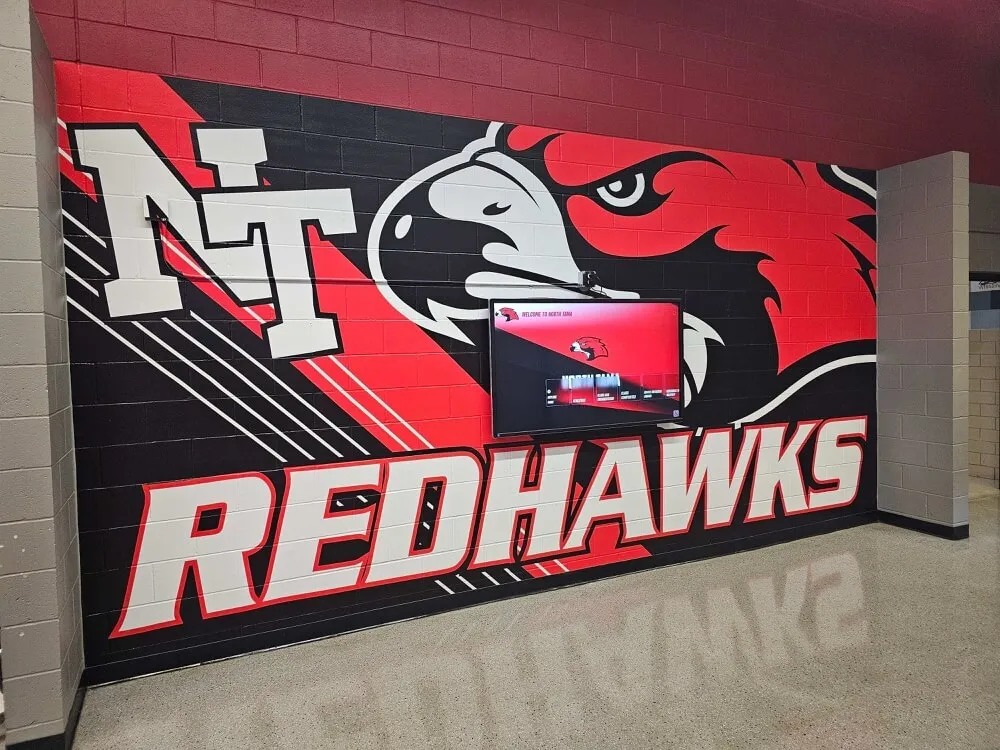
Modern trophy cases integrate interactive touchscreen displays with traditional awards, providing unlimited recognition capacity
Fundraising and Development
Athletic programs increasingly rely on booster clubs, donors, and fundraising to supplement school budgets. These platforms provide tools designed specifically for athletic fundraising needs.
23. 99Pledges
99Pledges revolutionizes traditional fundraising by providing online platforms for pledge-based campaigns, allowing athletic programs to conduct fundraisers without selling products, collecting order forms, or handling cash.
Key Features:
- Online pledge campaign management
- Donor tracking and communication
- Automatic payment processing
- Team and individual fundraising tracking
- Social sharing for campaign promotion
- Mobile-friendly donation pages
- Real-time progress dashboards
- Minimal fees maximizing funds raised
Athletic programs report significantly higher participation and revenue with 99Pledges compared to traditional product sales fundraisers, while dramatically reducing administrative burden for coaches and volunteers.
24. Snap! Raise
Snap! Raise provides comprehensive fundraising platforms designed specifically for school athletic programs and booster clubs. The system combines online giving with participation tracking and donor management.
Key Features:
- Online fundraising campaign creation
- Email and social media integration
- Donor management and acknowledgment
- Team and athlete participation tracking
- Mobile app for campaign management
- Reporting and analytics on fundraising
- Compliance with school district policies
- Training and support for campaign success
Snap! Raise particularly focuses on customer support and training, helping programs maximize fundraising success through best practice guidance and ongoing coaching.
25. Pledge It
Pledge It provides flexible fundraising platforms supporting various campaign types from straightforward donation drives to performance-based fundraising where donors pledge amounts based on athletic achievements (points scored, miles run, etc.).
Key Features:
- Multiple fundraising campaign types
- Performance-based pledge options
- Online donation processing
- Social sharing and marketing tools
- Donor communication features
- Campaign analytics and reporting
- Team and individual tracking
- Integration with other platforms
The flexibility to create different campaign types makes Pledge It attractive for programs wanting to run multiple fundraising approaches throughout the year rather than single annual campaigns.
Statistics and Game Management
Comprehensive statistics management, live scoring, and game management tools enhance athletic program professionalism while providing data for historical records and recognition.
26. MaxPreps
MaxPreps has become the dominant platform for high school sports scores, statistics, and rankings. The platform provides tools for submitting game results, managing statistics, and maintaining comprehensive program records while offering public visibility through widespread website traffic.
Key Features:
- Game score and statistics submission
- Historical statistics database
- Team and athlete ranking systems
- Recruiting visibility for athletes
- Photo and video integration
- Schedule management and promotion
- Fan engagement features
- Mobile apps for scores and stats
Beyond internal statistics management, MaxPreps provides valuable recruiting visibility for student-athletes, as college coaches regularly use the platform to identify and evaluate prospects.
27. VarsityBound
VarsityBound combines statistics management with college recruiting tools, helping student-athletes document achievements while connecting with college coaches. The platform provides comprehensive athlete profiles linking academics, athletics, and recruiting.
Key Features:
- Athlete profile management
- Statistics and achievement documentation
- Academic transcript integration
- College coach communication tools
- Recruiting timeline management
- Scholarship tracking
- Video and highlight integration
- College search and comparison tools
VarsityBound works particularly well for athletic programs prioritizing college recruiting support, providing systematic platforms helping student-athletes navigate recruiting processes.
28. ScoreStream
ScoreStream provides mobile-first platforms for fan engagement, allowing coaches, athletes, and fans to share game scores and updates in real-time. The platform distributes scores to media outlets, websites, and apps, maximizing visibility for athletic programs.
Key Features:
- Real-time score reporting from games
- Photo and video sharing during events
- Distribution to local media outlets
- Mobile app for easy submission
- Fan engagement and comments
- Historical score archives
- Integration with school websites
- Social media distribution
ScoreStream reduces barriers to score reporting, enabling anyone at games to share results instantly rather than requiring athletic directors or designated staff to manually submit scores after events conclude.
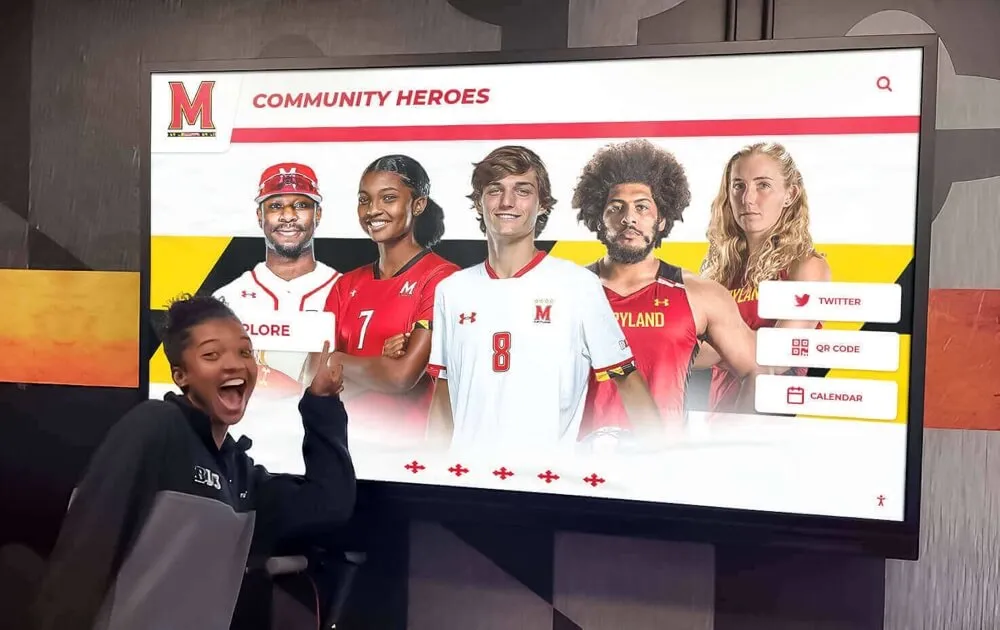
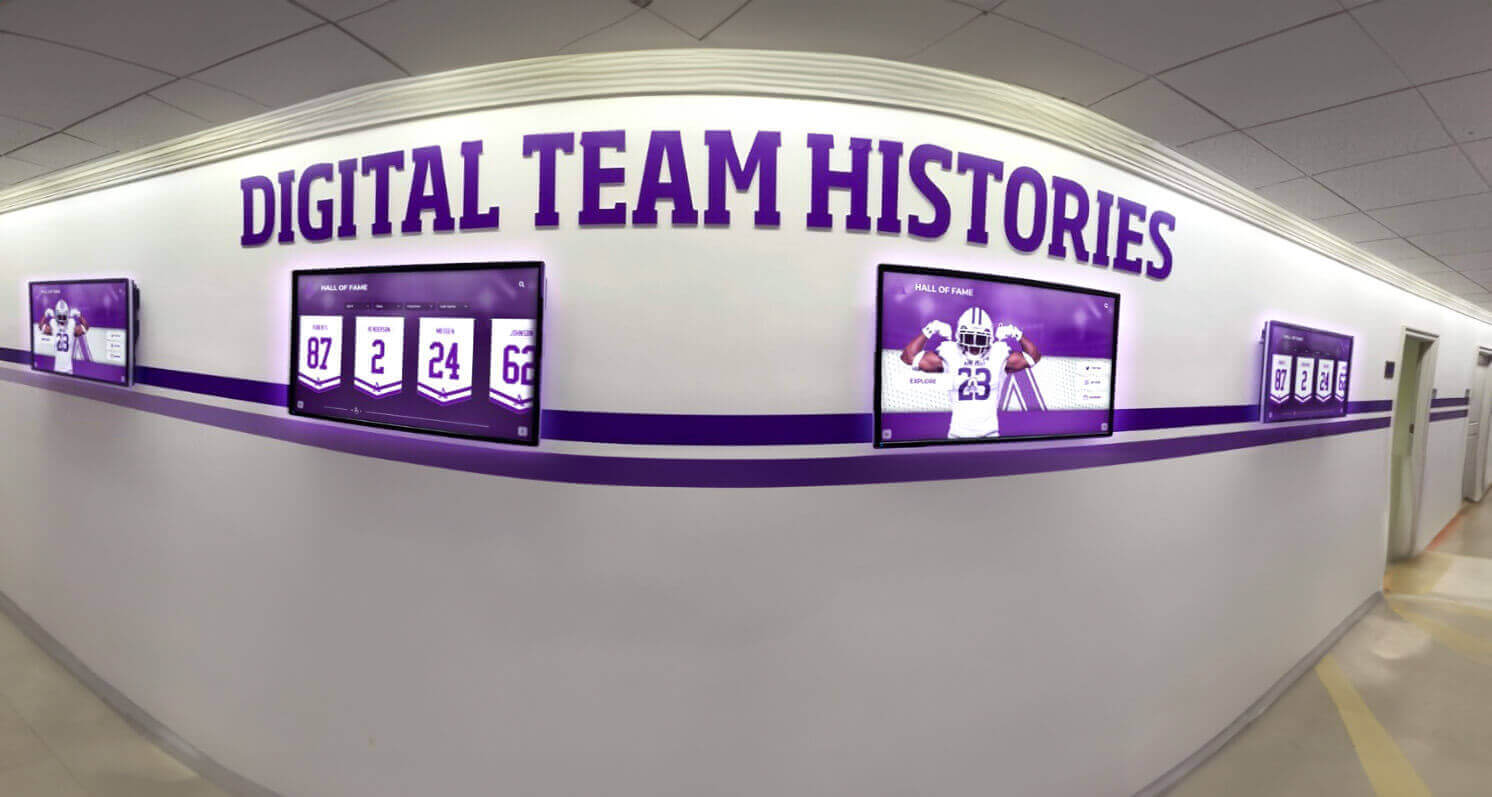
Professional athletic branding throughout facilities creates consistent identity while digital displays provide flexible content delivery
Digital Recognition and Historical Preservation
Celebrating achievements and preserving athletic program history strengthens culture, builds pride, and inspires current athletes. Modern digital recognition platforms eliminate traditional space constraints while creating engaging experiences.
29. Rocket Alumni Solutions
Rocket Alumni Solutions provides purpose-built platforms specifically designed for educational athletic recognition, offering comprehensive solutions that celebrate achievements through interactive touchscreen displays and web-accessible portals. The cloud-based system requires no technical expertise while providing unlimited capacity for honoring athletes, coaches, and championship teams.
Key Features:
- Interactive touchscreen displays for athletic facilities
- Unlimited digital recognition capacity
- Cloud-based content management requiring no technical expertise
- Pre-built templates for athletic recognition
- Comprehensive multimedia support (photos, videos, statistics)
- Mobile-responsive web portals extending recognition beyond campus
- Search and filter functionality enabling discovery
- Real-time content updates from anywhere
- Analytics revealing engagement patterns
- Professional design services and implementation support
Solutions like Rocket Alumni Solutions eliminate the fundamental limitation of traditional trophy cases and plaques—physical space constraints that force difficult decisions about which achievements to remove when recognition areas fill up. Digital platforms showcase unlimited athletes, coaches, and teams while providing rich multimedia content bringing accomplishments to life through photos, video highlights, complete statistics, and compelling narratives impossible with simple name plaques.
Athletic directors implementing digital recognition report dramatic time savings compared to maintaining traditional physical displays, typically seeing 85-90% reductions in recognition management time. Cloud-based systems enable updates from any internet-connected device within minutes rather than requiring physical facility access, plaque ordering, and installation coordination taking weeks.
Beyond operational efficiency, digital recognition creates qualitatively superior experiences. Interactive touchscreens engage visitors in active exploration rather than passive viewing—athletes search for their own profiles, compare statistics across eras, watch championship game highlights, and discover program history through intuitive interfaces. Web-based access extends recognition to alumni worldwide, enabling families to share achievements on social media and prospective students to research program tradition before visiting campus.
The placement of digital recognition displays in strategic locations creates immediate impressions of professional, modern athletic programs. Entrance lobbies featuring interactive touchscreens showcase institutional commitment to honoring achievement while providing engaging destinations where athletes, families, and visitors naturally gather to explore program excellence. Learn more about comprehensive recognition approaches in digital hall of fame touchscreen displays that integrate traditional trophy cases with interactive technology.
30. Memria
Memria provides digital heritage and storytelling platforms helping institutions preserve and present historical narratives. While not exclusively athletic-focused, the platform works well for comprehensive athletic program historical documentation extending beyond simple achievement listing.
Key Features:
- Digital archive creation and management
- Storytelling and narrative presentation
- Photo and document preservation
- Timeline visualization
- Multi-user content contribution
- Web-based public access
- Search and discovery tools
- Customizable design matching branding
Athletic programs with rich histories extending decades or over a century benefit from comprehensive historical documentation that Memria facilitates, preserving not just championship records but complete program evolution, facility development, coaching histories, and community connections.
Explore comprehensive approaches to athletic history preservation in best school history software demonstrating systematic documentation strategies that honor complete institutional athletic legacies.

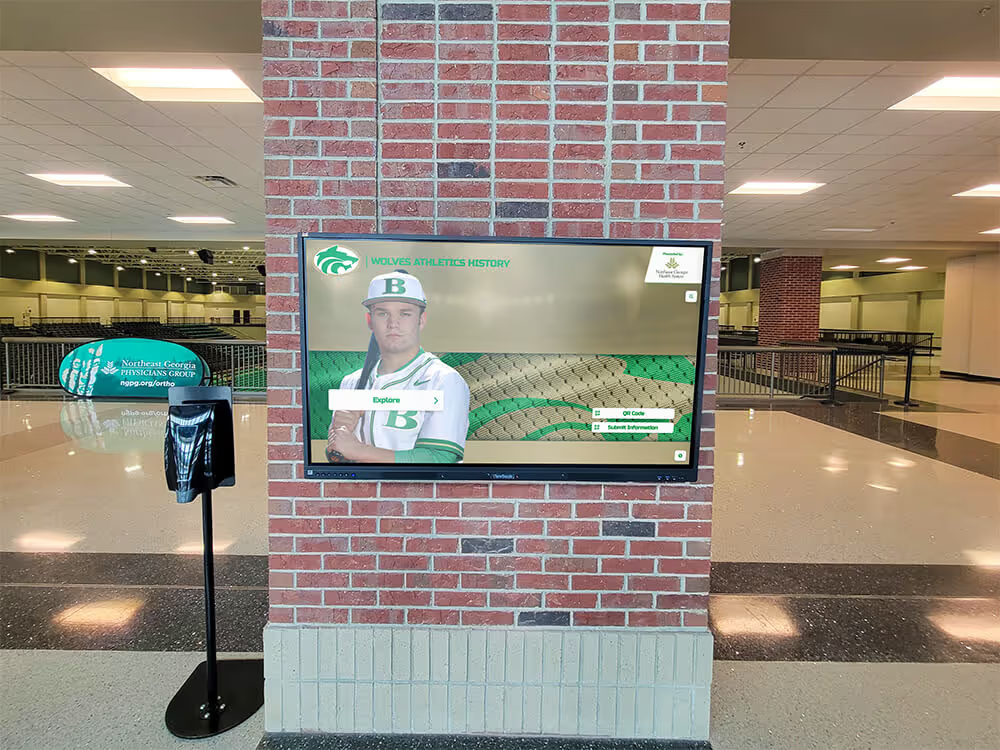
Interactive kiosks in high-traffic campus locations ensure maximum visibility for athletic recognition and program information
Building Your Athletic Administration Technology Stack
With 30+ software options across numerous functional categories, athletic administrators must thoughtfully construct technology stacks addressing specific needs without creating unwieldy complexity or budget overruns.
Assessing Your Current State
Before evaluating software, conduct honest assessment of current operational pain points:
Identify Highest-Priority Challenges
- Which administrative tasks consume most time currently?
- Where do communication breakdowns most frequently occur?
- What compliance areas create greatest risk or stress?
- Which processes most frustrate coaches, athletes, or families?
- Where does lack of data prevent informed decision-making?
Evaluate Existing Systems
- What software does your athletic department currently use?
- Which systems work well and should be retained?
- What functionality gaps exist in current tools?
- Where does lack of integration create duplicate work?
- What technical debt or legacy systems need replacement?
Understand Resource Constraints
- What budget exists for athletic administration software?
- What technical expertise exists within athletic department?
- How much training time can staff realistically complete?
- What change management capacity exists for implementation?
- What vendor support will be necessary for success?
This assessment prevents common mistakes like purchasing comprehensive platforms offering extensive functionality you’ll never use, or selecting systems requiring technical expertise your staff doesn’t possess.
Prioritizing Software Categories
No athletic department implements all 30 software categories simultaneously. Prioritize based on pain severity, compliance risk, and resource availability:
Phase 1: Critical Infrastructure (Year 1)
- Comprehensive athletic management platform OR best-in-class scheduling system
- Compliance and eligibility tracking (if not included in management platform)
- Basic communication tools ensuring stakeholder information access
- Payment processing eliminating cash handling and manual collection
Phase 2: Operational Enhancement (Year 2)
- Video analysis tools for coaching development
- Advanced scheduling and facility management
- Comprehensive statistics and game management
- Enhanced communication and engagement platforms
Phase 3: Strategic Capabilities (Year 3+)
- Digital recognition and historical preservation
- Advanced fundraising platforms
- Analytics and business intelligence tools
- Integrations connecting disparate systems
Staged implementation prevents overwhelming staff with simultaneous technology changes while enabling learning and adjustment before adding additional complexity.
Integration Considerations
Technology stack effectiveness depends heavily on how well different systems communicate:
Evaluate Integration Capabilities
- Does the platform offer APIs enabling data exchange with other systems?
- What pre-built integrations exist with commonly-used tools?
- How difficult is implementation of custom integrations?
- What data flows between systems automatically versus requiring manual transfer?
- How do authentication systems interact across platforms?
Prioritize Single Sign-On
- Can users access multiple systems with one login?
- What identity management systems integrate with platforms?
- How are passwords and security managed across systems?
- What user experience friction exists in system transitions?
Poor integration forces duplicate data entry, creates consistency problems when information differs across systems, frustrates users managing multiple logins, and undermines the efficiency software should provide. When evaluating platforms, integration capabilities often matter more than feature checklists.
Learn about comprehensive technology implementation in athletic digital recognition systems demonstrating integrated approaches across multiple functional areas.
Strategic placement of multiple displays throughout athletic facilities ensures comprehensive program coverage and maximum stakeholder engagement
Implementation Best Practices
Technology investments fail when implementation is handled poorly, regardless of how capable the software might be. These best practices increase likelihood of successful adoption:
Secure Stakeholder Buy-In
Technology succeeds only when people actually use it. Build support before implementation:
Involve Key Users in Selection
- Include coaches in evaluating coaching-focused tools
- Have office staff trial systems they’ll use daily
- Let athletes test mobile apps and interfaces
- Gather parent feedback on communication tools
- Consult officials about scheduling systems
Address Resistance Proactively
- Acknowledge that change creates disruption and learning curves
- Communicate clear benefits relevant to each stakeholder group
- Provide adequate training and support during transitions
- Create feedback mechanisms for identifying problems early
- Celebrate quick wins demonstrating value
Plan Adequate Training
Even intuitive software requires training for optimal utilization:
Develop Training Programs
- Create role-specific training for different user groups
- Provide both initial training and ongoing refreshers
- Develop documentation and quick-reference guides
- Identify power users who can support colleagues
- Schedule training during appropriate seasons when staff availability highest
Expect Learning Curves
- Allow extra time for processes during initial implementation
- Build redundancy so system problems don’t create crises
- Maintain some legacy processes temporarily during transitions
- Provide extra support during first season using new systems
- Gather feedback regularly to identify training gaps
Monitor and Optimize
Implementation isn’t finished after go-live:
Track Key Metrics
- User adoption rates across stakeholder groups
- Time savings in administrative processes
- Reduction in errors or compliance issues
- Stakeholder satisfaction with new systems
- Feature utilization revealing unused capabilities
Continuous Improvement
- Regular check-ins with users about experiences
- Systematic process optimization based on learnings
- Taking advantage of new platform features as released
- Addressing integration gaps as they emerge
- Sharing best practices across departments
Technology should continuously improve operations rather than becoming static fixtures requiring replacement every few years. Platforms offering regular updates and enhancements provide better long-term value than systems remaining unchanged after purchase.
Measuring Return on Investment
Athletic administration software requires investment—justifying costs necessitates demonstrating concrete returns:
Quantifiable Benefits
Time Savings Most athletic directors report saving 10-20 hours per week after implementing comprehensive athletic management platforms, eliminating duplicate data entry, automating routine communications, streamlining compliance processes, and reducing scheduling conflicts requiring resolution.
Calculate time savings based on your hourly compensation and hours saved annually. A director saving 15 hours per week over 40 weeks per year saves 600 hours annually. At $50/hour equivalent compensation, that represents $30,000 annual value.
Reduced Compliance Risk Systematic eligibility tracking prevents ineligible athlete participation, avoiding forfeitures, penalties, and reputational harm. Physical examination management ensures proper medical clearances. Concussion protocol documentation protects students while limiting liability.
While difficult to quantify precisely, compliance failures create costs far exceeding software investments through sanctions, legal expenses, and damaged reputation.
Increased Revenue Digital ticketing typically increases ticket revenue 15-30% by reducing friction in purchasing, enabling advance sales, and providing data for targeted marketing. Online fundraising platforms typically raise 2-3x more than traditional product sales. Facility scheduling software maximizes rental income by preventing under-utilization.
Track revenue increases directly attributable to new platforms, demonstrating concrete financial returns beyond operational efficiency.
Qualitative Benefits
Not all software value appears in spreadsheets:
Improved Stakeholder Satisfaction Coaches appreciate tools reducing administrative burden and enabling focus on actual coaching. Parents value clear communication and easy access to information. Athletes benefit from better coaching, enhanced safety protocols, and recognition of achievements.
Regular satisfaction surveys before and after implementation demonstrate improvements in stakeholder experience.
Enhanced Program Quality Video analysis improves coaching effectiveness, helping teams win more games. Better data enables evidence-based decision-making about resource allocation. Digital recognition strengthens culture, increasing athlete retention and program participation.
These qualitative improvements contribute to athletic program excellence in ways transcending simple financial ROI calculations.
Reduced Stress Athletic administration creates tremendous stress—managing compliance, coordinating schedules, communicating with stakeholders, and ensuring safety while wearing multiple hats. Effective software dramatically reduces this stress through automation, systematization, and clear processes.
While difficult to quantify monetarily, reduced stress translates to better job satisfaction, lower turnover, and higher-quality leadership attention focused on strategic rather than administrative concerns.
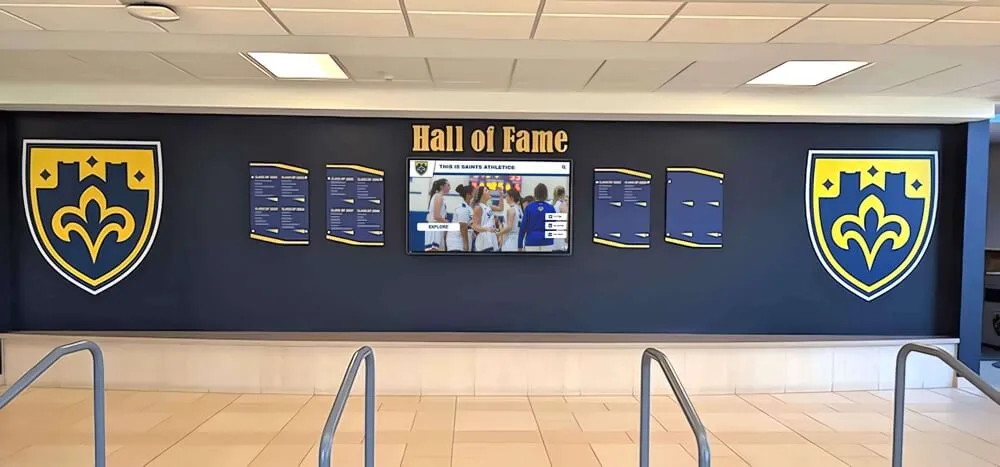
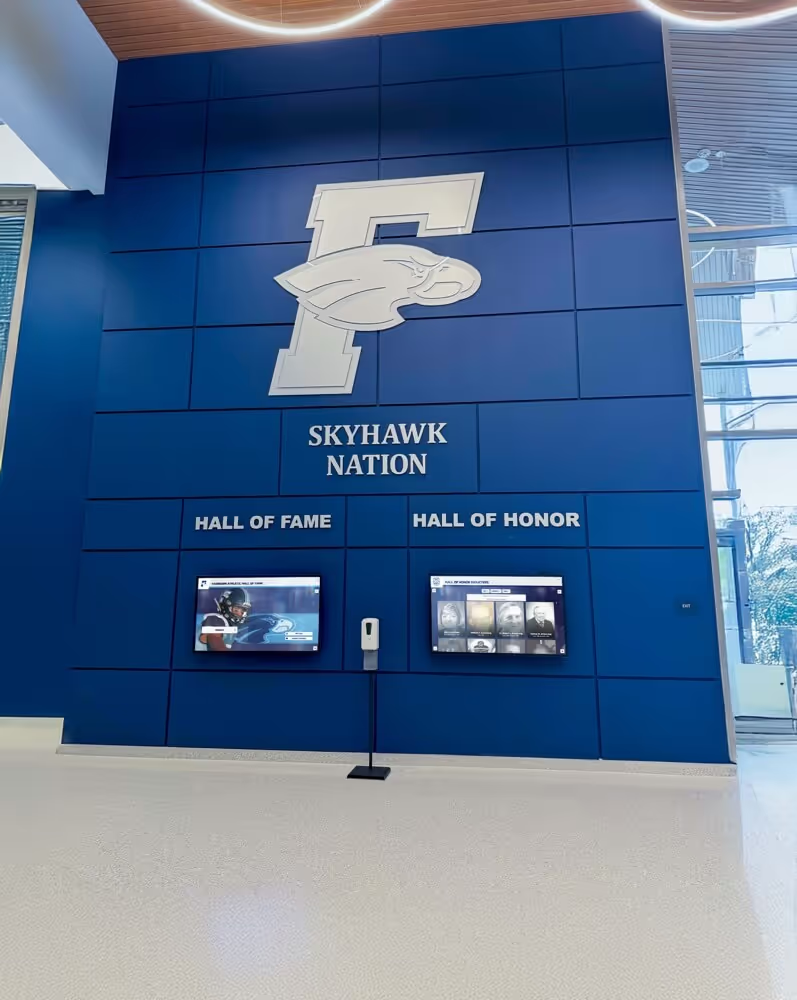
Integrated recognition spaces combine traditional elements like shields with modern digital displays creating comprehensive celebration environments
Future Trends in Athletic Administration Software
Understanding emerging trends helps athletic administrators plan investments remaining relevant longer and position programs for future capabilities:
Artificial Intelligence Integration
AI increasingly augments athletic administration functions:
Automated Administrative Tasks
- Intelligent scheduling optimizing facility utilization and minimizing travel
- Predictive compliance monitoring flagging potential issues before they become problems
- Automated communication personalizing messages based on recipient preferences
- Natural language query interfaces simplifying data access
Enhanced Analytics
- Pattern recognition identifying trends in injury rates or athletic performance
- Predictive models forecasting recruiting needs and budget requirements
- Anomaly detection highlighting unusual data requiring investigation
- Automated report generation customizing insights for different audiences
Mobile-First Platforms
Athletic administration increasingly occurs away from desks:
Mobile Optimization
- Native mobile apps providing full functionality on smartphones and tablets
- Offline capabilities enabling work without internet connectivity
- Location-based features triggering contextual information and tasks
- Voice interfaces for hands-free interaction during games and practices
Stakeholder Expectations Parents, athletes, and coaches expect mobile access to information and services, making mobile optimization essential rather than optional for stakeholder satisfaction.
Enhanced Integration and APIs
Platforms increasingly connect rather than existing in isolation:
Data Ecosystems
- Bidirectional data flow between athletic and academic systems
- Automated synchronization eliminating duplicate entry
- Unified authentication across multiple platforms
- Consolidated dashboards presenting information from multiple sources
Open APIs Vendors providing robust APIs and integration frameworks enable athletic departments to build customized technology stacks addressing specific needs rather than accepting one-size-fits-all limitations.
Advanced Analytics and Business Intelligence
Data-driven decision-making separates leading athletic programs from those operating on intuition:
Comprehensive Dashboards
- Real-time visibility into program performance across multiple dimensions
- Historical trend analysis identifying patterns and changes
- Comparative benchmarking against peer programs
- Predictive modeling for strategic planning
Evidence-Based Resource Allocation Data demonstrating which programs need additional investment, which facilities require maintenance or expansion, what scheduling changes optimize utilization, and how different initiatives impact key outcomes enables athletic directors to advocate effectively for resources while demonstrating accountability.
Conclusion: Building Modern Athletic Administration Infrastructure
Athletic administration in 2025 demands comprehensive technology infrastructure enabling compliance with complex regulations, efficient coordination across numerous stakeholders, data-driven decision-making, and systematic celebration of achievements that strengthen athletic culture. The 30 software products explored in this guide—from comprehensive athletic management platforms to specialized tools for scheduling, communication, compliance, video analysis, fundraising, and digital recognition—provide capabilities transforming athletic administration from constant reactive crisis management into strategic program development.
No single athletic department needs all 30 categories simultaneously, and attempting to implement comprehensive technology stacks overnight creates overwhelming change that undermines success. Instead, start with honest assessment of highest-priority pain points and most critical needs, then systematically build technology infrastructure addressing specific challenges while creating integration enabling data flow across systems.
Transform Your Athletic Administration Through Modern Technology
Discover how comprehensive software solutions can help you streamline operations, ensure compliance, enhance communication, and celebrate achievements with digital recognition displays that honor your complete athletic legacy.
Explore Athletic Administration SolutionsWhen selecting software, prioritize platforms understanding educational athletic administration unique requirements—compliance with student privacy regulations, integration with academic systems for eligibility tracking, accessibility needs serving all stakeholders, and pricing models reflecting educational budget realities. Purpose-built solutions like Rocket Alumni Solutions for digital recognition or DragonFly for comprehensive management typically serve educational institutions better than generic platforms adapted from corporate contexts.
The Sports Management Software Market’s projected growth from $10.20 billion in 2025 to $17.54 billion by 2030 reflects increasing recognition that comprehensive software delivers transformational operational improvements justifying investment. Athletic administrators implementing thoughtful technology strategies report dramatic time savings enabling focus on coaching development and student-athlete support rather than paperwork, significantly reduced compliance risk through systematic processes, improved stakeholder satisfaction from better communication and access, enhanced program quality through data-driven decision-making, and strengthened athletic culture through comprehensive digital recognition.
Your athletic program deserves administration infrastructure supporting excellence rather than constraining it through outdated processes and disconnected tools. With careful planning, appropriate software selection, thorough implementation, and commitment to ongoing optimization, you can build technology ecosystems that transform athletic administration while supporting the educational and competitive goals that strengthen student-athletes and communities.
Ready to modernize your athletic administration? Explore how Rocket Alumni Solutions can help you celebrate athletic achievement through comprehensive digital recognition that honors complete program legacies. Learn about interactive athletic displays or discover digital recognition for sports programs providing practical frameworks for systematic implementation supporting your specific needs and objectives.
Sources
- Sports Management Software Market Size & Forecast, 2025-2032
- BigTeams: Software Products for Athletic Administrators
- DragonFly Athletics | Leading Athletic Management Software Solution
- High School Sports and Activities Management Software | Bound
- Spry | All-In-One Intercollegiate Athletics Management Tool
- Top Sports Software Solutions for High School Athletics in 2024
- School Management Software for Sports and Activities
- 6 Best Scheduling Software for Sports Facilities in 2025